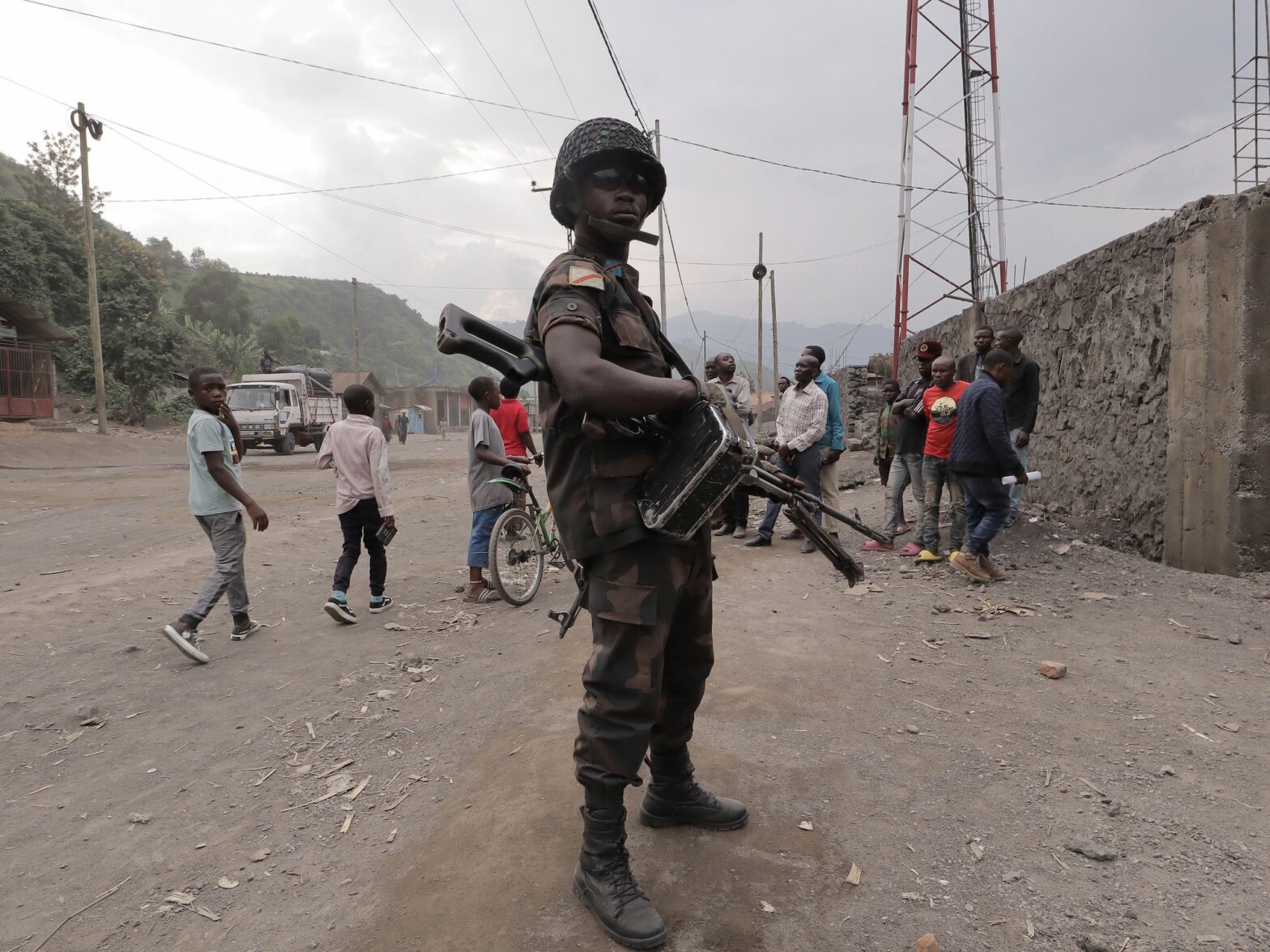
The war in the eastern Democratic Republic of Congo has been going on for decades, with ups and downs. An offensive by a Rwandan-backed armed group threatens to degenerate into a regional war. A forgotten war while the world looks away.
 Worldcrunch
France Inter is a major French public radio channel and part of Radio France. It is a “generalist” station, aiming to provide a wide national audience with a full service of news and spoken-word programming, both serious and entertaining, liberally punctuated with an eclectic mix of music.
The war in the eastern Democratic Republic of Congo has been going on for decades, with ups and downs. An offensive by a Rwandan-backed armed group threatens to degenerate into a regional war. A forgotten war while the world looks away.
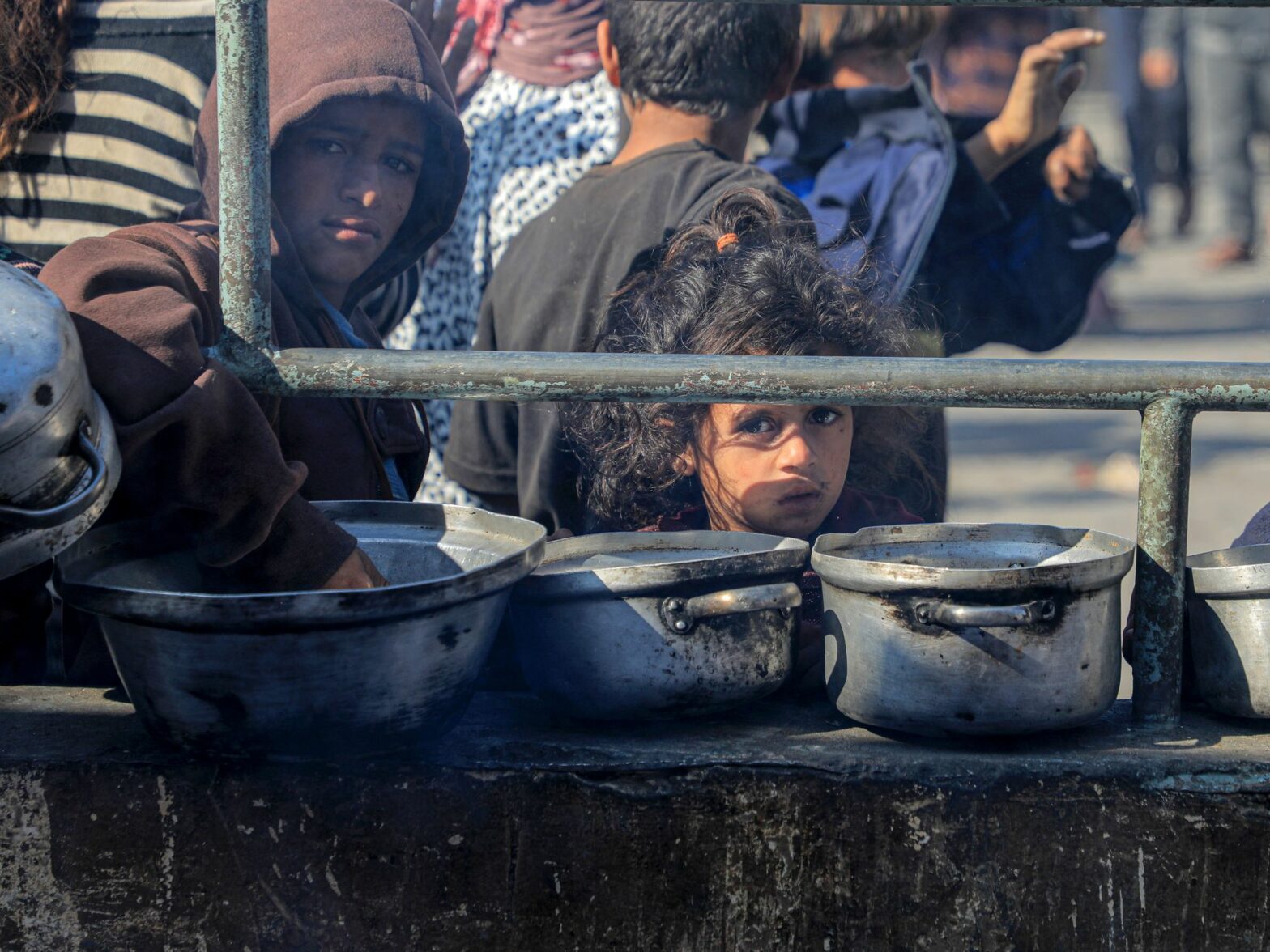
As the war in Gaza hits a critical juncture, the approaching Ramadan deadline adds urgency to international efforts, with Israel’s threat of an offensive on Rafah escalating tensions and raising the stakes for peace negotiations.
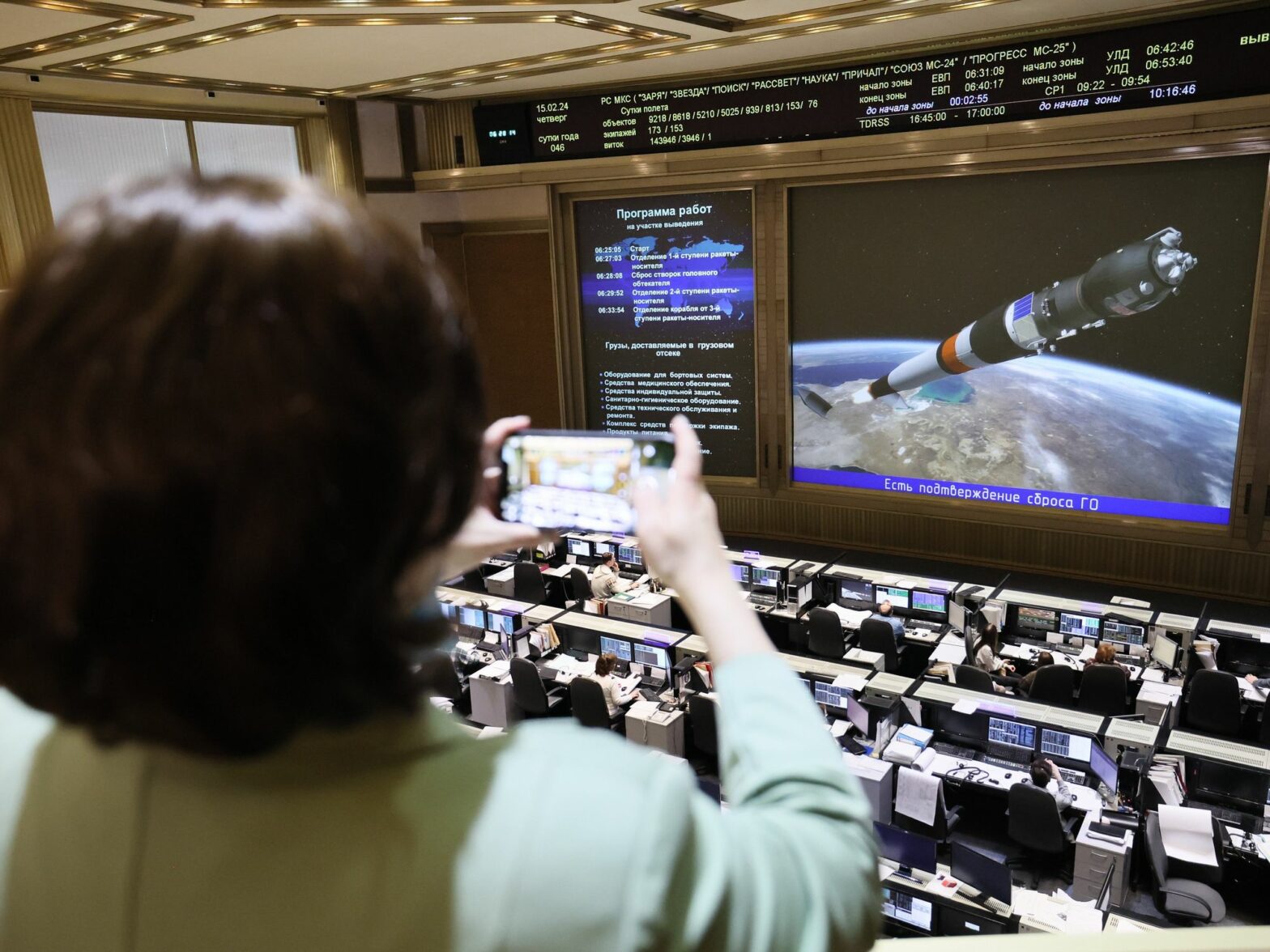
Space may be the true battleground of the future, which explains Washington’s growing concerns over Russia’s alleged plans for deploying anti-satellite weapons. Yet what if not even this can push Trump and his Republican allies to support Kyiv?
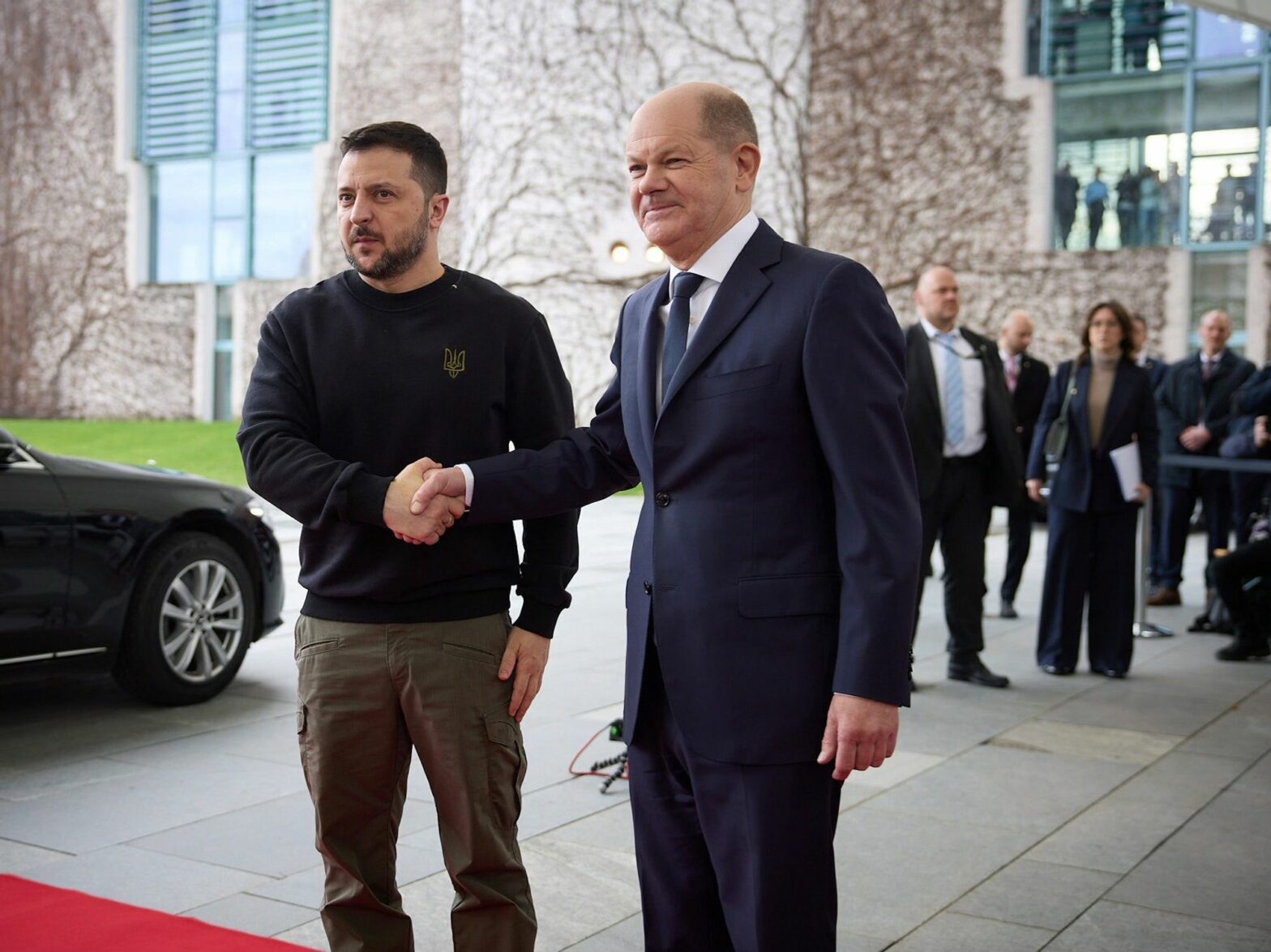
It’s what we call lighting a counter-fire. At a time when U.S. support for Ukraine is under threat, Europe is coming together. But can it fill the void that may be left by Washington?
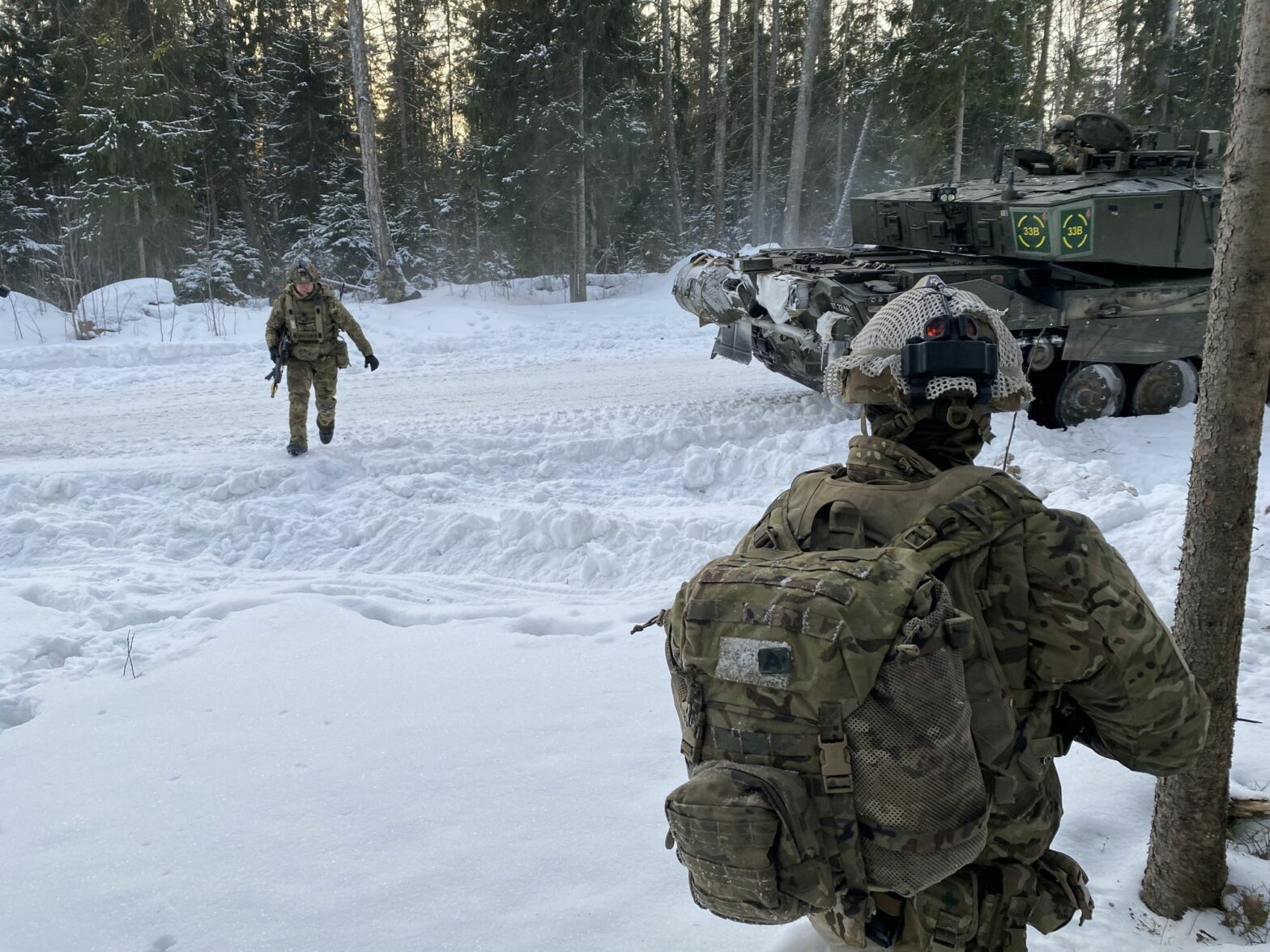
With Estonian Prime Minister Kaja Kallas suddenly appearing on Moscow’s wanted list, both the past and present offer plenty of evidence that the small Baltic nation — with 40% Russian speakers — could be the next neighbor after Ukraine in the Kremlin’s crosshairs.
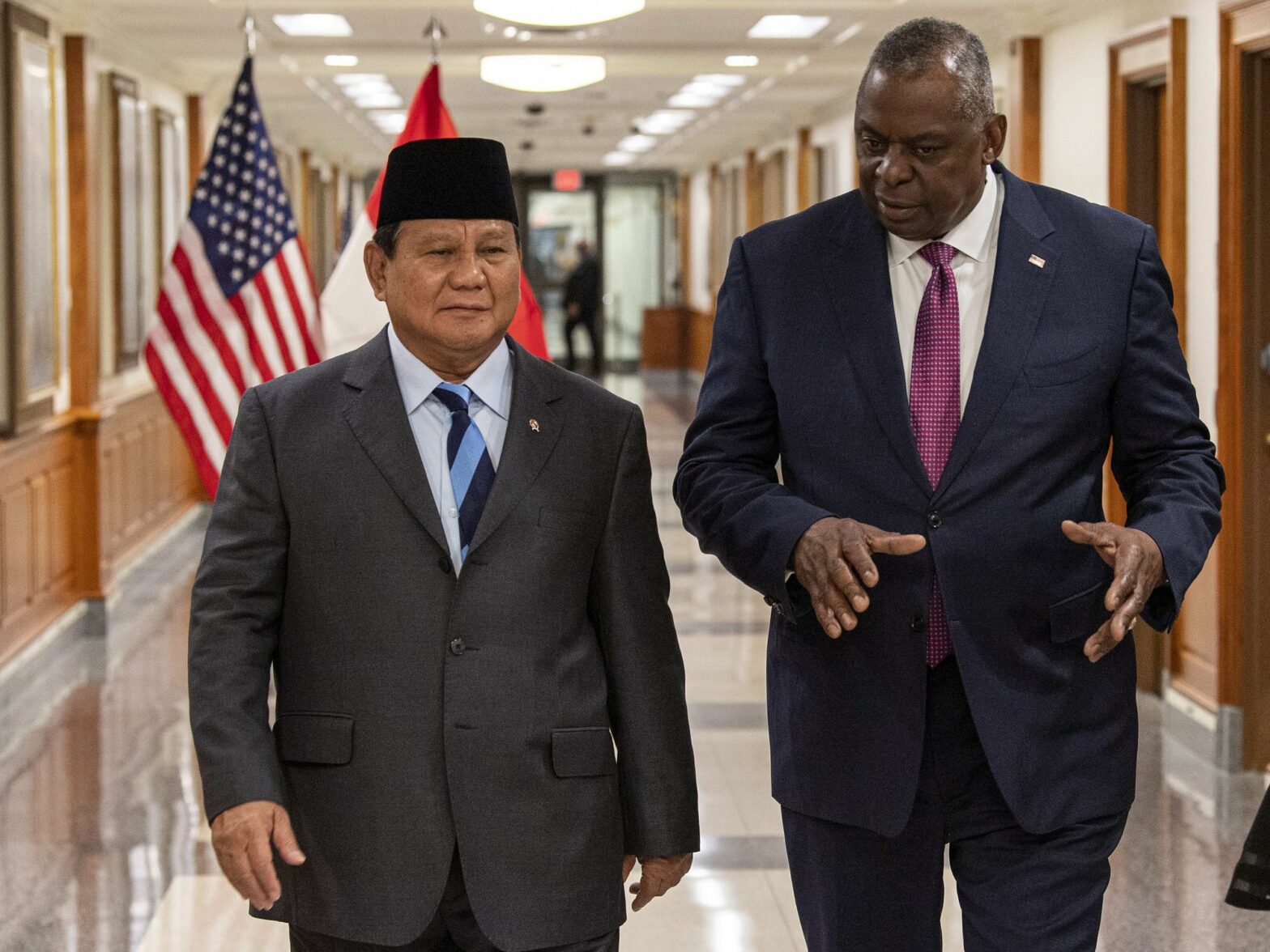
Defense Minister Prabowo Subianto is expected to win Indonesia’s presidential election, on Feb. 14. Yet concerns about democracy are on the rise, as the nation carefully balances ties with Beijing and Washington.
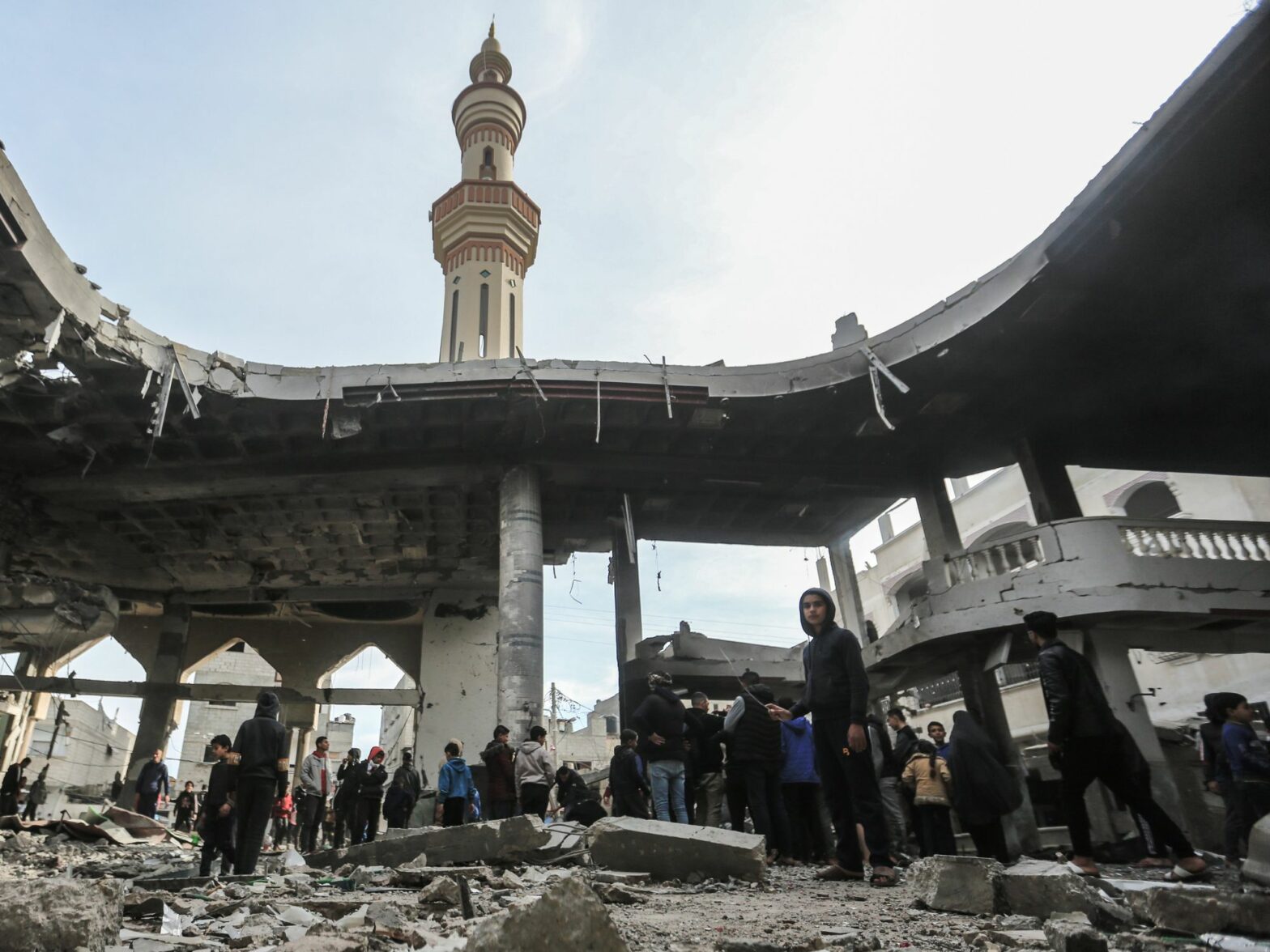
The West’s passive response to Israel’s actions in Gaza is increasingly difficult to maintain in front of the looming humanitarian crisis in Rafah. The lip service of “deep concern” doesn’t bother Netanyahu at all.
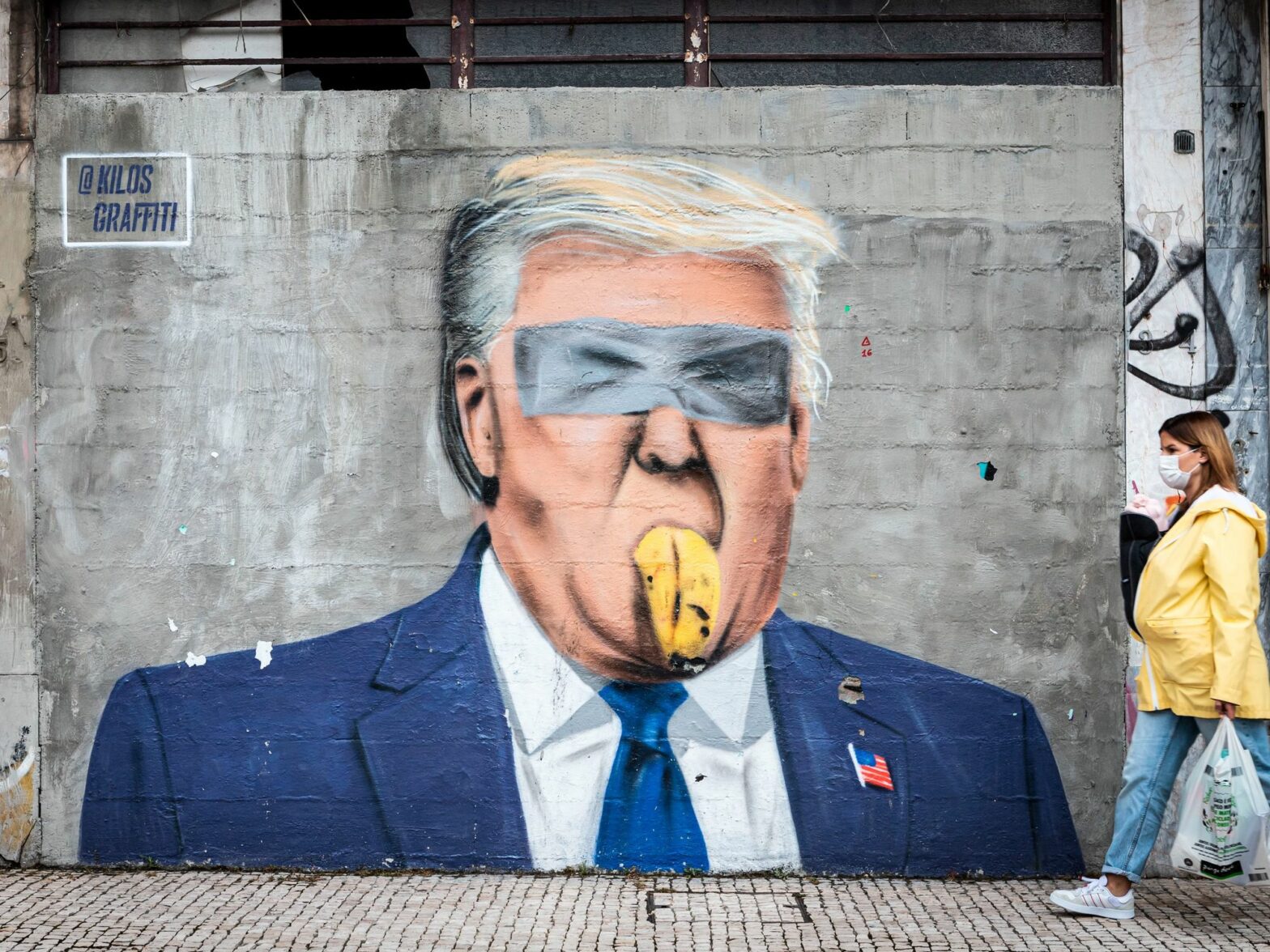
Donald Trump’s recent campaign remarks have escalated concerns in Europe as he questioned the credibility of NATO’s collective defense and went as far as encouraging Russia to act freely.
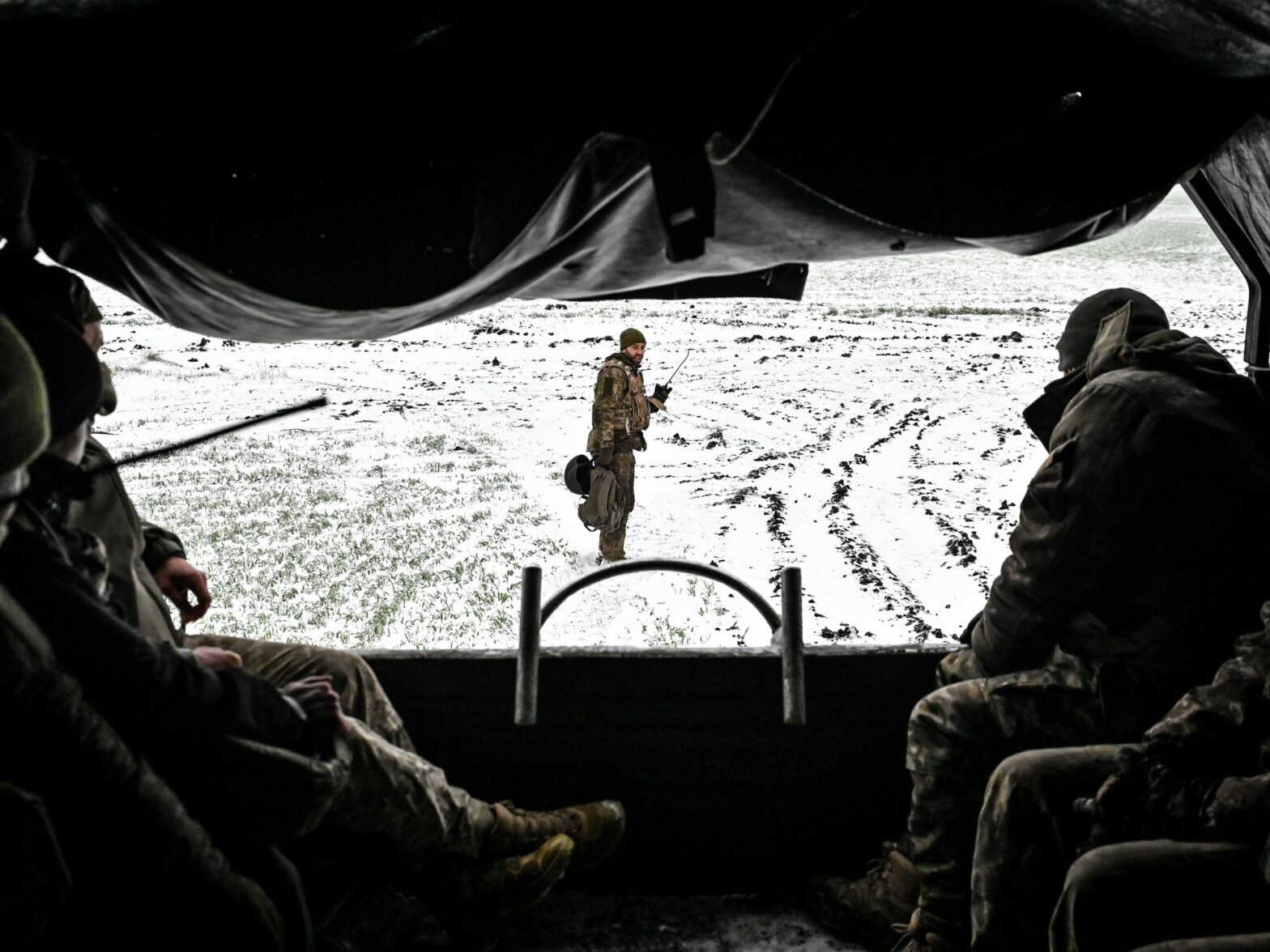
With the rejection of the aid plan for Ukraine, Eastern Europe fears that Trump’s isolationist policy will mark the end of U.S. protection from the Putin regime. News from Ukraine of President Volodymyr Zelensky replacing his head of armed forces, General Valerii Zaluzhnyi, together with the difficult situation on the battlefield, are generating a lot of tension in Ukraine — and in the wider Europe.
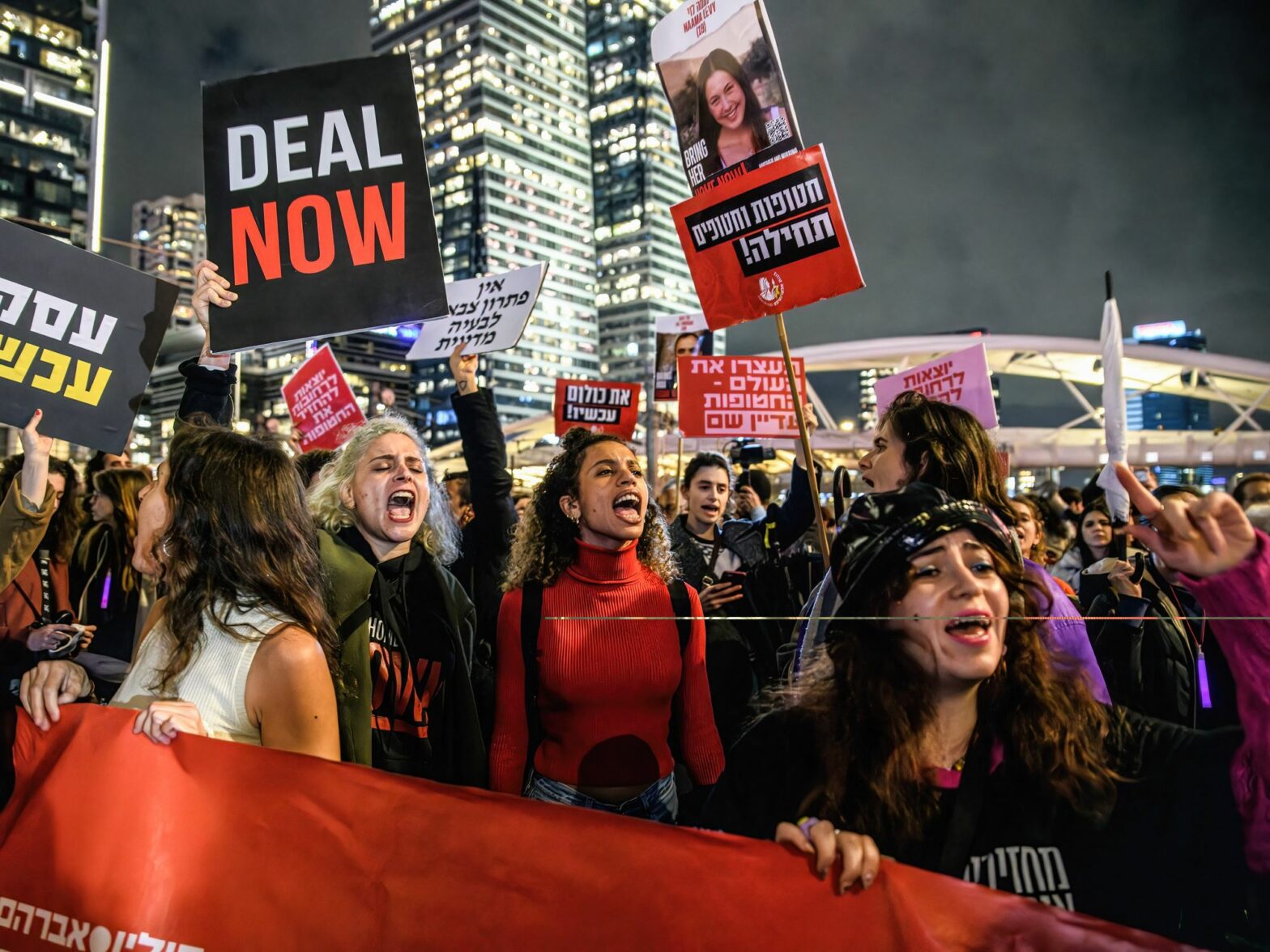
The gap between the positions of the two parties revealed itself to be too wide Wednesday, though talks are continuing in Cairo. When will Prime Minister Benjamin Netanyahu no longer be able to justify leaving the hostages in Gaza, and the damage of Israel losing its own allies?
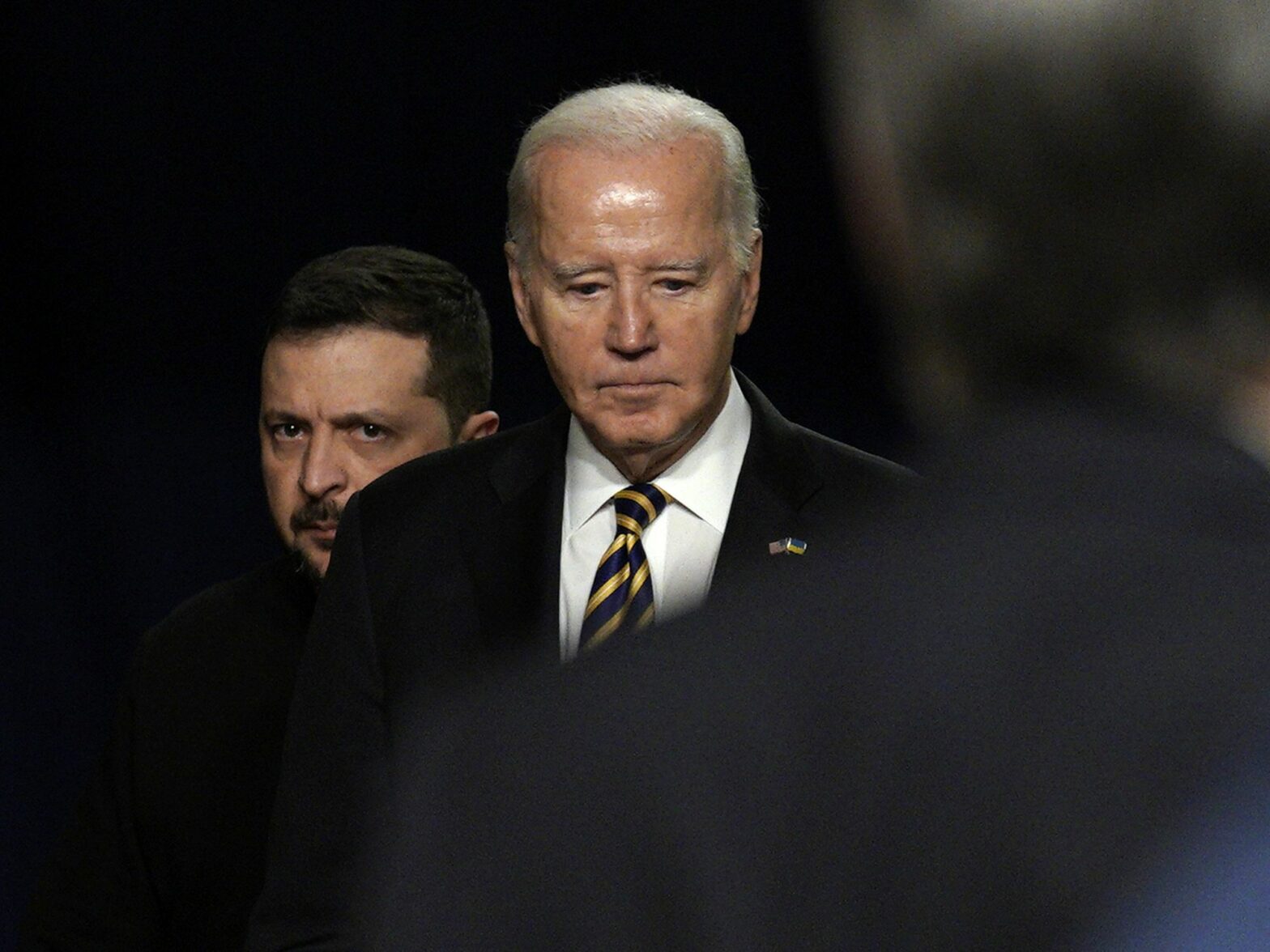
With U.S. elections slated for November, support to Ukraine is becoming a divisive electoral issue. Wednesday’s vote in the U.S. Senate over Ukraine aid will be telling, but it won’t end there.
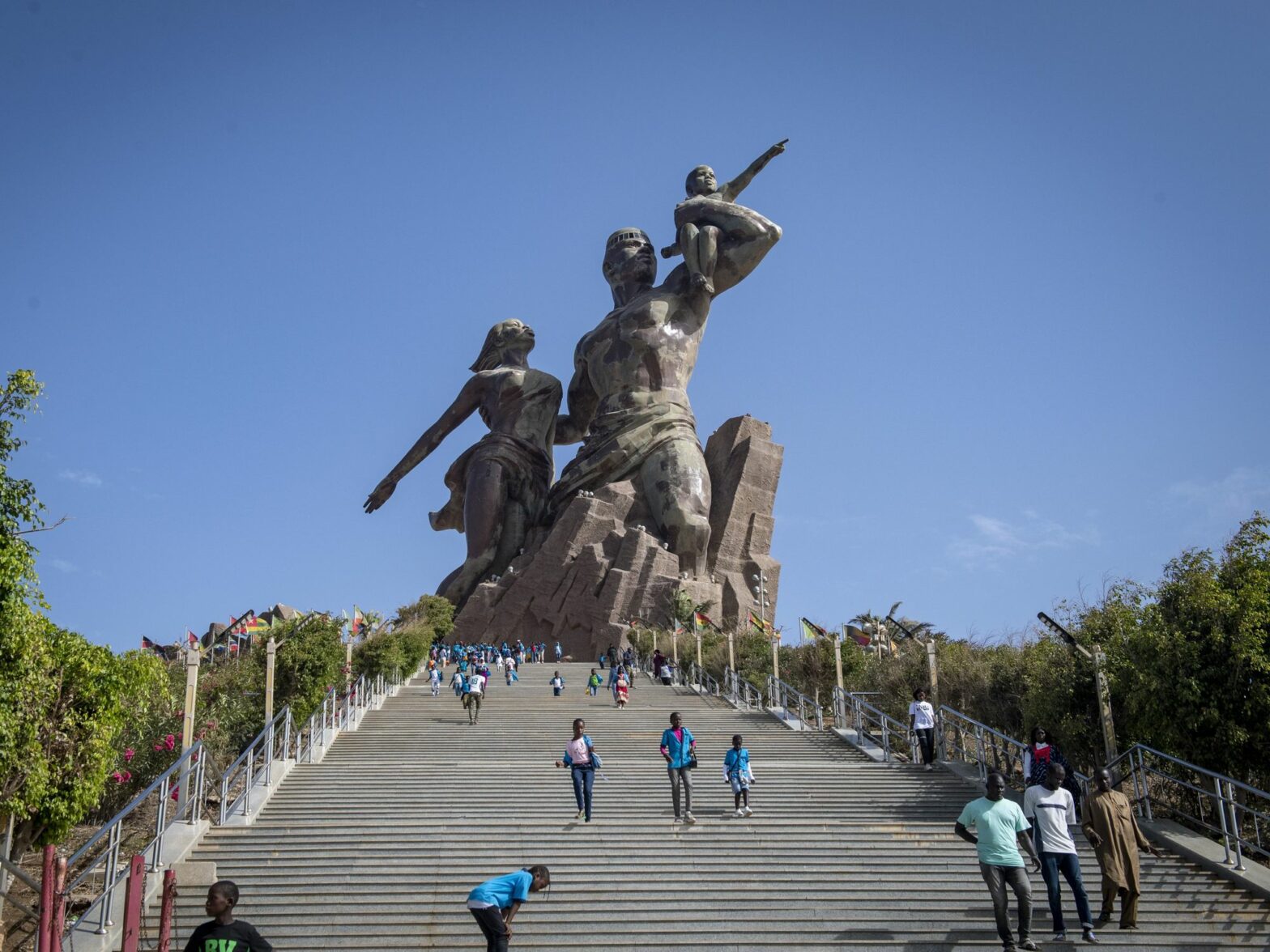
President Macky Sall’s decision to suspend the February 25 presidential election has plunged Senegal into chaos. It’s also grim news for those seeking institutional reform across Africa, where Dakar was long seen as a democratic model.
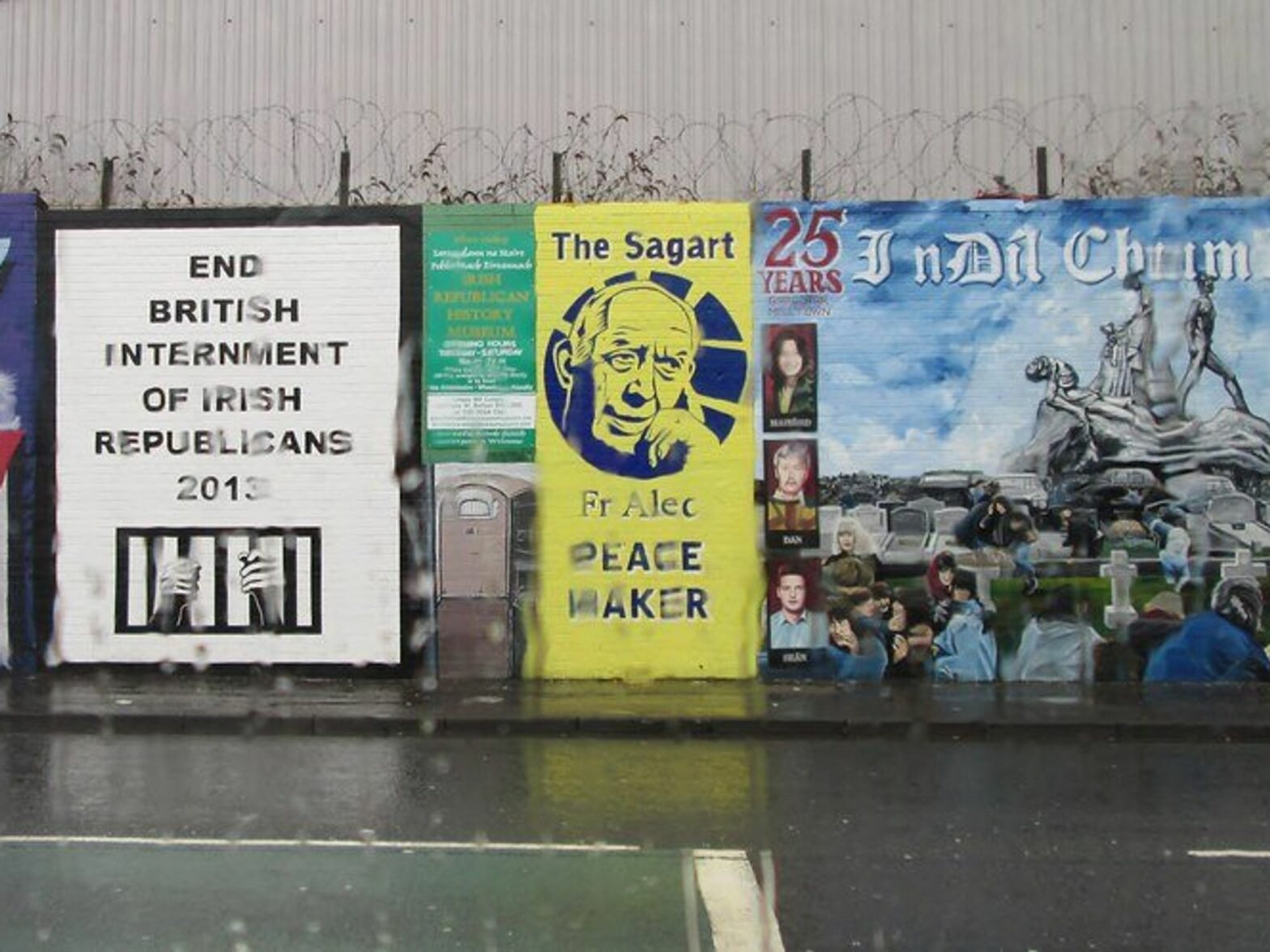
Conflicts over religion, identity and territory can last years, decades and longer.The current war in Gaza looks like the Israeli-Palestinian conflict will never be resolved. The arrival of Michelle O’Neill to head the government of Northern Ireland offers a tiny, distant glimmer of hope for the future.
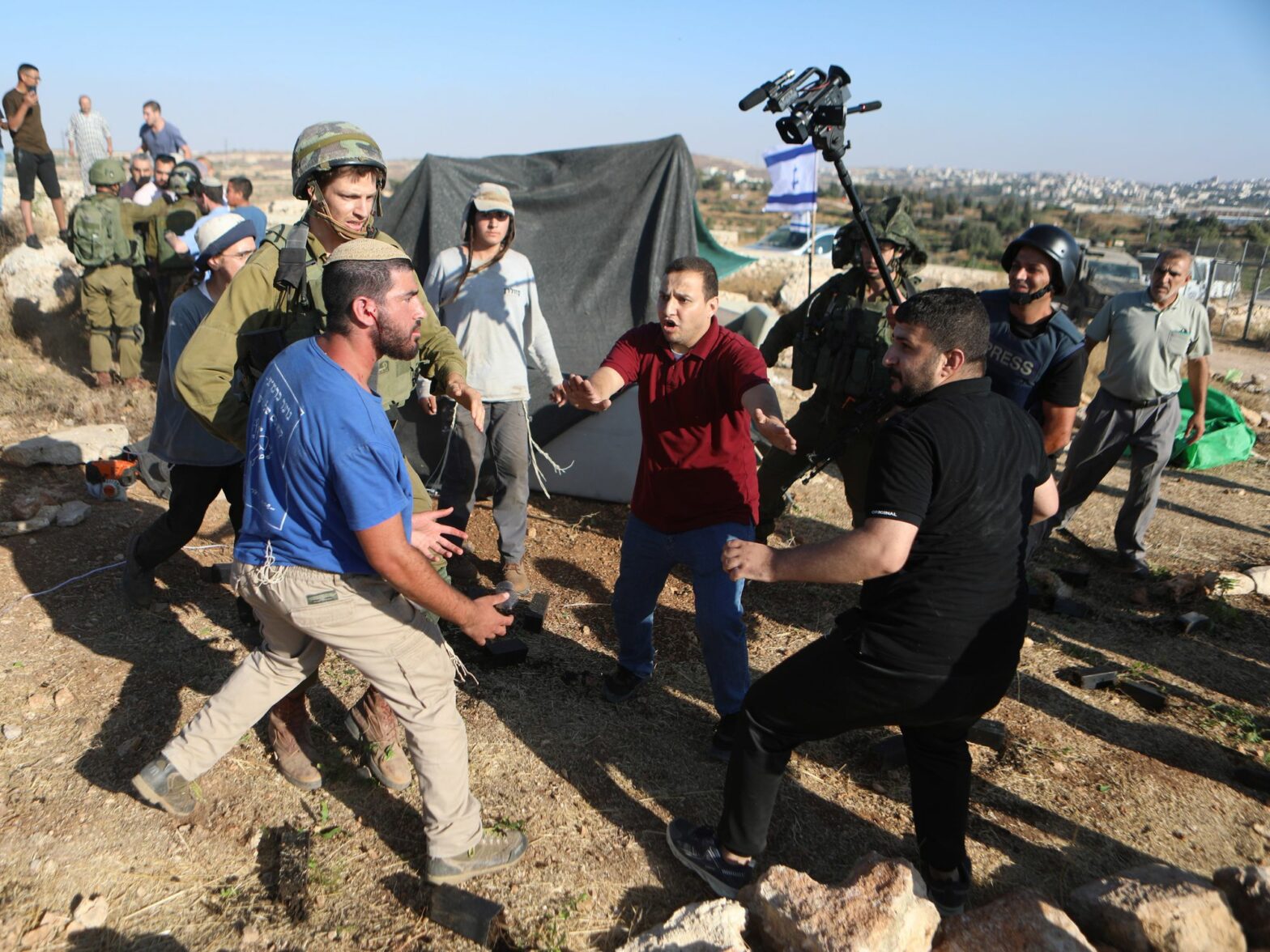
By sanctioning violent settlers in the West Bank, U.S. President Biden aims to reassure voters unhappy with his support for Israel, and to push Israeli Prime Minister Netanyahu to accept a ceasefire agreement.
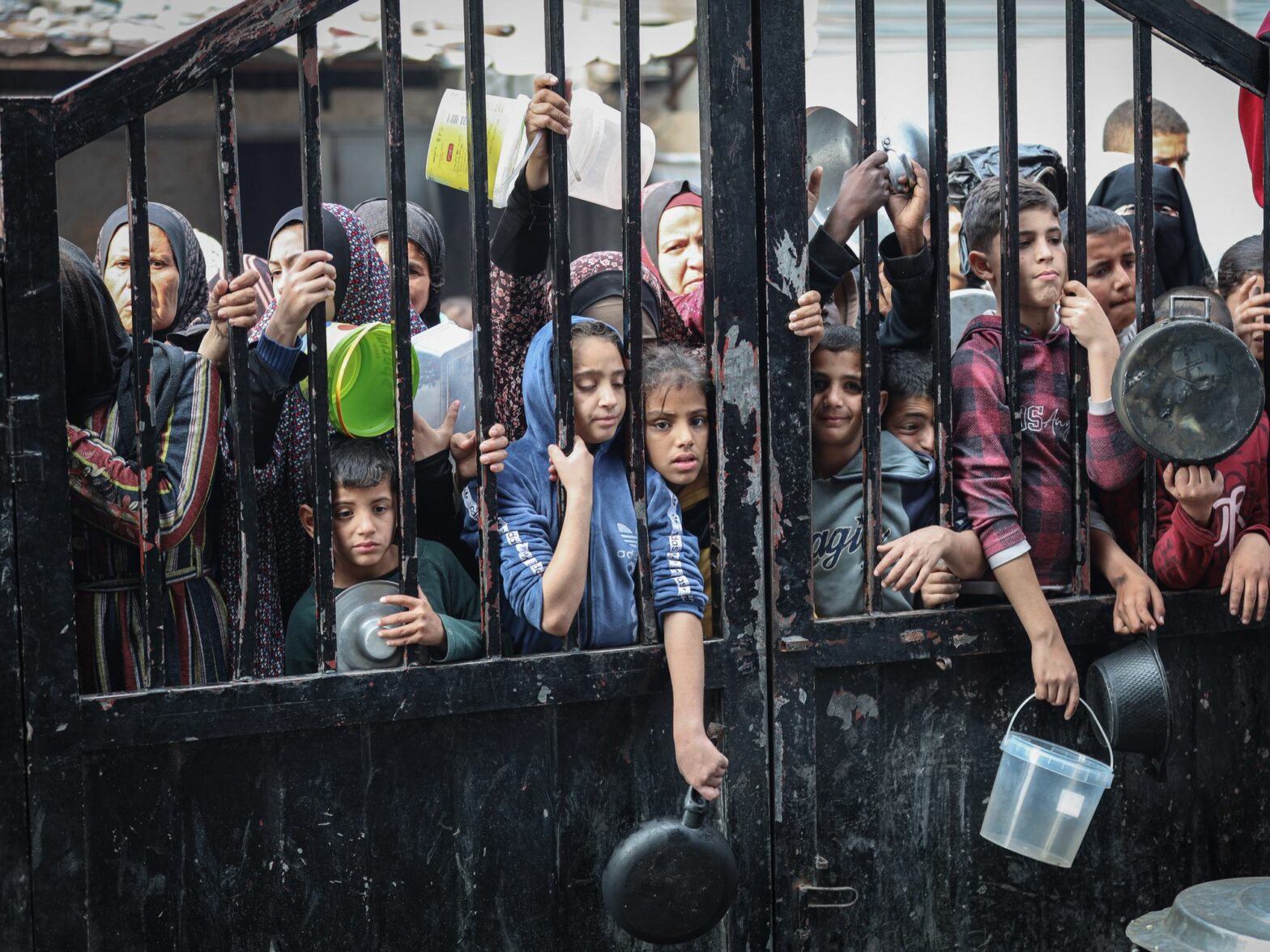
As the Israel-Hamas war continues unabated, the U.S., Egypt and Qatar are pushing to quickly reach an agreement. Will internal divisions be overcome? But even if a deal is struck, the war is far from over.
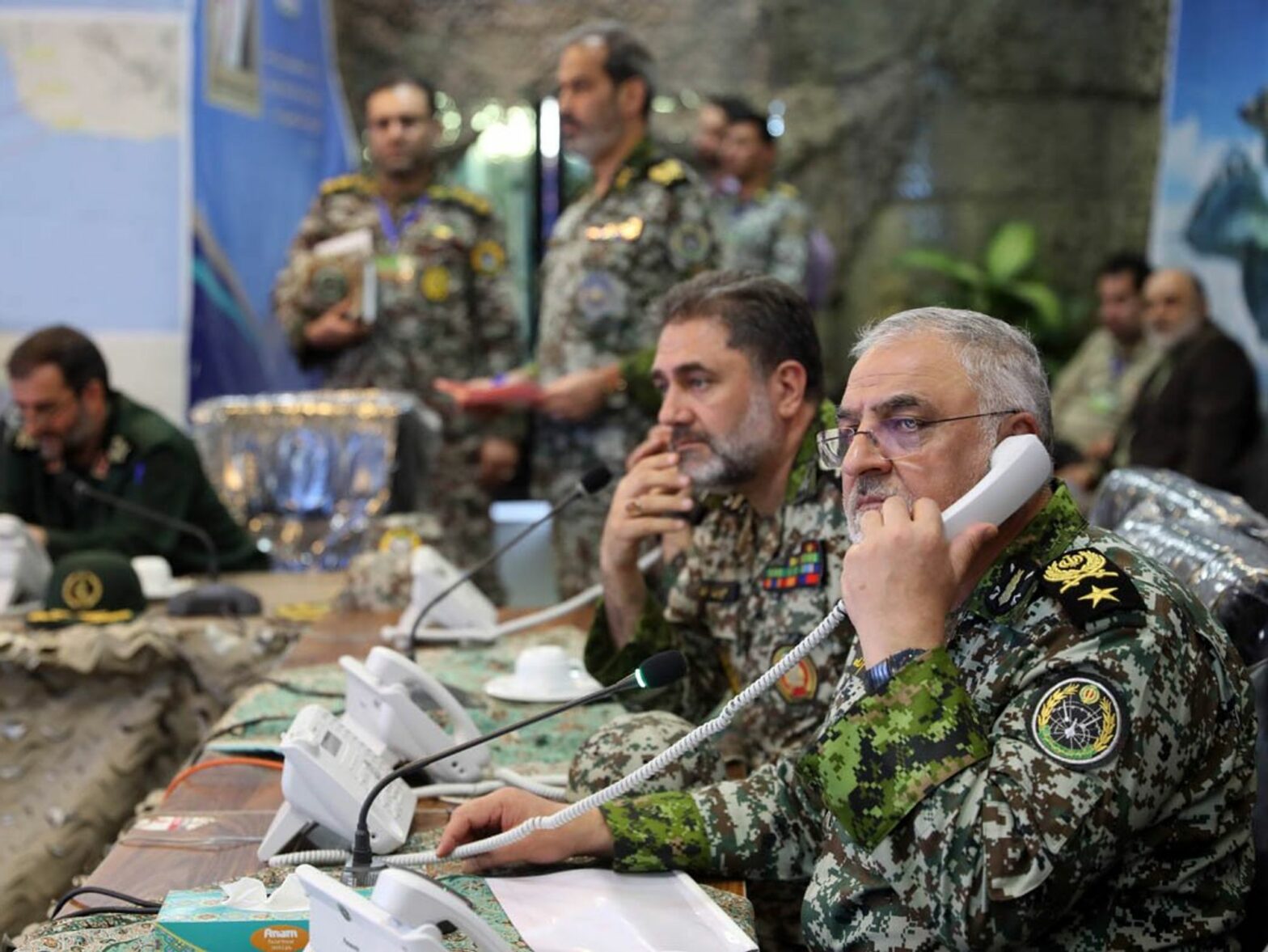
The death of three U.S. soldiers has raised the stakes in a low-simmering, but constant escalation between Washington and Tehran that could explode from the shadows of the war in Gaza — even if by pure accident.
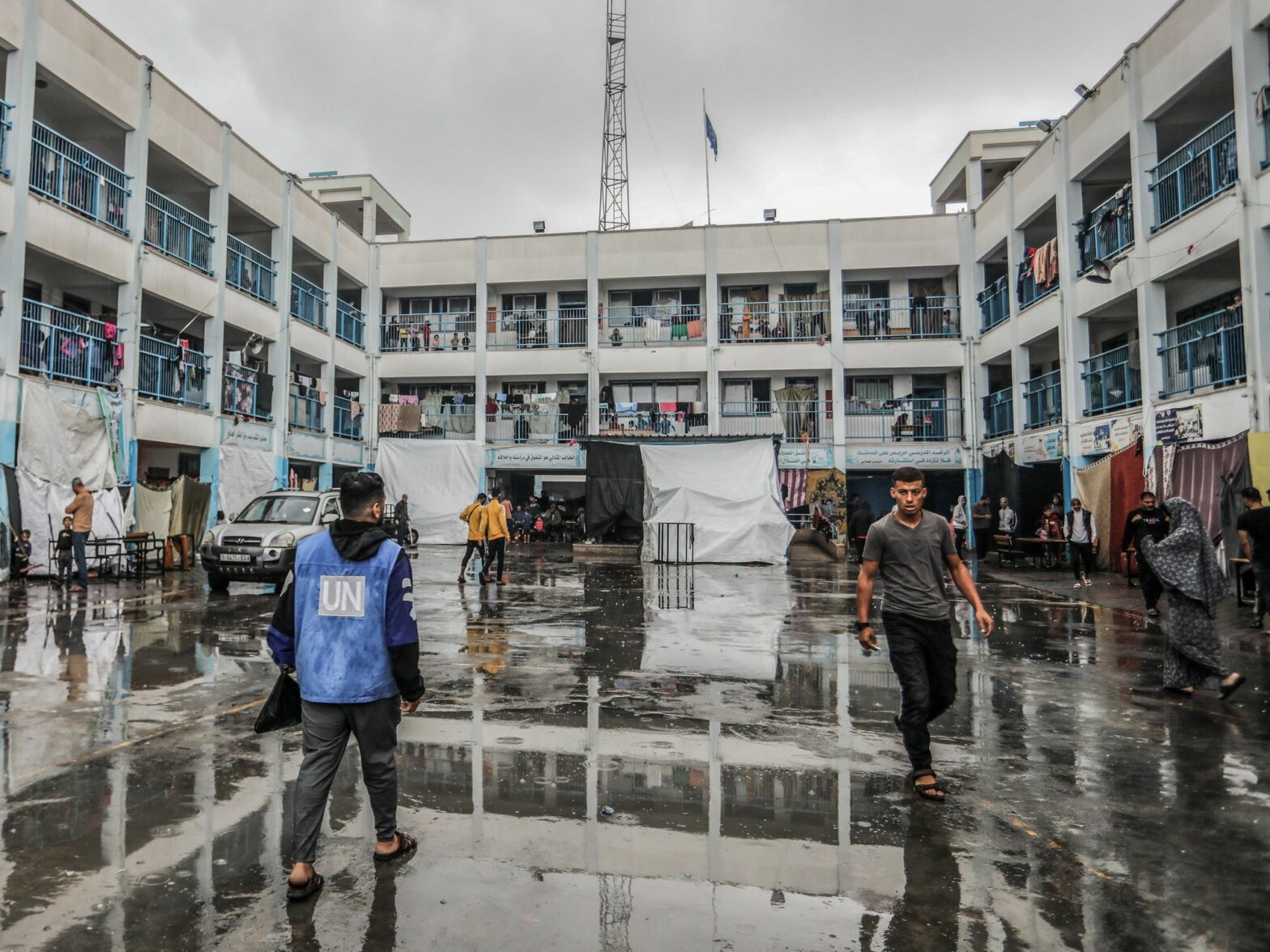
Israel has accused 12 employees the UN agency for Palestinian refugees UNWRA, of participating in the Oct. 7 attack. The United States and other countries have suspended their funding, which risks worsening the ongoing tragedy for the two million Palestinians in Gaza.
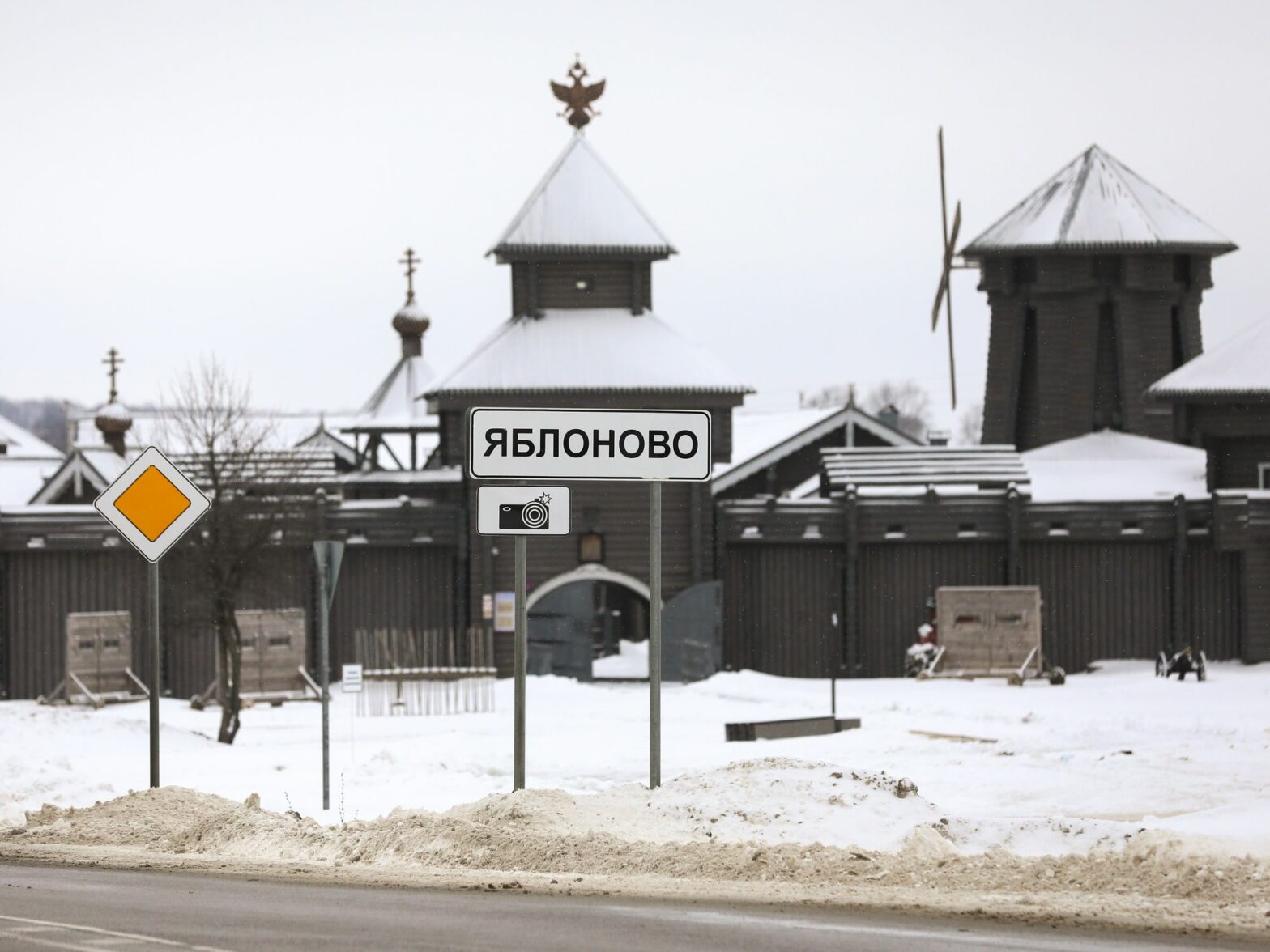
Ukraine and Russia are blaming each other for the Russian military plane crash. It will be hard to get at the truth of the accident, as either party is unlikely to release information, which is another weapon in their war.
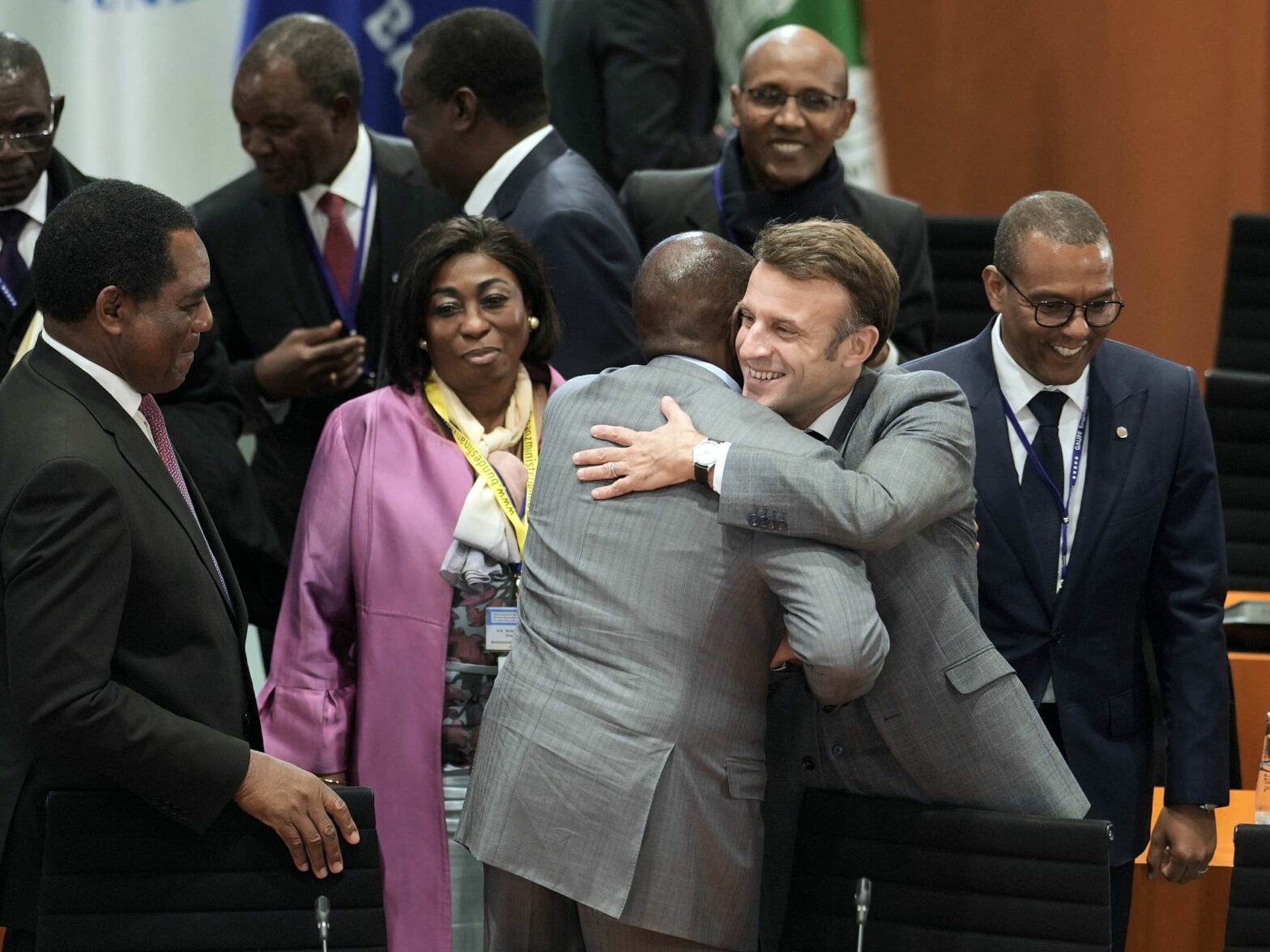
As Russia and China weave more intricate and long-lasting relations within the African continent, former colonizing powers like France need to step up their game in order to maintain their influence and connections.
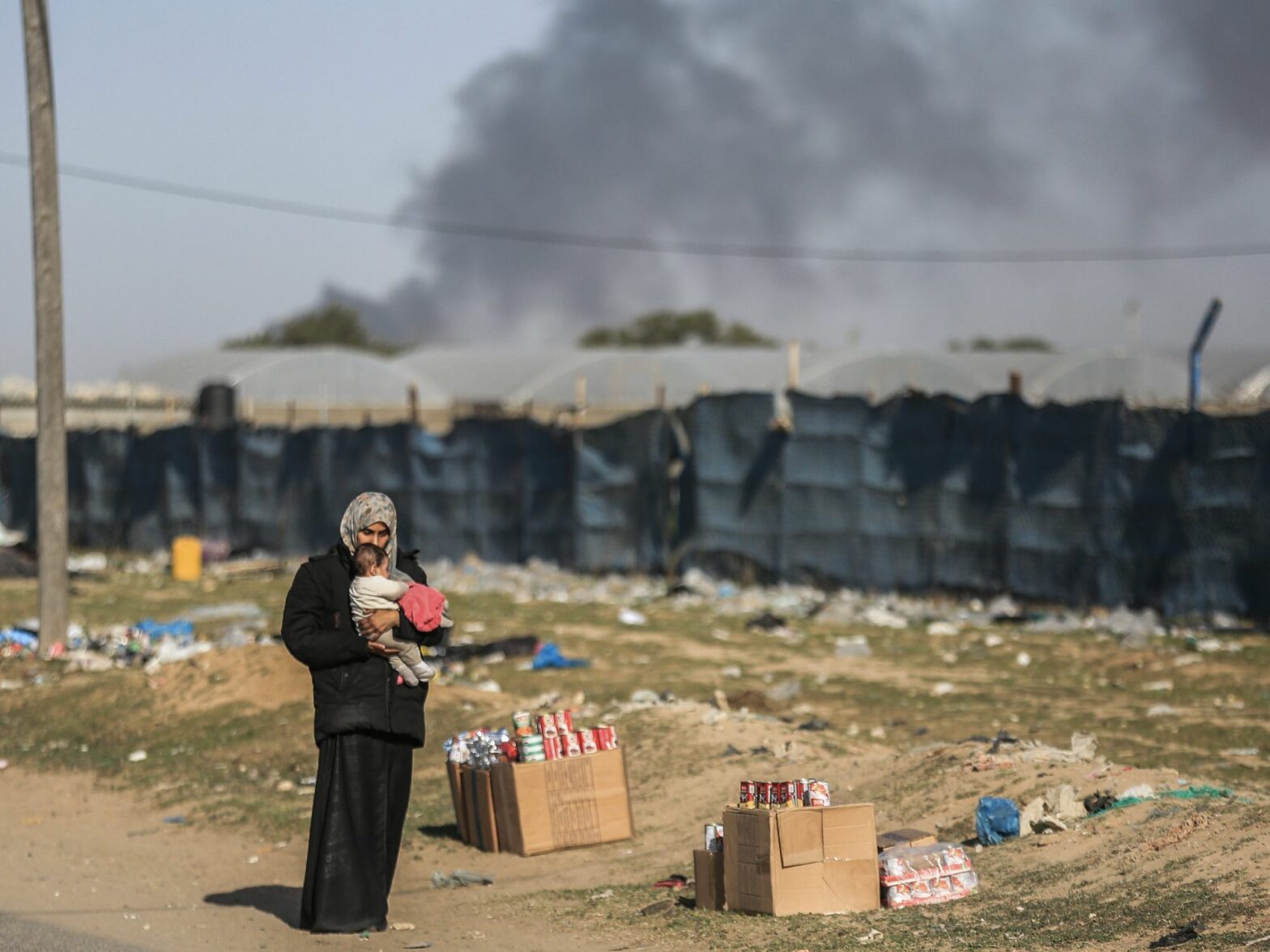
After suffering its heaviest losses in a single day, the Israeli army continues its hunt for Hamas leaders and troops in Khan Younis, an overcrowded refugee camp in southern Gaza. Even heavier Palestinian civilian casualties are feared, as the war appears to be reaching a moment of truth.
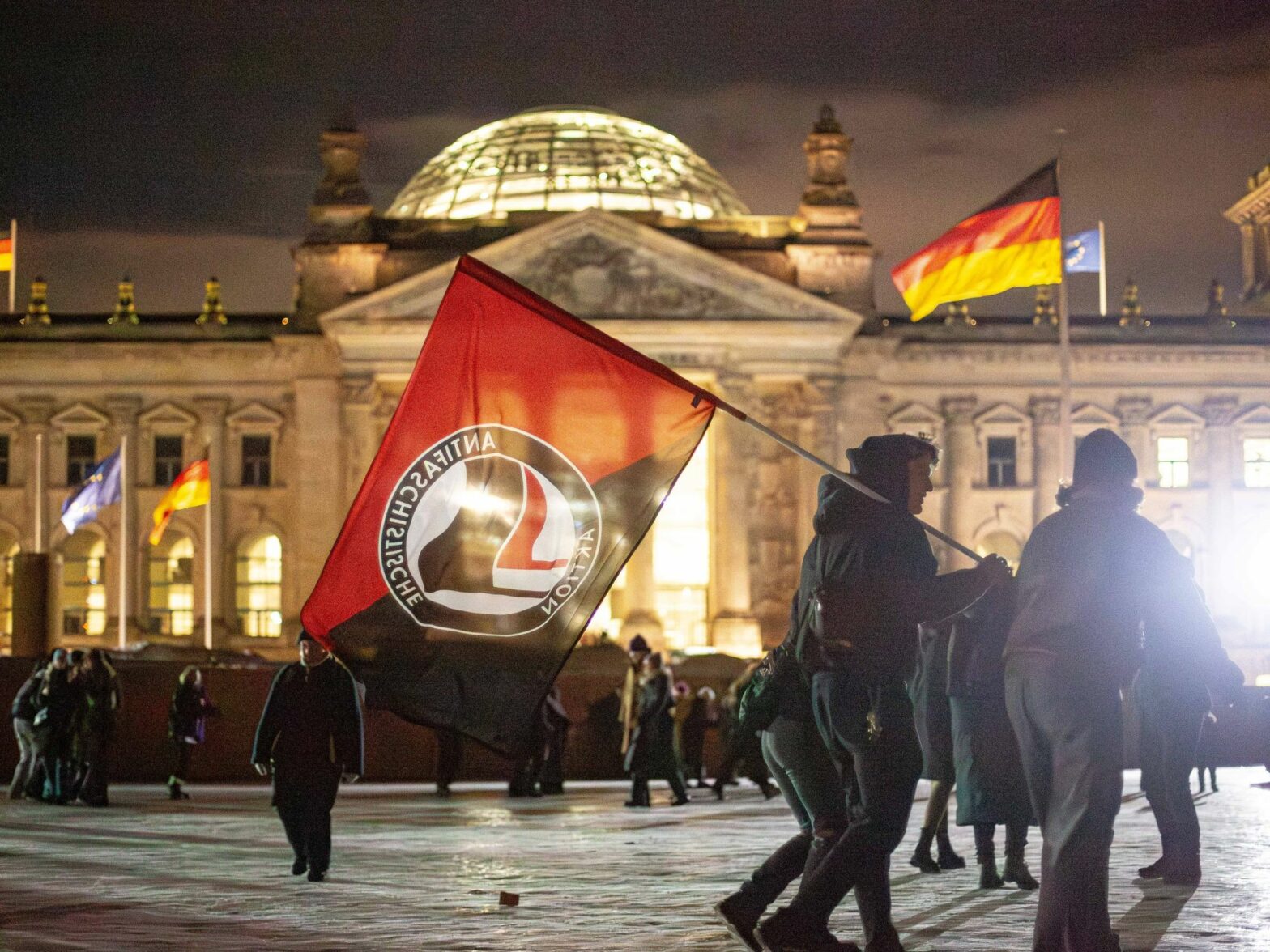
The far-right AfD party chief has threatened a “Dexit” referendum, where Germany (Deutschland) leaves the European Union. But just ask the British people what they think about how that turned out. Right wing leaders in Italy and France seem to have understood the message.
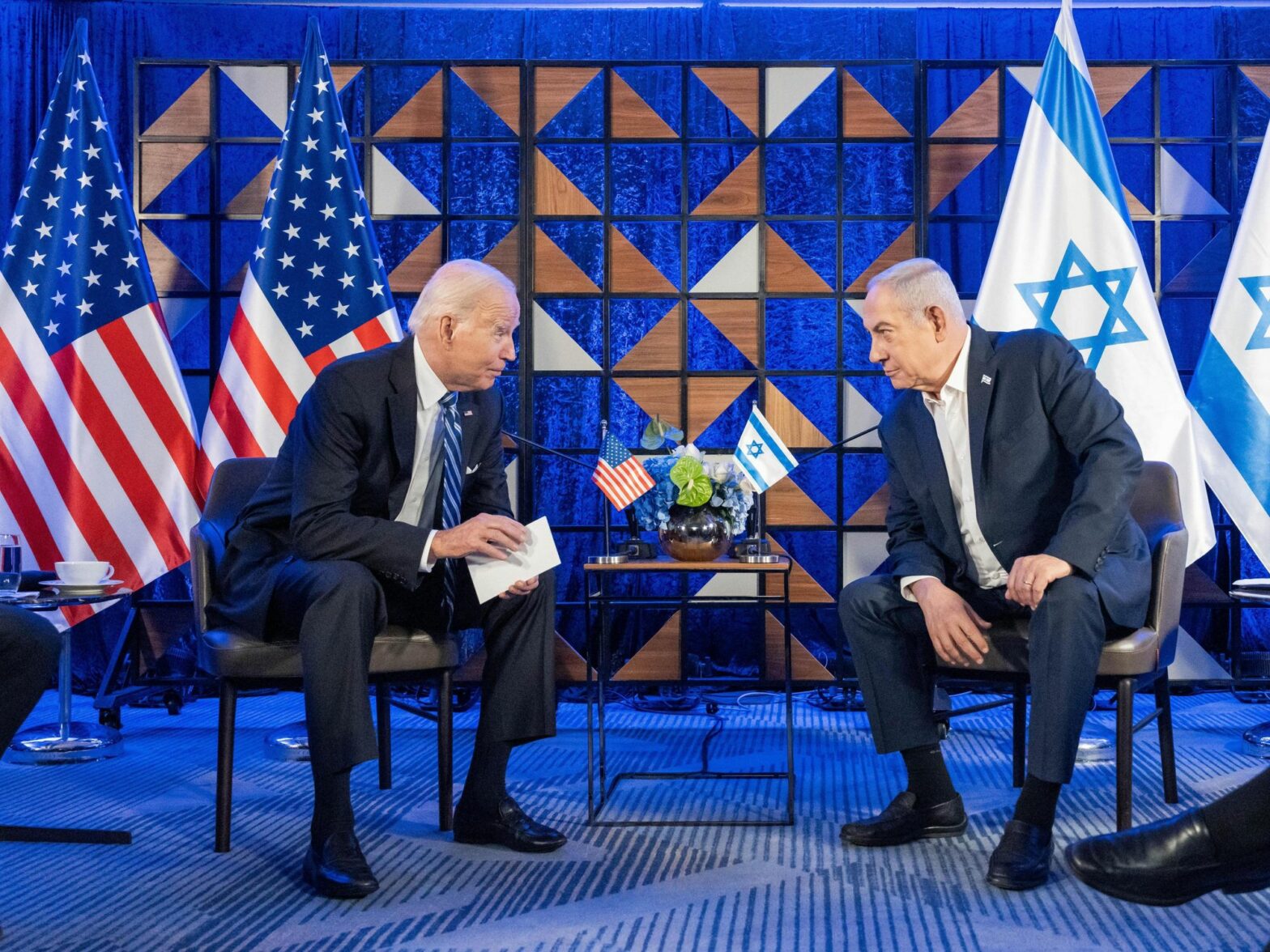
The rising tensions between U.S. President Joe Biden and Israeli Prime Minister Benjamin Netanyahu are about different visions of the geopolitics of the Middle East — but the stakes are also personal for each leader.
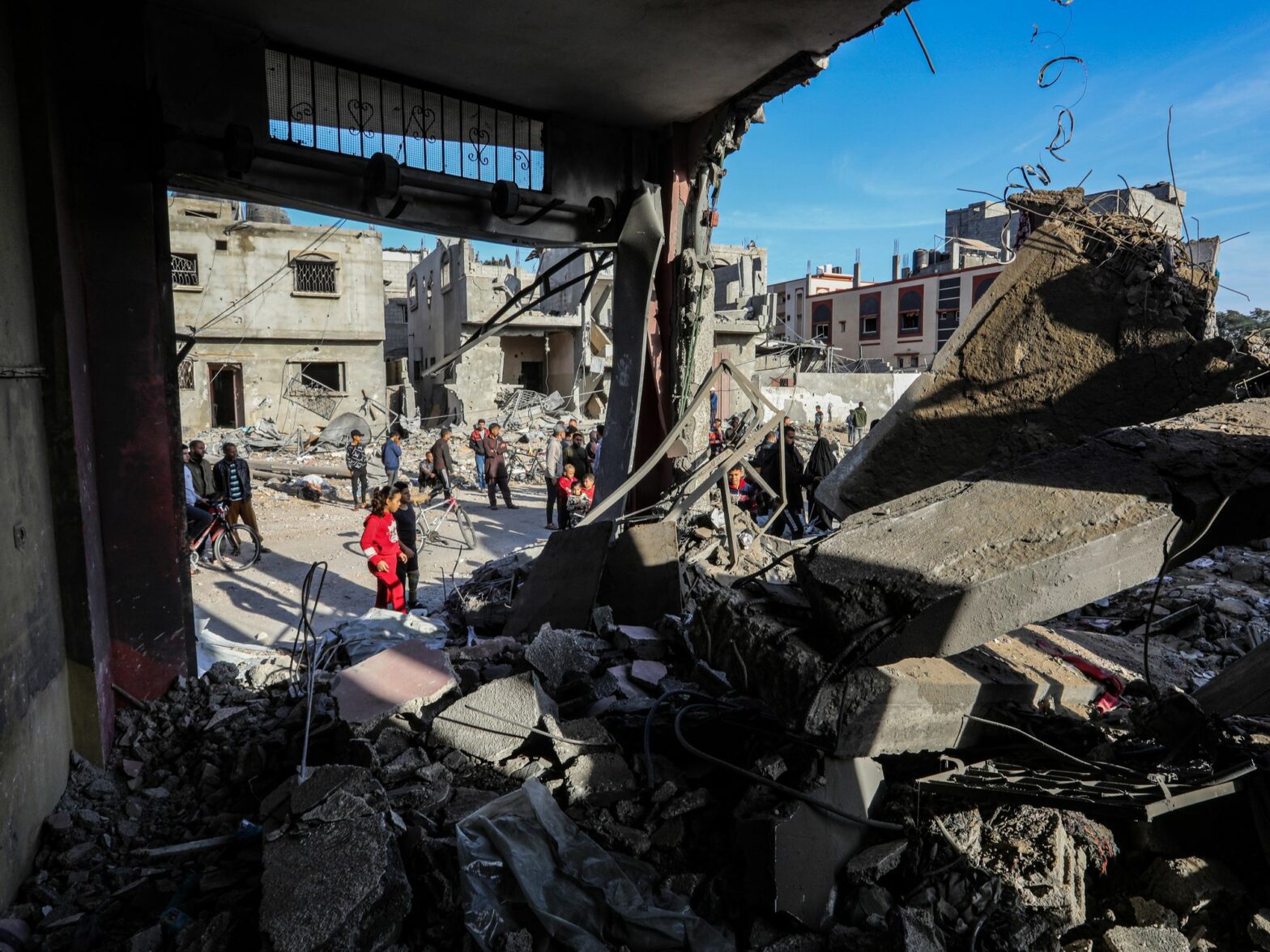
When the guns fall silent, Saudi Arabia and its ambitious prince want to be the historic peacemaker in the Middle East.
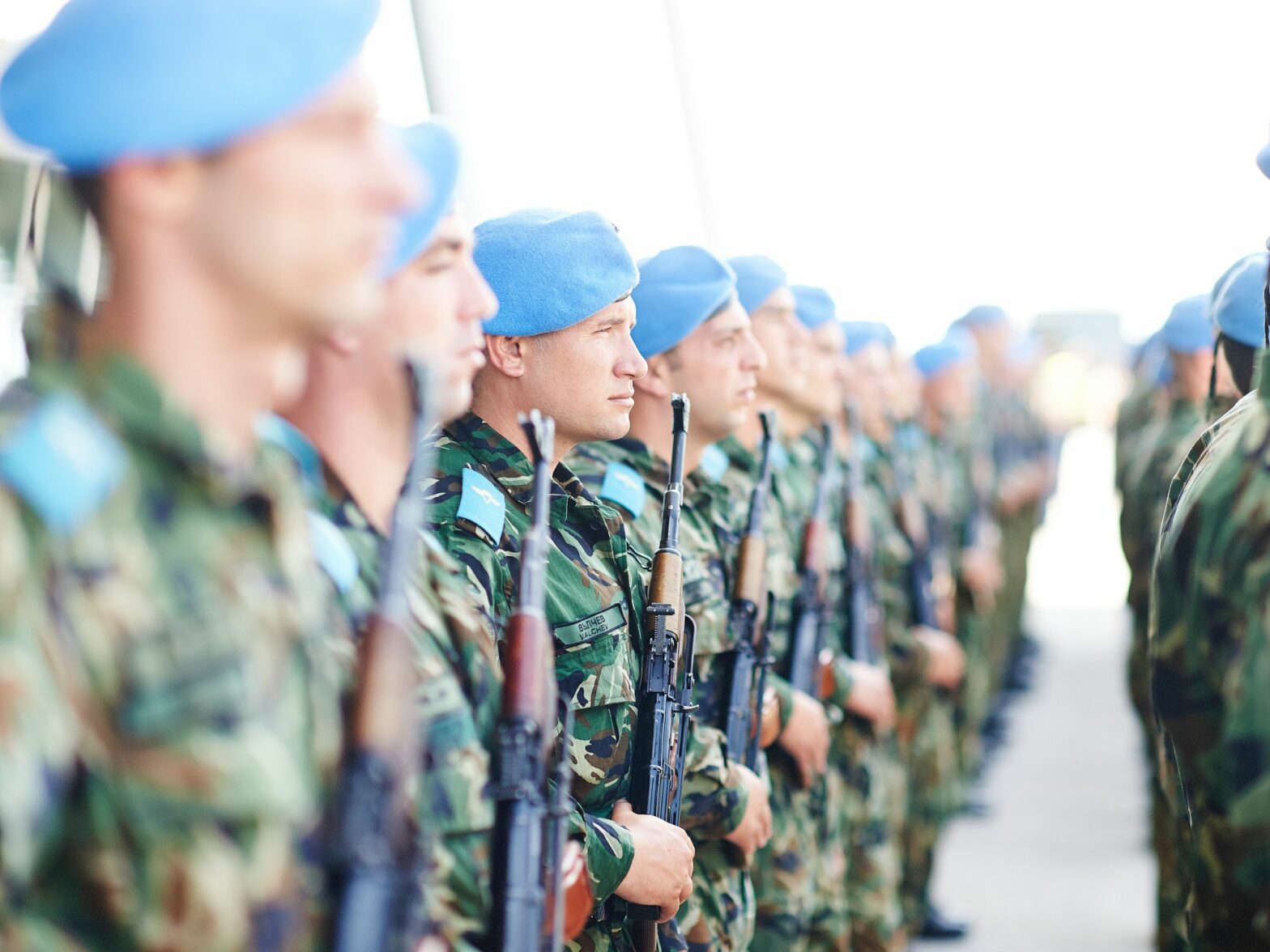
With the World Economic Forum in Davos going on, French President Macron is launching with urgency the debate on a common defense for European countries, in light of Ukraine, the Middle East — and a possible return of Trump.
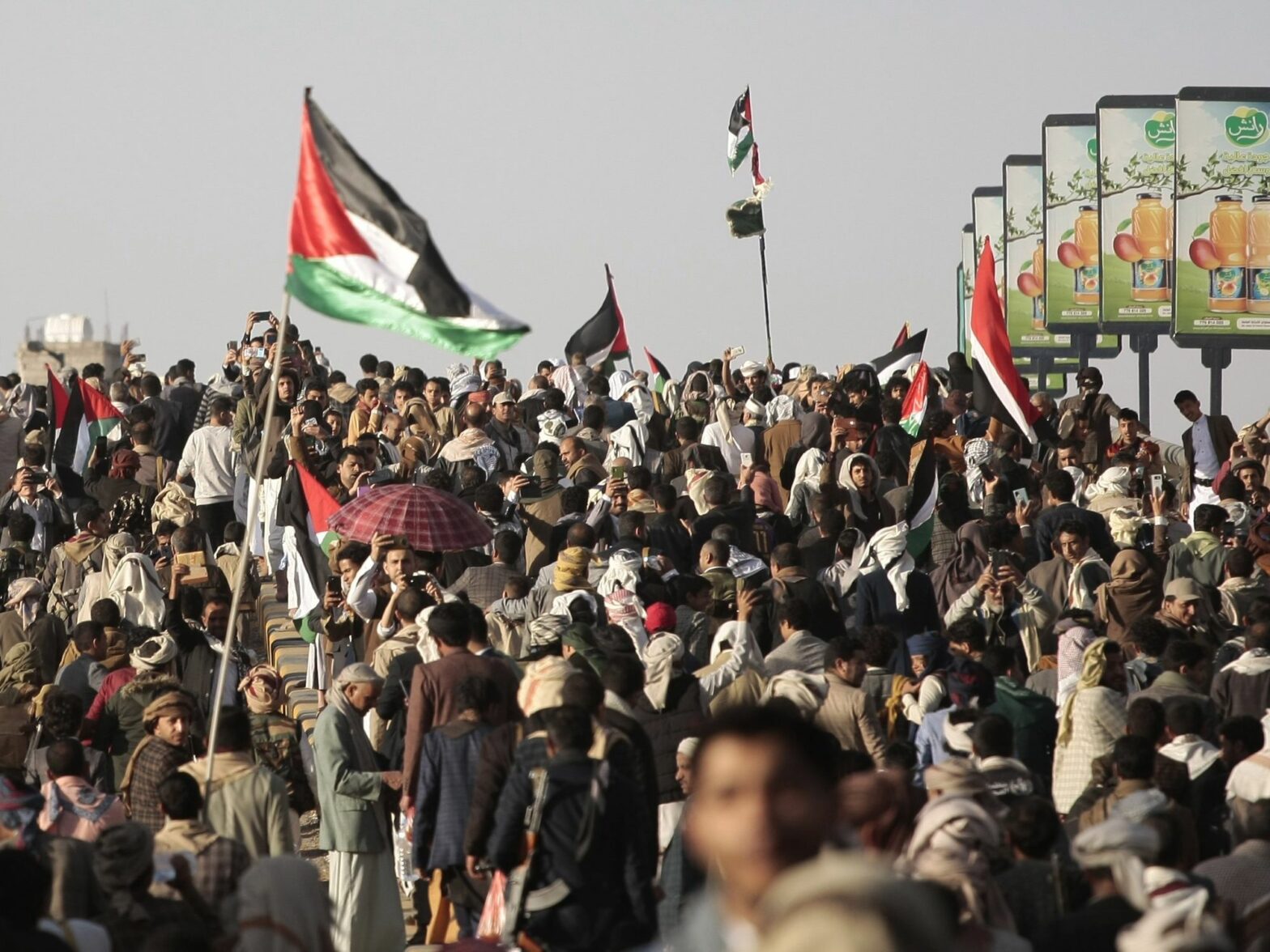
As the situation escalates in the Middle East, the prospect of an all-out war may hinge on whether Iran will cross the Rubicon.
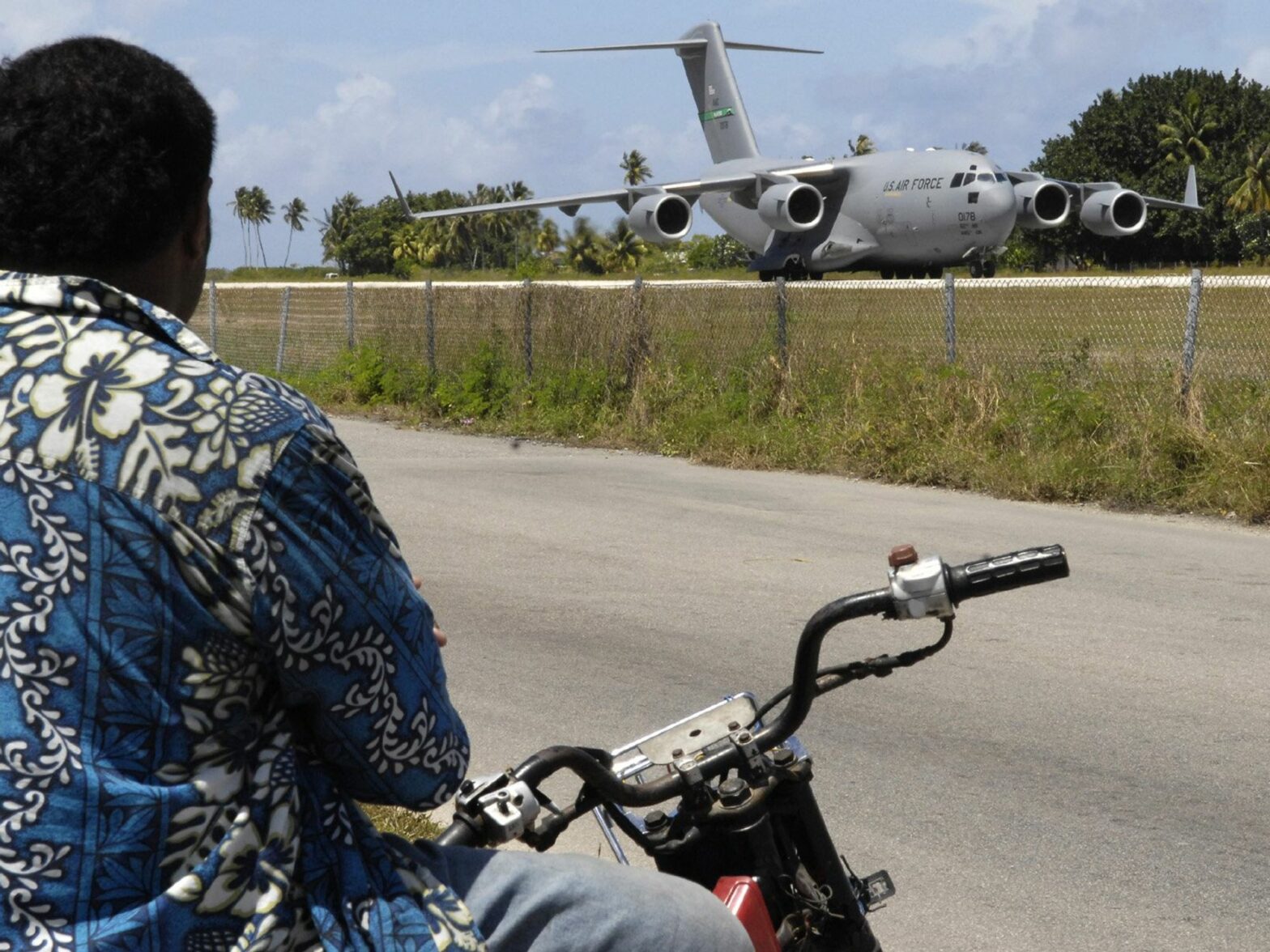
There is major maneuvering among the small but strategic islands in the South Pacific, with China offering security cooperation, and the United States reopening embassies and reviving dormant cooperation.
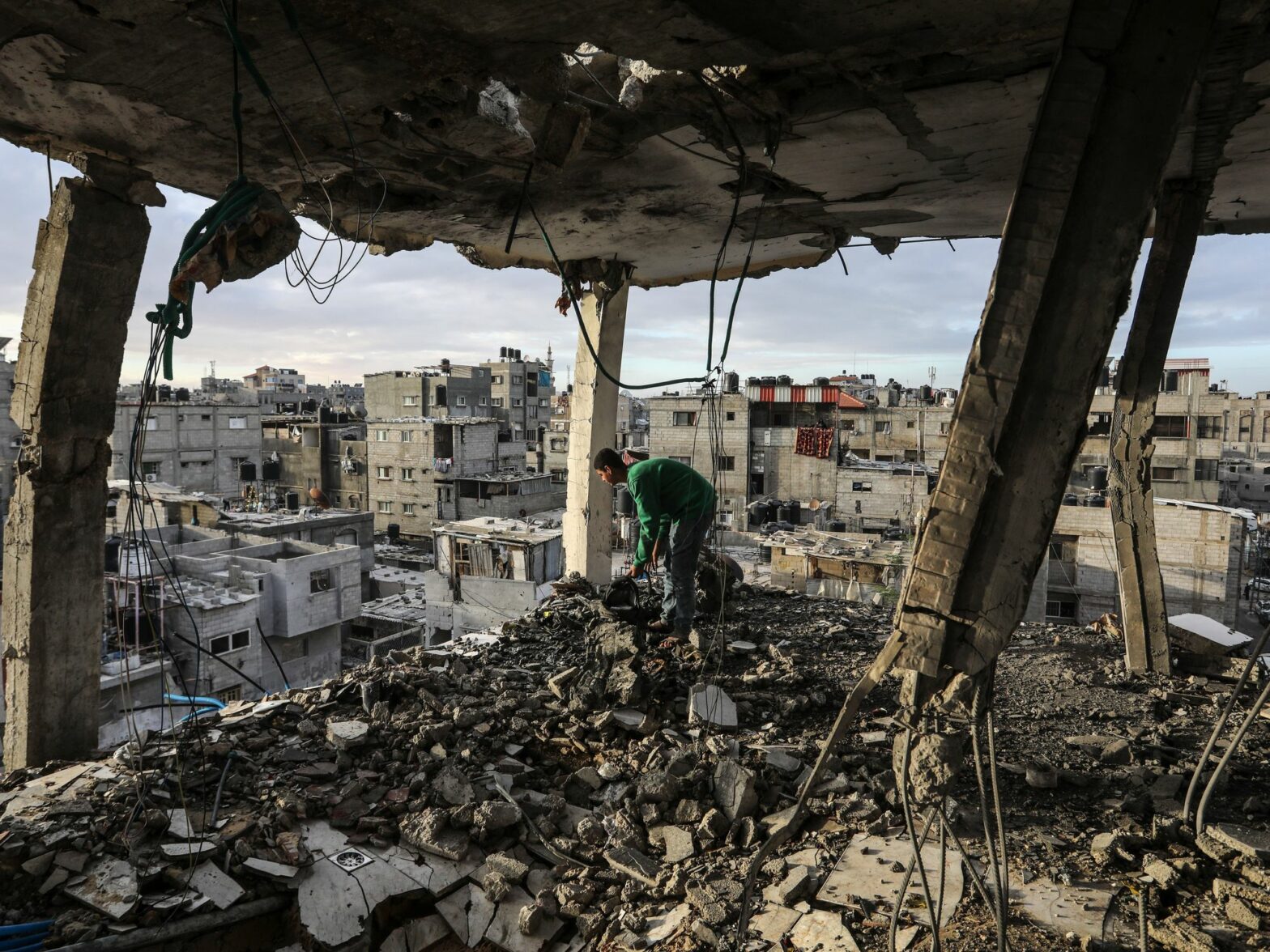
After 100 days of war, Israeli Prime Minister Benjamin Netanyahu has made it clear that he has no plans to listen to what any other country has to say, including his closest allies. There’s every reason to expect the situation to get worse.
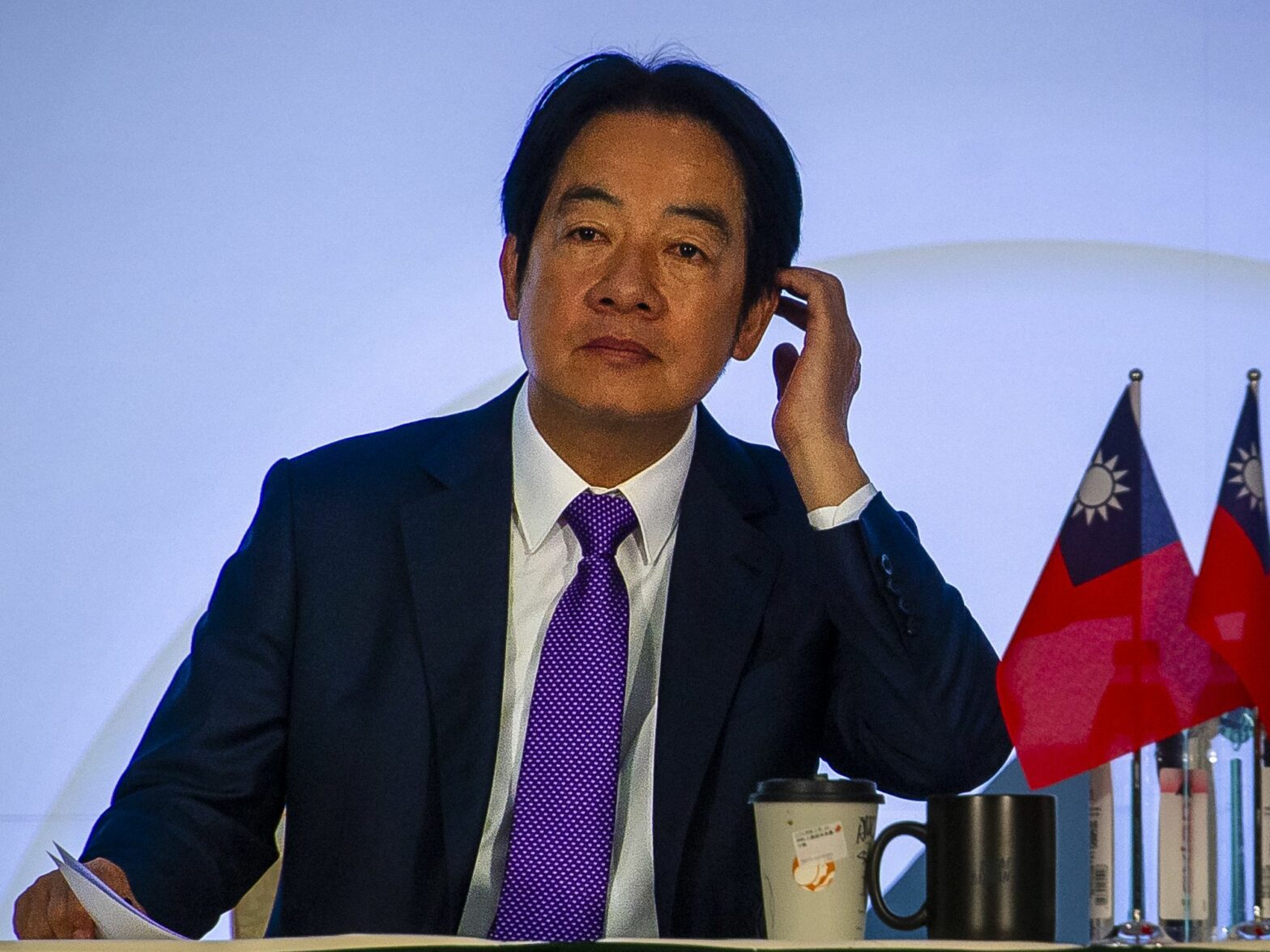
Saturday’s election is bound to create tensions, if the favorite, William Lai, candidate of the Democratic Progressive Party (DPP), wins. Xi Jinping has warned against voting for him. But is it just posturing?
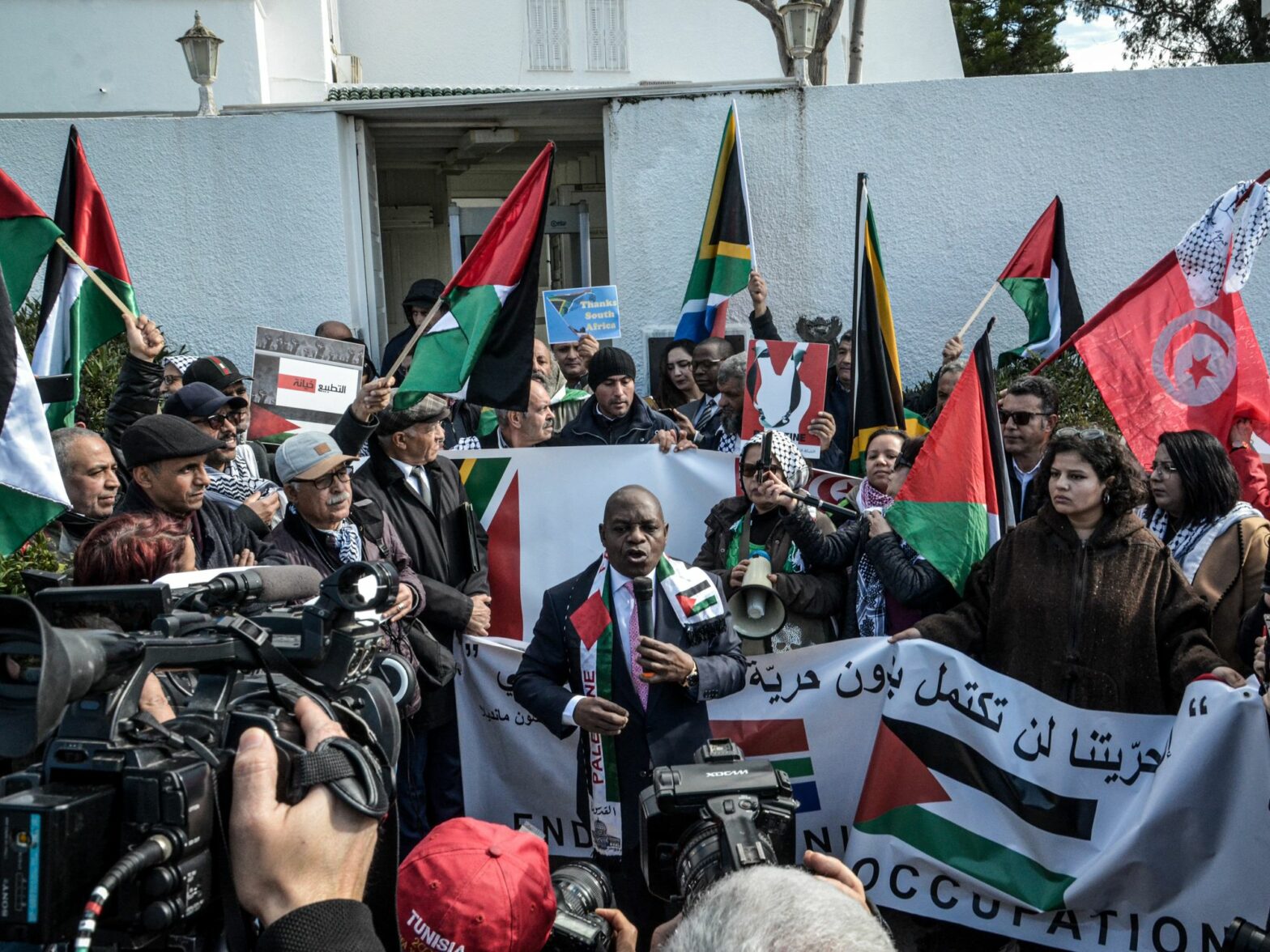
Cicero declared that when weapons speak, the law goes mute. So what happens when the law speaks up even as the weapons keep firing? That’s what happening now at the International Court of Justice at the Hague.
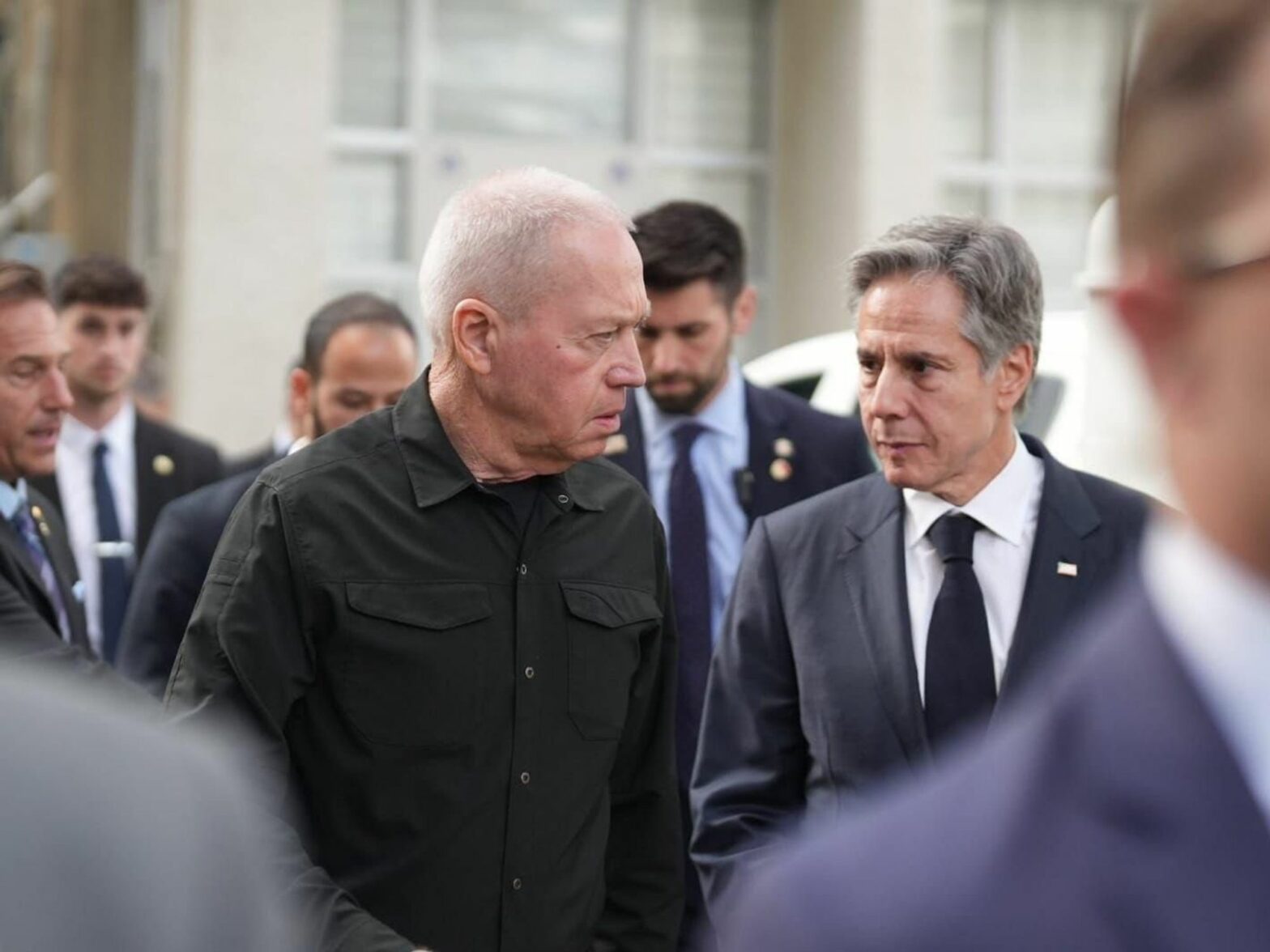
Ahead of Secretary of State Antony Blinken’s arrival, Israeli officials declared that the army will shift to a more targeted campaign in Gaza. Benjamin Netanyahu may just be bidding his time.
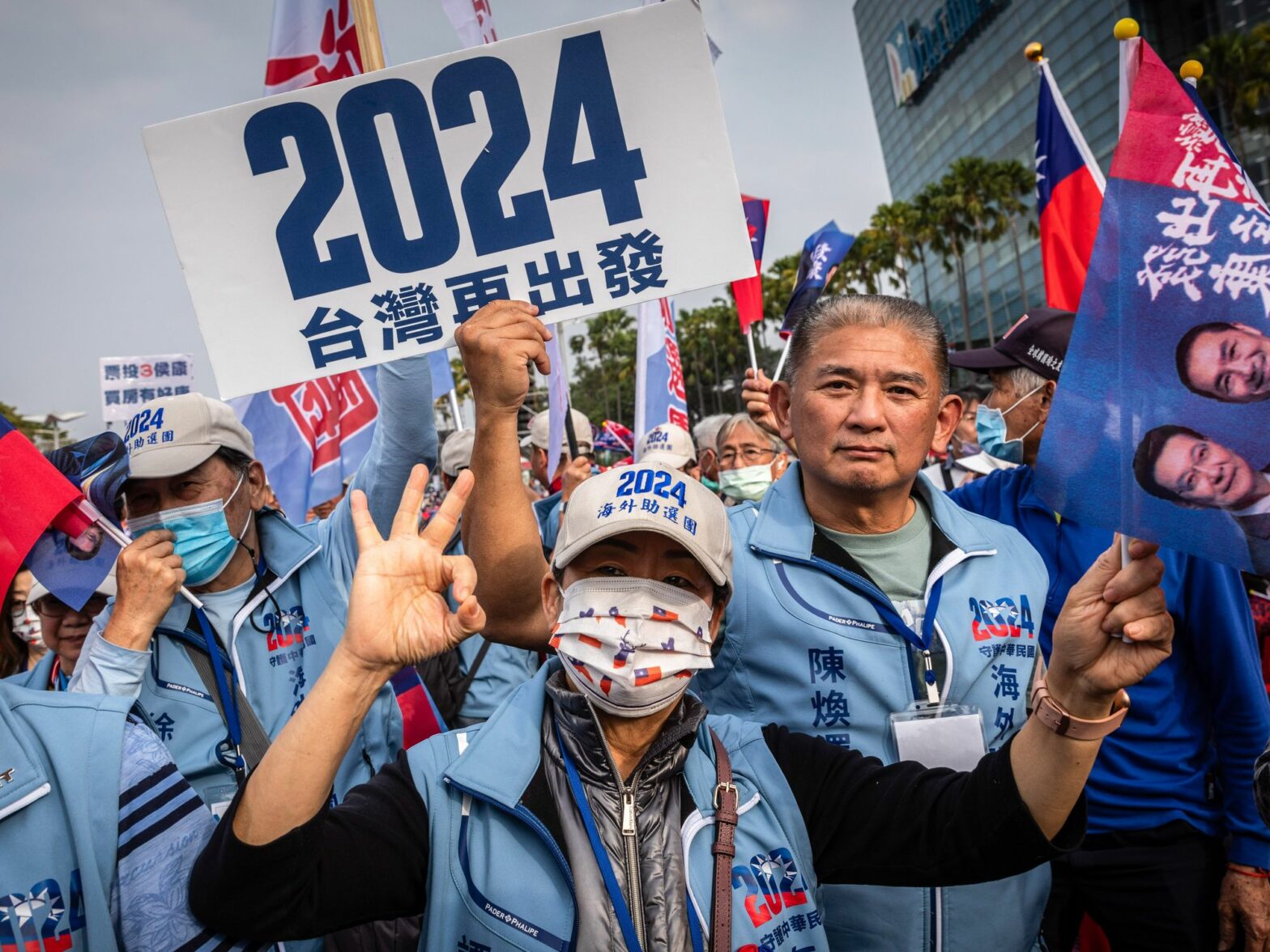
It’s the first big election of 2024, and it may well prove one of the most contested — and significant ones. As these vote on Saturday, Taiwanese citizens will be picking the fate of their identity and democracy.
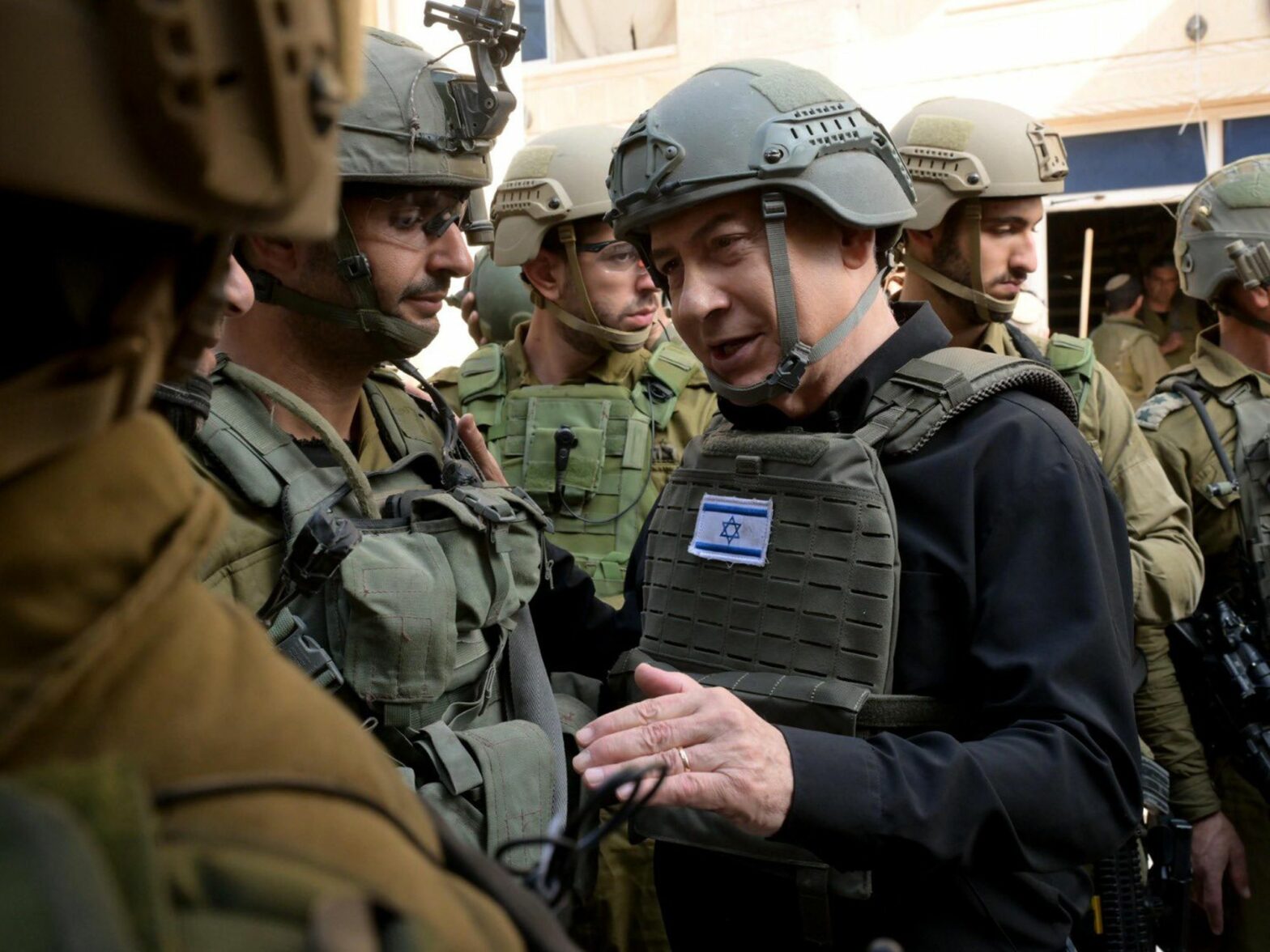
It is rare that a wartime leader doesn’t gain the support of his people. Israeli Prime Minister Netanyahu, instead, has the most dismal popularity ratings in memory. But he is also Israel’s longest-serving leader for a reason. The coming days and weeks will be crucial in deciding his fate, along with that of his troubled nation.
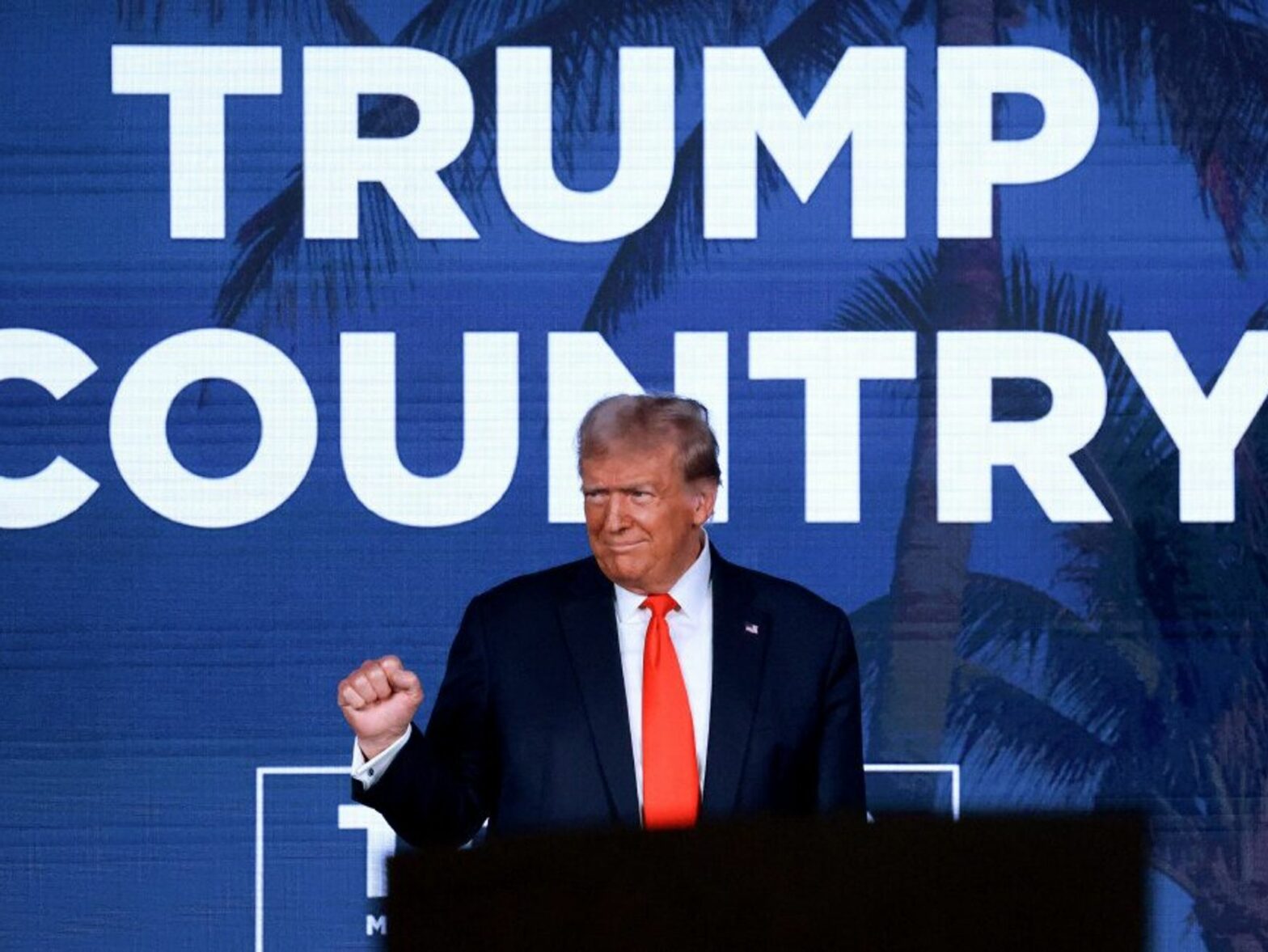
It’s early January and already, former U.S. President Donald Trump’s presence can be felt on every current geopolitical situation. With his return in the White House becoming less and less unlikely, leaders are already factoring in what a second Trump era would mean for the world.
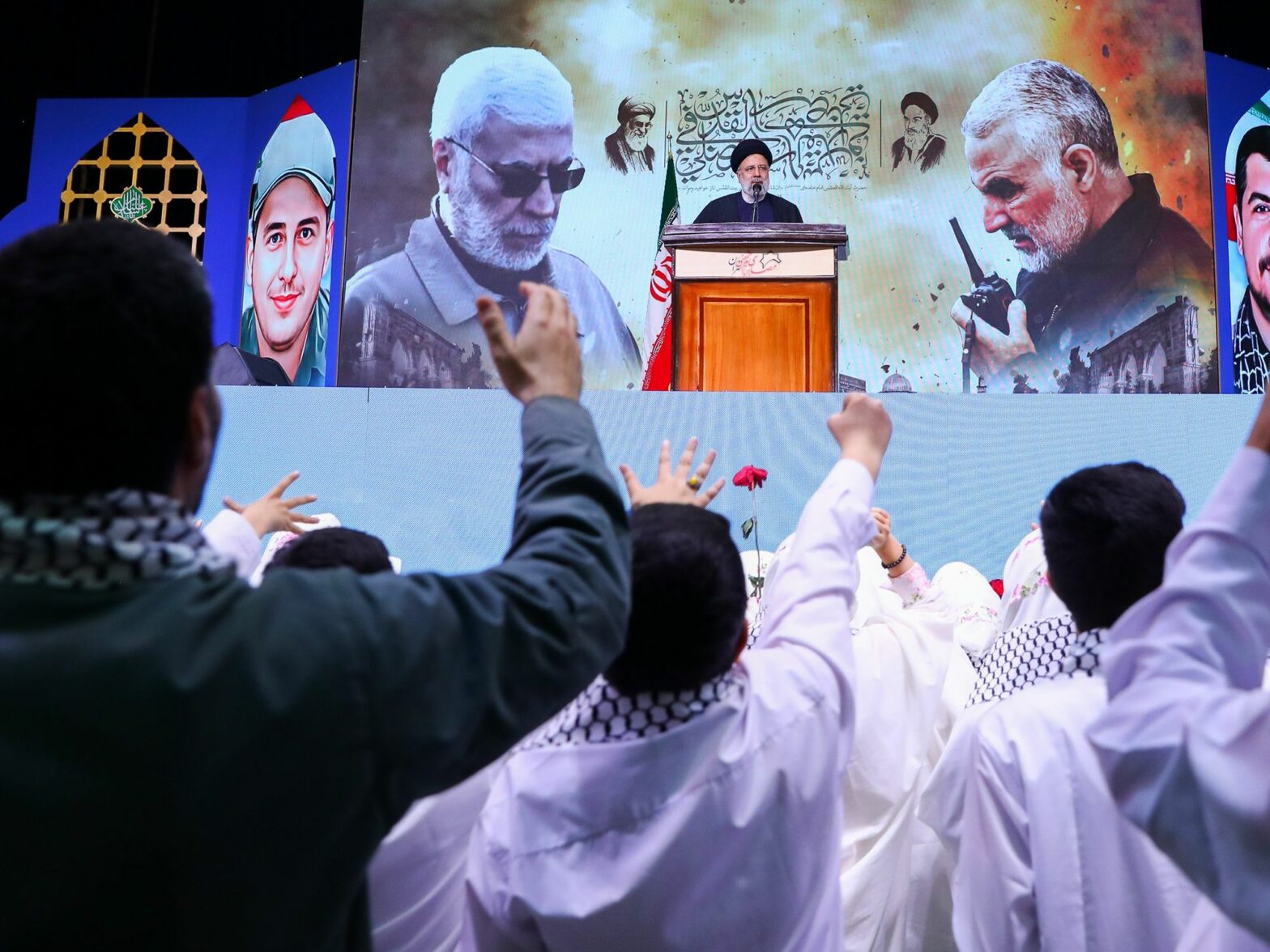
Though all-out war has not yet spread, there are a multiplying number of attacks, targeted and otherwise, taking place across borders that has all the makings of a region-wide conflagration.
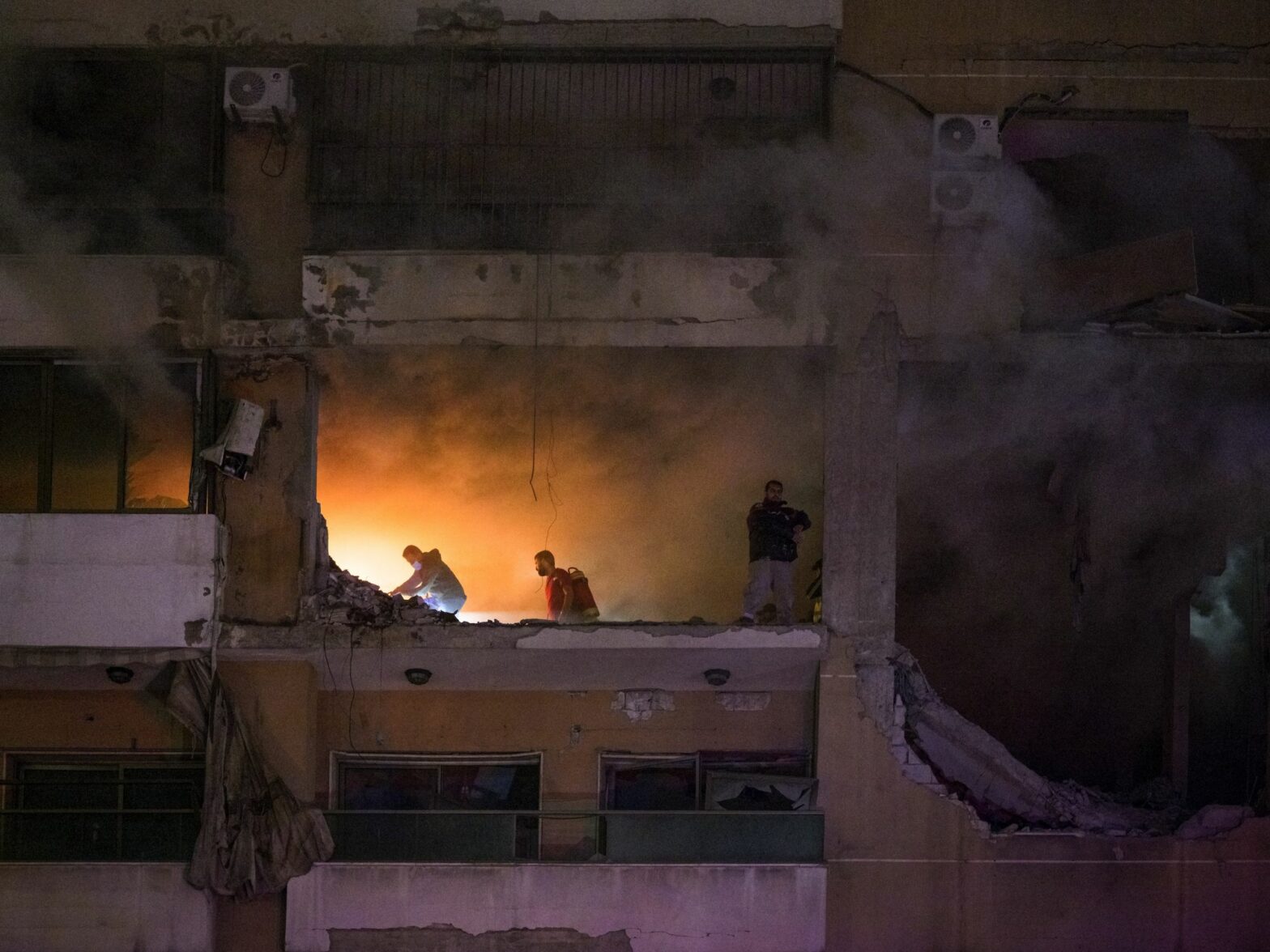
By eliminating Saleh al-Arouri, an important Hamas leader, with a drone strike in Beirut, Israel has taken a risky gamble: that Lebanon’s Hezbollah and its Iranian allies will not go to war over the death on Lebanese territory of a top Hamas figure.
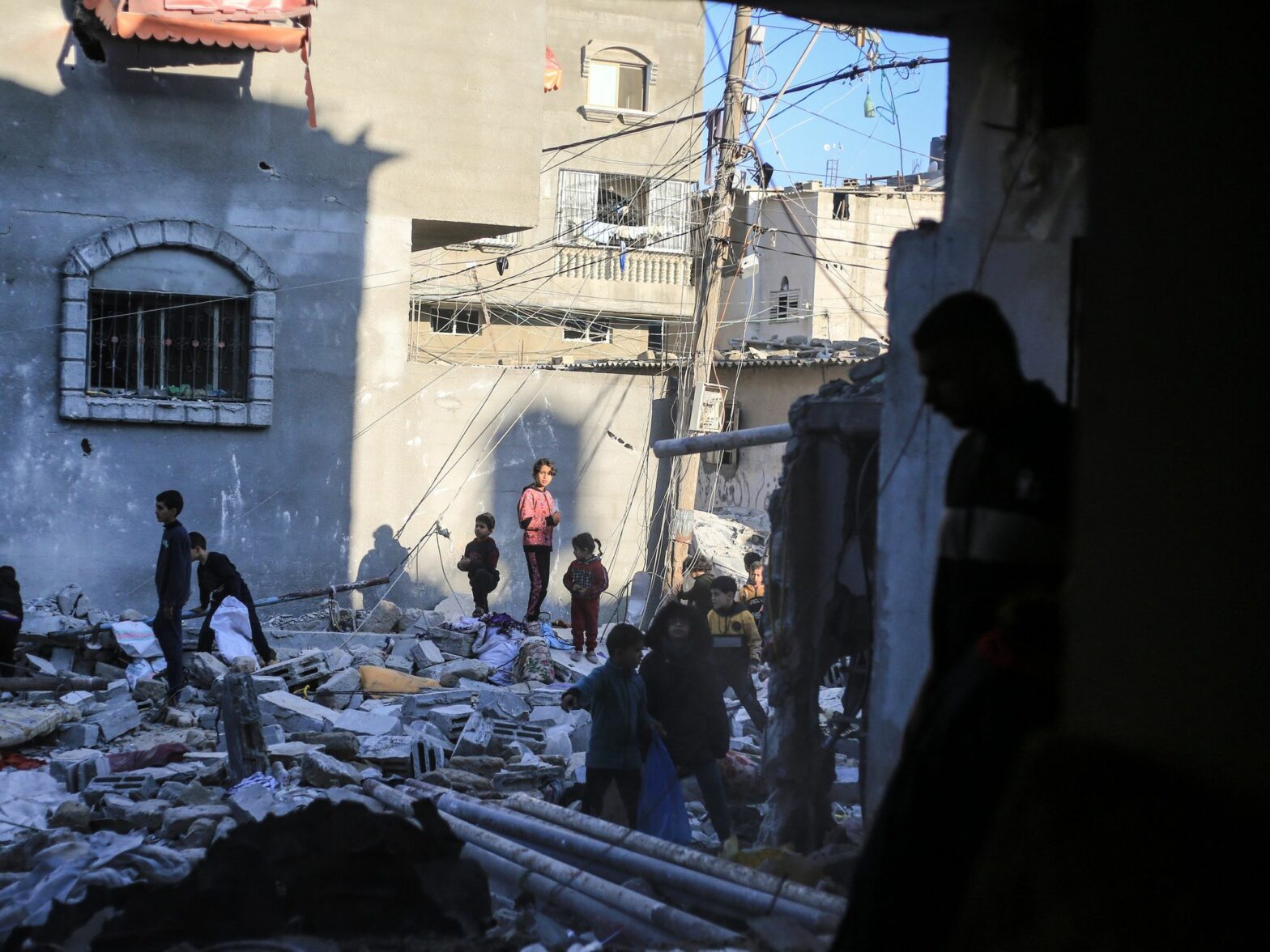
In Ukraine and Gaza alike, international laws on the proper conduct of war, largely established by the post-War Geneva Convention, are being trampled on by all parties, to varying degrees. Civilians are paying the ultimate price for this.
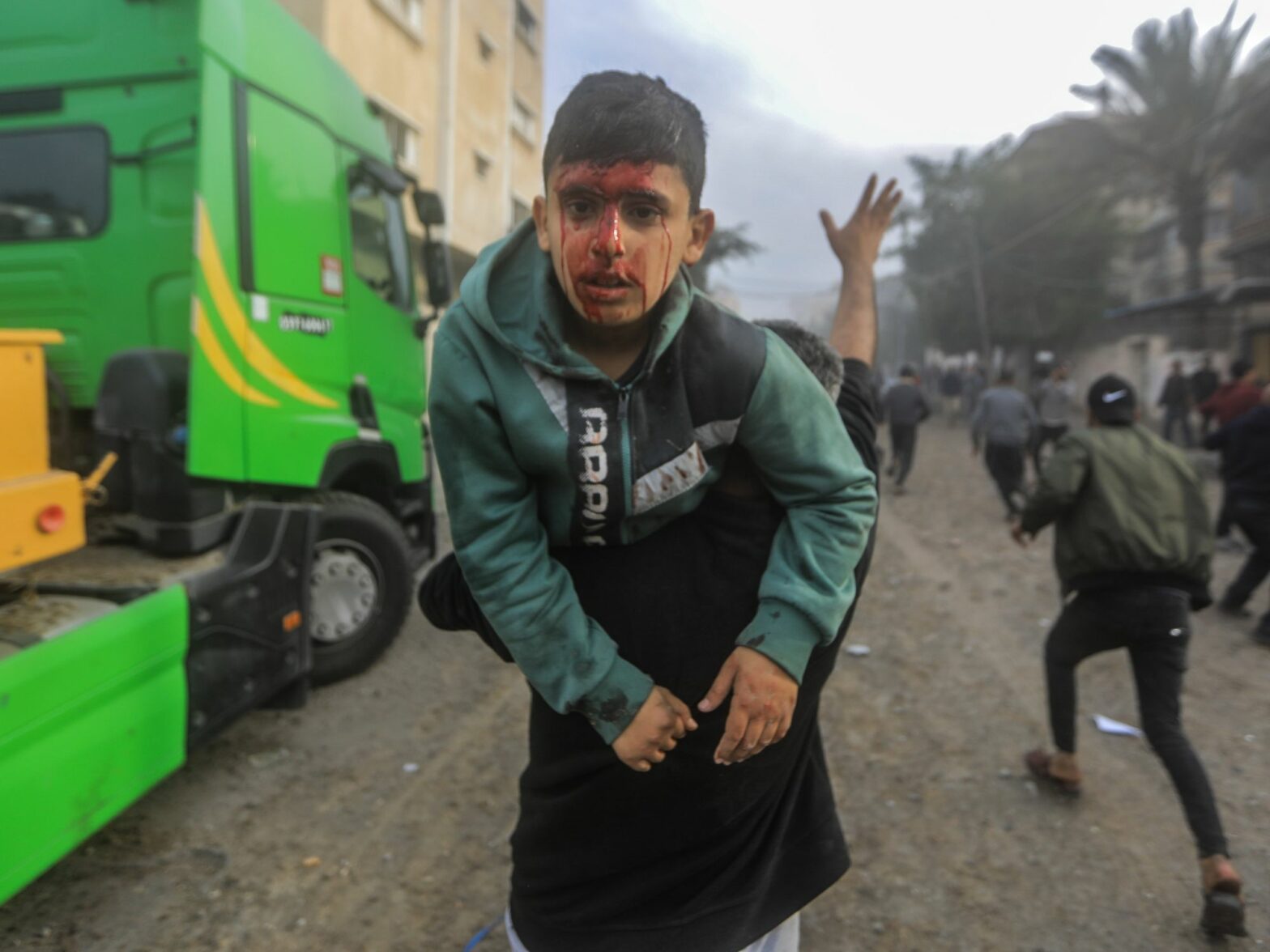
In two very different ways, the failure of the United Nations to inhibit aggressive nations is a sign of only more trouble ahead.
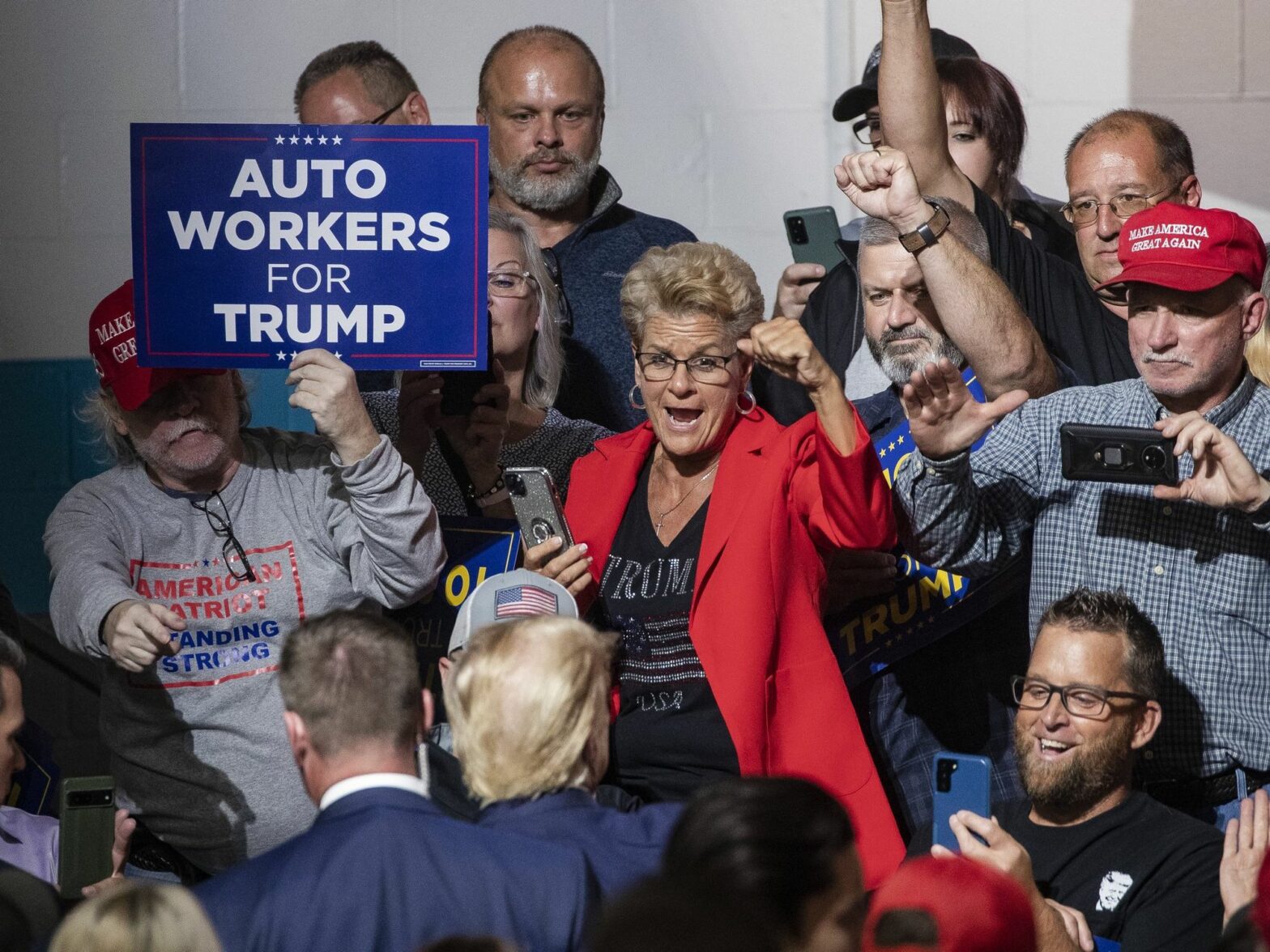
The 2024 U.S. presidential election is set to have far-reaching implications for the world. But the Republican and Democrat frontrunners, Donald Trump and Joe Biden, both have their own sets of hurdles to jump before then if they hope to secure voters’ support.
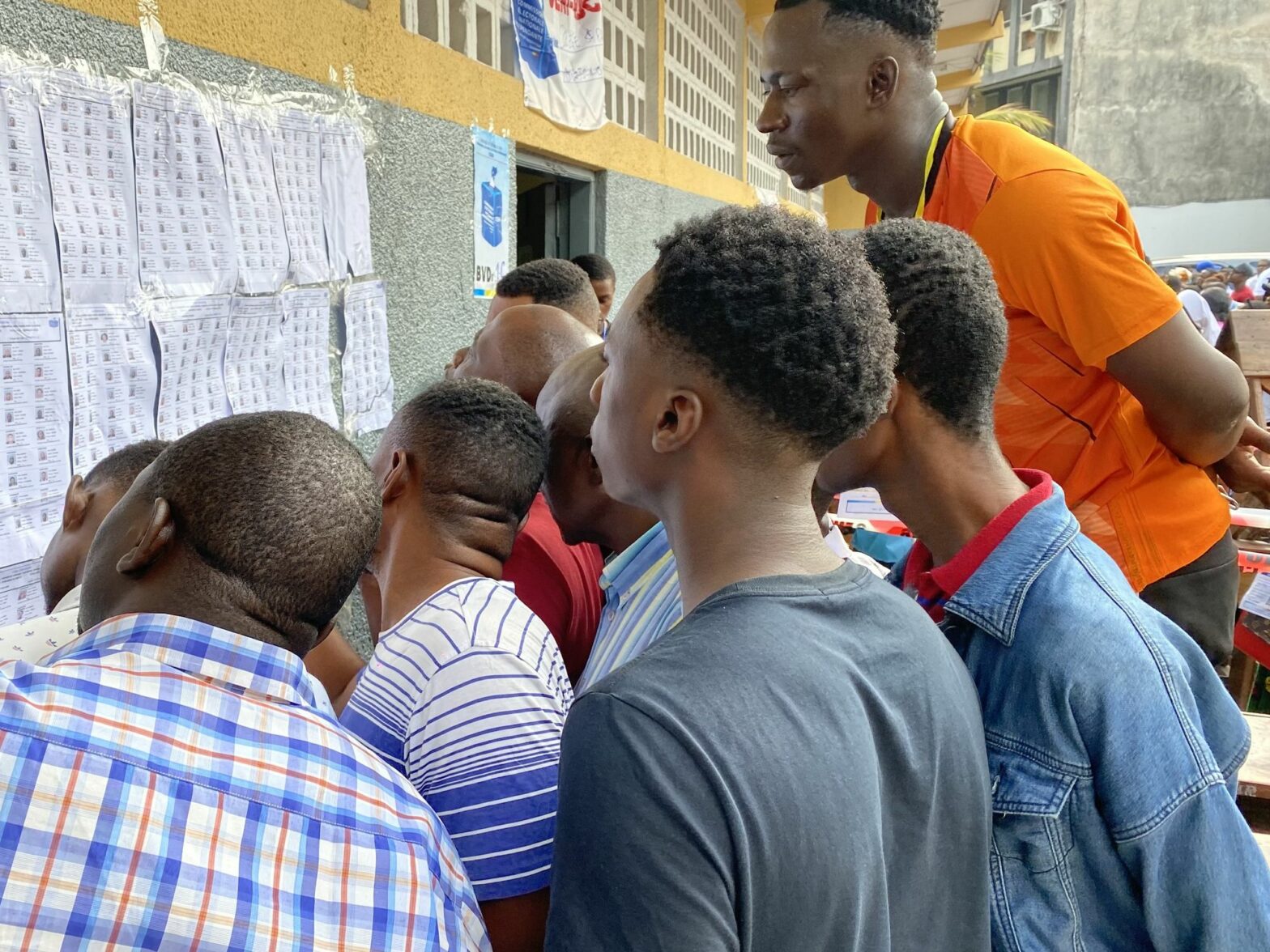
In the Democratic Republic of Congo, some 44 million voters will be choosing between 19 candidates to elect the new president. It’s a massive electoral task in a state that is largely dysfunctional. Where is the world to lend a hand?
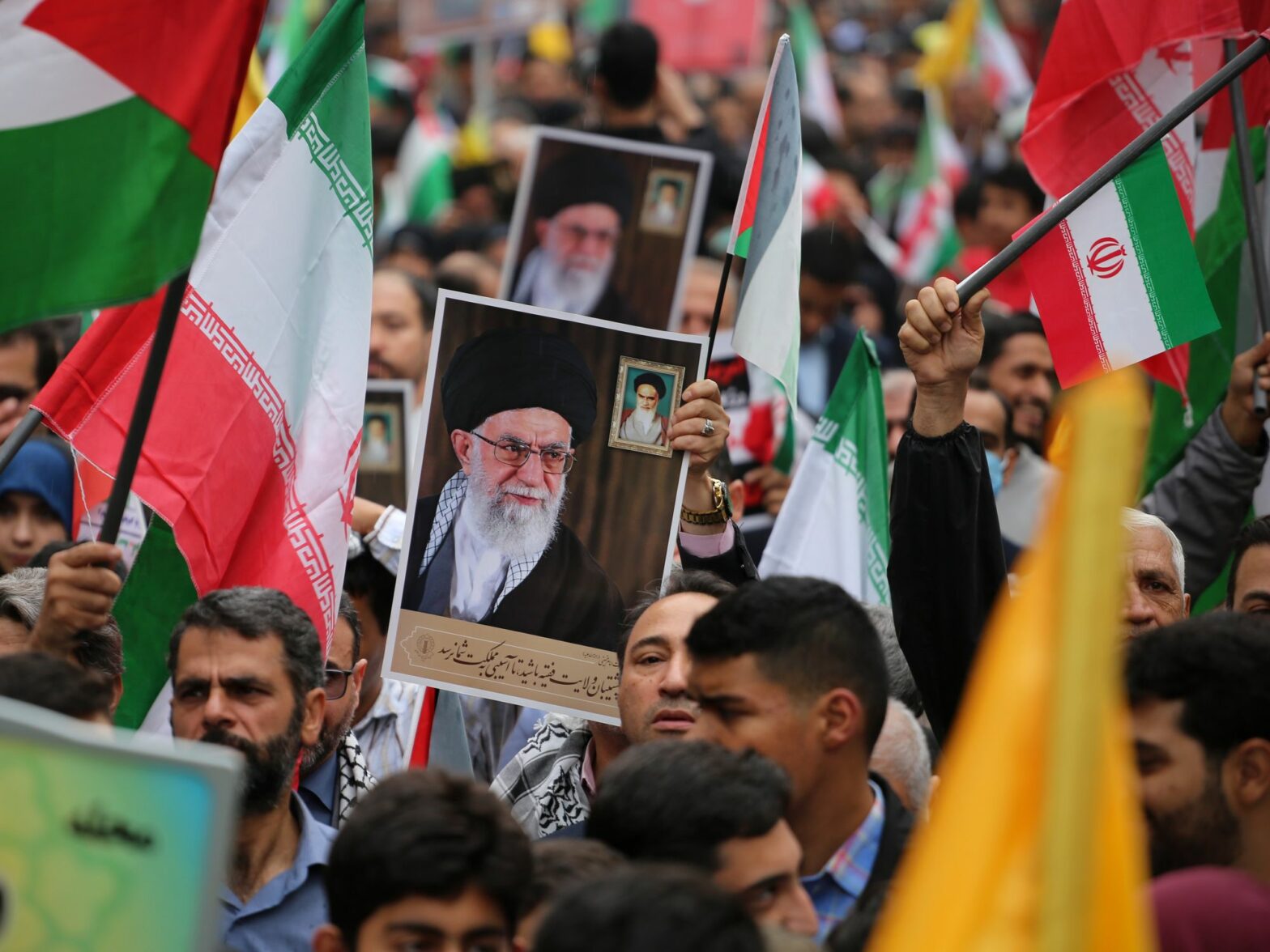
The recent repression of an old man dancing at a fish market shows how on edge Iran’s regime is domestically, writes Pierre Haski. While Iran may be stepping up its game regionally, its fragile attitude domestically can be a sign of what an irrational actor the mullah regime can be.