France’s European partners fear the outcome of the upcoming snap legislative elections and its consequences for the EU. German Chancellor Olaf Scholz has called for the victory of a party “other than Marine Le Pen’s,” a sign of this growing concern.
 Worldcrunch
France Inter is a major French public radio channel and part of Radio France. It is a “generalist” station, aiming to provide a wide national audience with a full service of news and spoken-word programming, both serious and entertaining, liberally punctuated with an eclectic mix of music.
France’s European partners fear the outcome of the upcoming snap legislative elections and its consequences for the EU. German Chancellor Olaf Scholz has called for the victory of a party “other than Marine Le Pen’s,” a sign of this growing concern.
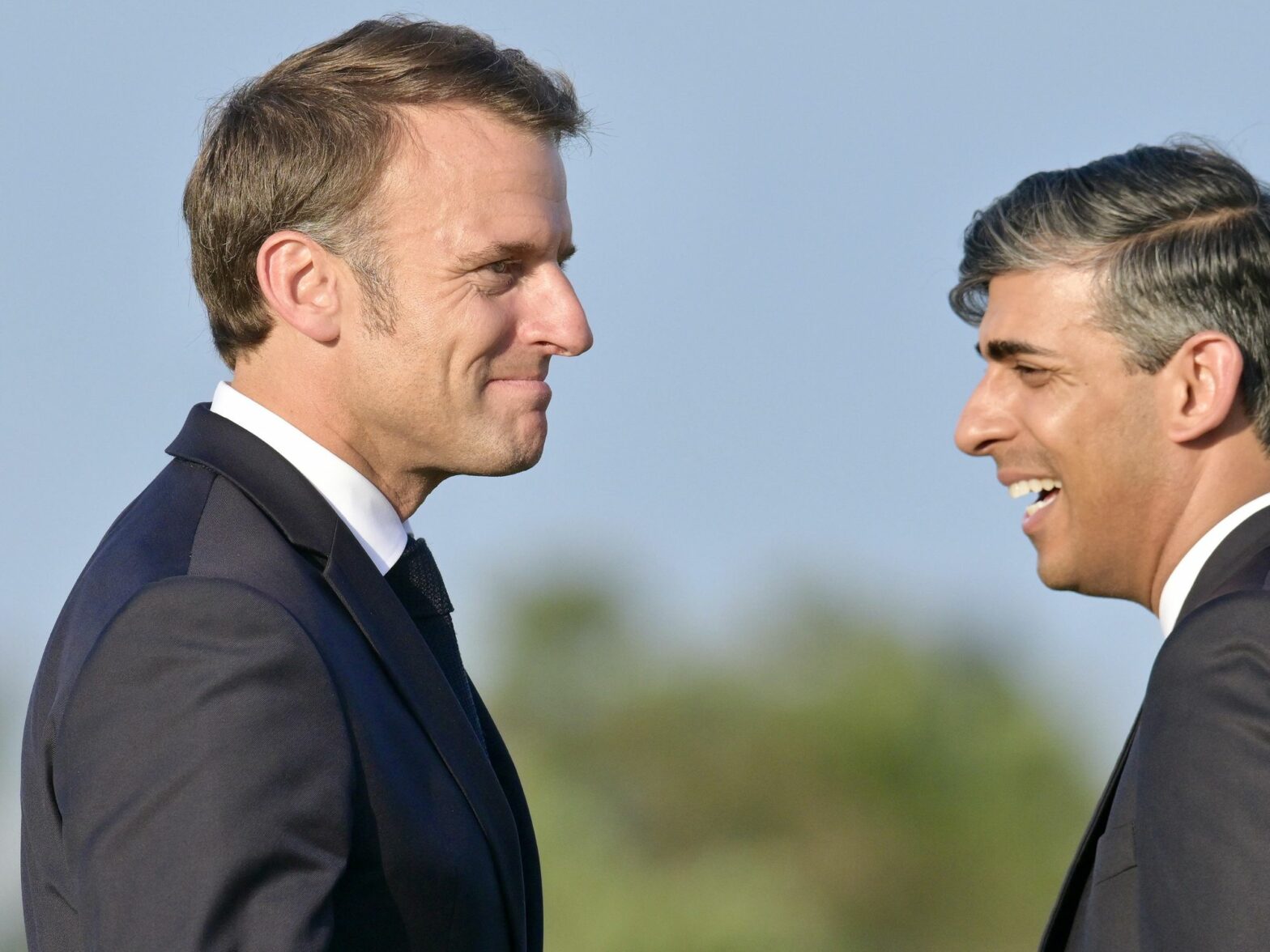
The left-leaning Labour party in the UK appears to be headed for a big win next week, while far-right forces may take control of the French Parliament in their coinciding national elections. But it may be that France is just eight years behind Britain, which voted for Brexit in 2015, and now regrets that populist choice.
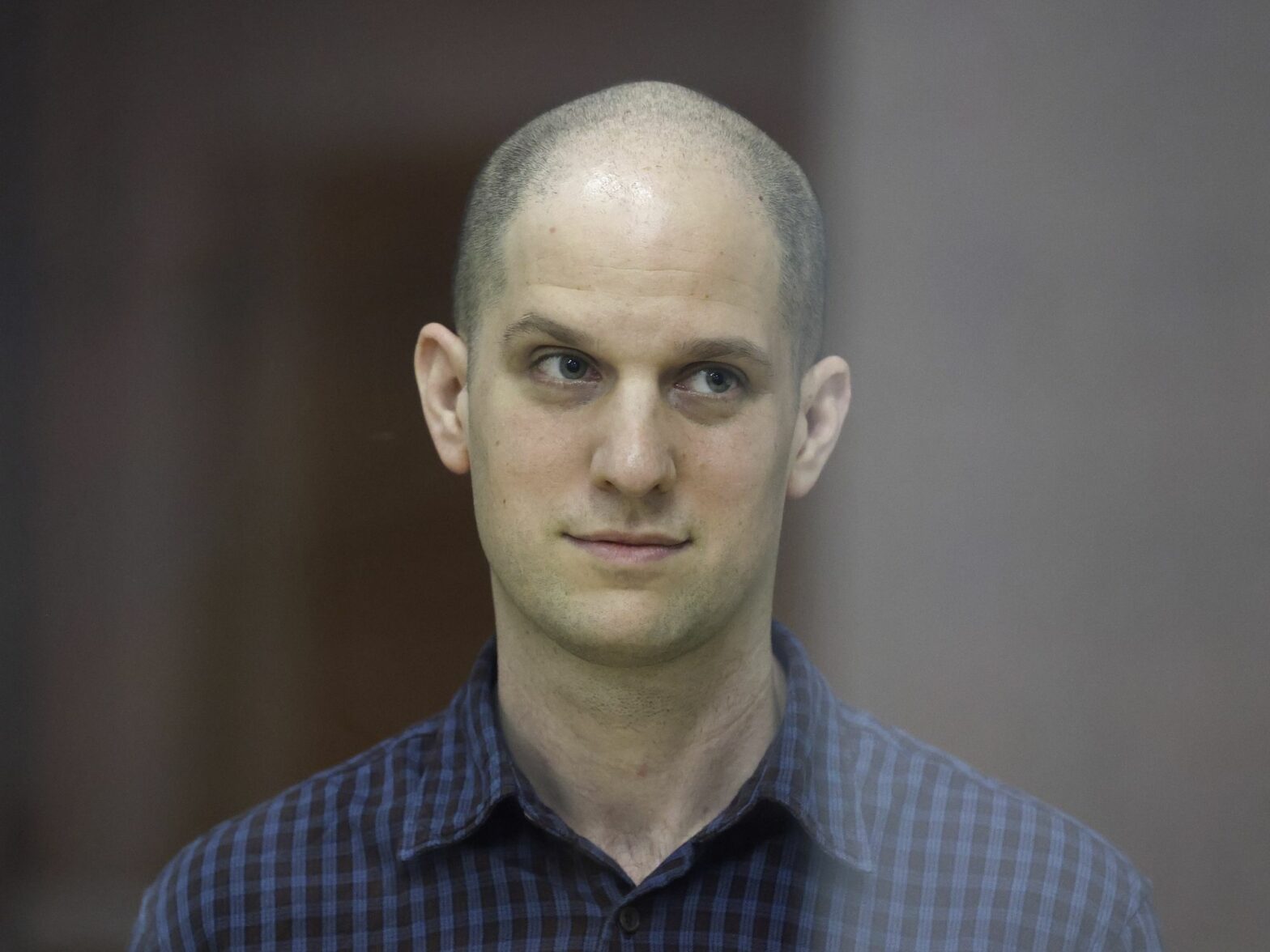
Russia announced a ban on 81 European media — in retaliation to the EU’s ban of Russian state media. The move is indicative of the prevailing Cold War climate, which limits the exchange of information between hostile worlds.
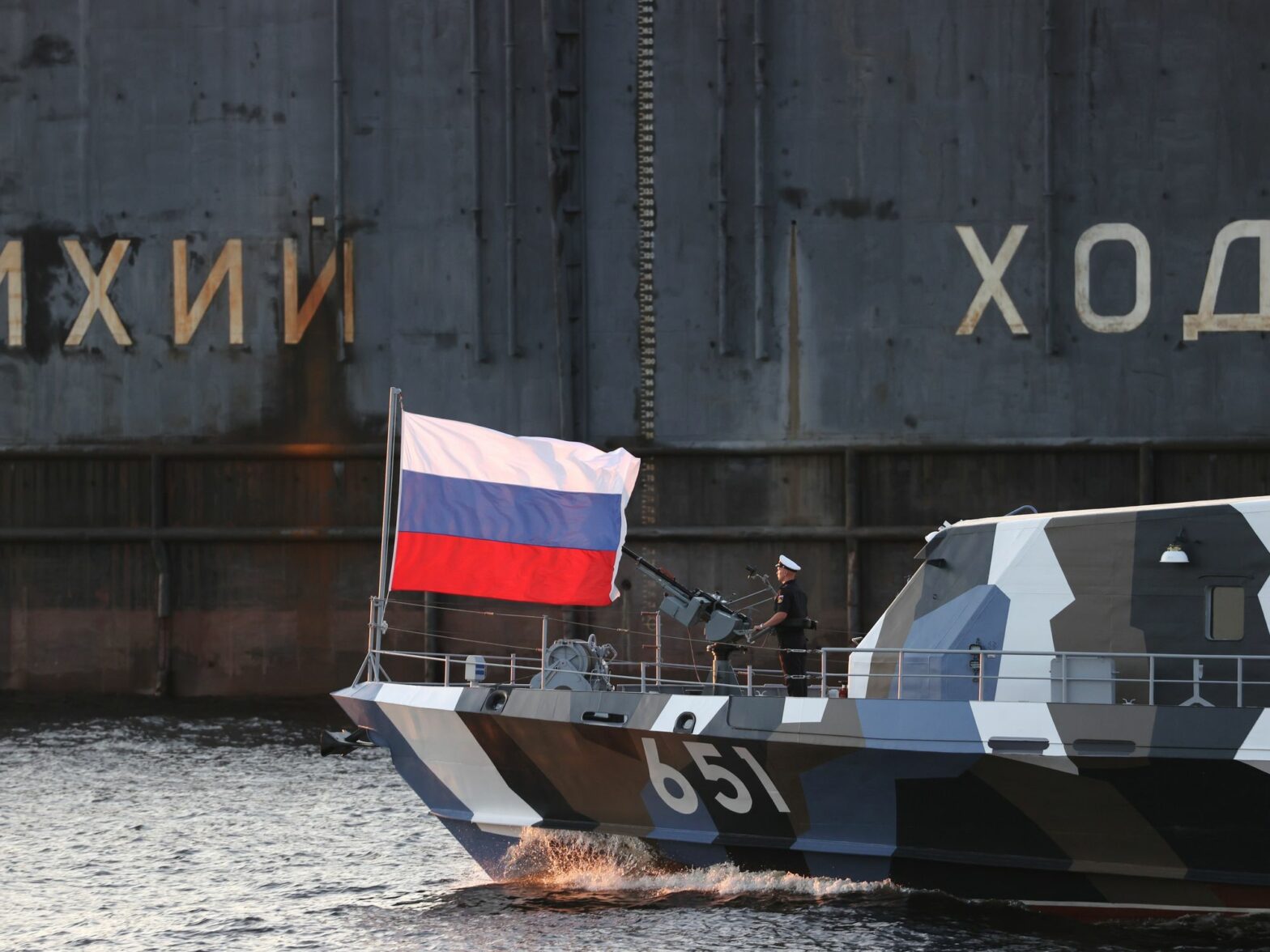
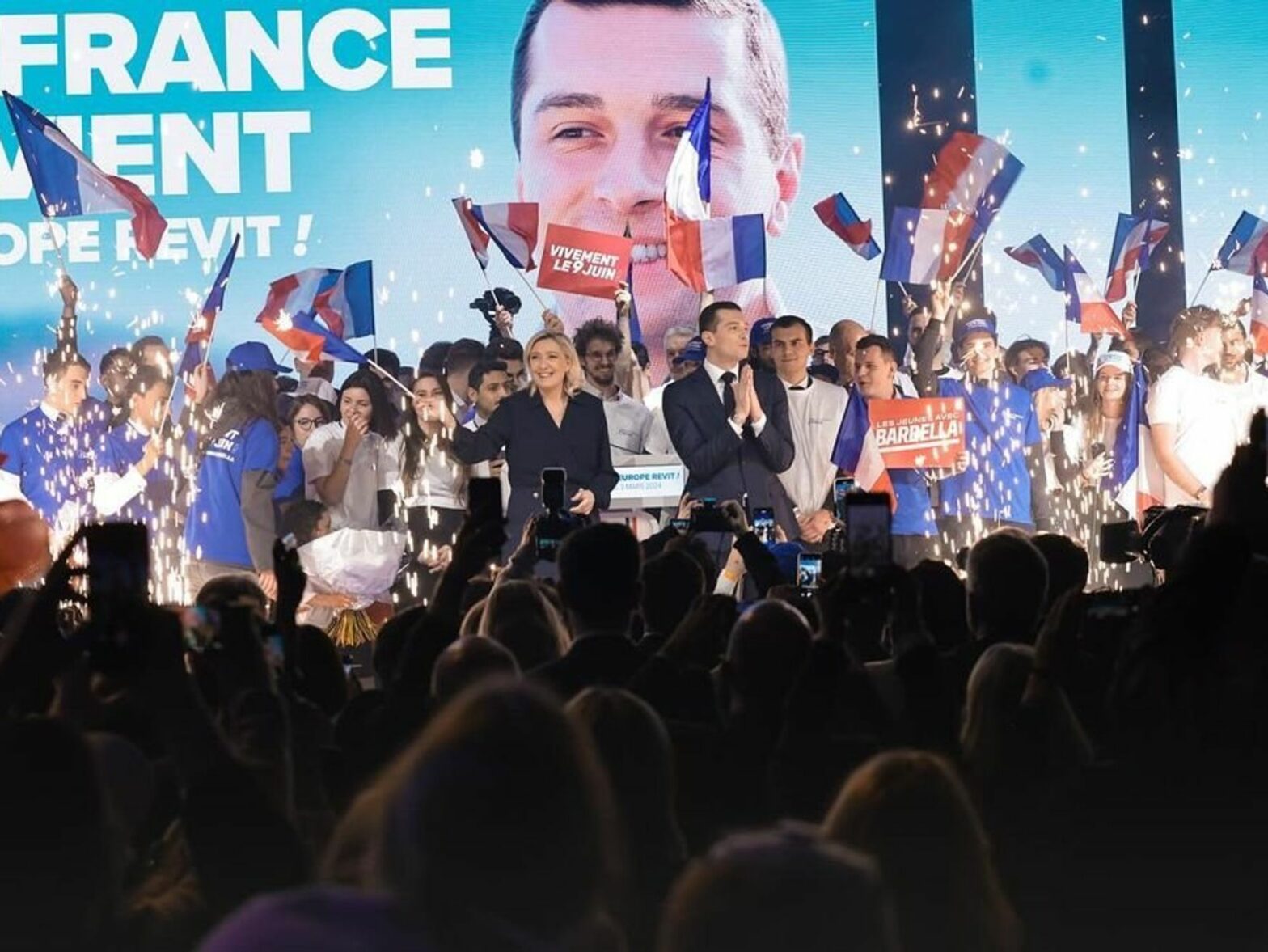
Jordan Bardella may become the first far-right prime minister in France since World War II. Is this good news for Vladimir Putin?
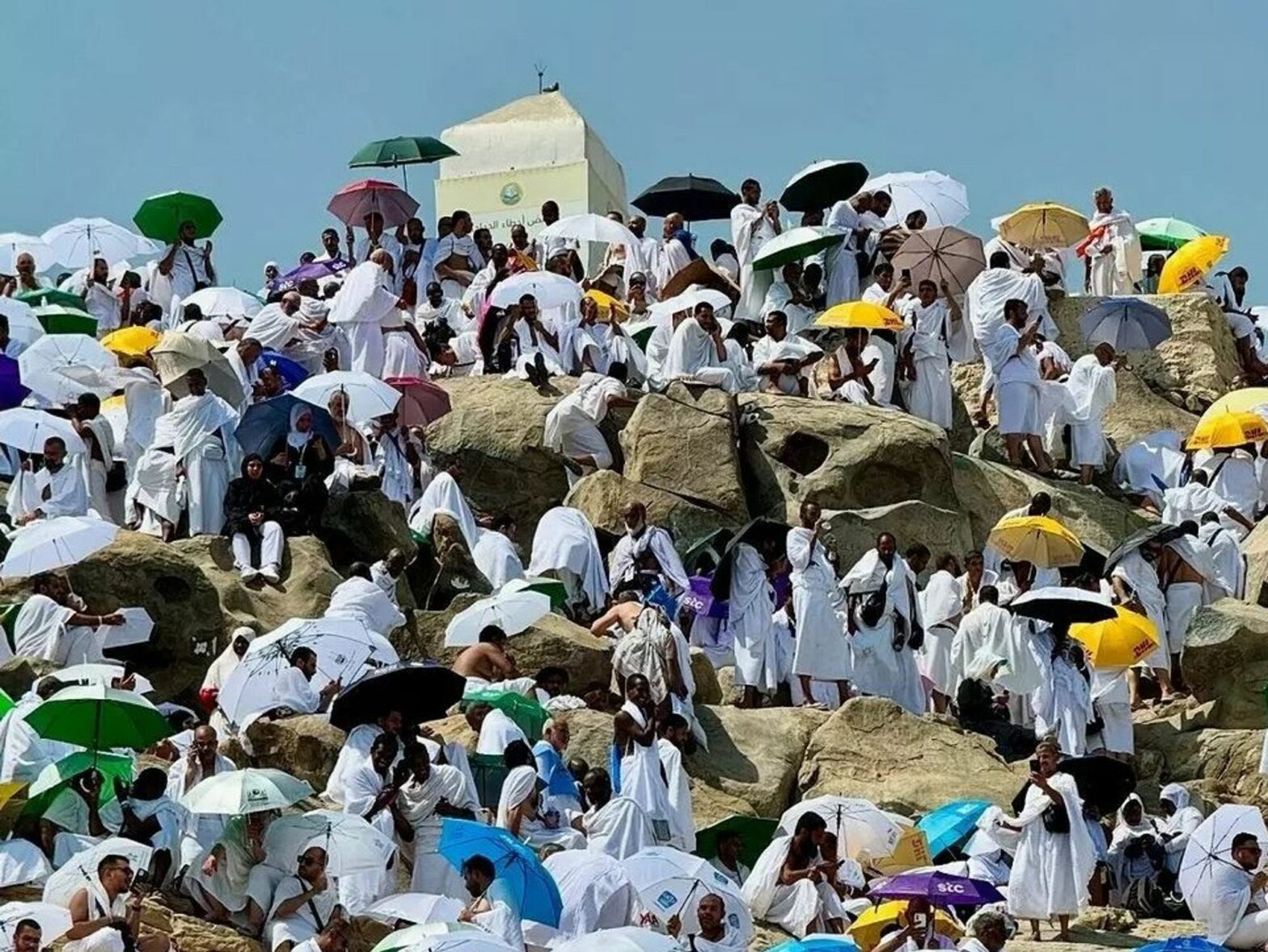
More than 1,300 people have died on the annual pilgrimage to Mecca. It’s not just a personal tragedy for Muslim worshippers, it’s a warning from mother nature.
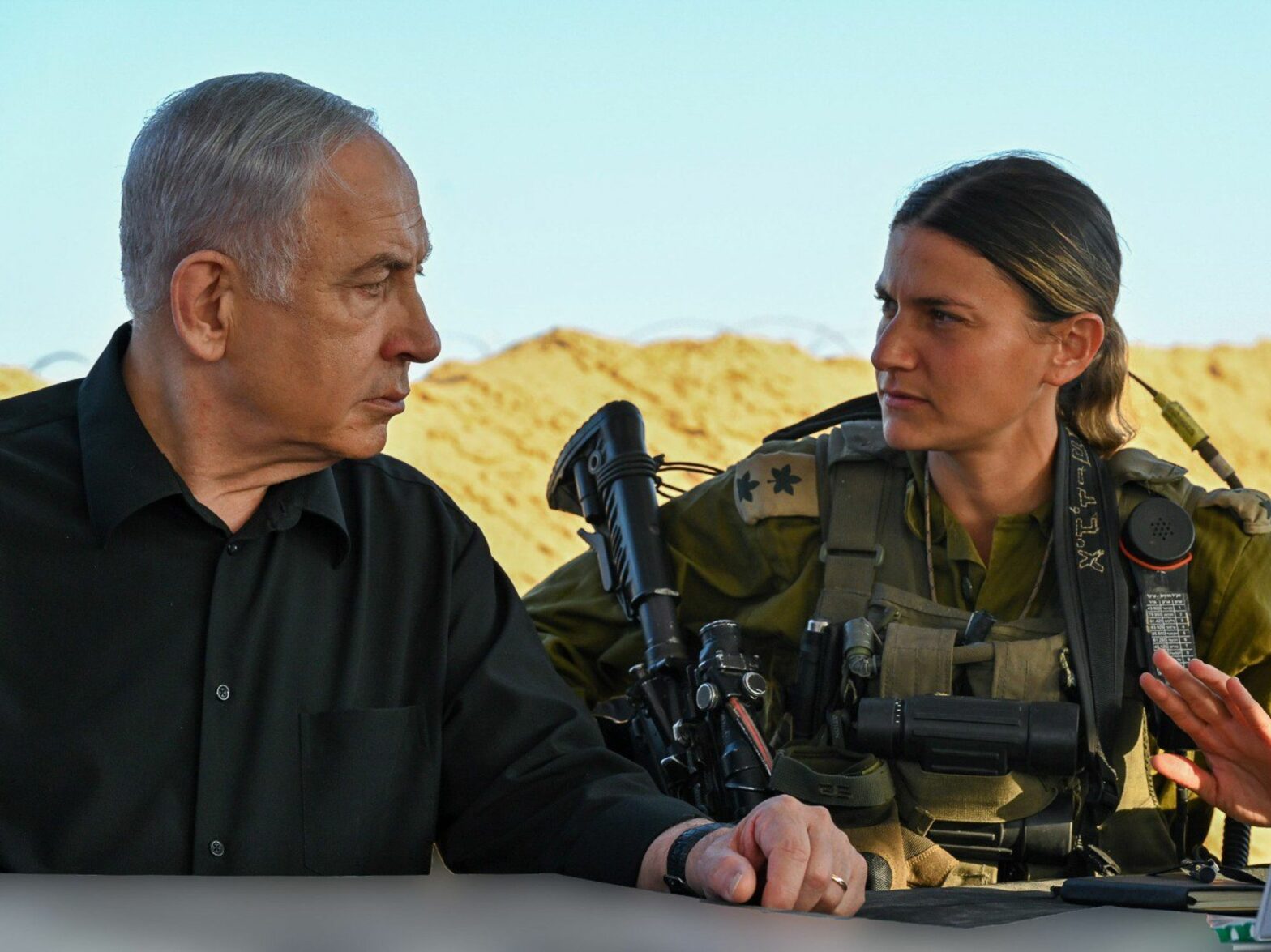
The Israeli army’s spokesman said that those talking about eradicating Hamas are “throwing sand in the eyes” of the Israeli public. It was a clear challenge to Benjamin Netanyahu, who counterattacked even as he remains under fire from all sides.
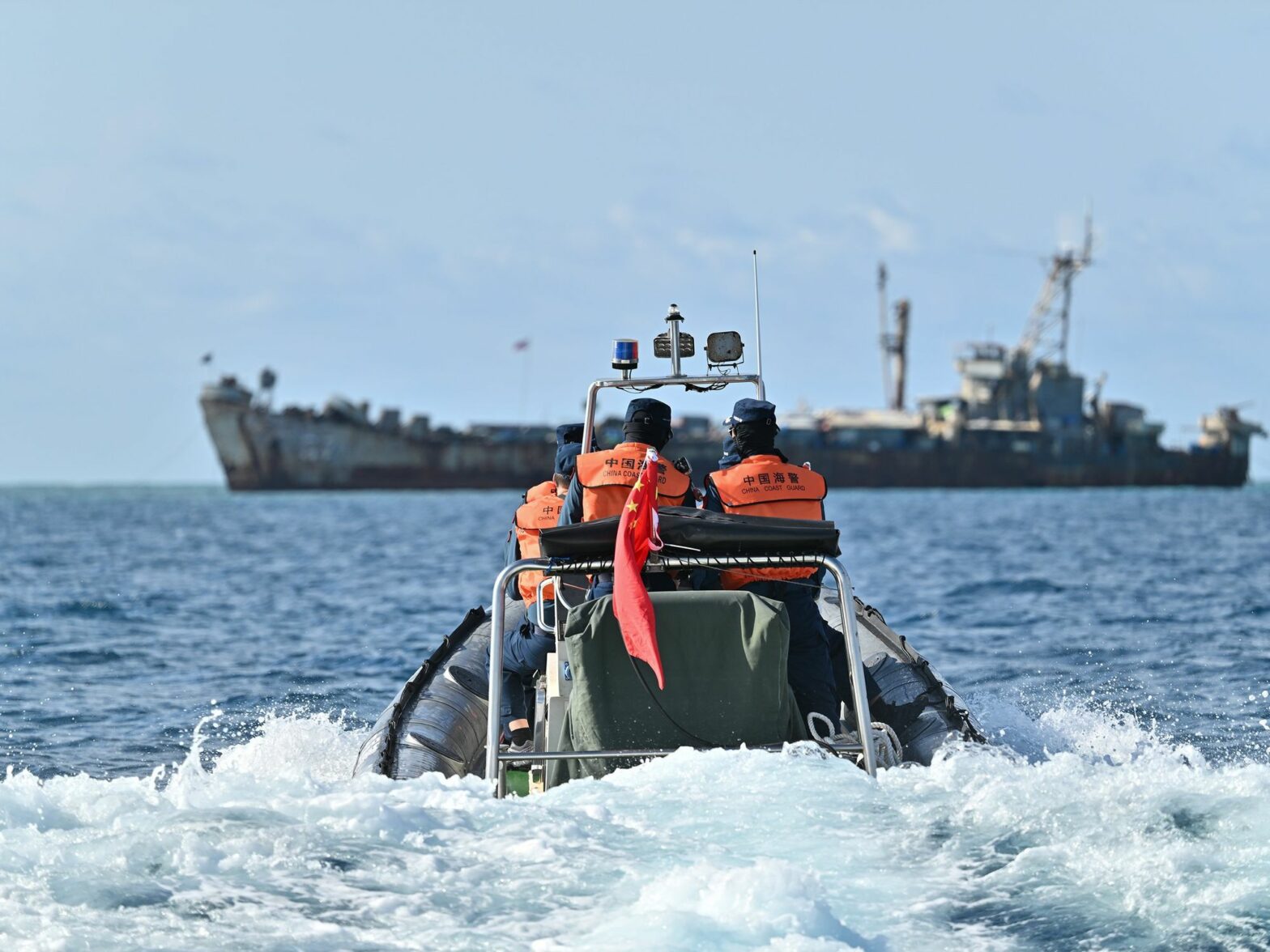
The Sierra Madre, a World War II cargo ship grounded 300 kilometers off The Philippine coast, was involved in an incident between the Philippine and Chinese navies on Monday. It’s the focus of a tug-of-war between Beijing and Manila, against the backdrop of the U.S.-China Cold War.
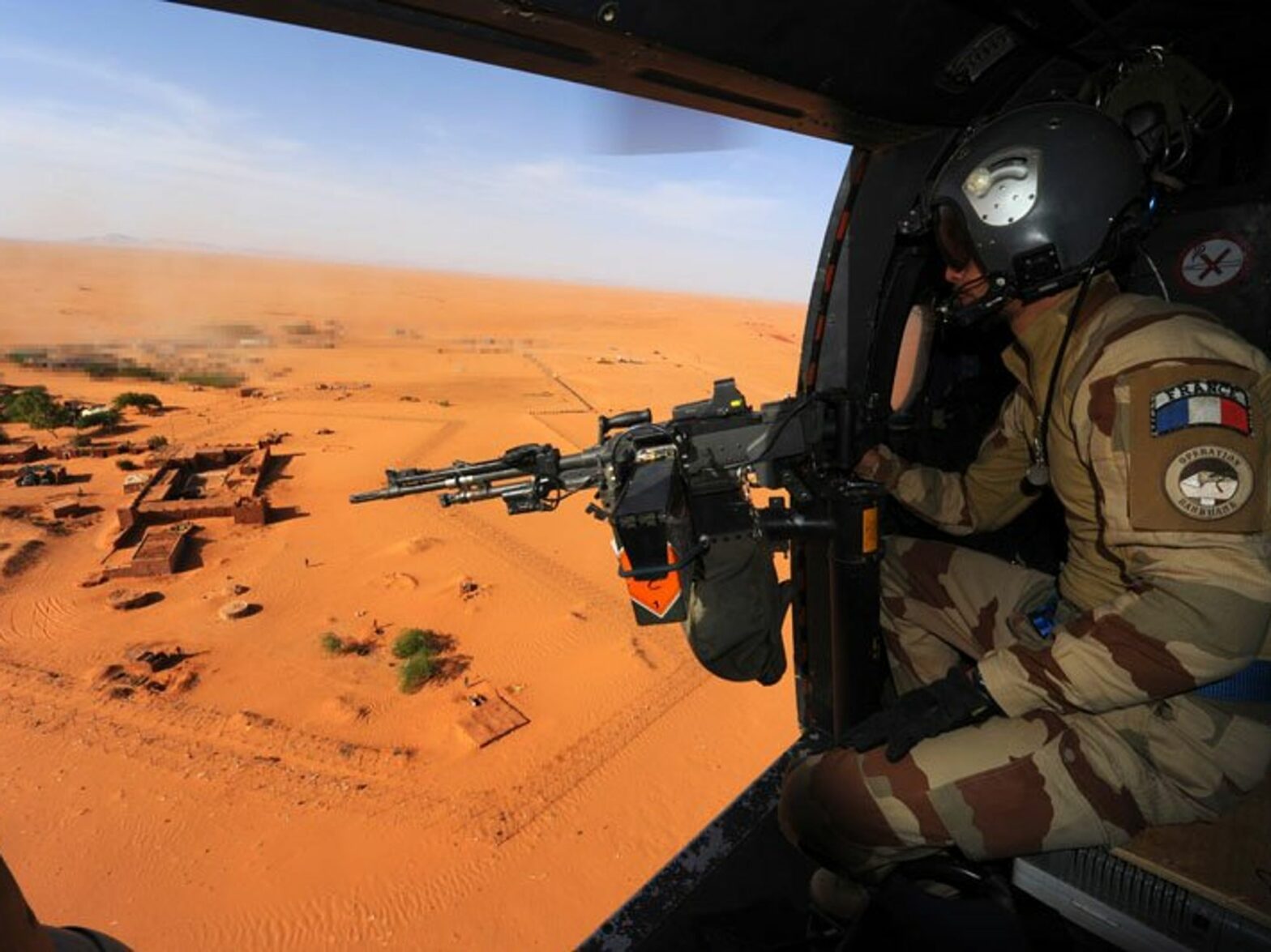
A chapter of history is closing: that of the active French military presence on the African continent, which will soon be reduced to a bare minimum after being a central element of France’s presence in its former colonial empire.
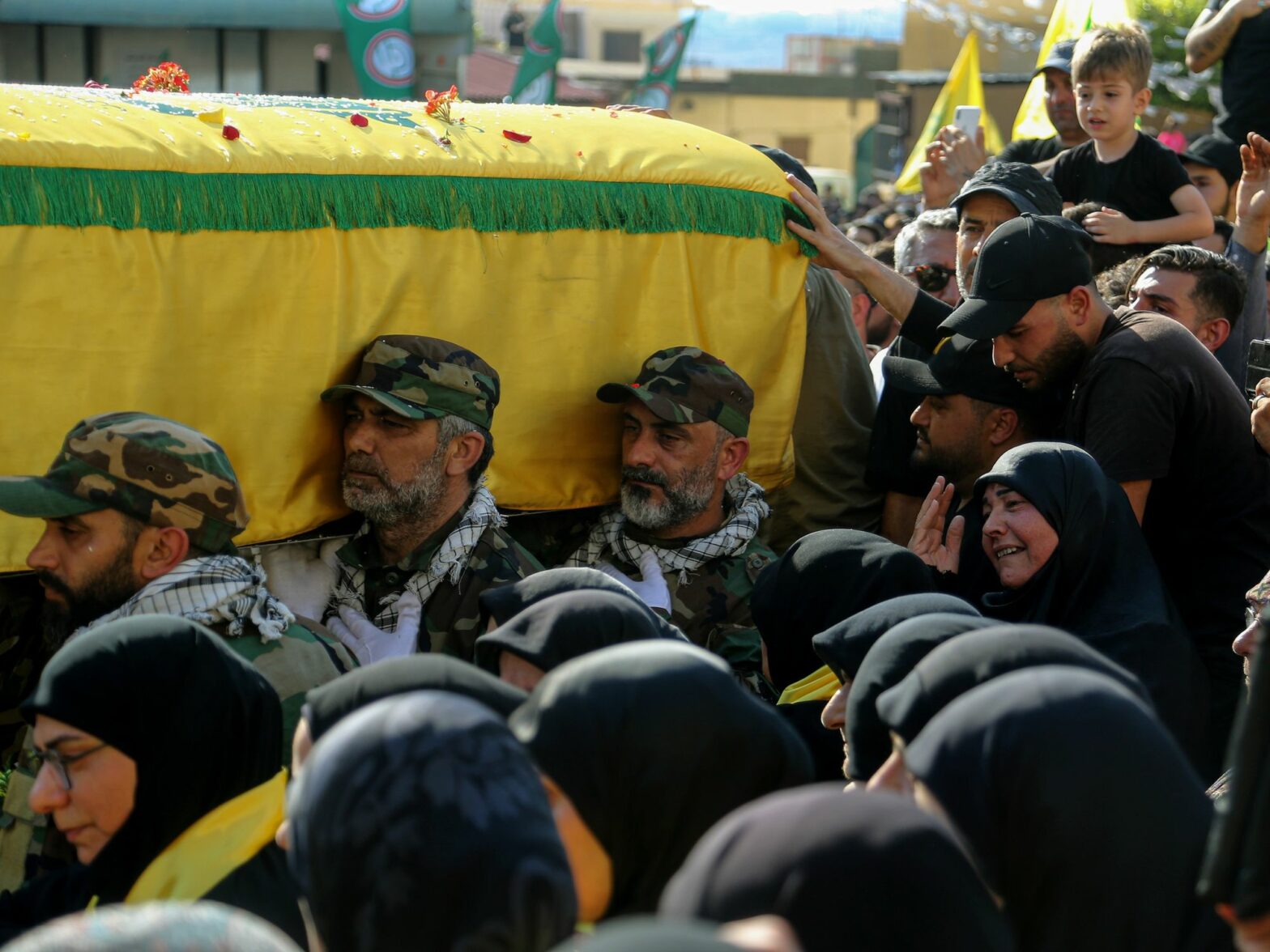
Mediation efforts are ongoing to halt the escalation between Israel and Lebanon’s Hezbollah, which could degenerate into all-out war at any moment. But diplomacy seems powerless in the face of the logic of war.
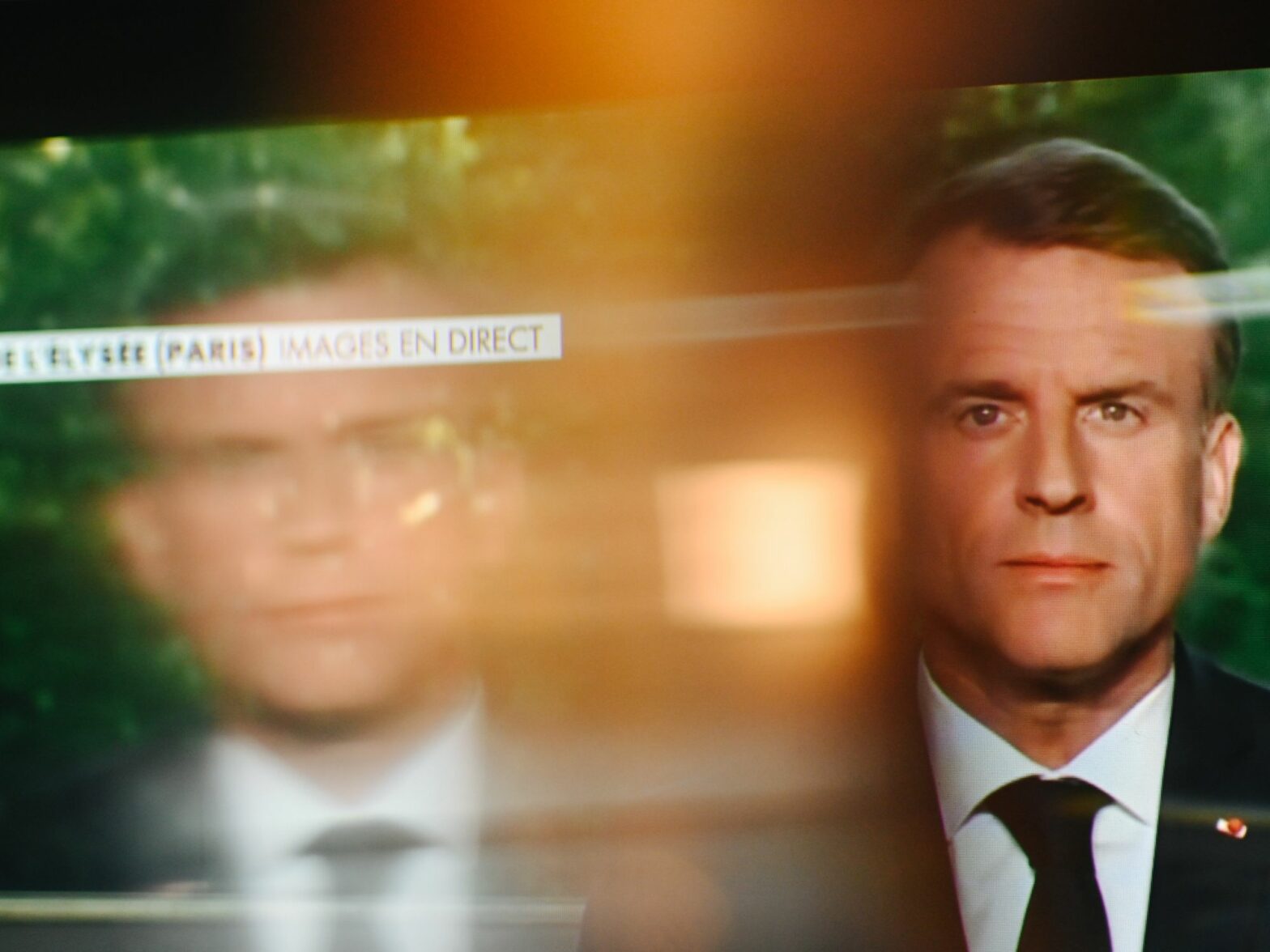
There is a striking paradox: the European elections, which were expected to cause a seismic shift, ended in relative continuity in most places. The crisis erupted where it was least expected: in France, snap elections could have serious consequences in the whole of Europe.
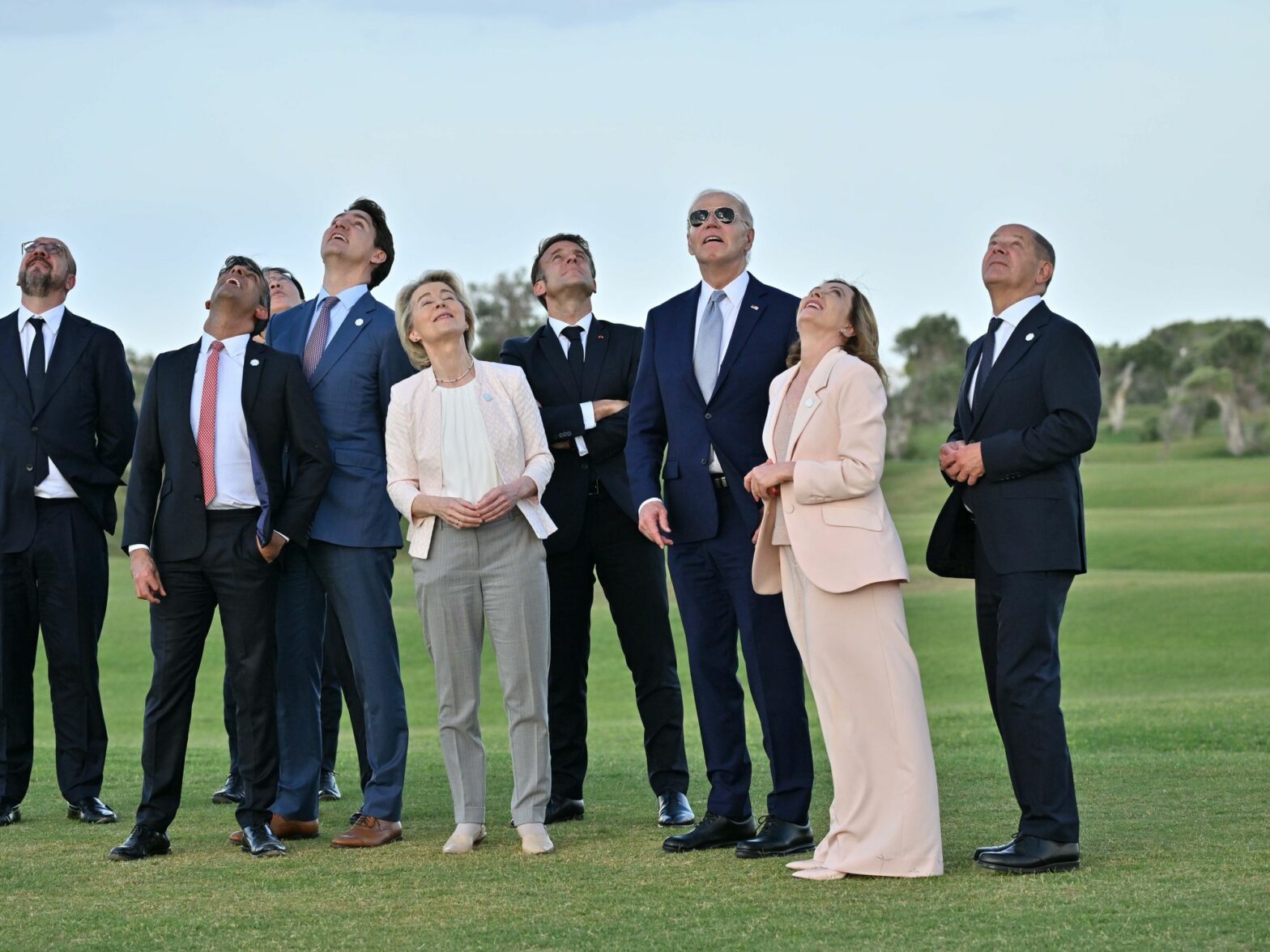
As the upcoming French and American elections show, the Western democratic model is being put into question — both externally by revisionist powers, and internally.
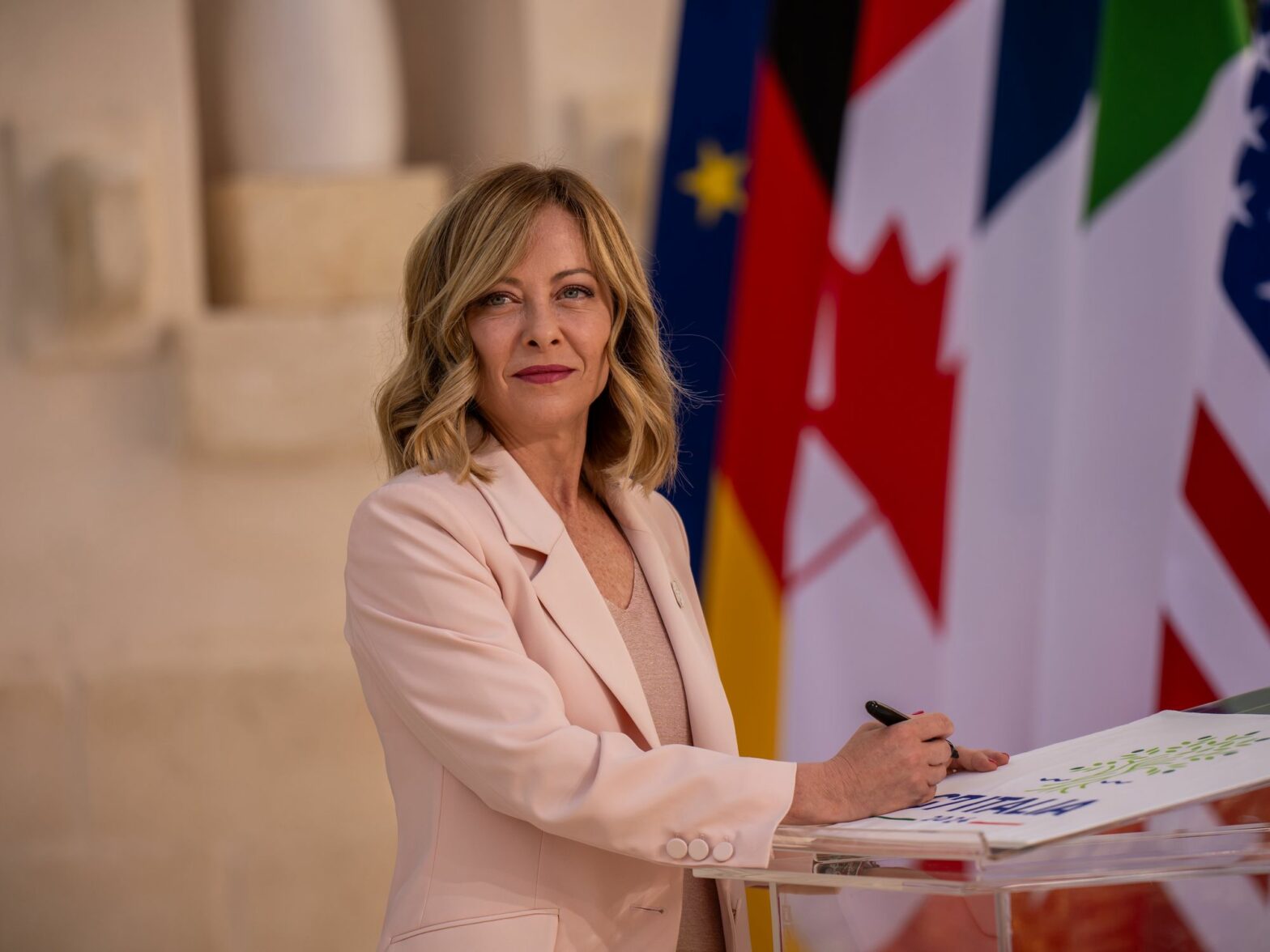
The G7 countries meeting in Italy are examining a proposed $50 billion loan to Ukraine, a way of preempting possible future obstacles: Trump in the U.S. and the far-right in France. The wildcard is Italian Prime Minister Giorgia Meloni.
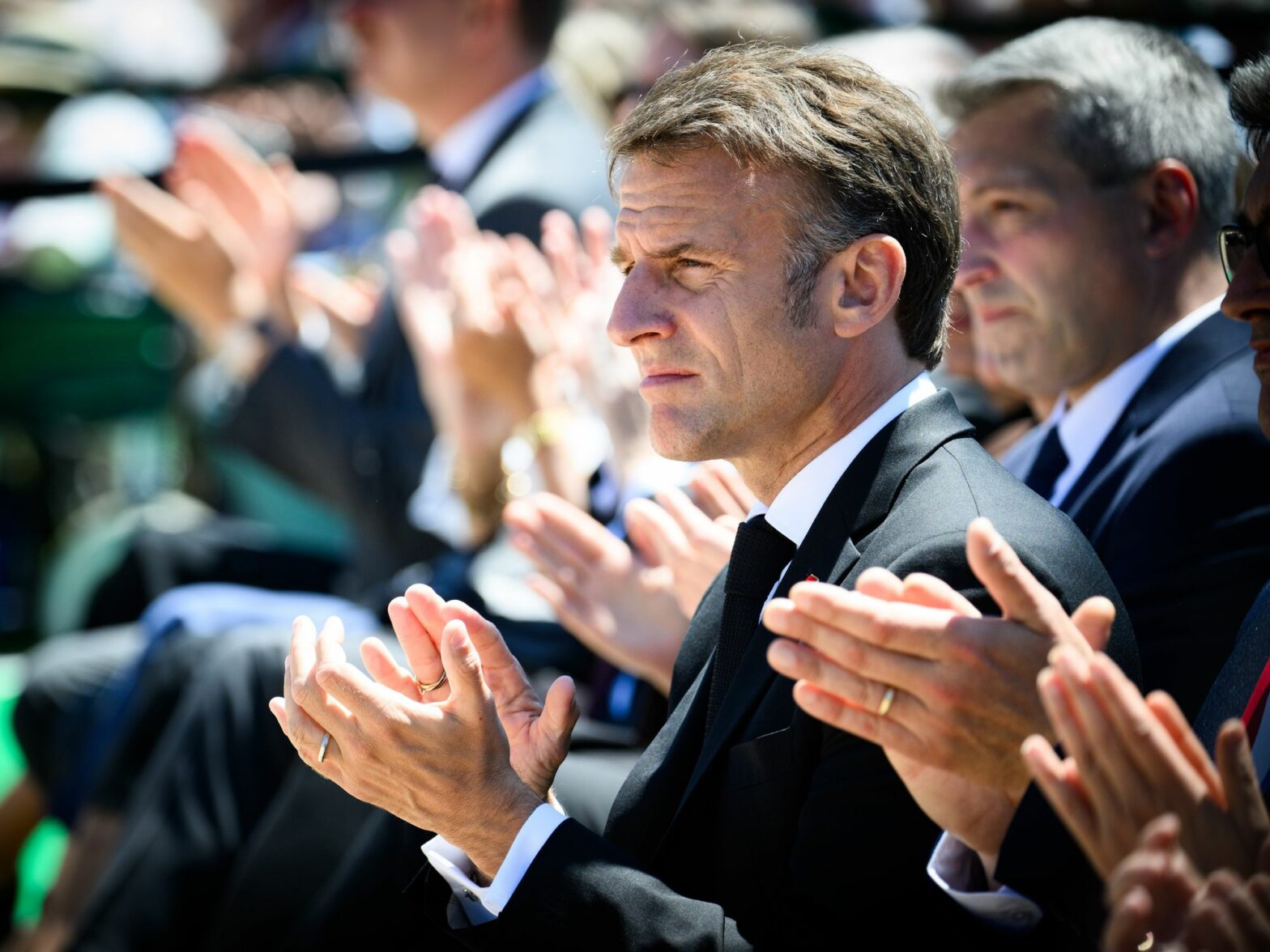
French President Emmanuel Macron’s decision to dissolve Parliament and call special elections caught his international partners by surprise. The stakes are high, especially for Ukraine.
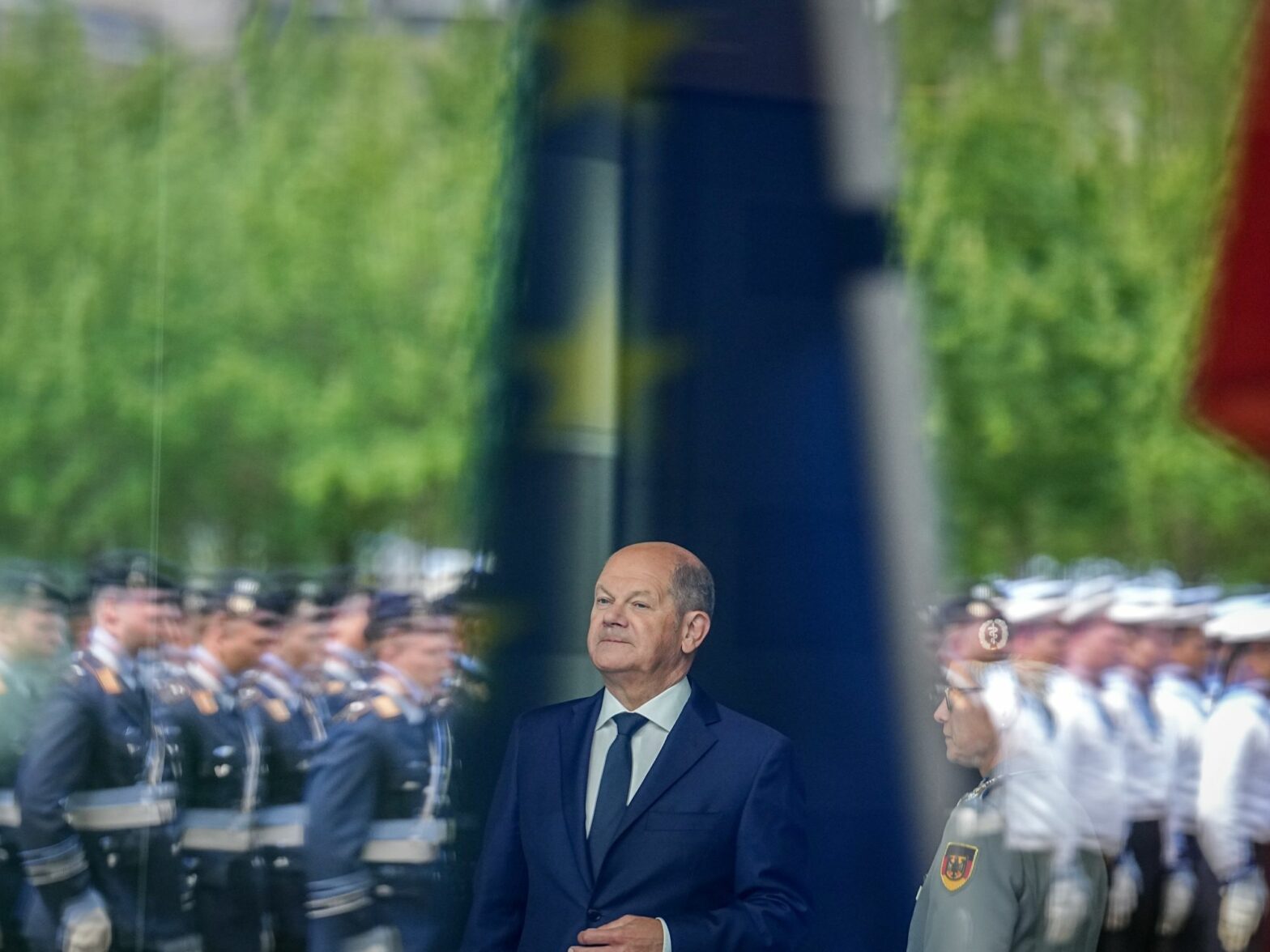
Olaf Scholz has refused to dissolve Germany’s parliament, even though his coalition suffered a major defeat at the European elections. The Chancellor’s weakened position comes at a bad time for Europe, where the union’s other major power, France, is also in a fragile state.
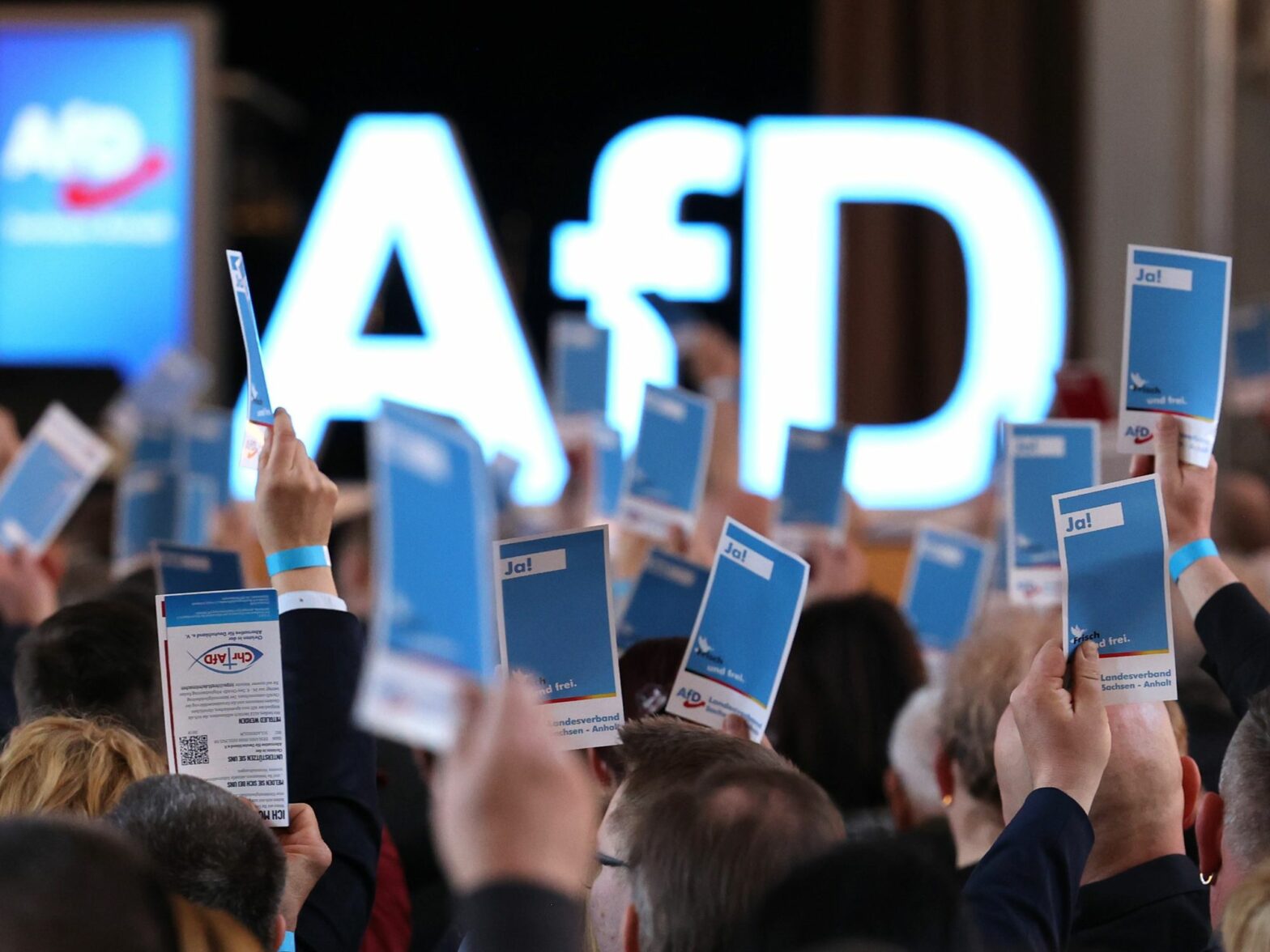
There’s the risk both for over and underestimating the unprecedented gains of far-right parties in the European elections.
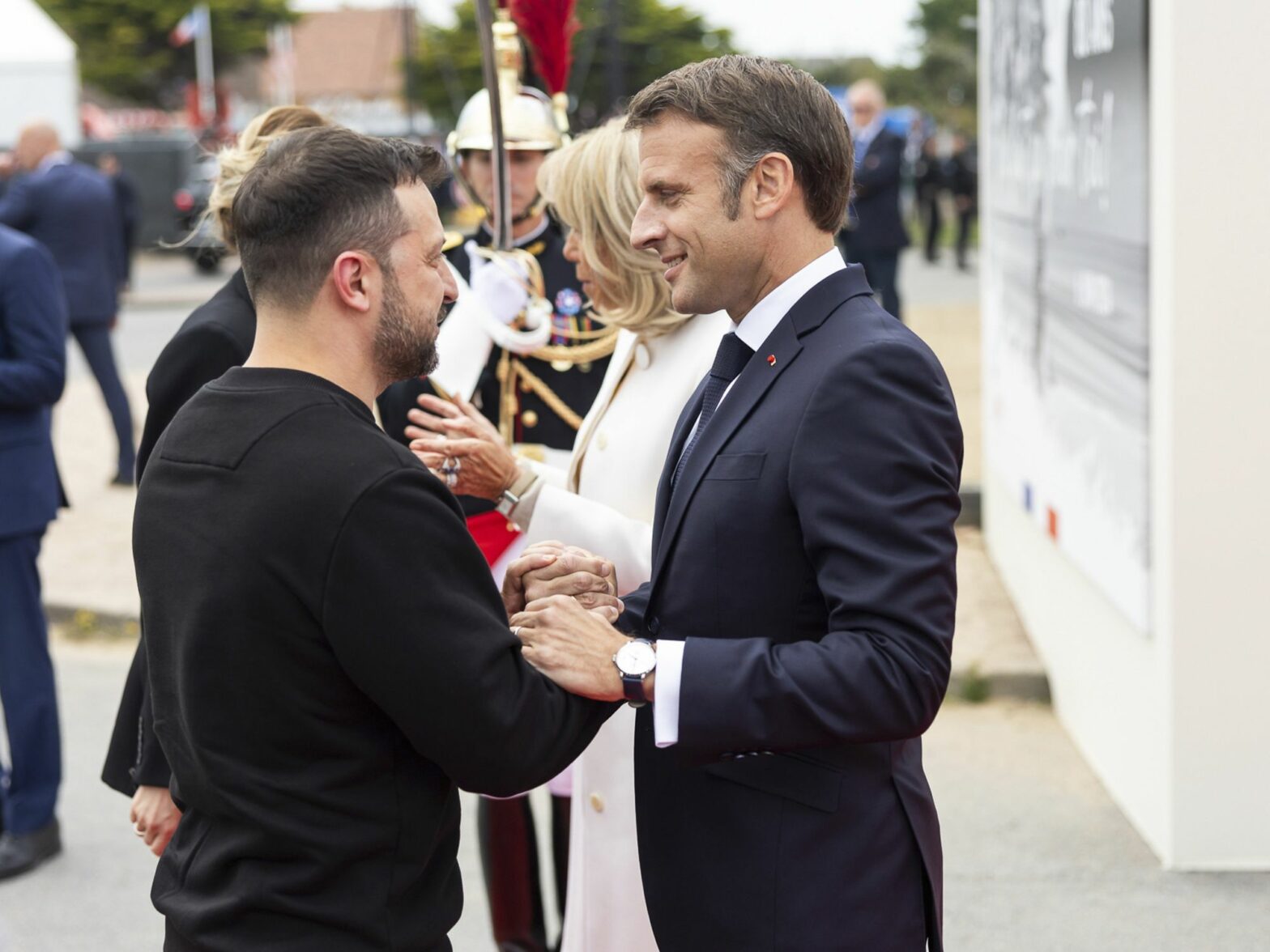
French Mirage jets and training of pilots on Ukrainian soil: these two announcements by Emmanuel Macron last night, as his Ukrainian counterpart Volodymyr Zelensky was in France for the June 6 ceremonies, mark an increased commitment — to help Ukraine restore the balance of power.
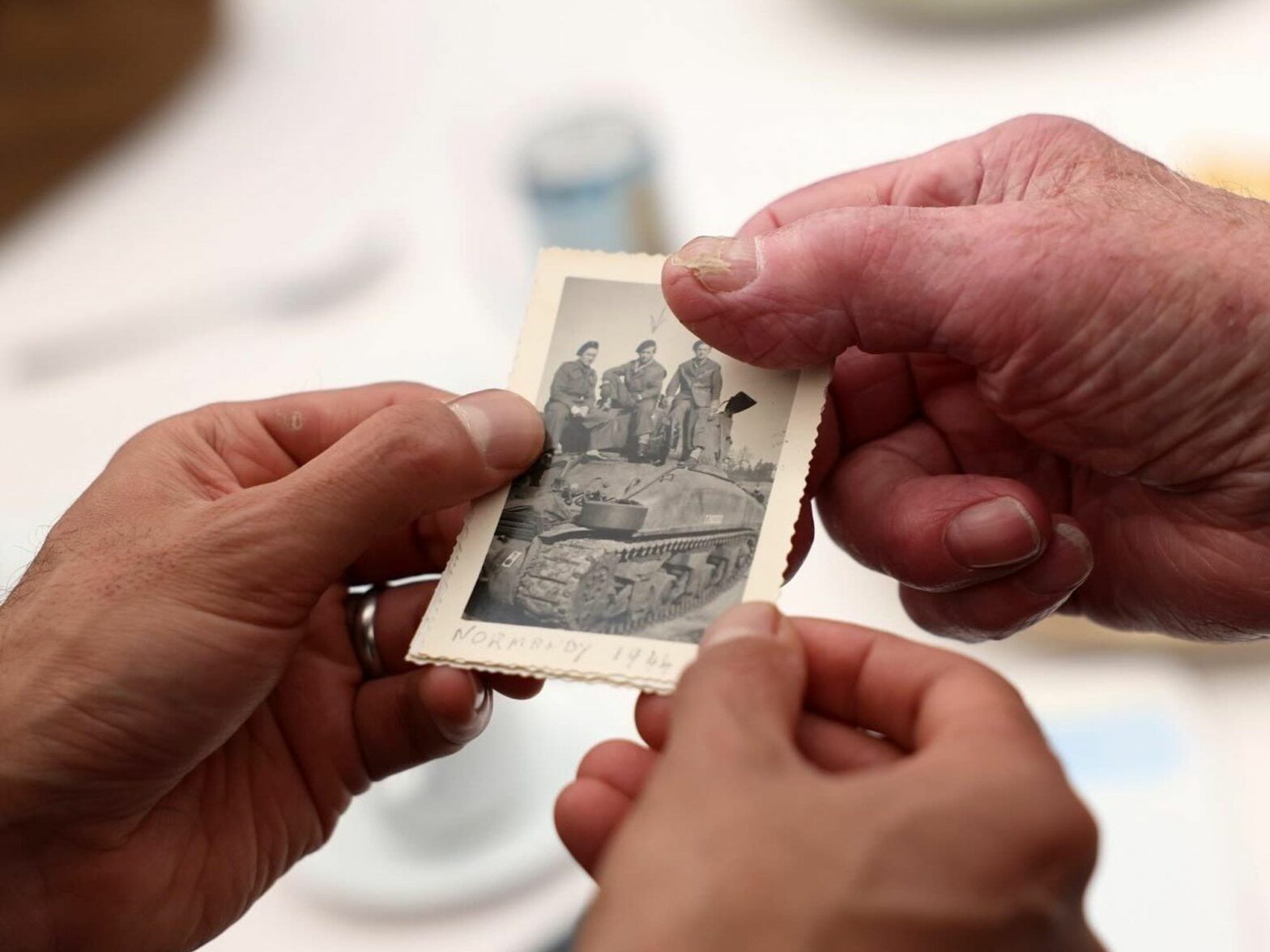
Participants in the D-Day commemorations will issue a new transatlantic declaration reaffirming common values. The risk is that they will try to save the West — rather than try to reinvent a world with greater fairness and economic equity.
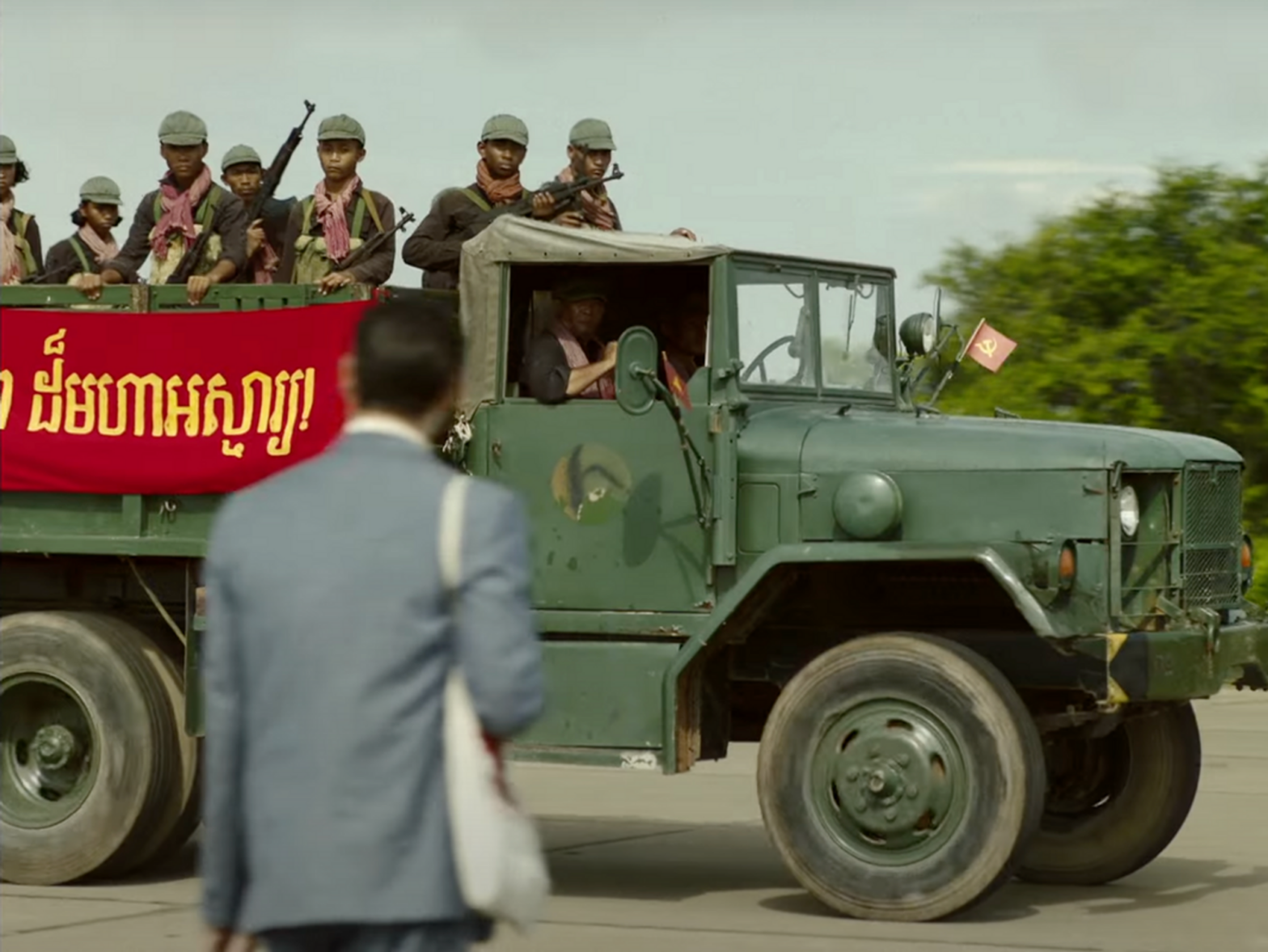
In his latest film, Cambodian-born filmmaker Rithy Panh examines the Khmer Rouge regime’s manipulation of foreign opinion. A universal and highly topical lesson on how to distance oneself from ideologies and their illusions.
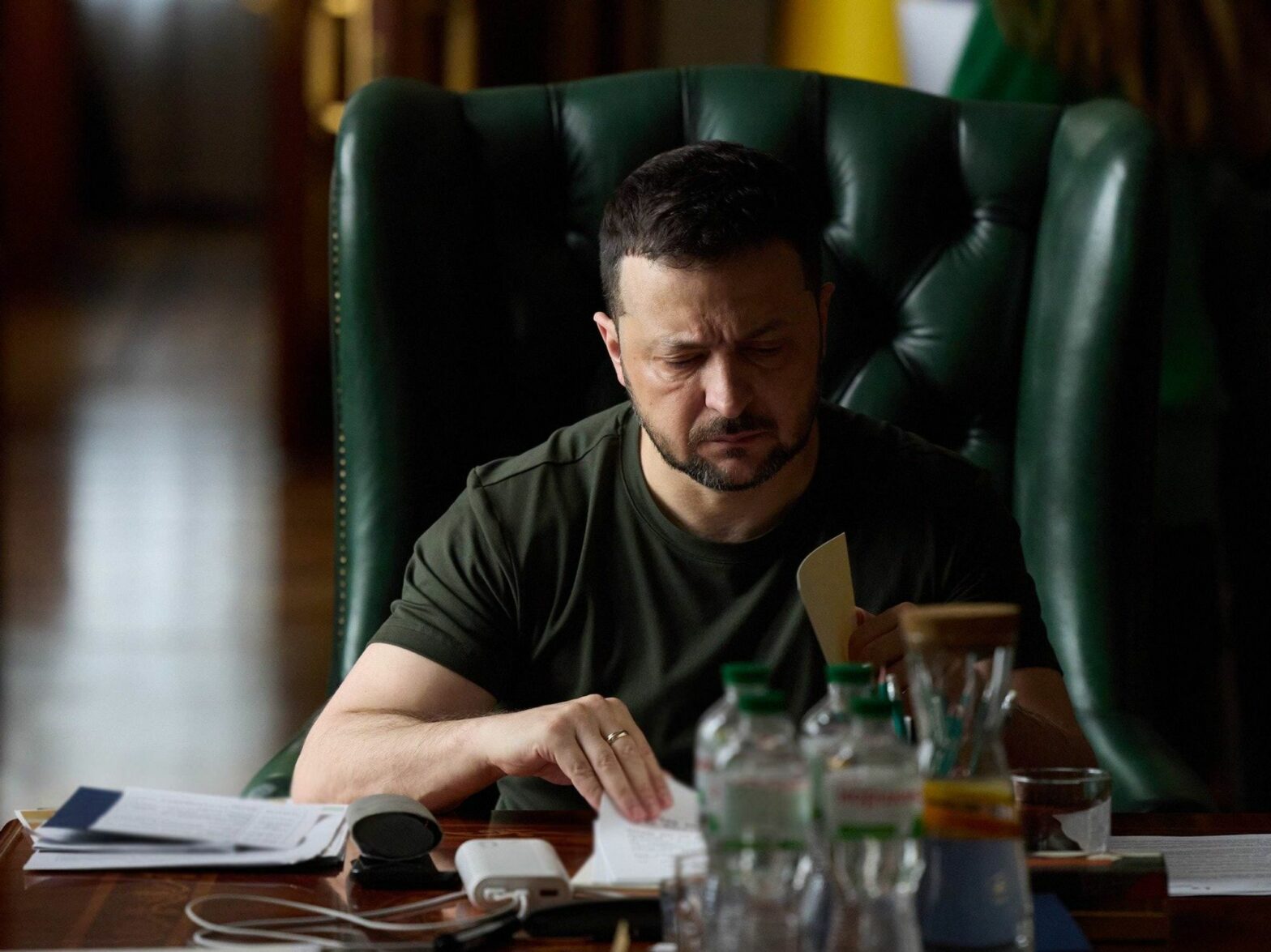
Two weeks ahead of the Ukraine conference in Switzerland, Volodymyr Zelensky blamed China for sabotaging the meeting at Russia’s behest. Urkaine’s president may use the upcoming D-Day memorial to raise the stakes with his own allies.
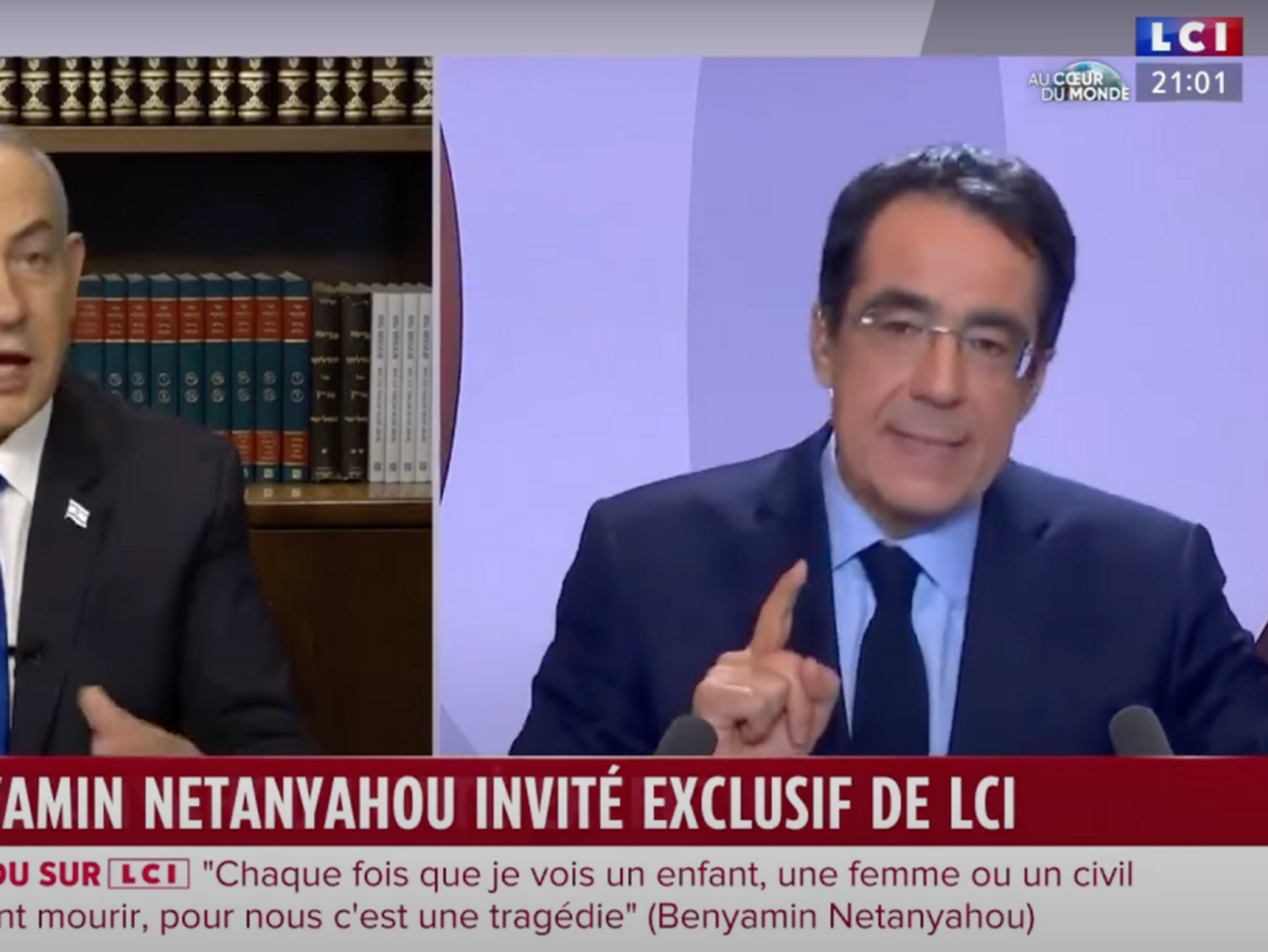
The Israeli Prime Minister appeared on French television to try to convince European audiences of his war aims. But his main weakness is his lack of vision for the “aftermath”: he has nothing to offer the Palestinians.
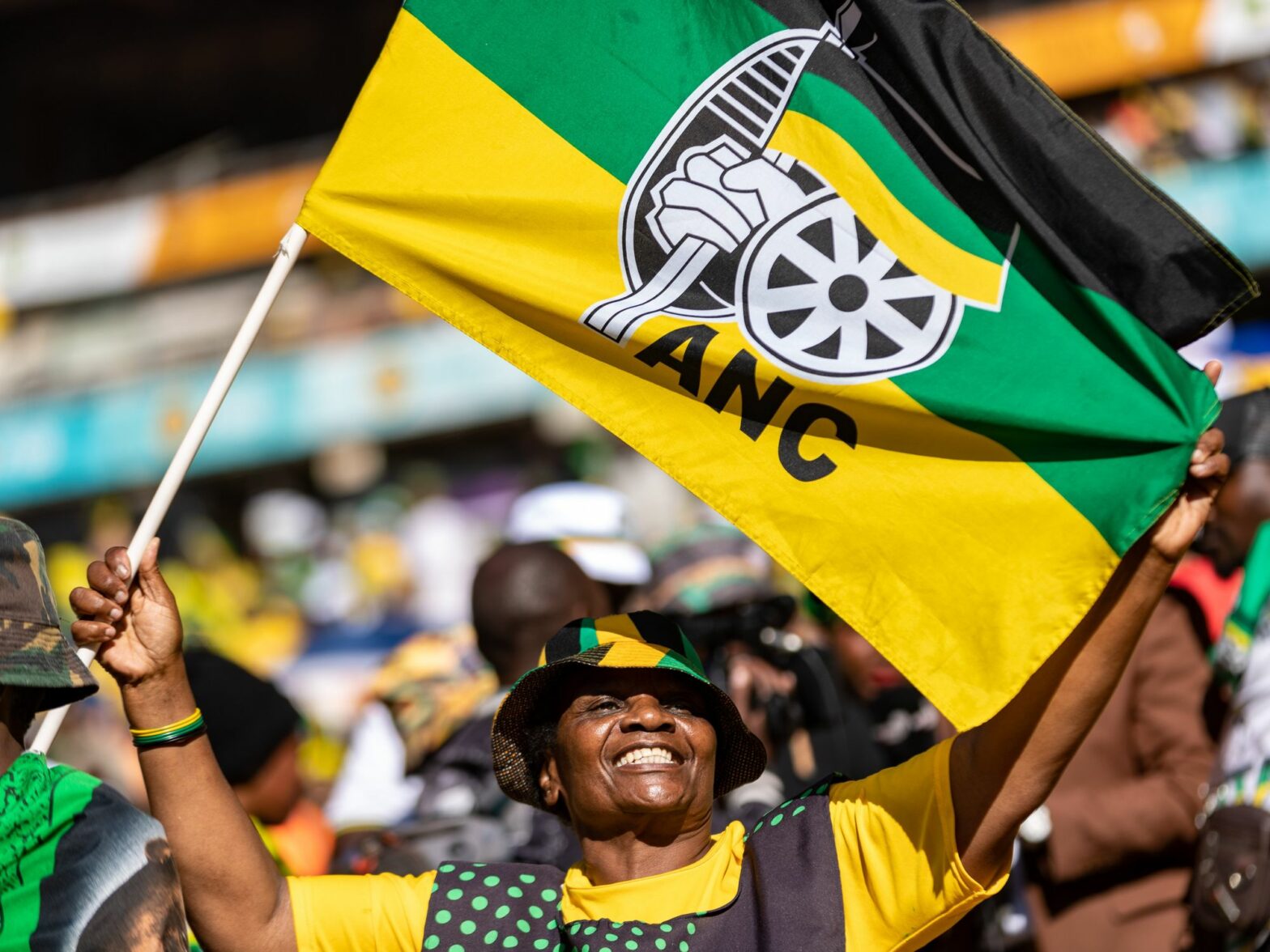
As South Africa goes to the polls, Nelson Mandela’s African National Congress party is facing disillusionment among its voters, and risks losing its absolute majority in parliament. Corruption, crime and persistent social inequality are at the root of this disenchantment — and the memory of the liberation struggle is fading.
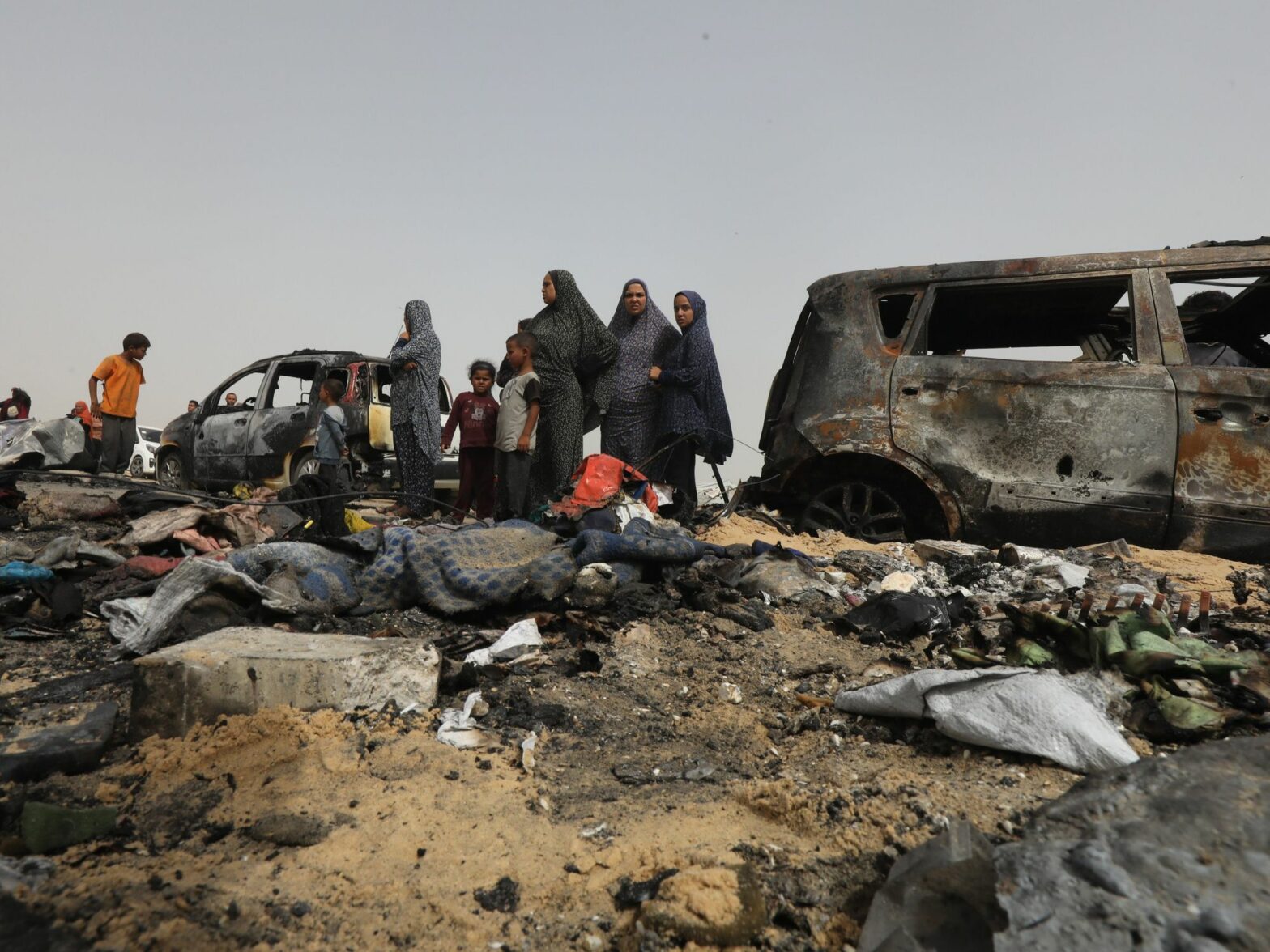
Benjamin Netanyahu spoke of a “tragic accident” after the deadly bombing of a camp for displaced Palestinians near Rafah; but this rare act of contrition does not mean the Israeli leader has changed his strategy, despite the indignation of the rest of the world at the number of civilians killed.
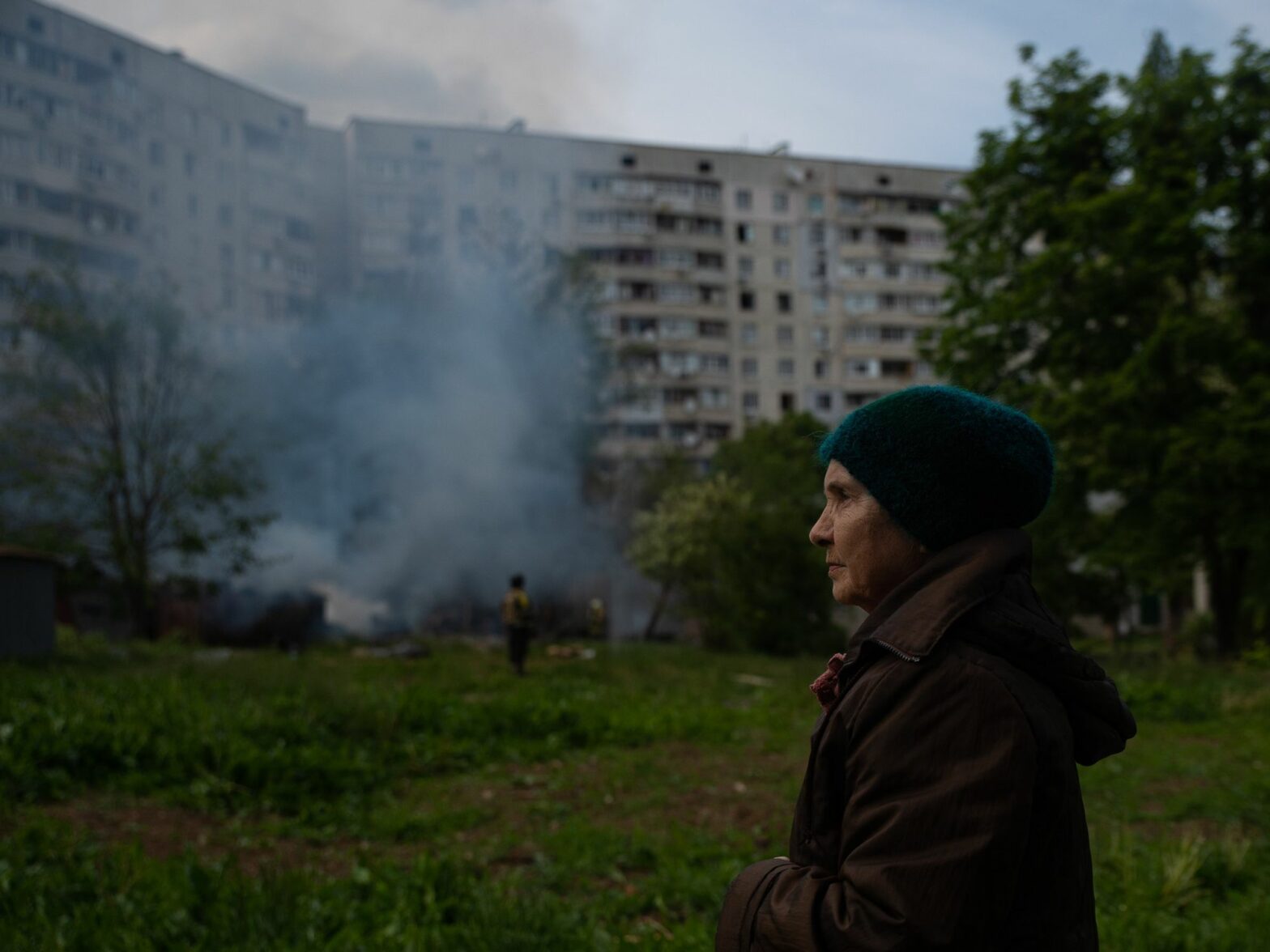
Russia is on the offensive, bombing the northern Ukrainian city of Kharkiv almost every day. Visiting the city over the weekend, President Zelensky again called for stronger, faster Western aid.
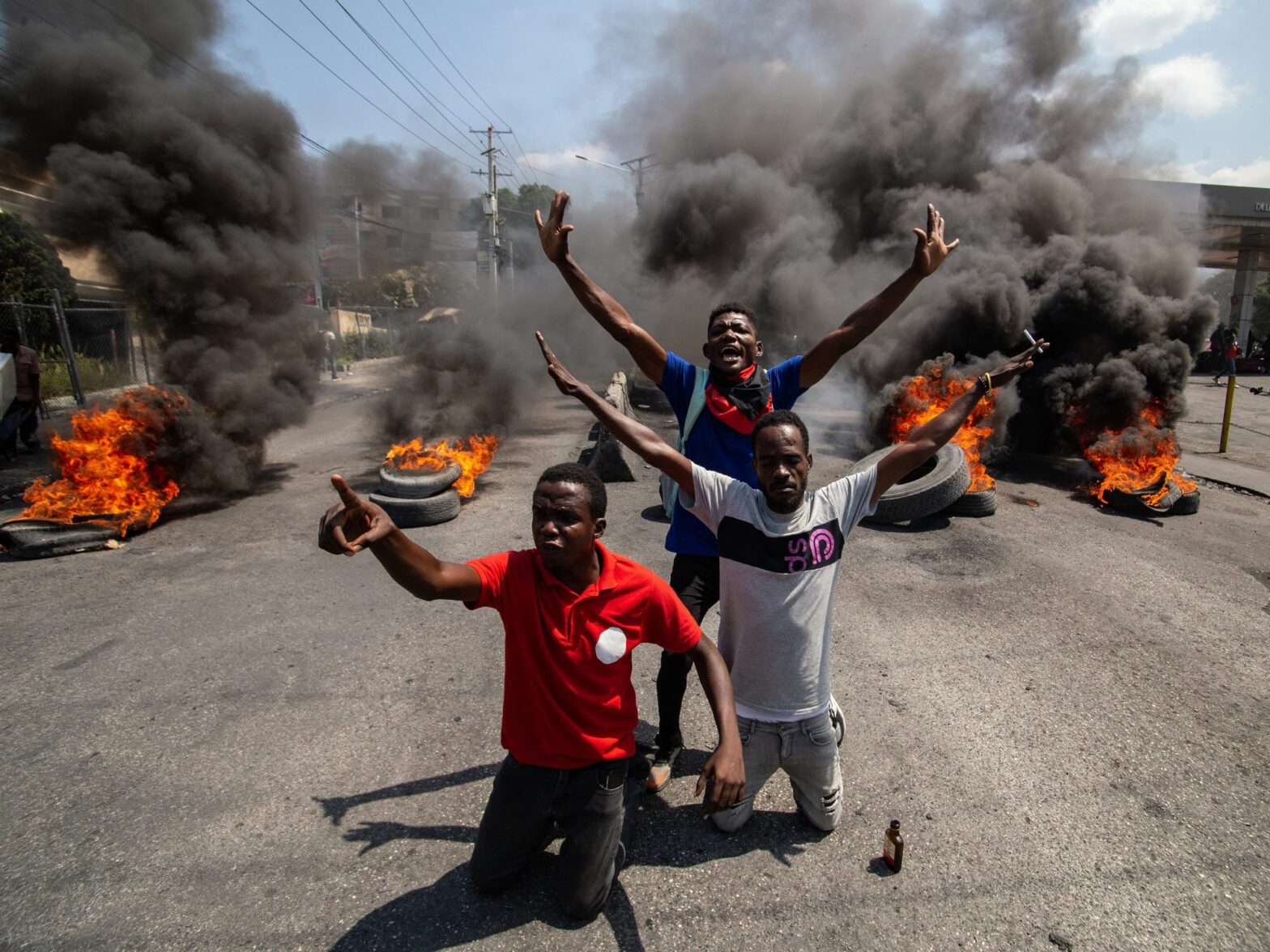
An international police operation of African and Caribbean officers is set to begin in Haiti to help local police overwhelmed by armed gangs. It’s a mission with a historic backstory, but this force may be inadequate to deal with the scale of the problem.
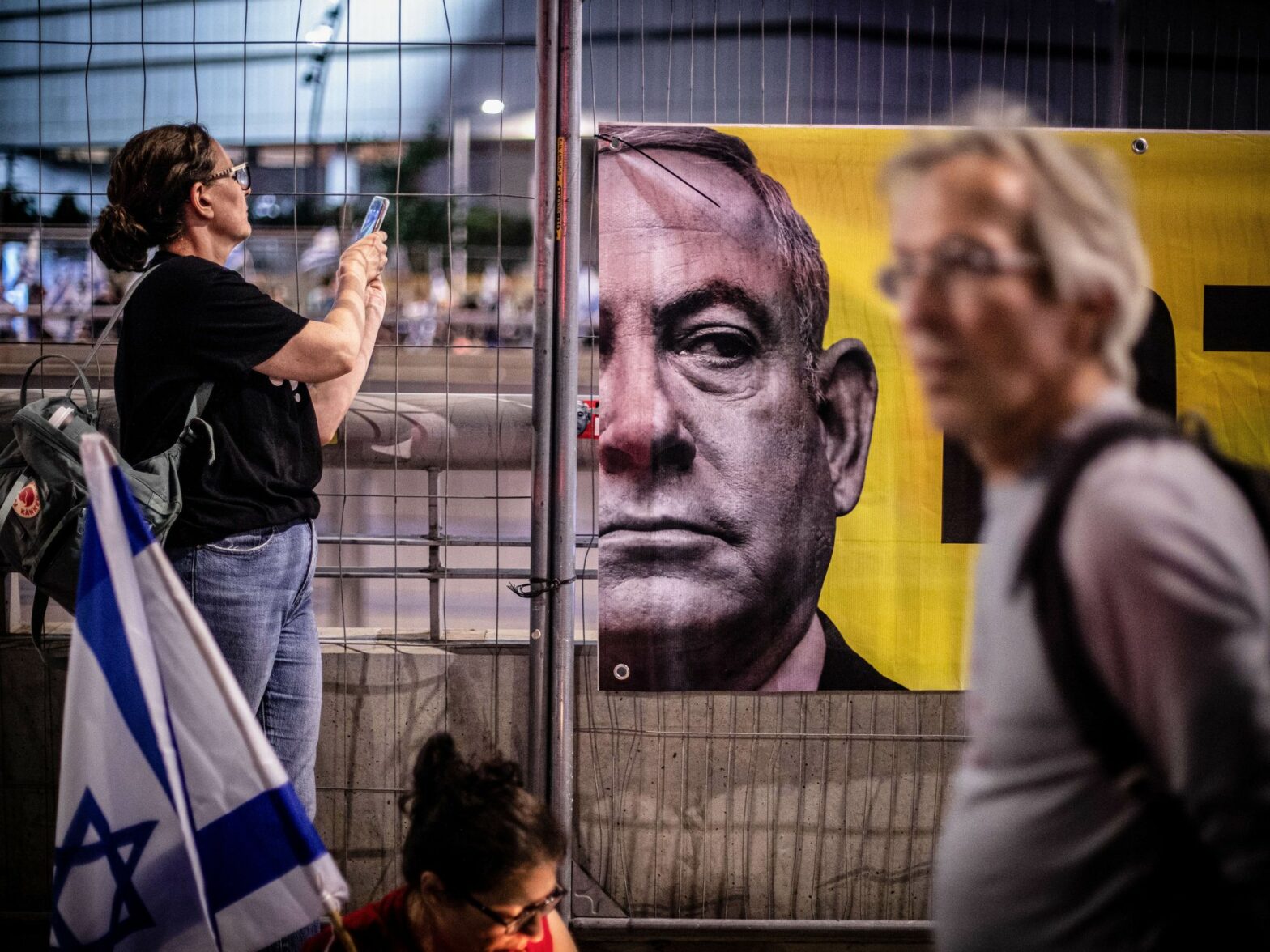
The announcement of the International Criminal Court’s prosecutor that he would seek arrest warrants for Israel’s prime minister and defense minister, as well as three Hamas leaders, provoked indignant reactions in Israel and the U.S. and revealed the rifts between the West and the global South.
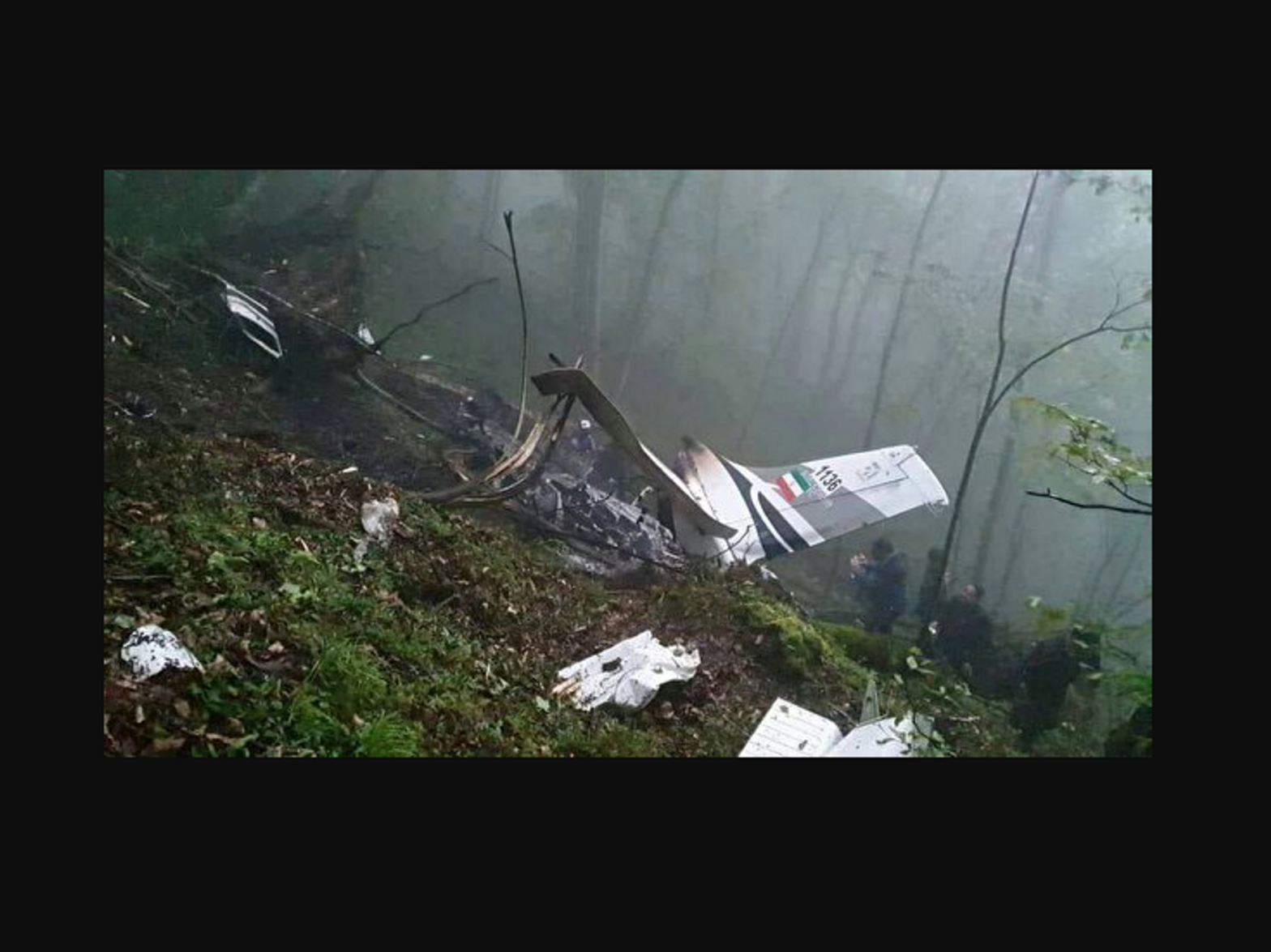
The death of Iranian President Ebrahim Raisi in a helicopter crash comes in an already tense context, five weeks after Iran’s confrontation with Israel. The consequences are heavy, both in terms of regional and domestic conflicts.
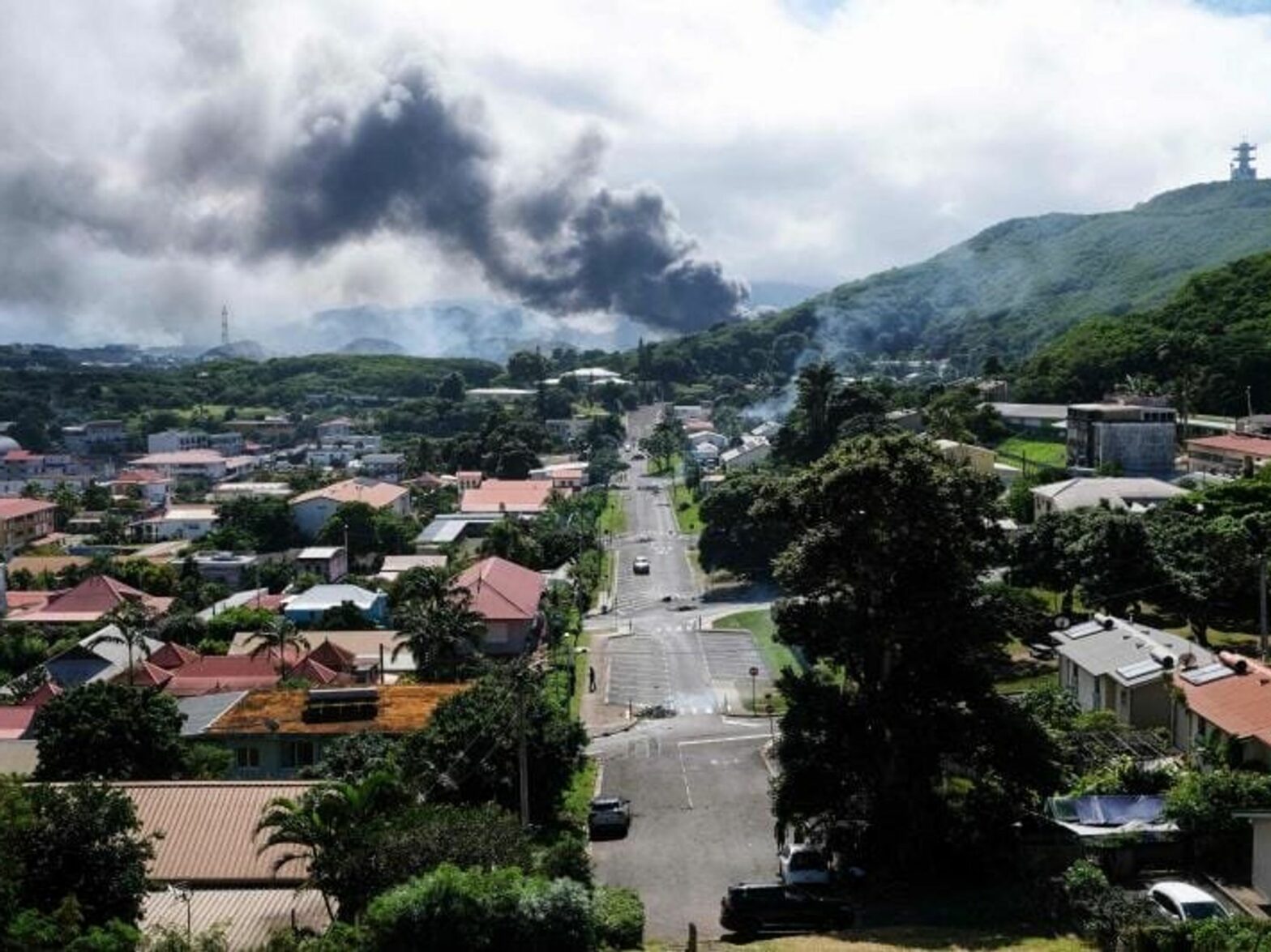
Paris has accused Azerbaijan of meddling in the unrest in the French Pacific territory of New Caledonia. But in this new hybrid war of influence, external actors don’t create problems, they amplify them.
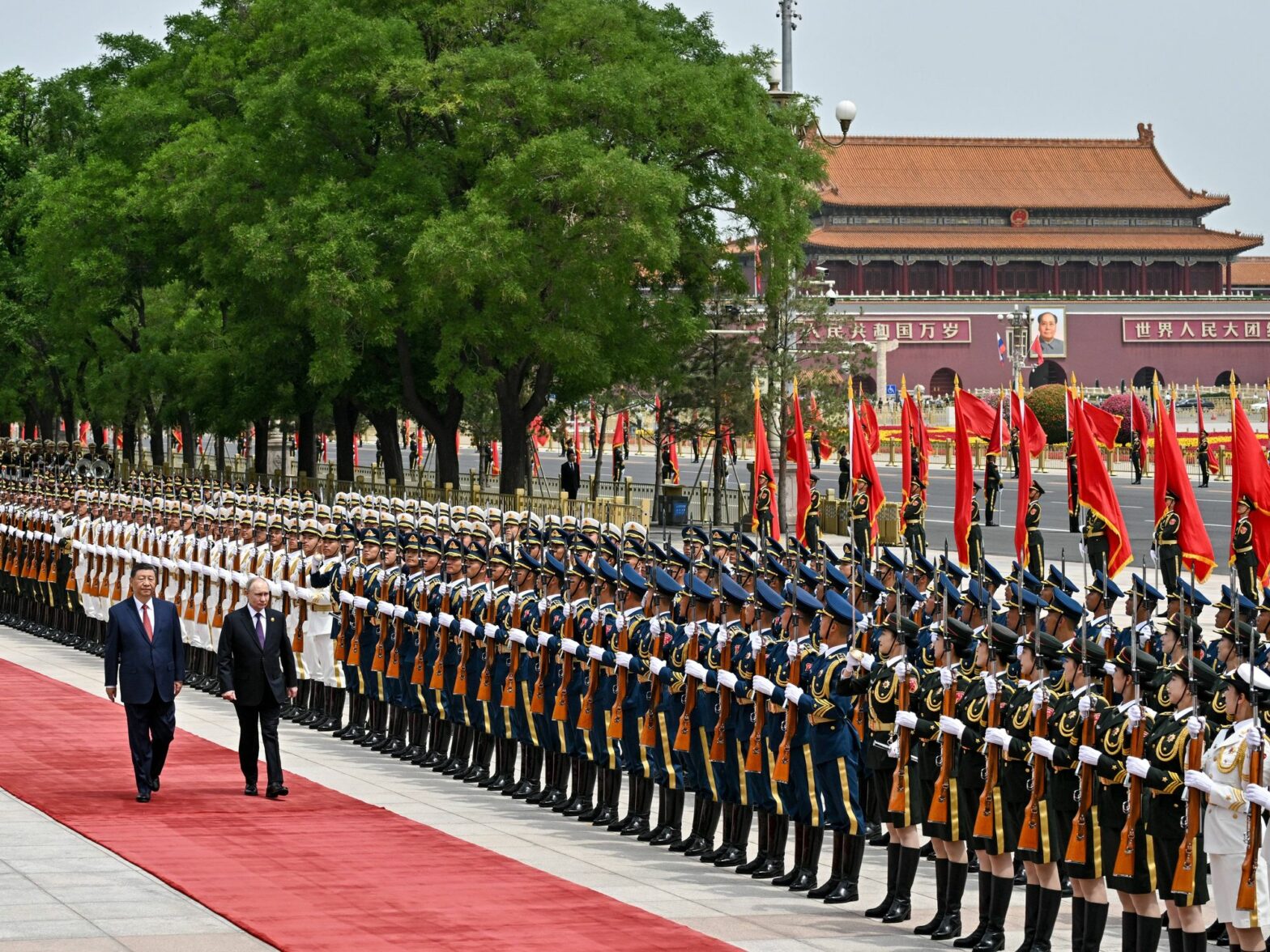
The Russian president is in Beijing on Thursday and Friday, his first foreign trip since his re-election. Beijing and Moscow have their differences, but share the same long-term objective of changing the international order.
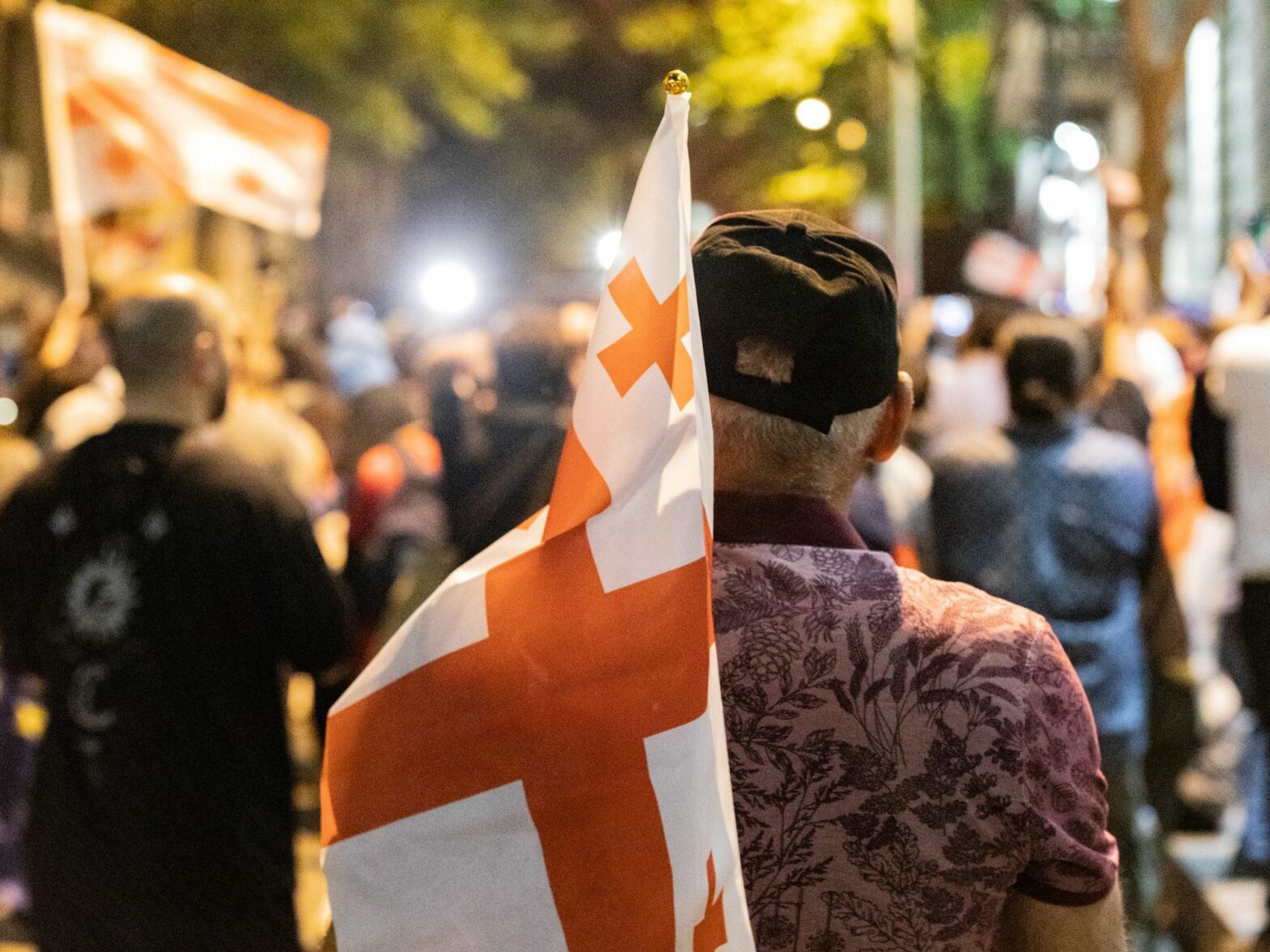
Europe’s fate is also being played out in countries outside the EU, where East and West are battling for influence. In Georgia on Tuesday, the government bowed to pressure from Moscow, and passed a law on “foreign influence” modeled on a Russia law.
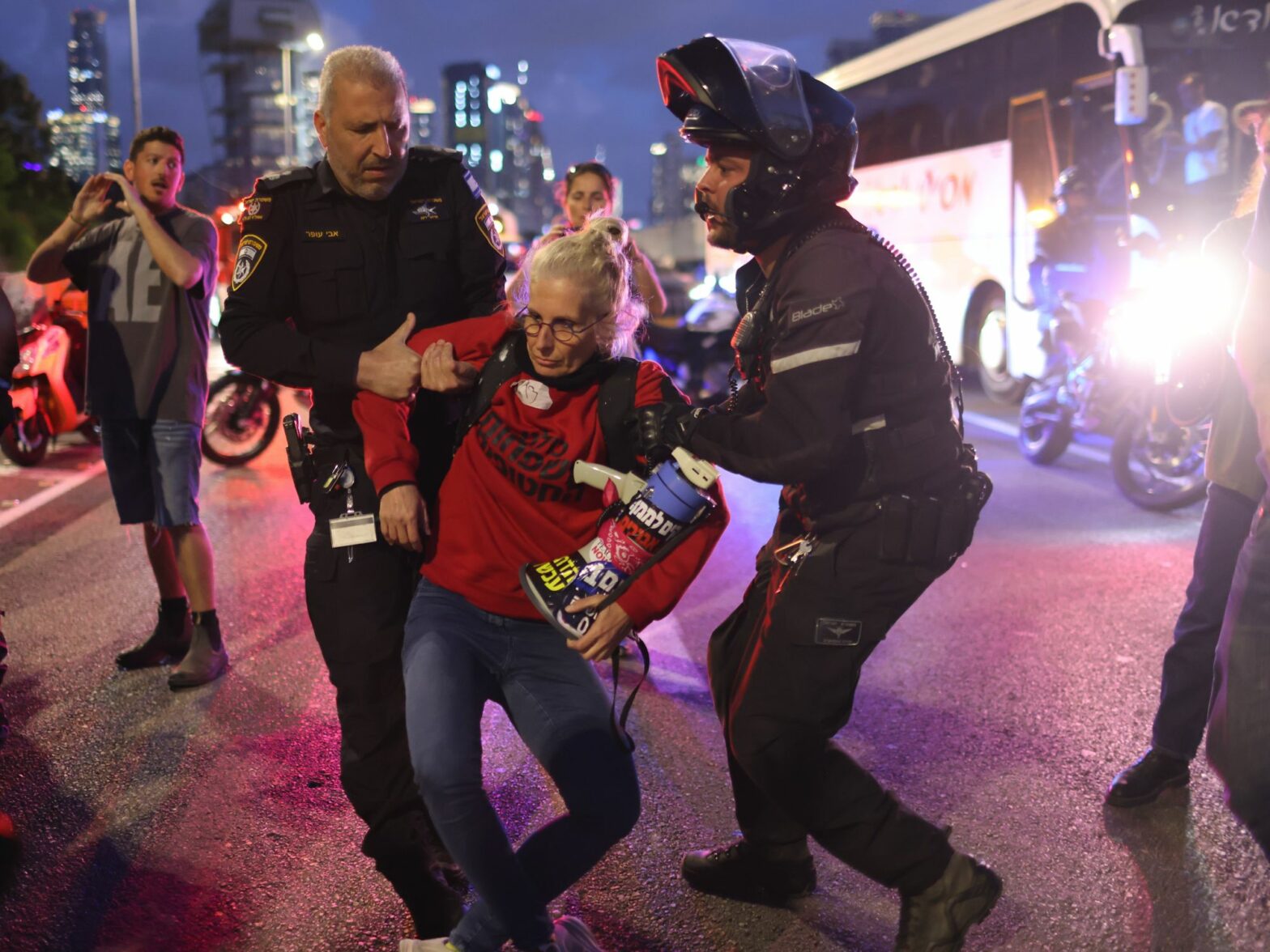
Israeli Prime Minister Benjamin Netanyahu was taken to task by hostage families during his Memorial Day speech on Monday — just the latest sign of the deep divisions in Israeli society as the war enters its eighth month, with no vision for the future.
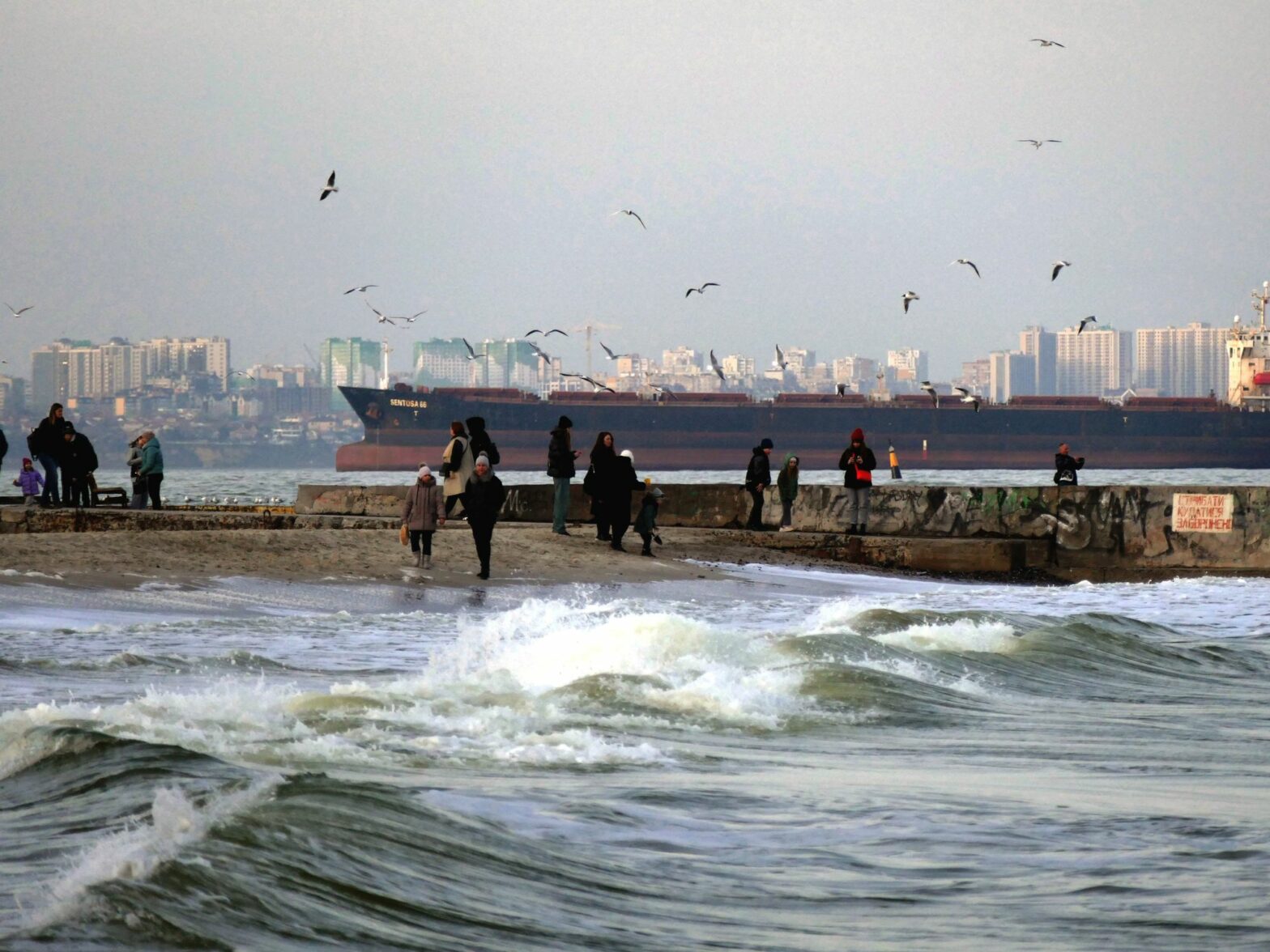
With strikes on Moscow’s fleet in the Black Sea, Ukraine has undermined the Russian capacity to slow down Ukrainian grain exports. It’s a pivotal triumph, which nonetheless can’t hide Kyiv’s losing ground on the front line on a regular basis.
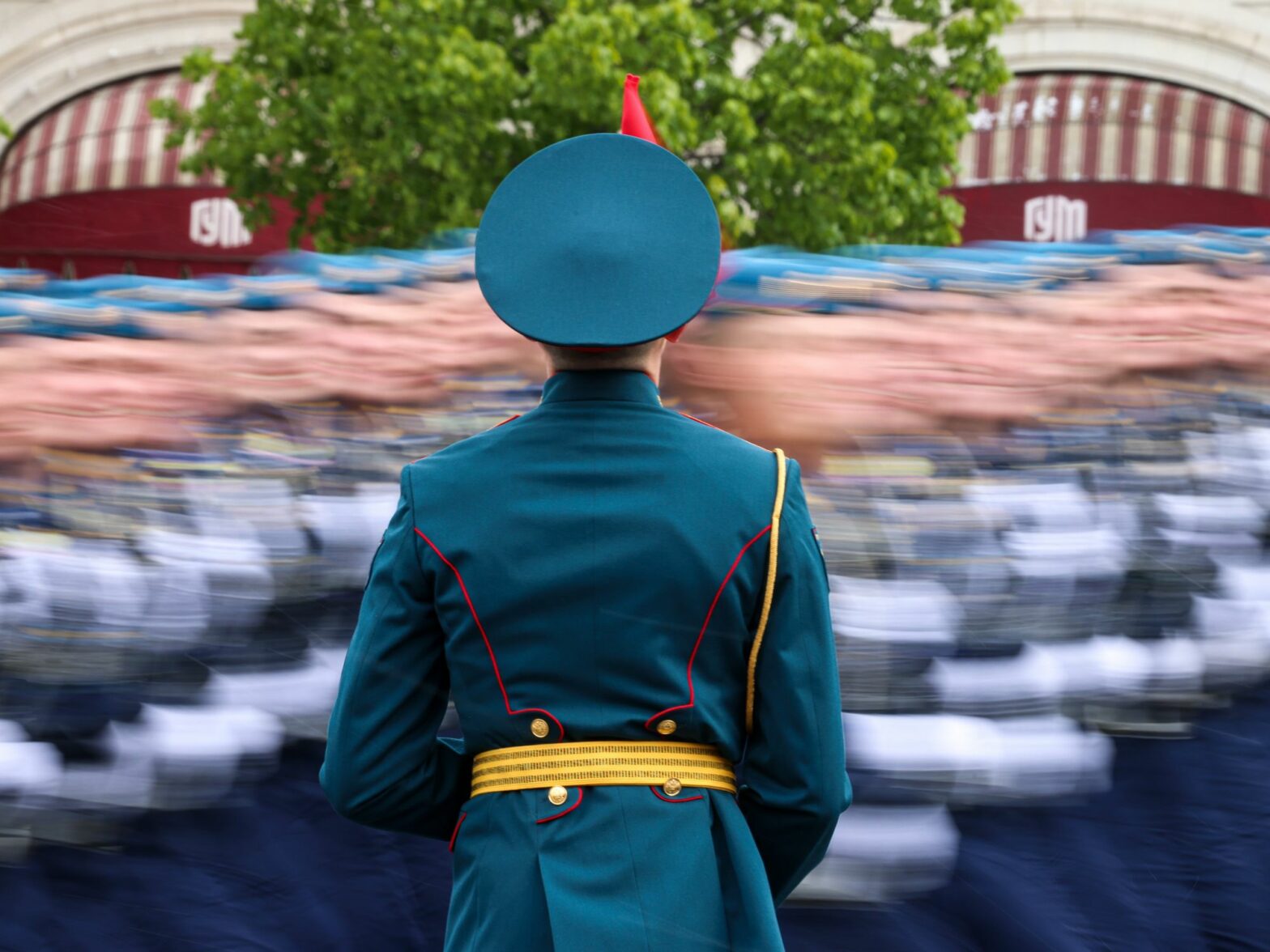
The competing May 8 and May 9 World War II victory celebrations, and an upcoming D-Day snub to Vladimir Putin, show how uncertain the future appears right now. Perhaps even more uncertain than the Cold War.
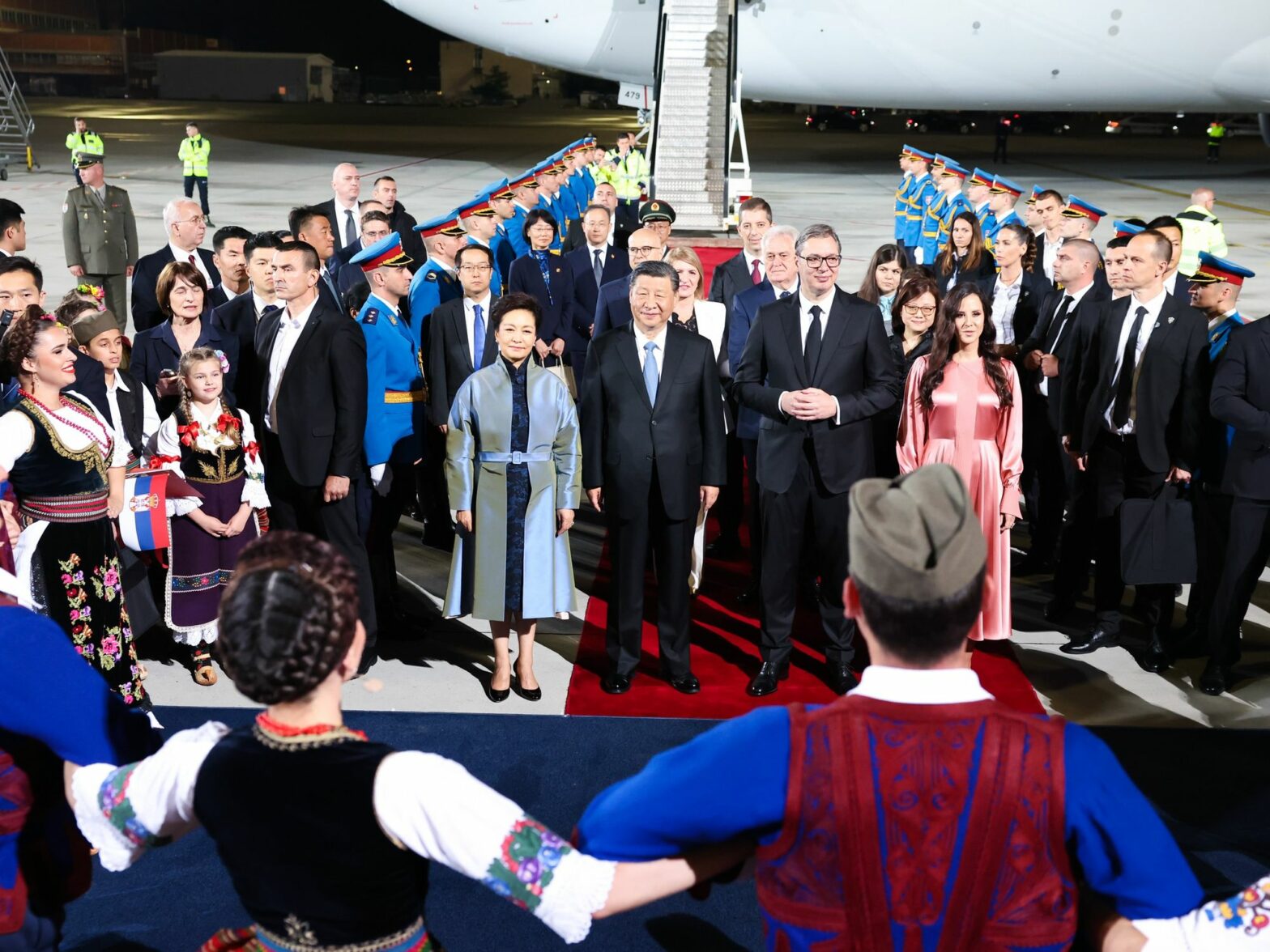
By visiting Serbia and Hungary, two countries that will soon be linked by a railroad built and financed by China, Xi Jinping is showing that he has not given up on cultivating special friendships on the continent, even if it undermines relations with Europe’s more influential leaders.
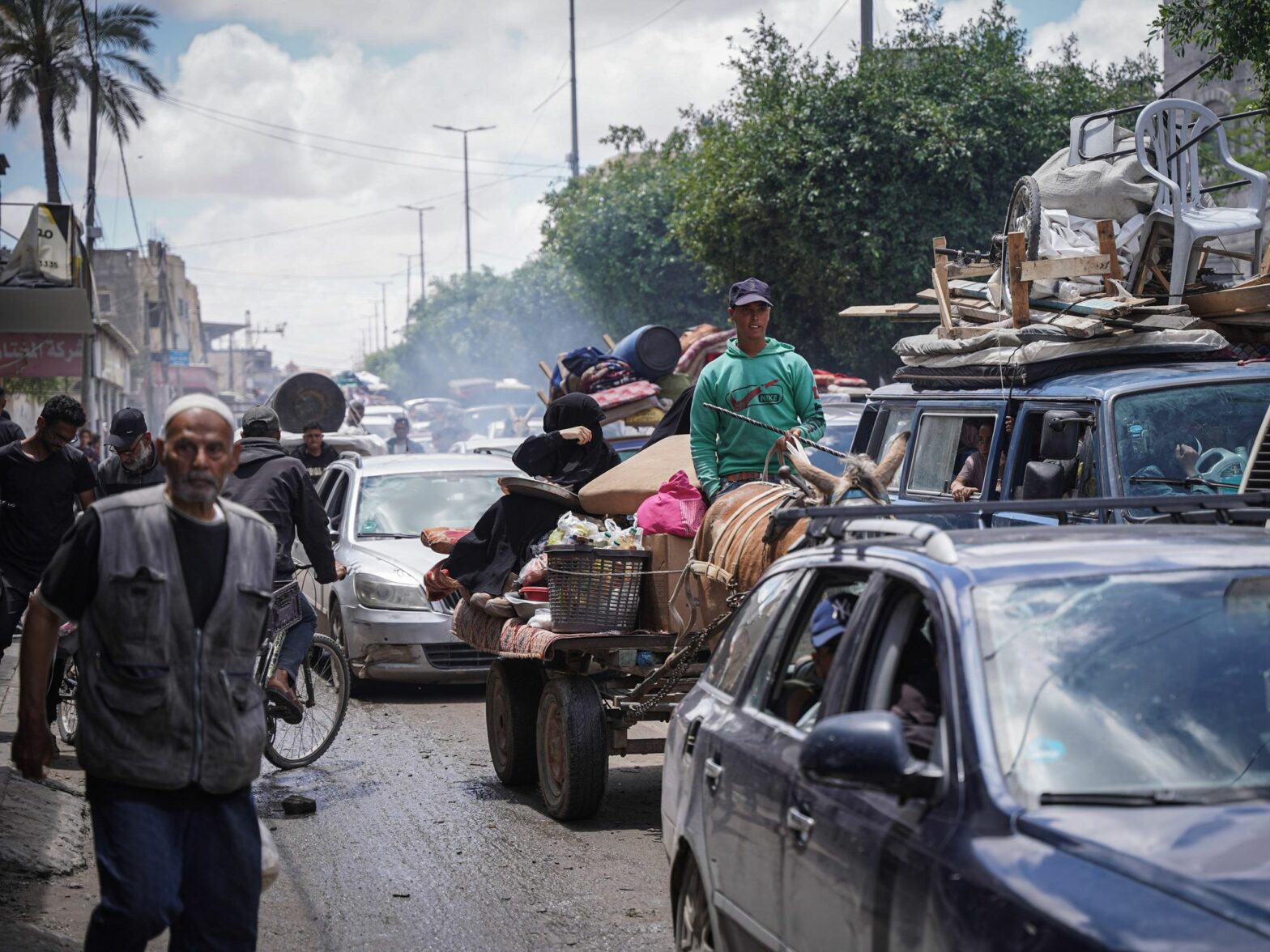
The Israeli prime minister has foreign and domestic pressure to accept a ceasefire deal, but he may be set to make the bloodiest decision of the war to date in the southern Gaza city of Rafah.
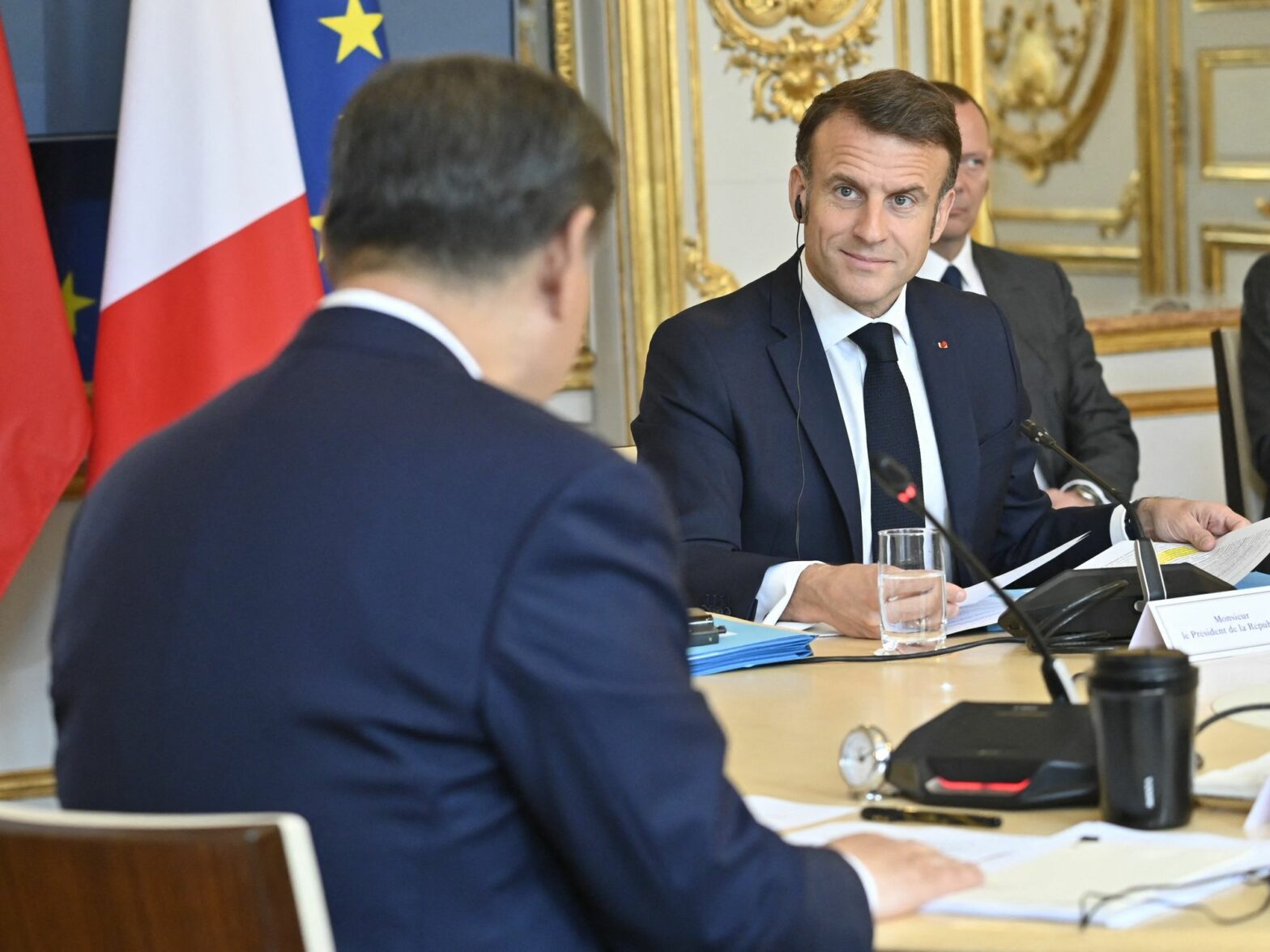
The Chinese president is in France for the 60th anniversary of French-Chinese diplomatic relations. He will play up Europe’s independence from the United States, but behind the smiles will be the war in Ukraine and the Russian-Chinese “friendship.”

The French President and the German Chancellor, joined by their wives, dined together in a top Parisian restaurant on Thursday evening; a “private” meal at a decisive moment for “Europe in mortal danger,” as Emmanuel Macron repeated in a new interview.
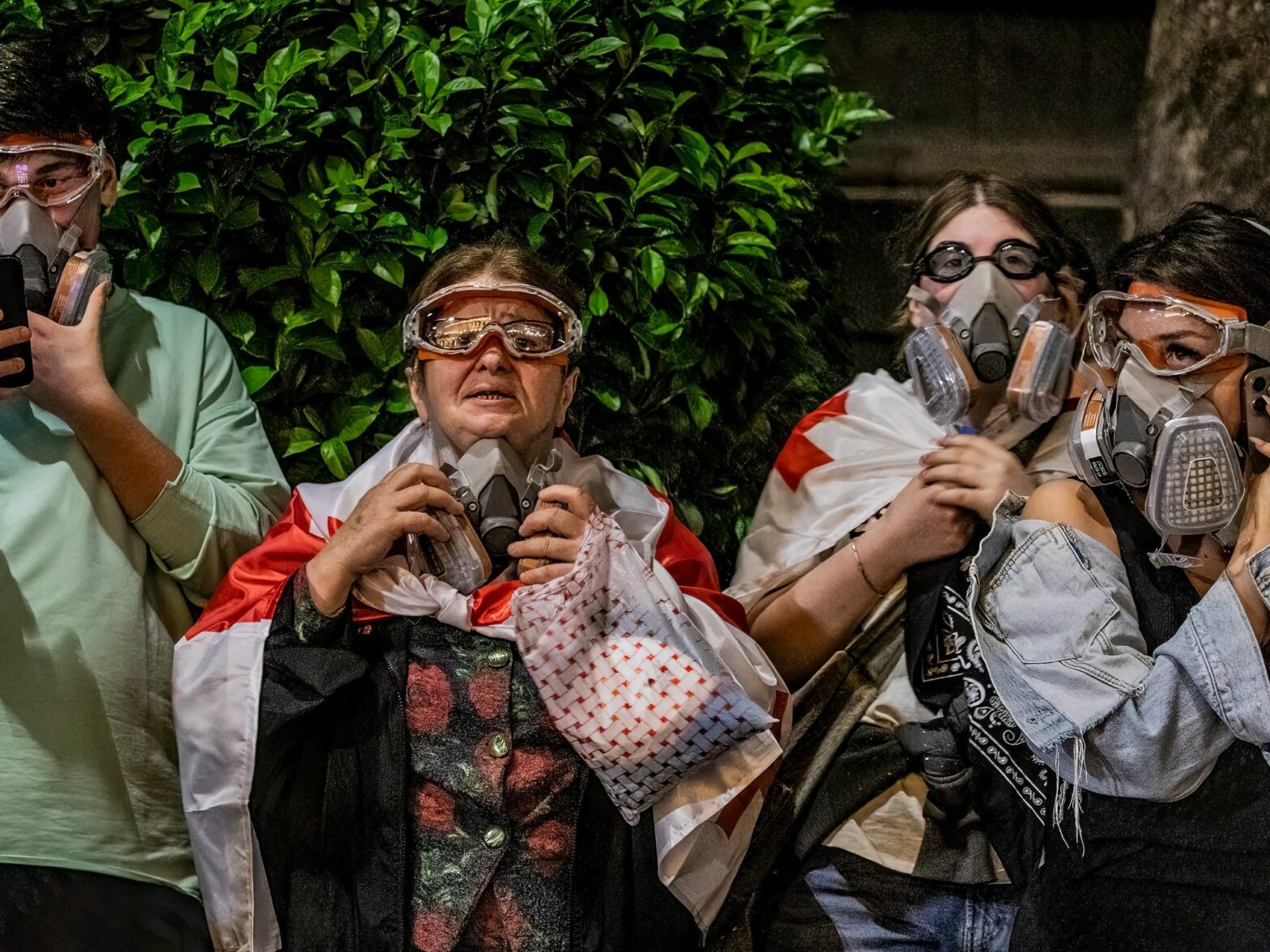
Demonstrations suppressed by the forces of order are taking place daily in the Georgian capital of Tbilisi around a draft law on “foreign interests”, considered by the protesters to be a “Russian law.” At stake is Georgia’s future, between the European Union and Putin’s Russia.
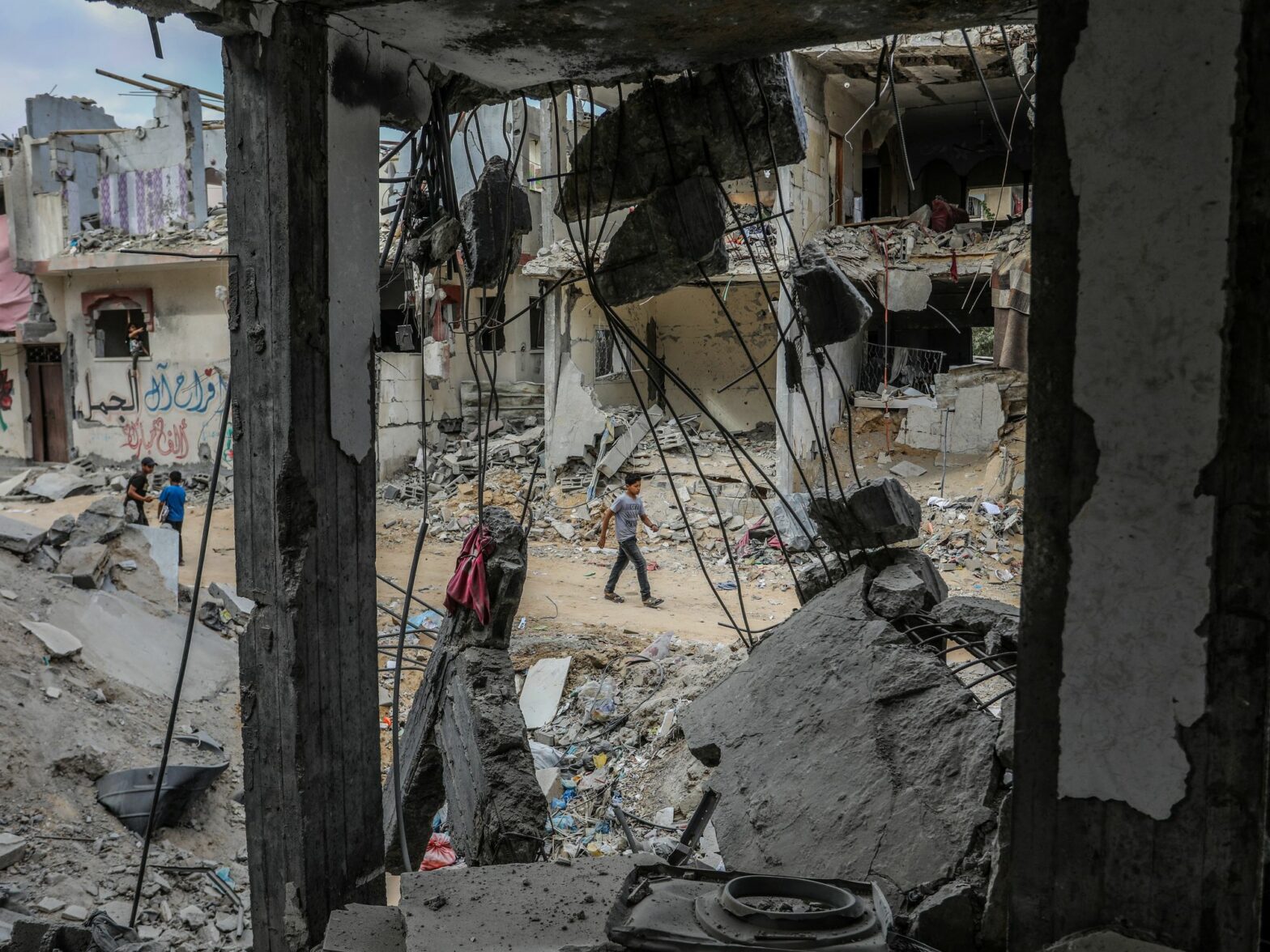
Israeli Prime Minister Benjamin Netanyahu and Hamas leaders both have deeply cynical reasons to prolong hostilities. Meanwhile, it’s in the self-interest of both the U.S. and Arab regimes to try all avenues to broker a ceasefire to ease the suffering of those caught in the crossfire.
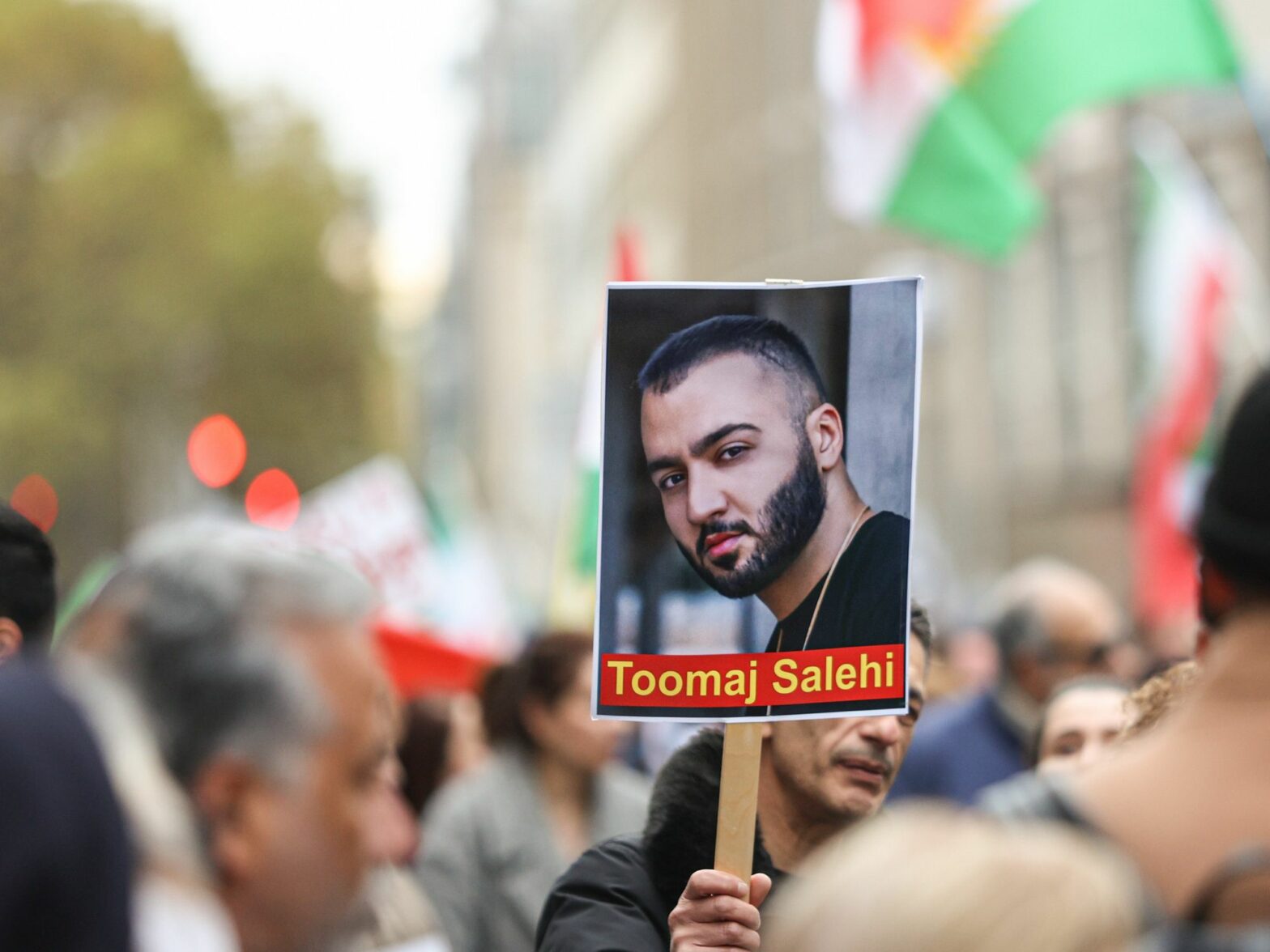
Injustice and inhumanity comes in many forms and places in the Middle East, including the Iranian regime’s death sentence for the rapper Toomaj. Why can’t those protesting the deaths of civilians in Gaza take a moment to try to save this innocent life as well?
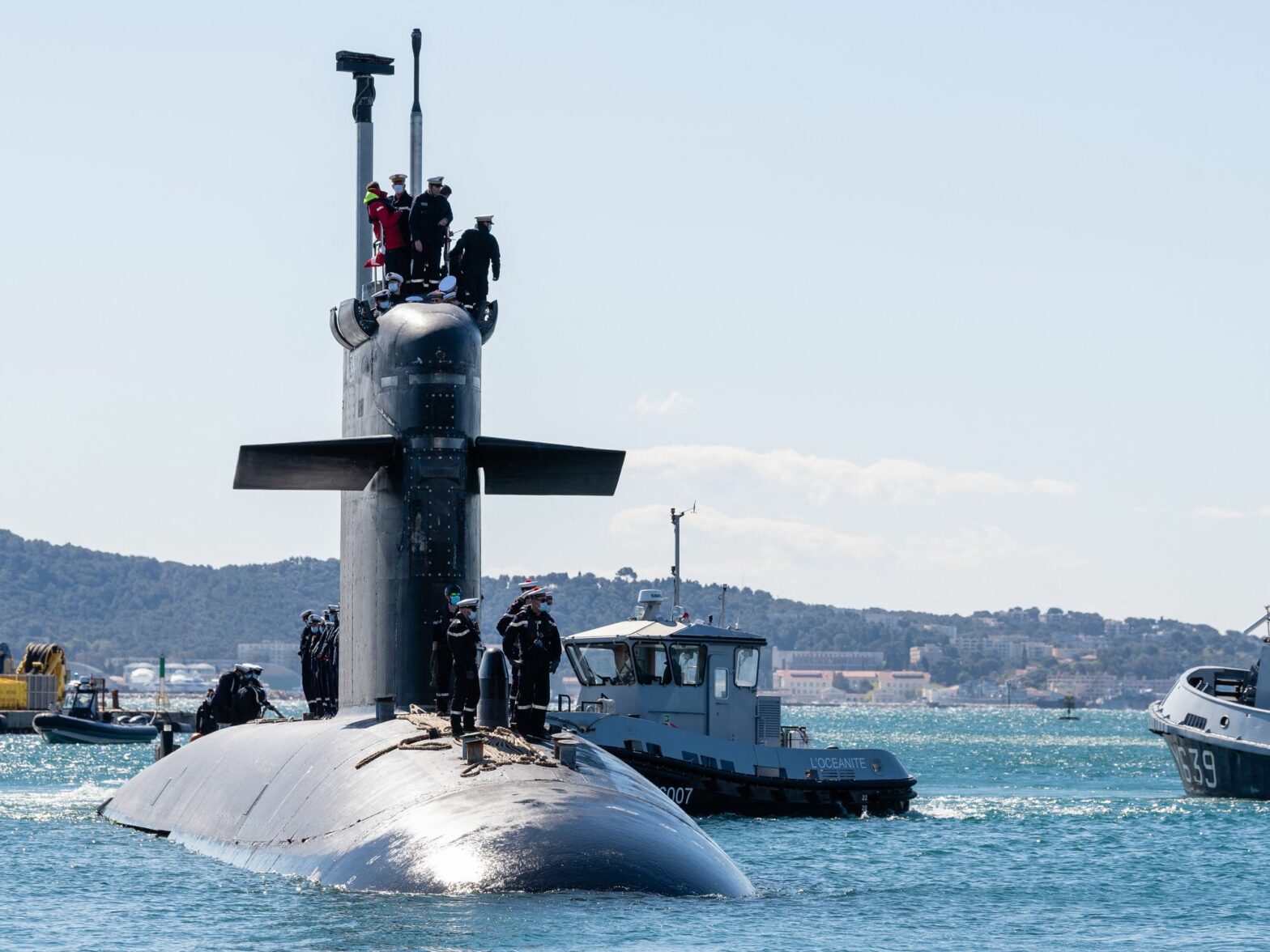
The French president has voiced France’s readiness to “contribute more to the defense of Europe” through its nuclear arsenal. It’s a message fro European allies and for Putin’s Russia — and another reminder of how much hangs on November’s U.S. elections.