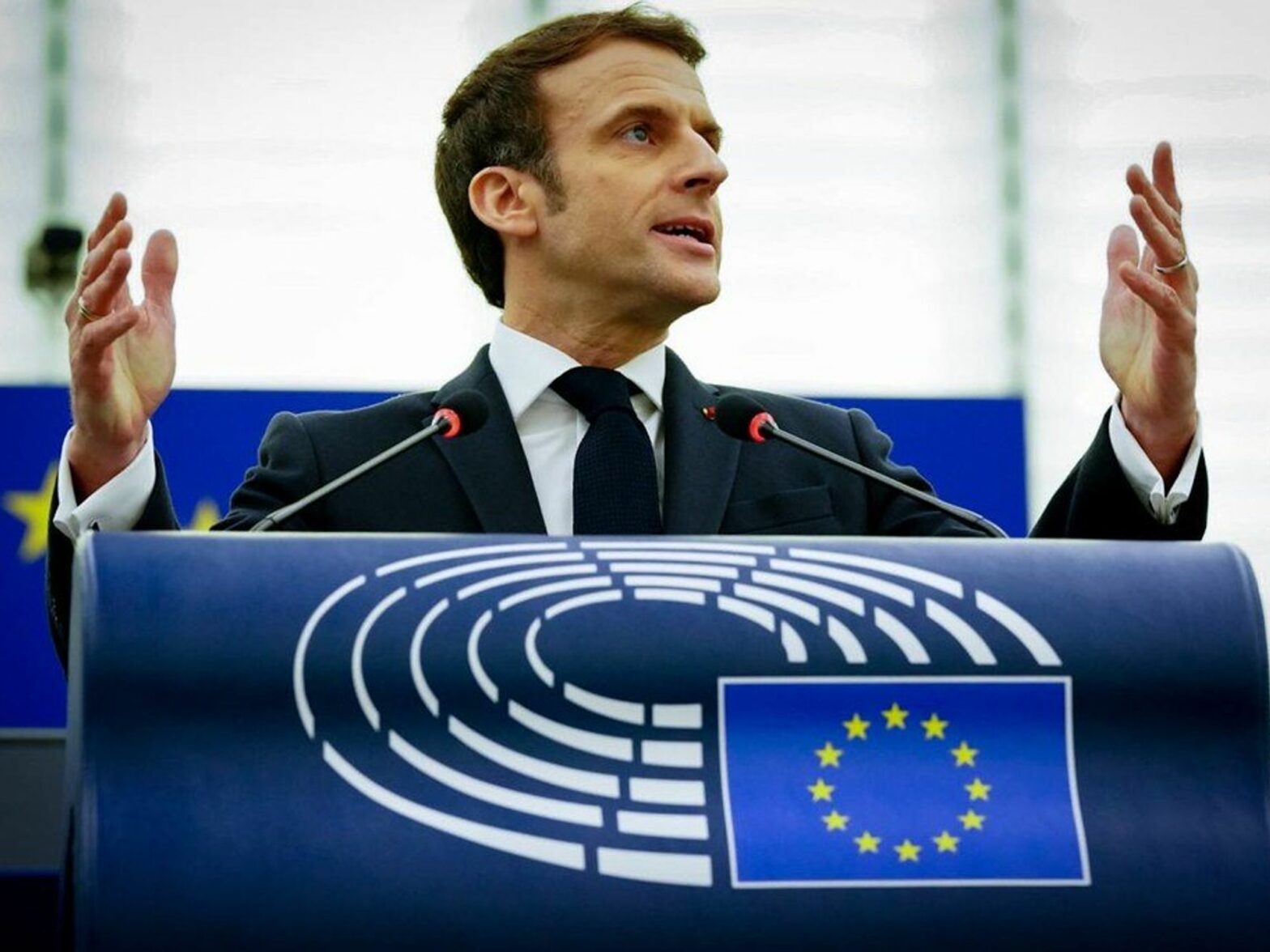
In an ominous speech in Paris, the French president warned that Europe is in mortal danger. Macron also suggested he may be just the man to save it.
 Worldcrunch
France Inter is a major French public radio channel and part of Radio France. It is a “generalist” station, aiming to provide a wide national audience with a full service of news and spoken-word programming, both serious and entertaining, liberally punctuated with an eclectic mix of music.
In an ominous speech in Paris, the French president warned that Europe is in mortal danger. Macron also suggested he may be just the man to save it.
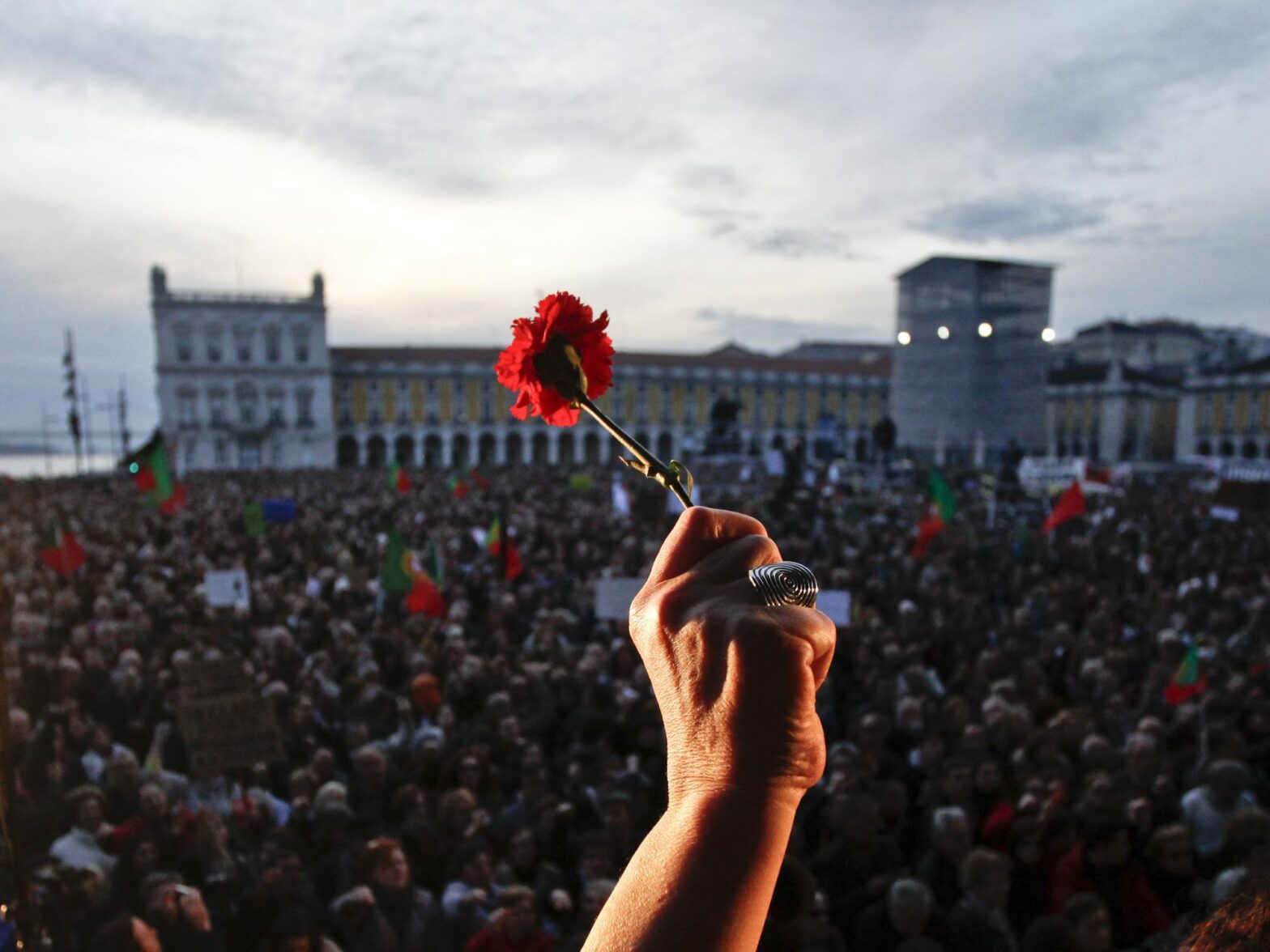
It all started on April 25, 1974, when some frustrated military officers — who had seen with their own eyes the effects of colonization in Western Africa — decided to overthrow the military regime. And over the past half-century, Portugal has gone from an archaic dictatorship to bona fide cool corner of the Western world.
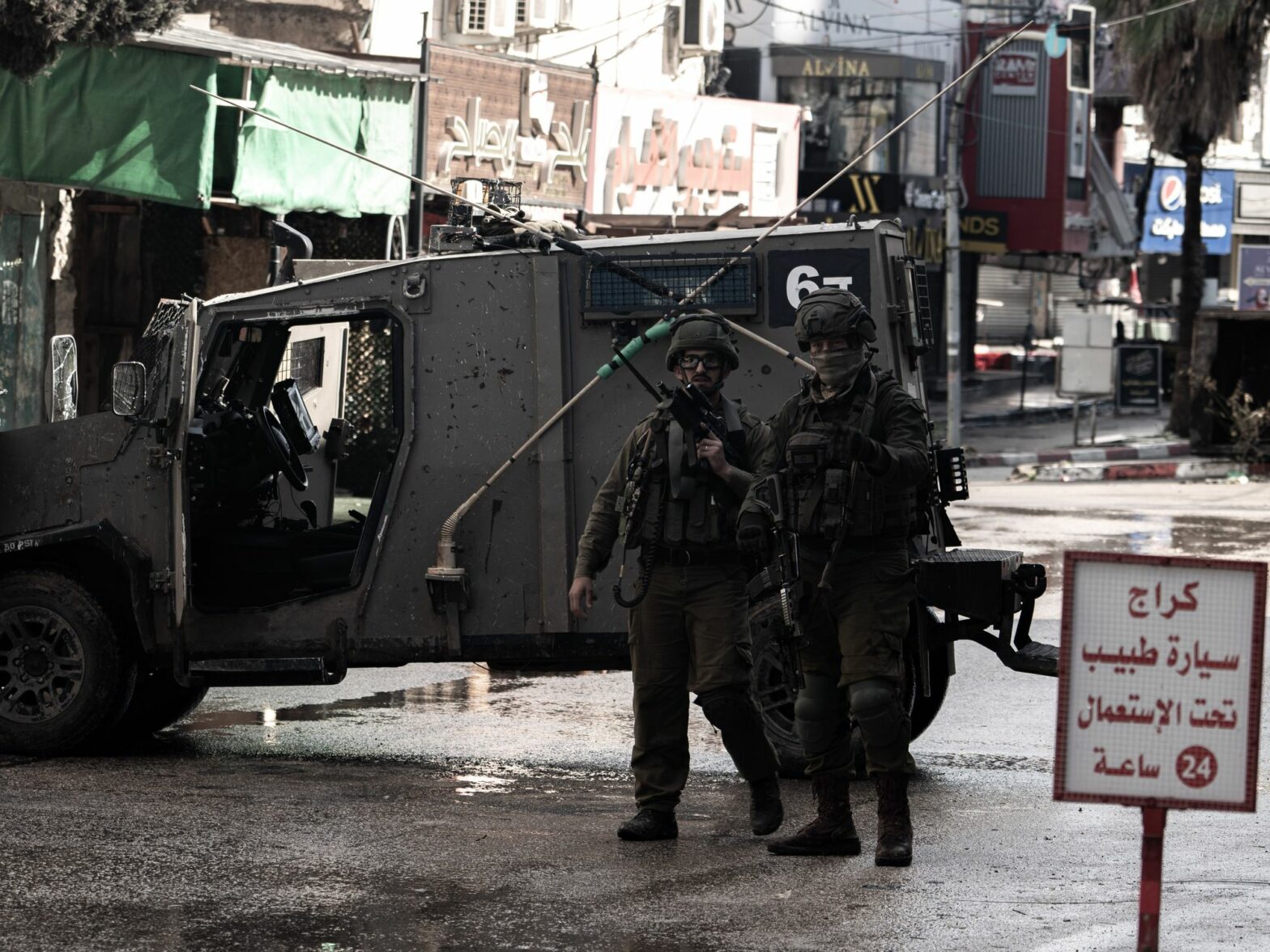
The Israeli Army Unit operating in the West Bank has been sanctioned by the Biden administration, accusing it of human rights violations. It’s the first time this has happened and it embodies a highly symbolic gesture that puts a stop to the excuse of “holy mission” that turn into crimes.
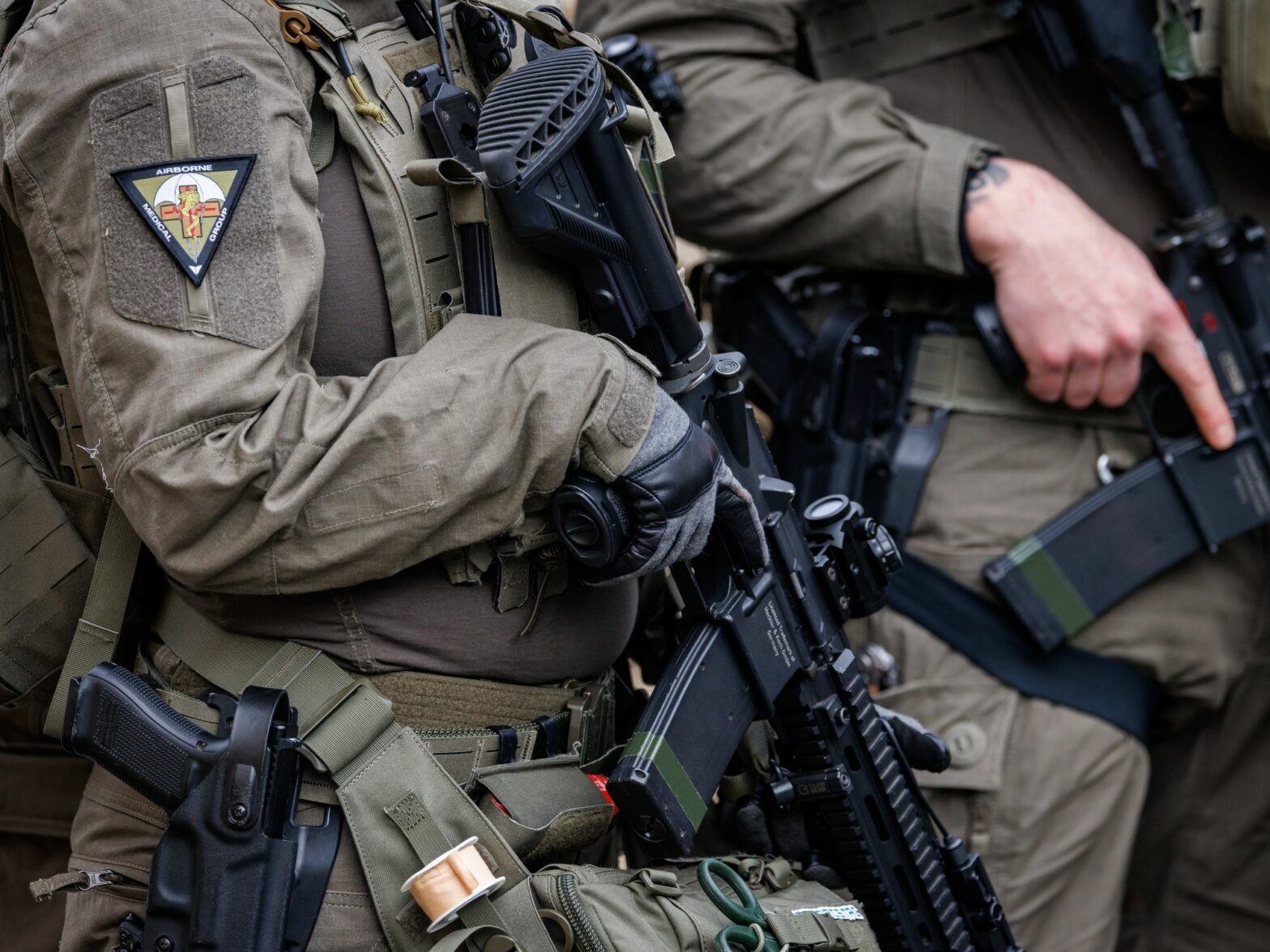
Governments spent 2.3 trilllion euros on the military, a 6% increase over 2022, the highest growth recorded in over a decade. This is the first time spending jumps were registered on all five continents, and not just countries at war. What does it say about this inflection point in history?
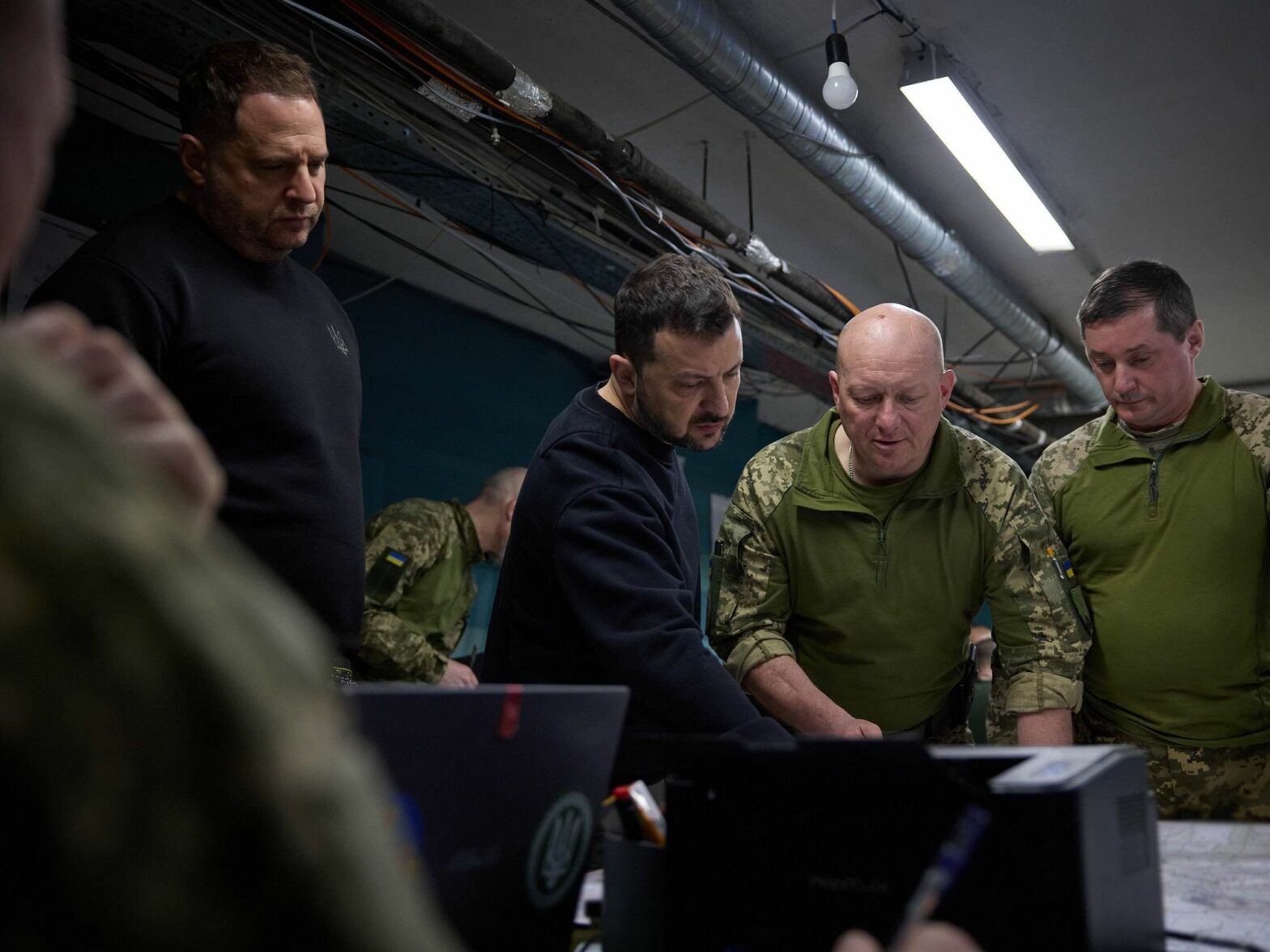
It has taken months for Ukraine to be able to celebrate the U.S. approval of a much-needed aid package. Now that the House of Representatives has voted in favour, what is crucial is the timing of the arms delivery. Because the aid package comes late, but hopefully not too late for Ukraine to reverse its losses on the battlefield, writes Pierre Haski for France Inter.
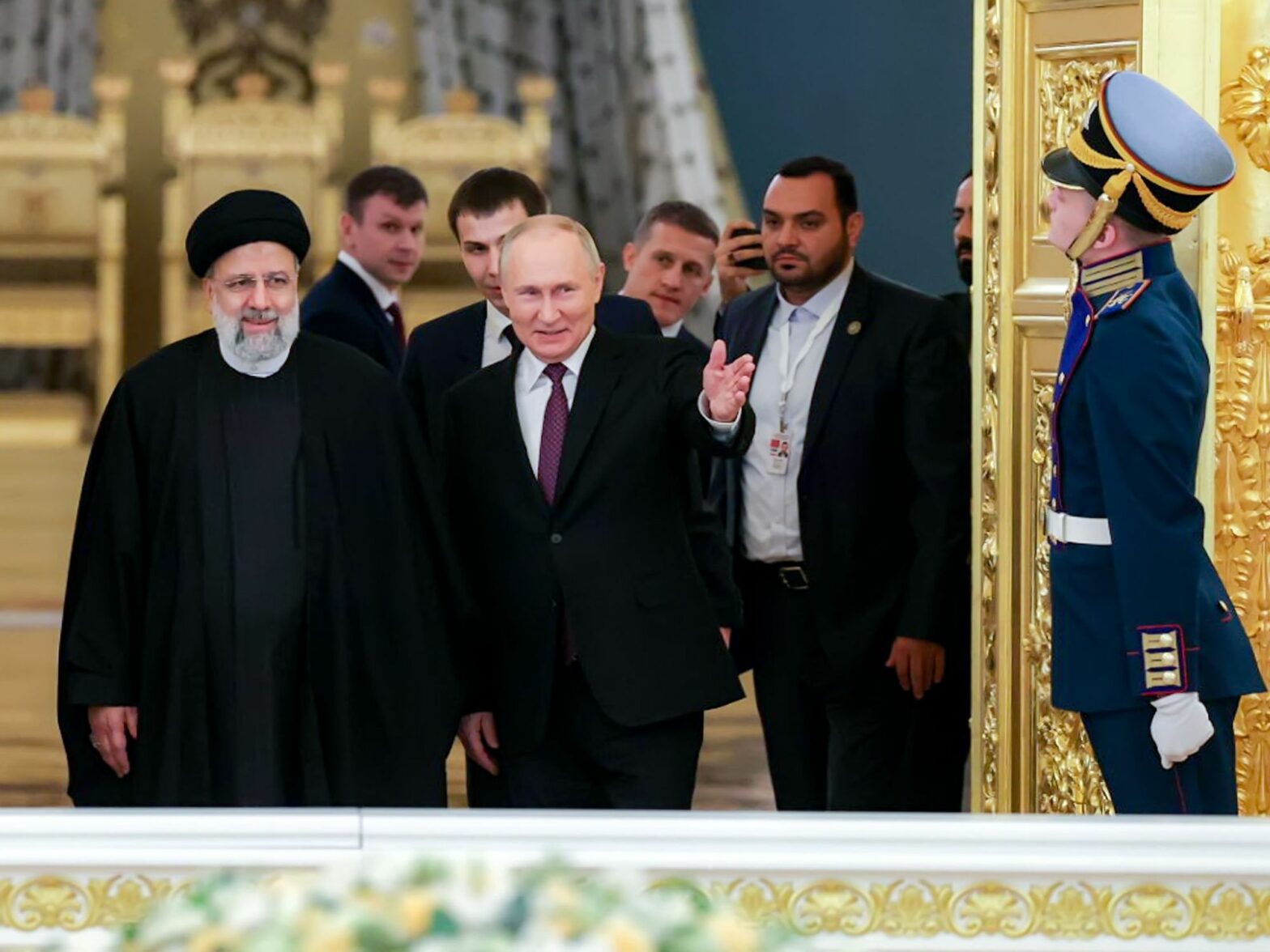
What are the links between Iran and the two powers challenging the Western order, Russia and China? And how do their relations affect the international climate? This is a key question at a time when the logic of war is at work in several regions of the world.
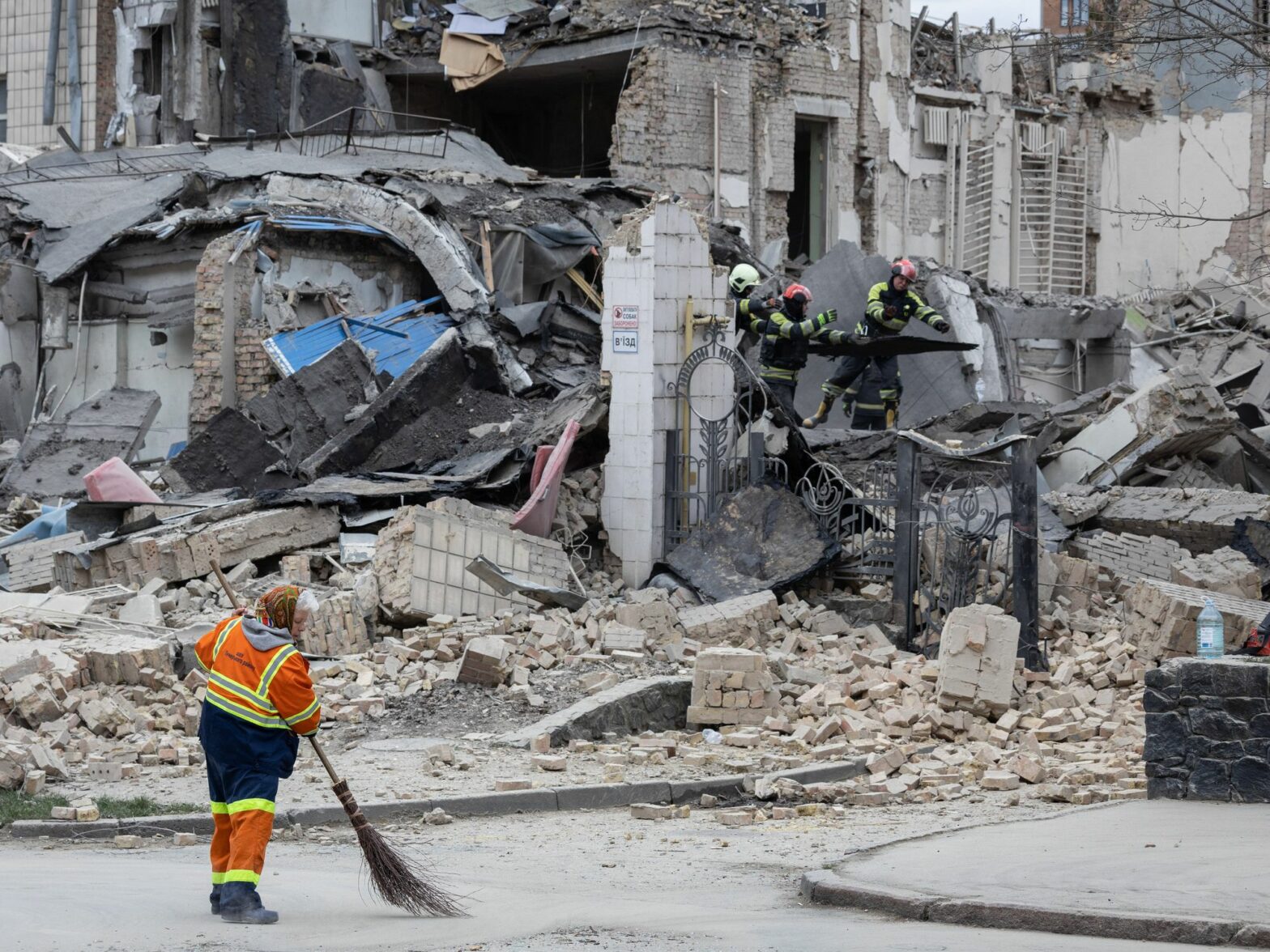
Seeing the near-perfect effectiveness of Israel’s defense against Iranian drones and missiles, Ukrainians are bitterly wondering why the West is denying them life-saving assistance. Fear of confrontation with a nuclear Russia remains the main reason.
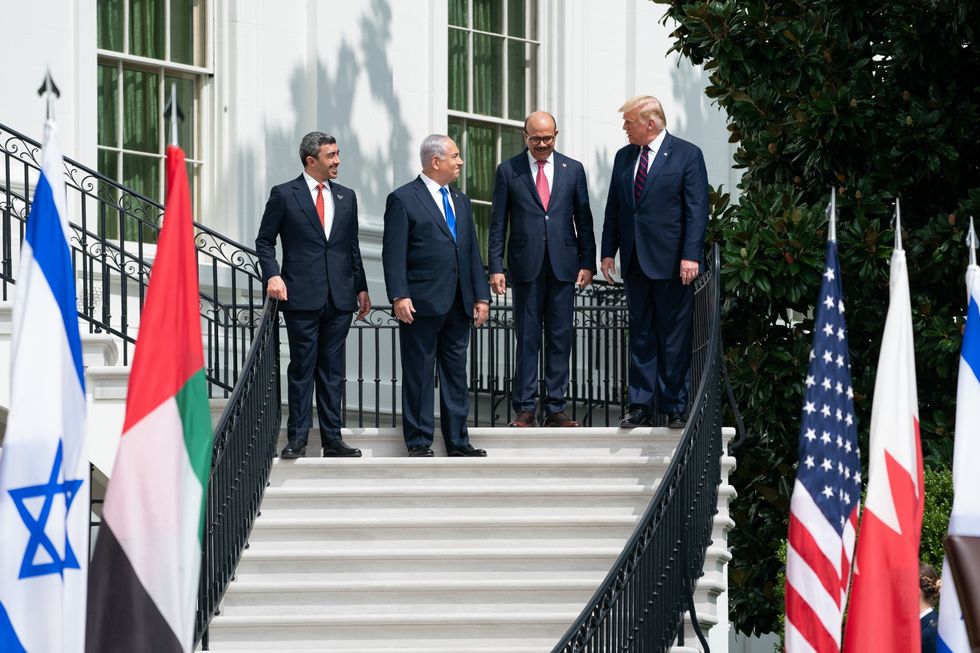
Despite Israel’s bloody war on Gaza, Jordan participated, on Saturday, in the destruction of Iranian missiles and drones targeting Israel. But it is not the only Arab country involved, a major regional shift that follows years of discreet military contacts orchestrated by the United States.
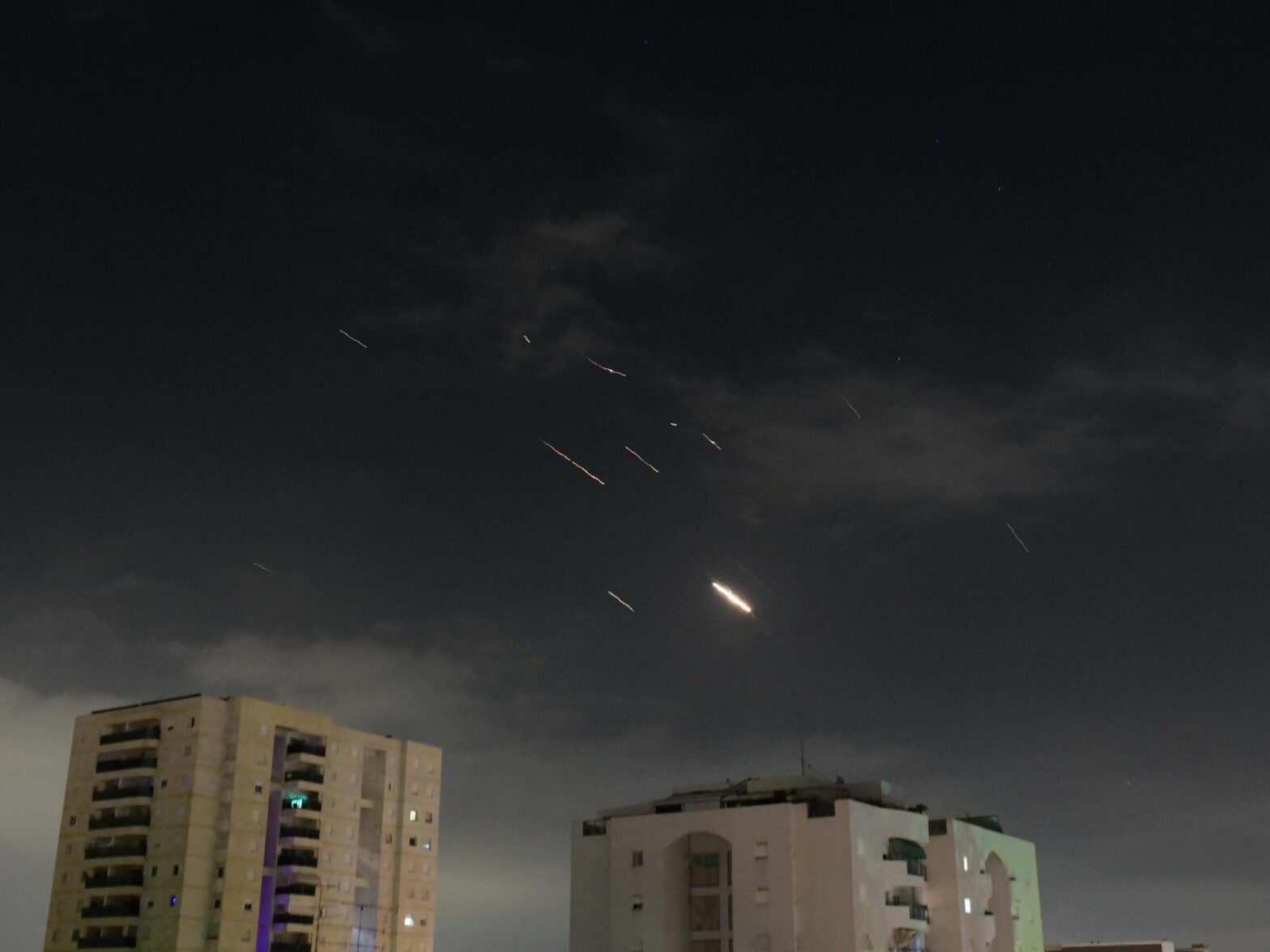
The world watches as Netanyahu walks that fine line between deterrence and escalation.
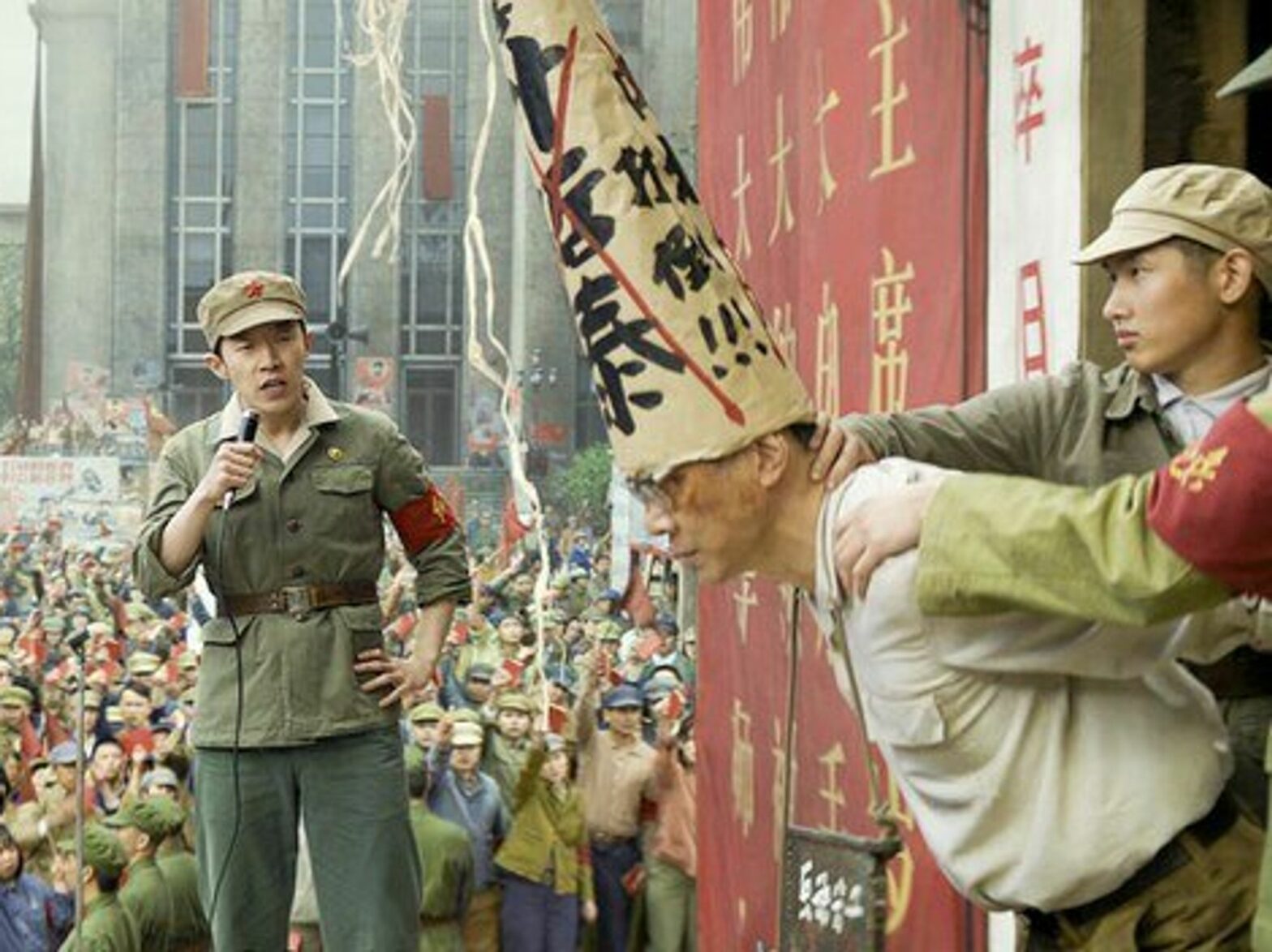
The success of the Netflix series 3 Body Problem, adapted from a famous Chinese science fiction novel, has rekindled hostility between Beijing and Washington. But what is really behind China’s attacks on American cultural hegemony?

A telephone call between French and Russian defense ministers on Wednesday gave rise to Russian accusations and threats against France. The terrorist risk shared by the two countries did not allow the slightest progress to be made: this is worrying just a few months before the Paris Olympic Games.
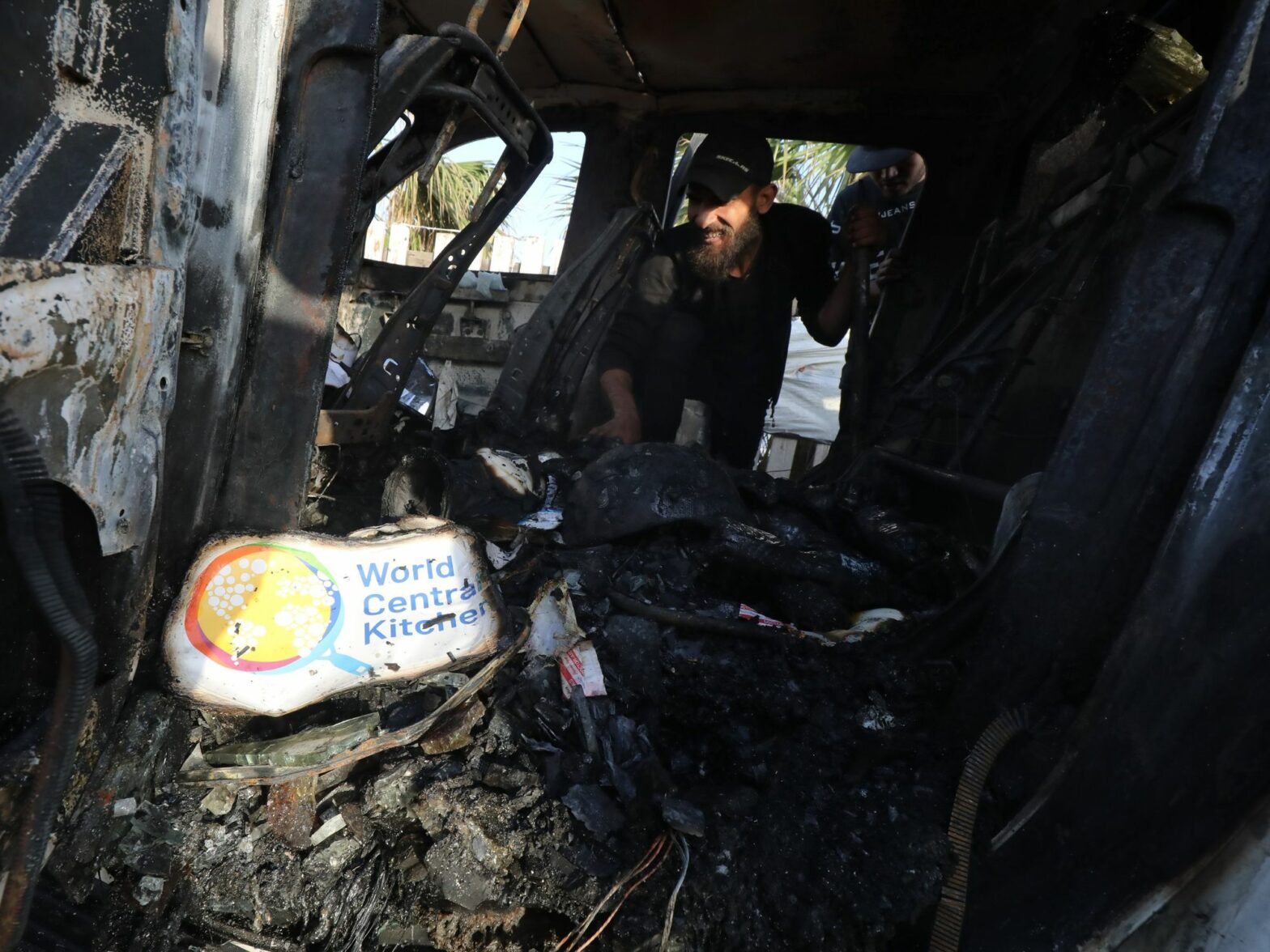
The Israeli drone strike that killed seven aid workers in Gaza has set off an international outcry. And Israeli Prime Minister Benjamin Netanyahu’s reaction was a reminder that cutting off humanitarian aid has been part of the strategy from the start of the war in Gaza.
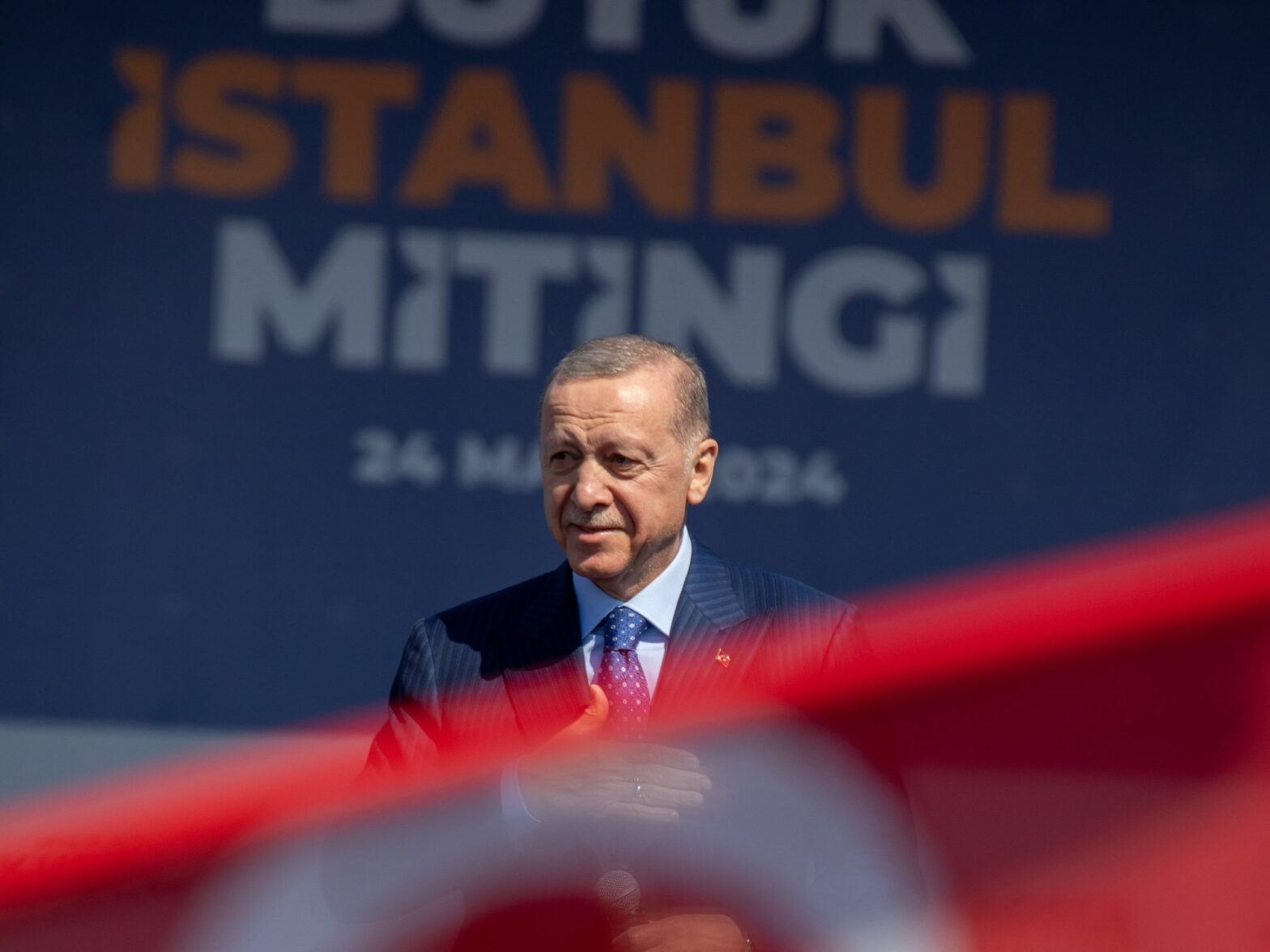
Former mayor of Istanbul, Erdogan had once theorized that a victory in the capital meant an easier path to a national victory. Following this theory, having lost by ten points to the Republican People’s Party means an even tougher defeat for the 70-year-old president. Is this the beginning of the end?
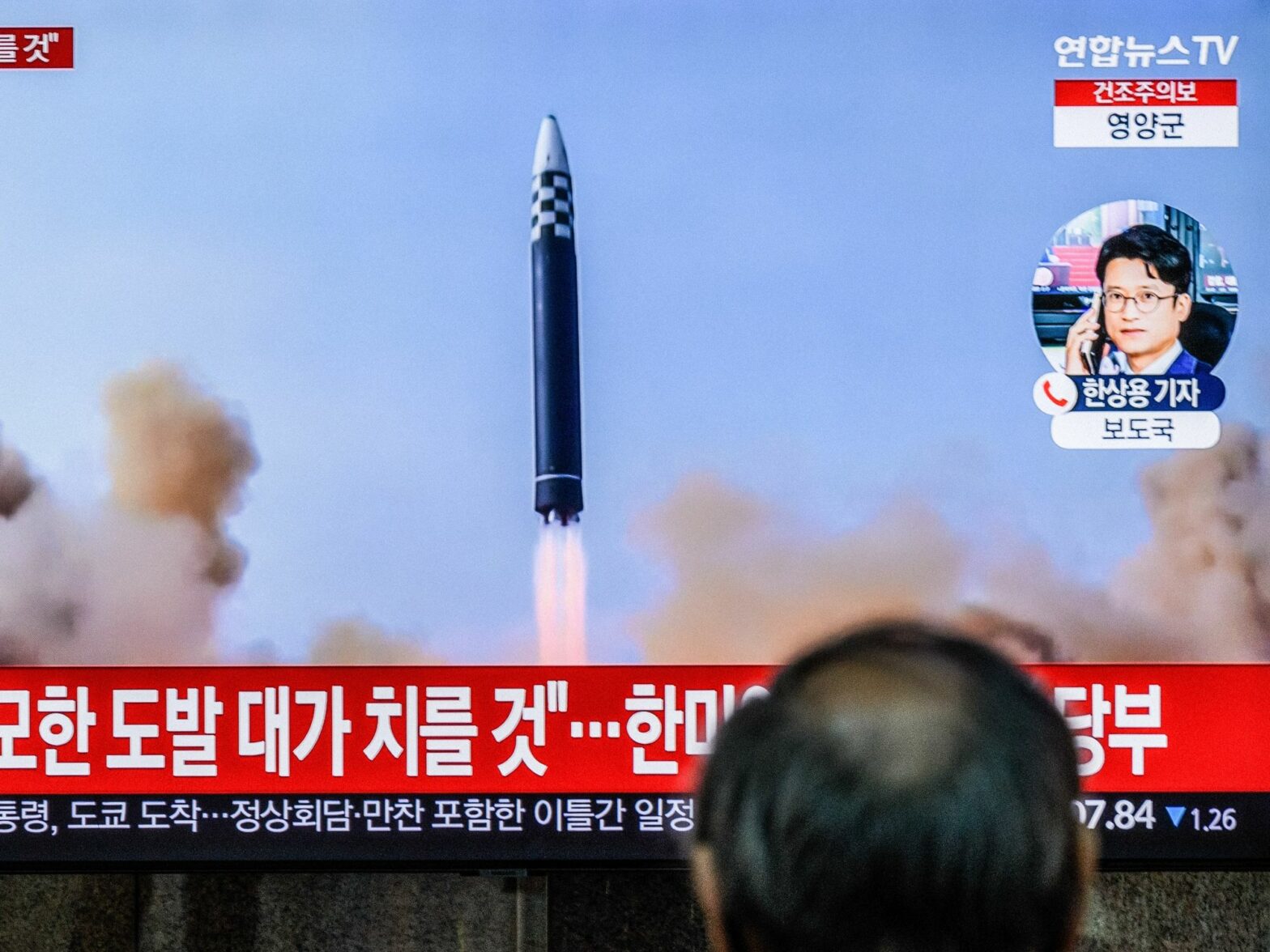
Moscow “killed” the body charged with overseeing the sanctions regime against North Korea — now Putin’s ally against Ukraine — dealing yet another blow to the edifice of global governance inherited from the post-war era.
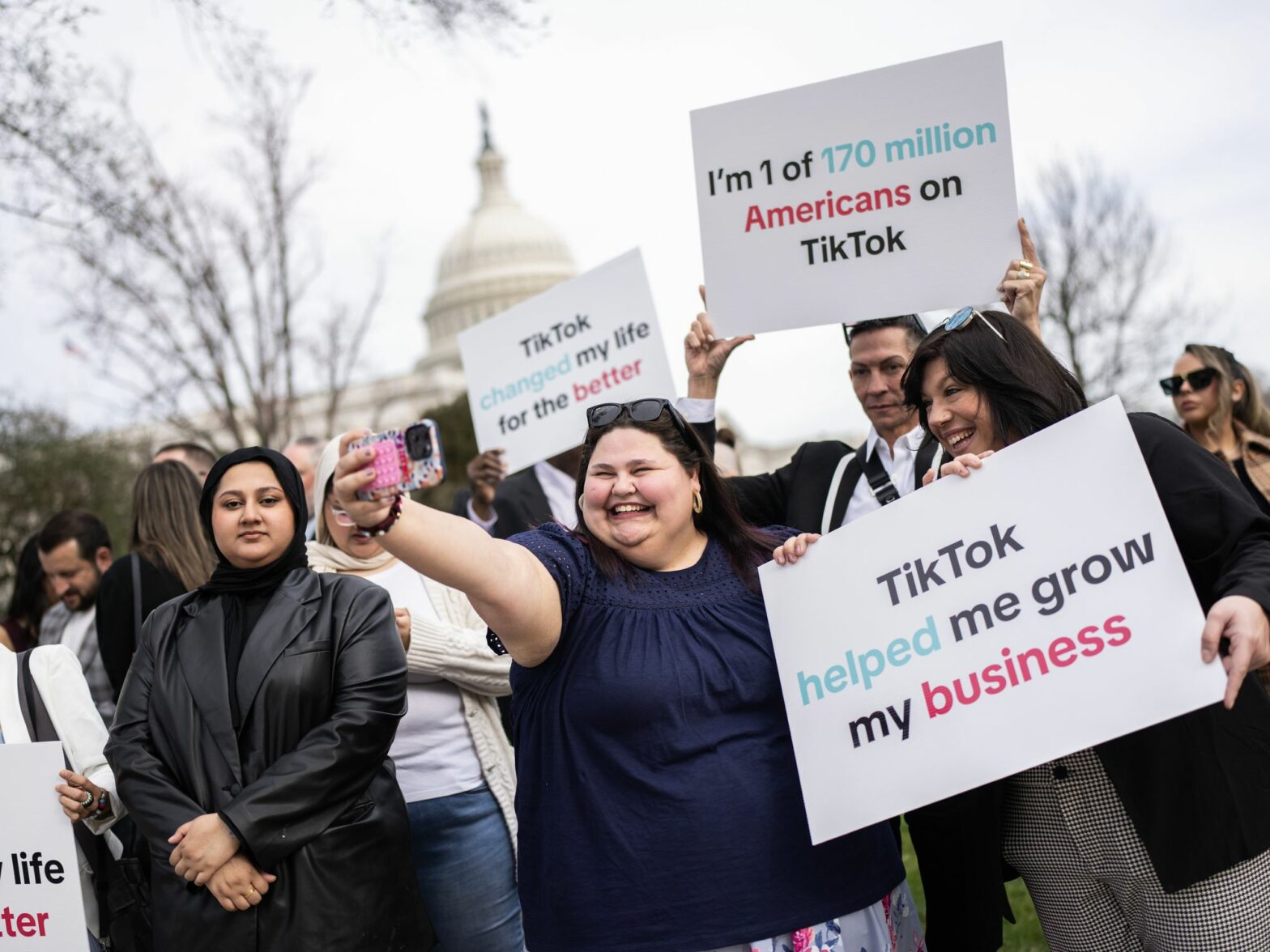
Safety or addiction concerns about TikTok are very real. But would U.S. elected officials seek to ban or control this social network if it were not Chinese? Are U.S. social networks less harmful? For France Inter, Pierre Haski warns us to take a step back when pointing the finger at TikTok.

The surprise election of Bassirou Diomaye Faye appears to be a wakeup call for French President Emmanuel Macron.
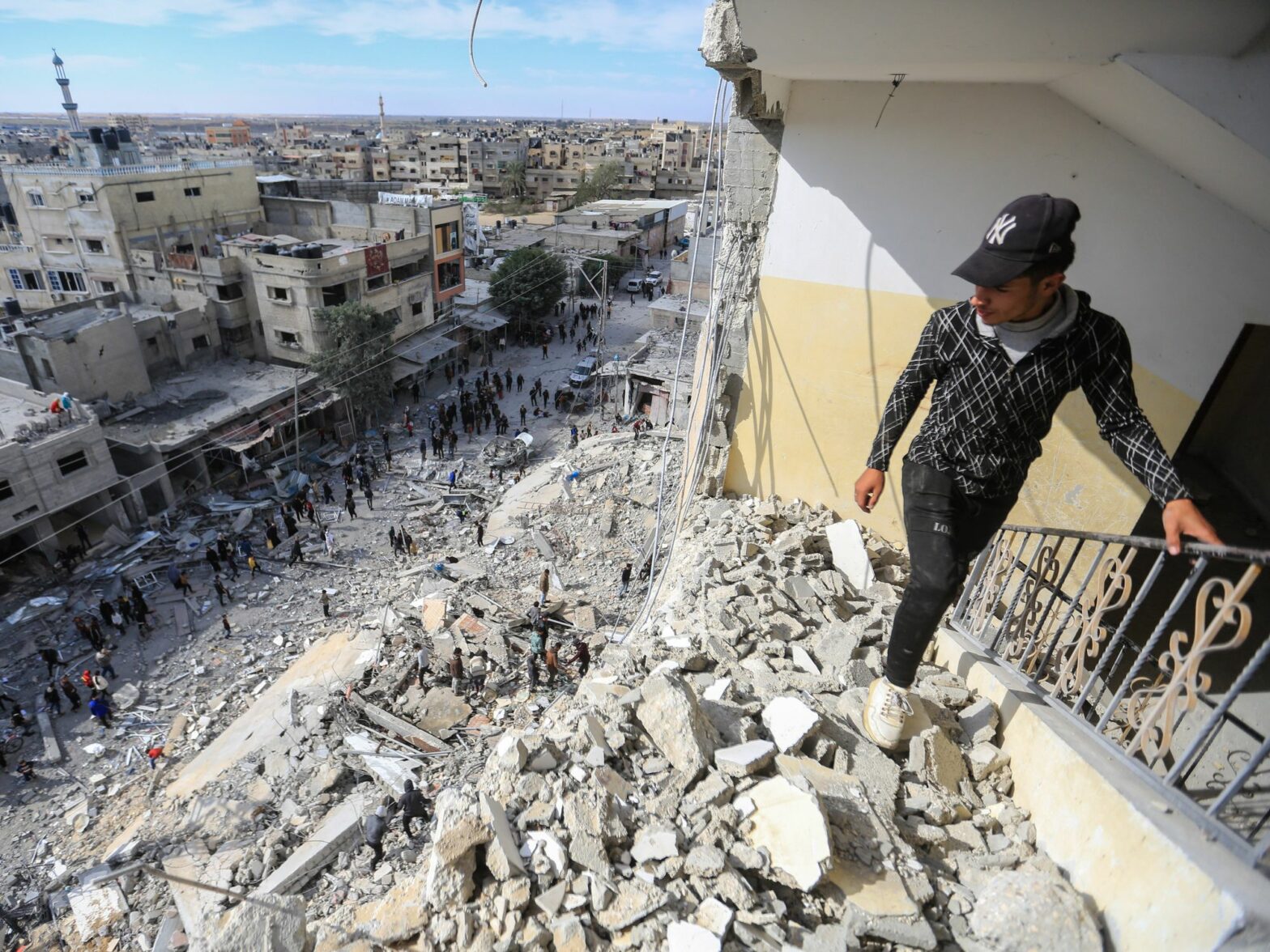
By abstaining from a UN resolution demanding an immediate ceasefire in Gaza, Washington has not only angered Benjamin Netanyahu — it has potentially altered the dynamics of the whole Israel-Hamas war.
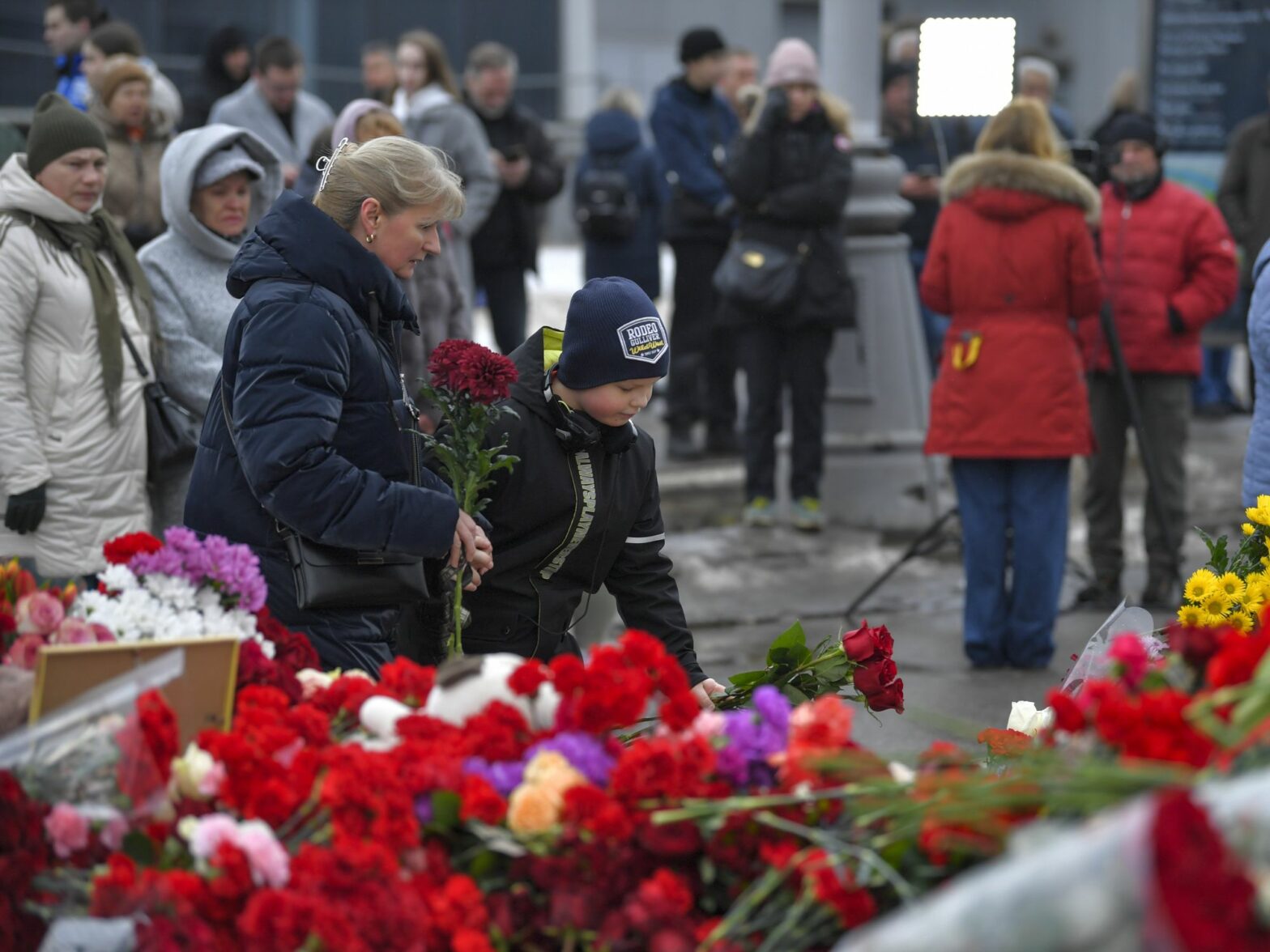
After Friday’s terrorist attack in Moscow, Russian President Vladimir Putin’s decision to lay blame on Ukraine, even while all signs point to Islamic State terrorists, can’t undo the reality that jihadism remains a major challenge that the Kremlin wishes would just go away.
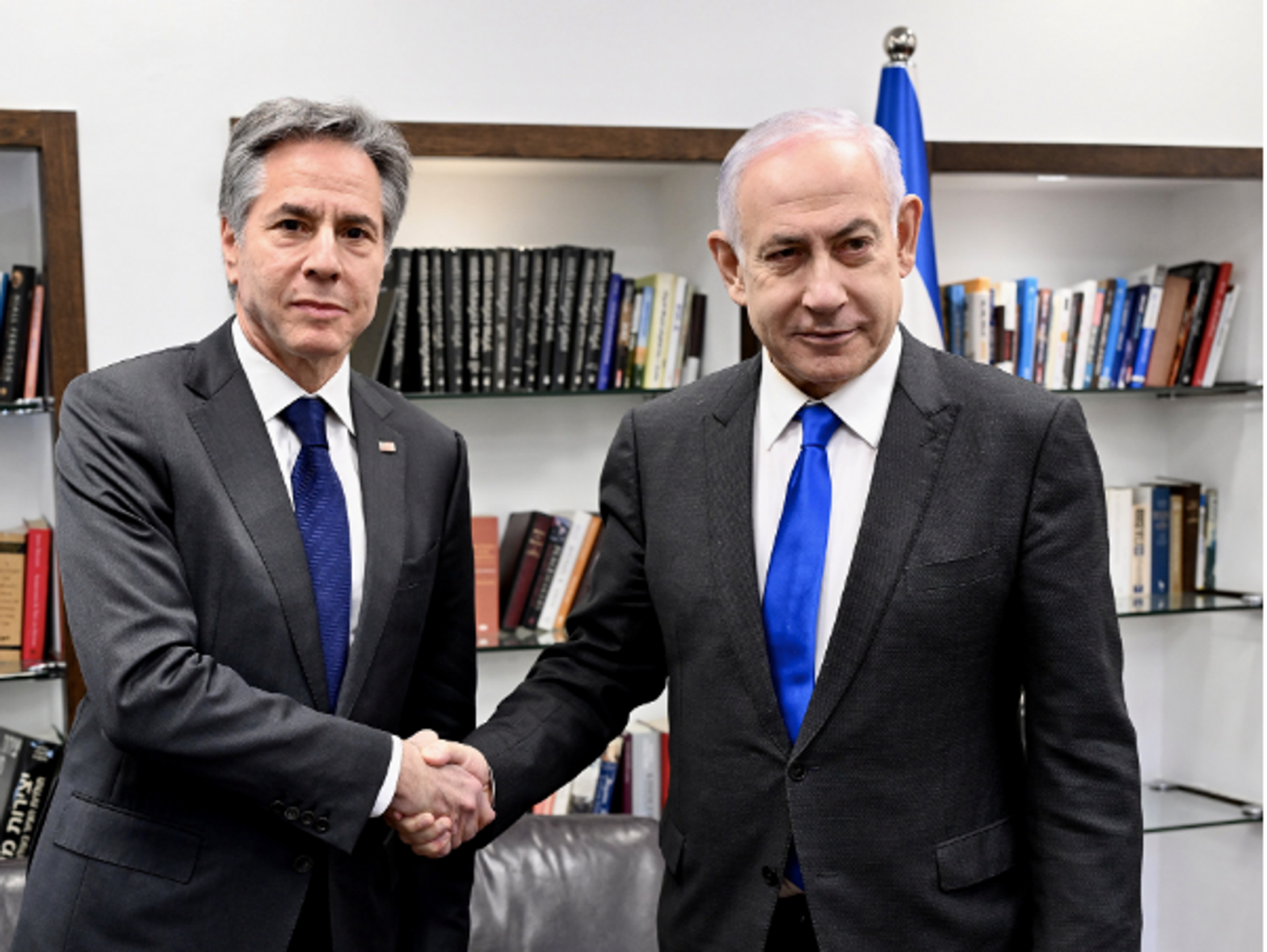
U.S. Secretary of State Antony Blinken meets with Israeli Prime Minister Benjamin Netanyahu, just as Washington has submitted a stunning resolution at the UN pressuring Israel into a ceasefire. But is there a way out?
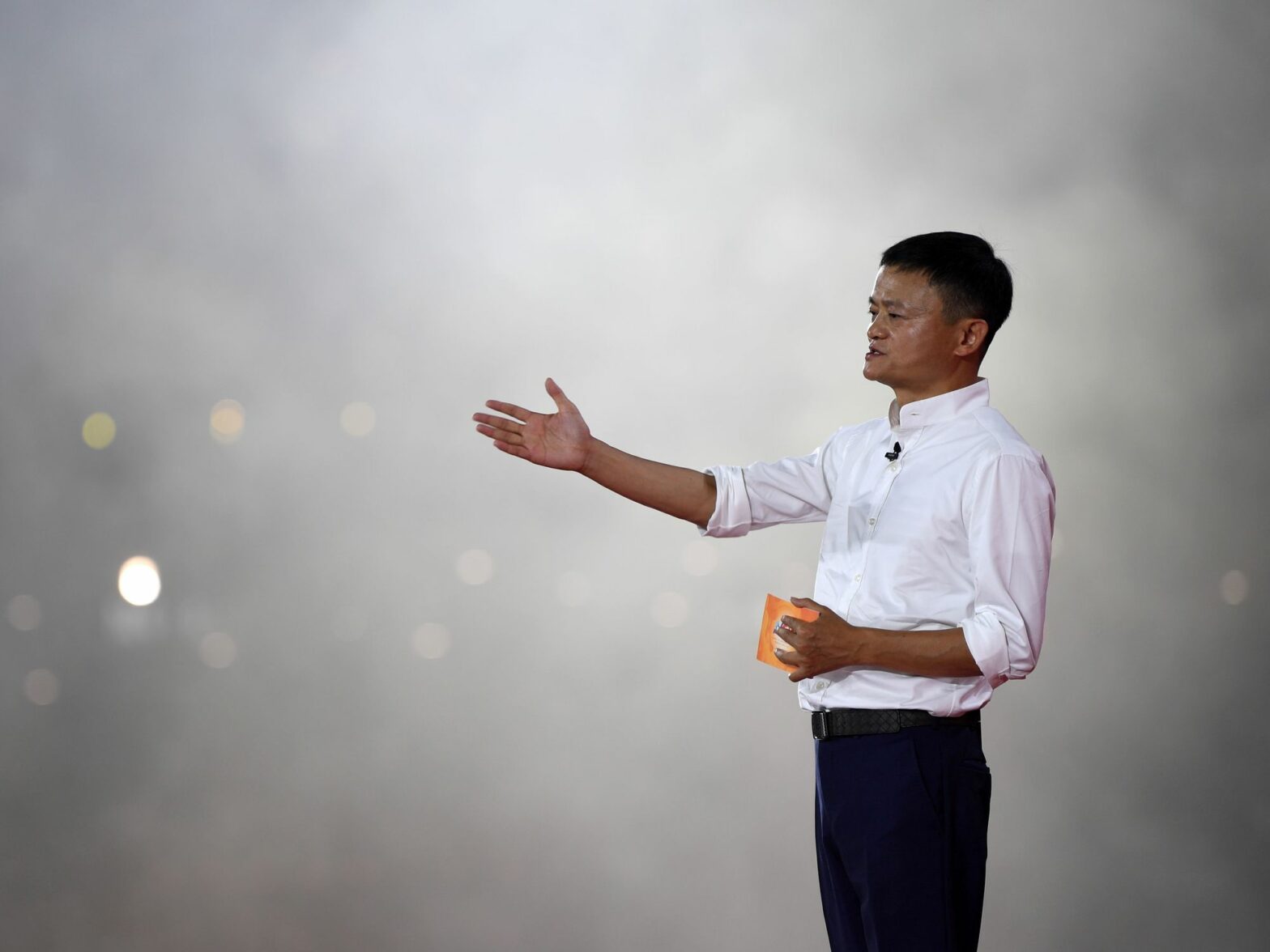
China’s richest man, Zhong Shanshan, has been pursued for weeks by an online nationalist campaign claiming he is not patriotic enough. Official tolerance questions this ideological hardening, at a time of economic slowdown, strong international tensions and built-in contradictions of China’s statists-capitalistic economy.
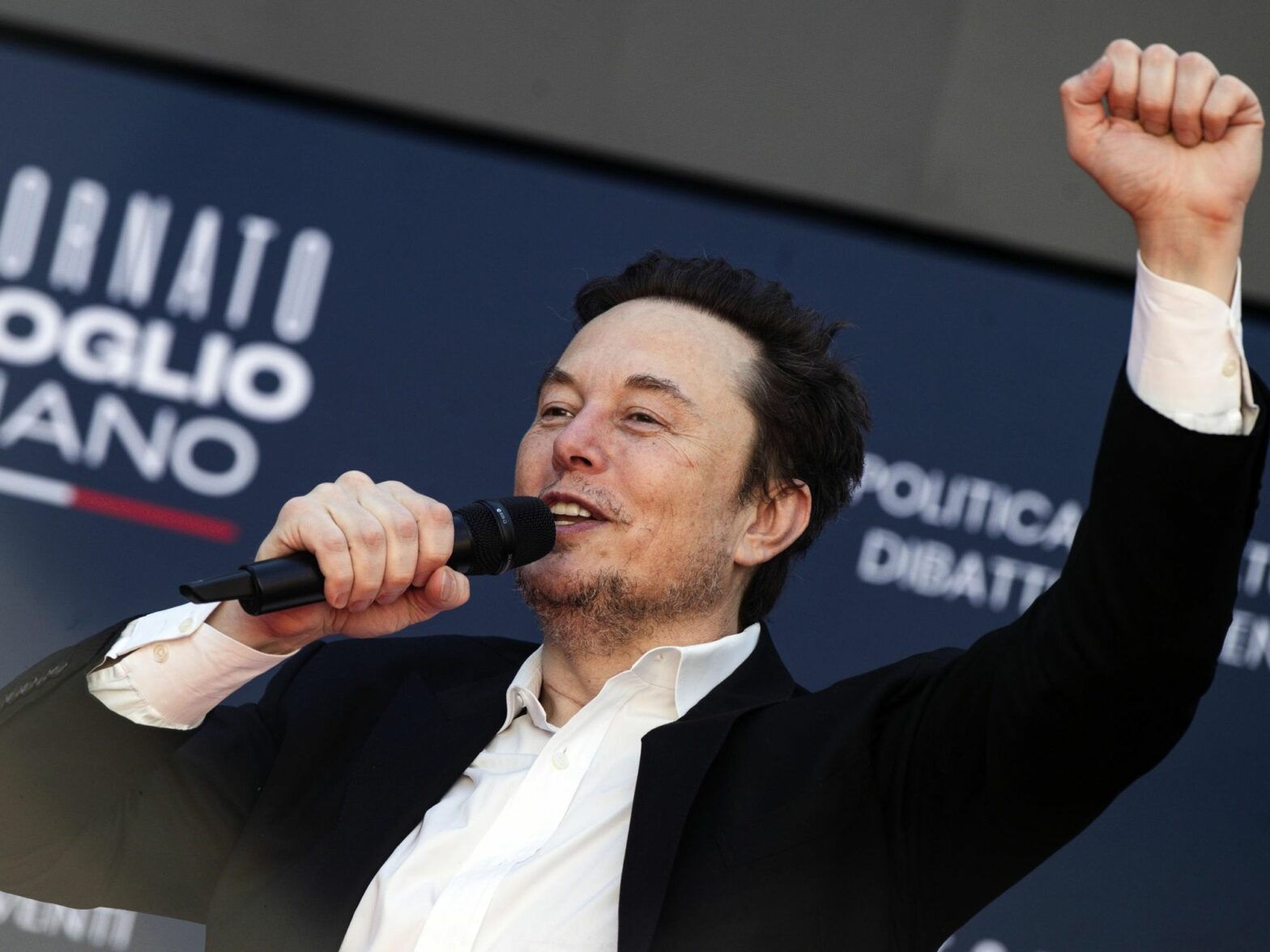
The American billionaire and founder of Tesla and SpaceX is increasingly openly supporting the ideas of the radical right and Donald Trump. Long gone are the days when Silicon Valley voted Democrat: Elon Musk is the embodiment of this openly self-assured “tech right”.
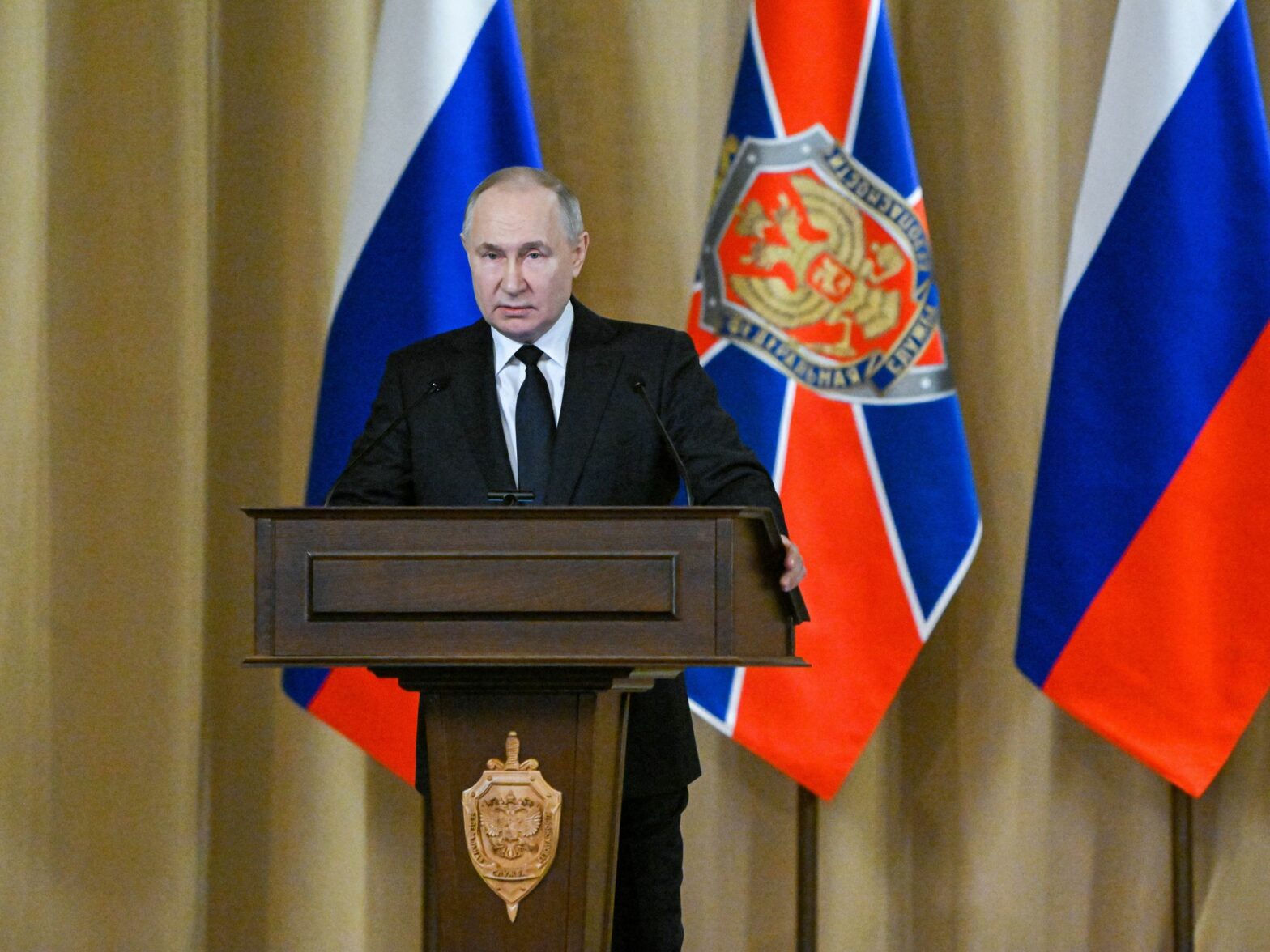
Celebrating his reelection and the 10th anniversary of the annexation of Crimea on Monday, Vladimir Putin showed that he is not backing down. And he signaled that he will redouble his efforts in the invasion of Ukraine as well as his psychological war with the West.
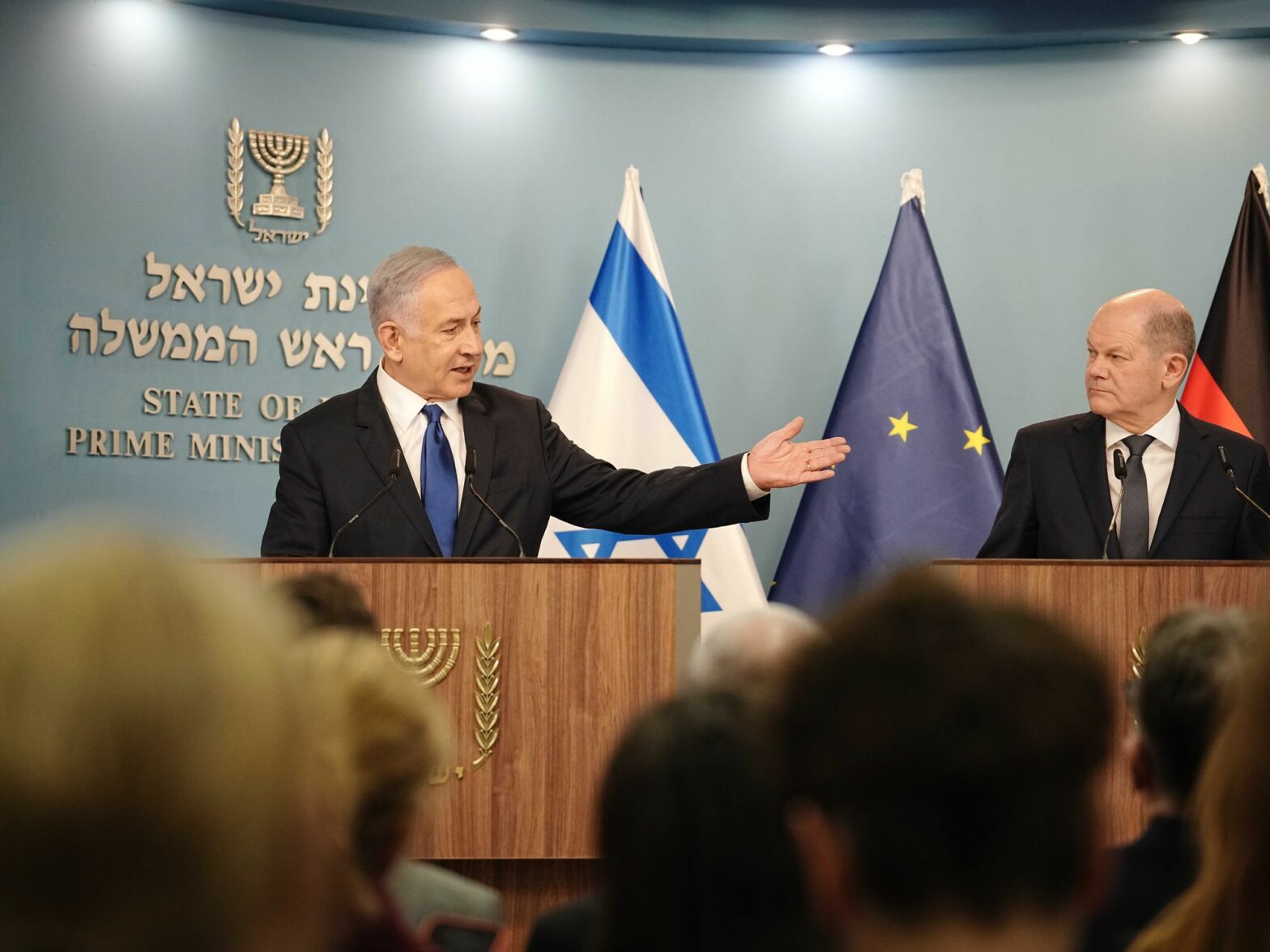
As Western leaders criticize Netanyahu and his war in Gaza, the Israeli Prime Minister apparently remains fully confident in forging ahead with a hardline that leaves a brutal human toll.
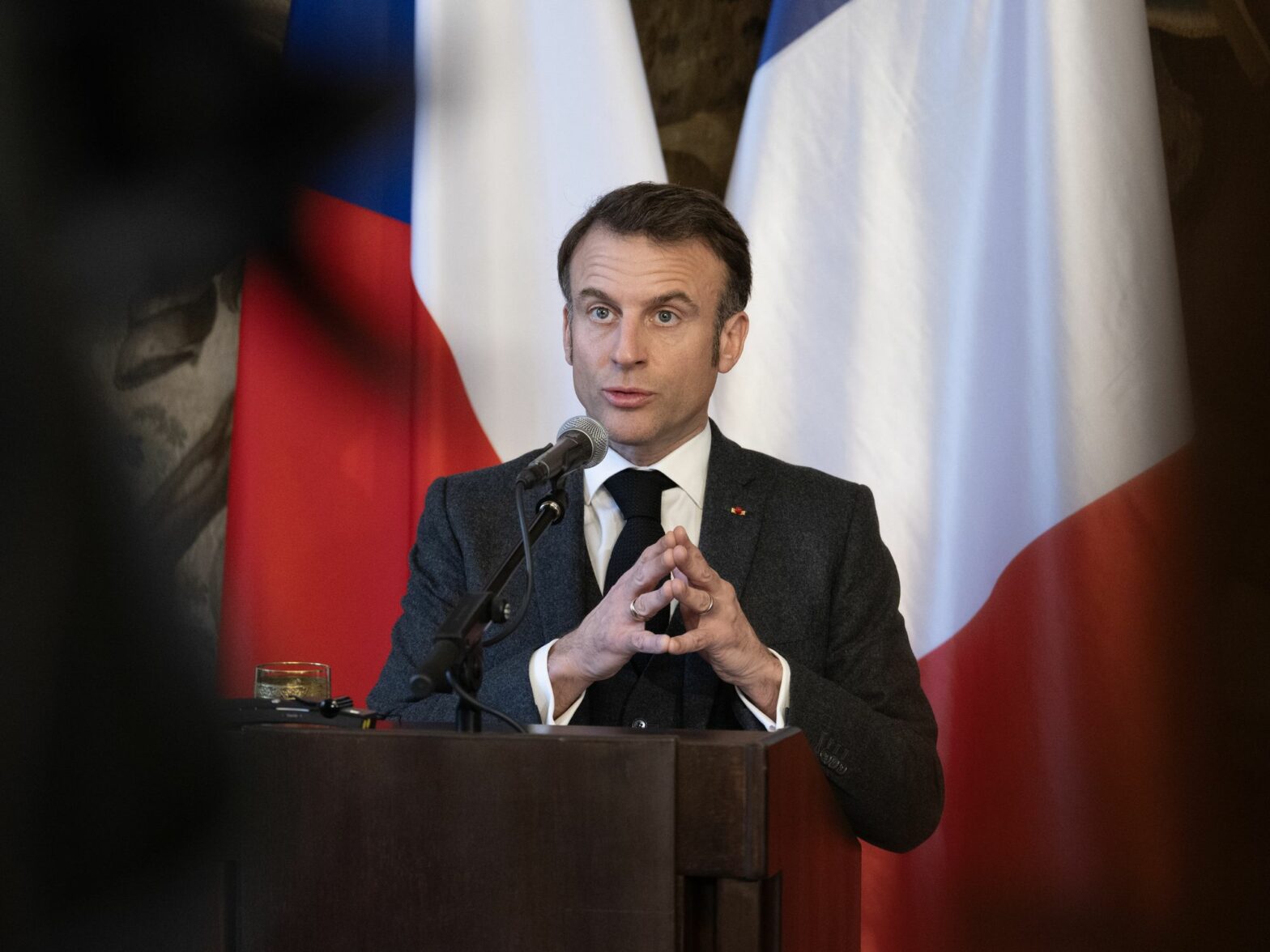
The French President has lost all hope in reasoning with Putin, hardening his tone toward Moscow after trying to position himself at the outset as a mediating force.

Despite the lack of tangible evidence that the Chinese-owned social media platform poses a security risk, the recent vote at the House of Representatives in favor of banning TikTok from the U.S. shows that none of this matters, when it’s China we’re talking about.
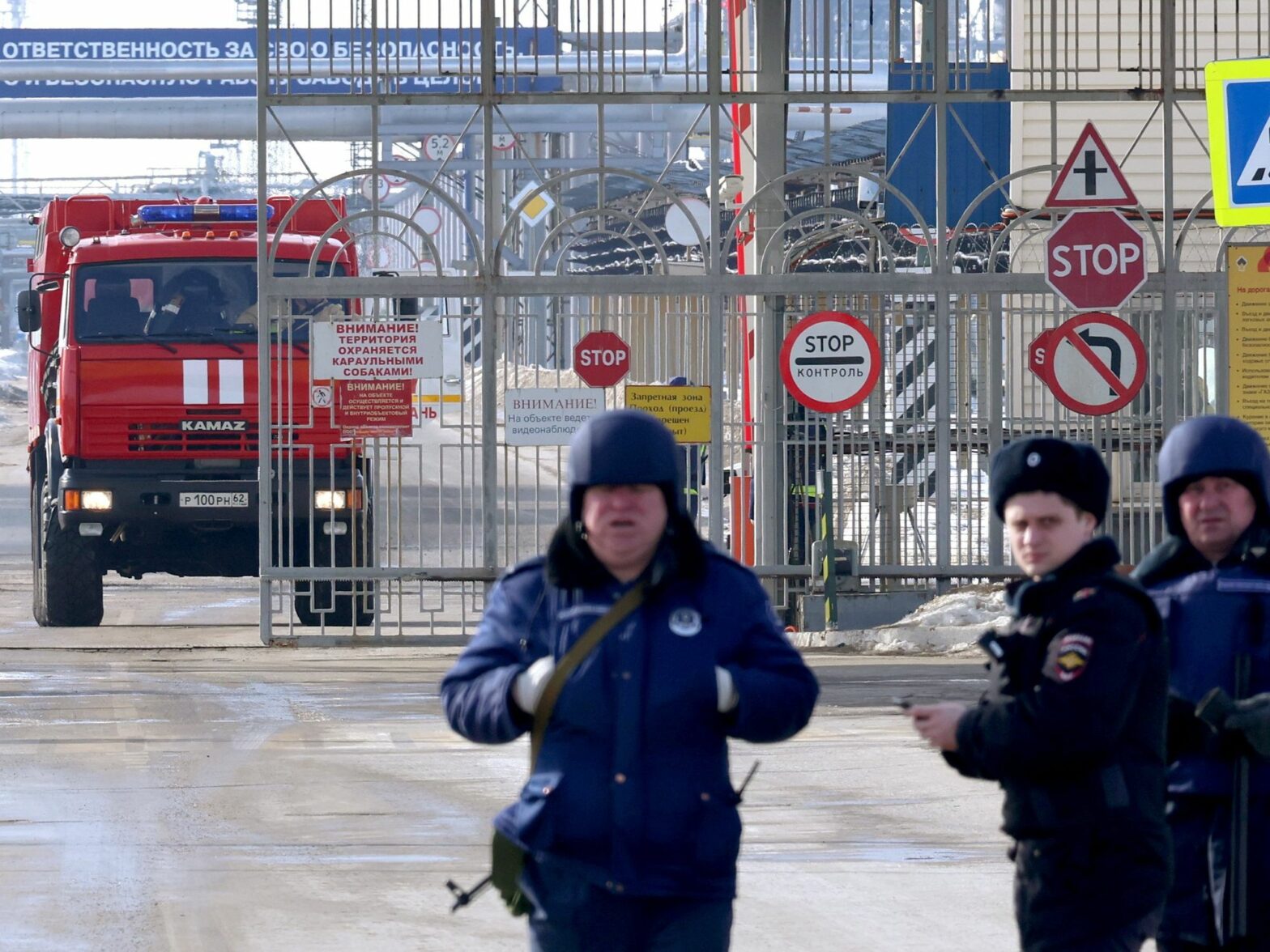
Ukrainian drones that struck nine Russian provinces on Tuesday while armed Russian dissident soldiers launched a ground attack against Moscow’s troops in the Bolgorod region, bordering Ukraine. It’s a reminder to the Russian people that the war is on them, and won’t be ending anytime soon.
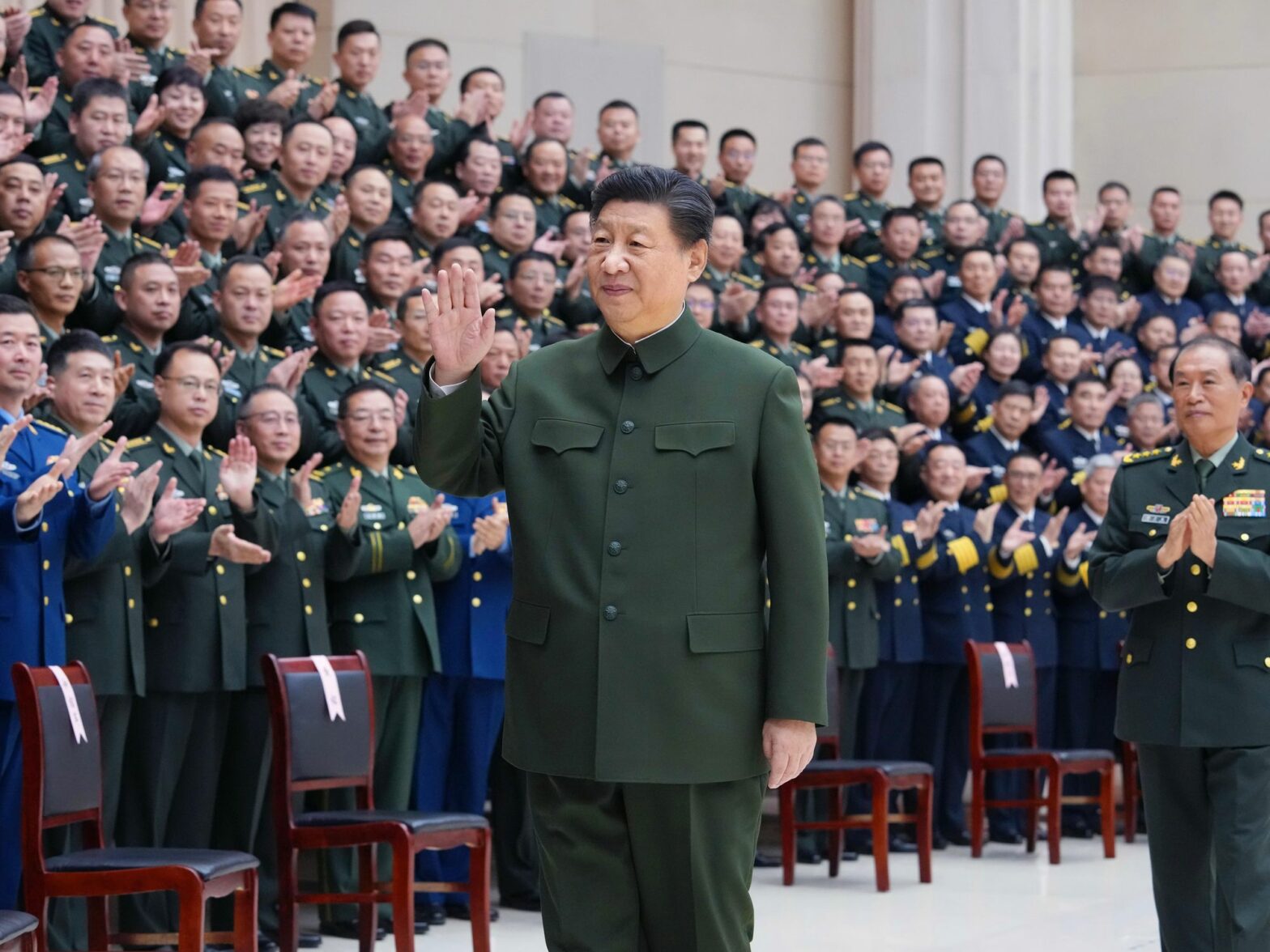
China has recently been discreet over major crises, such as Ukraine and Gaza, focusing its attention and energy on its domestic difficulties, particularly economic ones. Convinced that his country is entering a stormy period, President Xi Jinping is strengthening his hold over the nation, but may
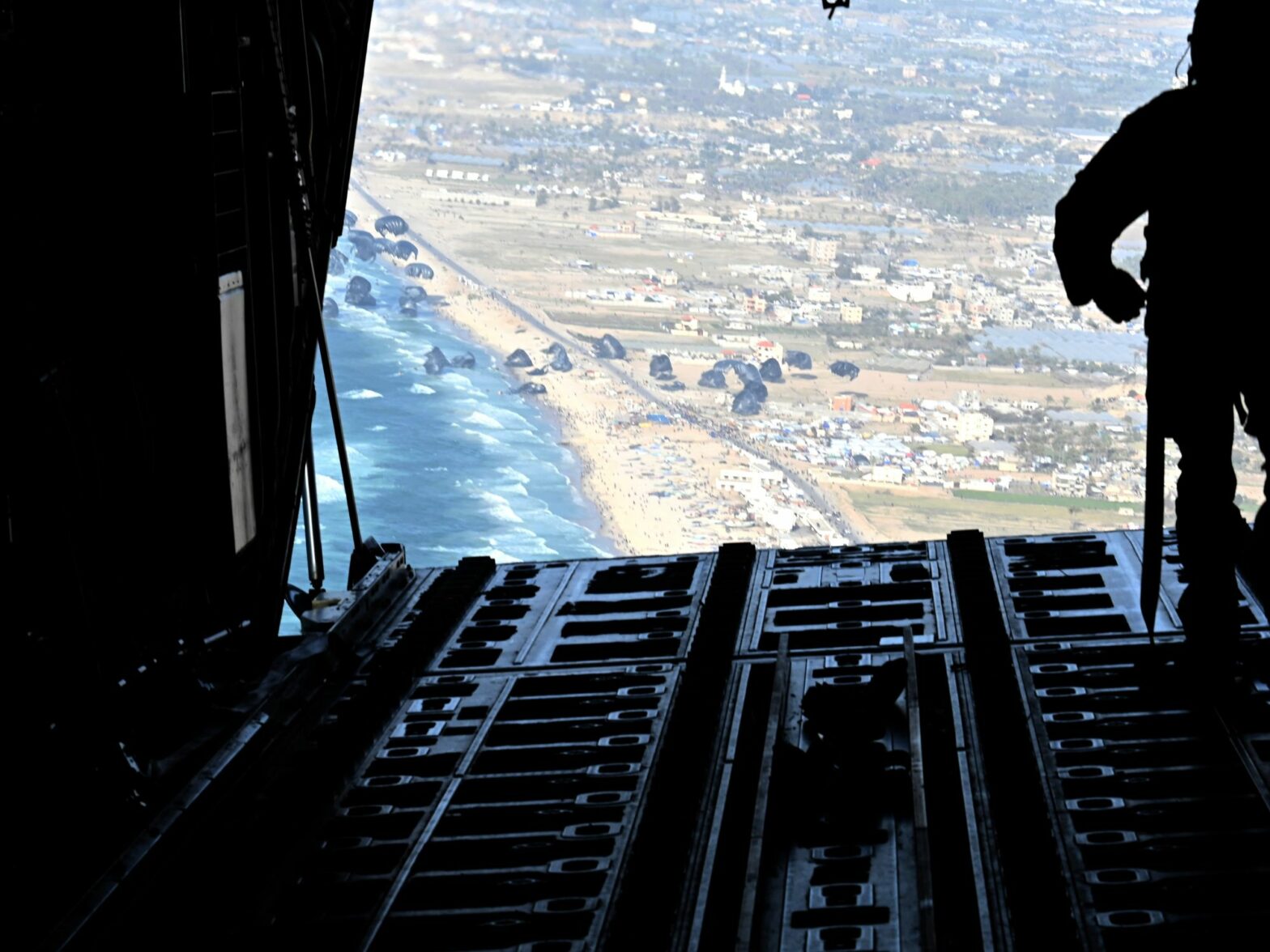
U.S. President Joe Biden said this weekend that “Netanyahu is doing Israel more harm than good”: a phrase that speaks volumes about the lack of trust between the two men, especially still without a ceasefire, and humanitarian aid blocked from entering an increasingly desperate Gaza Strip.
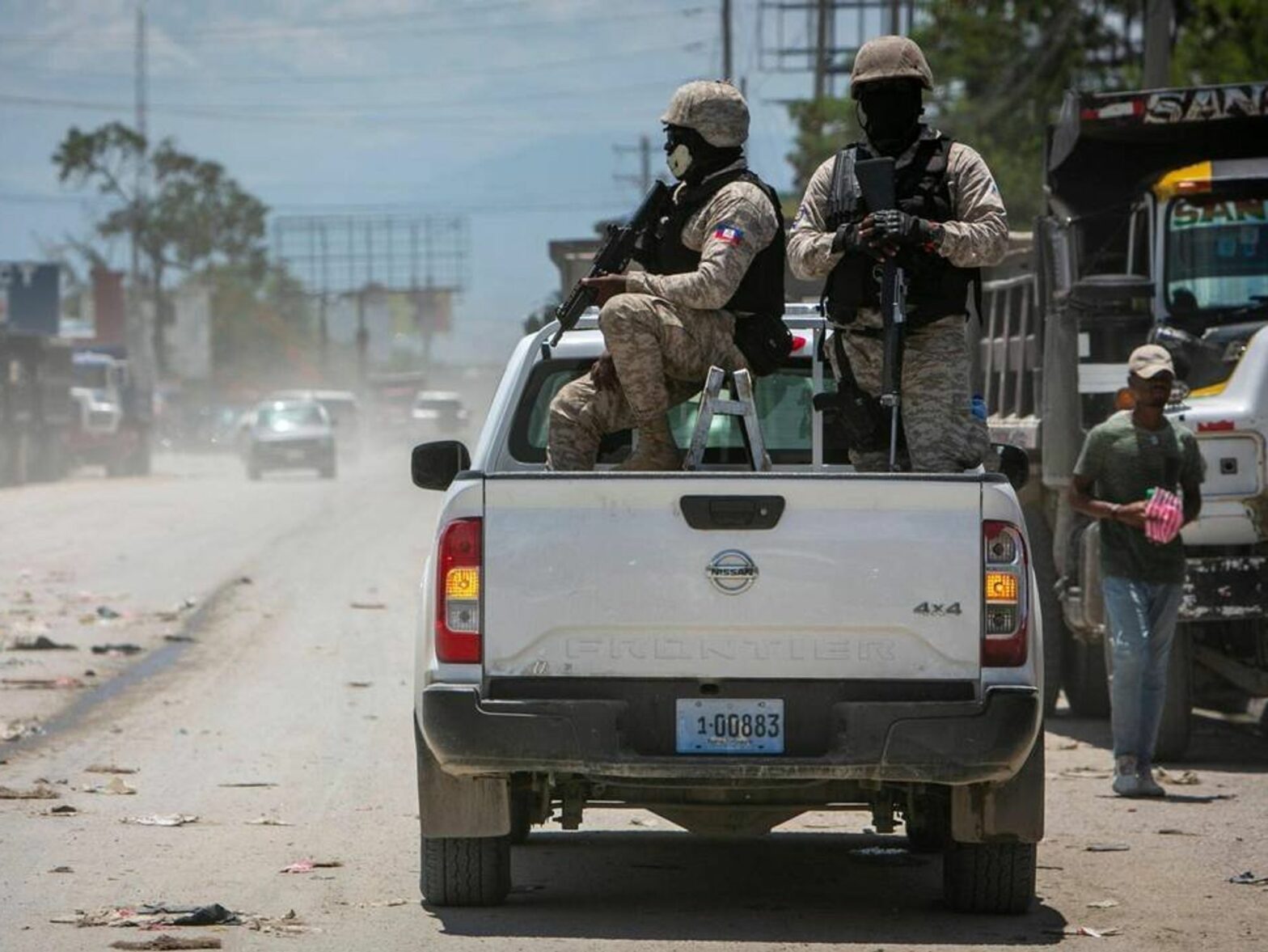
Haiti’s descent into hell continues, and the international community is at a loss to help the gang-ridden island. An international police force led by Kenya is expected, but when? And will it work?

After Super Tuesday, Americans (and the world) are now virtually assured of another Biden-Trump showdown in November. It’s a chilling reminder to Europe that their fate is tied too closely to the whims of U.S. politics.
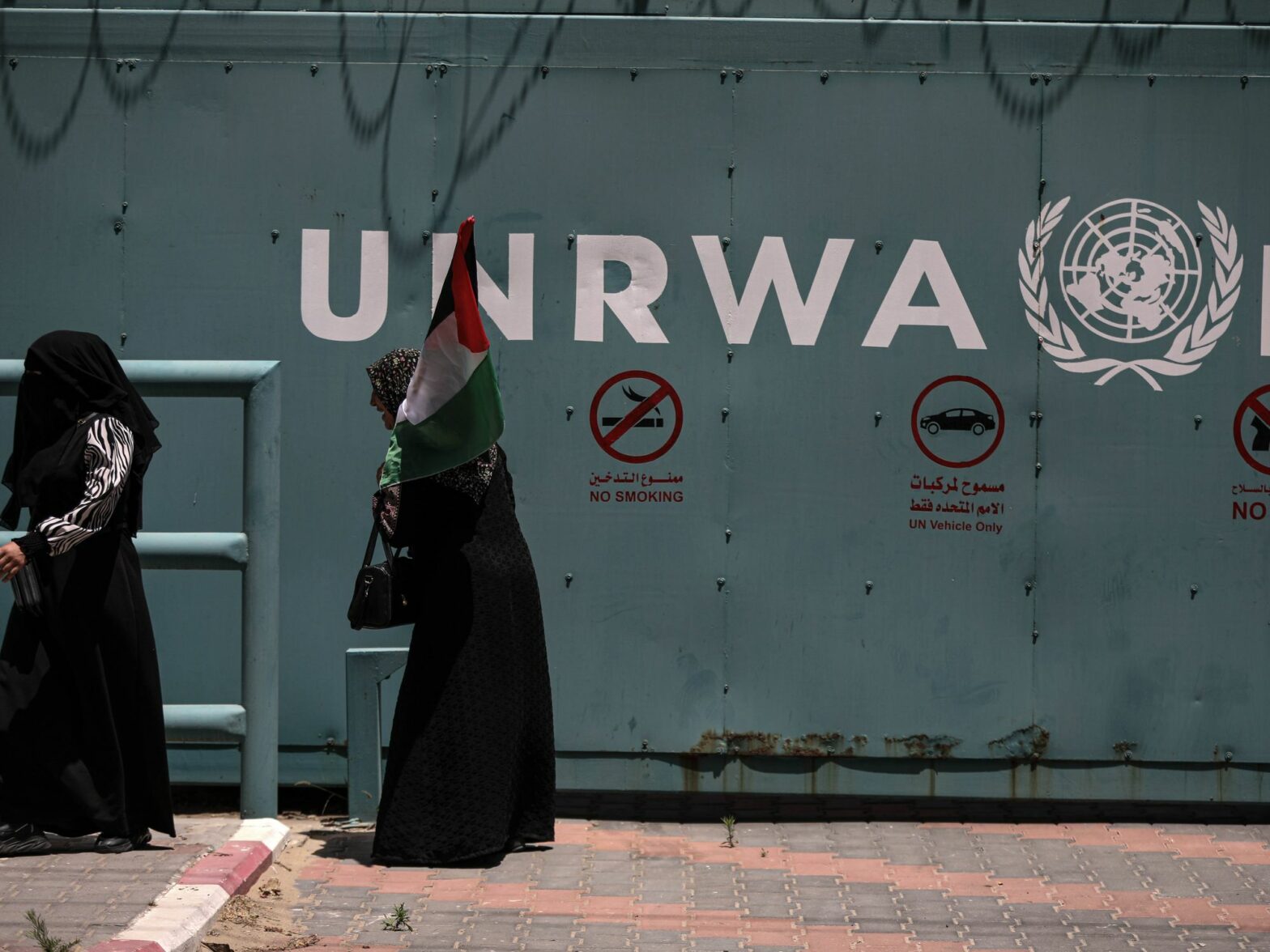
Tensions continue to rise between the UN and Israel, despite the publication of a UN report confirming Hamas’s accusations of sexual violence on October 7. It’s a long history of mistrust which has resurfaced in the current crisis.
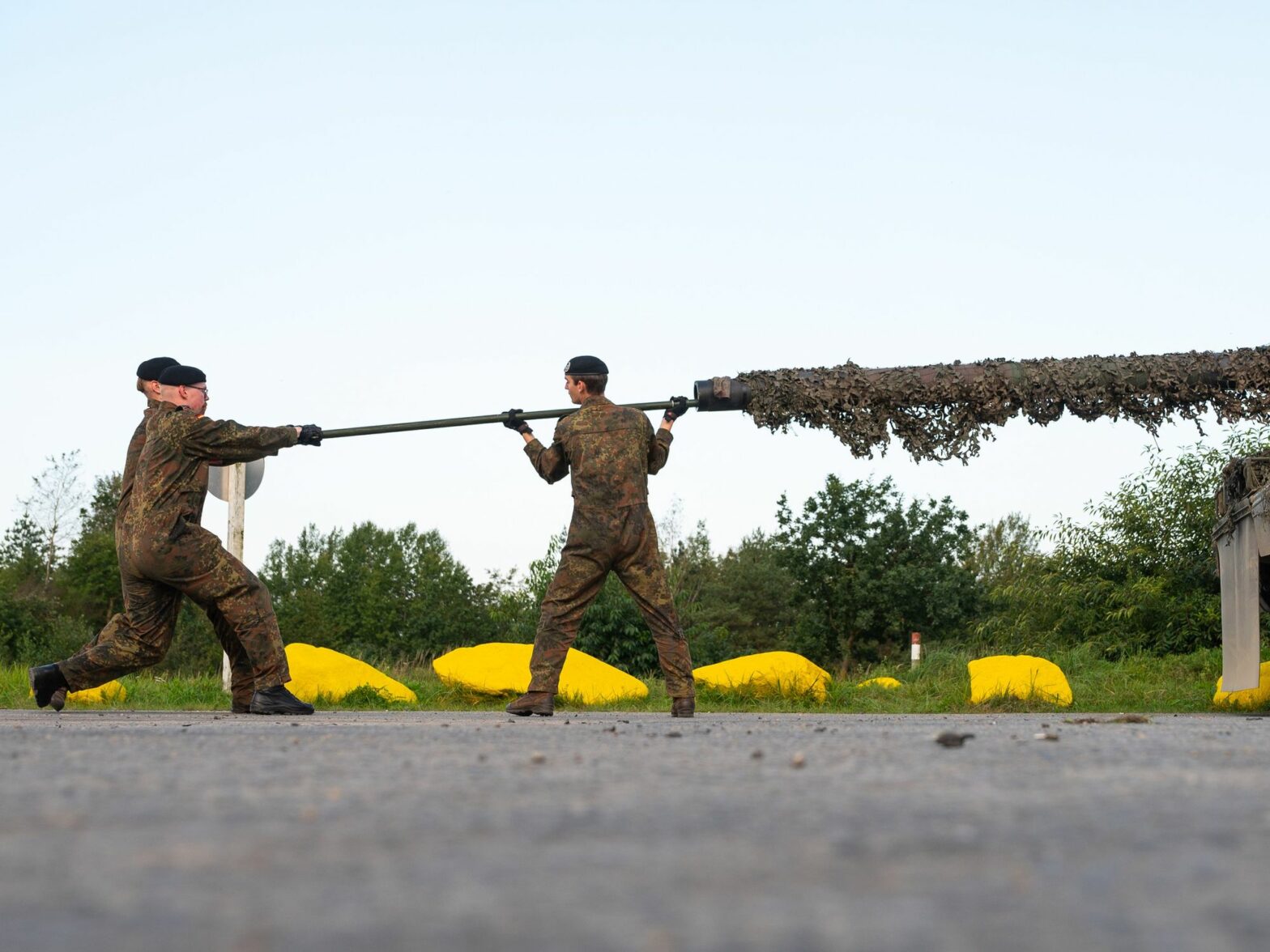
Beyond the embarrassment for the German military, and Moscow’s exploitation for propaganda purposes, the deeper significance of the intercepted conversations is in how far European unity remains on the war in Ukraine.
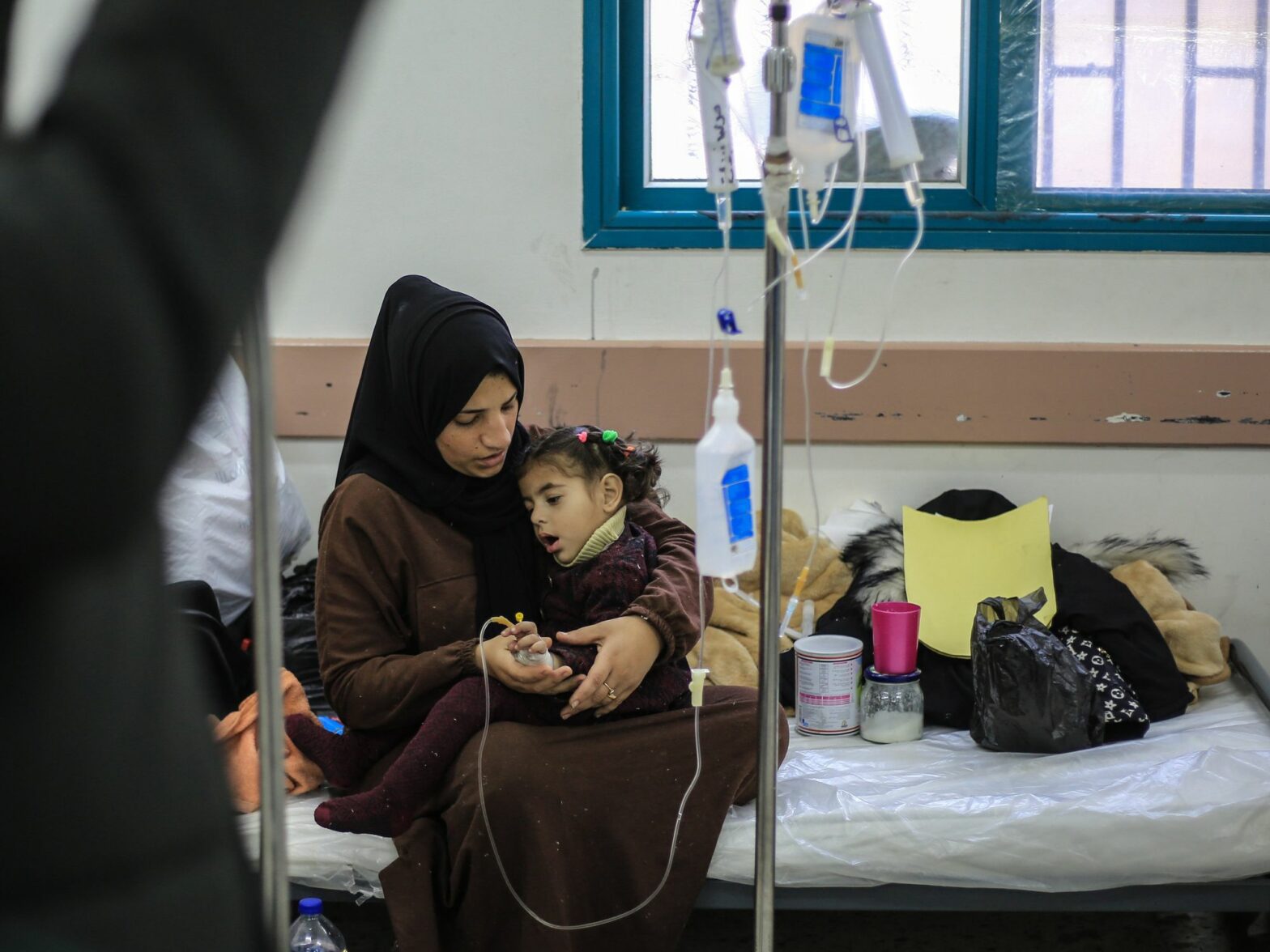
Israel no longer has any interest in prolonging the destruction — and spreading the condemnation around the world for its “collective punishment” of the people of Gaza.
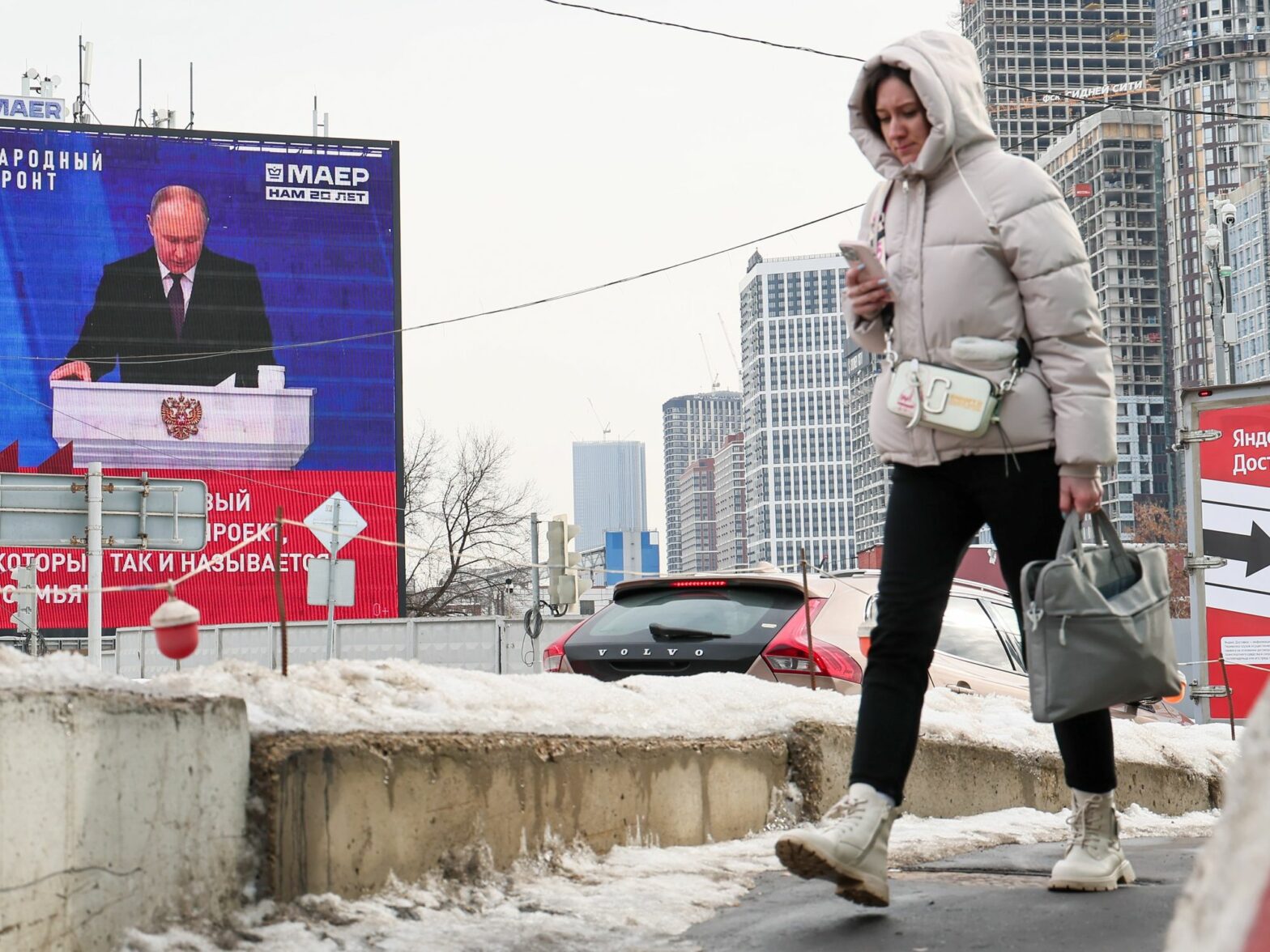
Three days after Emmanuel Macron’s statement on deploying troops to Ukraine, Putin warned that such a move could provoke nuclear war. It’s a serious threat that has regularly resurfaced over the past two years. So far, we’re all still here.
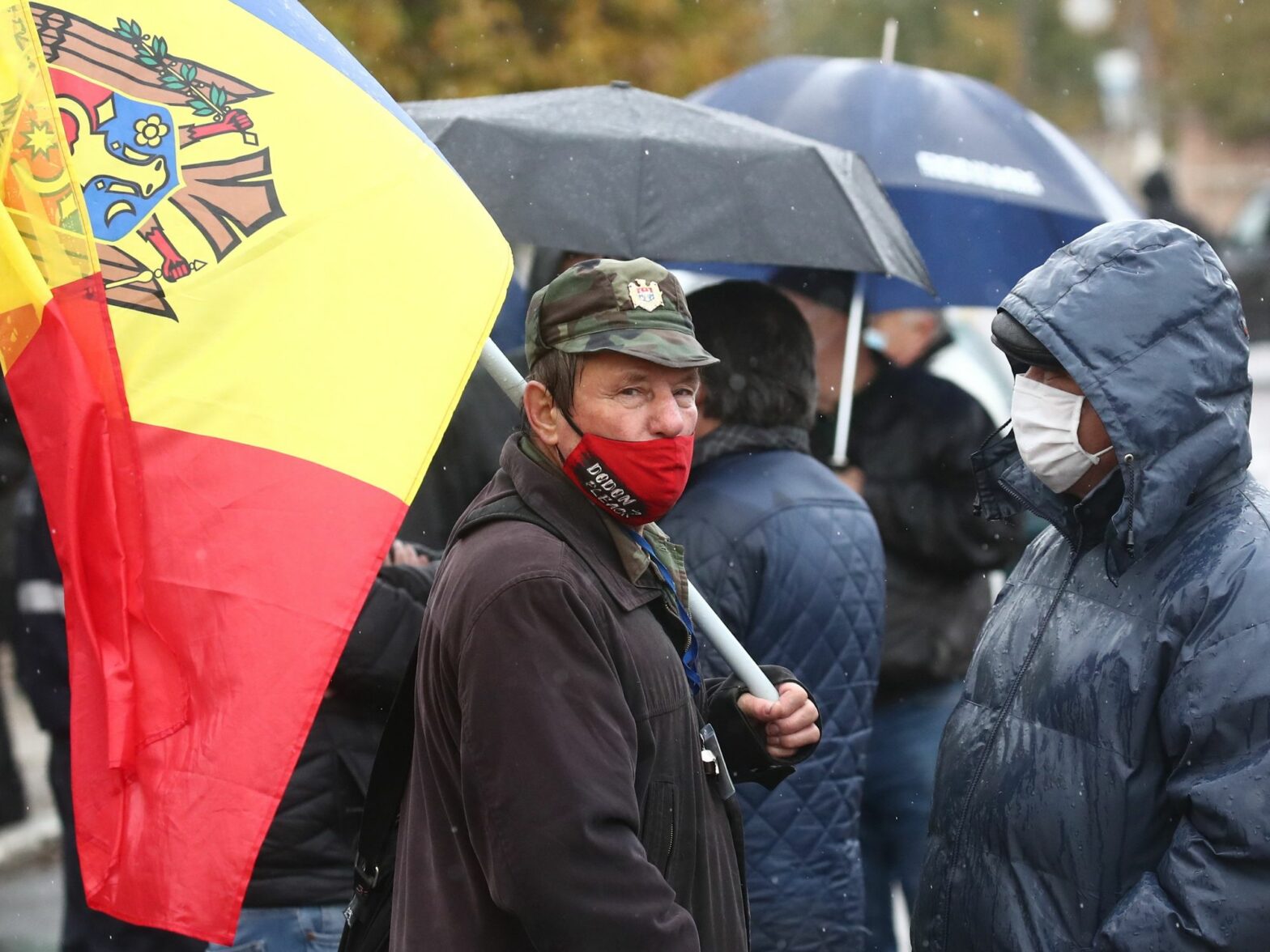
The authorities of the pro-Russian breakaway region of Transnistria in Moldava have asked for “protection” from Russia, which has been quick to respond. It is a blatantly “engineered-from-scratch” crisis in a region bordering Ukraine. This tiny territory may be the next place on the world map to watch.
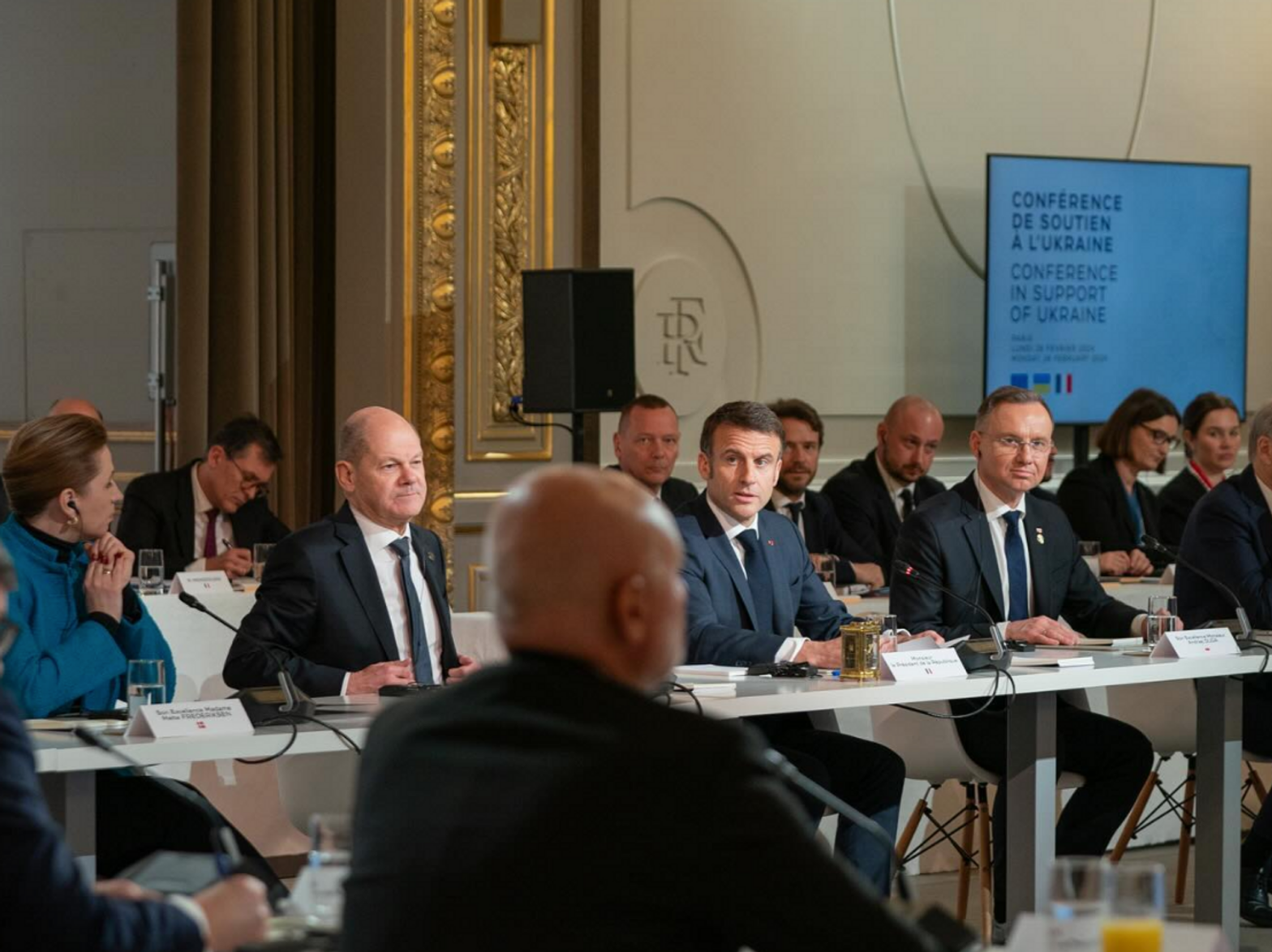
The French president’s suggestion that Western troops could be sent to Ukraine, took Western allies by surprise. Yet Macron wanted to send a double message at a key moment — to ally and adversary alike.
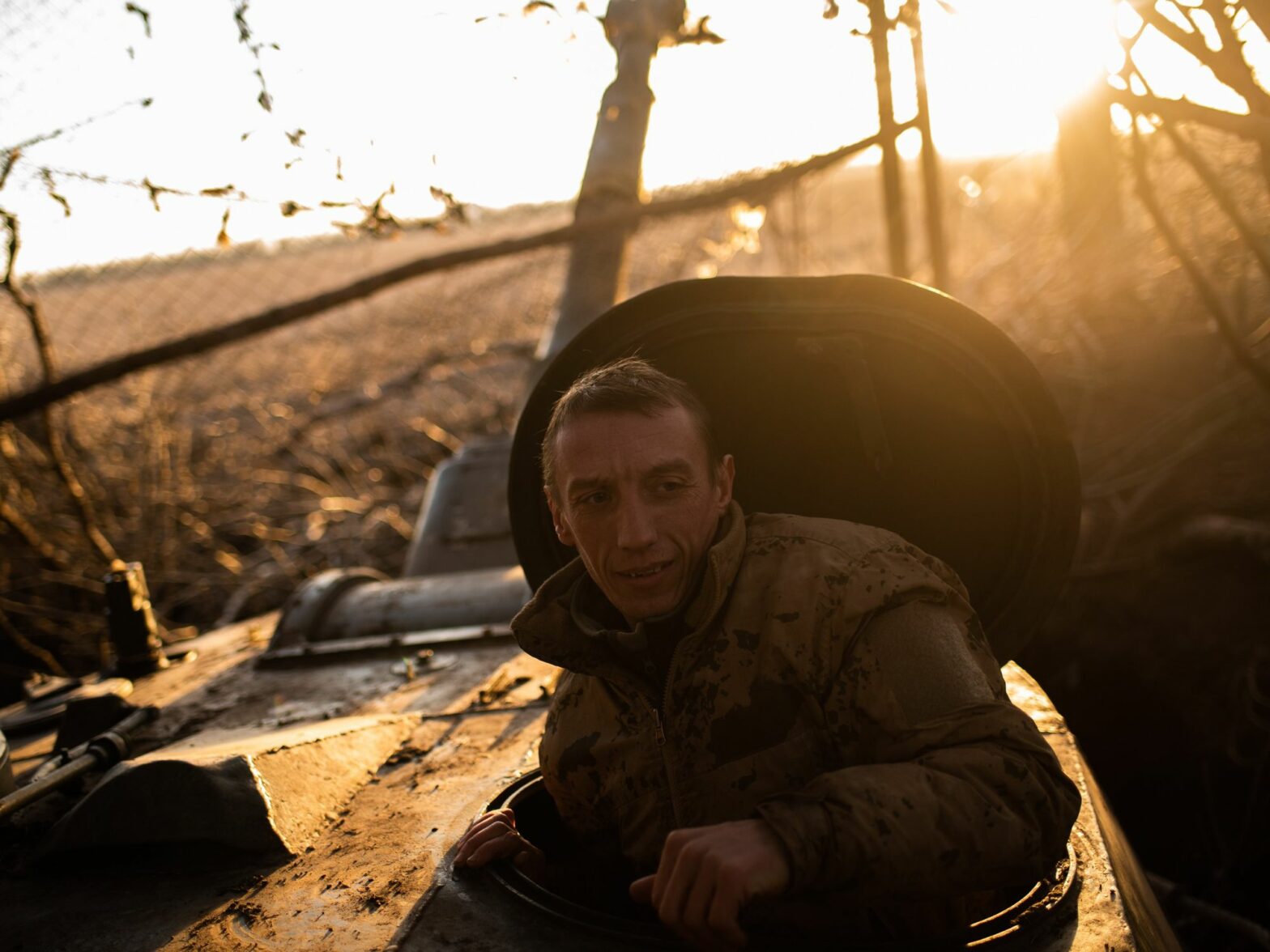
French President Emmanuel Macron crossed a line, at least rhetorically, in saying that the West doesn’t exclude sending troops to help Ukraine defend itself from Russia. Yet it may be time for the Western alliance to acknowledge that they’ve actually entered direct conflict with Moscow long before.
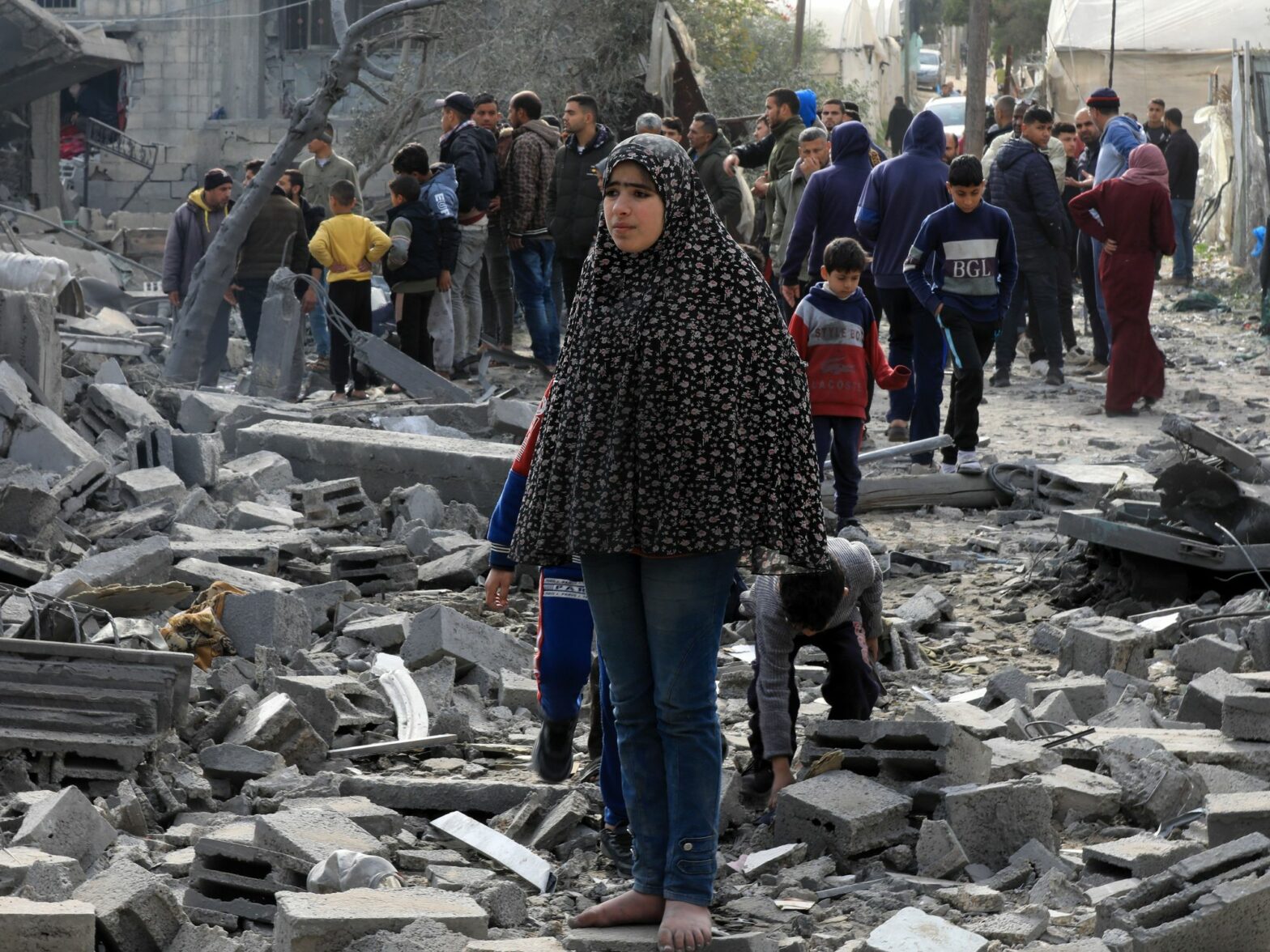
As the humanitarian situation worsens in Gaza, and the Israeli government still threatens to launch an offensive on the town of Rafah, there is one piece of positive news: negotiations on a possible ceasefire are not stalled. And in recent hours, there are some good reasons to believe that the ceasefire could become a reality.

A document leak from a major hacking company opens the door to the Chinese system of digital espionage and influence, which is part of worldwide system that is changing the nature of geopolitics.
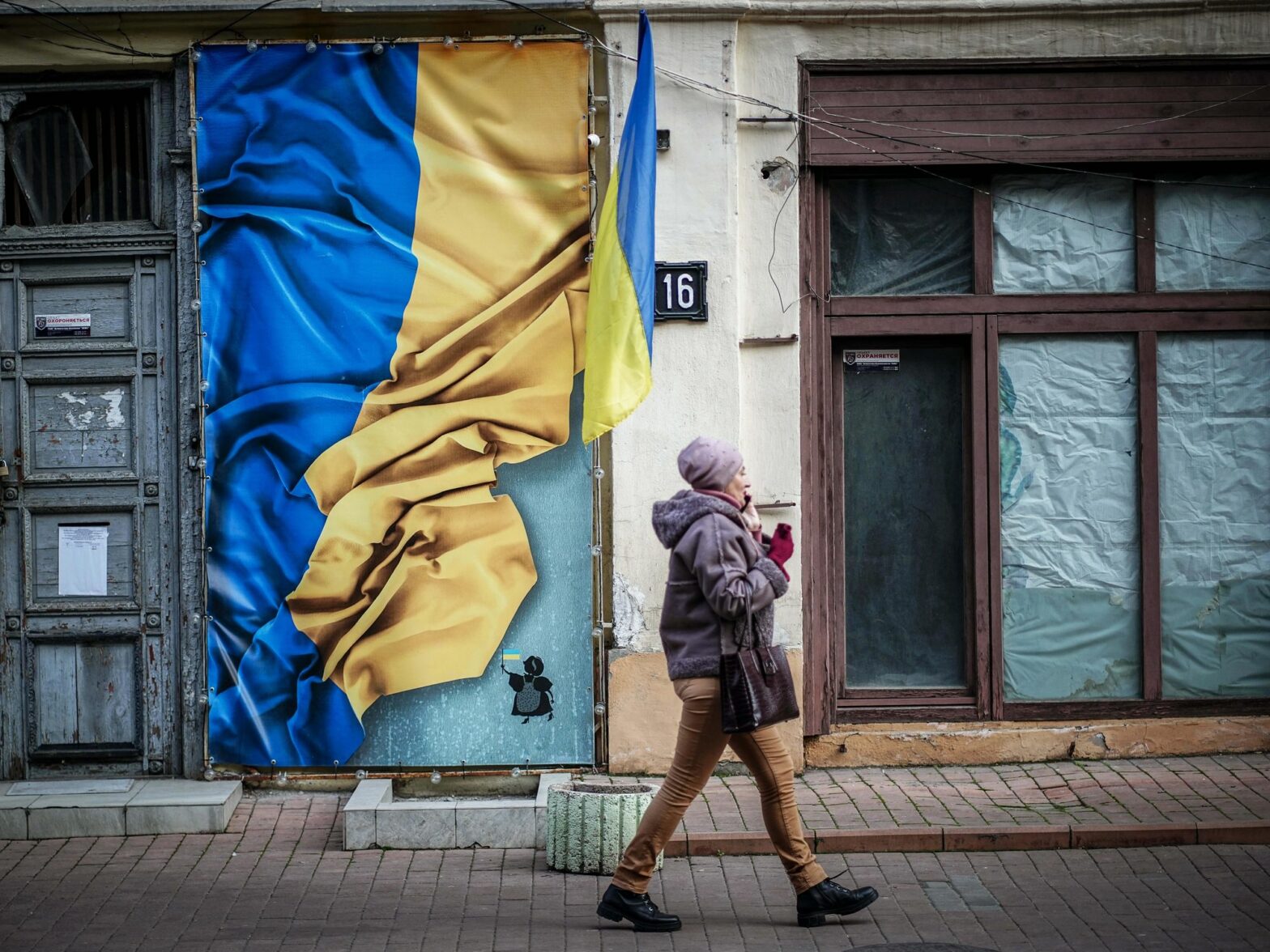
As the war in Ukraine enters its third year, results of a survey suggest that only one European out of ten thinks that Ukraine will come out of this war with a victory. While their support has not shifted towards Russia, the poll results give an insight into how fatigue is playing in citizens’ minds — and what European governments have to put up with if they want to continue supporting an expensive war.