-Analysis-
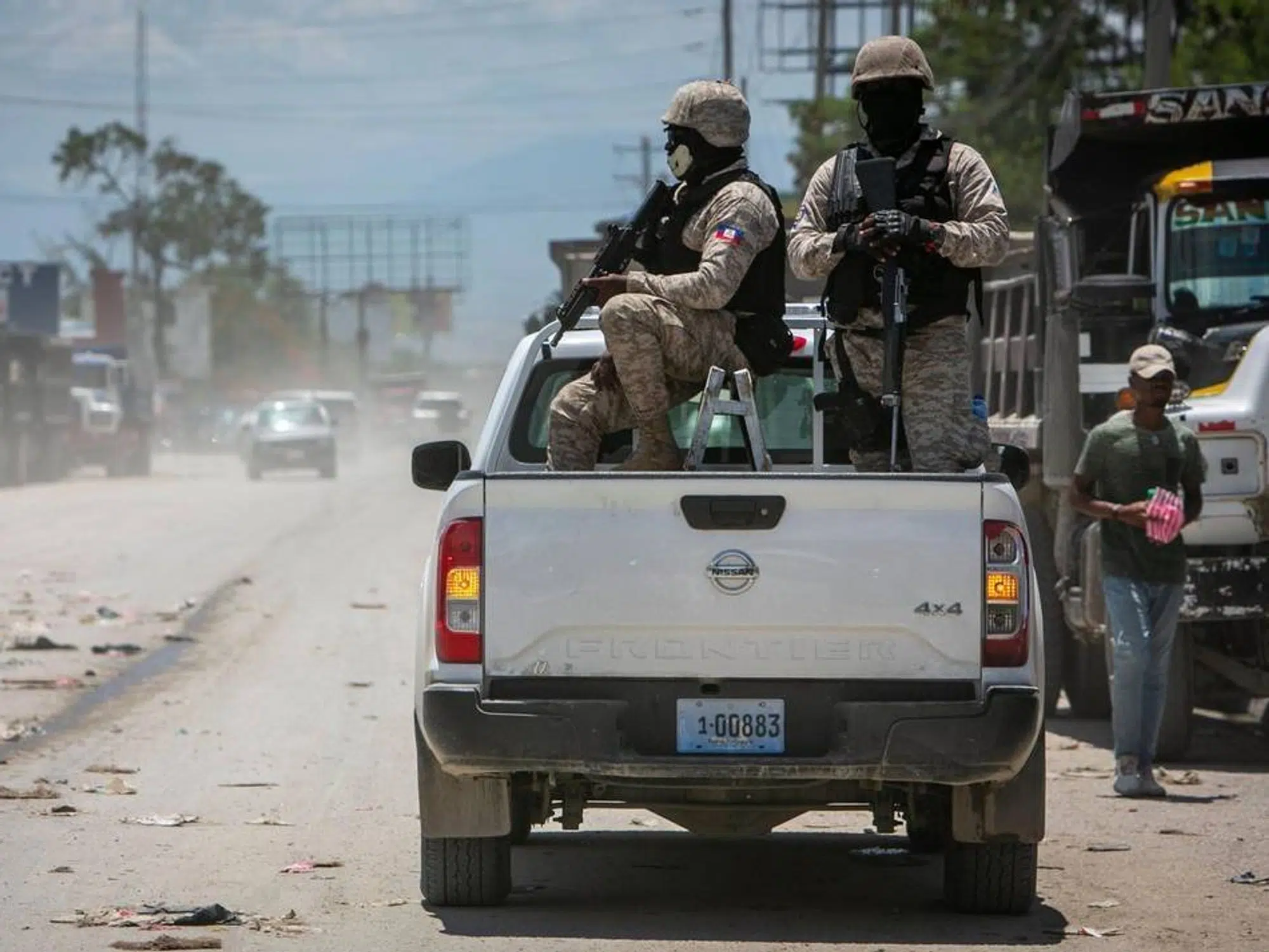
PARIS — Who can save Haiti? The news coming from the Caribbean Island is tragic: gangs control 80% of the capital Port-au-Prince, attacks on two prisons have released 3,800 inmates, a staggering crime rate of 13 deaths per day last year, and, on top of that, a prime minister and interim president who can no longer even return to his country.
The leader of the main gang, Jimmy Chérizier, a former police officer nicknamed “Barbecue,” has issued a surprising warning: “Either Haiti becomes a paradise, or it becomes hell for everyone.” Hell, we can see, but seeing the paradise Barbecue imagines is more difficult.
For the latest news & views from every corner of the world, Worldcrunch Today is the only truly international newsletter. Sign up here.
This sudden rise in violence stems from last October, when the Haitian police were overwhelmed by gangs, and the government turned to the United Nations. The Security Council voted to send a 5,000 multinational security force, led by Kenya, who was to send 1,000 police officers.
The problem is that five months later, this force is still not in place, and rival gangs have joined forces to strengthen their positions ahead of its arrival.
Fatal assistance
Will this force be enough to restore order? It’s uncertain, as the long history of foreign intervention on the island hardly lends itself to optimism. Without going back to French colonization, from which Haiti freed itself more than two centuries ago, or to the U.S. occupation of the island for almost 20 years at the beginning of the 20th century, the most recent experiences have been disastrous.
The results of interventions are, to put it politely, questionable.
In 1994, U.S. President Bill Clinton, sent 20,000 troops as part of an operation baptized “Uphold Democracy.” U.S. troops were sent again in the 2000s, with French, Canadian and Chilean forces, followed by UN peacekeepers, present until 2019. The results of these interventions are, to put it politely, questionable.
The international community also promised a lot following the catastrophic earthquake of 2010, but the result is summed up by the title of Haitian filmmaker Raoul Peck’s damning documentary: Fatal Assistance.
Powerless international community
Since the assassination of President Jovenel Moïse almost three years ago, the country has lost its balance: It has been impossible to organize any elections to replace him, and gangs have taken over a failing state.
Haitians seem to be on their own.
The international community is powerless when it comes to helping Haiti. Washington is refusing to send the troops requested by Prime Minister Ariel Henry, who currently locked out of his country. The U.S. is content, along with Canada, to foot the bill to send in African police officers, as a form of life insurance to preserve the appearance of stability, at arm’s length. Haitians seem to be on their own, even though they are living a hell on Earth.
“There’s maybe nowhere else in the world that life juggles with death in such a way, where life is so heroic,” French journalist Caroline Bourgine writes in her Dictionnaire des Caraïbes (Caribbean Dictionary). “Life juggling with death” is a phrase that could serve as a motto for Barbecue, the gang leader who promises heaven — or hell.