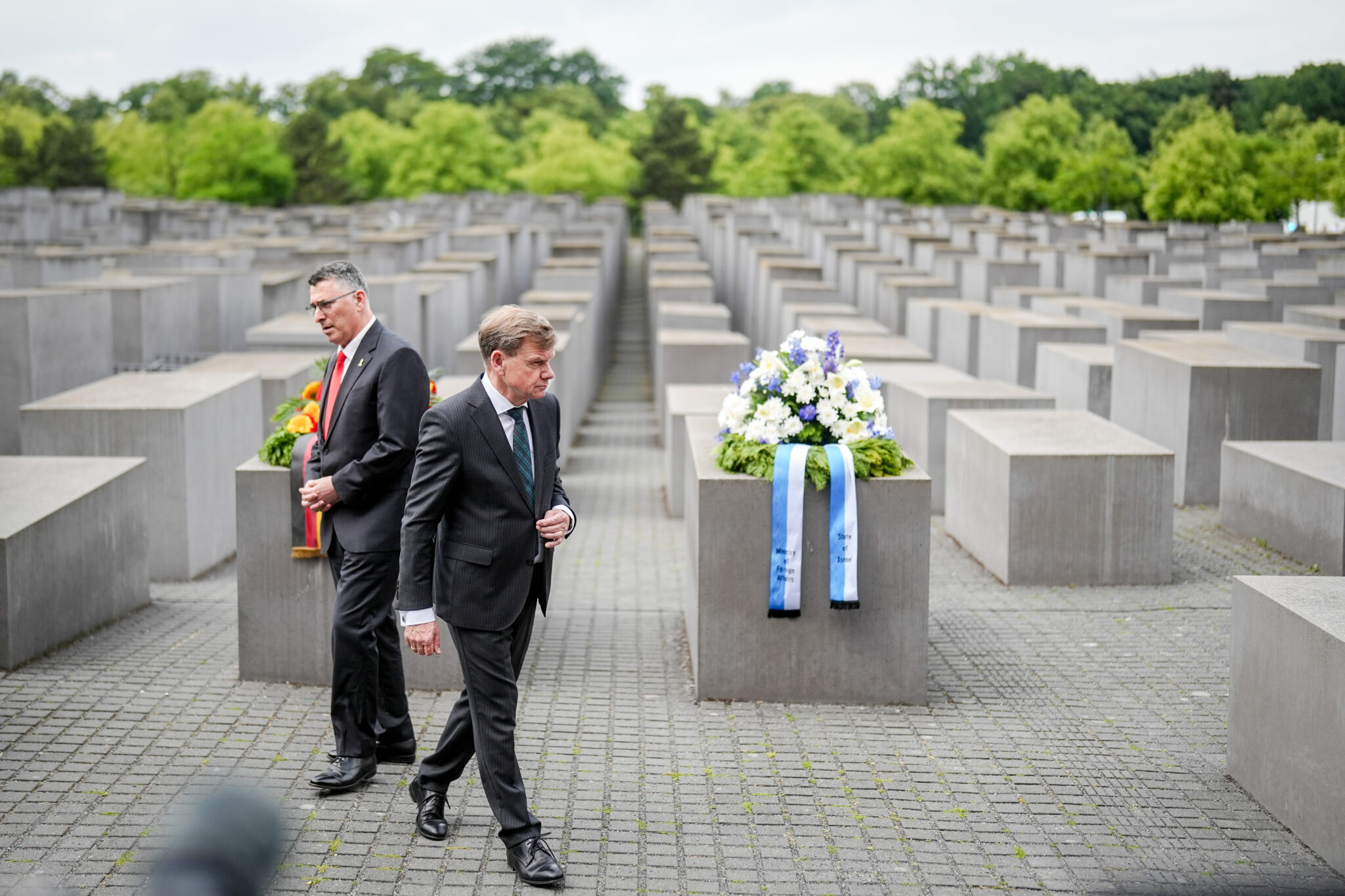
As the region transforms after October 7, Berlin needs both empathy for Israel and the courage to rethink its own foreign policy doctrine.
 Worldcrunch
As the region transforms after October 7, Berlin needs both empathy for Israel and the courage to rethink its own foreign policy doctrine.
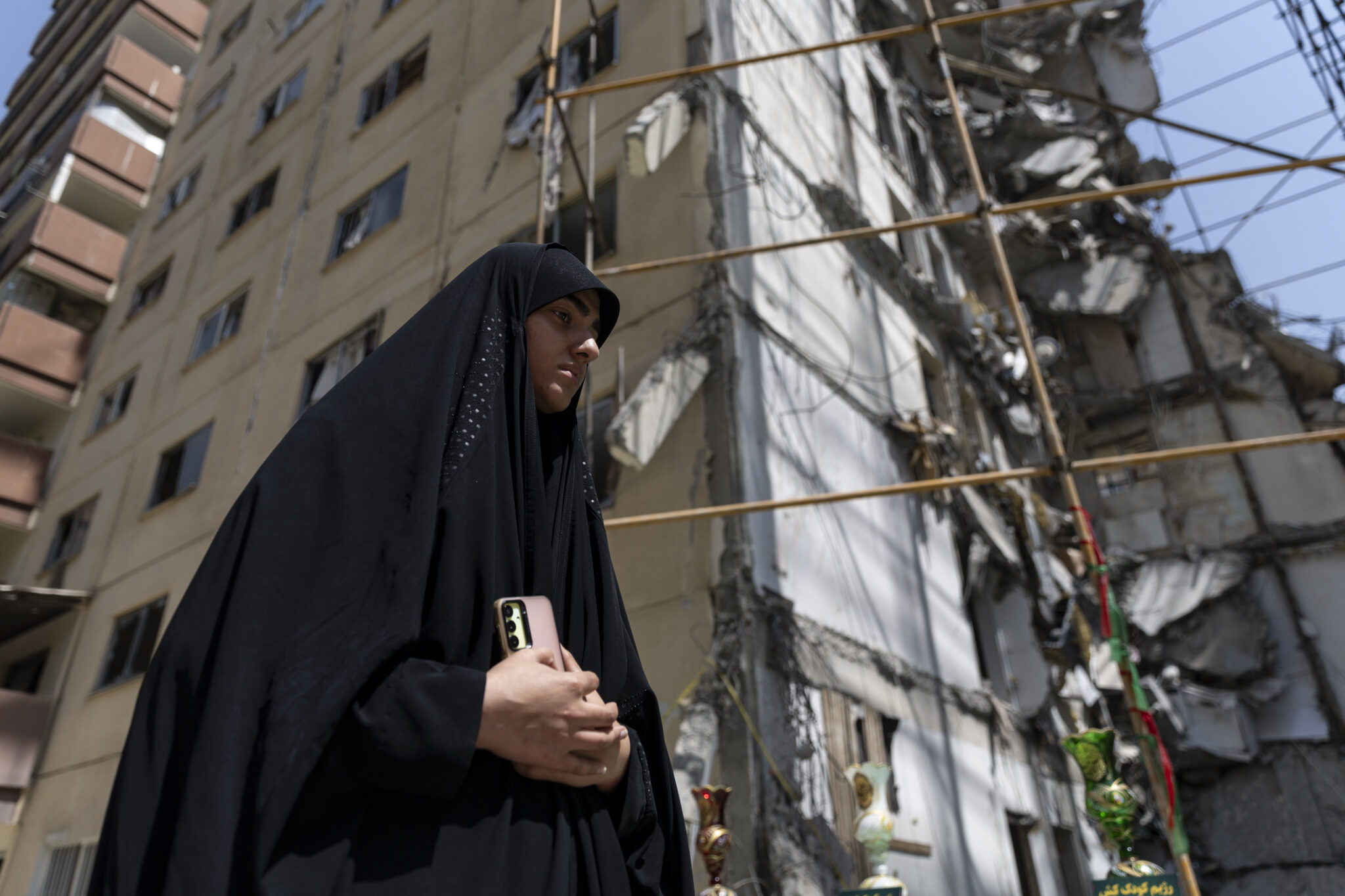
One-quarter of the way into the 21st century, Israel is emerging not only as a staunch ally of the United States but also as the dominant regional power. That inevitably places it in direct competition with Iran, both in its current theocratic form and in a potential free and democratic future.
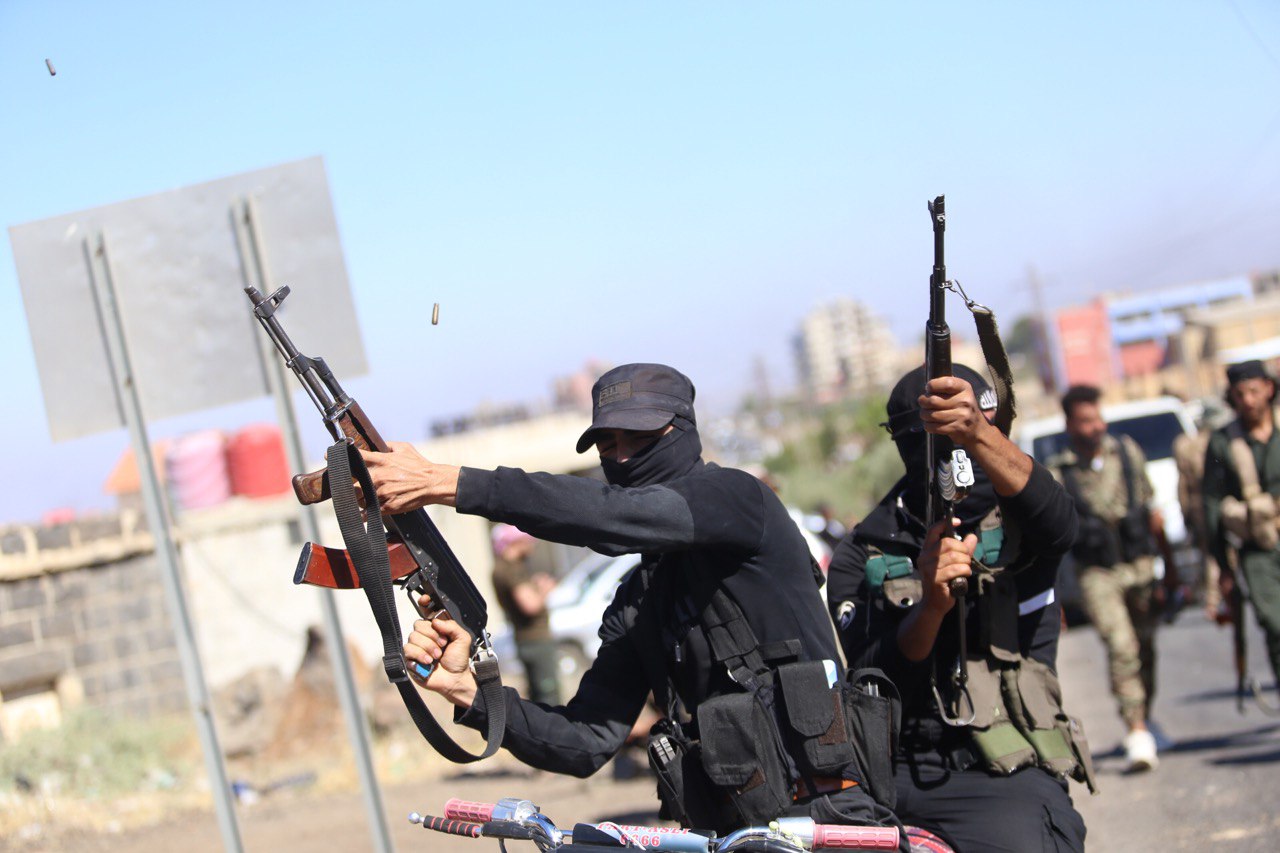
With Israel and Iran’s shadow war spilling into Syria, the new government in Damascus has warned that “foreign actors” aim to plunge the country into a cycle of instability and chaos.
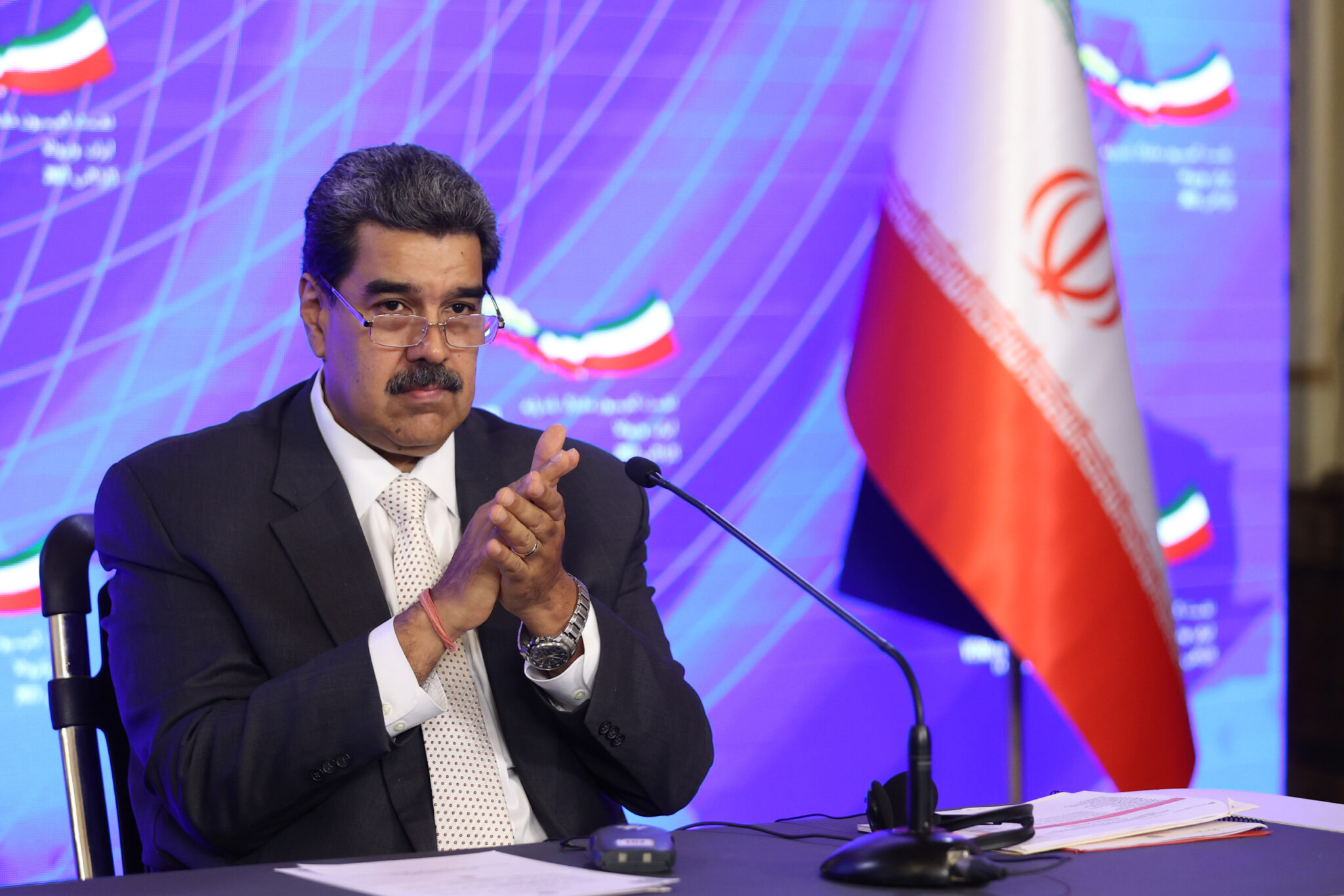
Venezuelan media lambasted Israel during its 12-day assault on the Islamic Republic of Iran, not for justice’s sake, but as an illustration of just how much clout the Tehran regime has bought itself in the Western Hemisphere.
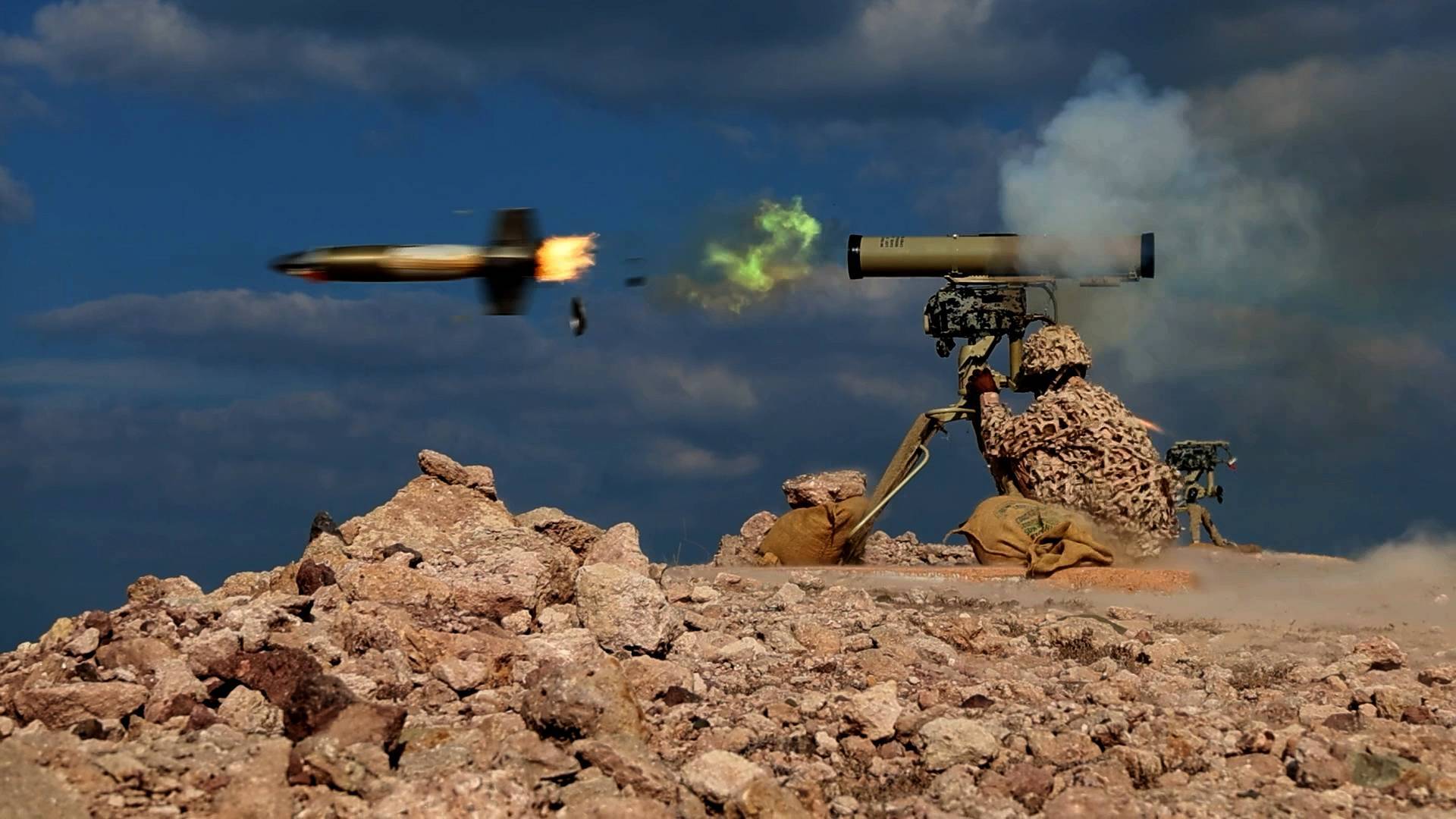
The Islamic Republic of Iran recently sent Ismail Qaani, the Revolutionary guards general who keeps ‘resurrecting’ after being reported as killed or maimed, to Baghdad to discuss rearming its proxy militias. This appears to be Tehran’s first act of regional interference since Israeli strikes in June.
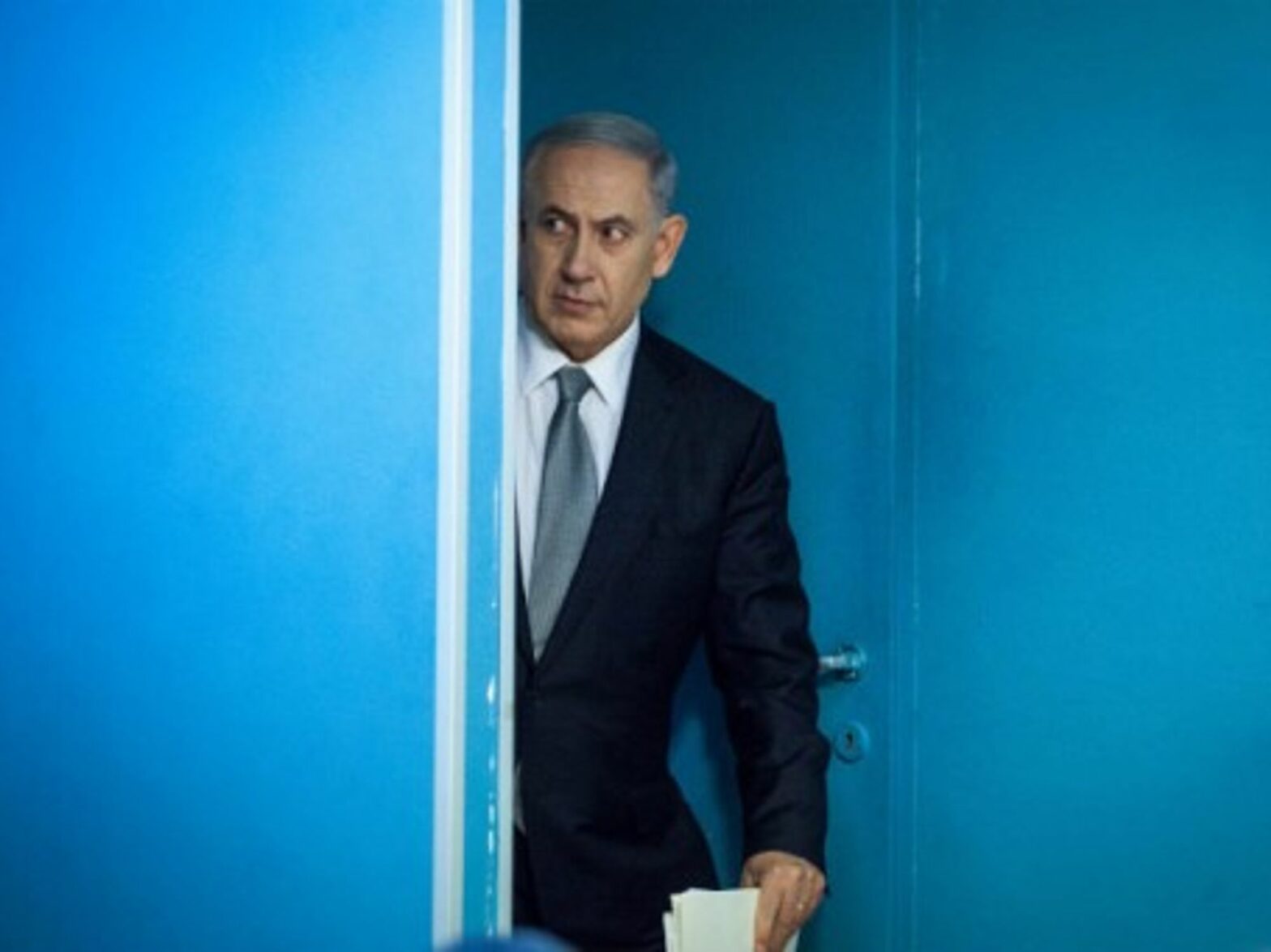
As he launches the unprecedented attacks against Iran, much seems to be going Netanyahu’s way, from the decimation of both Hamas and Hezbollah leaders to the toppling of the Assad regime and softening of Gulf states. But a closer look shows a much more ambiguous picture across the region.
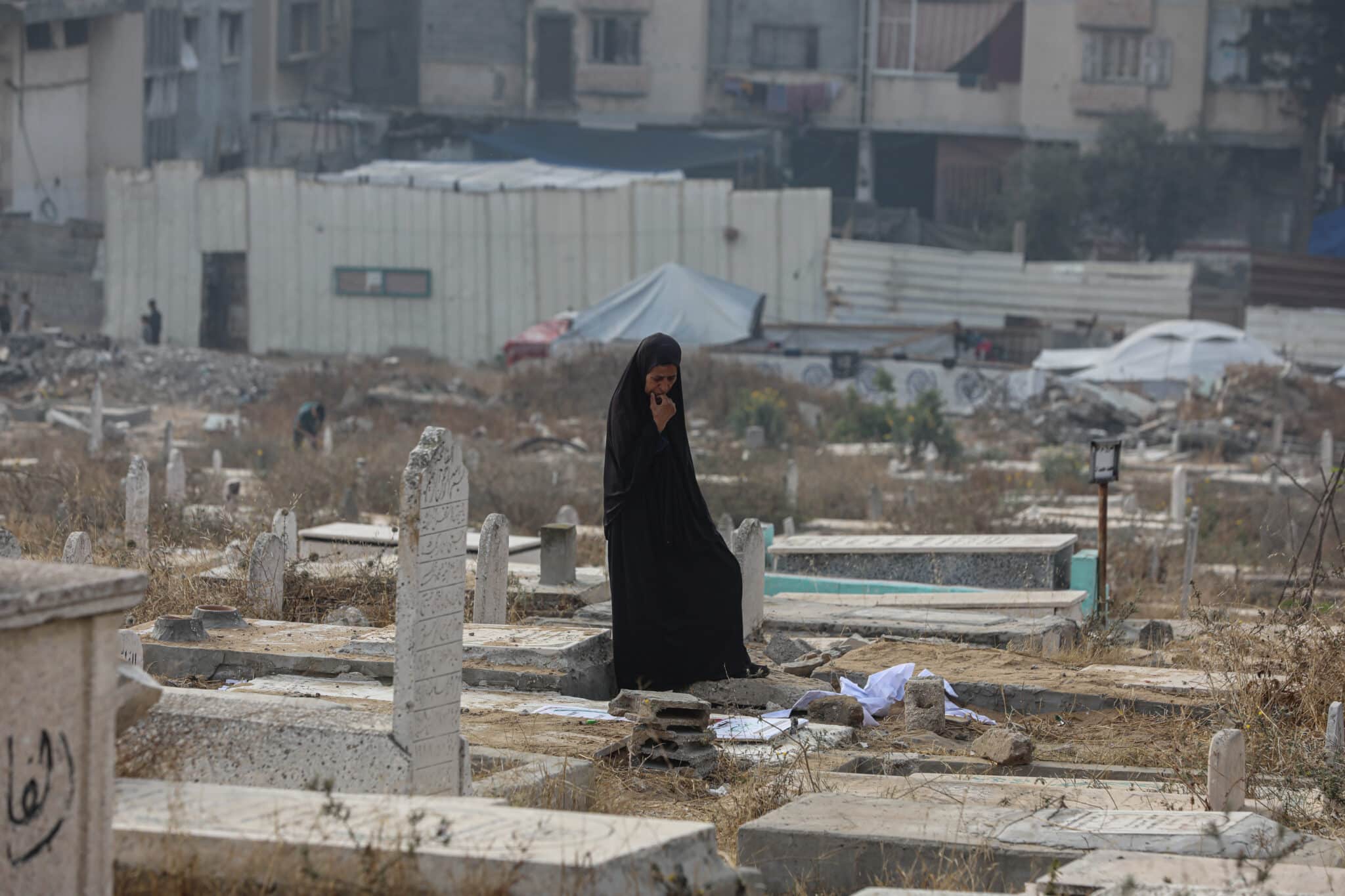
Neither Israel nor Hamas has any interest in declaring victory or defeat. Yet, as a moral obligation, Hamas must preempt the Israeli mission and agree to withdraw from Gaza.

Lebanese singer-turned radical Fadel Chaker was sentenced to 22 years in prison for his role in deadly clashes in 2013. Yet his story reflects the contradictions of Lebanon and the tragedy of its broken justice system.
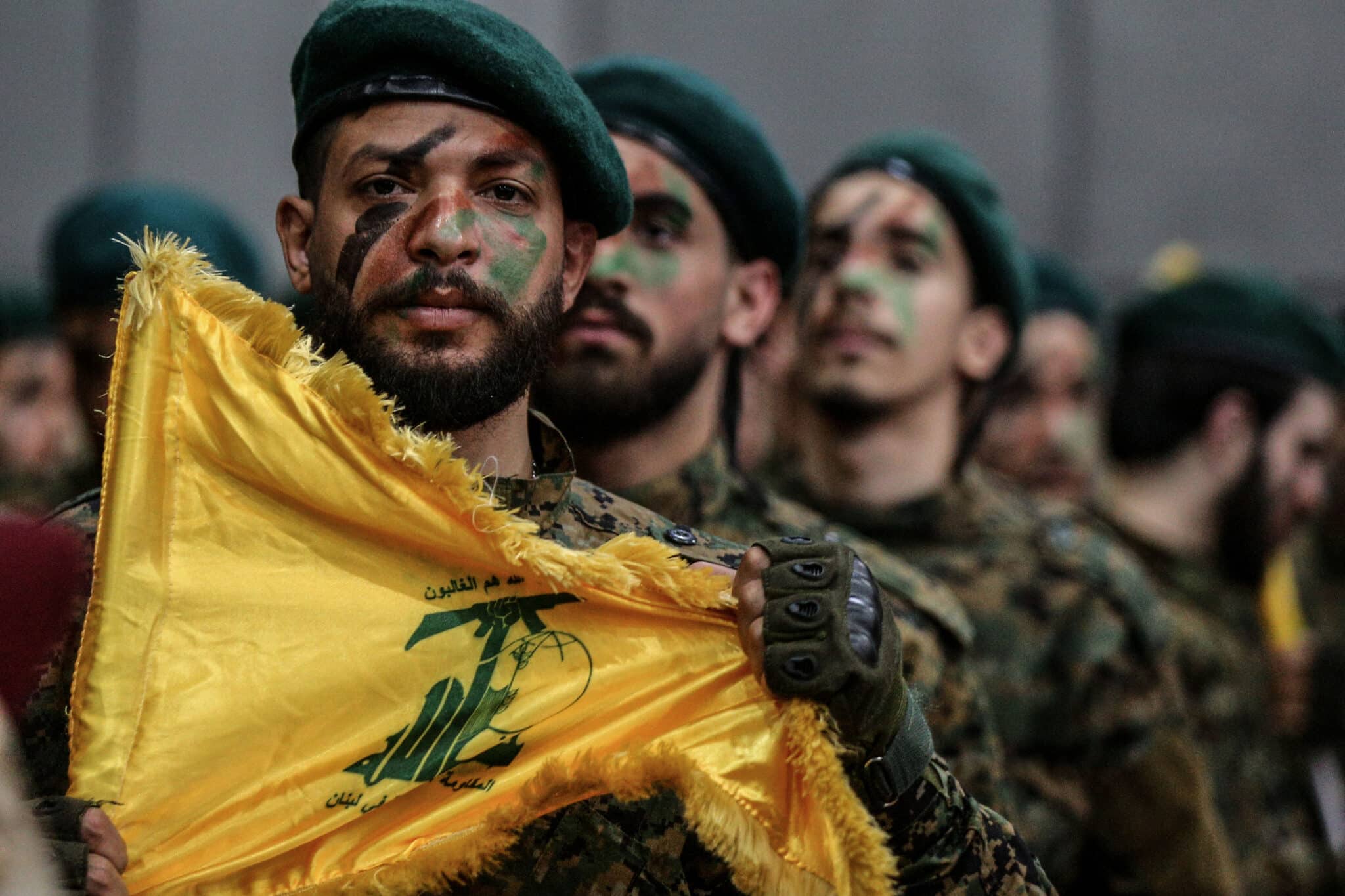
Sources say Hezbollah is in such dire financial shape, as Israel and Lebanon are successfully cutting off funding from Iran, it puts the organization at existential risk.
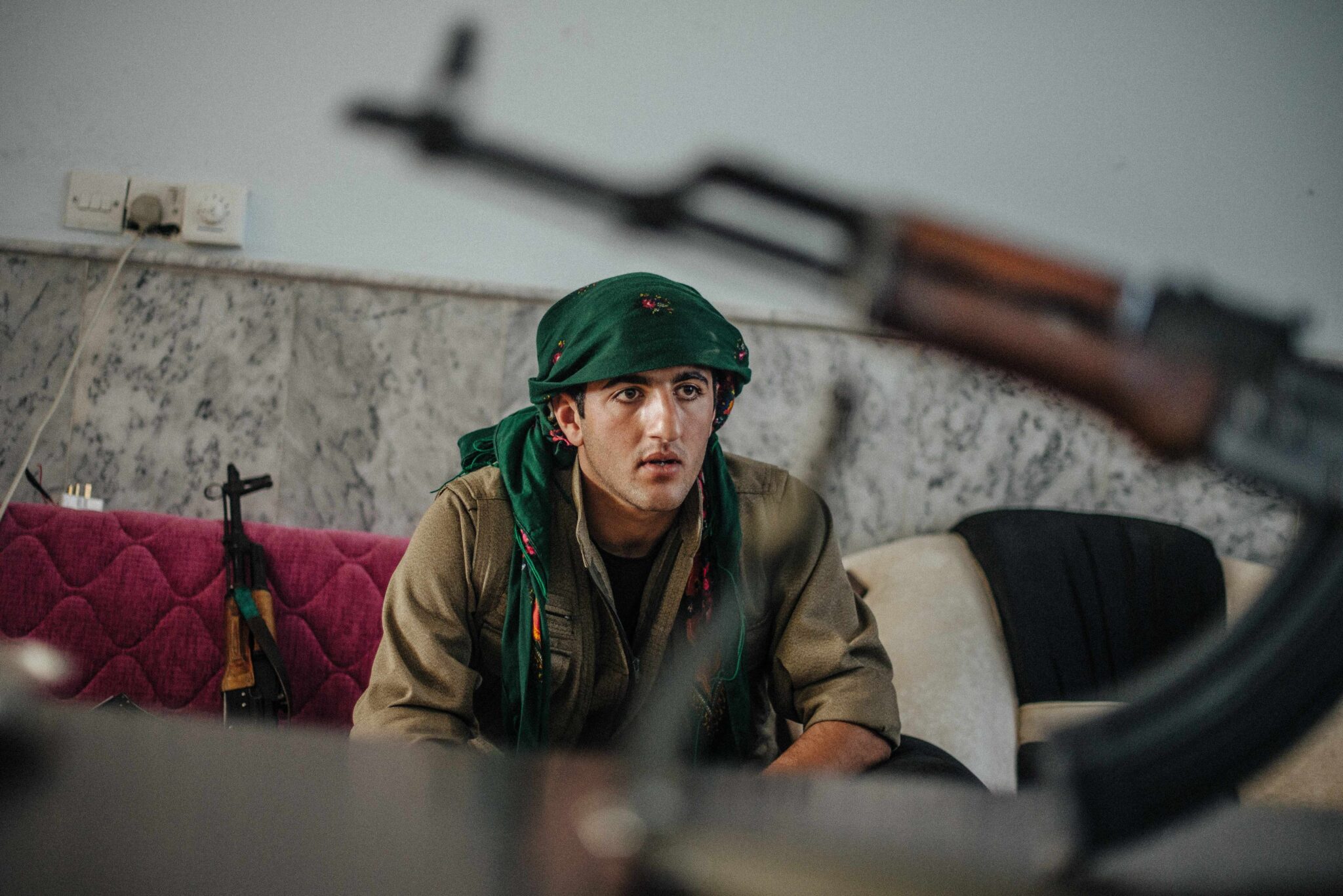
The Kurdish PKK’s historic decision to lay down its arms is just the latest sign that armed struggle has not lived up to its promises of liberation, and now appears to be on its last breaths across the region.
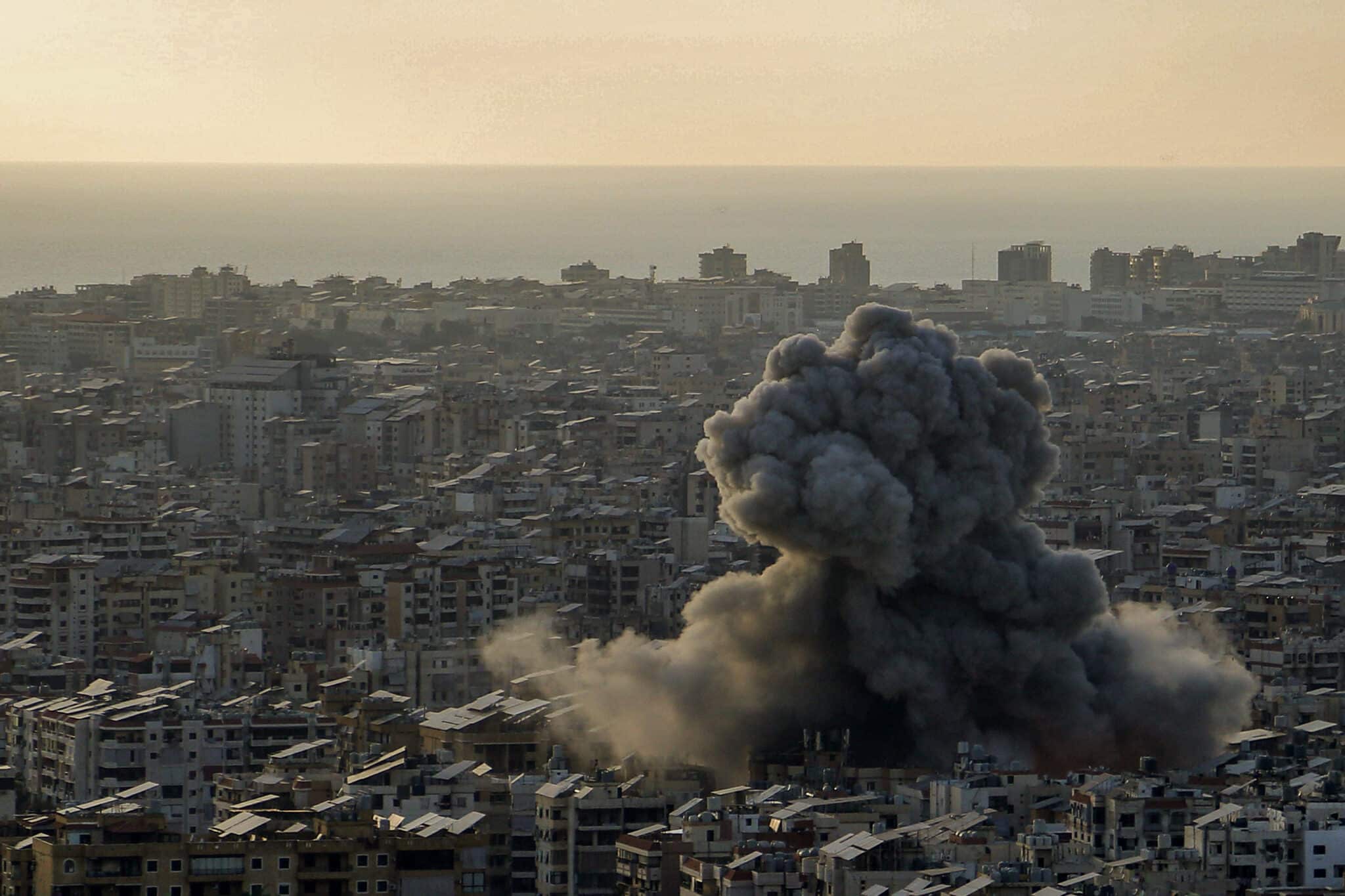
The Israeli army has imposed itself as the most powerful in the region in the wars waged since Oct. 7. But this military hegemony does not come with any political solution: This is Netanyahu’s weakness at a time when Trump is visiting the wealthy princes of the Gulf.
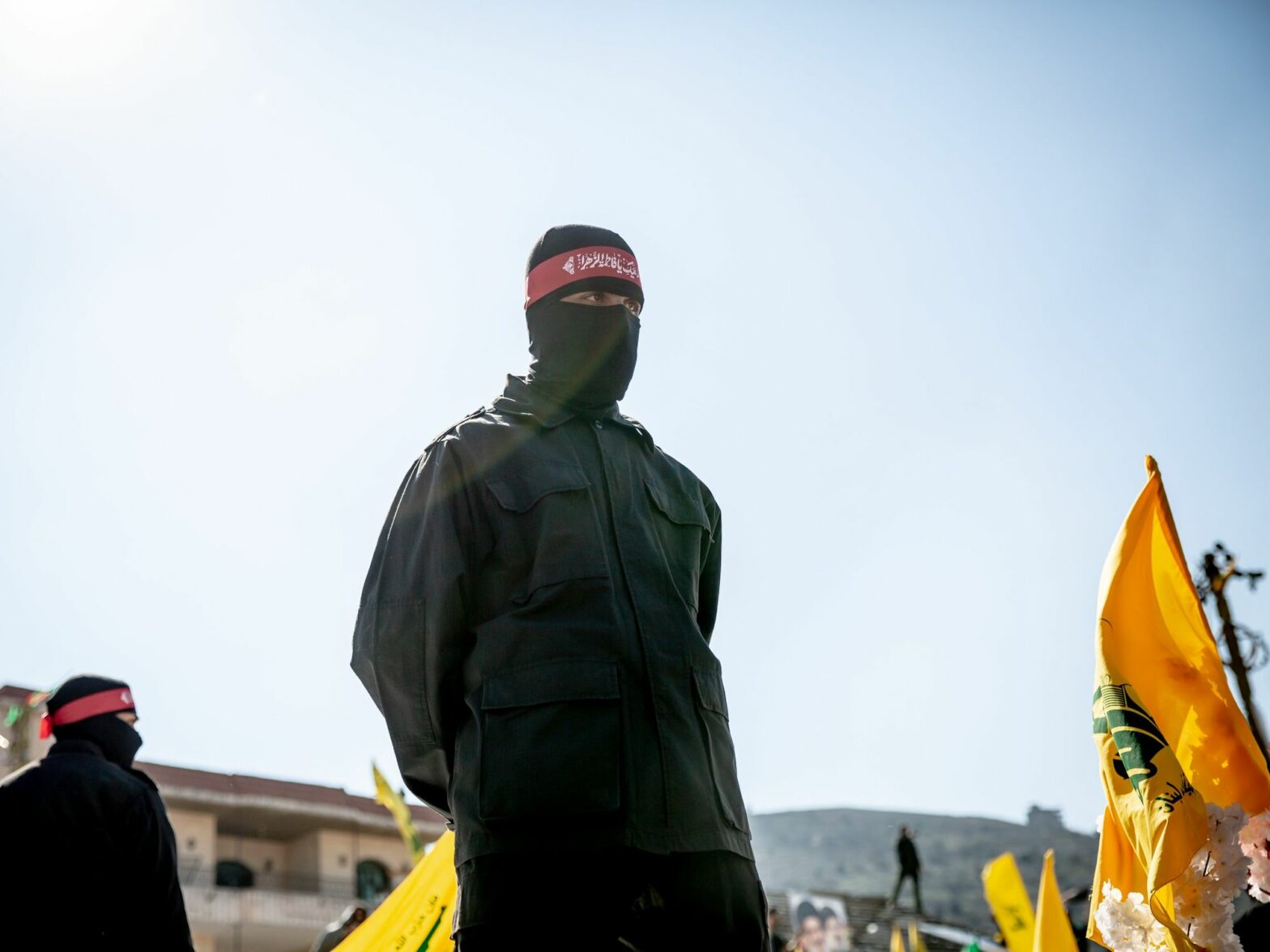
After suffering losses last year, Lebanon’s Hezbollah militia has transferred its war against Israel from the ground to cyberspace — at the risk of undermining the precarious ceasefire between the two countries.
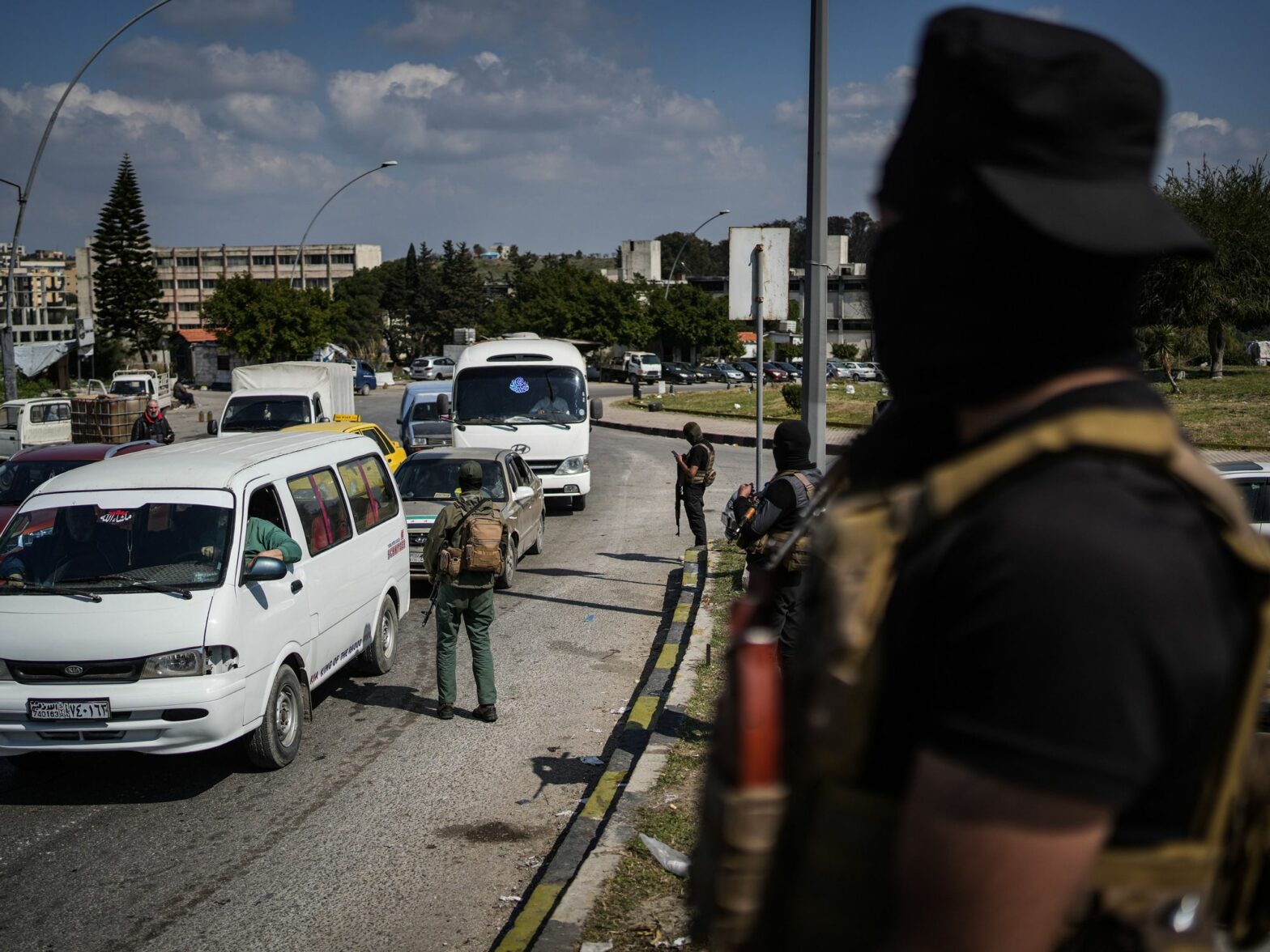
While Tehran has denied any involvement in Syria, elements affiliated with the ousted Assad regime in Syria say Iran is helping their fight to topple the government of President Ahmad al-Sharaa.
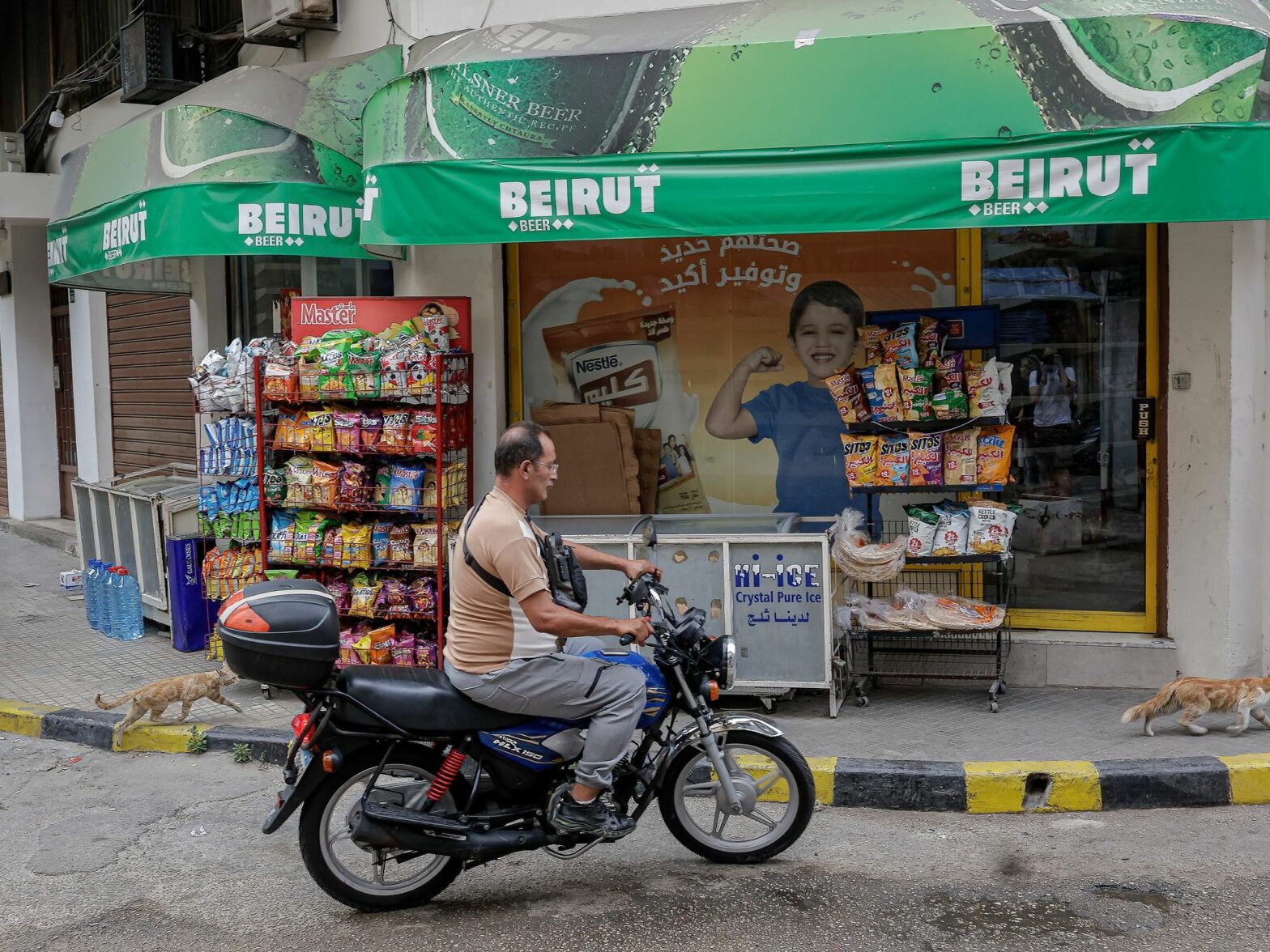
The Saudis could regain the political and financial clout they once enjoyed in Lebanon, which was lost for two decades to Hezbollah and its foreign patrons. Could that restore a measure of prosperity to a country brought to its knees by decades of civil war and the unwelcome interventions of Tehran and Damascus.
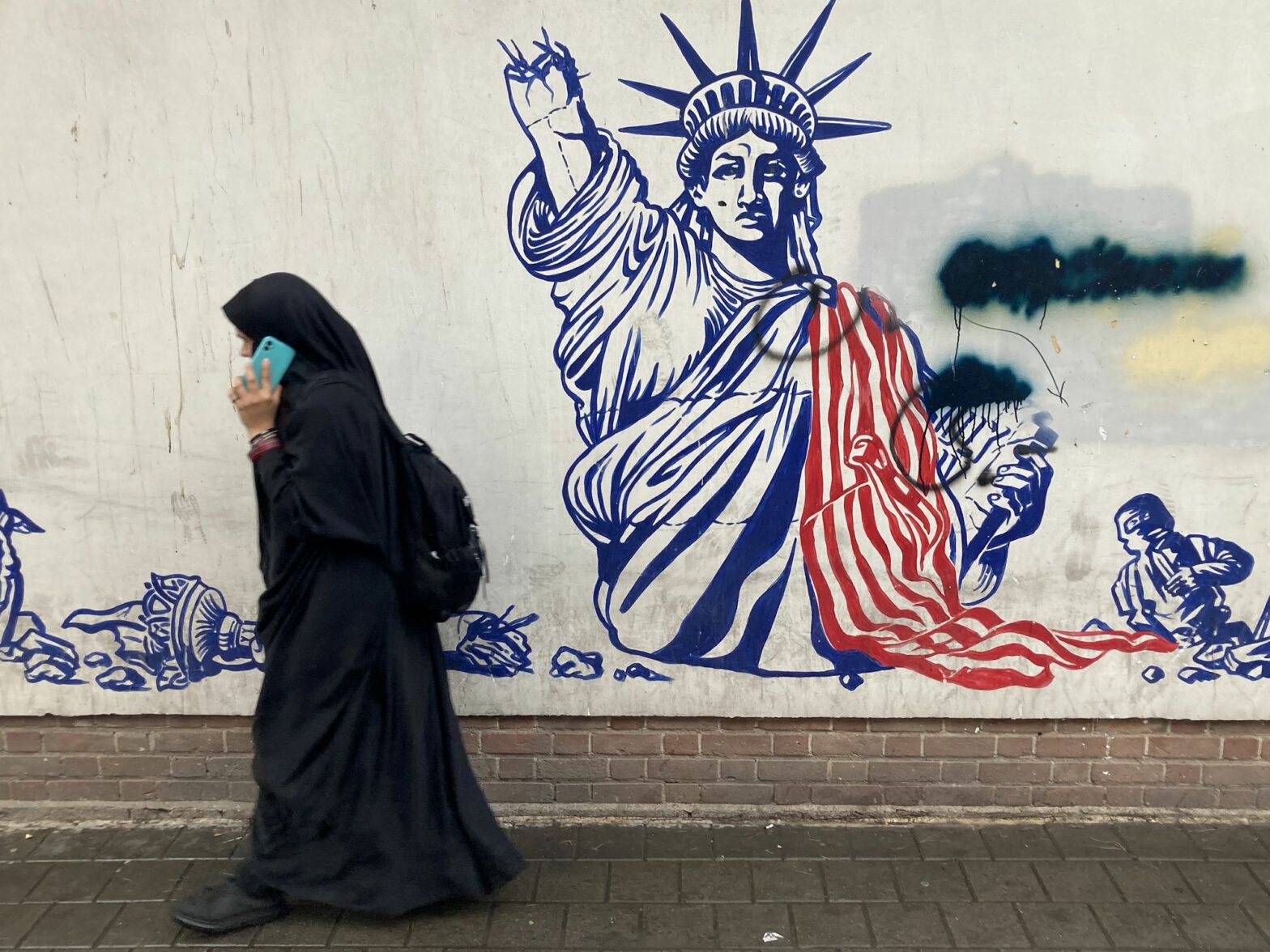
Given Donald Trump’s hardline with Volodymyr Zelensky, the U.S president may be even more draconian with Iran, which seems to have an even worse hand than during Trump’s first term.
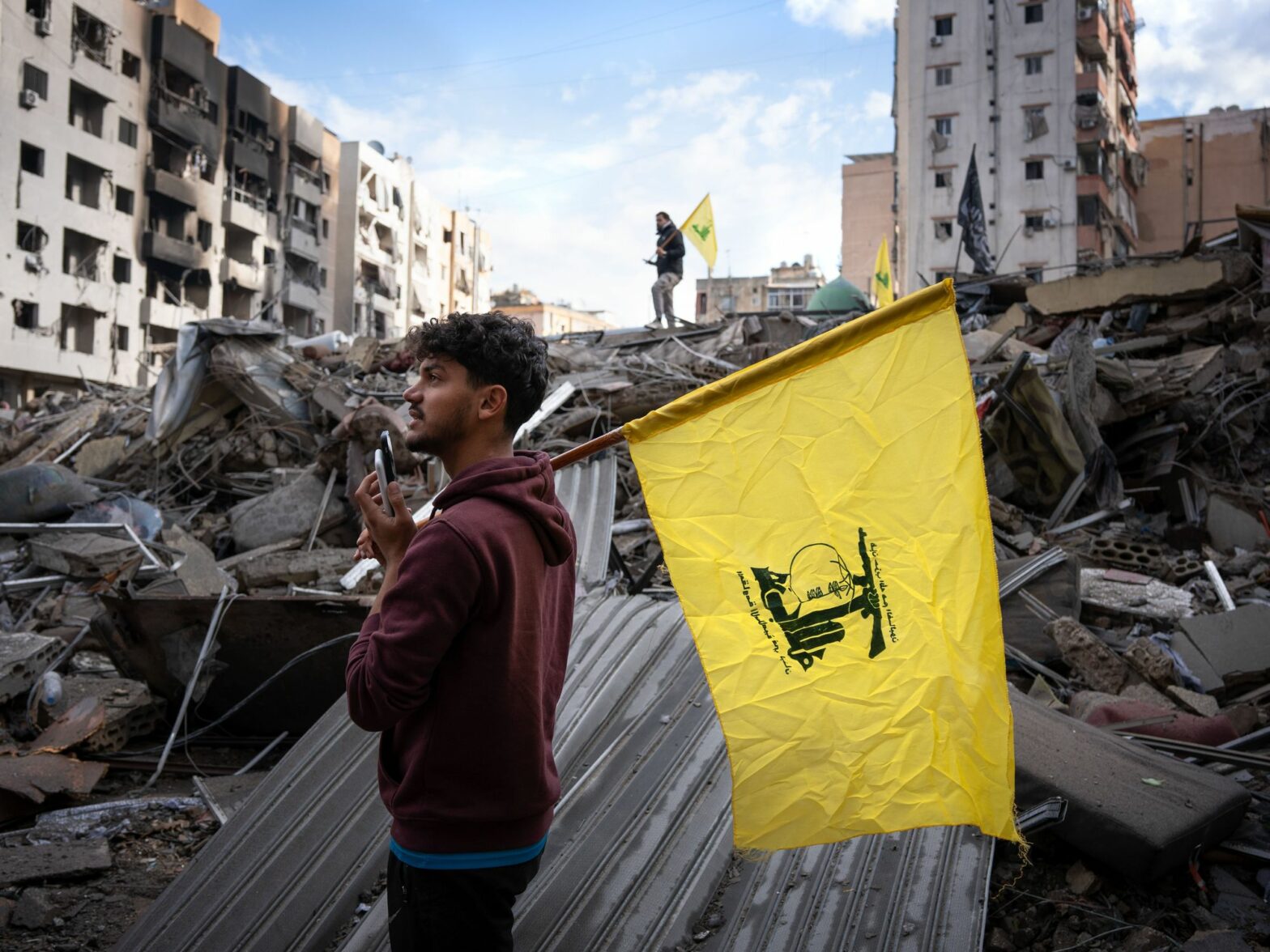
Hezbollah has emerged notably weaker from the war with Israel. The image of the protector that it had entrenched in Lebanon’s Shiite consciousness was shattered by the war in favor of an idea that calls for the Lebanese army as an alternative guardian. Yet Hezbollah is hardly fading away.

The declaration of independence for a nation, the start of a global environmental agreement, and the birth of a motorcycle racing legend.
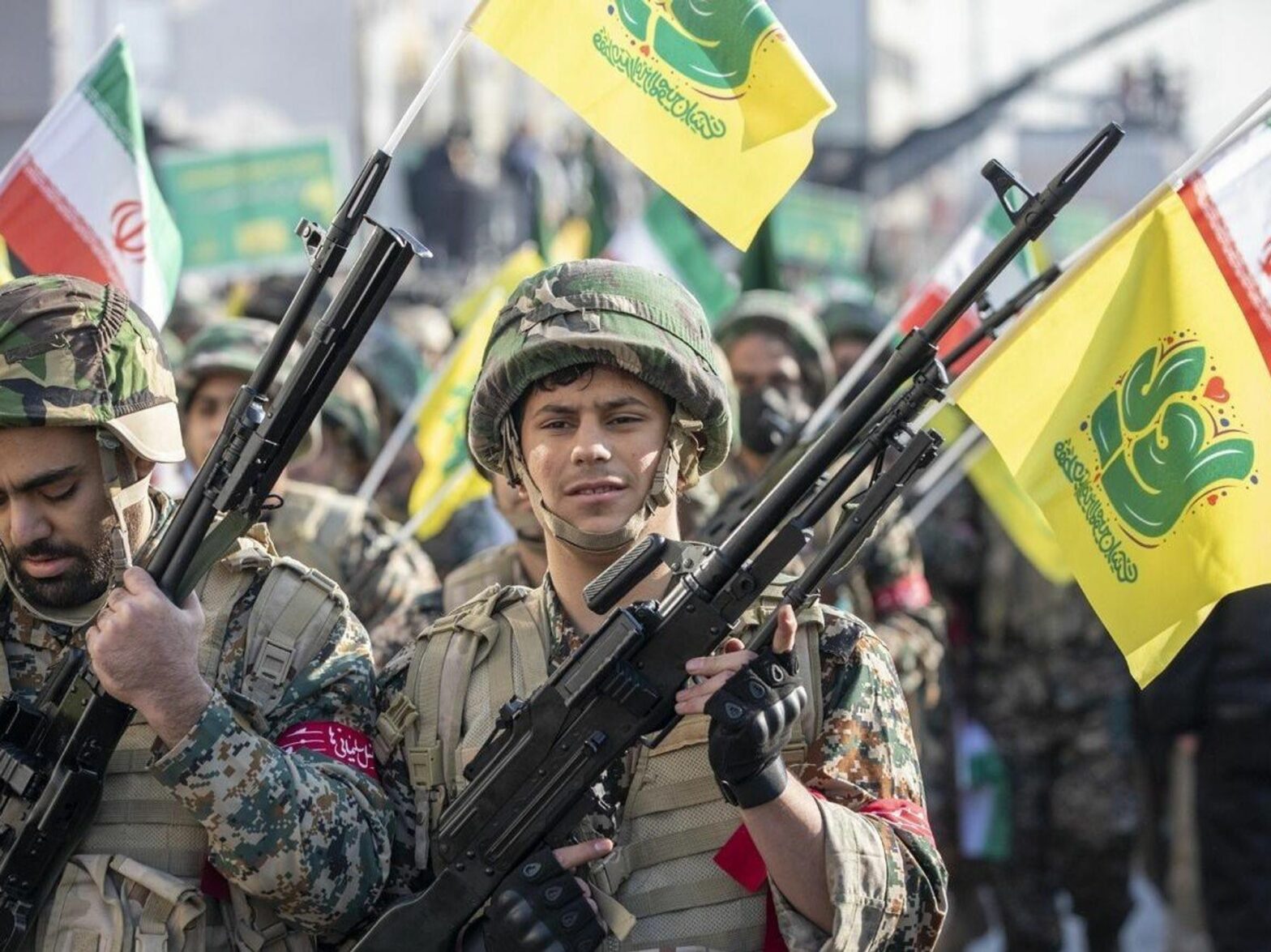
Iranian officials have been unnerved by the Assad regime’s collapse, with one top general admitting the country was “defeated very badly” in Syria. A shaky ceasefire in Gaza follows 15 month of war in which Tehran’s proxy Hamas was decimated. Will unrest in the region spill over to Iran, where problems — both foreign and domestic — are piling up for the regime?
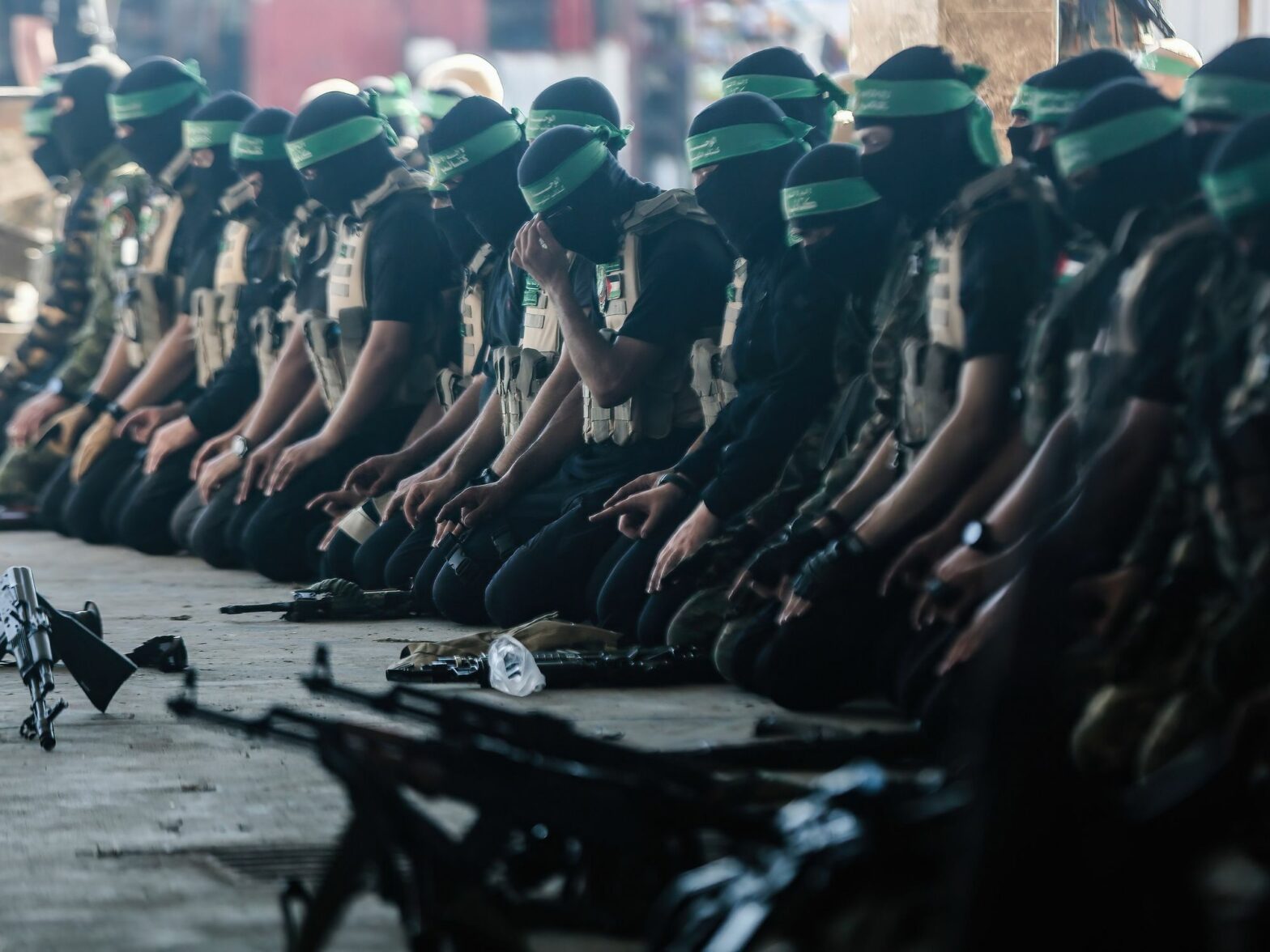
Israel has killed thousands of Hamas fighters. But the Gaza-based terrorist organization has not yet been completely destroyed, nor have its allied militias in the region.
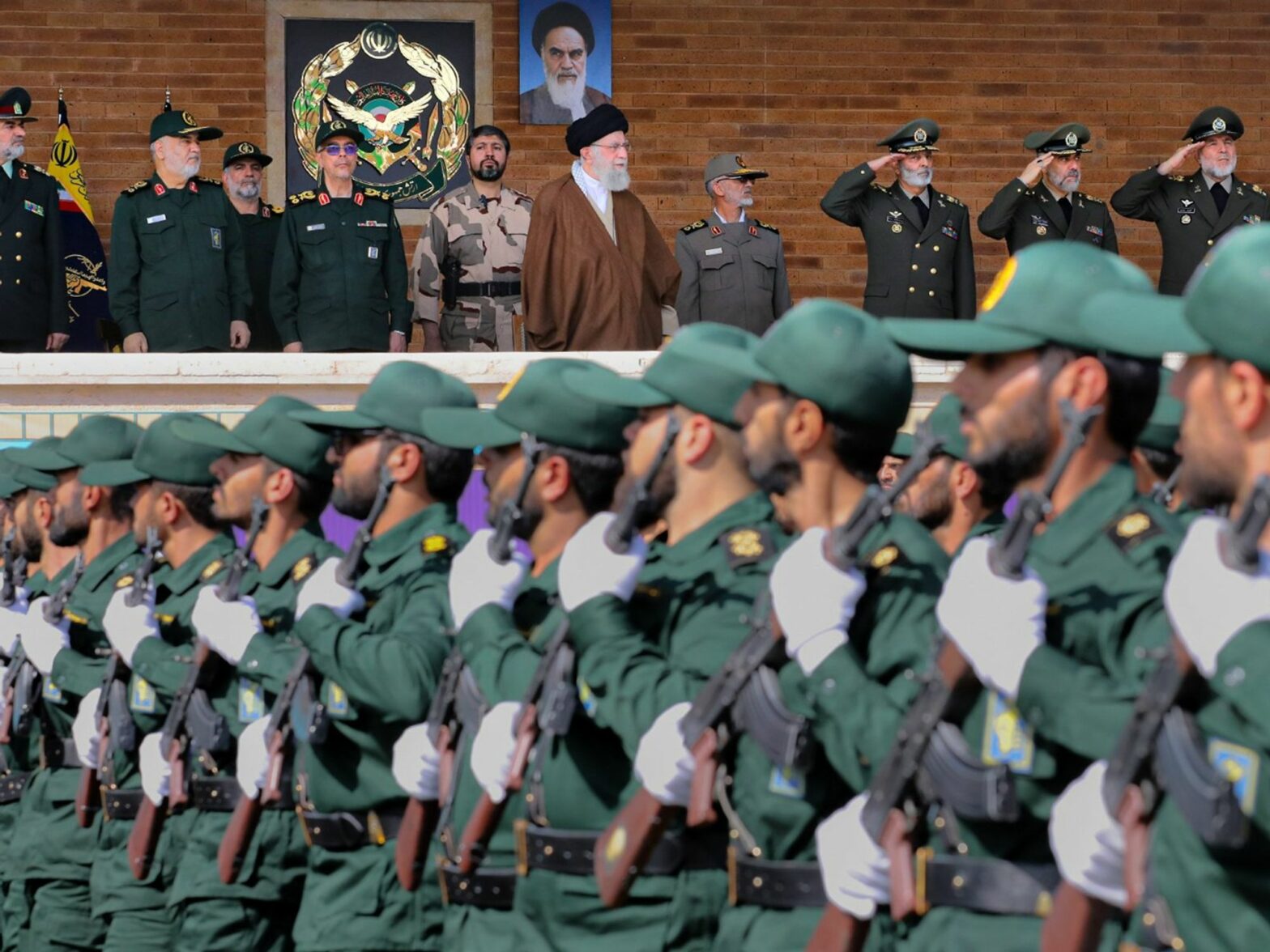
Iranian officials are still wondering how its dear ally Bashar al-Assad fell so fast, and why his military was lost before the rebellion even started.
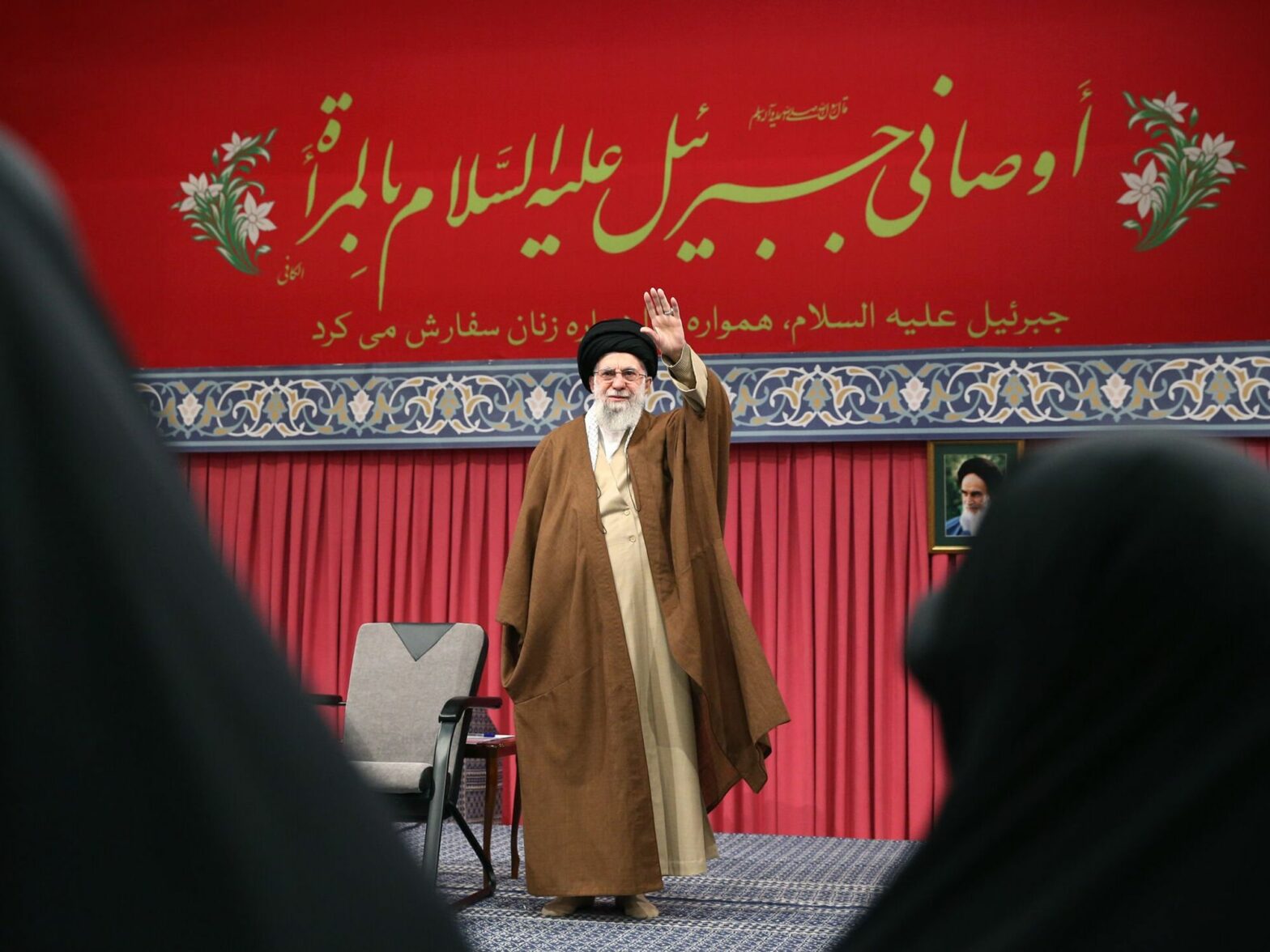
Israel’s decimation of Iran’s proxies in Gaza and Lebanon, and now events in Syria, have shown the Tehran regime is far weaker than it had wanted the world and its neighbors to believe. The Supreme Leader is now scrambling to rationalize it all, as the Islamic Republic clings to power.
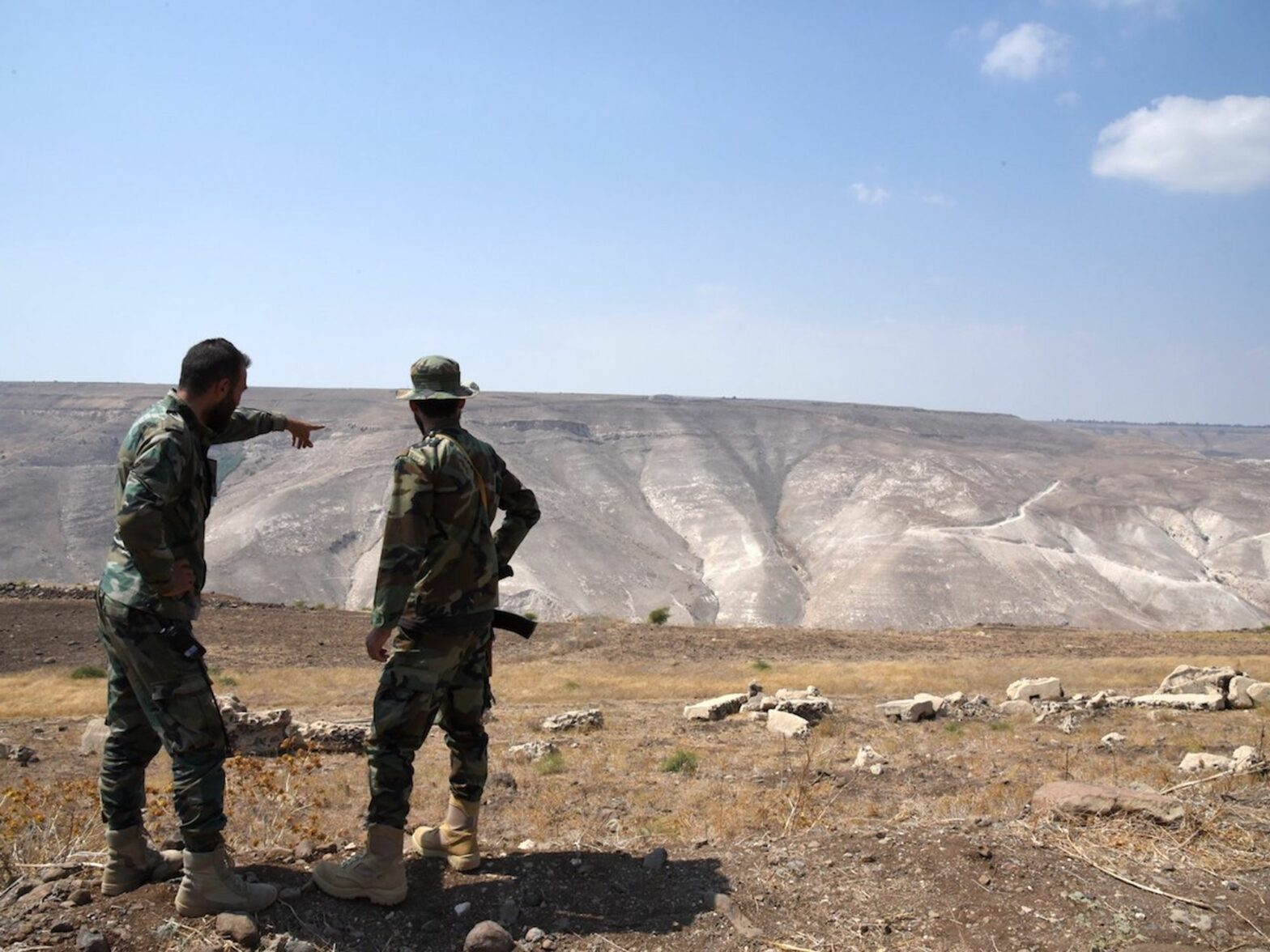
Amman and its allies, much like the skeptical secular Syrian opposition, await tangible actions on the ground to match the promises of pragmatist rhetoric from Abu Mohammed al-Jolani, who is marketing himself as a statesman committed to building an inclusive new Syria that’s a good neighbor after abandoning extremist ideologies.
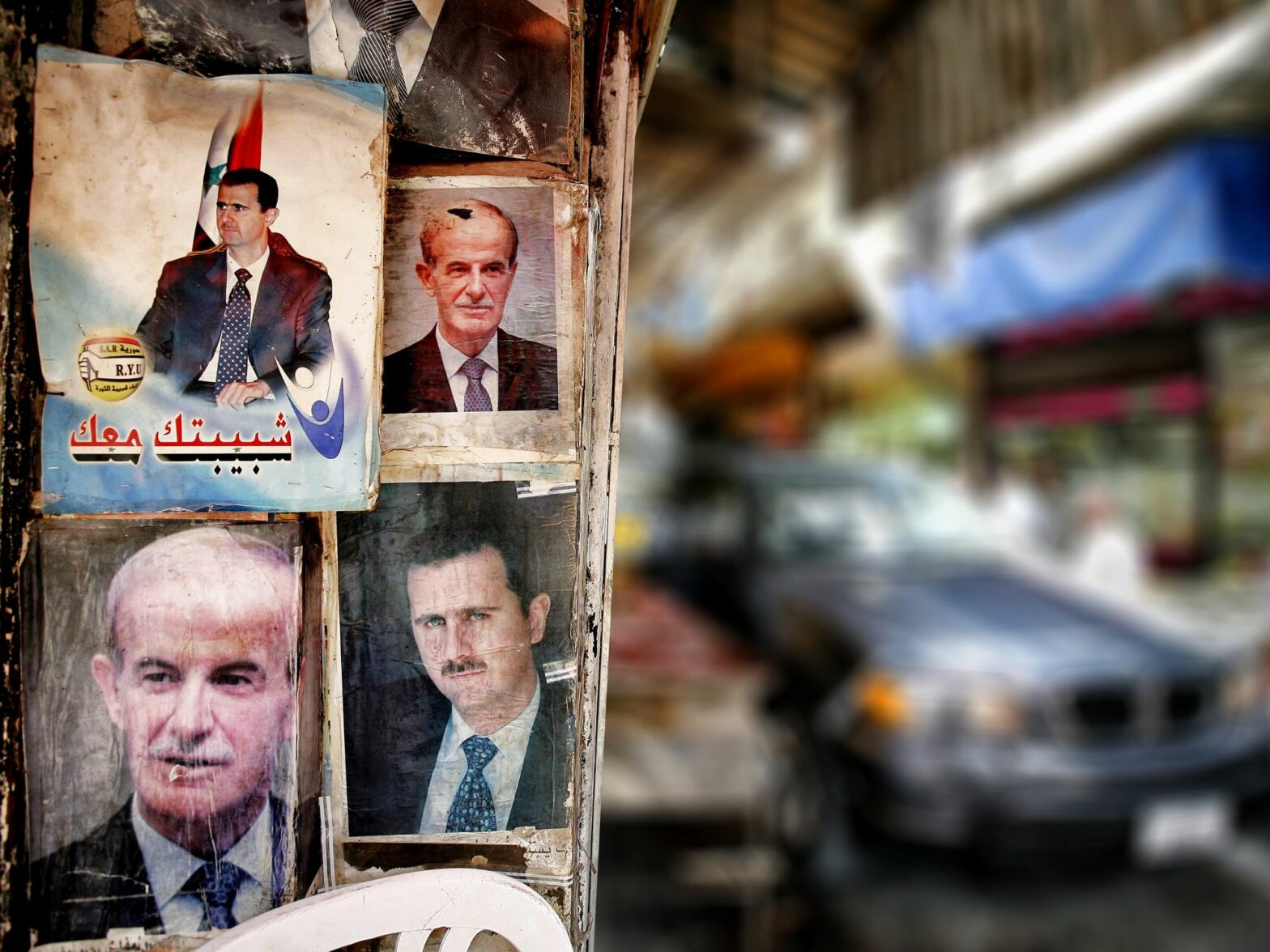
After meeting Bashar al-Assad, then heir to the Syrian dictatorship, then Lebanese Prime Minister Rafik Hariri said he feared for the country’s future.
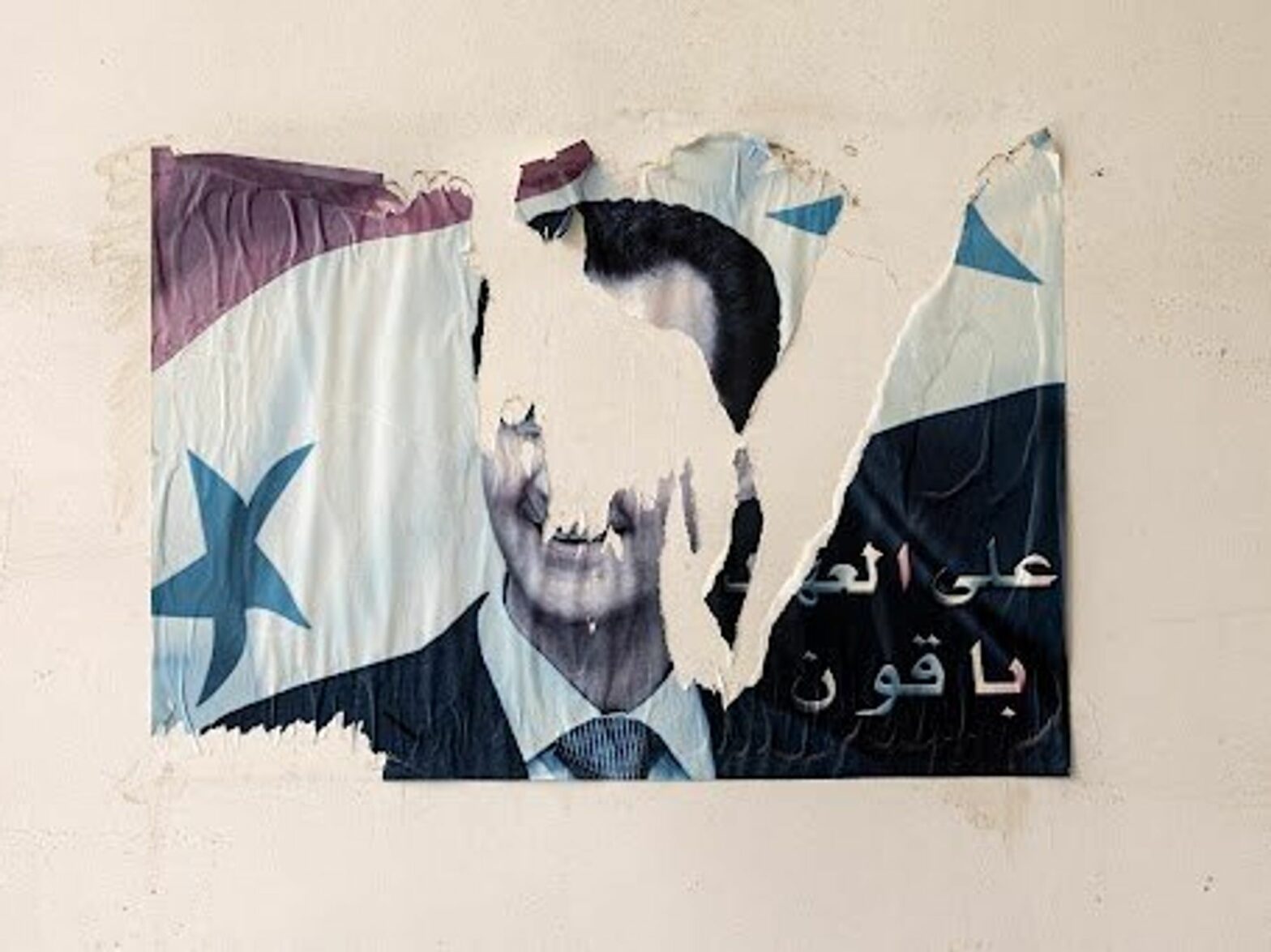
Whatever the official explanations given in Tehran over Bashar al-Assad’s downfall, Iran’s thuggish regime must have noticed that no amount of terror and torture can assure a hated regime’s permanence.
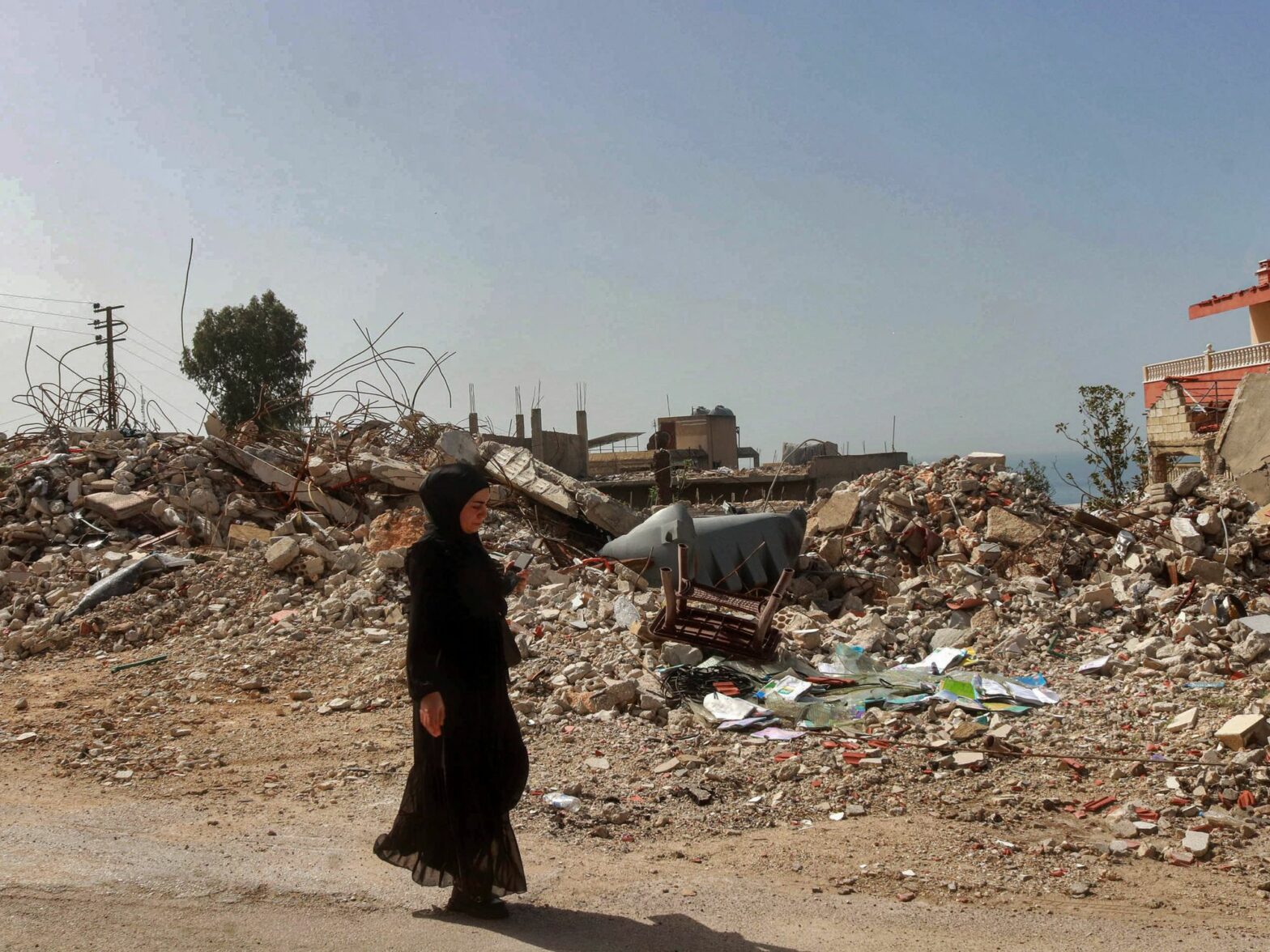
Returning to their destroyed villages in the south, Lebanese found no one waiting for them. Others have no possibility to return. Meanwhile, Israel considers it just a 60-day pause in fighting. What deal was cut behind closed doors?
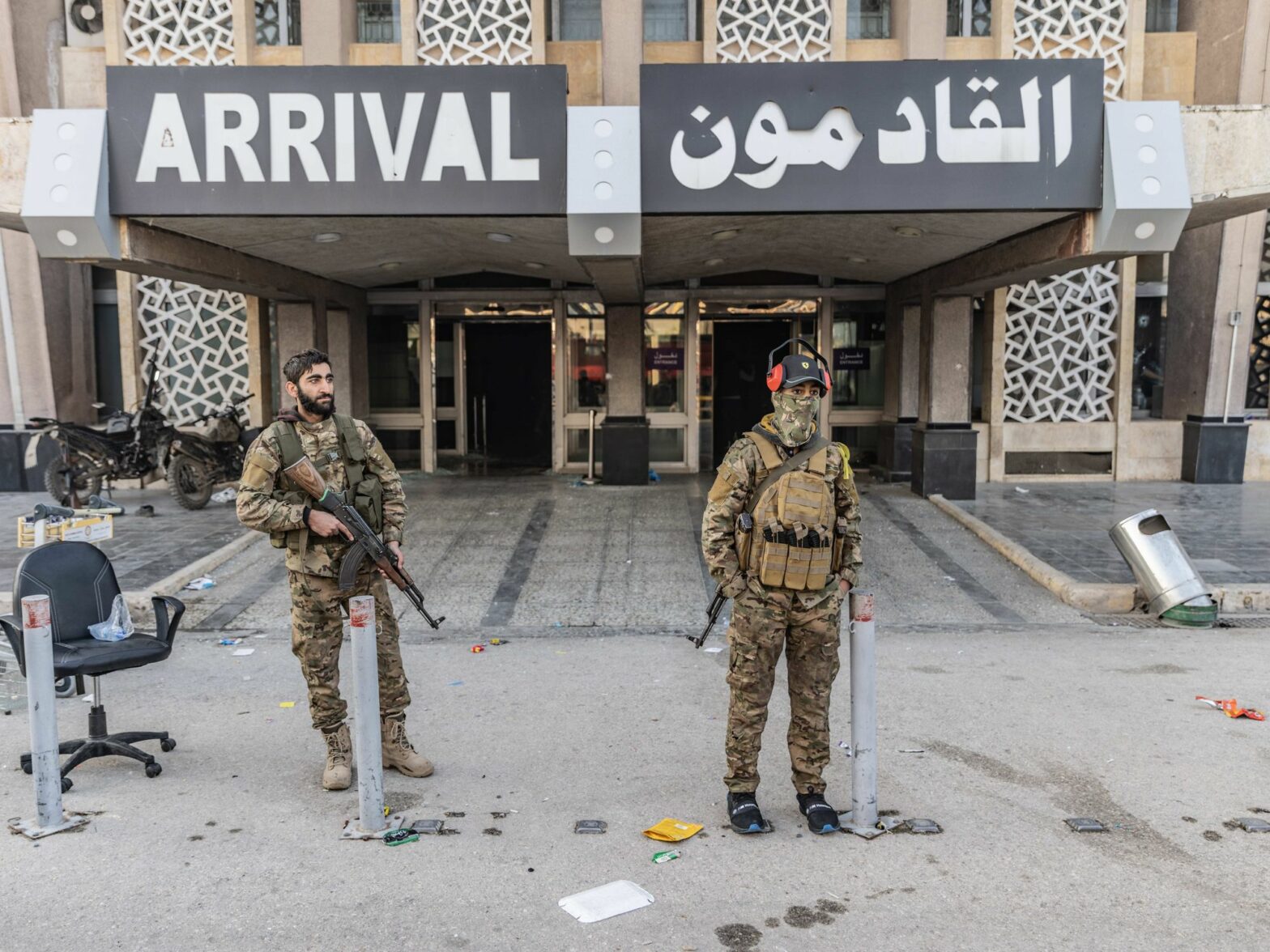
The surprise attack by rebel groups on Syrian government forces in Aleppo has raised many questions since it coincided with the ceasefire deal in Lebanon between Hezbollah and Israel. With so many forces and interests around Syria, don’t expect the reignited conflict to end anytime soon.
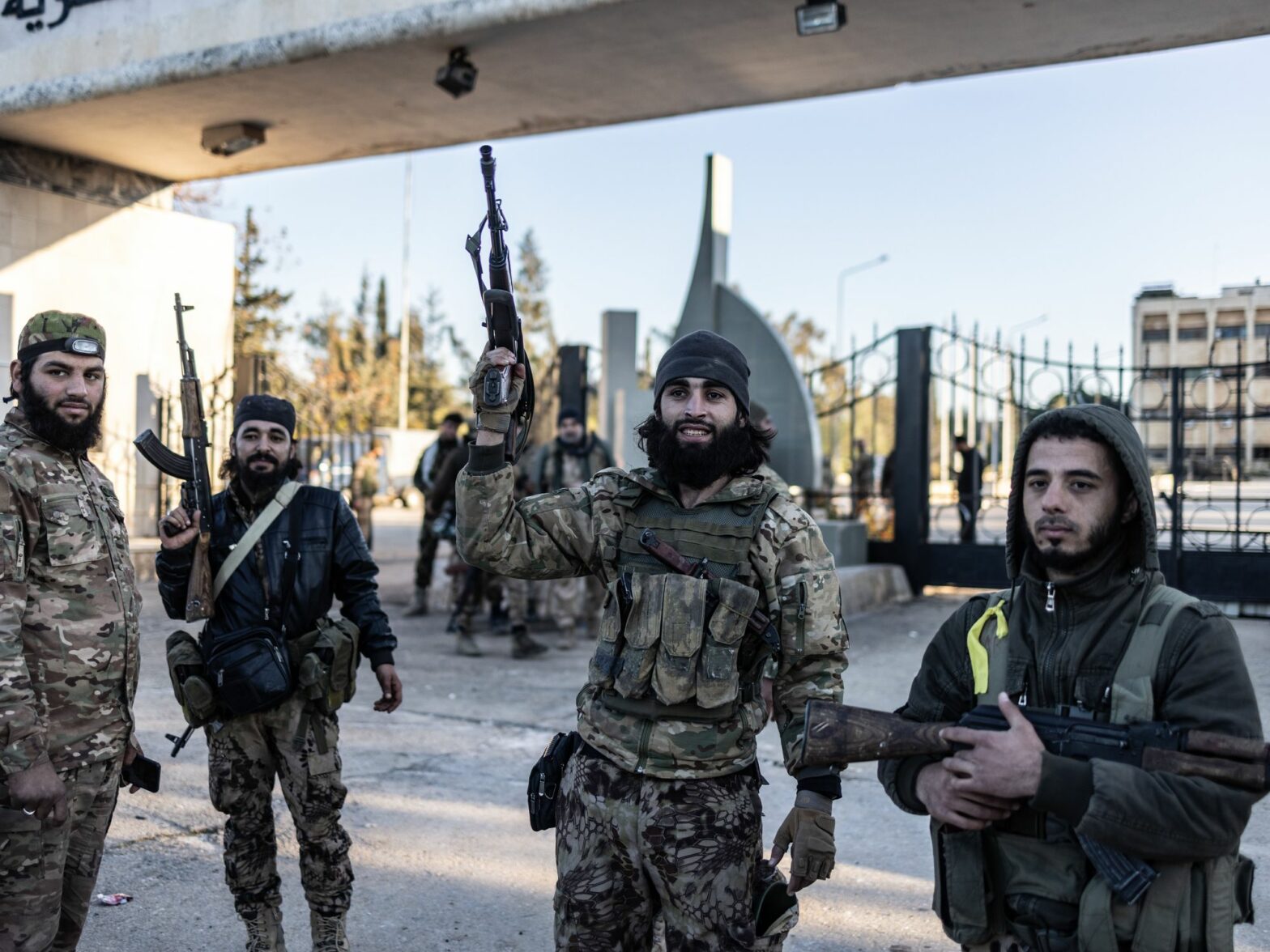
The Syrian rebels’ surprise offensive allowed them to capture Aleppo, Syria’s second-largest city, in just three days. Already in crisis since Oct. 7, 2023, the Middle East is now facing a whole new level of turmoil.
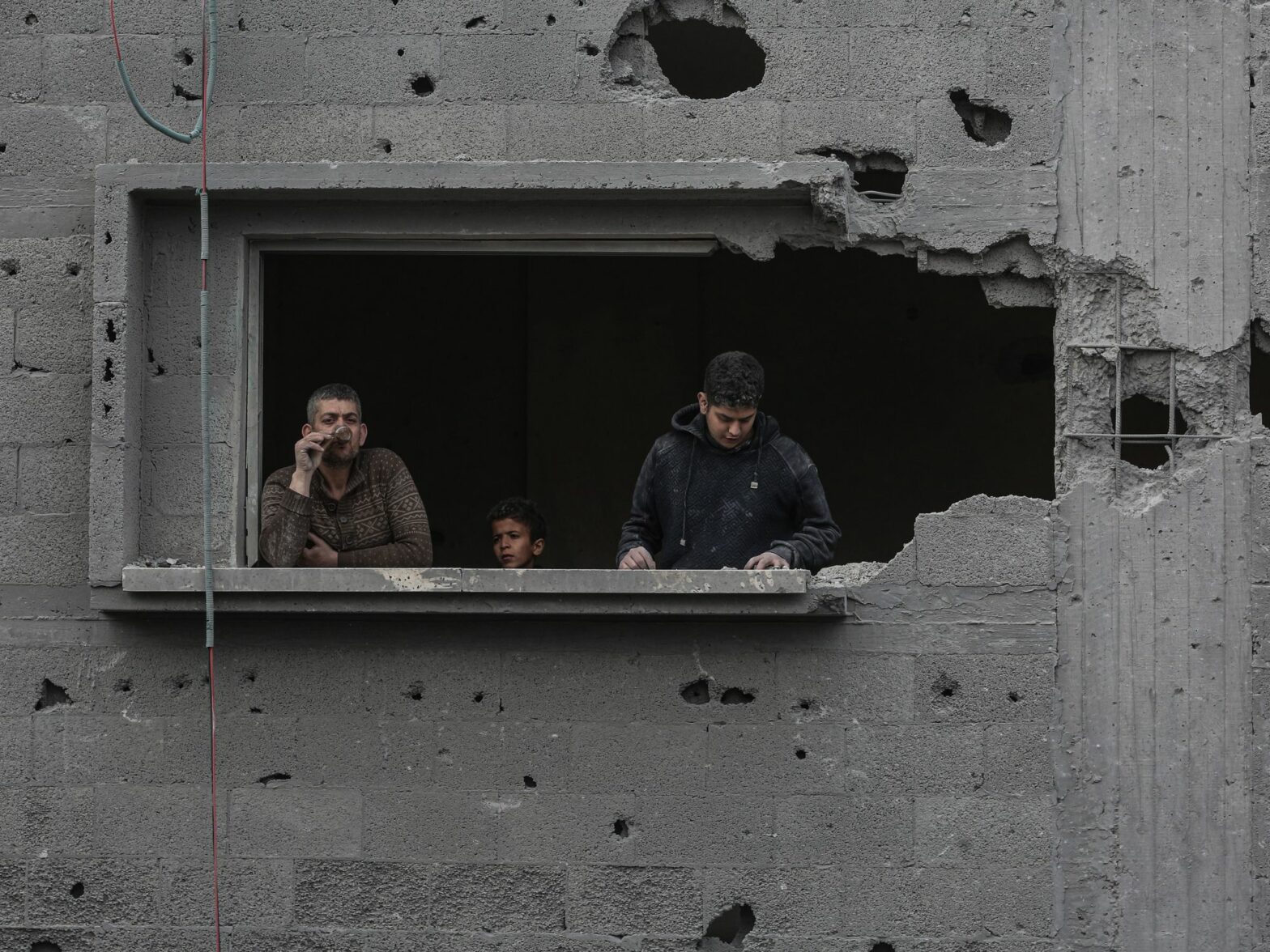
Since the Oct. 7 Hamas attack, use of the term “evil” has increased. The more heinous and public the murder, the more the evil of the murderer would be revealed and “the world” would be pushed to intervene. Yet in both Syria and Gaza, that world has been satisfied with symbolic responses.
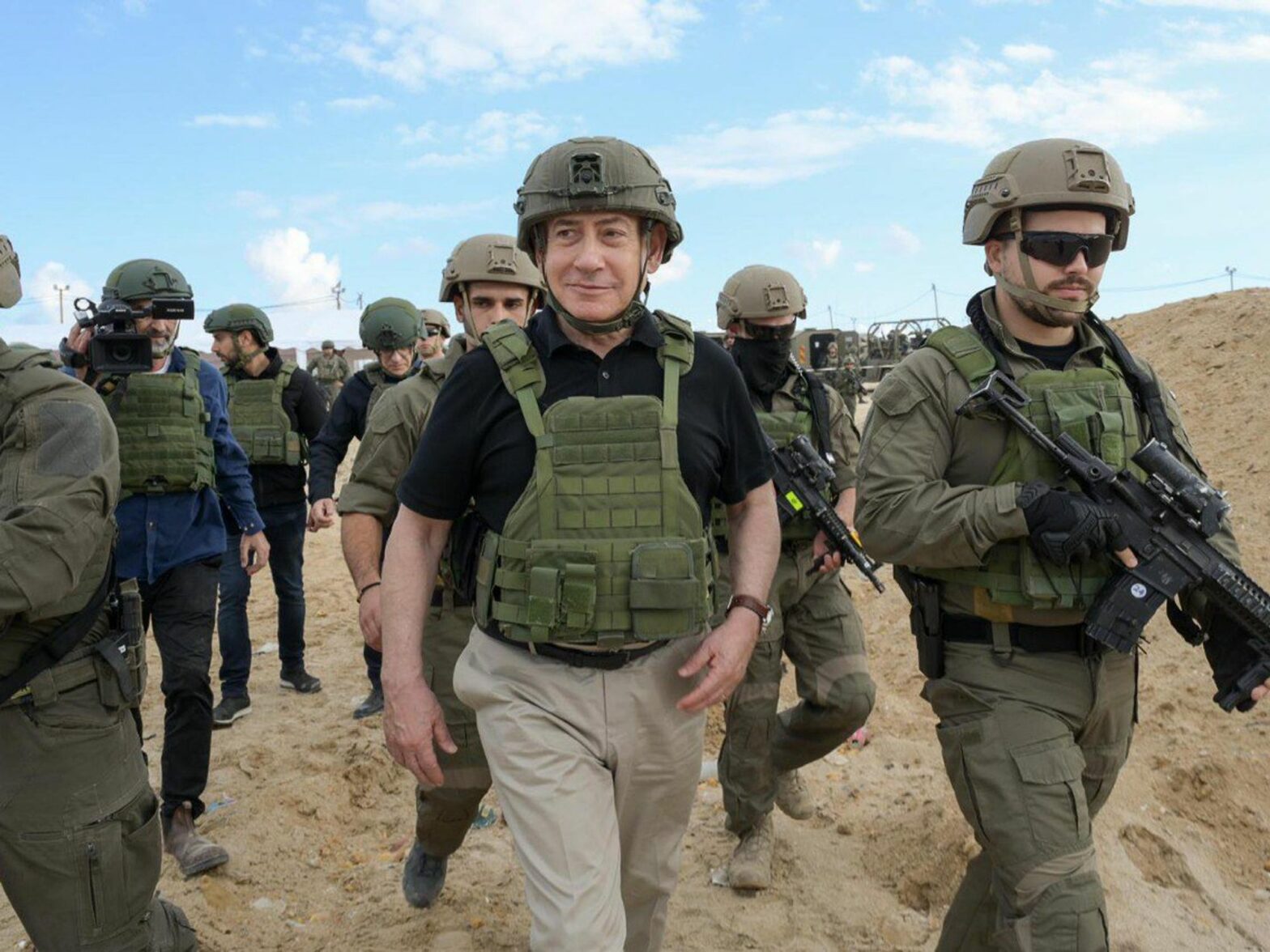
The Israeli Prime Minister has been clear: The ceasefire in Lebanon will allow him to focus on Iran and on Syria, through which Hezbollah’s weapons are transported. But the underlying factors are Iran’s nuclear program and Donald Trump’s return to the White House.
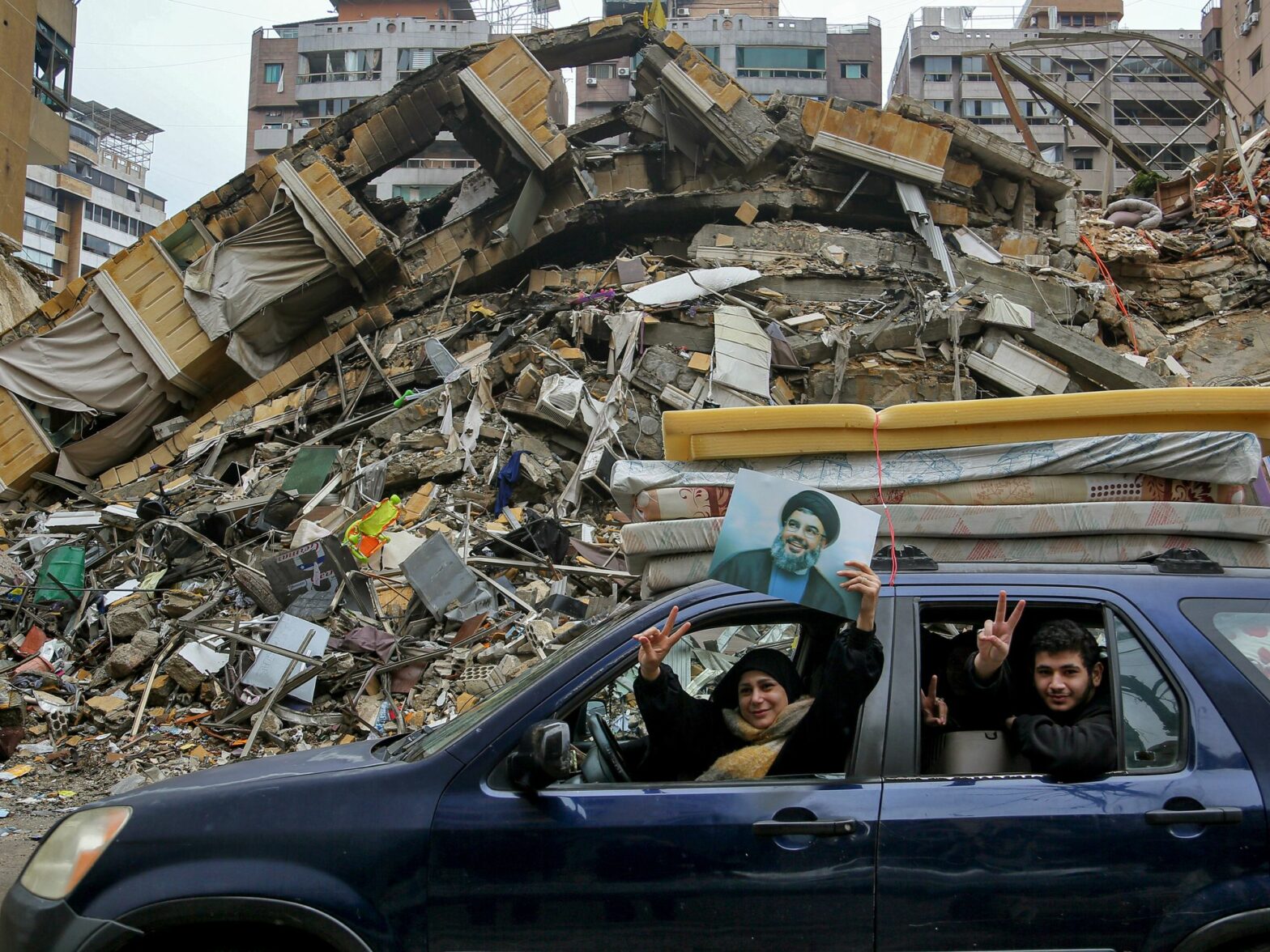
One might think that the rush to announce the completion of the deal refers to its preemptive failure with each party blaming the other for this failure. But there are many moving parts in the negotiations, like there are in the region.
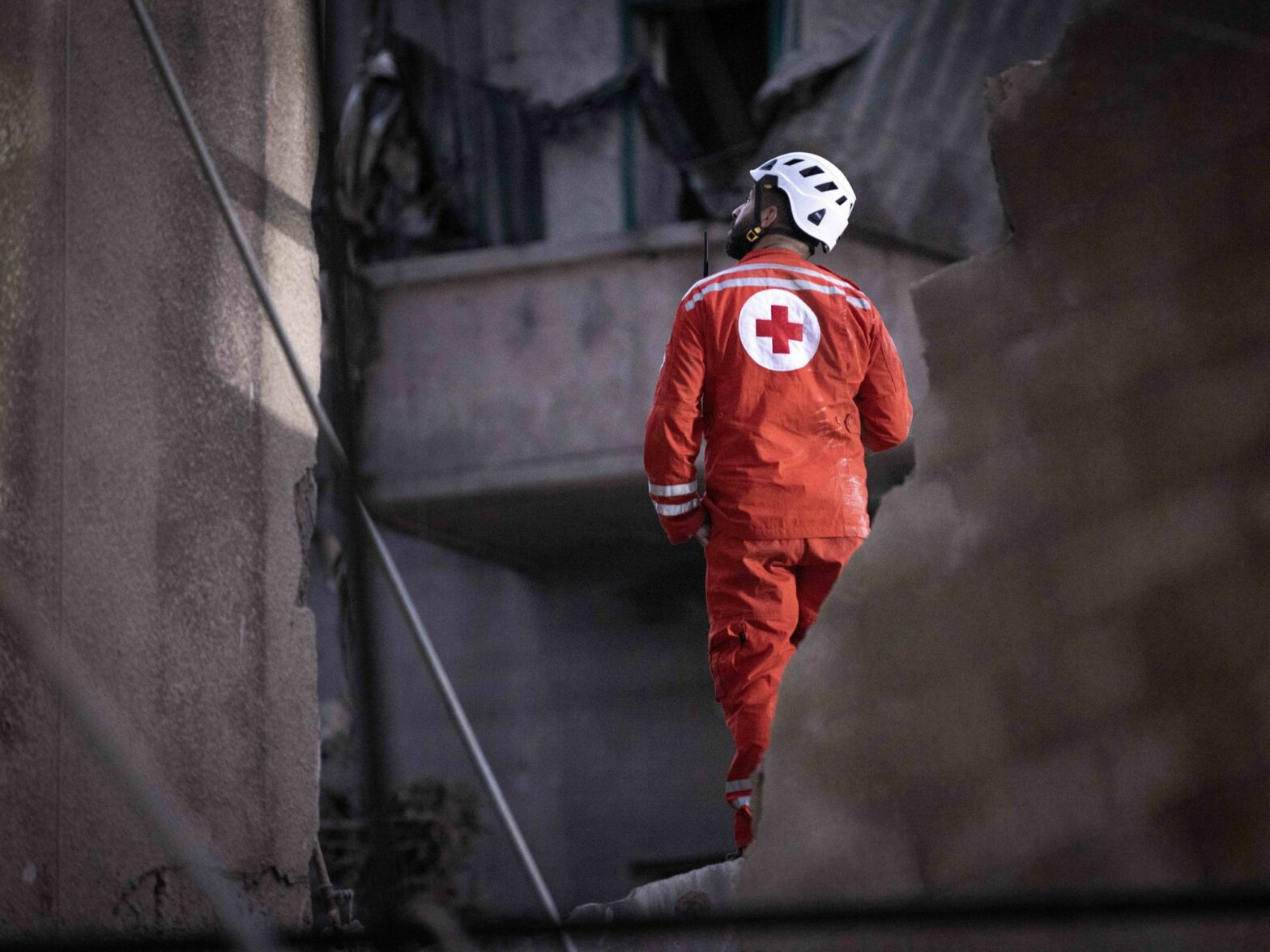
Israel and Lebanon have reached a U.S. and France-brokered ceasefire agreement. It’s an intricate agreement that requires a withdrawal of Israeli forces within 60 days, contingent on Hezbollah retreating north. And it shifts focus, allowing the war in Gaza to continue unabated.
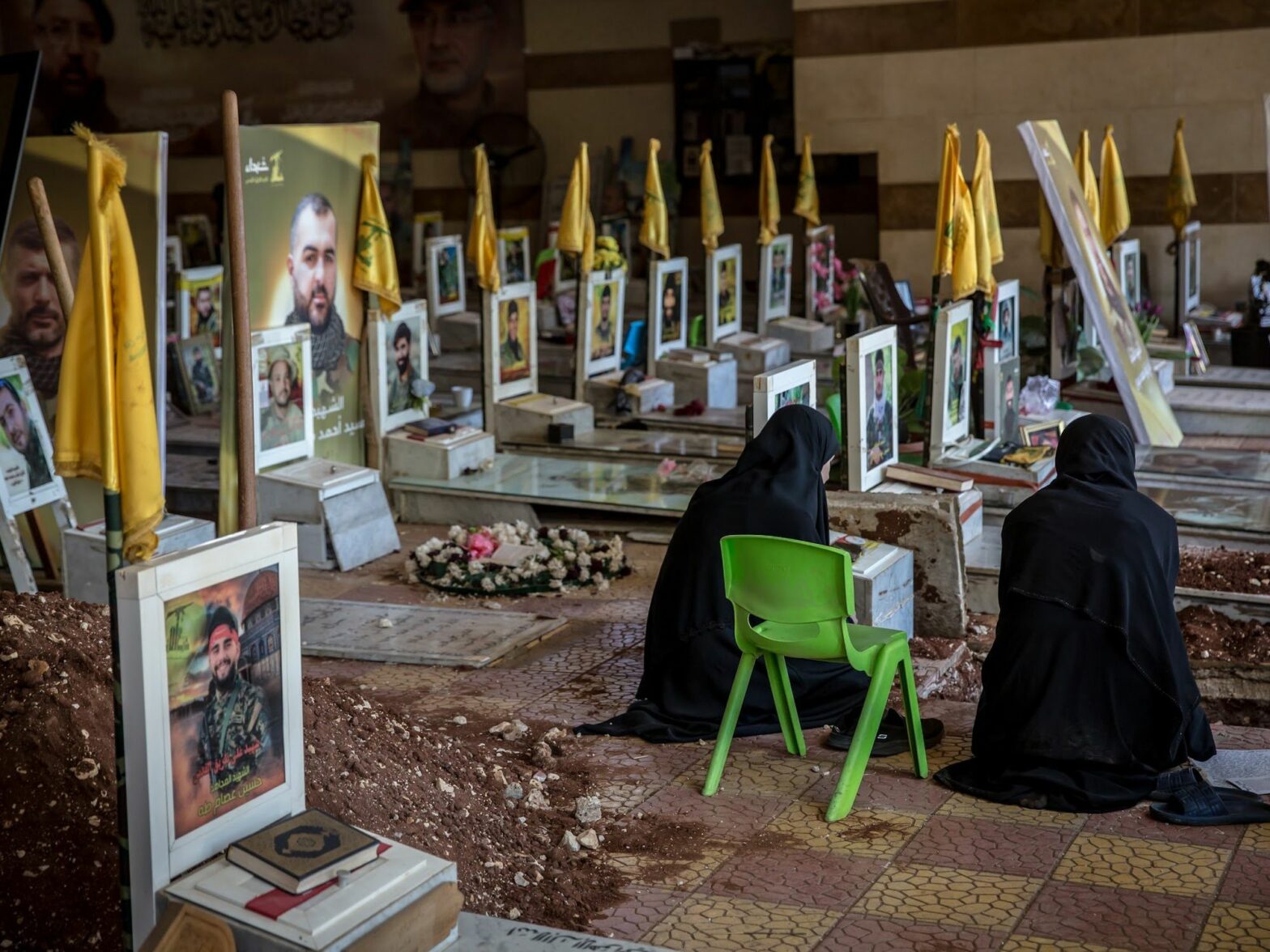
The Shia question is an expression of the entire Lebanese question, and requires the good will of all faiths, but also poses the responsibility of what to think and do about Hezbollah.
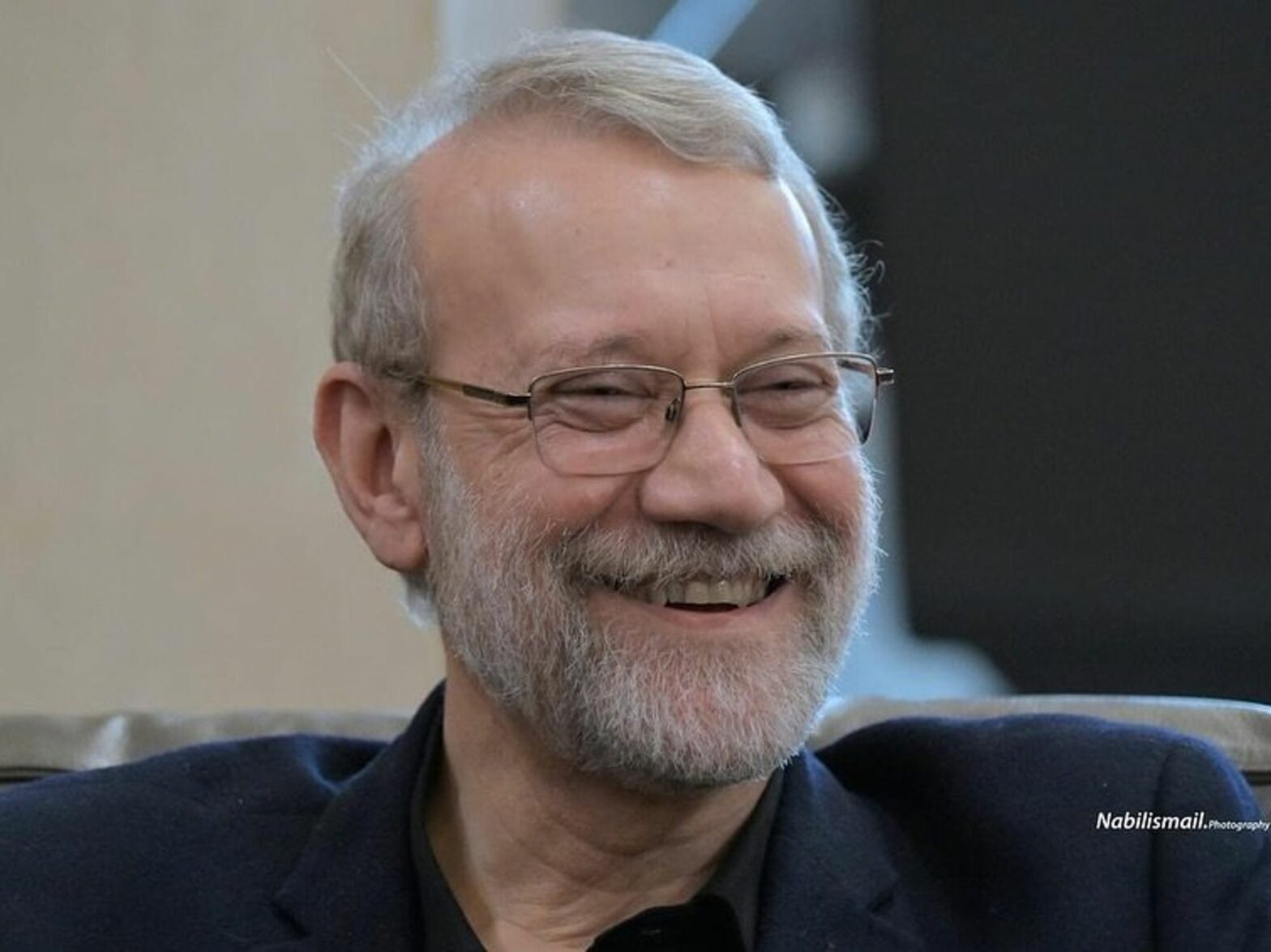
A photographer captured the seasoned Iranian official Ali Larijani laughing on his visit Thursday to Beirut, fully aware of what laughter means in such a situation. The seasoned Iranian diplomat knows that many Lebanese hold his regime responsible for dragging their country into a bloody, senseless, and destructive war.
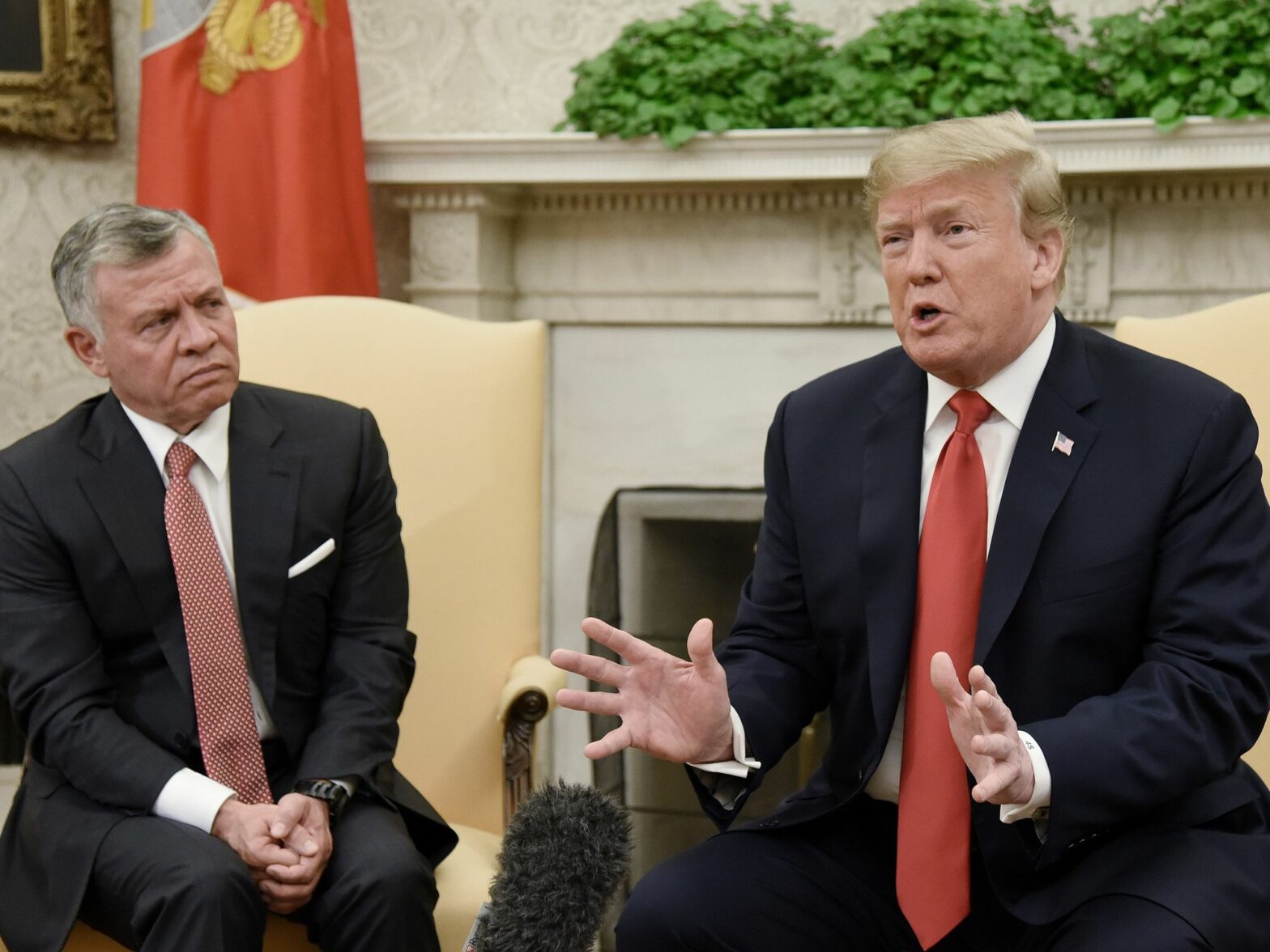
In his first term, Donald Trump tried to undermine the strategy that Jordan had bet on for more than two decades, to protect itself from the risk of transferring the Palestinians from the occupied West Bank to Jordan. What will a second Trump term mean for the country?
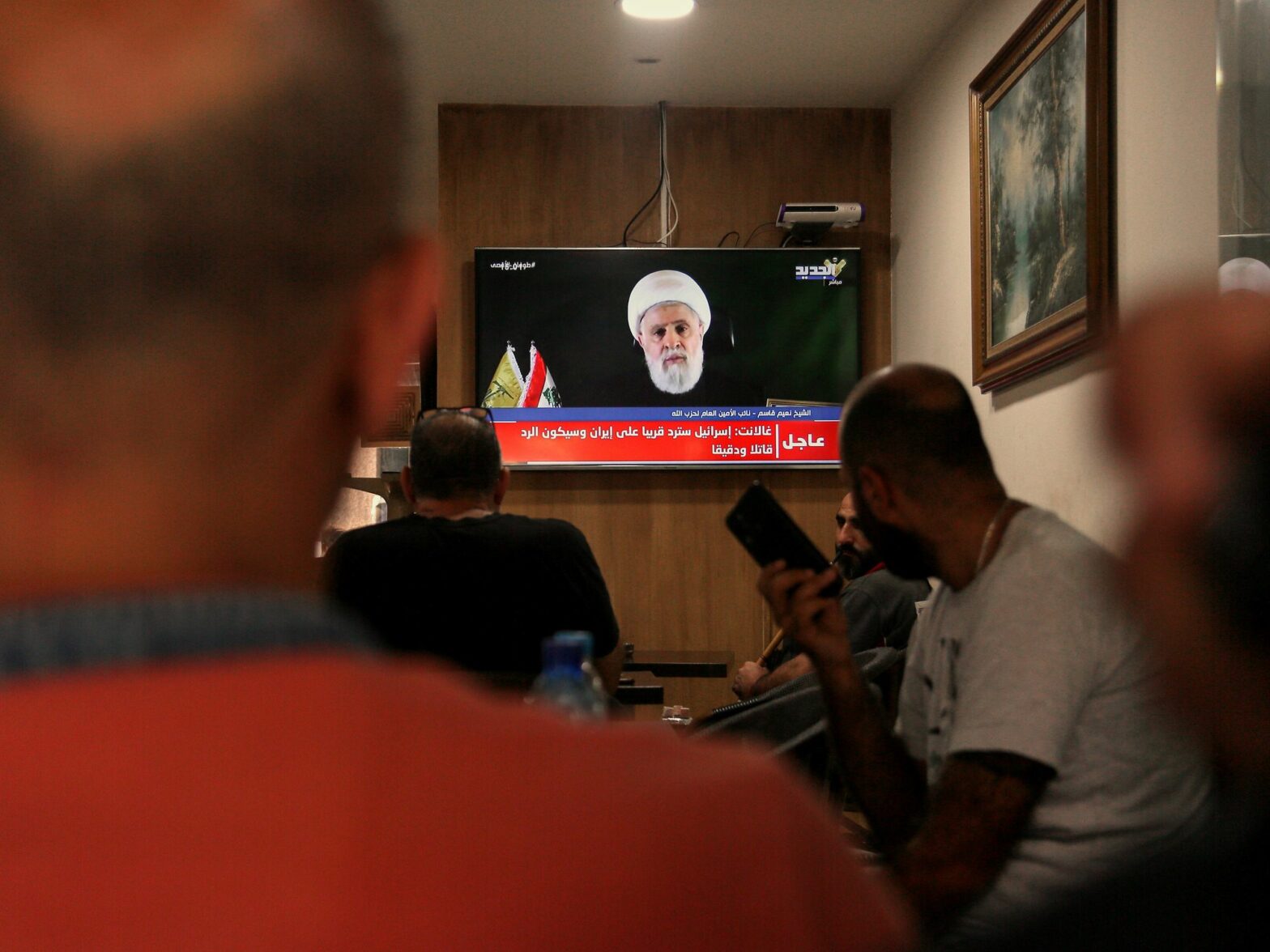
The legacy of Hassan Nasrallah will weigh heavily on Naim Qassem, who was named this week as new secretary general of Hezbollah. Can the less charismatic Qassem win the hearts of his followers?
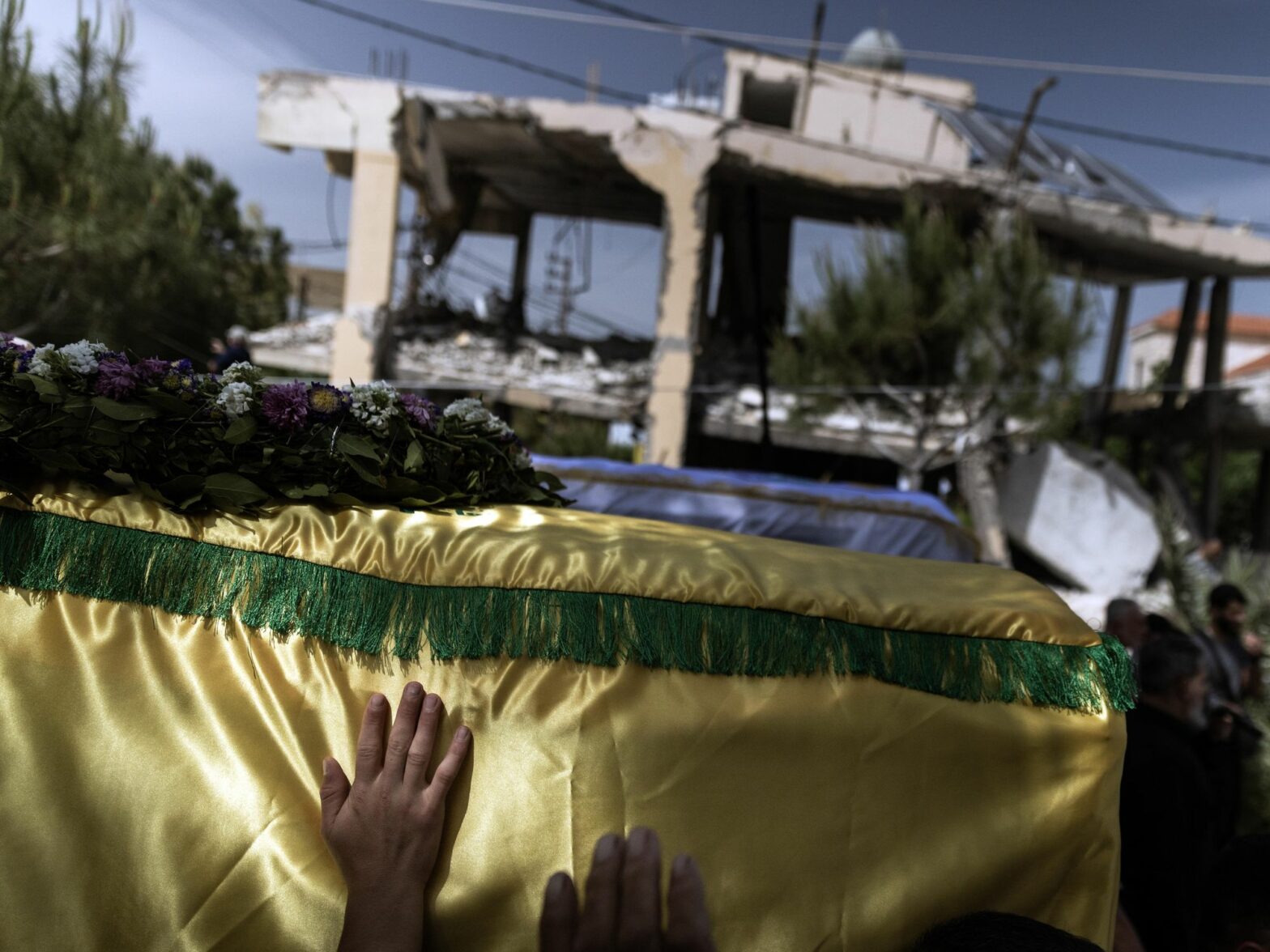
We, the children of “front edge” villages, have seen thousands of homes disappear into rubble. Our loss is not limited to memories and dreams, but also to the stories of our villages.
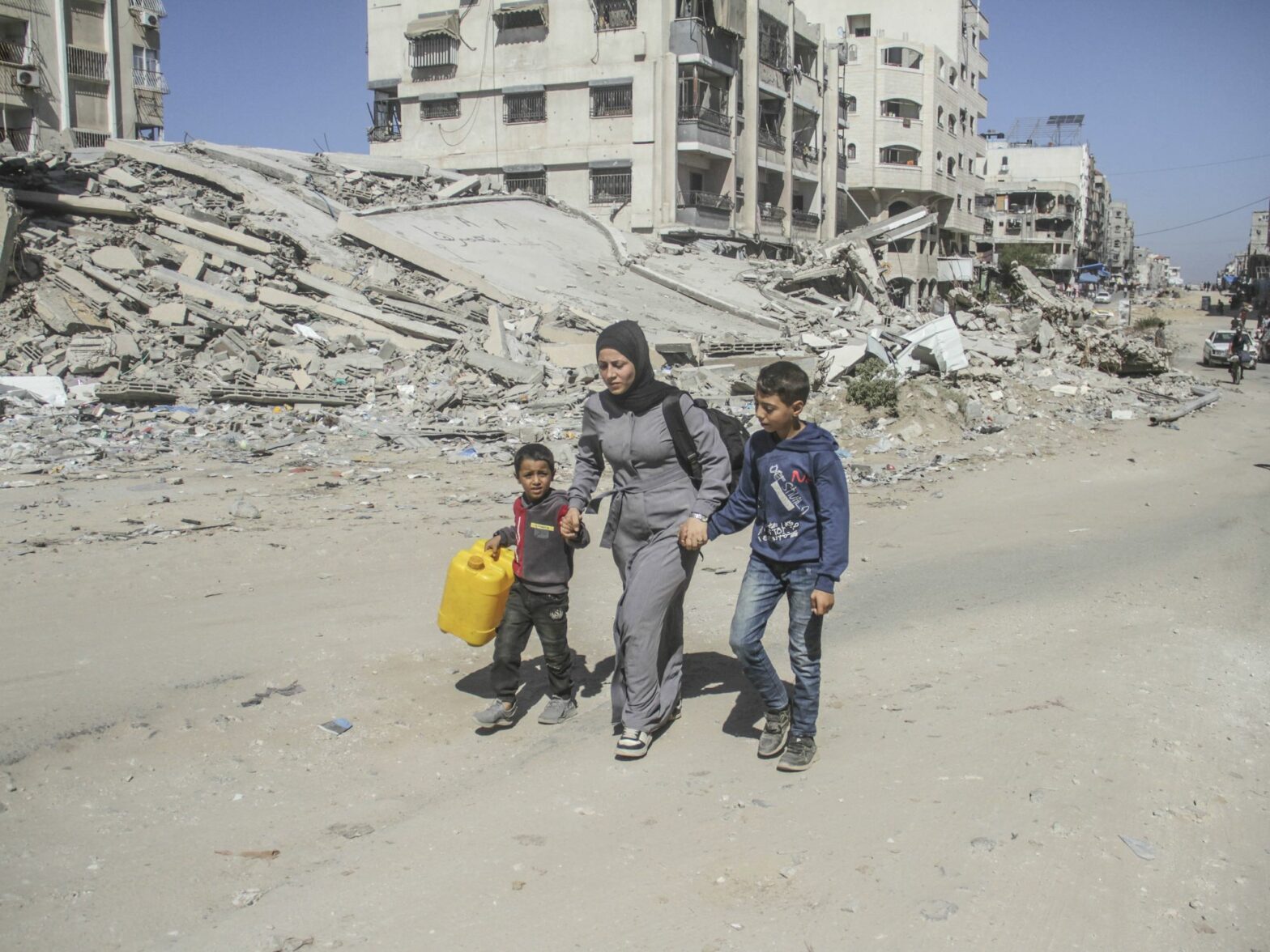
Israel’s new offensive in northern Gaza is trying to make the region uninhabitable, and force Palestinians into the south, toward the Egyptian border and into the Sinai. But since the start of the war, Egypt is dead set against taking in more war refugees.
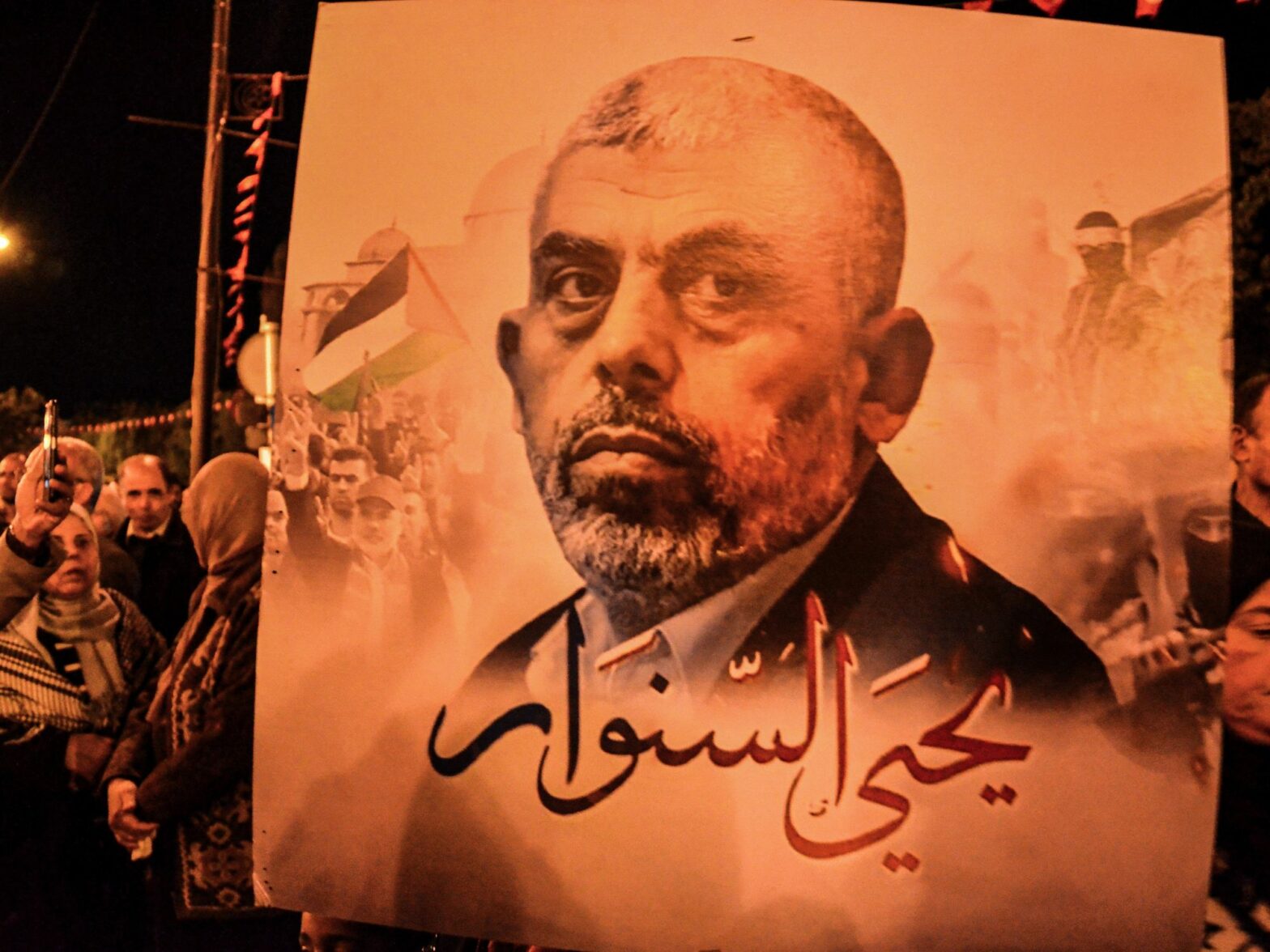
The death of Hamas leader Yahya Sinwar and mastermind of the Oct. 7 attack is just the latest Israeli strike against those who have tried to monopolize the notion of “resistance” as a purely military pursuit. The result has been the absolute destruction of Gaza, and now Lebanon, and the reinforcement of the Israeli occupation.
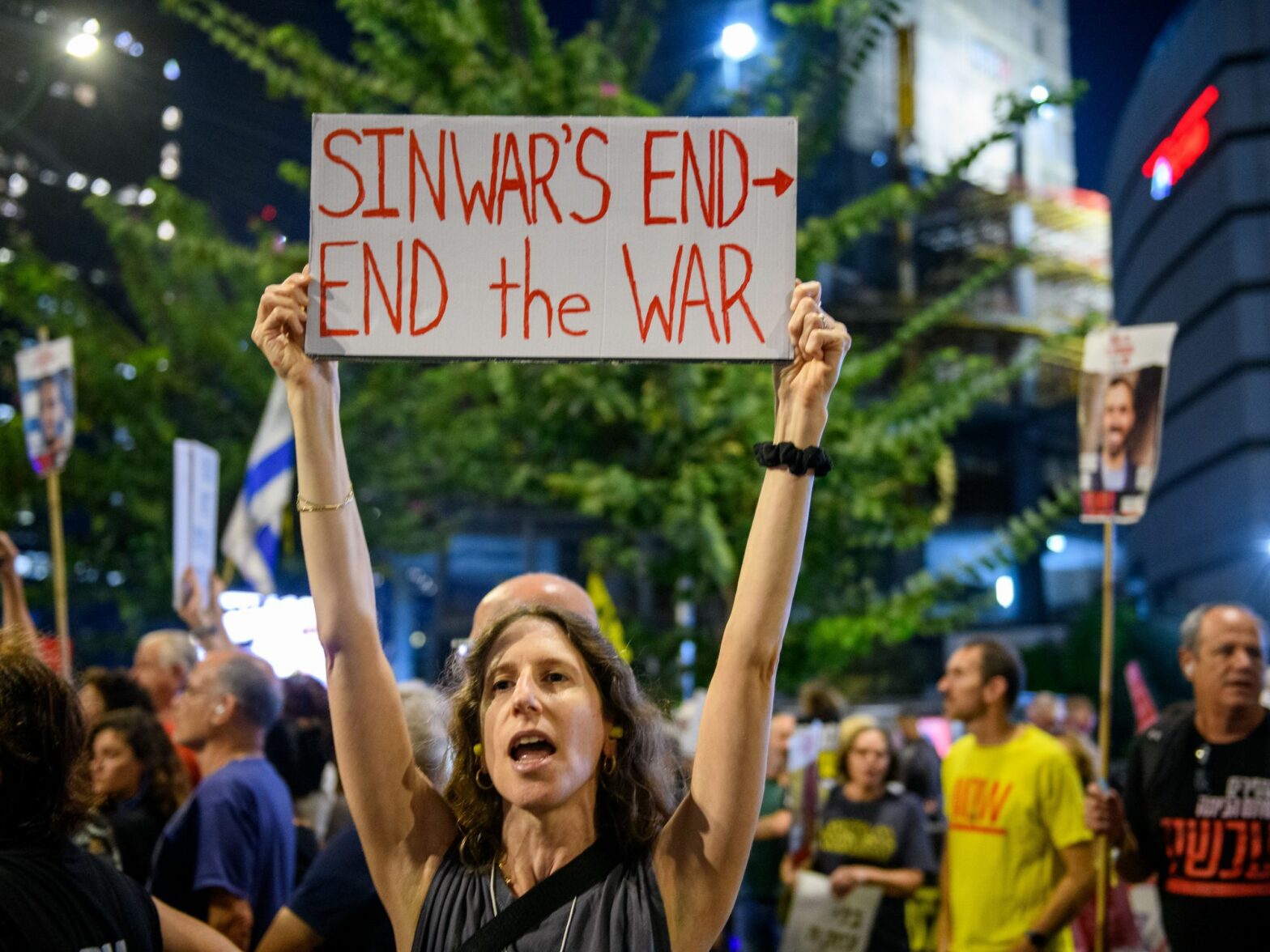
Hamas leader Yahya Sinwar, and above all ‘mastermind’ of October 7, is dead. Washington and Paris are calling on Israel to seize this opportunity to put an end to the war, but Netanyahu may choose to cash in another dividend.
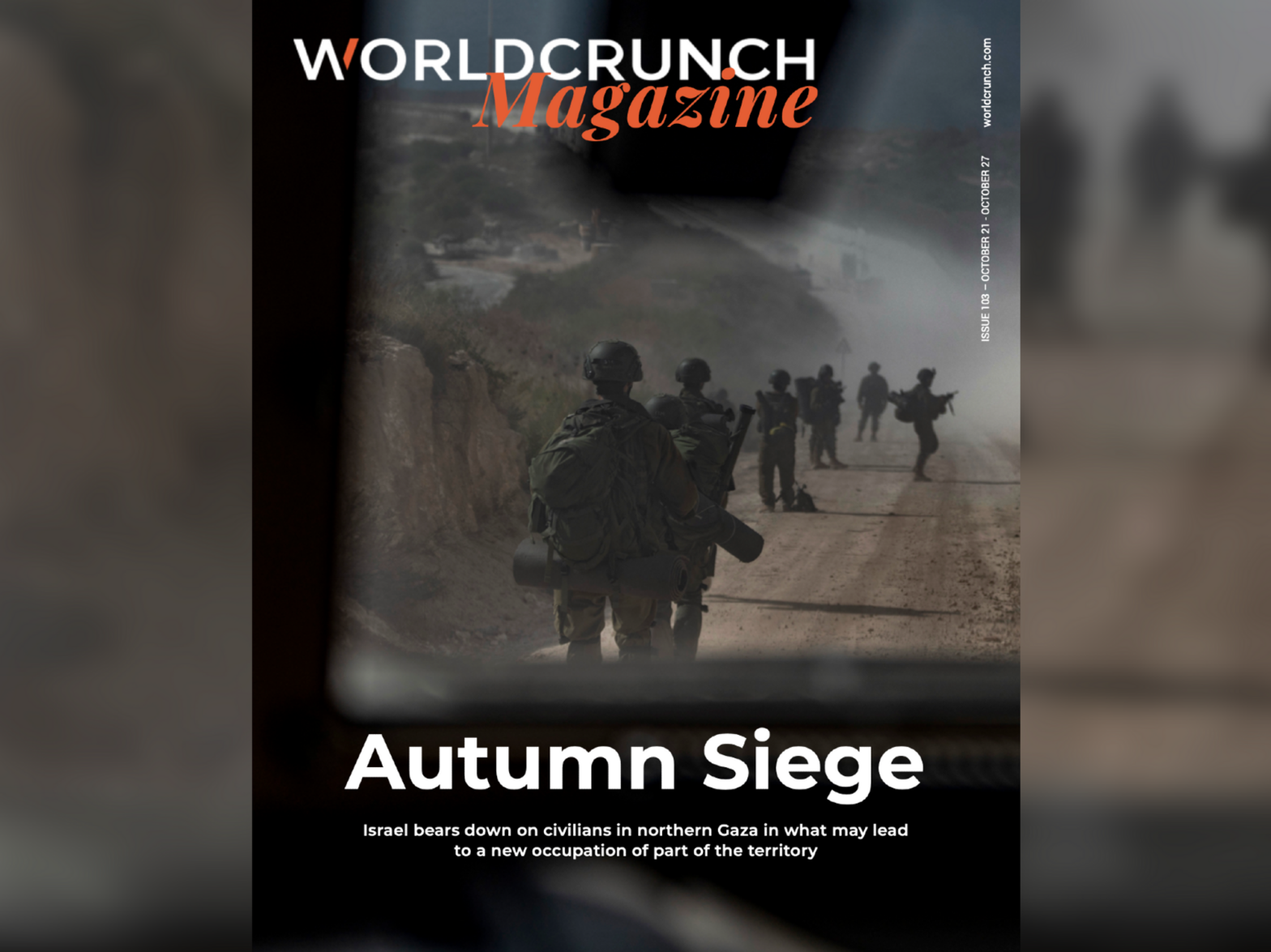
October 21 – October 27, 2024