-Analysis-
Simmering and intermittent violence in Syria may well be part of the proxy war being waged between Iran and Israel and a prolongation of the 12-day war they fought in June.
For the latest news & views from every corner of the world, Worldcrunch Today is the only truly international newsletter. Sign up here.
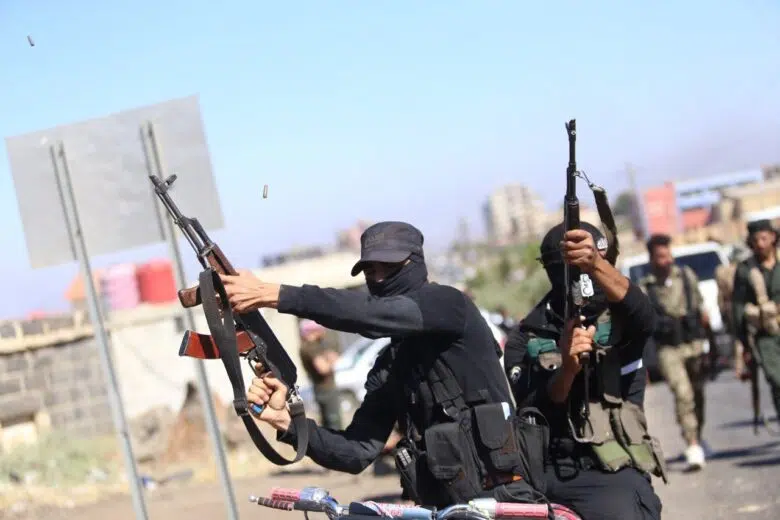
Clashes erupted on July 13 in the southern Syrian province of Sweida following a very simple incident: A Druze trader’s truck was hijacked. That immediately sparking large-scale fighting between the Druze, a religious minority supported by Israel, and certain Arab tribes, backed by Iran regime, which has left more than 100 dead and several hundred injured. A ceasefire in Sweida, brokered by the U.S., appeared to be holding on Thursday.
The context for the current violence includes Iran largely losing its longstanding influence in Syria with the fall of its ally, President Bashar al-Assad. It is now trying to keep a presence in the country by supporting Assad’s partisans and some Arab tribes, especially in the south and in areas bordering Lebanon and the Golan Heights.
The new government, led by the Sunni interim president, Ahmed al-Sharaa, evidently sees this as a threat to Syria’s stability and security.
Exploiting ethnic differences
Without naming Israel or Iran, Syria’s Assistant Minister of Interior for Security Affairs Abdul Qader Tahan has accused “foreign actors” and remnants of the former regime of “exploiting ethnic differences.” Their aim, he says, is to “plunge our country into a cycle of instability and chaos.” Tahan also blamed Assad supporters — who have resisted the authorities in certain strongholds — and their patrons in Tehran, for the June 21 explosion in an Orthodox church in Damascus, despite of a group called Ansar al-Sunnah claiming responsibility.
Israeli sources are concerned that elements of the Quds Force are still in Syria
But Iran and Israel are not only using proxies in Syria. In July, for the second time, more than 200 Israeli Defense Force (IDF) soldiers kidnapped — in a swift operation and without firing a single shot — members of the Iranian Revolutionary Guards’ Quds Force in Syria and took them into Israel. The detainees, believed to include at least 10 Quds Force members, were being interrogated at an unknown location inside Israel. A similar commando operation days earlier had netted other Quds Force members in southern Syria.
Israeli sources are concerned that elements of the Quds Force are still in Syria, backing affiliated tribesmen or the Alawite minority despite the Assad regime’s collapse. Their presence near the Golan Heights and on the Lebanese border, may become a serious threat to Israel’s security.

Shared concerns
In recent months, Syrian government border forces have clashed several times on the Lebanese border with tribes based in these areas smuggling weapons for Hezbollah. Some of the arms and ammunition were for Hezbollah, and another part were intended to enter Israel through Lebanon for use by Palestinian groups.
In a July 10 drone strike in southern Lebanon, Israel killed Muhammad Shoaib, a Hezbollah commander and senior operative tasked with smuggling weapons into Israel and the West Bank. Iran is sending these weapons to Lebanon either through Syria or by sea, using small ports.
At a recent meeting in Damascus with the White House envoy Thomas Barrack, Al-Sharaa discussed Iranian support for restive tribes and the Quds Force’s presence in Syria. The issue was also discussed at an informal meeting between Syrian and Israeli representatives in Baku, Azerbaijan’s capital.
Yet despite these tensions and recent clashes, Syria and Israel share one major concern: They do not want the Iranian Revolutionary Guards in Syria.

