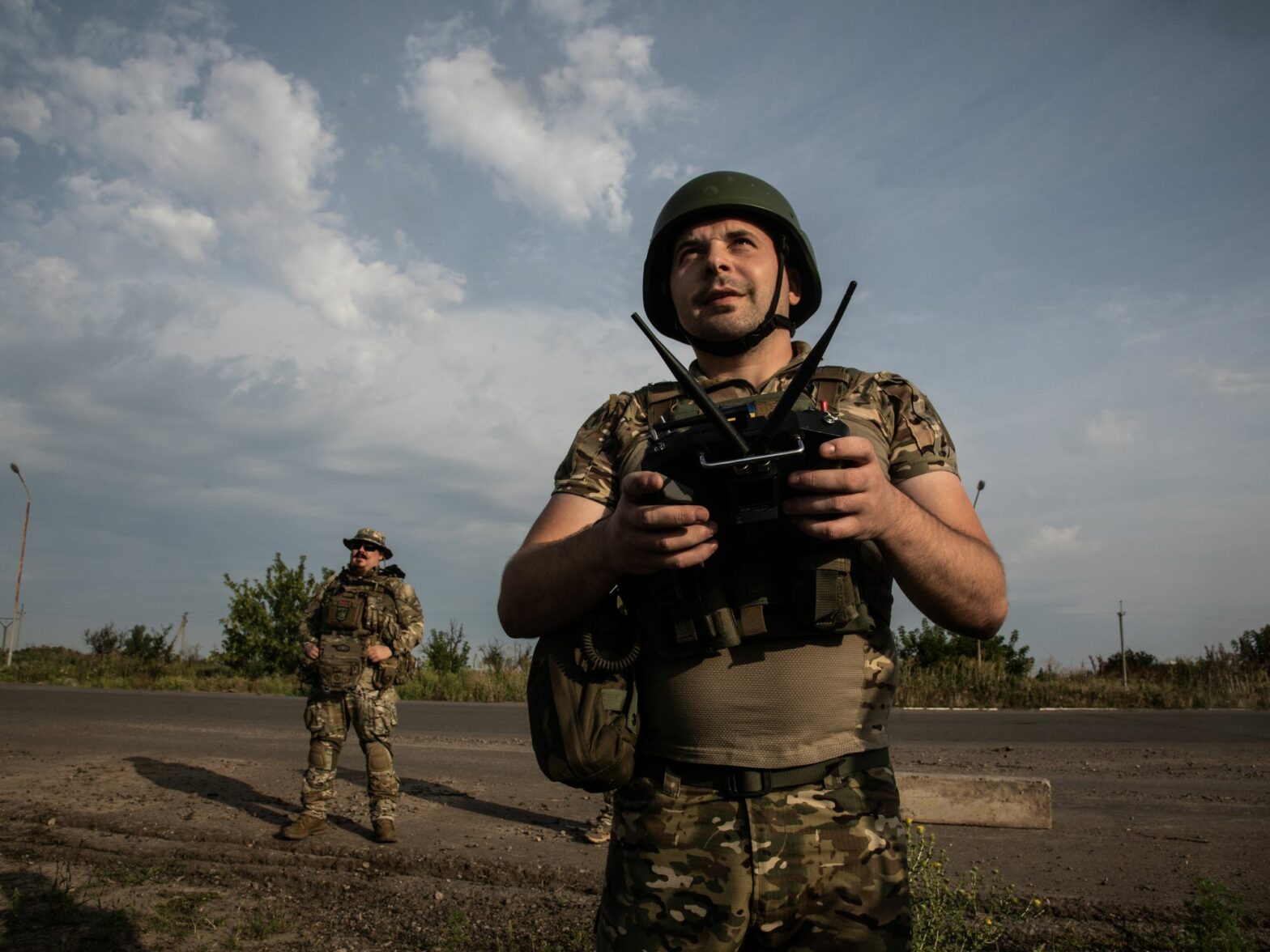
Ukraine needs satellite internet defense capabilities like that provided by Starlink. But do they really want to be dependent on Elon Musk? The good news is that Europe is not completely empty-handed. But time is of the essence.
 Worldcrunch
Ukraine needs satellite internet defense capabilities like that provided by Starlink. But do they really want to be dependent on Elon Musk? The good news is that Europe is not completely empty-handed. But time is of the essence.
It is likely that there will not be a peace agreement between Ukraine and Russia this year — or ever one at all. If negotiations stagnate, they could resemble the post-World War II relations between Japan and the Soviet Union: A peace treaty was never signed, and the dispute over the Kuril Islands has persisted for more than 70 years.
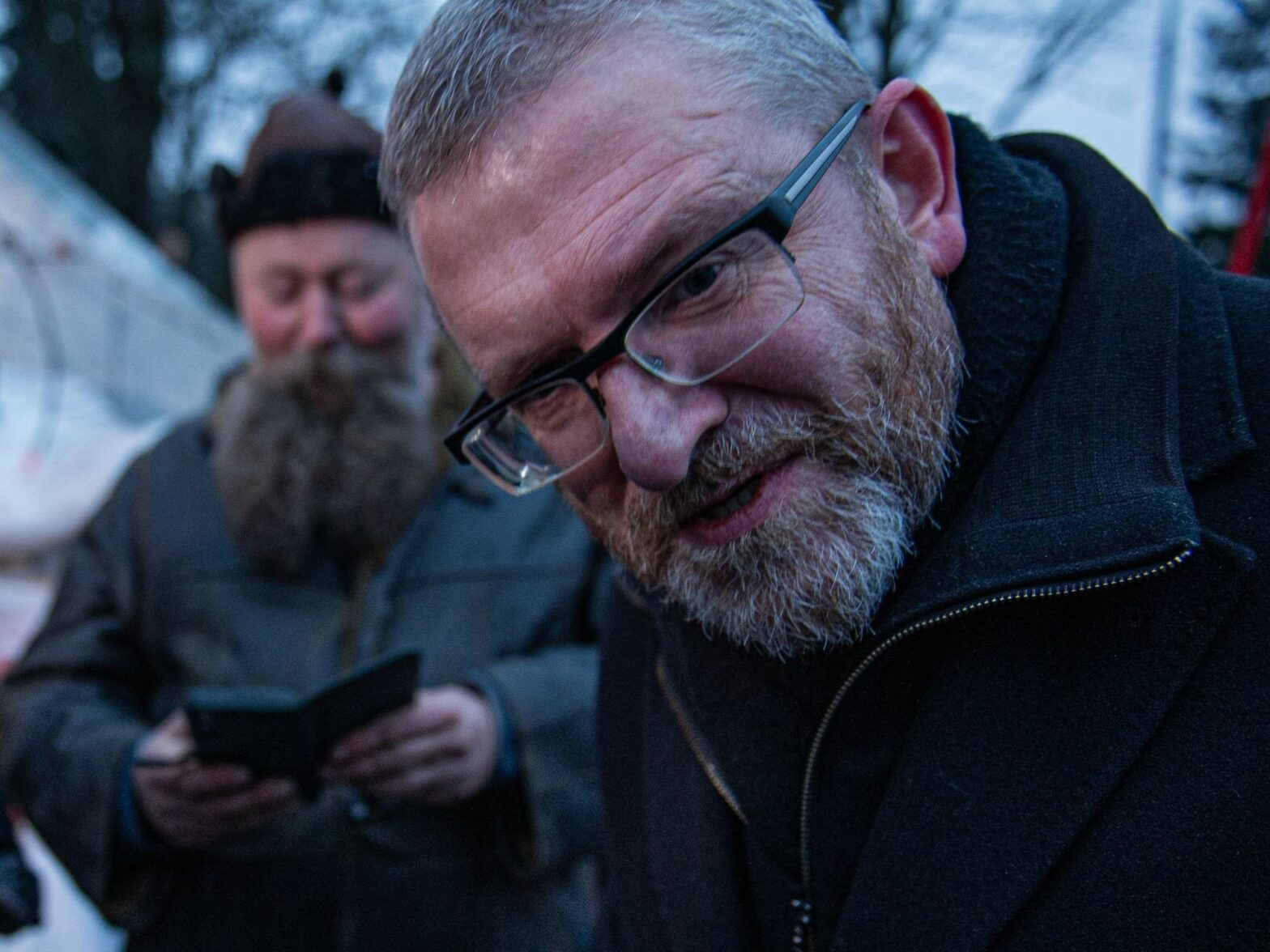
Although Poland is known as a key supporter of the Ukrainian cause, public opinion is beginning to shift, especially among the far-right. Leading the charge is far-right presidential candidate Grzegorz Braun.
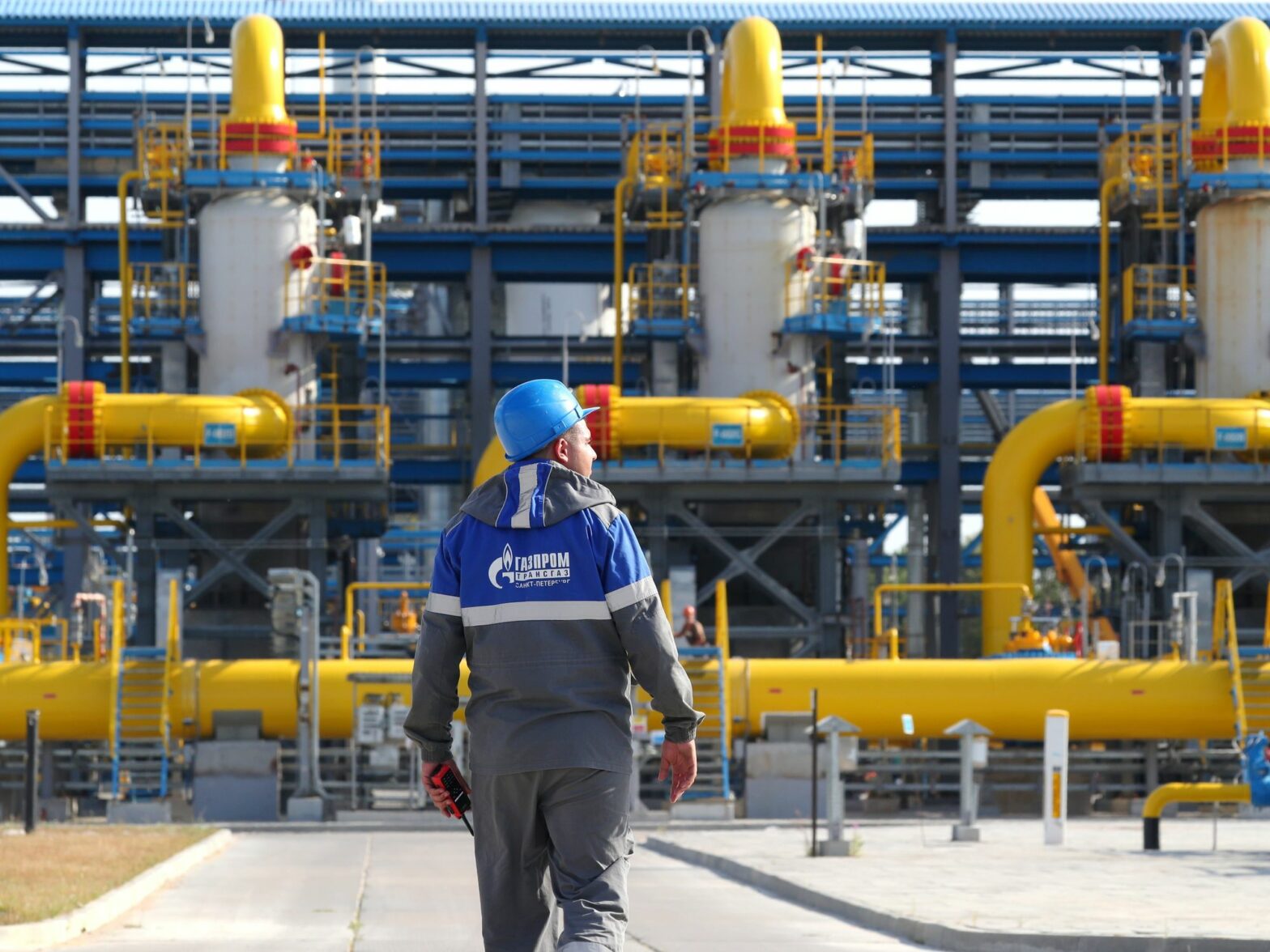
Unthinkable just a few months ago, the return of Russian gas to supply European countries is now being advocated by some on the continent. But the move faces both political and technical barriers, and its medium-term benefits are not clear.
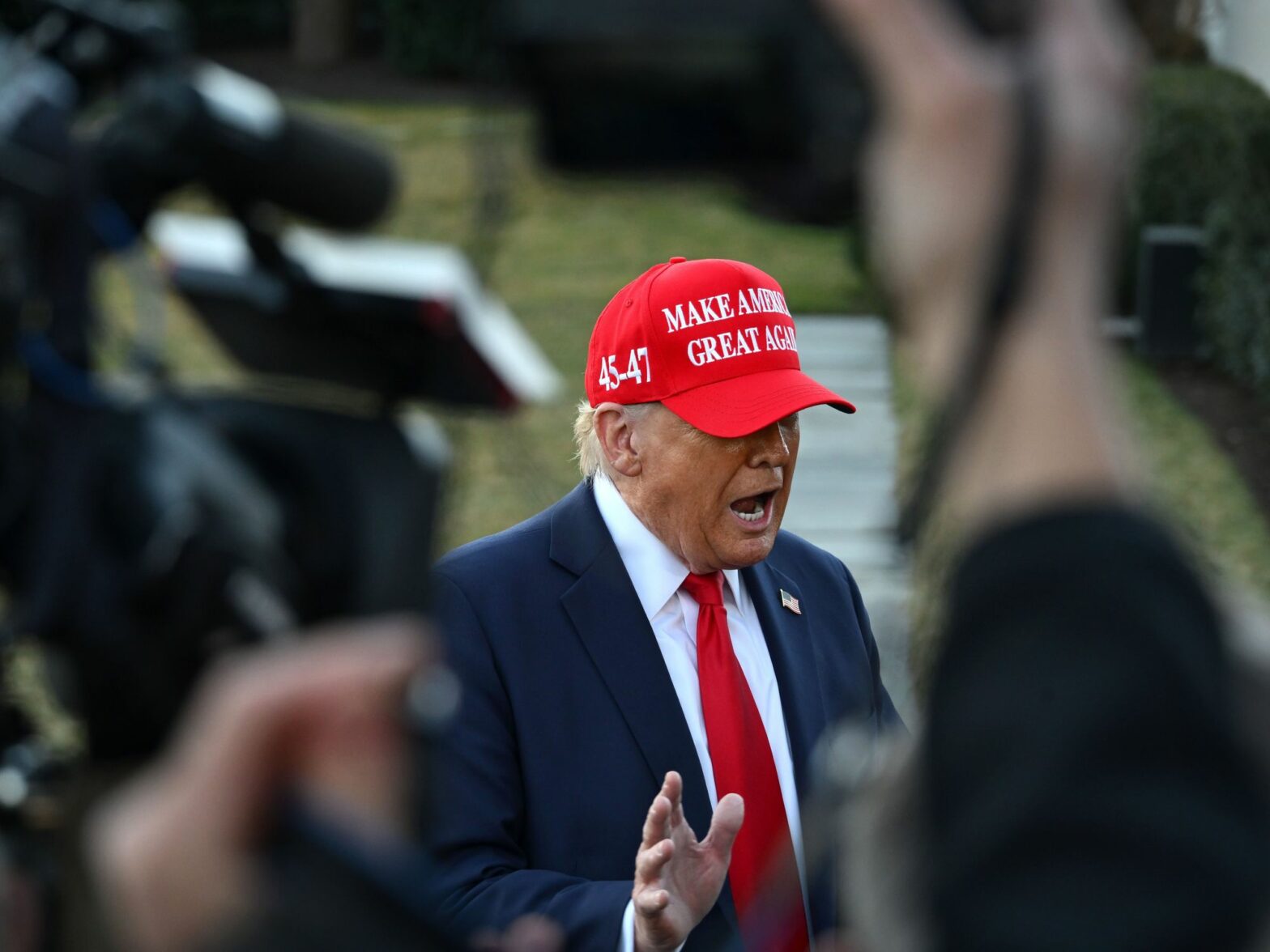
Ukrainians are still processing Friday’s meeting. Donald Trump speaks about Zelensky’s “cards.” It’s as if he doesn’t realize what a war is.
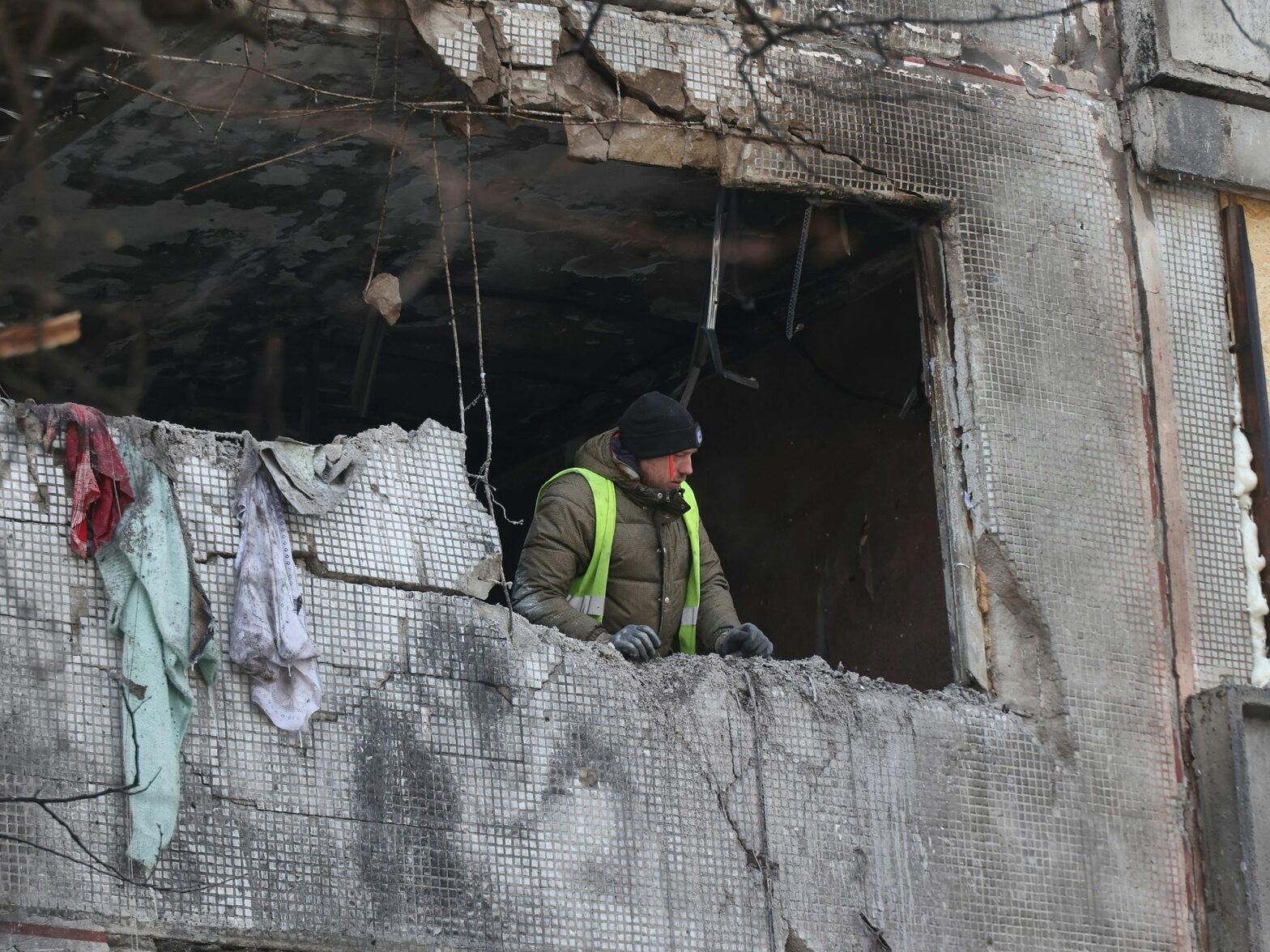
Following Volodymyr Zelensky’s Washington visit last week, Russia has started exerting more pressure on Ukraine, confident that Trump will do little to interfere. Monica Perosino reports from the Ukrainian side of the frontline.
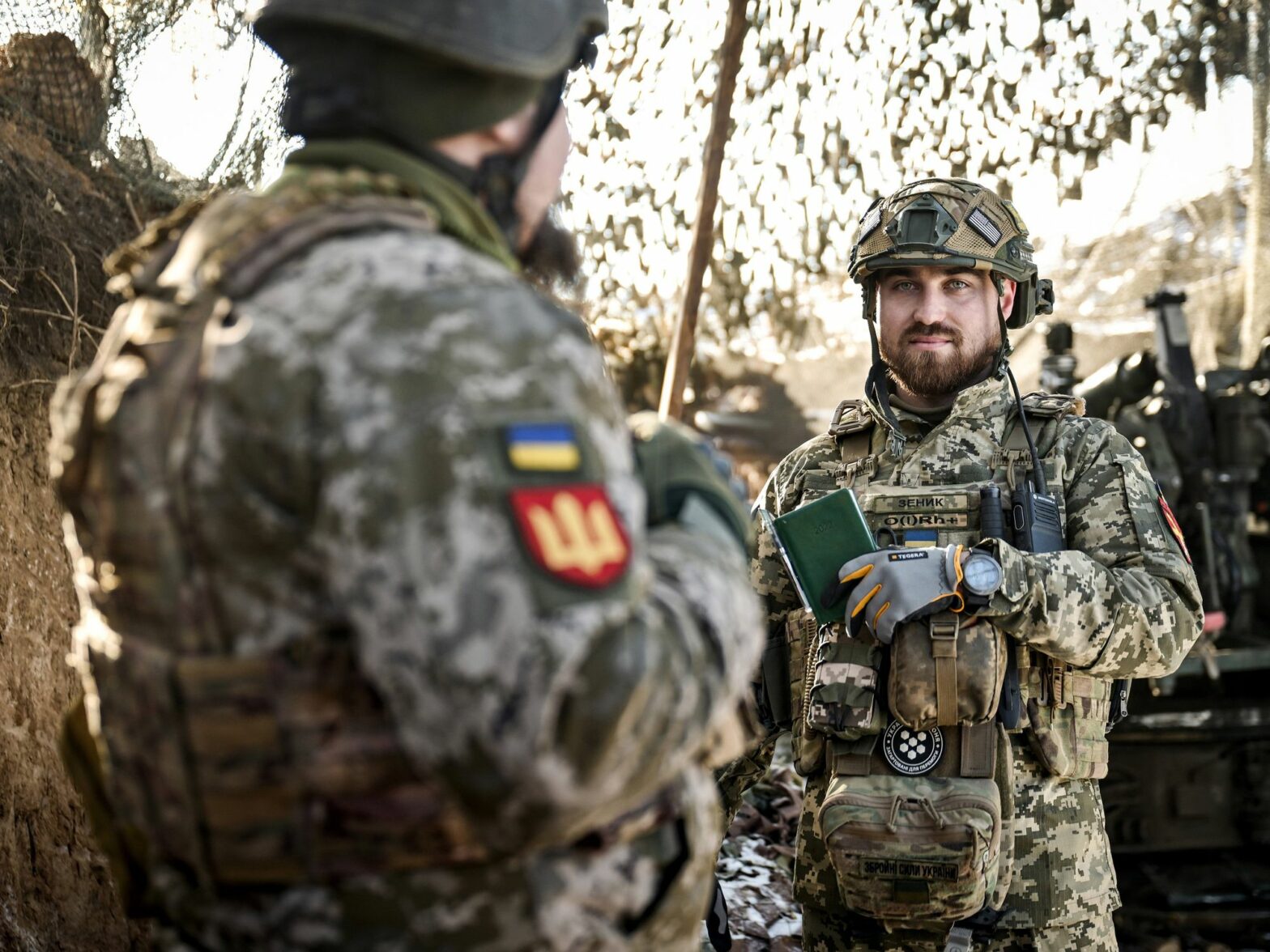
Donald Trump has suspended U.S. military aid to Ukraine until Volodymyr Zelensky demonstrates “good faith” in negotiating with Vladimir Putin. It’s an unprecedented move with an interesting parallel with what’s happening with Israel, where the U.S. Secretary of State Marco Rubio has expedited the delivery of $4 billion in military aid.
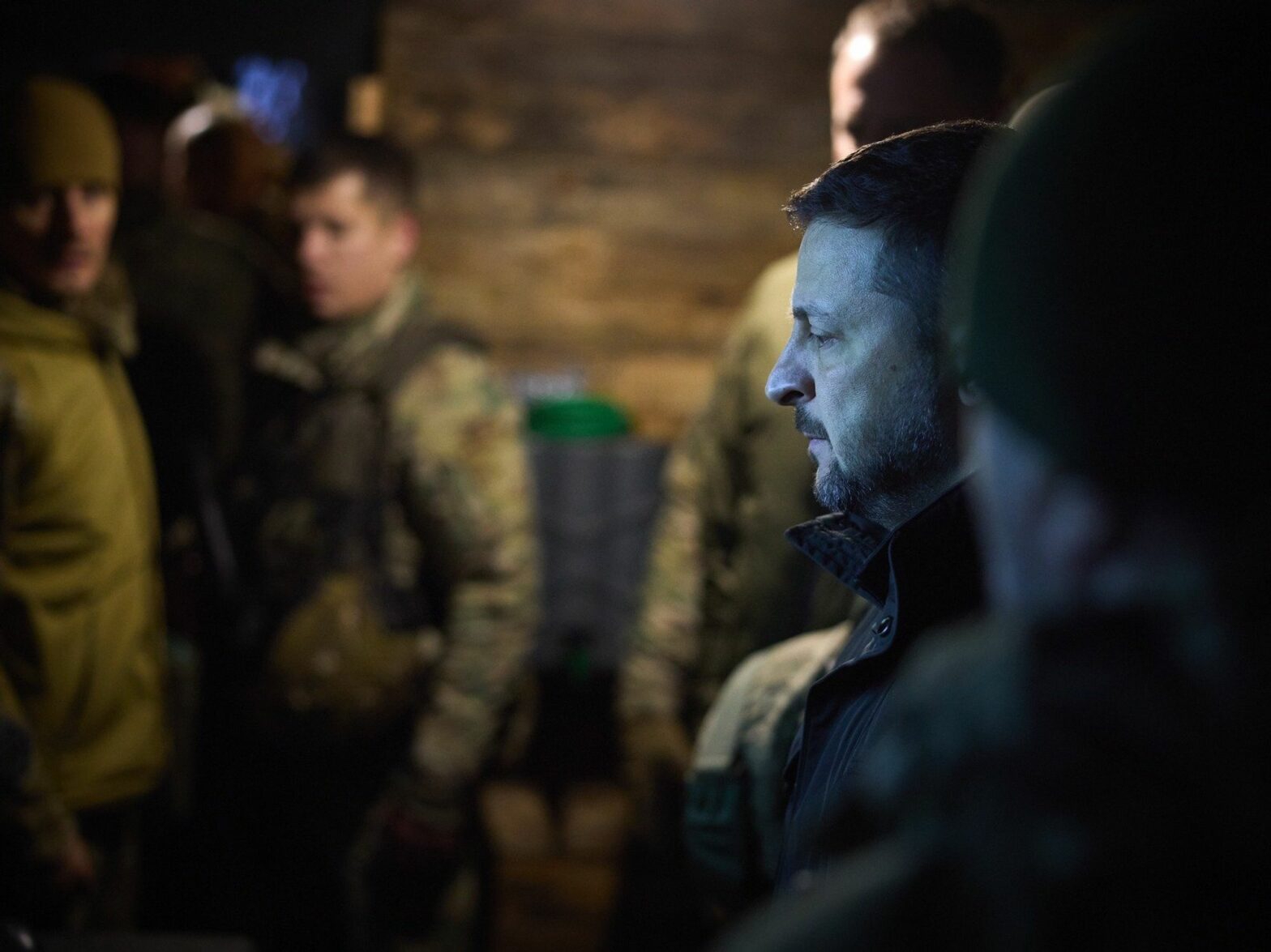
Even his critics inside Ukraine are uniting behind Volodymyr Zelensky for standing up to U.S. President Trump and Vice President Vance to defend their nation’s interests.
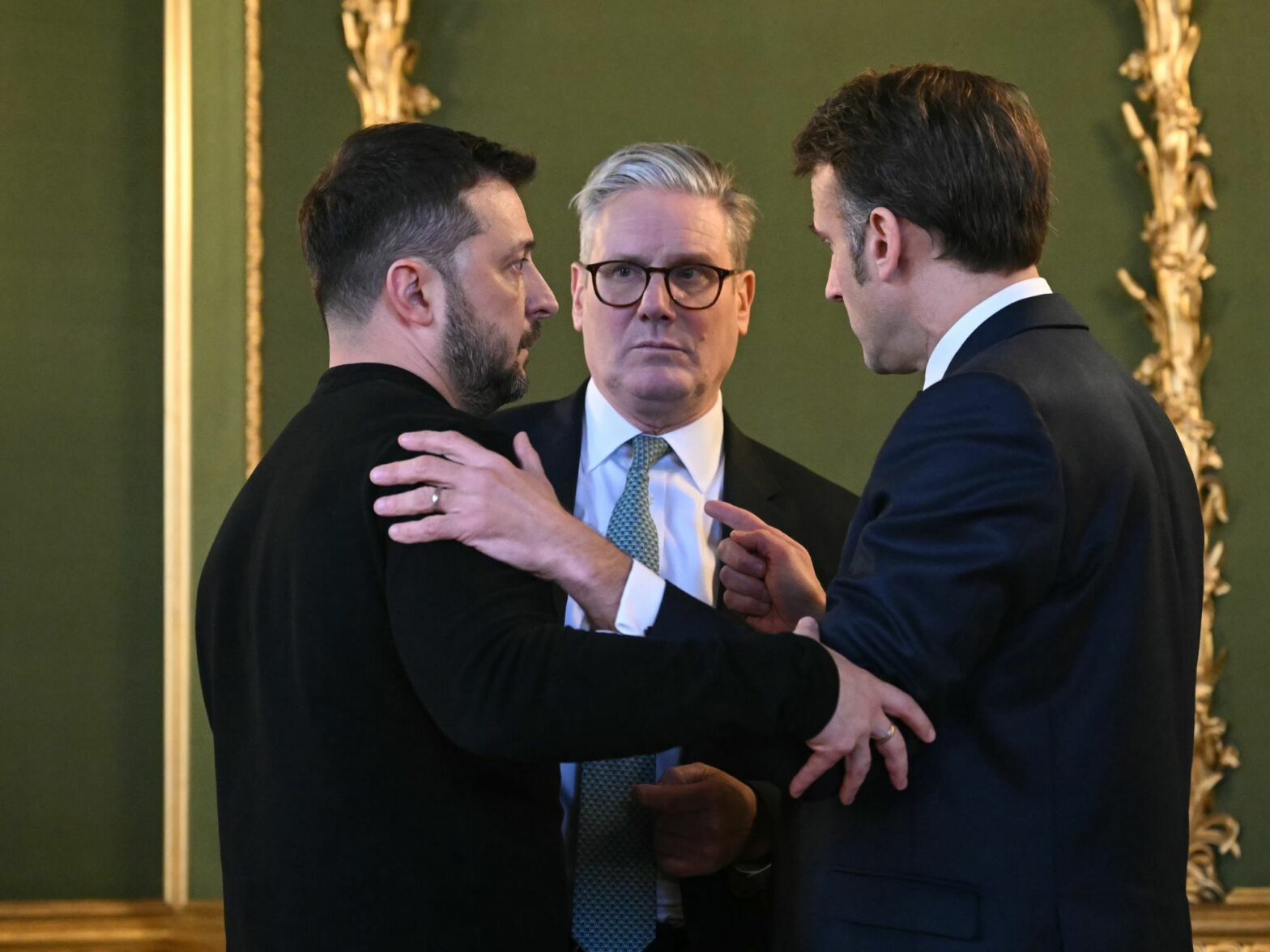
Gathered in London alongside Ukrainian President Volodymyr Zelensky, top European leaders set forth the goal to keep the U.S. engaged, even if it means swallowing their pride in the face of the disgraceful behavior of America’s top leaders.
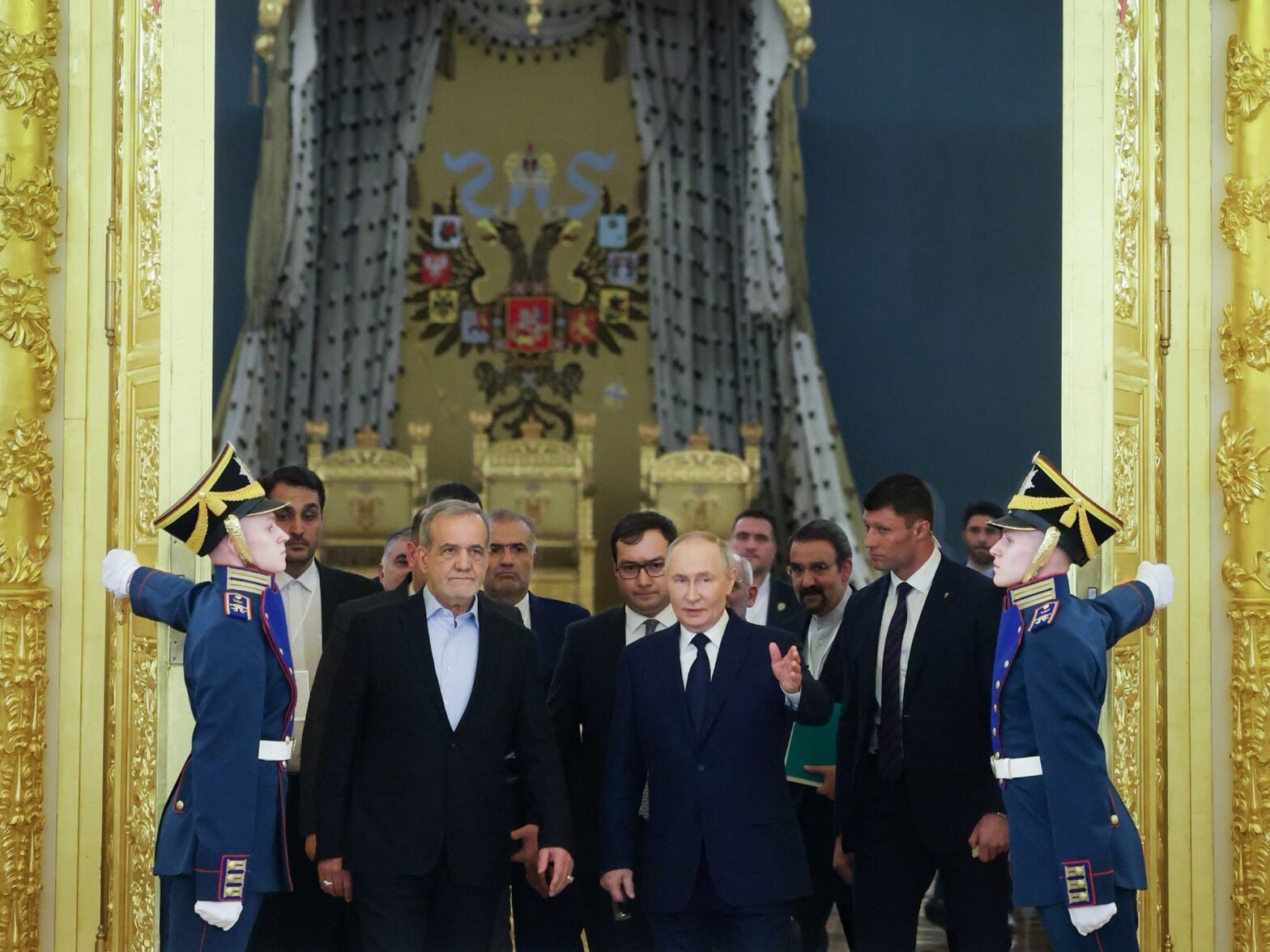
Iran prefers the EU’s discretion and apparent respect for its ideological red lines, in contrast with Donald Trump’s ostentatious and menacing style. So the growing rift between the U.S. and EU over resolving the Ukraine-Russia war may be a welcome chance for Tehran to revive secret contacts it loves so much with an EU in search of diplomatic clout.
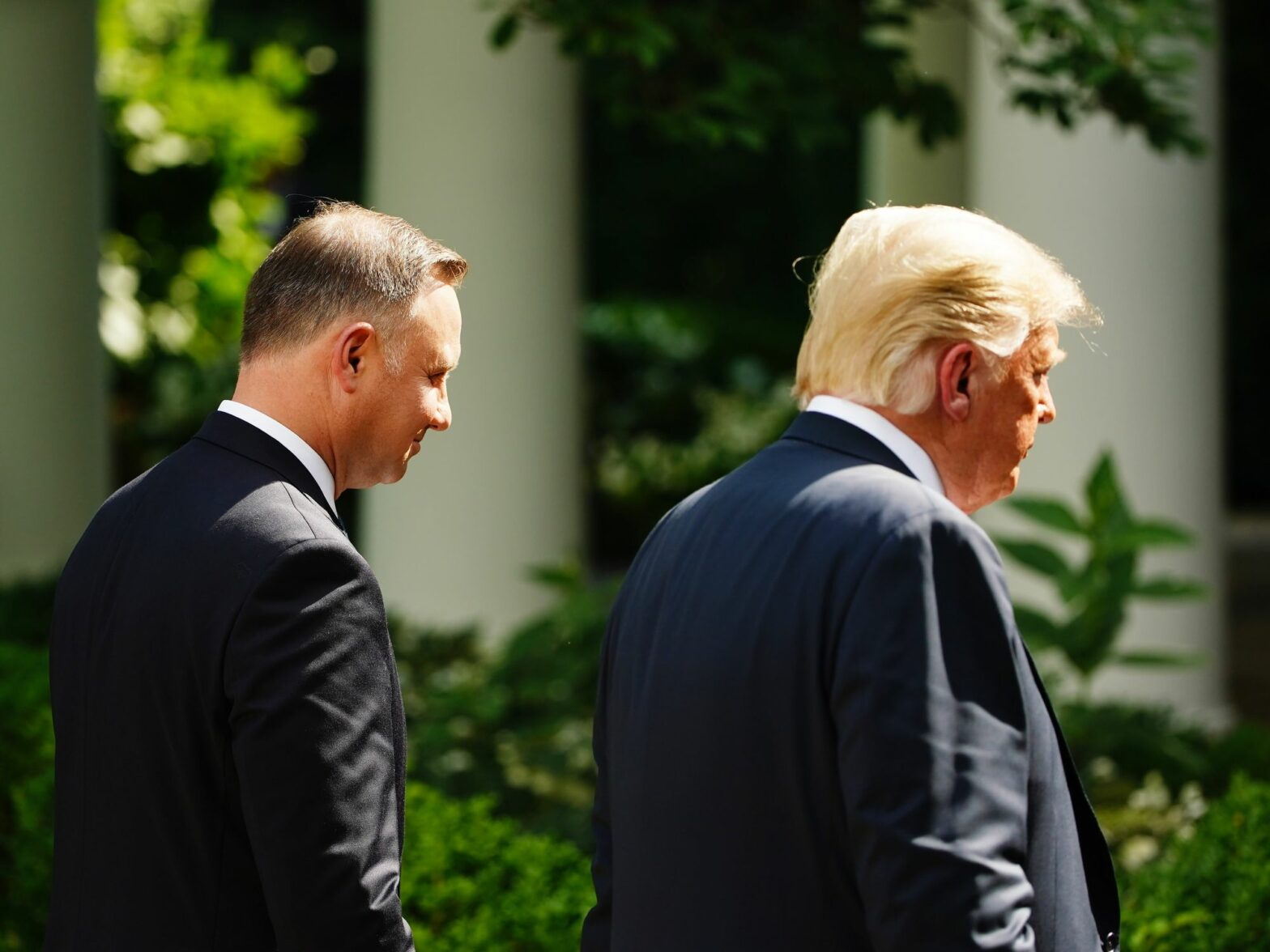
Poland was right to vote alongside Ukraine and other Western countries on a UN resolution this week that clearly indicated President Vladimir Putin’s Russia as the culprit in the outbreak of the war in Ukraine. But would Polish diplomats have made that same choice if the nationalist-conservative Law and Justice Party (PiS) were in power. The election in May could see that happen.
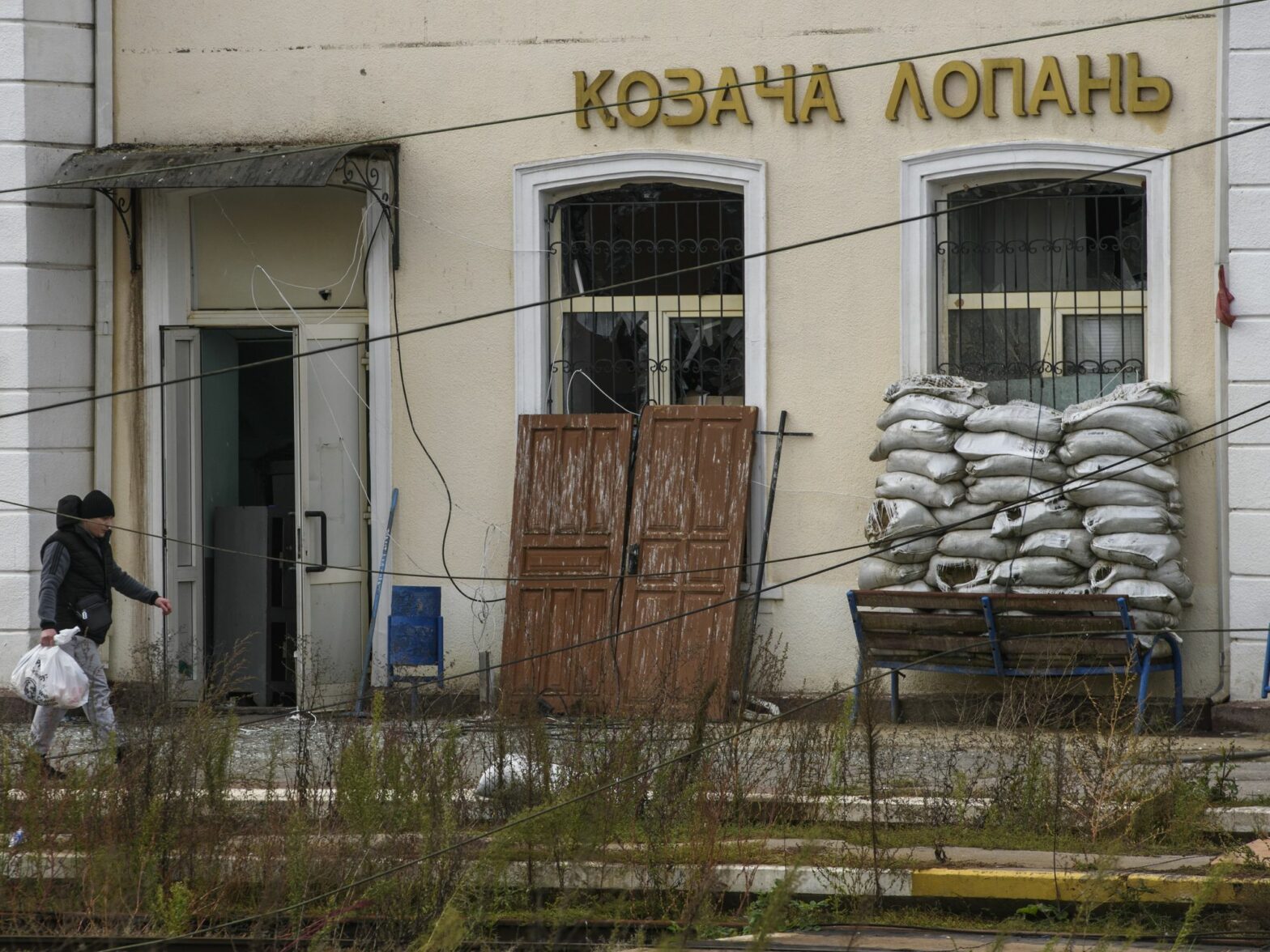
After walking the 50 kilometers that separate the Ukrainian city of Kharkiv and the Russian border, Spanish reporter Unai Aranzadi arrives in the small village of Kozacha Lopan. Places like these are perhaps the ones where it will be most difficult to heal the wounds of all that has been suffered to date.
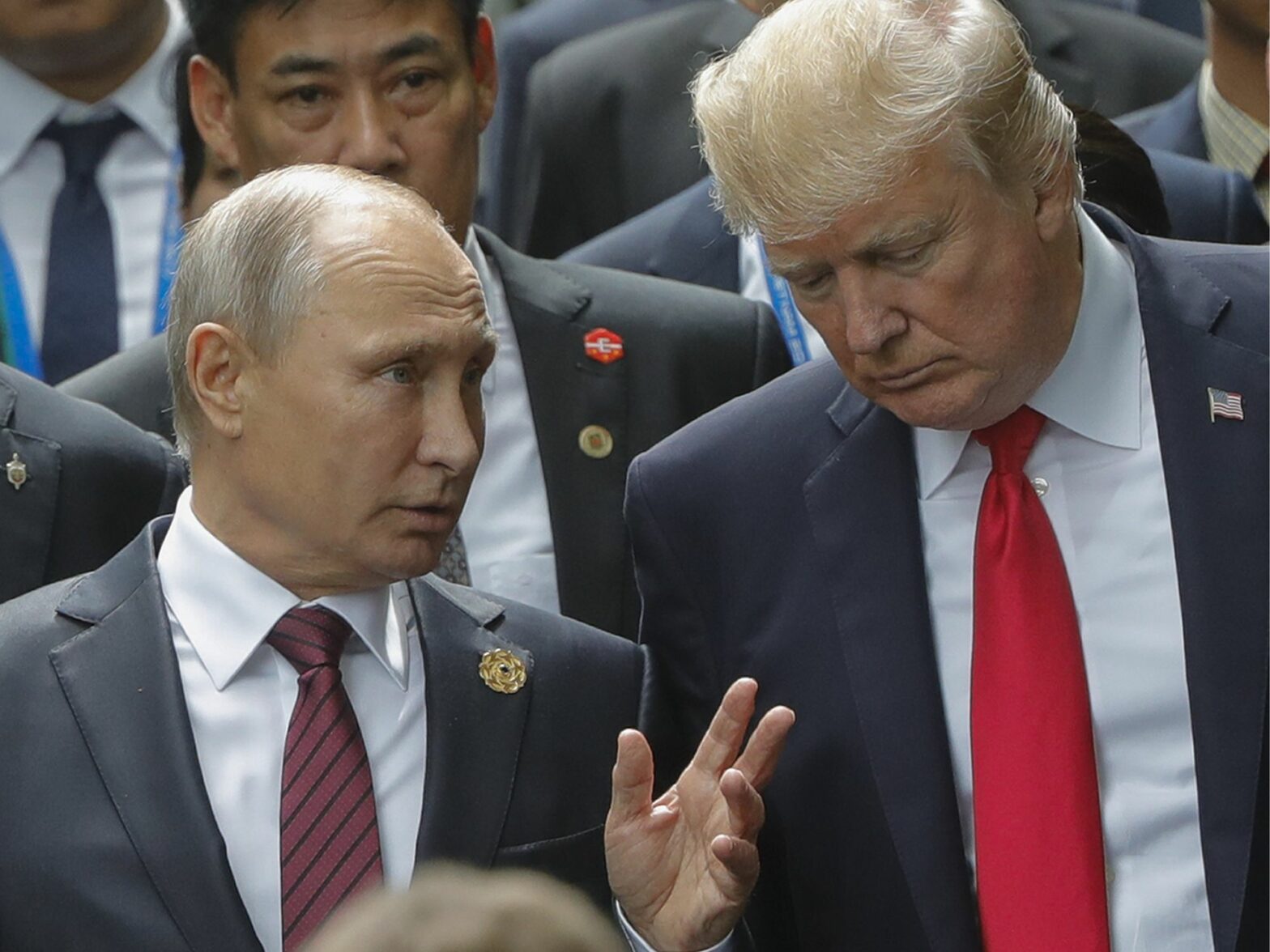
It’s as if, before our very eyes, the president of the United States were reading a script written by the Kremlin. French political analyst Dominique Moïsi, says the reversal on Ukraine is an ally’s betrayal of historical proportions.
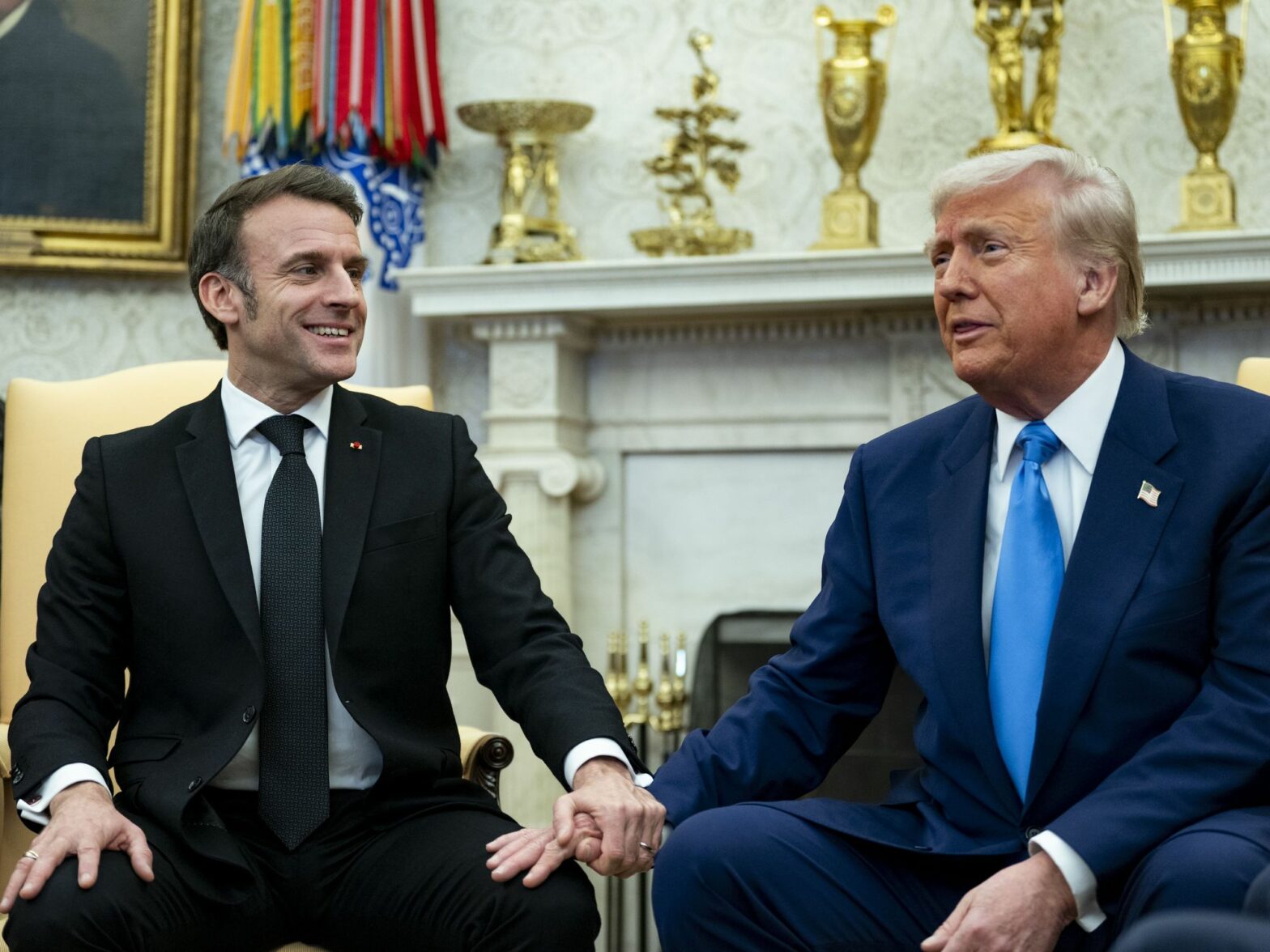
French President Emmanuel Macron spoke of a “turning point” after his discussions with his U.S. counterpart at the White House on Monday. But Donald Trump did not confirm. The United States remains ambiguous, especially as, at the United Nations, it voted with Russia and against the European Union and Ukraine — an unprecedented move.
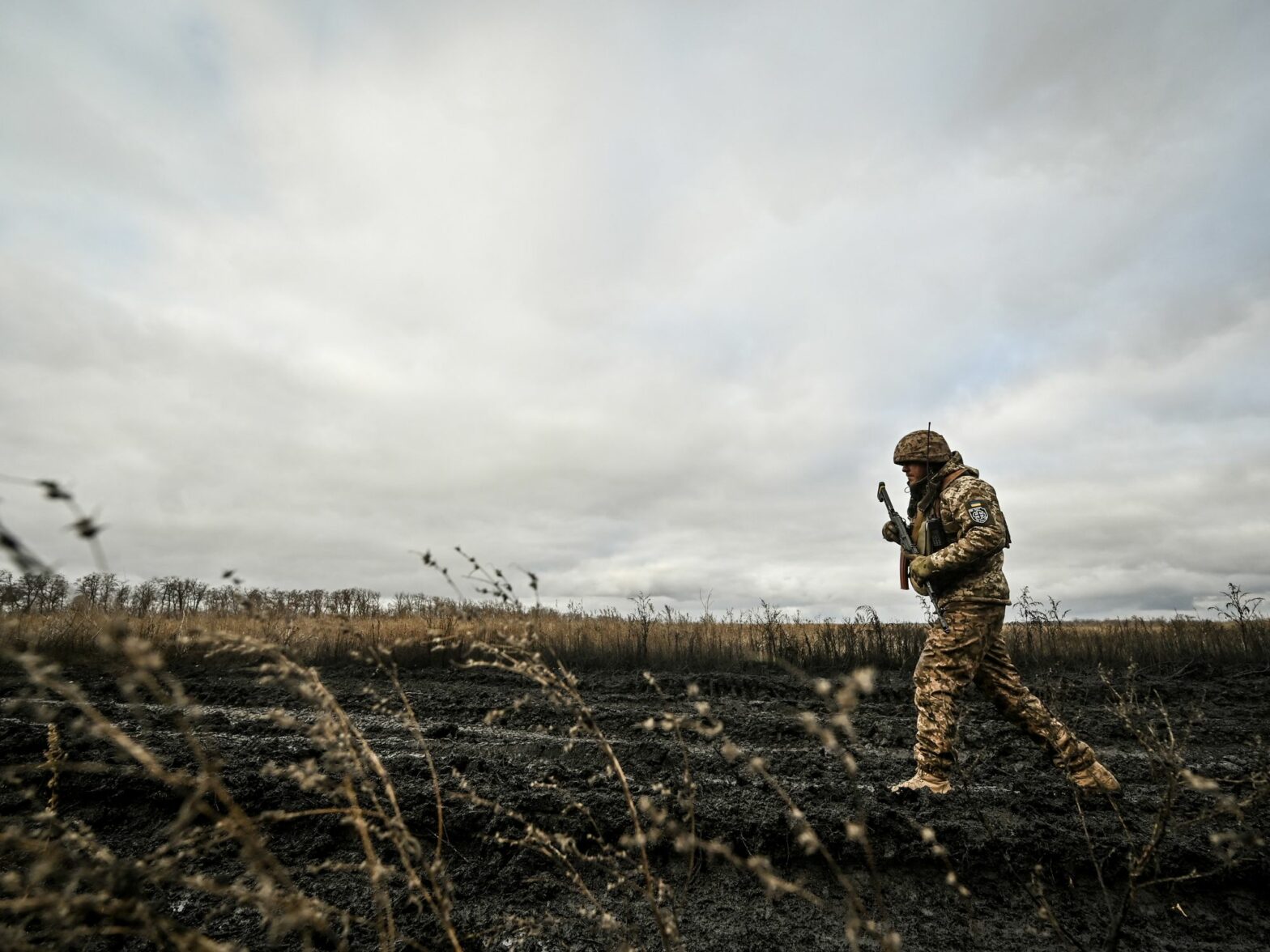
As Russia negotiates exclusively with the U.S., Putin aims to redraw spheres of influence, pulling former Soviet states back under Moscow’s control. All of this, paradoxically, continues to leave the fate of Ukraine as the vital issue for our times.
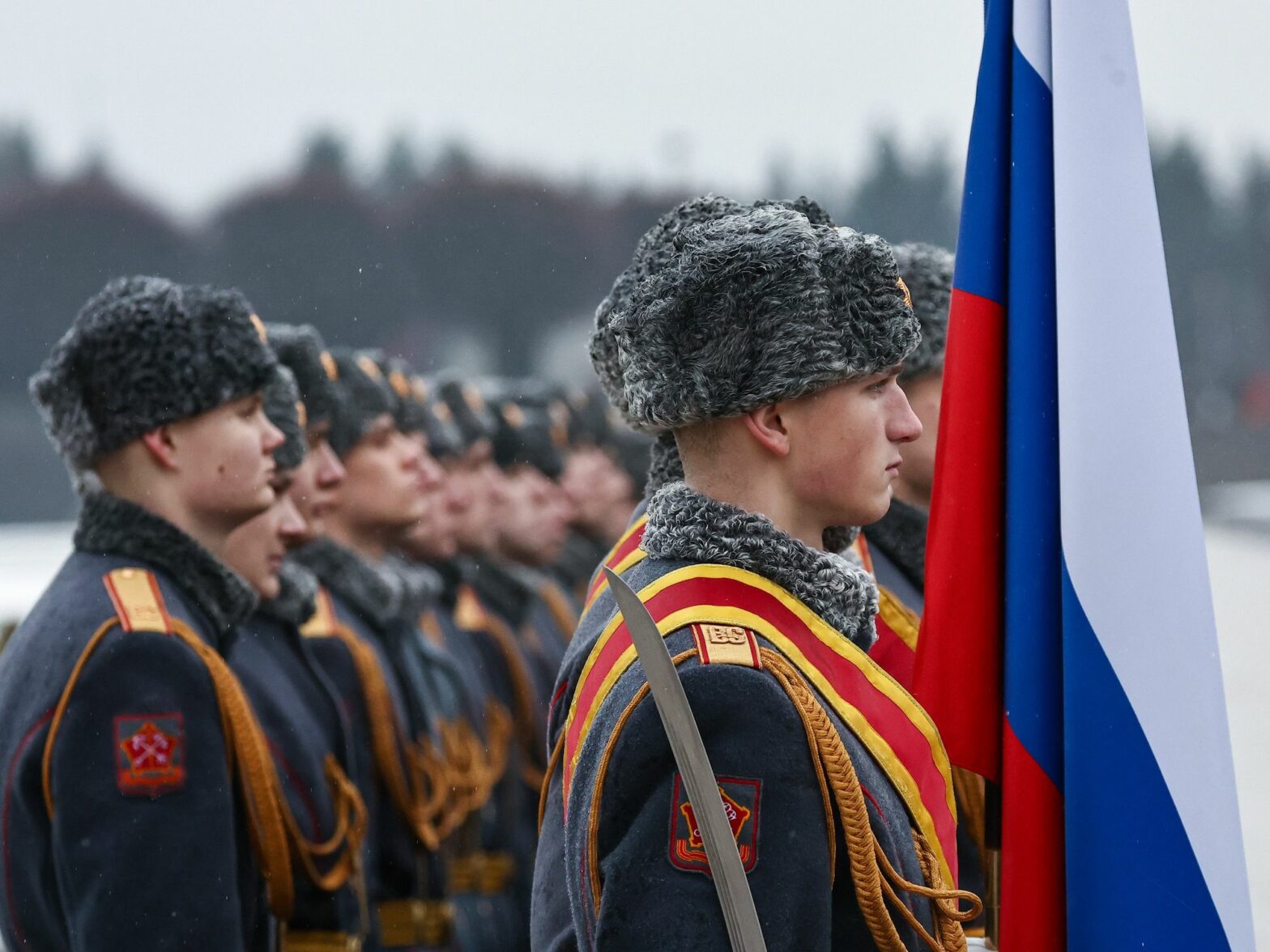
The war in Ukraine has reached a stalemate, and a ceasefire appears increasingly likely. Painful compromises with the aggressor may be inevitable. But what comes next?
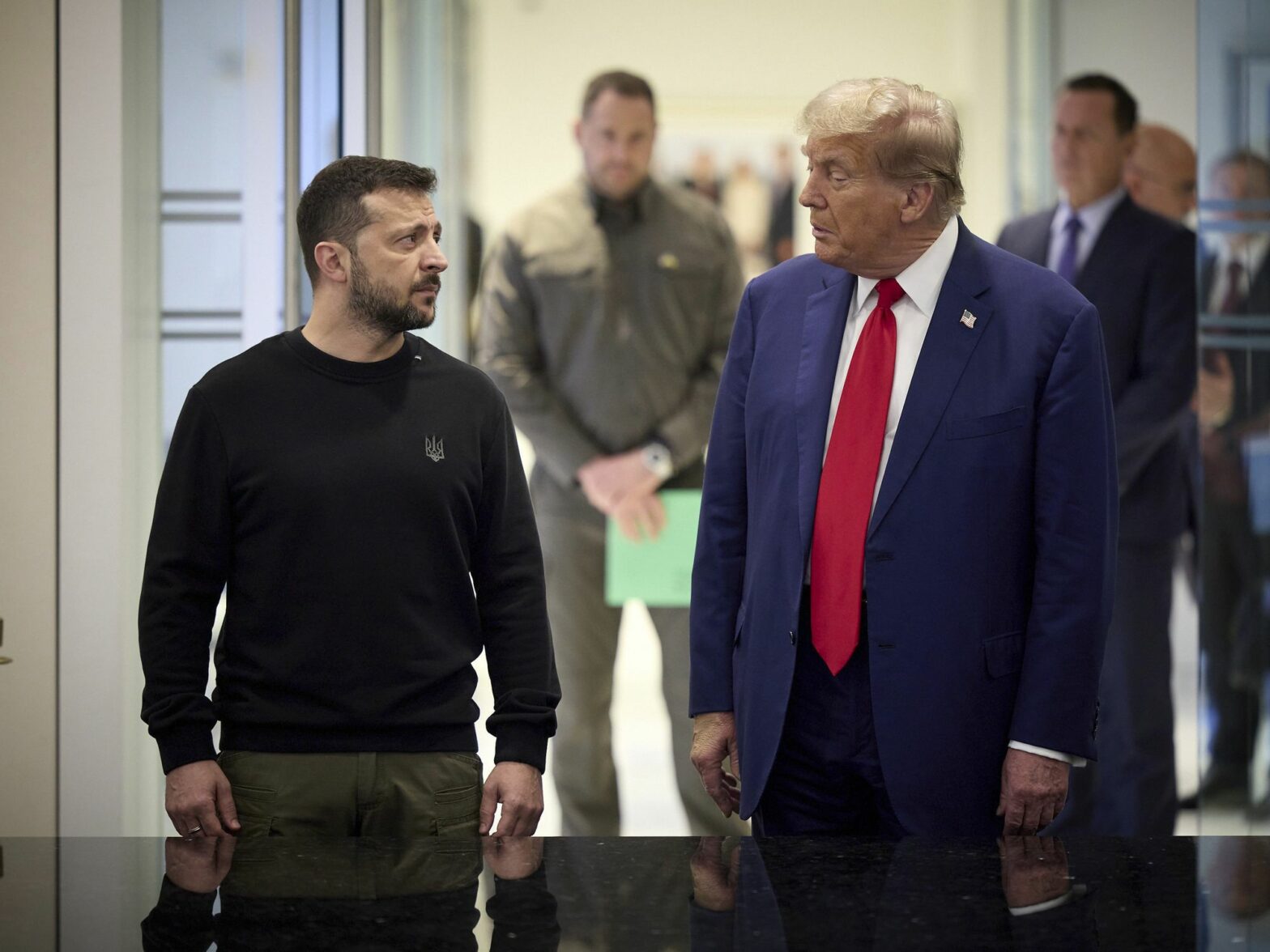
This week, U.S. President Donald Trump doubled down on his accusations against Ukraine. It looks as though Kyiv may have to rely solely on European military aid. But France’s president, along with the British prime minister, have made urgent plans to visit Trump.
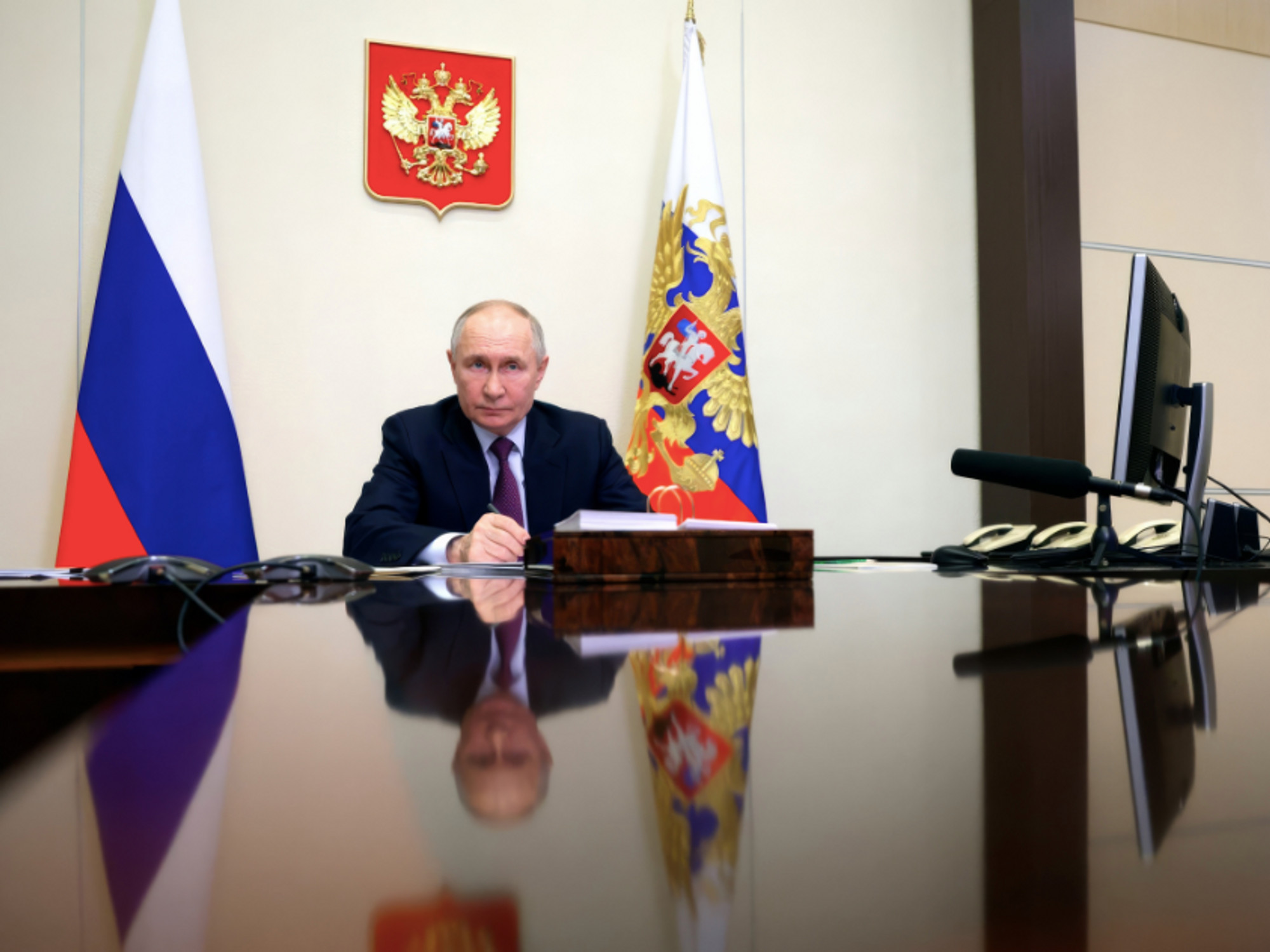
Vladimir Putin says he is “ready” to talk with Volodymyr Zelensky. But it’s a feigned openness to dupe Trump, since he continues to question the legitimacy of the Ukrainian president and does not alter one iota his demands for a kind of capitulation by Kyiv and a reversal of Baltic entry into the Atlantic Alliance.
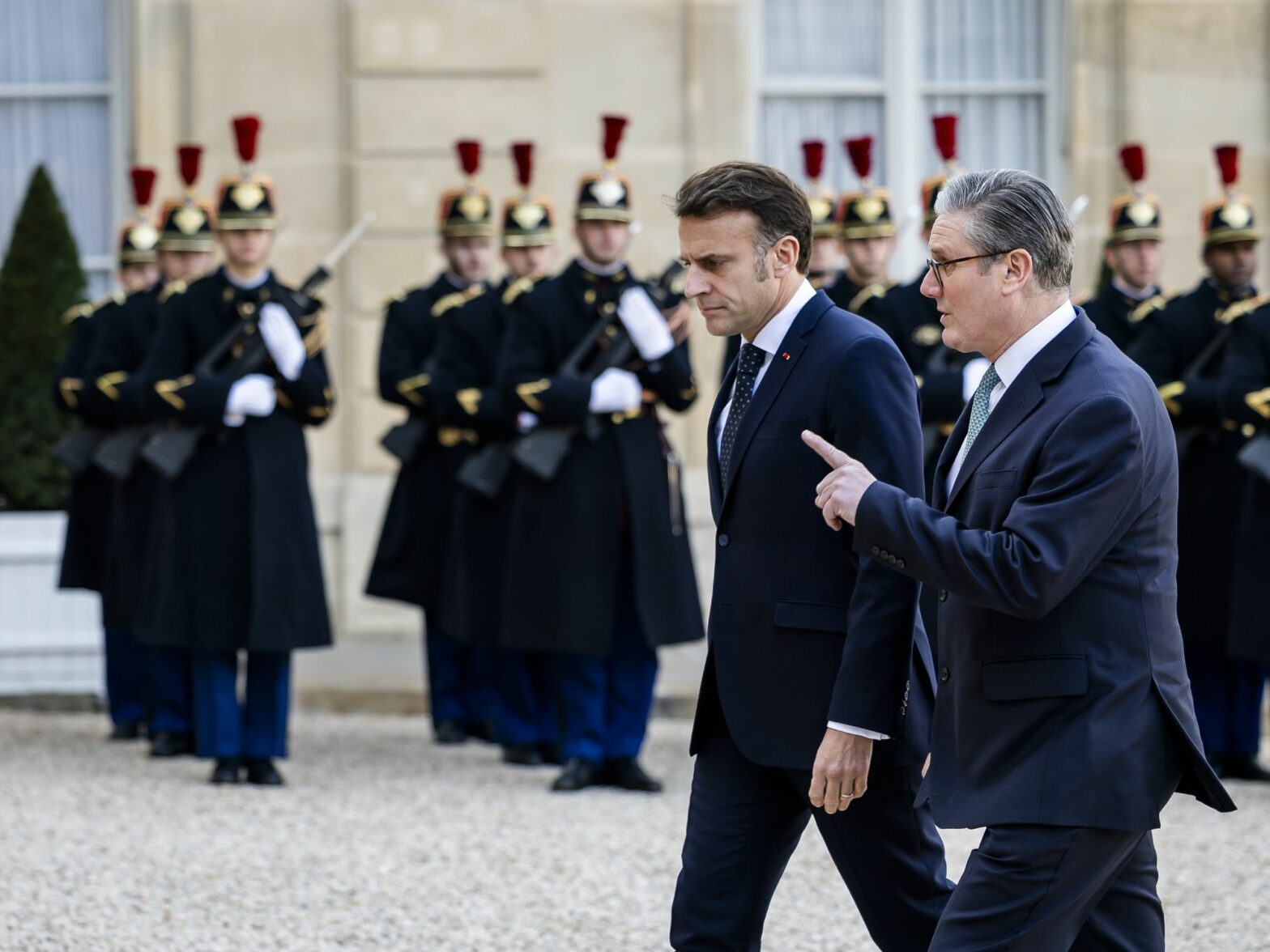
Europe’s back is against the wall — Putin’s wall. The meeting in Paris of European leaders who are ready to defend Ukraine in the face of U.S. withdrawal was an opportunity for Europe to rebuild itself to preserve its interests and its honor.
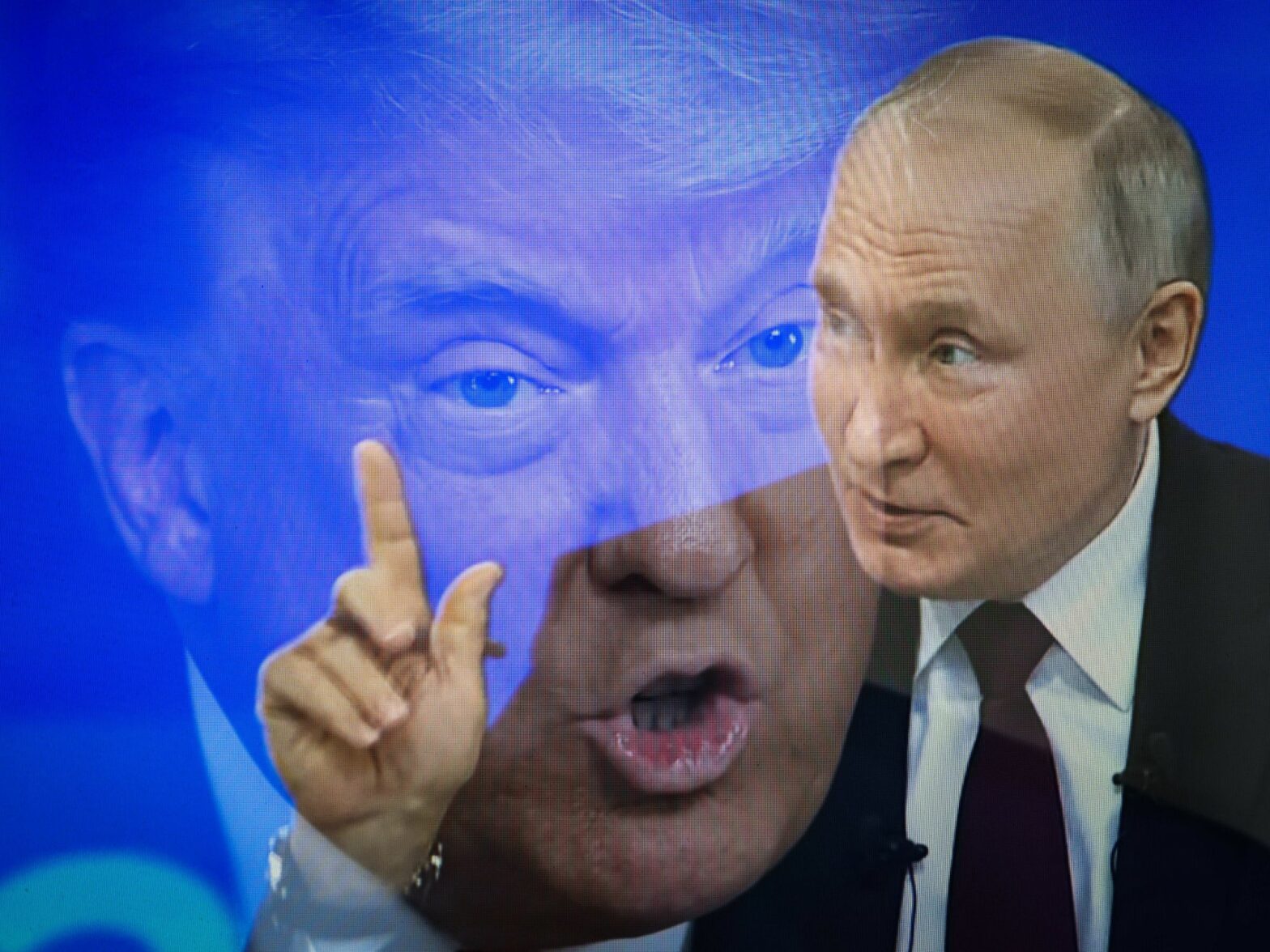
In the span of just a few hours last week, Donald Trump turned Putin’s Russia from a pariah state to a partner. For French political analyst Dominique Moïsi, the “useful idiot” role that Trump is playing does however raise a fundamental question for Europe about its own global autonomy in the future.
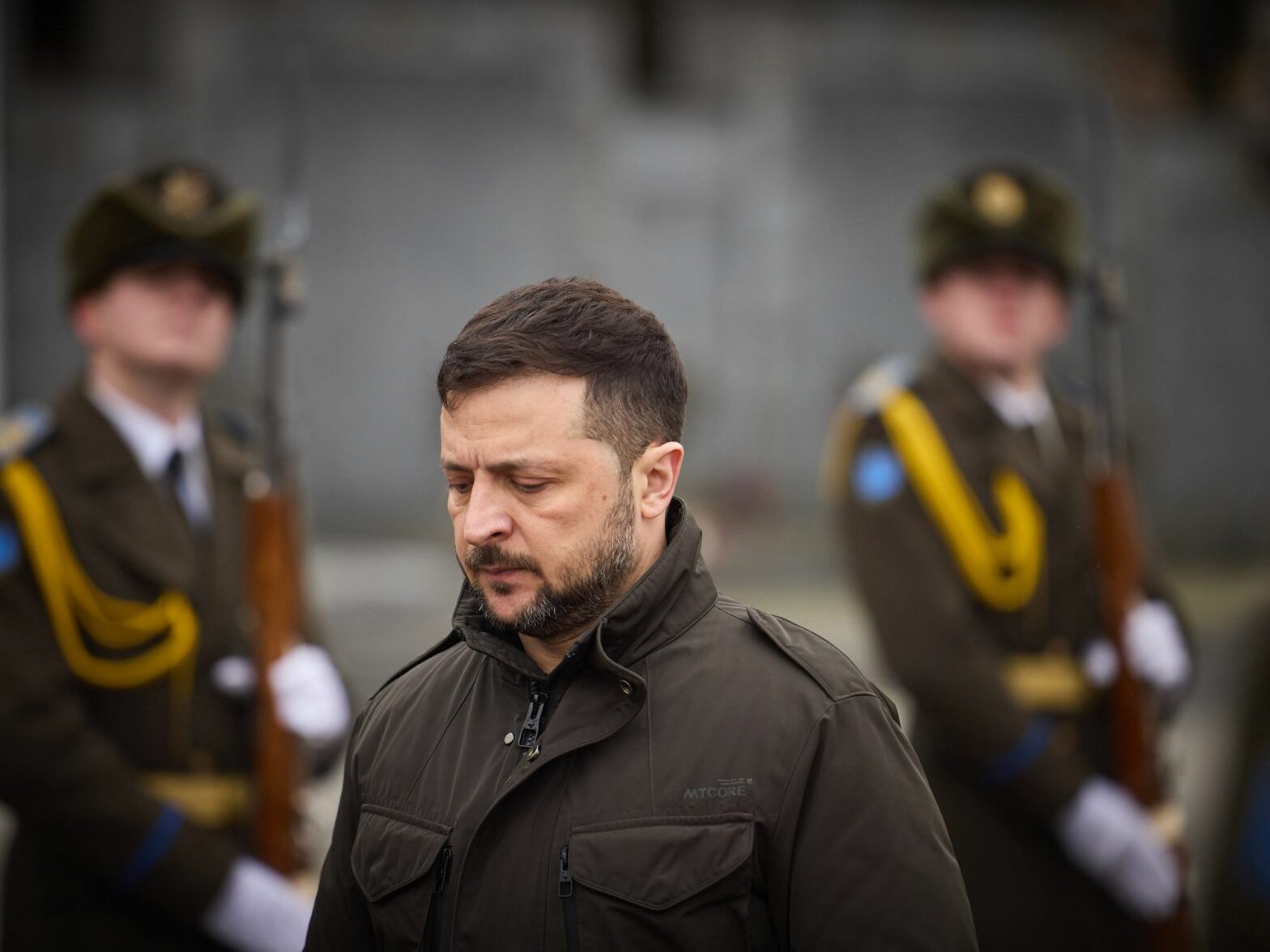
Ukraine isn’t backing down after the Trump-Putin exchange. It’s fighting to ensure that any negotiated plan includes strong security guarantees to prevent another Russian attack — and that Europe, sidelined by Trump, has a seat at the table.
U.S President Donald Trump appears to be pushing forward his pledge for a quick peace in Ukraine, following his surprise call Wednesday with Russian President Vladimir Putin. But what would a ceasefire look like? And how doe we get there?
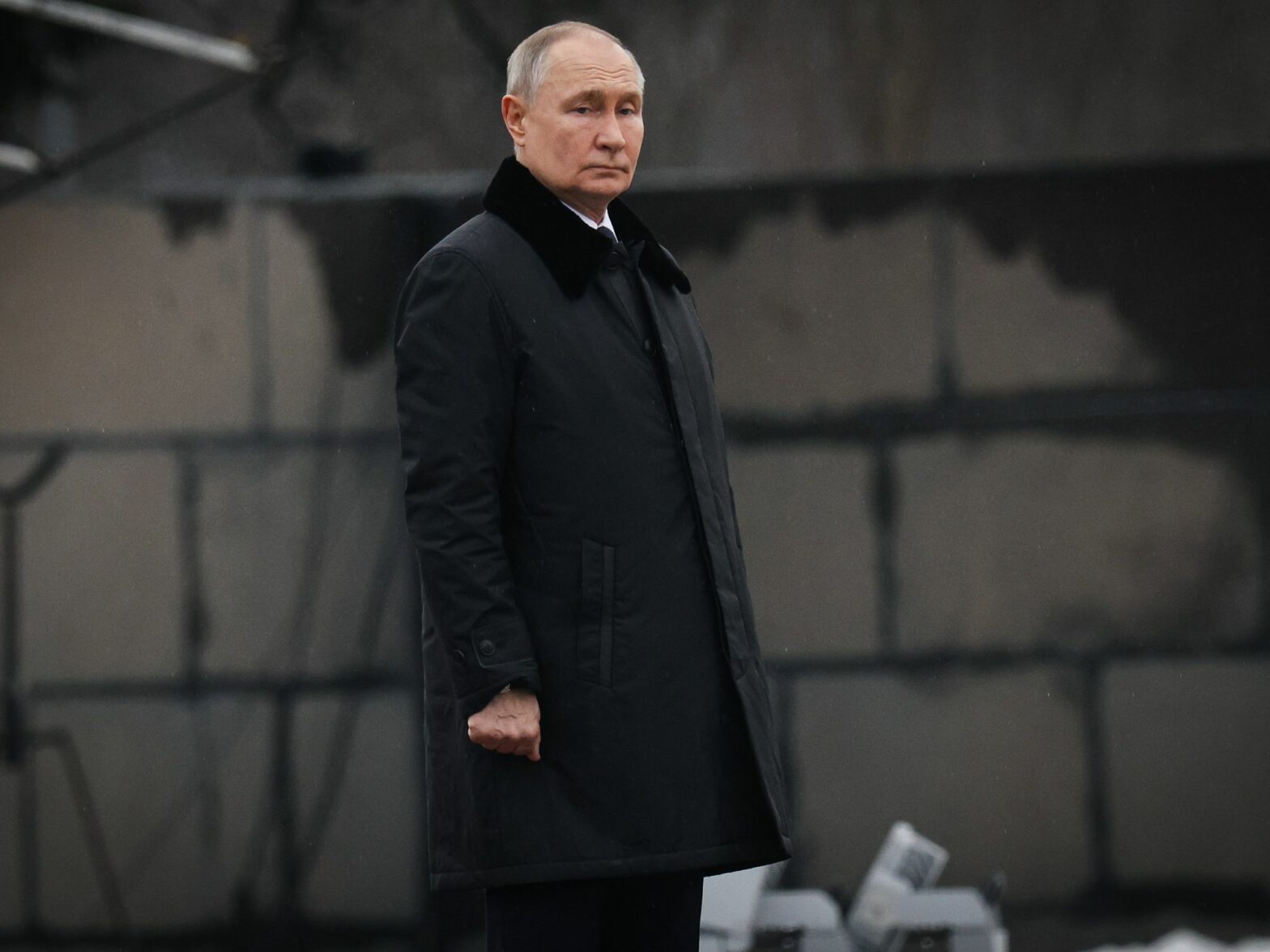
Donald Trump spoke with Vladimir Putin for 90 minutes and announced “immediate” negotiations on Ukraine. But will Ukraine be a topic of discussion or an active participant in these talks? Will Europe have a seat at the table? And what security guarantees will remain for a Ukraine left diminished by the outcome?
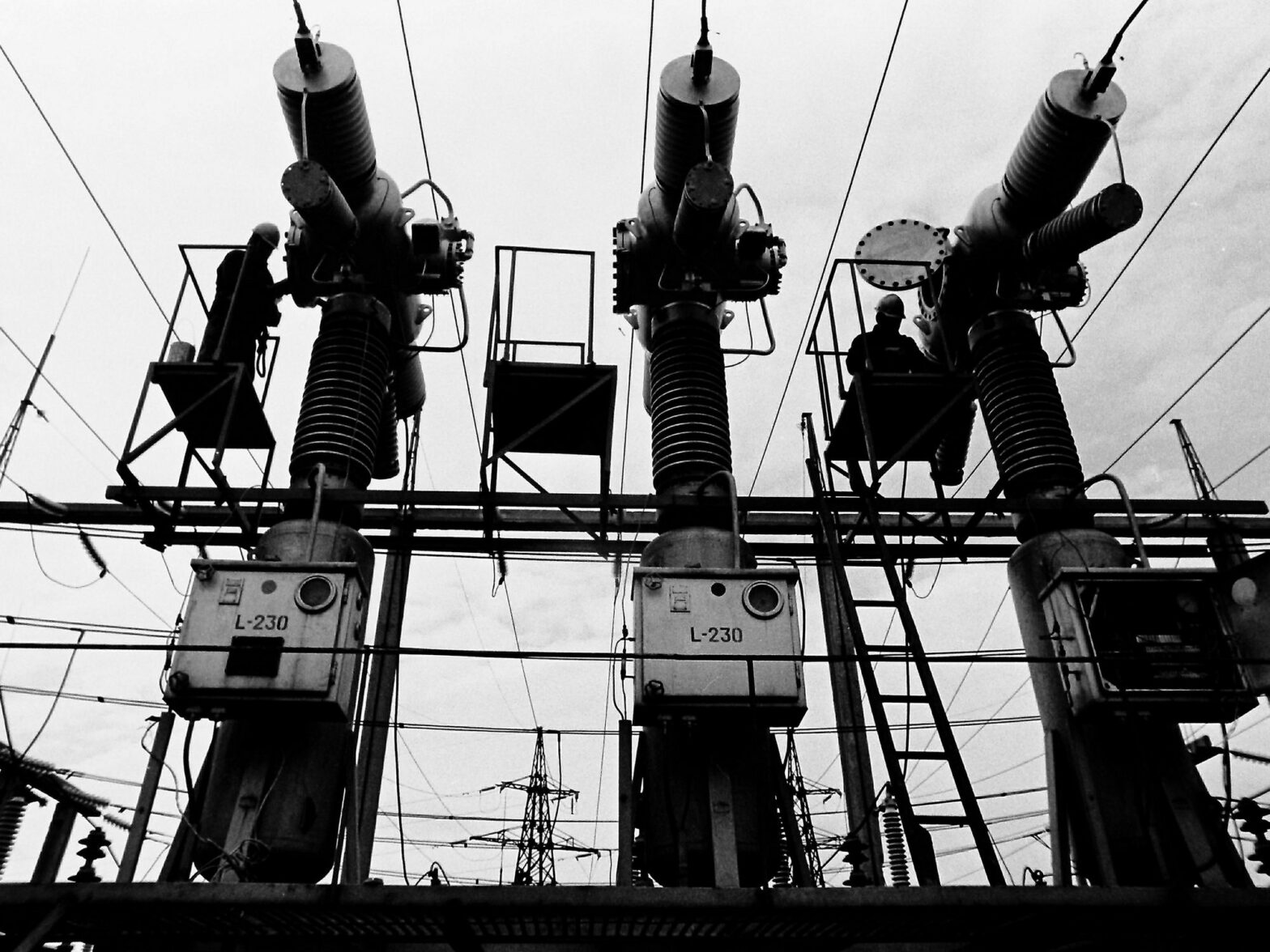
In a major move for sovereignty, the three Baltic states have cut their electricity supply from Russia and connected to the European grid. A collateral casualty of this shift is the Russian exclave of Kaliningrad, now cut off from Russia and forced to generate its own power.
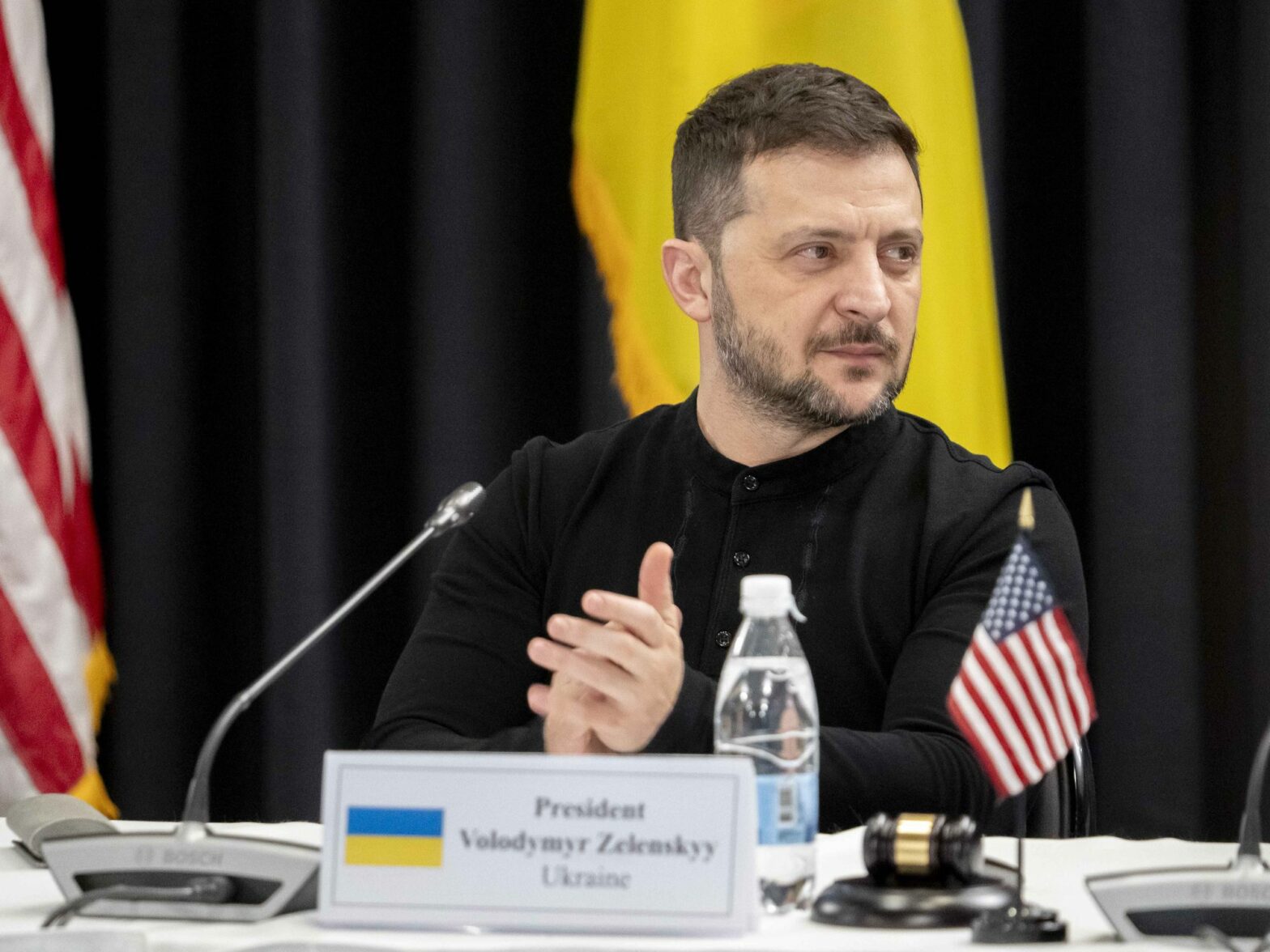
Donald Trump suggested that U.S. aid to Ukraine could be secured through the country’s rare earth deposits — those precious metals over which China holds a global monopoly. In reality, the idea was first pitched by Ukrainian President Volodymyr Zelensky, who knew exactly what kind of argument would resonate with Trump.
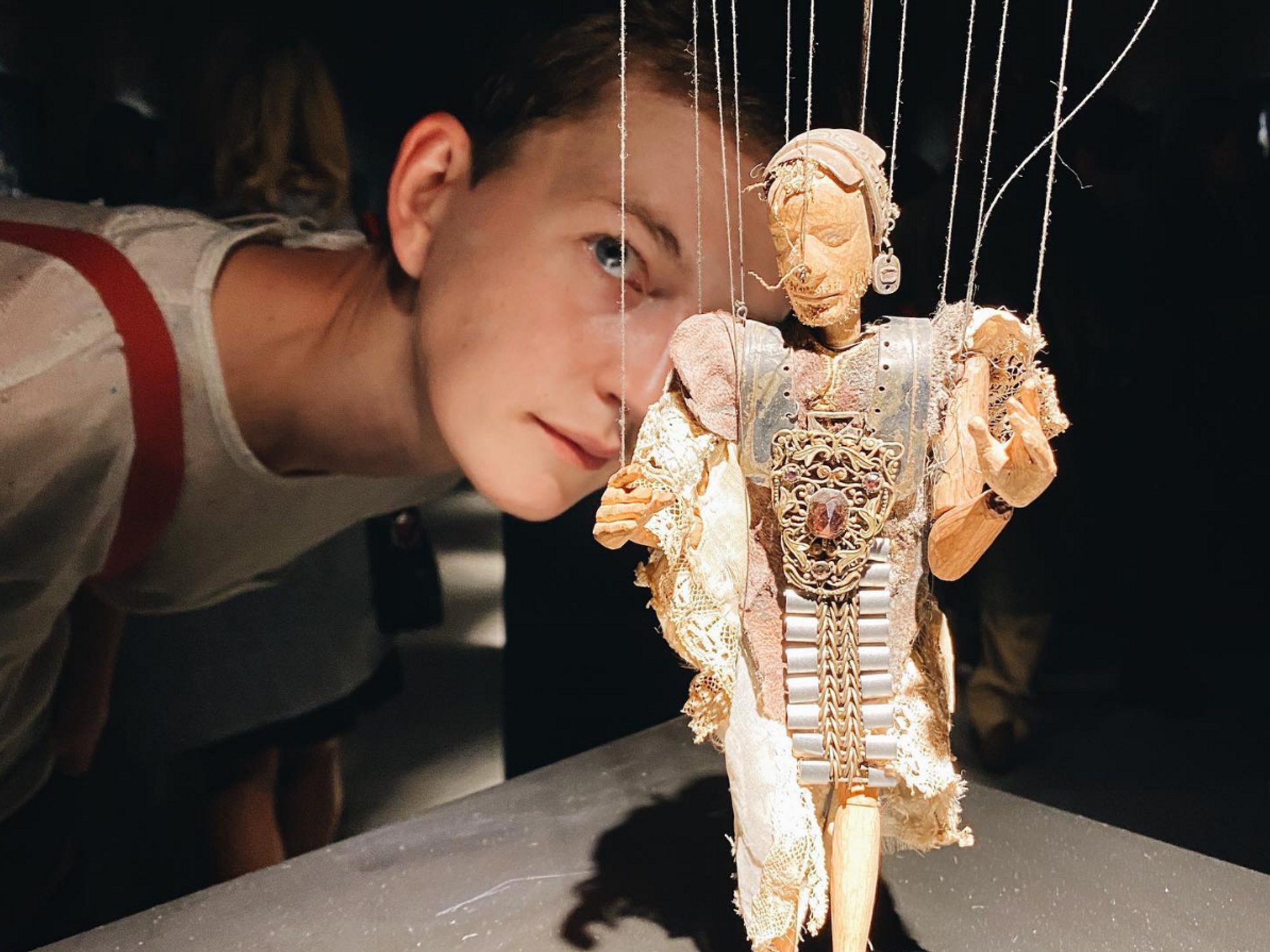
Hundreds of people from Russia’s theater world have left the country since its invasion of Ukraine began in February 2022. At the end of 2023, theater researcher Mikhail Kaluzhsky began trying to map and identify key trends of Russia’s theater-in-exile. He shares what is happening with the Russian theater scene in the capital of Georgia and what potential futures he sees for Russian theater professionals in exile.
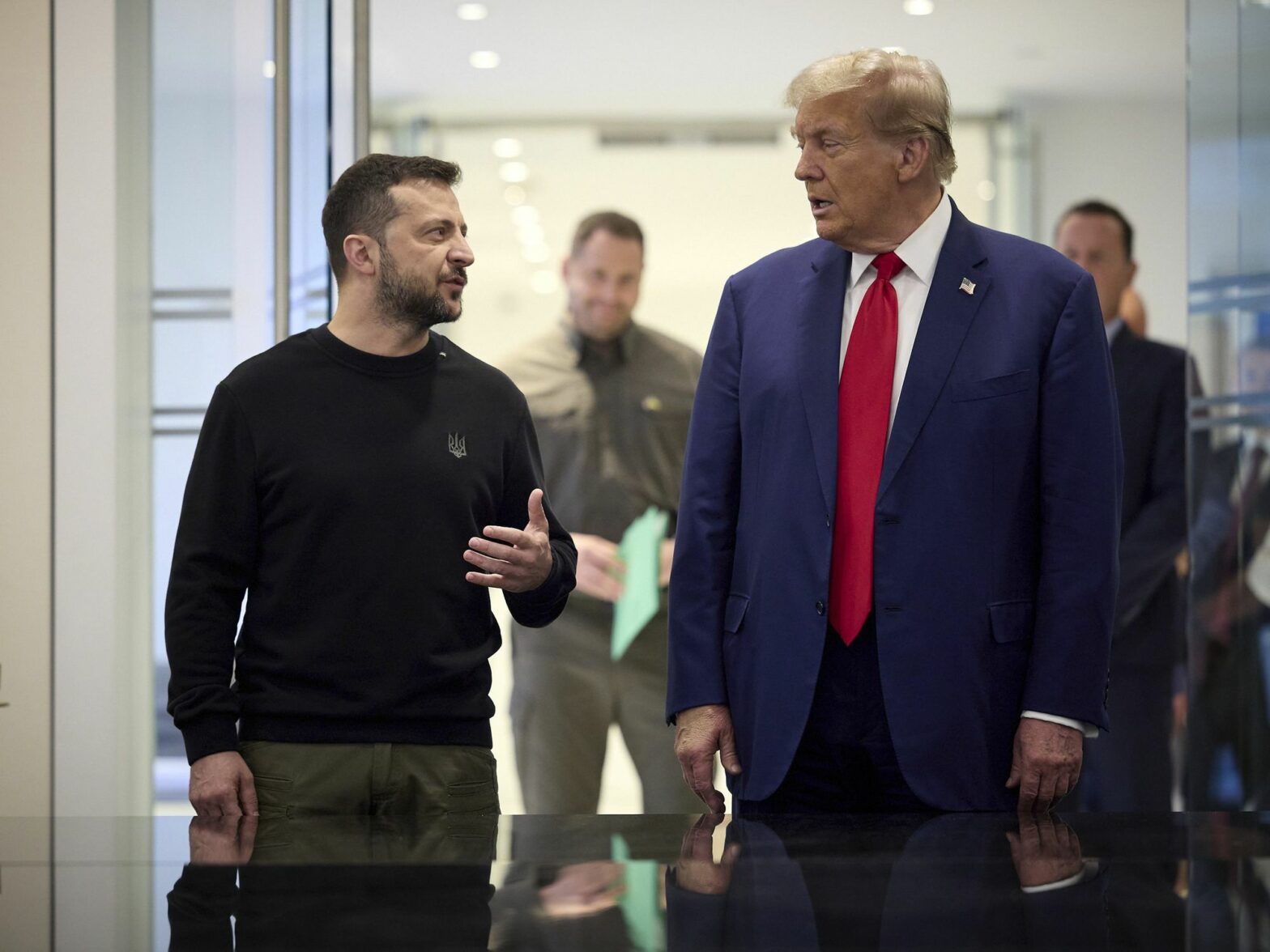
As a candidate, Donald Trump promised to end the war in Ukraine within his first 24 hours in office — a deadline the US president has now missed. Even so, negotiations to end the three-year conflict are expected to accelerate. What are Russia, Ukraine and the United States’ current positions? And what do experts think will happen?
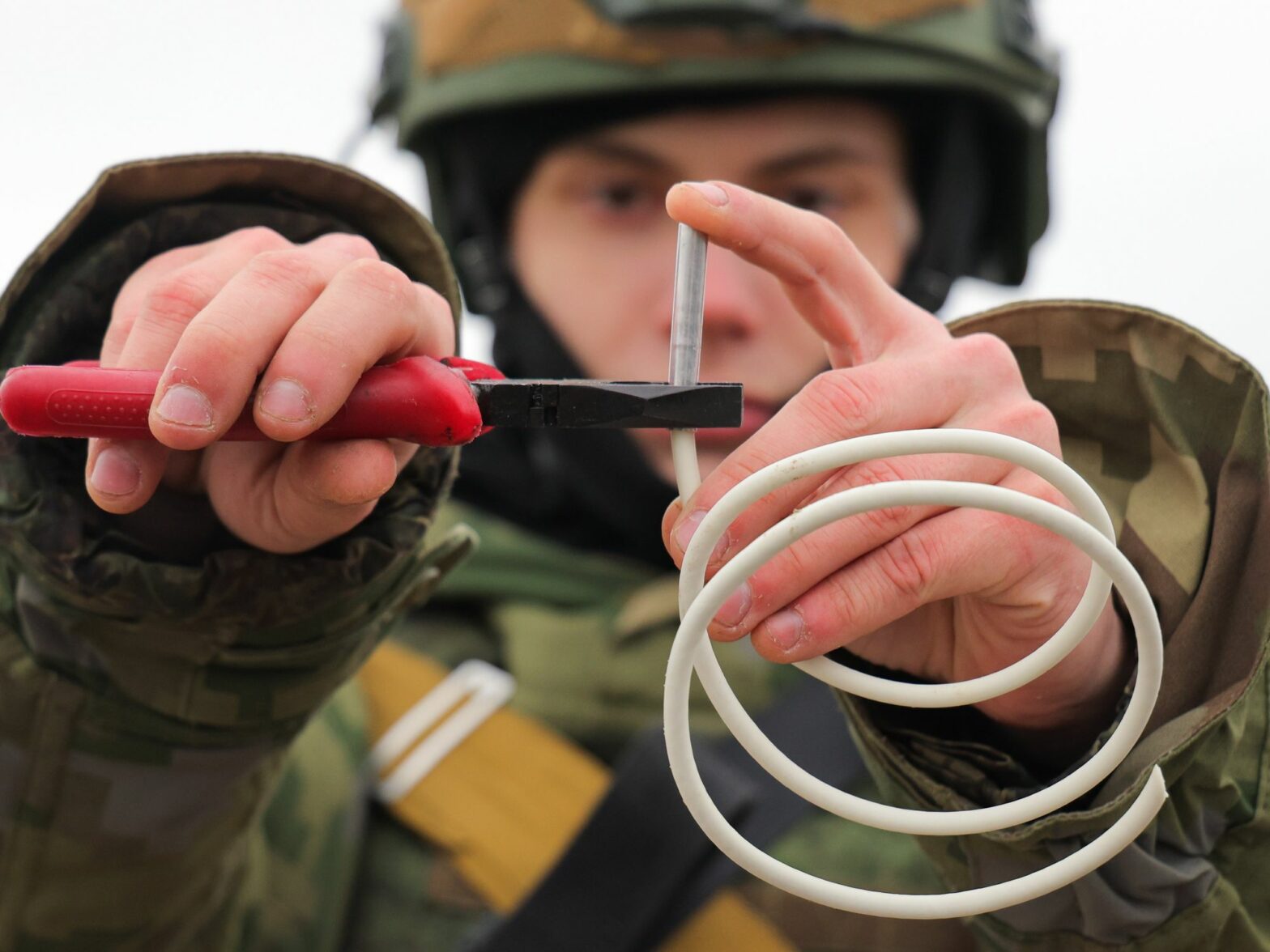
Both Russia and Ukraine are waiting to see what stance the new U.S. president and his administration will take on the war and aid to Kyiv. Within Russia’s pro-war factions, some are eagerly anticipating a potential shift in U.S. policy. But regardless of Washington’s decisions, Ukraine’s main allies are those ensuring Moscow’s military is corrupt and inefficient.
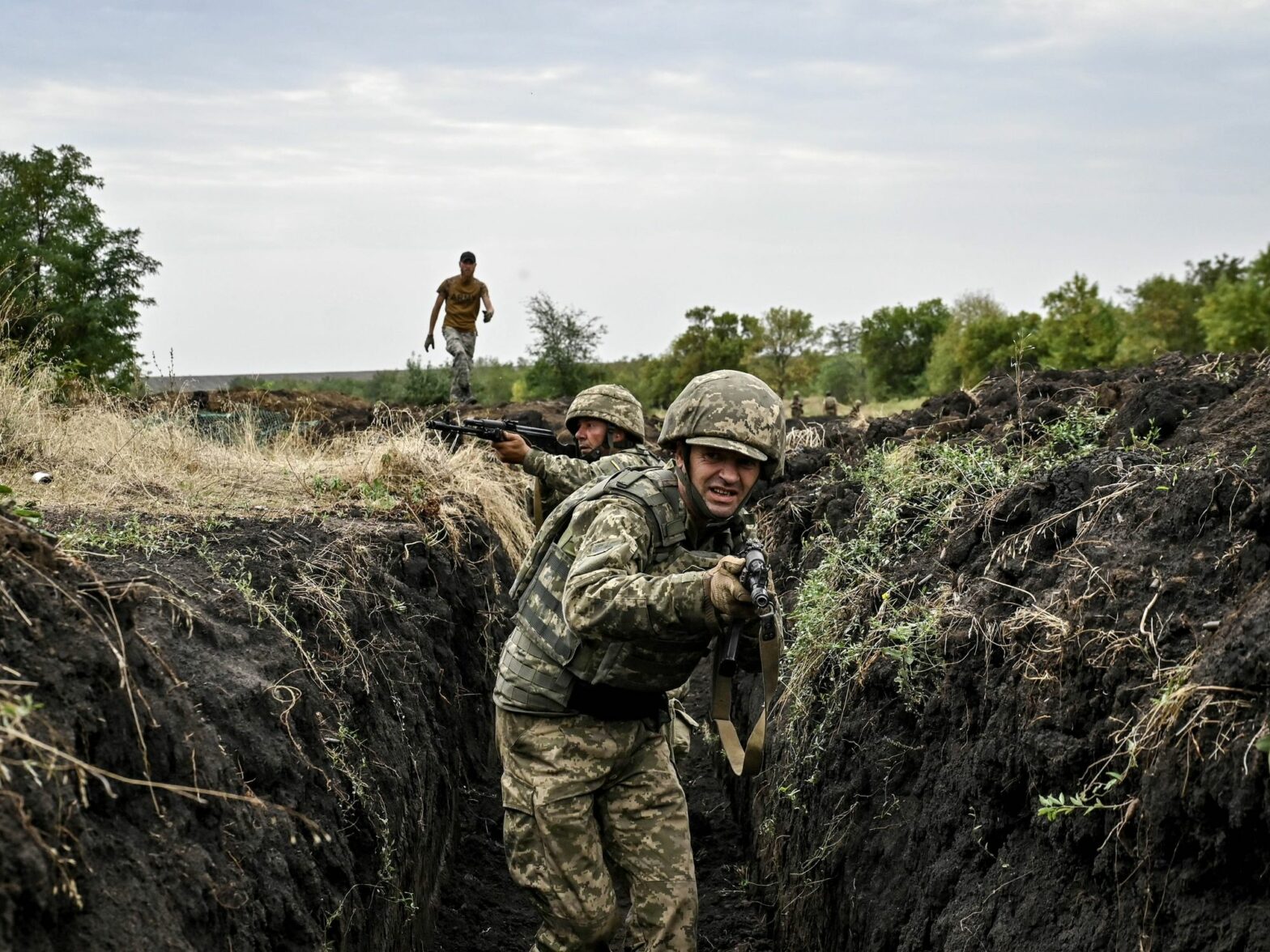
Drones and other new technologies are important, but the foundation of success remains the mobilization of the economy, numerical superiority, and artillery. A military expert reflects on three years since Russia’s invasion.
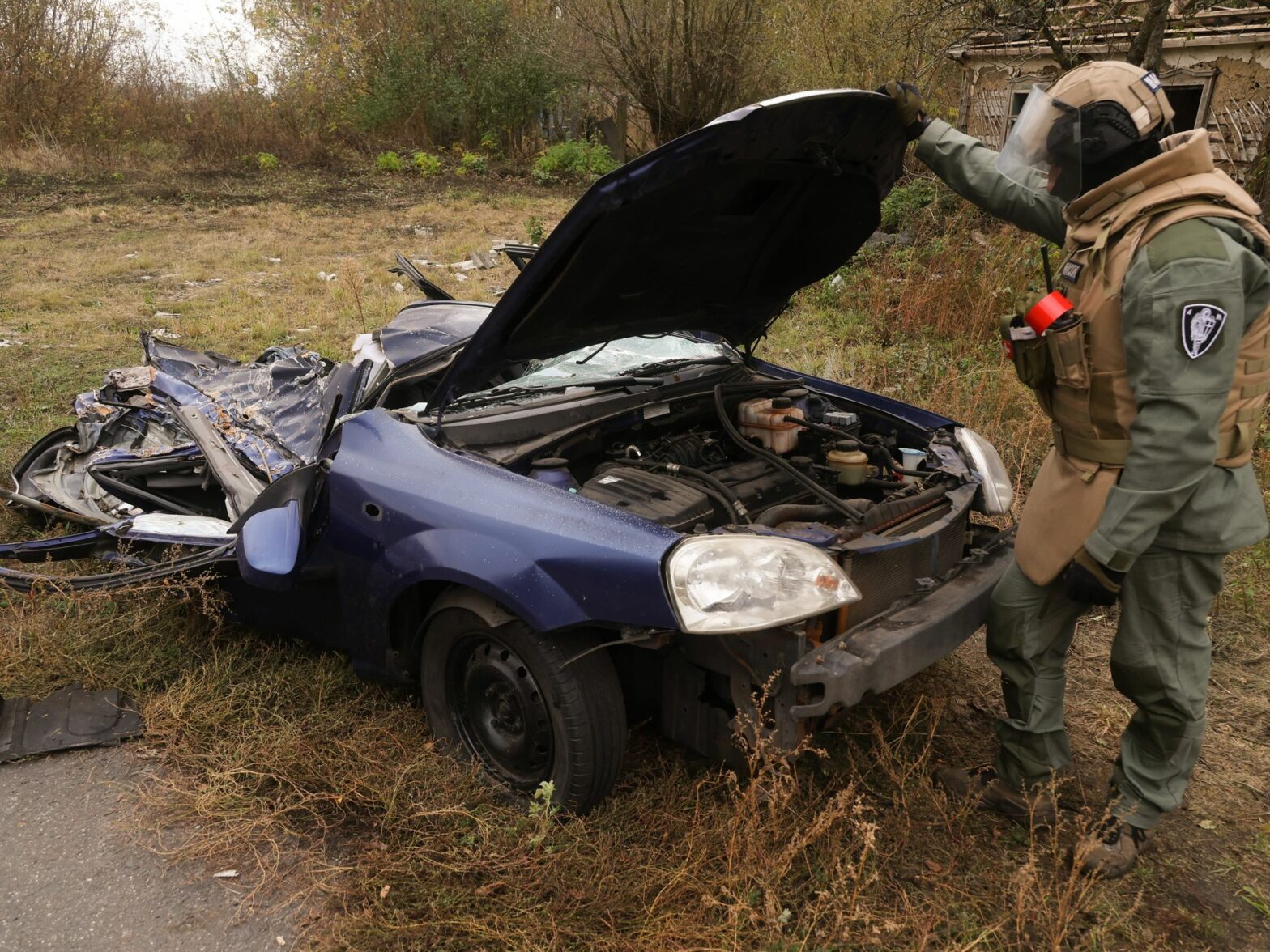
Kursk is becoming synonymous with a nightmare for Vladimir Putin, a dynamic that the Kremlin prefers not to talk about, a flaw in the apparently invulnerable Russian shield.
With the unpredictable Donald Trump returning to the White House in January, what will global politics be like in 2025? In addition to major issues like the war in Ukraine, the conflicts in the Middle East and China, there’s another nagging question: What about Europe?

In partnership with ZUMA photo agency, here are the top images for the week of Dec. 27-Jan. 2. The selection includes a devastating plane crash in South Korea that claimed 179 lives, an apparent terror attack that marred New Year’s Eve in New Orleans, while Russia and Ukraine exchanged hundreds of prisoners in a UAE-brokered […]
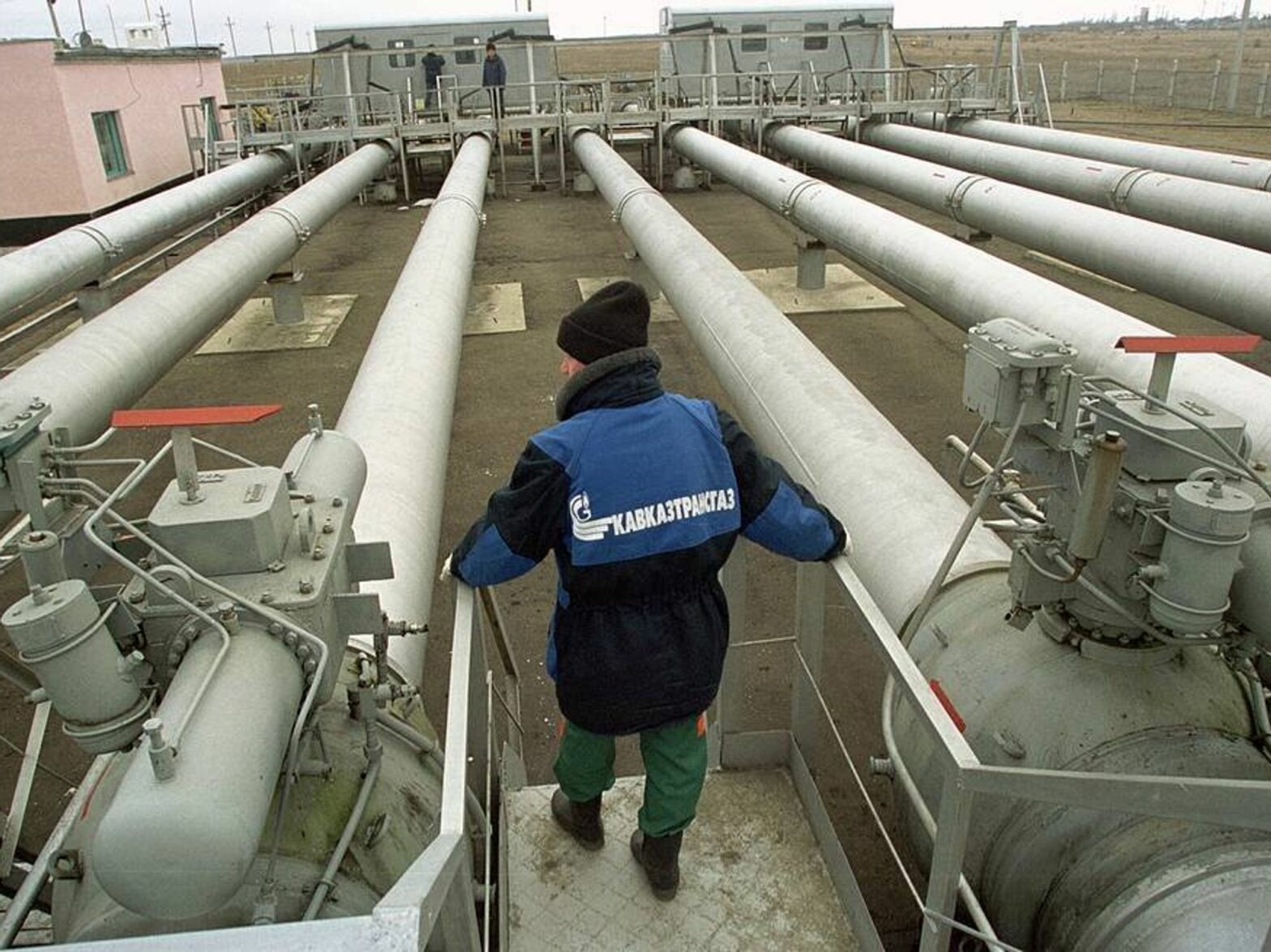
It is a gas and electricity war that extends from Moldova to Slovakia to Finland, with very real consequences for millions, which is ultimately a reflection of how Russia is waging a hybrid war with any means to bring both Ukraine and Europe to its knees.
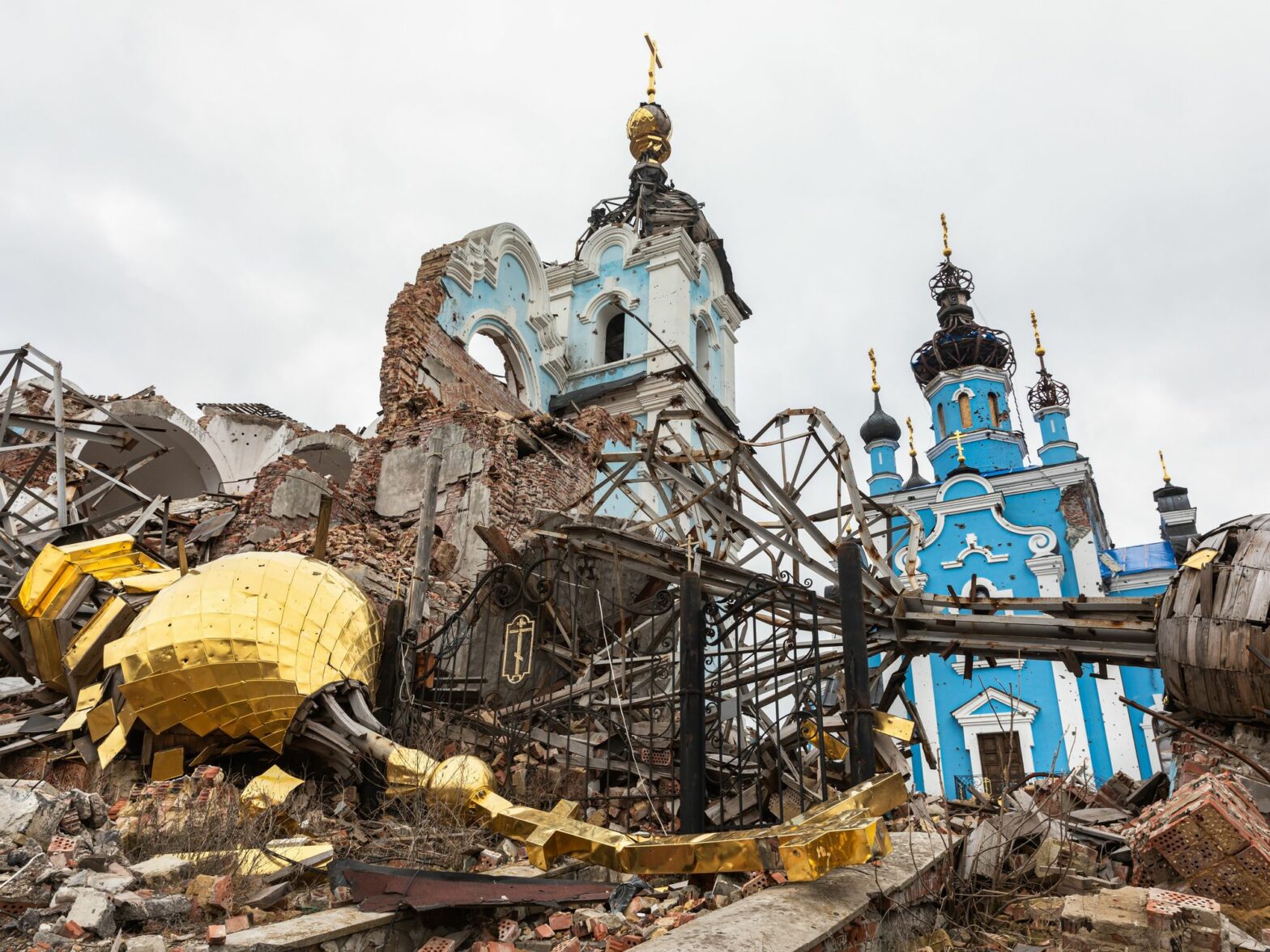
Father Petro Balogh recalls the later books of the Old Testament, and especially in the New Testament, where personal faithfulness and holiness do not necessarily guarantee deliverance from earthly enemies or suffering — look at the story of Jesus himself.
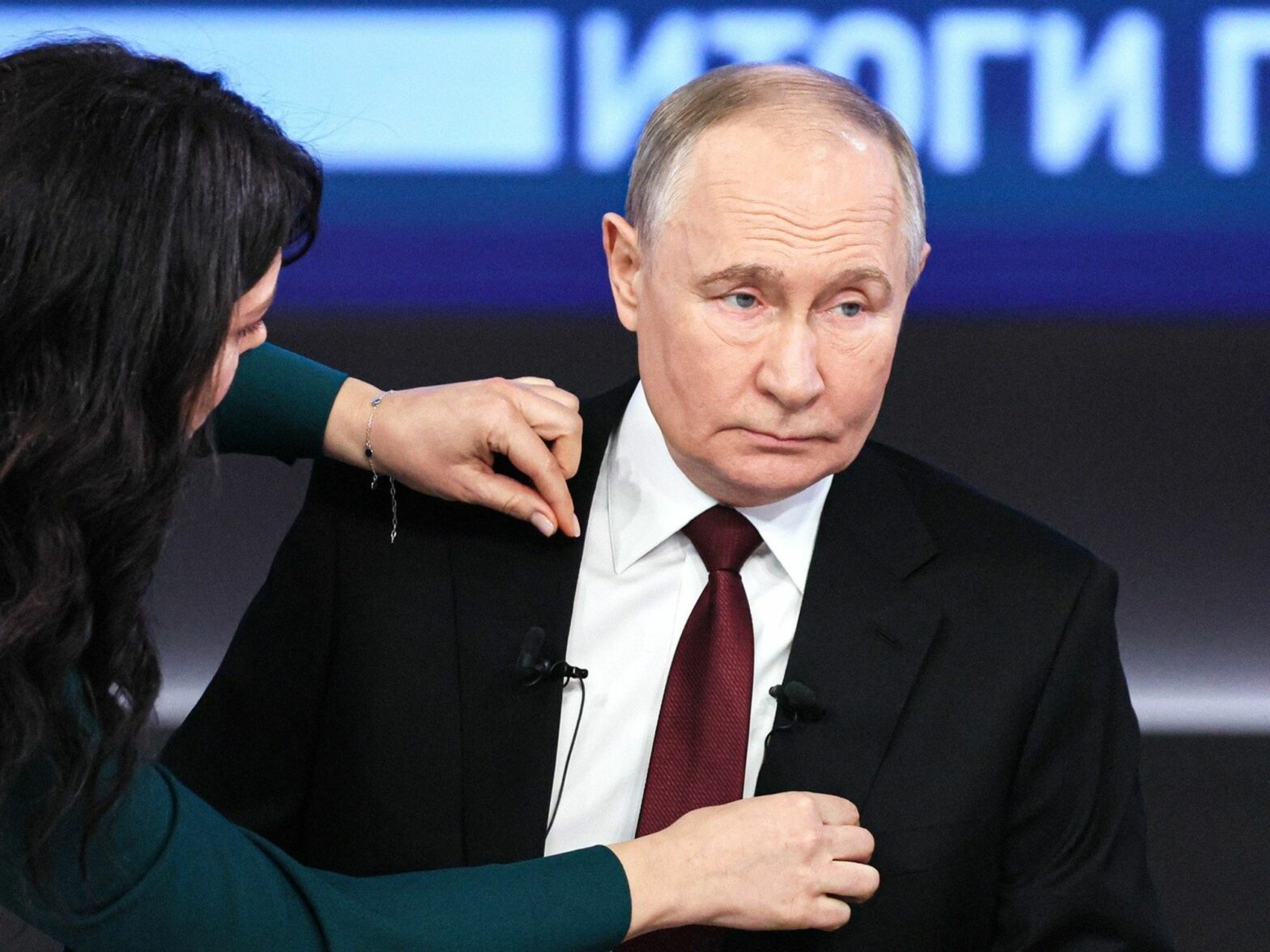
While Russia had to negotiate with former Syrian rebels for the withdrawal of around 500 Russian soldiers trapped in Damascus, Vladimir Putin remained silent on the crushing defeat he suffered in Syria. Instead, he has threatened the West, as if to show he is not weakened by the fall of his ally Assad.
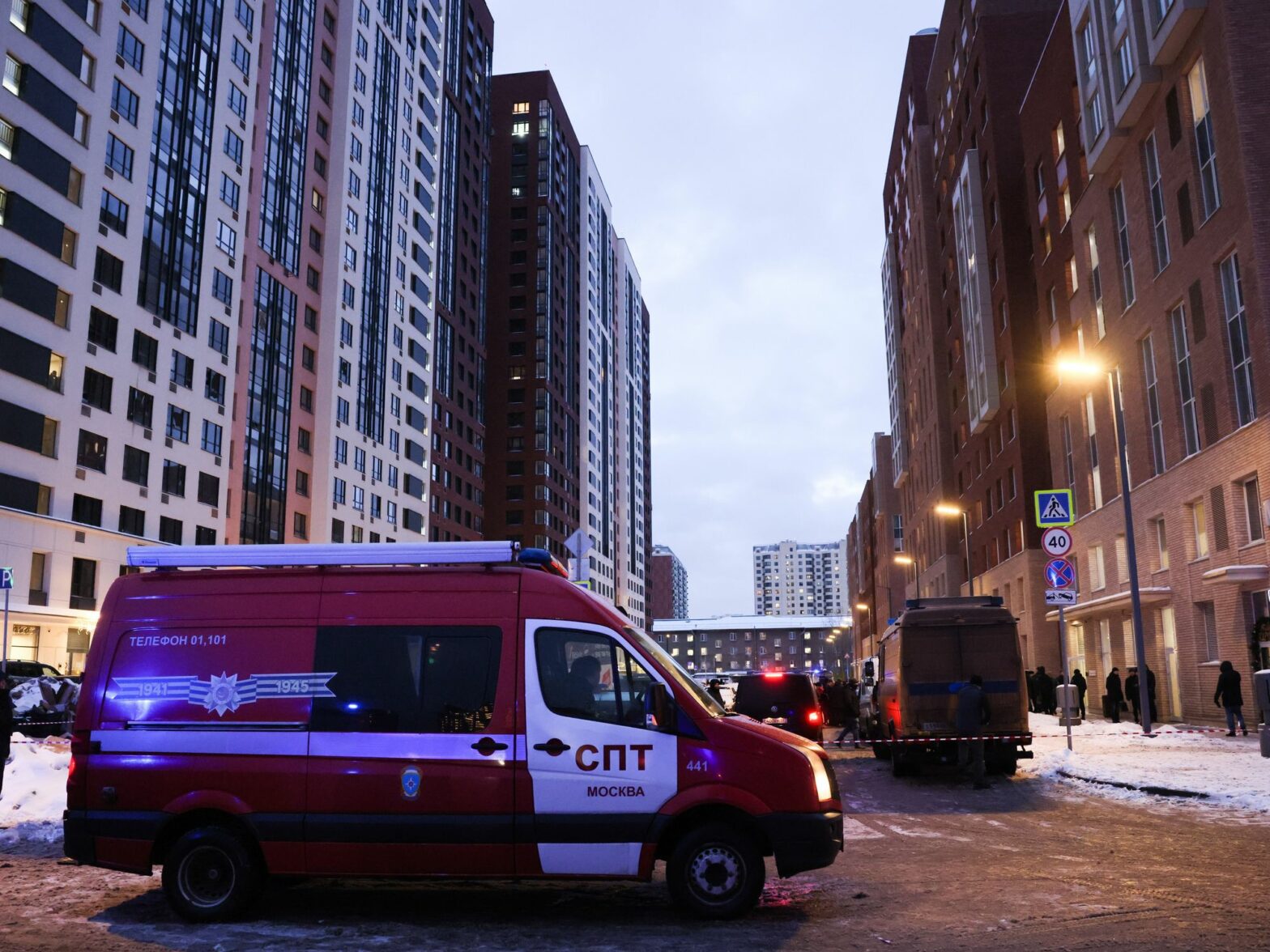
The unprecedented assassination of the head of the Russian army’s chemical weapons division is an act of war that is hard for Ukraine’s allies to defend. Still, Ukrainians can’t be faulted for fighting for the nation’s very existence, especially as the West shows signs of slowing down its support.
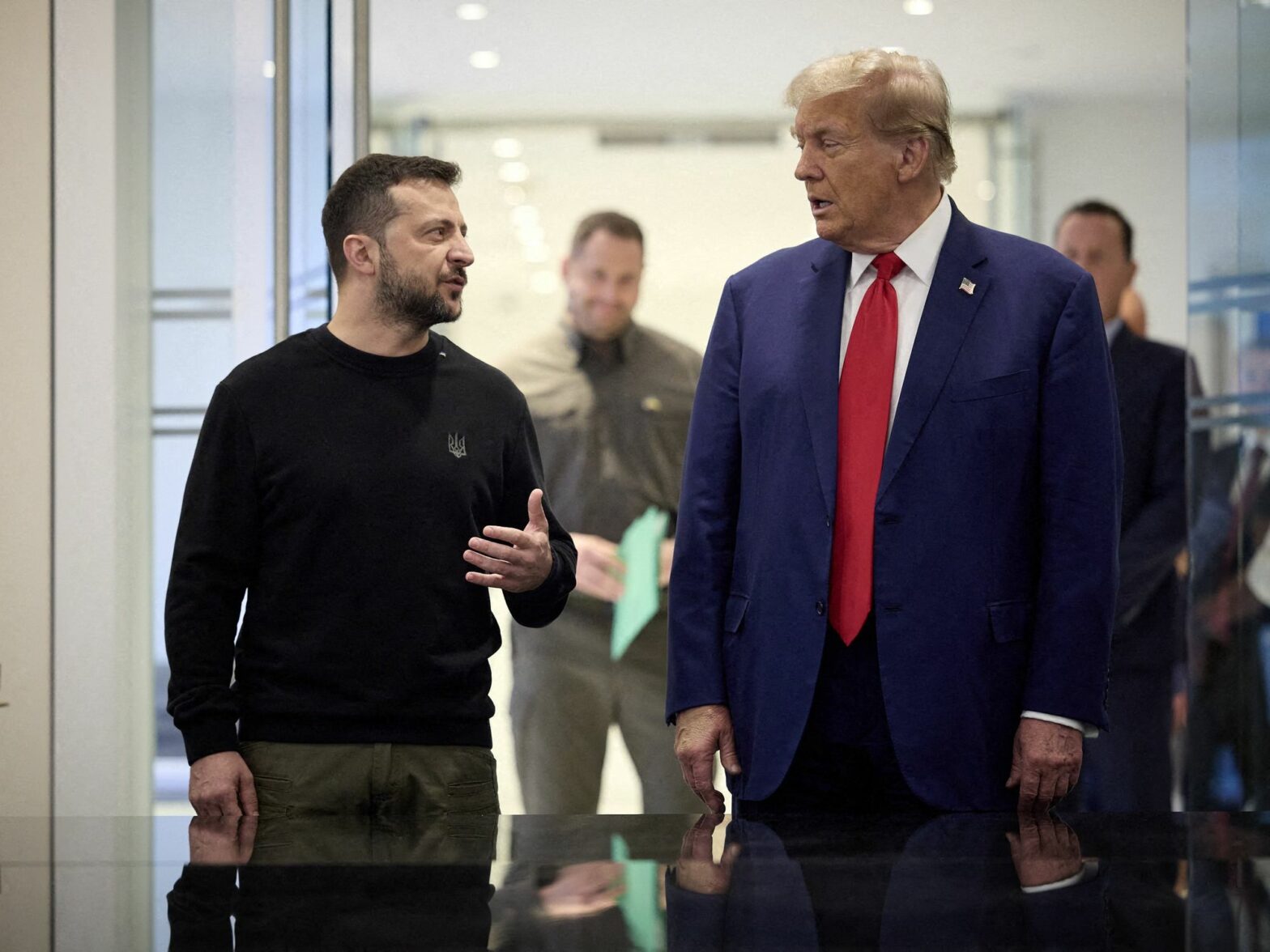
The key question is whether any peace agreement will satisfy the U.S. president, or if he will push for real security guarantees for Kyiv. The question is what Trump will do if Russia or Ukraine (or both) refuse to negotiate on U.S. terms and are not intimidated by the threats of the American leader.
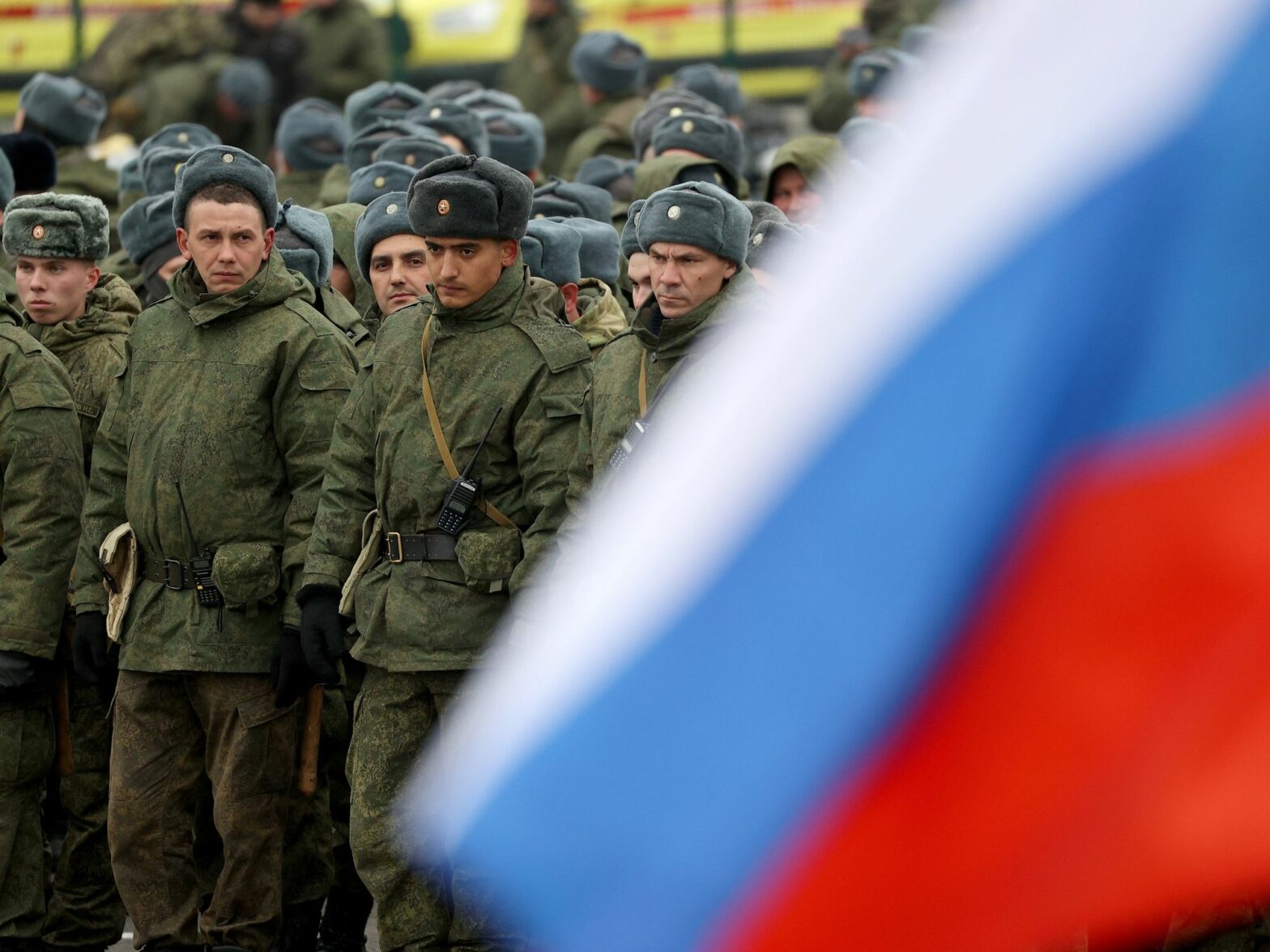
Many in the opposition to the Kremlin have renounced the “tricolor” flag. Yet the white-blue-red flag is a symbol of a free Russia, not of war. We need to stop beating ourselves up and embrace the soul of the nation as the ultimate path to take down Putin’s dictatorship.
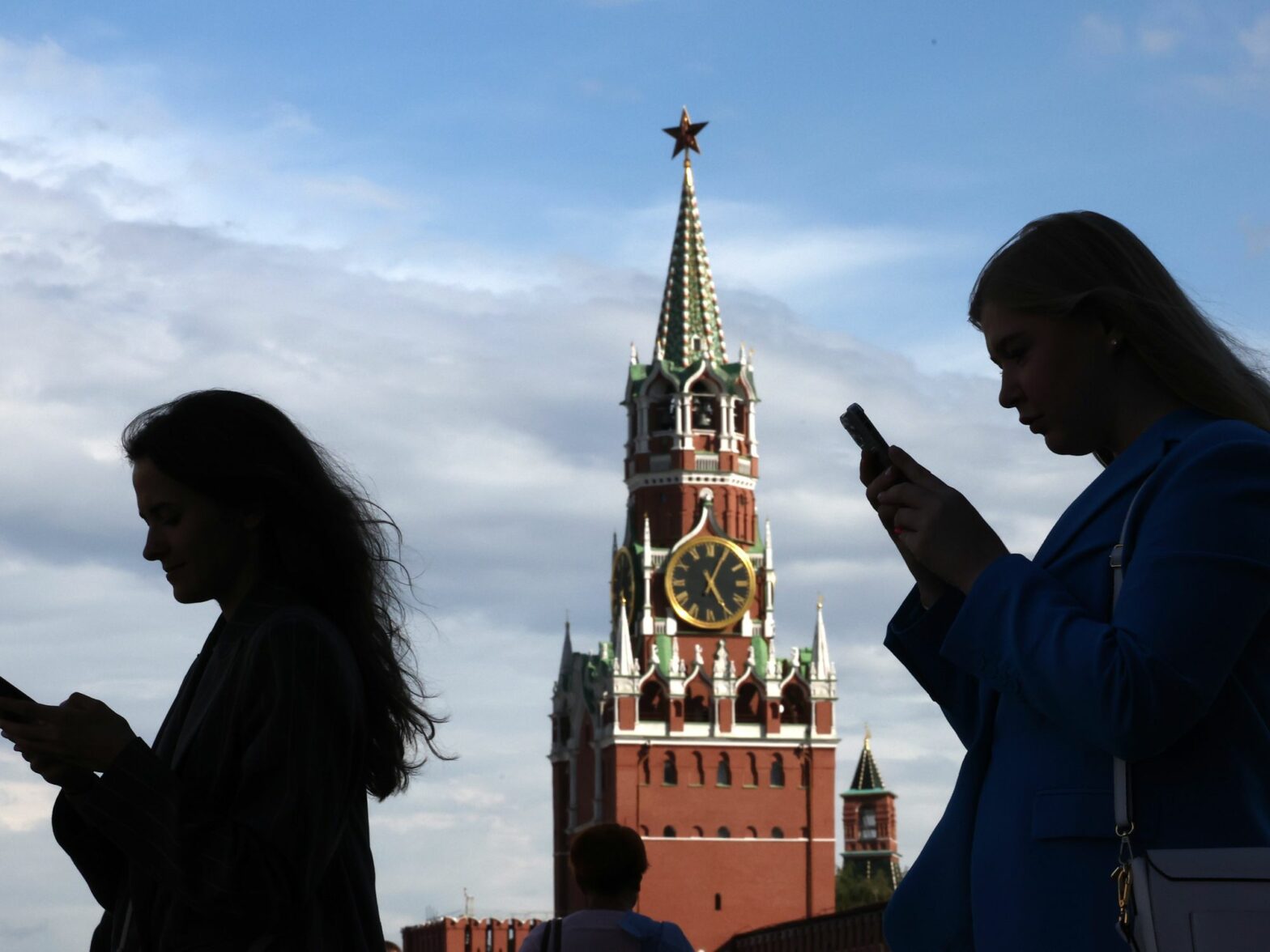
In wartime Russia, women are behaving in starkly different ways: some are fighting desperately to bring their men home, while others are actively encouraging them to go to the front — for the promise of good money.
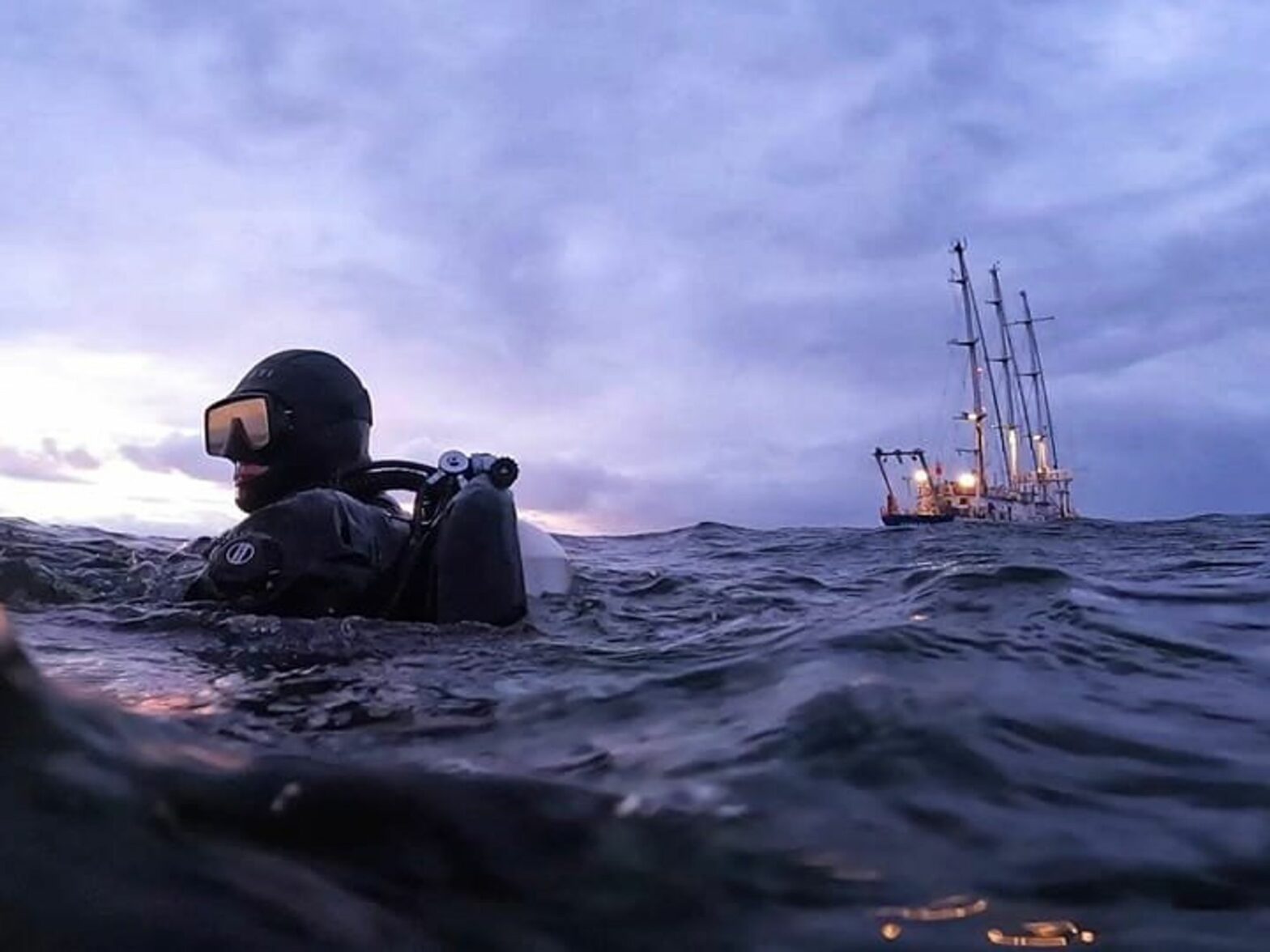
Russia’s invasion of Ukraine and fears of westward escalation have already led many European countries to up their own defense strategies. But instead of the latest technologies, rockets, and fighter jets, the true key to fighting back may lie in studying the polar region, critical for world stability.