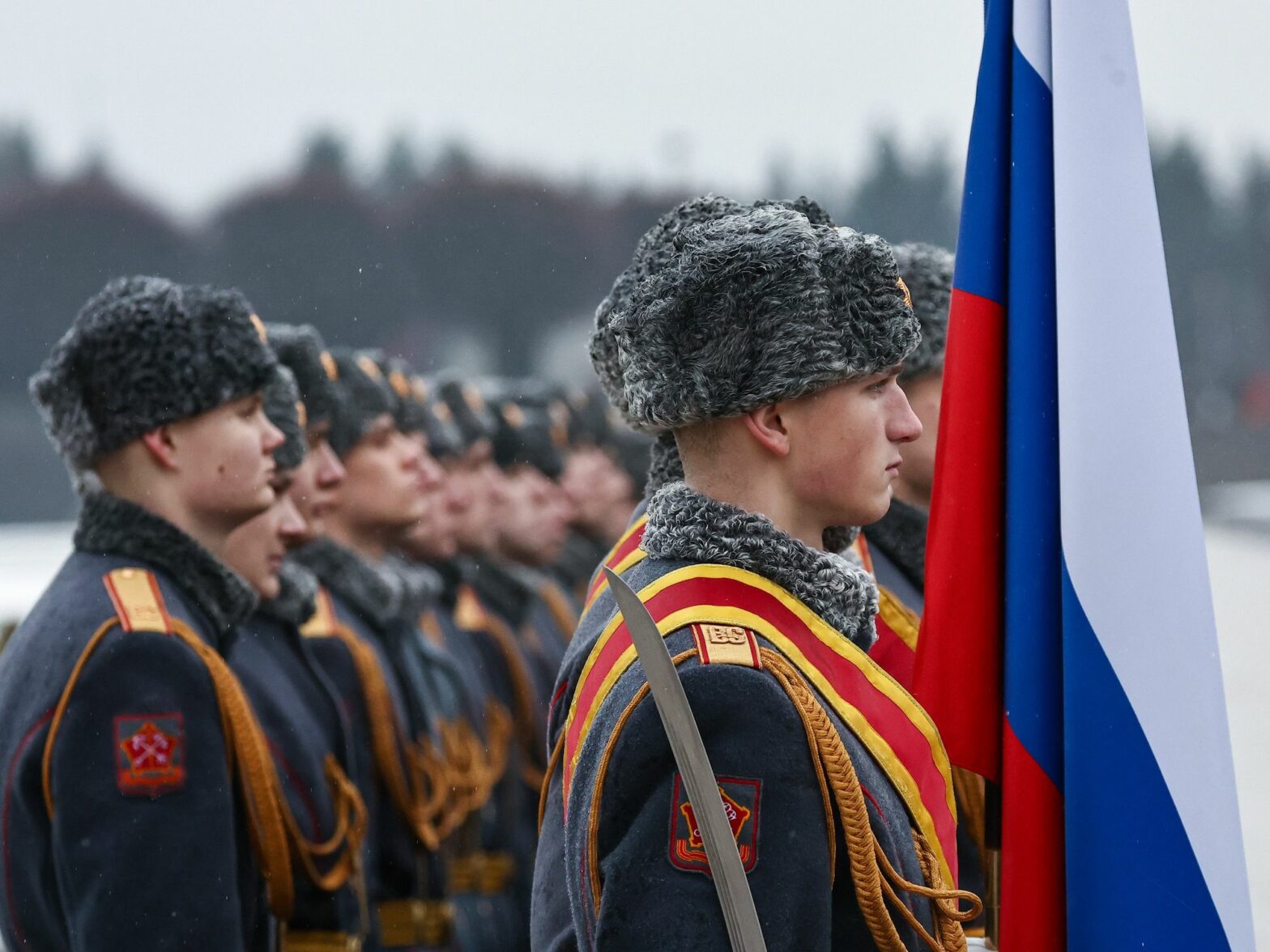
As Russia negotiates exclusively with the U.S., Putin aims to redraw spheres of influence, pulling former Soviet states back under Moscow’s control. All of this, paradoxically, continues to leave the fate of Ukraine as the vital issue for our times.
 Worldcrunch
Stay updated with comprehensive news on Ukraine from Worldcrunch. Discover insights on Ukrainian politics, economic strategies, societal issues, and cultural landmarks with translations from top international sources. Highlights include Kyiv, Ukrainian history, and current events.
As Russia negotiates exclusively with the U.S., Putin aims to redraw spheres of influence, pulling former Soviet states back under Moscow’s control. All of this, paradoxically, continues to leave the fate of Ukraine as the vital issue for our times.
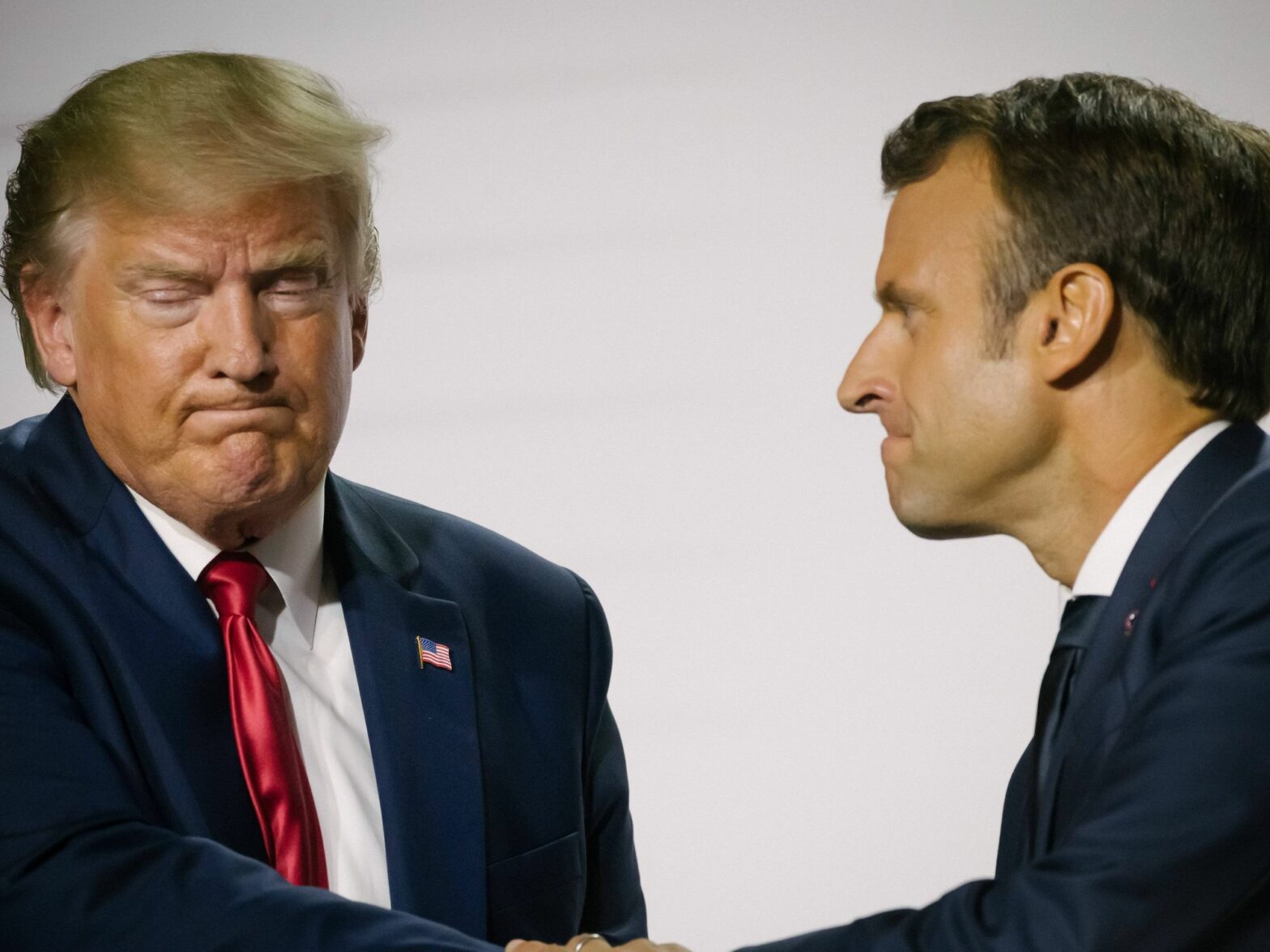
French President Emanuel Macron is on a whirlwind visit to Washington in a bid to avoid a U.S.-Russia deal at the expense of Ukraine and European security. It’s as much a transatlantic mission of psychology as politics, but Macron believes he can persuade the U.S. president.
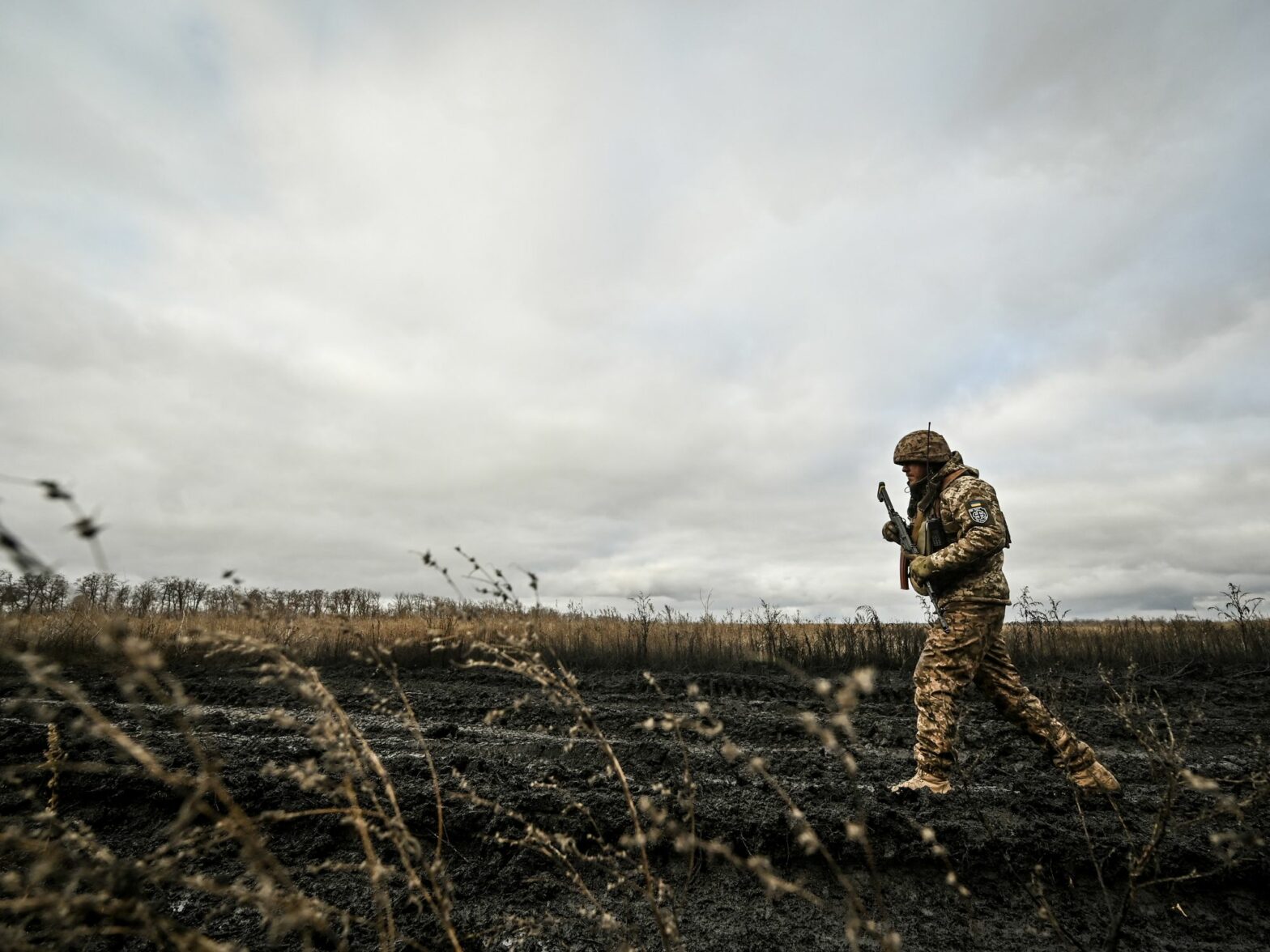
The war in Ukraine has reached a stalemate, and a ceasefire appears increasingly likely. Painful compromises with the aggressor may be inevitable. But what comes next?
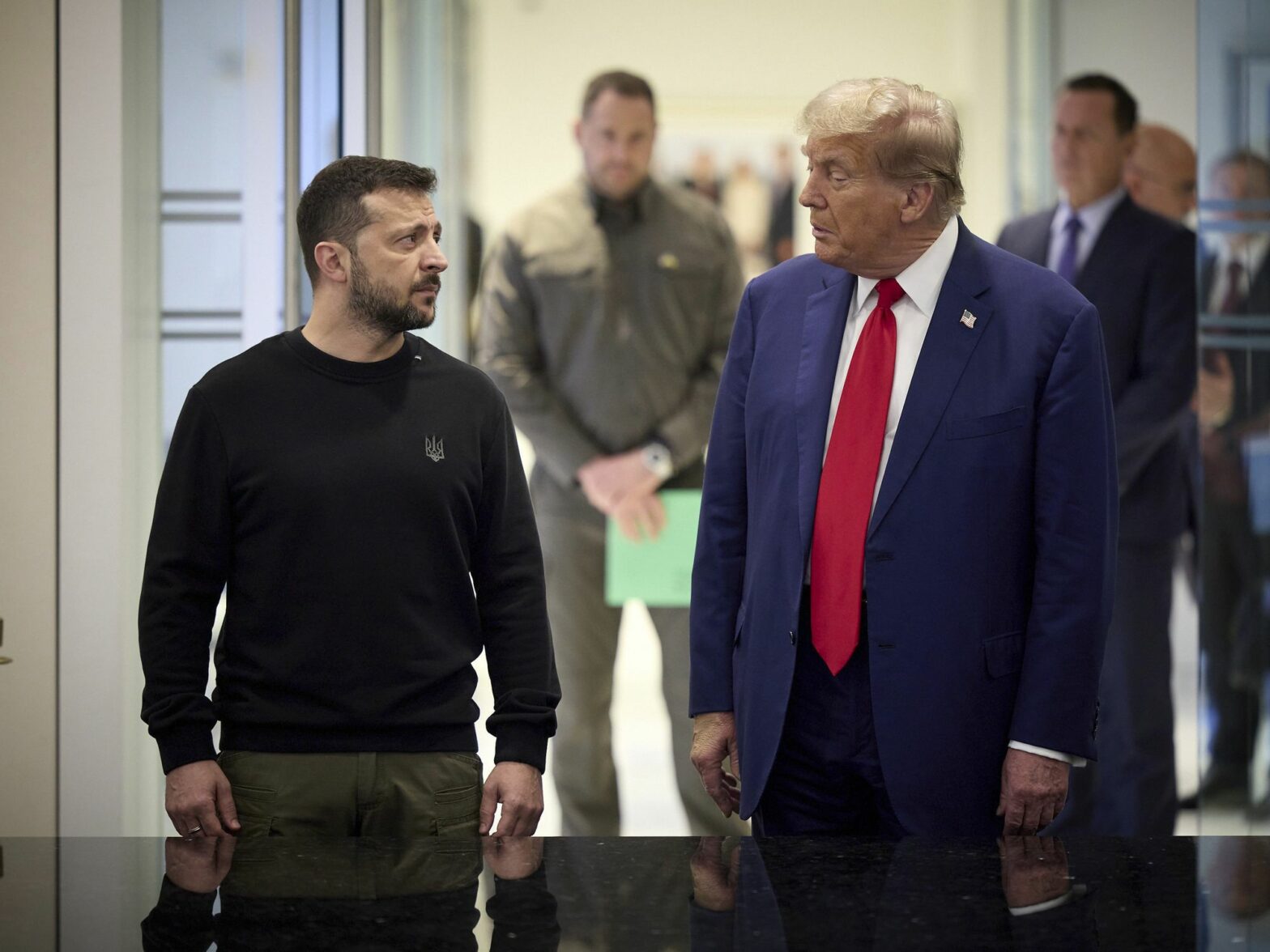
This week, U.S. President Donald Trump doubled down on his accusations against Ukraine. It looks as though Kyiv may have to rely solely on European military aid. But France’s president, along with the British prime minister, have made urgent plans to visit Trump.
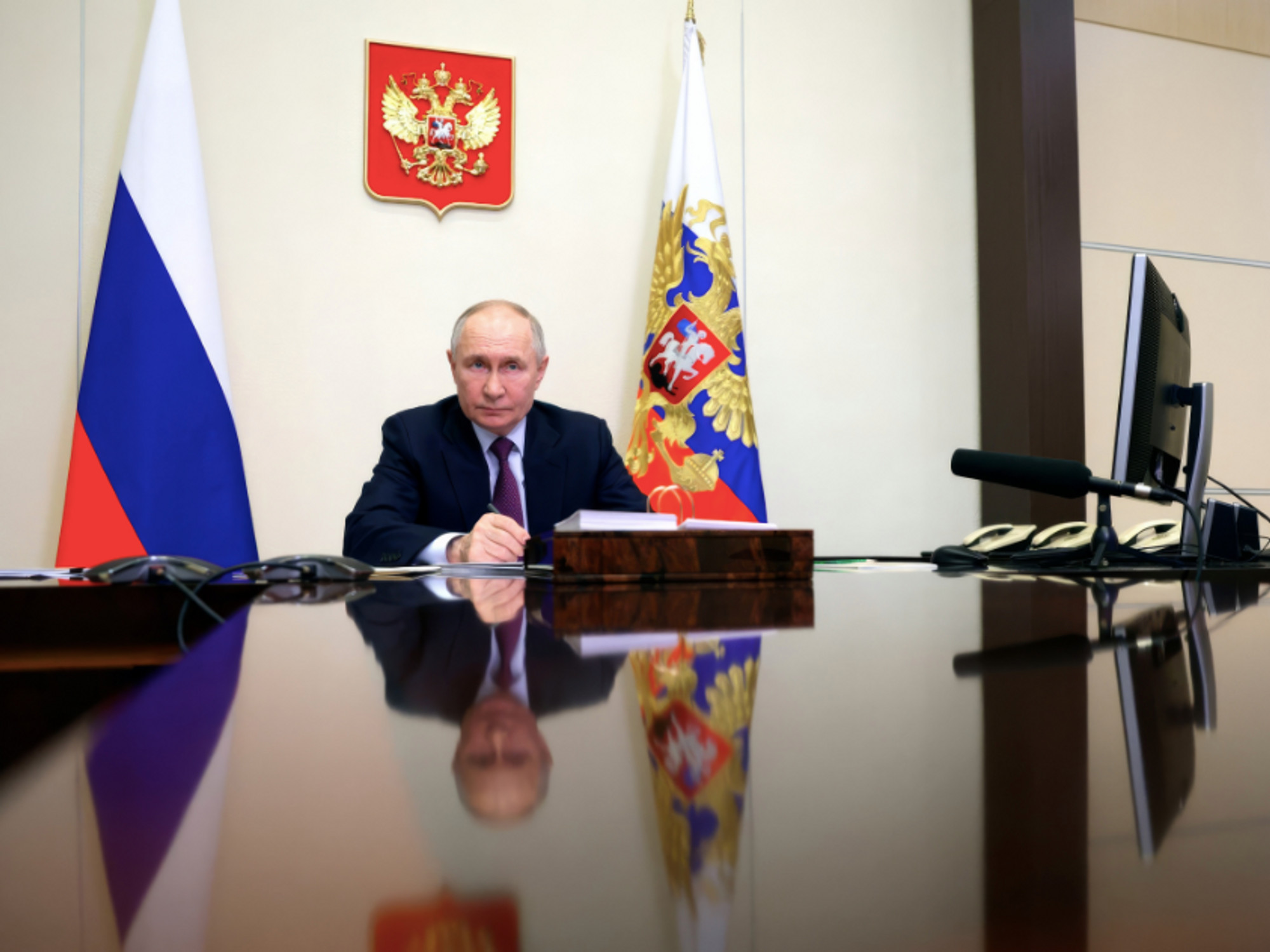
Vladimir Putin says he is “ready” to talk with Volodymyr Zelensky. But it’s a feigned openness to dupe Trump, since he continues to question the legitimacy of the Ukrainian president and does not alter one iota his demands for a kind of capitulation by Kyiv and a reversal of Baltic entry into the Atlantic Alliance.
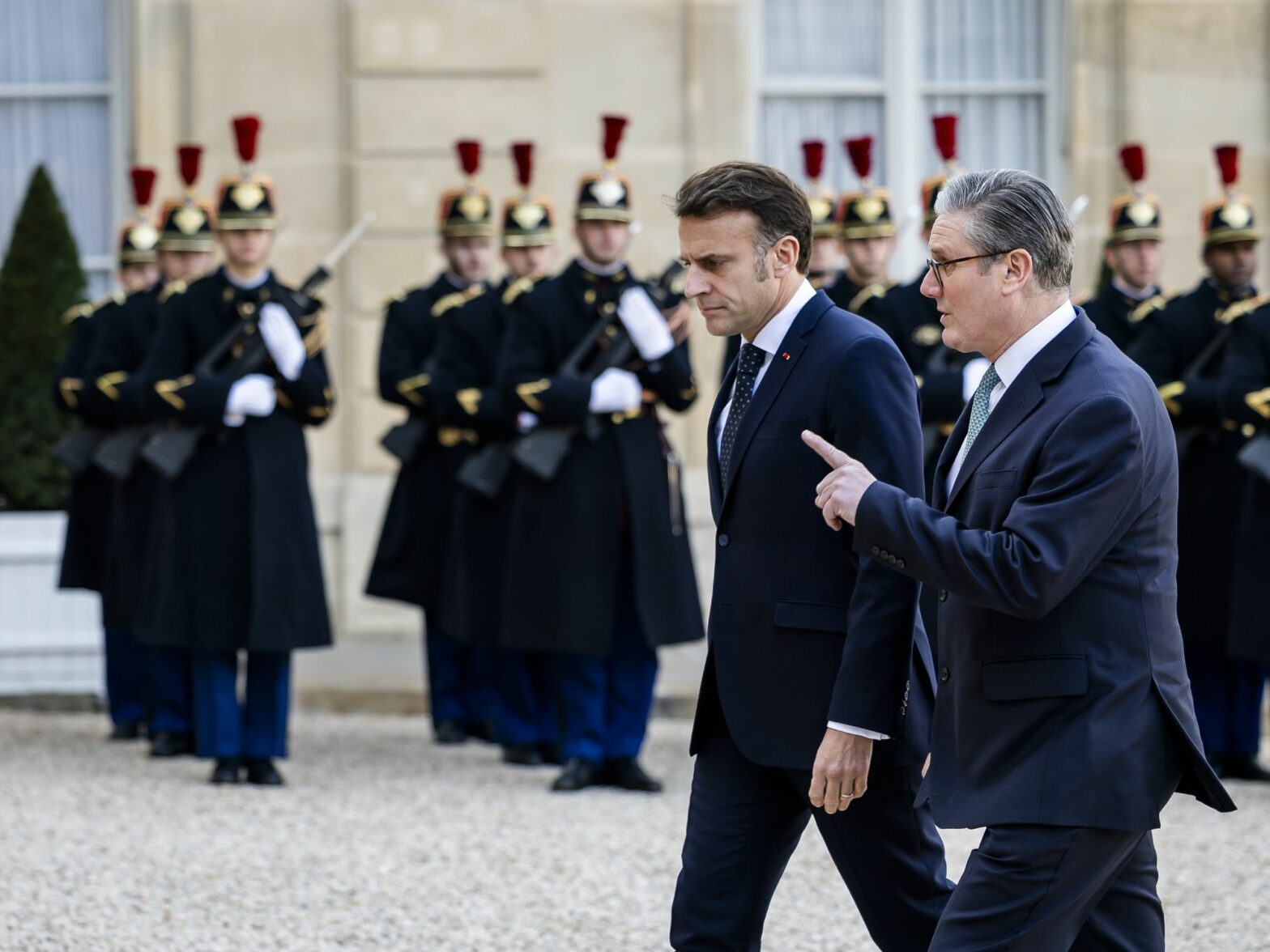
Europe’s back is against the wall — Putin’s wall. The meeting in Paris of European leaders who are ready to defend Ukraine in the face of U.S. withdrawal was an opportunity for Europe to rebuild itself to preserve its interests and its honor.
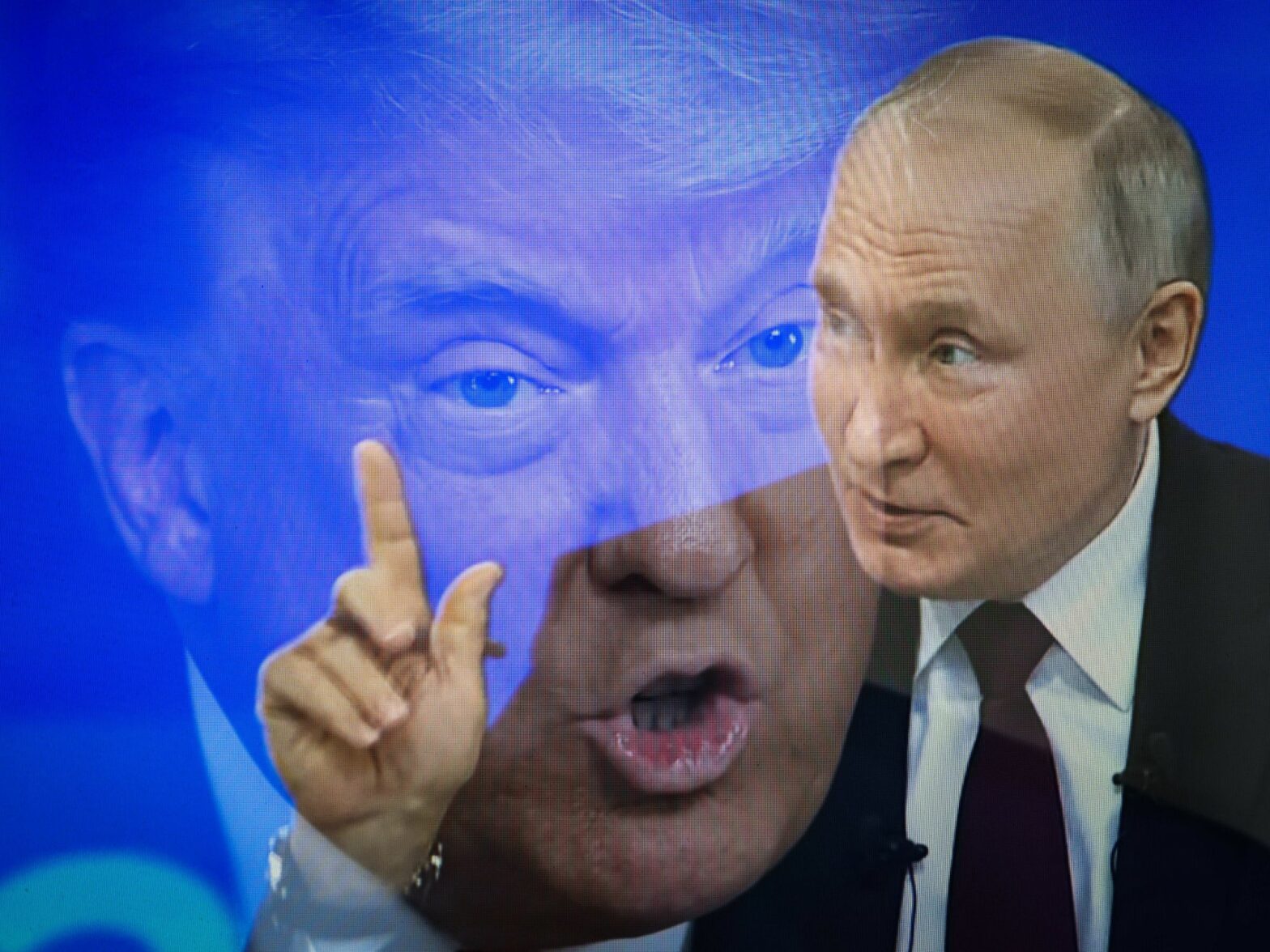
In the span of just a few hours last week, Donald Trump turned Putin’s Russia from a pariah state to a partner. For French political analyst Dominique Moïsi, the “useful idiot” role that Trump is playing does however raise a fundamental question for Europe about its own global autonomy in the future.
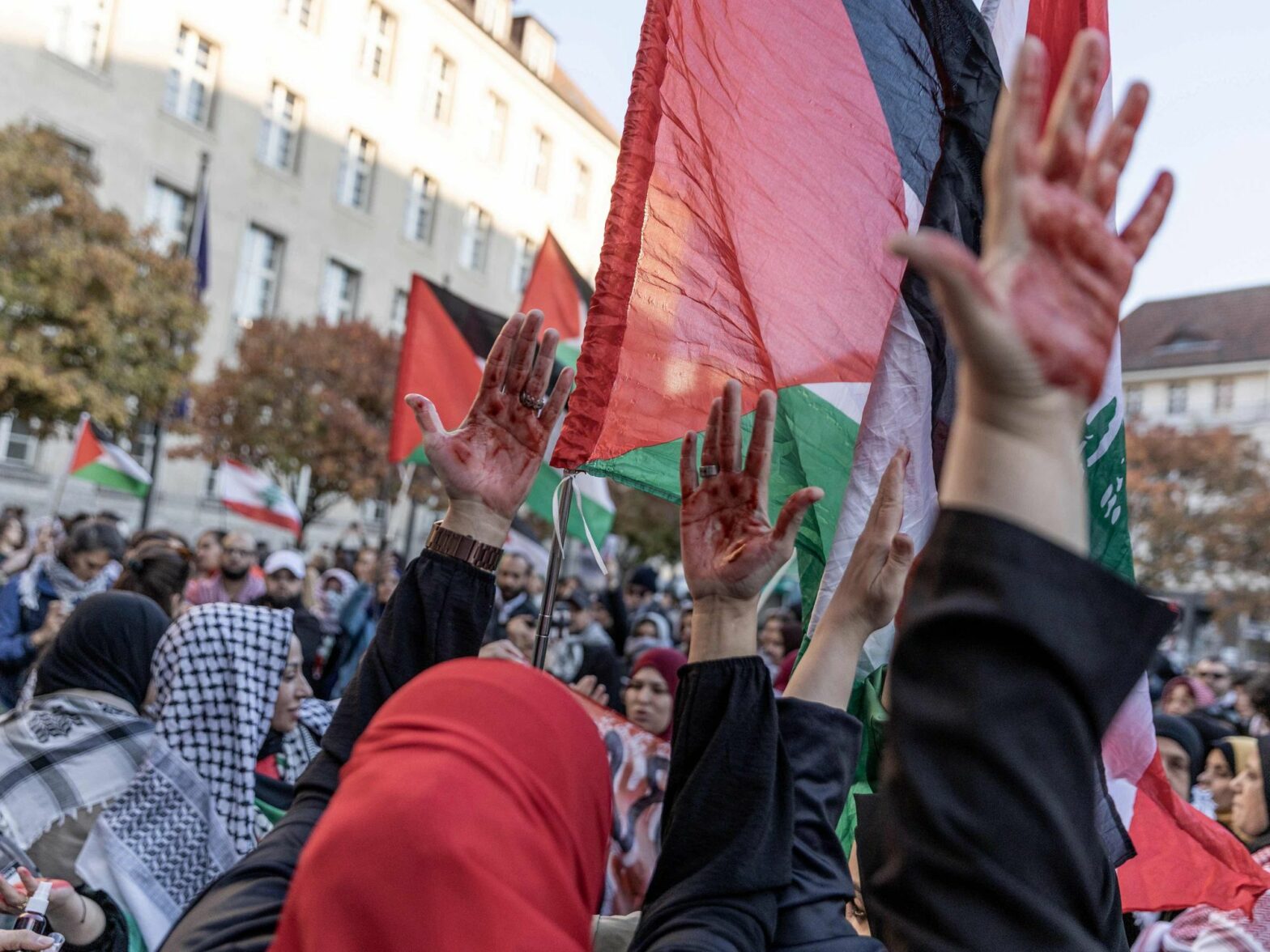
Around the world, the left and progressive media are serving Russia’s interests against the West when they lambast Israel. Since the Cold War, Russia has exploited and distorted the Palestinian cause to serve its ideals. And Iran is pursuing it on a smaller scale and with its own proxies, as Moscow’s geopolitical tool in the region.
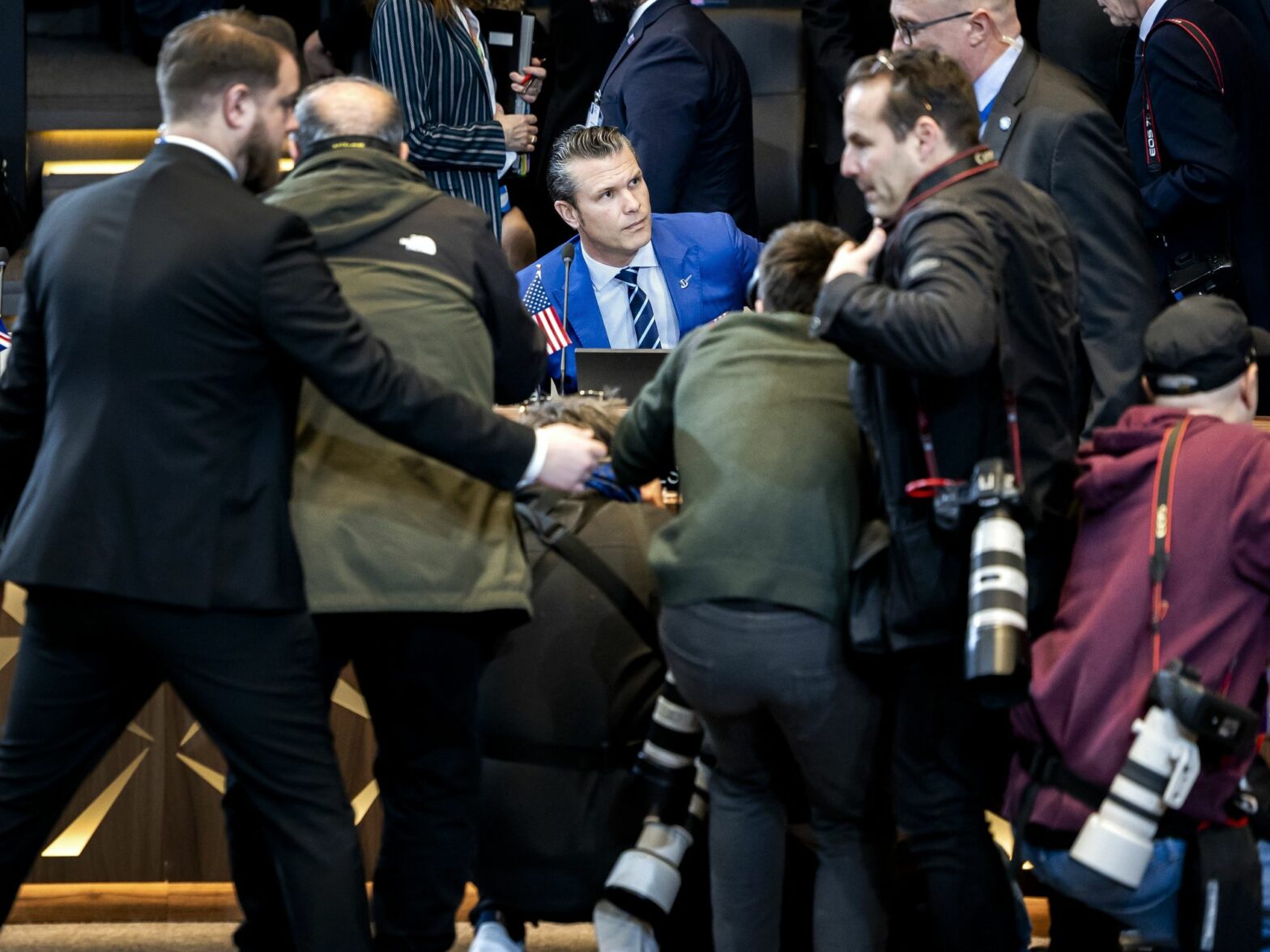
Washington increasingly lukewarm. EU security is not a priority, so the future of NATO is at stake. Trump asks allies to increase military spending but the EU remains disoriented and uncertain.
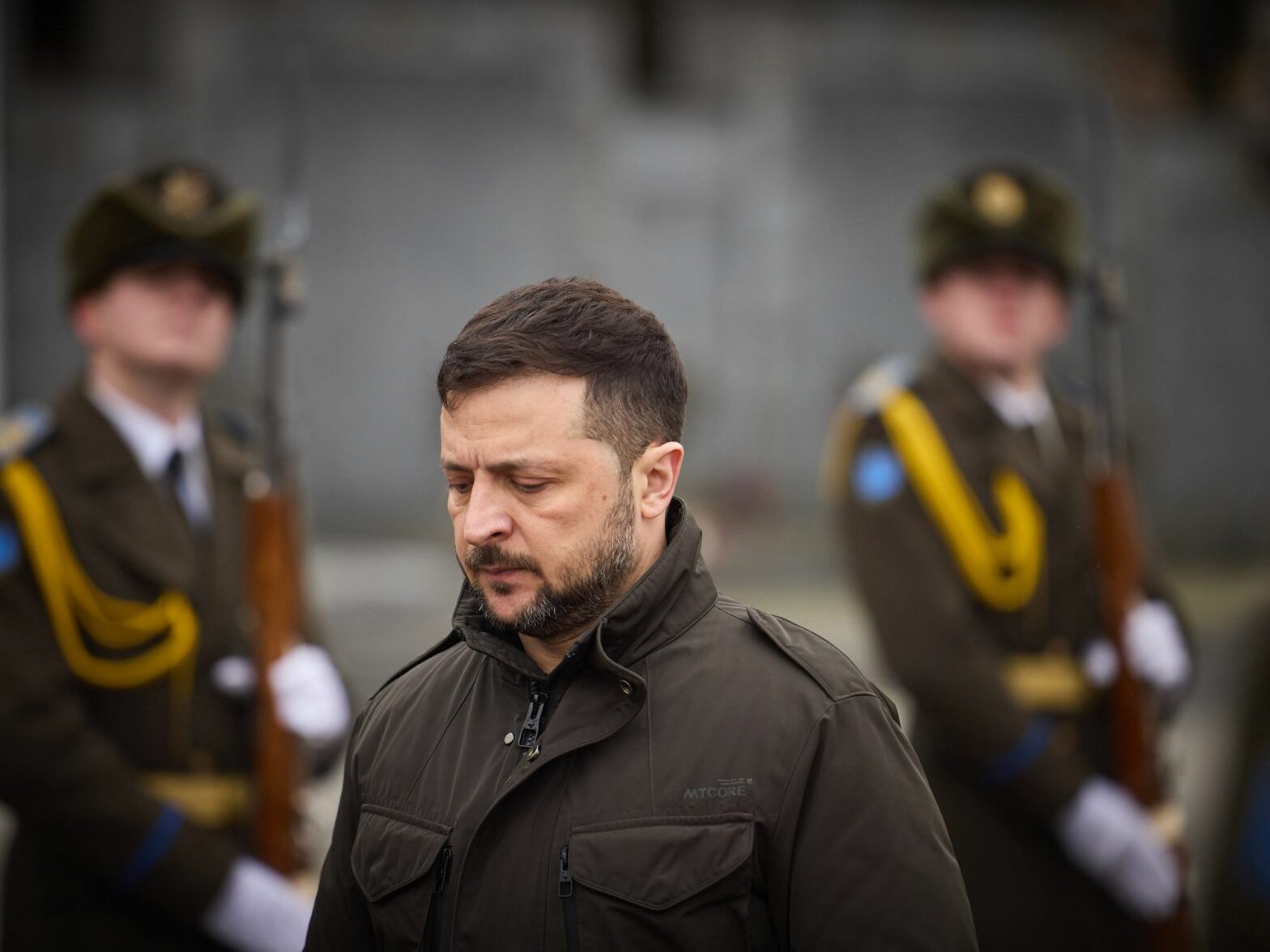
Ukraine isn’t backing down after the Trump-Putin exchange. It’s fighting to ensure that any negotiated plan includes strong security guarantees to prevent another Russian attack — and that Europe, sidelined by Trump, has a seat at the table.
U.S President Donald Trump appears to be pushing forward his pledge for a quick peace in Ukraine, following his surprise call Wednesday with Russian President Vladimir Putin. But what would a ceasefire look like? And how doe we get there?
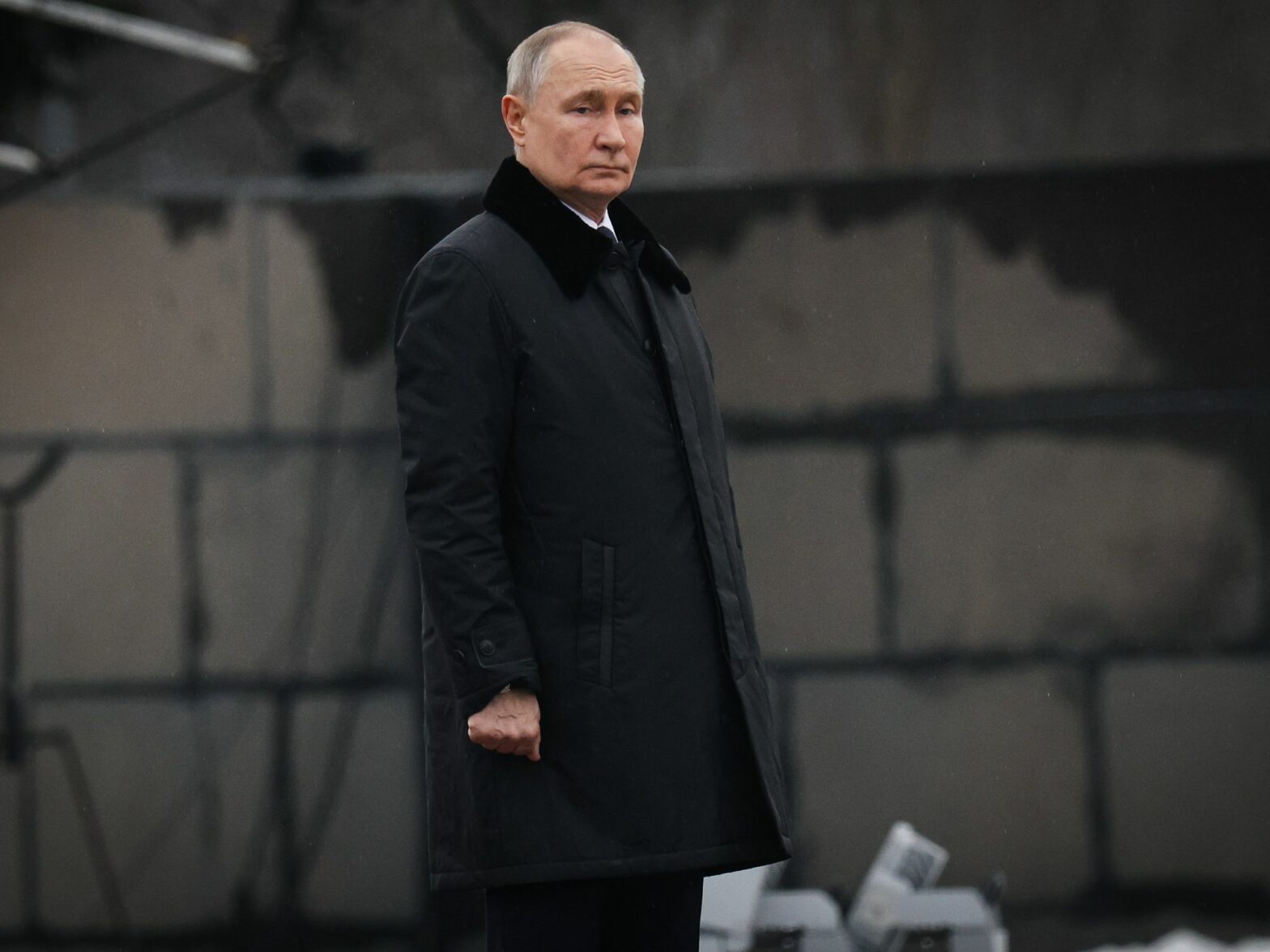
Donald Trump spoke with Vladimir Putin for 90 minutes and announced “immediate” negotiations on Ukraine. But will Ukraine be a topic of discussion or an active participant in these talks? Will Europe have a seat at the table? And what security guarantees will remain for a Ukraine left diminished by the outcome?
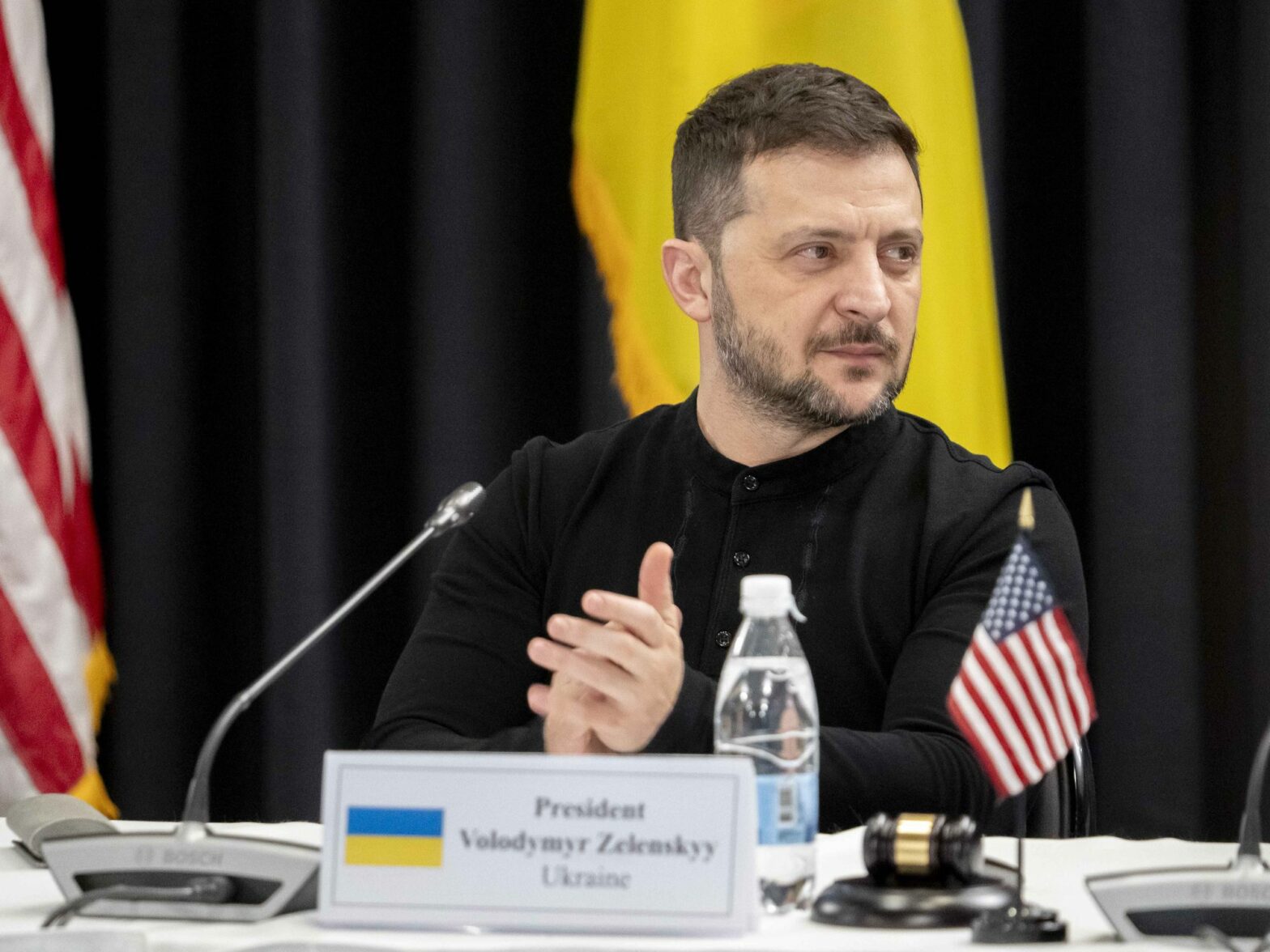
Donald Trump suggested that U.S. aid to Ukraine could be secured through the country’s rare earth deposits — those precious metals over which China holds a global monopoly. In reality, the idea was first pitched by Ukrainian President Volodymyr Zelensky, who knew exactly what kind of argument would resonate with Trump.
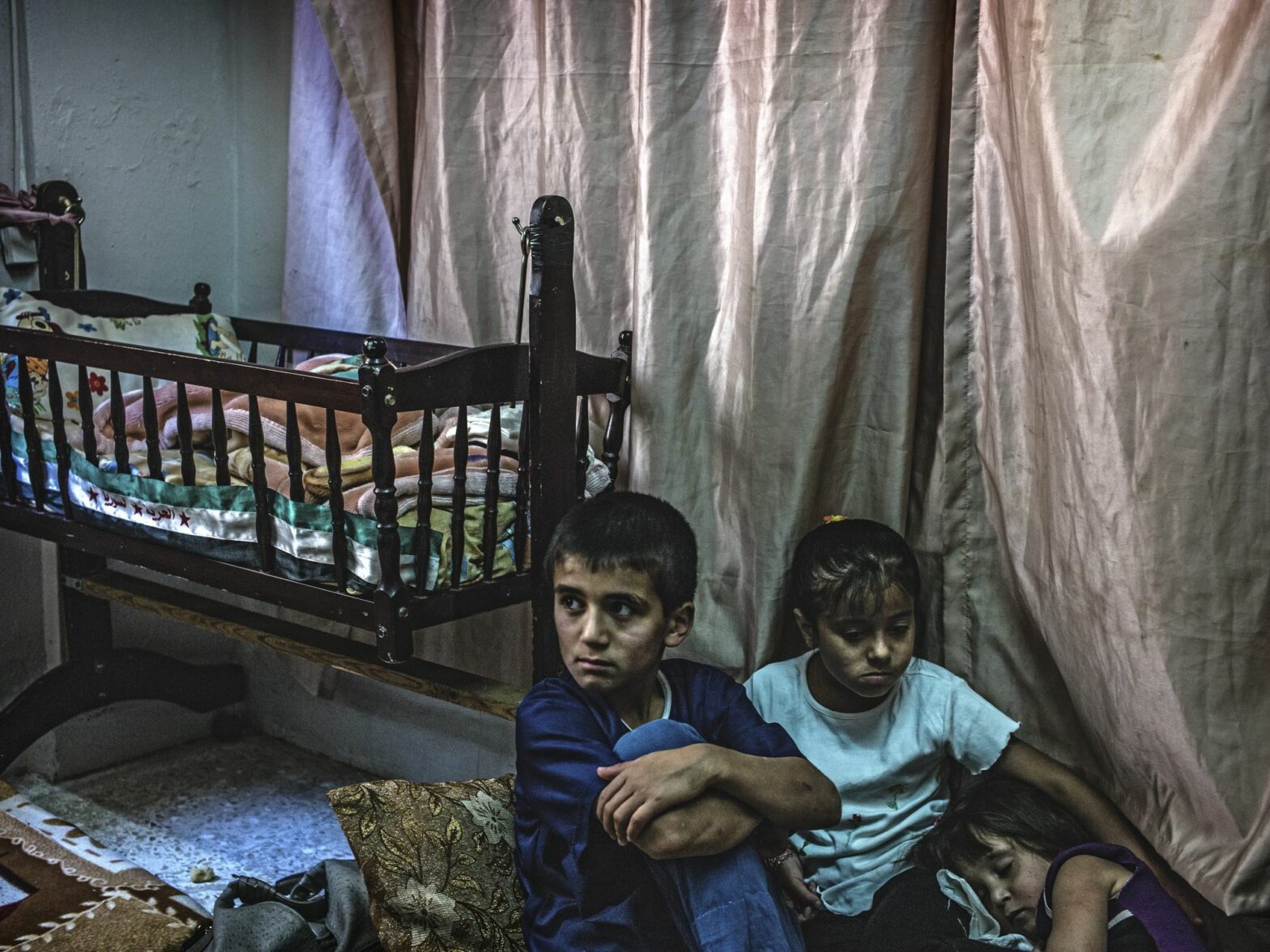
The collapse of the Assad regime in Syria freed thousands detained in the country’s prisons. But it has also revealed potential rights violations by international children’s NGOs, which received children whose parents were detained in Assad’s prisons. The situation echoes similar violations in Canada and Russia.
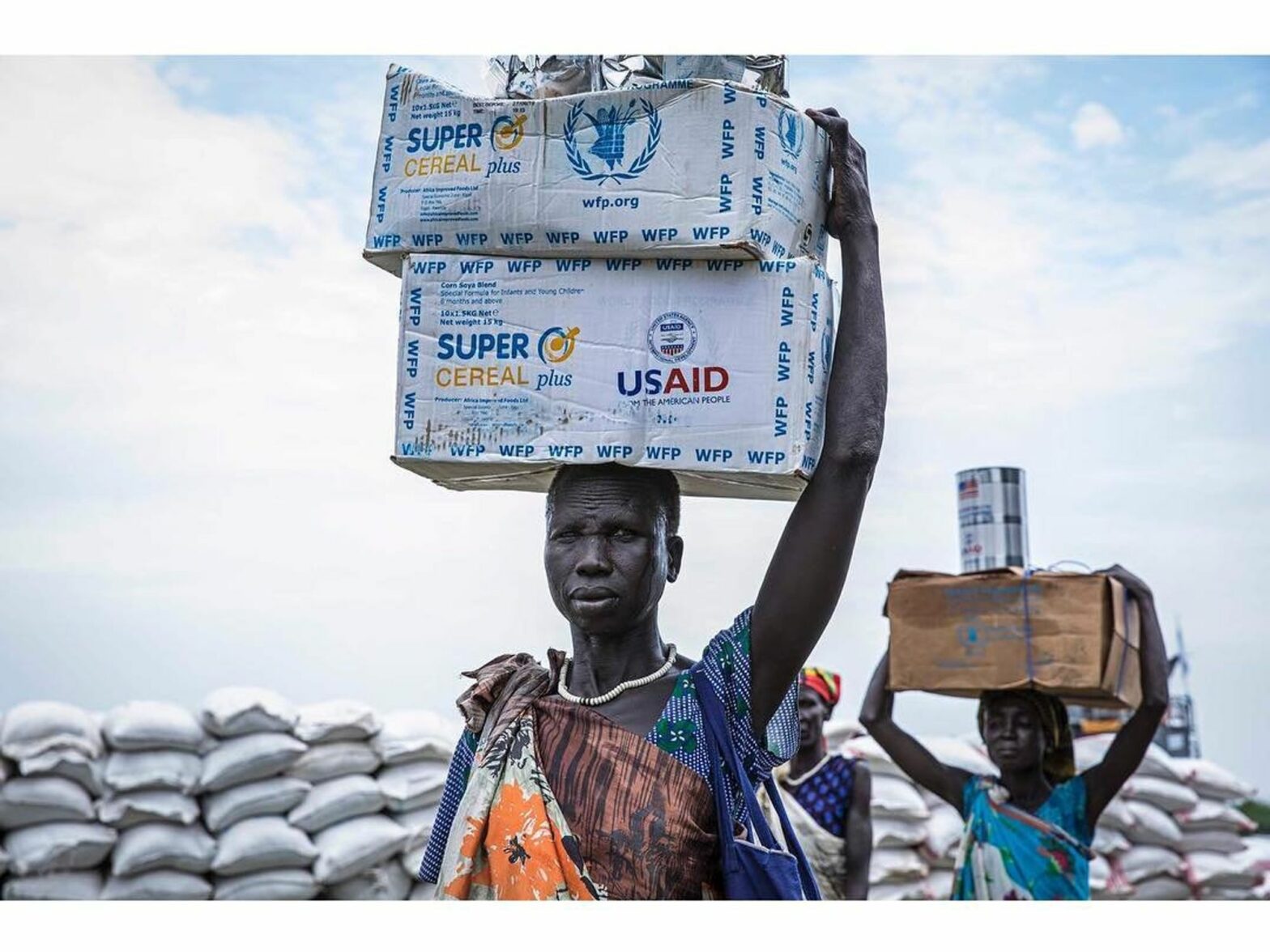
The Trump administration sought to slash social aid in the U.S. but had to backtrack amid public outcry. However, it froze international humanitarian and development aid for 90 days, sparking confusion and panic in many affected countries and organizations. It is just the kind of narrative Beijing and Moscow are happy to spin across the world.
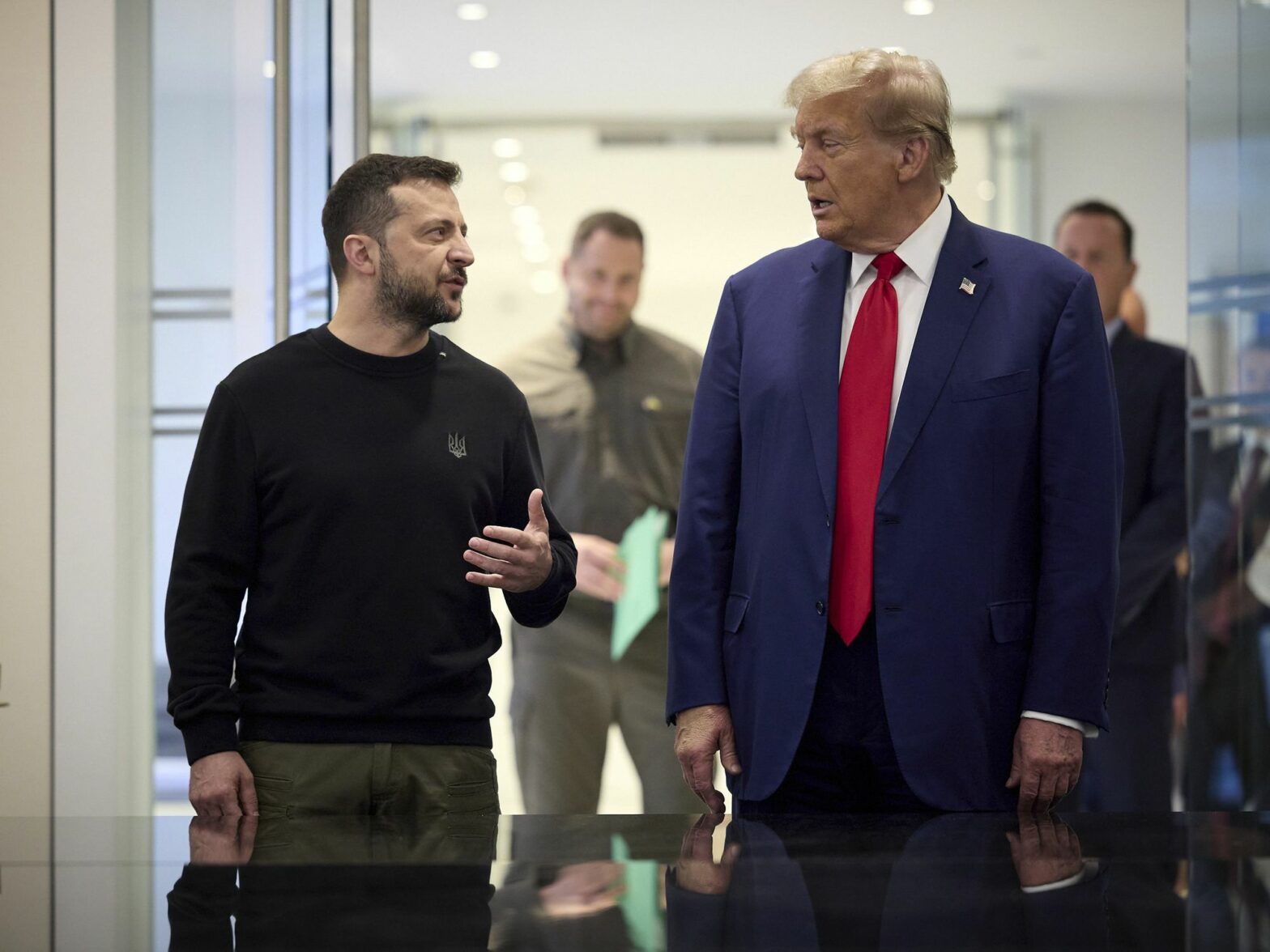
As a candidate, Donald Trump promised to end the war in Ukraine within his first 24 hours in office — a deadline the US president has now missed. Even so, negotiations to end the three-year conflict are expected to accelerate. What are Russia, Ukraine and the United States’ current positions? And what do experts think will happen?
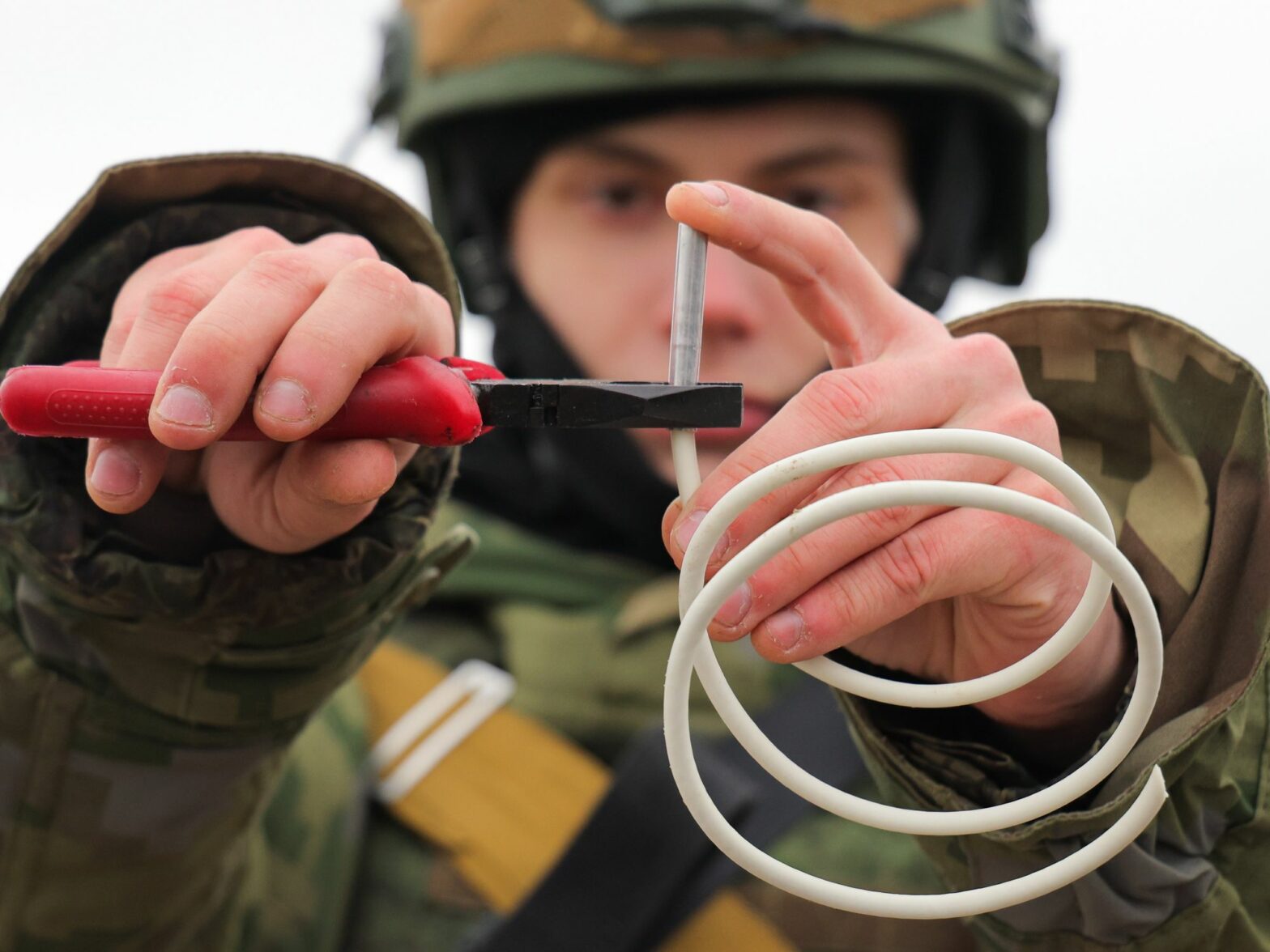
Both Russia and Ukraine are waiting to see what stance the new U.S. president and his administration will take on the war and aid to Kyiv. Within Russia’s pro-war factions, some are eagerly anticipating a potential shift in U.S. policy. But regardless of Washington’s decisions, Ukraine’s main allies are those ensuring Moscow’s military is corrupt and inefficient.
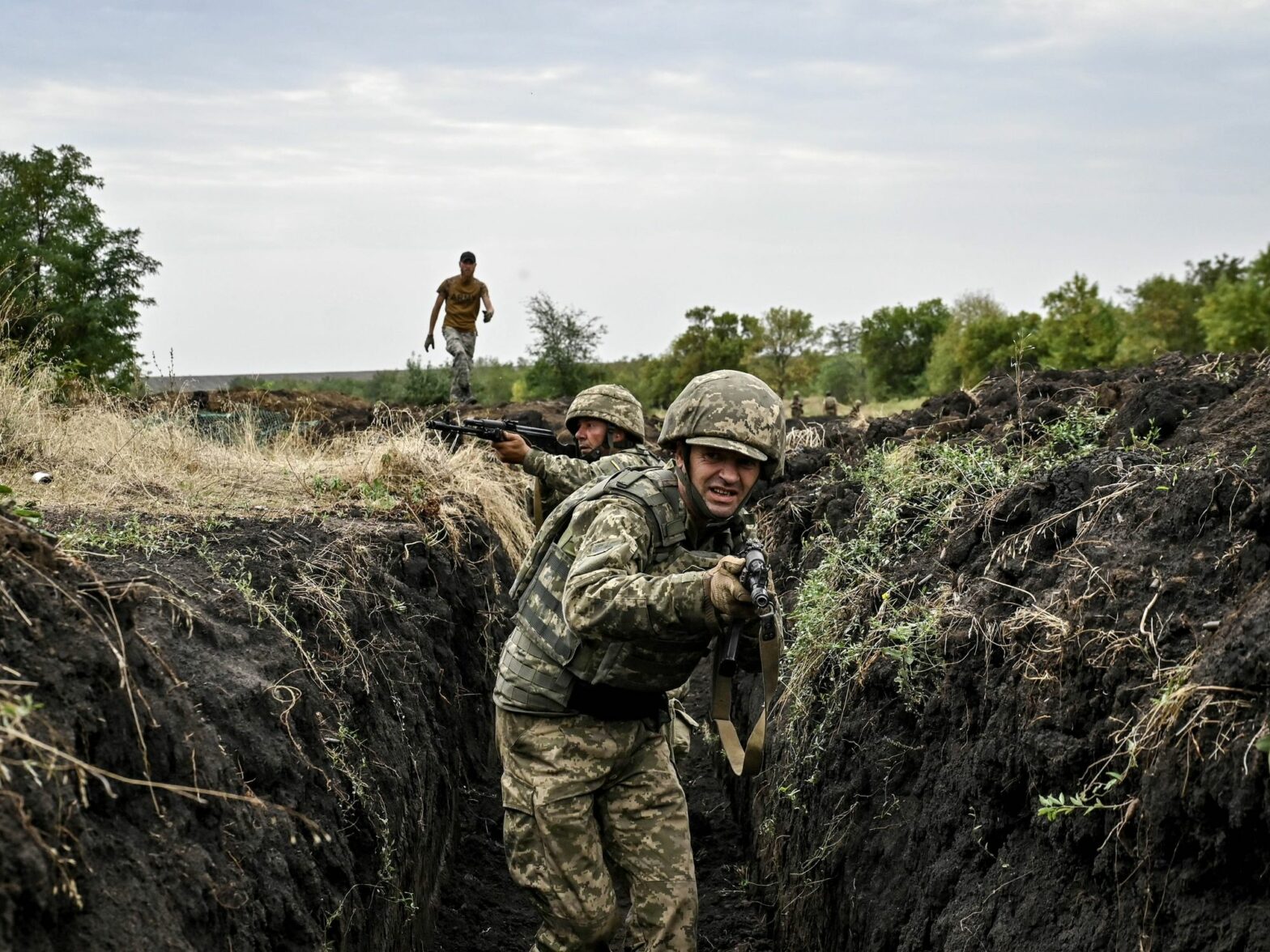
Drones and other new technologies are important, but the foundation of success remains the mobilization of the economy, numerical superiority, and artillery. A military expert reflects on three years since Russia’s invasion.
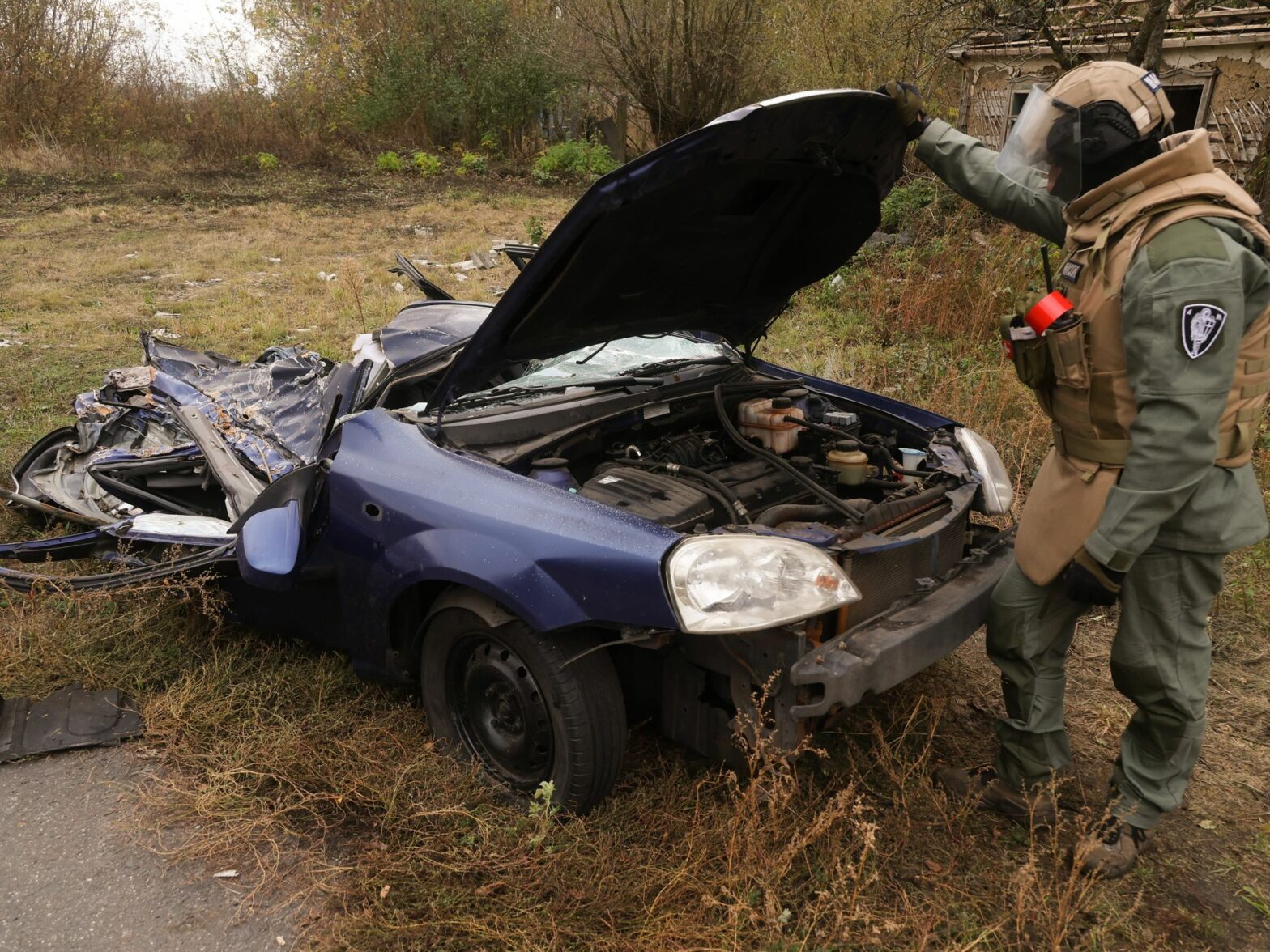
Kursk is becoming synonymous with a nightmare for Vladimir Putin, a dynamic that the Kremlin prefers not to talk about, a flaw in the apparently invulnerable Russian shield.
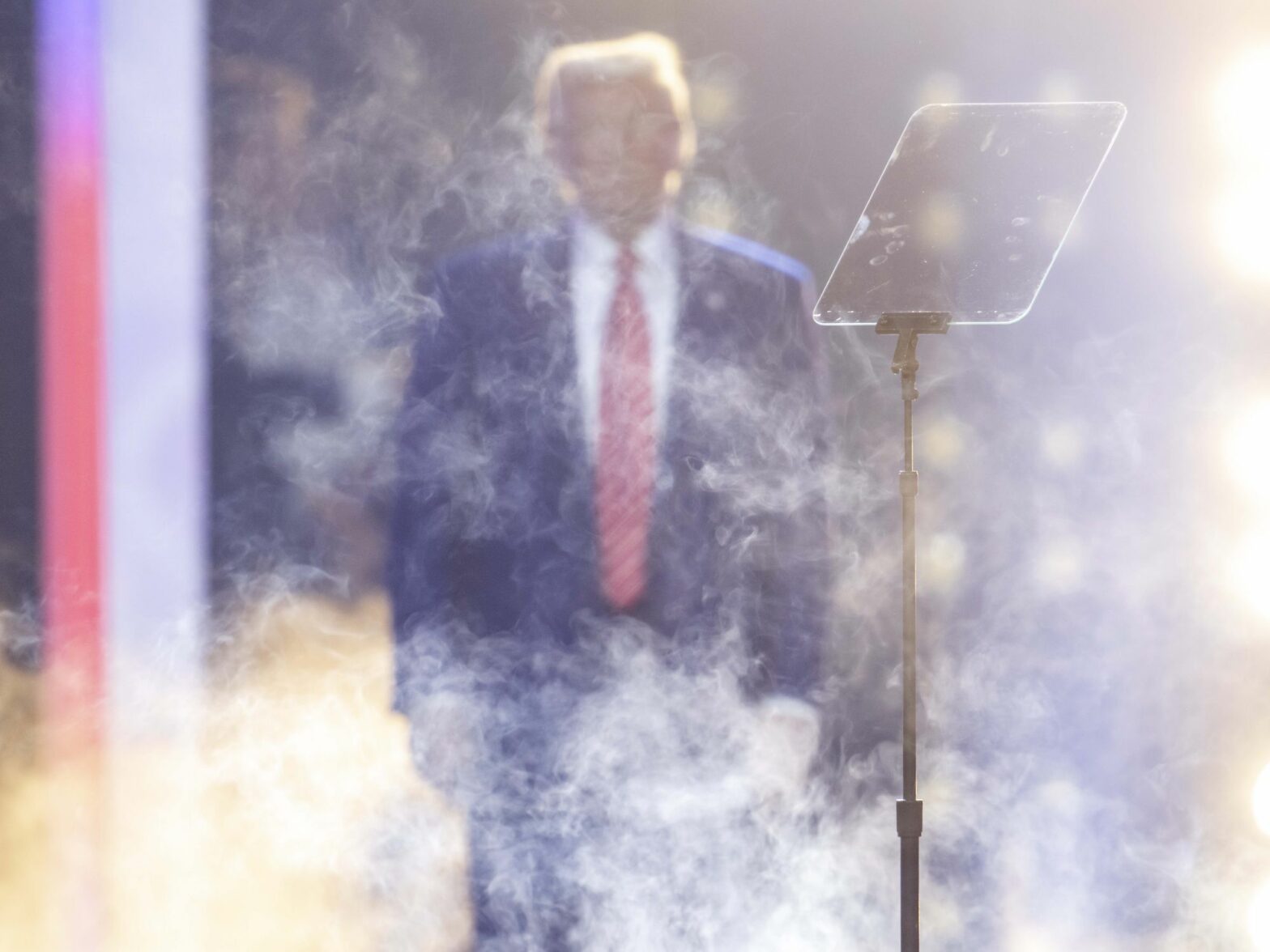
With the unpredictable Donald Trump returning to the White House in January, what will global politics be like in 2025? In addition to major issues like the war in Ukraine, the conflicts in the Middle East and China, there’s another nagging question: What about Europe?
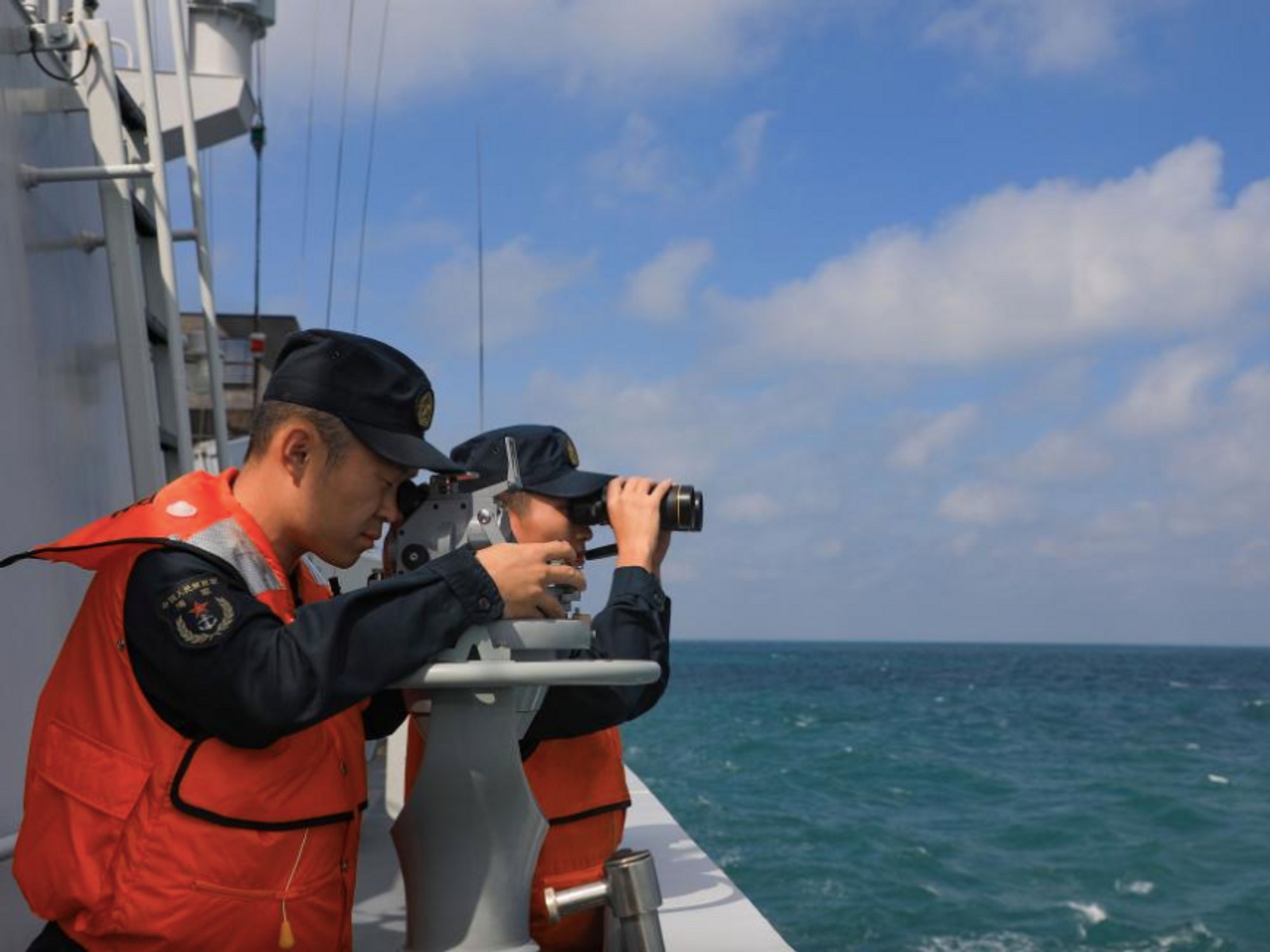
The previous world order, based on the domination of a few superpowers, has been turned upside down in 2024. Will this be the year of explosions, or the year of reactions? French political theorist Jacques Attali explains the theory of order through noise.
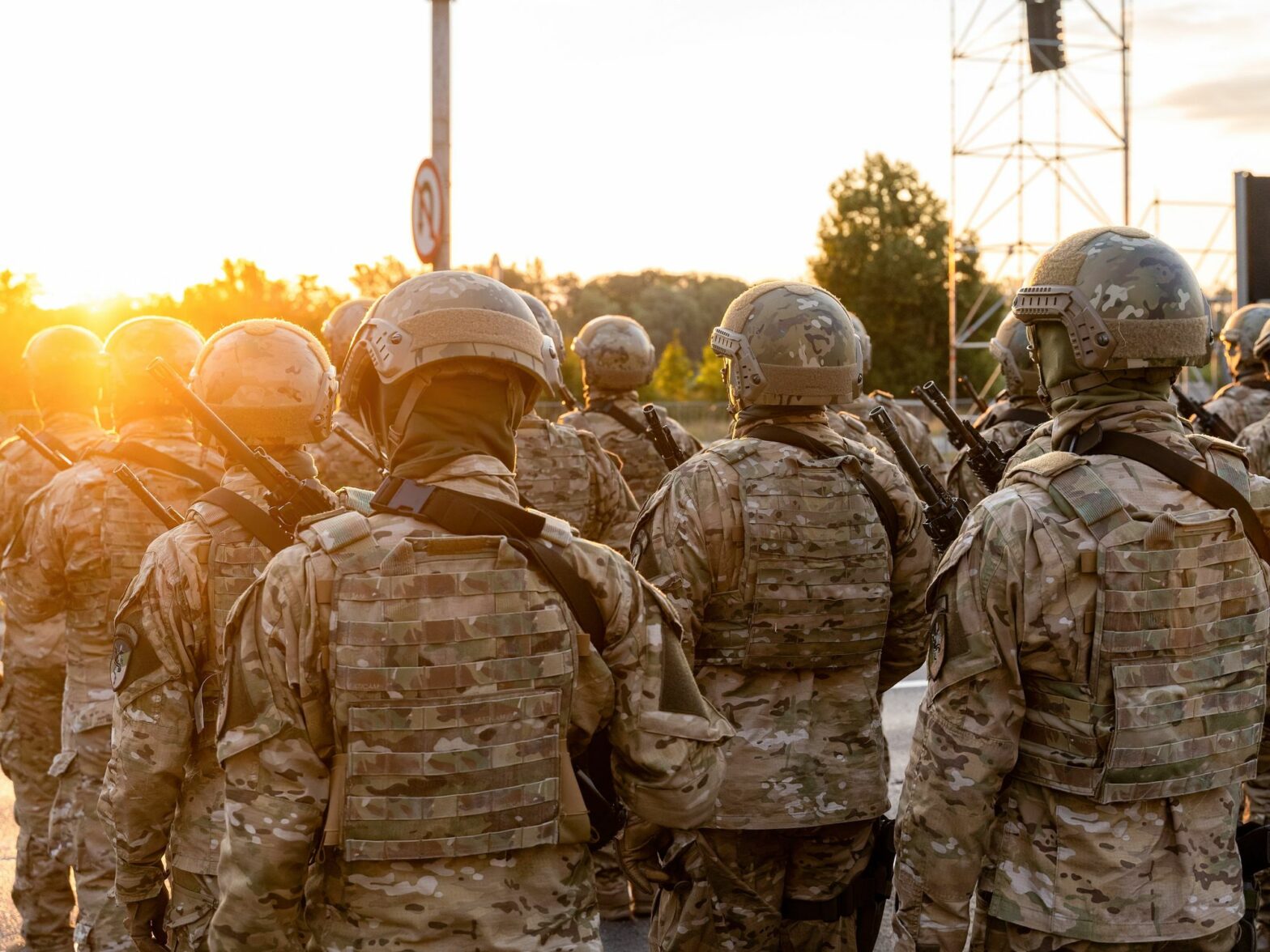
The debate over a possible ceasefire in Ukraine has shifted from territorial defense to securing guarantees for Kyiv. A new formula that involves NATO might be the most realistic hope now that Trump is arriving at the White House.
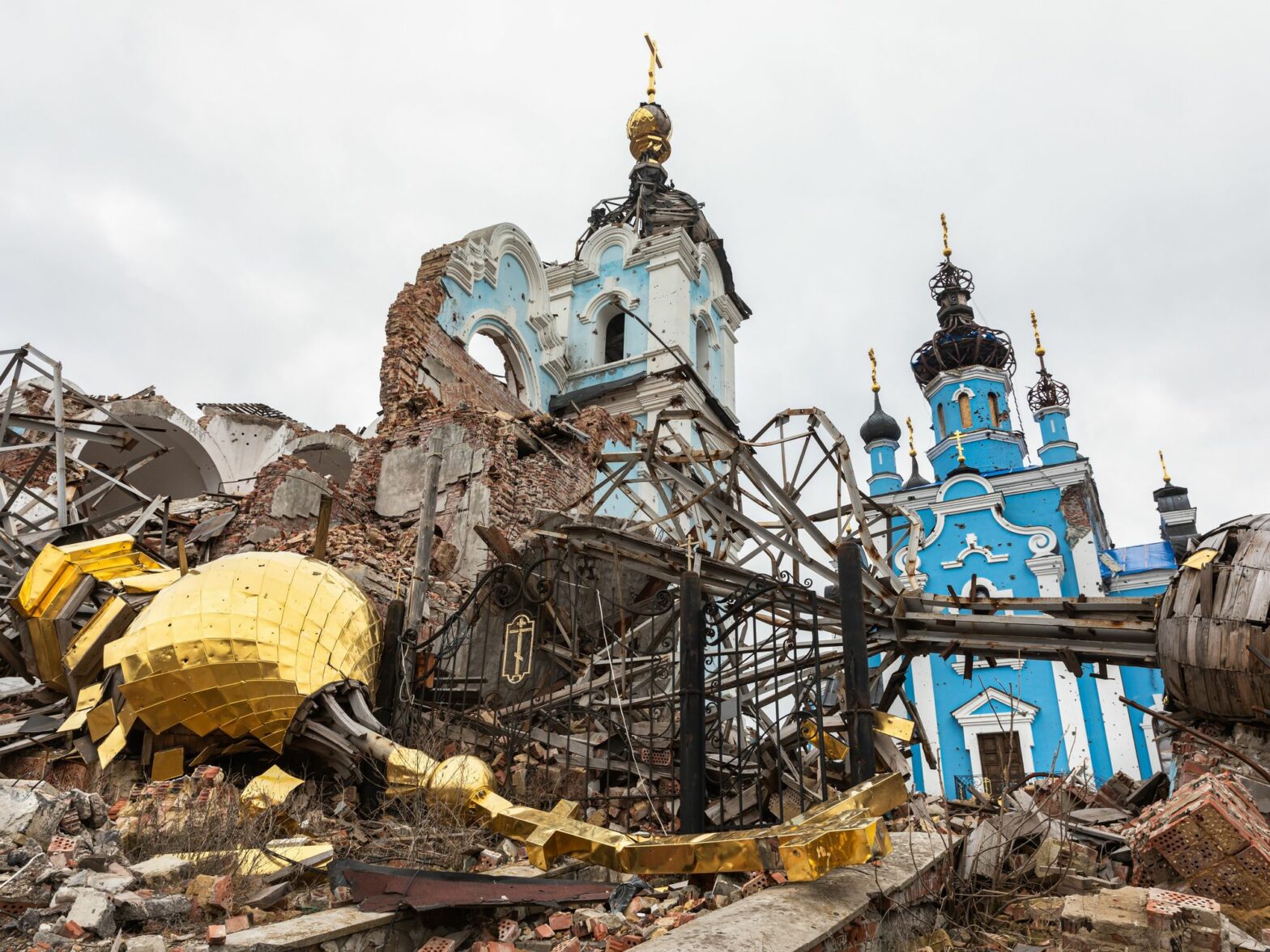
Father Petro Balogh recalls the later books of the Old Testament, and especially in the New Testament, where personal faithfulness and holiness do not necessarily guarantee deliverance from earthly enemies or suffering — look at the story of Jesus himself.

The unprecedented assassination of the head of the Russian army’s chemical weapons division is an act of war that is hard for Ukraine’s allies to defend. Still, Ukrainians can’t be faulted for fighting for the nation’s very existence, especially as the West shows signs of slowing down its support.
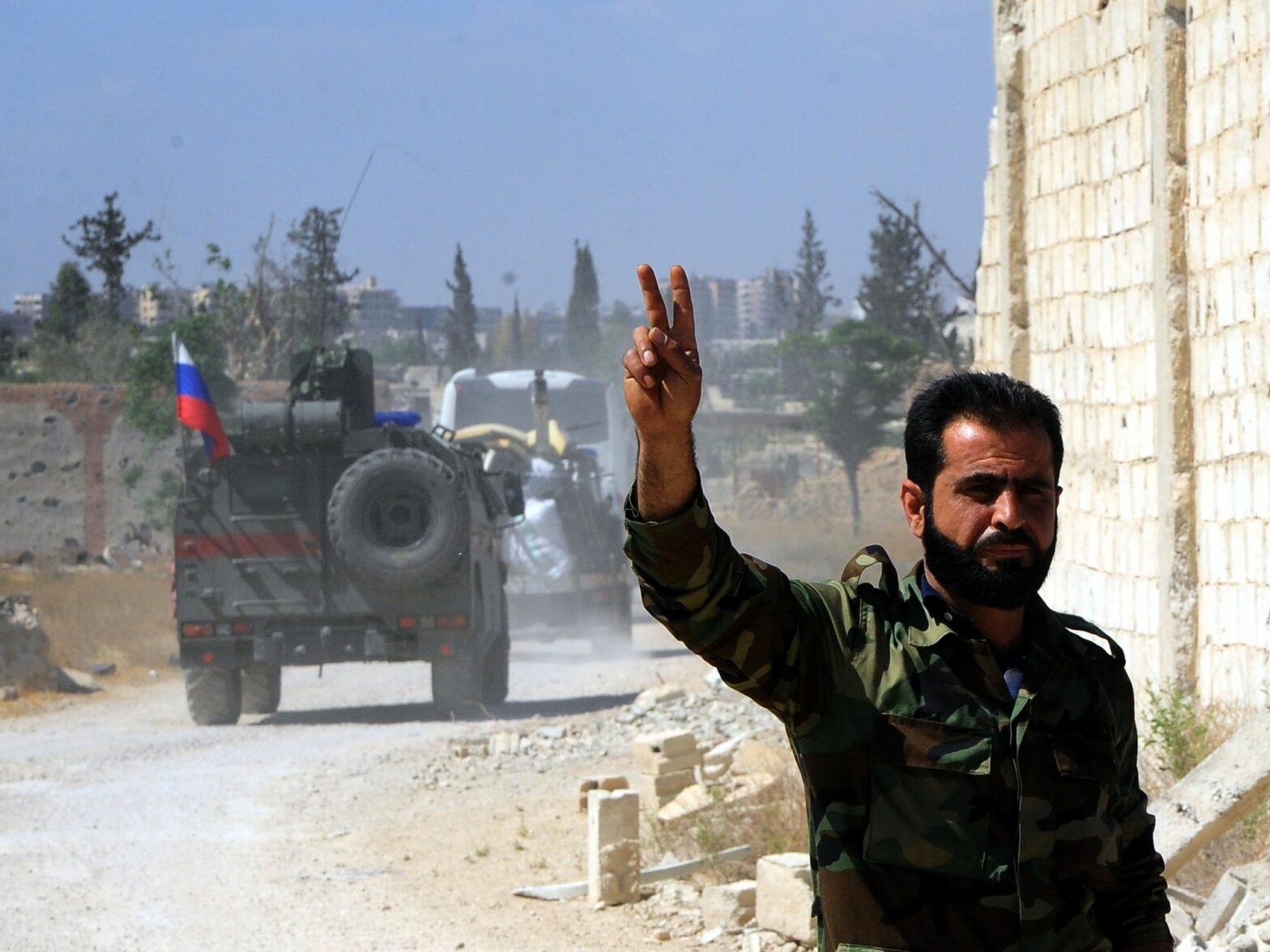
Bashar al-Assad’s fall raises short-term questions about the fate of Russian generals sent to Syria after failures in Ukraine, but also deeper reflections on Moscow’s war on multiple fronts.
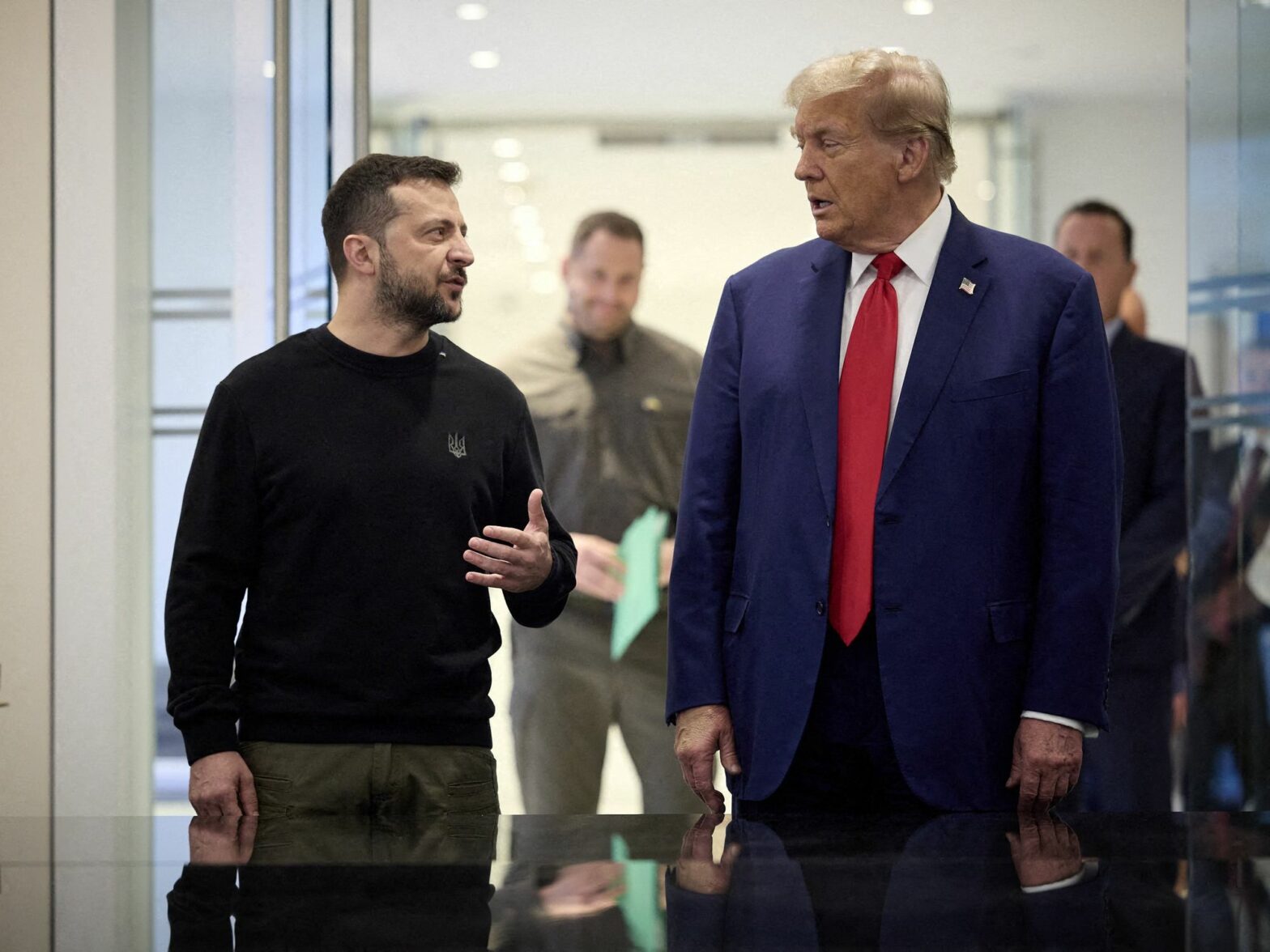
The key question is whether any peace agreement will satisfy the U.S. president, or if he will push for real security guarantees for Kyiv. The question is what Trump will do if Russia or Ukraine (or both) refuse to negotiate on U.S. terms and are not intimidated by the threats of the American leader.
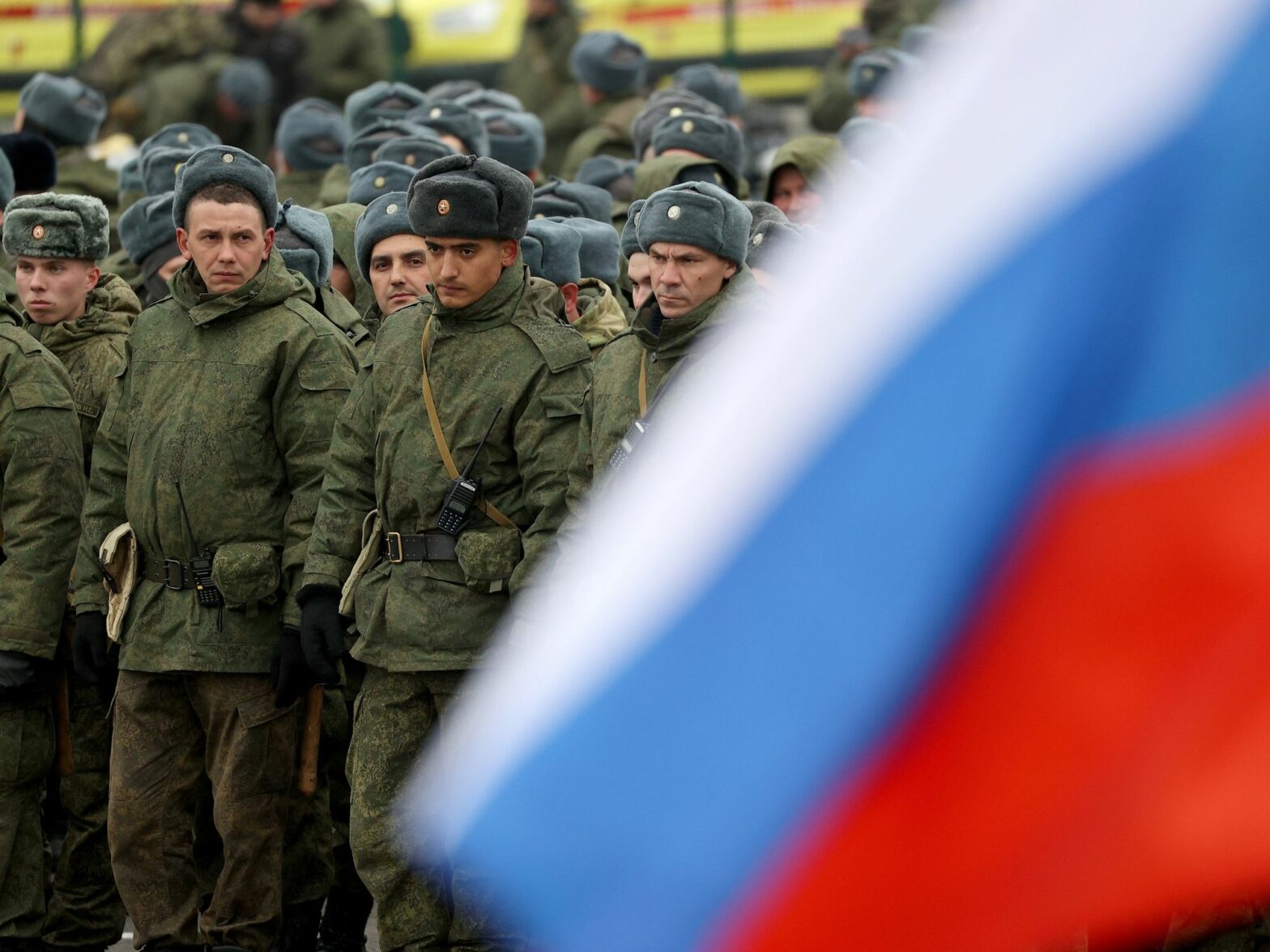
Many in the opposition to the Kremlin have renounced the “tricolor” flag. Yet the white-blue-red flag is a symbol of a free Russia, not of war. We need to stop beating ourselves up and embrace the soul of the nation as the ultimate path to take down Putin’s dictatorship.
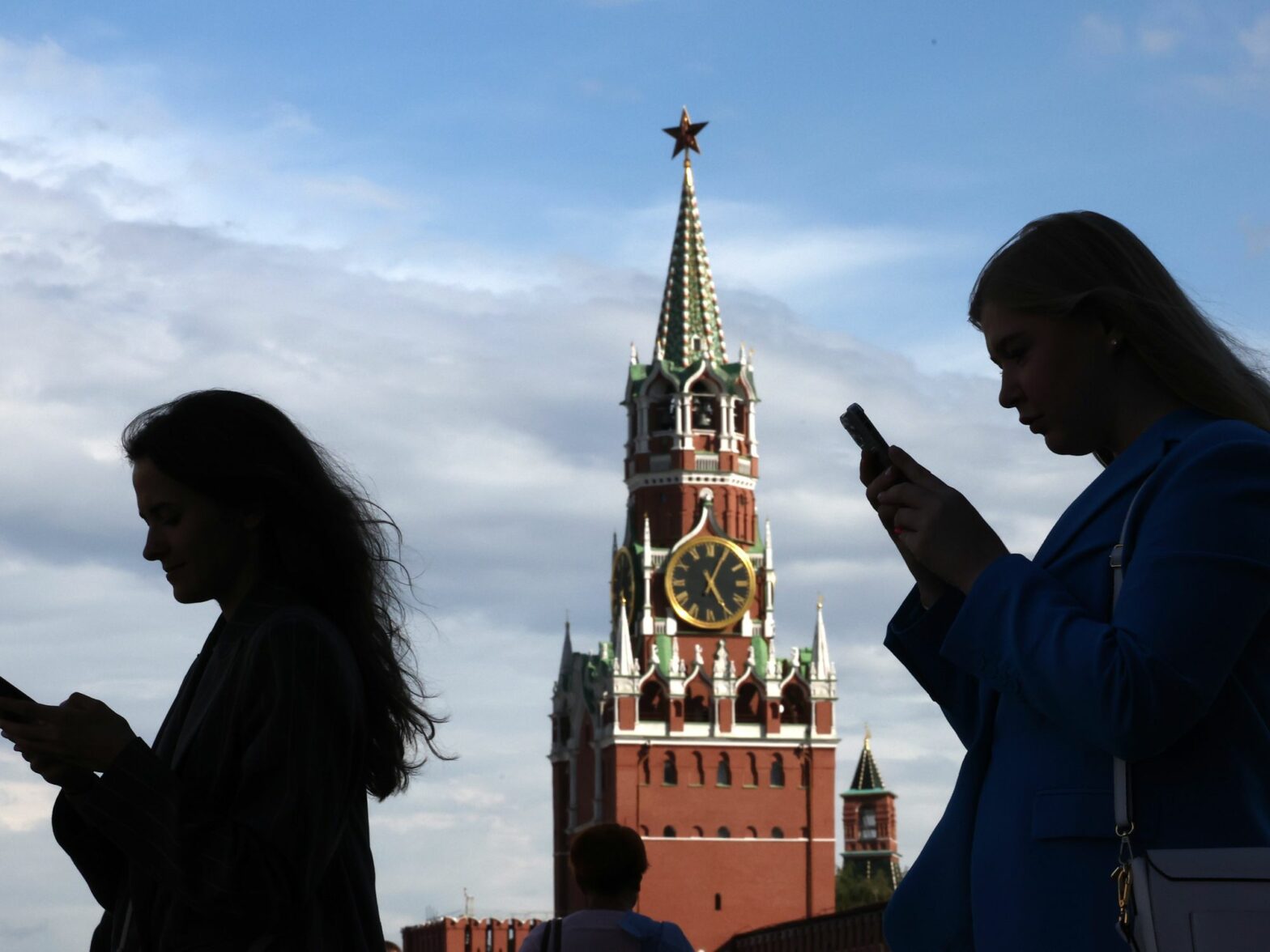
In wartime Russia, women are behaving in starkly different ways: some are fighting desperately to bring their men home, while others are actively encouraging them to go to the front — for the promise of good money.
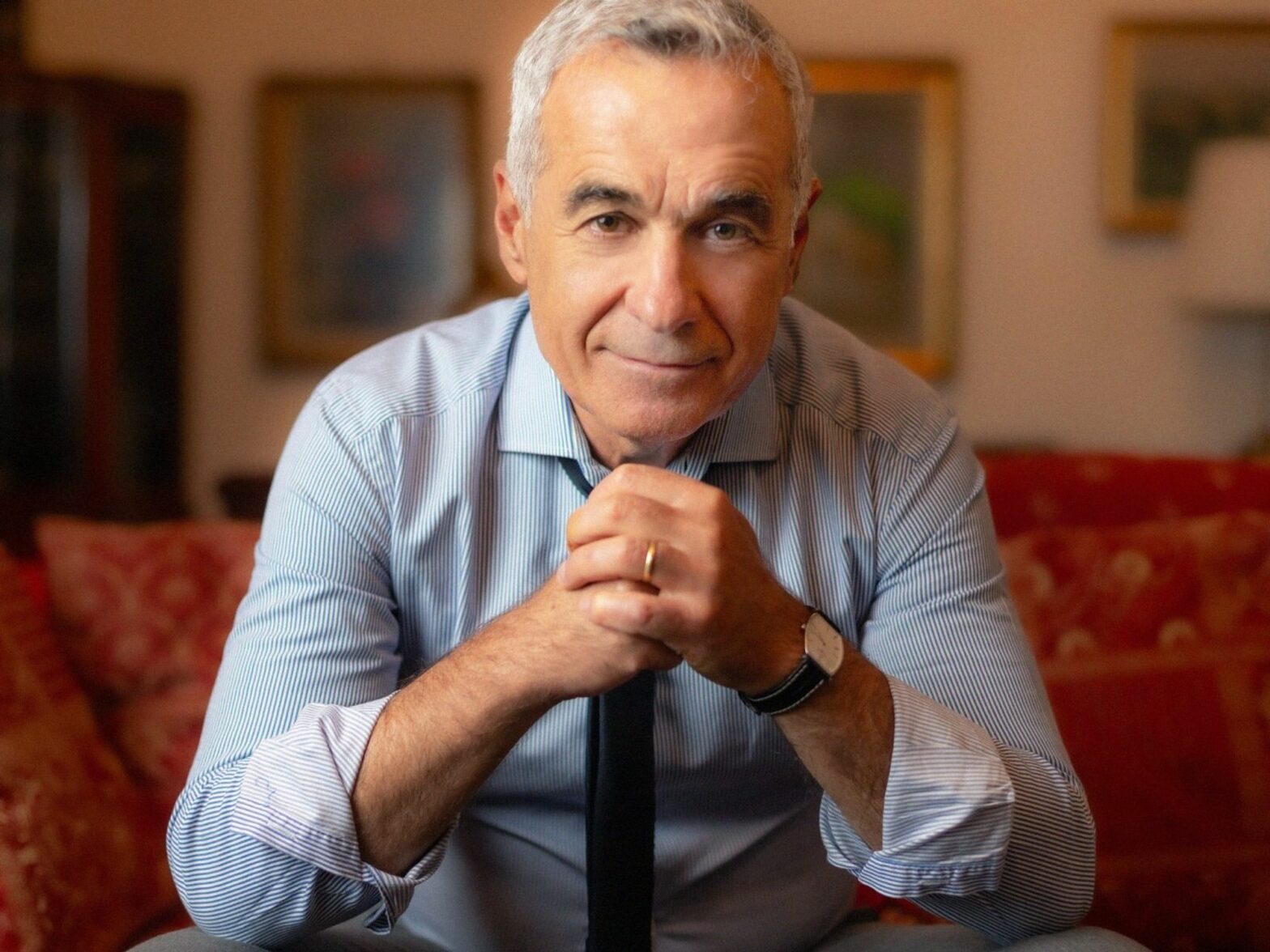
The surprise in the first round of the Romanian presidential election came from far-right, pro-Russian candidate Călin Georgescu. How could such a figure emerge seemingly out of nowhere? TikTok certainly played a role, but so did fears of the Ukraine war spreading. It’s a cautionary tale for all of Europe.
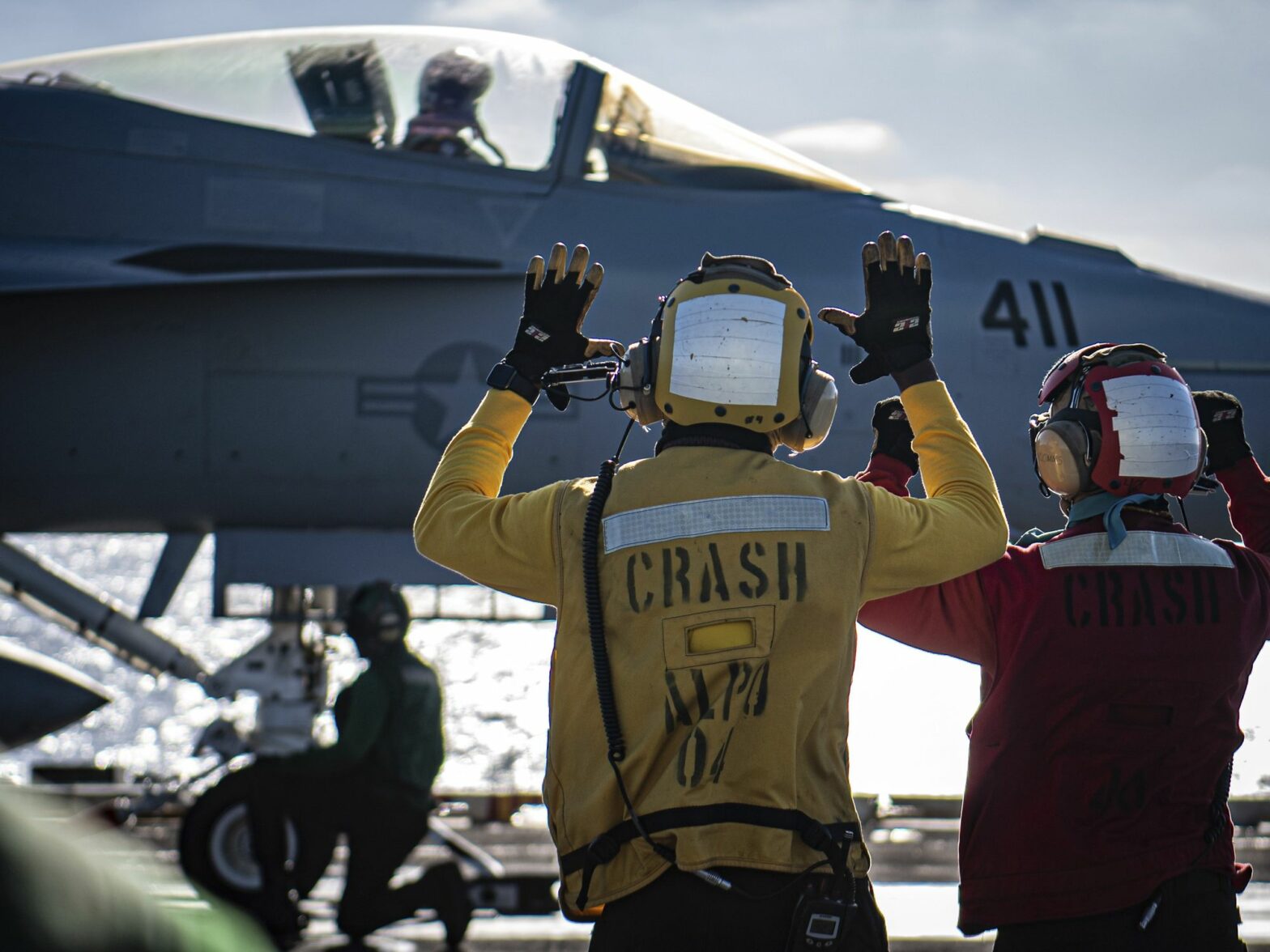
The main conflicts today are deeply interconnected. A recent example is Taiwan’s former president urging Washington to prioritize arms shipments to Ukraine over Taiwan, arguing that the credibility of American deterrence is at stake. Will Trump make the connections?
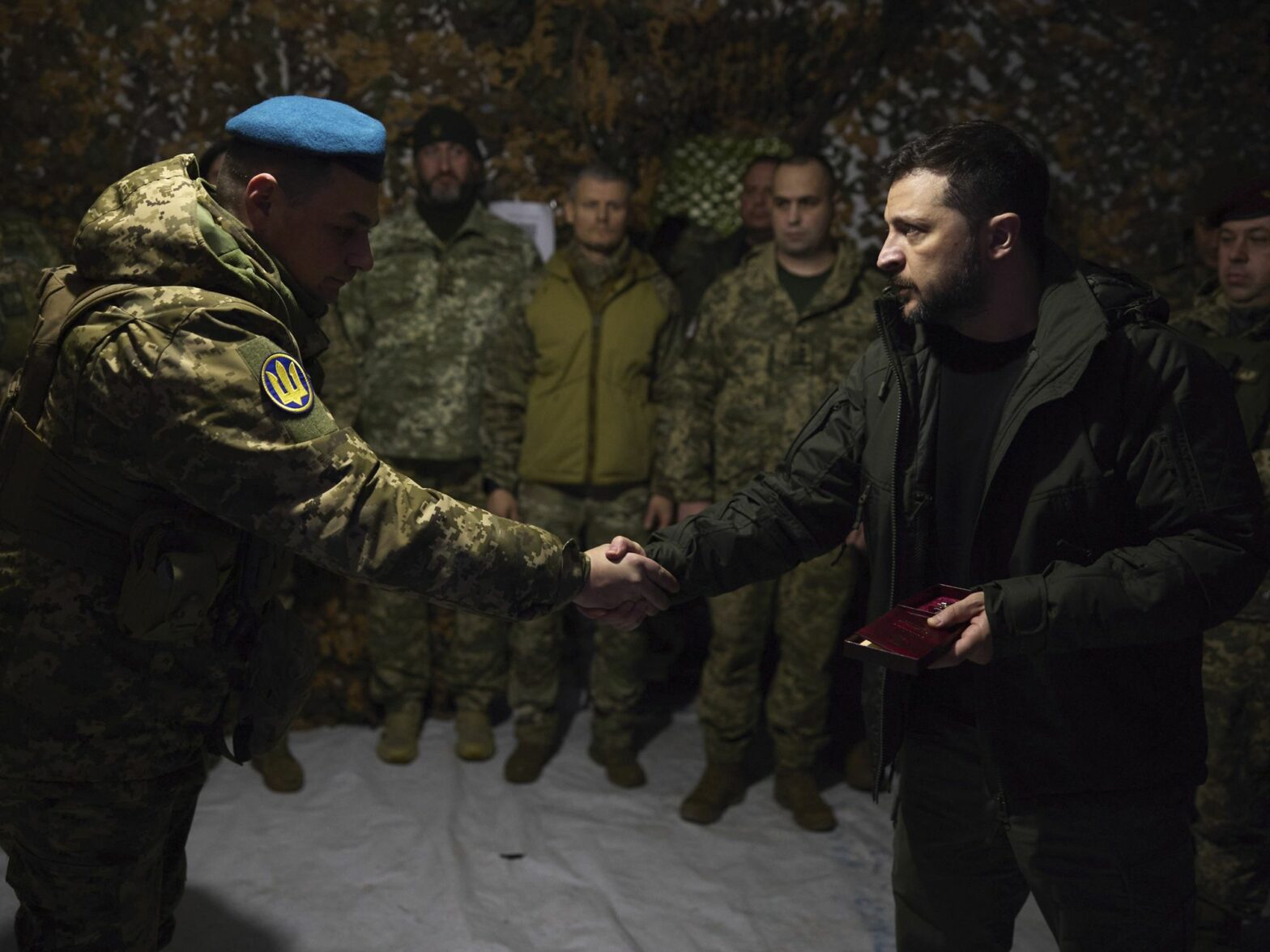
Russia is expanding its nuclear doctrine and intensifying strikes on Ukraine, including Thursday’s unprecedented launch of an intercontinental ballistic missile. This is an apparent response to new U.S. authorization of use of its weapons in attacks on Russian territory. All can be traced to the radical White House transition underway.
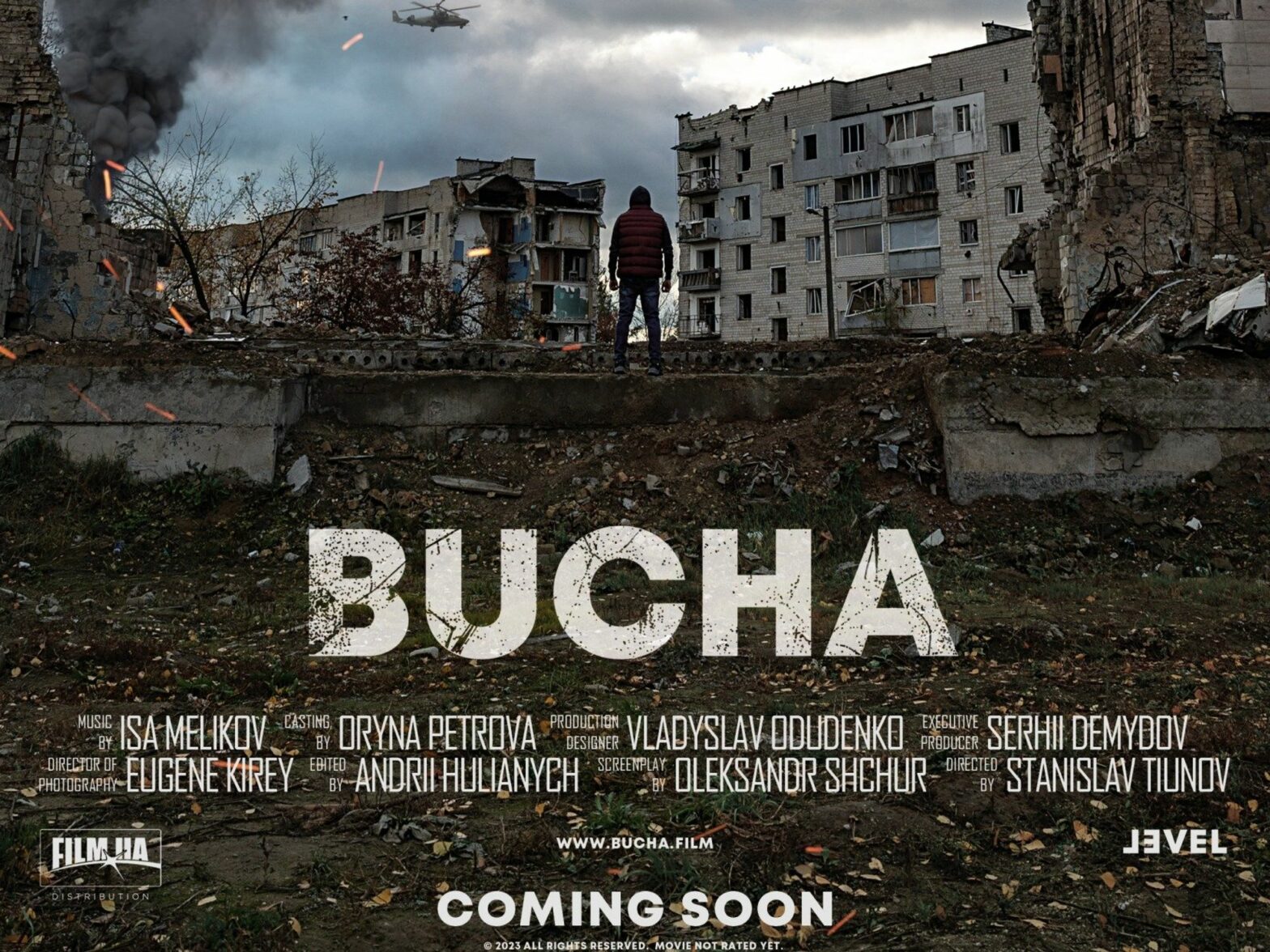
The release of the film Bucha by Ukrainian director Stanislav Tiunov, based on true events during the Russian invasion in spring 2022, raises questions about the ethics and exploitation of war on film. While this is not the first time a director has been accused of trying to make a blockbuster out of a tragedy, the film demonstrates the importance of taking time to reflect on such events.
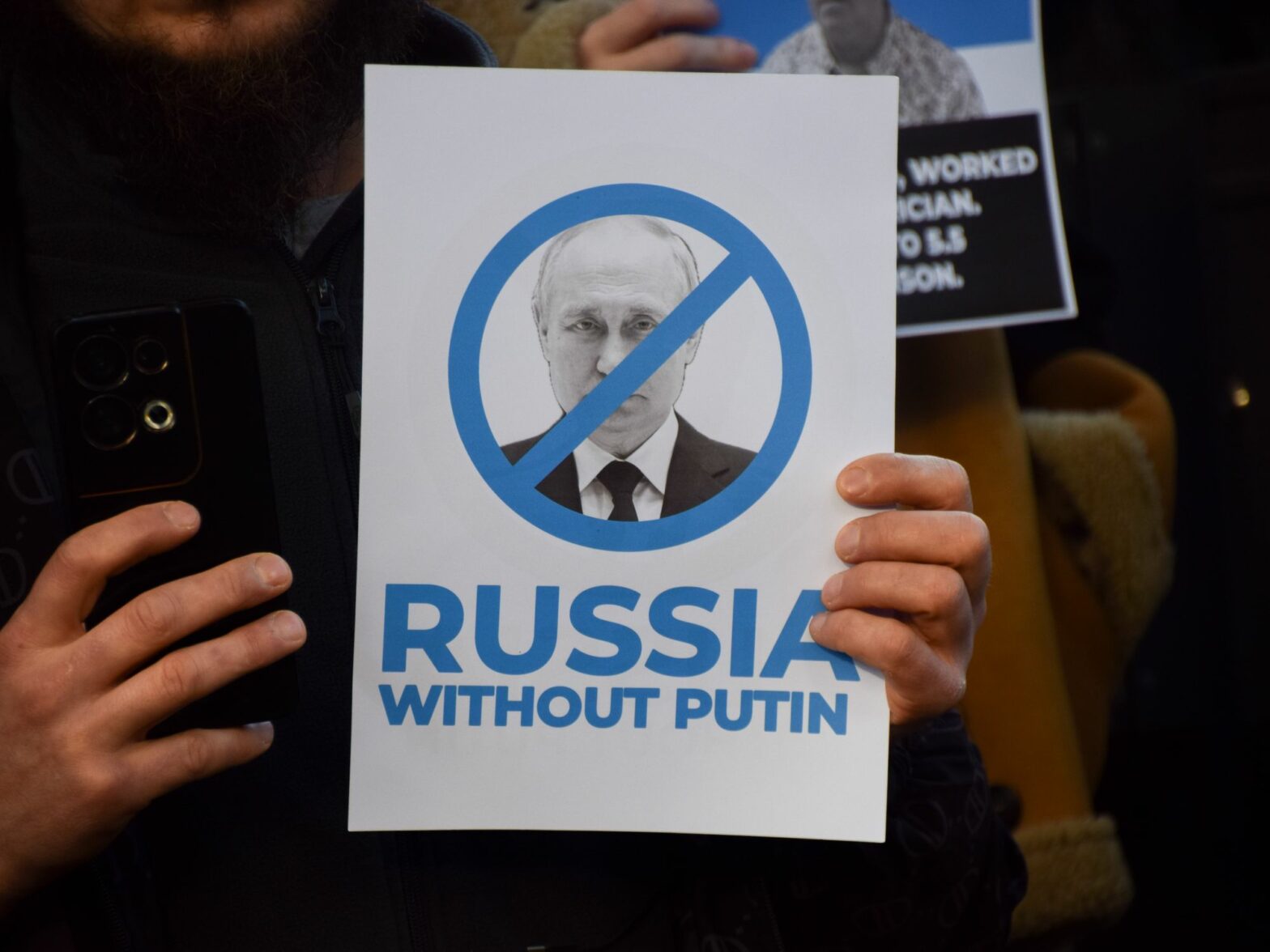
Russia launched its full-scale invasion of Ukraine 1,000 days ago. Since then, many Western nations, scholars and politicians have suggested negotiating for peace with Russia, rather than letting the war go on. But negotiations will not stop Putin’s imperial ambitions.
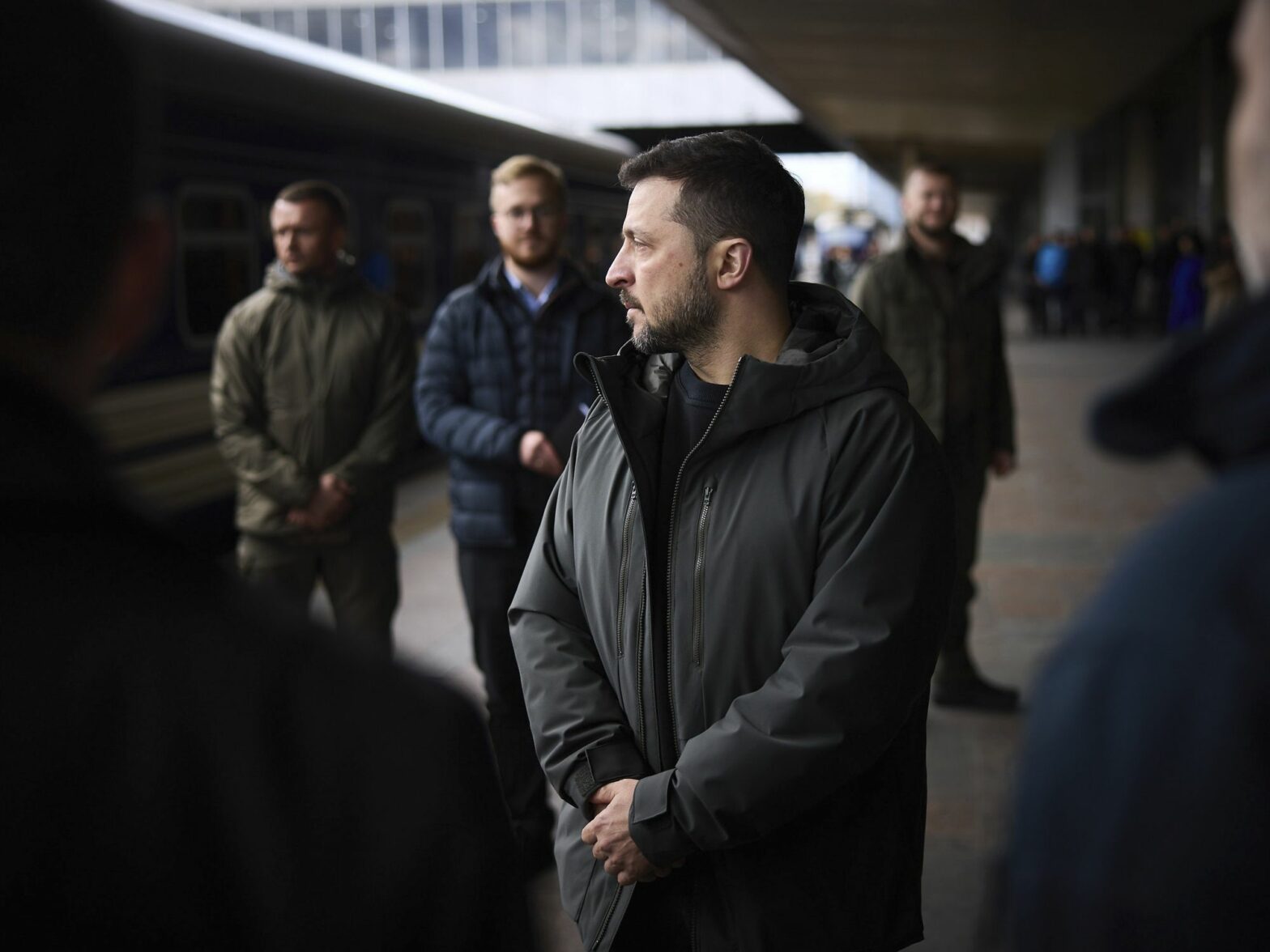
The U.S. has finally allowed Ukraine to strike Russian territory with long-range missiles following massive Ukrainian bombings of power infrastructure. Though only two months remain for the Biden administration before the uncertainty of the Trump era begins, the terms of any future negotiations are being fought over now.
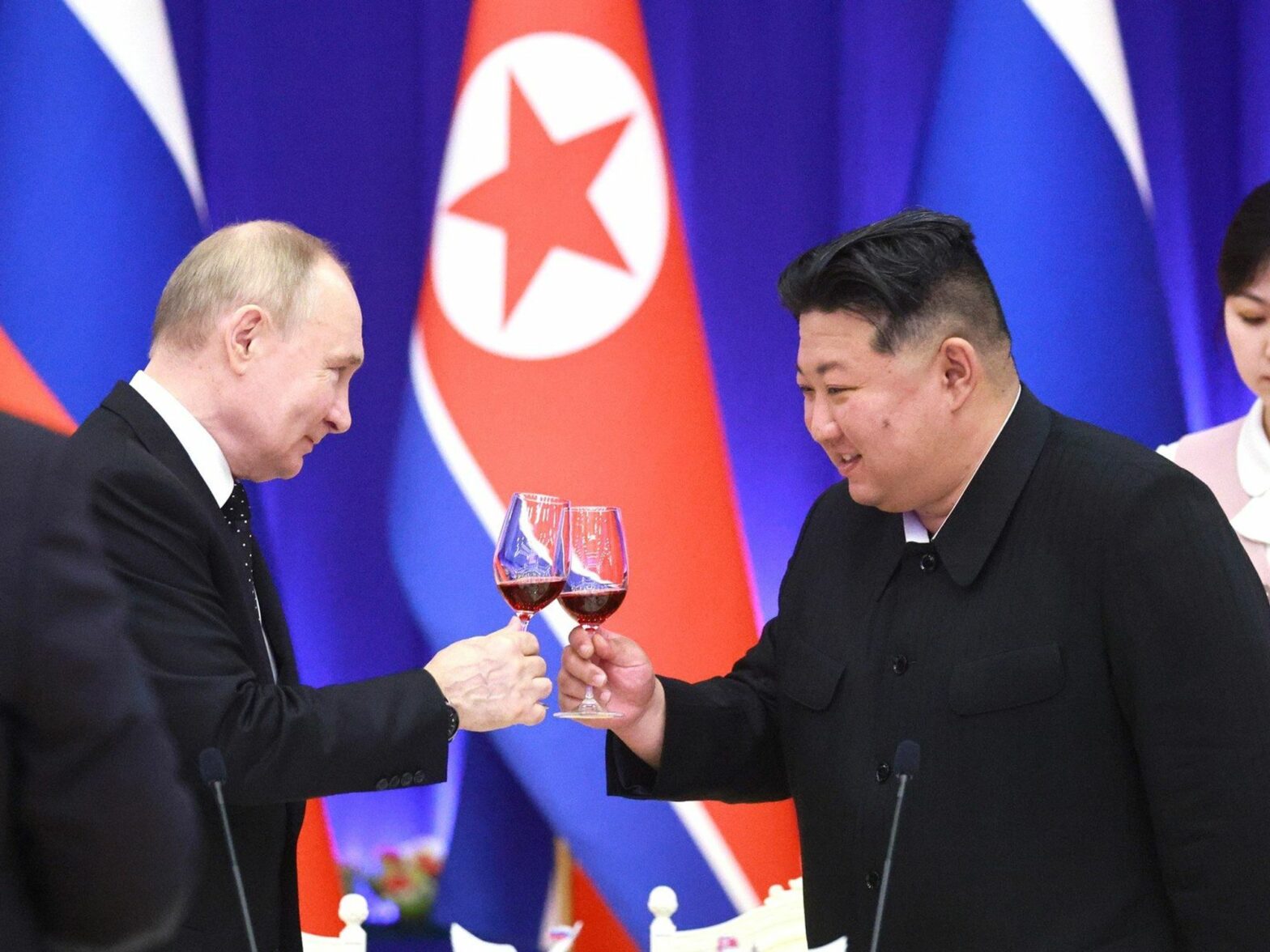
Pyongyang has just ratified its new defense pact with Moscow. North Korean soldiers are deployed near Kursk, in an unprecedented engagement that marks a reversal of Kim Jong-un’s foreign policy.
During his presidential campaign, Donald Trump repeatedly said he could end the Russia-Ukraine war “in a day” if reelected. Now that he has won, some Ukrainian commentators and politicians are hoping that they can use his unpredictability — and vanity — to their advantage.
When politicians call for more diplomacy instead of weapons delivery, the basis of their arguments is misleading. The Russians and Ukrainians have already reached diplomatic agreements in many areas, but there are limits to open negotiations — mainly around whether Putin himself really wants to negotiate.
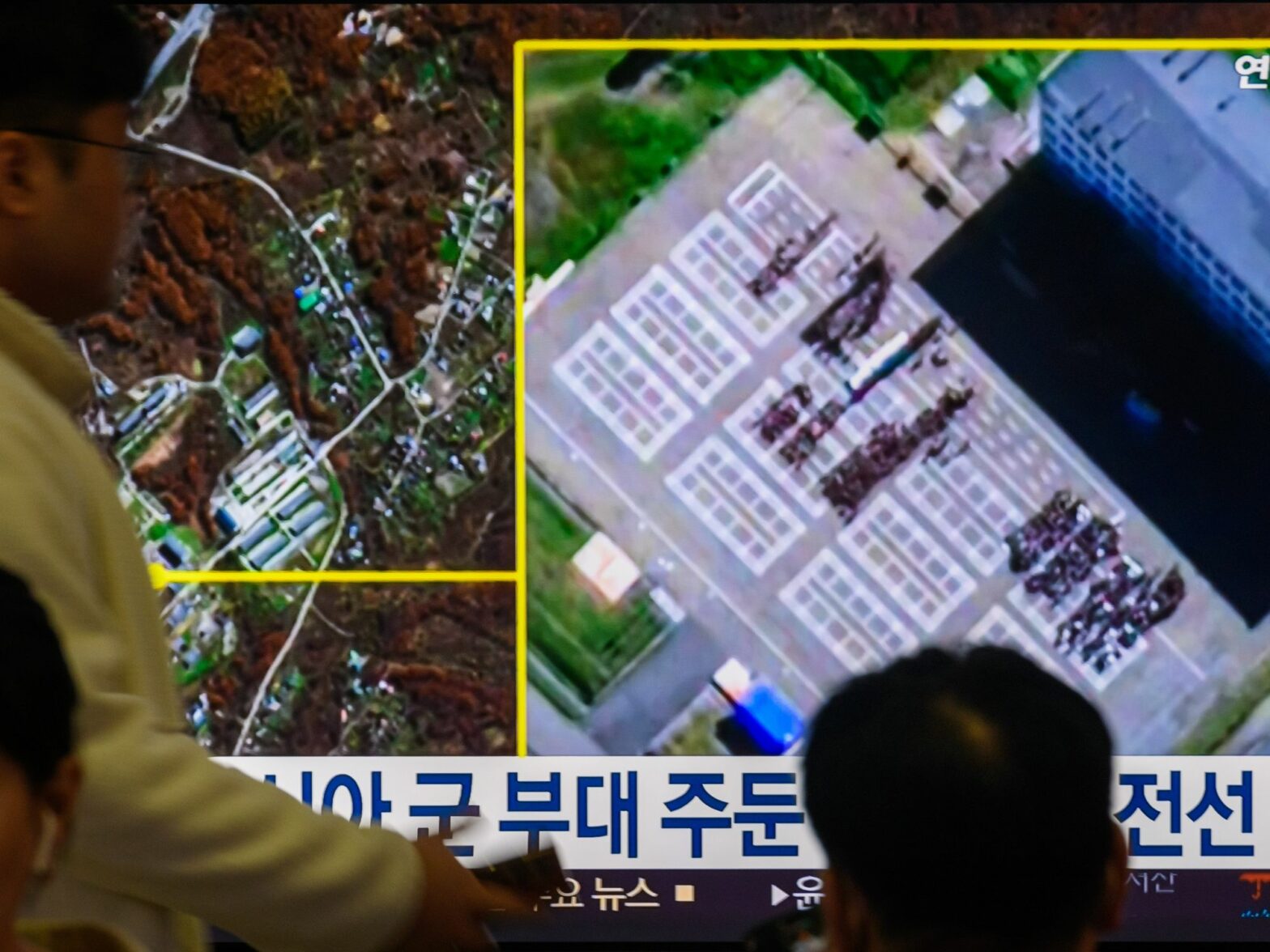
With tens of thousands North Korean troops confirmed to be moving toward the Russia-Ukraine front line, to fight on Moscow’s side in Ukraine, the two big questions are: What is Kim Jong-un trying to achieve? And more importantly, how does China fit into this picture?
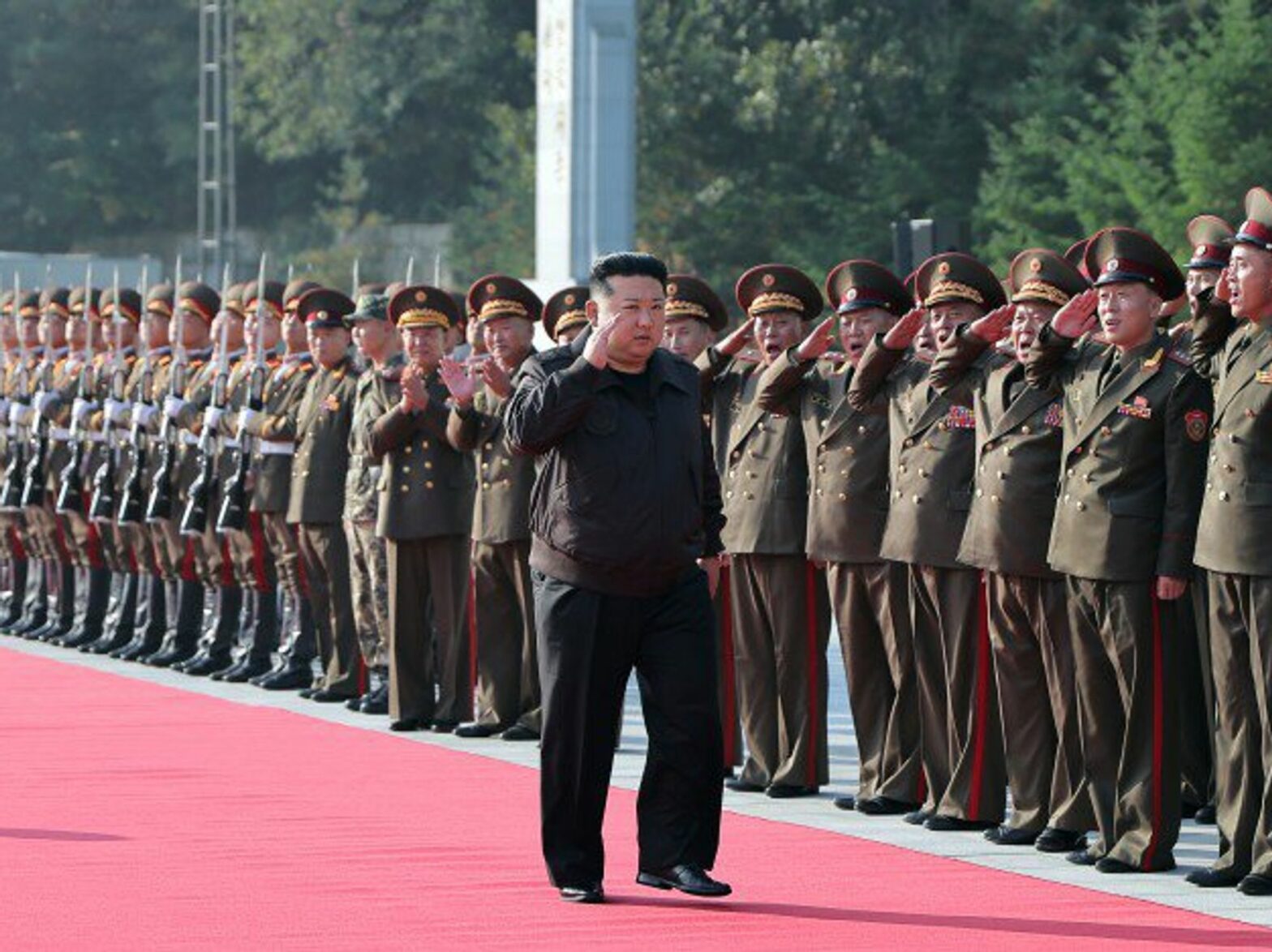
The United States’ confirmation of the presence of North Korean soldiers alongside the Russians in Ukraine has raised fears of an international escalation. All the more reason to fear that the current local or regional conflicts will gradually turn into global ones.
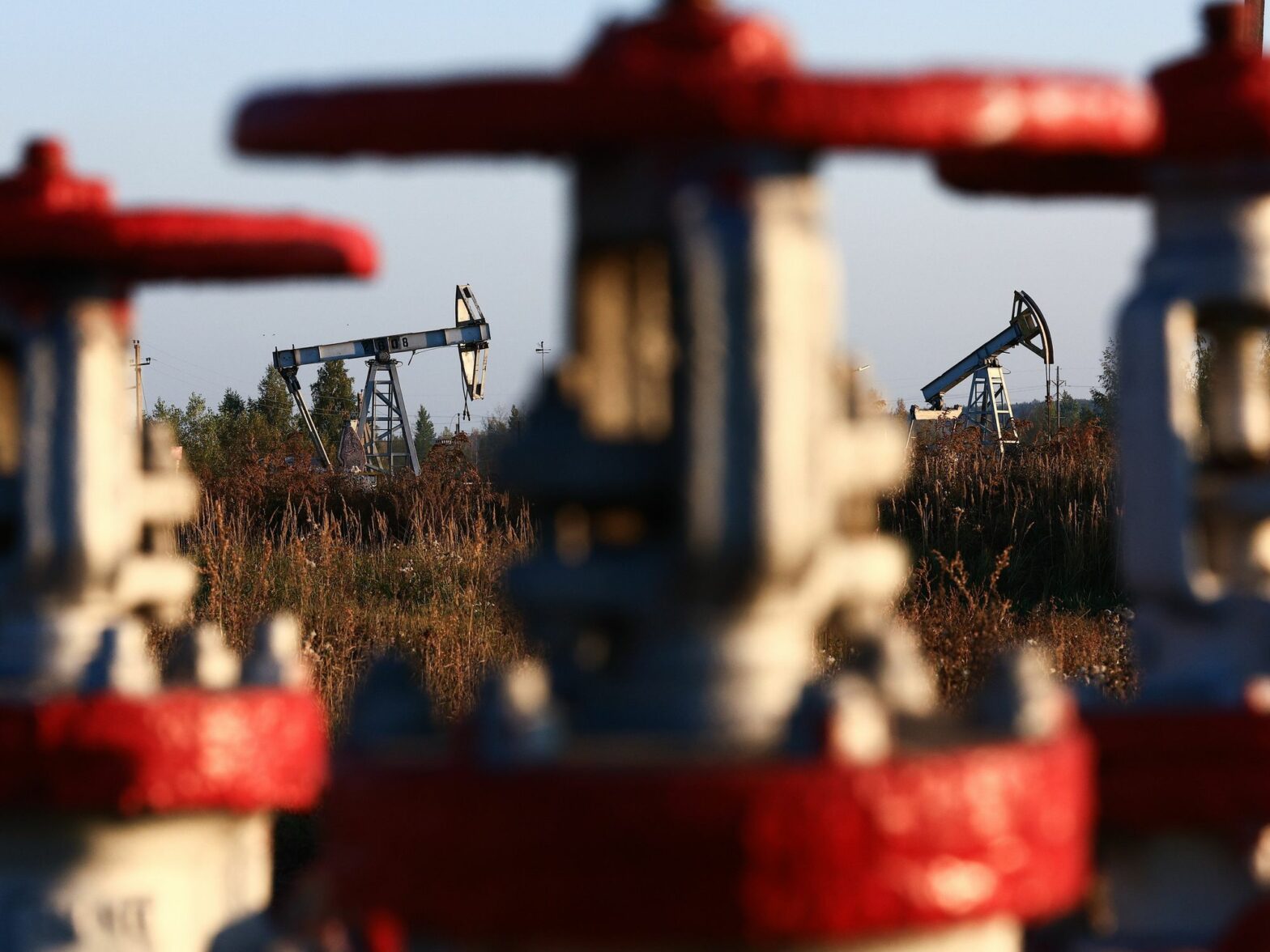
Since the end of the 20th century, the idea has spread that there’s a fundamental link between energy prices and Moscow’s ability to carry out military aggression. After all, low energy prices were one of the factors behind the economic collapse of the USSR.