Here are the latest headlines.

 Worldcrunch
Stay updated with comprehensive news on Ukraine from Worldcrunch. Discover insights on Ukrainian politics, economic strategies, societal issues, and cultural landmarks with translations from top international sources. Highlights include Kyiv, Ukrainian history, and current events.
Here are the latest headlines.
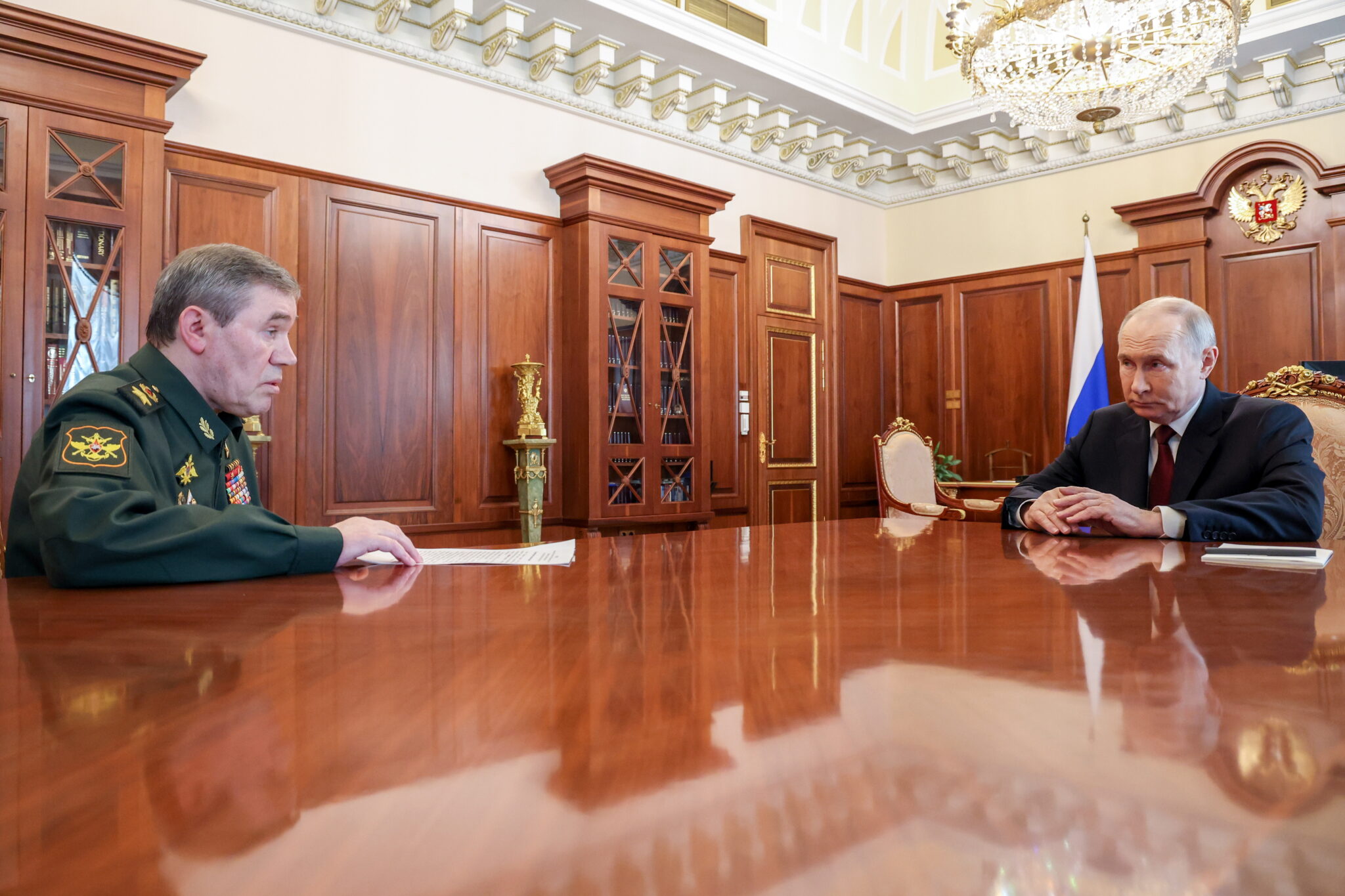
Ceasefire talks are going nowhere, but they expose that the U.S. has different viewpoints coexisting in the White House on how to resolve the war.
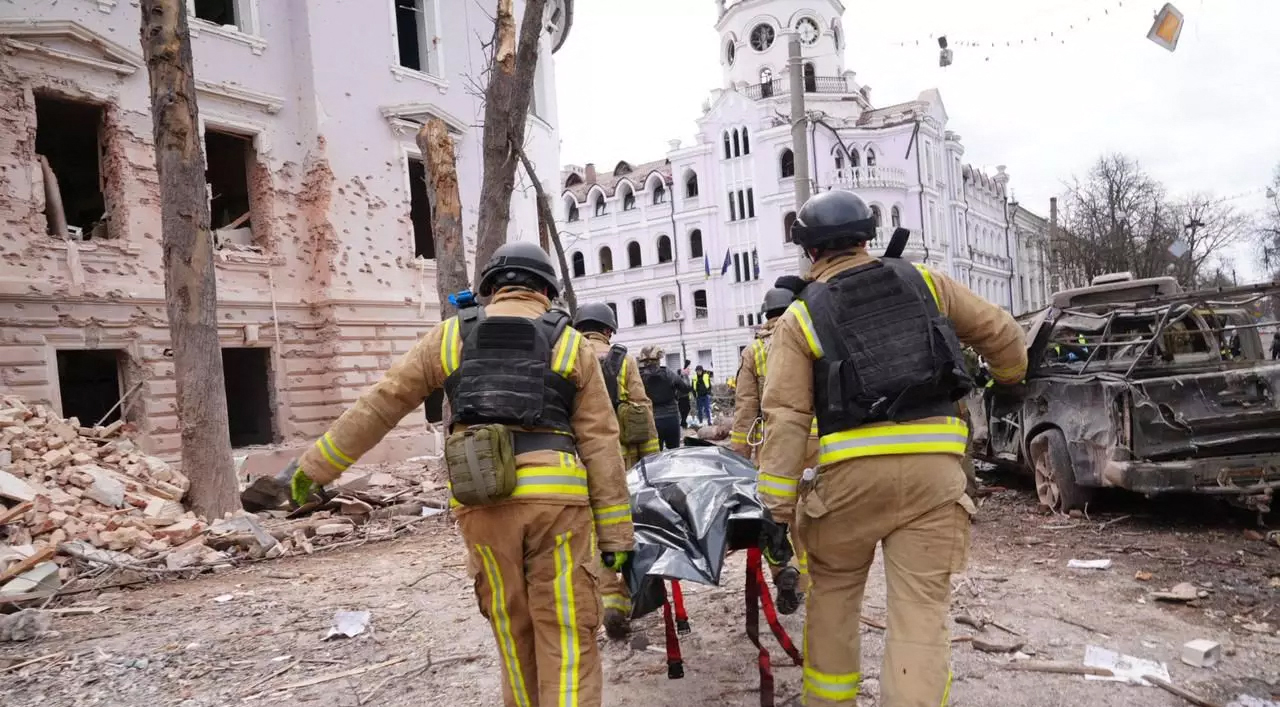
Russia’s bombing the northeastern Ukrainian city wasn’t just a monstrous act of war against civilians, it was a cold-blooded political calculation by a Vladimir Putin uninterested in Trump’s eagerness for a truce.
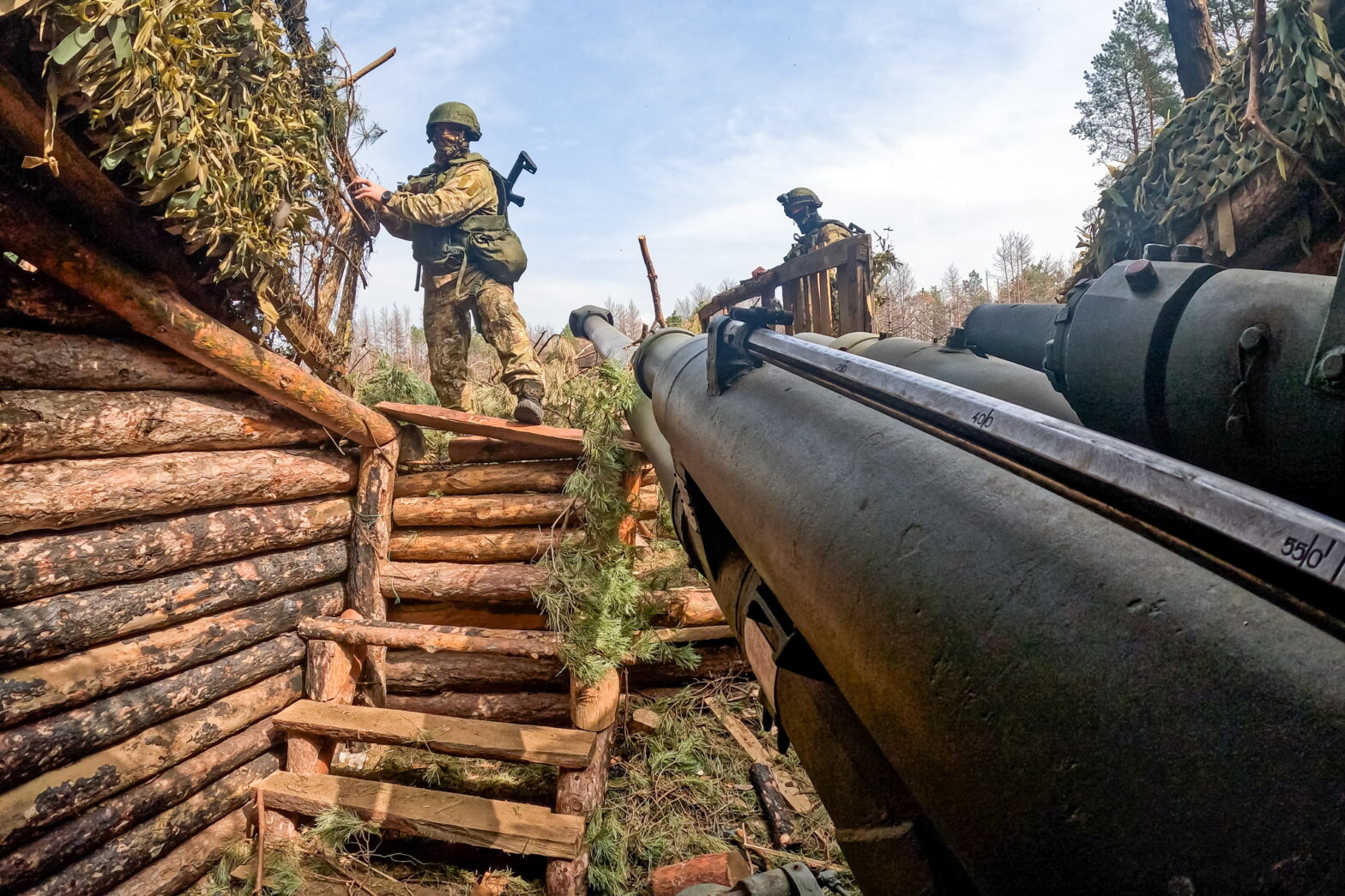
On the one hand, the prevalence of Soviet-era T-55 tanks, golf carts, donkeys and other makeshift transport are a clear sign of Moscow’s exhaustion. On the other hand, Russia is clearly investing in a transformation of its military. It’s the real reason that Europe is mobilizing.

Journalist Katya Bonch-Osmolovskaya of “Important Stories” on how Ukrainian children taken to Russia led to an arrest warrant for Putin, but they were then forgotten.
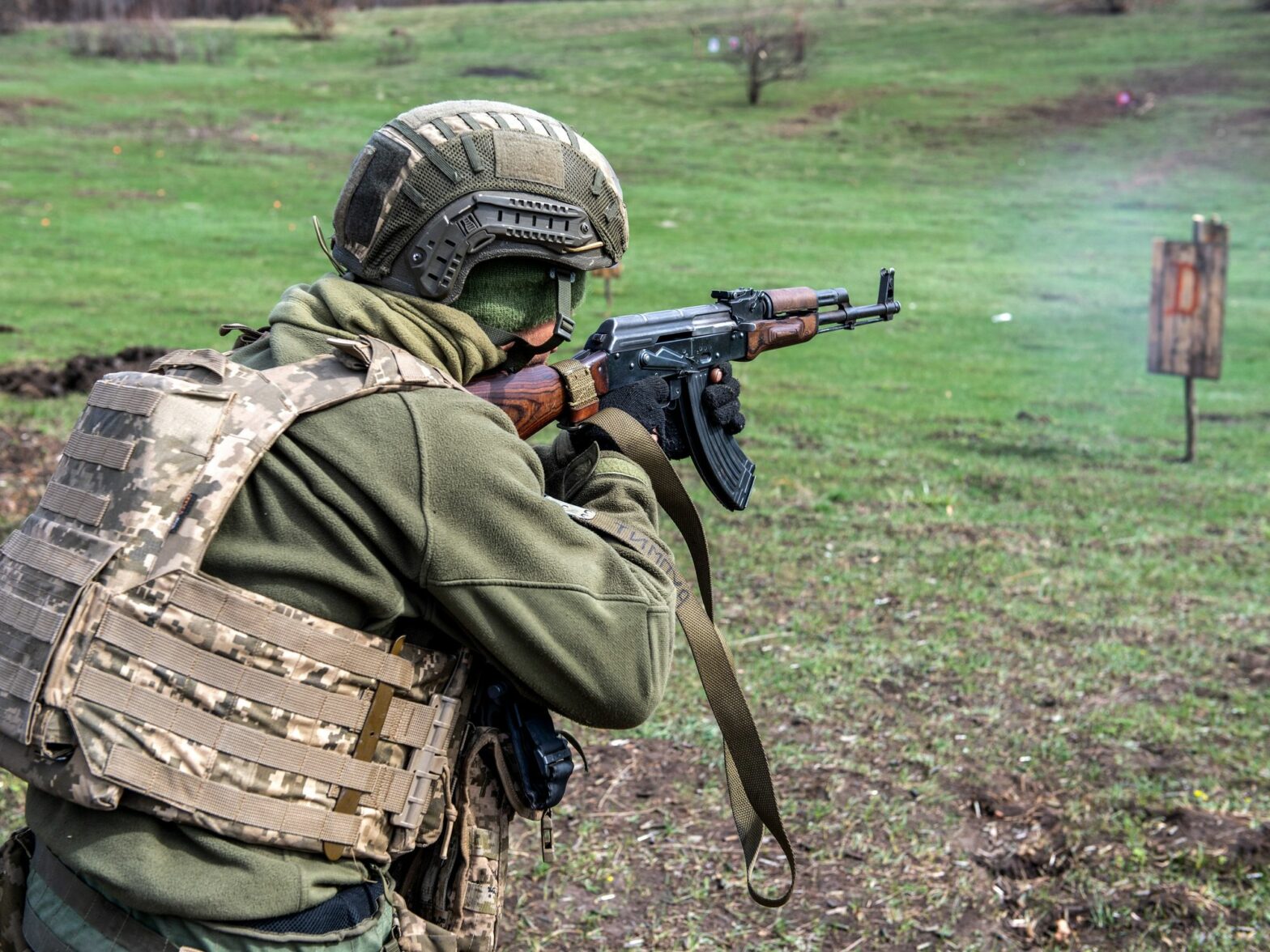
While voluntary enlistment is still strong in Ukraine, it is no longer enough. Kyiv has begun allowing prisoners to apply for early release in exchange for military service. While Russia’s similar policy was criticized, Ukrainian officials insist there are crucial differences.
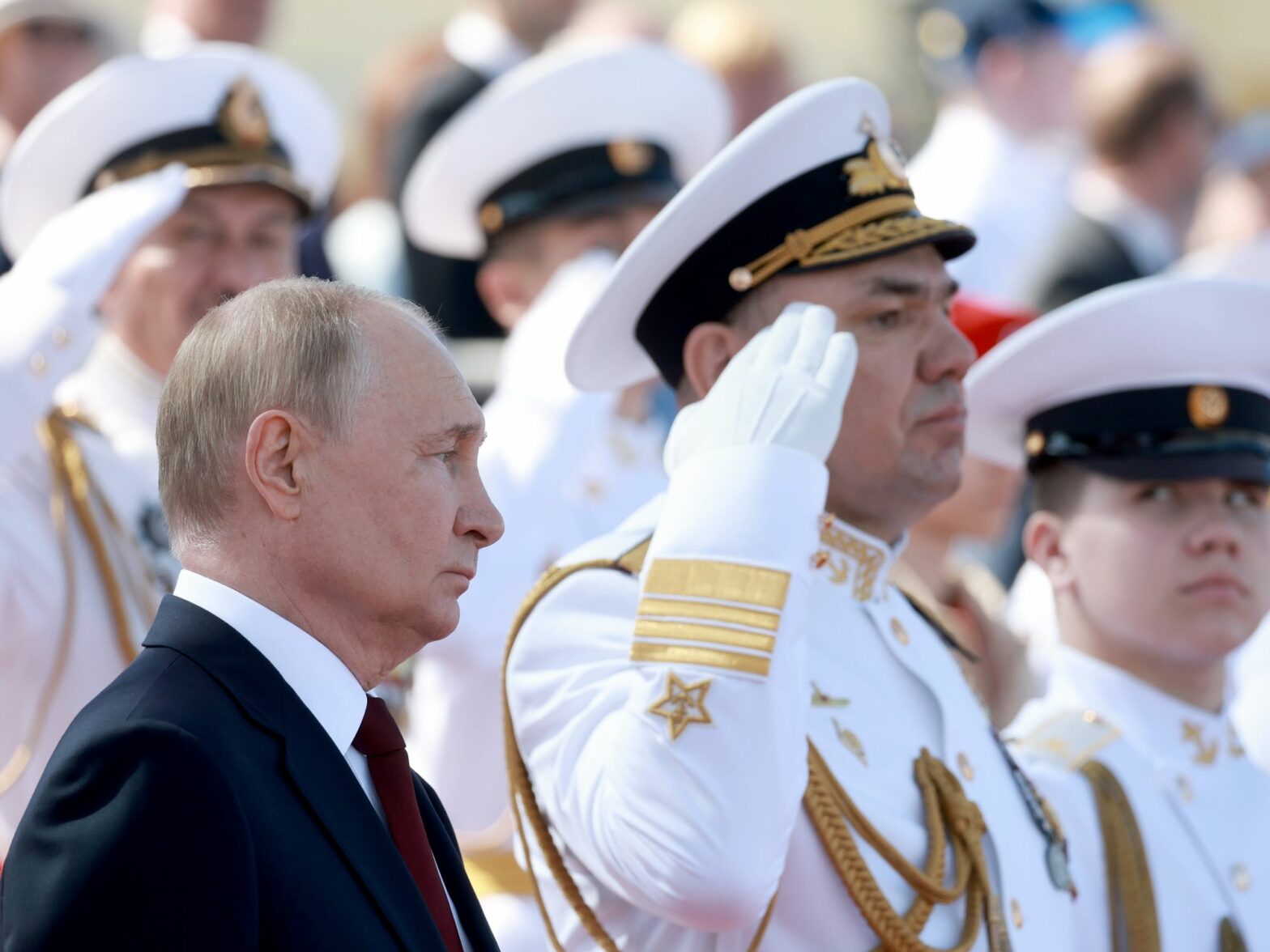
The Russian president has no problem talking about negotiations and peace treaties. But he’s a master decoy artist. Putin has built his power on conflict, and now he needs war to hold on to it.
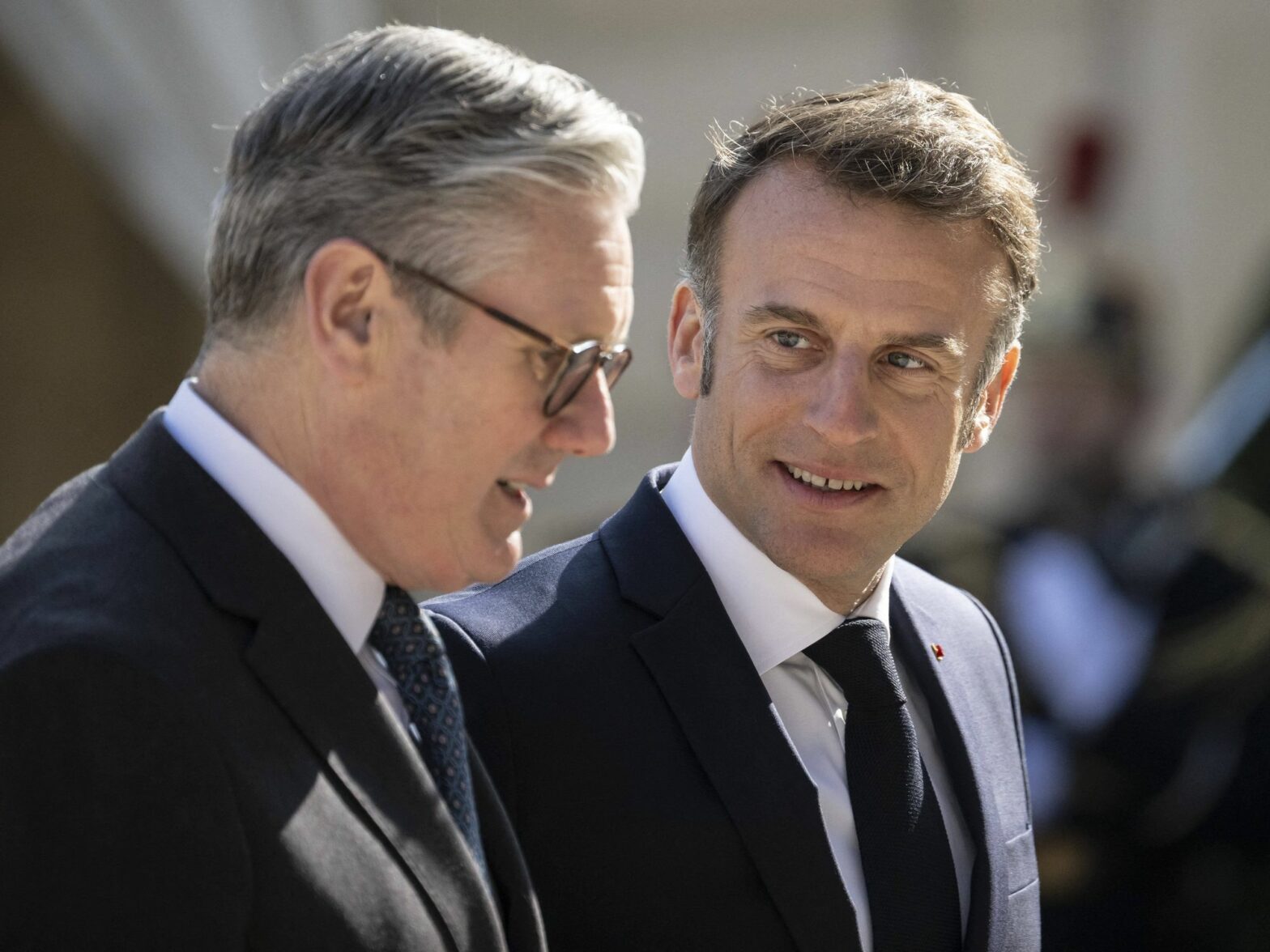
Thirty-one countries gathered in Paris — without the United States — to coordinate their support for Ukraine during this critical time. This unprecedented “soft NATO” initiative comes as Washington turns its back on its allies. And two main leaders emerge.
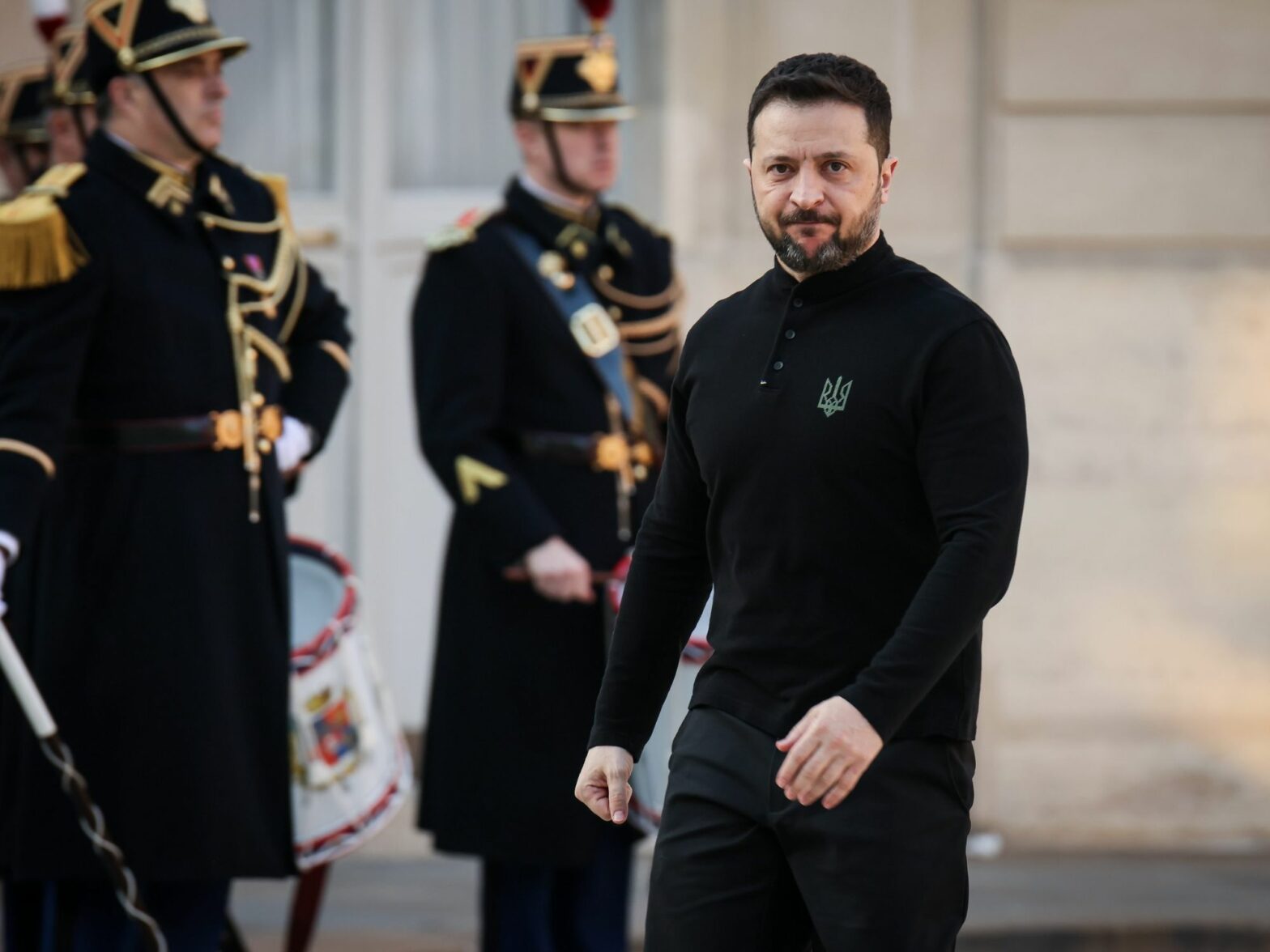
In Paris where he met with Emmanuel Macron, the Ukrainian president urged Europe to provide more weapons and soldiers, accusing Putin of having no interest in a ceasefire. French daily Le Figaro’s Isabelle Lasserre spoke with him in an exclusive interview.
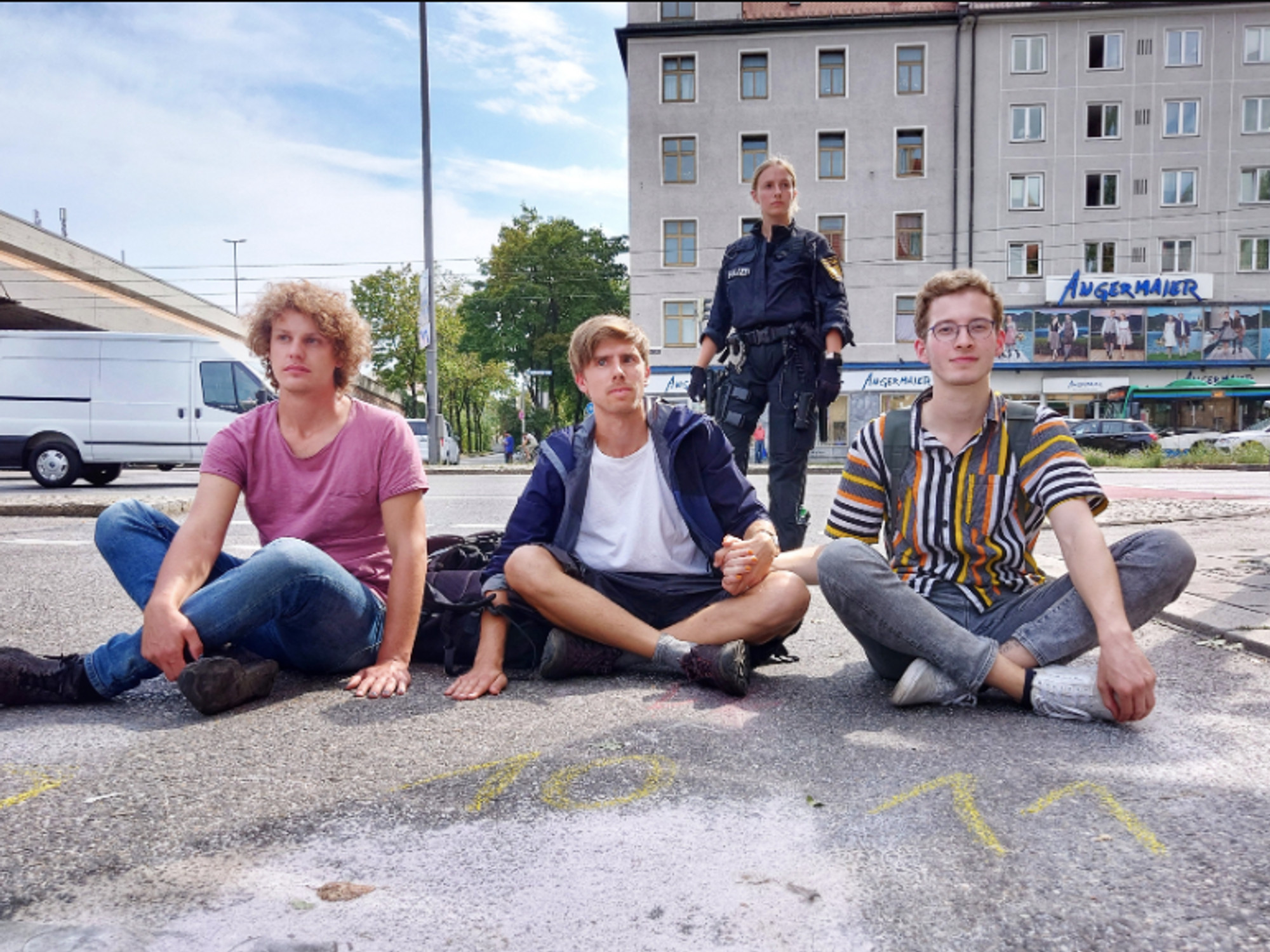
Would you fight for your country? My generation hears this question a lot these days. But my generation was taught to fight for peace — so why aren’t we holding onto that aim, especially now?
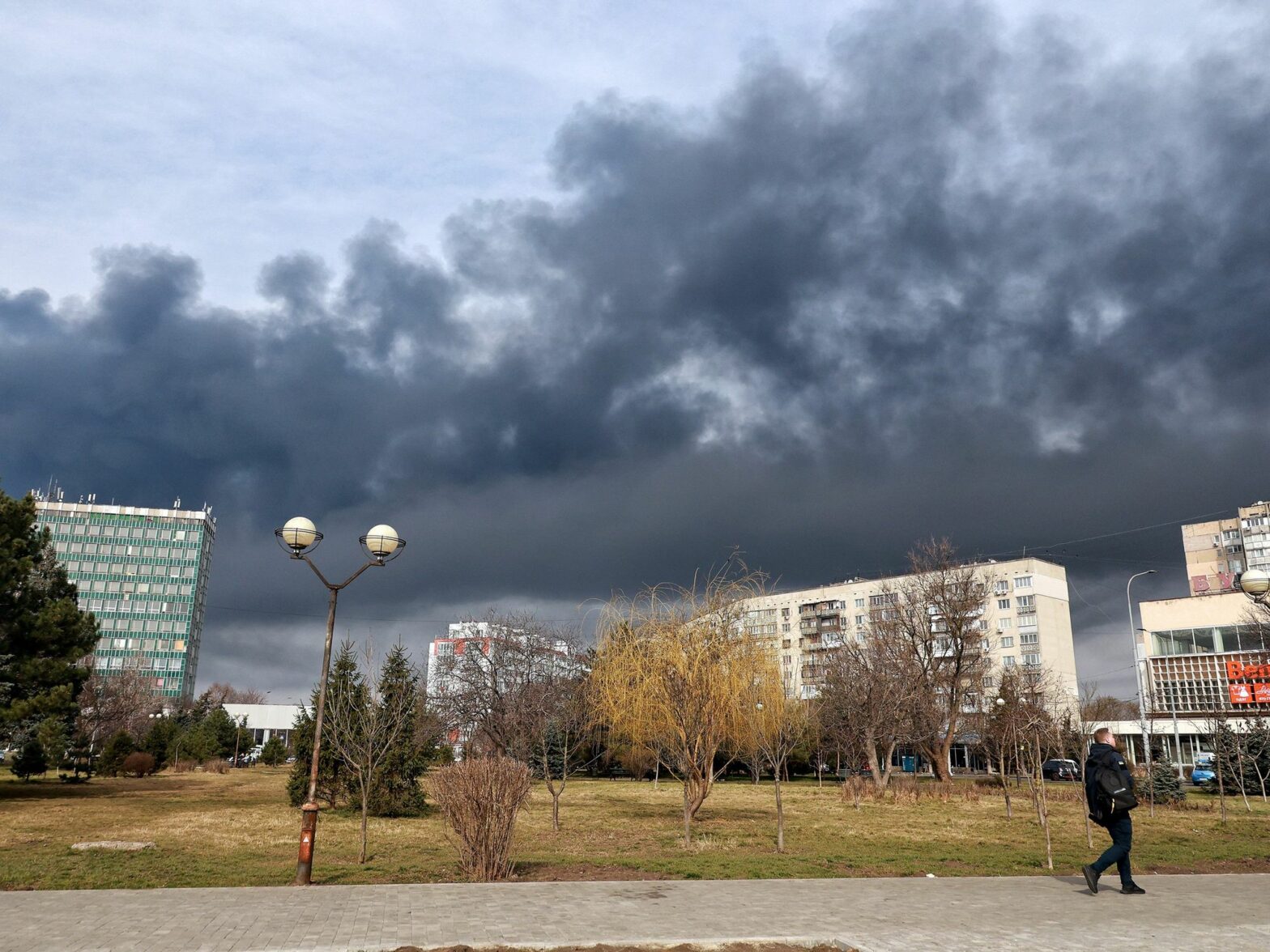
We’re still far from the 30-day ceasefire the Americans had hoped for. Even Tuesday’s announcement of a halt to hostilities in the Black Sea comes with Russian conditions. The negotiations are shaping up to be a long game — one that feels more like a high-stakes bluff than a real path to peace.
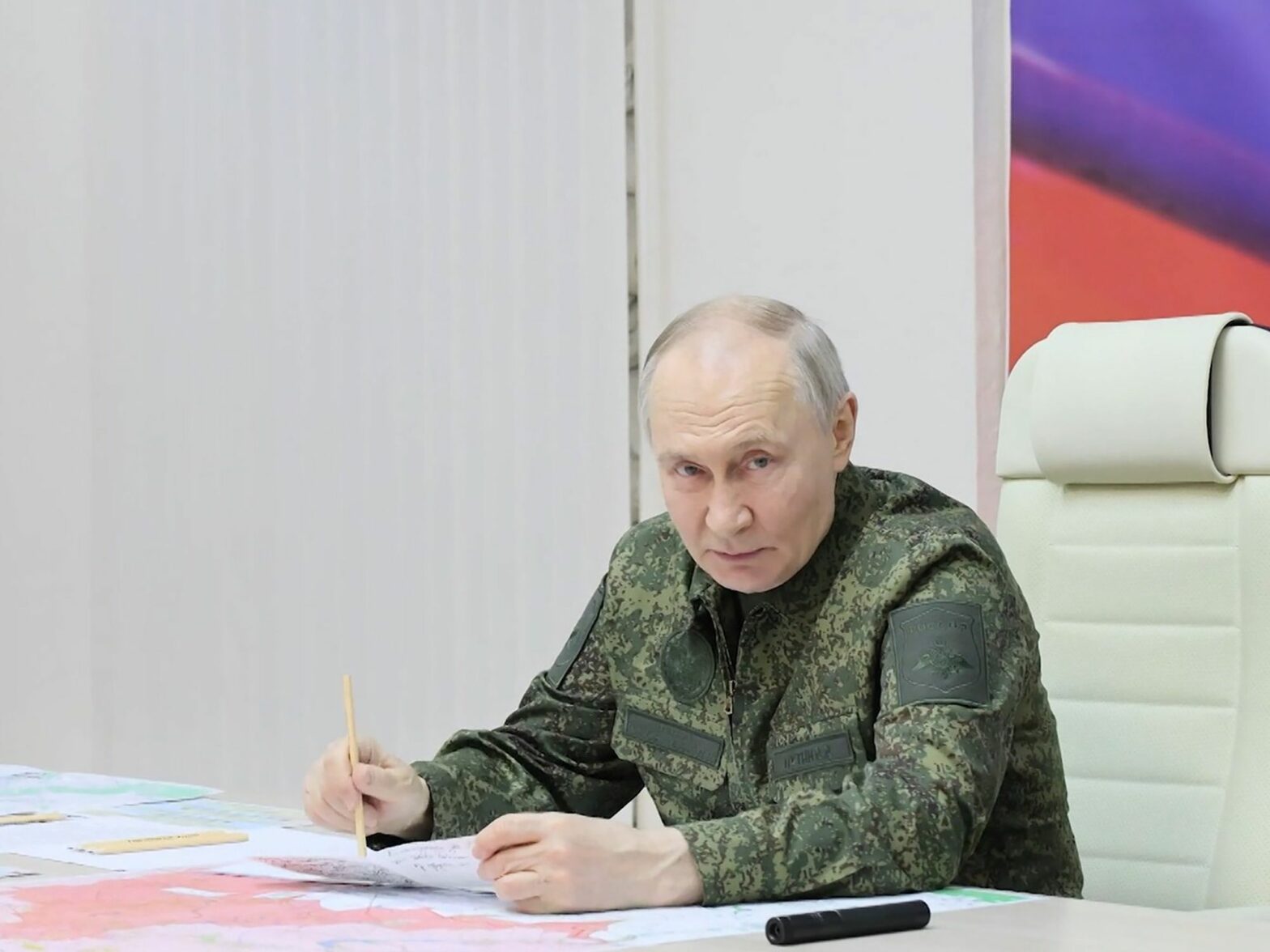
The Russian president has no problem talking about negotiations and peace treaties. But he’s a master decoy artist. Putin has built his power on conflict, and now he needs war to hold on to it.

Europeans may see seizing Russian assets as a financial and moral boost, they should resist the idea to avoid a triple boomerang effect.
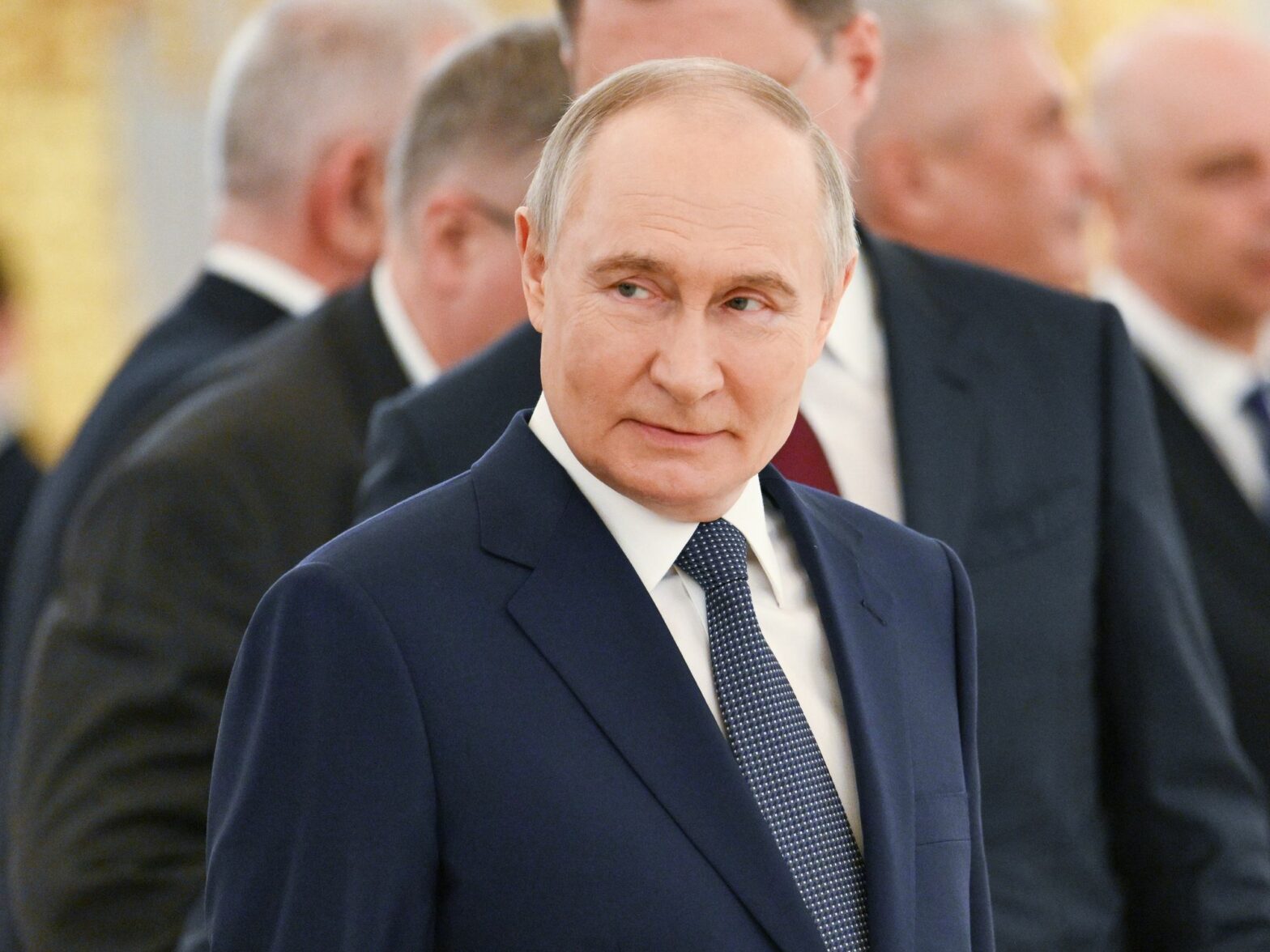
After more than two hours of talks with Trump, Putin agreed only to a partial truce on energy infrastructure and laid out his conditions for moving forward — chief among them, an end to Western aid for Ukraine. Who knows if Trump pushed back at all.
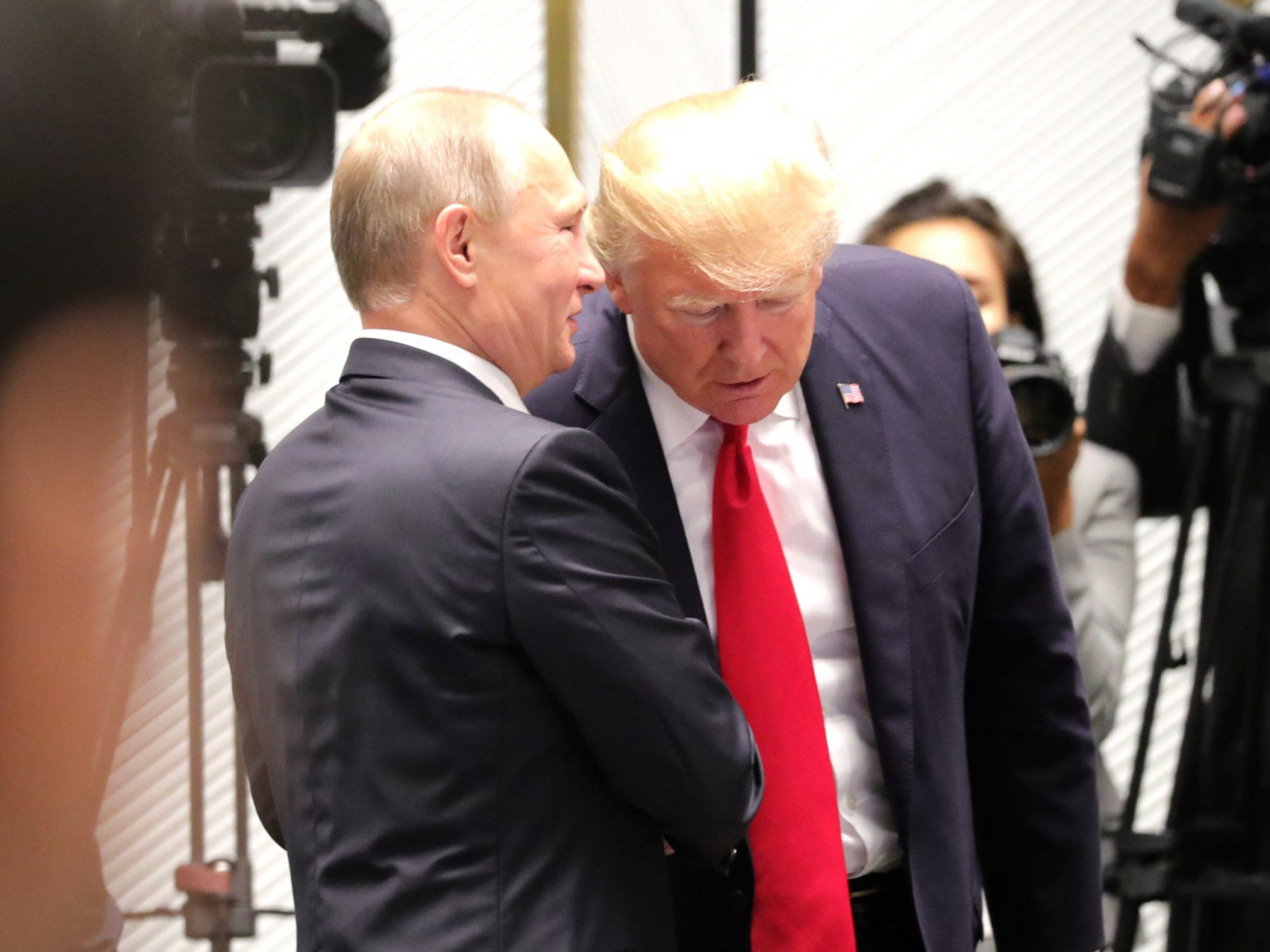
Donald Trump and Vladimir Putin discussed Ukraine and other international matters during a call on Tuesday. What do the two leaders have in common? A shared worldview alone no longer explains it.
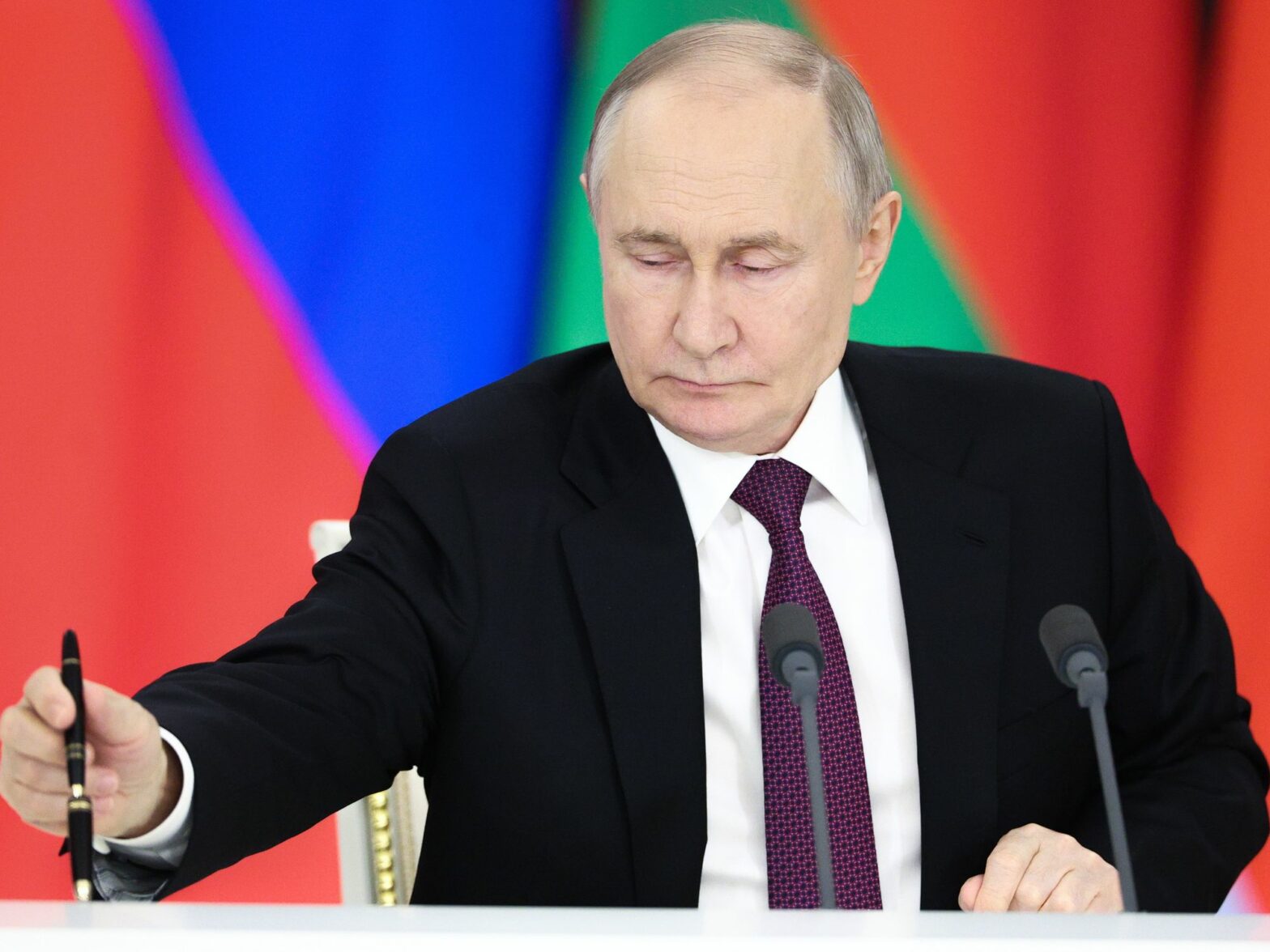
Zelensky immediately agreed to the 30-day ceasefire without conditions, but Putin took his time responding — essentially delivering a “no” to the U.S. proposal. Negotiations between Washington and Moscow are ongoing, but much hinges on Donald Trump’s mood.
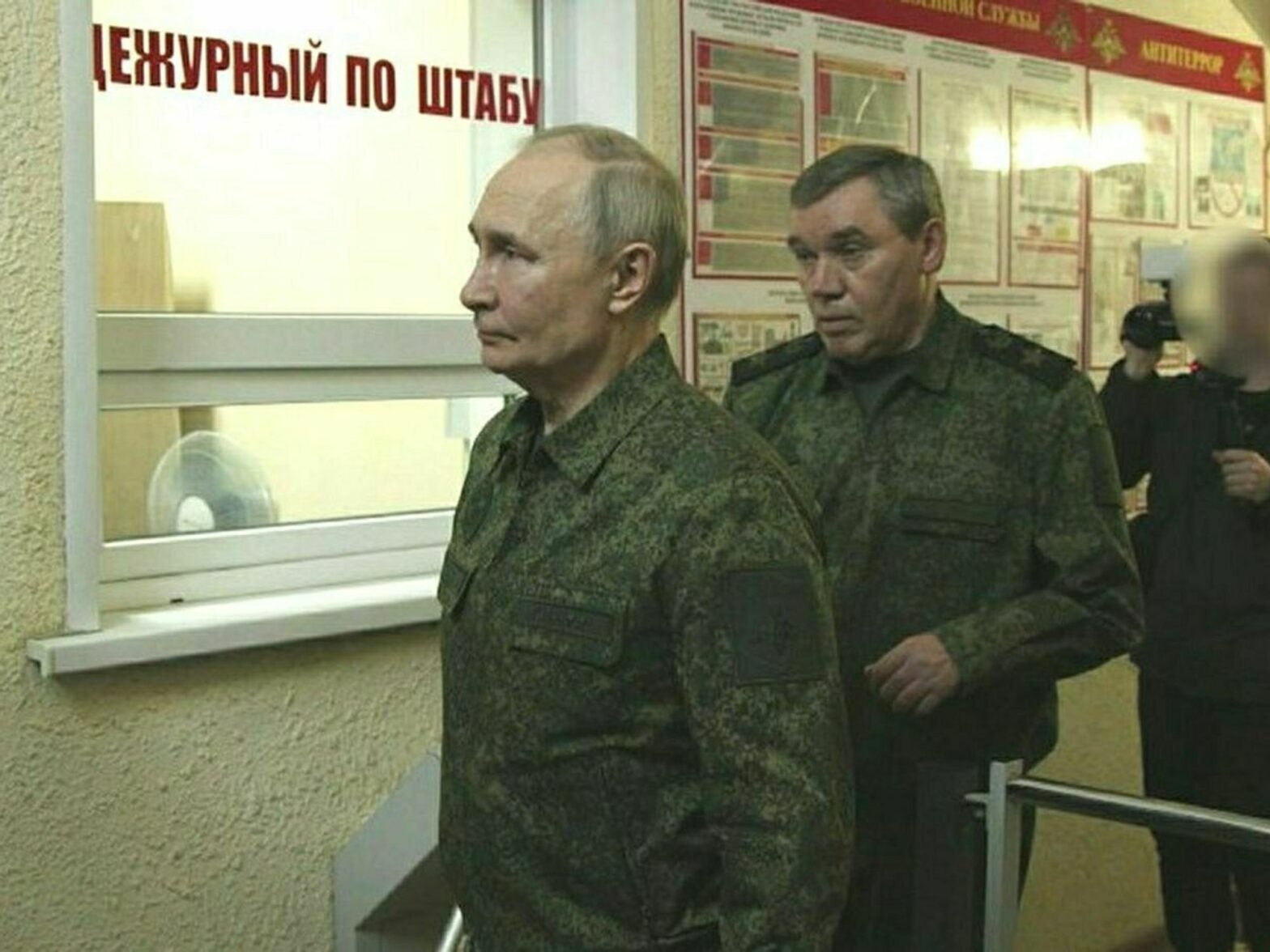
Russia announced that it has taken back Sudzha, the biggest town in Kursk, just hours after a surprise visit from the Russian president in the region and as a U.S. delegation arrives in Moscow to discuss a ceasefire proposal. All eyes are now on Putin.
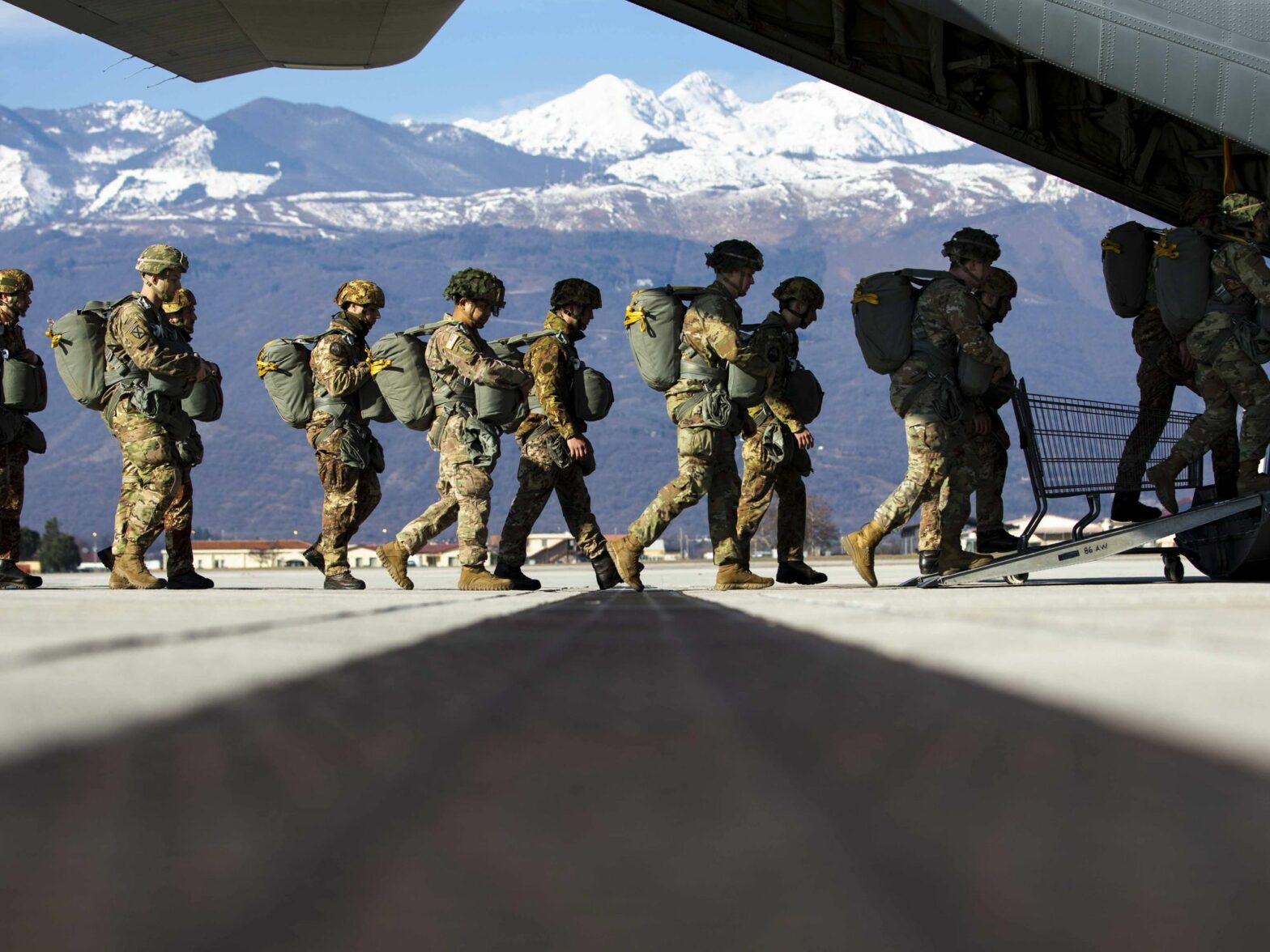
With Trump’s White House warming to Putin on international matters, Europe must rethink its military independence — and that may mean closing the many U.S. bases on its soil before they become threats rather than safeguards.
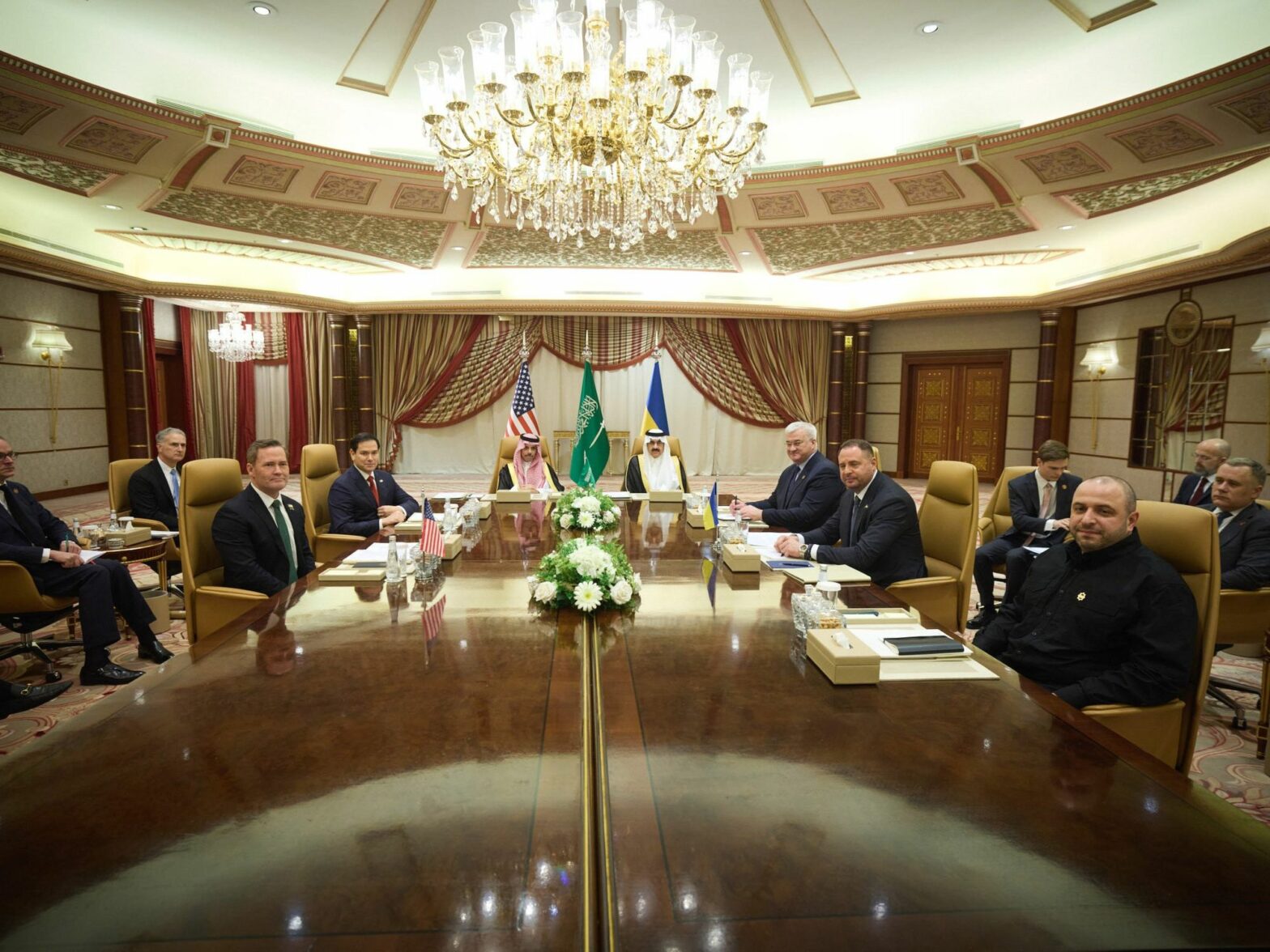
Ukraine secured the restoration of U.S. aid and agreed to a 30-day ceasefire. But the questions around Trump’s expectations of Putin leave the storyline suspended.
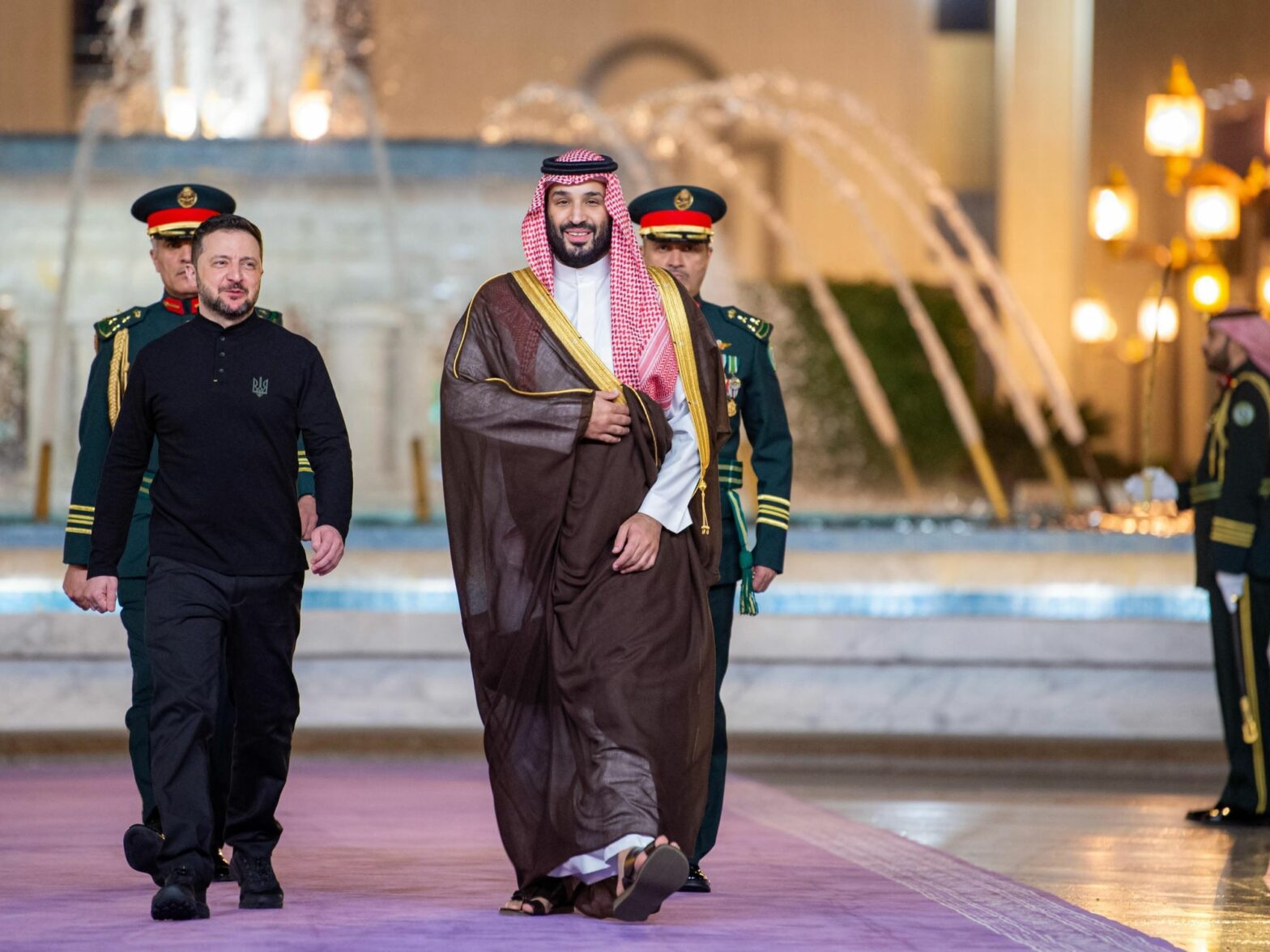
Ukraine is at the heart of two key meetings: one in Jeddah between top Ukrainian and American diplomats, another in Paris gathering the chiefs of staff of European armies. Both share a common stake — the fate of Ukraine and, by extension, the future of European security in the era of Donald Trump.
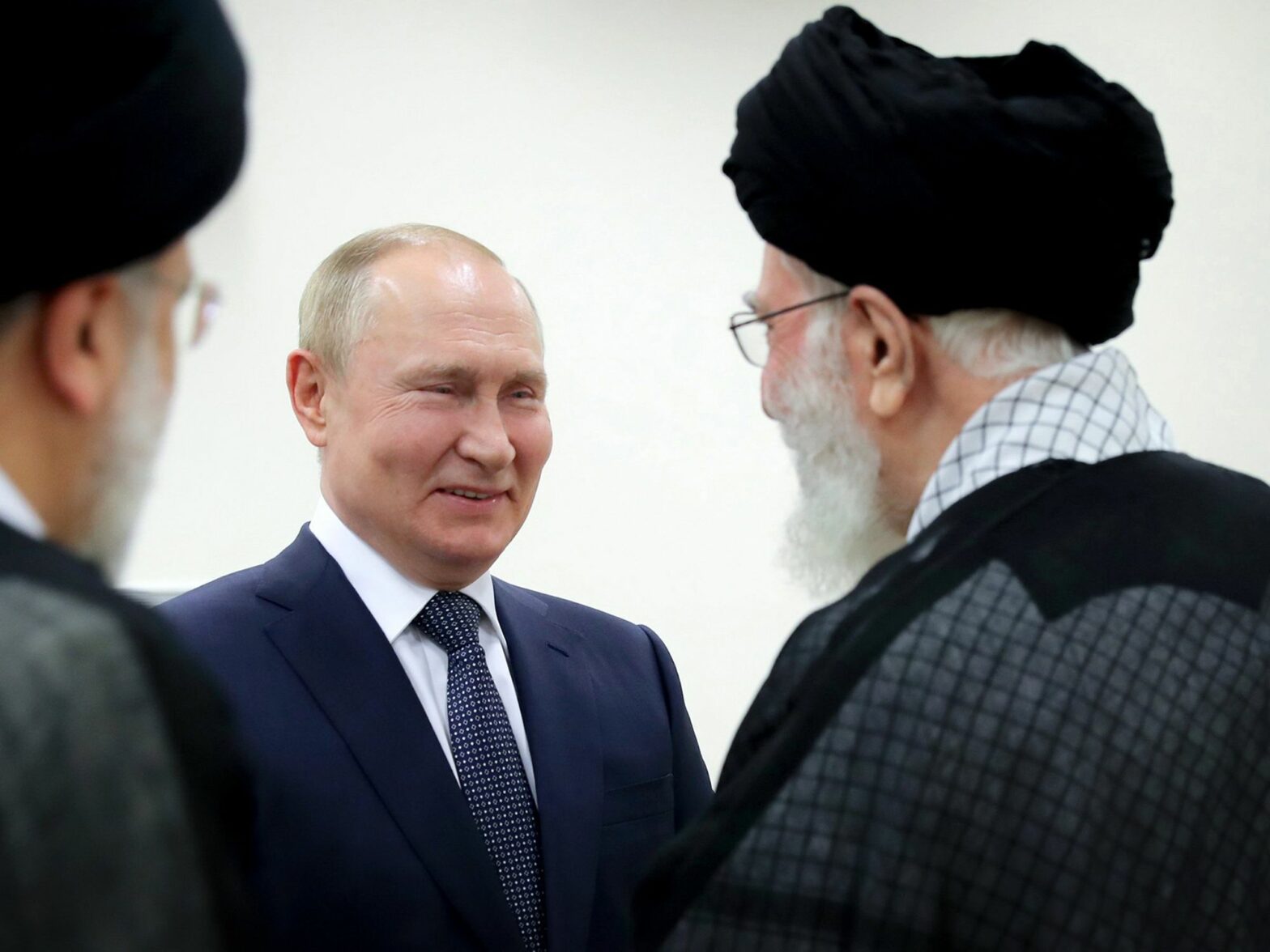
With Trump’s return to power, Russia is rapidly moving closer to the United States; Putin has even agreed to mediate talks between Washington and Tehran. But can Iran still trust Russia? Or is it, like Ukraine, just another bargaining chip?
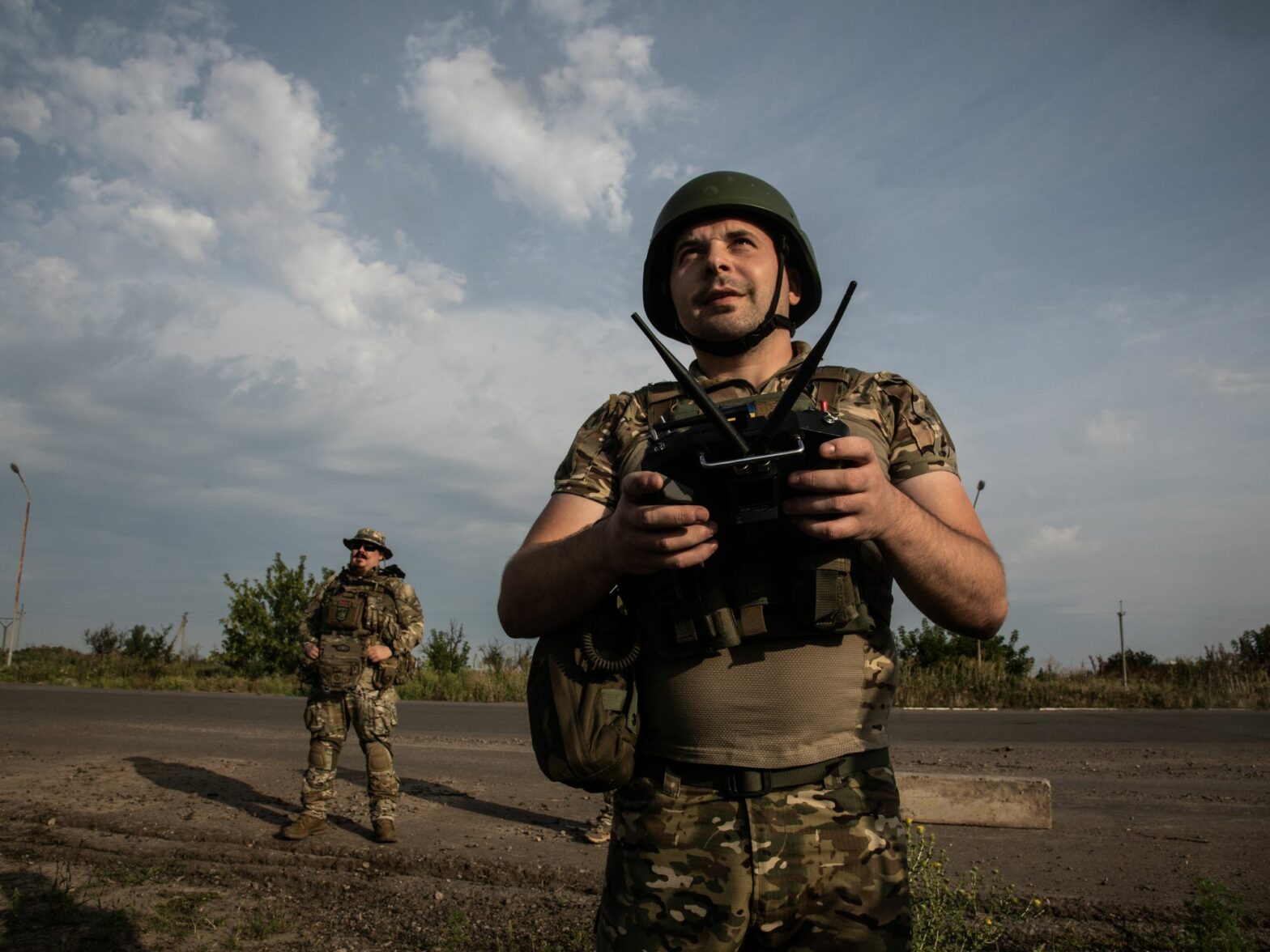
Ukraine needs satellite internet defense capabilities like that provided by Starlink. But do they really want to be dependent on Elon Musk? The good news is that Europe is not completely empty-handed. But time is of the essence.
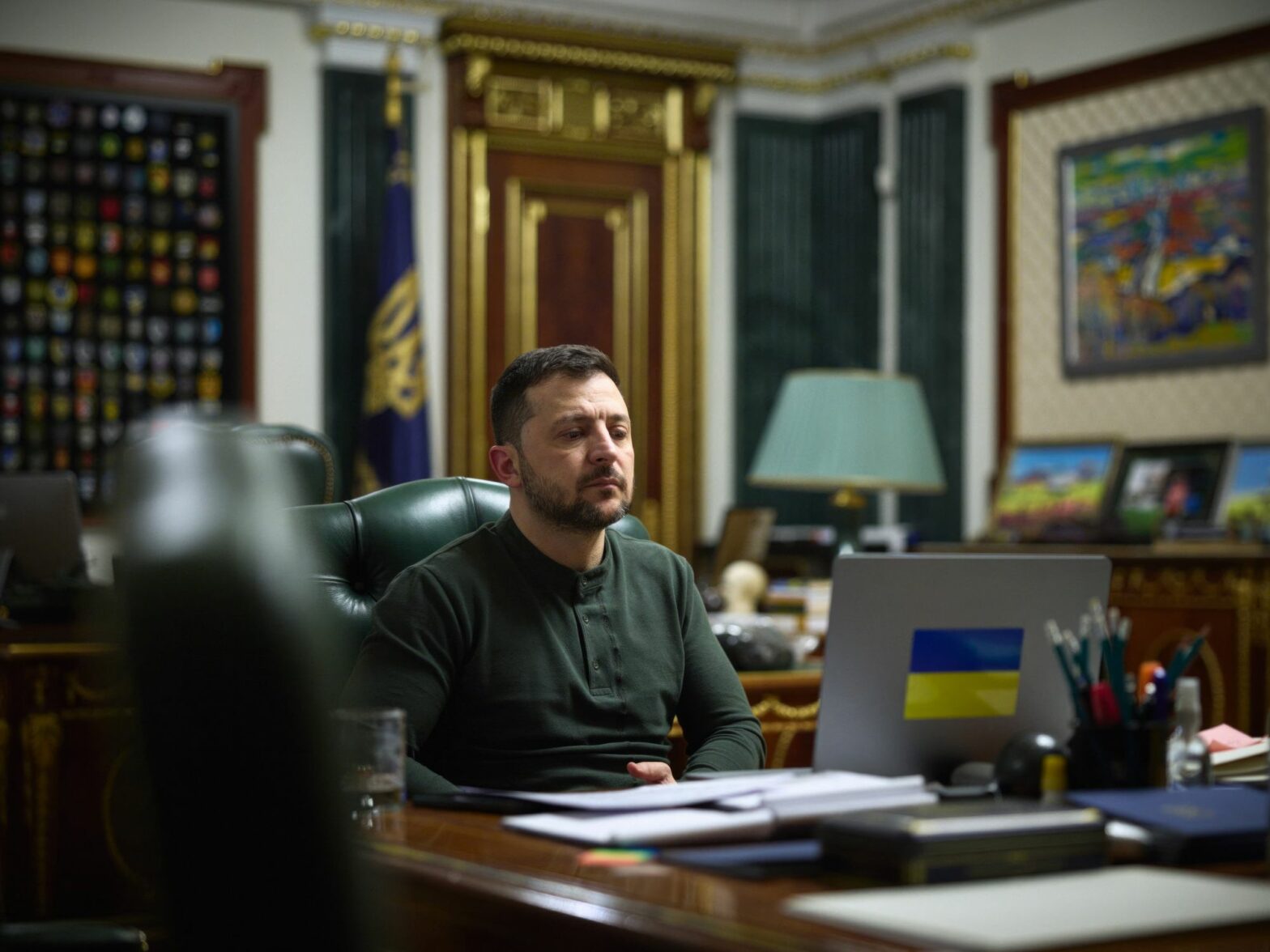
It is likely that there will not be a peace agreement between Ukraine and Russia this year — or ever one at all. If negotiations stagnate, they could resemble the post-World War II relations between Japan and the Soviet Union: A peace treaty was never signed, and the dispute over the Kuril Islands has persisted for more than 70 years.
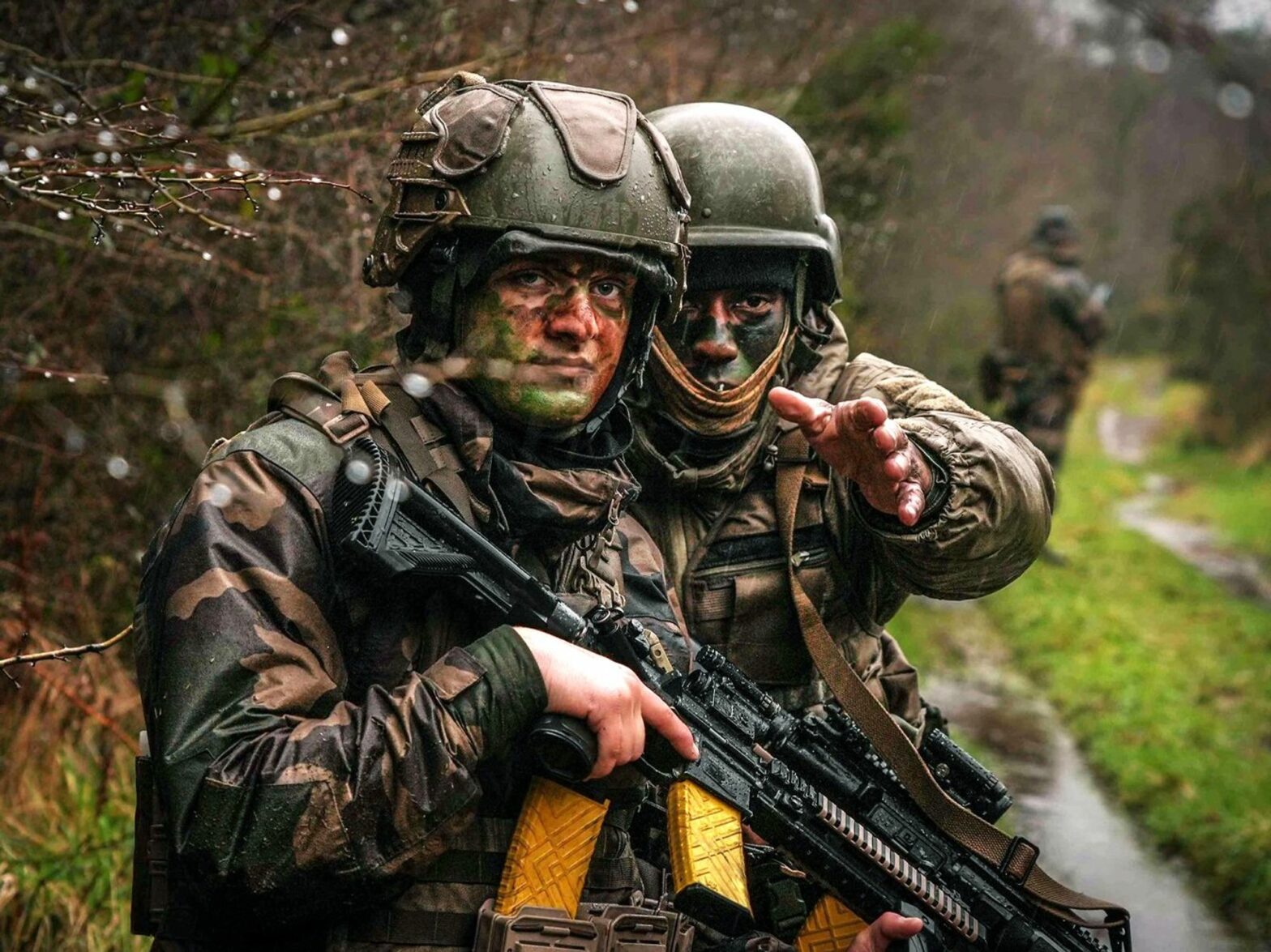
Now that the U.S. has relinquished its role as “leader of the free world,” Europe is on its own. But that doesn’t mean it’s out of options, writes former German diplomat and ambassador Hans-Dieter Heumann.
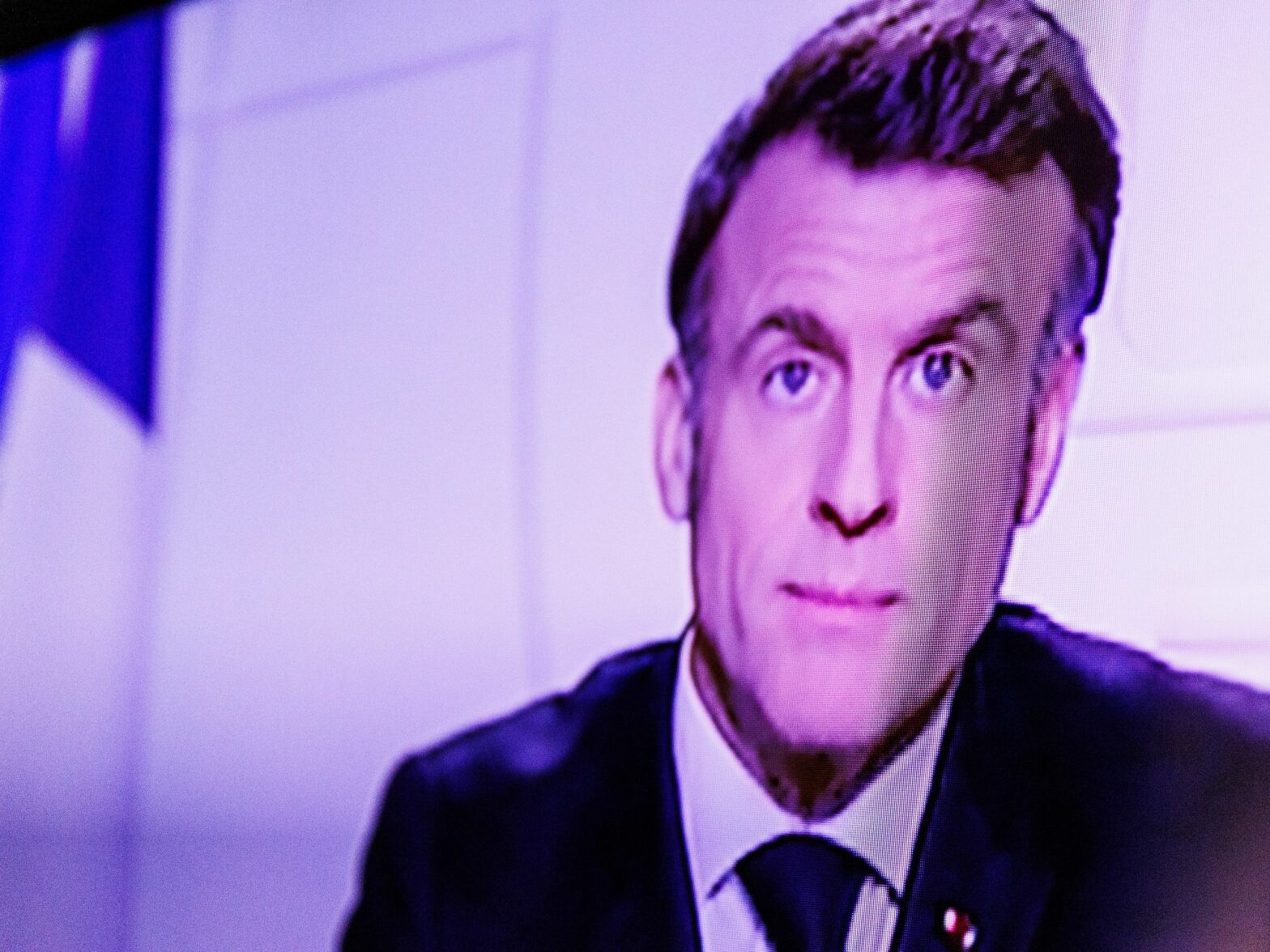
The French president defended Ukraine and called for an unprecedented effort to strengthen Europe’s defense in a speech aimed at rallying the French people. Yet he refrained from criticizing Donald Trump.
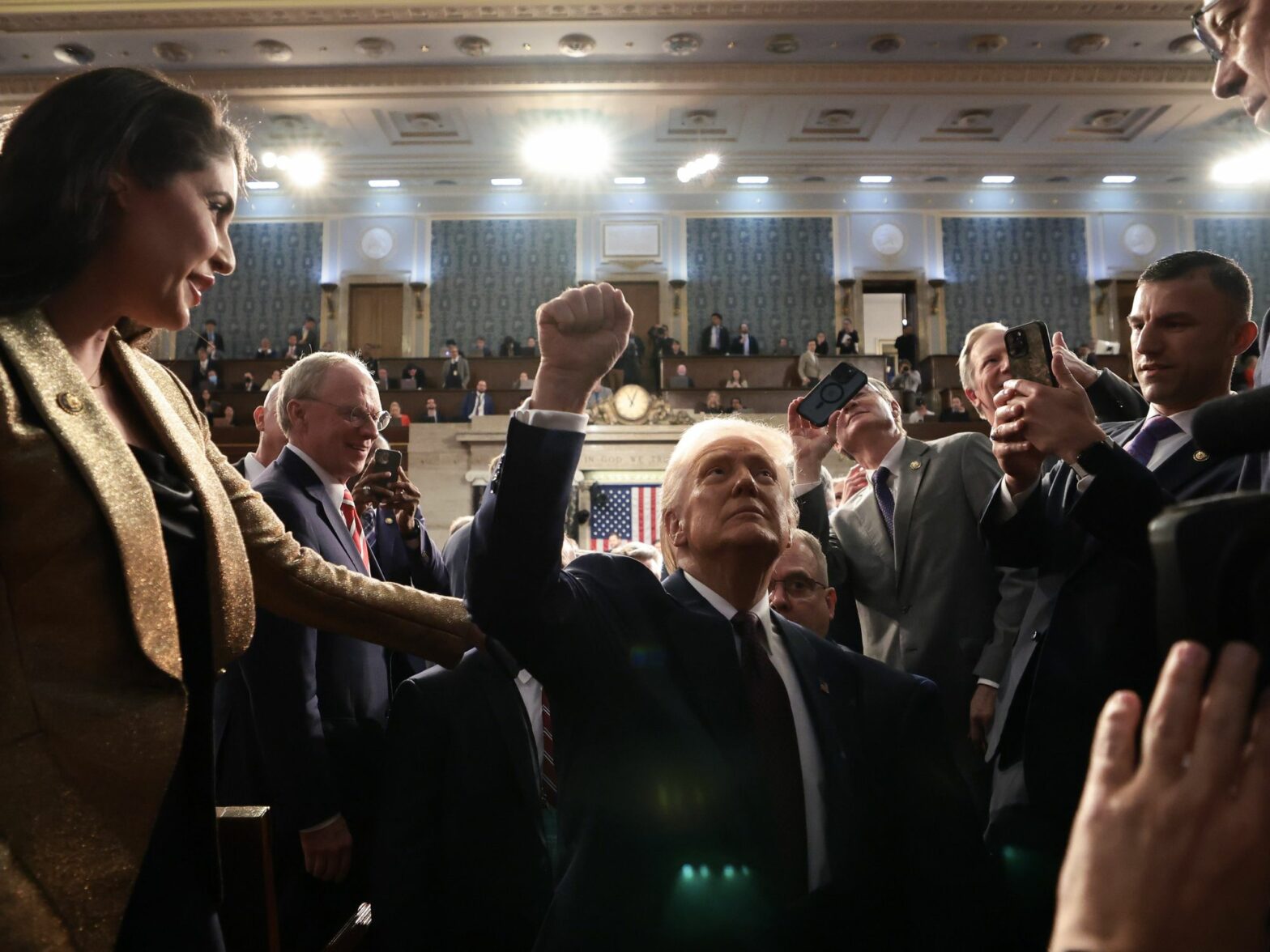
Who are the six people behind the decision to freeze military aid to Ukraine after the Oval Office clash with Volodymyr Zelensky? Their backgrounds are enough to raise concerns for Ukraine and Europe, which they see as relics of the past that need to be dismantled.
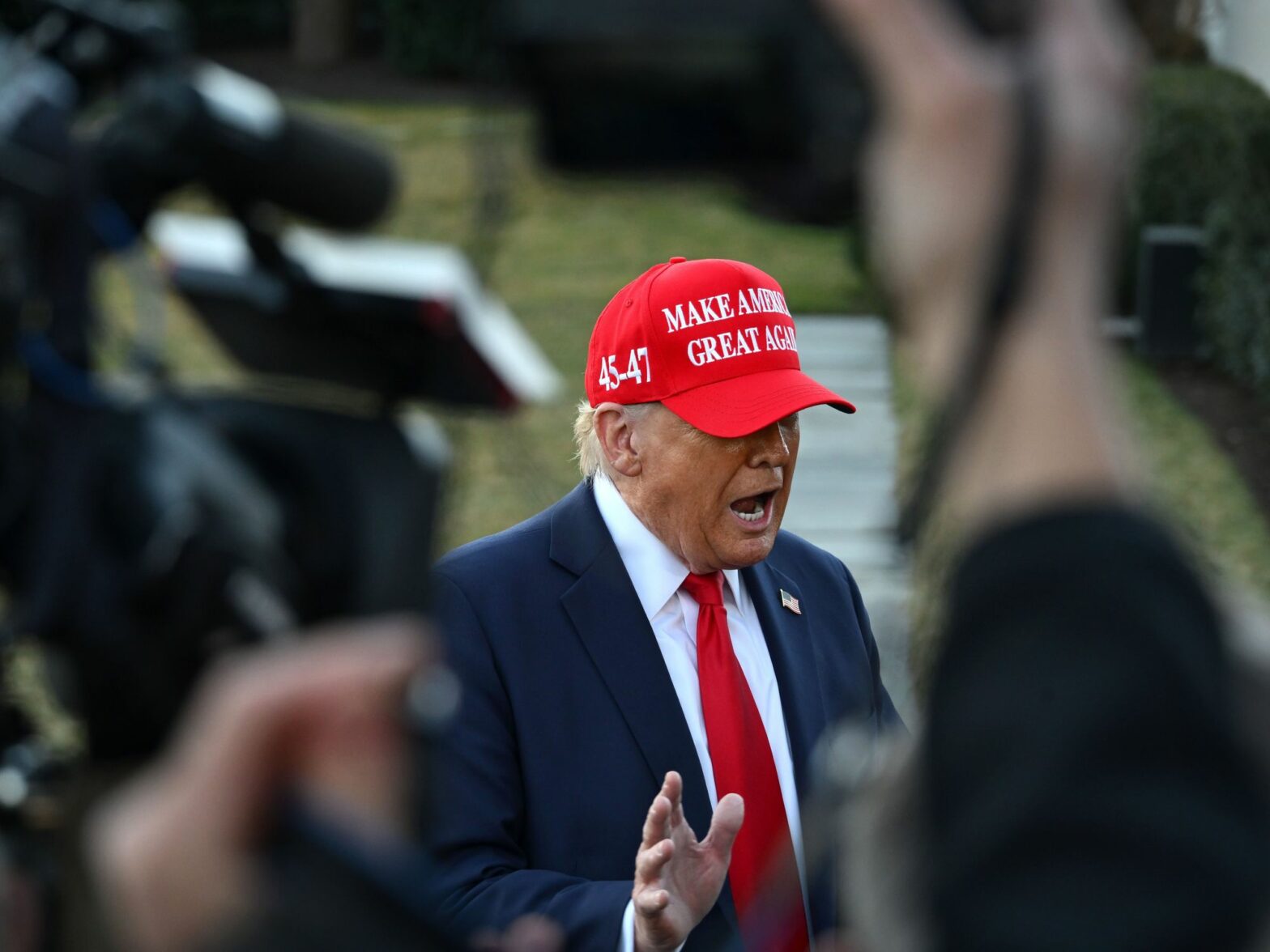
Ukrainians are still processing Friday’s meeting. Donald Trump speaks about Zelensky’s “cards.” It’s as if he doesn’t realize what a war is.
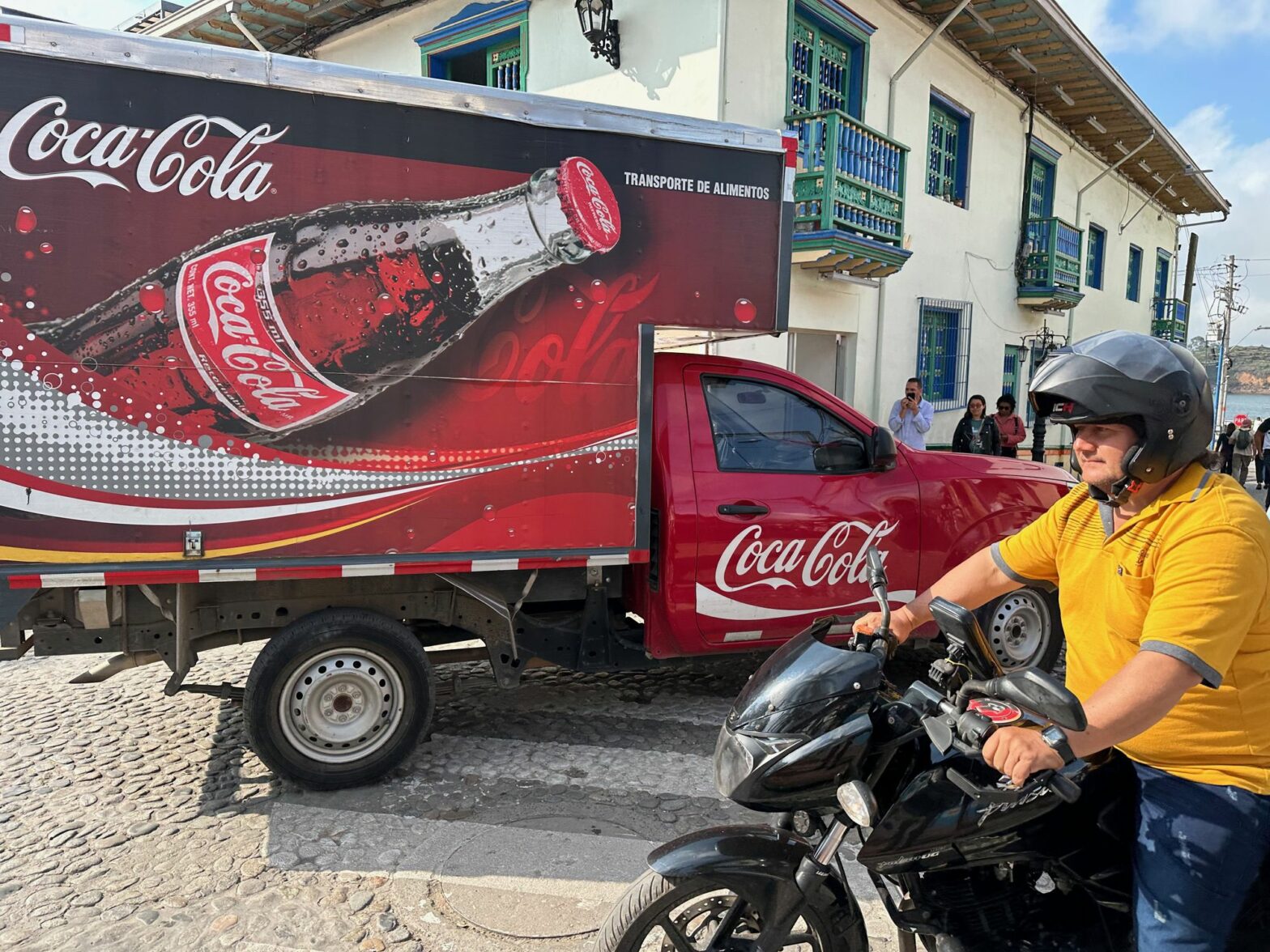
Colombian writer Mauricio Restrepo Posada says U.S. President Donald Trump is not only hostile to Latin America and the Third World, but also to the entire planet, including his fellow citizens. Faced with this monster who wants to own the planet, there is little ordinary global citizens can do — except for the firm decision not to buy U.S.-exported products.
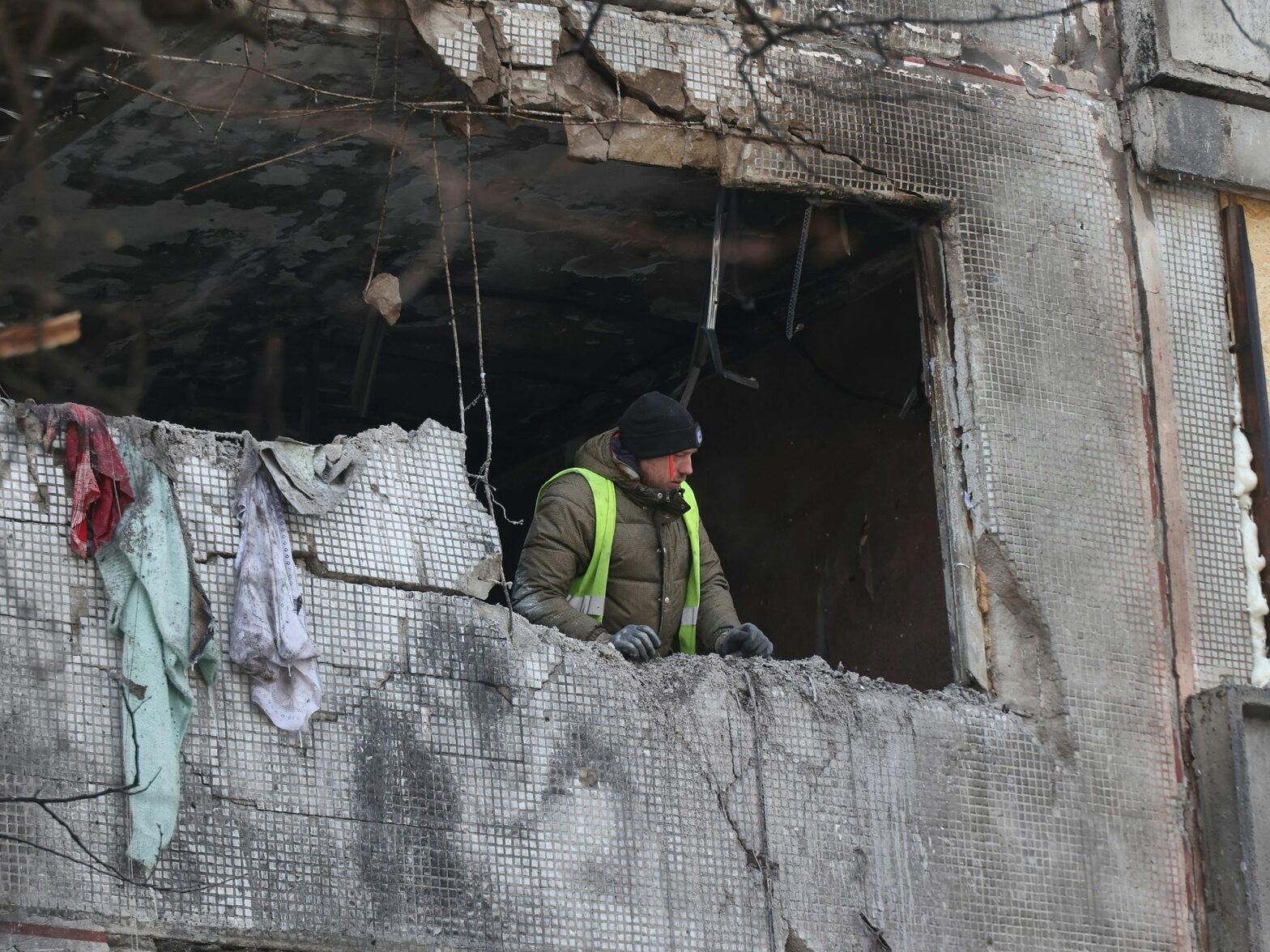
Following Volodymyr Zelensky’s Washington visit last week, Russia has started exerting more pressure on Ukraine, confident that Trump will do little to interfere. Monica Perosino reports from the Ukrainian side of the frontline.
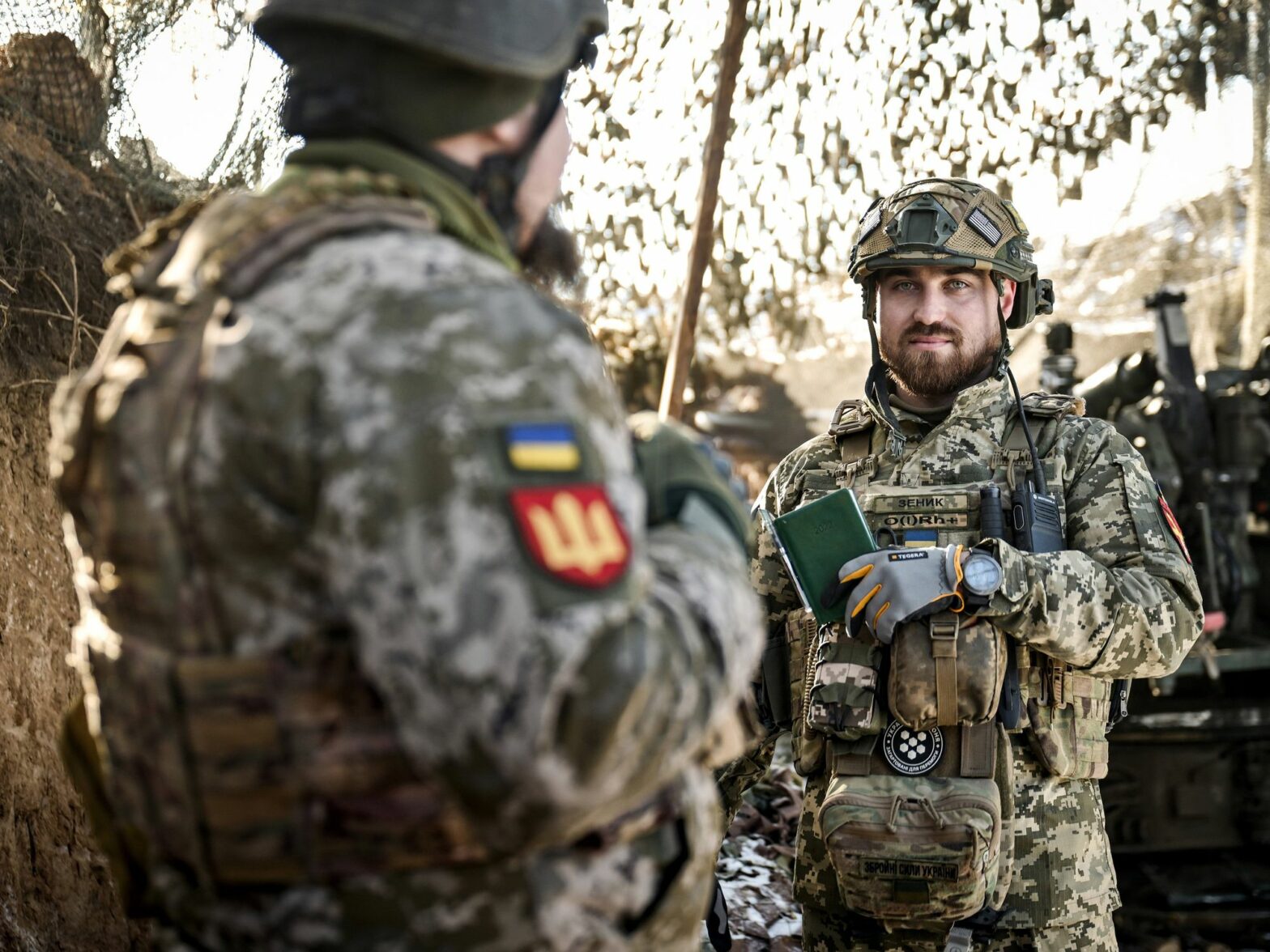
Donald Trump has suspended U.S. military aid to Ukraine until Volodymyr Zelensky demonstrates “good faith” in negotiating with Vladimir Putin. It’s an unprecedented move with an interesting parallel with what’s happening with Israel, where the U.S. Secretary of State Marco Rubio has expedited the delivery of $4 billion in military aid.
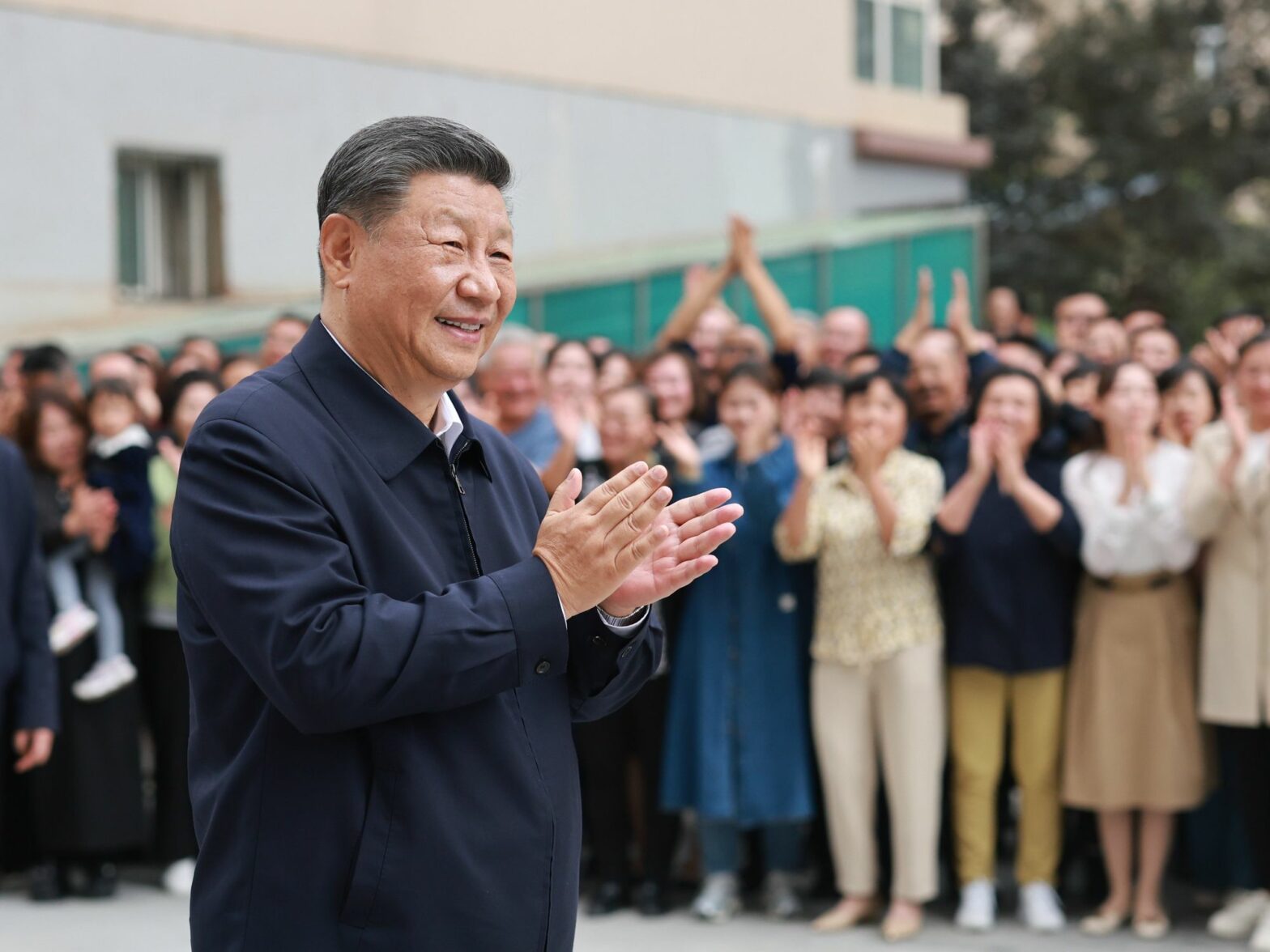
China continues to rack up diplomatic points for its largely hands-off approach to the war in Ukraine, but the “grotesque” spectacle of Trump publicly abandoning a U.S. ally in need is the ideal symbol for Beijing’s message for the rest of the world about America’s would-be leadership.
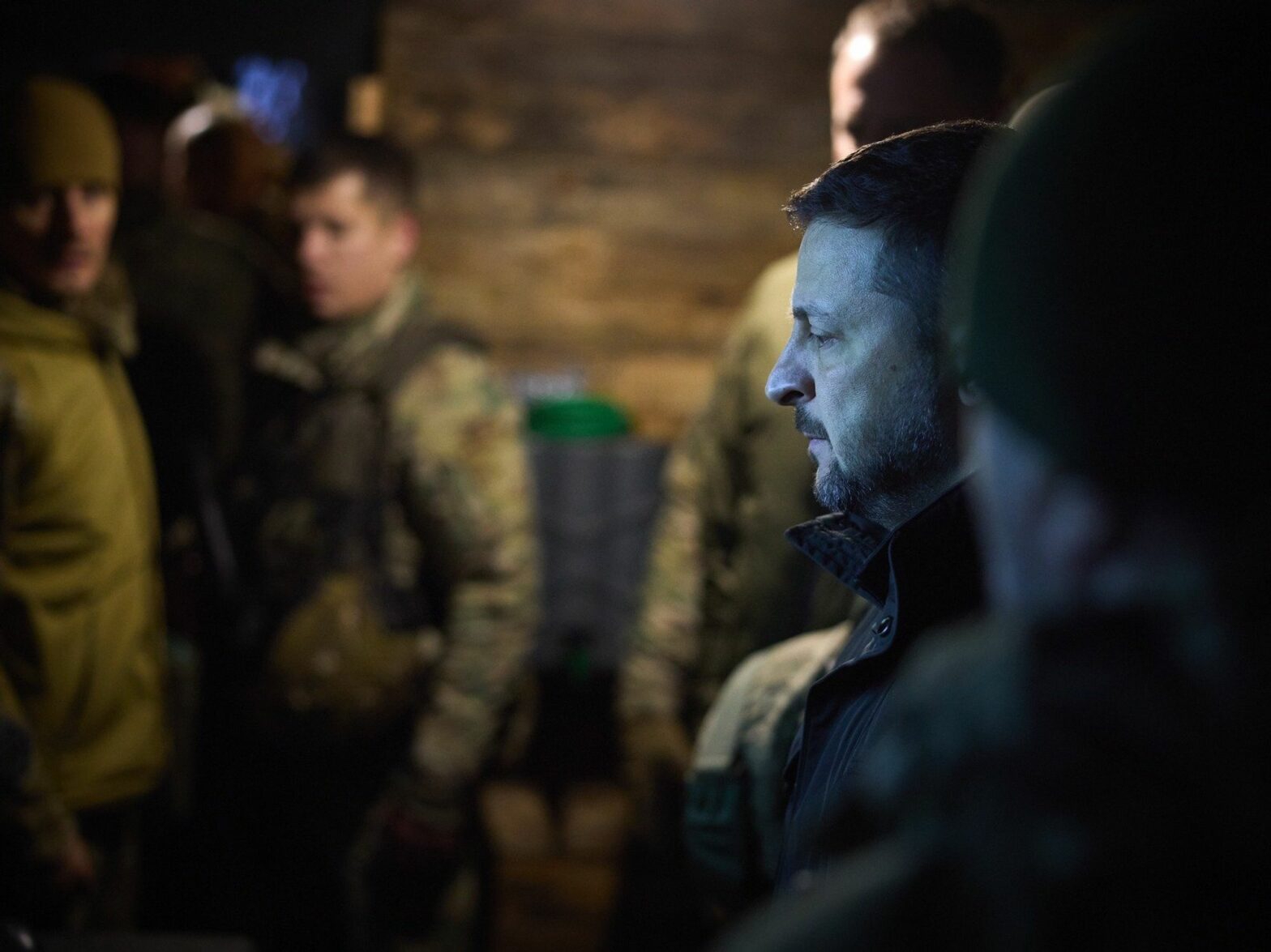
Even his critics inside Ukraine are uniting behind Volodymyr Zelensky for standing up to U.S. President Trump and Vice President Vance to defend their nation’s interests.
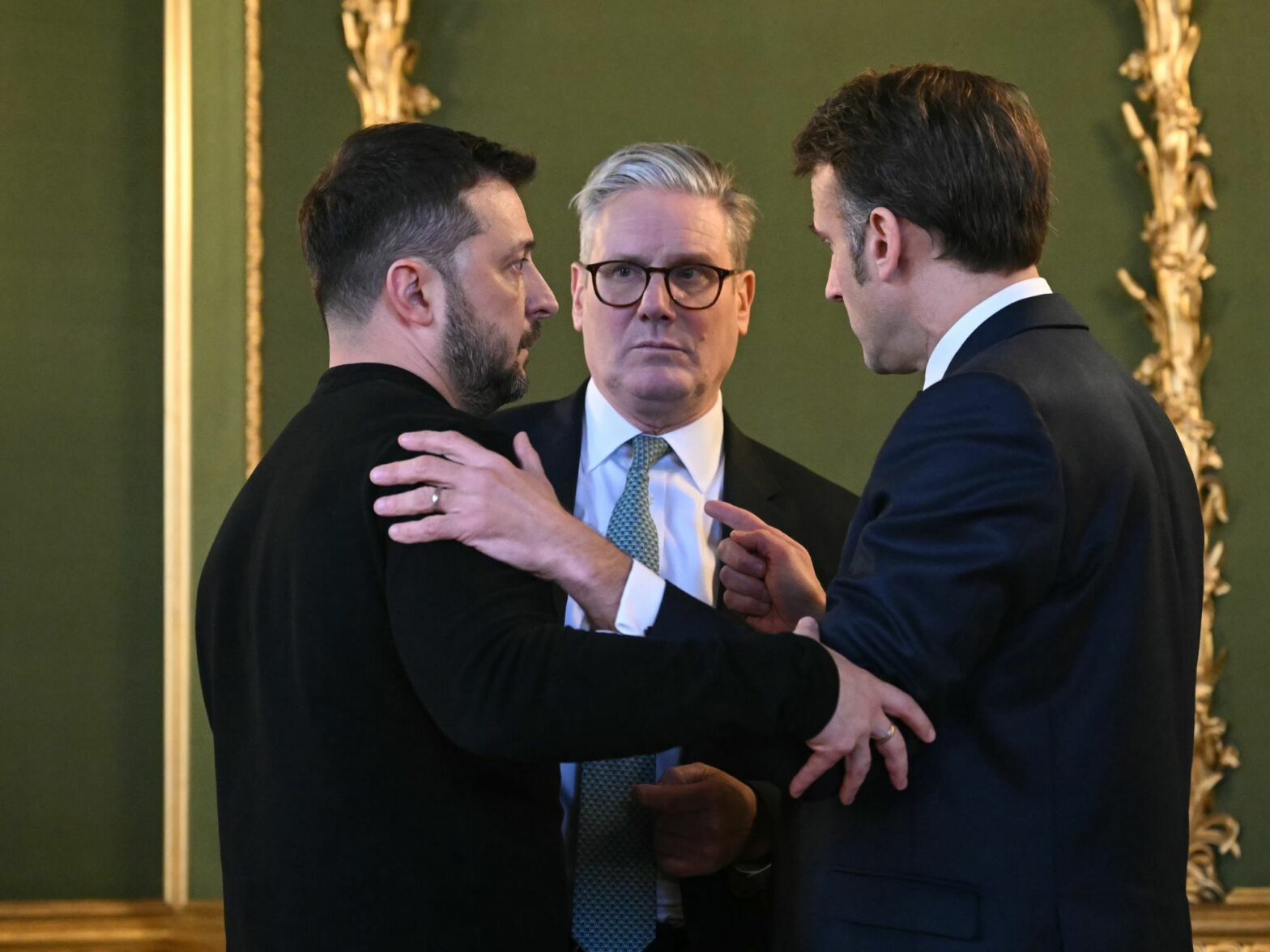
Gathered in London alongside Ukrainian President Volodymyr Zelensky, top European leaders set forth the goal to keep the U.S. engaged, even if it means swallowing their pride in the face of the disgraceful behavior of America’s top leaders.

From war zone risks to head-scratching tourists, the manipulation of the GPS navigation system by hackers (jamming and spoofing) can wreak havoc on our modern habits of relying on real-time digital mapping apps. The surest alternative may be going back to paper maps.
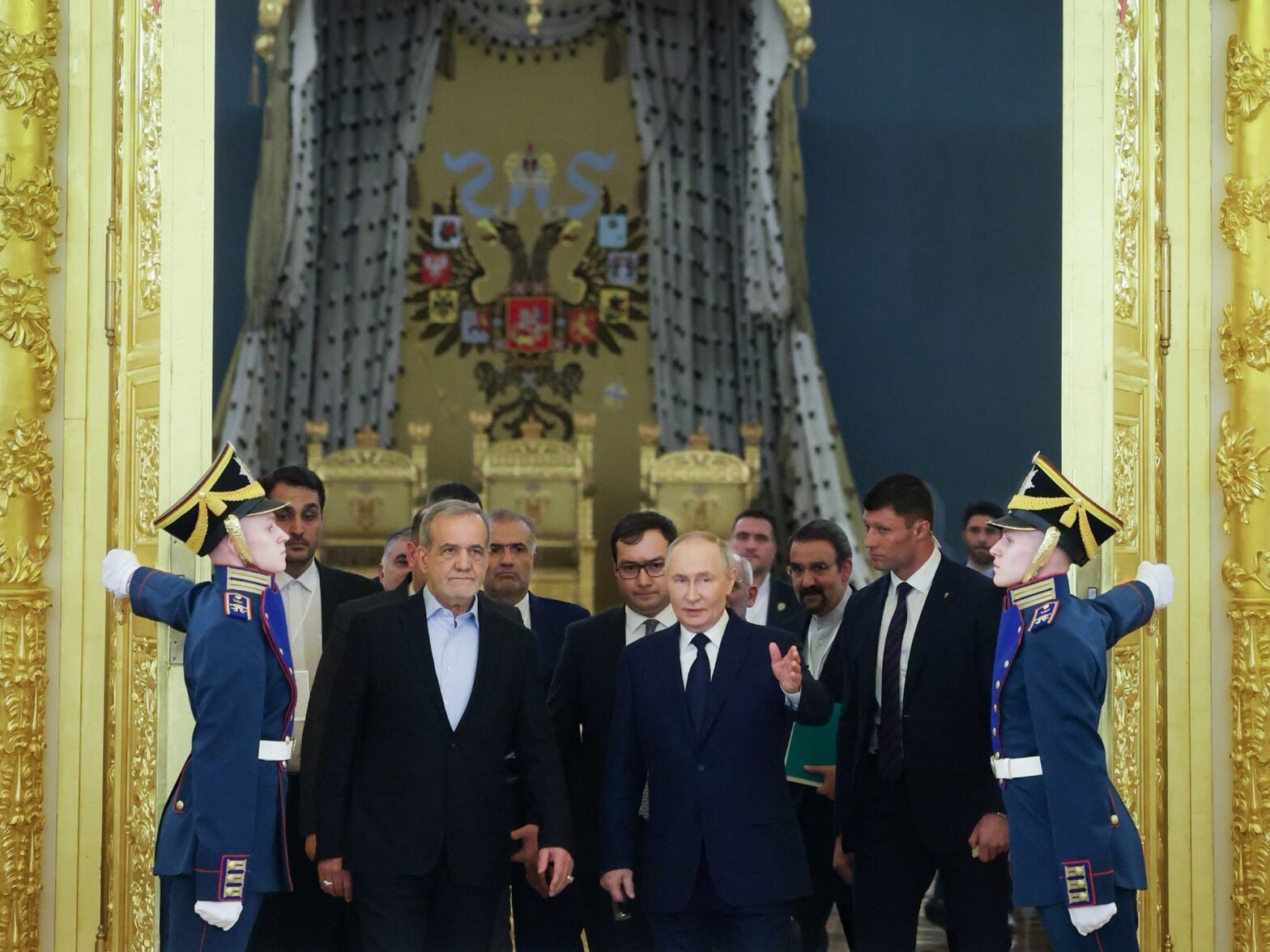
Iran prefers the EU’s discretion and apparent respect for its ideological red lines, in contrast with Donald Trump’s ostentatious and menacing style. So the growing rift between the U.S. and EU over resolving the Ukraine-Russia war may be a welcome chance for Tehran to revive secret contacts it loves so much with an EU in search of diplomatic clout.
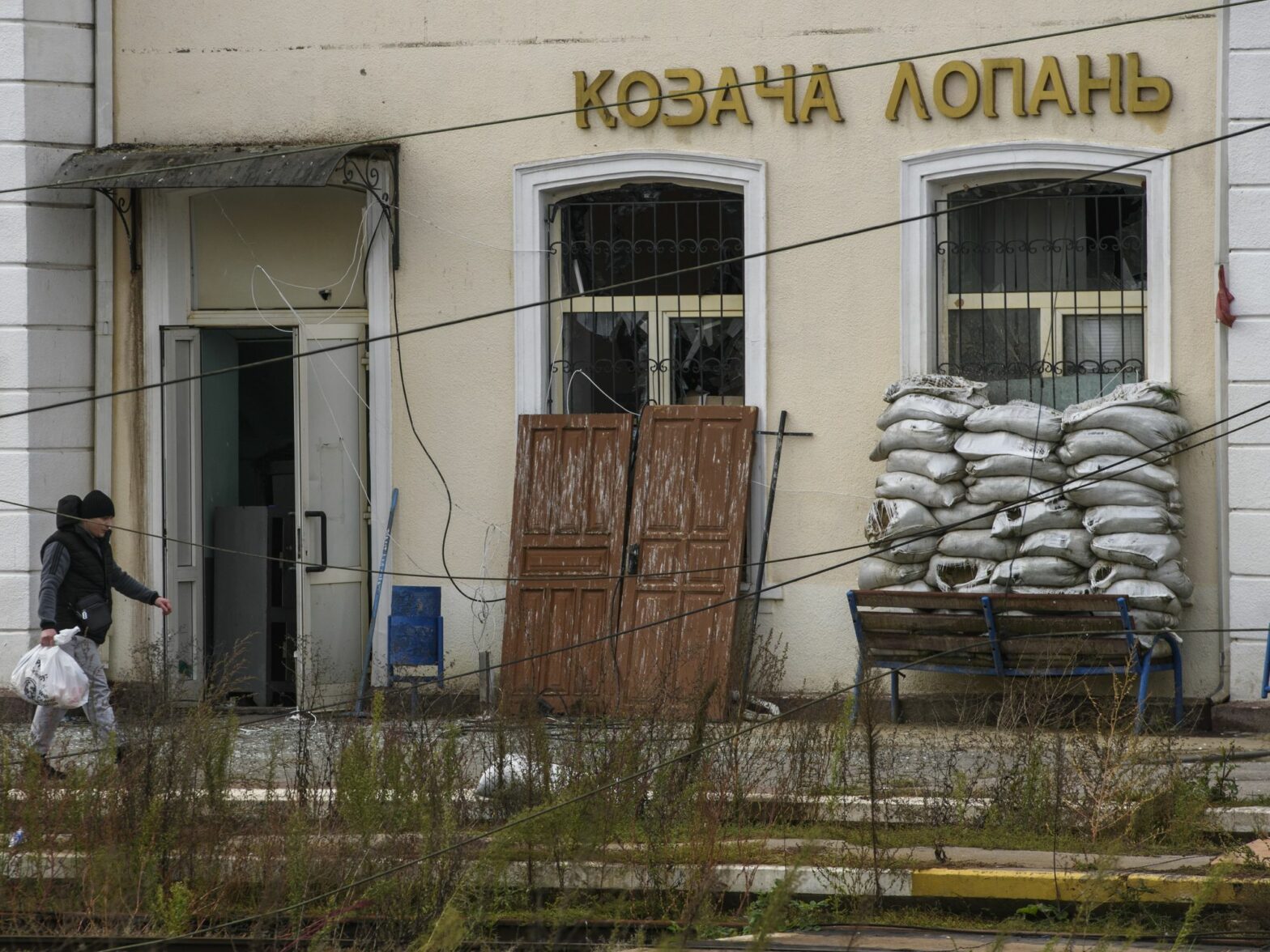
After walking the 50 kilometers that separate the Ukrainian city of Kharkiv and the Russian border, Spanish reporter Unai Aranzadi arrives in the small village of Kozacha Lopan. Places like these are perhaps the ones where it will be most difficult to heal the wounds of all that has been suffered to date.
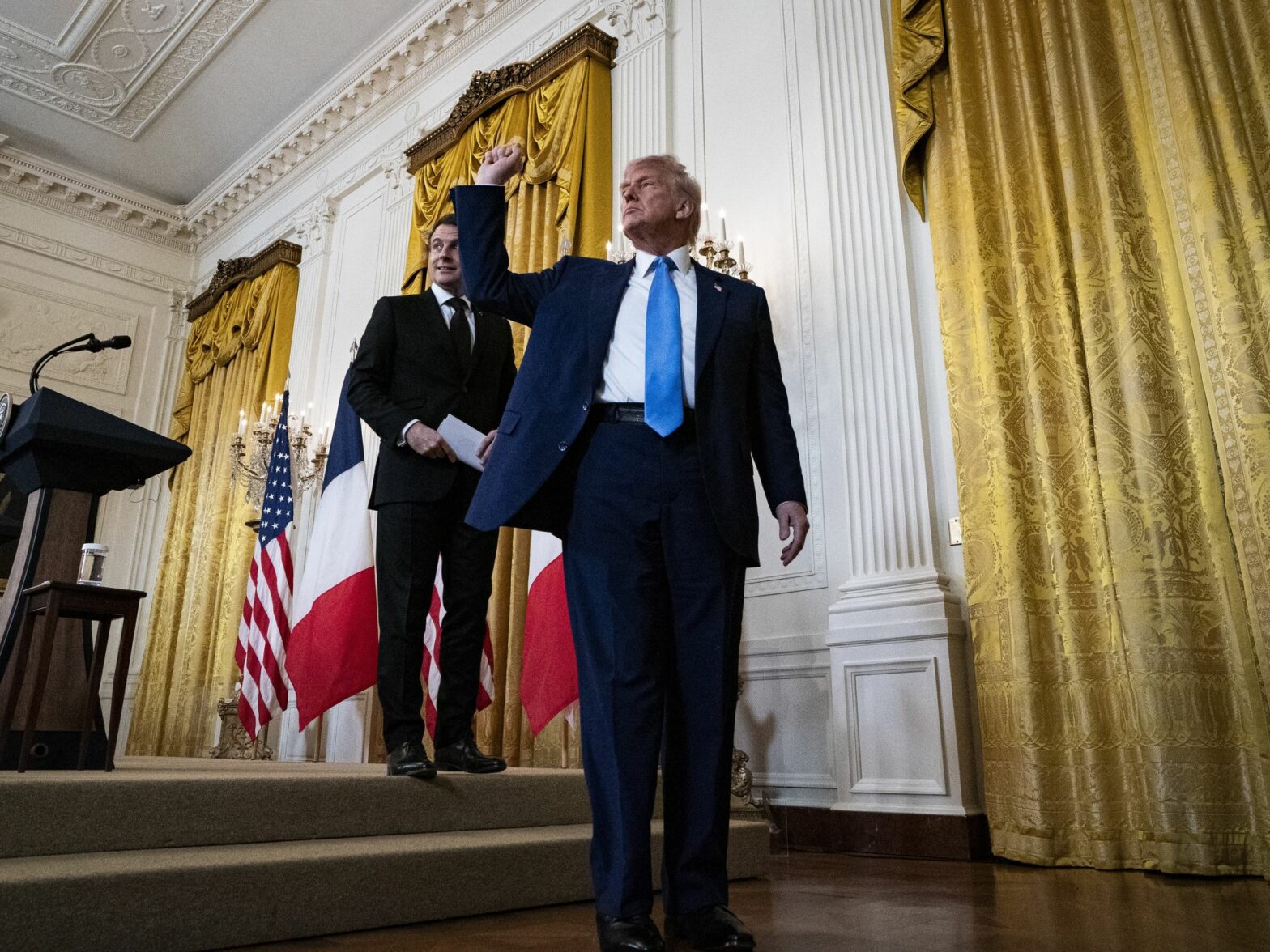
Europeans are coming to grips with a harsh reality: The United States is no longer the guardian ensuring the continent’s security — worse, it may have even turned into an outright adversary. Nothing underscores this shift more than the U.S. vote at the United Nations on Ukraine, siding with Russia and standing against EU nations.
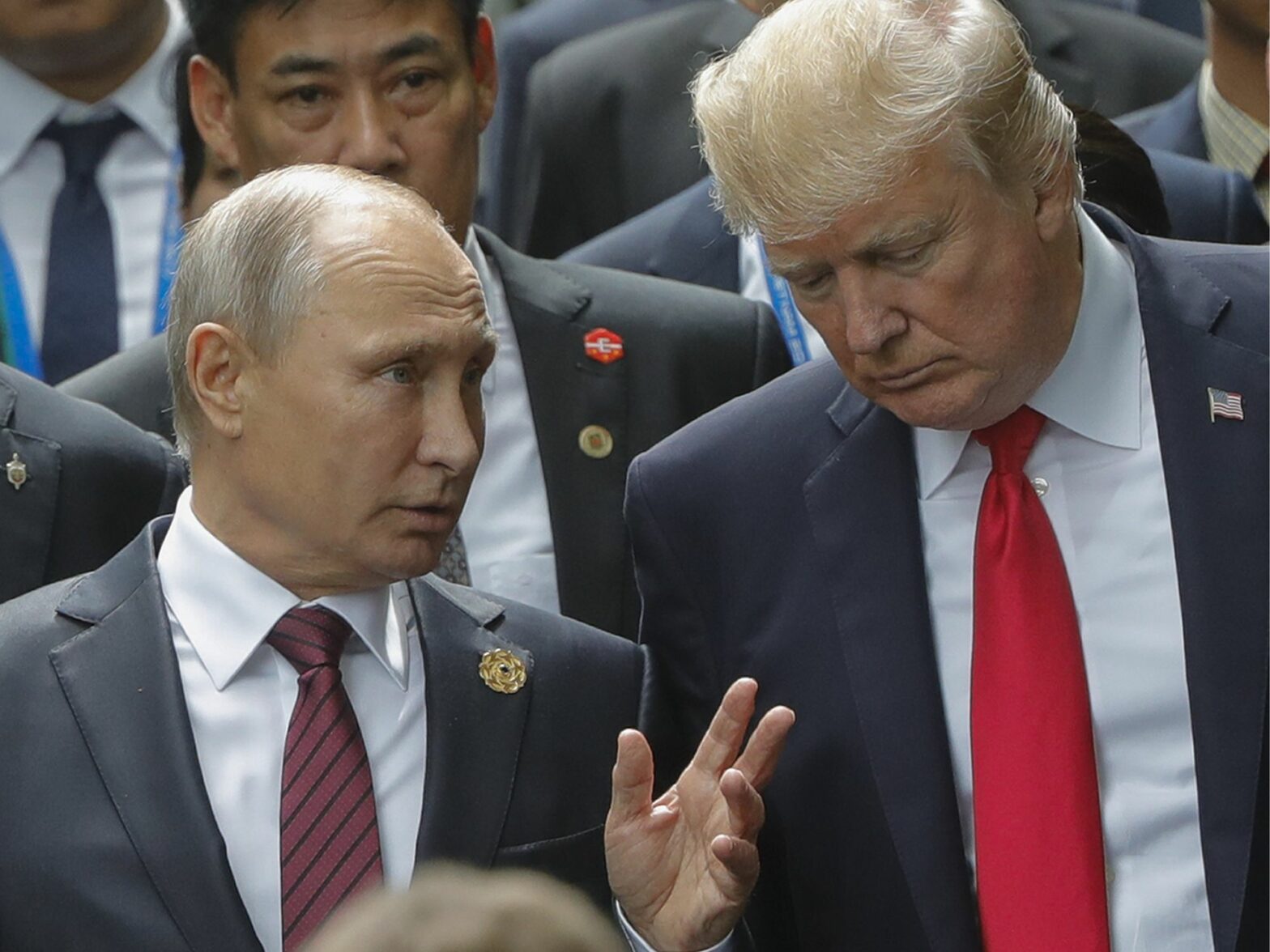
It’s as if, before our very eyes, the president of the United States were reading a script written by the Kremlin. French political analyst Dominique Moïsi, says the reversal on Ukraine is an ally’s betrayal of historical proportions.
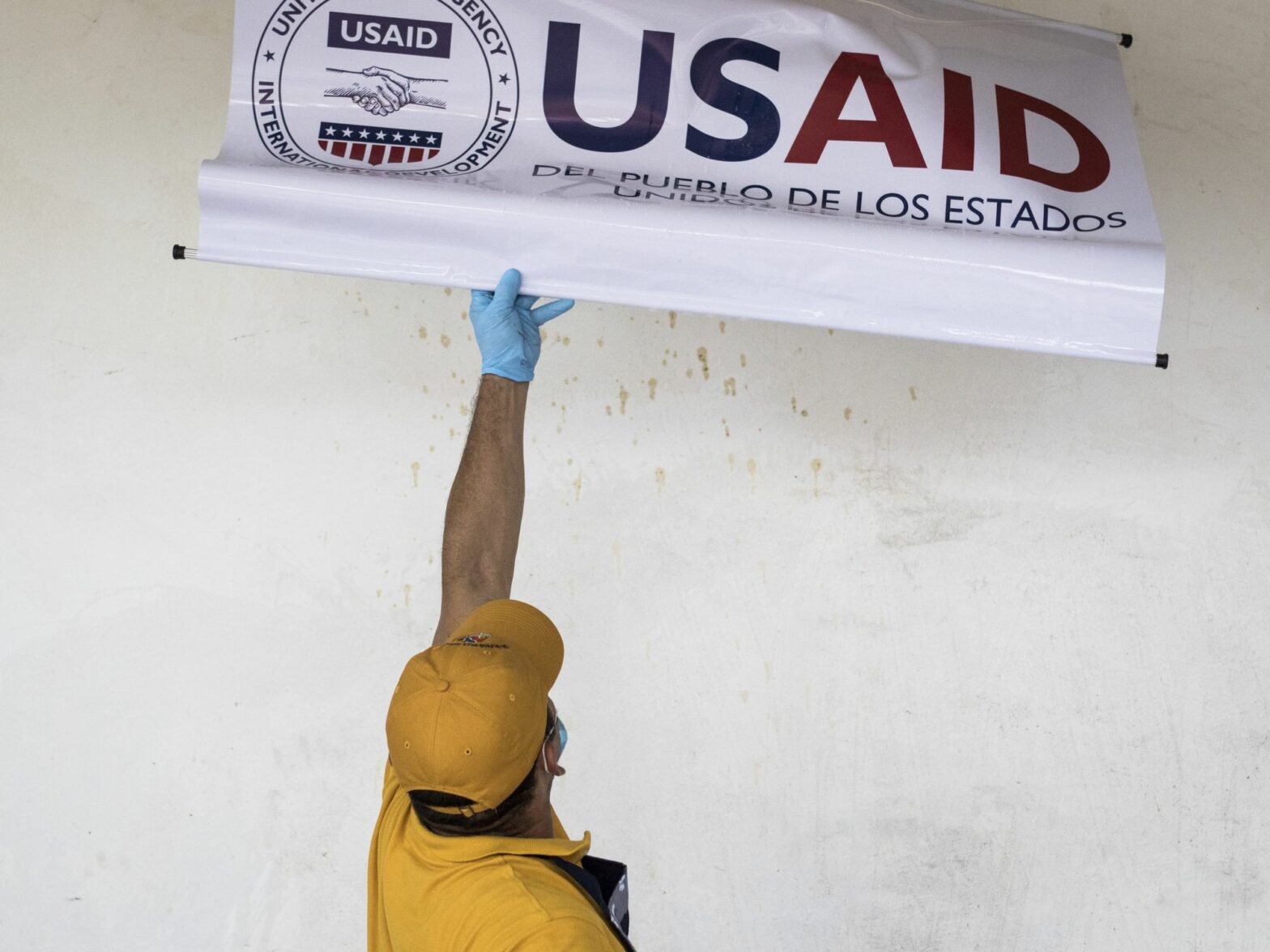
Launched in the 1960s, USAID was effectively about exercising political control in Latin America and other countries. So why the fuss now that U.S. President Donald Trump has done away with the agency? We should be more concerned about what’s coming next.
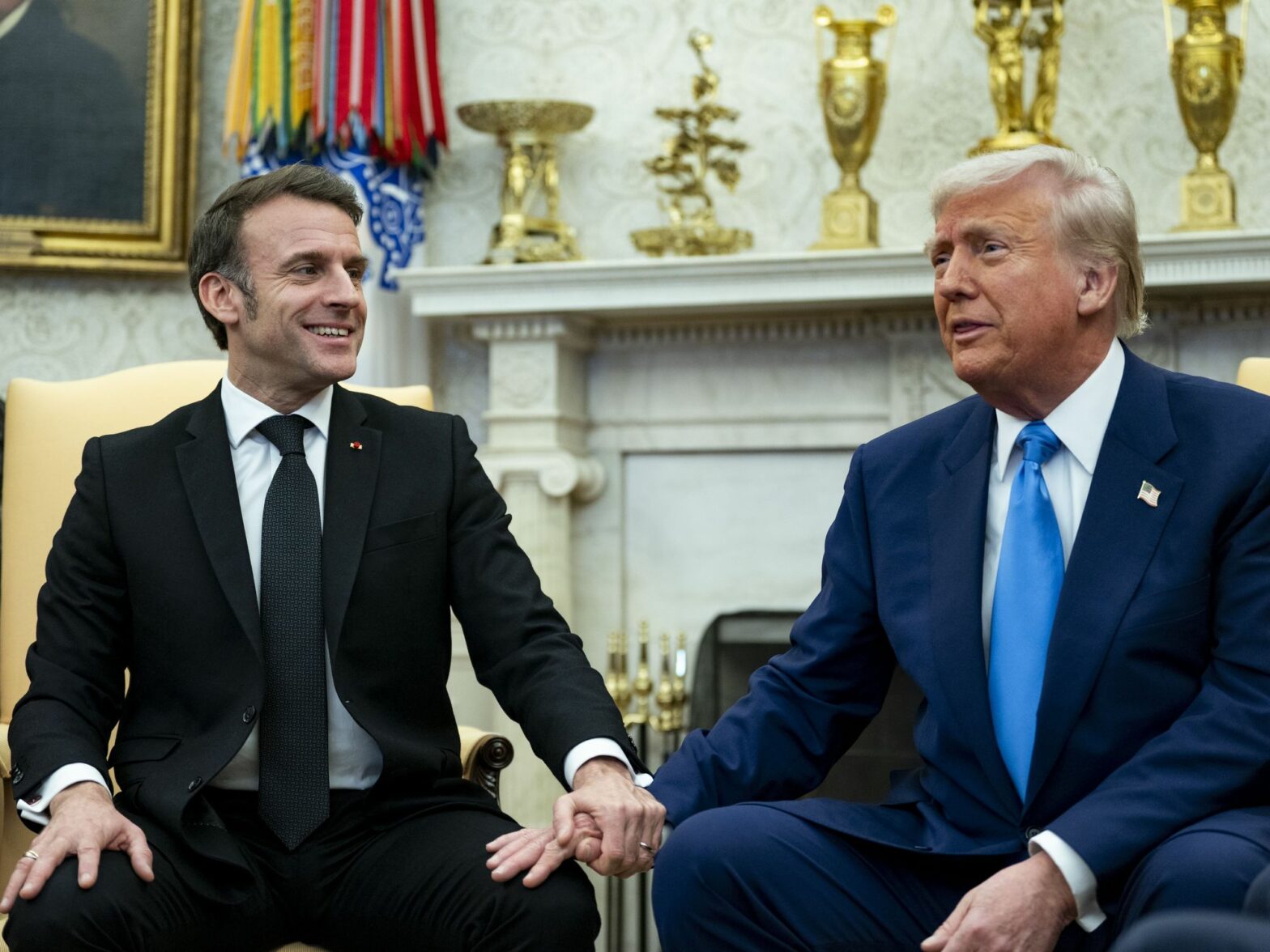
French President Emmanuel Macron spoke of a “turning point” after his discussions with his U.S. counterpart at the White House on Monday. But Donald Trump did not confirm. The United States remains ambiguous, especially as, at the United Nations, it voted with Russia and against the European Union and Ukraine — an unprecedented move.