The so-called 12-day war ended in a June ceasefire. But it really just returned the Israel-Iran war to the shadows, with both sides now preparing for the direct conflict to start again.
 Worldcrunch
Stay updated with comprehensive news on Israel from Worldcrunch. Discover insights on Israeli politics, economic strategies, societal issues, and cultural landmarks with translations from top international sources. Highlights include Jerusalem, Israeli history, and cultural events.
The so-called 12-day war ended in a June ceasefire. But it really just returned the Israel-Iran war to the shadows, with both sides now preparing for the direct conflict to start again.
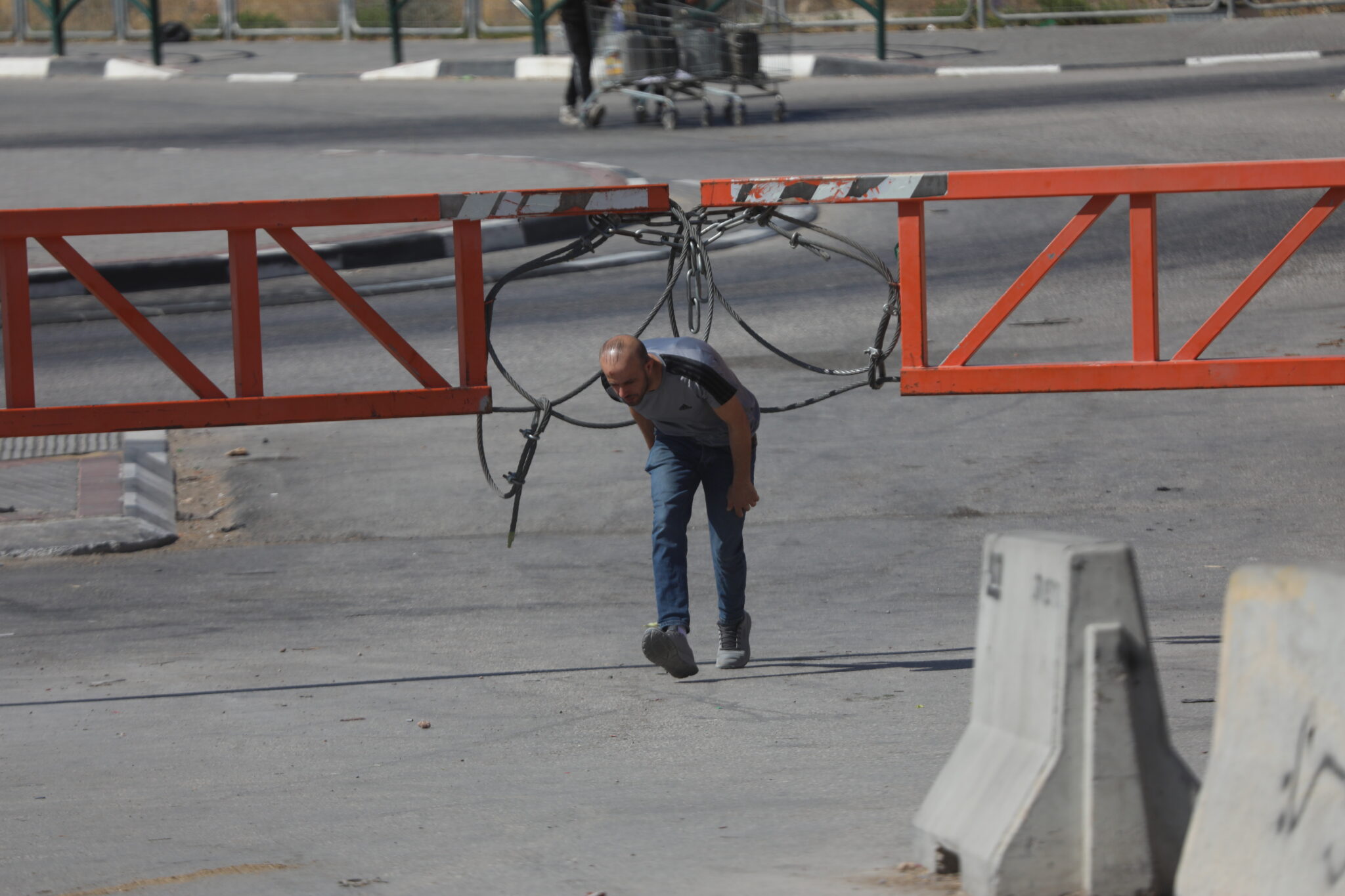
The so-called “Hebron Emirate” is not a realistic project — but rather a propaganda tool within a campaign to hinder any progress toward a two-state solution. Netanyahu again succeeds in marketing the illusion of alternative solutions to delay a real settlement.
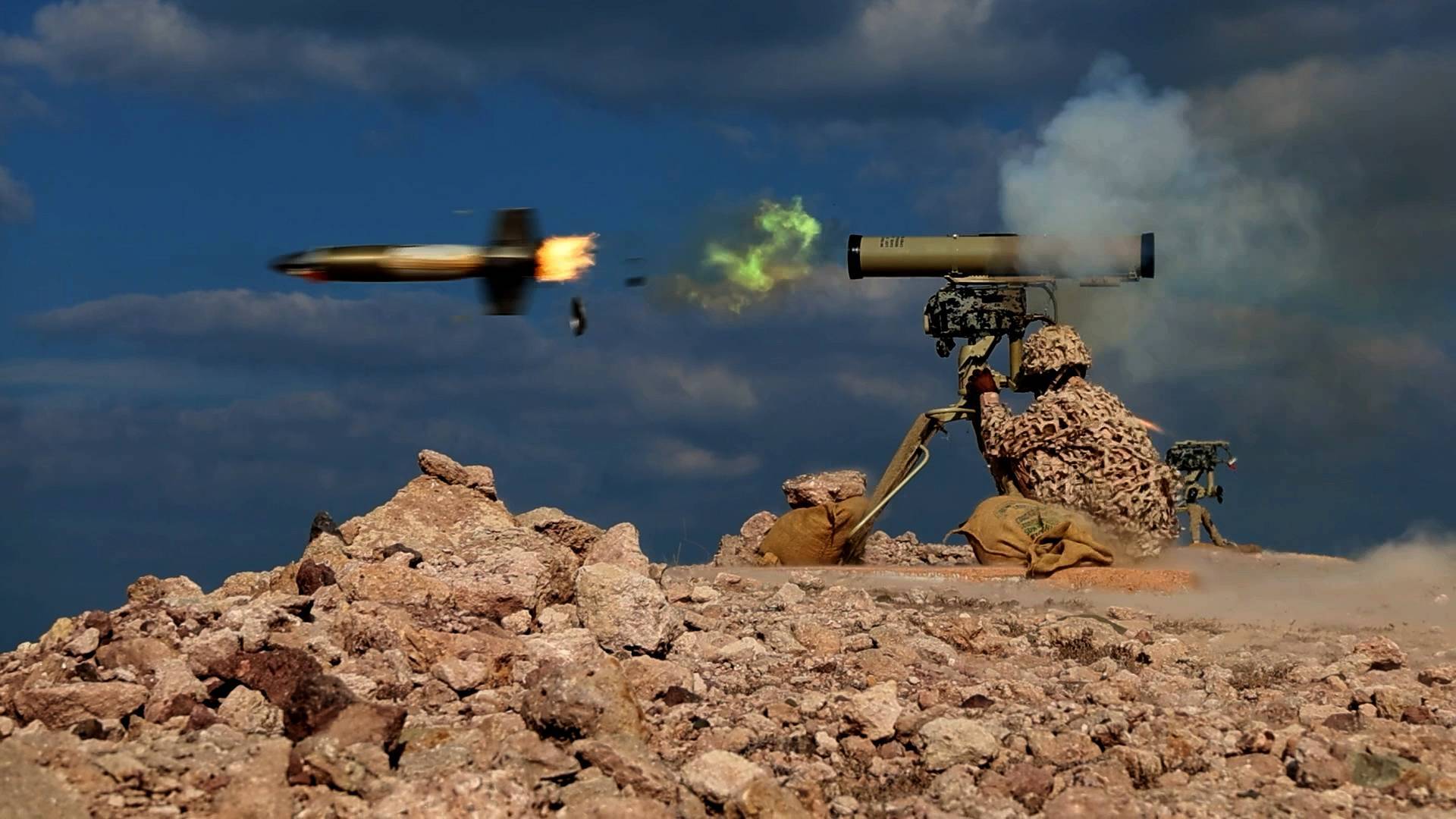
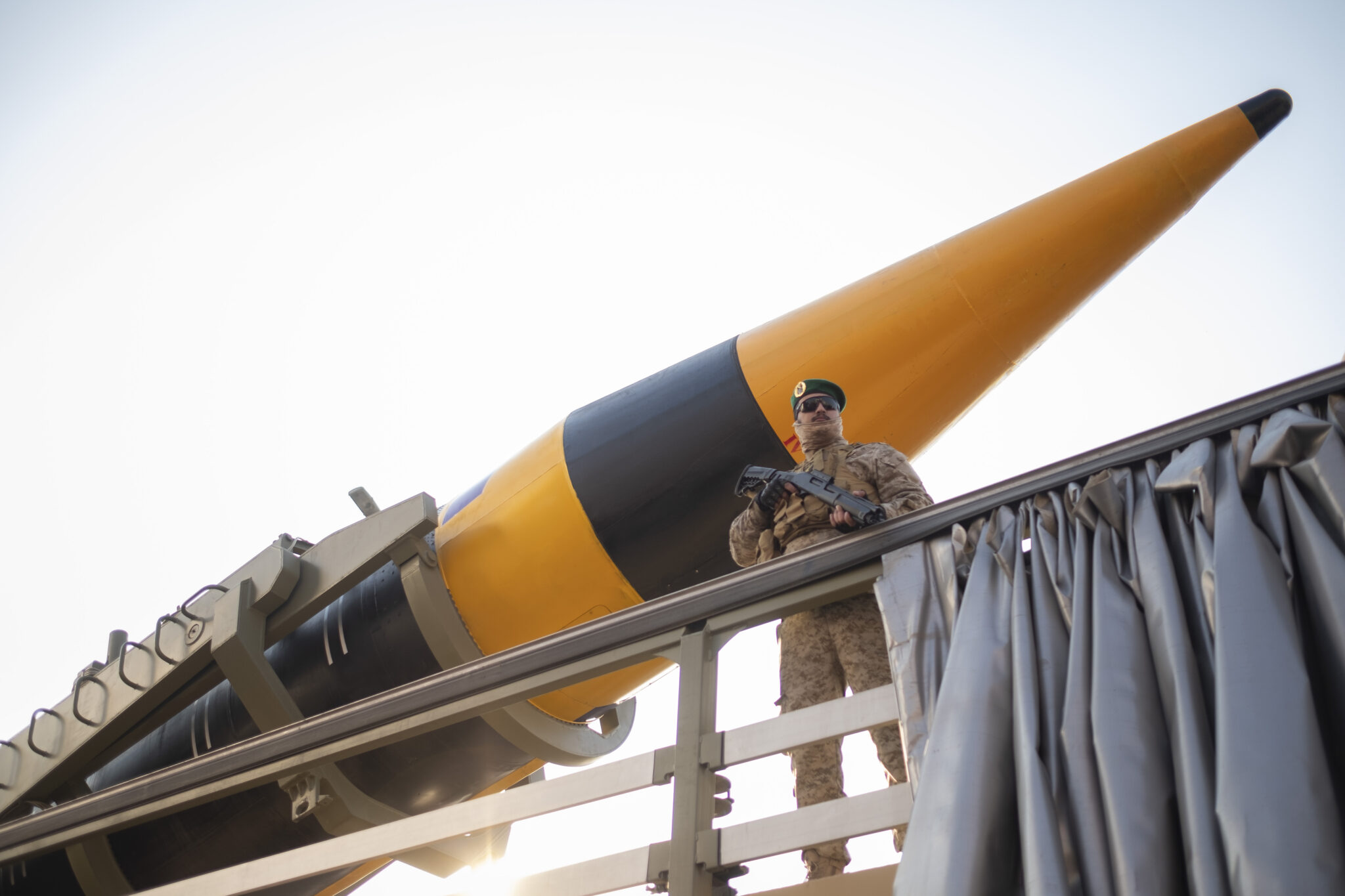
The Islamic Republic of Iran recently sent Ismail Qaani, the Revolutionary guards general who keeps ‘resurrecting’ after being reported as killed or maimed, to Baghdad to discuss rearming its proxy militias. This appears to be Tehran’s first act of regional interference since Israeli strikes in June.
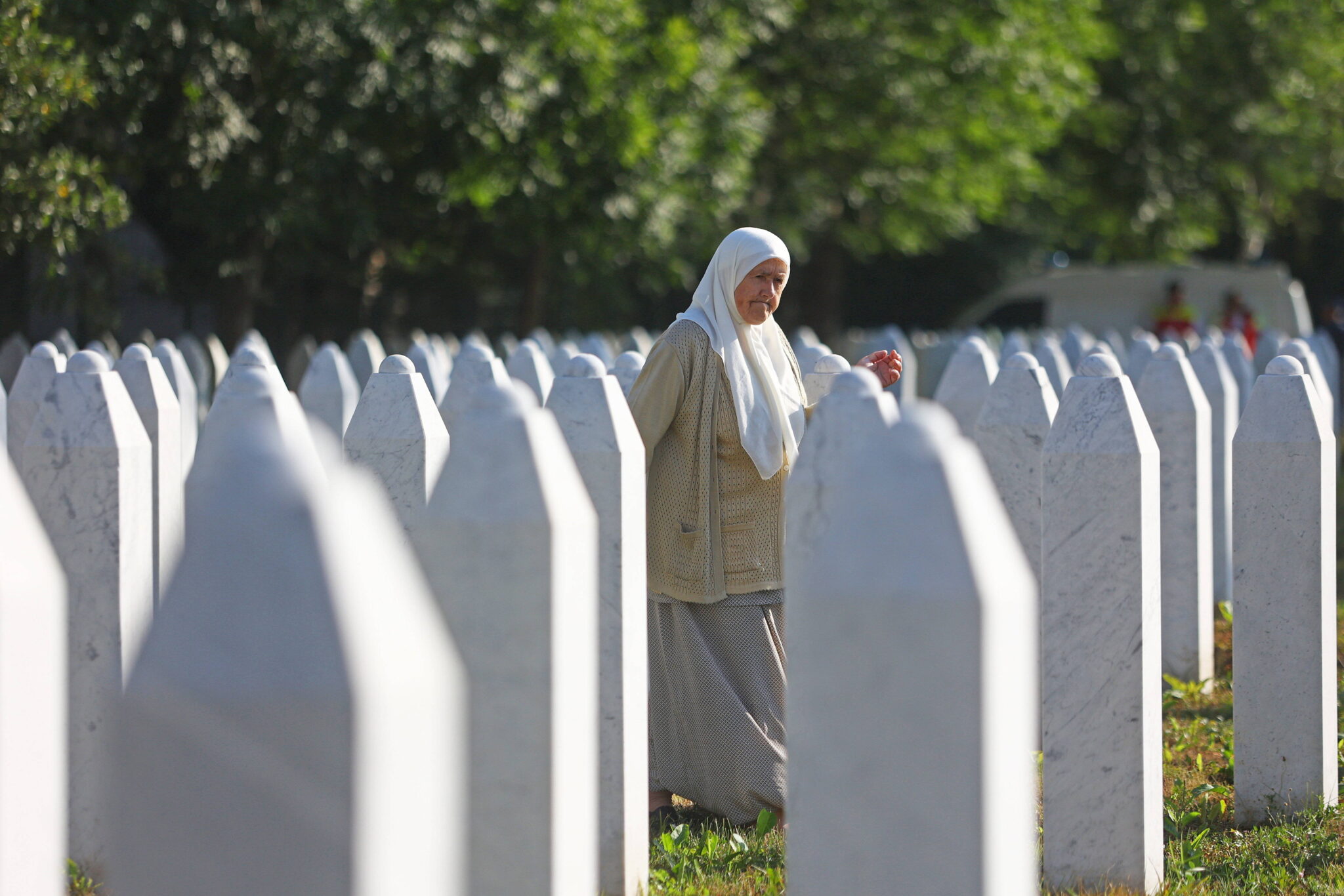
Once dismissed as a tragic anomaly of the post–Cold War era, the 1995 massacre of 8,000 Bosnian Muslims now echoes through today’s wars and ideologies. From Gaza to Ukraine, the logic of ethnic violence is back, and the world is once again looking away.
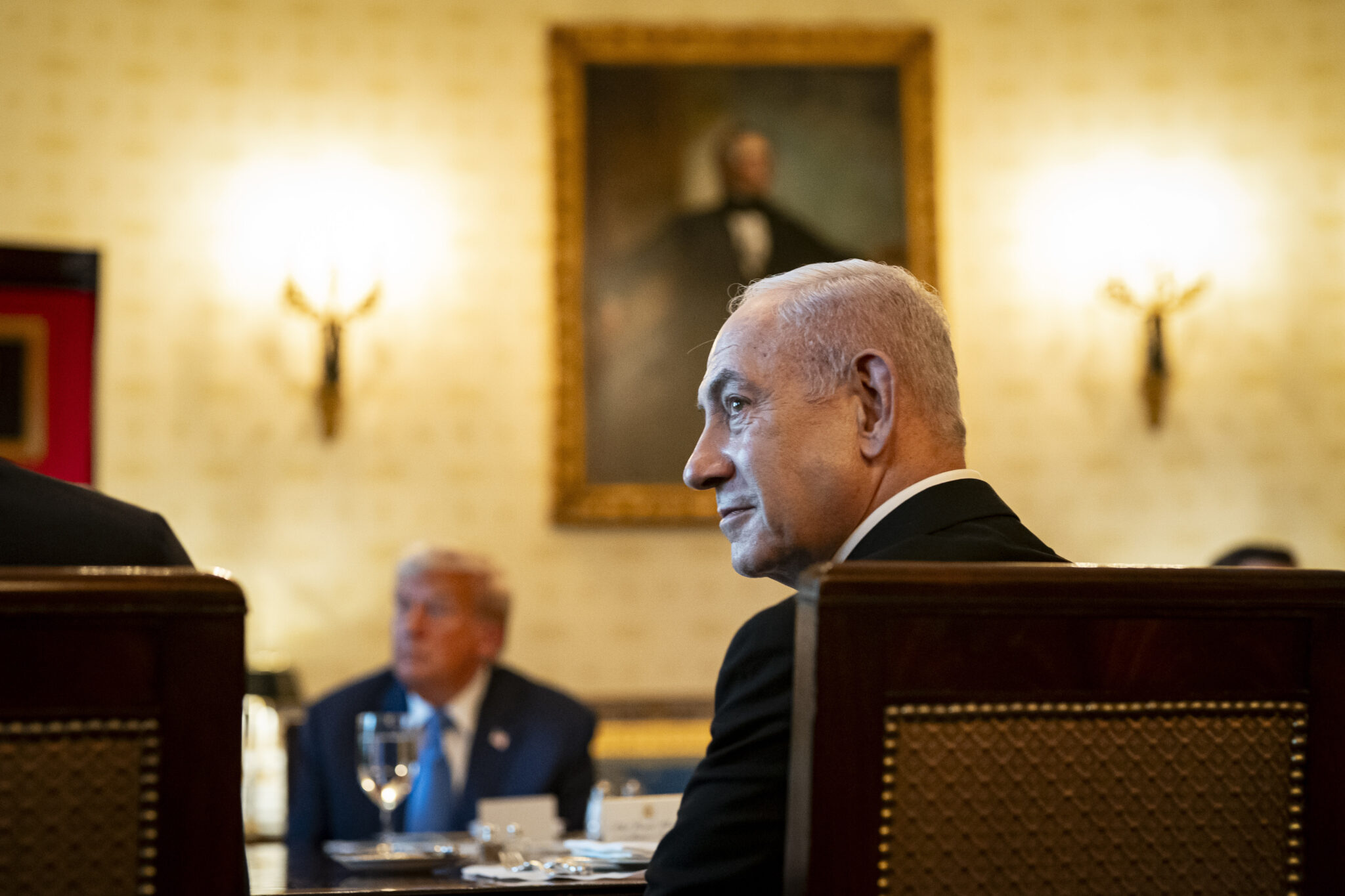
As Netanyahu visits Washington, Israel’s intelligence gears up for a covert campaign against Iran, aiming not just at military targets but at the very core of the regime’s power.
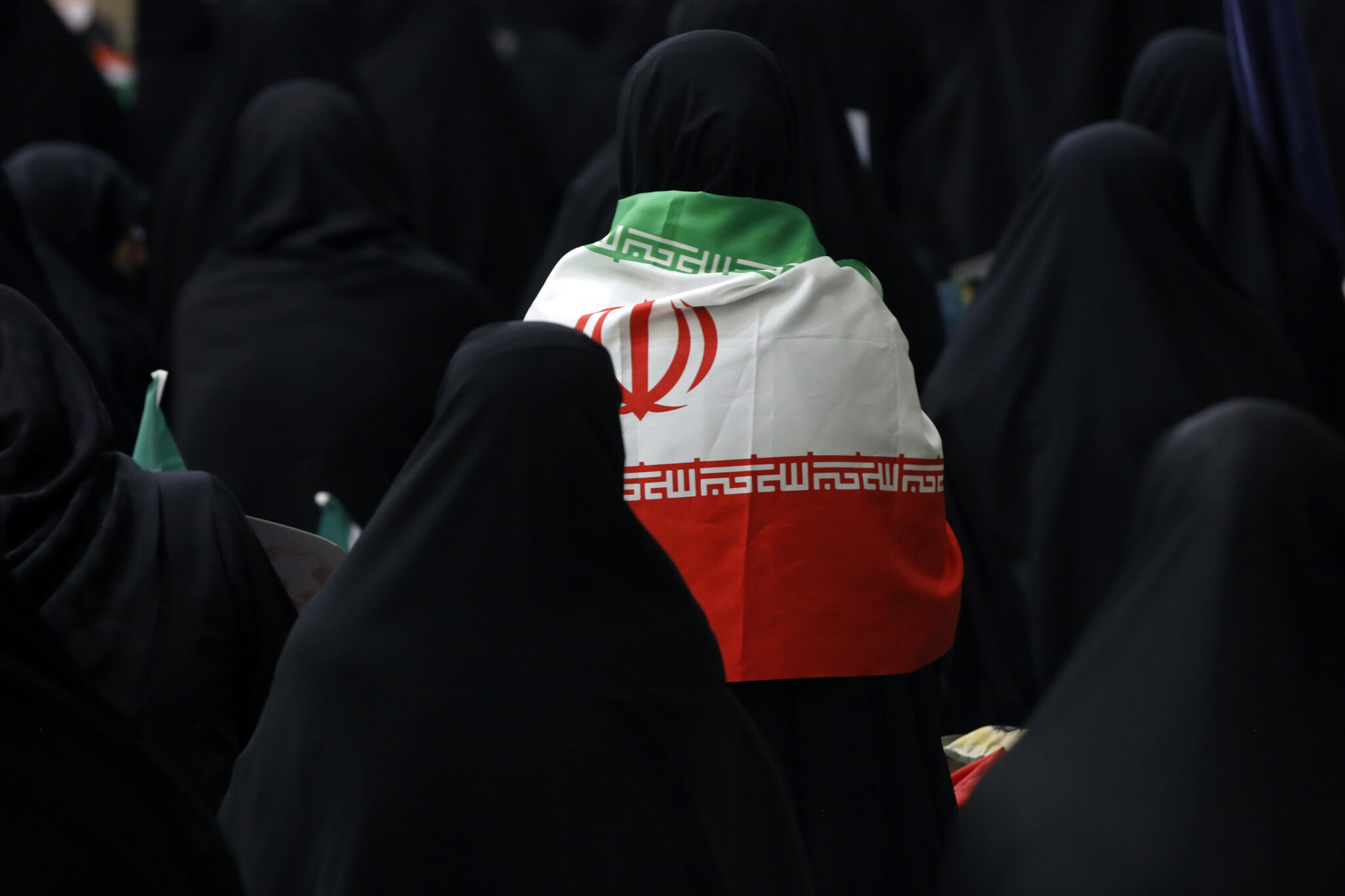
Citing the costly or disastrous cases of Afghanistan, Iraq and Libya as warnings to the West to steer clear of regime change in Iran is mistaken and cynical. If transitions failed before, it was for a lack of planning and vision, not because toppling tyrants is a bad idea.
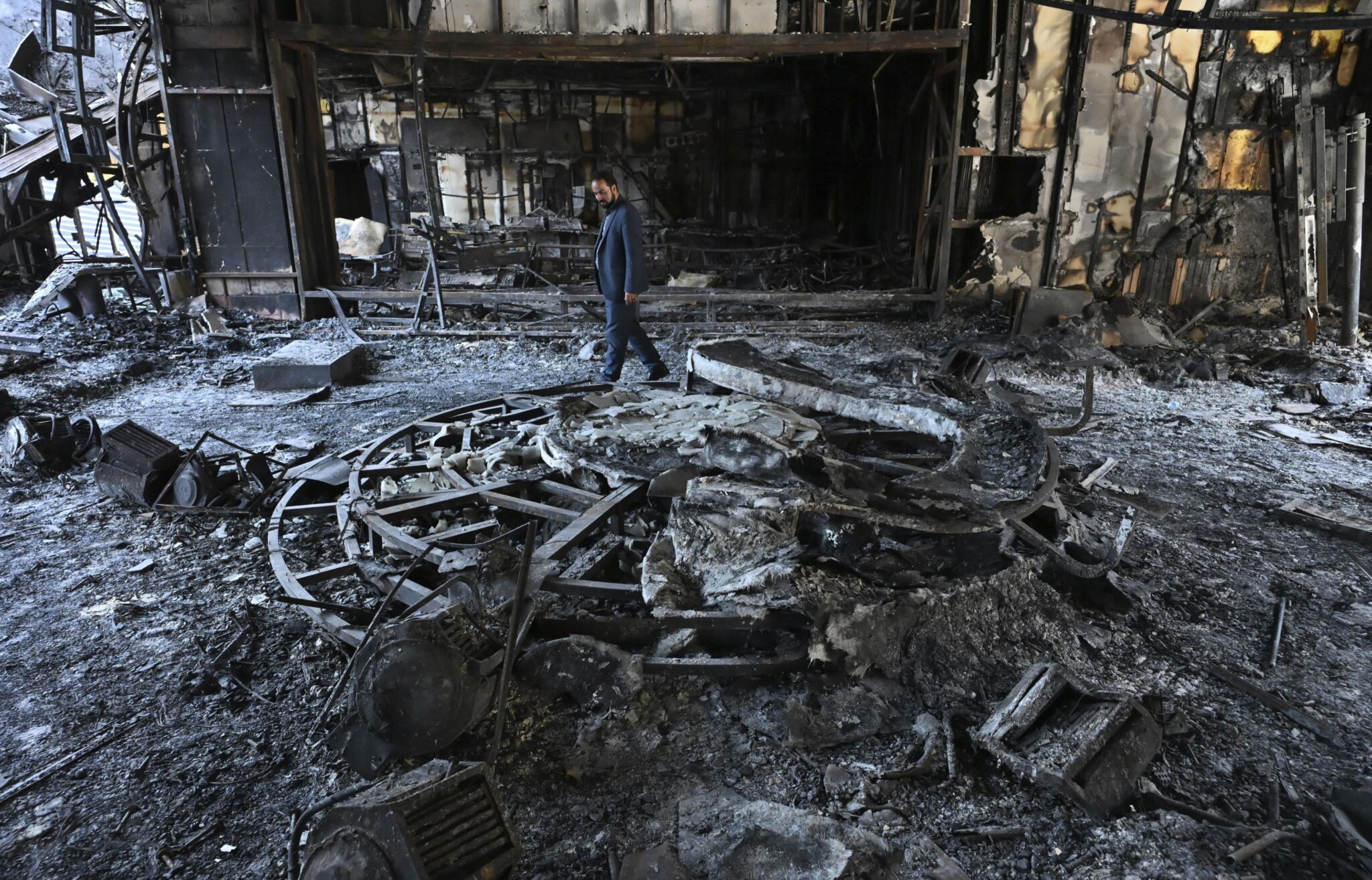
Between the defeats of June 1967 and June 2025 — both ironically hailed by some as victories — history seems to repeat itself. But now that Arab habit of declaring victory has also spread to Benjamin Netanyahu’s Israel, still haunted by Oct 7.
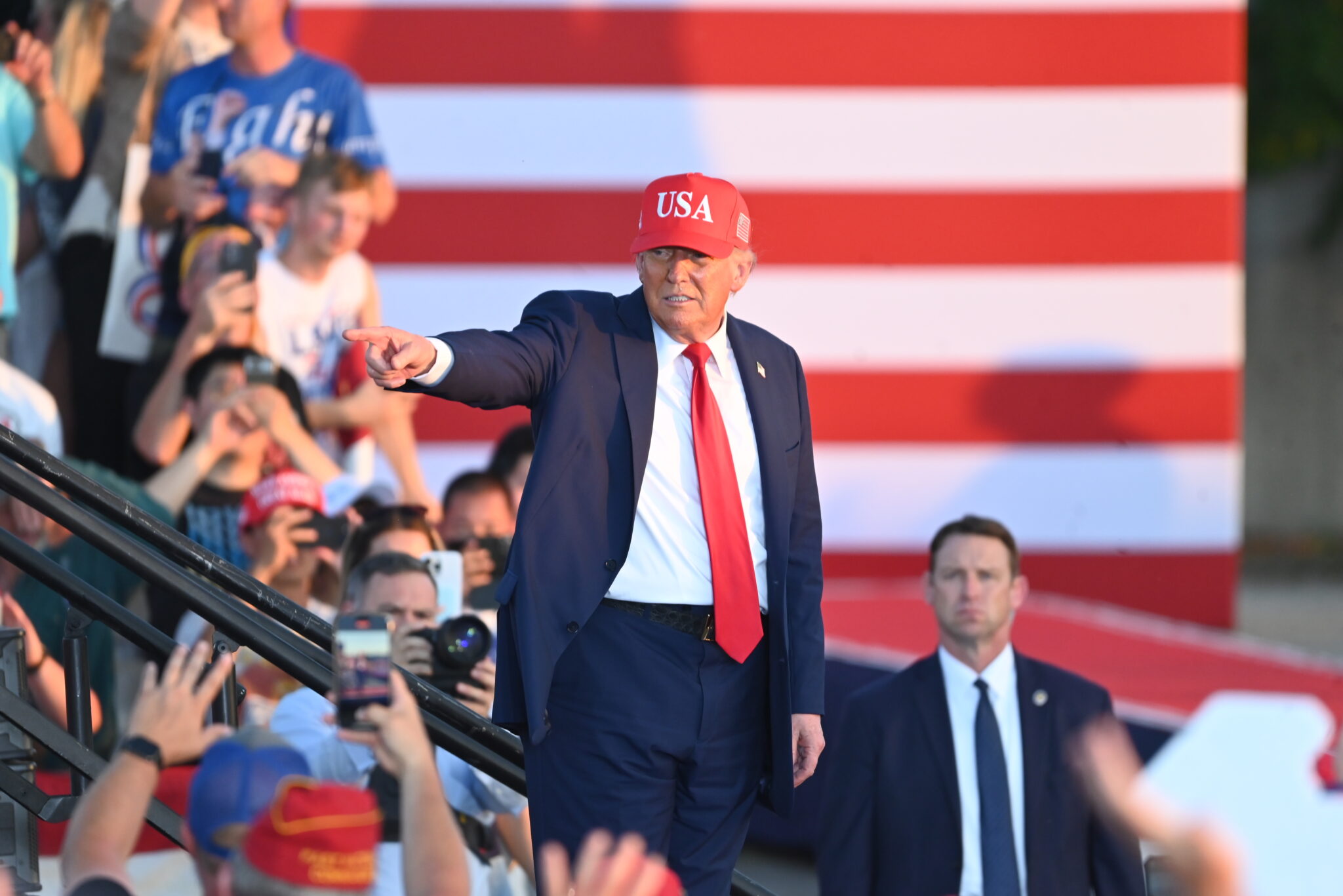
Donald Trump has scored a number of domestic and international victories. But his failure to reign in either Vladimir Putin or Benjamin Netanyahu does not bode well for the future.
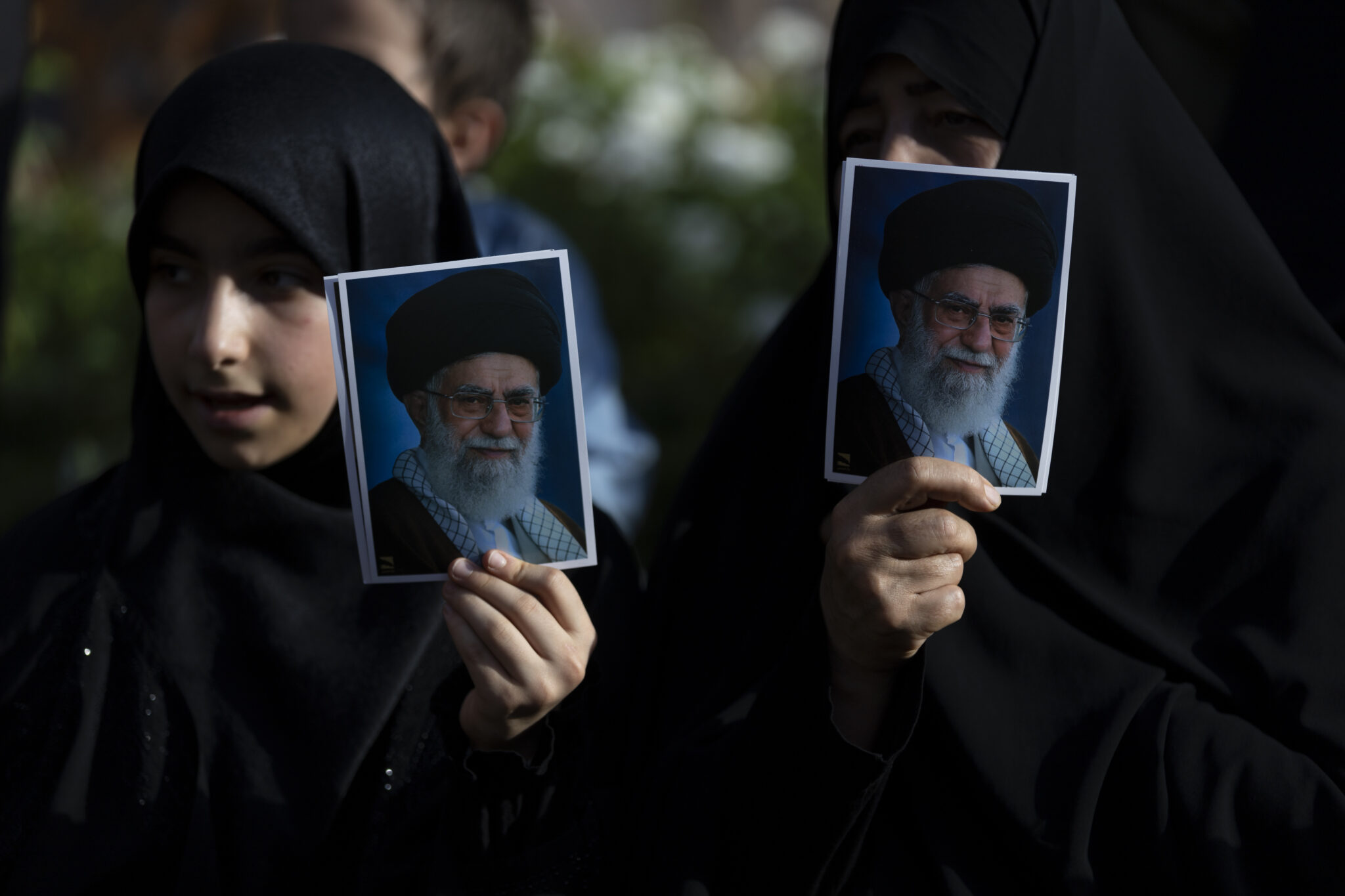
The ceasefire agreed on between Israel and the Tehran regime is not an end to hostilities but likely a “breather” for both sides who insist they have unfinished business with one another. But Israel’s recent battering of Iranian sites, war matériel and senior cadres may have left the ayatollahs with “none of the cards.”
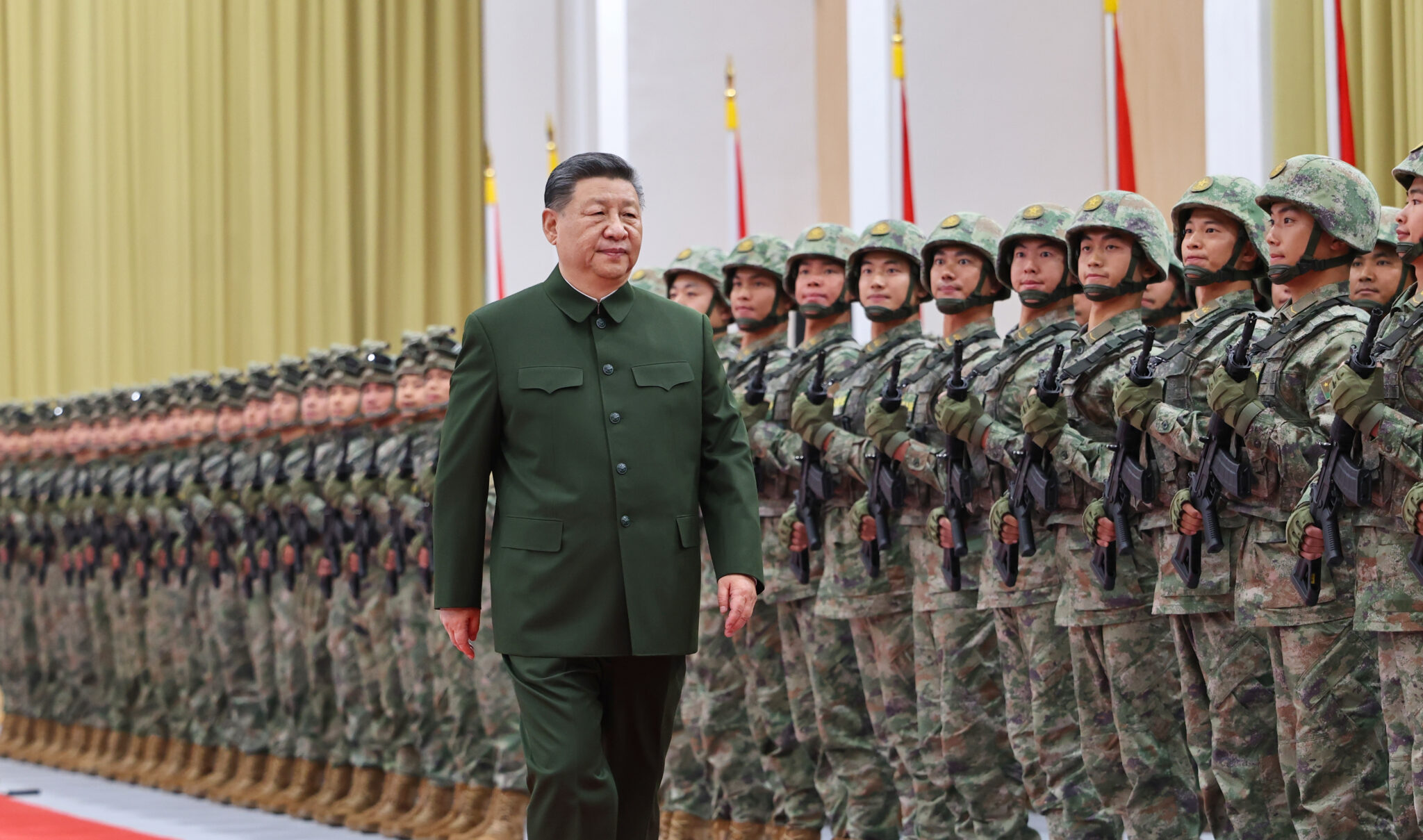
Eight decades after the UN Charter was signed, the so-called rules-based order is looking pretty battered. Still, the fact that someone breaks a rule doesn’t make it invalid. Law and reality never fully align. Otherwise, we wouldn’t need law.

This is 6 minutes, the seriously international daily newscast. It’s Friday, June 27 – let Emma Albright and Anne-Sophie Goninet guide you through the news.
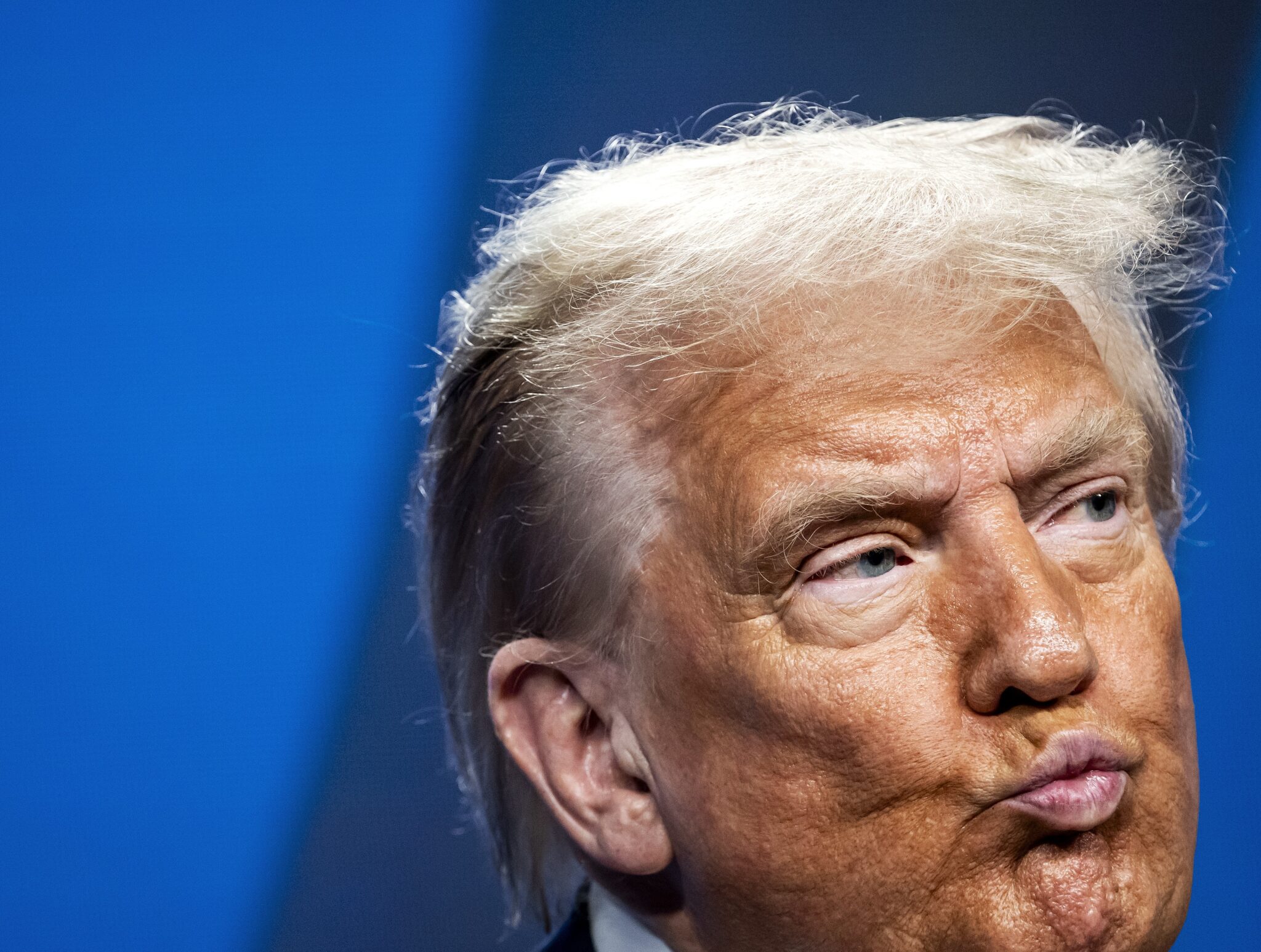
Many Iranians are angered by Donald Trump’s move to stop Israel’s precision strikes on the Tehran regime. As with Ukraine, he has shown he has little time for national aspirations, and sees the world as a playground for making deals, which often have a hidden business payoff for him and his entourage.
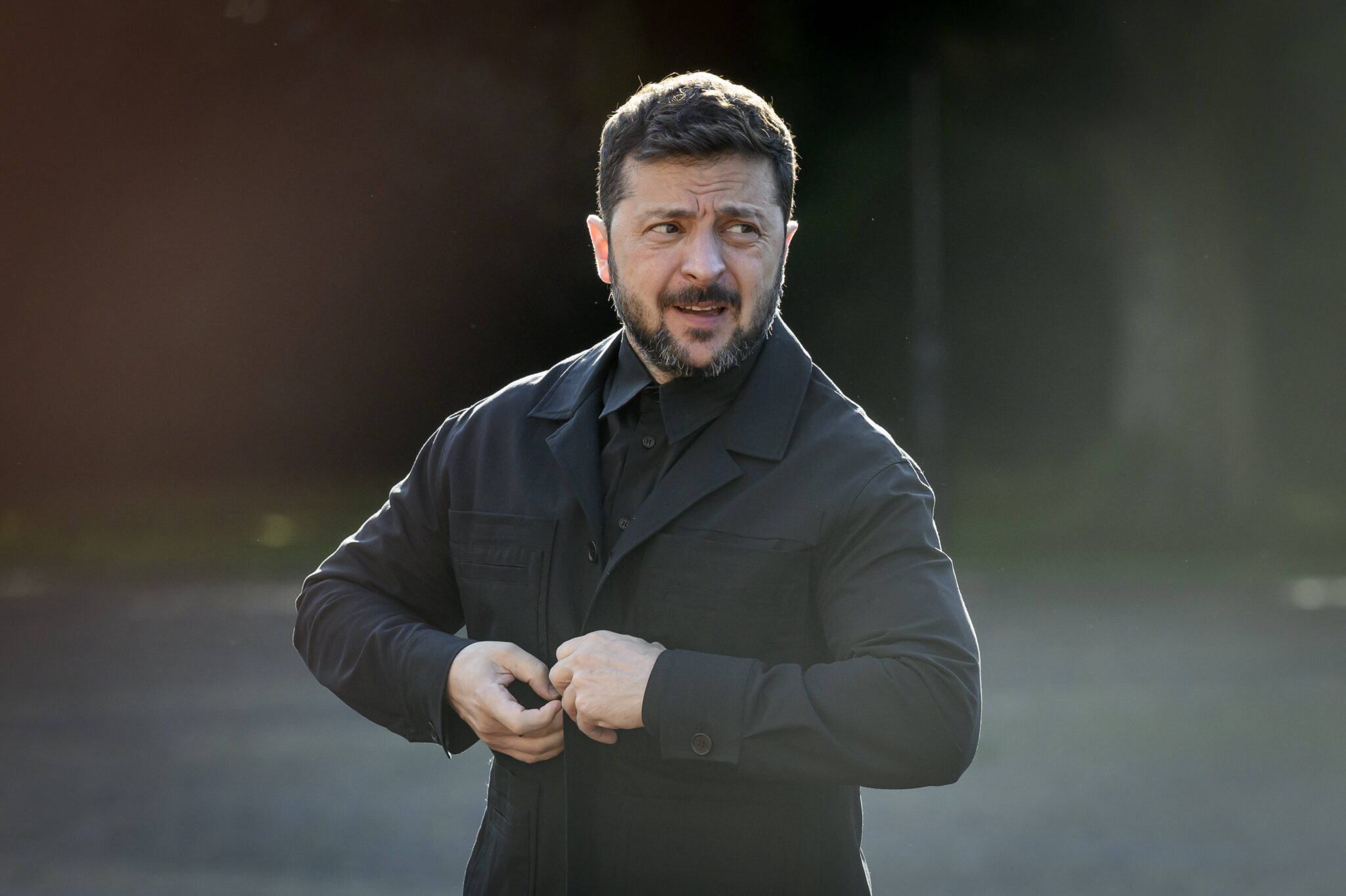
Ukrainian President Volodymyr Zelensky courts and convinces (at least for now) U.S. President Donald Trump. Meanwhile Russia’s leader has failed to enter the negotiations with Tehran to gain on Ukraine.
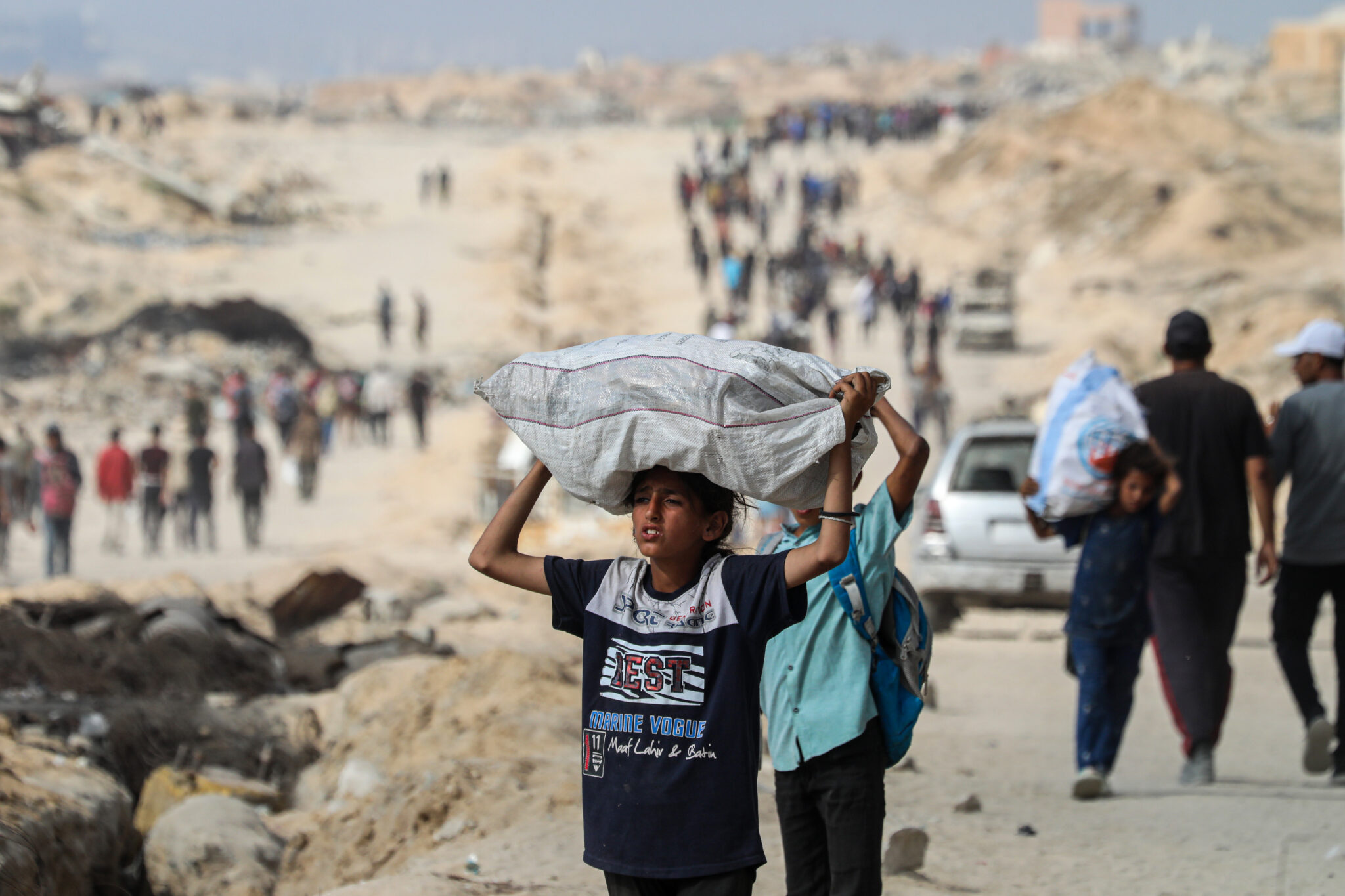
The’ “hell” continues in Gaza, with no explicit explanation of Israel’s goals. U.S. President Trump’s success in swiftly ending the missile exchanges between Israel and Iran could now be extended by pressuring the Israelis to find a solution to the Palestinian question, which is vital to progress in the Arab world. What will Trump do?
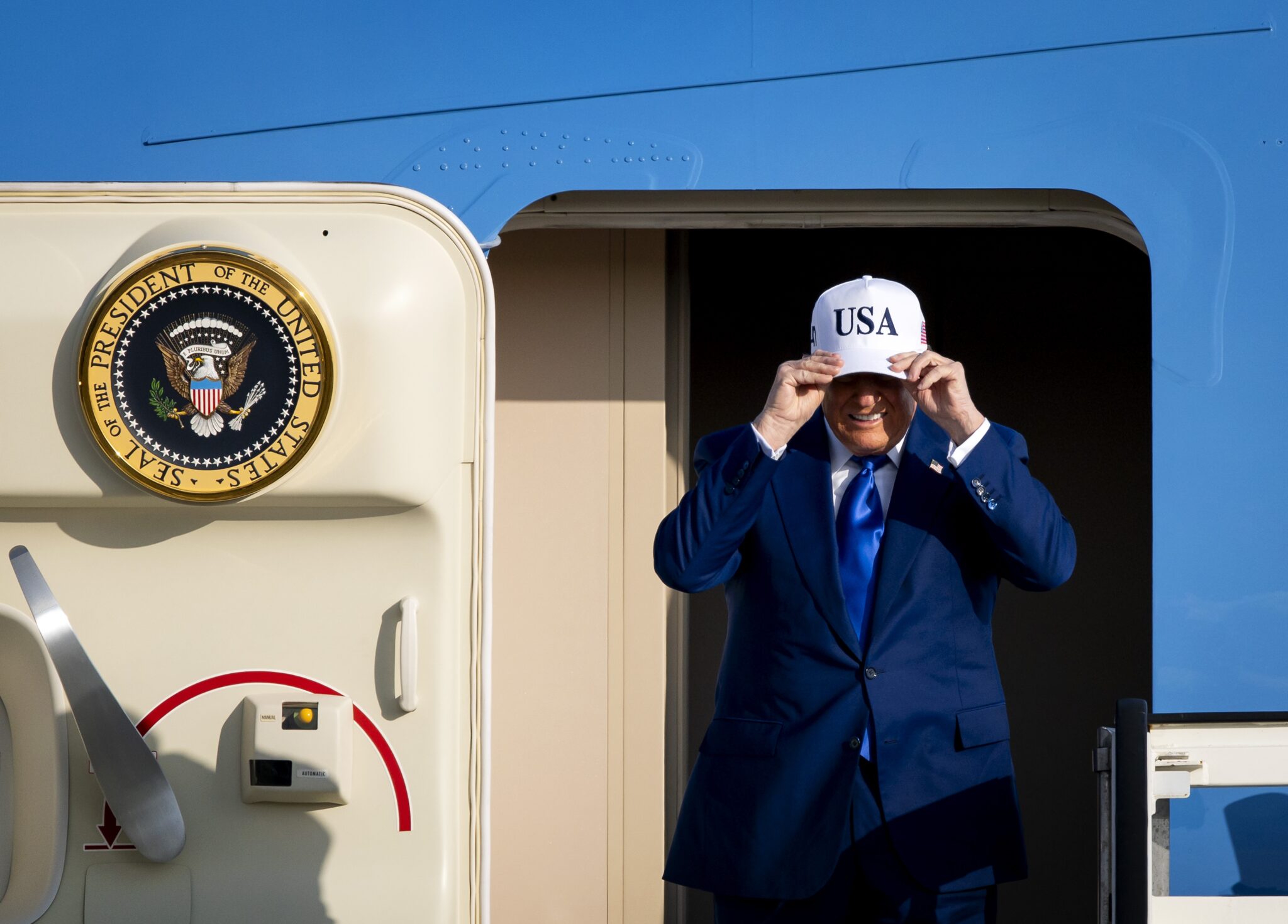
The Israel-Iran truce brokered by the U.S. president is a major diplomatic victory for Trump. But it’s a peace plan that feels more sleight of hand than statesmanship, which raises doubts about whether the ceasefire can last.
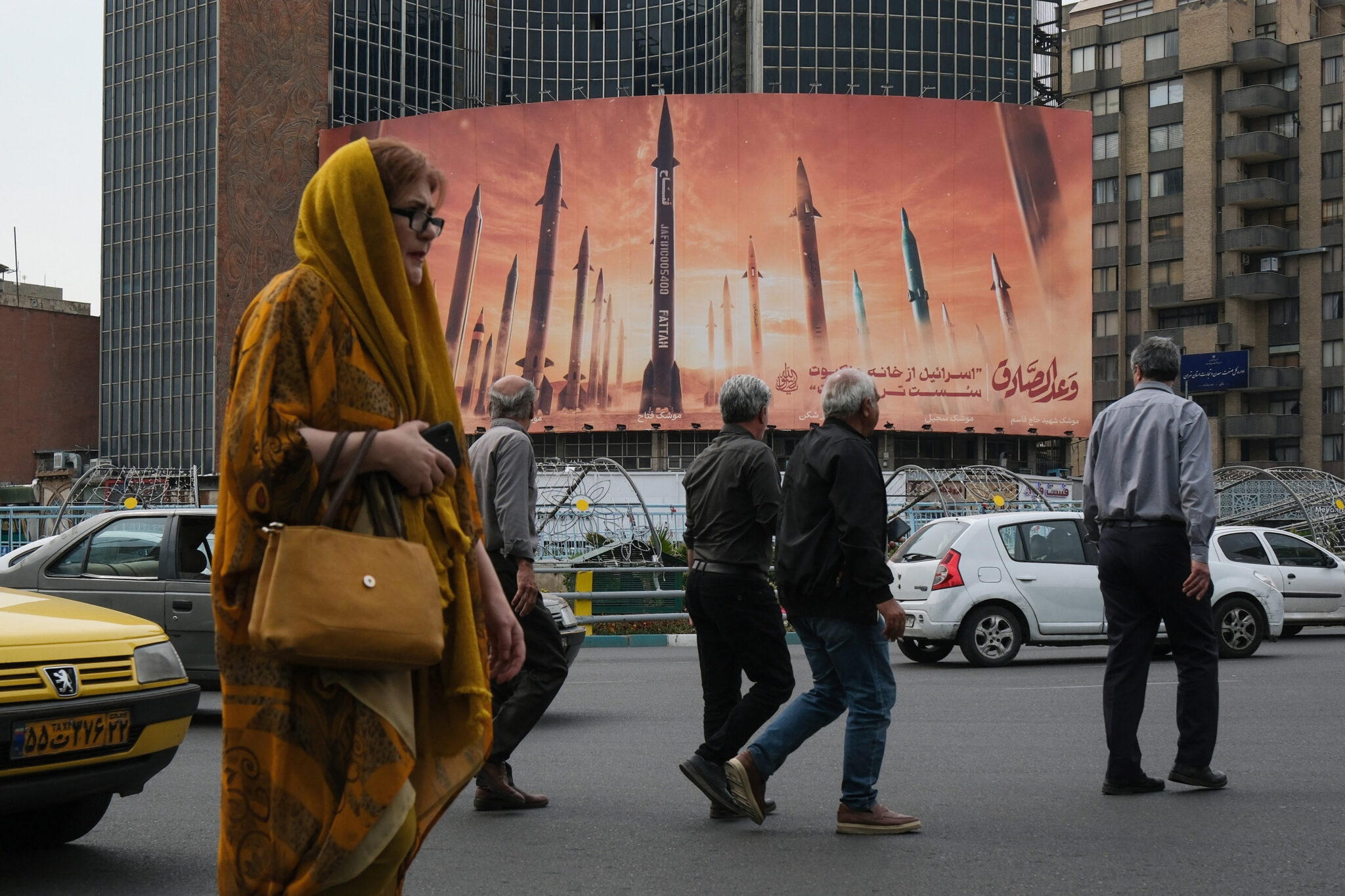
After 12 days of intensive conflict, President Donald Trump declared a ceasefire halting the most dramatic direct confrontation between Israel and Iran in decades. Both nations agree to abide by the truce, yet each vows retaliation if any breaches occur.
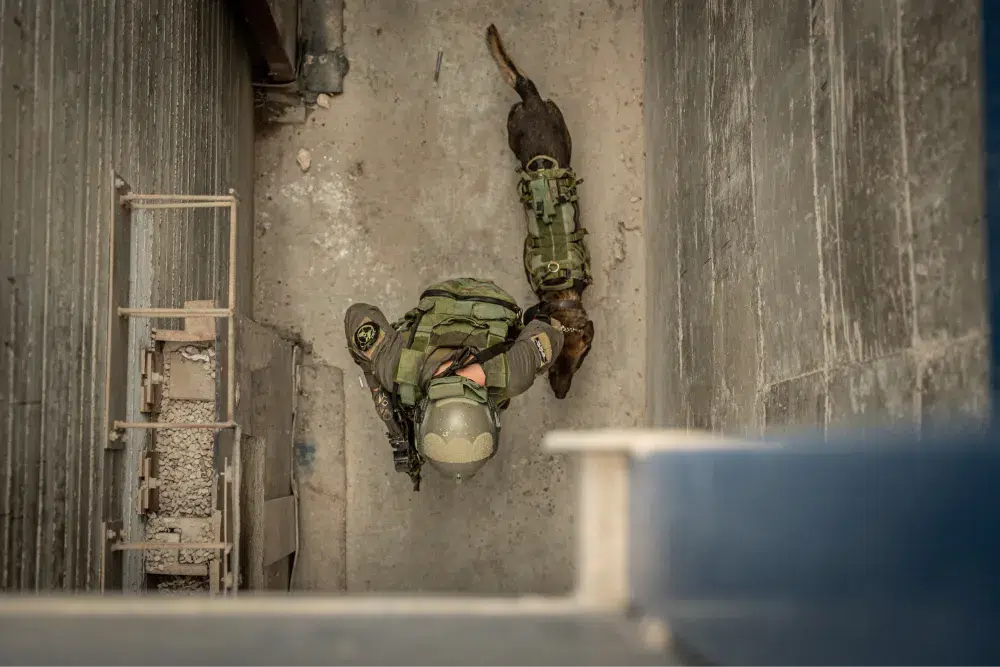
An exclusive investigation reveals Israel’s use of trained dogs — imported from European countries — as weapons against Palestinian civilians in Gaza and the West Bank. European companies specializing in training and selling these dogs to Israel appear to disregard ethical and legal standards.
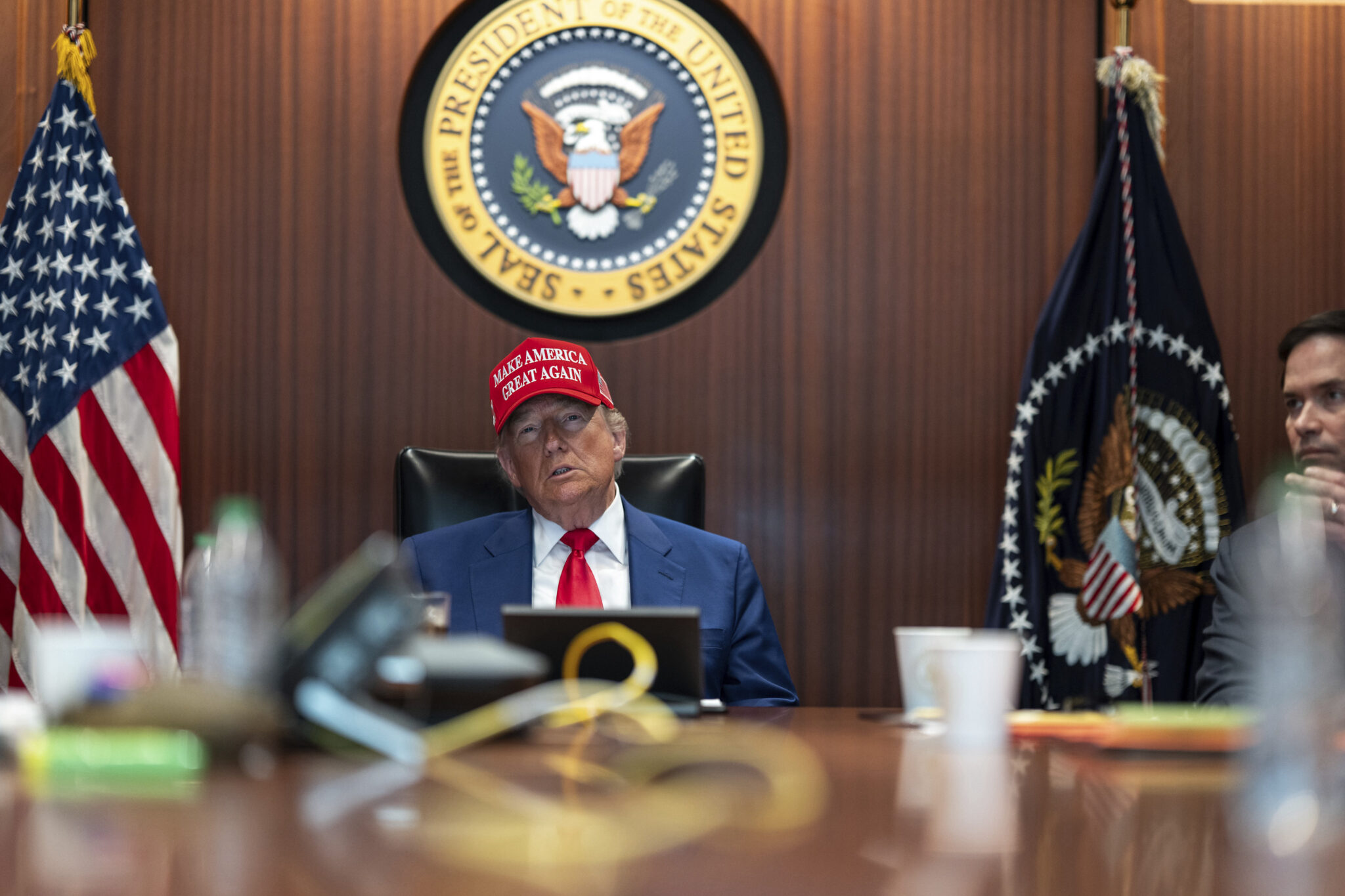
By giving the Americans advance warning, the Iranians ensured that their response to the US bombing yesterday would not cause any casualties. Donald Trump seized the opportunity to stop the war, despite Israel’s continued pursuit of a hardline approach.
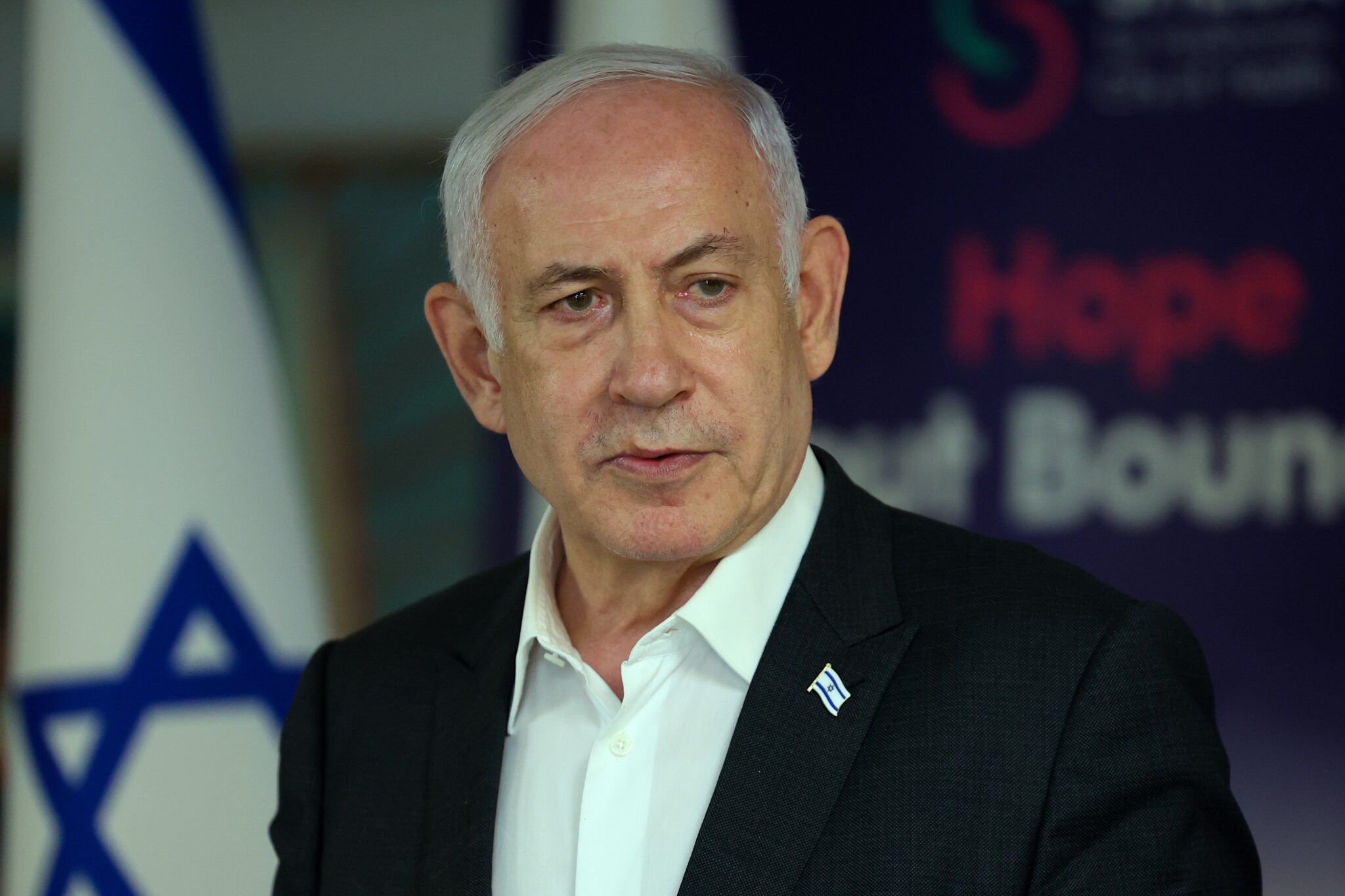
The intervention of American bombers in Iran has strengthened Israeli Prime Minister Benjamin Netanyahu’s position, allowing him to assert military supremacy over the Middle East. What comes next will be more difficult, as no solution is on the horizon for Gaza, and the Saudis are growing more skeptical than ever of Israel.
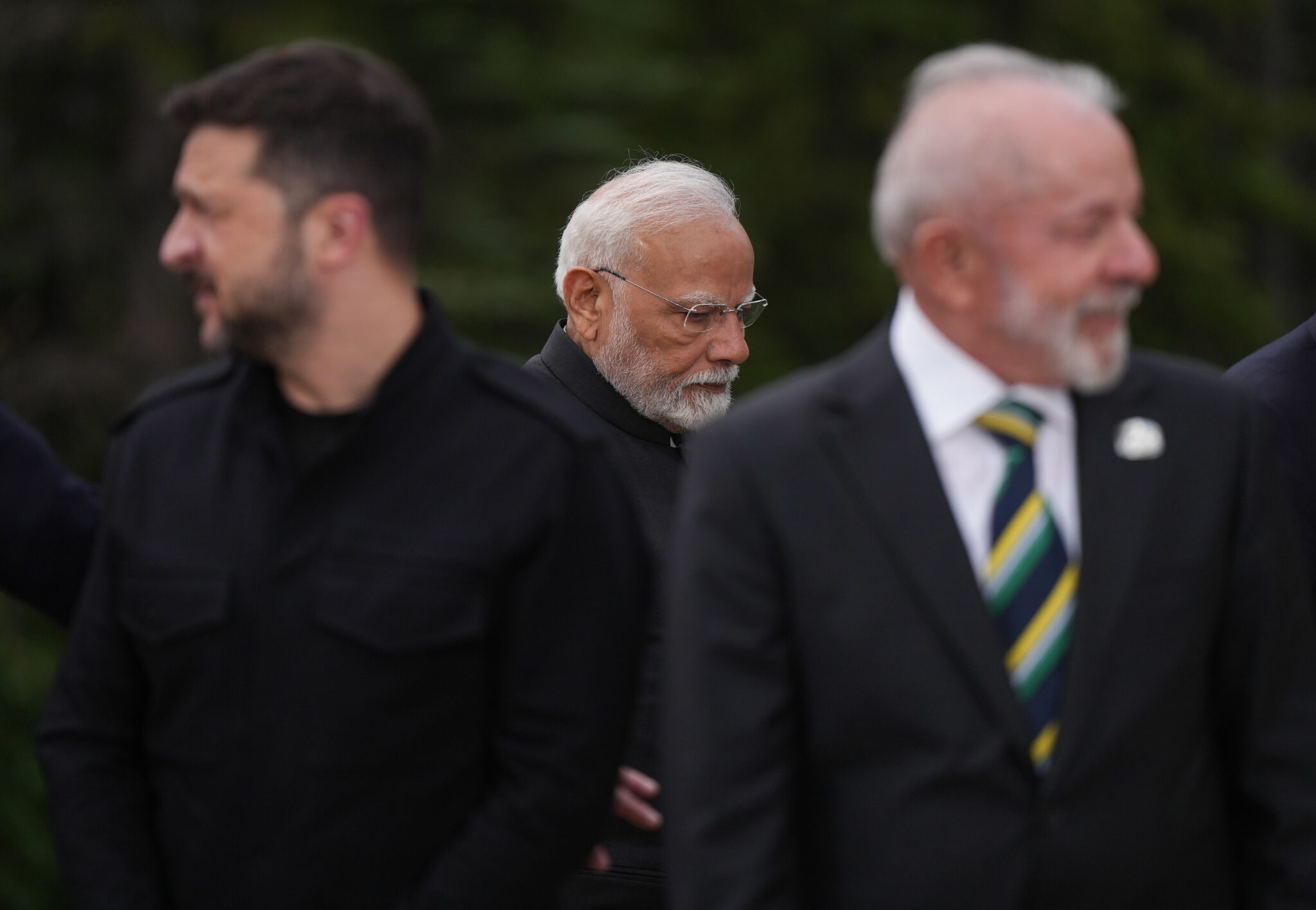
India’s inconsistent stance on Gaza reflects a broader diplomatic drift — from principled leadership to transactional alignment.

All of the complexities and competing interests in the Middle East are coming out during the current showdown between Israel and Iran, and Jordan has a strategic role to play.
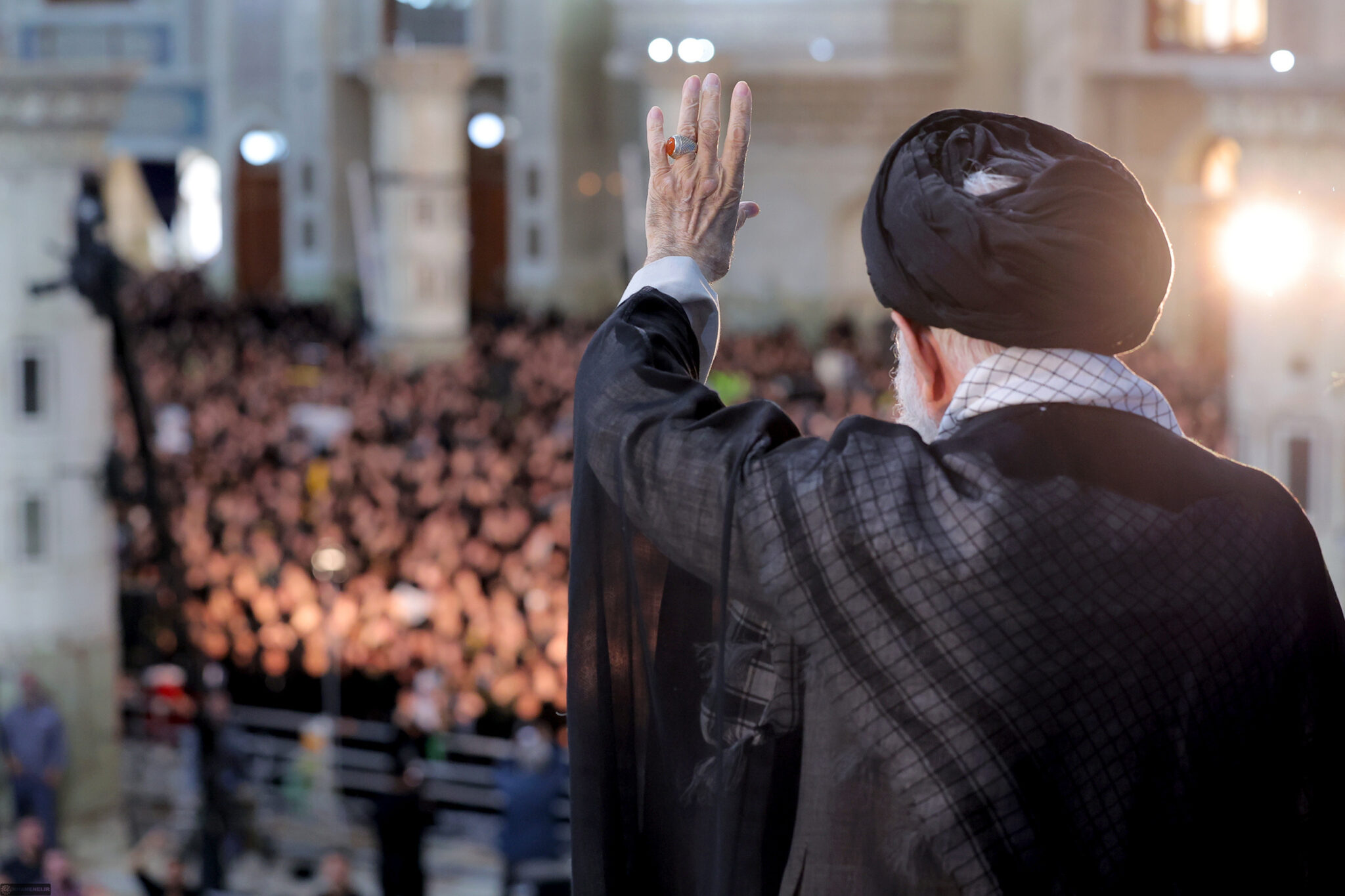
After a week of unprecedented conflict between sworn enemy states, Israel and Iran may actually be holding back in the coming days, as the White House mulls its options. But surprises are no doubt in store with so much at stake.

With remarkable shots from Khan Younis, Barcelona, Kananaskis and Ascot, among other places.
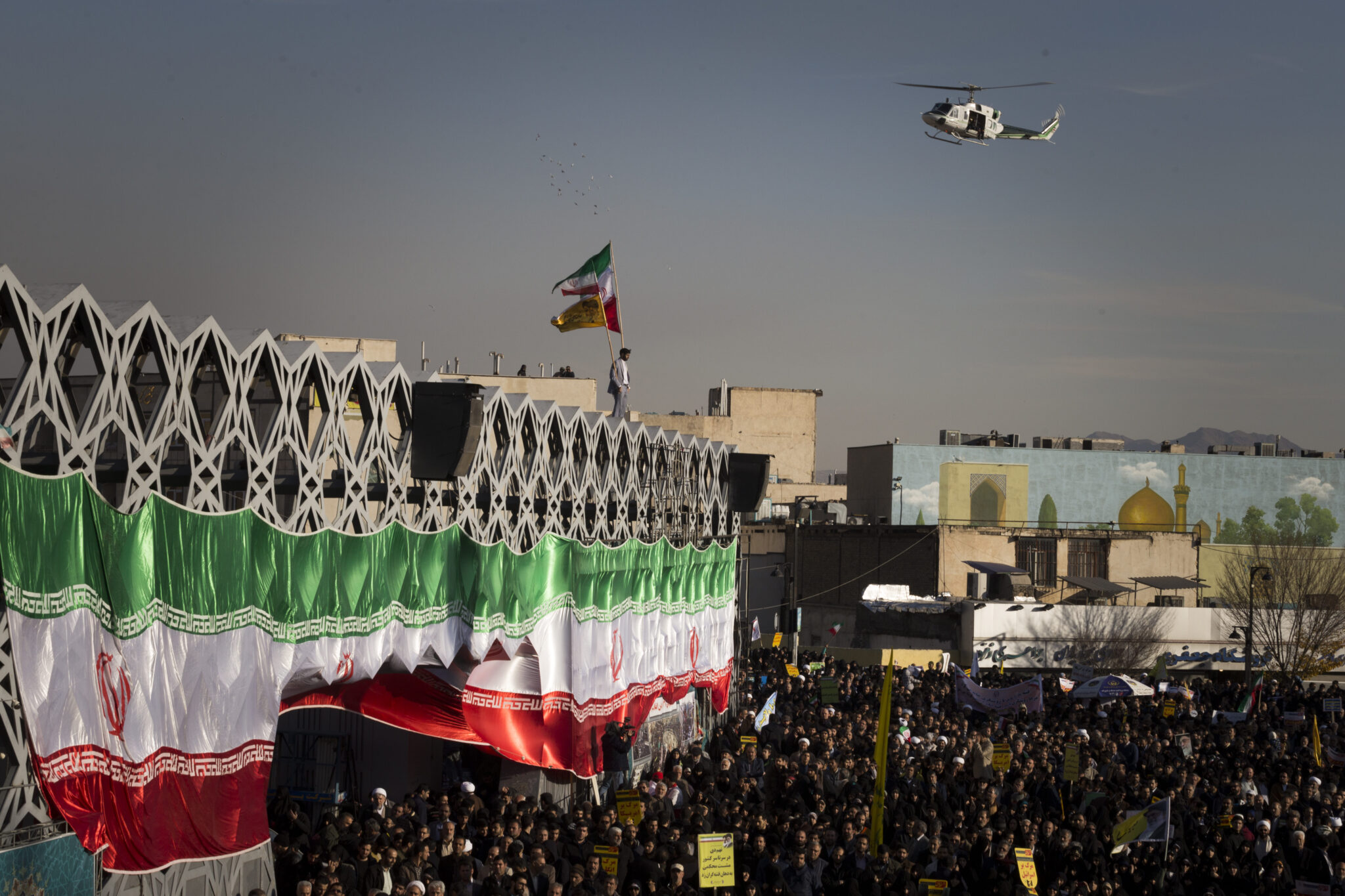
German Chancellor Friedrich Merz said what others were thinking: Israel is doing the world a favor by trying to stop Iran’s nuclear program: Westerners and Arabs but also Russia and China, all would rather Tehran doesn’t get the bomb. But it may now be up to President Trump who is only concerned with his own interest.
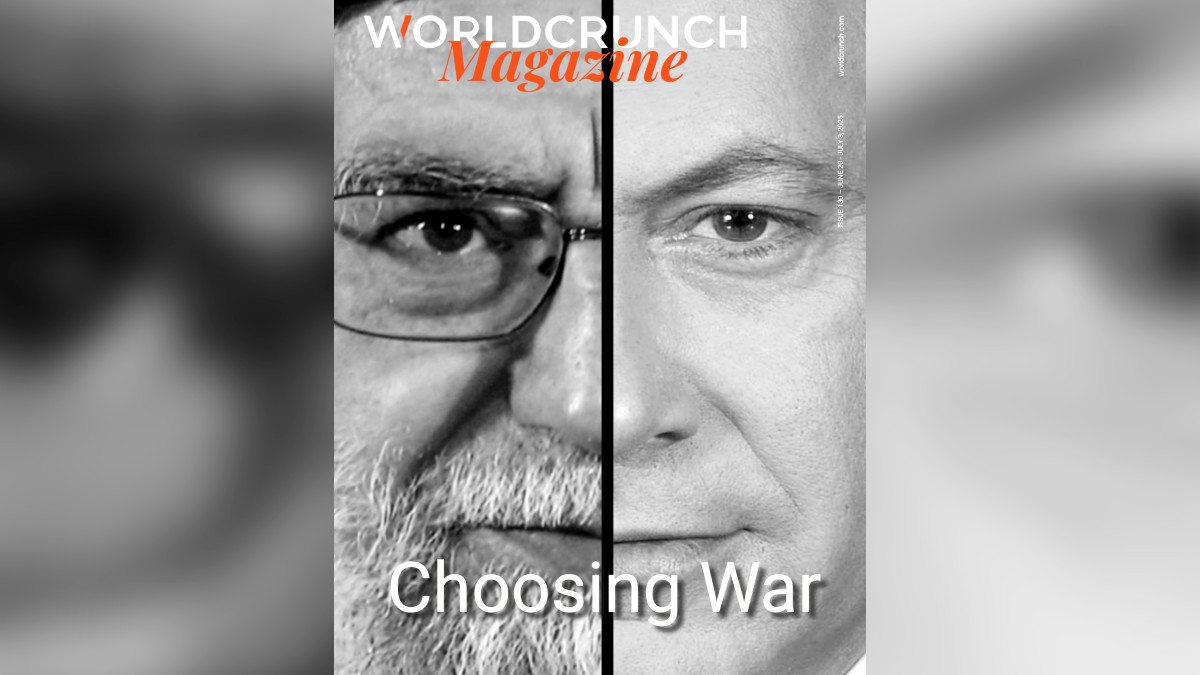
June 20 – July 3, 2025
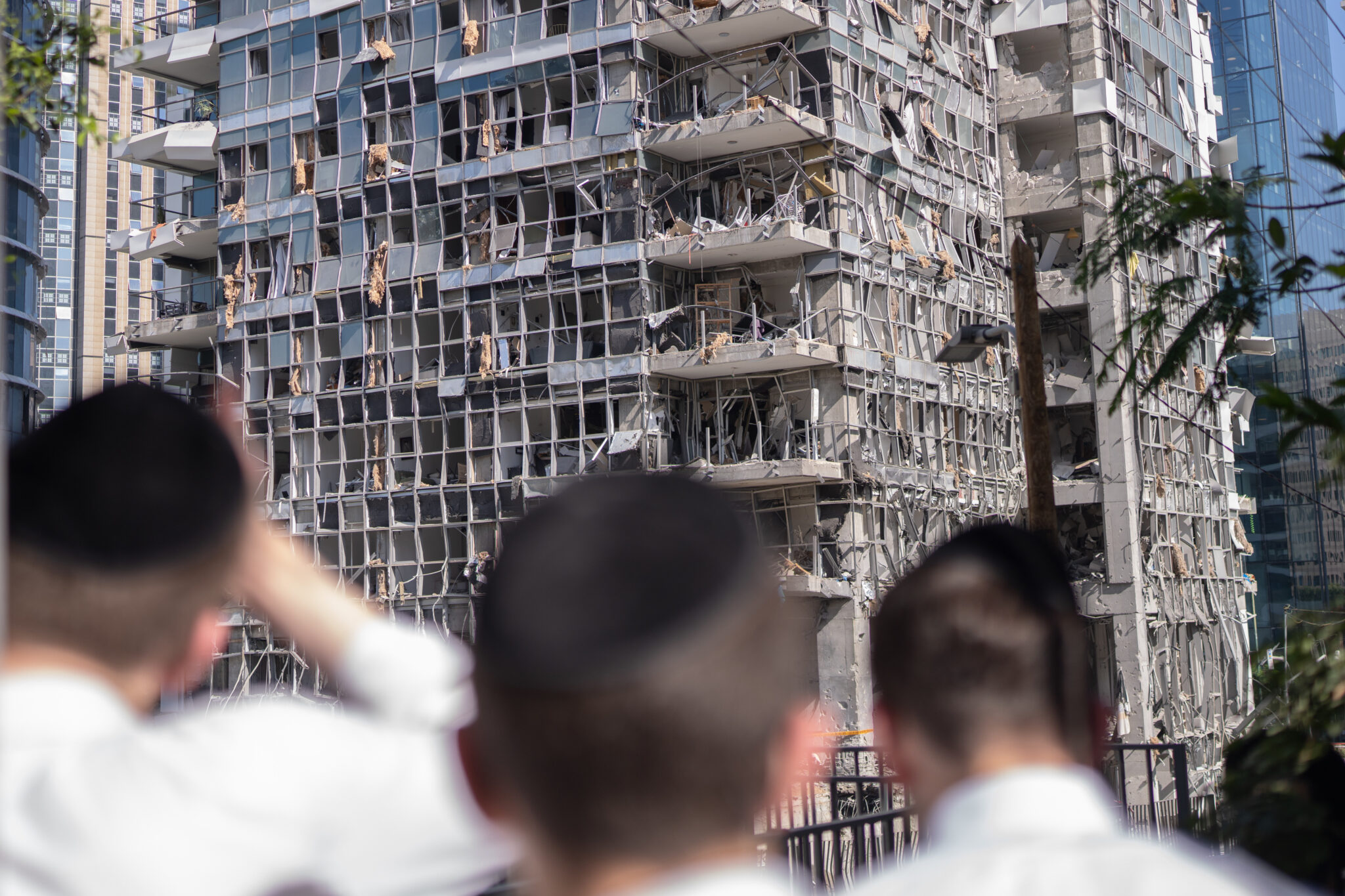
By declaring that Israel was “doing the dirty work for all of us,” German Chancellor Friedrich Merz shocked many and cast an ambiguous shadow over Europe’s position in the conflict. At a moment when Europe should be upholding the rule of law, he appeared to align with Israel and the United States, who seem to rely solely on force.
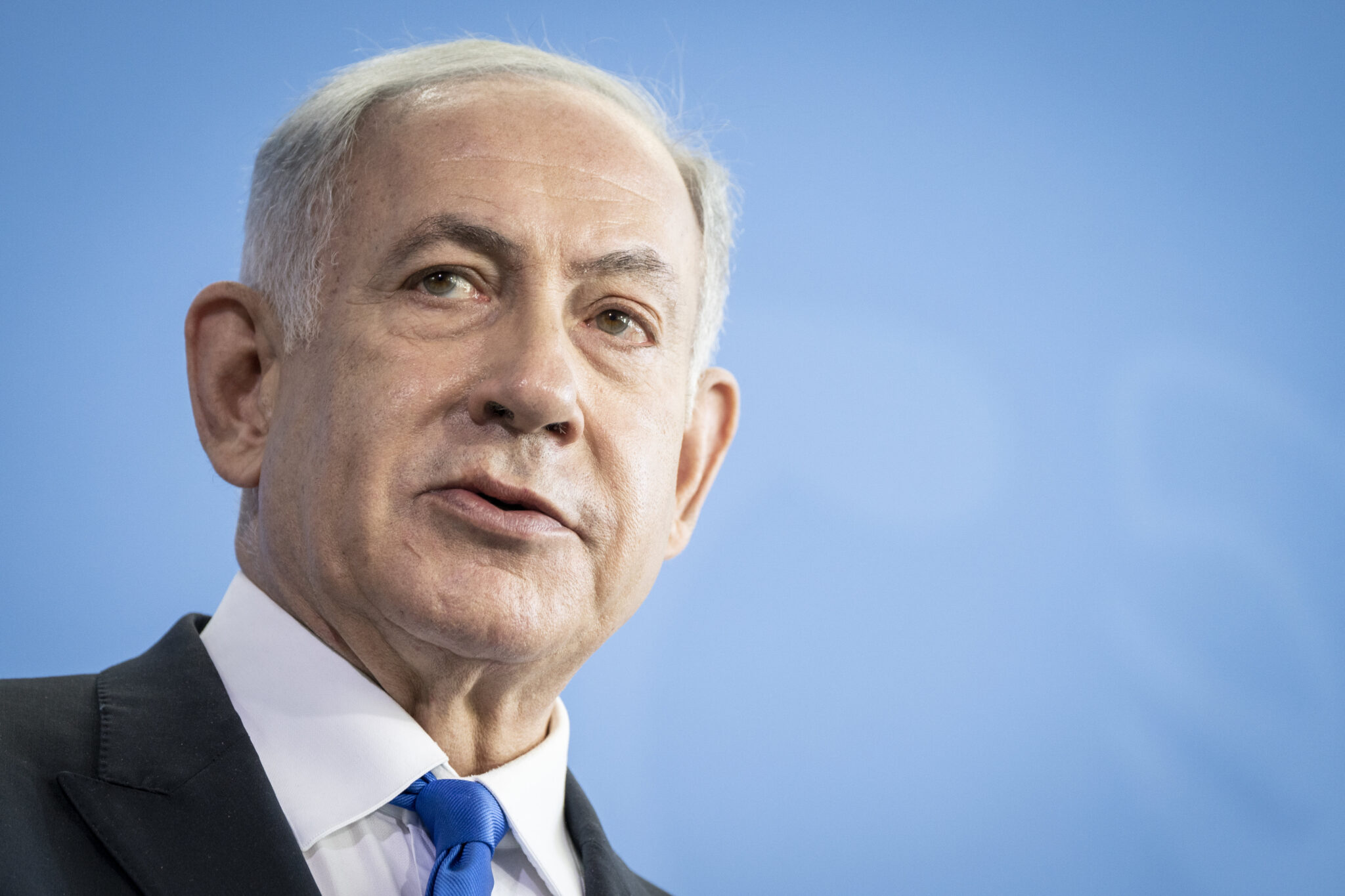
Israeli Prime Minister Benjamin Netanyahu has long viewed the Iranian regime as an existential threat to the Jewish state. Now, with direct strikes on Iran, he may be realizing a goal he’s pursued for decades — driven by history, personal conviction and political survival. But the risks for Israel and the region are huge.
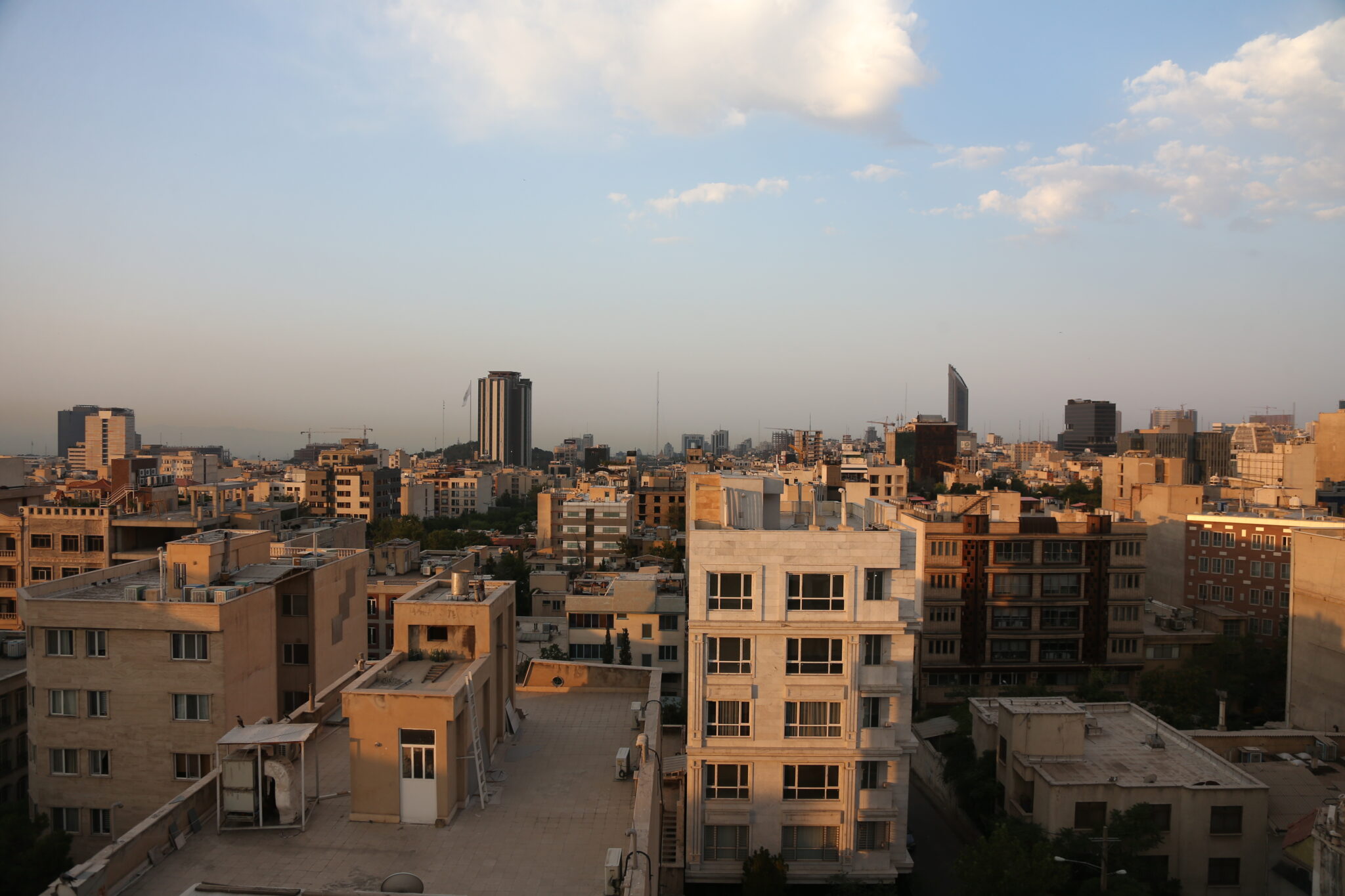
Israel may be giving Tehran a taste of the havoc it wreaked on Gaza and Beirut, as it seeks to crush the very environment that has nurtured and sustained the hostile regime of the Islamic Republic.
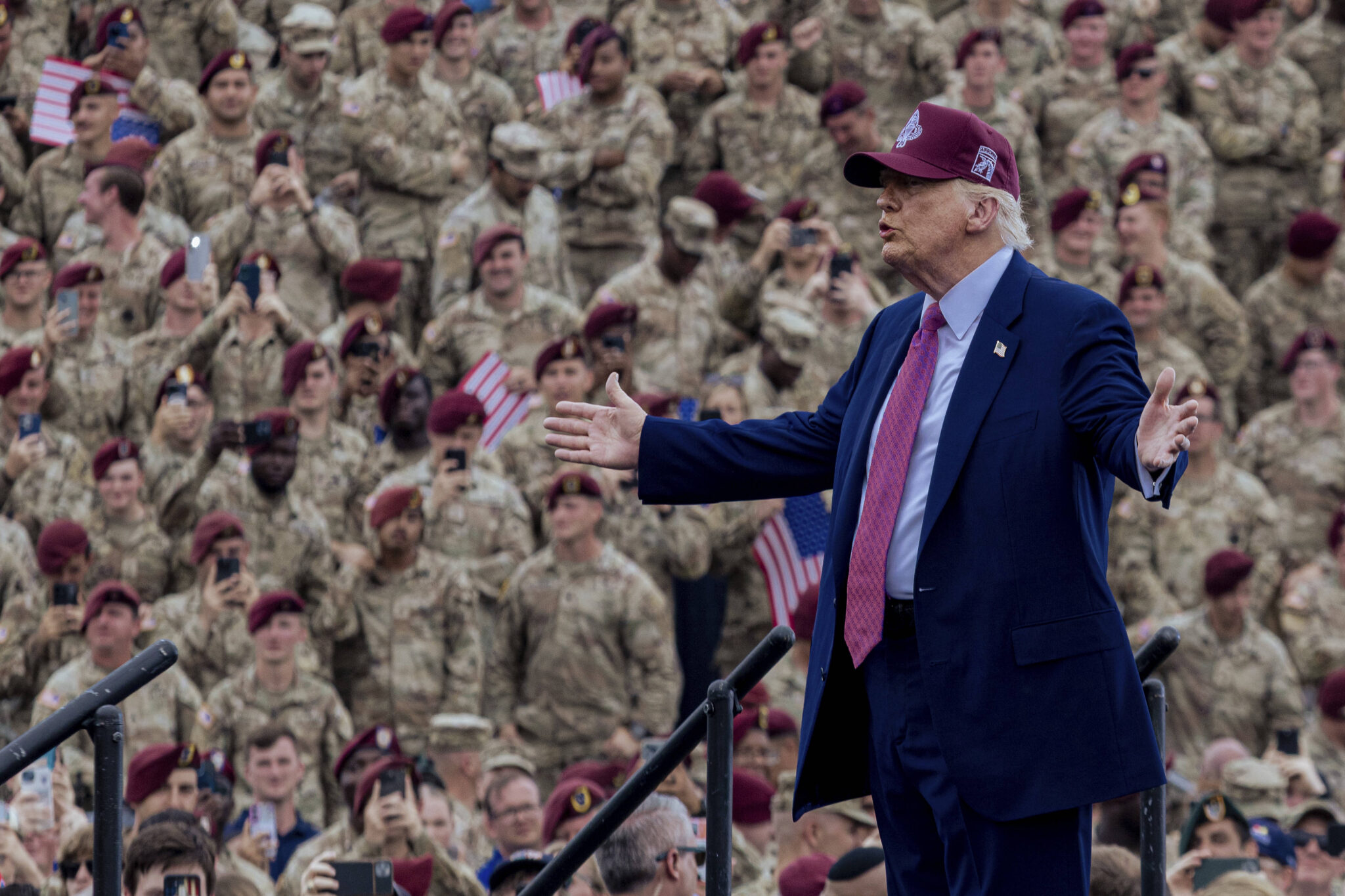
The exchange of threats between Donald Trump and Ayatollah Ali Khamenei are increasing tensions, and everyone is waiting for the U.S. president to decide whether or not to commit his country to war alongside Israel. If Trump decides to do it, there are three main reasons why.
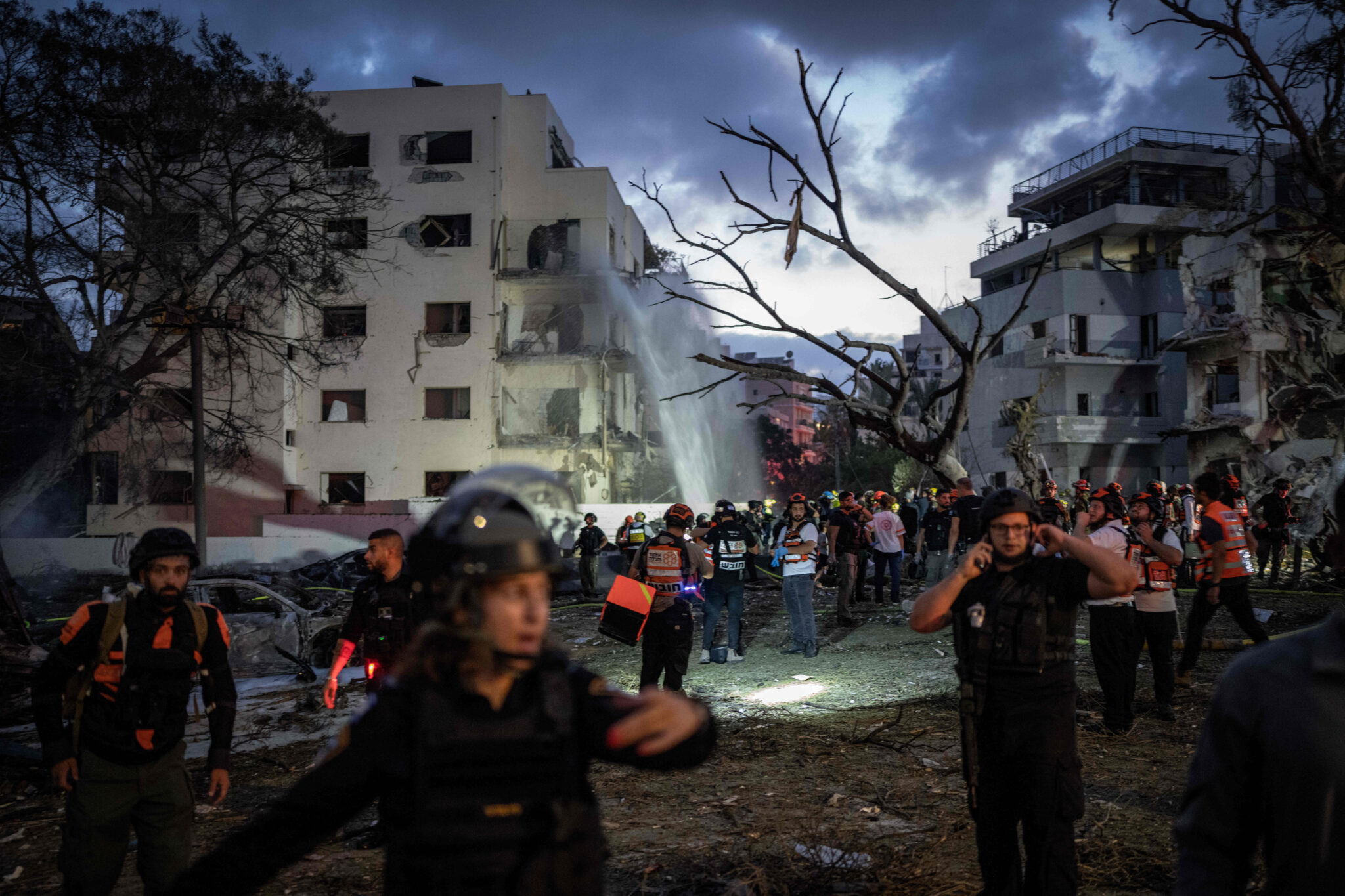
As Israel and Iran trade missile strikes, people of the Middle East are divided between cheering and gloating in a conflict of axes fighting over the ruin of the region. We must return the debate to its root: Who represents the peoples of this region? Who defends their right to freedom, not to arms?
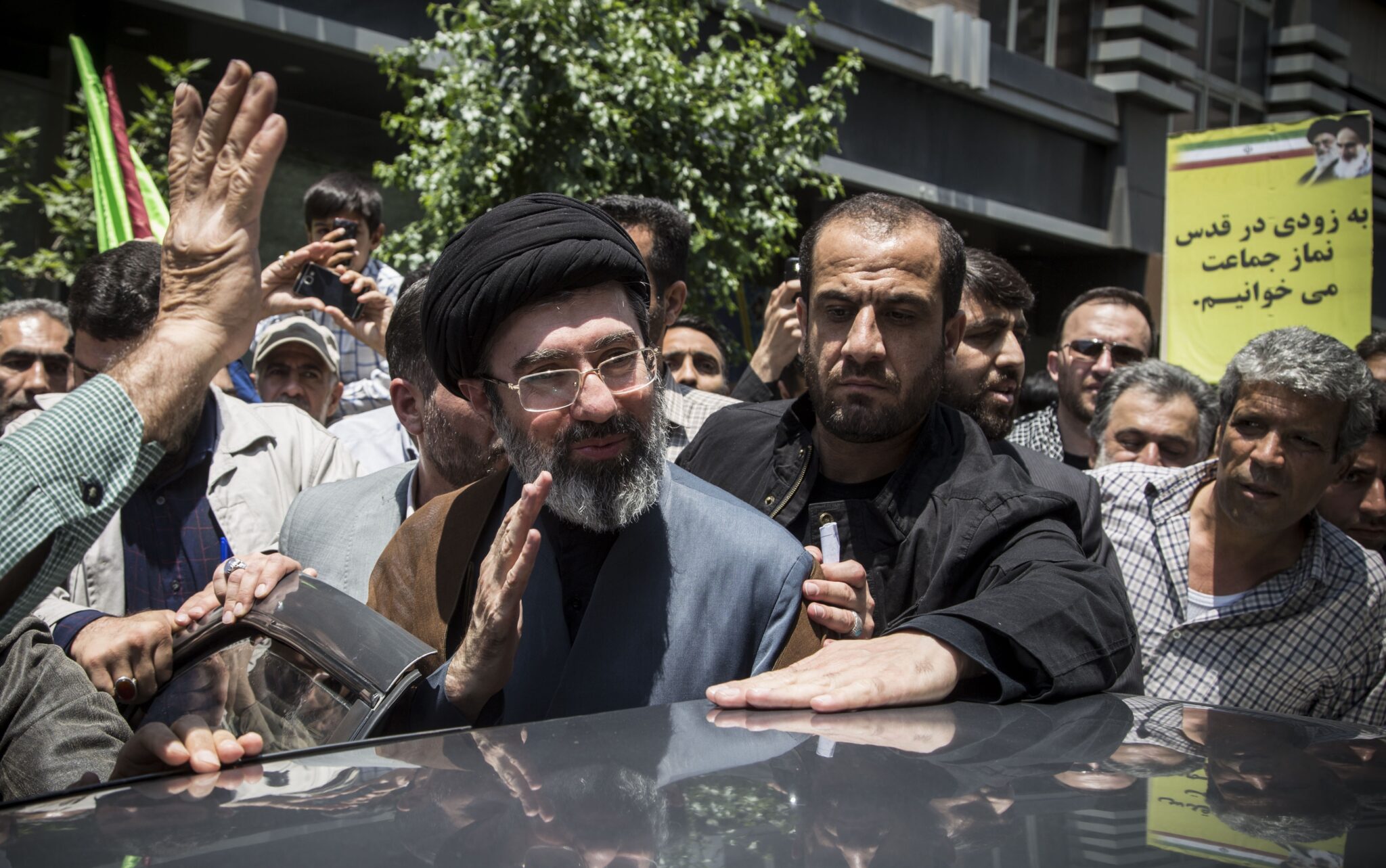
After the bombs, Iran stands at a crossroads, torn between dynastic succession, military takeover and revolutionary implosion.
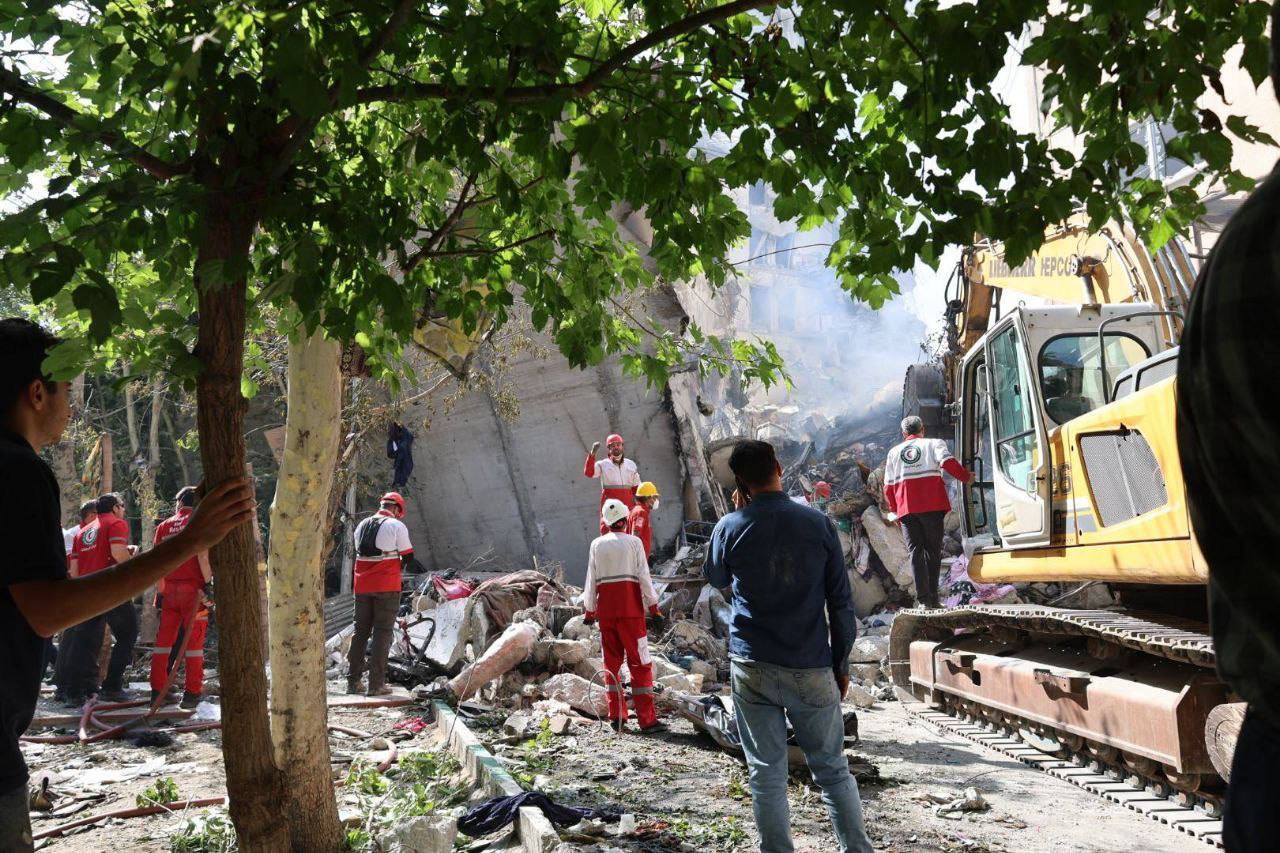
The assassination of top Iranian commanders proves again that few intelligence agencies in the world seem to be as effective as the Israeli Mossad. And few seem to have so little moral boundaries.
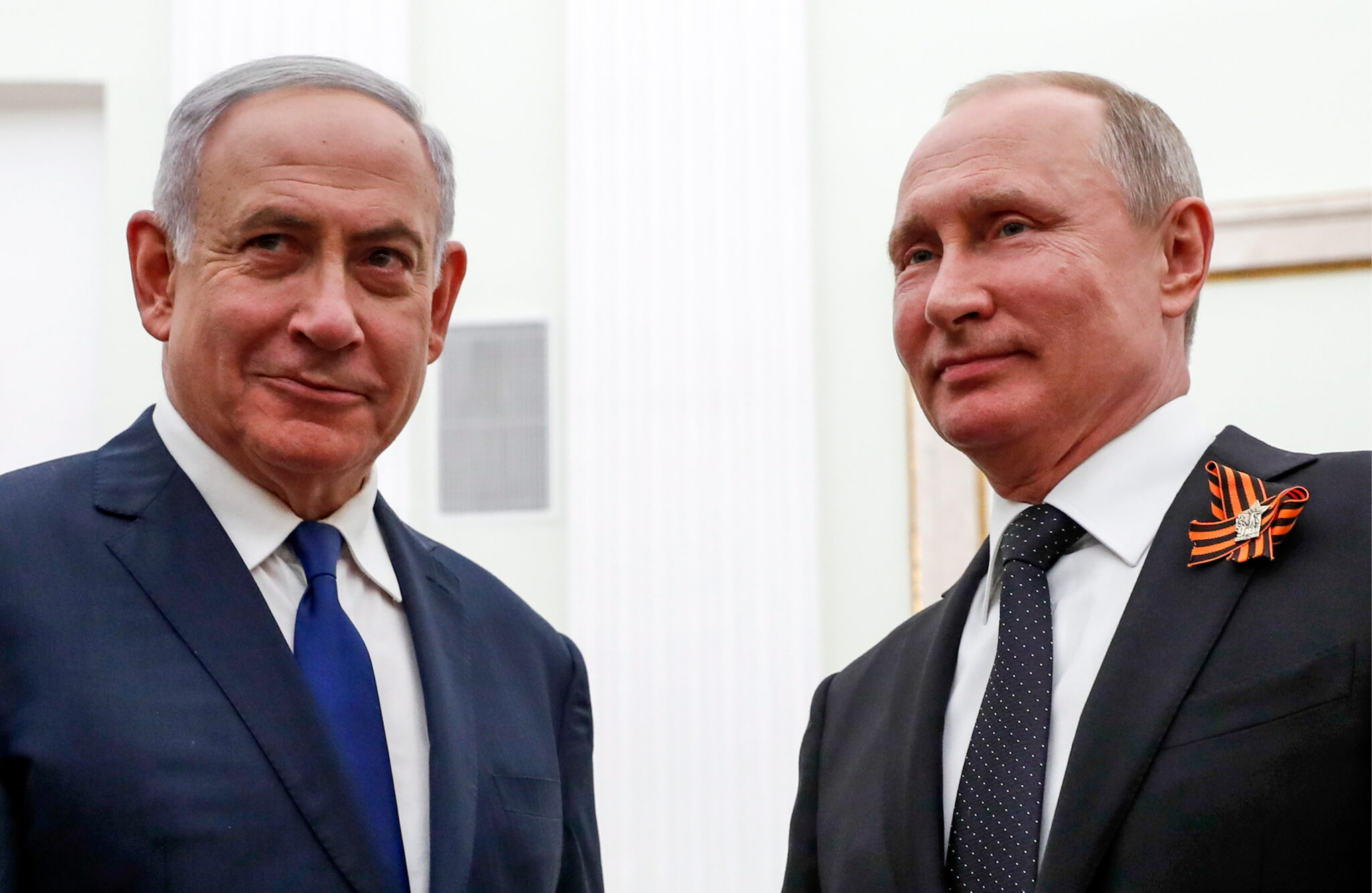
As Netanyahu’s war recalibrates alliances and redraws red lines, international law fades into irrelevance, Gaza becomes background noise, and the West’s moral compass spins off course.
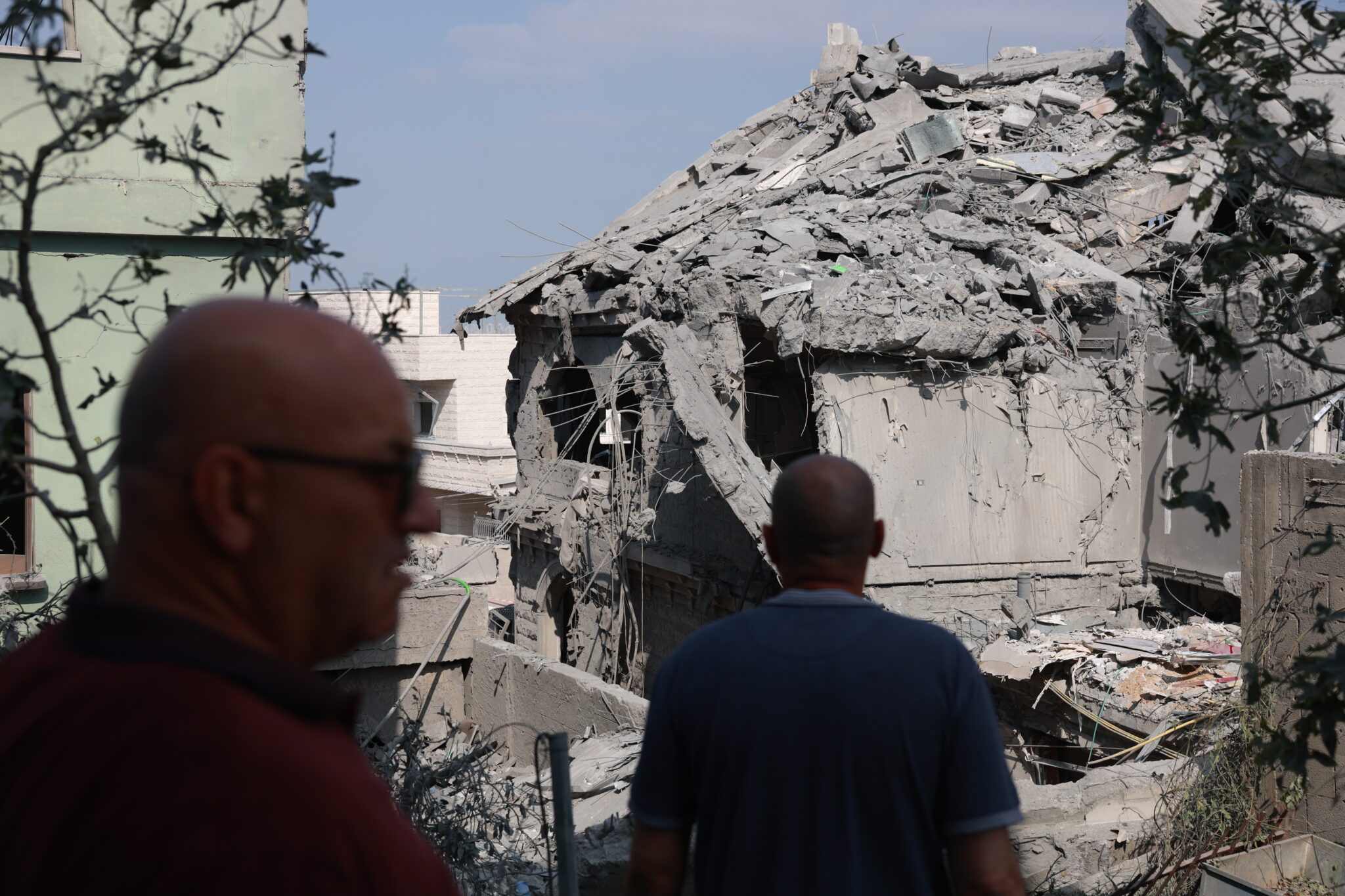
In Tamra, an Arab town in northern Israel, the fallout of Iran’s missile strikes has taken a devastating toll. As Israel and Iran trade blows, residents without proper shelters — especially in Muslim, Druze and Christian communities — are bearing the brunt of the escalating conflict.
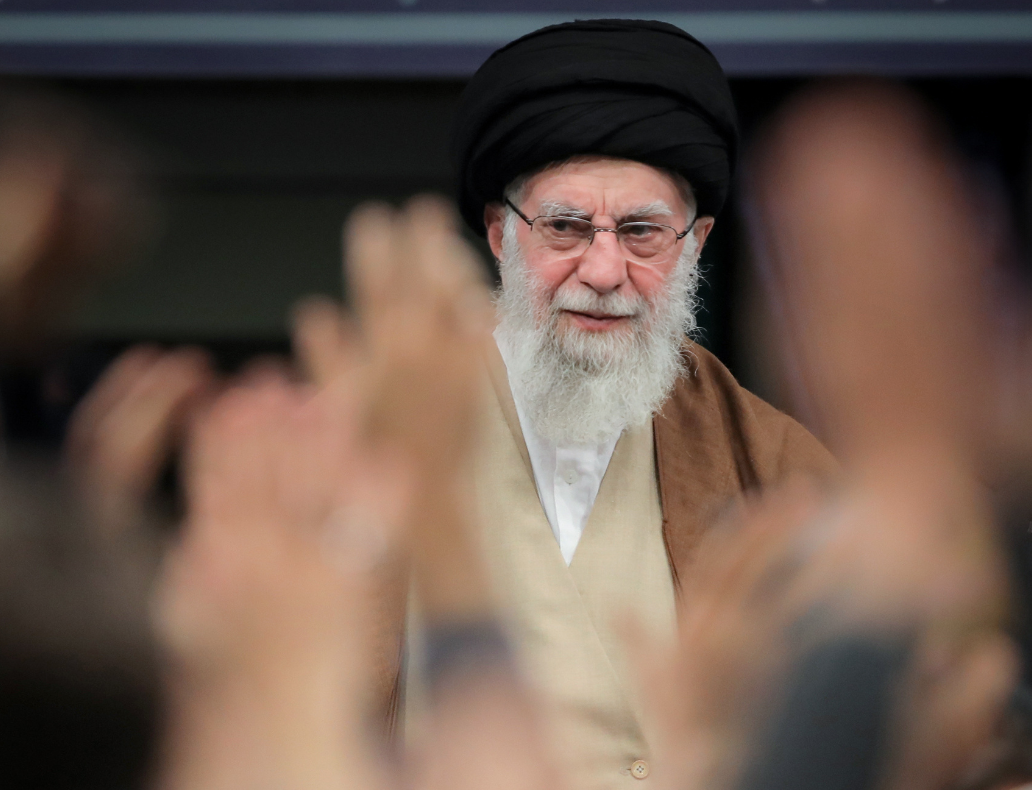
Benyamin Netanyahu made his point clear yesterday on ABC news: killing Ayatollah Ali Khamenei, Iran’s Supreme Leader, “would not provoke an escalation. It would end the conflict” with Iran. Netanyahu reveals his end goal: the fall of the Tehran regime.
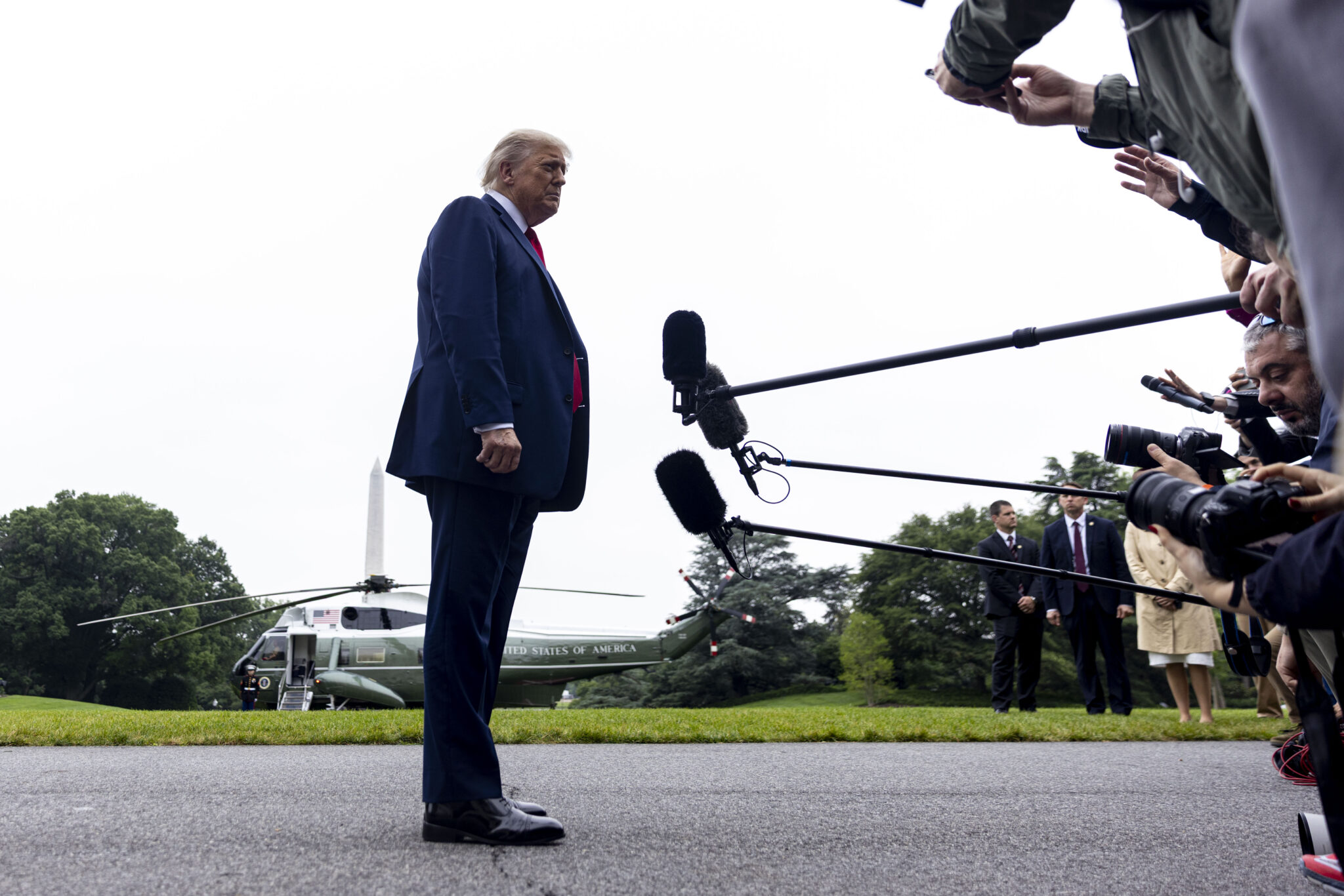
The U.S. president insists he wants peace and claims no involvement in Israel’s military campaign against Iran. But conflicting signals, secret briefings, and political pressures raise the question: just how far is Trump willing — or able — to stay out?
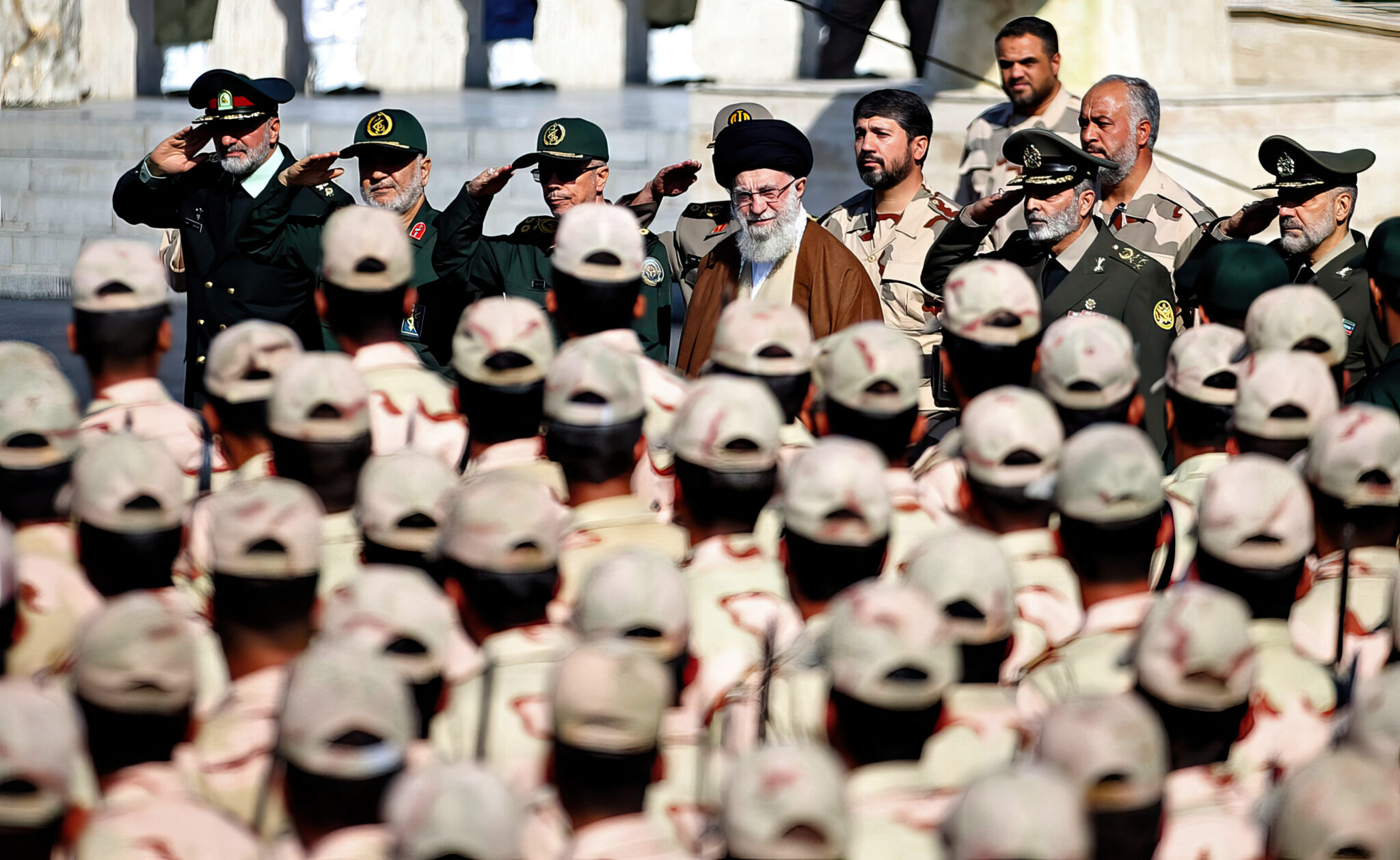
Iran’s Revolutionary Guard Corps, which Israel has been battering with increasing intensity, were inevitably a prime target after decades of violent subversion often enacted with the aid of that other enemy of the West: Russia. The IRGC may be in its final throes.
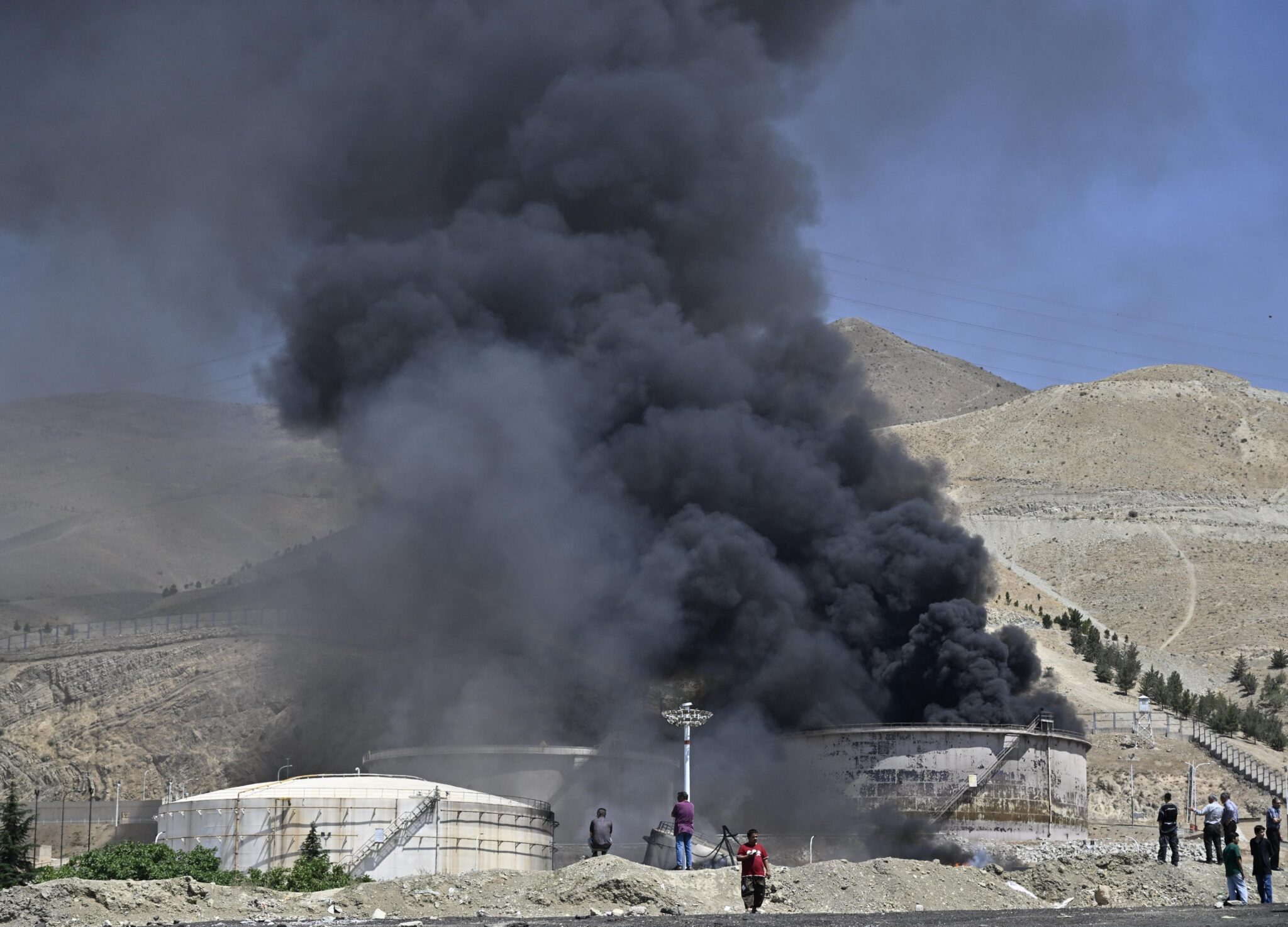
No externally-induced regime change has produced positive results for more than 30 years: not in Afghanistan in 2001, nor Iraq in 2003, nor Libya in 2011. And even if the current rulers were expelled from Tehran, a particularly dangerous kind of chaos would likely take its place.
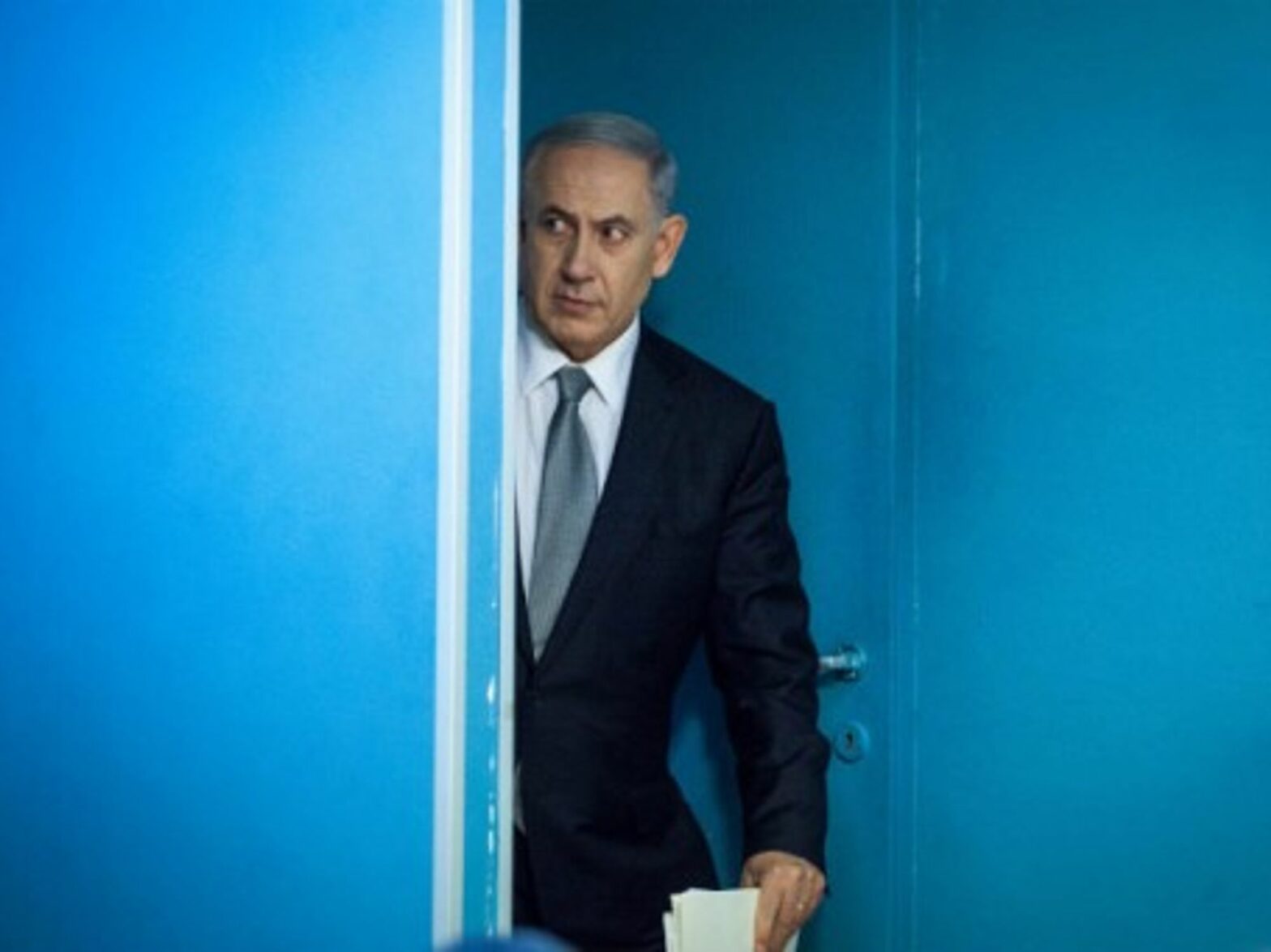
As he launches the unprecedented attacks against Iran, much seems to be going Netanyahu’s way, from the decimation of both Hamas and Hezbollah leaders to the toppling of the Assad regime and softening of Gulf states. But a closer look shows a much more ambiguous picture across the region.
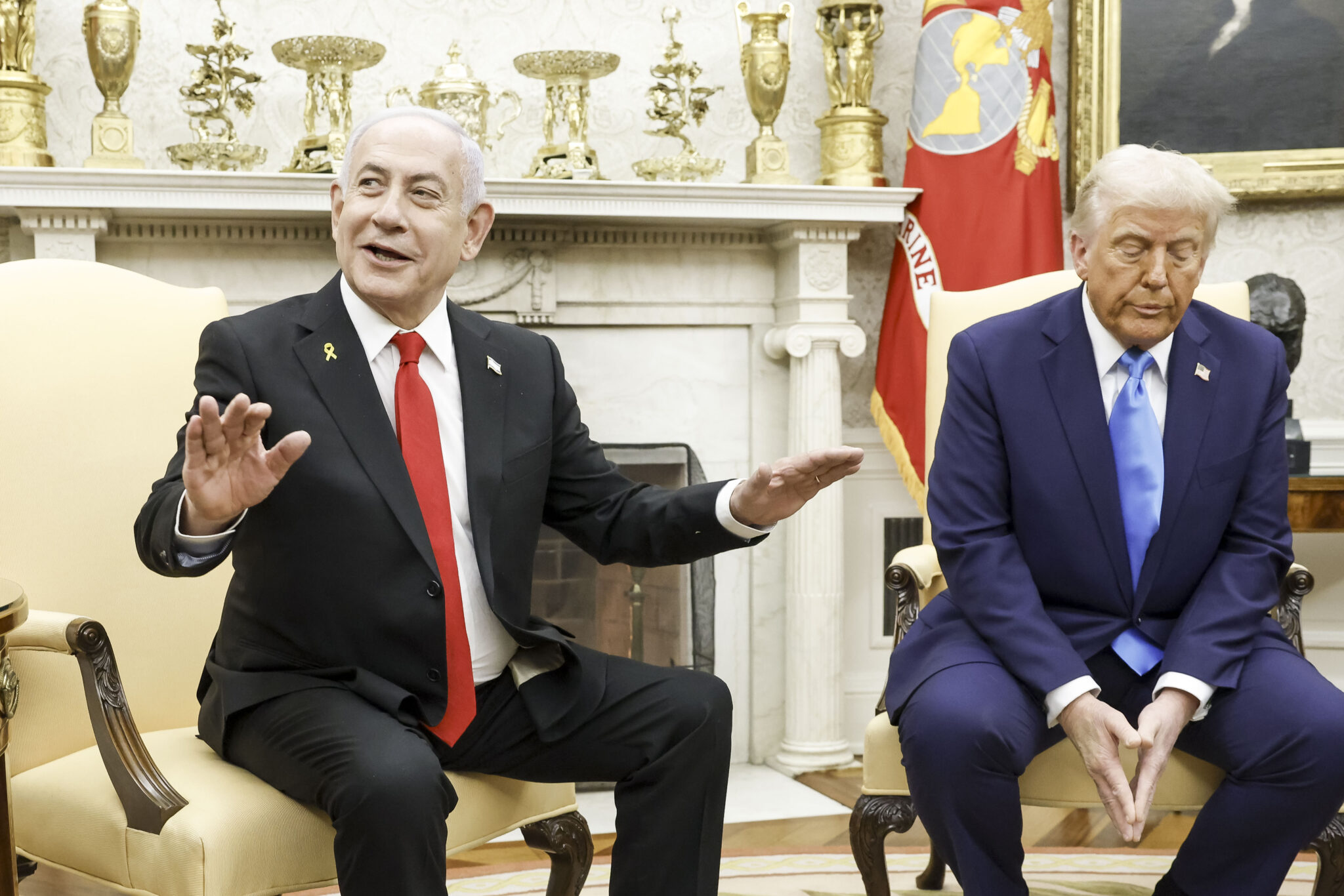
Donald Trump was hoping to buy time for negotiations with Iran. But Israel’s prime minister undercut the plan with a military strike, just ahead of Trump’s birthday and military parade.