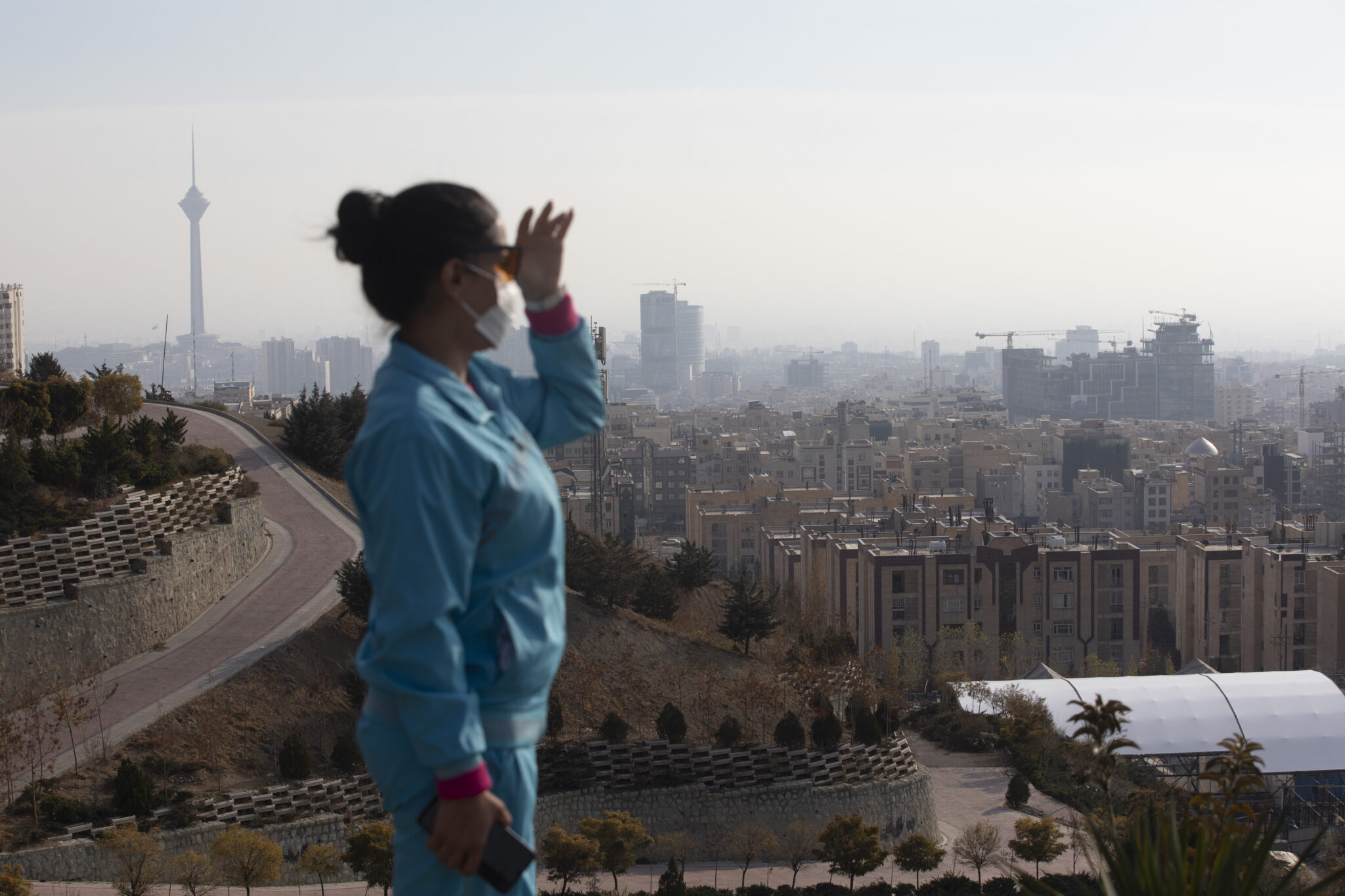
As Iran faces one of its worst droughts in decades, President Masoud Pezeshkian has revived a long-debated plan to move the capital city Tehran. But the country needs to address first the root causes of its water bankruptcy.
 Worldcrunch
Stay updated with comprehensive news on Iran from Worldcrunch. Discover insights on Iranian politics, economic strategies, societal issues, and cultural landmarks with translations from top international sources. Highlights include Tehran, Iranian history, and cultural events.
As Iran faces one of its worst droughts in decades, President Masoud Pezeshkian has revived a long-debated plan to move the capital city Tehran. But the country needs to address first the root causes of its water bankruptcy.
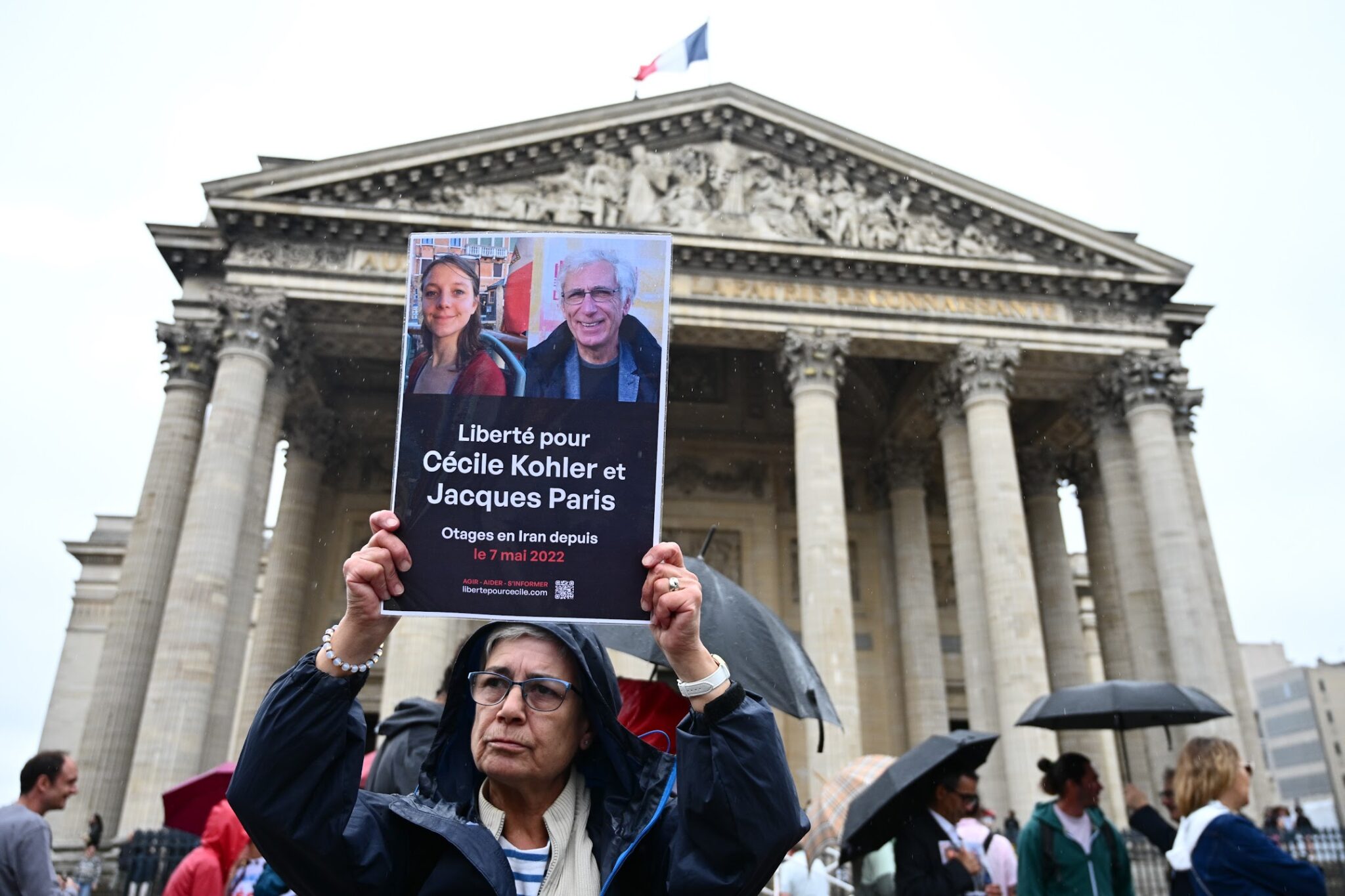
The last two French citizens imprisoned in Iran, Cécile Kohler and Jacques Paris, were released in Tehran. They were considered “state hostages,” an increasingly common problem, not only in Iran.
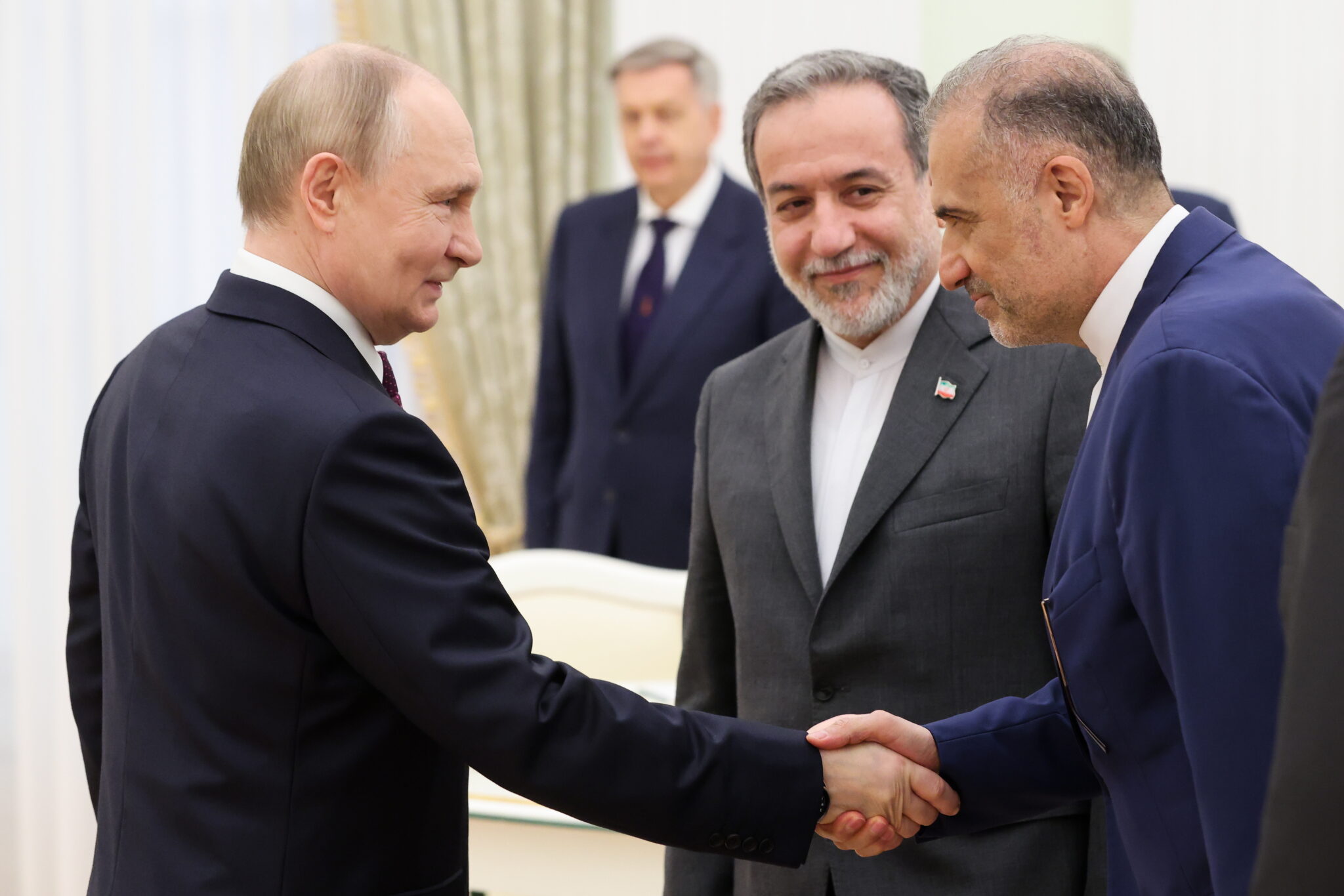
Like two centuries ago, Tehran is caught between two competing powers: Vladimir Putin’s Russia and the West, led by the U.S. and UK.
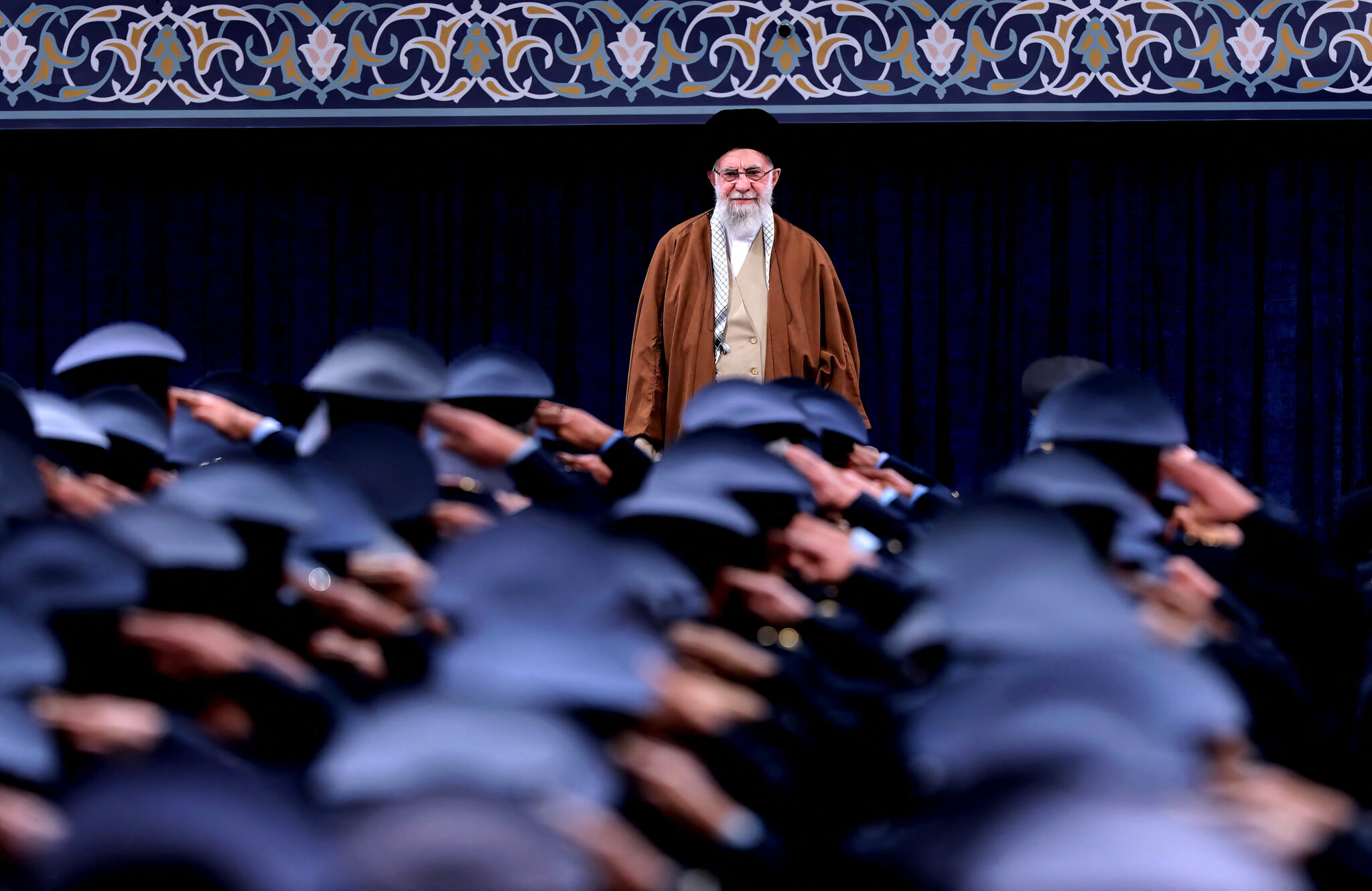
Iran’s post-revolutionary constitution concentrated all the power in the hands of the country’s supreme leader — a mistake that is still costing Iranians today.
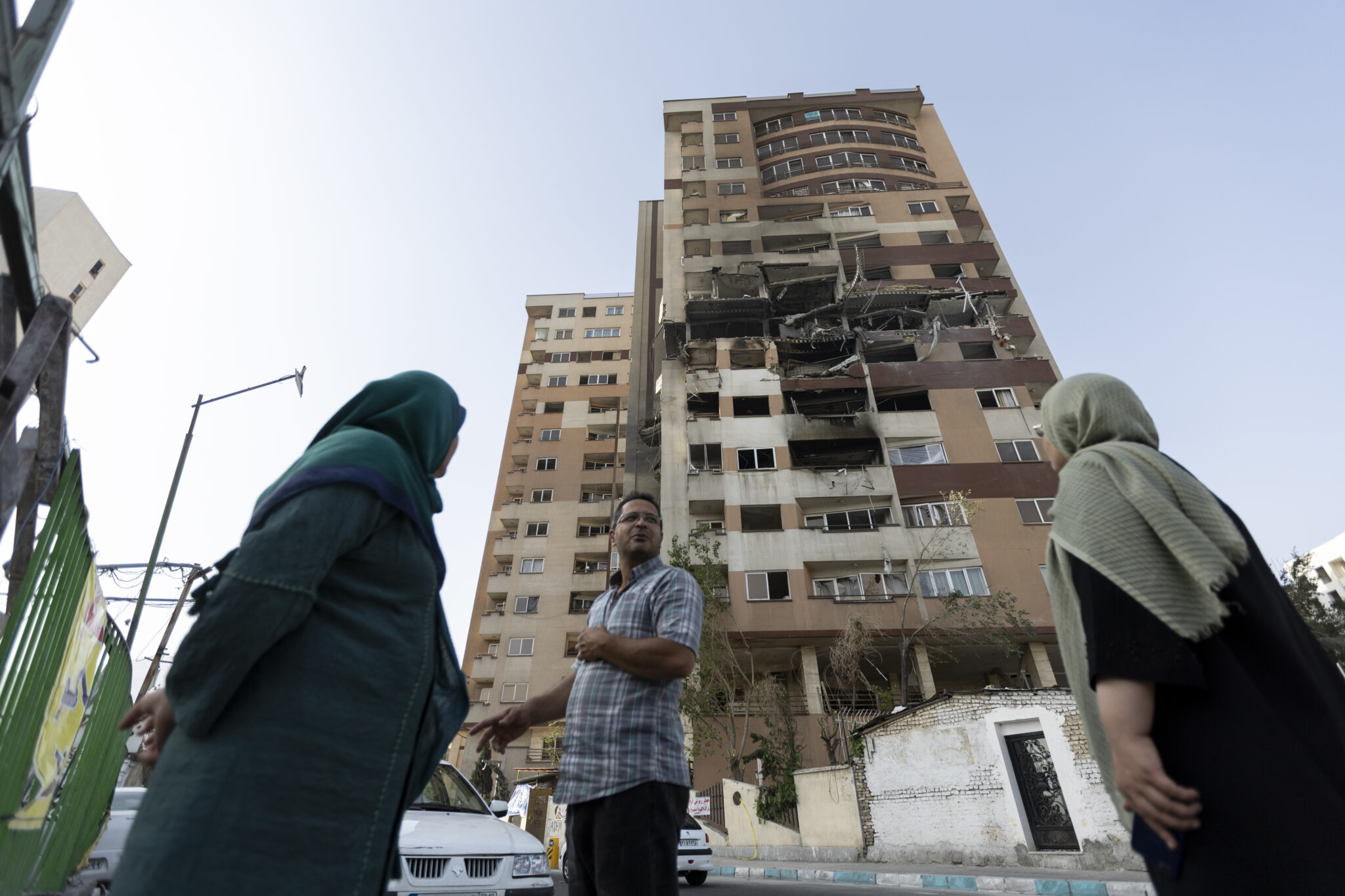
Experts suspect Israel is planning another round of precision strikes on Iran, targeting key military sites and hoping to maim the Tehran regime enough to make it incapable of suppressing a “decisive” revolt against it. Even Tuesday’s Israeli strike in Qatar was ultimately a message to Iran.
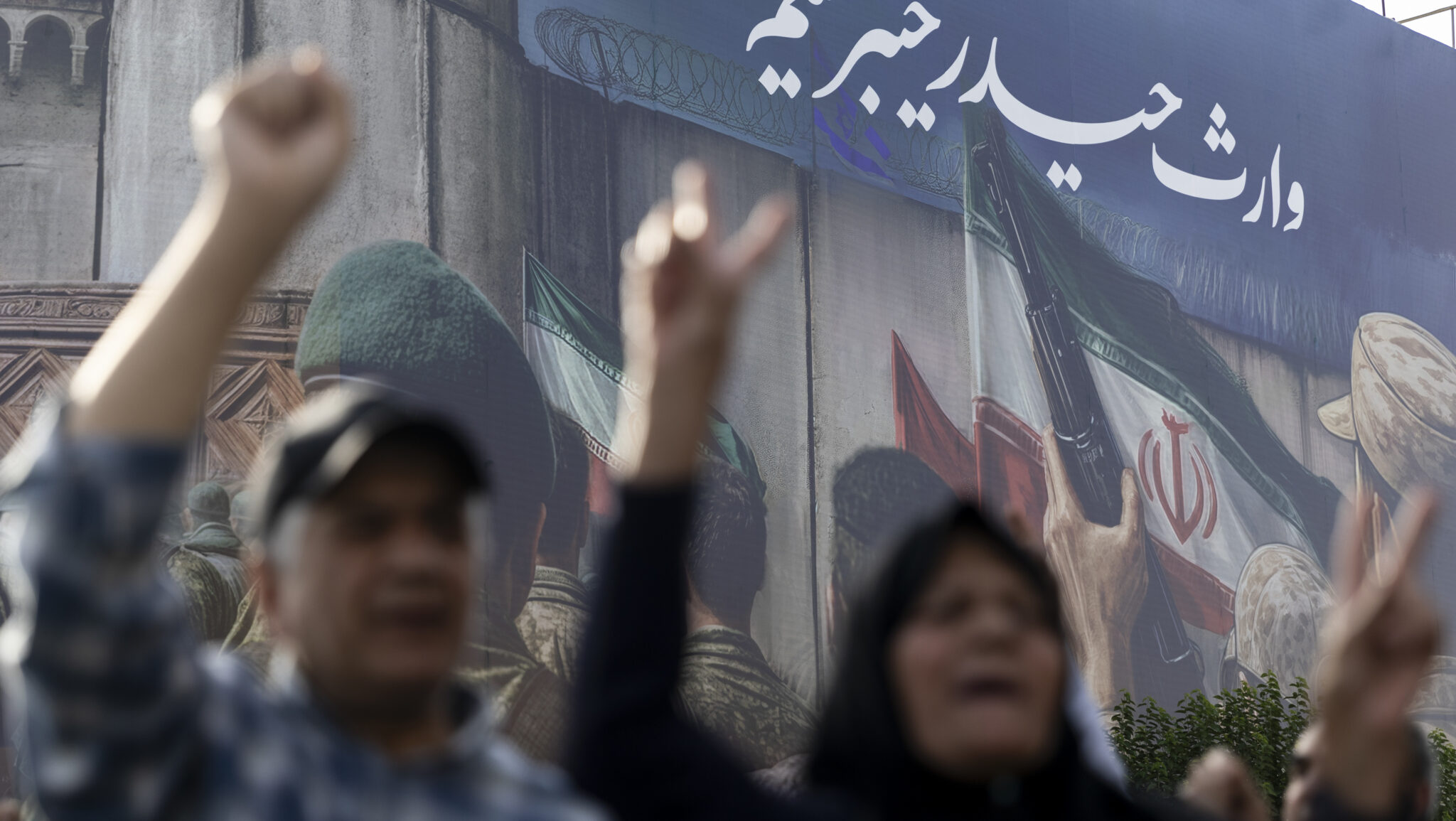
War with Israel and the United States may harm Iran and its infrastructures. But for the regime, it’s a chance to distract opinion from its economic failures and to quell dissent.
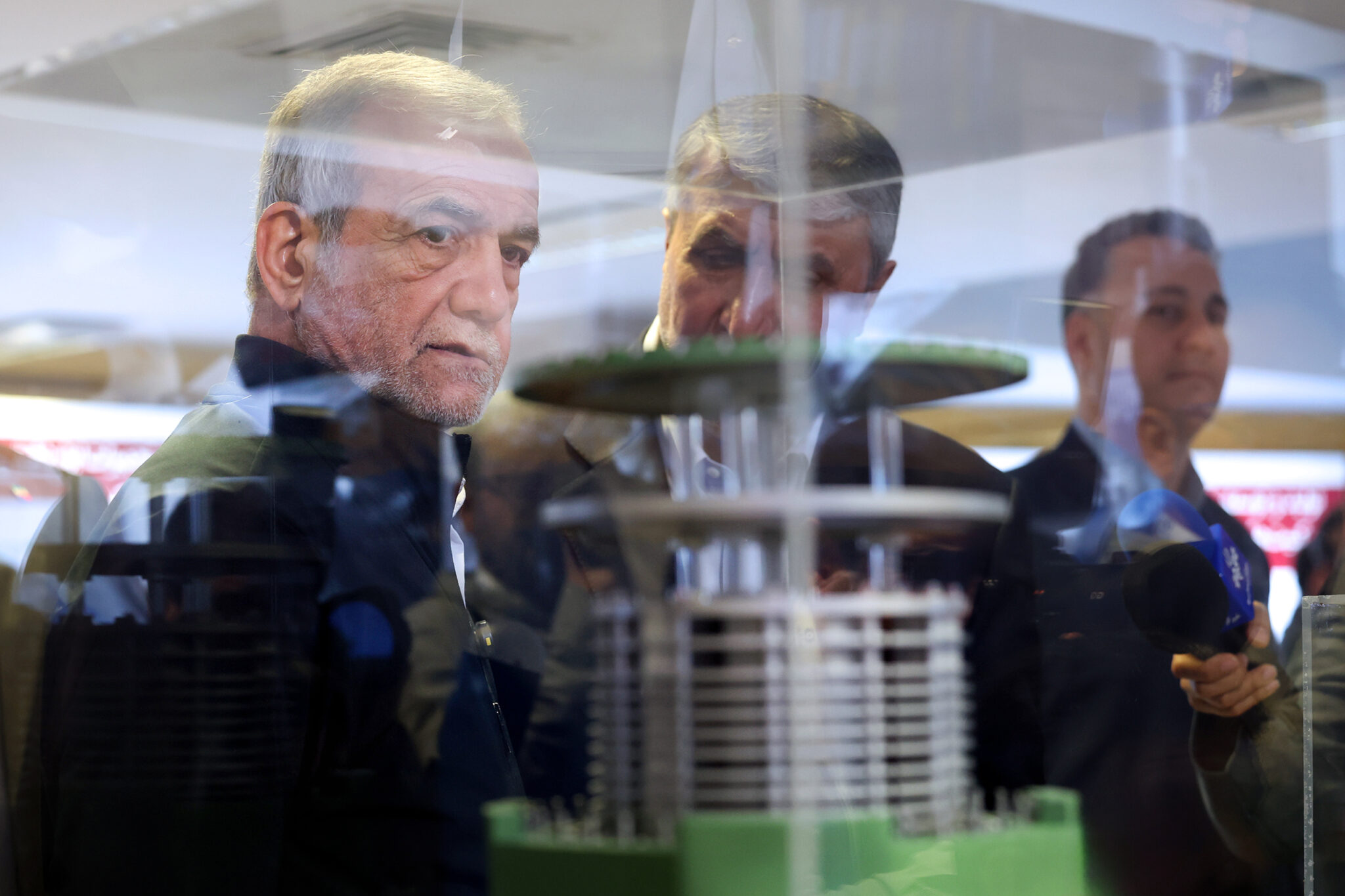
On Thursday, Europeans activated a mechanism at the UN to reinstate economic sanctions against Iran if, within 30 days, Tehran fails to meet its obligations regarding the nuclear program. The tense international context does not favor an agreement, which signals a worsening of the crisis.
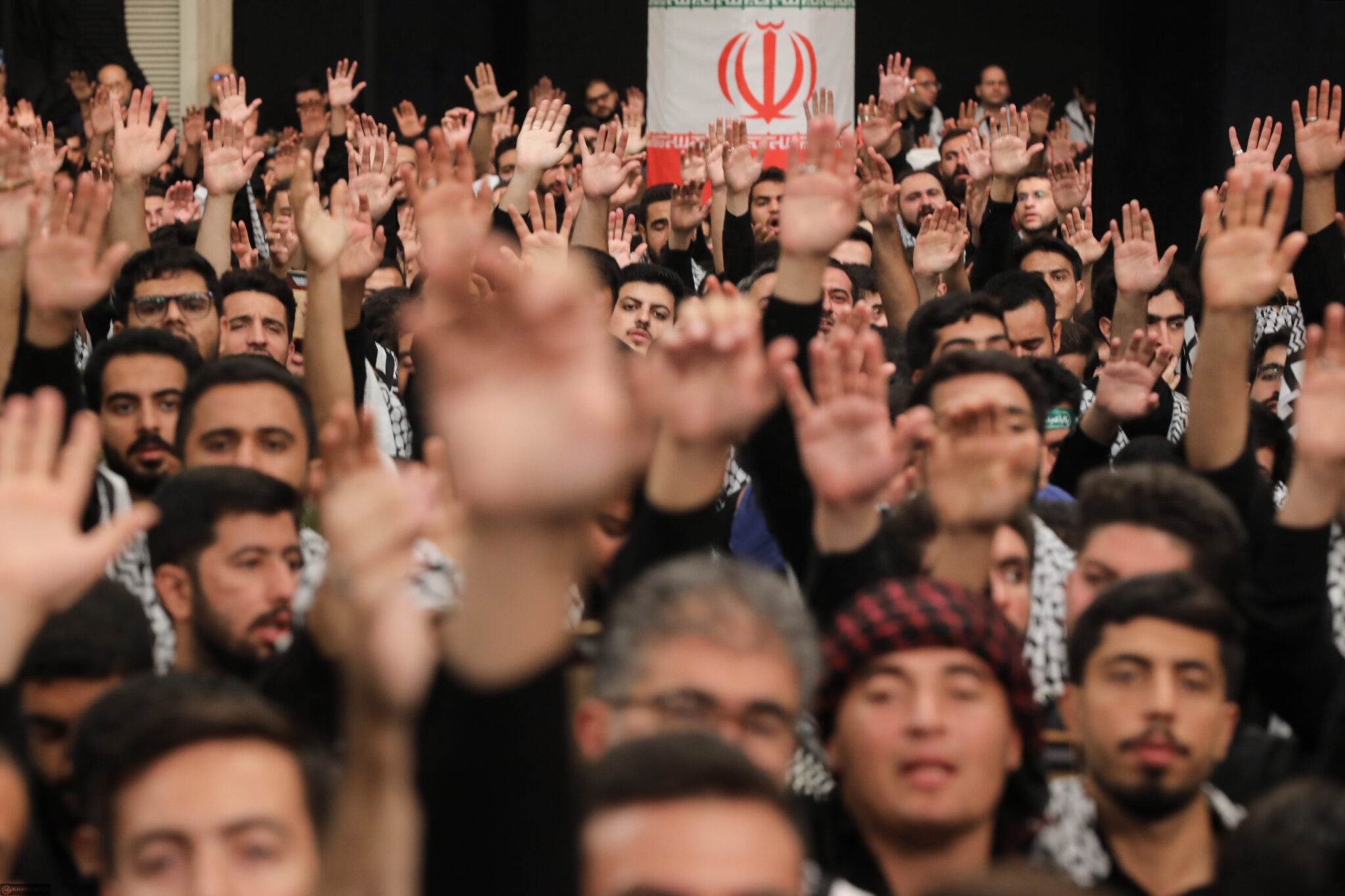
There is a pervasive fear among Iranians, which the Tehran regime does nothing to abate, that chaos could follow the fall of the Islamic Republic. But Iranians should know that opting for superficial reforms or a republic similar to this regime will simply perpetuate its oppression, corruption and ineptitude.
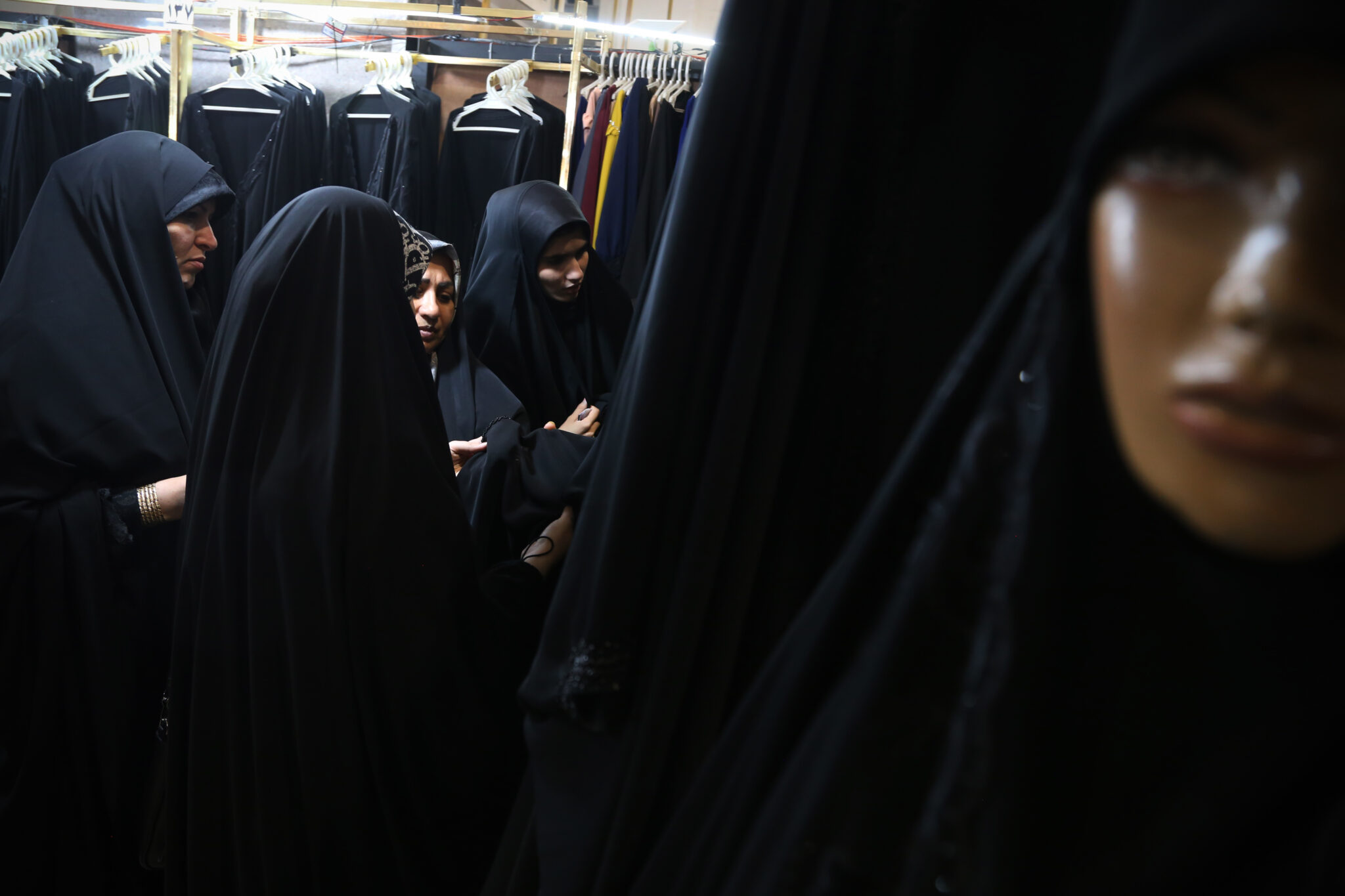
In Muslim-majority societies, discriminatory laws, cultural traditions, and religious justifications conspire to make the murder of women an accepted norm rather than a societal tragedy.
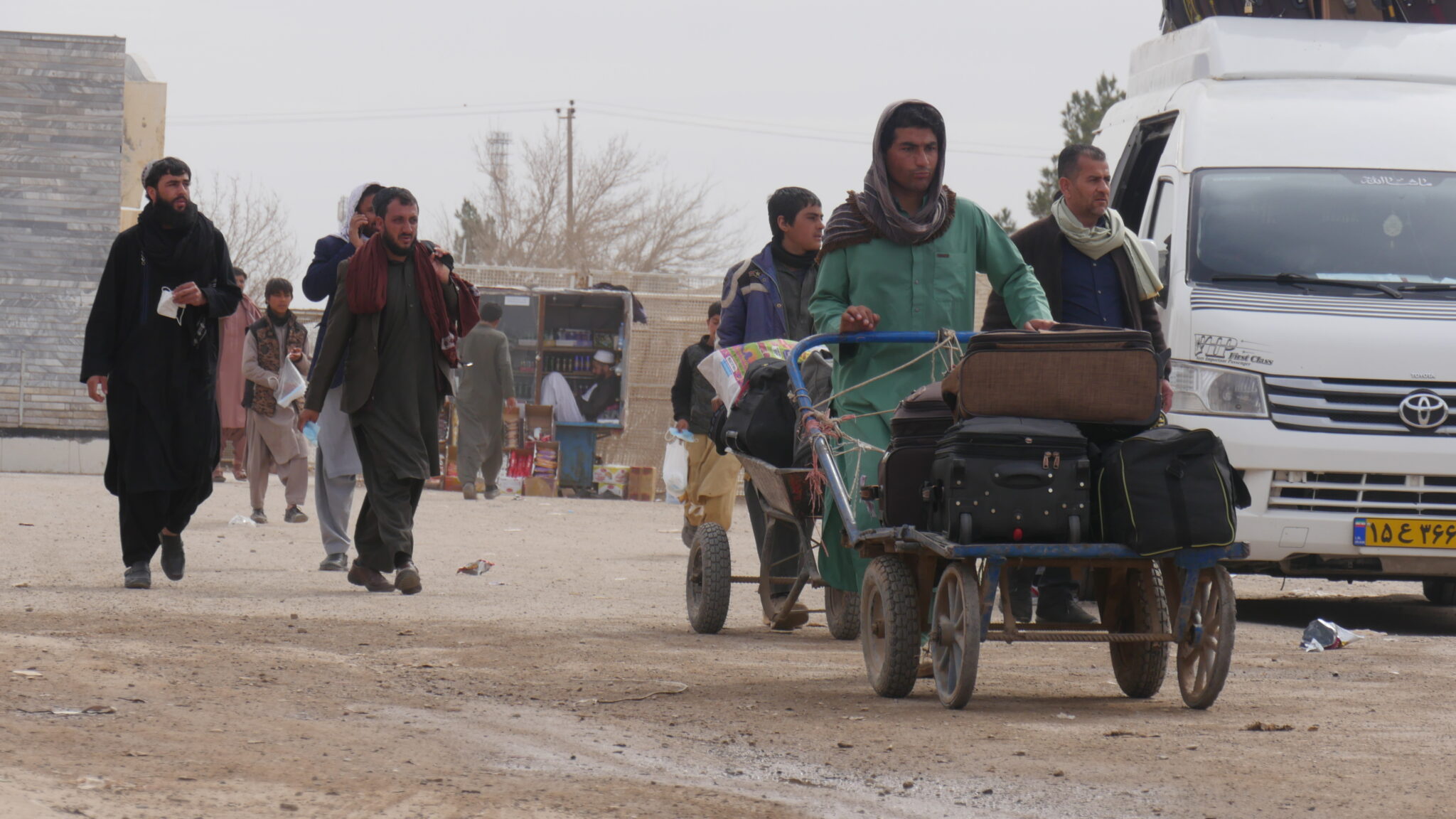
Iran is reportedly deporting thousands of Afghans — including many legal residents — claiming it can no longer afford to host millions of migrants. Witnesses describe chaotic expulsions marked by beatings and last-minute extortion at the border.
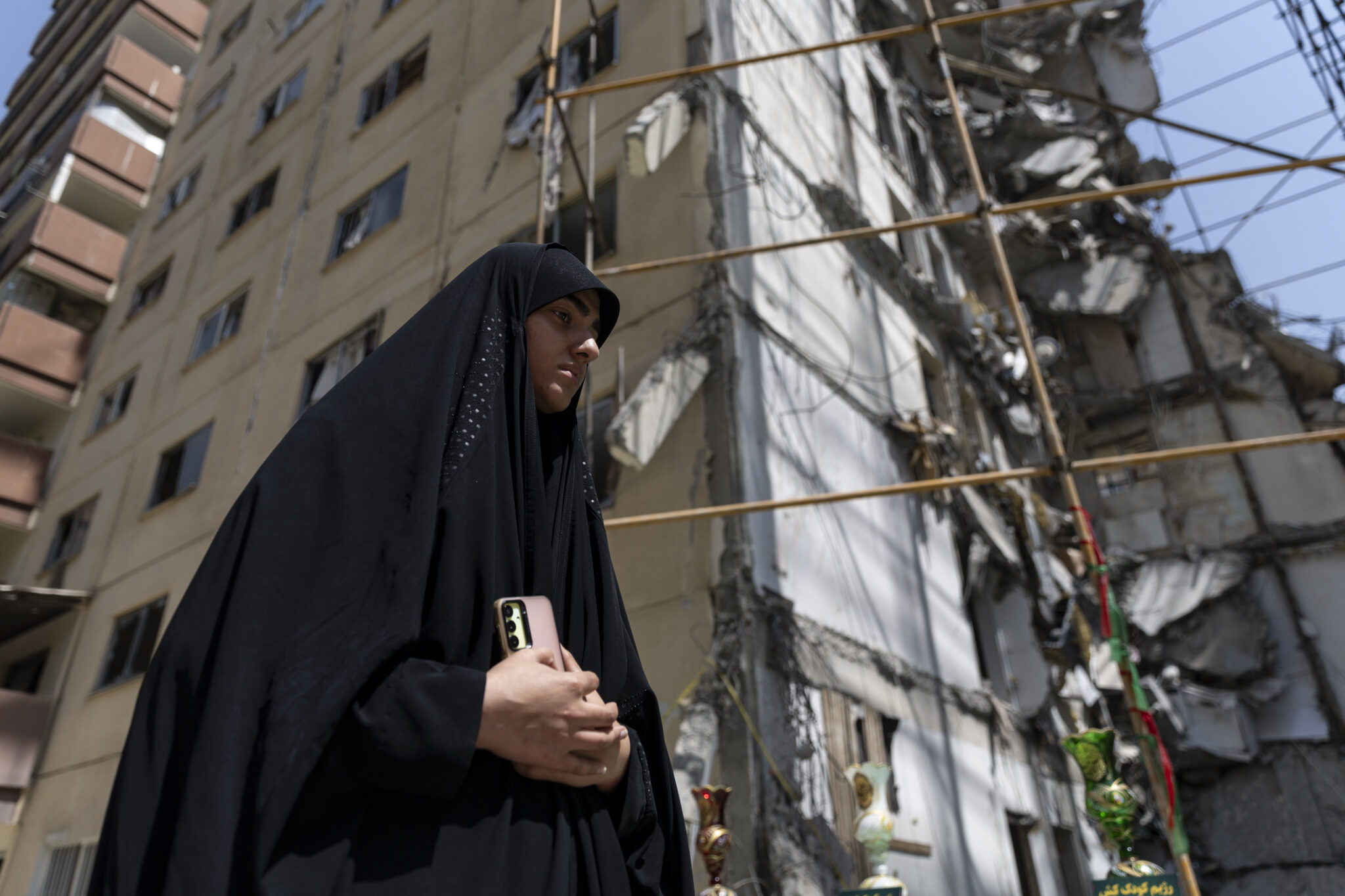
One-quarter of the way into the 21st century, Israel is emerging not only as a staunch ally of the United States but also as the dominant regional power. That inevitably places it in direct competition with Iran, both in its current theocratic form and in a potential free and democratic future.
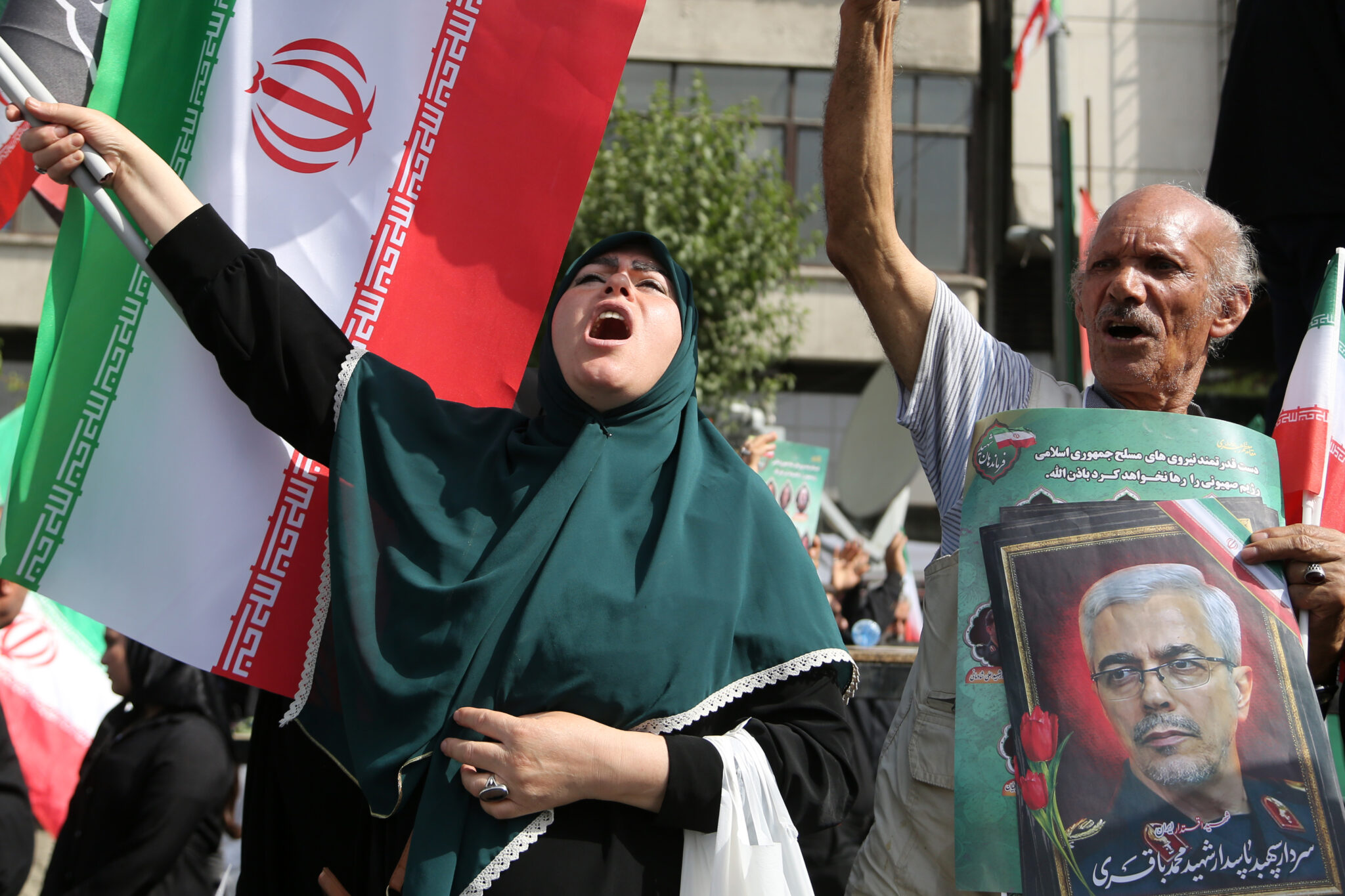
Negotiations over Iran’s nuclear program have resumed. While Europe demands guarantees that Tehran will not build a nuclear bomb, Trump is also pushing for a deal. Is the regime willing to give ground, or is it bluffing?
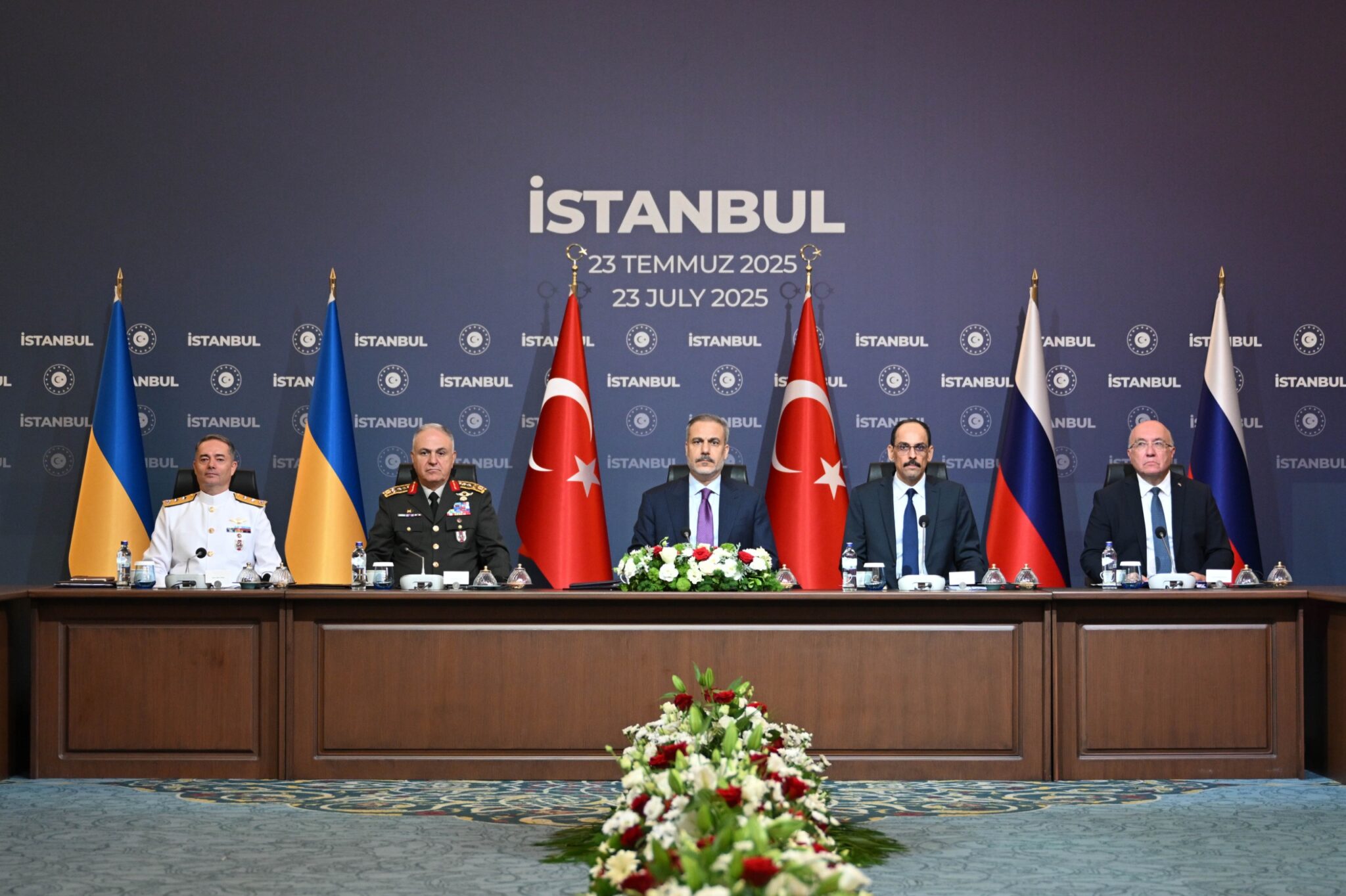
Europe, Iran and global powers are meeting in Istanbul on Friday to discuss Iran’s nuclear program. The talks may determine whether dialogue or confrontation will shape their future relations. It’s also a reminder that diplomacy is a better way than war to settle disputes.
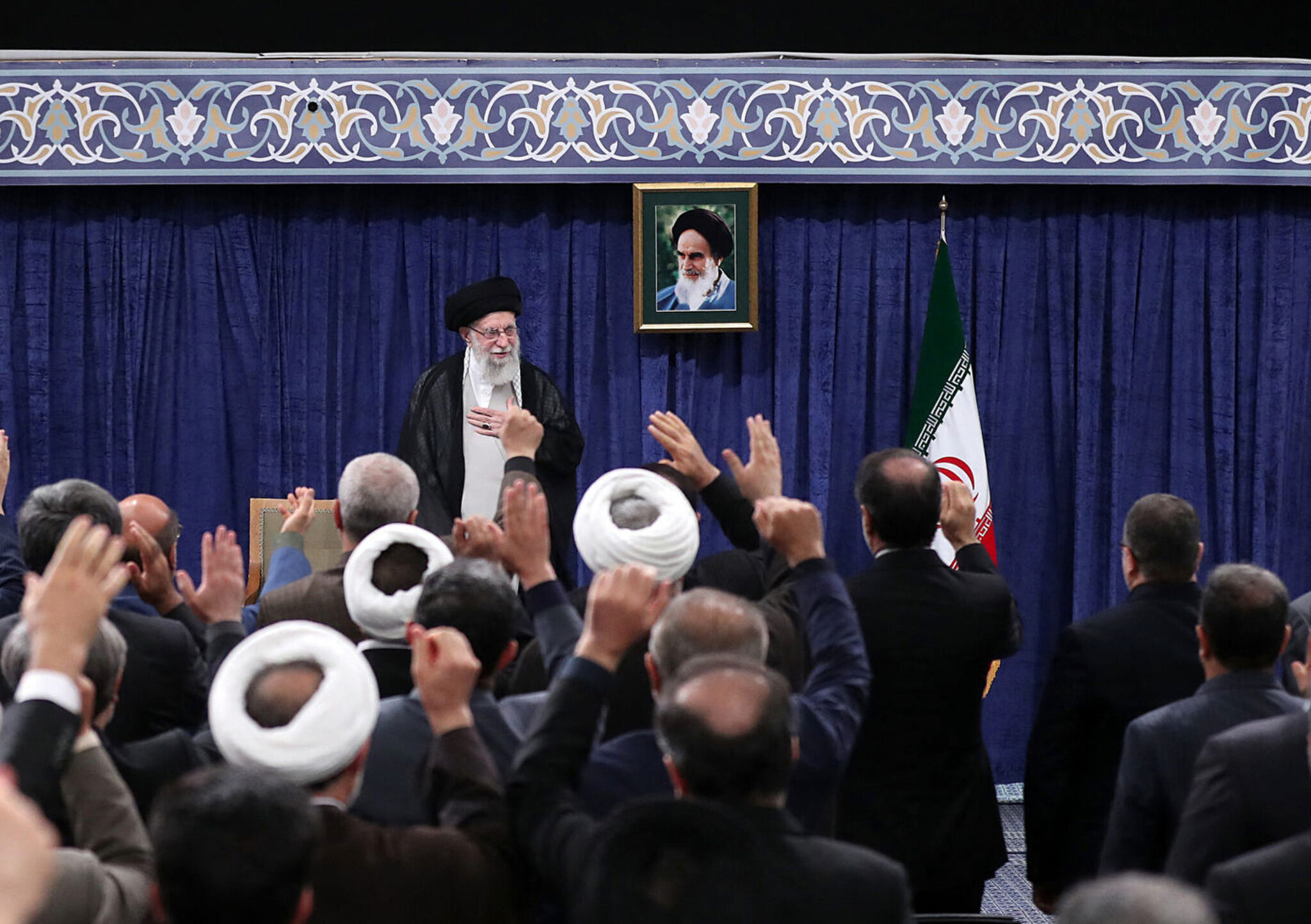
There are growing signs of deepening instability and decline within the Iranian regime. This makes the West’s ongoing efforts to reach a deal with Tehran incomprehensible to any Iranian yearning for a free country.
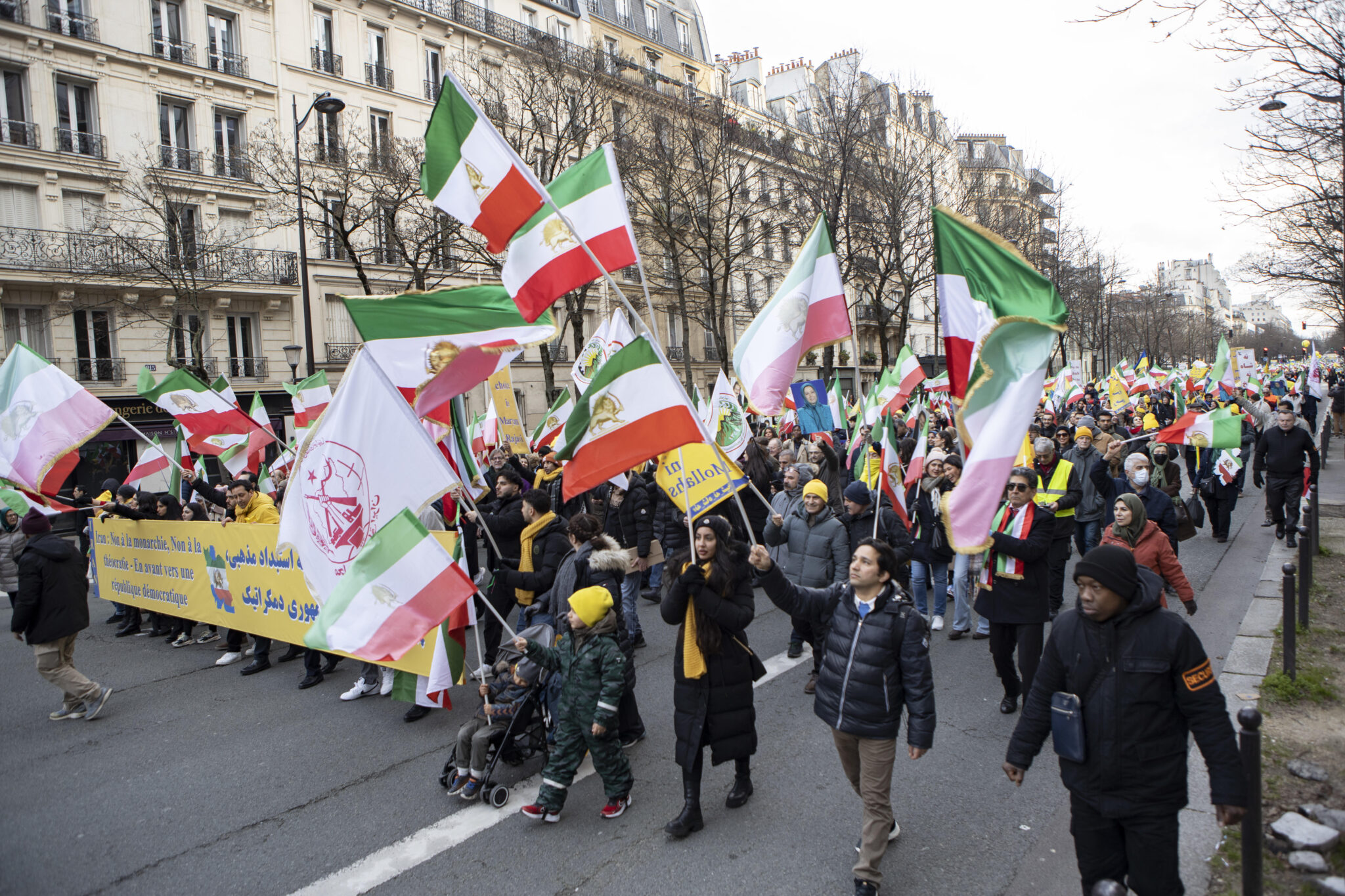
In the 15th arrondissement of Paris, exiled opponents of Iran’s ruling regime are tightening their guard, fearing reprisals against loved ones still in Iran.
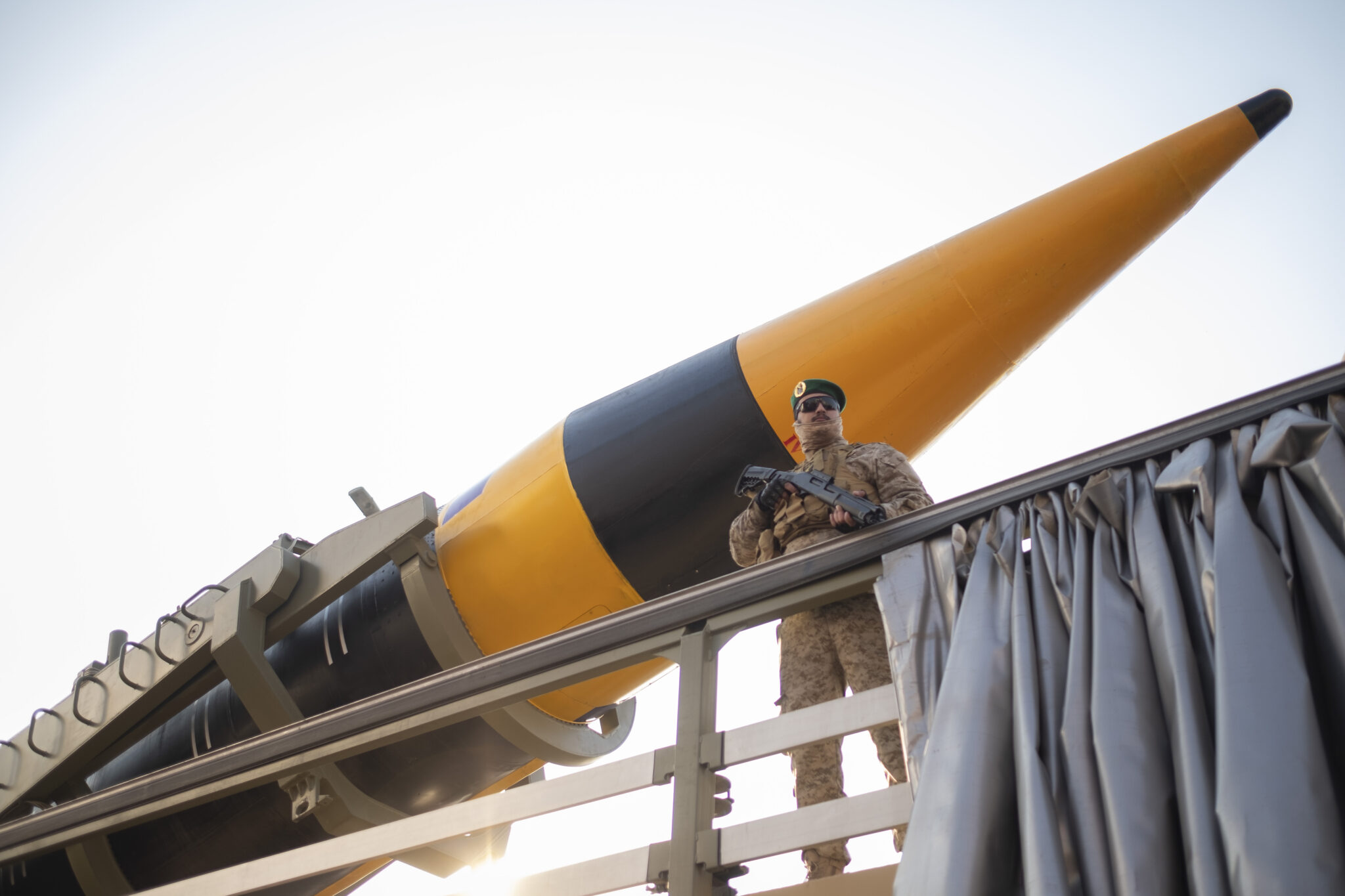
The so-called 12-day war ended in a June ceasefire. But it really just returned the Israel-Iran war to the shadows, with both sides now preparing for the direct conflict to start again.
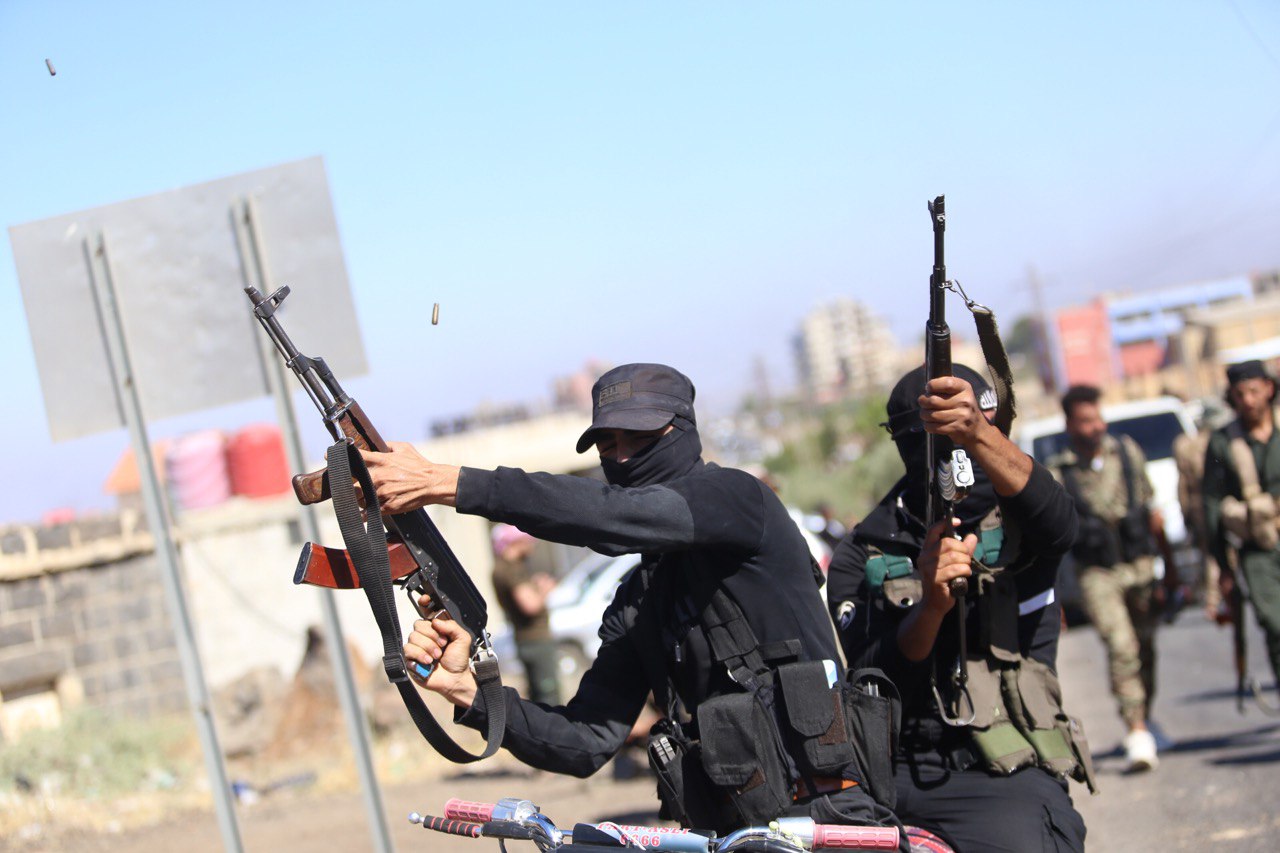
With Israel and Iran’s shadow war spilling into Syria, the new government in Damascus has warned that “foreign actors” aim to plunge the country into a cycle of instability and chaos.
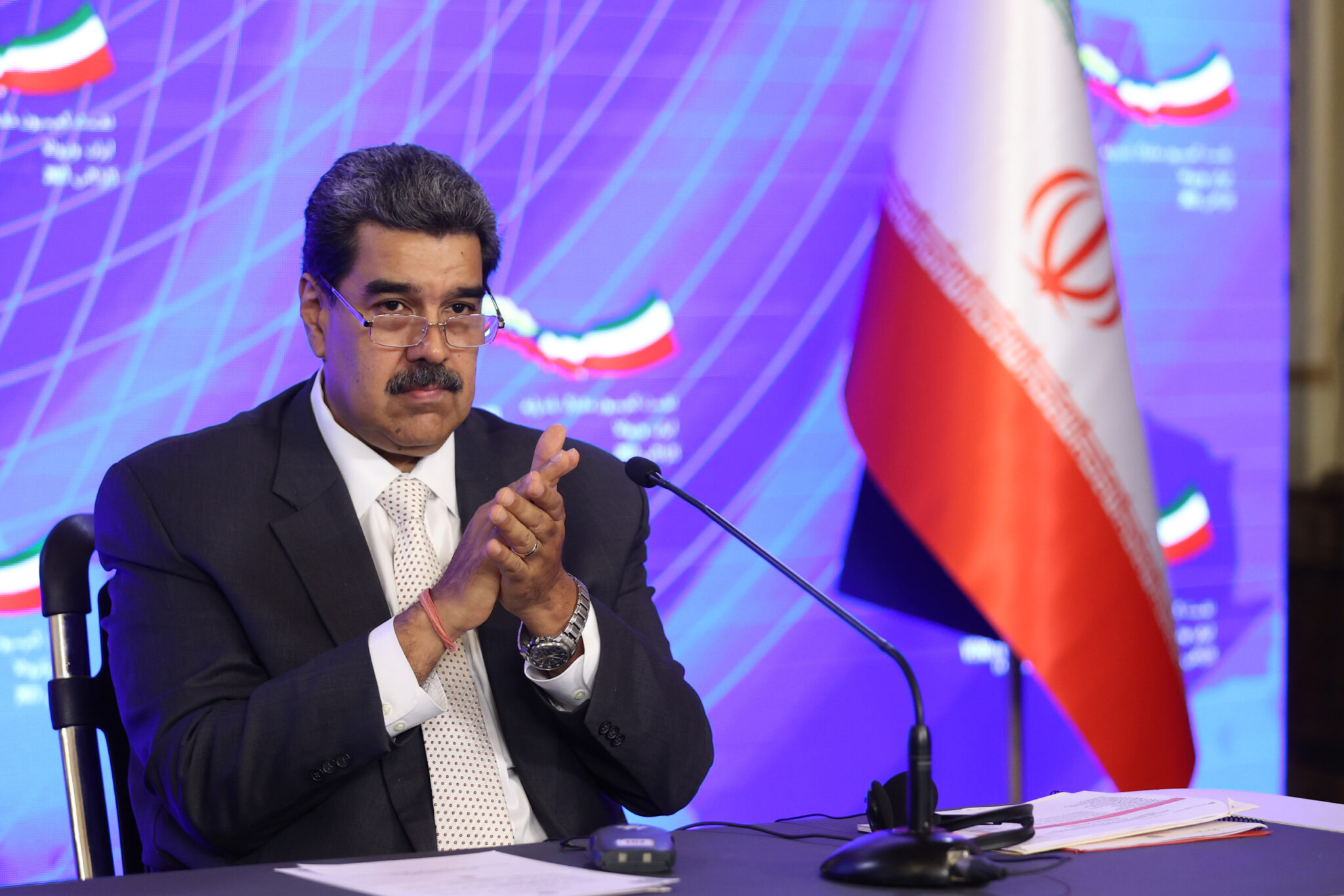
Venezuelan media lambasted Israel during its 12-day assault on the Islamic Republic of Iran, not for justice’s sake, but as an illustration of just how much clout the Tehran regime has bought itself in the Western Hemisphere.
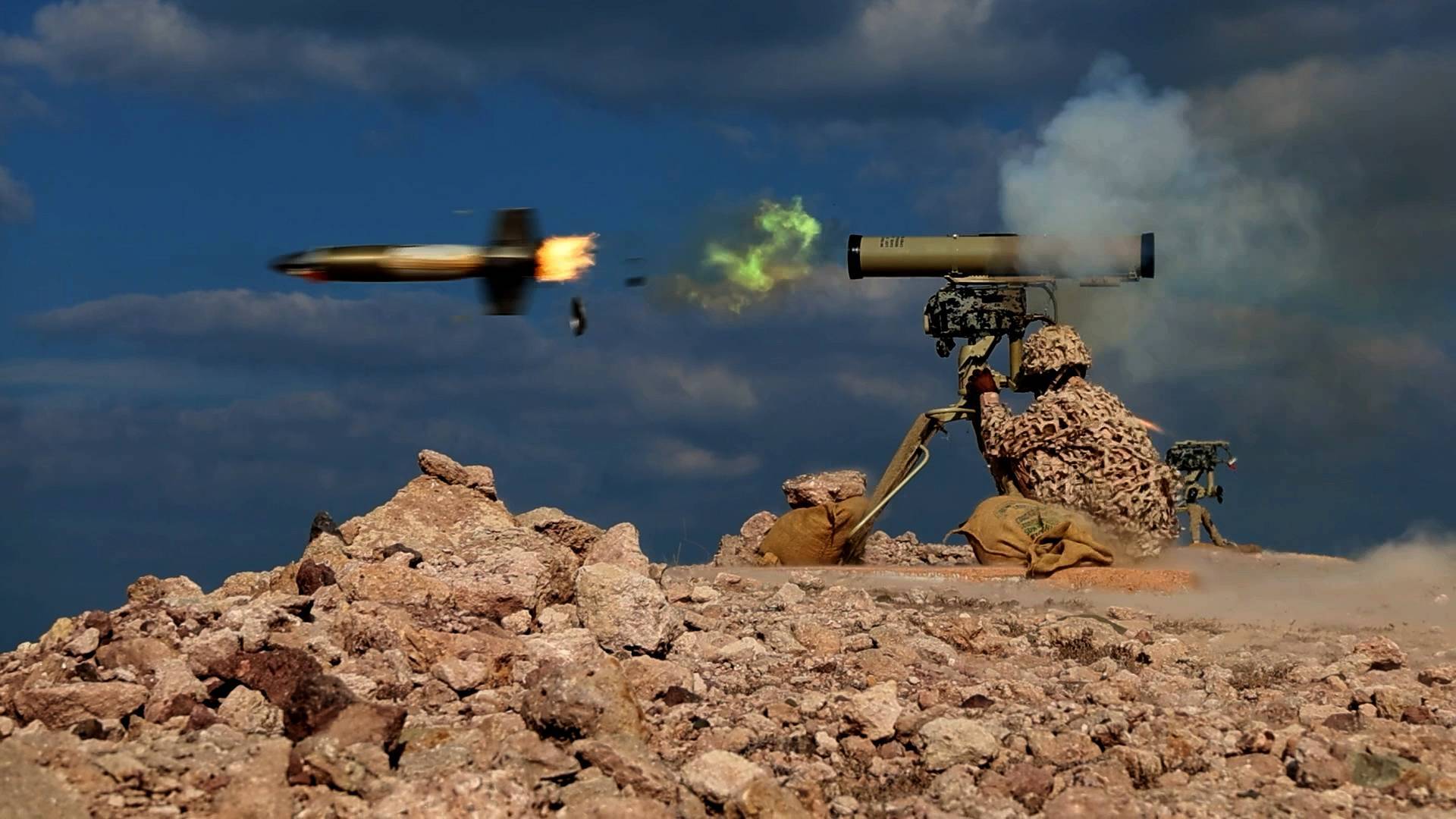
The Islamic Republic of Iran recently sent Ismail Qaani, the Revolutionary guards general who keeps ‘resurrecting’ after being reported as killed or maimed, to Baghdad to discuss rearming its proxy militias. This appears to be Tehran’s first act of regional interference since Israeli strikes in June.
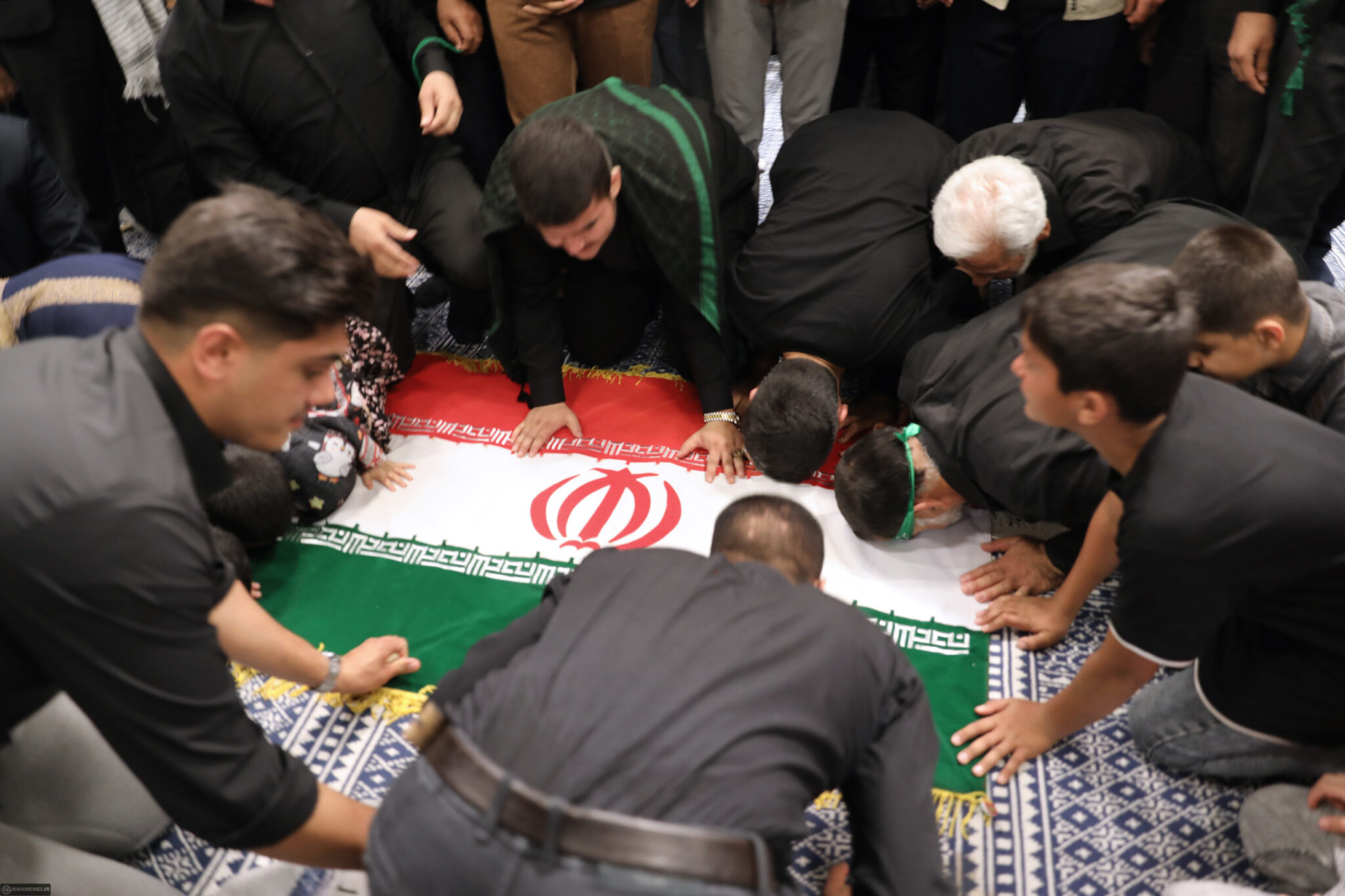
Tehran’s revolutionary regime is suddenly turning to Iranian nationalism hoping to rustle up public support for itself as it faces Israeli and U.S. threats. But who in Iran could believe it now, when everything it has done for years has shown its contempt for the very notion of historical roots and national interests.
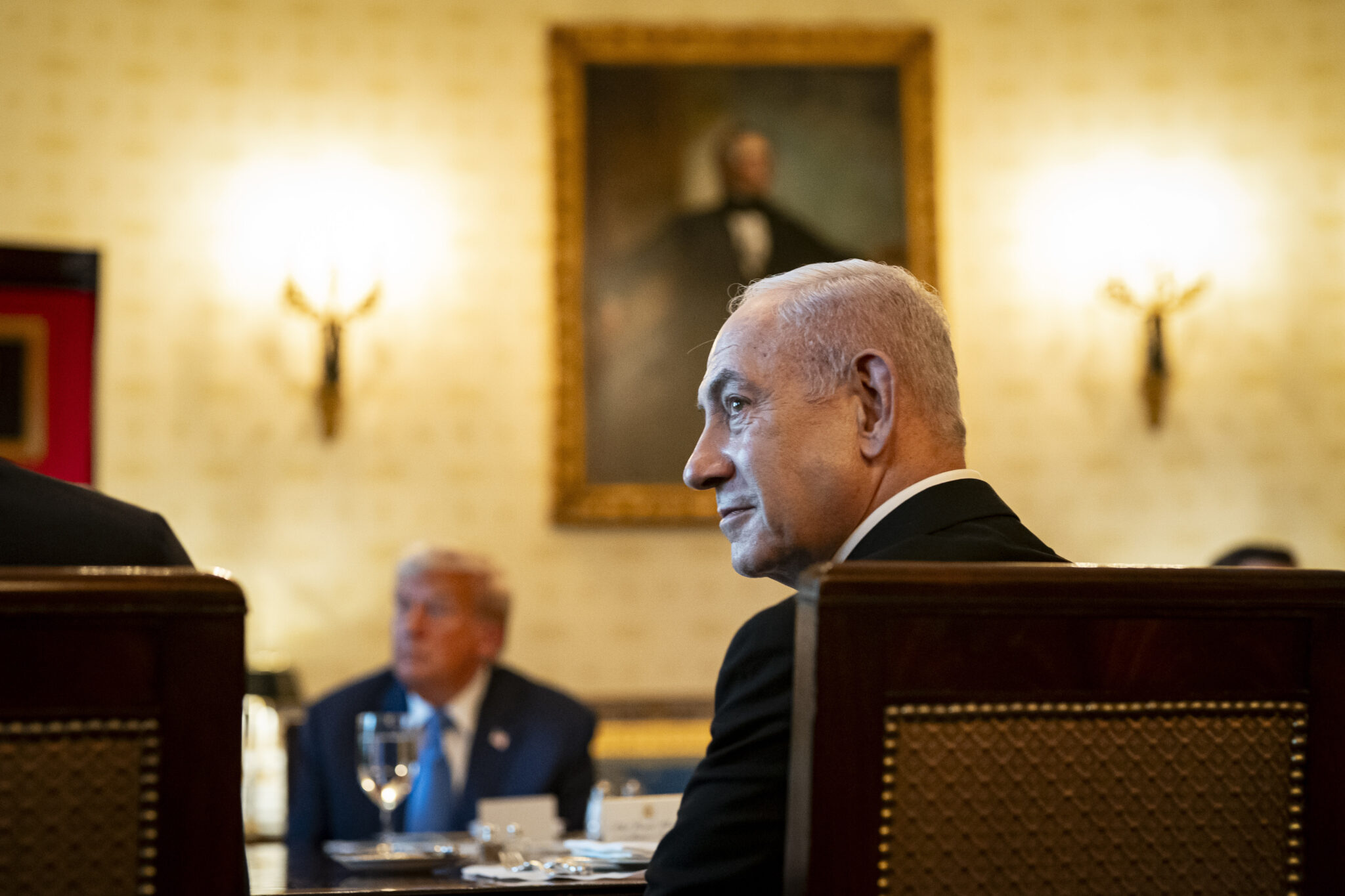
As Netanyahu visits Washington, Israel’s intelligence gears up for a covert campaign against Iran, aiming not just at military targets but at the very core of the regime’s power.
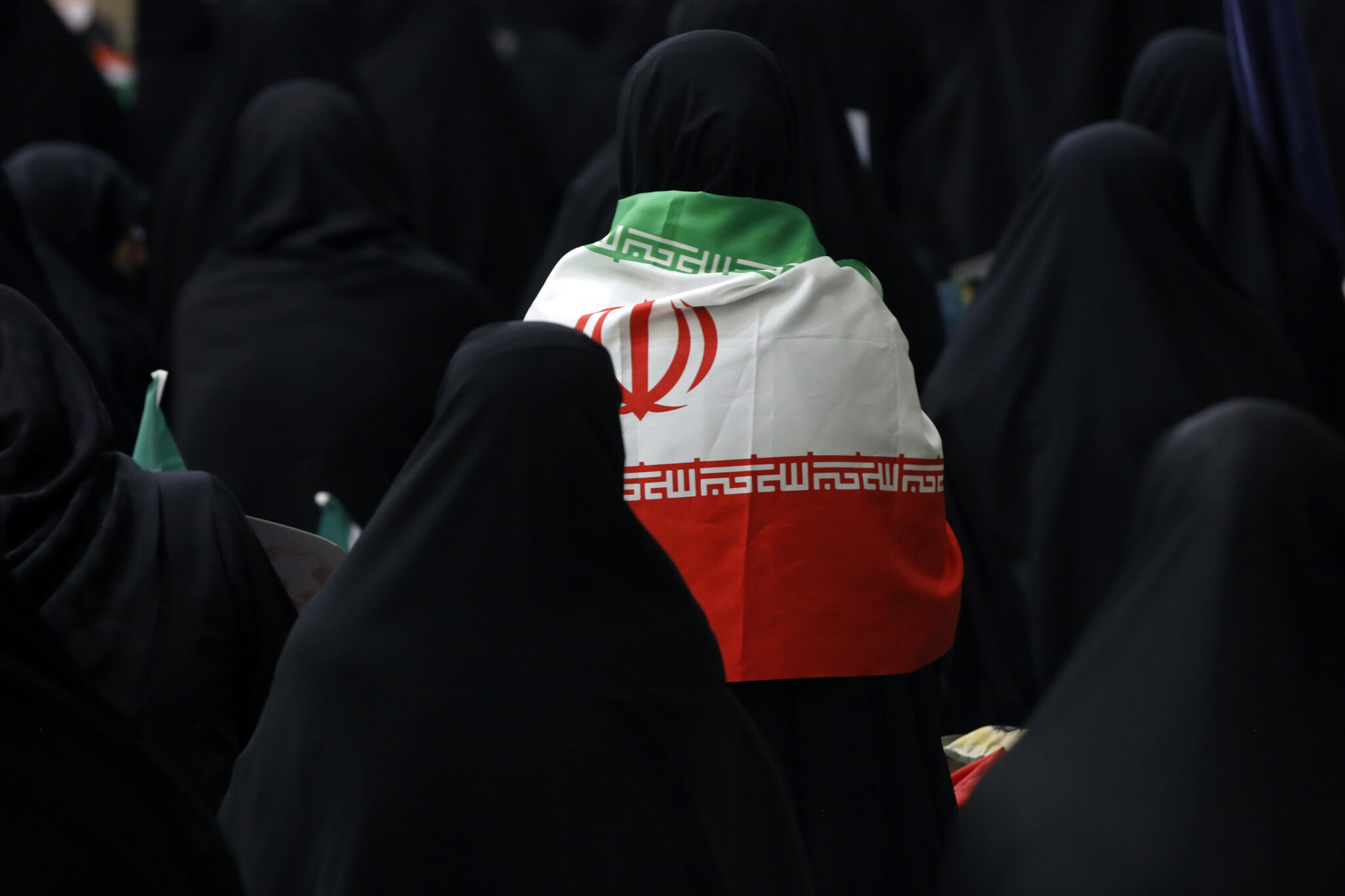
Citing the costly or disastrous cases of Afghanistan, Iraq and Libya as warnings to the West to steer clear of regime change in Iran is mistaken and cynical. If transitions failed before, it was for a lack of planning and vision, not because toppling tyrants is a bad idea.
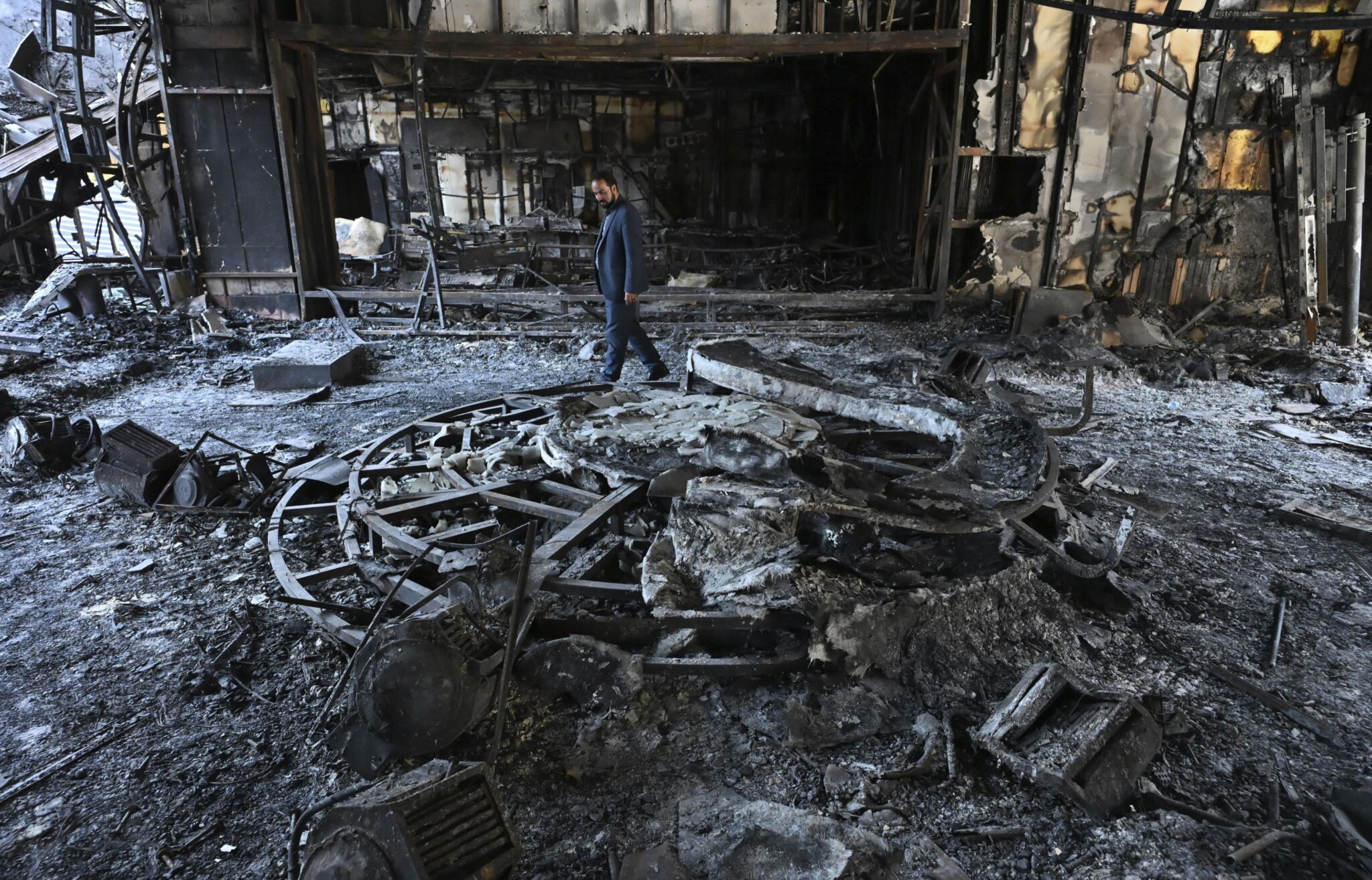
Between the defeats of June 1967 and June 2025 — both ironically hailed by some as victories — history seems to repeat itself. But now that Arab habit of declaring victory has also spread to Benjamin Netanyahu’s Israel, still haunted by Oct 7.
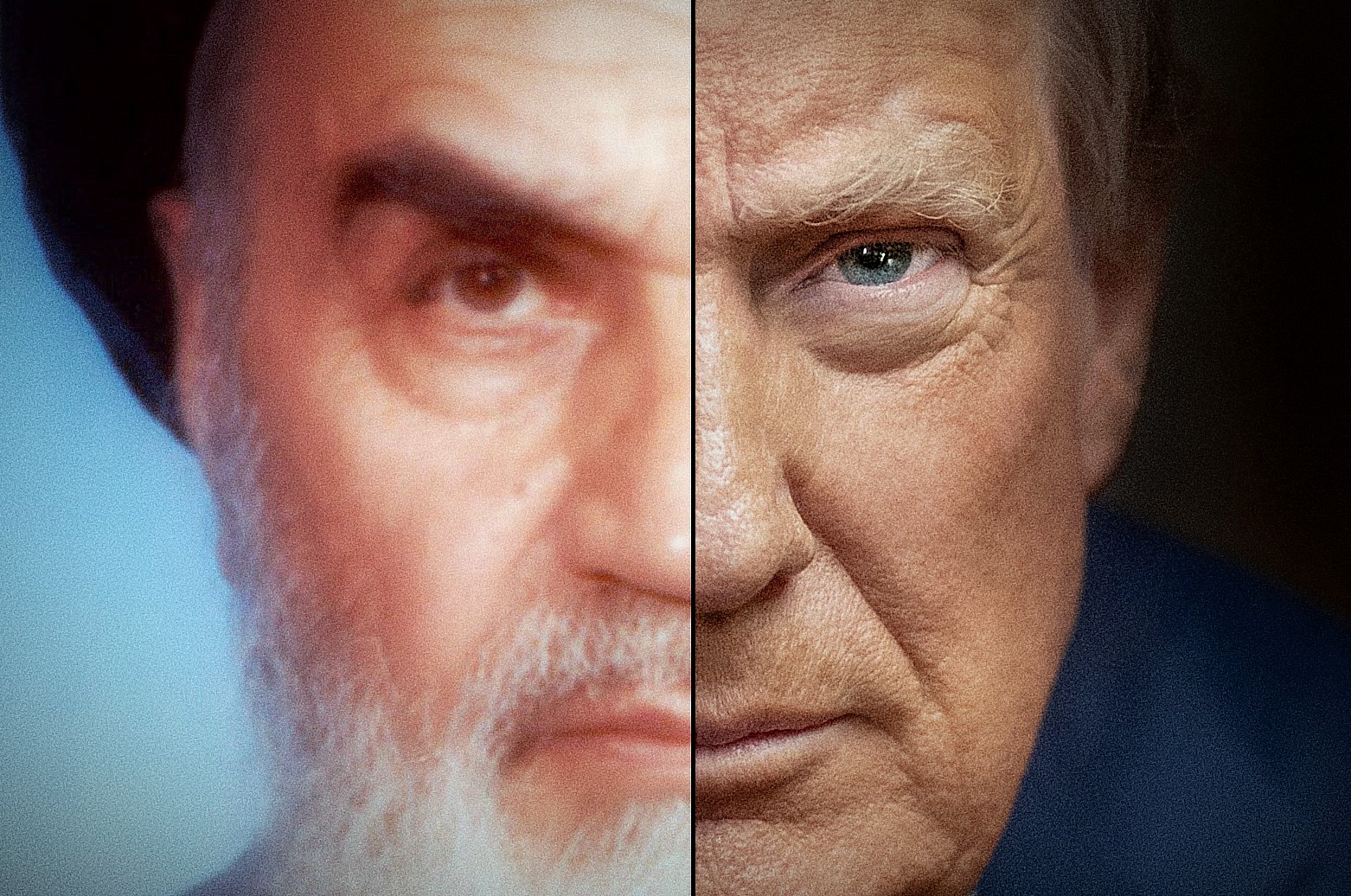
In 1979, Iran was seduced by a cleric who promised freedom and delivered tyranny. In 2025, a chaotic U.S. president may be using lies of his own to help dismantle that same regime.
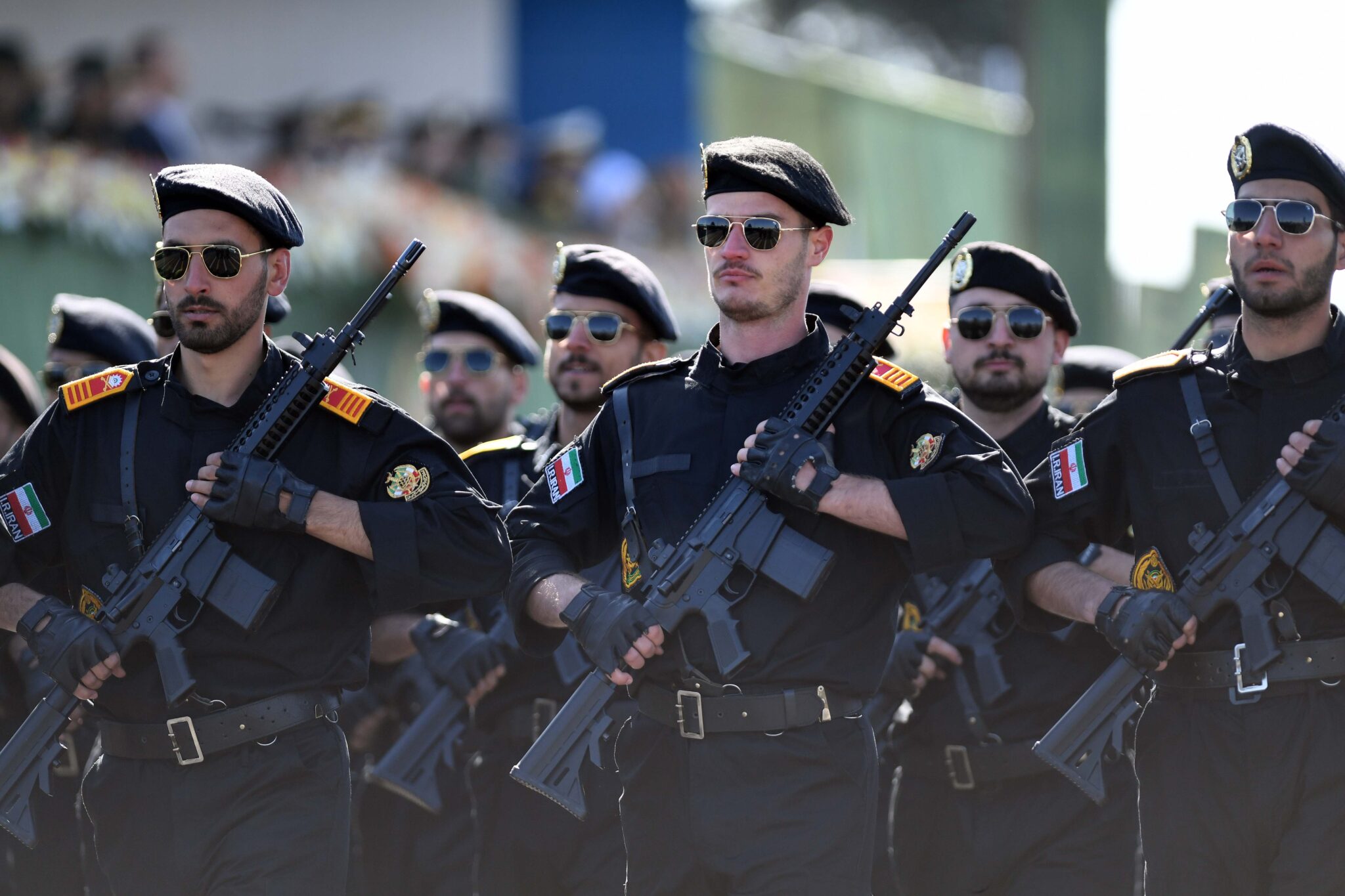
Iran’s revolutionary regime imagined it could assure its survival by becoming an armed bunker like North Korea, ready to shoot if threatened. They seemed to forget that, for its location and resources, Iran is too important for the world to tolerate a “crazy” regime threatening vital oil routes.
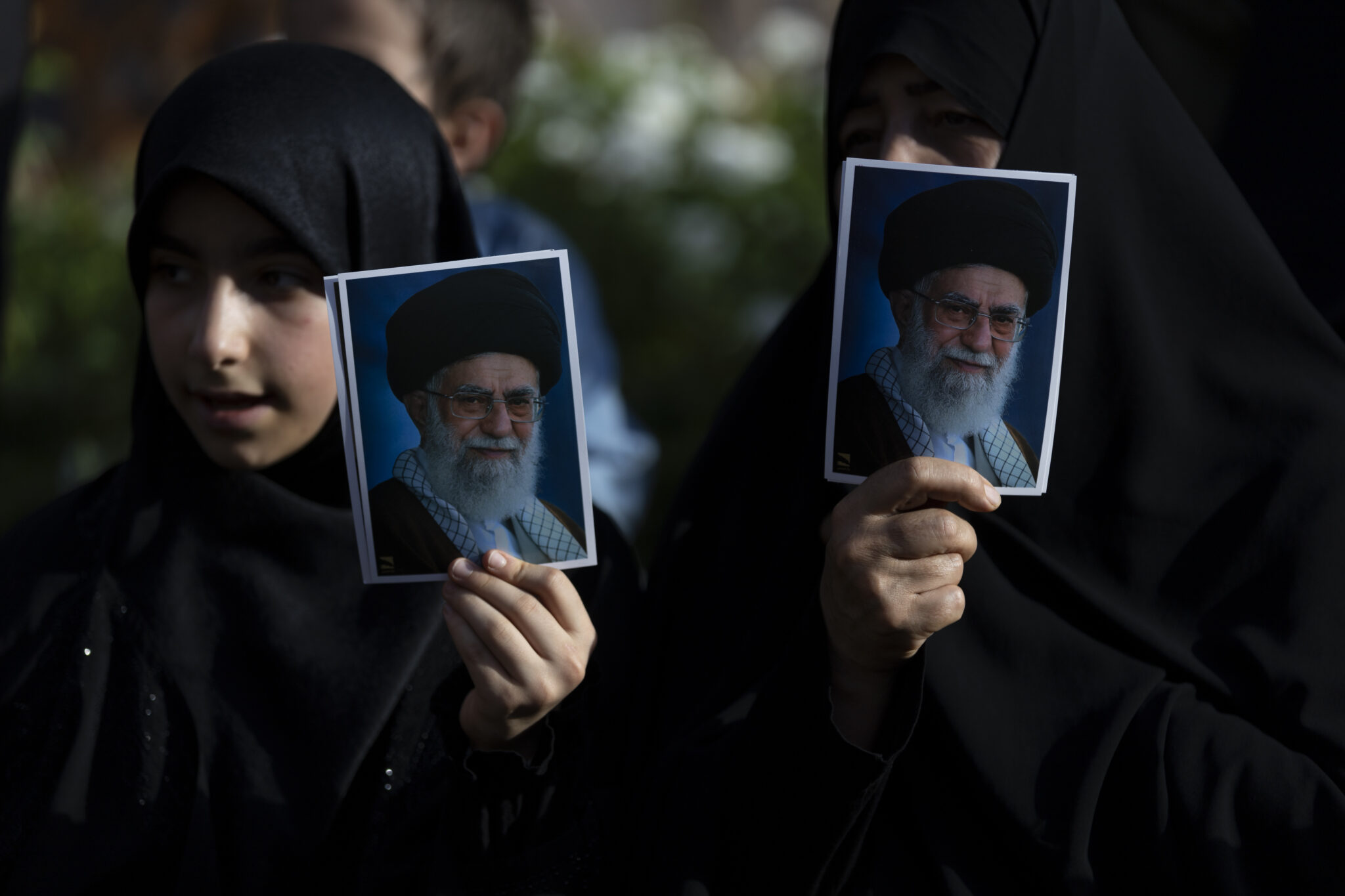
The ceasefire agreed on between Israel and the Tehran regime is not an end to hostilities but likely a “breather” for both sides who insist they have unfinished business with one another. But Israel’s recent battering of Iranian sites, war matériel and senior cadres may have left the ayatollahs with “none of the cards.”
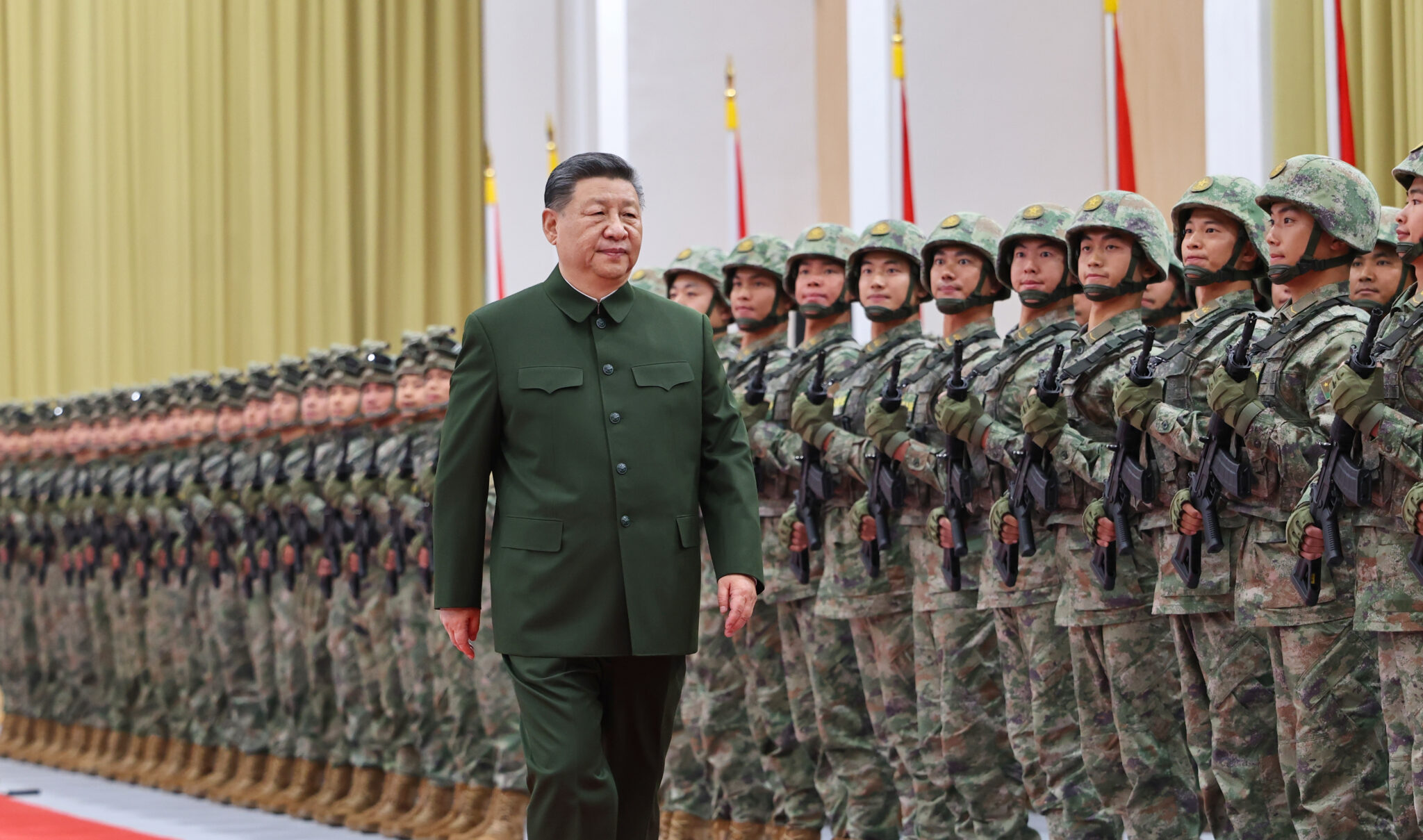
Eight decades after the UN Charter was signed, the so-called rules-based order is looking pretty battered. Still, the fact that someone breaks a rule doesn’t make it invalid. Law and reality never fully align. Otherwise, we wouldn’t need law.
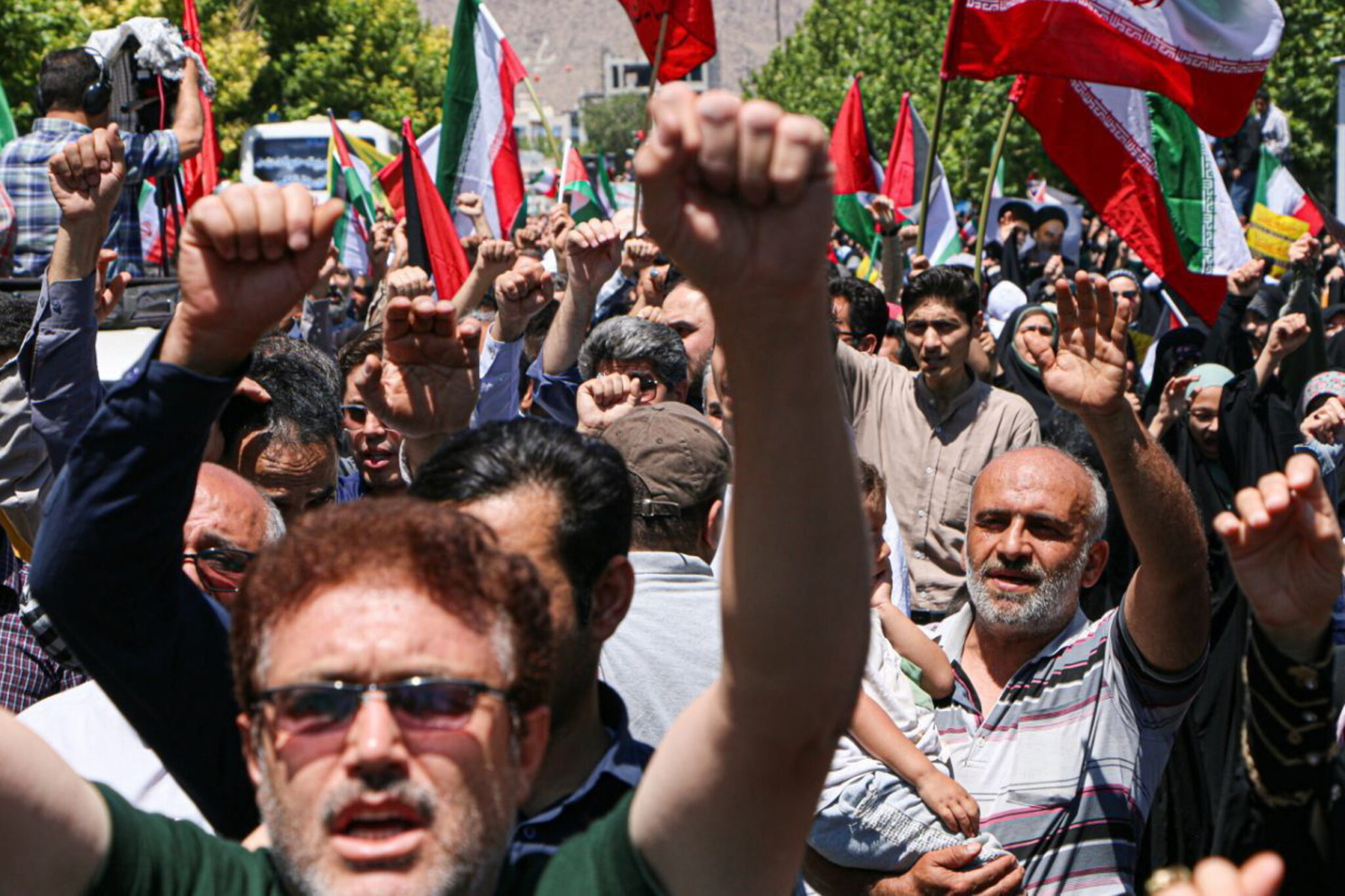
Like Spain after Franco, La Stampa’s Bernard Guetta argues, Iran faces a crucial choice between authoritarian decay and democratic renewal. Before time runs out.
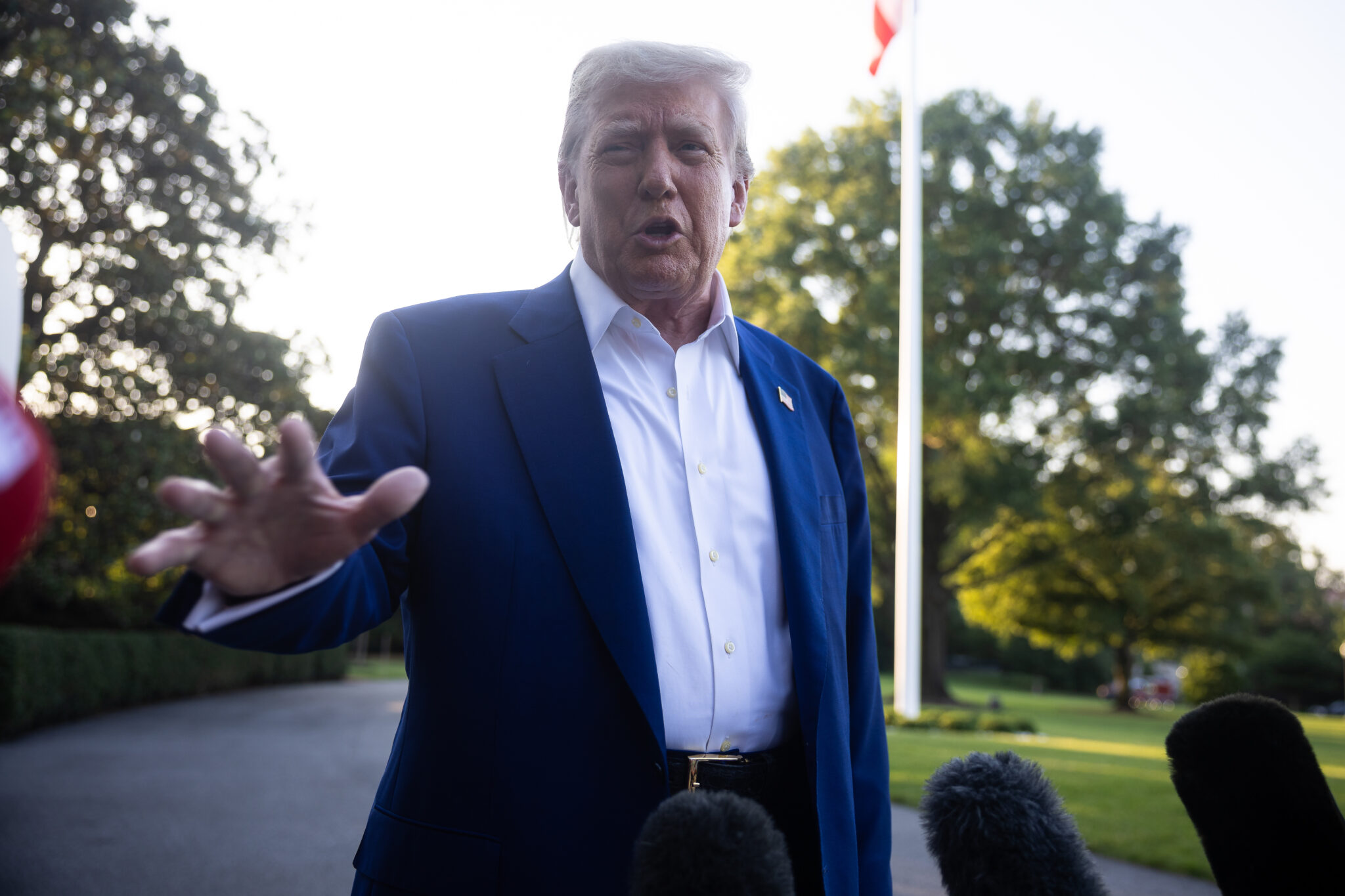
One moment he’s launching strikes, the next he’s declaring a ceasefire. At this speed, the surrealism of the Trump era is most evident. We journalists should be the ones to cut through that fog. Just not instantly.
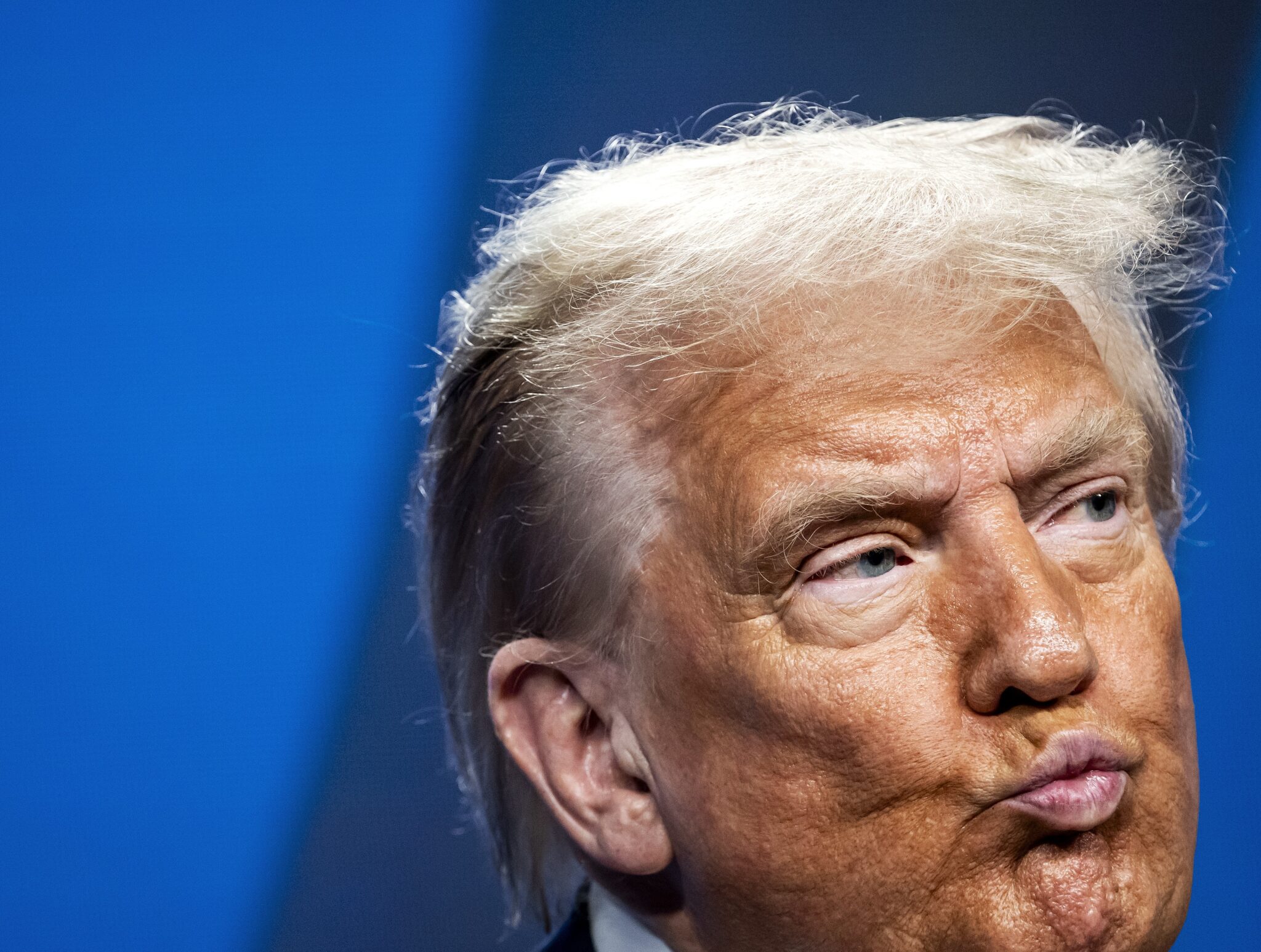
Many Iranians are angered by Donald Trump’s move to stop Israel’s precision strikes on the Tehran regime. As with Ukraine, he has shown he has little time for national aspirations, and sees the world as a playground for making deals, which often have a hidden business payoff for him and his entourage.
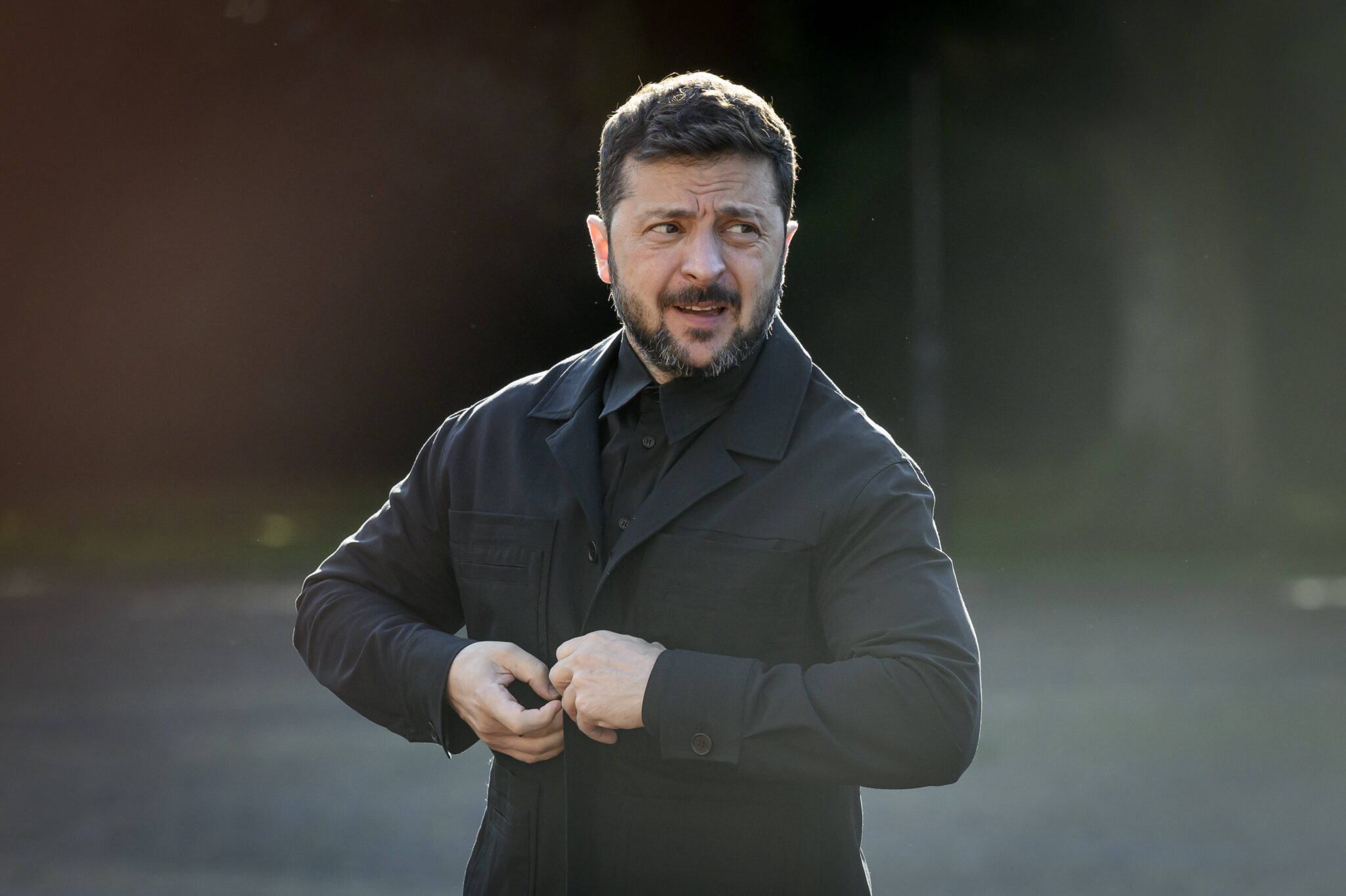
Ukrainian President Volodymyr Zelensky courts and convinces (at least for now) U.S. President Donald Trump. Meanwhile Russia’s leader has failed to enter the negotiations with Tehran to gain on Ukraine.
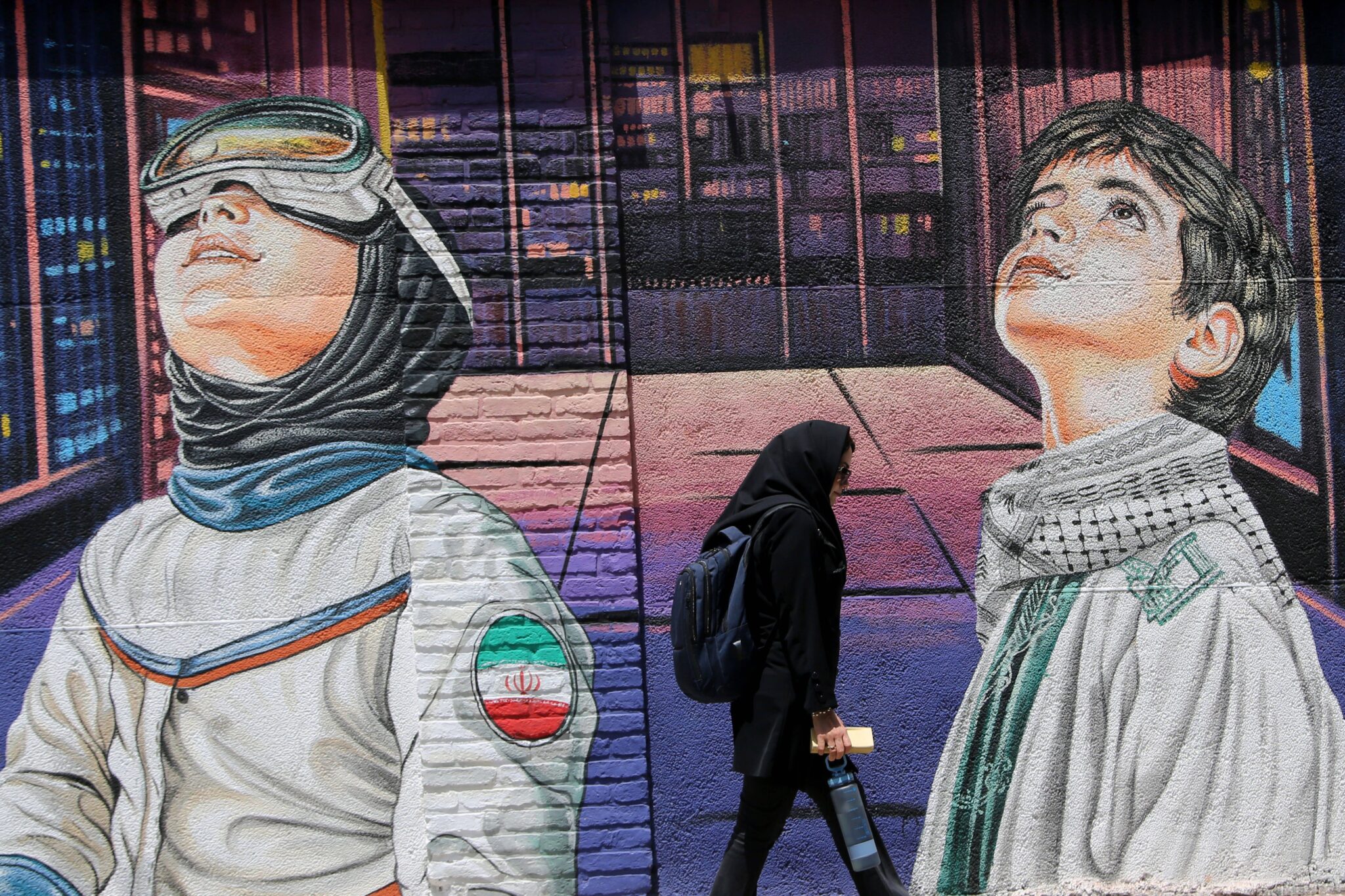
As war broke out with Israel, Iran plunged into an unprecedented internet blackout — cutting off 91 million people, silencing civil society, and tightening the regime’s digital grip.

The Israel-Iran truce brokered by the U.S. president is a major diplomatic victory for Trump. But it’s a peace plan that feels more sleight of hand than statesmanship, which raises doubts about whether the ceasefire can last.
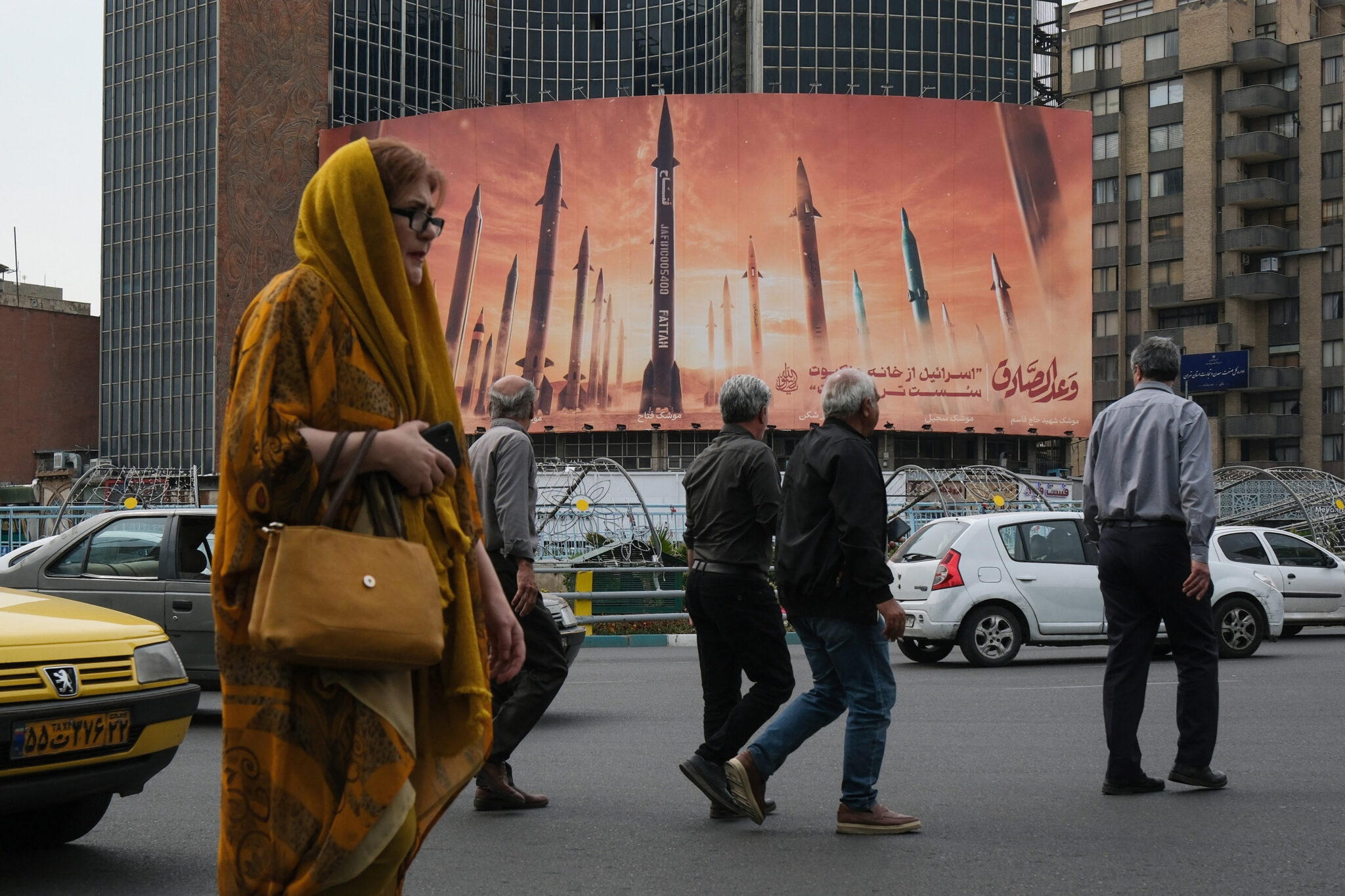
After 12 days of intensive conflict, President Donald Trump declared a ceasefire halting the most dramatic direct confrontation between Israel and Iran in decades. Both nations agree to abide by the truce, yet each vows retaliation if any breaches occur.
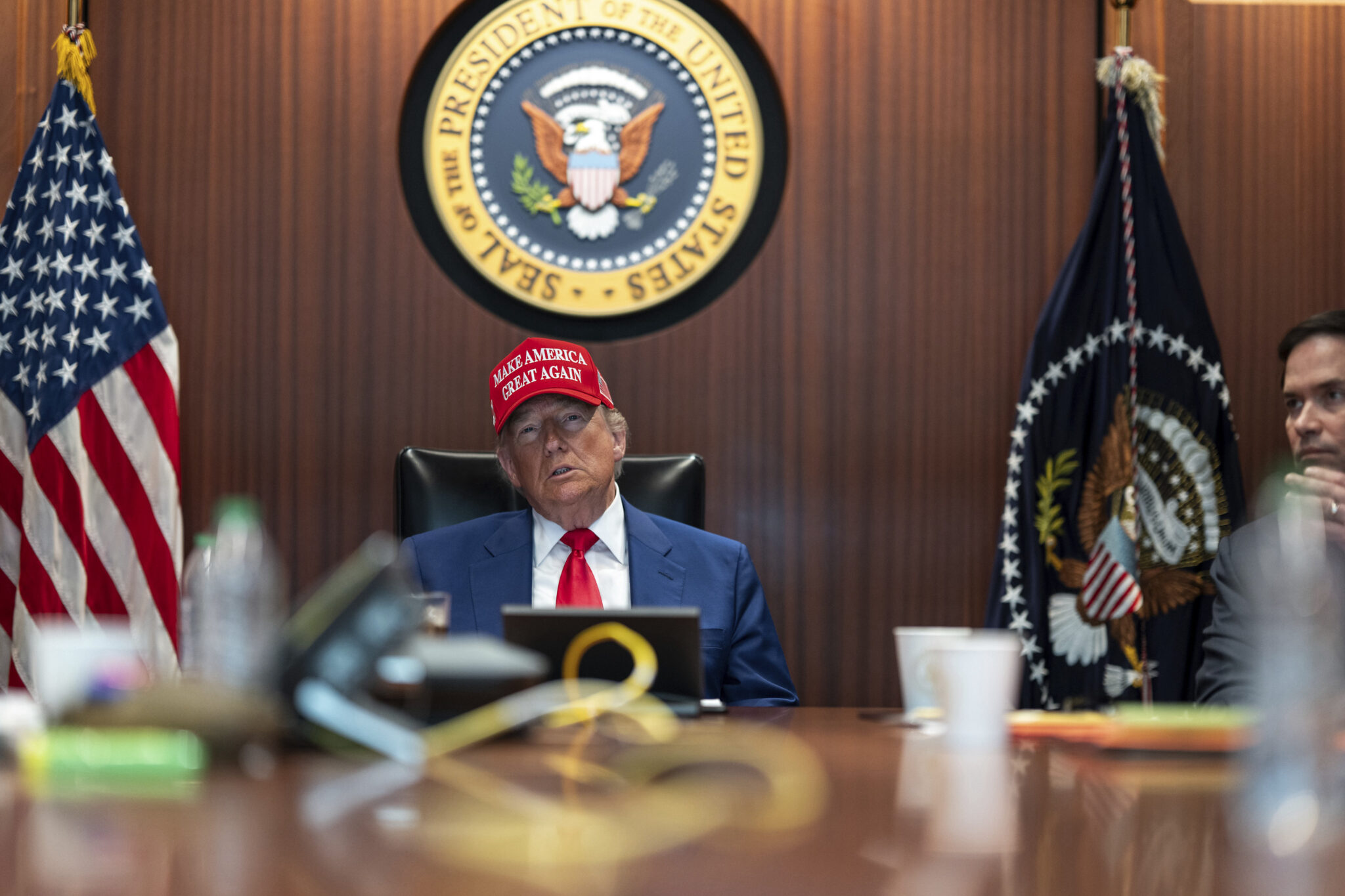
By giving the Americans advance warning, the Iranians ensured that their response to the US bombing yesterday would not cause any casualties. Donald Trump seized the opportunity to stop the war, despite Israel’s continued pursuit of a hardline approach.

Donald Trump campaigned on ending America’s “forever wars” in the Middle East. But with airstrikes on Iran’s nuclear sites, he’s become the president who finally crossed a line avoided by eight of his predecessors. He will now to try strike a deal, with an assist from Moscow.
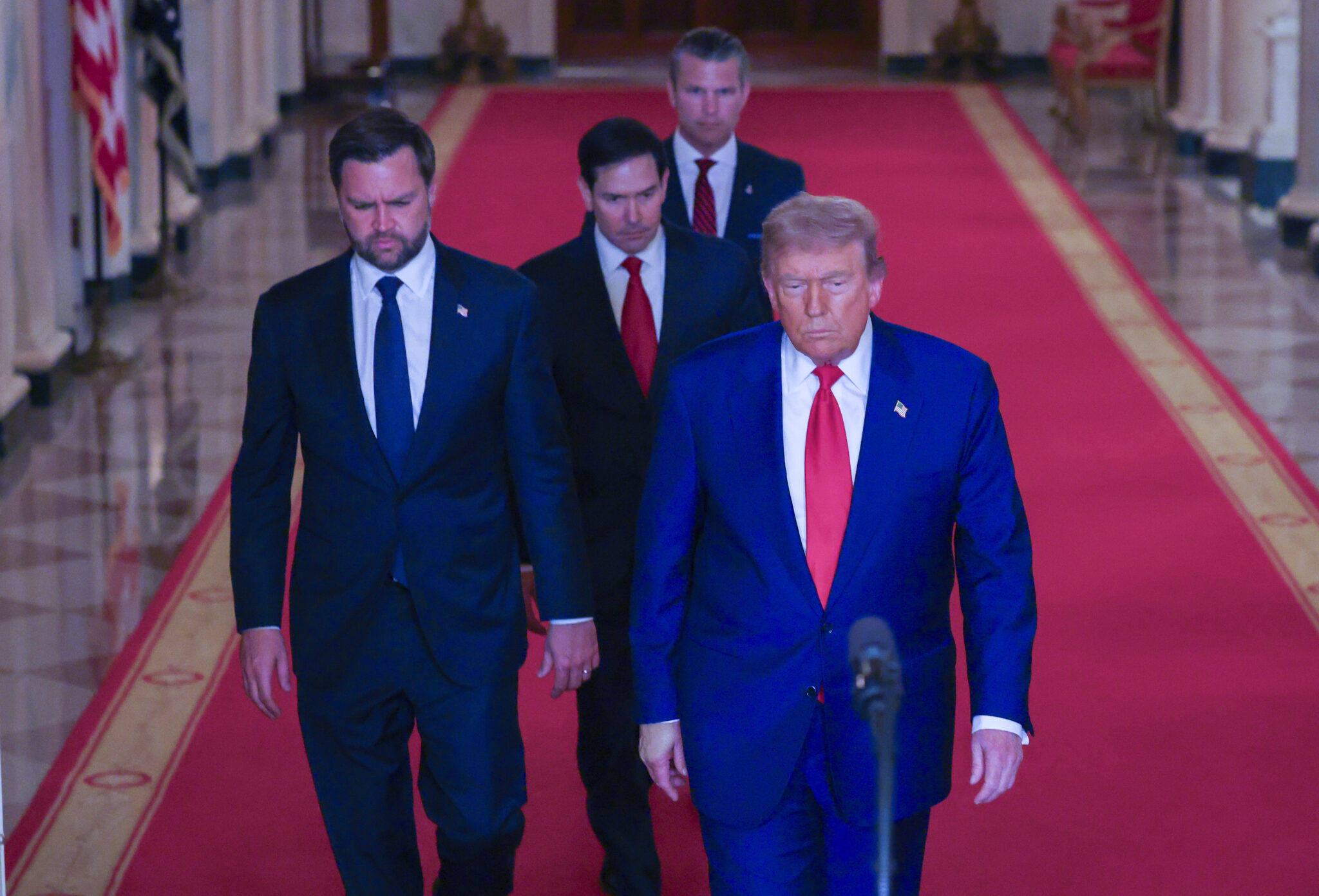
For nearly a century, the West has approached the Middle East with strategic interests — but little genuine understanding. From coups to regime changes to failed red lines, each intervention has produced unintended consequences. Maybe it’s time we admit: the problem isn’t the region. It’s us.
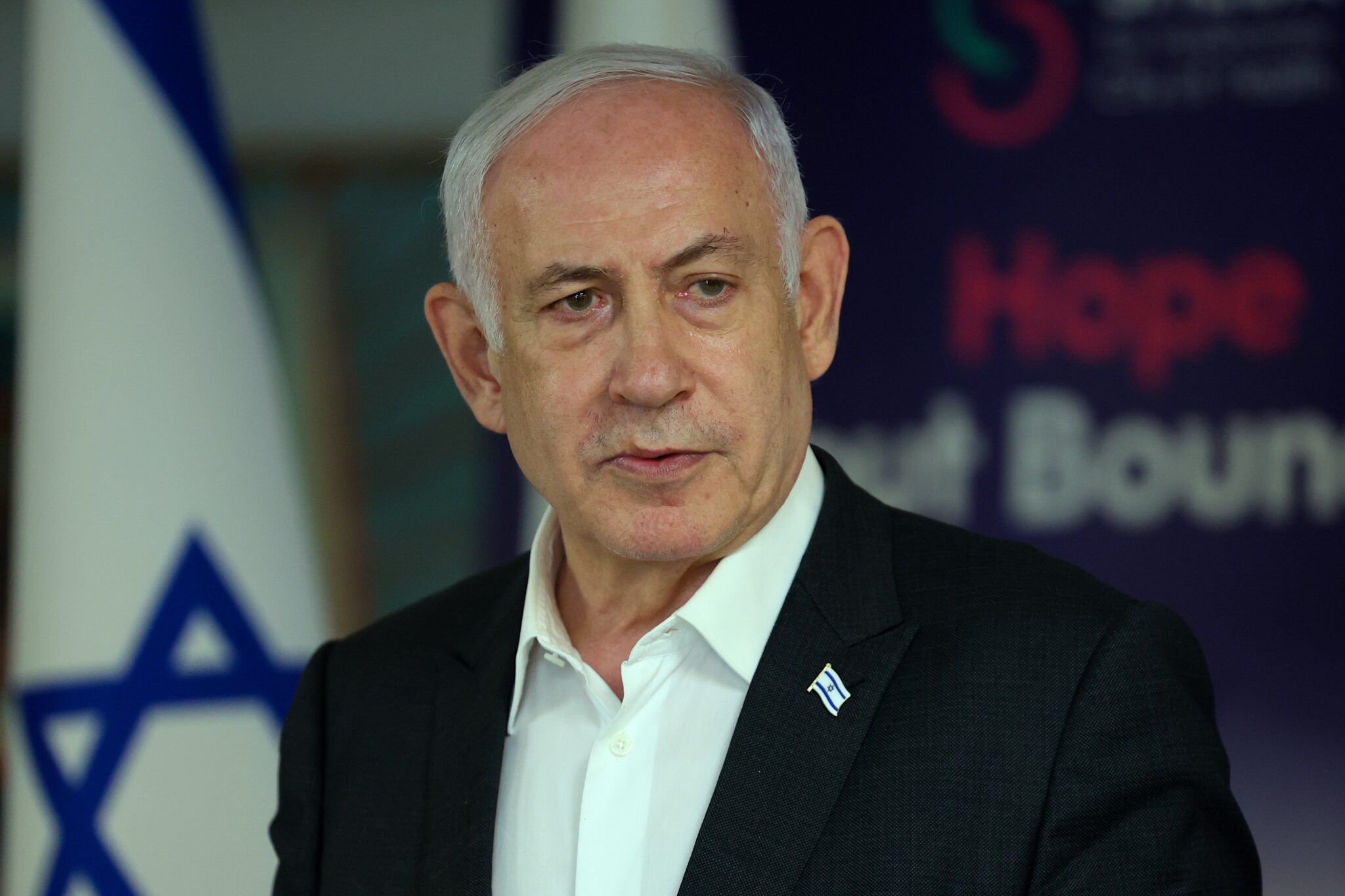
The intervention of American bombers in Iran has strengthened Israeli Prime Minister Benjamin Netanyahu’s position, allowing him to assert military supremacy over the Middle East. What comes next will be more difficult, as no solution is on the horizon for Gaza, and the Saudis are growing more skeptical than ever of Israel.
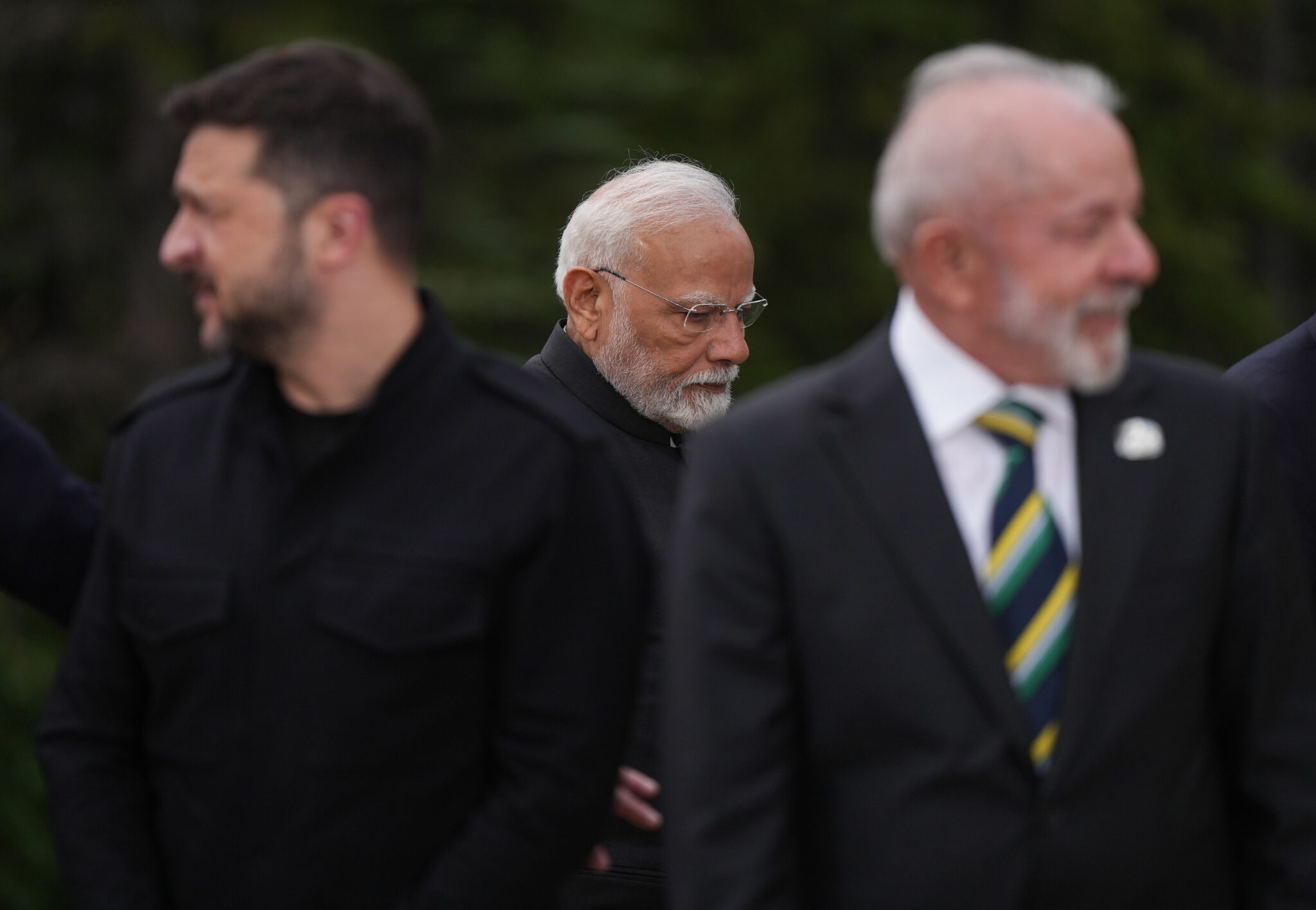
India’s inconsistent stance on Gaza reflects a broader diplomatic drift — from principled leadership to transactional alignment.

All of the complexities and competing interests in the Middle East are coming out during the current showdown between Israel and Iran, and Jordan has a strategic role to play.