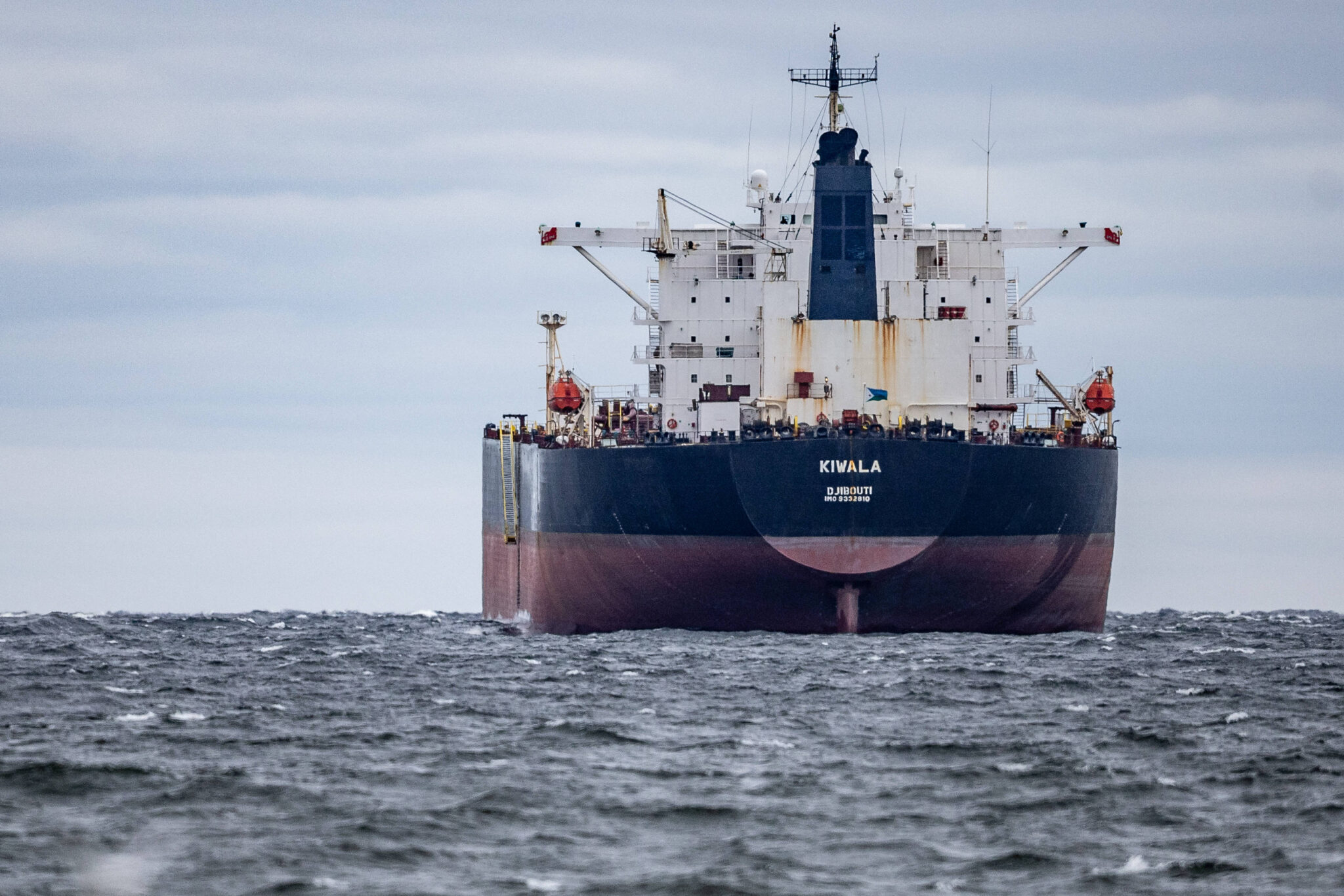
Ukrainian sea drones have been attacking Russian tankers in the open sea for the first time in recent weeks. The risky tactic is proving effective and has angered Putin. But even allies are issuing warnings.
 Worldcrunch
Ukrainian sea drones have been attacking Russian tankers in the open sea for the first time in recent weeks. The risky tactic is proving effective and has angered Putin. But even allies are issuing warnings.
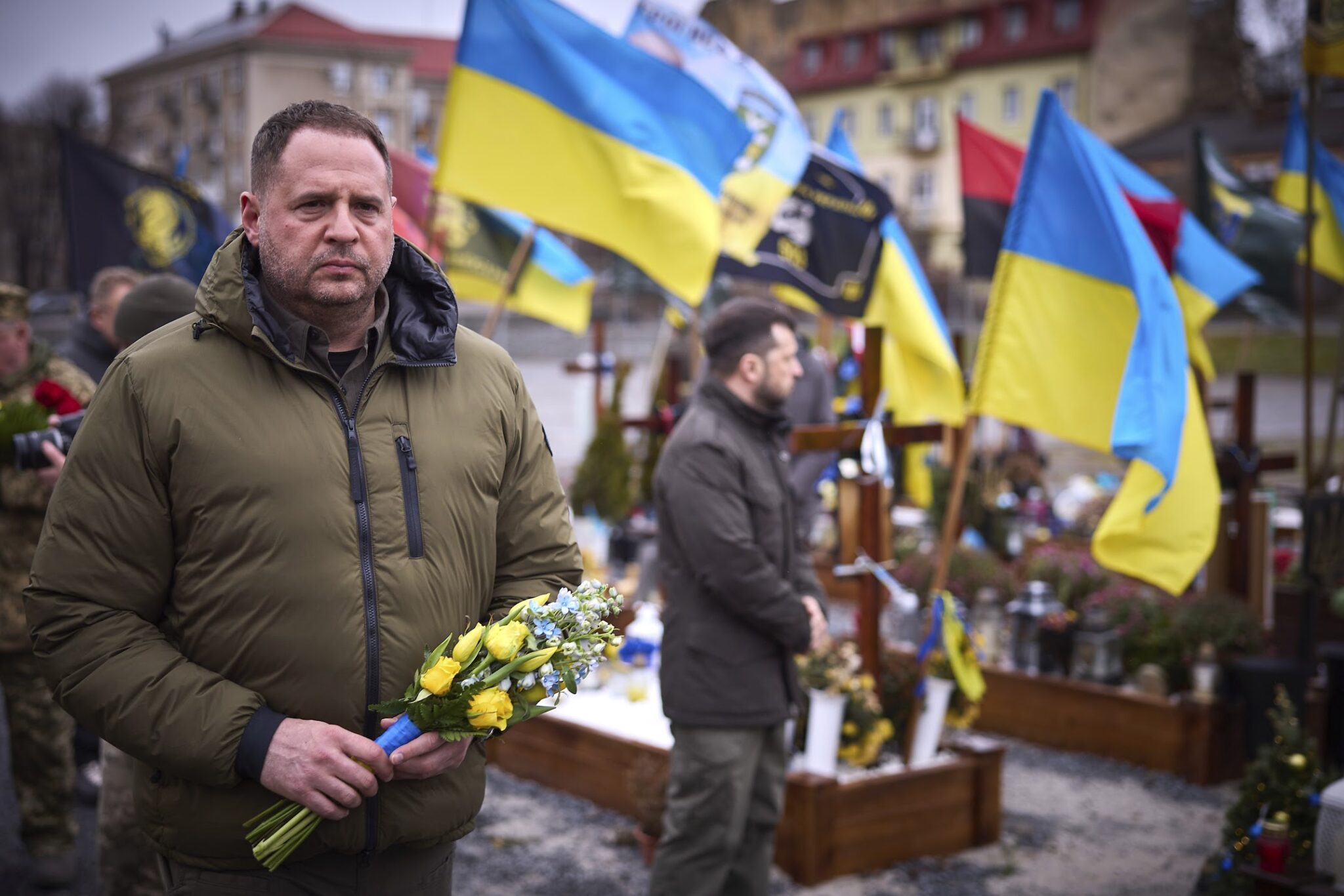
Ukraine’s president faces mounting pressure abroad and growing distrust at home, as corruption claims and battlefield fatigue collide with the country’s fight for survival.
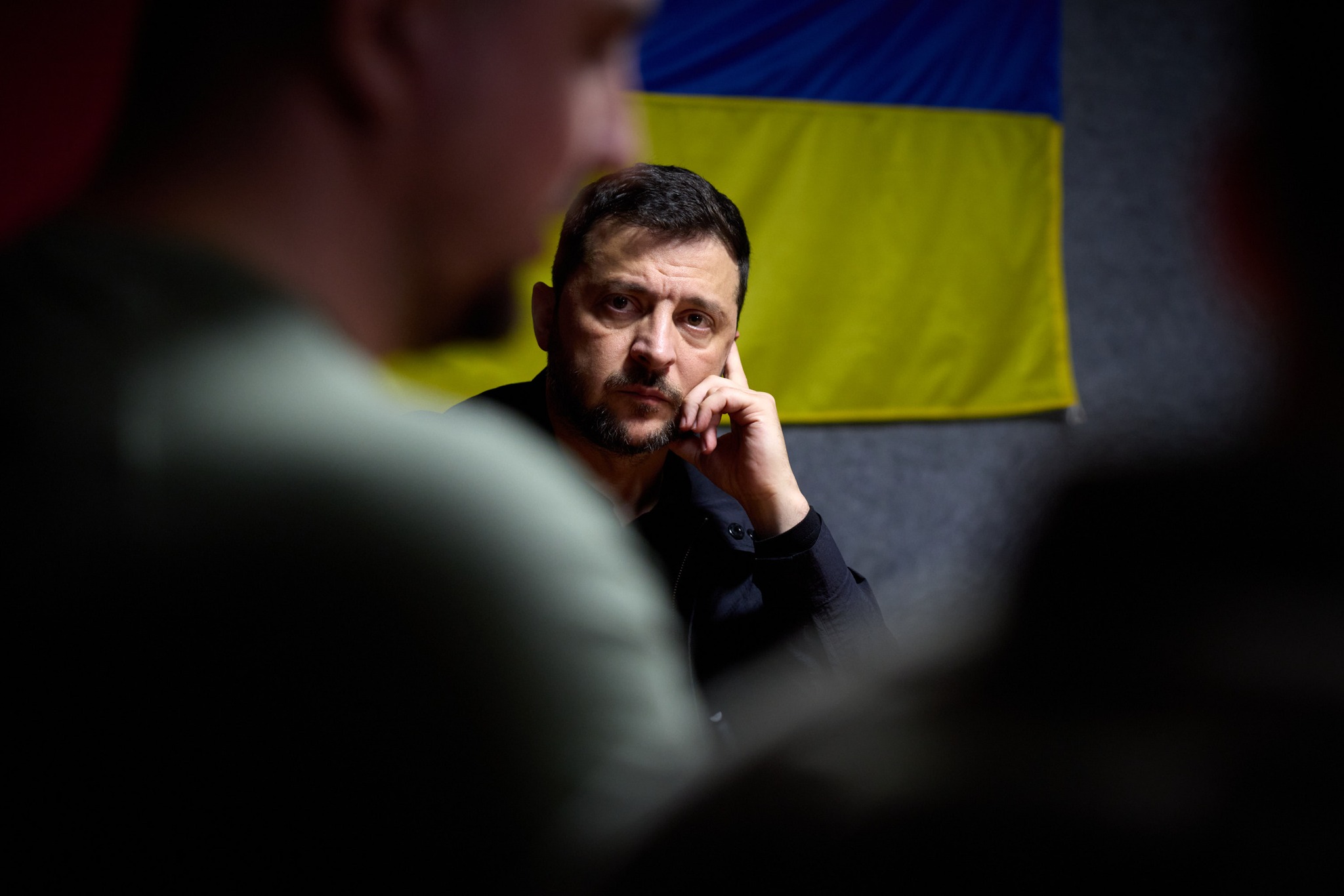
While Vladimir Putin describes Volodymyr Zelensky’s authority as “illegitimate,” the French foreign minister asserts that he has “every right to lead his country toward peace.” The weakened Ukrainian president is in Paris at a decisive moment in the conflict.
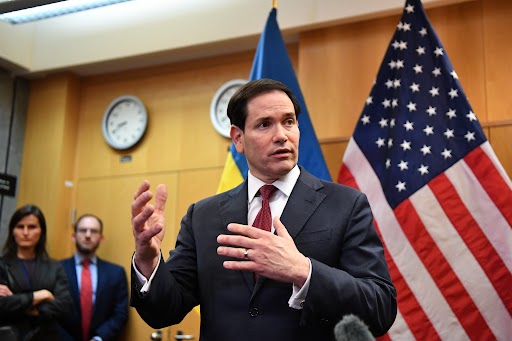
To Kyiv and the Europeans, the American 28-point plan for Ukraine looks like a demand for surrender, but Sunday’s negotiations in Geneva with the Americans attempted to amend it, at the risk of making it unacceptable to the Russians. The Trump method is once again in question.
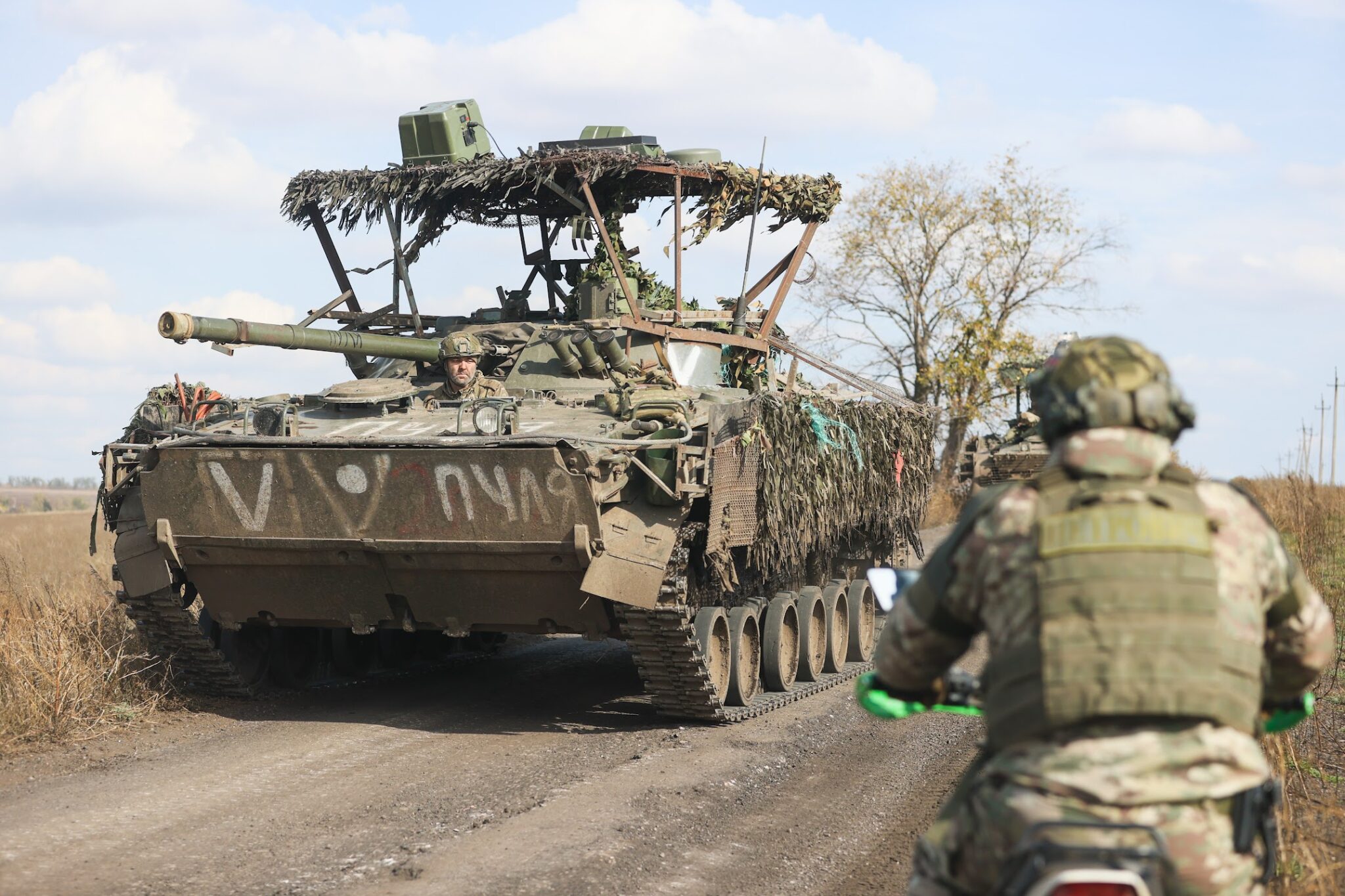
The strategically important city of Pokrovsk, in the Donetsk region, is the scene of intense fighting between Russian attackers and Ukrainian defenders. This is an important test as Vladimir Putin seeks to assert his dominance on the ground, not only over Ukraine but also over Europe.
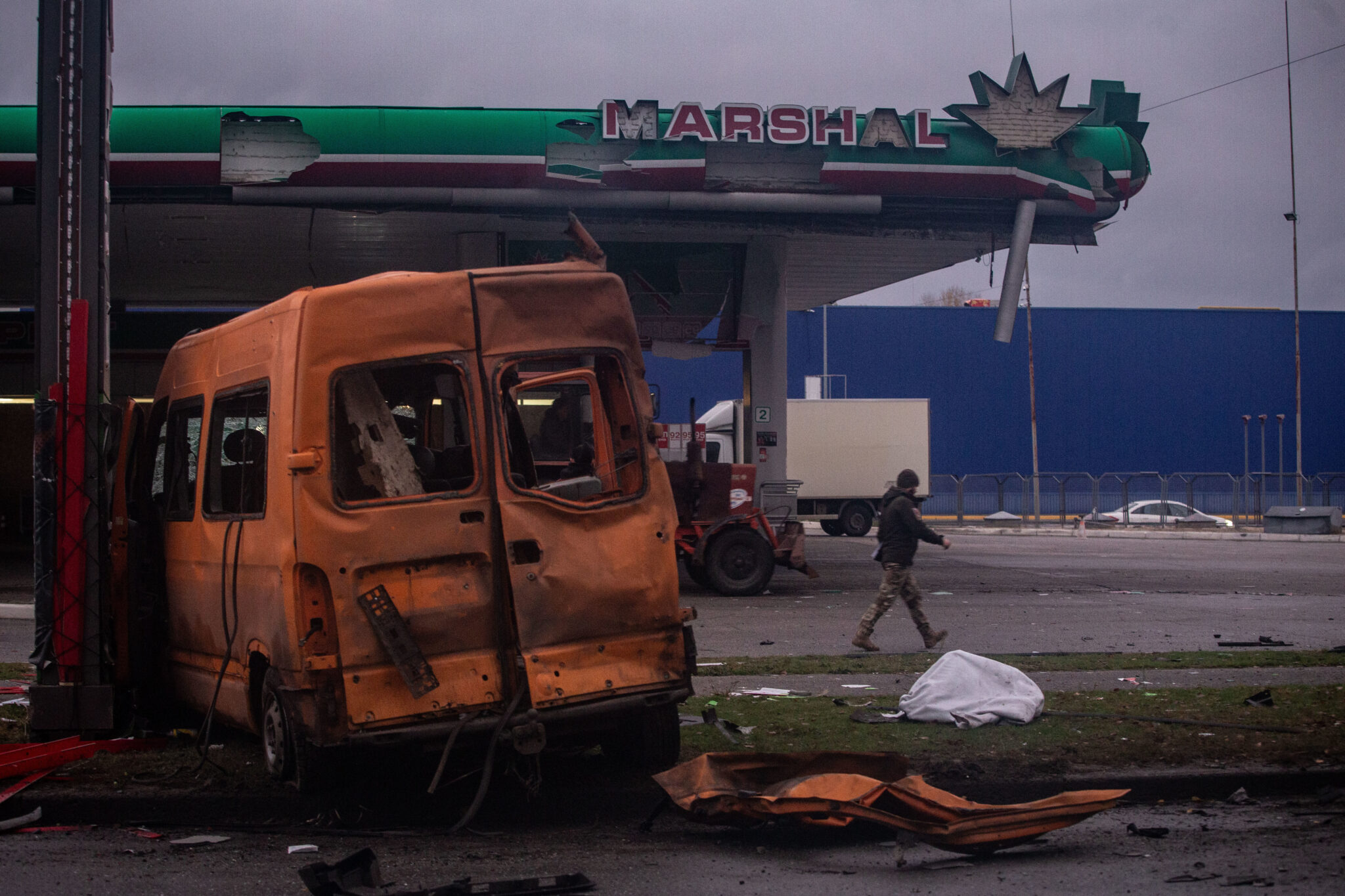
With offensives stalling, Ukraine hitting Russian refineries, Western aid thinning, and winter power grids under fire, the gap persists as Moscow floats Donbas withdrawals and Kyiv rejects concessions while outside mediation muddies the waters.
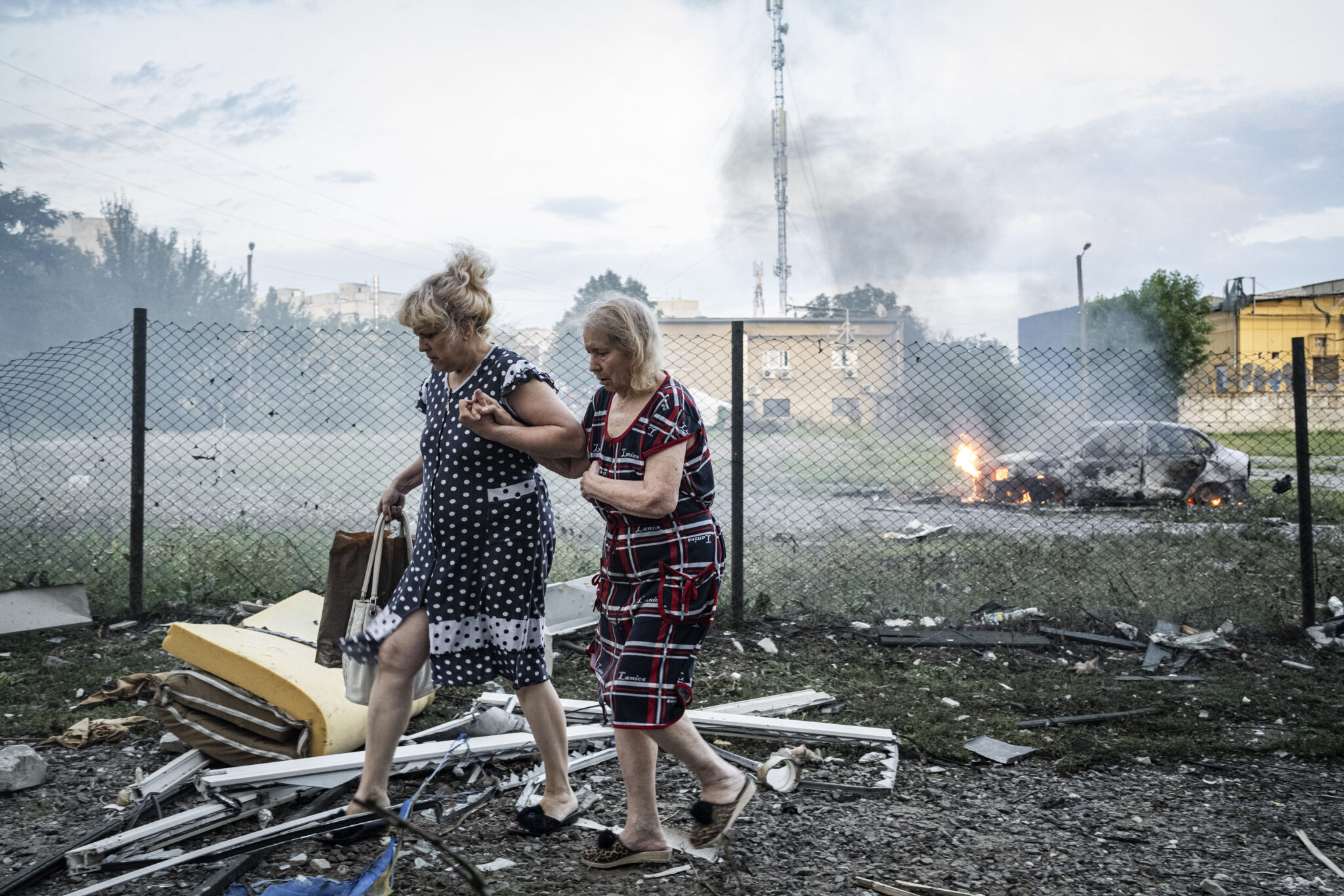
Ten days after the Trump-Putin summit in Alaska, the hopes for peace negotiations that it had raised have faded: Russia has set conditions that are difficult to accept. There is no meeting between Zelensky and Putin planned, Russian Minister Sergei Lavrov confirmed yesterday. What will Trump do?
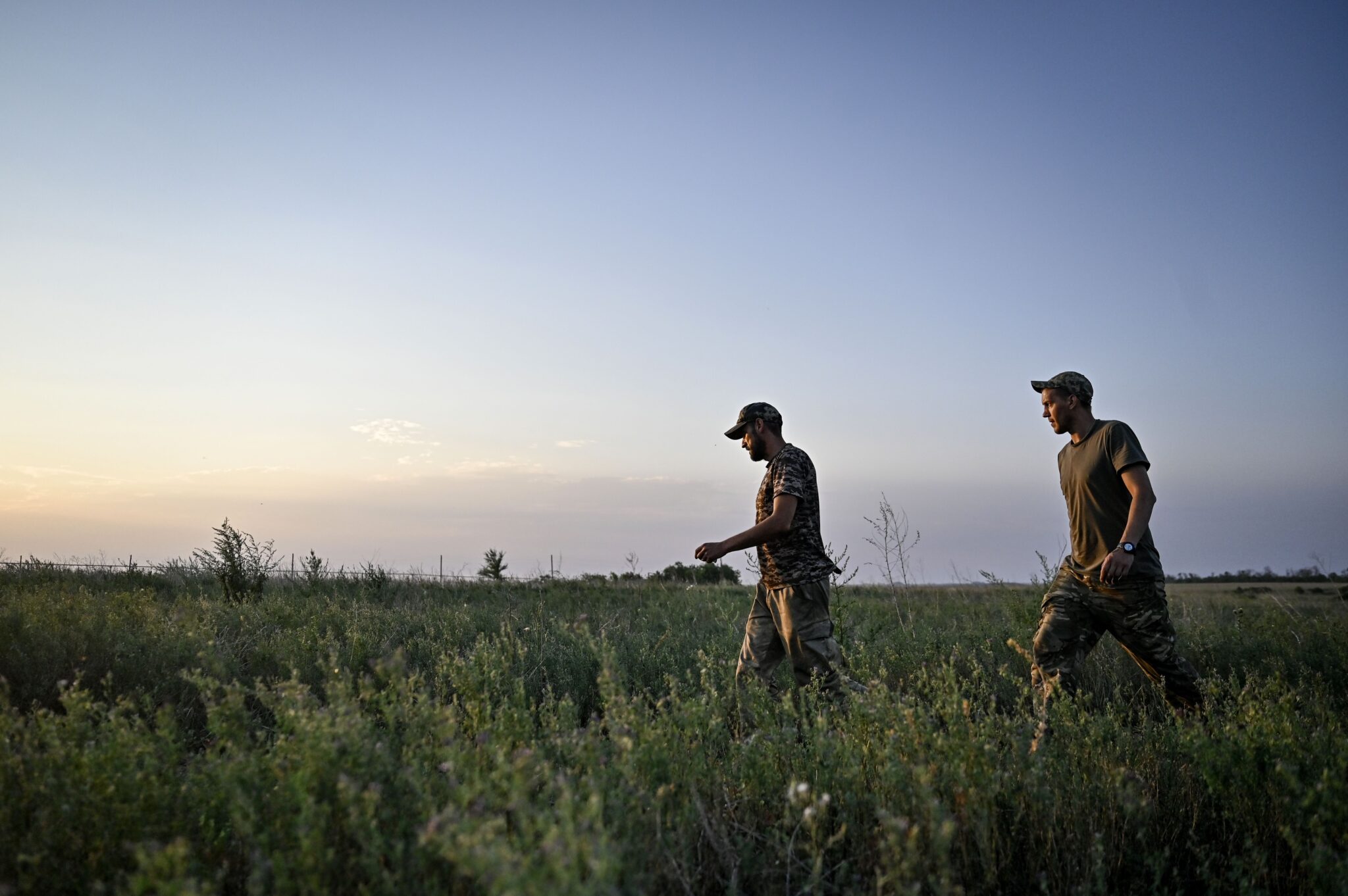
Washington is pushing for a security corridor protected by international and EU forces, with a certain degree of U.S. military, logistical and technological backing to deter Russia. It recalls the practical if imperfect decades-long status quo on the Korean Peninsula
Despite promises of Patriot missiles and steep tariffs, Trump’s latest overtures give Russia time to press its offensive—and the Moscow stock market is celebrating.
As official data vanishes from Russian state reports, independent experts warn that losses from Putin’s war in Ukraine are becoming too large to hide.
Putin is happy to go around the Europeans, and just needs Trump to stay out of the way.
Chancellor Merz and Foreign Minister Wadephul warn of direct threats from Moscow on the lives of people in Germany, and yet hesitate to back their words with the kind of support Ukraine urgently needs to avoid that Putin goes further.
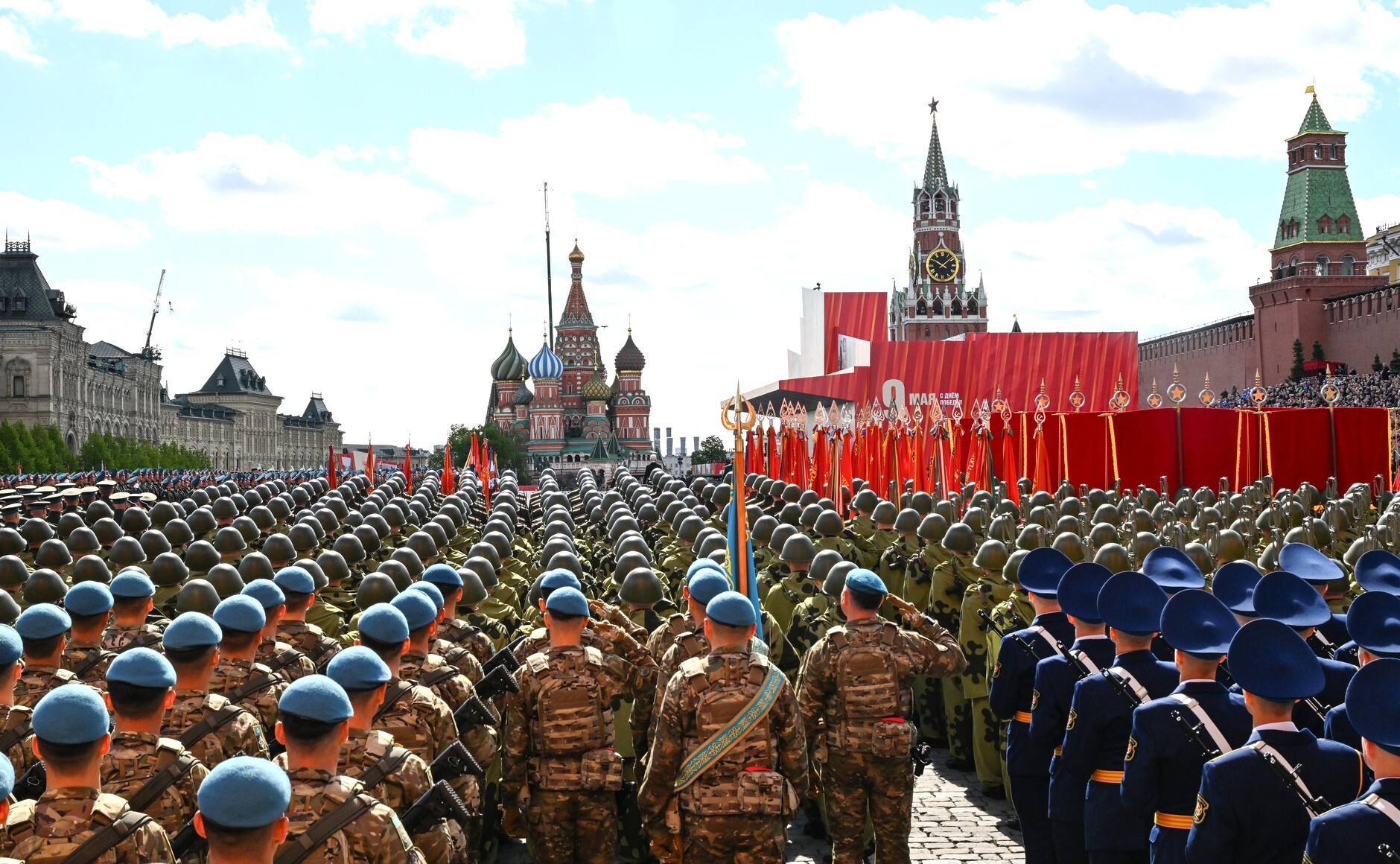
Public support for a negotiated end to the war in Ukraine is growing in Russia, with new polling showing record levels of backing for diplomacy. But the majority still insists on conditions that Ukraine — and its Western allies — are unlikely to accept. As the Kremlin plays the long game, a clear path to peace remains elusive.
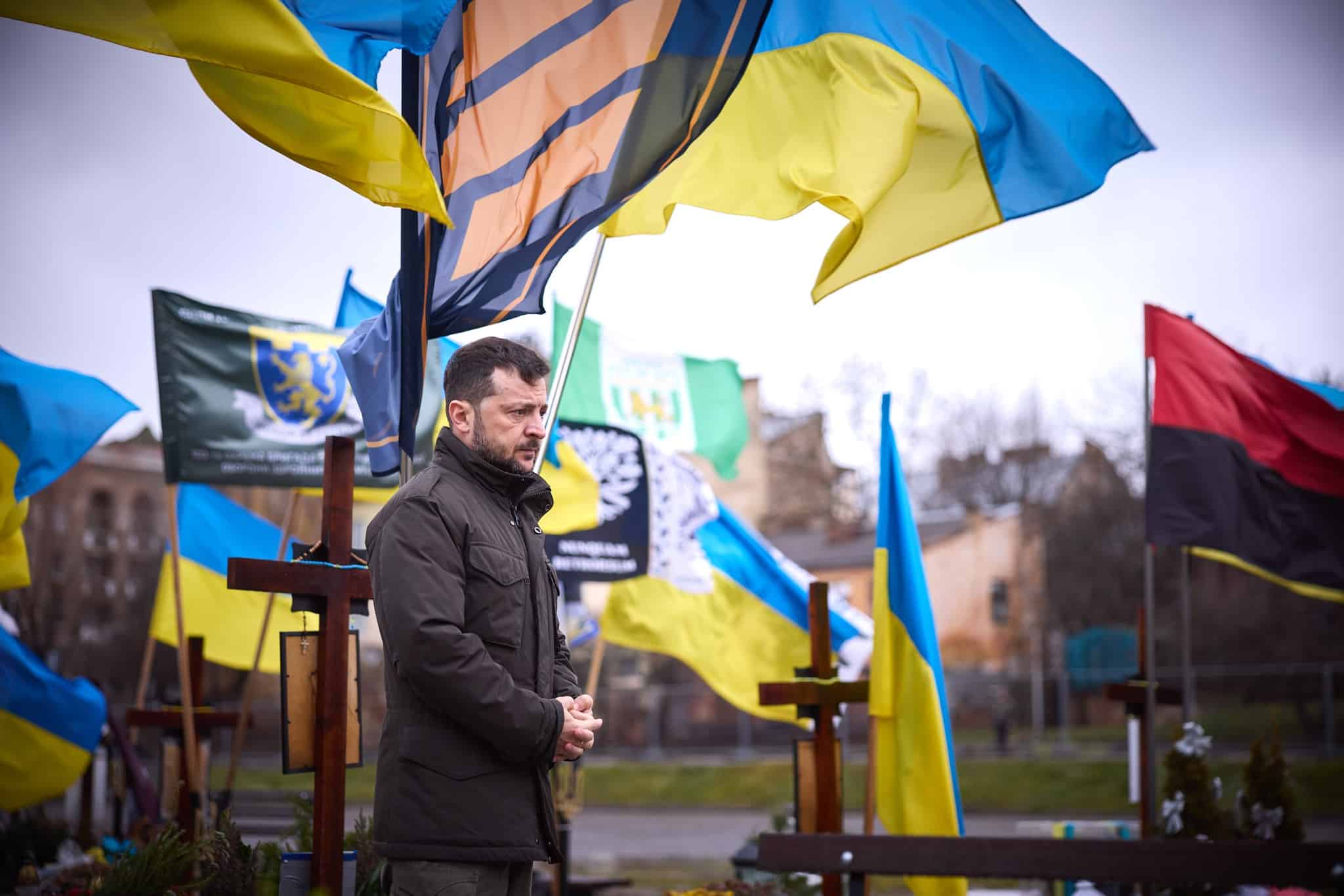
With a long-range drone strike deep inside Russia, Ukraine sends a clear message ahead of Istanbul peace talks: we are ready to keep fighting if Moscow insists on total victory.
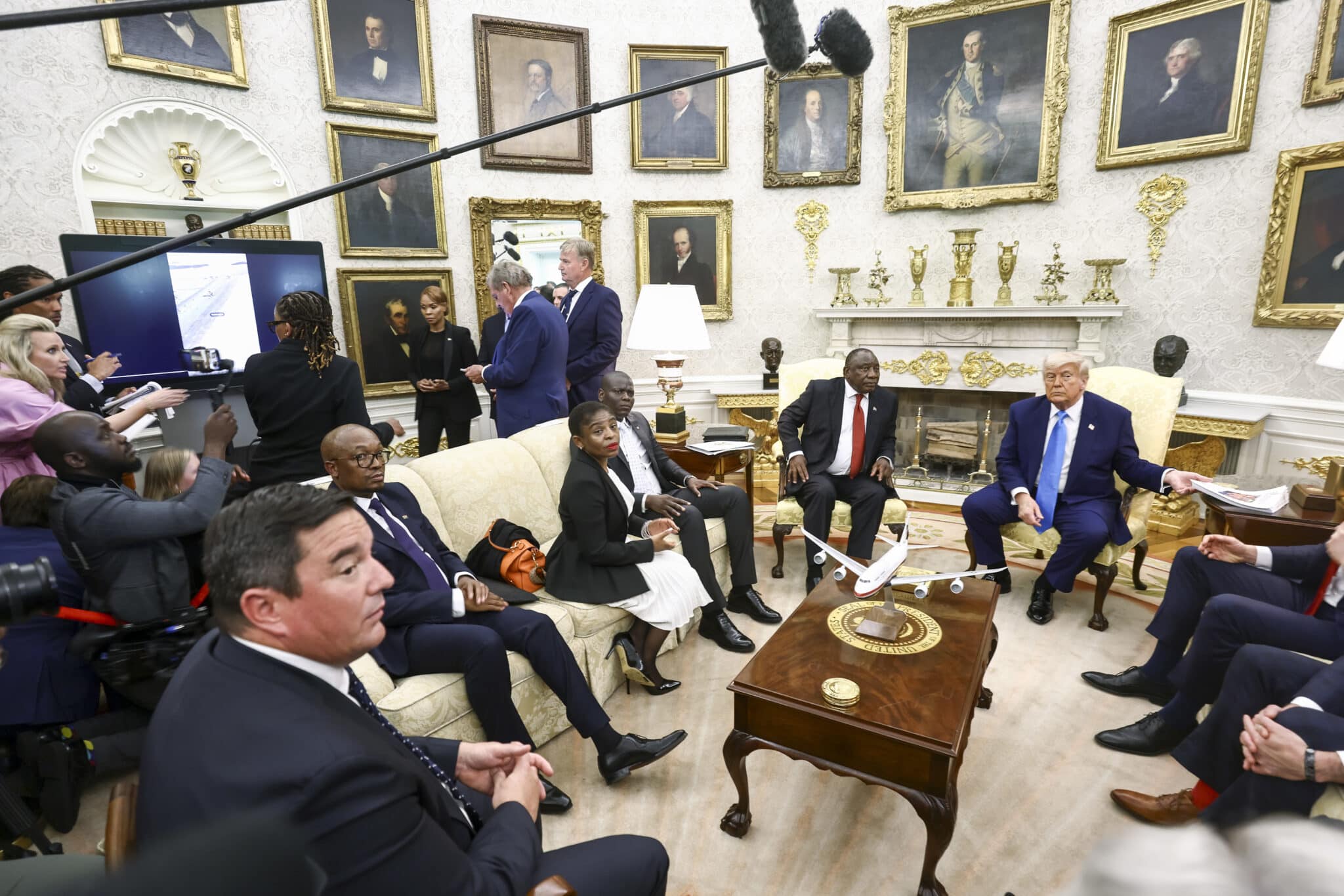
After Ukrainian President Volodymyr Zelensky, it was South African President Cyril Ramaphosa who fell victim to the theater of cruelty staged by Donald Trump in the Oval Office. What is the American president seeking by humiliating his visitors? He is orchestrating a performance to glorify himself.
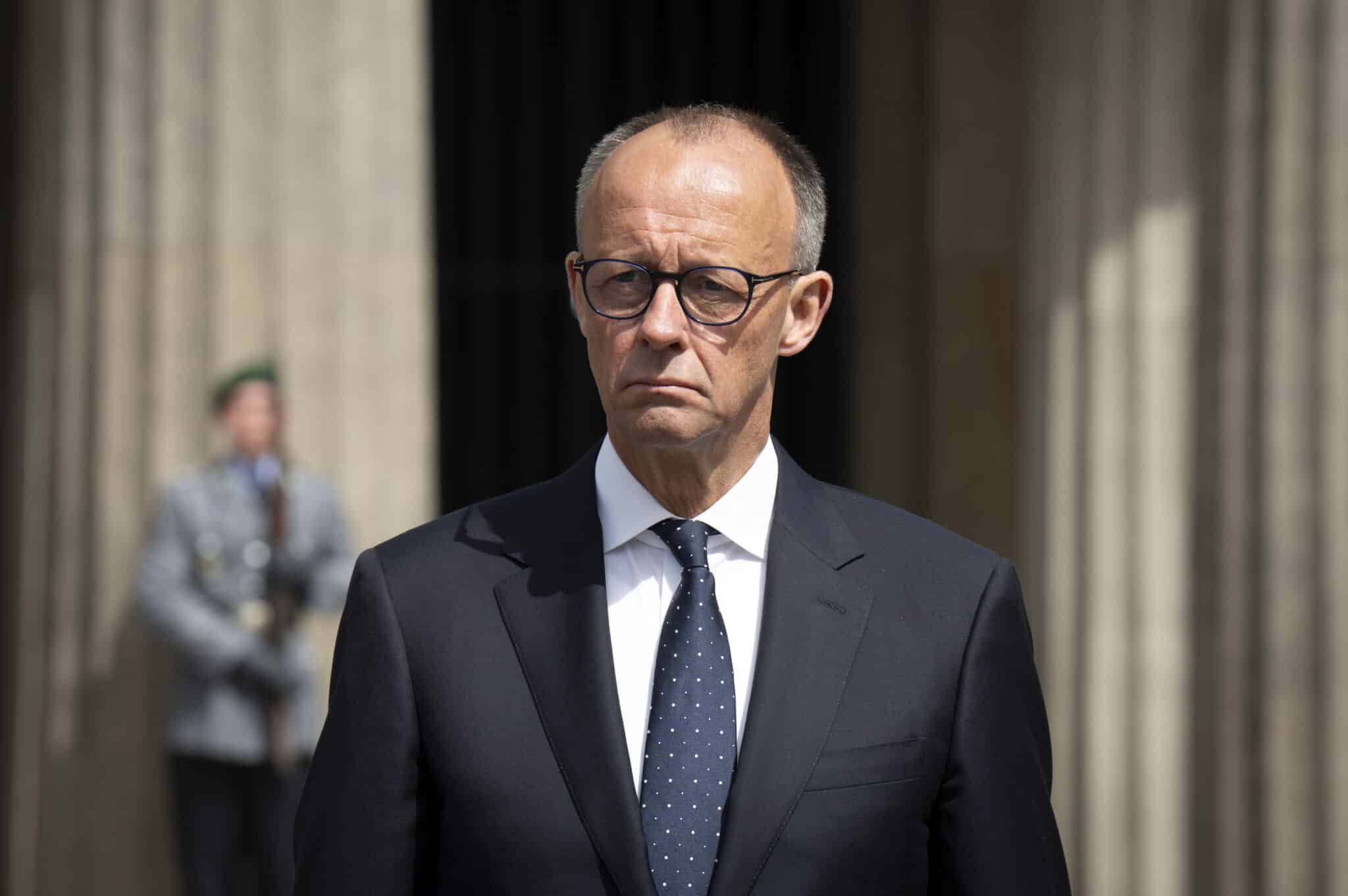
New German Chancellor Friedrich Merz talks about his private exchanges with U.S. President Donald Trump, his own lack of government experience, and why it’s not so clear how to handle the far right AfD.
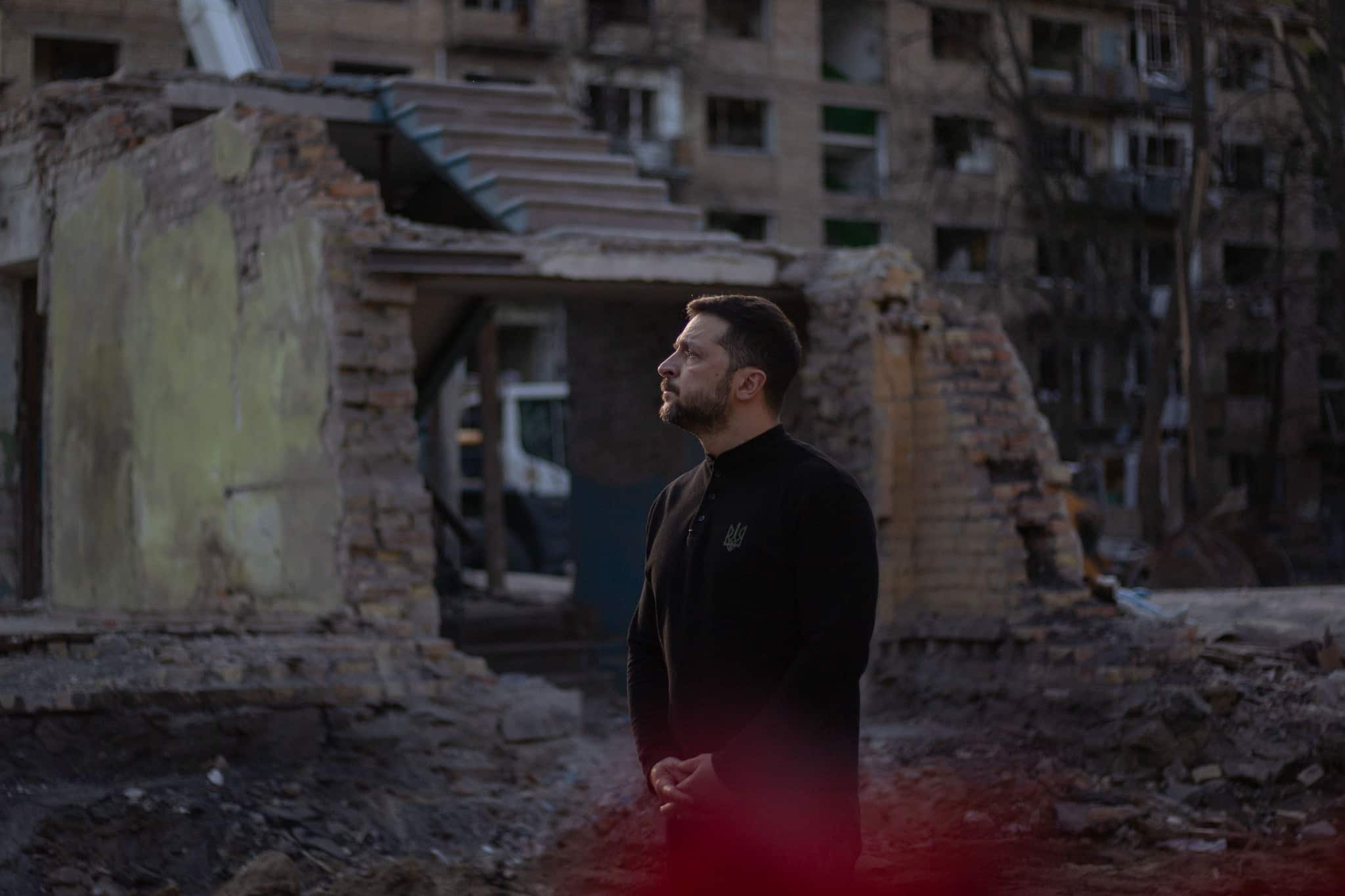
By challenging Putin to face-to-face talks in Istanbul, Ukraine’s president has reshaped the diplomatic game and forced Moscow into a high-stakes dilemma.
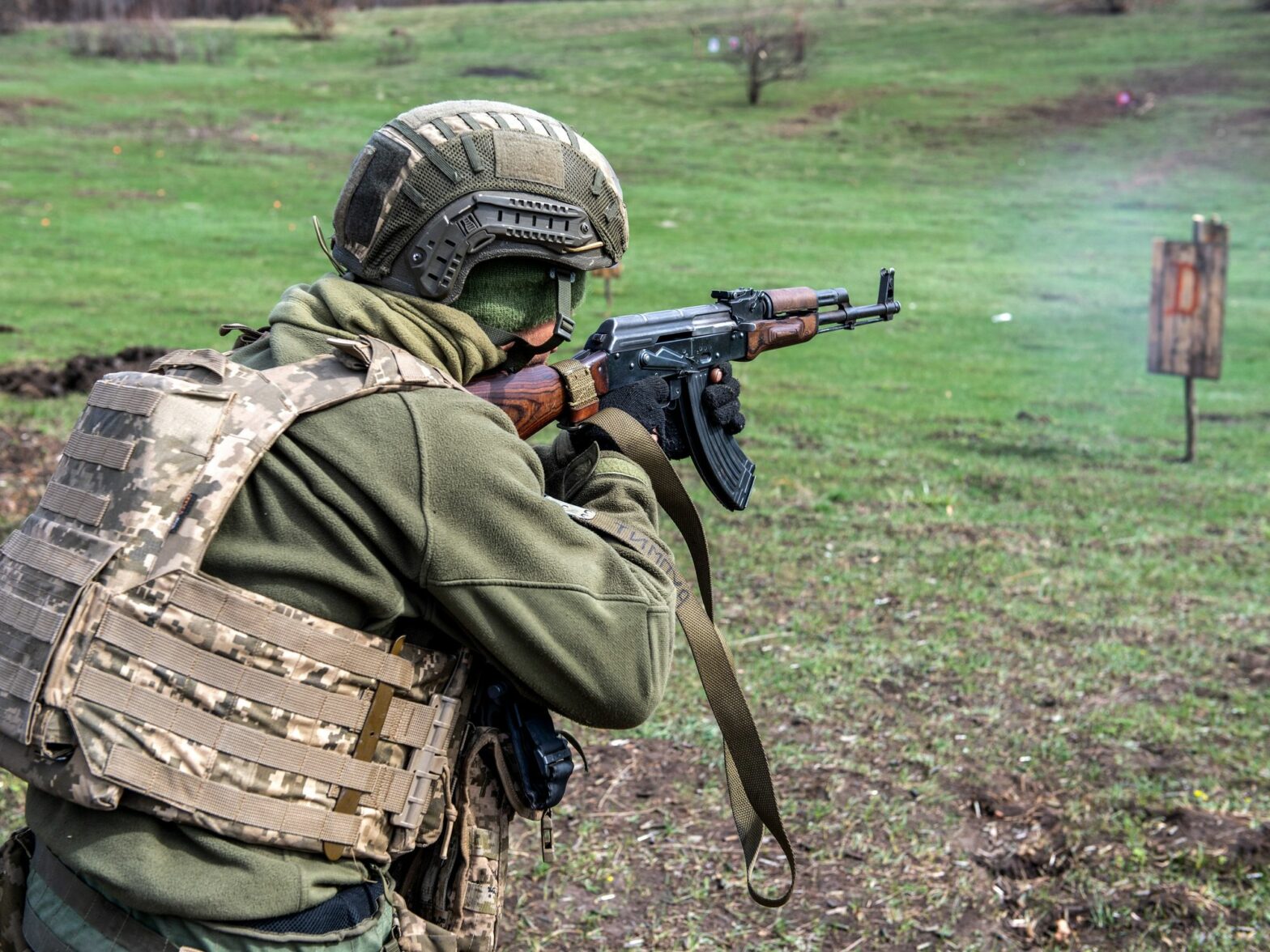
While voluntary enlistment is still strong in Ukraine, it is no longer enough. Kyiv has begun allowing prisoners to apply for early release in exchange for military service. While Russia’s similar policy was criticized, Ukrainian officials insist there are crucial differences.
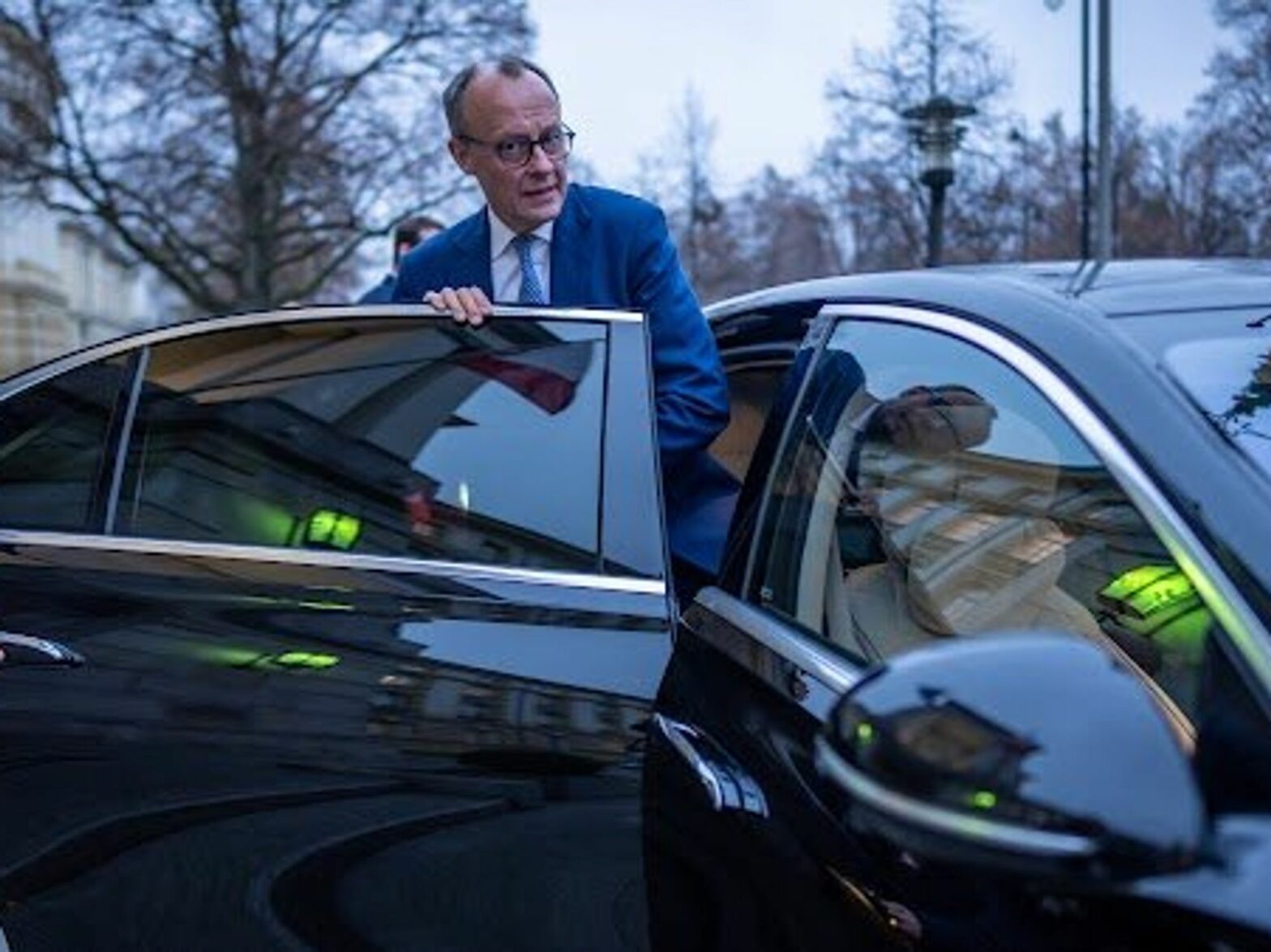
Europe is fortunate to have sensible men leading the UK, Poland and France: Keir Starmer, Donald Tusk and Emmanuel Macron. Germany’s likely next chancellor, Friedrich Merz, could be a crucial addition to this united front against the challenges posed by Donald Trump and Vladimir Putin.
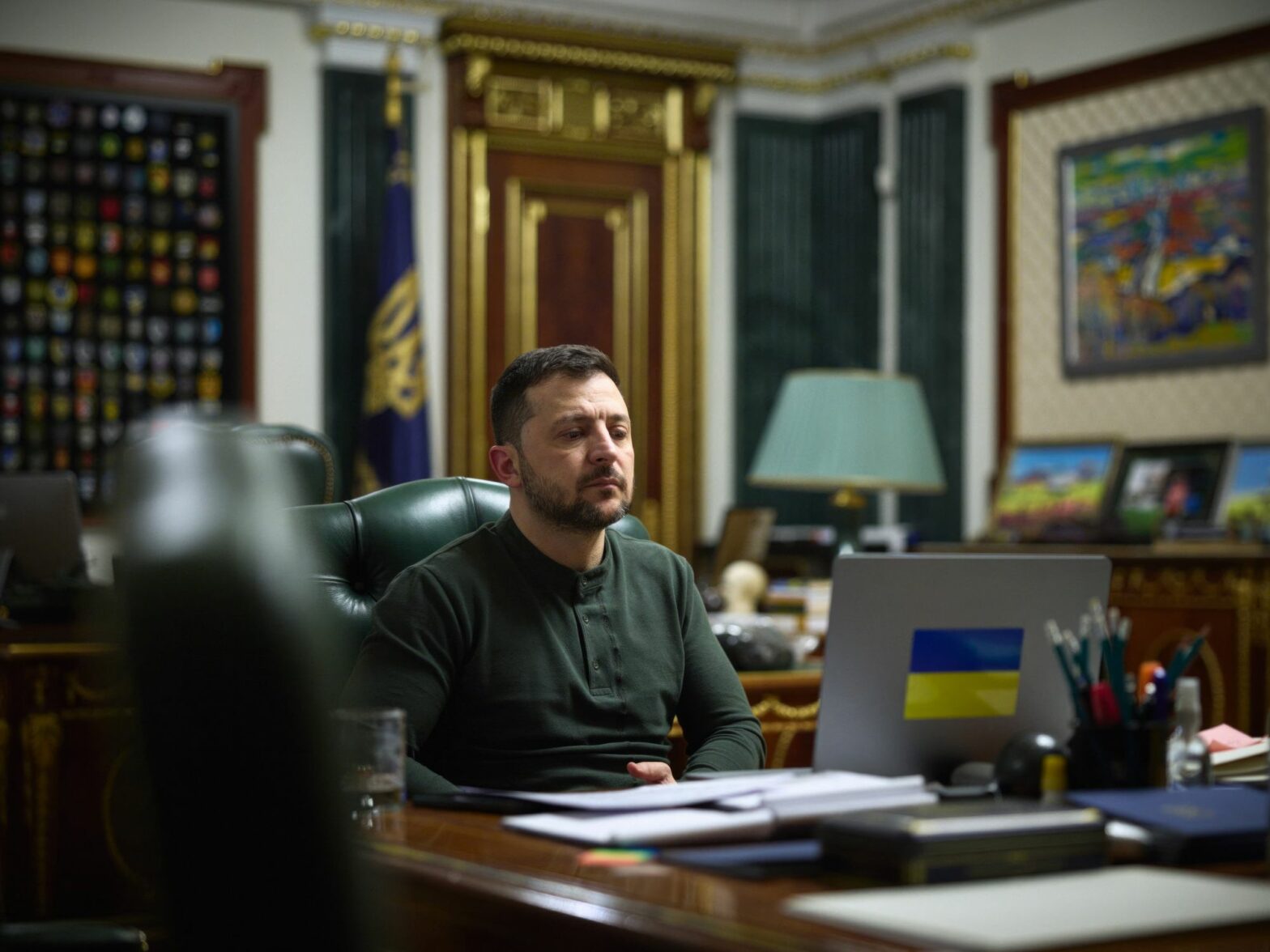
It is likely that there will not be a peace agreement between Ukraine and Russia this year — or ever one at all. If negotiations stagnate, they could resemble the post-World War II relations between Japan and the Soviet Union: A peace treaty was never signed, and the dispute over the Kuril Islands has persisted for more than 70 years.
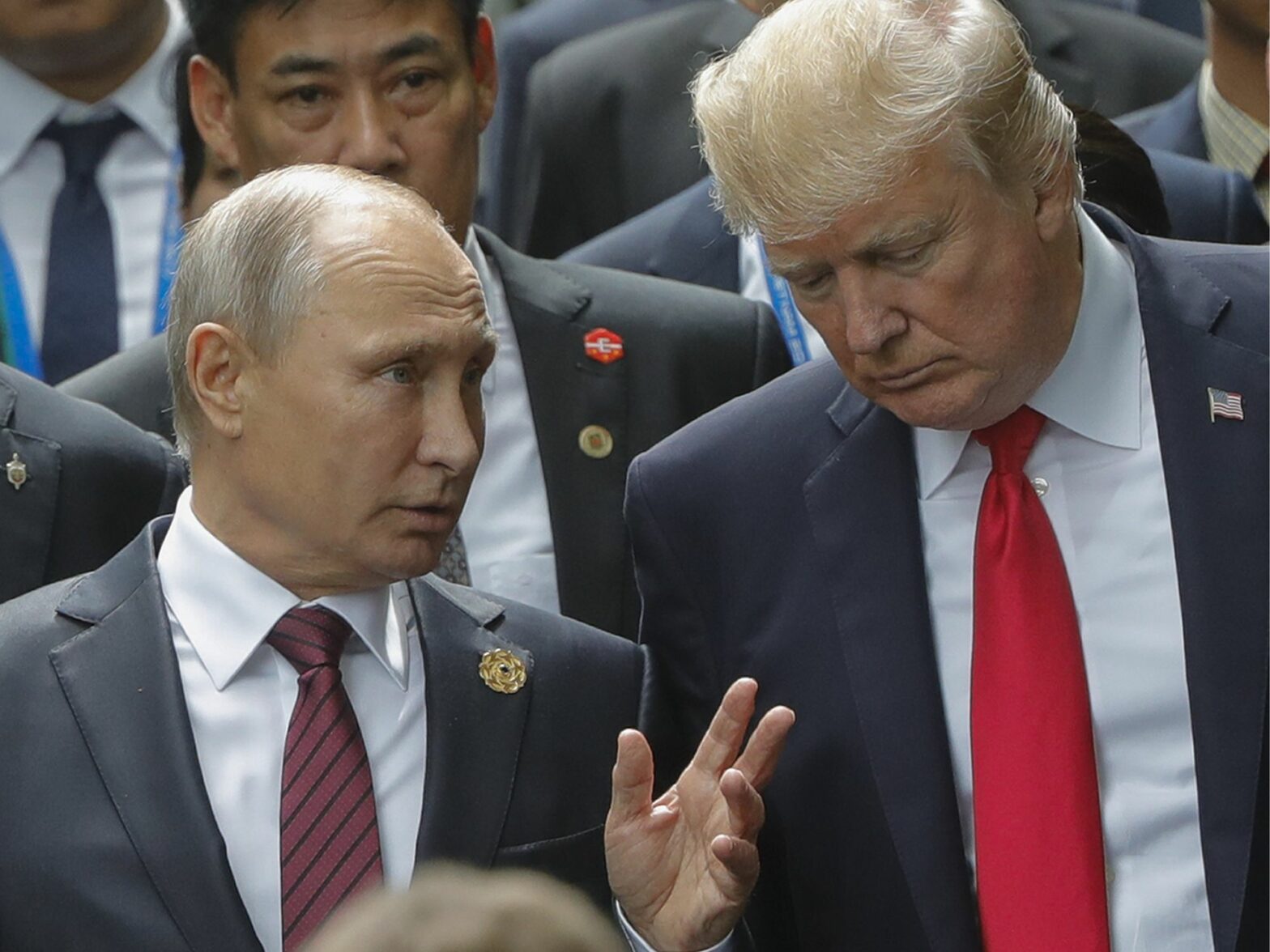
It’s as if, before our very eyes, the president of the United States were reading a script written by the Kremlin. French political analyst Dominique Moïsi, says the reversal on Ukraine is an ally’s betrayal of historical proportions.
U.S President Donald Trump appears to be pushing forward his pledge for a quick peace in Ukraine, following his surprise call Wednesday with Russian President Vladimir Putin. But what would a ceasefire look like? And how doe we get there?
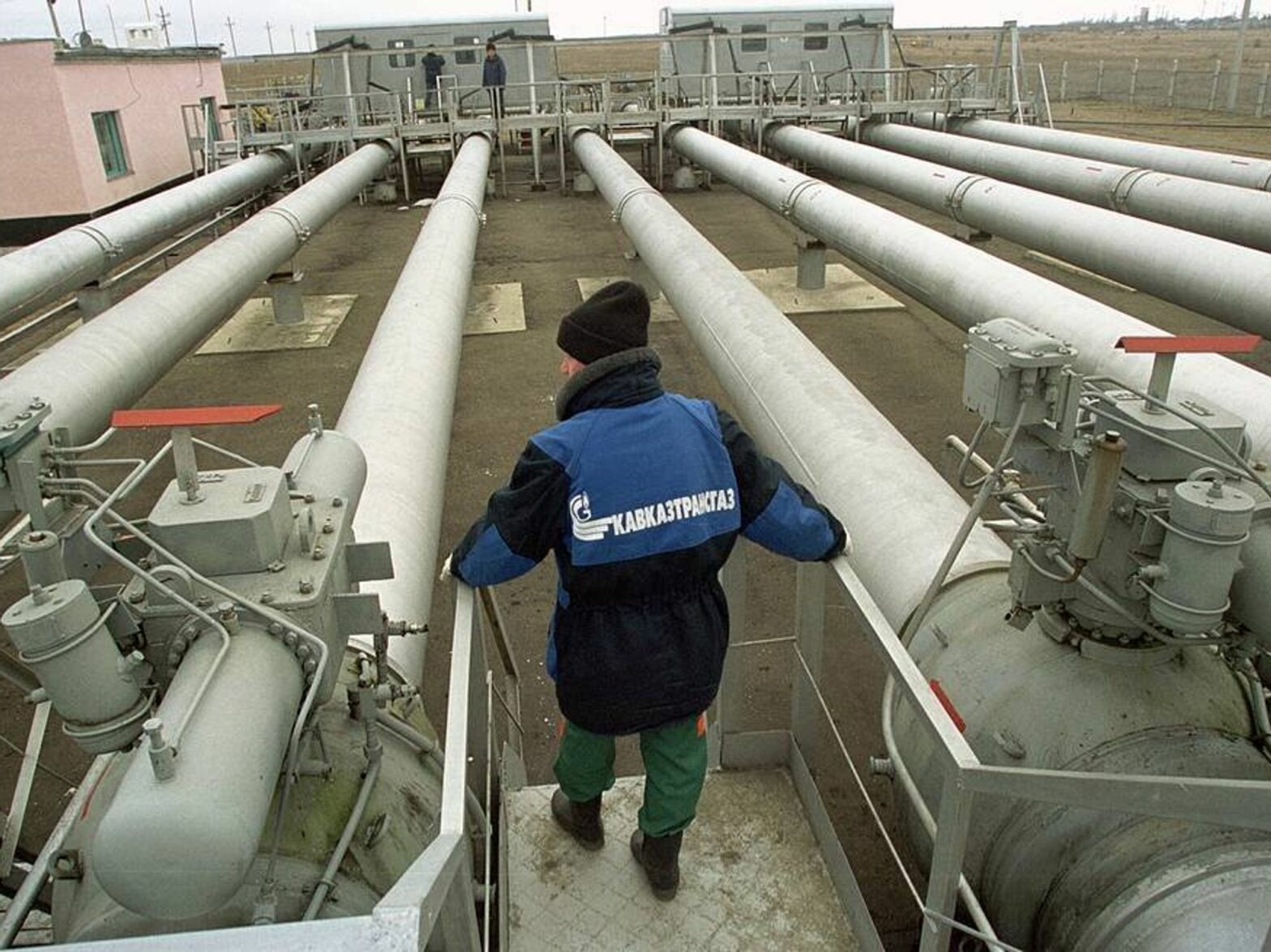
It is a gas and electricity war that extends from Moldova to Slovakia to Finland, with very real consequences for millions, which is ultimately a reflection of how Russia is waging a hybrid war with any means to bring both Ukraine and Europe to its knees.
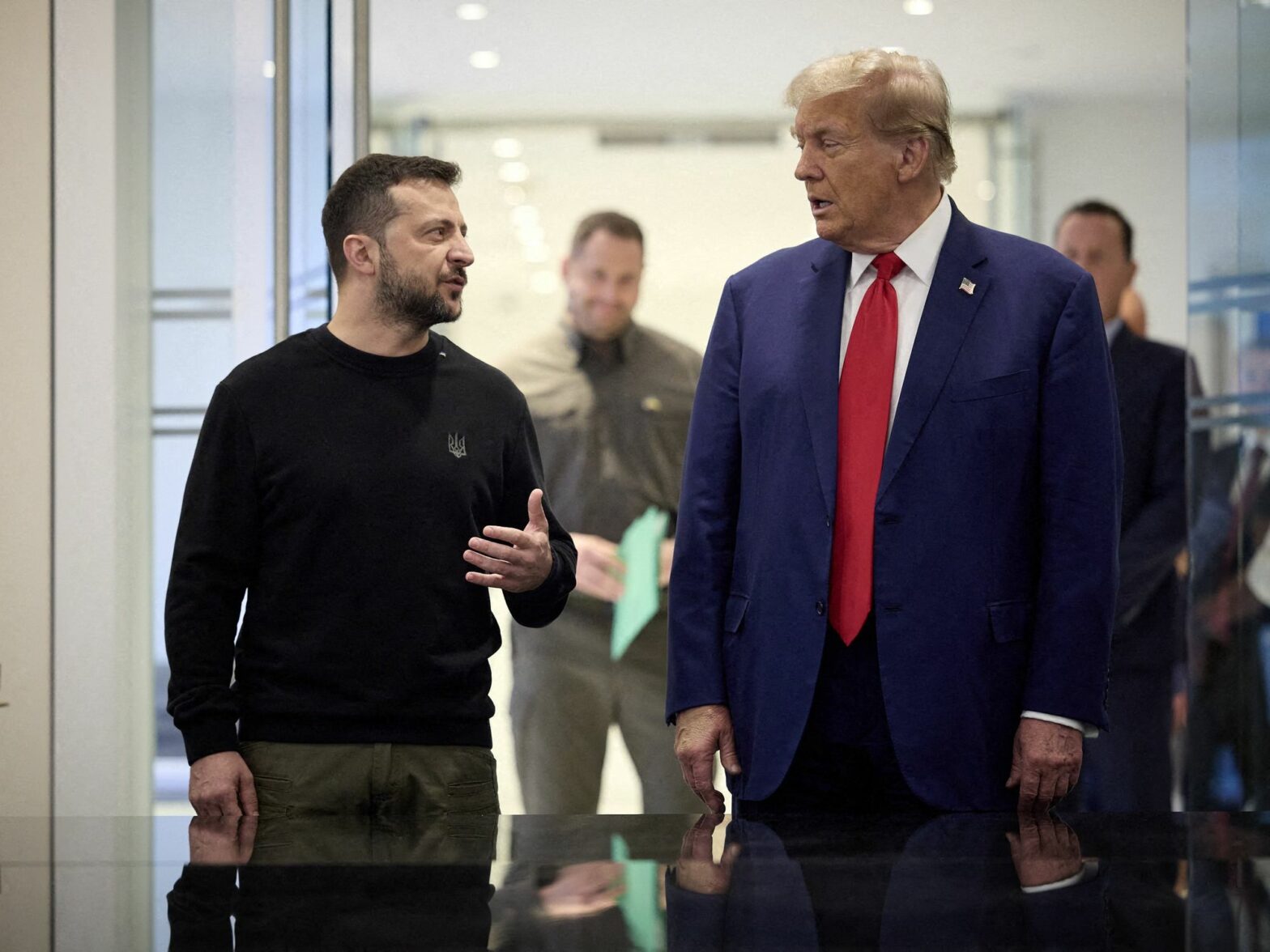
The key question is whether any peace agreement will satisfy the U.S. president, or if he will push for real security guarantees for Kyiv. The question is what Trump will do if Russia or Ukraine (or both) refuse to negotiate on U.S. terms and are not intimidated by the threats of the American leader.
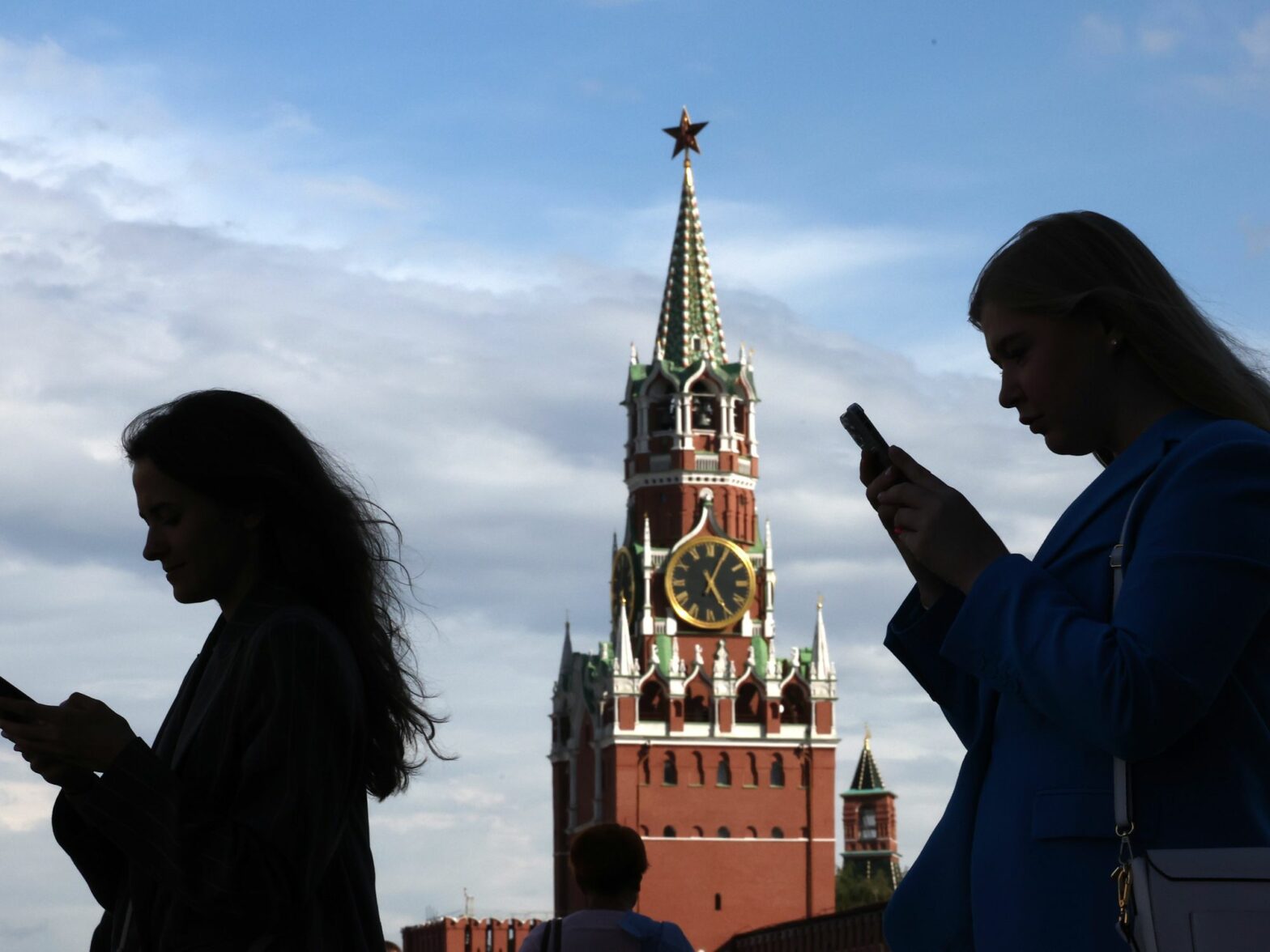
In wartime Russia, women are behaving in starkly different ways: some are fighting desperately to bring their men home, while others are actively encouraging them to go to the front — for the promise of good money.
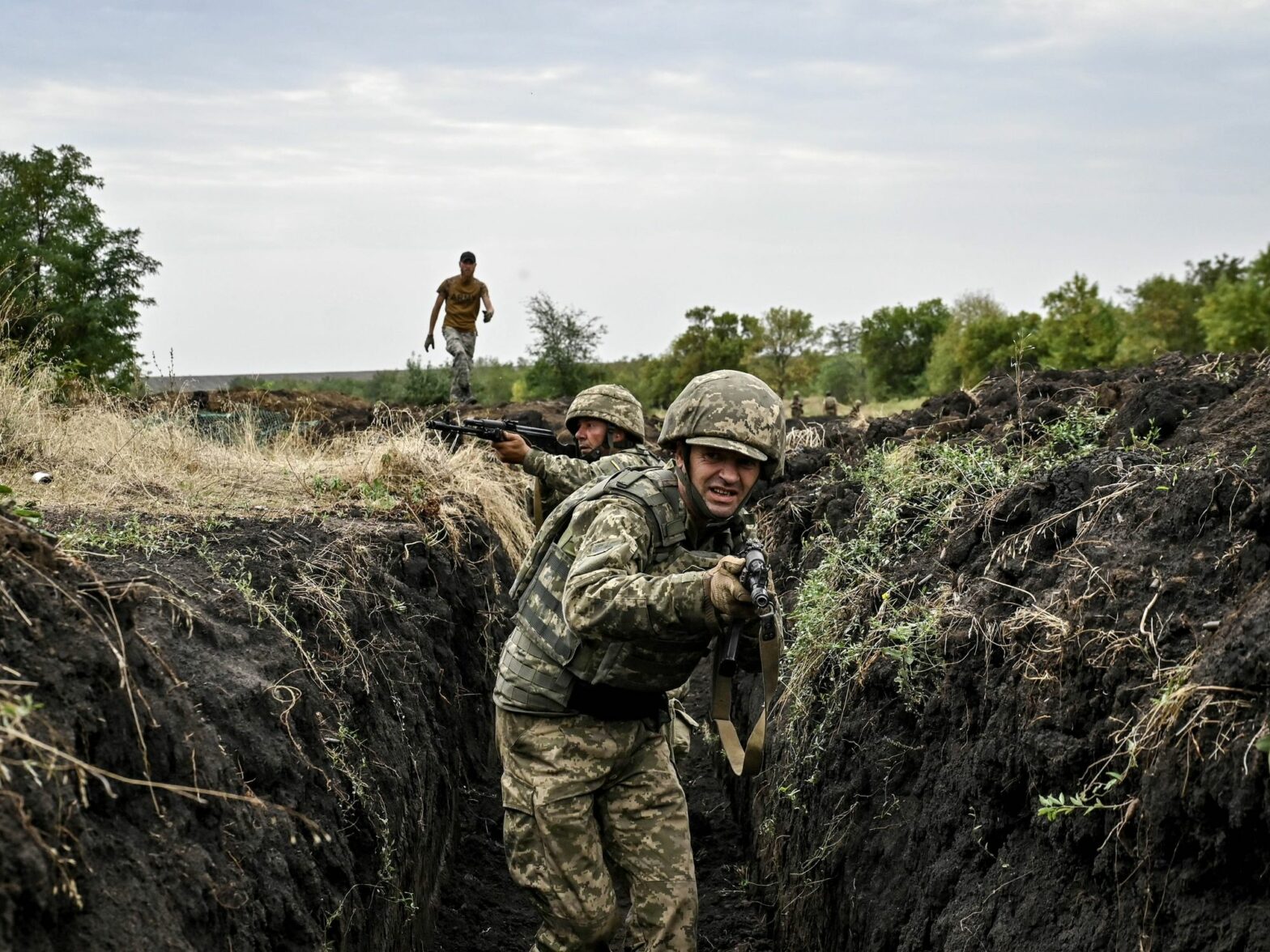
When politicians call for more diplomacy instead of weapons delivery, the basis of their arguments is misleading. The Russians and Ukrainians have already reached diplomatic agreements in many areas, but there are limits to open negotiations — mainly around whether Putin himself really wants to negotiate.
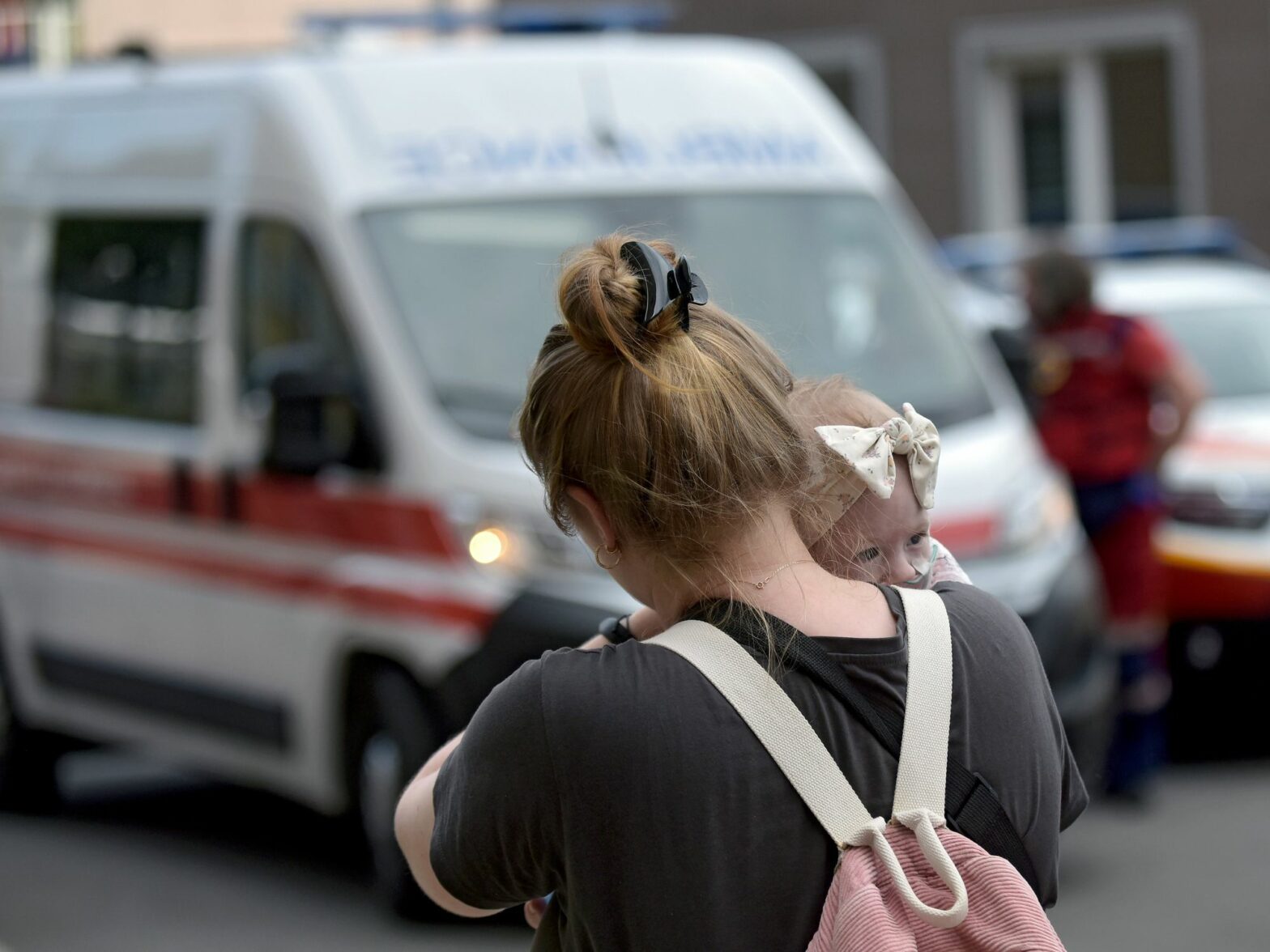
After more than two years of war, Russia’s bombing of a children’s hospital in Kyiv on Monday was among the most violent. What does Vladimir Putin aim to achieve with this escalation of horror — which came just 48 hours before the NATO Summit in Washington in the presence of Volodymyr Zelensky?
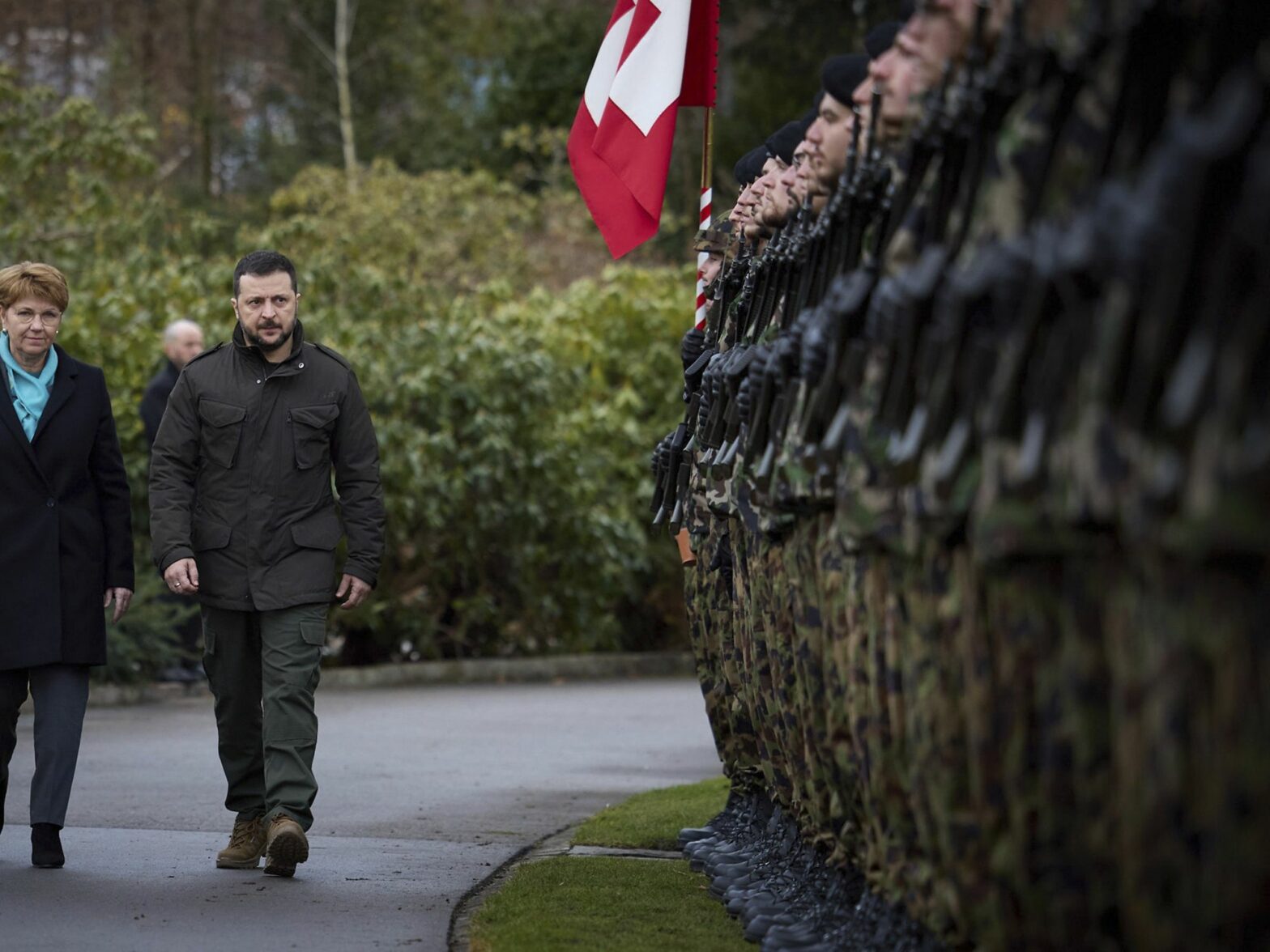
Switzerland announced, on April 10, that it would hold a peace conference on Ukraine in June. While some 100 countries are expected to attend, Russia will not. So what is behind these talks, and what can be expected from them?
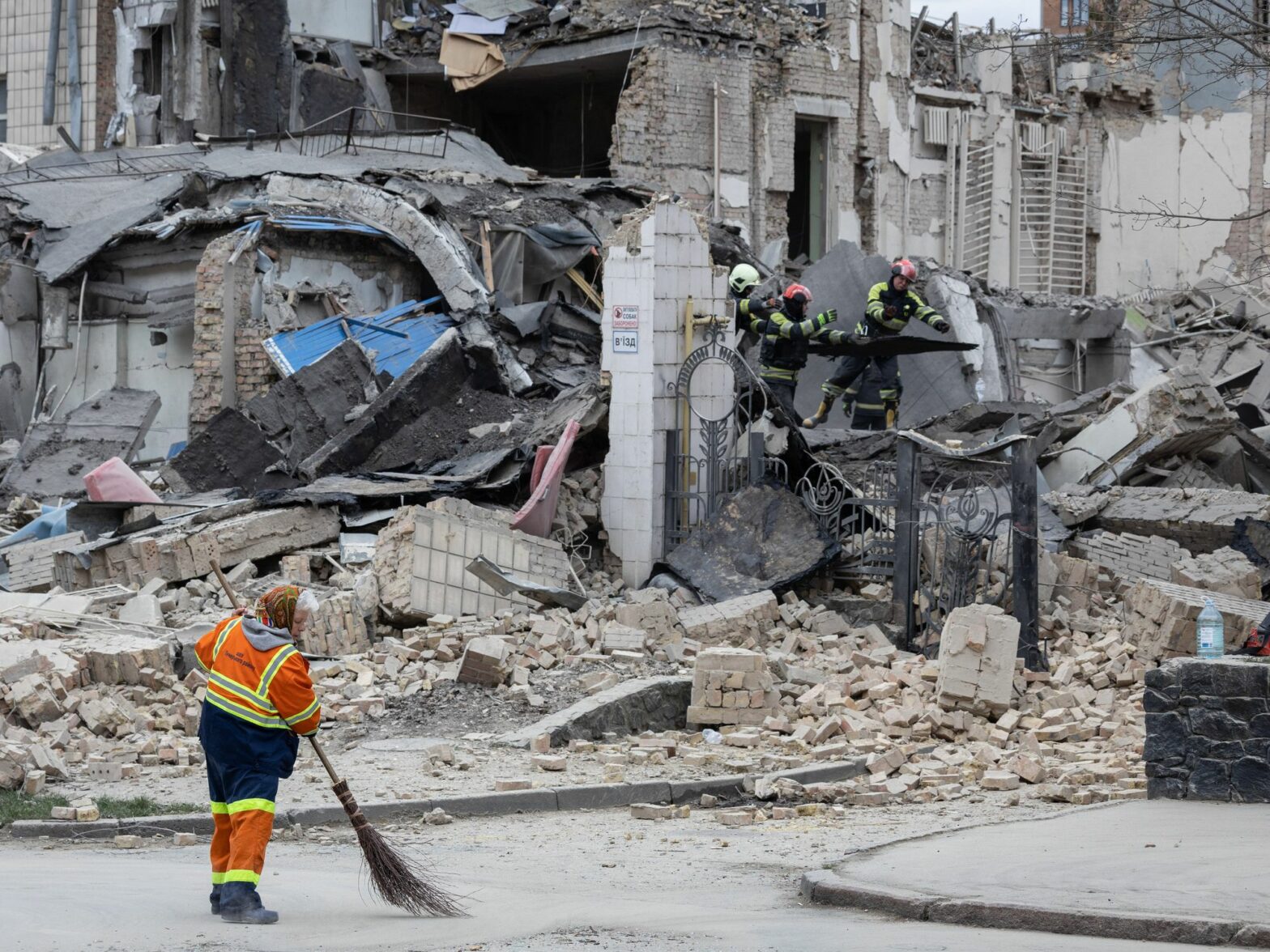
Seeing the near-perfect effectiveness of Israel’s defense against Iranian drones and missiles, Ukrainians are bitterly wondering why the West is denying them life-saving assistance. Fear of confrontation with a nuclear Russia remains the main reason.
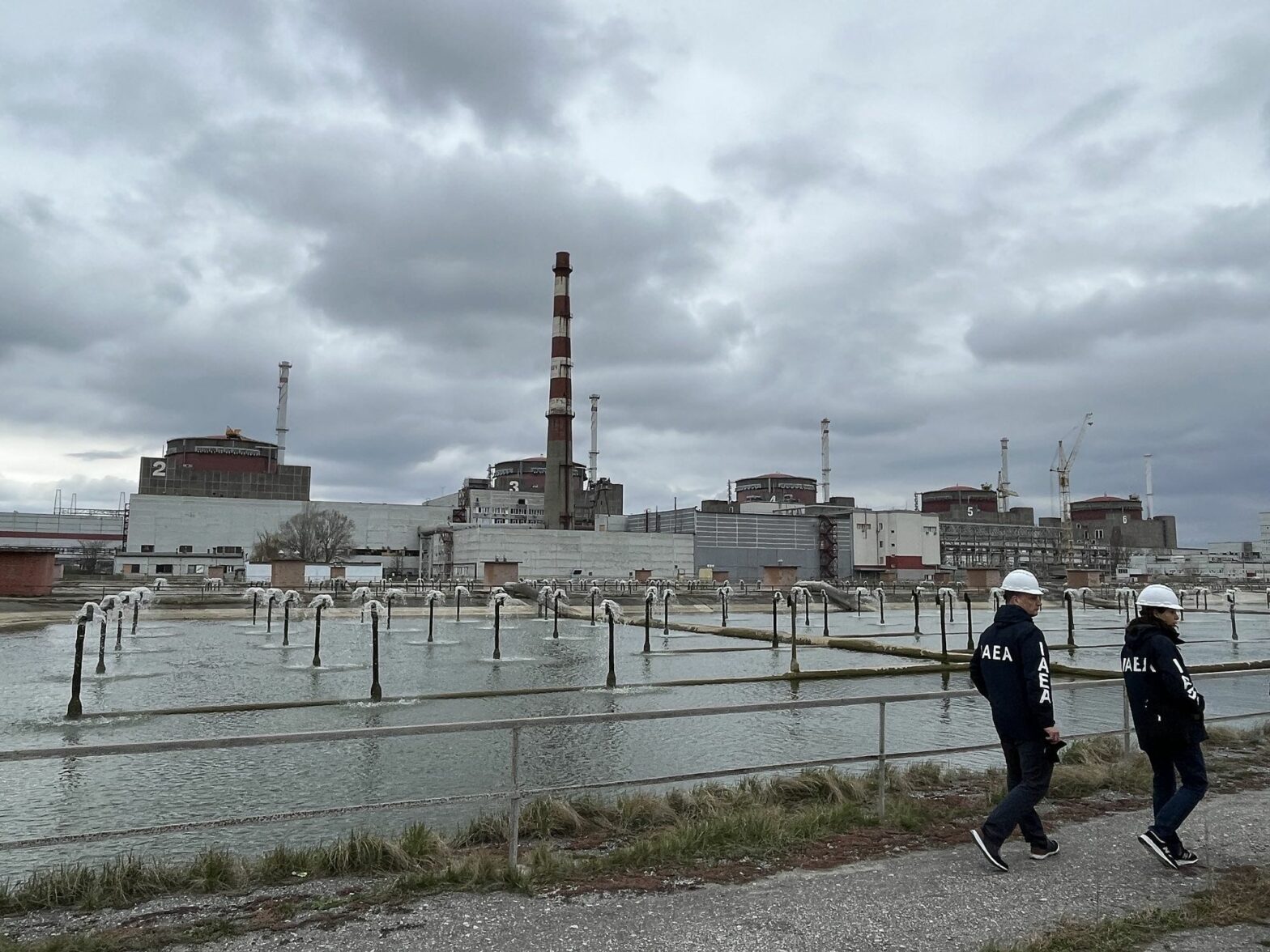
New drones near the Russian-occupied Zaporizhzhia nuclear plant, in the wake of attacks that killed at least three in the area in southeastern Ukraine, have once again raised fears of a Chernobyl scenario. Threatening nuclear disaster is a tool Putin has used before.
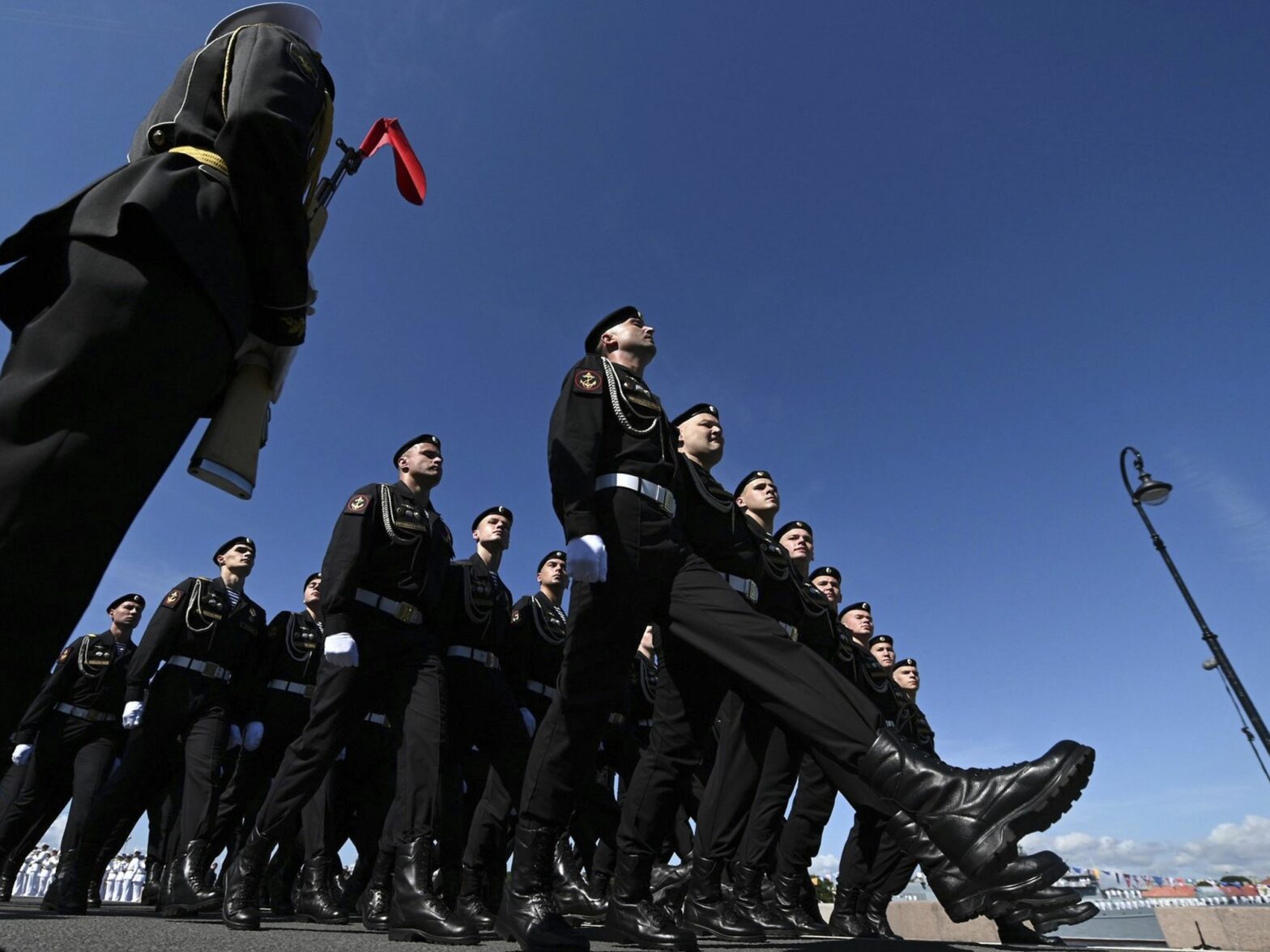
Russia is planning a large-scale offensive in Ukraine for the coming months. Putin wants to gain as much territory as possible, while Kyiv is waiting in vain for the West to provide more weapons. But the Ukrainian army is by no means as vulnerable as it seems.
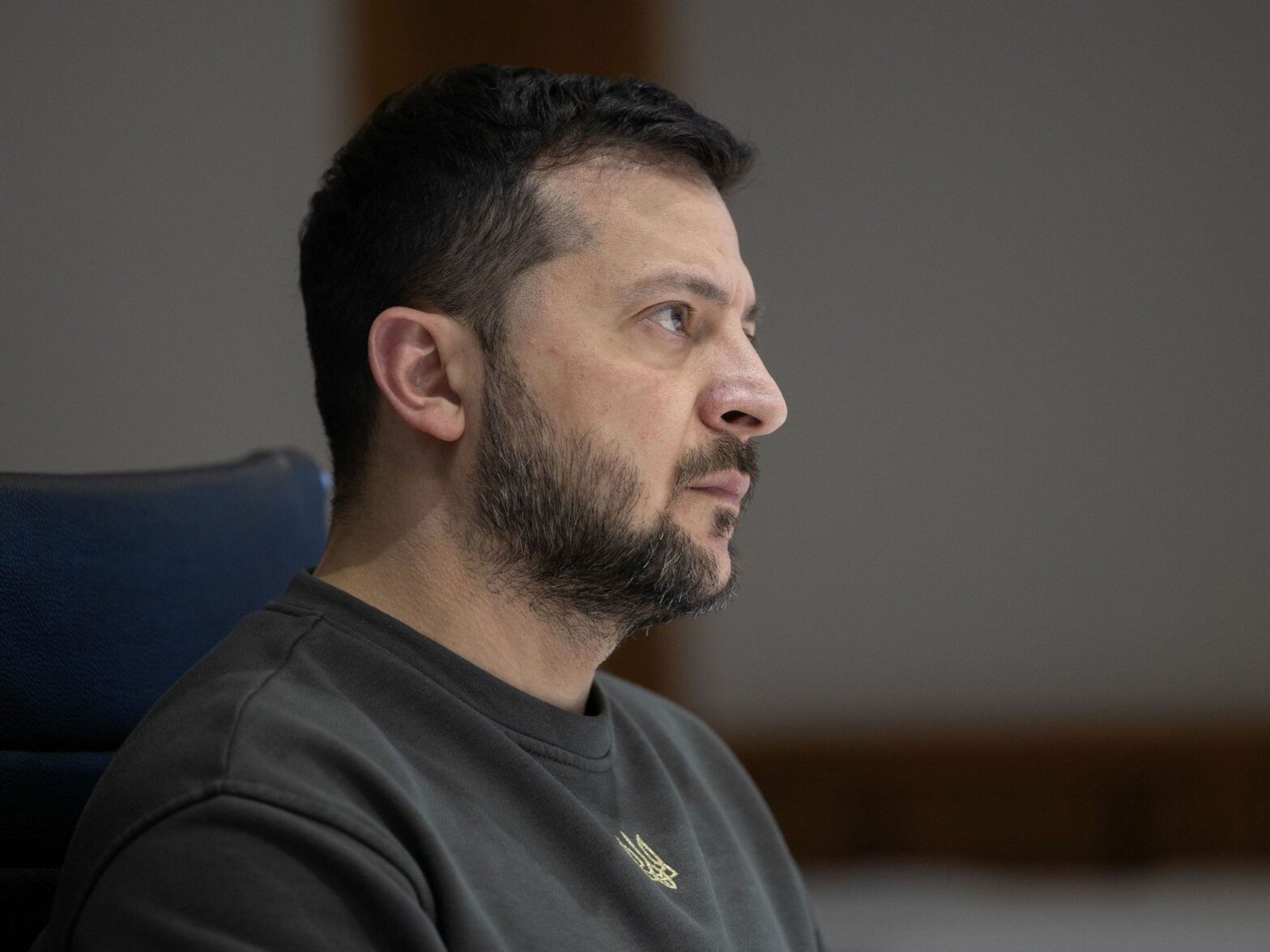
Compared to the worldwide admiration for Volodymyr Zelensky, authorities in Moscow have systematically tried to demean the Ukrainian leader. Yet even among Russians, that strategy appears to be backfiring.
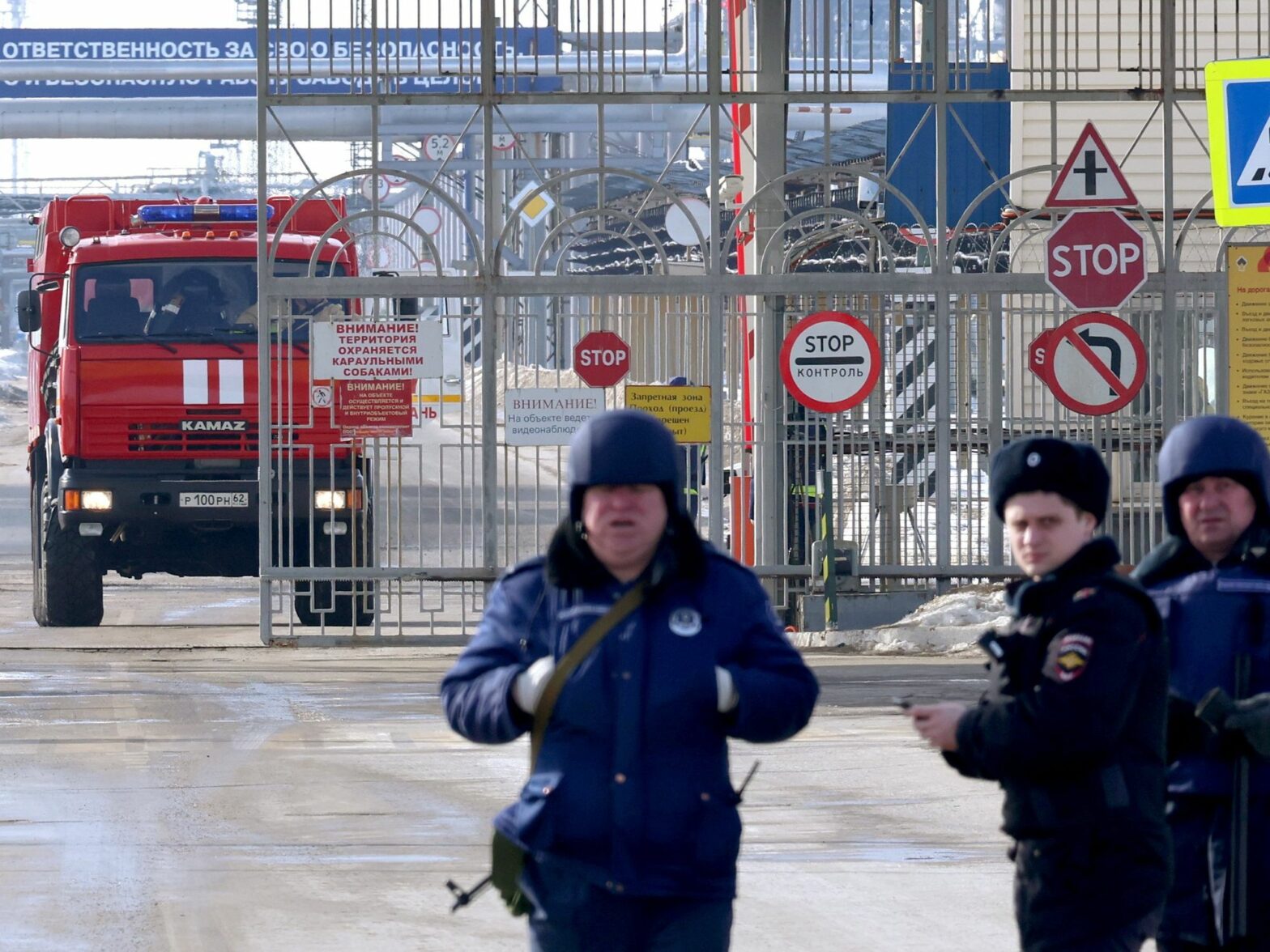
Ukrainian drones that struck nine Russian provinces on Tuesday while armed Russian dissident soldiers launched a ground attack against Moscow’s troops in the Bolgorod region, bordering Ukraine. It’s a reminder to the Russian people that the war is on them, and won’t be ending anytime soon.
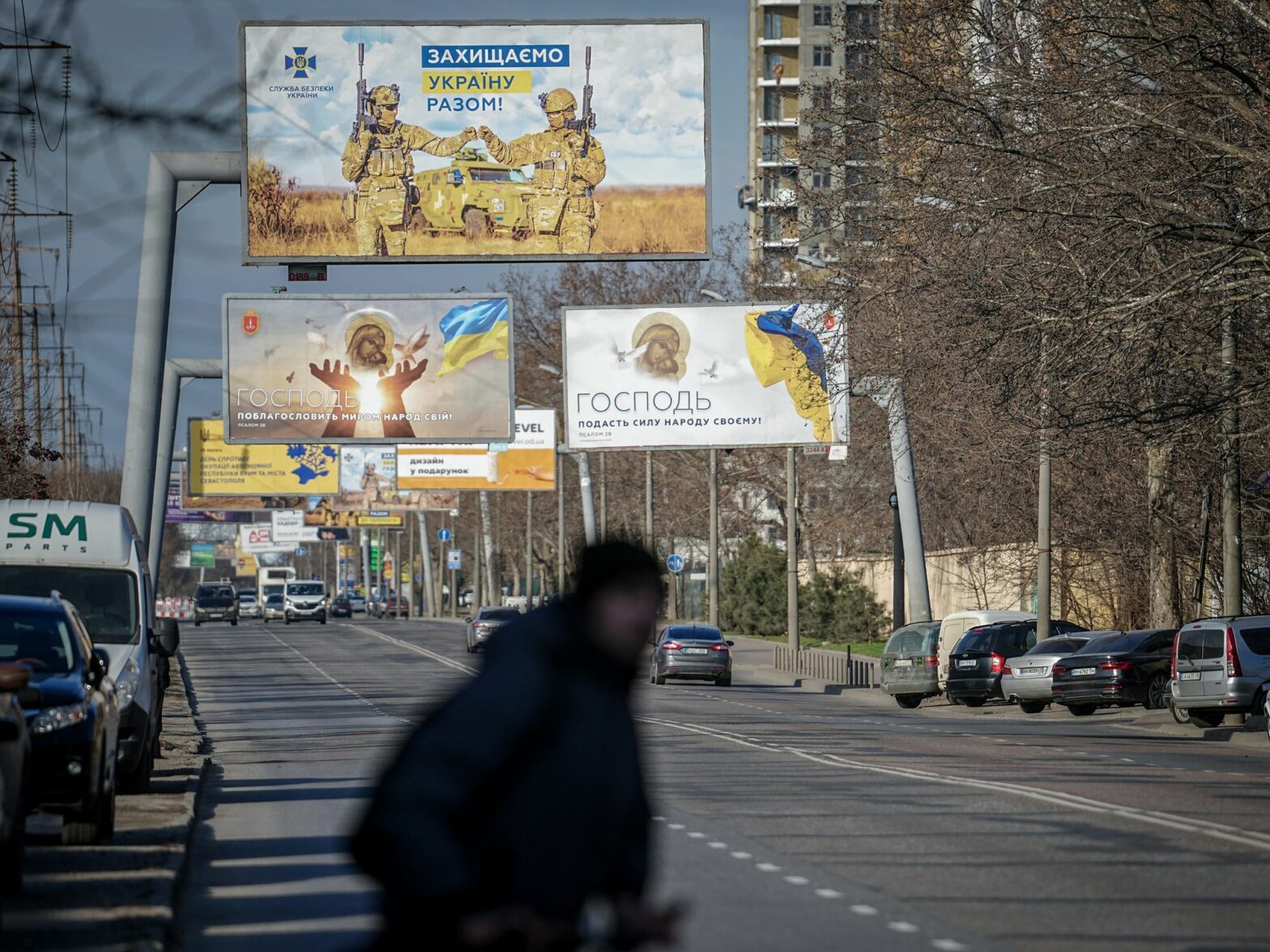
The “pearl of the Black Sea” was the scene of the single Ukrainian military victory in 2023, when the country broke the maritime blockade imposed by Moscow. But, as a third year under the bombs begins, the first cracks appear among the port city’s residents, who are torn between weariness, anger toward Ukraine’s leaders and an insatiable passion to live a full life.
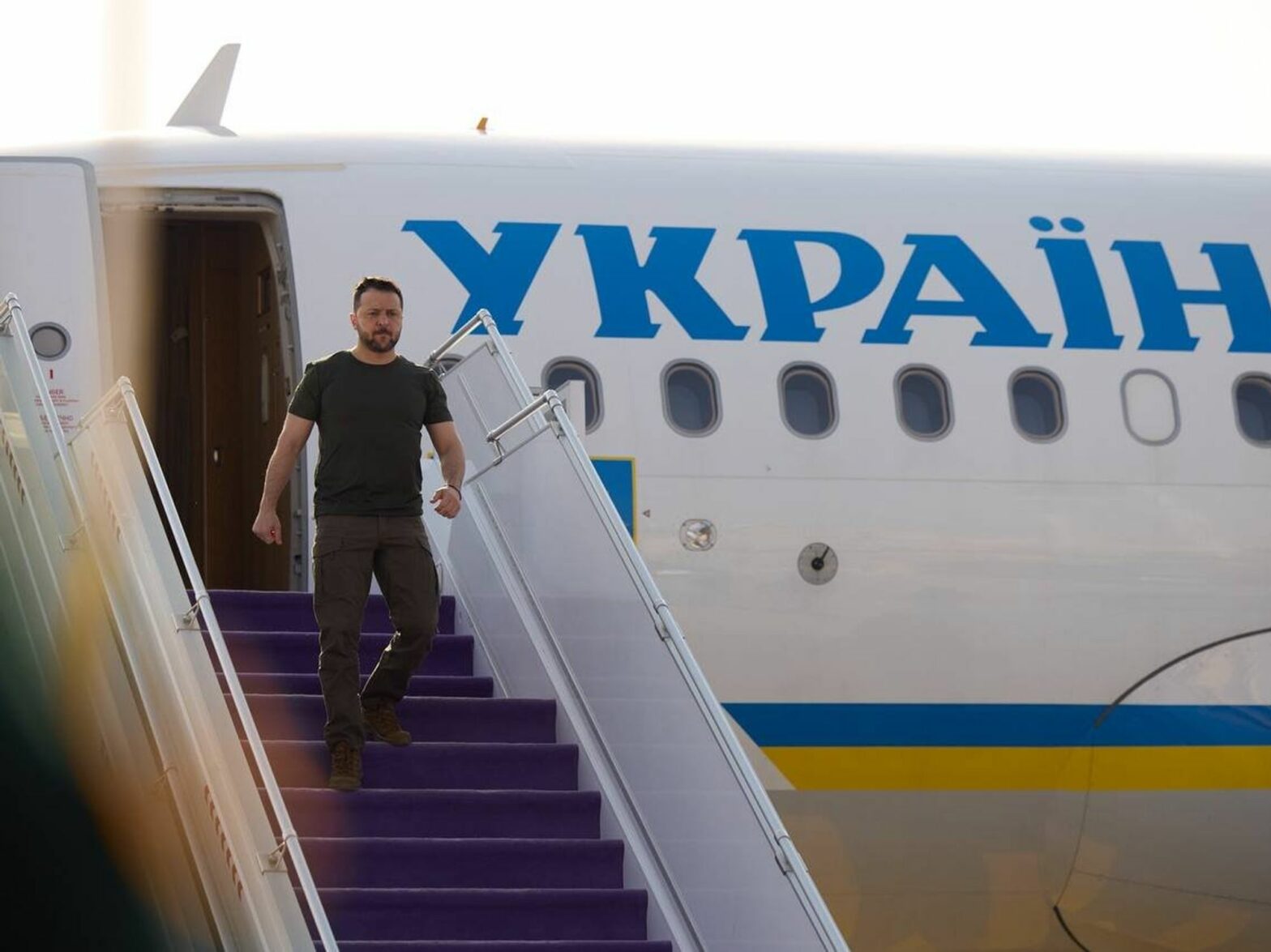
The fact that the Ukrainian army has been forced onto the defensive is mainly due to sluggish support from the West. However, there is another factor at play that is contributing to the dangerous situation: the leadership approach of President Zelensky is being increasingly called into question.
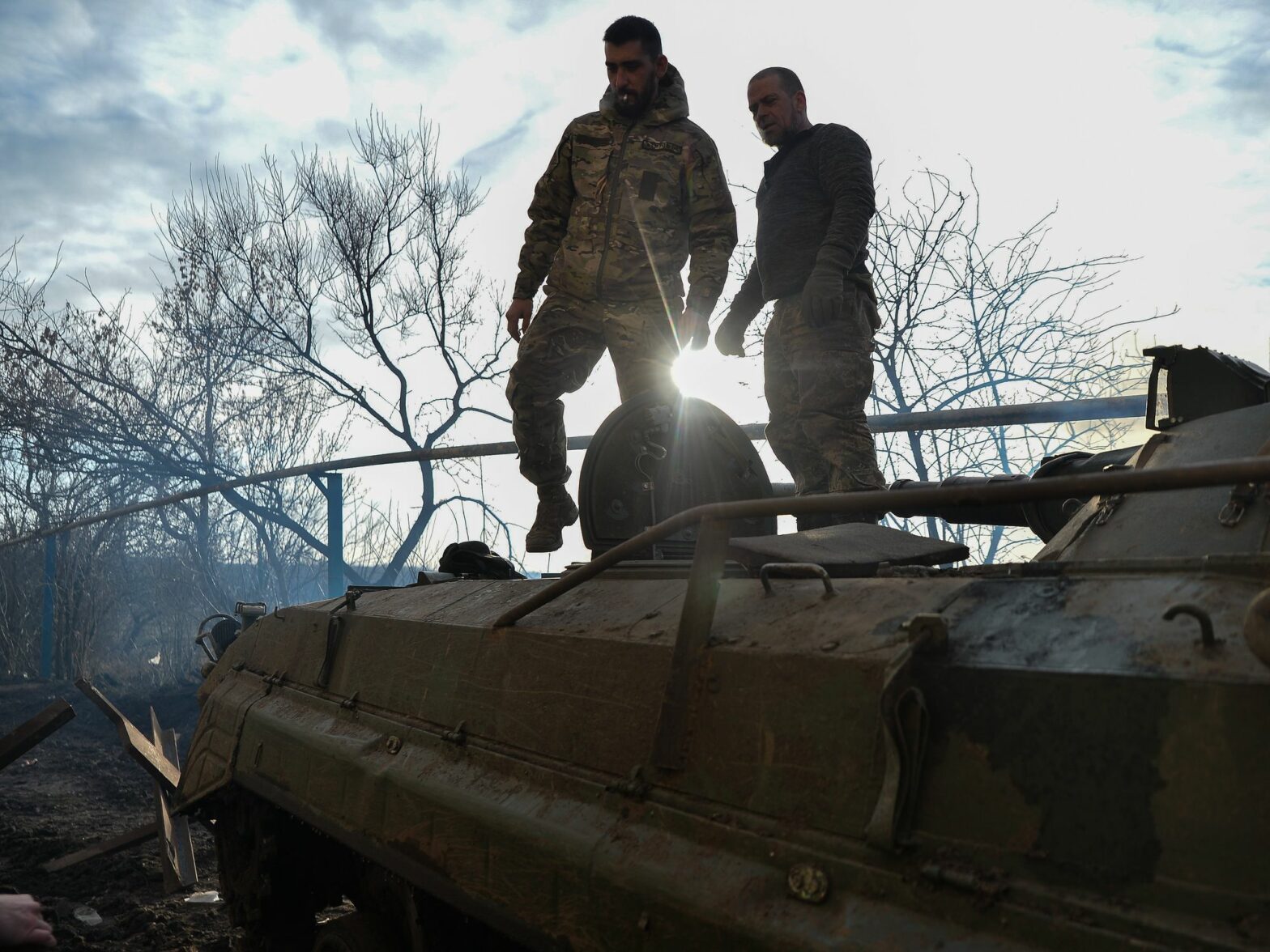
There are many analogies between 1916 and 2024, two years into World War I and the War in Ukraine respectively. It offers a clear way to try to understand what may happen next in Ukraine — and the world.
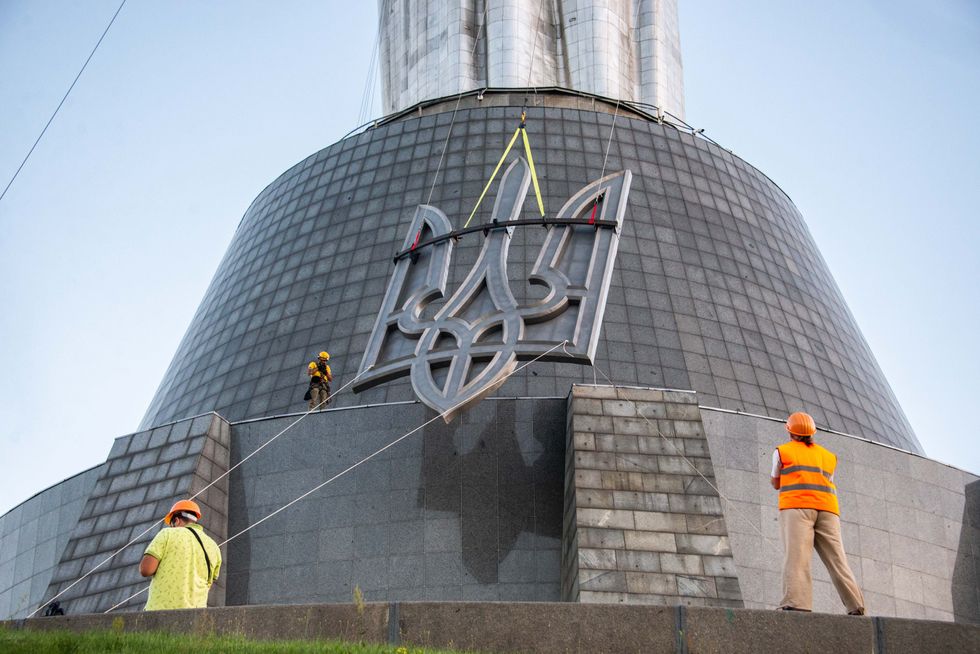
Vibrations originating at one point on the globe rapidly extend to its farthest corners due to the effects of globalization and information connectivity. Having repelled Moscow’s war, Ukraine symbolizes the significant shifts in the global balance of power and influence.
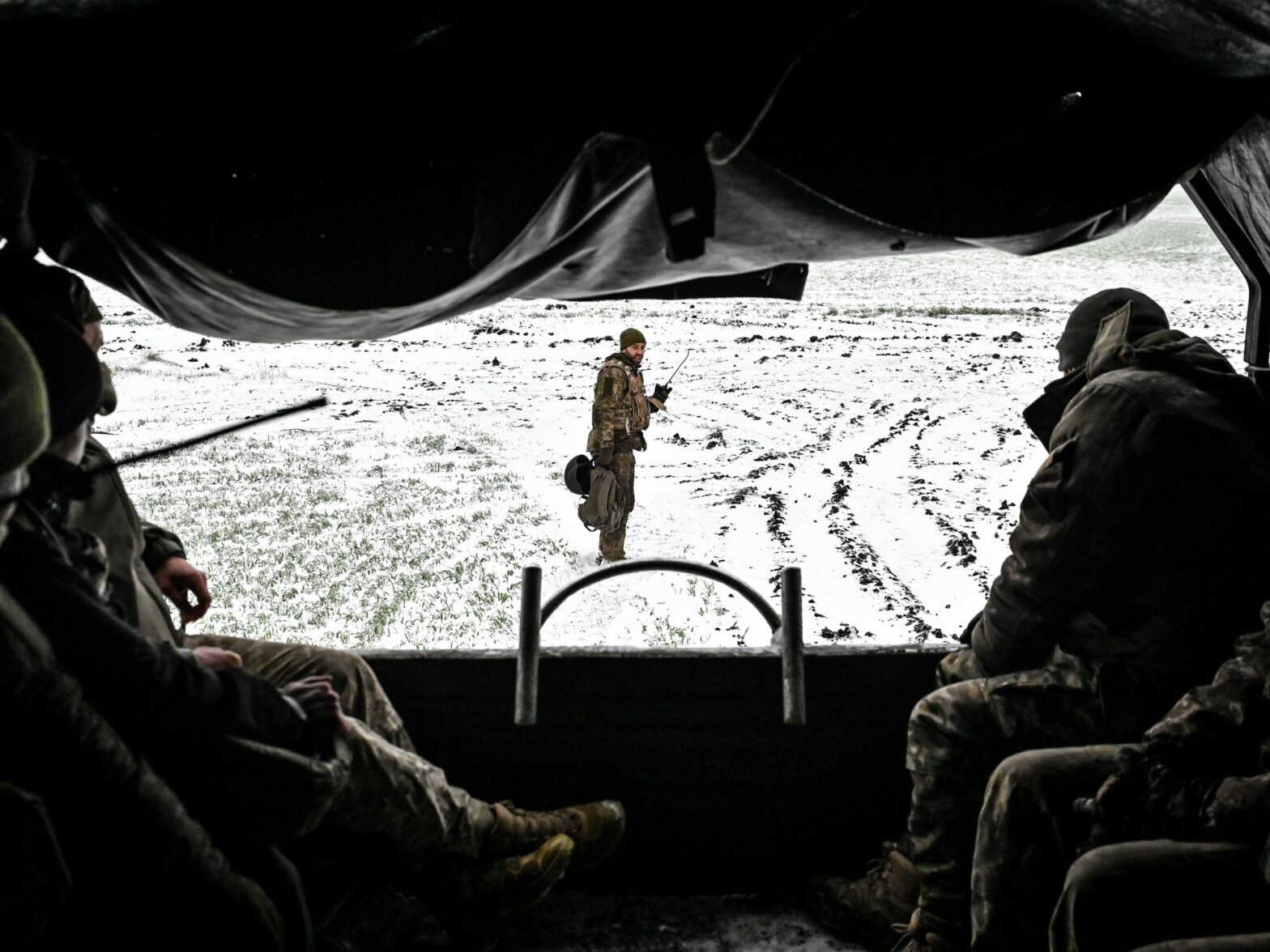
With the rejection of the aid plan for Ukraine, Eastern Europe fears that Trump’s isolationist policy will mark the end of U.S. protection from the Putin regime. News from Ukraine of President Volodymyr Zelensky replacing his head of armed forces, General Valerii Zaluzhnyi, together with the difficult situation on the battlefield, are generating a lot of tension in Ukraine — and in the wider Europe.
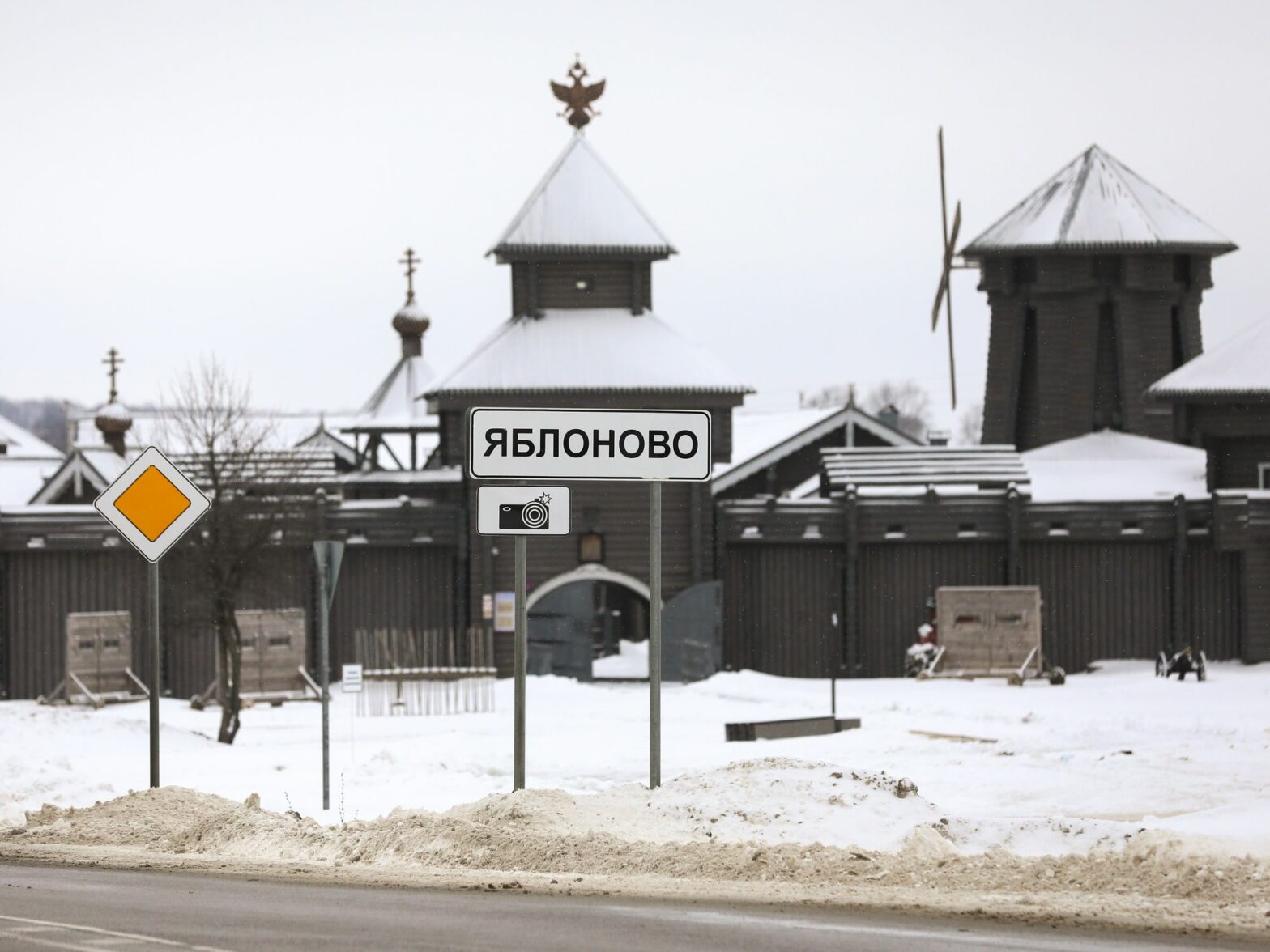
Ukraine and Russia are blaming each other for the Russian military plane crash. It will be hard to get at the truth of the accident, as either party is unlikely to release information, which is another weapon in their war.
January 29 – February 4, 2024