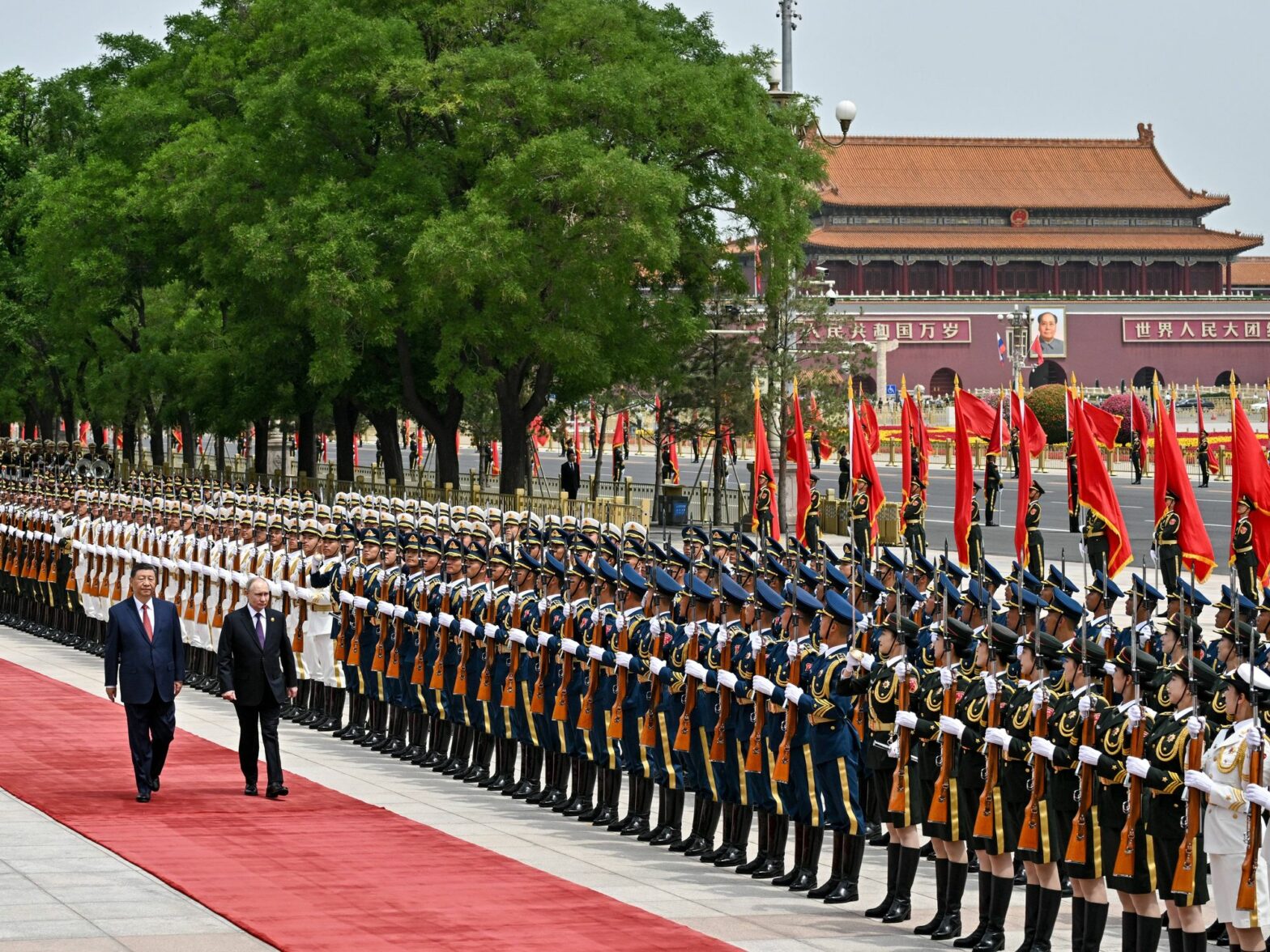
The Russian president is in Beijing on Thursday and Friday, his first foreign trip since his re-election. Beijing and Moscow have their differences, but share the same long-term objective of changing the international order.
 Worldcrunch
Pierre Haski was born in 1953 in Tunis. He has been a correspondant for Agence France Presse (AFP) and Libération, and is now the President of Reporter Sans Frontières since 2017. He also runs the radio show “Géopolitique” for France Inter.
The Russian president is in Beijing on Thursday and Friday, his first foreign trip since his re-election. Beijing and Moscow have their differences, but share the same long-term objective of changing the international order.
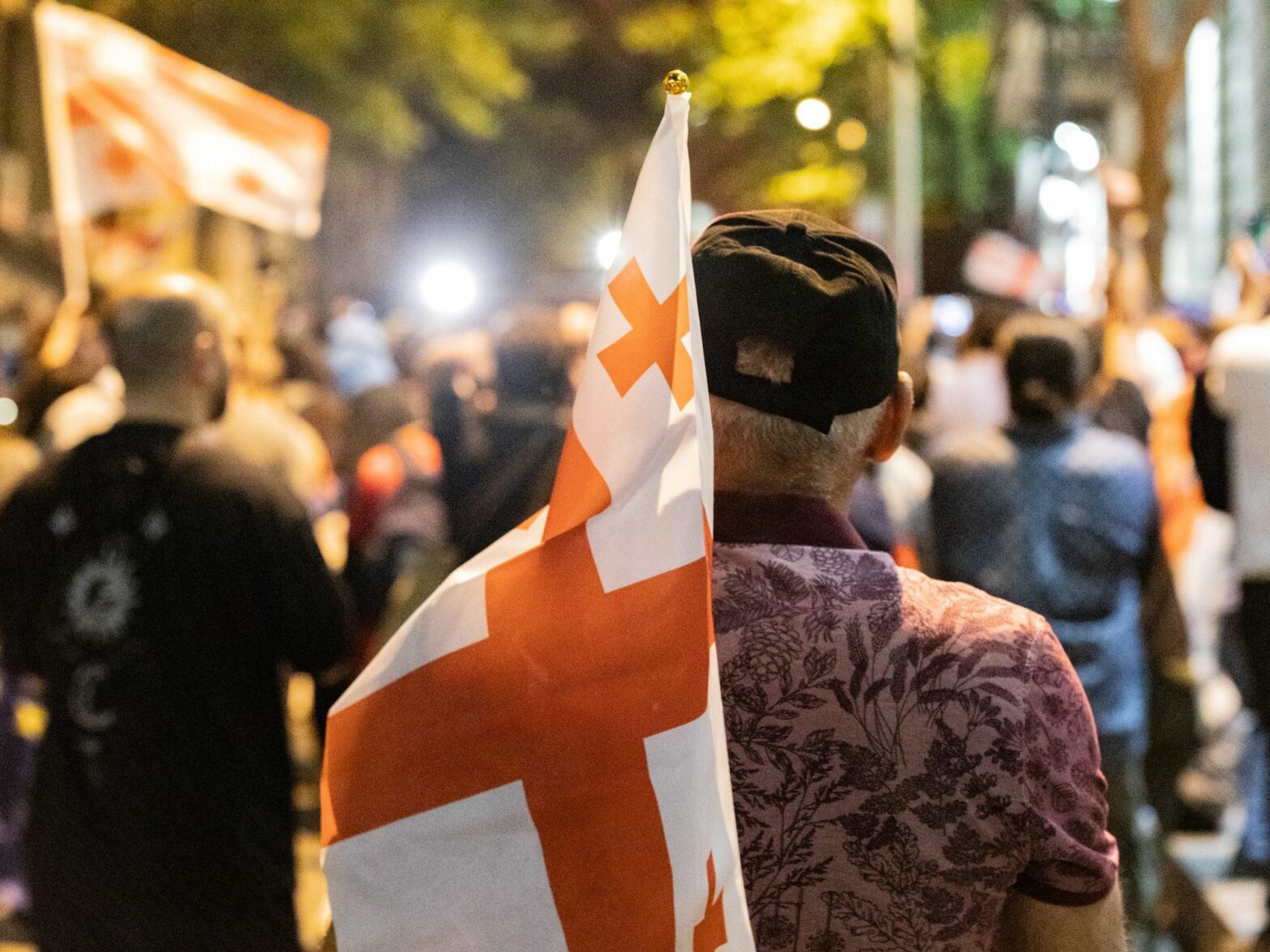
Europe’s fate is also being played out in countries outside the EU, where East and West are battling for influence. In Georgia on Tuesday, the government bowed to pressure from Moscow, and passed a law on “foreign influence” modeled on a Russia law.
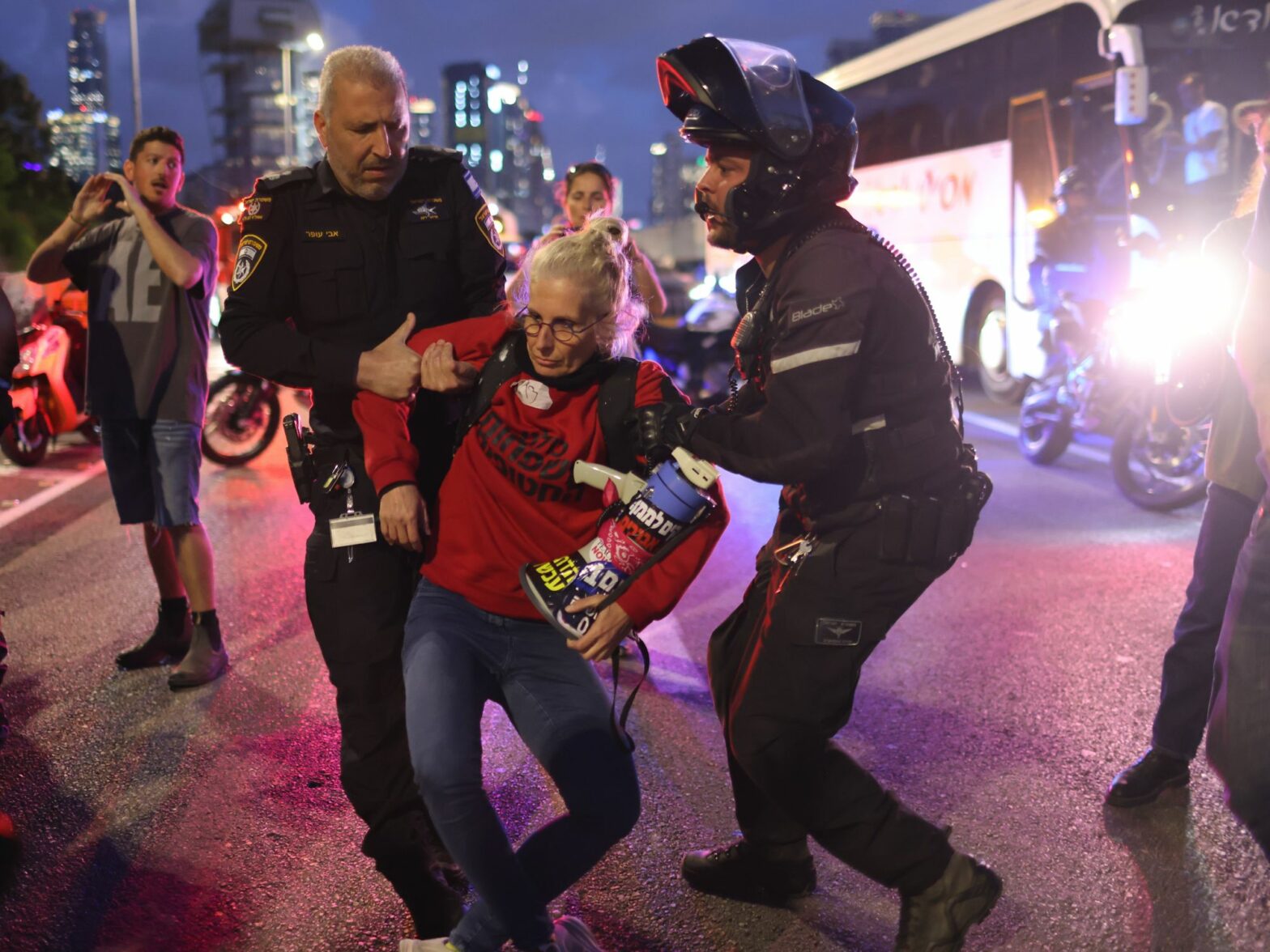
Israeli Prime Minister Benjamin Netanyahu was taken to task by hostage families during his Memorial Day speech on Monday — just the latest sign of the deep divisions in Israeli society as the war enters its eighth month, with no vision for the future.
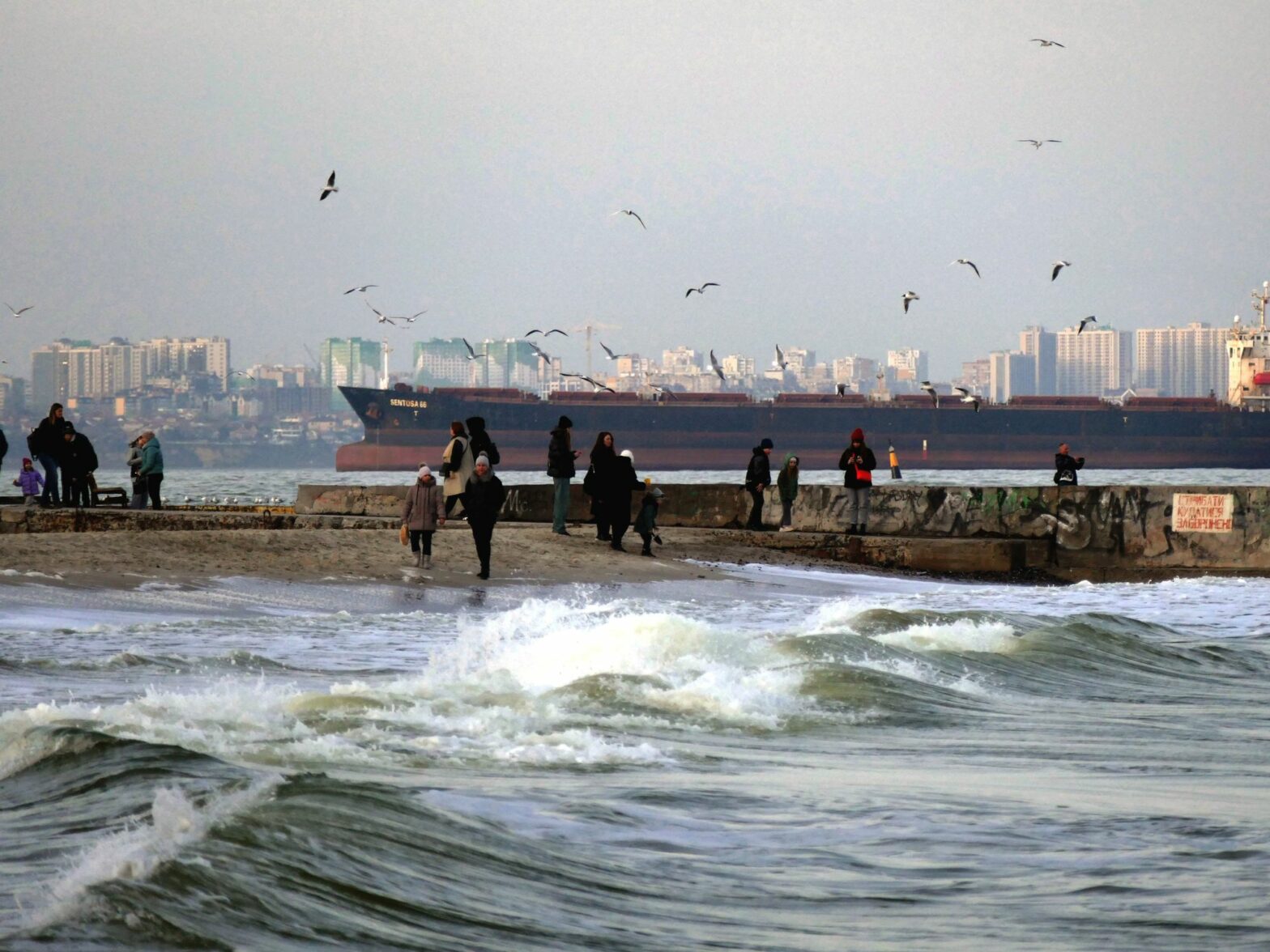
With strikes on Moscow’s fleet in the Black Sea, Ukraine has undermined the Russian capacity to slow down Ukrainian grain exports. It’s a pivotal triumph, which nonetheless can’t hide Kyiv’s losing ground on the front line on a regular basis.
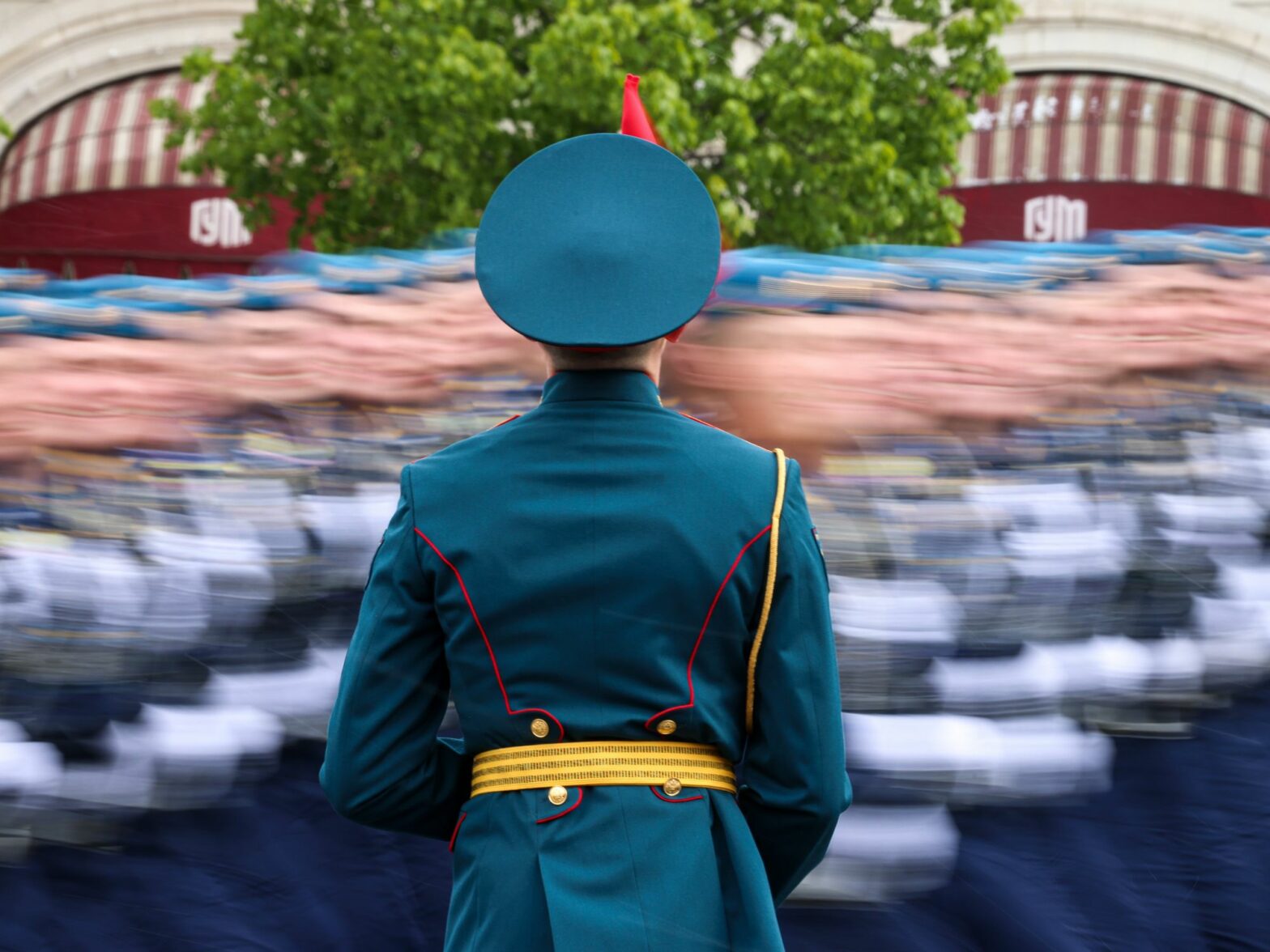
The competing May 8 and May 9 World War II victory celebrations, and an upcoming D-Day snub to Vladimir Putin, show how uncertain the future appears right now. Perhaps even more uncertain than the Cold War.
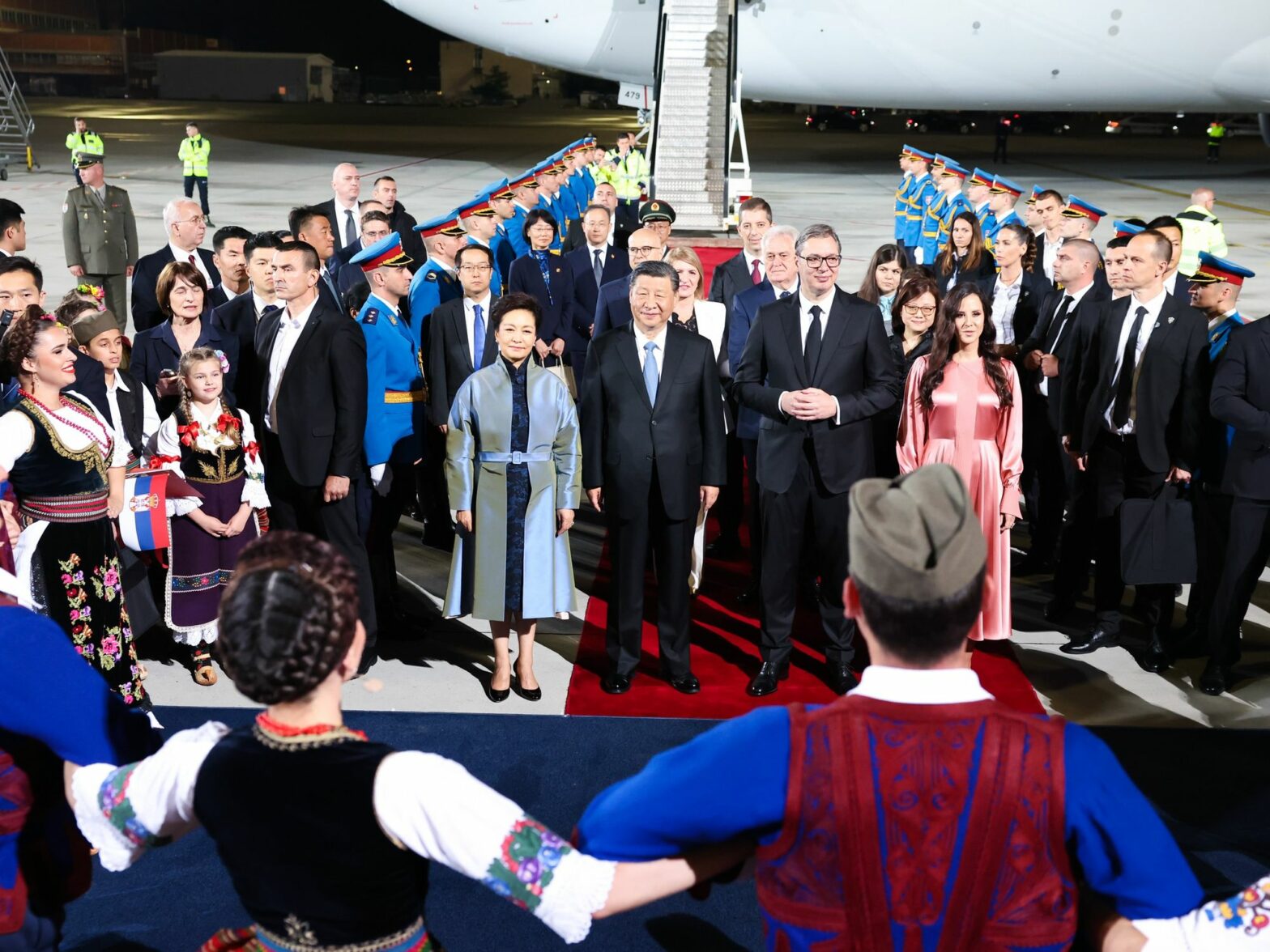
By visiting Serbia and Hungary, two countries that will soon be linked by a railroad built and financed by China, Xi Jinping is showing that he has not given up on cultivating special friendships on the continent, even if it undermines relations with Europe’s more influential leaders.
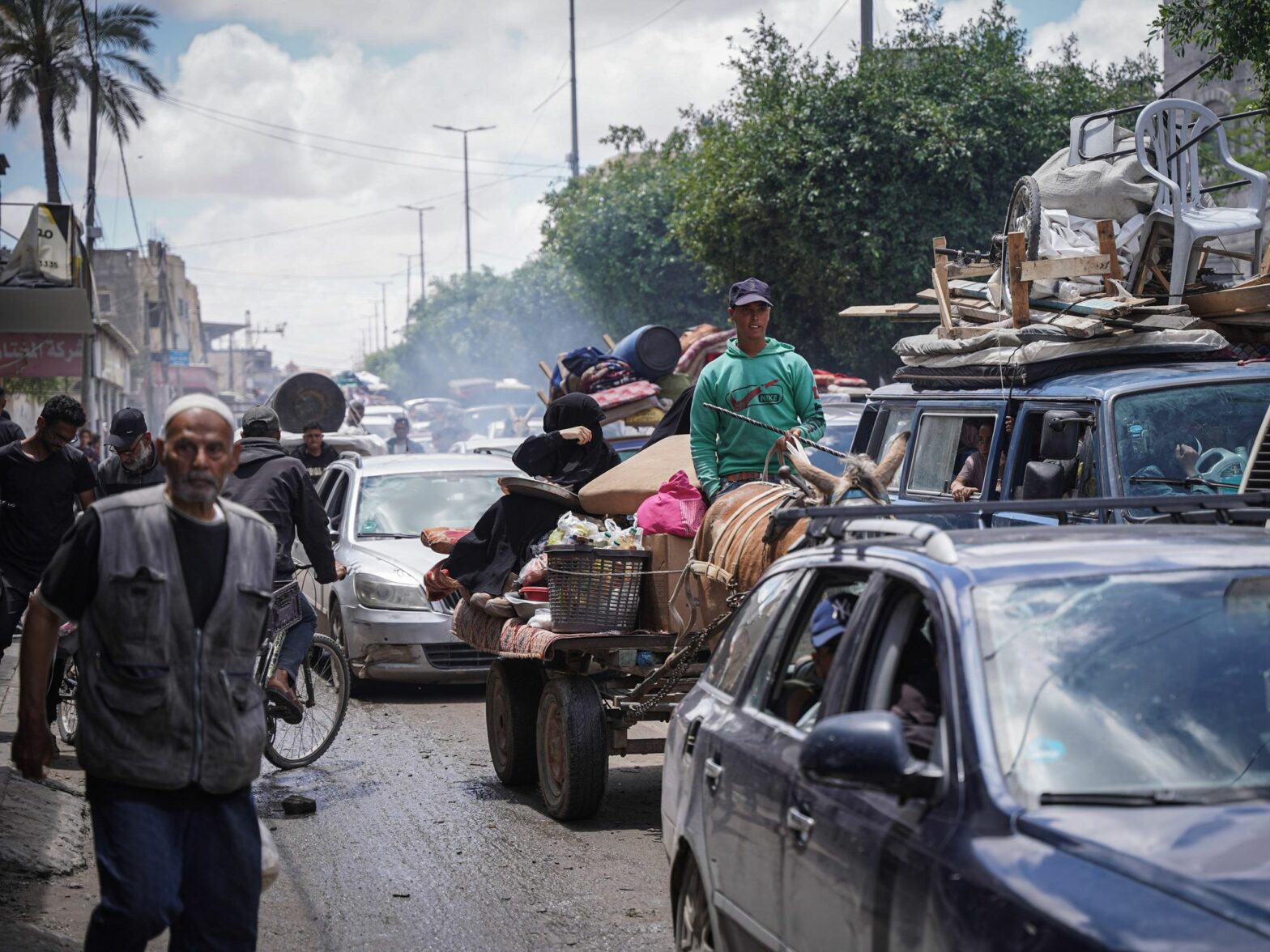
The Israeli prime minister has foreign and domestic pressure to accept a ceasefire deal, but he may be set to make the bloodiest decision of the war to date in the southern Gaza city of Rafah.
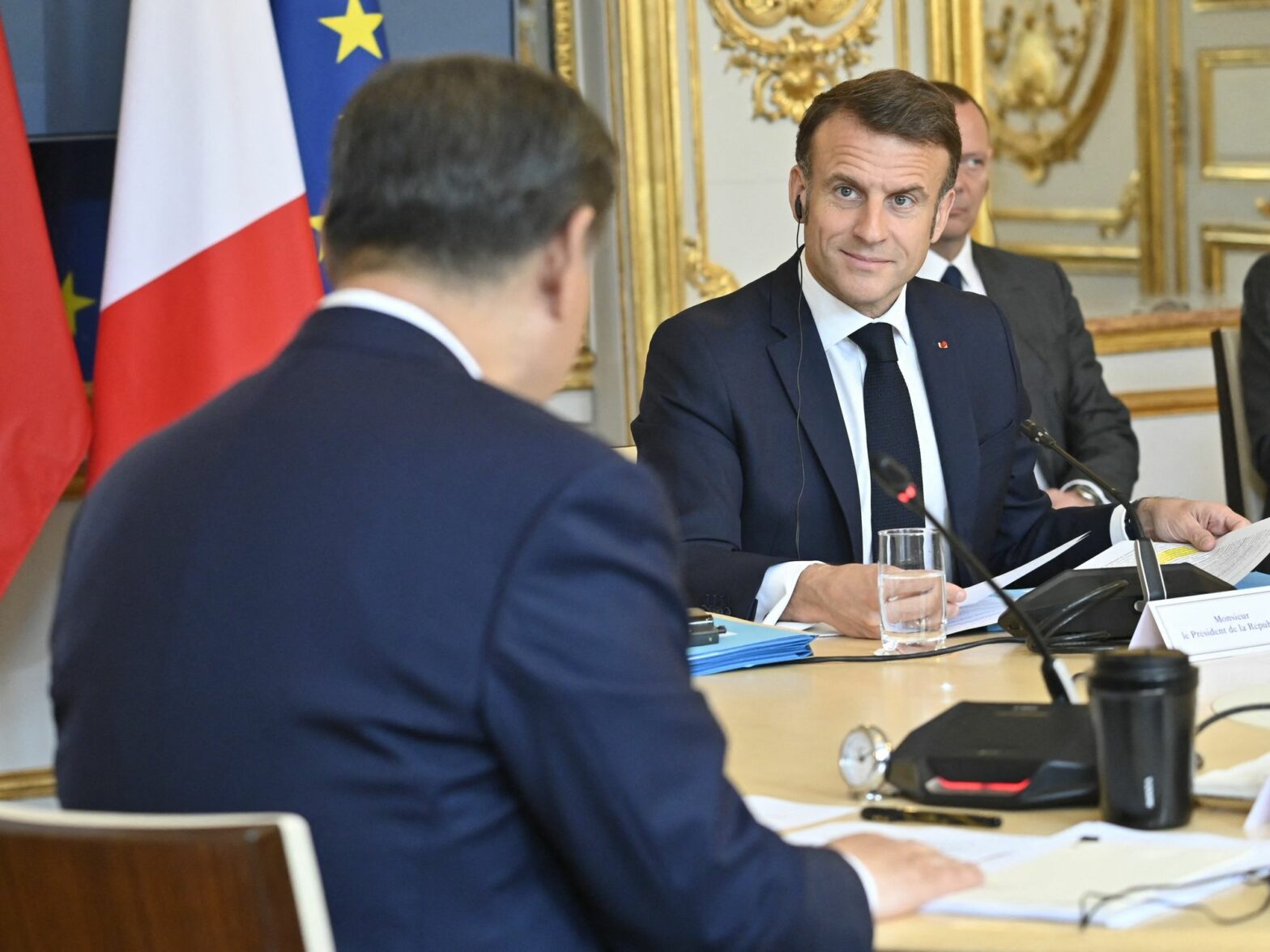
The Chinese president is in France for the 60th anniversary of French-Chinese diplomatic relations. He will play up Europe’s independence from the United States, but behind the smiles will be the war in Ukraine and the Russian-Chinese “friendship.”
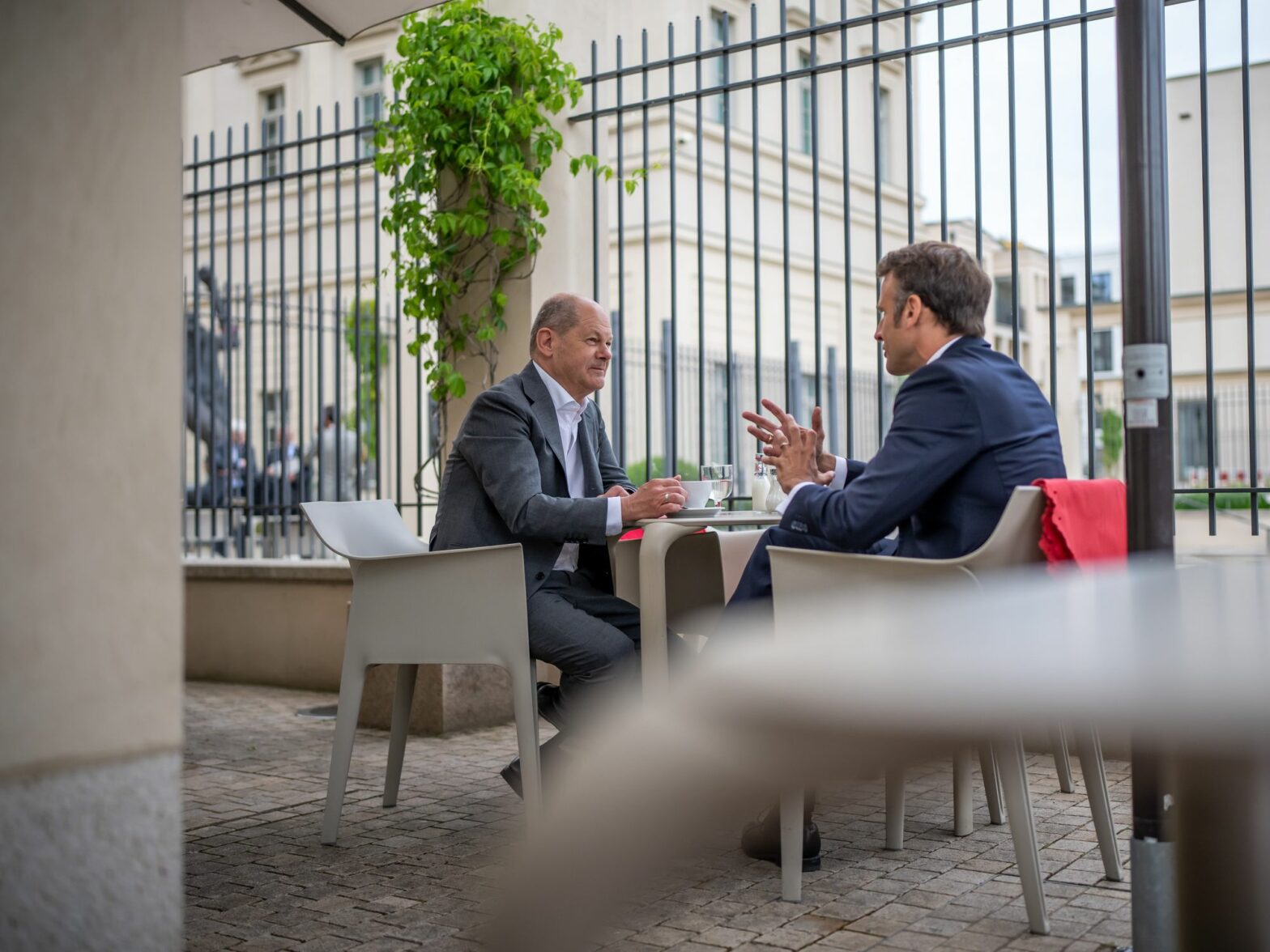
The French President and the German Chancellor, joined by their wives, dined together in a top Parisian restaurant on Thursday evening; a “private” meal at a decisive moment for “Europe in mortal danger,” as Emmanuel Macron repeated in a new interview.
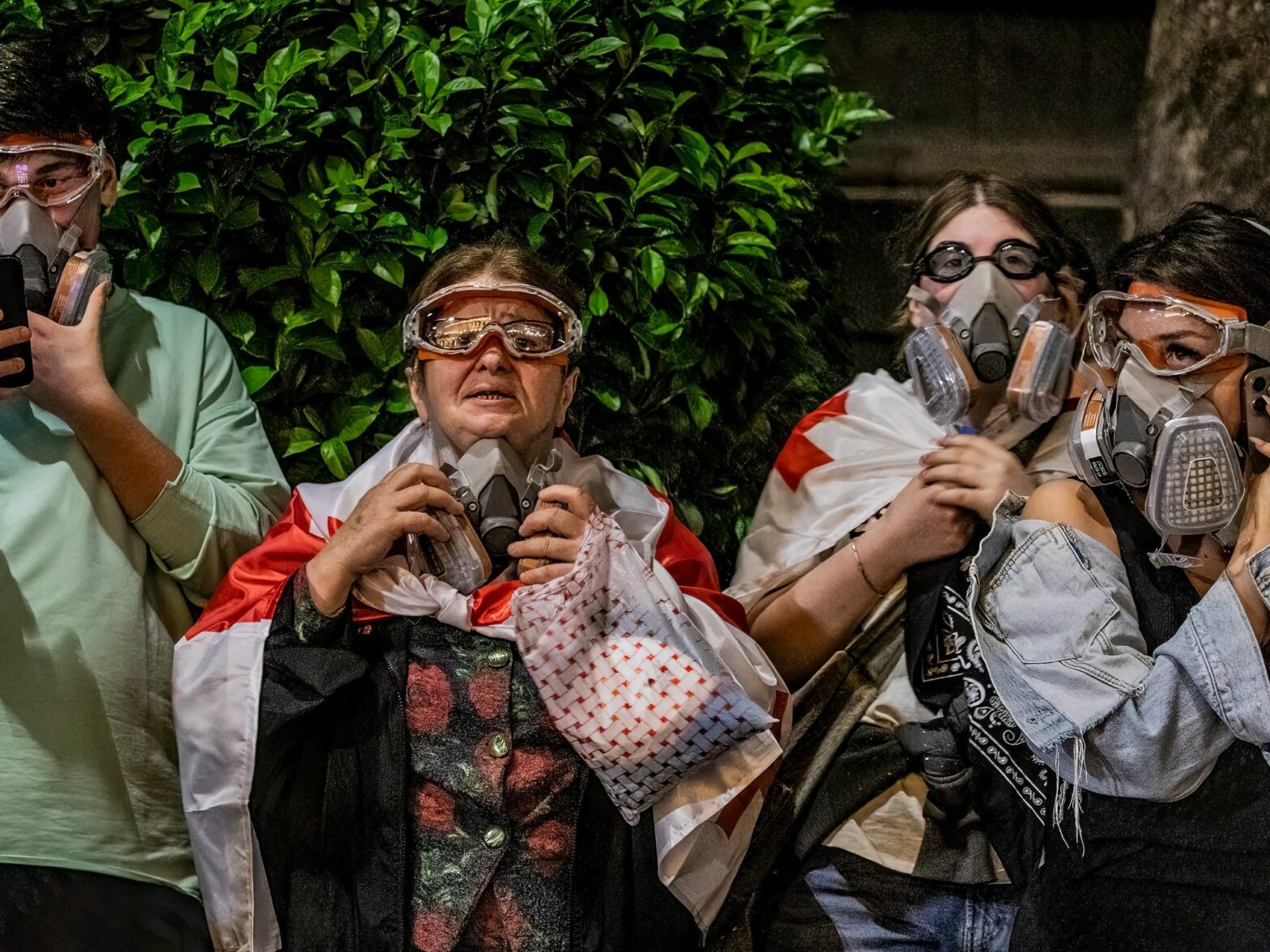
Demonstrations suppressed by the forces of order are taking place daily in the Georgian capital of Tbilisi around a draft law on “foreign interests”, considered by the protesters to be a “Russian law.” At stake is Georgia’s future, between the European Union and Putin’s Russia.
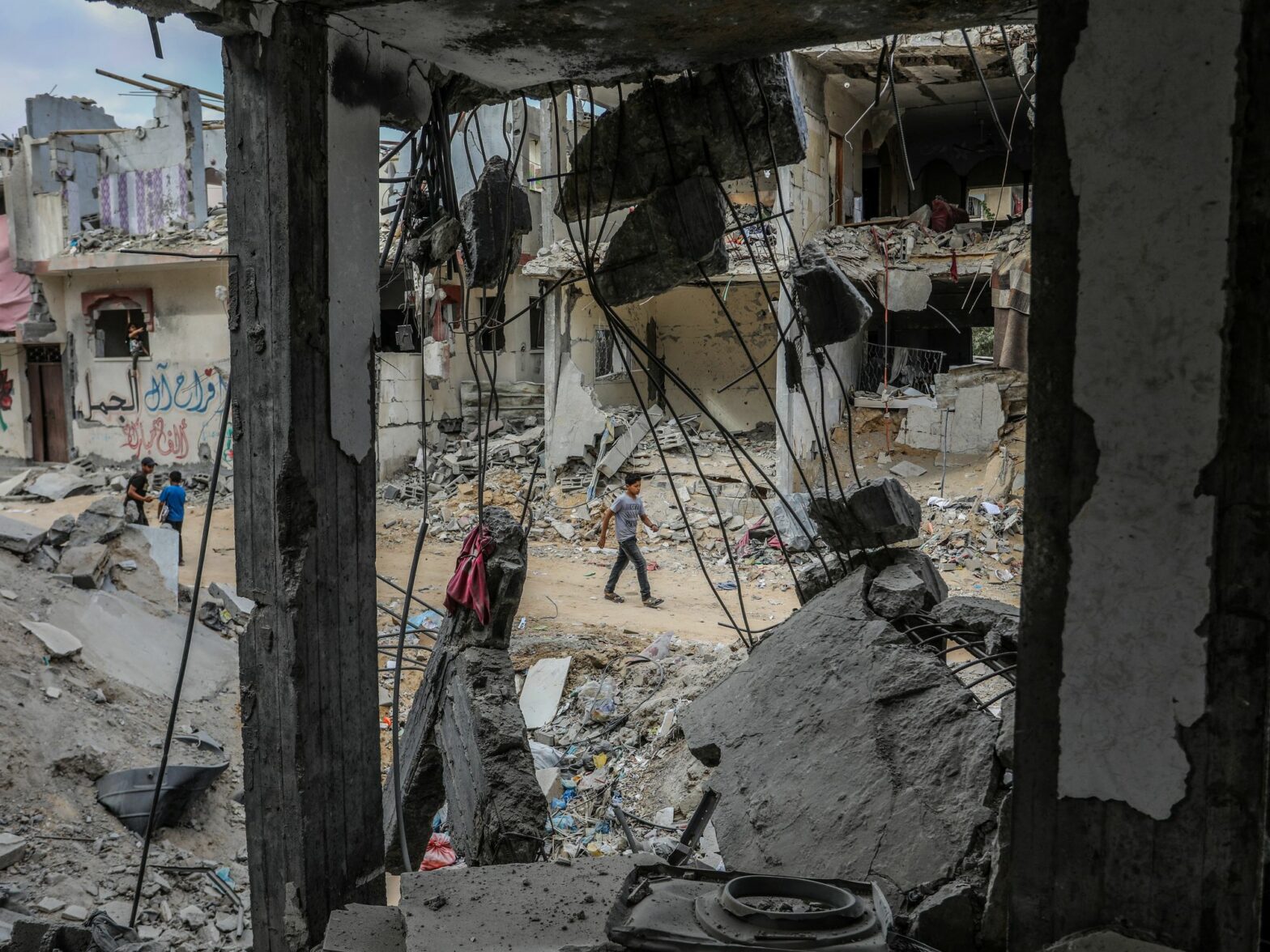
Israeli Prime Minister Benjamin Netanyahu and Hamas leaders both have deeply cynical reasons to prolong hostilities. Meanwhile, it’s in the self-interest of both the U.S. and Arab regimes to try all avenues to broker a ceasefire to ease the suffering of those caught in the crossfire.
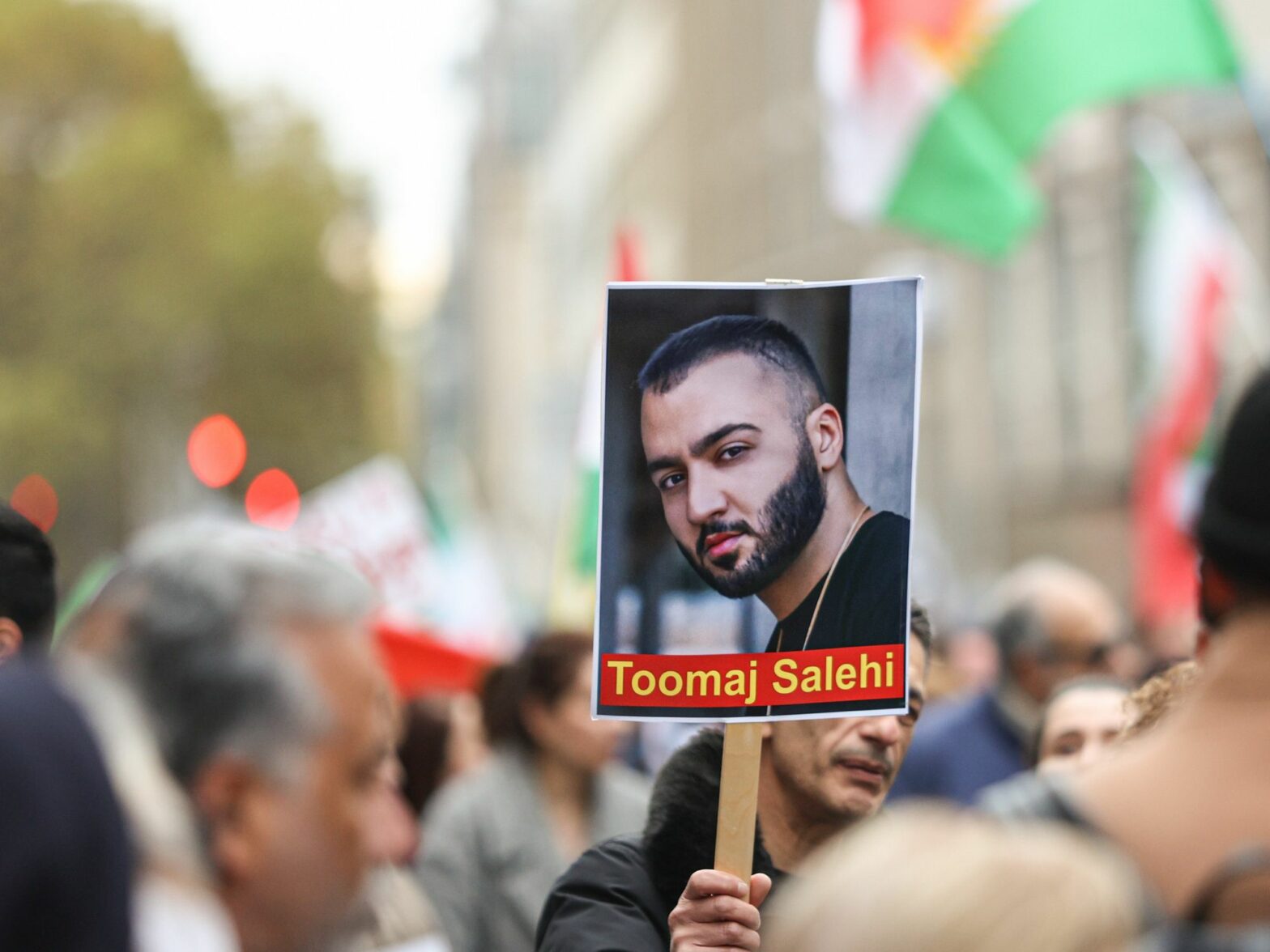
Injustice and inhumanity comes in many forms and places in the Middle East, including the Iranian regime’s death sentence for the rapper Toomaj. Why can’t those protesting the deaths of civilians in Gaza take a moment to try to save this innocent life as well?
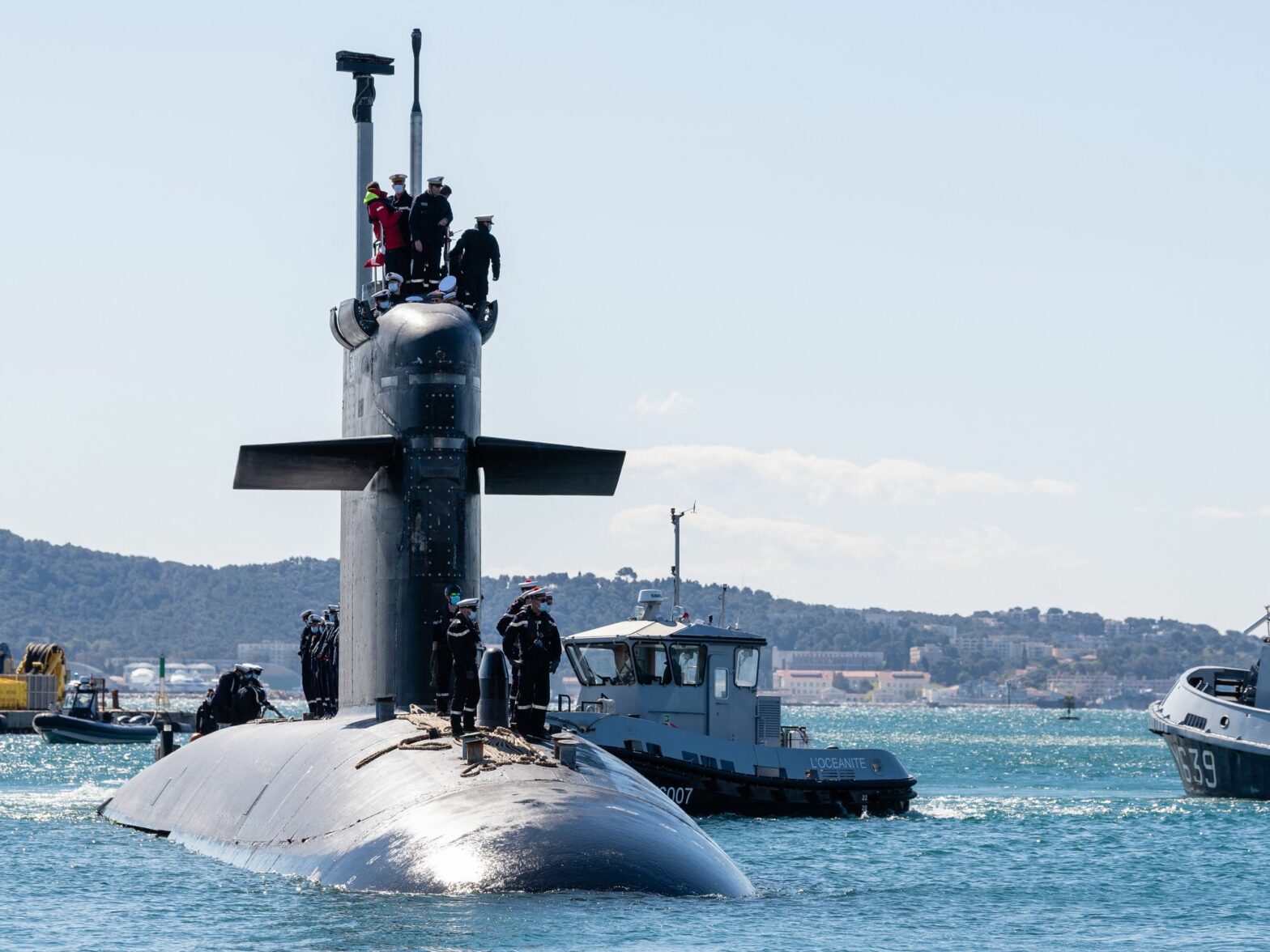
The French president has voiced France’s readiness to “contribute more to the defense of Europe” through its nuclear arsenal. It’s a message fro European allies and for Putin’s Russia — and another reminder of how much hangs on November’s U.S. elections.
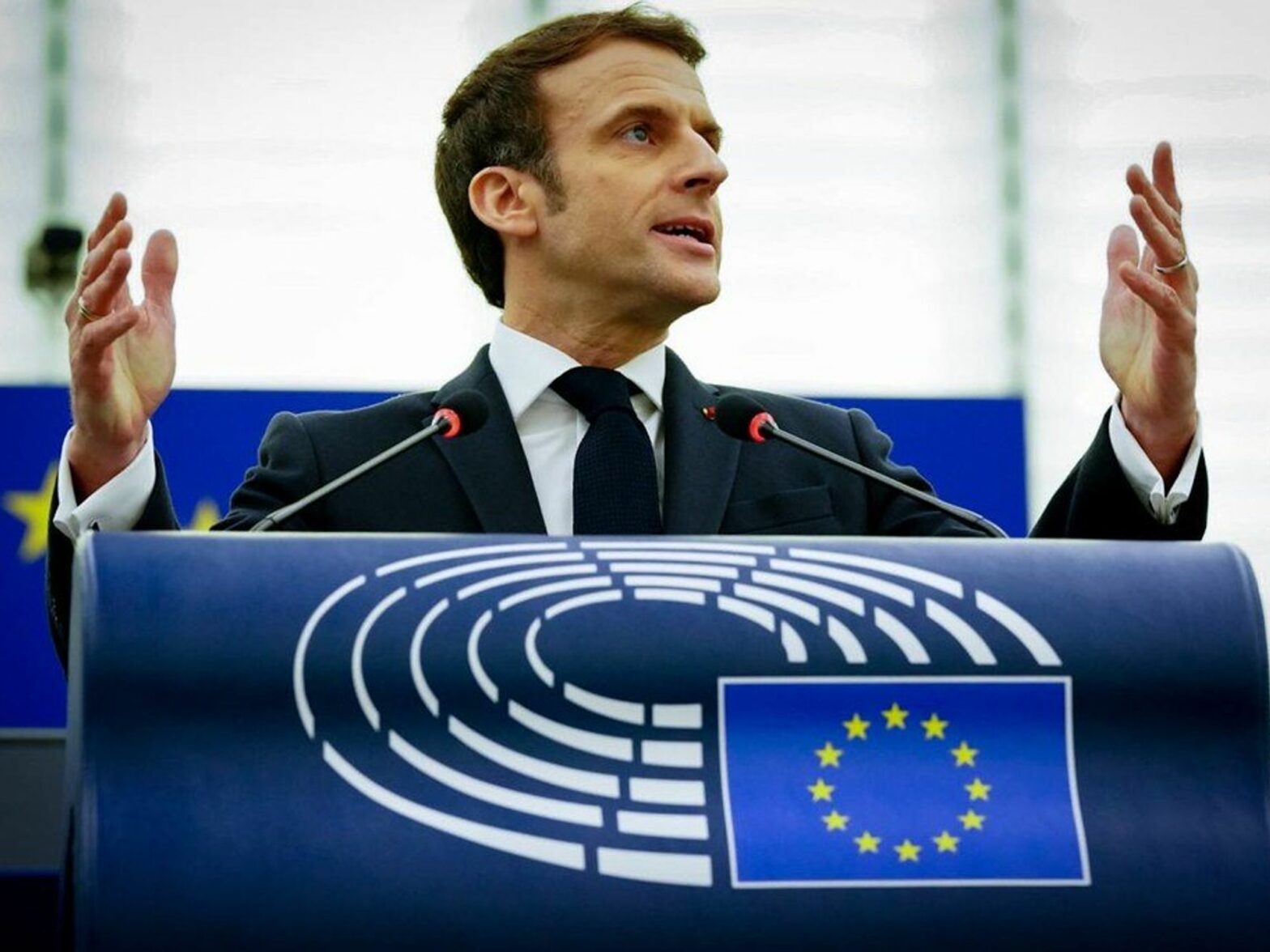
In an ominous speech in Paris, the French president warned that Europe is in mortal danger. Macron also suggested he may be just the man to save it.
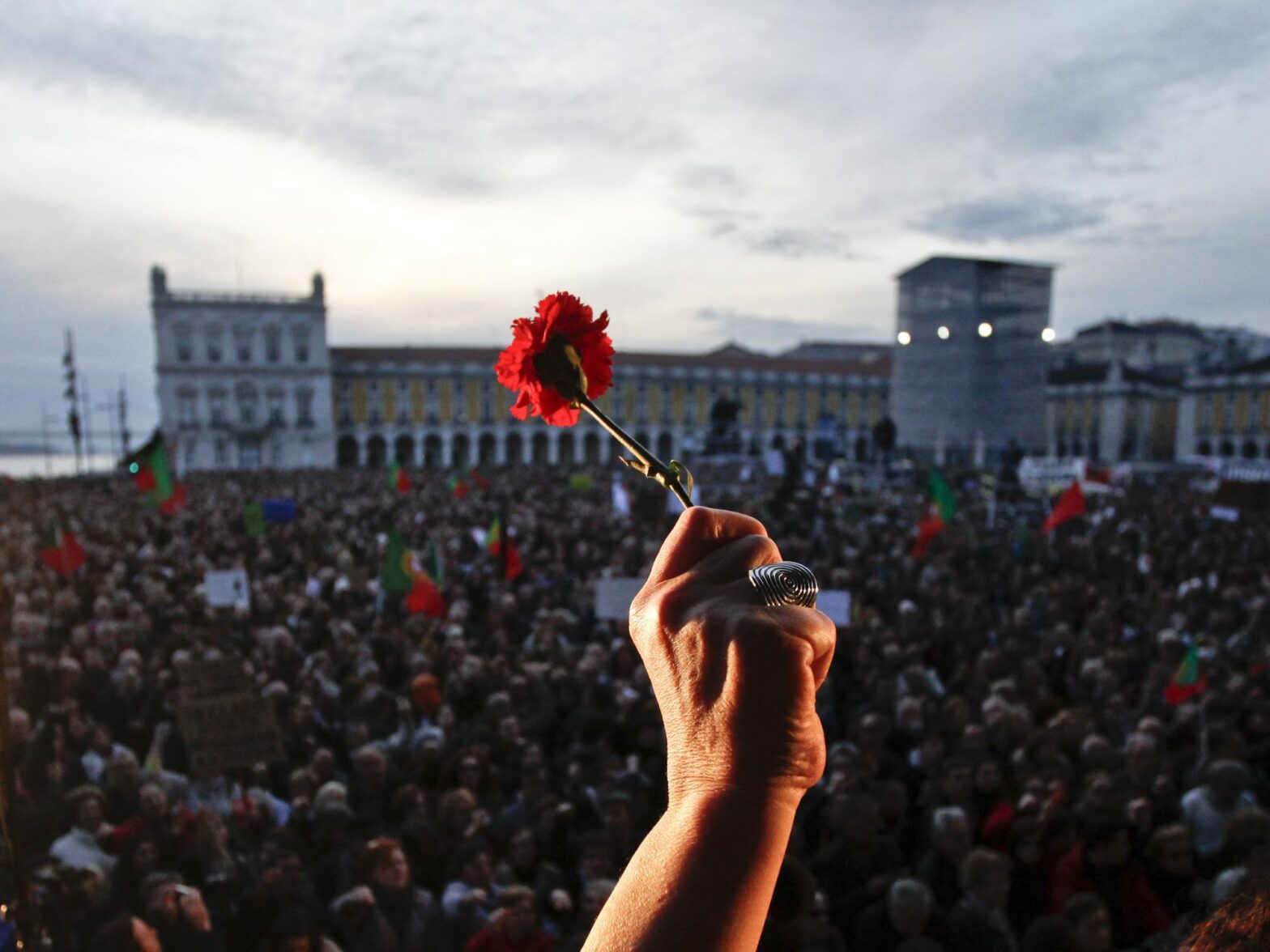
It all started on April 25, 1974, when some frustrated military officers — who had seen with their own eyes the effects of colonization in Western Africa — decided to overthrow the military regime. And over the past half-century, Portugal has gone from an archaic dictatorship to bona fide cool corner of the Western world.
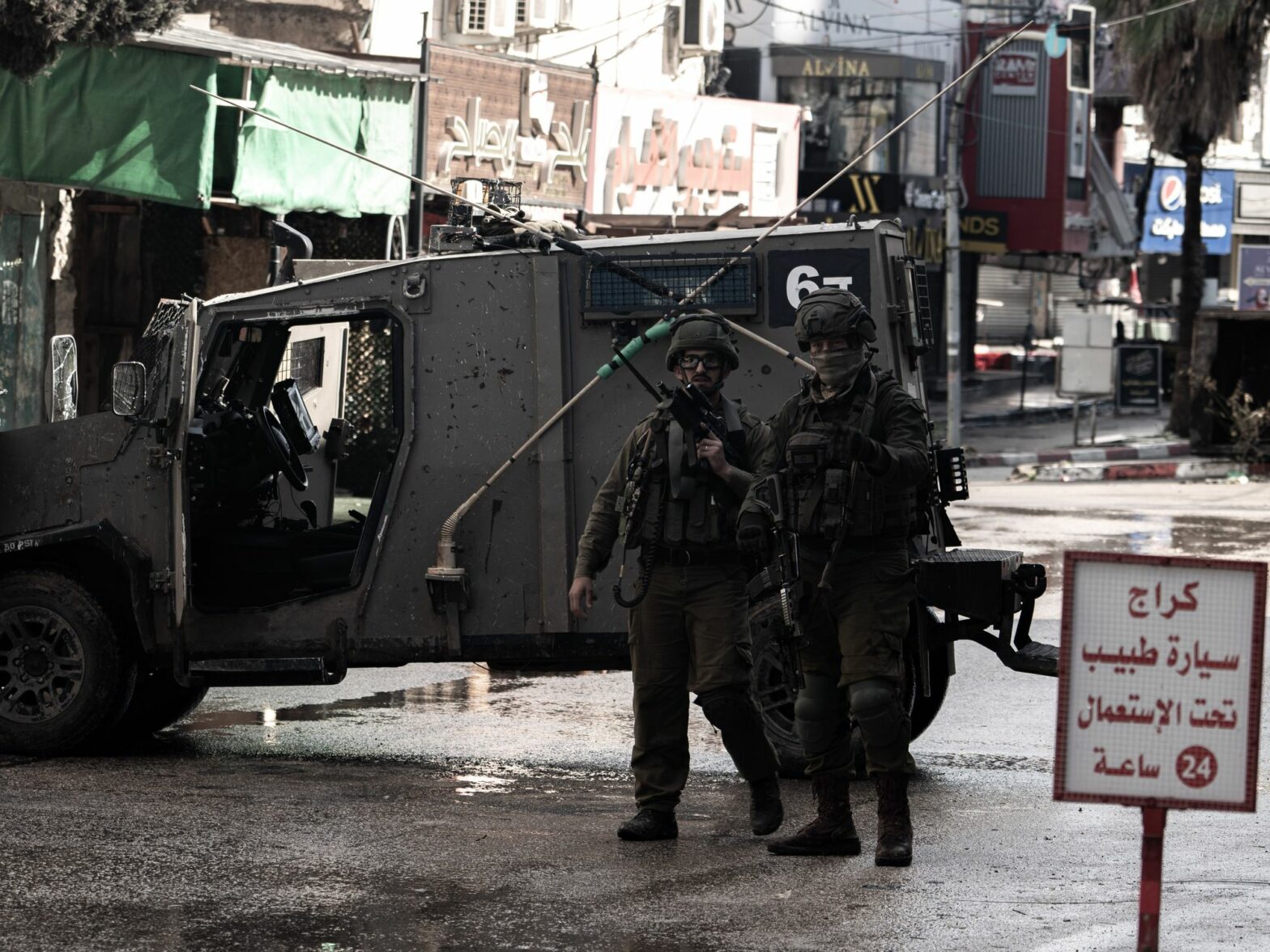
The Israeli Army Unit operating in the West Bank has been sanctioned by the Biden administration, accusing it of human rights violations. It’s the first time this has happened and it embodies a highly symbolic gesture that puts a stop to the excuse of “holy mission” that turn into crimes.
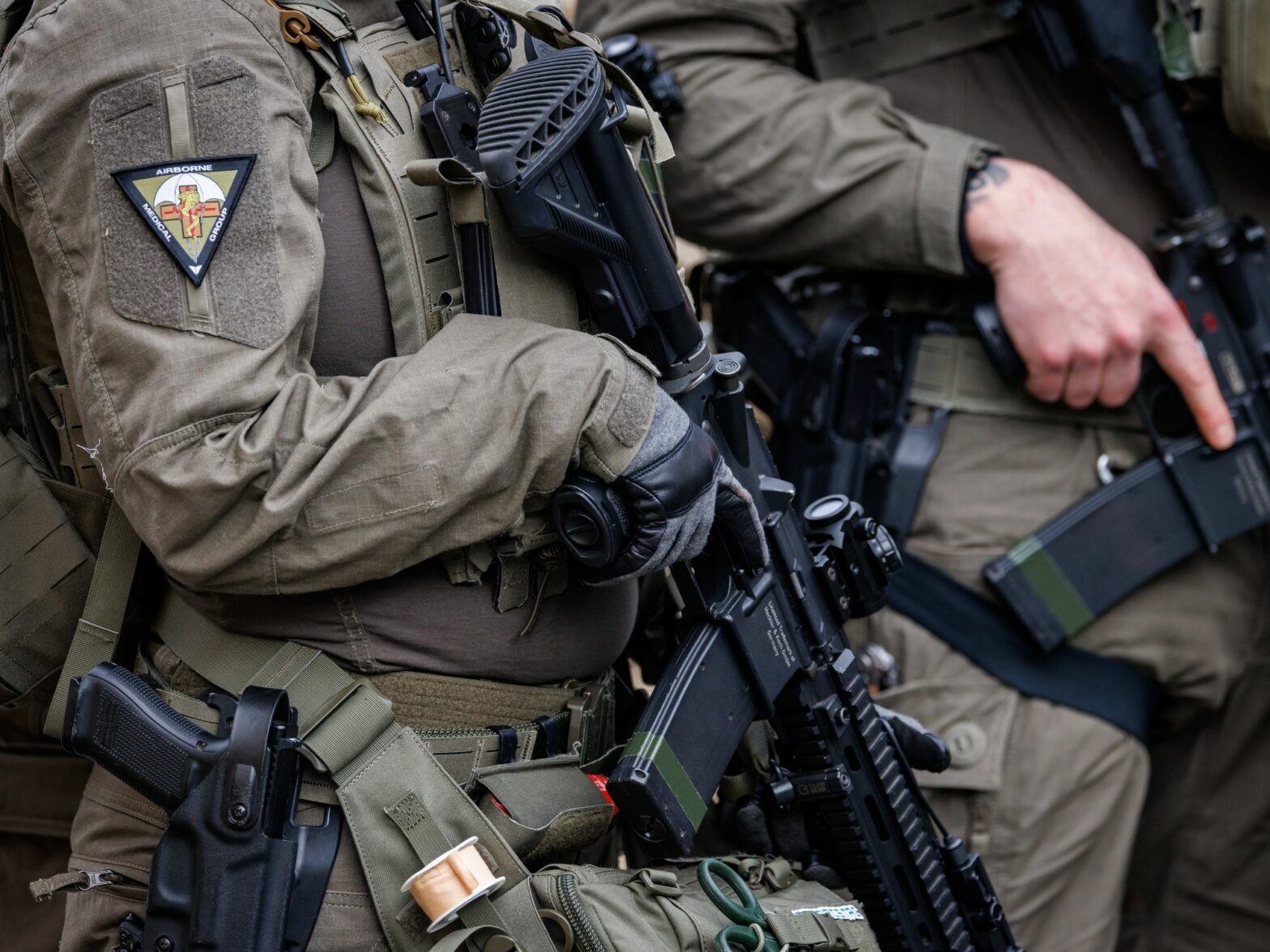
Governments spent 2.3 trilllion euros on the military, a 6% increase over 2022, the highest growth recorded in over a decade. This is the first time spending jumps were registered on all five continents, and not just countries at war. What does it say about this inflection point in history?
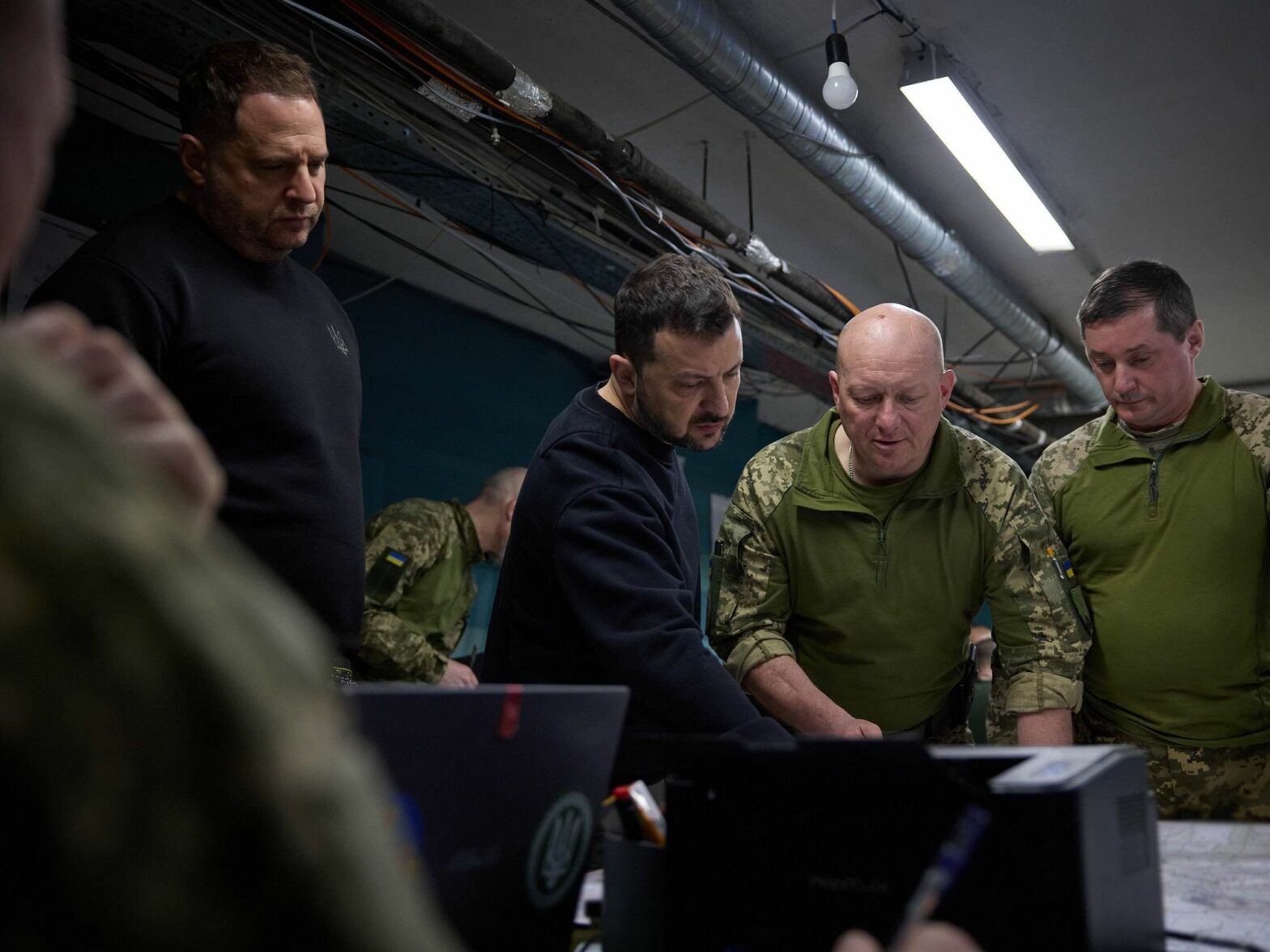
It has taken months for Ukraine to be able to celebrate the U.S. approval of a much-needed aid package. Now that the House of Representatives has voted in favour, what is crucial is the timing of the arms delivery. Because the aid package comes late, but hopefully not too late for Ukraine to reverse its losses on the battlefield, writes Pierre Haski for France Inter.
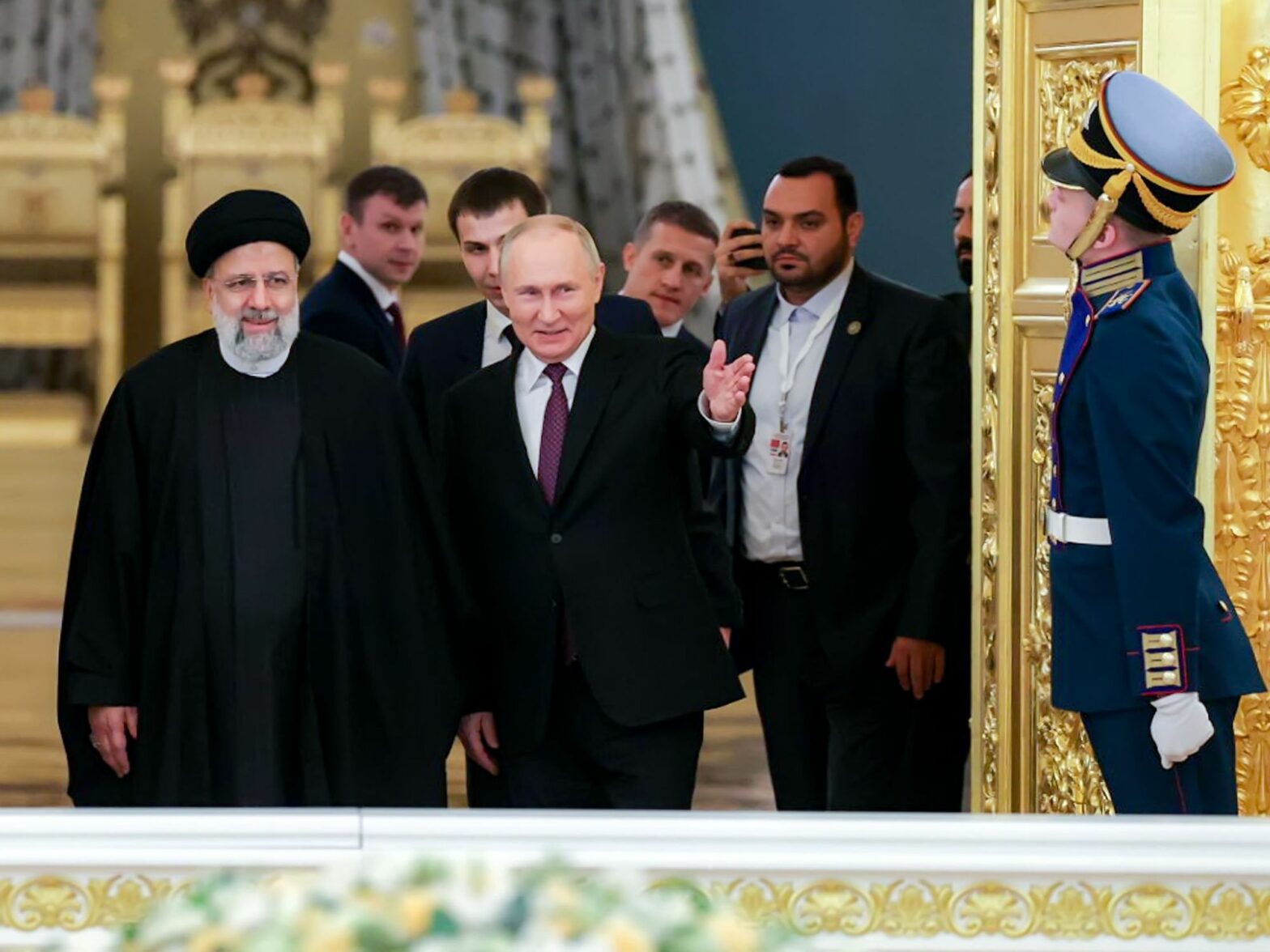
What are the links between Iran and the two powers challenging the Western order, Russia and China? And how do their relations affect the international climate? This is a key question at a time when the logic of war is at work in several regions of the world.
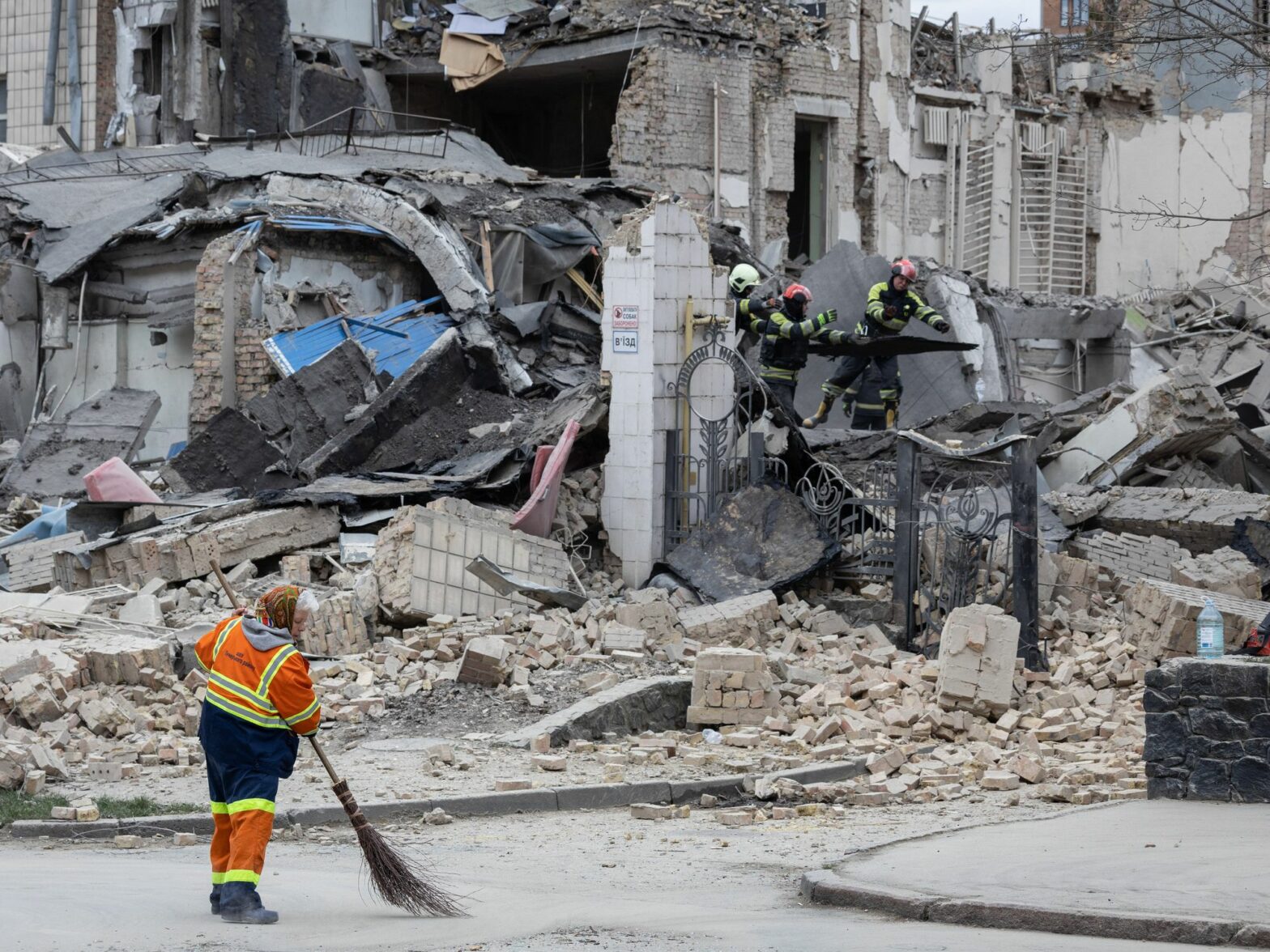
Seeing the near-perfect effectiveness of Israel’s defense against Iranian drones and missiles, Ukrainians are bitterly wondering why the West is denying them life-saving assistance. Fear of confrontation with a nuclear Russia remains the main reason.
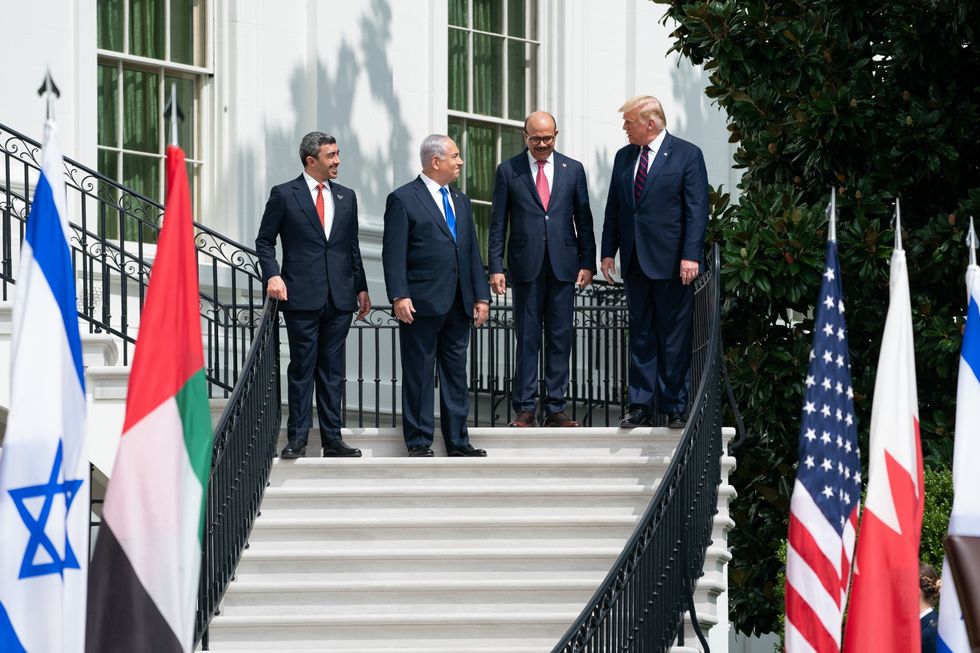
Despite Israel’s bloody war on Gaza, Jordan participated, on Saturday, in the destruction of Iranian missiles and drones targeting Israel. But it is not the only Arab country involved, a major regional shift that follows years of discreet military contacts orchestrated by the United States.
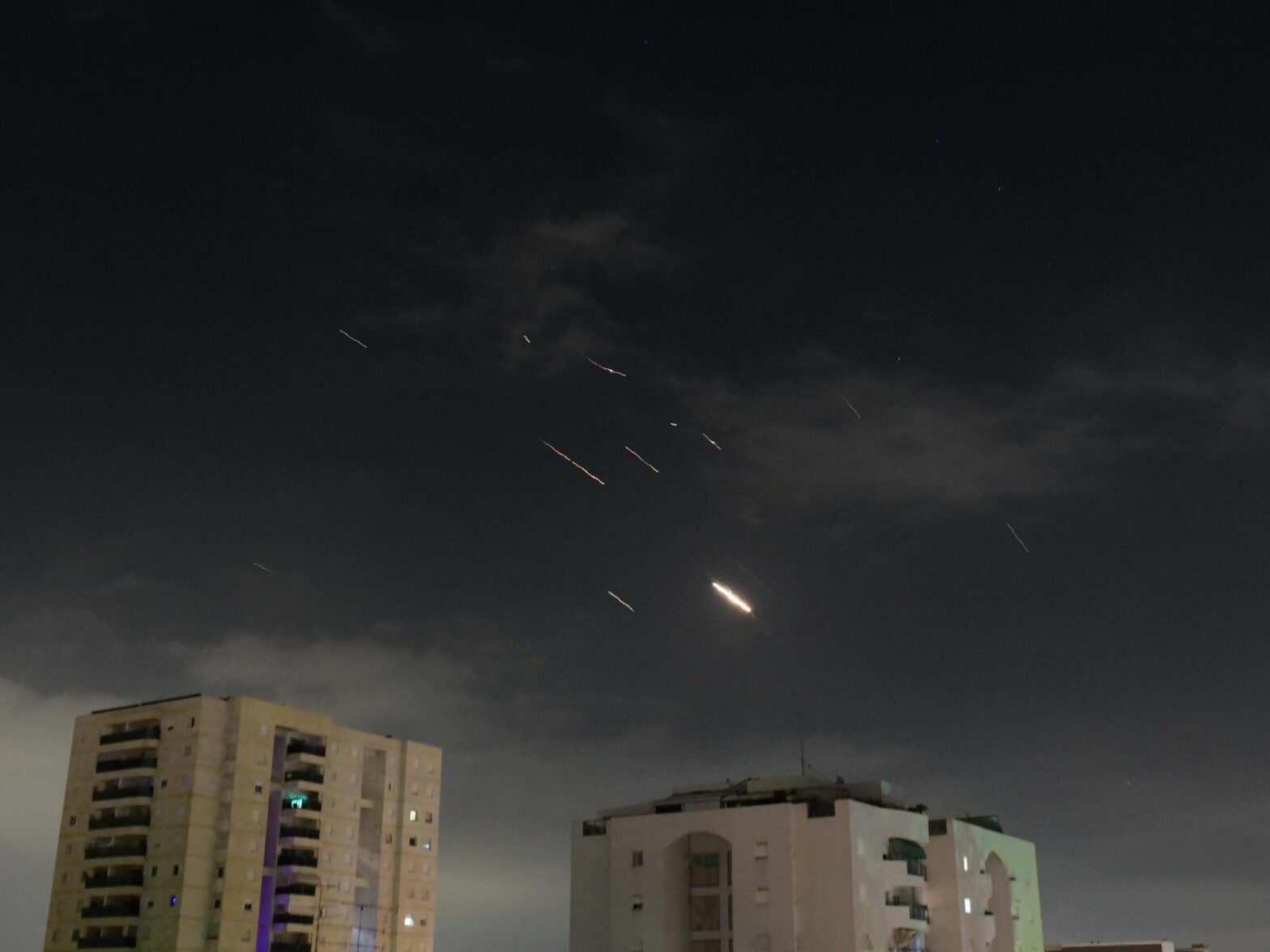
The world watches as Netanyahu walks that fine line between deterrence and escalation.
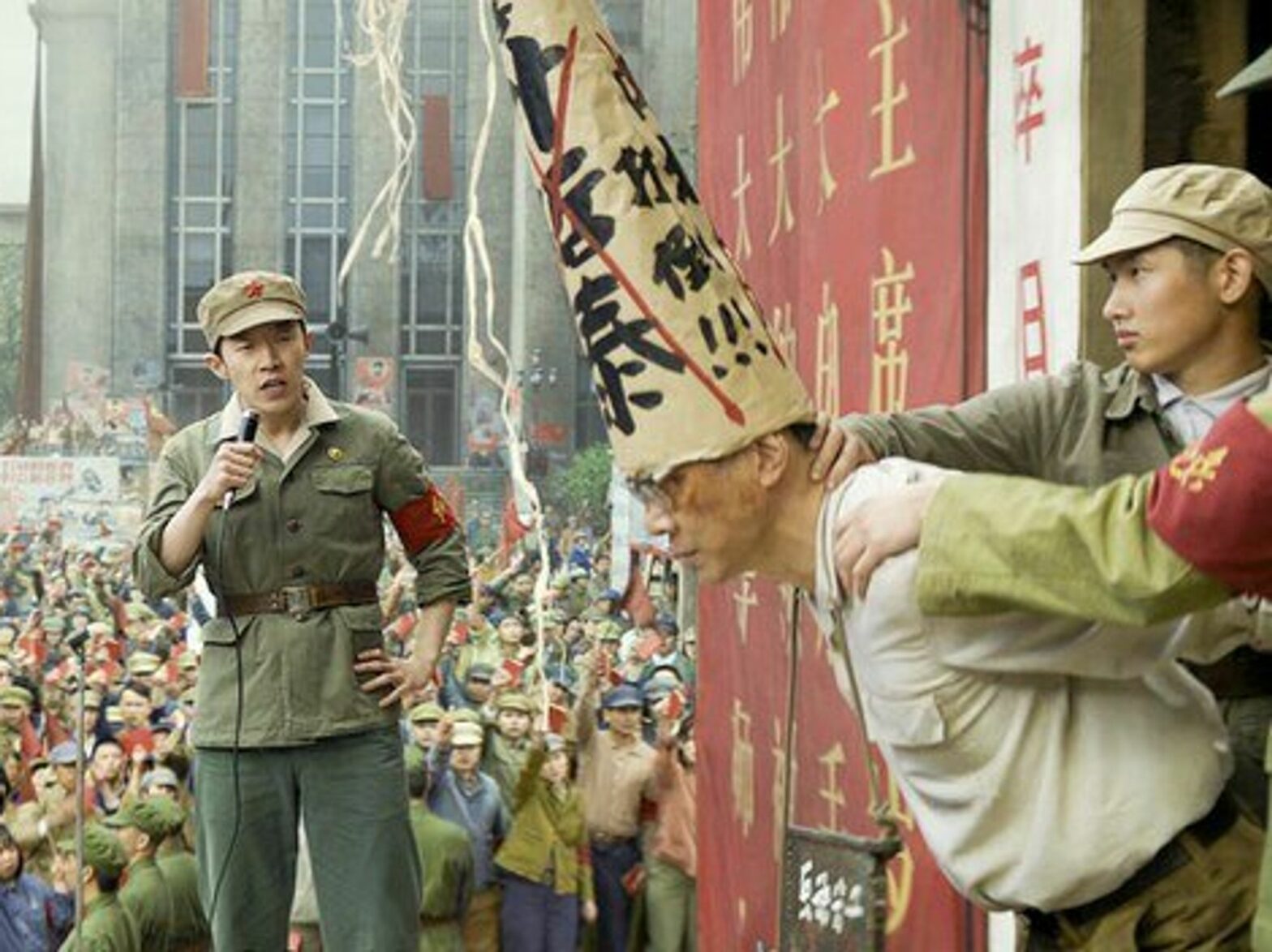
The success of the Netflix series 3 Body Problem, adapted from a famous Chinese science fiction novel, has rekindled hostility between Beijing and Washington. But what is really behind China’s attacks on American cultural hegemony?
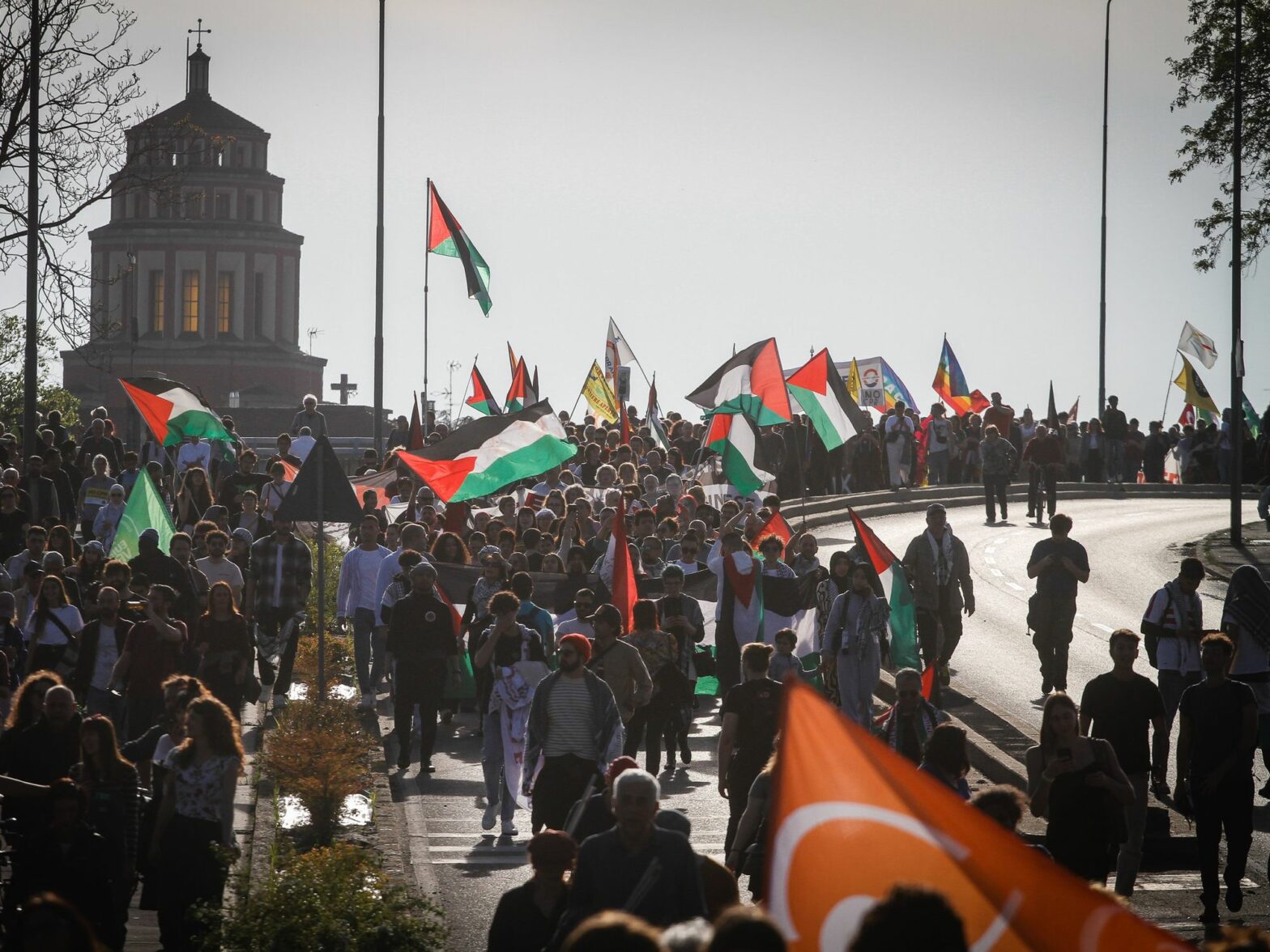
Spain is leading the way on European recognition of the state of Palestine. Ireland, Malta and Slovenia have also signed a joint statement asserting readiness to recognize the warring region. Will other European Union countries follow suit?
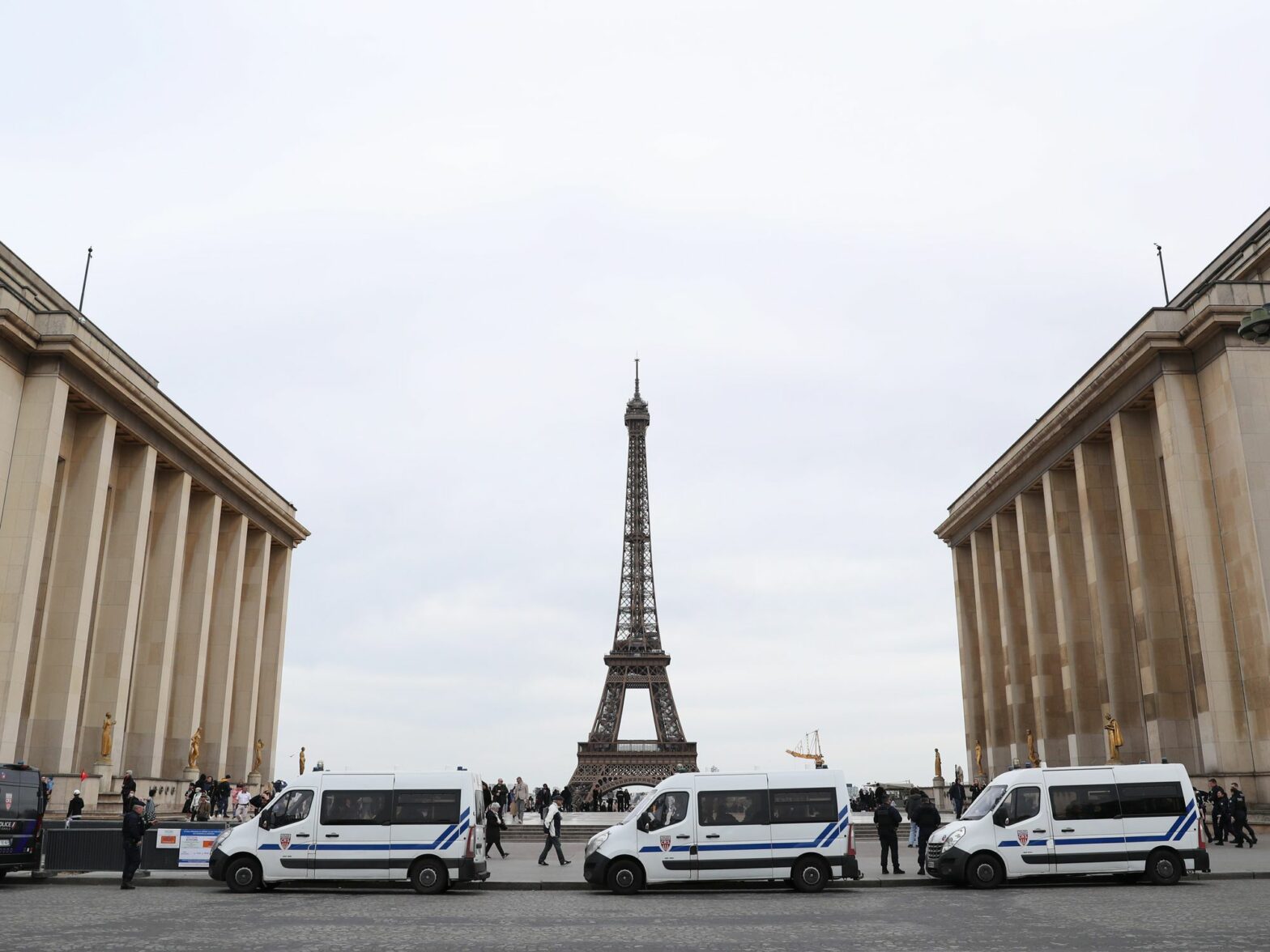
A telephone call between French and Russian defense ministers on Wednesday gave rise to Russian accusations and threats against France. The terrorist risk shared by the two countries did not allow the slightest progress to be made: this is worrying just a few months before the Paris Olympic Games.
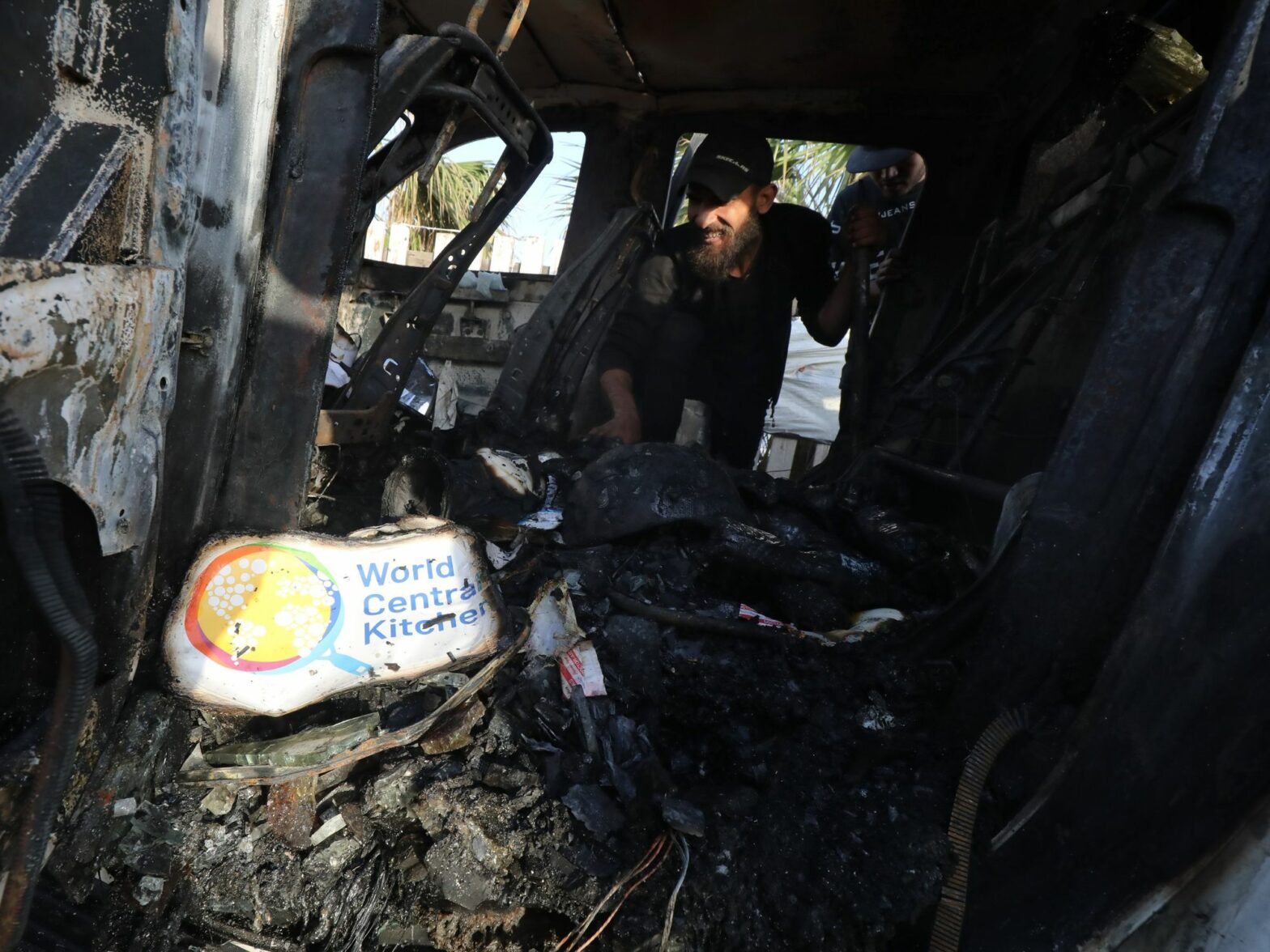
The Israeli drone strike that killed seven aid workers in Gaza has set off an international outcry. And Israeli Prime Minister Benjamin Netanyahu’s reaction was a reminder that cutting off humanitarian aid has been part of the strategy from the start of the war in Gaza.
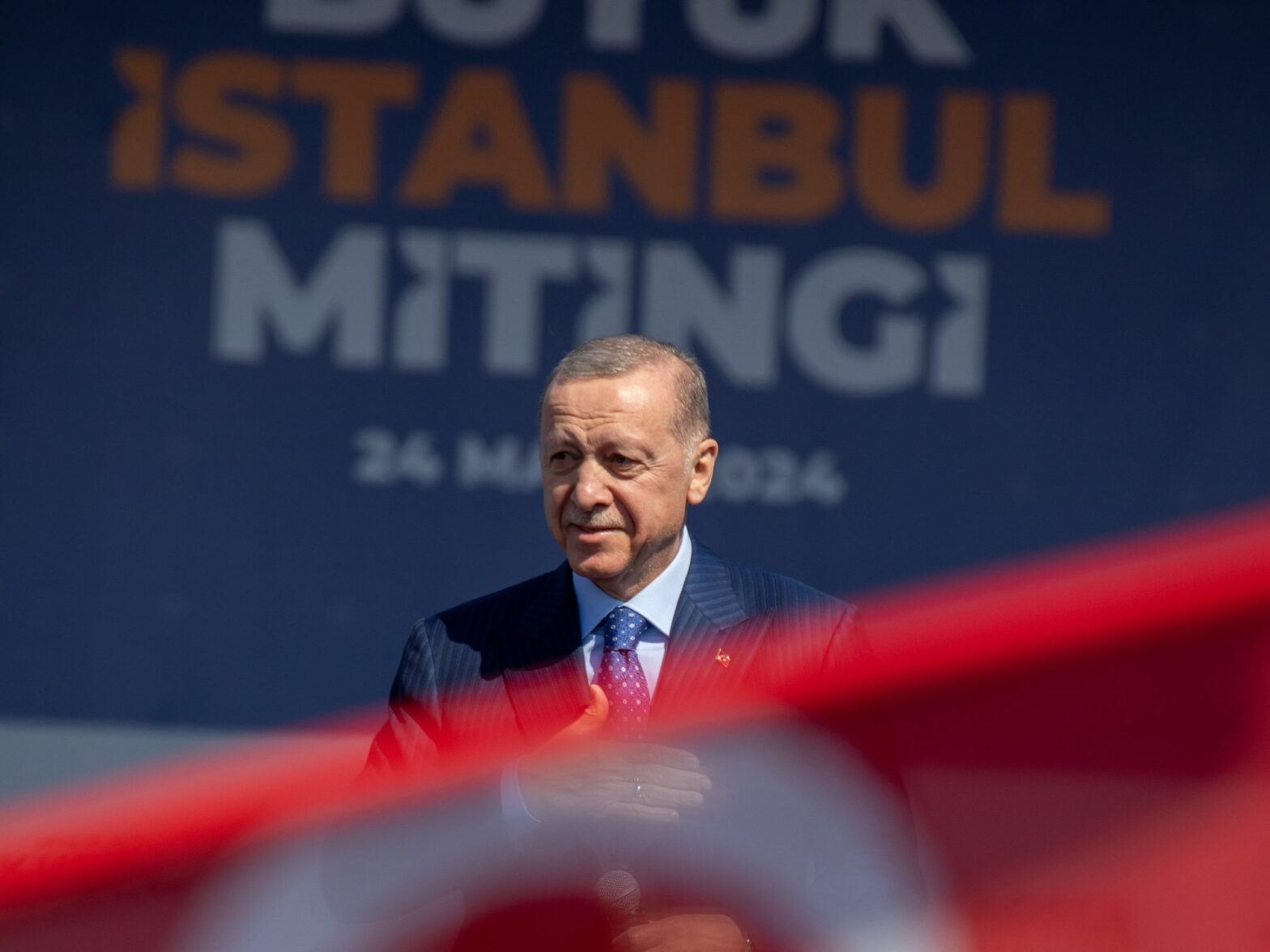
Former mayor of Istanbul, Erdogan had once theorized that a victory in the capital meant an easier path to a national victory. Following this theory, having lost by ten points to the Republican People’s Party means an even tougher defeat for the 70-year-old president. Is this the beginning of the end?
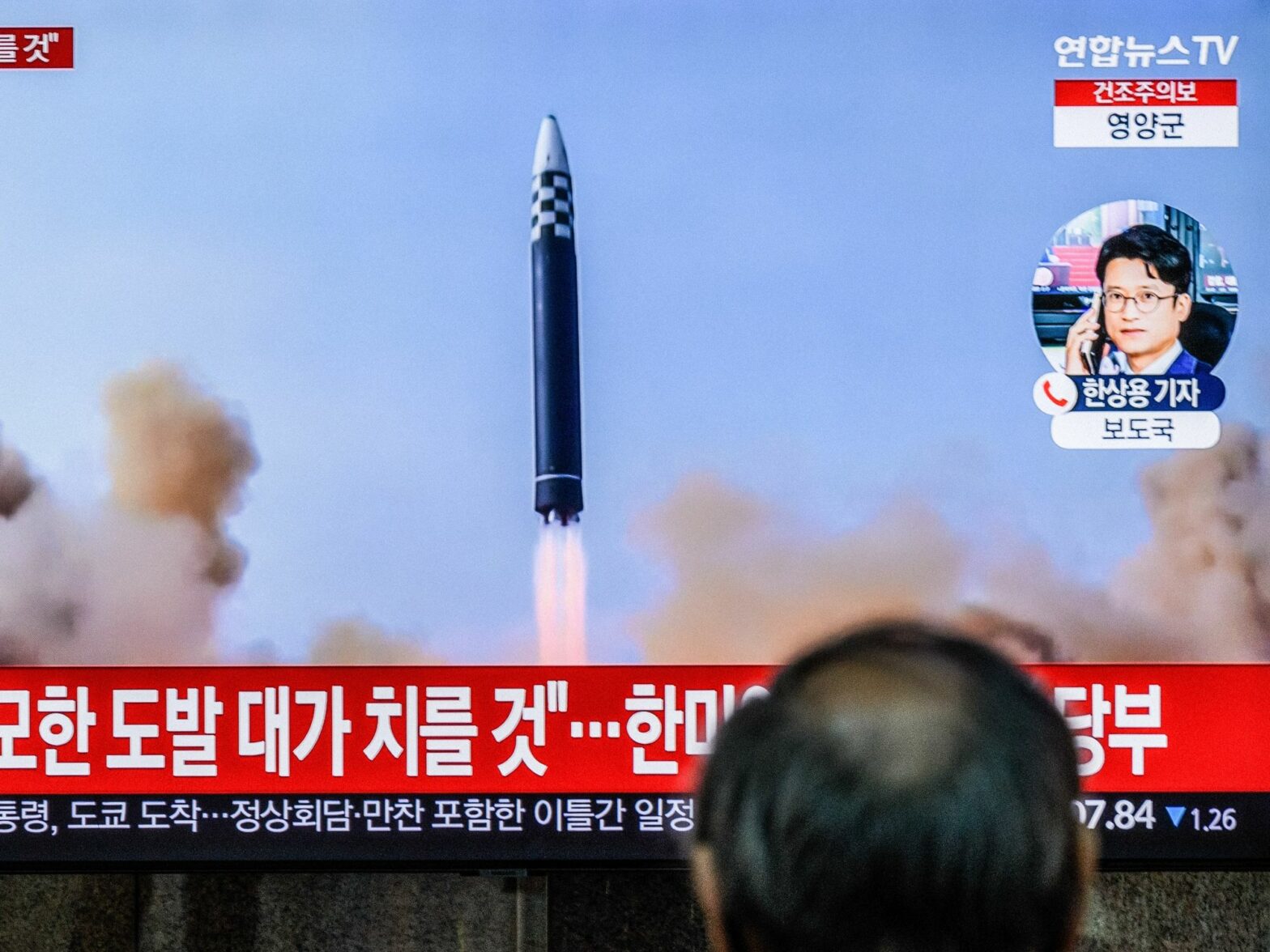
Moscow “killed” the body charged with overseeing the sanctions regime against North Korea — now Putin’s ally against Ukraine — dealing yet another blow to the edifice of global governance inherited from the post-war era.
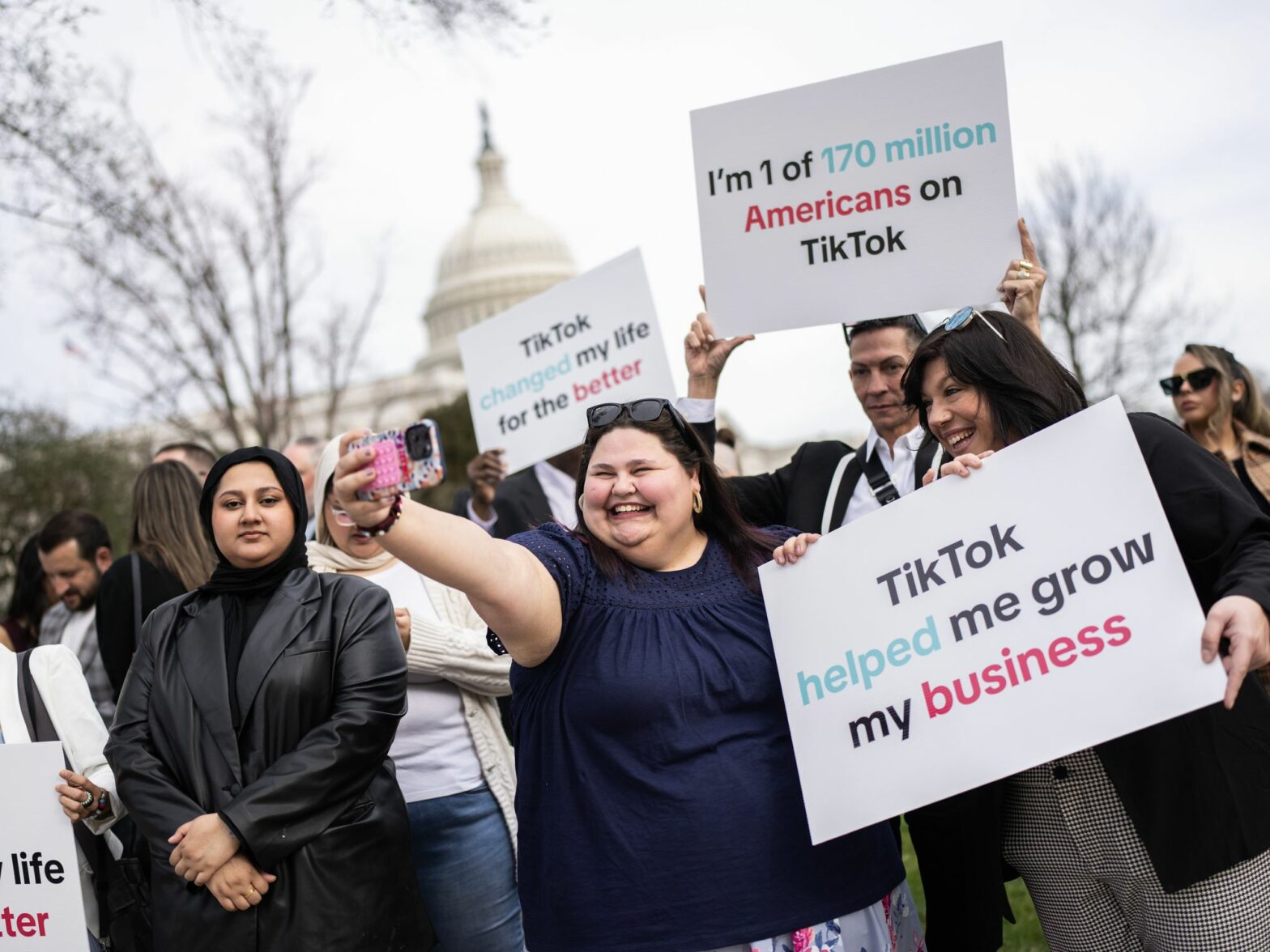
Safety or addiction concerns about TikTok are very real. But would U.S. elected officials seek to ban or control this social network if it were not Chinese? Are U.S. social networks less harmful? For France Inter, Pierre Haski warns us to take a step back when pointing the finger at TikTok.

The surprise election of Bassirou Diomaye Faye appears to be a wakeup call for French President Emmanuel Macron.
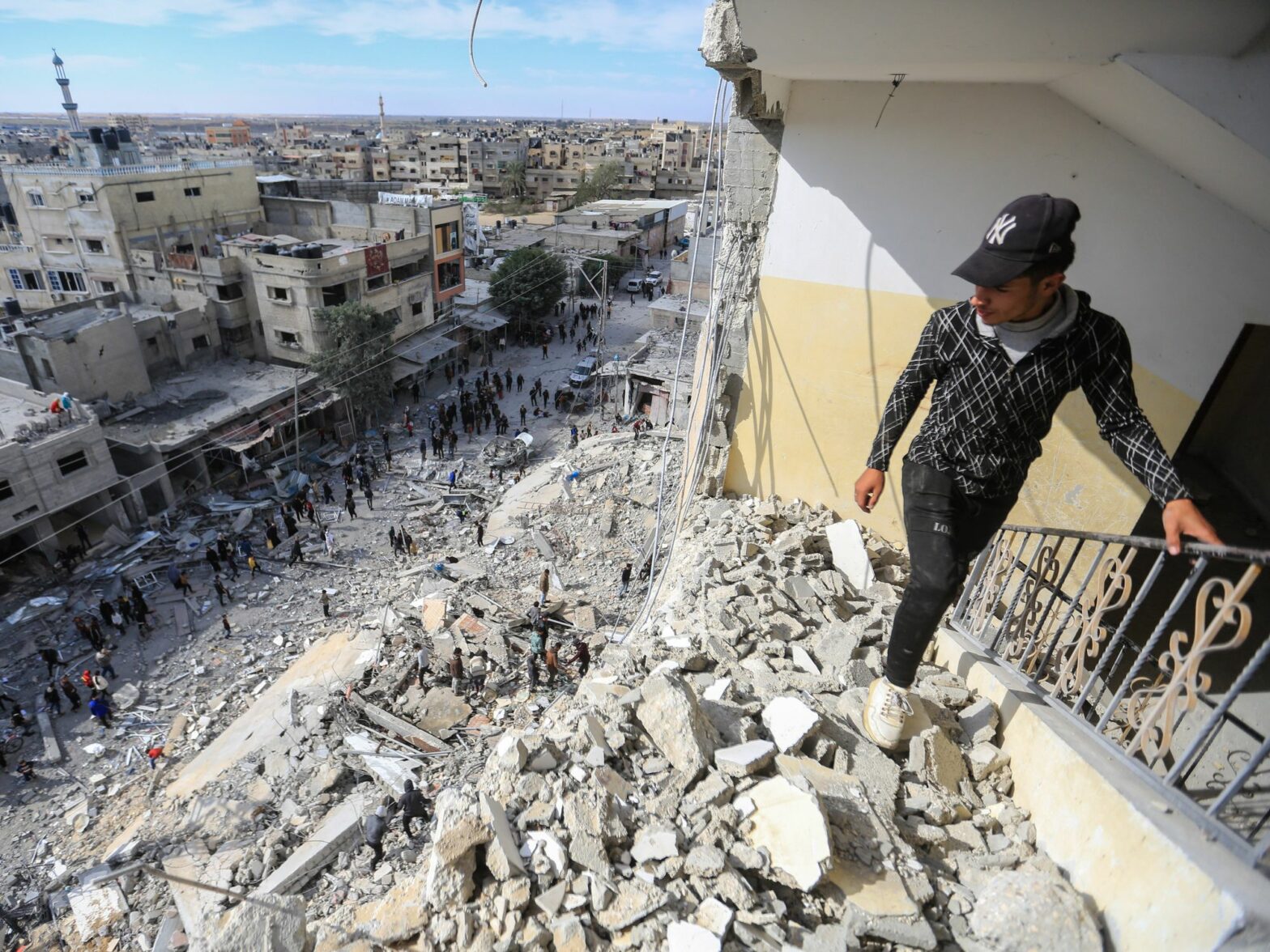
By abstaining from a UN resolution demanding an immediate ceasefire in Gaza, Washington has not only angered Benjamin Netanyahu — it has potentially altered the dynamics of the whole Israel-Hamas war.
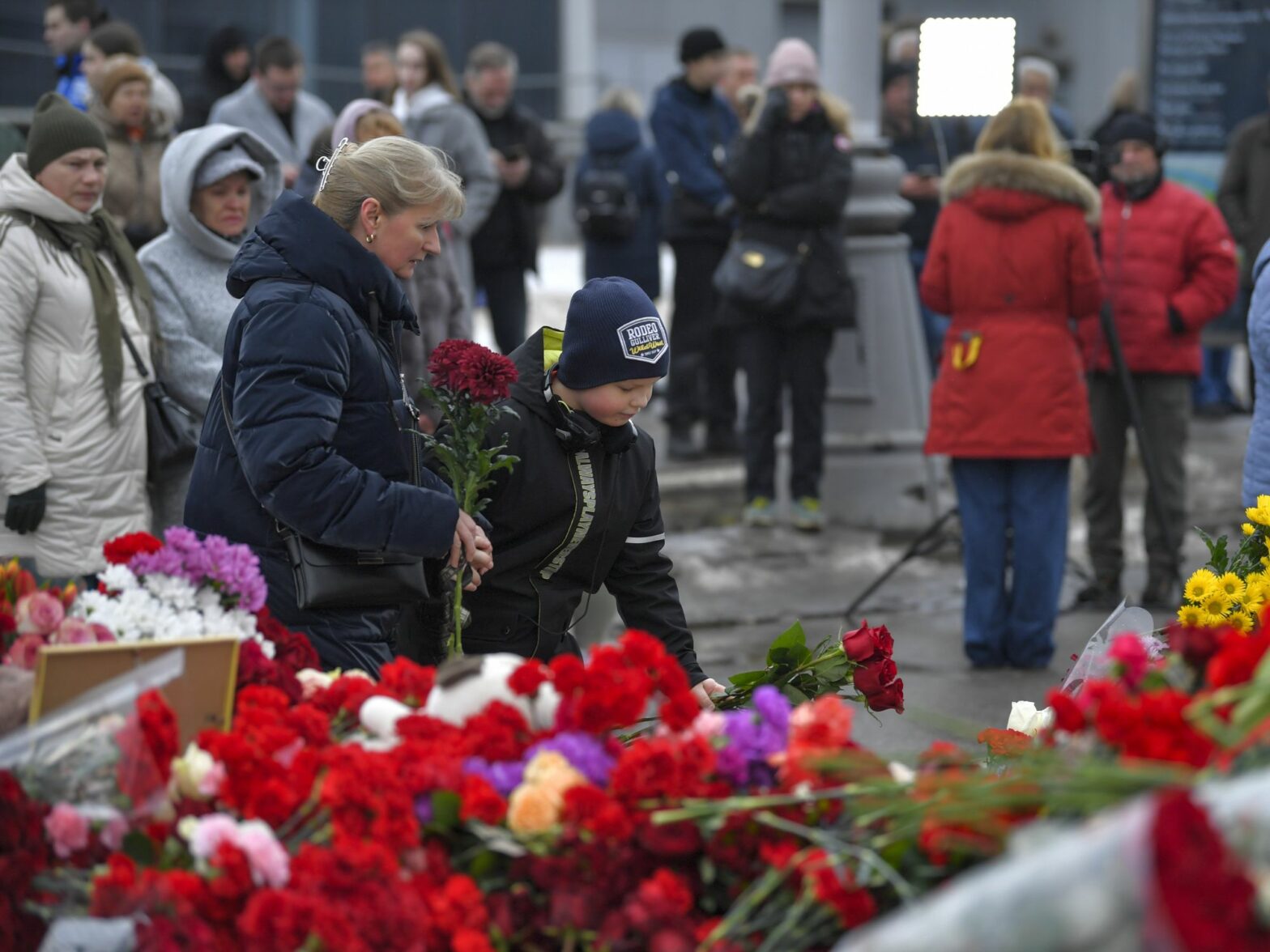
After Friday’s terrorist attack in Moscow, Russian President Vladimir Putin’s decision to lay blame on Ukraine, even while all signs point to Islamic State terrorists, can’t undo the reality that jihadism remains a major challenge that the Kremlin wishes would just go away.
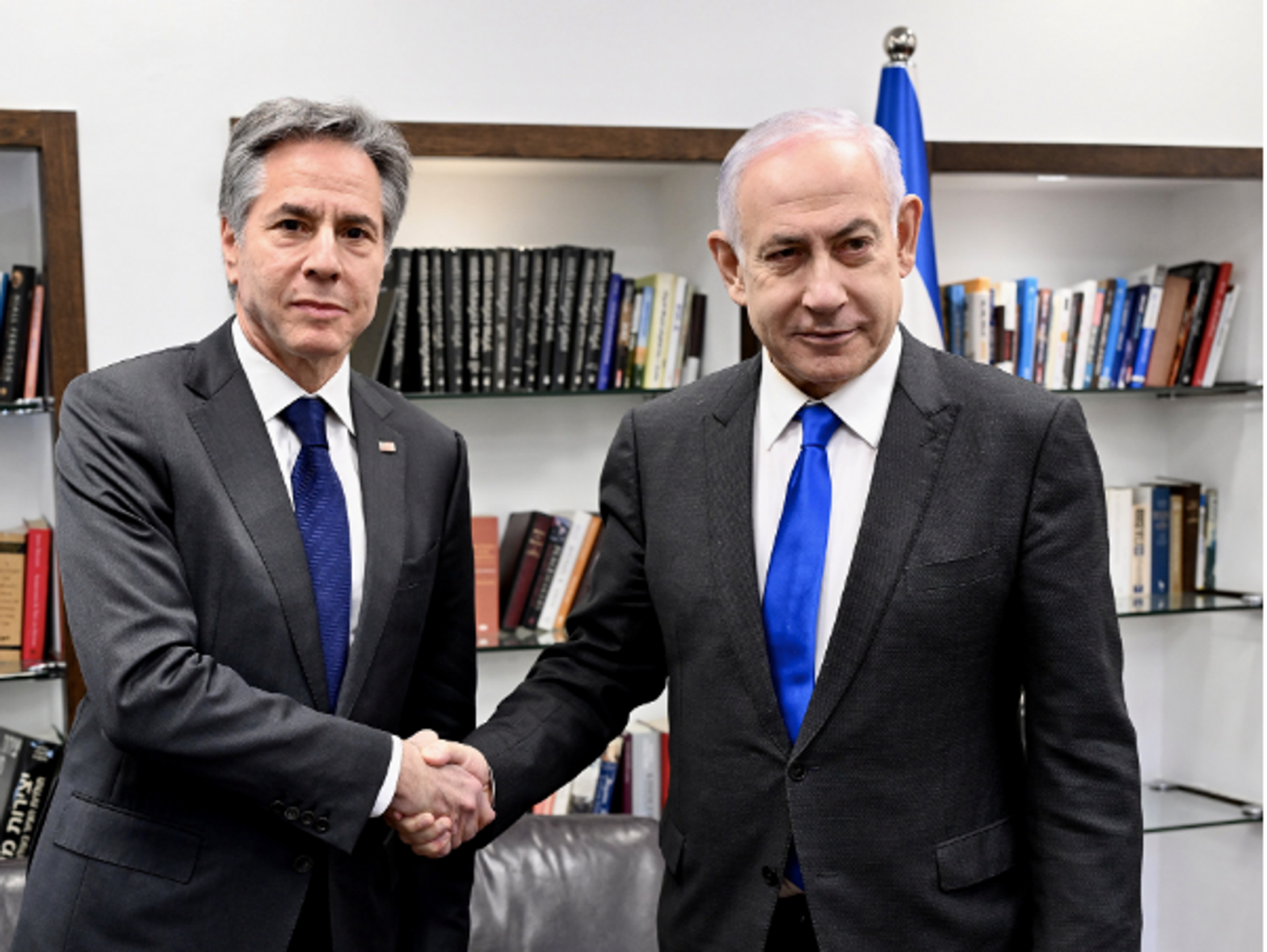
U.S. Secretary of State Antony Blinken meets with Israeli Prime Minister Benjamin Netanyahu, just as Washington has submitted a stunning resolution at the UN pressuring Israel into a ceasefire. But is there a way out?
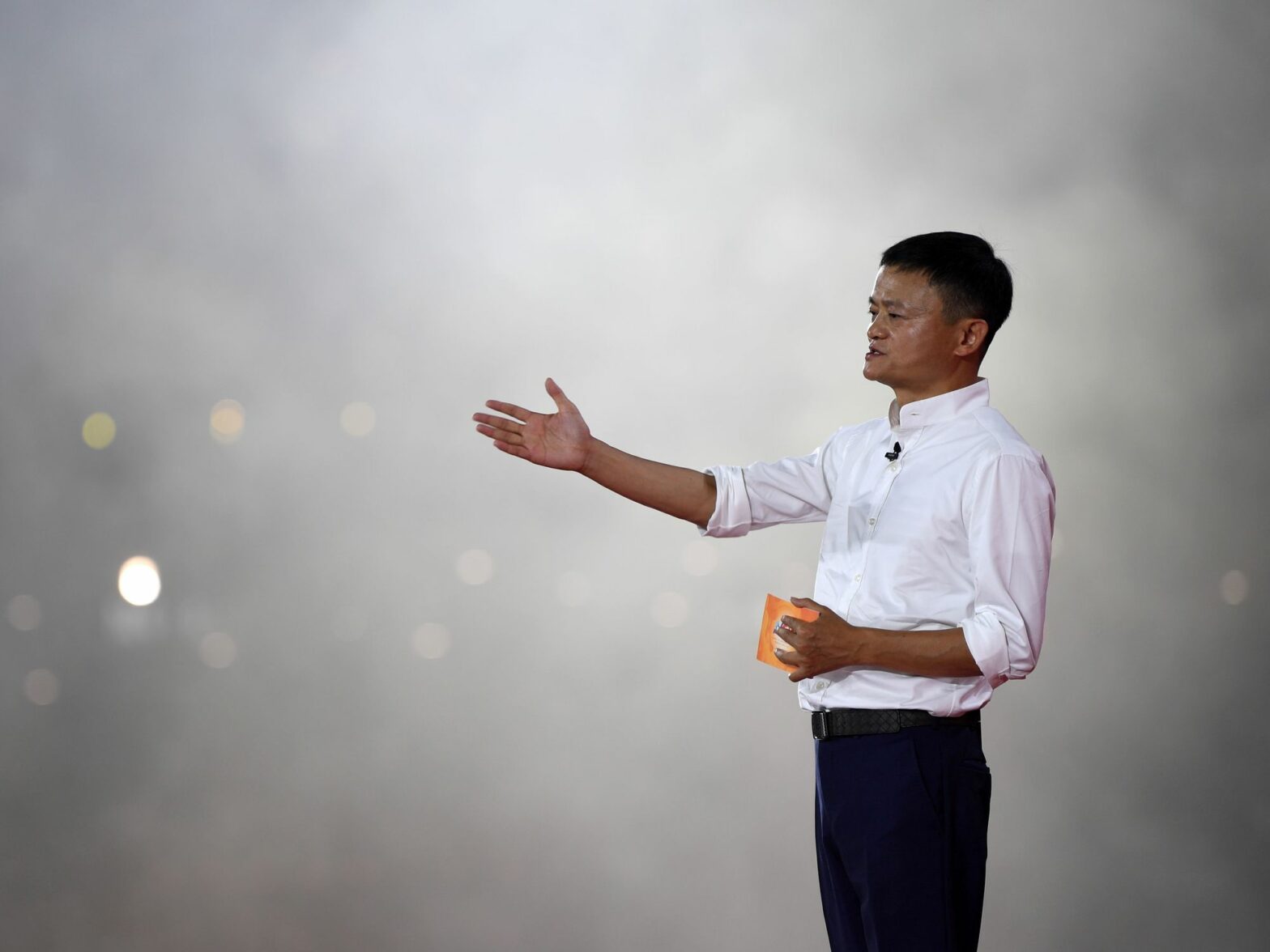
China’s richest man, Zhong Shanshan, has been pursued for weeks by an online nationalist campaign claiming he is not patriotic enough. Official tolerance questions this ideological hardening, at a time of economic slowdown, strong international tensions and built-in contradictions of China’s statists-capitalistic economy.
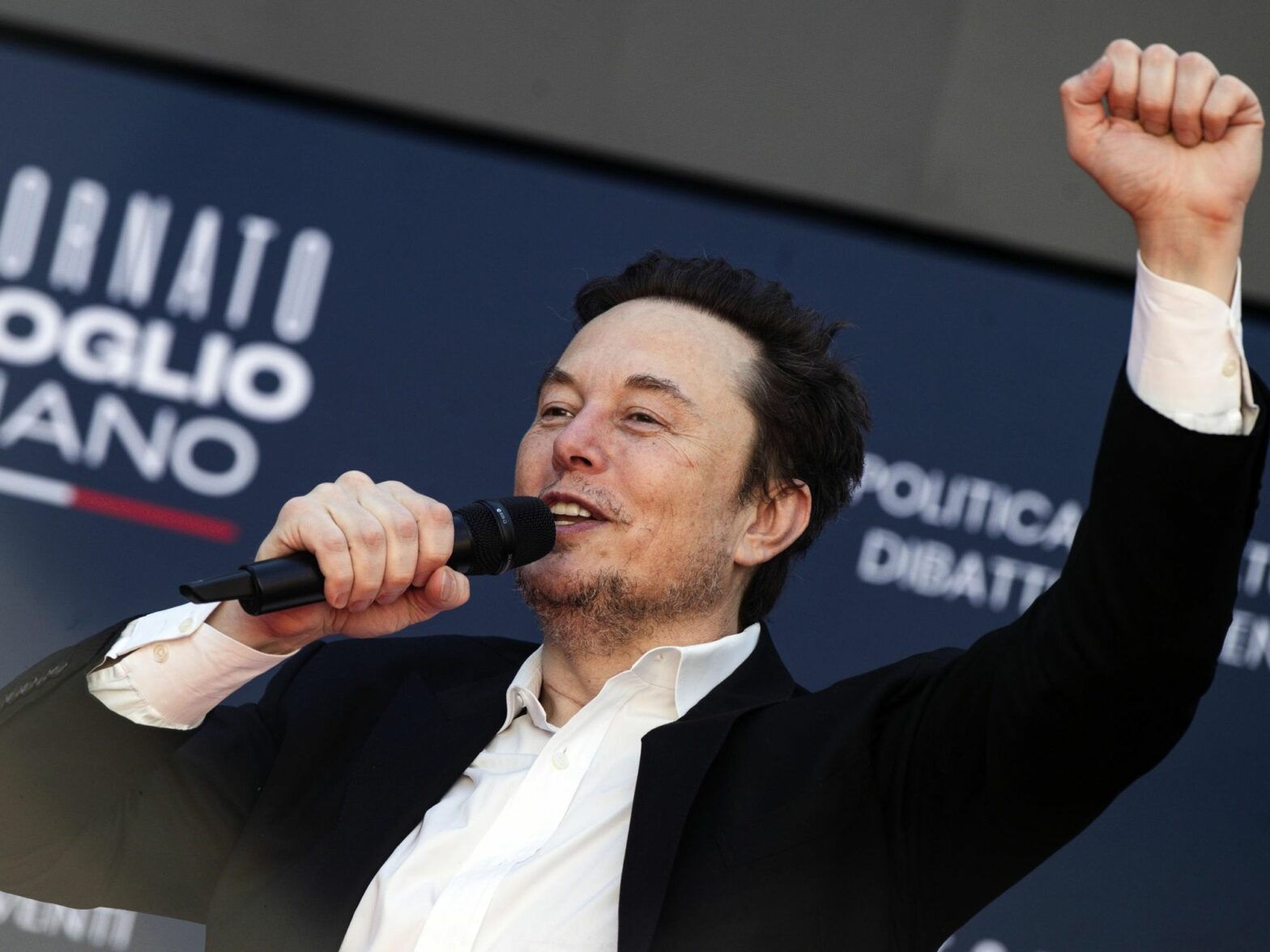
The American billionaire and founder of Tesla and SpaceX is increasingly openly supporting the ideas of the radical right and Donald Trump. Long gone are the days when Silicon Valley voted Democrat: Elon Musk is the embodiment of this openly self-assured “tech right”.
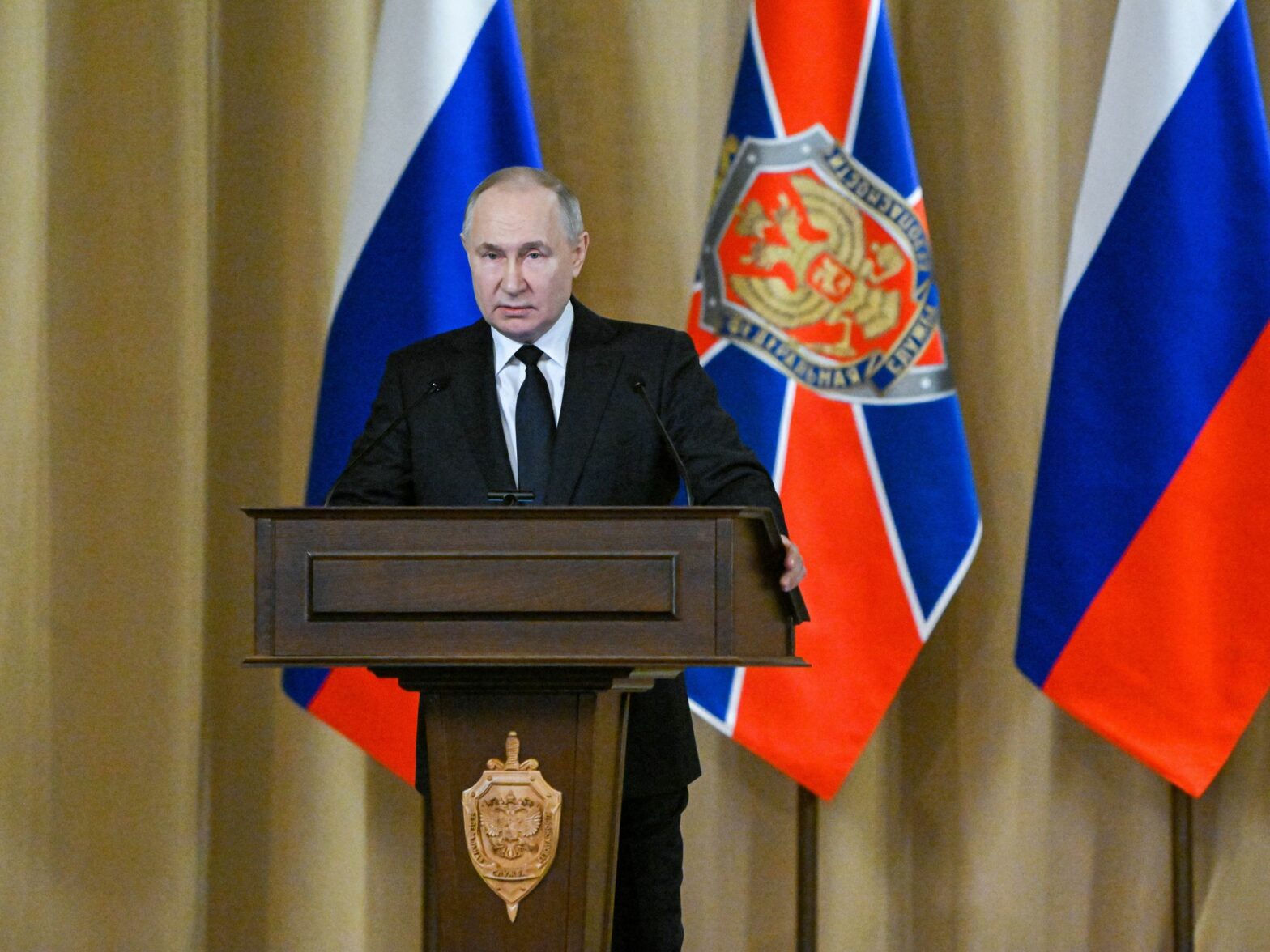
Celebrating his reelection and the 10th anniversary of the annexation of Crimea on Monday, Vladimir Putin showed that he is not backing down. And he signaled that he will redouble his efforts in the invasion of Ukraine as well as his psychological war with the West.
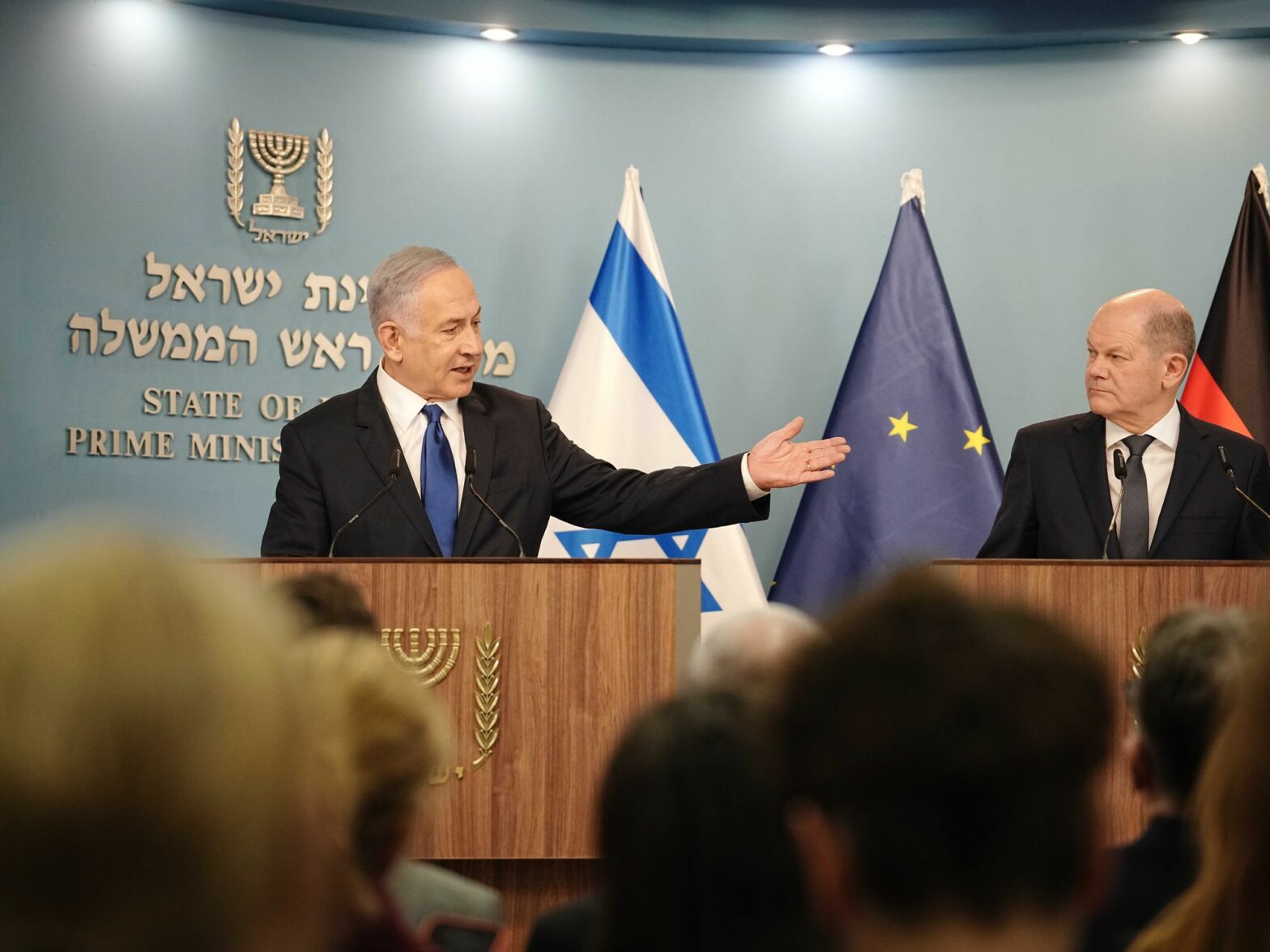
As Western leaders criticize Netanyahu and his war in Gaza, the Israeli Prime Minister apparently remains fully confident in forging ahead with a hardline that leaves a brutal human toll.
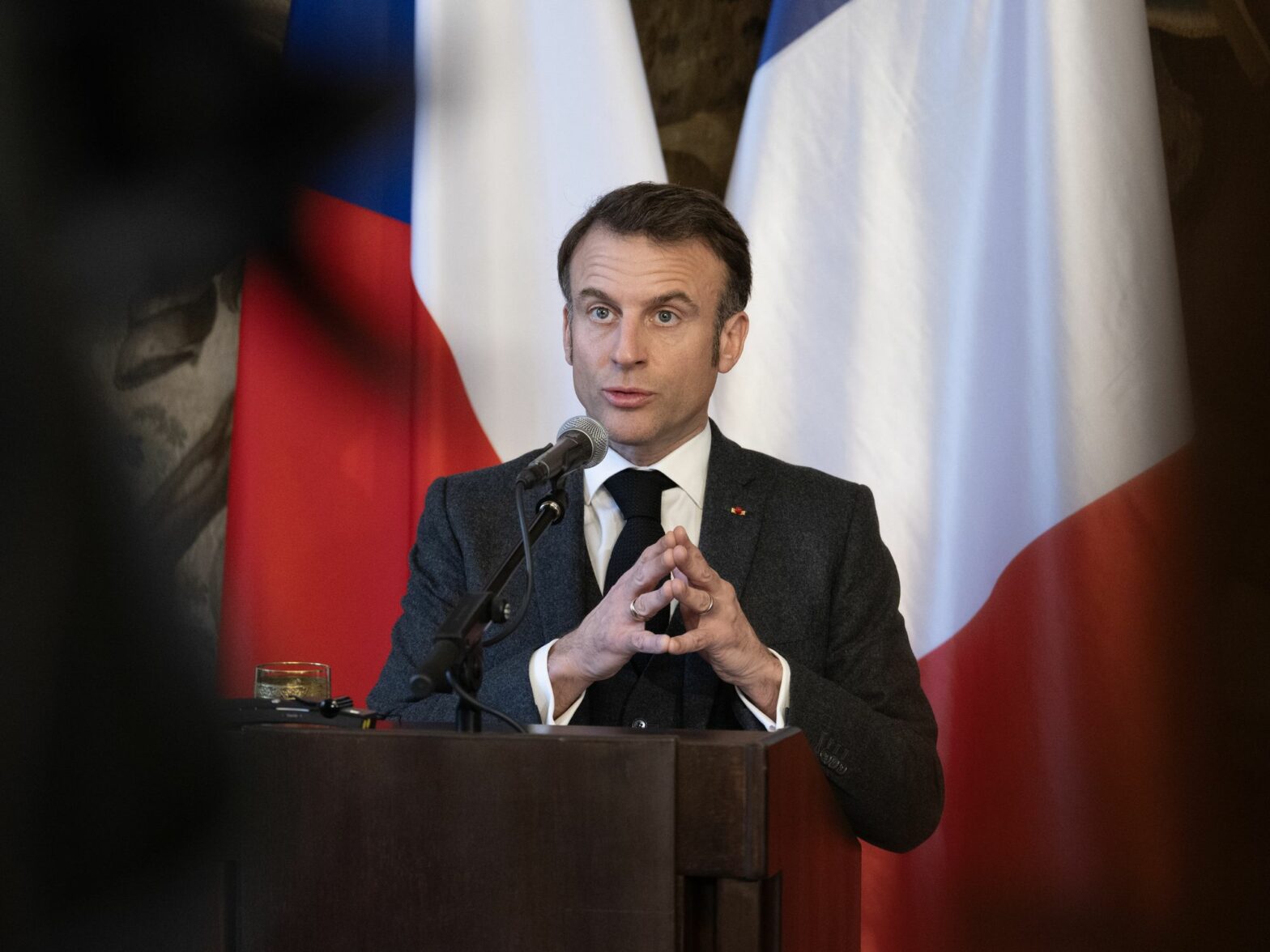
The French President has lost all hope in reasoning with Putin, hardening his tone toward Moscow after trying to position himself at the outset as a mediating force.

Despite the lack of tangible evidence that the Chinese-owned social media platform poses a security risk, the recent vote at the House of Representatives in favor of banning TikTok from the U.S. shows that none of this matters, when it’s China we’re talking about.
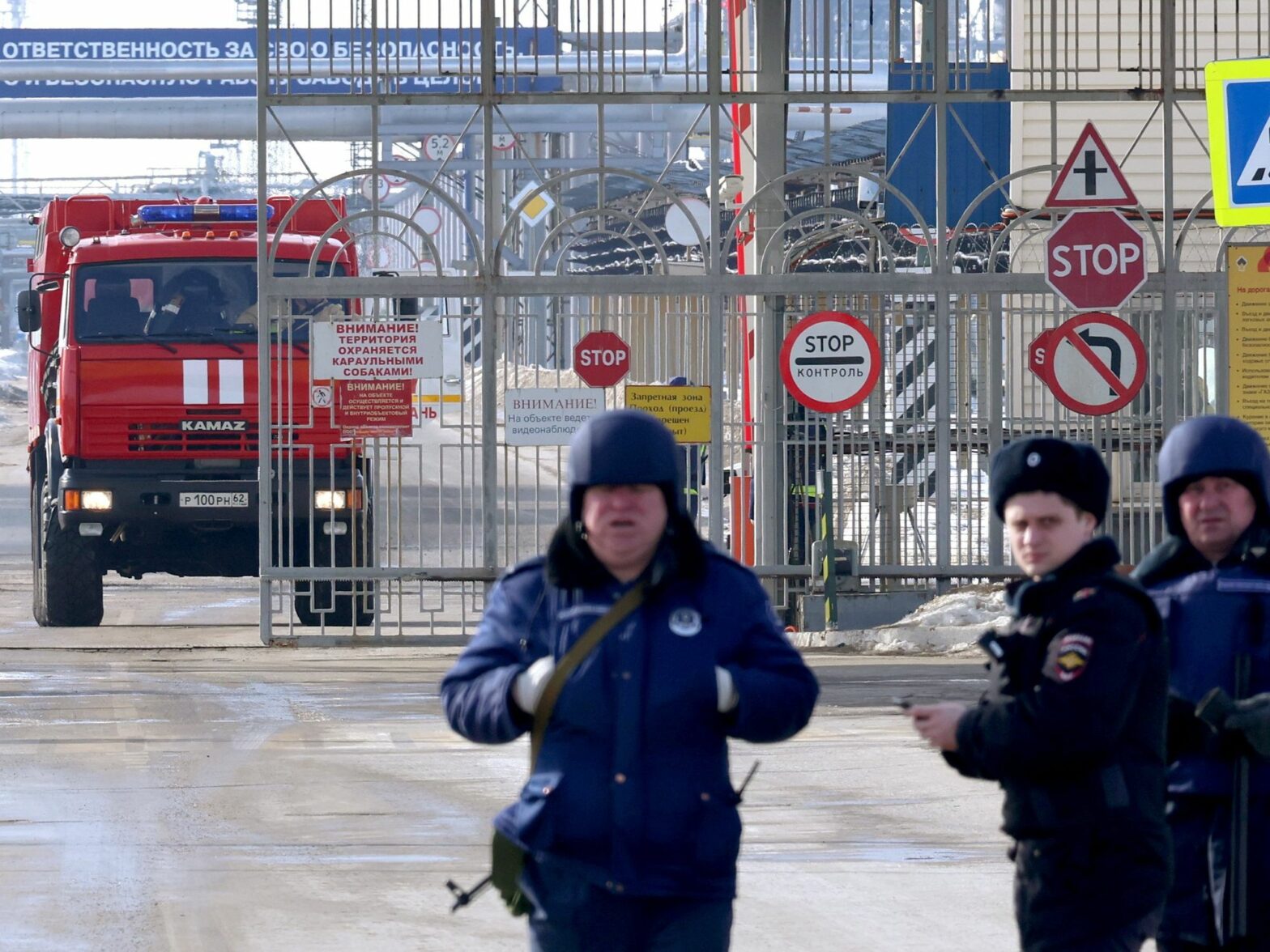
Ukrainian drones that struck nine Russian provinces on Tuesday while armed Russian dissident soldiers launched a ground attack against Moscow’s troops in the Bolgorod region, bordering Ukraine. It’s a reminder to the Russian people that the war is on them, and won’t be ending anytime soon.