After a week of unprecedented conflict between sworn enemy states, Israel and Iran may actually be holding back in the coming days, as the White House mulls its options. But surprises are no doubt in store with so much at stake.
 Worldcrunch
Stay updated with comprehensive news on Iran from Worldcrunch. Discover insights on Iranian politics, economic strategies, societal issues, and cultural landmarks with translations from top international sources. Highlights include Tehran, Iranian history, and cultural events.
After a week of unprecedented conflict between sworn enemy states, Israel and Iran may actually be holding back in the coming days, as the White House mulls its options. But surprises are no doubt in store with so much at stake.
German Chancellor Friedrich Merz said what others were thinking: Israel is doing the world a favor by trying to stop Iran’s nuclear program: Westerners and Arabs but also Russia and China, all would rather Tehran doesn’t get the bomb. But it may now be up to President Trump who is only concerned with his own interest.
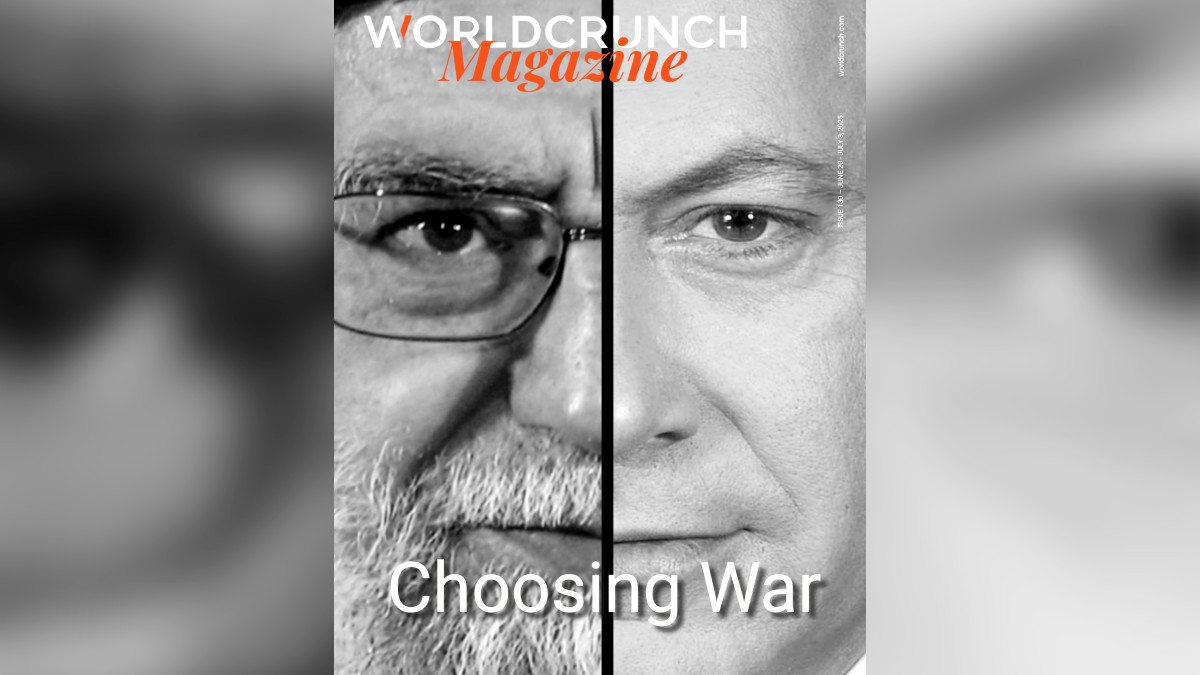
June 20 – July 3, 2025
By declaring that Israel was “doing the dirty work for all of us,” German Chancellor Friedrich Merz shocked many and cast an ambiguous shadow over Europe’s position in the conflict. At a moment when Europe should be upholding the rule of law, he appeared to align with Israel and the United States, who seem to rely solely on force.
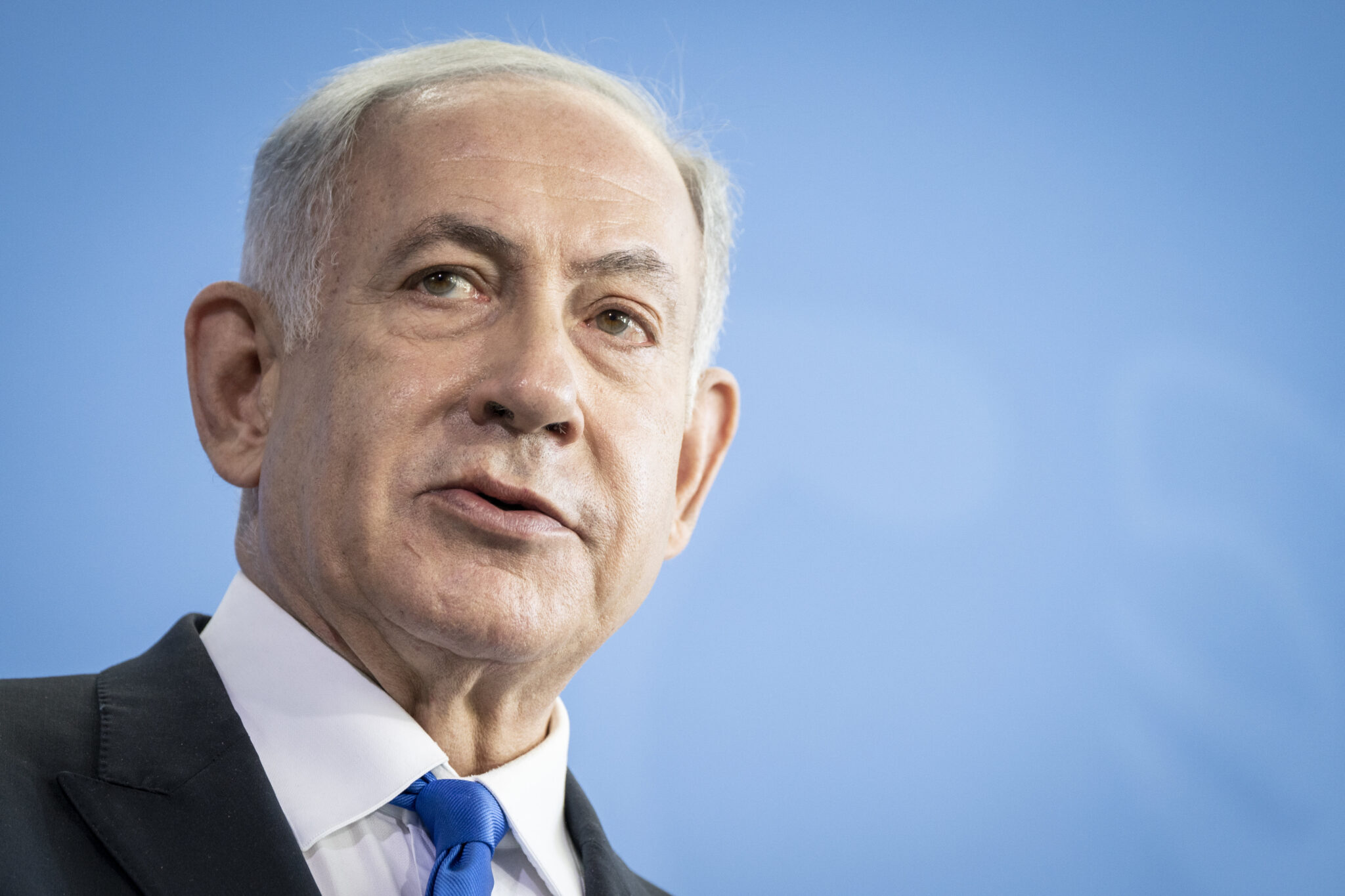
Israeli Prime Minister Benjamin Netanyahu has long viewed the Iranian regime as an existential threat to the Jewish state. Now, with direct strikes on Iran, he may be realizing a goal he’s pursued for decades — driven by history, personal conviction and political survival. But the risks for Israel and the region are huge.
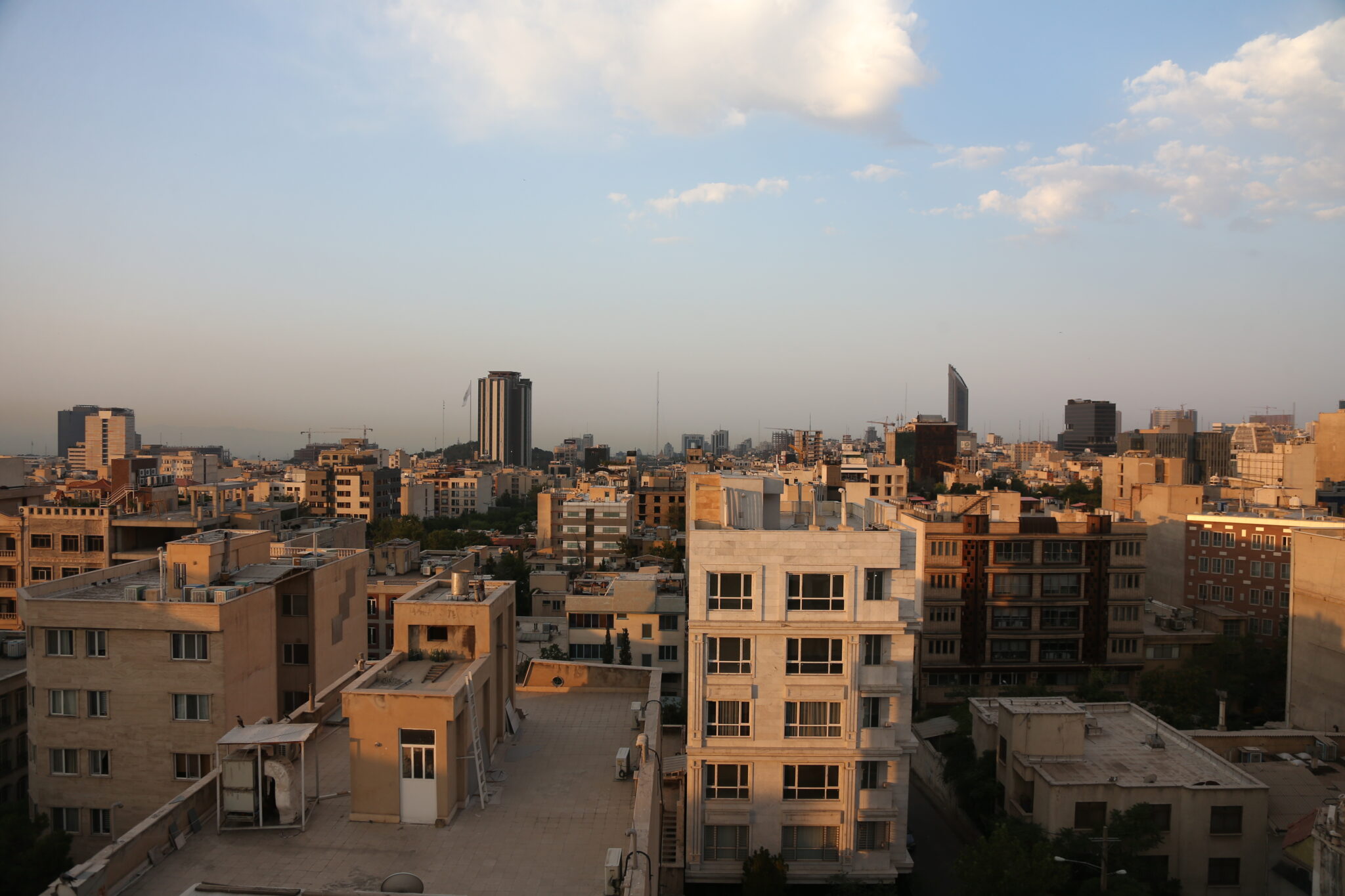
Israel may be giving Tehran a taste of the havoc it wreaked on Gaza and Beirut, as it seeks to crush the very environment that has nurtured and sustained the hostile regime of the Islamic Republic.
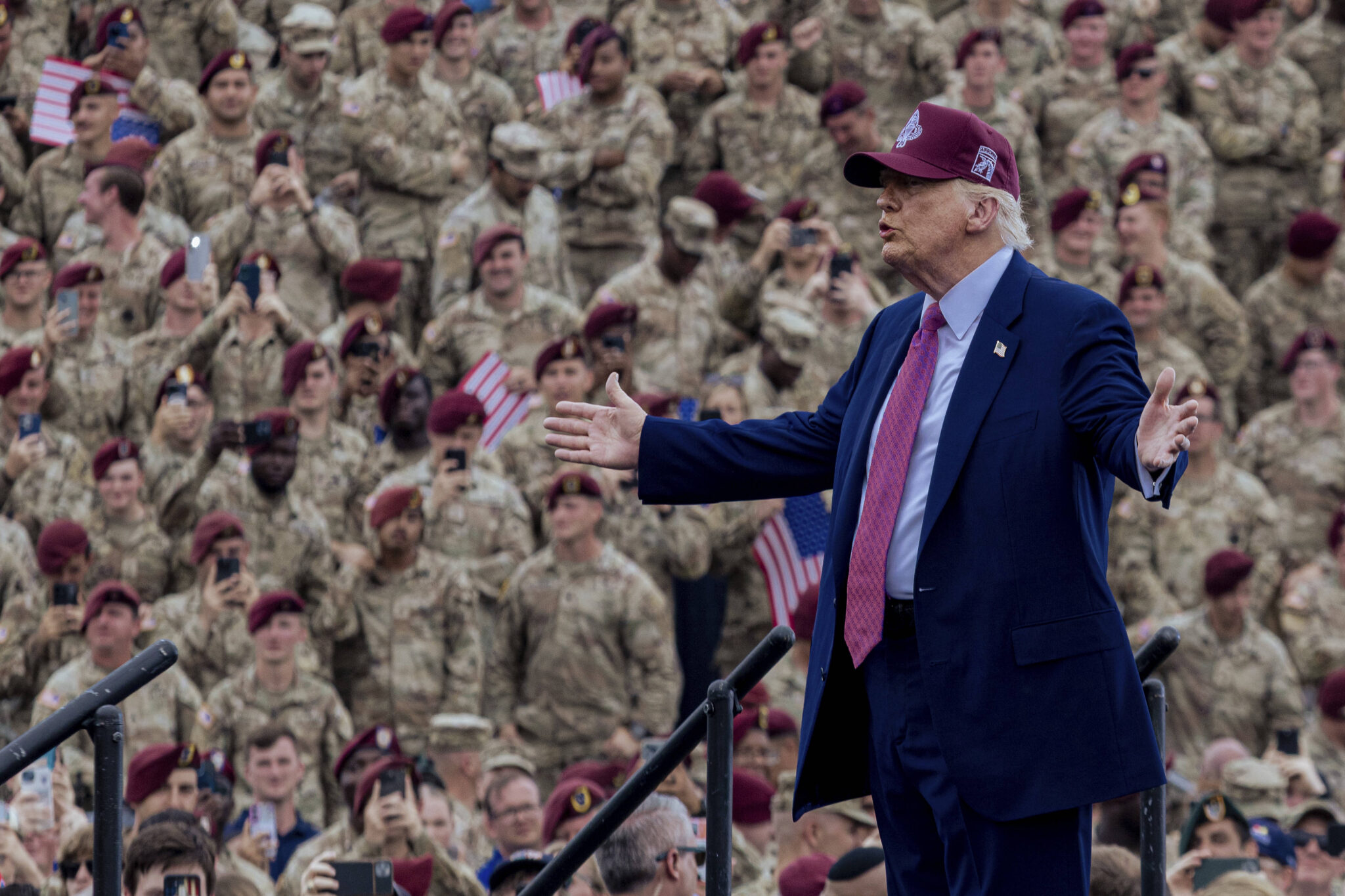
The exchange of threats between Donald Trump and Ayatollah Ali Khamenei are increasing tensions, and everyone is waiting for the U.S. president to decide whether or not to commit his country to war alongside Israel. If Trump decides to do it, there are three main reasons why.
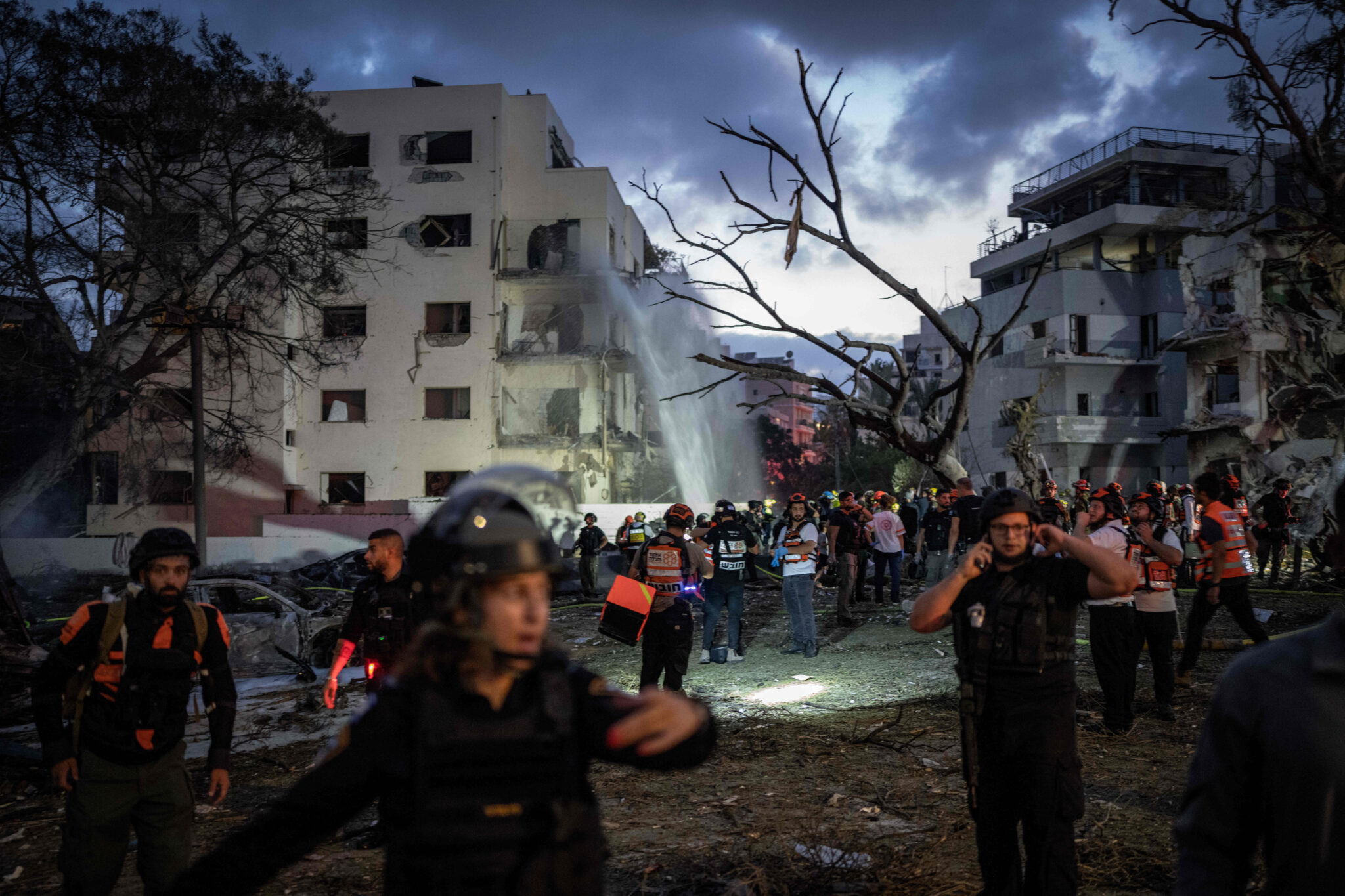
As Israel and Iran trade missile strikes, people of the Middle East are divided between cheering and gloating in a conflict of axes fighting over the ruin of the region. We must return the debate to its root: Who represents the peoples of this region? Who defends their right to freedom, not to arms?
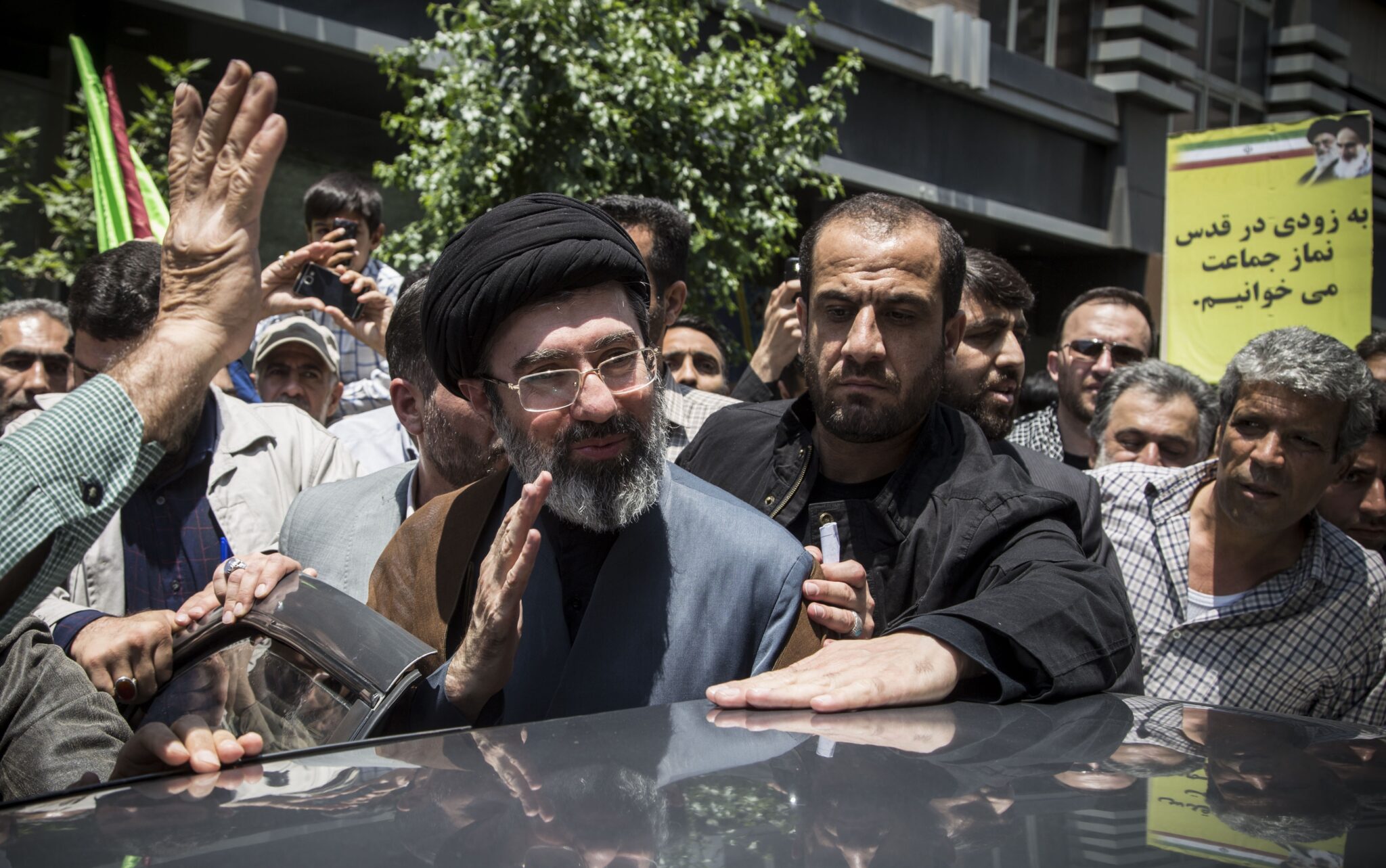
After the bombs, Iran stands at a crossroads, torn between dynastic succession, military takeover and revolutionary implosion.
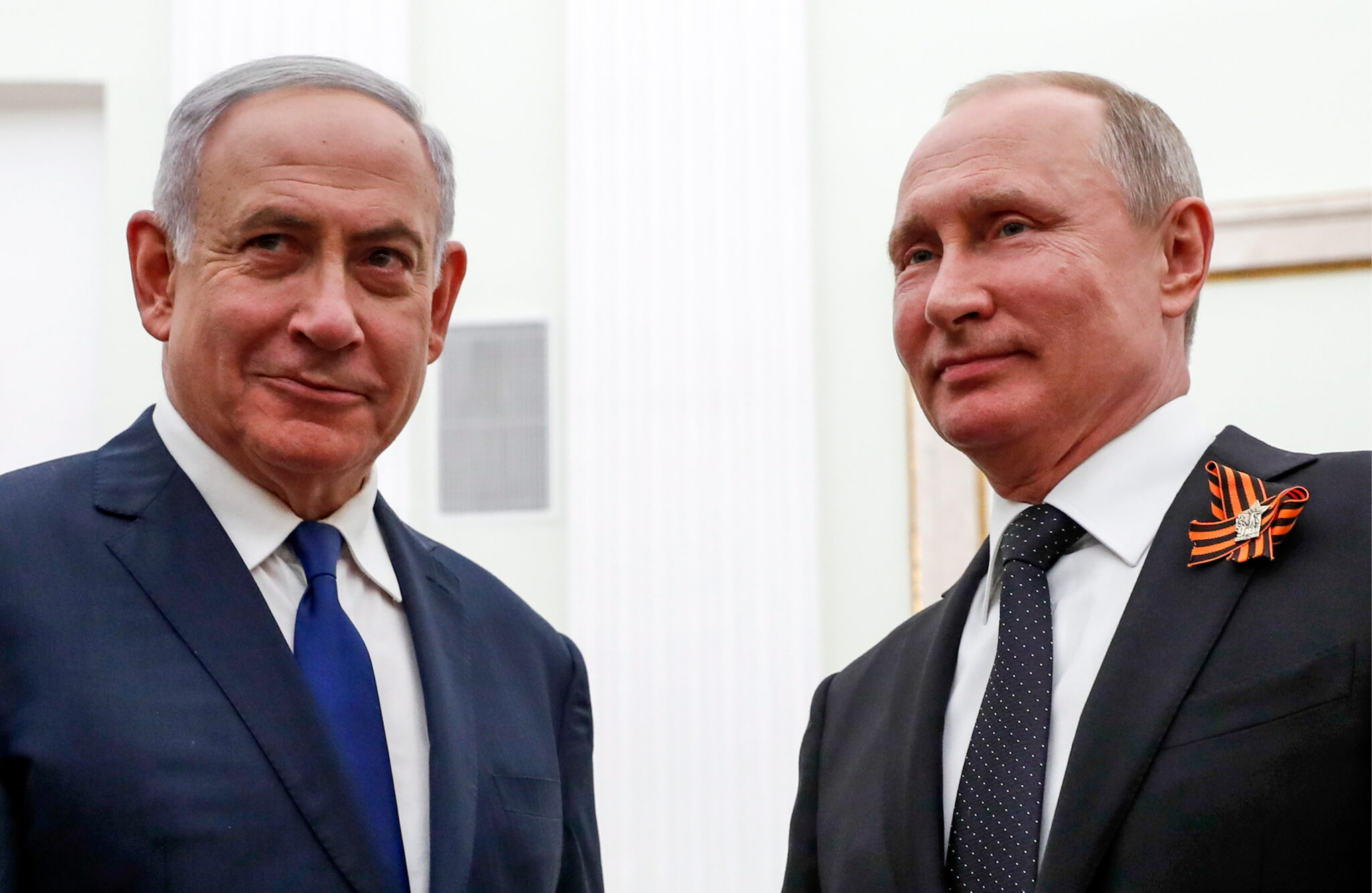
As Netanyahu’s war recalibrates alliances and redraws red lines, international law fades into irrelevance, Gaza becomes background noise, and the West’s moral compass spins off course.
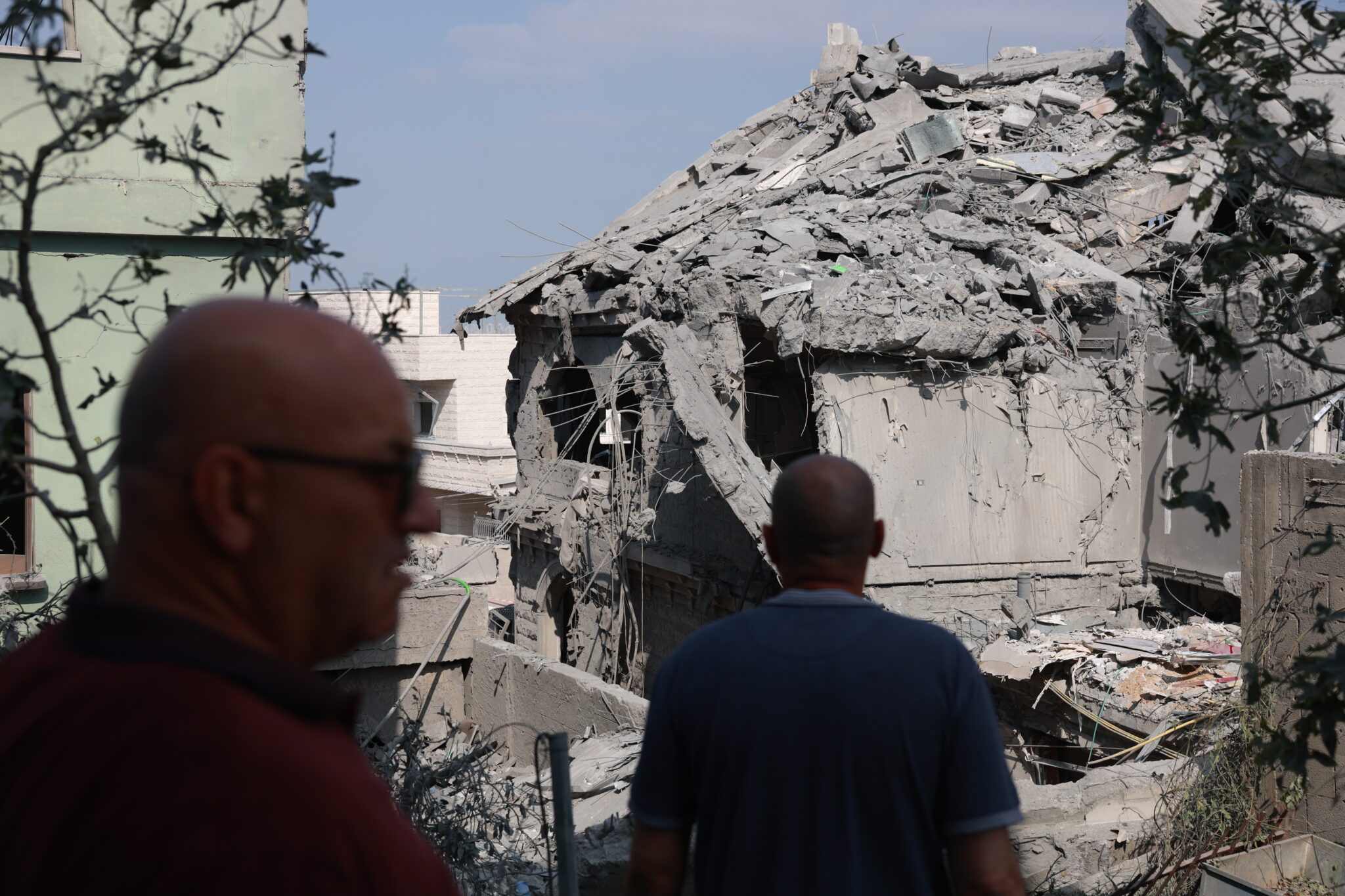
In Tamra, an Arab town in northern Israel, the fallout of Iran’s missile strikes has taken a devastating toll. As Israel and Iran trade blows, residents without proper shelters — especially in Muslim, Druze and Christian communities — are bearing the brunt of the escalating conflict.
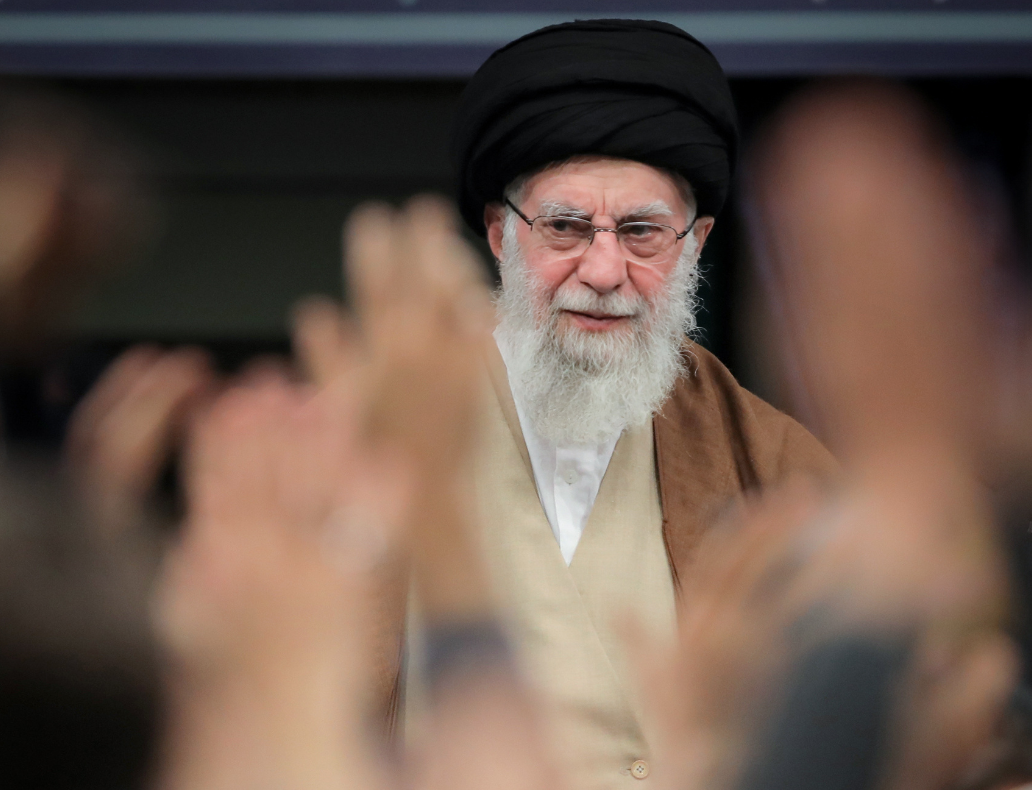
Benyamin Netanyahu made his point clear yesterday on ABC news: killing Ayatollah Ali Khamenei, Iran’s Supreme Leader, “would not provoke an escalation. It would end the conflict” with Iran. Netanyahu reveals his end goal: the fall of the Tehran regime.
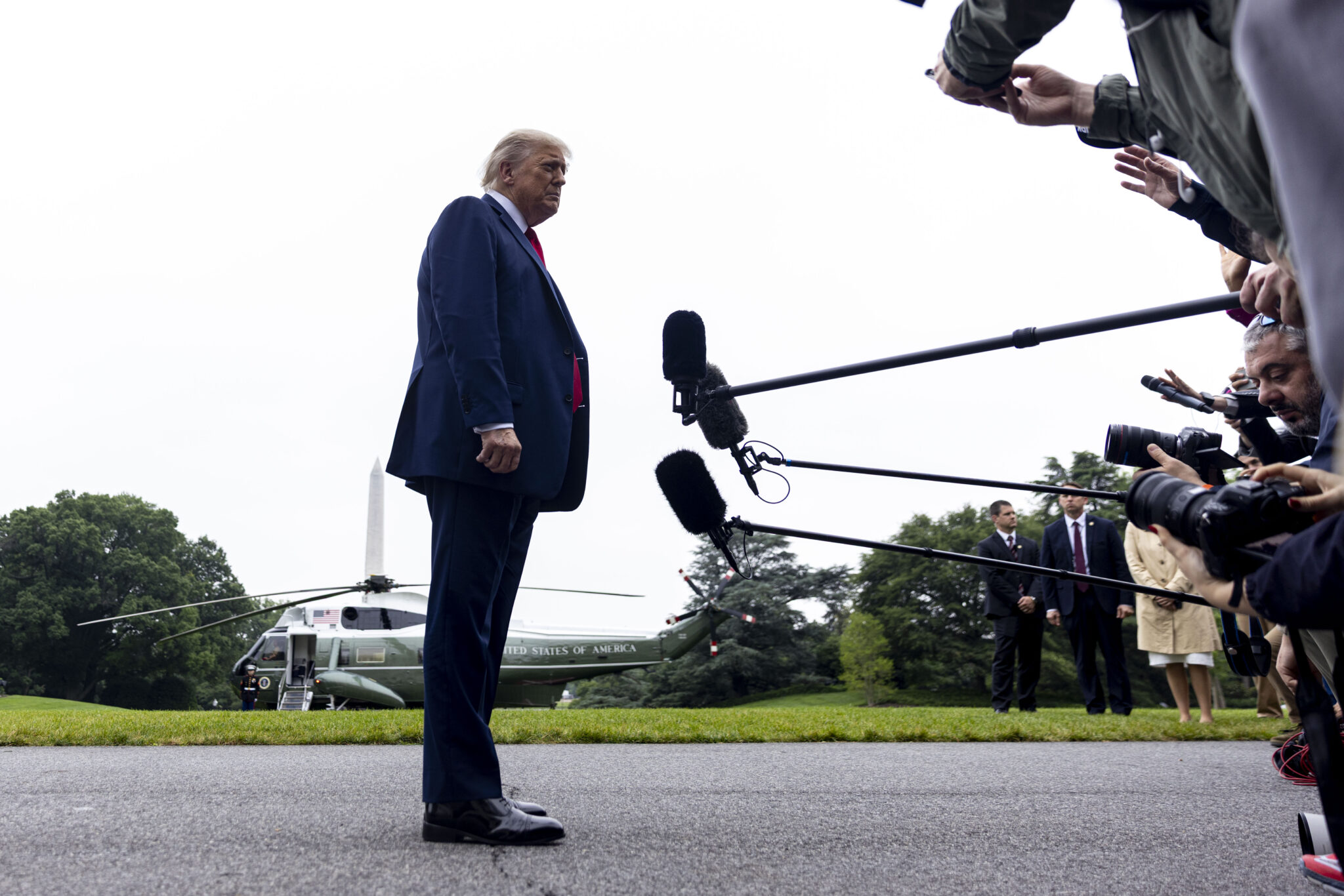
The U.S. president insists he wants peace and claims no involvement in Israel’s military campaign against Iran. But conflicting signals, secret briefings, and political pressures raise the question: just how far is Trump willing — or able — to stay out?
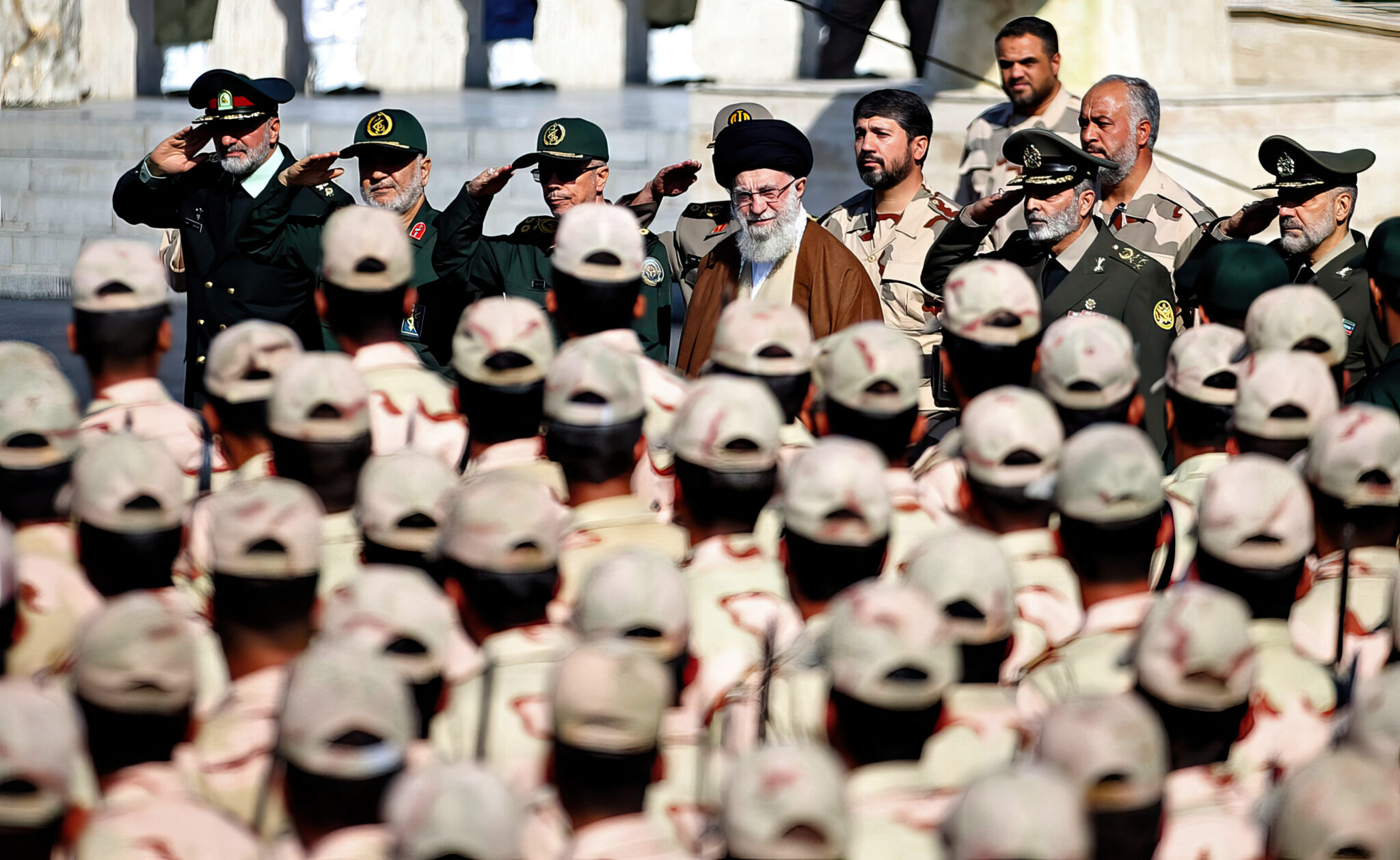
Iran’s Revolutionary Guard Corps, which Israel has been battering with increasing intensity, were inevitably a prime target after decades of violent subversion often enacted with the aid of that other enemy of the West: Russia. The IRGC may be in its final throes.
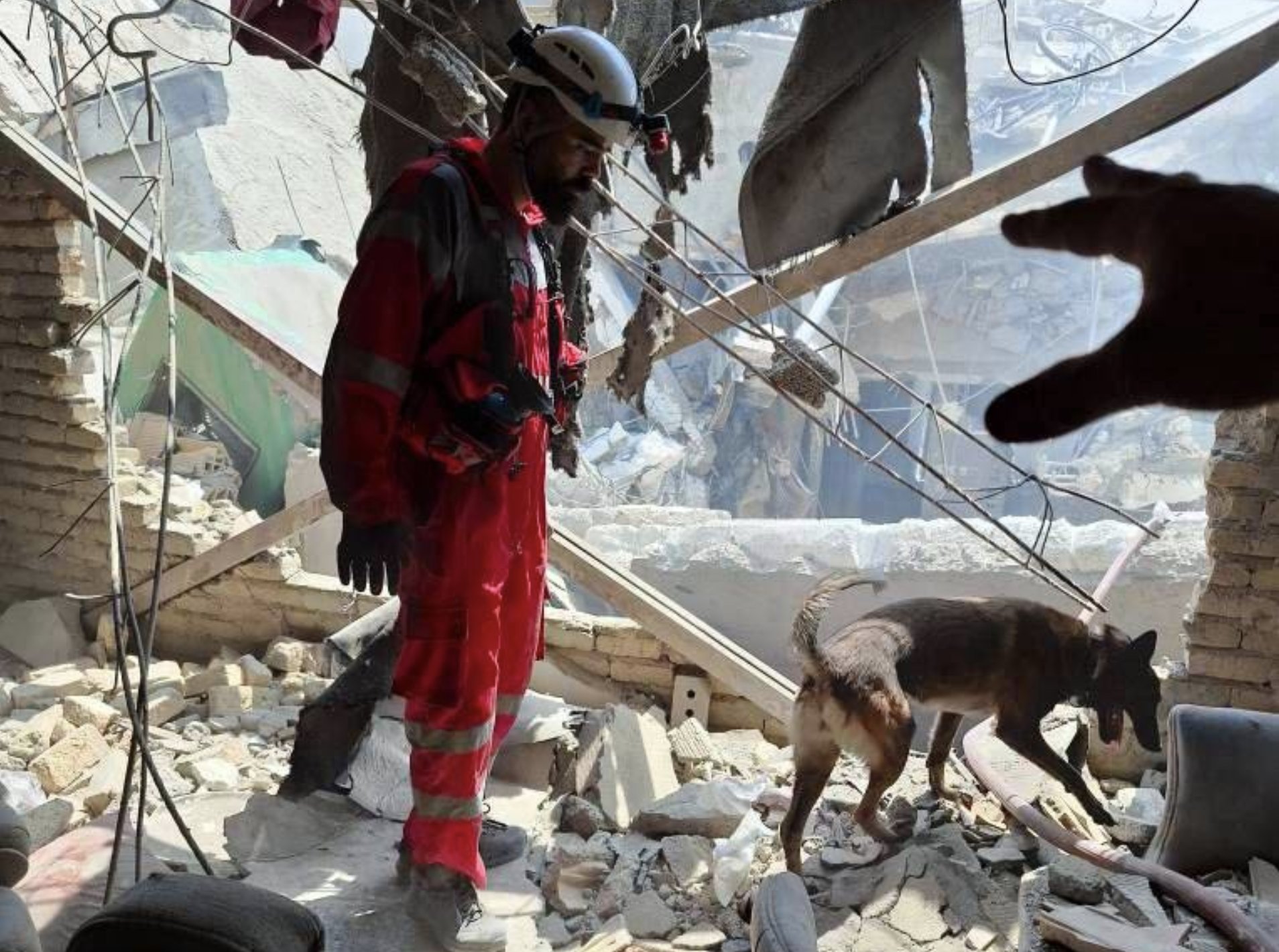
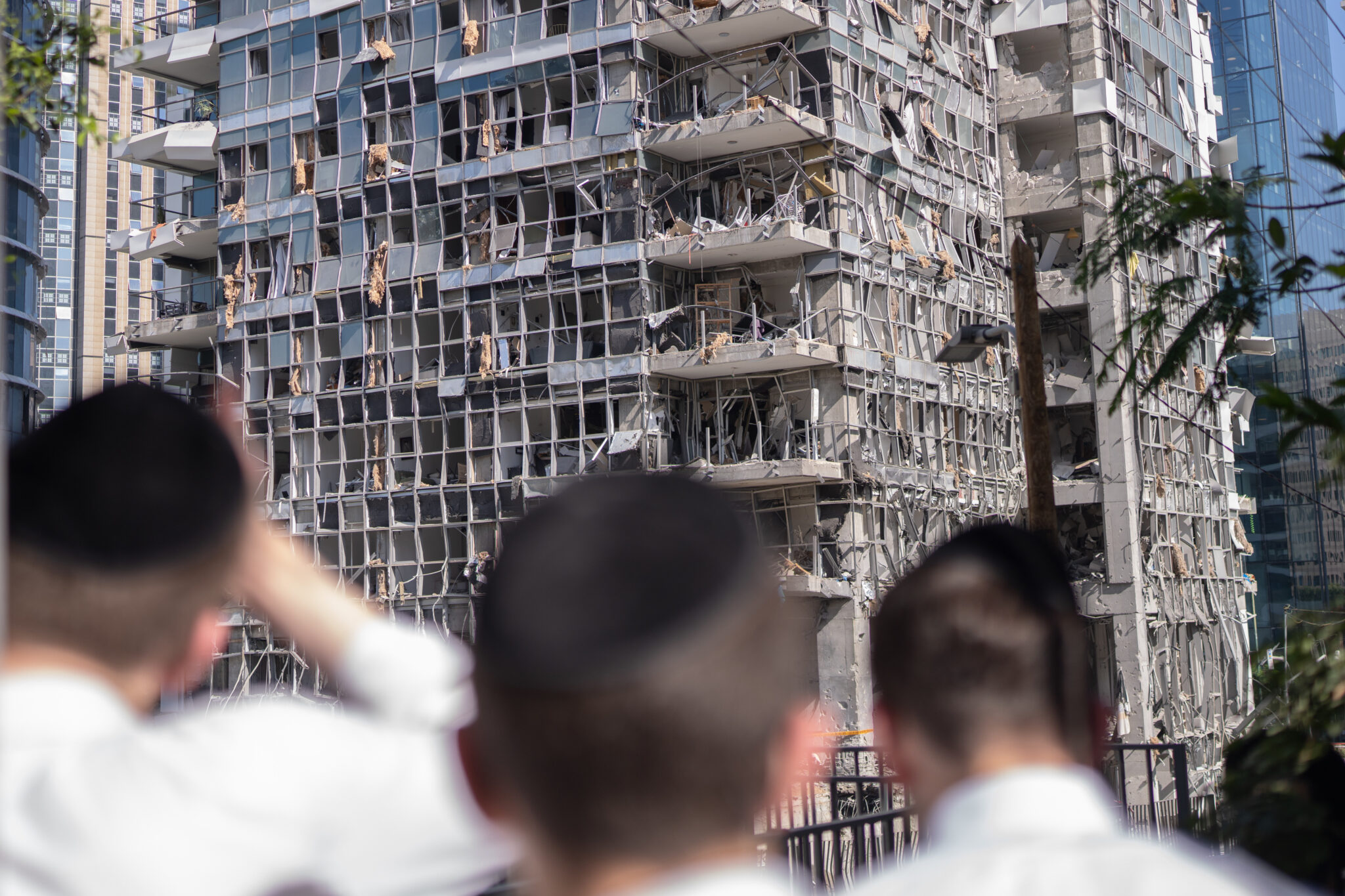
A first-hand account of how the war began on the ground in Tehran, as a massive explosion shattered the silence. West Tehran’s high‐rises trembled as homes crumbled to rubble. Amid fierce flames and choking smoke, residents and rescuers confronted a war that had invaded their once peaceful city.
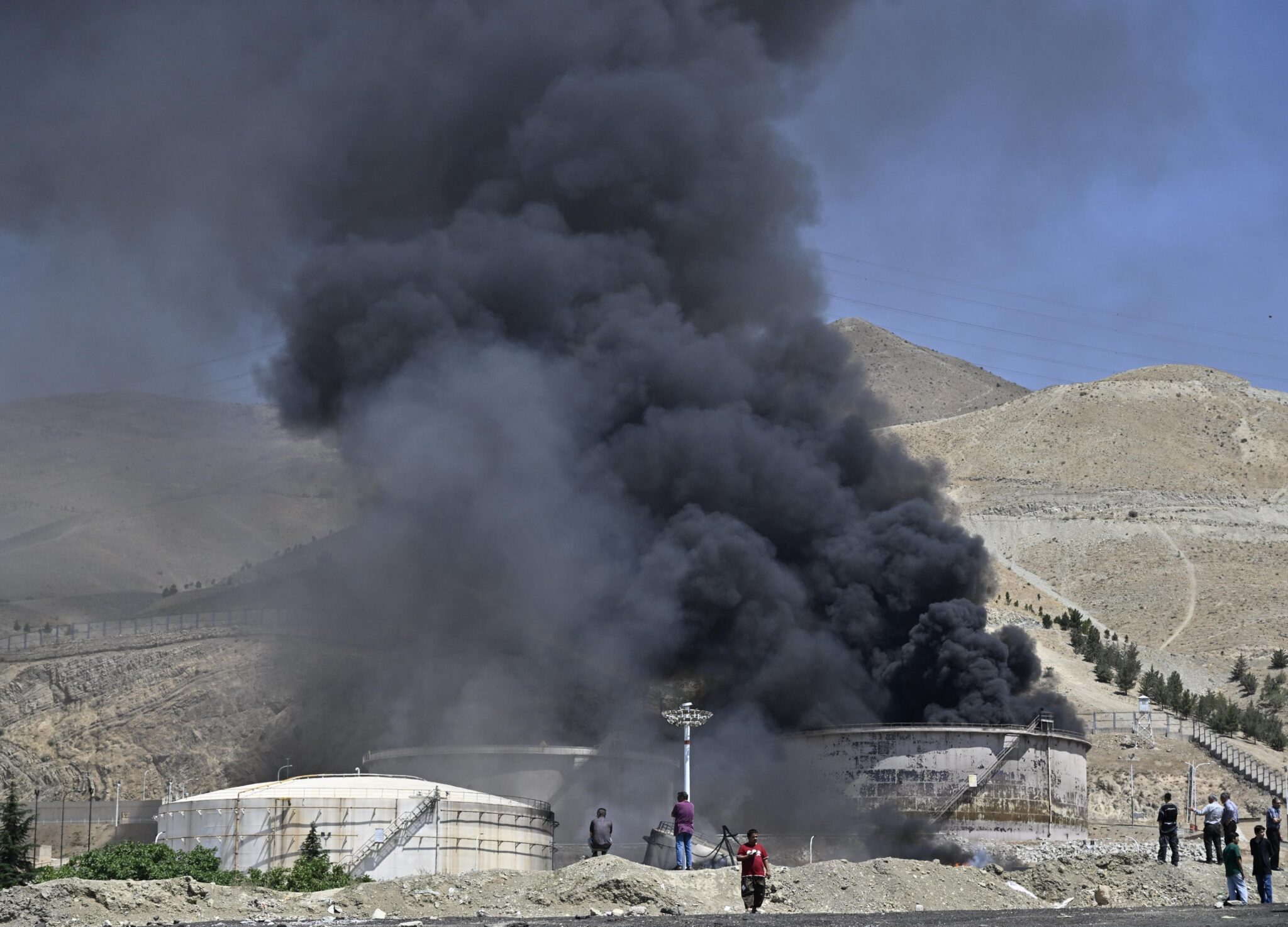
No externally-induced regime change has produced positive results for more than 30 years: not in Afghanistan in 2001, nor Iraq in 2003, nor Libya in 2011. And even if the current rulers were expelled from Tehran, a particularly dangerous kind of chaos would likely take its place.
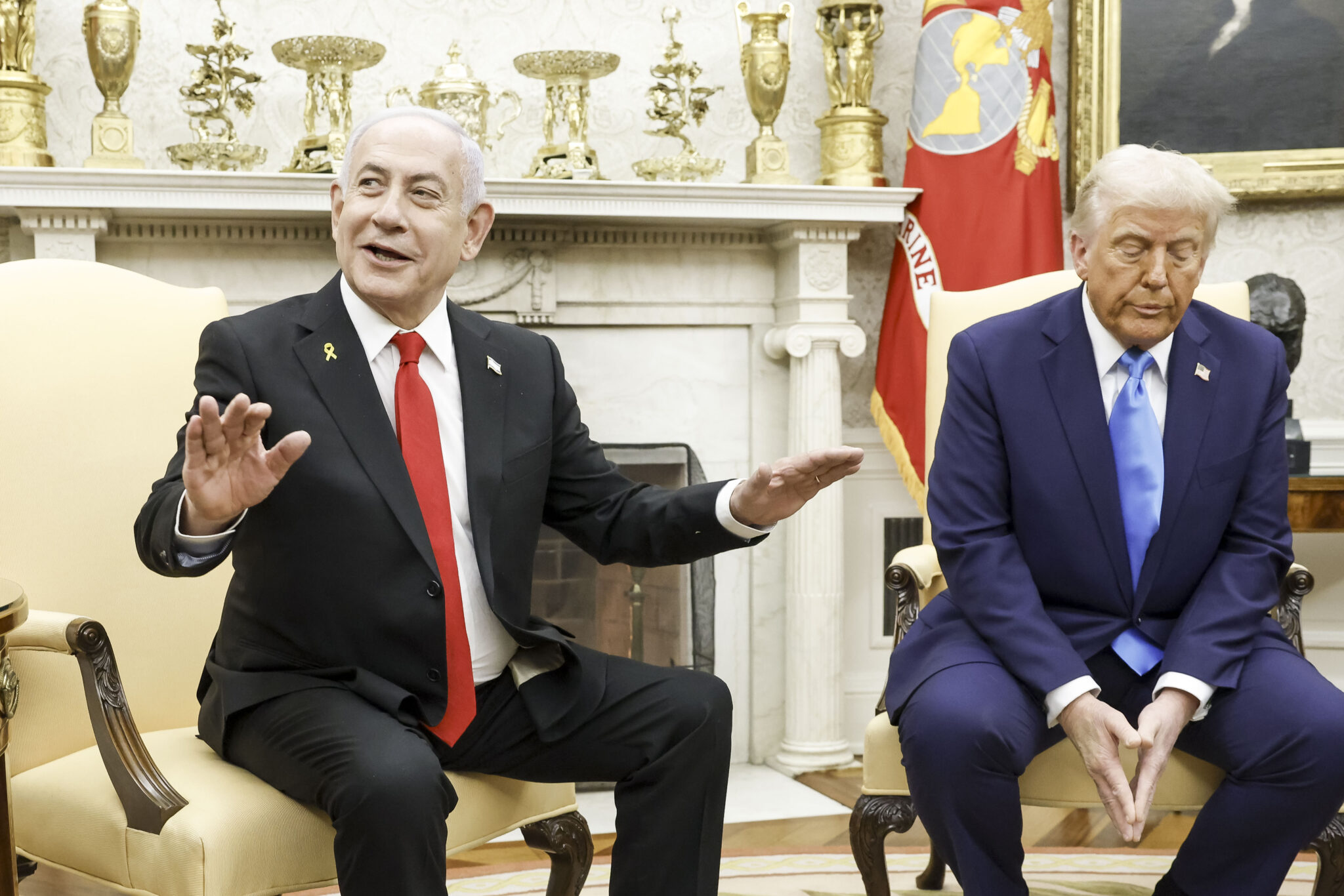
Donald Trump was hoping to buy time for negotiations with Iran. But Israel’s prime minister undercut the plan with a military strike, just ahead of Trump’s birthday and military parade.
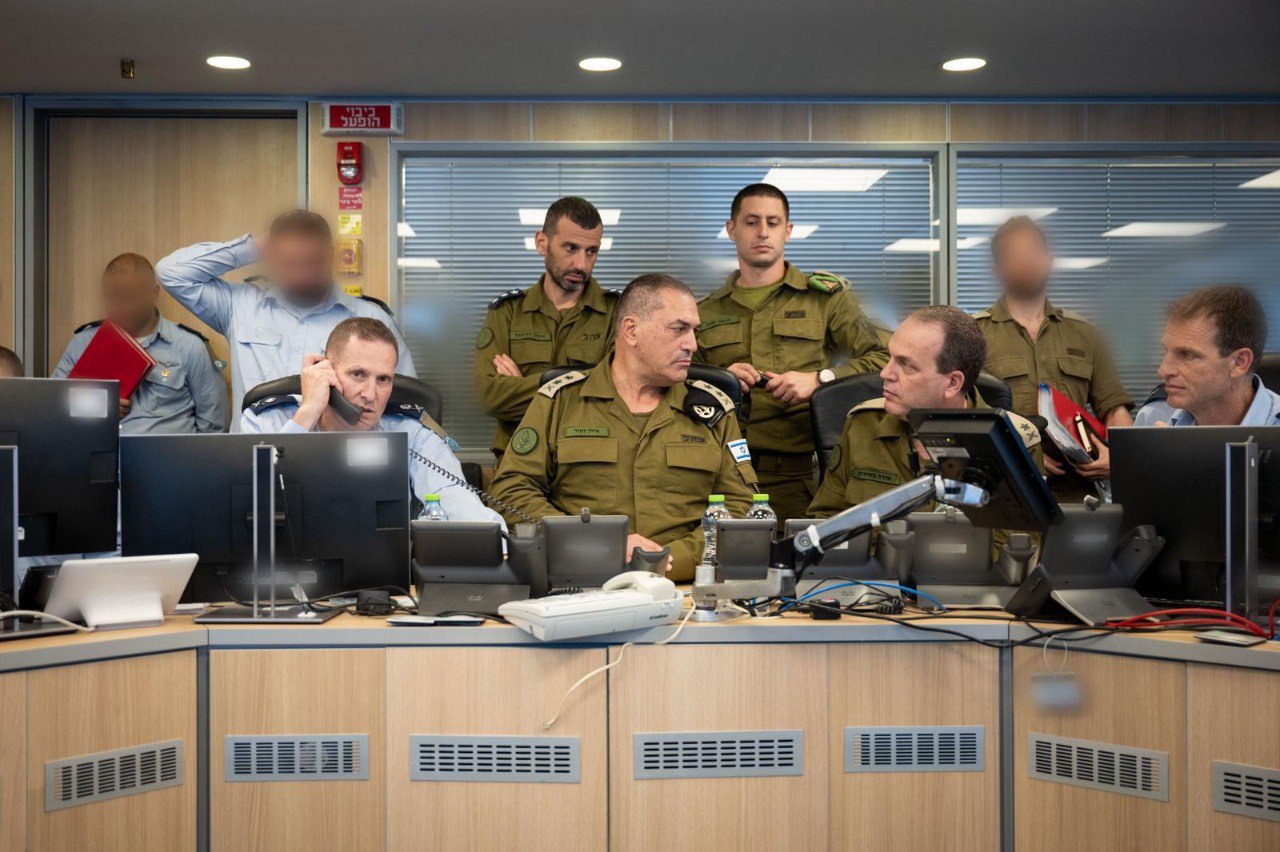
In a bold move, Israel targeted Iran’s nuclear infrastructure and leadership in an operation that may have been years in the making, much like last year’s attack on the pagers of Hezbollah members.
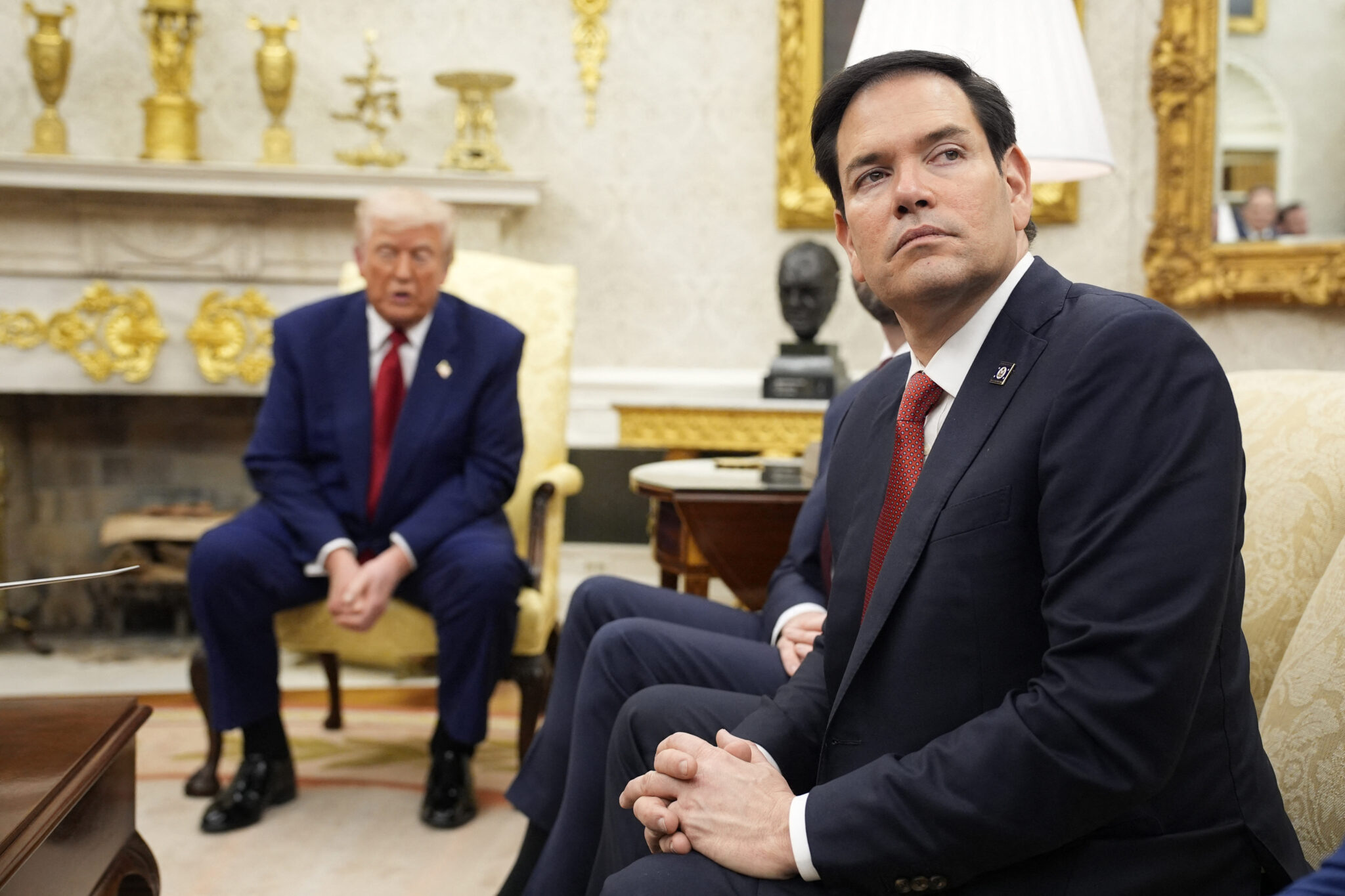
Though he tried to keep Washington’s hands clean, U.S. President Trump necessarily gave his green light for the unprecedented operation against Iranian nuclear targets. It’s a victory for the foreign policy hardline faction, led by Secretary of State Marco Rubio.
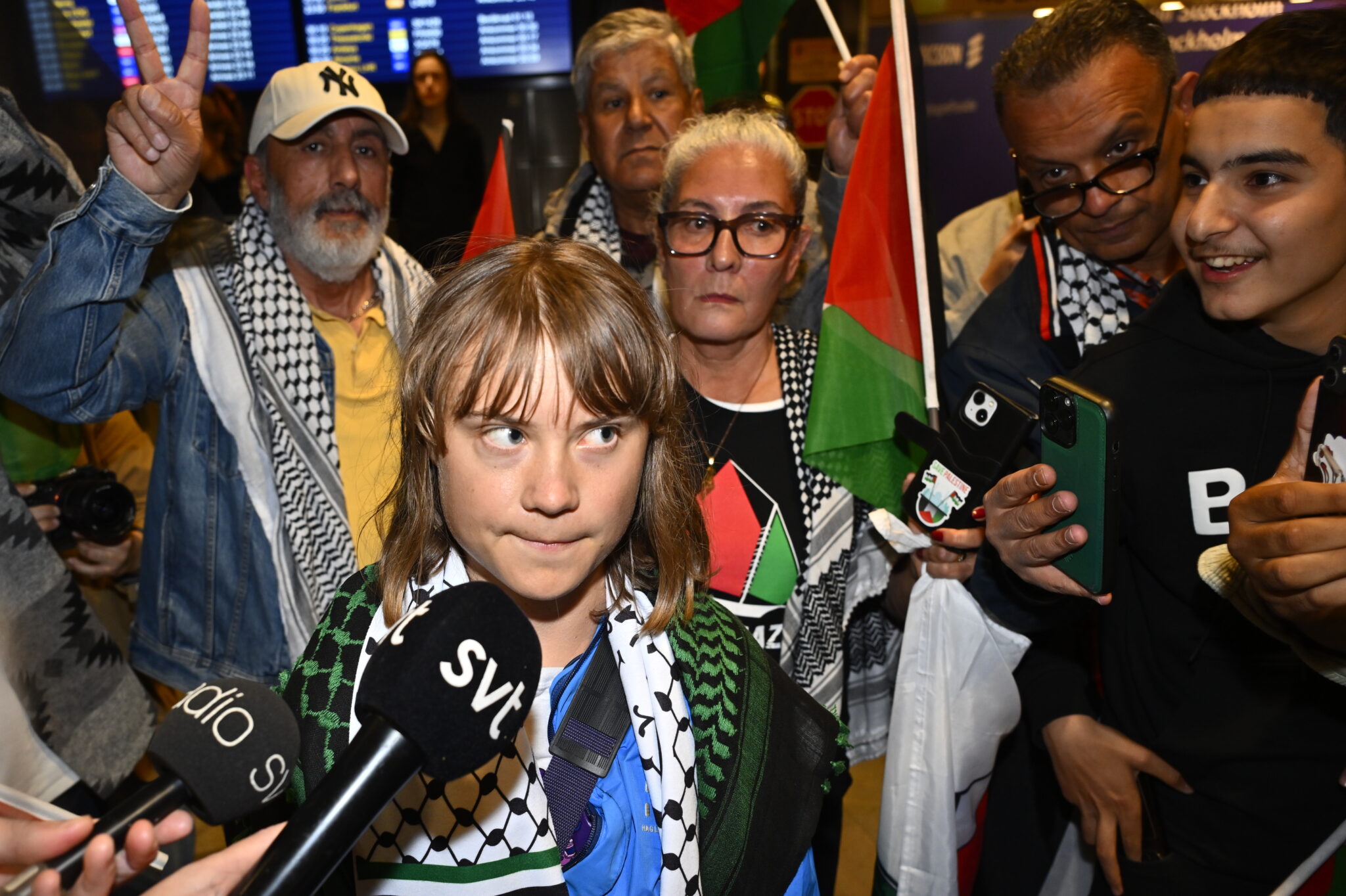
With remarkable shots from Stockholm, Tehran, and Leipzig, among other places.
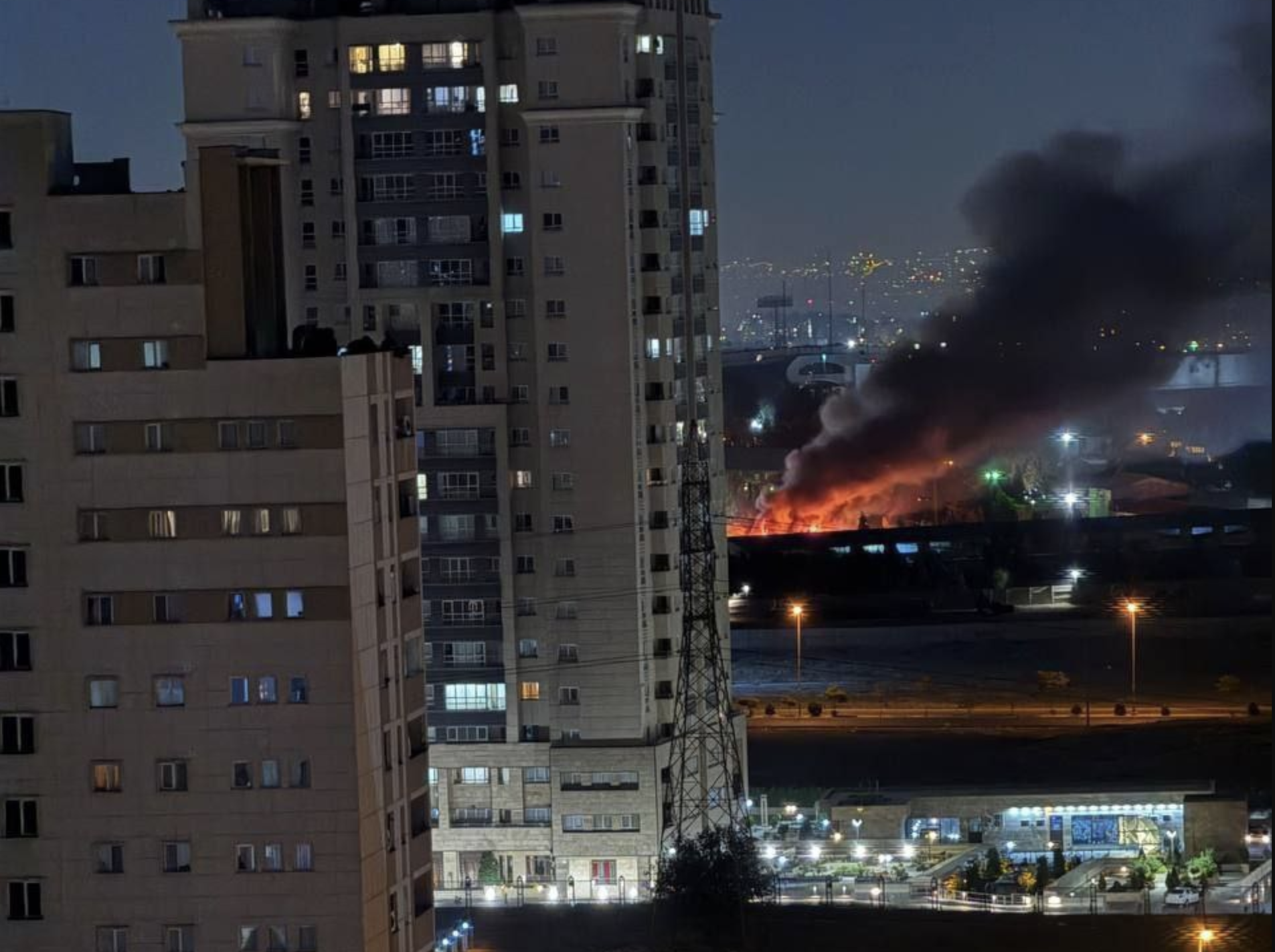
Israel bombed Iranian nuclear and military facilities last night, killing the head of the Revolutionary Guards and several Iranian scientists. It may appear as a strategic victory, but it also appears to be a choice to live with war across the region for years to come.
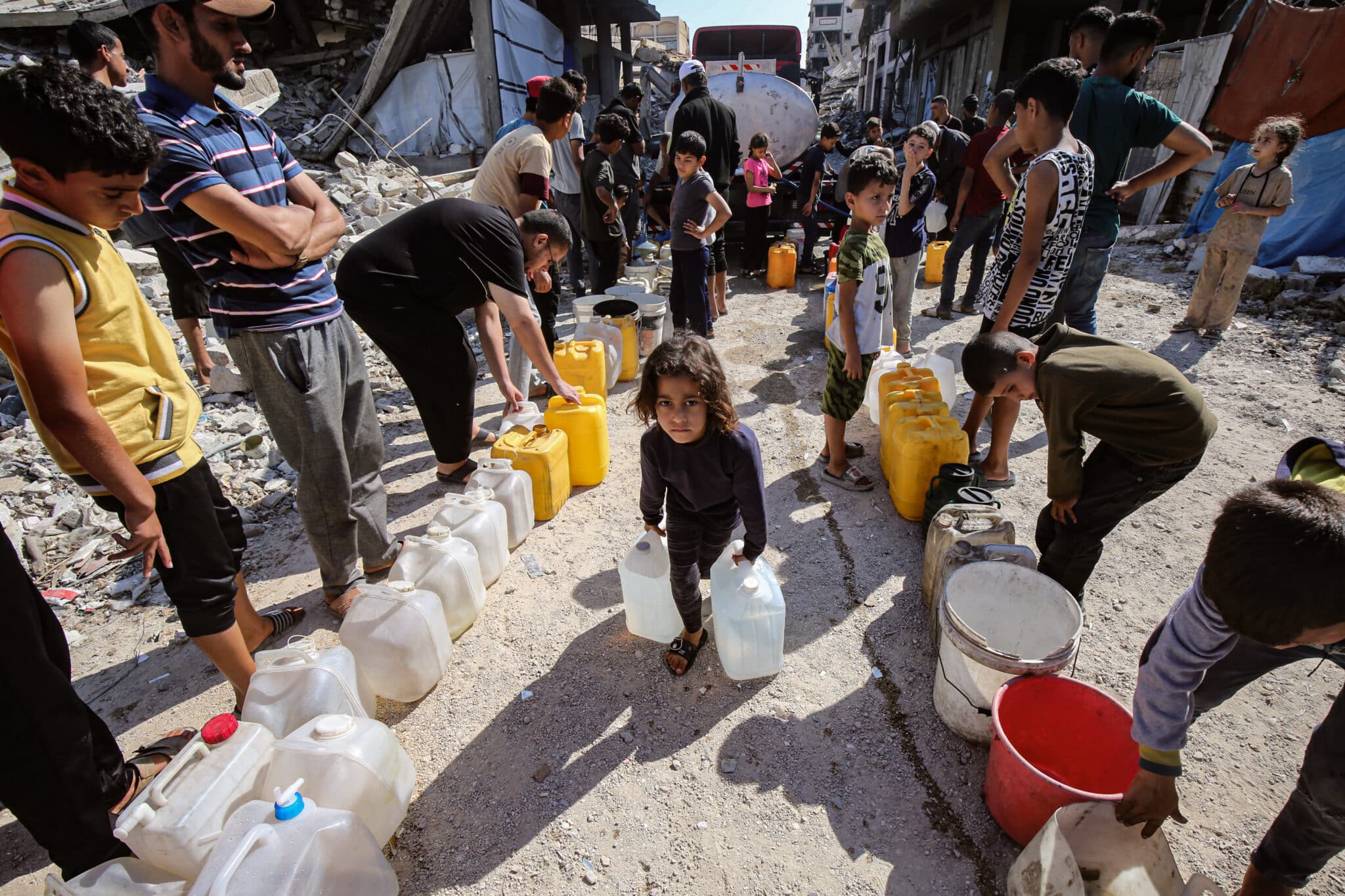
Beyond the immeasurable horror for the people of Gaza, the war is also seeing a rise in hatred against Israelis, and Jews. Netanyahu says he wants to defend Israel, but is instead exposing his nation and all Jews to contempt and isolation.
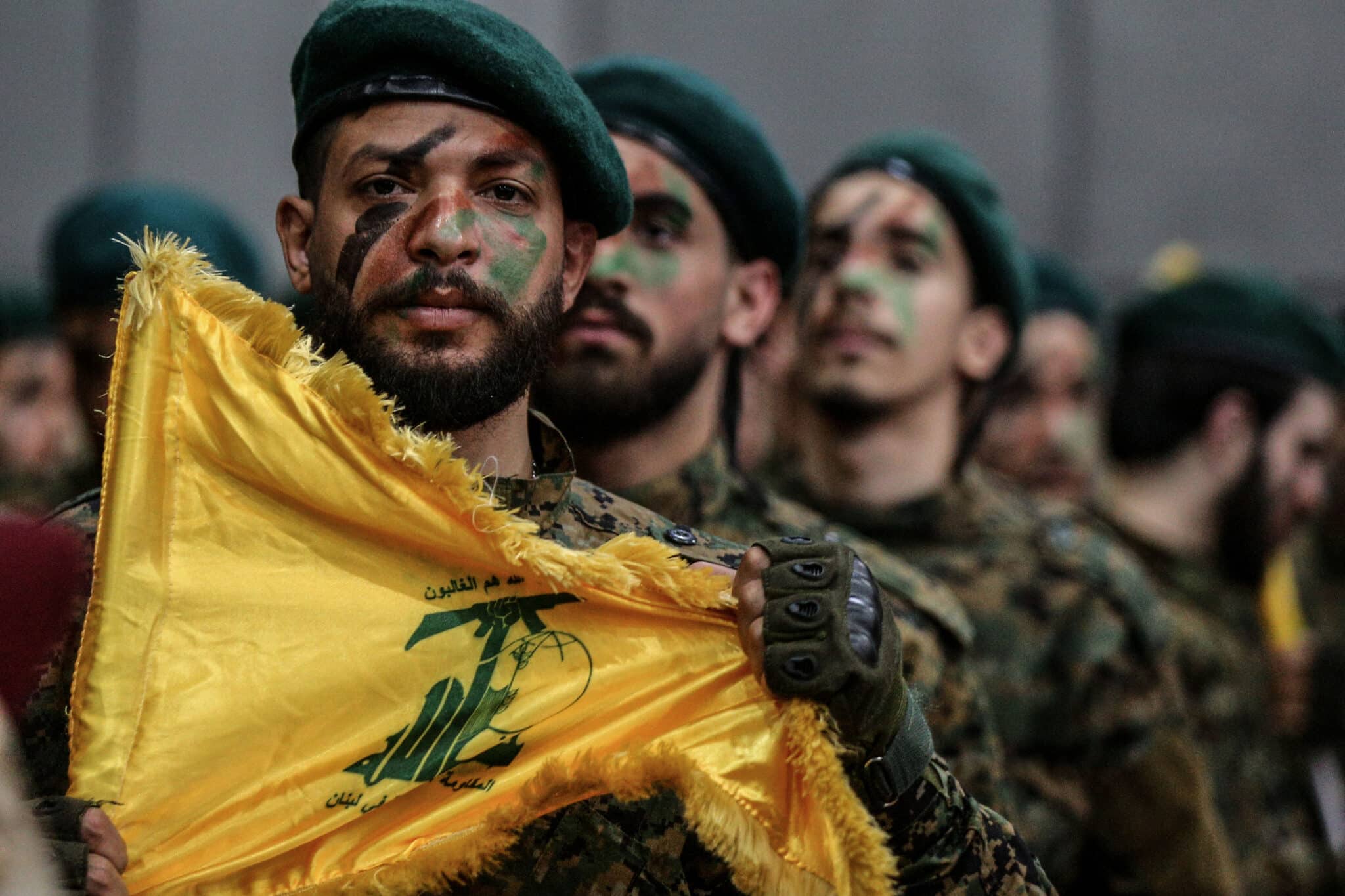
Sources say Hezbollah is in such dire financial shape, as Israel and Lebanon are successfully cutting off funding from Iran, it puts the organization at existential risk.
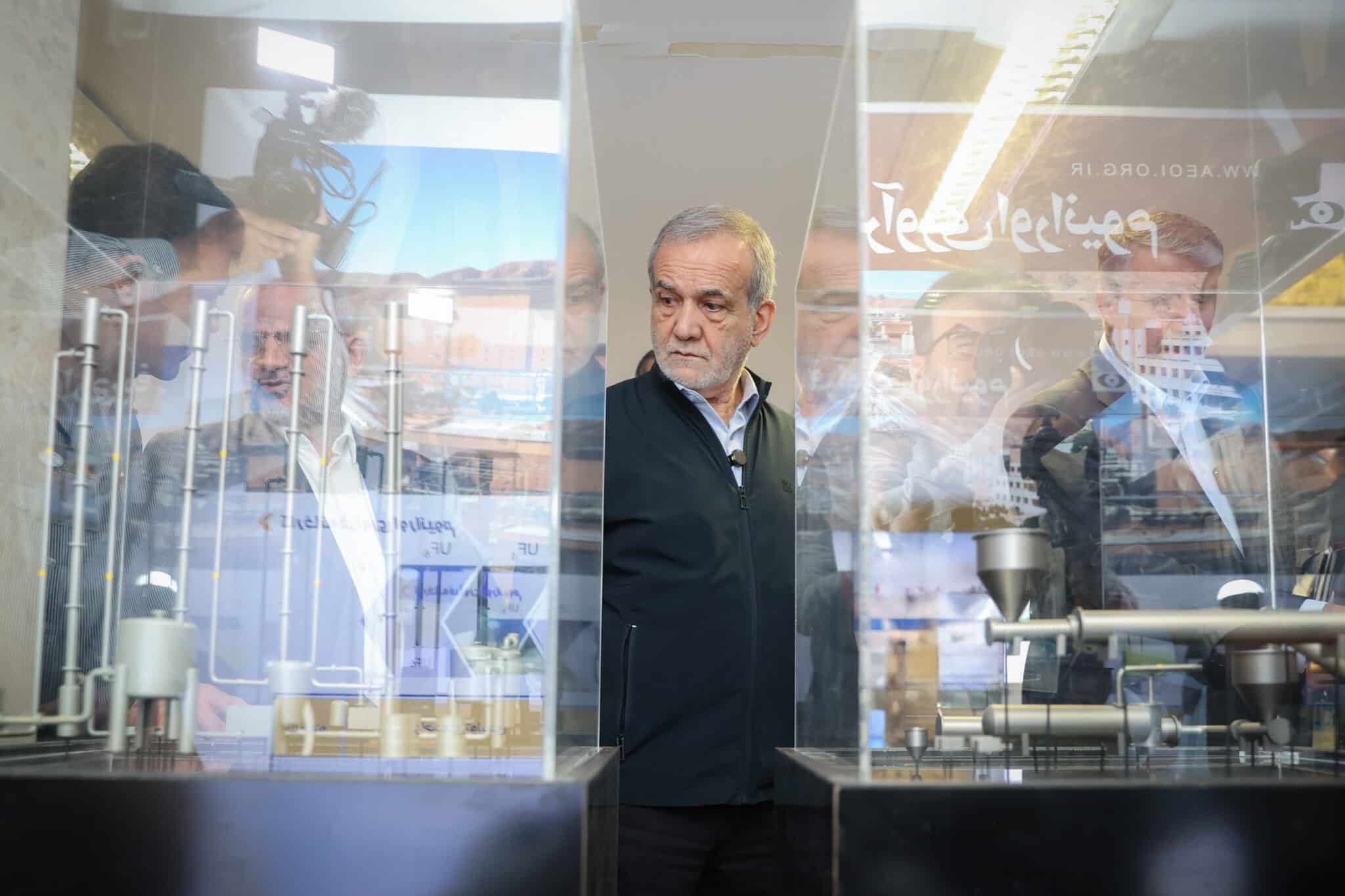
Both Iranian negotiators and U.S. President Donald Trump have stated that they are on the verge of a major deal on the Tehran’s nuclear program. But a closer look reveals an old game of bait and switch.
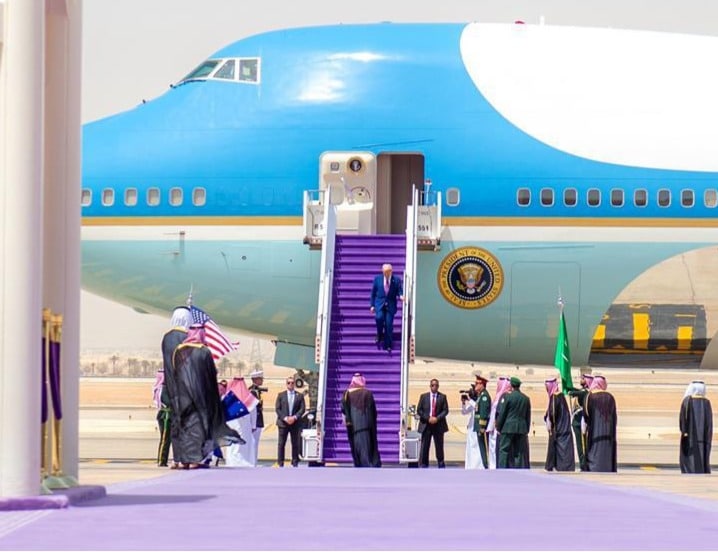
U.S. President Donald Trump is on a Gulf tour that is adding to Israel’s worries about its strongest ally: the U.S. has negotiated the release of an American hostage with Hamas, and a ceasefire with the Houthis, without involving Israel.
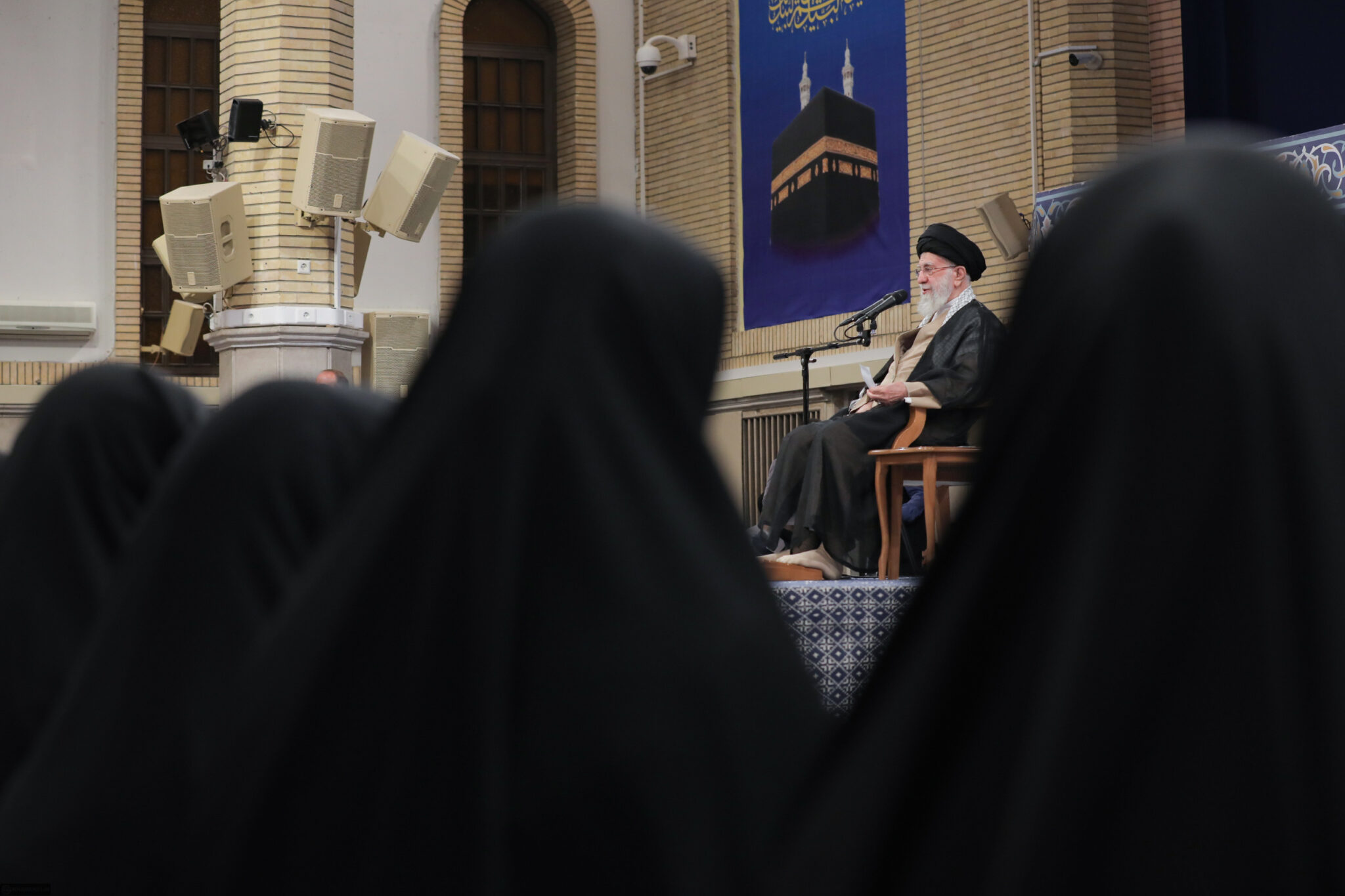
Despite widespread discontent at home, Iran’s regime is likely to survive for the foreseeable future — in part, because Western powers prefer maintaining the regional status quo to the unknown.
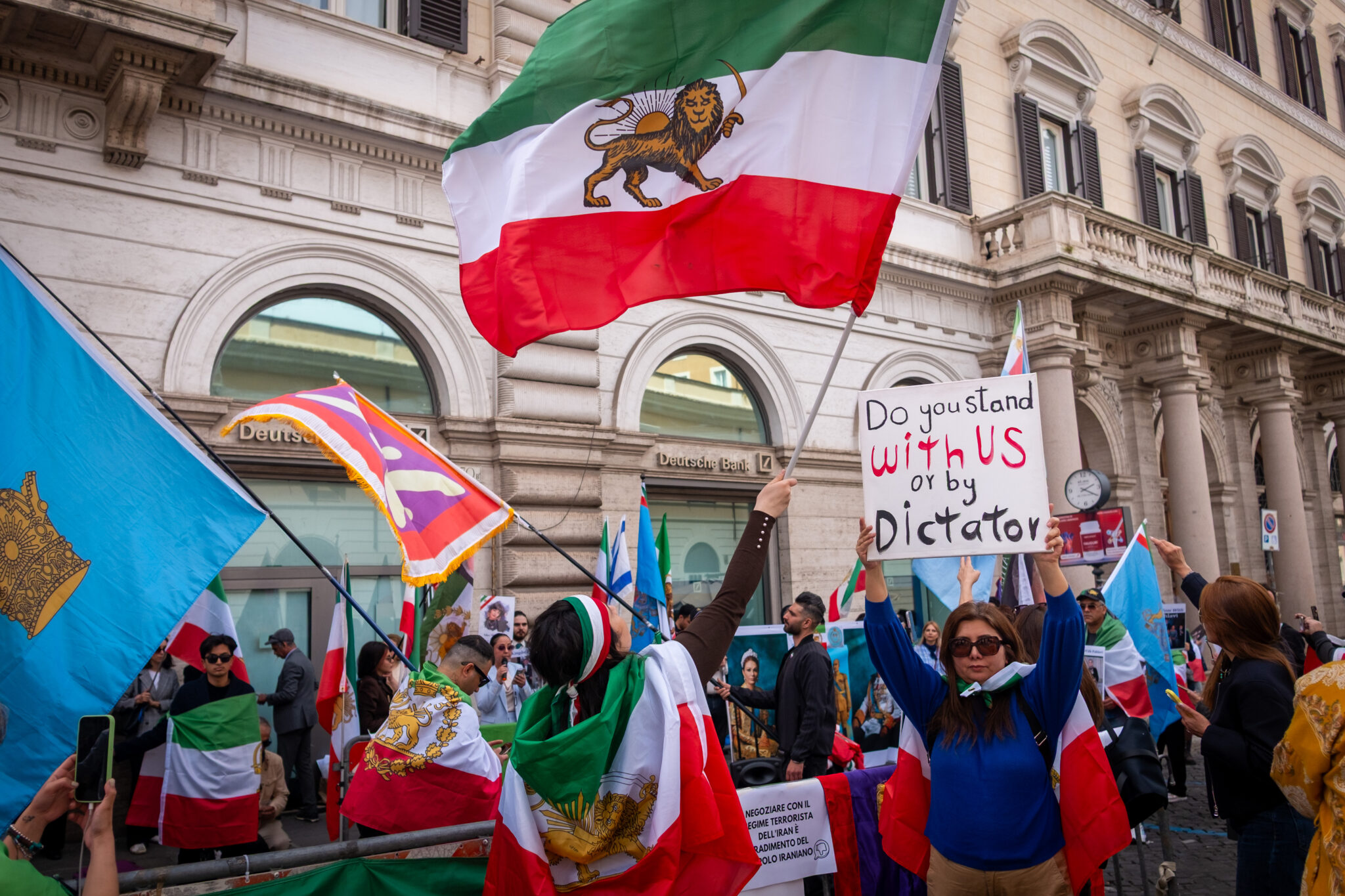
The first thing to remember is that Trump believes that Iran tried to assassinate him. But even if the United States and Iran have opened direct talks about the regime’s nuclear activities, it is unlikely anyone in the administration will take Tehran’s word for anything. Indeed, it may all be a set up for an inevitable U.S. military strike.
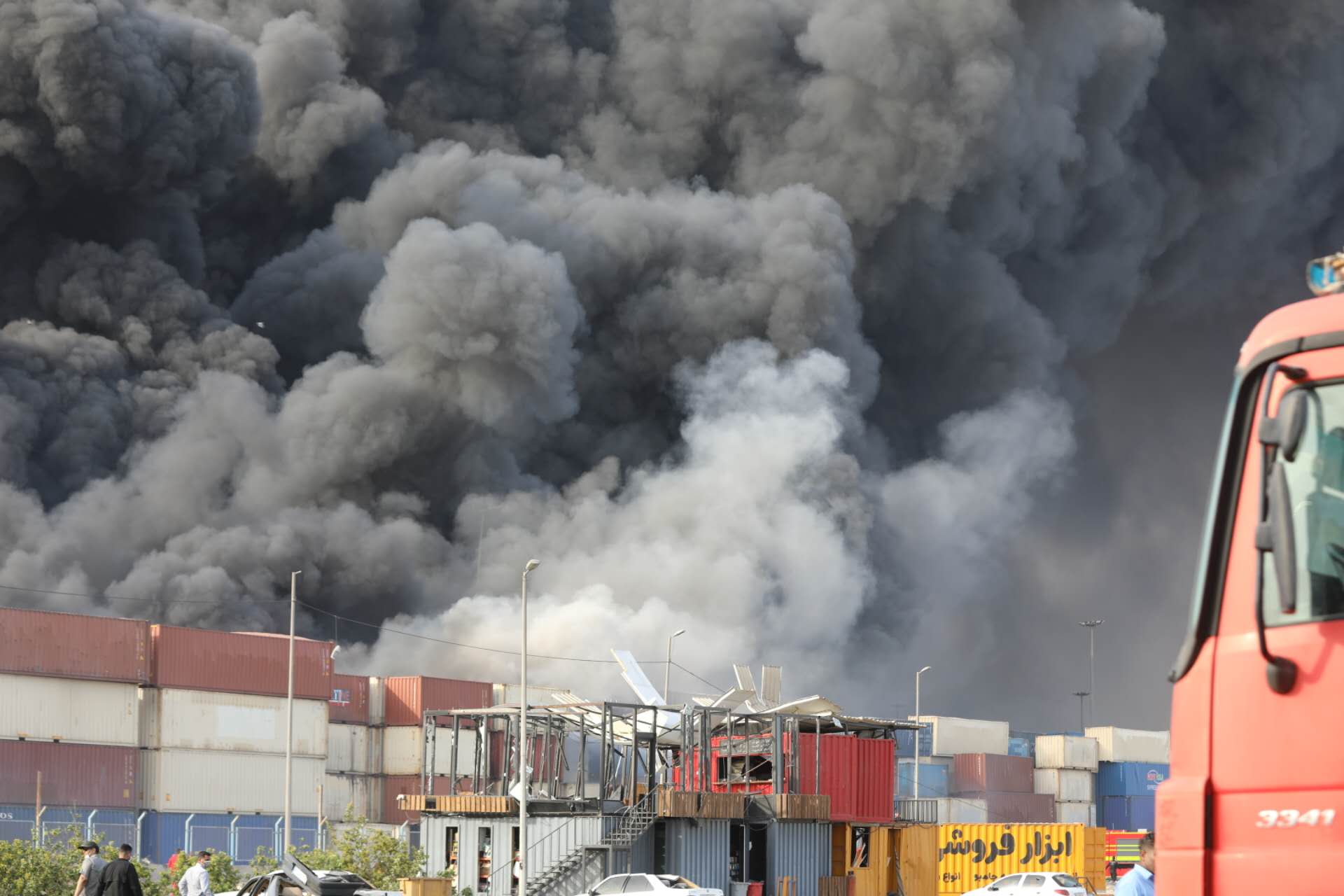
Here are the latest headlines.
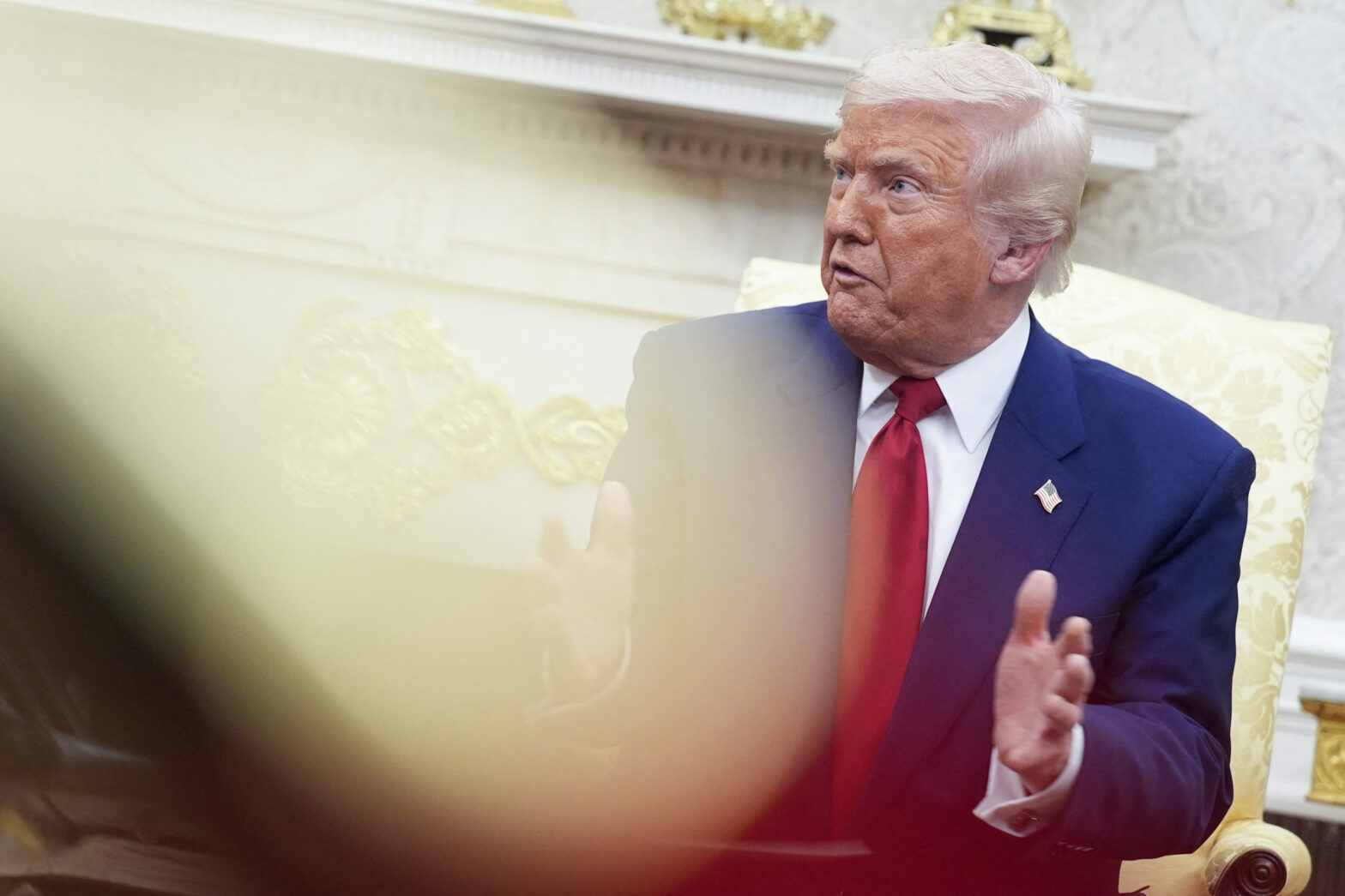
The United States will enter negotiations with Iran on Friday, yet Donald Trump warned that all options remain on the table to prevent Iran from acquiring the bomb.
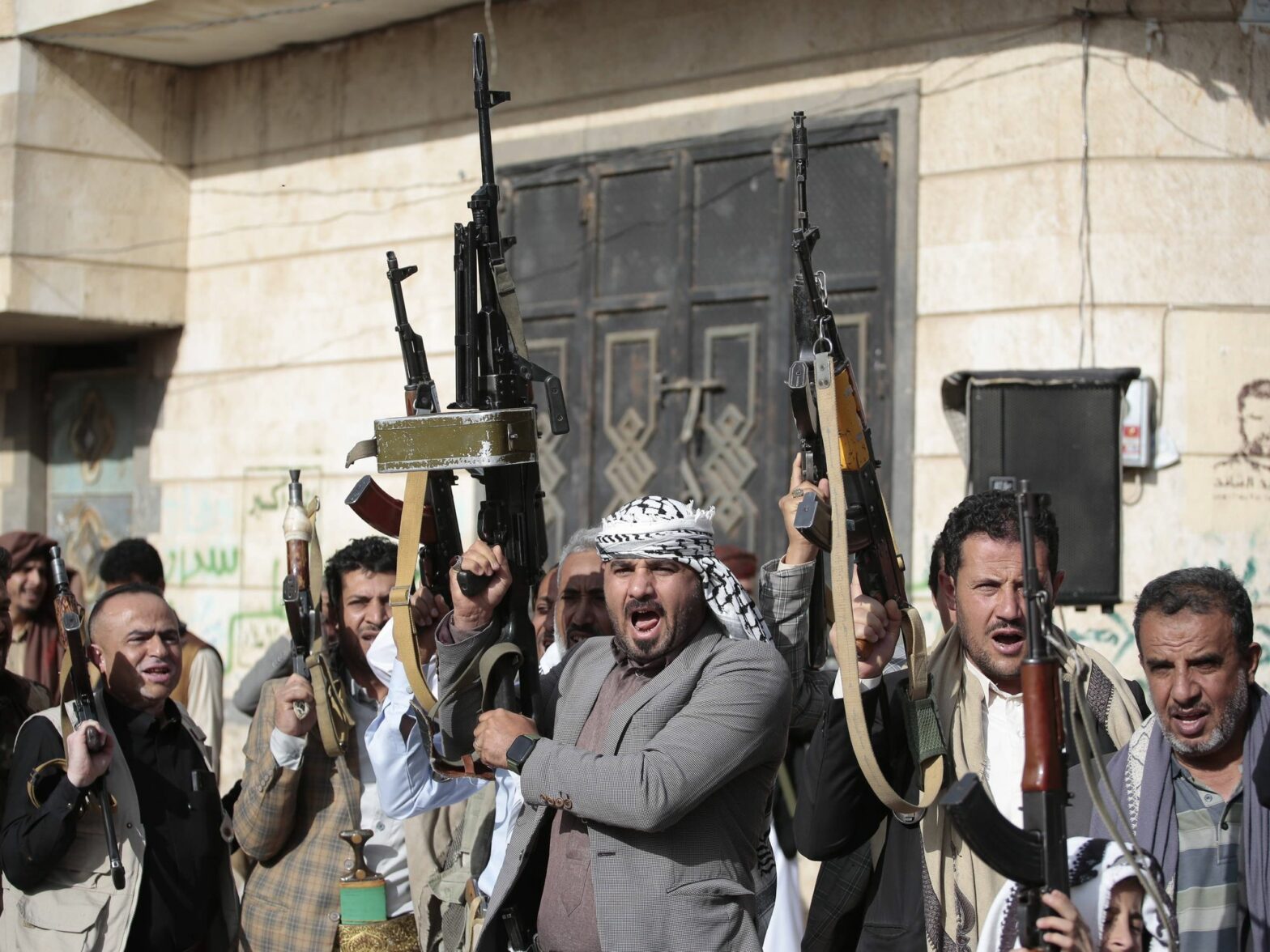
The United States has “quietly” kept bombing Yemen, more than 50 times in two weeks. But what if Donald Trump’s real target is Iran?
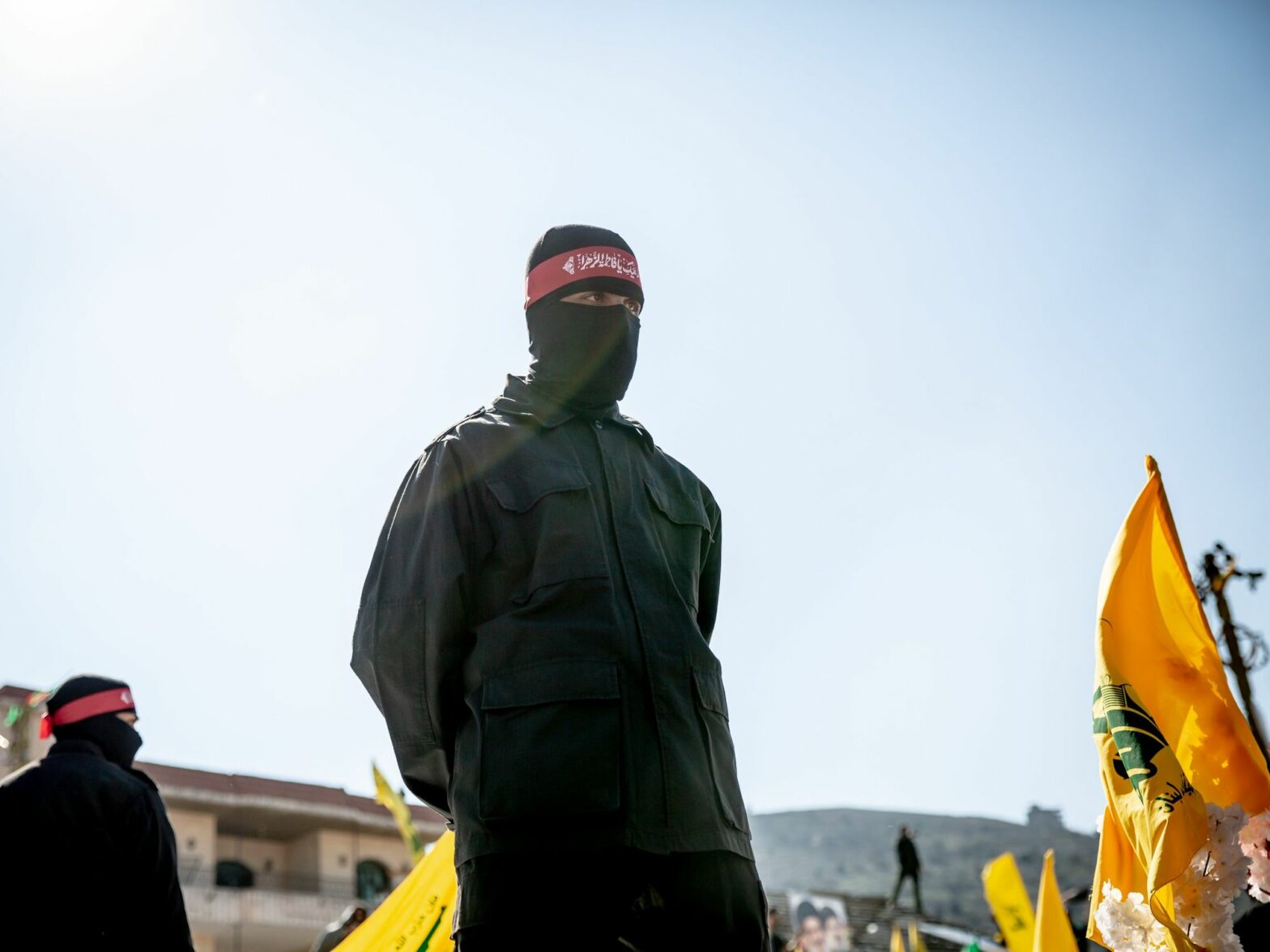
After suffering losses last year, Lebanon’s Hezbollah militia has transferred its war against Israel from the ground to cyberspace — at the risk of undermining the precarious ceasefire between the two countries.
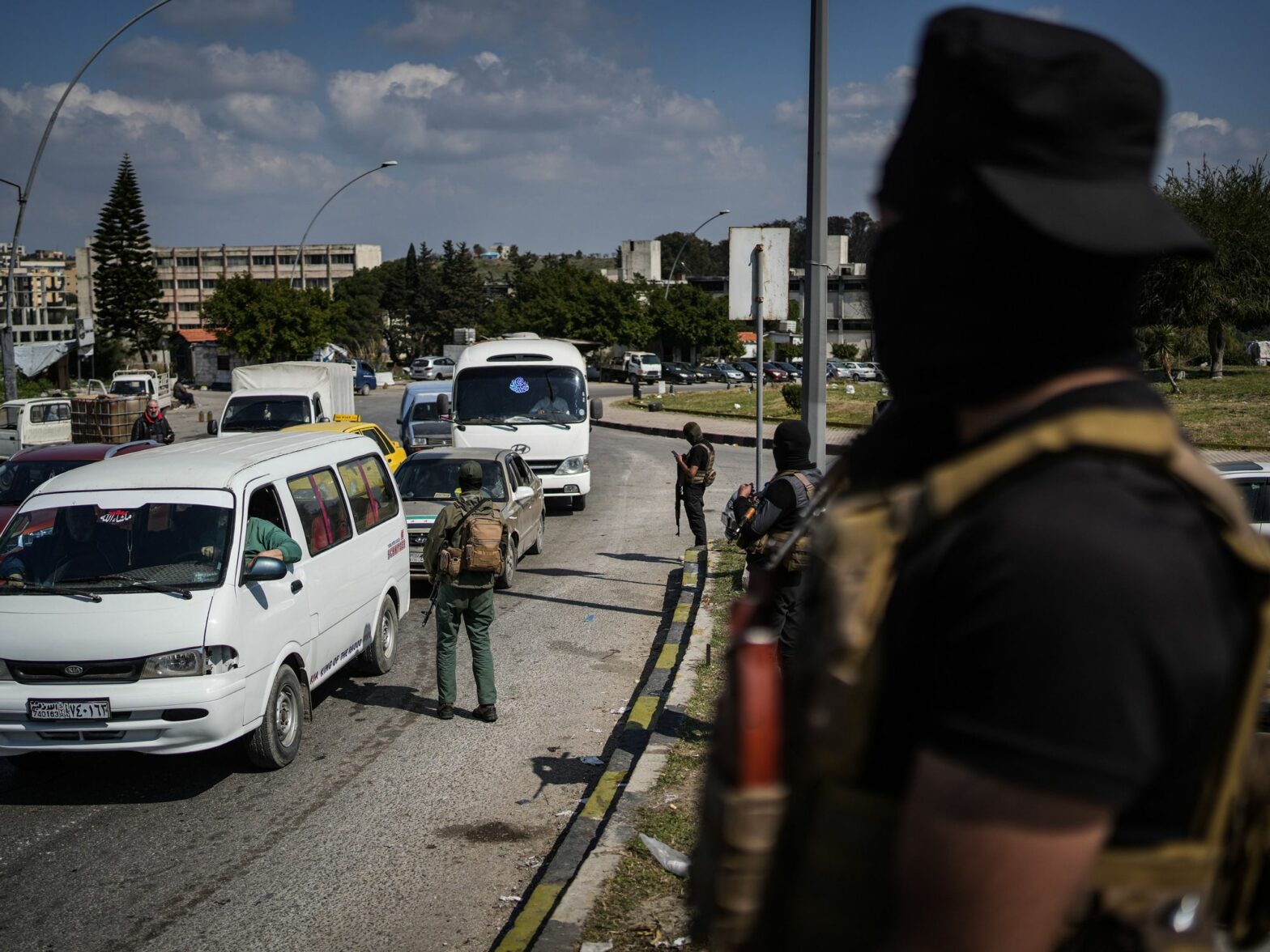
While Tehran has denied any involvement in Syria, elements affiliated with the ousted Assad regime in Syria say Iran is helping their fight to topple the government of President Ahmad al-Sharaa.
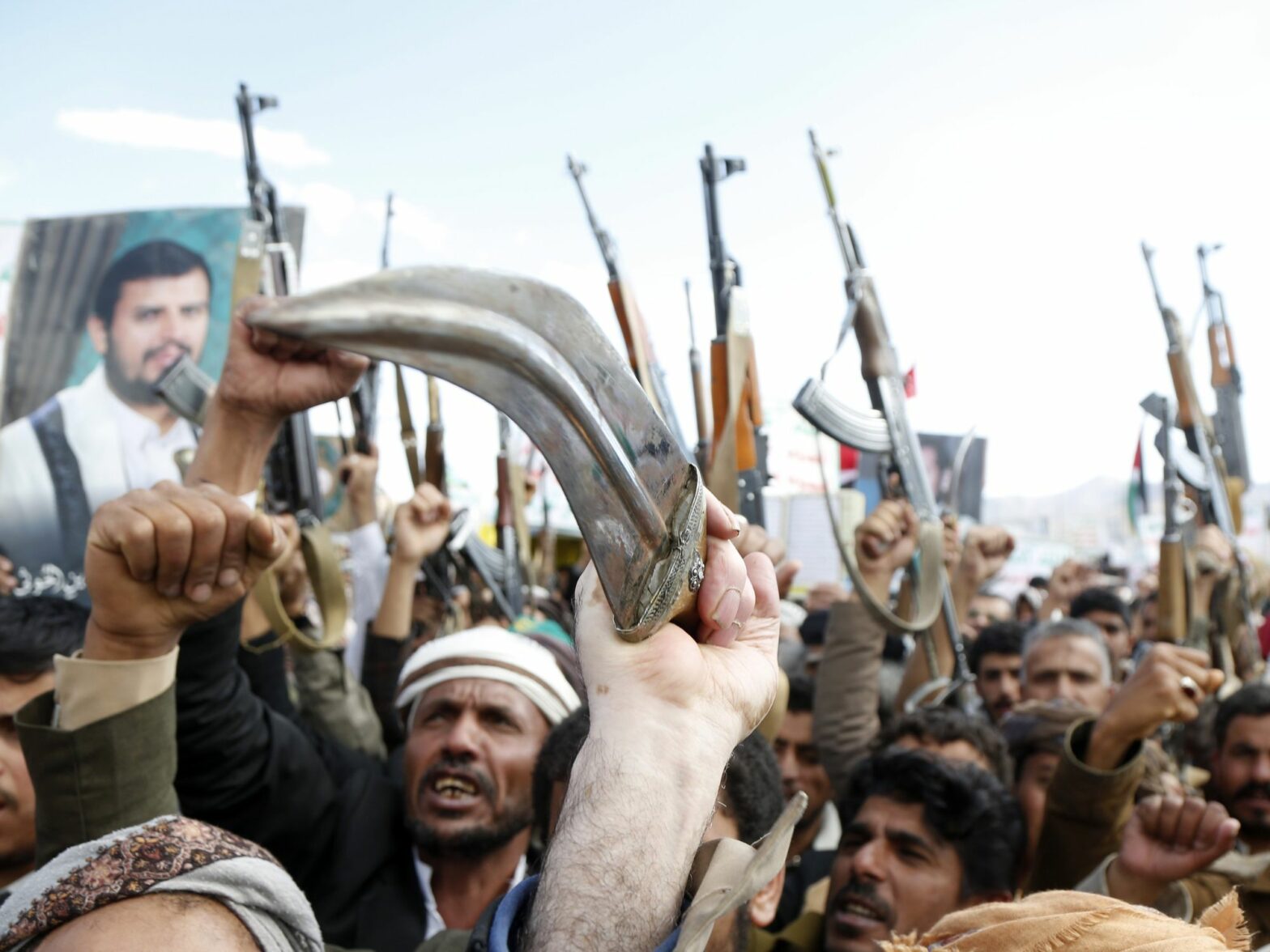
Donald Trump has launched his most significant military operation since taking office, ordering airstrikes on Yemen’s Houthis. At the same time, he is directly threatening Iran while also offering a nuclear compromise — a dual approach that keeps the possibility of war on the table.
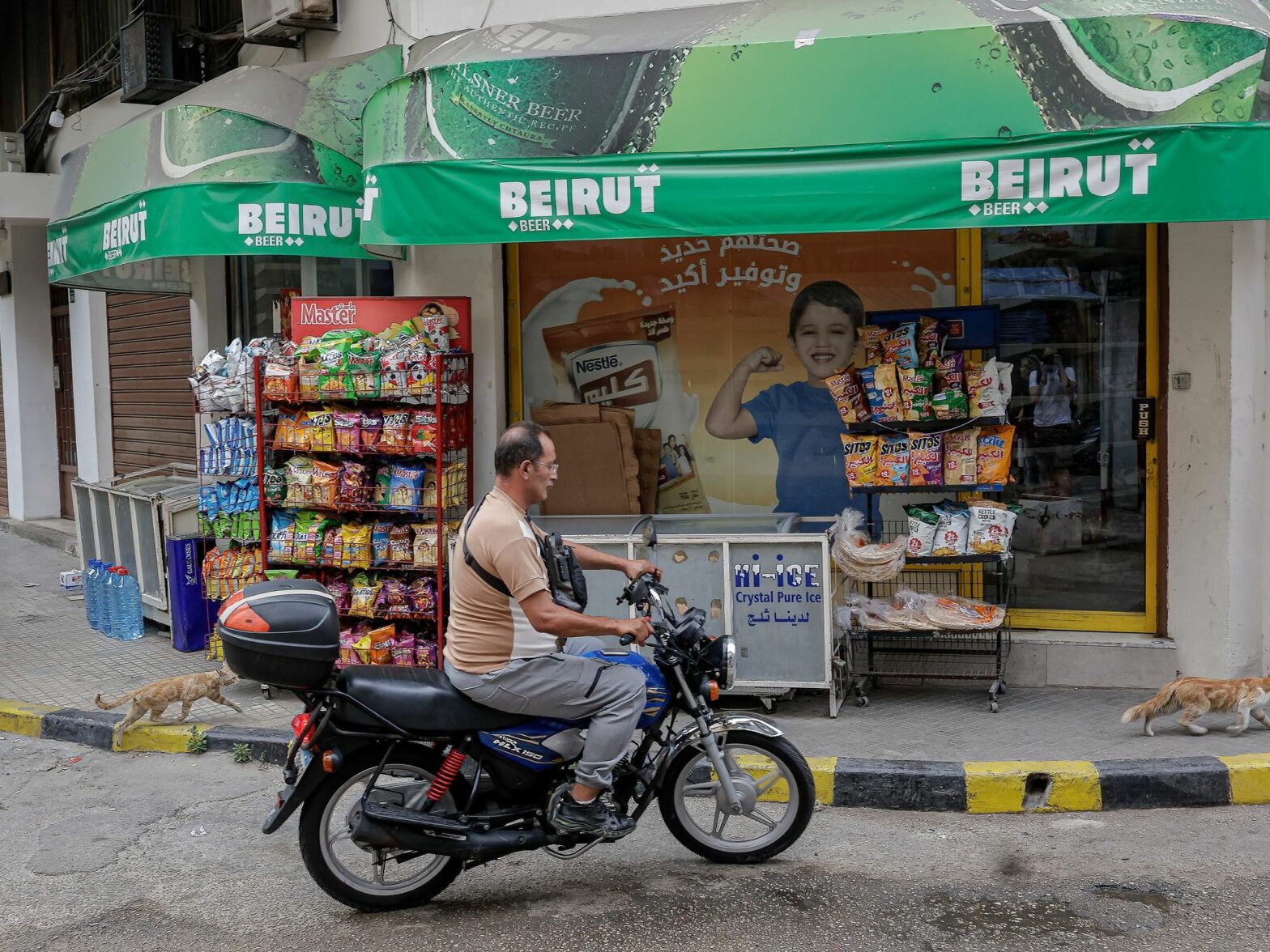
The Saudis could regain the political and financial clout they once enjoyed in Lebanon, which was lost for two decades to Hezbollah and its foreign patrons. Could that restore a measure of prosperity to a country brought to its knees by decades of civil war and the unwelcome interventions of Tehran and Damascus.
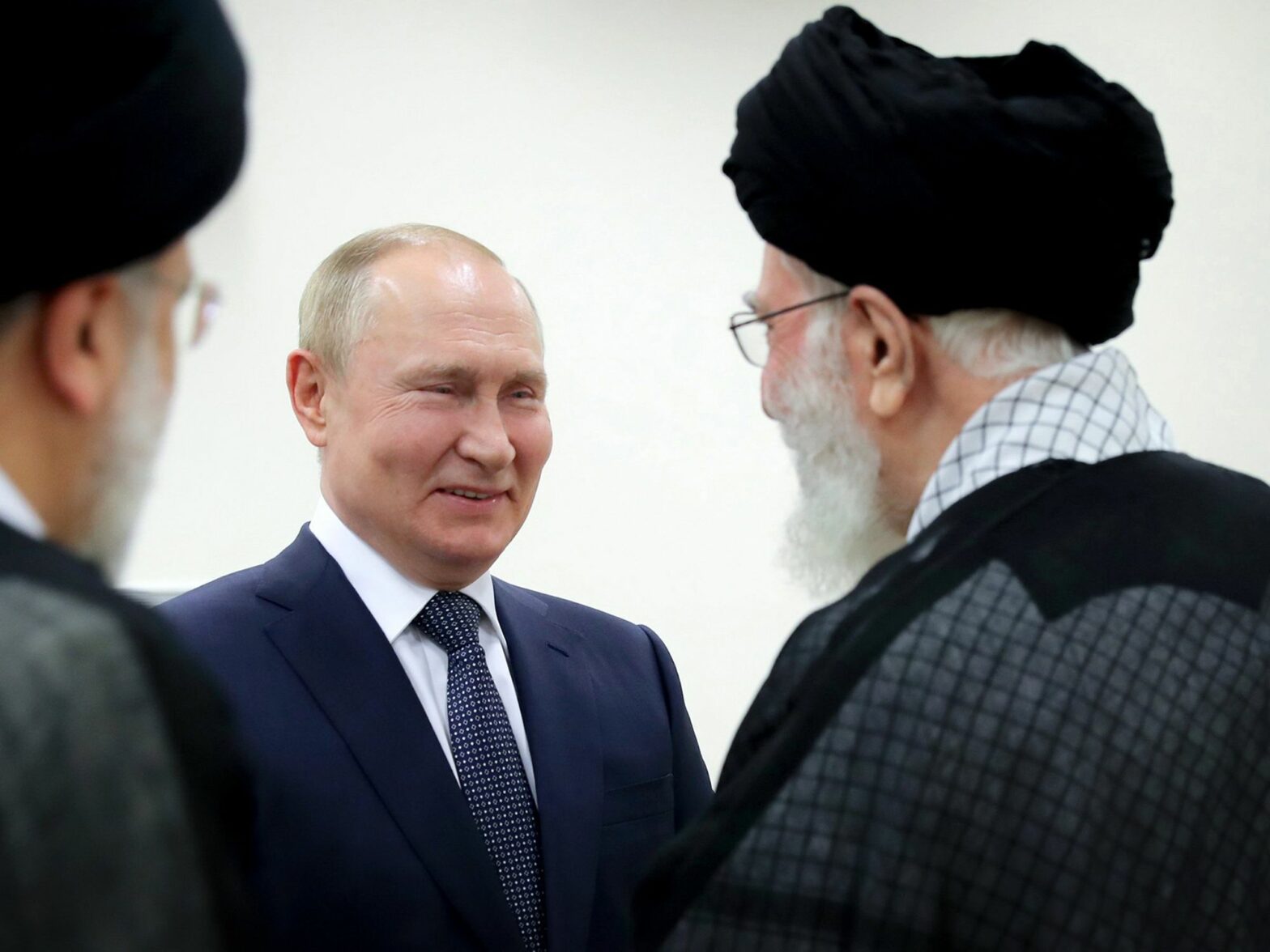
With Trump’s return to power, Russia is rapidly moving closer to the United States; Putin has even agreed to mediate talks between Washington and Tehran. But can Iran still trust Russia? Or is it, like Ukraine, just another bargaining chip?
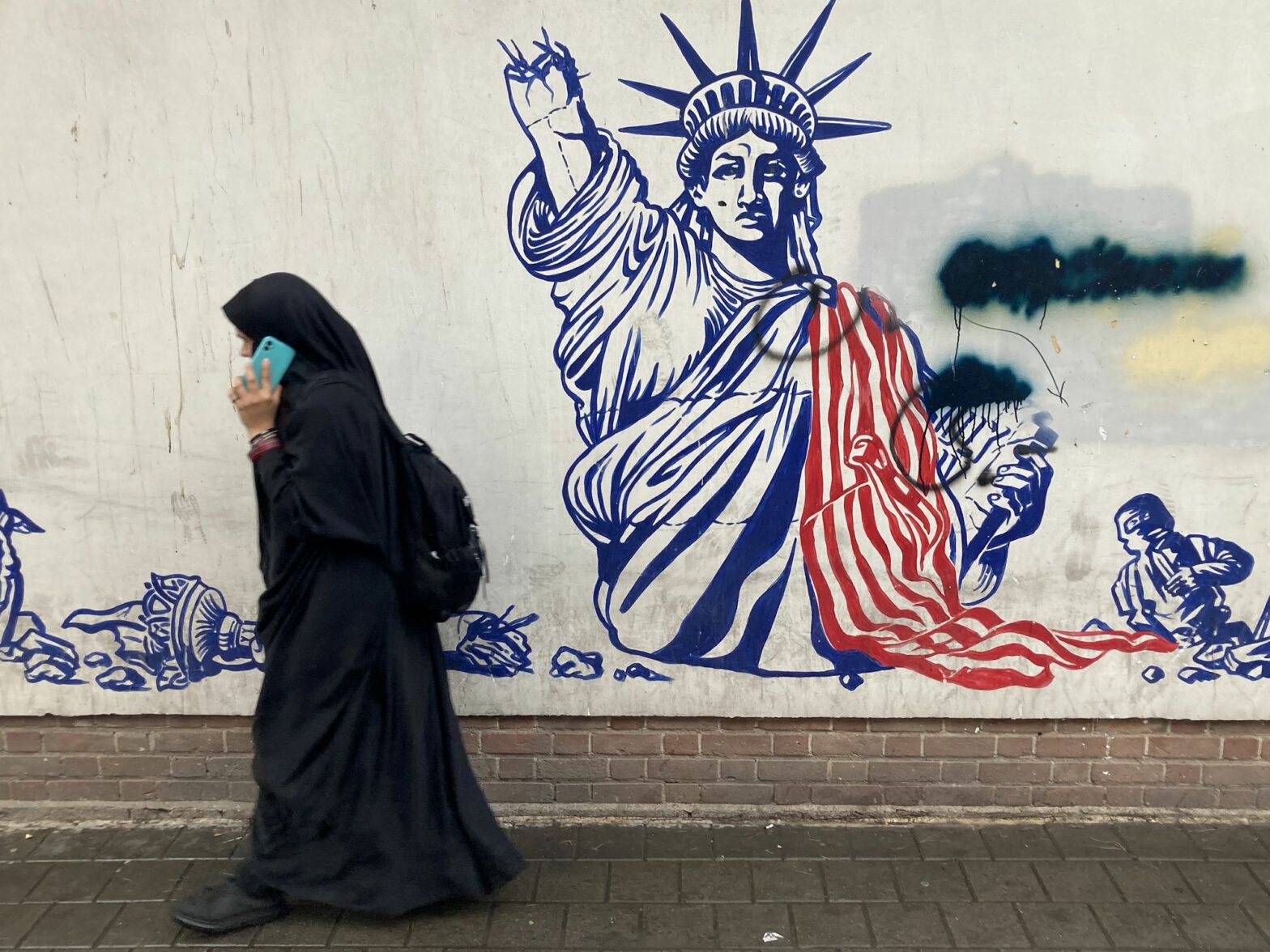
Given Donald Trump’s hardline with Volodymyr Zelensky, the U.S president may be even more draconian with Iran, which seems to have an even worse hand than during Trump’s first term.
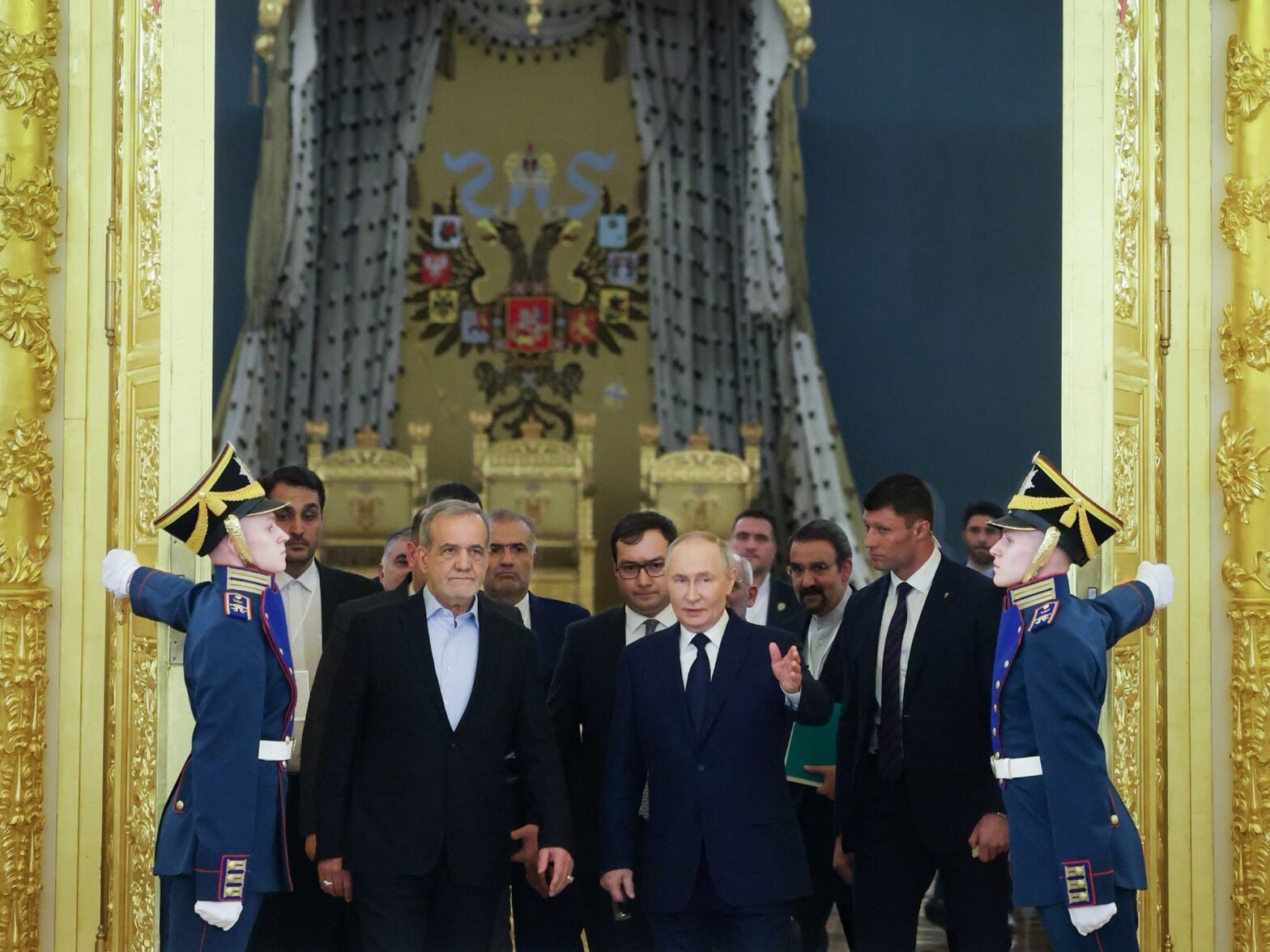
Iran prefers the EU’s discretion and apparent respect for its ideological red lines, in contrast with Donald Trump’s ostentatious and menacing style. So the growing rift between the U.S. and EU over resolving the Ukraine-Russia war may be a welcome chance for Tehran to revive secret contacts it loves so much with an EU in search of diplomatic clout.
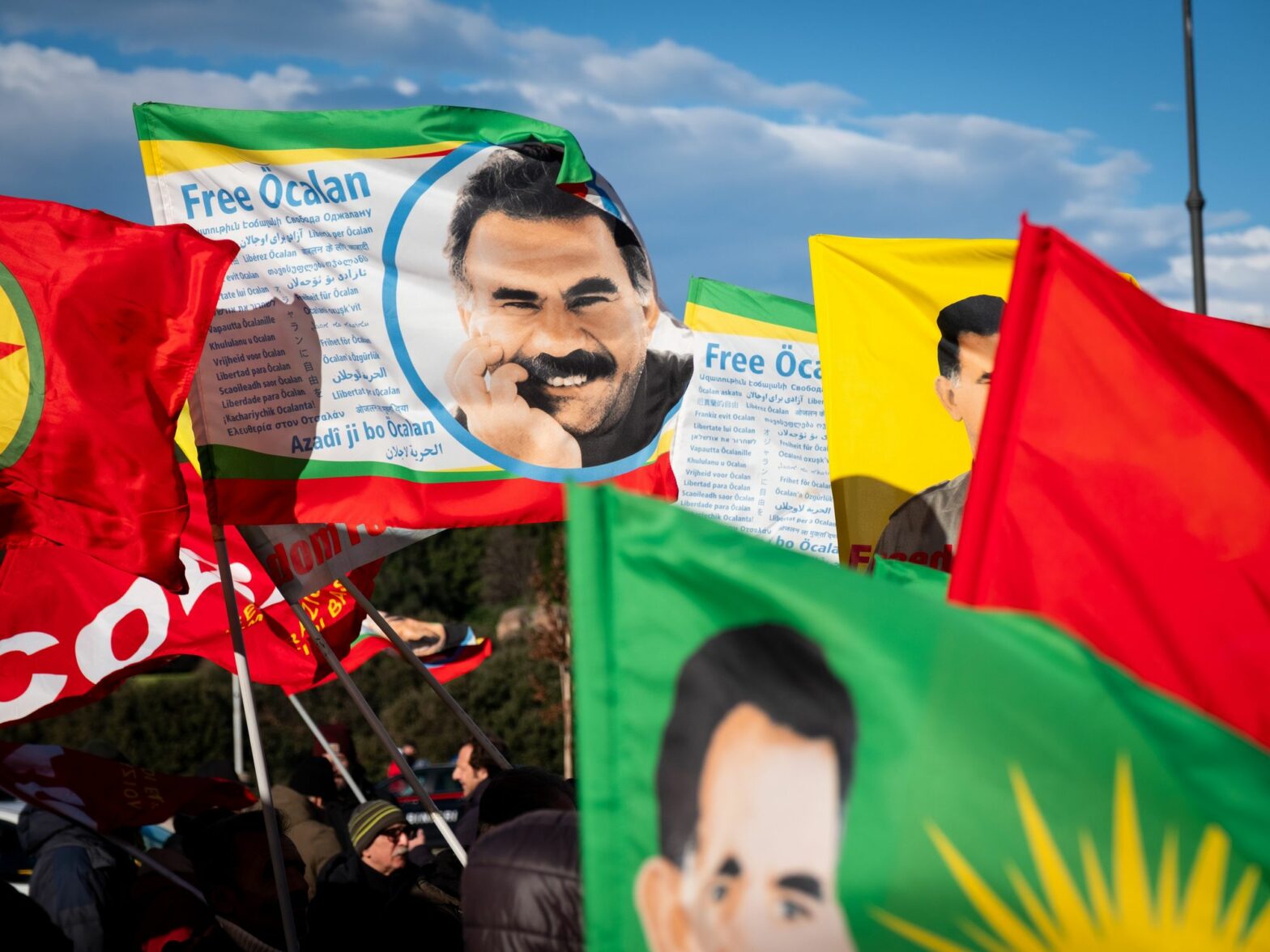
The imprisoned founder of the Kurdish Workers’ Party, Abdullah Ocalan, has called on his supporters to lay down their arms and dissolve the party. This peace initiative could have repercussions beyond Turkey, reaching Syria as well.
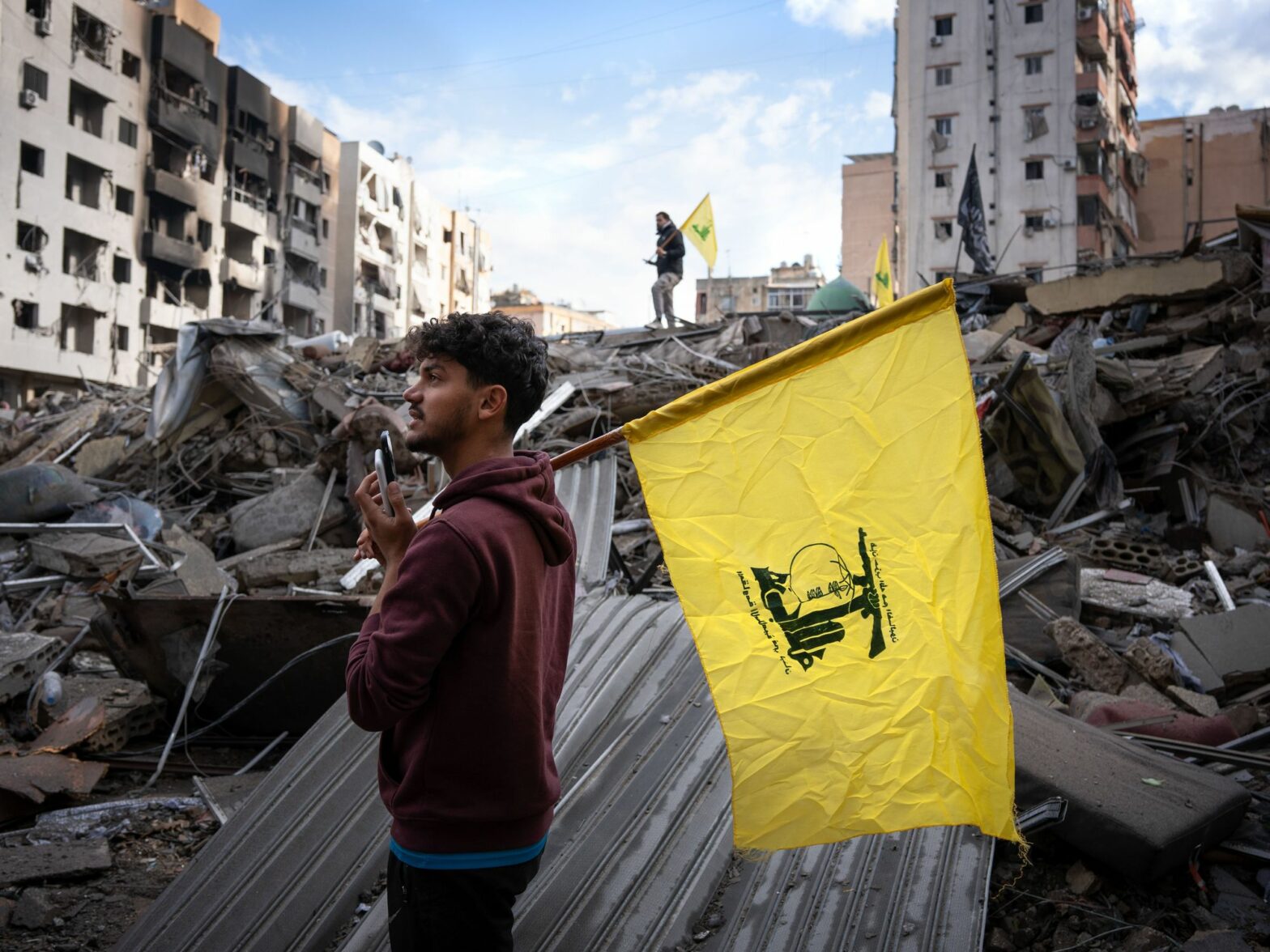
Hezbollah has emerged notably weaker from the war with Israel. The image of the protector that it had entrenched in Lebanon’s Shiite consciousness was shattered by the war in favor of an idea that calls for the Lebanese army as an alternative guardian. Yet Hezbollah is hardly fading away.
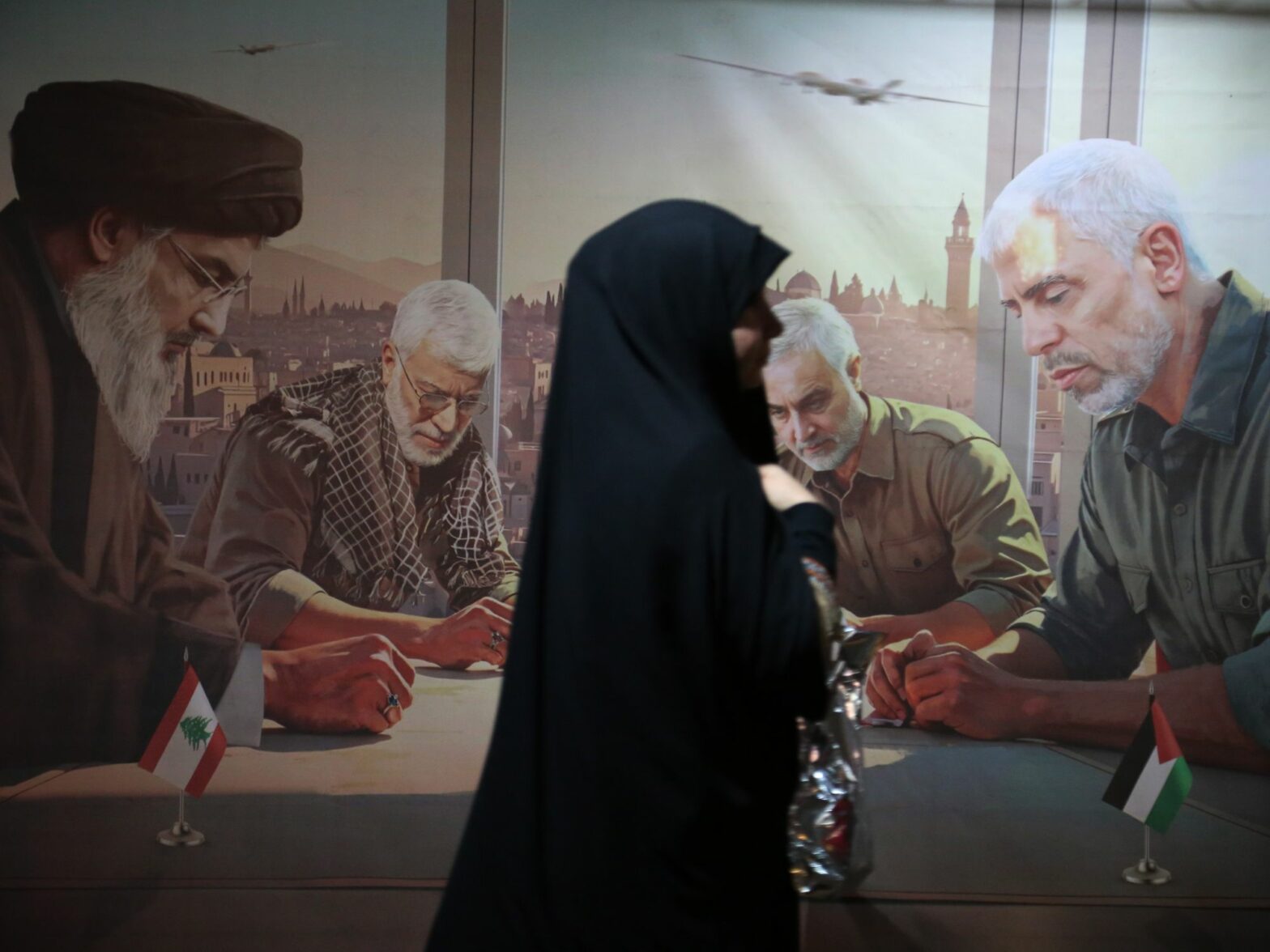
Hijab is merely a custom that, by force of tradition, has turned into a religious symbol — nothing more. The early Quranic interpreters, who favored transmission over reason due to their limited knowledge and weak analytical abilities at the time, interpreted the so-called “verses of hijab” without considering their historical context or the reasons behind their revelation.