Ukraine’s president must confront demands to concede occupied territories while navigating red lines set in Kyiv and mounting pressure from both Washington and the Kremlin.
 Worldcrunch
Ukraine’s president must confront demands to concede occupied territories while navigating red lines set in Kyiv and mounting pressure from both Washington and the Kremlin.
Exclusive reports by Bloomberg show transcripts of two secret phone calls involving the Trump administration’s apparent collusion with the Kremlin on the 28-point Ukraine plan Donald Trump seeks to impose on Volodymyr Zelensky.
👋 ନମସ୍କାର* Welcome to Friday, where Ukraine President Volodymyr Zelensky heads to the White House after a Trump-Putin phone call, Israel and Hamas accuse each other of violating the Gaza truce and today’s quiz question comes from Hollywood. Meanwhile, Heike Buchter and Thomas Fischermann for German weekly Die Zeit examine whether the fast growing private […]
Donald Trump changed his tone toward Russia after his meeting with Volodymyr Zelensky, even saying he was ready to shoot down Russian planes that enter NATO airspace. Is this a real shift in favor of Ukraine, or just hurt feelings about his would-be pal Vladimir Putin.
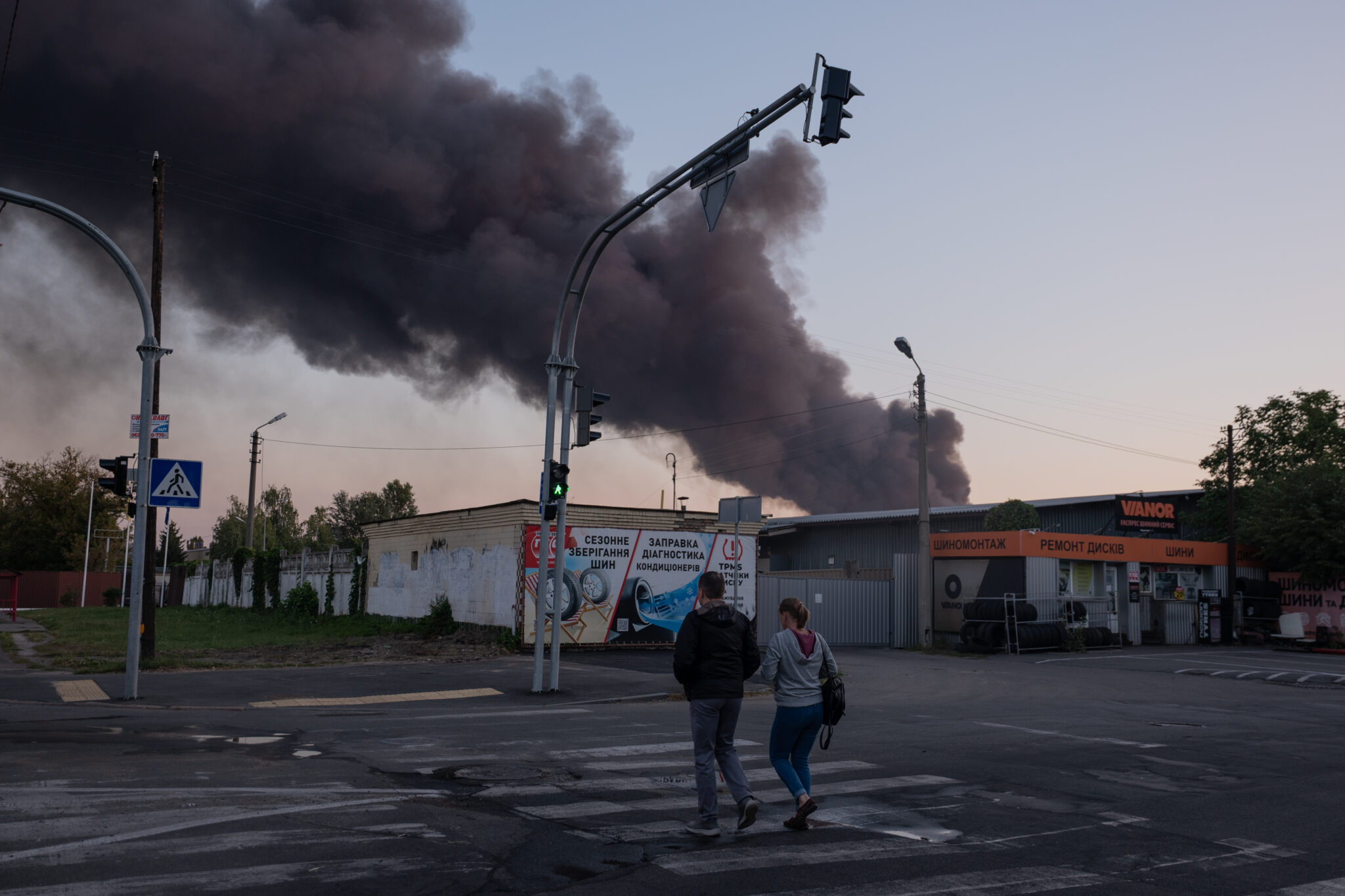
Russia carried out on Sunday its largest aerial bombardment since the start of the war more than three years ago. Ukraine remains vulnerable due to insufficient air defense systems, despite advances in its defense industry. Meanwhile, international aid is falling short.
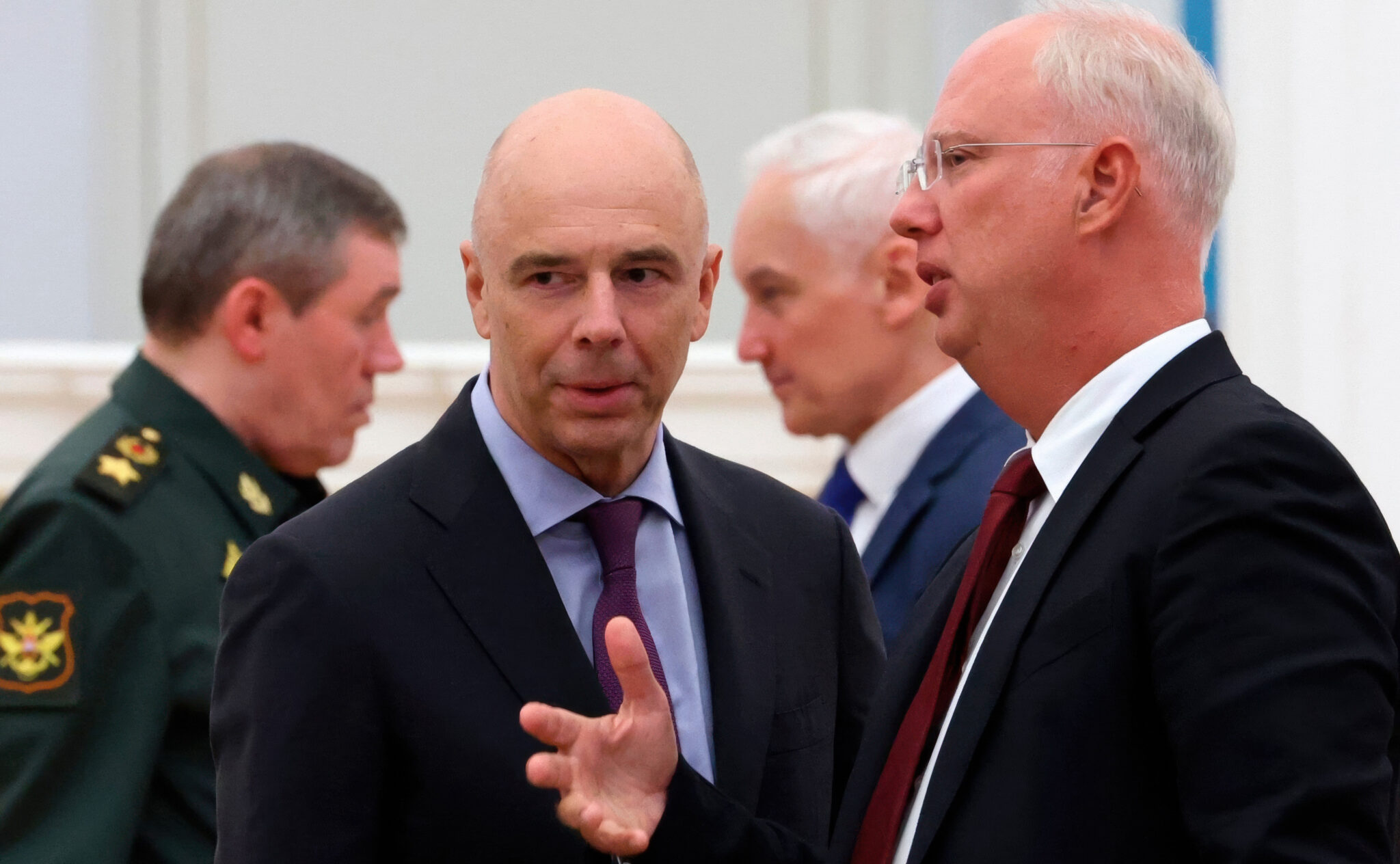
The looming possibility of a Putin-Zelensky summit is forcing Russia’s power brokers to confront which camp they truly belong to — and what will happen if the unthinkable occurs.
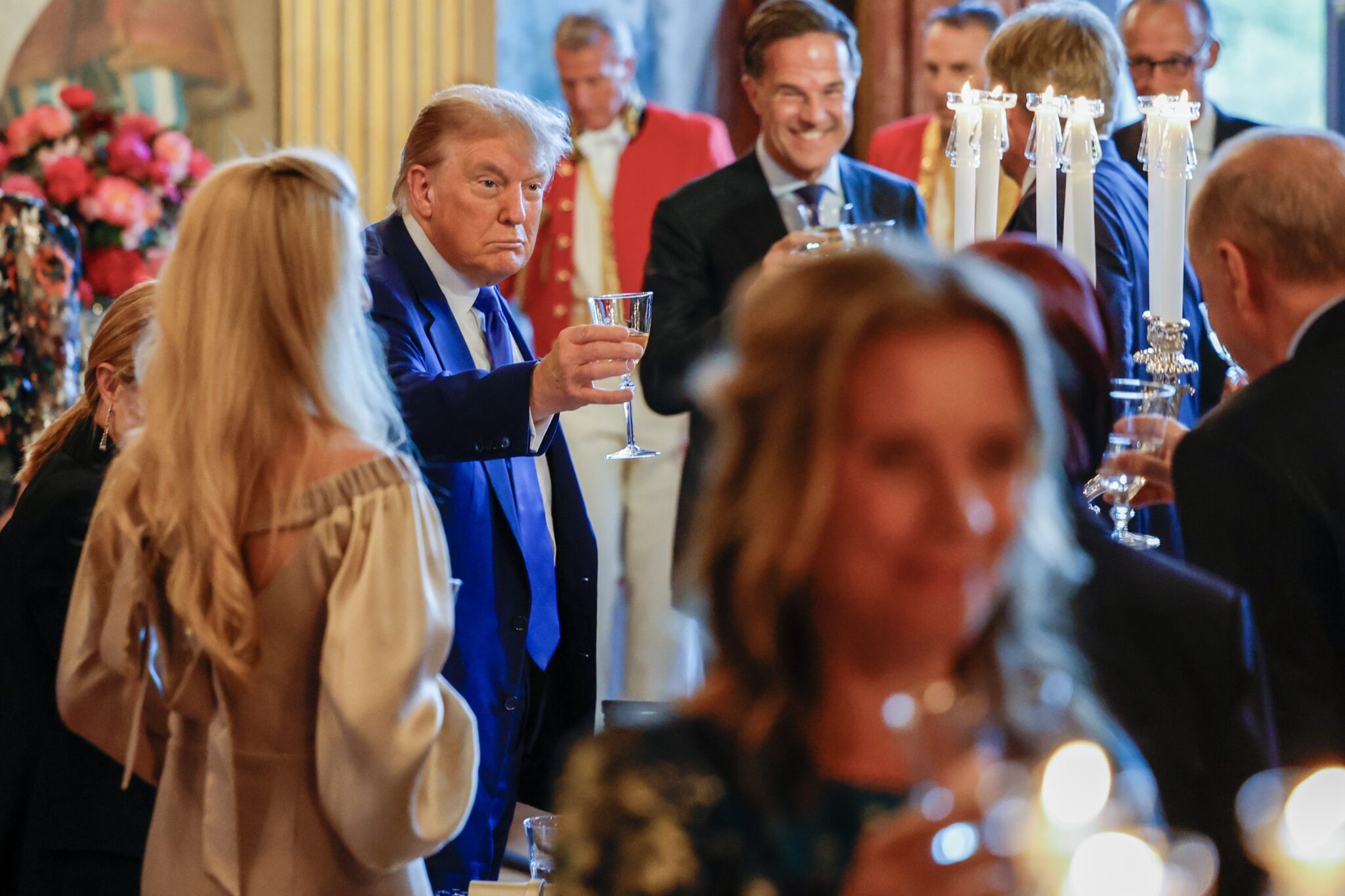
At the NATO Summit in The Hague, European leaders are focused on appeasing Donald Trump by heeding his call for increased defense spending, while carefully avoiding any mention of Ukraine. By sidelining the ongoing war on its eastern border, the alliance errs in favor of political caution.
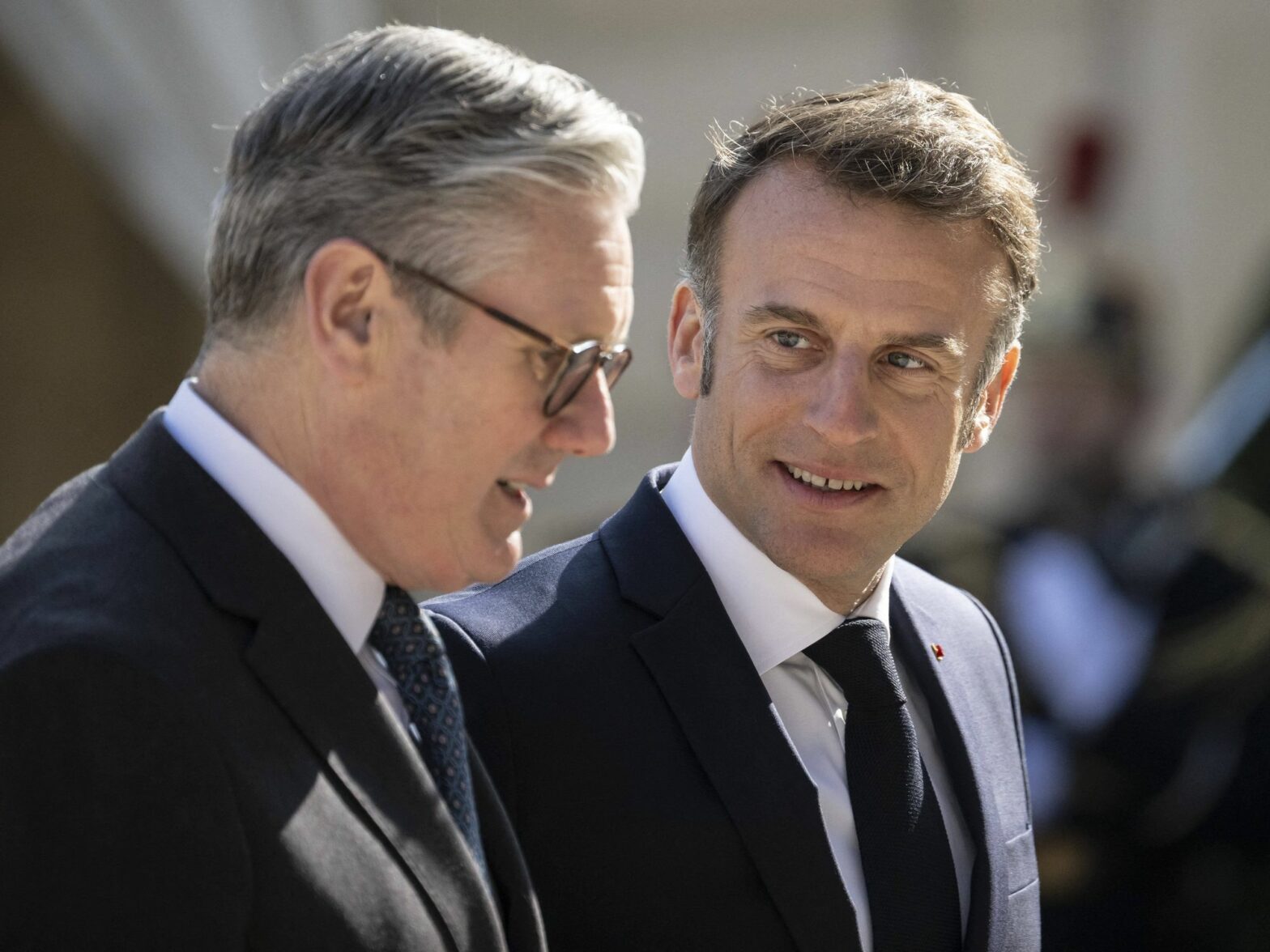
Thirty-one countries gathered in Paris — without the United States — to coordinate their support for Ukraine during this critical time. This unprecedented “soft NATO” initiative comes as Washington turns its back on its allies. And two main leaders emerge.
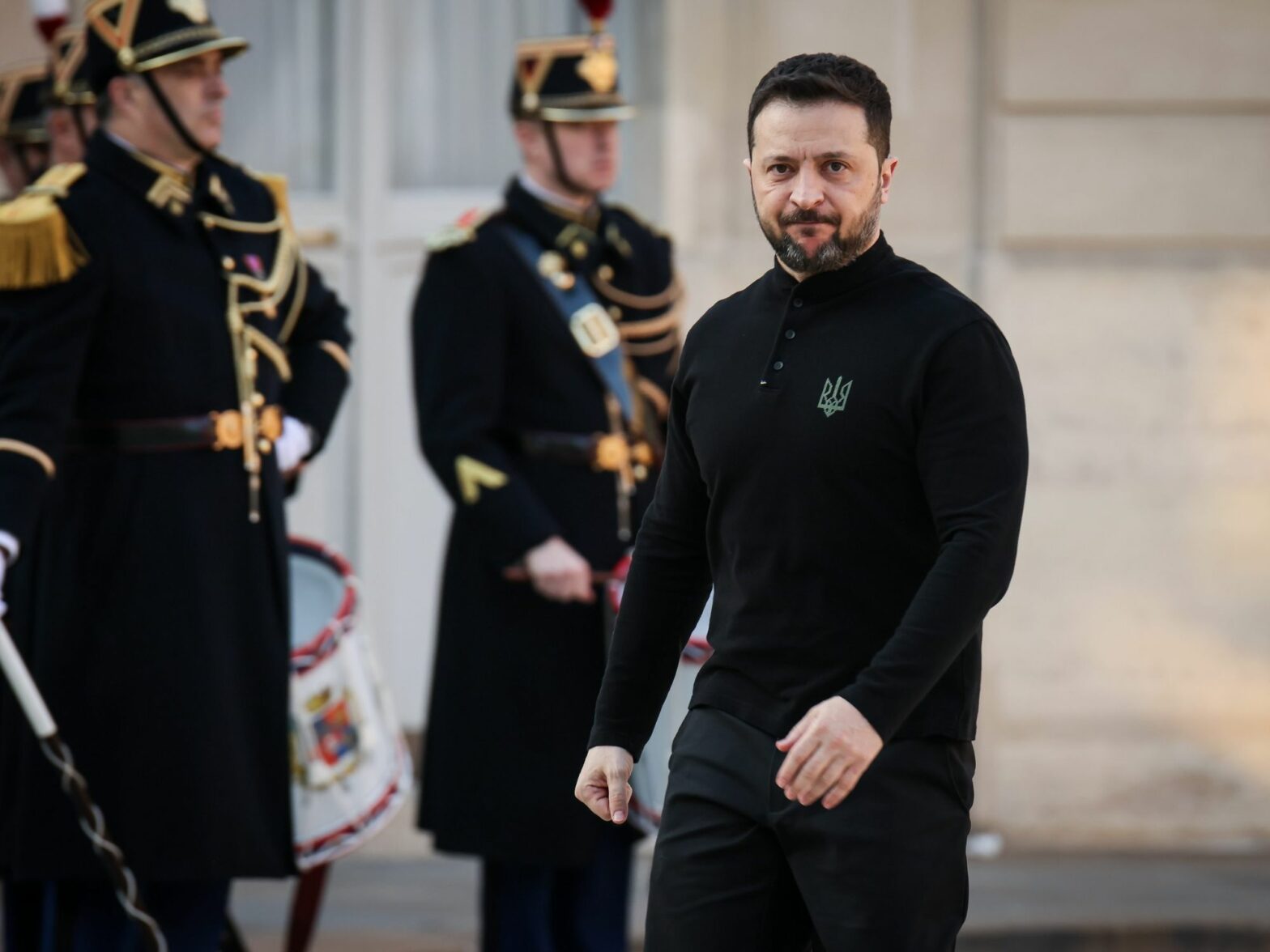
In Paris where he met with Emmanuel Macron, the Ukrainian president urged Europe to provide more weapons and soldiers, accusing Putin of having no interest in a ceasefire. French daily Le Figaro’s Isabelle Lasserre spoke with him in an exclusive interview.
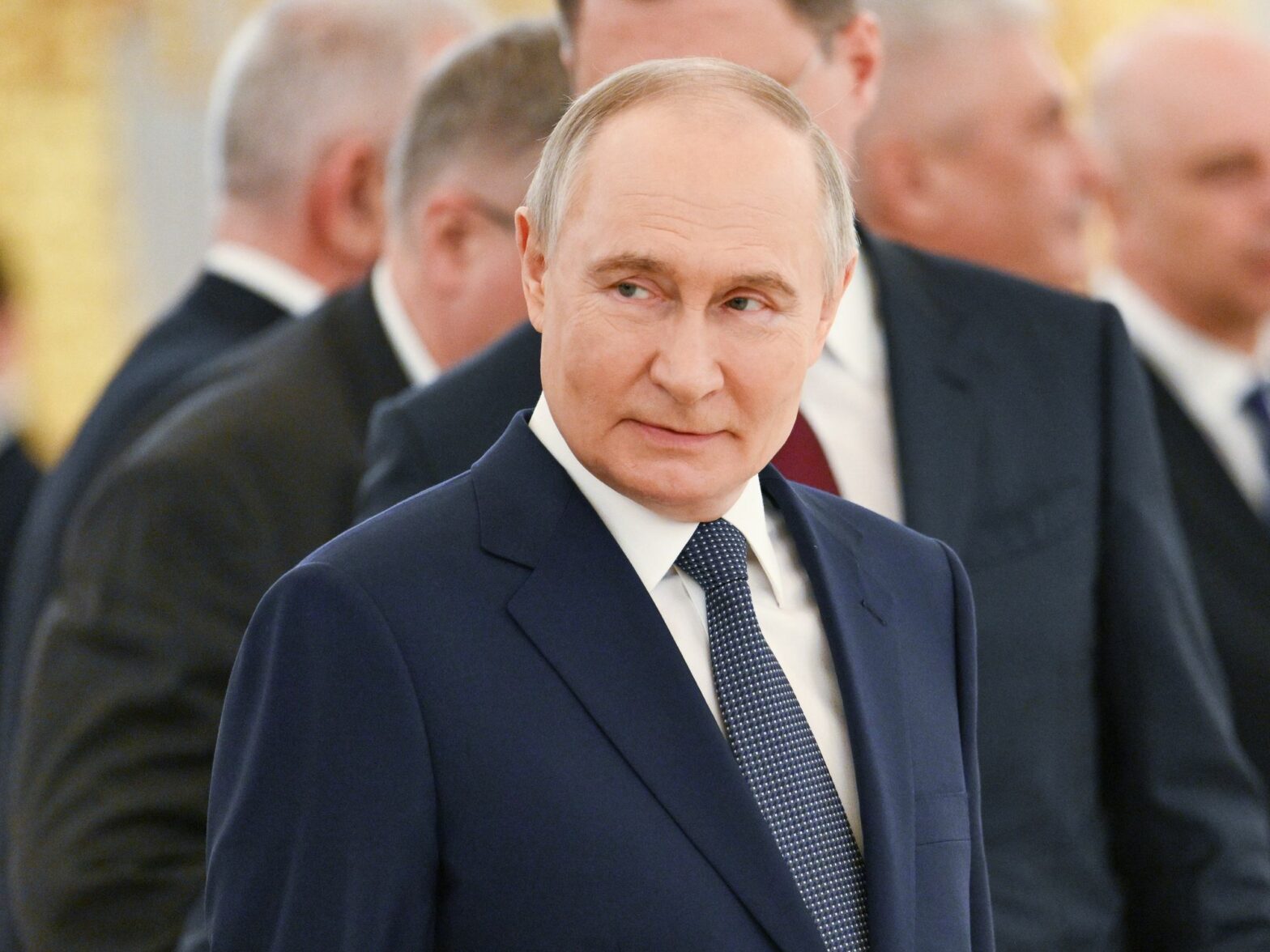
After more than two hours of talks with Trump, Putin agreed only to a partial truce on energy infrastructure and laid out his conditions for moving forward — chief among them, an end to Western aid for Ukraine. Who knows if Trump pushed back at all.
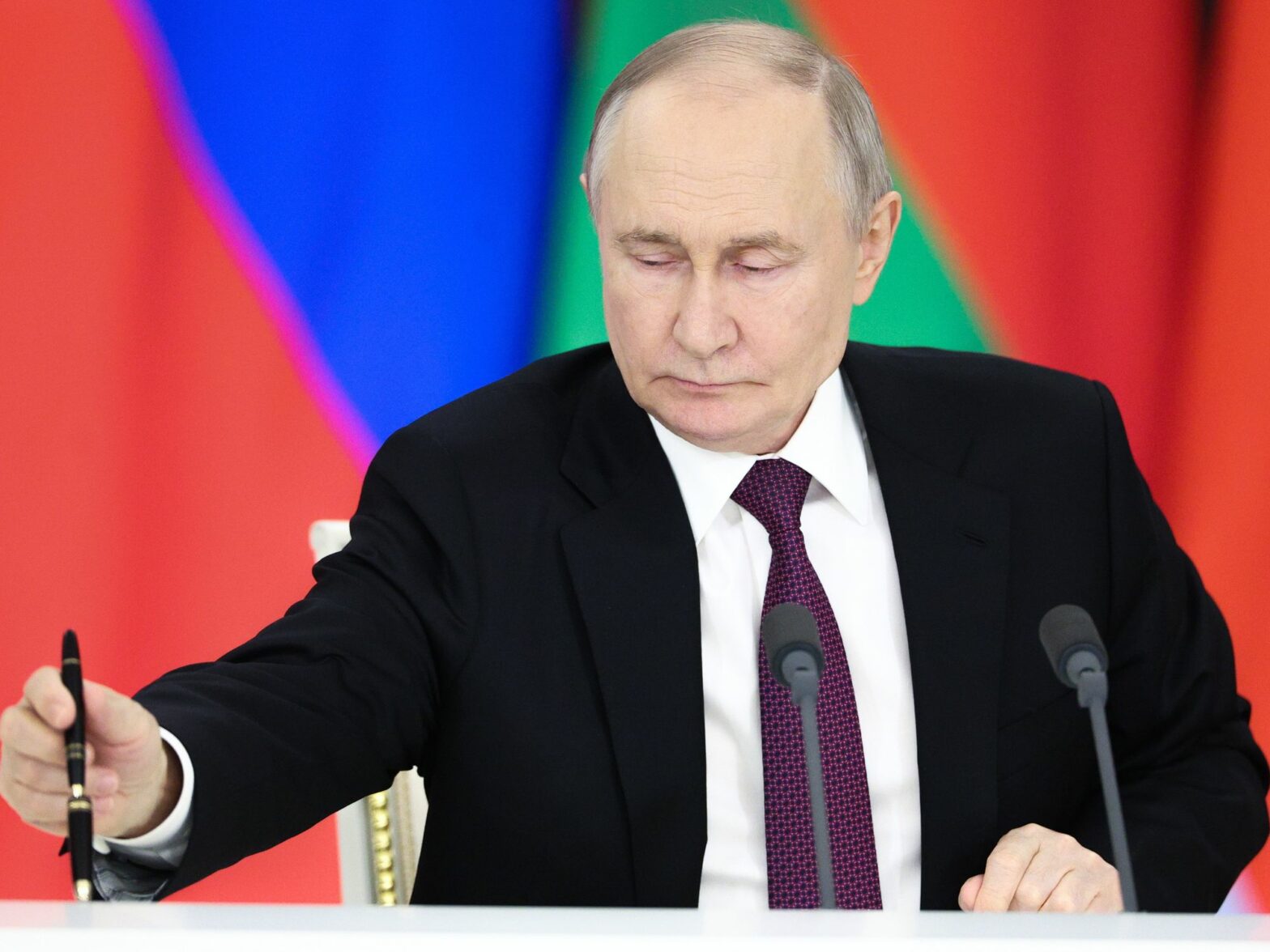
Zelensky immediately agreed to the 30-day ceasefire without conditions, but Putin took his time responding — essentially delivering a “no” to the U.S. proposal. Negotiations between Washington and Moscow are ongoing, but much hinges on Donald Trump’s mood.
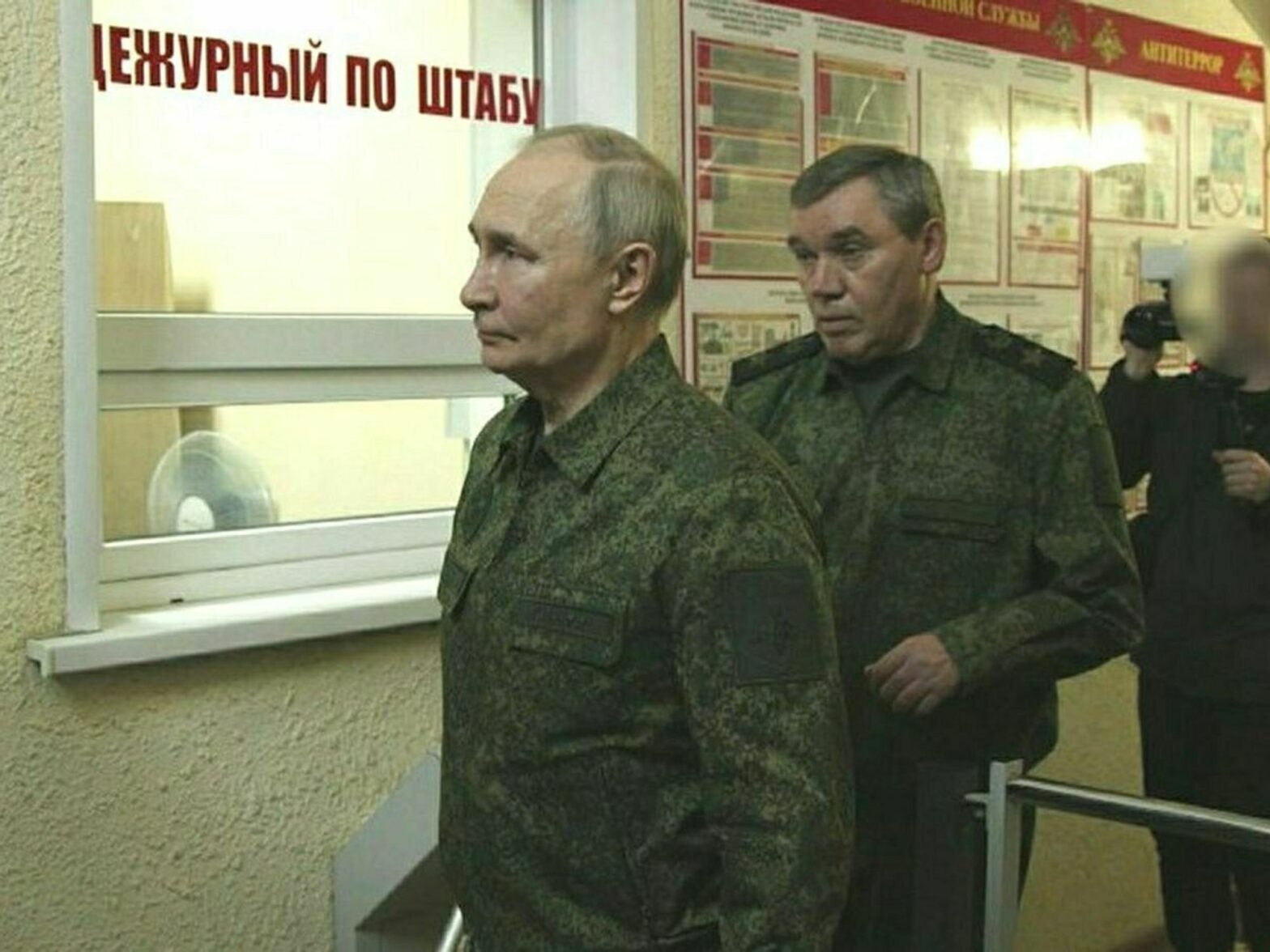
Russia announced that it has taken back Sudzha, the biggest town in Kursk, just hours after a surprise visit from the Russian president in the region and as a U.S. delegation arrives in Moscow to discuss a ceasefire proposal. All eyes are now on Putin.
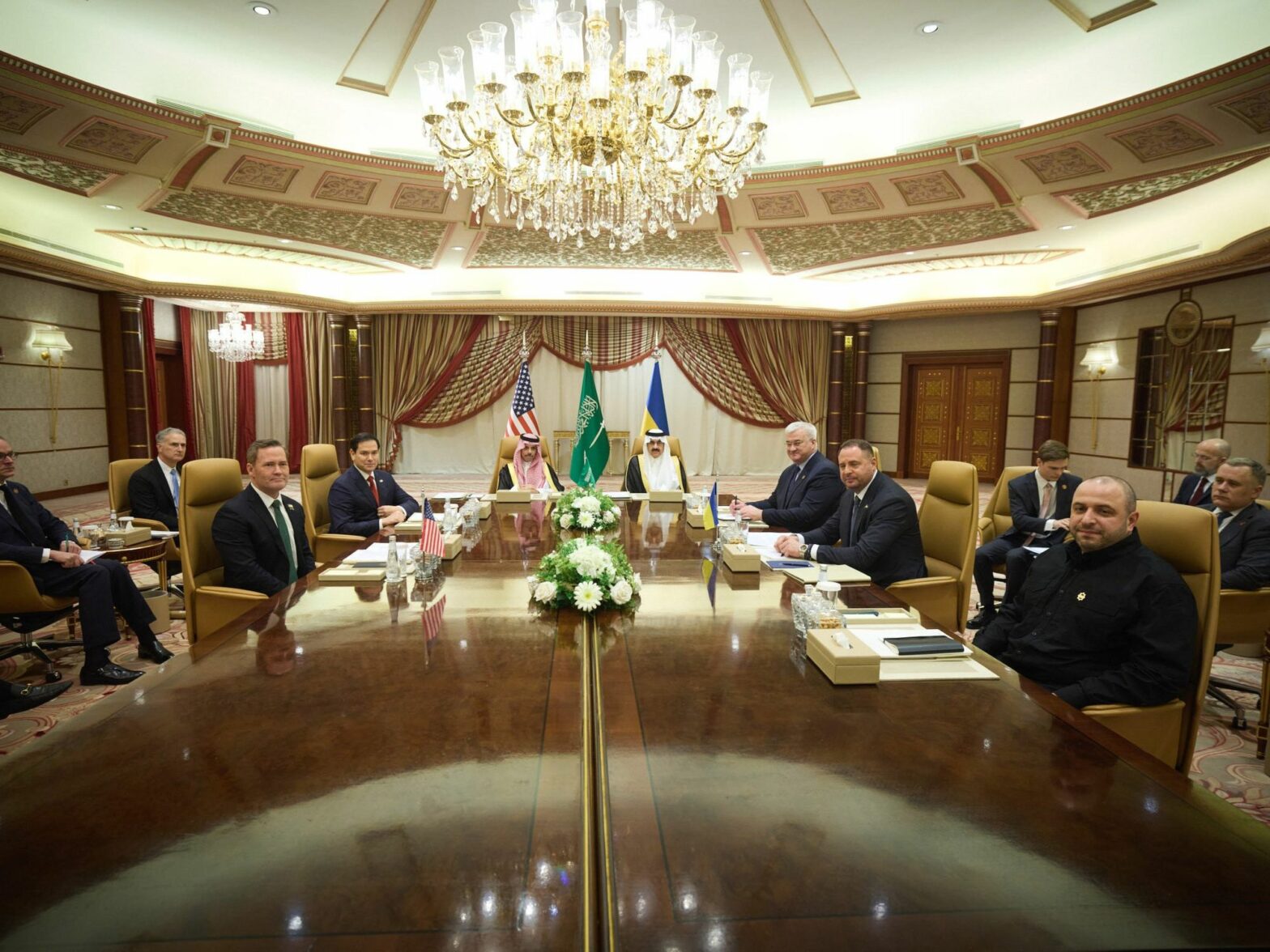
Ukraine secured the restoration of U.S. aid and agreed to a 30-day ceasefire. But the questions around Trump’s expectations of Putin leave the storyline suspended.
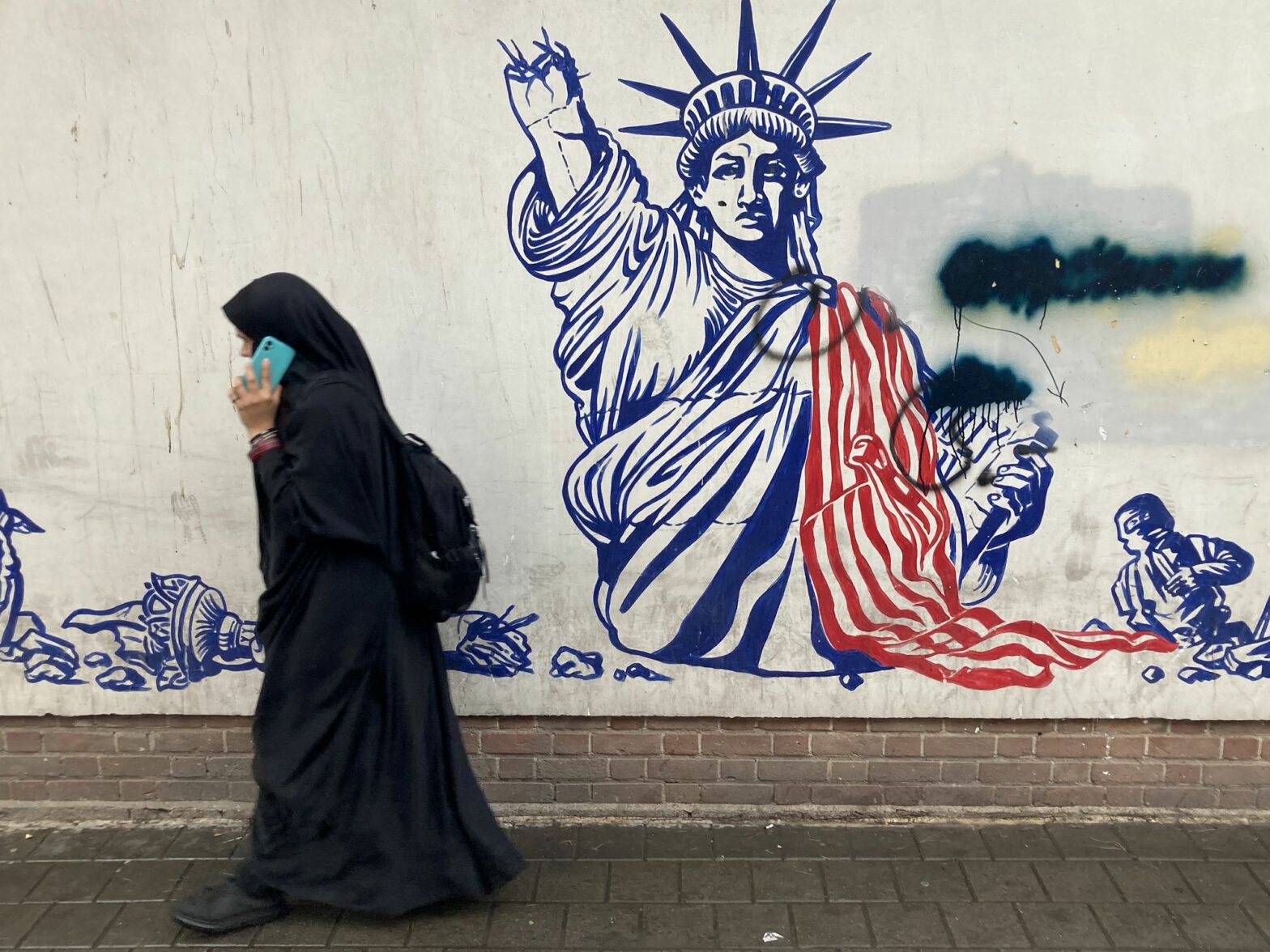
Given Donald Trump’s hardline with Volodymyr Zelensky, the U.S president may be even more draconian with Iran, which seems to have an even worse hand than during Trump’s first term.
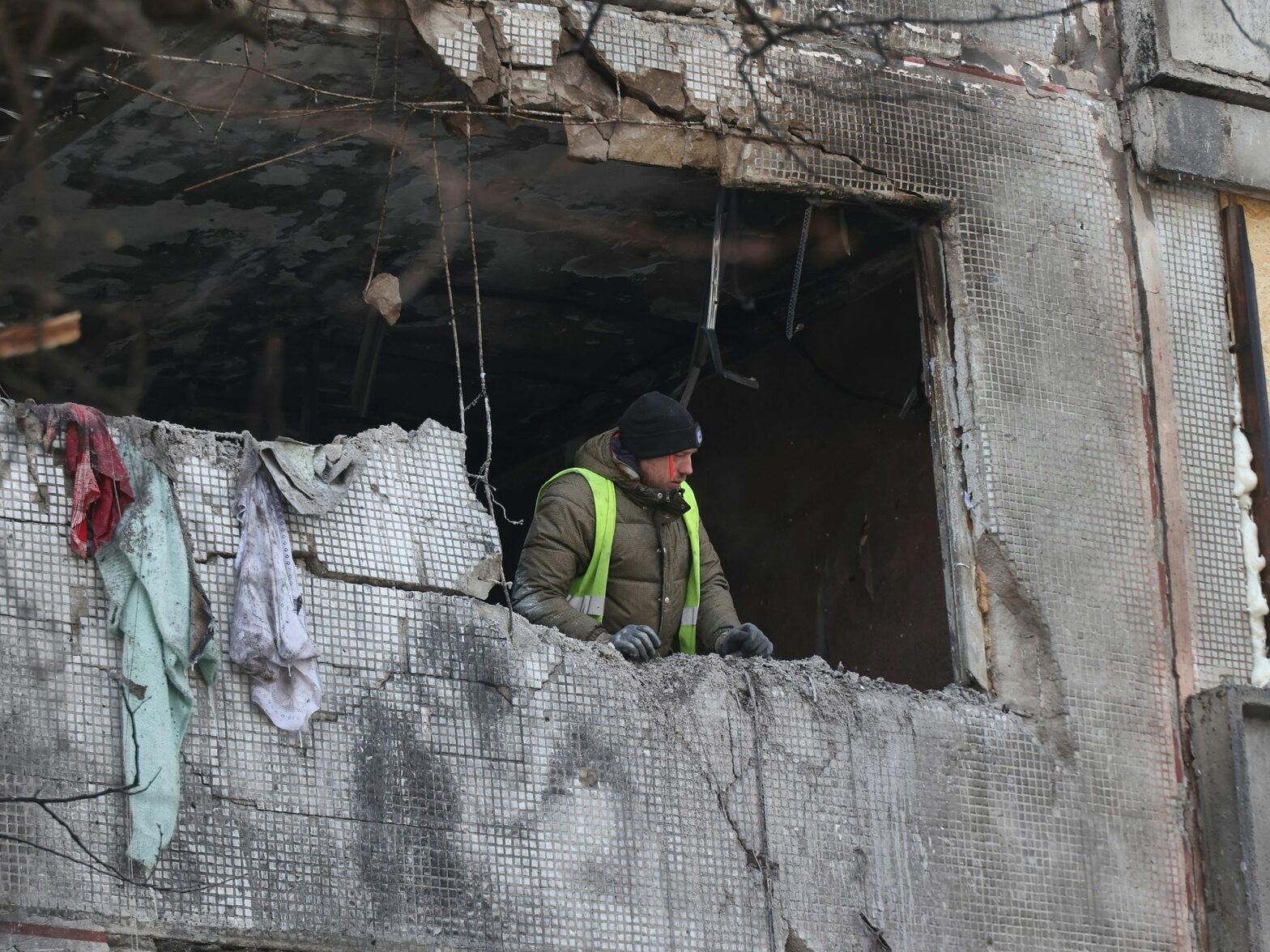
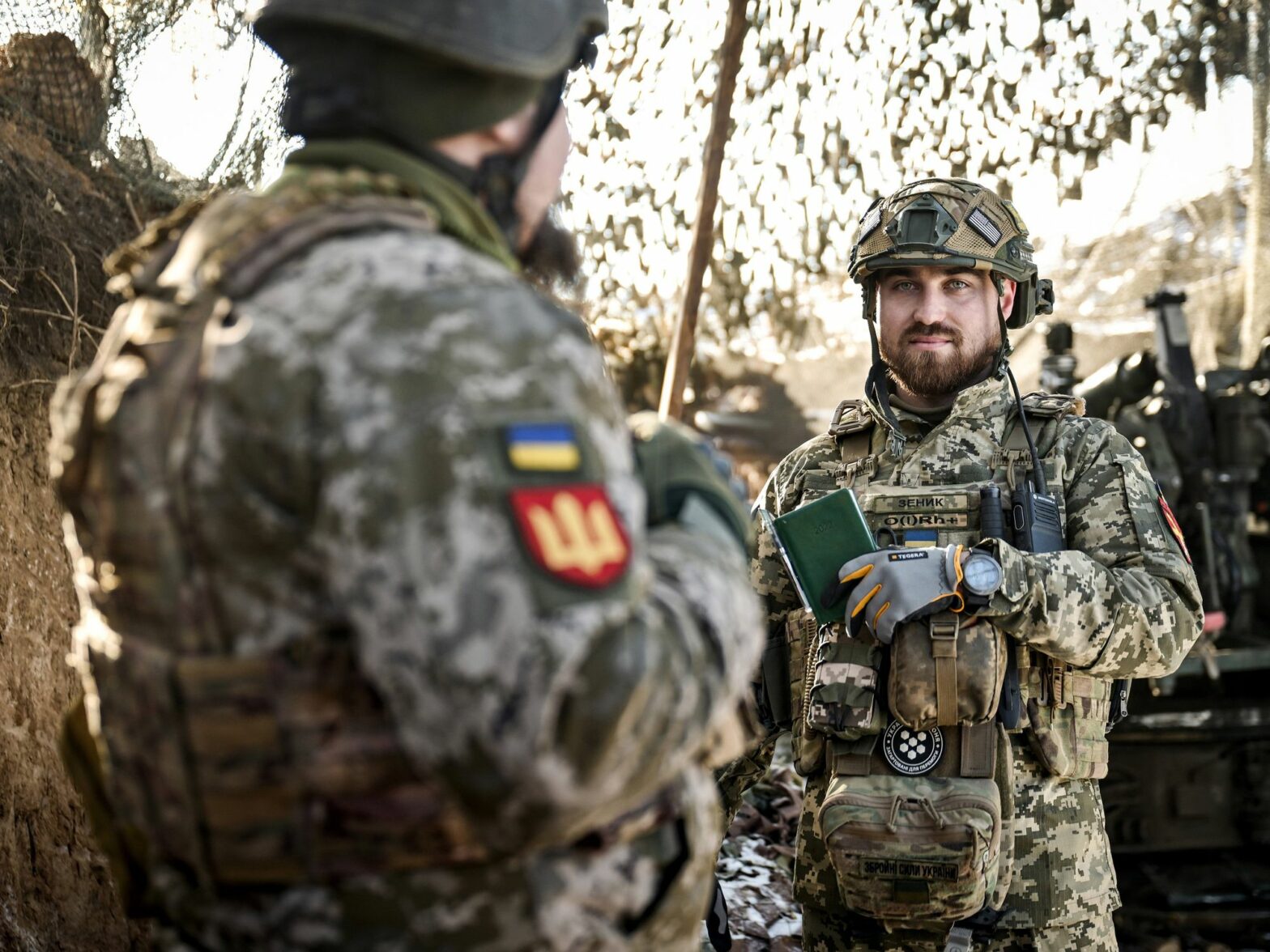
Following Volodymyr Zelensky’s Washington visit last week, Russia has started exerting more pressure on Ukraine, confident that Trump will do little to interfere. Monica Perosino reports from the Ukrainian side of the frontline.
Donald Trump has suspended U.S. military aid to Ukraine until Volodymyr Zelensky demonstrates “good faith” in negotiating with Vladimir Putin. It’s an unprecedented move with an interesting parallel with what’s happening with Israel, where the U.S. Secretary of State Marco Rubio has expedited the delivery of $4 billion in military aid.
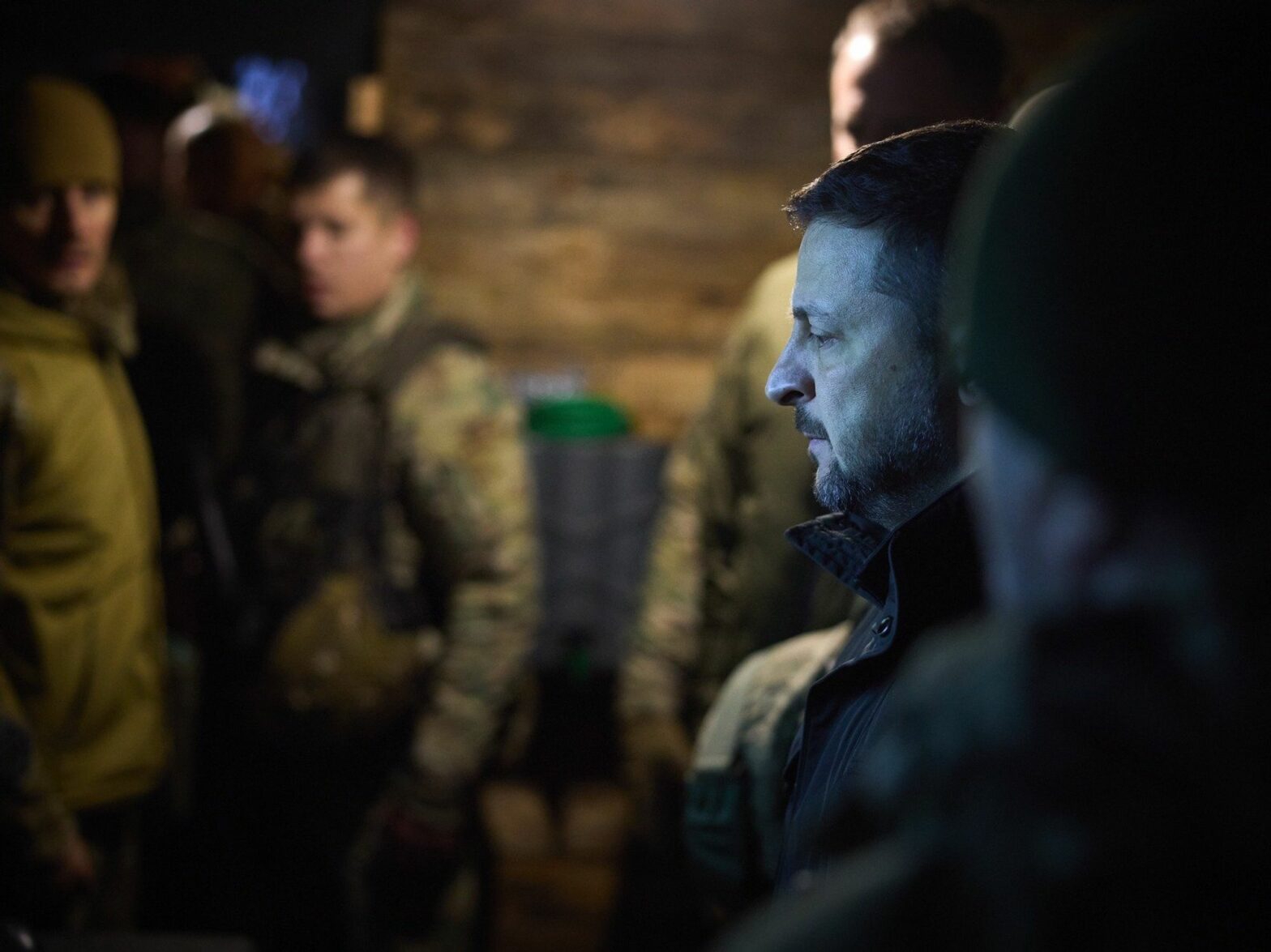
Even his critics inside Ukraine are uniting behind Volodymyr Zelensky for standing up to U.S. President Trump and Vice President Vance to defend their nation’s interests.
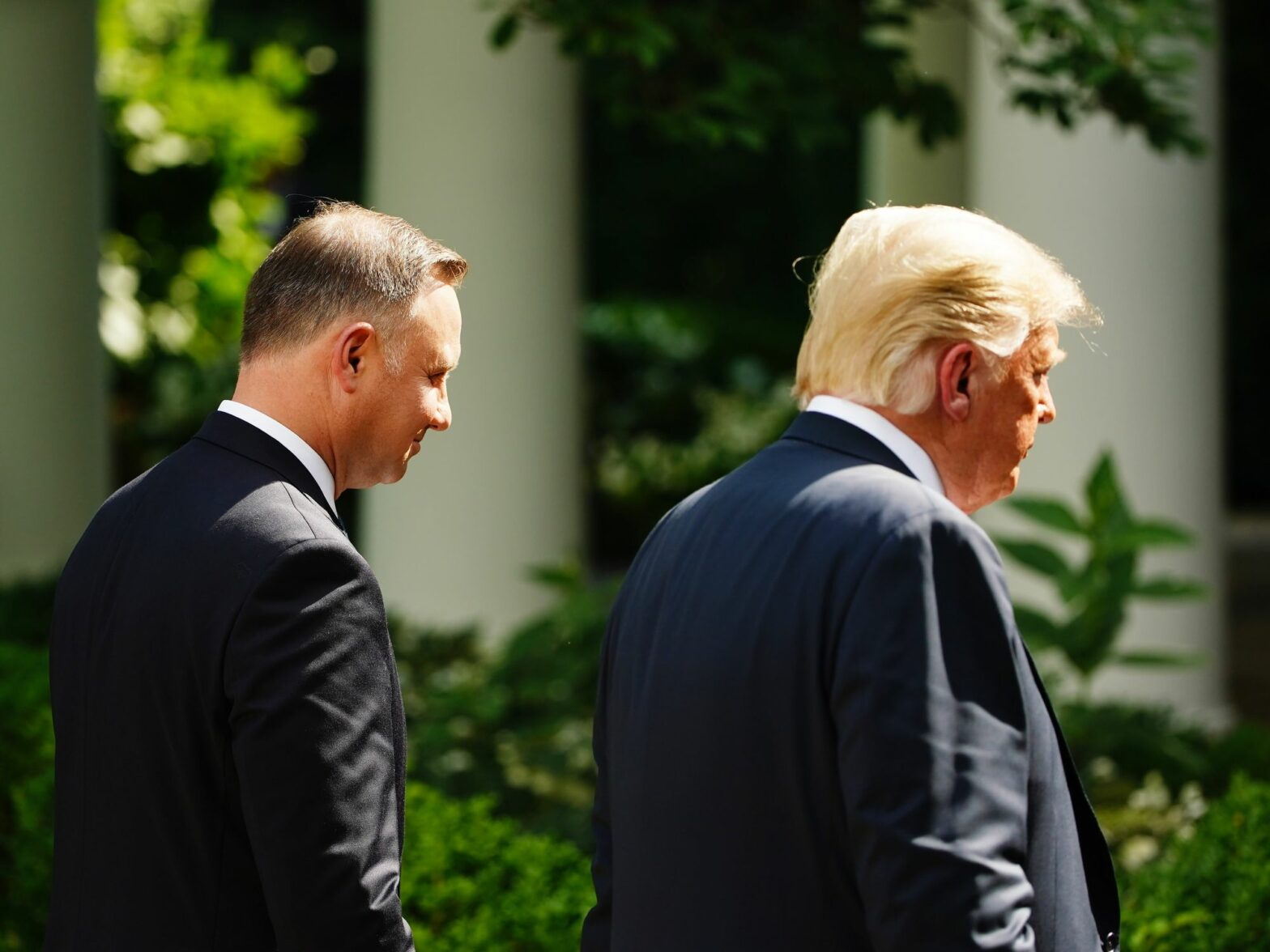
Poland was right to vote alongside Ukraine and other Western countries on a UN resolution this week that clearly indicated President Vladimir Putin’s Russia as the culprit in the outbreak of the war in Ukraine. But would Polish diplomats have made that same choice if the nationalist-conservative Law and Justice Party (PiS) were in power. The election in May could see that happen.
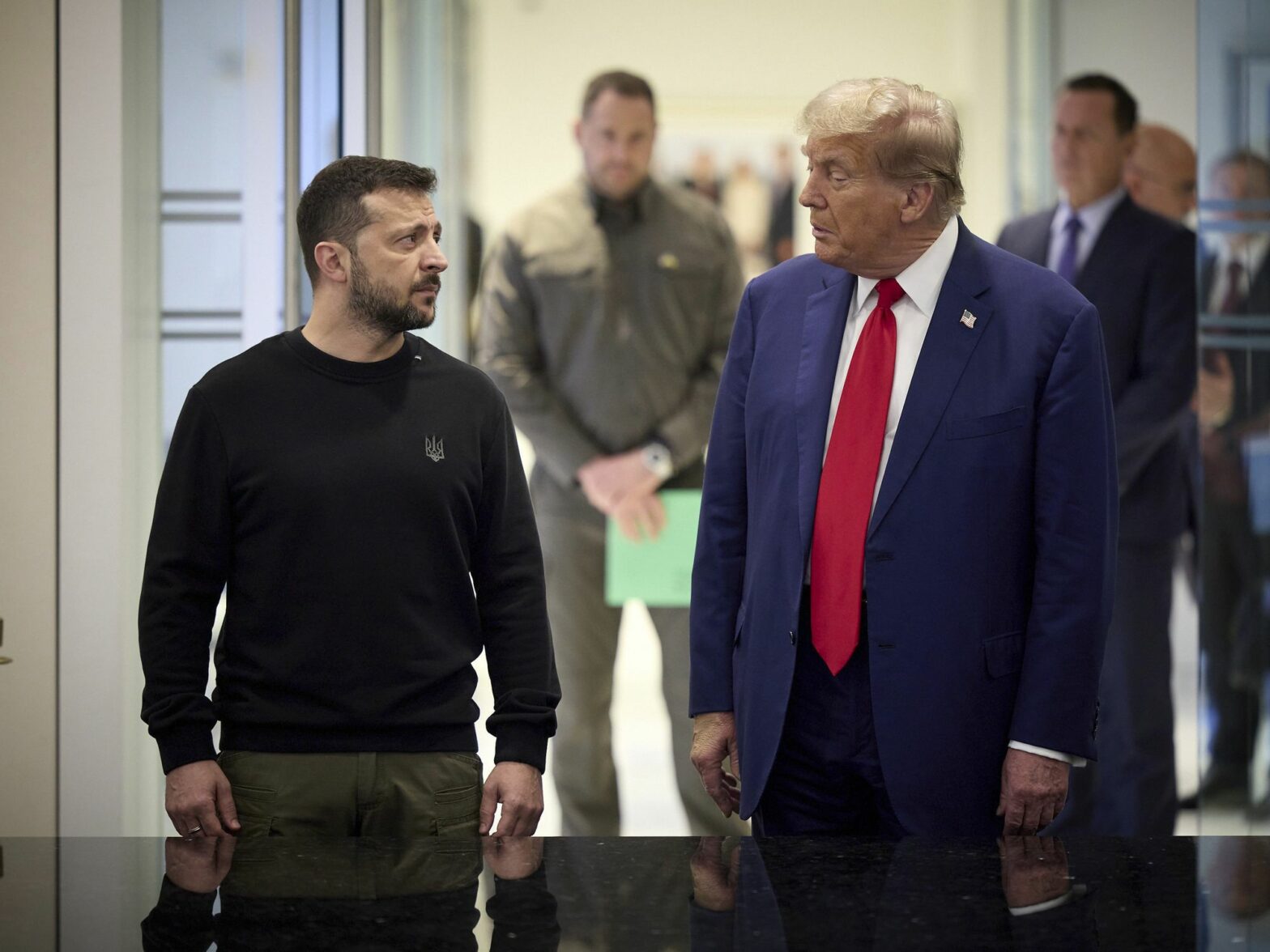
This week, U.S. President Donald Trump doubled down on his accusations against Ukraine. It looks as though Kyiv may have to rely solely on European military aid. But France’s president, along with the British prime minister, have made urgent plans to visit Trump.
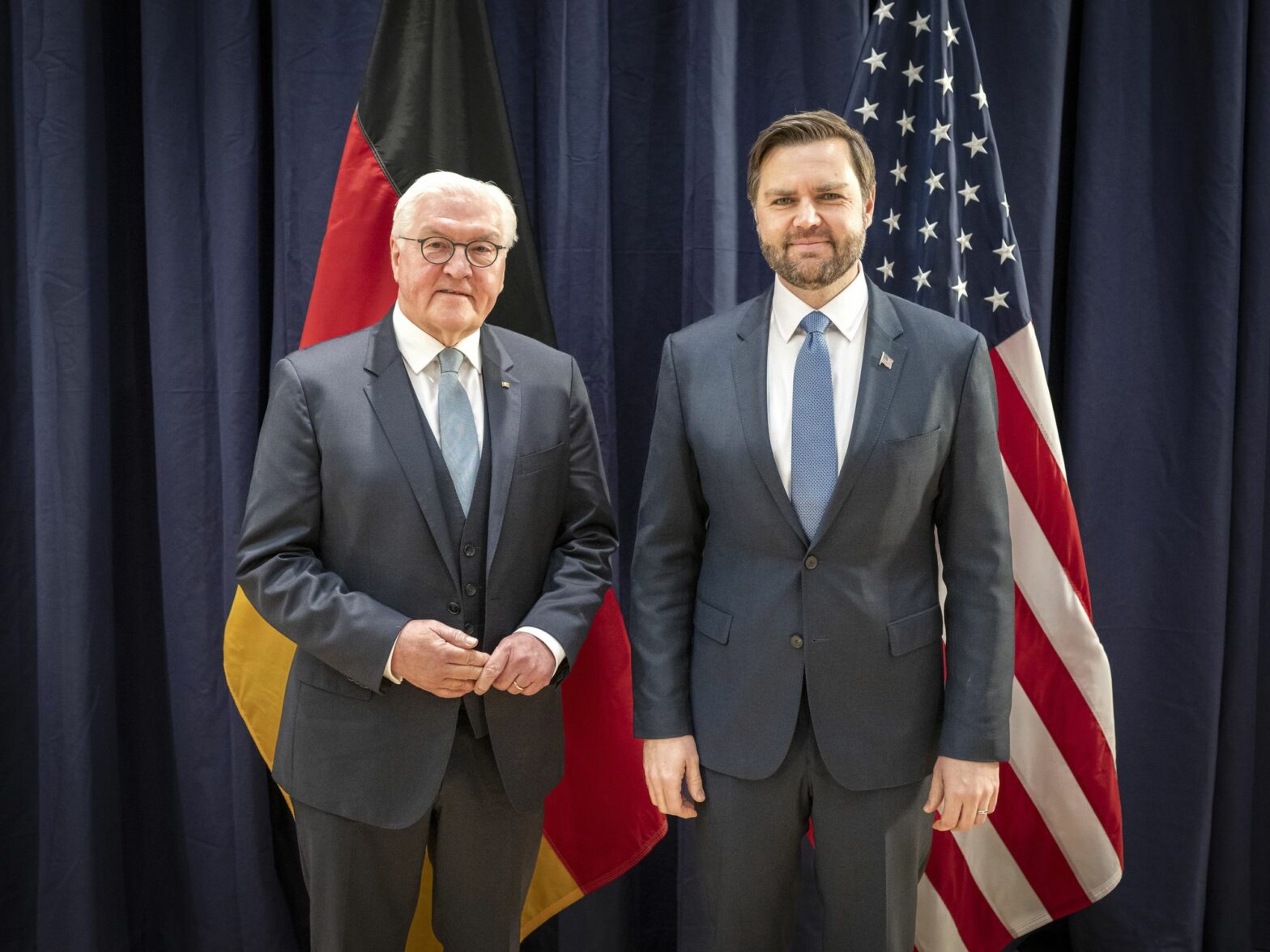
There isn’t much holding Europe and the U.S. together anymore: neither interests nor values. It’s time to start envisioning what comes next.

February 7 – February 13, 2025
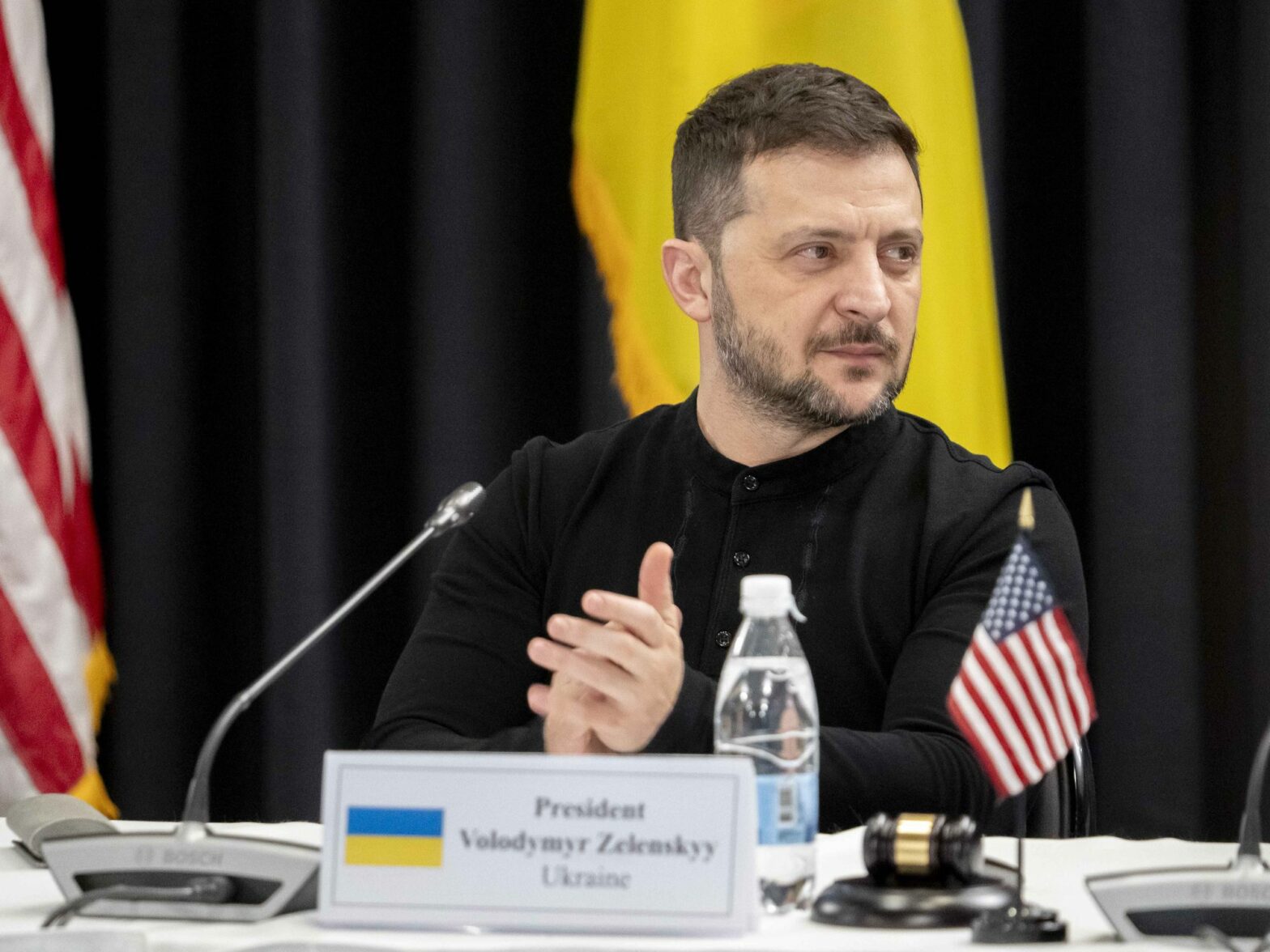
Donald Trump suggested that U.S. aid to Ukraine could be secured through the country’s rare earth deposits — those precious metals over which China holds a global monopoly. In reality, the idea was first pitched by Ukrainian President Volodymyr Zelensky, who knew exactly what kind of argument would resonate with Trump.
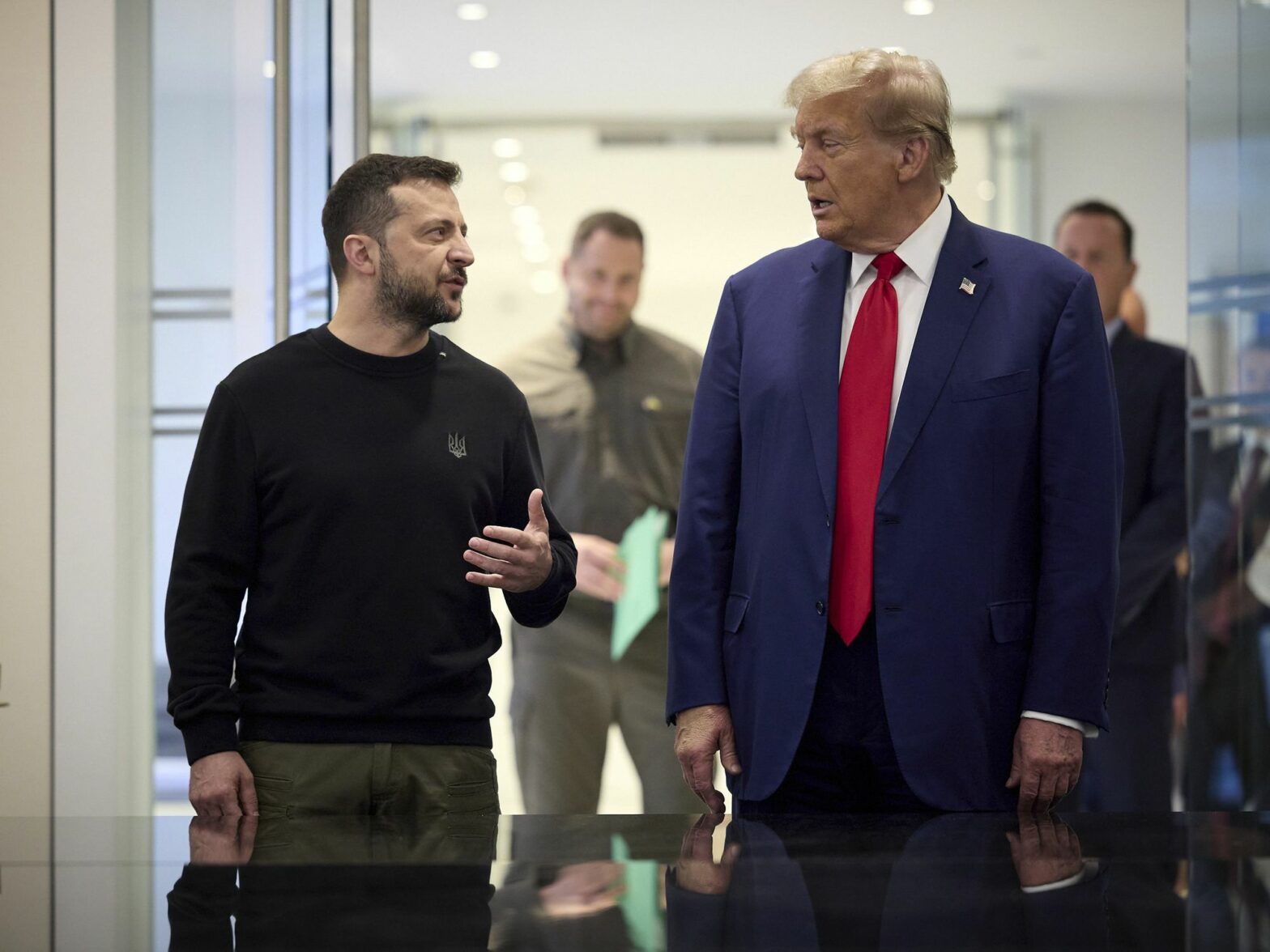
As a candidate, Donald Trump promised to end the war in Ukraine within his first 24 hours in office — a deadline the US president has now missed. Even so, negotiations to end the three-year conflict are expected to accelerate. What are Russia, Ukraine and the United States’ current positions? And what do experts think will happen?
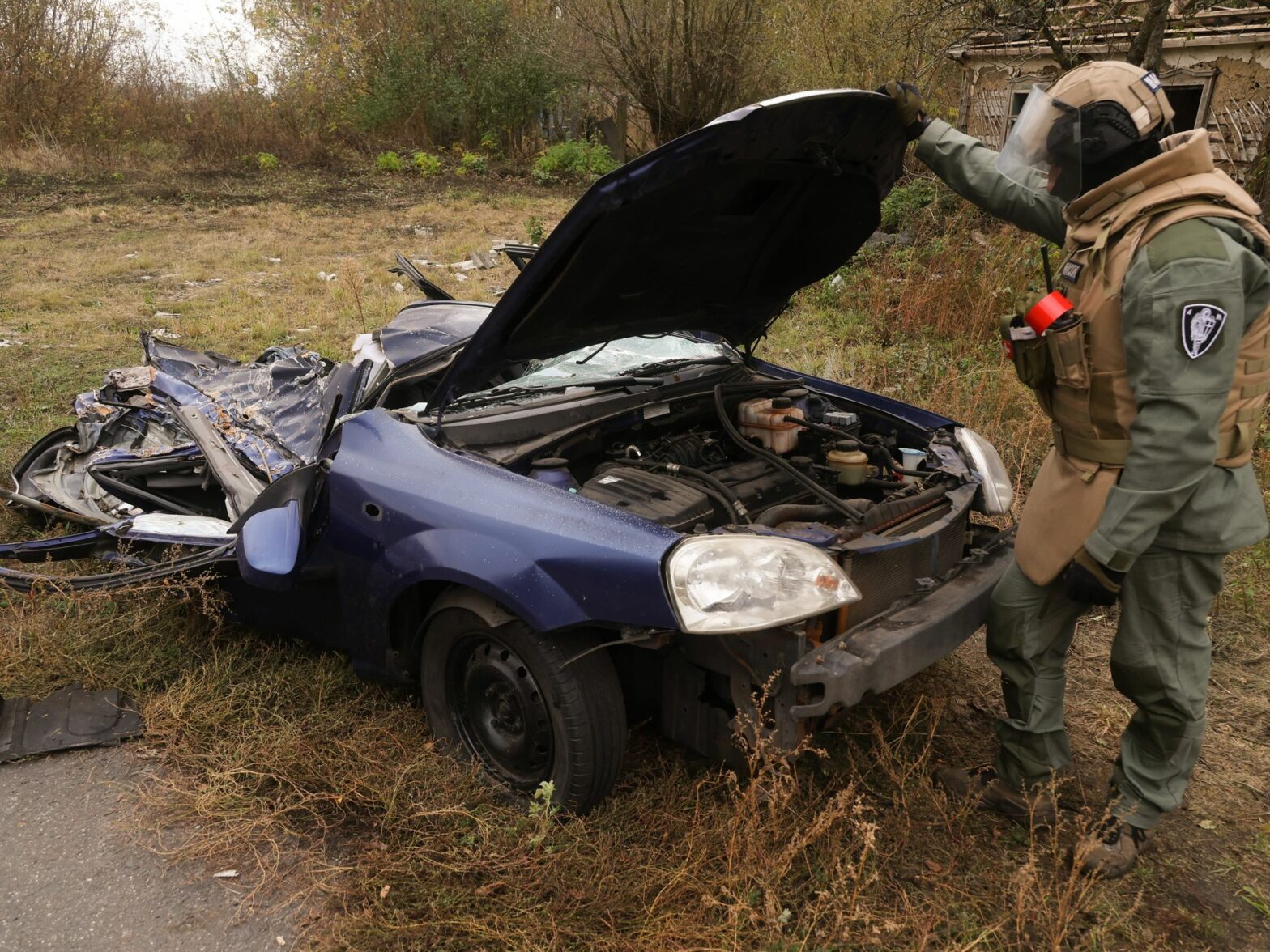
Kursk is becoming synonymous with a nightmare for Vladimir Putin, a dynamic that the Kremlin prefers not to talk about, a flaw in the apparently invulnerable Russian shield.
The debate over a possible ceasefire in Ukraine has shifted from territorial defense to securing guarantees for Kyiv. A new formula that involves NATO might be the most realistic hope now that Trump is arriving at the White House.
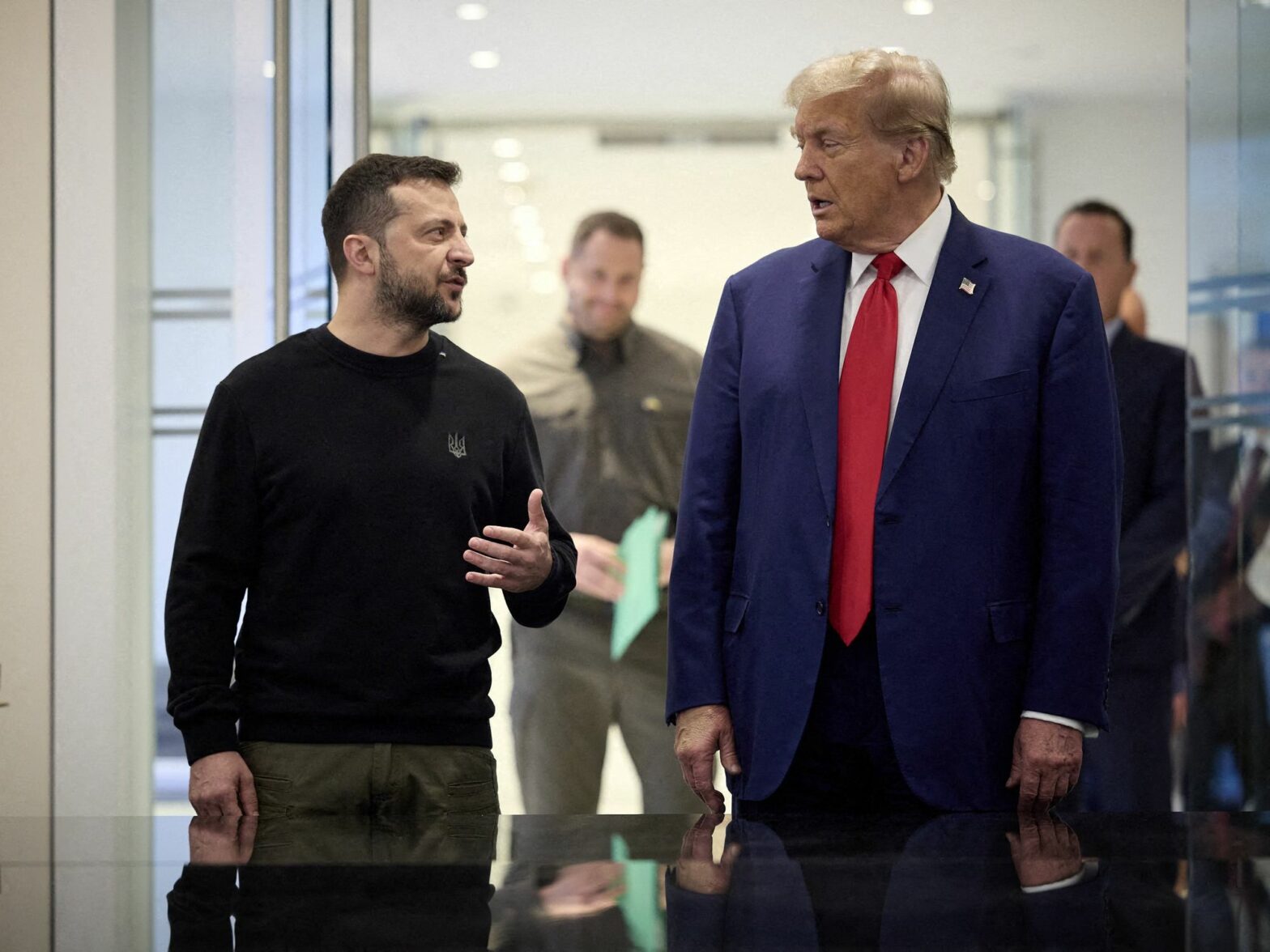
The key question is whether any peace agreement will satisfy the U.S. president, or if he will push for real security guarantees for Kyiv. The question is what Trump will do if Russia or Ukraine (or both) refuse to negotiate on U.S. terms and are not intimidated by the threats of the American leader.
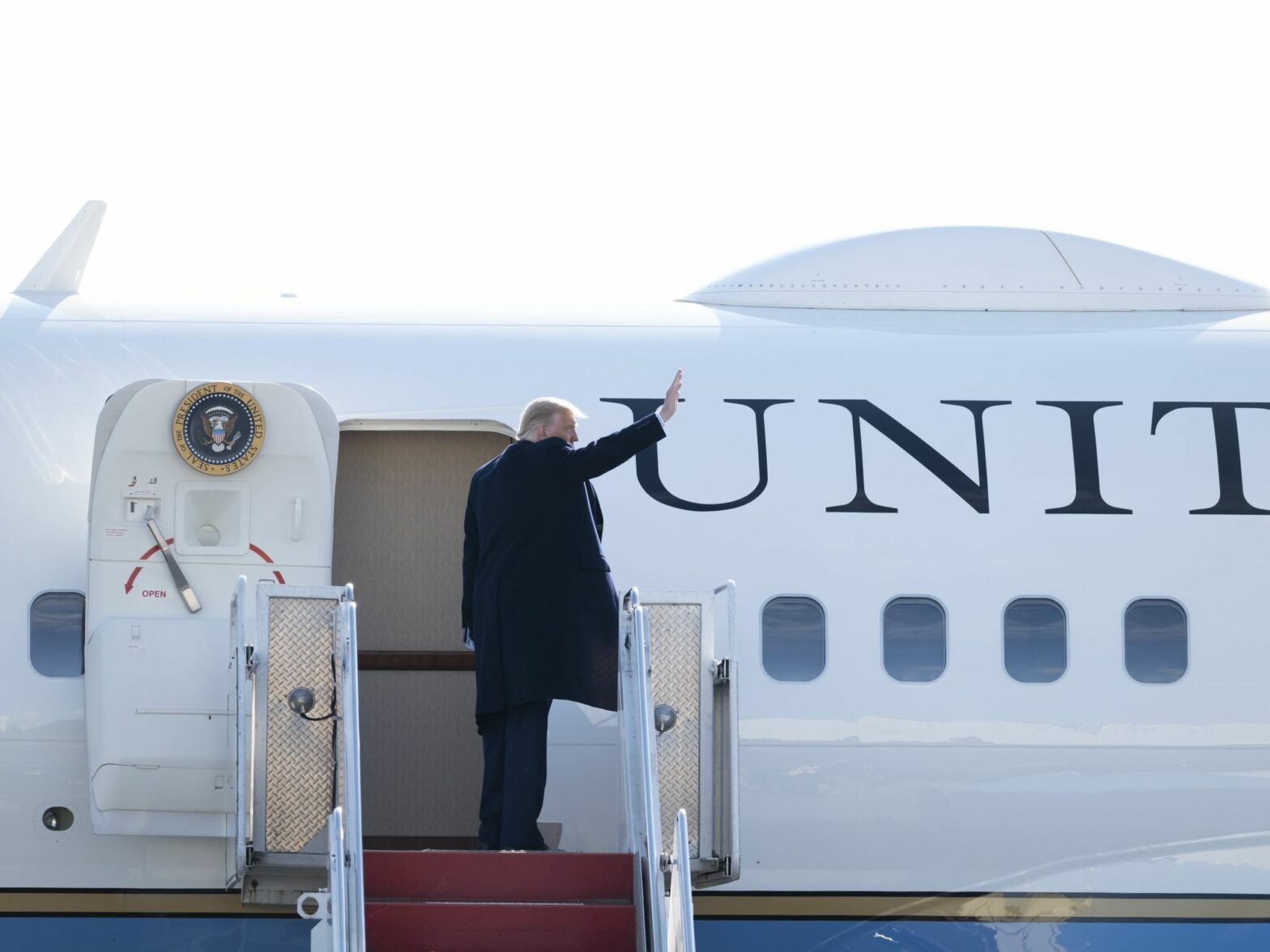
The reopening of Notre-Dame in Paris, with the participation of Donald Trump on his first foreign trip since being reelected, has turned into a diplomatic event where everyone will want to engage with the president-elect. Ukraine is at the top of the agenda.
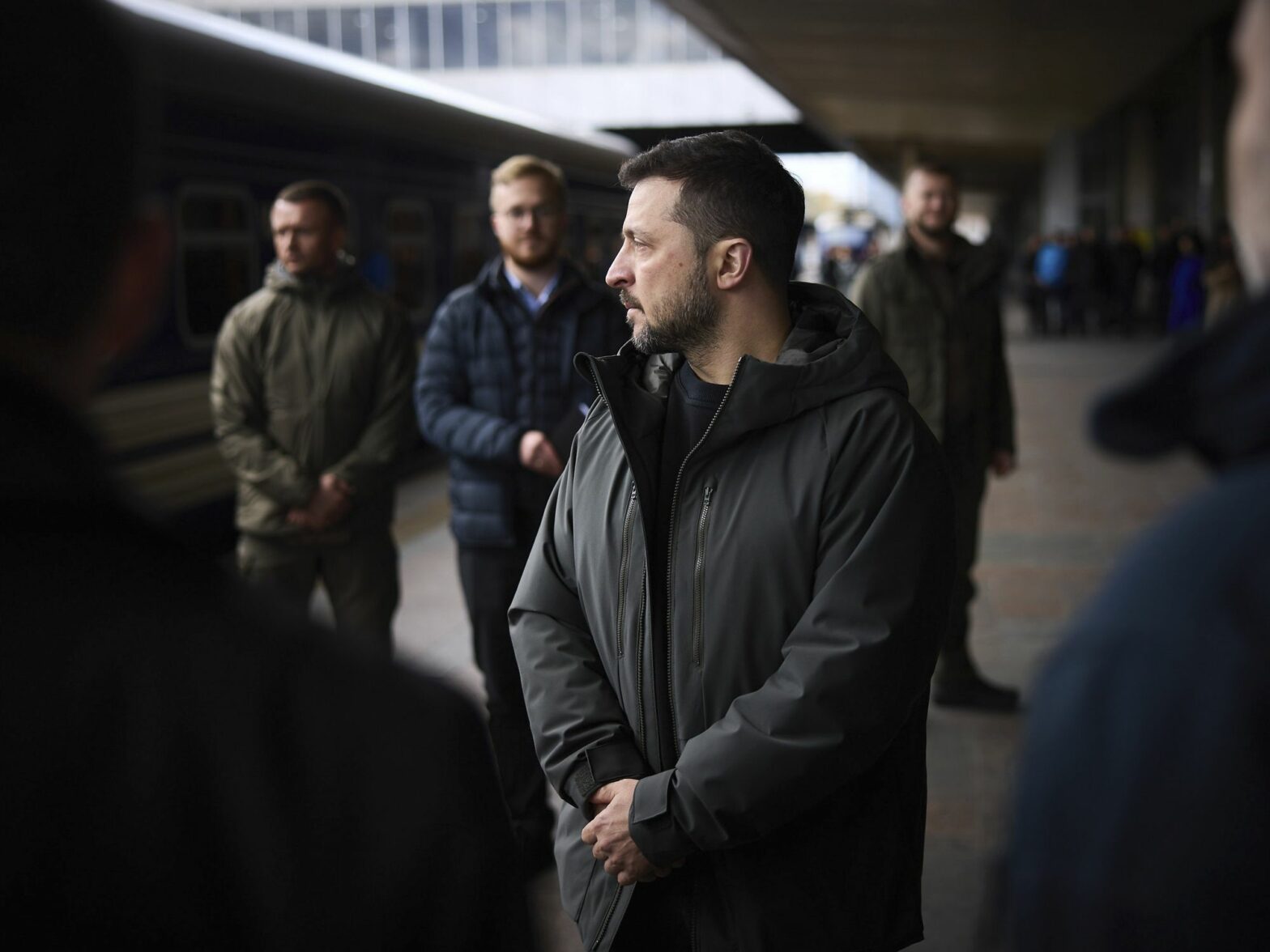
The U.S. has finally allowed Ukraine to strike Russian territory with long-range missiles following massive Ukrainian bombings of power infrastructure. Though only two months remain for the Biden administration before the uncertainty of the Trump era begins, the terms of any future negotiations are being fought over now.
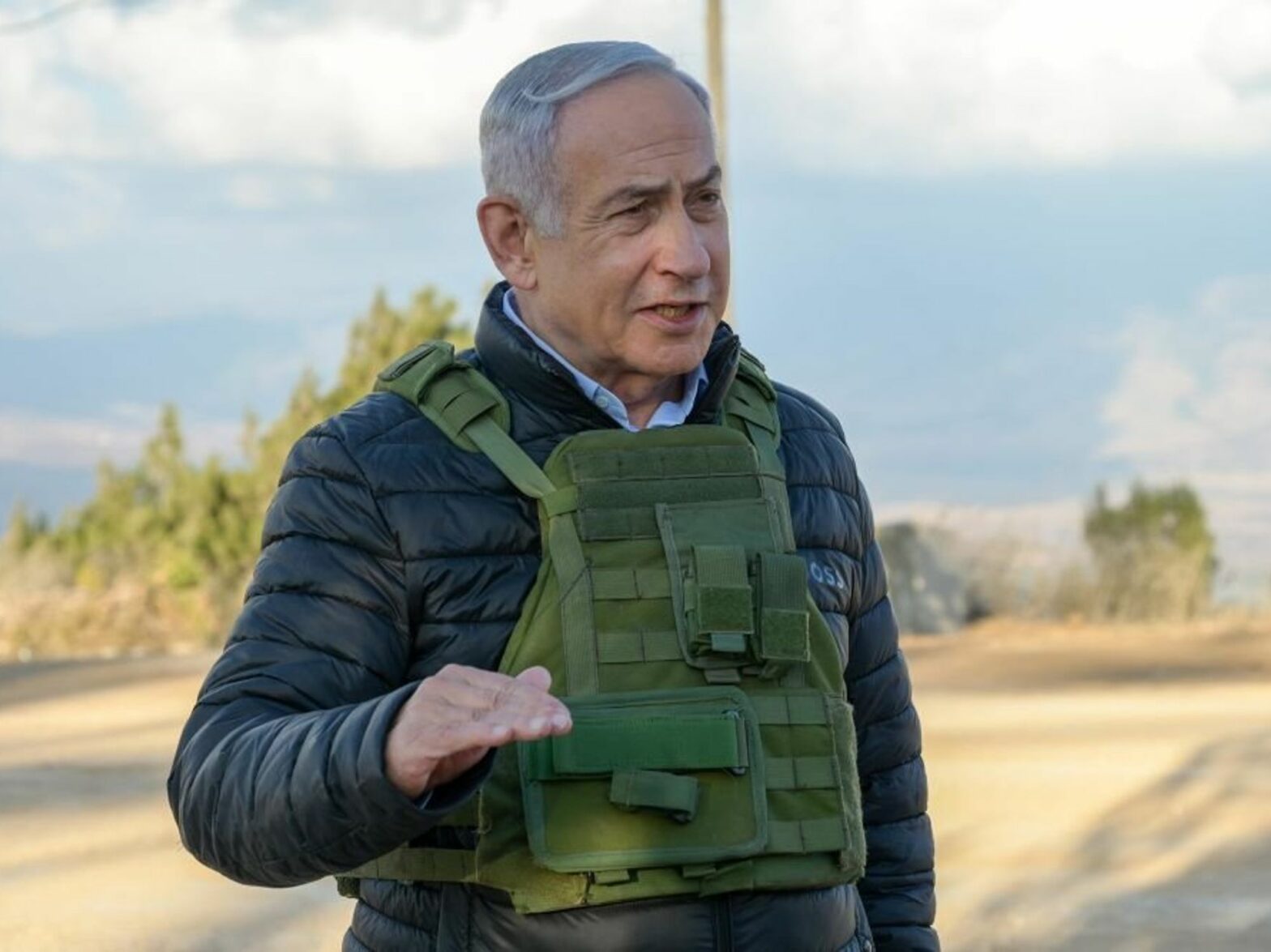
The election of Donald Trump has begun affecting global dynamics. In Ukraine, Zelensky fears losing U.S. support and has warned Europe against “suicidal” concessions to Russia. In Israel, Netanyahu stands as the main beneficiary, as Trump’s victory grants him the freedom to pursue his objectives unfettered.
During his presidential campaign, Donald Trump repeatedly said he could end the Russia-Ukraine war “in a day” if reelected. Now that he has won, some Ukrainian commentators and politicians are hoping that they can use his unpredictability — and vanity — to their advantage.
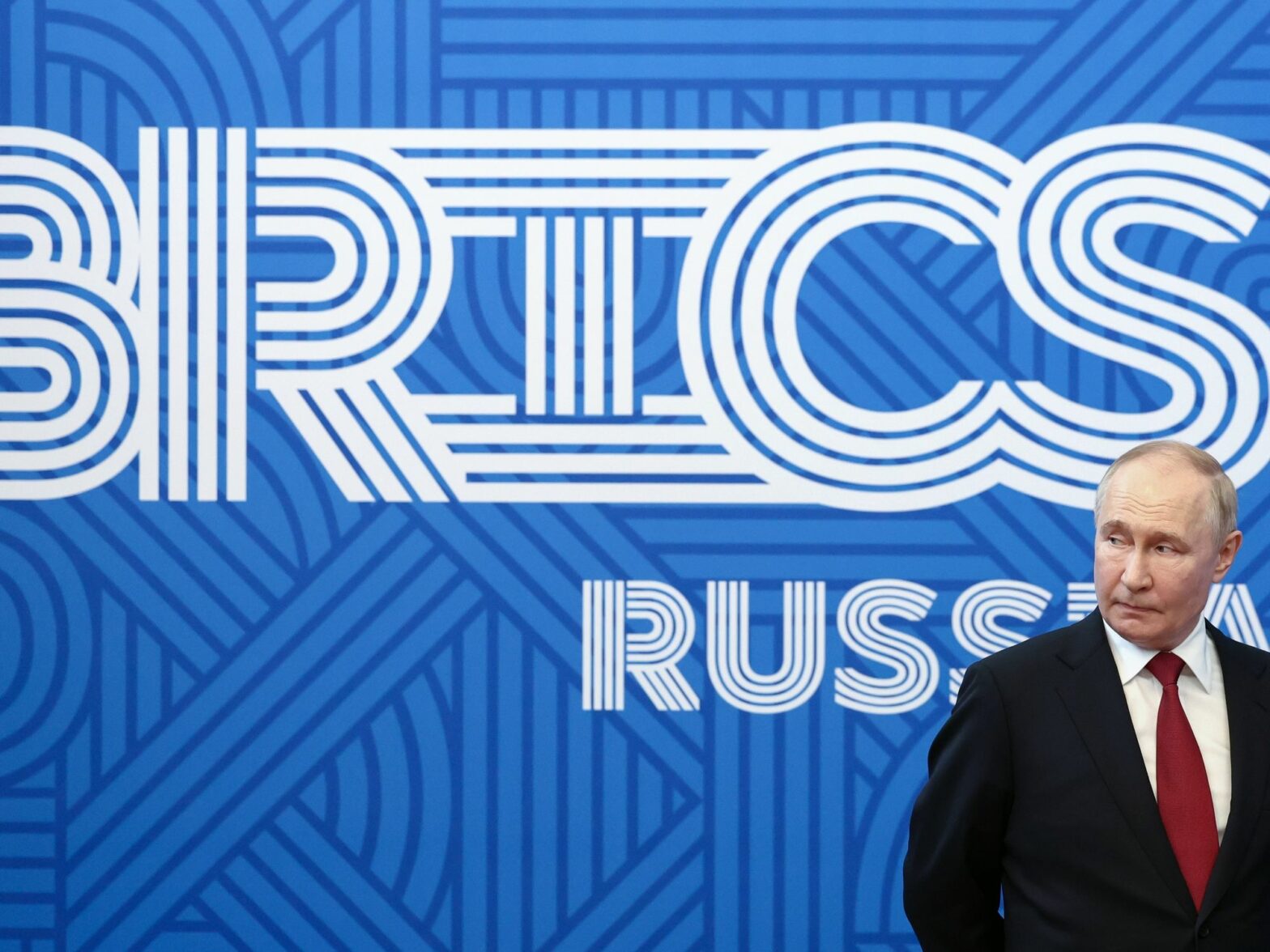
The BRICS Summit, which opens on Tuesday in Kazan, Russia, is an opportunity for Vladimir Putin to show that he is not isolated. But it is above all the power of attraction of this club of emerging countries that needs to be seen, in a world dominated by the West since 1945 and struggling to evolve.
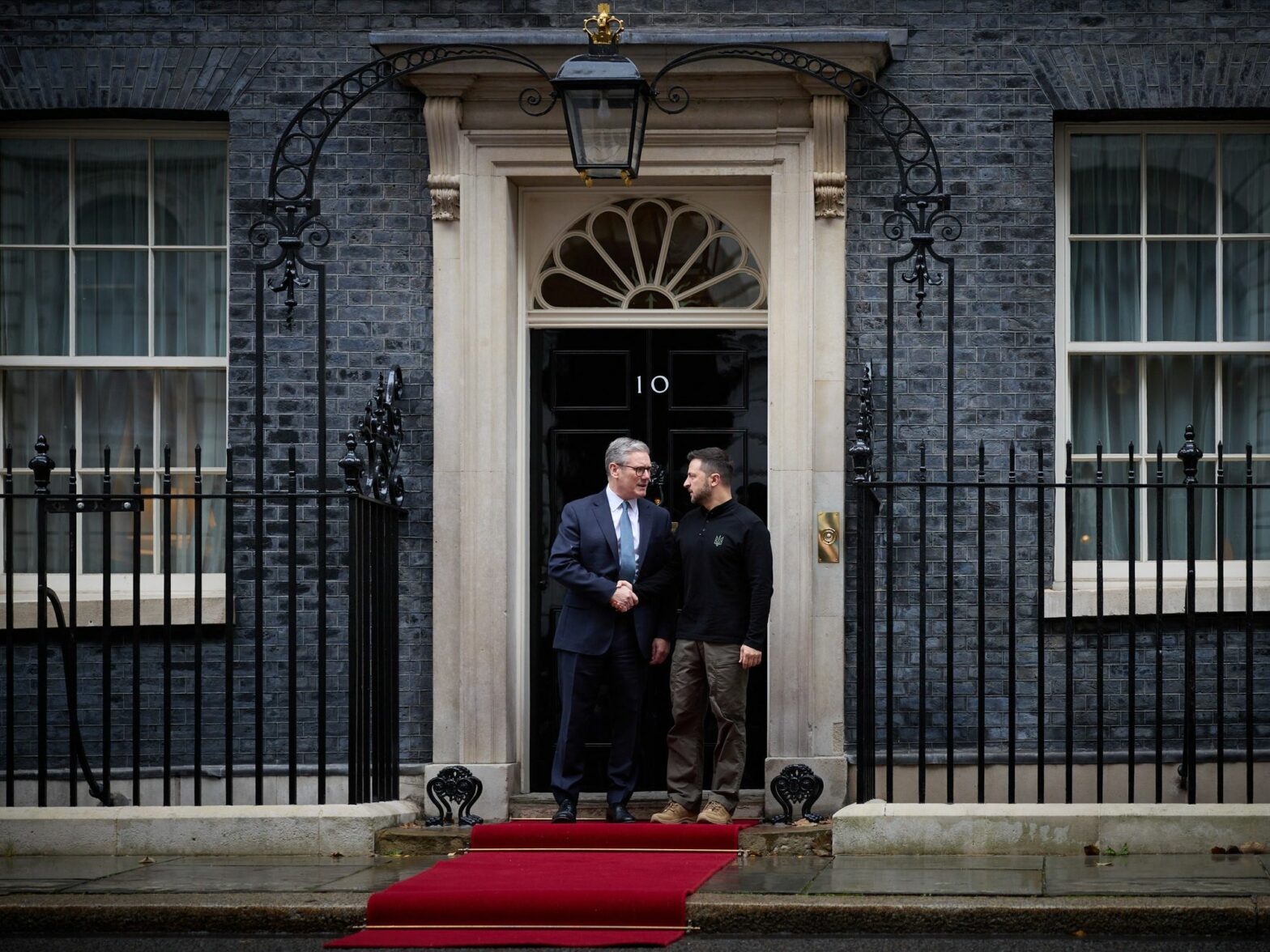
The Ukrainian president has begun a tour of Europe to present his “victory plan,” designed to reverse the balance of power with Russia before negotiating. It’s almost like asking for war and peace at the same time.
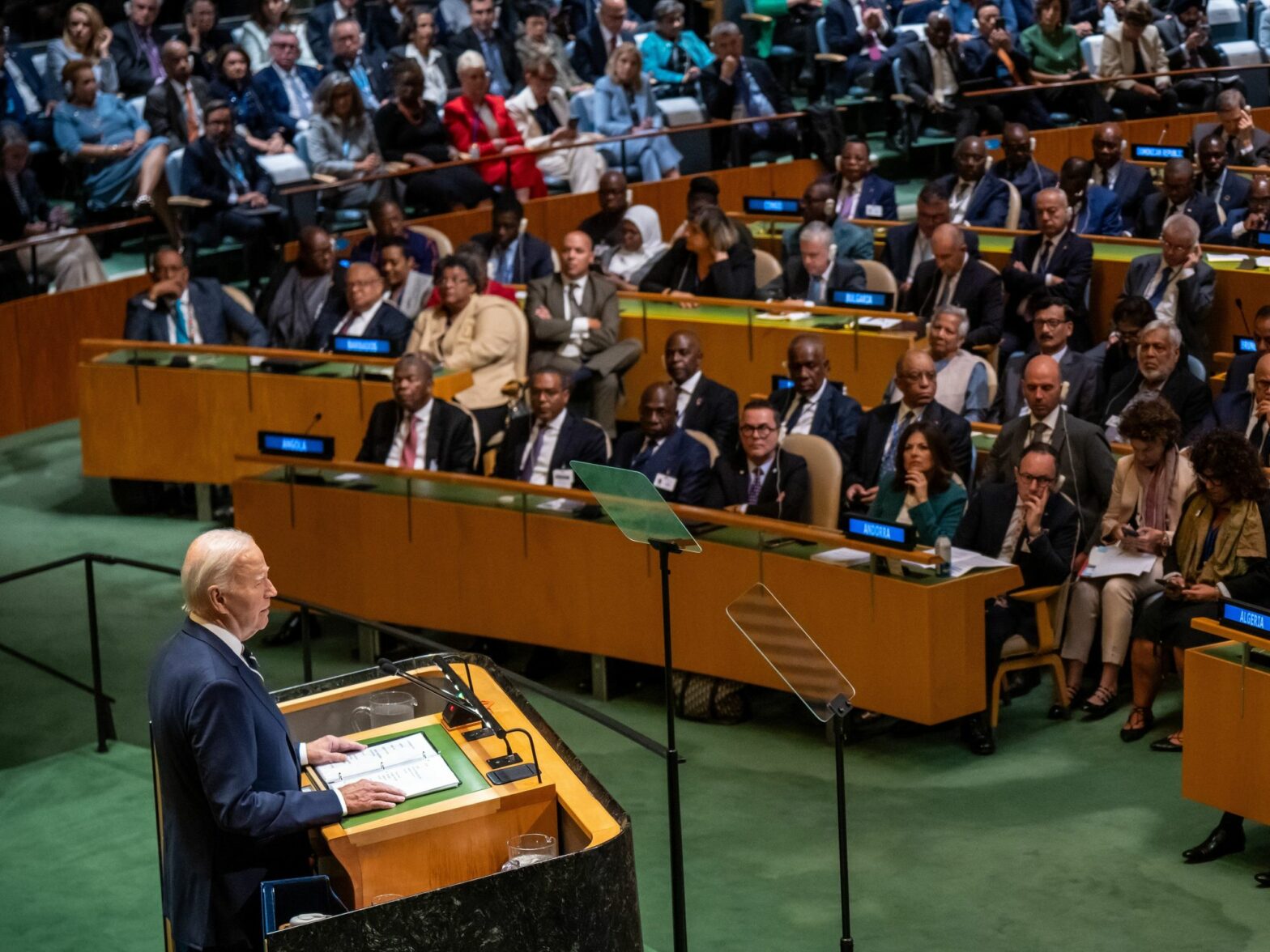
Joe Biden delivered his final speech to the UN General Assembly, in the form of a message from a wise old man who has seen dark times before. But while he has re-established a predictable presidency, he still appears hesitant on Ukraine and the Middle East, which tarnishes his record.
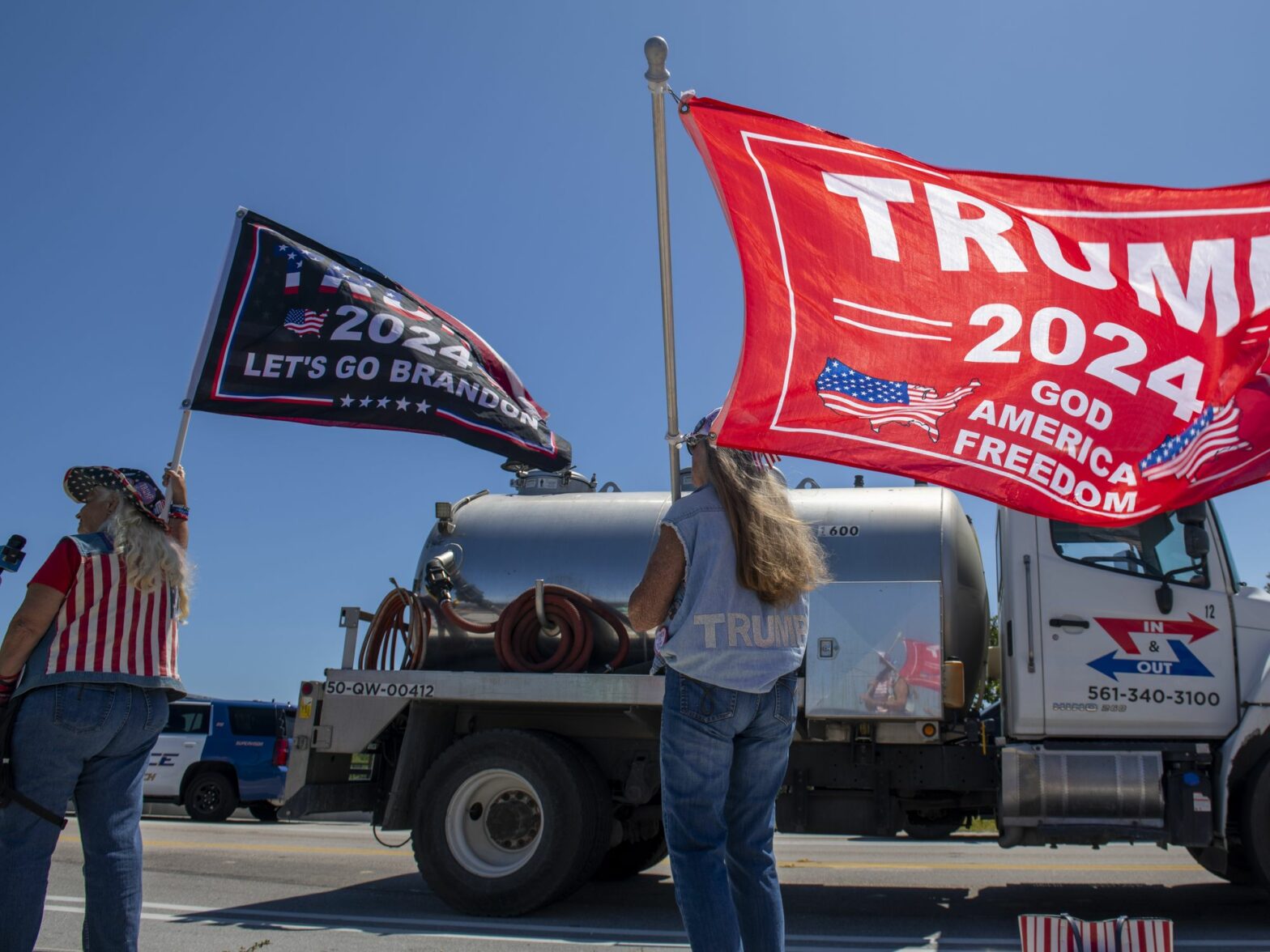
The West will be weakened should the United States turn its back on its alliances, but does the isolationist Donald Trump understand what that could mean for U.S. strength and security?
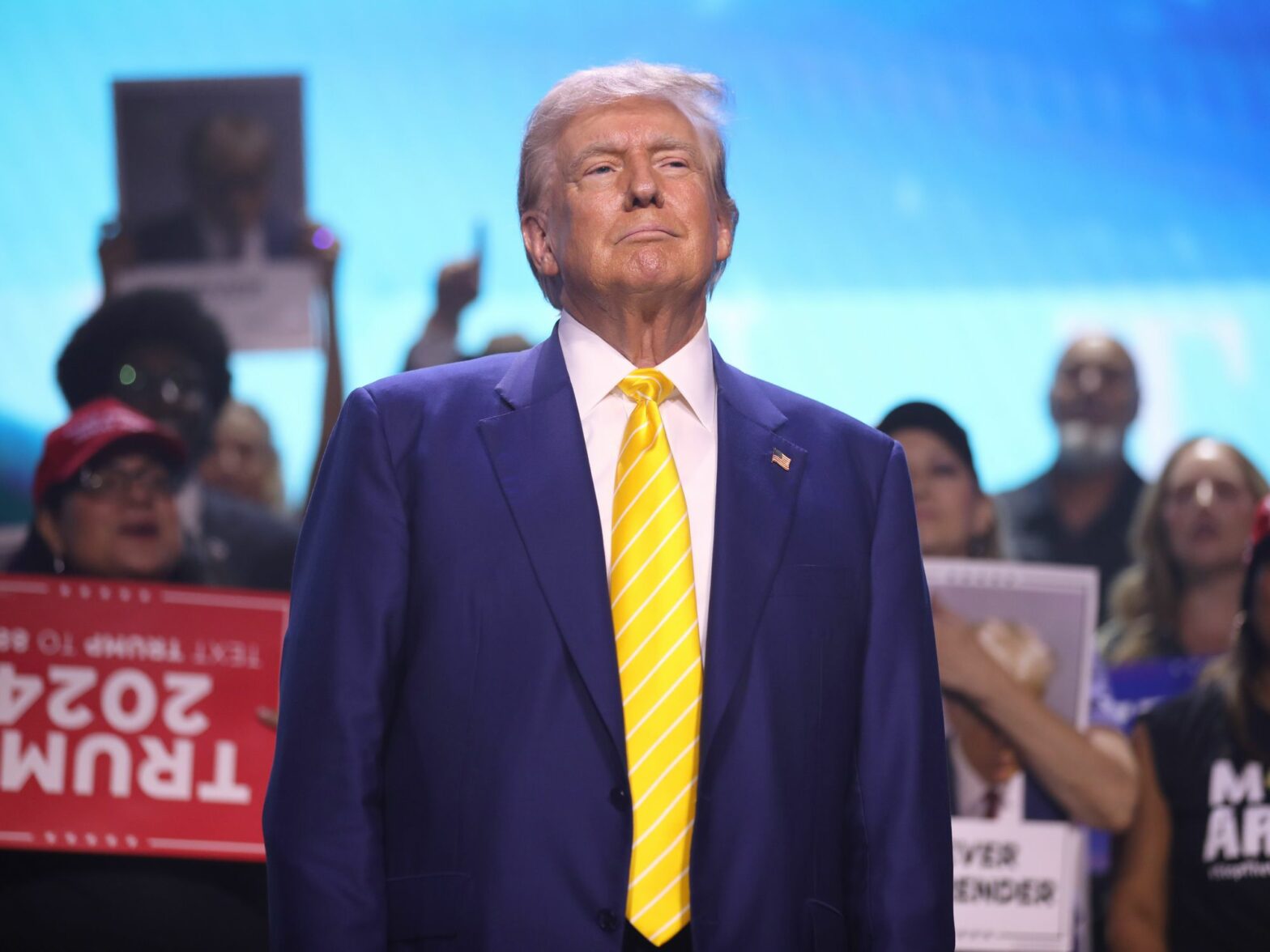
As the U.S. presidential election draws closer, independent Russian-language media Vazhnye Istorii spoke with American politics specialists about the possibility of a second Trump term and what it would mean for the Russia-Ukraine war, traditional U.S. allies and China.
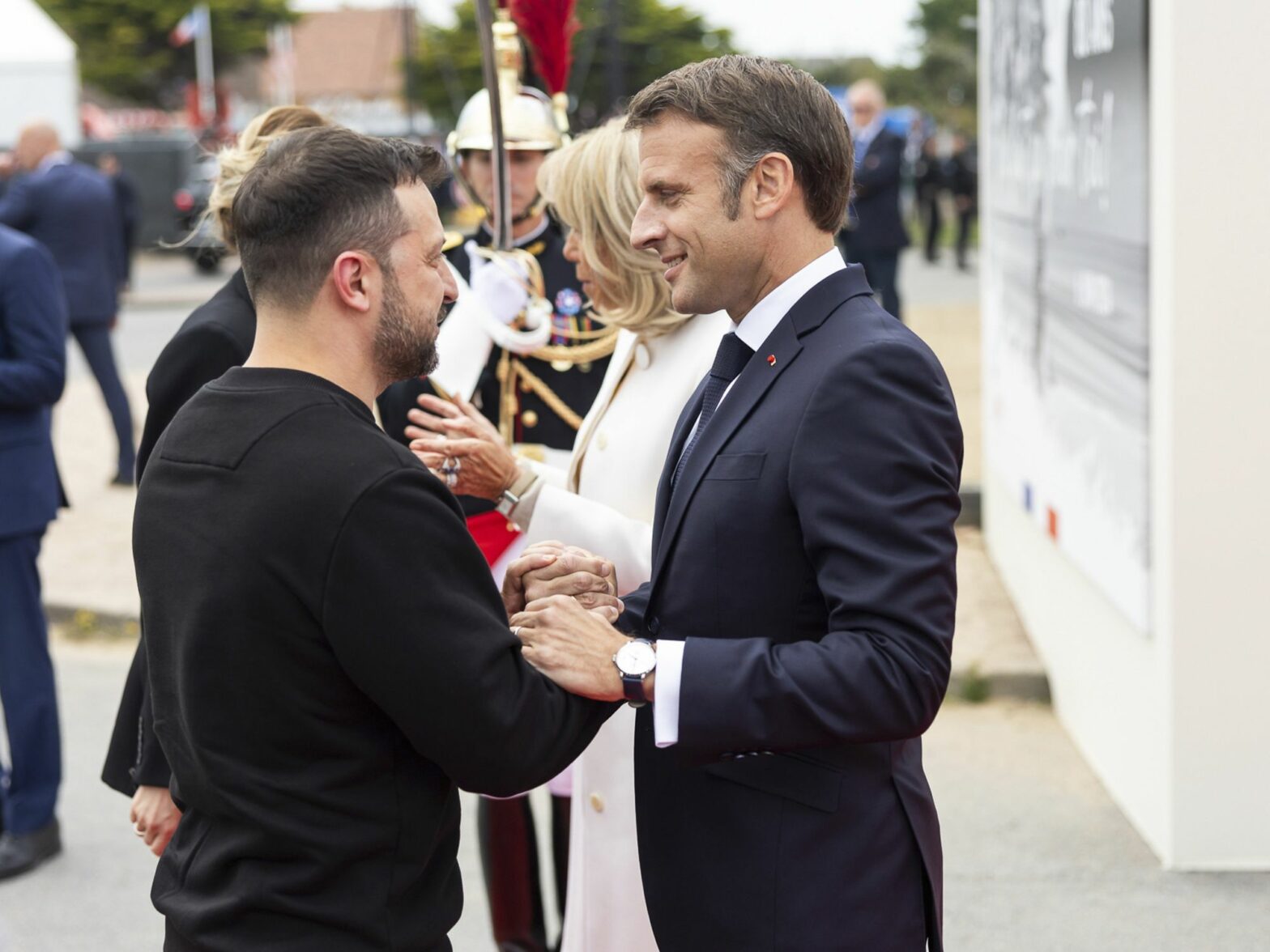
French Mirage jets and training of pilots on Ukrainian soil: these two announcements by Emmanuel Macron last night, as his Ukrainian counterpart Volodymyr Zelensky was in France for the June 6 ceremonies, mark an increased commitment — to help Ukraine restore the balance of power.
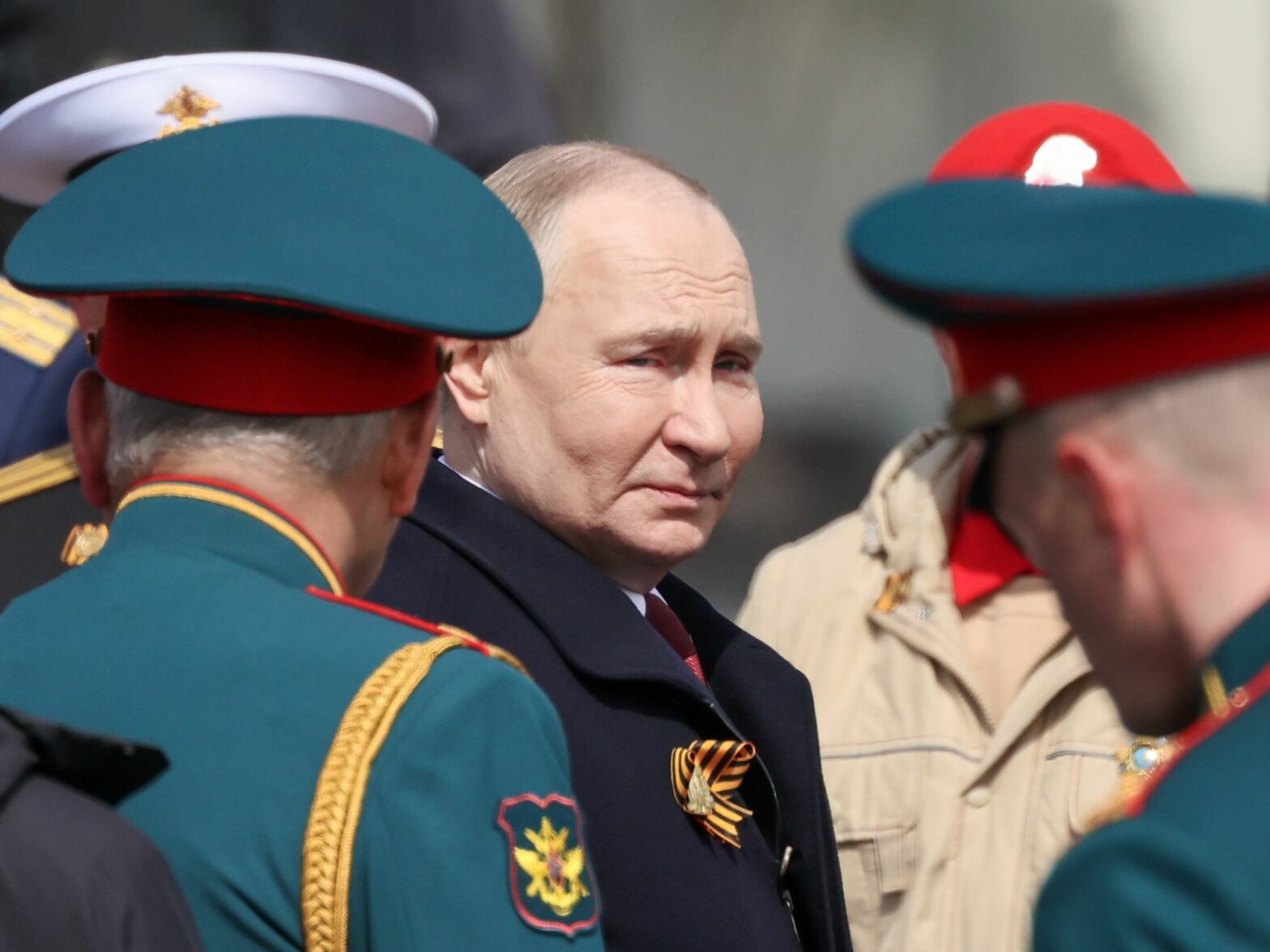
Over the past two weeks, Vladimir Putin has stated four times that Russia is ready for peace talks with Ukraine, but that those negotiations would be based on “current realities at the front,” by which he means maintaining occupied territories under his control.
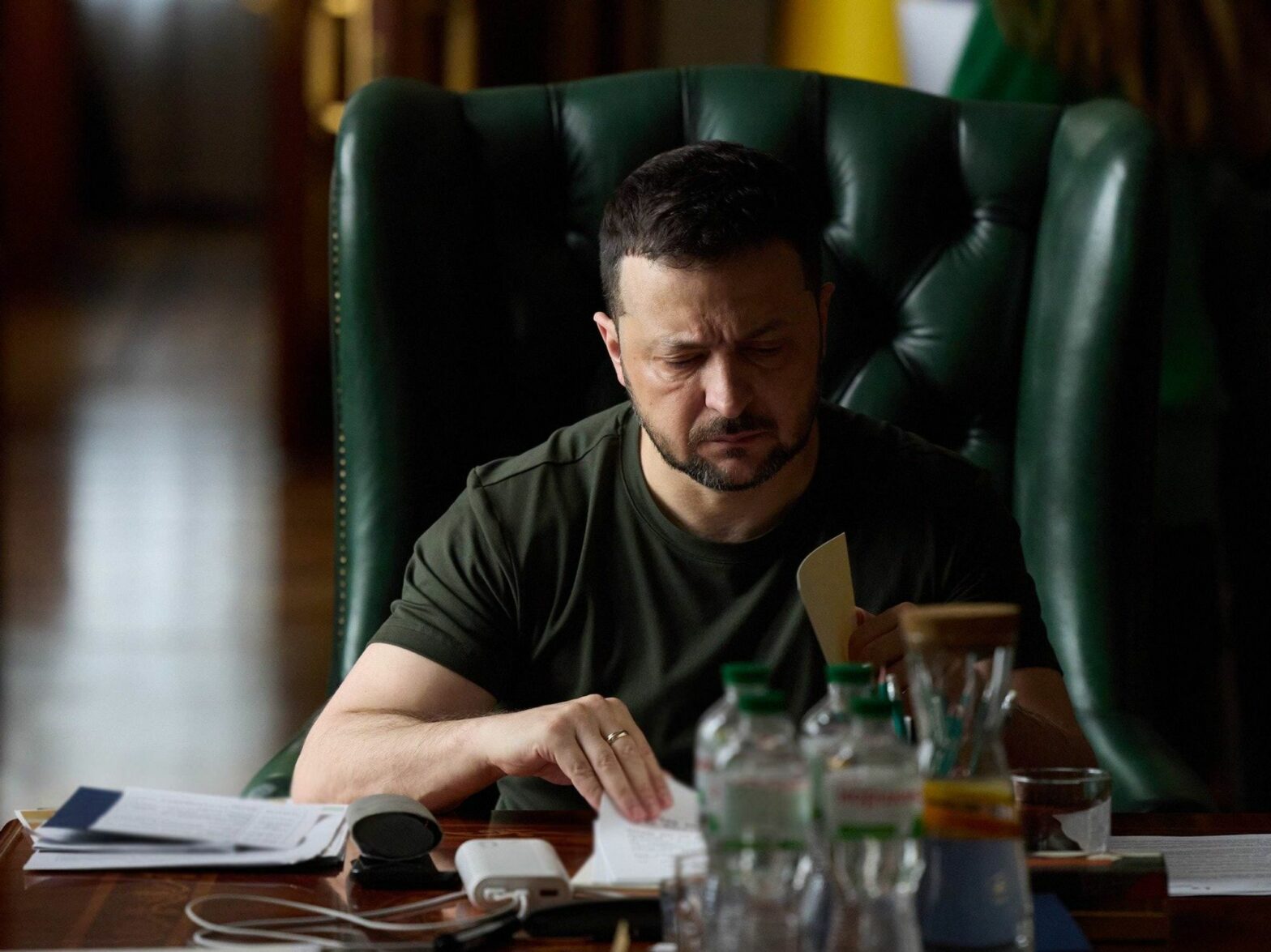
Two weeks ahead of the Ukraine conference in Switzerland, Volodymyr Zelensky blamed China for sabotaging the meeting at Russia’s behest. Urkaine’s president may use the upcoming D-Day memorial to raise the stakes with his own allies.
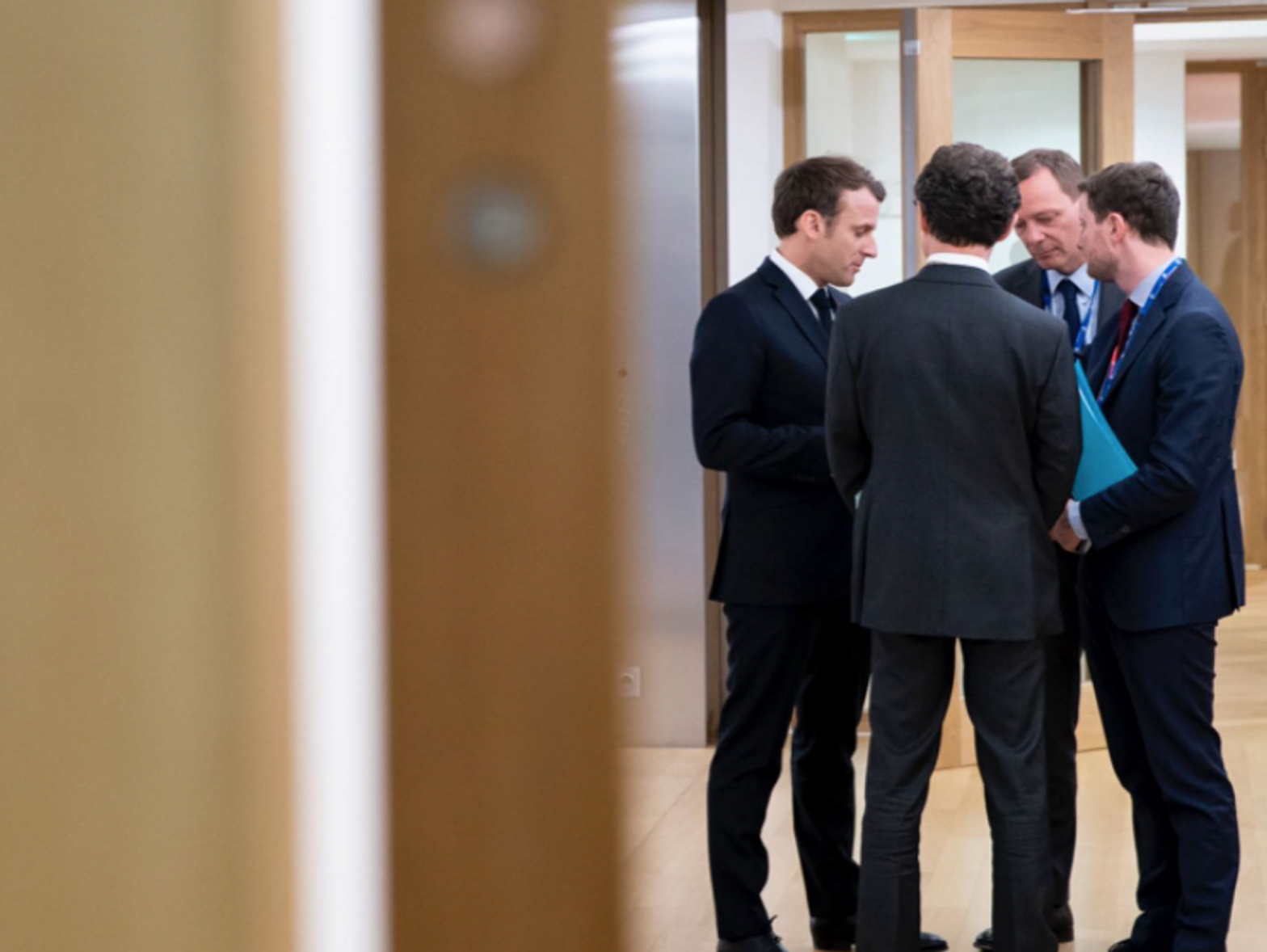
The French president wants to convince Vladimir Putin to halt military deployment around Ukraine. But some in Moscow believe the Russian president is only interested in negotiating with the U.S. about the wider global balance of power.
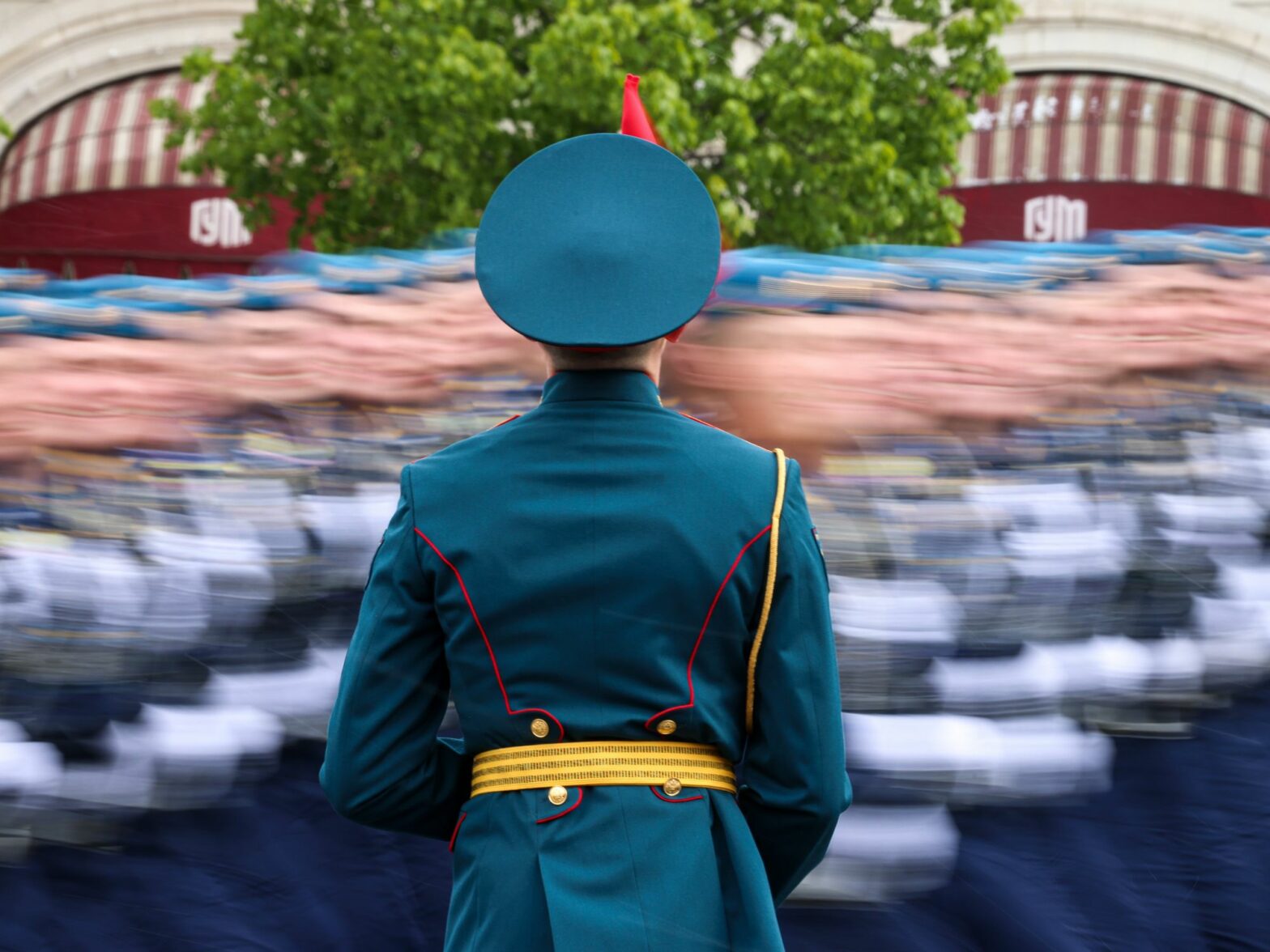
The competing May 8 and May 9 World War II victory celebrations, and an upcoming D-Day snub to Vladimir Putin, show how uncertain the future appears right now. Perhaps even more uncertain than the Cold War.