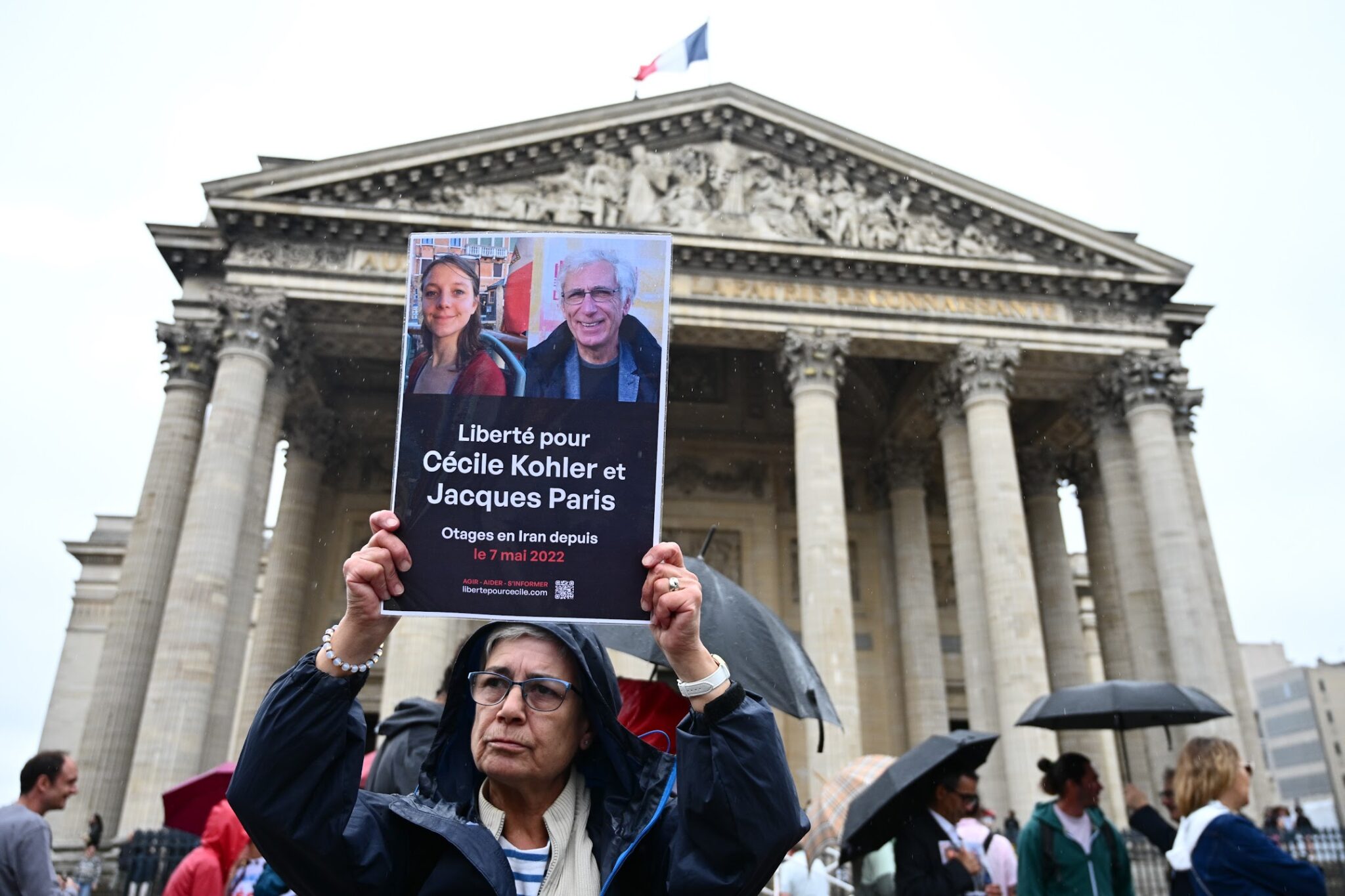
The last two French citizens imprisoned in Iran, Cécile Kohler and Jacques Paris, were released in Tehran. They were considered “state hostages,” an increasingly common problem, not only in Iran.
 Worldcrunch
The last two French citizens imprisoned in Iran, Cécile Kohler and Jacques Paris, were released in Tehran. They were considered “state hostages,” an increasingly common problem, not only in Iran.
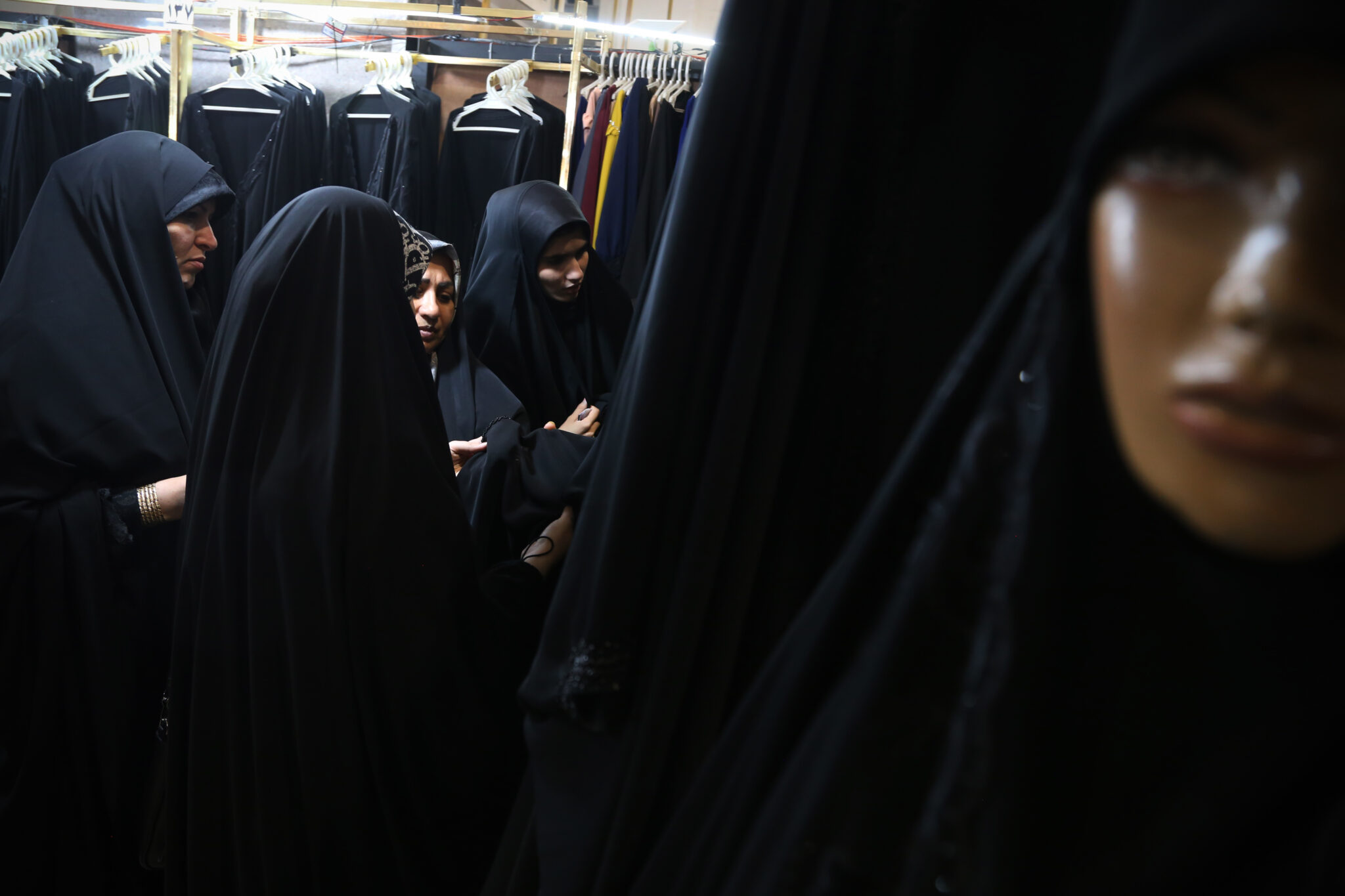
In Muslim-majority societies, discriminatory laws, cultural traditions, and religious justifications conspire to make the murder of women an accepted norm rather than a societal tragedy.
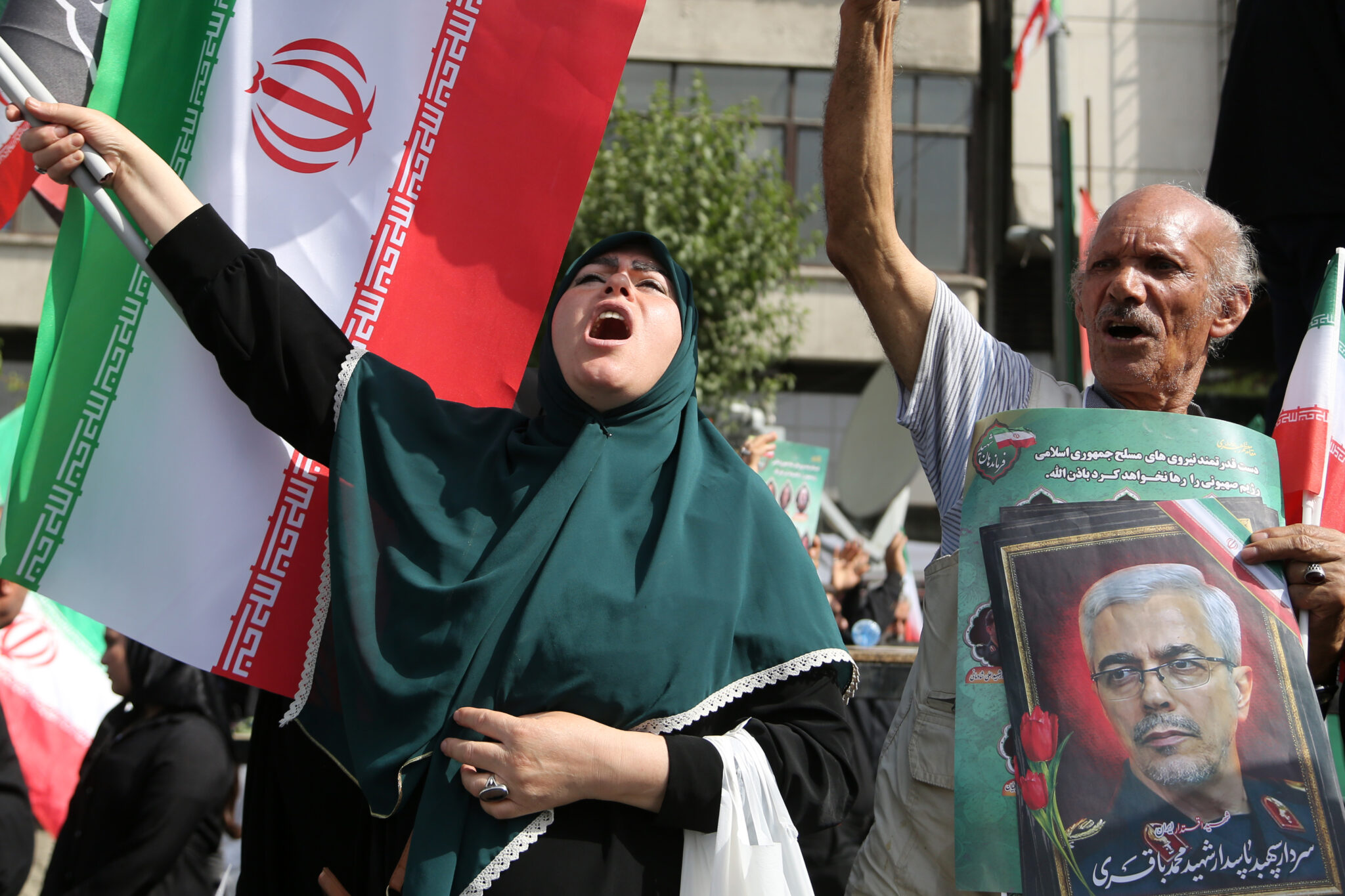
Negotiations over Iran’s nuclear program have resumed. While Europe demands guarantees that Tehran will not build a nuclear bomb, Trump is also pushing for a deal. Is the regime willing to give ground, or is it bluffing?
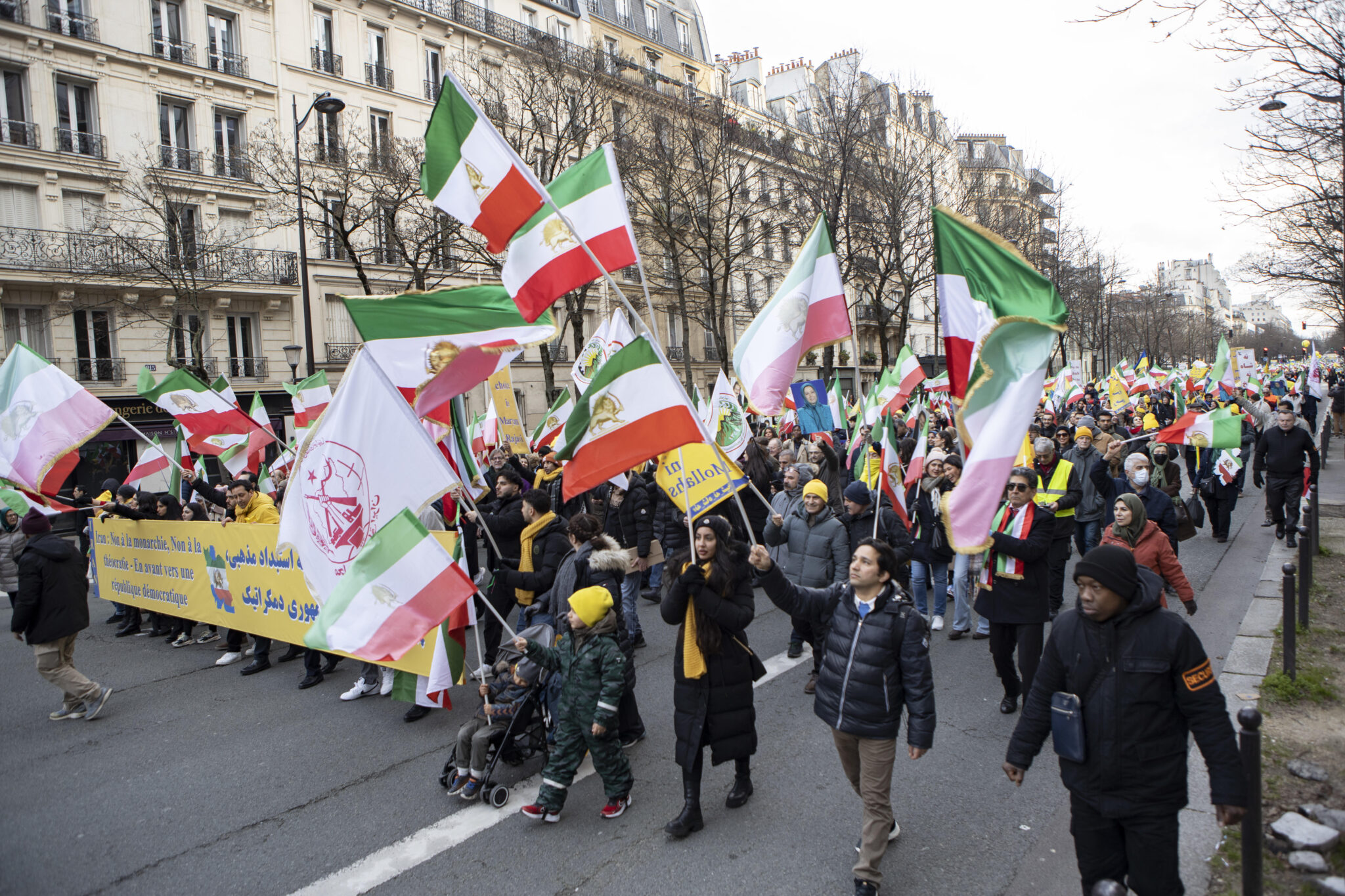
In the 15th arrondissement of Paris, exiled opponents of Iran’s ruling regime are tightening their guard, fearing reprisals against loved ones still in Iran.
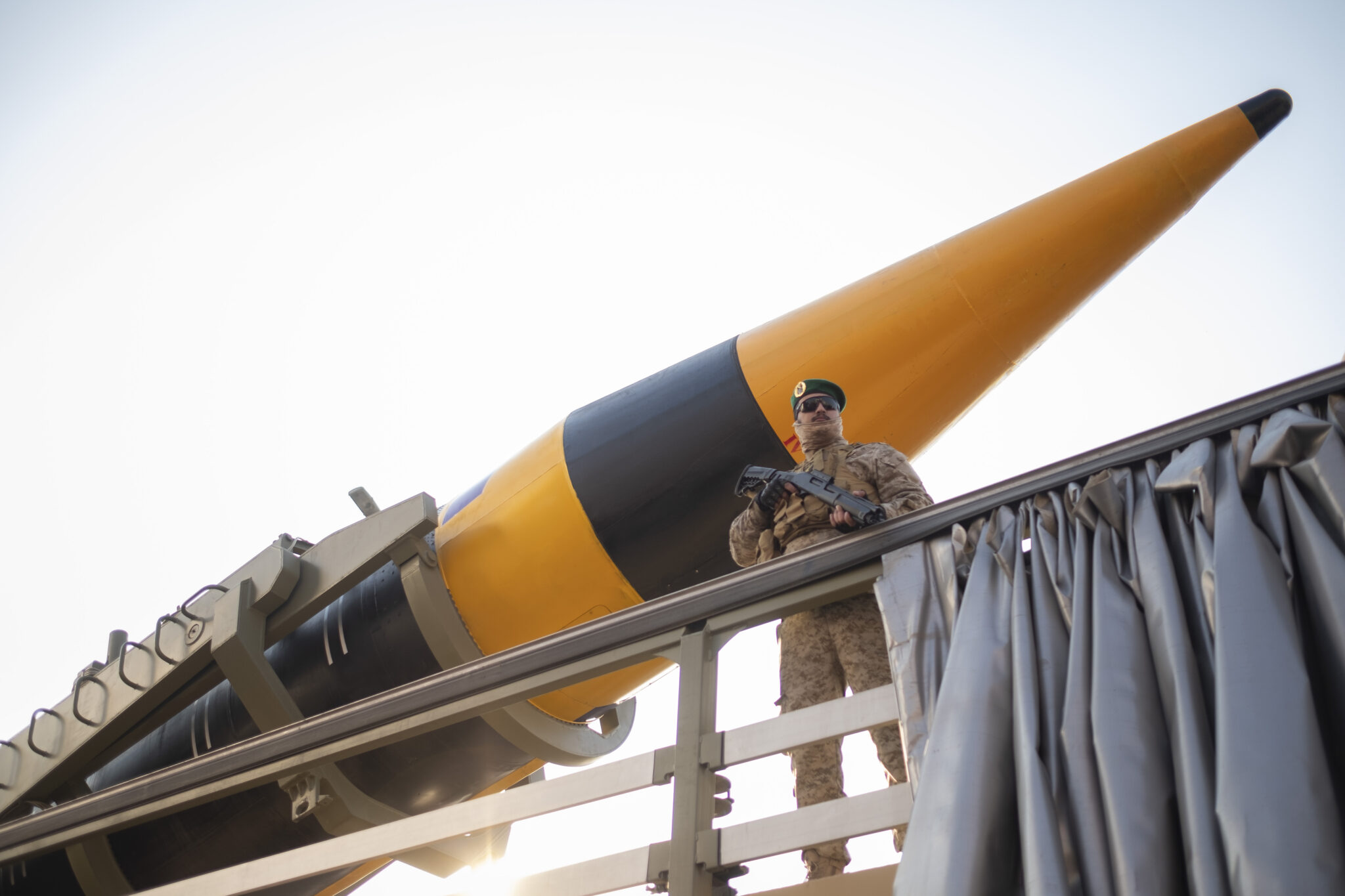
The so-called 12-day war ended in a June ceasefire. But it really just returned the Israel-Iran war to the shadows, with both sides now preparing for the direct conflict to start again.
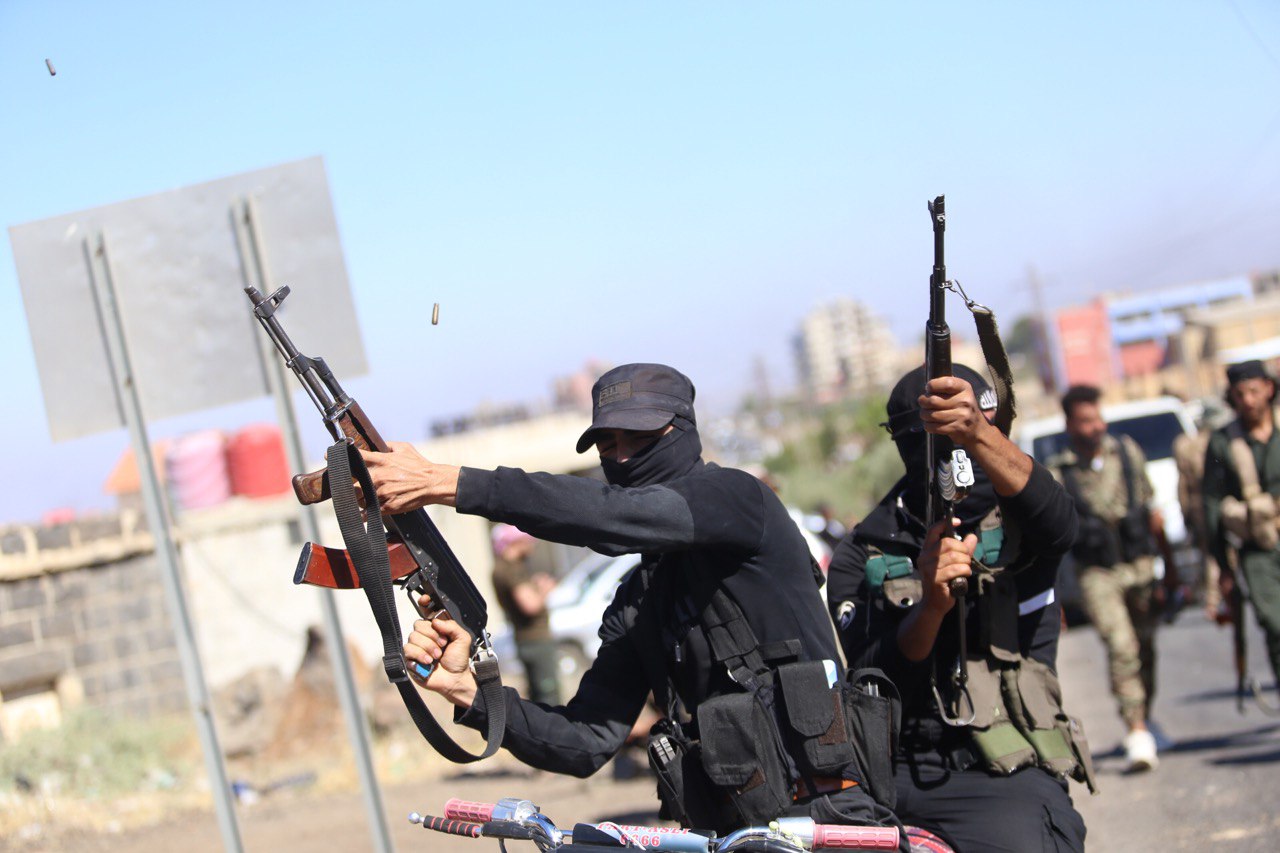
With Israel and Iran’s shadow war spilling into Syria, the new government in Damascus has warned that “foreign actors” aim to plunge the country into a cycle of instability and chaos.
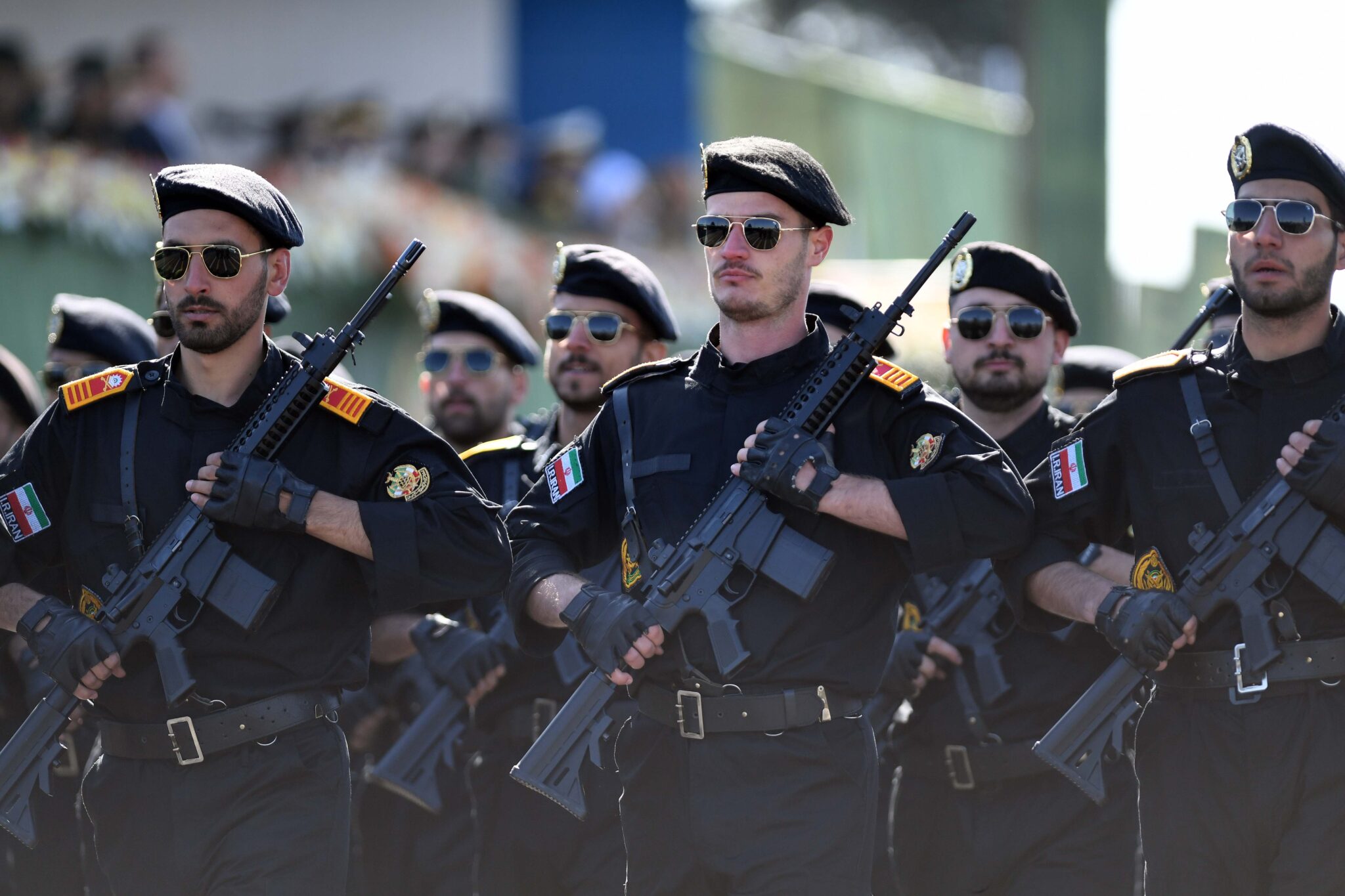
Iran’s revolutionary regime imagined it could assure its survival by becoming an armed bunker like North Korea, ready to shoot if threatened. They seemed to forget that, for its location and resources, Iran is too important for the world to tolerate a “crazy” regime threatening vital oil routes.
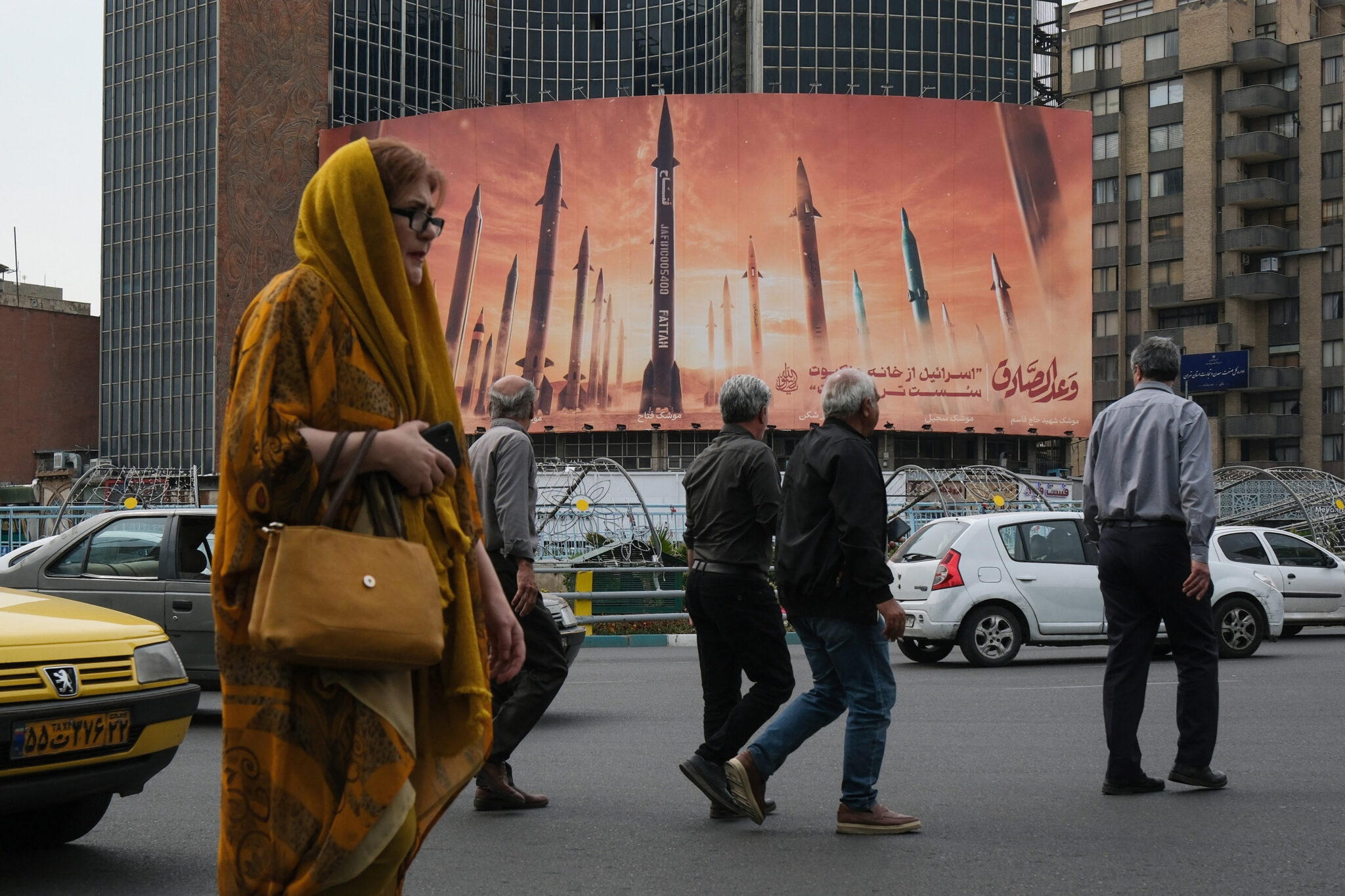
After 12 days of intensive conflict, President Donald Trump declared a ceasefire halting the most dramatic direct confrontation between Israel and Iran in decades. Both nations agree to abide by the truce, yet each vows retaliation if any breaches occur.
German Chancellor Friedrich Merz said what others were thinking: Israel is doing the world a favor by trying to stop Iran’s nuclear program: Westerners and Arabs but also Russia and China, all would rather Tehran doesn’t get the bomb. But it may now be up to President Trump who is only concerned with his own interest.
Israel may be giving Tehran a taste of the havoc it wreaked on Gaza and Beirut, as it seeks to crush the very environment that has nurtured and sustained the hostile regime of the Islamic Republic.
👋 Salü bisàmme!* Welcome to Tuesday, where Israel and Iran trade more strikes as Trump says he is “looking at better than a ceasefire,” Russian airstrikes kill at least 14 in Kyiv, and tourists in Ibiza are scared to answer today’s quiz question. Meanwhile, Pauline Castellani in French daily Le Figaro takes a deep whiff […]

The U.S. president insists he wants peace and claims no involvement in Israel’s military campaign against Iran. But conflicting signals, secret briefings, and political pressures raise the question: just how far is Trump willing — or able — to stay out?
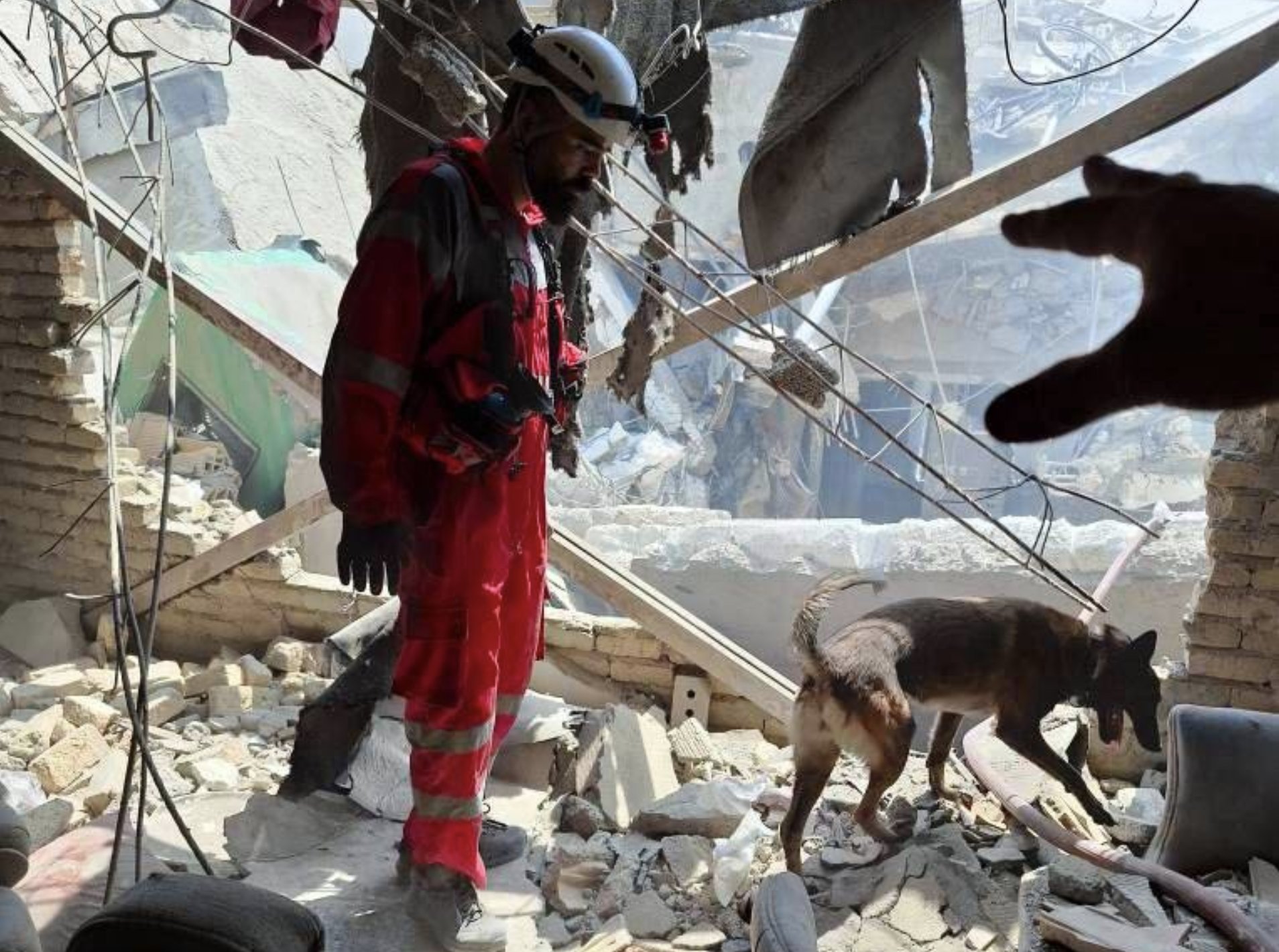
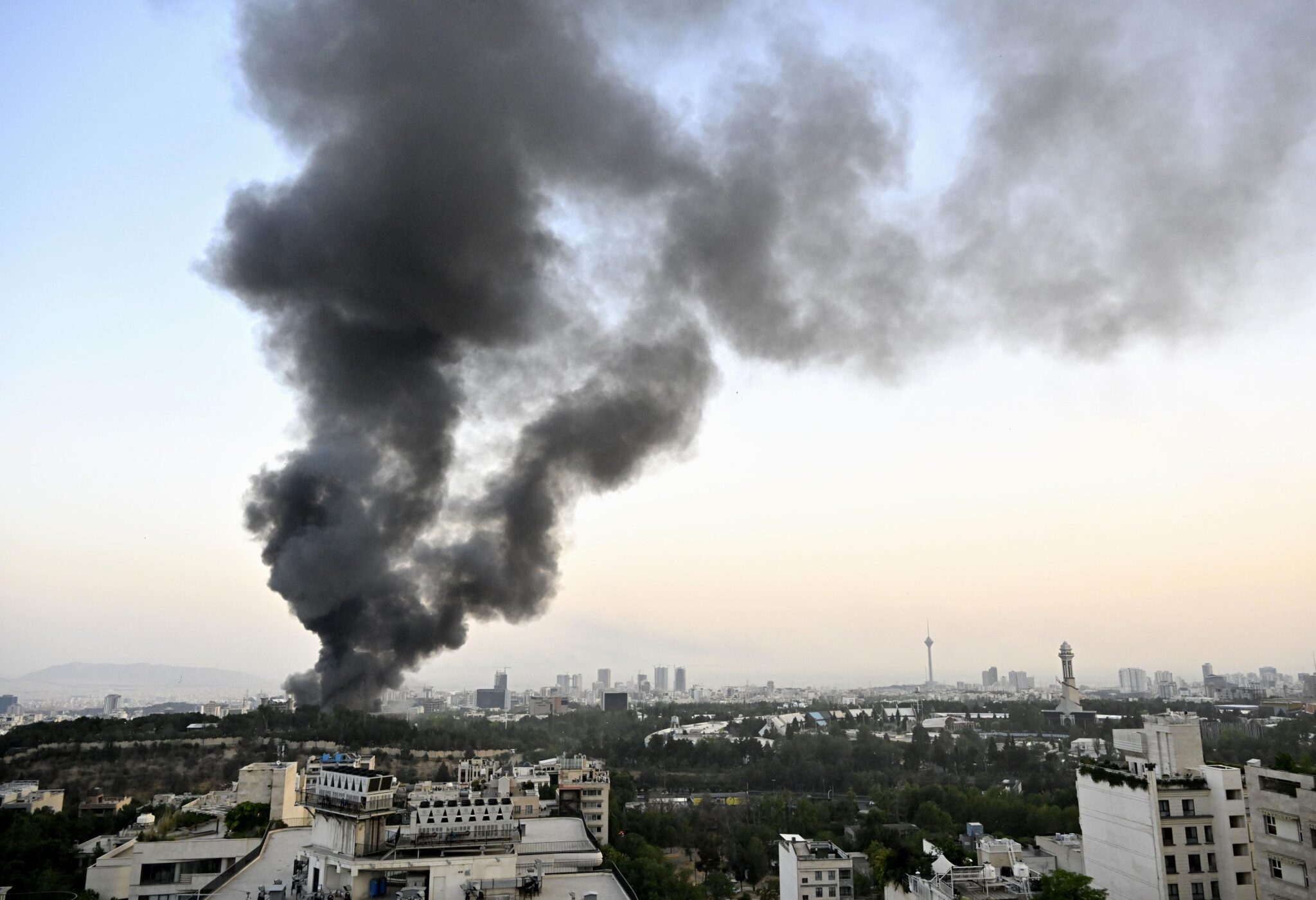
A first-hand account of how the war began on the ground in Tehran, as a massive explosion shattered the silence. West Tehran’s high‐rises trembled as homes crumbled to rubble. Amid fierce flames and choking smoke, residents and rescuers confronted a war that had invaded their once peaceful city.
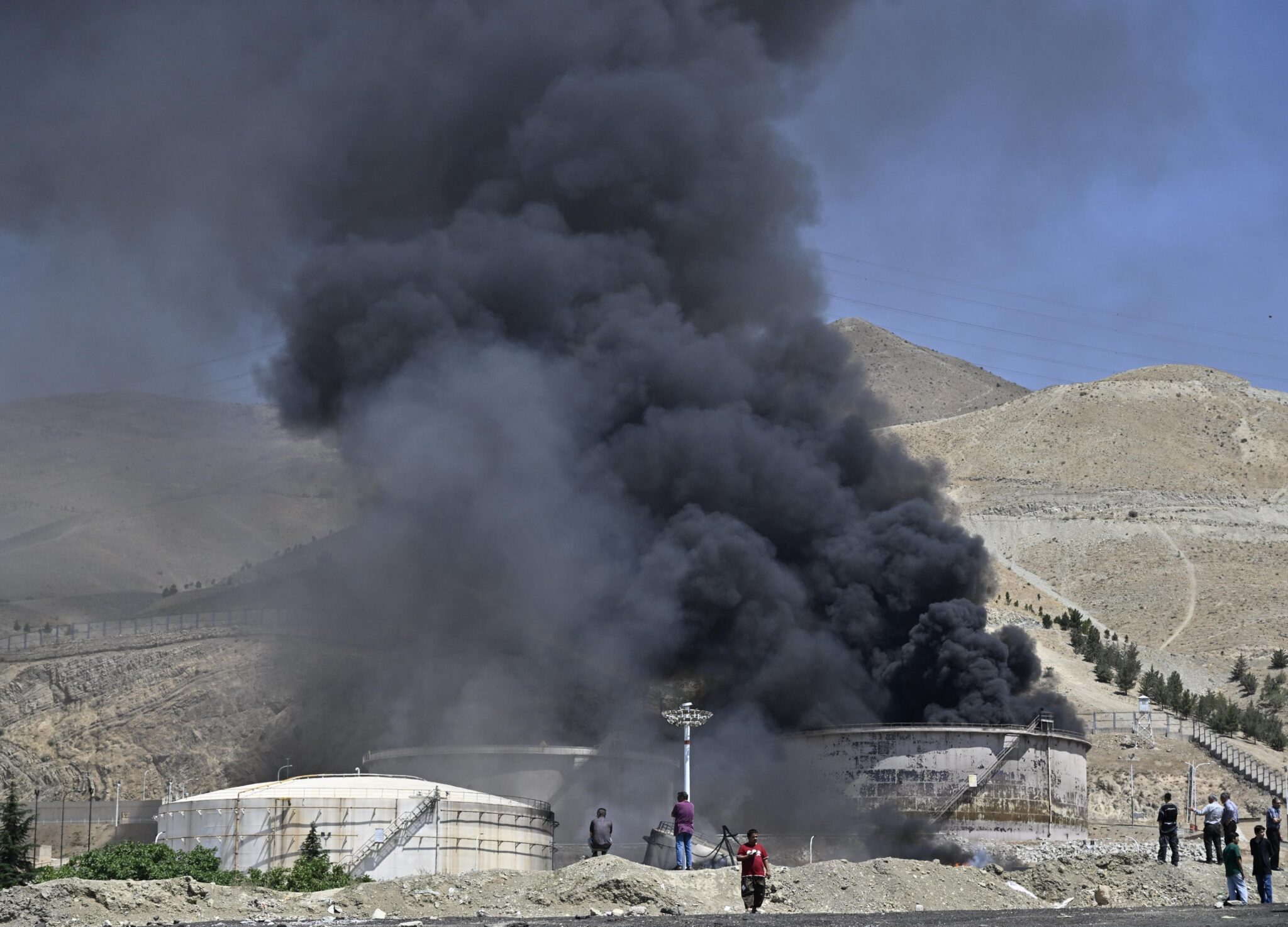
No externally-induced regime change has produced positive results for more than 30 years: not in Afghanistan in 2001, nor Iraq in 2003, nor Libya in 2011. And even if the current rulers were expelled from Tehran, a particularly dangerous kind of chaos would likely take its place.
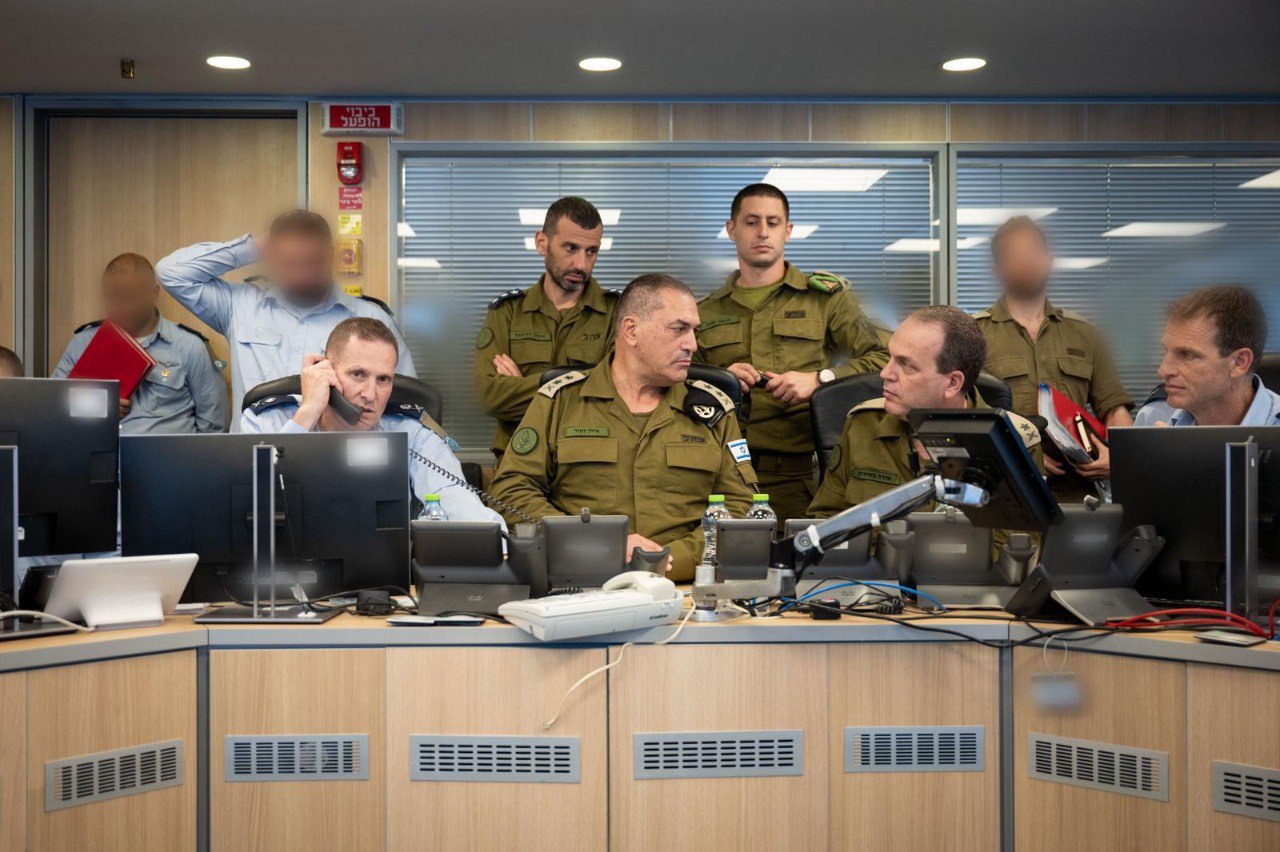
In a bold move, Israel targeted Iran’s nuclear infrastructure and leadership in an operation that may have been years in the making, much like last year’s attack on the pagers of Hezbollah members.
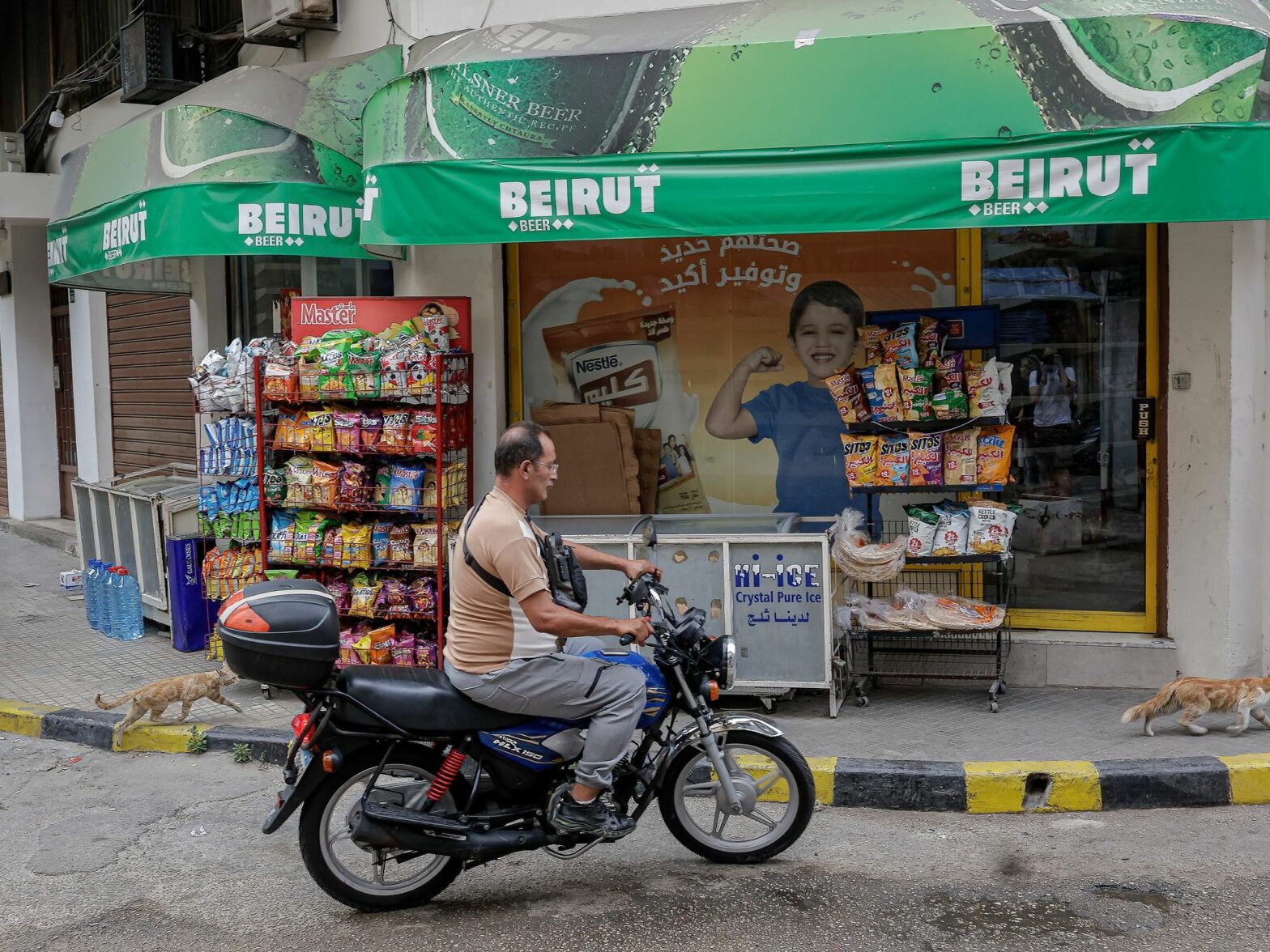
The Saudis could regain the political and financial clout they once enjoyed in Lebanon, which was lost for two decades to Hezbollah and its foreign patrons. Could that restore a measure of prosperity to a country brought to its knees by decades of civil war and the unwelcome interventions of Tehran and Damascus.
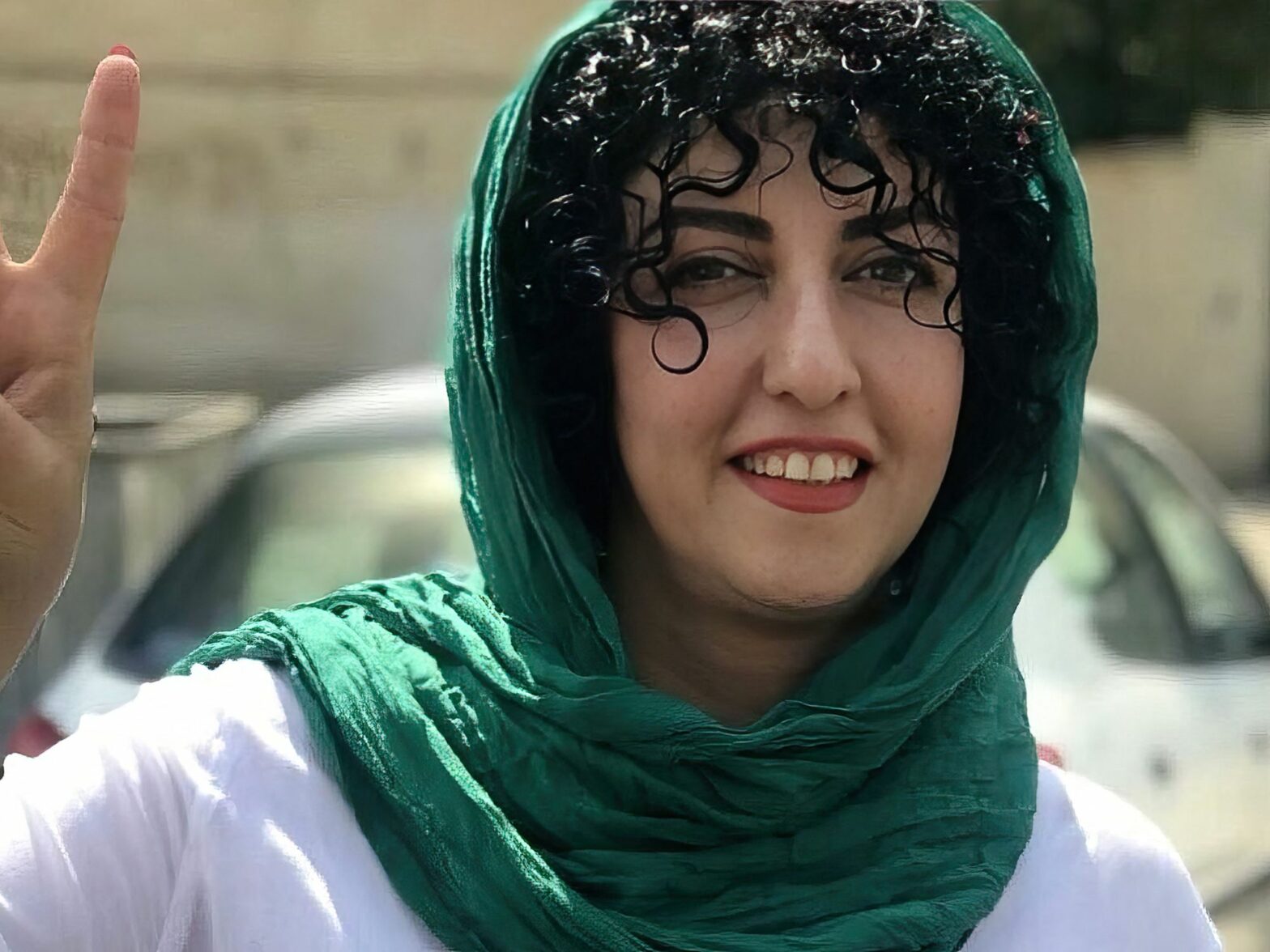
Journalist and Nobel Peace Prize laureate Narges Mohammadi was released from prison in Iran yesterday, but only for three weeks. This raises questions about the Iranian regime’s strategy following a series of regional setbacks and on the eve of Donald Trump’s arrival at the White House.
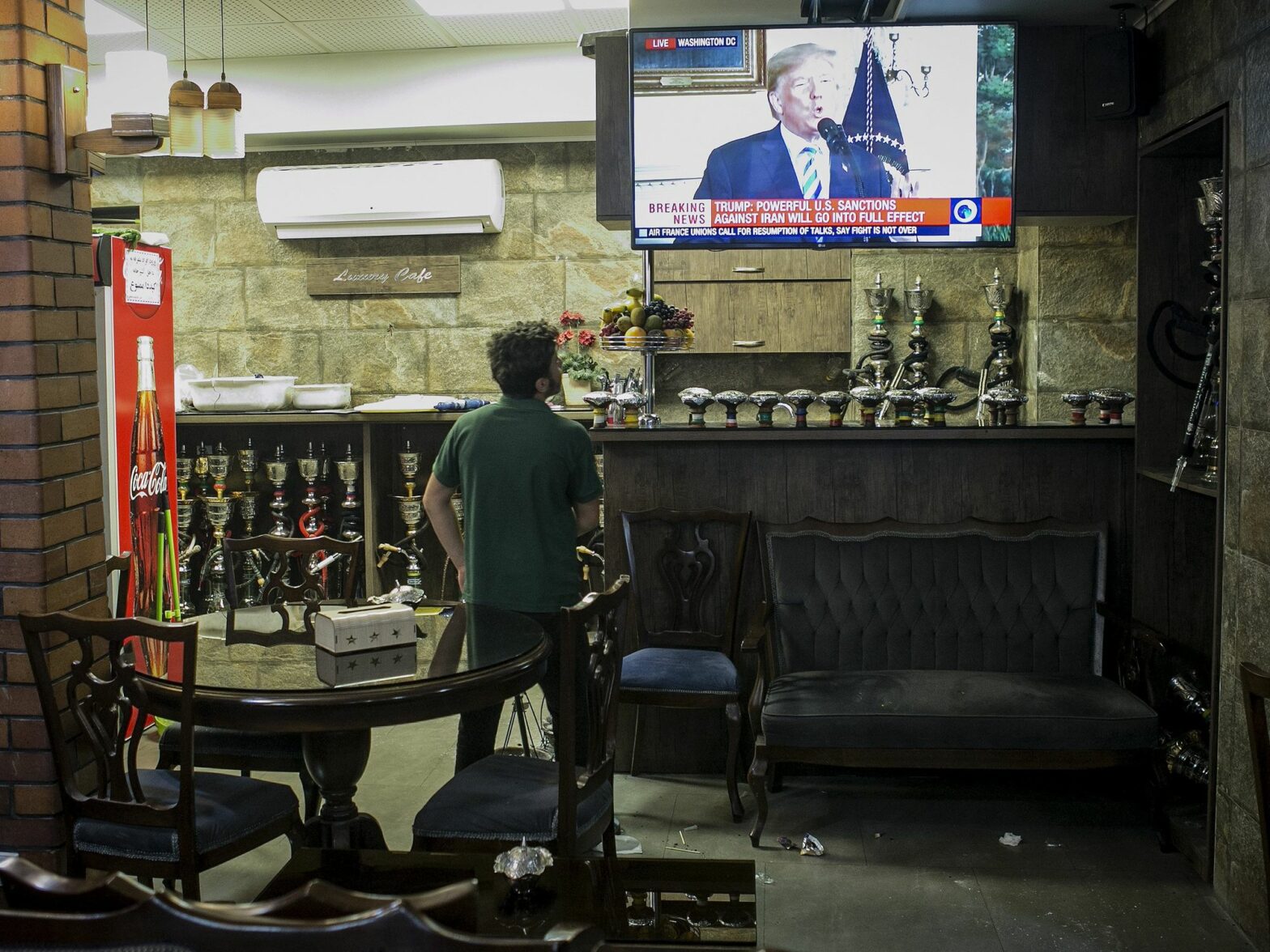
Iranian officials insist another Trump presidency could never change its policies — including fighting Israel where it can. But given the first Trump administration, Tehran should expect hard times ahead.
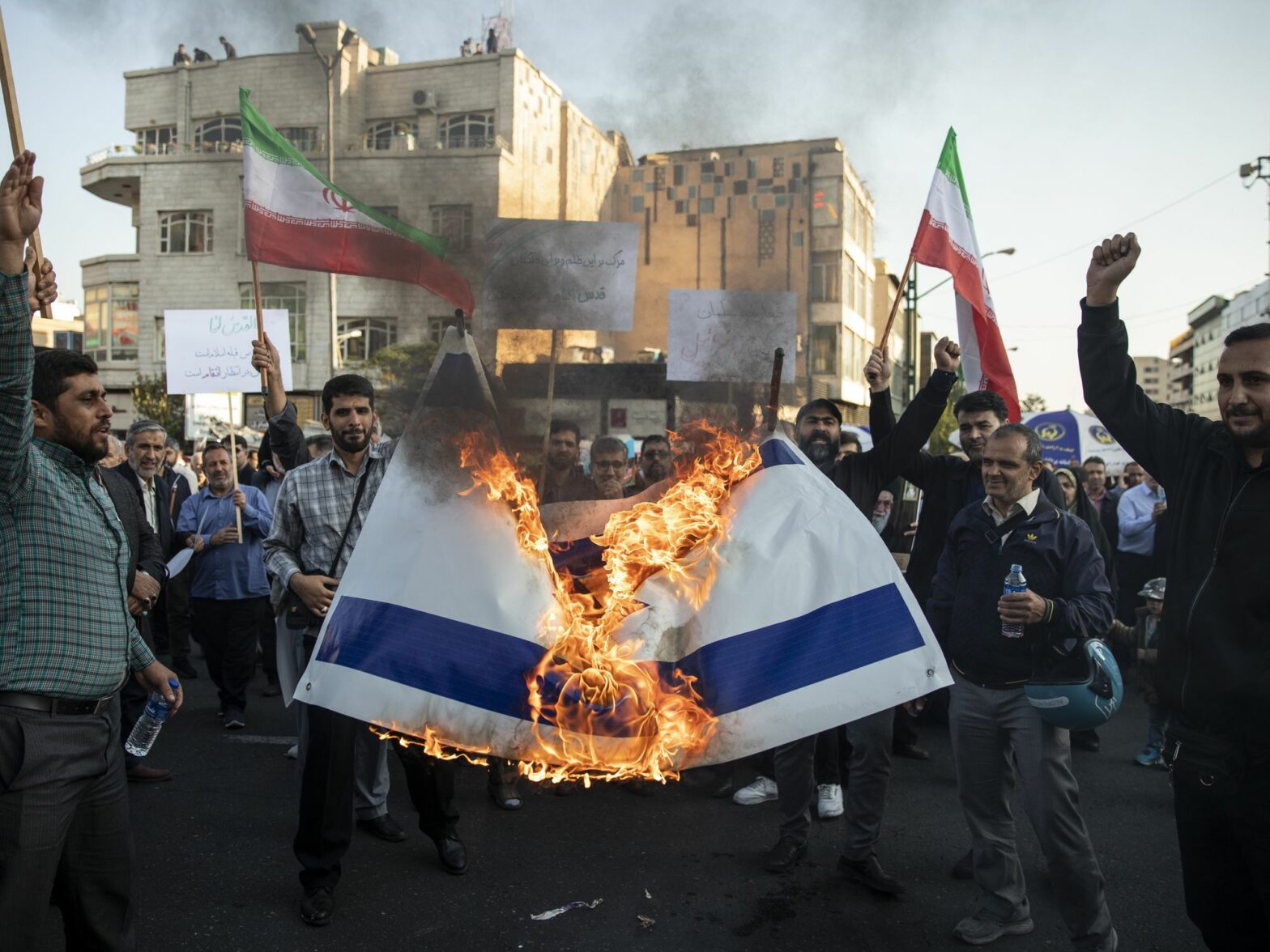
Iran’s 40-year policy of seeking the destruction of the Jewish state and “taking back” Jerusalem became the north star of the Tehran’s foreign policy. Now it may be its undoing.
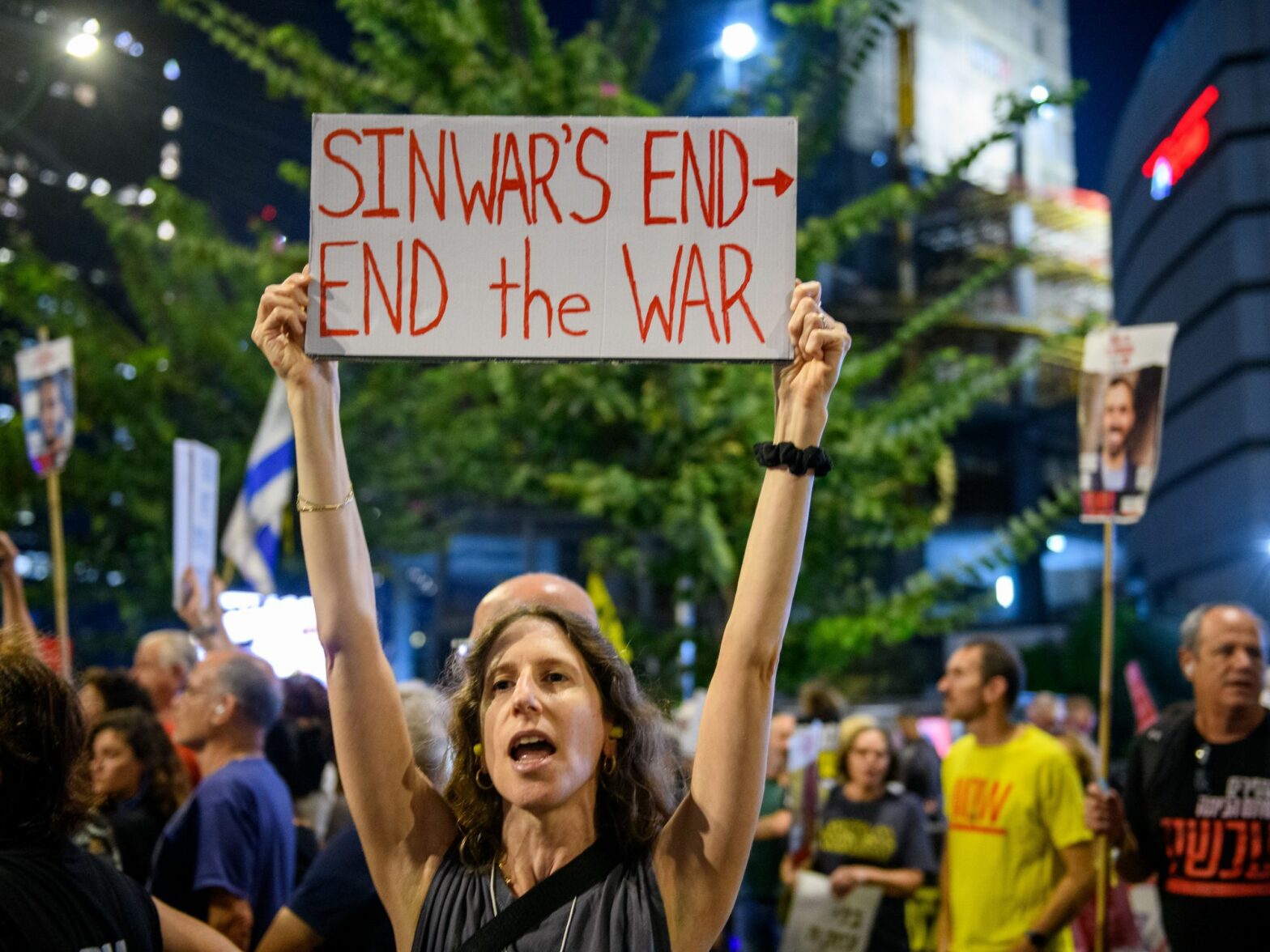
Hamas leader Yahya Sinwar, and above all ‘mastermind’ of October 7, is dead. Washington and Paris are calling on Israel to seize this opportunity to put an end to the war, but Netanyahu may choose to cash in another dividend.
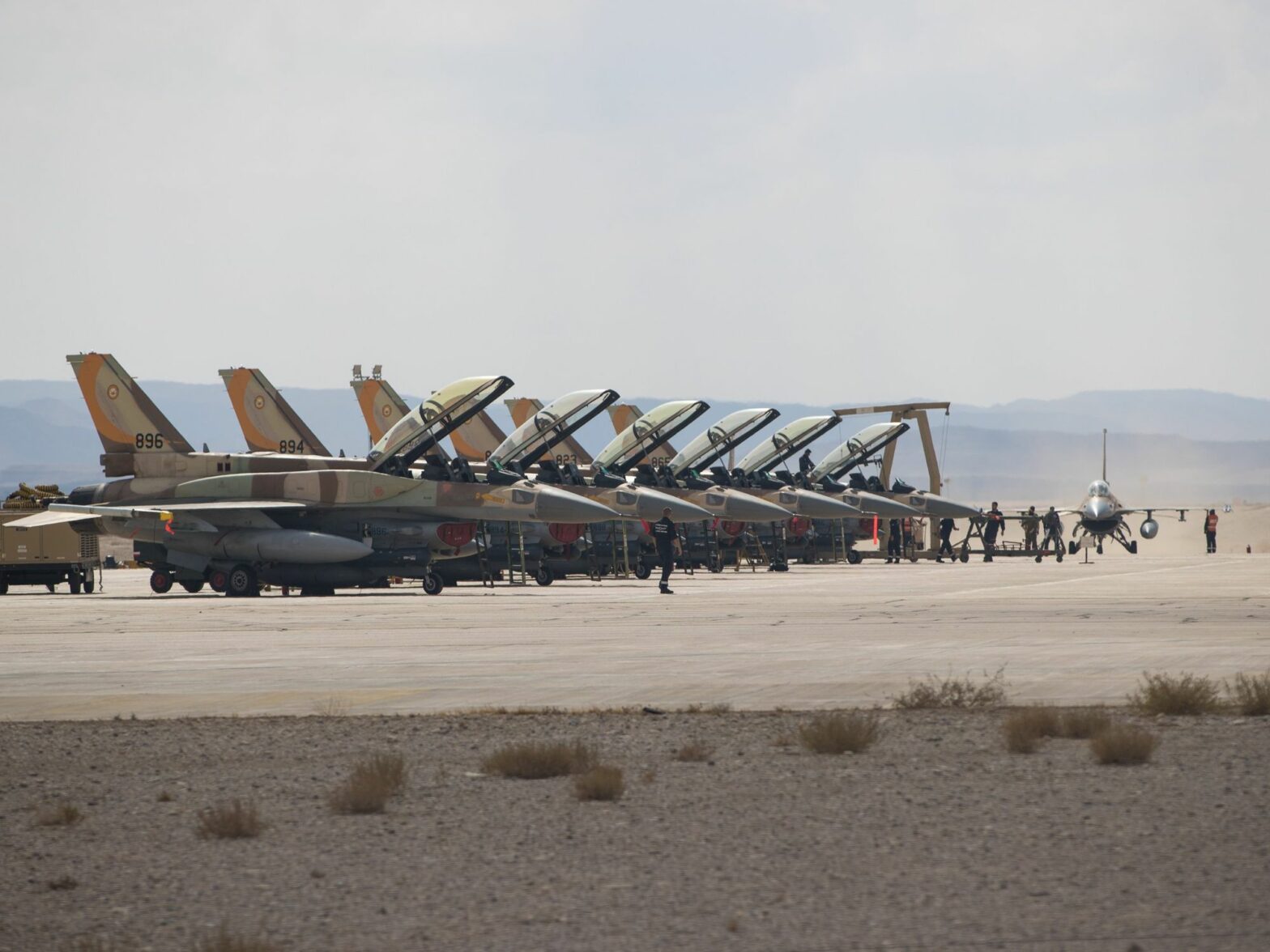
Israel is keeping the Tehran regime and outside observers guessing on the scope and timing of its threatened strikes on Iranian territory. Some say it is seeking to win itself time to “finish up” in Lebanon and Gaza, others say a massive attack on Iran could help reorder the whole region.
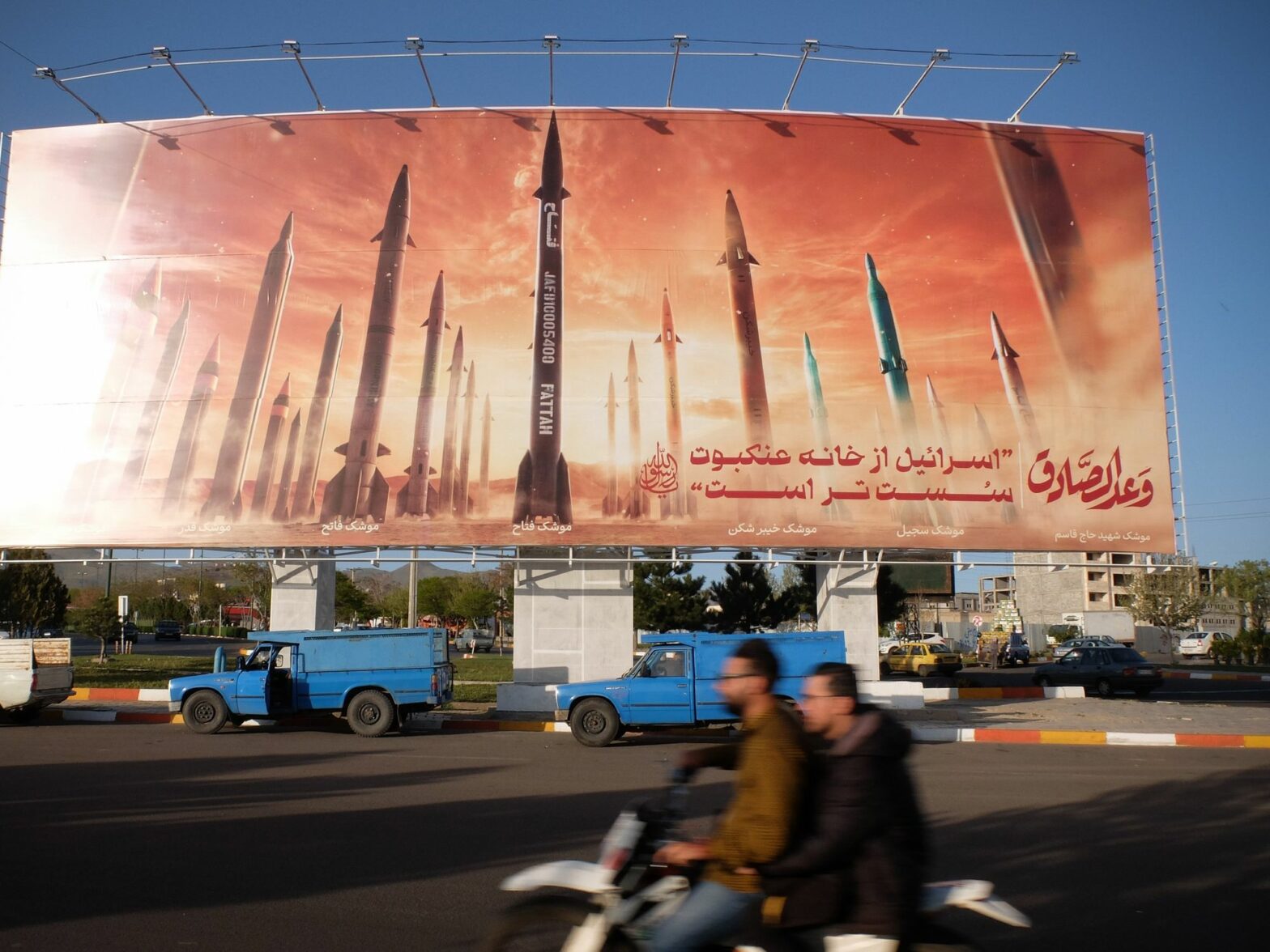
Iran’s Supreme Leader Khamenei vowed on Friday that the country’s regional allies would “not back down” against Israel. Yet neither criticism of Tehran has been growing among Hezbollah supporters since the assassination of Hassan Nasrallah.
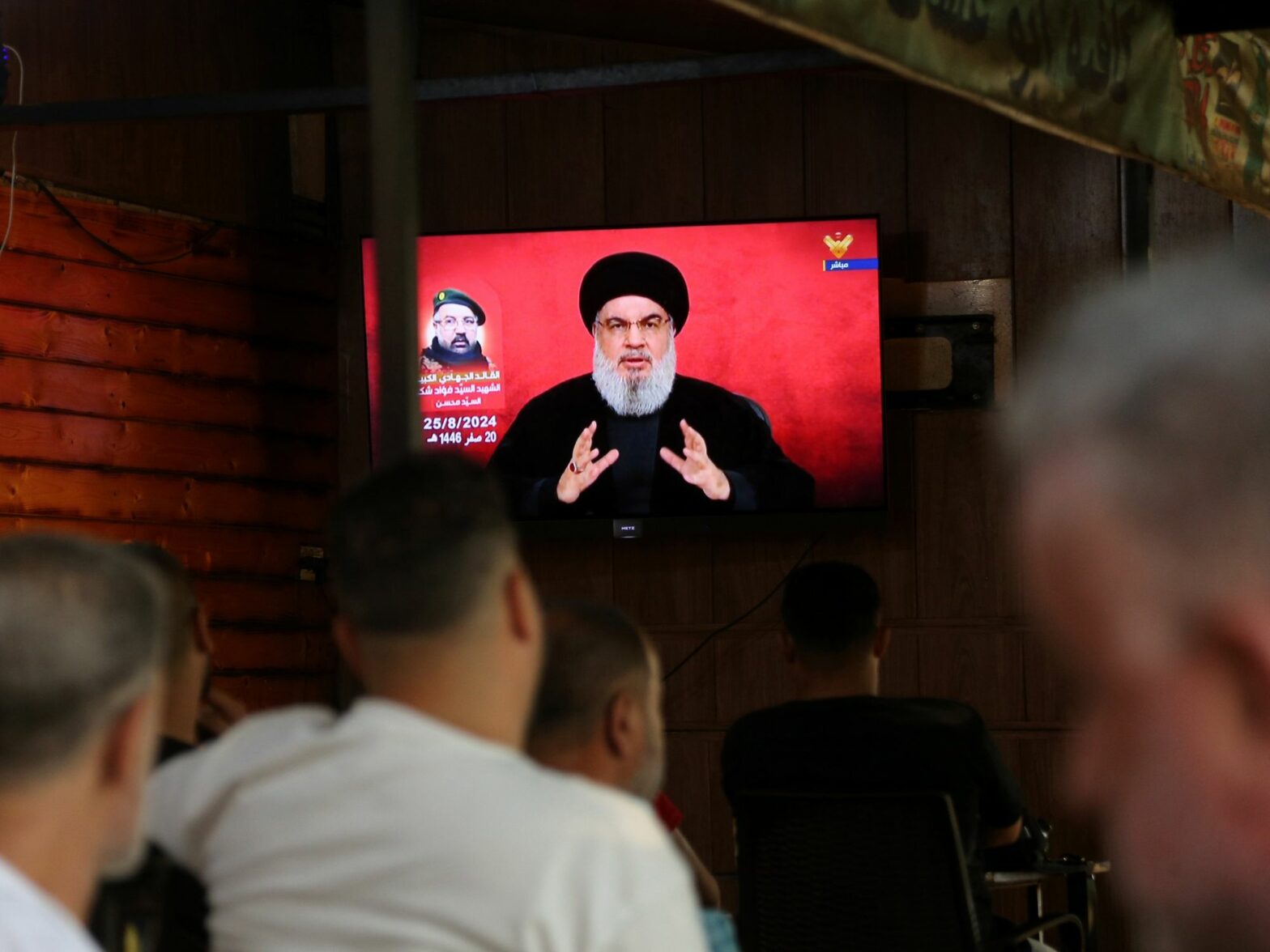
For two decades Hezbollah chief Hassan Nasrallah spoke about destroying Israel, but in recent speeches, he’s just demanding it pull out of Gaza. It’s one more sign that its patrons in Tehran have made a calculation to try to salvage a status quo in the region.
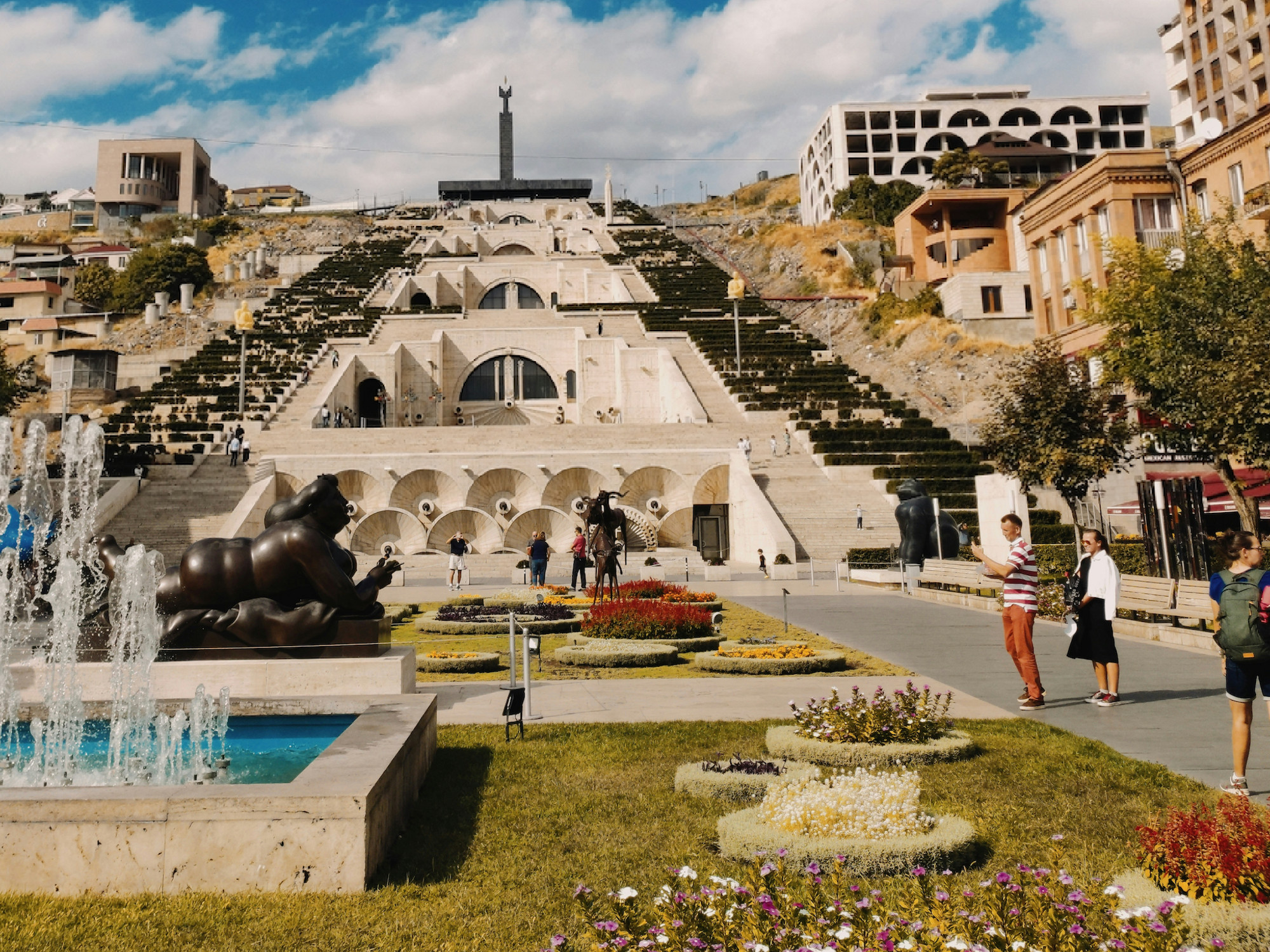
Armenia, under pressure from its aggressive neighbor Azerbaijan, is seeking security in closer ties with the European Union. Just next door, Iran may welcome this Western alignment if it means winning a shorter land route for exports to the Black Sea and EU markets.
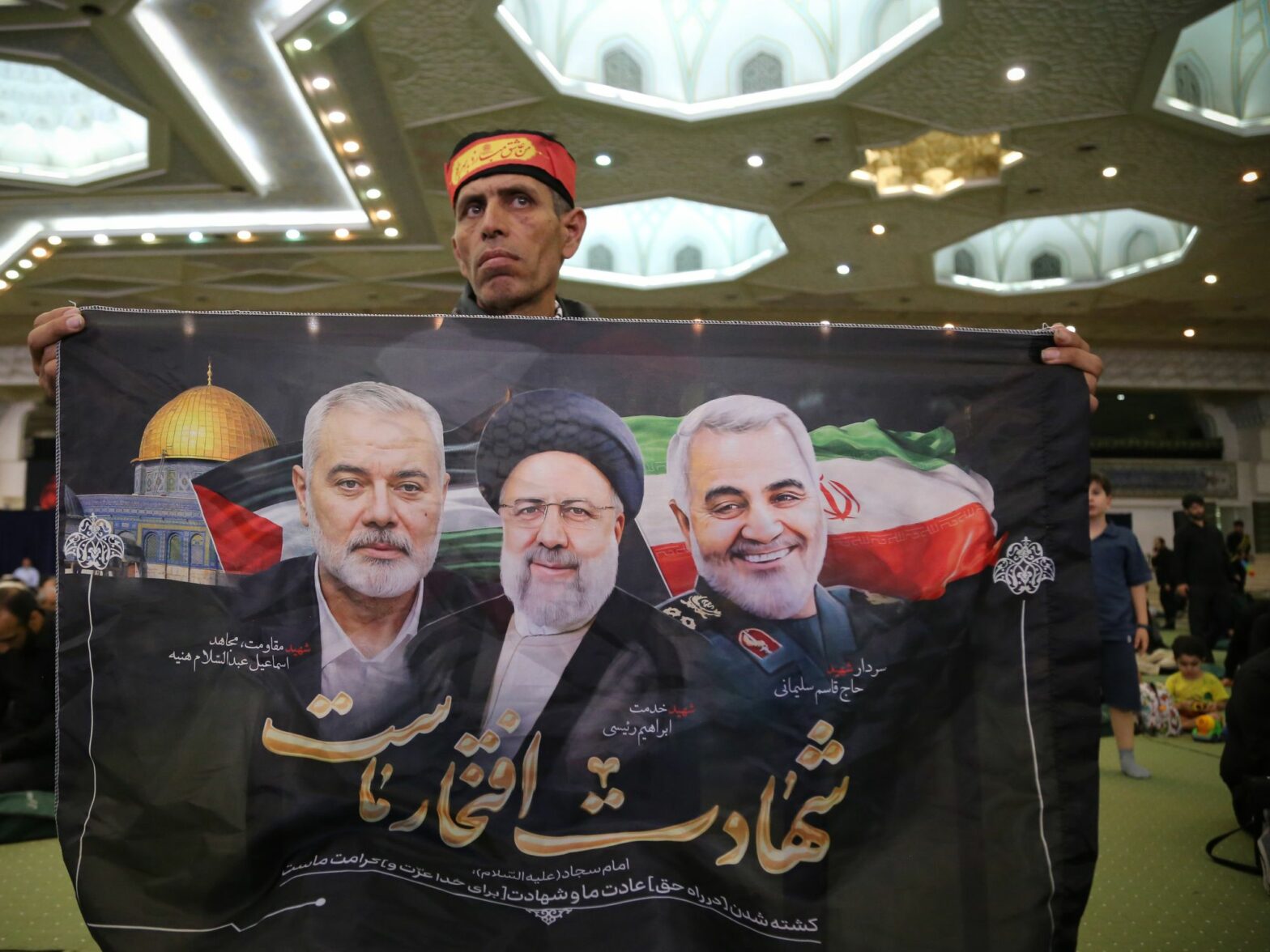
It’s been weeks since Hamas leader Ismail Haniyeh’s killing in Tehran. Will Iran end up striking Israel, as it promptly said it would, or persist in an unnerving waiting game, leaving the rest of the word in the dark as to its plans, resolve and capabilities?
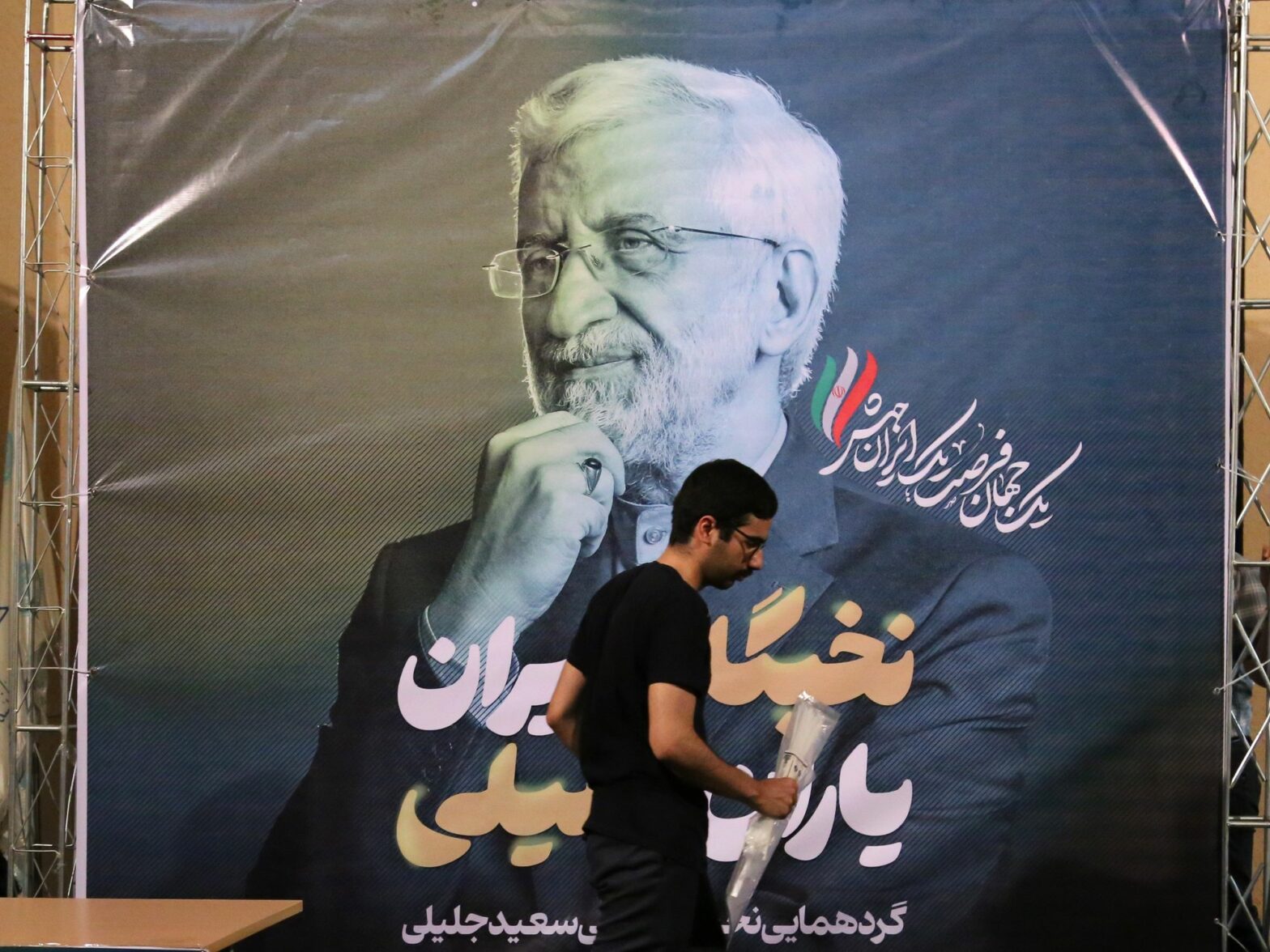
Tehran seems to be paving the way for a moderate to become the country’s next president. But the regime’s goal is not to make life better for Iranians, but to leave him with the daunting task of handling a second Trump administration.
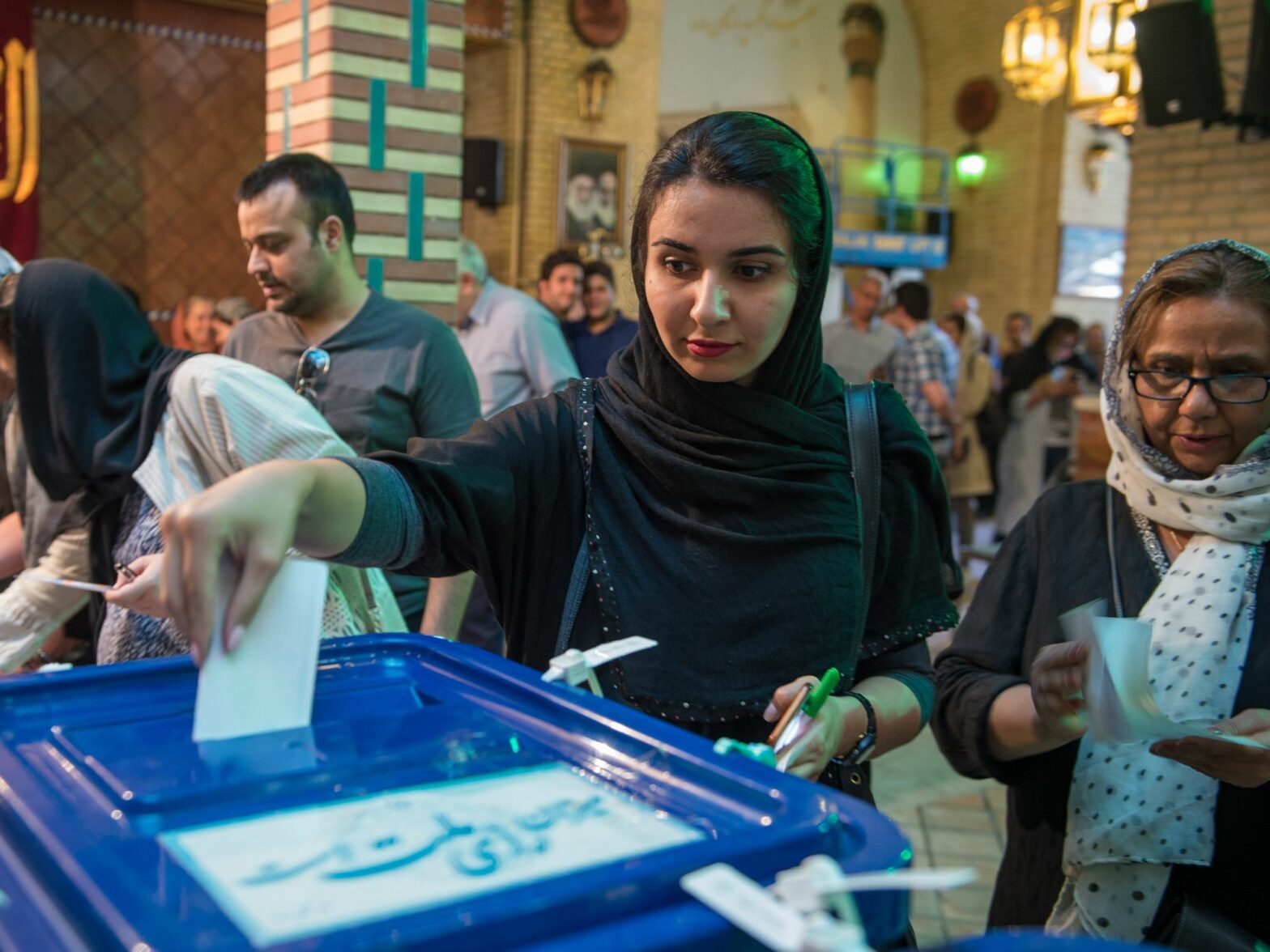
Iran’s regime has selected six candidates for the presidential elections due in late June, and possibly even a winner, just as millions of Iranians may have made their own choice, to no longer vote in a dictatorship.
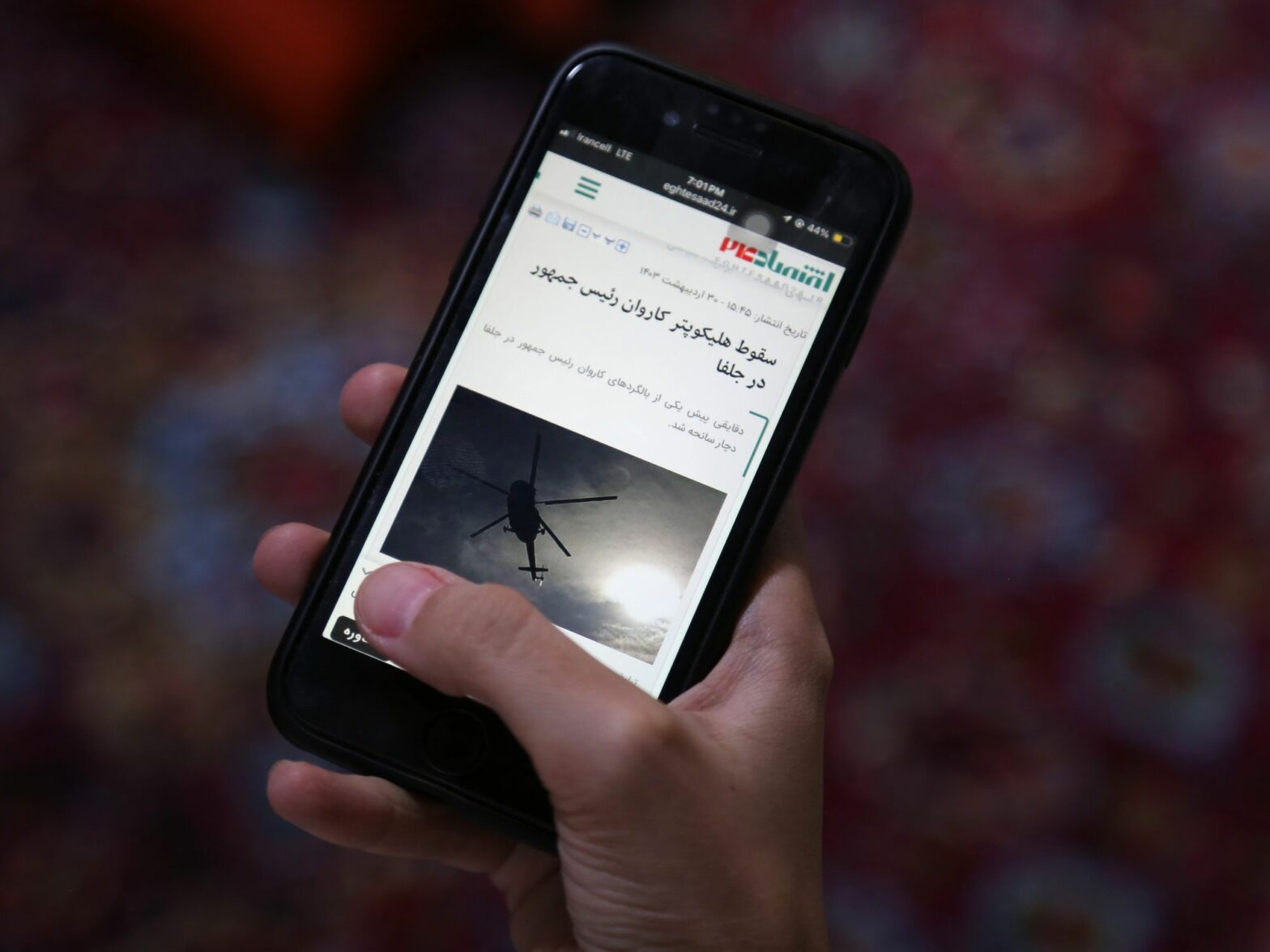
With the passing of President Ebrahim Raisi, some dare hope for a boost in anti Iranian regime movements. Others mourn the death of a martyr or blame Israel. But his succession is for all a high-stake issue.
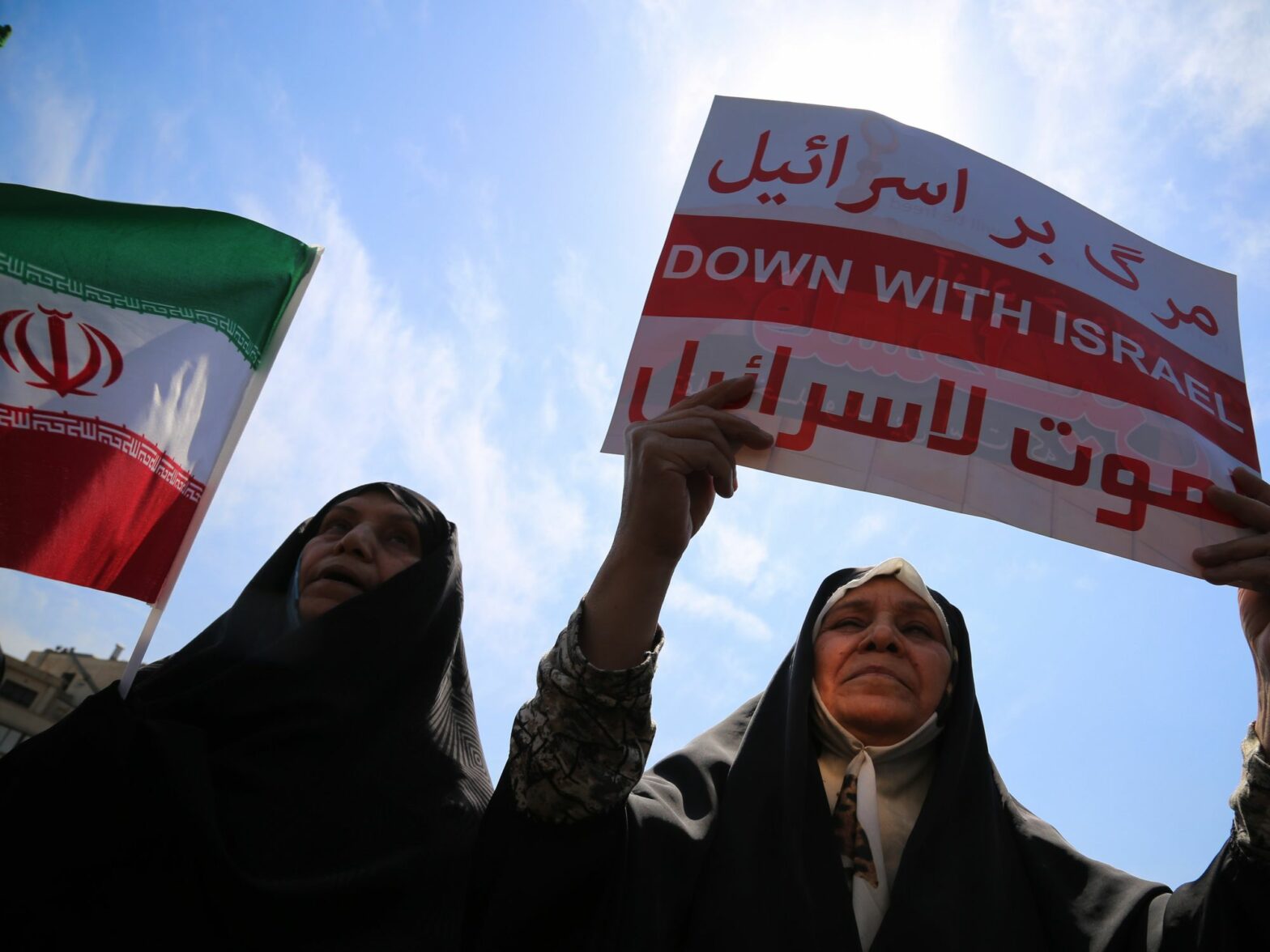
Israel’s recent strike on central Iran was a warning shot for Tehran, tempered by a desire to close the recent spate of tit-for-tat attacks and by pressure from the U.S. Yet this may have only ended round one of the Iran-Israeli showdown.
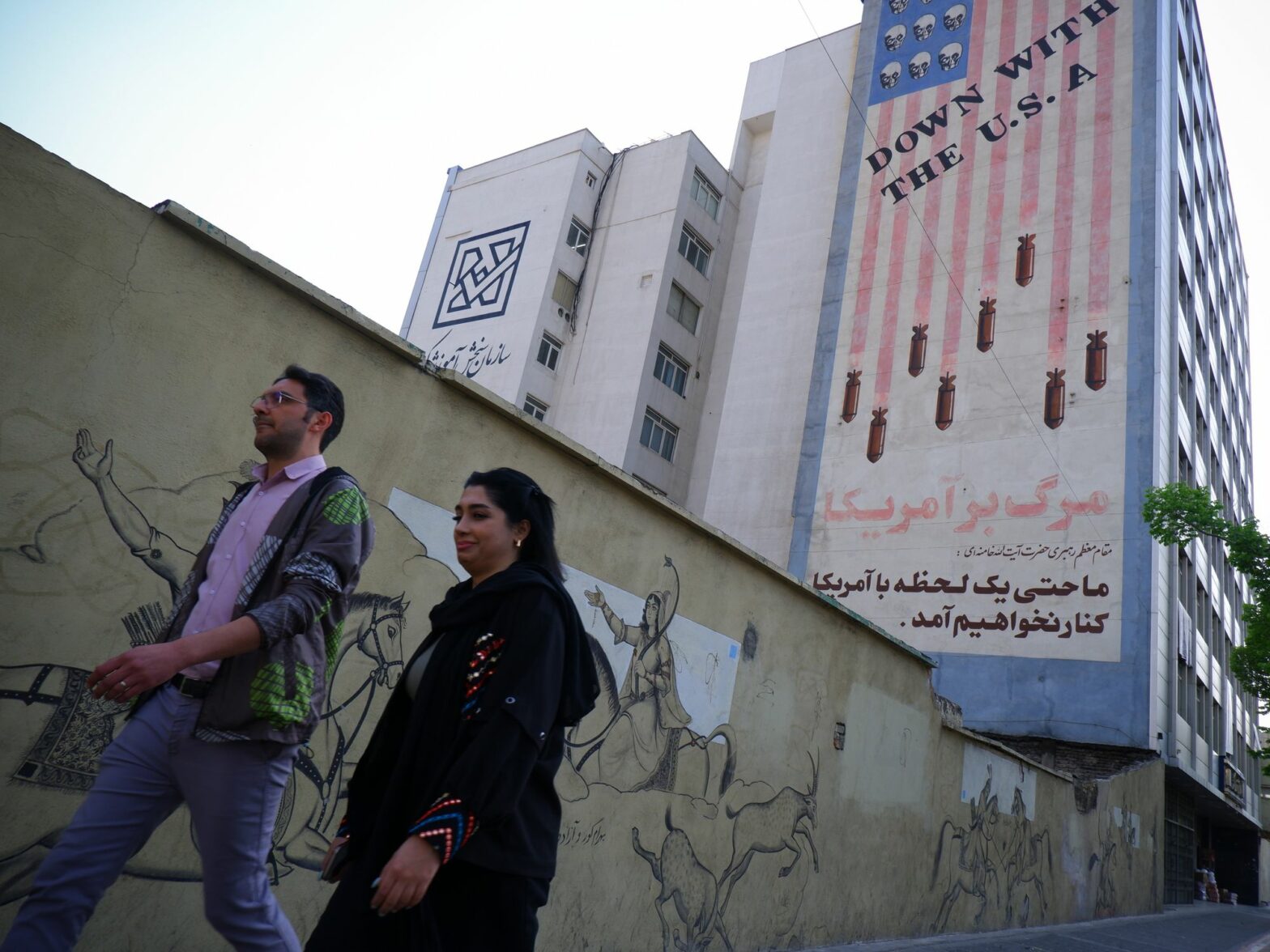
Iranian authorities are enforcing Islamic dress norms with renewed vigor and the backing of a new law, and insist a “hostile West” is goading Iranian women into living indecent lives.
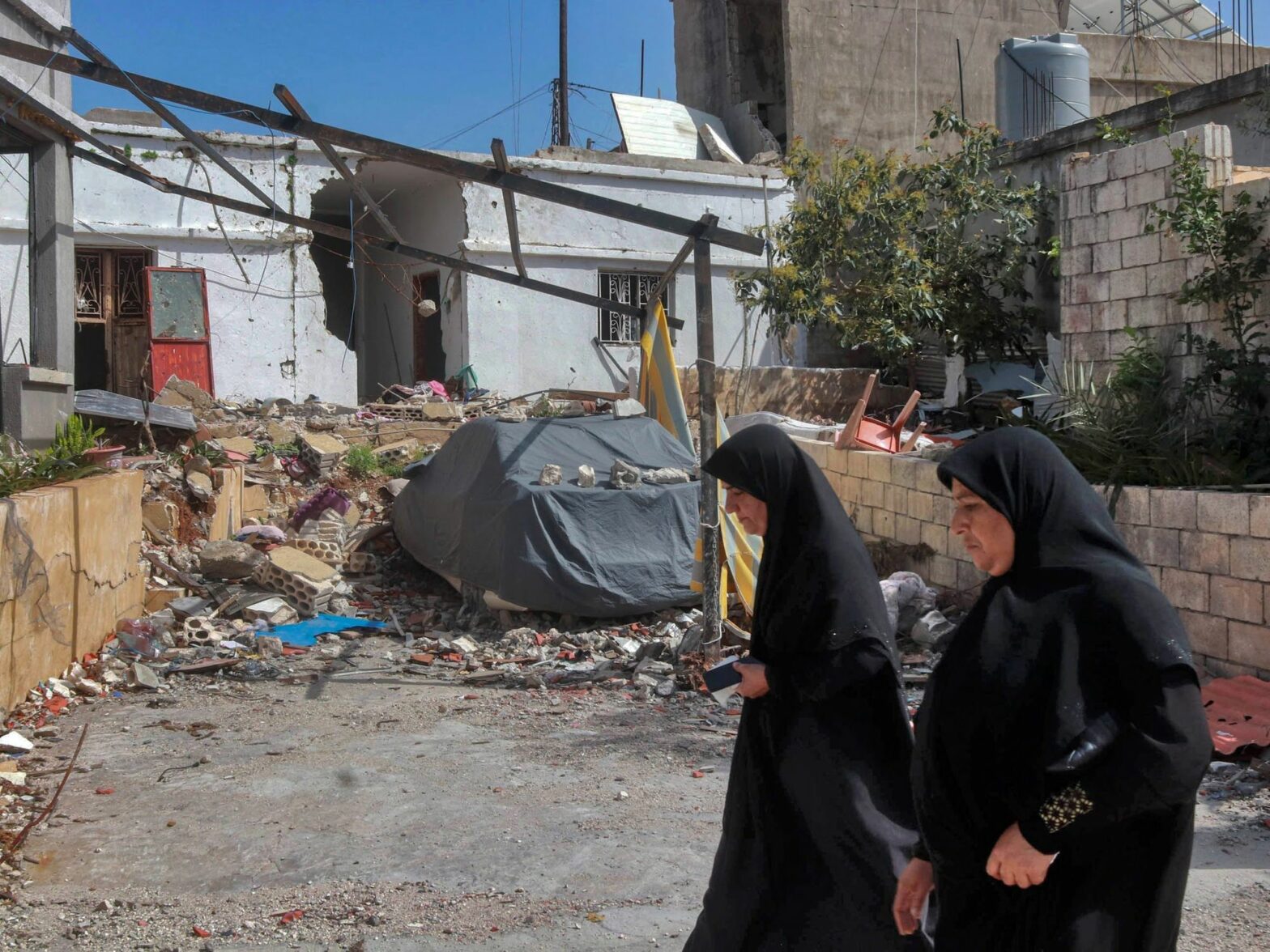
As Israel prosecutes its war on Gaza, Lebanon found itself caught in the daily attacks between Israel and Hezbollah. Lebanese know that Israel has made its position clear, which leaves the big question mark with the regime in Tehran, which largely guides Hezbollah in its response to Israel.
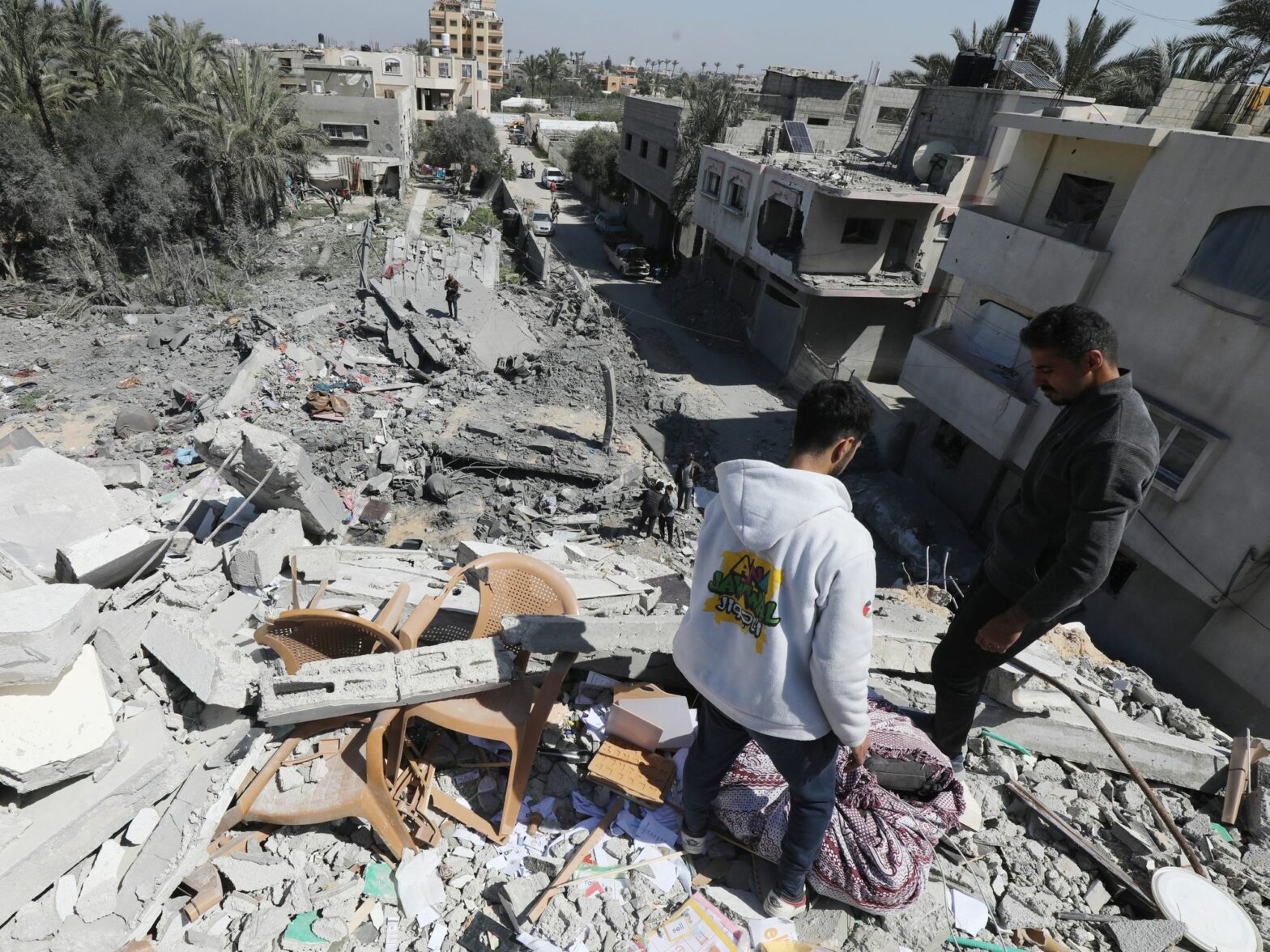
Famine creeps into Gaza, one could expect a certain pragmatism would push influential countries in the region to intervene. Yet each of these countries has its own political agenda.
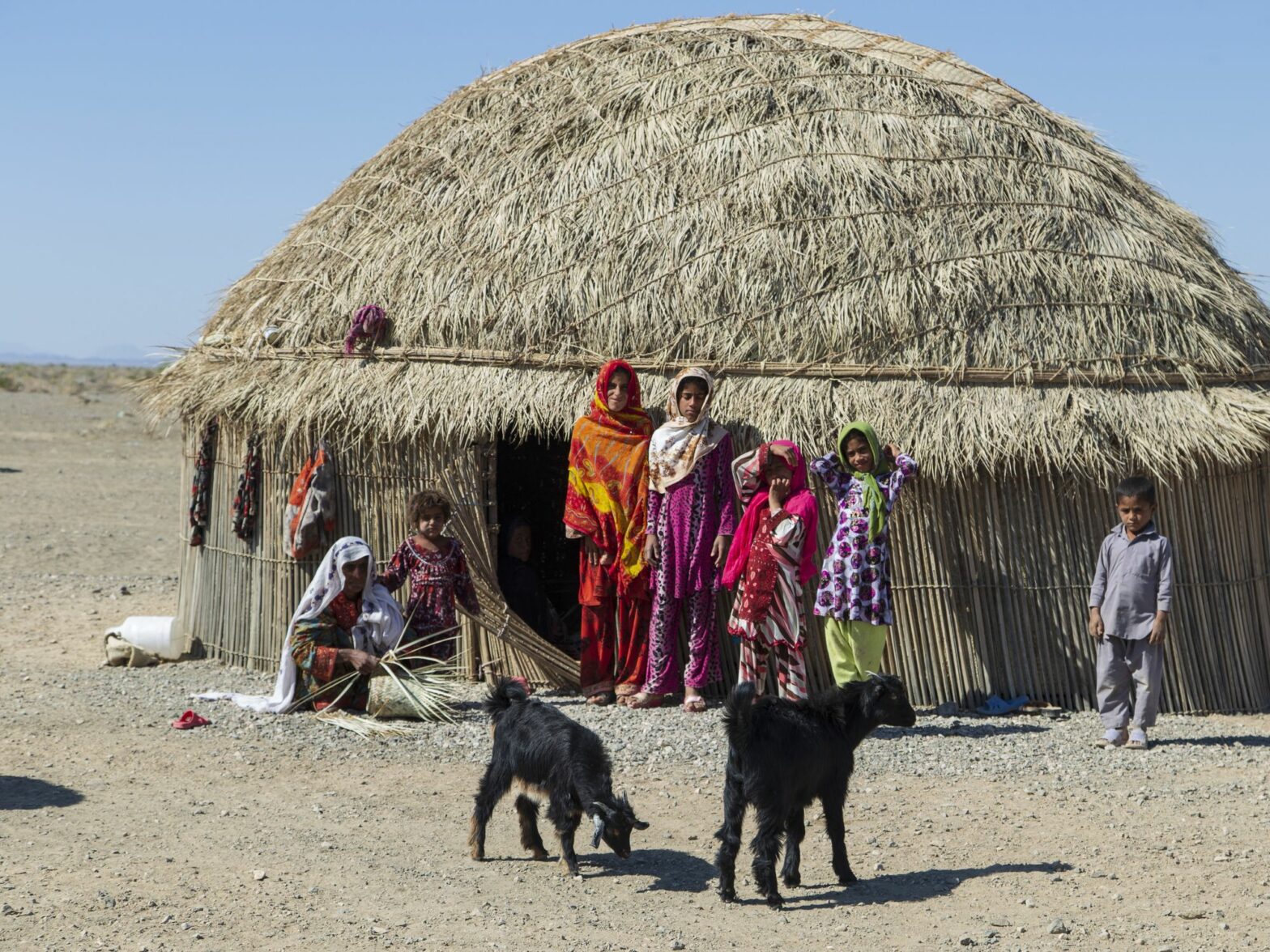
The strikes this month between Iran and Pakistan have brought the Baloch issue back to the forefront. The countries have long accused each other of harboring Baloch militant groups who are fighting for more regional autonomy.
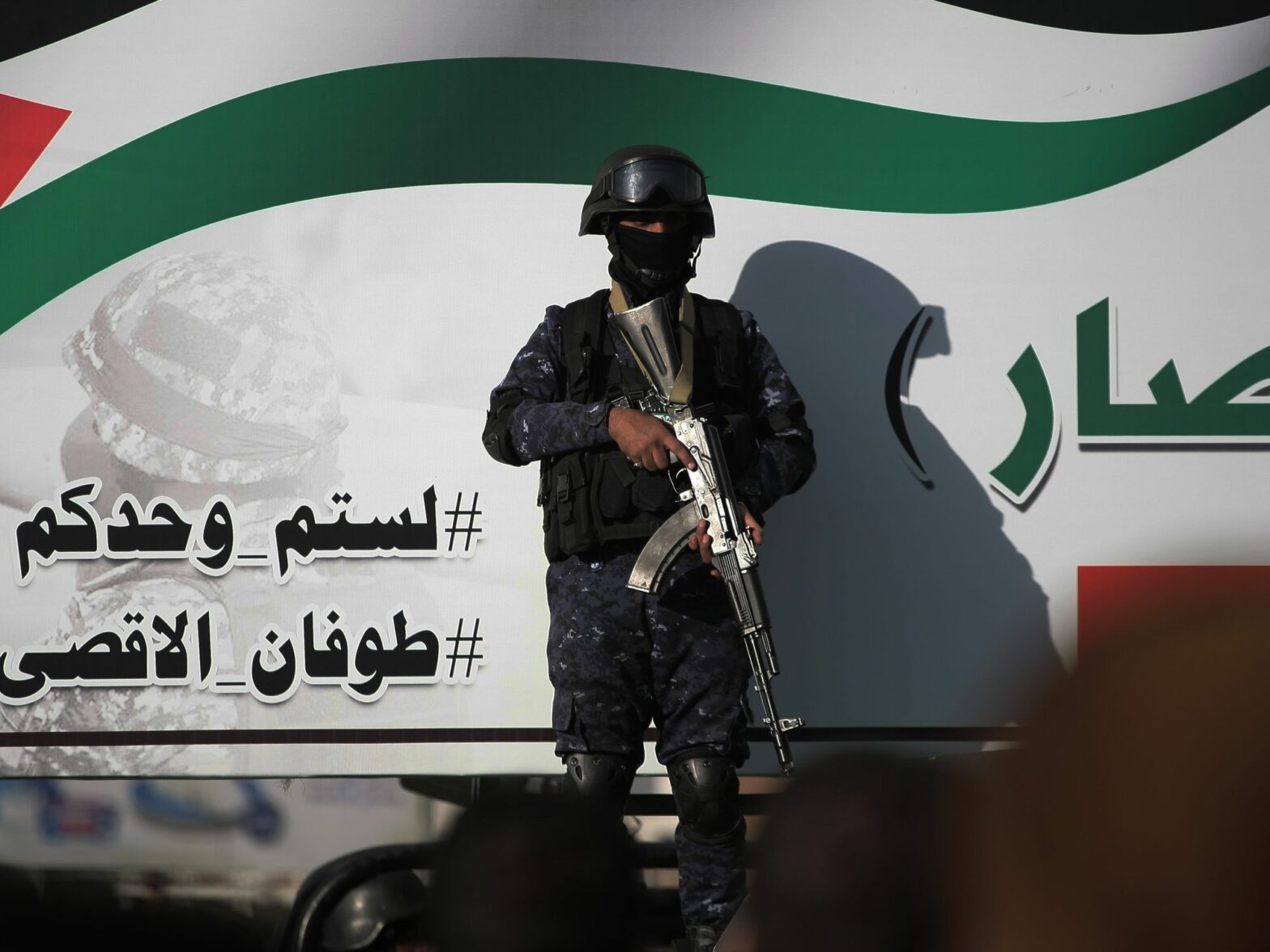
Iran’s revolutionary regime is believed to have aided Russia against Ukraine and goaded Hamas into attacking Israel. Could its insidious backing for Houthi attacks on Red Sea shipping finally end the West’s appeasement of a hooligan state.
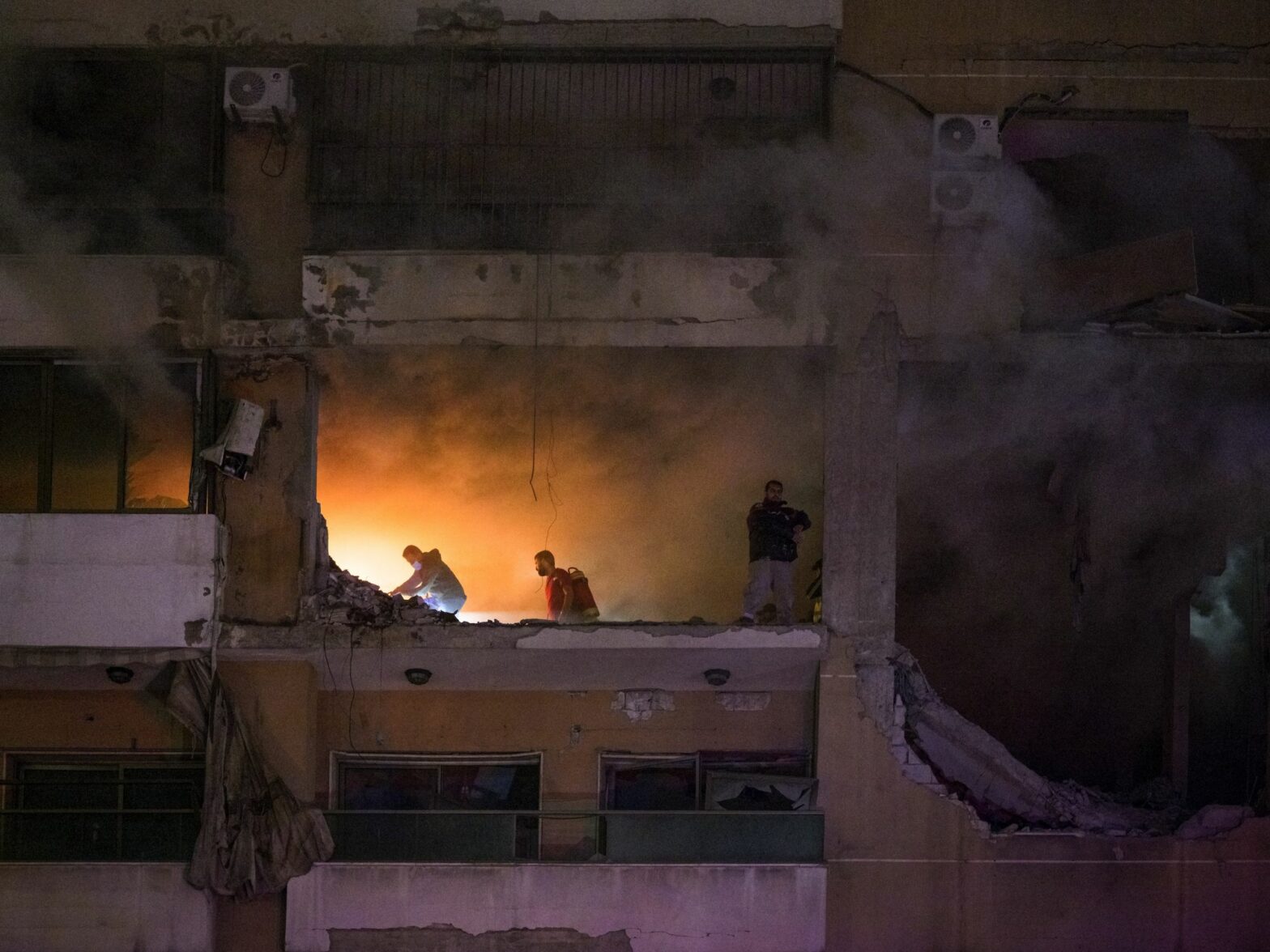
By eliminating Saleh al-Arouri, an important Hamas leader, with a drone strike in Beirut, Israel has taken a risky gamble: that Lebanon’s Hezbollah and its Iranian allies will not go to war over the death on Lebanese territory of a top Hamas figure.
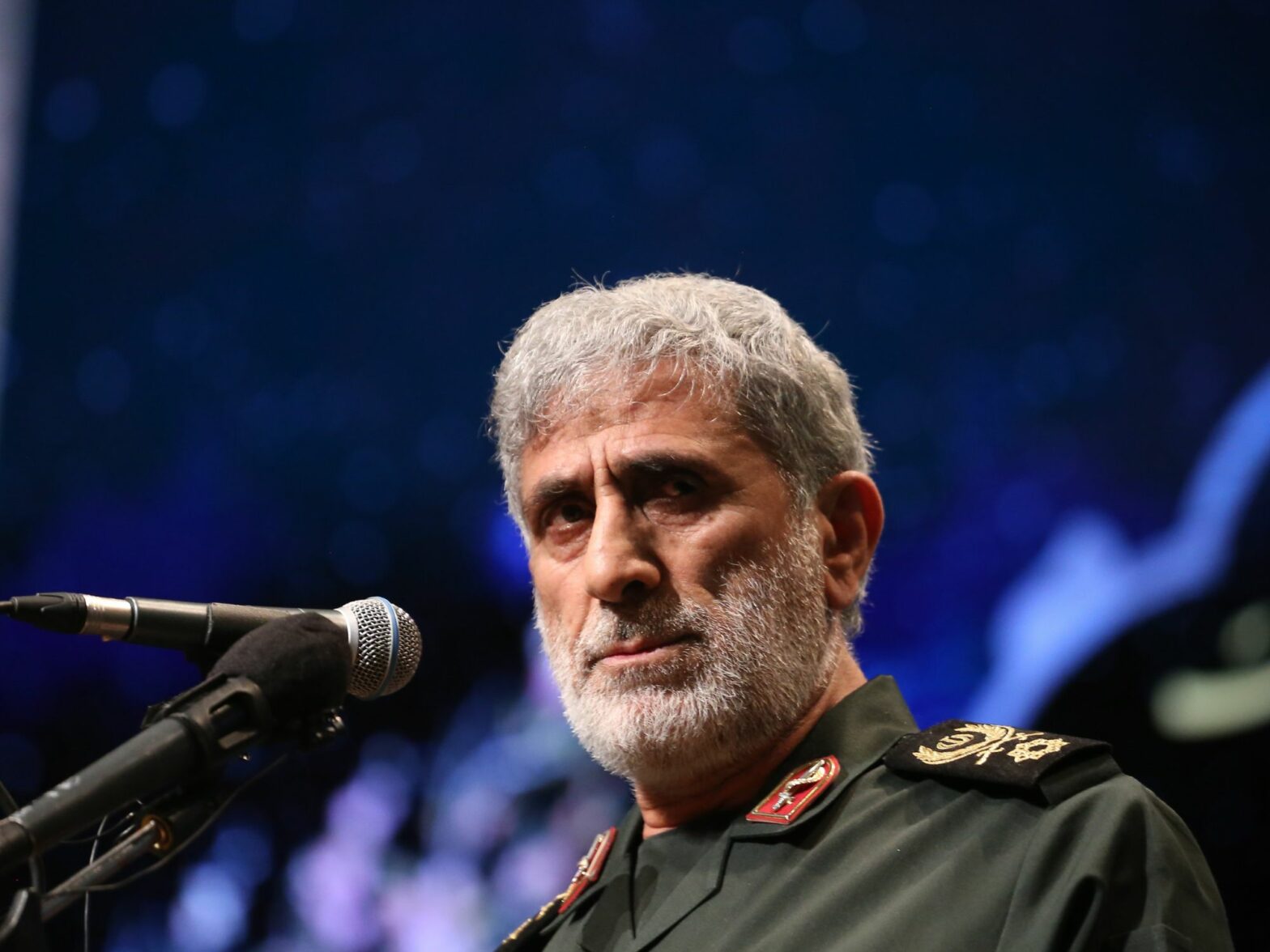
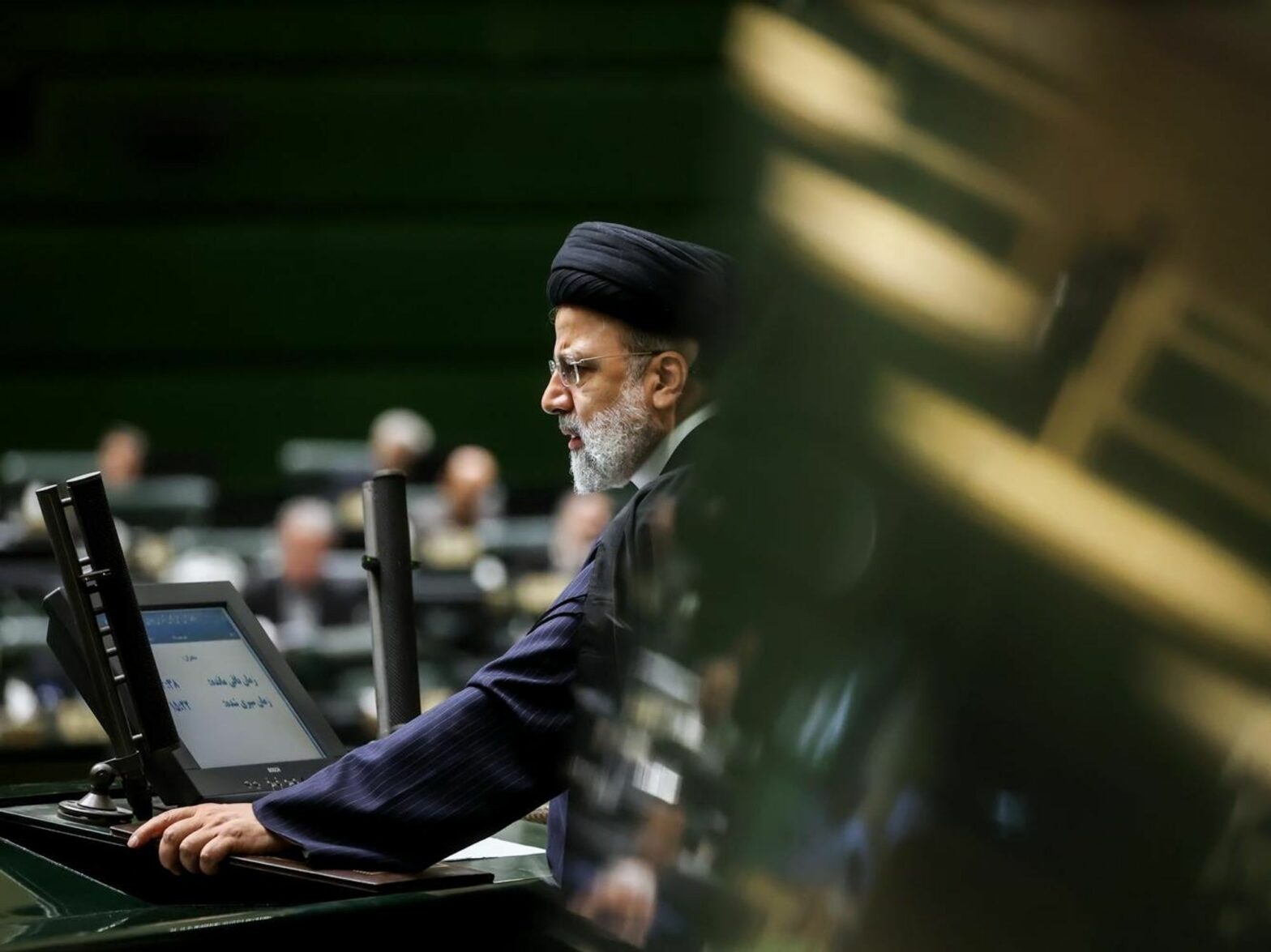
Three commercial ships traveling through the Red Sea were attacked by missiles launched by Iran-backed Yemeni Houthi rebels, while the U.S. Navy shot down three drones. Tensions that are linked to the ongoing war in Gaza conflict and that may serve as an indication as to Iran’s wider intentions.
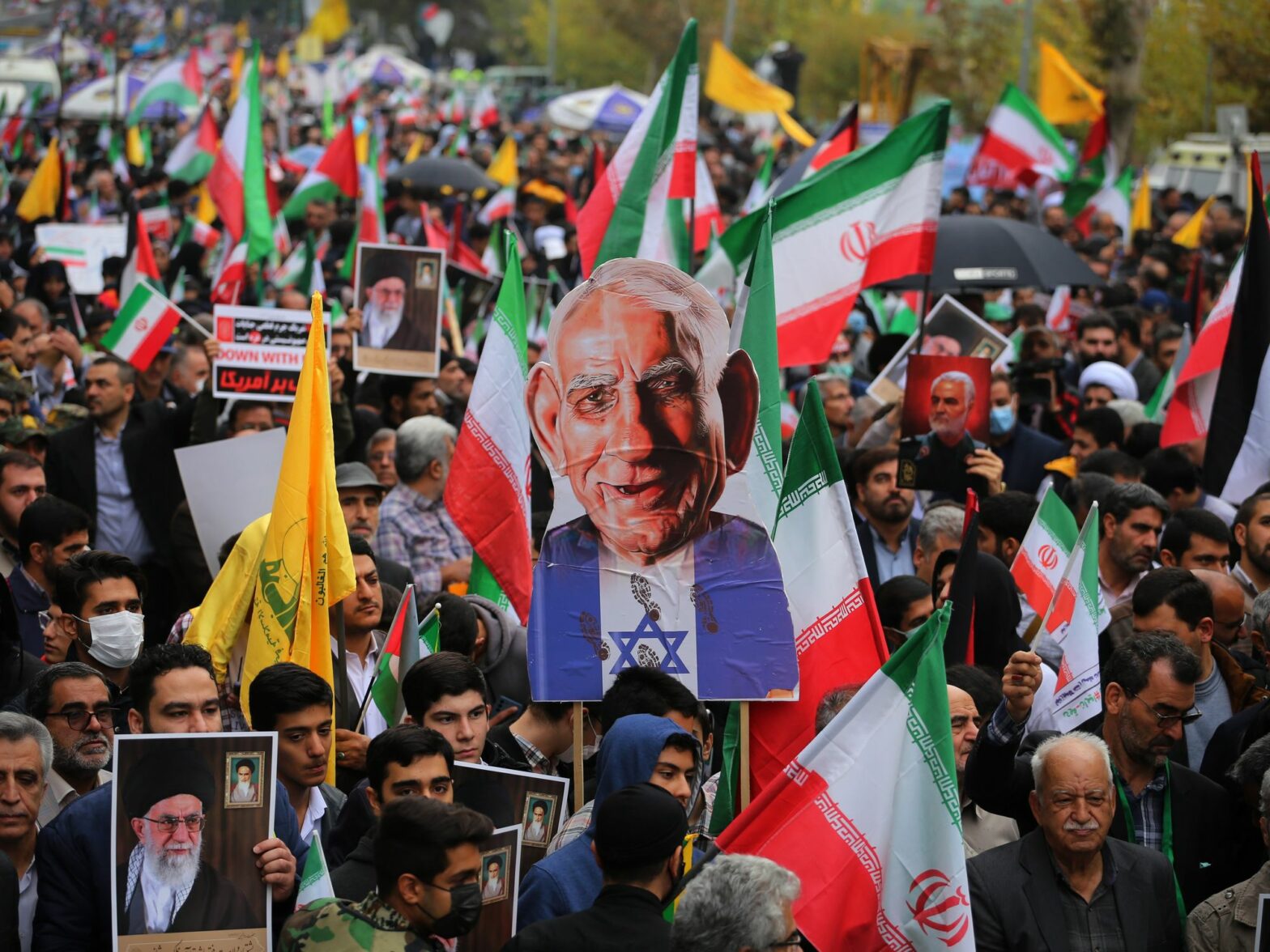
Iran this week has reaffirmed its full support for Hamas, issuing new threats to escalate with more attacks like Oct. 7. This came after some in the region had criticized Iran for now joining the fray directly. With the rising rhetoric, Iran can’t stay passive forever.
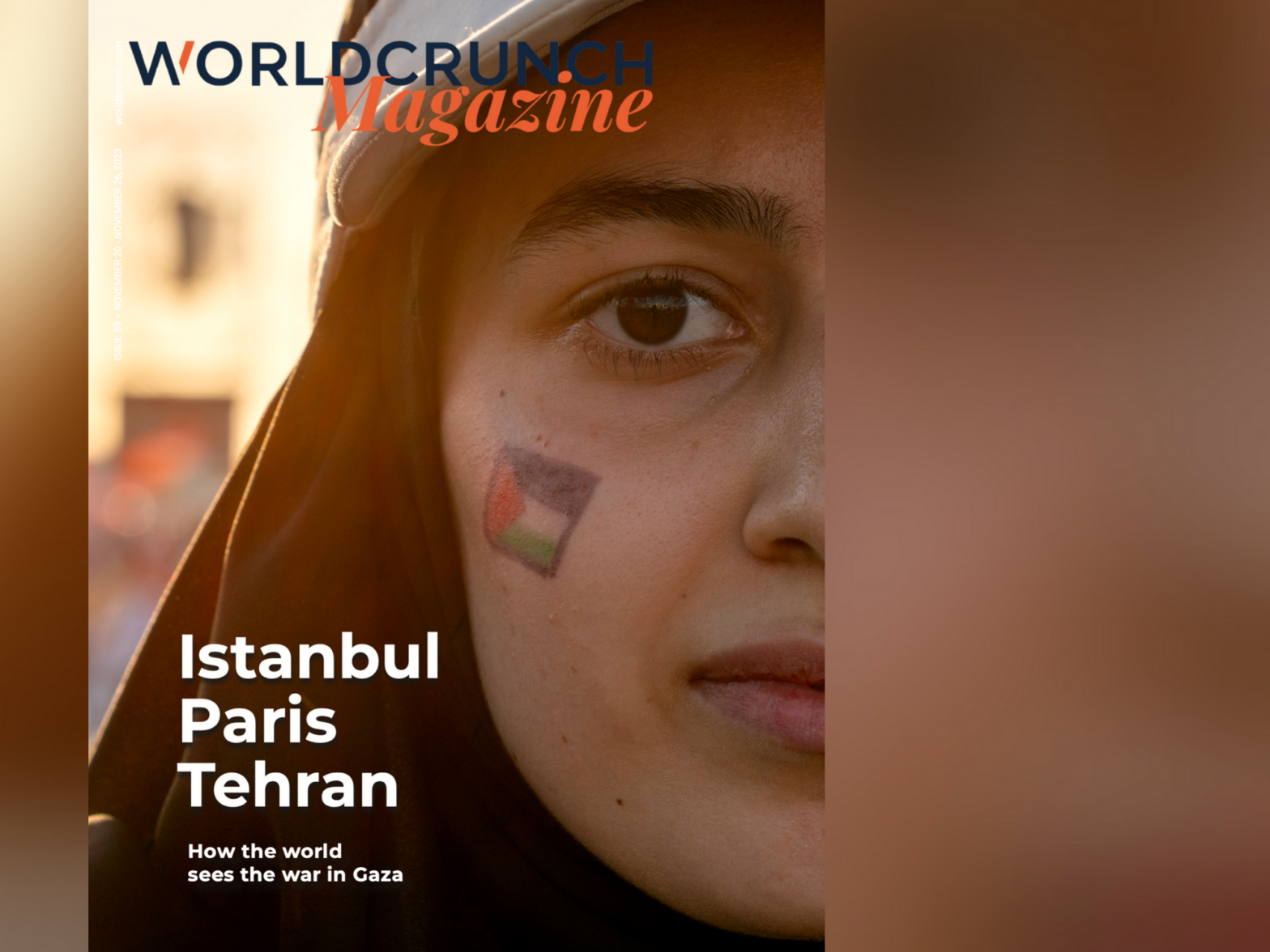
November 20 – November 26, 2023
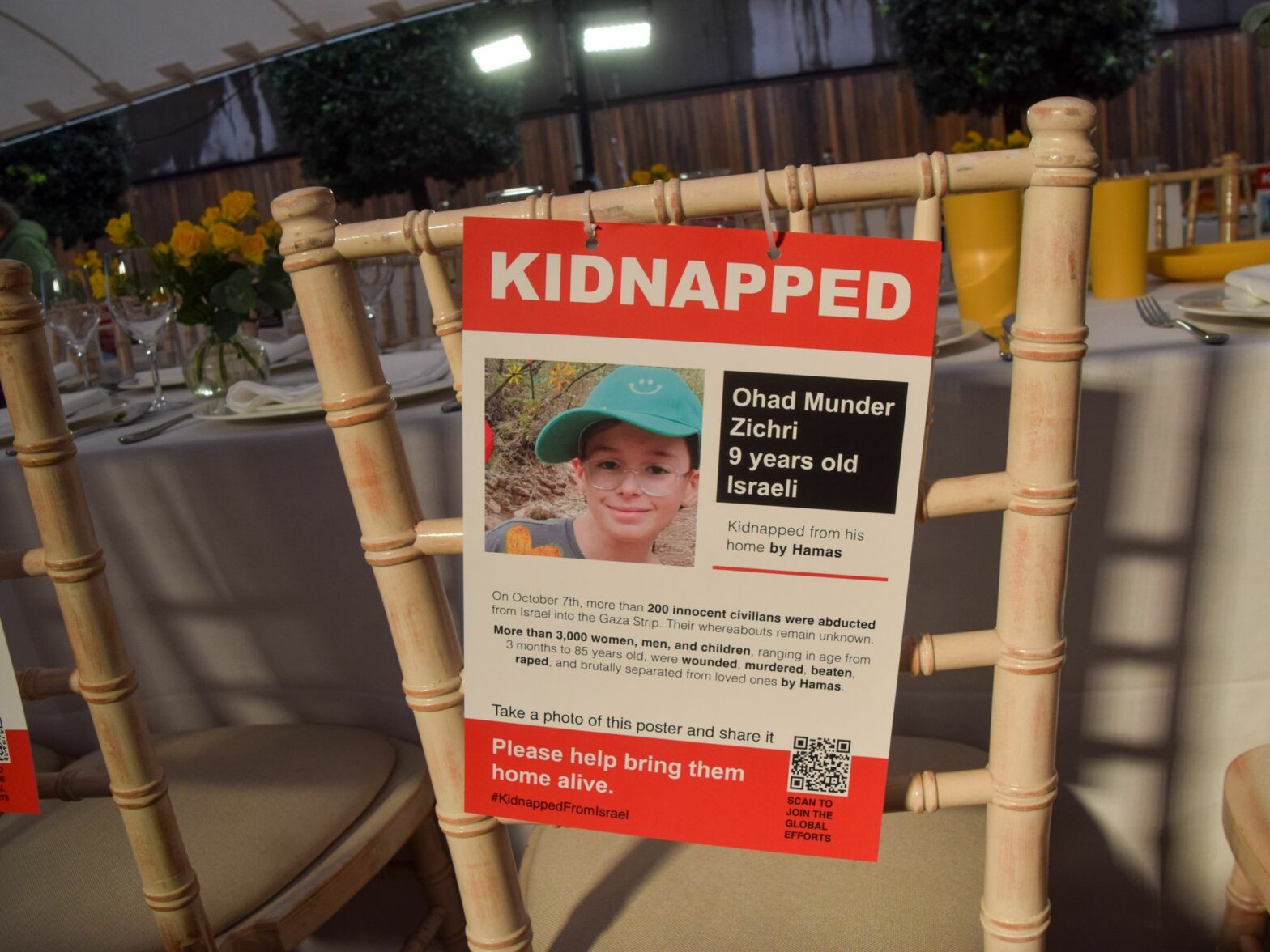
The kidnapping of more 200 Israelis by Hamas suggests that its patron, the Islamic Republic of Iran, is exporting its terrifying and lucrative methods at home to the rest of the Middle East.