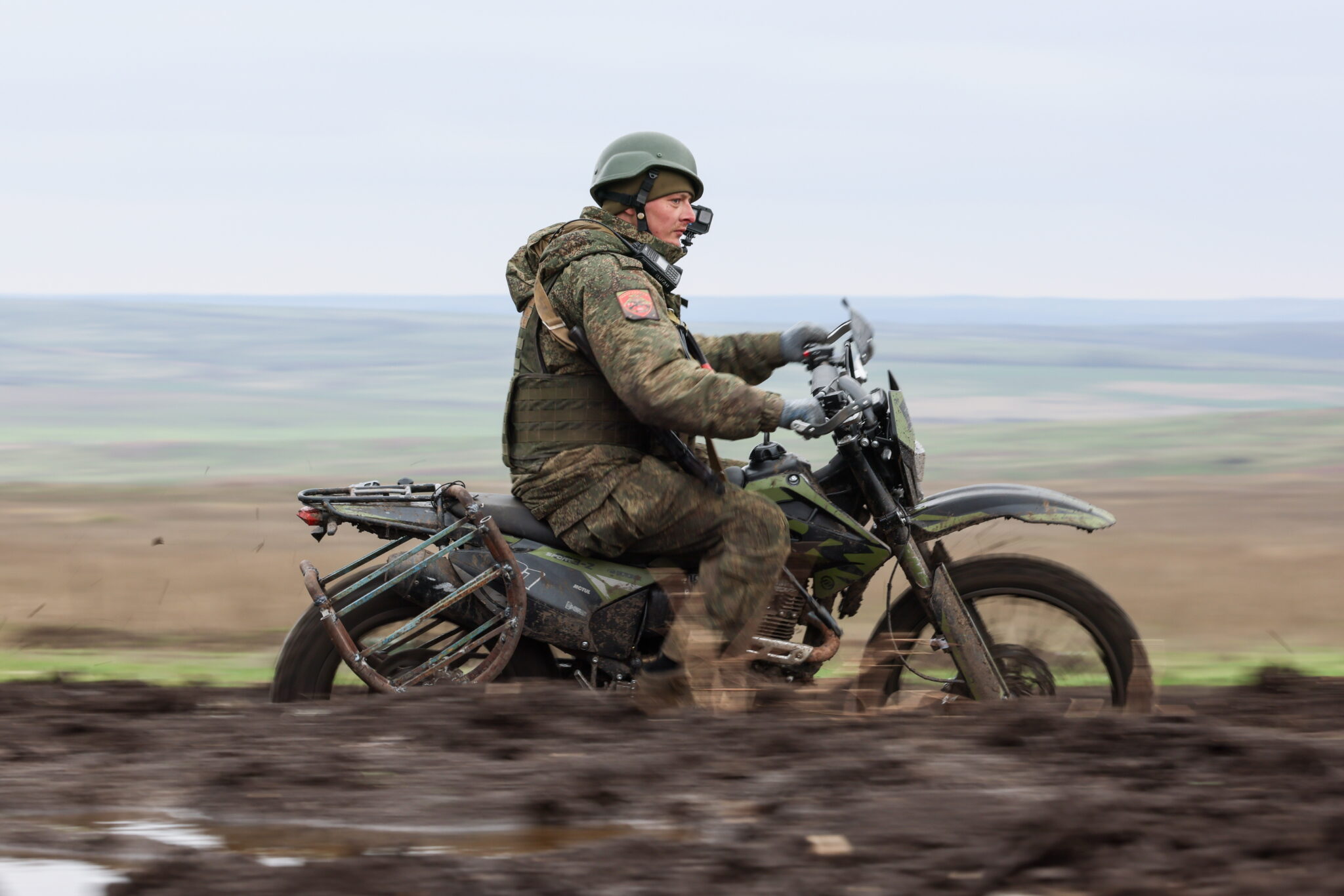
Vladimir Putin has offered a 72-hour ceasefire to begin on May 8, but signs on the ground point instead to plans for a major assault in eastern Ukraine. A key weapon would be specialized motorcycle brigades that could evade Kyiv’s defenses.
 Worldcrunch
Stay updated with comprehensive news on Russia from Worldcrunch. Discover insights on Russian politics, economic strategies, societal issues, and cultural landmarks with translations from top international sources. Highlights include Moscow, Russian history, and events like the Moscow International Film Festival.
Vladimir Putin has offered a 72-hour ceasefire to begin on May 8, but signs on the ground point instead to plans for a major assault in eastern Ukraine. A key weapon would be specialized motorcycle brigades that could evade Kyiv’s defenses.
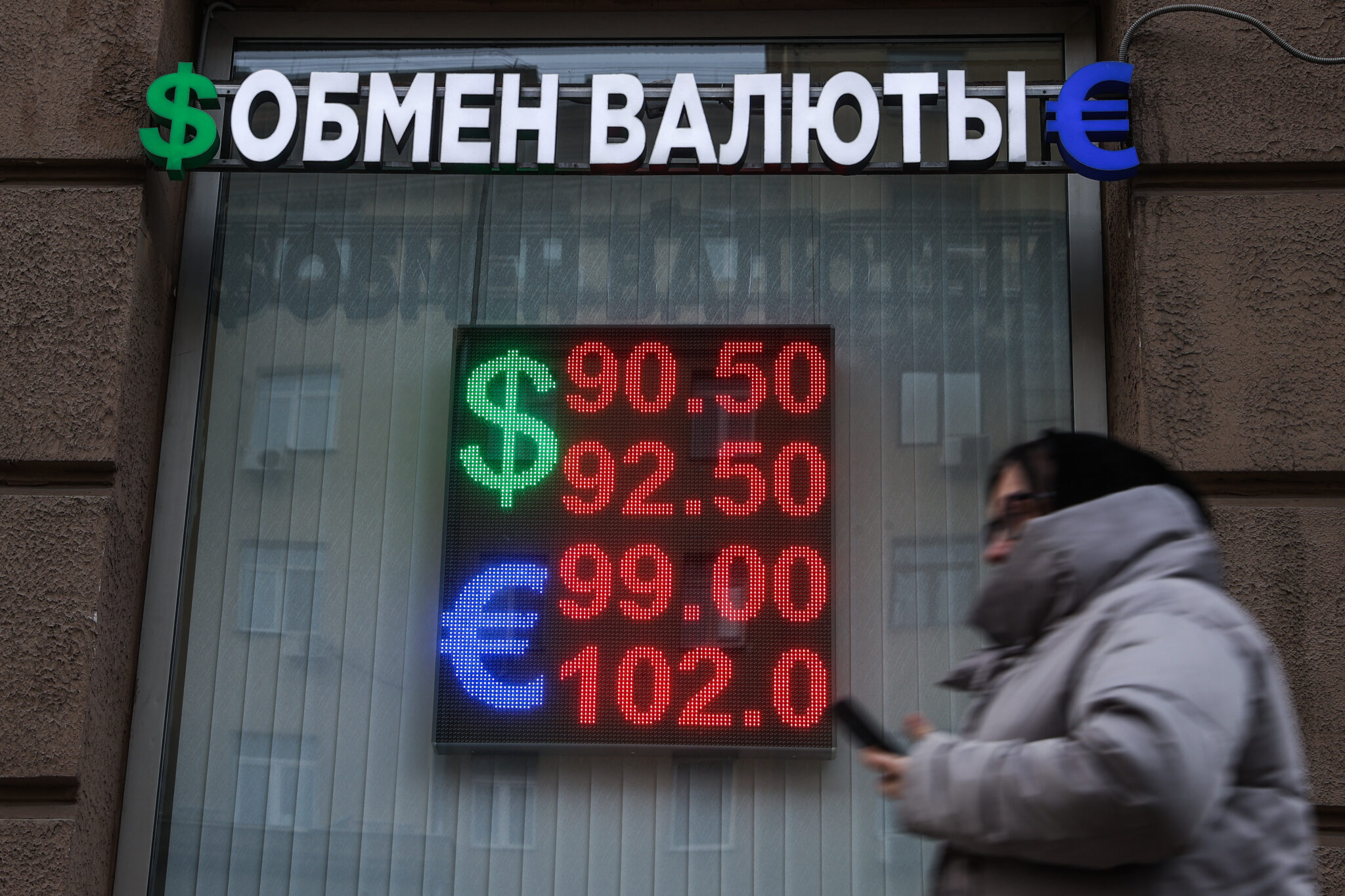
Faced with the threat of global economic chaos brought on by Trump’s tariffs, and accelerated by the war in Ukraine, the Russian economy should be in shambles. However, as noted by Russian economist Władysław Inoziemcew, the situation is far more complicated than it may seem.
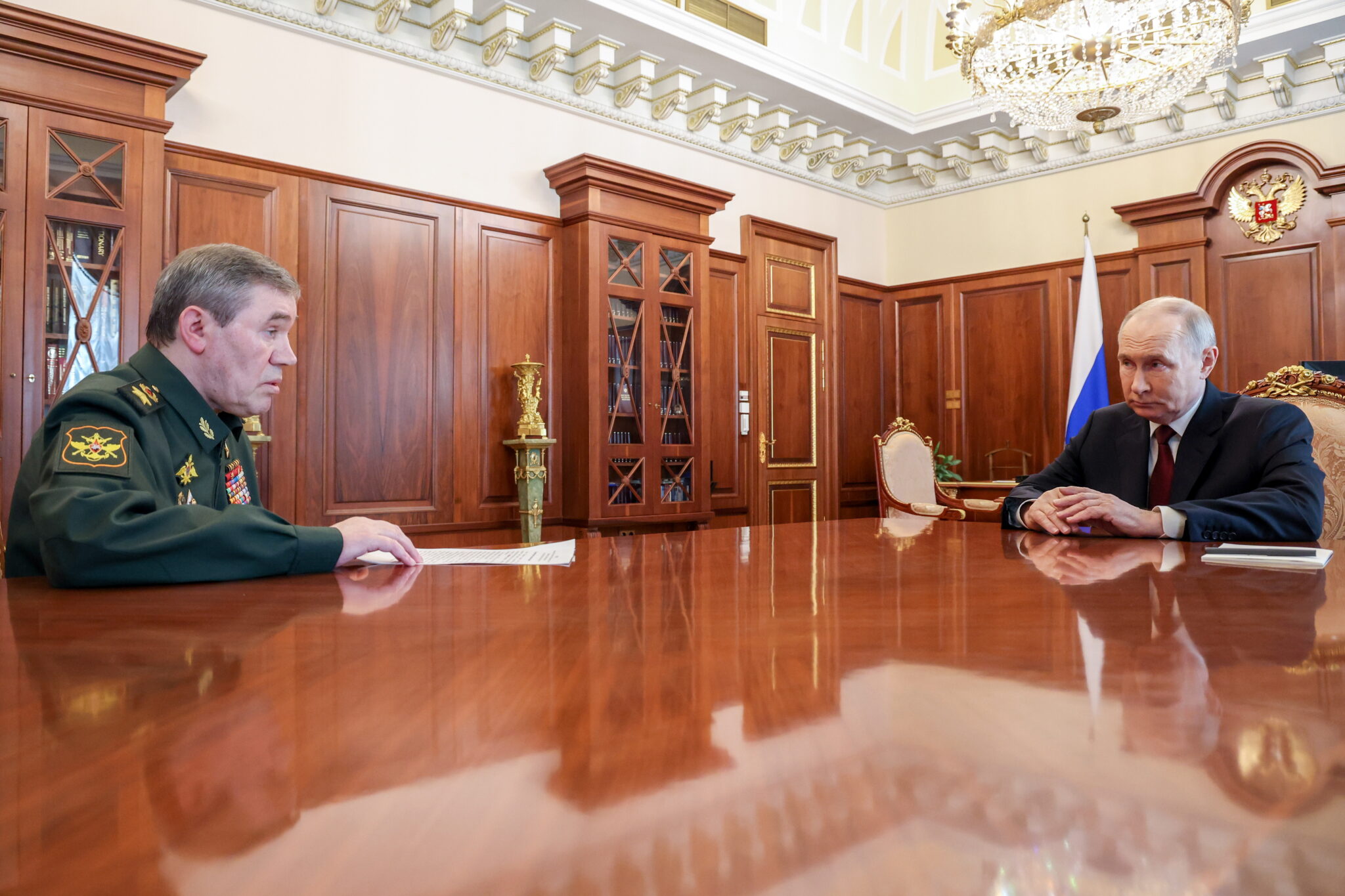
Ceasefire talks are going nowhere, but they expose that the U.S. has different viewpoints coexisting in the White House on how to resolve the war.
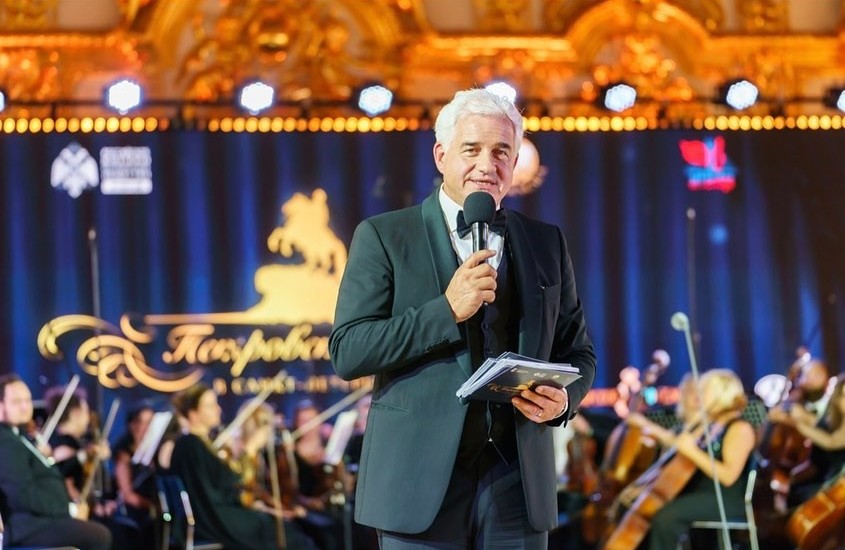
The Taschenbergpalais, a splendid baroque edifice in Dresden’s Old Town, stands as a luxury hotel complete with its own patisserie and oyster bar, catering to the affluent, the glamorous, and the influential. It was here that cultural manager Hans-Joachim Frey agreed to speak with Germany’s Die Zeit about his passion for music and his enduring ties to Russia and Vladimir Putin.
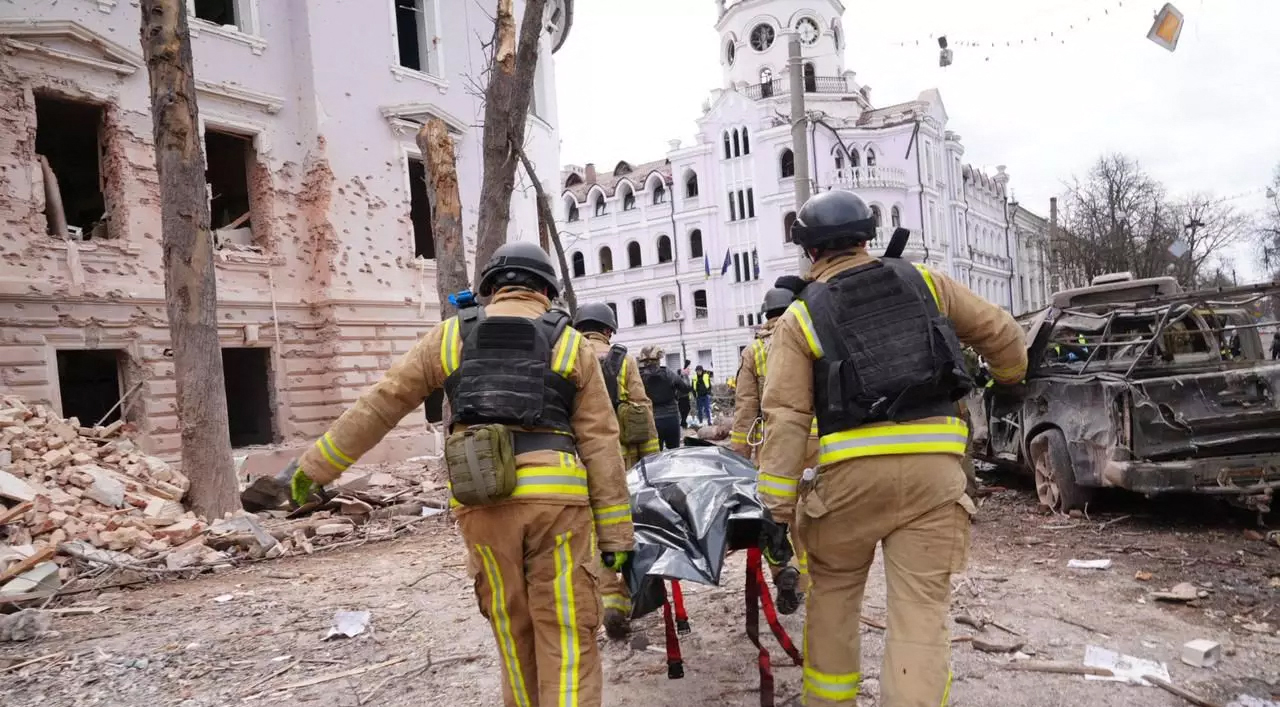
Russia’s bombing the northeastern Ukrainian city wasn’t just a monstrous act of war against civilians, it was a cold-blooded political calculation by a Vladimir Putin uninterested in Trump’s eagerness for a truce.
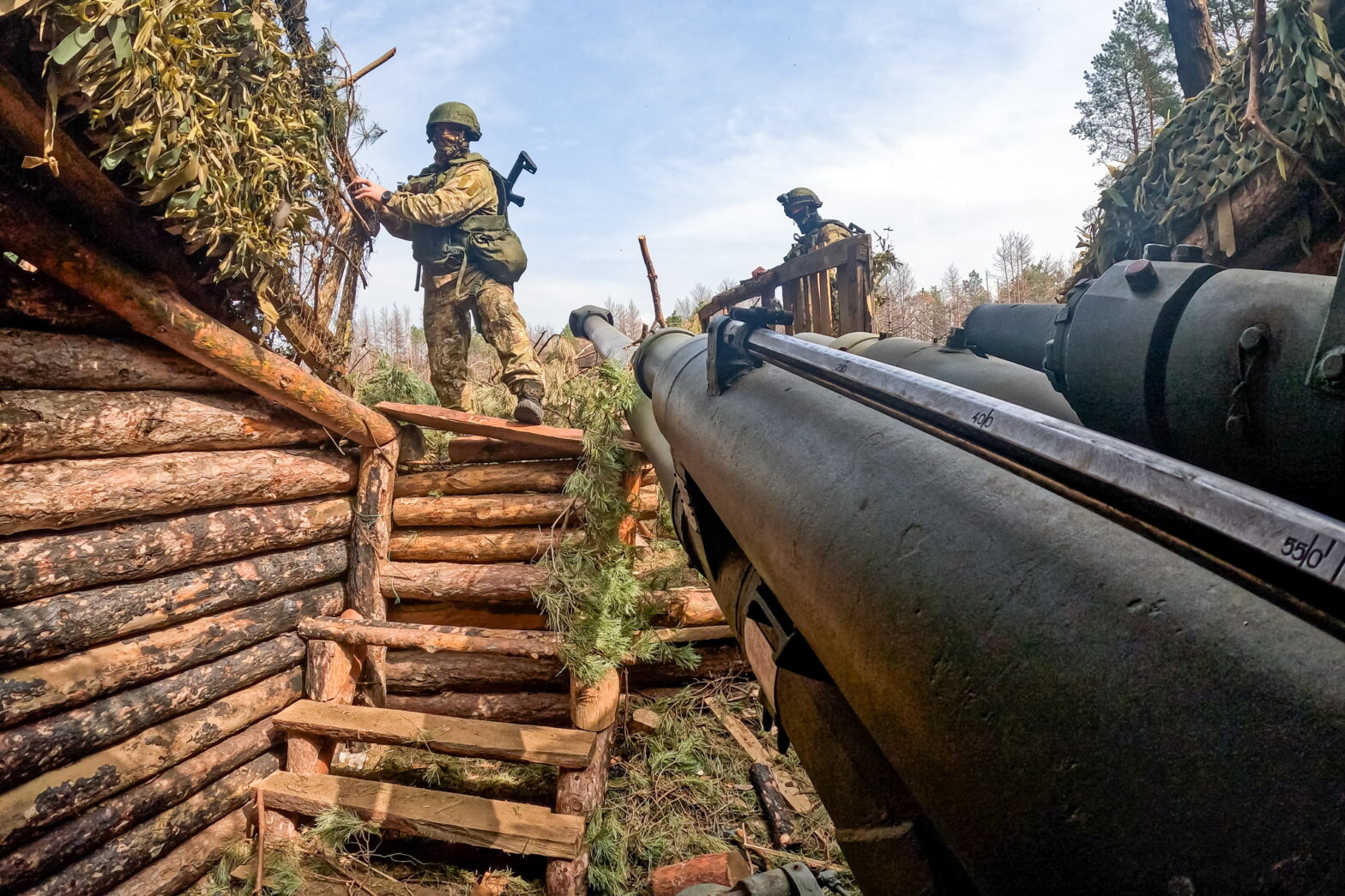
On the one hand, the prevalence of Soviet-era T-55 tanks, golf carts, donkeys and other makeshift transport are a clear sign of Moscow’s exhaustion. On the other hand, Russia is clearly investing in a transformation of its military. It’s the real reason that Europe is mobilizing.
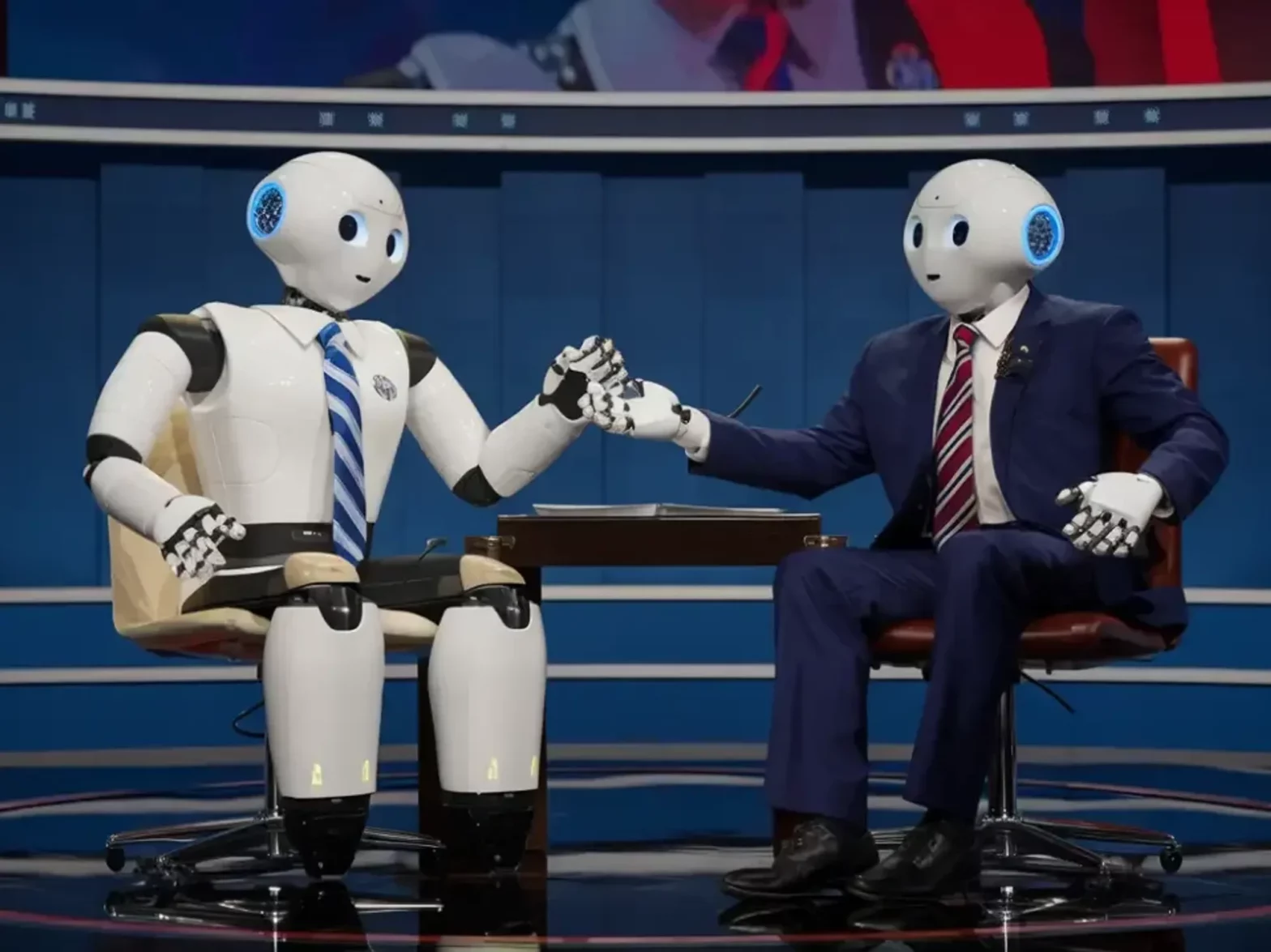
From business and public administration to daily life, artificial intelligence is reshaping the world – and politics may be next.

Should theaters be punished for showcasing Russian classics? What if their message undermines everything Putin believes?
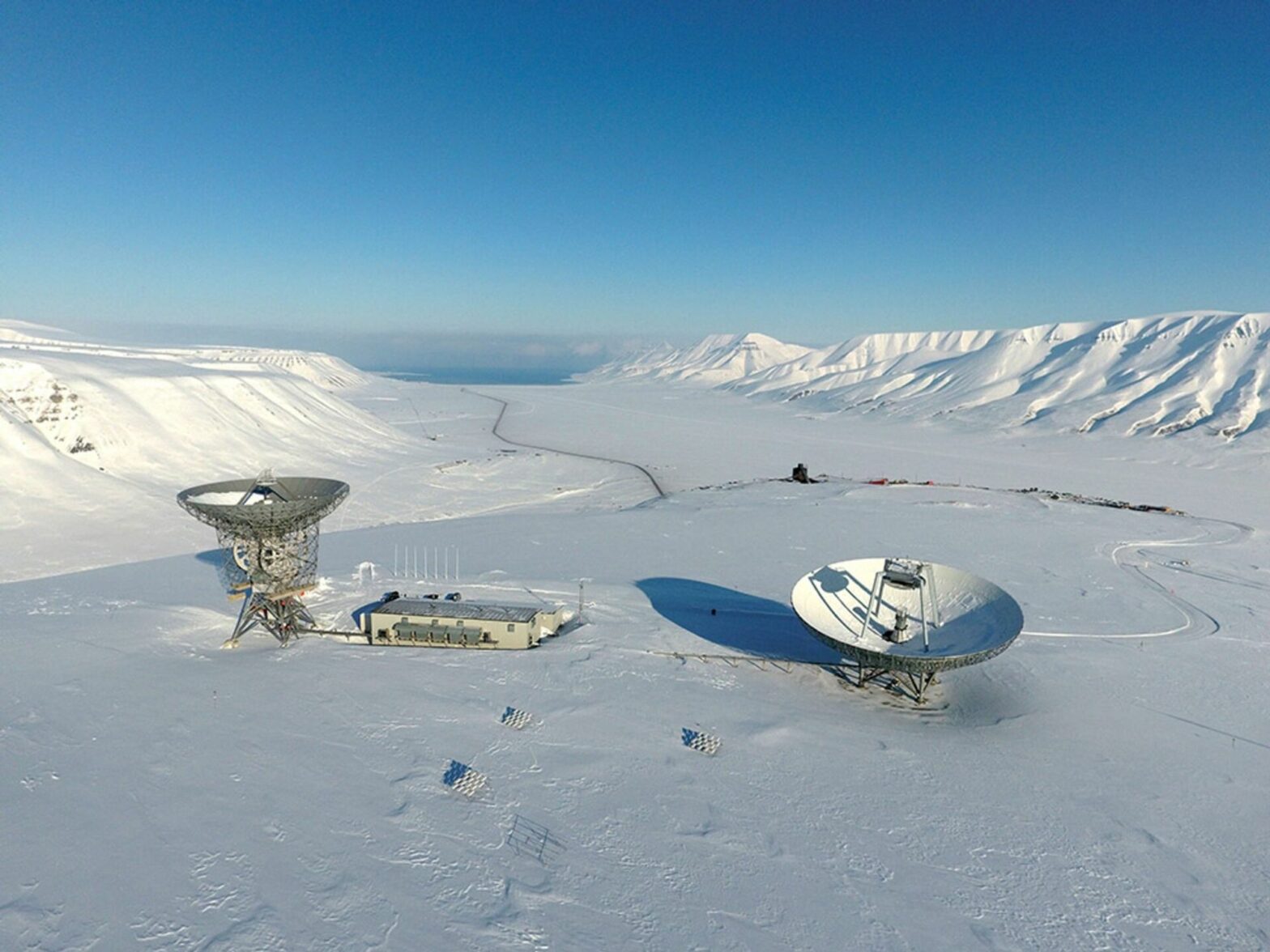
The country supports some of the world’s most important satellites. But experts worry about its proximity to Russia.
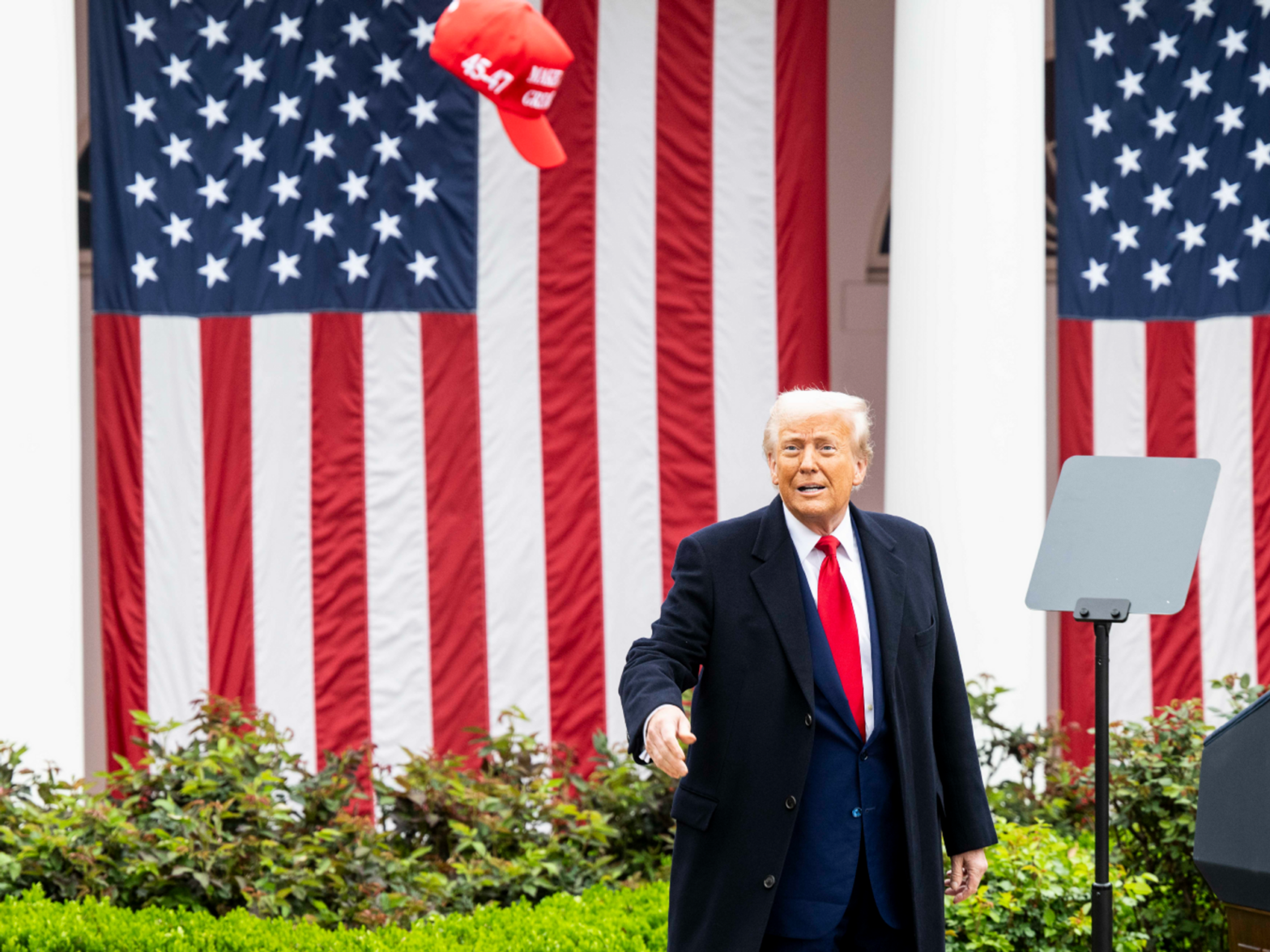
Donald Trump has cultivated his image as a “disruptor,” a term coined by tech startups. But by launching a global trade war, the U.S. president risks achieving the opposite of what he intends. What’s the opposite of “great again?”
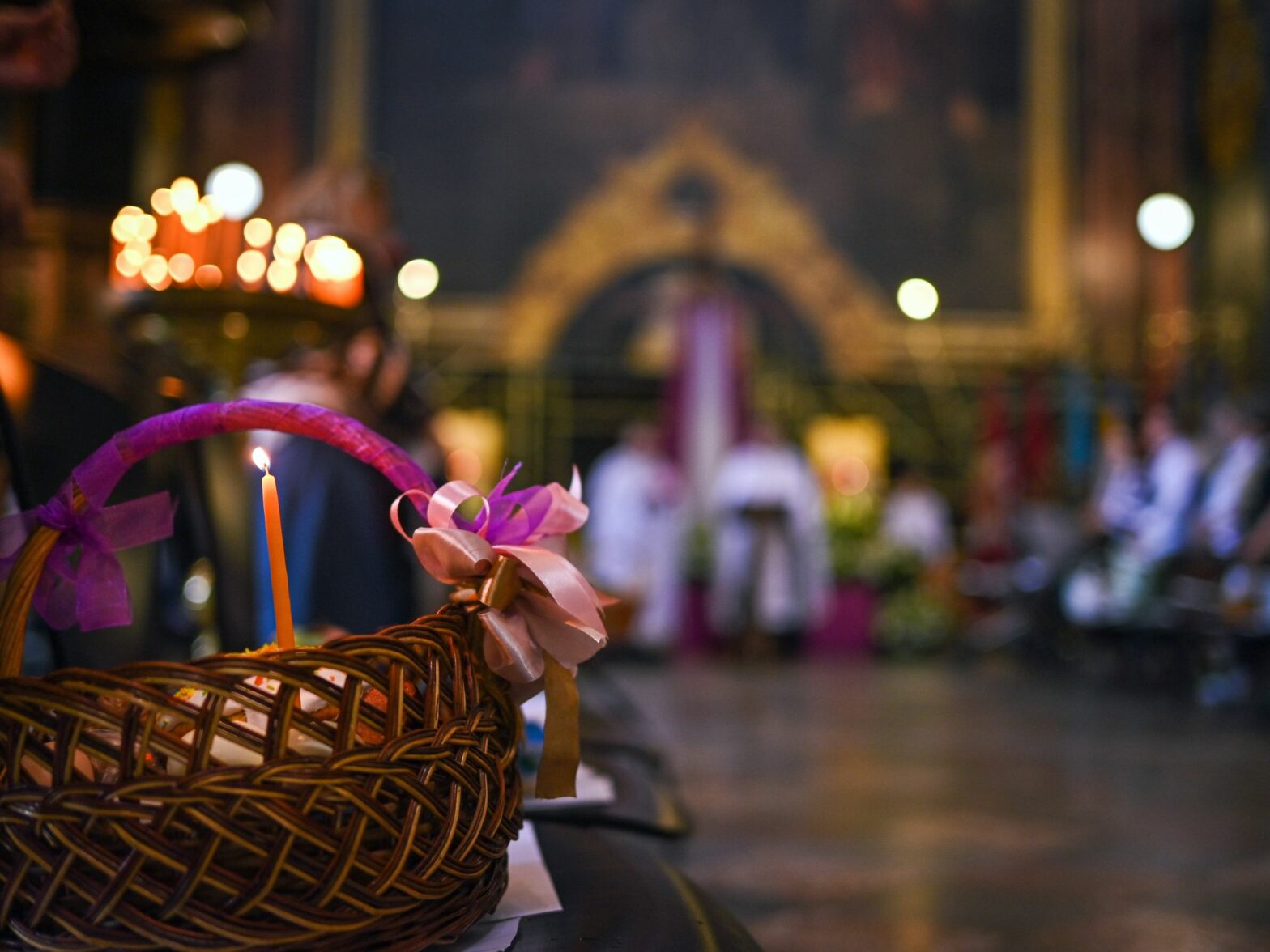
Church leaders push for a common Easter date, as they seek to bridge centuries-old divisions between Eastern and Western Christian traditions.
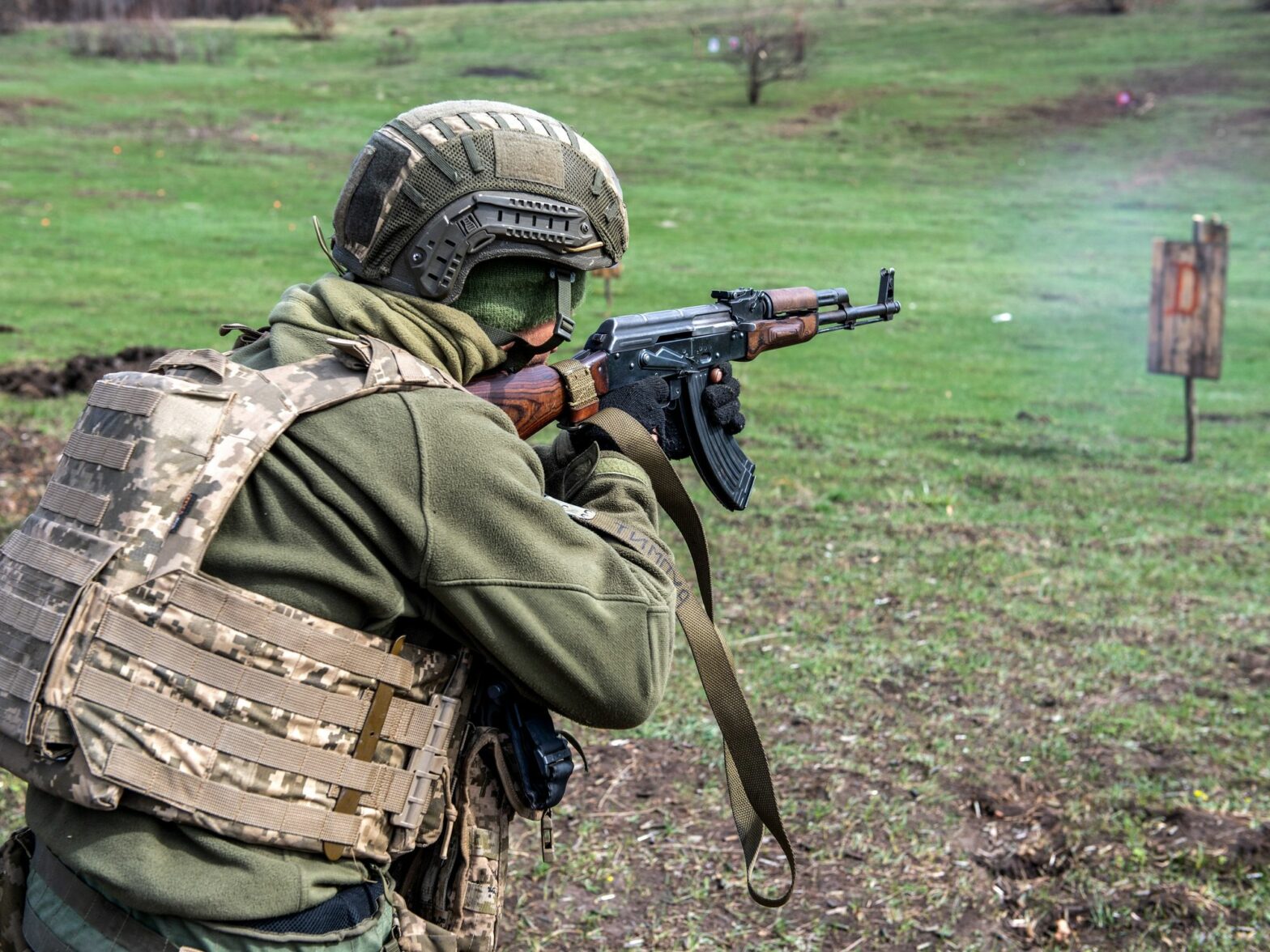
While voluntary enlistment is still strong in Ukraine, it is no longer enough. Kyiv has begun allowing prisoners to apply for early release in exchange for military service. While Russia’s similar policy was criticized, Ukrainian officials insist there are crucial differences.
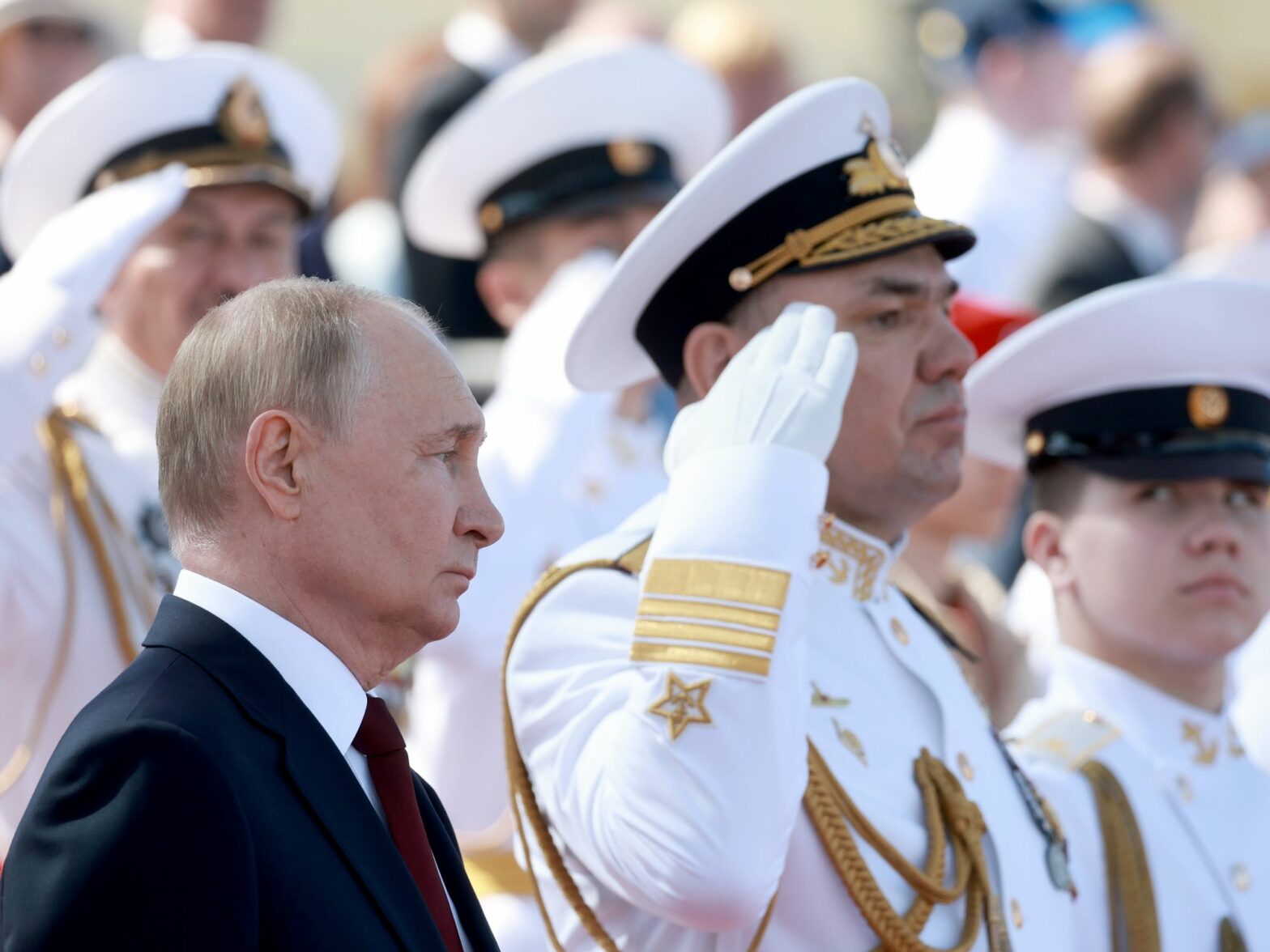
The Russian president has no problem talking about negotiations and peace treaties. But he’s a master decoy artist. Putin has built his power on conflict, and now he needs war to hold on to it.
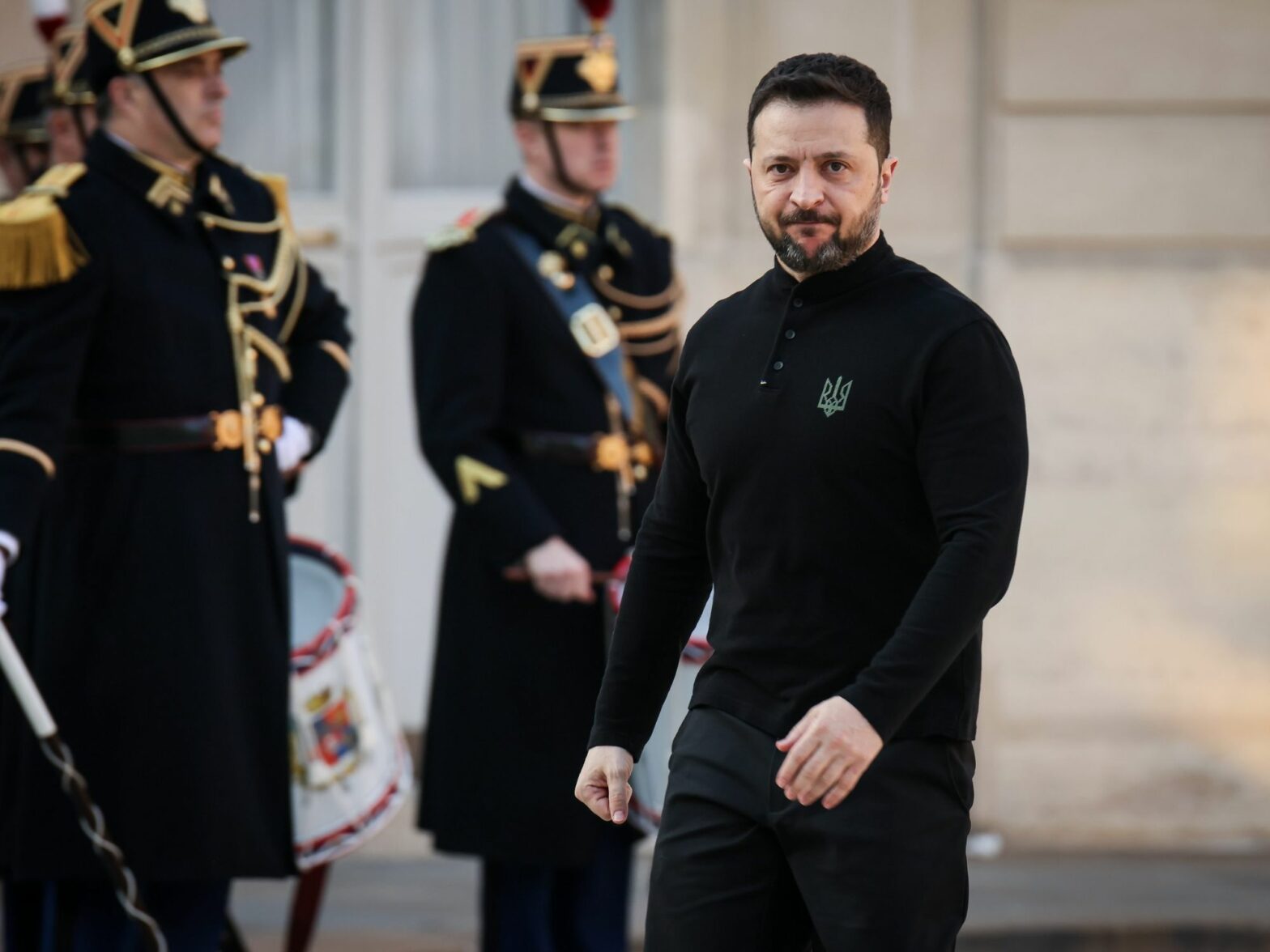
In Paris where he met with Emmanuel Macron, the Ukrainian president urged Europe to provide more weapons and soldiers, accusing Putin of having no interest in a ceasefire. French daily Le Figaro’s Isabelle Lasserre spoke with him in an exclusive interview.
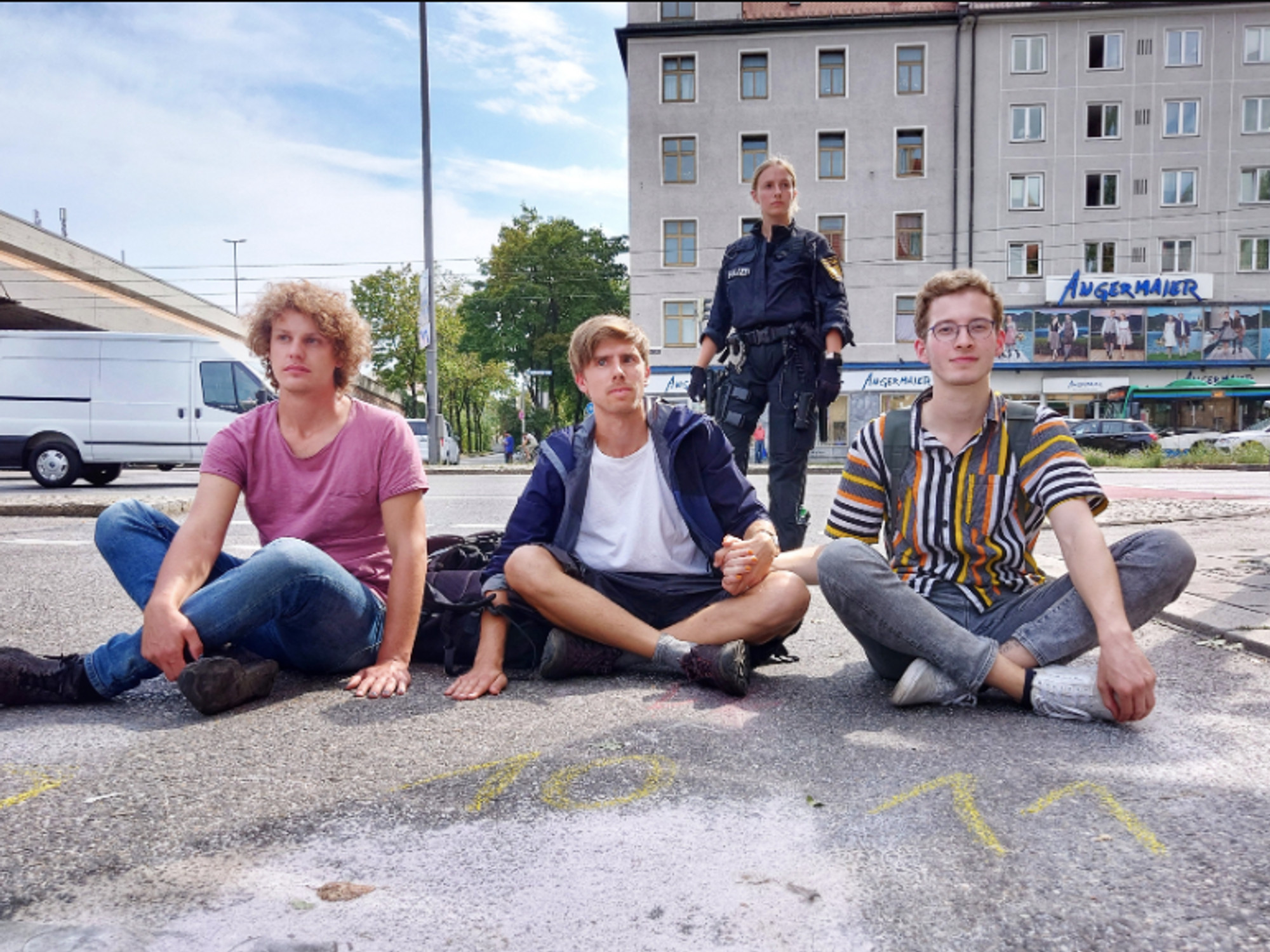
Would you fight for your country? My generation hears this question a lot these days. But my generation was taught to fight for peace — so why aren’t we holding onto that aim, especially now?
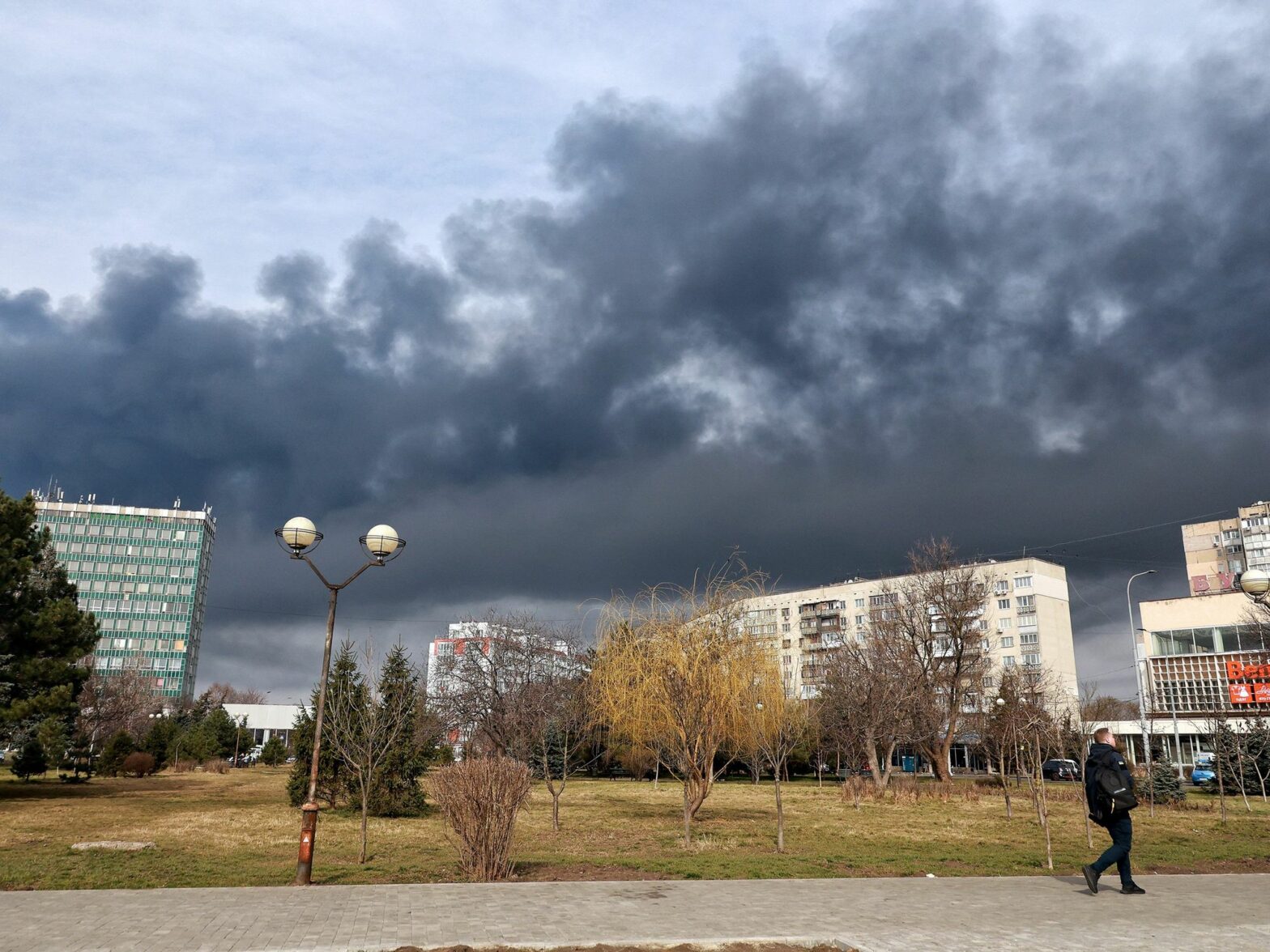
We’re still far from the 30-day ceasefire the Americans had hoped for. Even Tuesday’s announcement of a halt to hostilities in the Black Sea comes with Russian conditions. The negotiations are shaping up to be a long game — one that feels more like a high-stakes bluff than a real path to peace.
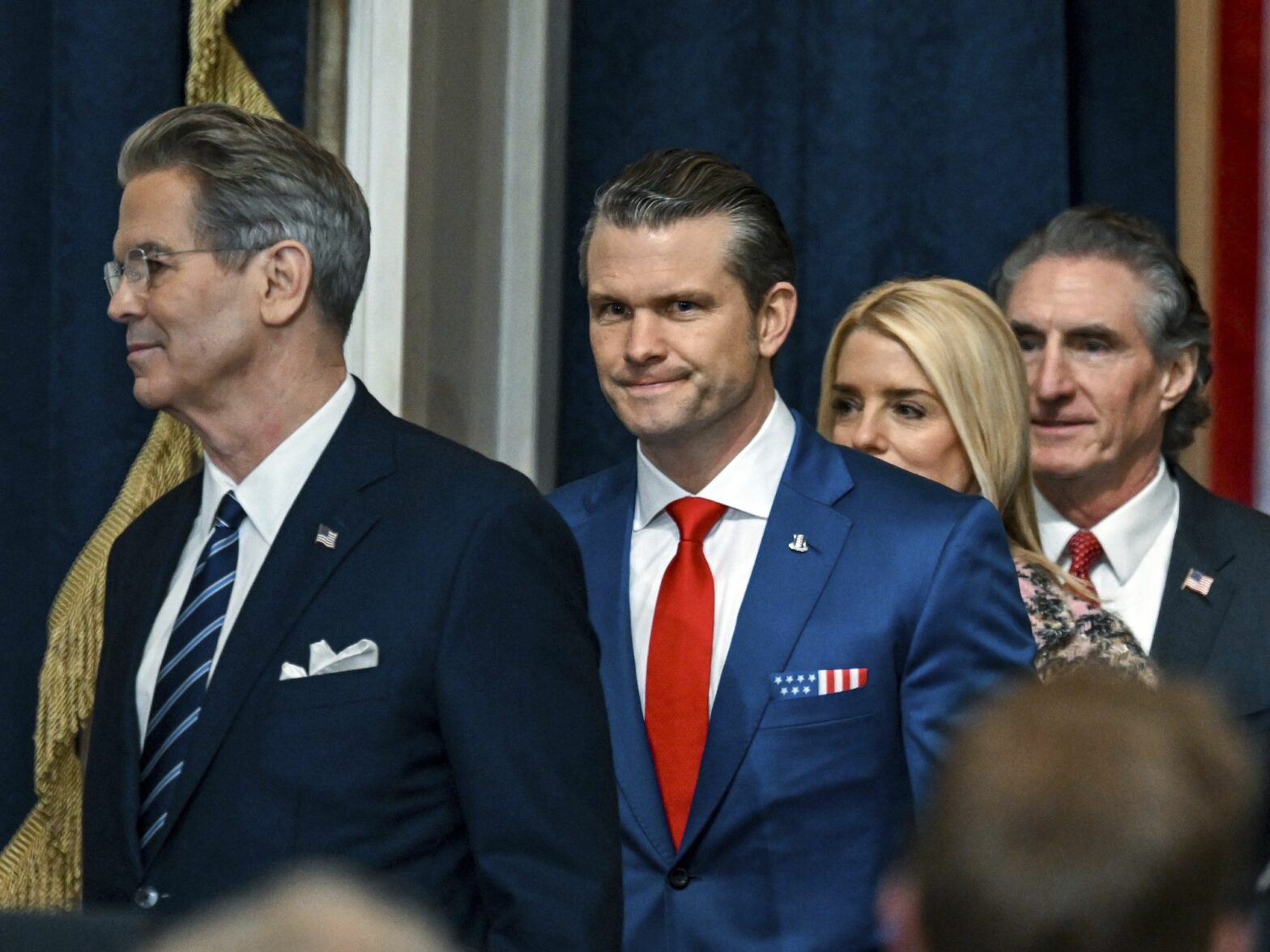
An exchange among U.S. leaders, witnessed online by a journalist, lays bare the level of disdain for Europe — just like Washington’s latest provocation toward Greenland. Europe has yet to come to terms with this de facto rupture in transatlantic relations.
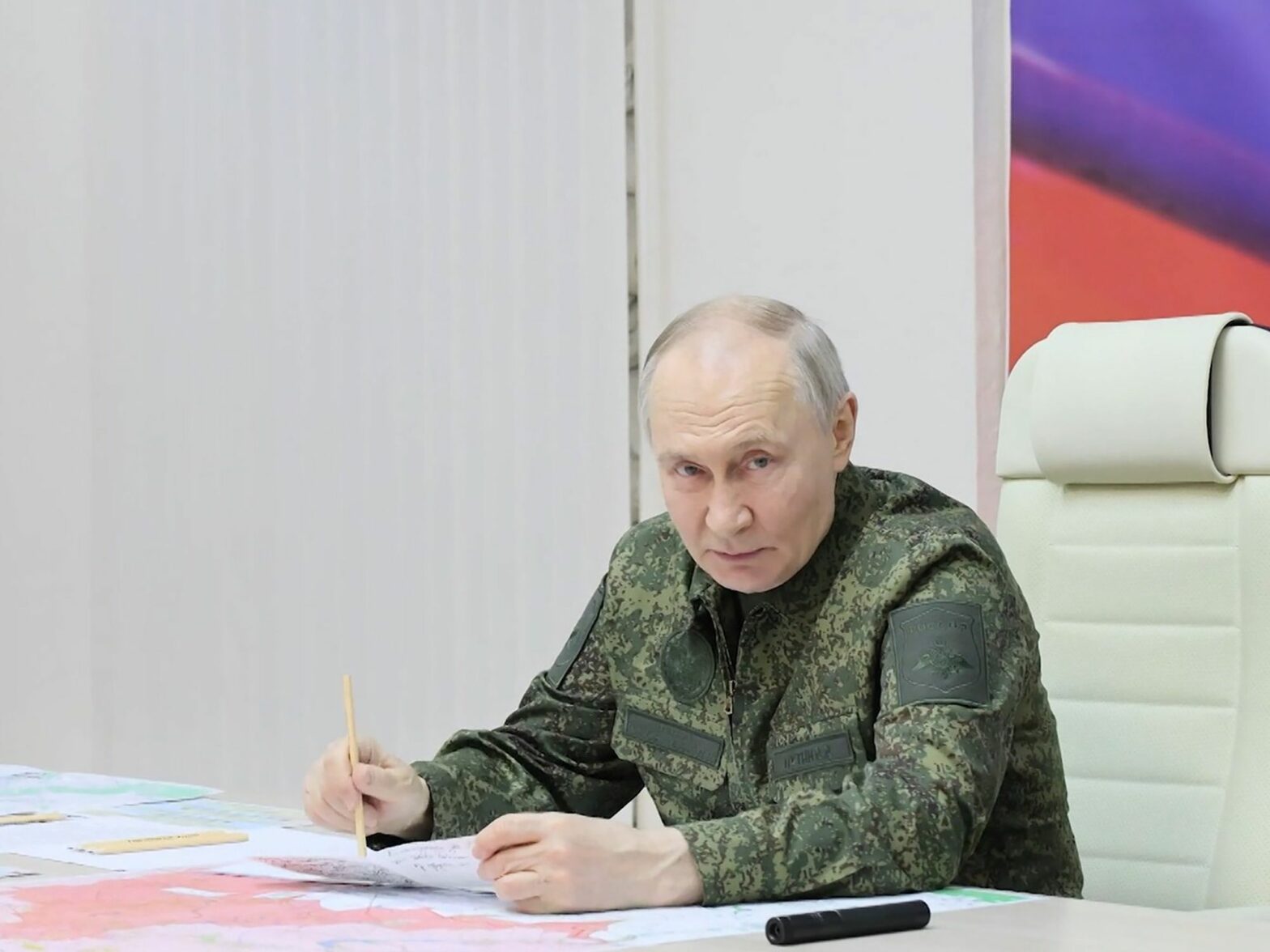
The Russian president has no problem talking about negotiations and peace treaties. But he’s a master decoy artist. Putin has built his power on conflict, and now he needs war to hold on to it.
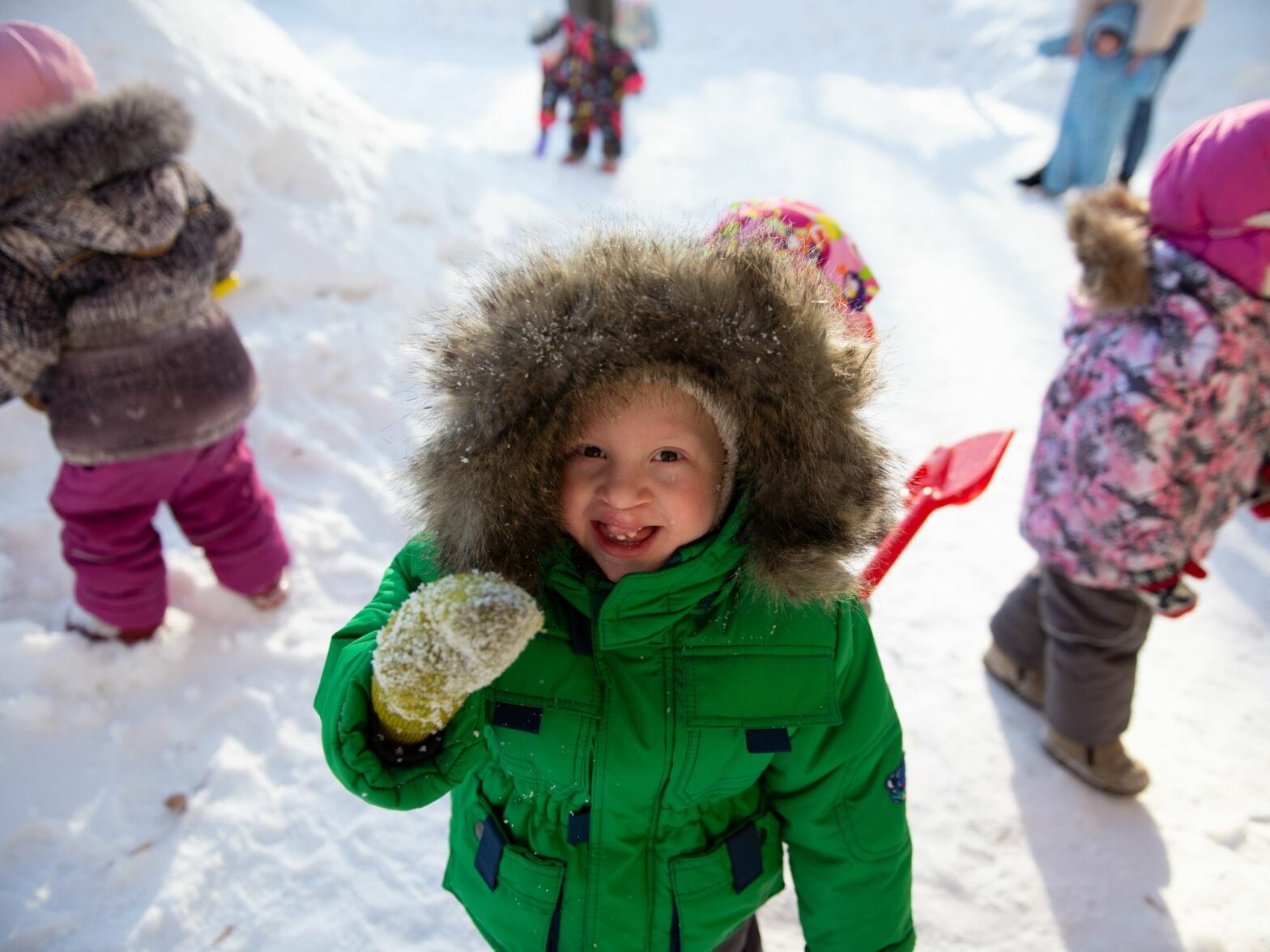
This past year, 2024, was the first where zero foreign adoptions from Russia were recorded, as Moscow has moved to clamp down on international placements.
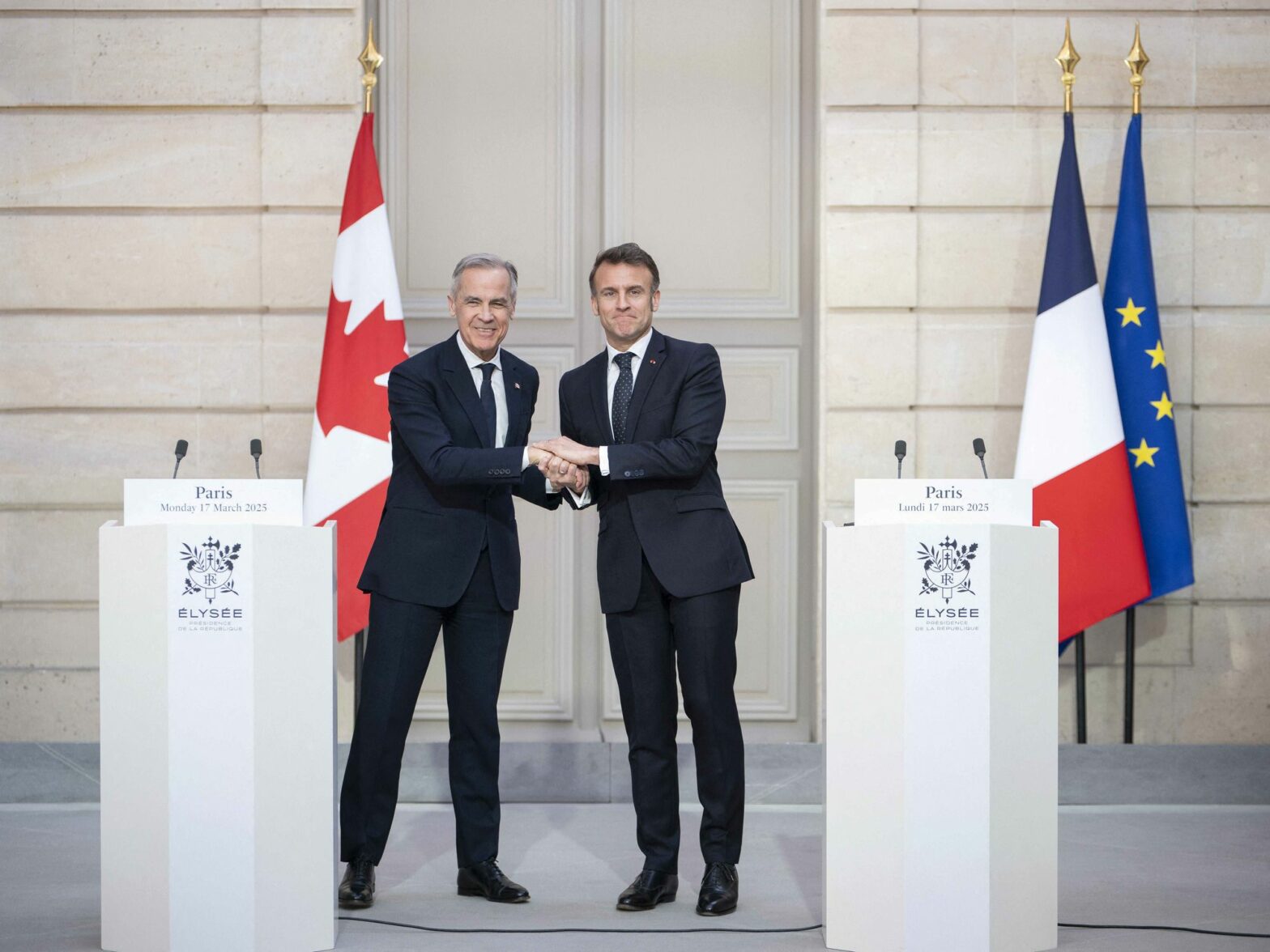
An international front is refusing to bow to the White House’s demands, and it’s the only way out of the crisis.

Europeans may see seizing Russian assets as a financial and moral boost, they should resist the idea to avoid a triple boomerang effect.
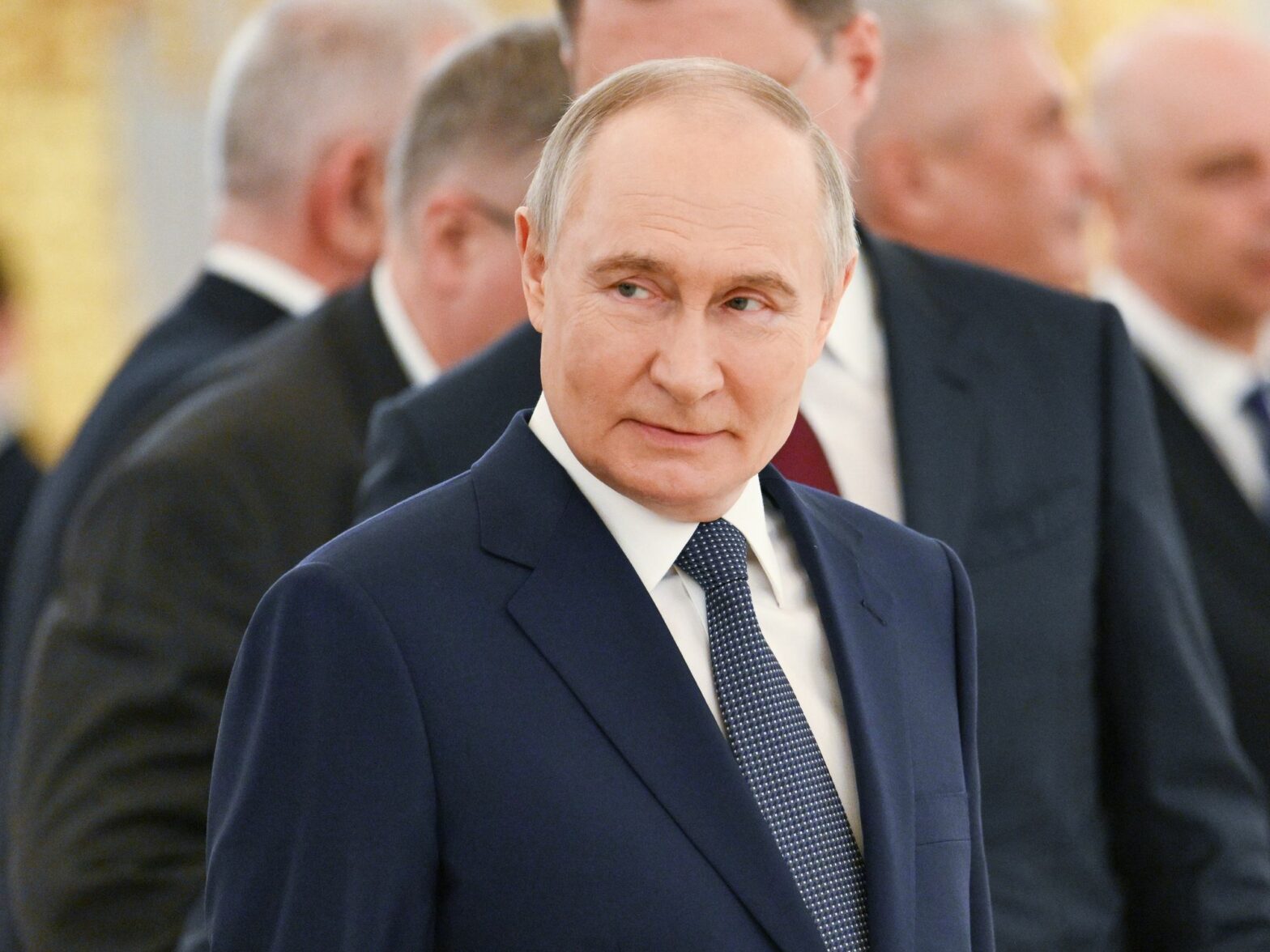
After more than two hours of talks with Trump, Putin agreed only to a partial truce on energy infrastructure and laid out his conditions for moving forward — chief among them, an end to Western aid for Ukraine. Who knows if Trump pushed back at all.
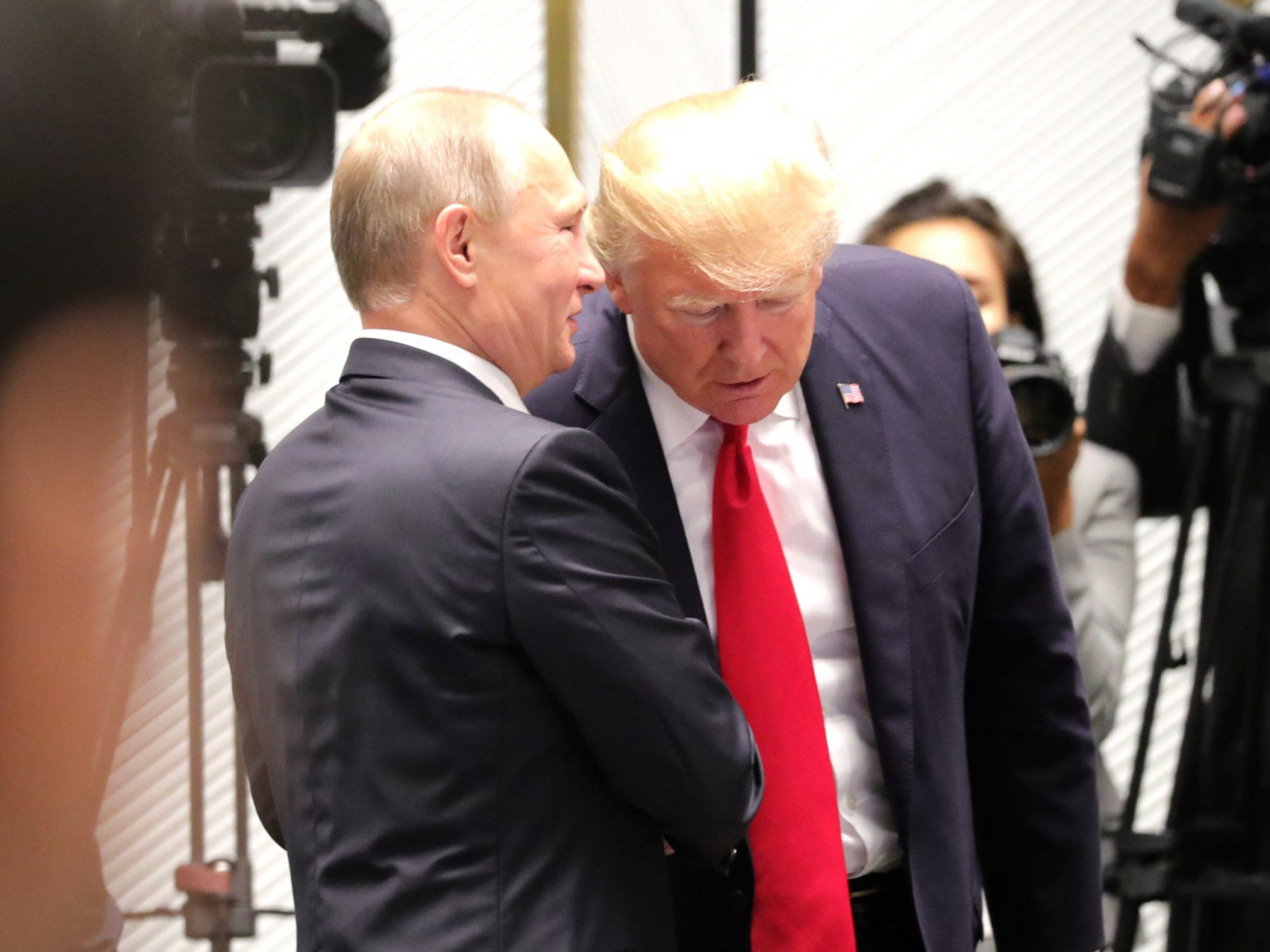
Donald Trump and Vladimir Putin discussed Ukraine and other international matters during a call on Tuesday. What do the two leaders have in common? A shared worldview alone no longer explains it.
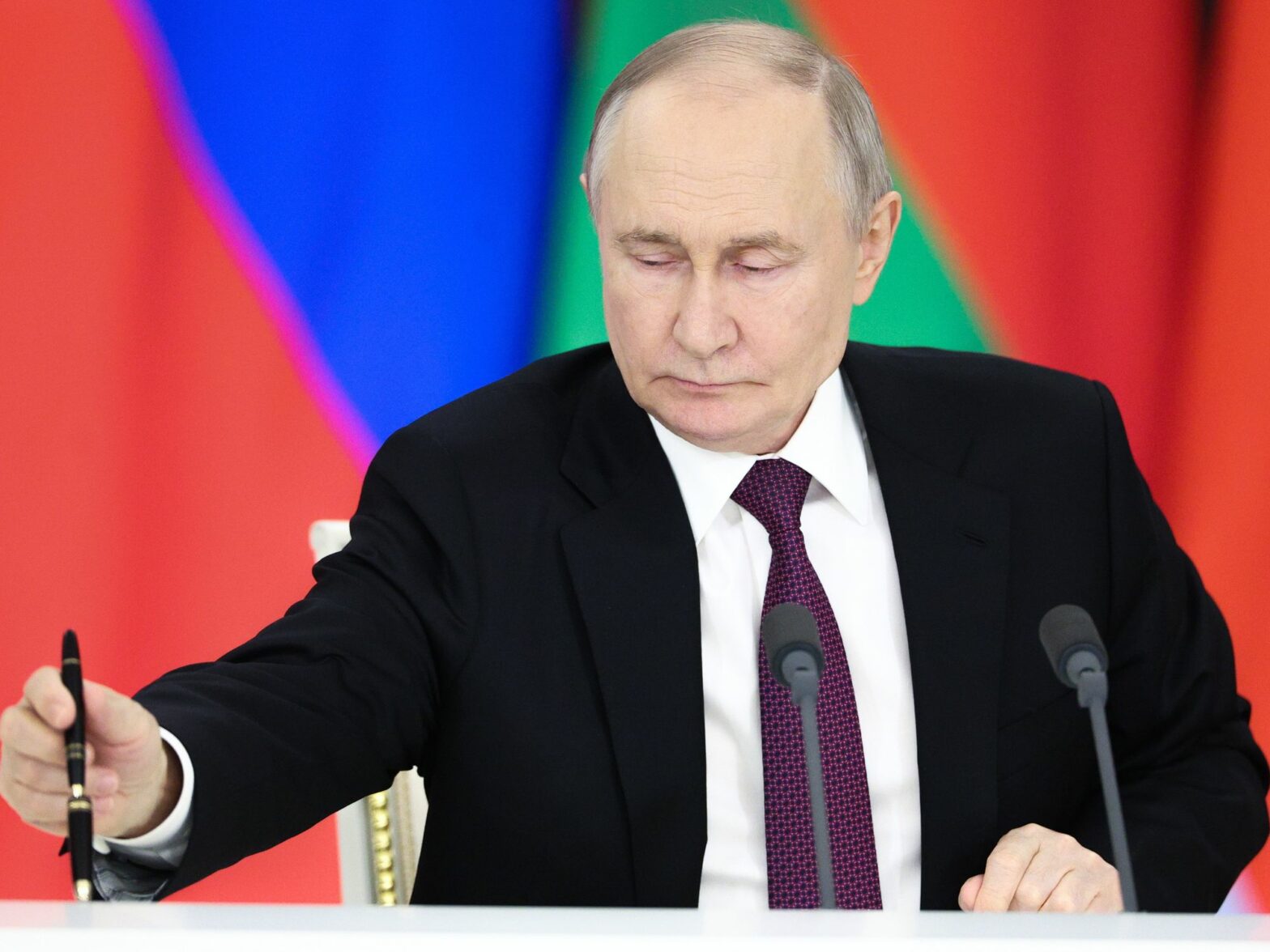
Zelensky immediately agreed to the 30-day ceasefire without conditions, but Putin took his time responding — essentially delivering a “no” to the U.S. proposal. Negotiations between Washington and Moscow are ongoing, but much hinges on Donald Trump’s mood.
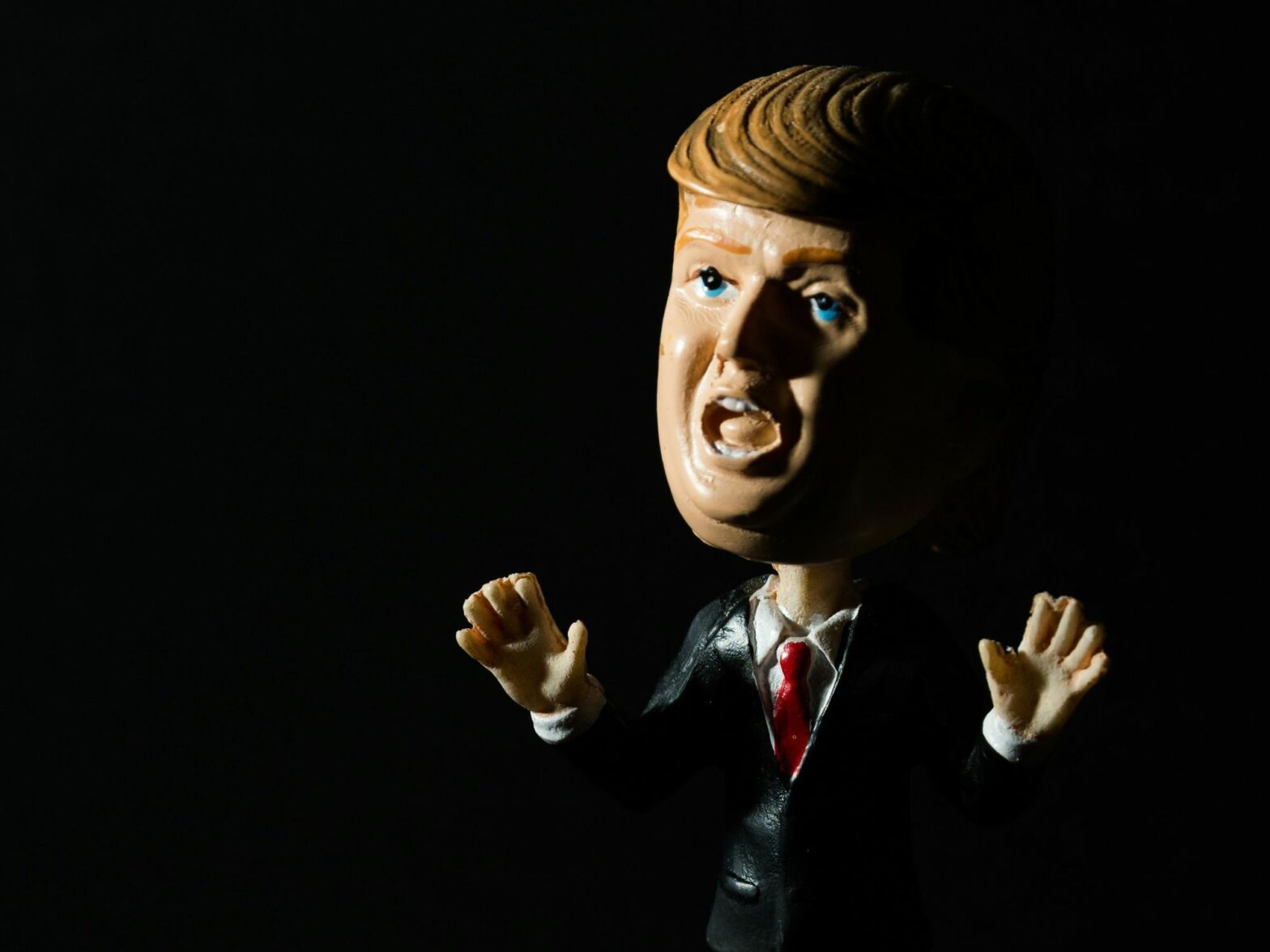
The global “disorder” didn’t start with Trump, but he has joined the ranks of those who oppose the existing world order. Now, it’s up to leaders and nations in Europe to rethink a new world order of values before one of pure power is imposed on them.
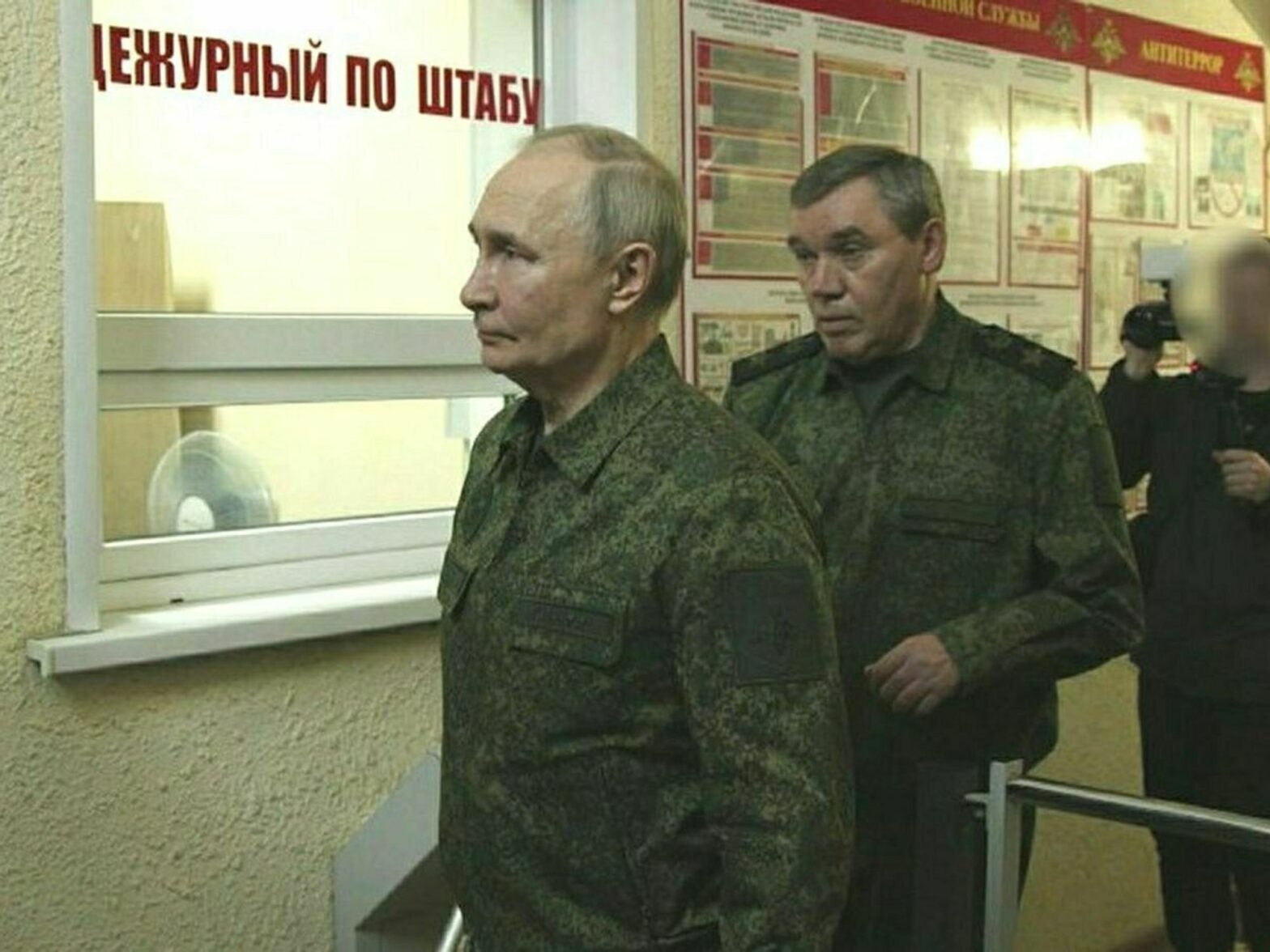
Russia announced that it has taken back Sudzha, the biggest town in Kursk, just hours after a surprise visit from the Russian president in the region and as a U.S. delegation arrives in Moscow to discuss a ceasefire proposal. All eyes are now on Putin.

Known in France and on social networks under several false identities, the daughter of a Russian millionaire was born in 2003 from an extramarital relationship with the Russian president, who never recognized her.
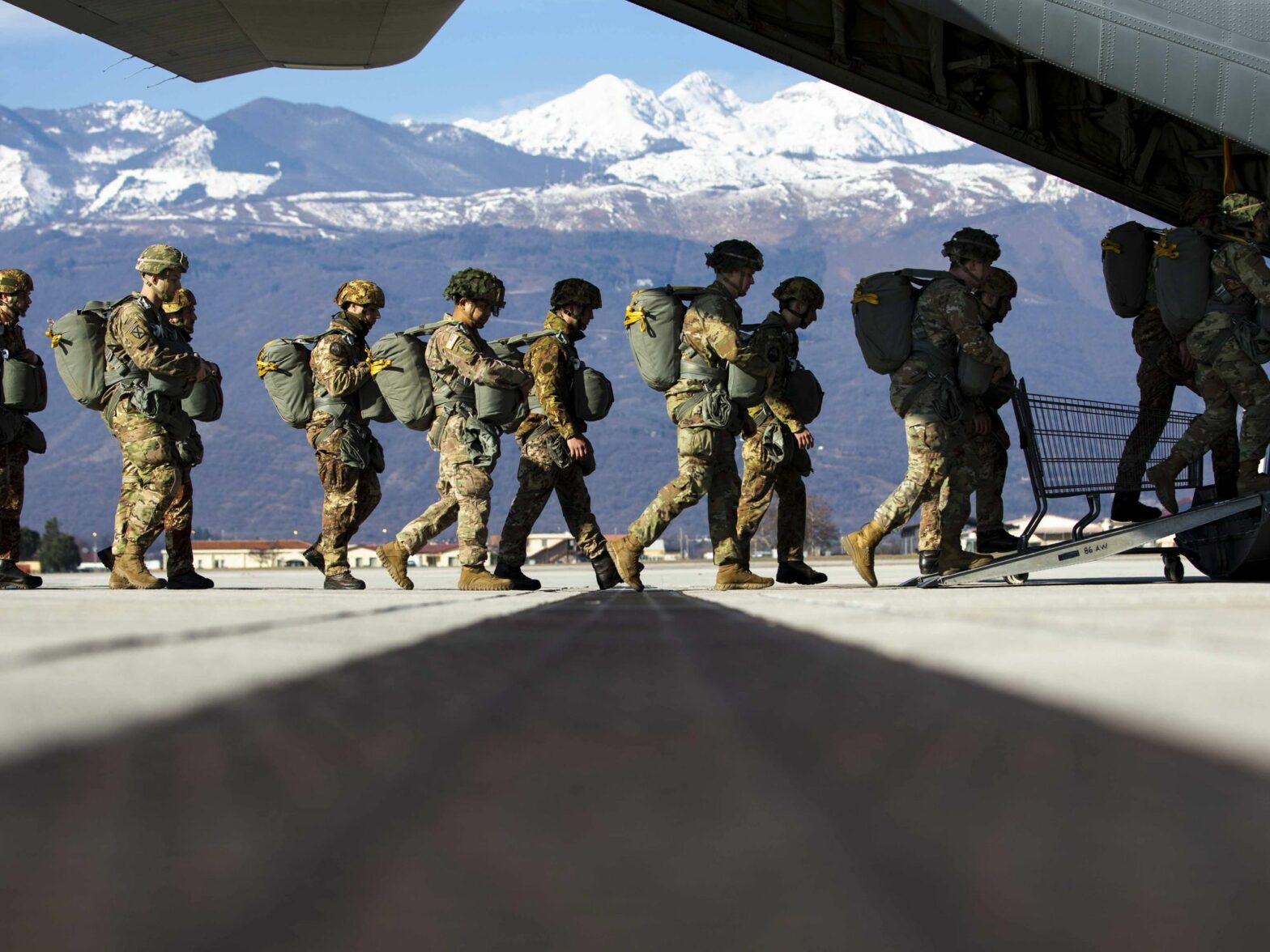
With Trump’s White House warming to Putin on international matters, Europe must rethink its military independence — and that may mean closing the many U.S. bases on its soil before they become threats rather than safeguards.
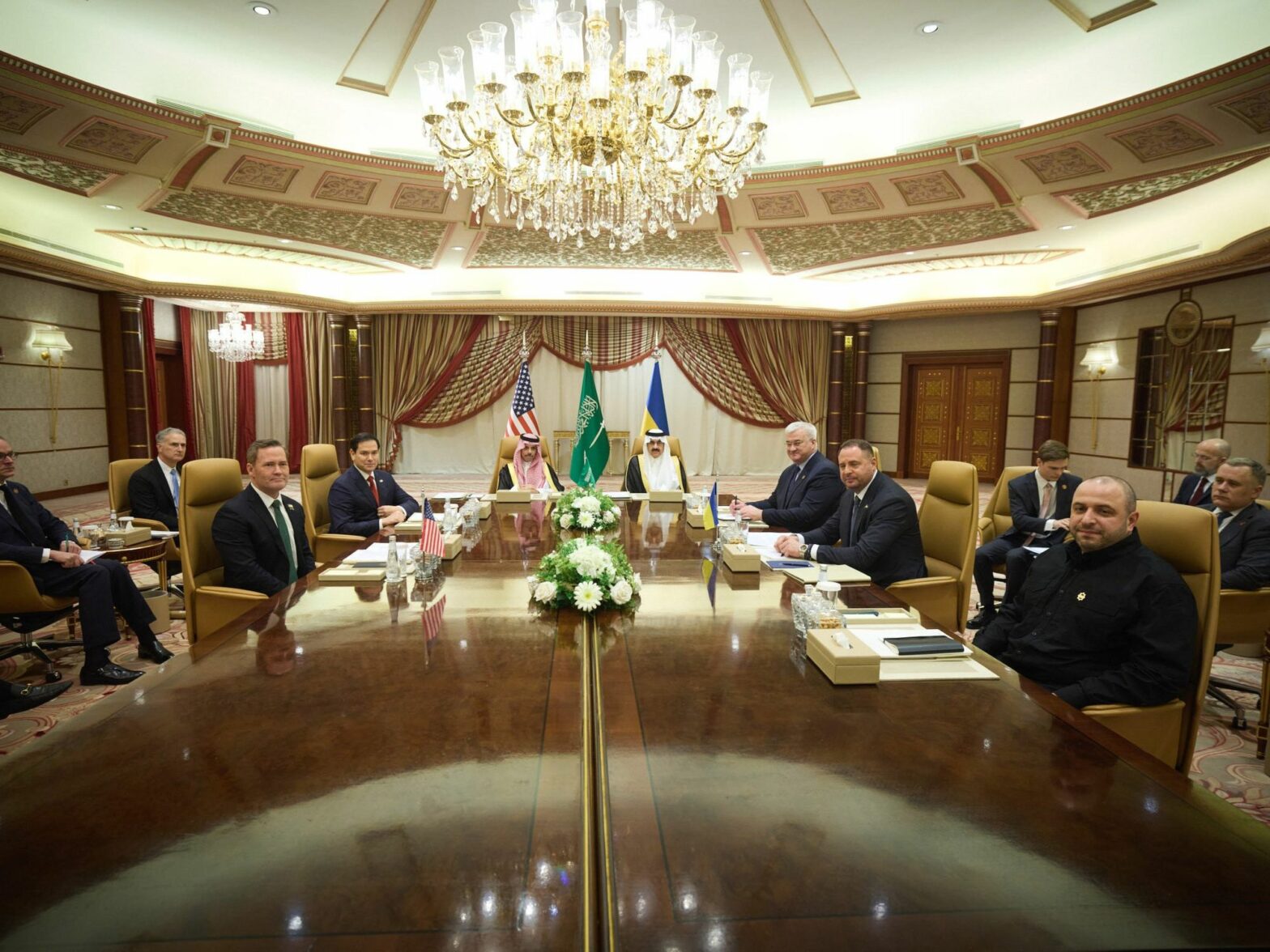
Ukraine secured the restoration of U.S. aid and agreed to a 30-day ceasefire. But the questions around Trump’s expectations of Putin leave the storyline suspended.
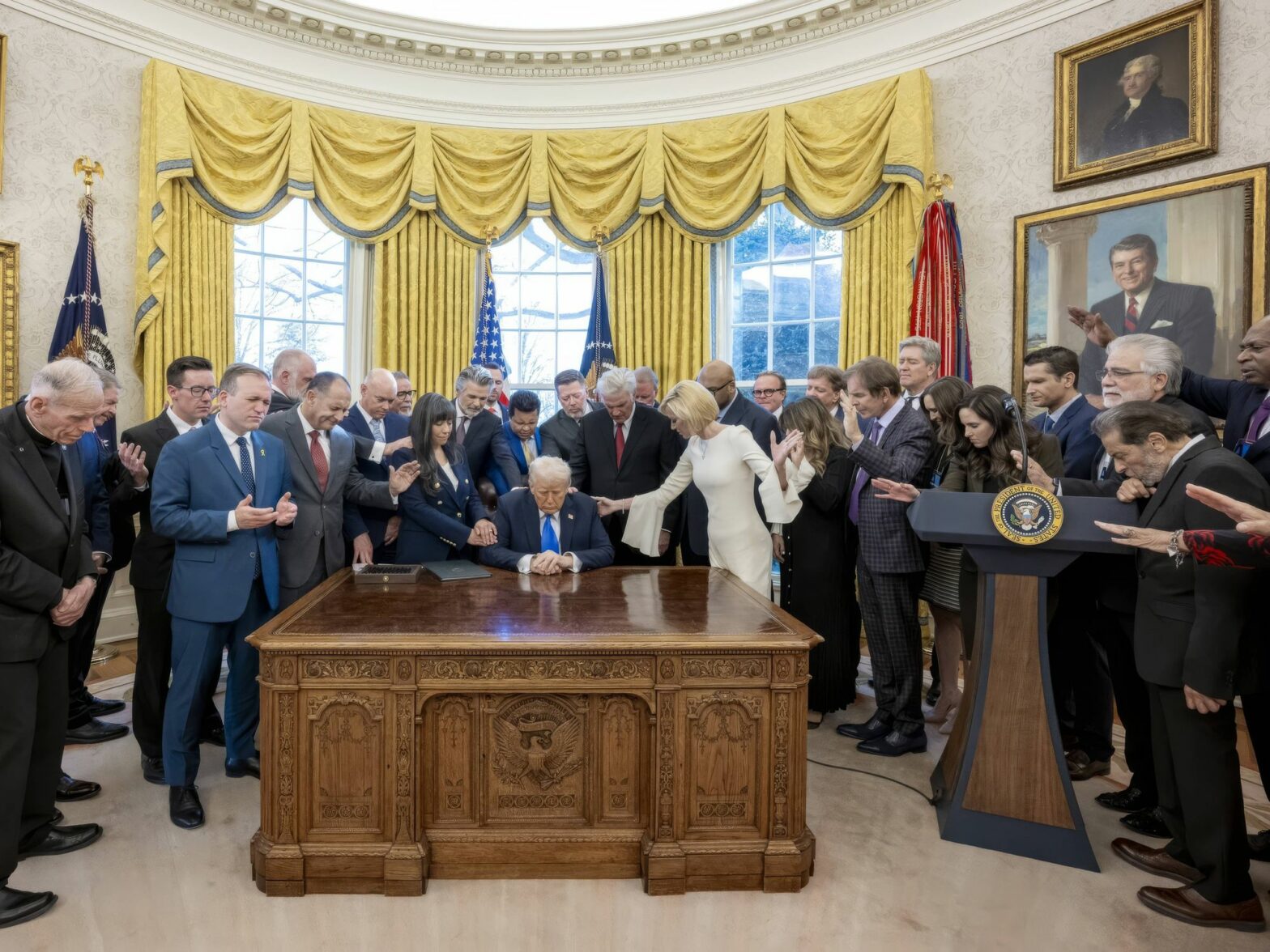
Following U.S. President Donald Trump’s creation of the White House Faith Office in early February, Loris Zanatta writes in Clarín that religious politics is already on the verge of becoming political religion, and the 2020s are starting to look an awful lot like the 1920s. And we know where that led.
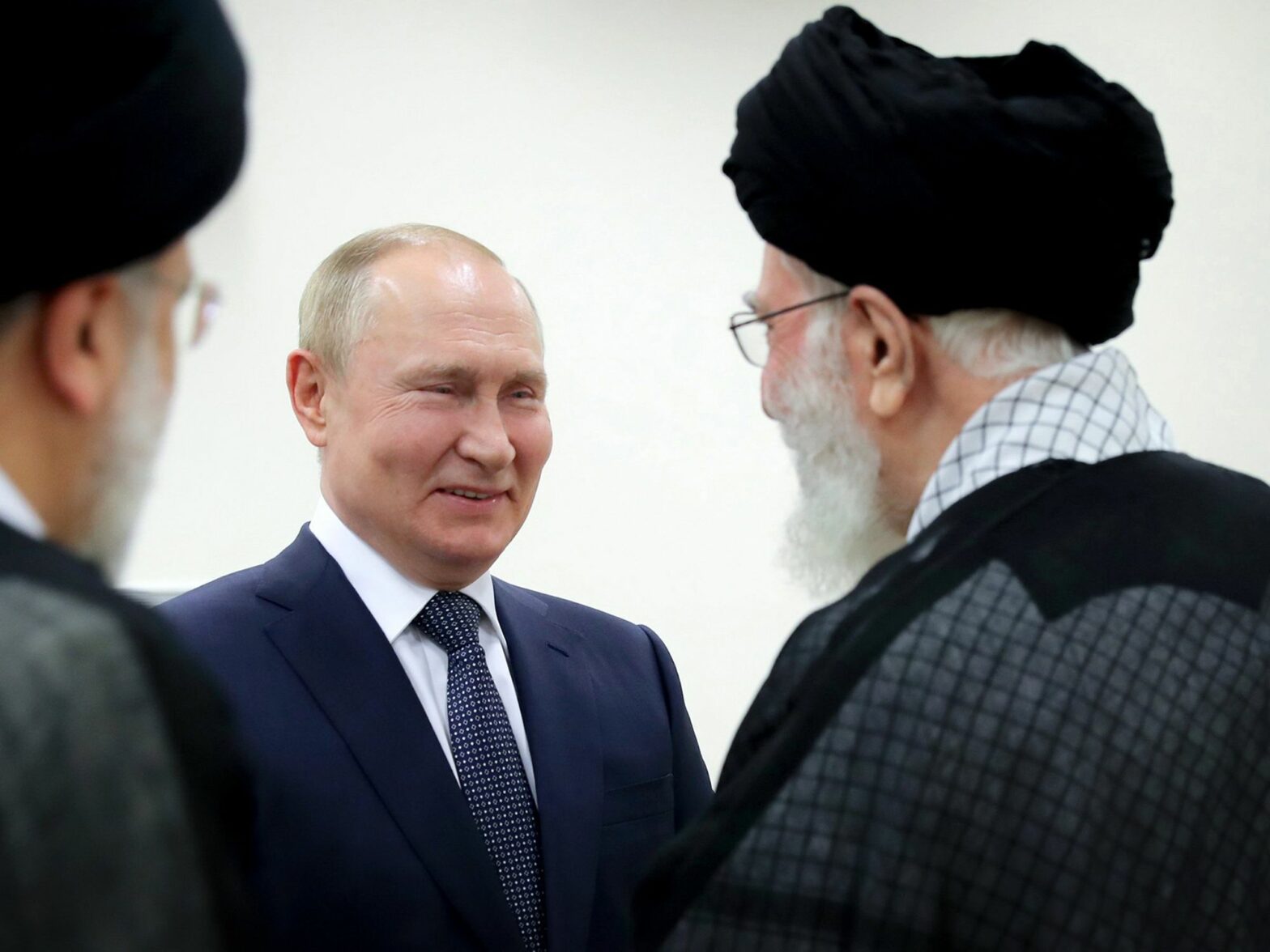
With Trump’s return to power, Russia is rapidly moving closer to the United States; Putin has even agreed to mediate talks between Washington and Tehran. But can Iran still trust Russia? Or is it, like Ukraine, just another bargaining chip?
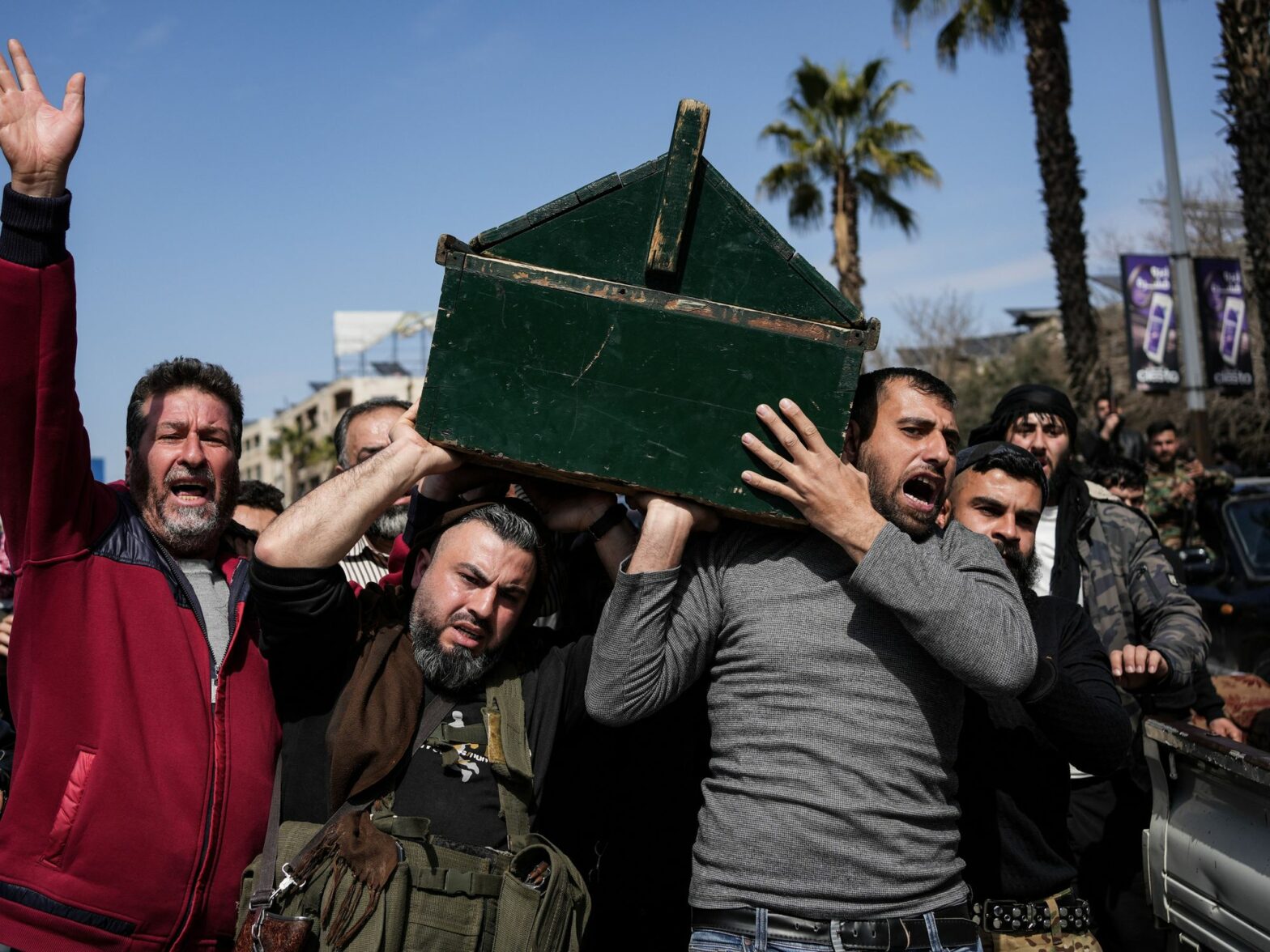
After an attack on soldiers by supporters of the former Assad regime, a wave of violence has left more than 1,300 dead in the Alawite region, the Assad stronghold. The transitional president is calling for unity, but he must reassure minorities and rein in his more radical supporters.
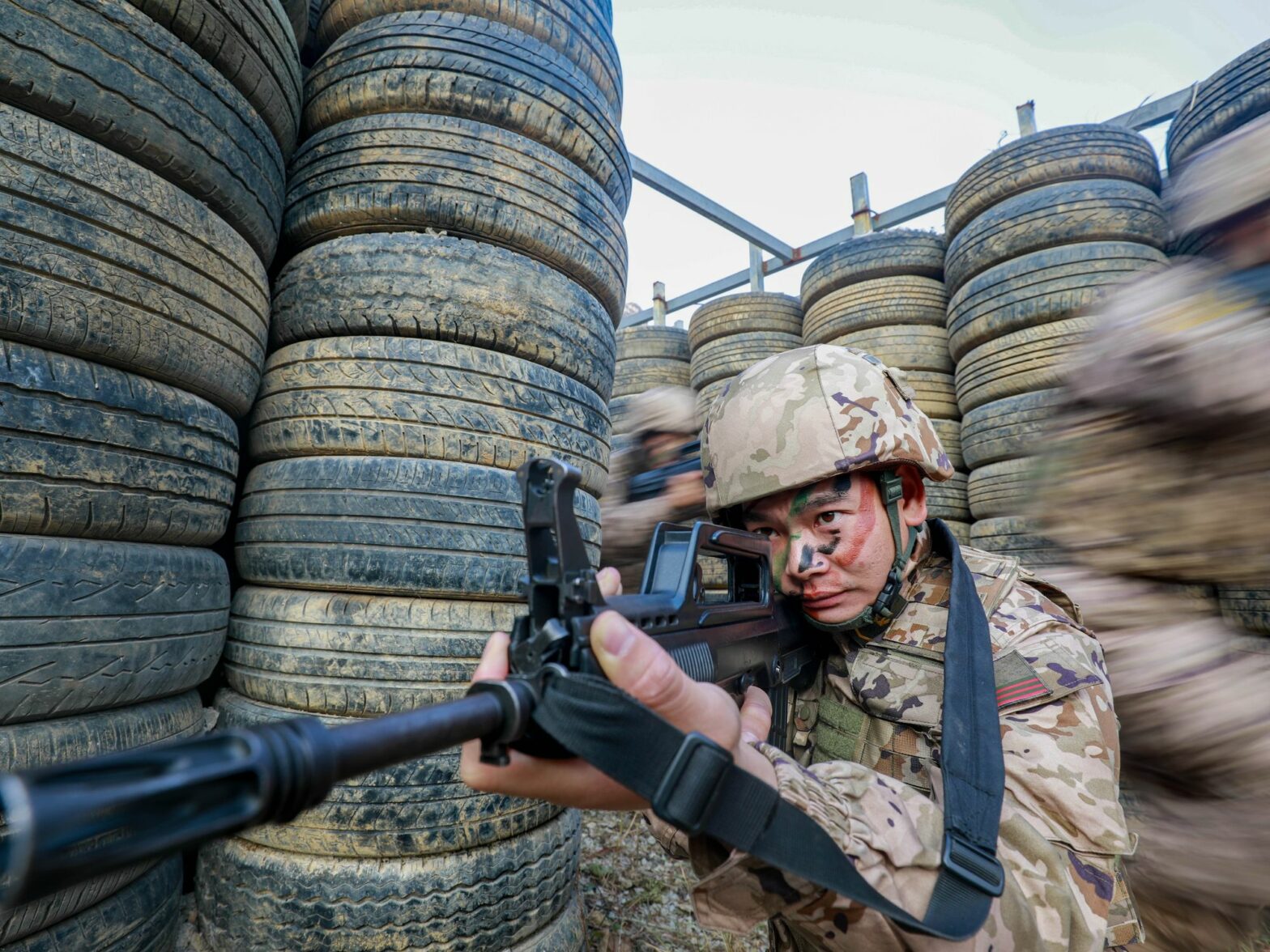
The new U.S. tariffs on China have triggered a sharp response from Beijing. Both countries are convinced that a war between them is inevitable someday — and they’re preparing for it. While Europeans keep their eyes on Russia, Americans remain fixated on China’s rise.
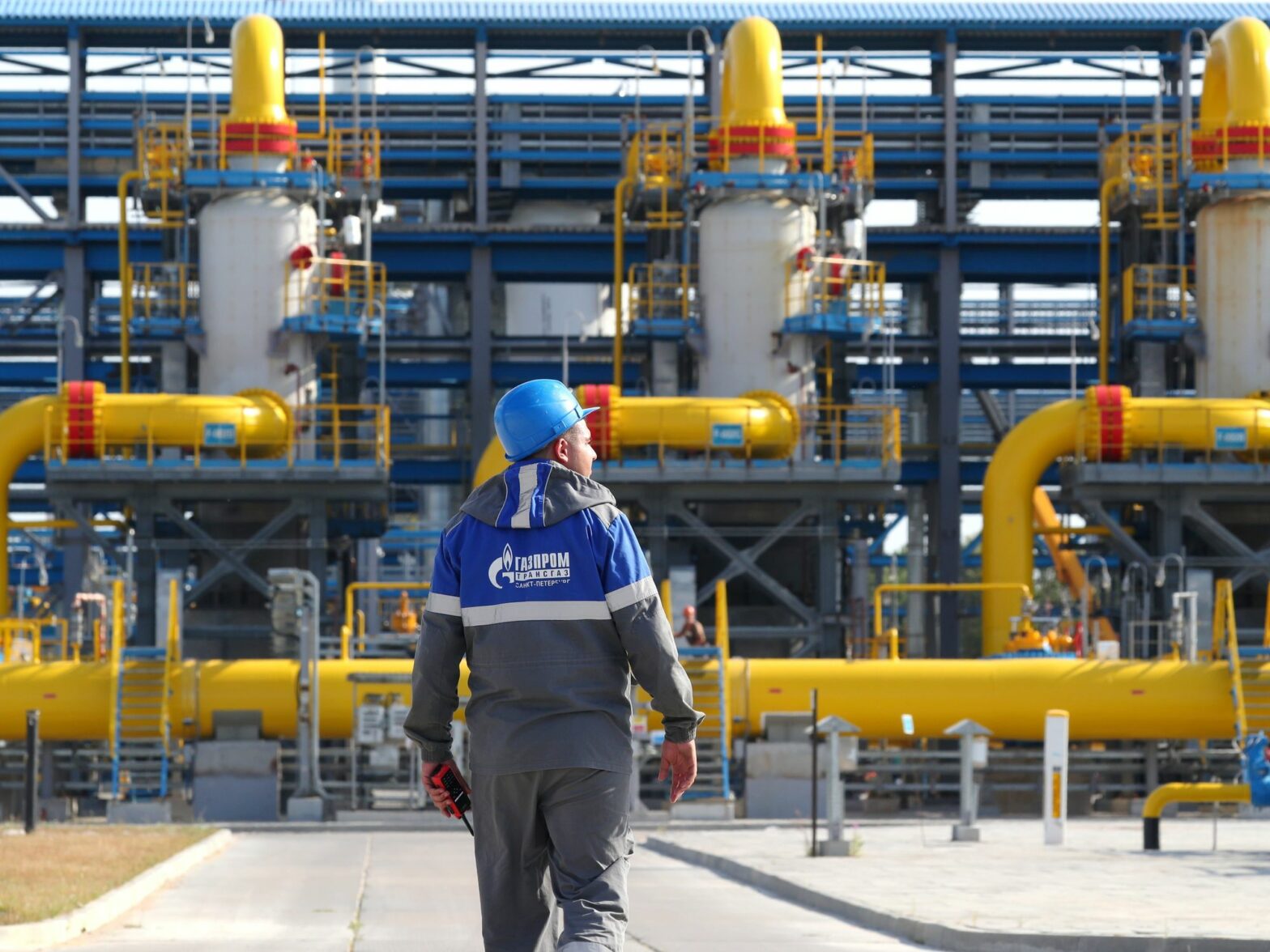
Unthinkable just a few months ago, the return of Russian gas to supply European countries is now being advocated by some on the continent. But the move faces both political and technical barriers, and its medium-term benefits are not clear.
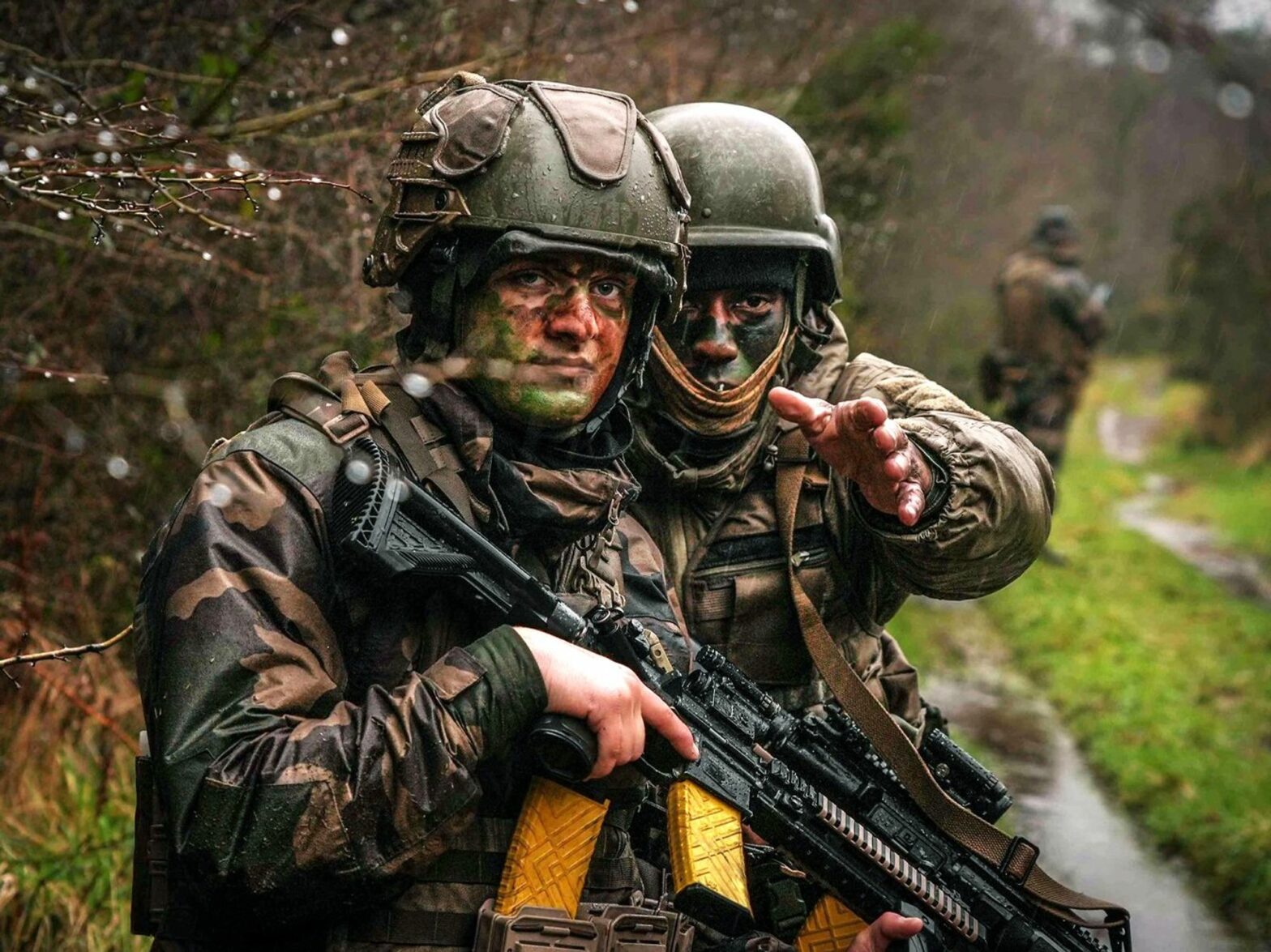
Now that the U.S. has relinquished its role as “leader of the free world,” Europe is on its own. But that doesn’t mean it’s out of options, writes former German diplomat and ambassador Hans-Dieter Heumann.
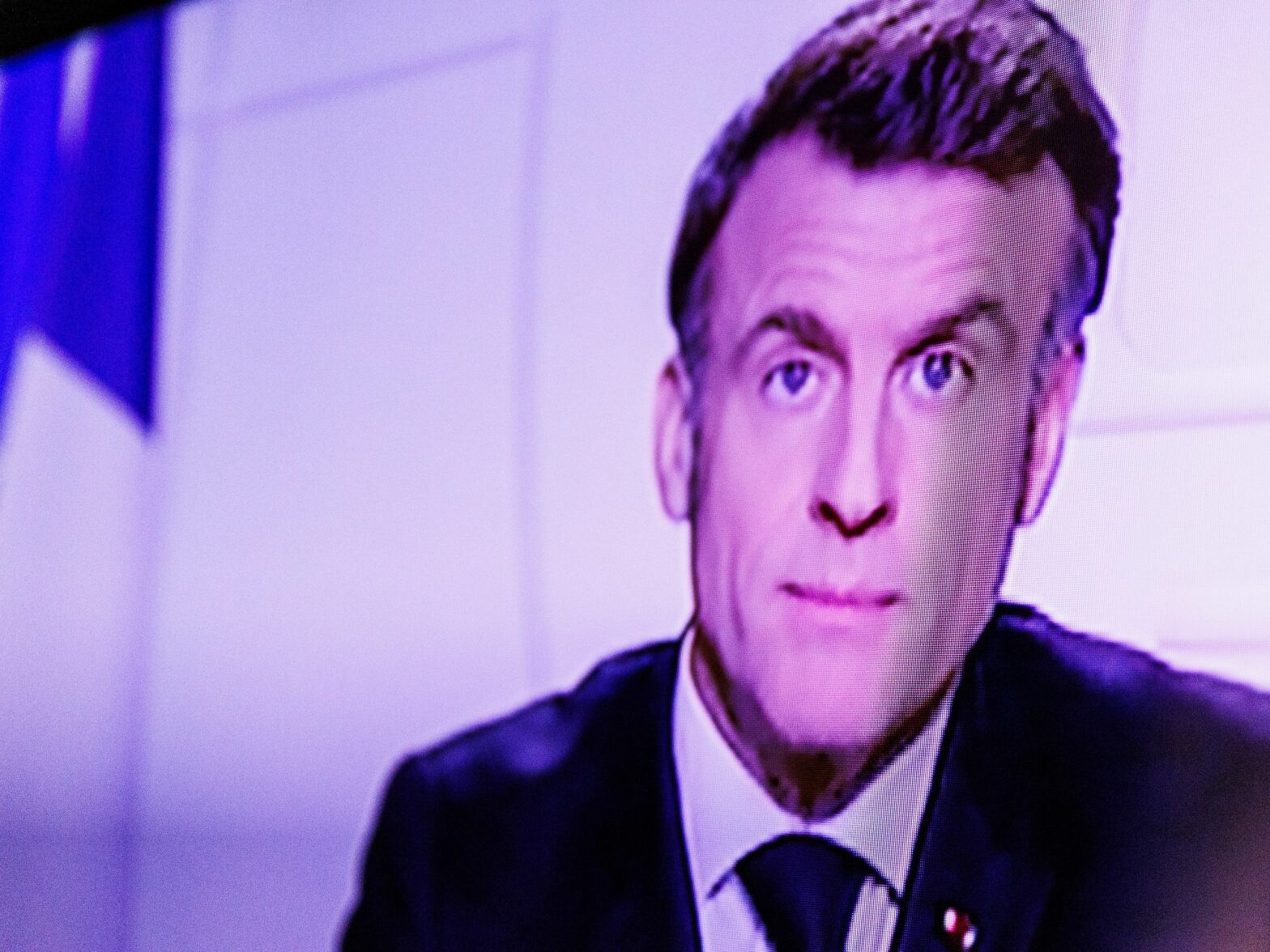
The French president defended Ukraine and called for an unprecedented effort to strengthen Europe’s defense in a speech aimed at rallying the French people. Yet he refrained from criticizing Donald Trump.
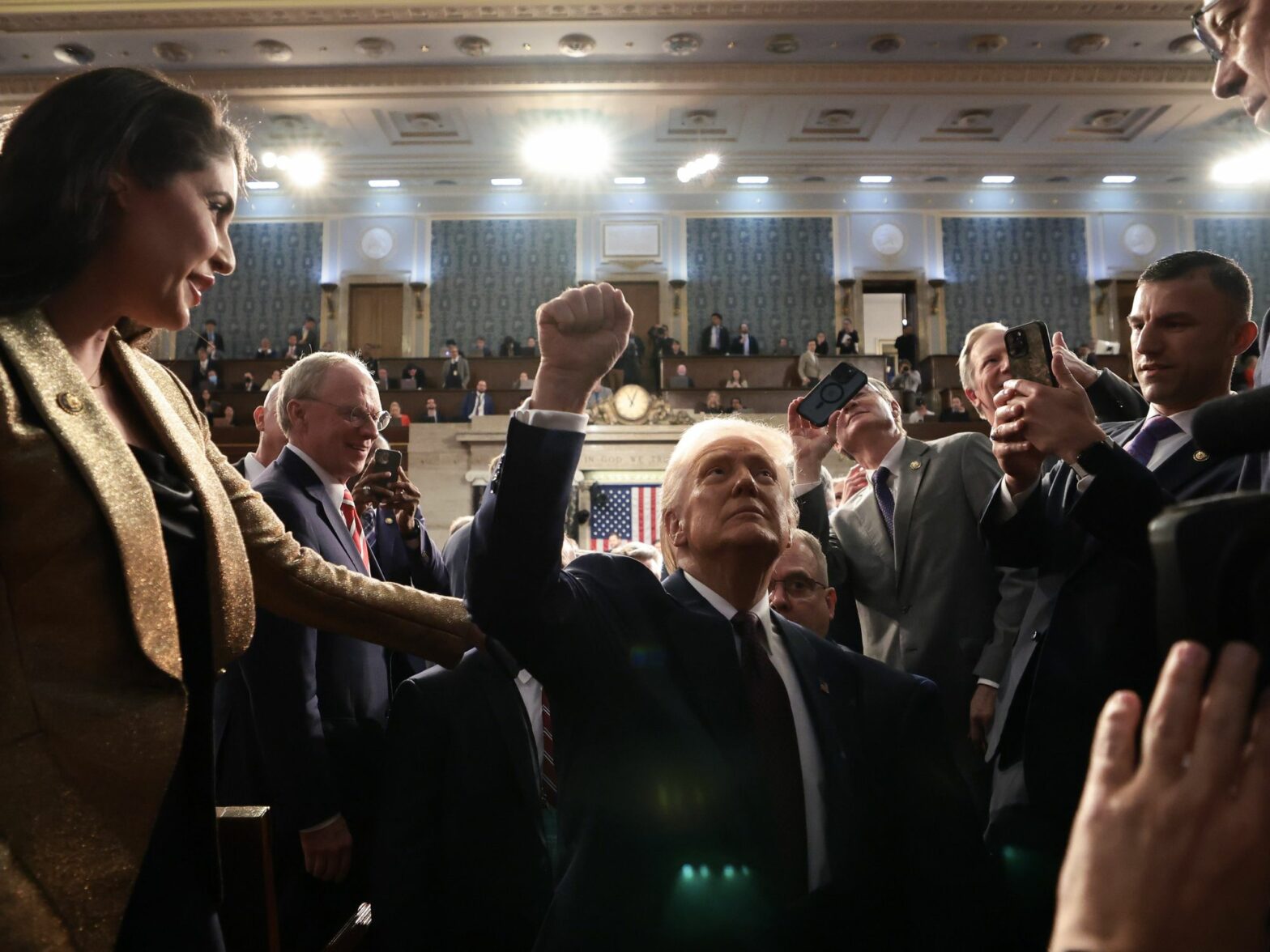
Who are the six people behind the decision to freeze military aid to Ukraine after the Oval Office clash with Volodymyr Zelensky? Their backgrounds are enough to raise concerns for Ukraine and Europe, which they see as relics of the past that need to be dismantled.
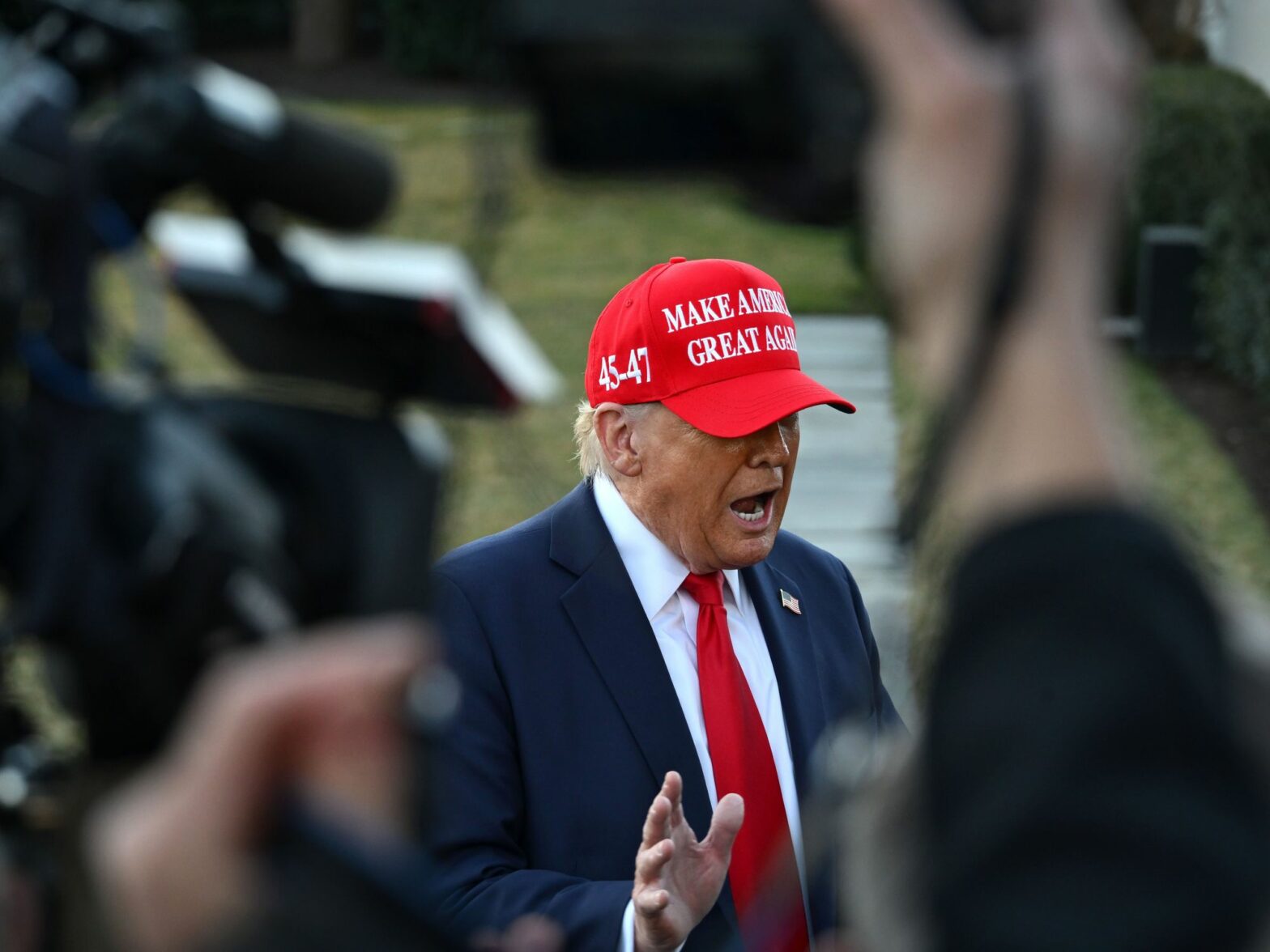
Ukrainians are still processing Friday’s meeting. Donald Trump speaks about Zelensky’s “cards.” It’s as if he doesn’t realize what a war is.
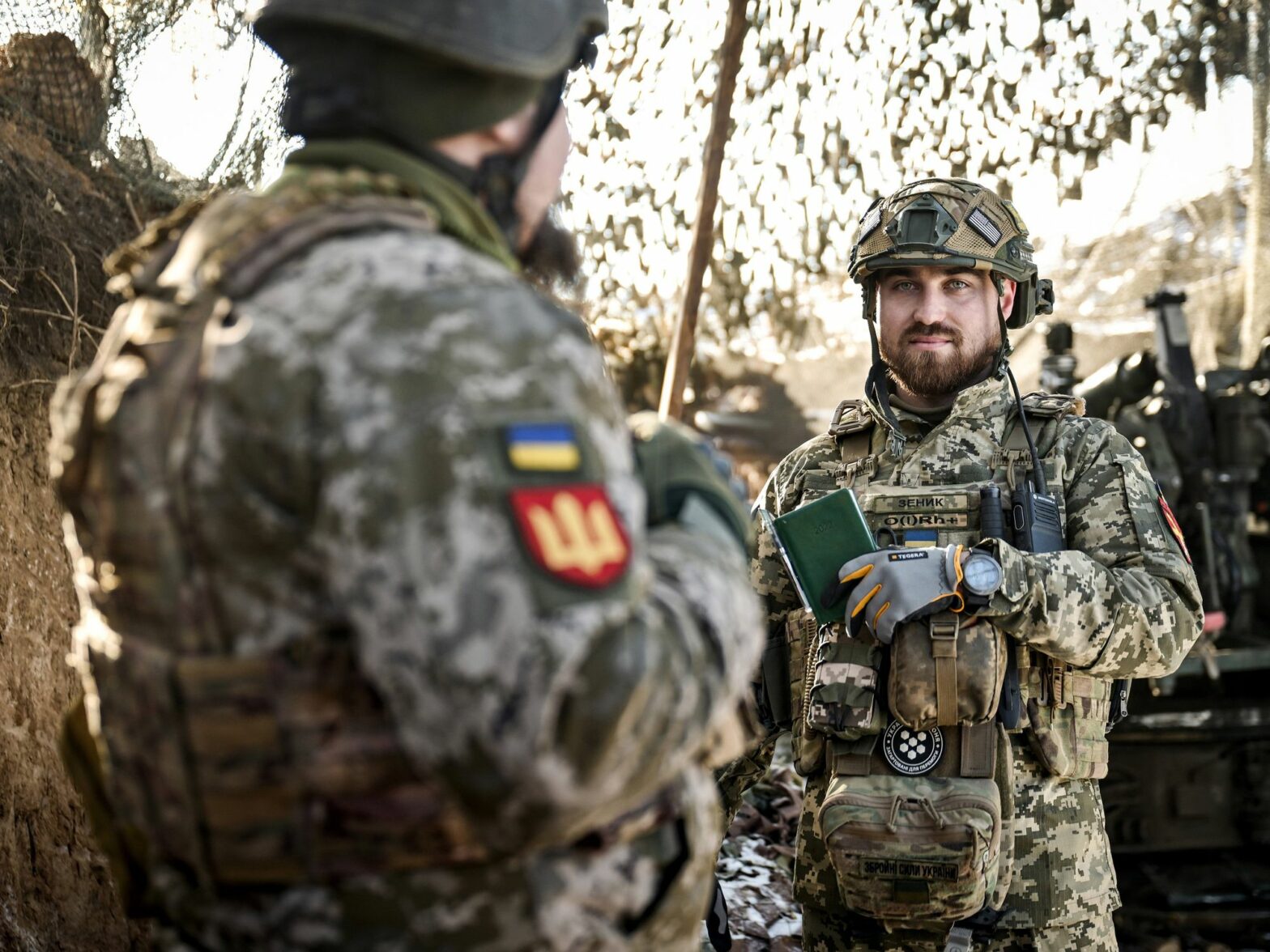
Donald Trump has suspended U.S. military aid to Ukraine until Volodymyr Zelensky demonstrates “good faith” in negotiating with Vladimir Putin. It’s an unprecedented move with an interesting parallel with what’s happening with Israel, where the U.S. Secretary of State Marco Rubio has expedited the delivery of $4 billion in military aid.
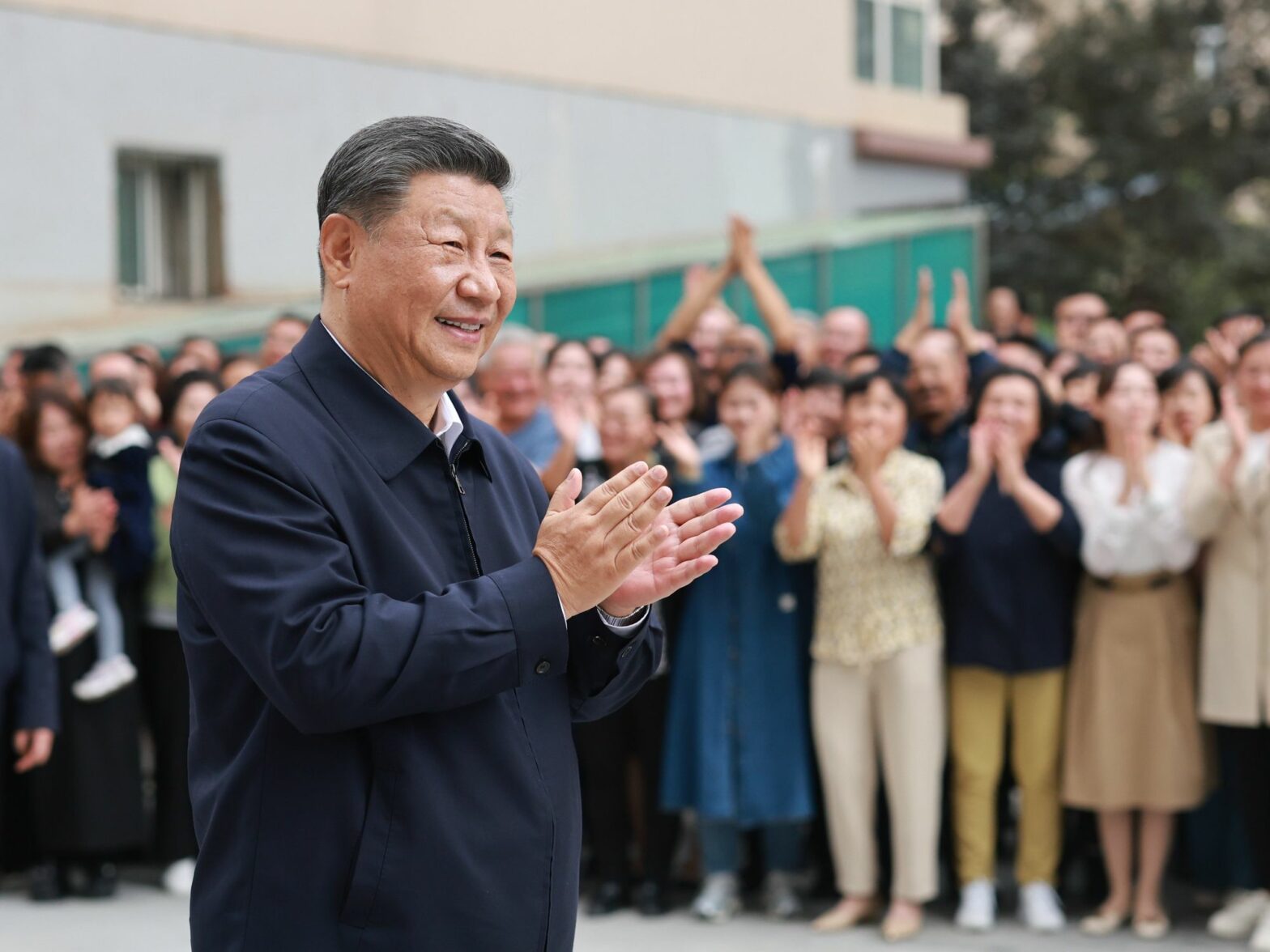
China continues to rack up diplomatic points for its largely hands-off approach to the war in Ukraine, but the “grotesque” spectacle of Trump publicly abandoning a U.S. ally in need is the ideal symbol for Beijing’s message for the rest of the world about America’s would-be leadership.