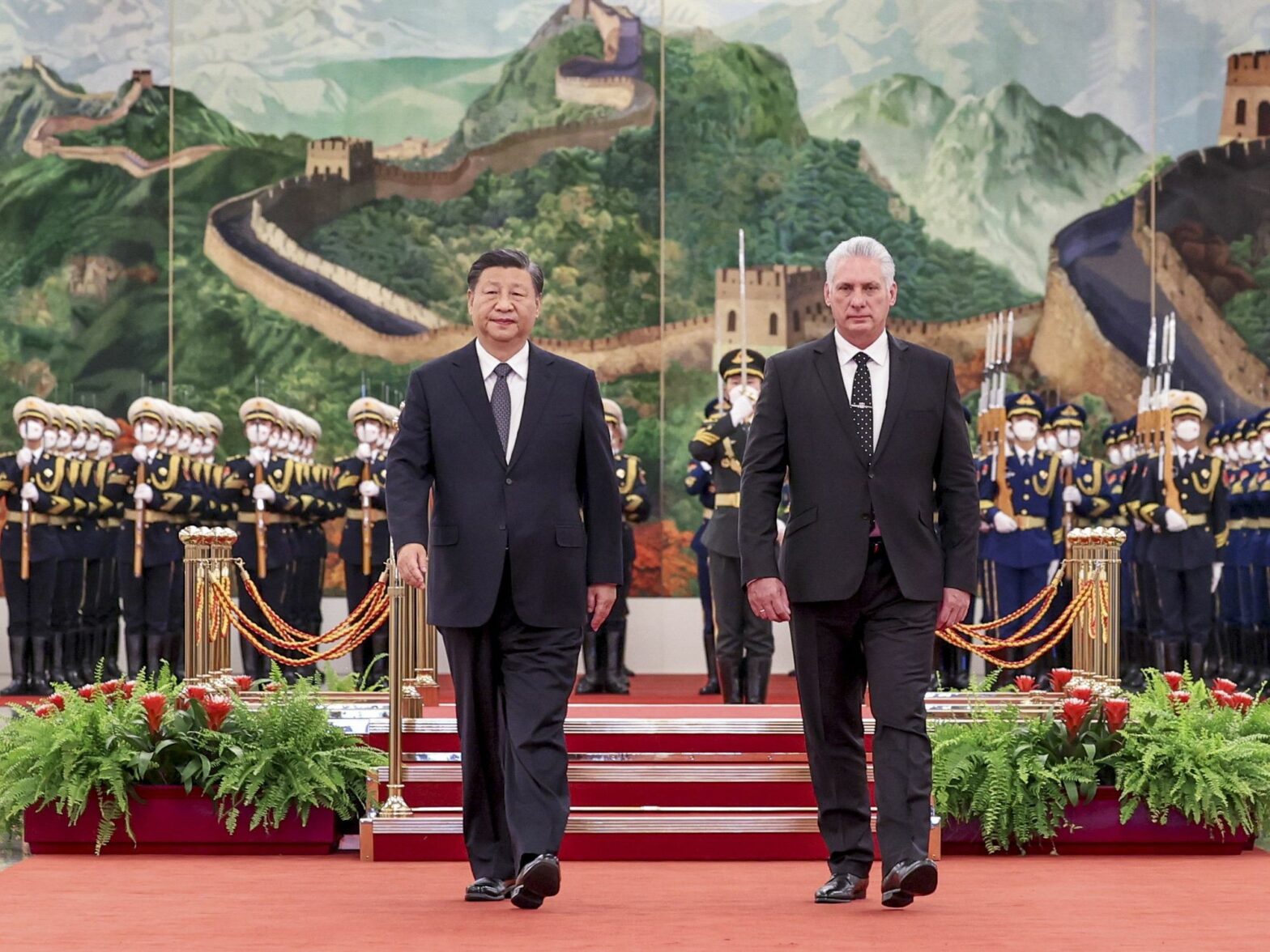
In another sign of changing power relations in the ‘post-Western’ world, the BRICS group of emerging economies could frustrate the United States’ bid to sink communism in Cuba by strangling its economy.
 Worldcrunch
Stay updated with comprehensive news on Iran from Worldcrunch. Discover insights on Iranian politics, economic strategies, societal issues, and cultural landmarks with translations from top international sources. Highlights include Tehran, Iranian history, and cultural events.
In another sign of changing power relations in the ‘post-Western’ world, the BRICS group of emerging economies could frustrate the United States’ bid to sink communism in Cuba by strangling its economy.
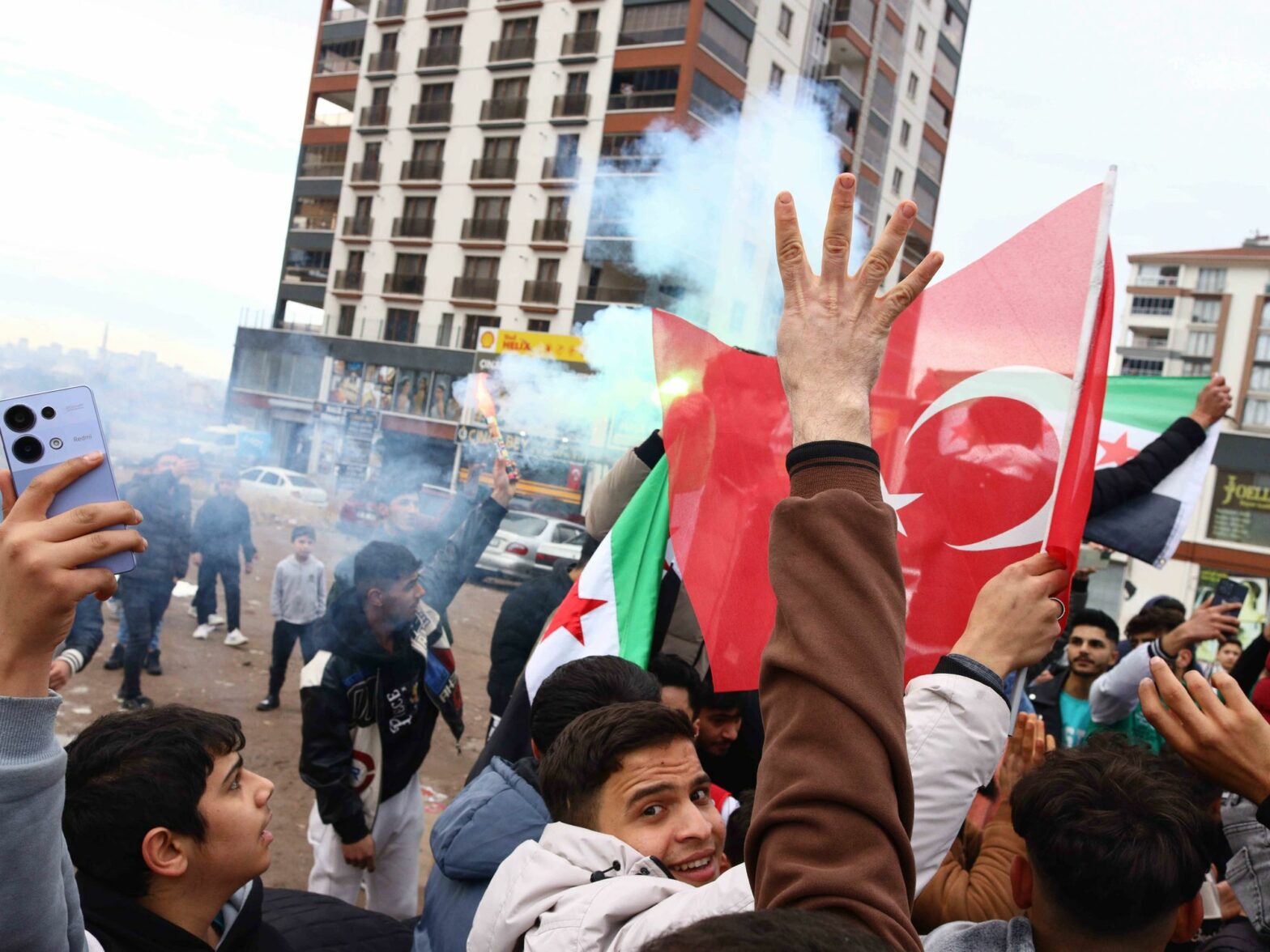
Regime change in Syria is a big point Turkey has scored against its regional rival the Islamic Republic of Iran, which may soon be pushed out of another crucial sector, trade and transportation in the Caucasus, Shahram Sabzevari writes in Kayhan-London.
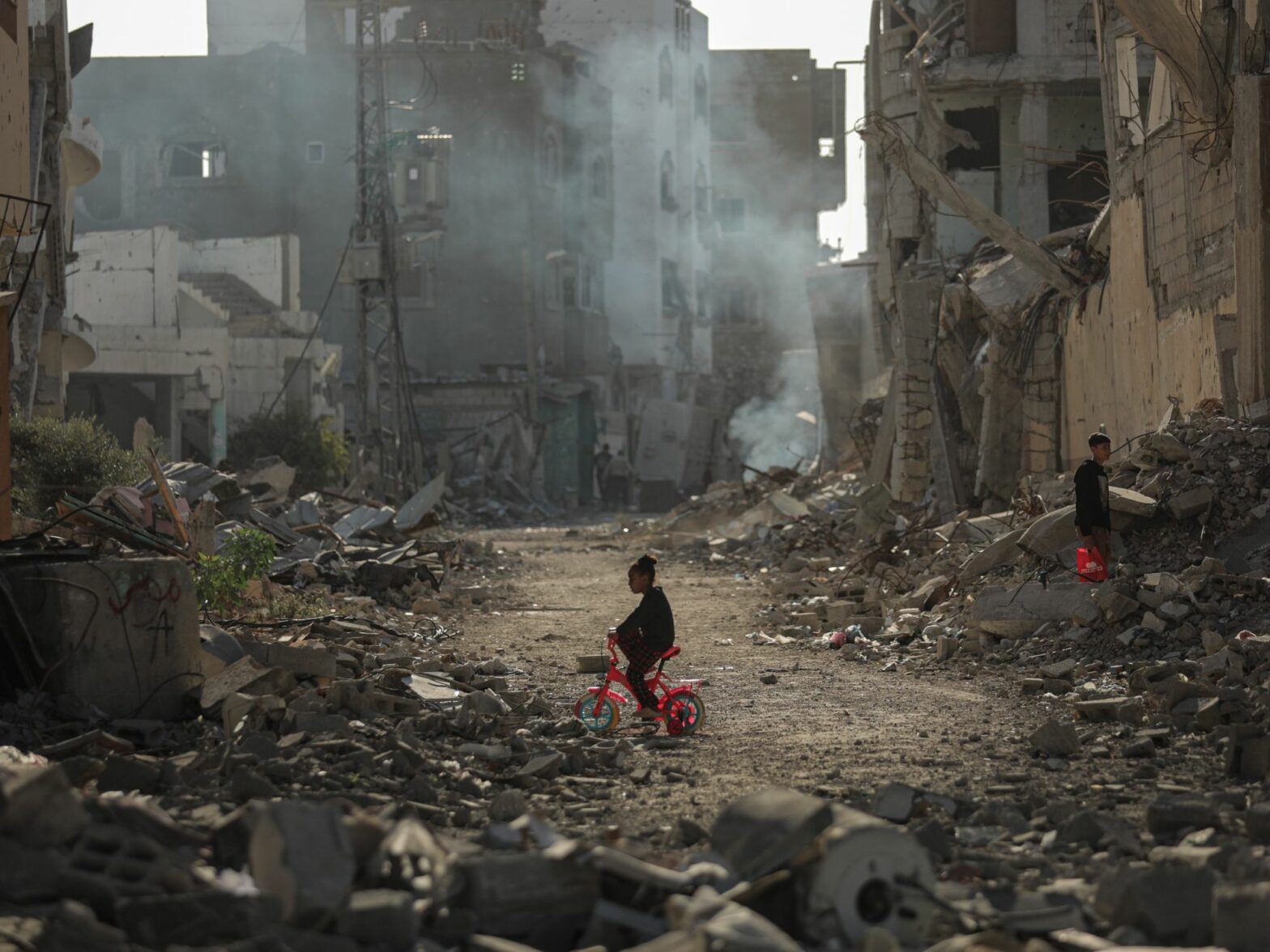
The joys of victory, the tears of defeat, all the while ignoring the Zionist deterrent known as “peace.”
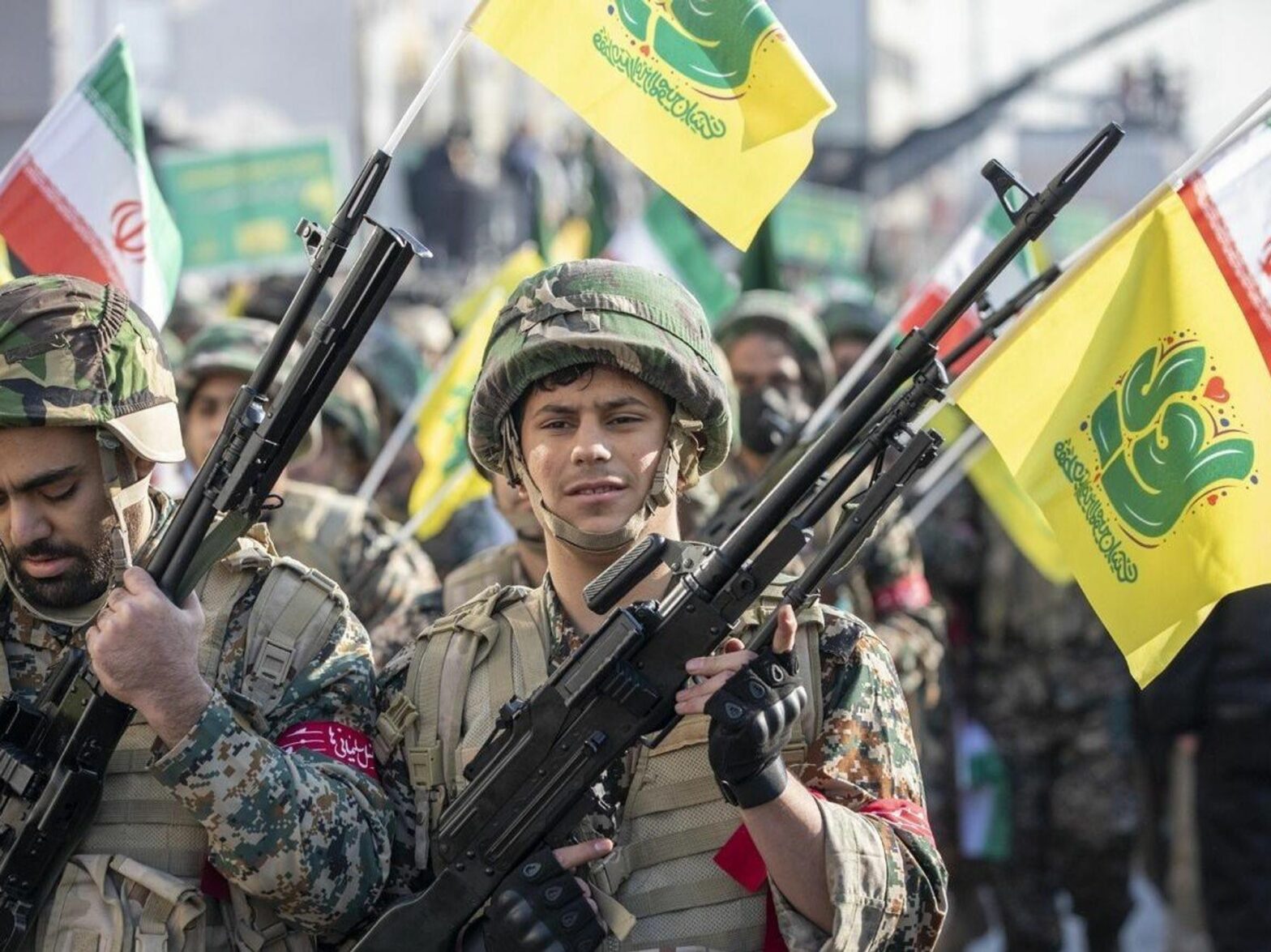
Iranian officials have been unnerved by the Assad regime’s collapse, with one top general admitting the country was “defeated very badly” in Syria. A shaky ceasefire in Gaza follows 15 month of war in which Tehran’s proxy Hamas was decimated. Will unrest in the region spill over to Iran, where problems — both foreign and domestic — are piling up for the regime?
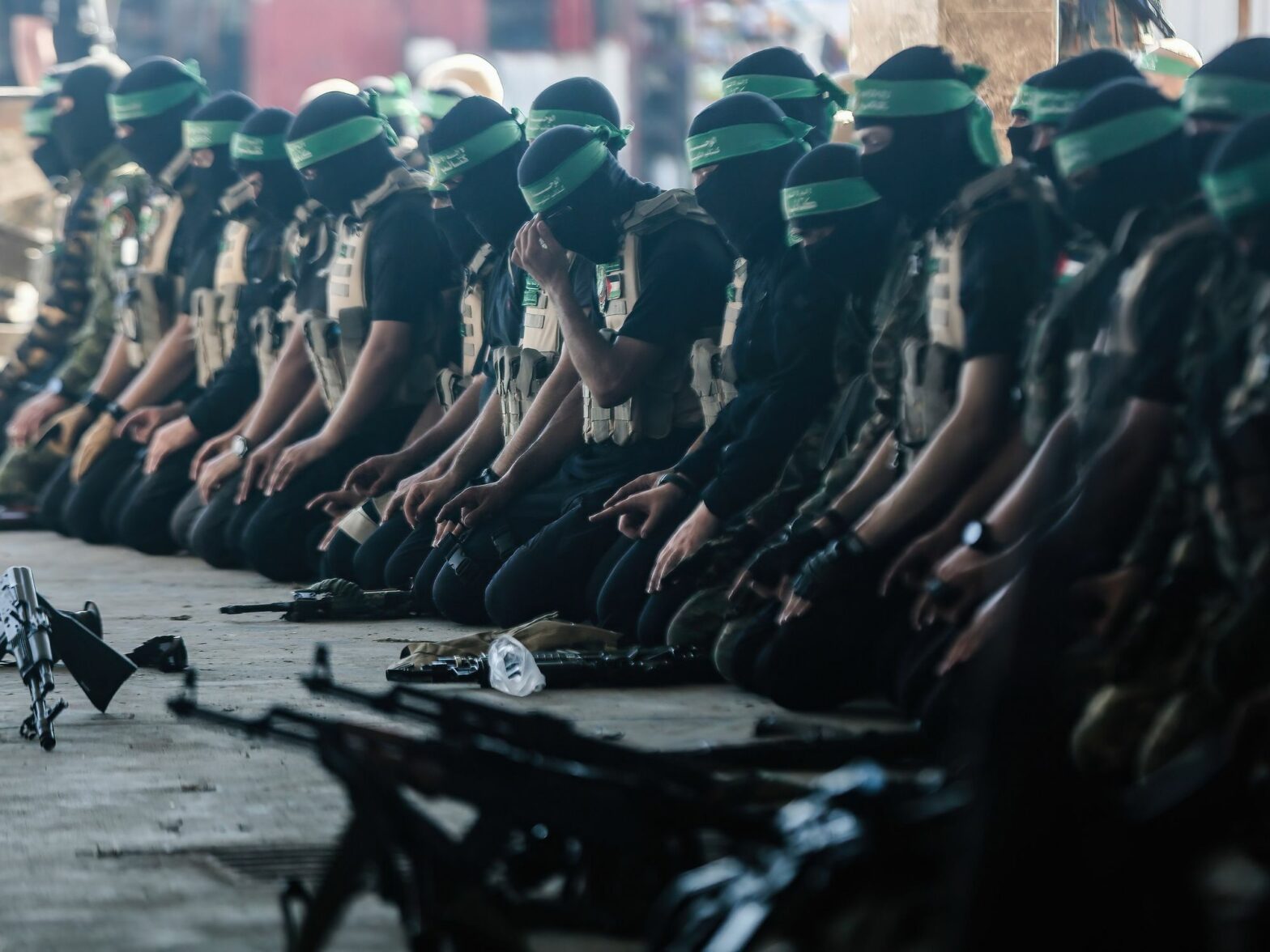
Israel has killed thousands of Hamas fighters. But the Gaza-based terrorist organization has not yet been completely destroyed, nor have its allied militias in the region.
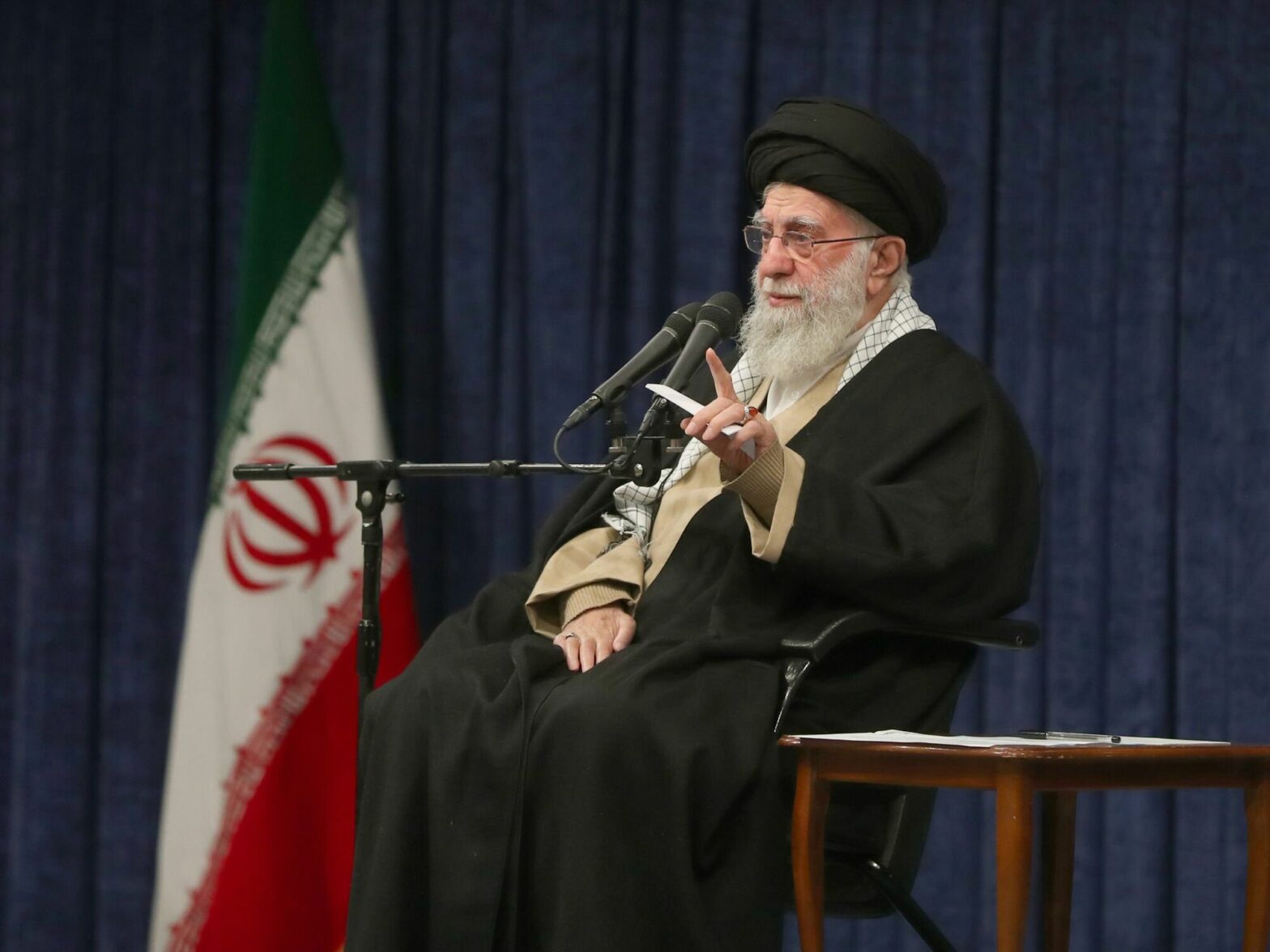
The incoming Trump administration will likely abandon its predecessor’s efforts to persuade the Iranian regime to change its disruptive and violent policies. Yet for ultimate survival, Tehran may be counting on an unexpected factor: Trump’s erratic mindset.

The release of journalist Cecilia Sala from Iranian prison after 21 days is a triumph of diplomacy and urgency, orchestrated by the Italian Prime Minister herself. Meloni used an urgent meeting with Donald Trump to help unlock the negotiations.

With the unpredictable Donald Trump returning to the White House in January, what will global politics be like in 2025? In addition to major issues like the war in Ukraine, the conflicts in the Middle East and China, there’s another nagging question: What about Europe?
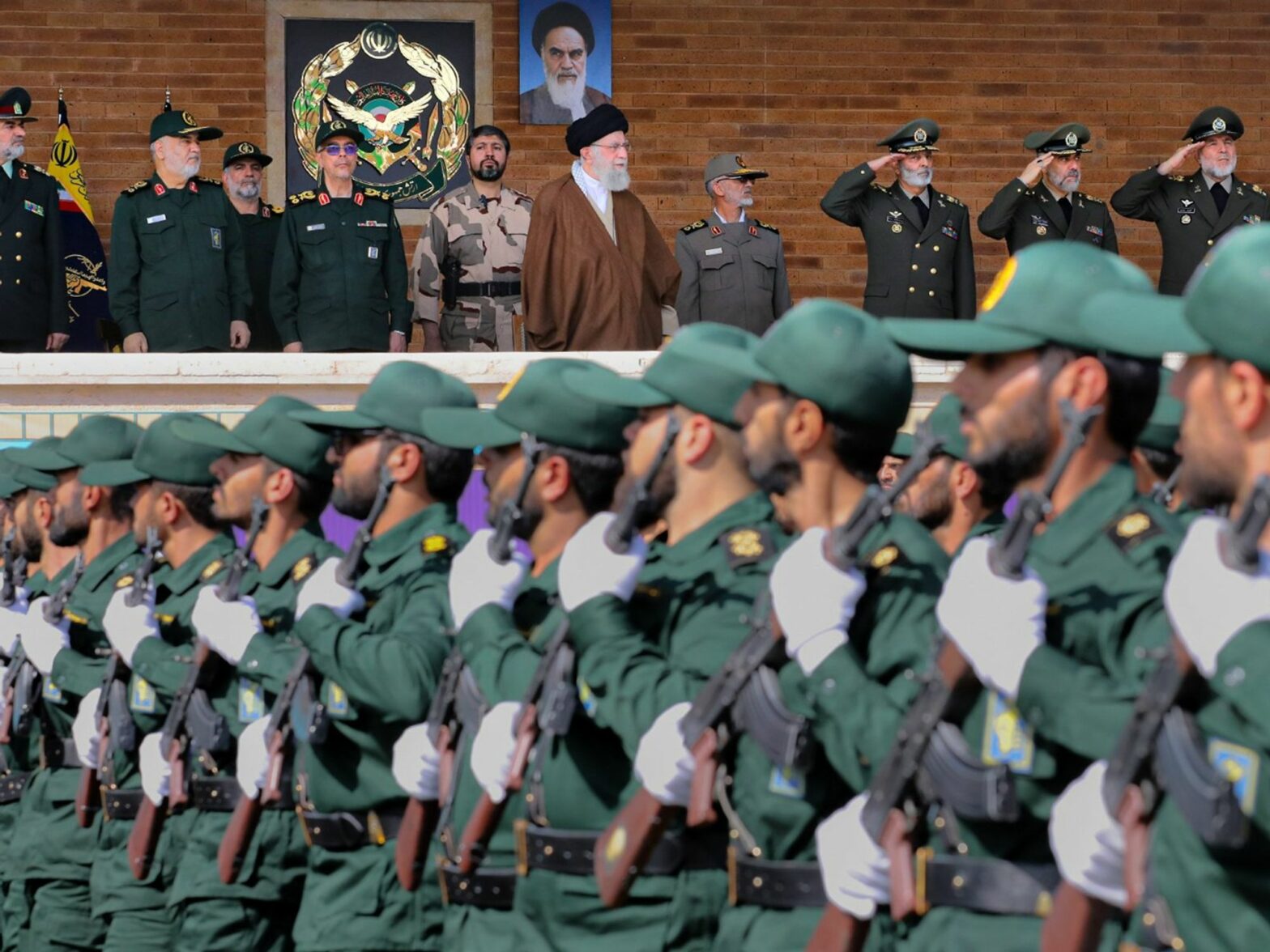
Iranian officials are still wondering how its dear ally Bashar al-Assad fell so fast, and why his military was lost before the rebellion even started.
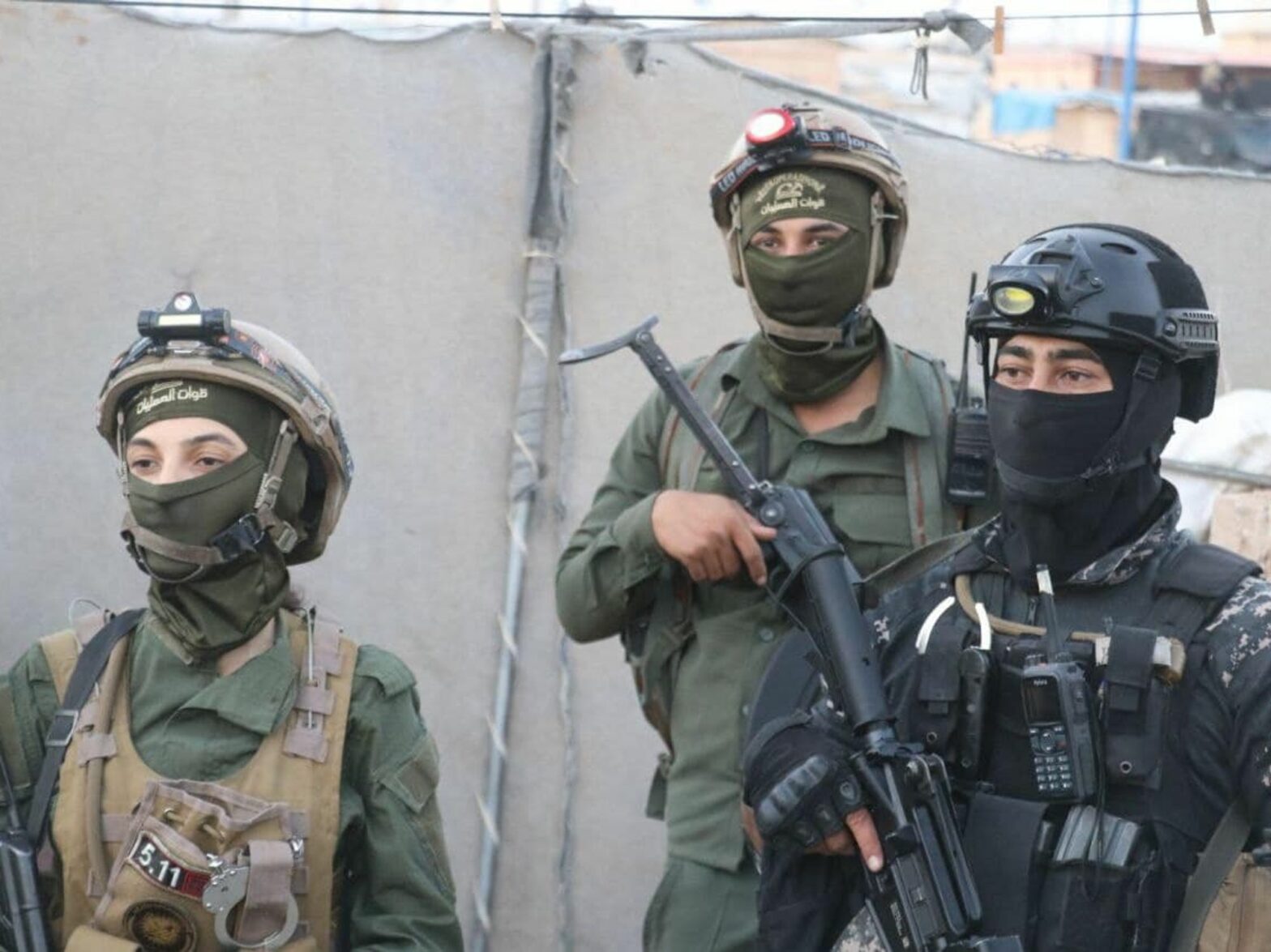
Stunning reports of positive exchanges between the long imprisoned leader of the Kurdistan Workers’ Party (PKK) and the Turkish government, coupled with the collapse of the Syrian regime, are reshaping the dynamics for the Kurds scattered across the Middle East. But beware of betrayal.
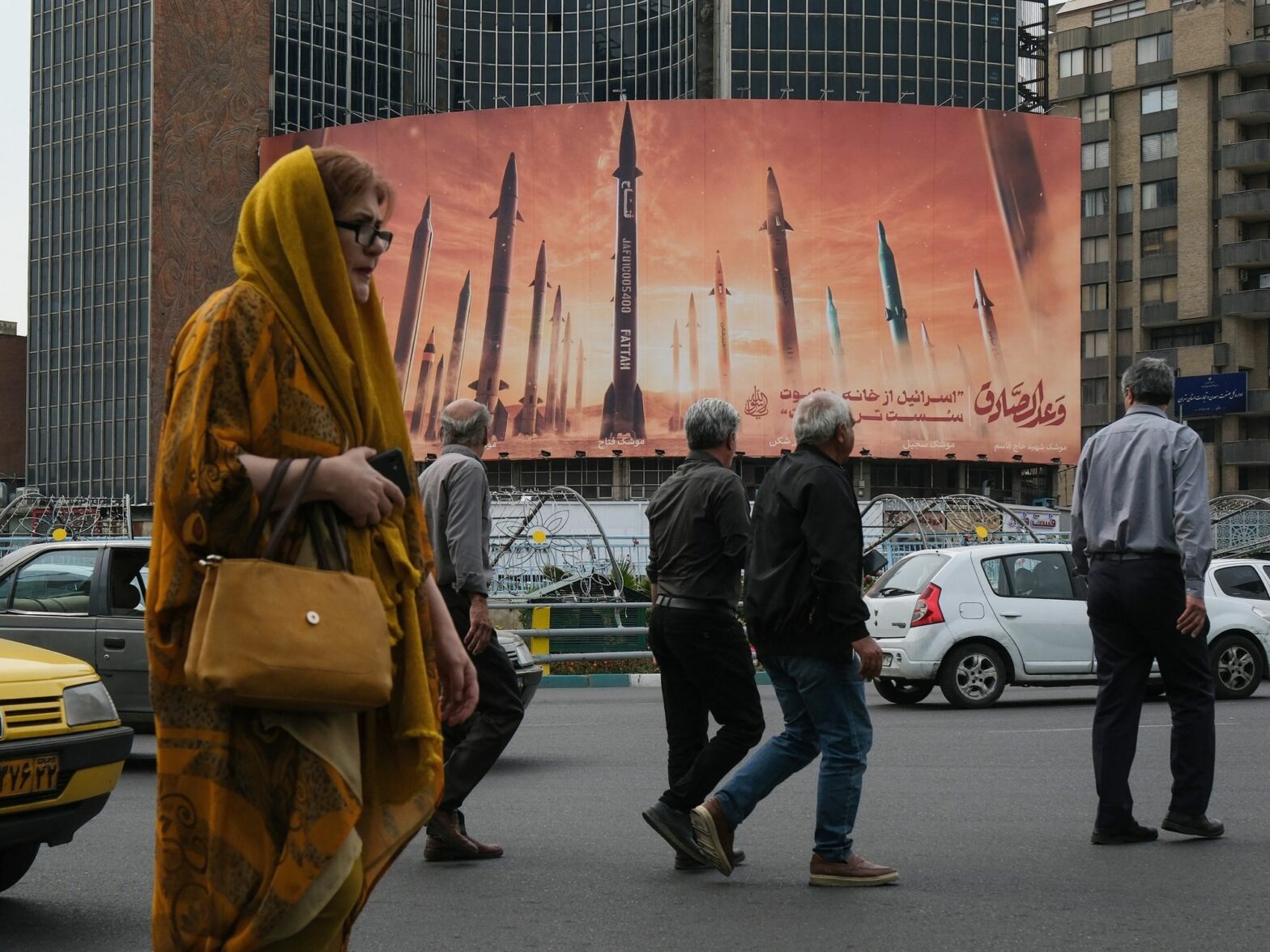
Donald Trump, Vladimir Putin and Israel are reshaping the Middle East in a possible, bigger deal involving a peace deal in Ukraine. With the regional militias and Syria out of the strategic equation, is the next step removing the Tehran regime?
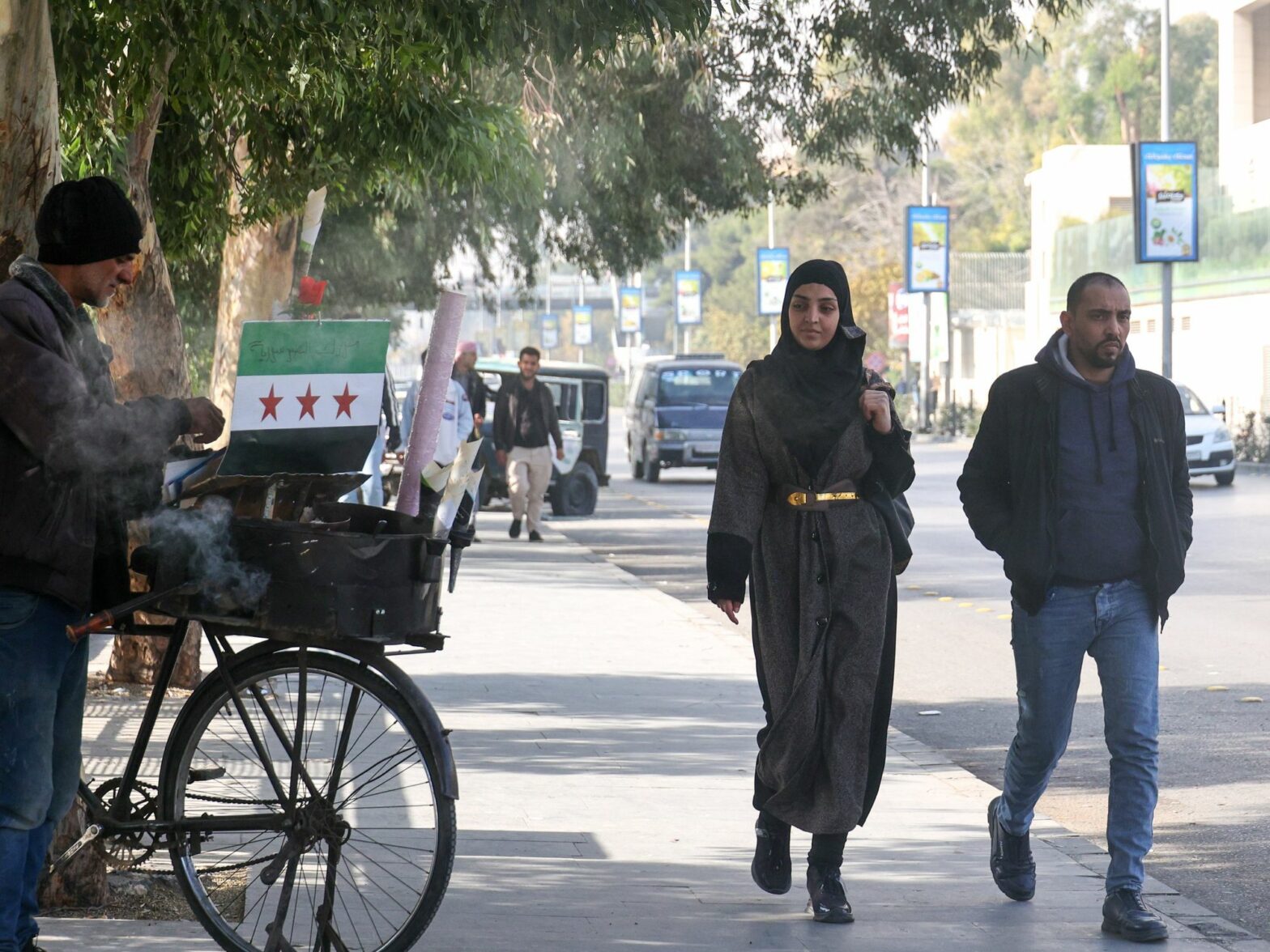
A post-Assad tour of Damascus, that singular Middle East capital, from which the Ba’ath Party spared nothing and desecrated everything. How quickly it shed all the ugliness that the Assad regime had spread over more than five decades!
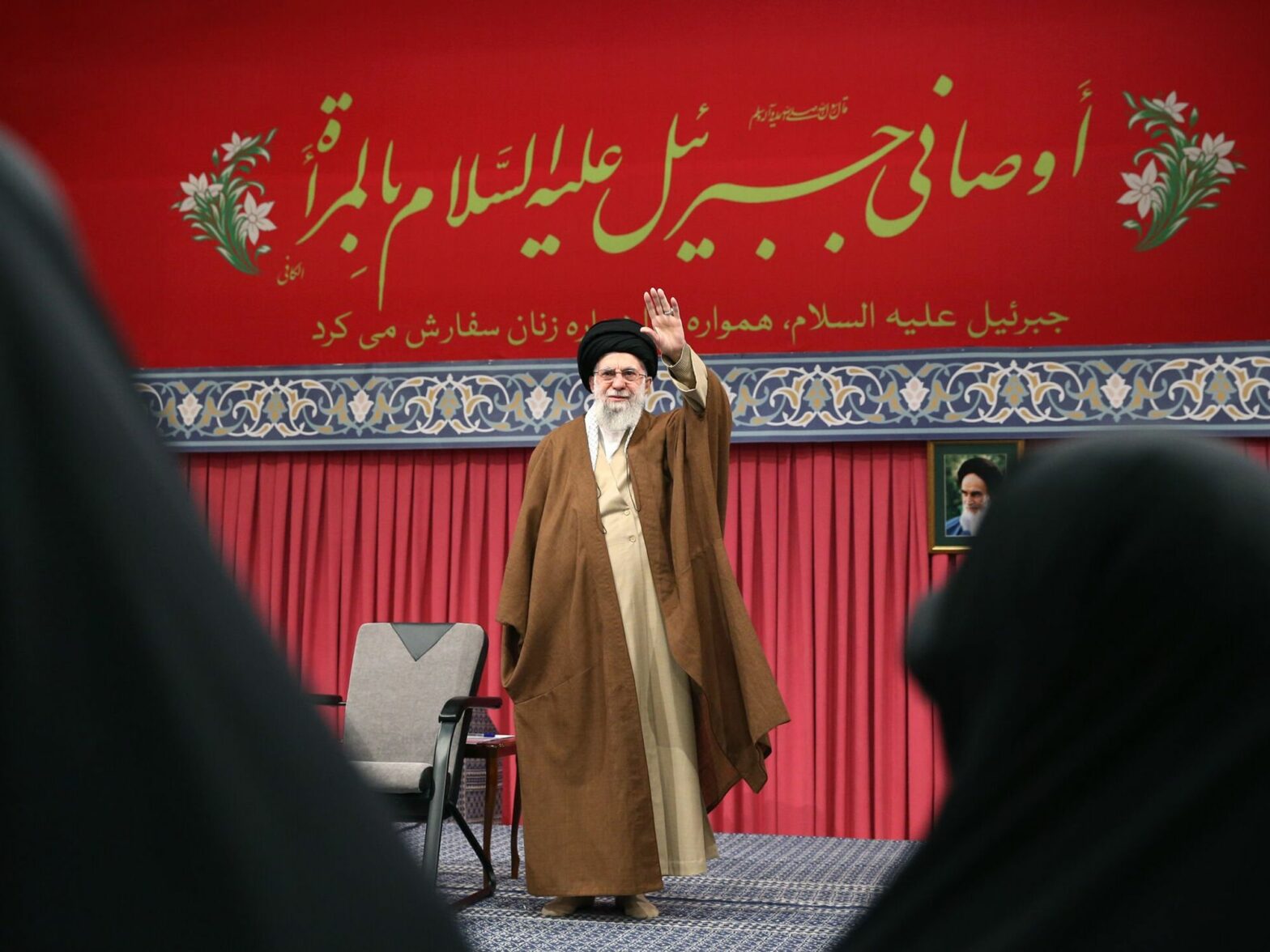
Israel’s decimation of Iran’s proxies in Gaza and Lebanon, and now events in Syria, have shown the Tehran regime is far weaker than it had wanted the world and its neighbors to believe. The Supreme Leader is now scrambling to rationalize it all, as the Islamic Republic clings to power.
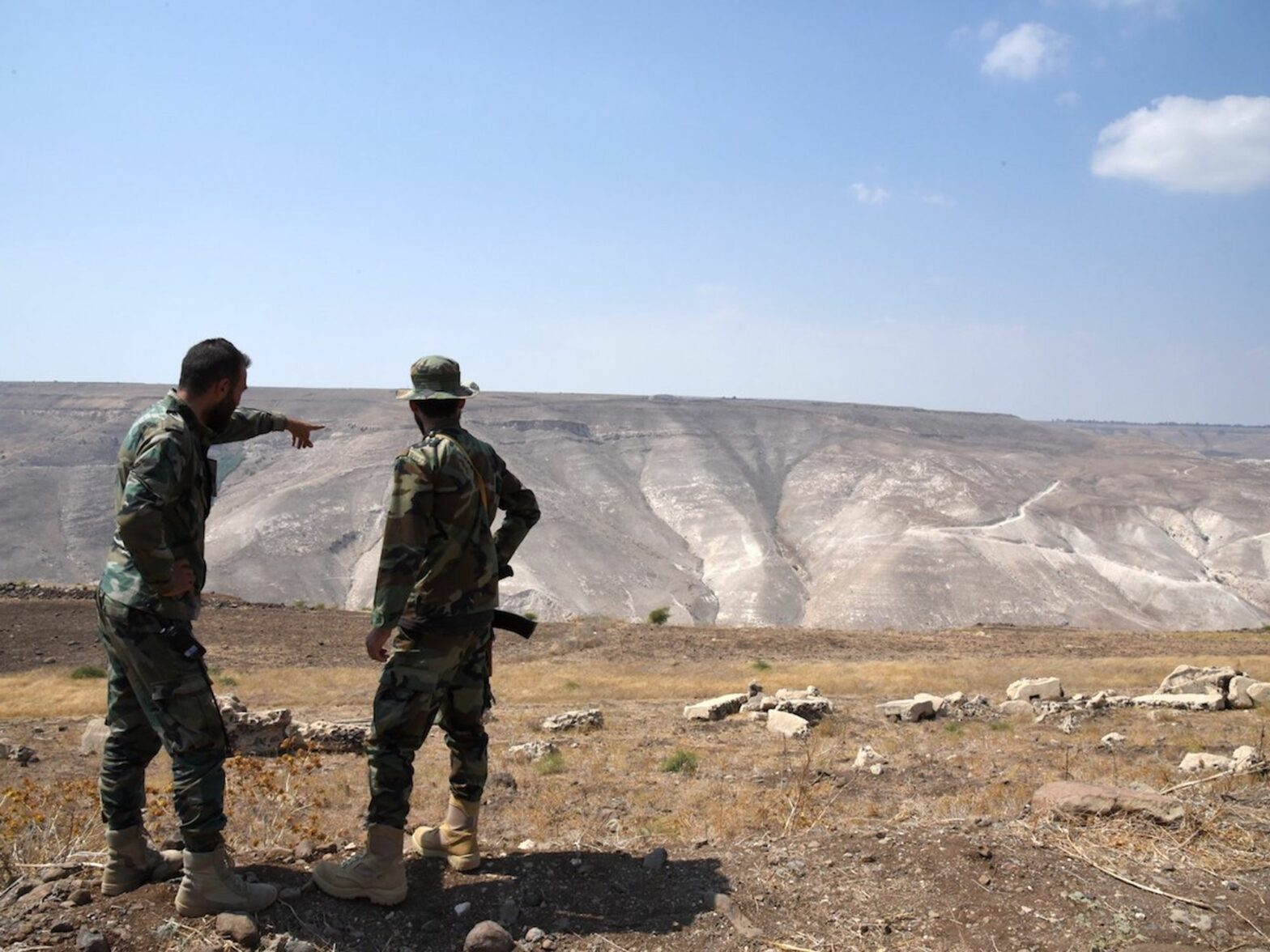
Amman and its allies, much like the skeptical secular Syrian opposition, await tangible actions on the ground to match the promises of pragmatist rhetoric from Abu Mohammed al-Jolani, who is marketing himself as a statesman committed to building an inclusive new Syria that’s a good neighbor after abandoning extremist ideologies.
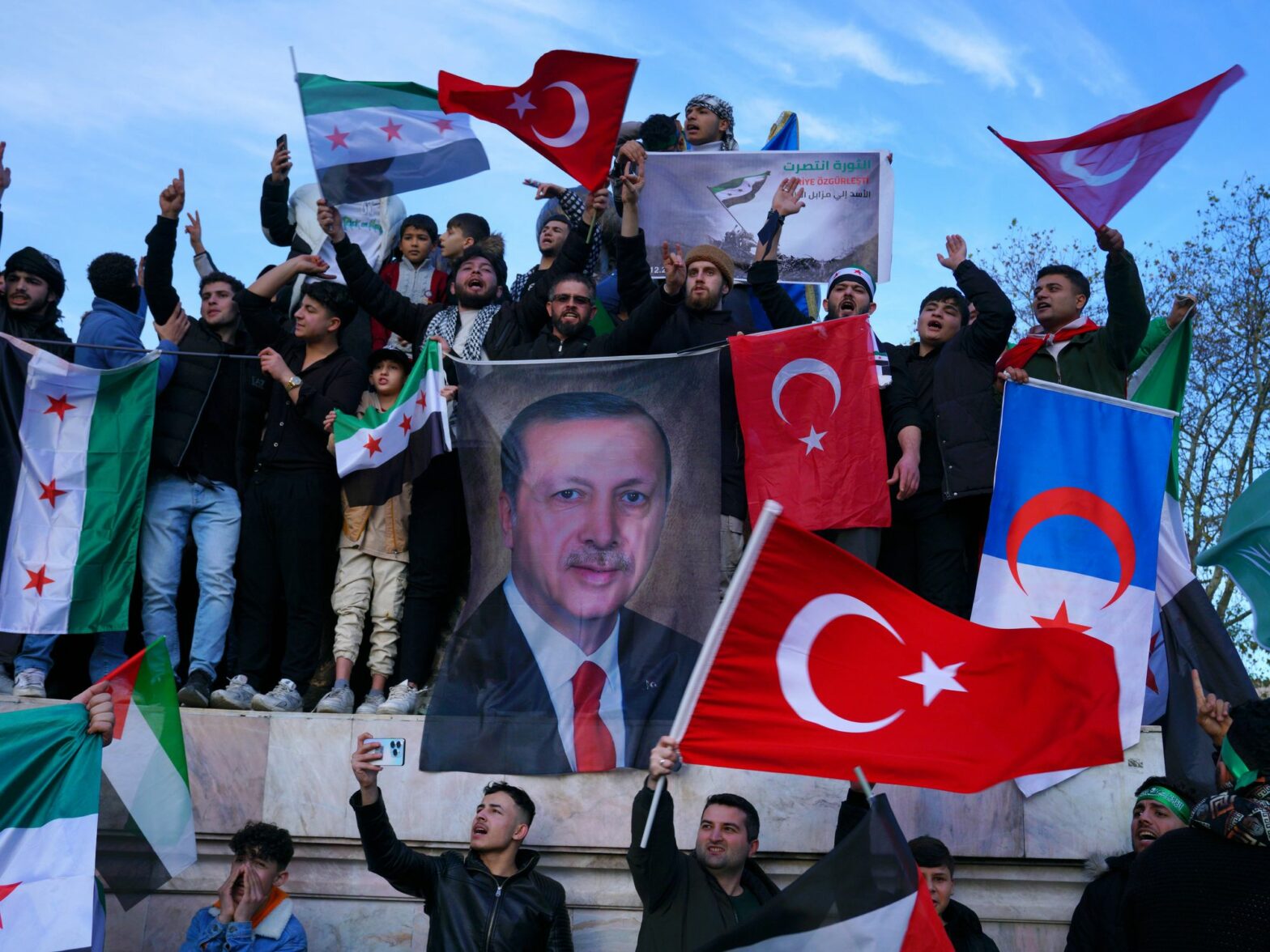
While the Islamic Republic of Iran mulls an official response to the fall of its Syrian ally Bashar al-Assad, Iranian politicians are already voicing their anger at the “backstabbing” conduct of two key powers, Turkey and Russia. Could Tehran be the next to get left to fend for itself?
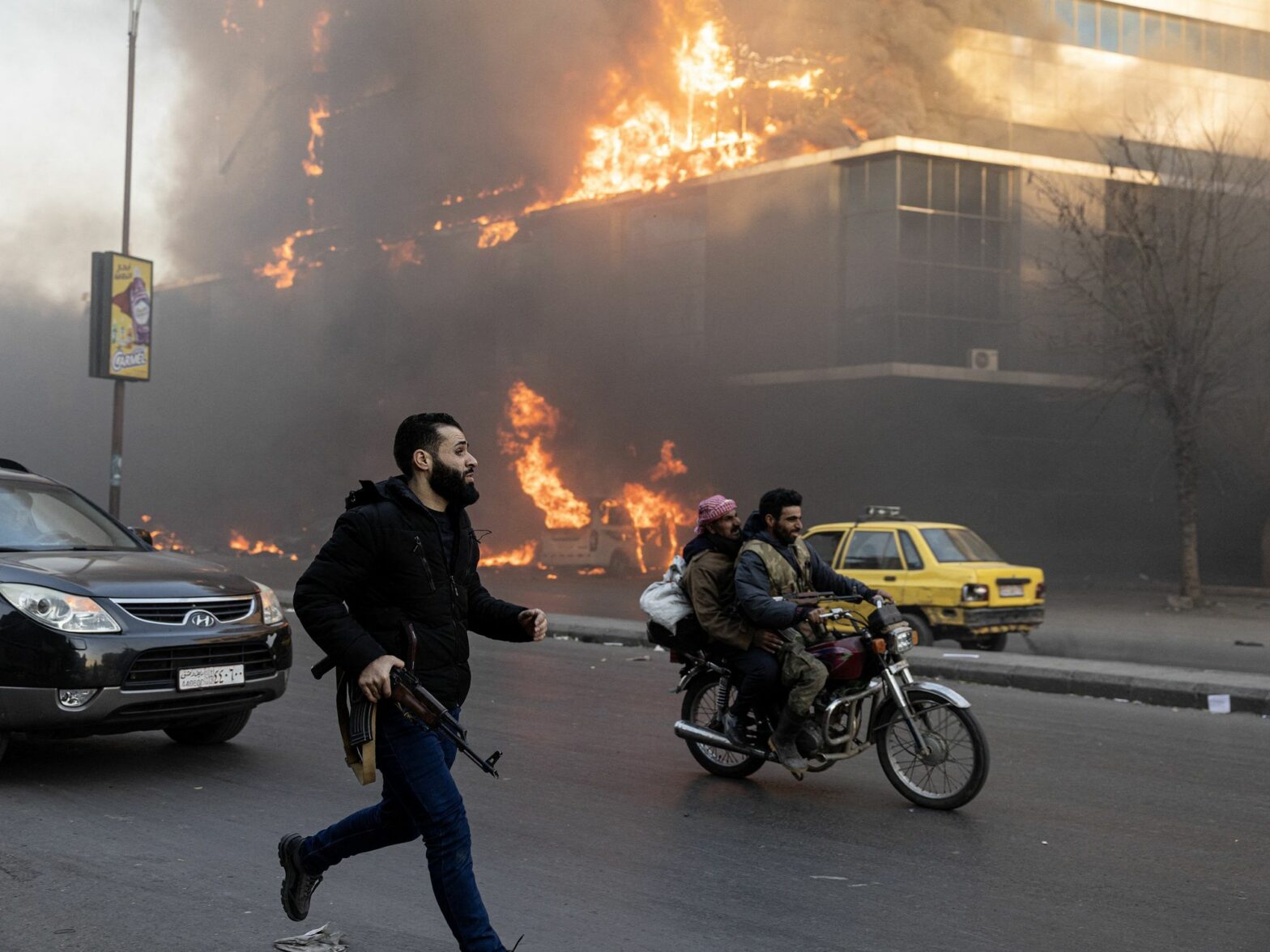
We must first recognize the joy of the Syrian people at the fall of a brutal regime that ruled for more than half a century. Yet, there’s also major geopolitical stakes in this highly sensitive region, with its losers — Russia and Iran — and its winners, foremost among them Erdogan’s Turkey. And a ton of uncertainty.
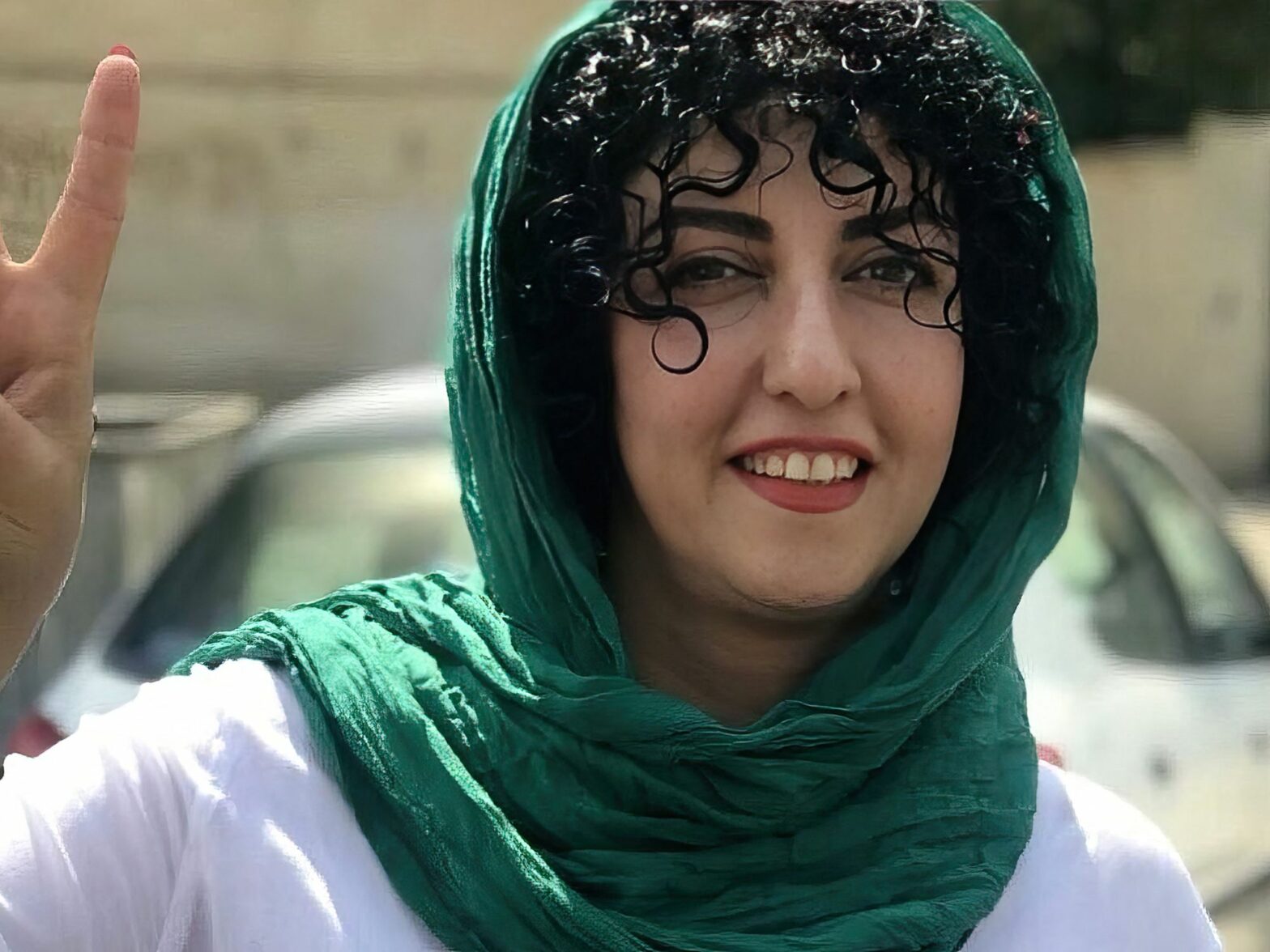
Journalist and Nobel Peace Prize laureate Narges Mohammadi was released from prison in Iran yesterday, but only for three weeks. This raises questions about the Iranian regime’s strategy following a series of regional setbacks and on the eve of Donald Trump’s arrival at the White House.
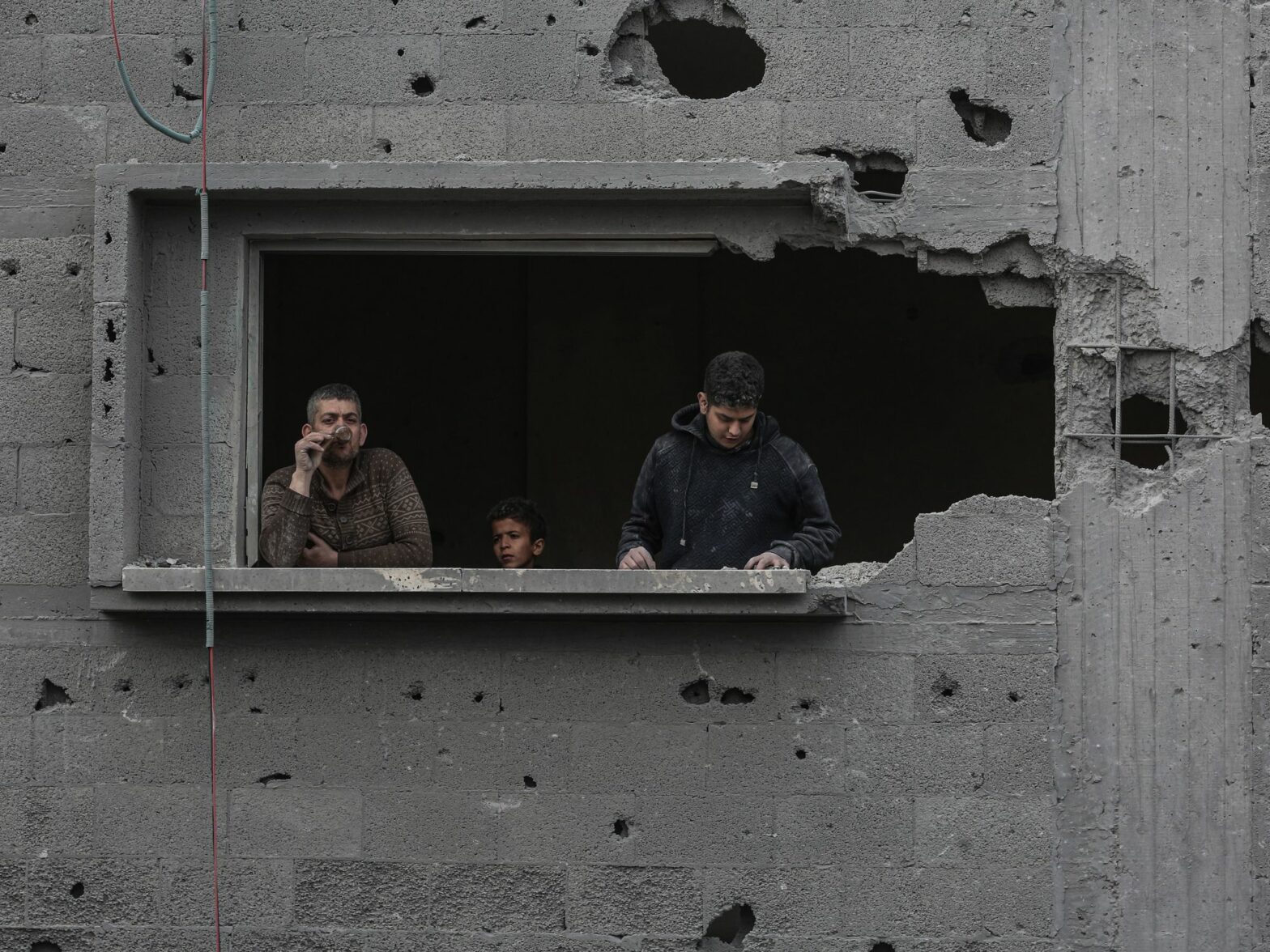
Since the Oct. 7 Hamas attack, use of the term “evil” has increased. The more heinous and public the murder, the more the evil of the murderer would be revealed and “the world” would be pushed to intervene. Yet in both Syria and Gaza, that world has been satisfied with symbolic responses.
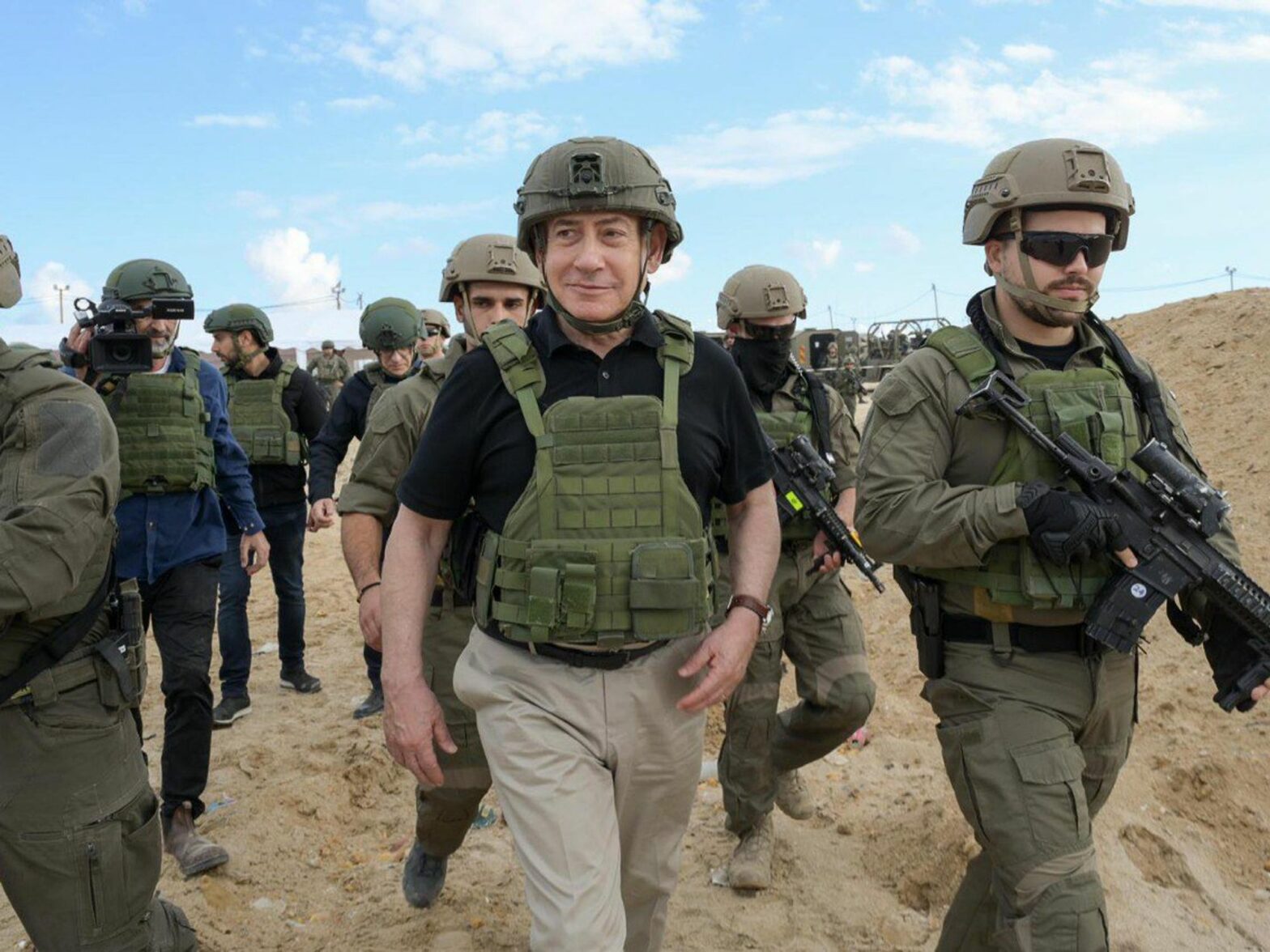
The Israeli Prime Minister has been clear: The ceasefire in Lebanon will allow him to focus on Iran and on Syria, through which Hezbollah’s weapons are transported. But the underlying factors are Iran’s nuclear program and Donald Trump’s return to the White House.
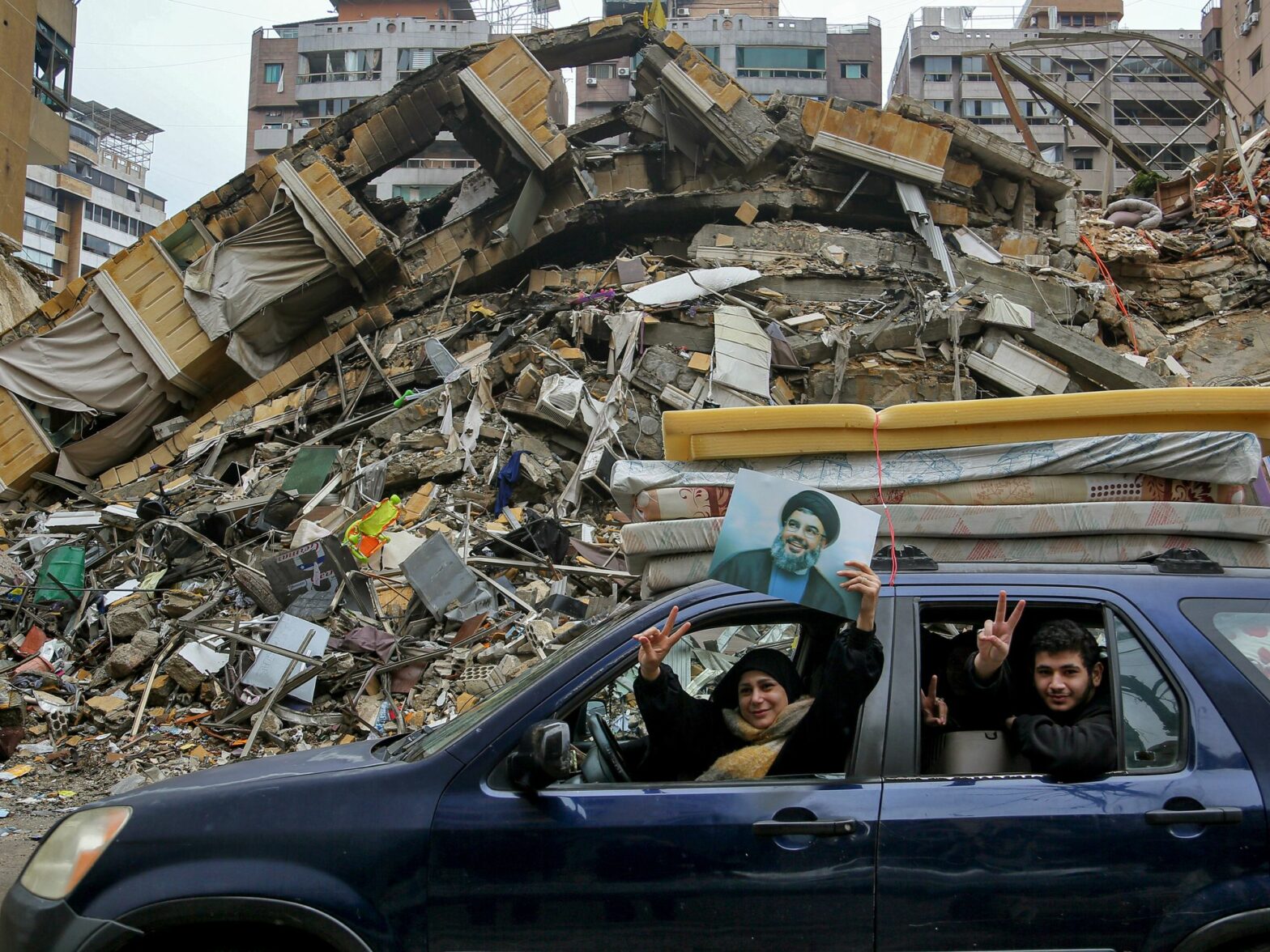
One might think that the rush to announce the completion of the deal refers to its preemptive failure with each party blaming the other for this failure. But there are many moving parts in the negotiations, like there are in the region.
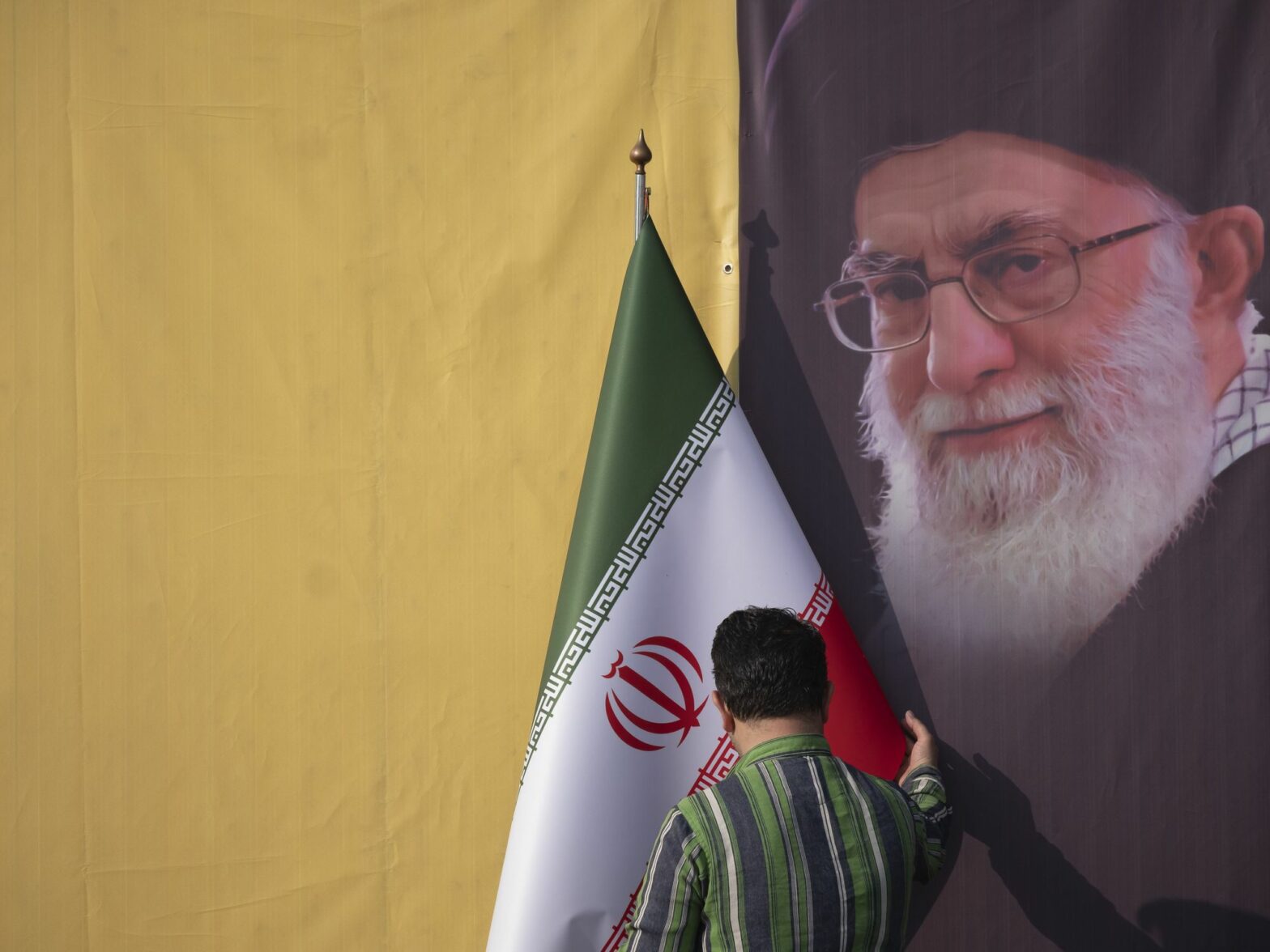
Members of the Tehran regime are cautiously broaching the question of who will be Iran’s next Supreme Leader, but is this of real public concern or a ploy to distract an exasperated population from the country’s dismal socio-economic conditions?
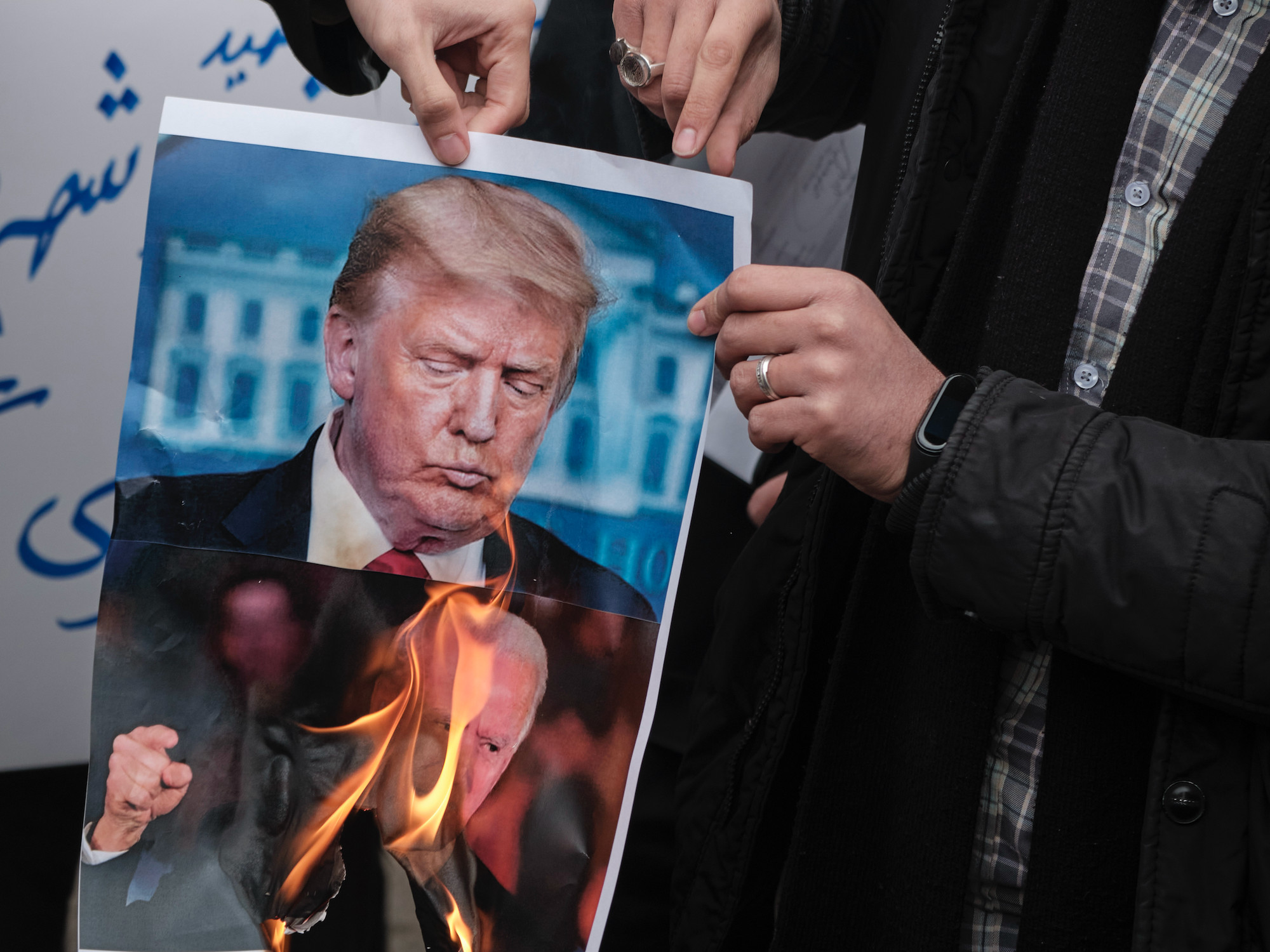
U.S. President-elect Donald Trump has said he is not out to topple Iran’s revolutionary regime, but his administration may, at the very least, seek intolerable concessions to the West from Tehran, or sink it with sanctions if it refuses.
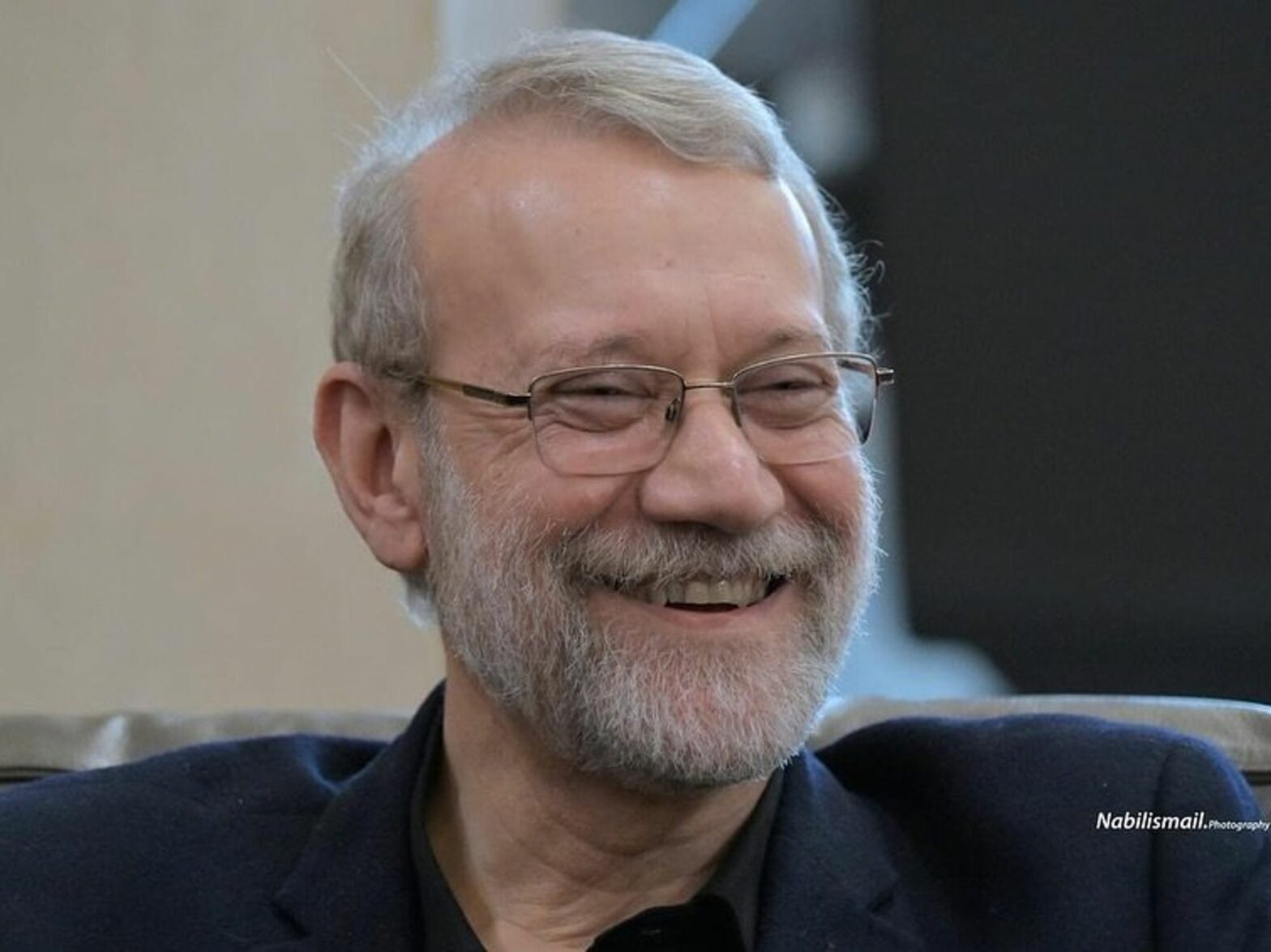
A photographer captured the seasoned Iranian official Ali Larijani laughing on his visit Thursday to Beirut, fully aware of what laughter means in such a situation. The seasoned Iranian diplomat knows that many Lebanese hold his regime responsible for dragging their country into a bloody, senseless, and destructive war.
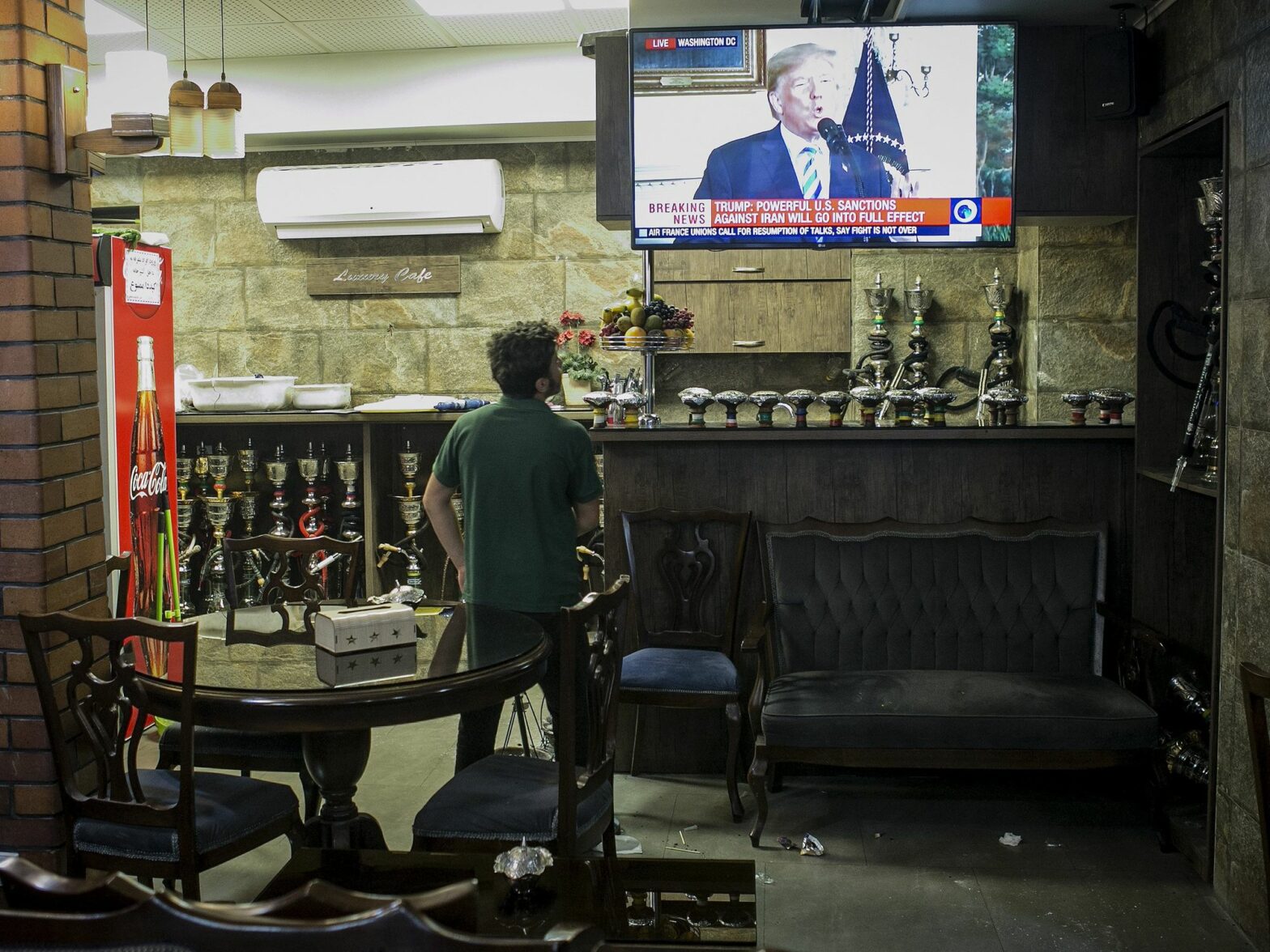
Iranian officials insist another Trump presidency could never change its policies — including fighting Israel where it can. But given the first Trump administration, Tehran should expect hard times ahead.
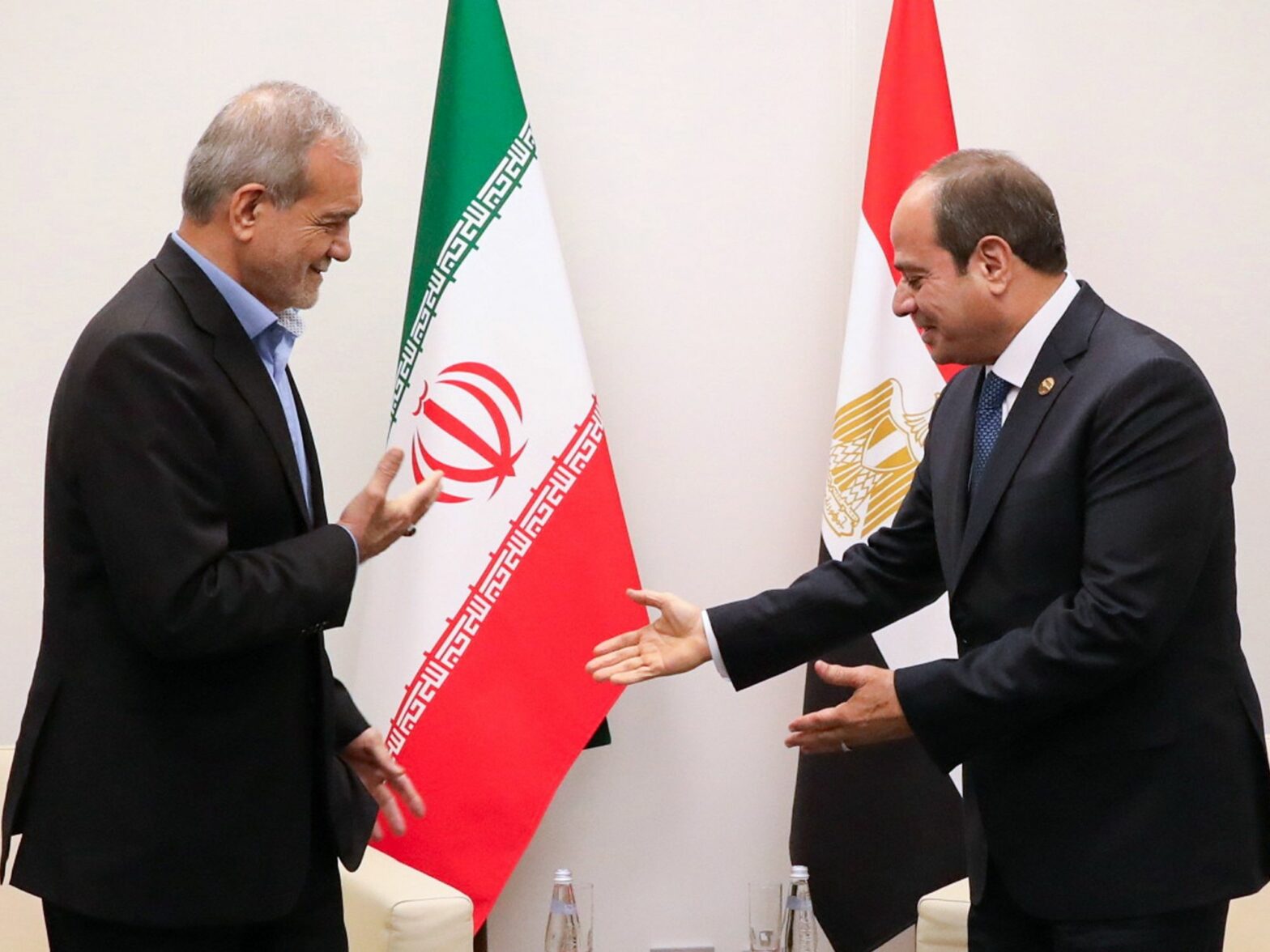
Relations between Egypt and Iran have been growing closer. But the return of Donald Trump to the White House could be a setback for the rapprochement, given that Iran is among his top enemies.
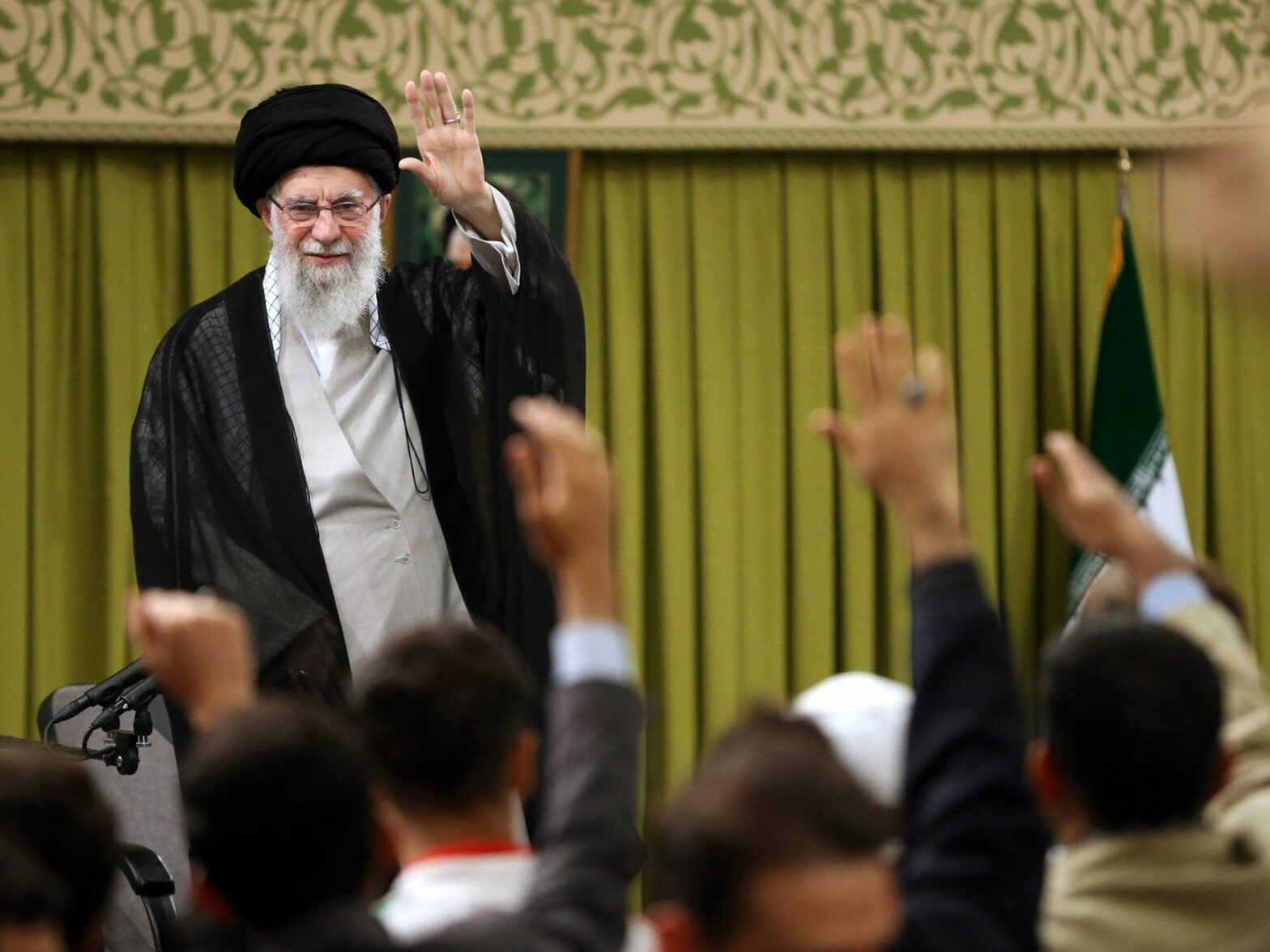
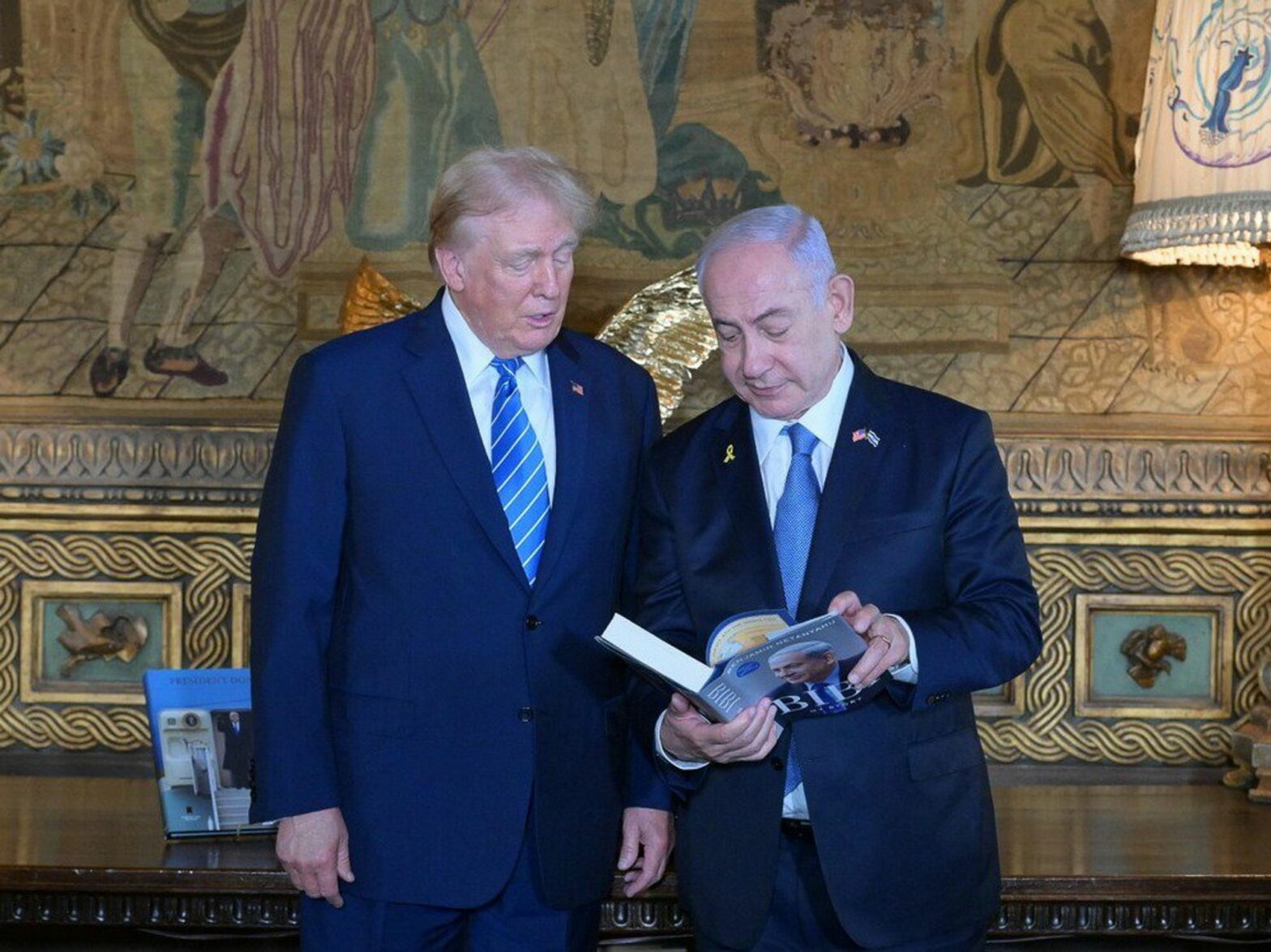
A Donald Trump victory would likely mean that the expected calm in the confrontation between Israel and Iran in the coming weeks will be just a warrior’s rest.
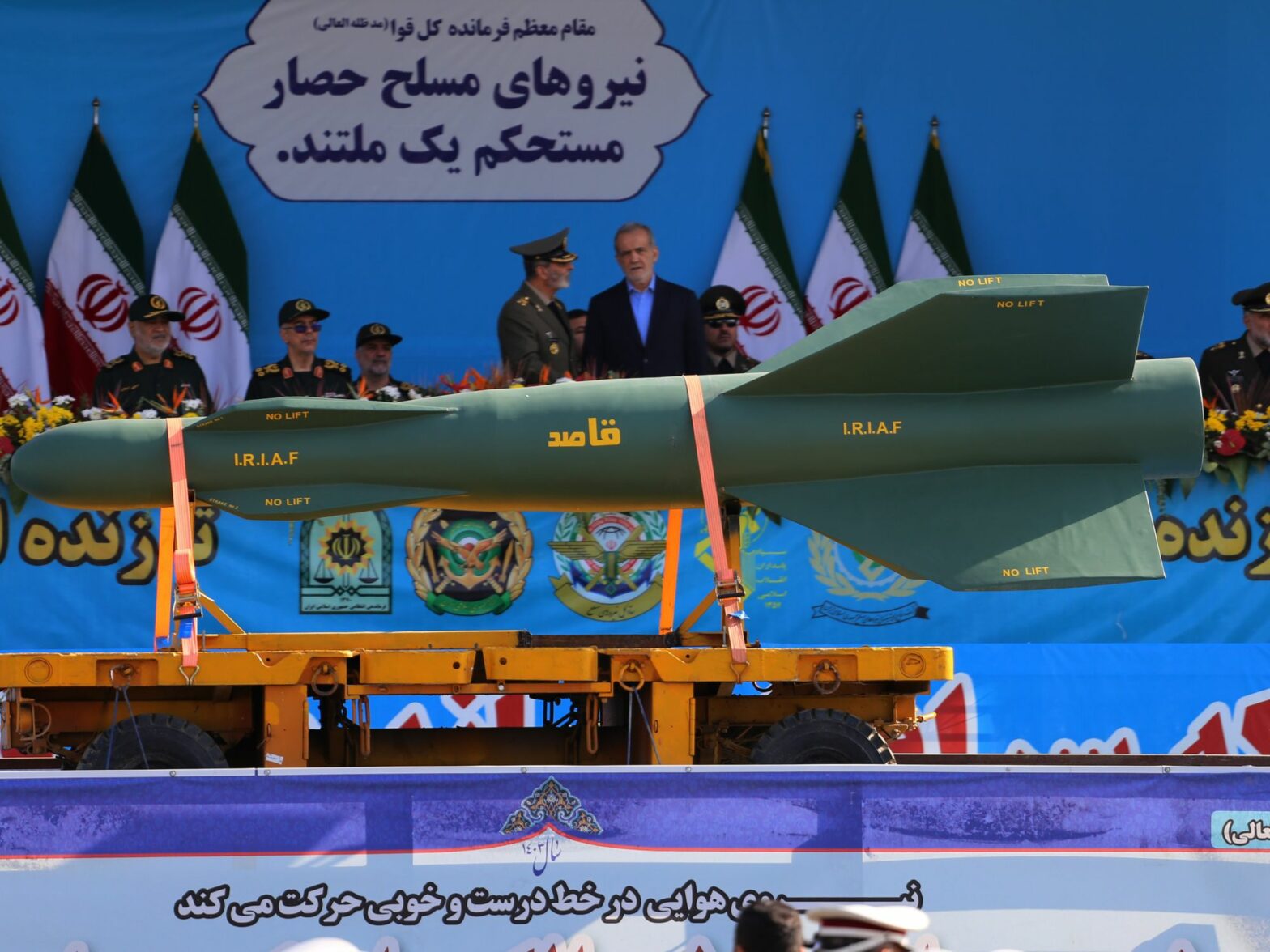
Israel and the West are seeking a stabilized Middle East to shorten the trading corridor with India and Asia. It’s a win-win situation for prosperous economies and the West, but what about Tehran’s truculent regime?
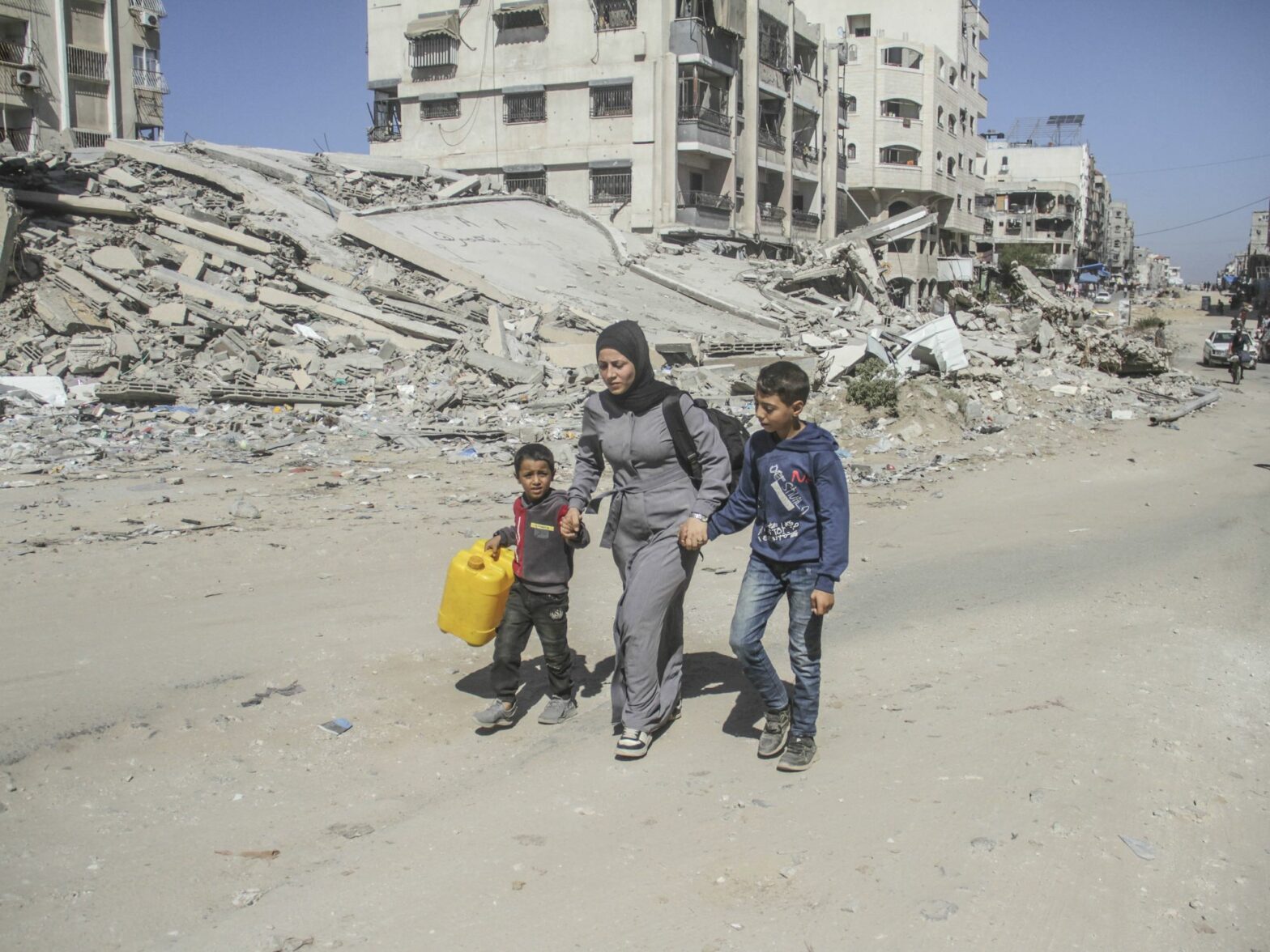
Israel’s new offensive in northern Gaza is trying to make the region uninhabitable, and force Palestinians into the south, toward the Egyptian border and into the Sinai. But since the start of the war, Egypt is dead set against taking in more war refugees.
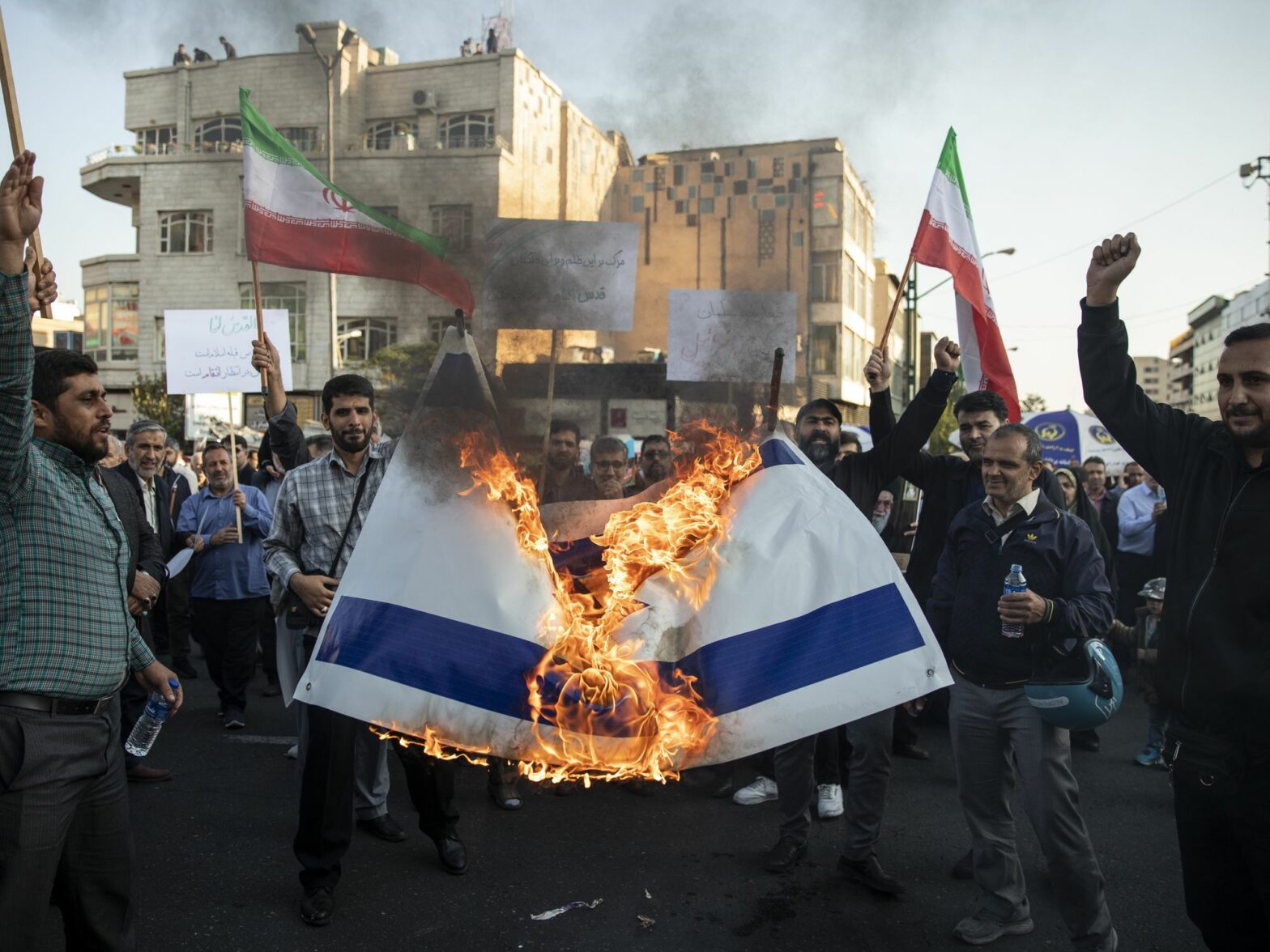
Iran’s 40-year policy of seeking the destruction of the Jewish state and “taking back” Jerusalem became the north star of the Tehran’s foreign policy. Now it may be its undoing.
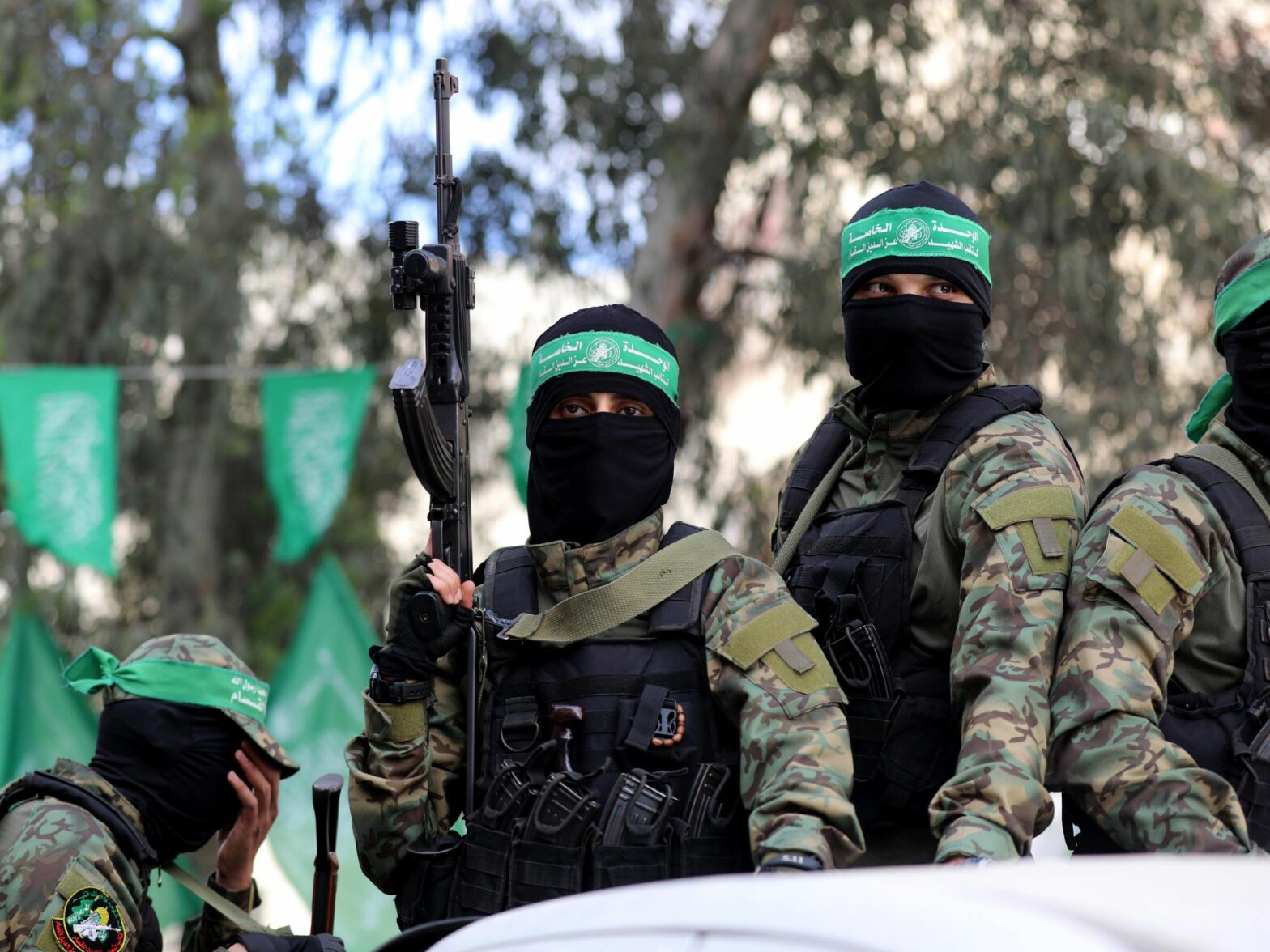
The question of who will succeed Yahya Sinwar is essentially a question of whether Hamas will return from its “Iranian exile” and embrace the Muslim Brotherhood.
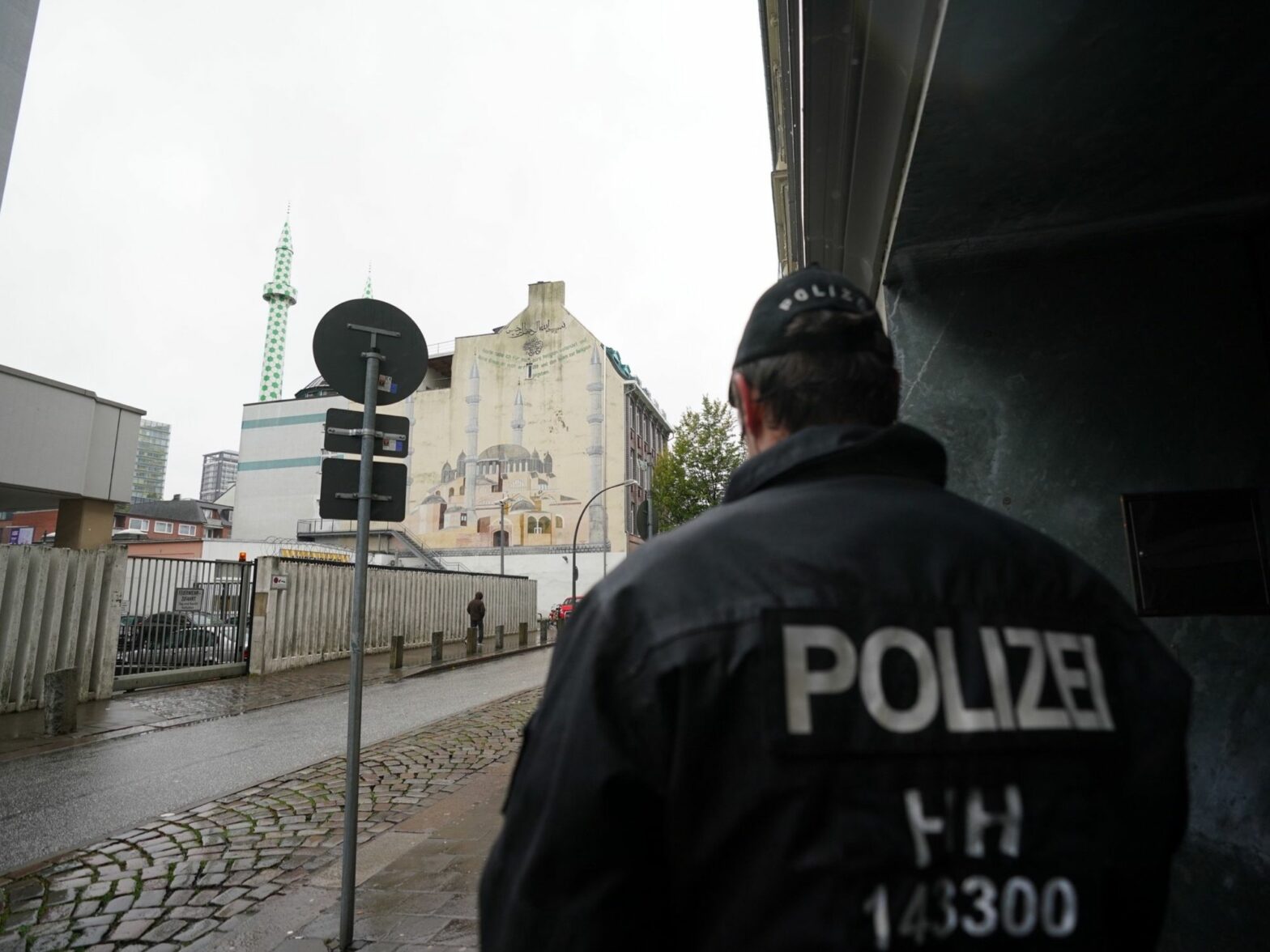
The Islamic Republic of Iran has specialized in getting gangsters and low-lives to undertake its terror operations abroad, making it more difficult to thwart its longstanding, and laughable, claim that it is a victim, not a sponsor of terrorism,.
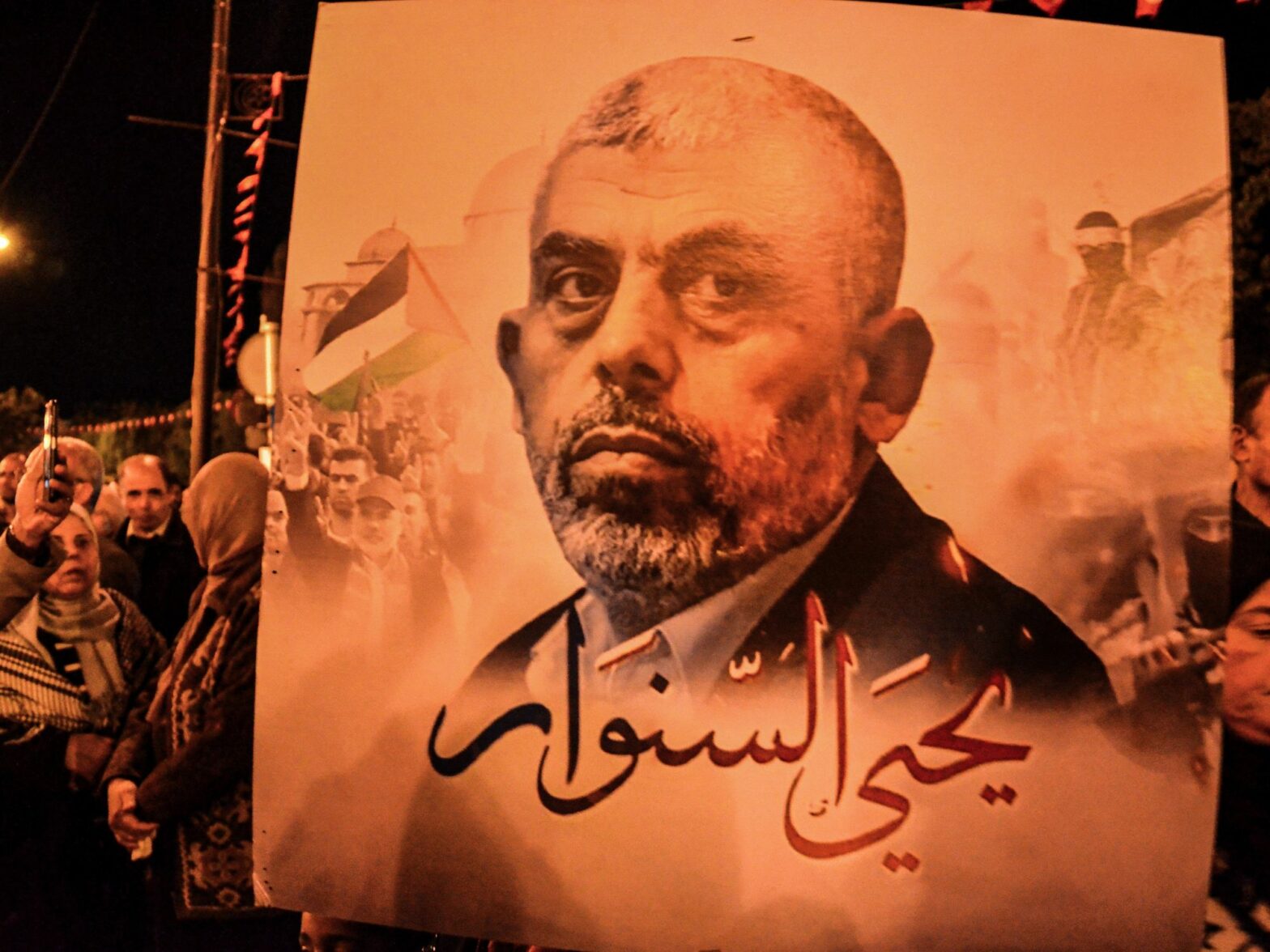
The death of Hamas leader Yahya Sinwar and mastermind of the Oct. 7 attack is just the latest Israeli strike against those who have tried to monopolize the notion of “resistance” as a purely military pursuit. The result has been the absolute destruction of Gaza, and now Lebanon, and the reinforcement of the Israeli occupation.
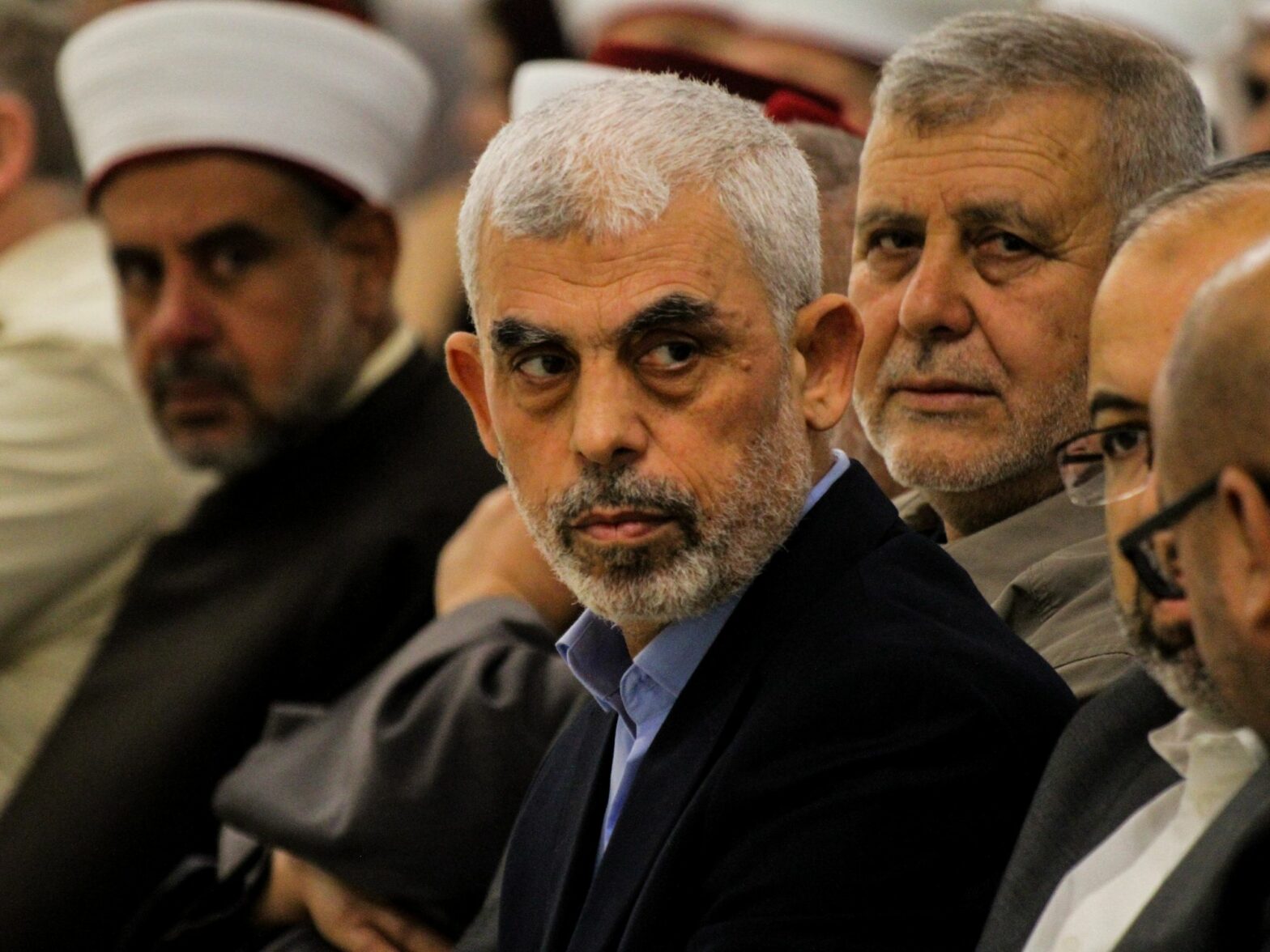
The Israeli military says Yahya Sinwar, the Hamas leader, has been killed in Gaza. The strike is a major victory for Israel, closing a chapter in recent Palestinian history in which Sinwar rose to the top of Hamas, and bet everything on the Oct. 7 attack, which made him more divisive than ever among the people of Gaza.
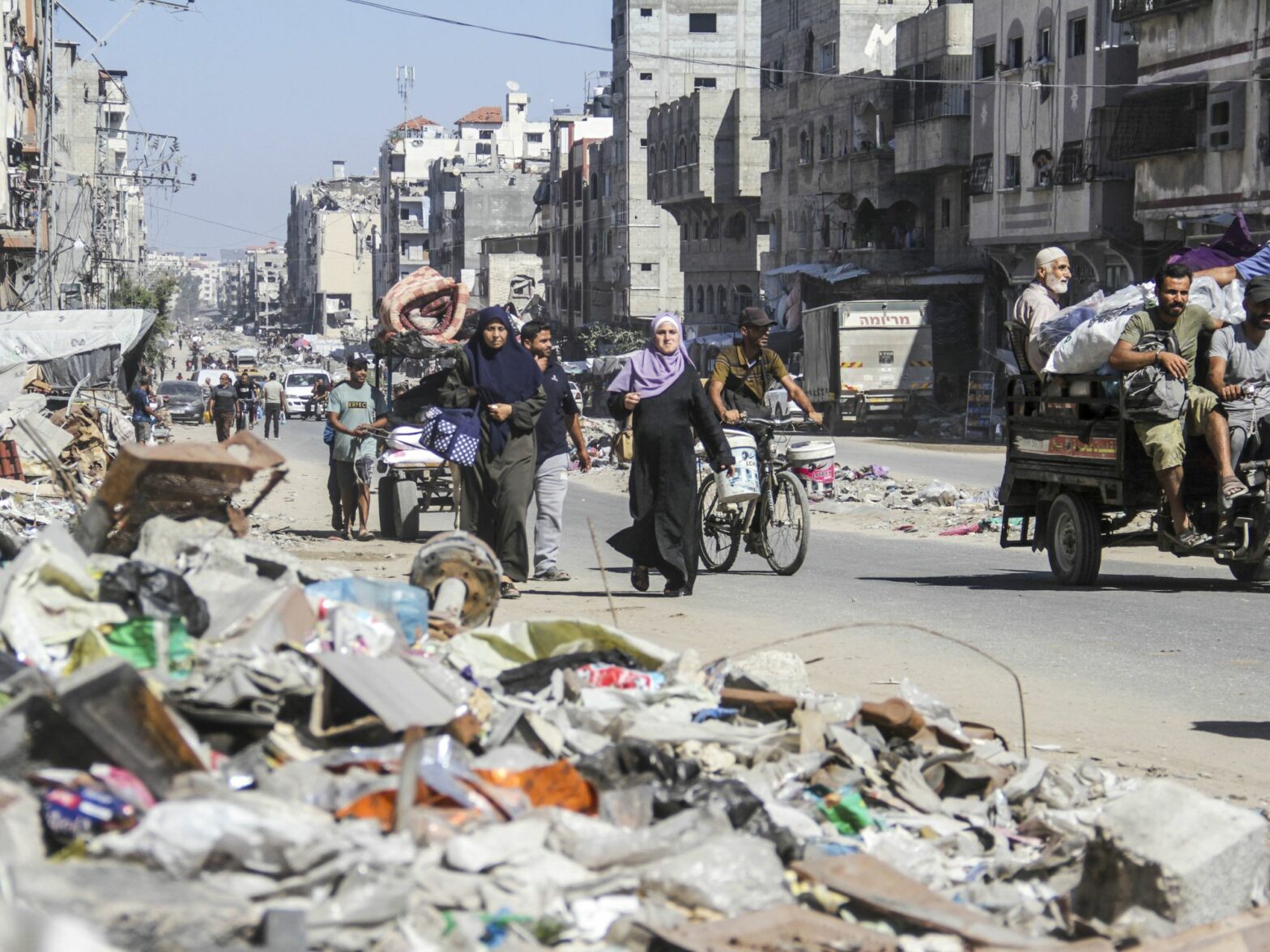
Observers believe that the military operations targeting civilians and blocking humanitarian aid in northern Gaza is the prelude to Israel reoccupying the region and establishing Jewish settlements.
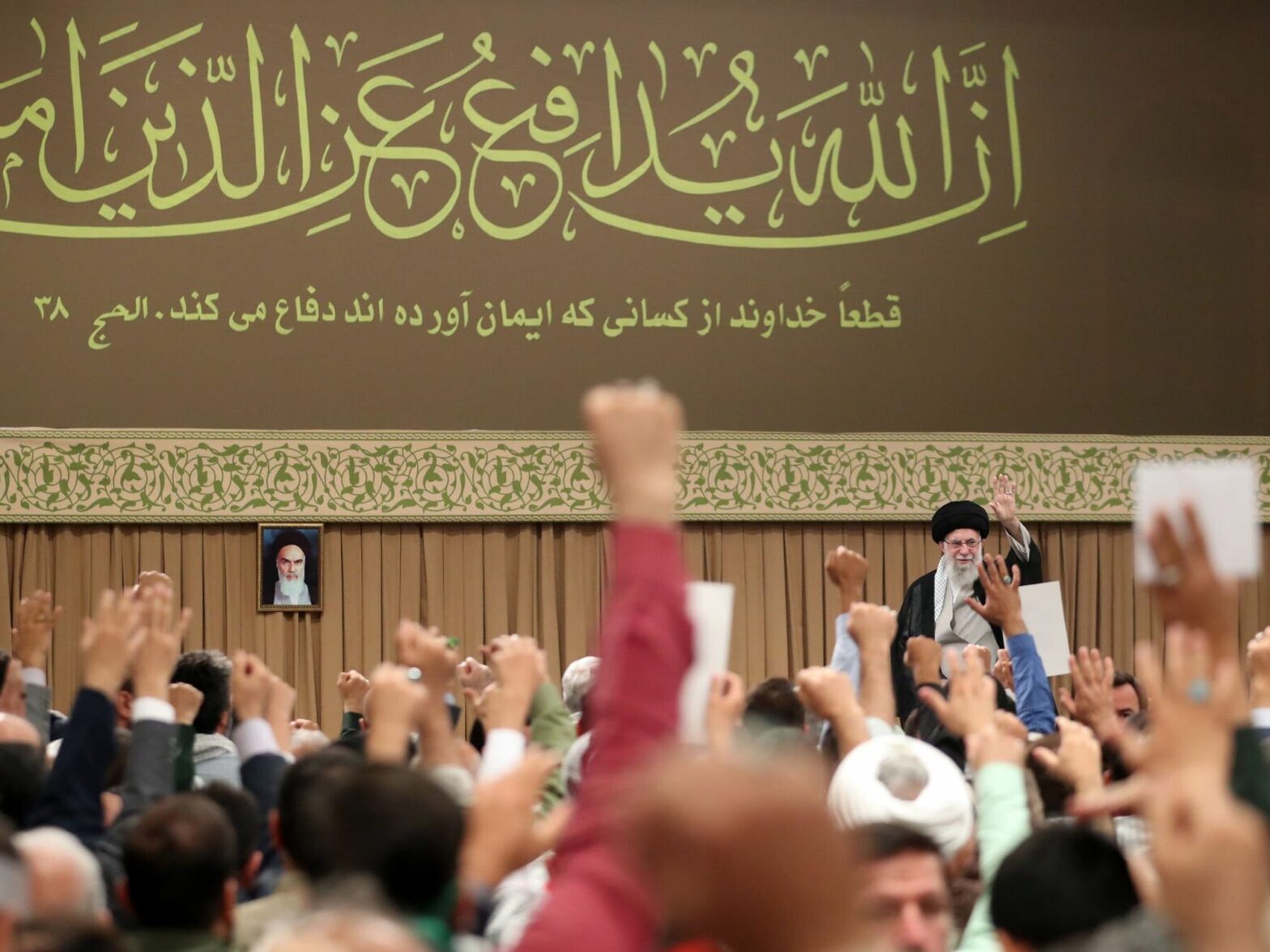
The Salafis, along with Gulf States like Saudi Arabia, consider the Shias as a greater threat to Islam than Zionism.
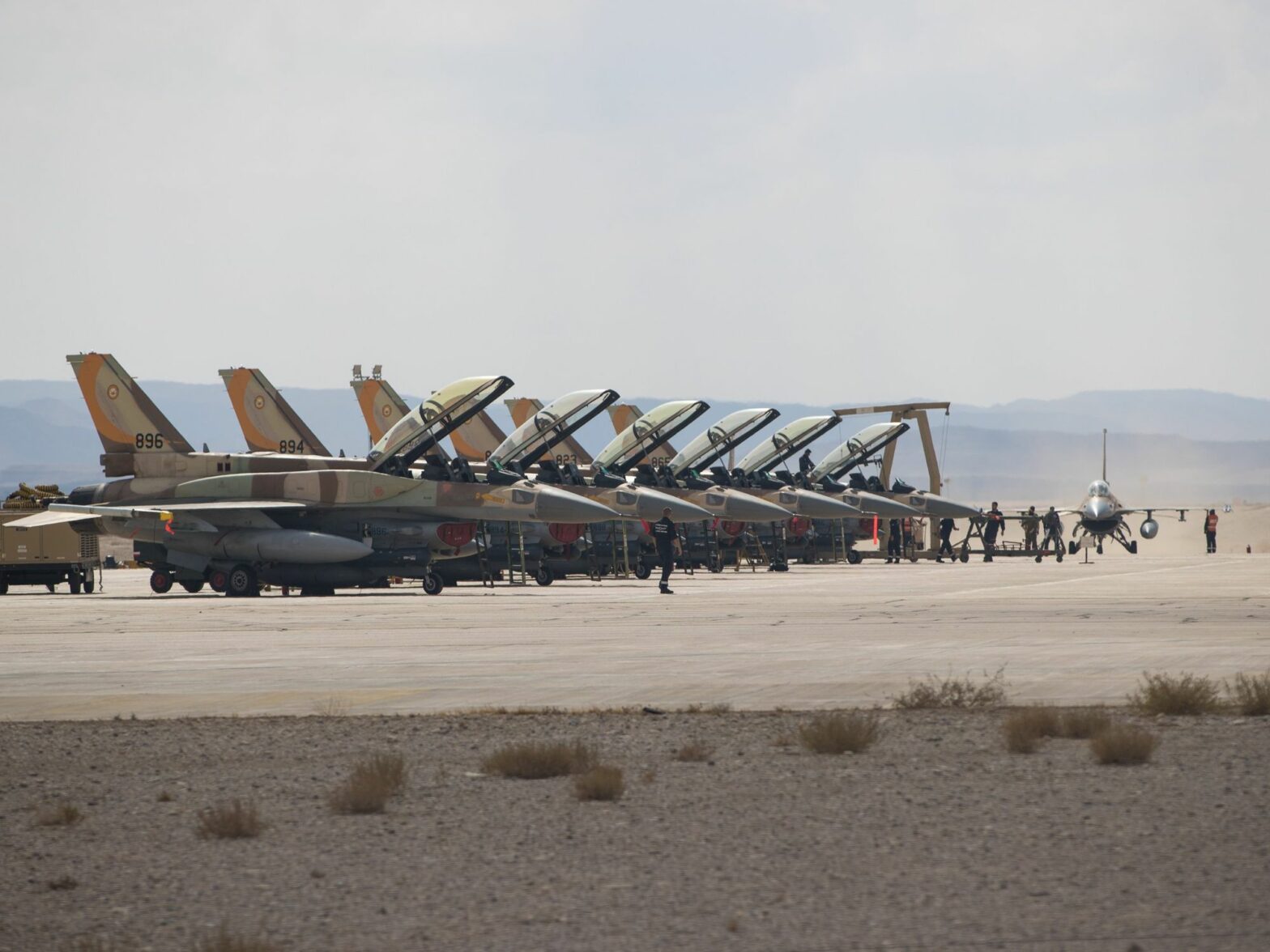
Israel is keeping the Tehran regime and outside observers guessing on the scope and timing of its threatened strikes on Iranian territory. Some say it is seeking to win itself time to “finish up” in Lebanon and Gaza, others say a massive attack on Iran could help reorder the whole region.
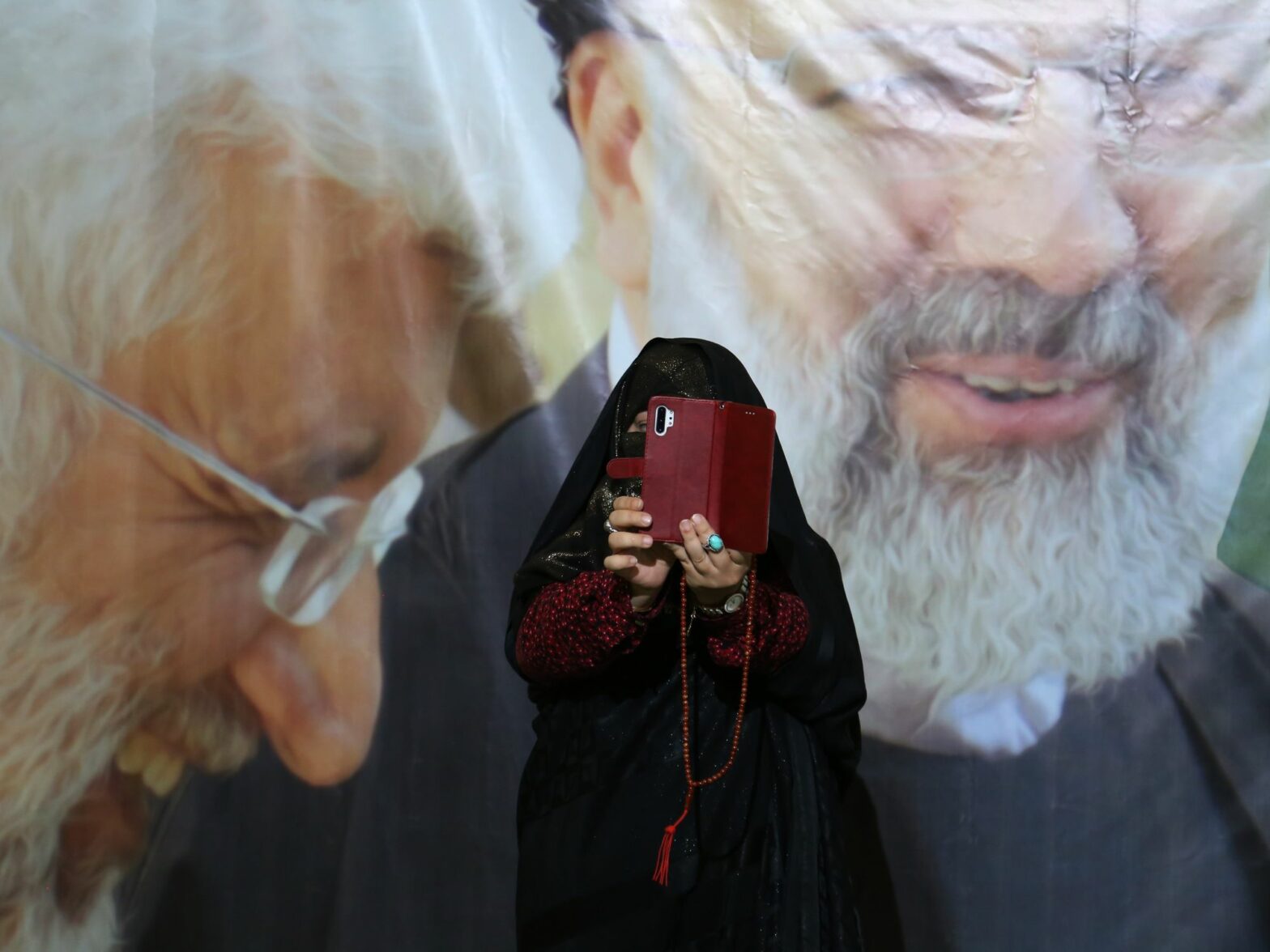
The decision is yet another example of how Iran’s laws since the 1979 revolution have restricted women’s rights both inside and outside the home.
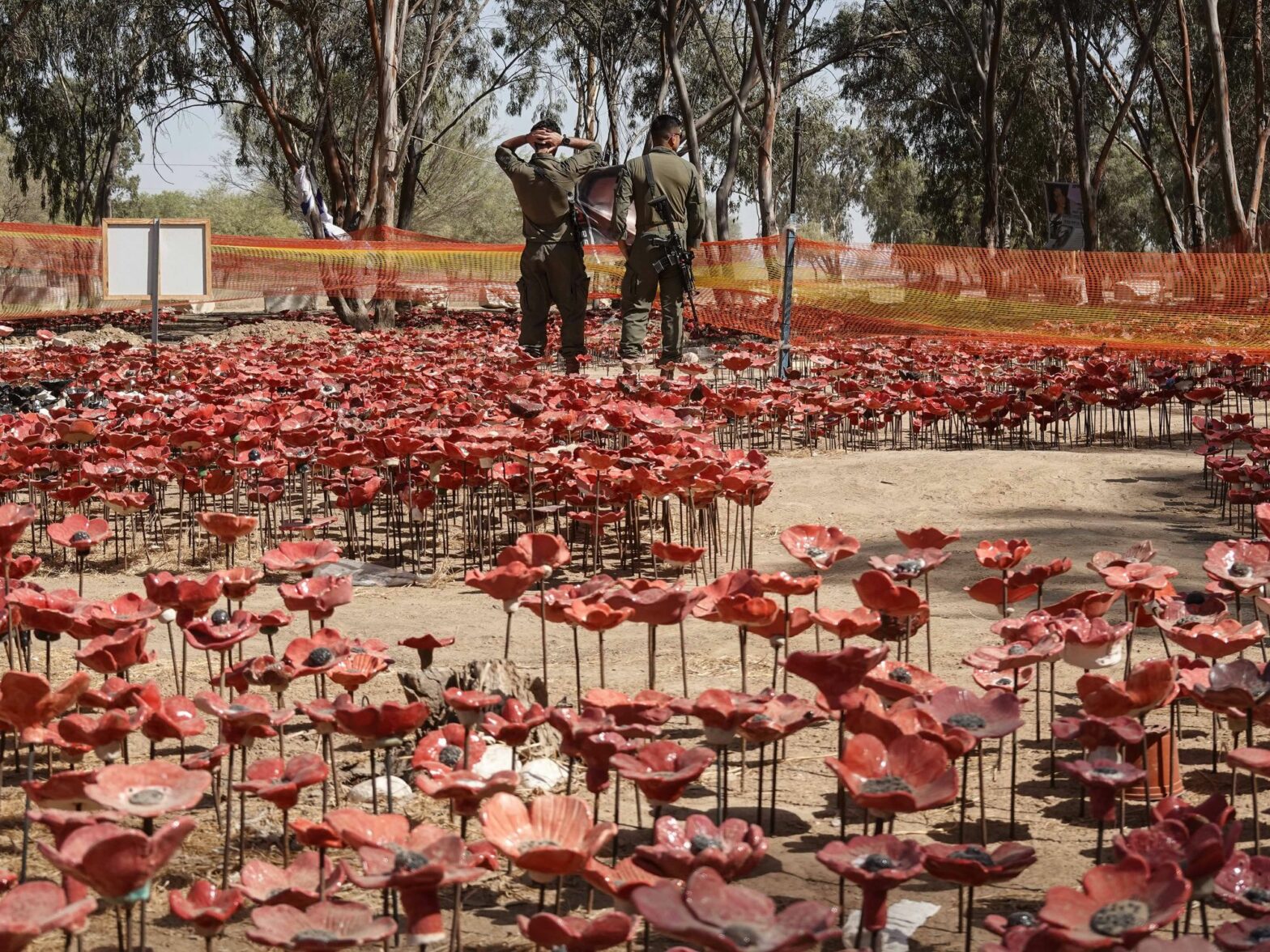
Benjamin Netanyahu escaped the growing calls to stop the war in Gaza and bring the hostages back, by launching another war on Hezbollah. It’s a taste of what’s to come.
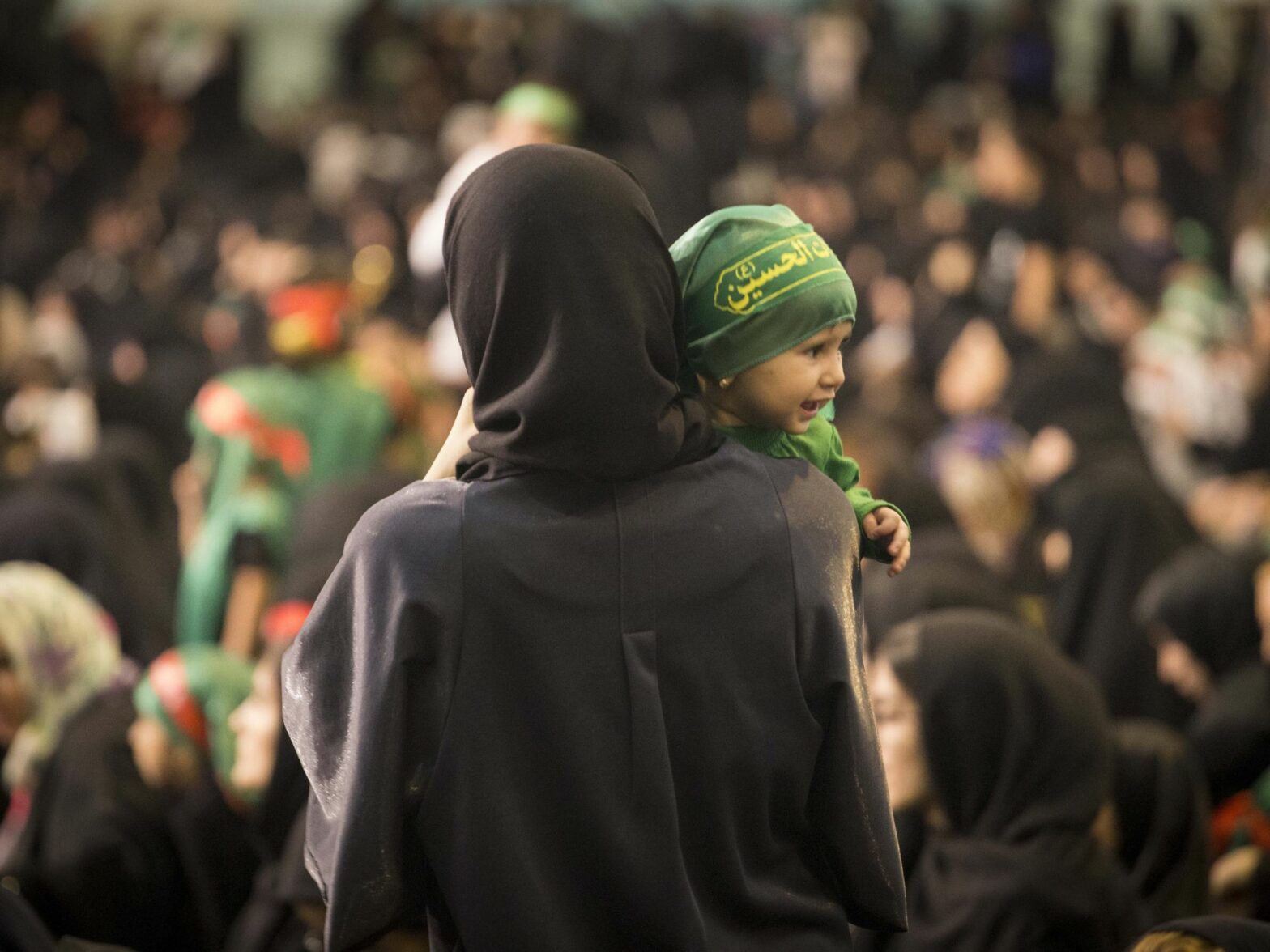
The nation’ deputy health minister, concerned about declining birth rates, wants more young brides, and expects them to start procreating as soon as possible.