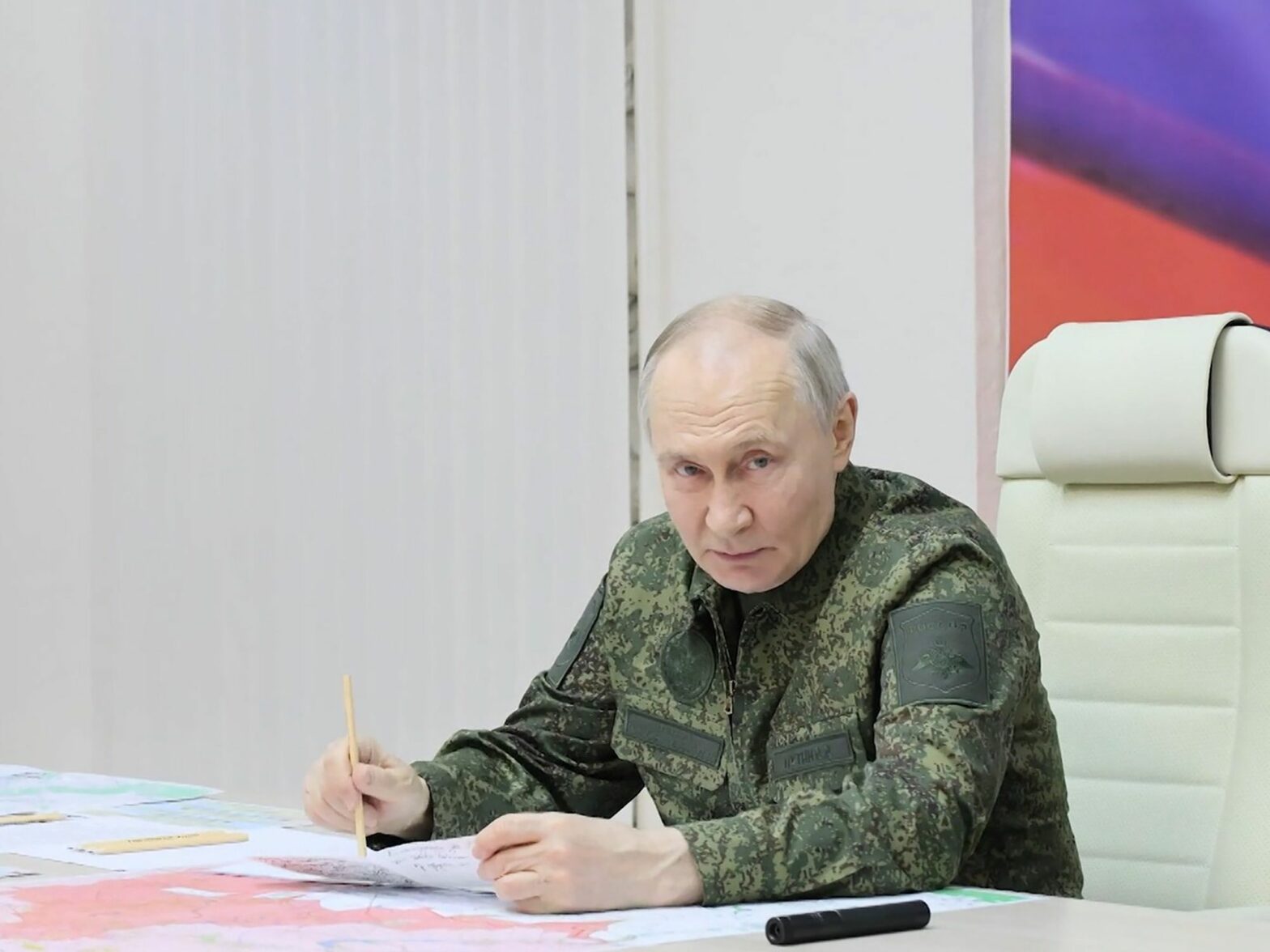
The Russian president has no problem talking about negotiations and peace treaties. But he’s a master decoy artist. Putin has built his power on conflict, and now he needs war to hold on to it.
 Worldcrunch
The Russian president has no problem talking about negotiations and peace treaties. But he’s a master decoy artist. Putin has built his power on conflict, and now he needs war to hold on to it.
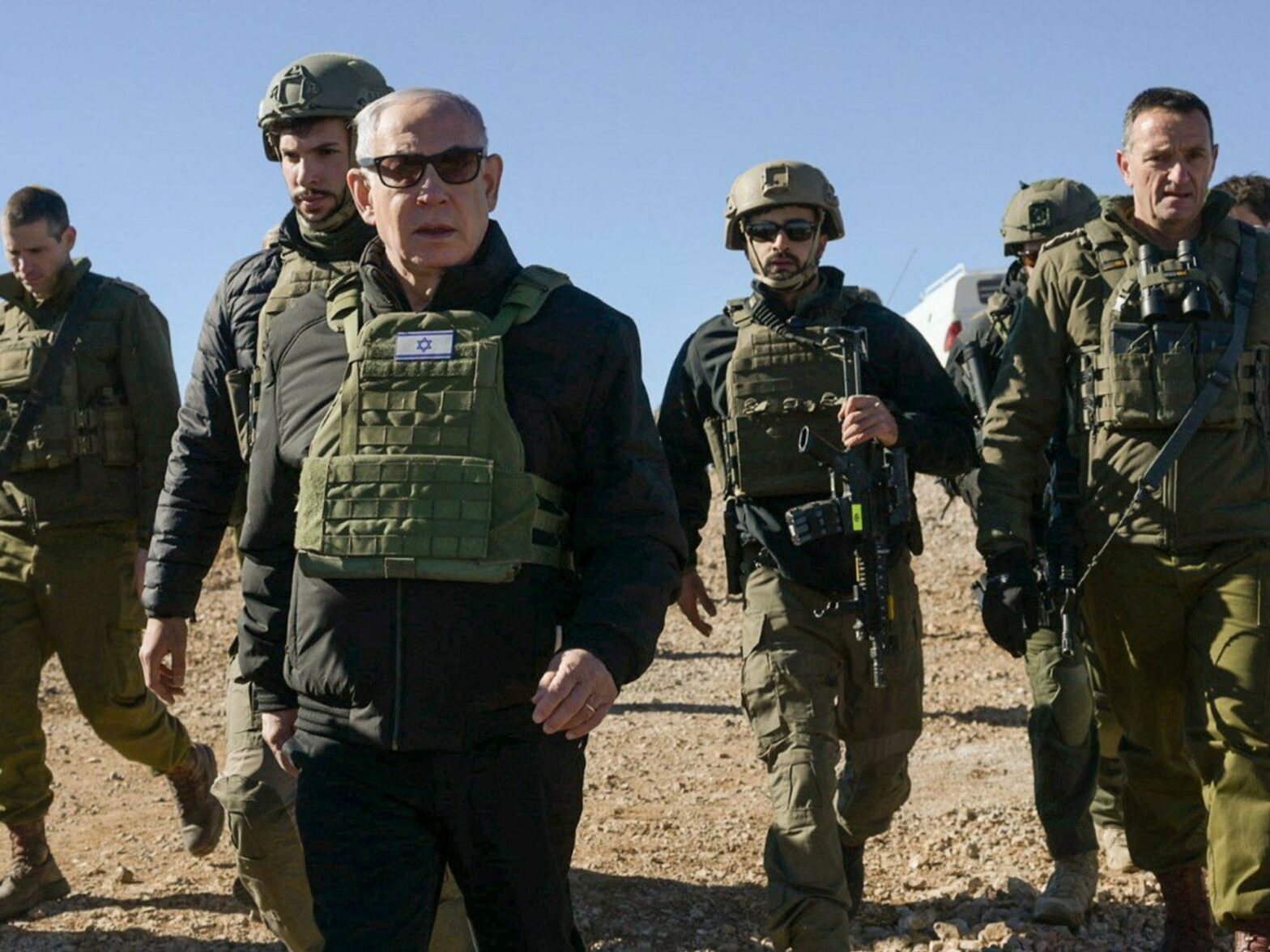
For three days, war has raged once again in Gaza, leaving hundreds of Palestinians dead. Yet a segment of Israeli society is pushing back against the justifications put forth by Prime Minister Benjamin Netanyahu. Backed by Trump, Netanyahu carries on his brutal policy.
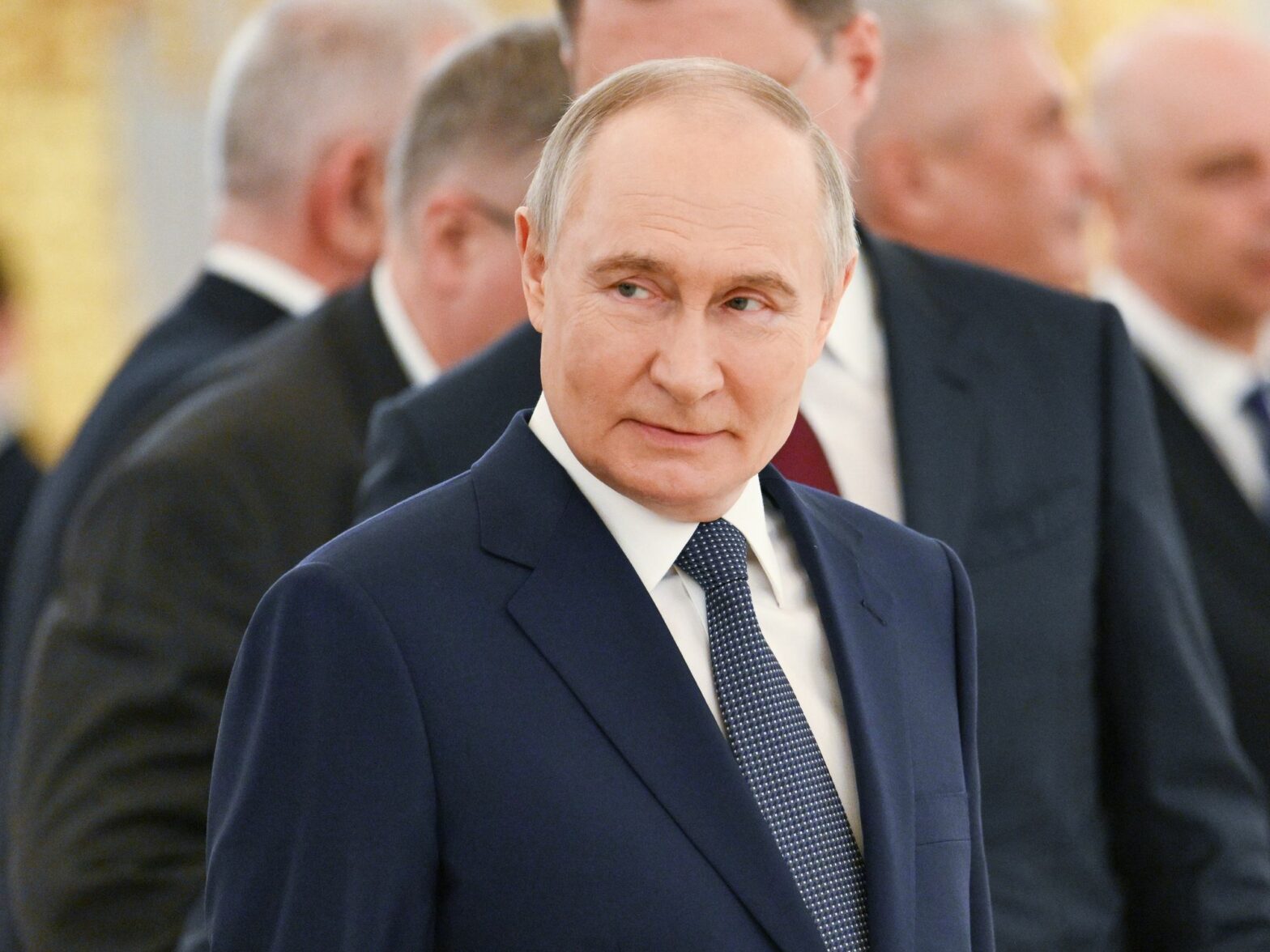
After more than two hours of talks with Trump, Putin agreed only to a partial truce on energy infrastructure and laid out his conditions for moving forward — chief among them, an end to Western aid for Ukraine. Who knows if Trump pushed back at all.
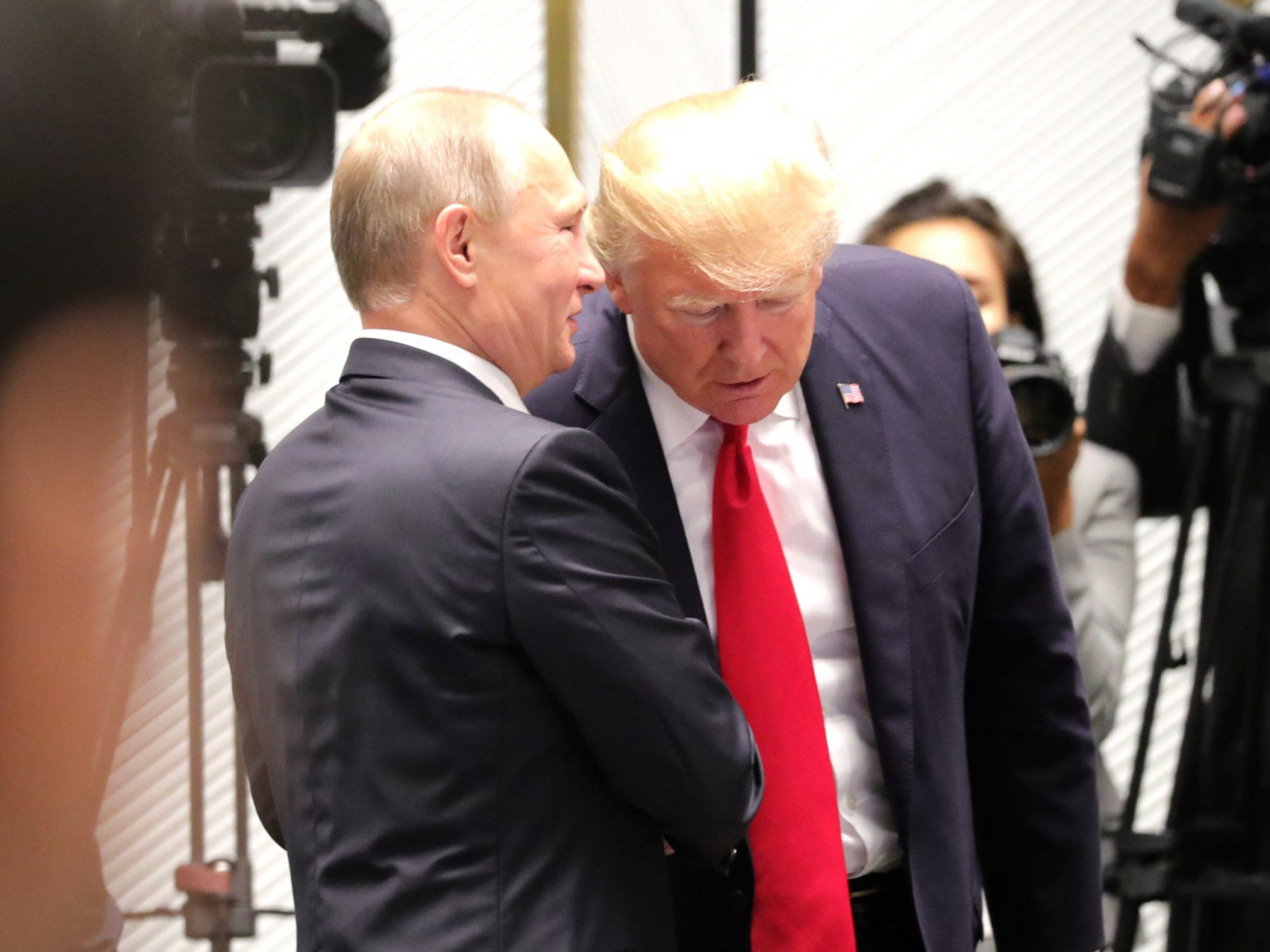
Donald Trump and Vladimir Putin discussed Ukraine and other international matters during a call on Tuesday. What do the two leaders have in common? A shared worldview alone no longer explains it.
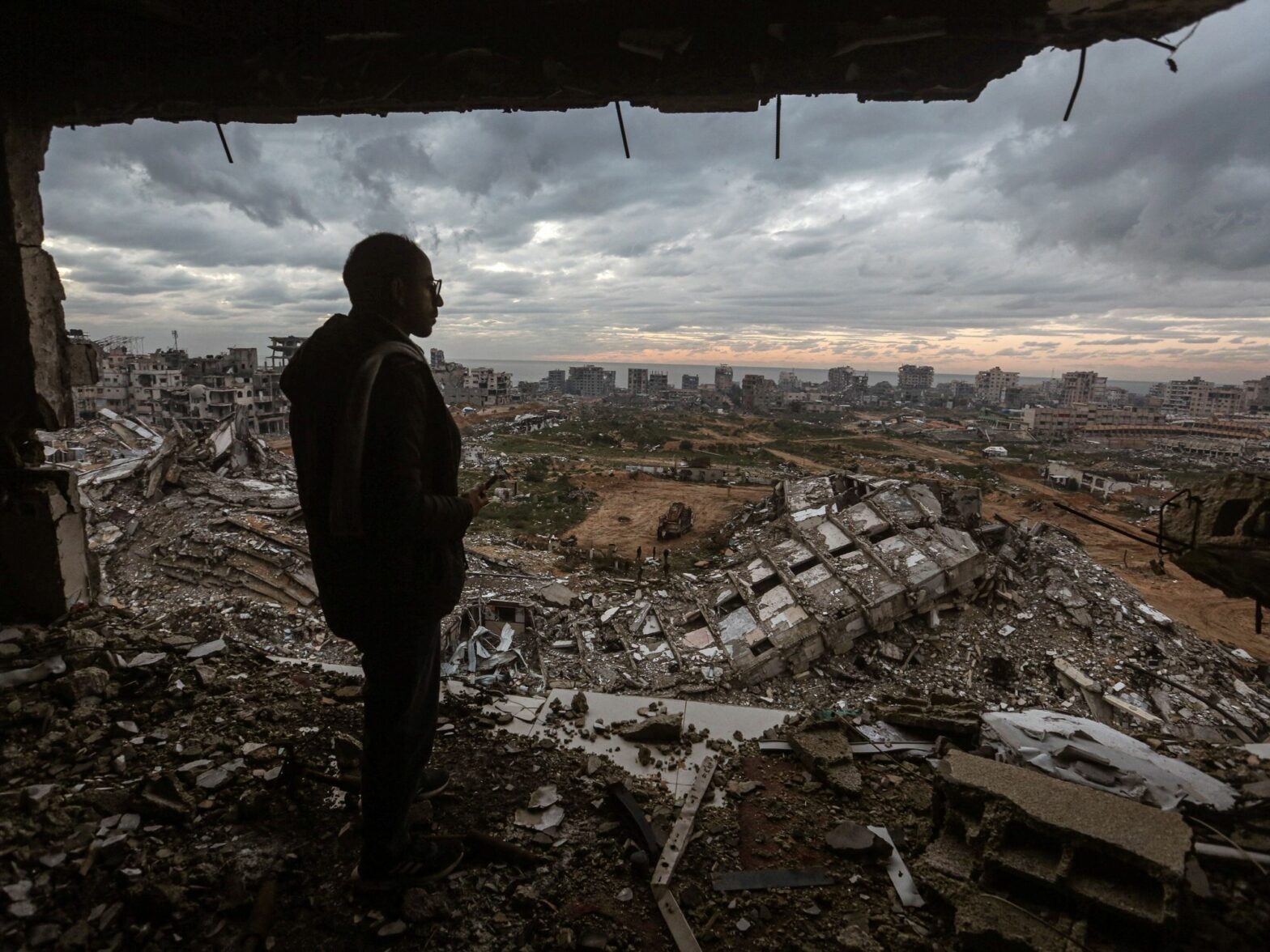
As Gazan families struggle to find food and shelter amid the rubble, the future remains uncertain. Residents remain in a constant state of waiting, oscillating between hope and despair.

The French president defended Ukraine and called for an unprecedented effort to strengthen Europe’s defense in a speech aimed at rallying the French people. Yet he refrained from criticizing Donald Trump.

Gathered in London alongside Ukrainian President Volodymyr Zelensky, top European leaders set forth the goal to keep the U.S. engaged, even if it means swallowing their pride in the face of the disgraceful behavior of America’s top leaders.

An AI-generated video shared by Donald Trump on his social network depicts the transformation of Gaza he has proposed: luxury resorts, and no Palestinians. An abomination toward the victims of the war, it also contains a depiction of Trump himself that is the seed of his own inevitable downfall.
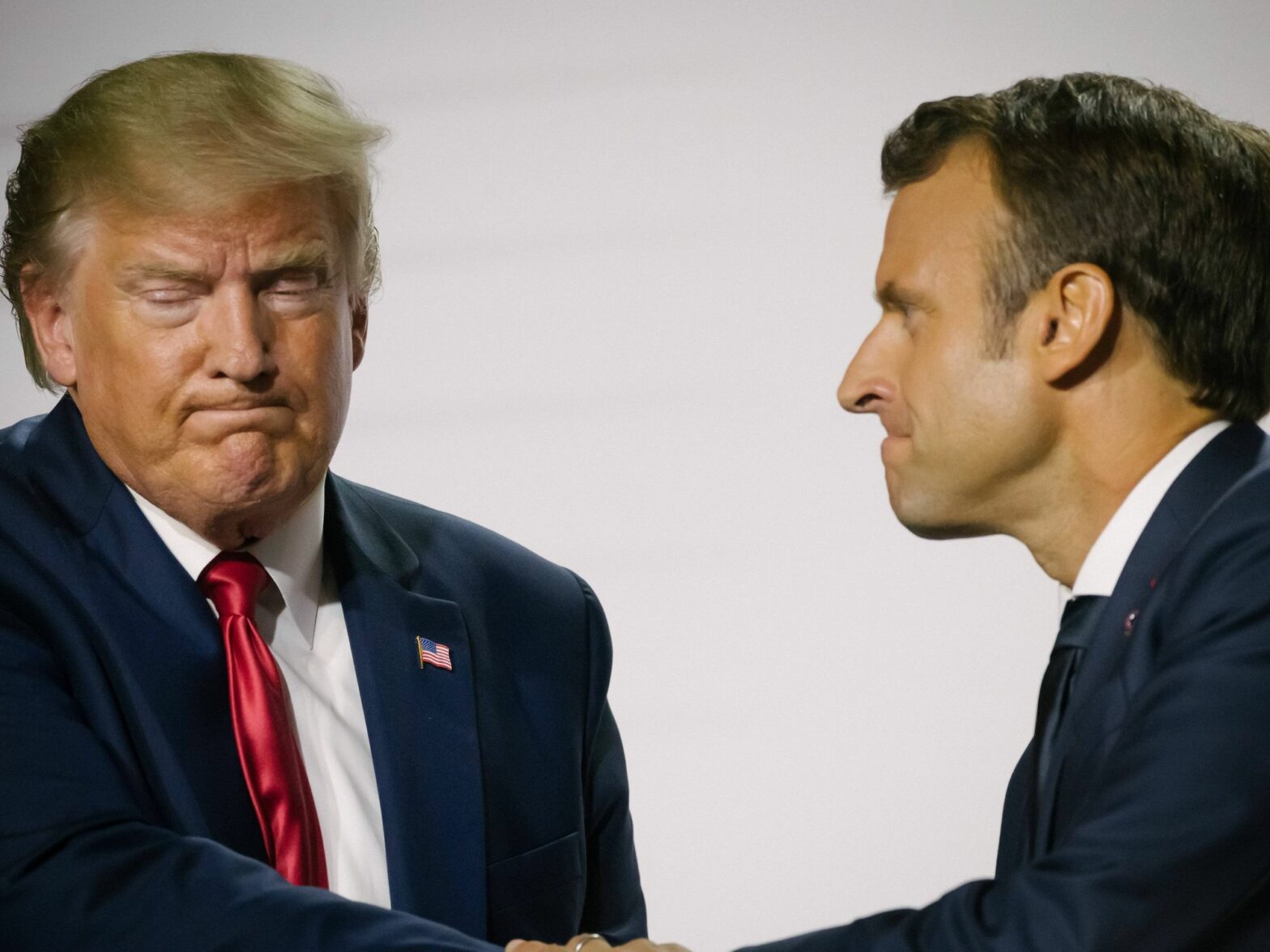
French President Emanuel Macron is on a whirlwind visit to Washington in a bid to avoid a U.S.-Russia deal at the expense of Ukraine and European security. It’s as much a transatlantic mission of psychology as politics, but Macron believes he can persuade the U.S. president.
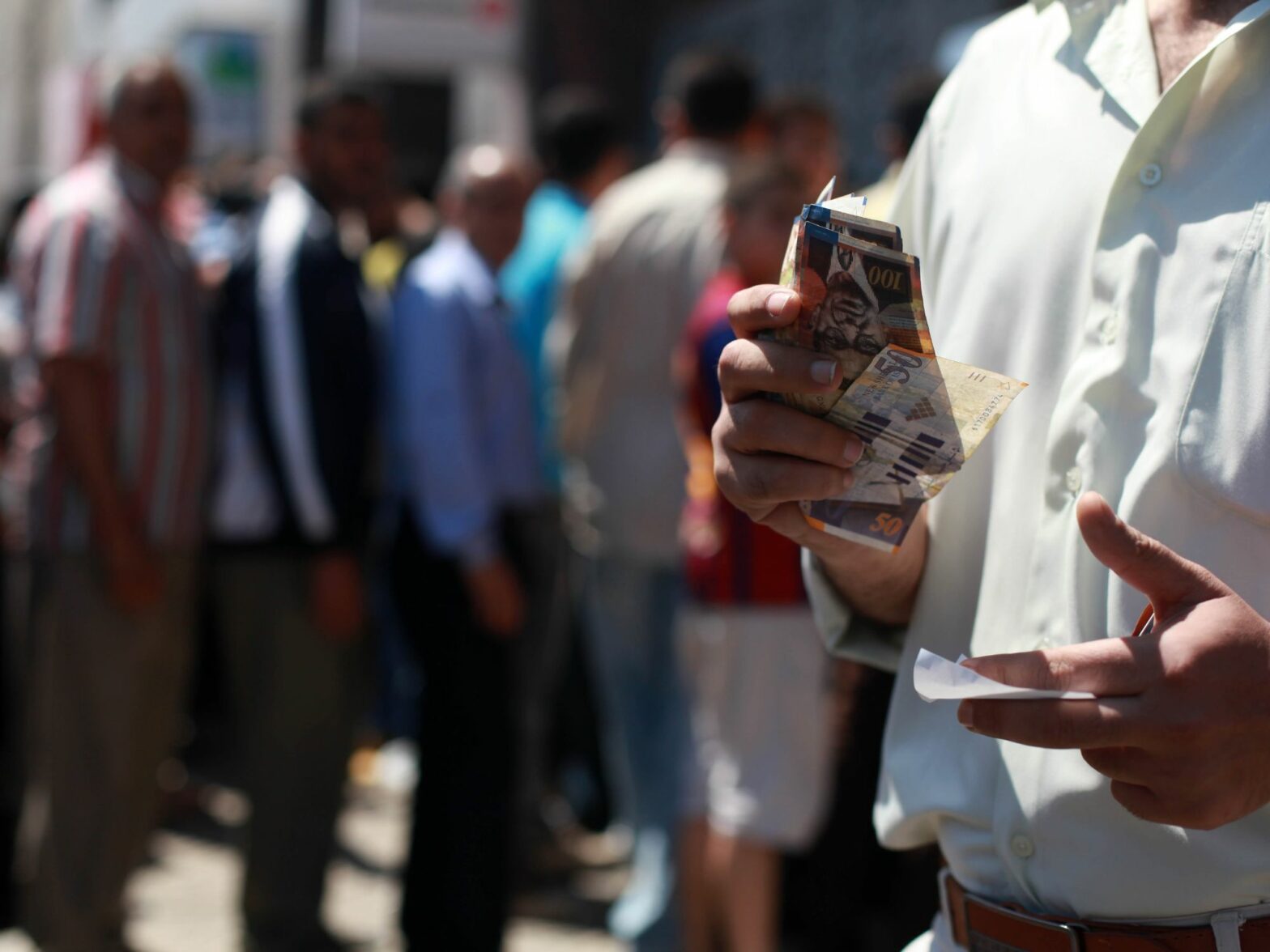
With many of Gaza’s banks and ATMs destroyed, Palestinians are turning to money brokers to obtain cash — and paying commission fees of up to 30% . While the practice is criminalized under the Palestinian law, many say agencies in Gaza are not taking action against the brokers, allowing their businesses to flourish.

U.S President Donald Trump appears to be pushing forward his pledge for a quick peace in Ukraine, following his surprise call Wednesday with Russian President Vladimir Putin. But what would a ceasefire look like? And how doe we get there?
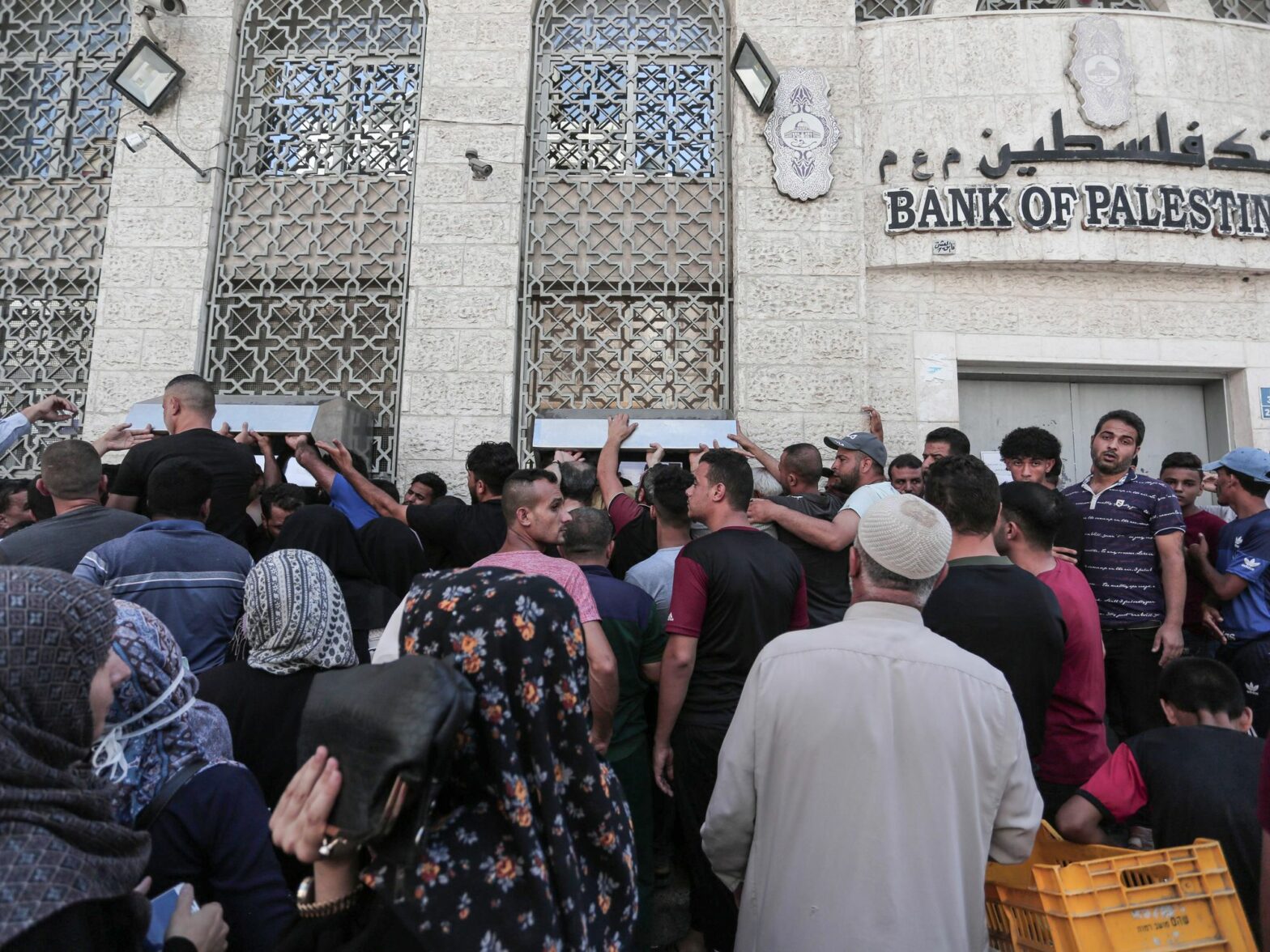
With many of Gaza’s banks and ATMs destroyed, Palestinians are turning to money brokers to obtain cash — and paying commission fees of up to 30% . While the practice is criminalized under the Palestinian law, many say agencies in Gaza are not taking action against the brokers, allowing their businesses to flourish.
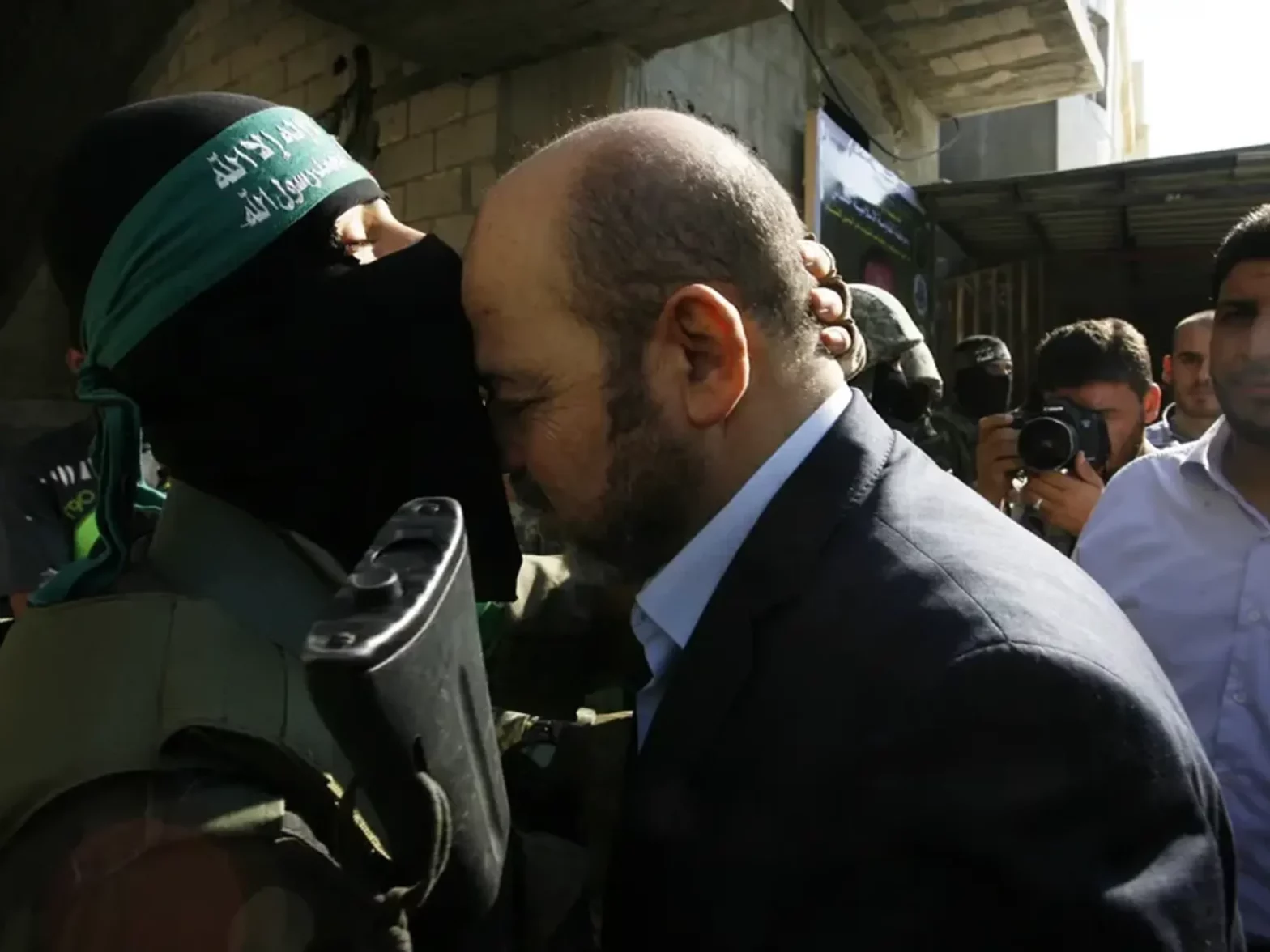
In his first extensive interview since the ceasefire, longtime influential Hamas leader Mousa Abu Marzouk said the group is running Gazan affairs, despite Israel’s attempt to unseat it. Still, Abu Marzouk said Hamas is seeking a future Palestinian unity leadership that it doesn’t necessarily have to run on its own.
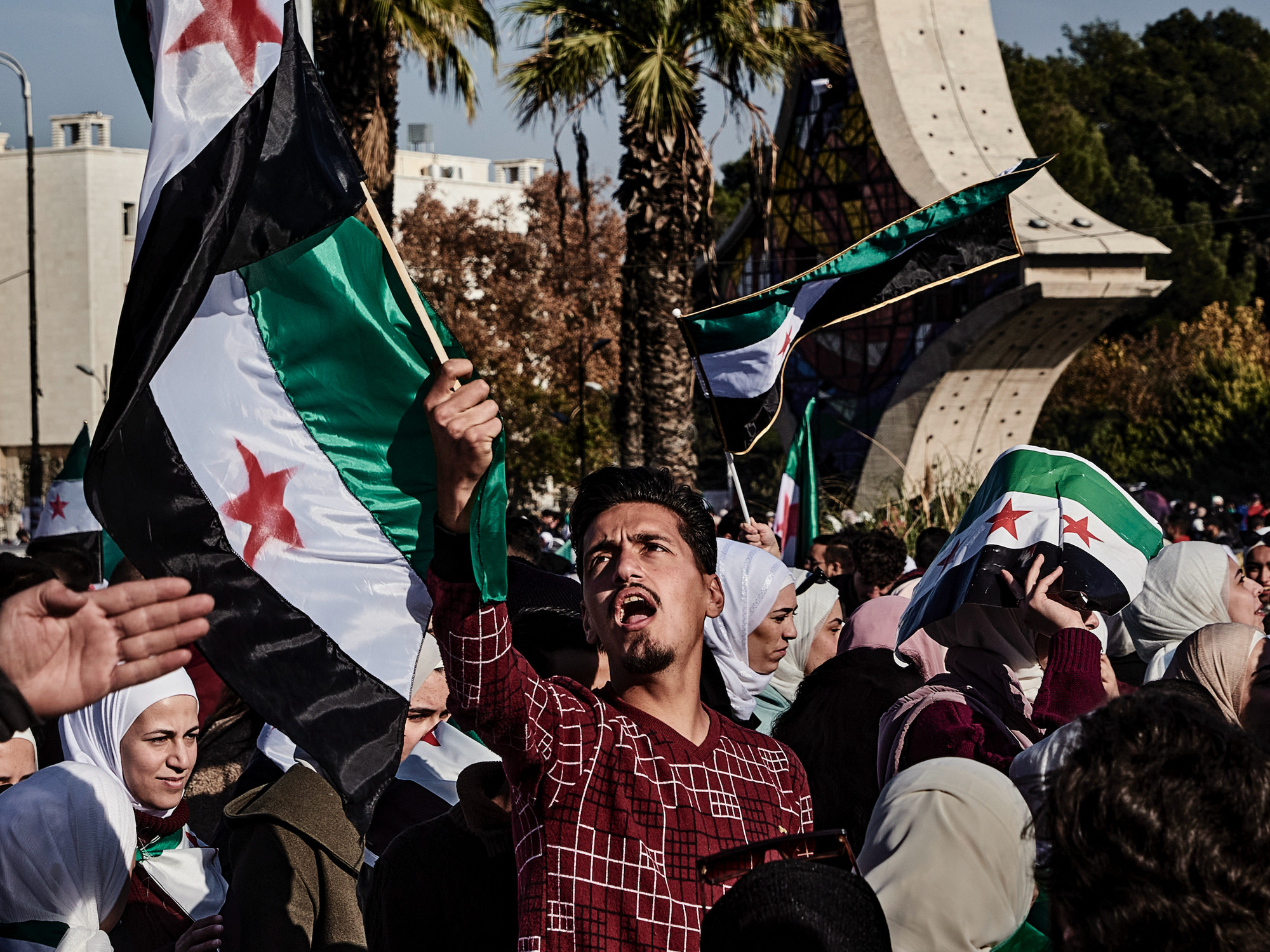
The year started without the tyrant of Damascus. Lebanon elected a president. Gaza has a ceasefire. Some of this progress is due to external geopolitical forces, yet there are signs that the region could be turning around from within.

Among the images, are photos from Thailand, Gaza, Turkey, Japan — among other places.
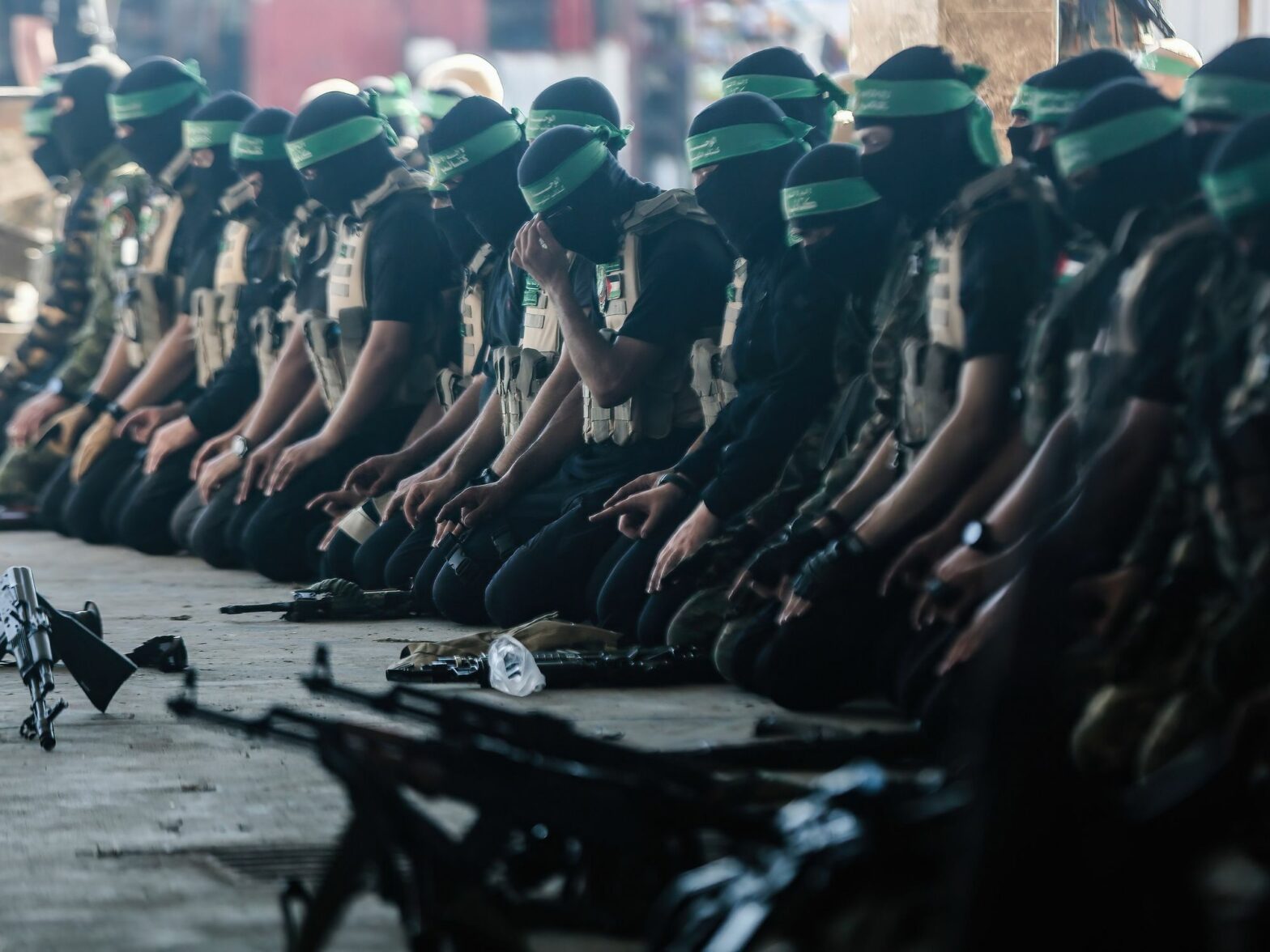
Israel has killed thousands of Hamas fighters. But the Gaza-based terrorist organization has not yet been completely destroyed, nor have its allied militias in the region.
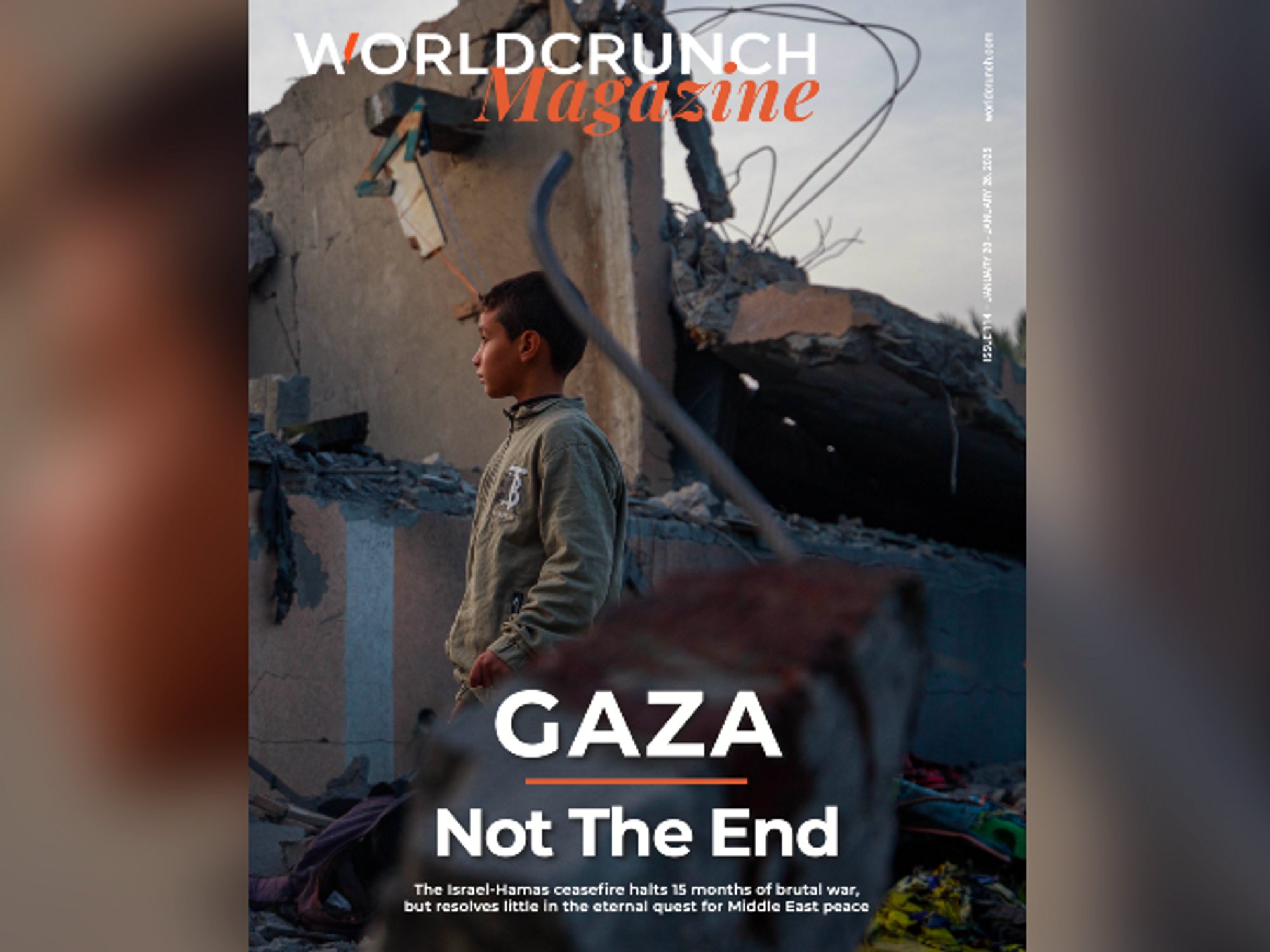
Janurary 20 – January 26, 2025
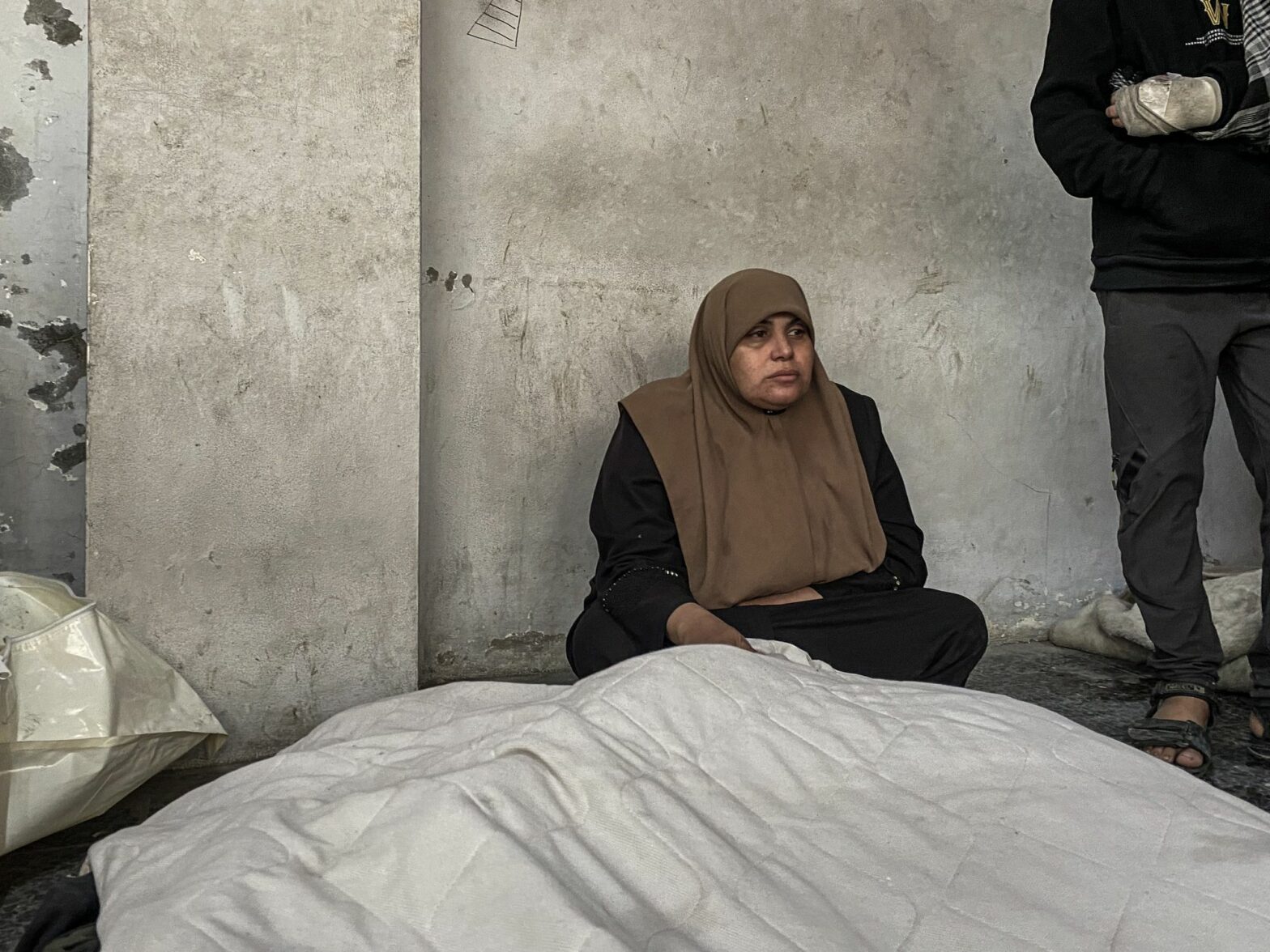
The people of Gaza will return to their homes, even those that have been destroyed. Loved ones will be reunited after a long separation, and far too much death. They will hug each other with amputated arms. Is there way to find joy amid the pain and rubble?
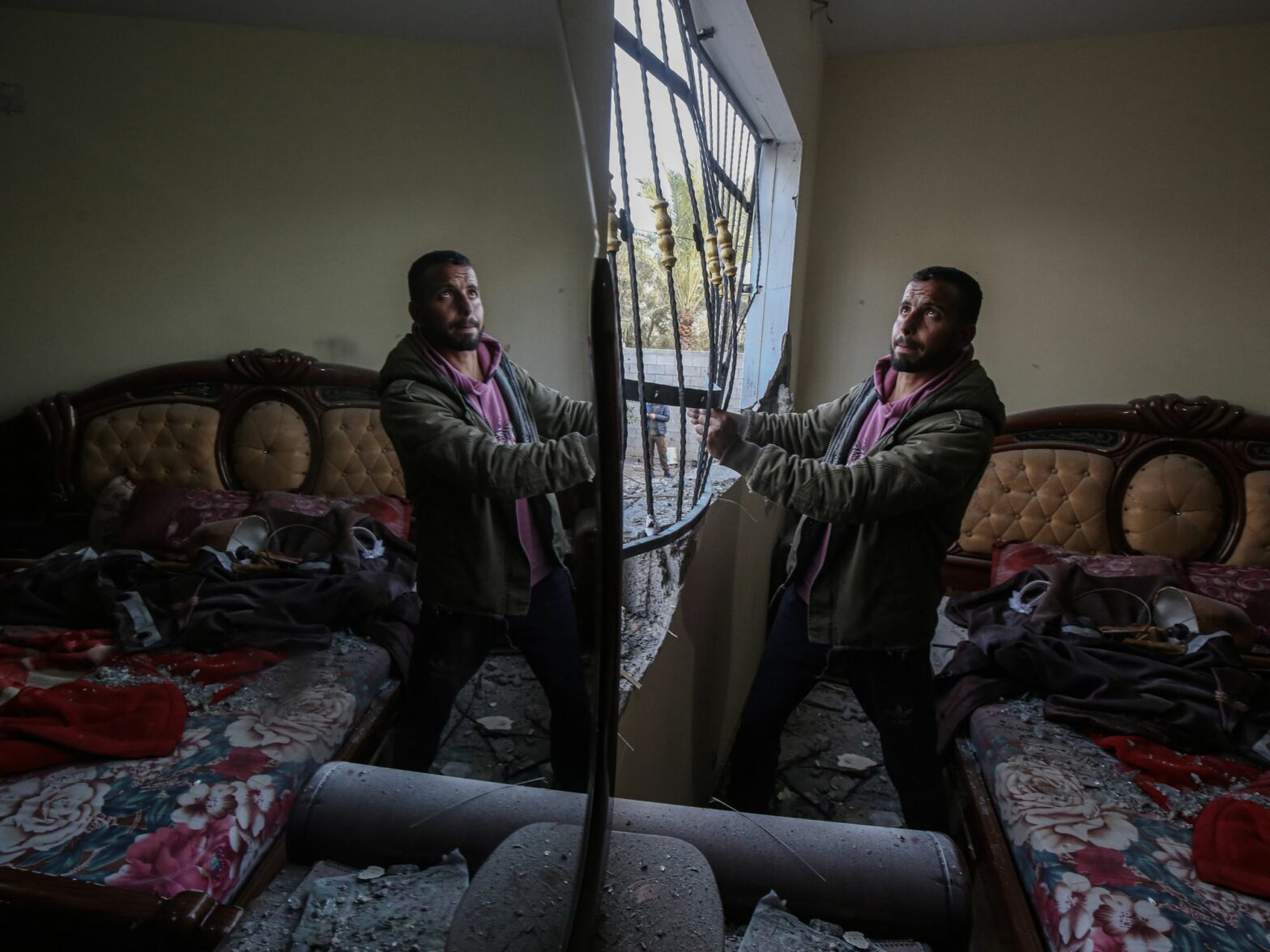
As the fragile Israel-Hamas ceasefire offers brief respite for Gaza, the Arab world’s response remains divided. While some celebrate diplomatic efforts, others remain skeptical, highlighting the ongoing humanitarian toll and the uncertainty of lasting peace.
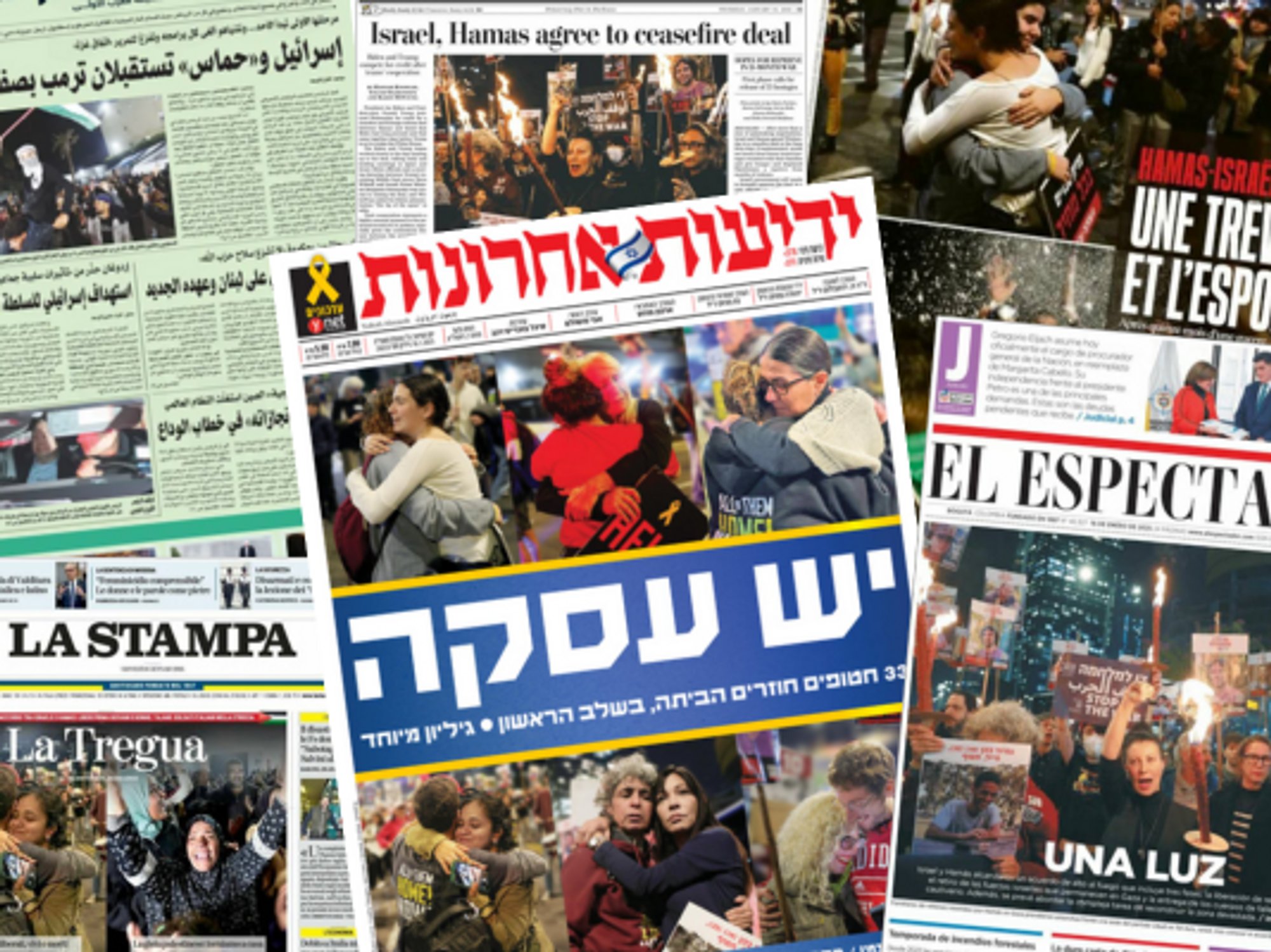
Newspapers from around the world are devoting their front pages to the announcement of a ceasefire agreement between Israel and Hamas.
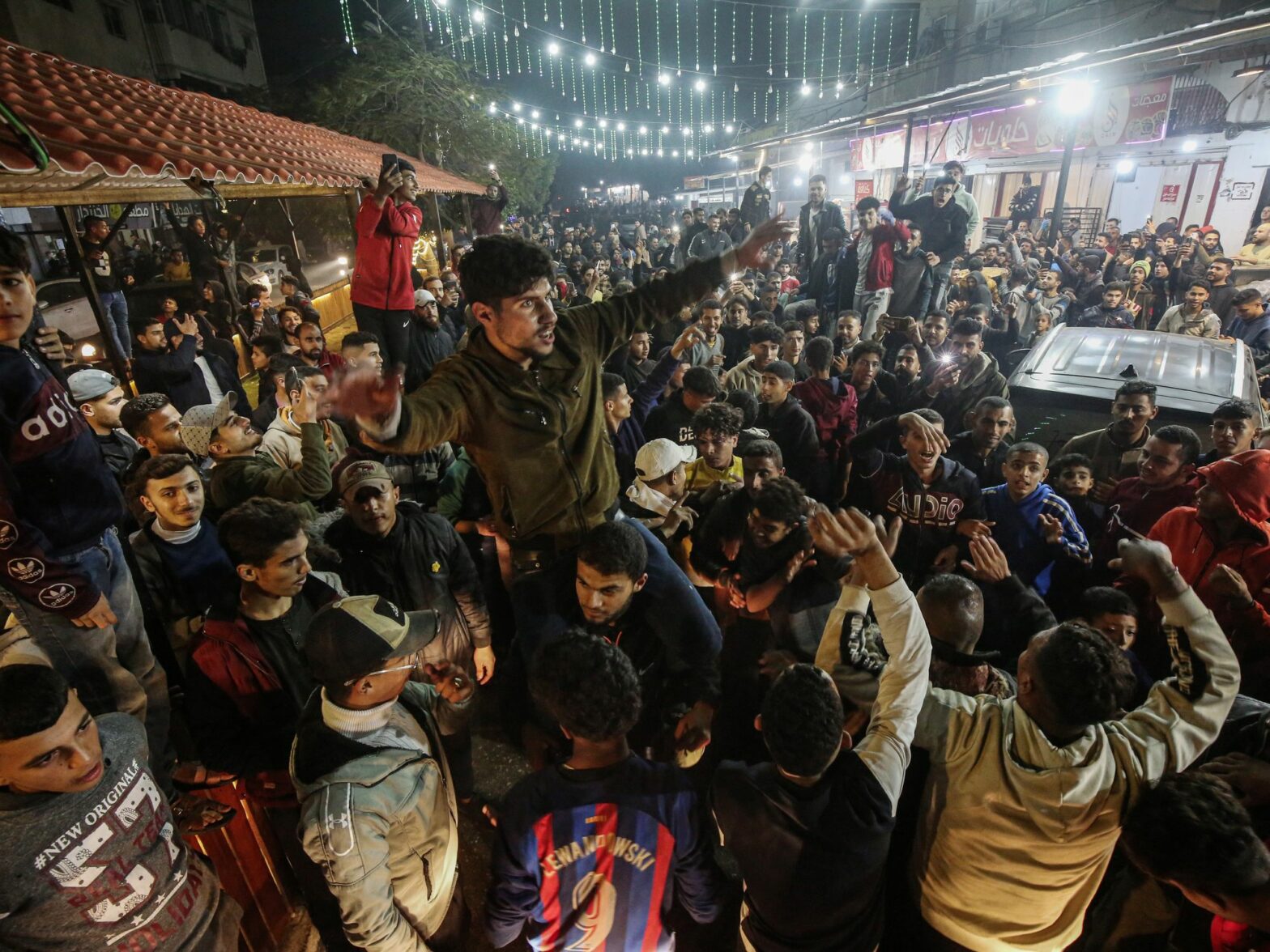
Israel and Hamas have reached a ceasefire agreement brokered by the United States — with an important role played by Donald Trump — along with Qatar and Egypt. It’s a relief to families of hostages and Palestinians in Gaza but also raises the question of the “day after,” which remains unwritten.
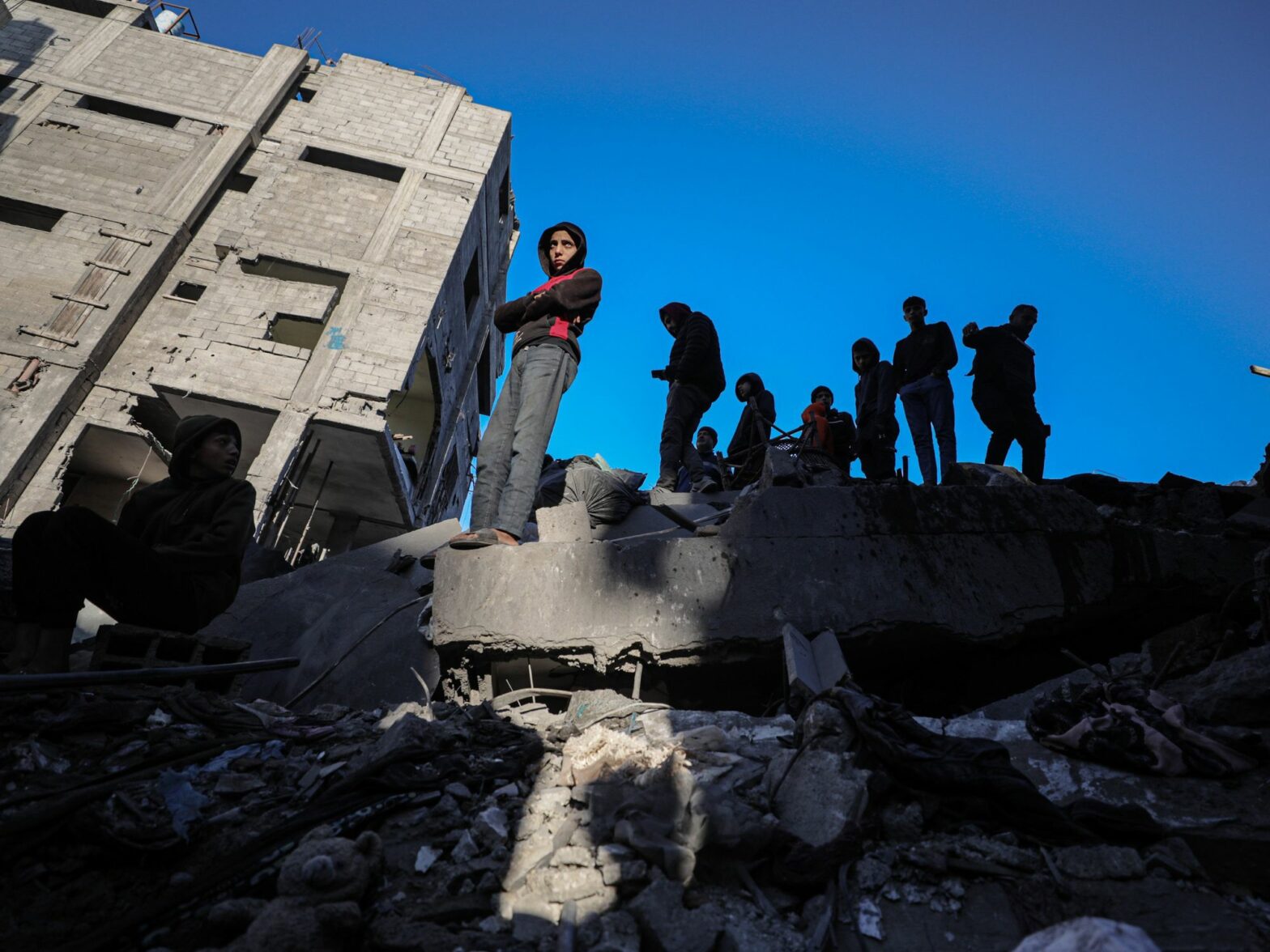
A ceasefire could happen any moment now in Gaza, with Donald Trump’s surrogates playing a key role in softening Benjamin Netanyahu. The president-elect wants to reenter the White House having already ended a conflict, even if nothing is actually resolved for the long term.
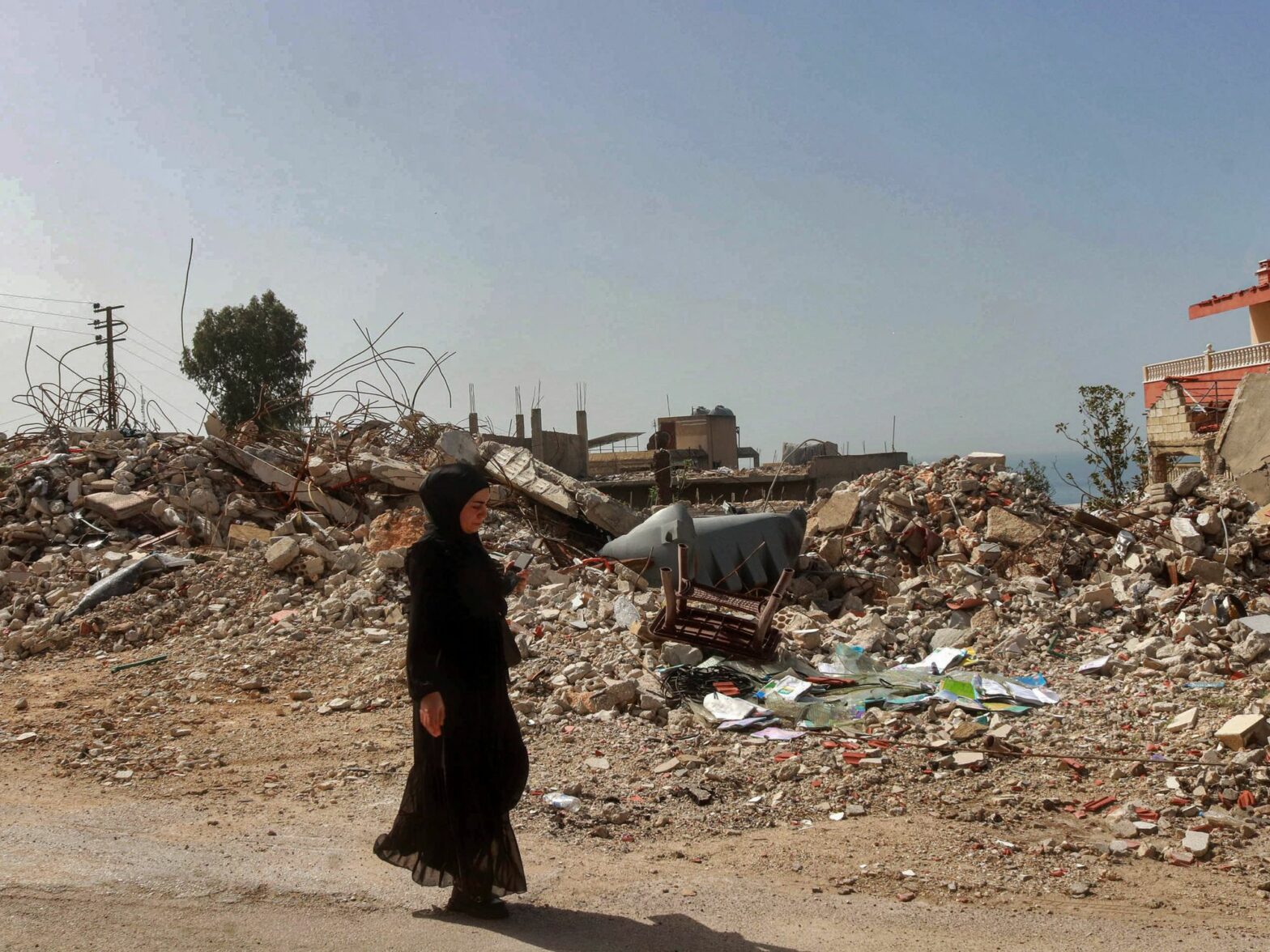
Returning to their destroyed villages in the south, Lebanese found no one waiting for them. Others have no possibility to return. Meanwhile, Israel considers it just a 60-day pause in fighting. What deal was cut behind closed doors?
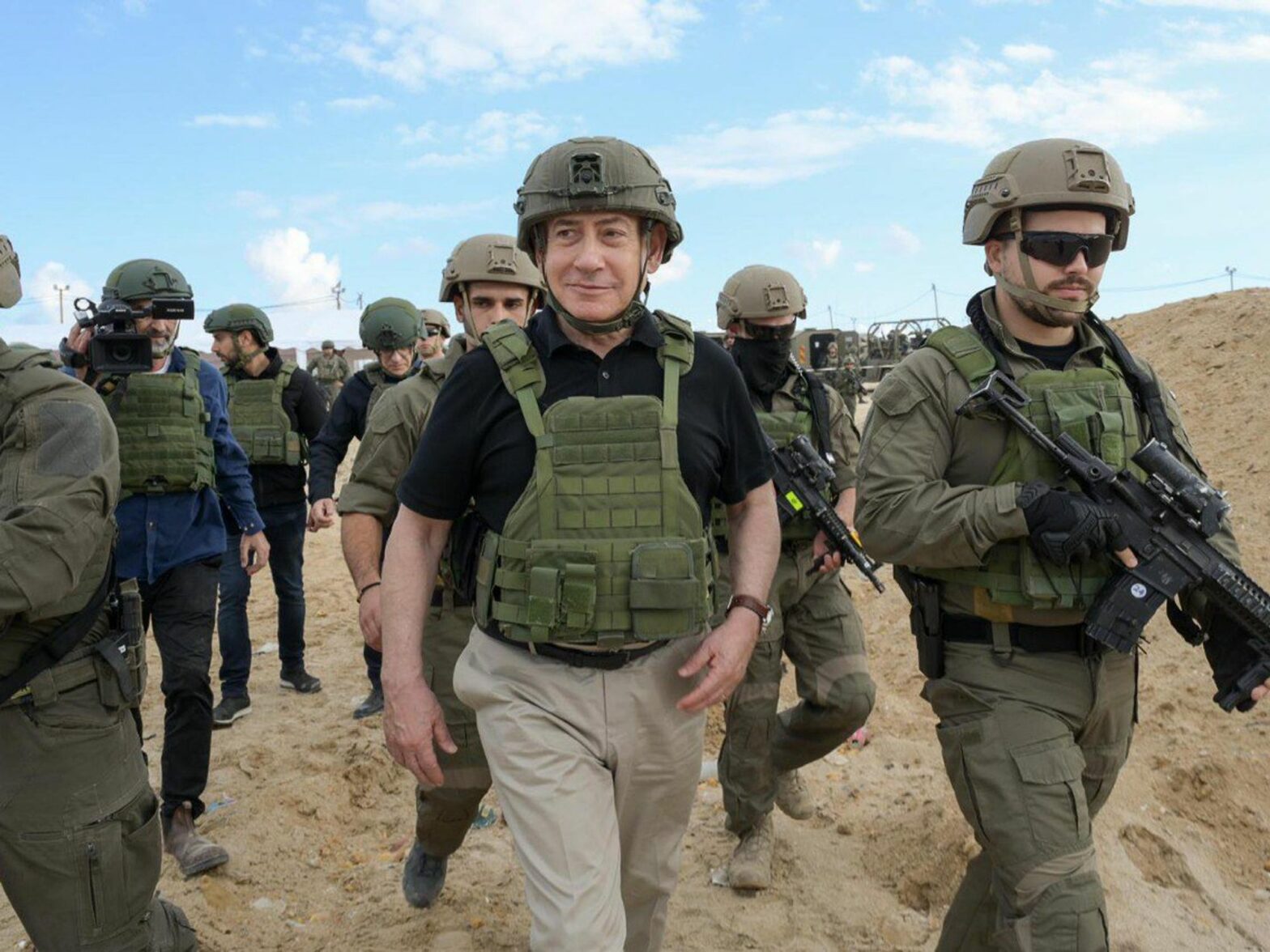
The Israeli Prime Minister has been clear: The ceasefire in Lebanon will allow him to focus on Iran and on Syria, through which Hezbollah’s weapons are transported. But the underlying factors are Iran’s nuclear program and Donald Trump’s return to the White House.
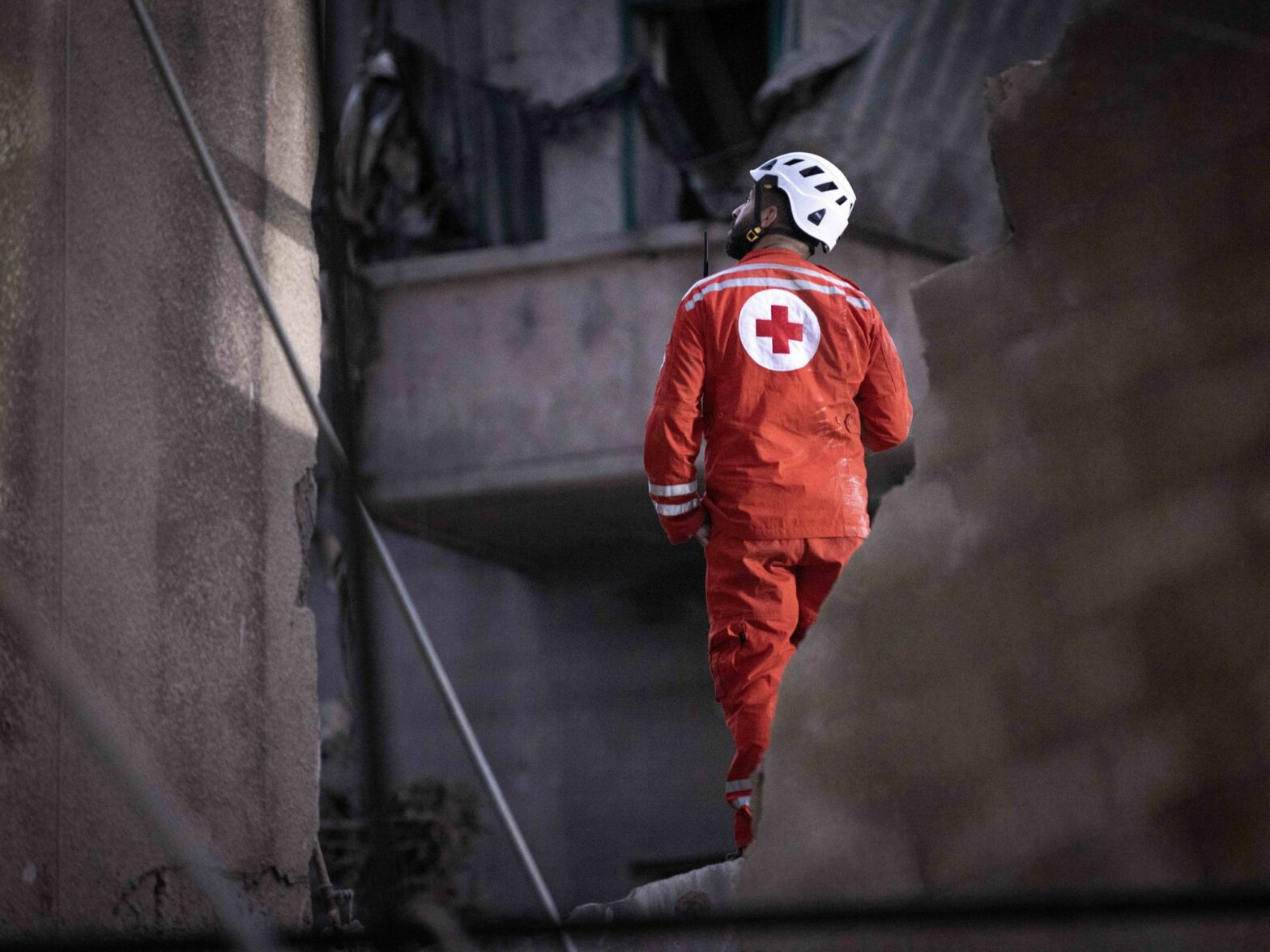
Israel and Lebanon have reached a U.S. and France-brokered ceasefire agreement. It’s an intricate agreement that requires a withdrawal of Israeli forces within 60 days, contingent on Hezbollah retreating north. And it shifts focus, allowing the war in Gaza to continue unabated.
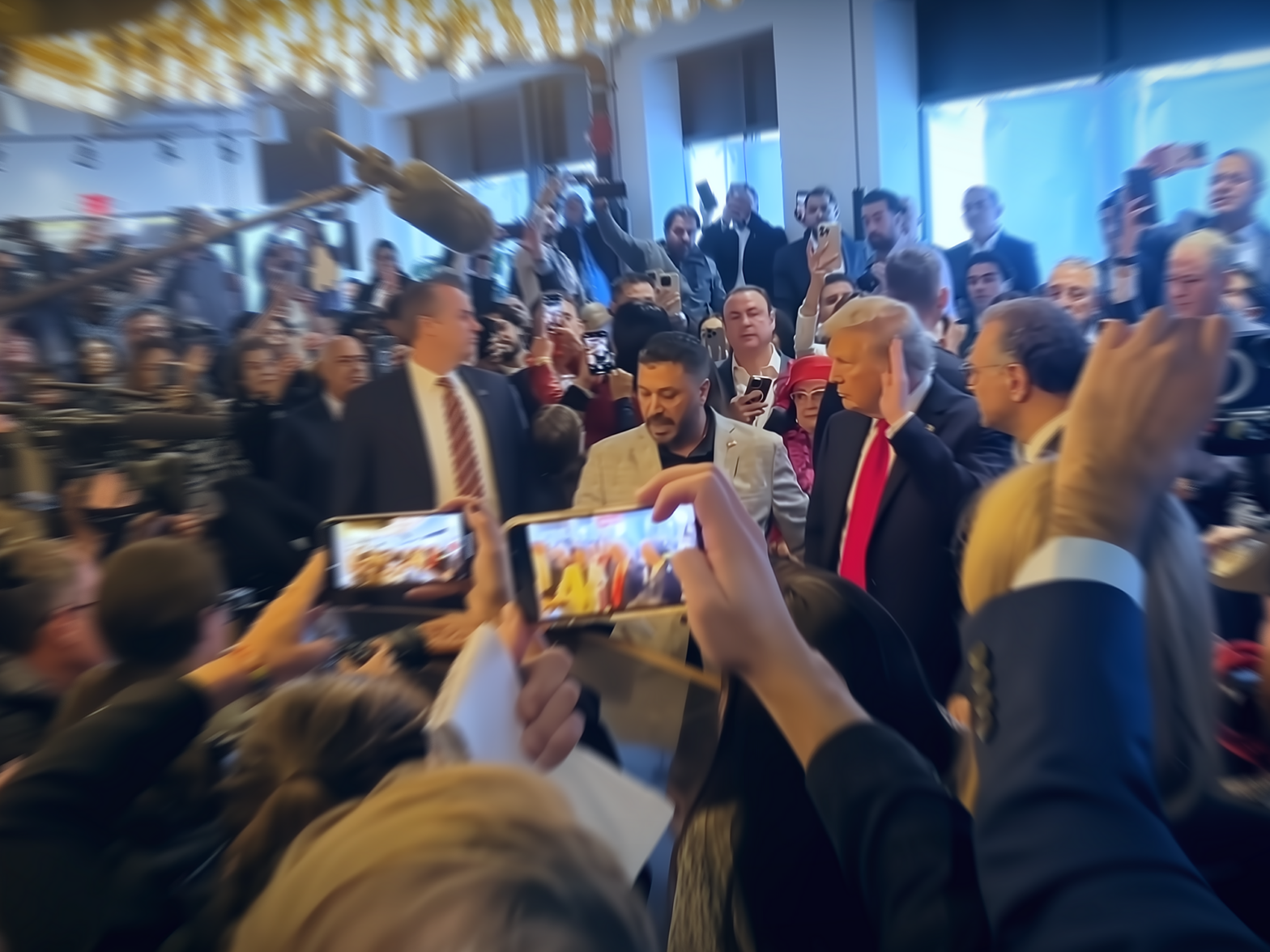
Lebanese House Speaker Nabih Berri has made a notable public quip about Donald Trump signing a pledge to end the violence in Lebanon in a famous café in Dearborn, Michigan. Everyone is trying to read between the lines, even as thousands are dying across Lebanon since Israel launched its offensive.
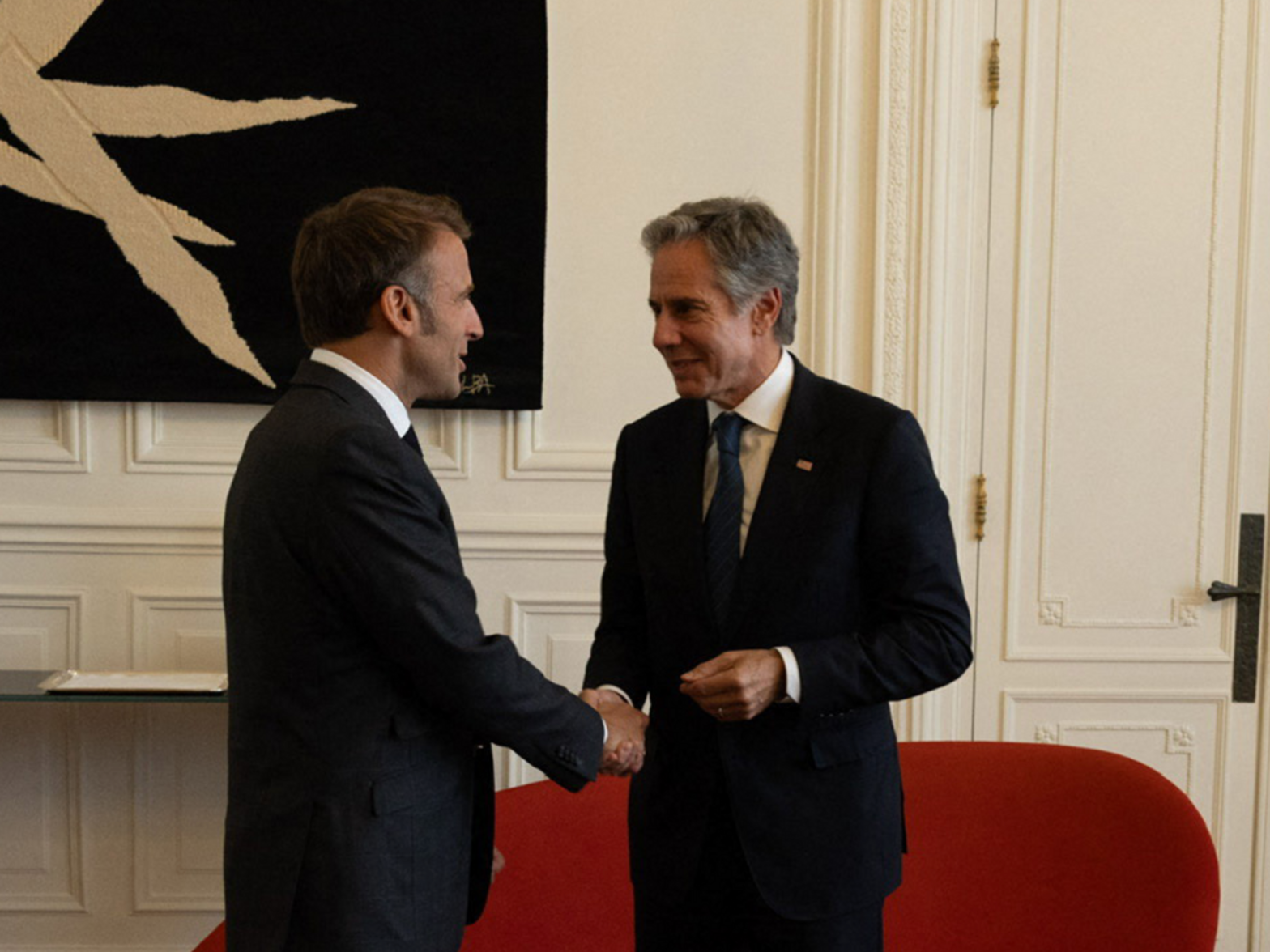
When Emmanuel Macron called for an embargo on arms supplies to Israel, he was aiming at the United States, following the failure of the attempted ceasefire in Lebanon. Paris even speaks of ‘duplicity’ by Washington and Israel. It’s just the latest example of the failure of diplomacy in the face of the “logic of war.”
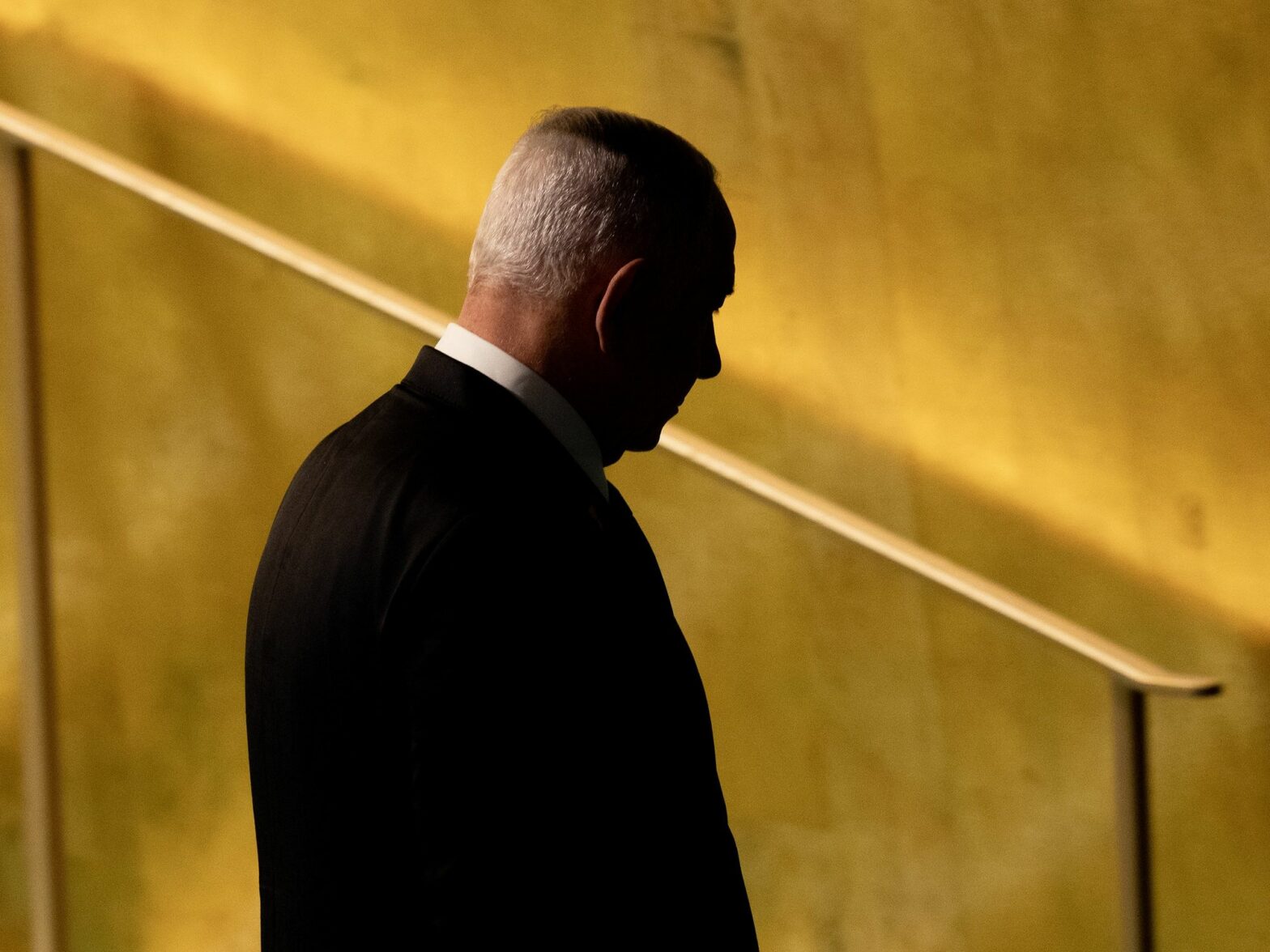
The Israeli Prime Minister has scored a major victory with the elimination of Hezbollah leader Hassan Nasrallah. But Netanyahu is showing no signs of relenting, continuing the bombing of Lebanon, and also striking Yemen. All with Iran as the ultimate target. Yet can force alone guarantee Israel’s security?
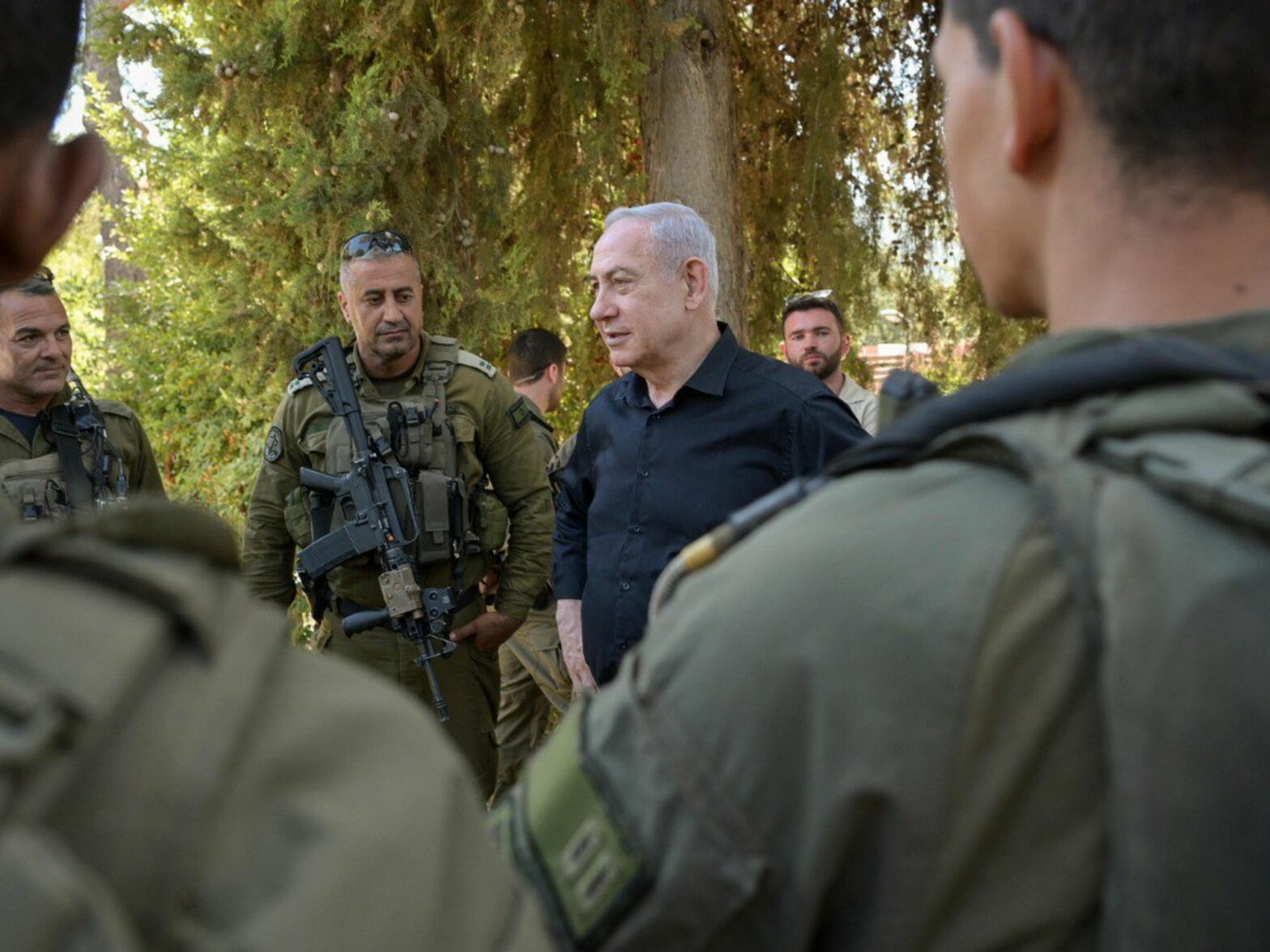
The first calls for ceasefire made by the United States and France, supported by a broad coalition, was ignored by the belligerents Hezbollah and Israel, for different reasons. The risk of escalation, including an Israeli ground invasion, grows with each passing day.
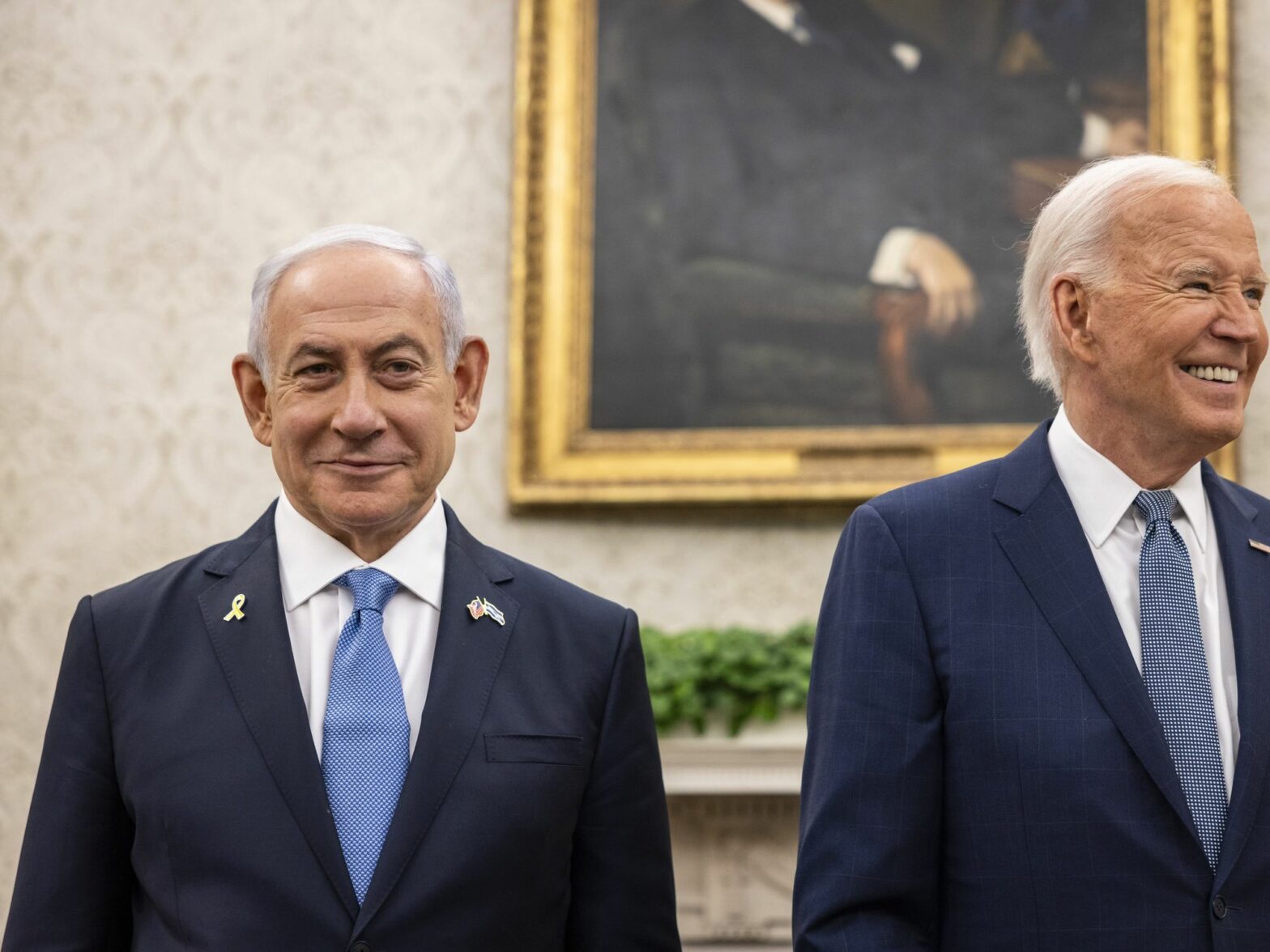
The upsurge in violence between Israel and Hezbollah in recent days carries the risk of regional conflagration that the United States does not want. But once again, for almost a year now, the Americans have been unable to get their Israeli ally to listen.

Updated August 2, 2024 at 12:00 p.m. Iraq invaded Kuwait on this day in 1990. This surprise invasion marked the beginning of a major international conflict and set the stage for the Gulf War. What were the reasons behind Iraq’s invasion of Kuwait? One key factor was Iraq’s desire to control Kuwait’s vast oil reserves, as Iraq was struggling with significant debt from the Iran-Iraq War. Additionally, territorial disputes, economic grievances, and claims of Kuwaiti overproduction of oil were cited by Iraq as reasons for the invasion. What were the major events of the Gulf War? Significant events included the […]
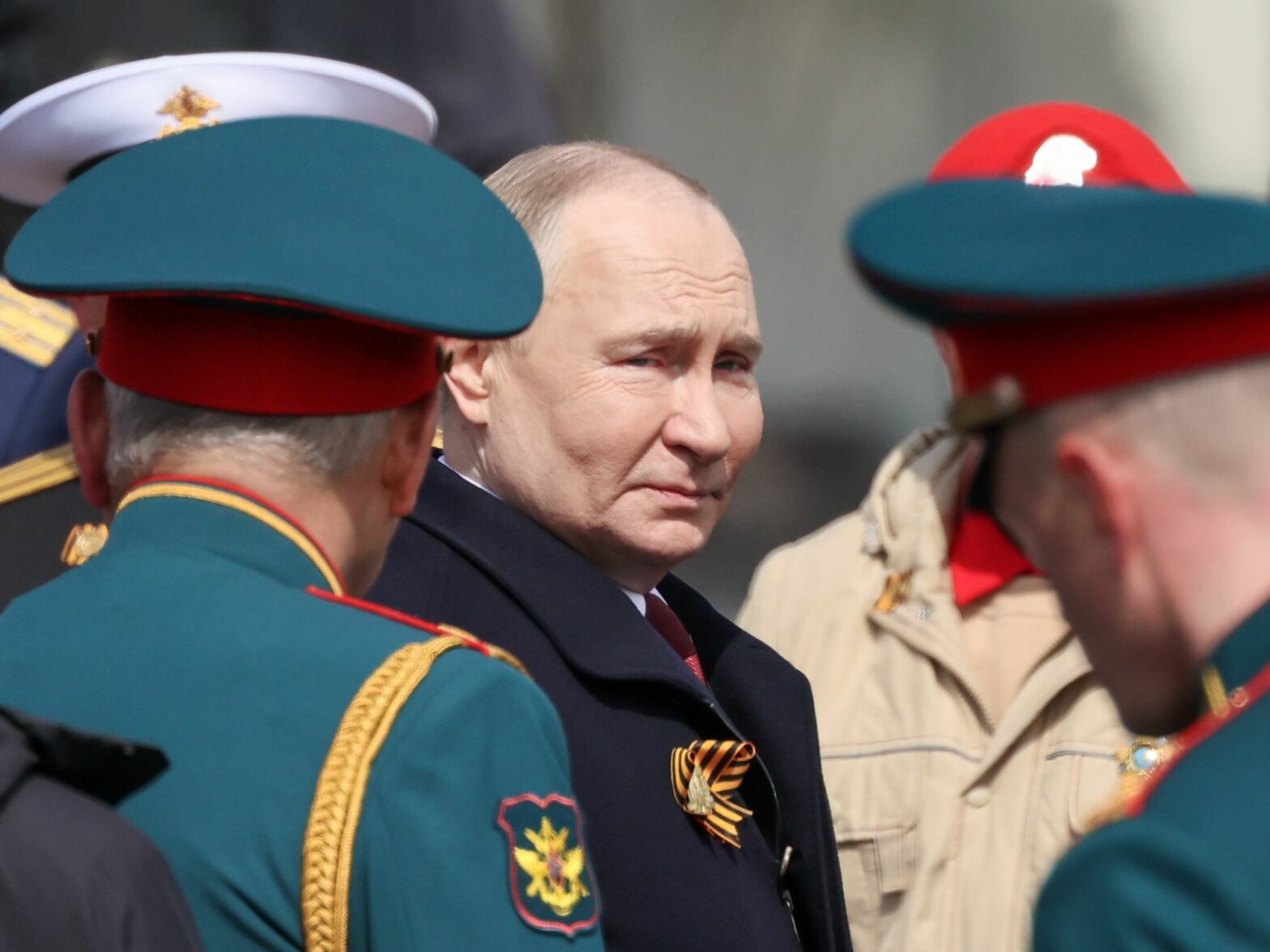
Over the past two weeks, Vladimir Putin has stated four times that Russia is ready for peace talks with Ukraine, but that those negotiations would be based on “current realities at the front,” by which he means maintaining occupied territories under his control.
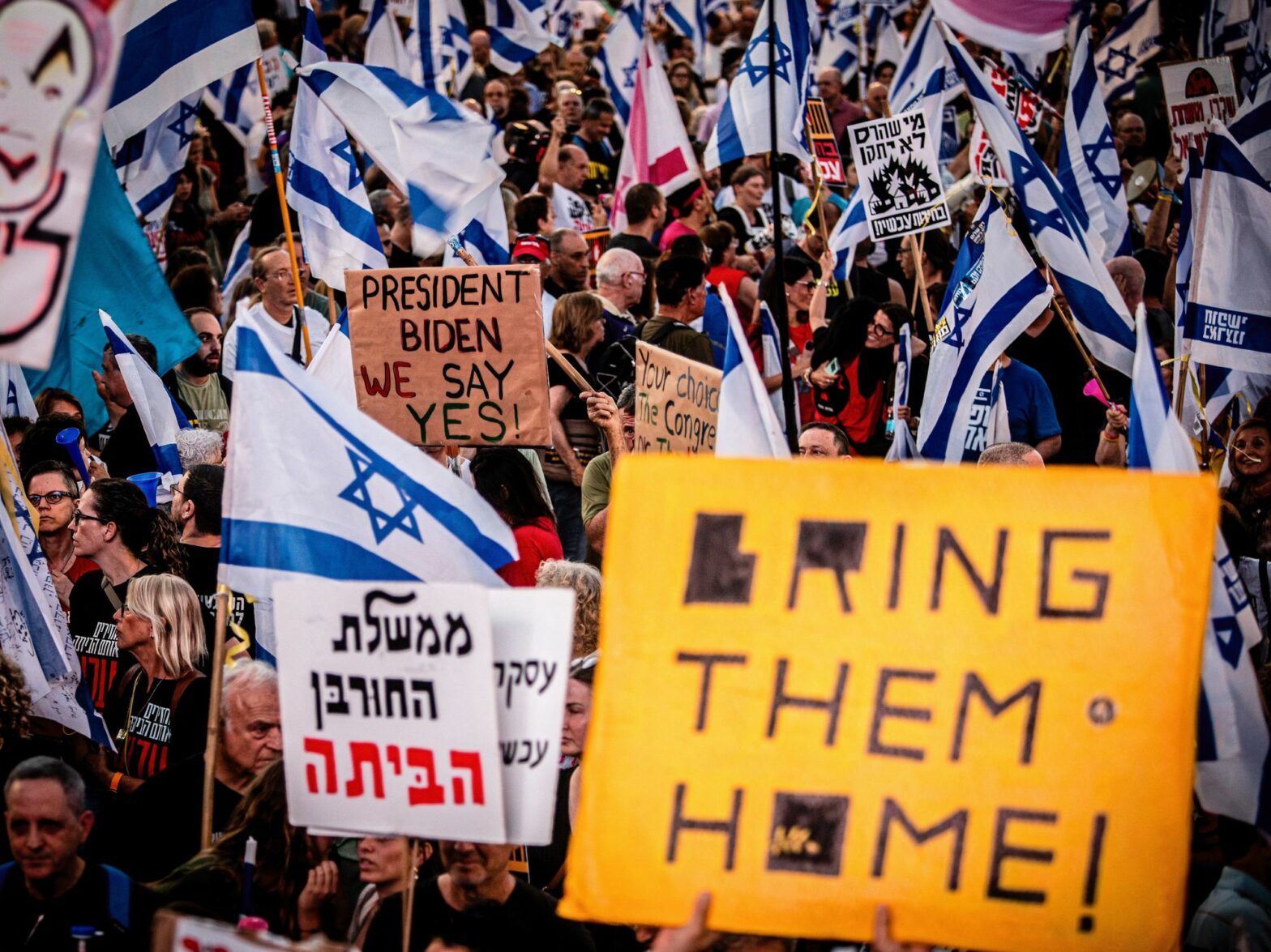
The U.S. president’s plan has been approved in principle by Hamas and the Israeli prime minister, but significant contradictions remain. In Israel, opposition voices are increasing, and the survival of Netanyahu’s government is at stake.
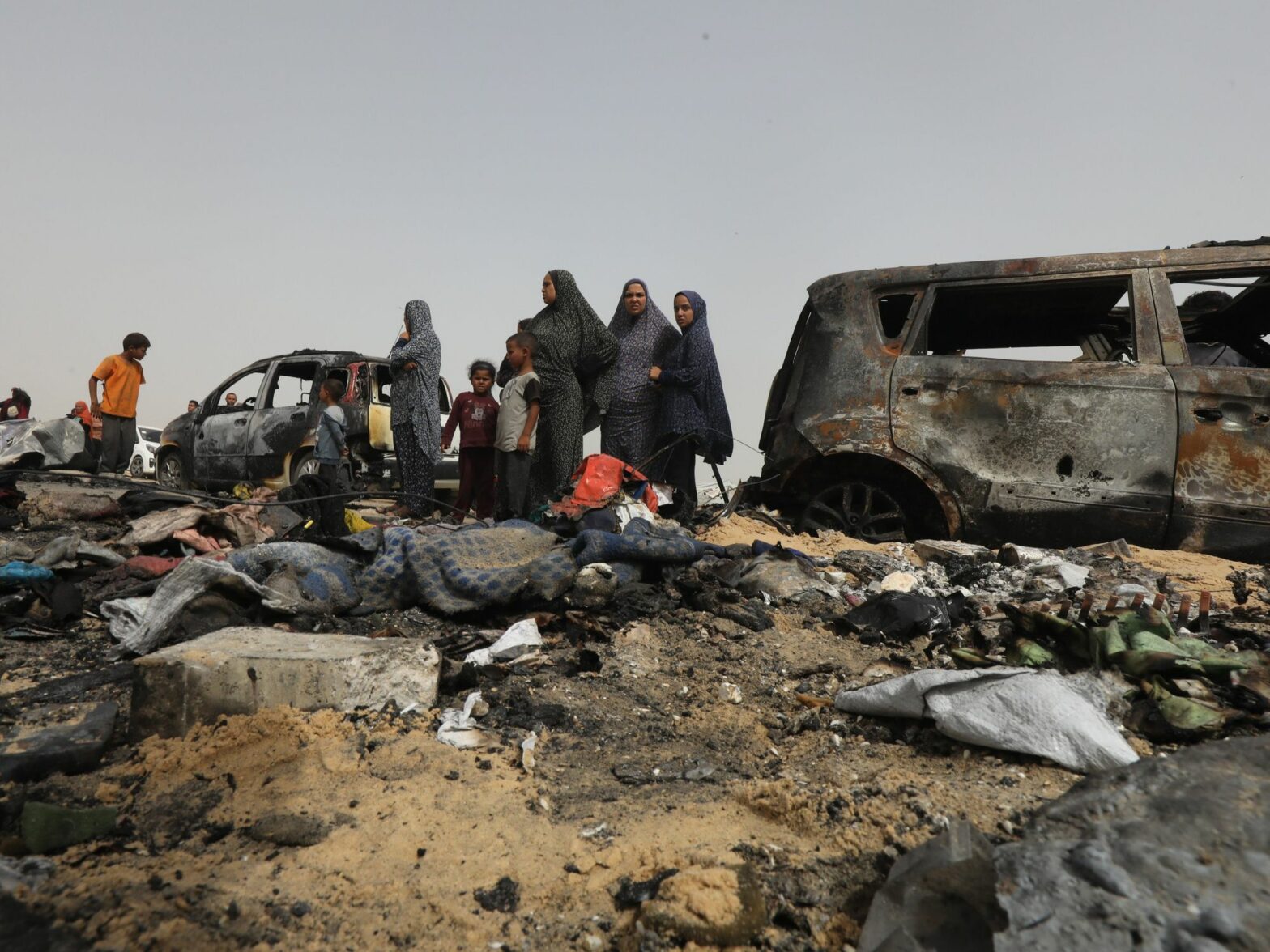
Benjamin Netanyahu spoke of a “tragic accident” after the deadly bombing of a camp for displaced Palestinians near Rafah; but this rare act of contrition does not mean the Israeli leader has changed his strategy, despite the indignation of the rest of the world at the number of civilians killed.
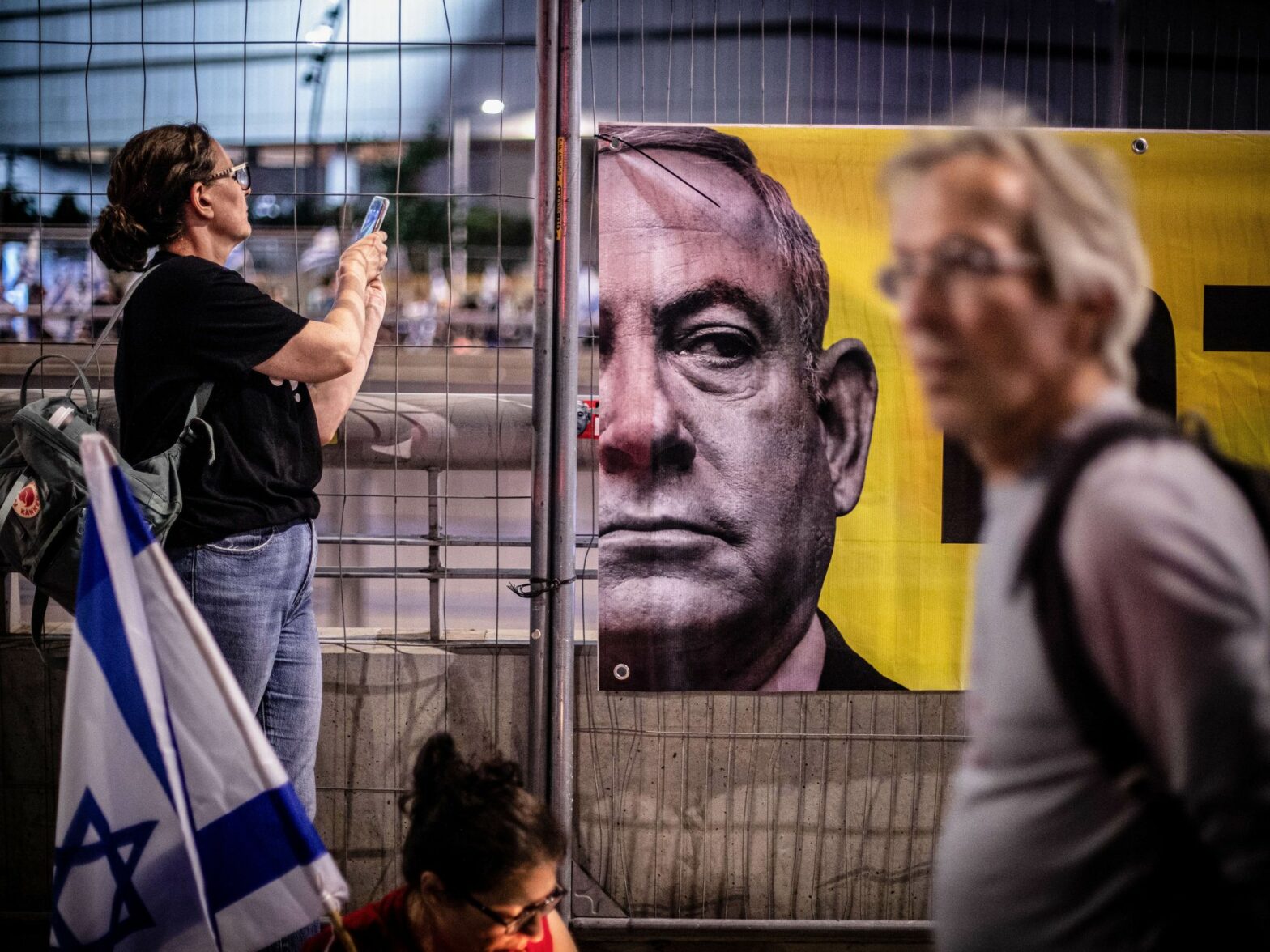
The announcement of the International Criminal Court’s prosecutor that he would seek arrest warrants for Israel’s prime minister and defense minister, as well as three Hamas leaders, provoked indignant reactions in Israel and the U.S. and revealed the rifts between the West and the global South.
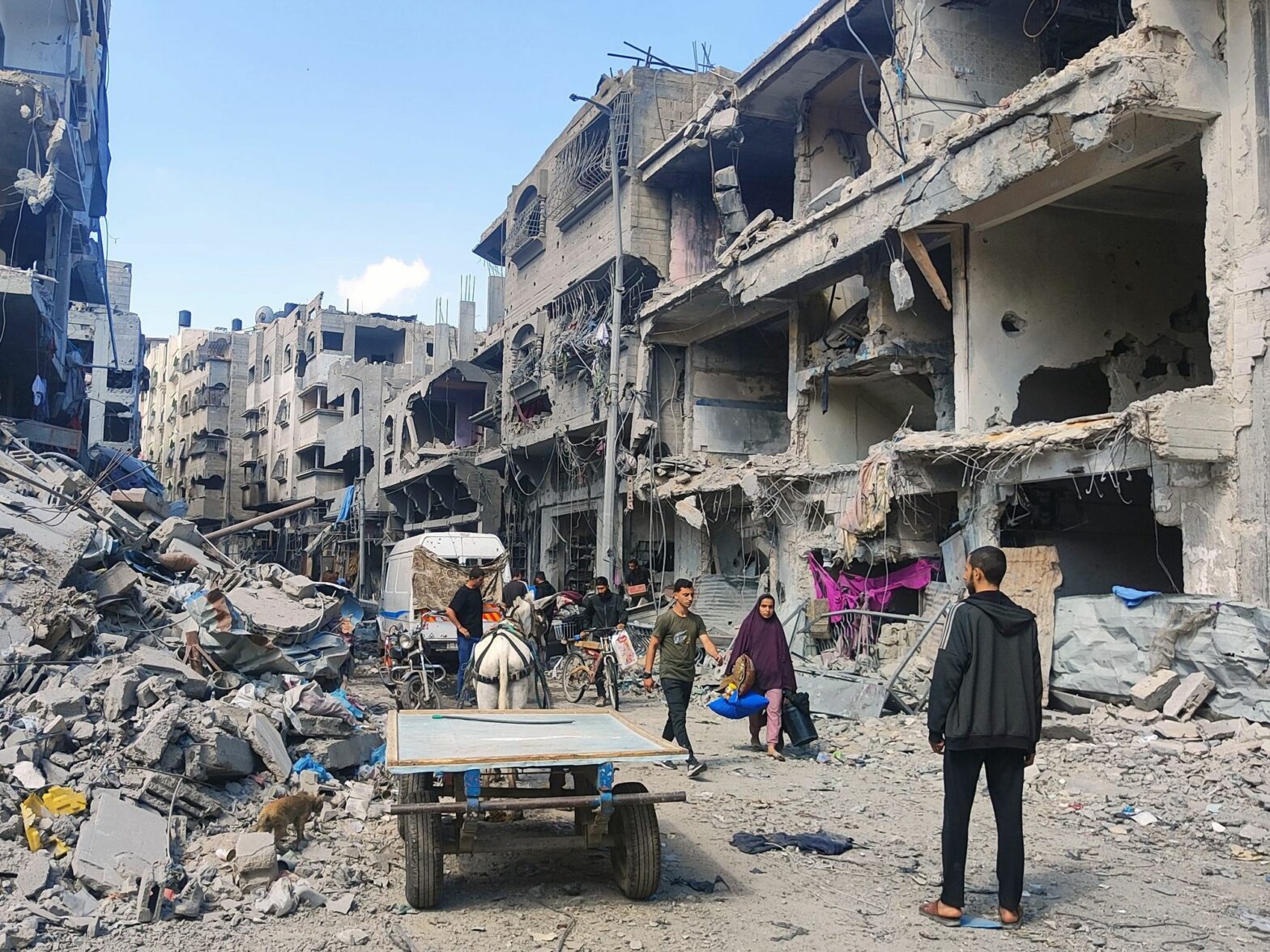
The Israel-Hamas war in Gaza has created an unprecedented crisis for moderate Arab countries, mainly for those who have ties with Israel, and for Saudi Arabia that was on the verge of reaching a normalization deal with Israel. It’s hard to envision a future for Gaza without them.
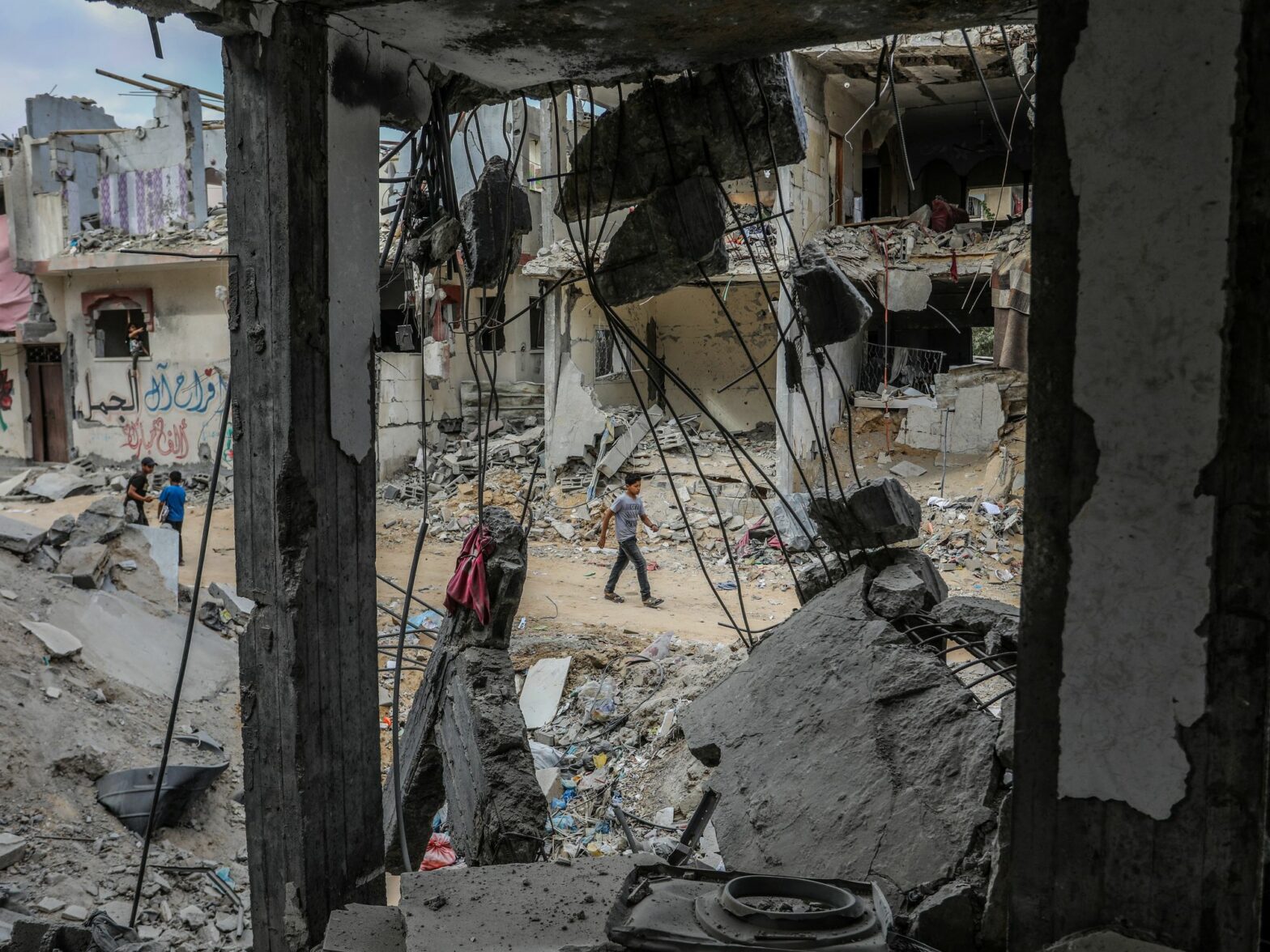
Israeli Prime Minister Benjamin Netanyahu and Hamas leaders both have deeply cynical reasons to prolong hostilities. Meanwhile, it’s in the self-interest of both the U.S. and Arab regimes to try all avenues to broker a ceasefire to ease the suffering of those caught in the crossfire.
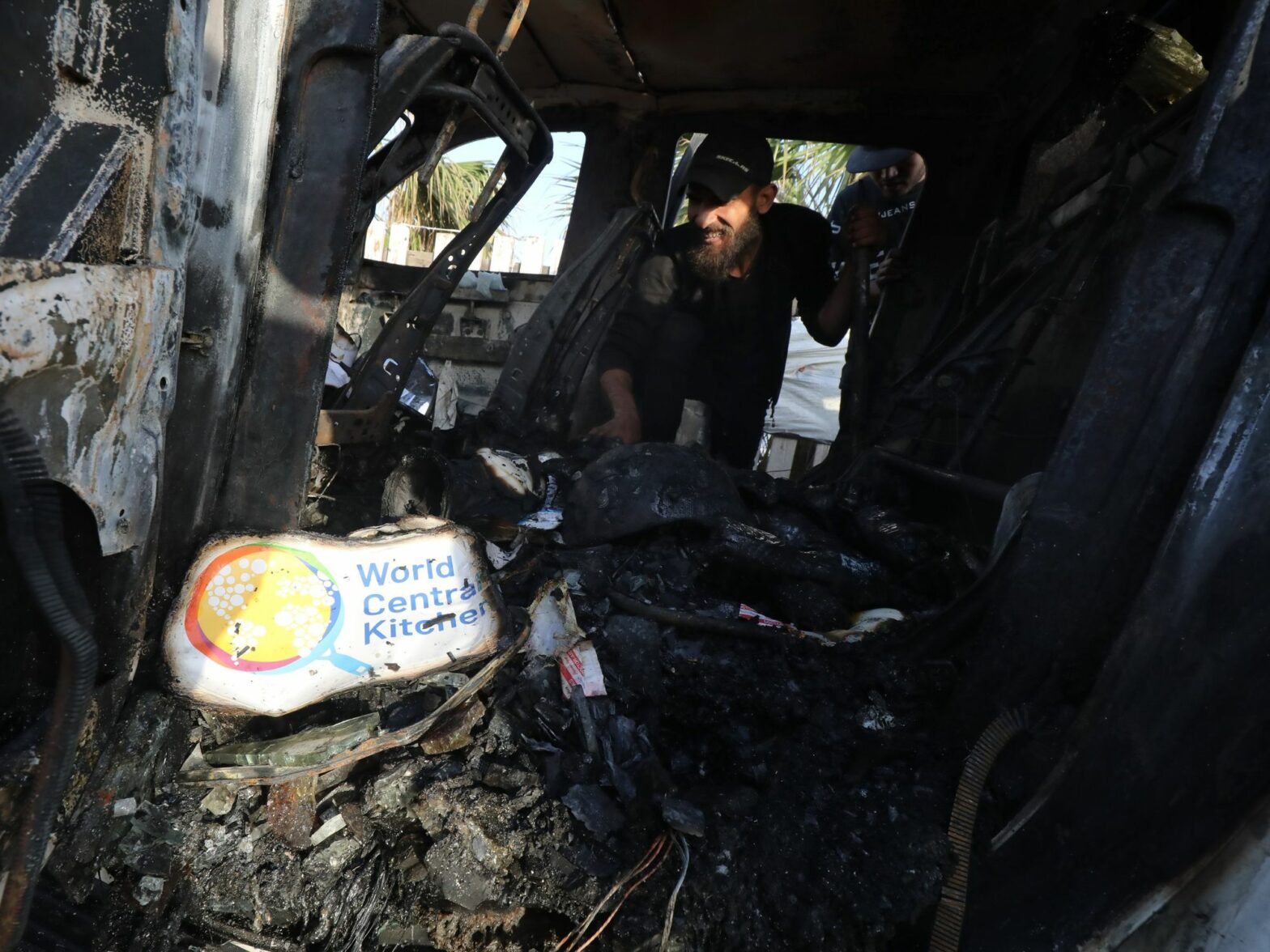
The Israeli drone strike that killed seven aid workers in Gaza has set off an international outcry. And Israeli Prime Minister Benjamin Netanyahu’s reaction was a reminder that cutting off humanitarian aid has been part of the strategy from the start of the war in Gaza.
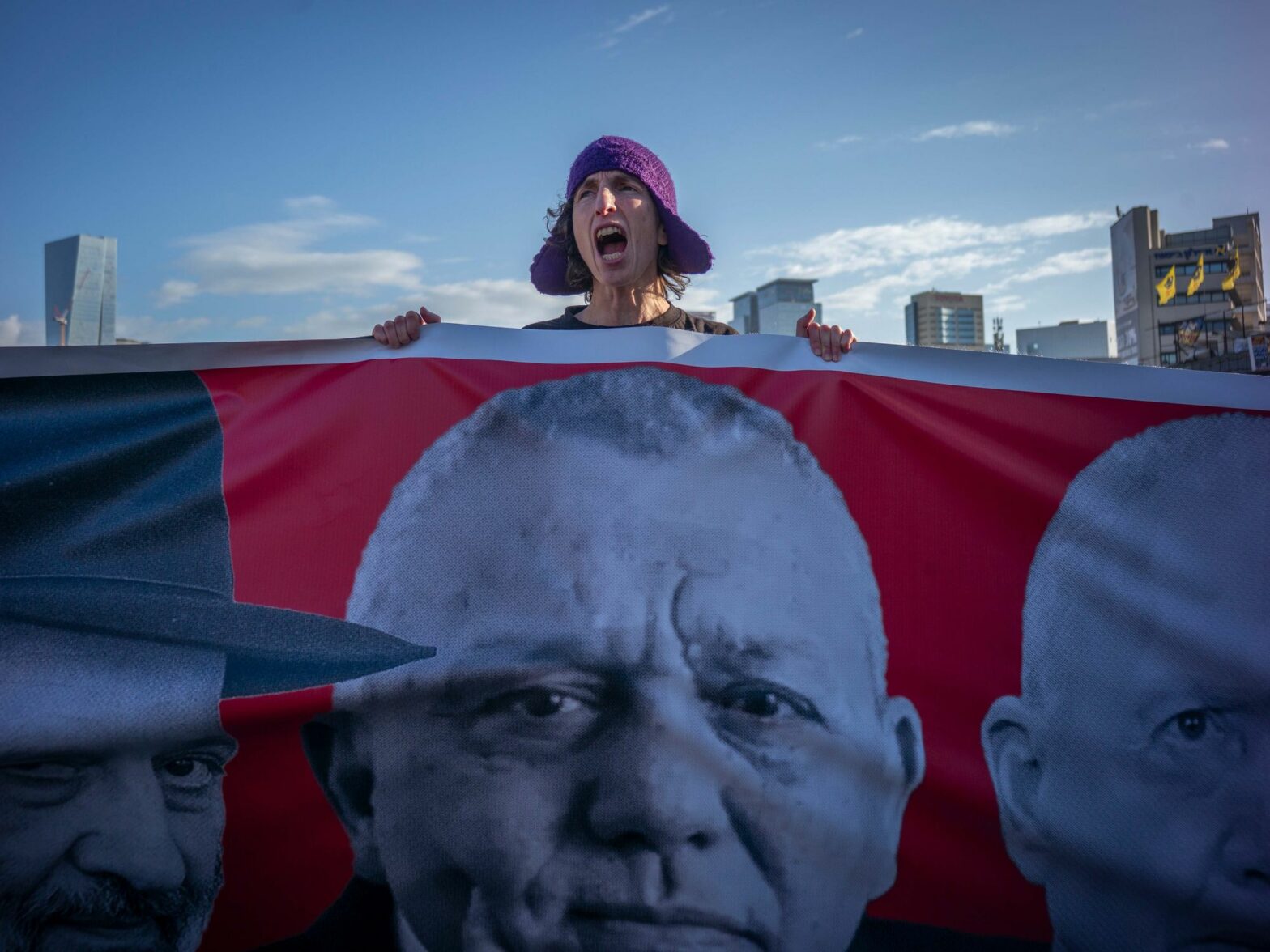
Another deal that would see Israeli hostages released has fallen through. Six months into the war in Gaza — and six months without their loved ones — where do the family members of the Oct. 7 hostages stand on the war and the negotiations?
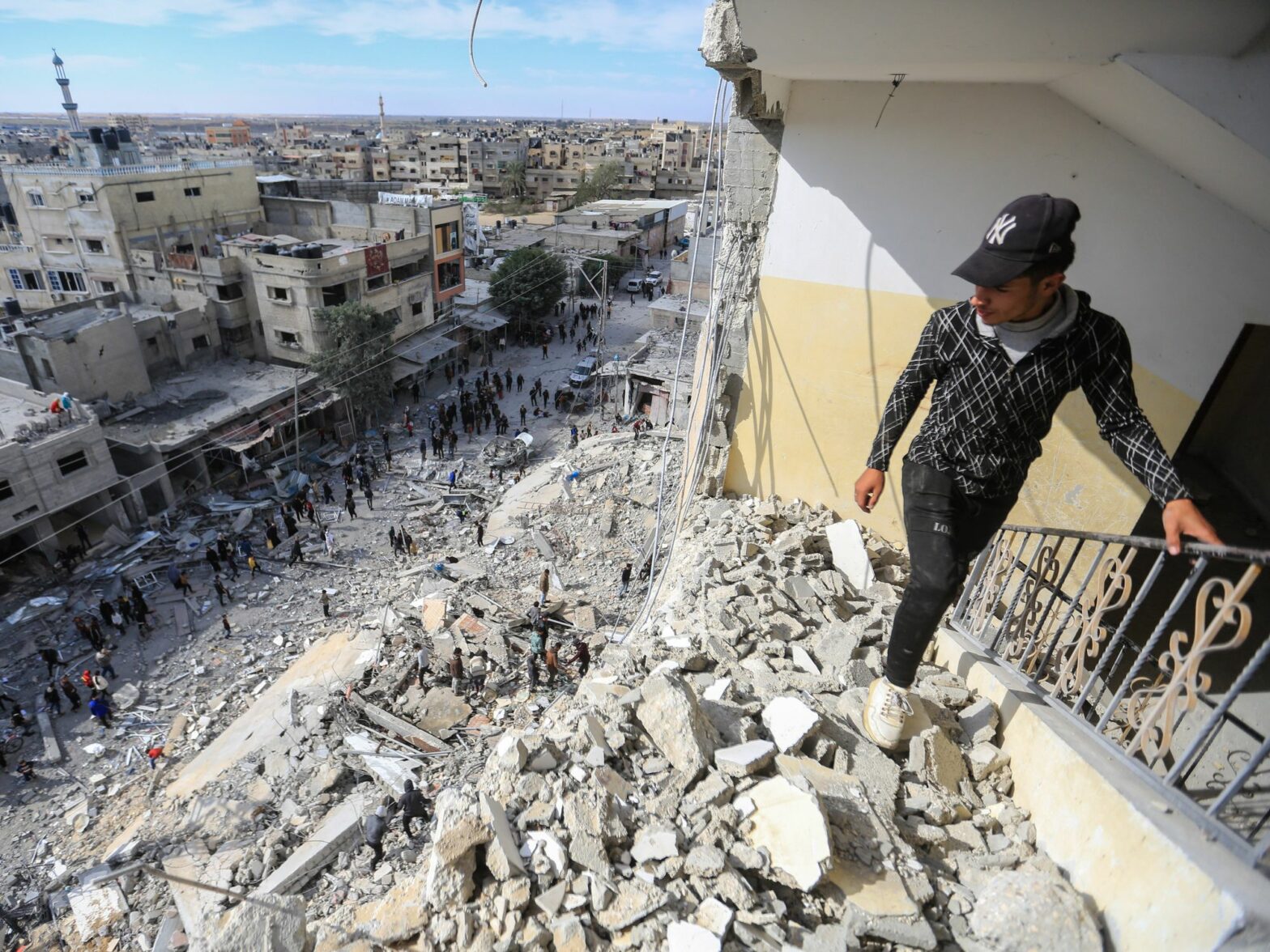
By abstaining from a UN resolution demanding an immediate ceasefire in Gaza, Washington has not only angered Benjamin Netanyahu — it has potentially altered the dynamics of the whole Israel-Hamas war.