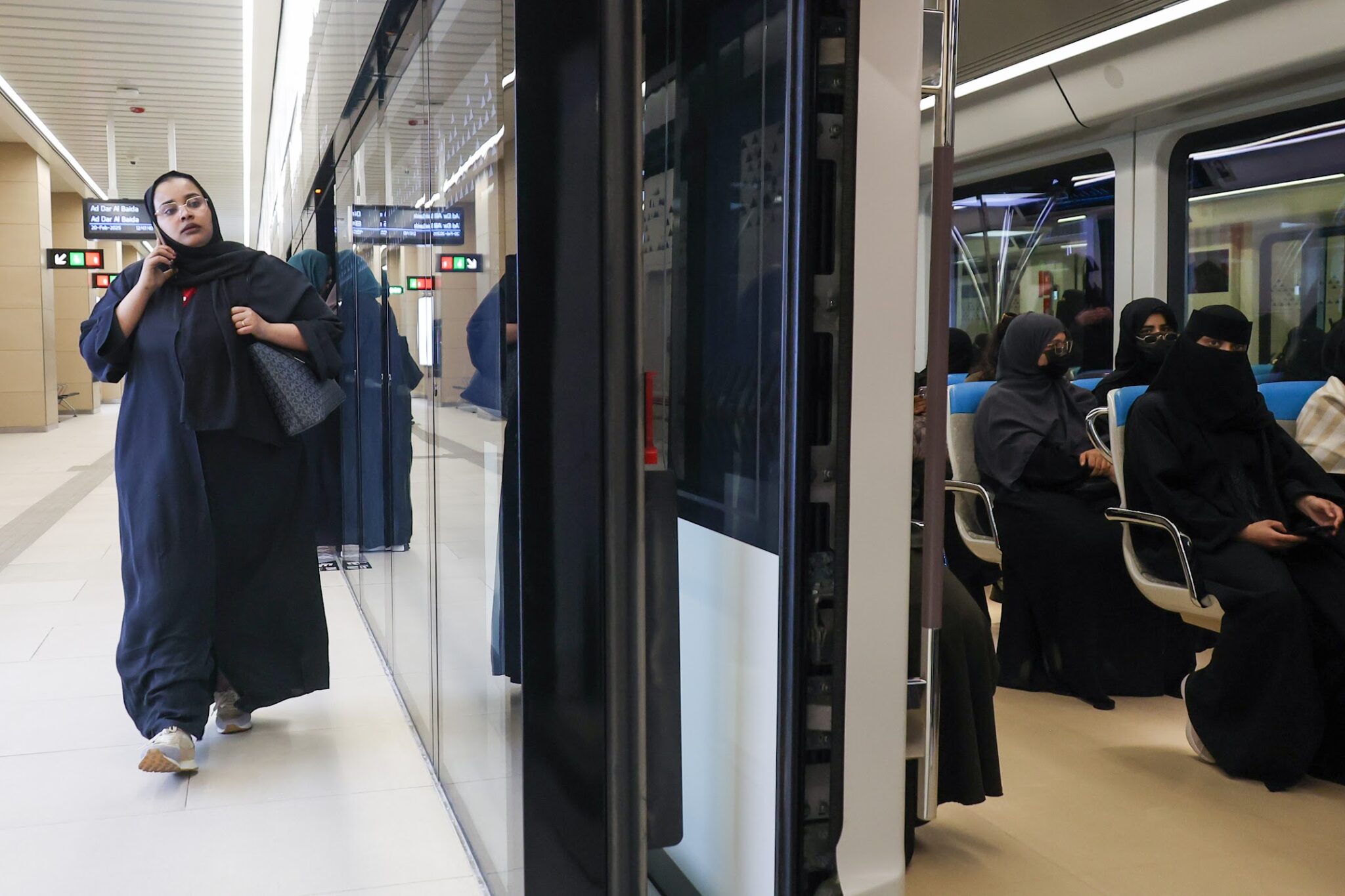
Since the opening of six automated lines in the Saudi capital last December, more than 122 million journeys have been made on public transport.
 Worldcrunch
Stay updated with comprehensive news on Saudi Arabia from Worldcrunch. Discover insights on Saudi politics, economic strategies, societal issues, and cultural landmarks with translations from top international sources. Highlights include Riyadh, Saudi history, and cultural events.
Since the opening of six automated lines in the Saudi capital last December, more than 122 million journeys have been made on public transport.
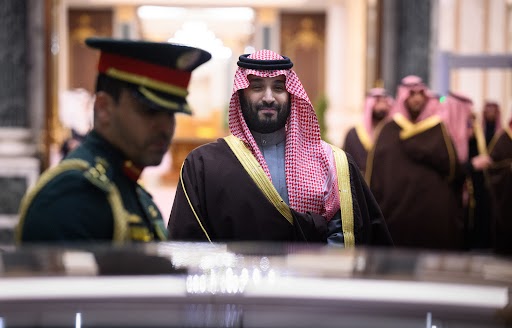
Saudi Crown Prince Mohammed bin Salman is expected in Washington on Tuesday, a visit that is preceded by a series of contradictory signals that reflect the kingdom’s current standing with the U.S. president. Every detail of the trip will be closely examined, especially in Israel.

A few years ago, the relationship between unwed but long-term partners Cristiano Ronaldo and Georgina Rodríguez would have been taboo if not punishable, in Saudi Arabia, where the couple lives and the soccer star plays for Al Nassr.
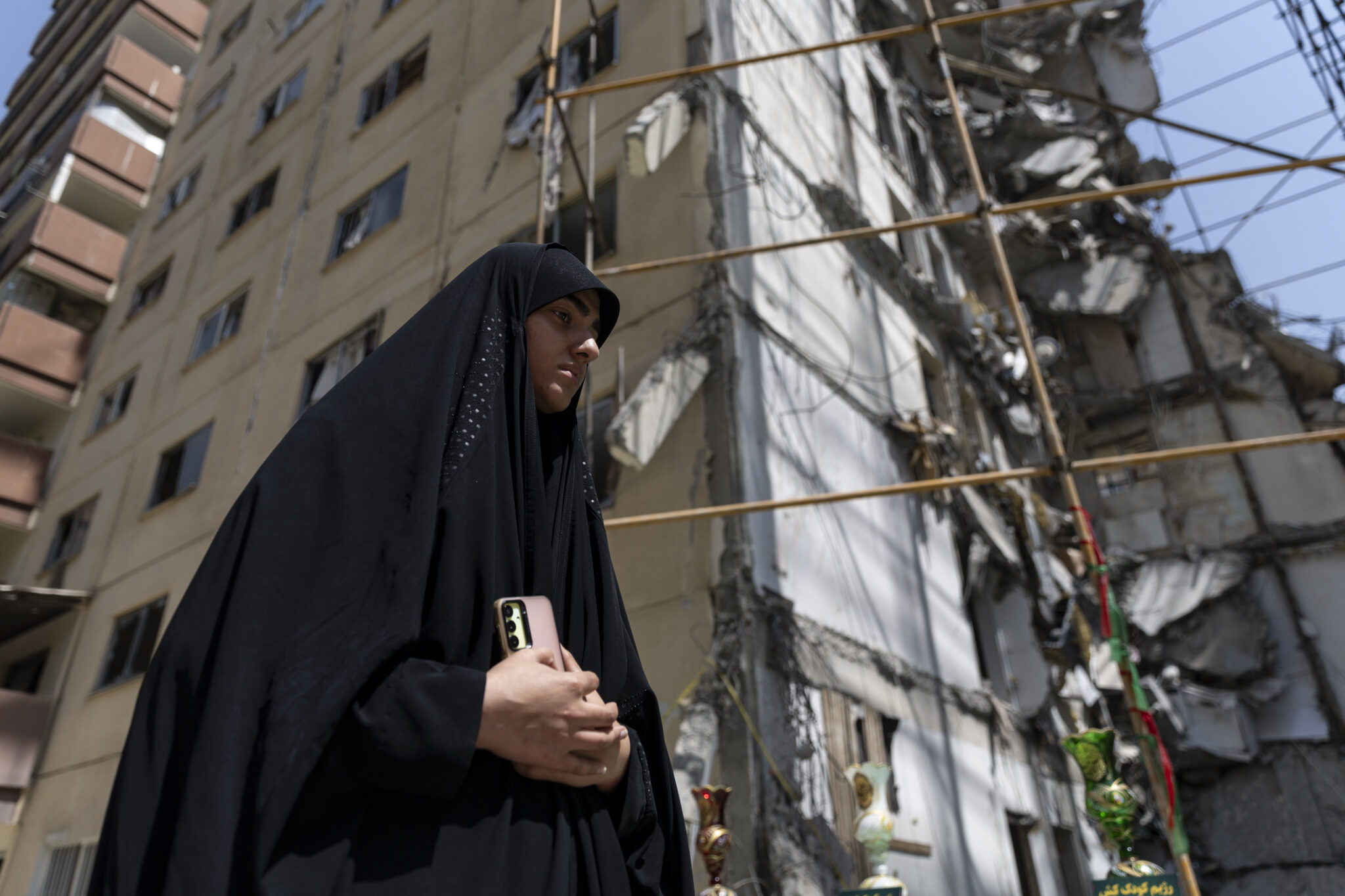
One-quarter of the way into the 21st century, Israel is emerging not only as a staunch ally of the United States but also as the dominant regional power. That inevitably places it in direct competition with Iran, both in its current theocratic form and in a potential free and democratic future.
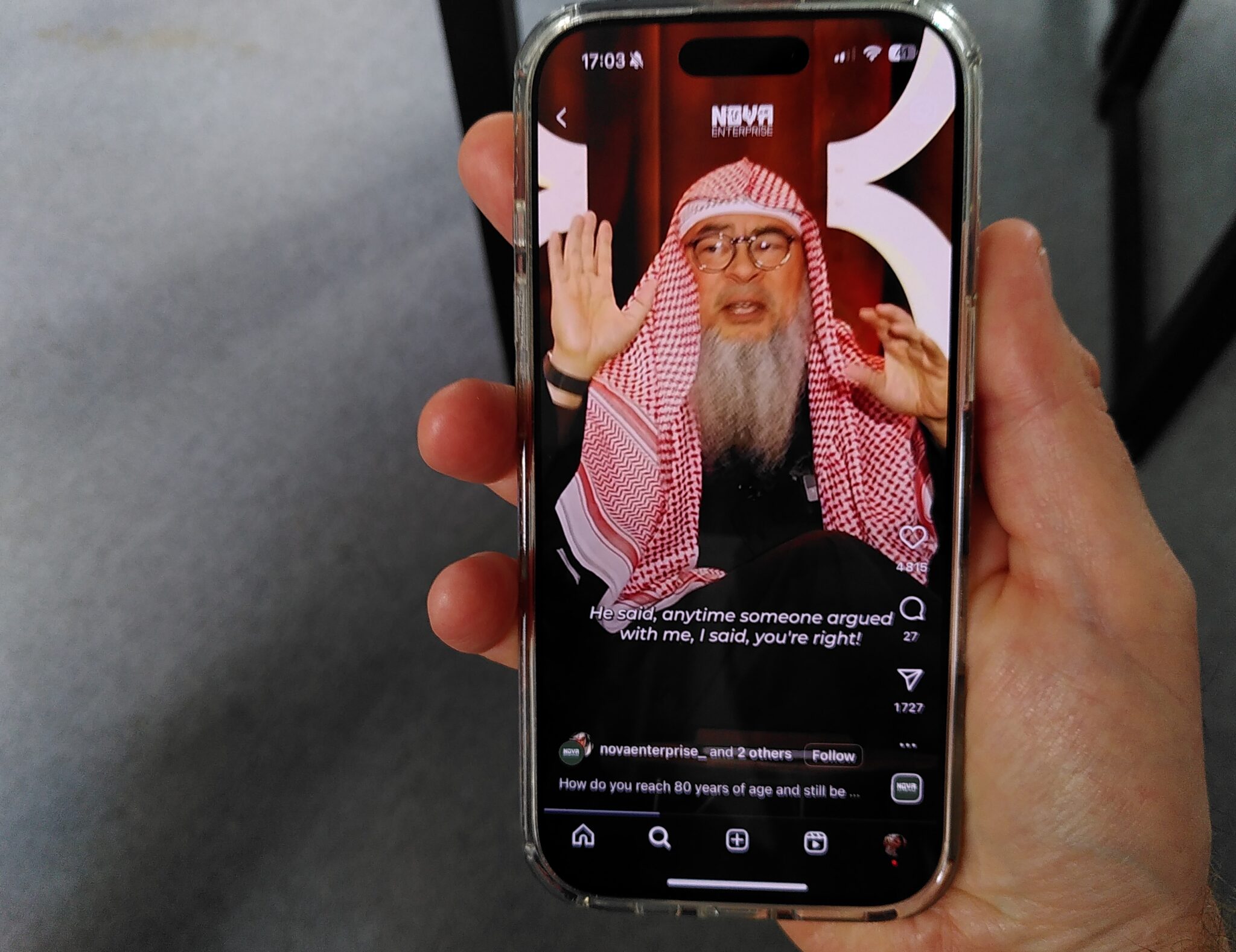
In the age of algorithms and 15-second reels, a new kind of religious voice is echoing across the Middle East and North Africa through smartphones and social media feeds. These are the “Instagram Sheikhs” — a diverse group of young, digital-savvy Muslims who fuse Islamic teachings with modern tools and aesthetics.
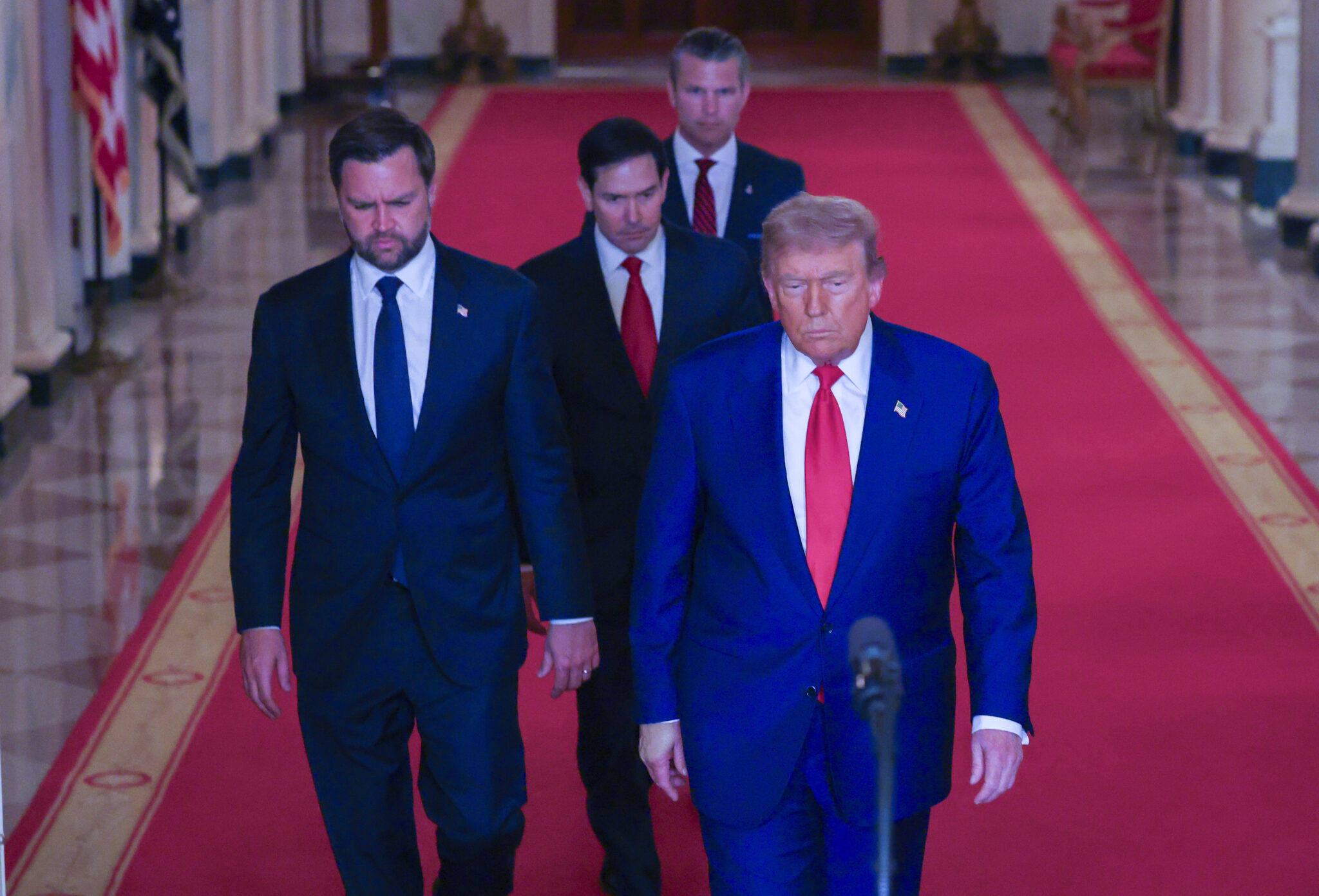
For nearly a century, the West has approached the Middle East with strategic interests — but little genuine understanding. From coups to regime changes to failed red lines, each intervention has produced unintended consequences. Maybe it’s time we admit: the problem isn’t the region. It’s us.
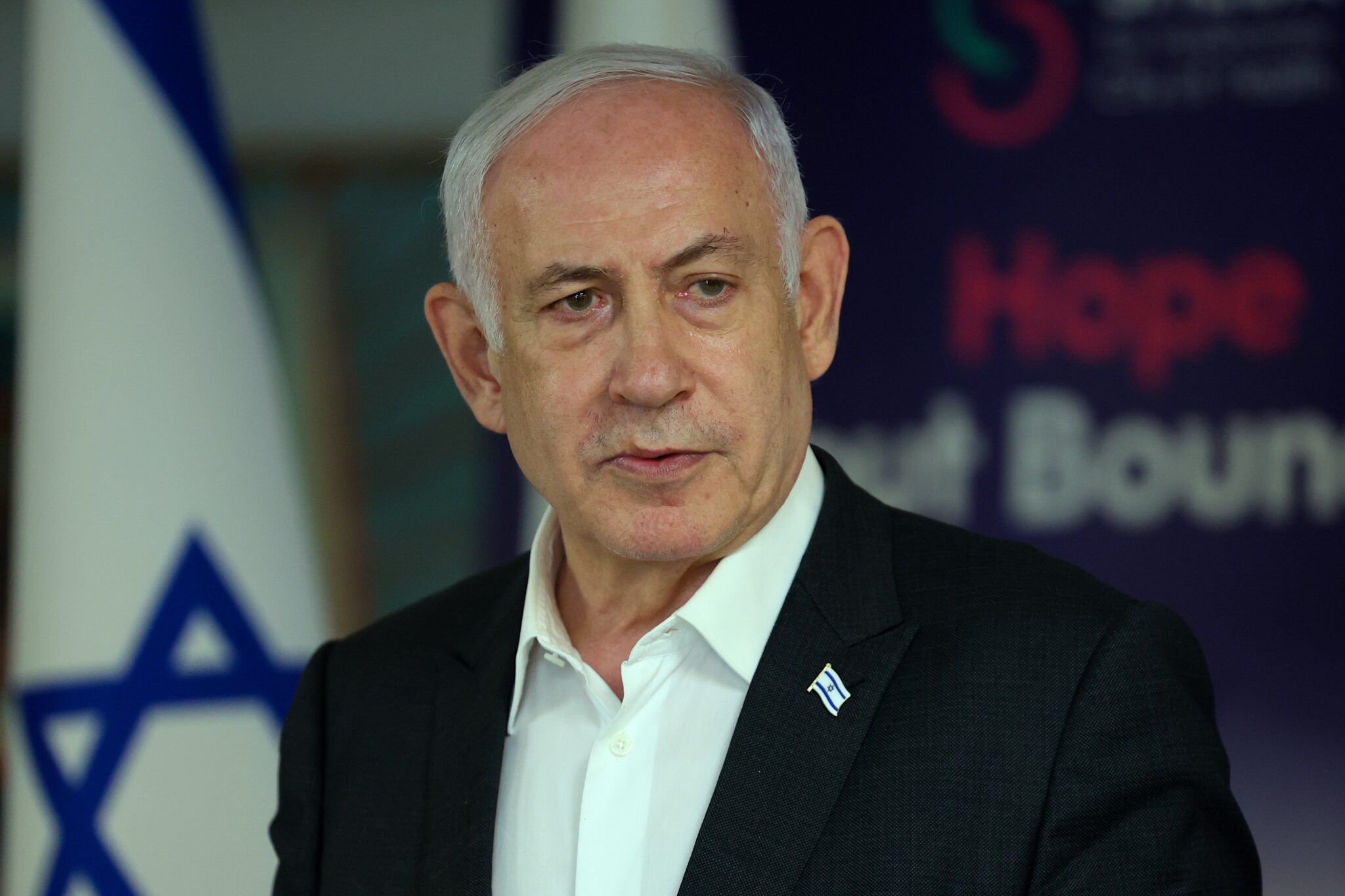
The intervention of American bombers in Iran has strengthened Israeli Prime Minister Benjamin Netanyahu’s position, allowing him to assert military supremacy over the Middle East. What comes next will be more difficult, as no solution is on the horizon for Gaza, and the Saudis are growing more skeptical than ever of Israel.
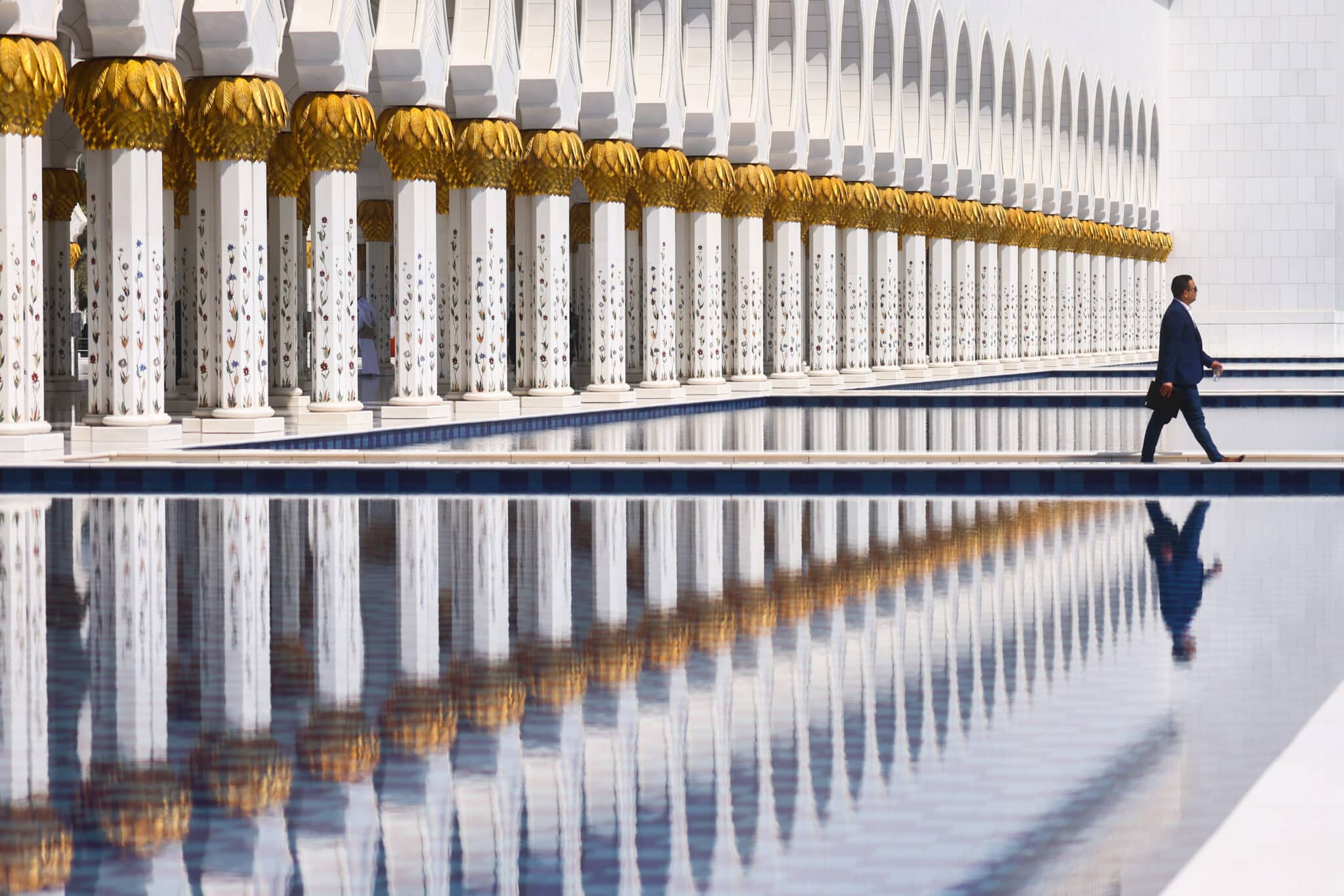
Architecture is a form of soft power, a symbolic language through which Gulf states tell stories about themselves to the world and to their own citizens — and ultimately, to exercise control.
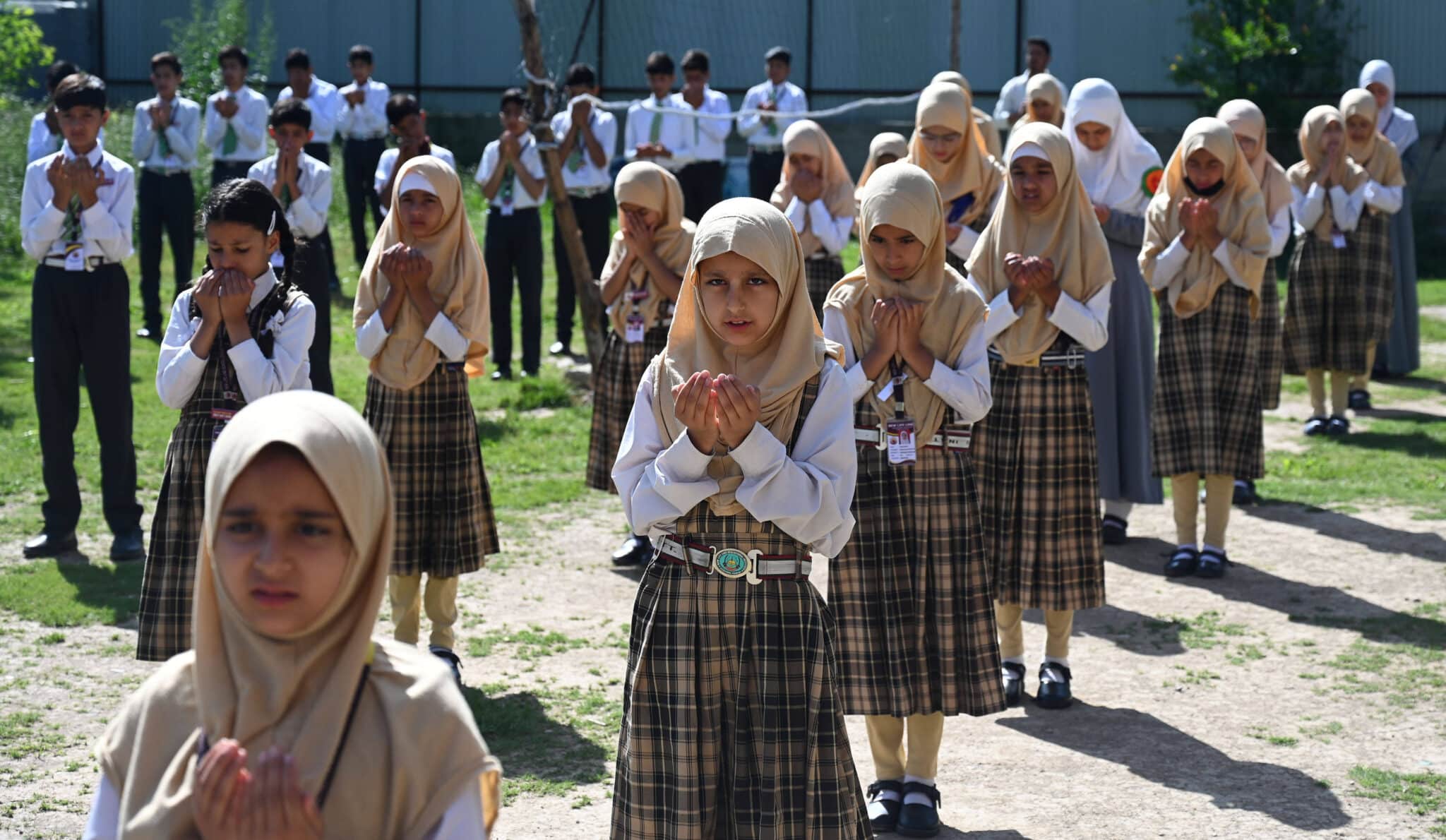
With photographs from Saudi Arabia, Cannes and Indonesia, among other places.
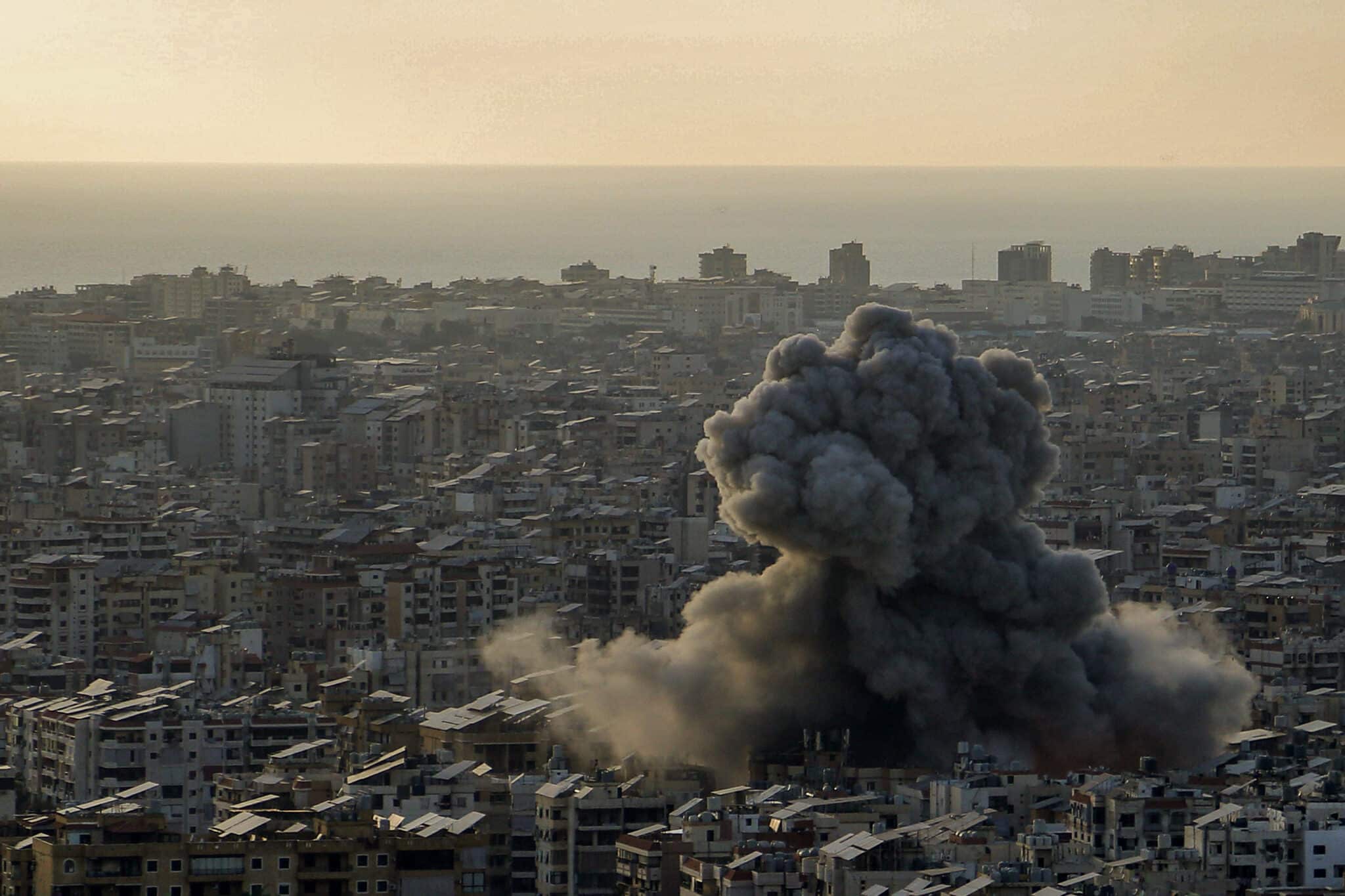
The Israeli army has imposed itself as the most powerful in the region in the wars waged since Oct. 7. But this military hegemony does not come with any political solution: This is Netanyahu’s weakness at a time when Trump is visiting the wealthy princes of the Gulf.
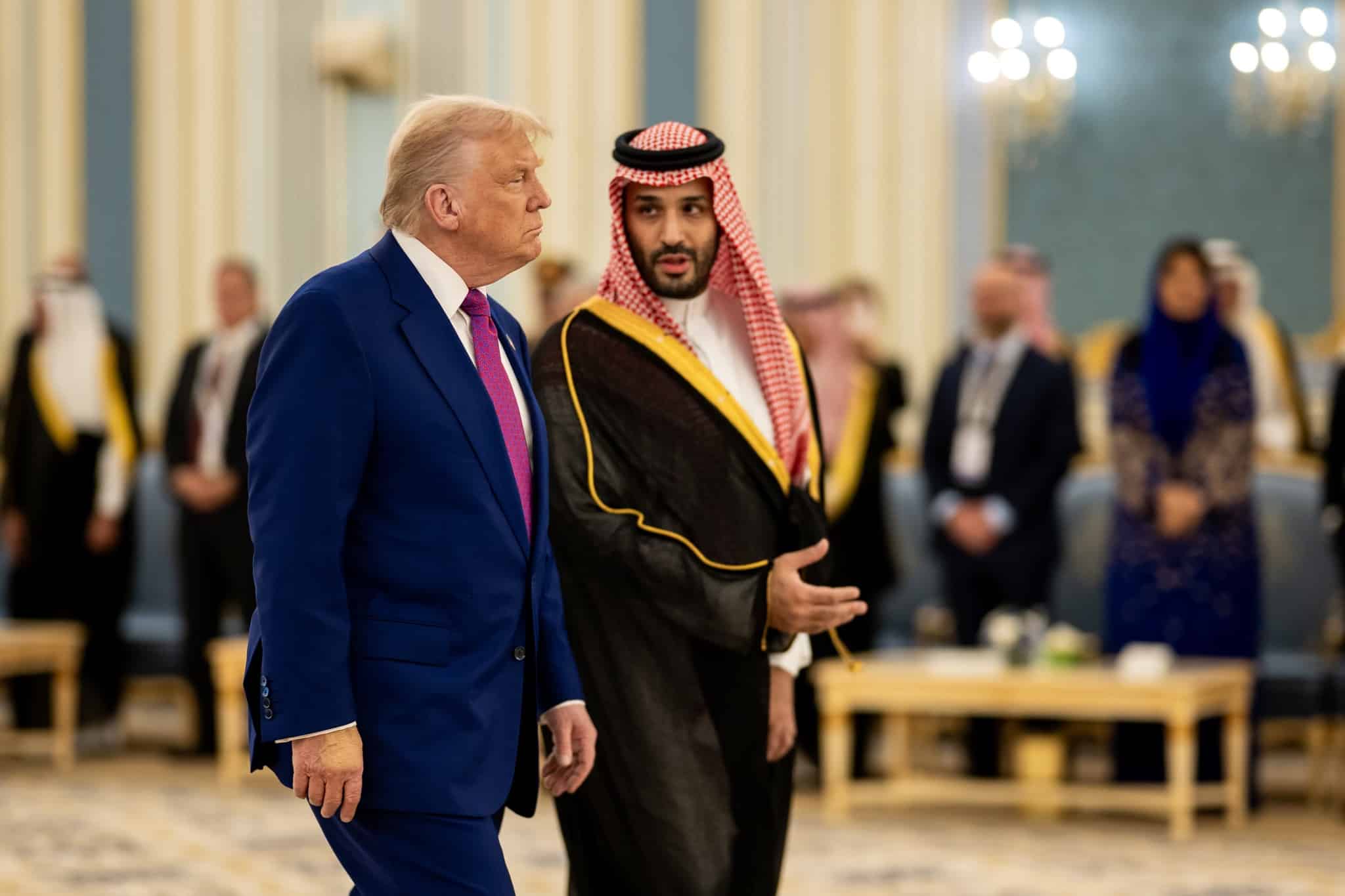
Donald Trump surprised everyone by meeting Ahmed al-Sharaa, the Syrian president, a former jihadist. It’s all about Trump’s gut and what Saudi Crown Prince MBS has planned for the region’s future.
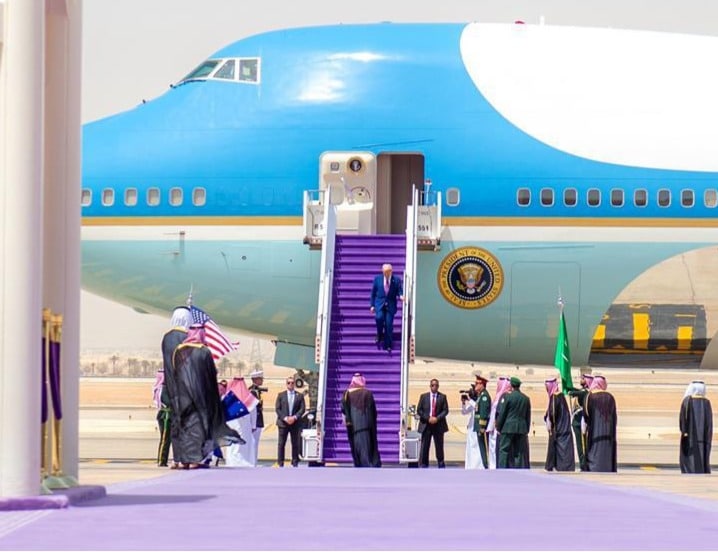
U.S. President Donald Trump is on a Gulf tour that is adding to Israel’s worries about its strongest ally: the U.S. has negotiated the release of an American hostage with Hamas, and a ceasefire with the Houthis, without involving Israel.
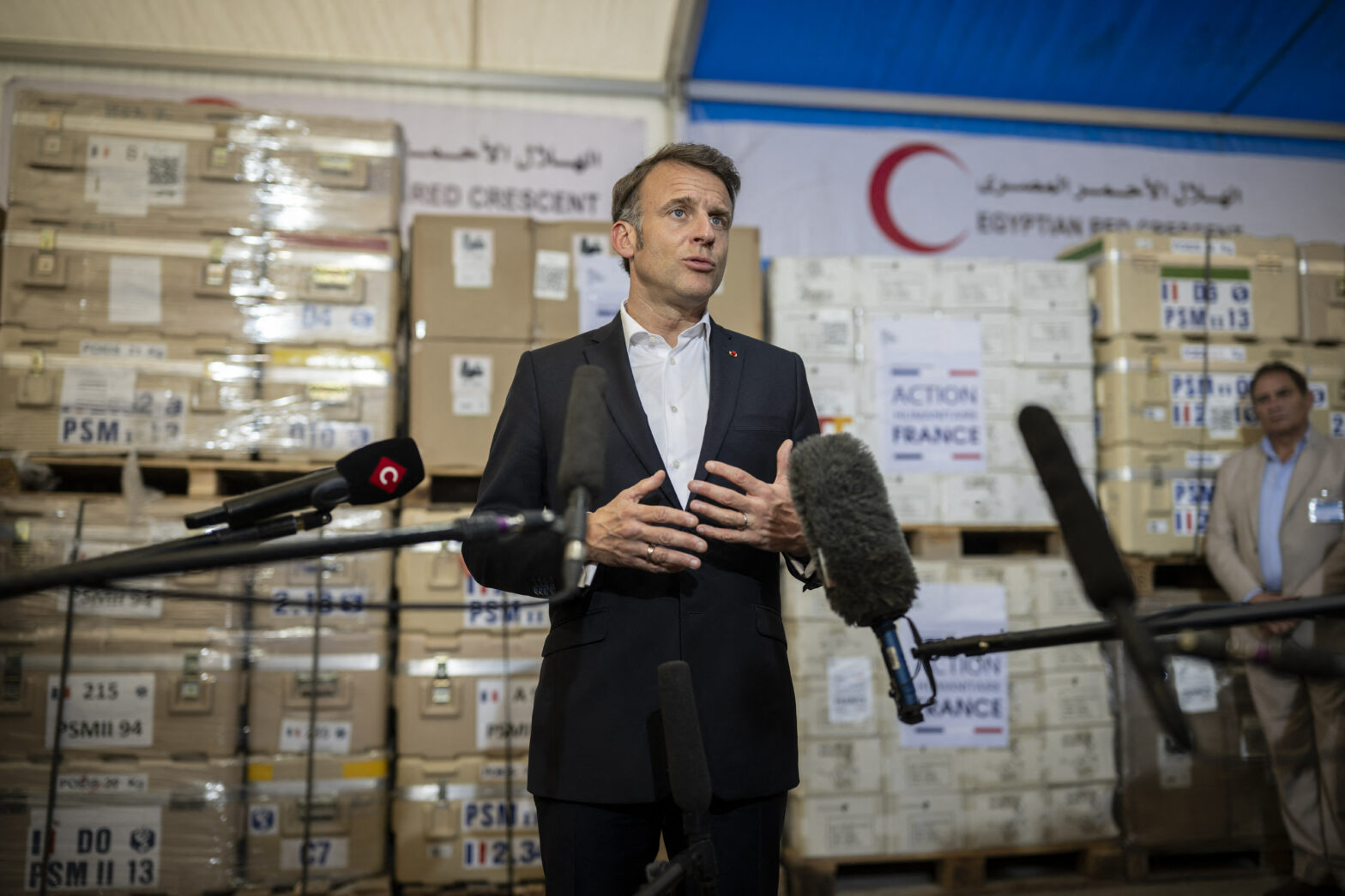
France may recognize the State of Palestine as early as June, President Emmanuel Macron said Wednesday. It marks a clear hardening of the French position, and a possible return to the country’s “Arab policy” of a generation ago.
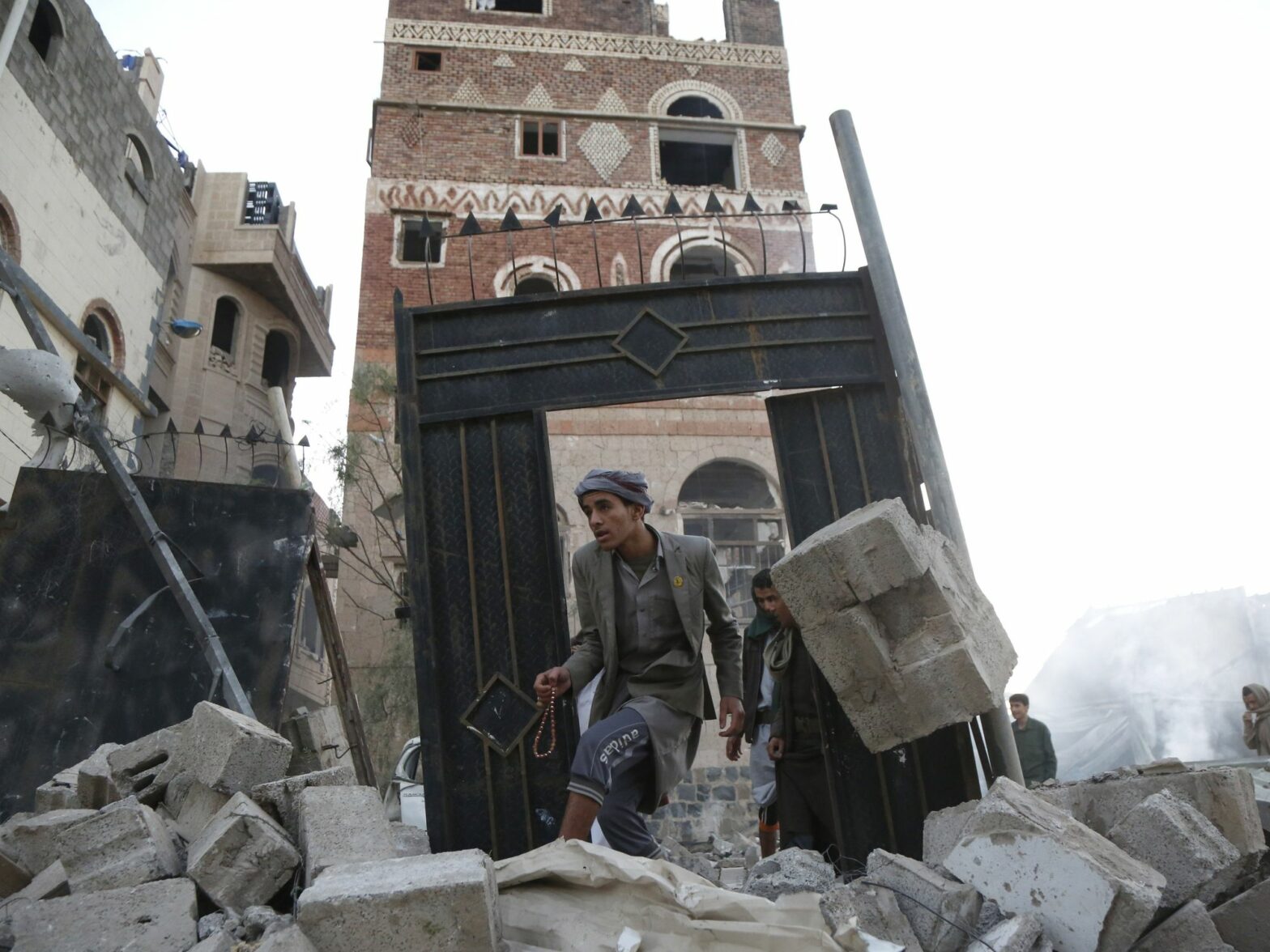
A decade ago, Saudi Arabia plunged directly into the Yemeni quagmire, launching a military intervention alongside several coalition countries. Everyone expected the battle to be settled in weeks. But it soon became clear, this flash intervention would turn into an endless war, making Yemen a testing ground for broader regional policies and interests.

The long-delayed Saudi TV series Muawiya aired, in early March, at a carefully chosen moment, aligning with Saudi Arabia’s political ambitions. The show reconstructs the early Muslim ruler’s legacy, transforming him into a figure of wisdom and power — echoing the image that Saudi Arabia’s Crown Prince Mohammed bin-Salman has been creating for himself.
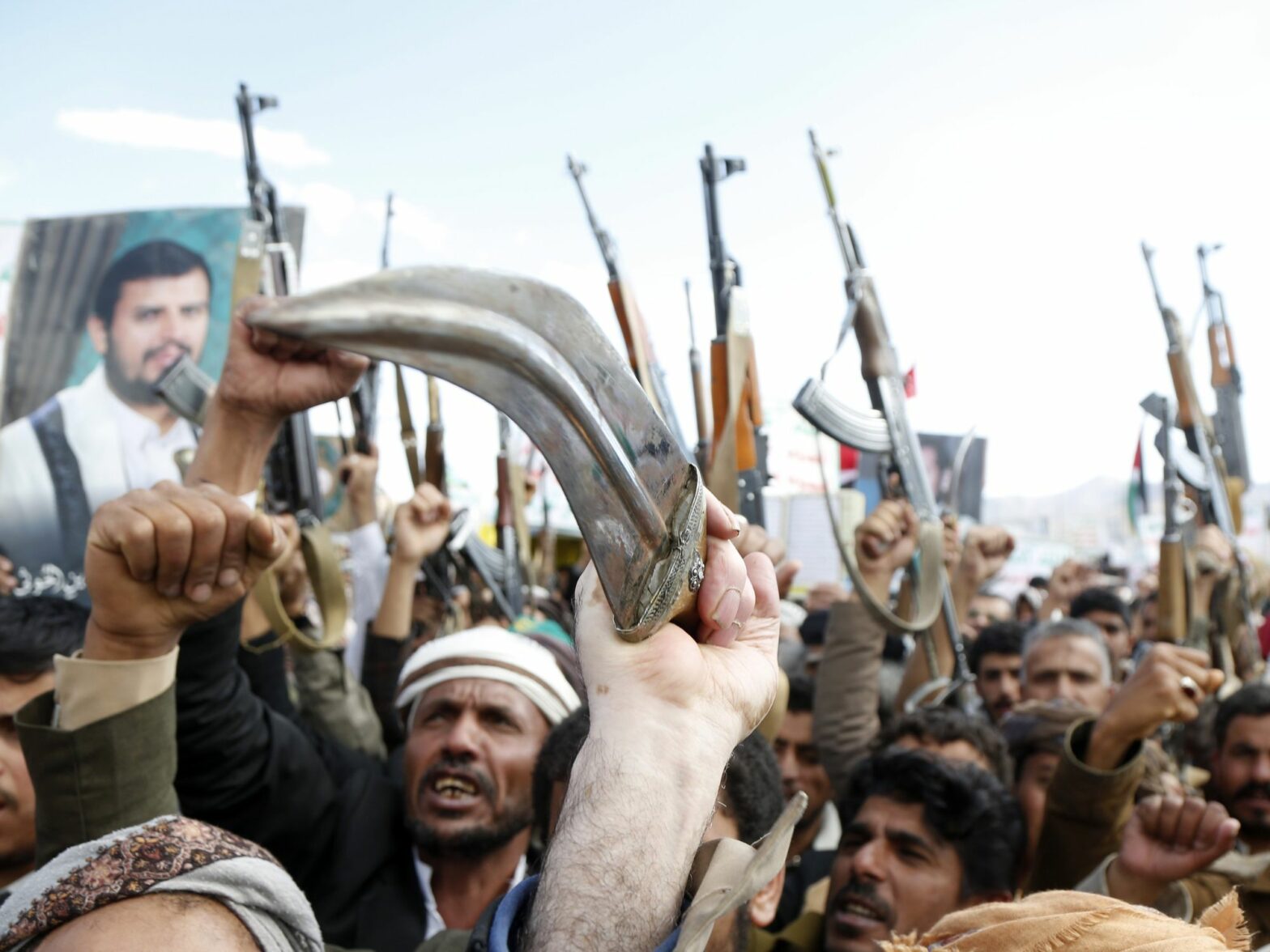
Donald Trump has launched his most significant military operation since taking office, ordering airstrikes on Yemen’s Houthis. At the same time, he is directly threatening Iran while also offering a nuclear compromise — a dual approach that keeps the possibility of war on the table.
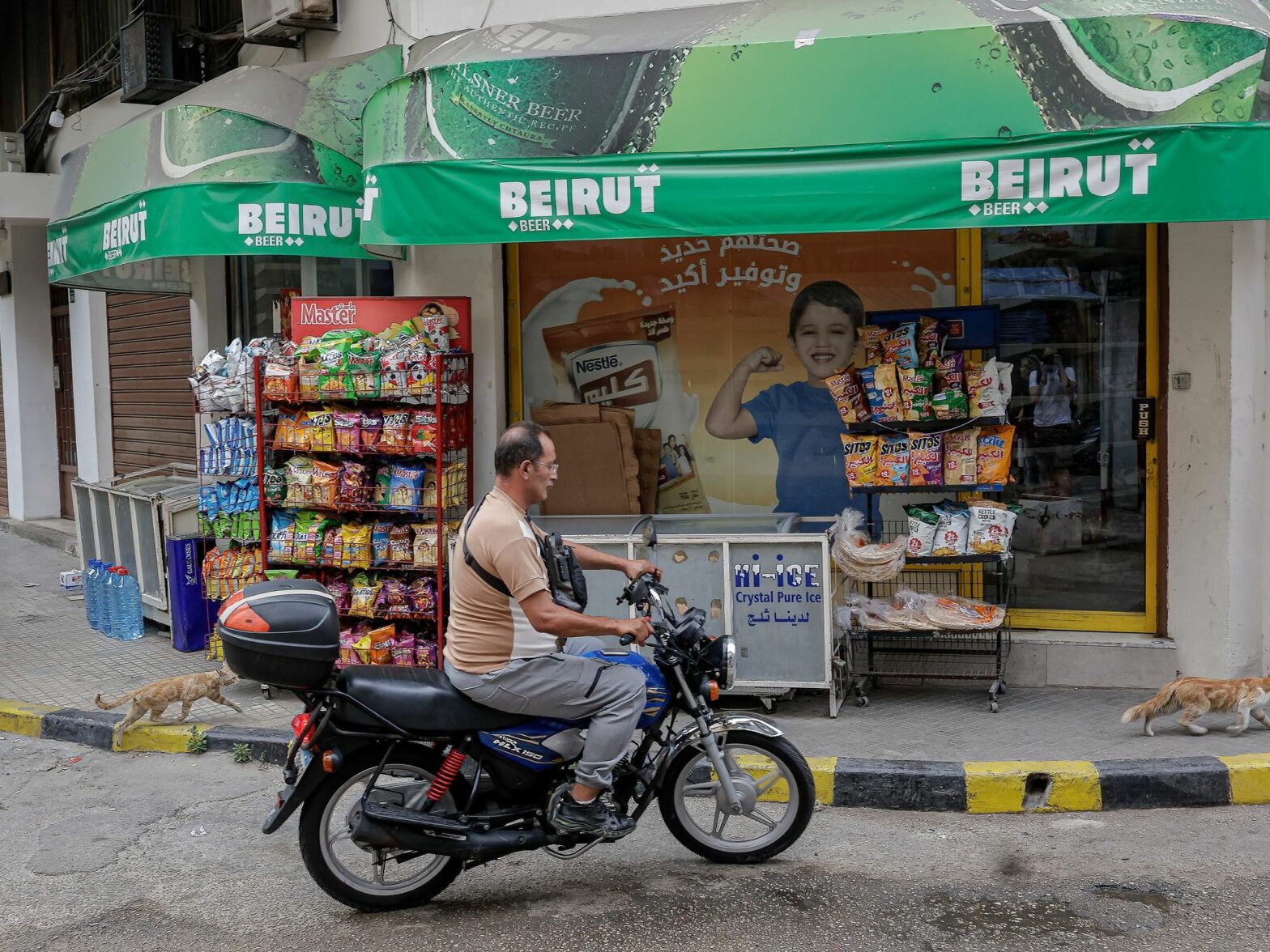
The Saudis could regain the political and financial clout they once enjoyed in Lebanon, which was lost for two decades to Hezbollah and its foreign patrons. Could that restore a measure of prosperity to a country brought to its knees by decades of civil war and the unwelcome interventions of Tehran and Damascus.
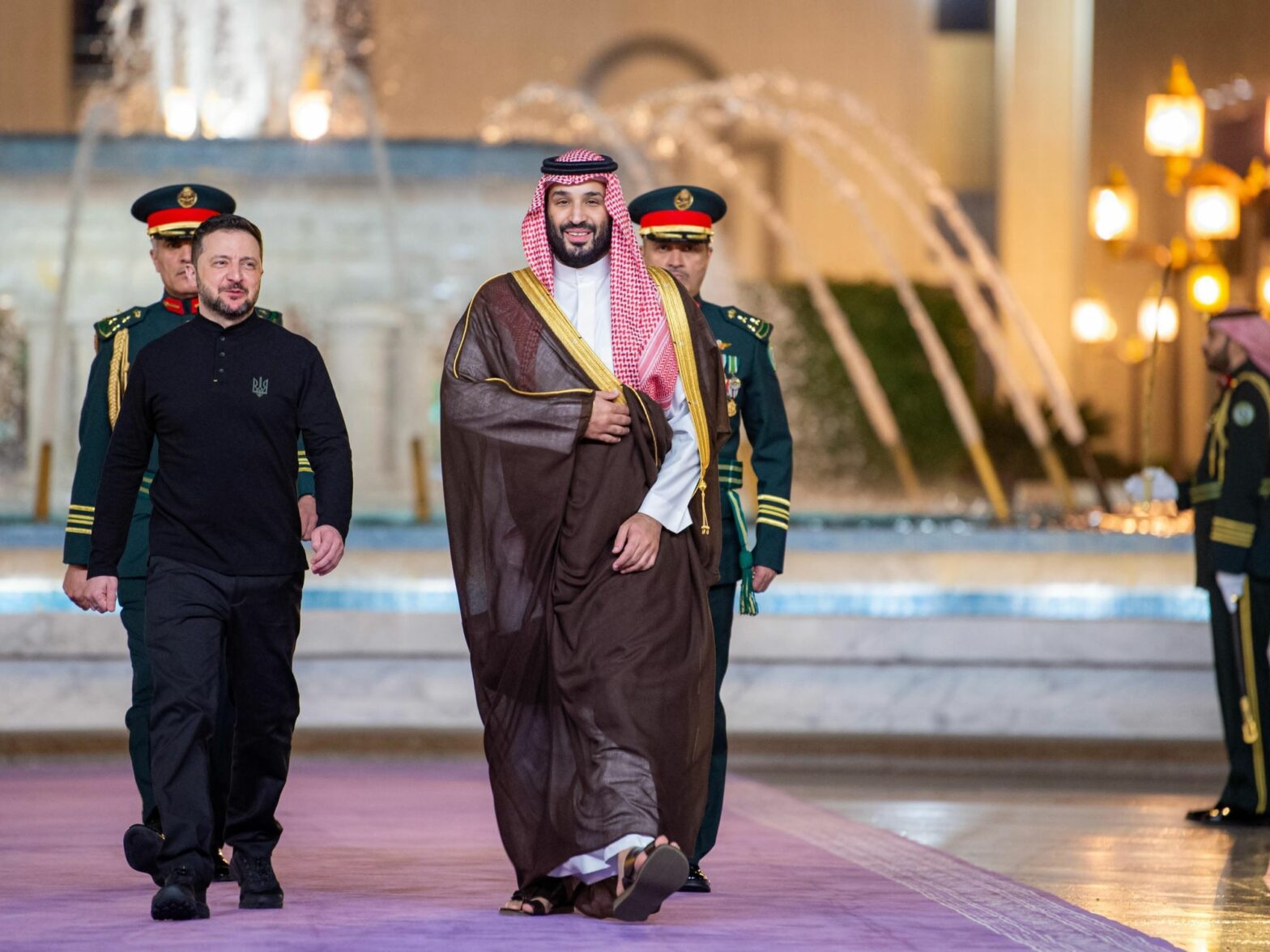
Ukraine is at the heart of two key meetings: one in Jeddah between top Ukrainian and American diplomats, another in Paris gathering the chiefs of staff of European armies. Both share a common stake — the fate of Ukraine and, by extension, the future of European security in the era of Donald Trump.
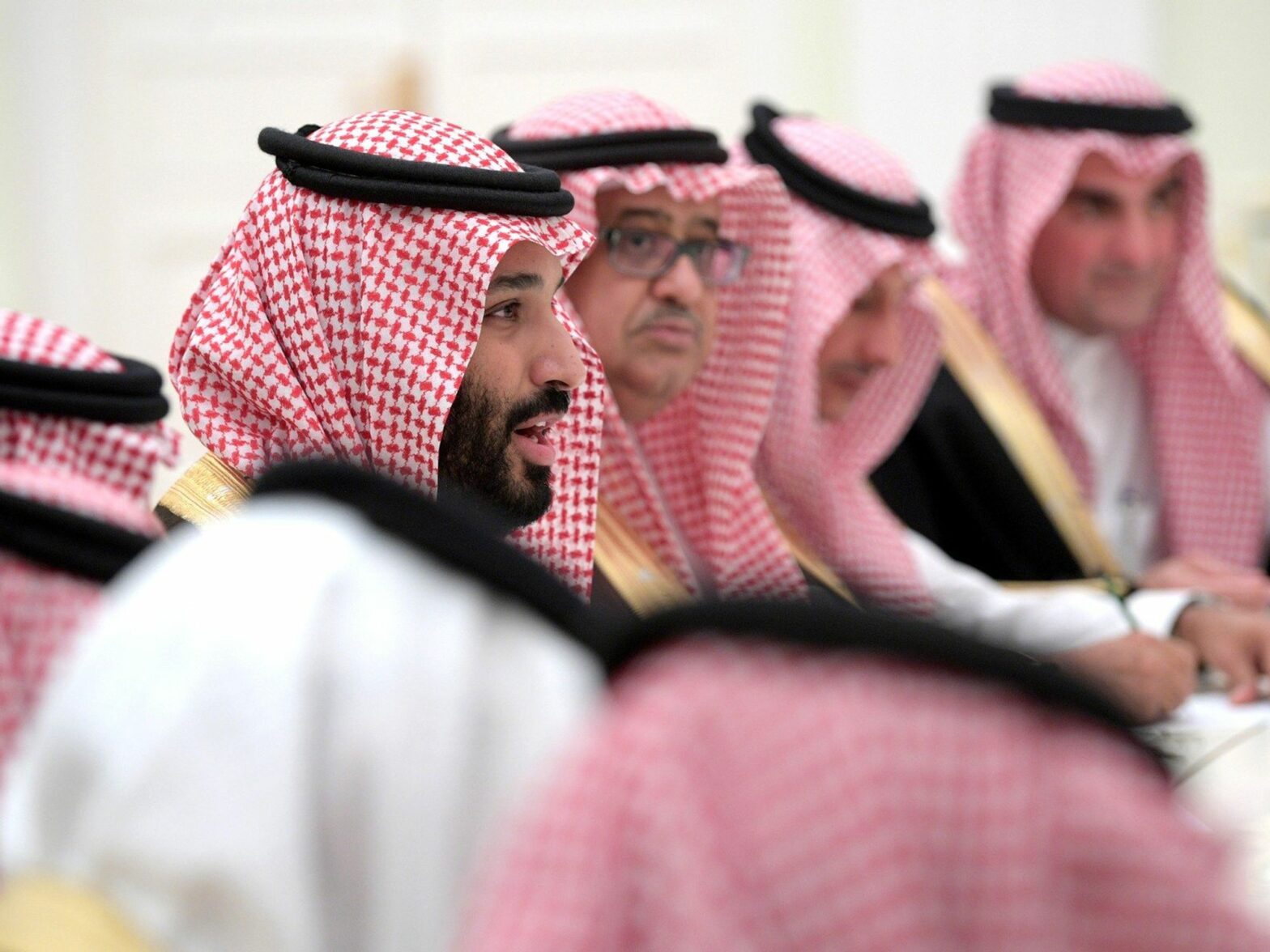
Ten years of arrests and silencing dissent may have been enough to instill fear in the hearts of Saudi citizens, who now comply with the sweeping changes reshaping their country — politically, economically and even socially.
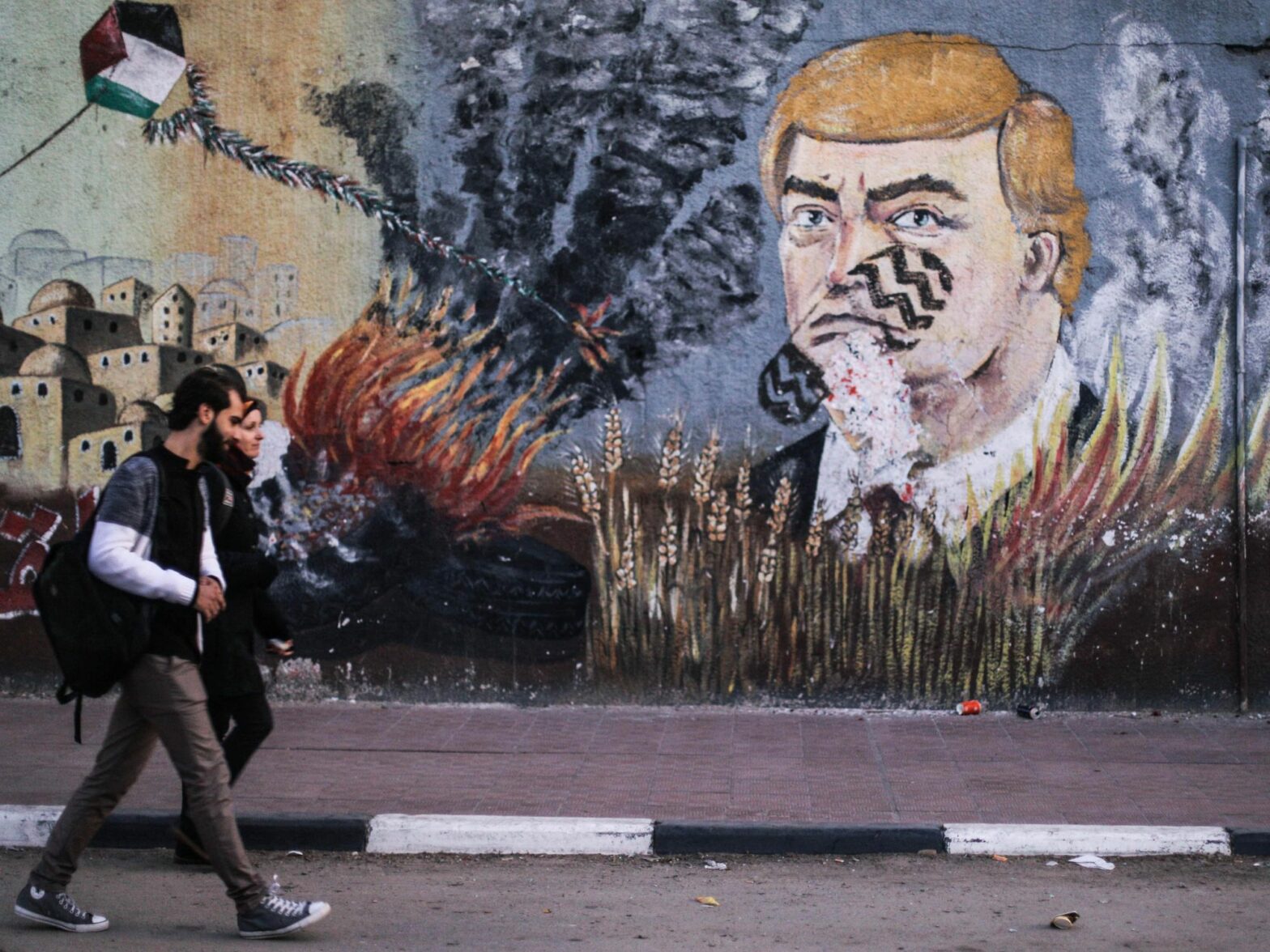
U.S. President Donald Trump’s vile proposal to take over Gaza has led to a shift in discourse Egypt, Saudi Arabia and Jordan. This moment could mark a new beginning, with Arab regimes aligning their politics with those of their peoples. That is the only safeguard against Trump’s blackmail and Israeli Prime Minister Benjamin Netanyahu’s ambitions.
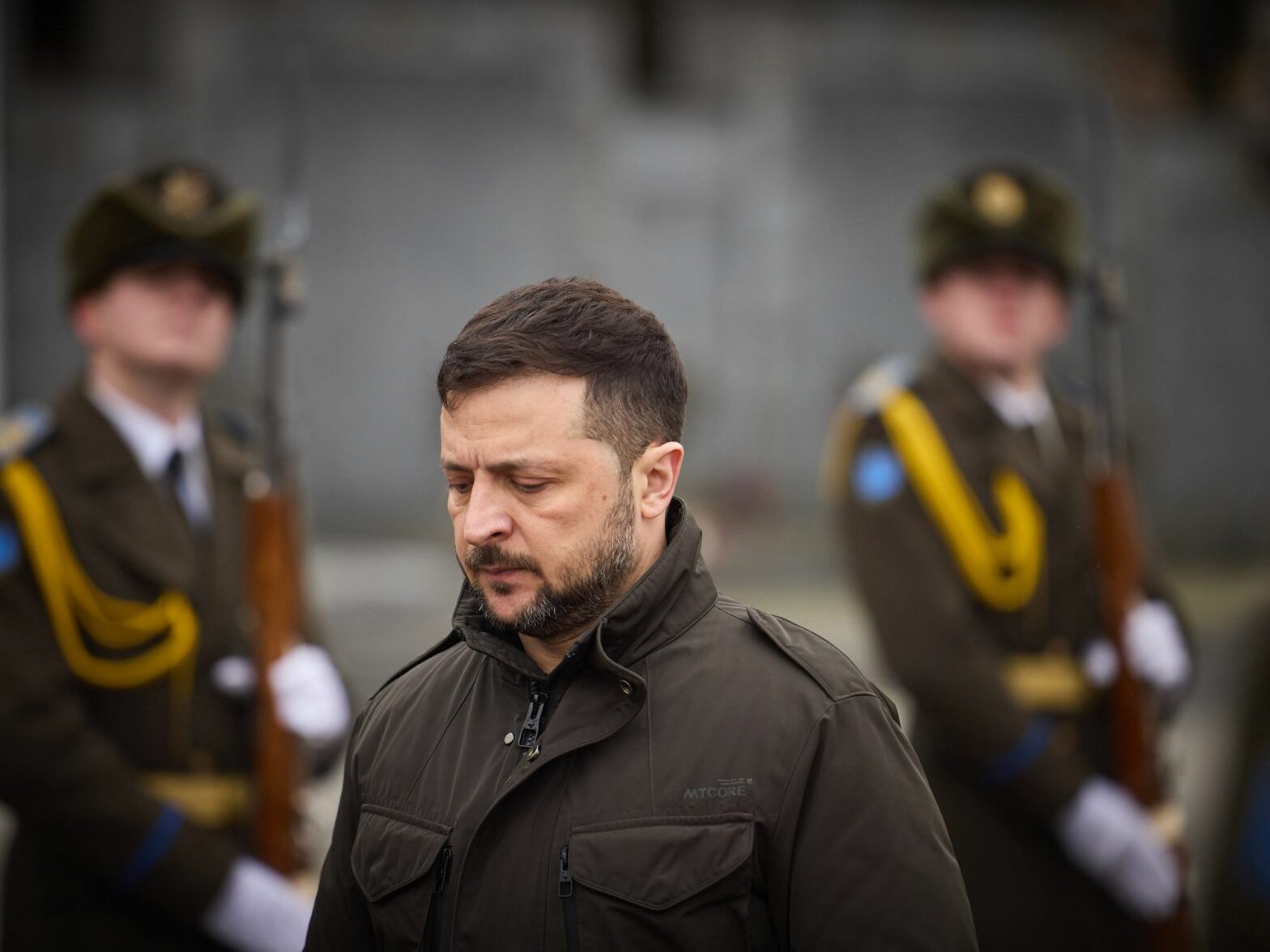
Ukraine isn’t backing down after the Trump-Putin exchange. It’s fighting to ensure that any negotiated plan includes strong security guarantees to prevent another Russian attack — and that Europe, sidelined by Trump, has a seat at the table.
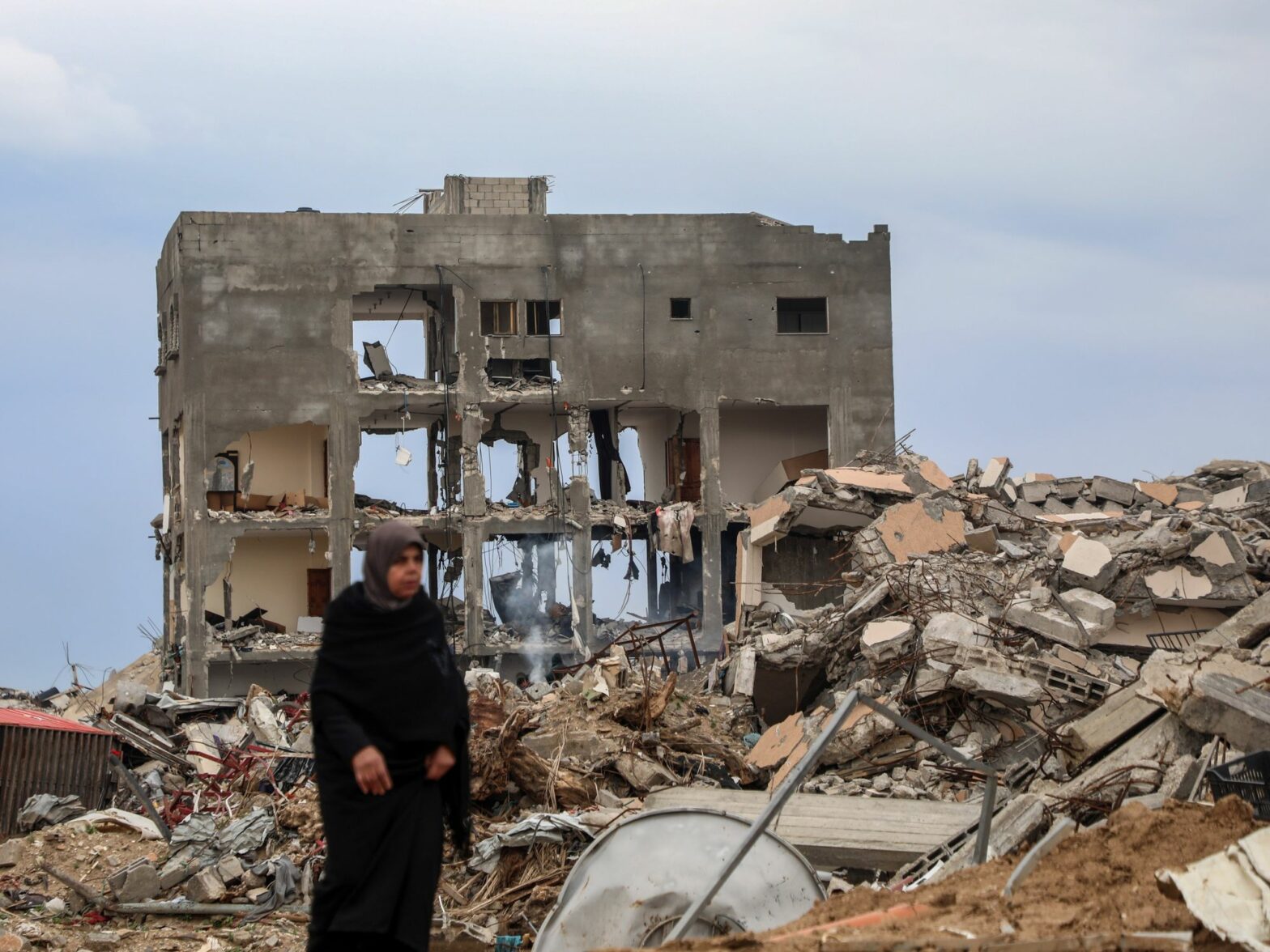
Donald Trump made ever more clearly Monday that he is serious about relocating Palestinians permanently outside Gaza. It’s a plan that the entire Arab world categorically rejects, and puts the U.S. back on the hook for resolving the thorniest of Middle East conflicts.
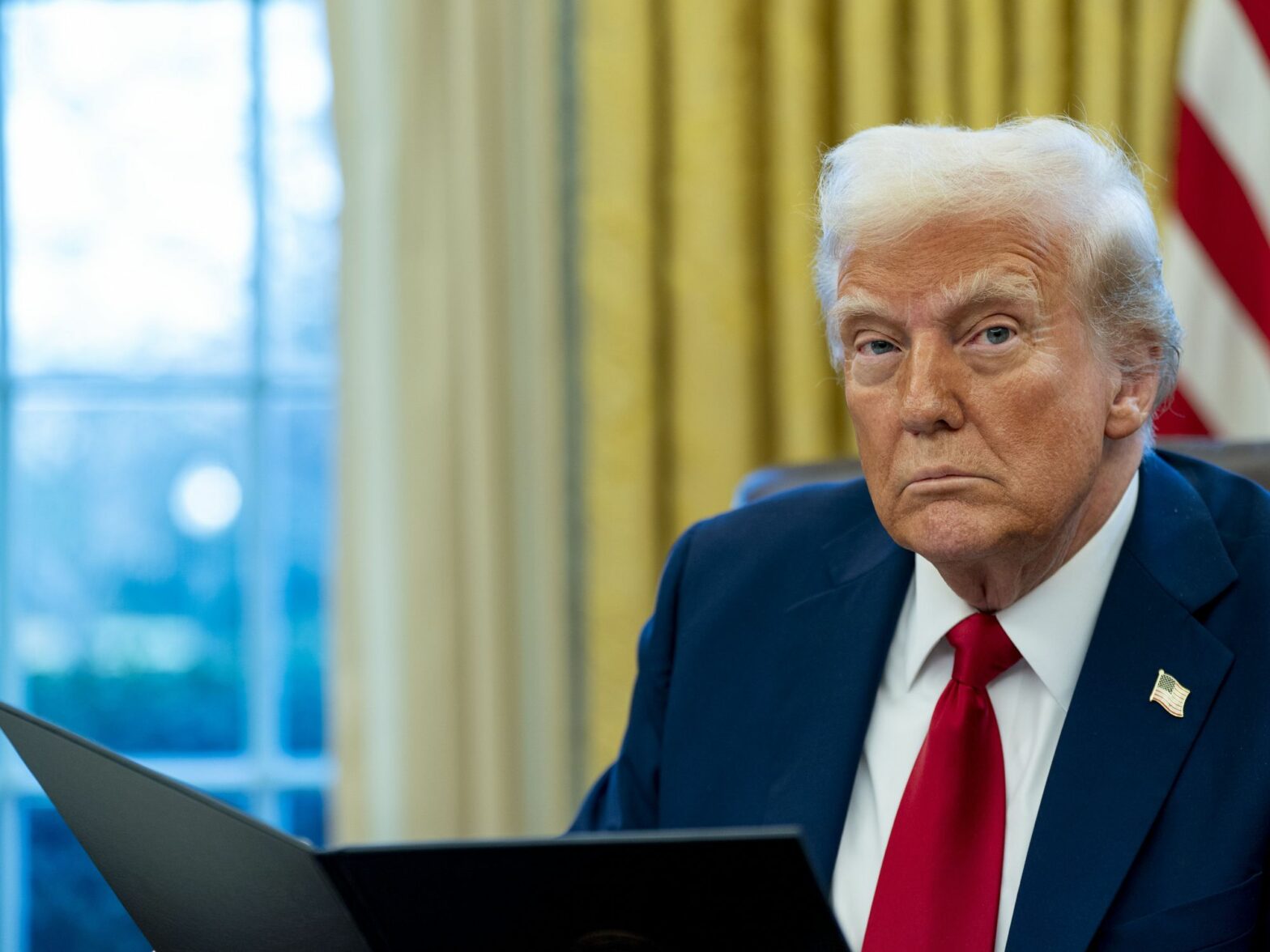
What’s Donald Trump aiming for with his flood of provocative statements? Part distraction, part negotiating ploy, it’s all meant to allow the marketer-in-chief to always claim victory.
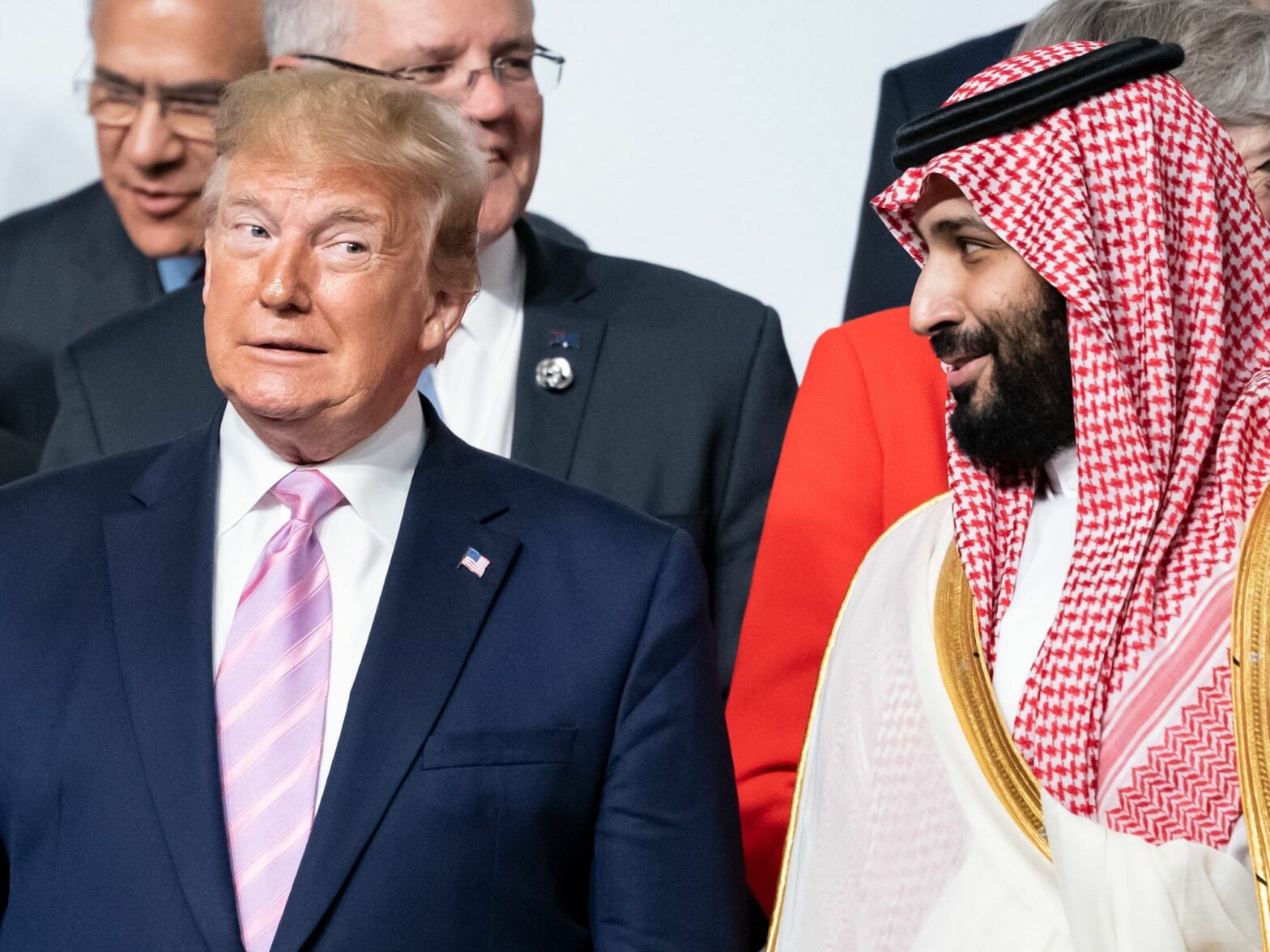
Donald Trump’s relationship with Saudi Arabia’s Crown Prince Mohammed bin Salman dates back to his first term as president. After his second inauguration, his first phone call was to the prince, who has pledged $600 billion in investments in the United States during Trump’s presidency.
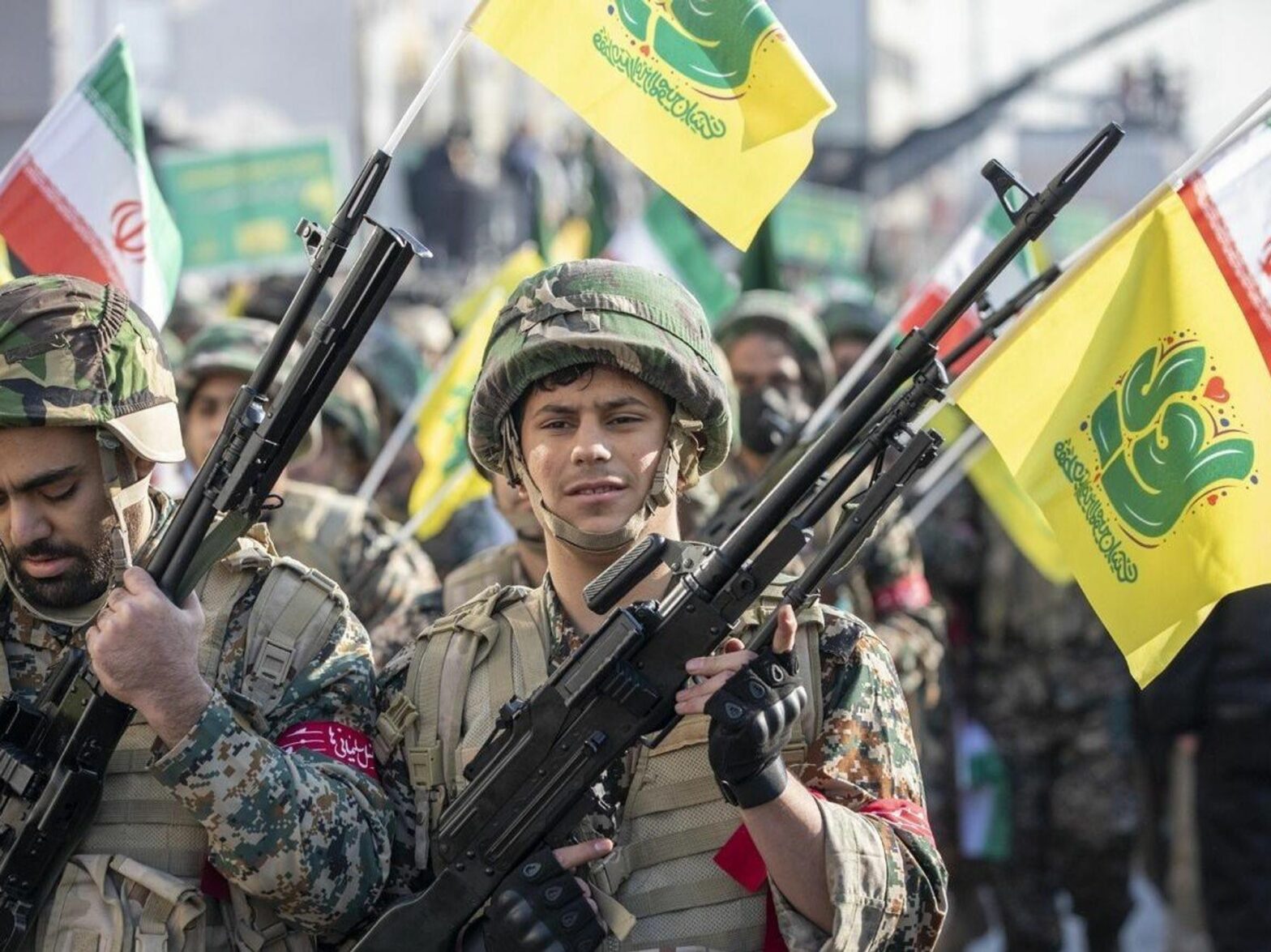
Iranian officials have been unnerved by the Assad regime’s collapse, with one top general admitting the country was “defeated very badly” in Syria. A shaky ceasefire in Gaza follows 15 month of war in which Tehran’s proxy Hamas was decimated. Will unrest in the region spill over to Iran, where problems — both foreign and domestic — are piling up for the regime?
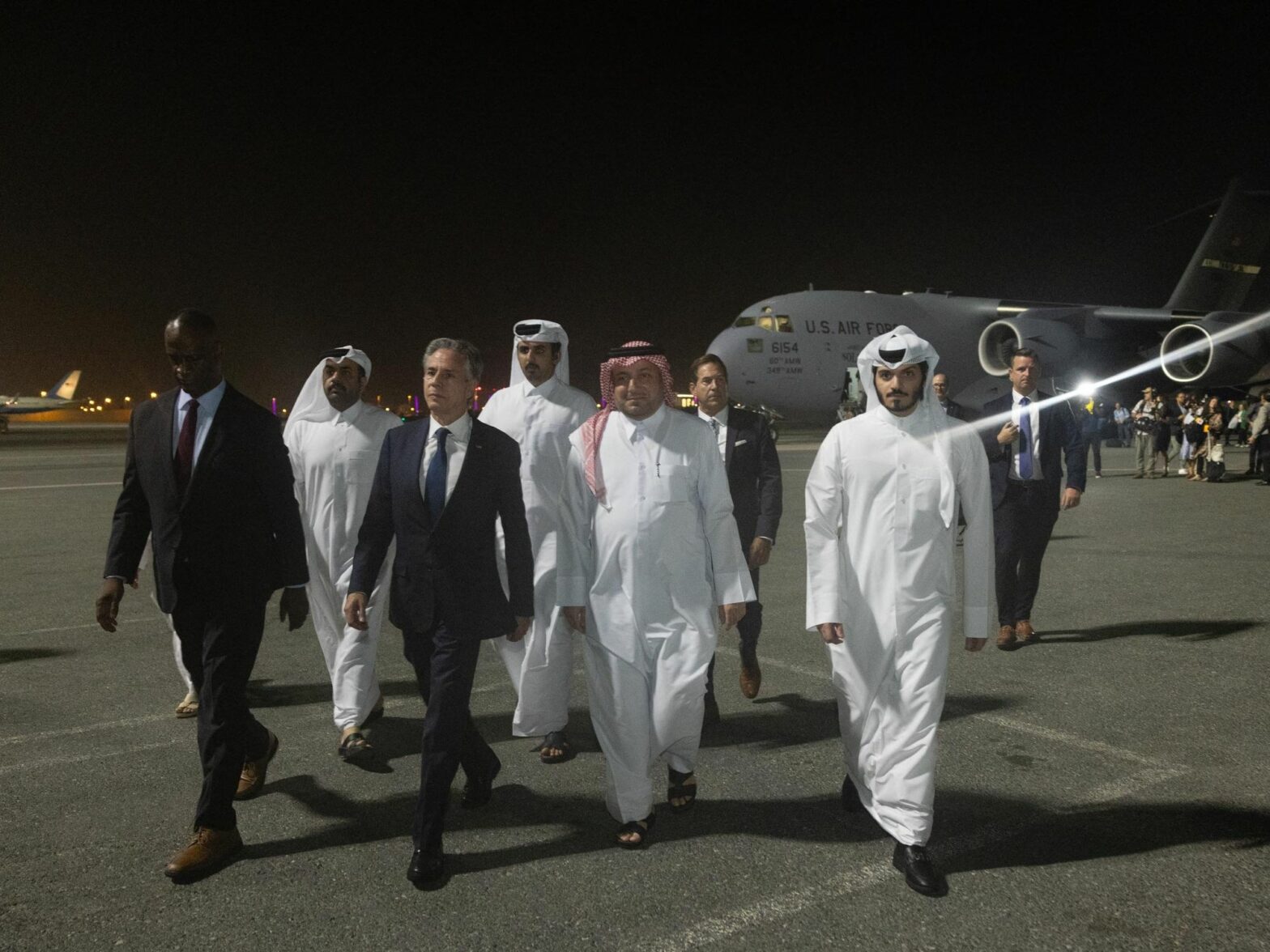
Qatar was crucial to the ceasefire negotiations in the Middle East. It proves that you don’t need a large army or nuclear weapons to play an important role in the world.
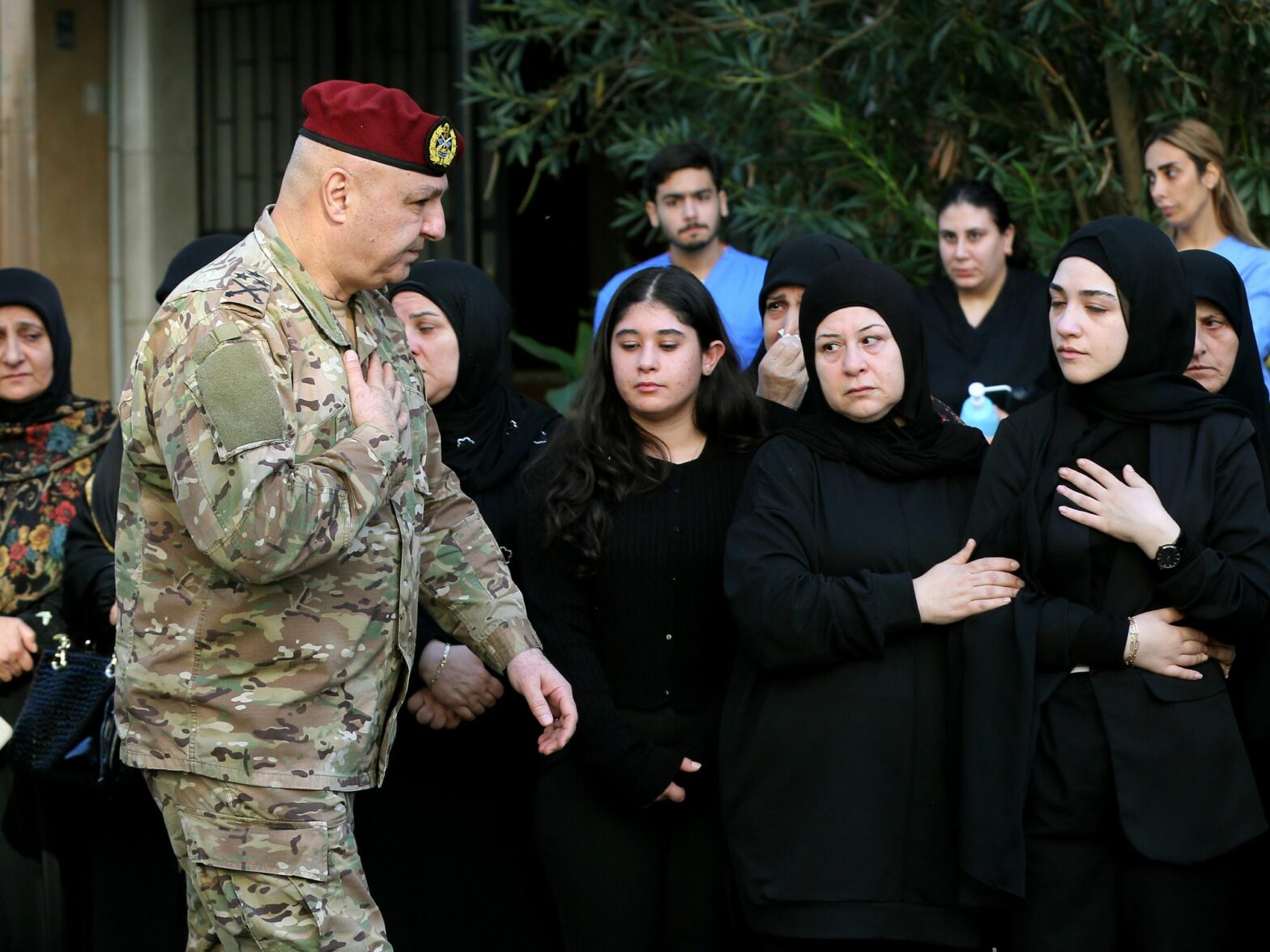
Lebanon’s parliament elected army chief Joseph Aoun as president on Thursday, following extensive behind-the-scenes negotiations. This marks a beginning, not an end, for a nation left drained by Hezbollah’s war with Israel amid a region in turmoil.
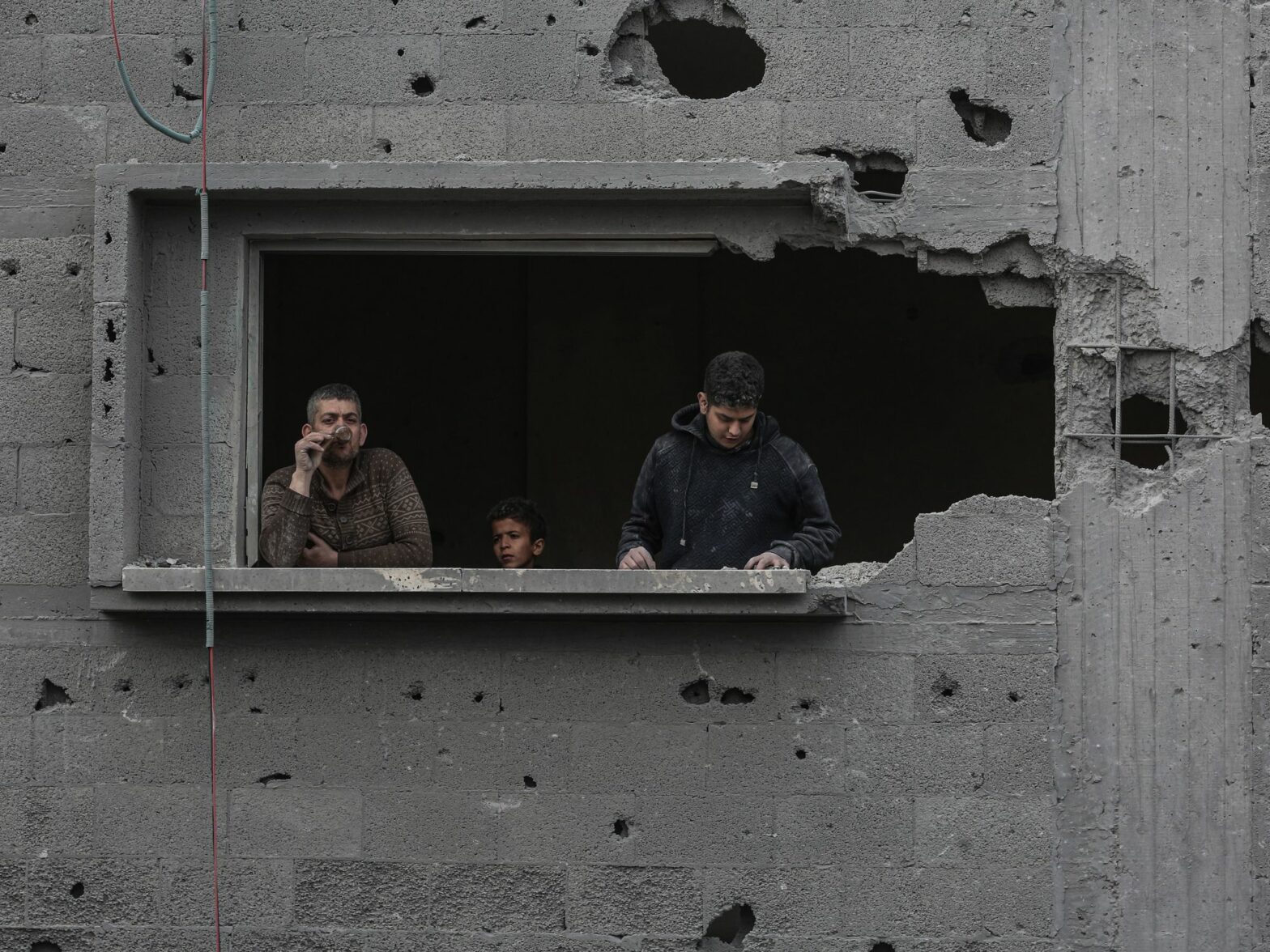
Since the Oct. 7 Hamas attack, use of the term “evil” has increased. The more heinous and public the murder, the more the evil of the murderer would be revealed and “the world” would be pushed to intervene. Yet in both Syria and Gaza, that world has been satisfied with symbolic responses.
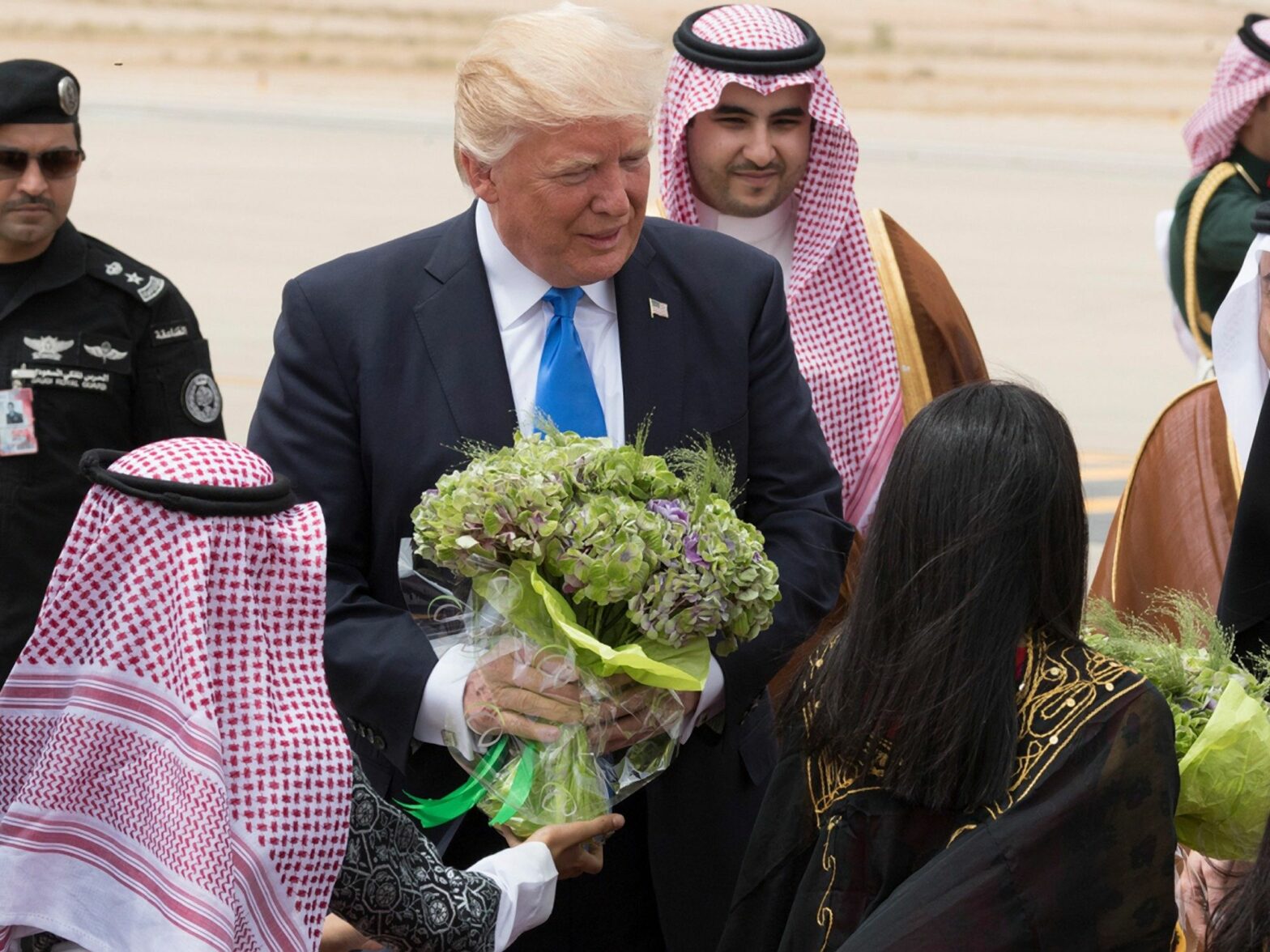
Trump is seen as a “transactional” operator by leaders in the Middle East. But the appointments to all key positions related to the region suggest that Arabs should brace for the worst of all deals.
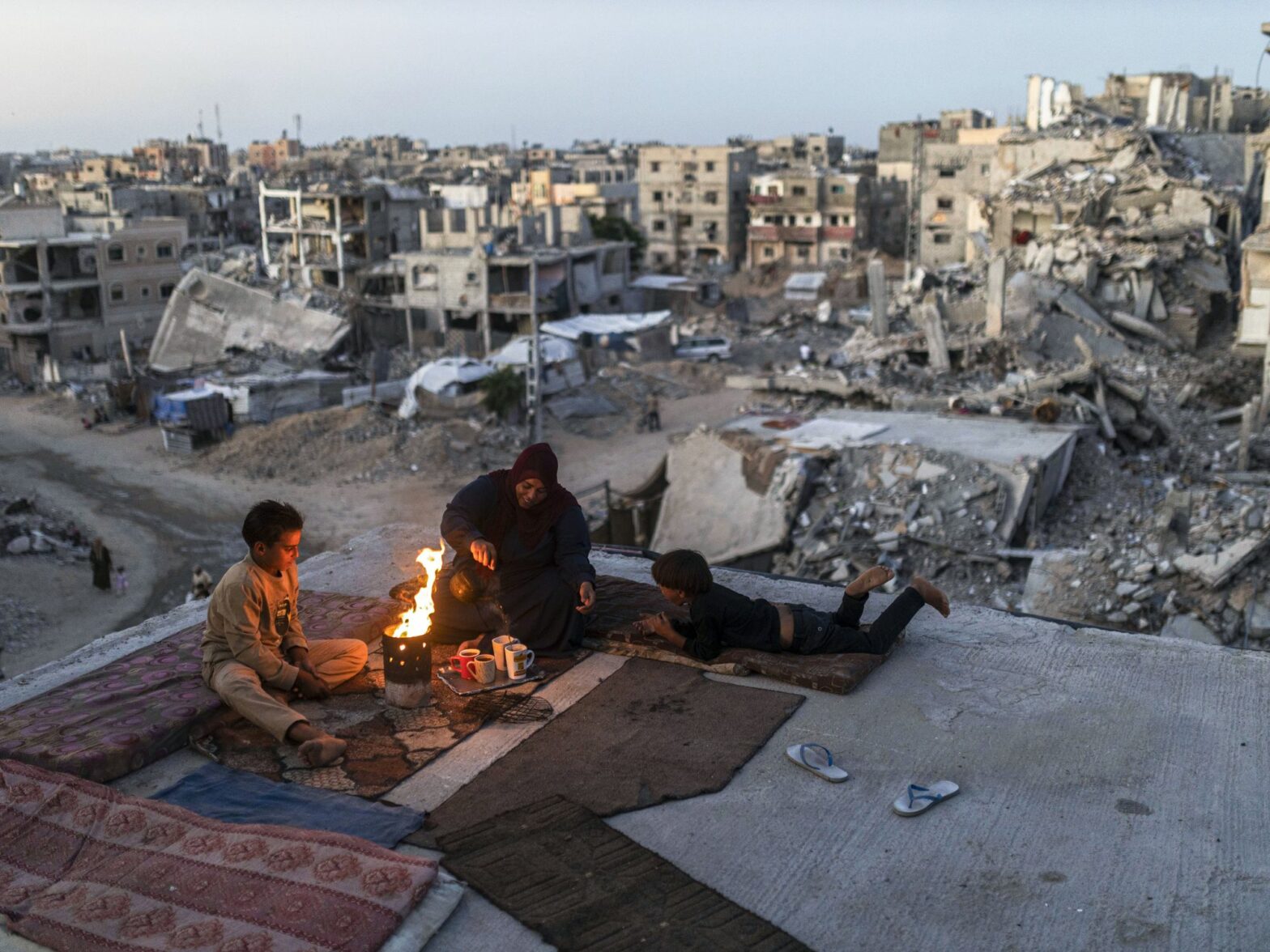
In the Middle East and North Africa, divisions are as stark as they can be. War-torn nations stand side-by-side with wealthy oil-rich countries where the elites feel disconnected from the rest of the region. But, as Yemeni freelance journalist and a human rights defender Afrah Nasser, warns, these inequalities breed monsters, and wealth will not prevent oil-rich countries from experiencing chaos and destruction.
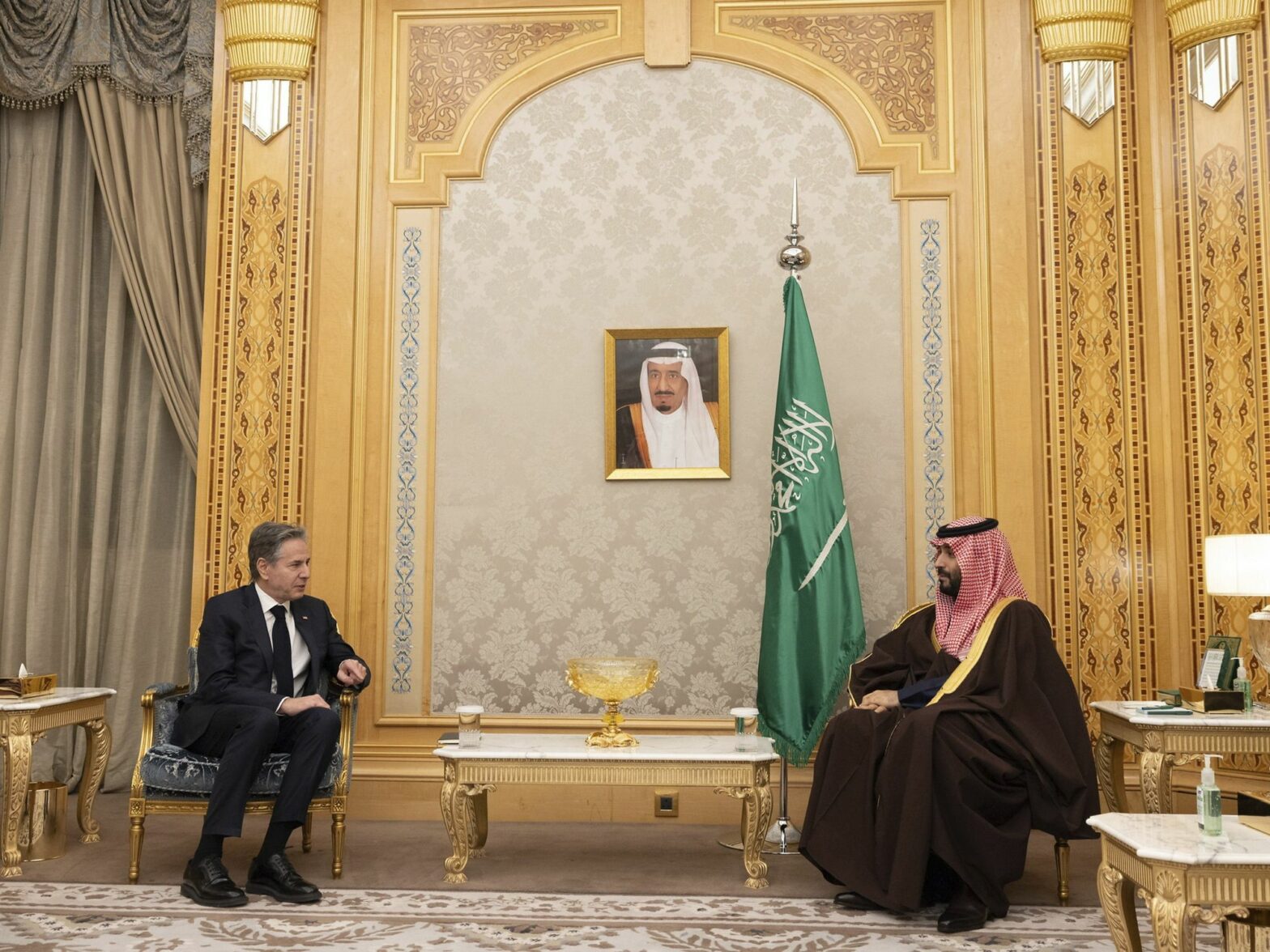
The ongoing crackdown on critics of the MBS regime becomes more difficult with the dire situation in Gaza and the ambiguity of Saudi foreign policy.
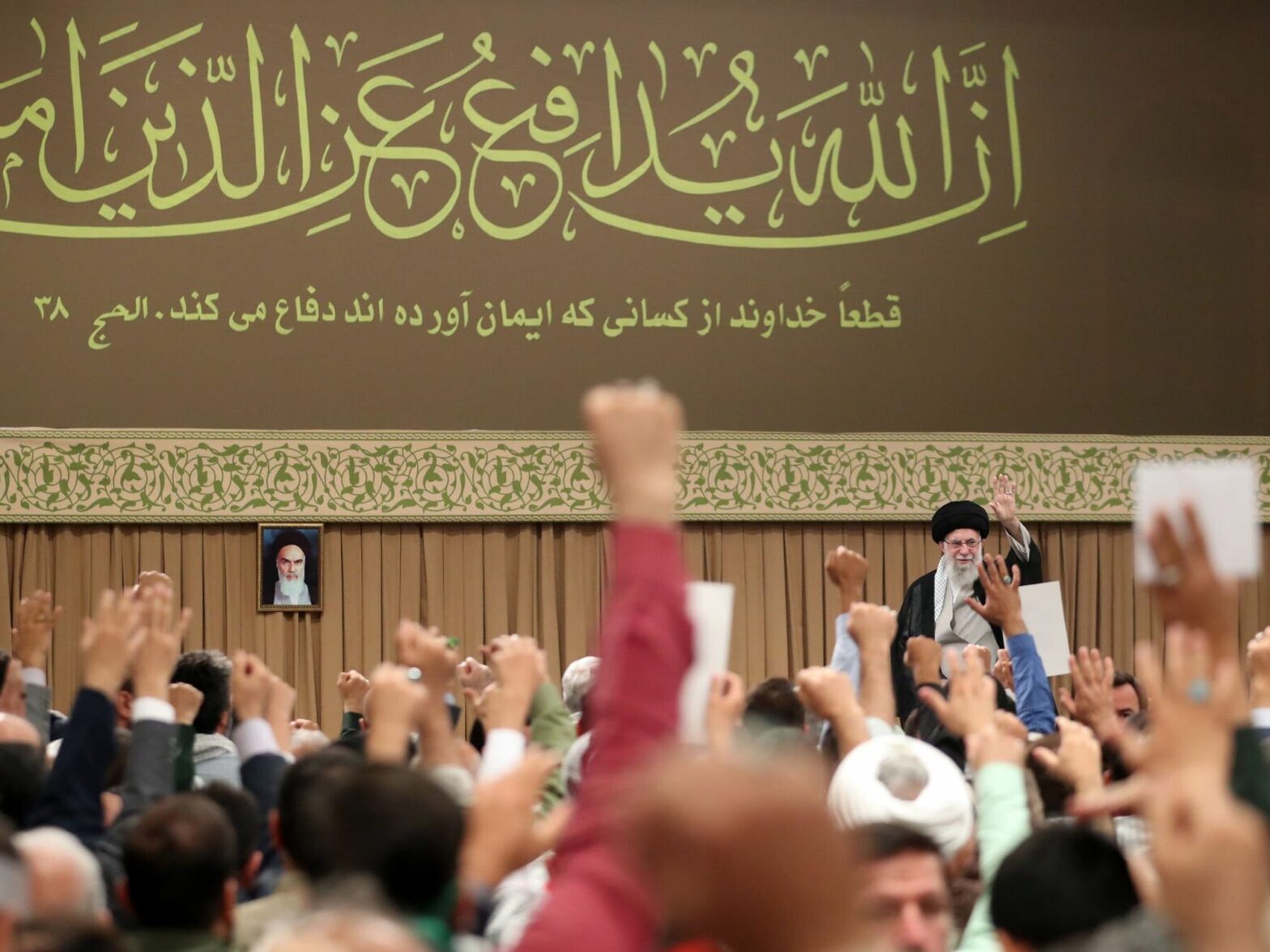
The Salafis, along with Gulf States like Saudi Arabia, consider the Shias as a greater threat to Islam than Zionism.
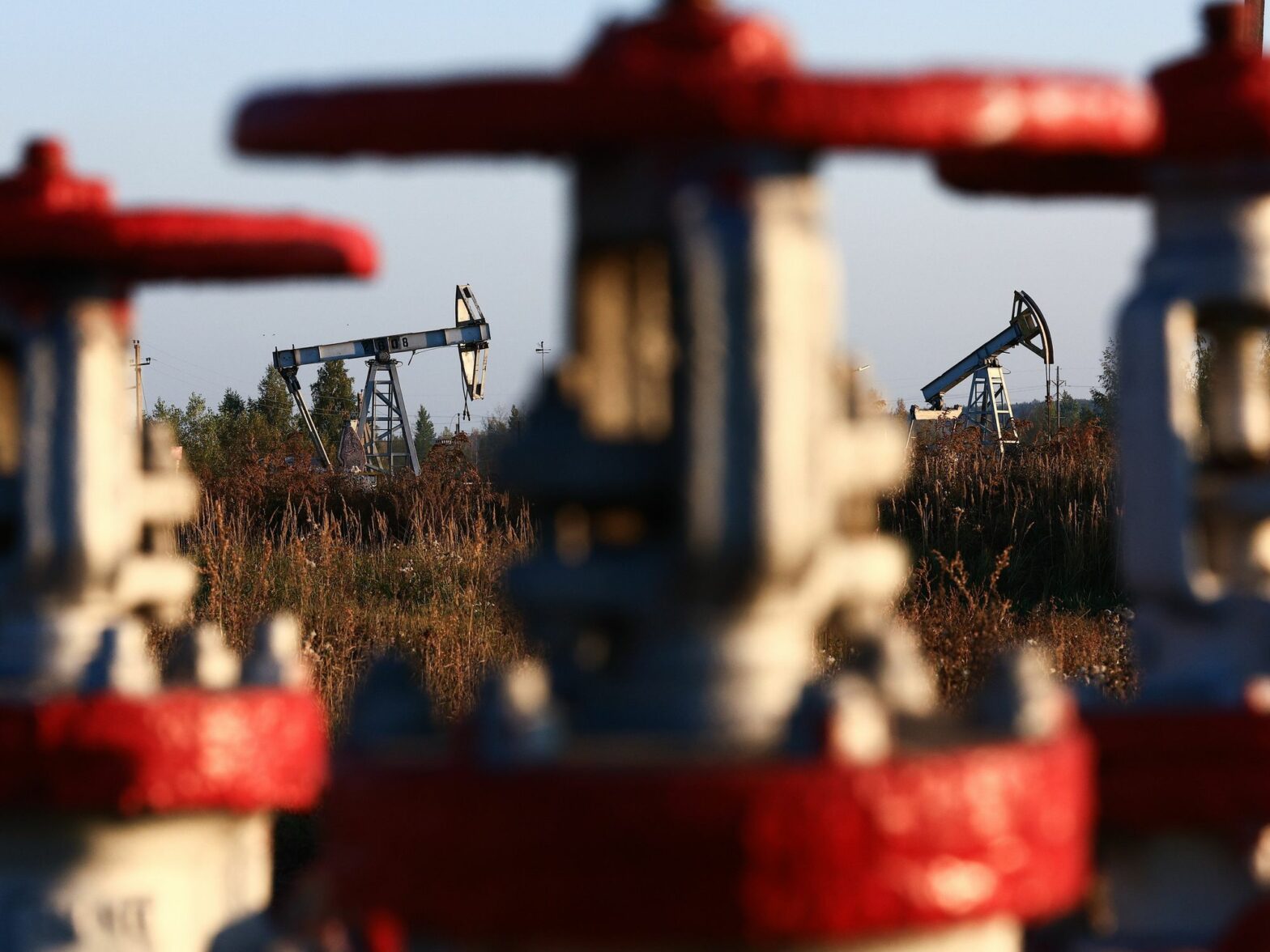
Since the end of the 20th century, the idea has spread that there’s a fundamental link between energy prices and Moscow’s ability to carry out military aggression. After all, low energy prices were one of the factors behind the economic collapse of the USSR.
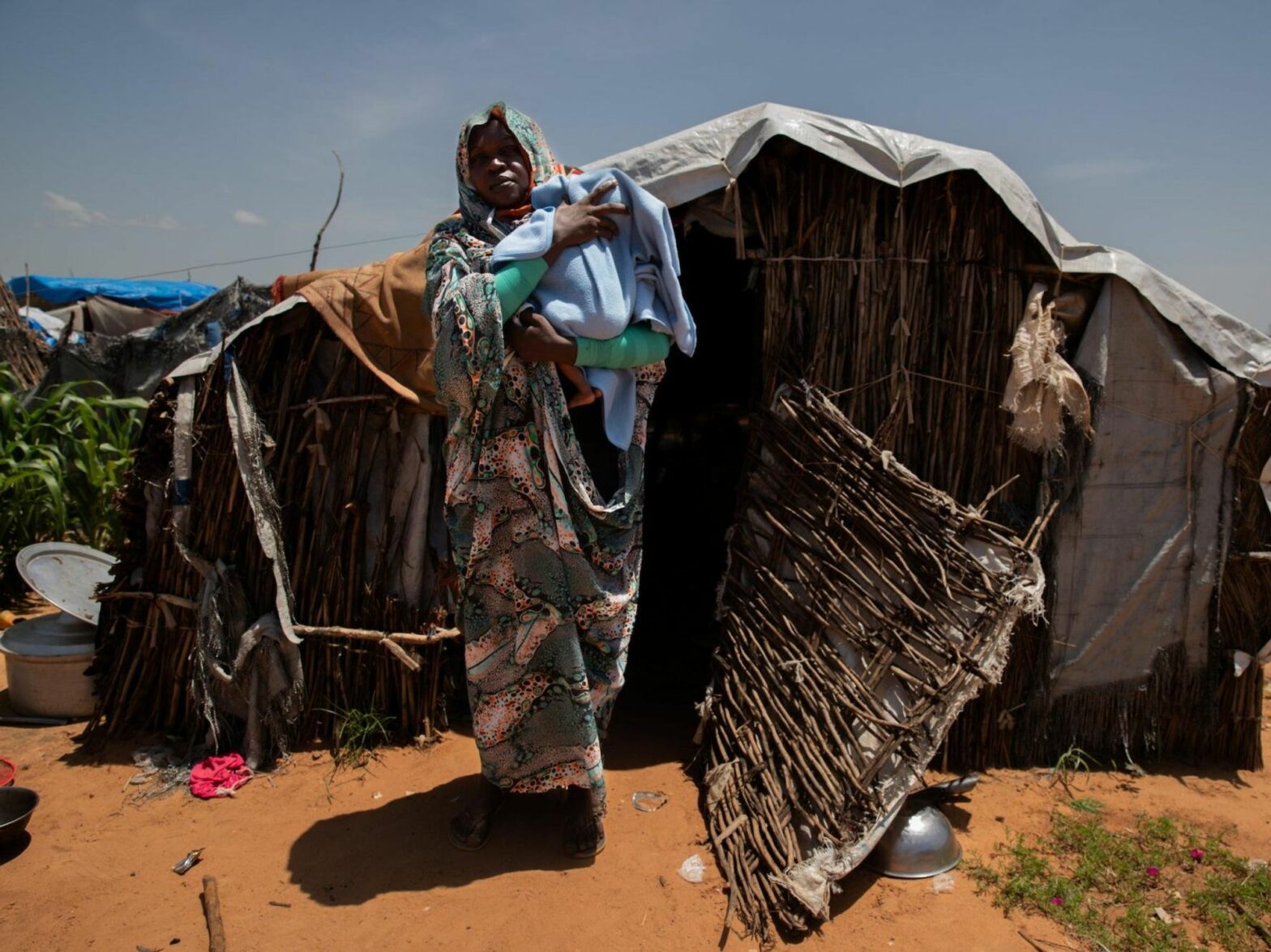
The war in Sudan has displaced some 10 million people, and 2 million have moved to the already fragile neighboring countries. Yet, as the wars in Ukraine and the Middle East dominate global politics, there are huge gaps in the provision of international aid to these refugees. Rarely has a disaster of this magnitude received so little attention from the international community.
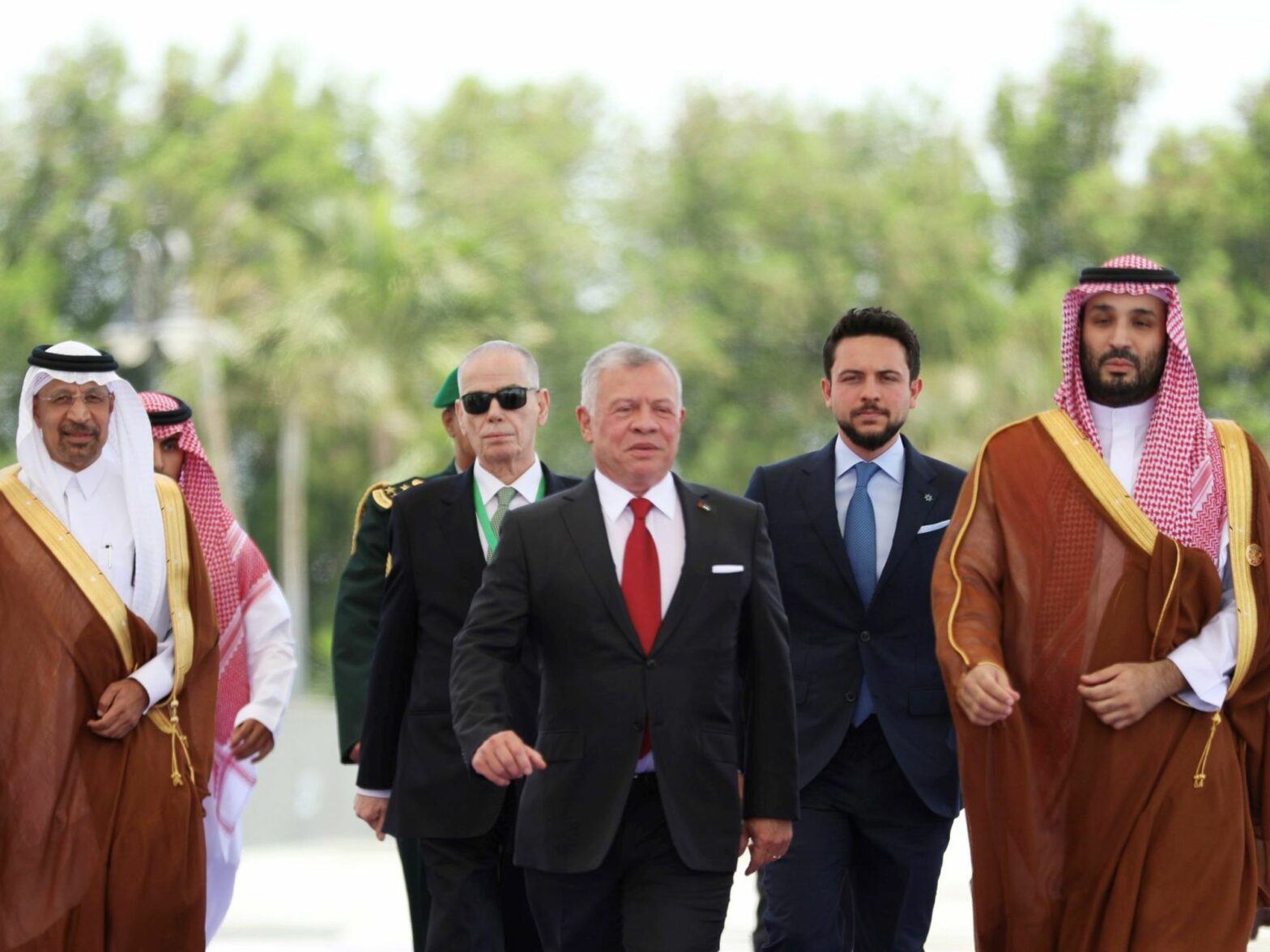
Arab countries remain largely missing in action as the region goes up in flames. Those that have recognized Israel are keeping a low profile, the Saudis are talking about a Palestinian state, but they are not averse to crushing the pro-Iranian forces and targeting Tehran. And yet a regional war would upset the current balance.
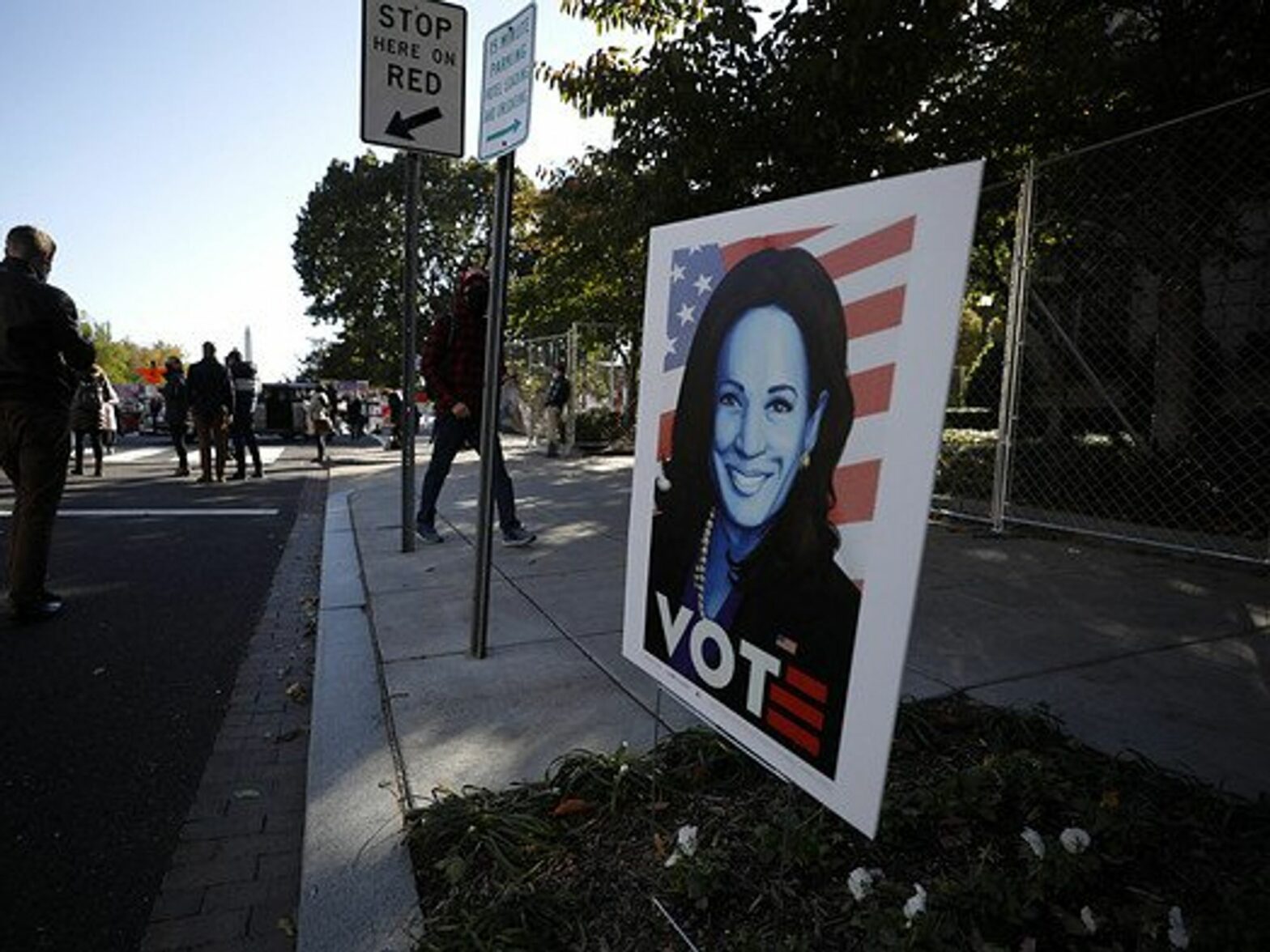
Arab Americans’ outrage over the Biden-Harris administration’s politics is understandable. But boycotting the election — or voting for a third-party candidate — would benefit Donald Trump, who has played up his relationship with Benjamin Netanyahu. What choice does that leave?
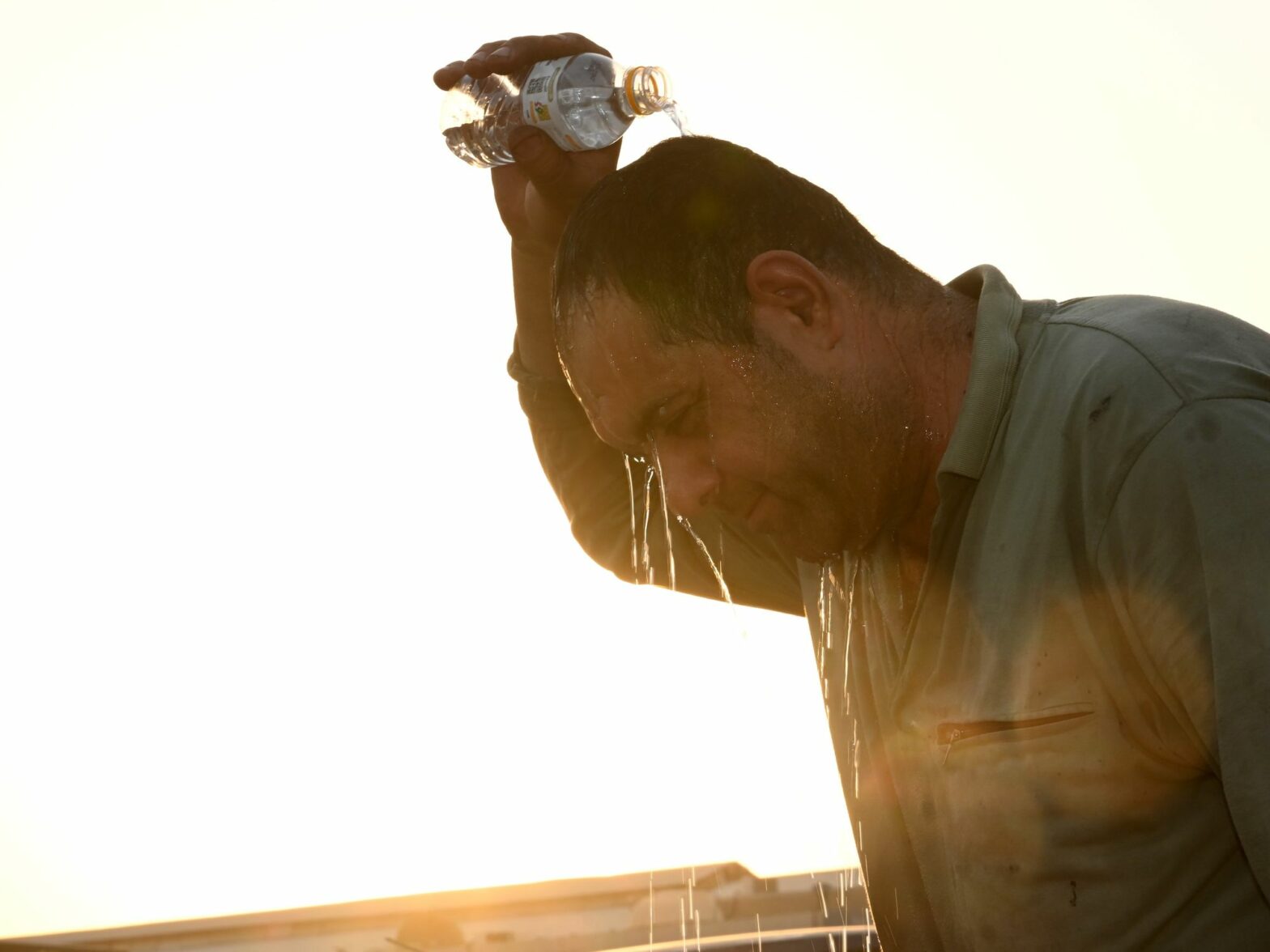
Climate change has become an inevitable issue in the Middle East and North Africa — which may soon experience 200 days of extreme heat annually — and with those changes come questions of environmental justice.
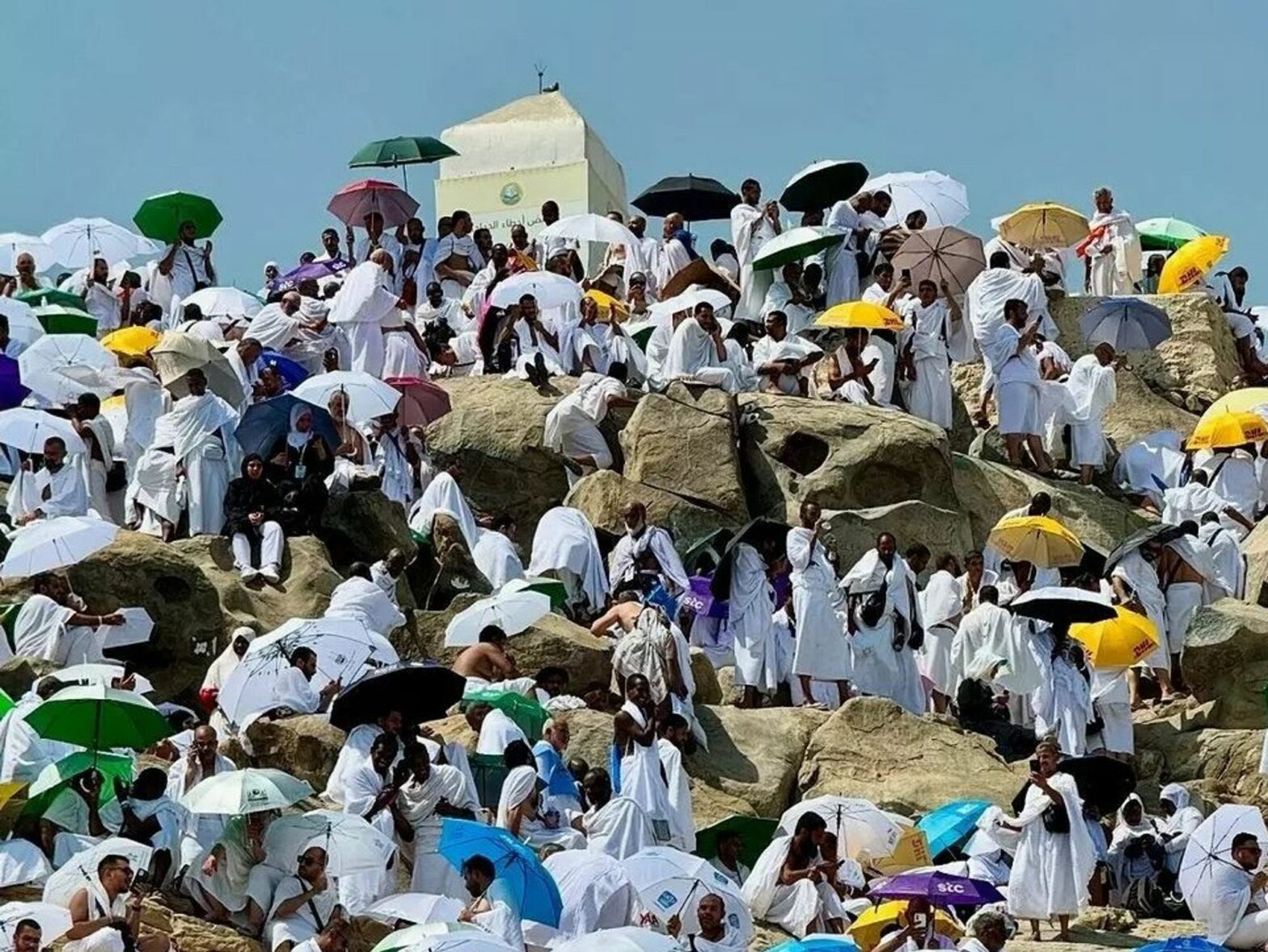
More than 1,300 people have died on the annual pilgrimage to Mecca. It’s not just a personal tragedy for Muslim worshippers, it’s a warning from mother nature.
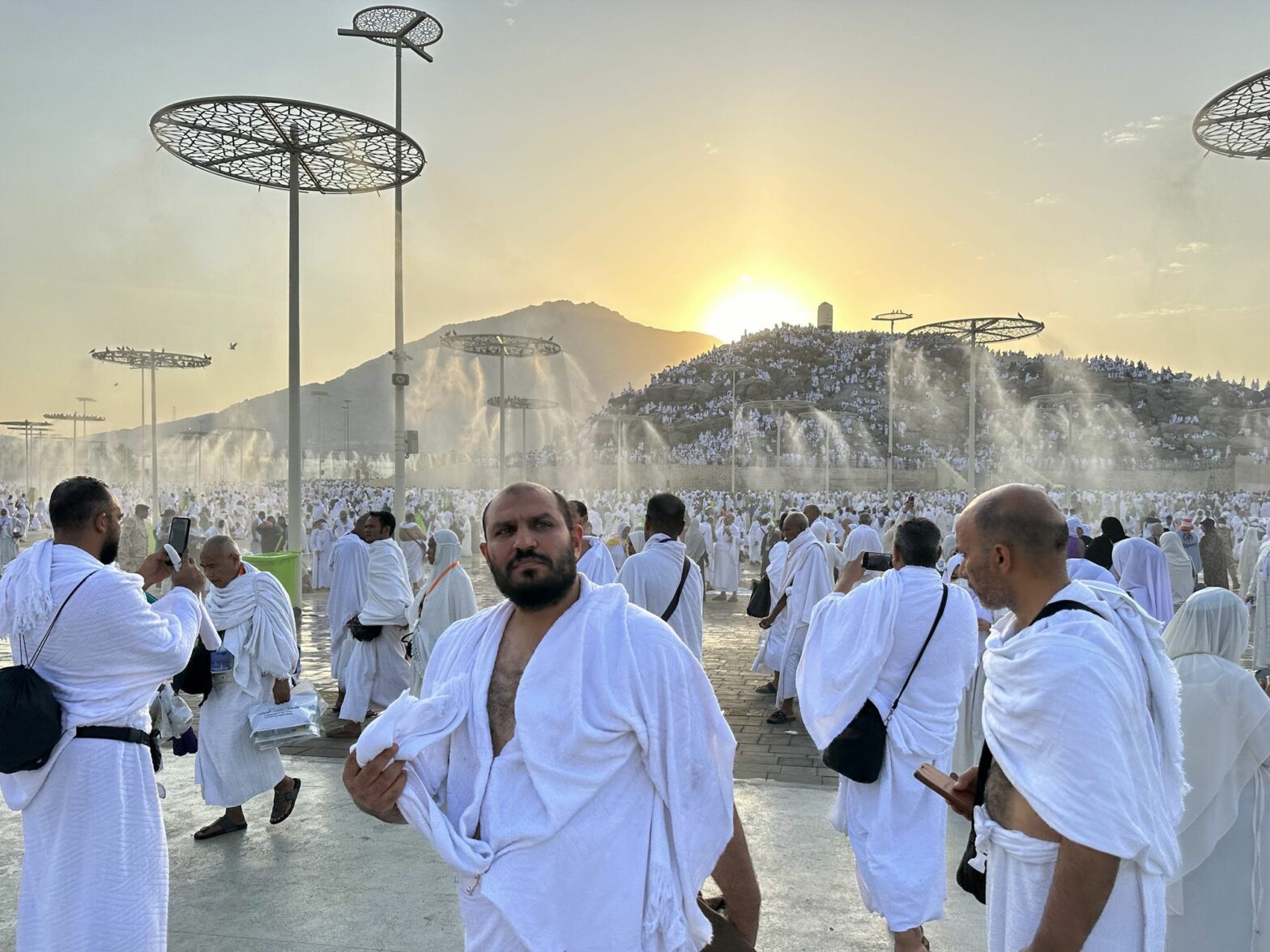
This is not the first spike in deaths of those making the Hajj pilgrimage, but what this year’s toll was accompanied by photos and videos circulating on social media that showed how many dead pilgrims were left on the roads near Mecca.
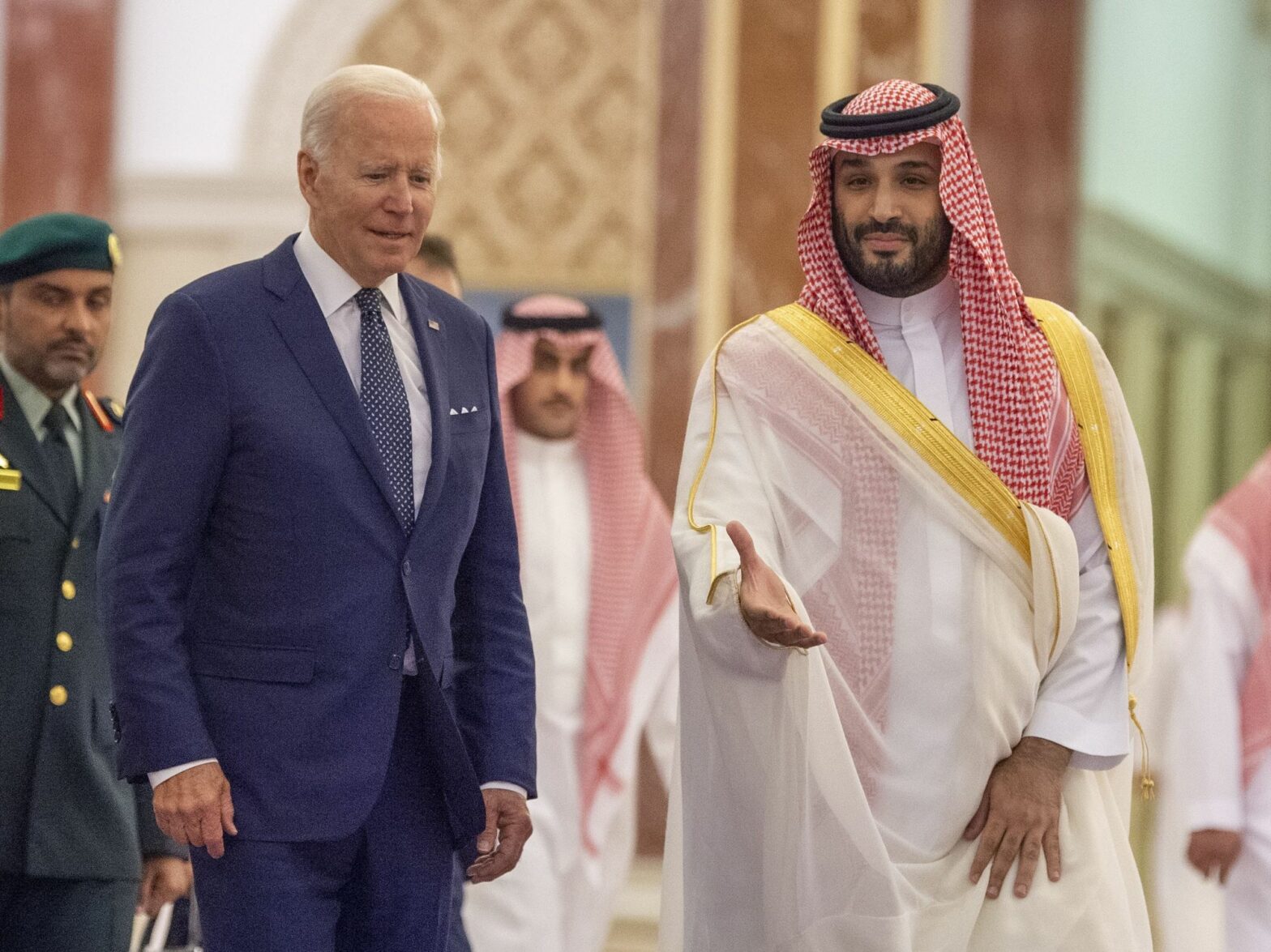
U.S. President Joe Biden is pushing Saudi Arabia and Israel to sign on to a broad “normalization” deal, which would be a landmark of his first term in the White House. But Israel’s Netanyahu and Saudi Arabia’s Crown Prince Mohammed bin Salman each have their own calculations standing in the way.