-Analysis-
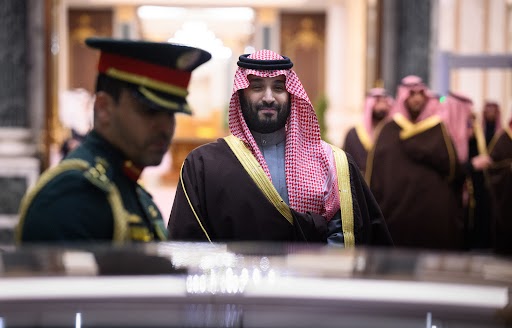
PARIS — This is the kind of official visit that makes diplomats nervous. The discussions will cover arms purchases, billion-dollar contracts — including those involving the Trump family — and the Israeli-Palestinian conflict. When Crown Prince Mohammed bin Salman (MBS) arrives in Washington on Tuesday, it will clearly show Saudi Arabia’s expanding role on the international stage, not only in the Middle East.
For the latest news & views from every corner of the world, Worldcrunch Today is the only truly international newsletter. Sign up here.
Over the past 48 hours, there have been numerous leaks. We’ve learned that the United States is ready to sell F-35s, its most sophisticated fighter jet, to Saudi Arabia, but that Israel is pressuring Washington to make recognition of the Jewish state a condition of the sale.
A few hours later, new information emerged: the Saudis have reassured the Palestinian Authority that there will be no recognition of Israel while this far-right coalition remains in power, given its opposition to Palestinian rights.
Israel’s indirect response came from Defense Minister Israel Katz, who issued a statement Sunday saying categorically that there will be no Palestinian state. All this calls for explanation, but it already shows the importance of Saudi Arabia’s position in the restructuring of the Middle East.
Trump questions
There are at least two issues at stake. The first concerns Israel and Saudi Arabia competing for influence over Donald Trump. In the past, there was no contest: Israel held the most sway in the White House. But in September, Benjamin Netanyahu had the unpleasant surprise of seeing his military strike on Qatar shift the situation and accelerate the end of the offensive in Gaza.

What was true for Qatar is even more true for Saudi Arabia. Donald Trump has built personal and, most importantly, business ties with Gulf monarchies. This weekend, The New York Times revealed a major real-estate project in Saudi Arabia involving the Trump Organization, the president’s family business.
So the U.S. president will discuss diplomacy with Prince MBS while his family negotiates lucrative deals — a blurring of roles that is no longer a surprise to anyone.
Israel is watching this competition for influence with less leverage than the Gulf monarchies, and this affects Washington’s role.
Settler violence
The second issue is Palestine. The Netanyahu government does not want anything regarding the Palestinians’ future forced on it. Yet at the UN Security Council, a U.S. resolution under discussion was amended, under Arab and French pressure, to support Palestinians’ right to self-determination. This prompted the Defense Minister’s statement that completely shut the door on a Palestinian state.
Saudi Arabia is powerful enough to prevent Israel from taking irreversible steps, but not enough to secure a fair agreement.
All this may seem futile, because on the ground, settlers are carrying out unprecedented violence against Palestinians in the West Bank, and Gaza appears to be heading toward a lasting division, with one half controlled by Hamas and the other by the Israeli army.
Saudi Arabia is powerful enough to prevent Israel from taking irreversible steps, such as annexing the West Bank, but not enough to secure a fair agreement. Which is why everyone will be watching this visit to Washington closely: it will reveal the real balance of power in the Middle East.