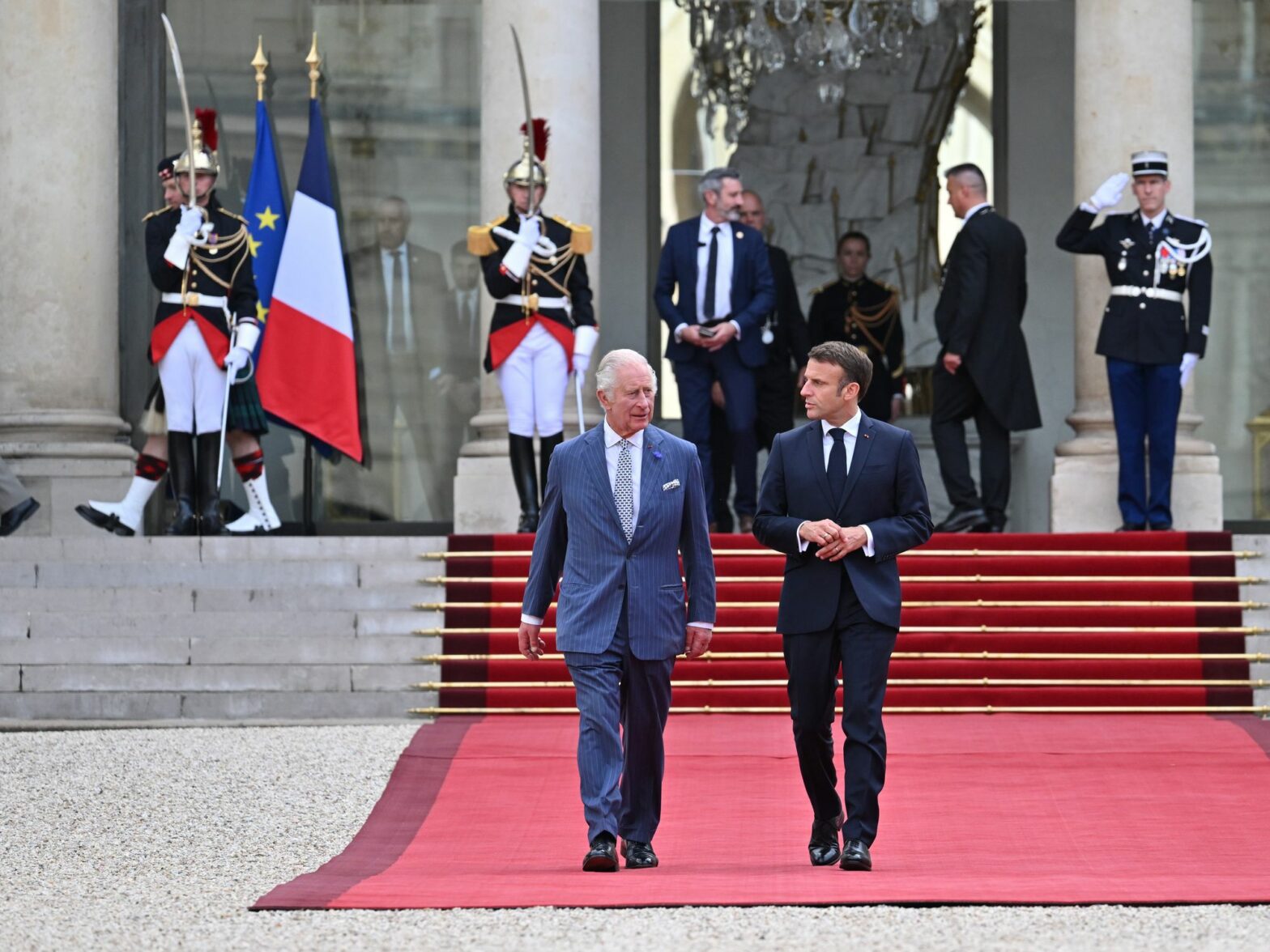
Organizing summits, placing flags, following schedules, dealing with the unexpected … The agents of France’s Quai d’Orsay who oversee the reception of foreign leaders and promote the country’s image don’t have an easy job.
 Worldcrunch
Organizing summits, placing flags, following schedules, dealing with the unexpected … The agents of France’s Quai d’Orsay who oversee the reception of foreign leaders and promote the country’s image don’t have an easy job.
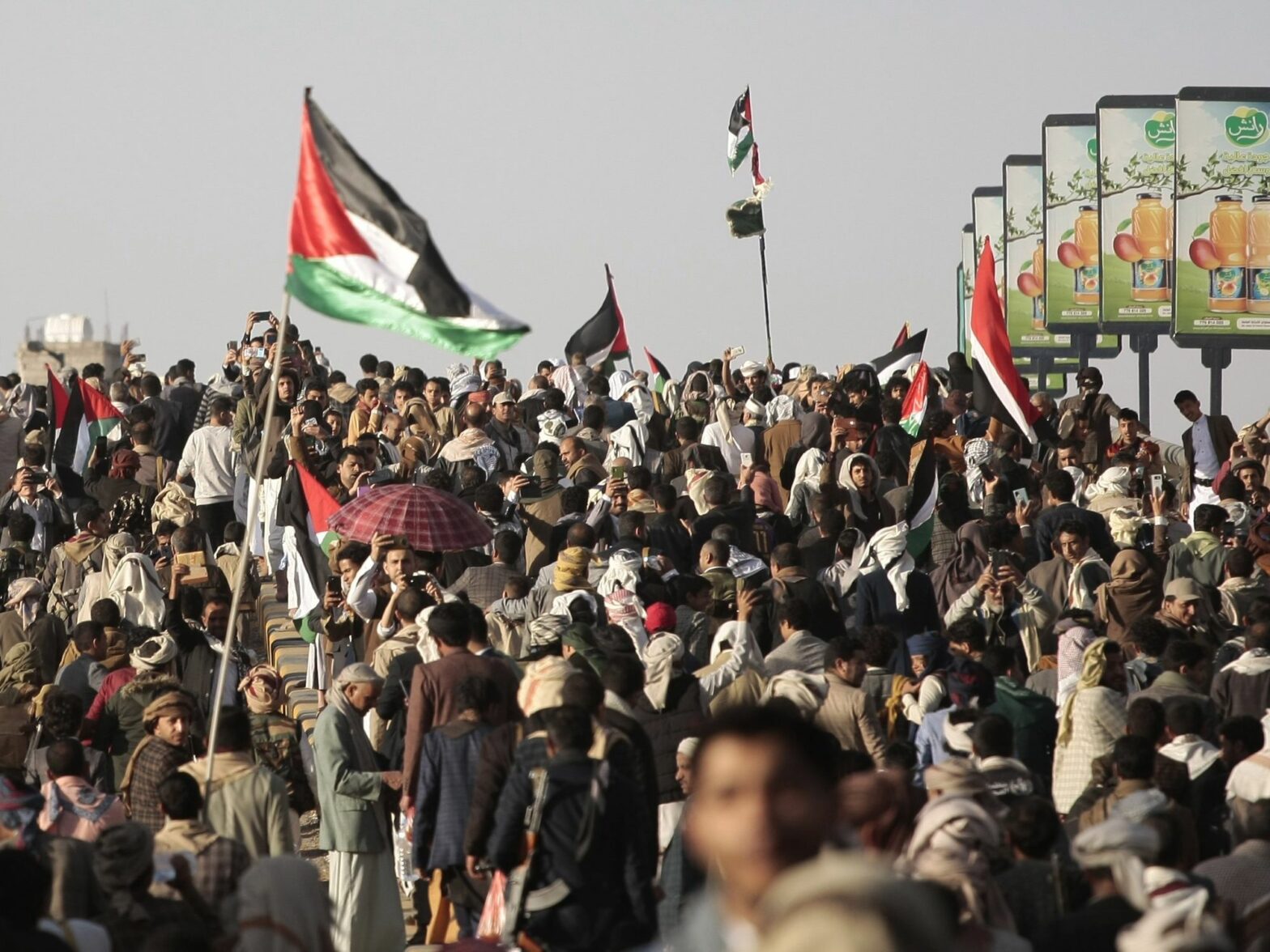
The Iranian-supported Houthi rebels in Yemen are now using the conflict in Gaza as a justification for widening its reach. But the direct clash with the U.S. and others in the Red Sea may take a nine-year-long war to a whole other level.
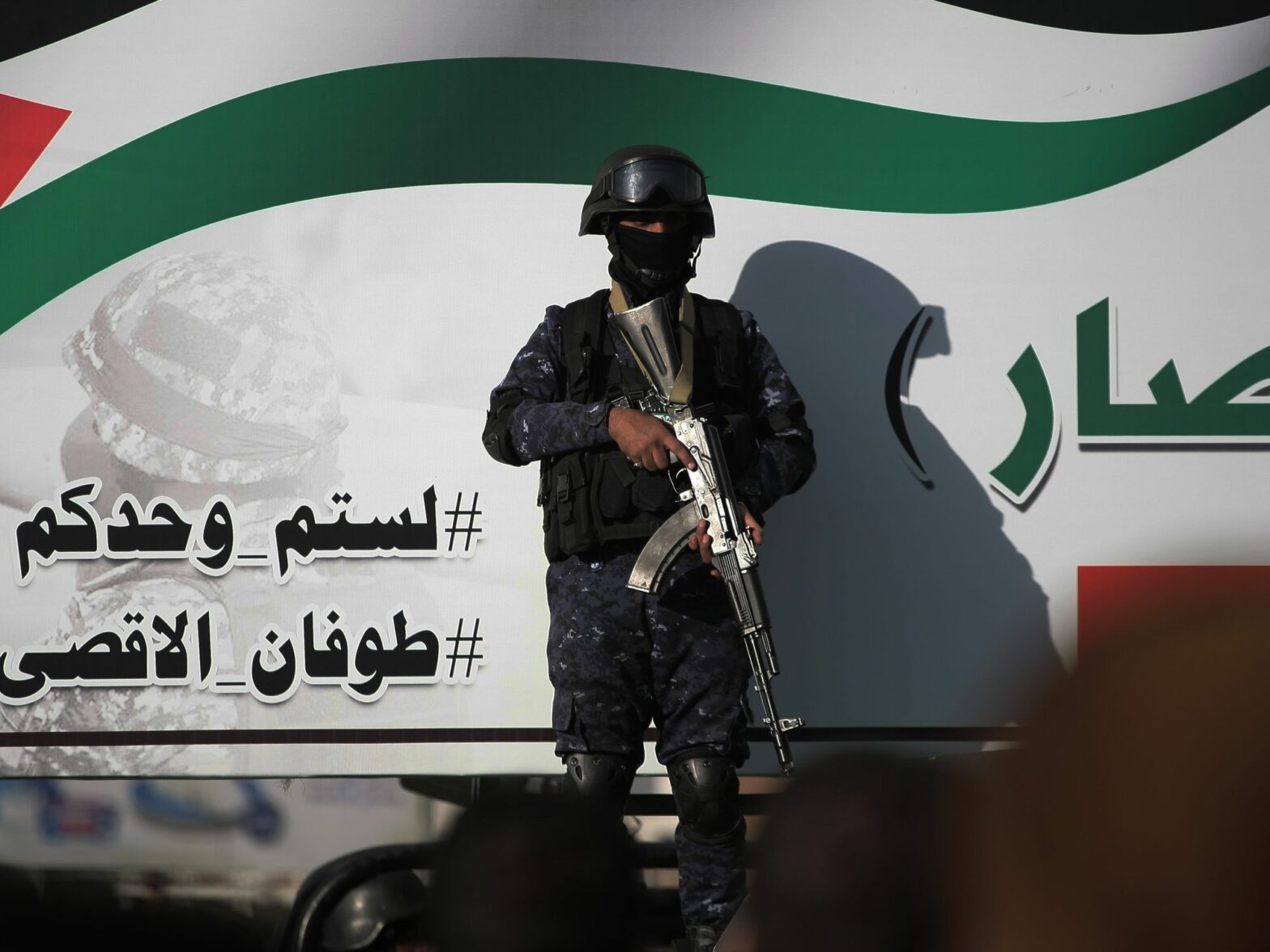
Iran’s revolutionary regime is believed to have aided Russia against Ukraine and goaded Hamas into attacking Israel. Could its insidious backing for Houthi attacks on Red Sea shipping finally end the West’s appeasement of a hooligan state.
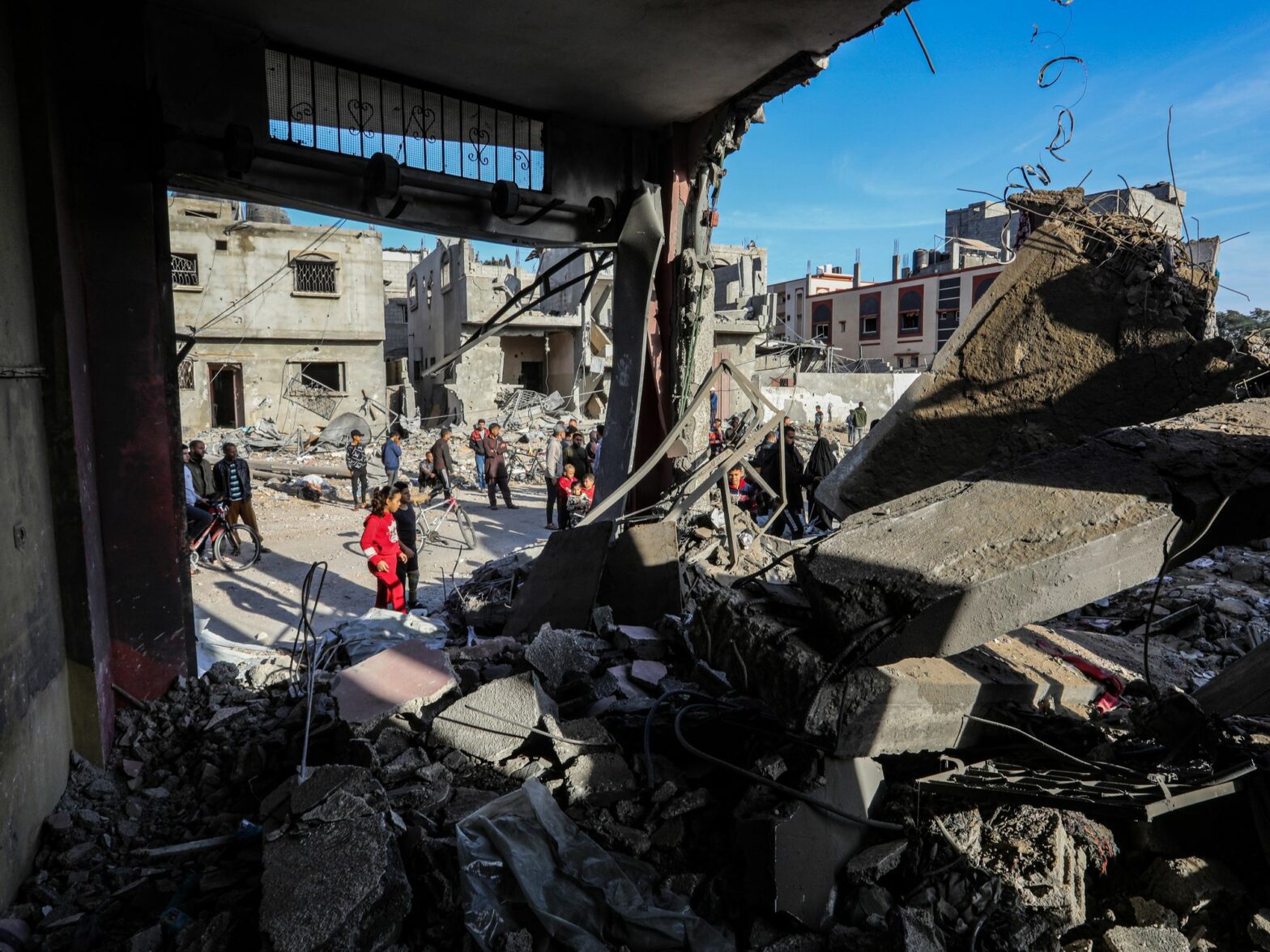
When the guns fall silent, Saudi Arabia and its ambitious prince want to be the historic peacemaker in the Middle East.
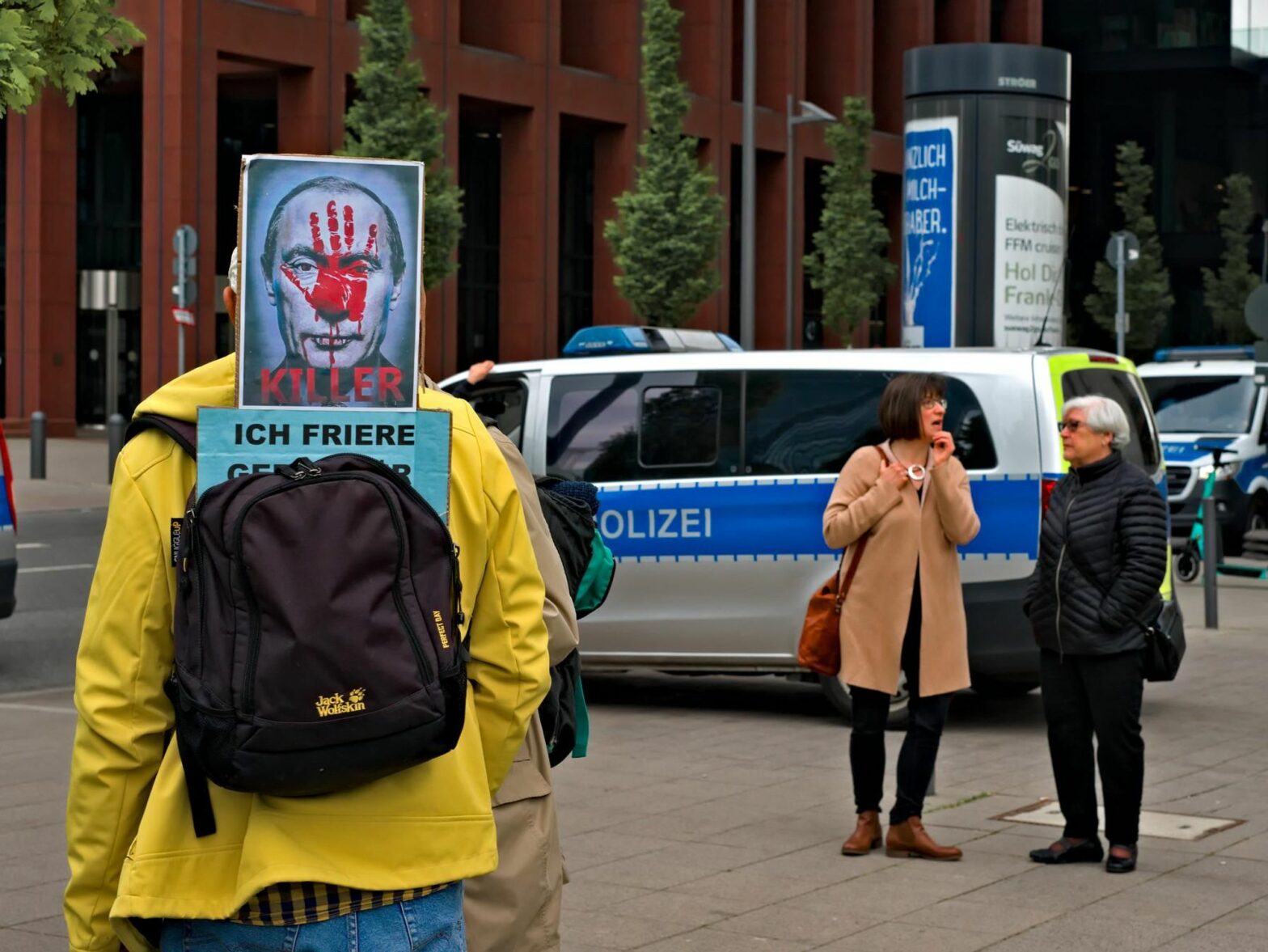
The leaders of key EU countries have been on the phone with Vladimir Putin since the war in Ukraine began. Weighing the costs, benefits…and morals…of leaving the door open to a man who brutally invaded a sovereign nation — and taking Munich 1938 as a starting point.
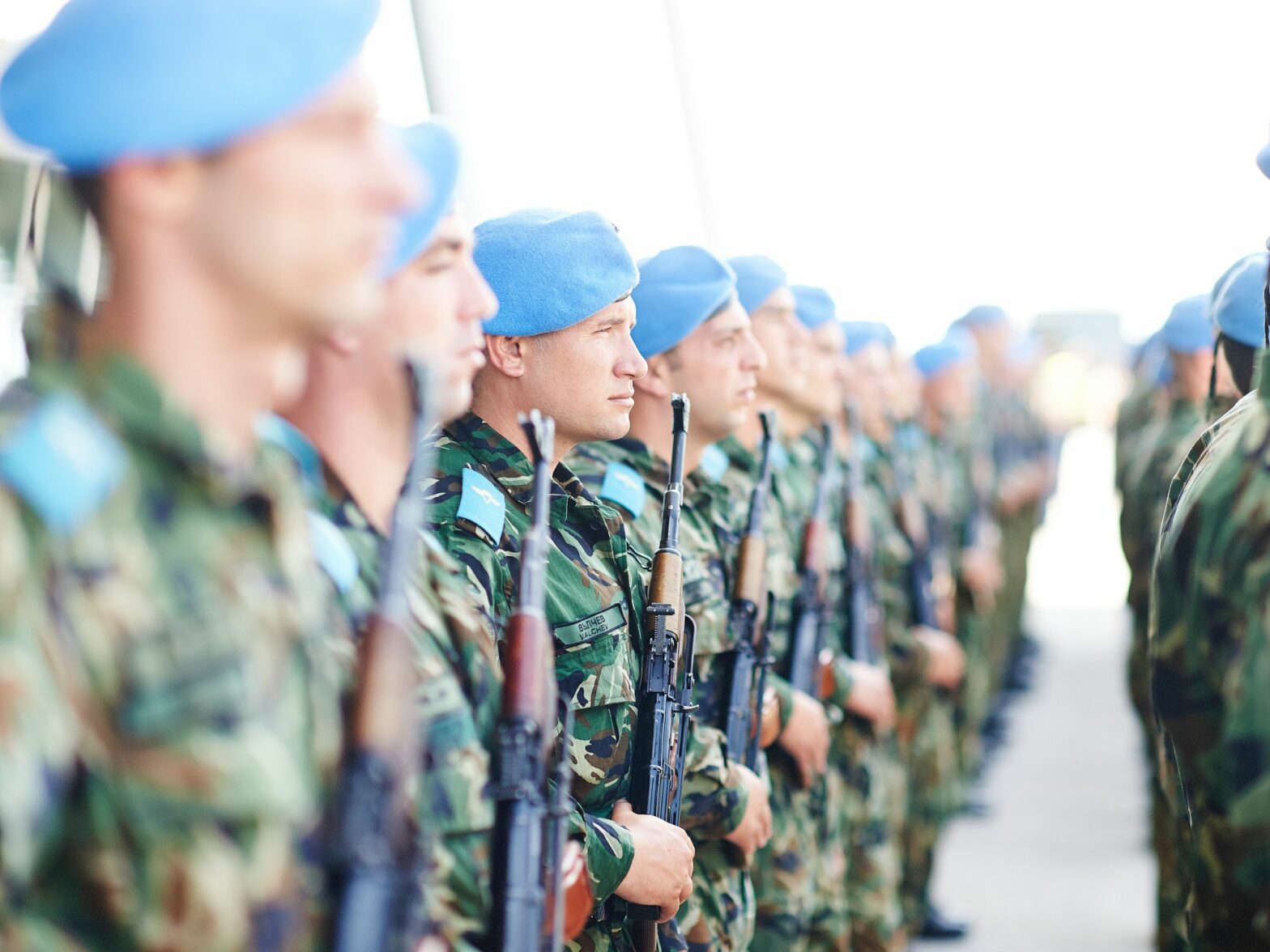
With the World Economic Forum in Davos going on, French President Macron is launching with urgency the debate on a common defense for European countries, in light of Ukraine, the Middle East — and a possible return of Trump.
As the situation escalates in the Middle East, the prospect of an all-out war may hinge on whether Iran will cross the Rubicon.
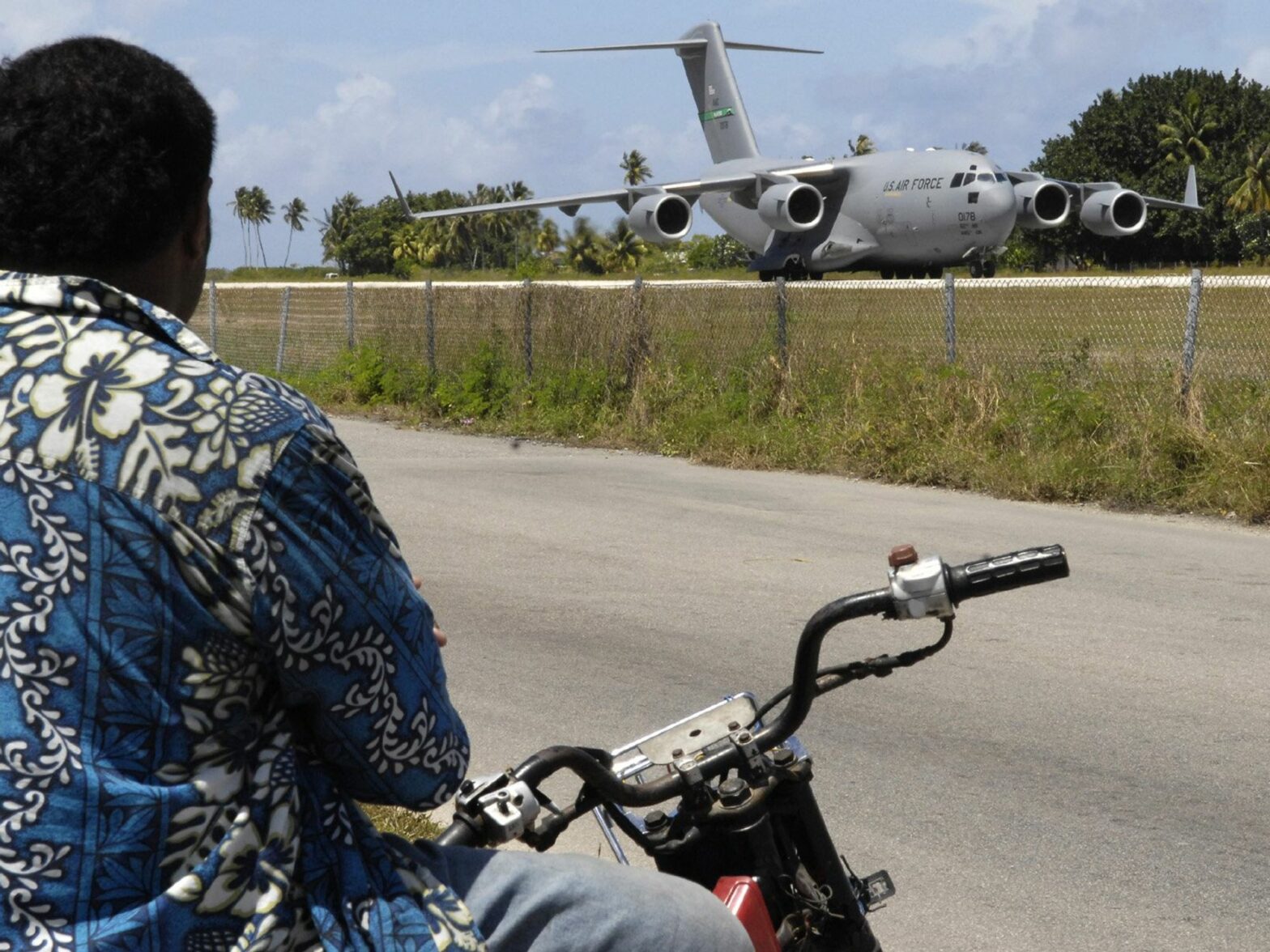
There is major maneuvering among the small but strategic islands in the South Pacific, with China offering security cooperation, and the United States reopening embassies and reviving dormant cooperation.
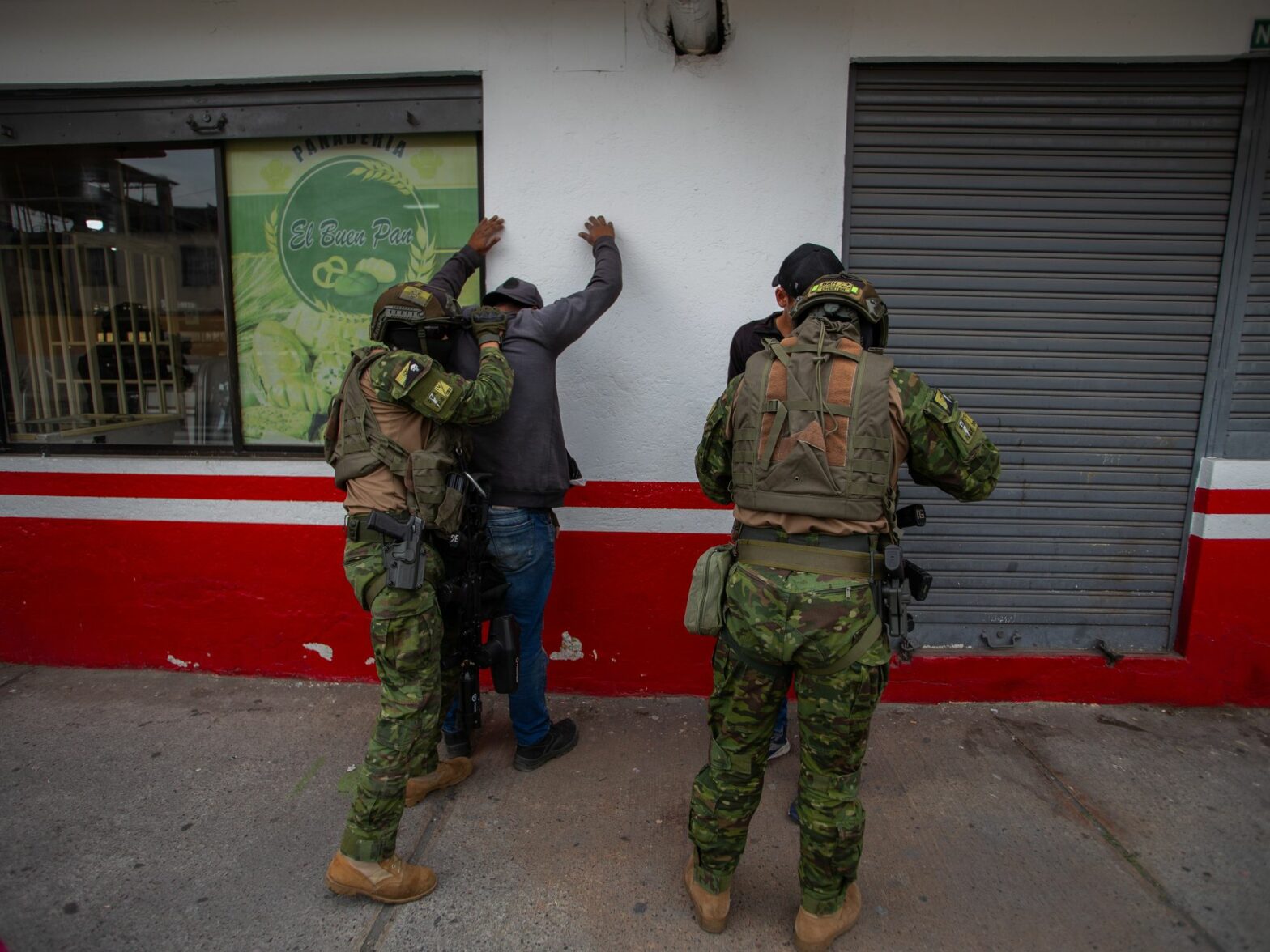
Ecuador’s simmering civil war, curiously, appears to also be a byproduct of the disbanding of Colombia’s FARC rebels in 2016. Since then, chaos has reigned through much of Latin American drug trafficking routes, reverberating with criminal elements in Ecuador.
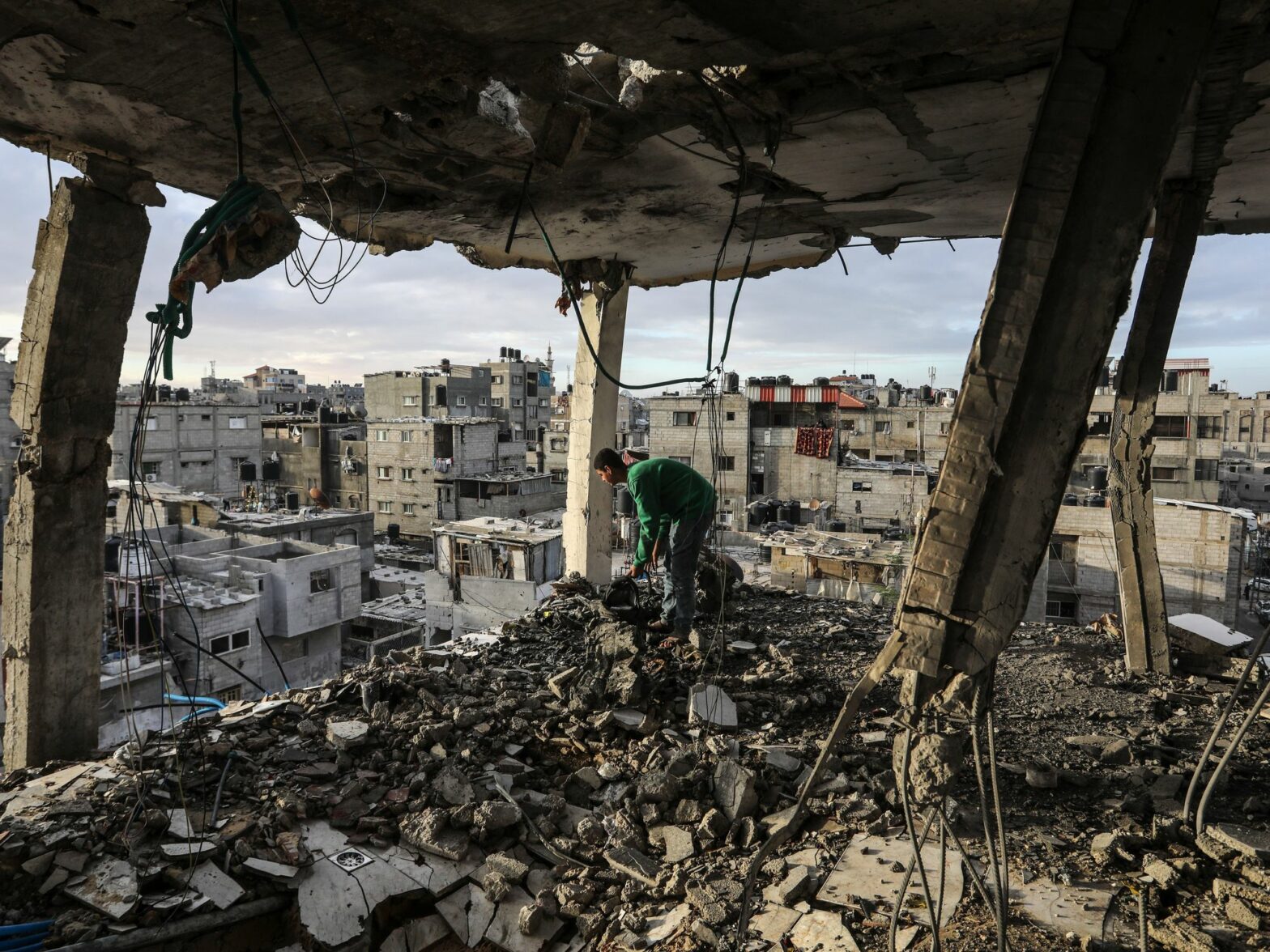
After 100 days of war, Israeli Prime Minister Benjamin Netanyahu has made it clear that he has no plans to listen to what any other country has to say, including his closest allies. There’s every reason to expect the situation to get worse.
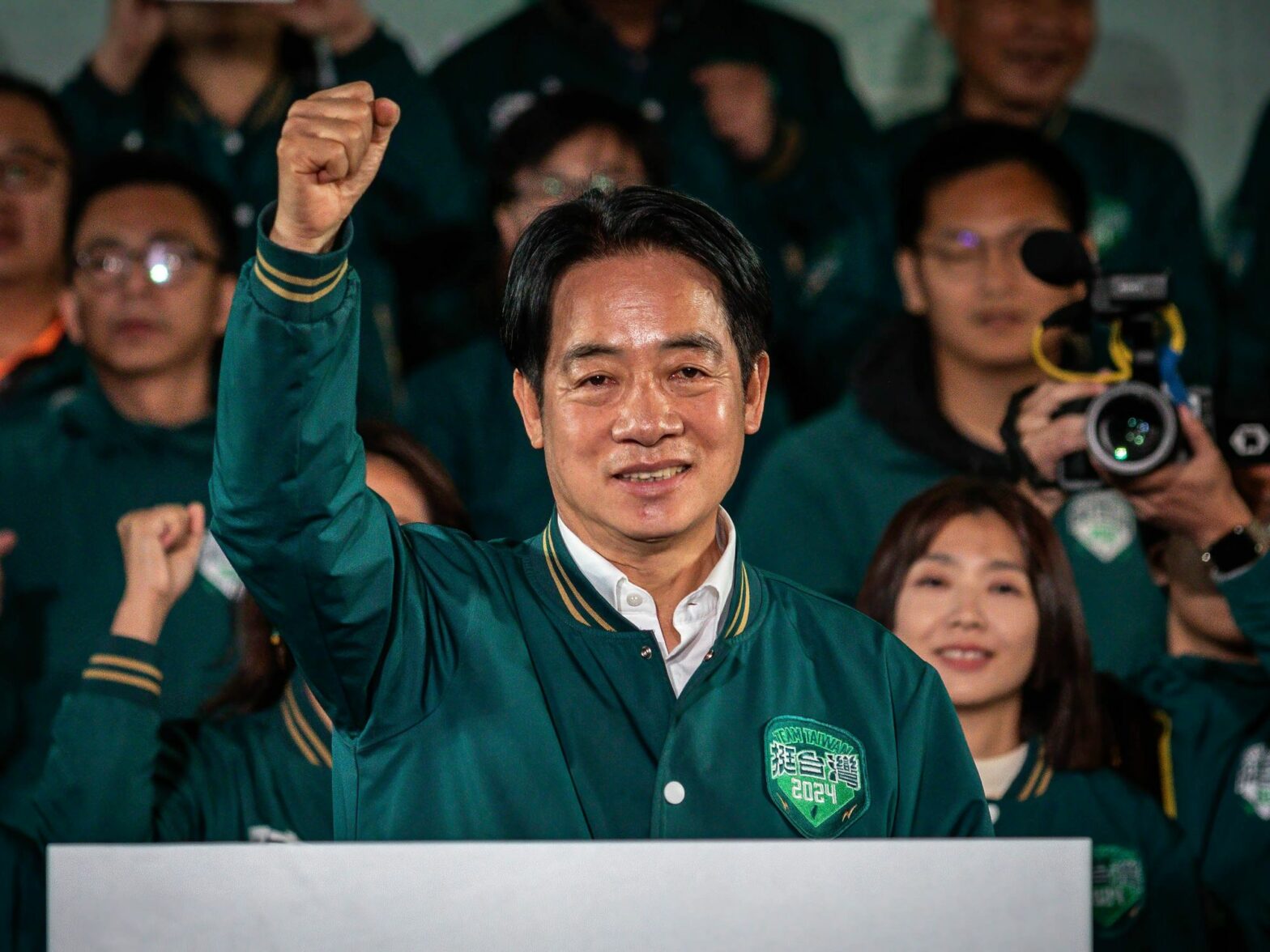
By electing William Lai, the Taiwanese people have reaffirmed their desire for sovereignty and independence from China in the face of Chinese threats. And meanwhile, Donald Trump’s comeback could reshuffle the cards again.
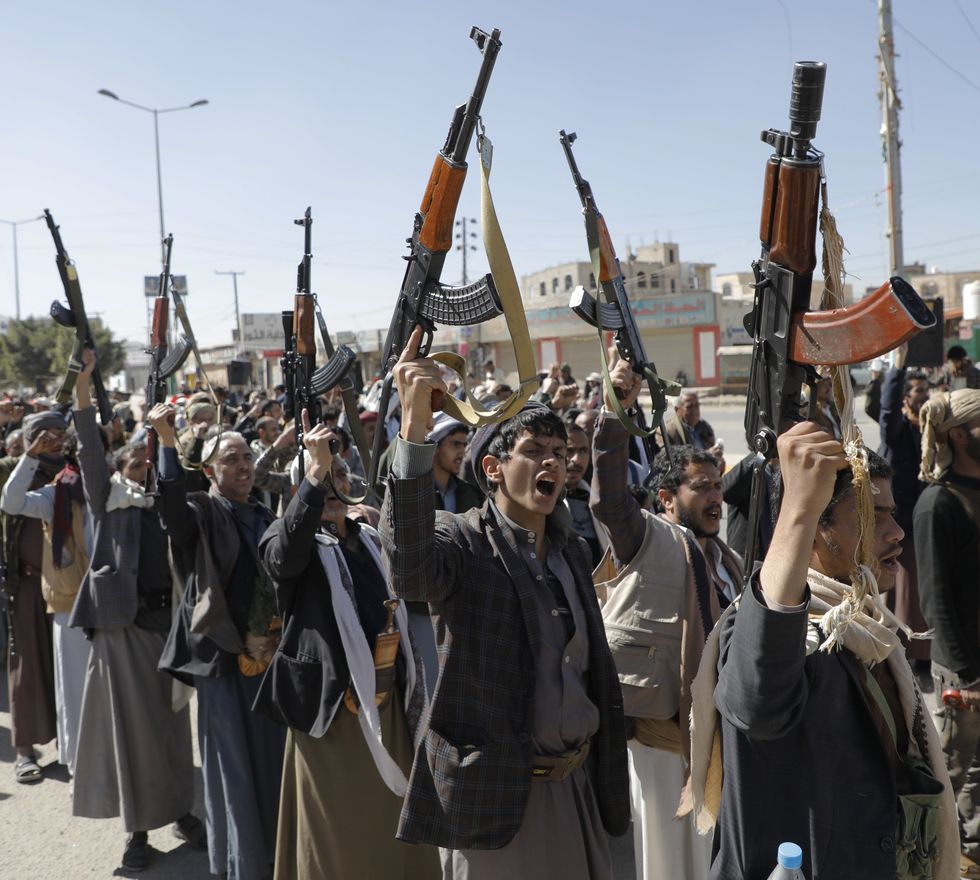
Houthi rebels are now blocking the strategic Red Sea, by striking or seizing merchant ships, while also attempting to launch rockets into Israeli territory. This has sparked a strong response from the U.S and Britain, escalating a situation that could impact global security in major ways, with competing powers ready to cash in.
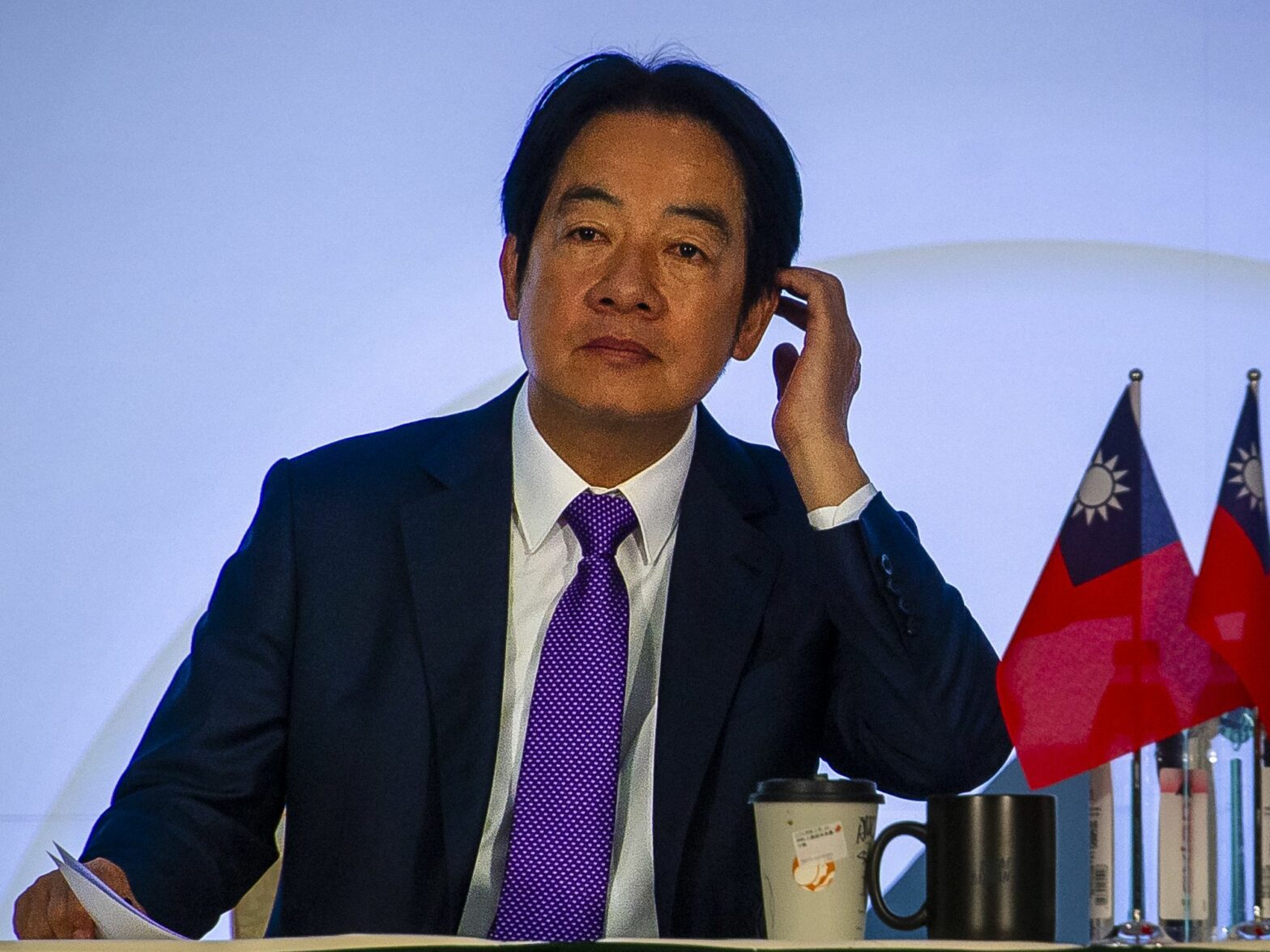
Saturday’s election is bound to create tensions, if the favorite, William Lai, candidate of the Democratic Progressive Party (DPP), wins. Xi Jinping has warned against voting for him. But is it just posturing?
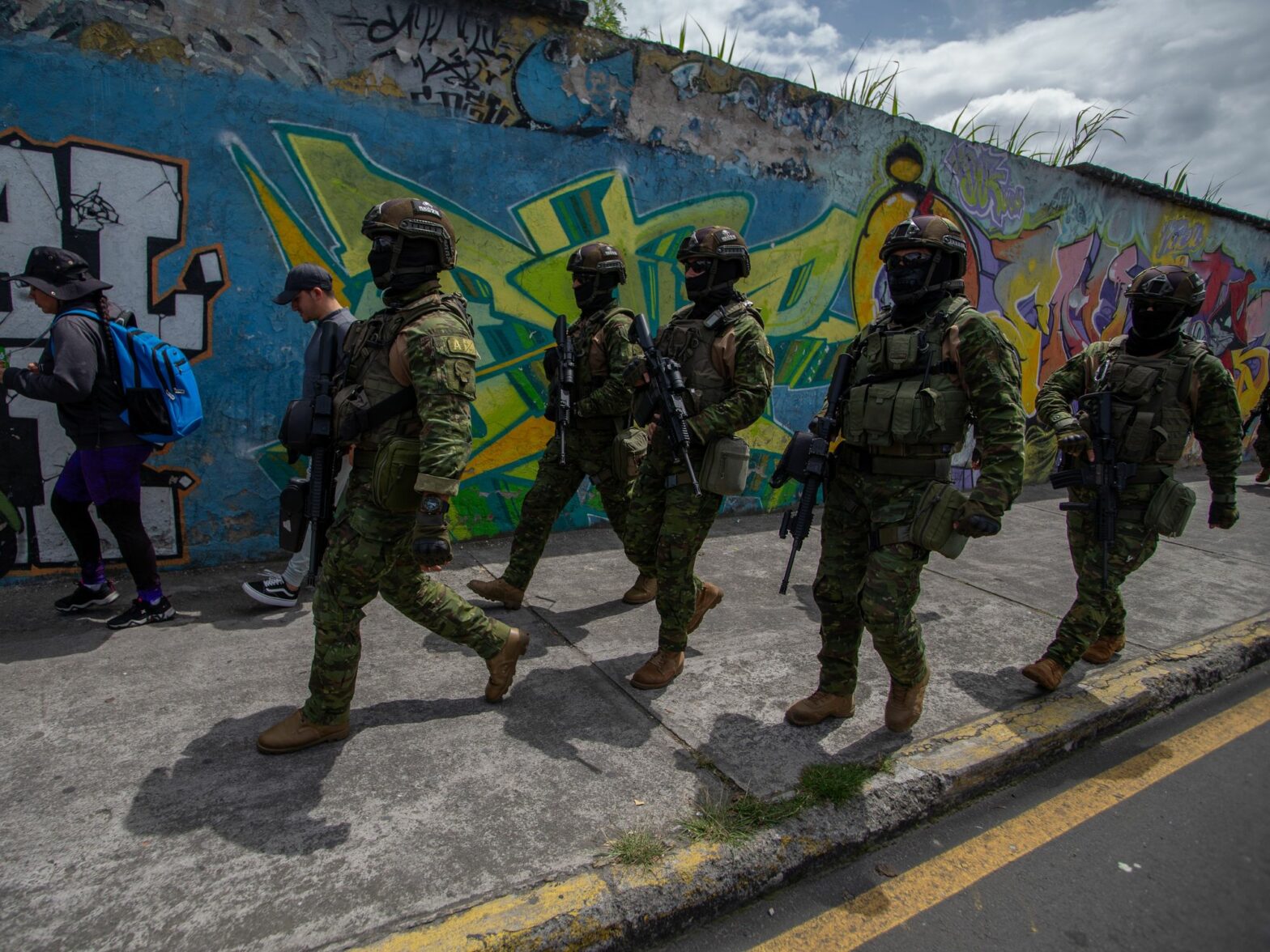
Ecuador’s President has called in the army to fight the country’s rampant drug gangs. Sadly he can at best sever the fingertips of a criminal hydra, as big as the world itself.
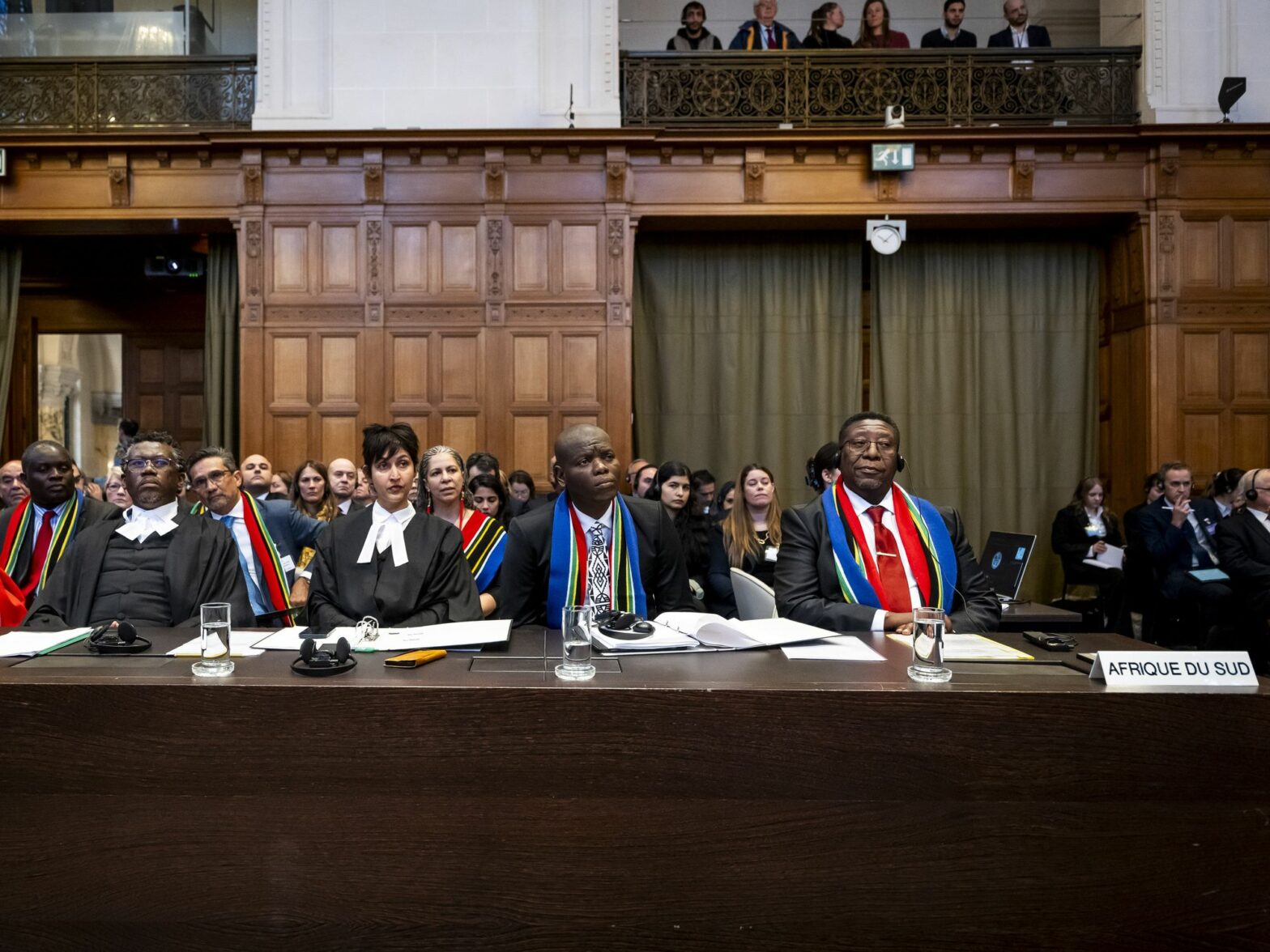
Following South Africa’s genocide allegations against Israel, Netanyahu’s government now has to defend itself at the International Court of Justice. But the lawsuit does not come as a surprise. For decades, there have been tensions between Israel and South Africa, where there is great sympathy for the Palestinian cause going back to the times of apartheid.
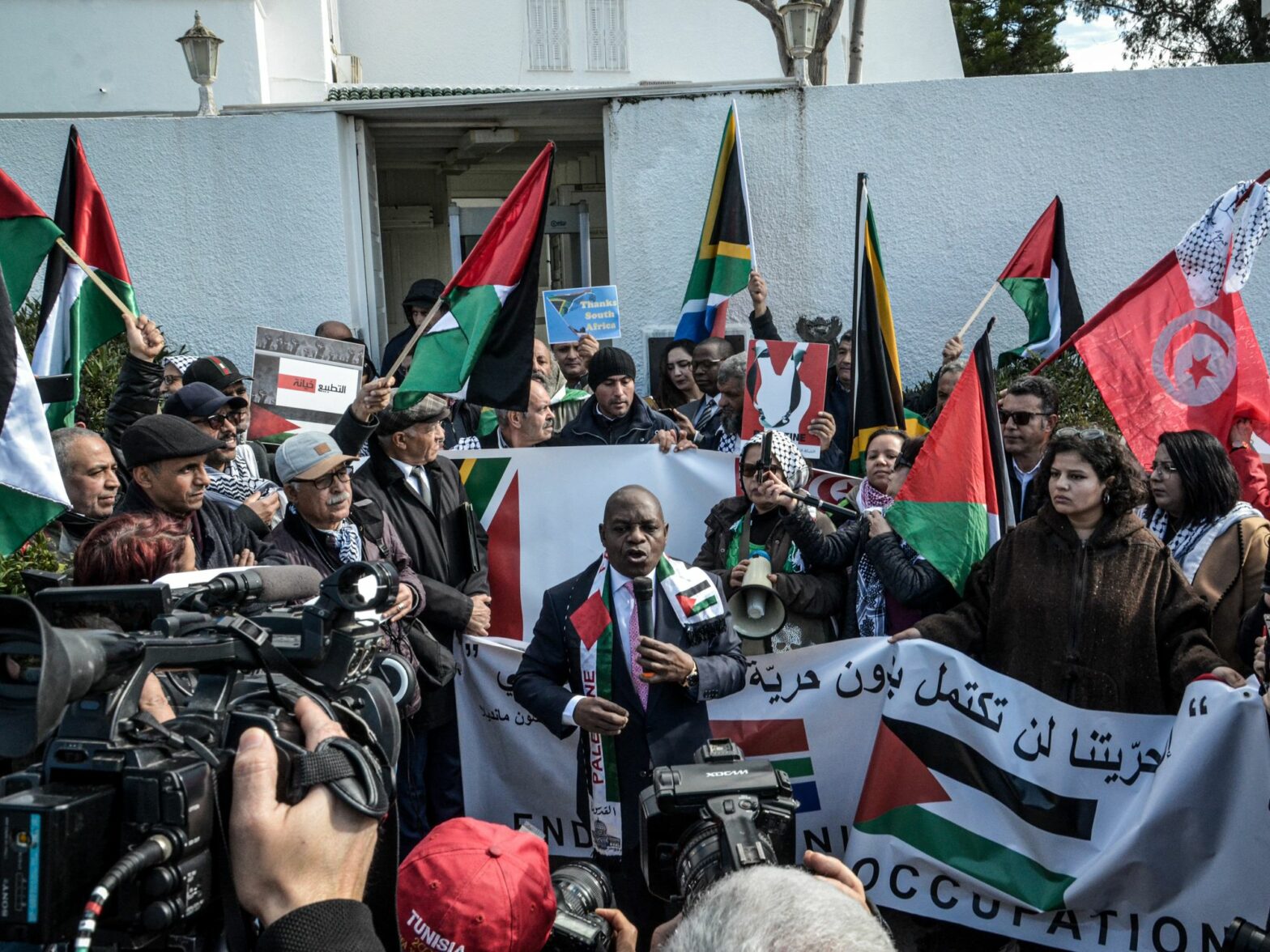
Cicero declared that when weapons speak, the law goes mute. So what happens when the law speaks up even as the weapons keep firing? That’s what happening now at the International Court of Justice at the Hague.
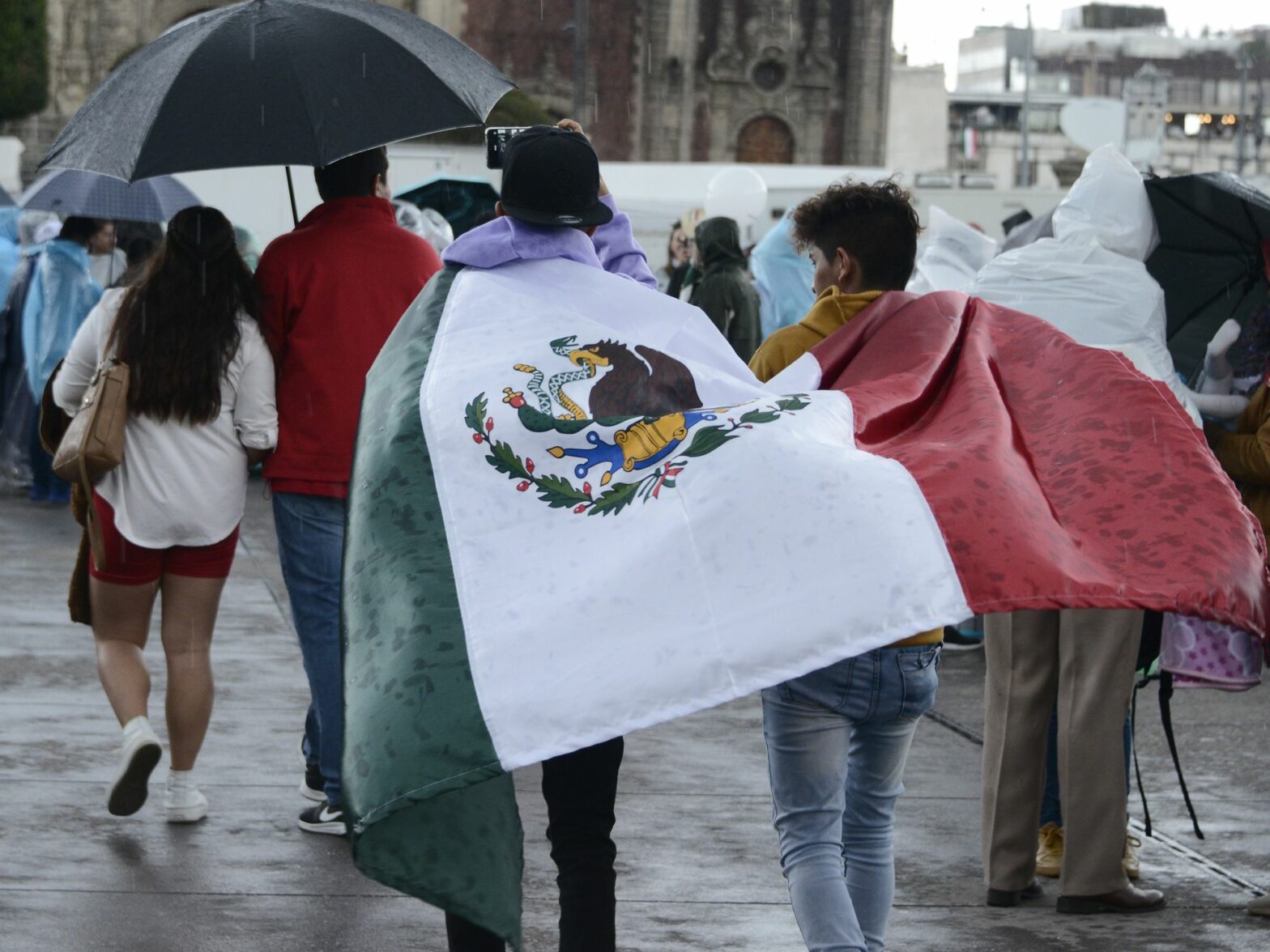
As Mexico’s president seeks to consolidate his power ahead of the 2024 general elections in the fall, will voters and institutions react to safeguard the country’s democracy or fall deeper into outgoing President López Obrador’s authoritarian impulses?
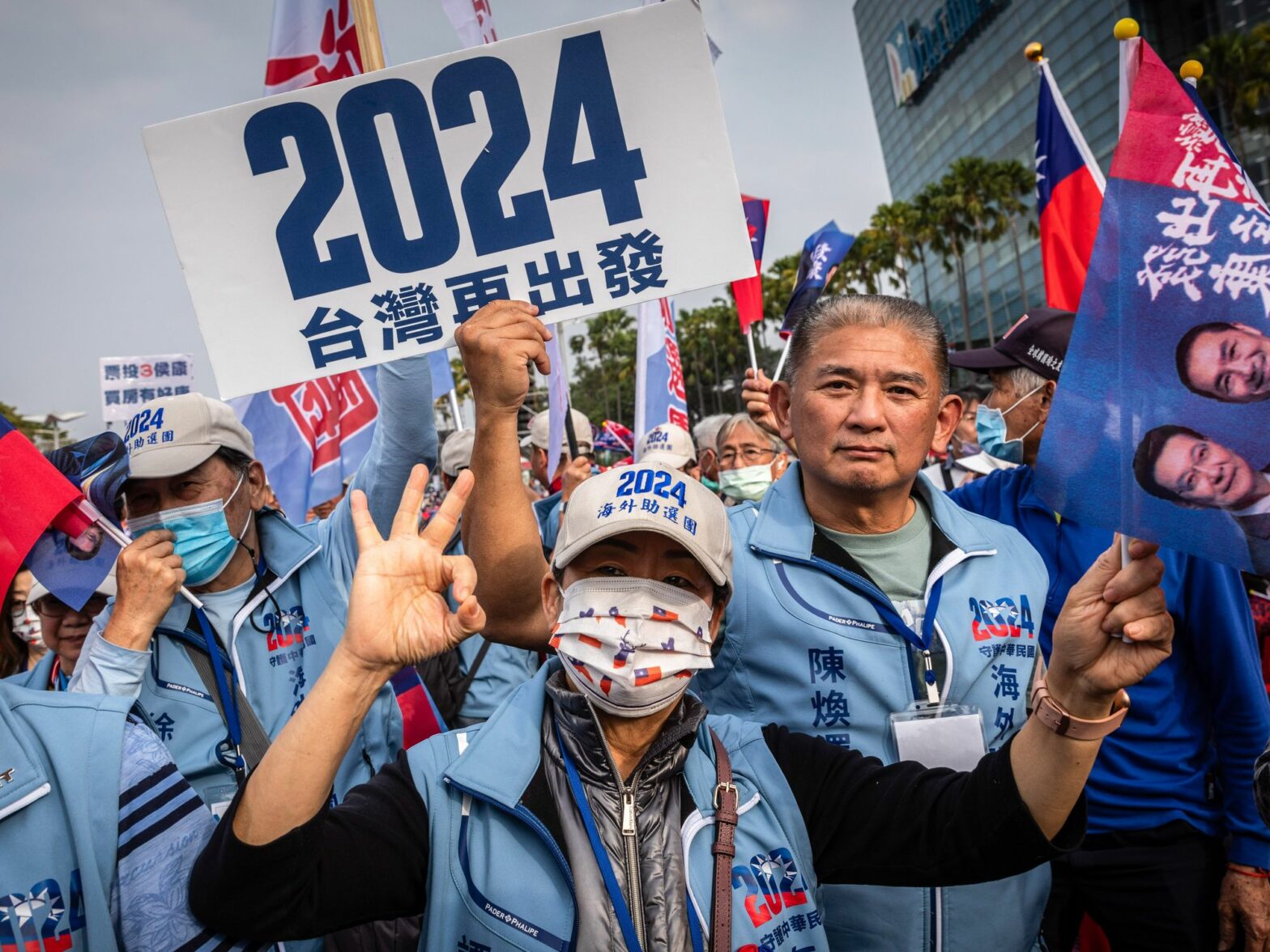
It’s the first big election of 2024, and it may well prove one of the most contested — and significant ones. As these vote on Saturday, Taiwanese citizens will be picking the fate of their identity and democracy.
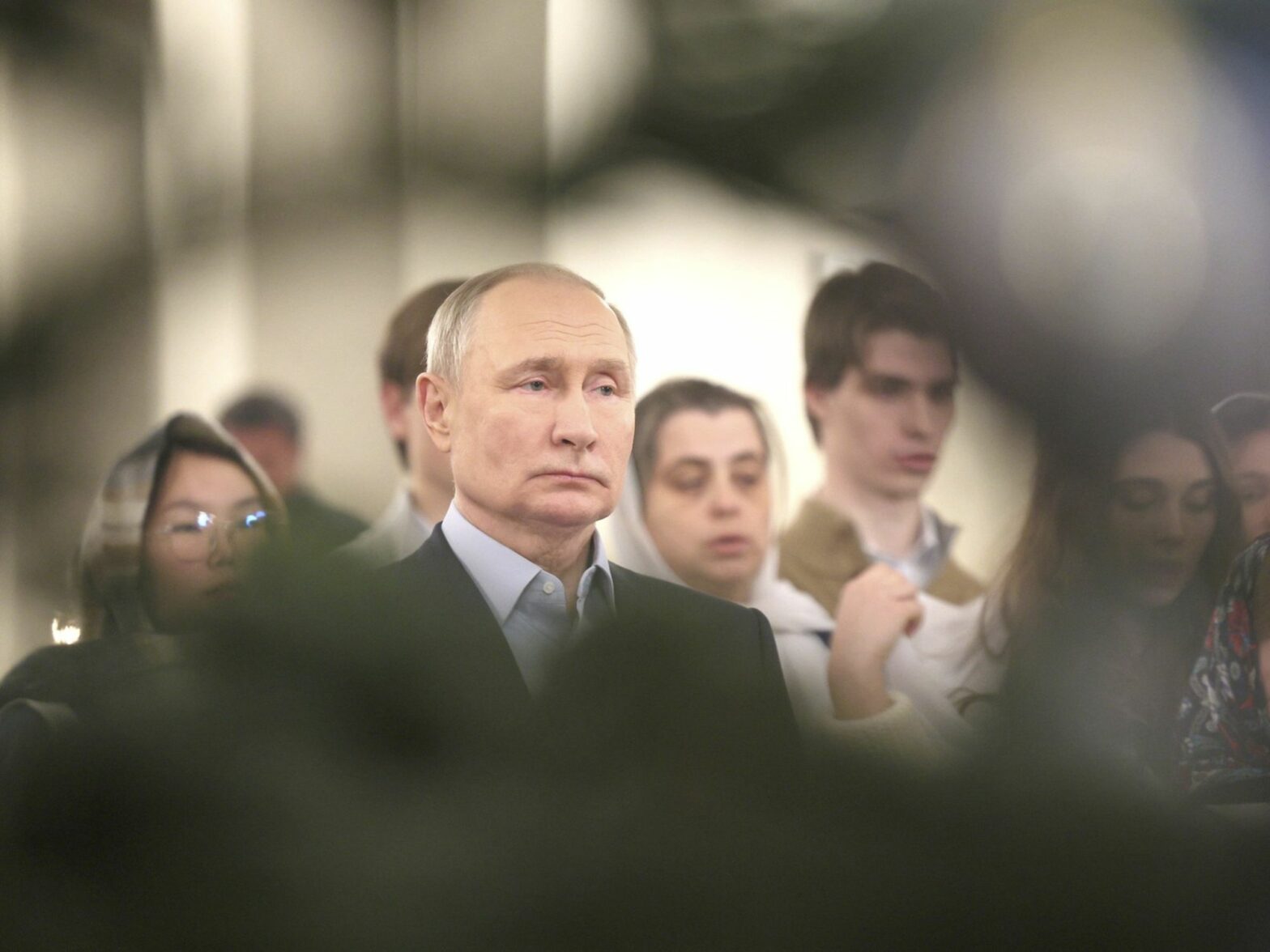
Beginning with Russia’s annexation of Crimea, Moscow’s actions against its supposed “brotherly” neighbors have yielded decidedly mixed results. Yet there are certain outcomes of Russian aggression against Ukraine that have weakened the West and the post-Cold War global order.
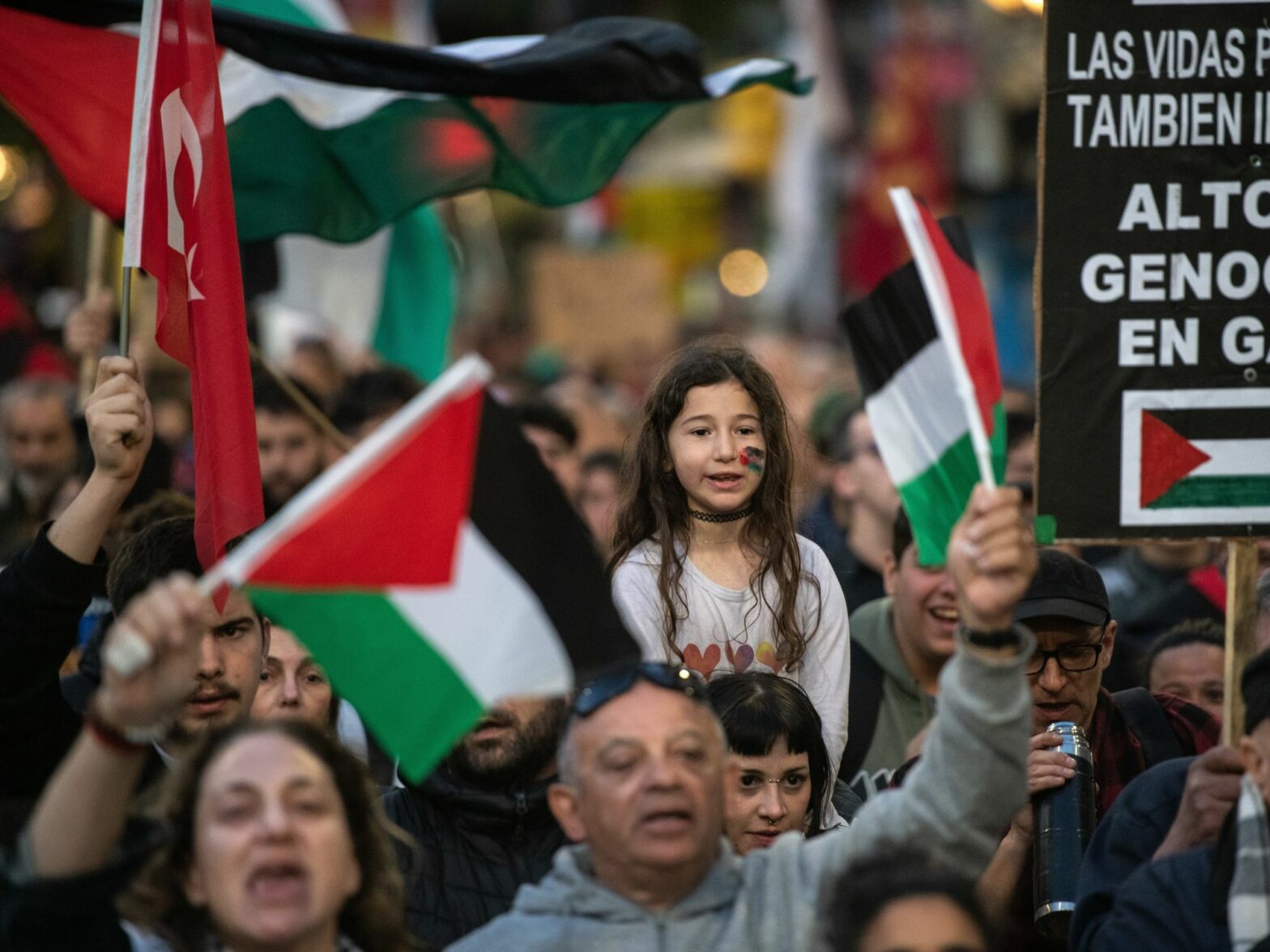
For almost two years, since Russia’s invasion of Ukraine, the West has been trying to salvage its relationship with the countries of the so-called Global South, unconvinced by the sincerity of its discourse on international law.
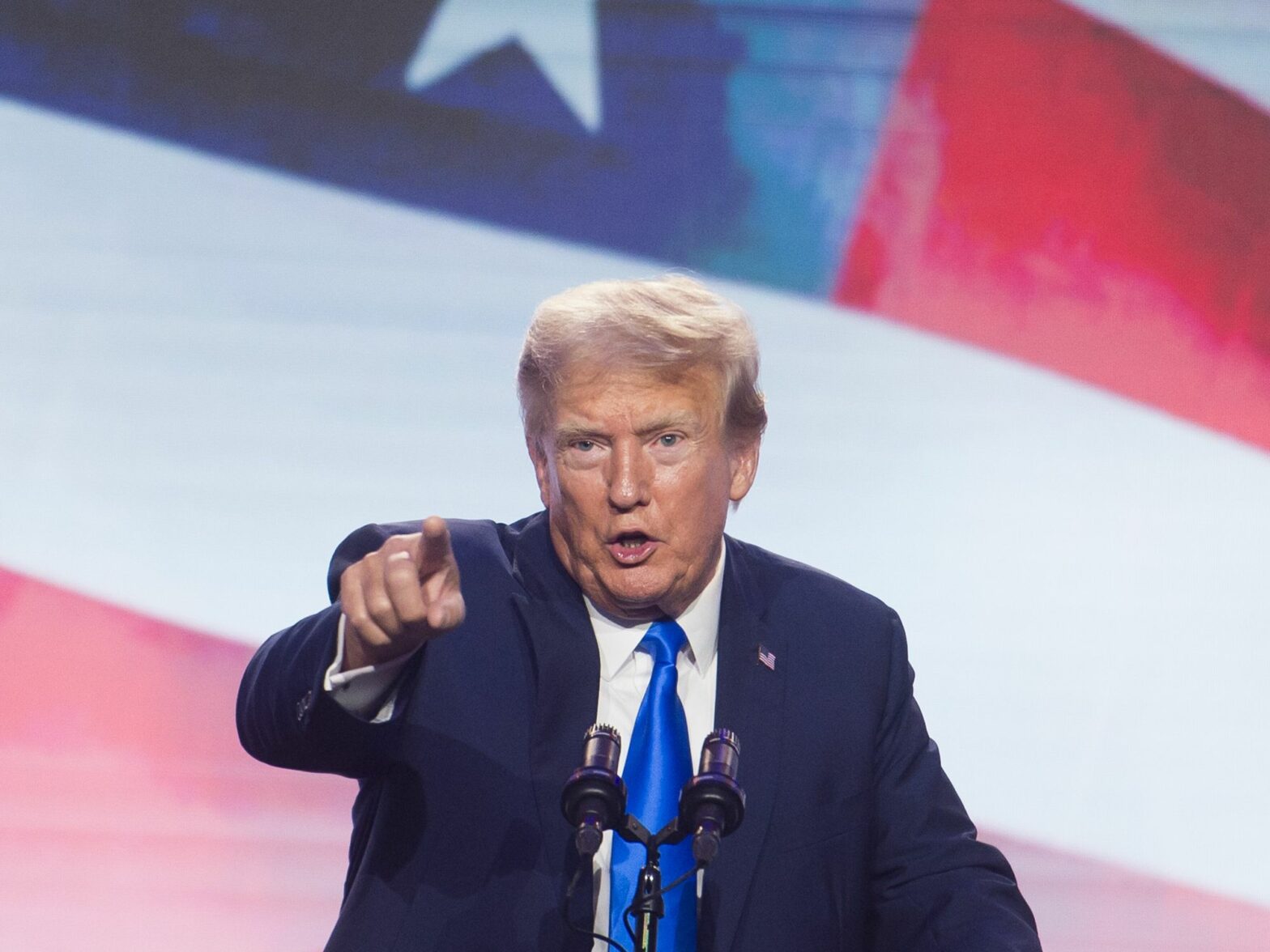
Donald Trump’s comeback at the White House could cause major disruptions for the war in Ukraine, the Middle East and more generally, global security. Europe has to acknowledge this reality, and see in it an opportunity to reaffirm its own place in the world.
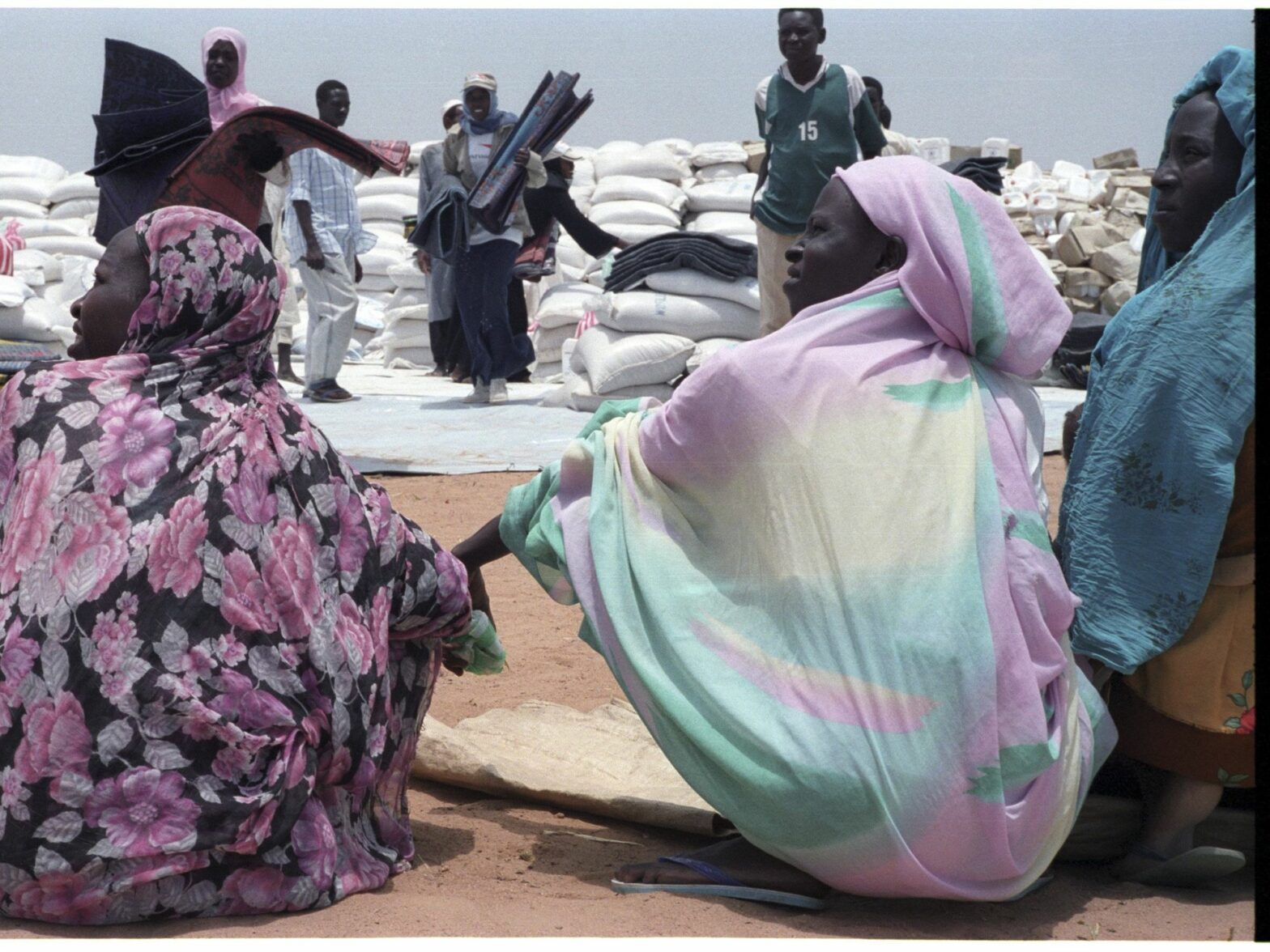
For eight months, the conflict in Sudan has been overshadowed by larger wars in Ukraine and Israel, even if the death toll and accounts of alleged war crimes are no less disturbing.
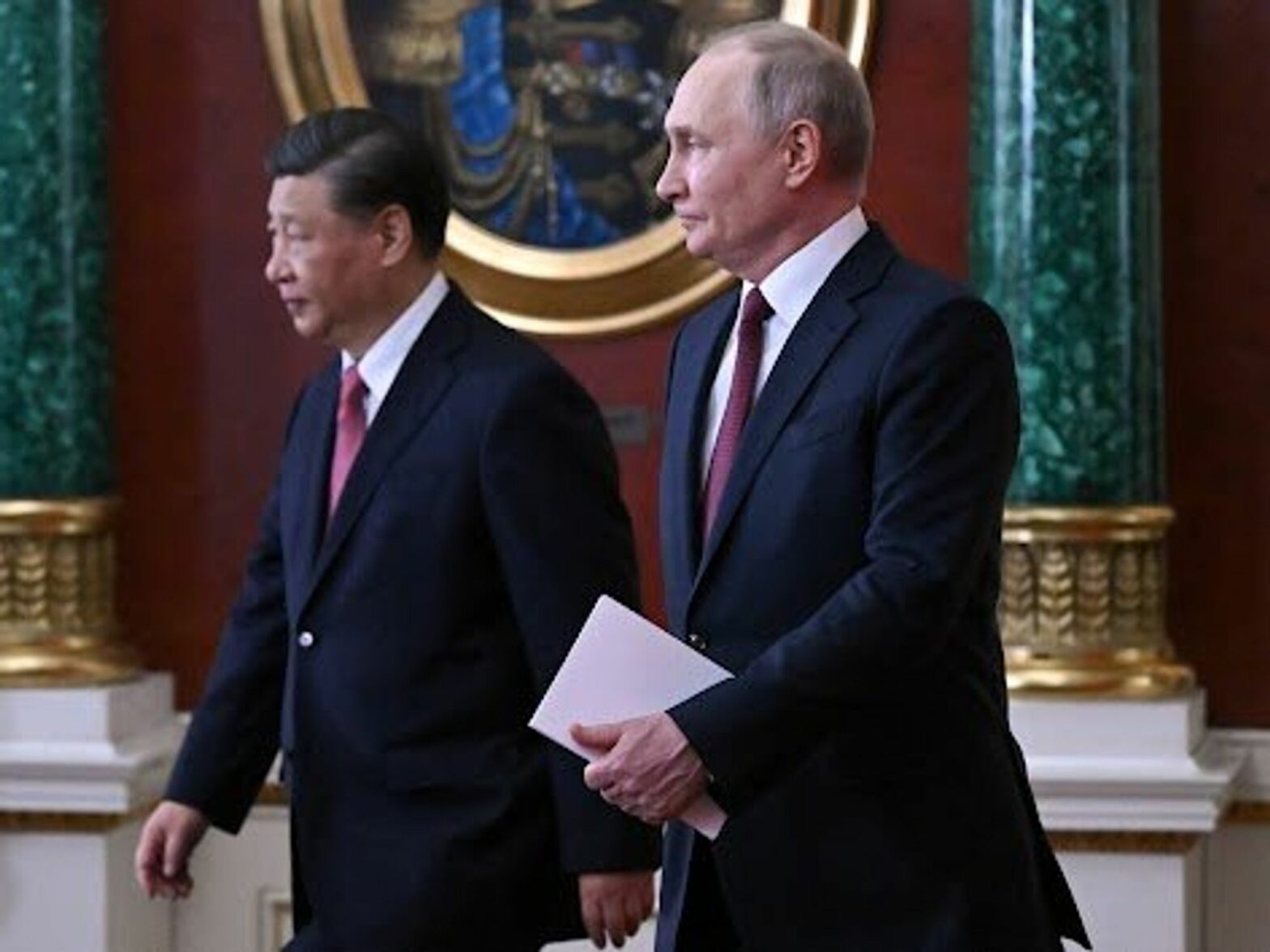
The West is a spent force, say China, Russia and their global clique, yet it retains plenty of decisive cards including a choice to back Ukraine to the hilt. The year may yet reveal the world’s rising, and ranking, powers.
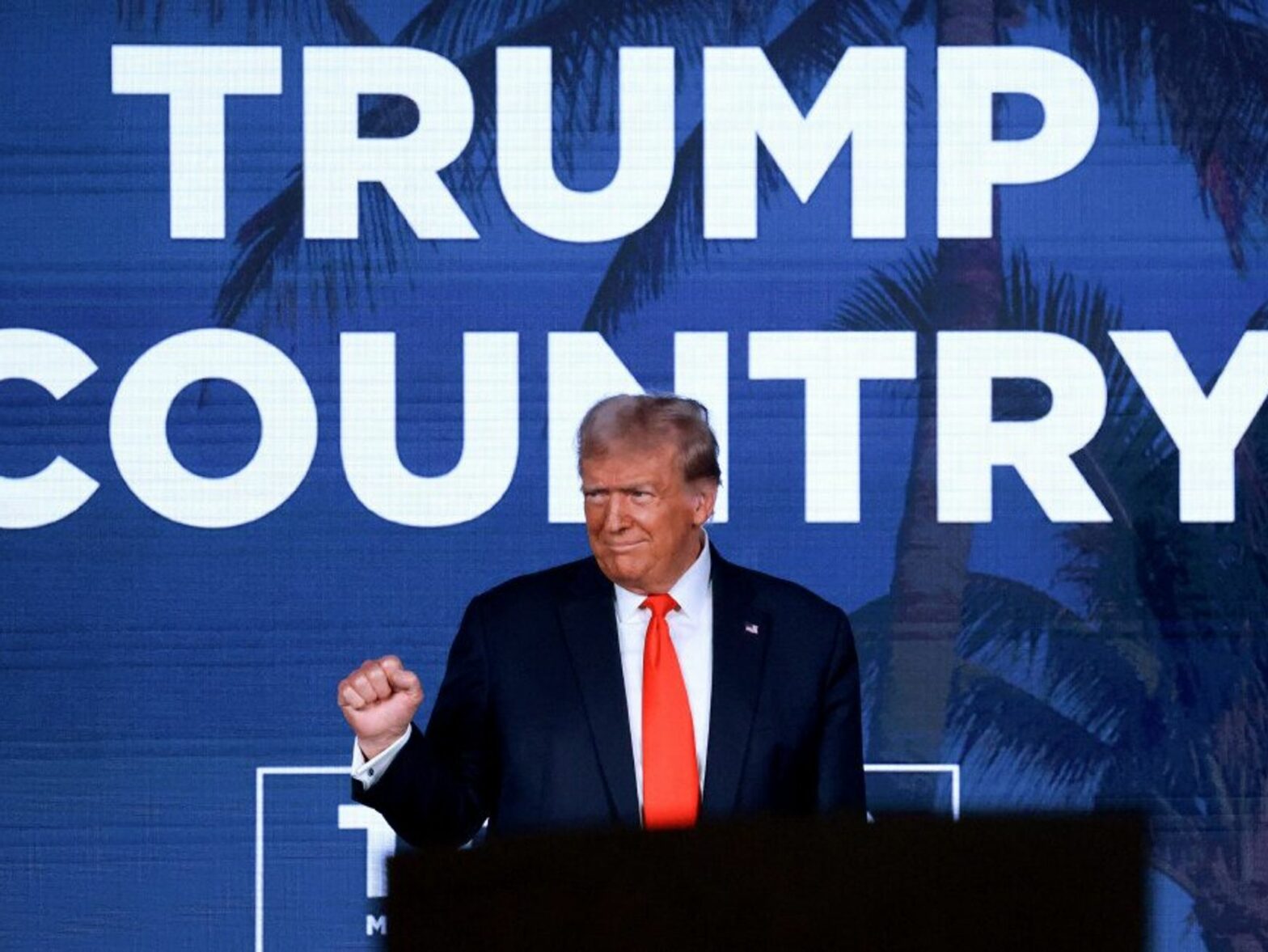
It’s early January and already, former U.S. President Donald Trump’s presence can be felt on every current geopolitical situation. With his return in the White House becoming less and less unlikely, leaders are already factoring in what a second Trump era would mean for the world.
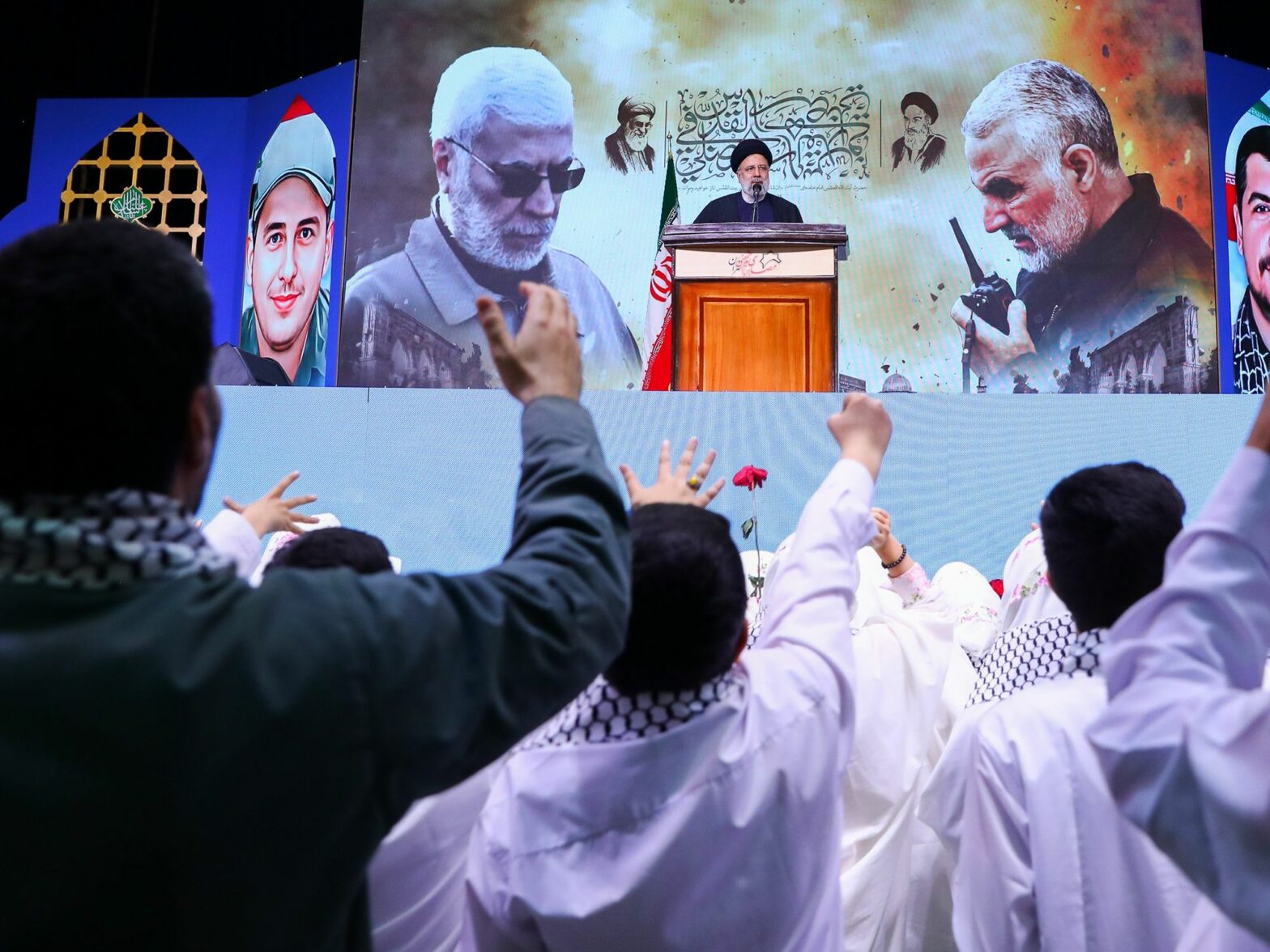
Though all-out war has not yet spread, there are a multiplying number of attacks, targeted and otherwise, taking place across borders that has all the makings of a region-wide conflagration.
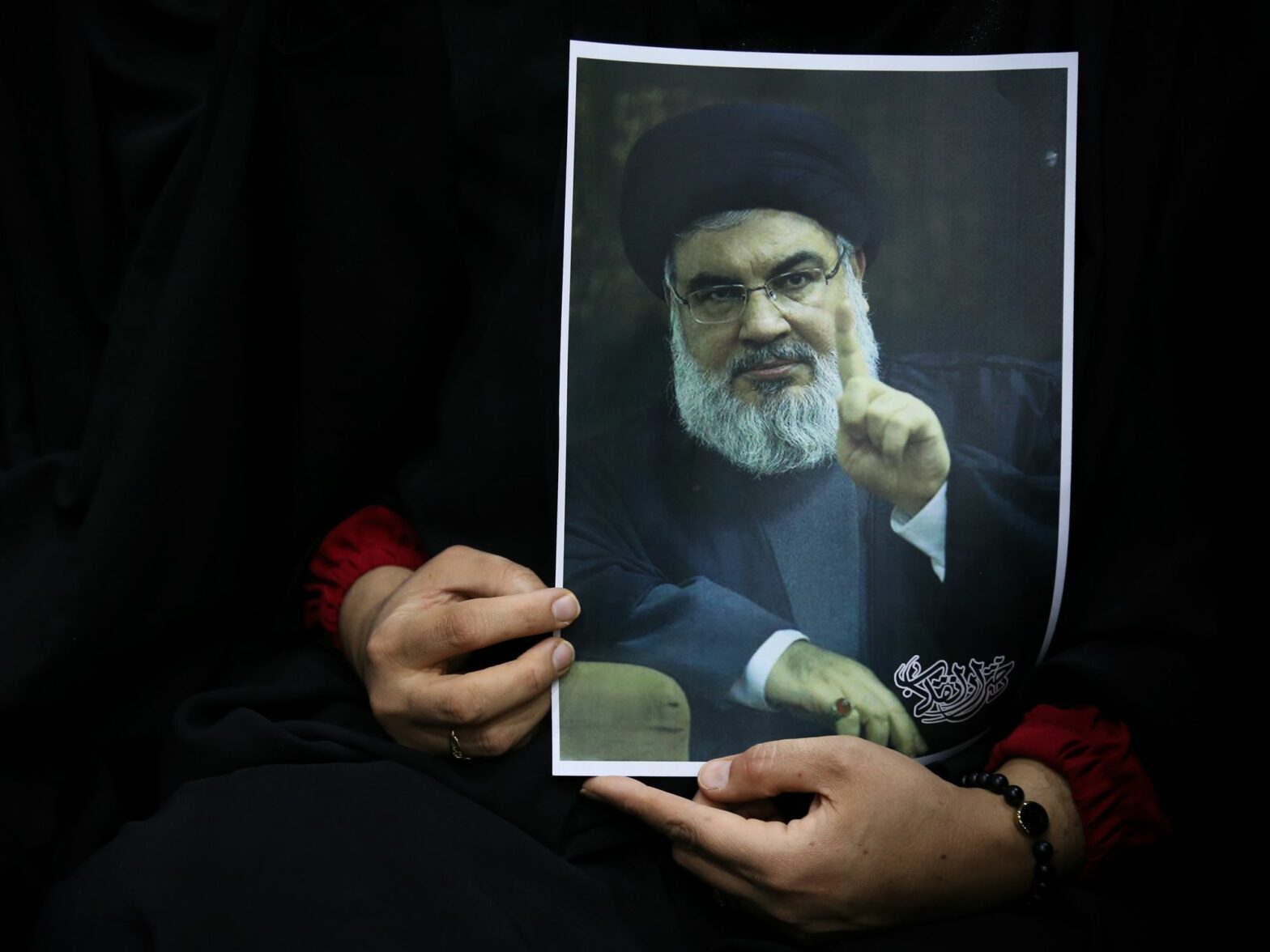
Iran’s constitution effectively allows any Shia theologian to become Supreme Leader, and the maneuvering to succeed Ali Khamenei now appears to include Hassan Nasrallah, longtime influential leader of Lebanon’s Hezbollah militia. It could redraw the map of the Middle East, but would ordinary Iranians and politicians stomach such an audacious imposition?
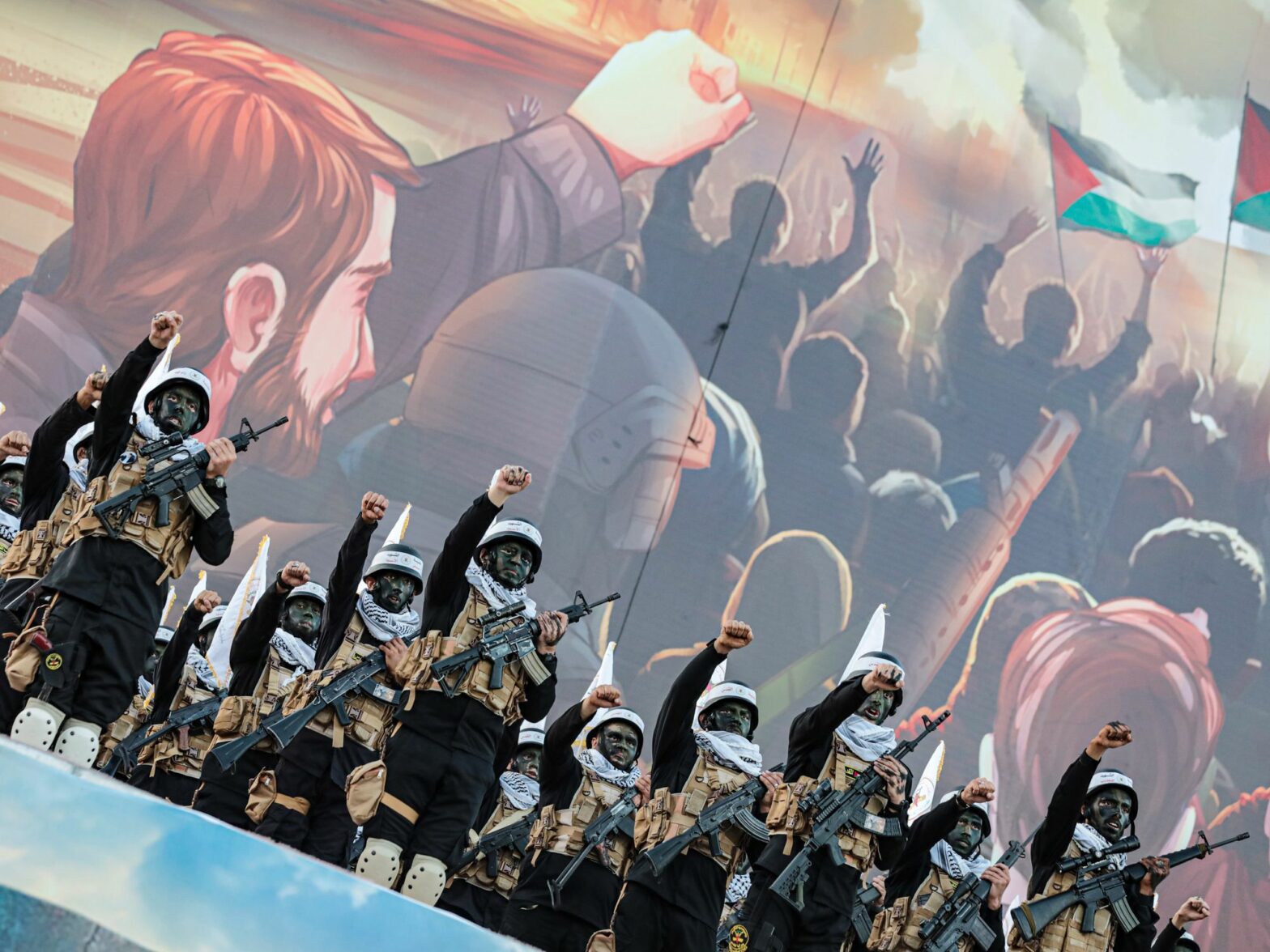
Hamas is the largest and most powerful of the militant groups fighting in Gaza, but it is part of a galaxy of organizations that have spent decades in a simmering war with Israel.
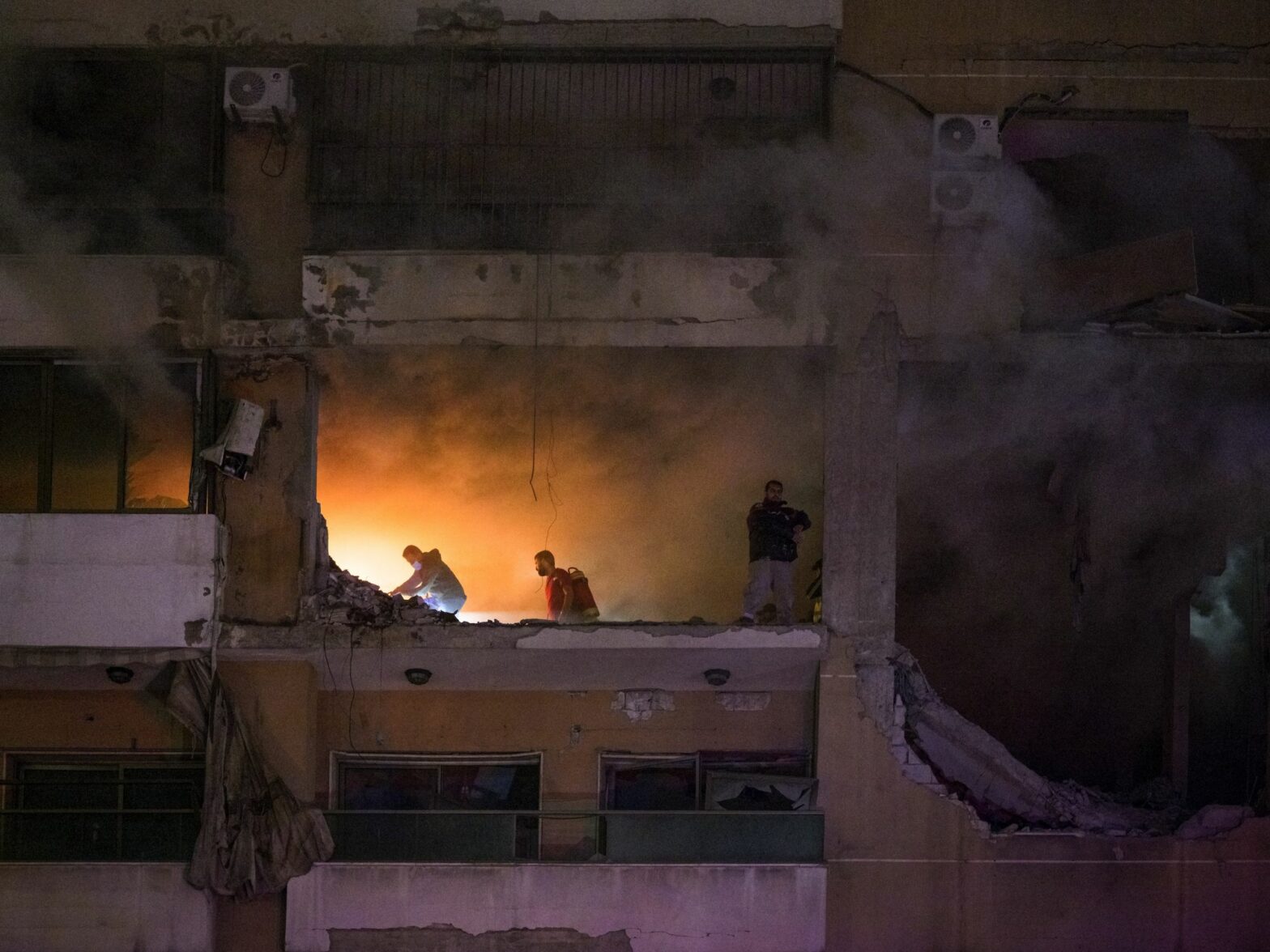
By eliminating Saleh al-Arouri, an important Hamas leader, with a drone strike in Beirut, Israel has taken a risky gamble: that Lebanon’s Hezbollah and its Iranian allies will not go to war over the death on Lebanese territory of a top Hamas figure.
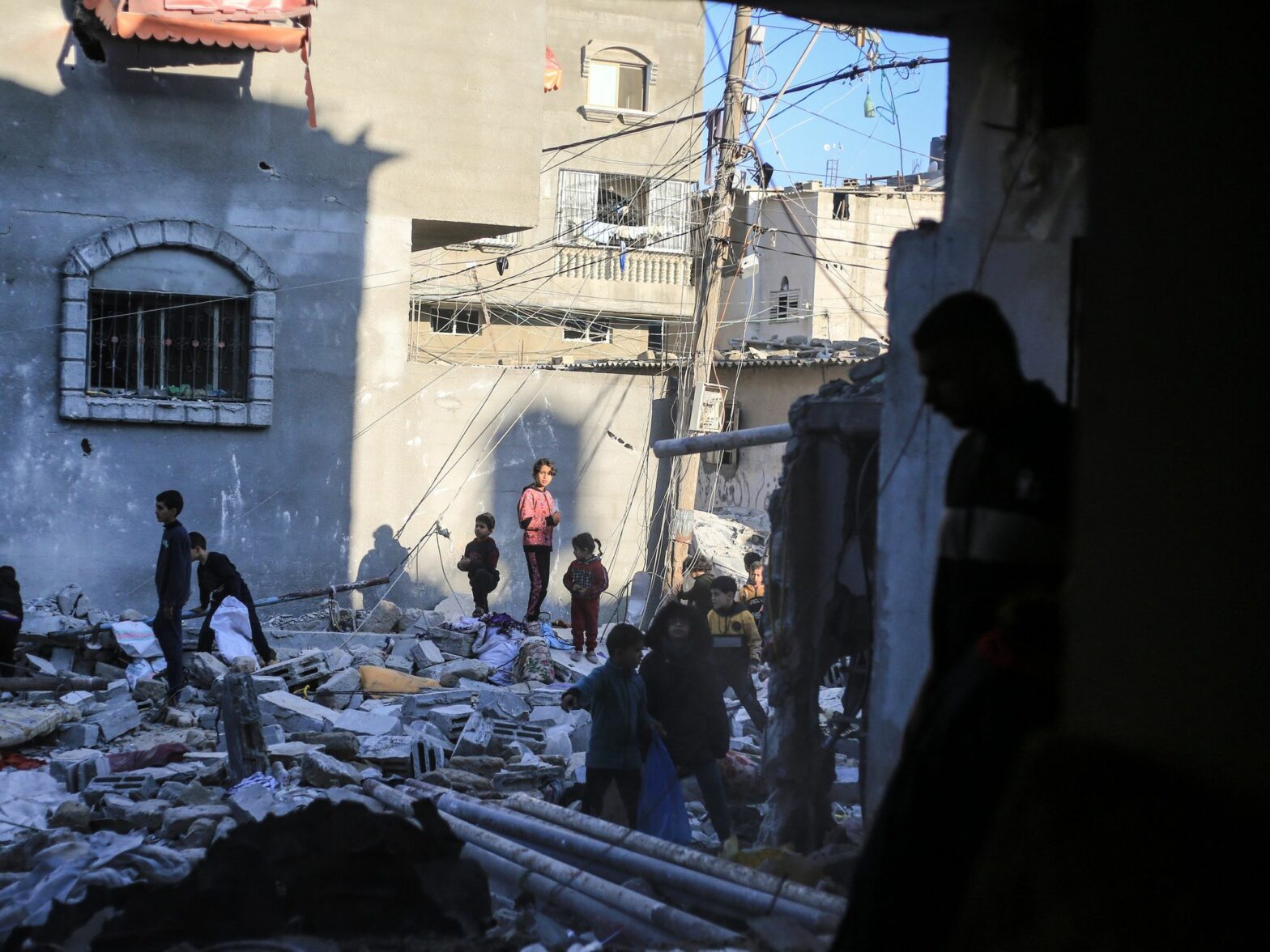
In Ukraine and Gaza alike, international laws on the proper conduct of war, largely established by the post-War Geneva Convention, are being trampled on by all parties, to varying degrees. Civilians are paying the ultimate price for this.
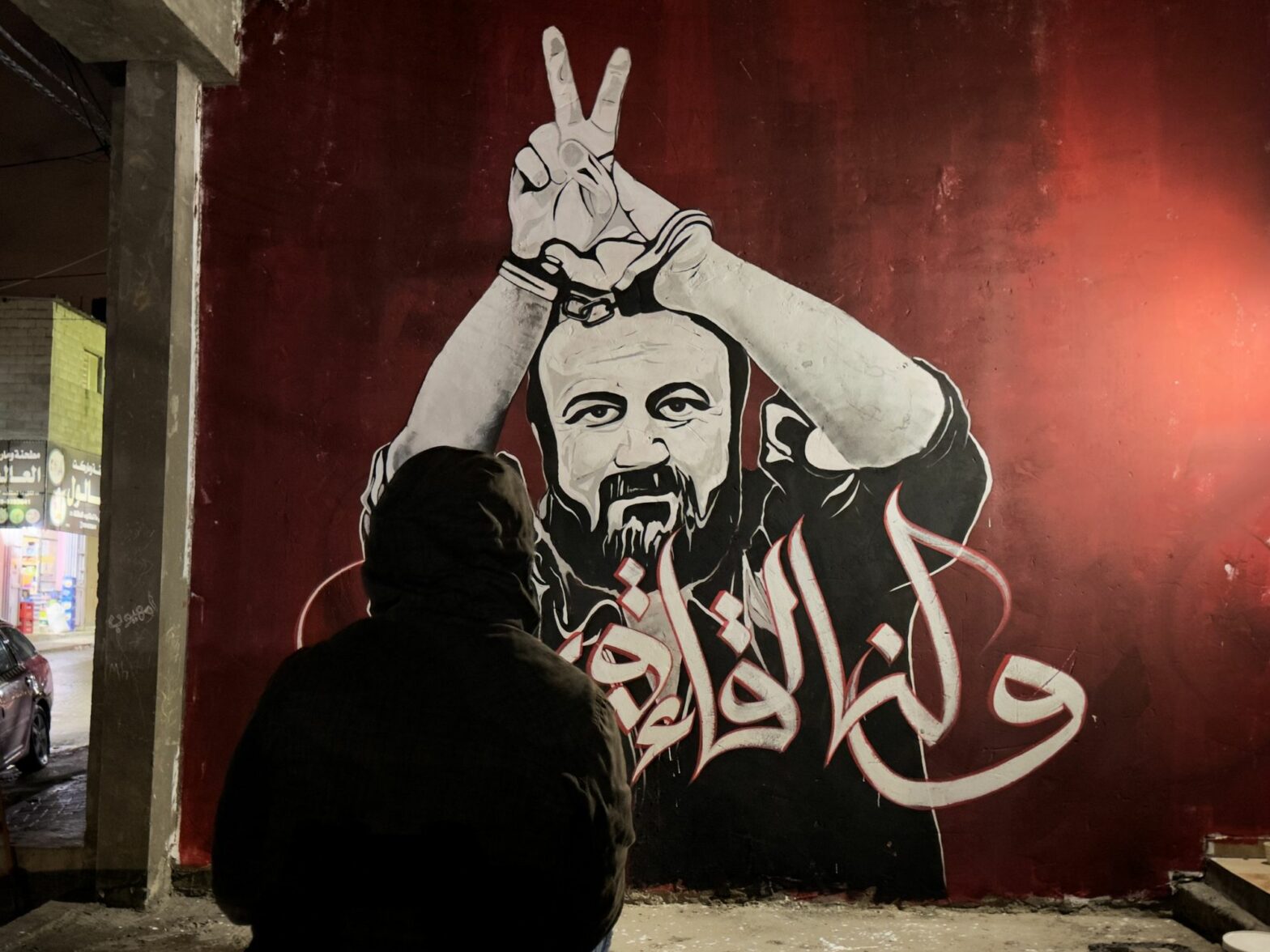
Palestinians believe that Barghouti is capable of uniting the Palestinians and achieving reconciliation between the Fatah and Hamas movements. He may be the only figure who is able to lead negotiations and achieve peace, but Israel will not release him because it doesn’t really want either
From the Mufti of Ukraine to the Facebook aunts and uncles of Brazil to Chinese influencers in Africa… and more!
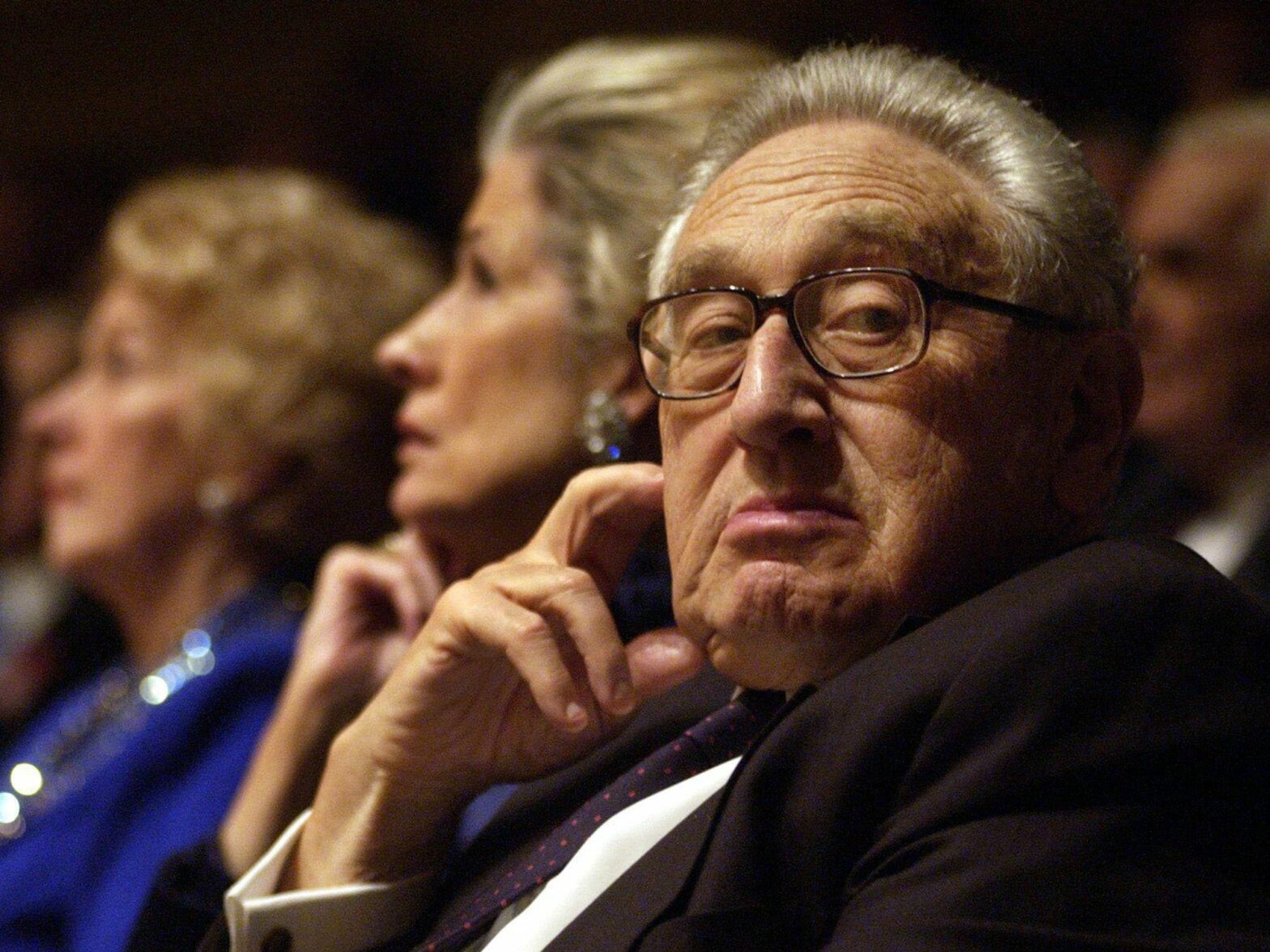
The list of notable deaths in 2023 includes Henry Kissinger and Silvio Berlusconi, who many believe had already overstayed their public welcome before our writer was even born.
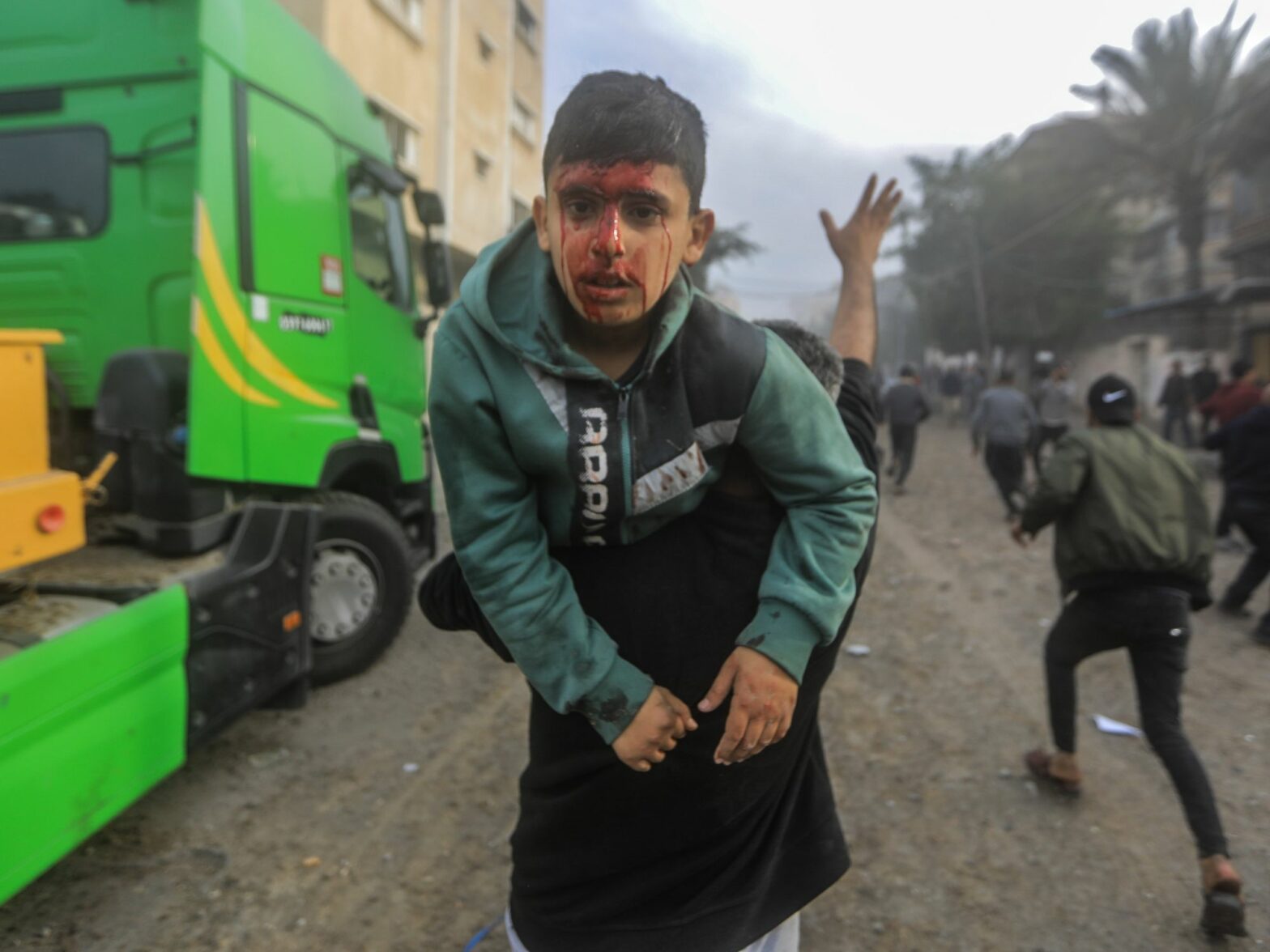
In two very different ways, the failure of the United Nations to inhibit aggressive nations is a sign of only more trouble ahead.
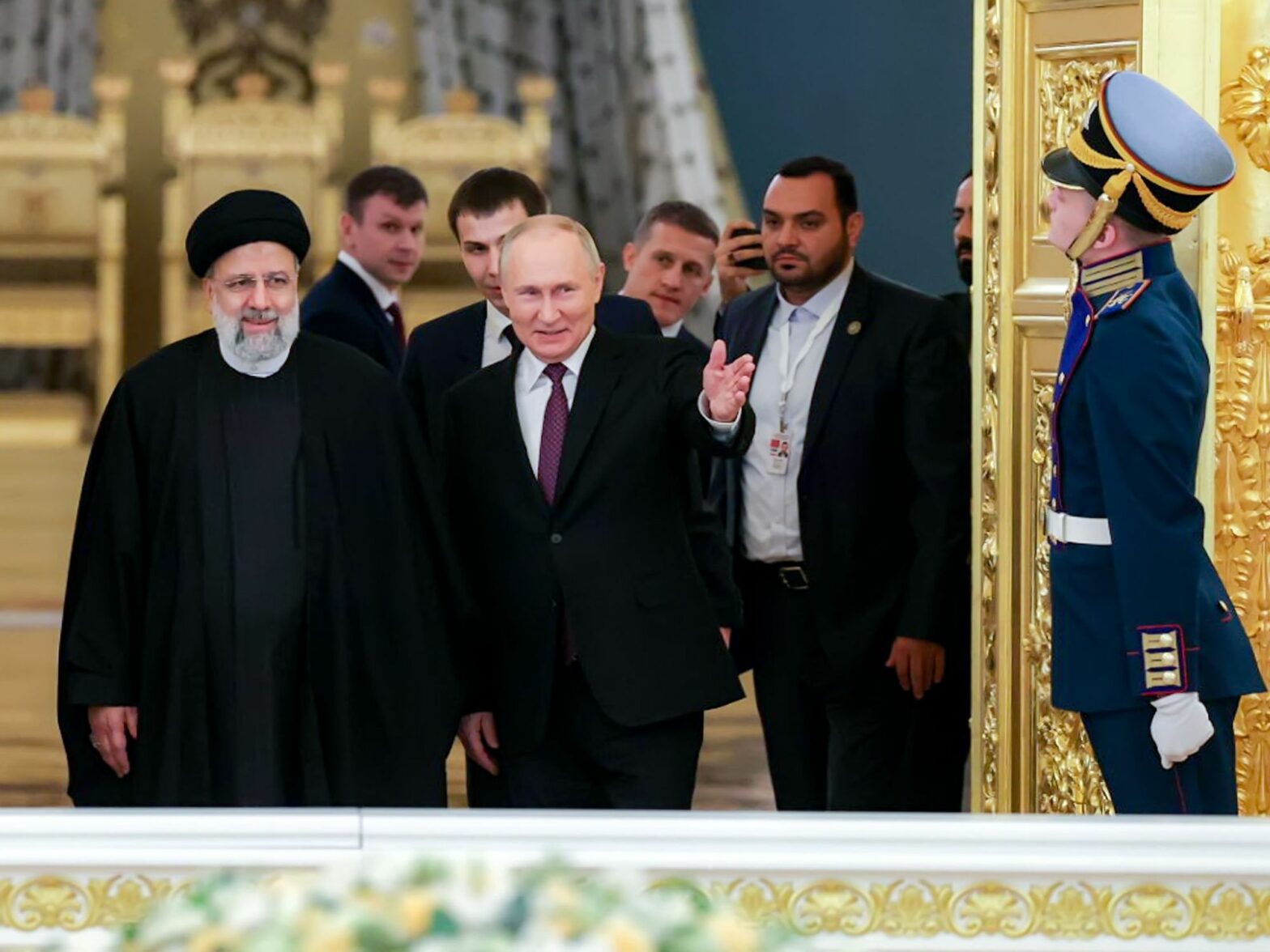
Iran’s plans to boost security and intelligence collaborations with Russia are fueling fears among Iranians that Russia will soon act as power broker, decision-maker and secret policeman inside their country.
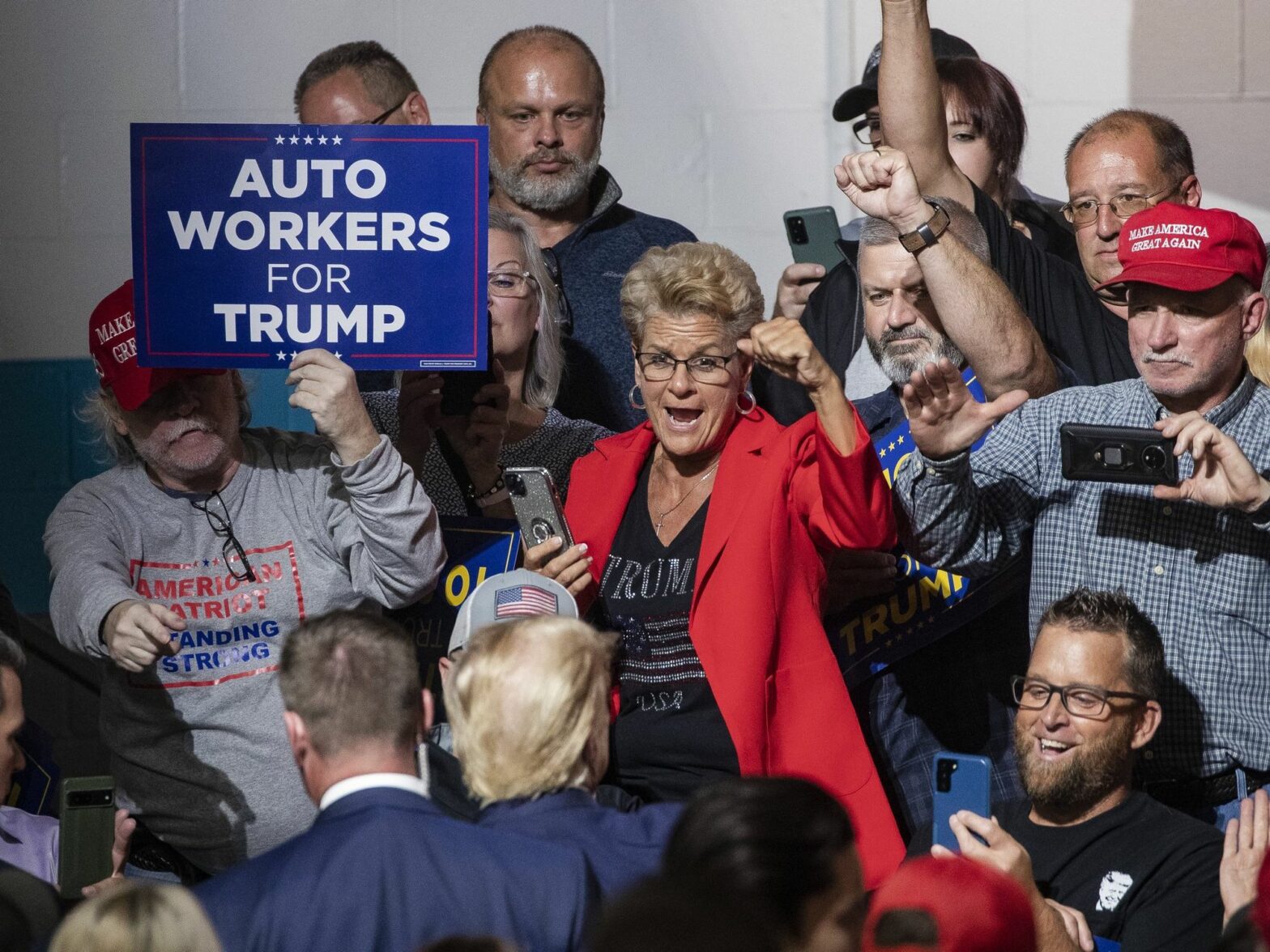
The 2024 U.S. presidential election is set to have far-reaching implications for the world. But the Republican and Democrat frontrunners, Donald Trump and Joe Biden, both have their own sets of hurdles to jump before then if they hope to secure voters’ support.
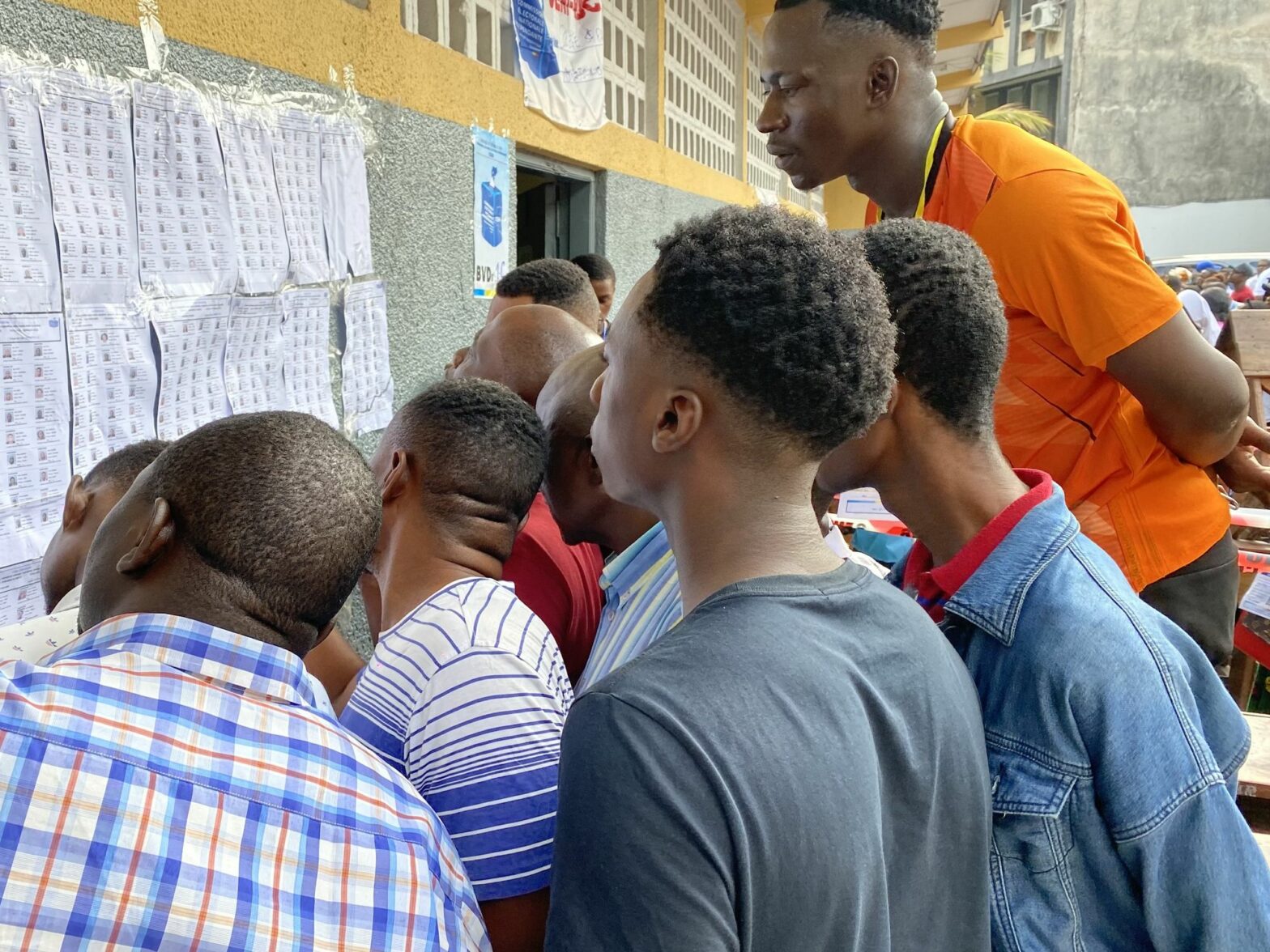
In the Democratic Republic of Congo, some 44 million voters will be choosing between 19 candidates to elect the new president. It’s a massive electoral task in a state that is largely dysfunctional. Where is the world to lend a hand?
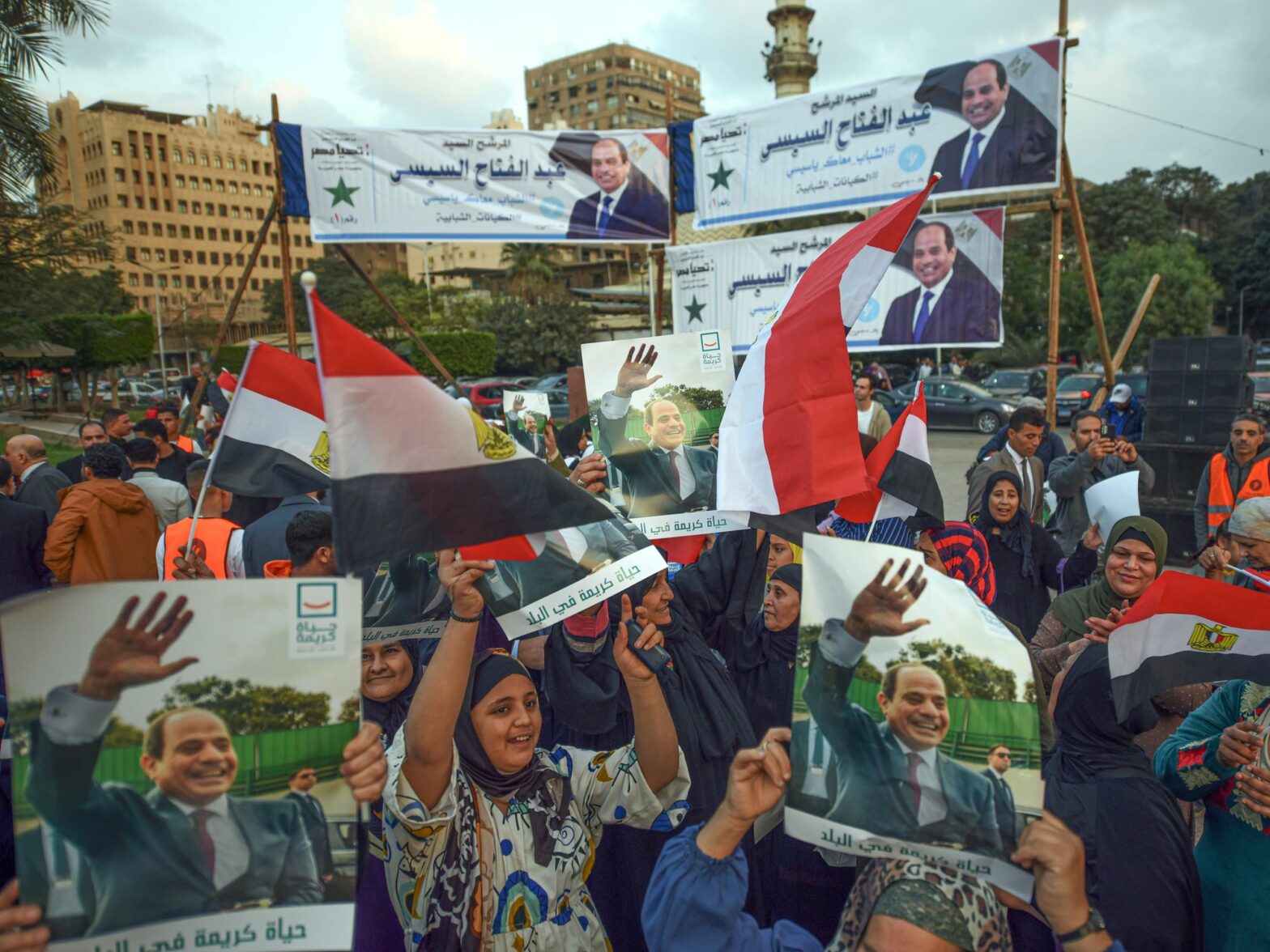
Egypt’s presidential vote ended with a certain outcome. President Abdel Fattah el-Sisi secured another term that will keep him in power until 2030. It was a landslide victory for el-Sisi who has been in power since 2014. He received 89.6% of what officials said was the highest turnout in Egypt’s election history amid a state-sponsored campaign of mobilization for voters.
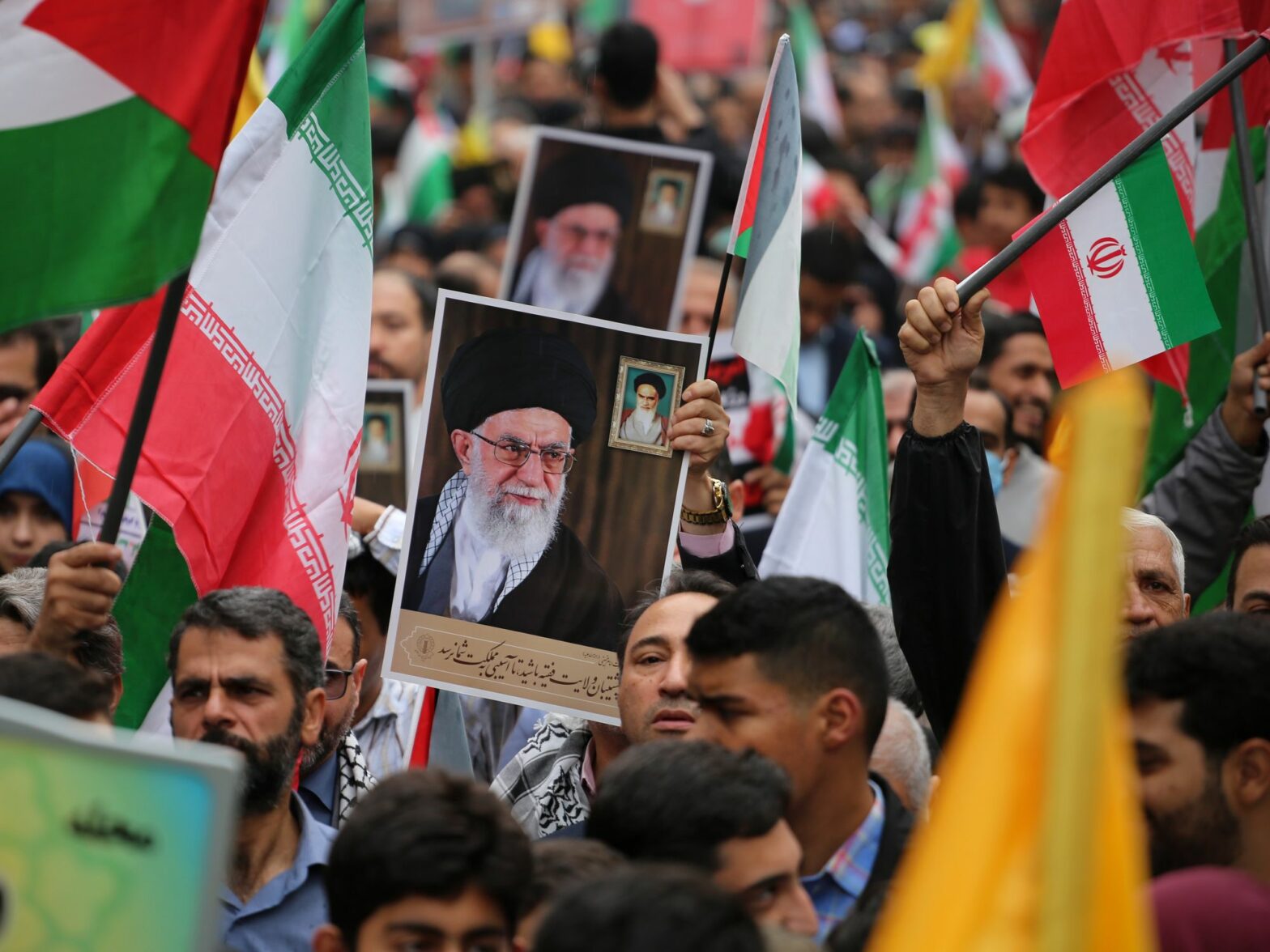
The recent repression of an old man dancing at a fish market shows how on edge Iran’s regime is domestically, writes Pierre Haski. While Iran may be stepping up its game regionally, its fragile attitude domestically can be a sign of what an irrational actor the mullah regime can be.
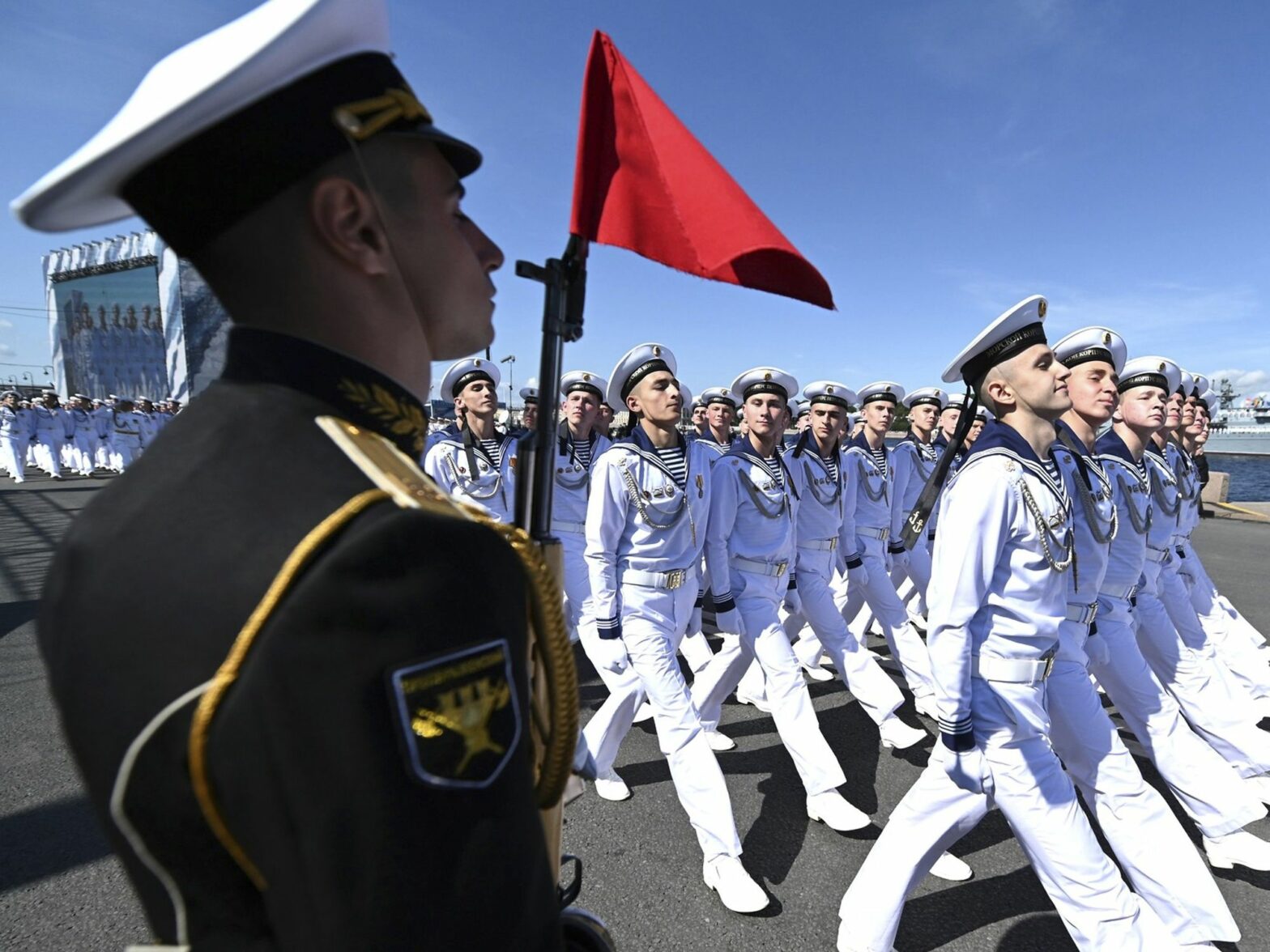
Now that the Ukrainian counter-offensive has ground to a halt, pressure is growing for Kyiv to negotiate with Moscow. But increasingly, despite his claims to the contrary, it looks like Putin is simply not interested in negotiating, whatever he may claim. In fact, the opposite appears to be the case: he’s betting his future on a long war.
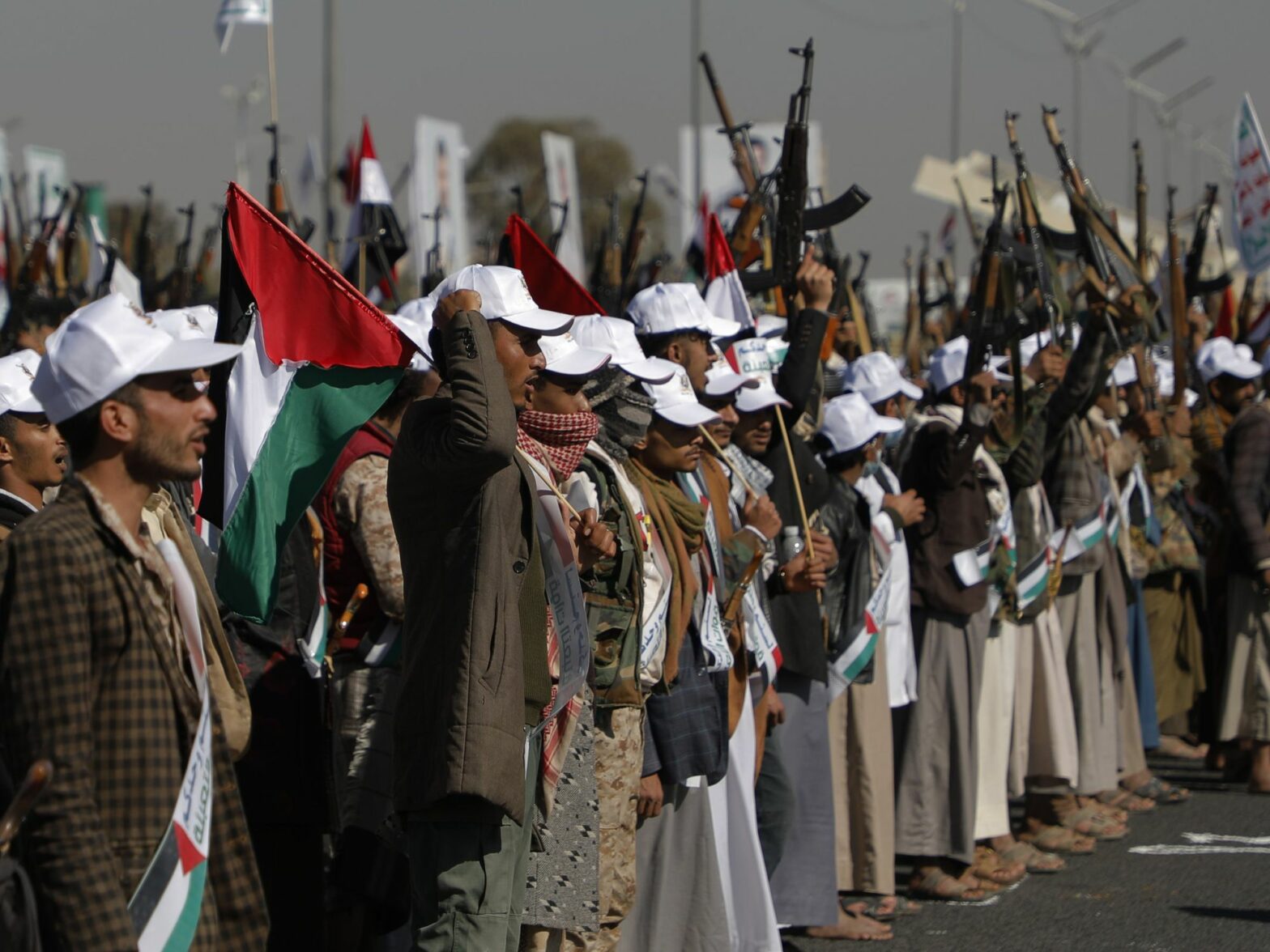
Nuclear weapons are a constant fear simmering in the background of modern-day conflicts. With the potential for Iran to join the Israel-Hamas war, and a threatening Russia at war with Ukraine, there is a more urgent necessity of reestablishing communication channels and confidence-building measures among nuclear powers.