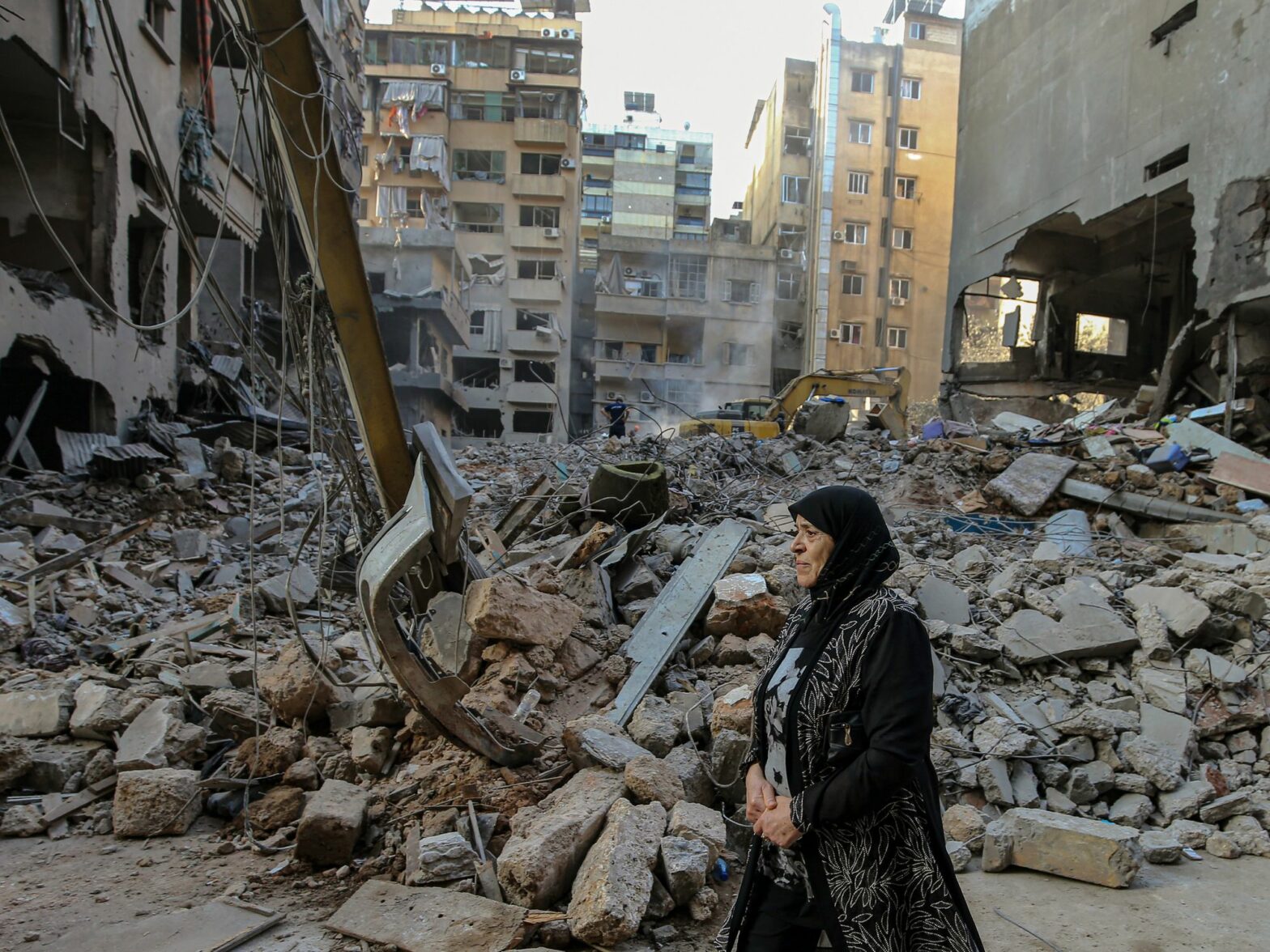
Initially presented as “limited,” Israeli operations have escalated sharply in Lebanon, and the Israeli Prime Minister has called on the country’s citizens to rise up against Hezbollah. What is Benjamin Netanyahu’s aim in this war?
 Worldcrunch
Initially presented as “limited,” Israeli operations have escalated sharply in Lebanon, and the Israeli Prime Minister has called on the country’s citizens to rise up against Hezbollah. What is Benjamin Netanyahu’s aim in this war?
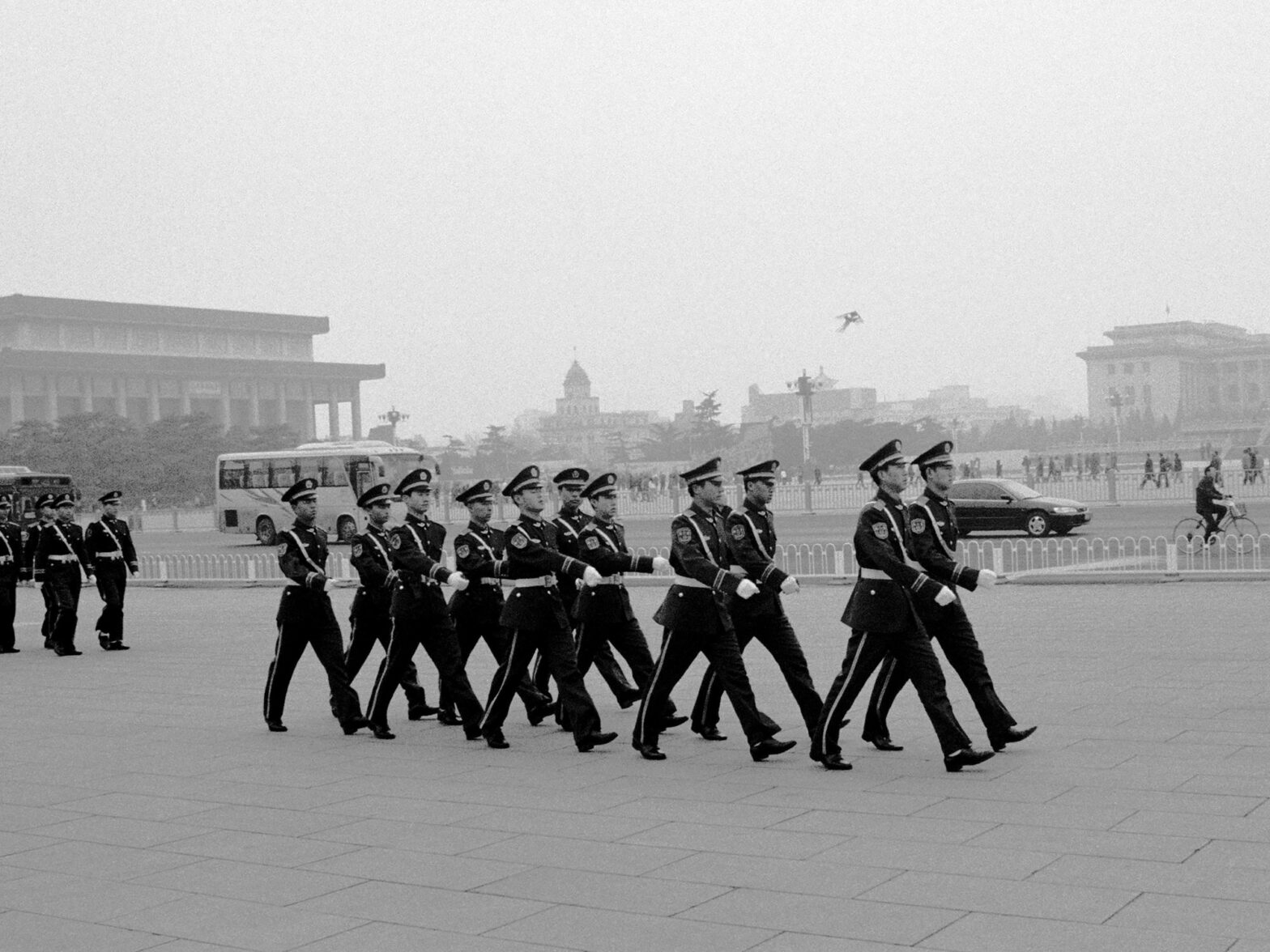
As the People’s Republic of China turns 75, journalist Jens Mühling attempts to visit Tiananmen Square, where the country’s great dramas have always taken place.
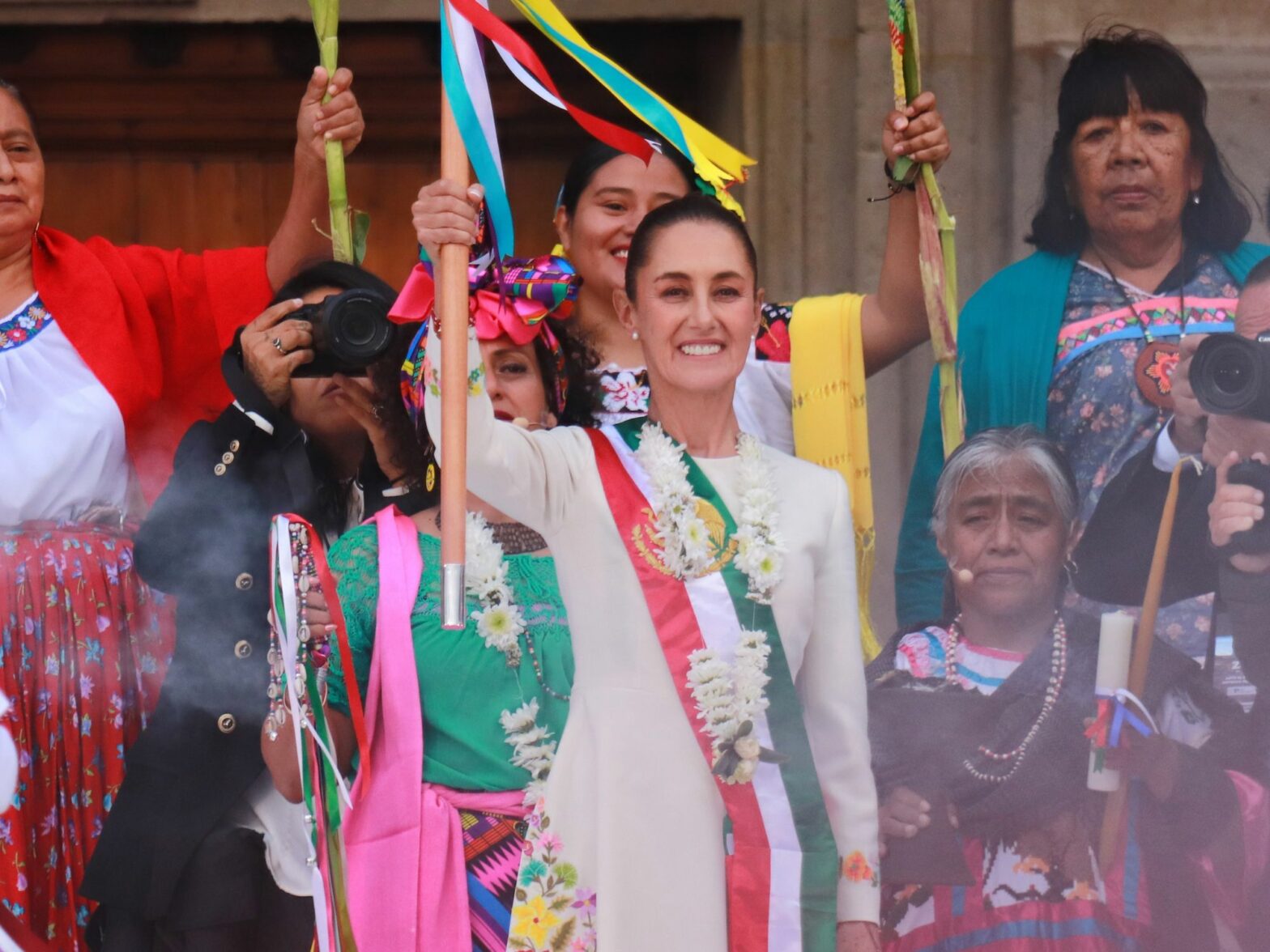
When Mexico’s new president, Claudia Sheinbaum, chose not to invite King Felipe VI to her inauguration, Spain could have reacted differently. It could have taken the opportunity to evaluate its colonial past and apologize to the native peoples of the Americas. But imperial nostalgia and a conflictual relationship with diversity are leaving Spain in the past.
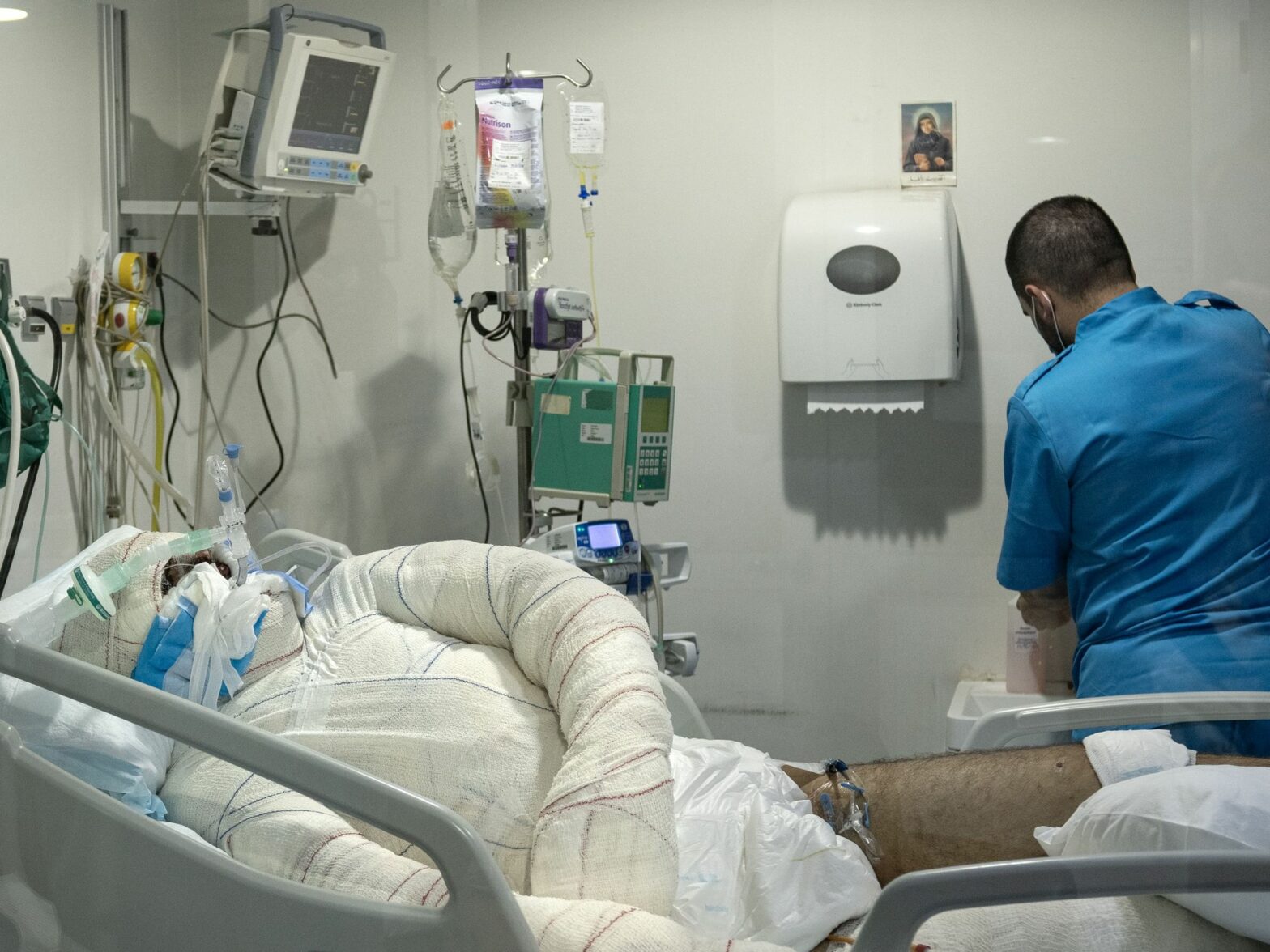
As Israel’s air strikes on Lebanon intensify, following the unprecedented exploding pagers attack, the severely injured get care inside Geitawi General Hospital that aims to salvage their forever altered lives.
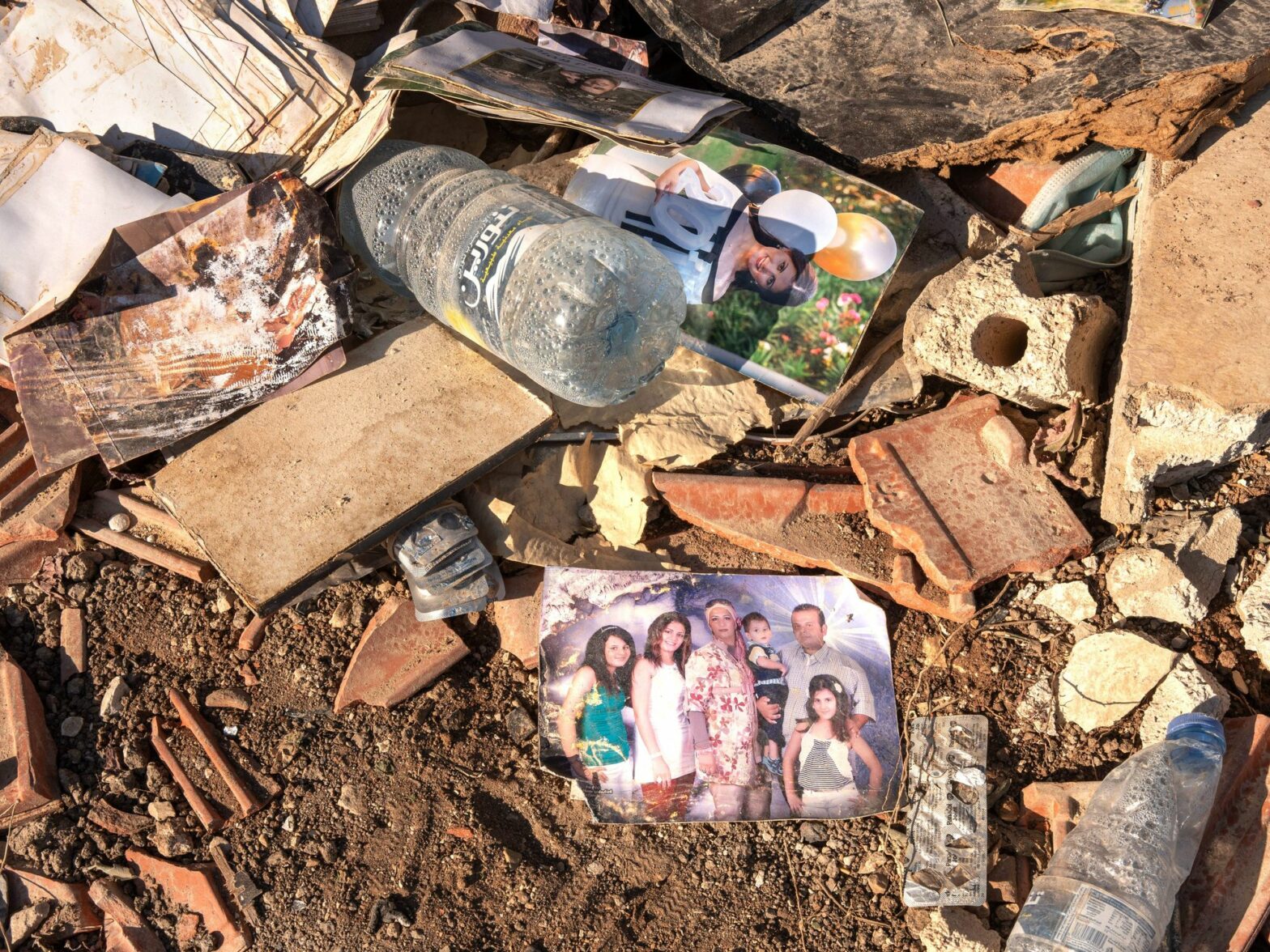
Benjamin Netanyahu has publicly urged the Lebanese to turn on Hezbollah, as he drops bombs that kill thousands of civilians. But every citizen knows what an occupier looks like.
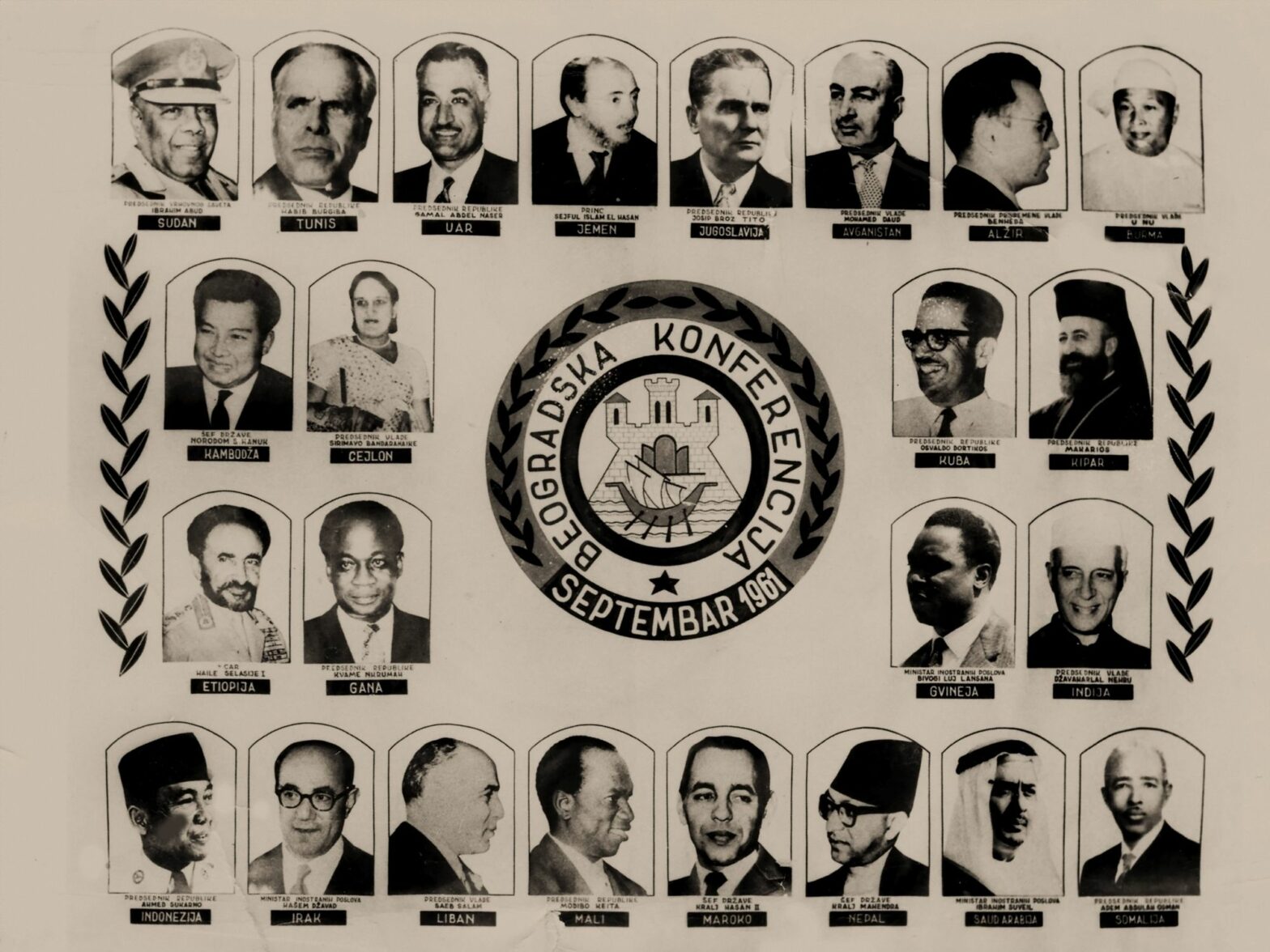
It’s called Active Non-Alignment. The end of a bipolar world and of Western supremacy has created a more fluid, and threatening, geopolitical map. For smaller powers, especially in Latin America, this is the time to “get the best deal” for themselves with the superpowers.
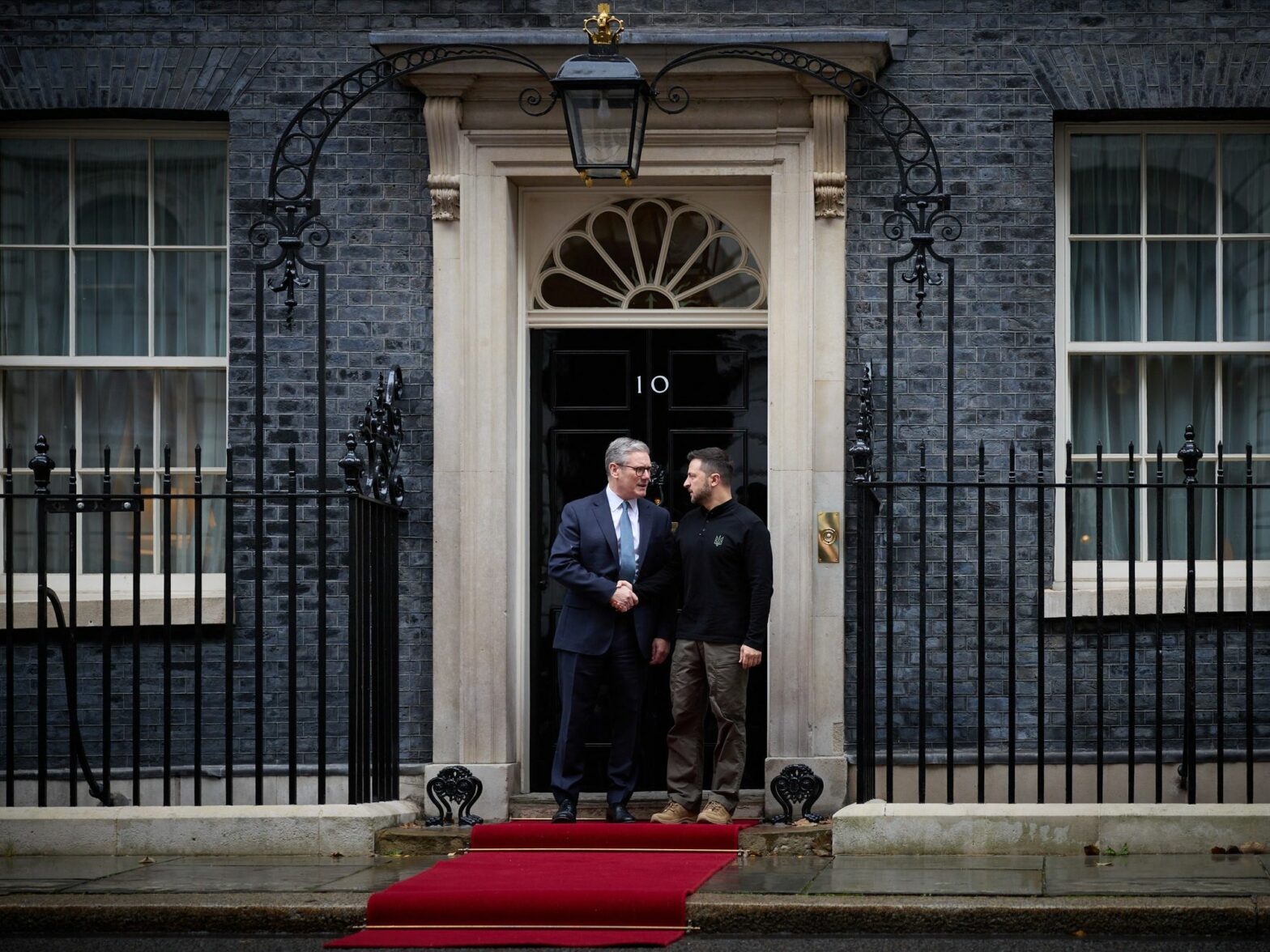
The Ukrainian president has begun a tour of Europe to present his “victory plan,” designed to reverse the balance of power with Russia before negotiating. It’s almost like asking for war and peace at the same time.
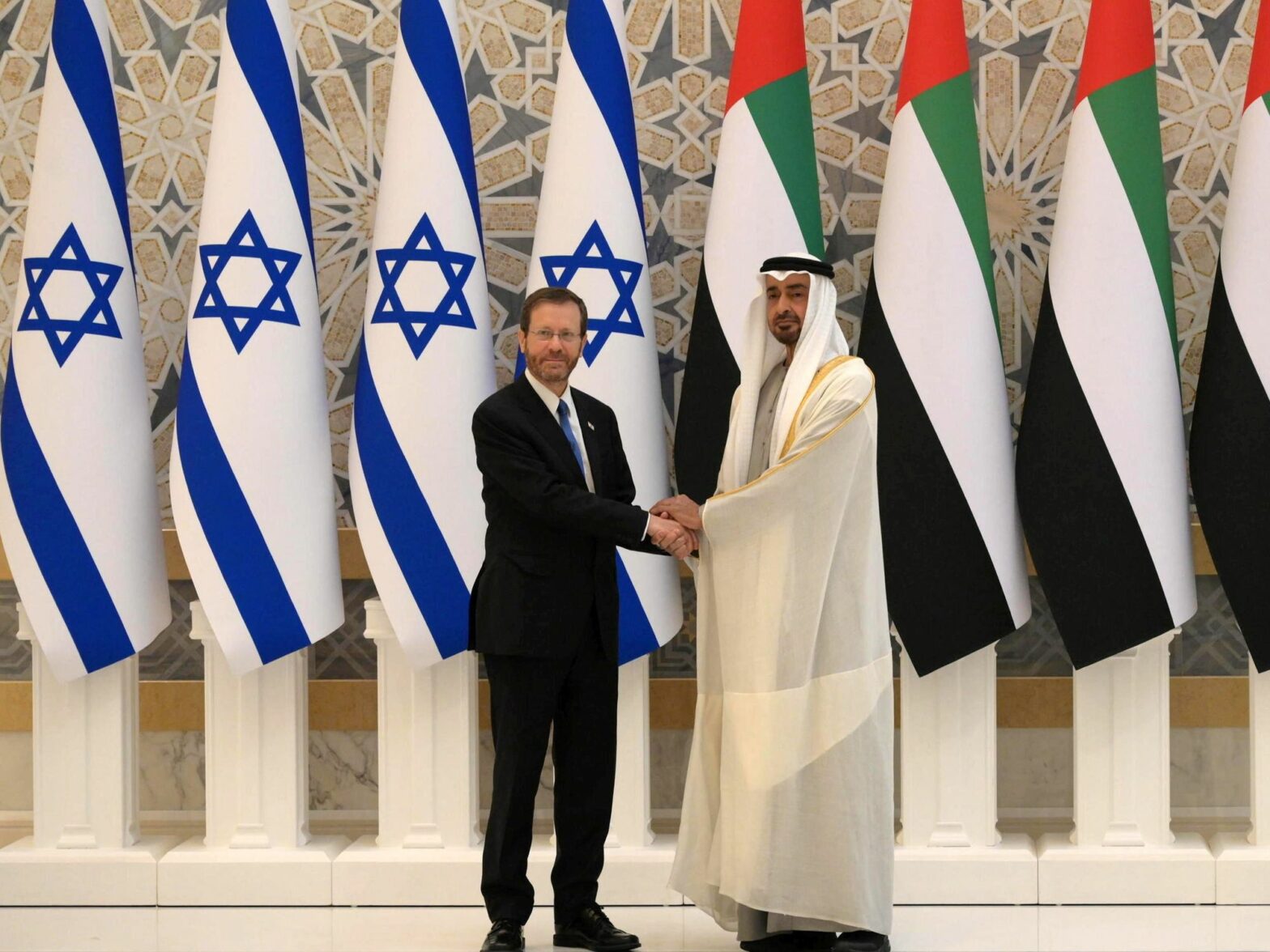
Israel’s aggression over the past few months, no matter how successful, is ultimately a sign of its weakness. Yet it is able to achieve its goals from the support it receives from a number of players inside and outside the region, whether they realize it or not. That even, paradoxically, includes Iran.
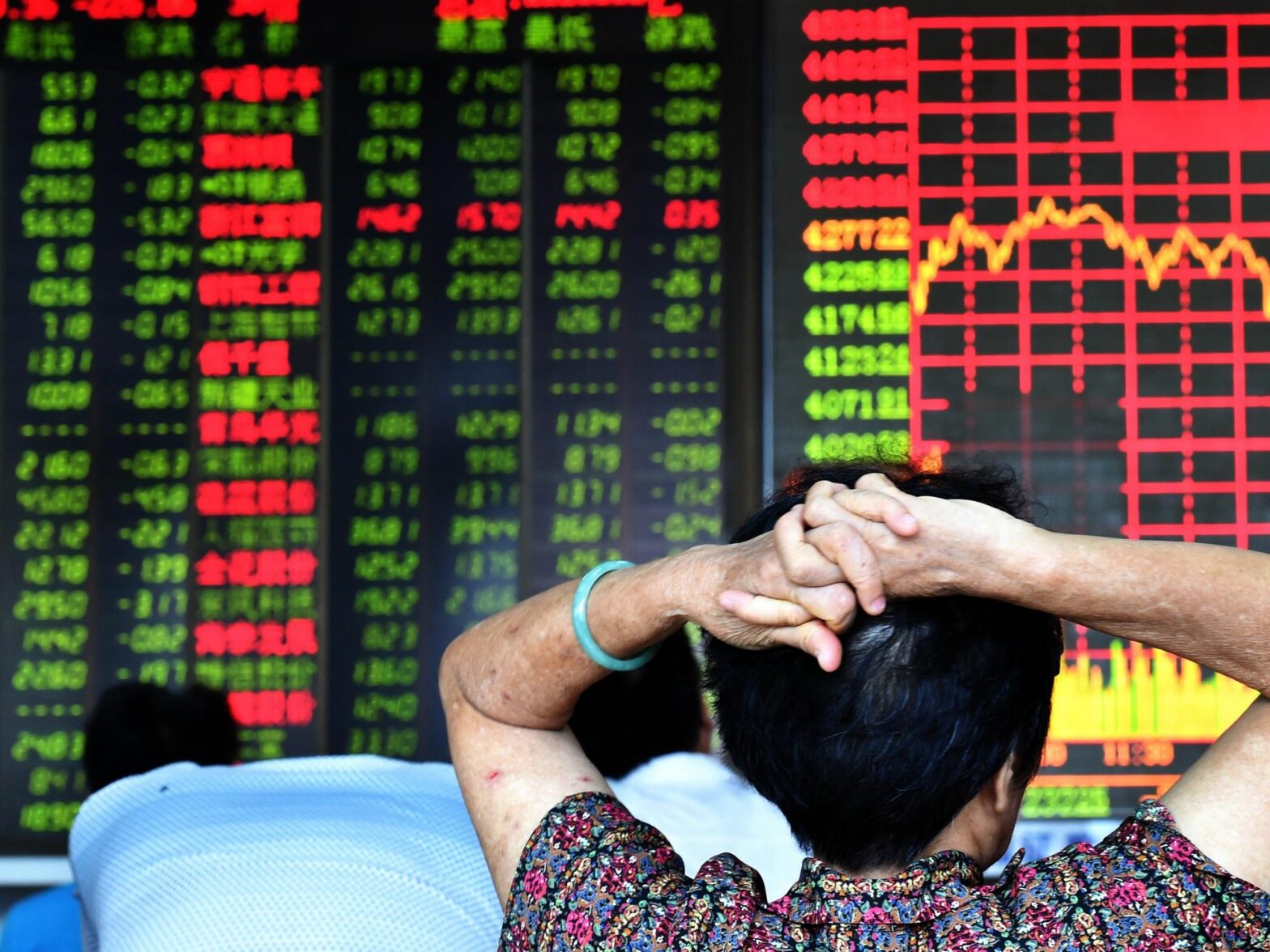
The Shanghai stock market soared following the announcement of an economic recovery plan, but then ran out of steam. It’s a symbol of the Chinese people’s wavering confidence amid mounting crises and Xi Jinping’s grab for absolute power.
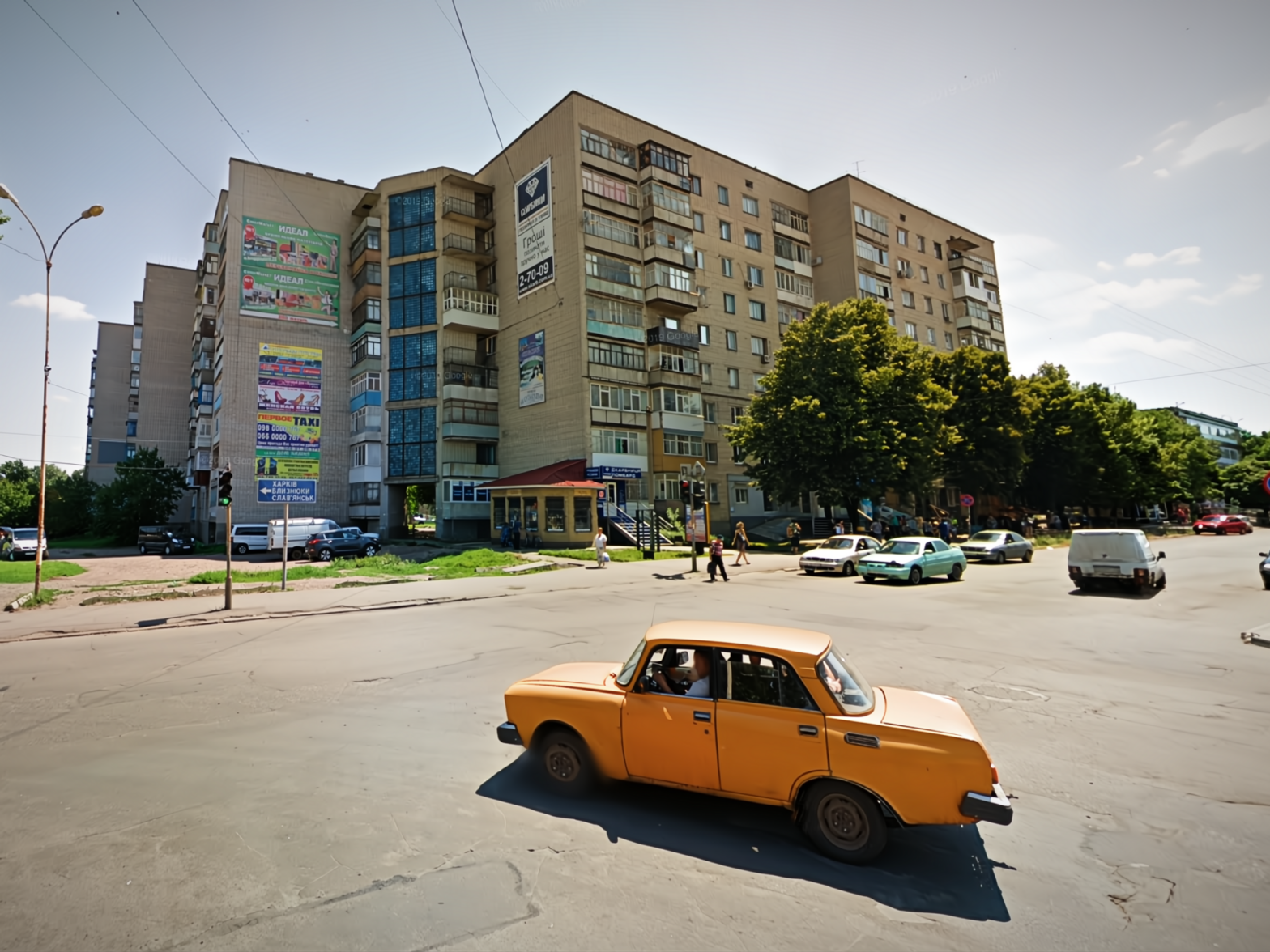
Since the war broke out in Ukraine more than two years ago, the village of Blyzniuky has welcomed many people displaced by the conflict. Now five times larger than before the invasion, the village is working to integrate its new residents through work opportunities, psychological support and activities for children.
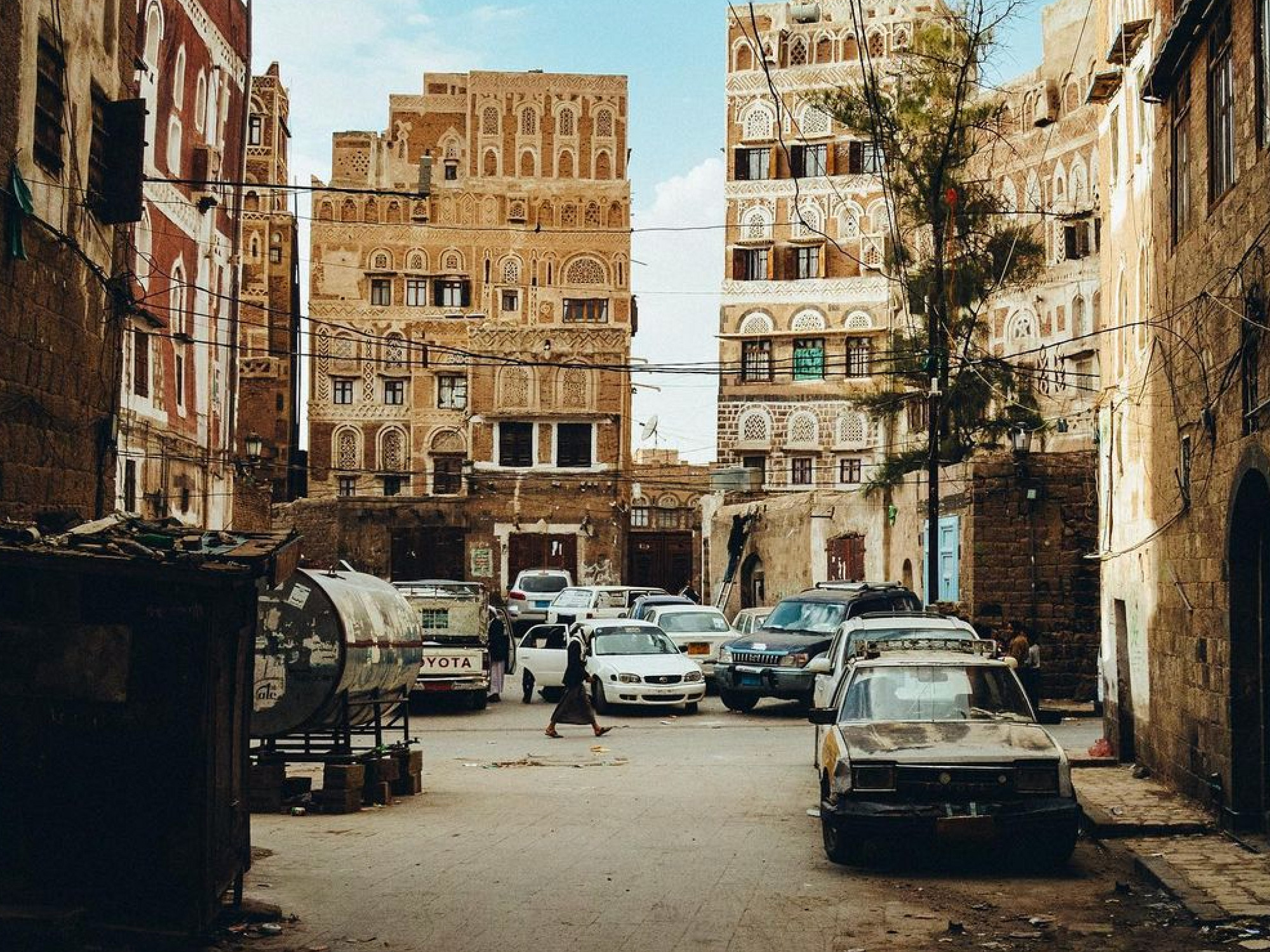
The Houthis took control of Yemen’s capital Sanaa a decade ago in a religious coup masquerading as a revolution. Yet the Houthis have begun to speak more openly and boldly about their vision for the future of Yemen — and in doing so, may have planted the seeds of their defeat, exiled Yemeni journalist Afrah Nasser writes.
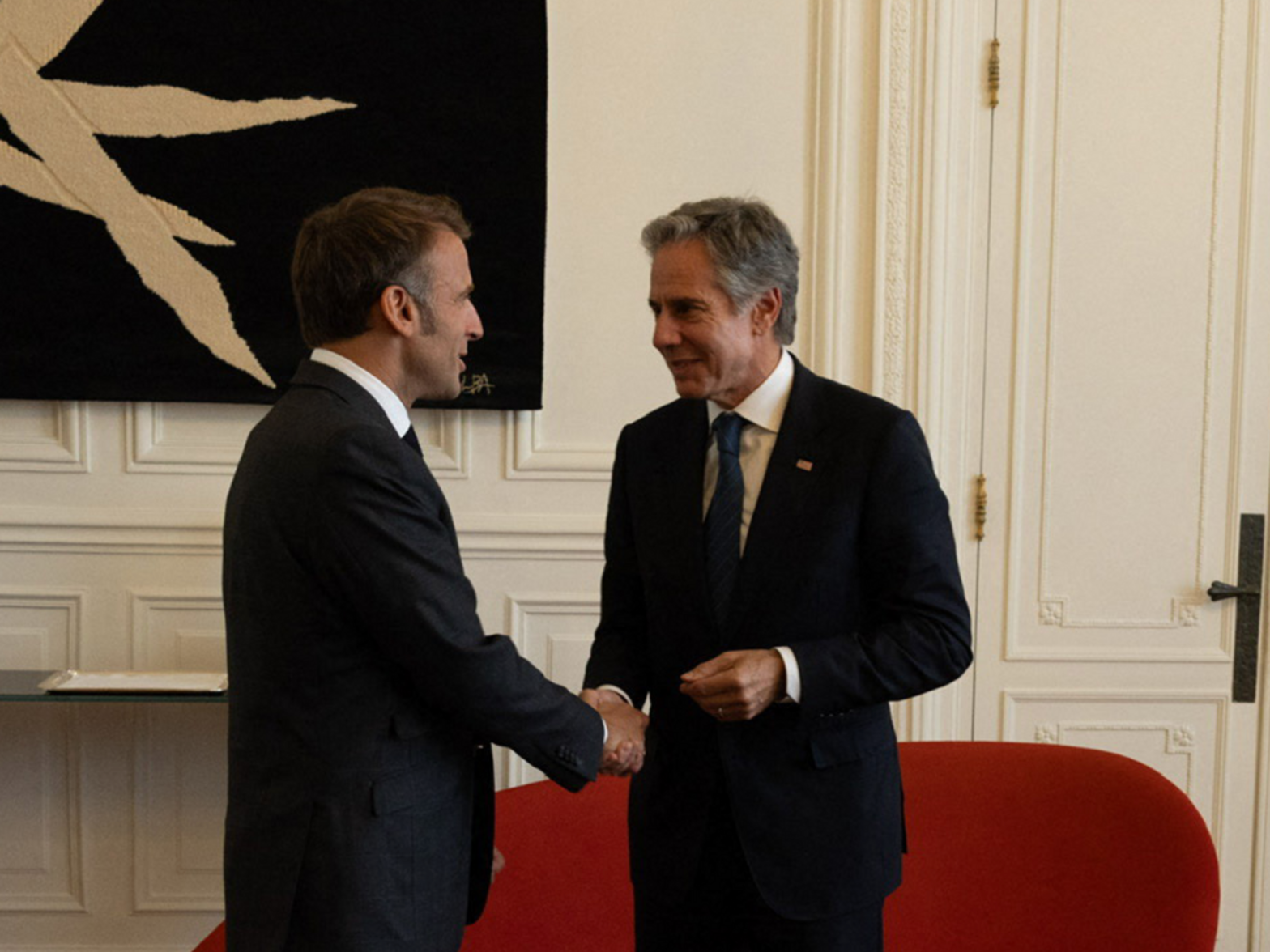
When Emmanuel Macron called for an embargo on arms supplies to Israel, he was aiming at the United States, following the failure of the attempted ceasefire in Lebanon. Paris even speaks of ‘duplicity’ by Washington and Israel. It’s just the latest example of the failure of diplomacy in the face of the “logic of war.”
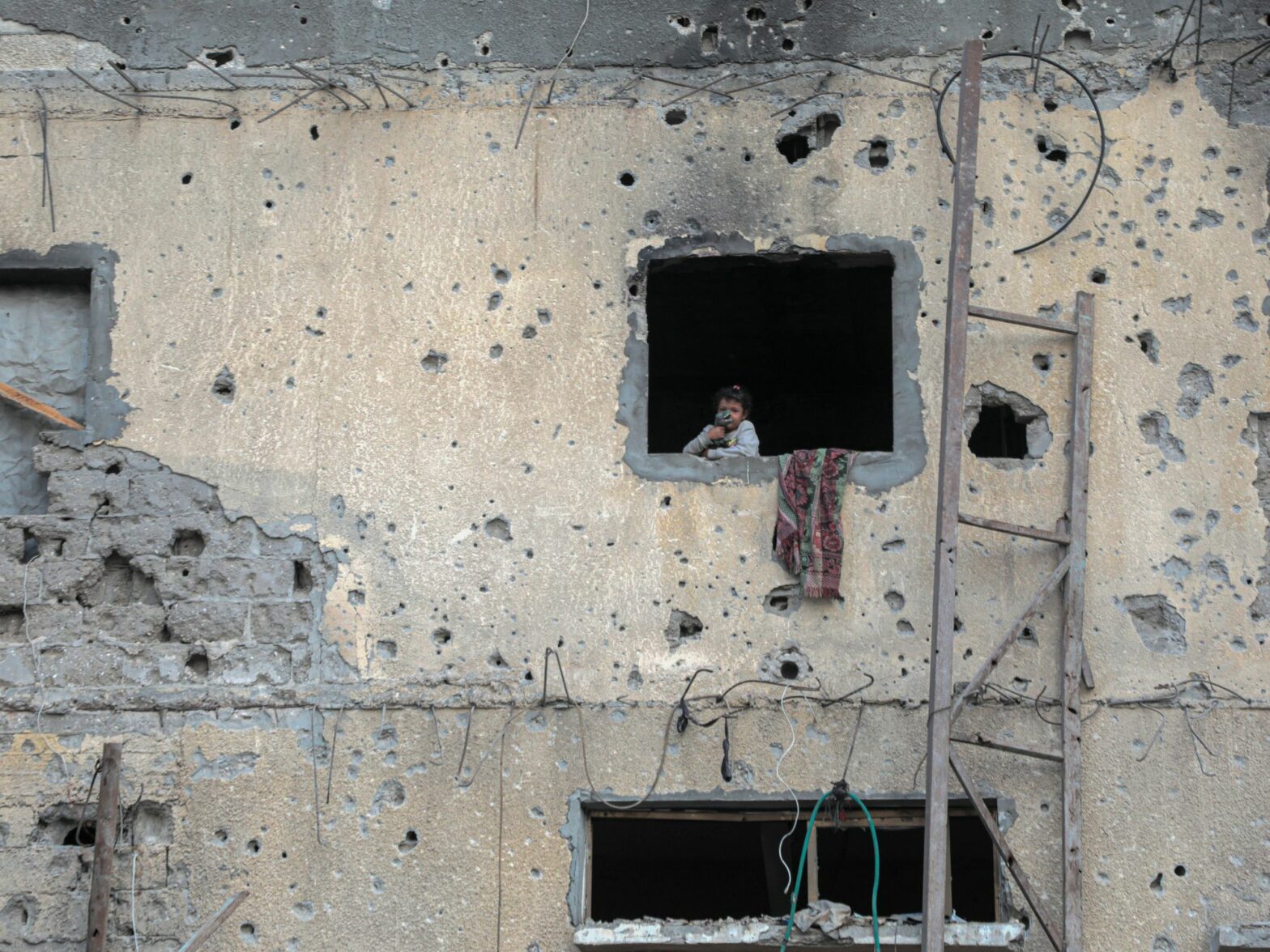
It’s clearer than ever that Israel — backed by a number of militarily and economically powerful countries that claim to abide by international law and human rights — continues to destroy these laws and standards that are based on the equality of all human beings.
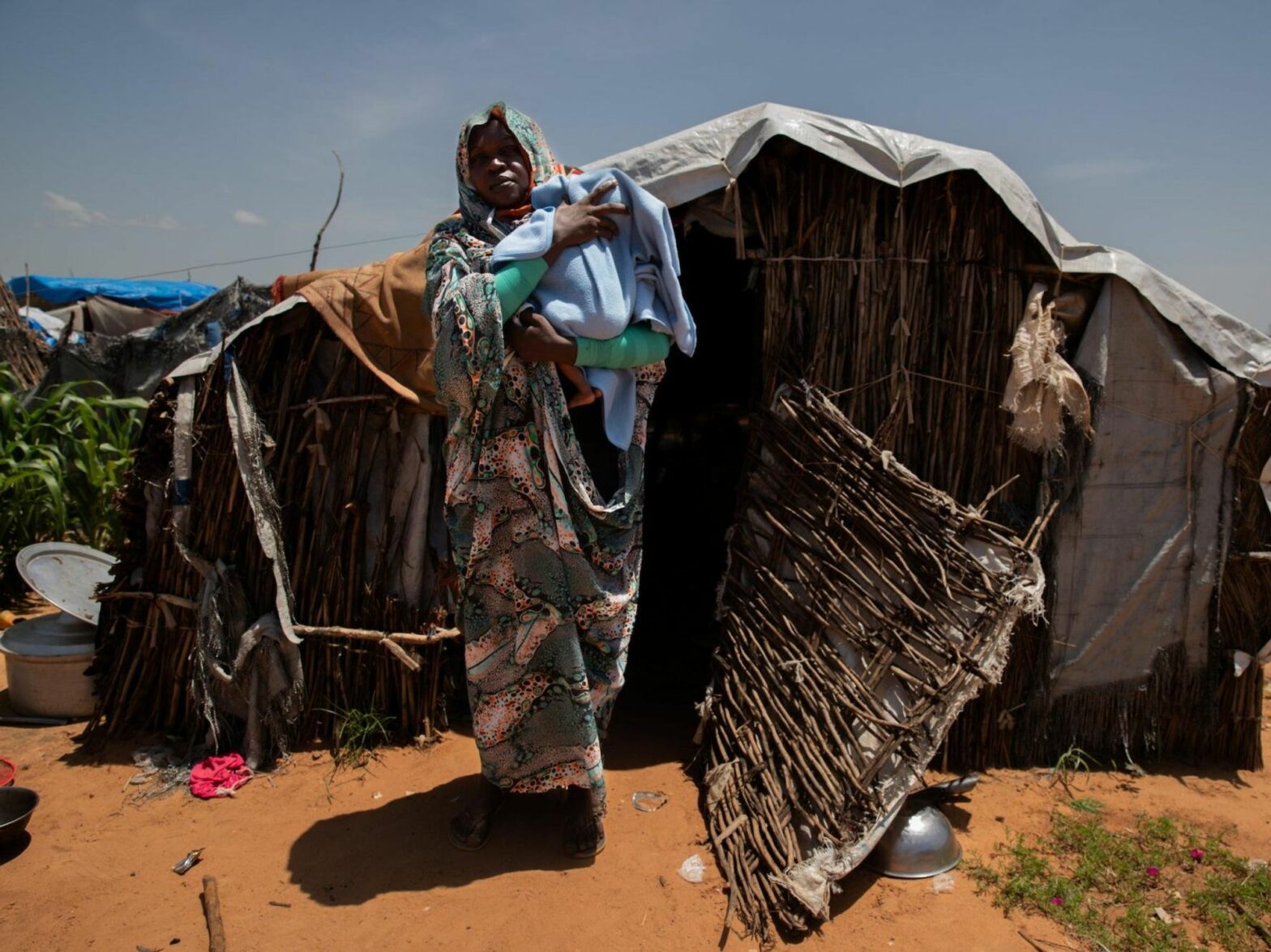
The war in Sudan has displaced some 10 million people, and 2 million have moved to the already fragile neighboring countries. Yet, as the wars in Ukraine and the Middle East dominate global politics, there are huge gaps in the provision of international aid to these refugees. Rarely has a disaster of this magnitude received so little attention from the international community.
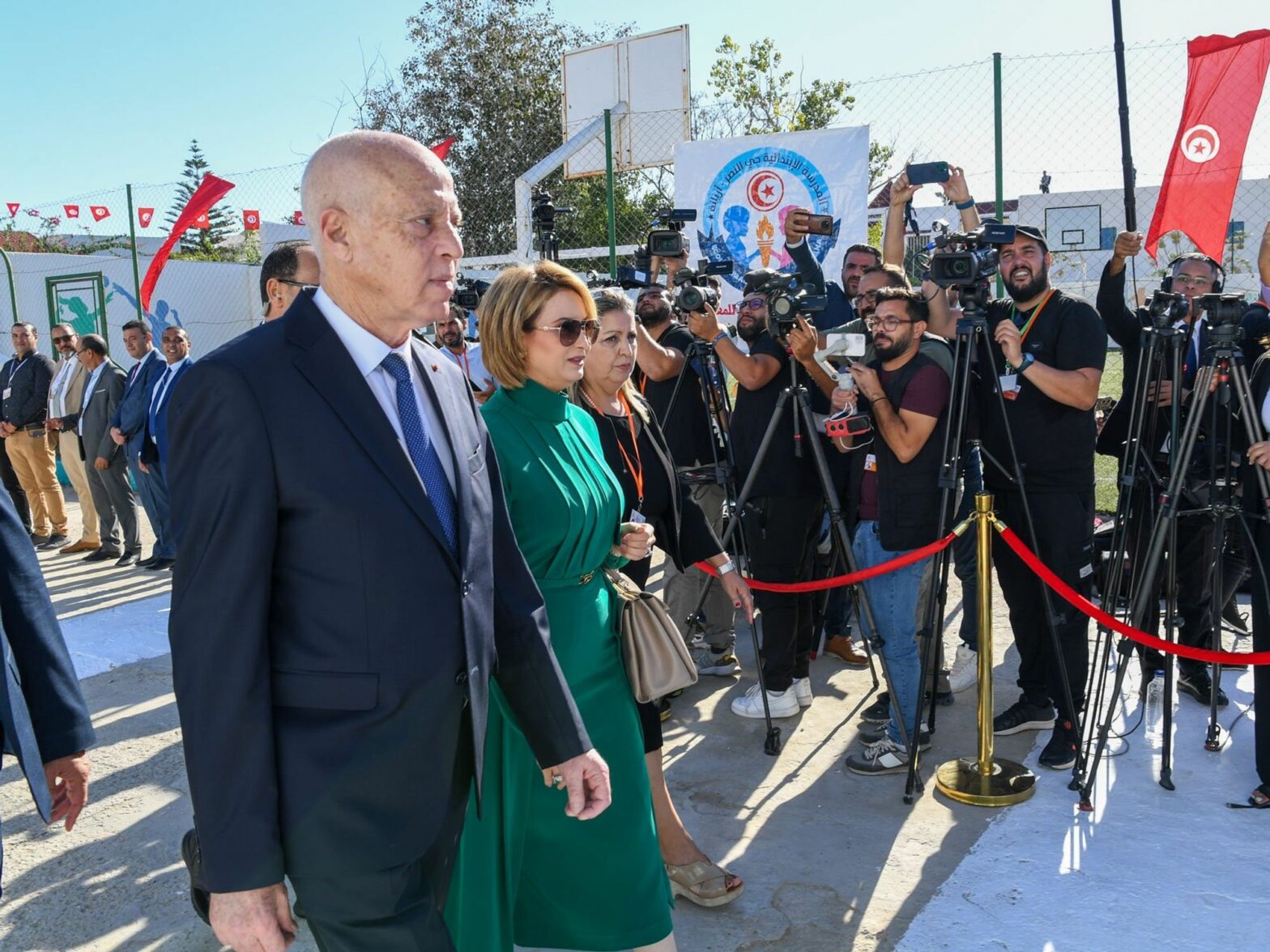
With results in Sunday’s election showed Kais Saied winning the election by a landslide, Tunisia may have definitively returned to dictatorship and closed a chapter on democracy in the Arab world that began a generation ago on the streets of Tunis. Daraj took a pre-election look at what it means for the people who live there.
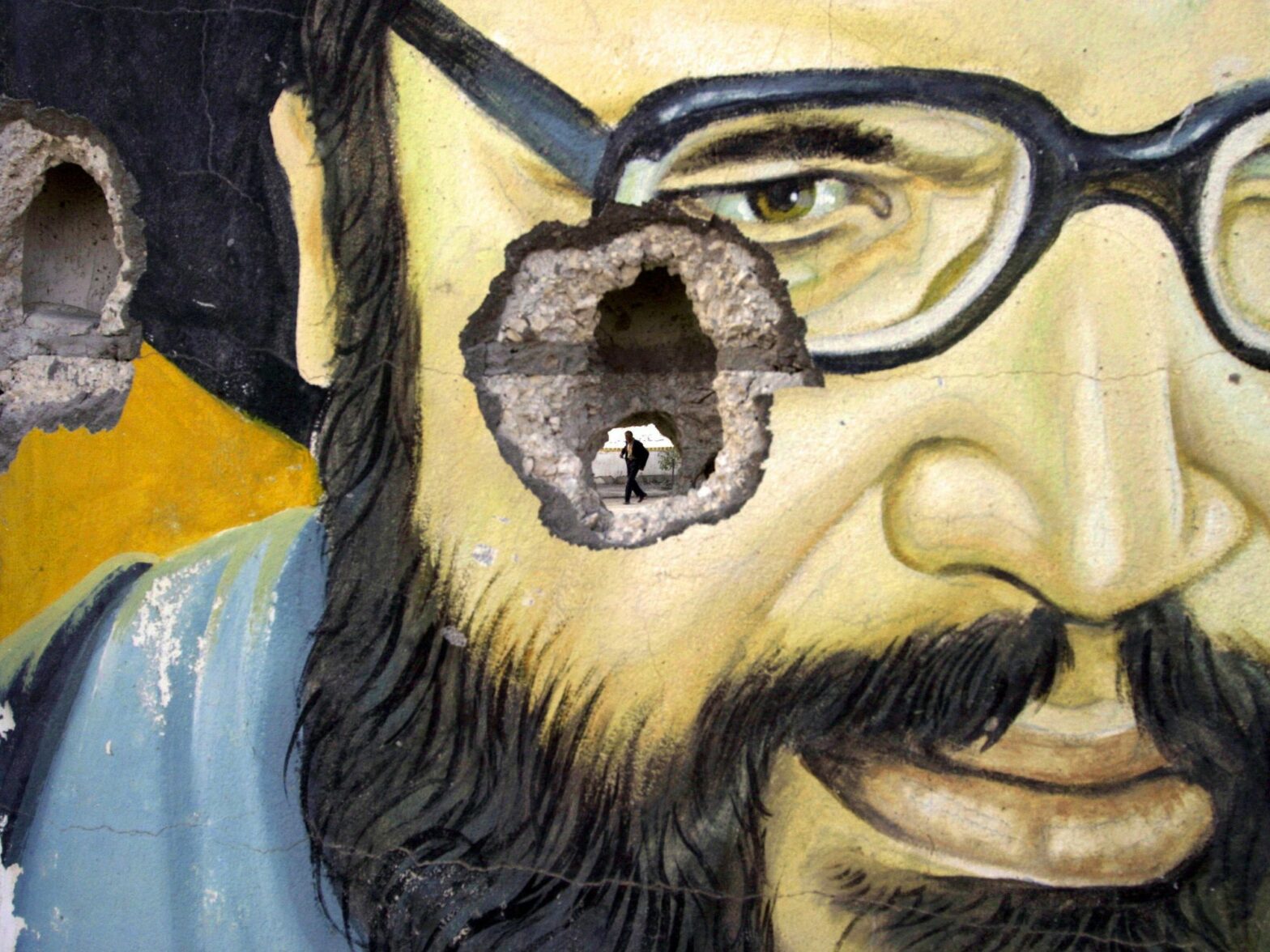
When Israel killed Hassan Nasrallah in an airstrike on a stronghold in Beirut, journalist Khaled Dawoud recalled his meeting with the head of Hezbollah more than two decades ago, and gauges how his death marks the end of an era of confrontation with Israel.

As the host of the next UN climate summit, Azerbaijan is positioning itself as a peacemaker, calling for the end of conflicts that “worsen climate change.” But this stands in stark contrast to the country’s commitment to increase gas and oil production and its record of military aggression against Armenia.
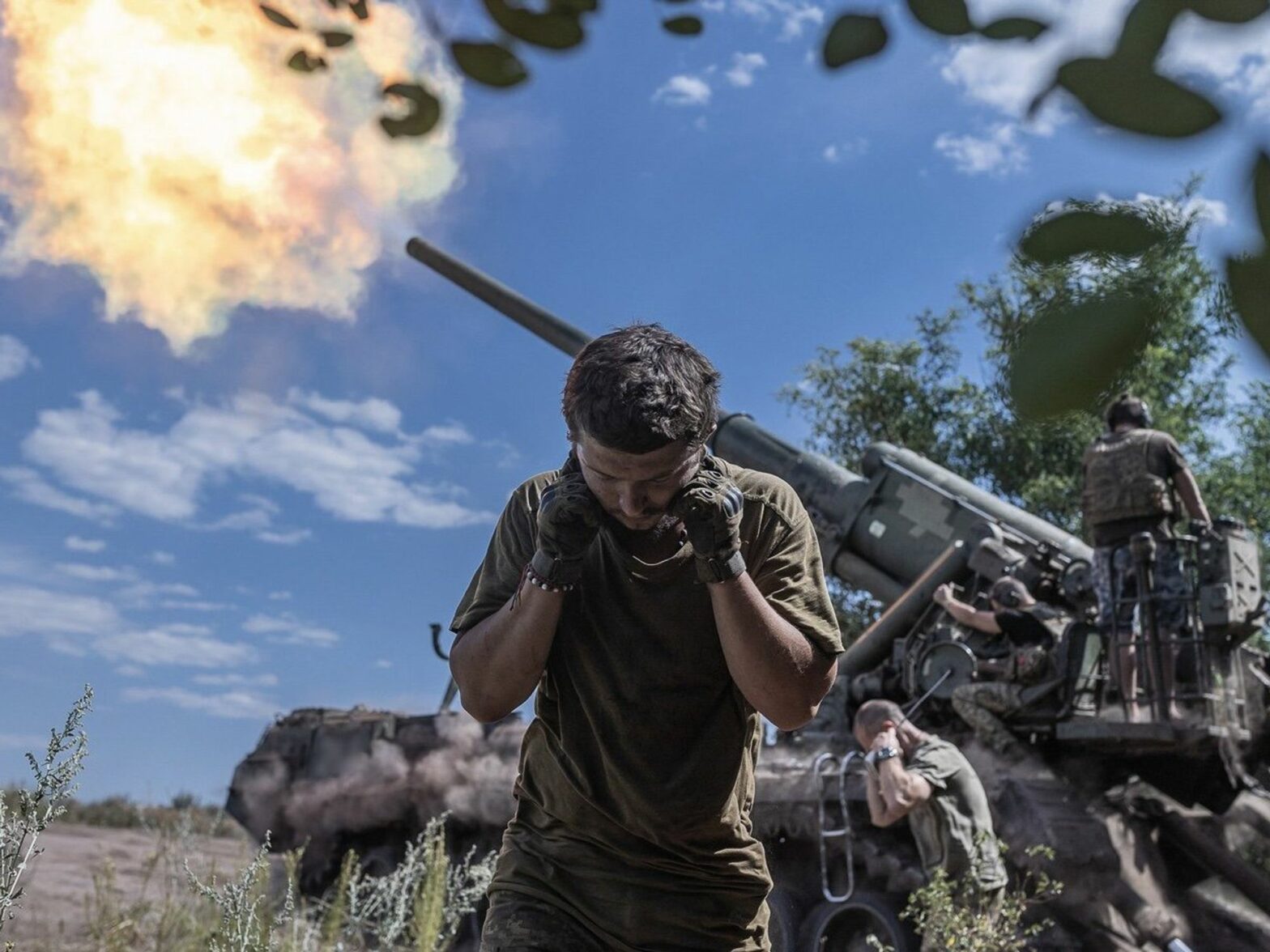
Calls for negotiation between Russia and Ukraine are growing louder. But peace would require strong security guarantees for the invaded country.
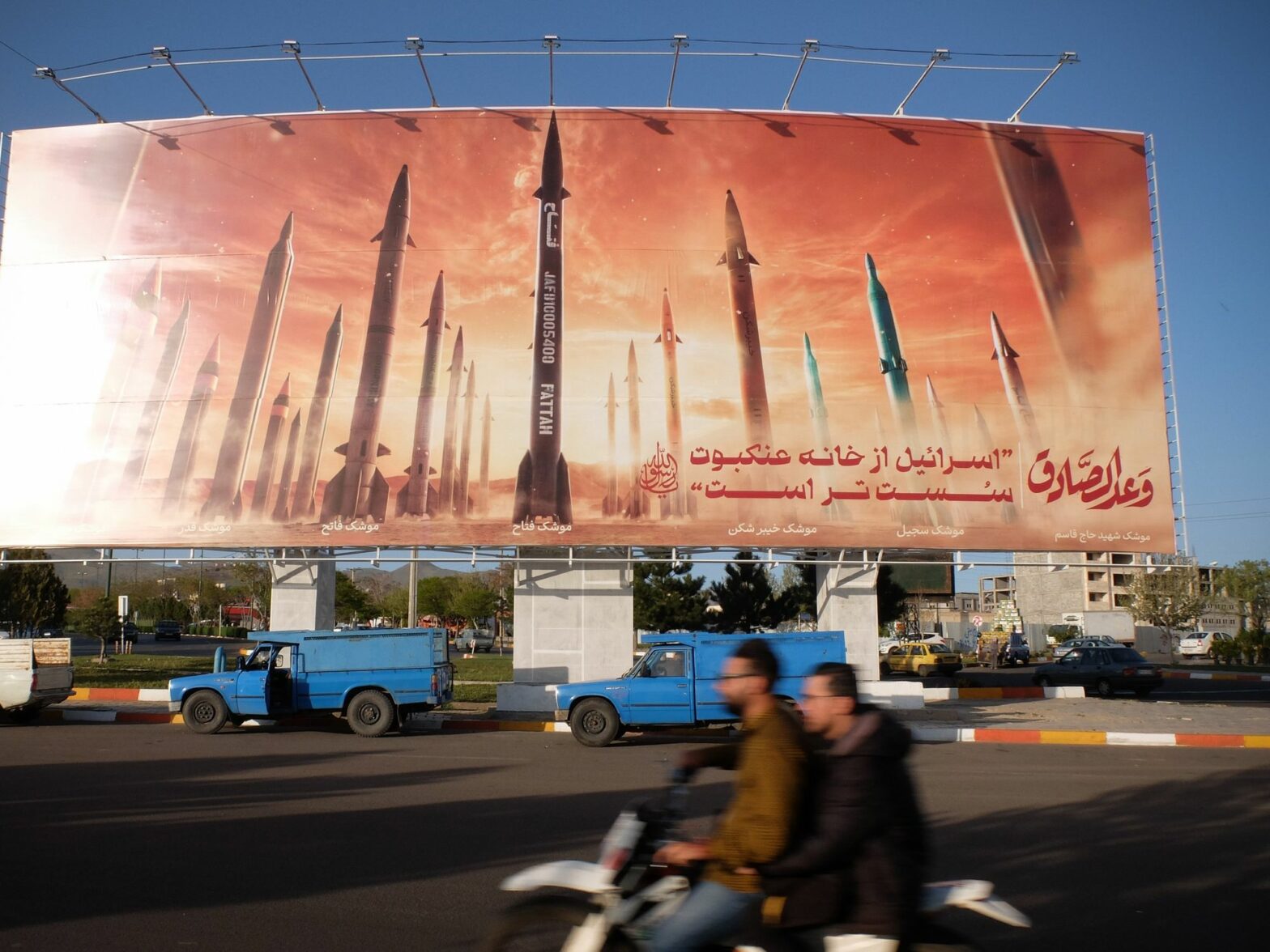
Iran’s Supreme Leader Khamenei vowed on Friday that the country’s regional allies would “not back down” against Israel. Yet neither criticism of Tehran has been growing among Hezbollah supporters since the assassination of Hassan Nasrallah.
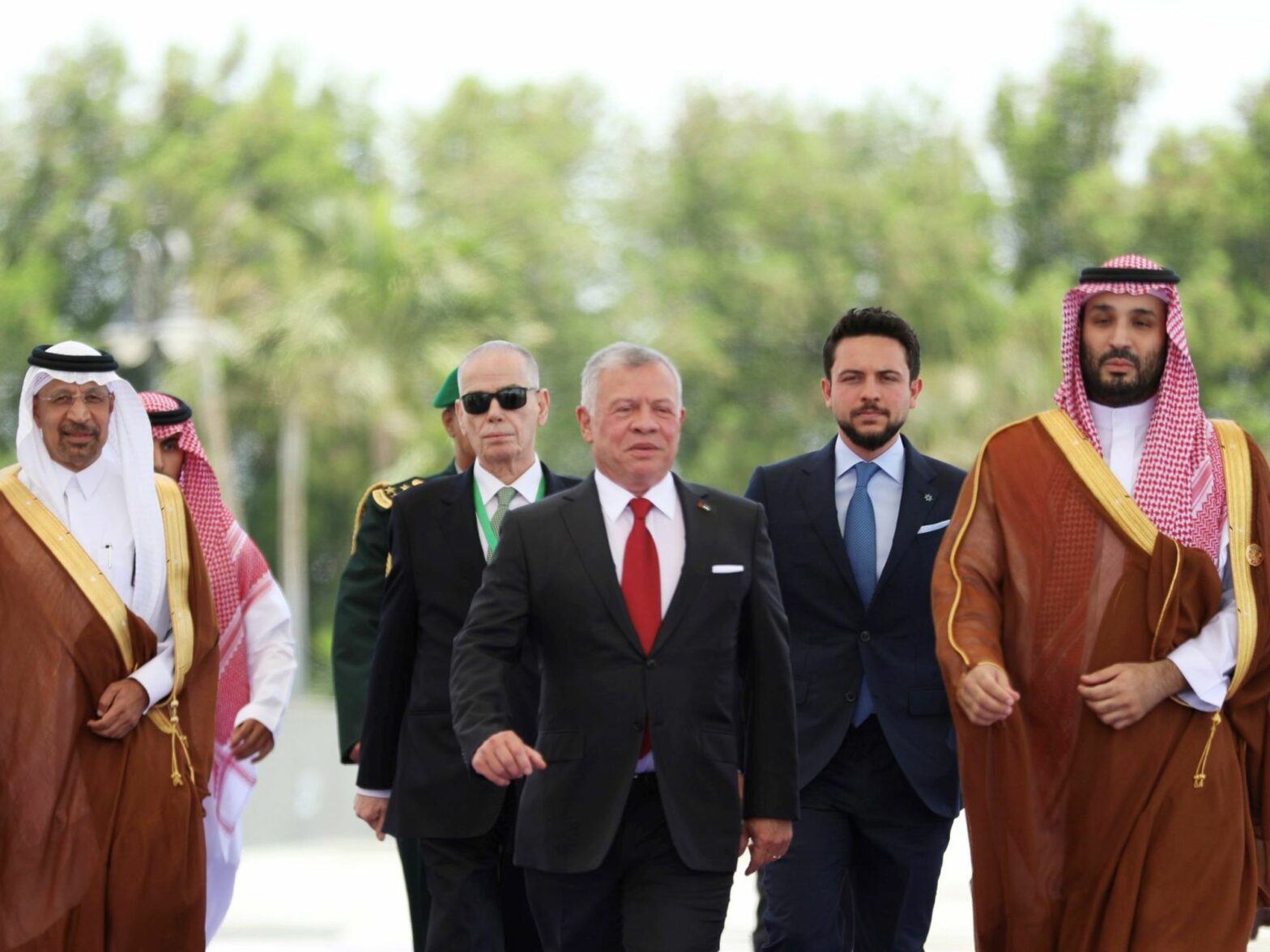
Arab countries remain largely missing in action as the region goes up in flames. Those that have recognized Israel are keeping a low profile, the Saudis are talking about a Palestinian state, but they are not averse to crushing the pro-Iranian forces and targeting Tehran. And yet a regional war would upset the current balance.
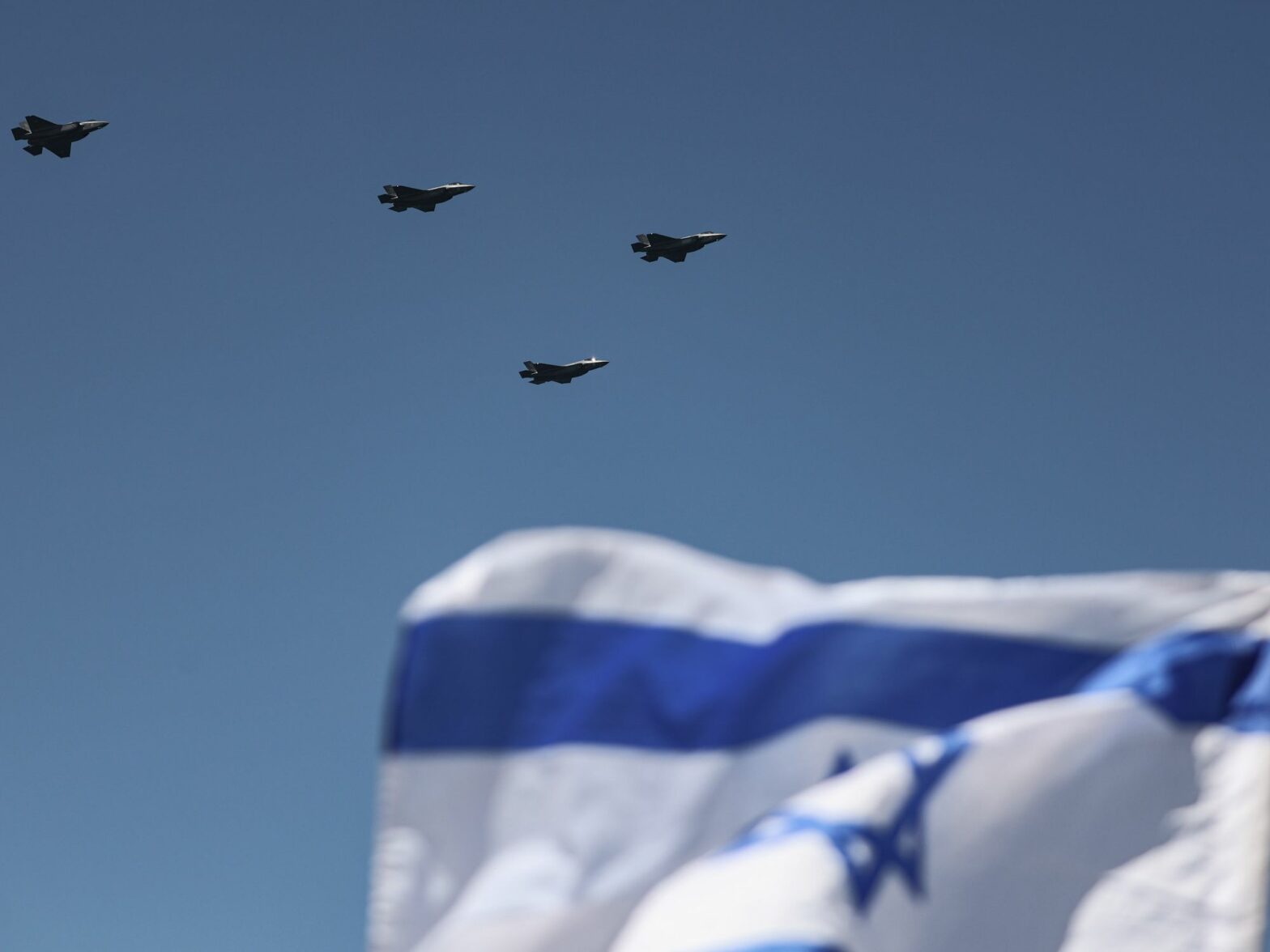
Was it the “Mother of Miscalculations?” Tehran’s decision to launch a second missile attack on Israel demonstrates its weakness at home and abroad. The Iranian regime may soon face the consequences, as a possible series of events could be triggered by a reprisal from the better-equipped Israeli military.
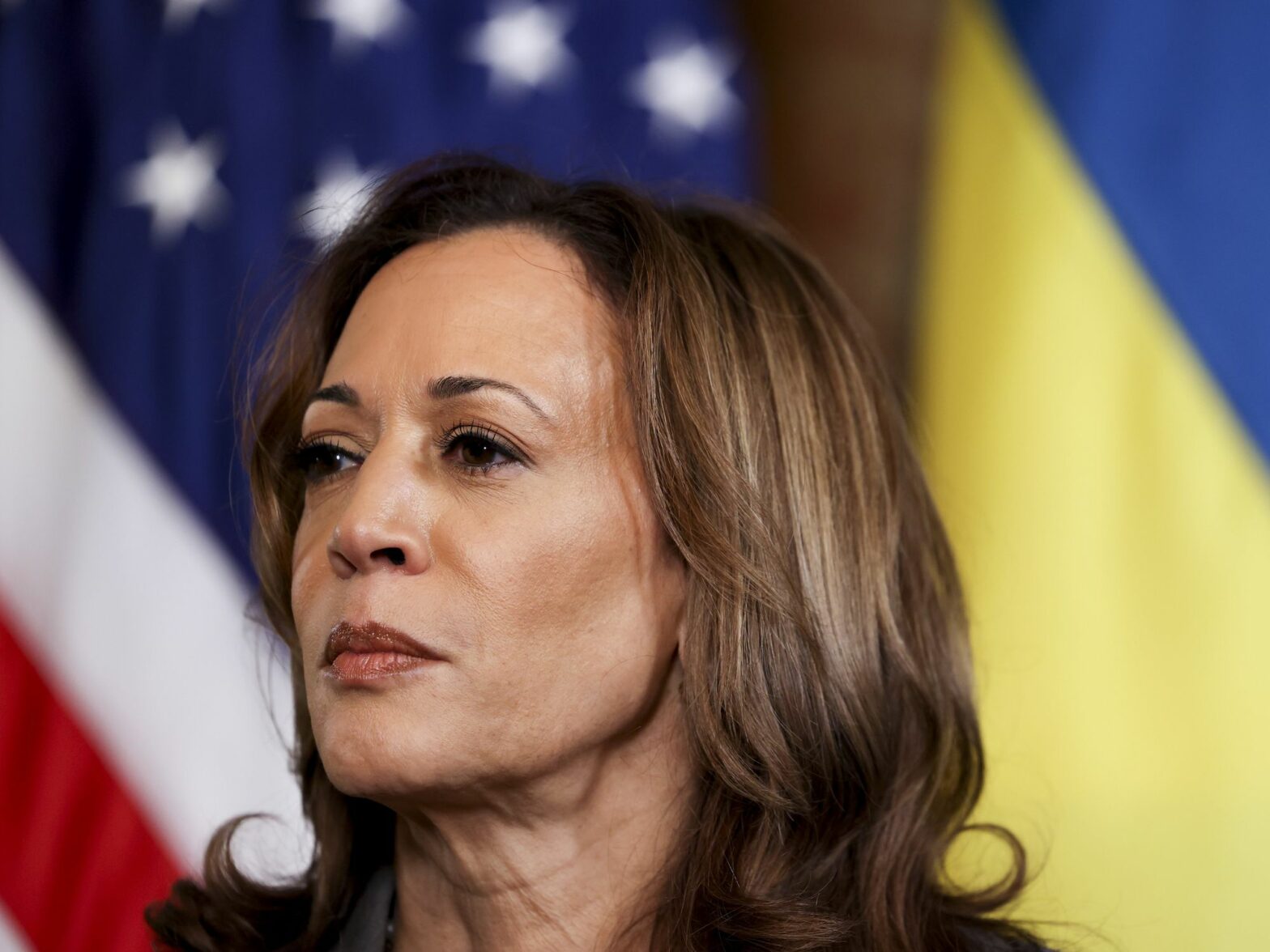
This year’s U.S. presidential candidates cannot ignore foreign policy issues, which are usually absent from the campaign; Ukraine and the Middle East are on the agenda. But while American voters will likely choose their next commander-in-chief based on domestic issues, the rest of the world will suffer the consequences.
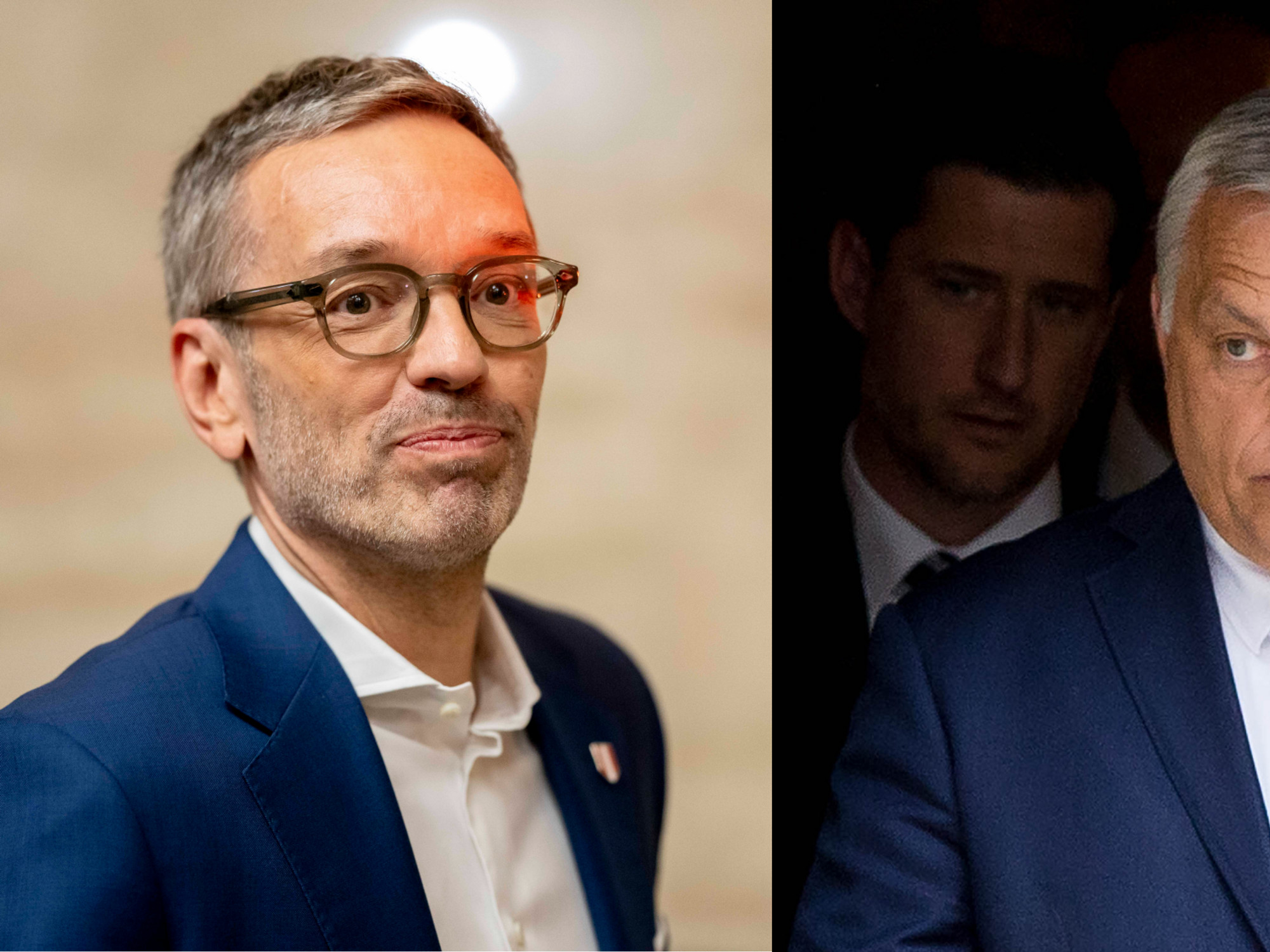
Just like the far-right electoral triumphs in France and Germany earlier this year, Sunday’s electoral victory by the Freedom Party of Austria (FPÖ) is likely to create political chaos within the country. Will Austria’s new leadership turn to Viktor Orbán’s Hungary and reignite their old alliance?
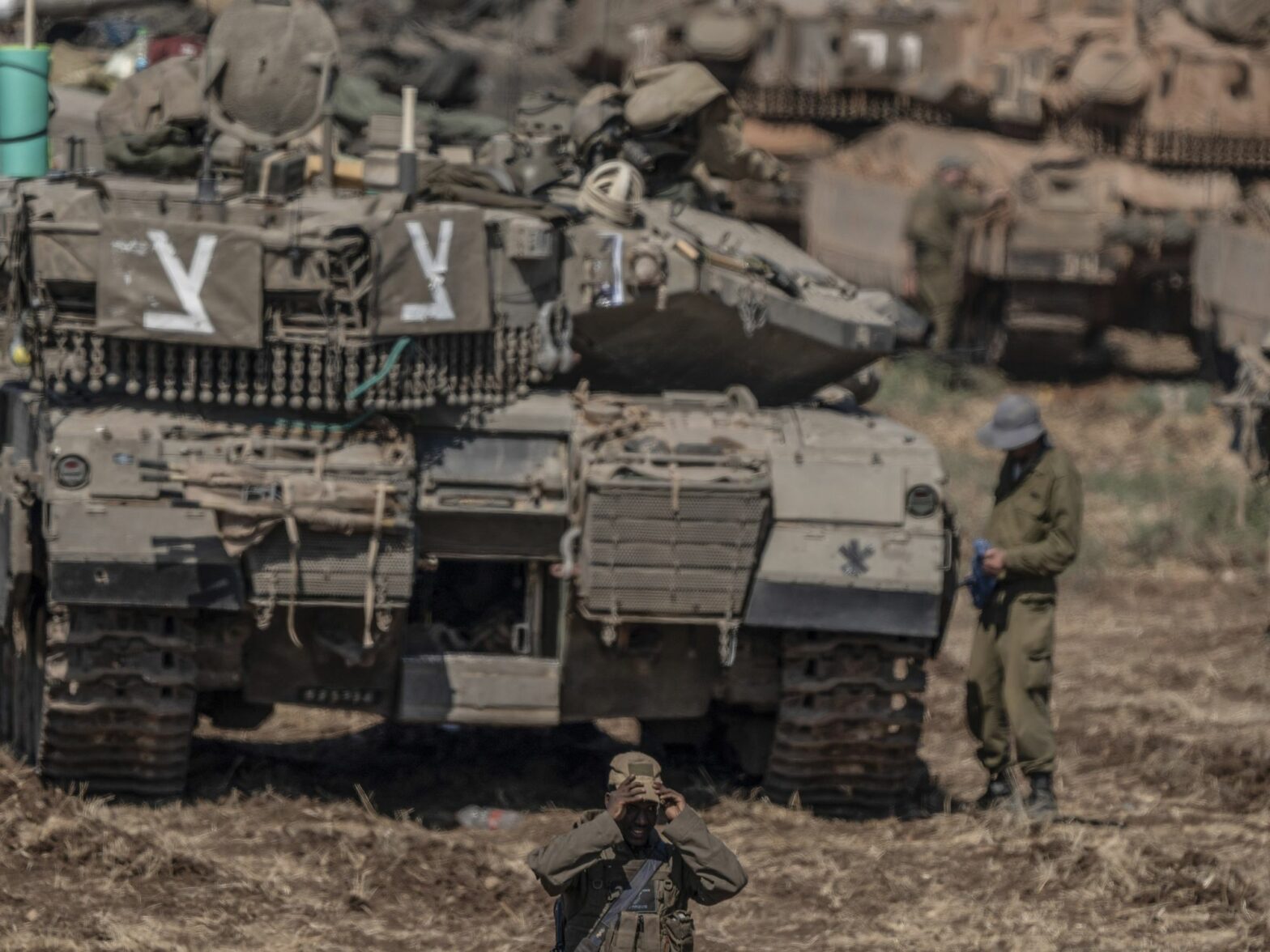
Israel doesn’t know how far it will push into Lebanon, a great deal will depend on how much resistance they face. All of it adds up to a tragedy-in-the-making for the people of Lebanon.
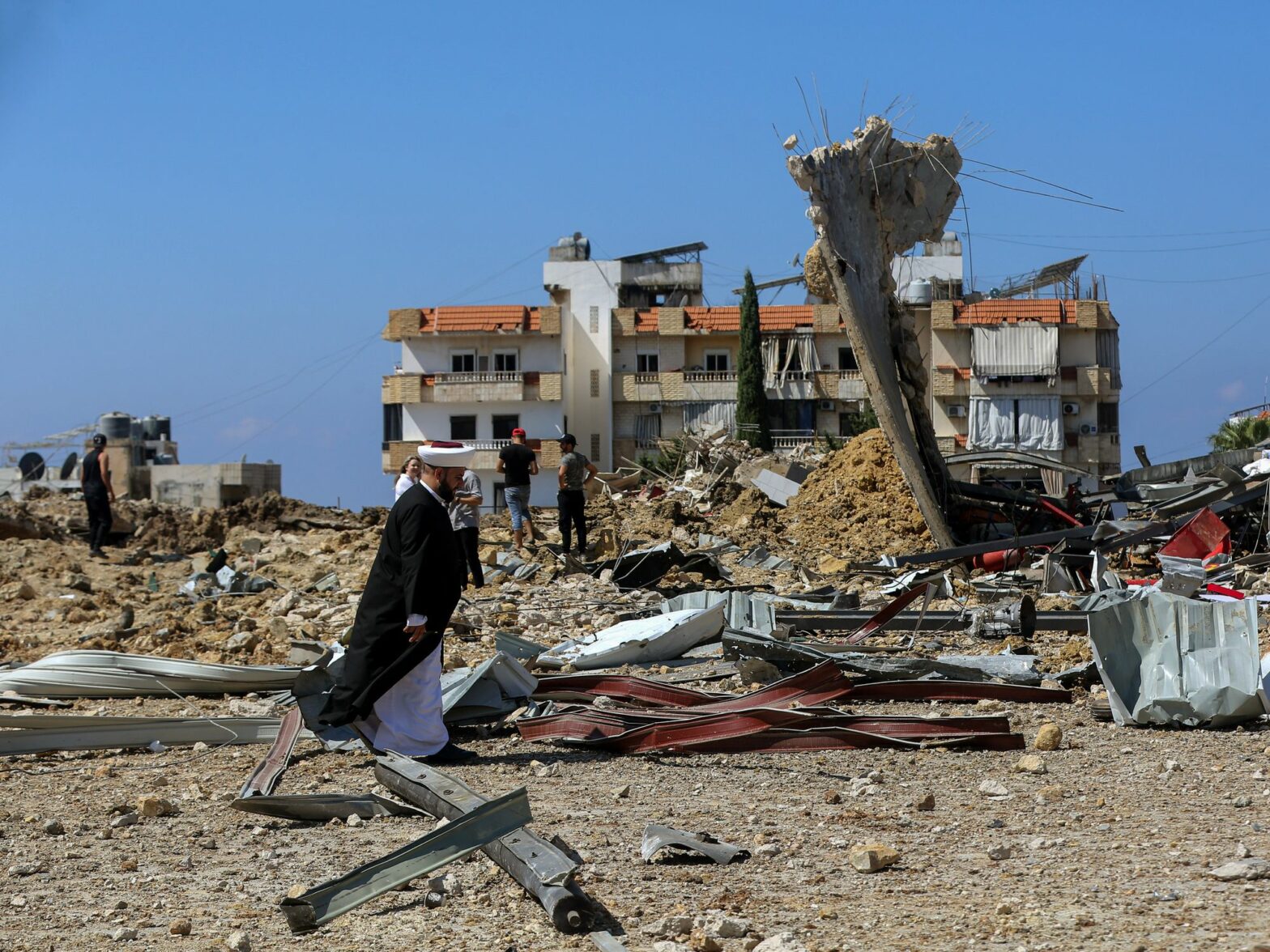
Israeli Prime Minister Benjamin Netanyahu laid out a careful plot to push and ultimately shatter the long-established “rules of engagement” in the Middle East. It caught everyone, from Iran to Hezbollah to the White House, by surprise. The aim is to remake the whole region to revolve around Israel.
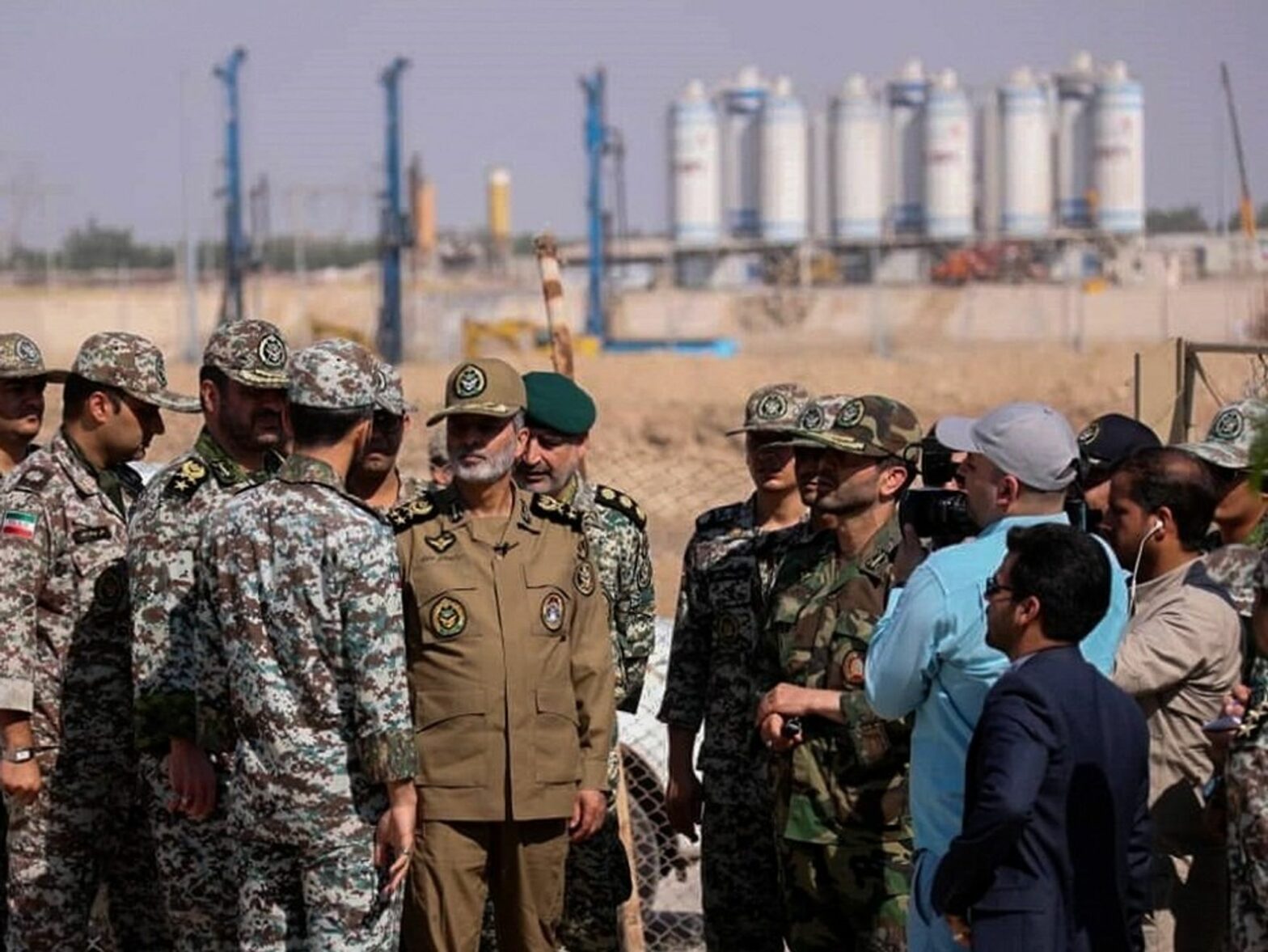
Iran decided on Tuesday to respond to the assassination of Hezbollah leader Hassan Nasrallah and Israel’s offensive in Lebanon, at the risk of Israel’s merciless retaliation. At stake is Iran’s nuclear program, which Israel has long wanted to destroy.
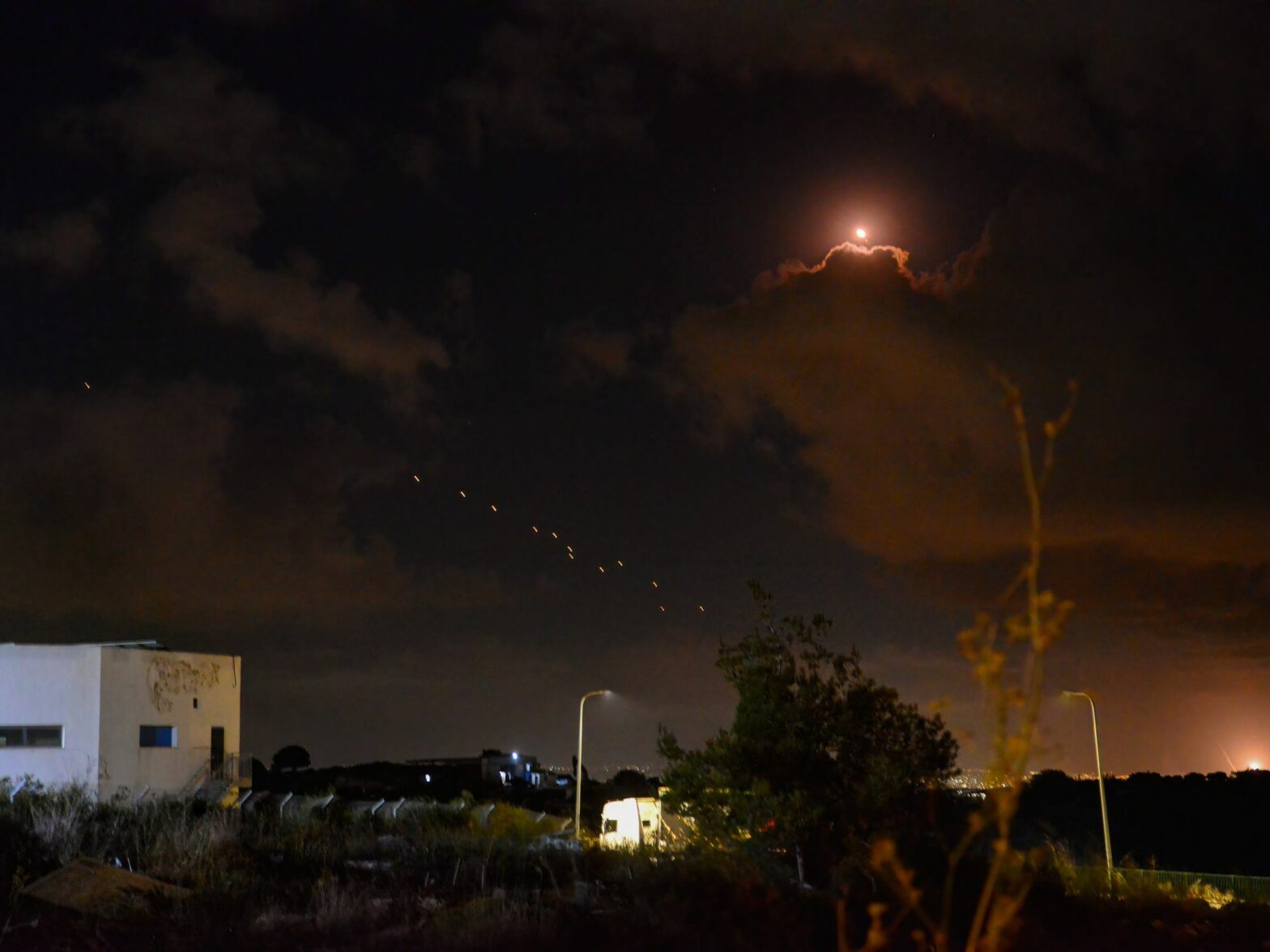
A core group of Iranian legislators demanded that Tehran to stop tiptoeing around Israel, and to seek revenge for the deaths of Hamas’ Ismail Haniyeh and Hezbollah’s Hassan Nasrallah. The “war trap” be damned. But now the ball is in the hands of Israel’s own hardline government.
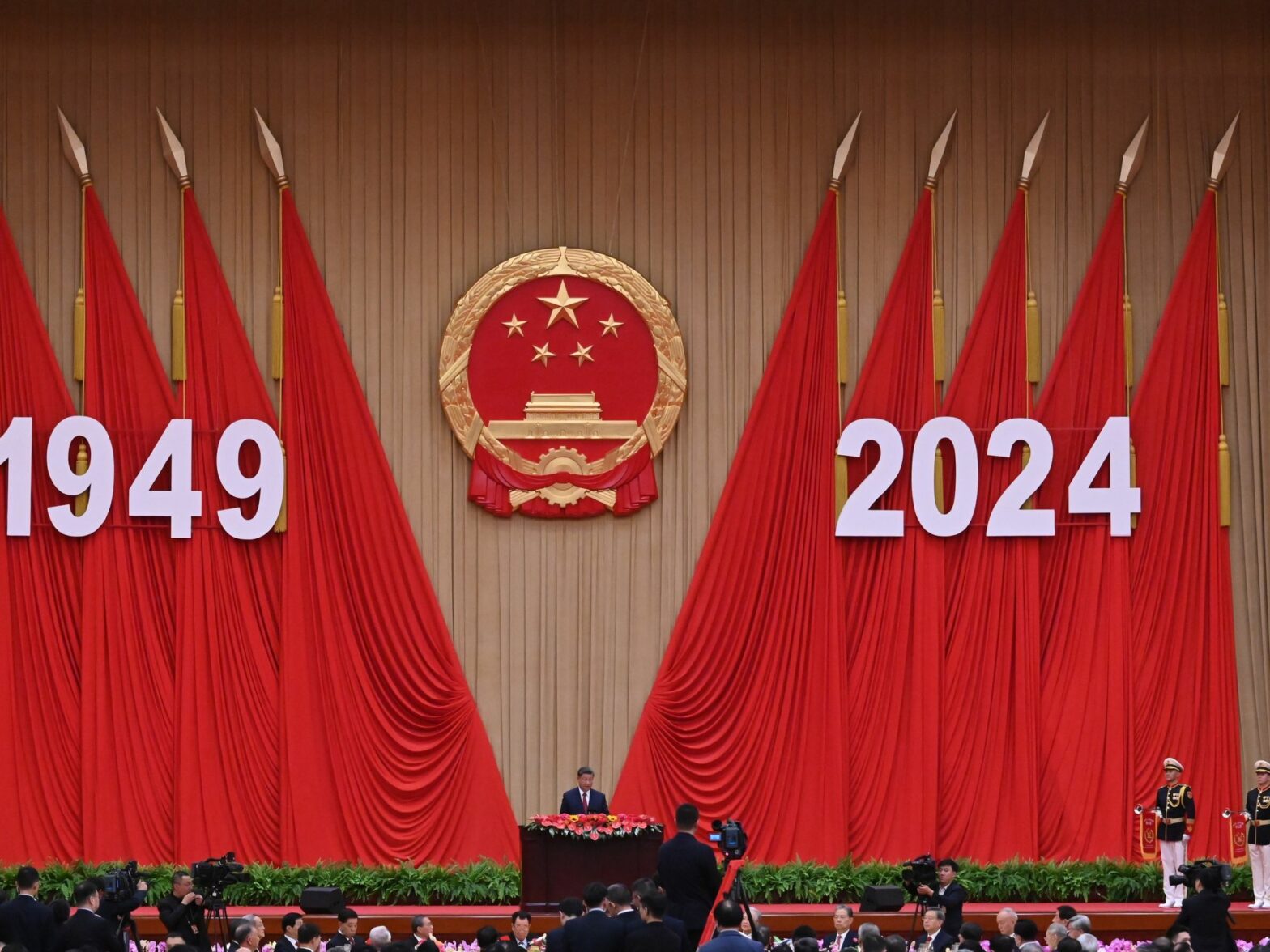
As October 1 marks the 75th anniversary of the founding of the People’s Republic of China, its leader Xi Jinping wields more power than any other past Chinese communist leader — including the country’s actual founder, Mao. Xi now wants to accelerate the rise of Chinese influence around the world.
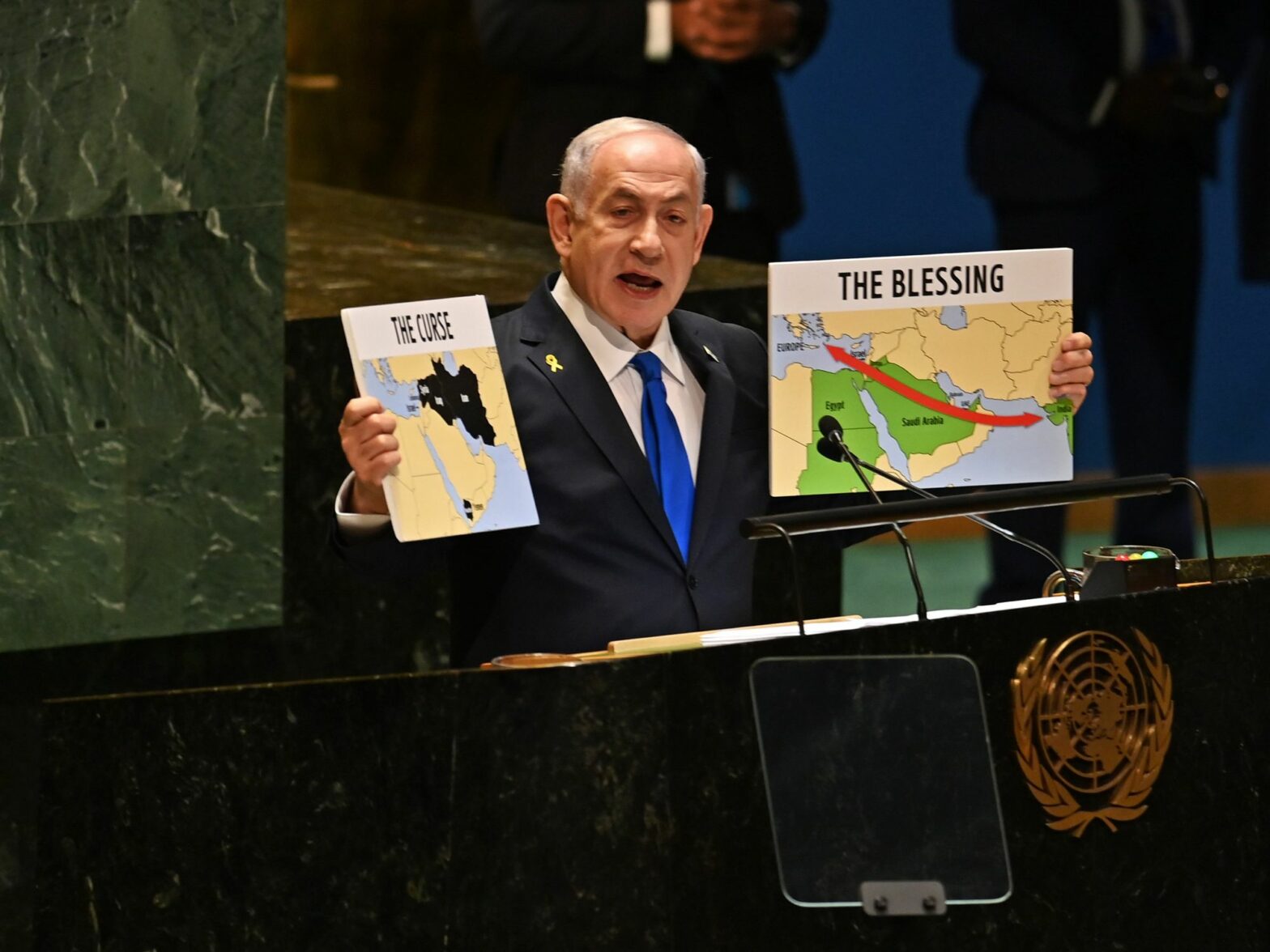
The defeat inflicted on Hezbollah and the weakening of the pro-Iranian axis has shifted the power balance toward Israel, which is continuing its offensive with a ground incursion into southern Lebanon, and dreams of building a “new Middle East.” But we’ve seen this playbook before.
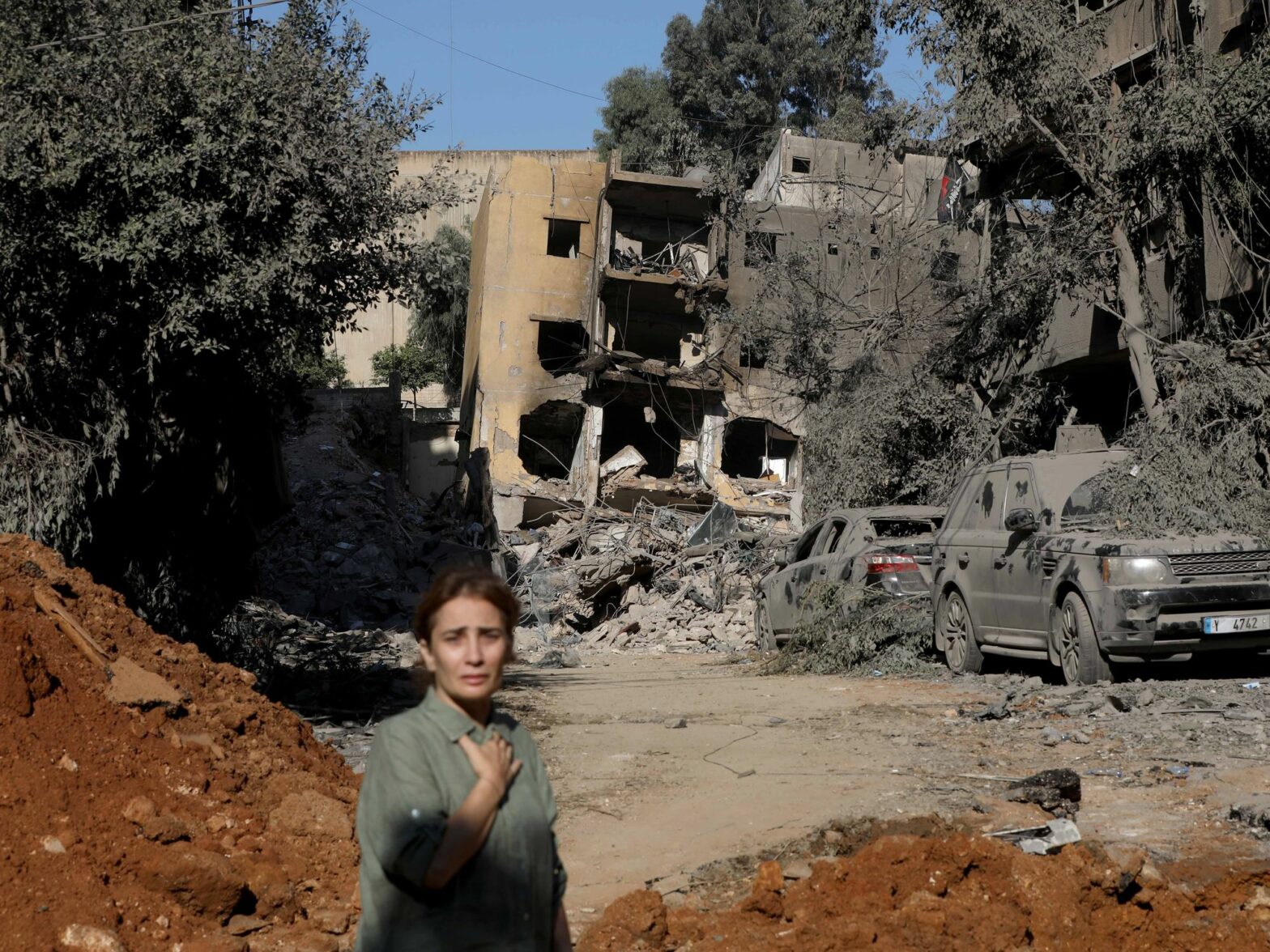
As Israel celebrates the death of Hezbollah’s leader, Washington and Tehran both suddenly seem powerless, looking like spectators of an unraveling tragedy that is beyond their control. Yet, given its demographics and geography, Israel desperately needs allies.
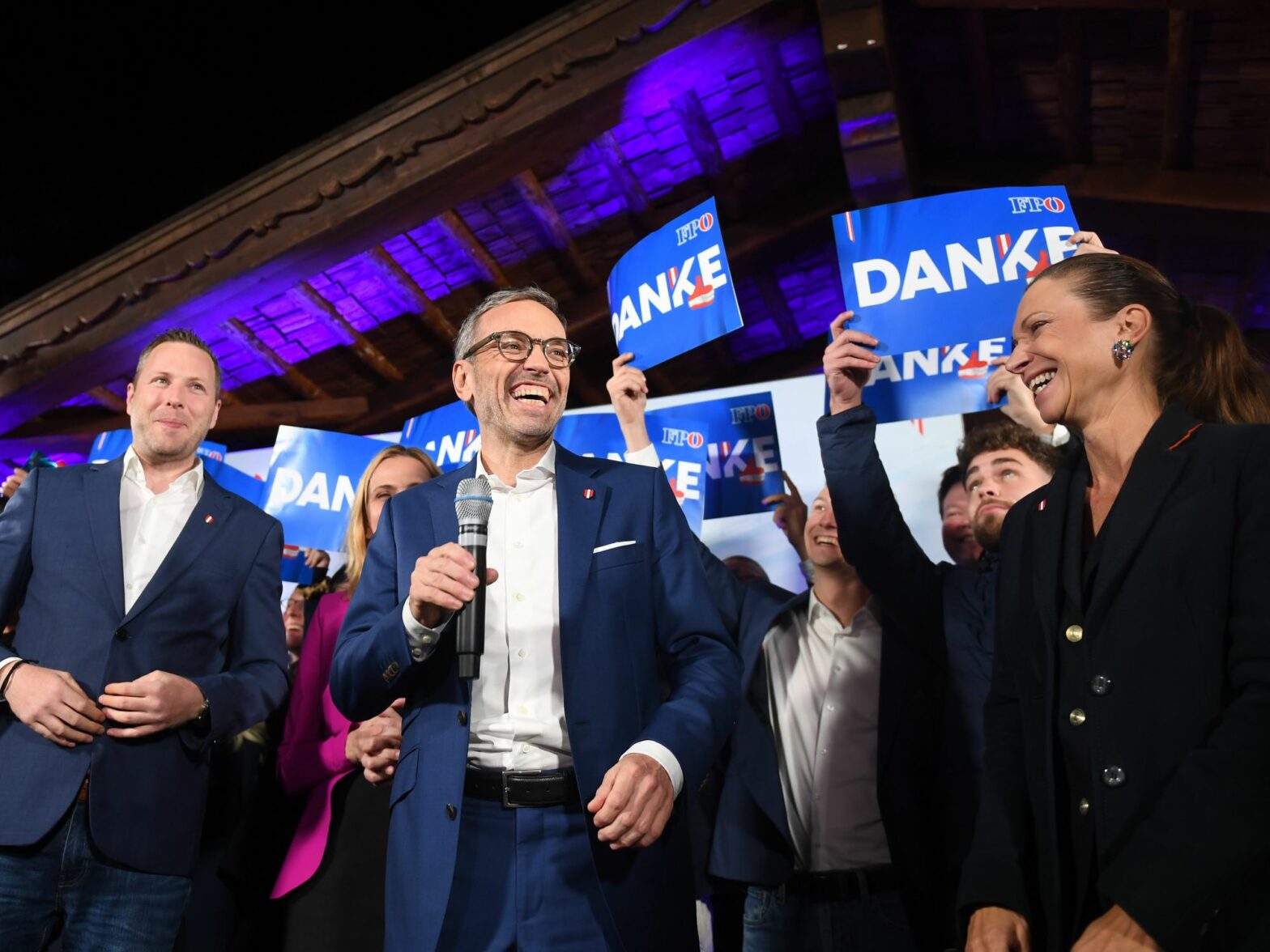
After Italy and the Netherlands, Austria has also broken a post-War taboo in choosing the far-right party in Parliamentary elections. It is a direct challenge to the European Union’s founding ideals at a moment when global uncertainty requires a strong democratic voice.
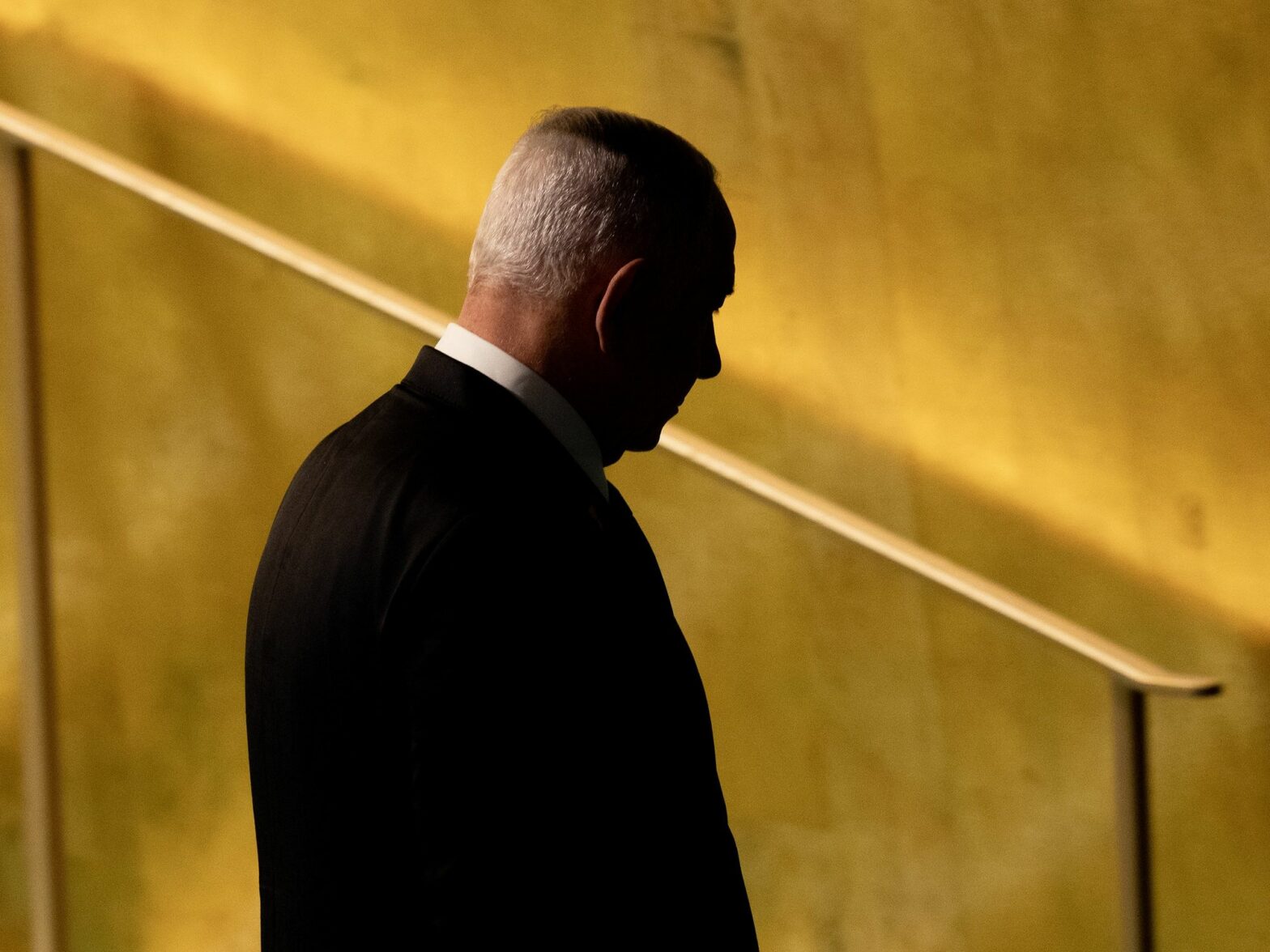
The Israeli Prime Minister has scored a major victory with the elimination of Hezbollah leader Hassan Nasrallah. But Netanyahu is showing no signs of relenting, continuing the bombing of Lebanon, and also striking Yemen. All with Iran as the ultimate target. Yet can force alone guarantee Israel’s security?
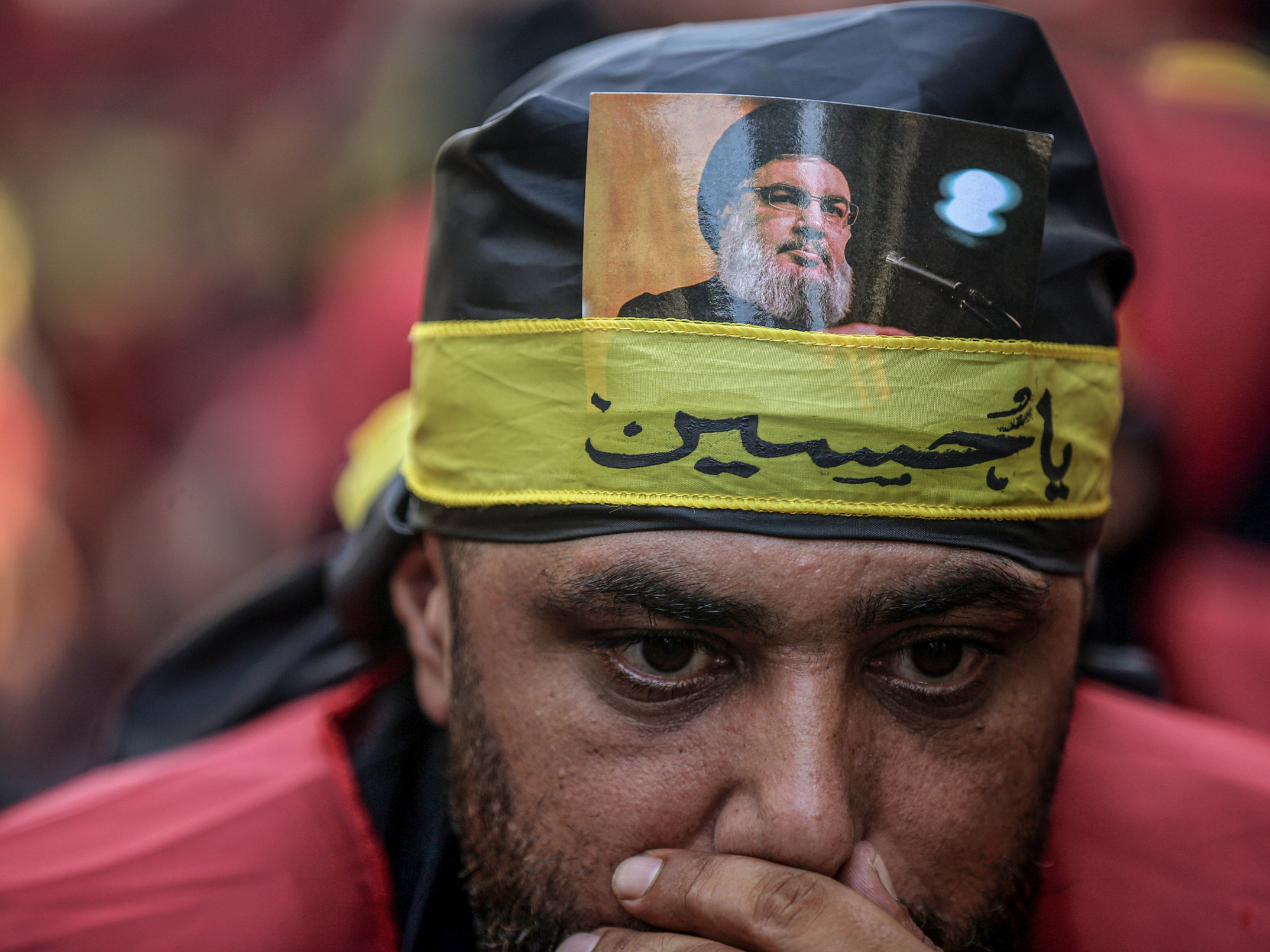
Israel has killed Hassan Nasrallah, longtime charismatic head of Lebanese militant organization Hezbollah. His recent leadership had been marked by a new kind of realism in the face of the balance of power, and served as a complement to Hezbollah supporters’ knee-jerk celebrations even when they are defeated.
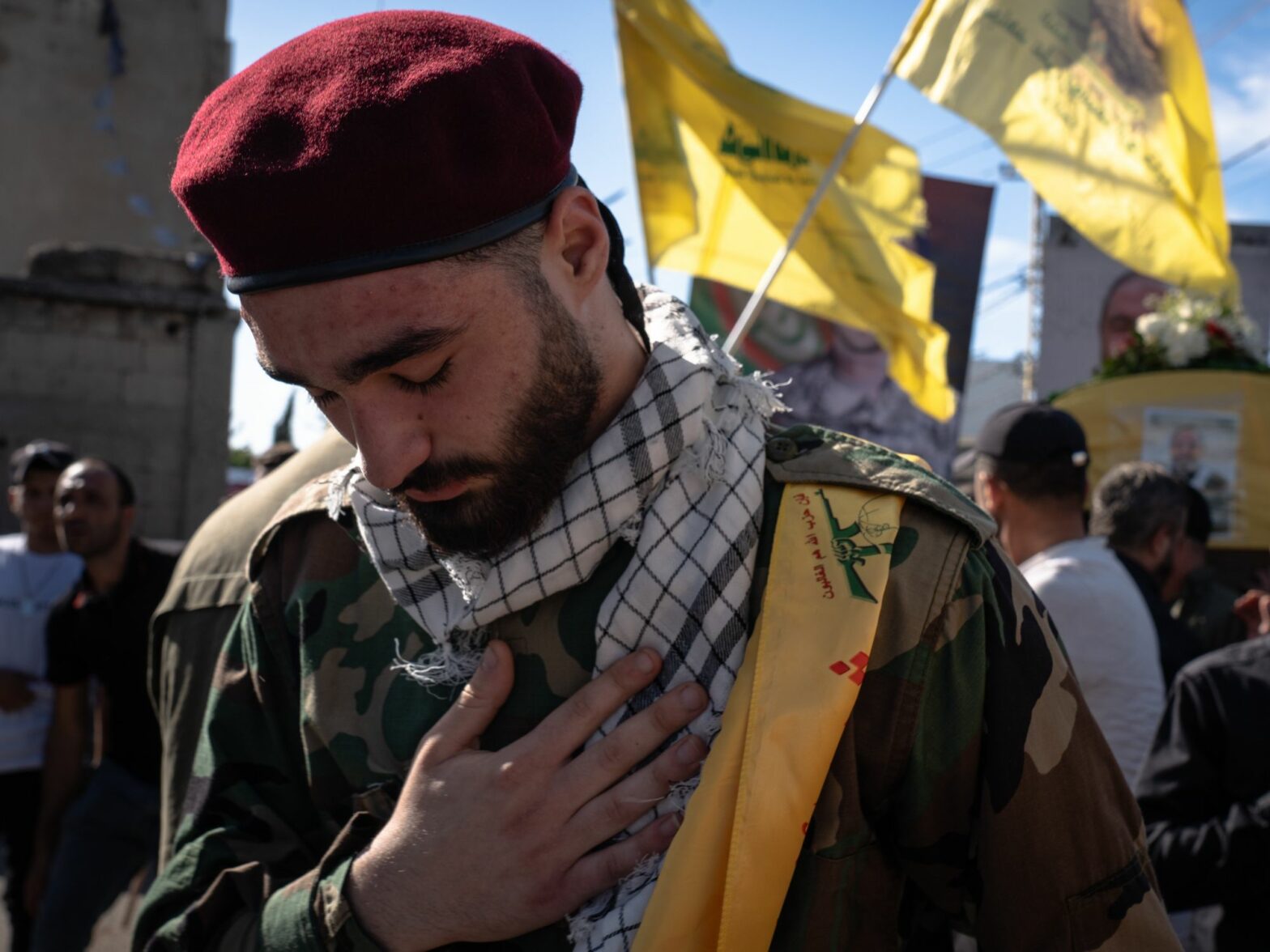
Nearly a year into the war in Gaza, the people of Lebanon are paying a price for both a failing of Hezbollah security, and more broadly for a support war so ambiguous that it’s impossible to understand its cause, purpose, or if anything has been achieved.
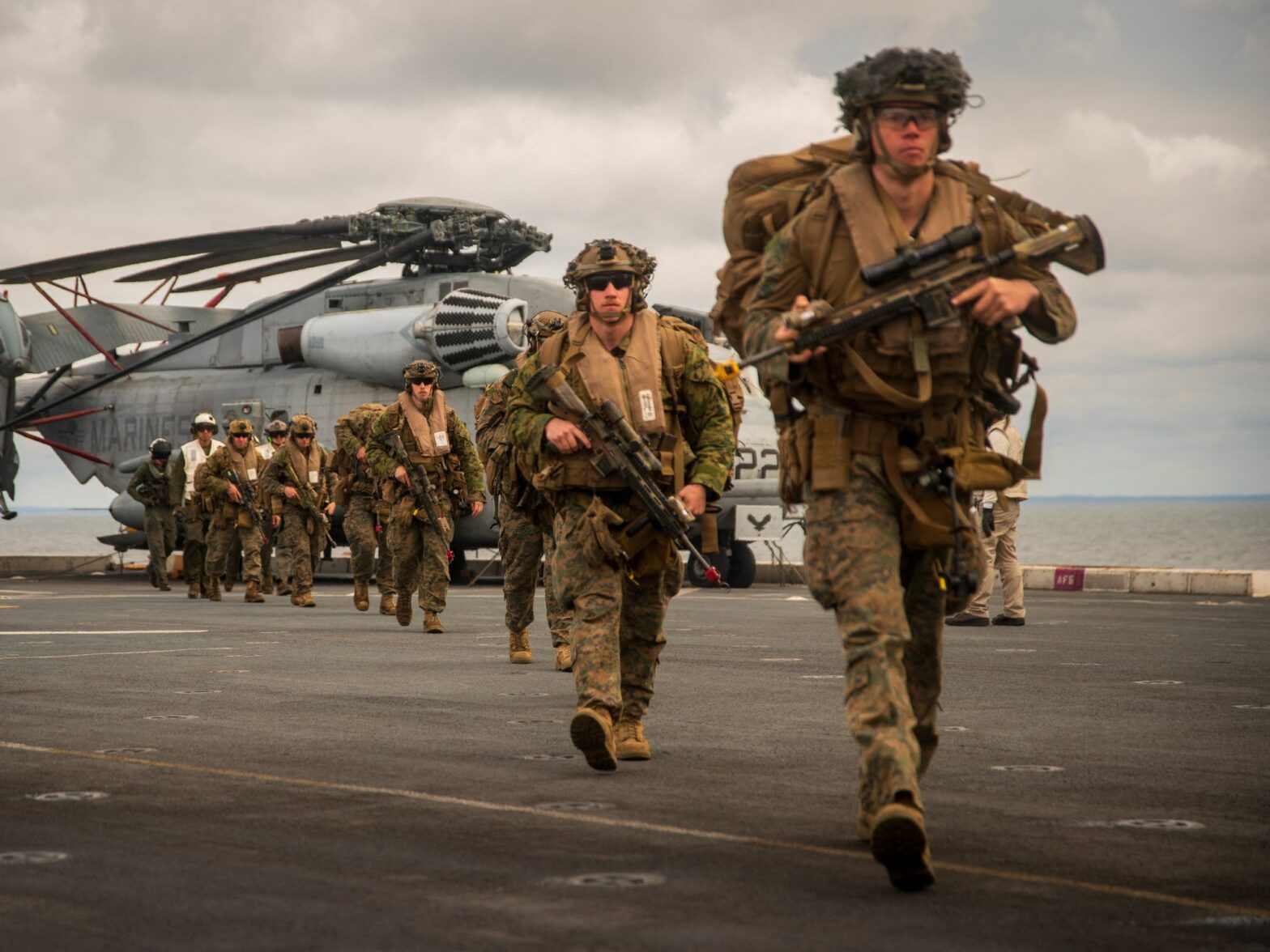
The latest developments in the Middle East are part of longer-term shifts that are pushing to U.S. into a tougher stance in the region.
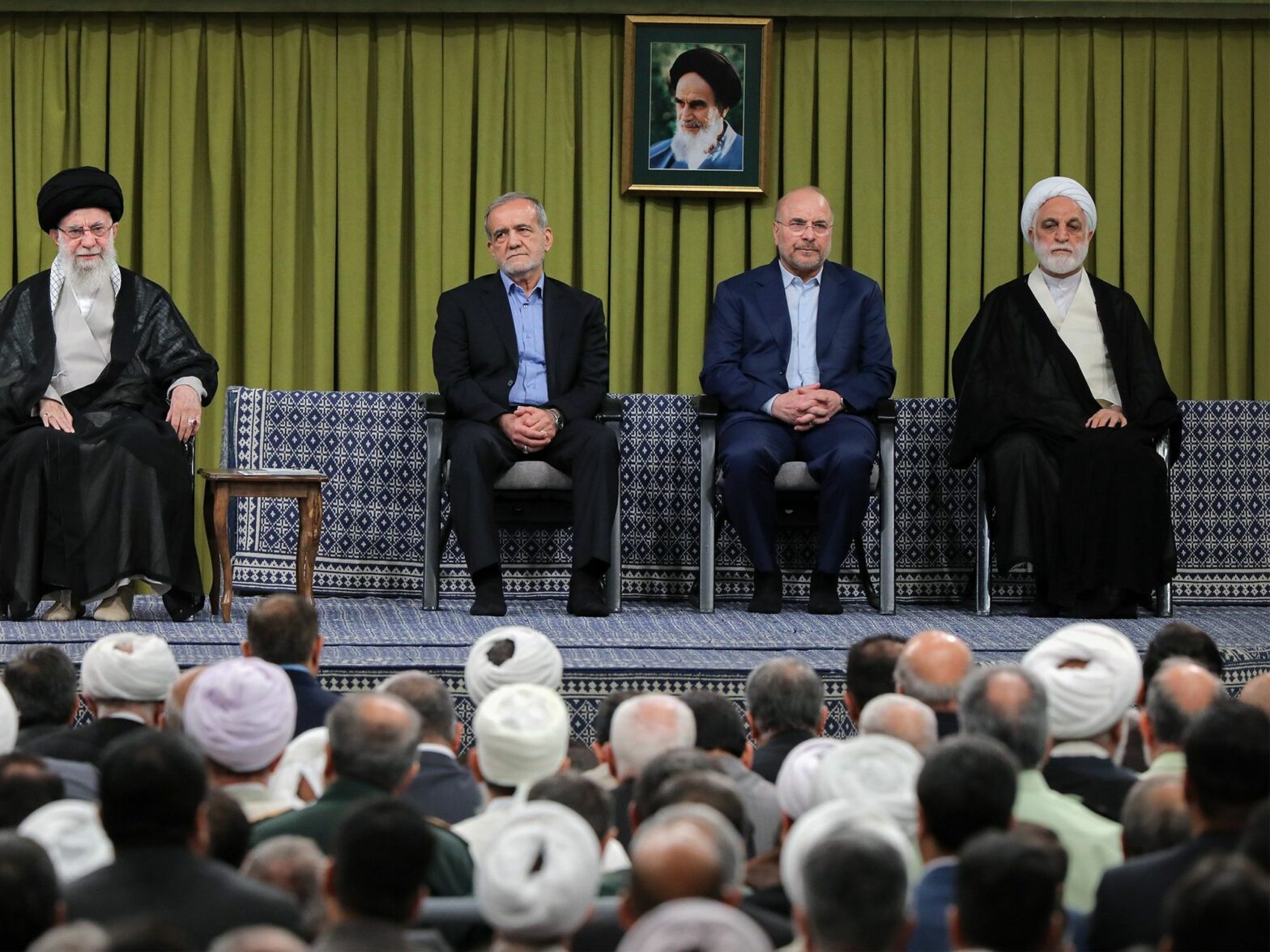
As the conflict rages on across the Israeli-Lebanese border, Iran, which is Hezbollah’s principal sponsor, appears to be doing all it can to avert a war spreading around the Middle East. It could wind up on Tehran’s doorstep.
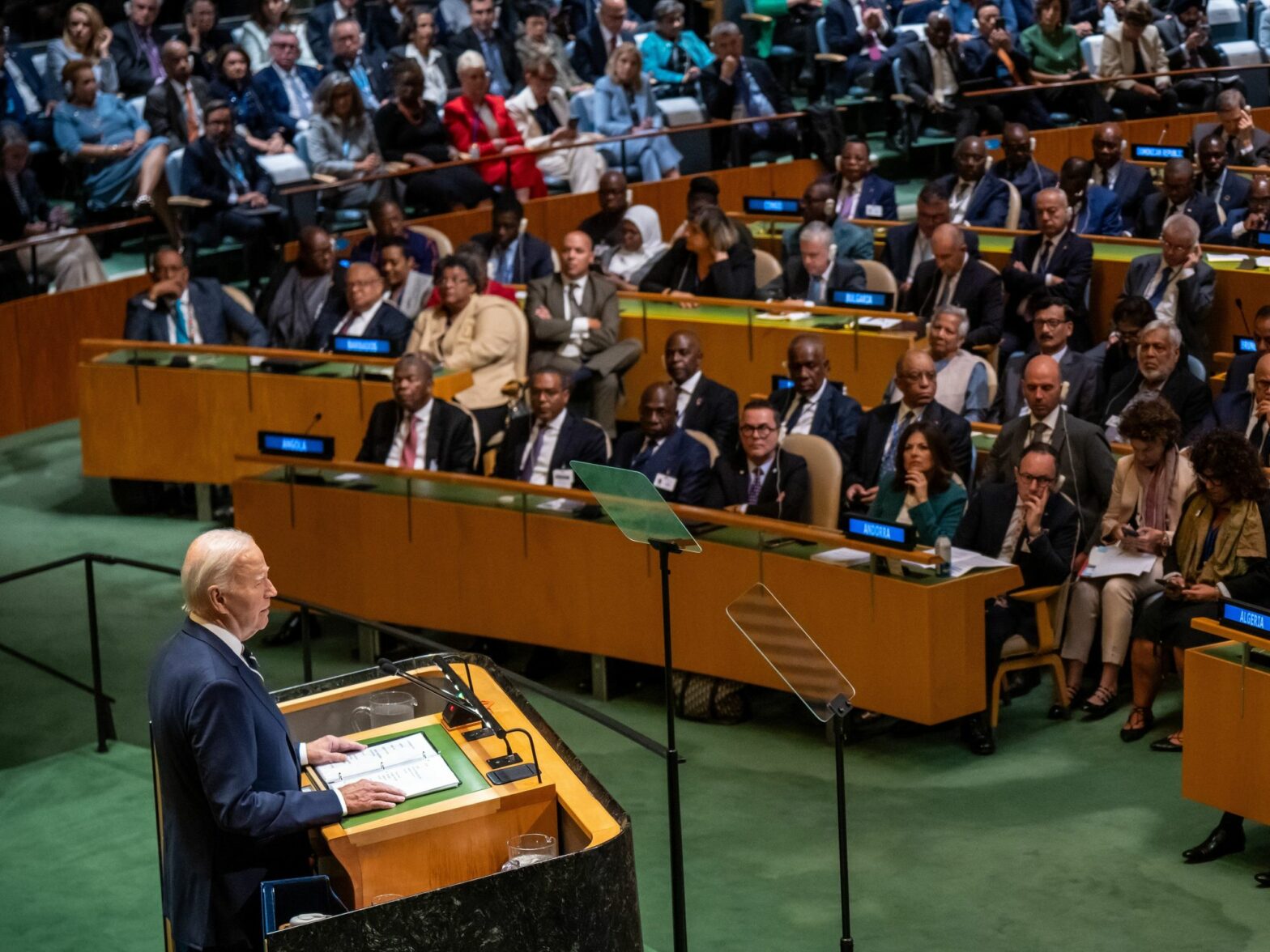
Joe Biden delivered his final speech to the UN General Assembly, in the form of a message from a wise old man who has seen dark times before. But while he has re-established a predictable presidency, he still appears hesitant on Ukraine and the Middle East, which tarnishes his record.
![Close-up photo of a Hezbollah supporter sporting a headband that reads in Arabic and Hebrew "We swear we will cross [into Israel]" during a rally in Beirut.](https://worldcrunch.com/assets/uploads/2025/03/close-up-photo-of-a-hezbollah-supporter-sporting-a-headband-that-reads-in-arabic-and-hebrew-we-swear-we-will-cross-into-israel-during-a-rally-in-beirut-1568x1176.jpg)
We have entered a new phase of confrontation. The war on the northern front has become a reality and not just threats. Hezbollah may be reeling after the pagers attack and the bombings in southern Lebanon, but it is also set to go on the offensive, taking aim at Israel’s northern coastal city of Haifa.
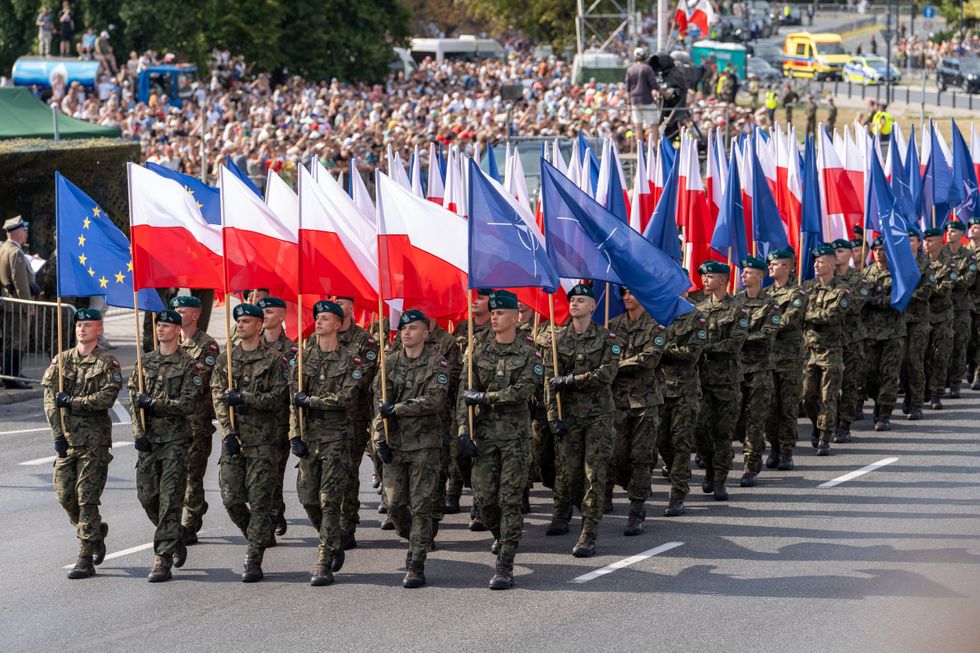
Russia’s annexation of Crimea, in 2014, warned Europe over a changing geopolitical scenario and the bloc’s vulnerability in terms of security. Now, the war in Ukraine has pushed EU member states to strengthen their defense policies and reopened the debate over the need for a European army.

The country’s Constitutional Court ruled on Sept. 20 in favor of maintaining the death penalty, in line with the position expressed by an overwhelming majority of the population. Yet, capital punishment remains controversial for a country that sees itself as East Asia’s model democracy.