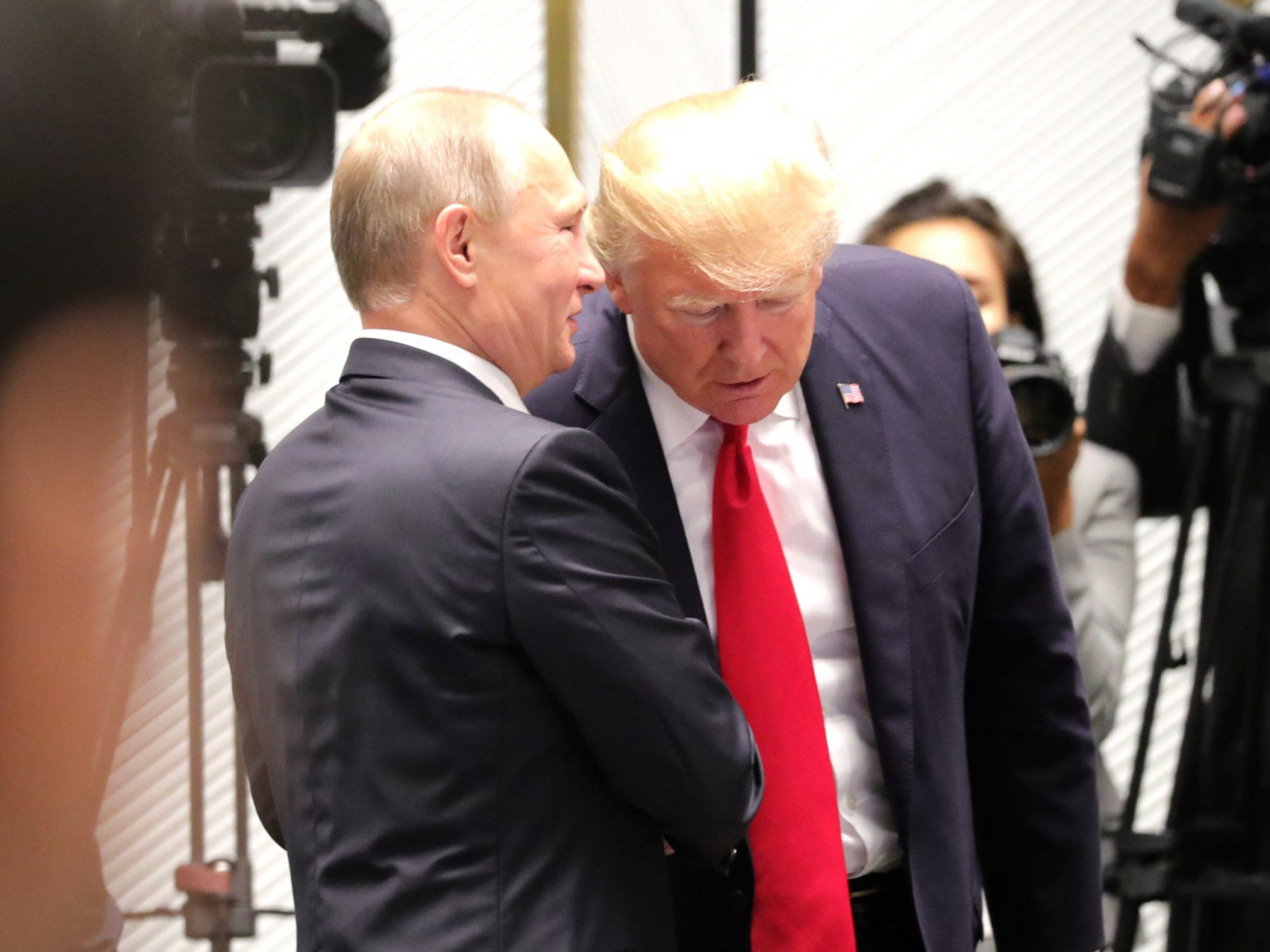
Donald Trump and Vladimir Putin discussed Ukraine and other international matters during a call on Tuesday. What do the two leaders have in common? A shared worldview alone no longer explains it.
 Worldcrunch
Donald Trump and Vladimir Putin discussed Ukraine and other international matters during a call on Tuesday. What do the two leaders have in common? A shared worldview alone no longer explains it.
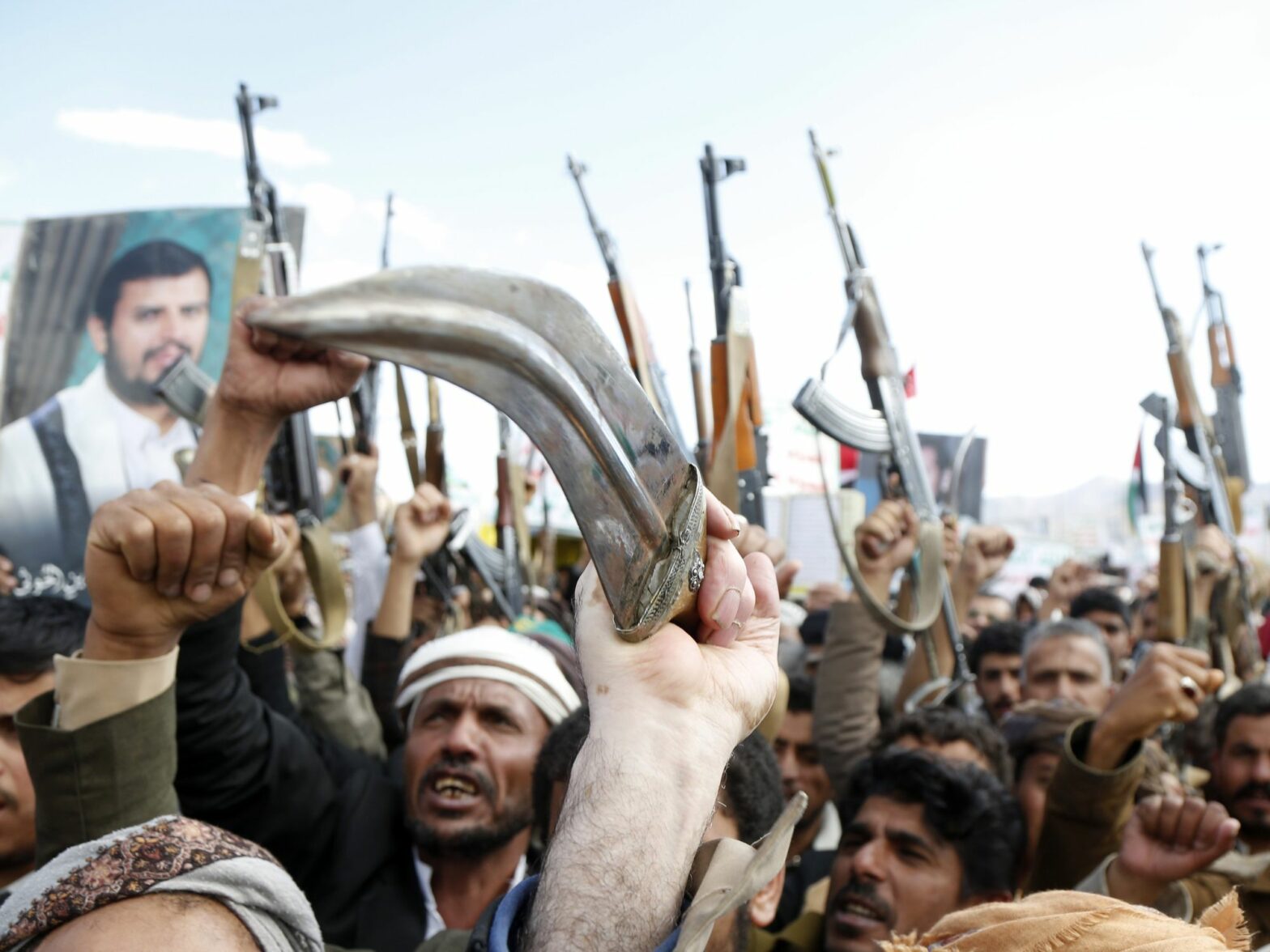
Donald Trump has launched his most significant military operation since taking office, ordering airstrikes on Yemen’s Houthis. At the same time, he is directly threatening Iran while also offering a nuclear compromise — a dual approach that keeps the possibility of war on the table.
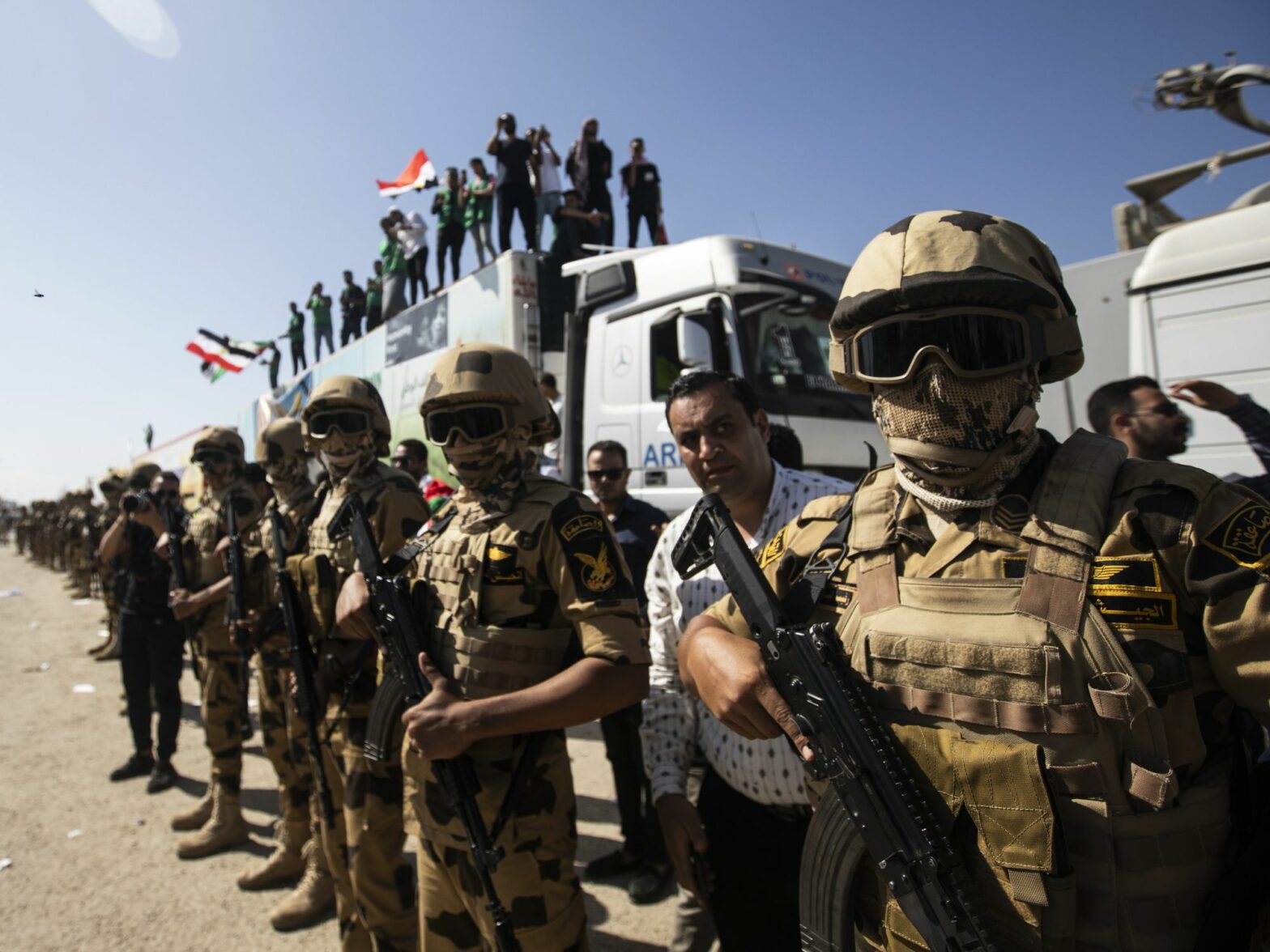
Any future conflict with Israel will not resemble the 20th-century wars — those highly controlled, limited conflicts that lasted only days or weeks. Wars then followed rules of engagement because they were overseen by the two superpowers of the Cold War.
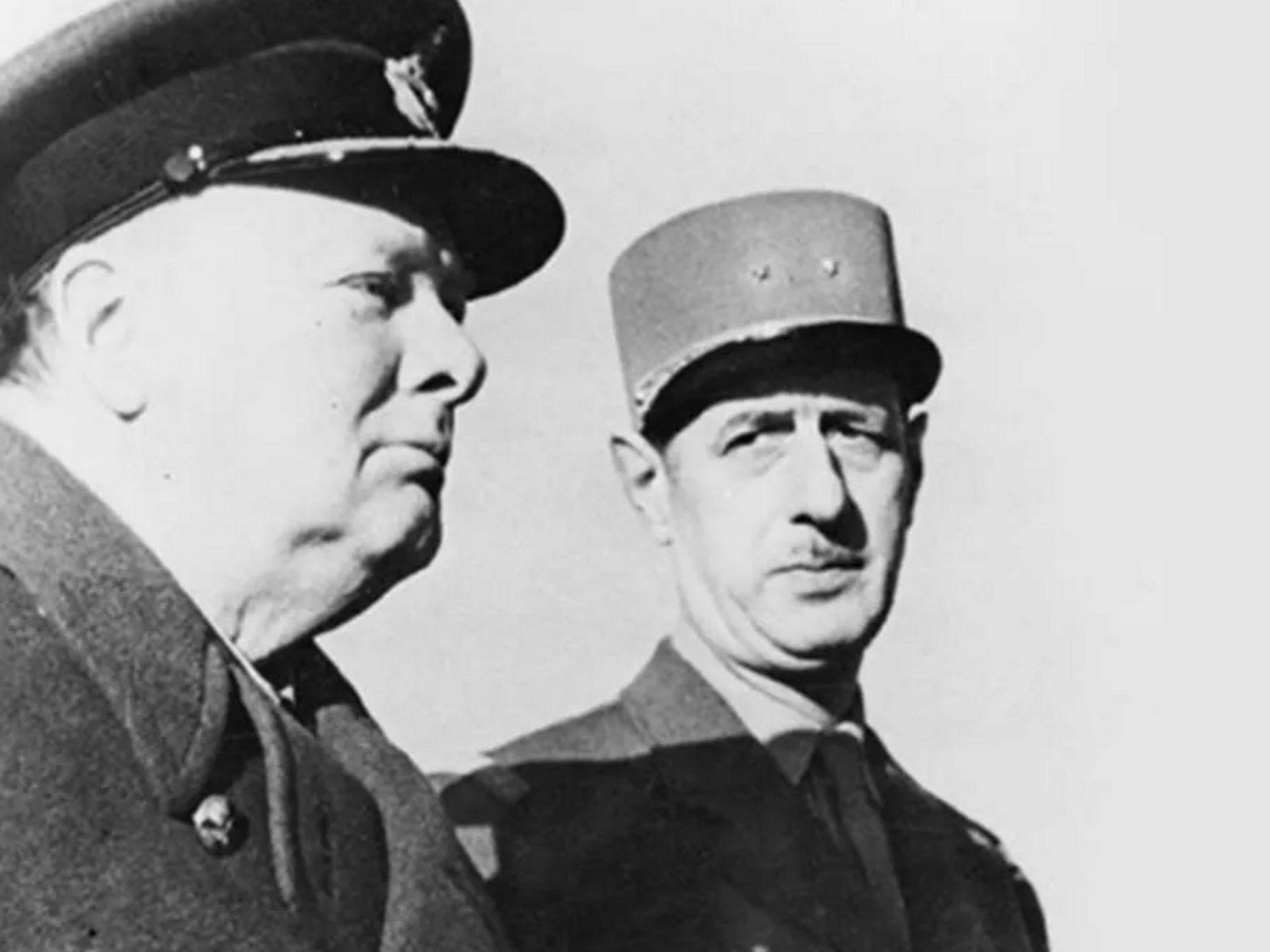
A British author has invoked the spirits of Churchill and De Gaulle to describe Europe’s “moment” amid America’s disengagement. While historical analogies have their limits, both leaders above all embody a spirit of resistance forged in one of history’s darkest hours.
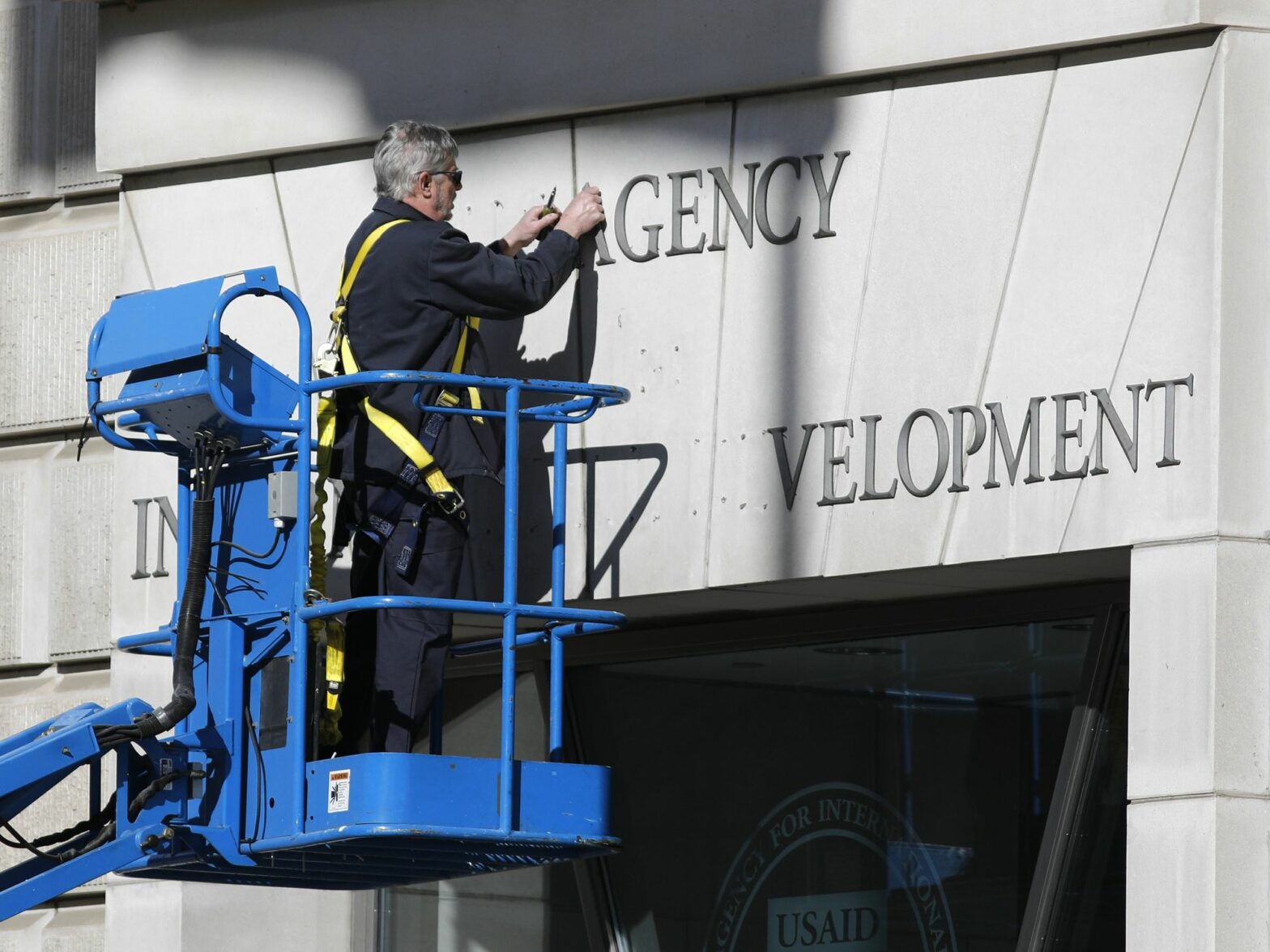
Donald Trump and Elon Musk’s shrinking of the federal government through privatization is not just about cutting costs — it risks eroding democracy and widening inequalities.
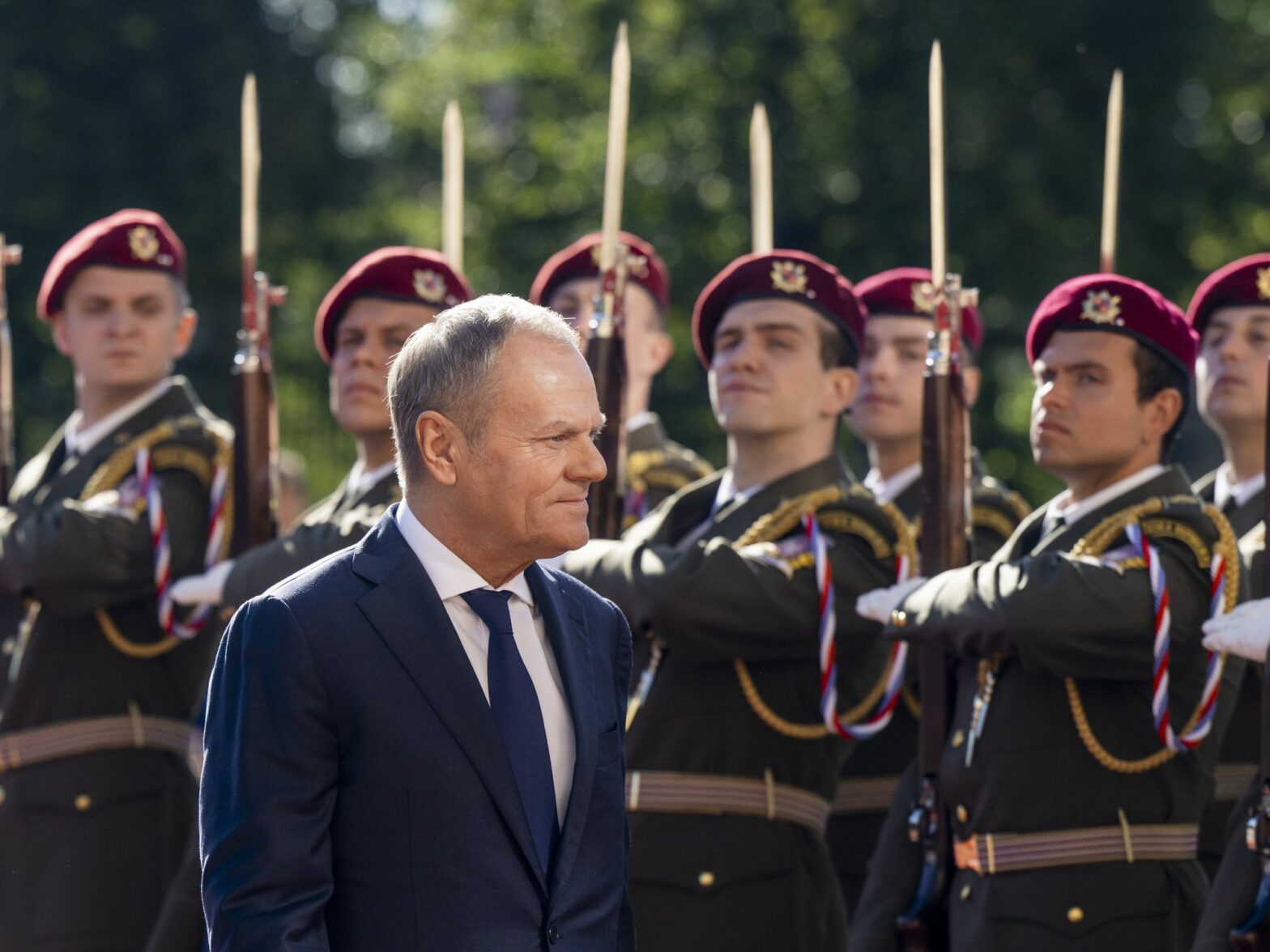
Poland, which borders Ukraine and has been their close ally since the beginning of the war, is one of the many European countries that began reasserting their security priorities after Donald Trump began peace talks with Russia. Now, wanting to deter Russian aggression, Polish political leaders are floating the idea of procuring nuclear weapons.

Certainly things don’t work in communist Cuba, but this neither justifies the embargo that has all but strangled it for decades, nor the obsession with sweeping a singular experiment in governance and social welfare into the globalized banality of our time.
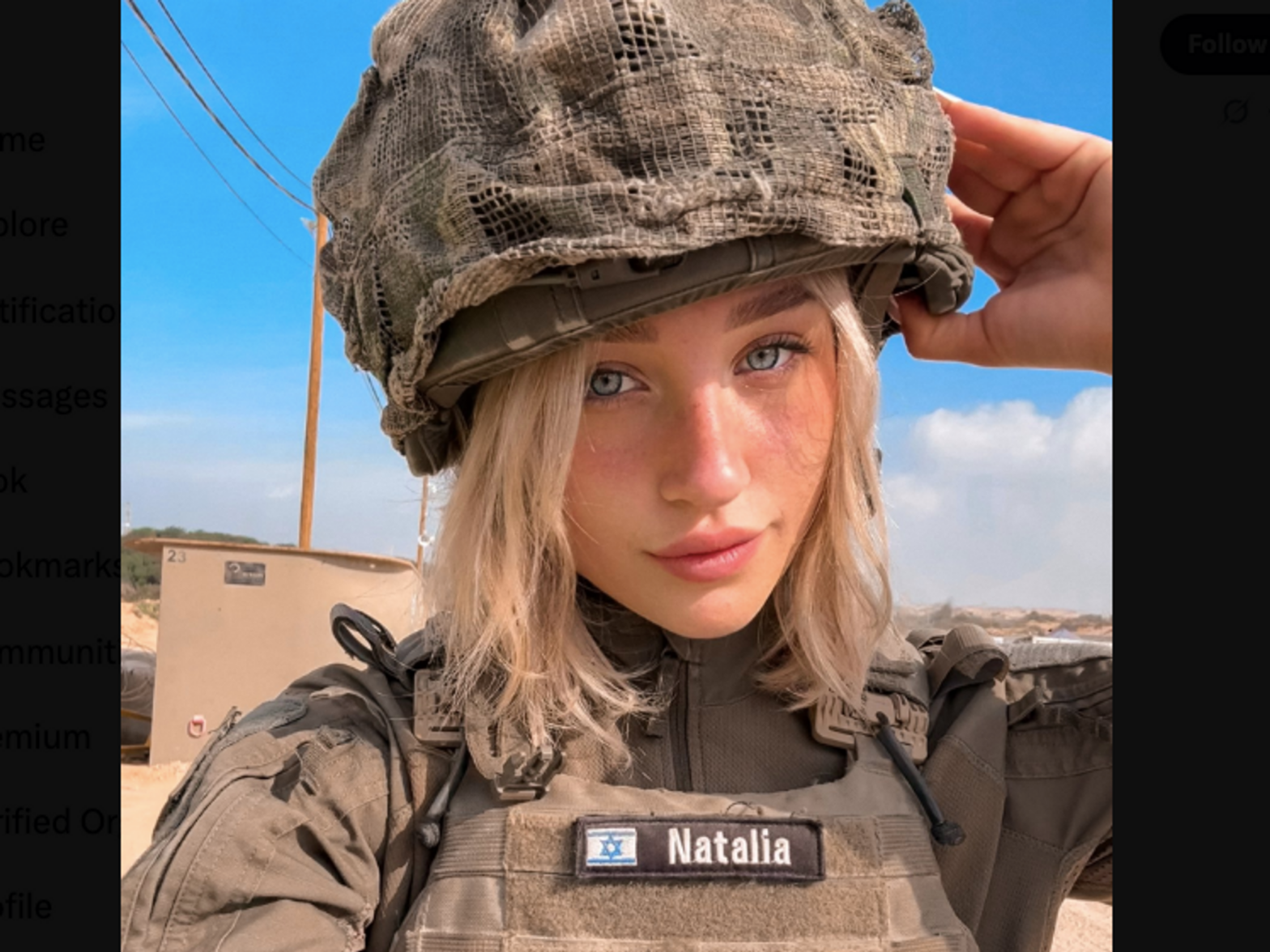
The porn industry and amateur and professional adult content plays a role in the Israeli war on Gaza. Some pornographic companies did not only provide support to Israel, but adult content also contributed to drawing a violative imagination about Israeli soldiers and their relationship with the battlefield and the Gazan victims. It is part of a long history linking pornography and war.
With photographs from Jeddah, Ottawa and Beijing — among other places.
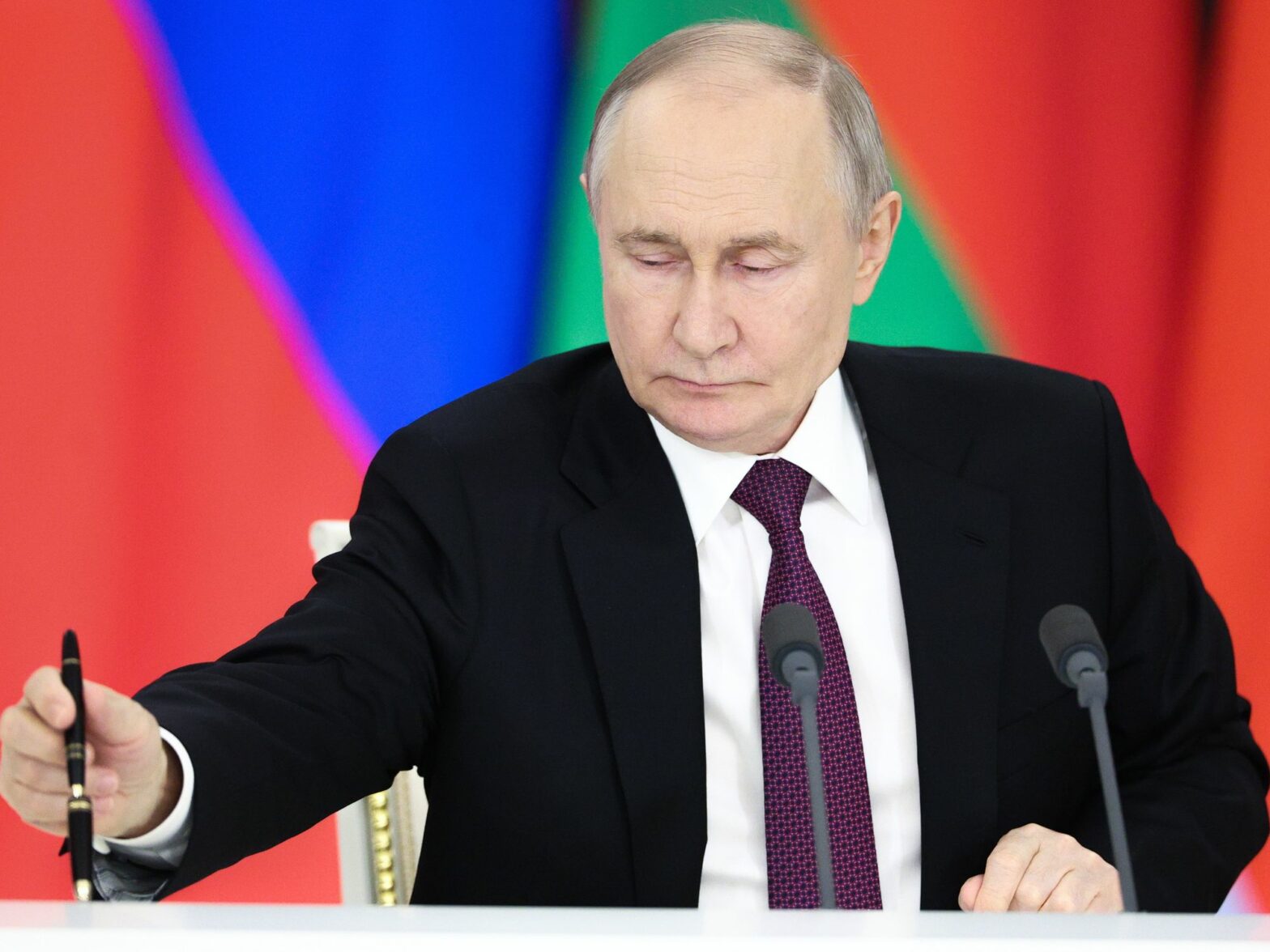
Zelensky immediately agreed to the 30-day ceasefire without conditions, but Putin took his time responding — essentially delivering a “no” to the U.S. proposal. Negotiations between Washington and Moscow are ongoing, but much hinges on Donald Trump’s mood.

Following U.S. President Donald Trump’s flurry of tariffs on Canadian, Mexican and Chinese products, Europe is expecting similar announcements. France, whose wines and spirits are a traditional target in trade conflicts with the EU, is particularly at risk. Its cognac is already being targeted by China.
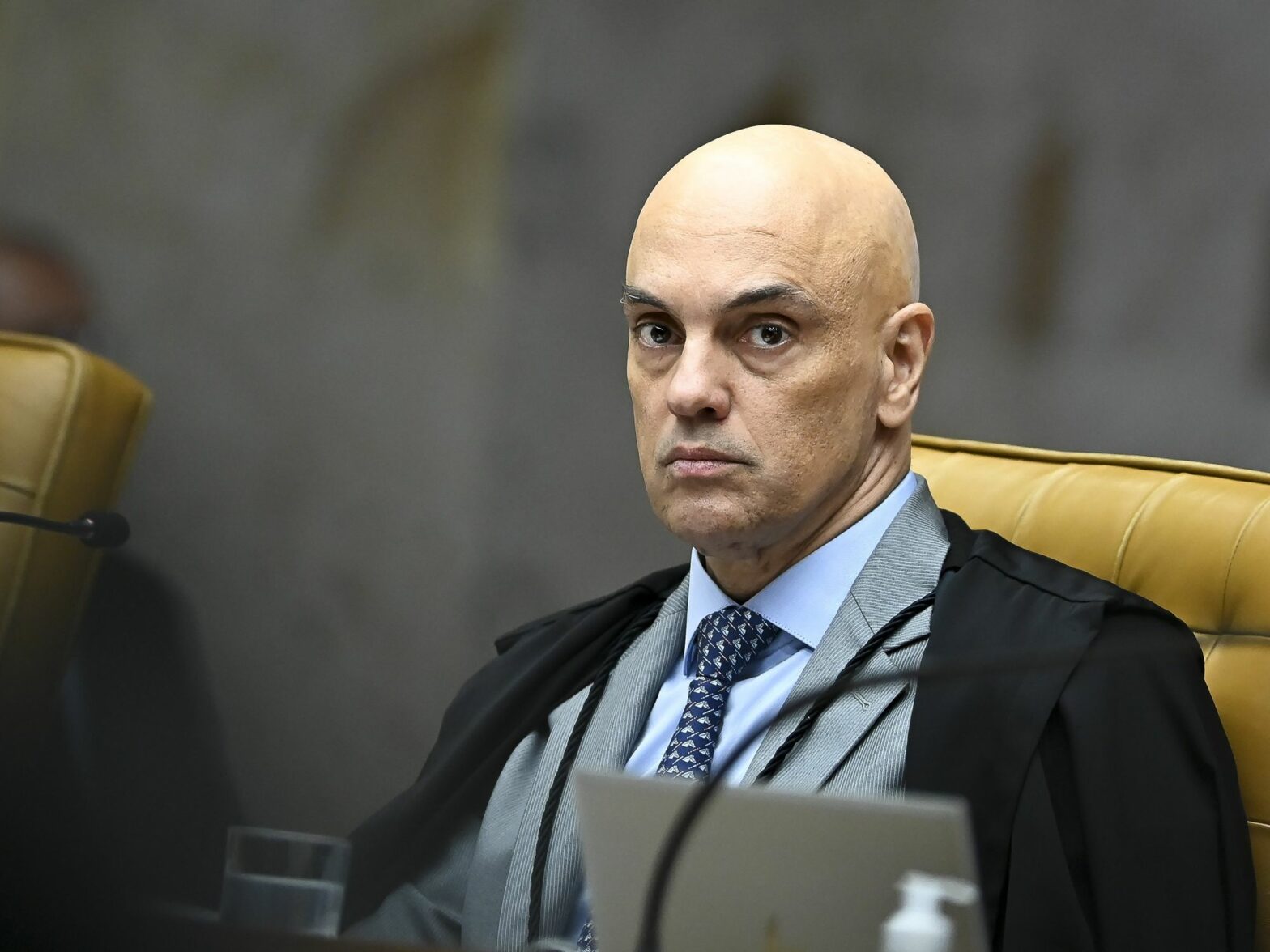
Trump’s media company Truth Social and the far-right video platform Rumble have joined forces in a U.S. lawsuit against a Brazilian judge. The case, packed with conspiracy theories and legal acrobatics, is less about law and more about politics, turning the American courts into a stage for Bolsonaro’s allies and Trump’s broader war on institutions.
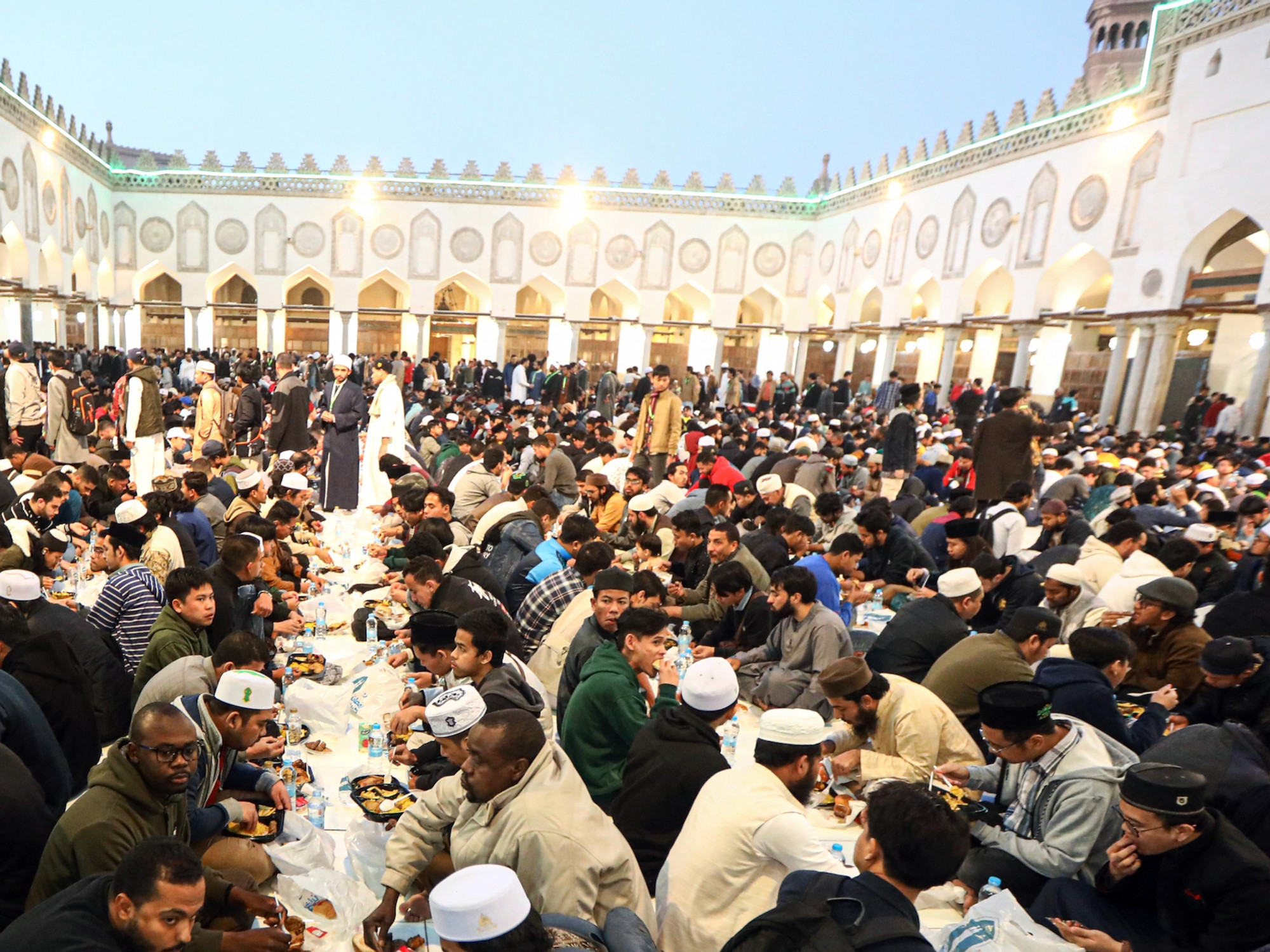
A tale of hunger, free meals and a serious misunderstanding about a “cross” on the wrist of the Muslim author.
The global “disorder” didn’t start with Trump, but he has joined the ranks of those who oppose the existing world order. Now, it’s up to leaders and nations in Europe to rethink a new world order of values before one of pure power is imposed on them.
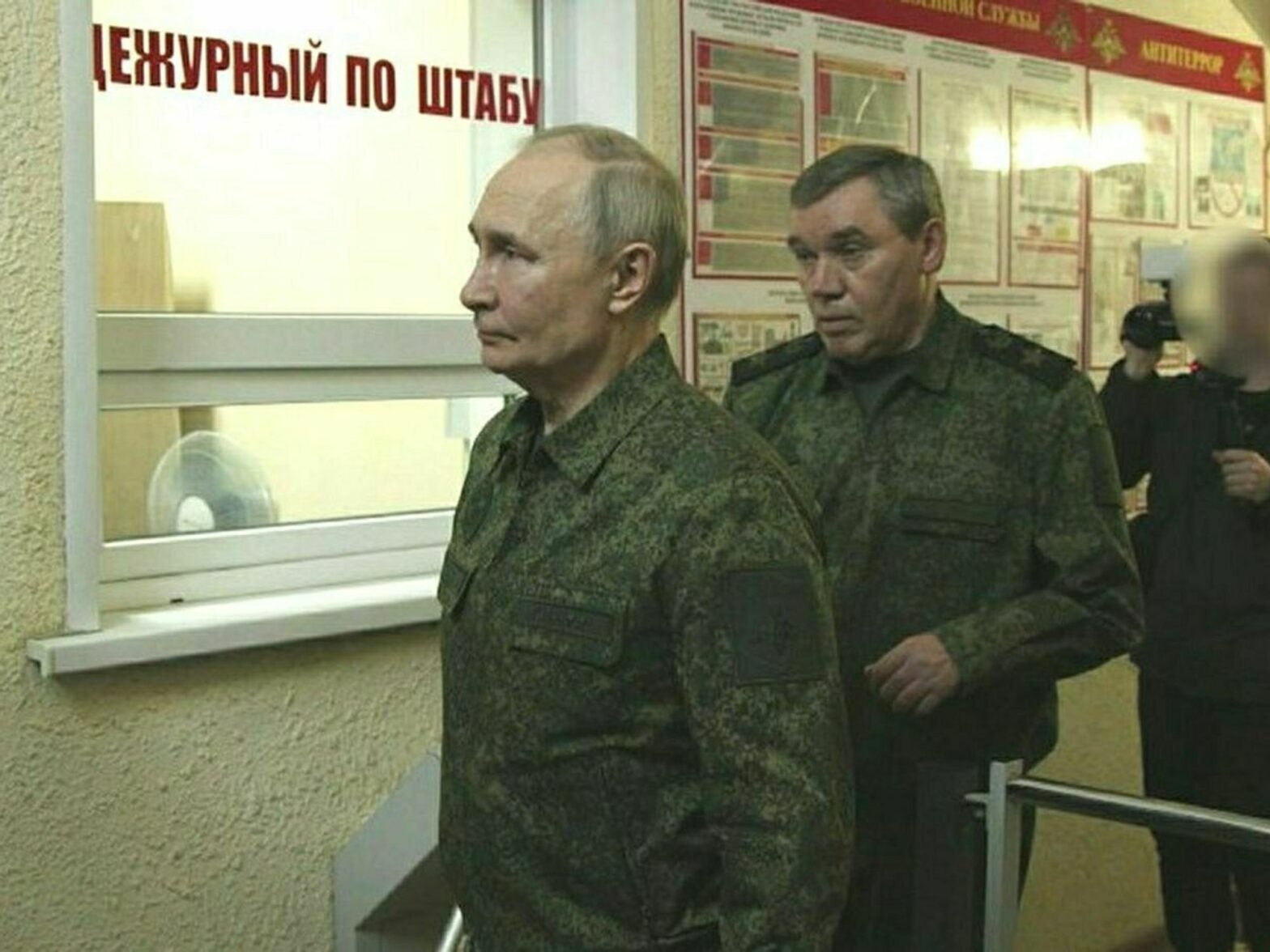
Russia announced that it has taken back Sudzha, the biggest town in Kursk, just hours after a surprise visit from the Russian president in the region and as a U.S. delegation arrives in Moscow to discuss a ceasefire proposal. All eyes are now on Putin.
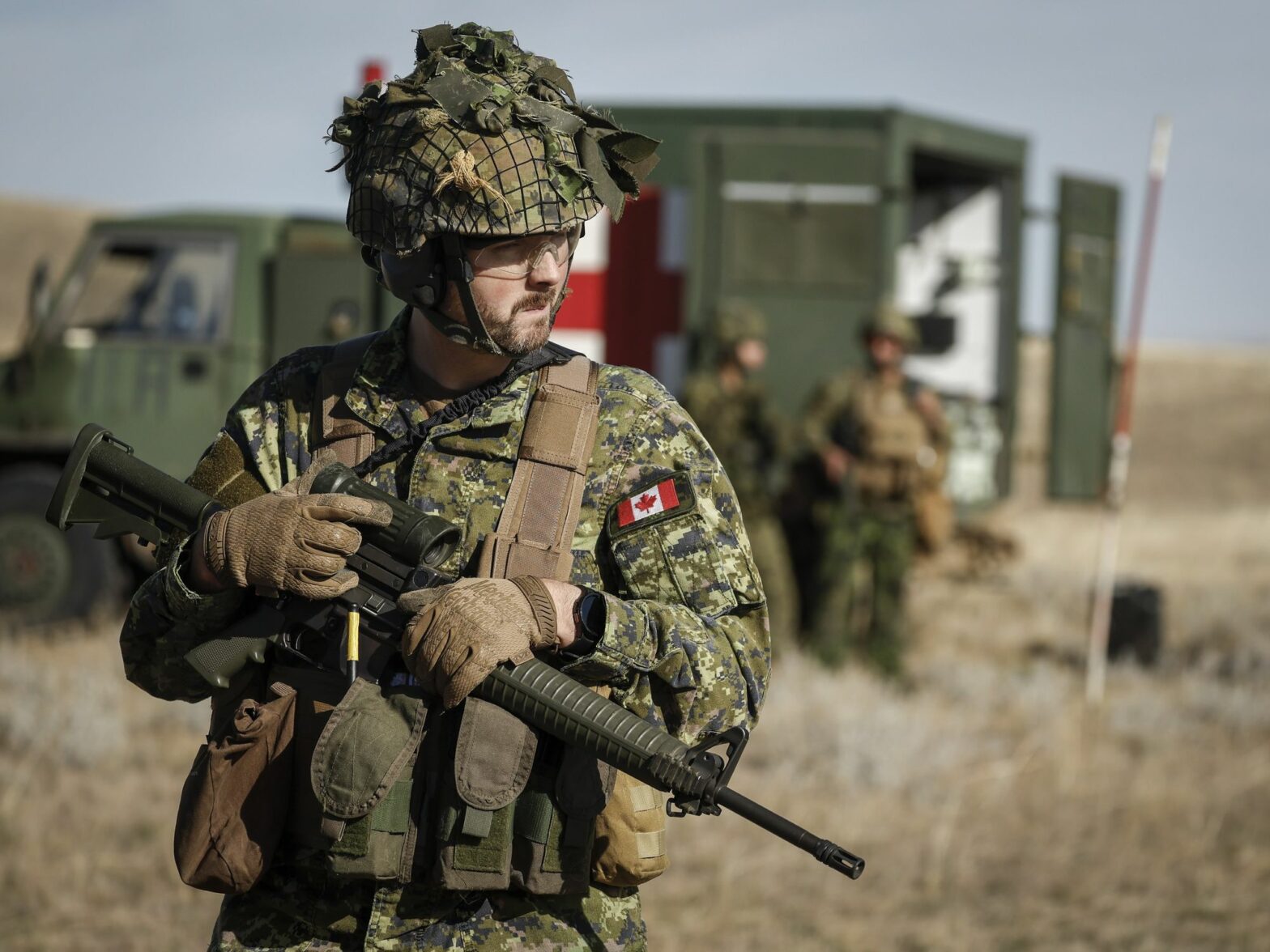
The fundamental premise of NATO is that an attack against one of its members is considered an attack on them all. These words of solidarity were written when they saw Russia as the threat. But what happens if one of its own members turns rogue?
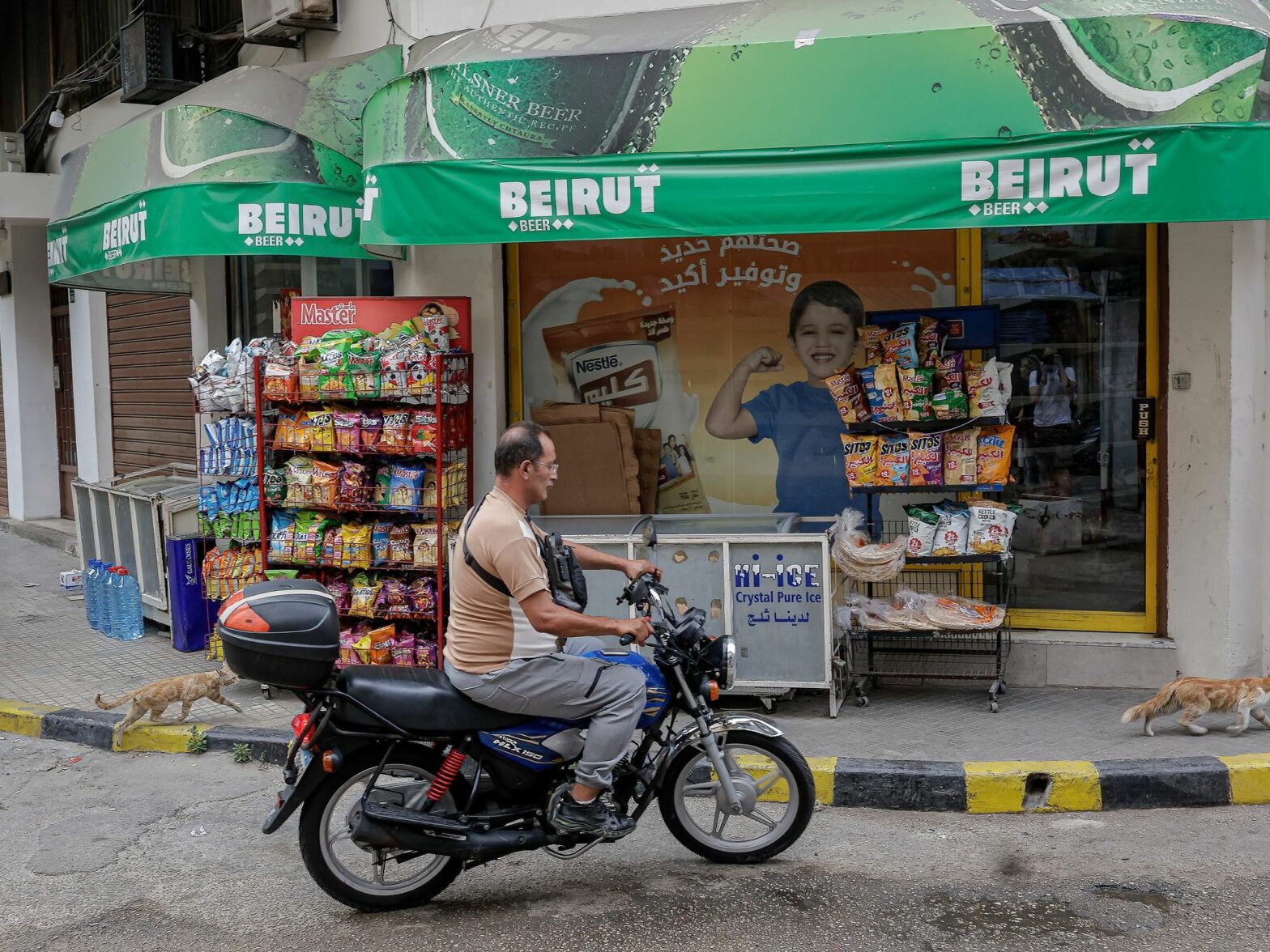
The Saudis could regain the political and financial clout they once enjoyed in Lebanon, which was lost for two decades to Hezbollah and its foreign patrons. Could that restore a measure of prosperity to a country brought to its knees by decades of civil war and the unwelcome interventions of Tehran and Damascus.
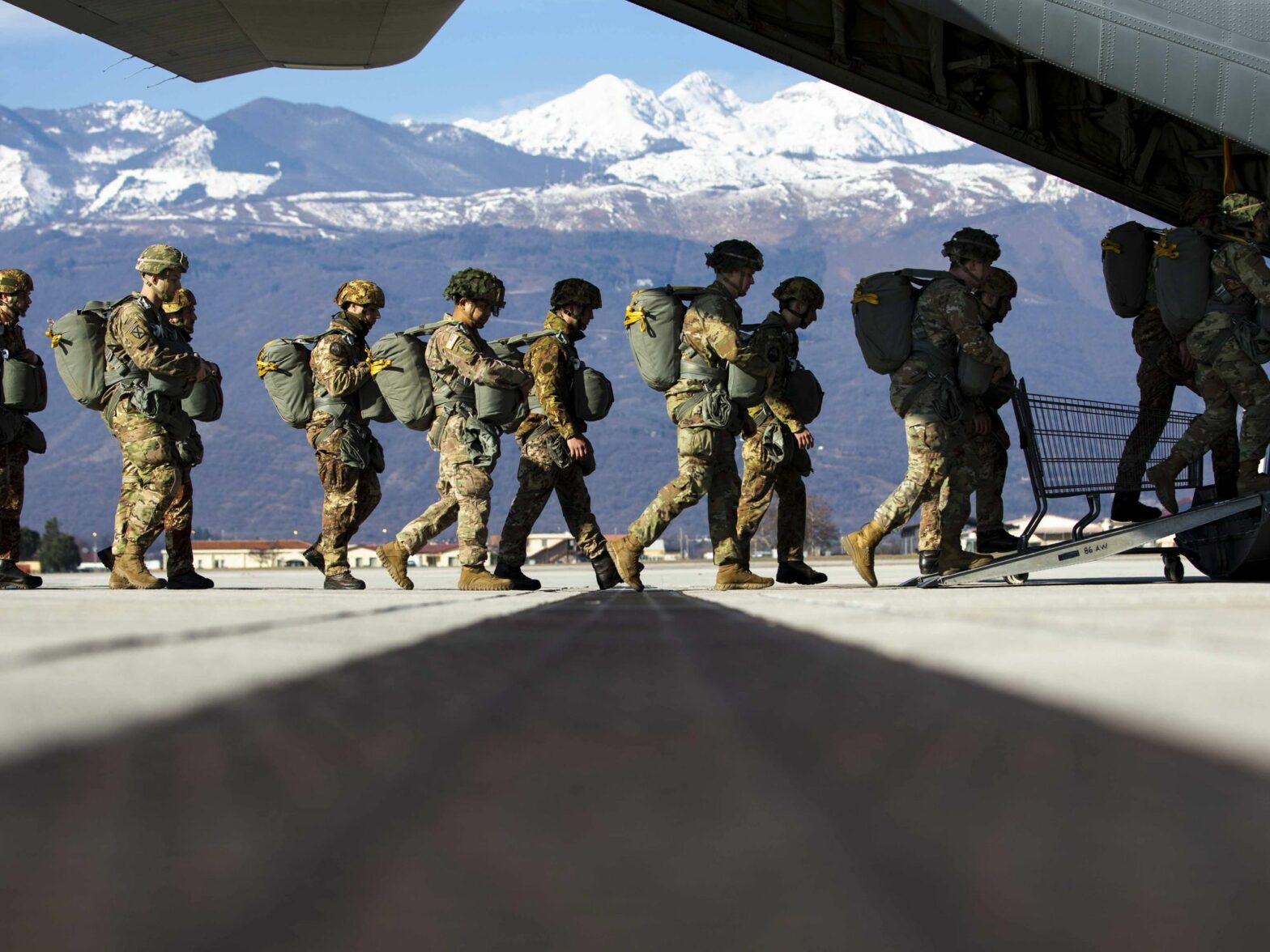
With Trump’s White House warming to Putin on international matters, Europe must rethink its military independence — and that may mean closing the many U.S. bases on its soil before they become threats rather than safeguards.
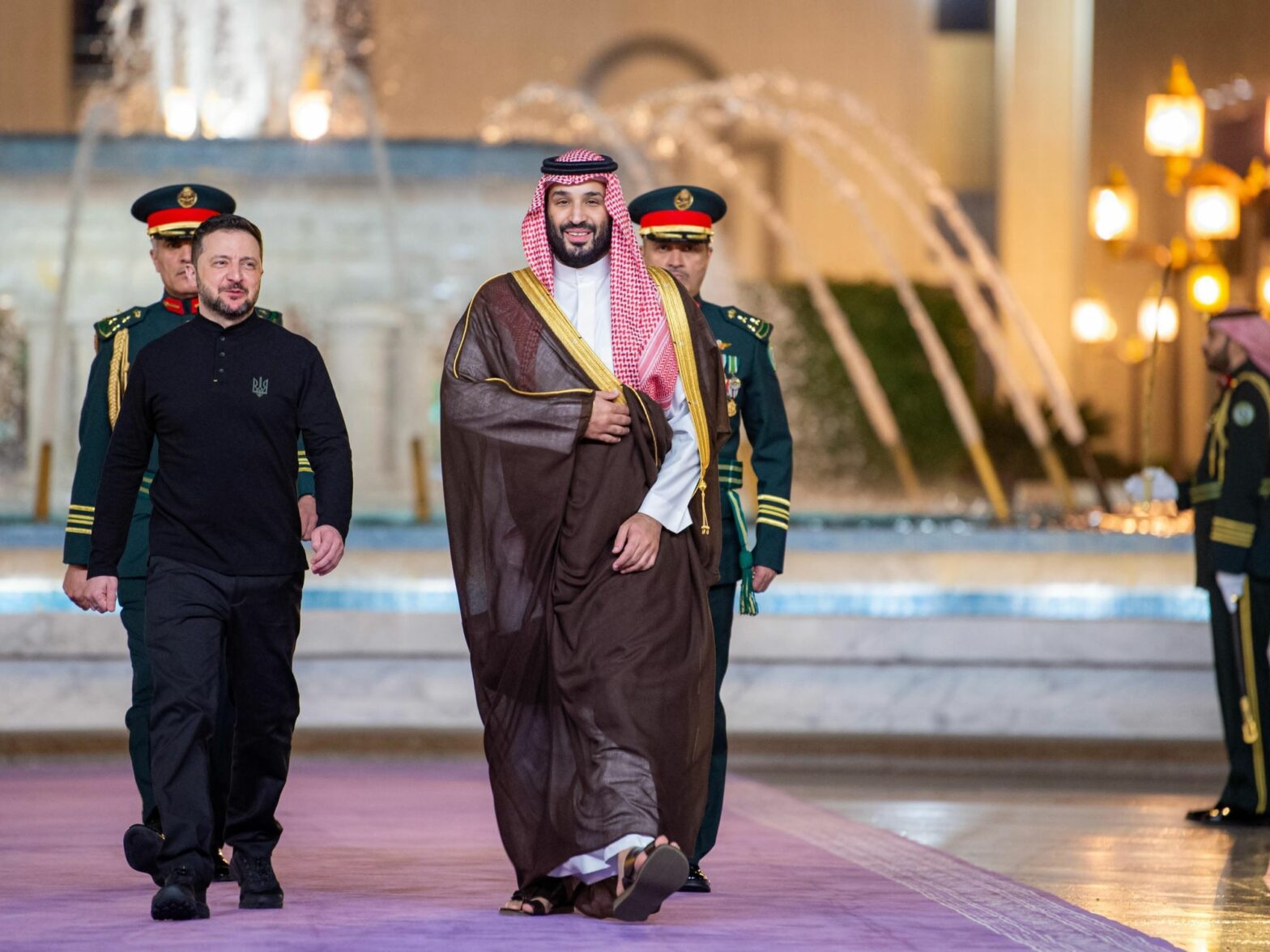
Ukraine secured the restoration of U.S. aid and agreed to a 30-day ceasefire. But the questions around Trump’s expectations of Putin leave the storyline suspended.
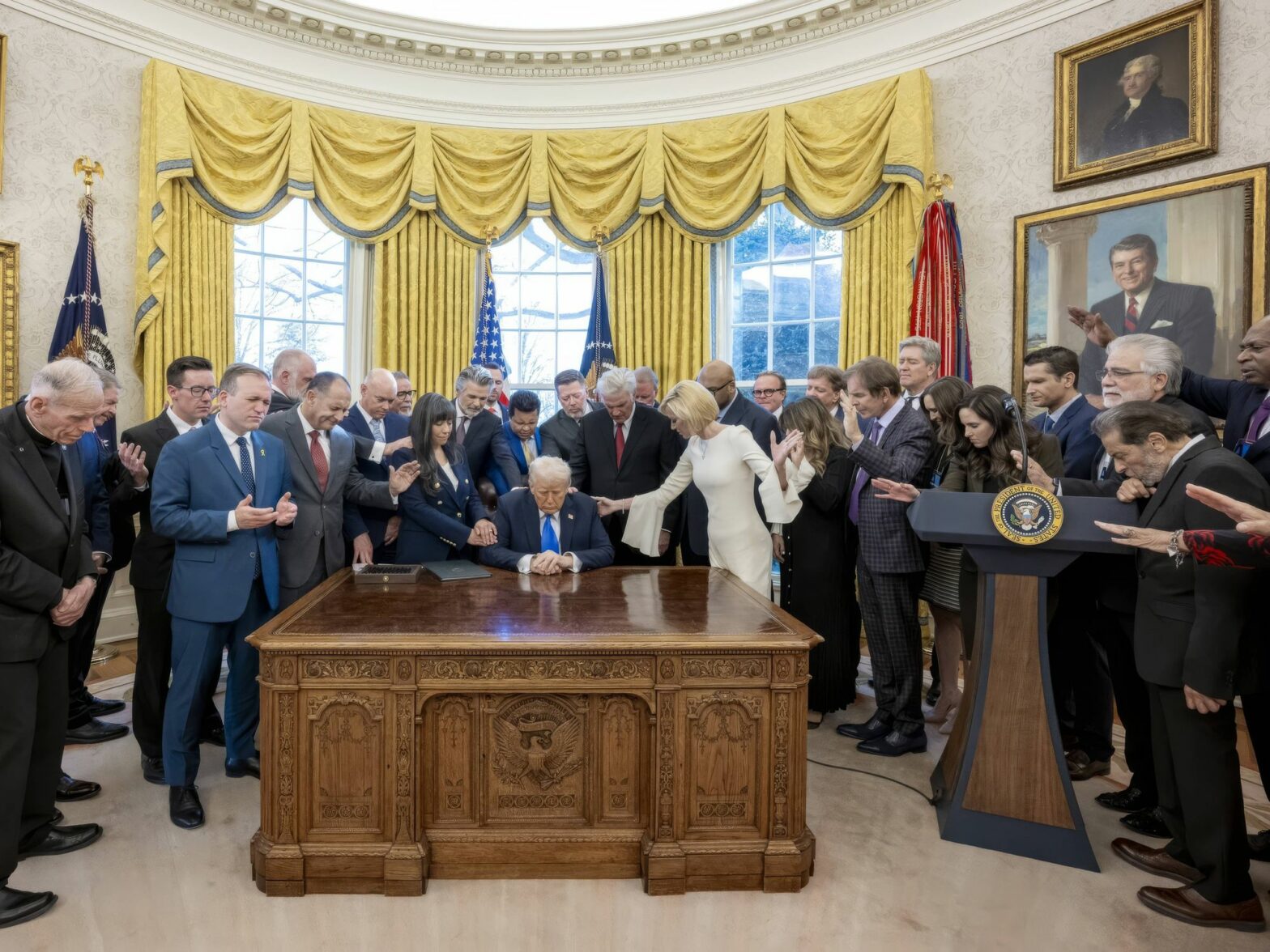
Following U.S. President Donald Trump’s creation of the White House Faith Office in early February, Loris Zanatta writes in Clarín that religious politics is already on the verge of becoming political religion, and the 2020s are starting to look an awful lot like the 1920s. And we know where that led.
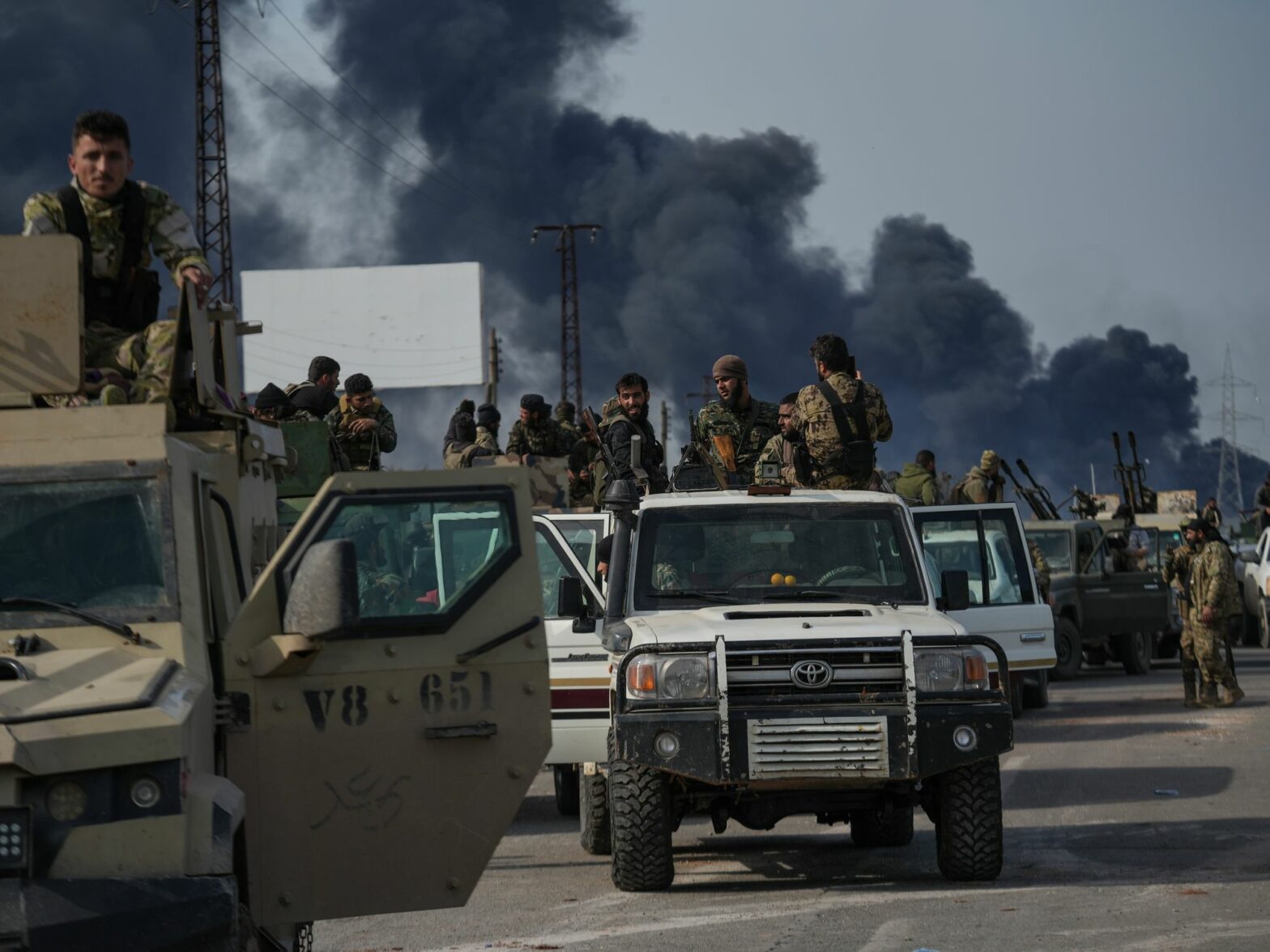
We had believed that Bashar al-Assad’s downfall would be a chance to come together and heal the wounds of the victims’ families. It was not to be. The regime had left roots too deep and the new rulers failed to learn the lessons of our neighbors.
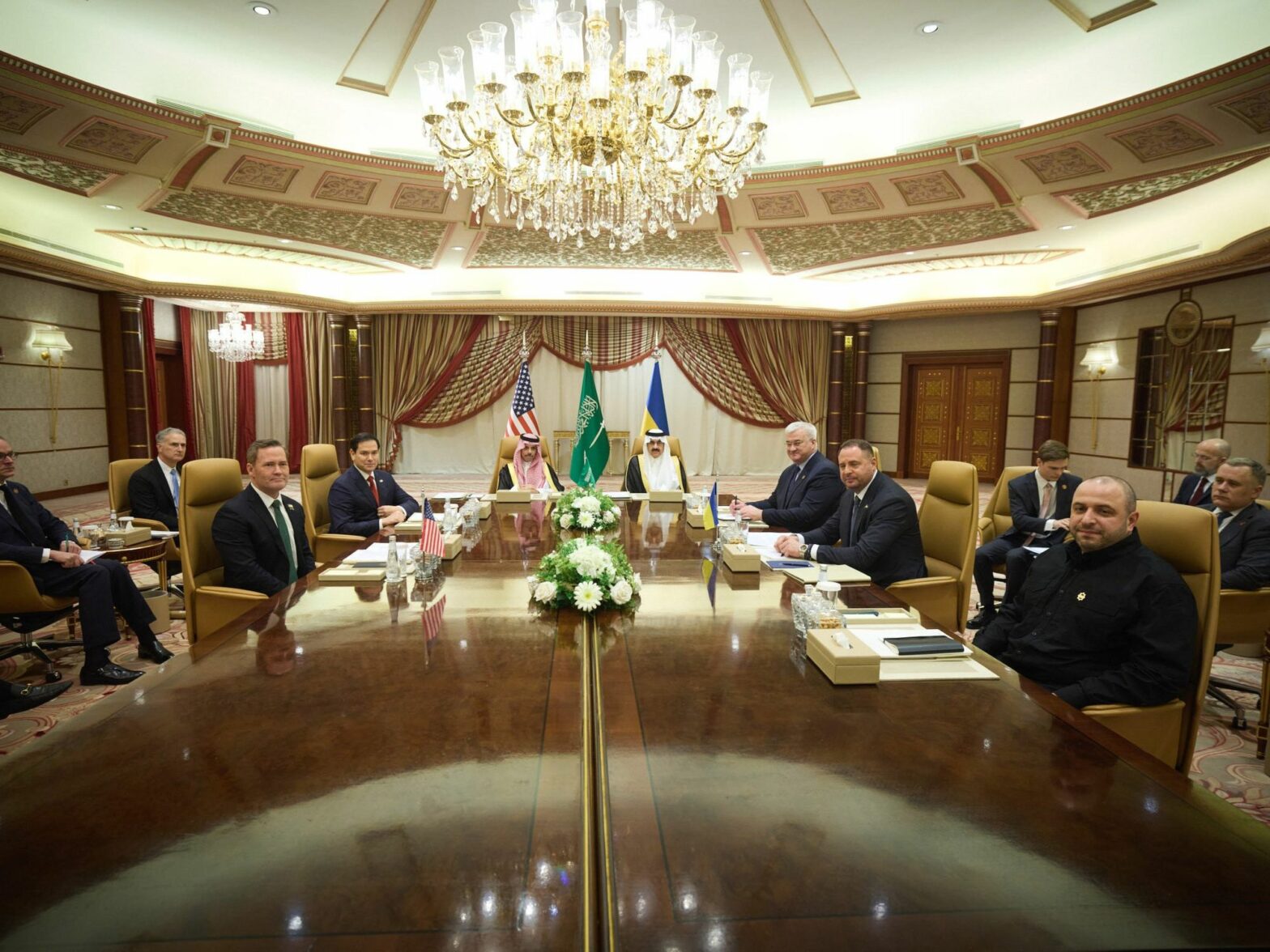
Ukraine is at the heart of two key meetings: one in Jeddah between top Ukrainian and American diplomats, another in Paris gathering the chiefs of staff of European armies. Both share a common stake — the fate of Ukraine and, by extension, the future of European security in the era of Donald Trump.
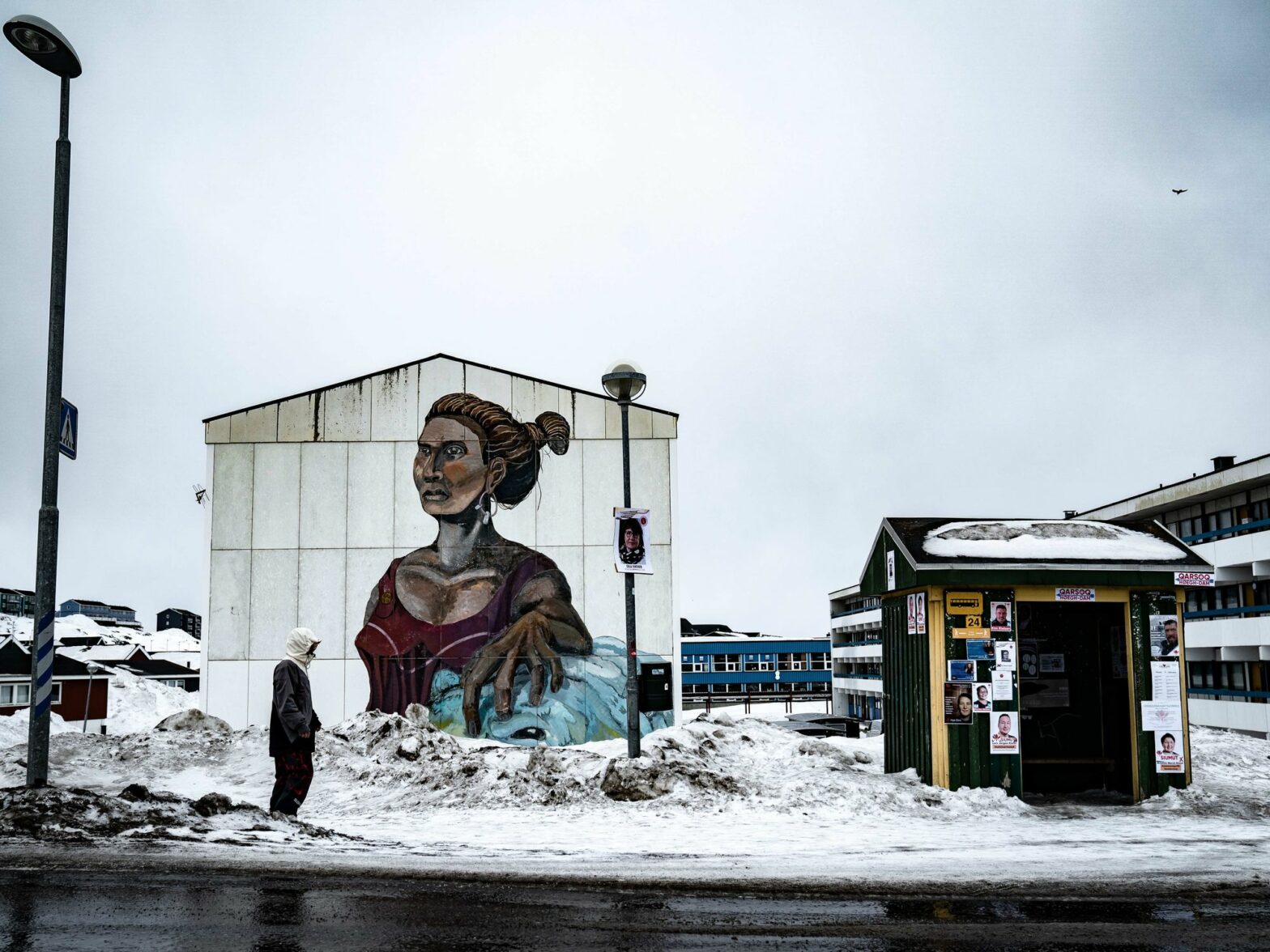
Greenland’s soil is packed with valuable resources, yet many of its people struggle to make ends meet. The world’s highest suicide rates, school dropouts and alcohol abuse are also part of Greenland’s reality. These issues are central to the March 11 general election.
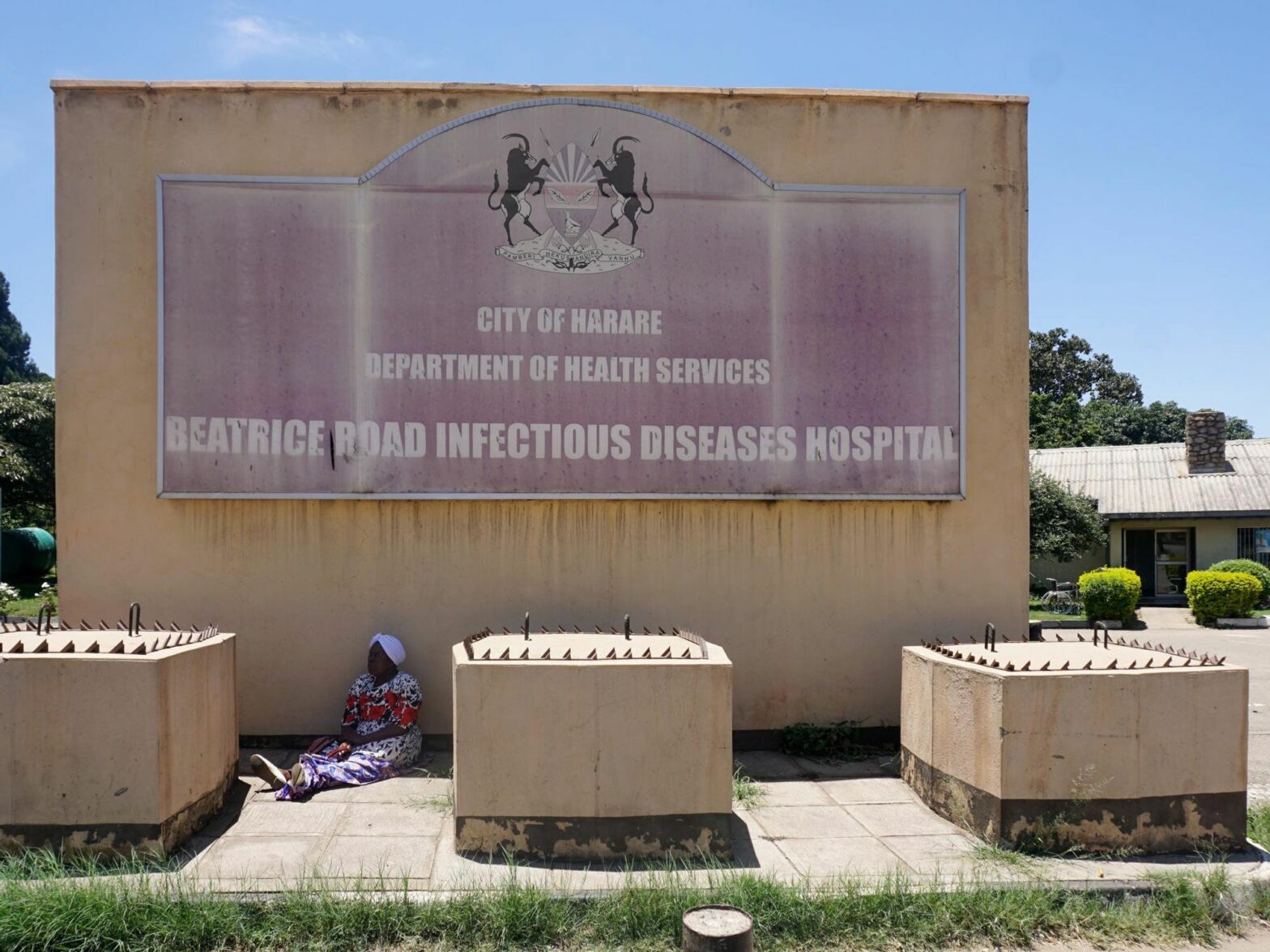
The sudden halt of USAID funding threatens the country’s fragile TB and HIV response, putting thousands of patients at risk.
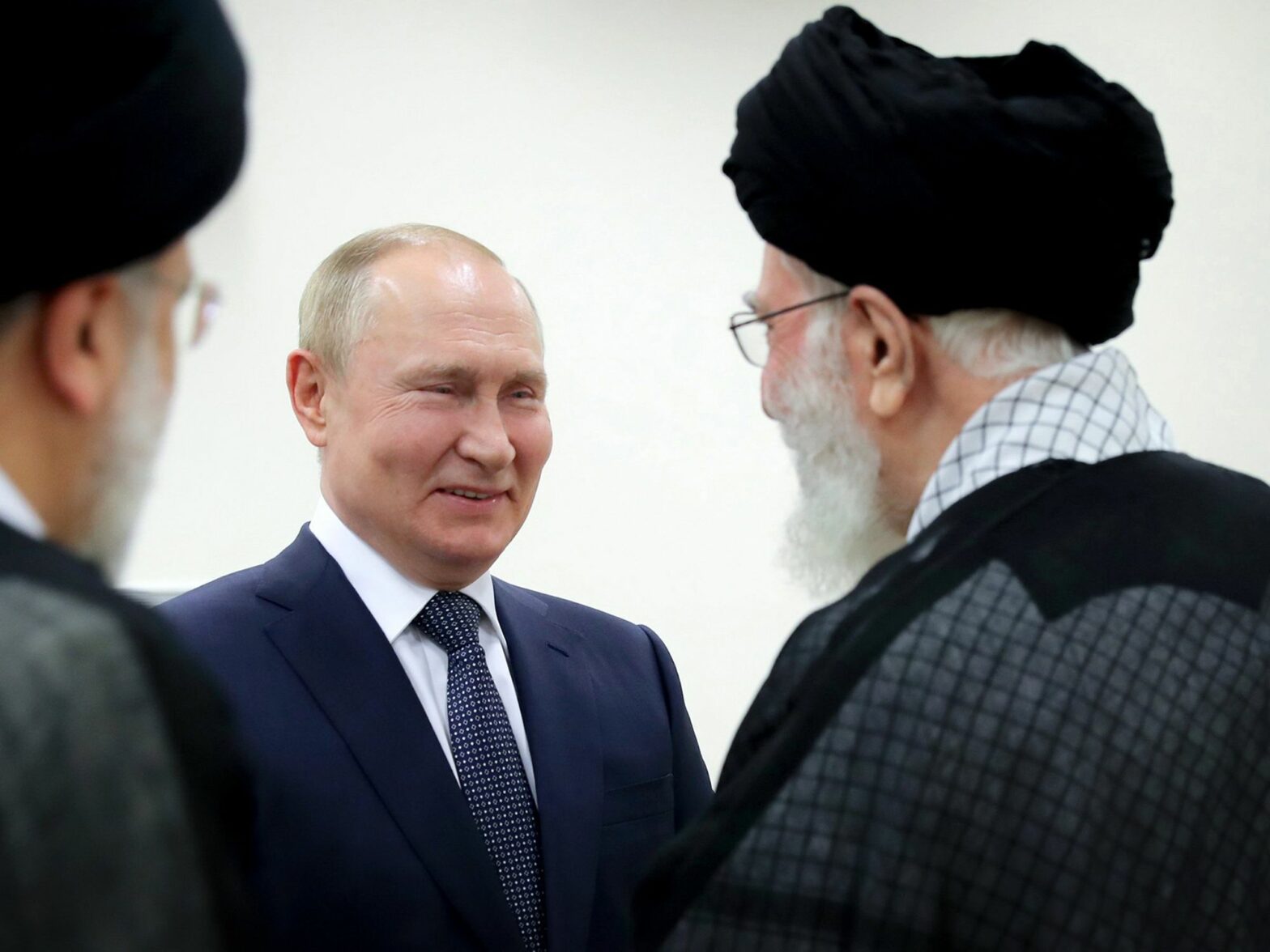
With Trump’s return to power, Russia is rapidly moving closer to the United States; Putin has even agreed to mediate talks between Washington and Tehran. But can Iran still trust Russia? Or is it, like Ukraine, just another bargaining chip?
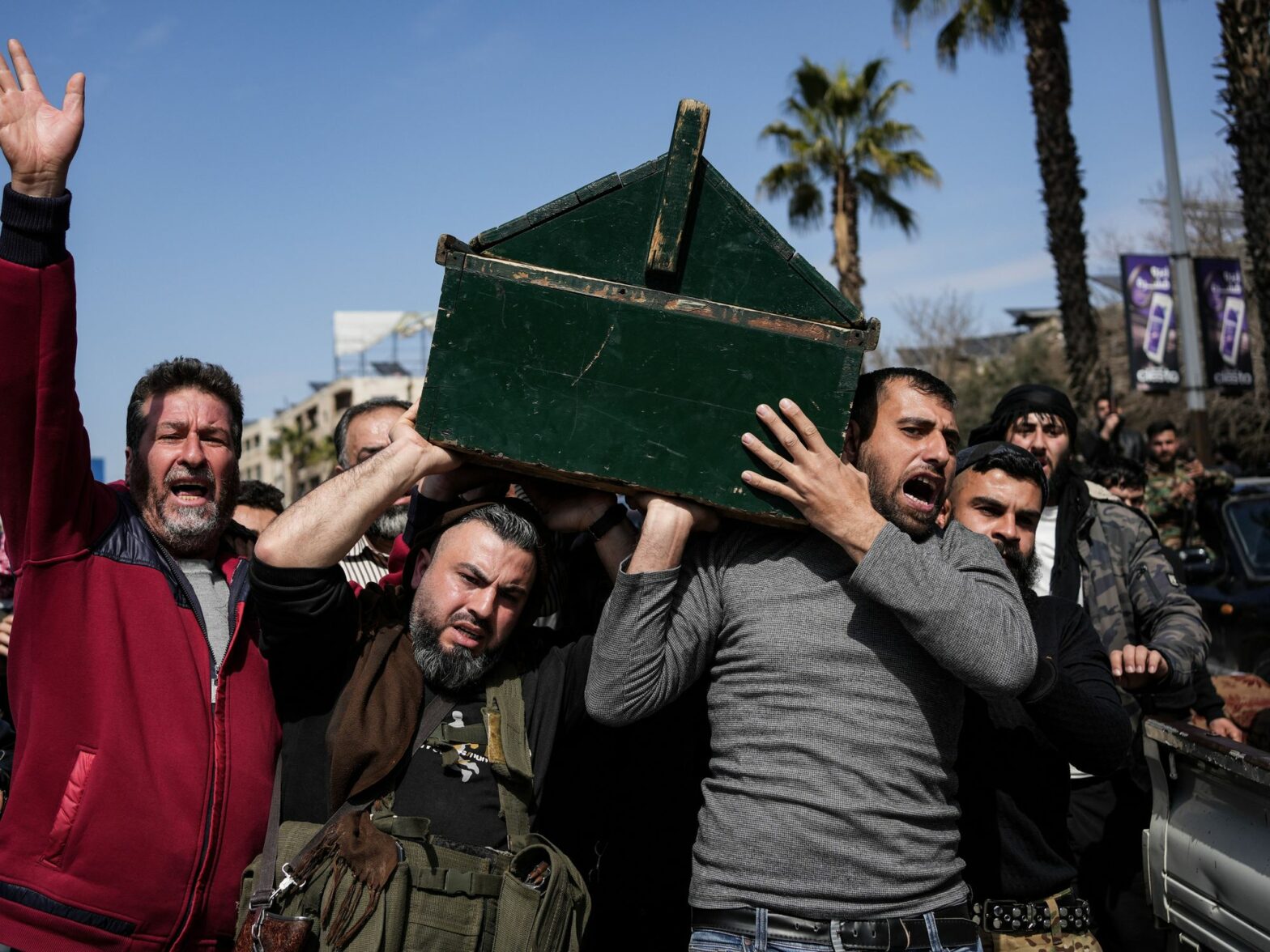
After an attack on soldiers by supporters of the former Assad regime, a wave of violence has left more than 1,300 dead in the Alawite region, the Assad stronghold. The transitional president is calling for unity, but he must reassure minorities and rein in his more radical supporters.
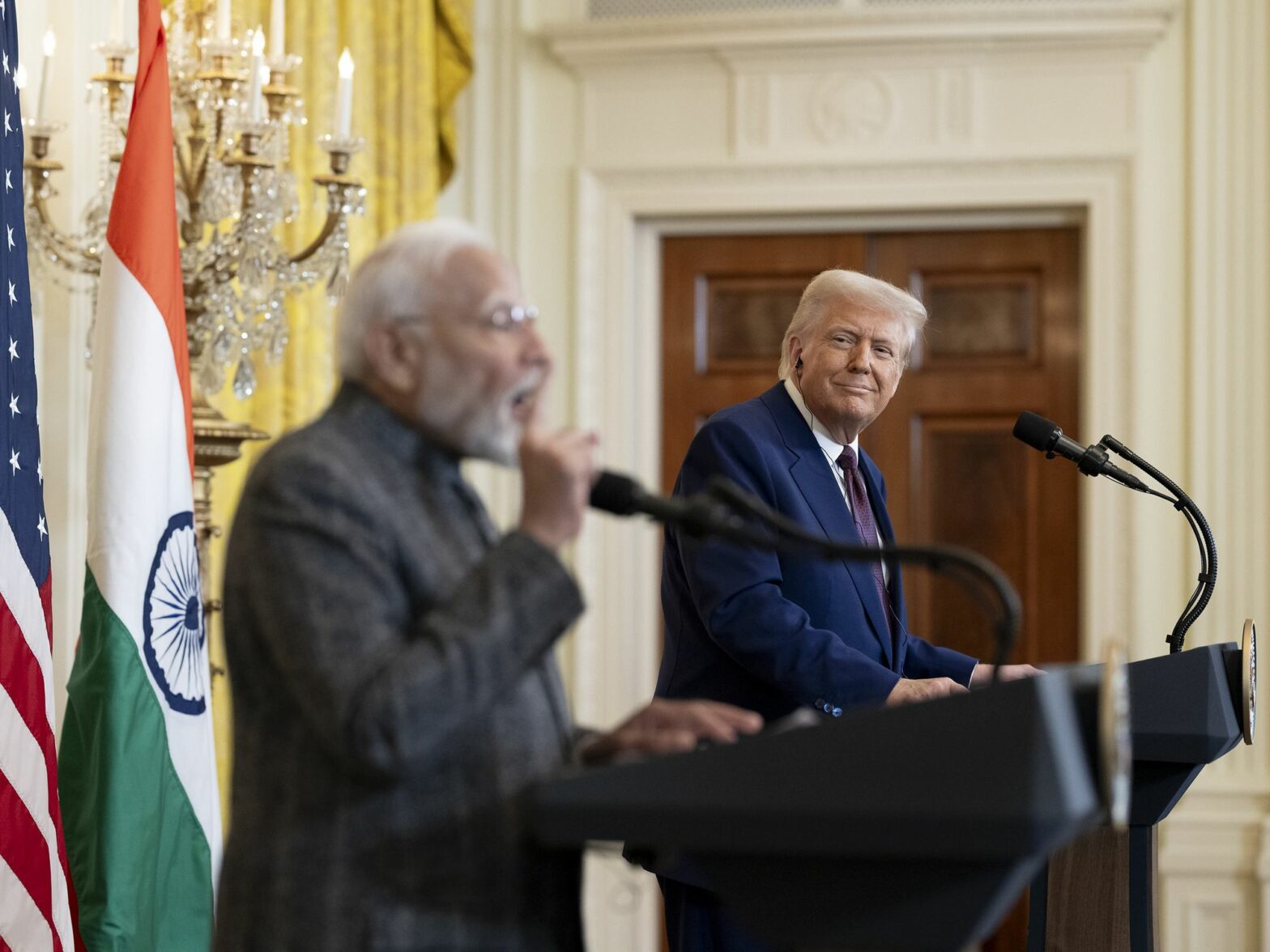
It is not surprising that many Hindutva groups in the U.S. support Trump’s policies. These align well with their own anti-migrant and anti-reservation stance back home.
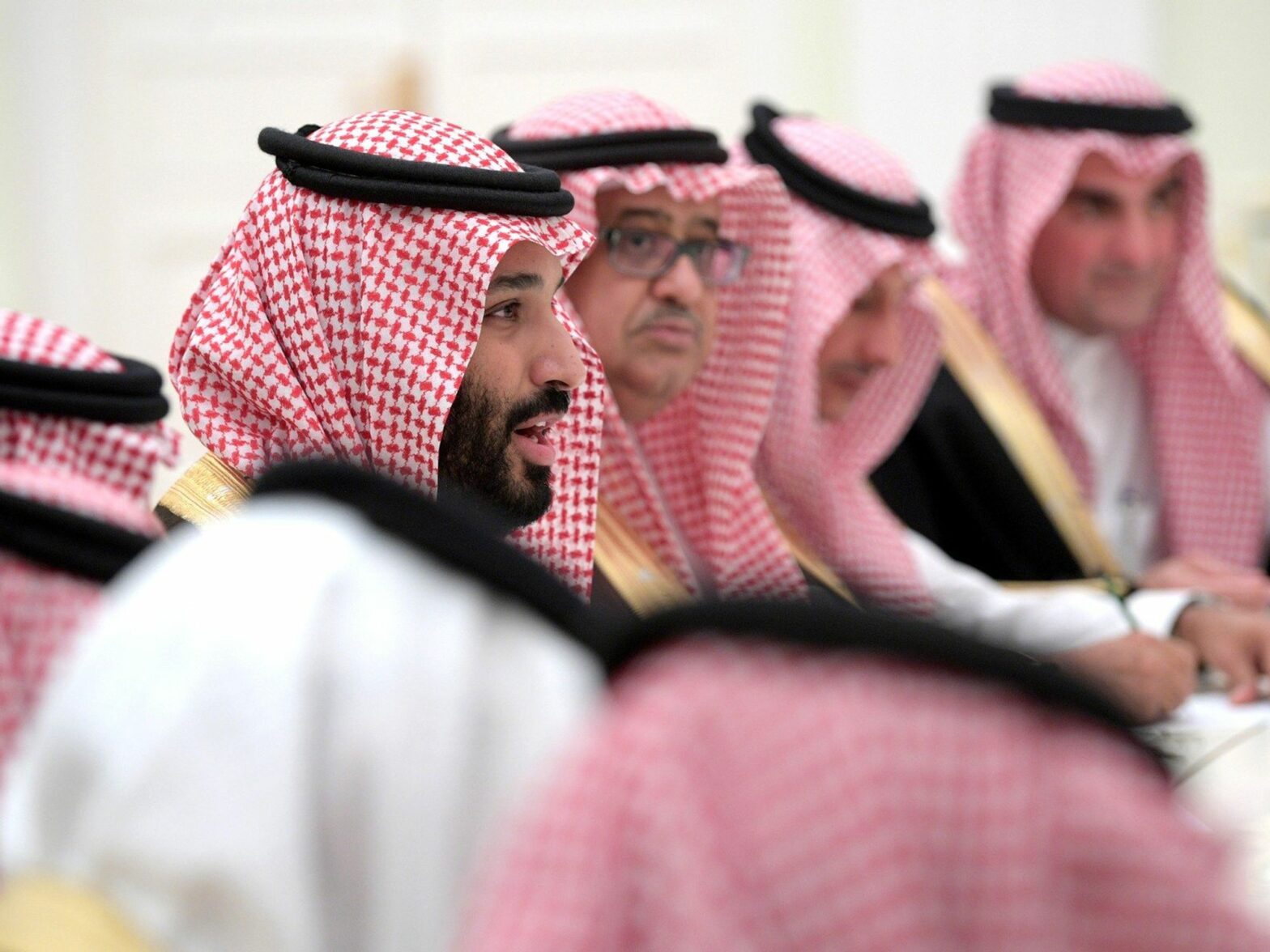
Ten years of arrests and silencing dissent may have been enough to instill fear in the hearts of Saudi citizens, who now comply with the sweeping changes reshaping their country — politically, economically and even socially.

The Oscar-winning film has reignited national discussions on the dictatorship. With the debate over amnesty resurfacing, Brazil has a new opportunity to hold perpetrators accountable.
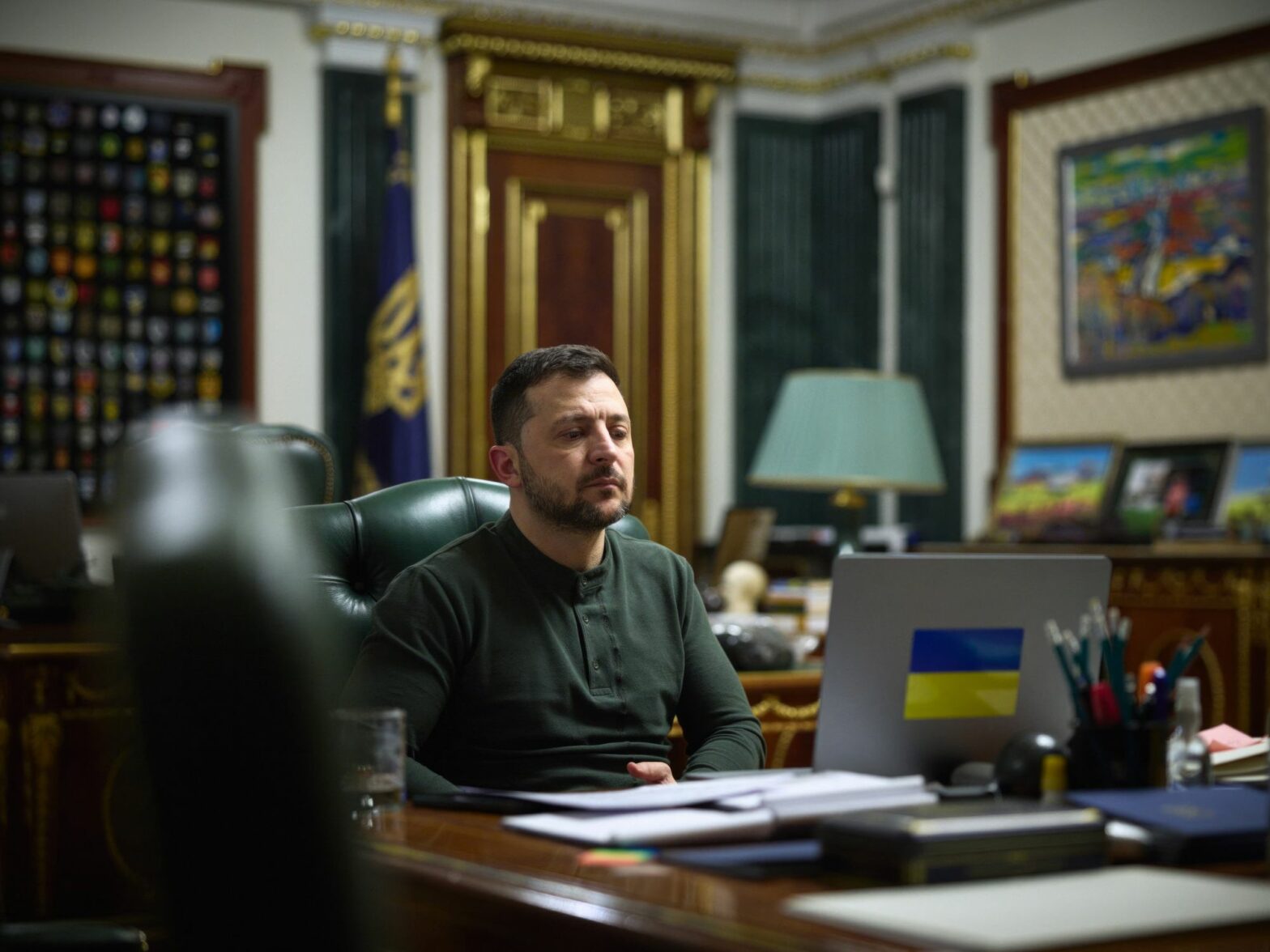
It is likely that there will not be a peace agreement between Ukraine and Russia this year — or ever one at all. If negotiations stagnate, they could resemble the post-World War II relations between Japan and the Soviet Union: A peace treaty was never signed, and the dispute over the Kuril Islands has persisted for more than 70 years.
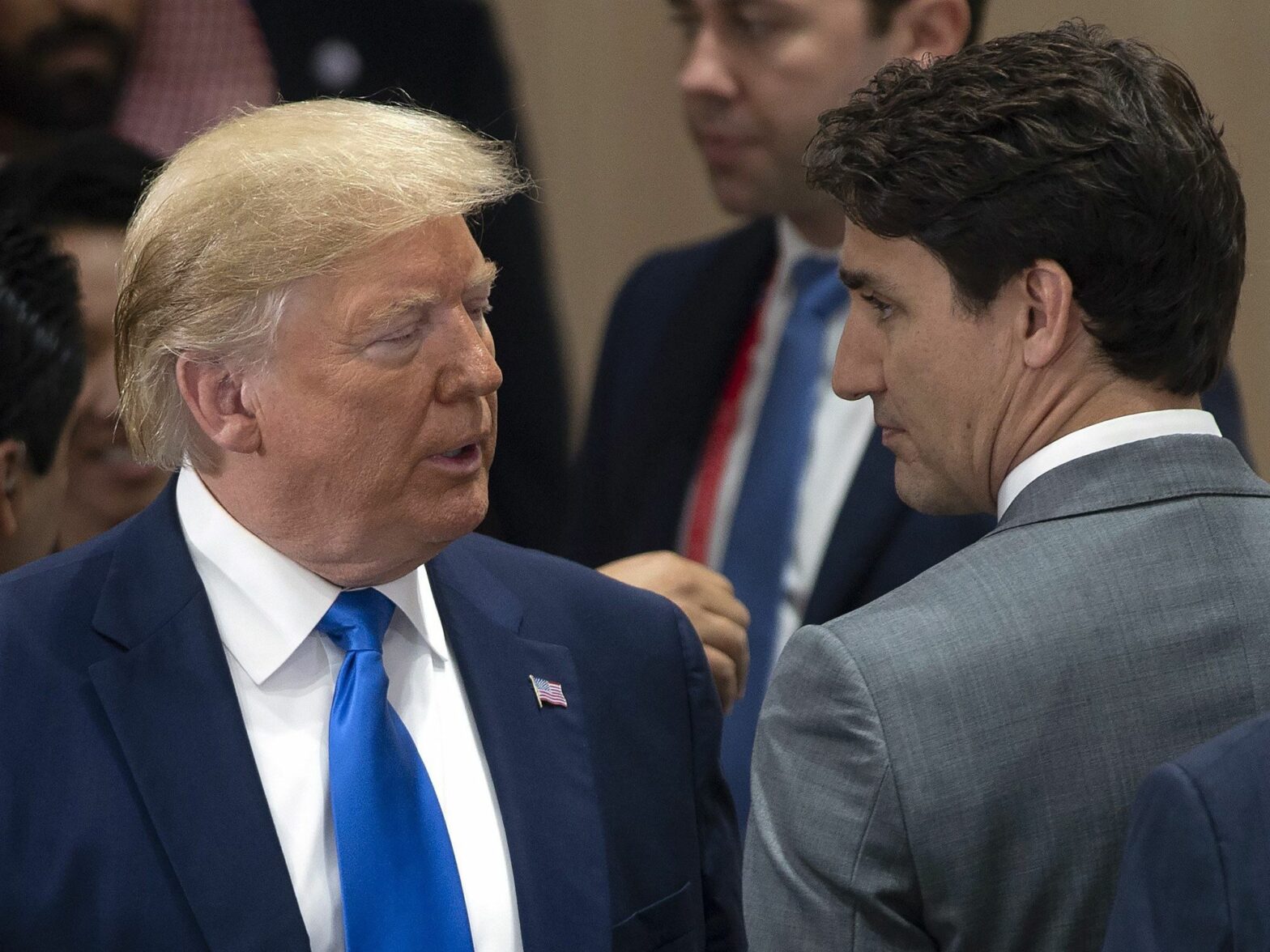
The fundamental premise of NATO is that an attack against one of its members is considered an attack on them all. These words of solidarity were written when they saw Russia as the threat. But what happens if one of its own members turns rogue?
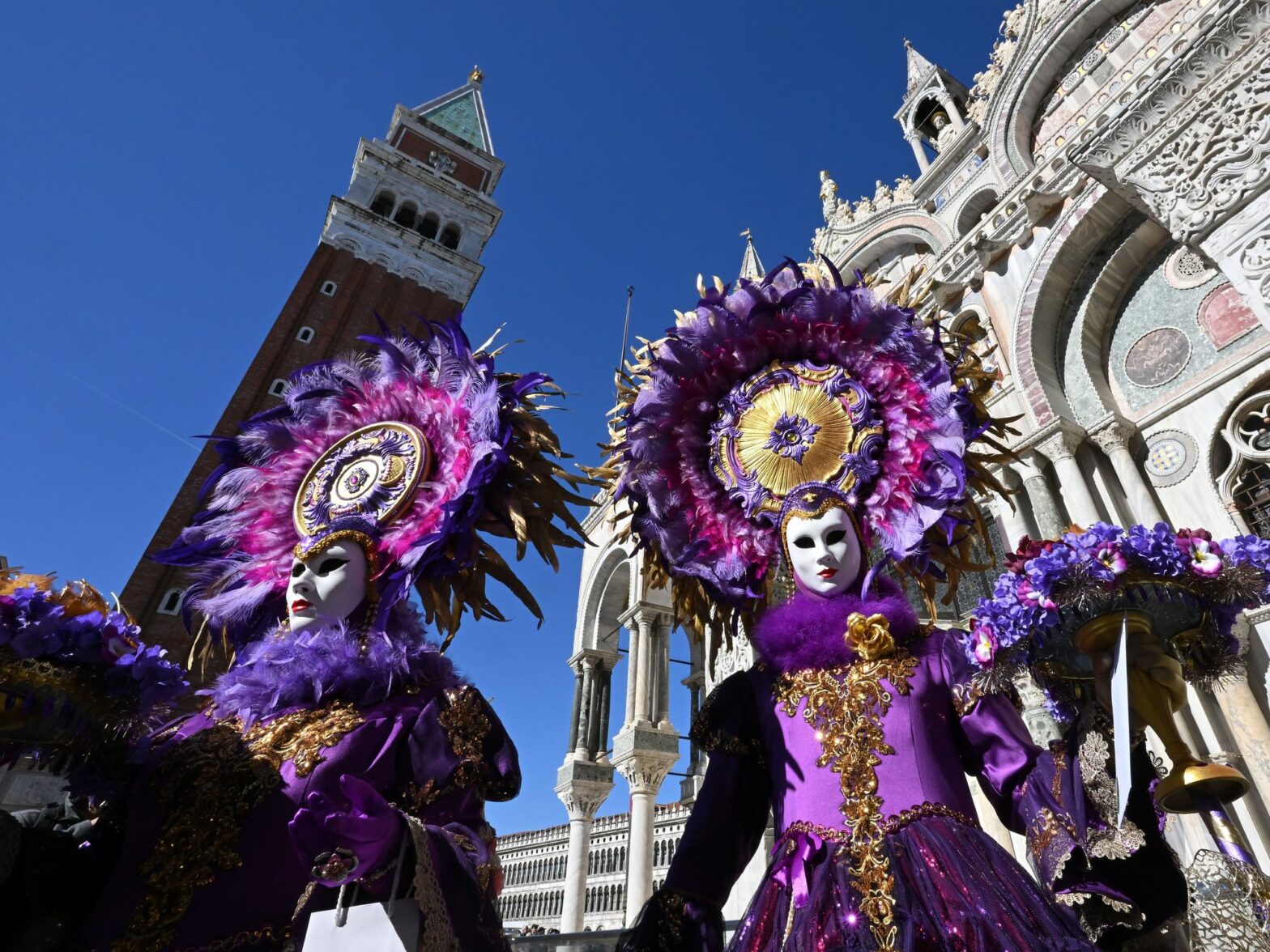
With photographs from London, Mannheim, Hollywood, Medaan and Venice — among other places.
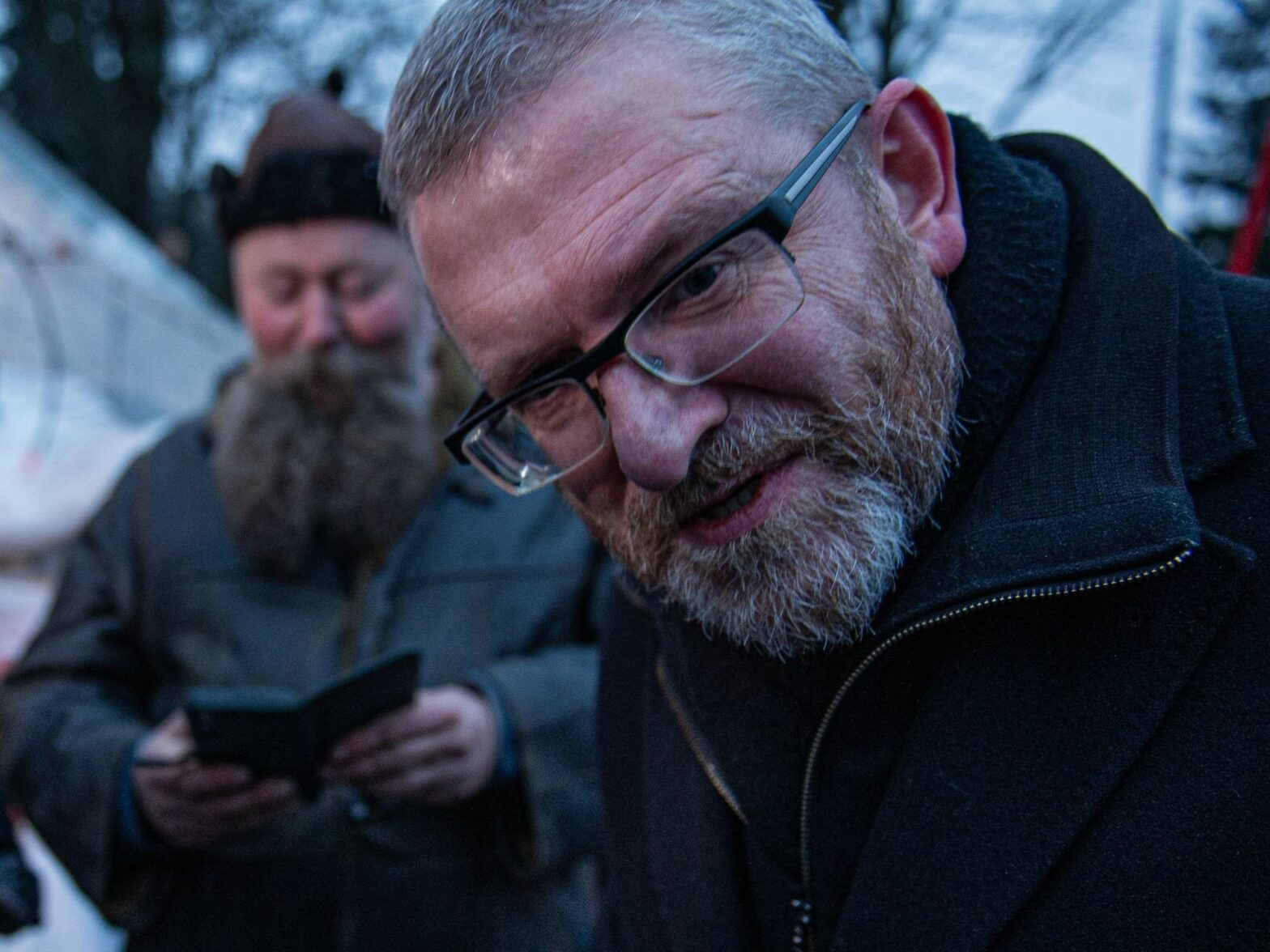
Although Poland is known as a key supporter of the Ukrainian cause, public opinion is beginning to shift, especially among the far-right. Leading the charge is far-right presidential candidate Grzegorz Braun.
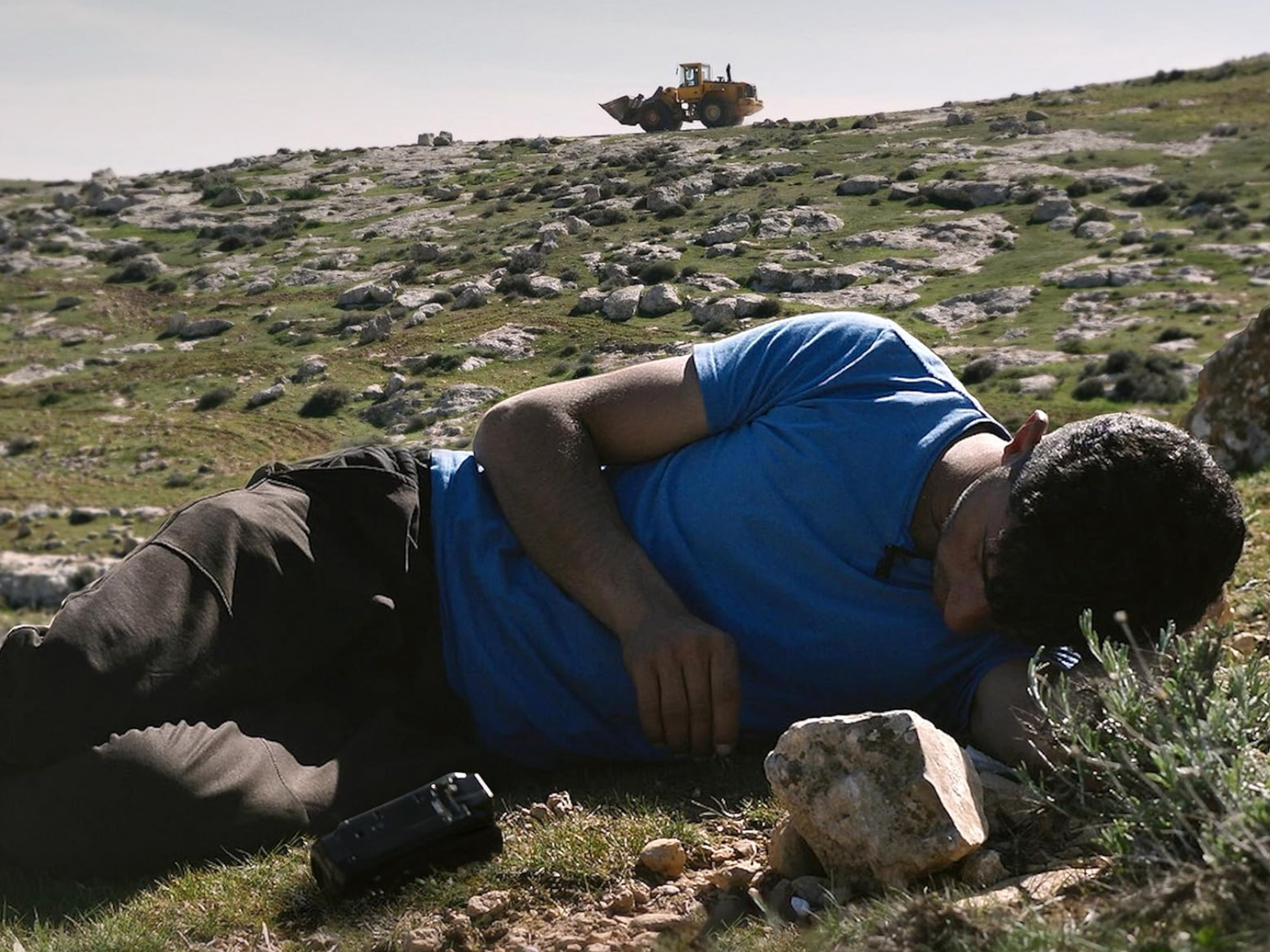
The documentary by a Palestinian-Israeli collective satisfies multiple and divergent audiences at the same time, and has been met with critical success. But the film never evokes the idea that there is another land for Palestinians: that of historic Palestine.
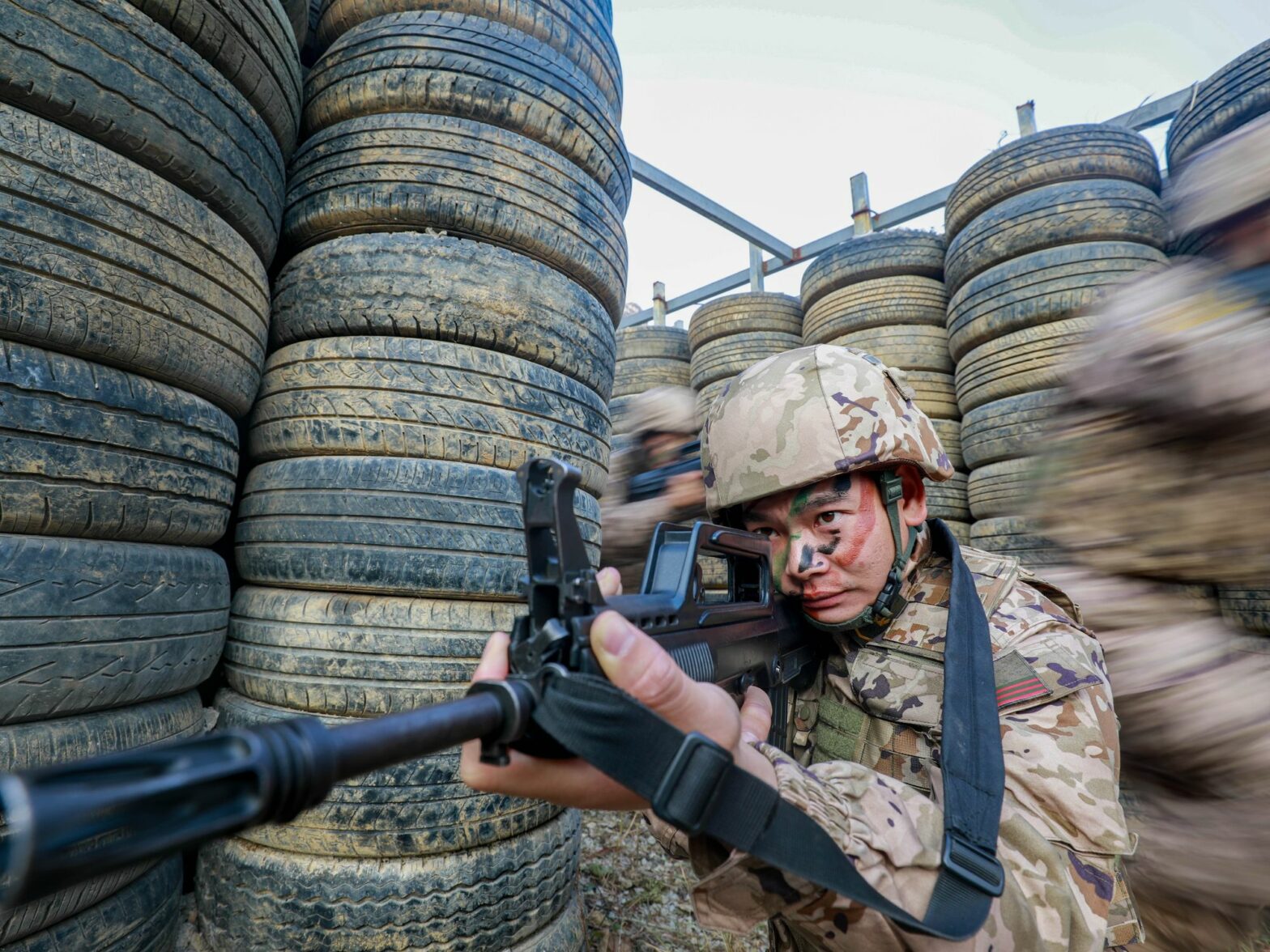
The new U.S. tariffs on China have triggered a sharp response from Beijing. Both countries are convinced that a war between them is inevitable someday — and they’re preparing for it. While Europeans keep their eyes on Russia, Americans remain fixated on China’s rise.
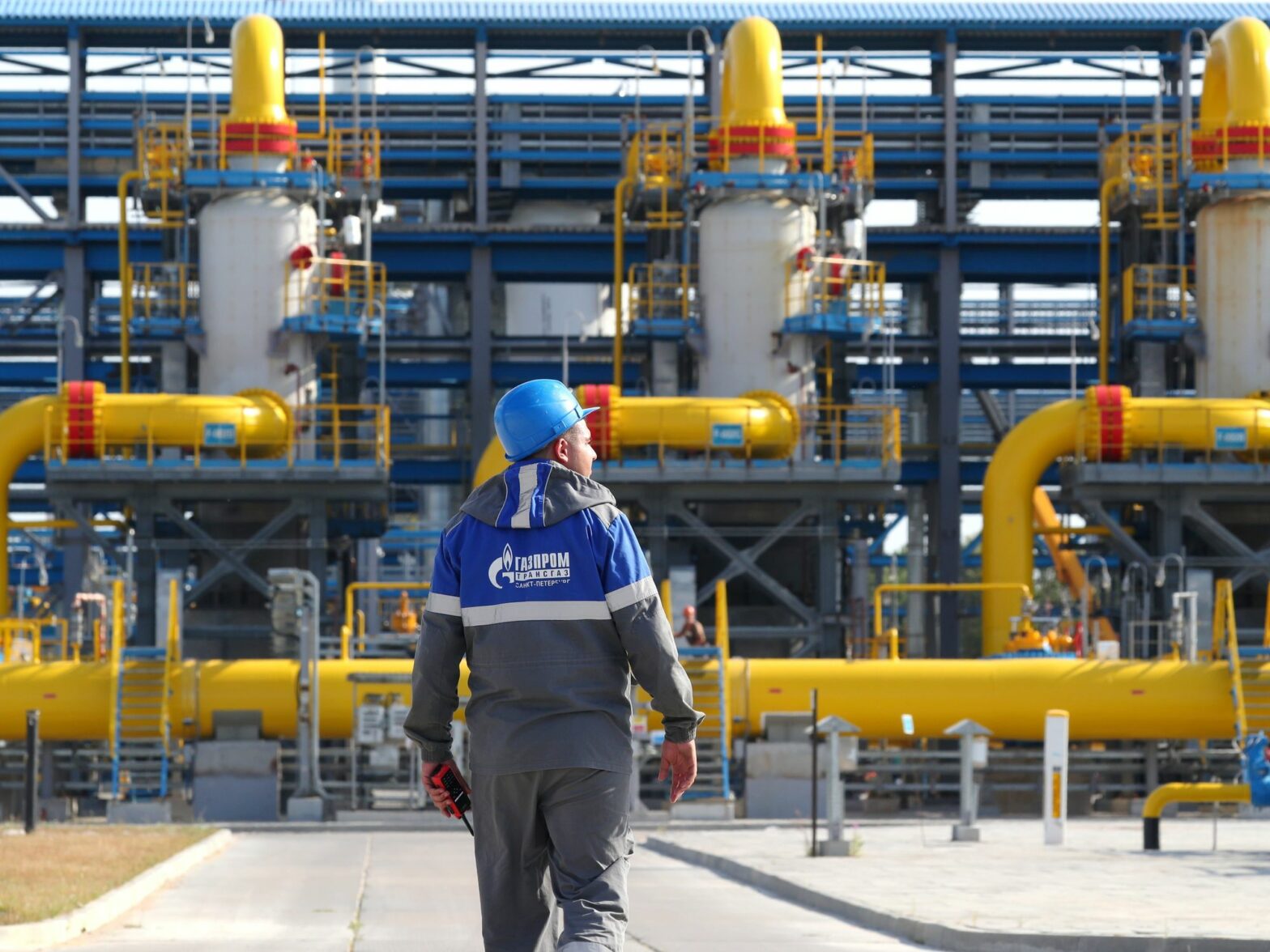
Unthinkable just a few months ago, the return of Russian gas to supply European countries is now being advocated by some on the continent. But the move faces both political and technical barriers, and its medium-term benefits are not clear.
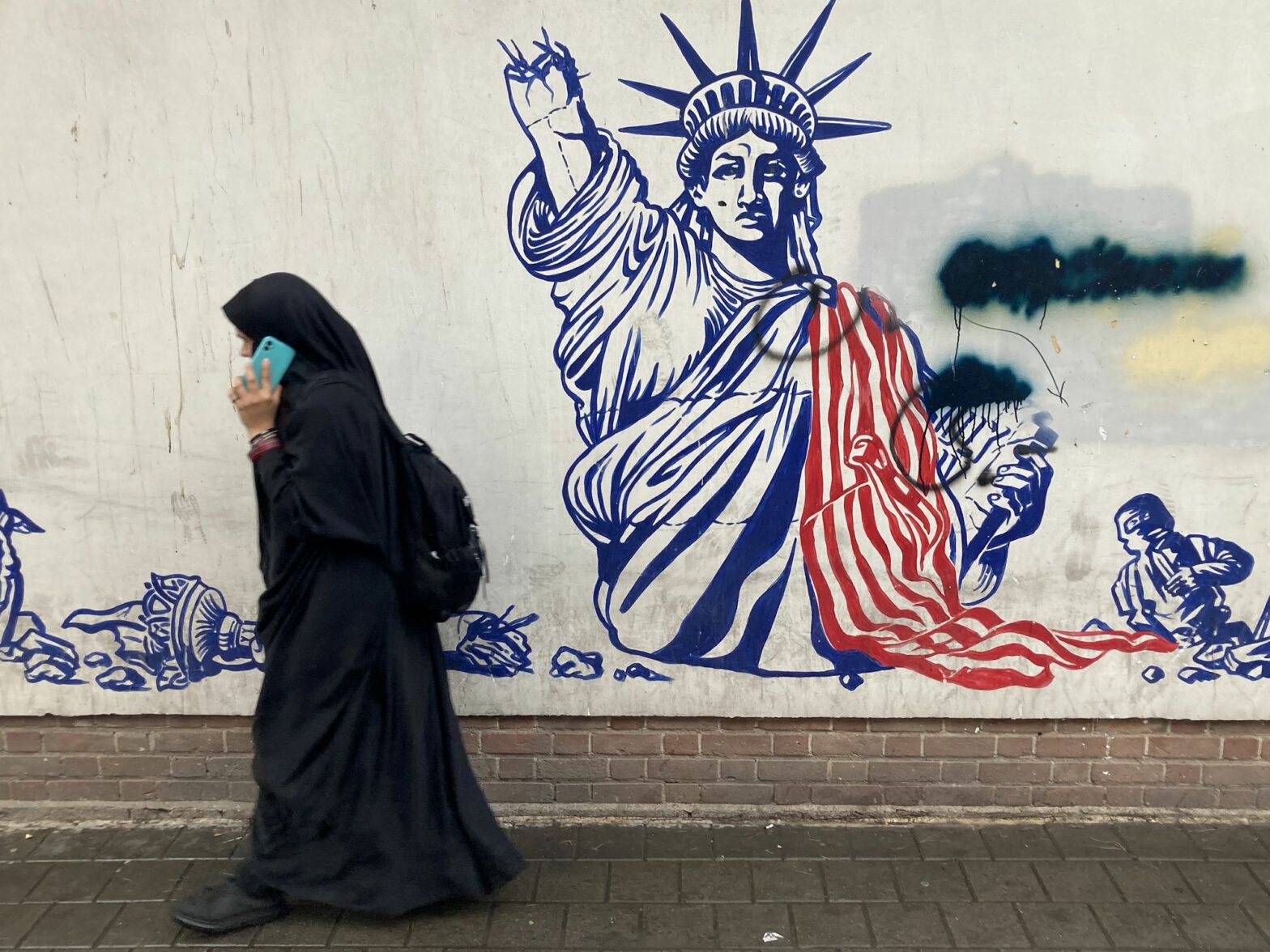
Given Donald Trump’s hardline with Volodymyr Zelensky, the U.S president may be even more draconian with Iran, which seems to have an even worse hand than during Trump’s first term.
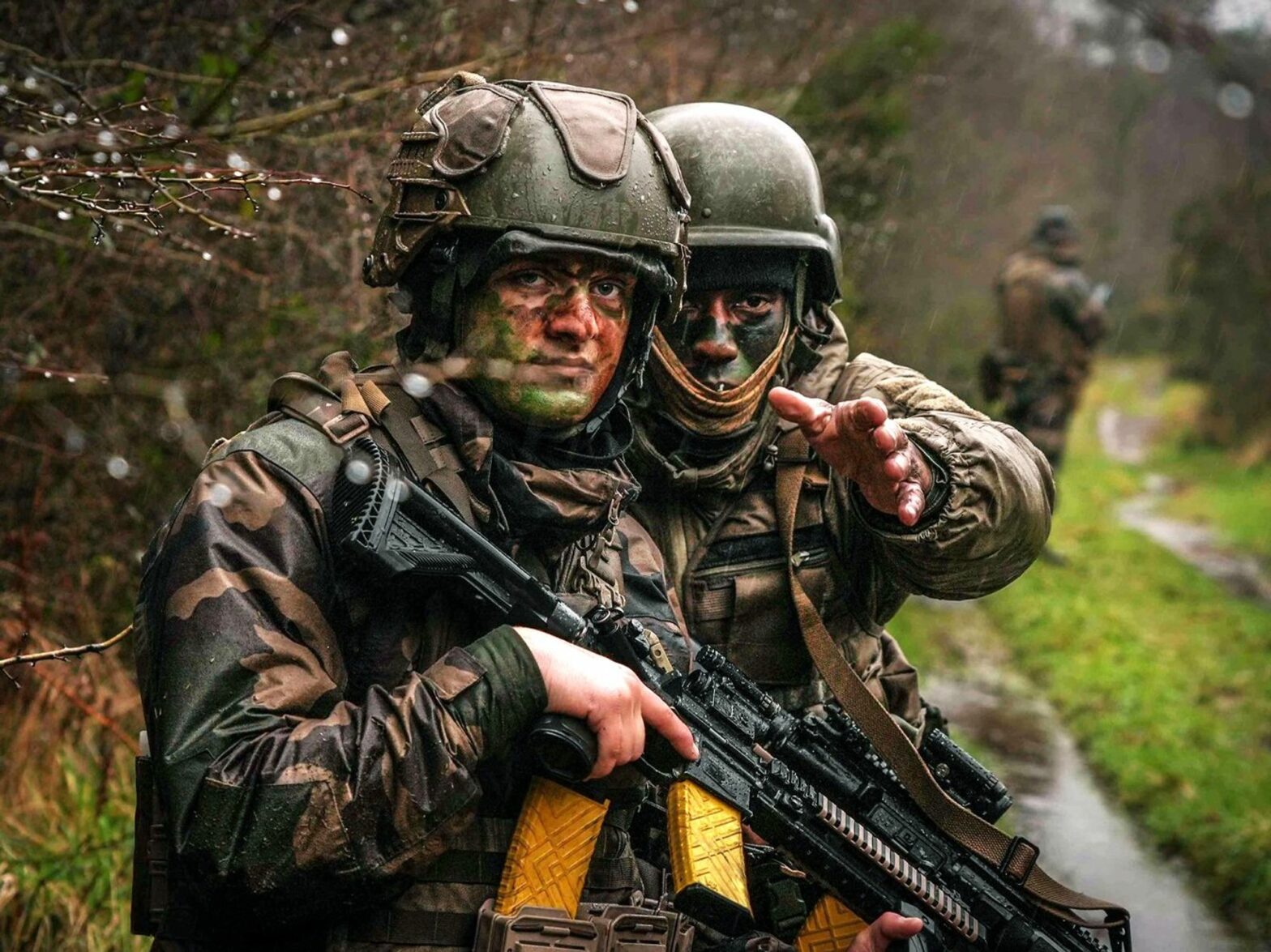
Now that the U.S. has relinquished its role as “leader of the free world,” Europe is on its own. But that doesn’t mean it’s out of options, writes former German diplomat and ambassador Hans-Dieter Heumann.
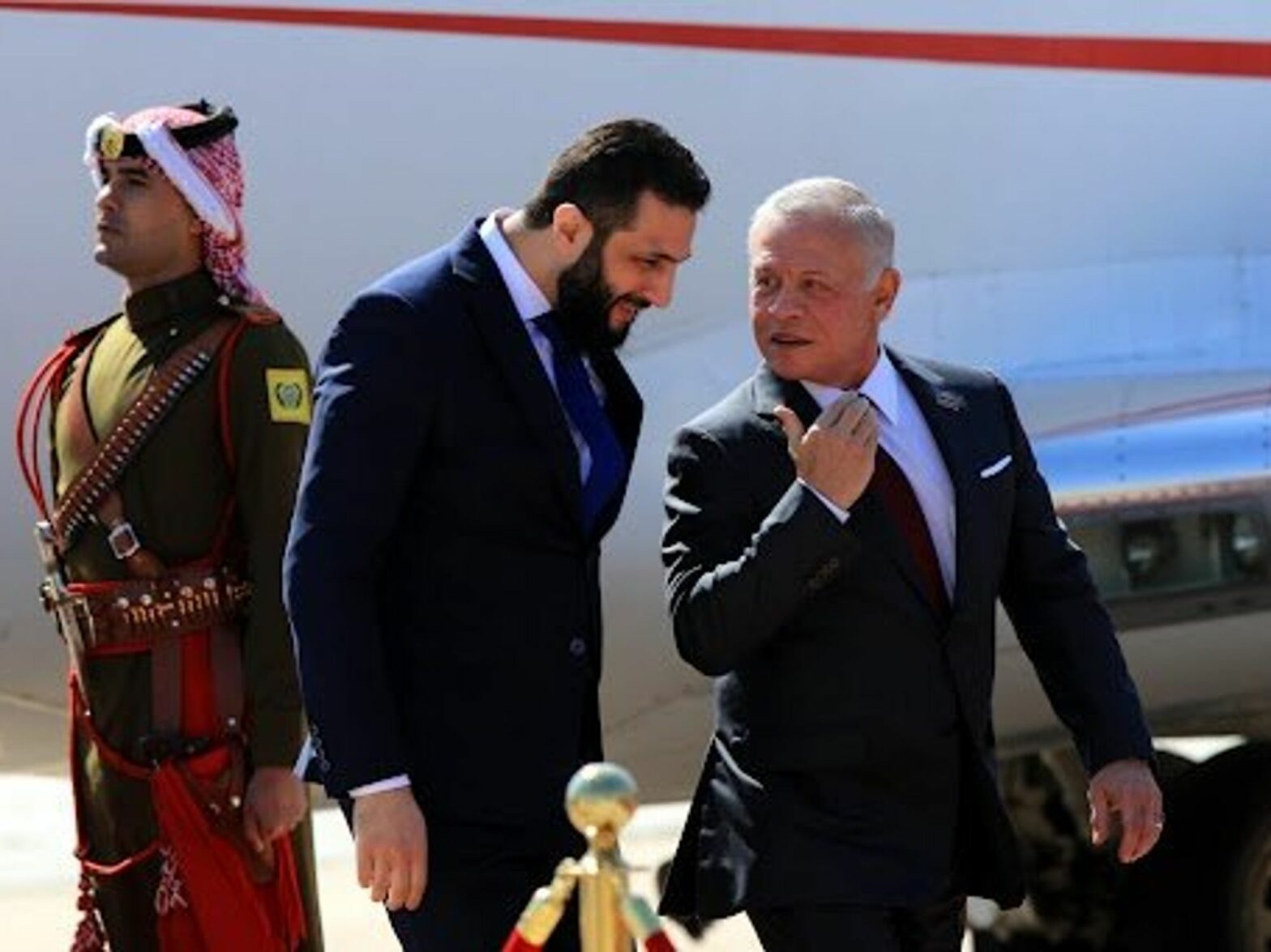
Concerned about Islamic State sleeper cells in Syria, neighboring Jordan is cautiously hoping the country’s interim president, Ahmed Al-Sharaa, will support international efforts to combat ISIS.
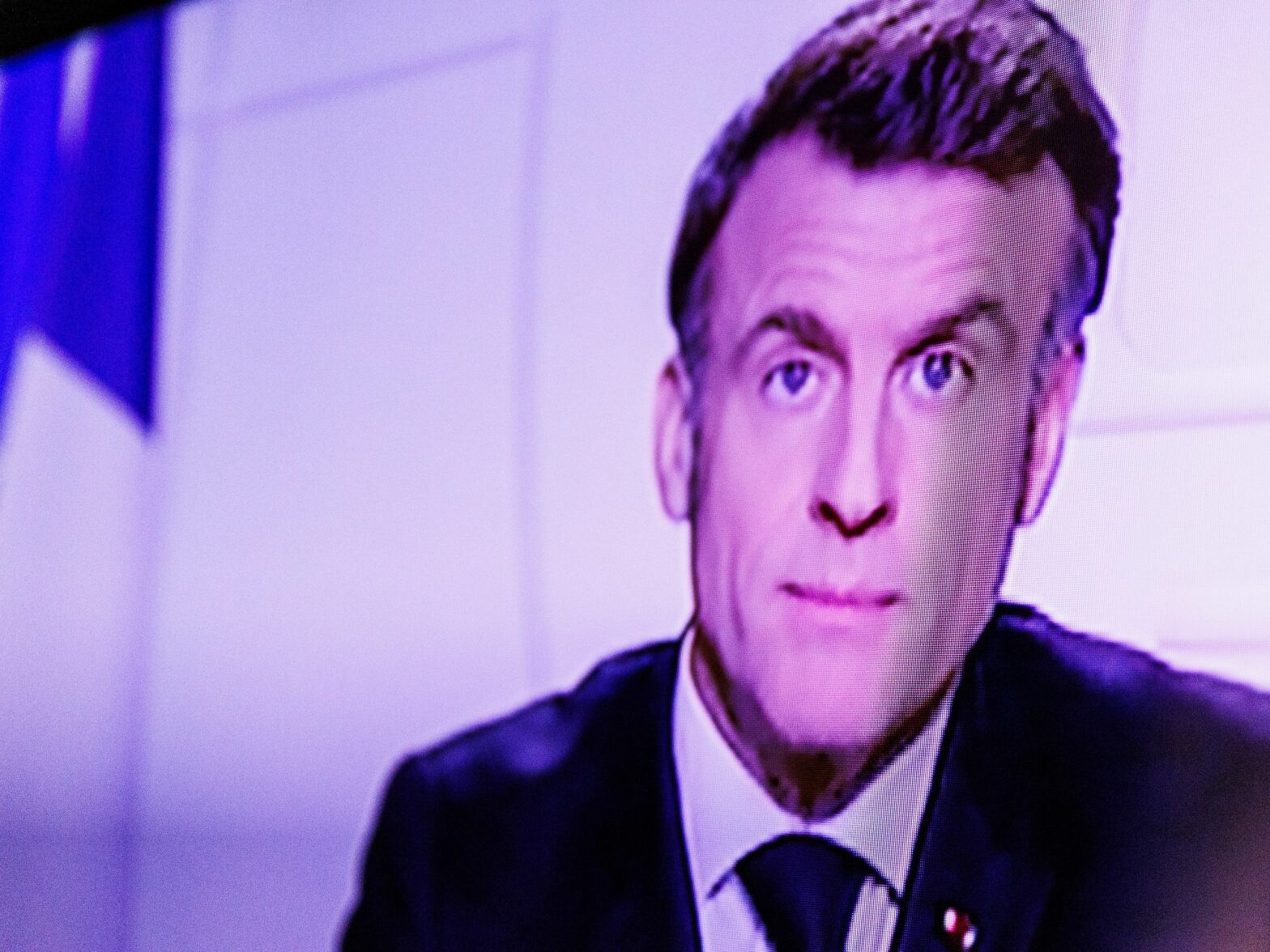
The French president defended Ukraine and called for an unprecedented effort to strengthen Europe’s defense in a speech aimed at rallying the French people. Yet he refrained from criticizing Donald Trump.