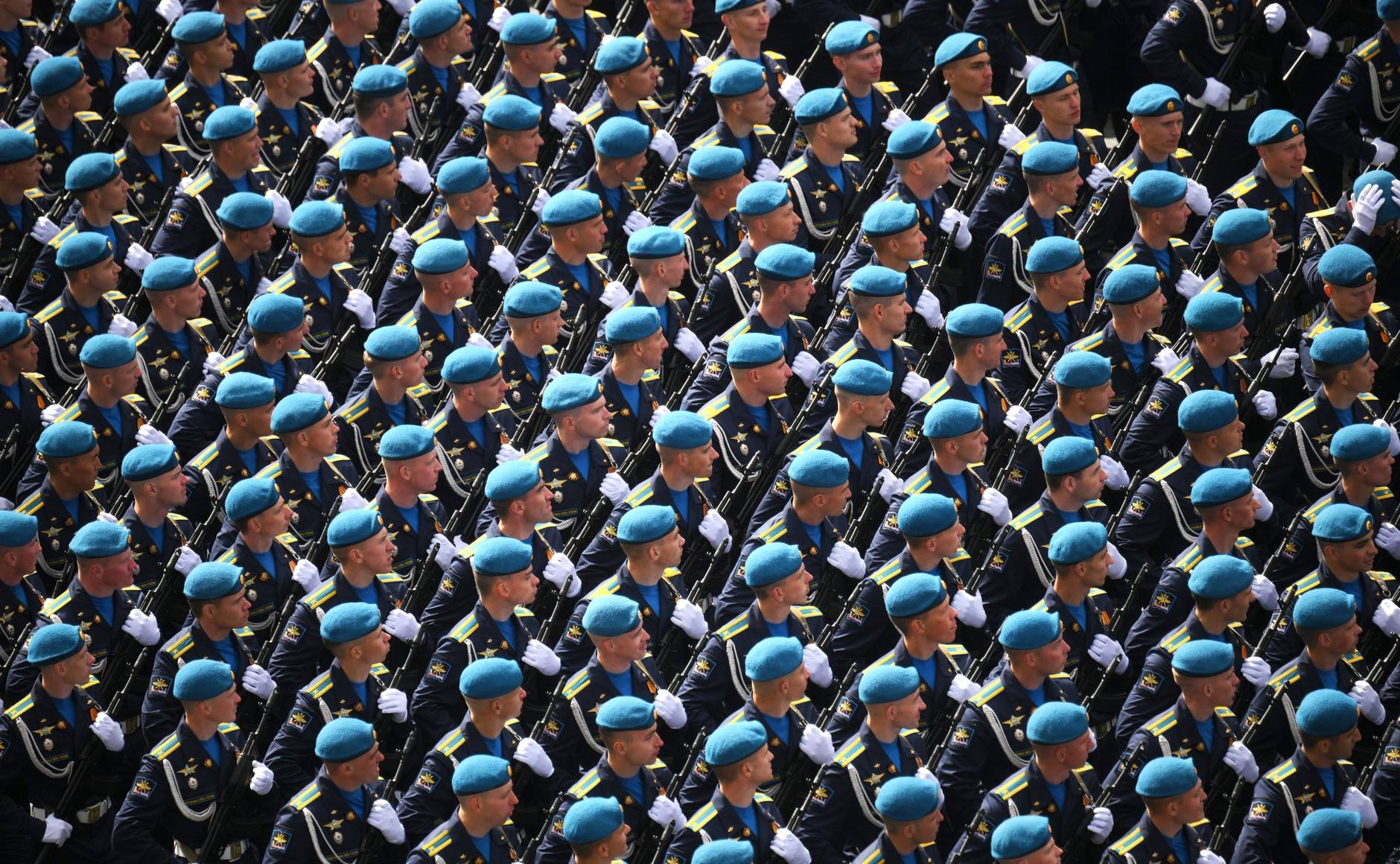
NATO’s warning signals a shift in how Europe must confront Russian cyber attacks, sabotage, and pressure on critical infrastructure, as Moscow turns sub-threshold conflict into a strategic weapon.
 Worldcrunch
NATO’s warning signals a shift in how Europe must confront Russian cyber attacks, sabotage, and pressure on critical infrastructure, as Moscow turns sub-threshold conflict into a strategic weapon.
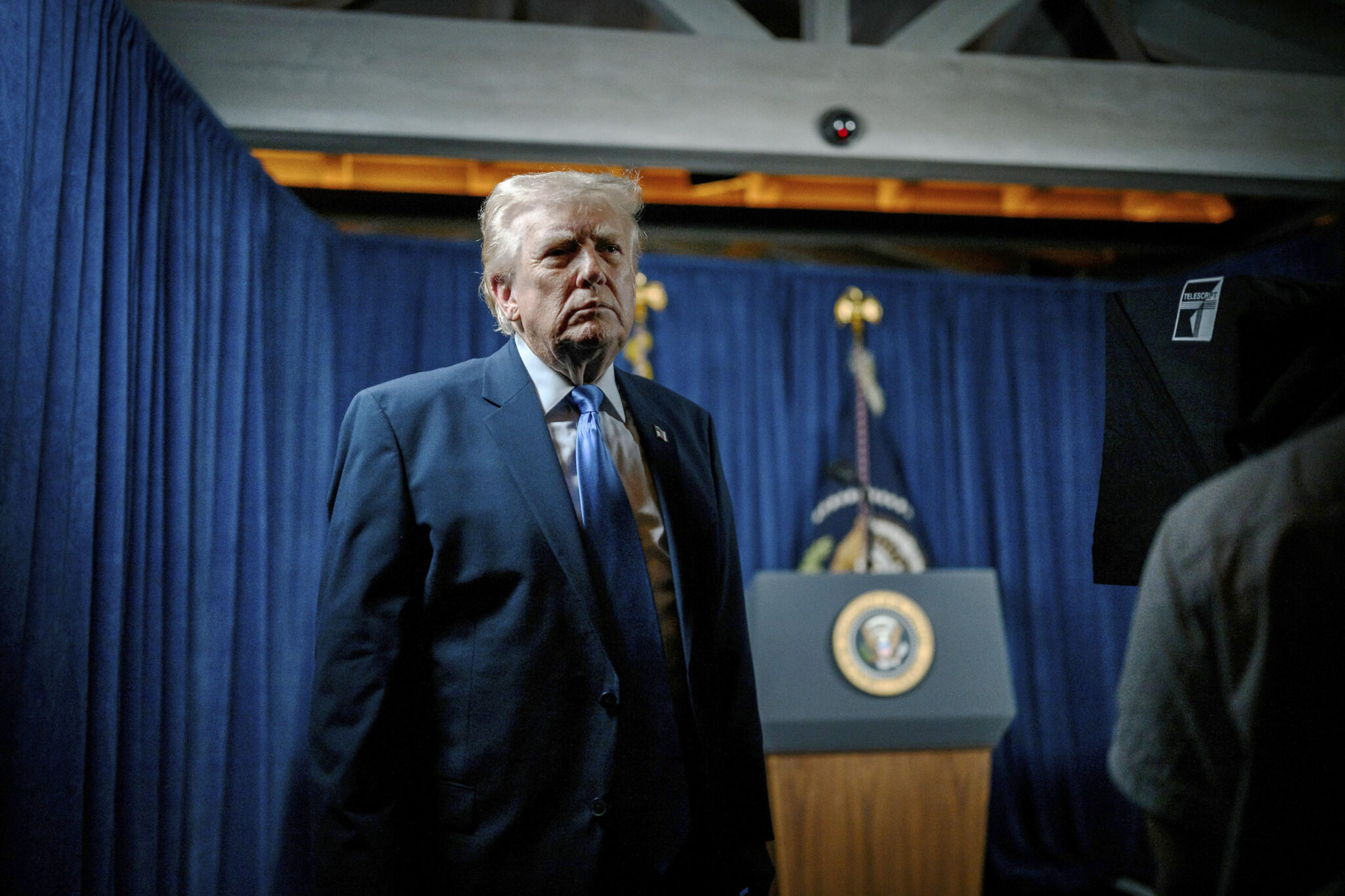
A string of political defeats, legal setbacks and economic backlash is eroding Trump’s grip on power, raising cautious hopes that America’s democratic resilience is finally reasserting itself.
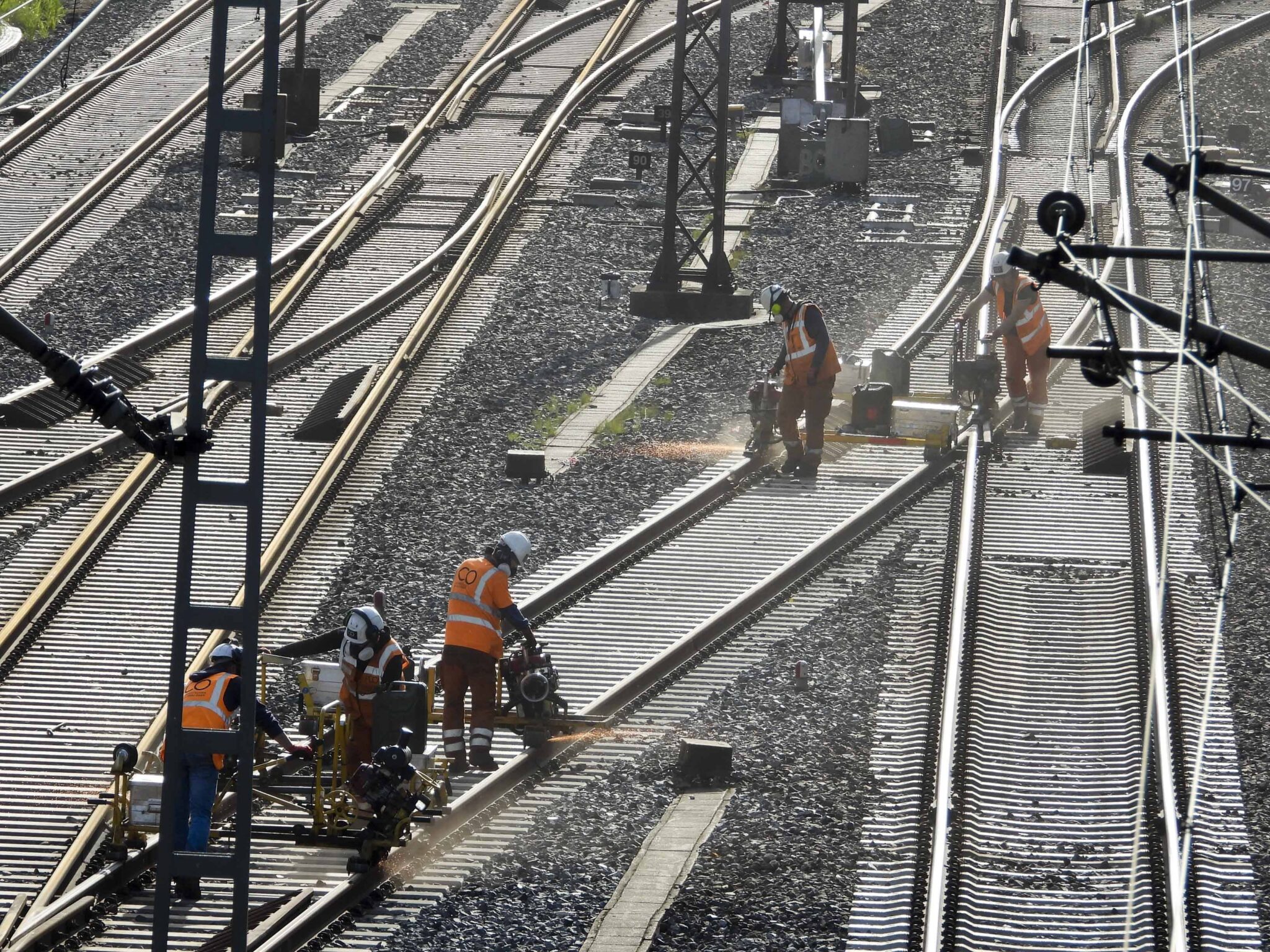
The EU’s new military mobility push is turning delayed infrastructure projects like Germany’s Murr Railway into potential defense assets, reshaping transport priorities across the continent.

In one of the world’s most connected countries, cyber soldiers protect critical systems against constant foreign attacks while preparing for the day when artificial intelligence could take control of the battlefield.
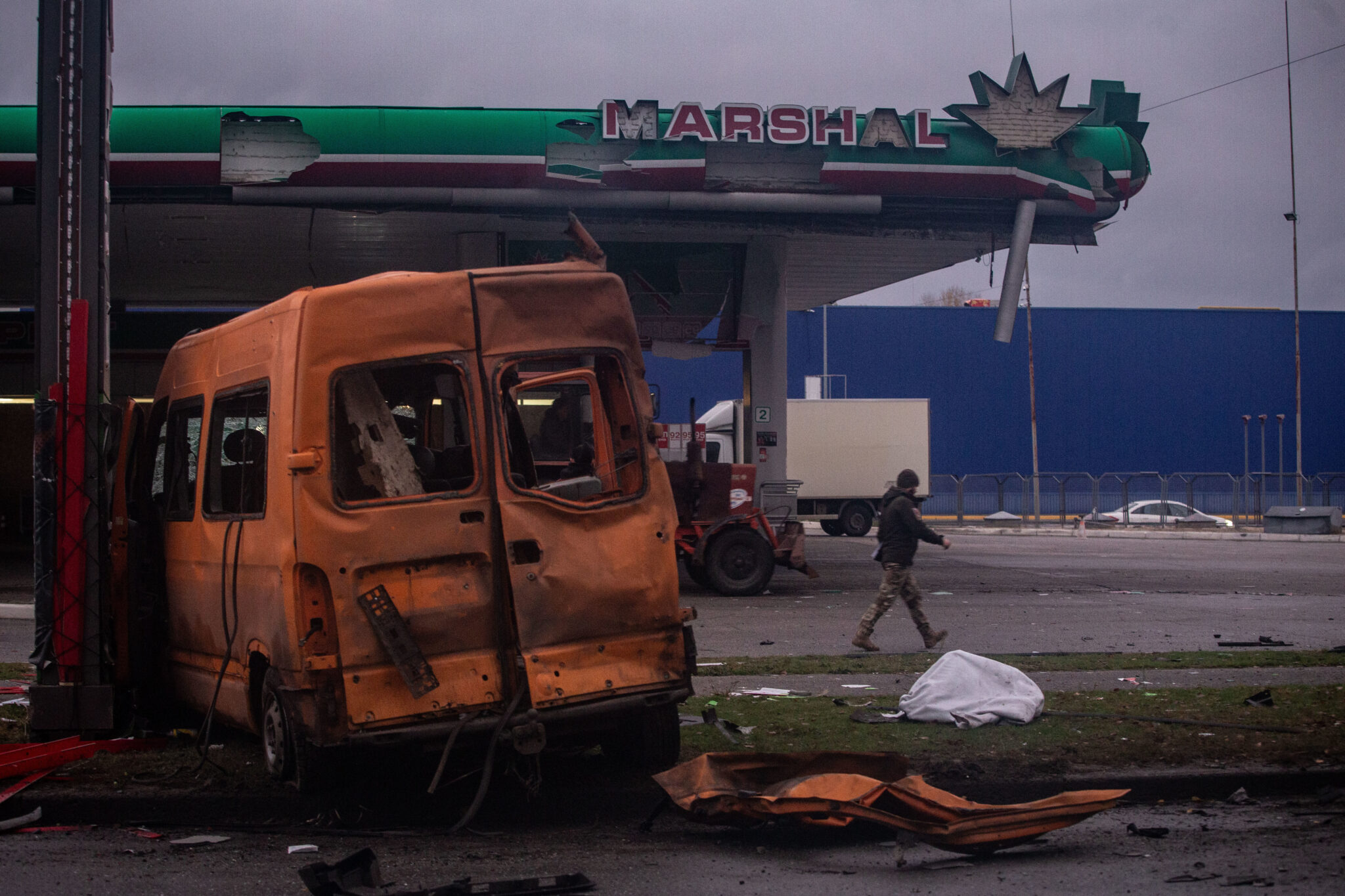
With offensives stalling, Ukraine hitting Russian refineries, Western aid thinning, and winter power grids under fire, the gap persists as Moscow floats Donbas withdrawals and Kyiv rejects concessions while outside mediation muddies the waters.
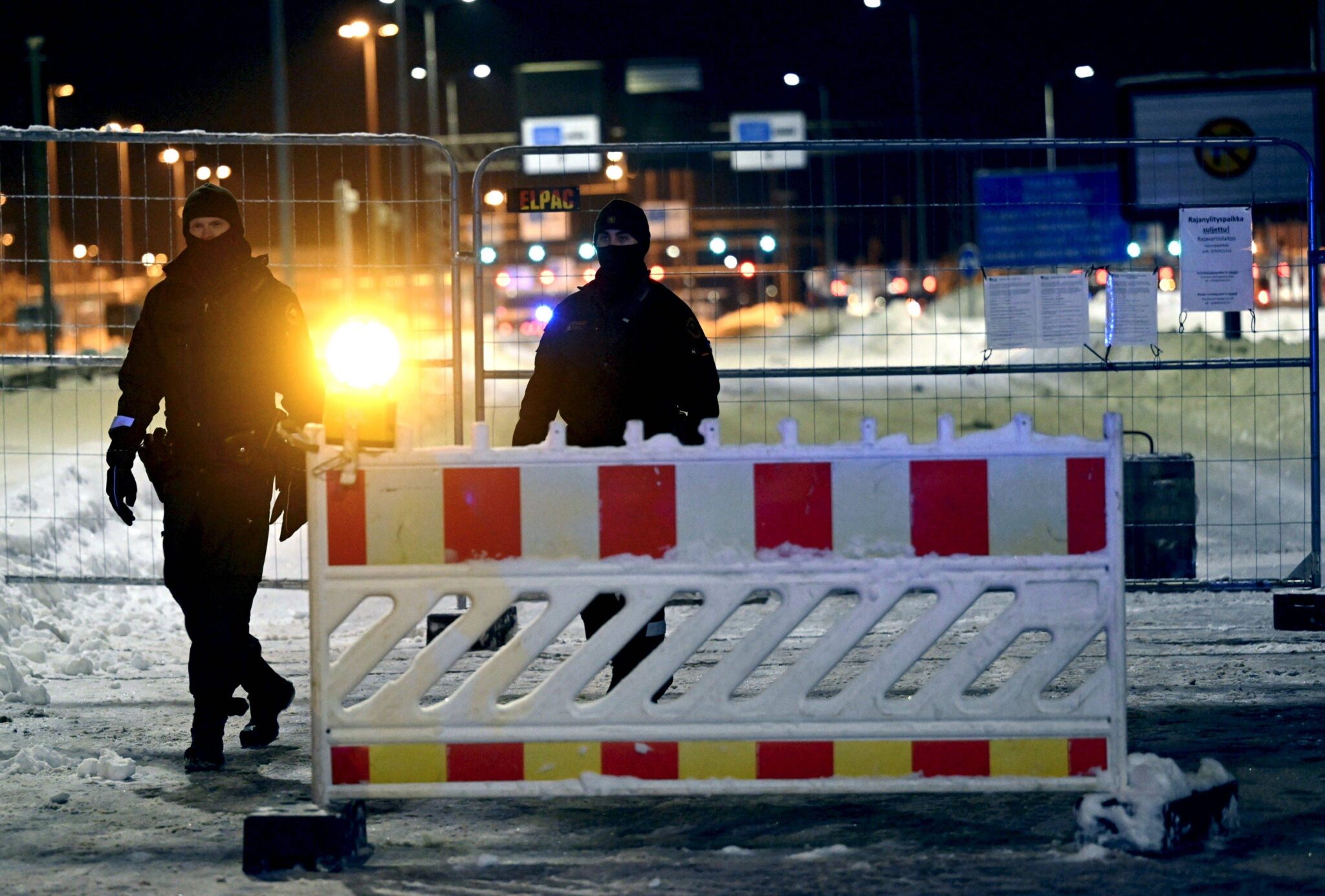
Since the Russian border was closed, people in the far east of Finland have been living with a new Iron Curtain that is reshaping daily life and upending the regional economy.
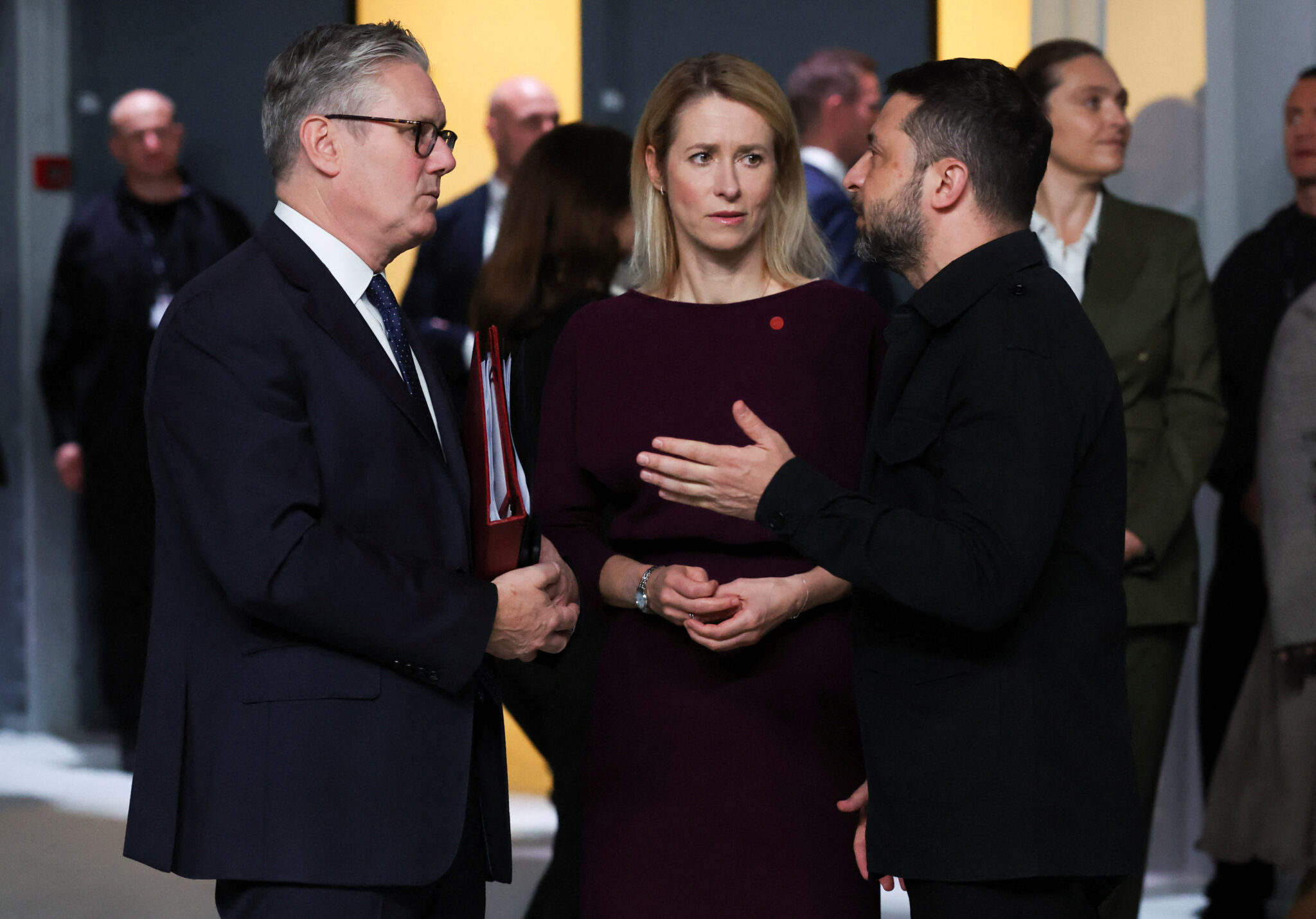
After a series of intrusions by unidentified drones, Denmark is hosting a two-day European summit focused on the Russian threat. The Danish prime minister has denounced Russia’s “hybrid warfare,” saying, “This is only the beginning.” But the EU must be careful not to overreact.
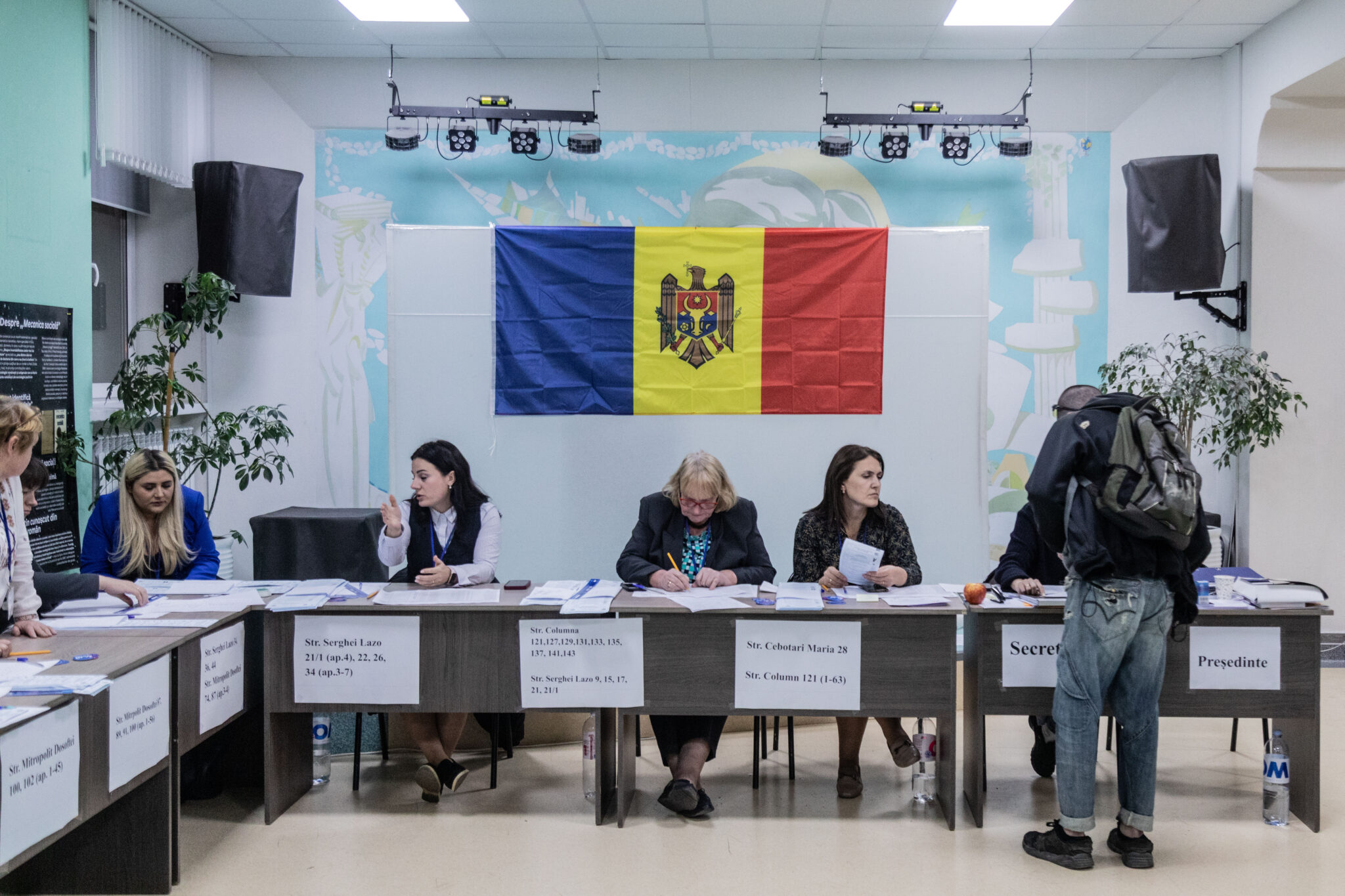
President Maia Sandu’s pro-European party is leading the vote count in Moldova’s parliamentary elections, pulling ahead of the pro-Russian party. The elections are seen as a test in the wider struggle between Vladimir Putin and Ukraine’s supporters along the European Union’s borders.
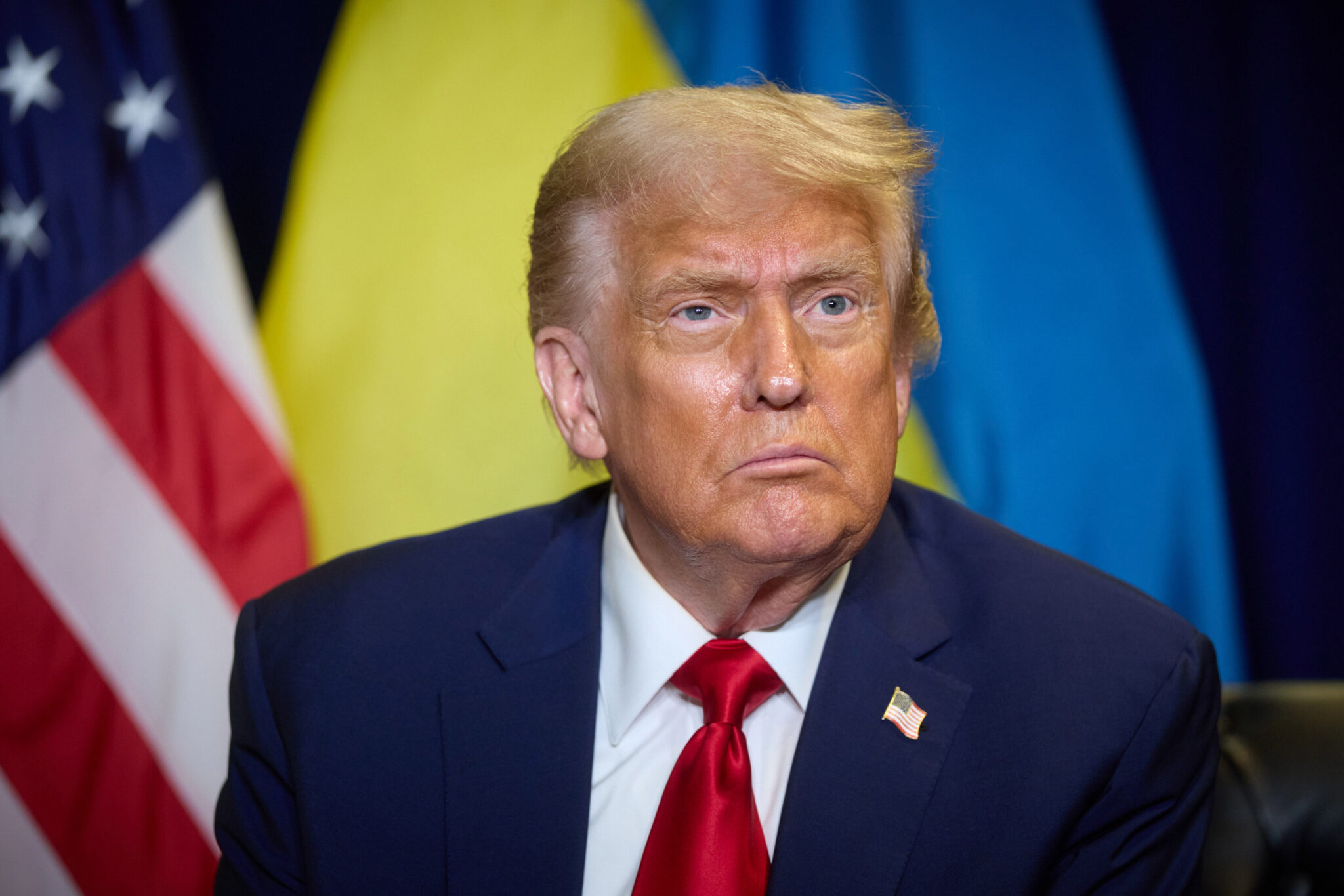
Donald Trump changed his tone toward Russia after his meeting with Volodymyr Zelensky, even saying he was ready to shoot down Russian planes that enter NATO airspace. Is this a real shift in favor of Ukraine, or just hurt feelings about his would-be pal Vladimir Putin.

As Russian jets breach Estonian airspace, Tallinn’s mayor Jevgeni Ossinovski explains how the capital is preparing for war while holding on to faith in NATO protection.
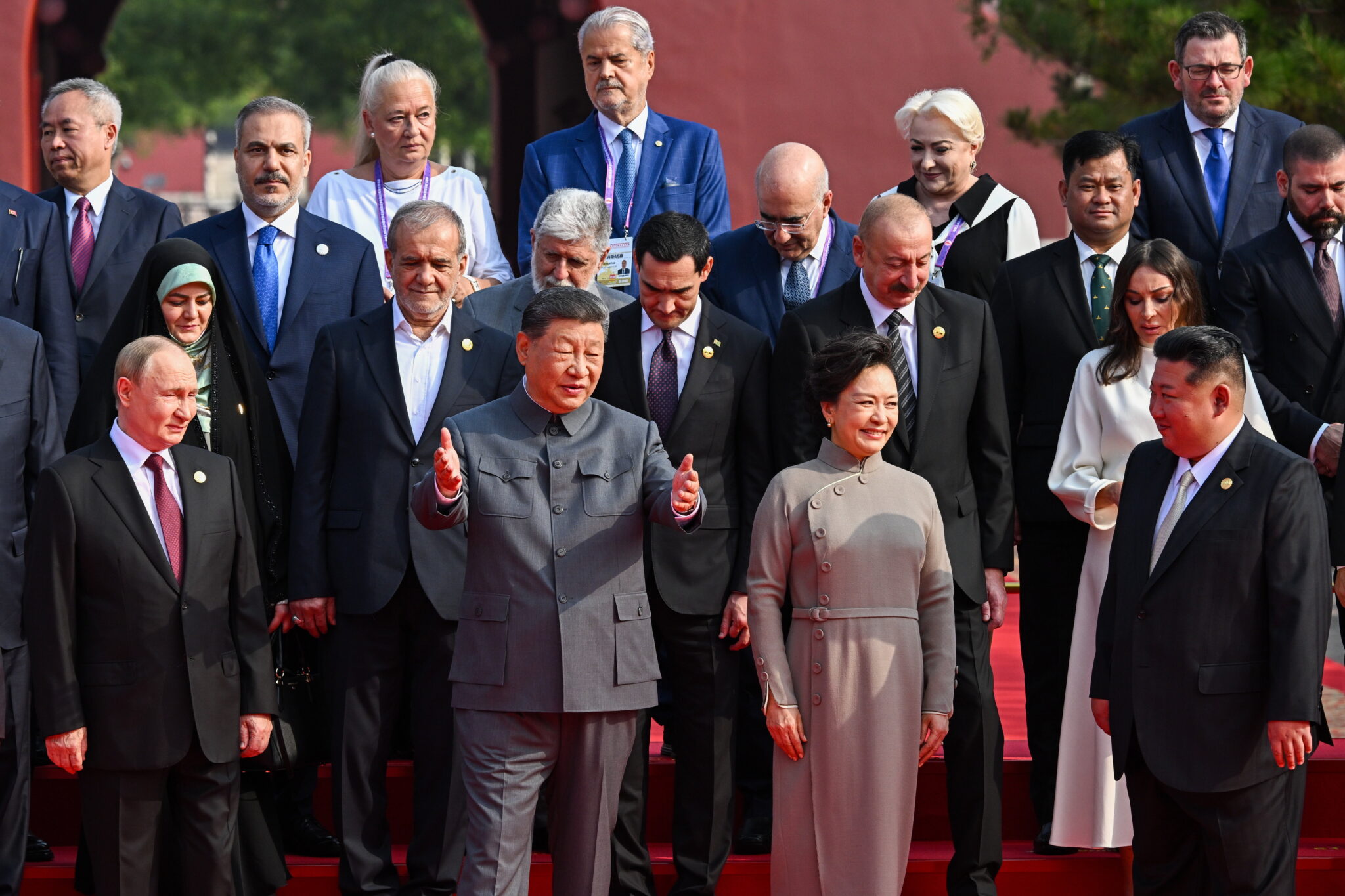
Xi Jinping’s military show in Beijing and his alliance of autocrats may look like the dawn of a new world order, yet the economic, scientific, and military balance still tilts toward the democracies of the West.
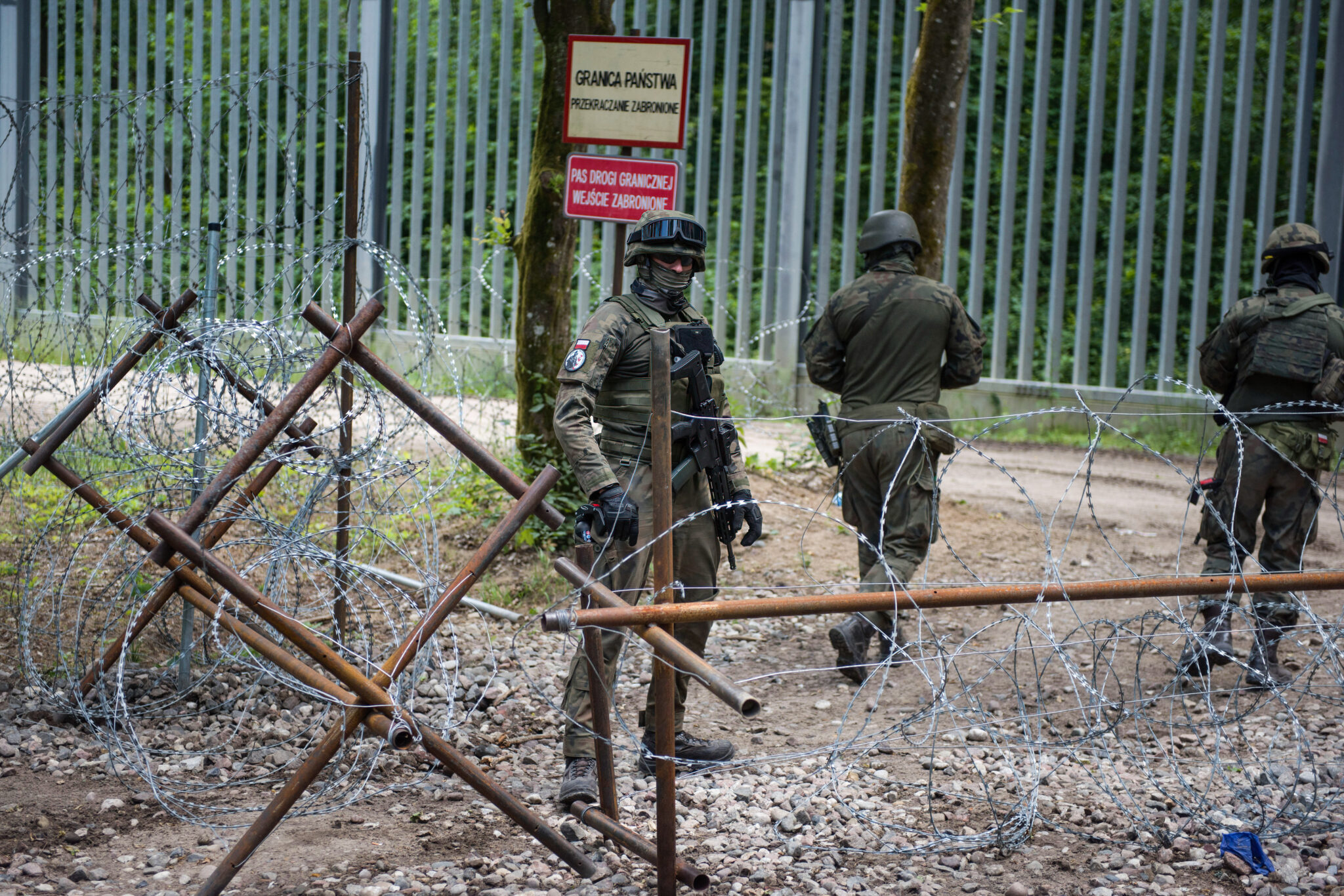
A historic ally of Kyiv, Poland has found itself on the frontlines of the Ukraine-Russia war. What began as a border crisis back in 2021 has now evolved into a full-scale struggle for security, sovereignty, and survival on NATO’s eastern flank.
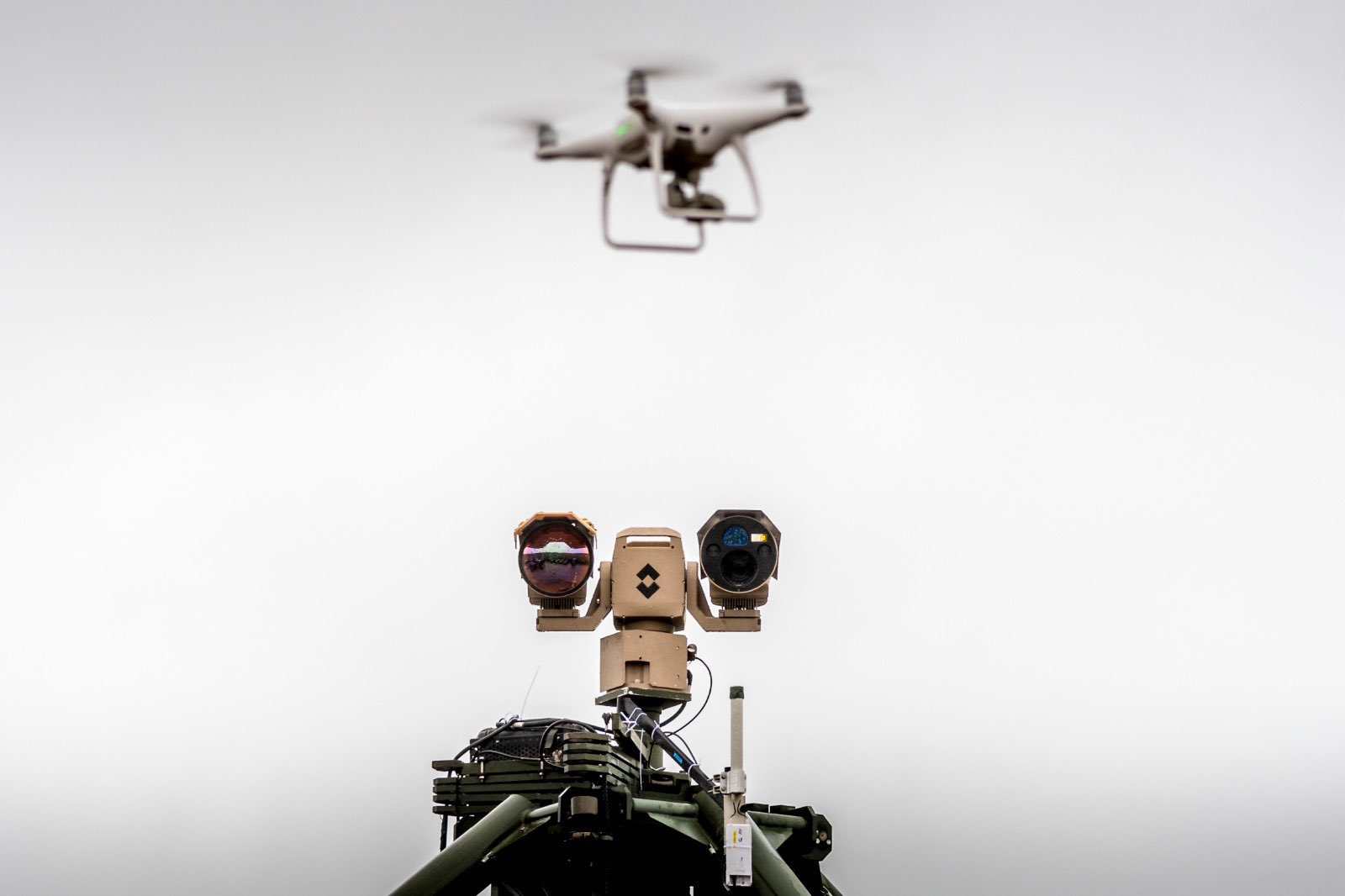
The incursion of 19 Russian drones into Polish airspace prompted several NATO countries to mobilize, but also highlighted the weakness of the alliance’s defense capabilities. Warsaw has called it a “provocation” and the incident will accelerate the move towards European defense.
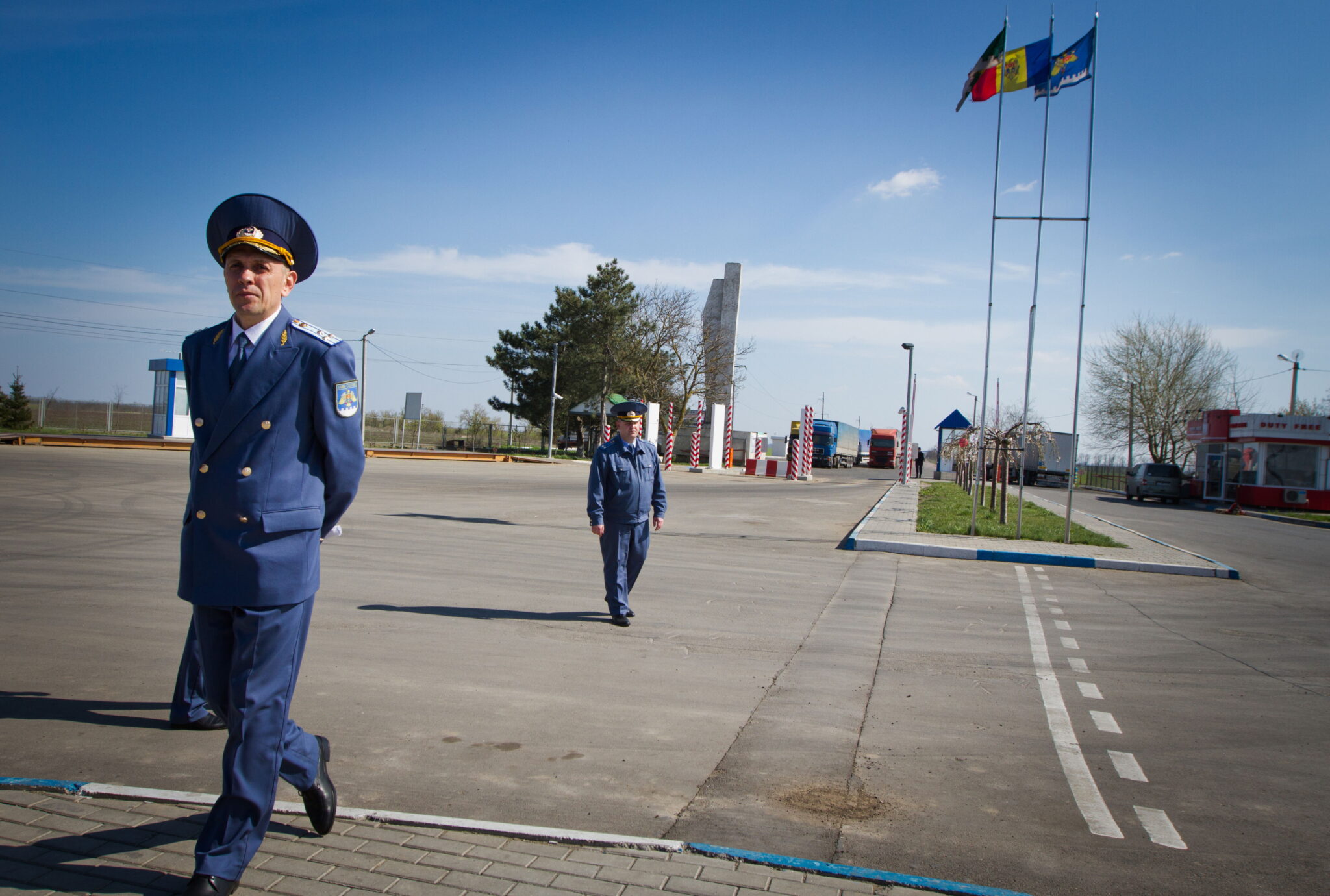
Macron, Merz and Tusk are in Moldova on Wednesday to celebrate the anniversary of its independence and to lend political support to pro-European President Maia Sandu, one month before parliamentary elections marked by a pro-Russian offensive.
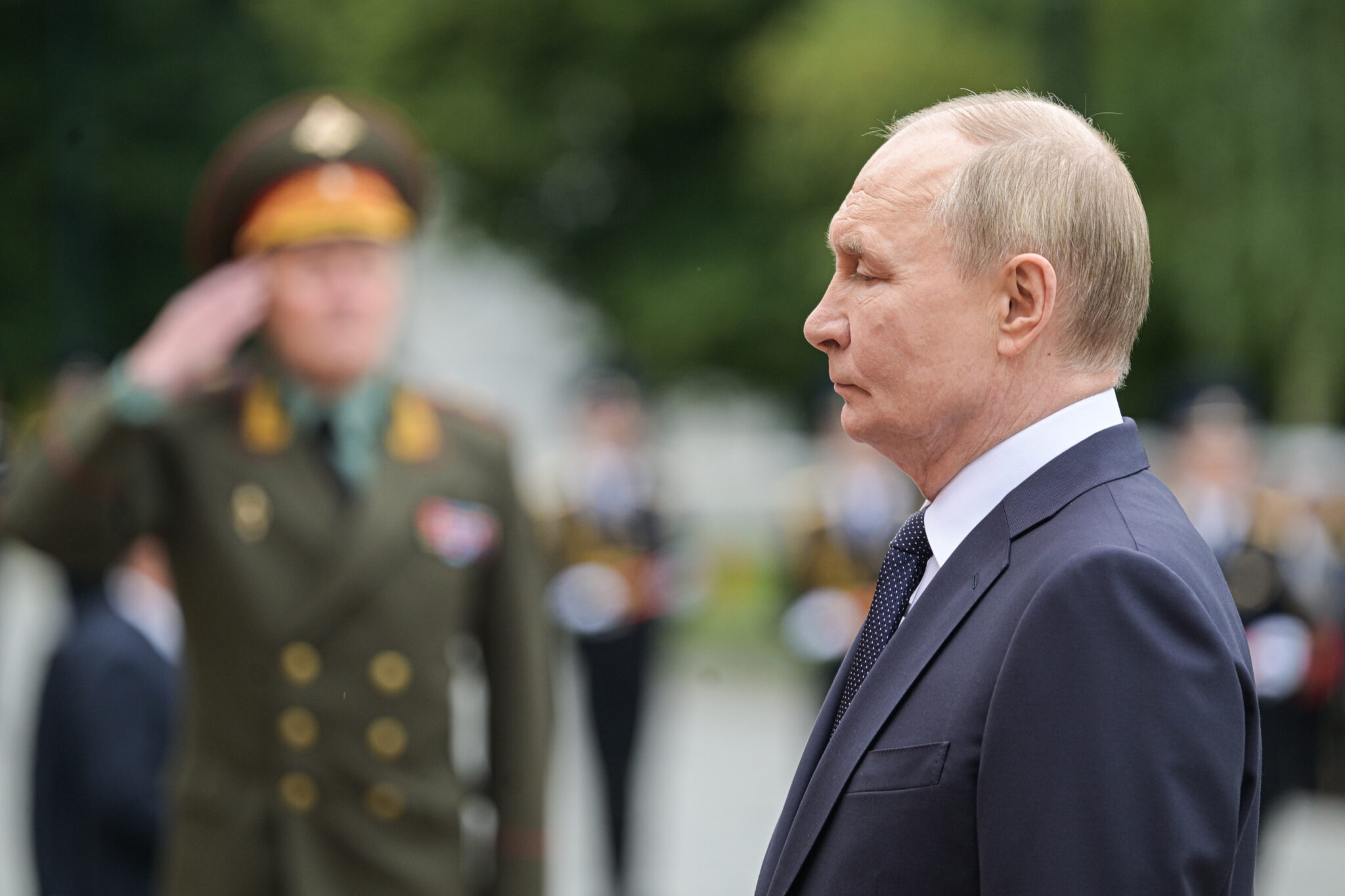
Despite promises of Patriot missiles and steep tariffs, Trump’s latest overtures give Russia time to press its offensive—and the Moscow stock market is celebrating.
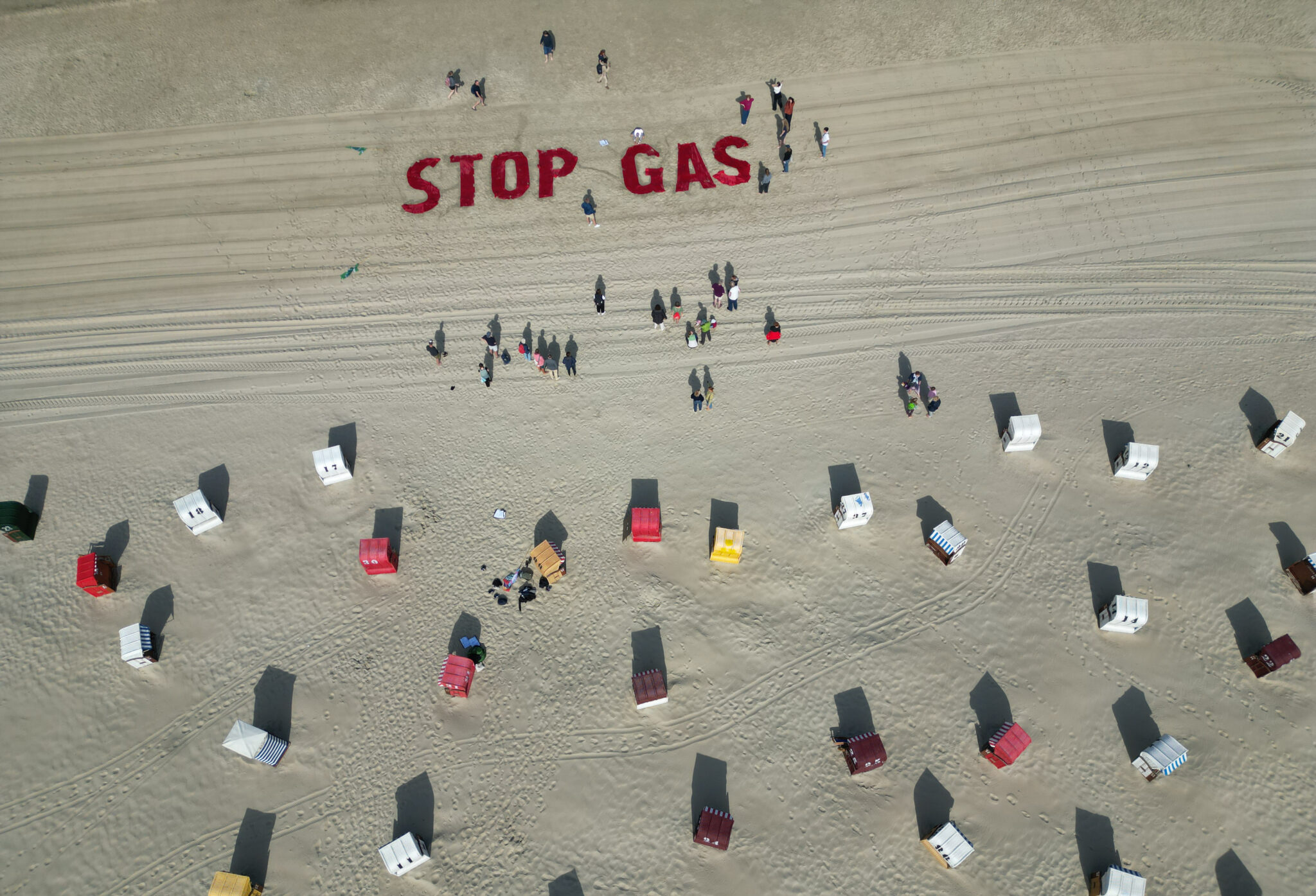
👋 Aссалом* Welcome to Tuesday, where Trump threatens Russia with steep tariffs if a peace deal is not reached within 50 days, Netanyahu’s coalition is under pressure after an ultra-Orthodox party quits and our daily quiz question is about the hacking of a famous puppet’s X account. Meanwhile, Johanna Jürgens for German weekly Die Zeit […]
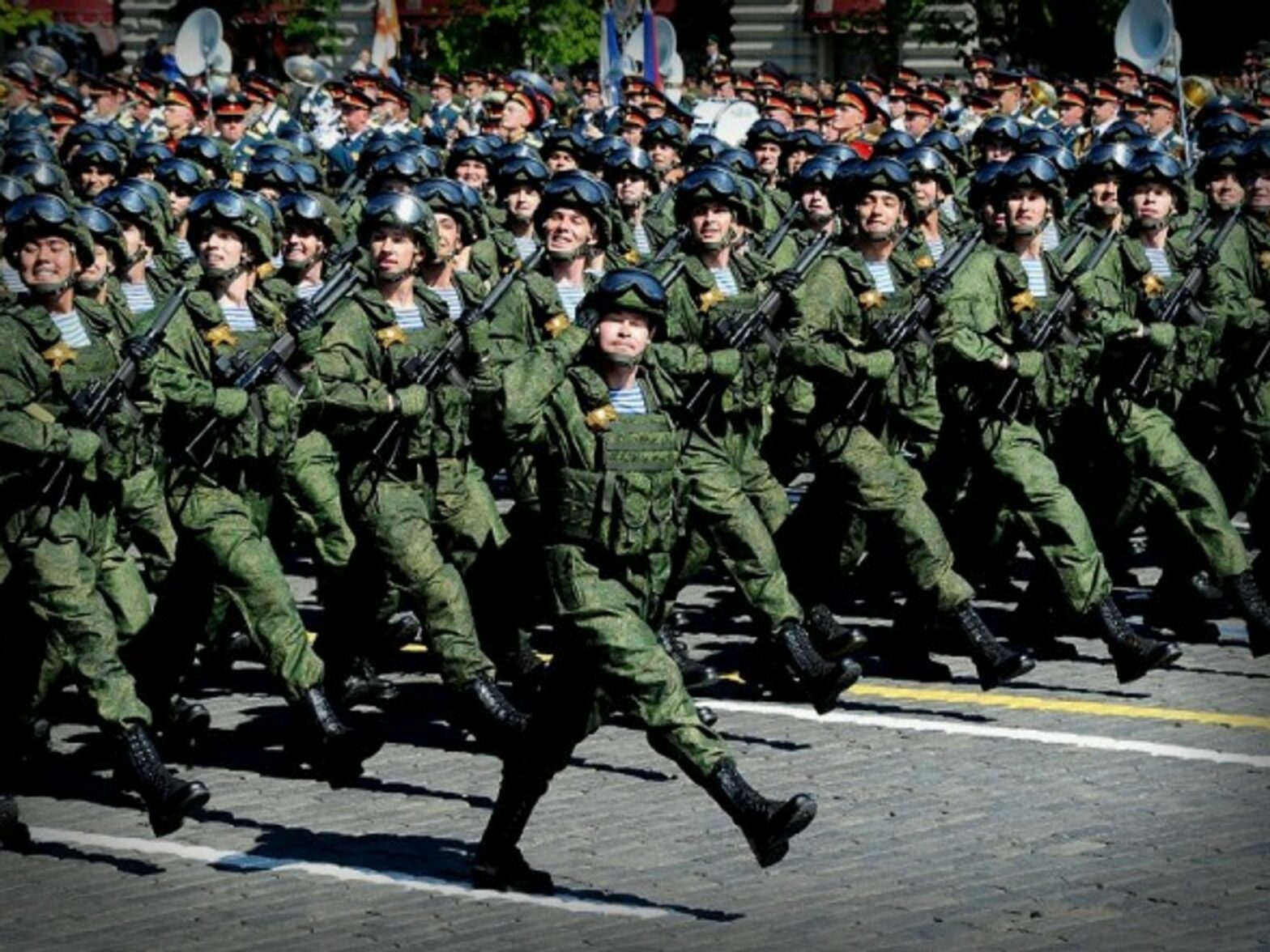
Chancellor Merz and Foreign Minister Wadephul warn of direct threats from Moscow on the lives of people in Germany, and yet hesitate to back their words with the kind of support Ukraine urgently needs to avoid that Putin goes further.
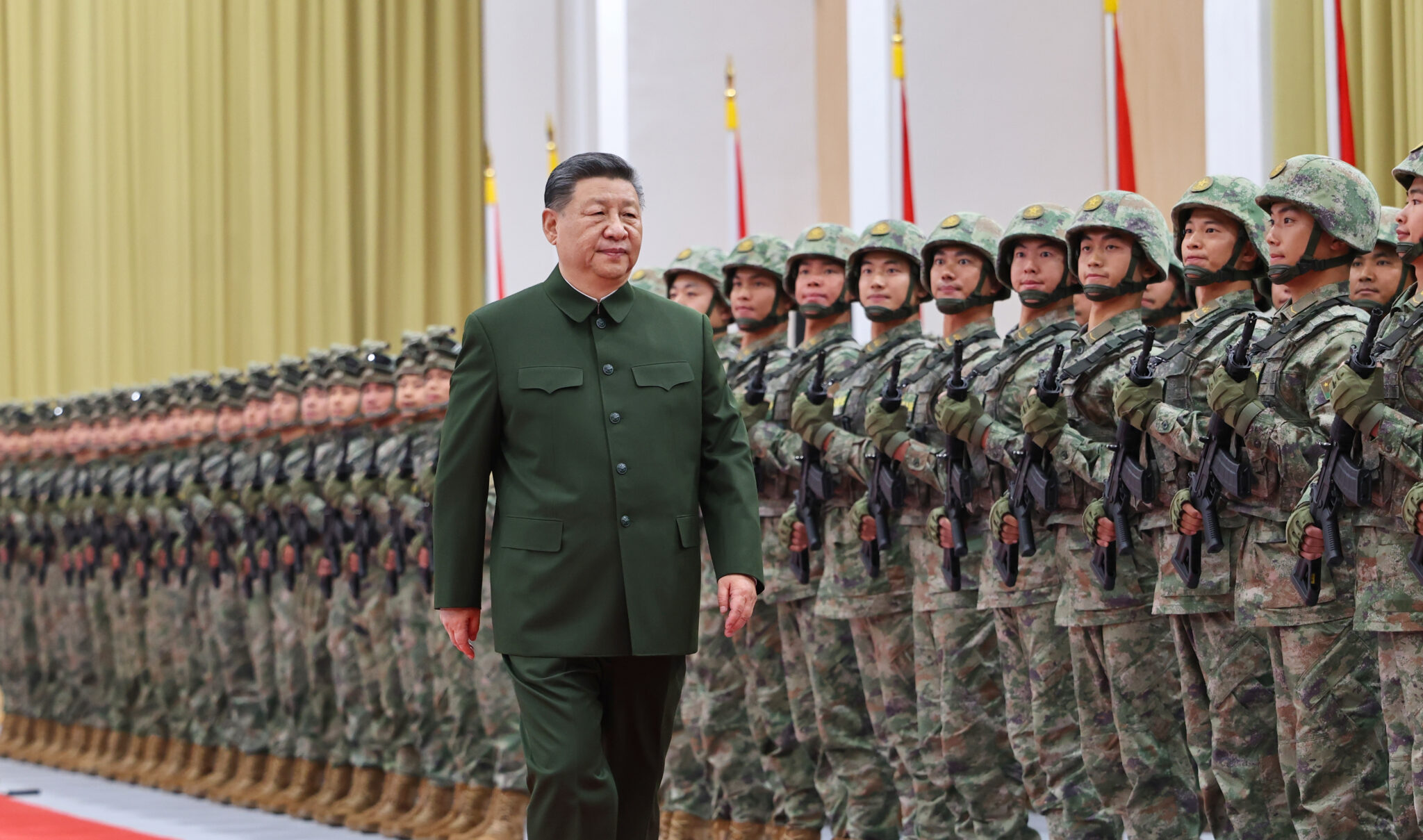
Eight decades after the UN Charter was signed, the so-called rules-based order is looking pretty battered. Still, the fact that someone breaks a rule doesn’t make it invalid. Law and reality never fully align. Otherwise, we wouldn’t need law.
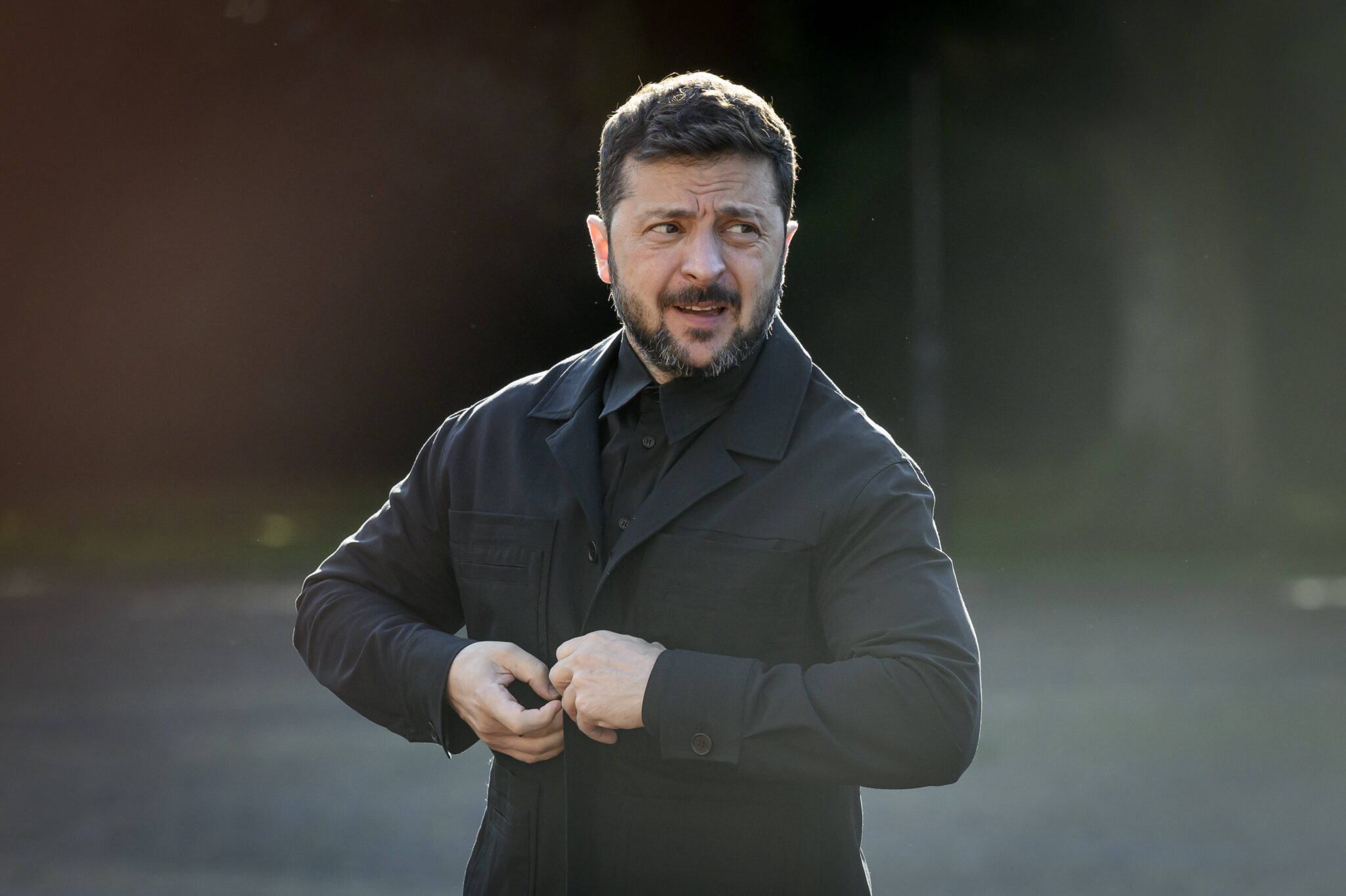
Ukrainian President Volodymyr Zelensky courts and convinces (at least for now) U.S. President Donald Trump. Meanwhile Russia’s leader has failed to enter the negotiations with Tehran to gain on Ukraine.
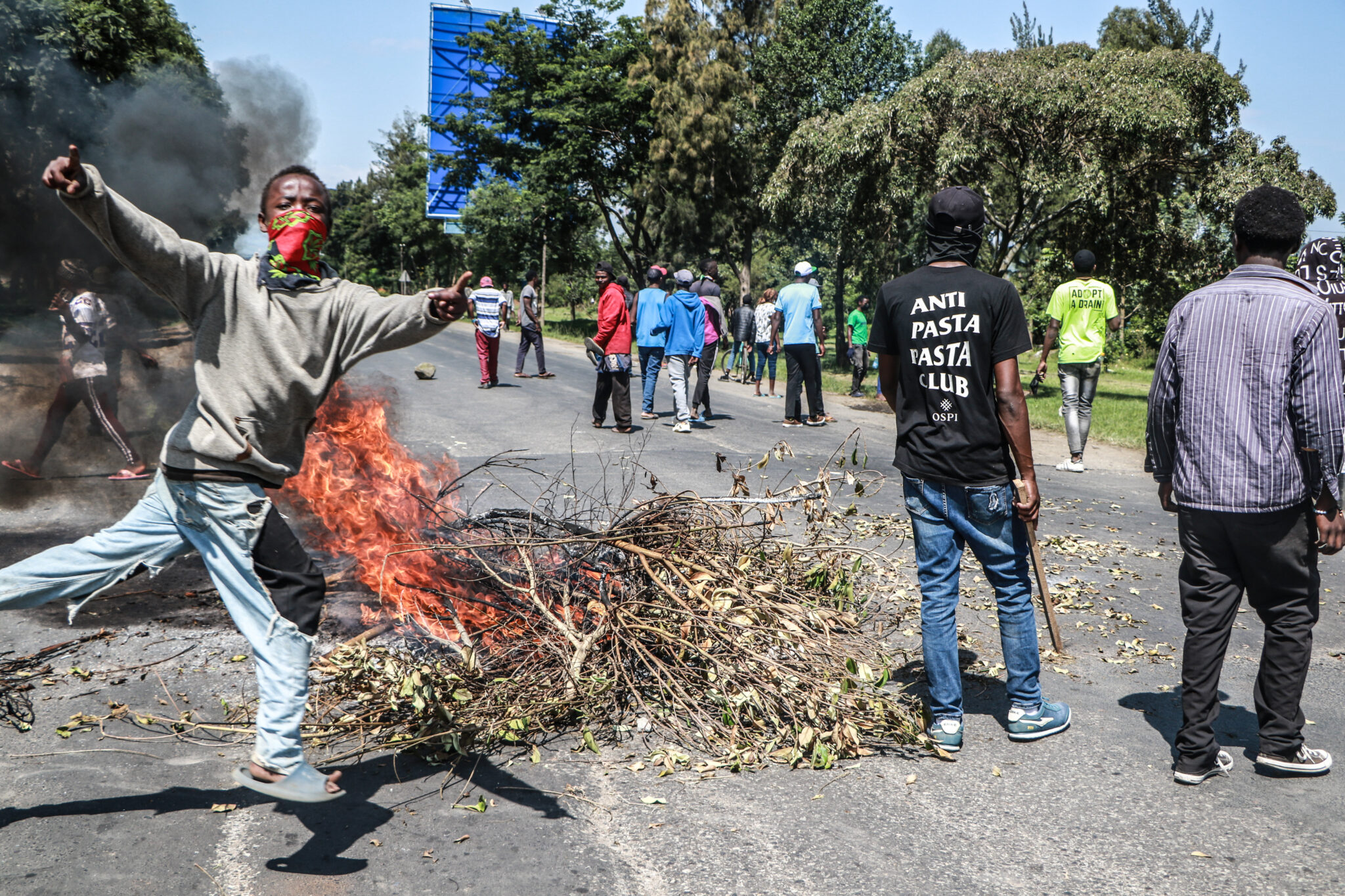
👋 ನಮಸ್ಕಾರ* Welcome to Thursday, where Iran’s nuclear sites are reported to be “severely damaged,” Gaza mediators are intensifying ceasefire efforts, and our daily quiz question is related to a very old discovery from a Polish cave. Meanwhile, Inma Mora Sánchez for Ethic outlines the issues surrounding women’s self-esteem, from the housewives’ awakening of the […]
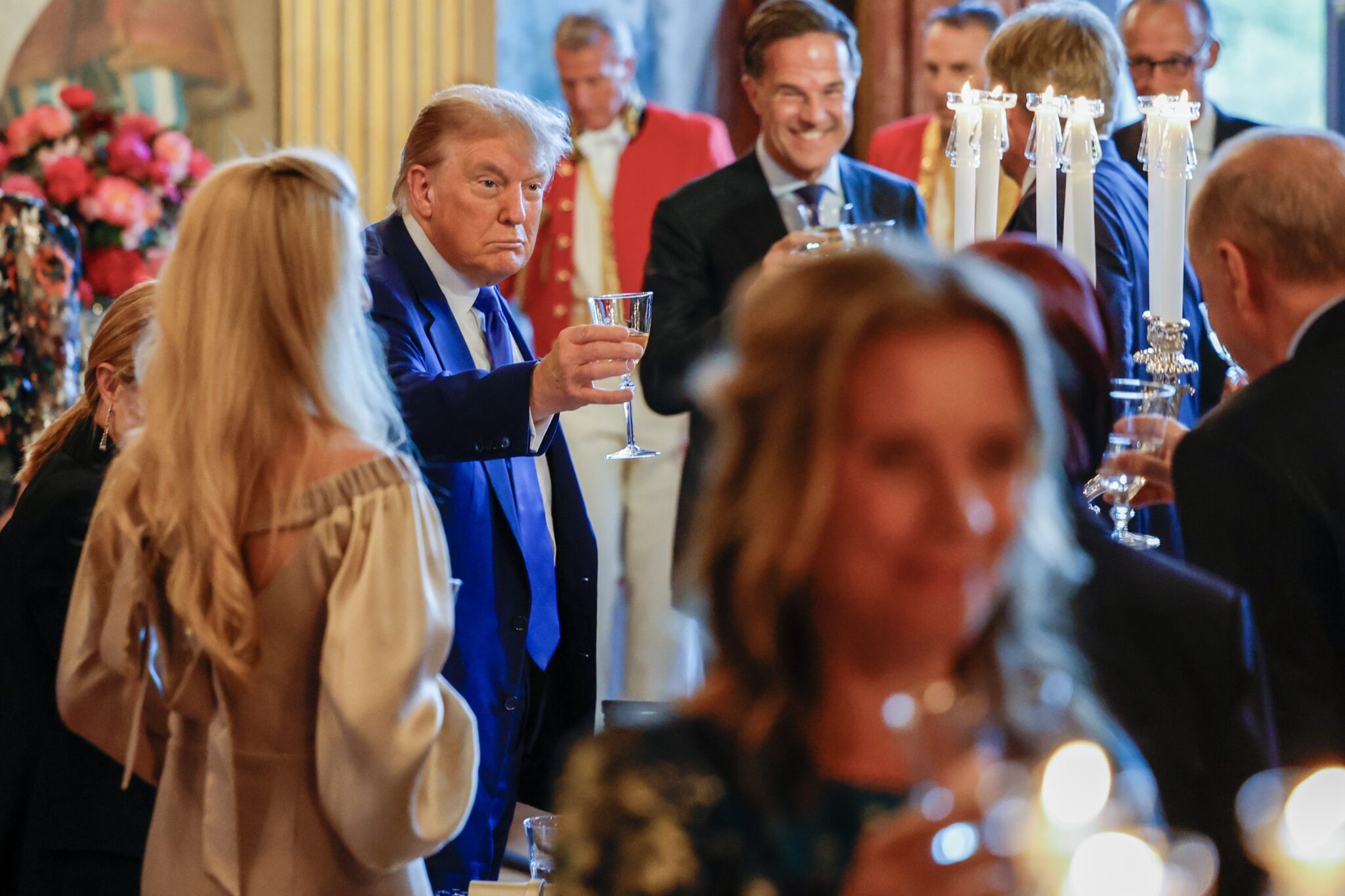
At the NATO Summit in The Hague, European leaders are focused on appeasing Donald Trump by heeding his call for increased defense spending, while carefully avoiding any mention of Ukraine. By sidelining the ongoing war on its eastern border, the alliance errs in favor of political caution.
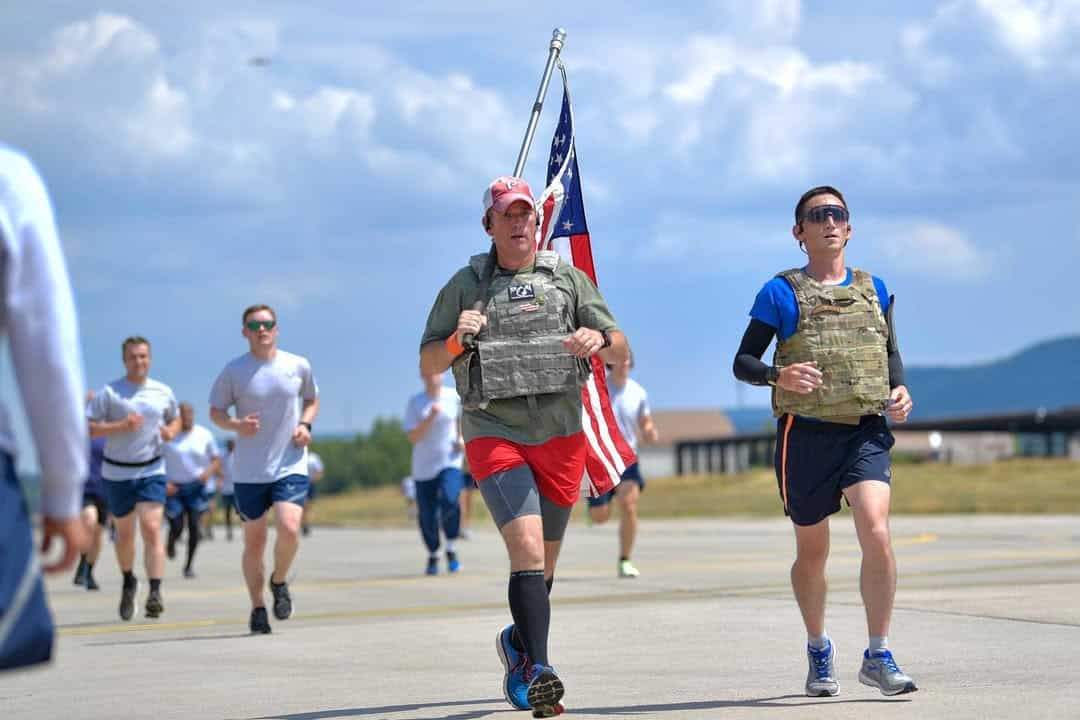
As a child in the 1970s, German journalist Kirsten Küppers found joy, freedom and ease on the U.S. Army base in Mannheim. With Trump asserting his power, it may be simply impossible for that America to be found today in Germany.

The West once promised freedom, justice and reason. But after centuries of global dominance, war crimes and broken ideals, its future hangs in the balance. As nationalism rises and China stakes its claim, is the West entering its final act — or just another turning point?
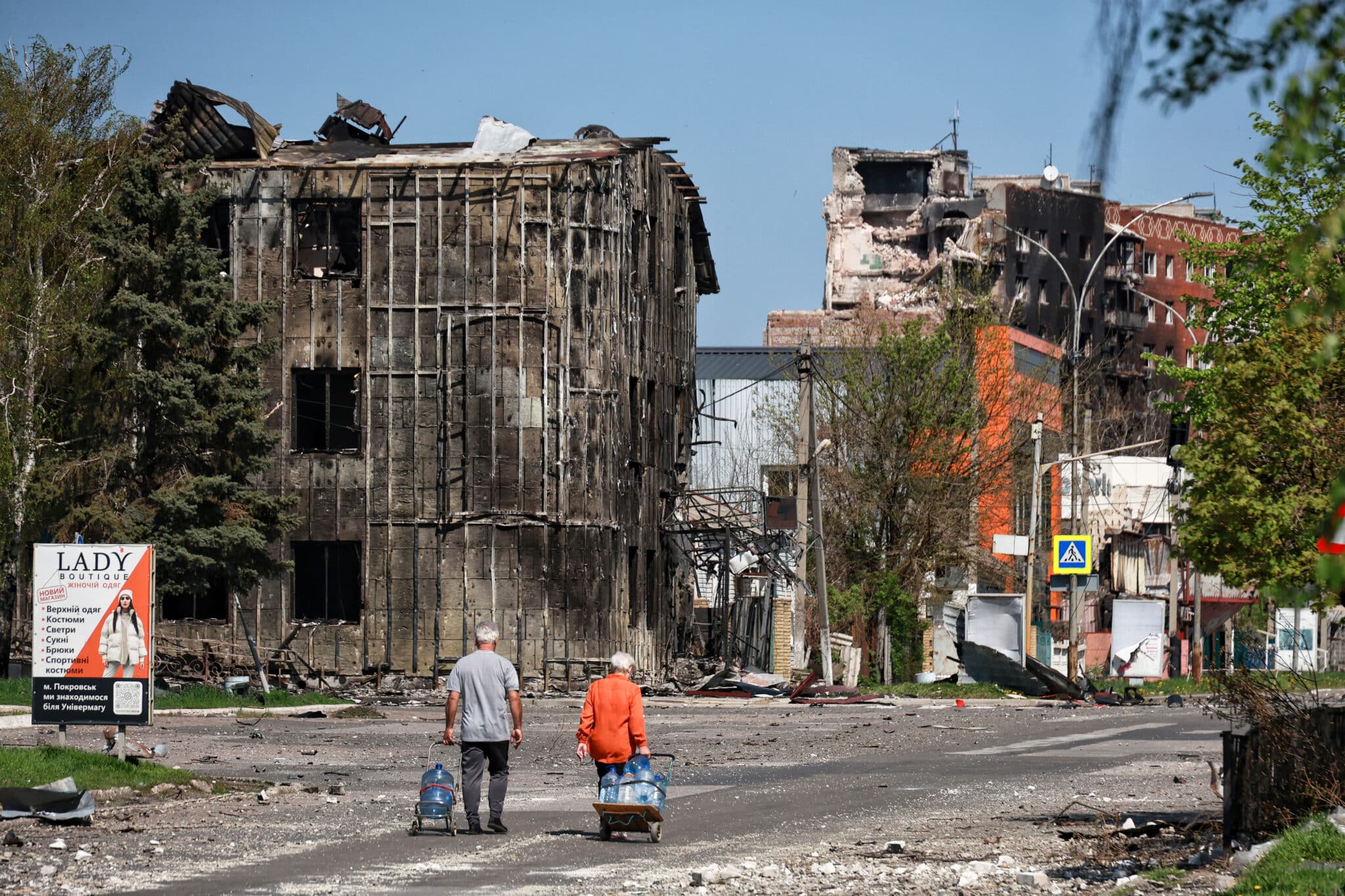
With Russian troops slowly but steadily advancing, and Western support wavering, we should be well aware that a Ukrainian defeat would trigger mass displacement, destabilize Europe, and hand Putin a historic opportunity. We risk sleepwalking into a historic disaster.
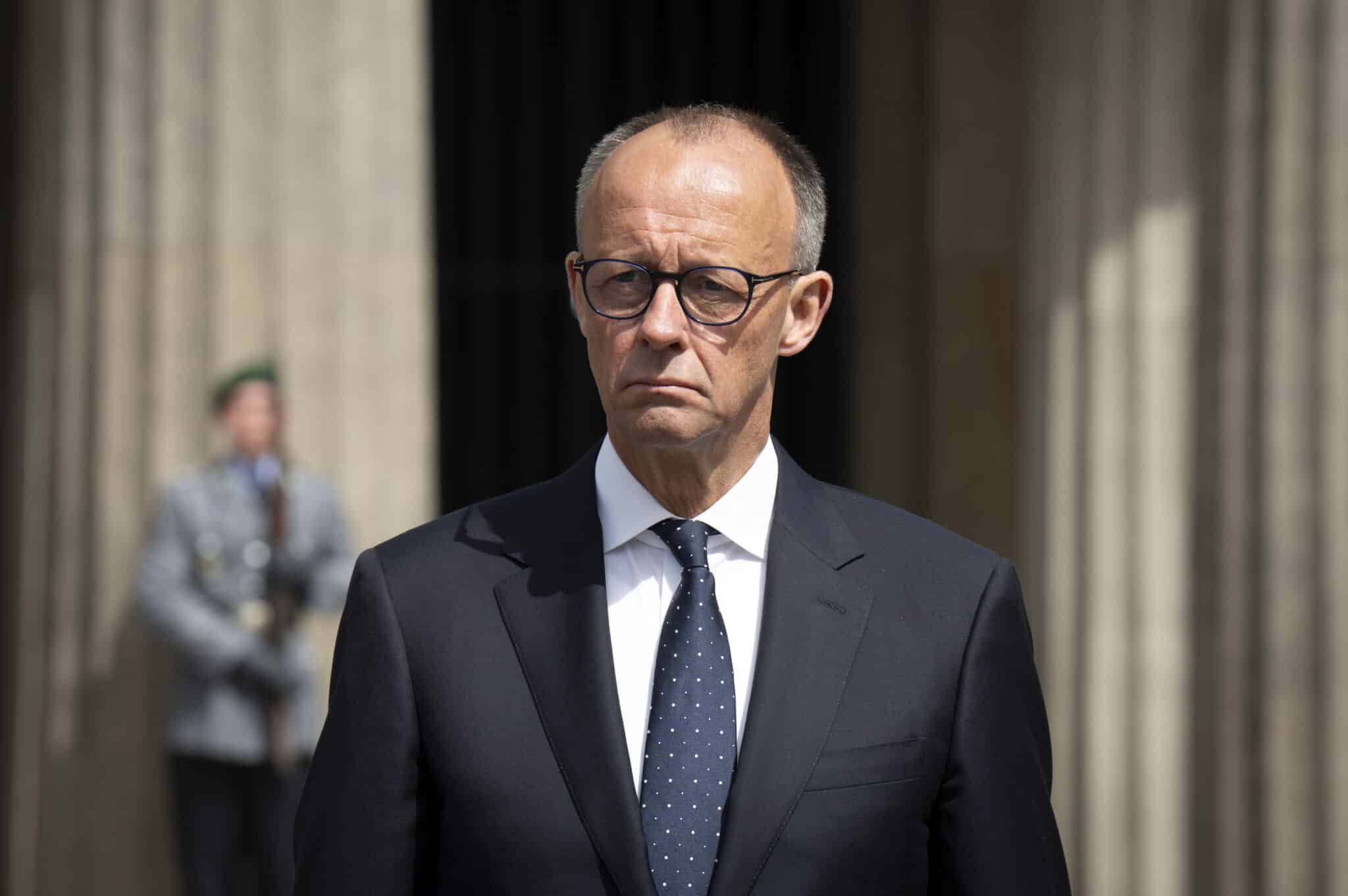
New German Chancellor Friedrich Merz talks about his private exchanges with U.S. President Donald Trump, his own lack of government experience, and why it’s not so clear how to handle the far right AfD.
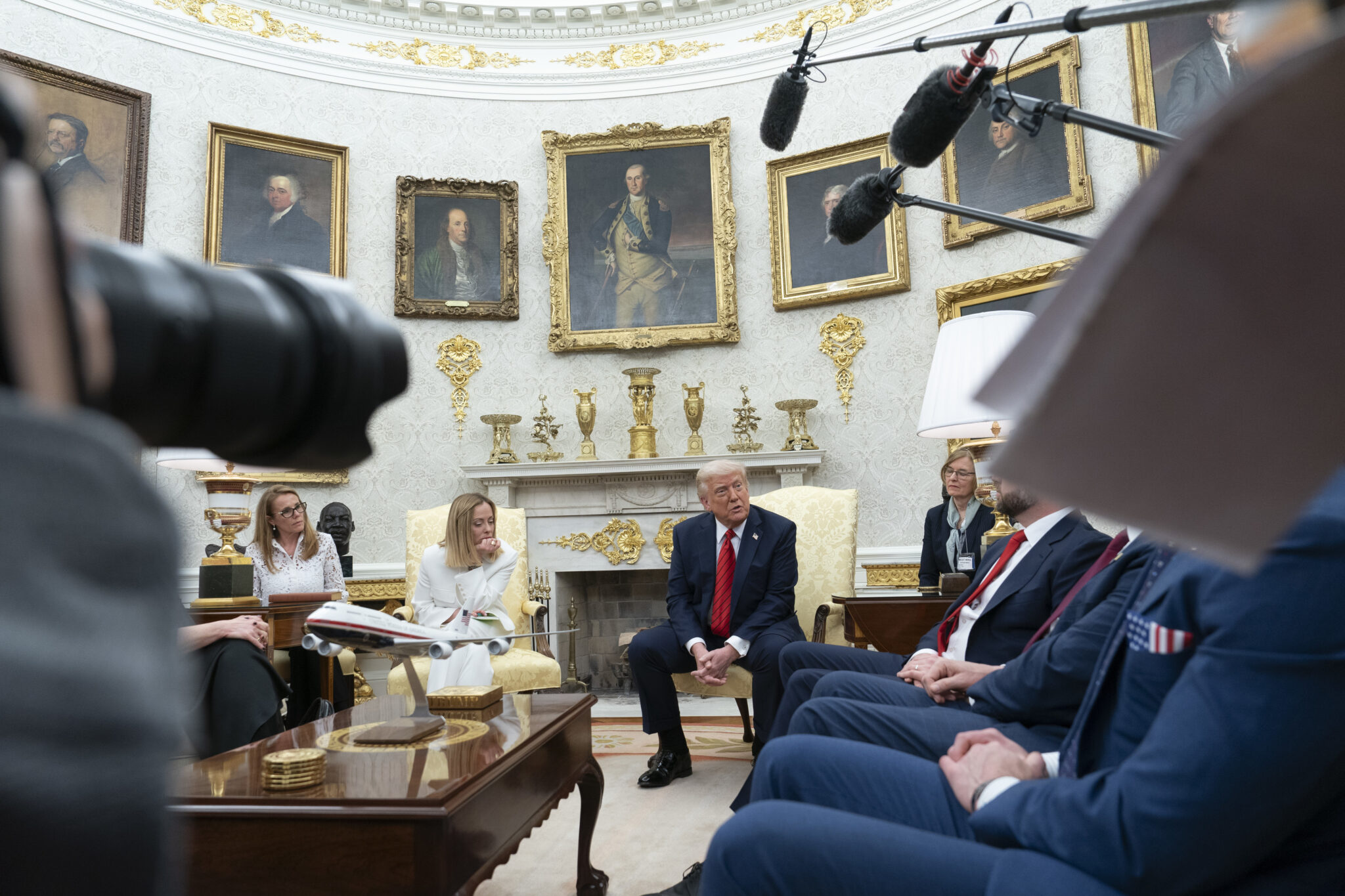
In her Oval Office debut with Trump, the Italian prime minister defends Ukraine, pushes for an EU-US summit, and dodges calls to raise defense spending.
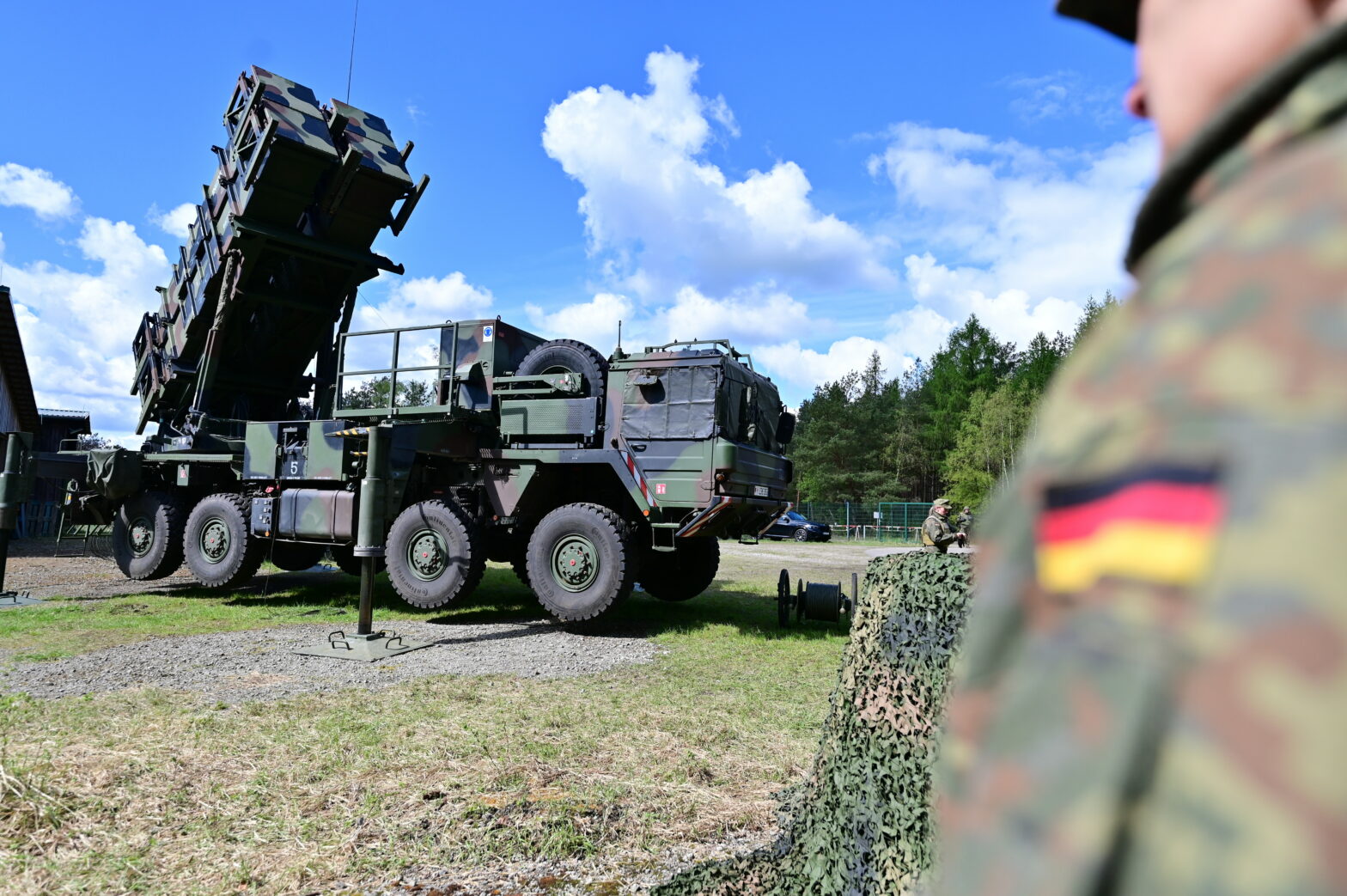
Metaphors like “nuclear shield” or “nuclear security guarantee” are being tossed around as if they meant something clear and specific. This shows a troubling lack of understanding of how nuclear strategy actually works, and how much power is in the hands of individual leaders.
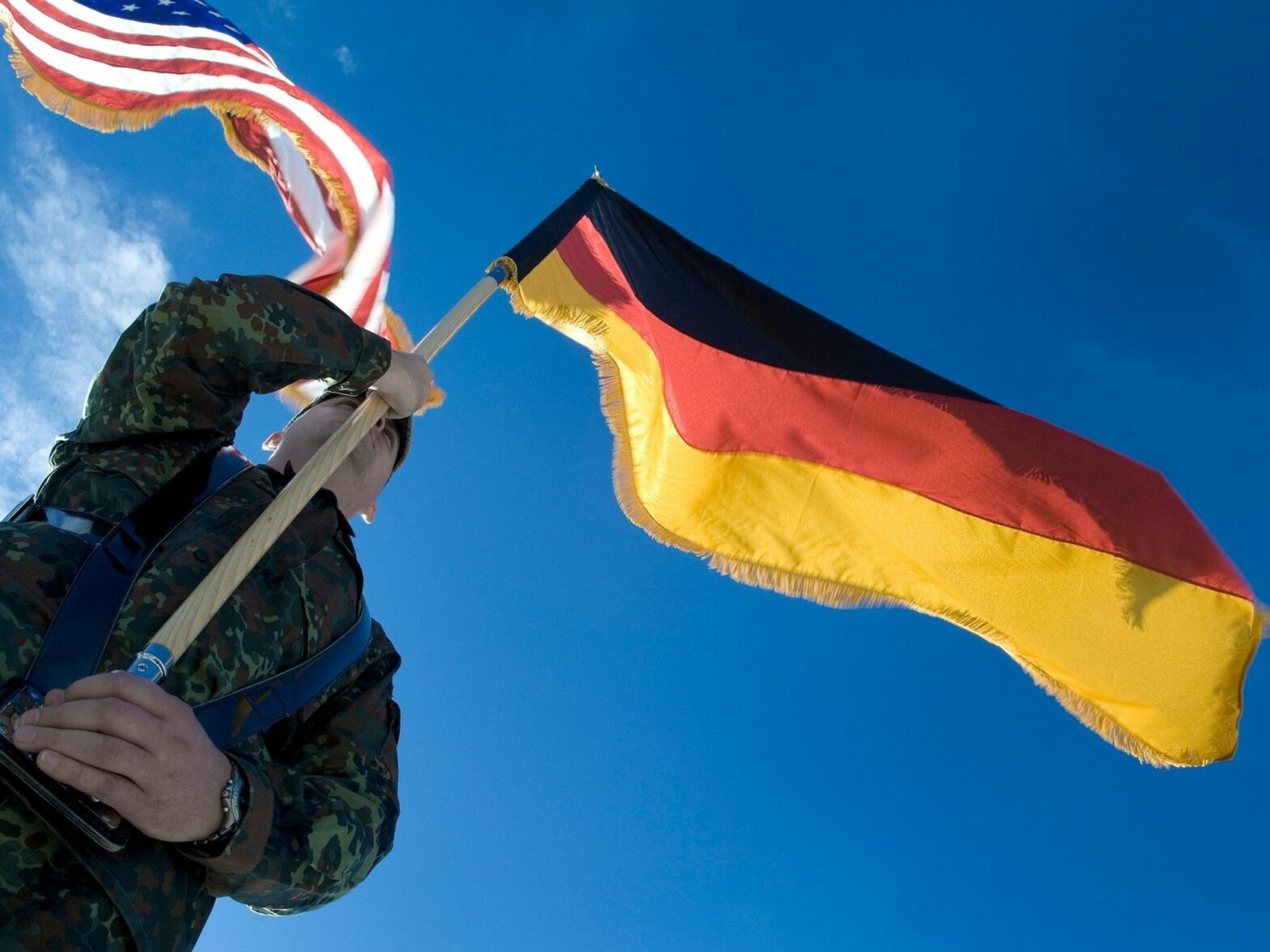
After decades of admiration, trust, and borrowed identity, Germans are waking up from their long love affair with the United States, and reckoning with what’s left.
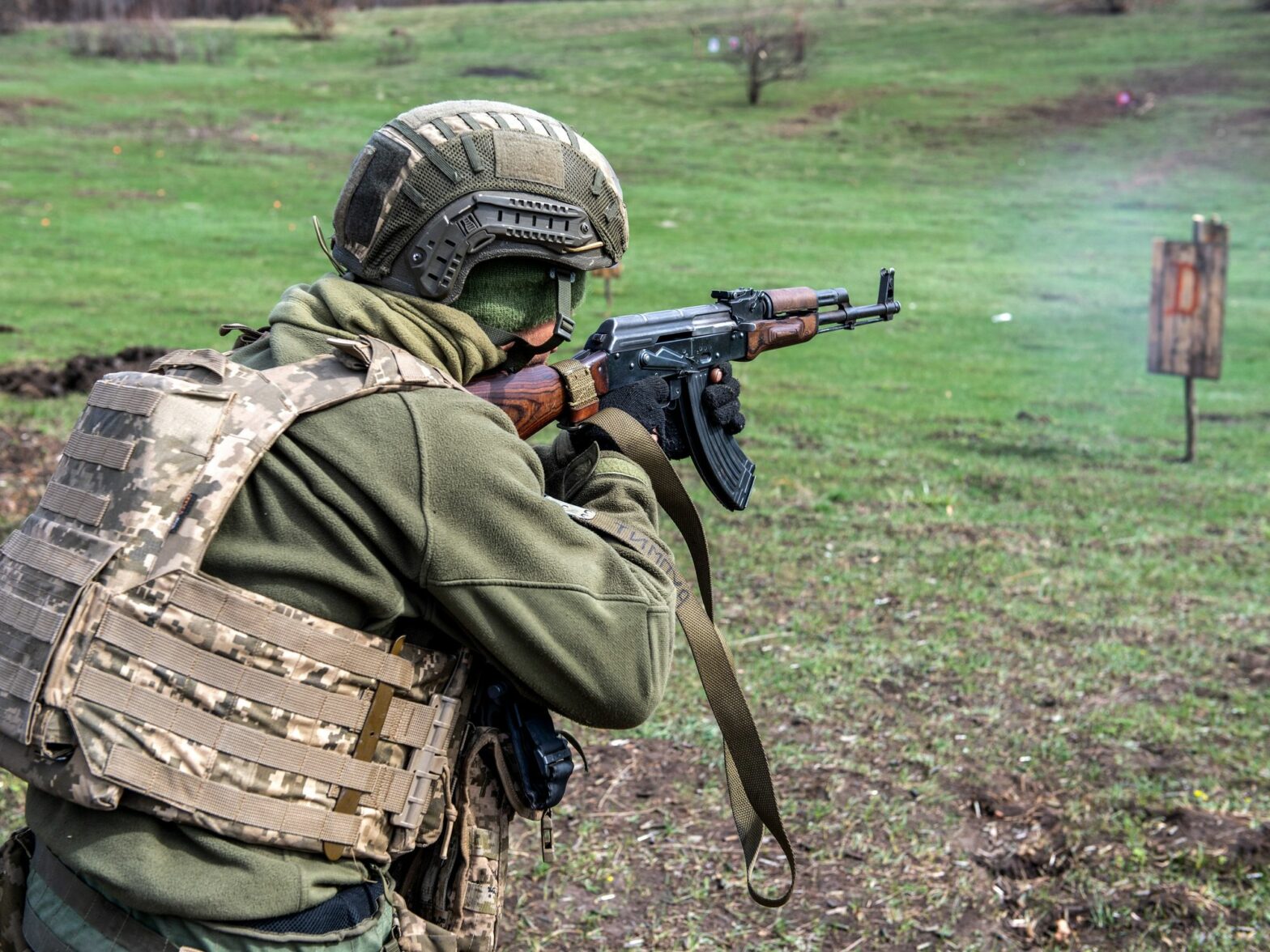
While voluntary enlistment is still strong in Ukraine, it is no longer enough. Kyiv has begun allowing prisoners to apply for early release in exchange for military service. While Russia’s similar policy was criticized, Ukrainian officials insist there are crucial differences.
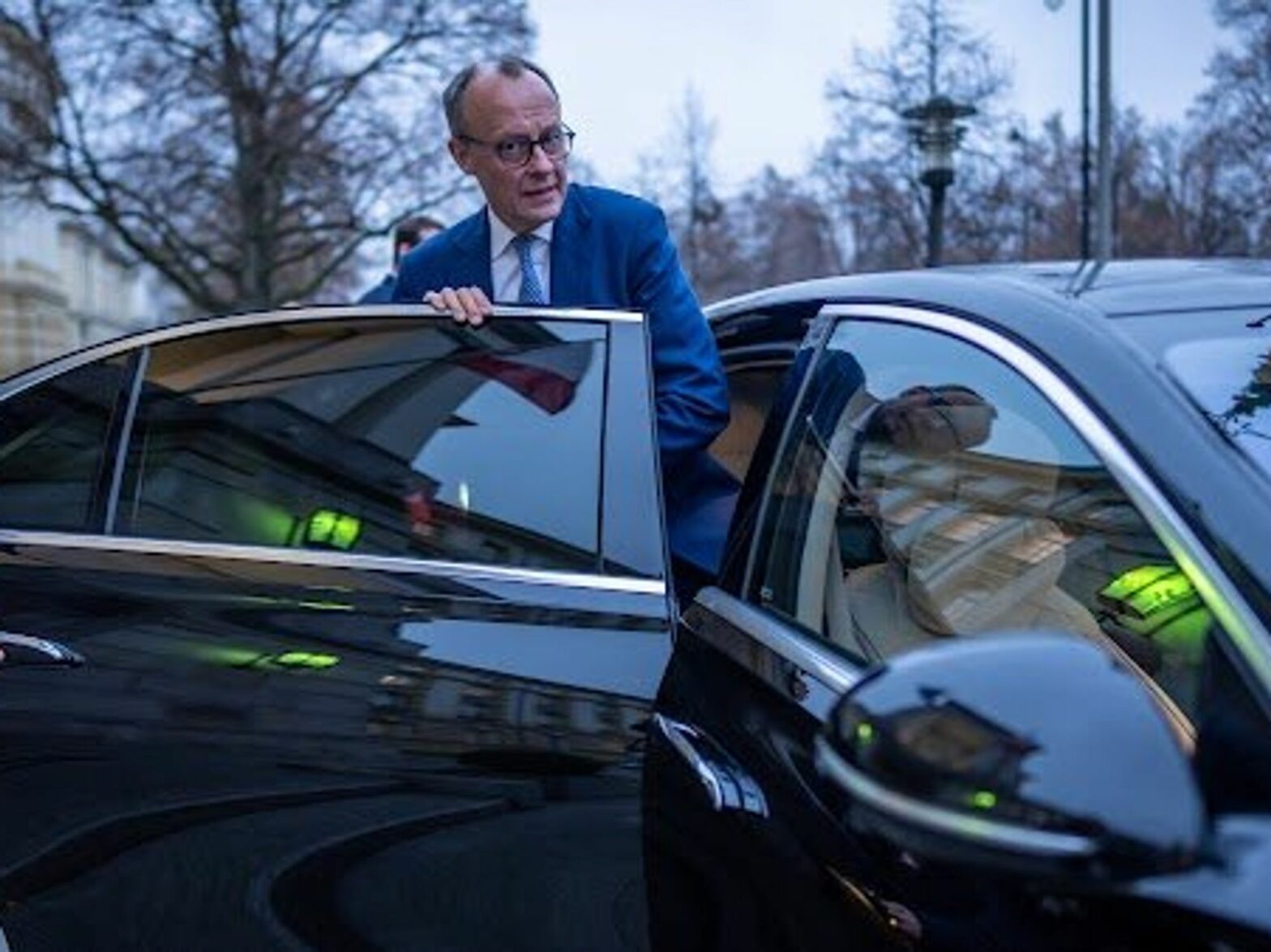
Europe is fortunate to have sensible men leading the UK, Poland and France: Keir Starmer, Donald Tusk and Emmanuel Macron. Germany’s likely next chancellor, Friedrich Merz, could be a crucial addition to this united front against the challenges posed by Donald Trump and Vladimir Putin.
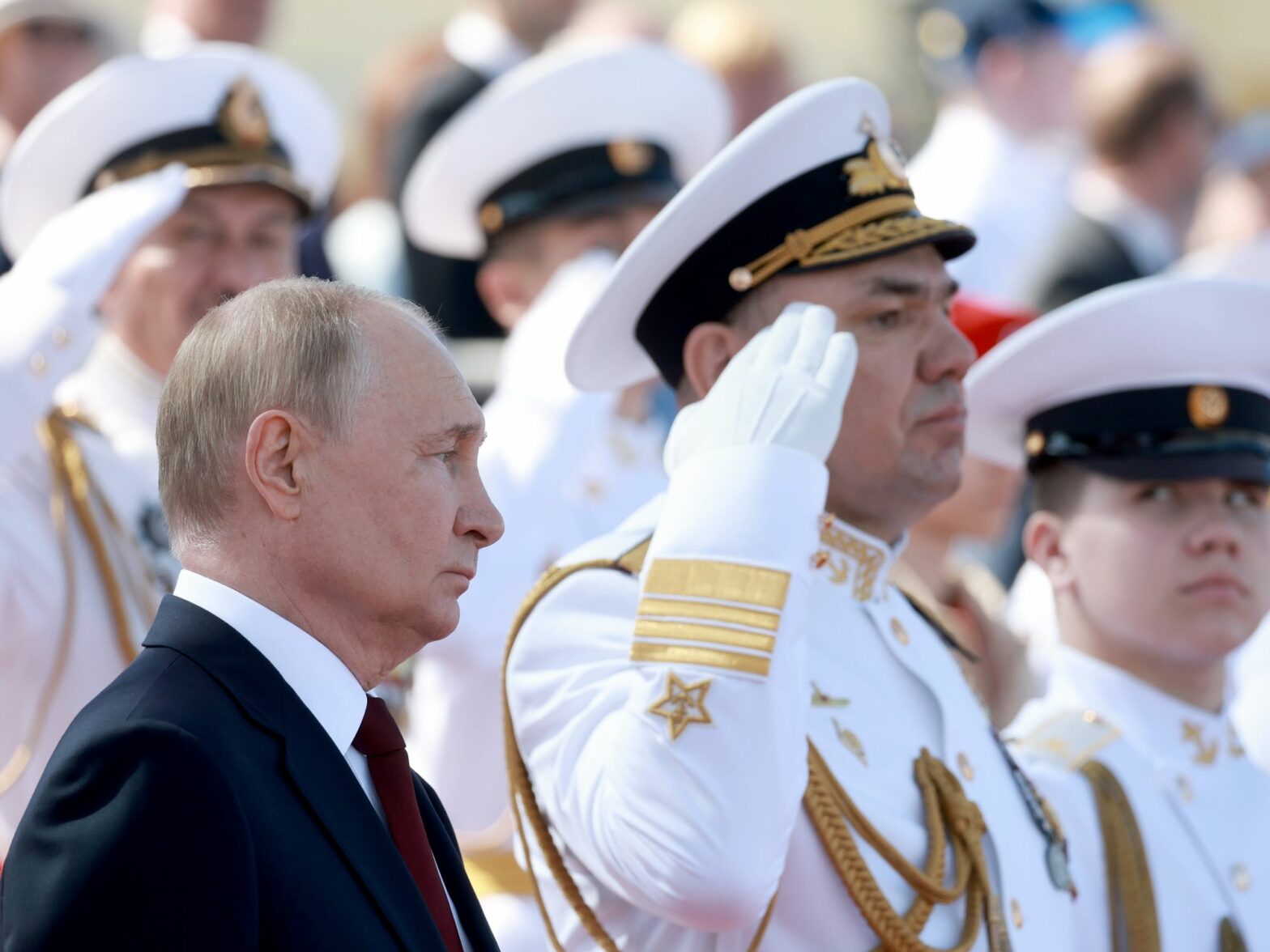
The Russian president has no problem talking about negotiations and peace treaties. But he’s a master decoy artist. Putin has built his power on conflict, and now he needs war to hold on to it.
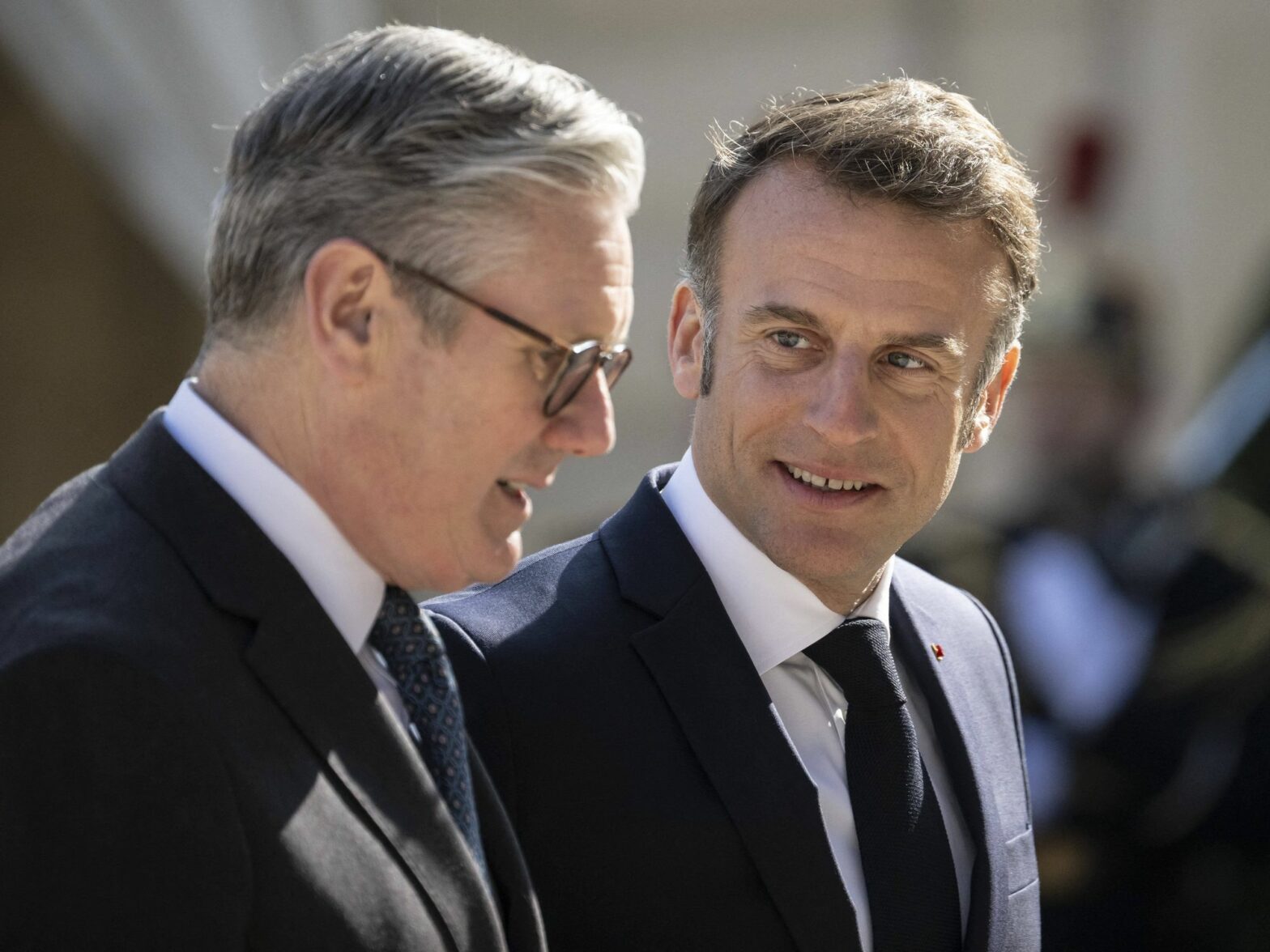
Thirty-one countries gathered in Paris — without the United States — to coordinate their support for Ukraine during this critical time. This unprecedented “soft NATO” initiative comes as Washington turns its back on its allies. And two main leaders emerge.
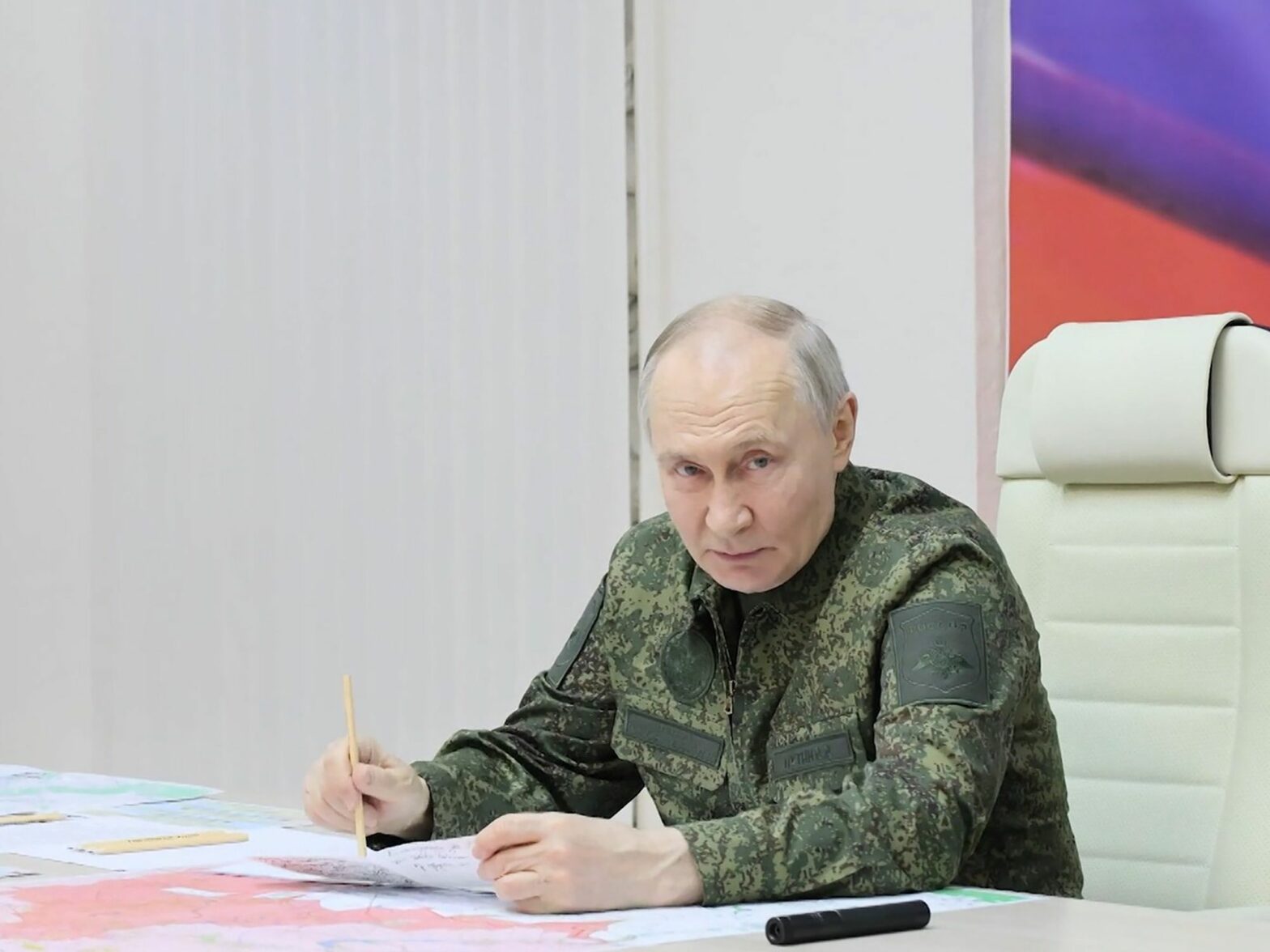
The Russian president has no problem talking about negotiations and peace treaties. But he’s a master decoy artist. Putin has built his power on conflict, and now he needs war to hold on to it.
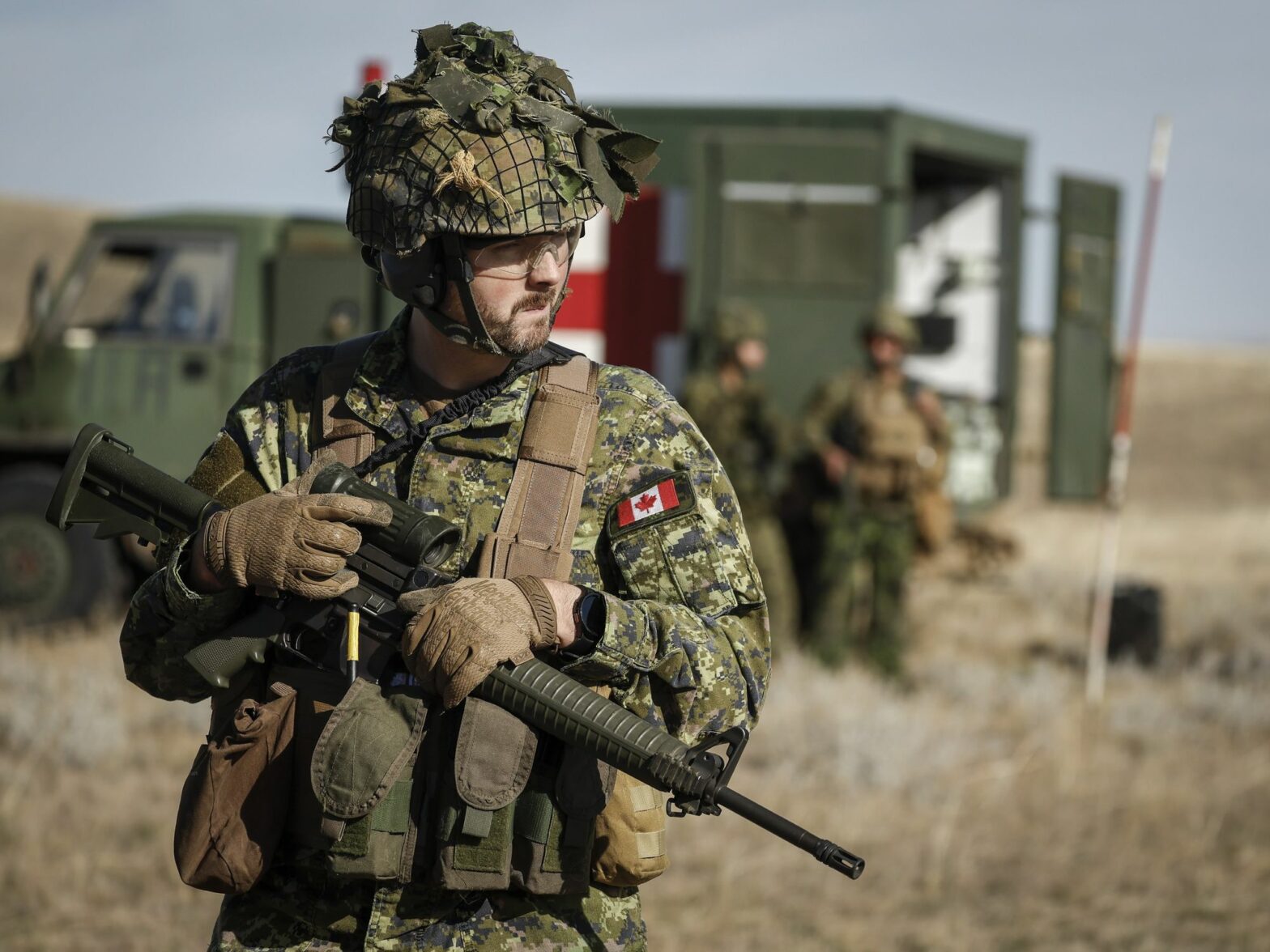
The fundamental premise of NATO is that an attack against one of its members is considered an attack on them all. These words of solidarity were written when they saw Russia as the threat. But what happens if one of its own members turns rogue?
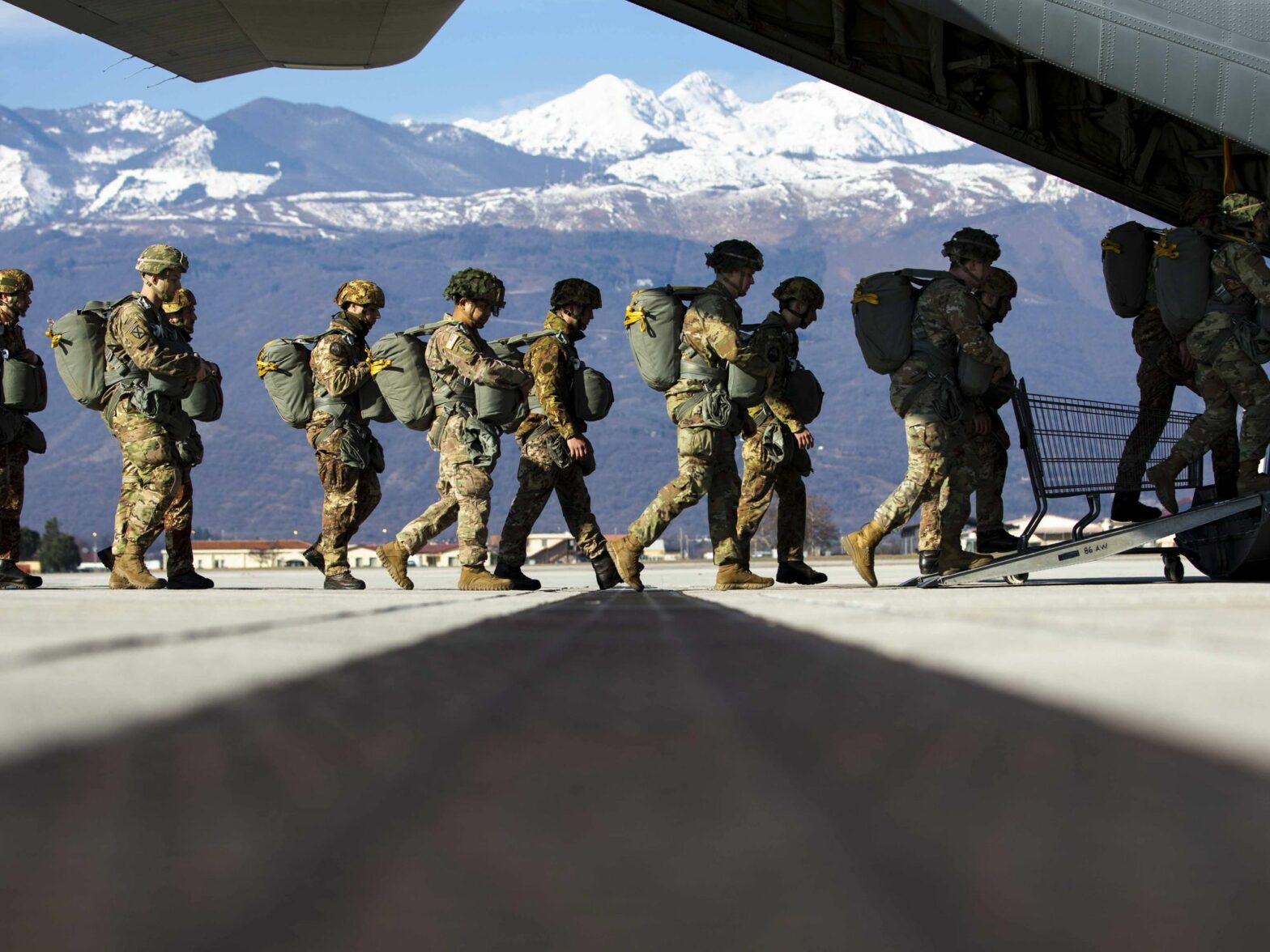
With Trump’s White House warming to Putin on international matters, Europe must rethink its military independence — and that may mean closing the many U.S. bases on its soil before they become threats rather than safeguards.
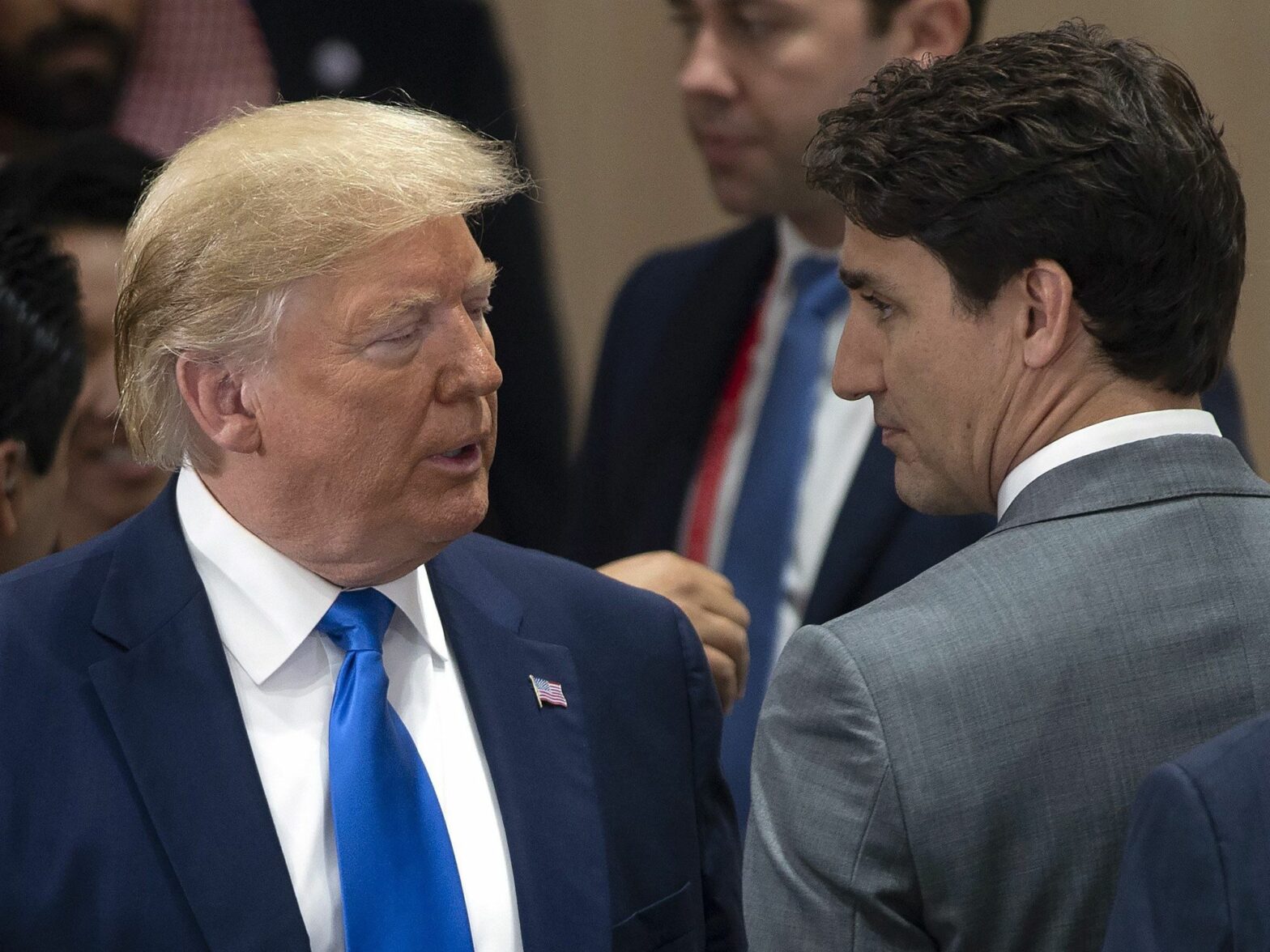
The fundamental premise of NATO is that an attack against one of its members is considered an attack on them all. These words of solidarity were written when they saw Russia as the threat. But what happens if one of its own members turns rogue?
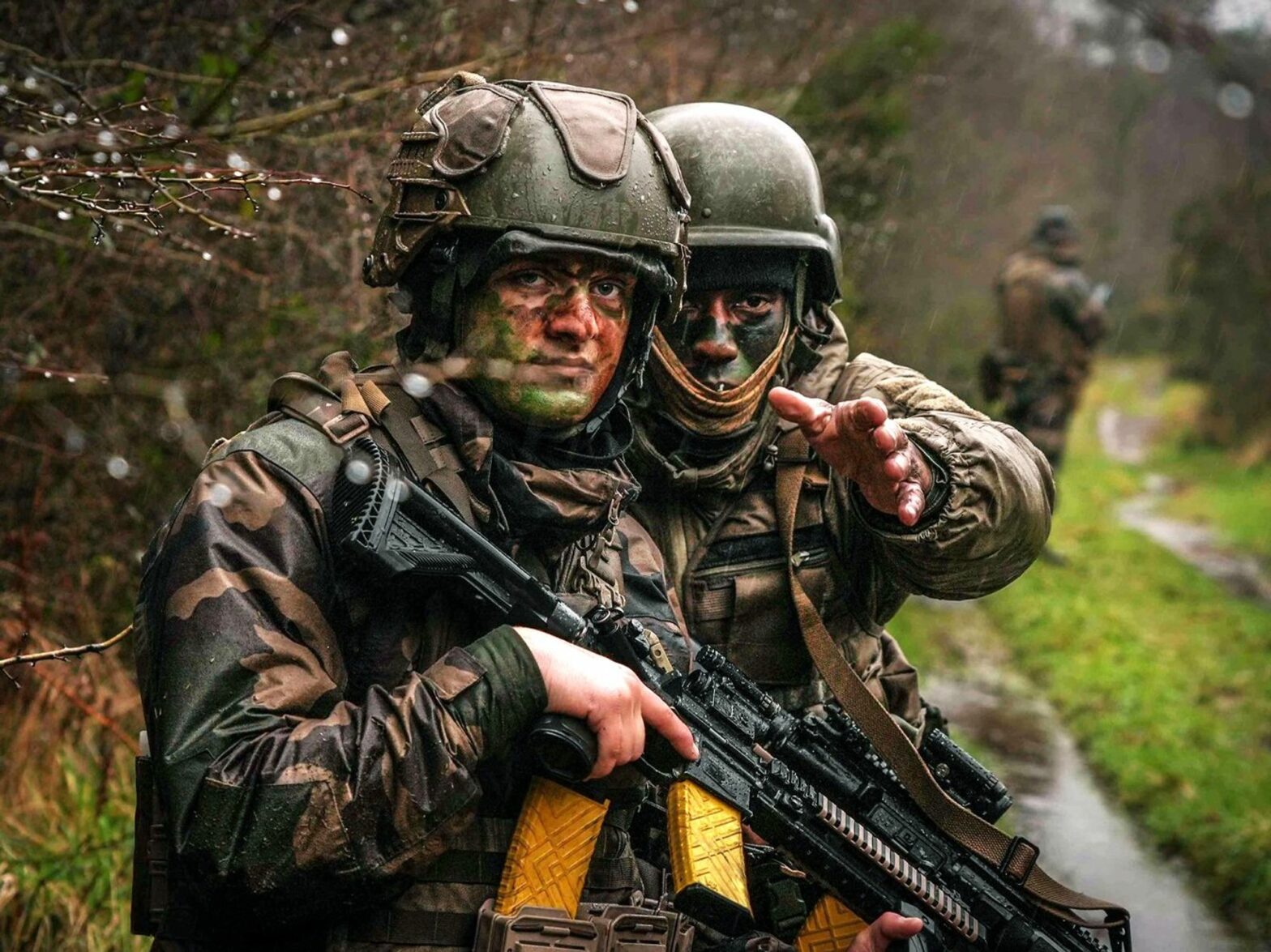
Now that the U.S. has relinquished its role as “leader of the free world,” Europe is on its own. But that doesn’t mean it’s out of options, writes former German diplomat and ambassador Hans-Dieter Heumann.
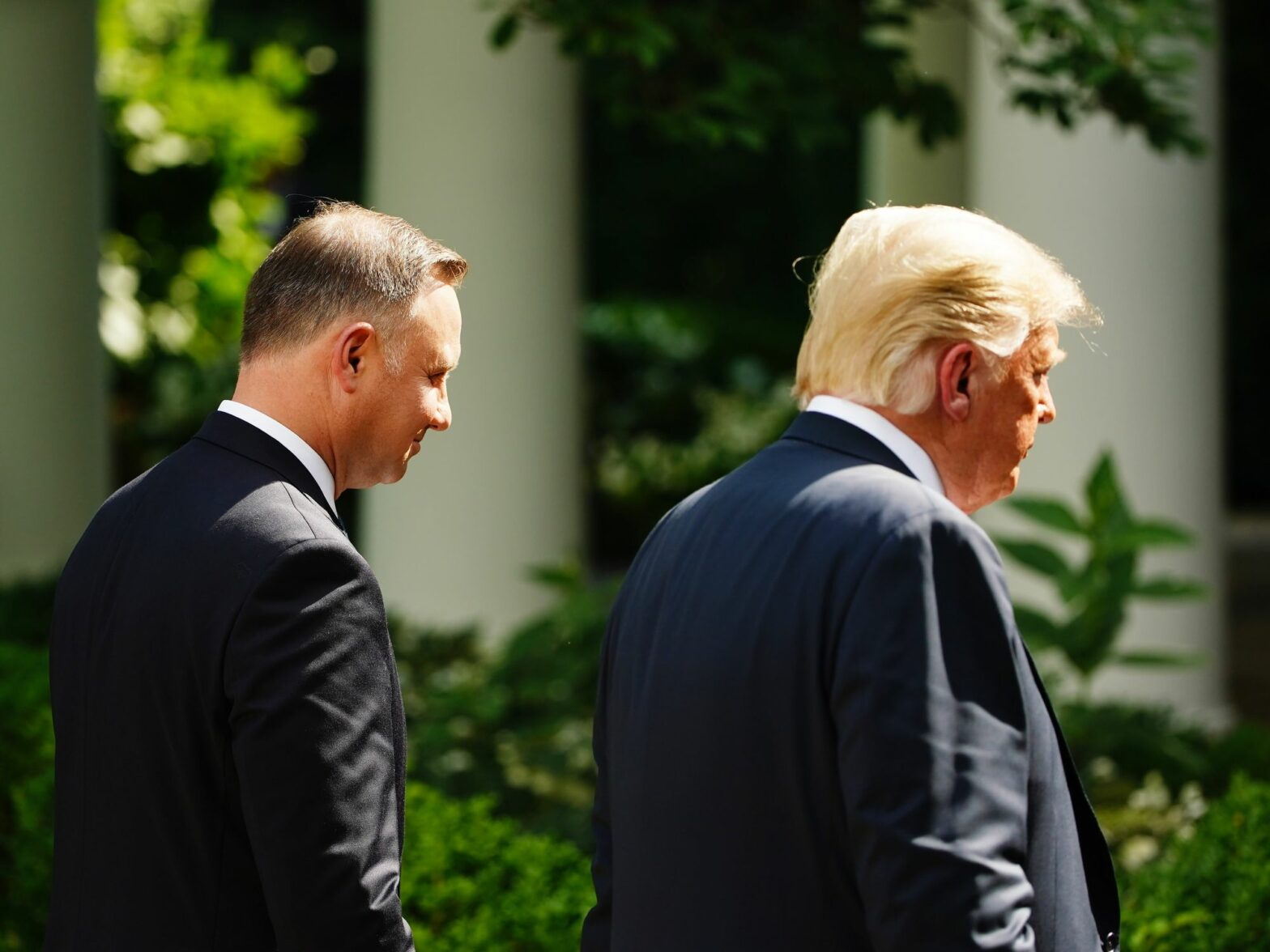
Poland was right to vote alongside Ukraine and other Western countries on a UN resolution this week that clearly indicated President Vladimir Putin’s Russia as the culprit in the outbreak of the war in Ukraine. But would Polish diplomats have made that same choice if the nationalist-conservative Law and Justice Party (PiS) were in power. The election in May could see that happen.
It is now clear that Germany needs to invest a lot more money in defense. Friedrich Merz, who is likely to be Germany’s next chancellor, has yet to come up with a plan to do this.
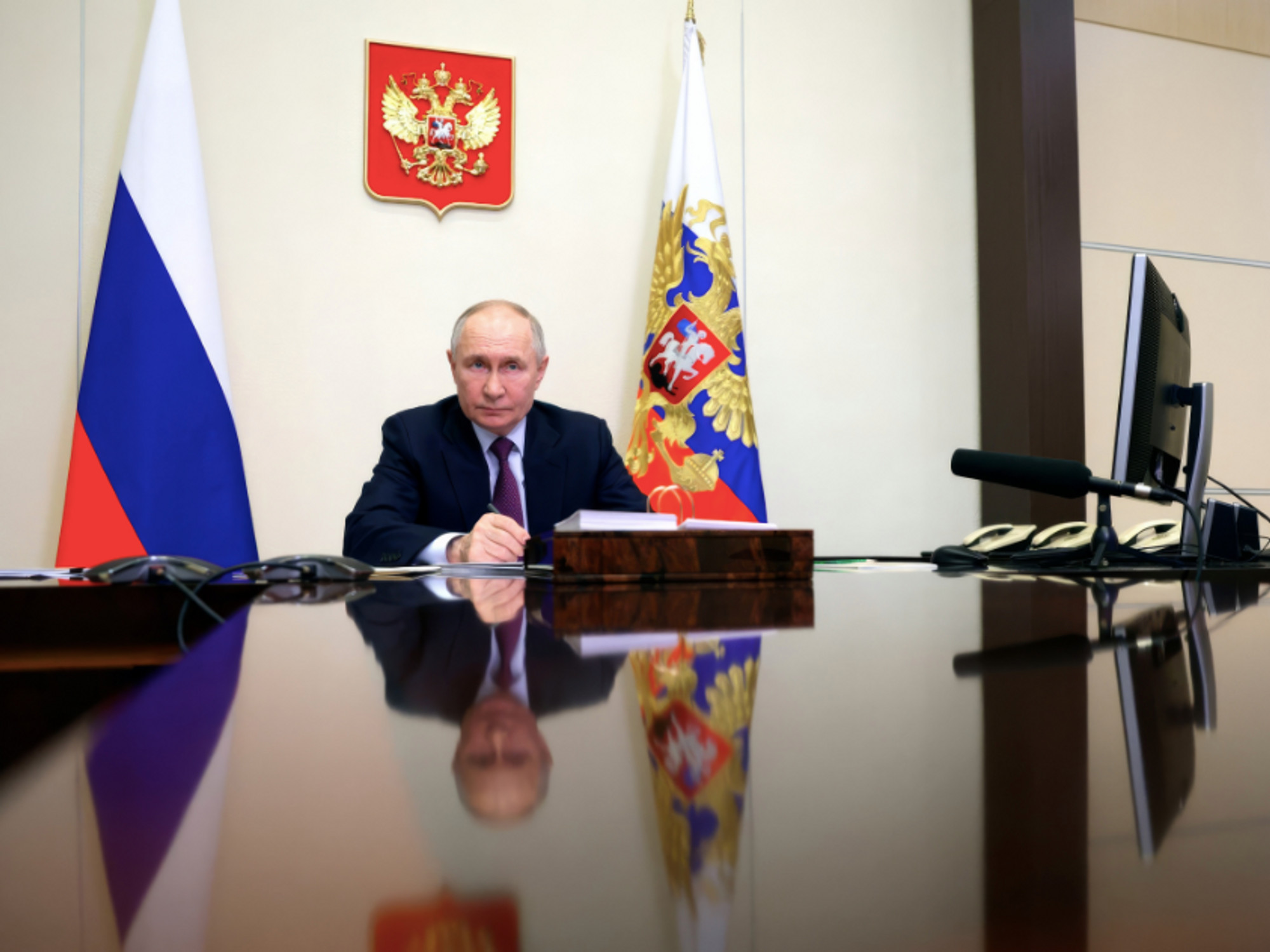
Vladimir Putin says he is “ready” to talk with Volodymyr Zelensky. But it’s a feigned openness to dupe Trump, since he continues to question the legitimacy of the Ukrainian president and does not alter one iota his demands for a kind of capitulation by Kyiv and a reversal of Baltic entry into the Atlantic Alliance.