NATO’s warning signals a shift in how Europe must confront Russian cyber attacks, sabotage, and pressure on critical infrastructure, as Moscow turns sub-threshold conflict into a strategic weapon.
 Worldcrunch
NATO’s warning signals a shift in how Europe must confront Russian cyber attacks, sabotage, and pressure on critical infrastructure, as Moscow turns sub-threshold conflict into a strategic weapon.
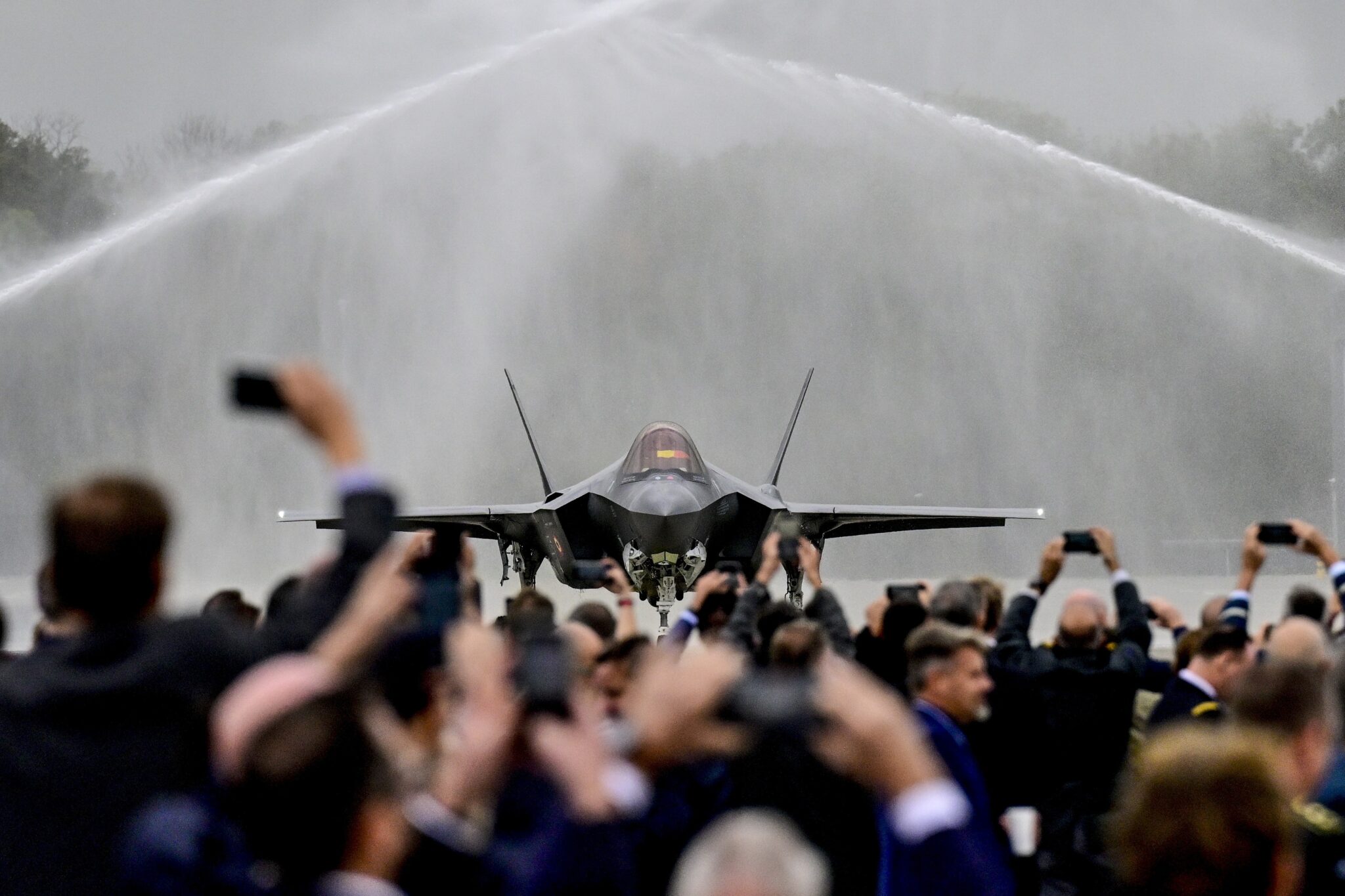
Germany and France once saw FCAS as the future of European defense, but political rifts and industrial rivalry now threaten the project itself.
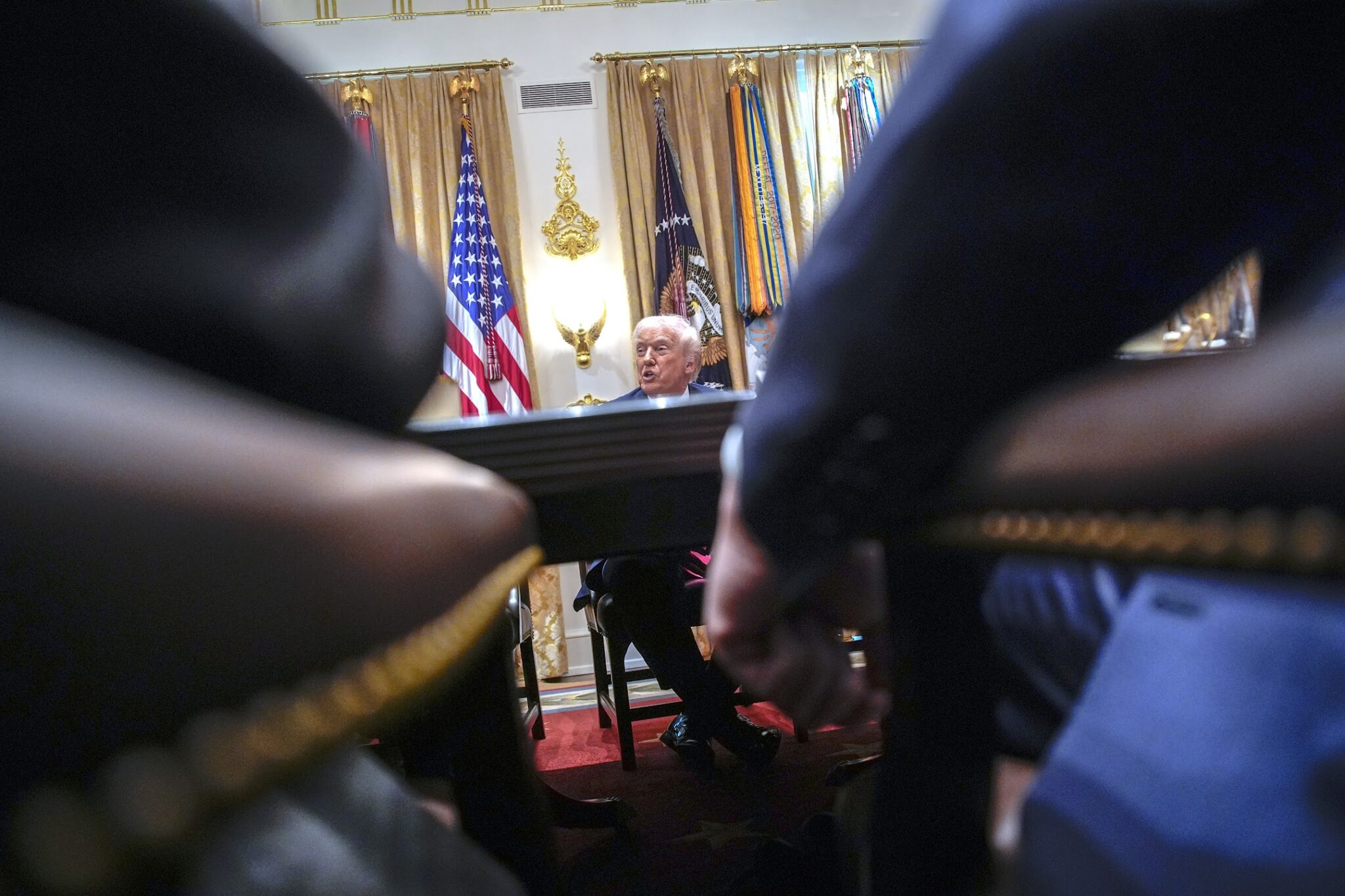
The National Security Strategy, an official document released Friday in Washington, delivers a sharp attack on Europe while echoing far-right themes. It signals a break with the Europe we know, one that threatens support for Ukraine and the continent’s security.
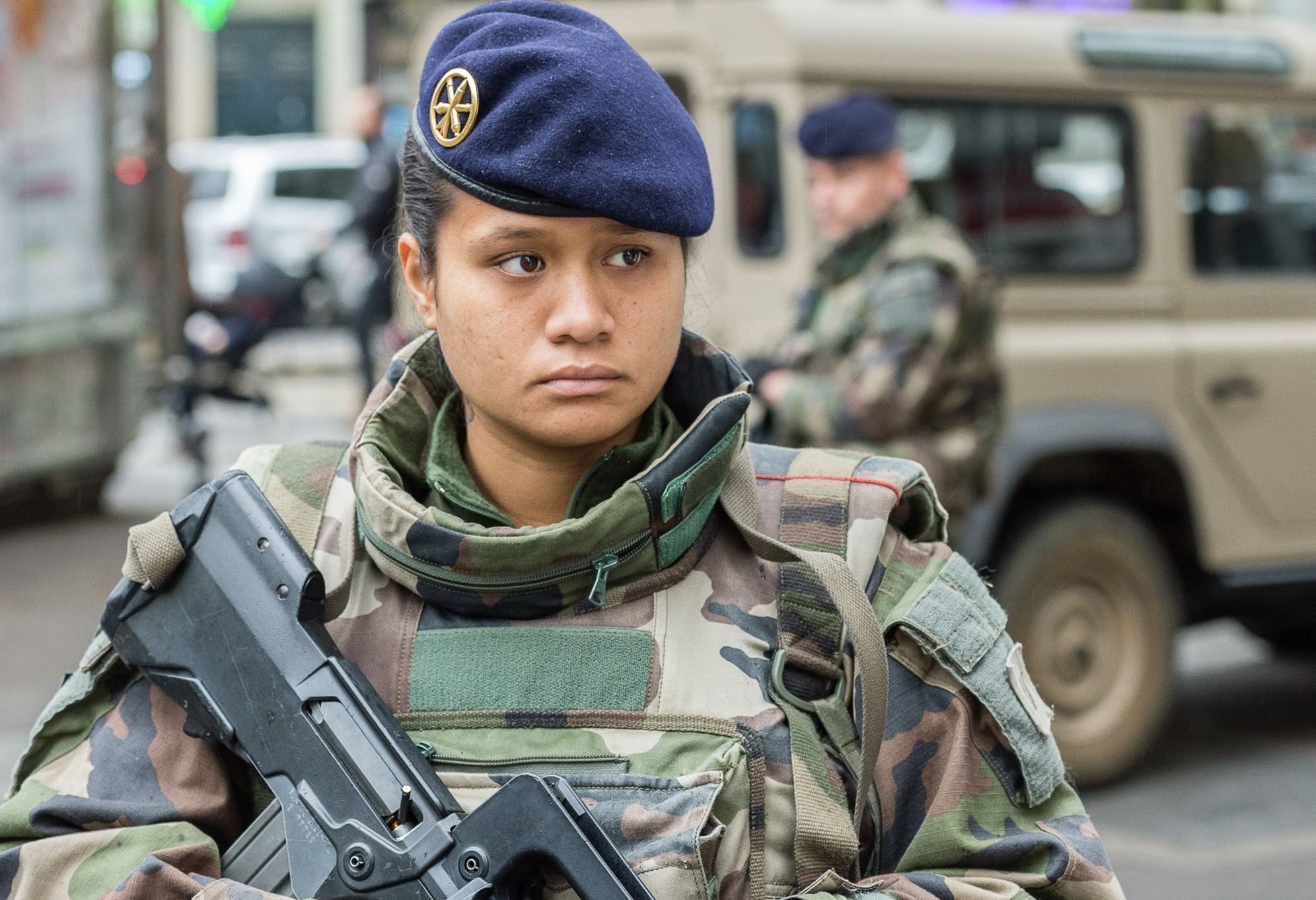
A controversial warning from France’s Army Chief of Staff coincides with sabotage in Poland and a divisive Russian-American plan for Ukraine, raising concerns about Europe’s security.

She’s an accused jihadist originally from Brittany who spent 10 years in Syria, including five as a prisoner. French prosecutors say König acted as a social media recruiter of sorts for ISIS.
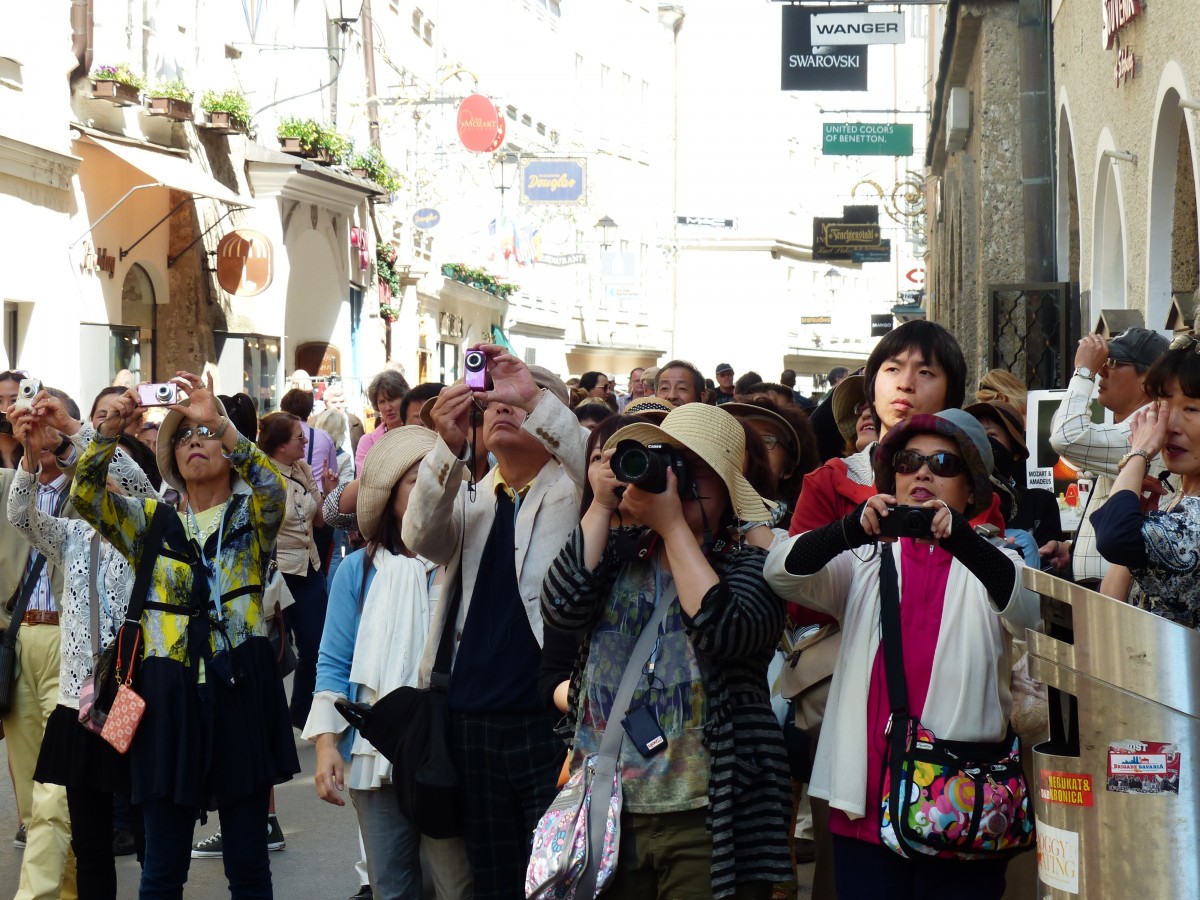
The pandemic has put a damper on the Japanese tourism boom. Also discouraged by international crises, they now prefer local vacations.
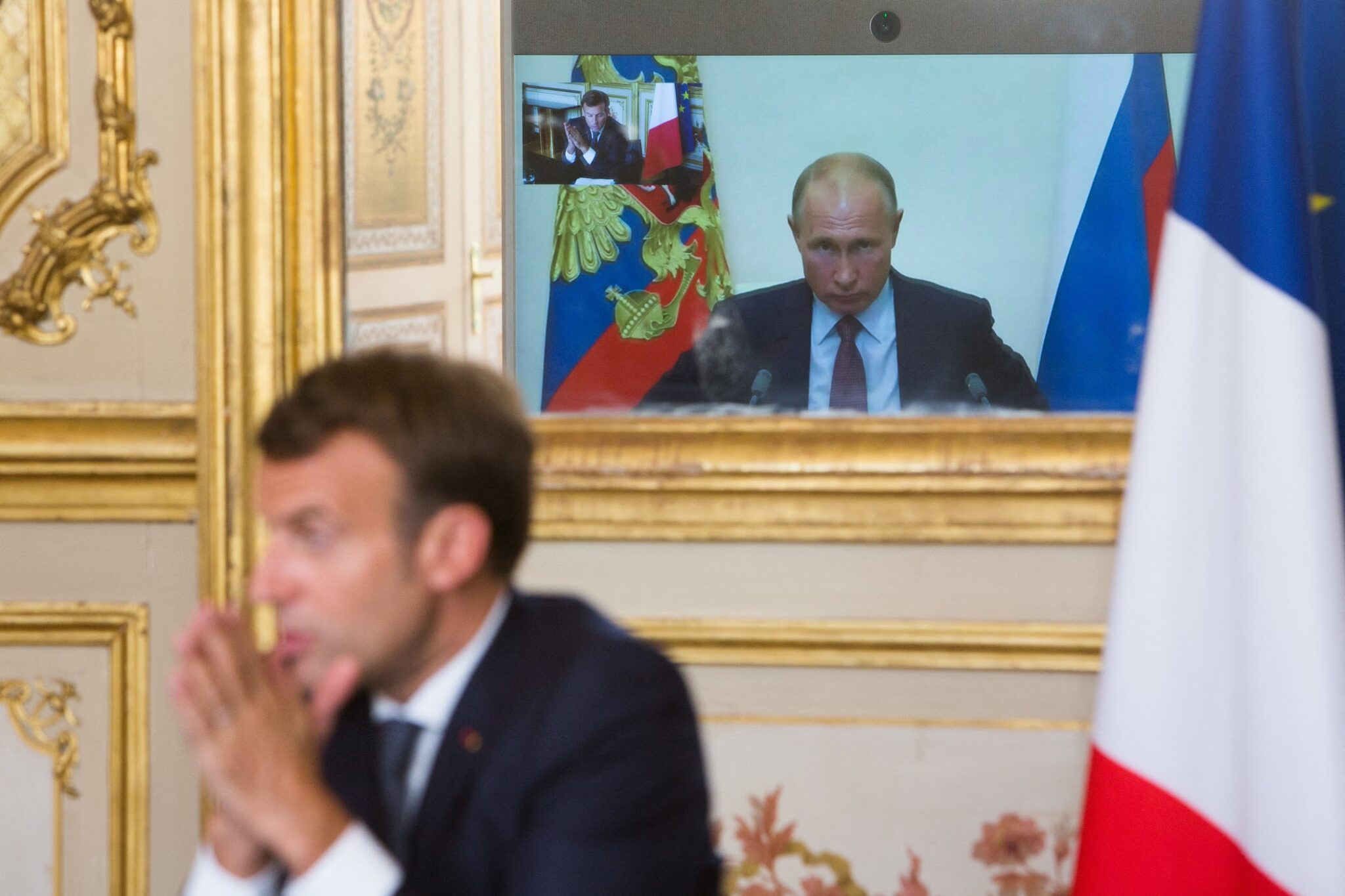
Put yourself in Vladimir Putin’s shoes for a moment: how satisfying must it be to see France and the United Kingdom, co-leaders of the “coalition of the willing” formed in support of Ukraine, sinking into political crisis.
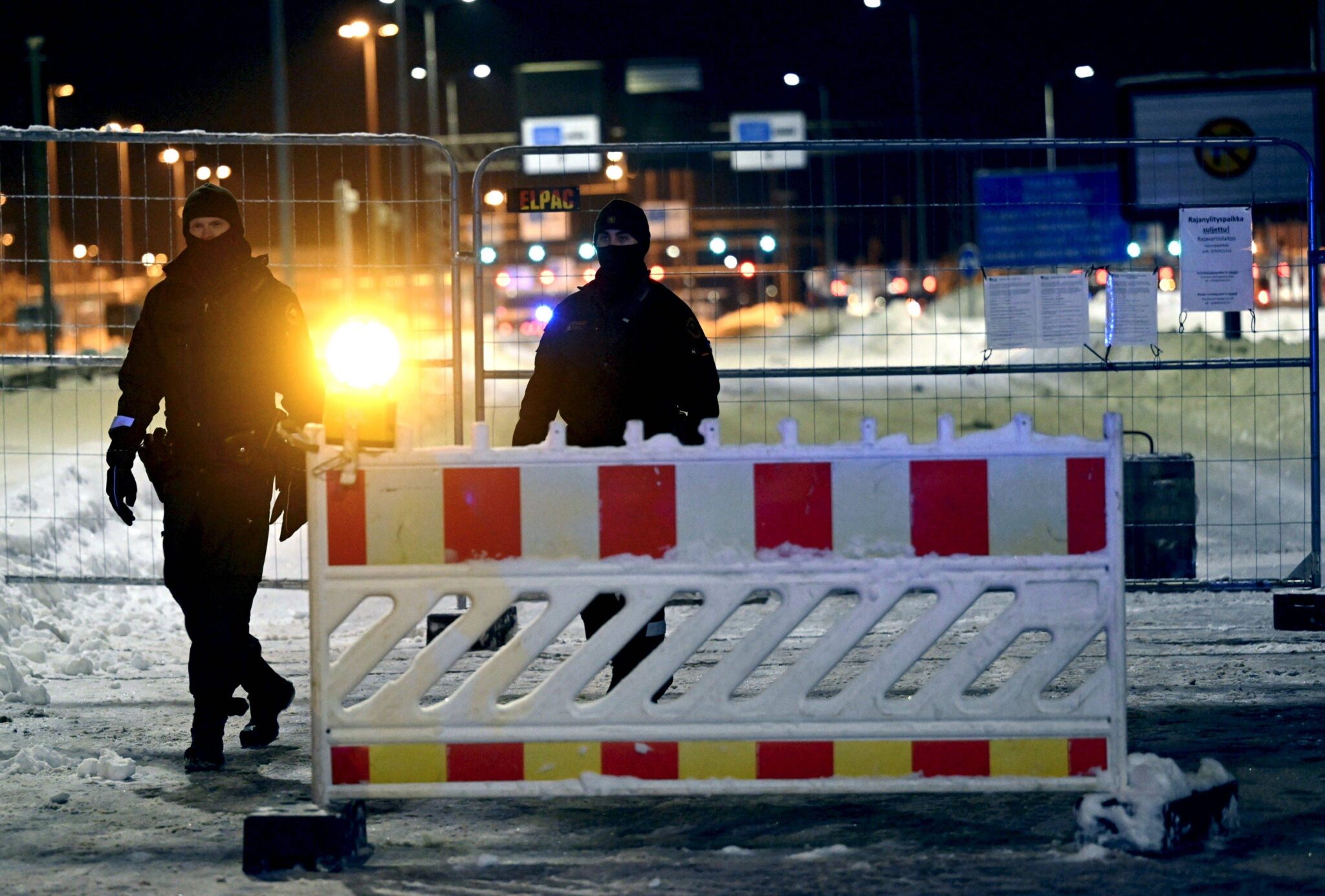
Since the Russian border was closed, people in the far east of Finland have been living with a new Iron Curtain that is reshaping daily life and upending the regional economy.
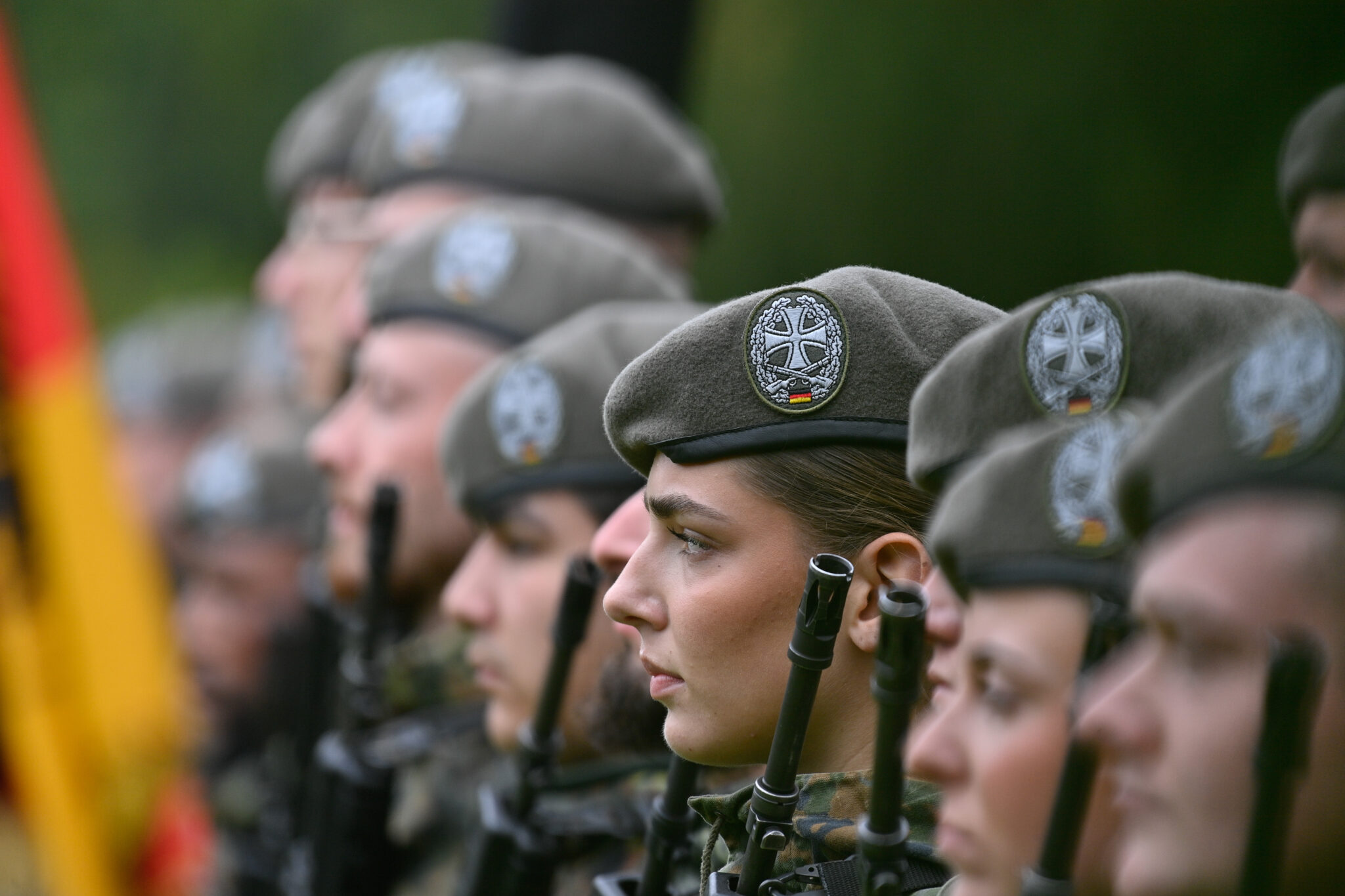
The return of war in Europe is not just a political or strategic challenge — it is changing how people live, relate to one another and imagine the future.
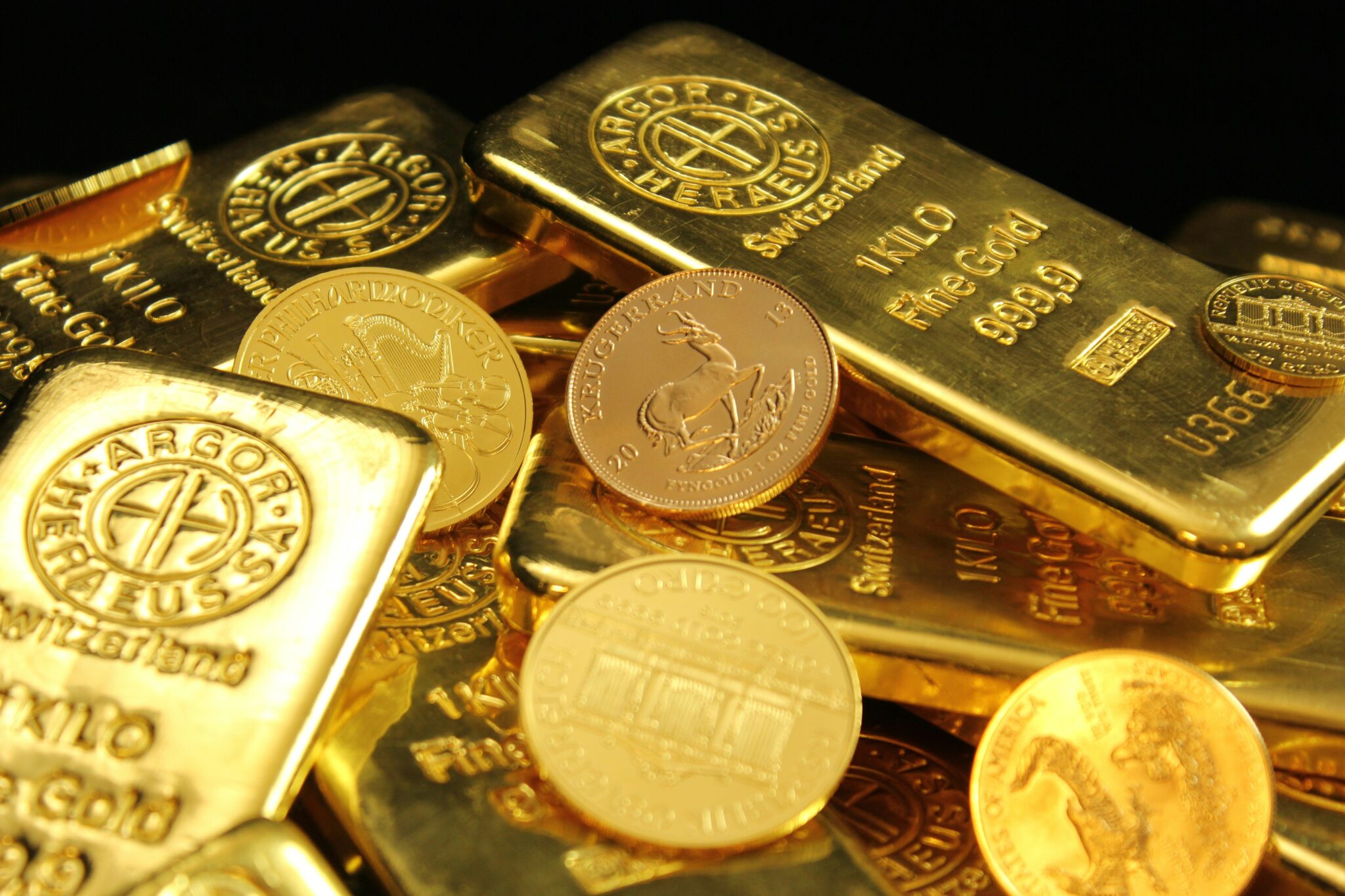
From political folly to looming crises, investors are betting on collapse — and turning to gold as their safe haven.
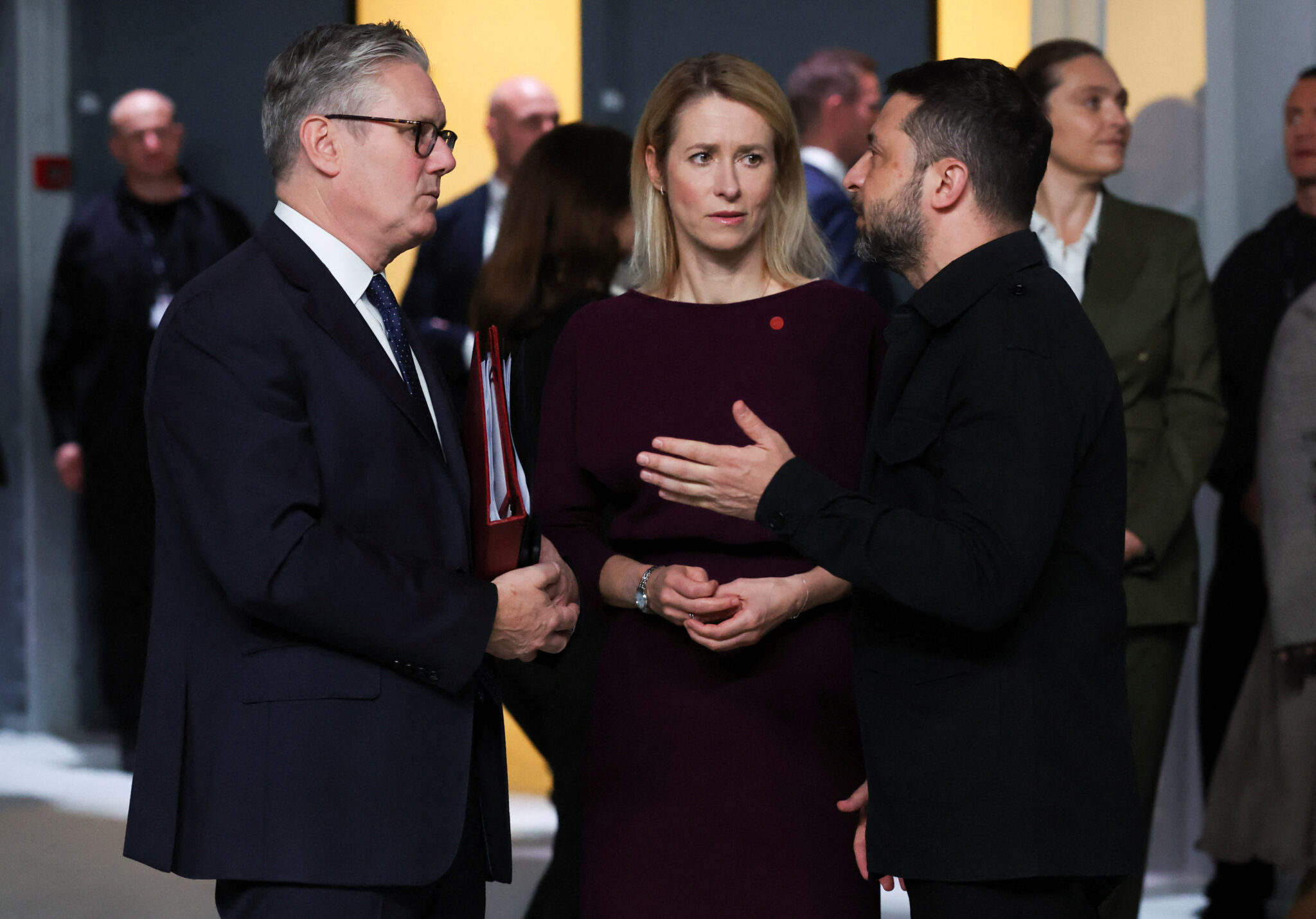
After a series of intrusions by unidentified drones, Denmark is hosting a two-day European summit focused on the Russian threat. The Danish prime minister has denounced Russia’s “hybrid warfare,” saying, “This is only the beginning.” But the EU must be careful not to overreact.
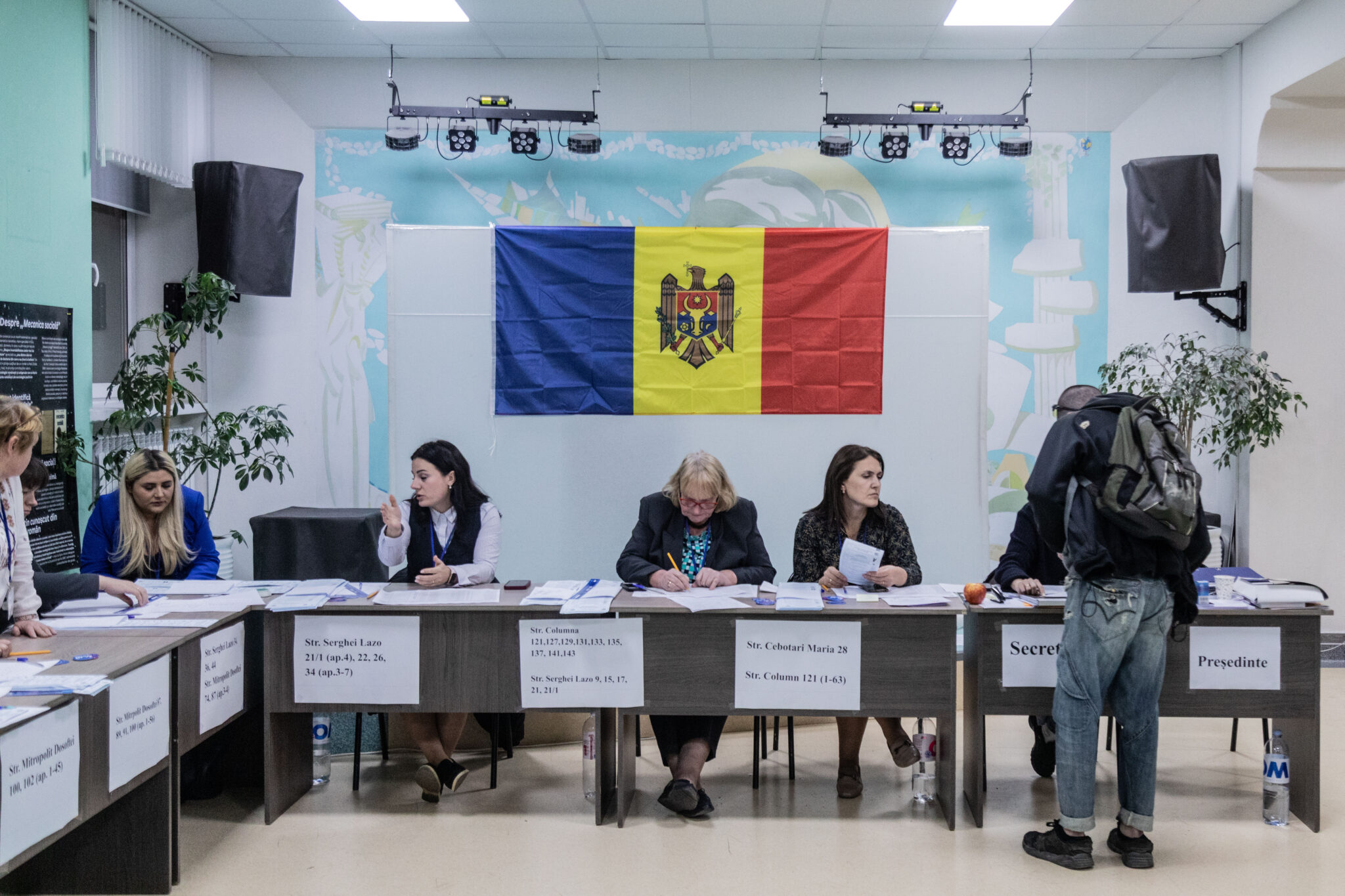
President Maia Sandu’s pro-European party is leading the vote count in Moldova’s parliamentary elections, pulling ahead of the pro-Russian party. The elections are seen as a test in the wider struggle between Vladimir Putin and Ukraine’s supporters along the European Union’s borders.
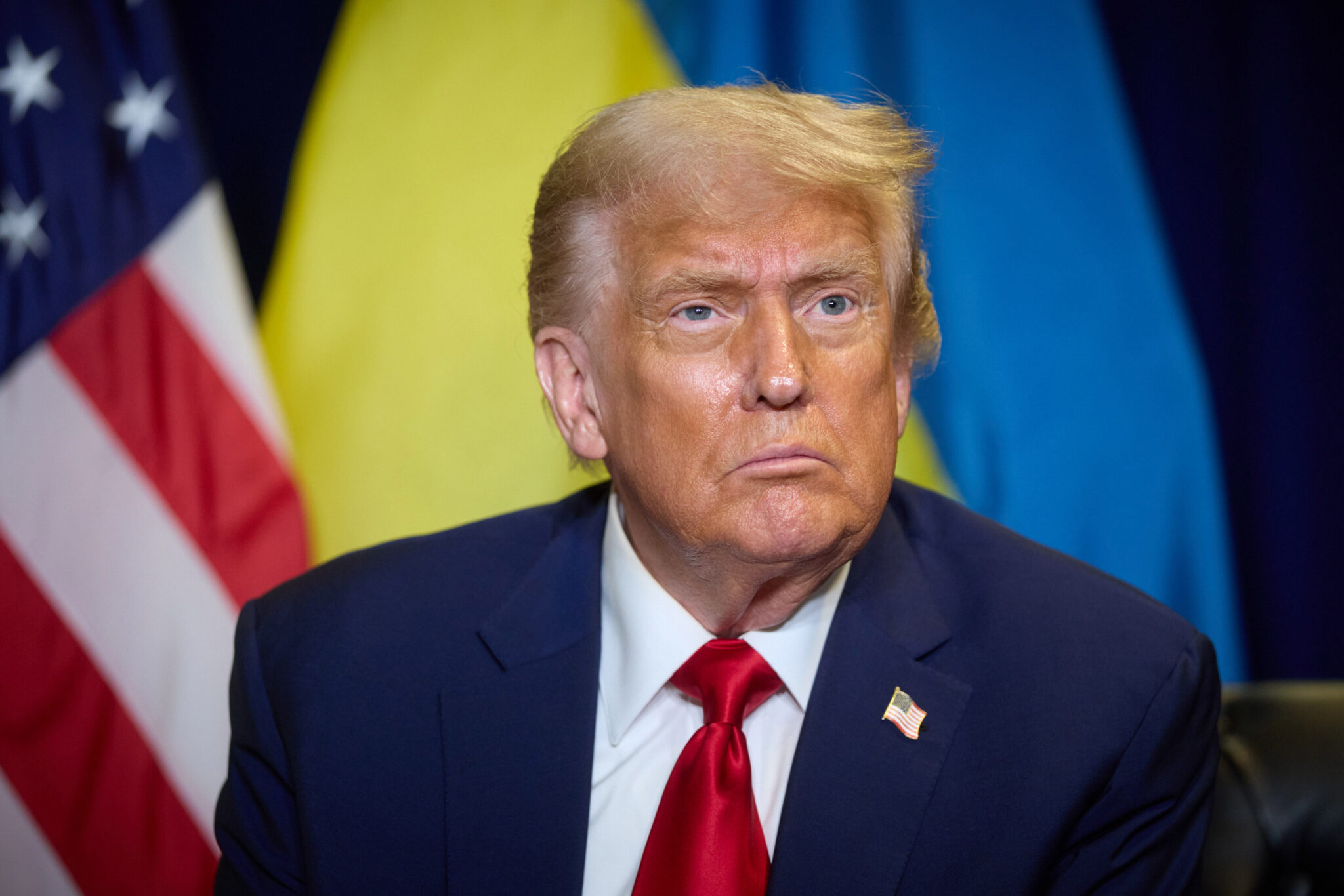
Donald Trump changed his tone toward Russia after his meeting with Volodymyr Zelensky, even saying he was ready to shoot down Russian planes that enter NATO airspace. Is this a real shift in favor of Ukraine, or just hurt feelings about his would-be pal Vladimir Putin.
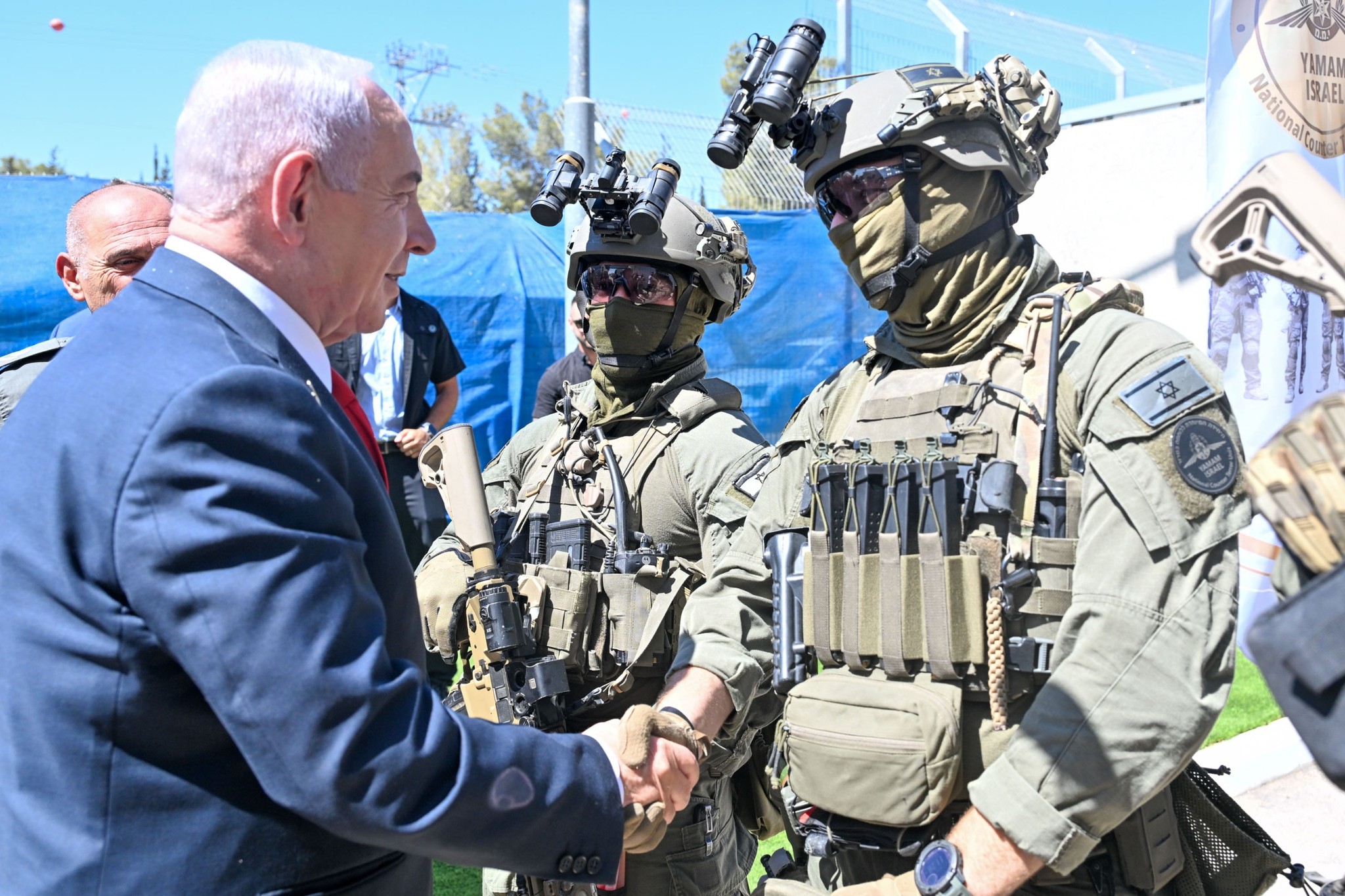
The Israeli Prime Minister calls for an updated vision of the militarized city-state of ancient Greece, a justification for the growing isolation of the Jewish state. His comments came as the Israeli army launched its ground offensive on Gaza City, an operation that has been condemned by many nations.
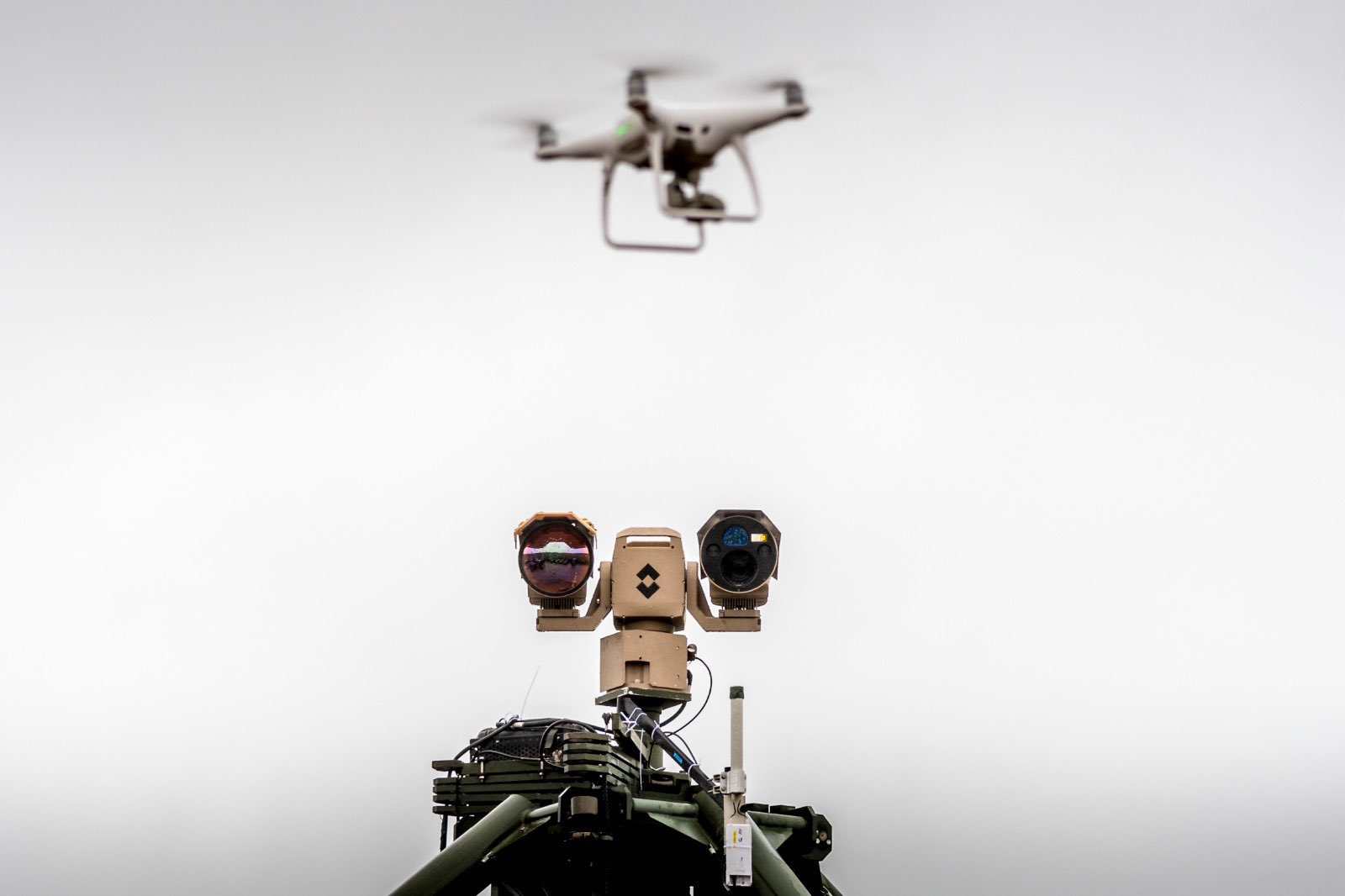
The incursion of 19 Russian drones into Polish airspace prompted several NATO countries to mobilize, but also highlighted the weakness of the alliance’s defense capabilities. Warsaw has called it a “provocation” and the incident will accelerate the move towards European defense.
ASML, the Dutch heavyweight in European technology, is investing 1.3 billion euros in French artificial intelligence start-up Mistral, making it the continent’s leading AI company and saving it from being taken over by an American investor.
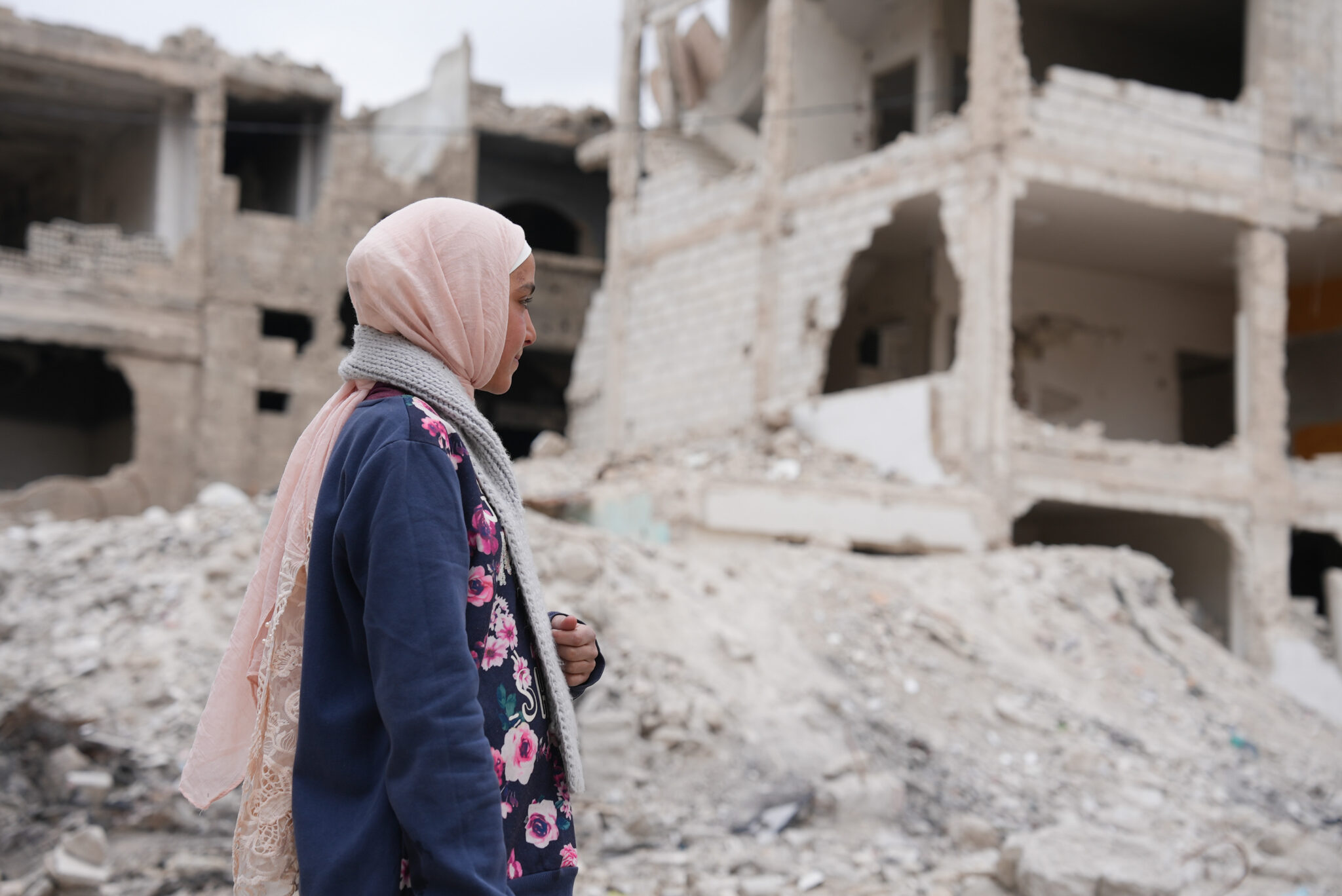
Since the Assad regime fell in December 2025, Europe’s 1.4 million Syrian refugees have been navigating the legal, emotional and security challenges of going back to a country they thought they may never see again.
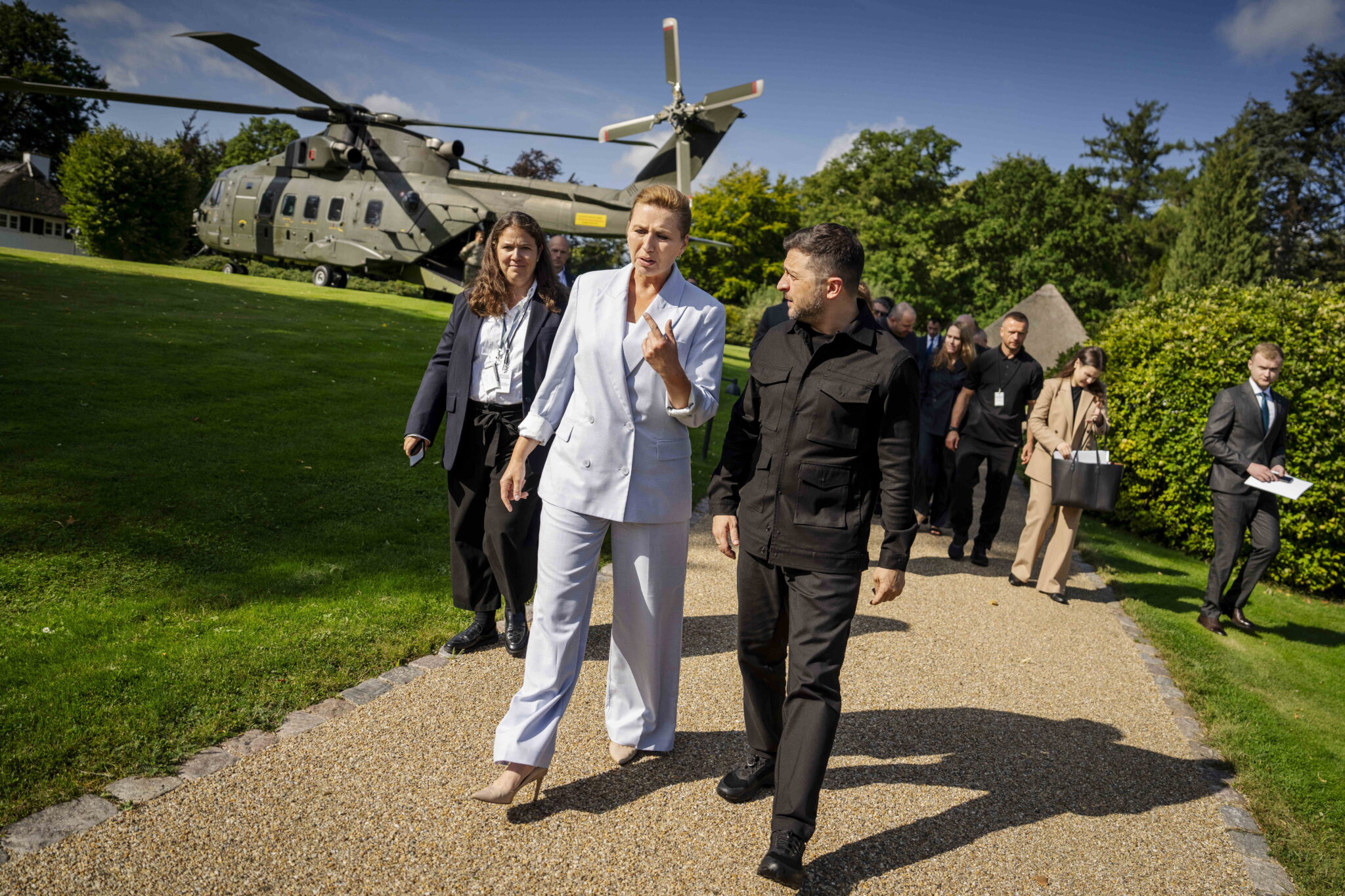
Europeans are preparing their plan to “reassure” Ukraine after a peace agreement that never materialized. Their goal is above all to convince Donald Trump to sanction Moscow, and to help Ukraine. But that will mean increasing the Continent’s dependence on the United States.
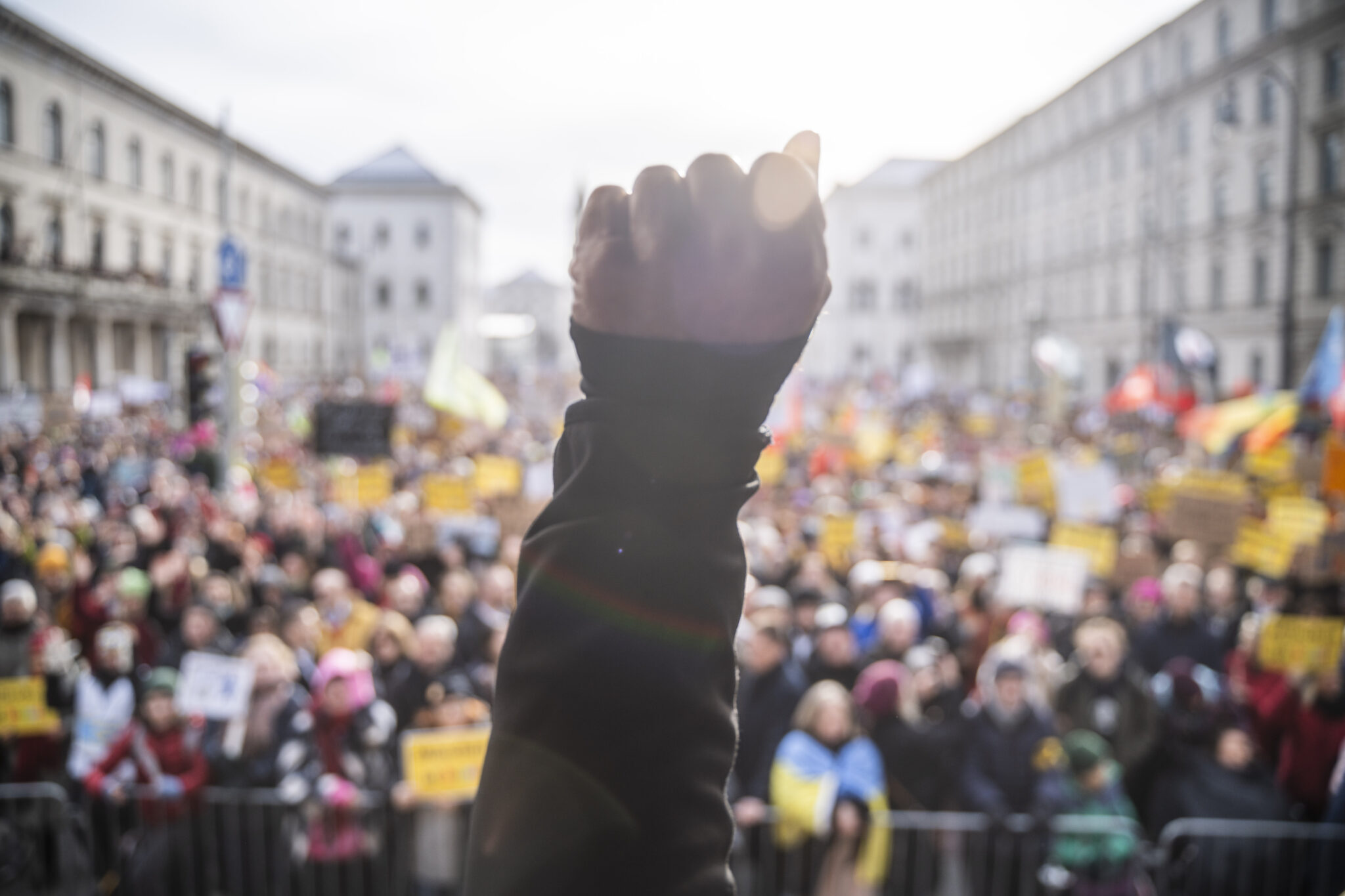
By trading class struggle for identity politics and lifestyle dogmas, Germany’s left has estranged ordinary citizens and handed the far right a chance to pose as their defenders.
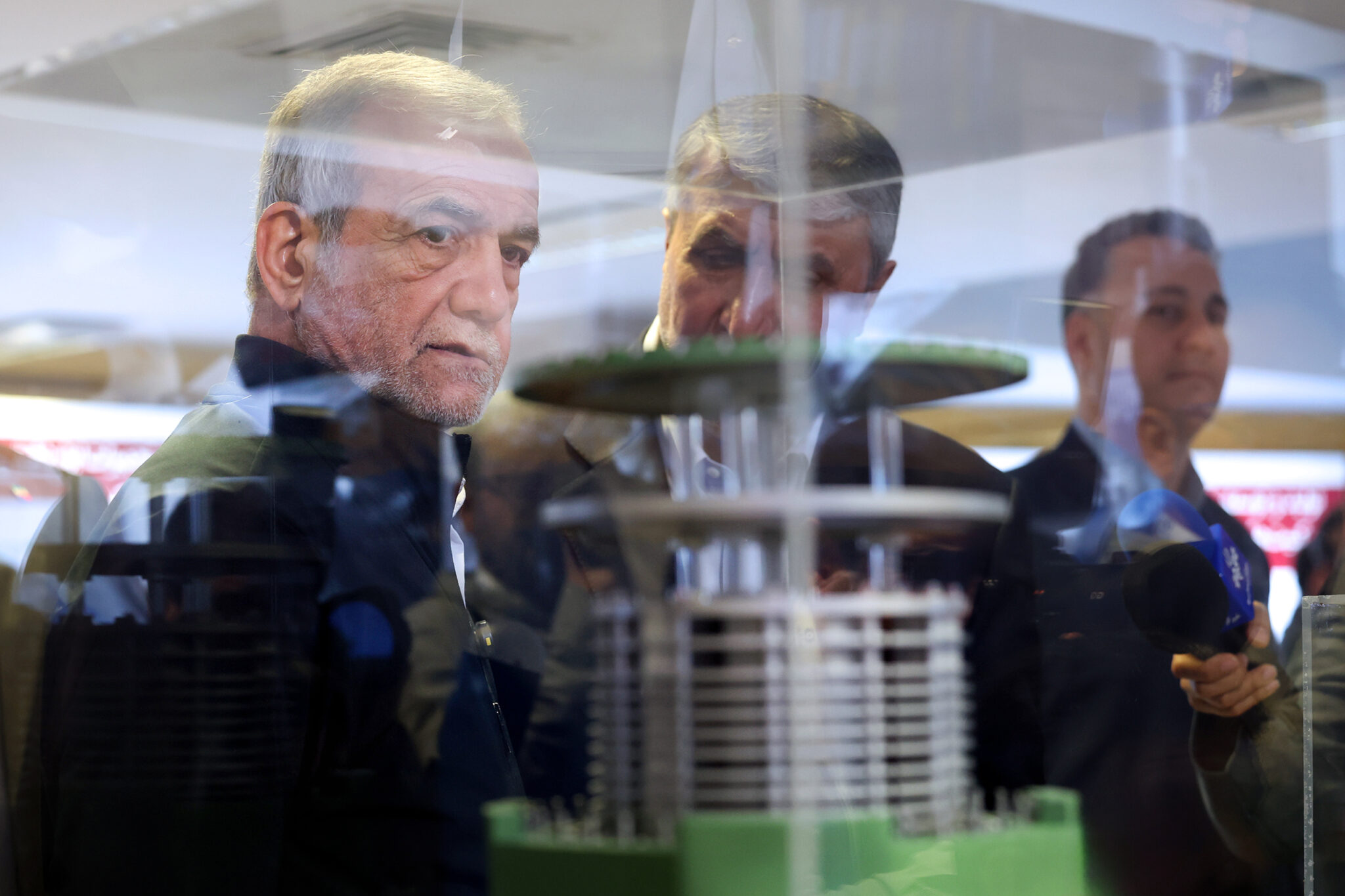
On Thursday, Europeans activated a mechanism at the UN to reinstate economic sanctions against Iran if, within 30 days, Tehran fails to meet its obligations regarding the nuclear program. The tense international context does not favor an agreement, which signals a worsening of the crisis.
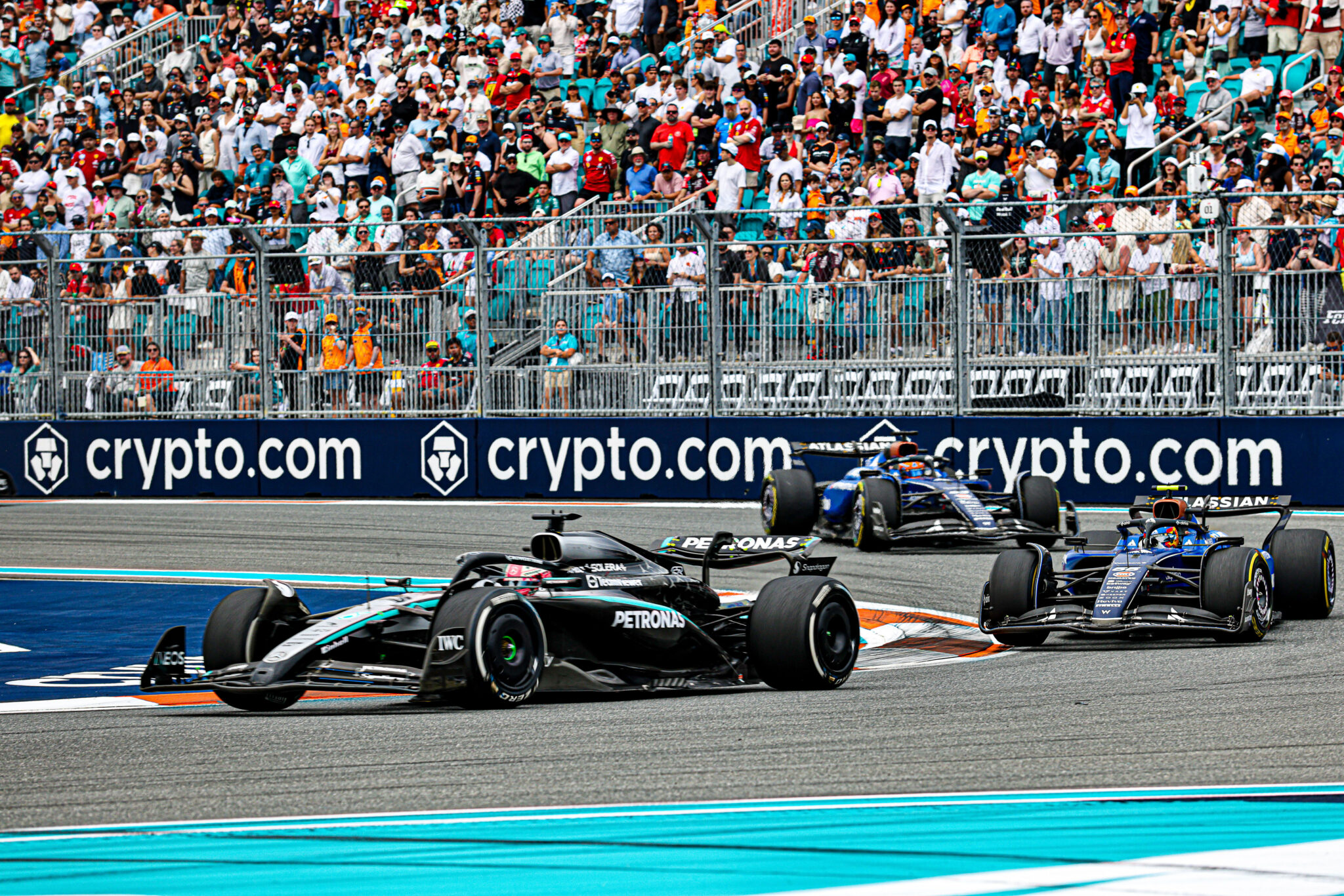
Particularly young sports fans are digitally oriented, and tend to be more “crypto-native”, which makes them a natural target for the industry.
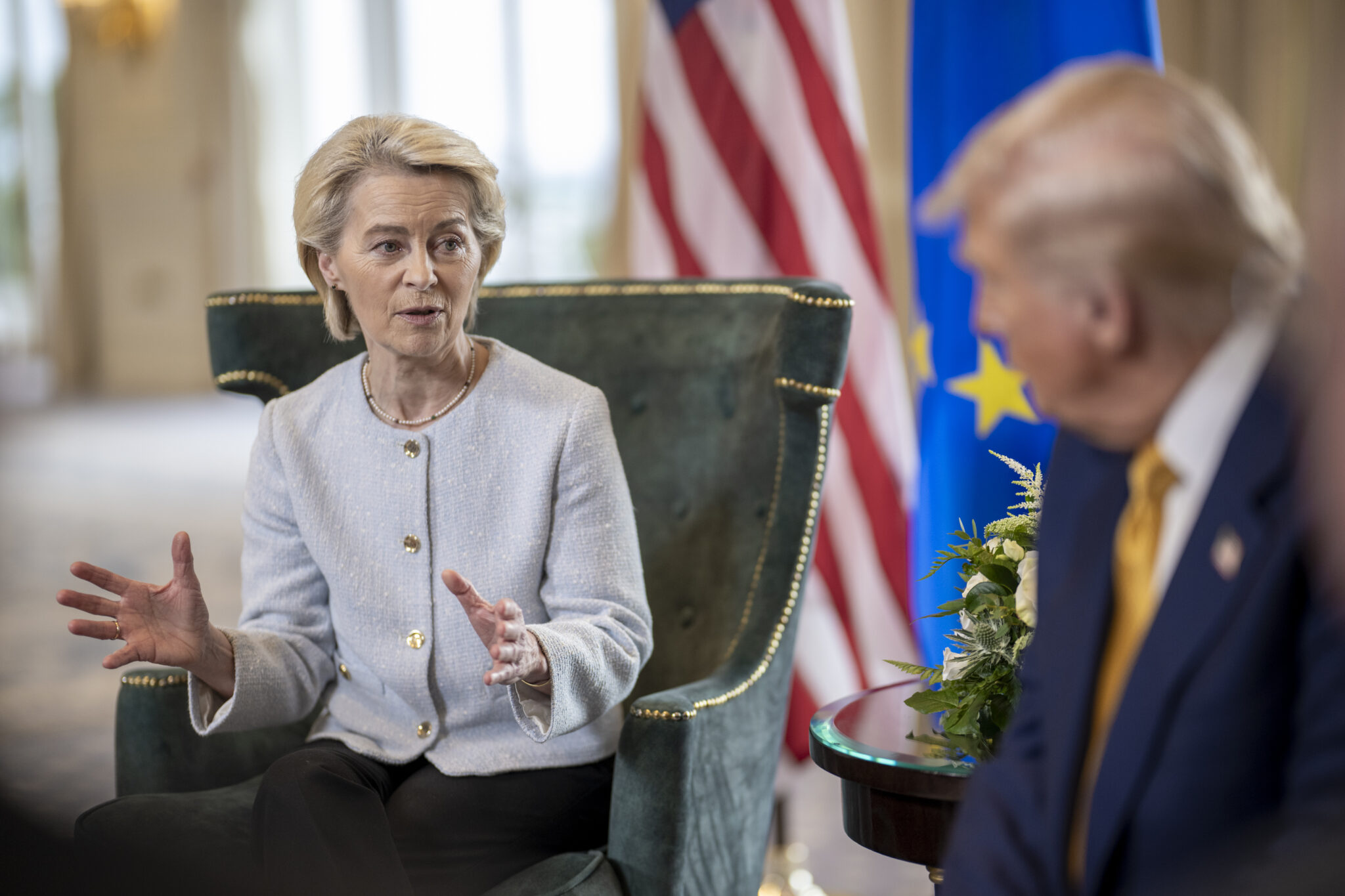
European Commission President Ursula von der Leyen’s controversial trade deal may look like a surrender to U.S. President Donald Trump, but it could be a calculated play in a surreal game of bluff, designed to keep Europe afloat — and Trump distracted.
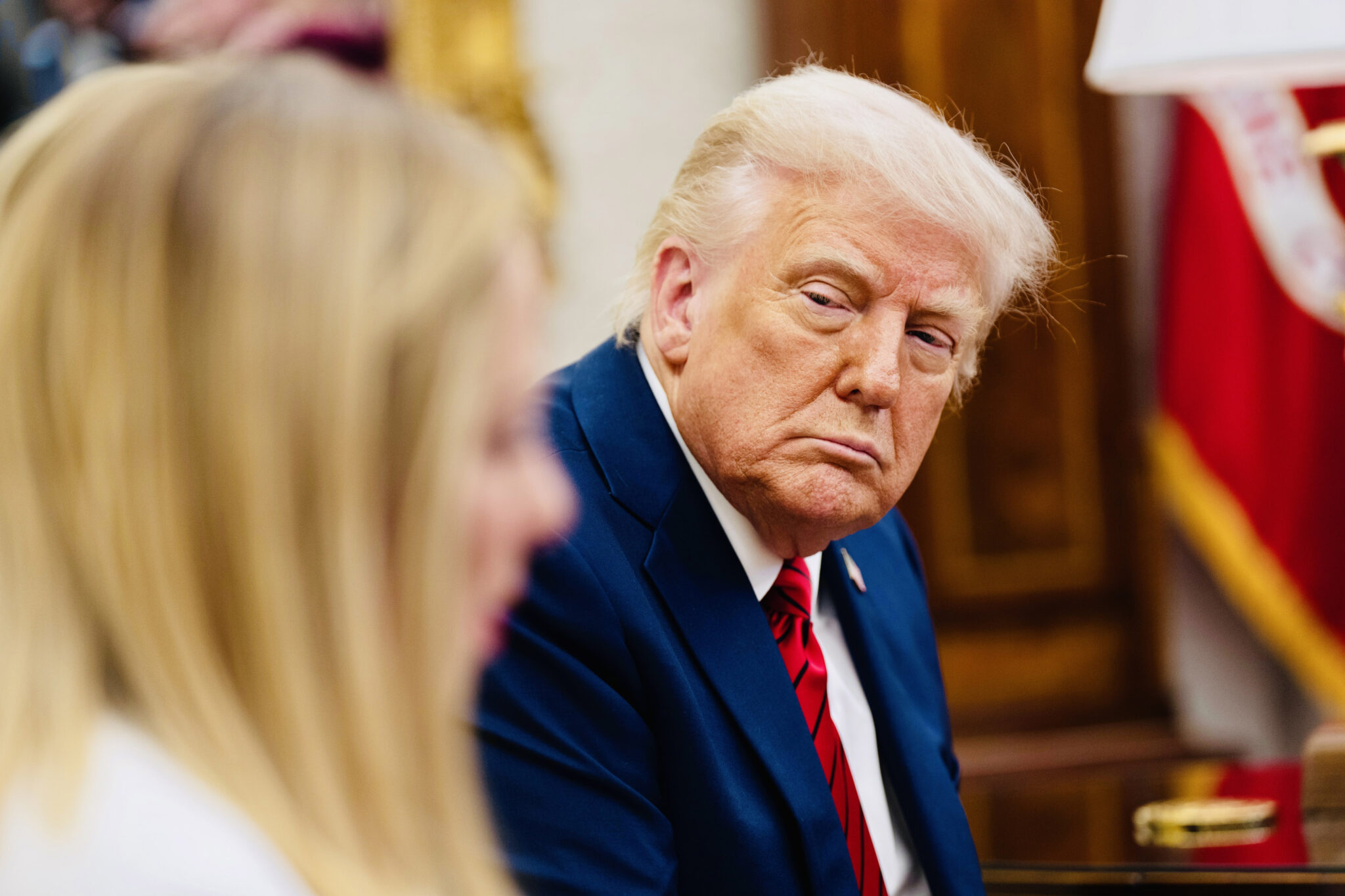
As others bristle at tariffs and concessions, Rome recasts humiliation as heroism, embracing a lopsided deal that feeds the myth of a benevolent Caesar-like Donald Trump while draining European coffers.
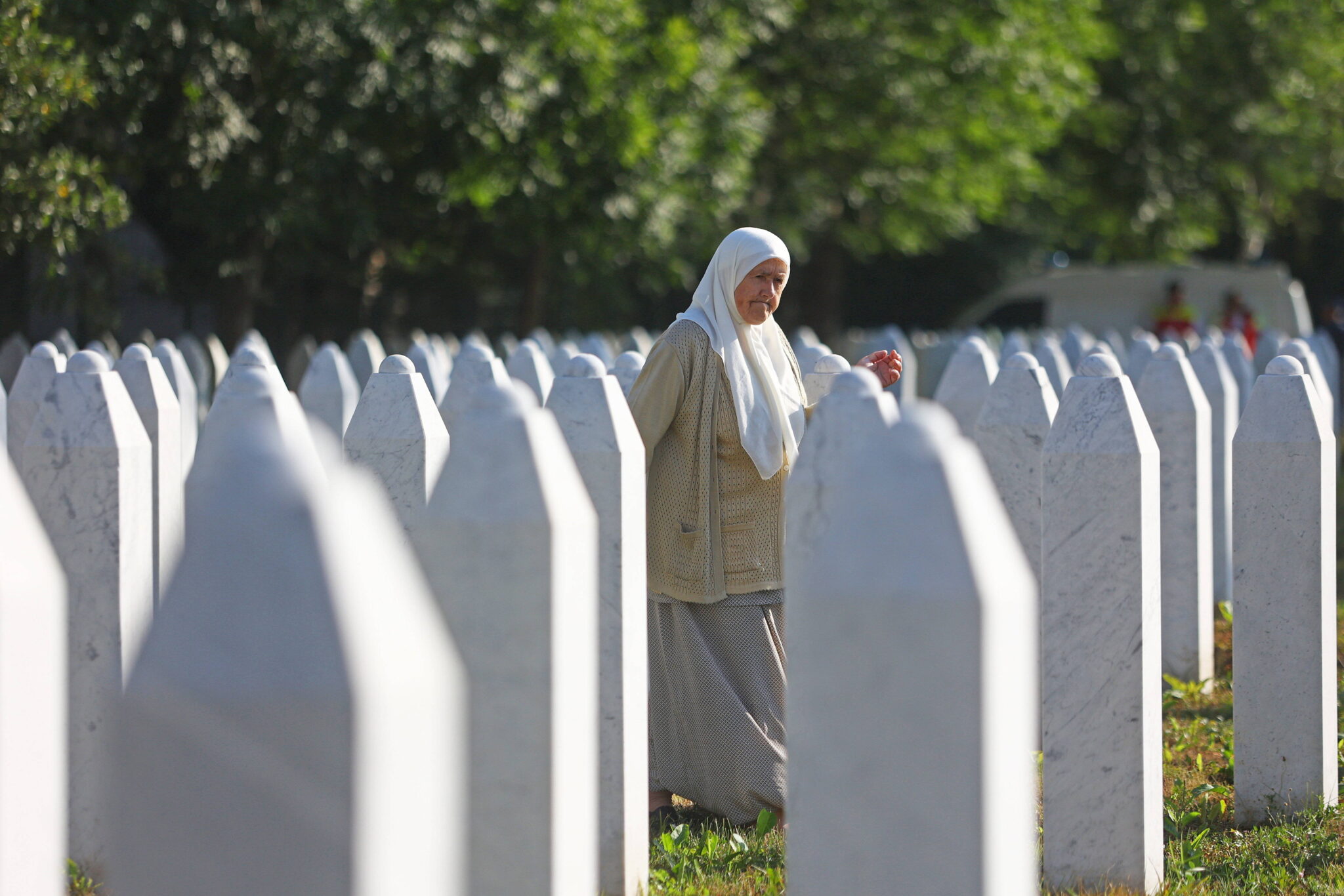
Once dismissed as a tragic anomaly of the post–Cold War era, the 1995 massacre of 8,000 Bosnian Muslims now echoes through today’s wars and ideologies. From Gaza to Ukraine, the logic of ethnic violence is back, and the world is once again looking away.

As international research projects are upended, European leaders say they will fill the funding void. Is that realistic?
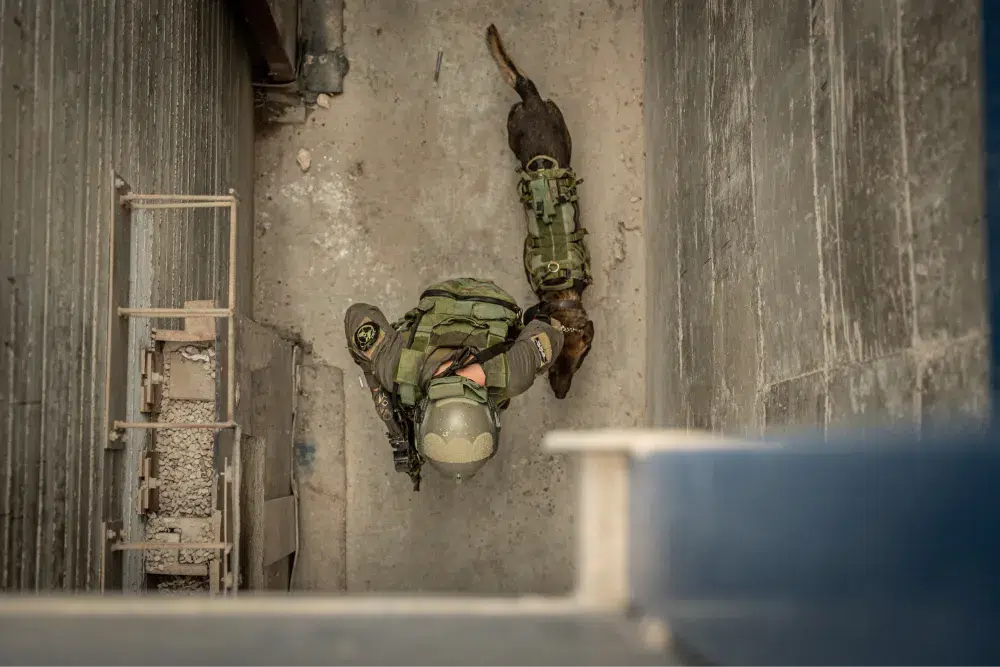
An exclusive investigation reveals Israel’s use of trained dogs — imported from European countries — as weapons against Palestinian civilians in Gaza and the West Bank. European companies specializing in training and selling these dogs to Israel appear to disregard ethical and legal standards.
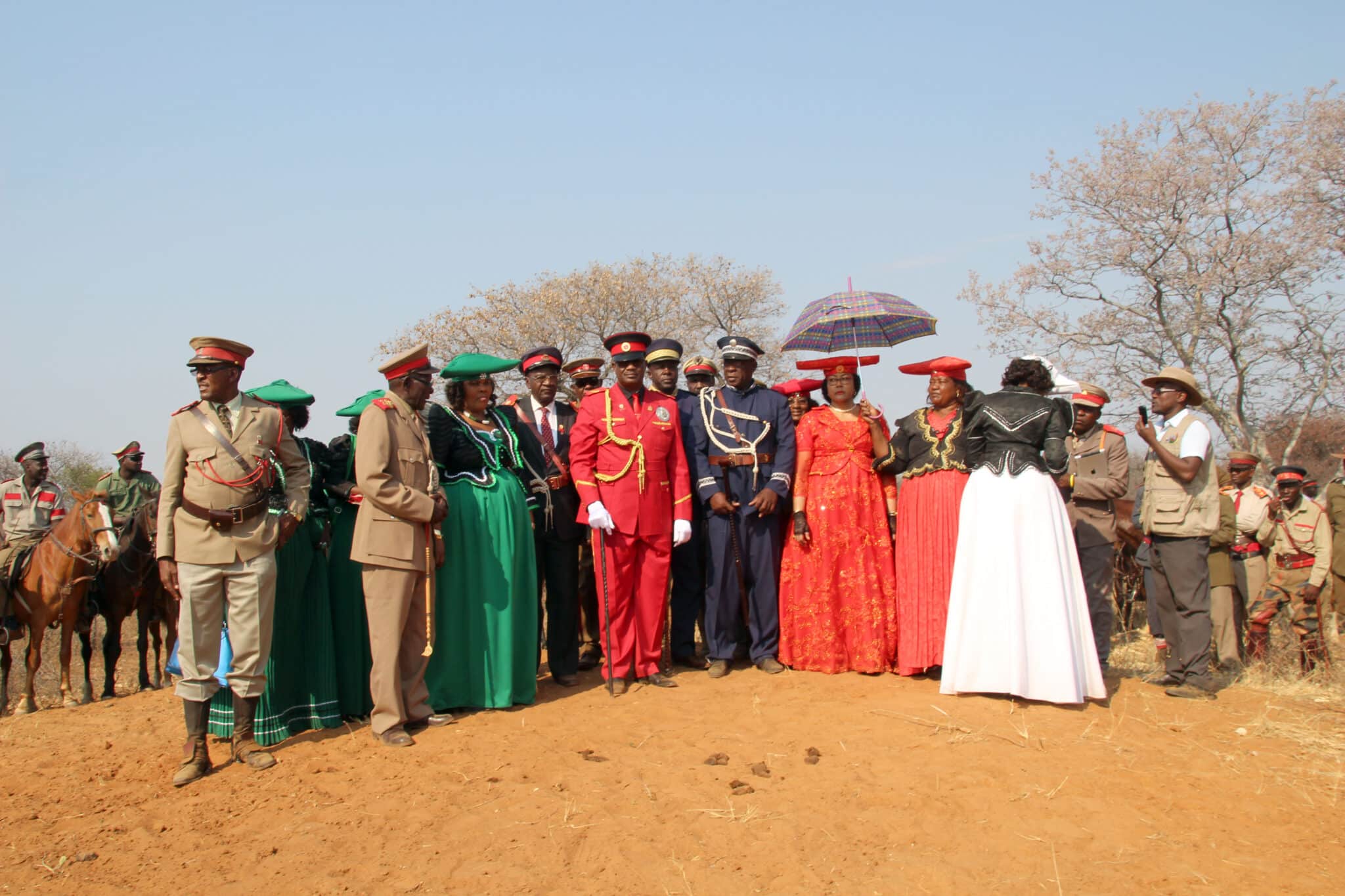
It is a genocide committed by the German colonial army 120 years ago, but it is being officially commemorated for the first time this week in Namibia. A painful memory is resurfacing — here, as elsewhere in Africa — that is unsettling the former colonizers.
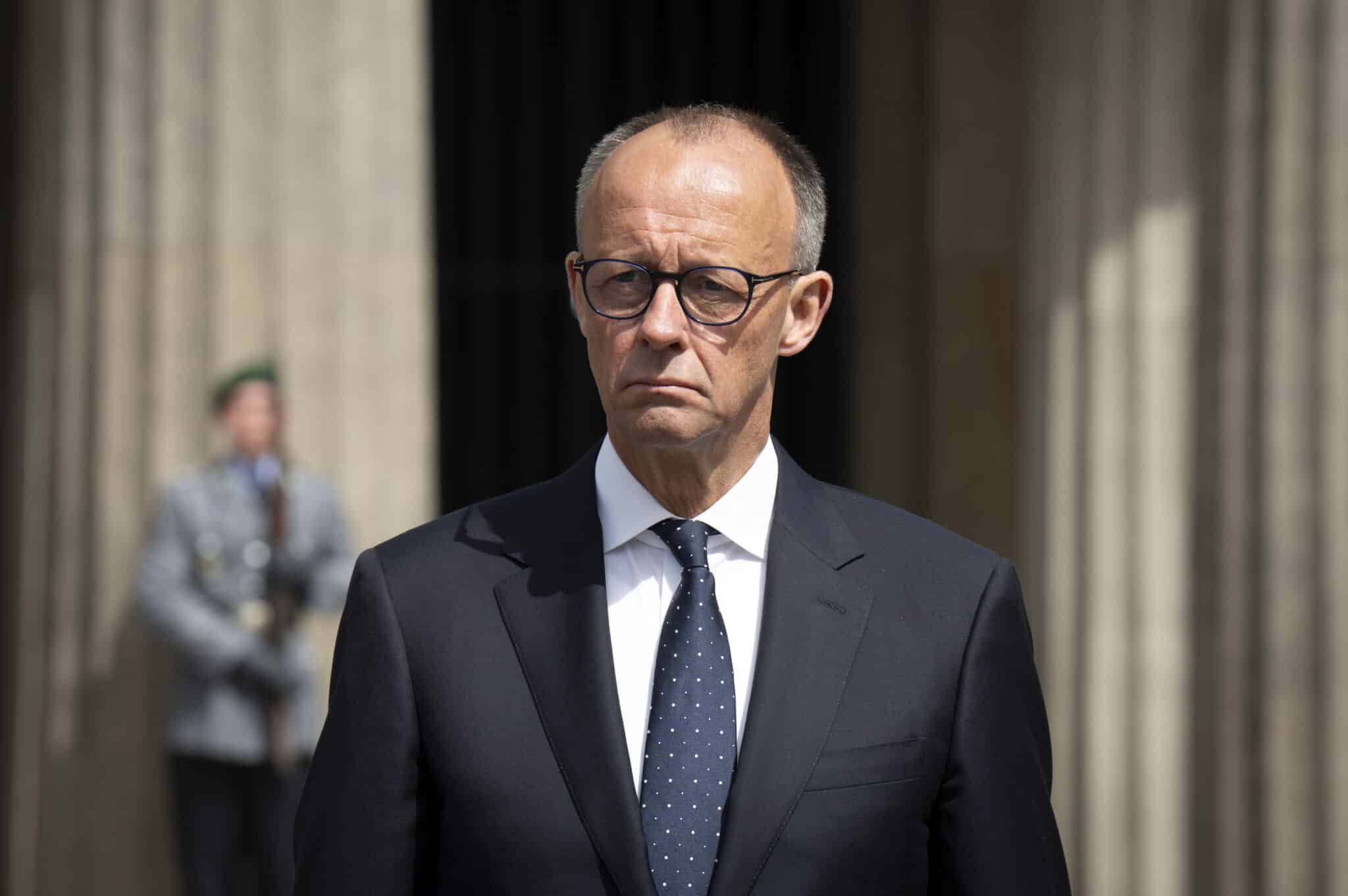
New German Chancellor Friedrich Merz talks about his private exchanges with U.S. President Donald Trump, his own lack of government experience, and why it’s not so clear how to handle the far right AfD.
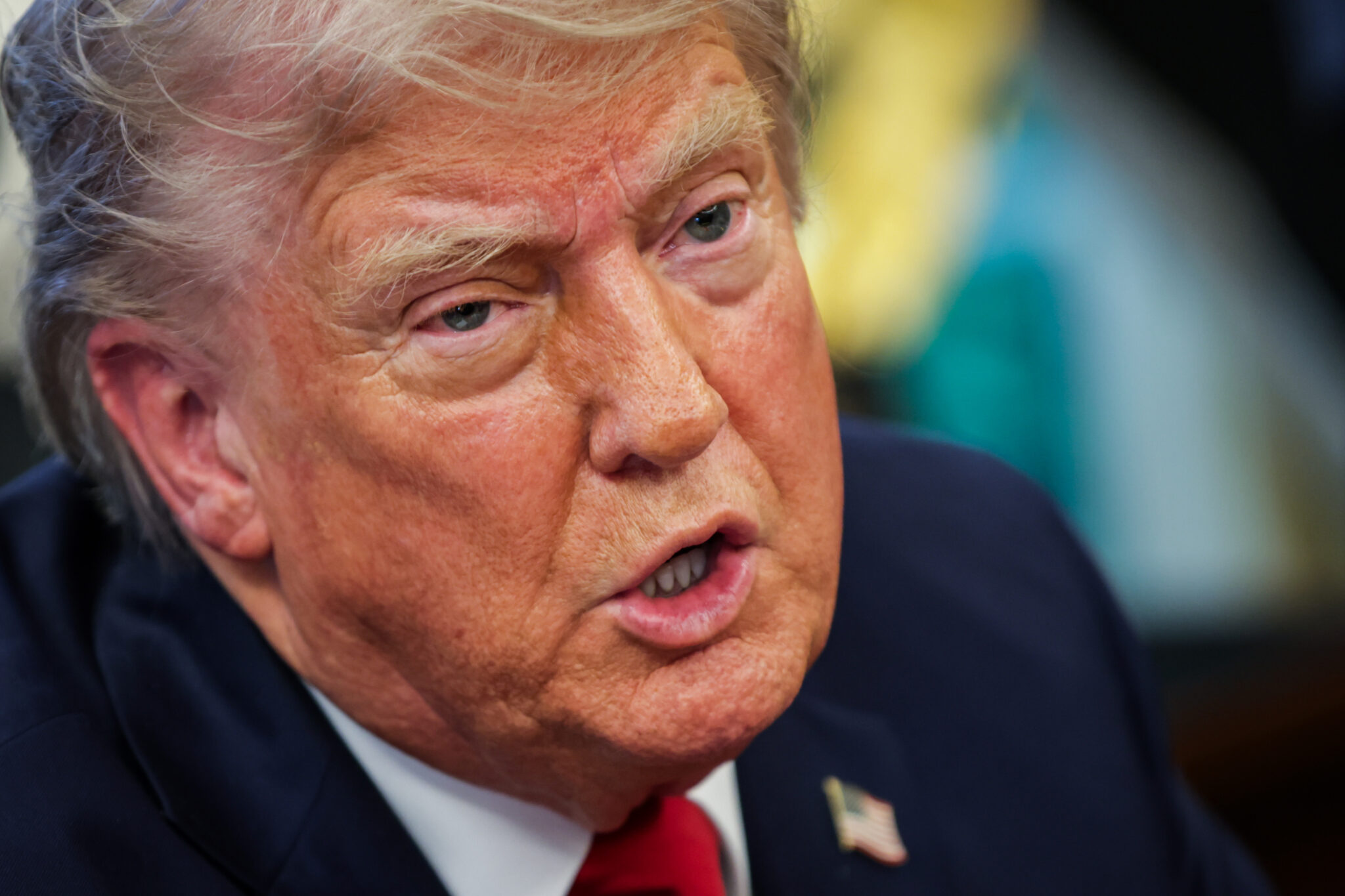
In just the past 24 hours, the gulf between the Trump Administration and its (former) European allies has widened even further. Both on Ukraine and Gaza.
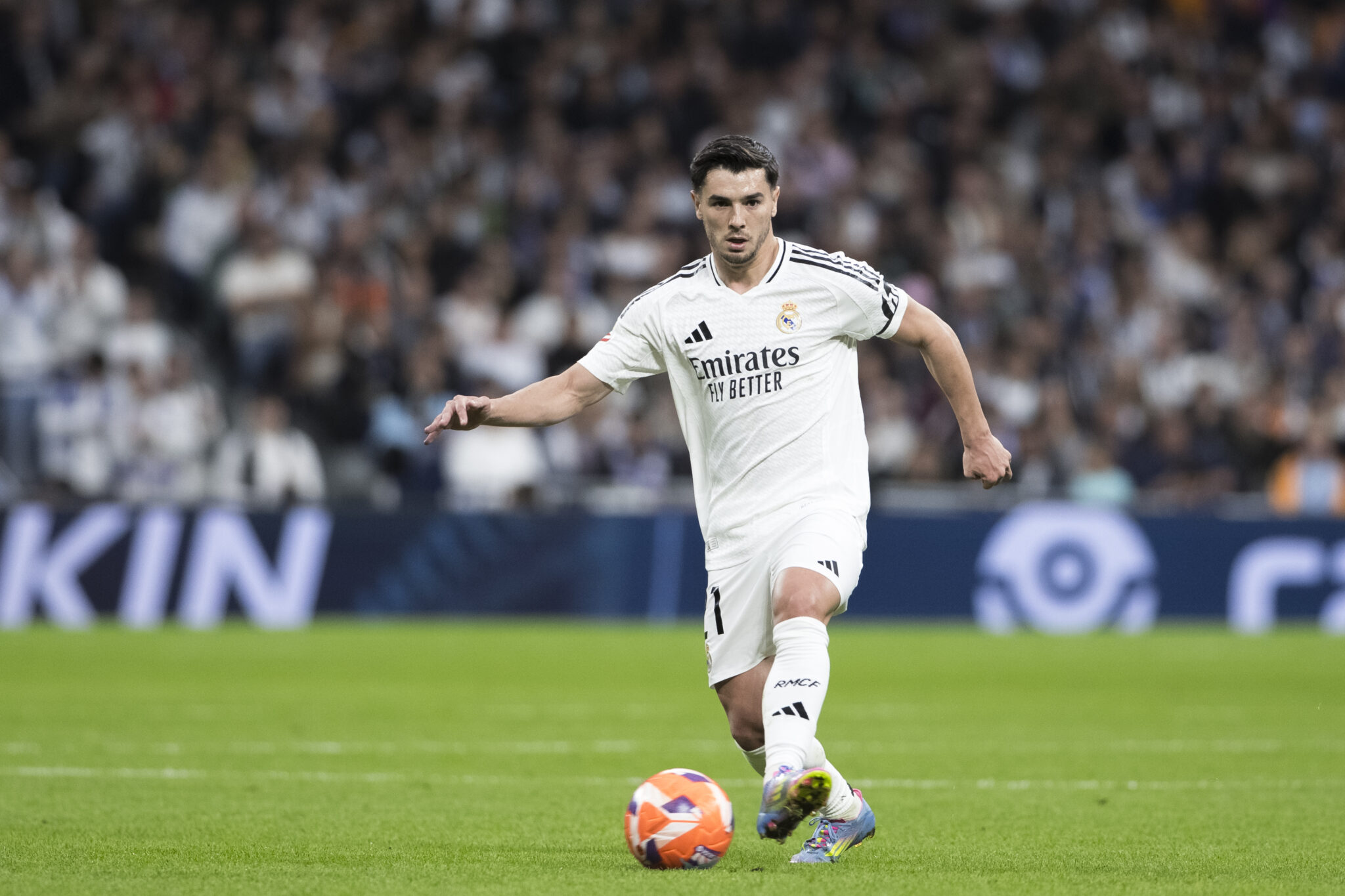
For a dual-national soccer player, choosing a national team goes beyond the sporting sphere: It involves family, identity and geopolitical issues, pitting major European nations against Maghreb countries.
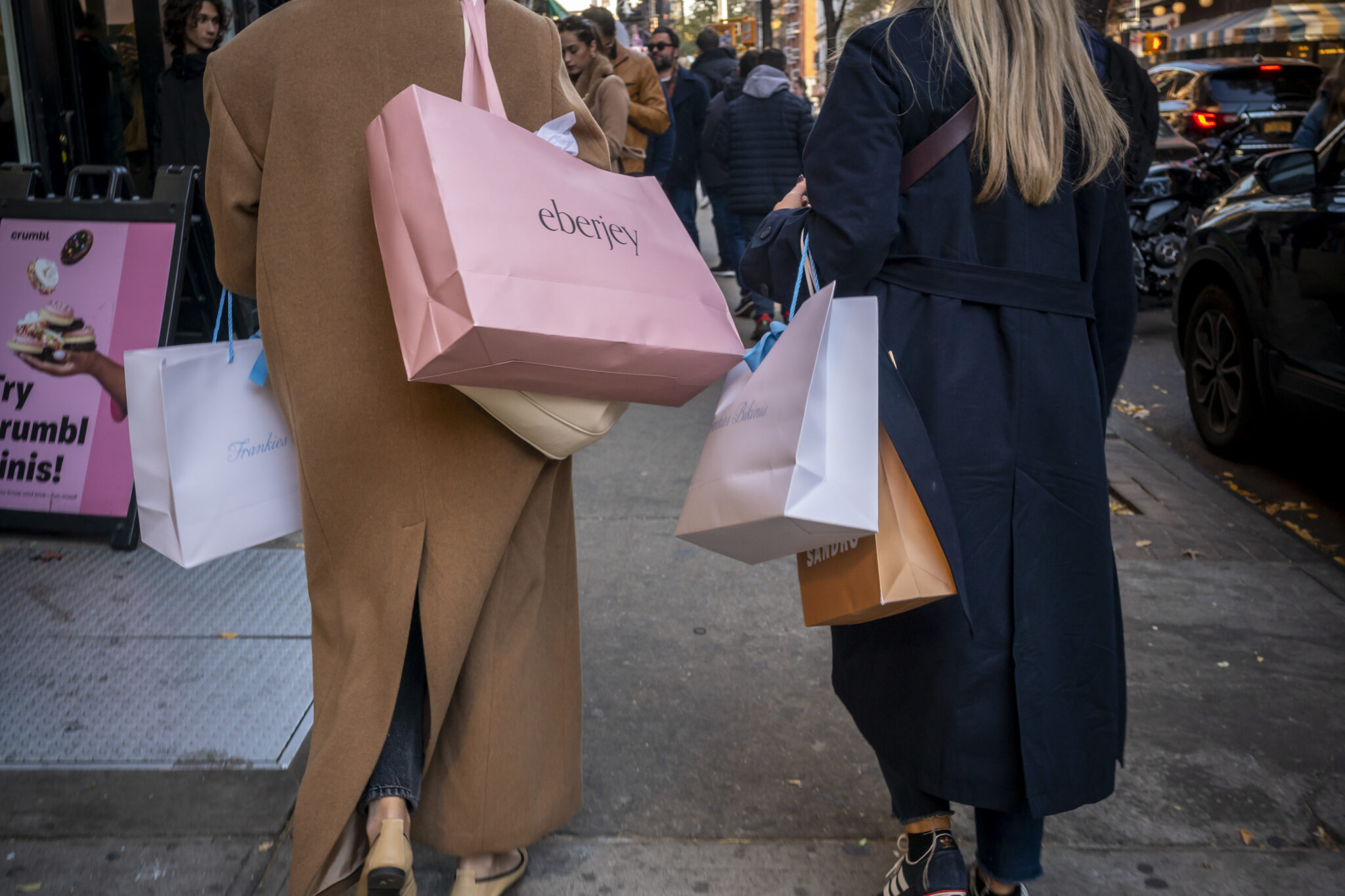
Clothing, air travel, food: we are once again consuming as if the climate crisis didn’t exist. But it may provide much needed clarity about how to actually protect the environment.

A new exhibit, “Eastern Europeans From a Polish Perspective,” in Brussels aims to shed new light on Poland, which has long been seen as an outlier to European affairs.
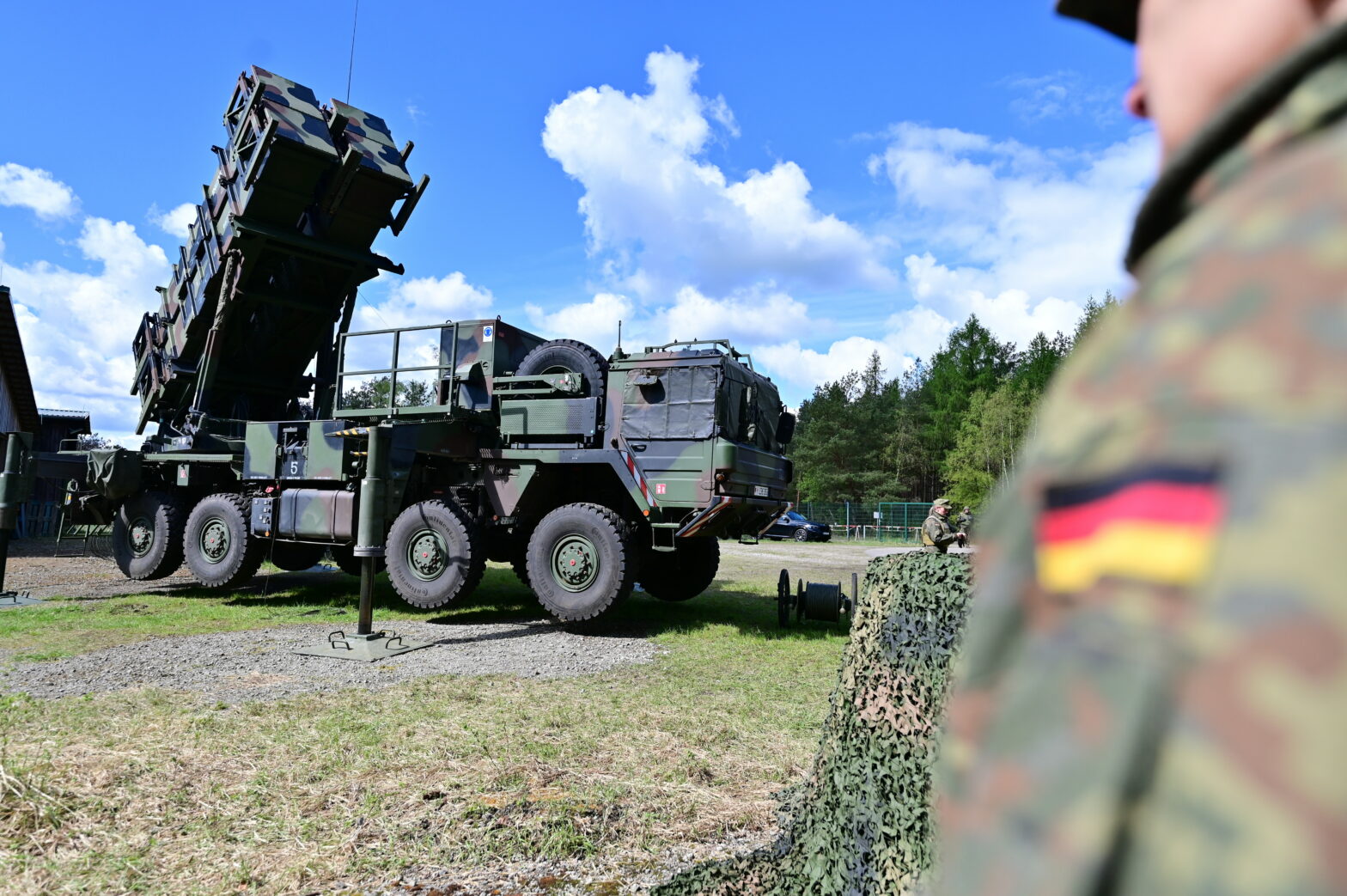
Metaphors like “nuclear shield” or “nuclear security guarantee” are being tossed around as if they meant something clear and specific. This shows a troubling lack of understanding of how nuclear strategy actually works, and how much power is in the hands of individual leaders.
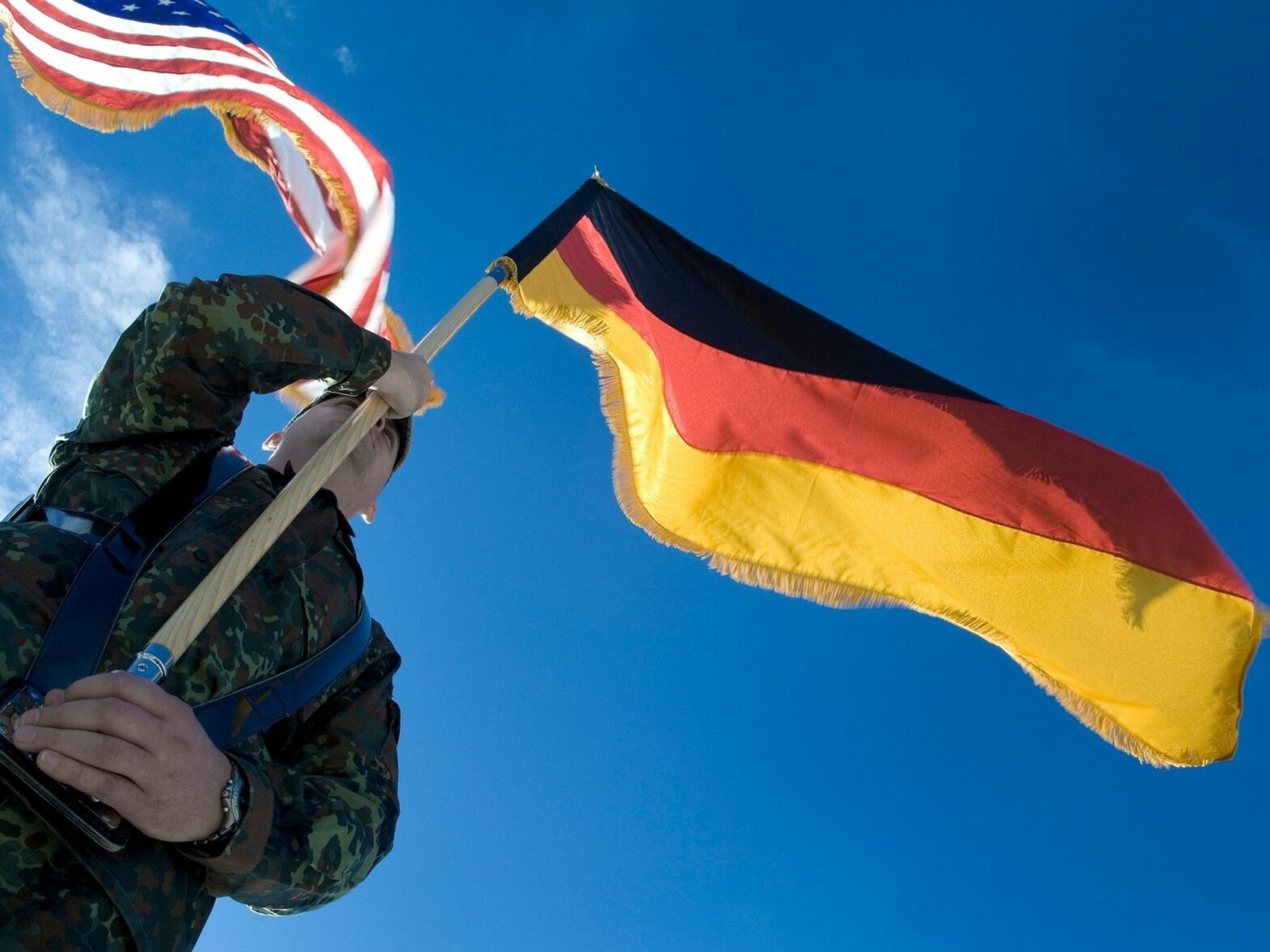
After decades of admiration, trust, and borrowed identity, Germans are waking up from their long love affair with the United States, and reckoning with what’s left.
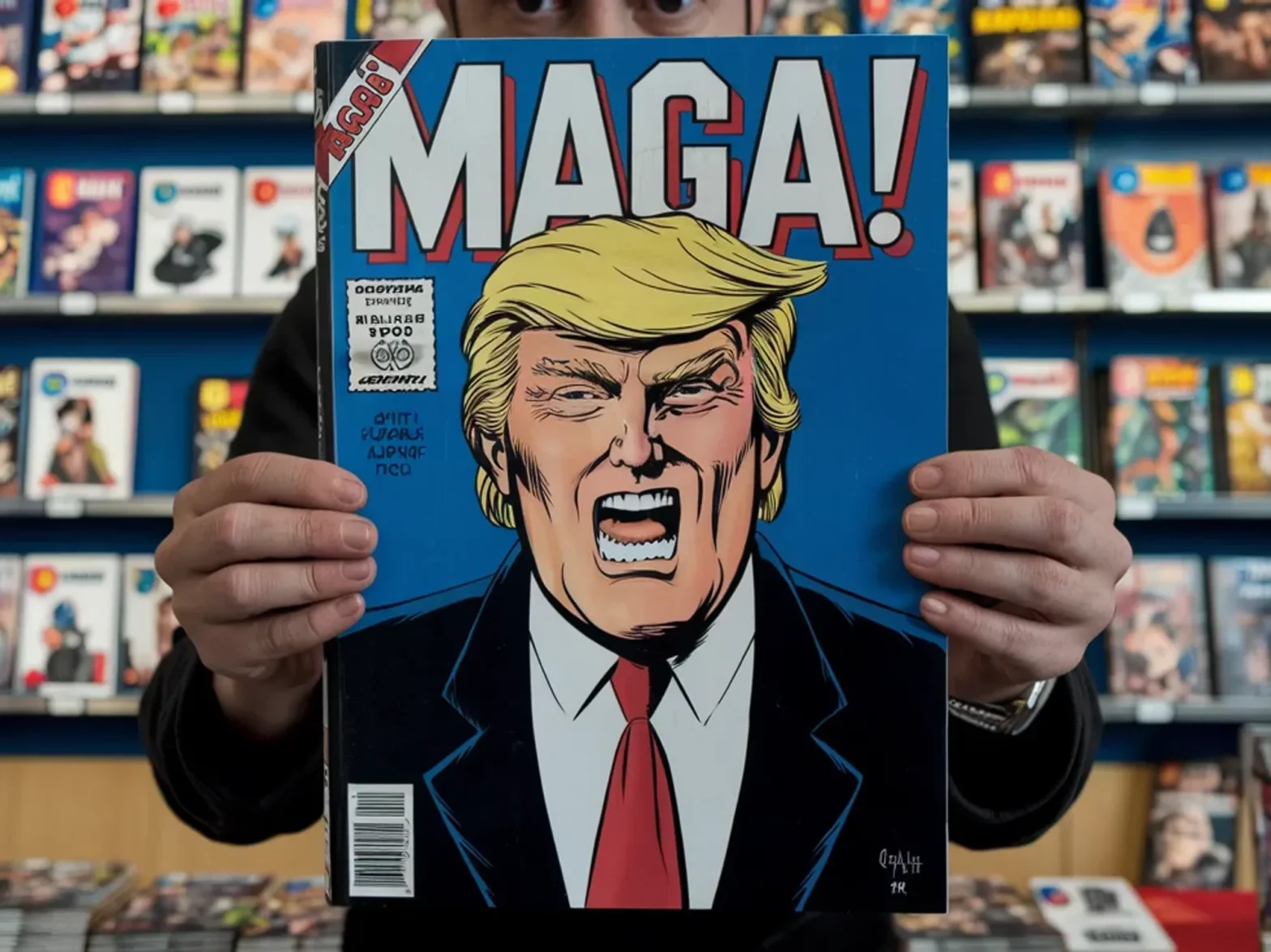
The U.S. president has unveiled a new round of tariffs against his trading partners. But Europeans have leverage against this policy, French essayist Édouard Tétreau writes.
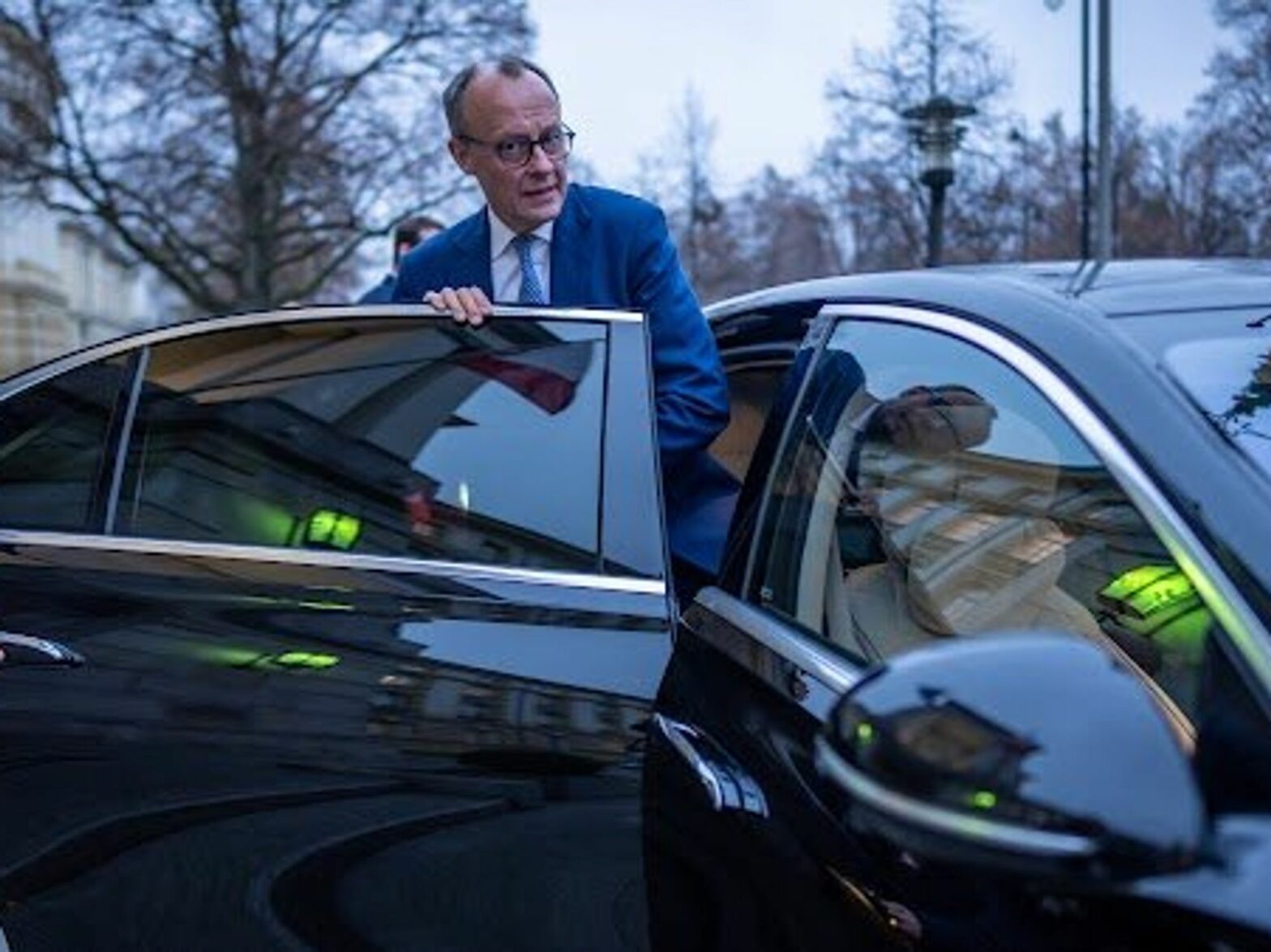
Europe is fortunate to have sensible men leading the UK, Poland and France: Keir Starmer, Donald Tusk and Emmanuel Macron. Germany’s likely next chancellor, Friedrich Merz, could be a crucial addition to this united front against the challenges posed by Donald Trump and Vladimir Putin.
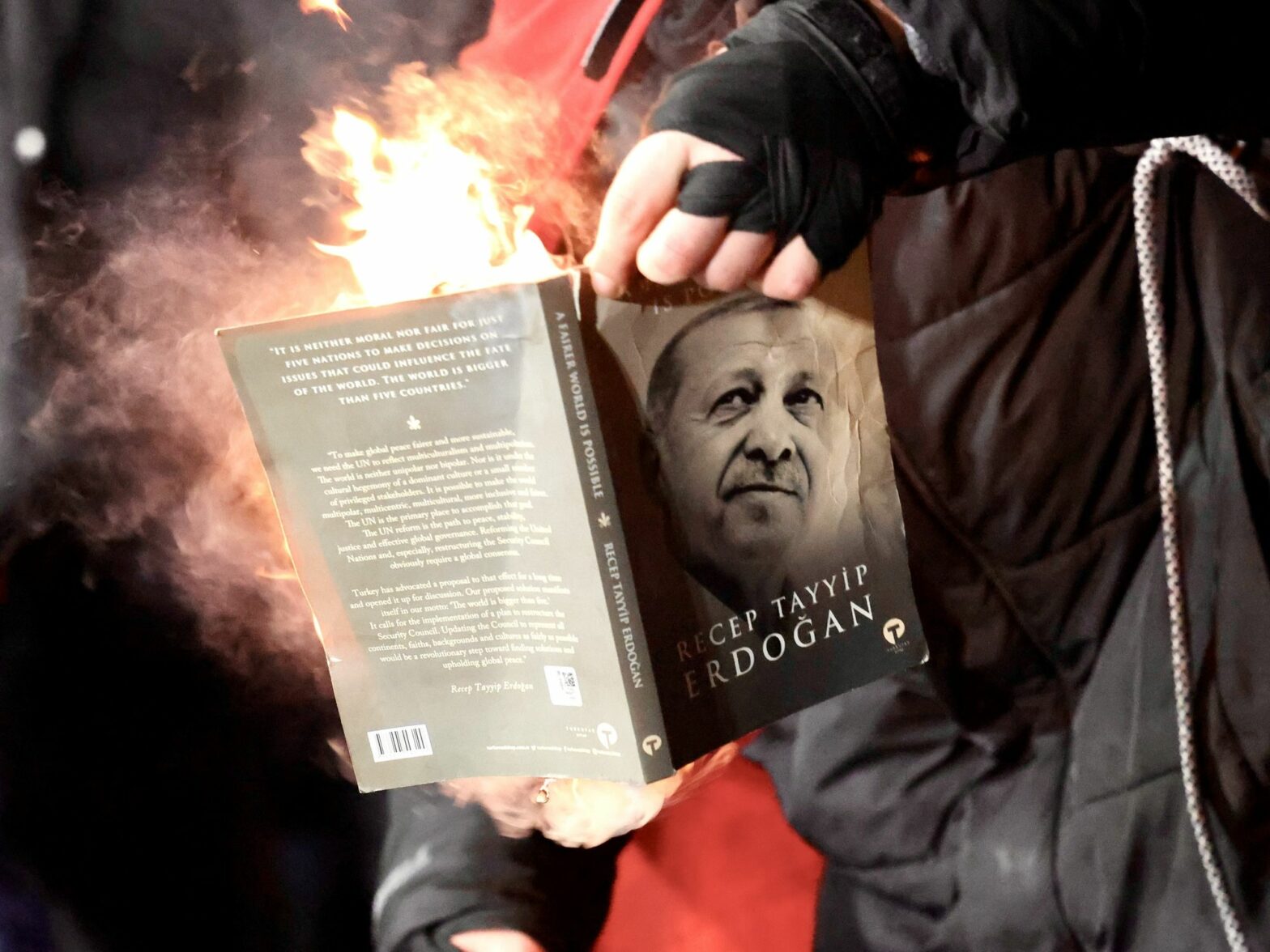
When Istanbul’s Mayor Ekrem İmamoğlu was arrested, it sent shockwaves through Turkey, igniting fears that no opposition figure was safe. But instead of silencing dissent, Erdoğan’s crackdown has sparked a nationwide movement that could shape the country’s political future.
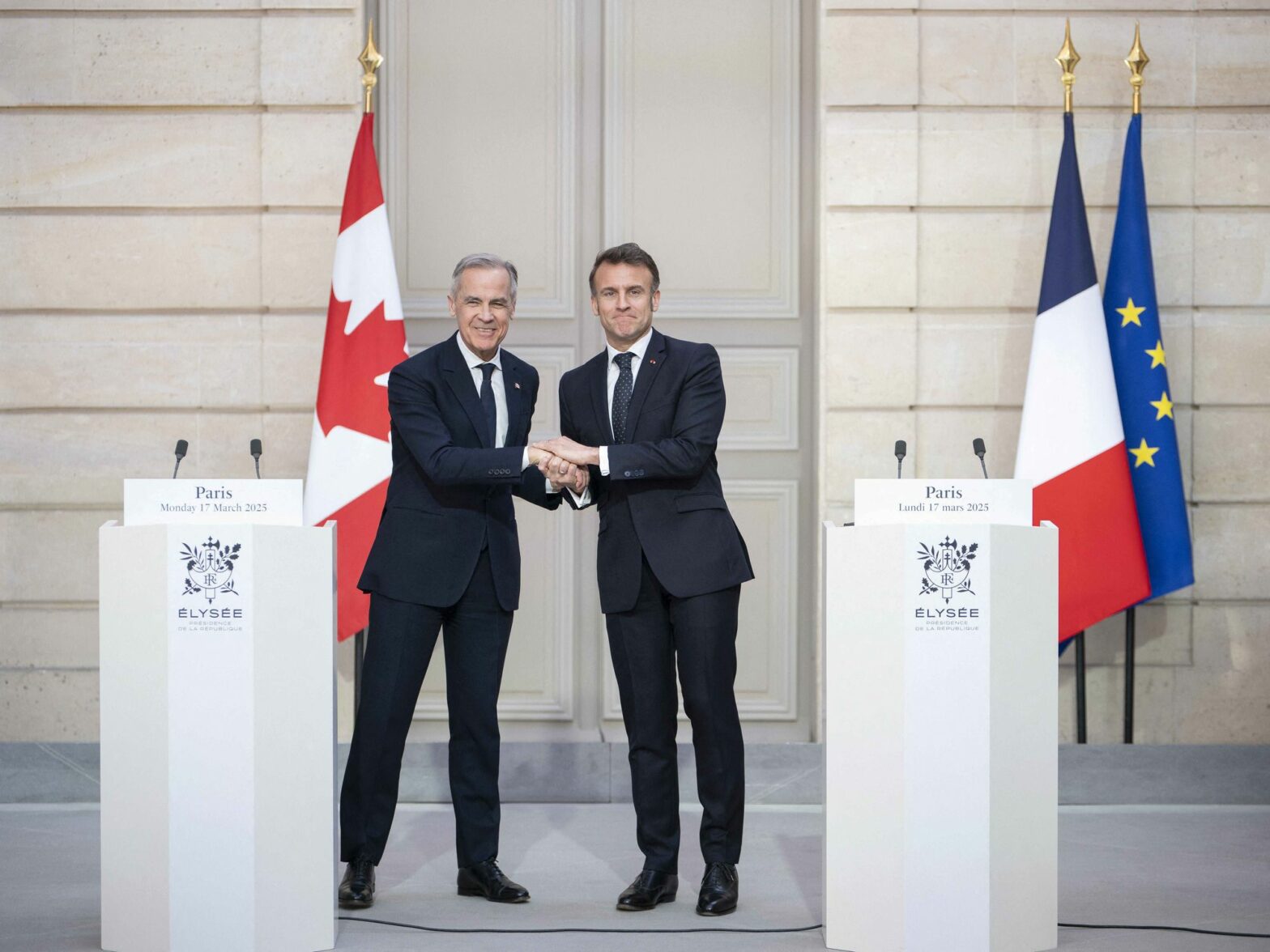
An international front is refusing to bow to the White House’s demands, and it’s the only way out of the crisis.
Europeans may see seizing Russian assets as a financial and moral boost, they should resist the idea to avoid a triple boomerang effect.
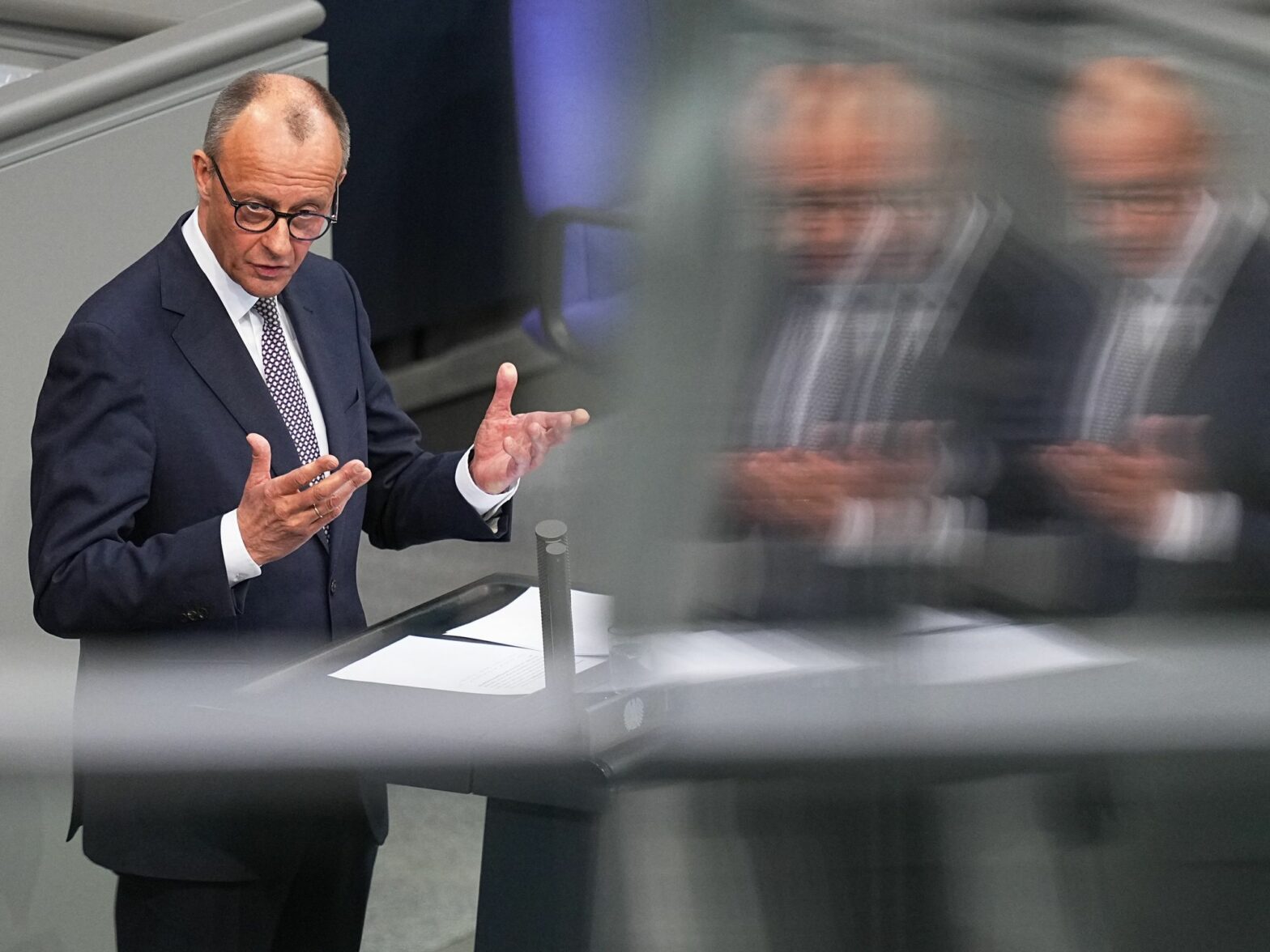
Germany has finally decided to start spending. Is this going to save its stagnating economy? The new fiscal package is the biggest economic policy test in post-War German history. Now it’s crucial that the government avoids any mistakes.