Whether at the beach, in the garden, or deep underground, shovels connect us to power, truth, and memory.
 Worldcrunch
Gabriele Magro is a fiction writer, journalist and cultural project manager from Turin, Italy. He has worked on editorial projects, festivals and exhibitions in the fields of literature and contemporary art for Fondazione Arte CRT, OGR, Goethe-Institut and Fondazione Compagnia di San Paolo. As a journalist, he tackled urbanism, minority rights, the Balkans and Mitteleuropa for il Manifesto, il Post, Left, Valigia Blu, Il Tascabile, Lucy – Sulla Cultura. He is currently working as a correspondent, editor and proofreader for the Franco-German cultural channel Arte.tv, the cheFare Agency in Milan, and Worldcrunch.
Whether at the beach, in the garden, or deep underground, shovels connect us to power, truth, and memory.
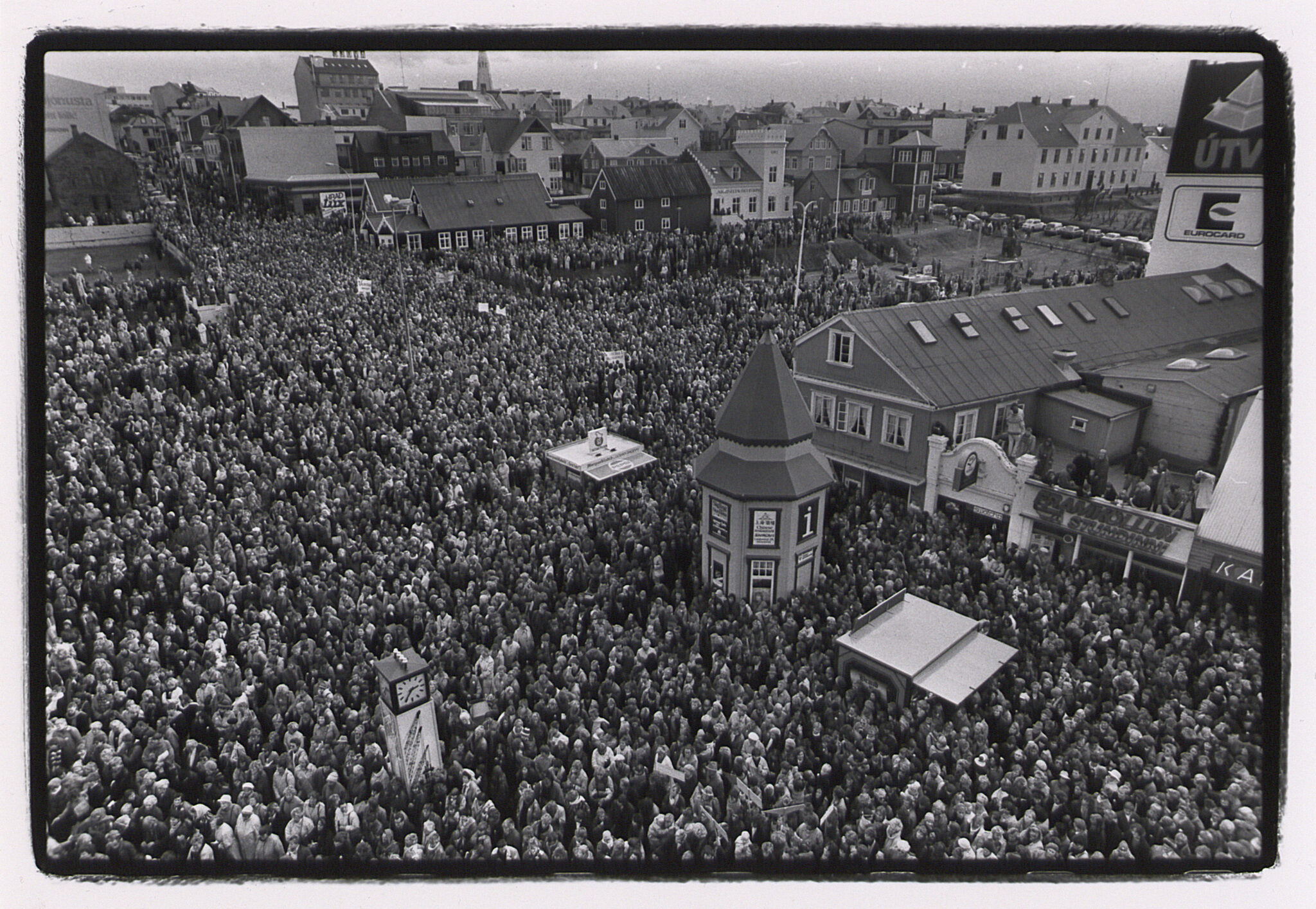
Fifty years on, the mass walkout by 90% of Icelandic women still shapes politics, pay equity, and gender norms, from Vigdís Finnbogadóttir’s presidency to today’s parental leave model.
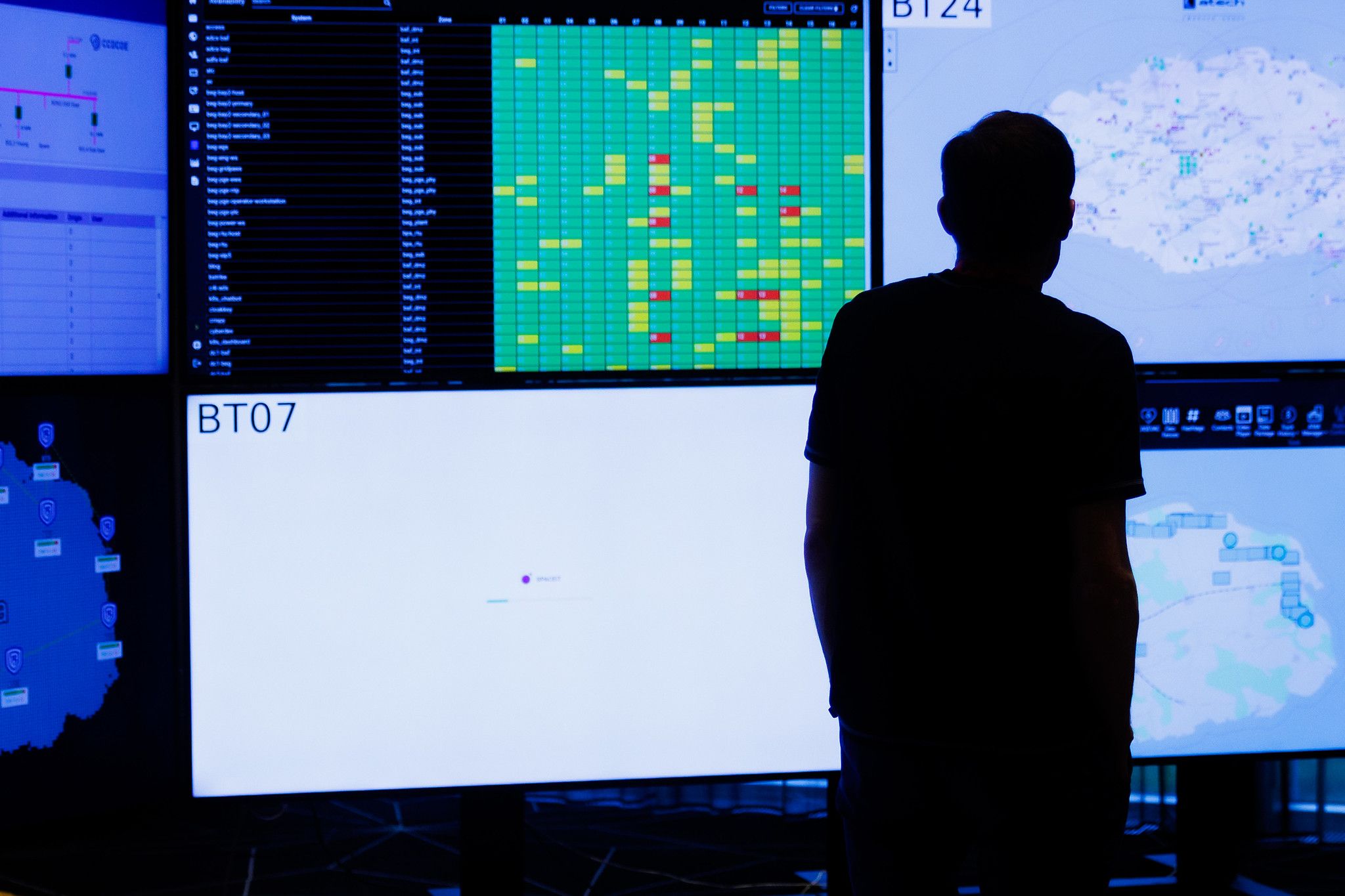
In one of the world’s most connected countries, cyber soldiers protect critical systems against constant foreign attacks while preparing for the day when artificial intelligence could take control of the battlefield.
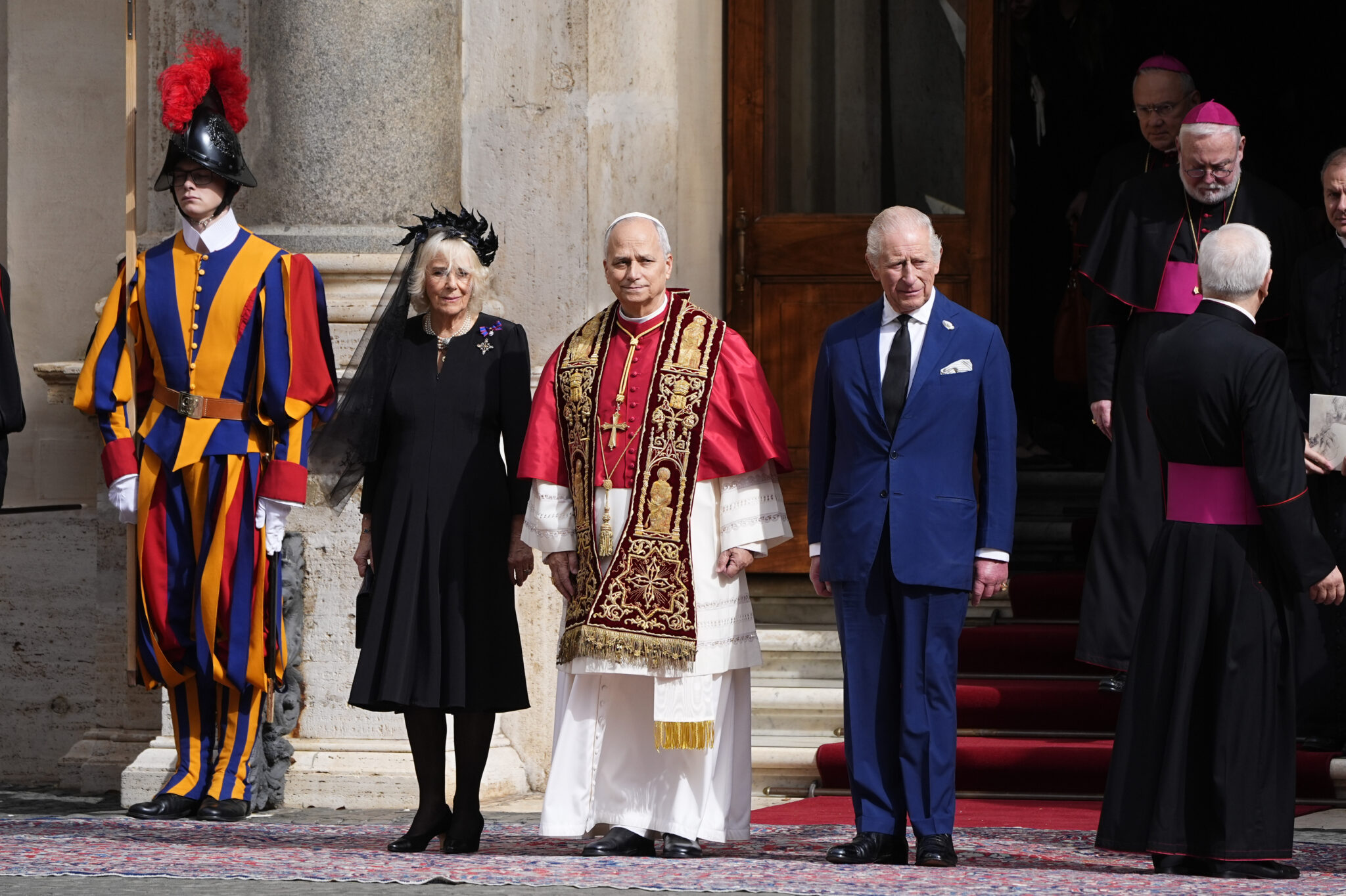
The first joint prayer since Henry VIII anchors a Vatican day focused on peace, climate ahead of COP30 in Belém, and closer Anglican Catholic ties, with Charles named Royal Confrater at Saint Paul Outside the Walls.
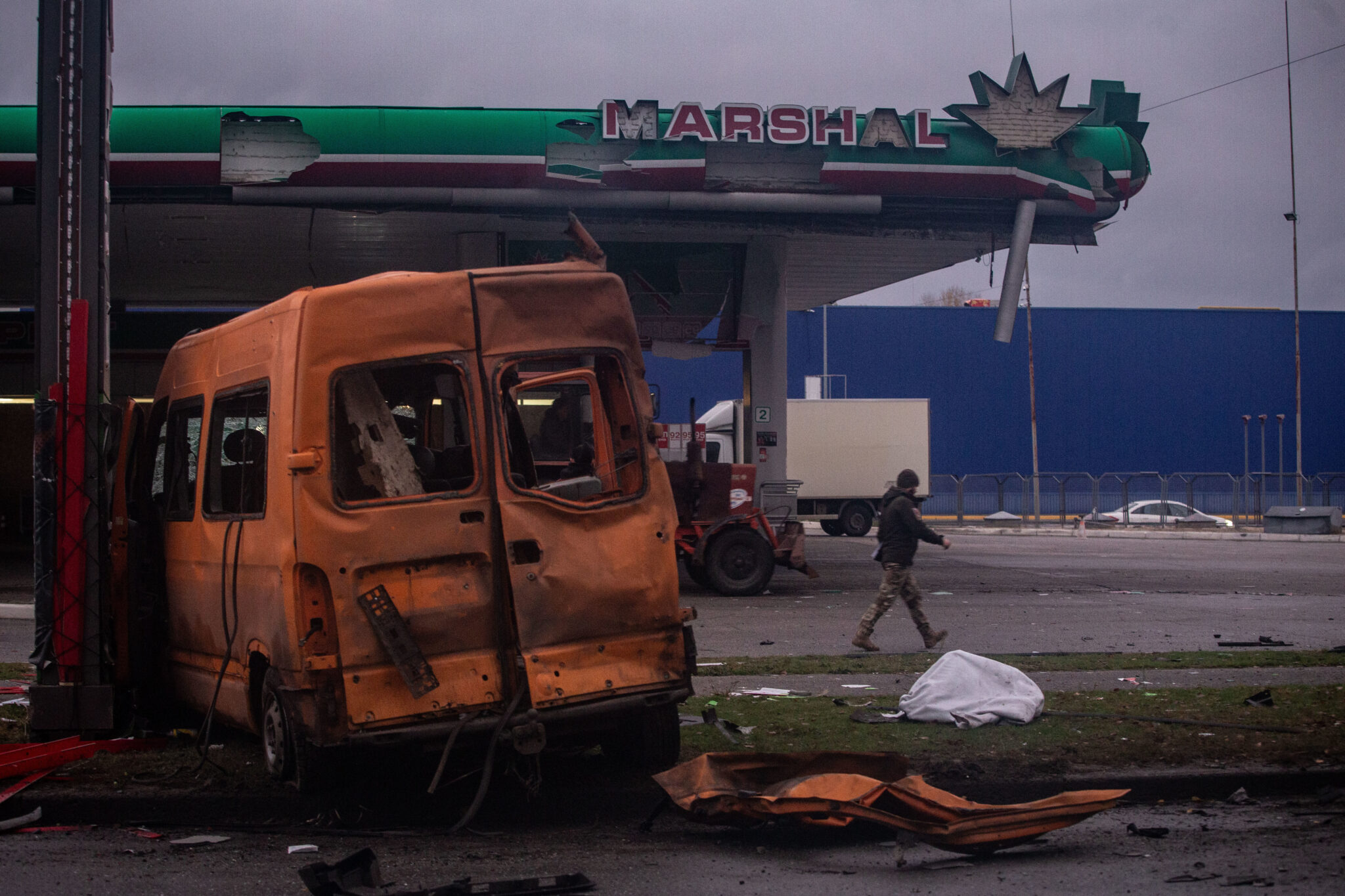
With offensives stalling, Ukraine hitting Russian refineries, Western aid thinning, and winter power grids under fire, the gap persists as Moscow floats Donbas withdrawals and Kyiv rejects concessions while outside mediation muddies the waters.
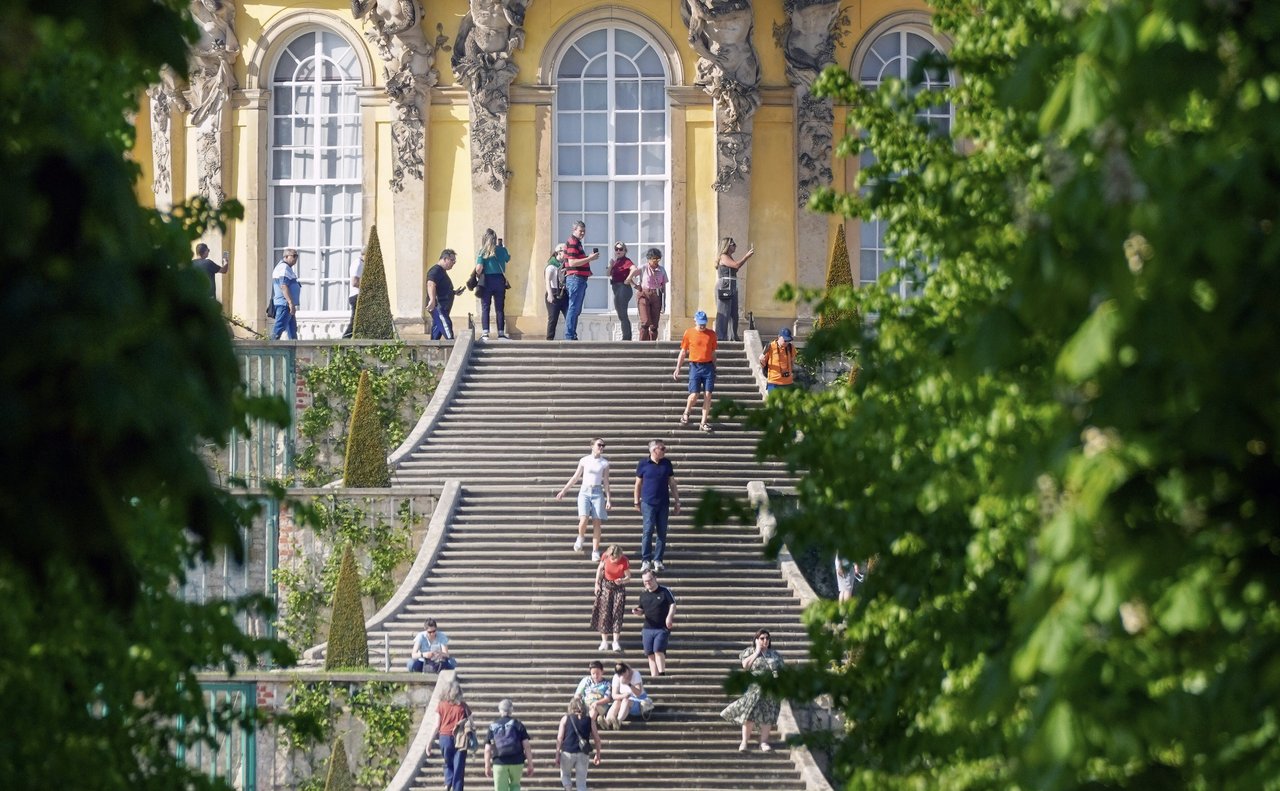
Despite record employment, millions are opting out of full-time work: it’s a trend that risks undermining growth, pensions, and the country’s future.
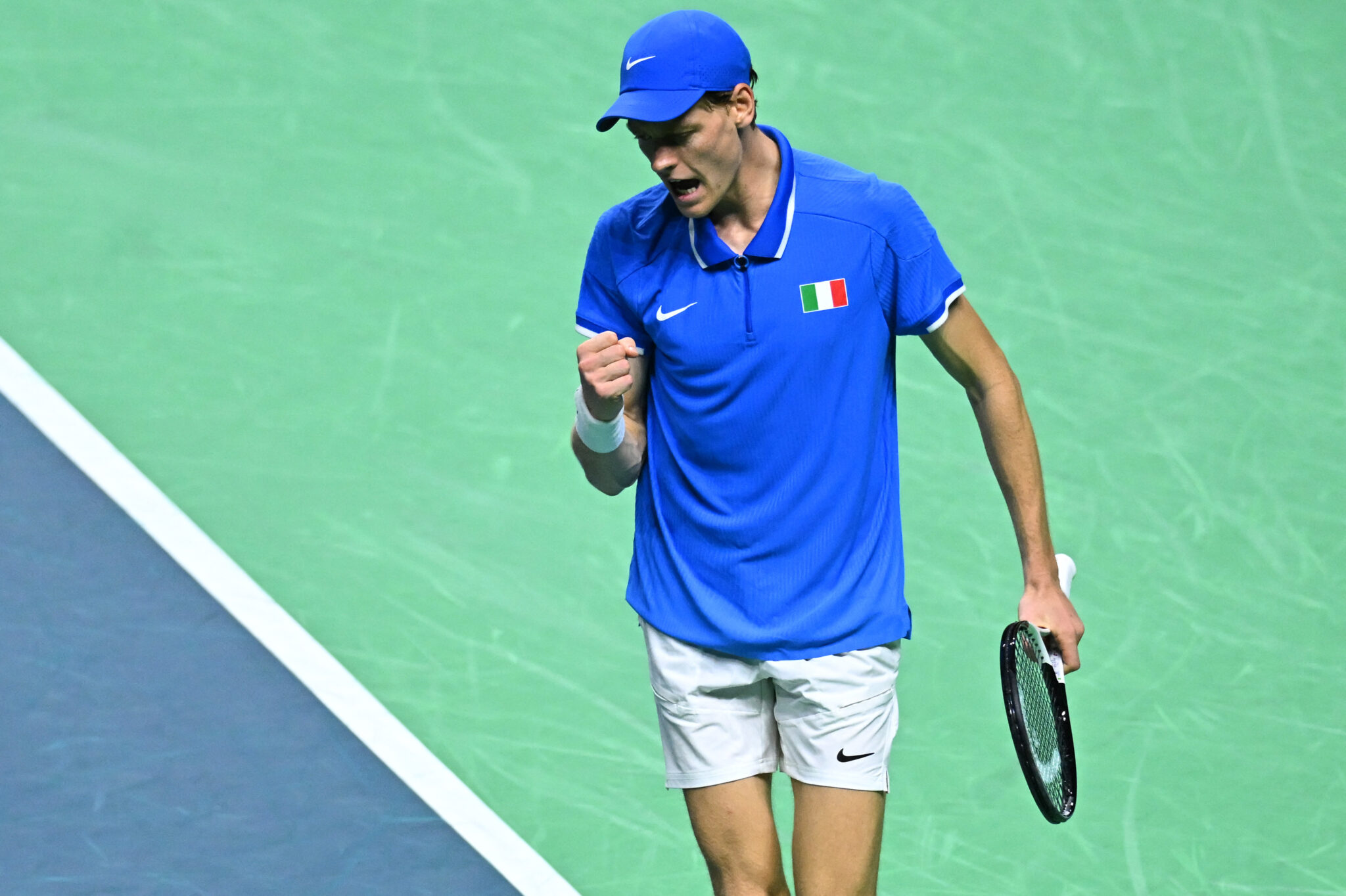
After lifting an exhibition trophy and talking through his rest days, Jannik Sinner’s decision to skip the home Davis Cup final has jarred fans who embraced his fair play and hero status. It’s a genuine disappointment, even if his record stands untouched with two Davis Cup titles, a Wimbledon crown, and a former world No. 1 ranking.

From cluttered Instagram stories to casual drinking and questionable taste, Gen Z weighs in on why Millennials can be equal parts endearing … and annoying.
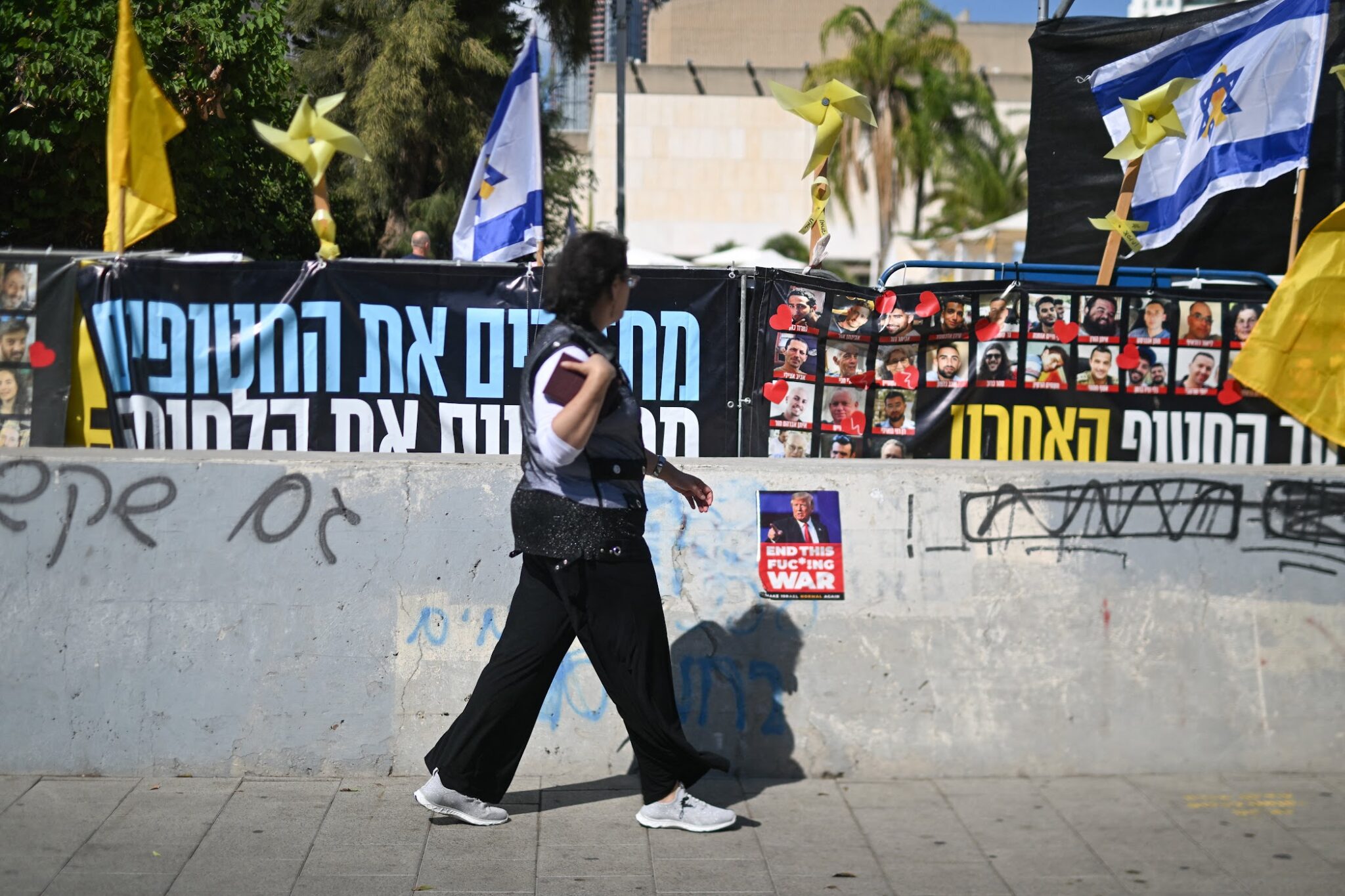
Israel’s post-hostage relief must not harden into absolution, but must be taken as a moment for accountability and a rethinking of coexistence.
A German woman’s vision of “racial purity” has grown into an international platform linking neo-Nazis, conspiracy theorists, and white nationalists in search of partners.
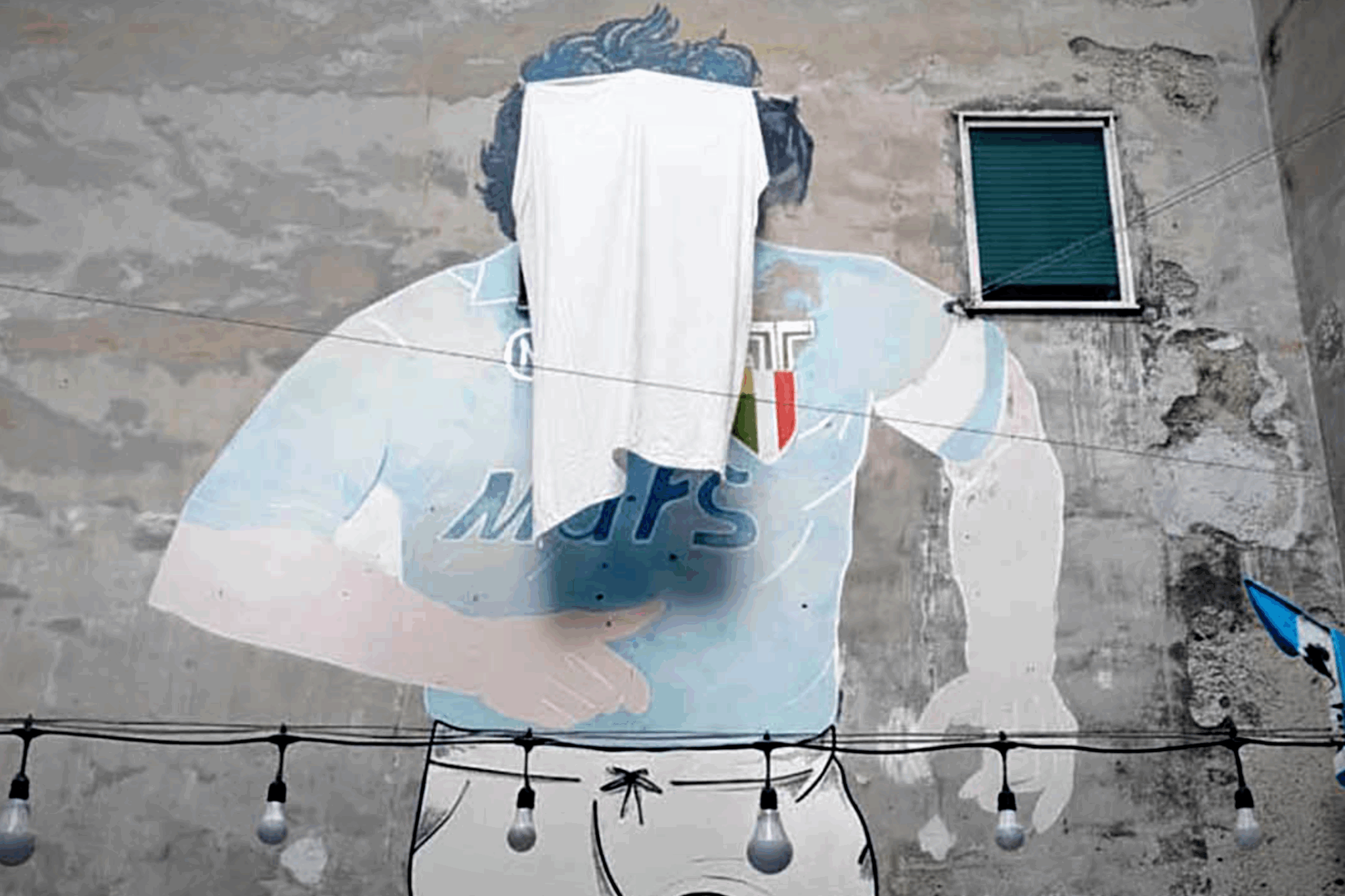
Tourists found Largo Maradona sealed off this week after municipal police fined stalls, seized goods, and flagged illegal licenses, prompting ultras leader “Bostik” to cover the famous mural of the soccer legend in protest. A neighborhood continues to defend its secular shrine.
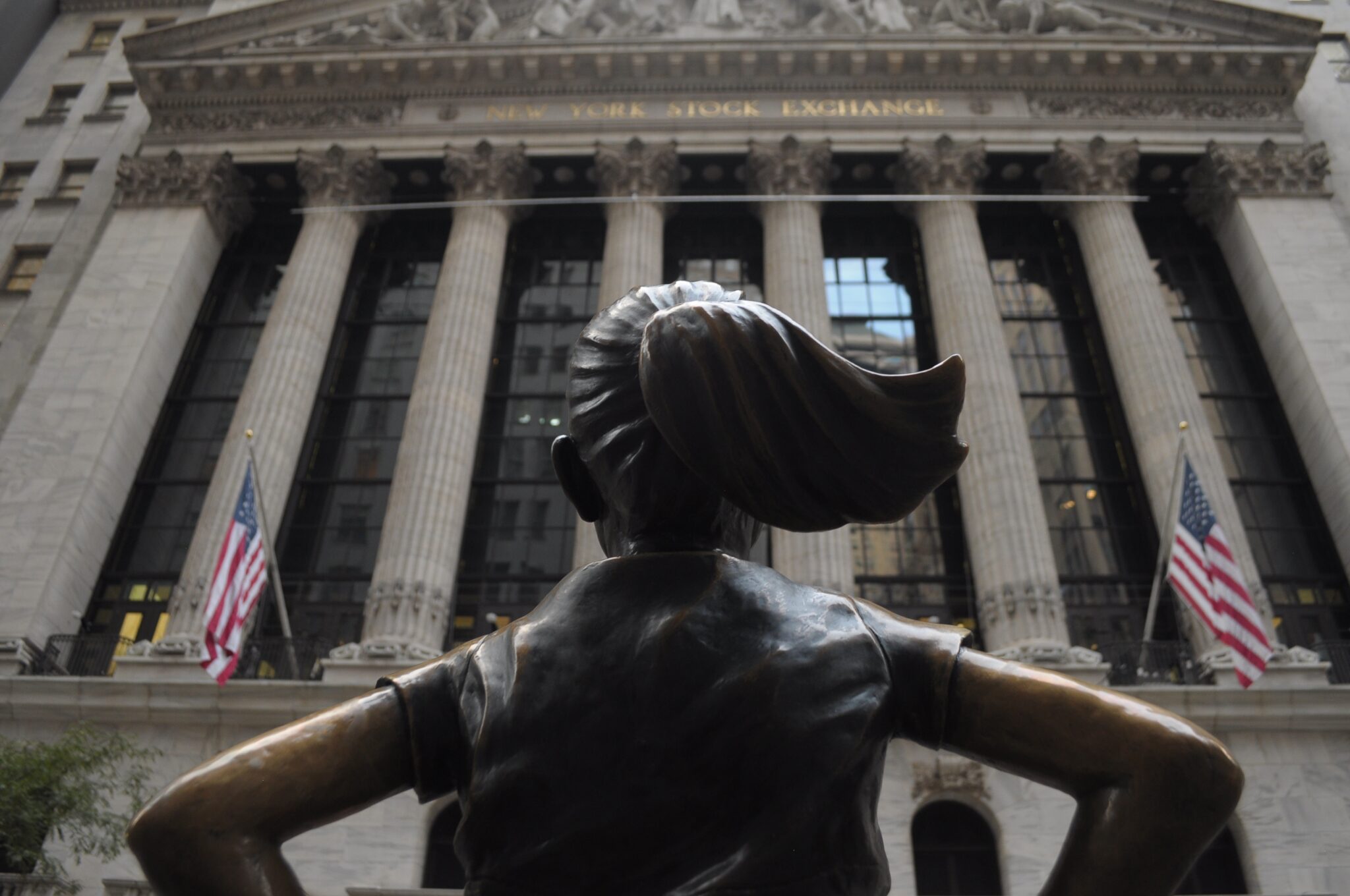
A week of record highs flipped to panic with new China tariff talk, exposing fragile nerves as experts warn that a fast growing $2.2 trillion private credit market with light oversight, risky PIK structures, and bank and insurer exposure could turn the next shock into a chain reaction.
From TikTok’s glorified youth culture to academic pressure, debt, and social comparison, new research and personal stories suggest real happiness may come much later than expected.
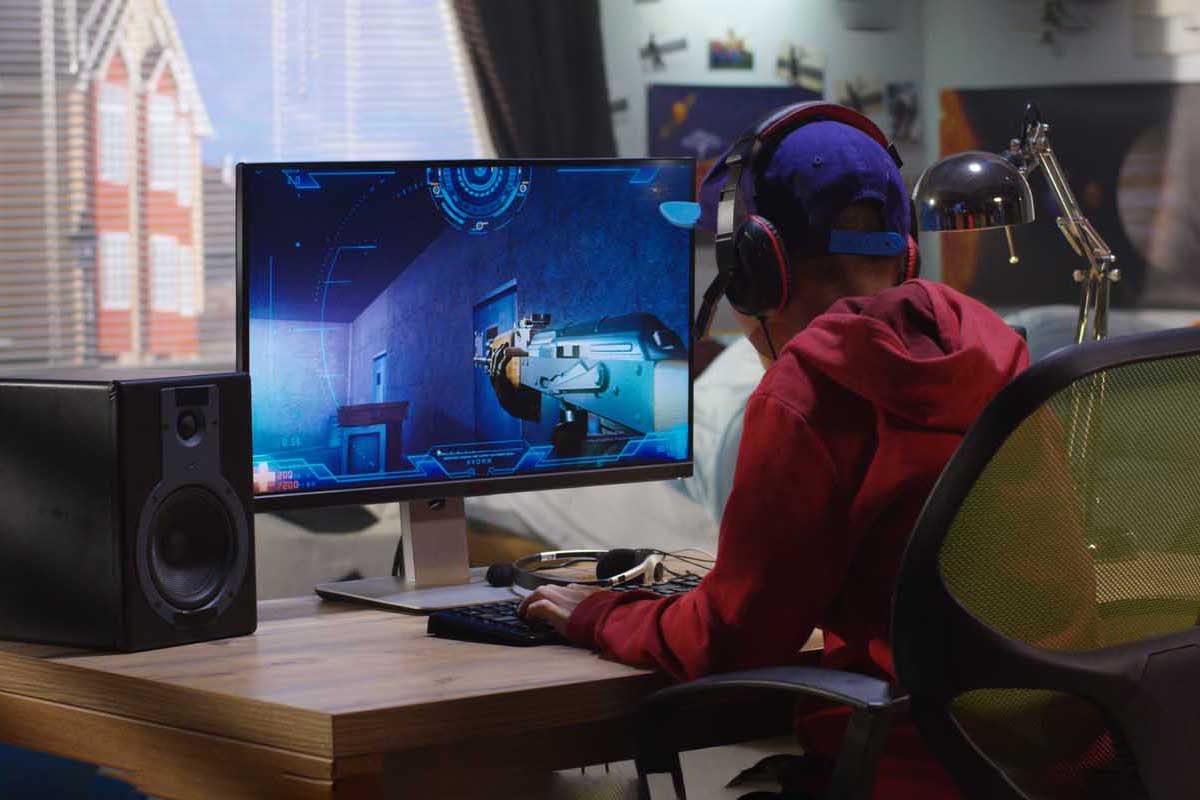
A decade after the Gamergate scandal, women in the gaming world continue to face abuse, while research shows misogyny has become embedded in gaming culture despite industry pledges to change.
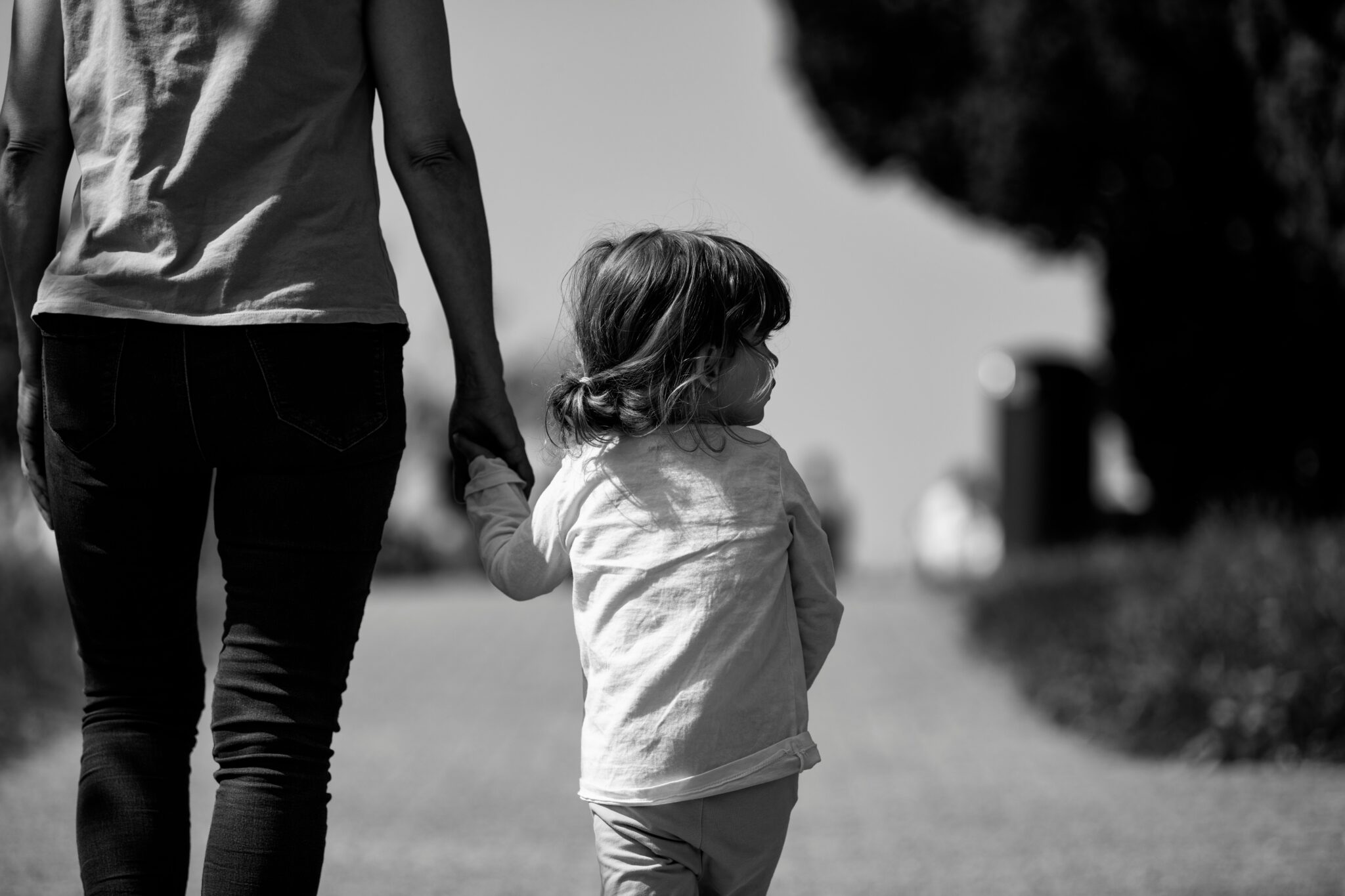
When partners differ in their wish for children, research shows it often results in imbalanced responsibilities, hidden power struggles, and lasting strain.
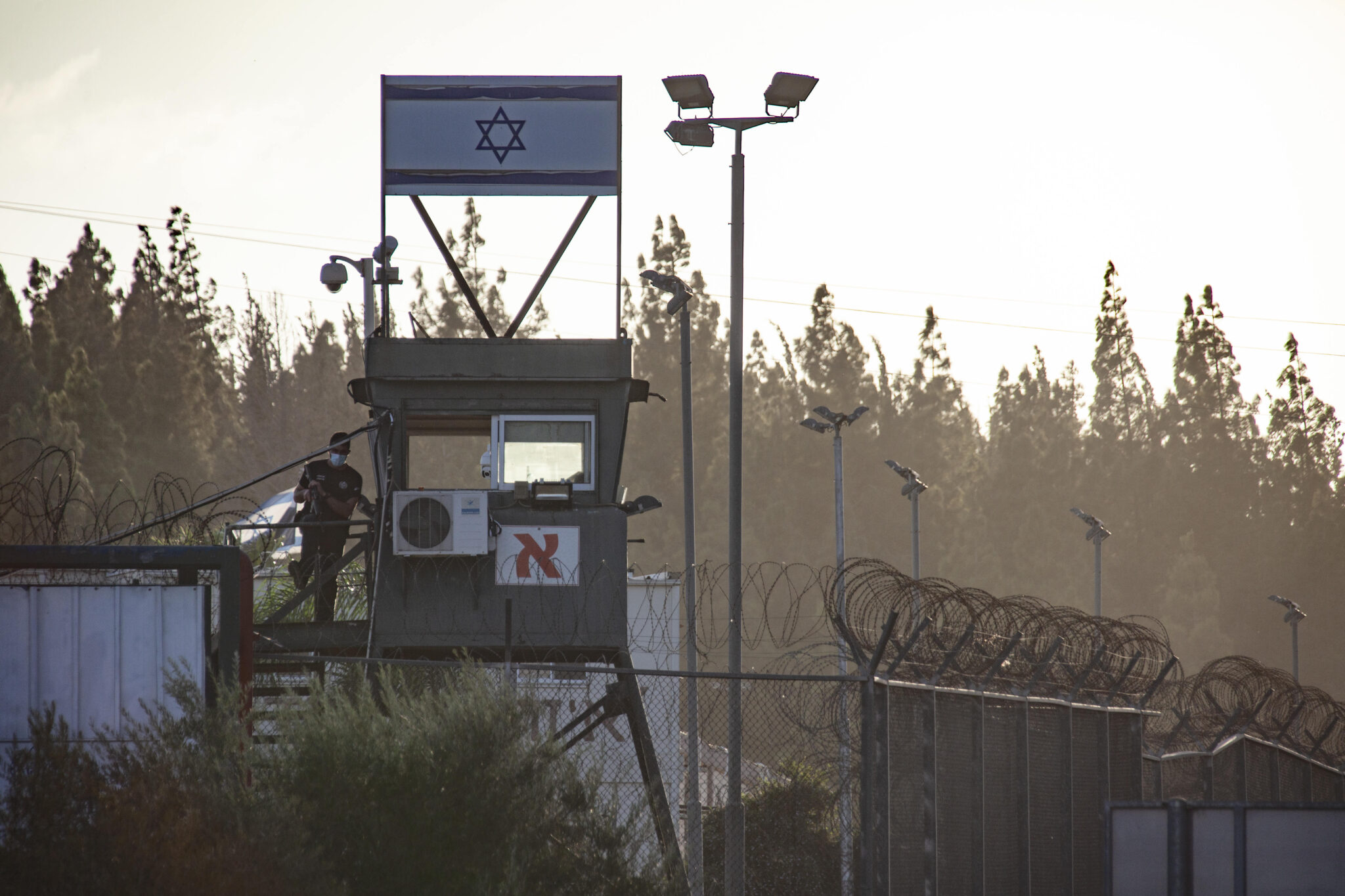
Recently released, a former Palestinian detainee recounts the beatings, humiliation, and deprivation he endured as human rights groups warn of a prison system turned into an instrument of state violence.
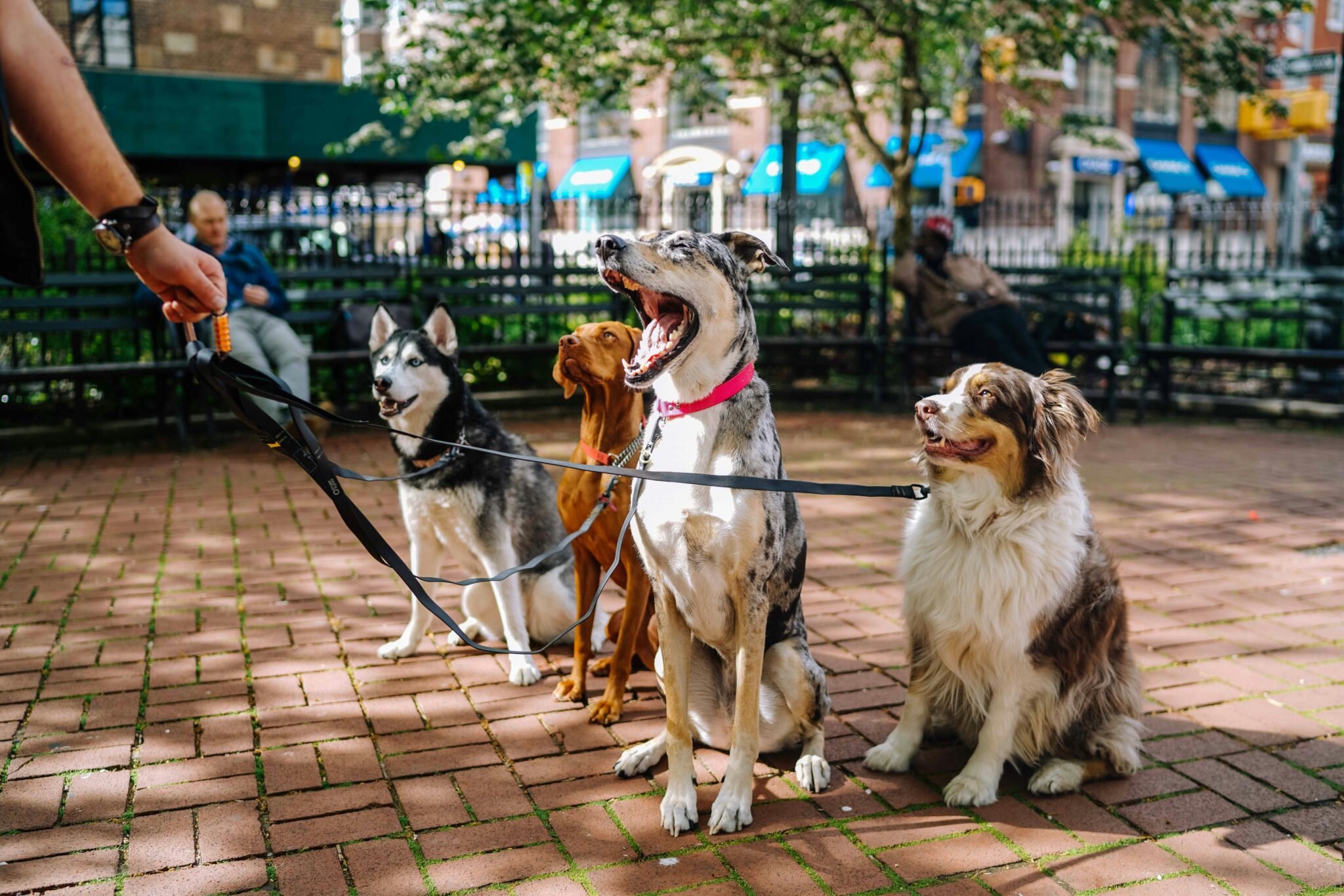
From wolf rival to human companion, Canis lupus familiaris has mastered empathy, communication, and survival by being the friendliest predator of all.
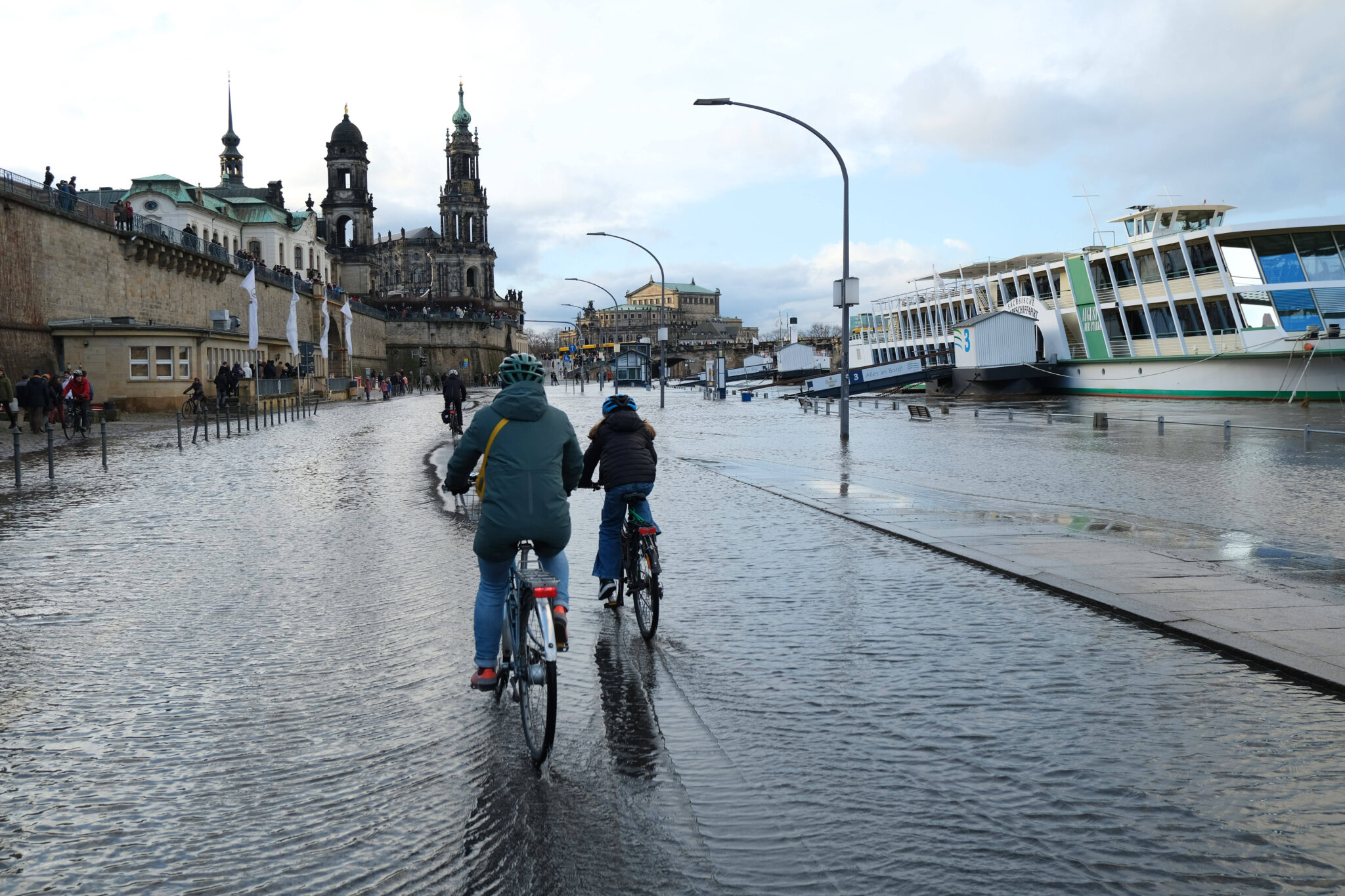
German scientists warn global warming is accelerating faster than expected, raising the risk of a 3 °C rise by 2050 and forcing Europe to confront unthinkable adaptation plans.
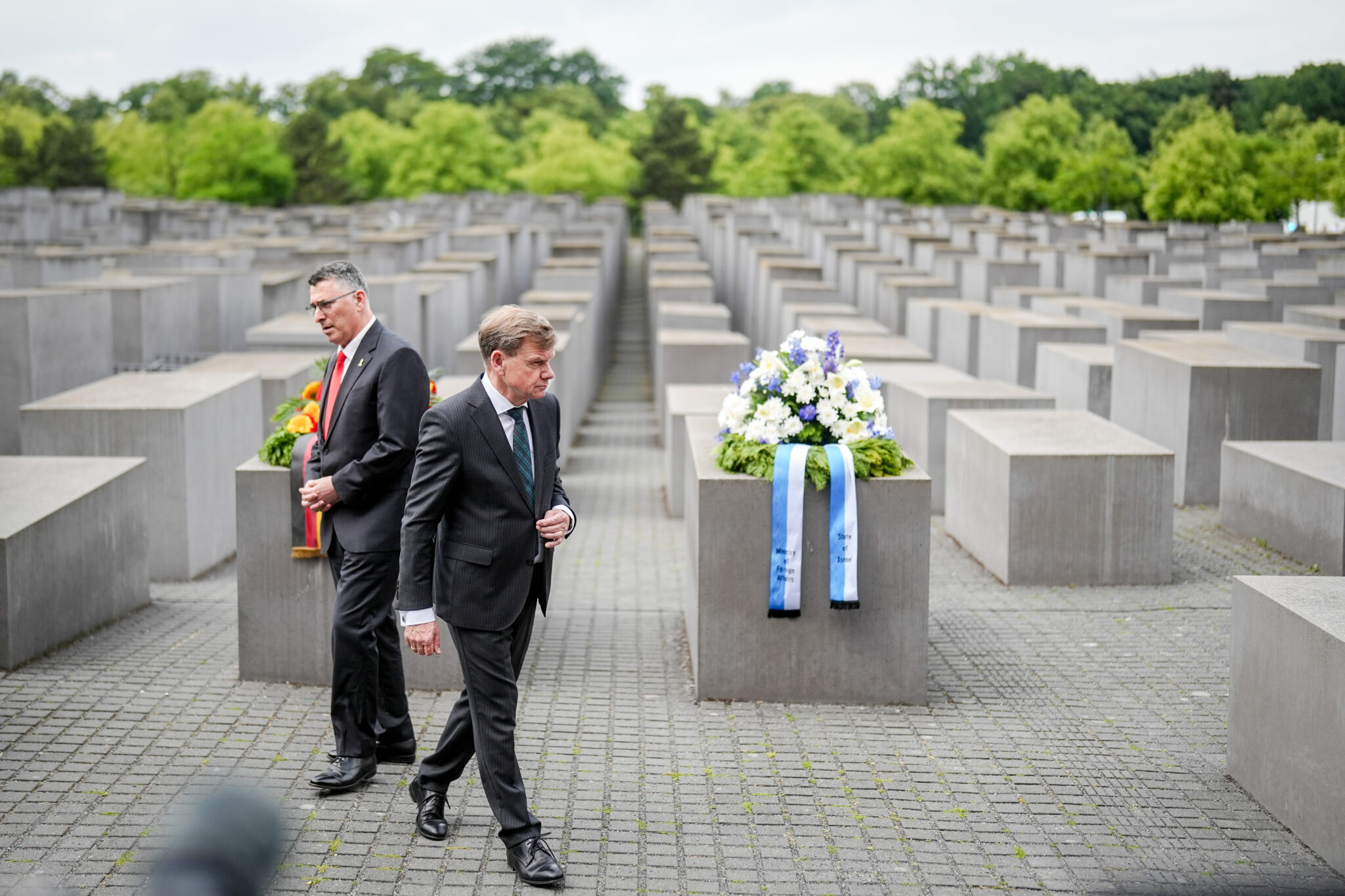
As the region transforms after October 7, Berlin needs both empathy for Israel and the courage to rethink its own foreign policy doctrine.
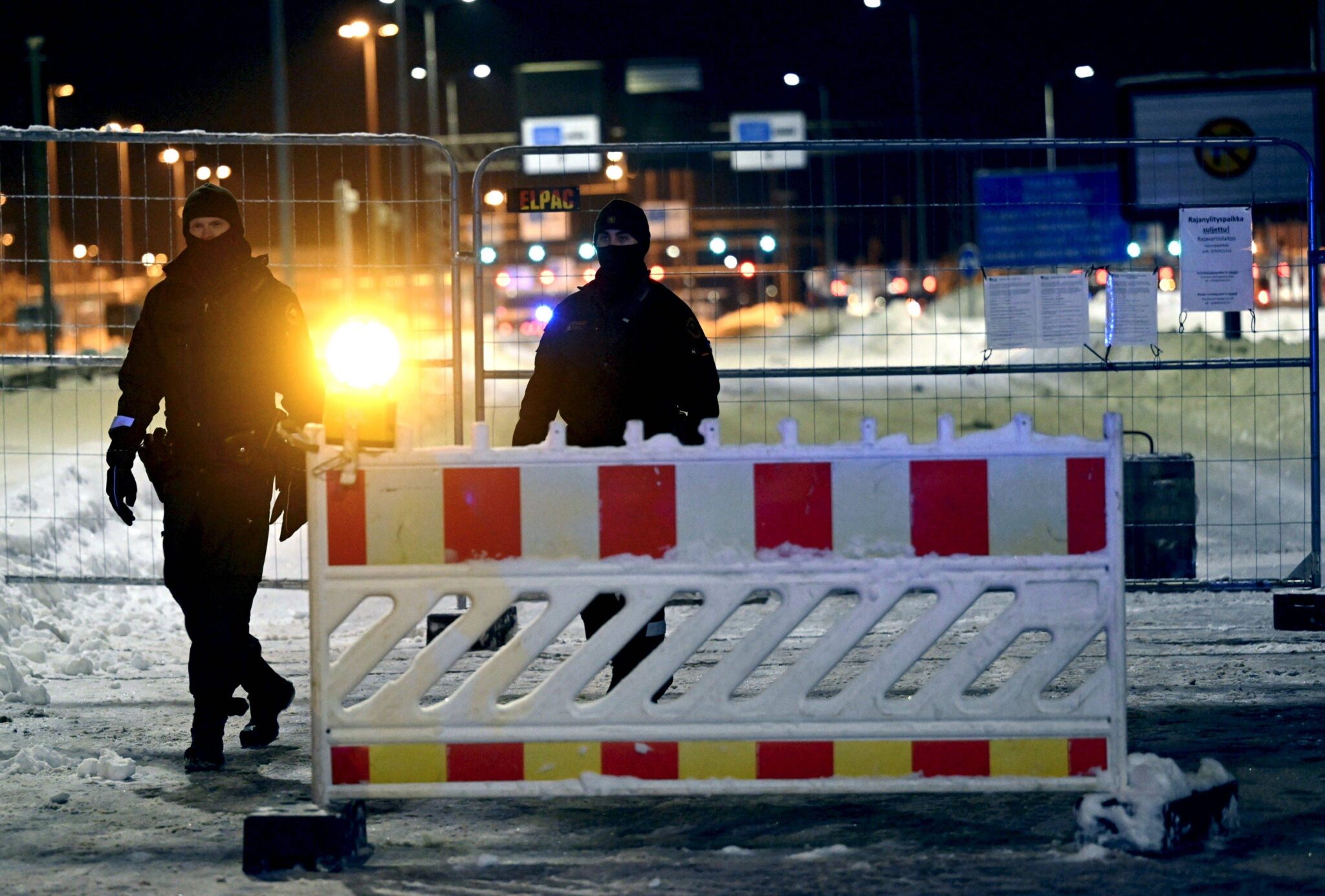
Since the Russian border was closed, people in the far east of Finland have been living with a new Iron Curtain that is reshaping daily life and upending the regional economy.
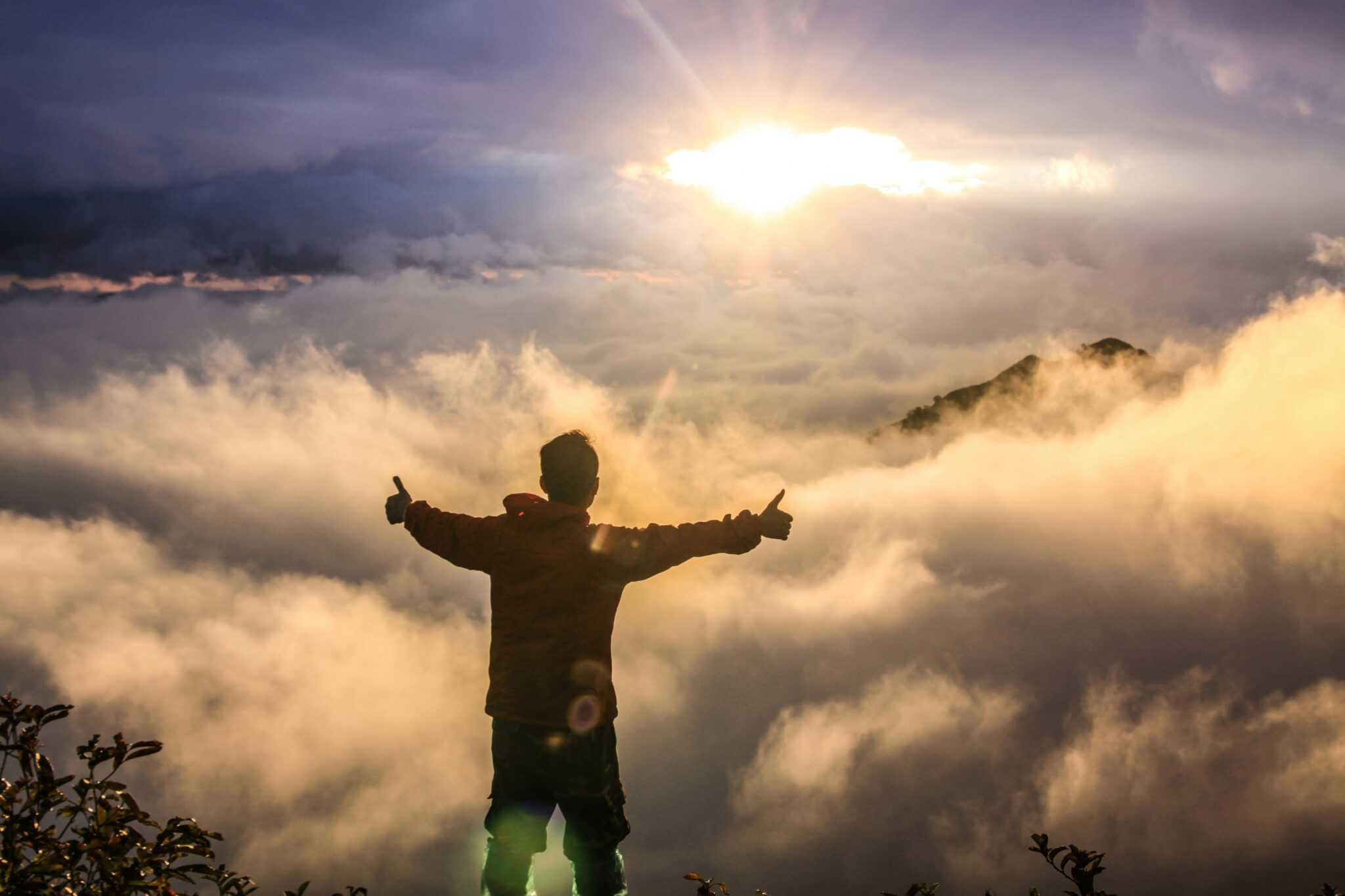
Pessimism weighs on both body and mind. But research shows optimism can be trained, and even small steps can make a difference.
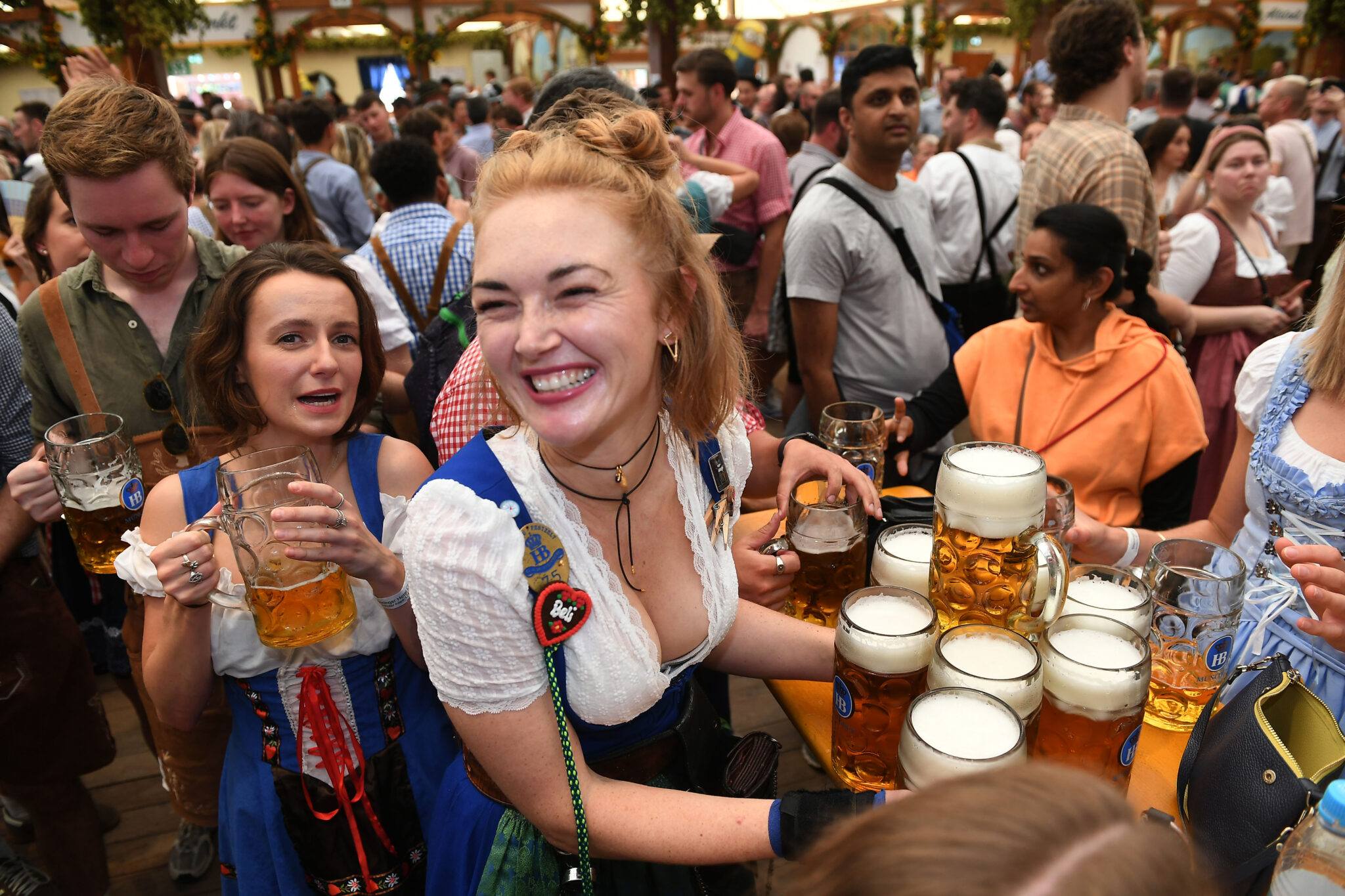
Nothing would happen at the Oktoberfest without waiters. Die Zeit wired one of them with a microphone to get a behind-the-scenes look at what it takes to survive Munich’s world-famous festival.
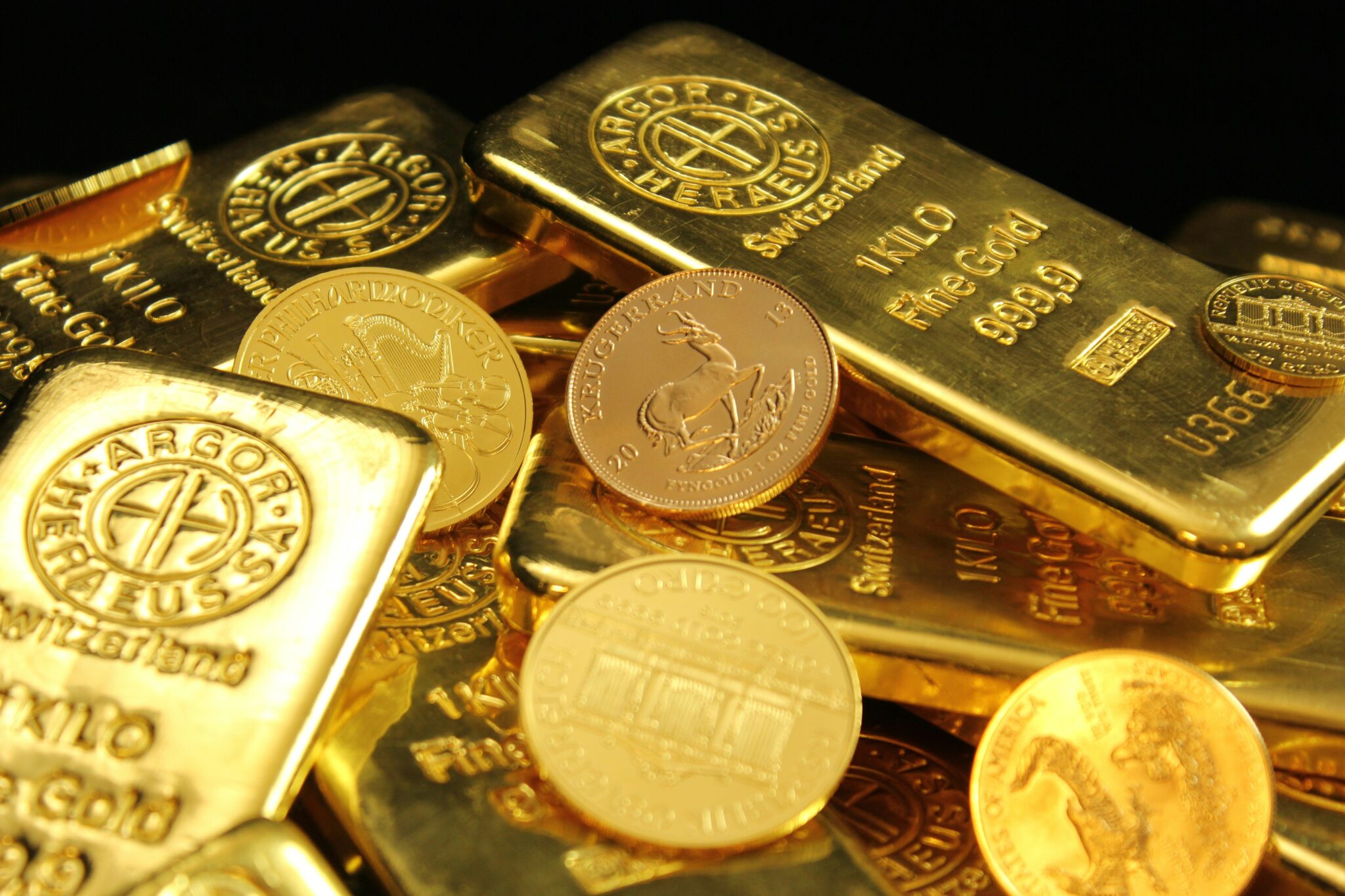
From political folly to looming crises, investors are betting on collapse — and turning to gold as their safe haven.
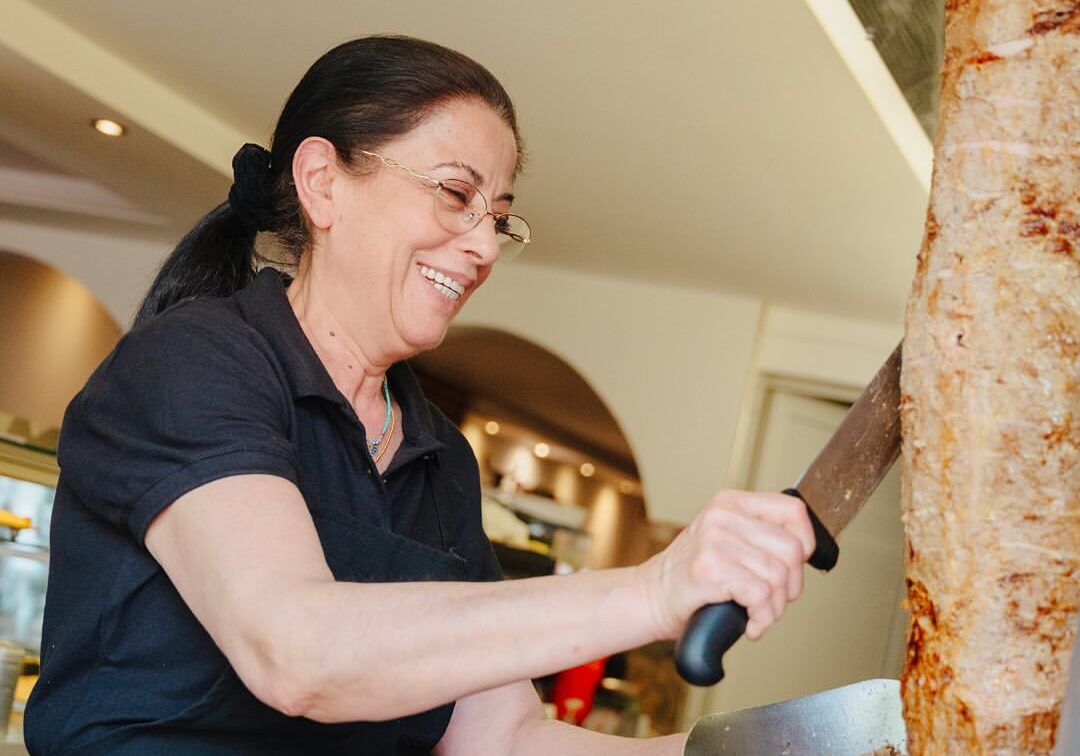
It’s 122° F at the kebab grill. My mother has been standing there for 35 years, and I’ve been joining her there every day now, even though I’m still at university. Because that’s our form of resistance.
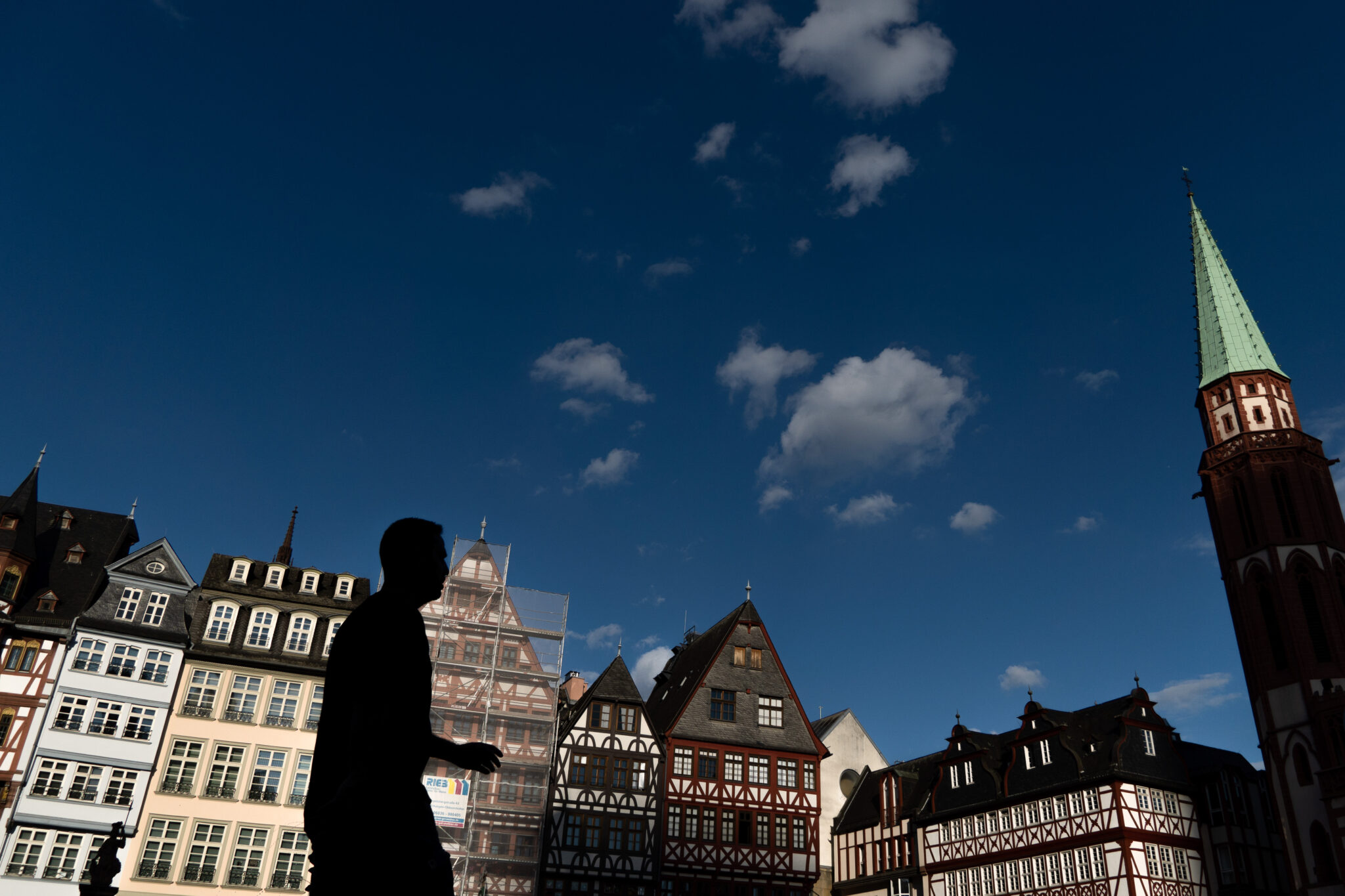
Armed with cameras, case files and witness tips, Frankfurt city inspectors track down covert Airbnb-style apartments that are squeezing an already tight housing market.
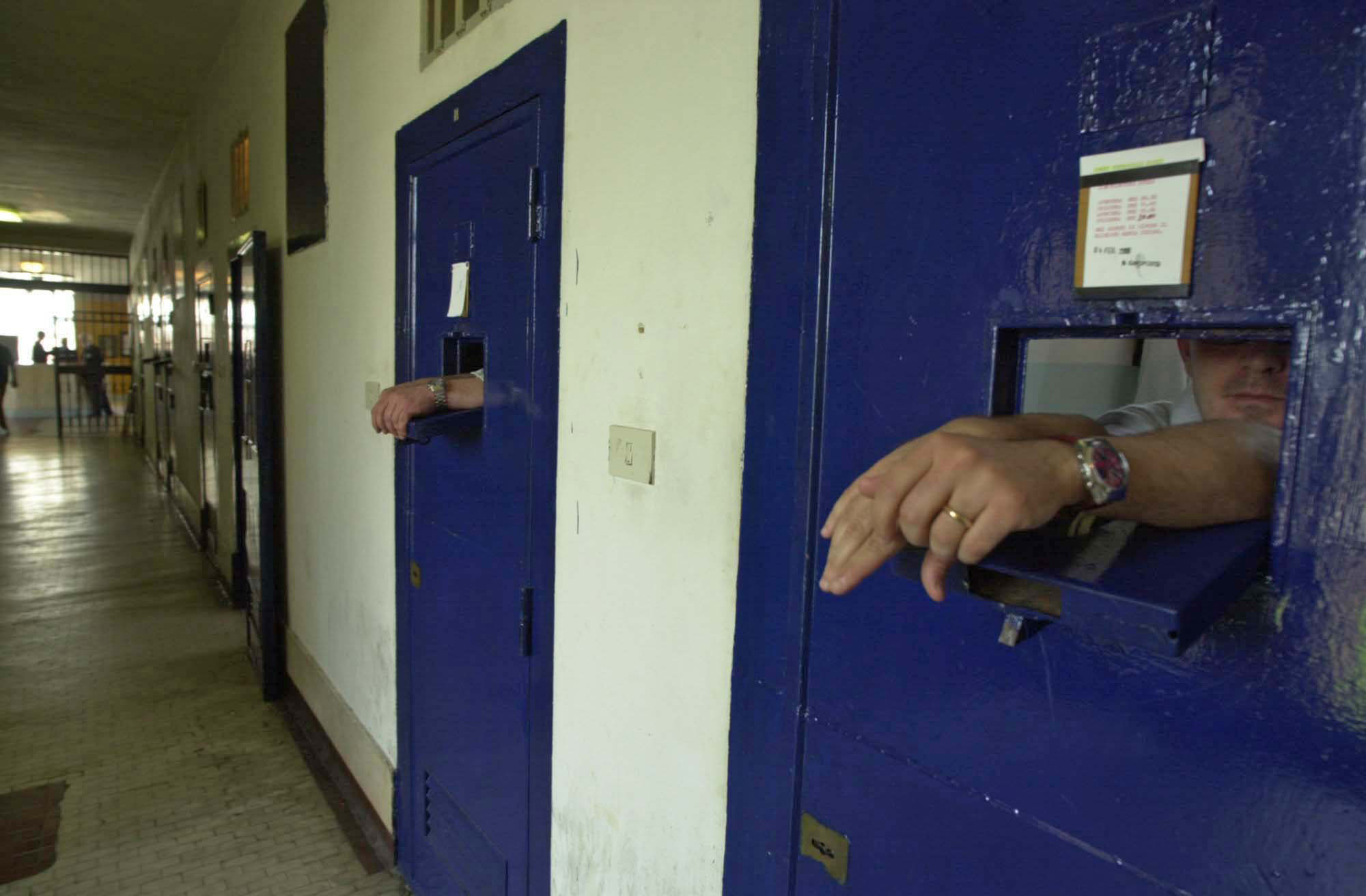
Crime would plummet, billions would be saved, and society could redirect resources toward care, education, and health instead of managing the costs of male violence.

Billions in investment, soaring room rates, and hasty construction mark Brazil’s bid to put the Amazon at the center of climate diplomacy.

Italy’s prime minister signals support for a Palestinian state at the UN with conditions attached, breaking with Netanyahu and Trump but stopping short of a full embrace.
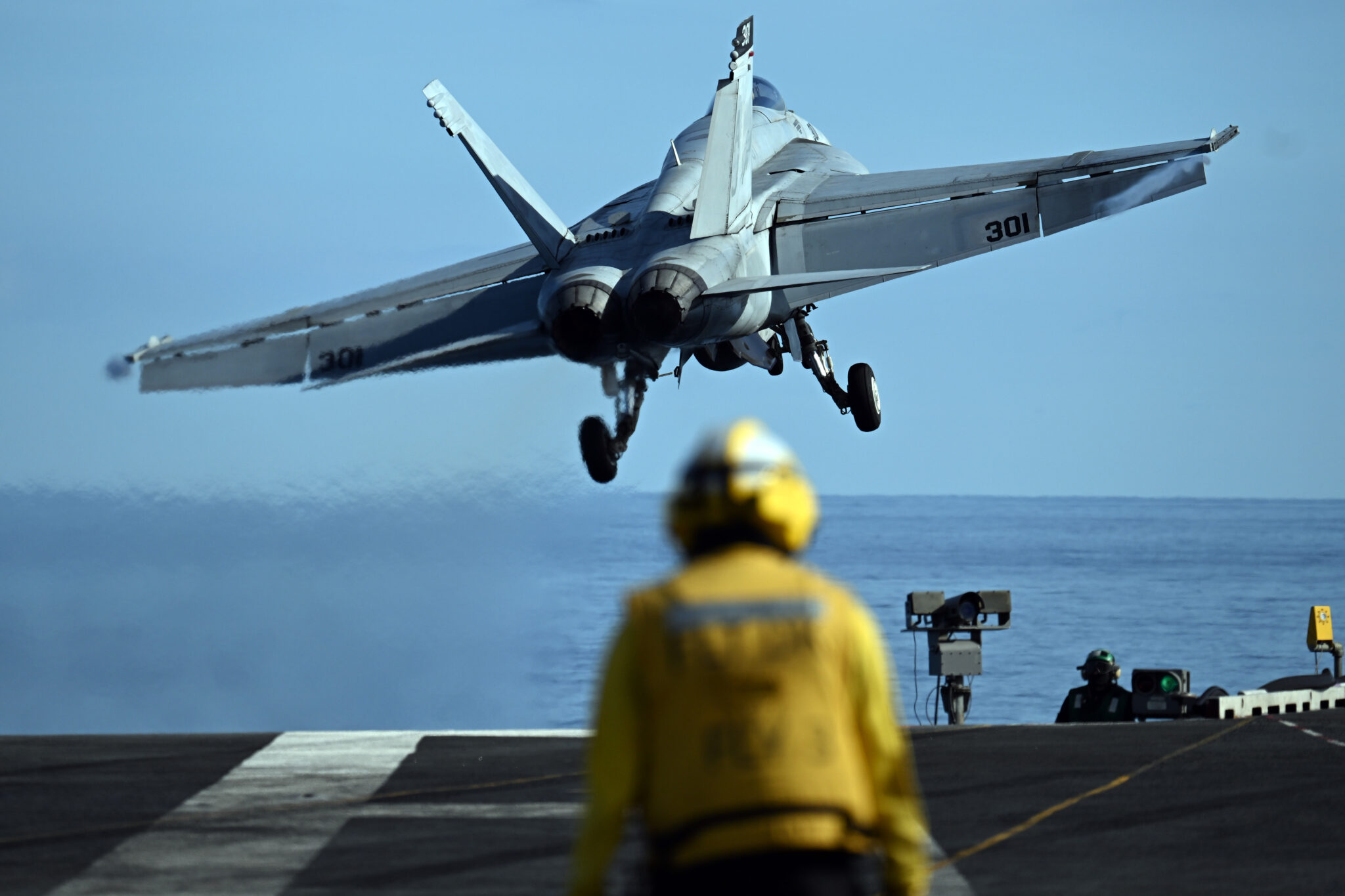
From drones over Poland to jets in Estonian airspace, Moscow is testing Europe’s nerves as Ukraine’s deep strikes rattle Russia. But the escalation could backfire, bringing Europeans closer together instead of driving them apart.
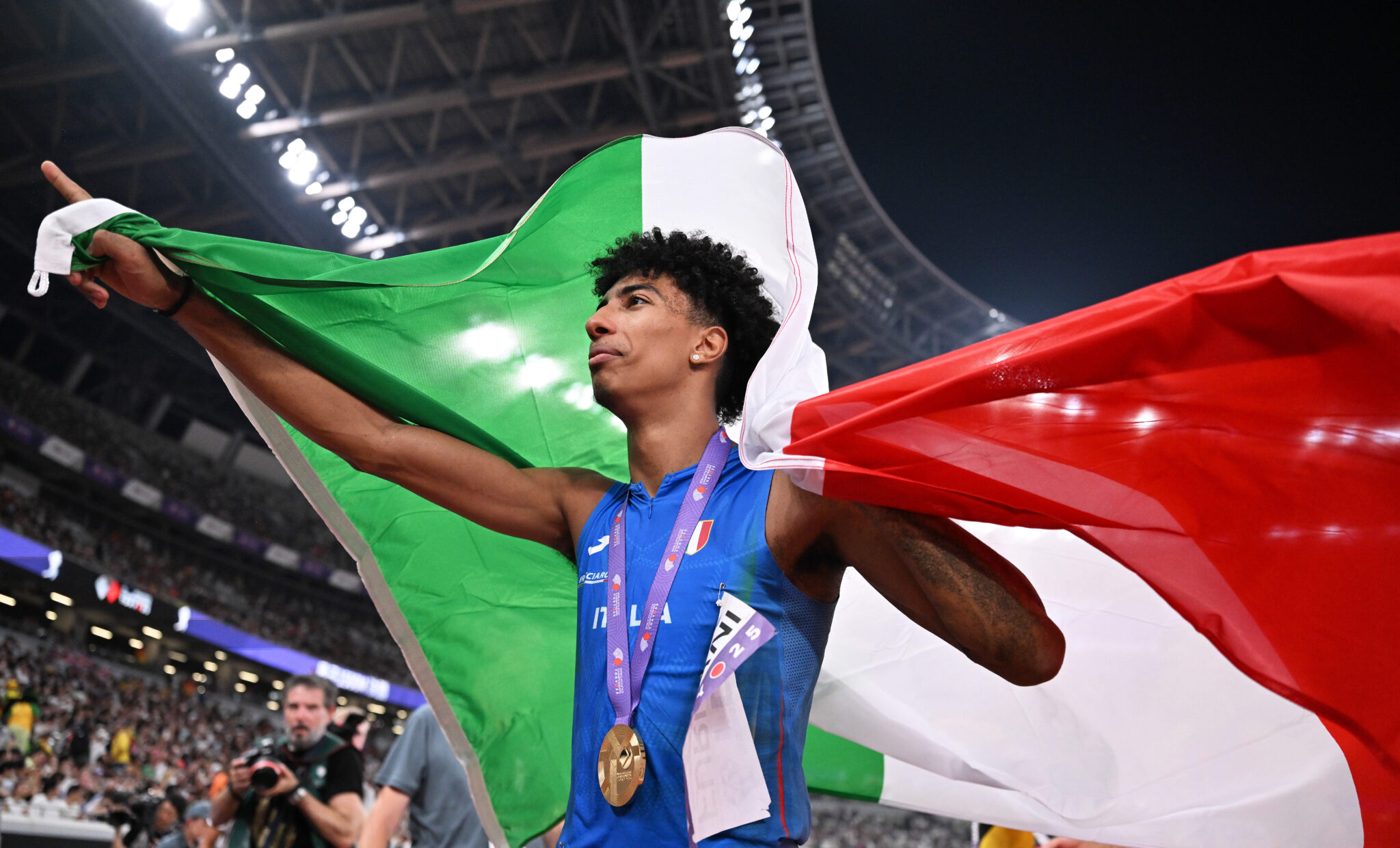
The long jump champion’s historic win was met with nationwide pride, but also the familiar wave of racist posts questioning his Italian identity.

Paris Calling, Worldcrunch’s new podcast series, where each episode introduces you to a notable person, from somewhere in the world, in their own voice, in English. Today, we have Karol Noroña, an Ecuadorian investigative journalist who was forced into exile after her work on her country’s cartels led to death threats.
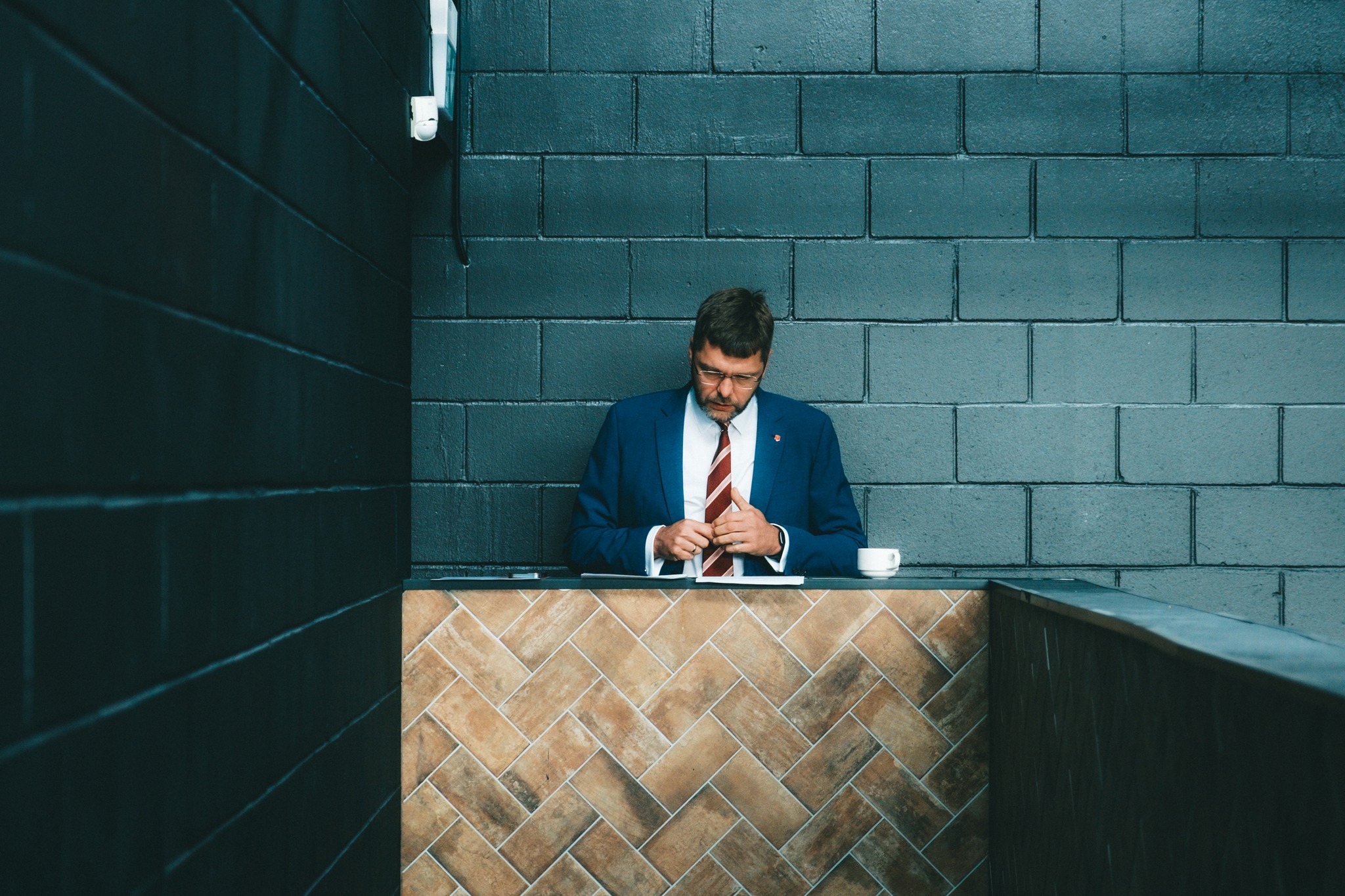
As Russian jets breach Estonian airspace, Tallinn’s mayor Jevgeni Ossinovski explains how the capital is preparing for war while holding on to faith in NATO protection.
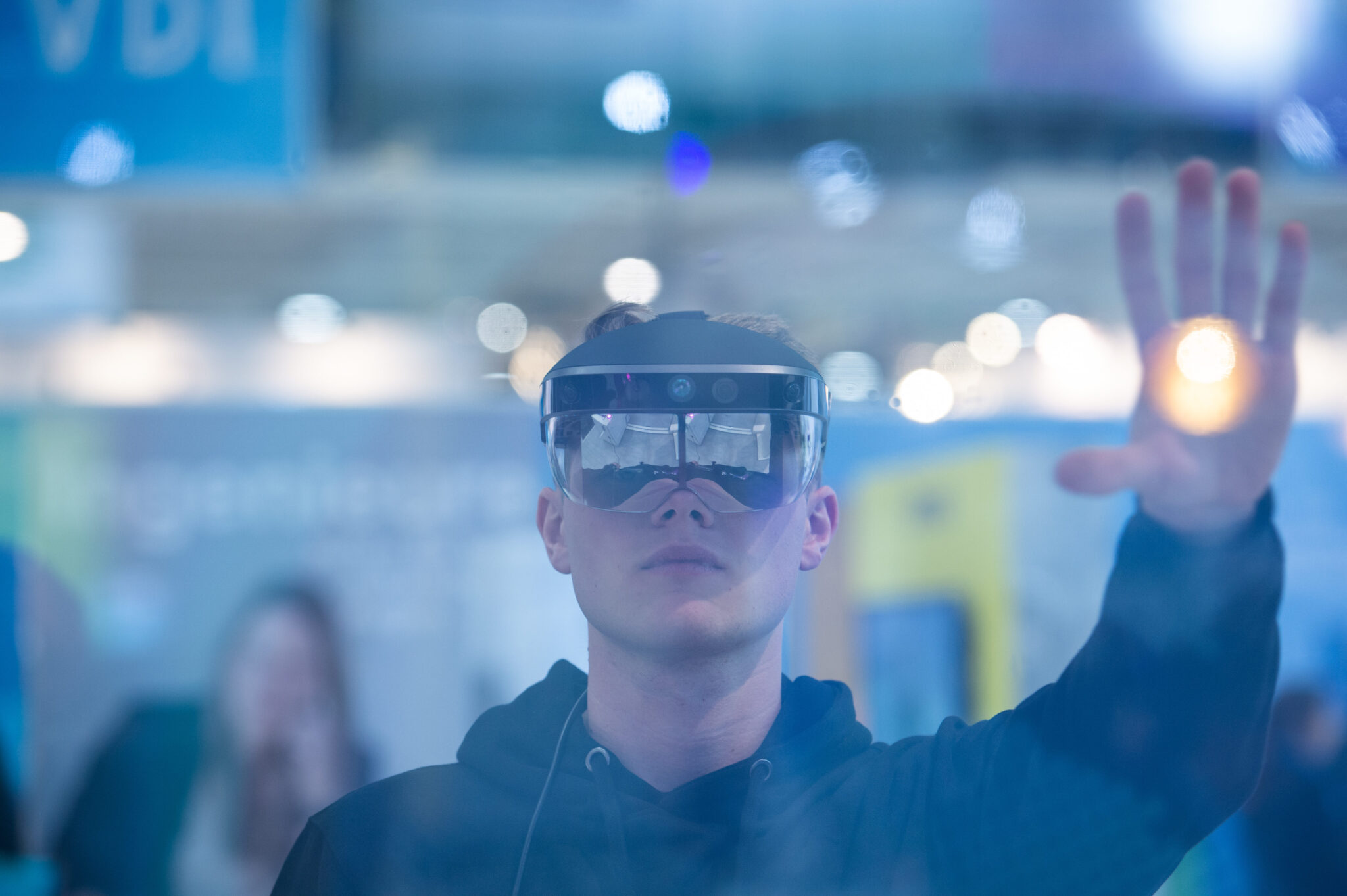
Meta bets on everyday AI tools like smart glasses, while doomsayers such as Eliezer Yudkowsky warn that artificial intelligence could one day wipe us out.
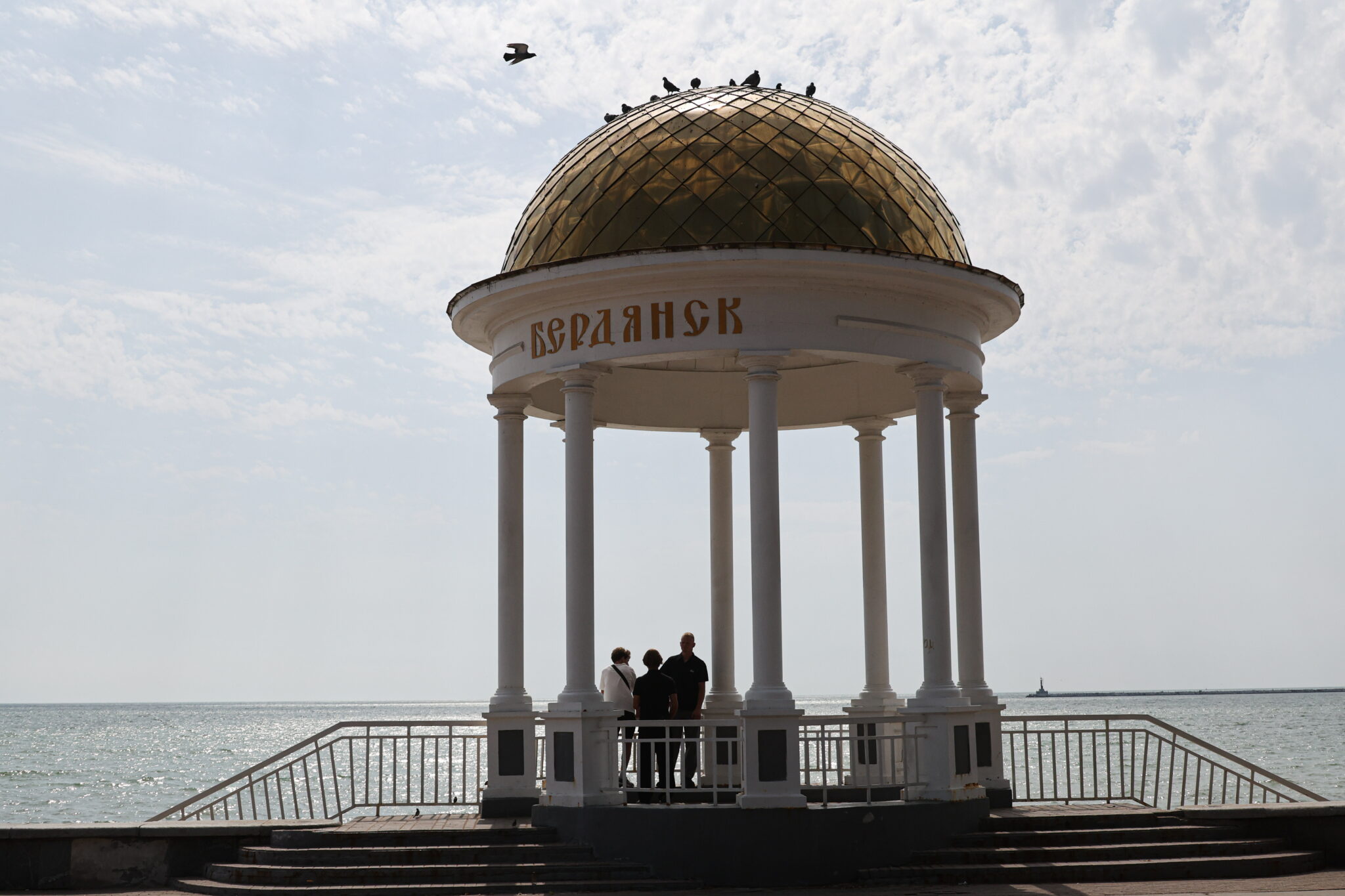
From language bans to property seizures, residents of the Ukrainian port city of Berdyansk live under constant surveillance, intimidation, and the threat of losing everything.
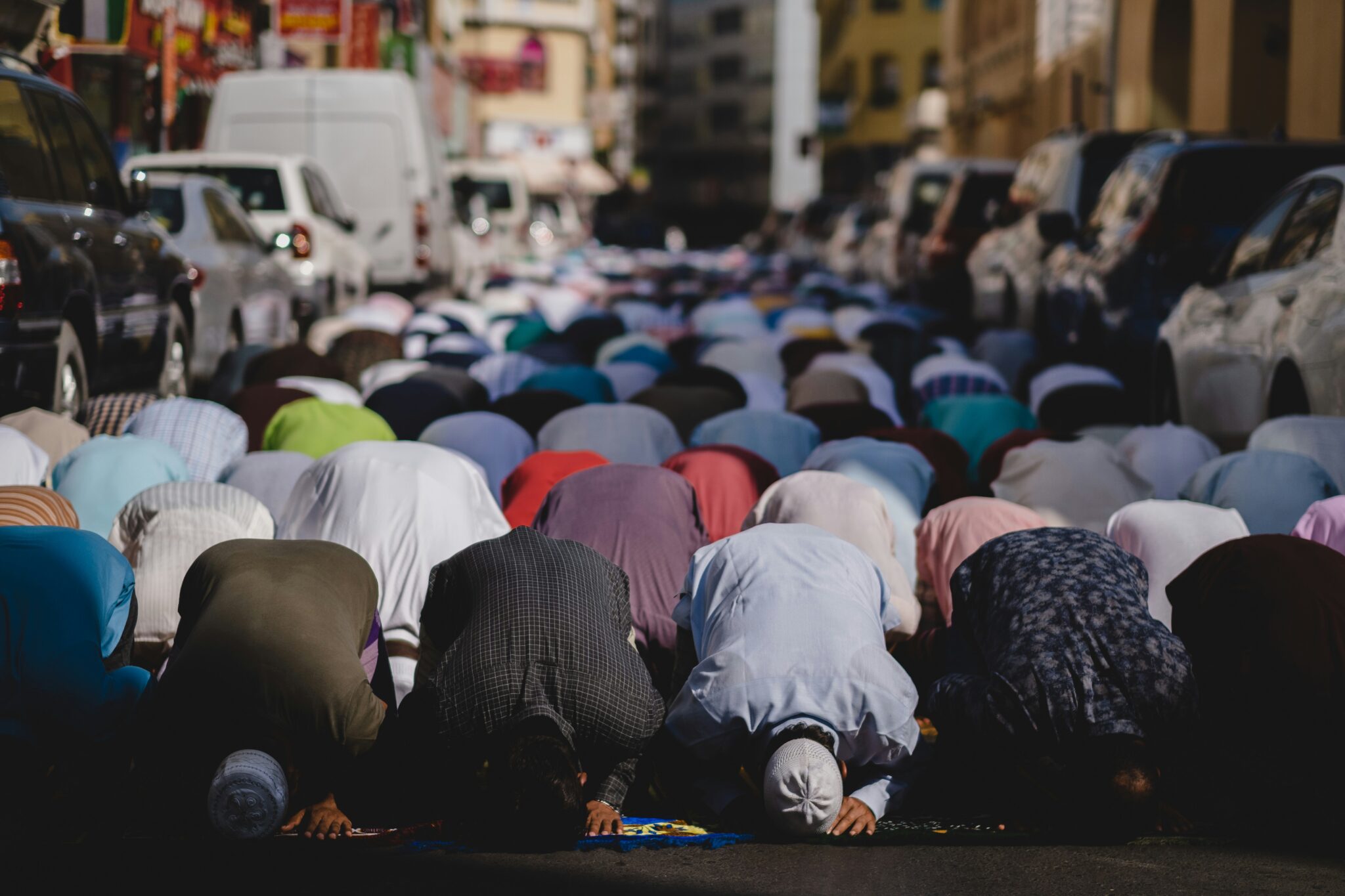
Hamza Aydin challenged orthodox teachings and was hounded out of his university. His story reveals how Erdogan’s Turkey wields religion as a political weapon, reaching from Ankara to German mosques.

Once trapped in bulimia and anorexia, our author sees the return of fragile bodies, Ozempic glamour, and weight-loss slogans: it’s threatening teenagers all over again.
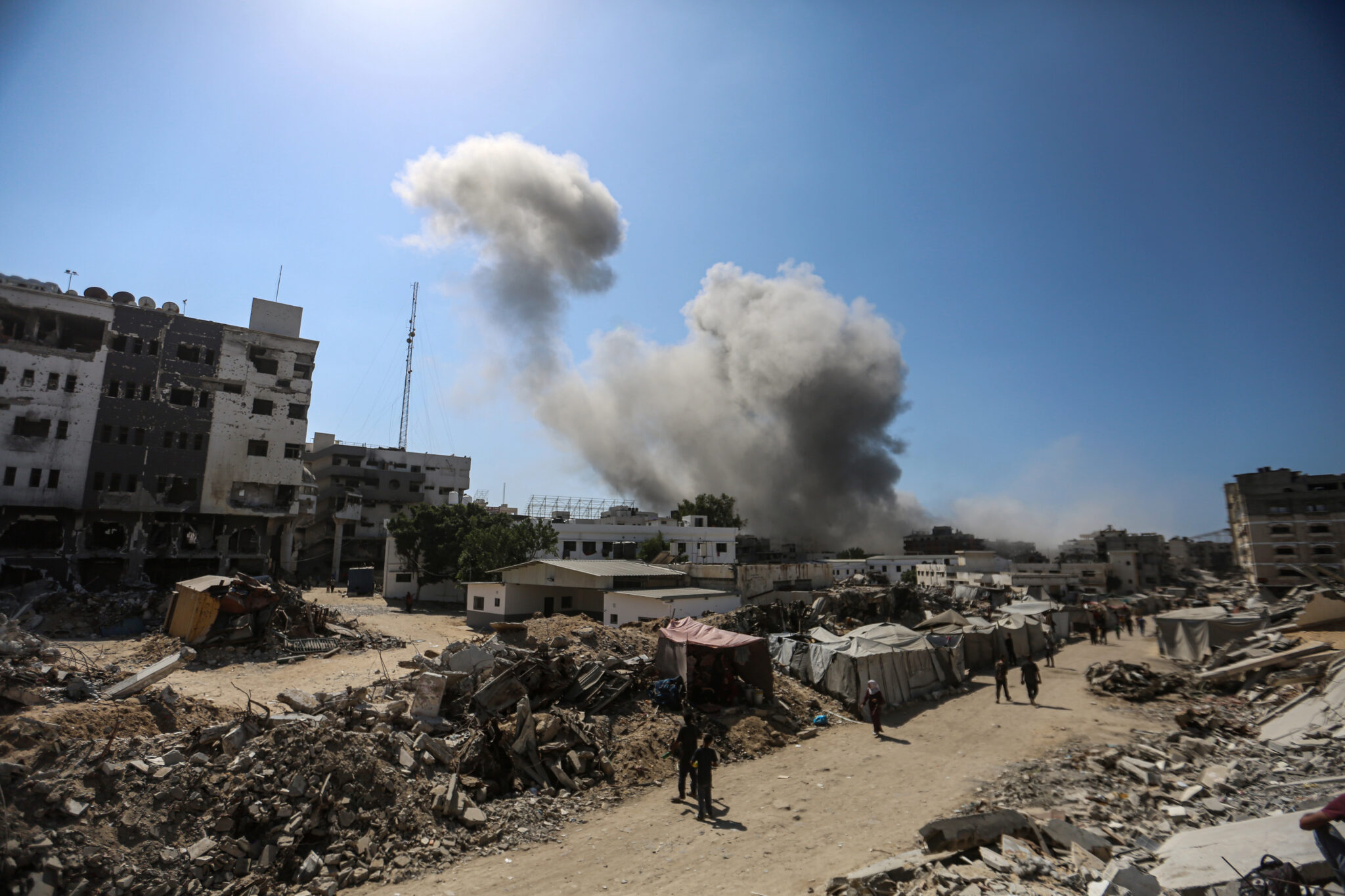
By twisting words into tools of war, Israel turns destruction into “security,” displacement into “voluntary migration,” and Gaza’s annihilation into a defensive necessity.
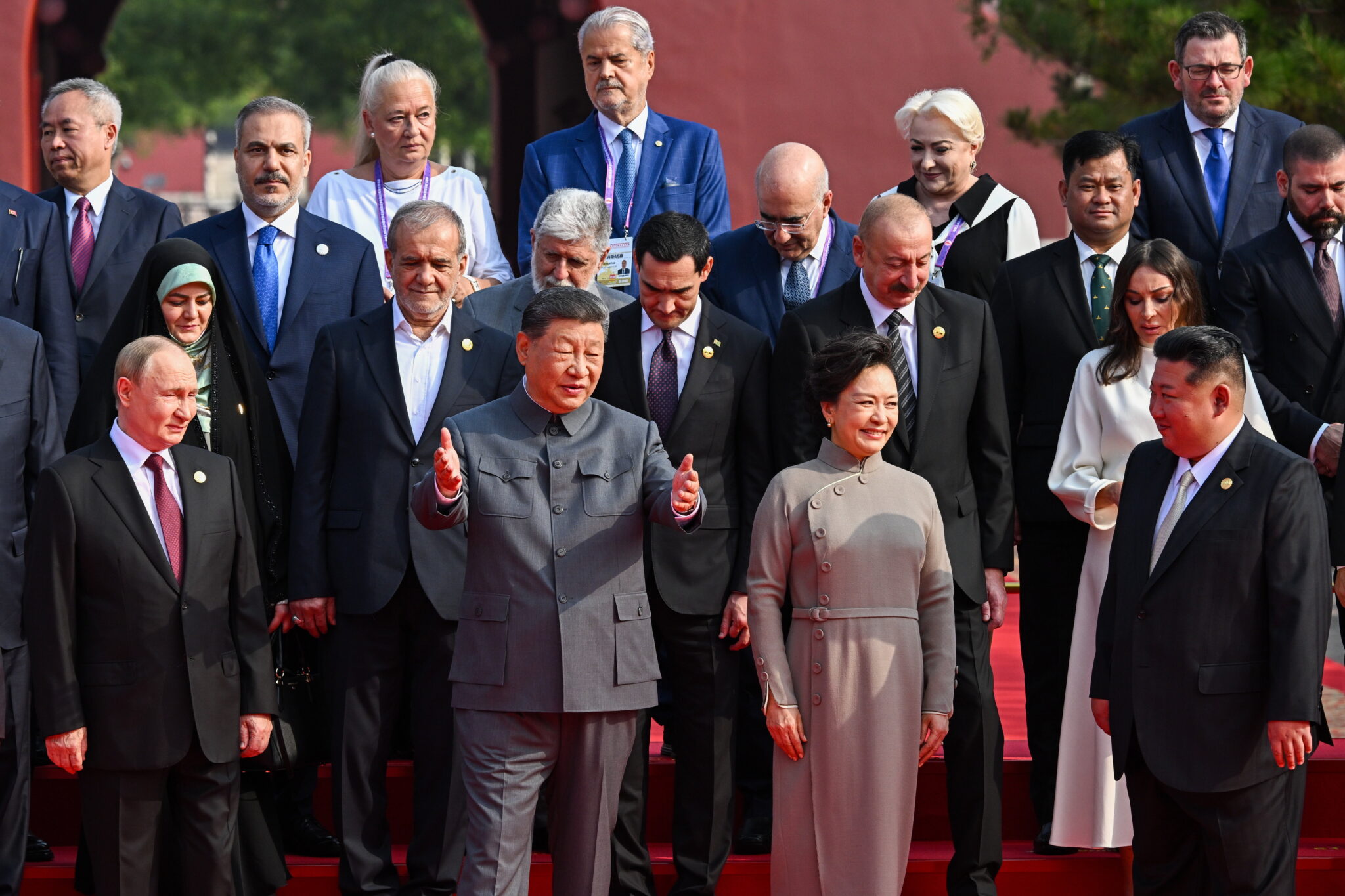
Xi Jinping’s military show in Beijing and his alliance of autocrats may look like the dawn of a new world order, yet the economic, scientific, and military balance still tilts toward the democracies of the West.
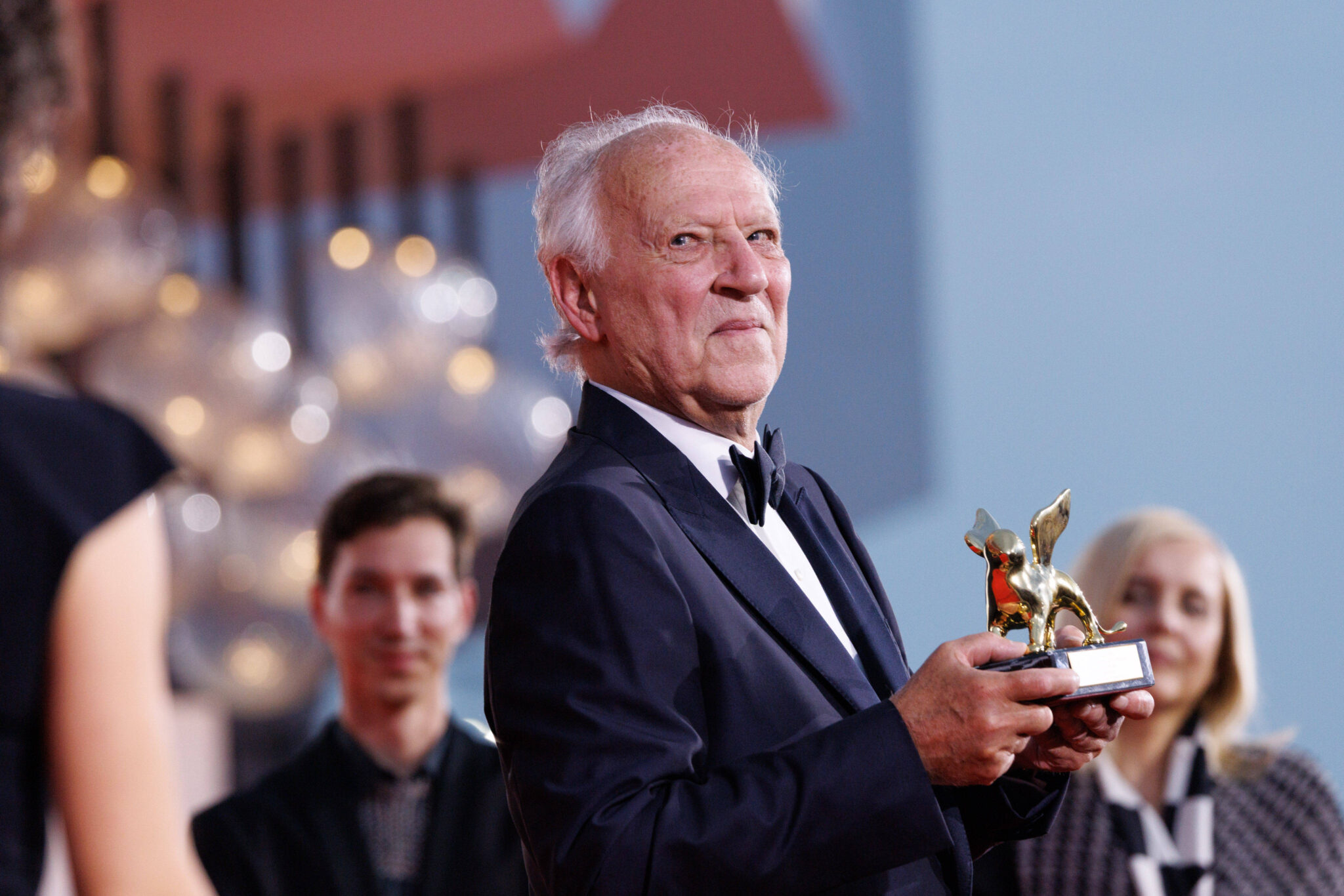
The German master, famous for his defiance and disdain for social media, suddenly opens a window onto his world. At 83, he seems gentler, yet still unmistakably Herzog.
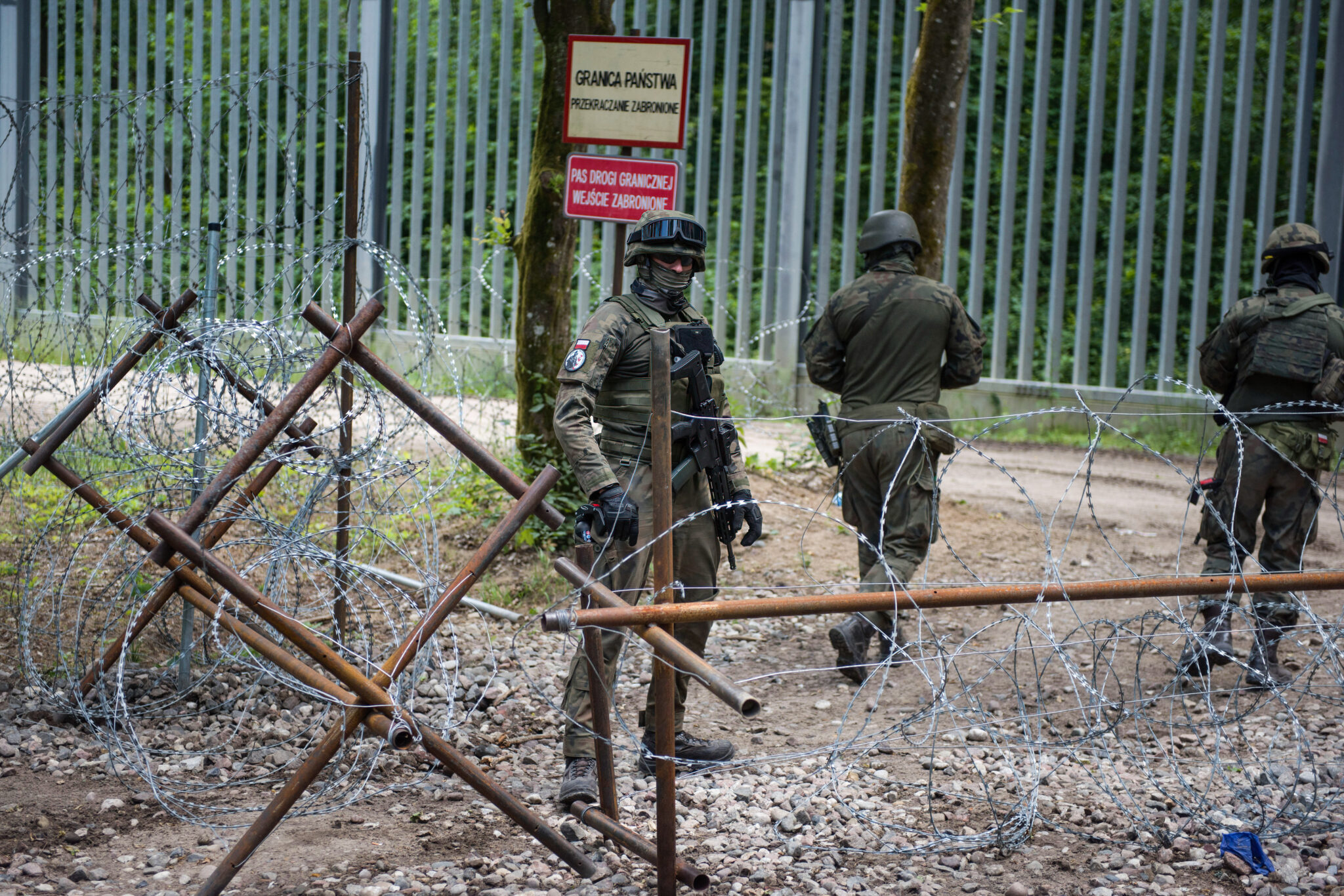
A historic ally of Kyiv, Poland has found itself on the frontlines of the Ukraine-Russia war. What began as a border crisis back in 2021 has now evolved into a full-scale struggle for security, sovereignty, and survival on NATO’s eastern flank.