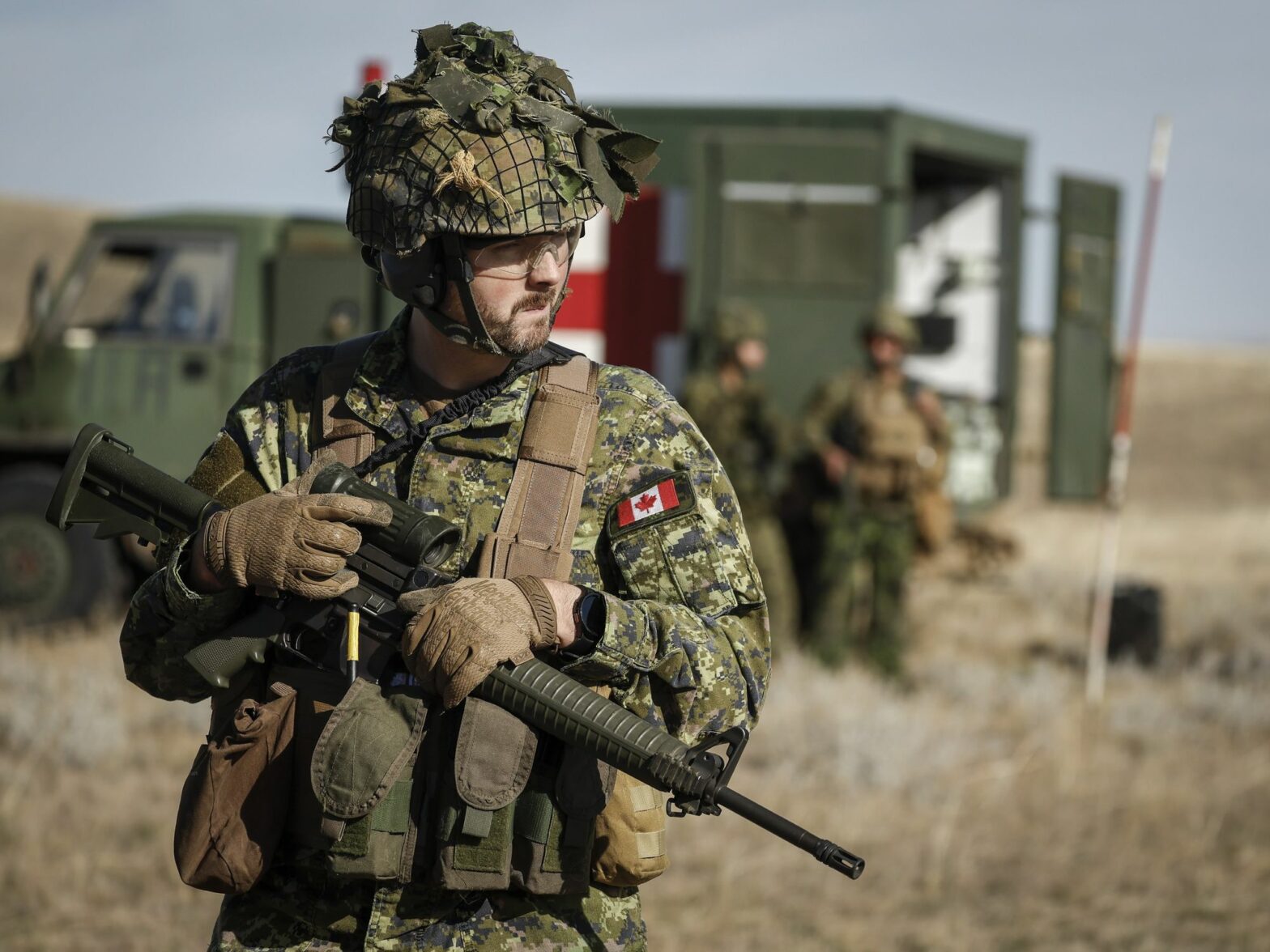
The fundamental premise of NATO is that an attack against one of its members is considered an attack on them all. These words of solidarity were written when they saw Russia as the threat. But what happens if one of its own members turns rogue?
 Worldcrunch
The fundamental premise of NATO is that an attack against one of its members is considered an attack on them all. These words of solidarity were written when they saw Russia as the threat. But what happens if one of its own members turns rogue?
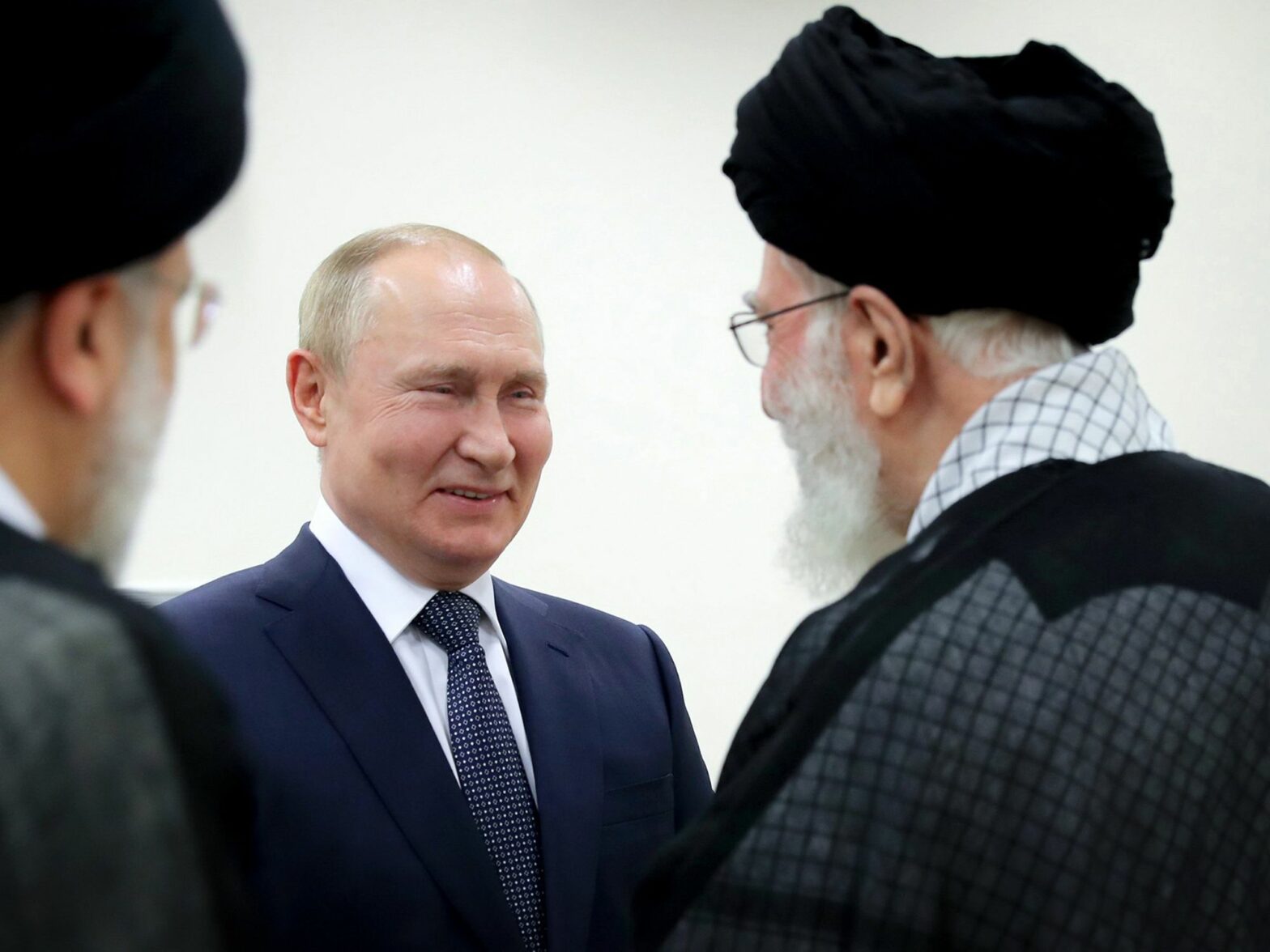
With Trump’s return to power, Russia is rapidly moving closer to the United States; Putin has even agreed to mediate talks between Washington and Tehran. But can Iran still trust Russia? Or is it, like Ukraine, just another bargaining chip?
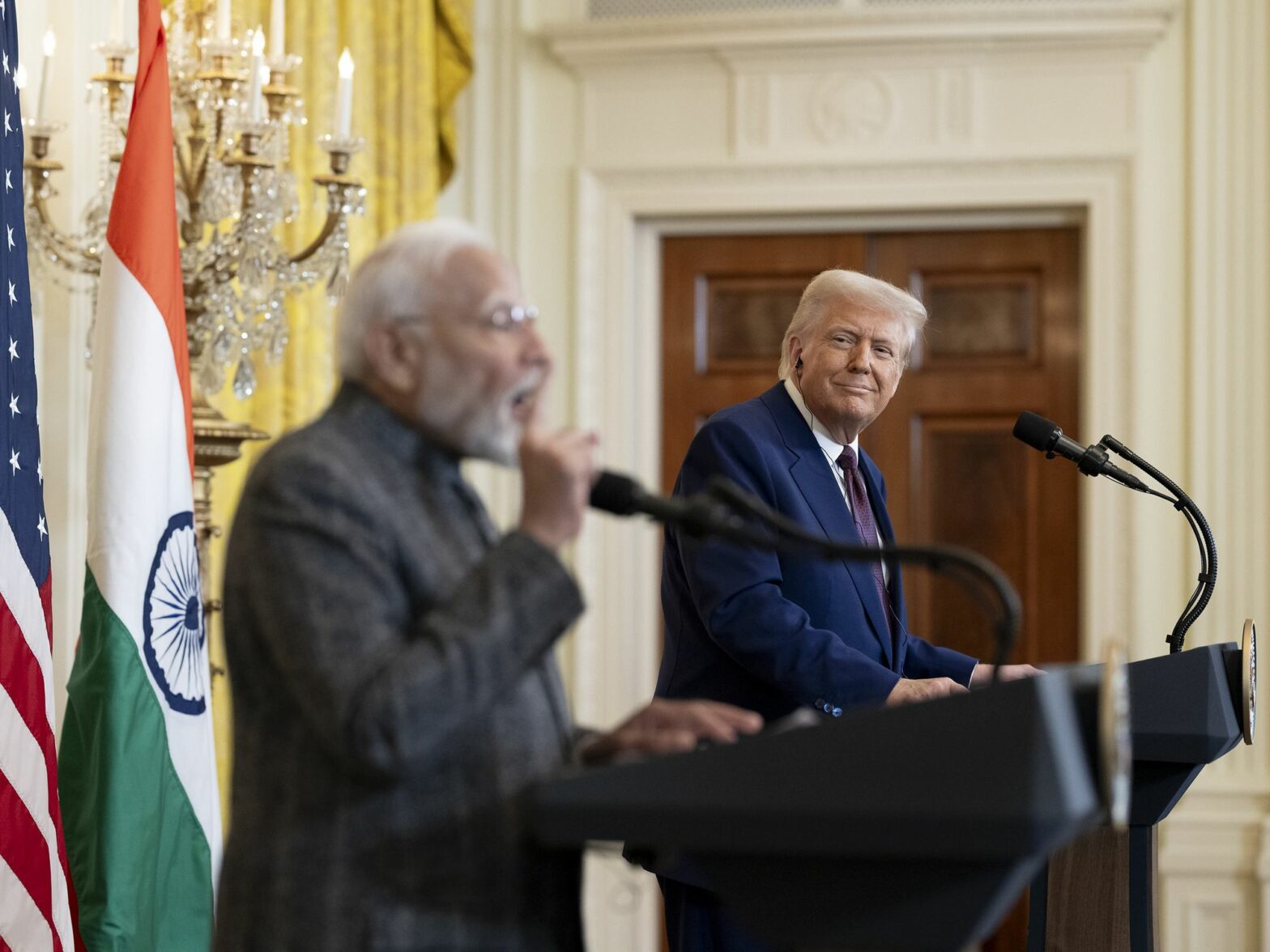
It is not surprising that many Hindutva groups in the U.S. support Trump’s policies. These align well with their own anti-migrant and anti-reservation stance back home.
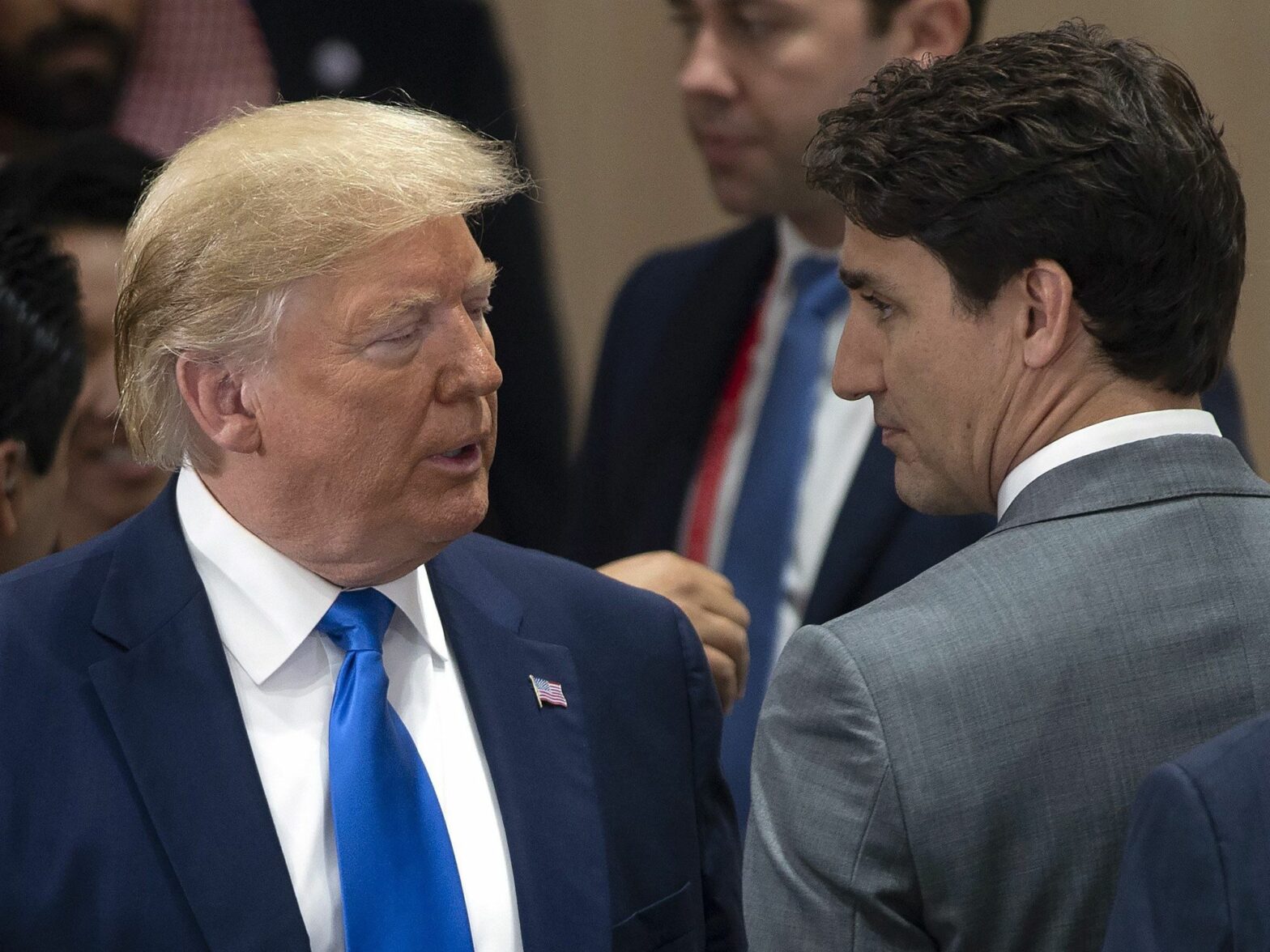
The fundamental premise of NATO is that an attack against one of its members is considered an attack on them all. These words of solidarity were written when they saw Russia as the threat. But what happens if one of its own members turns rogue?
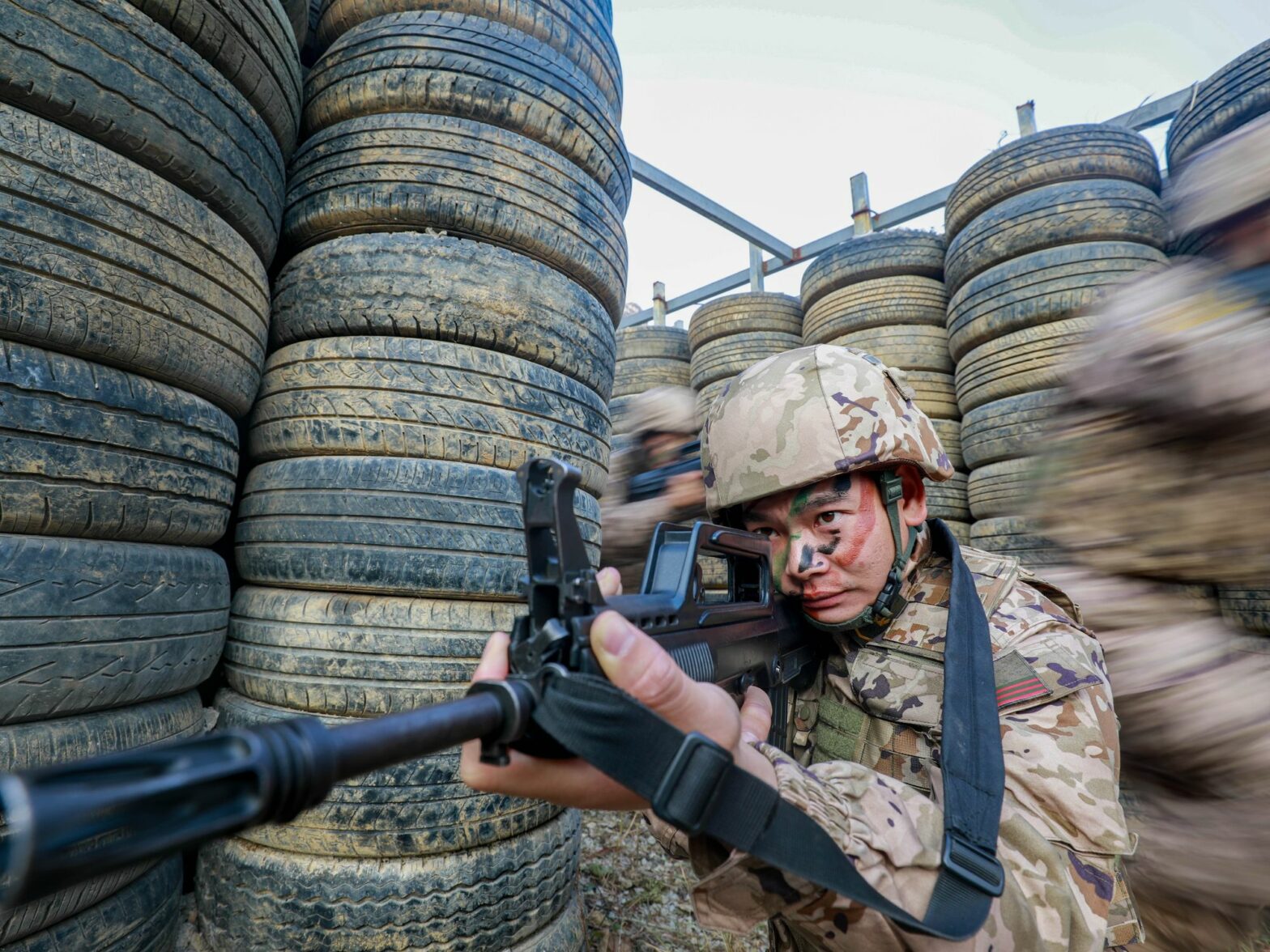
The new U.S. tariffs on China have triggered a sharp response from Beijing. Both countries are convinced that a war between them is inevitable someday — and they’re preparing for it. While Europeans keep their eyes on Russia, Americans remain fixated on China’s rise.
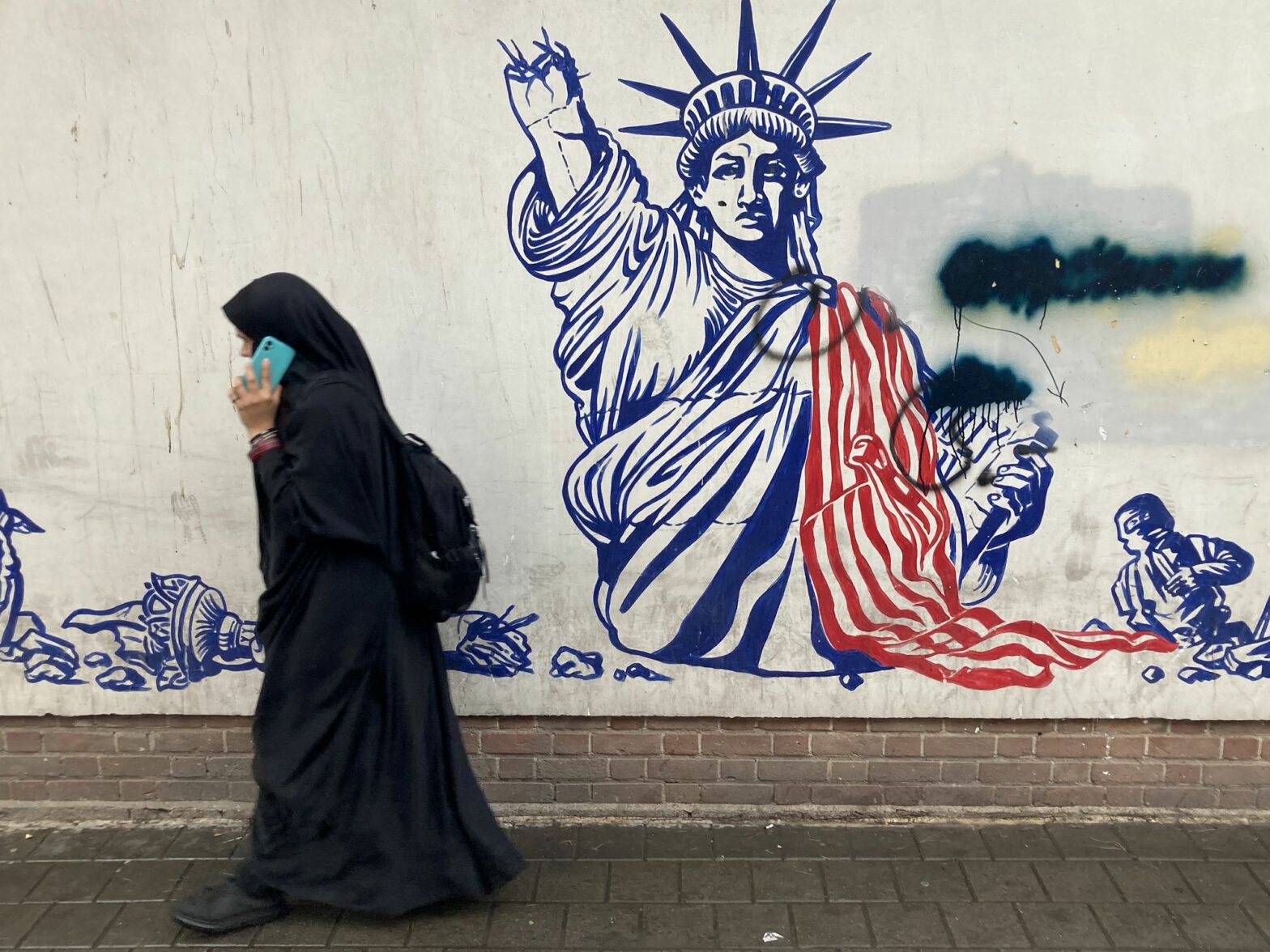
Given Donald Trump’s hardline with Volodymyr Zelensky, the U.S president may be even more draconian with Iran, which seems to have an even worse hand than during Trump’s first term.
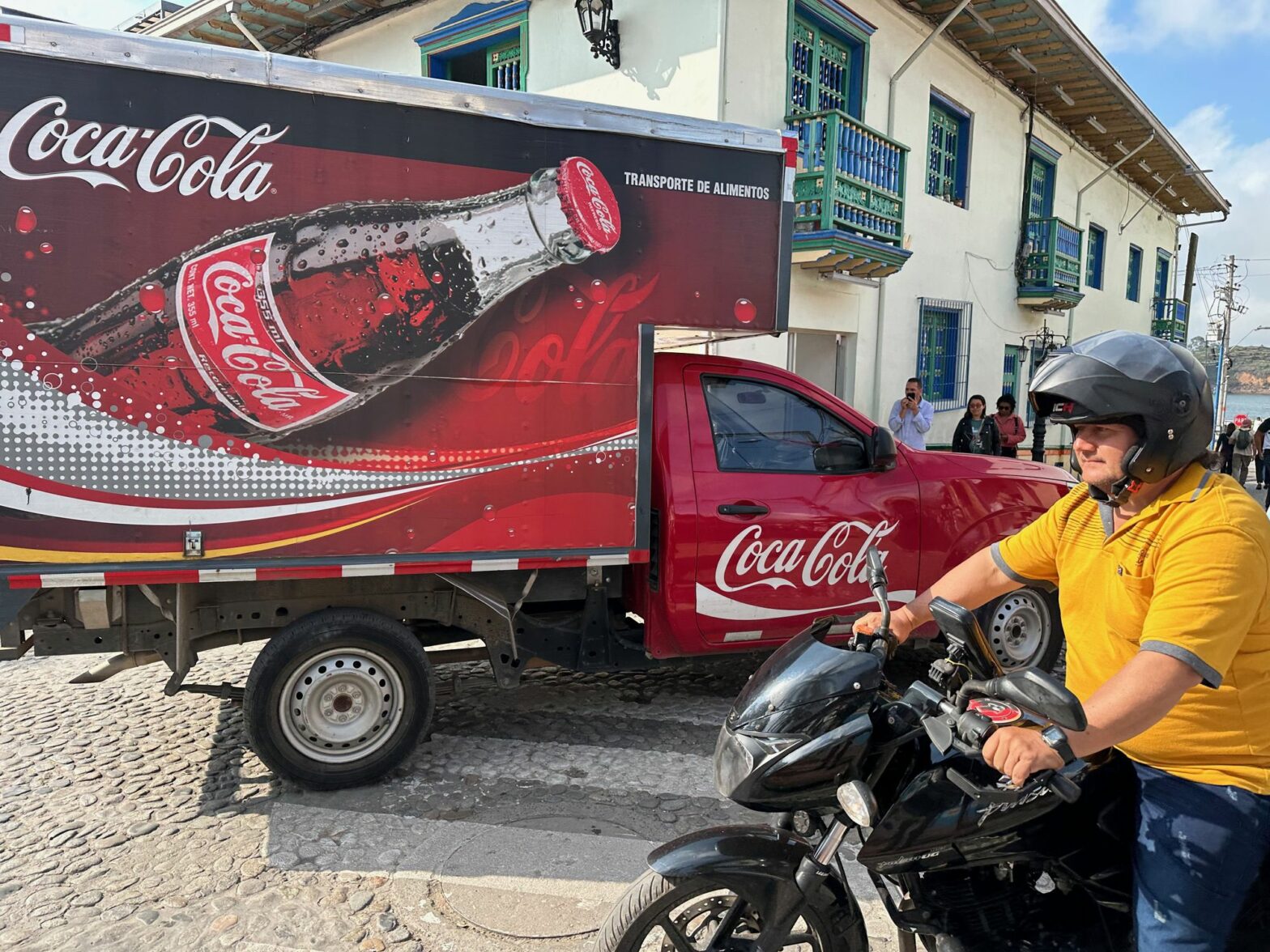
Colombian writer Mauricio Restrepo Posada says U.S. President Donald Trump is not only hostile to Latin America and the Third World, but also to the entire planet, including his fellow citizens. Faced with this monster who wants to own the planet, there is little ordinary global citizens can do — except for the firm decision not to buy U.S.-exported products.
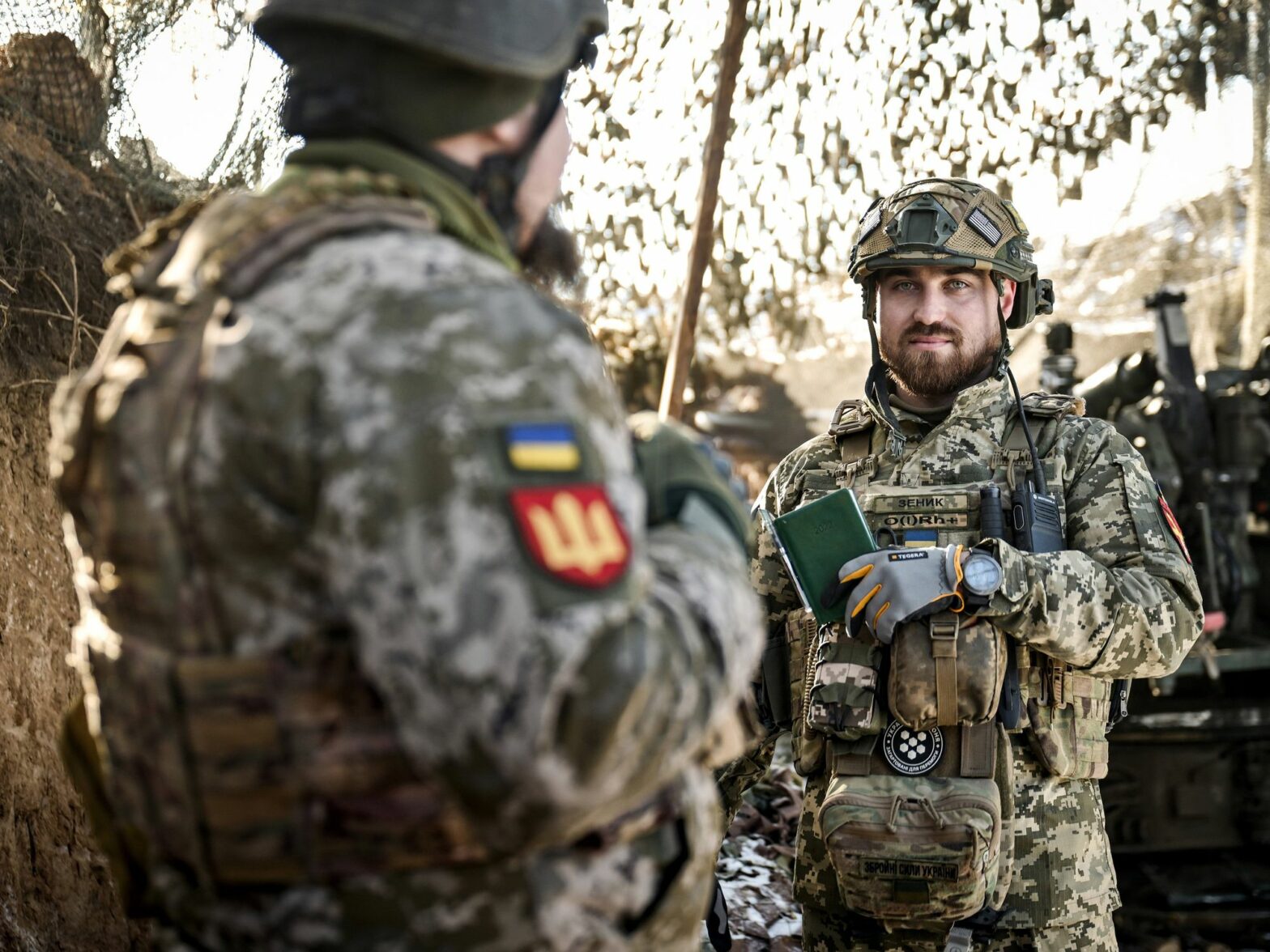
Donald Trump has suspended U.S. military aid to Ukraine until Volodymyr Zelensky demonstrates “good faith” in negotiating with Vladimir Putin. It’s an unprecedented move with an interesting parallel with what’s happening with Israel, where the U.S. Secretary of State Marco Rubio has expedited the delivery of $4 billion in military aid.
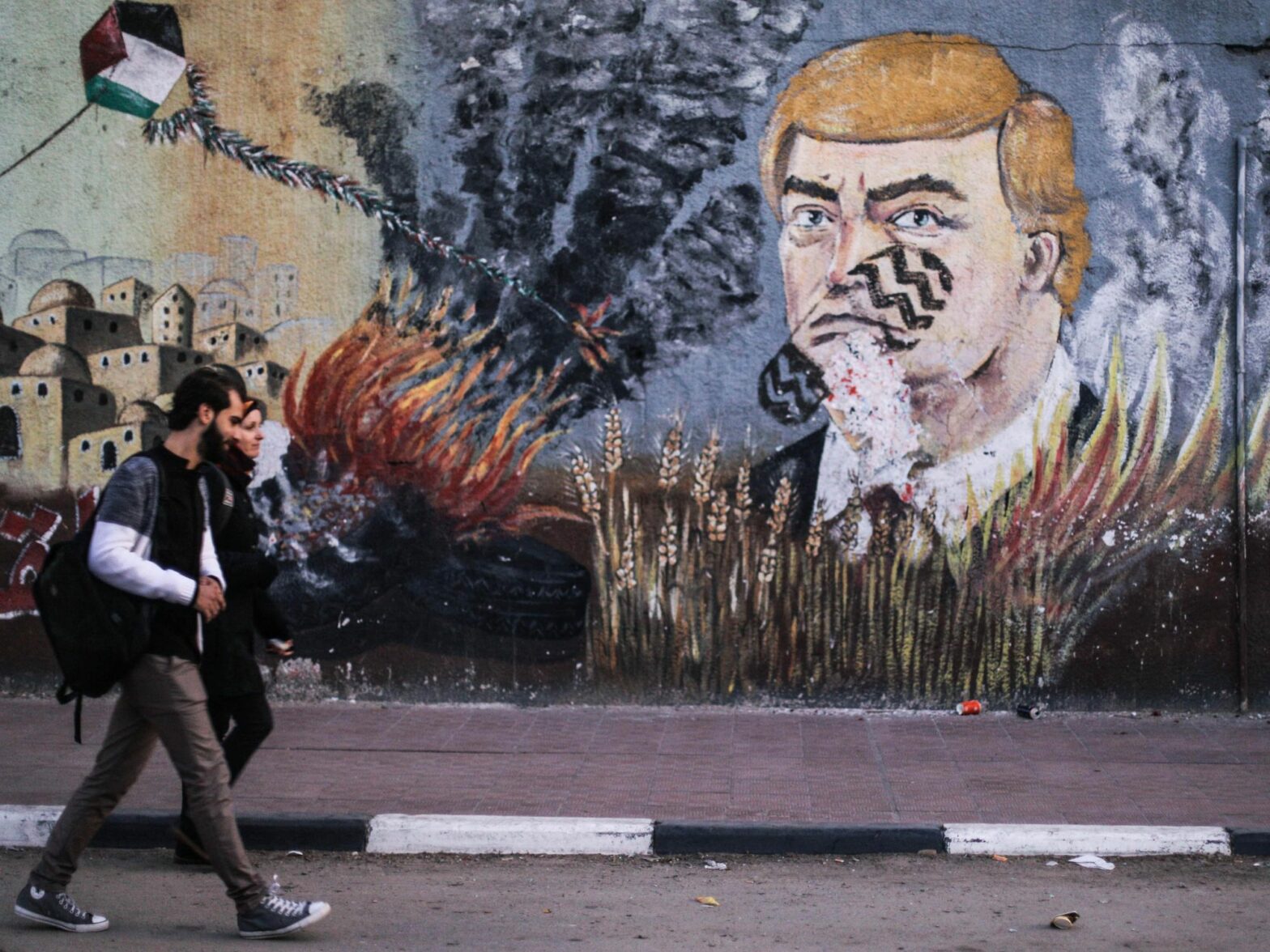
U.S. President Donald Trump’s vile proposal to take over Gaza has led to a shift in discourse Egypt, Saudi Arabia and Jordan. This moment could mark a new beginning, with Arab regimes aligning their politics with those of their peoples. That is the only safeguard against Trump’s blackmail and Israeli Prime Minister Benjamin Netanyahu’s ambitions.
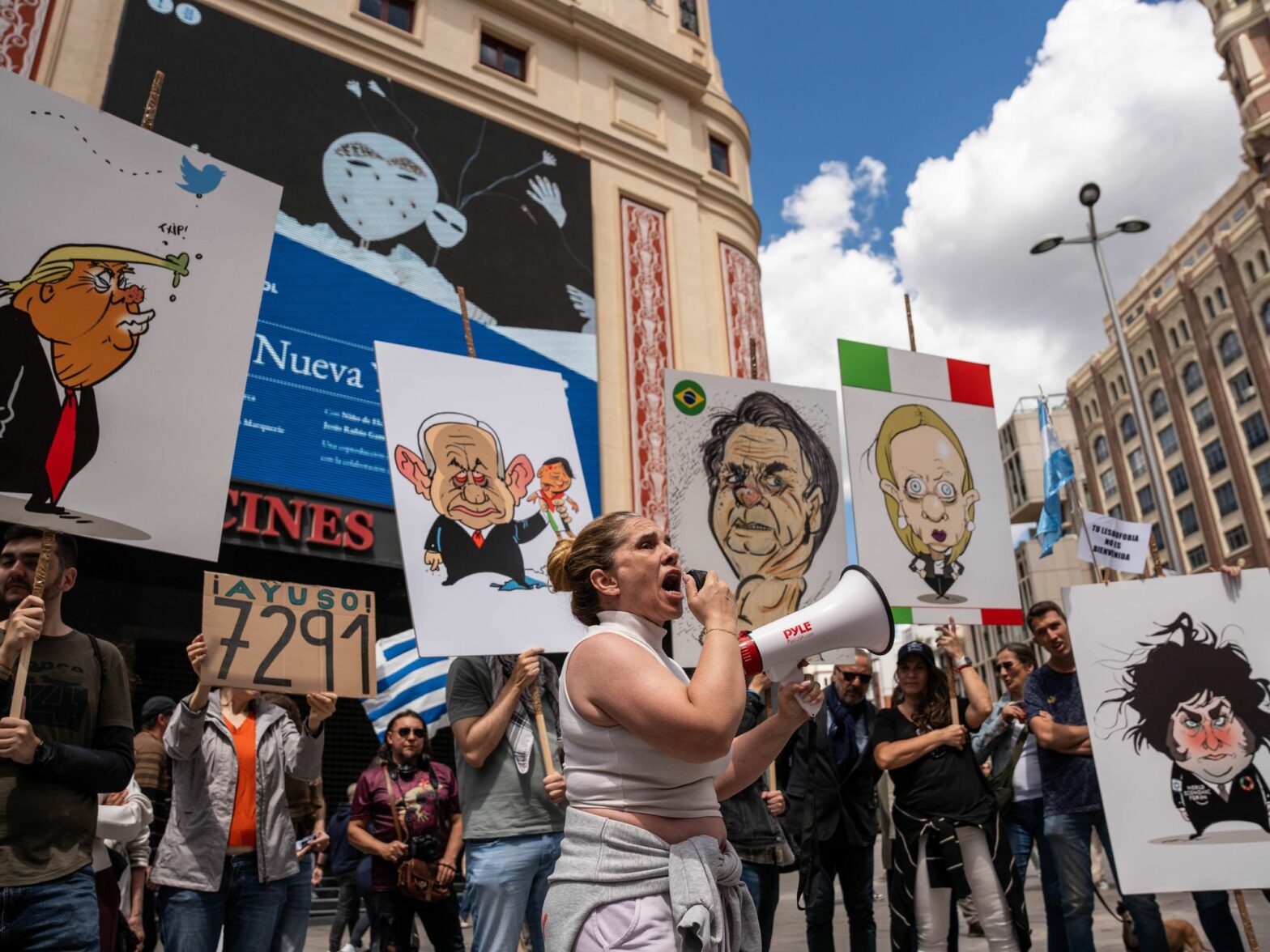
The reelection of U.S. President Donald Trump is the most recent act in the spectacular, and so far unstoppable, rise of fascism. Faced with his full-blown offensive, Europe must fully invest in its vision as an alternative to Trumpism by defending those most in need.
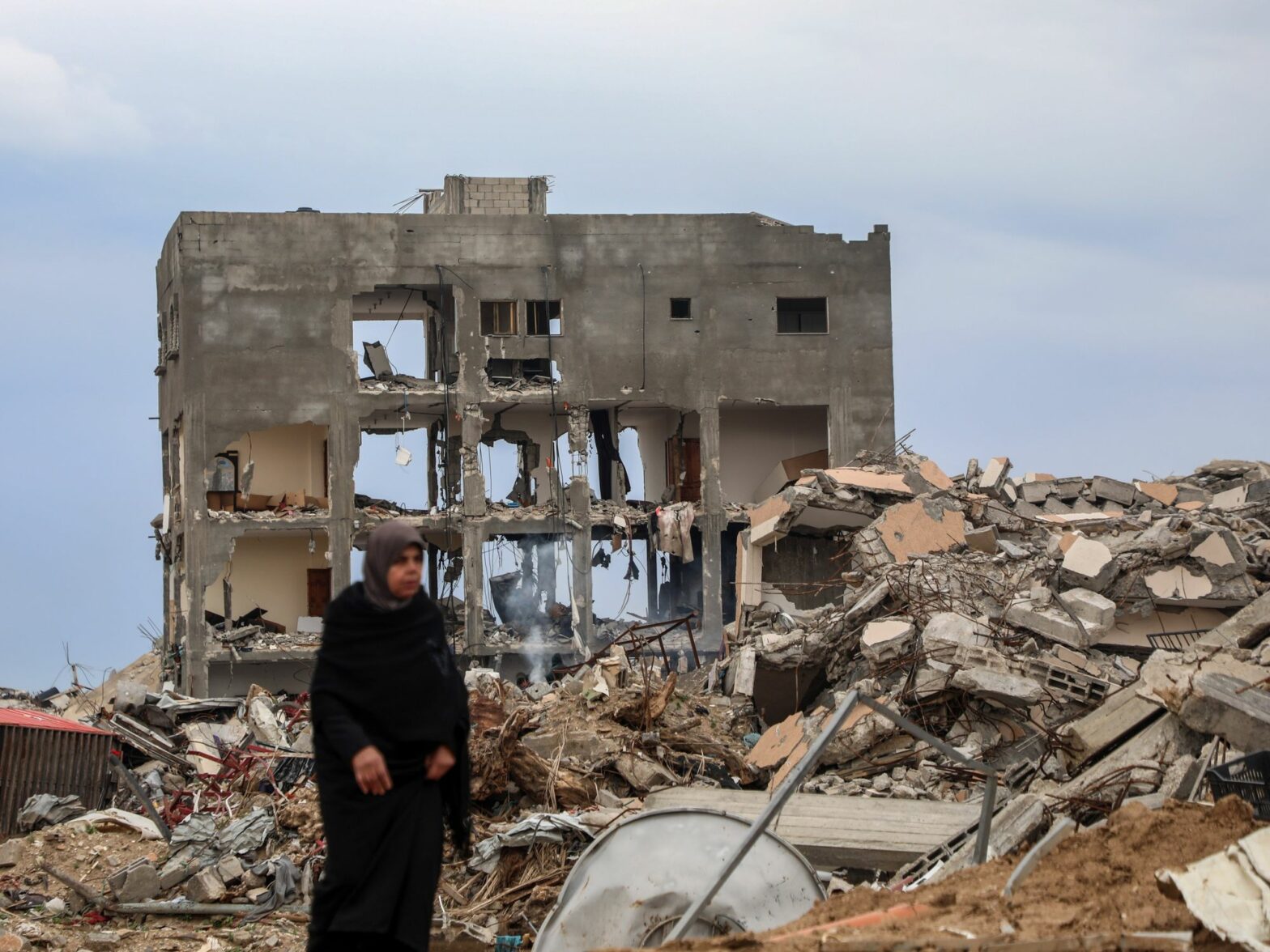
Donald Trump made ever more clearly Monday that he is serious about relocating Palestinians permanently outside Gaza. It’s a plan that the entire Arab world categorically rejects, and puts the U.S. back on the hook for resolving the thorniest of Middle East conflicts.
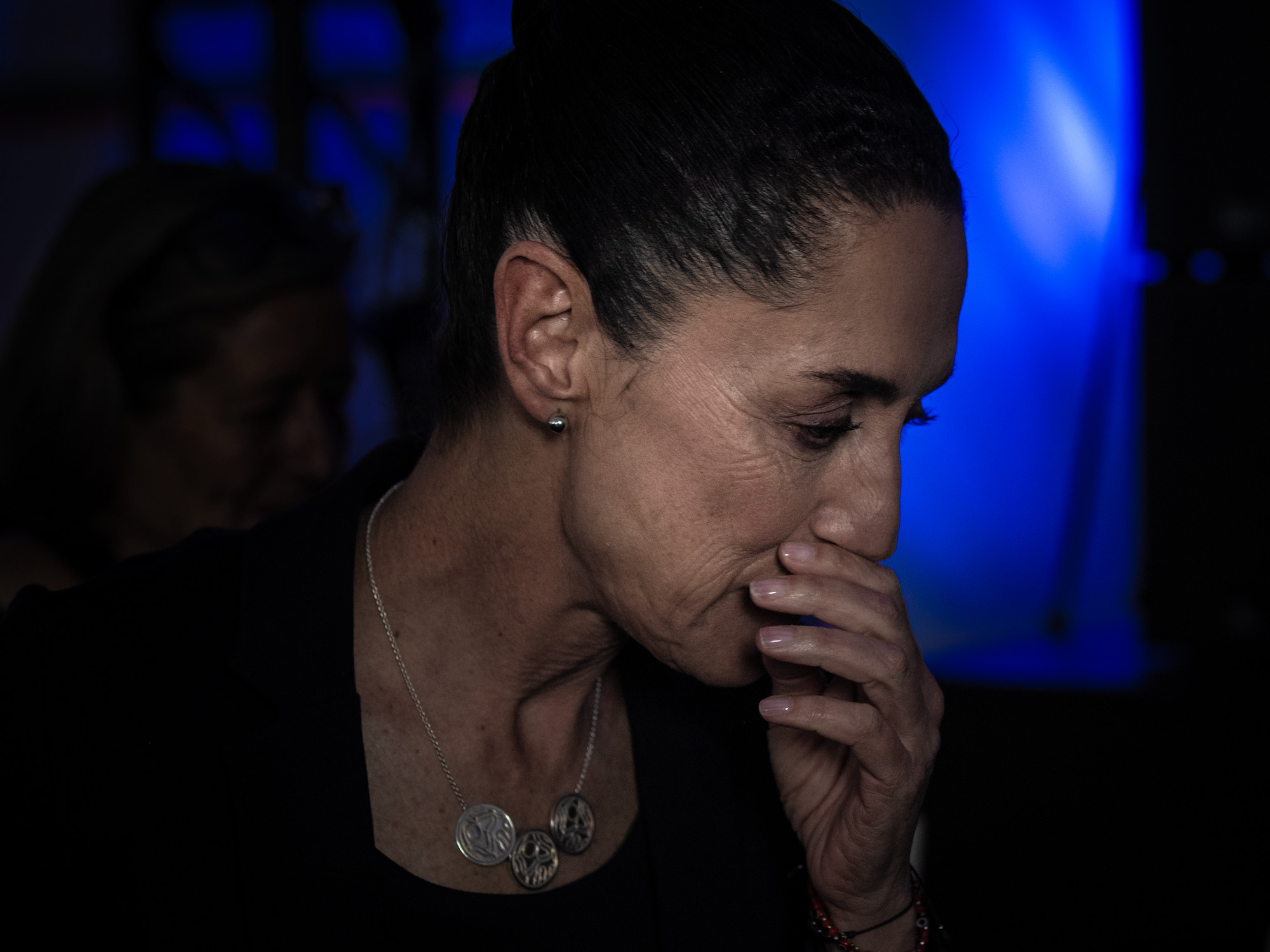
After Colombia’s president took on U.S. President Trump and lost, Mexican President Claudia Sheinbaum has managed this new complex relationship with remarkable deftness and clarity of purpose. But can this strategy be maintained with Trump’s mind set on tariffs everywhere?

Following U.S. President Donald Trump’s flurry of tariffs on Canadian, Mexican and Chinese products, Europe is expecting similar announcements. France, whose wines and spirits are a traditional target in trade conflicts with the EU, is particularly at risk. Its cognac is already being targeted by China.
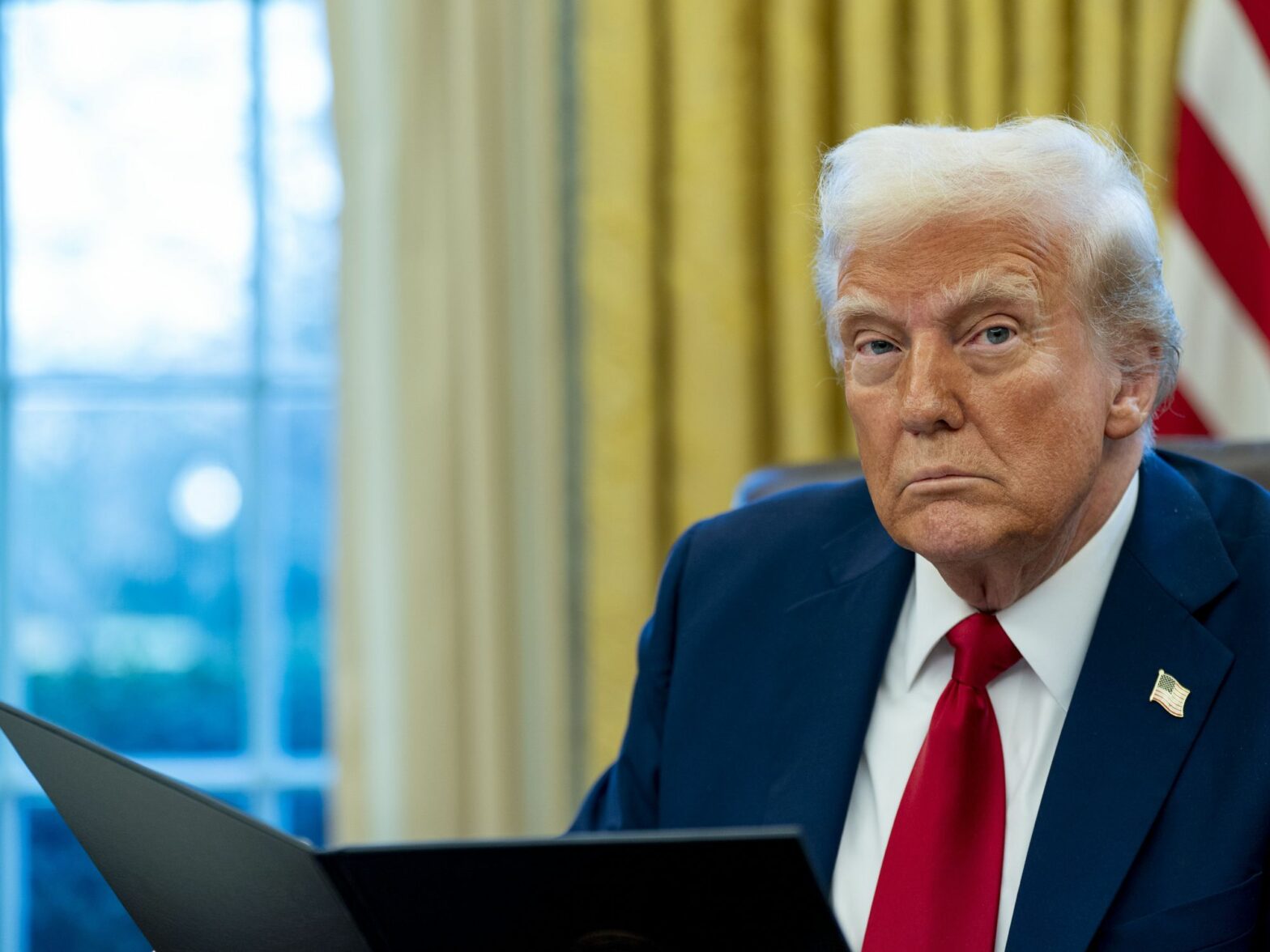
What’s Donald Trump aiming for with his flood of provocative statements? Part distraction, part negotiating ploy, it’s all meant to allow the marketer-in-chief to always claim victory.
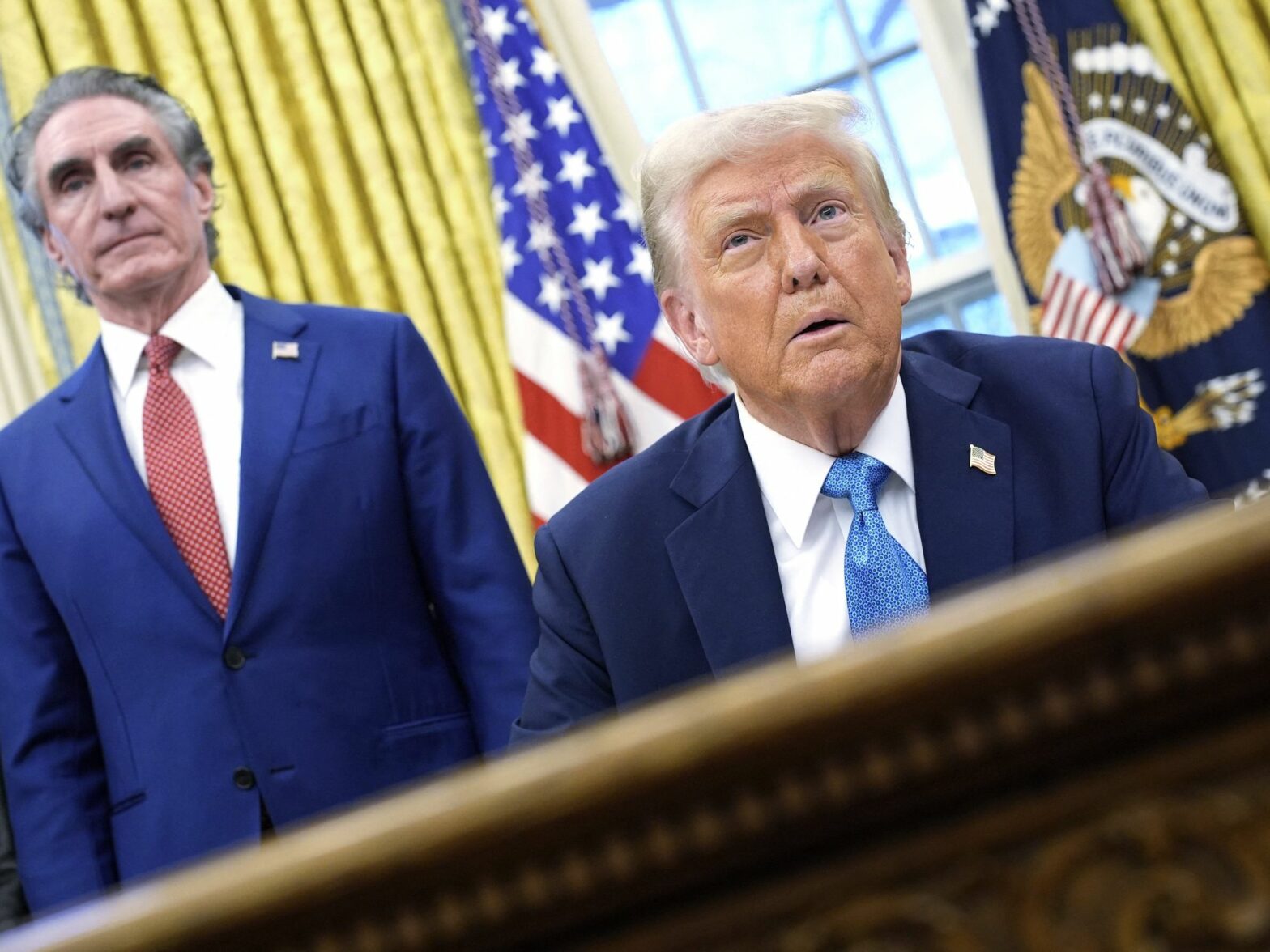
In economics, disruption describes an ordinary process: innovations replace outdated technologies. But in politics? It takes on a far darker meaning, writes German weekly Die Zeit.
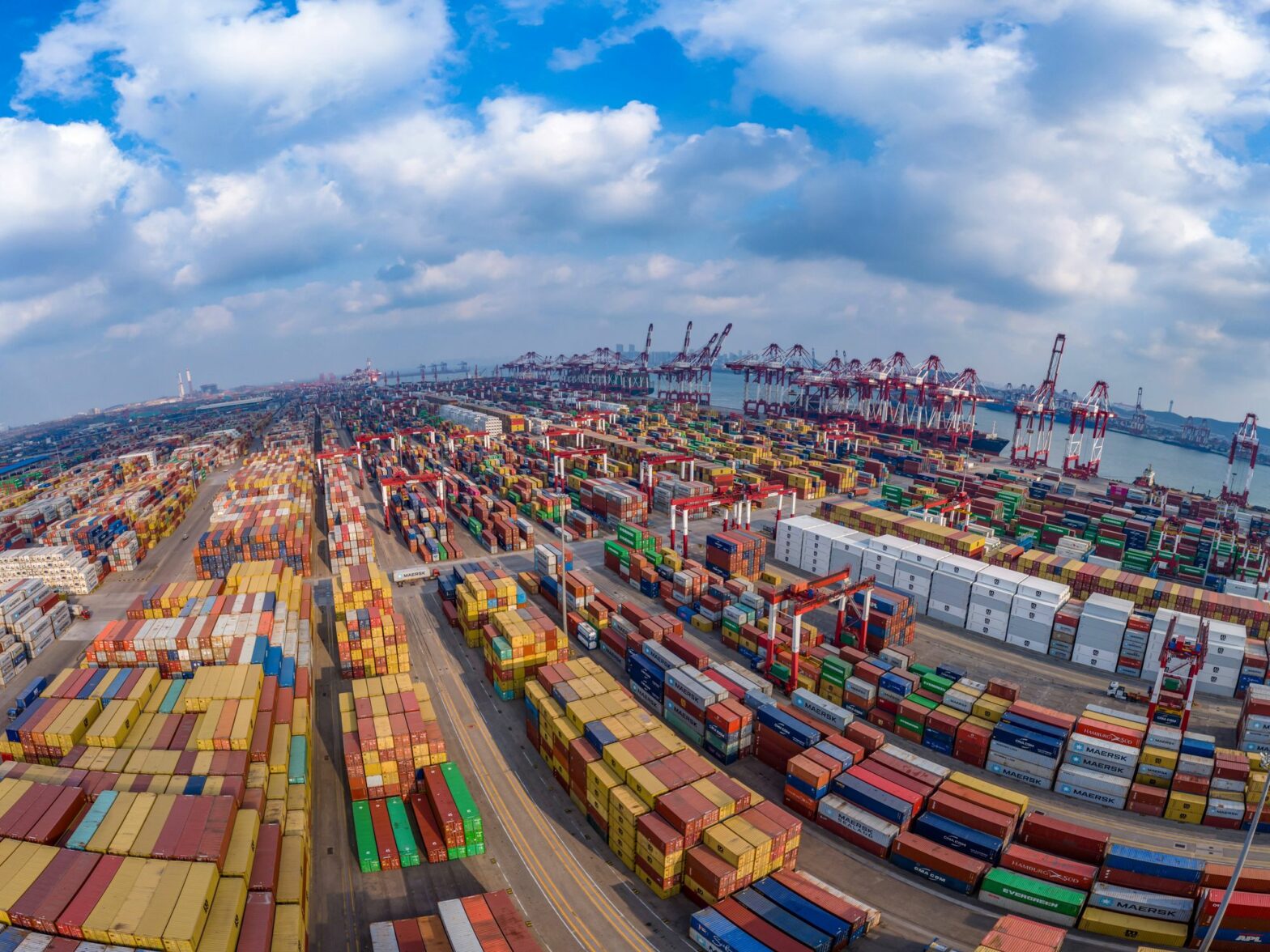
The American president had promised tariffs of at least 60% on all Chinese products. For now, it will be only 10%. Washington has other issues to negotiate with Beijing. Hitting old allies harder is part of a much different approach.
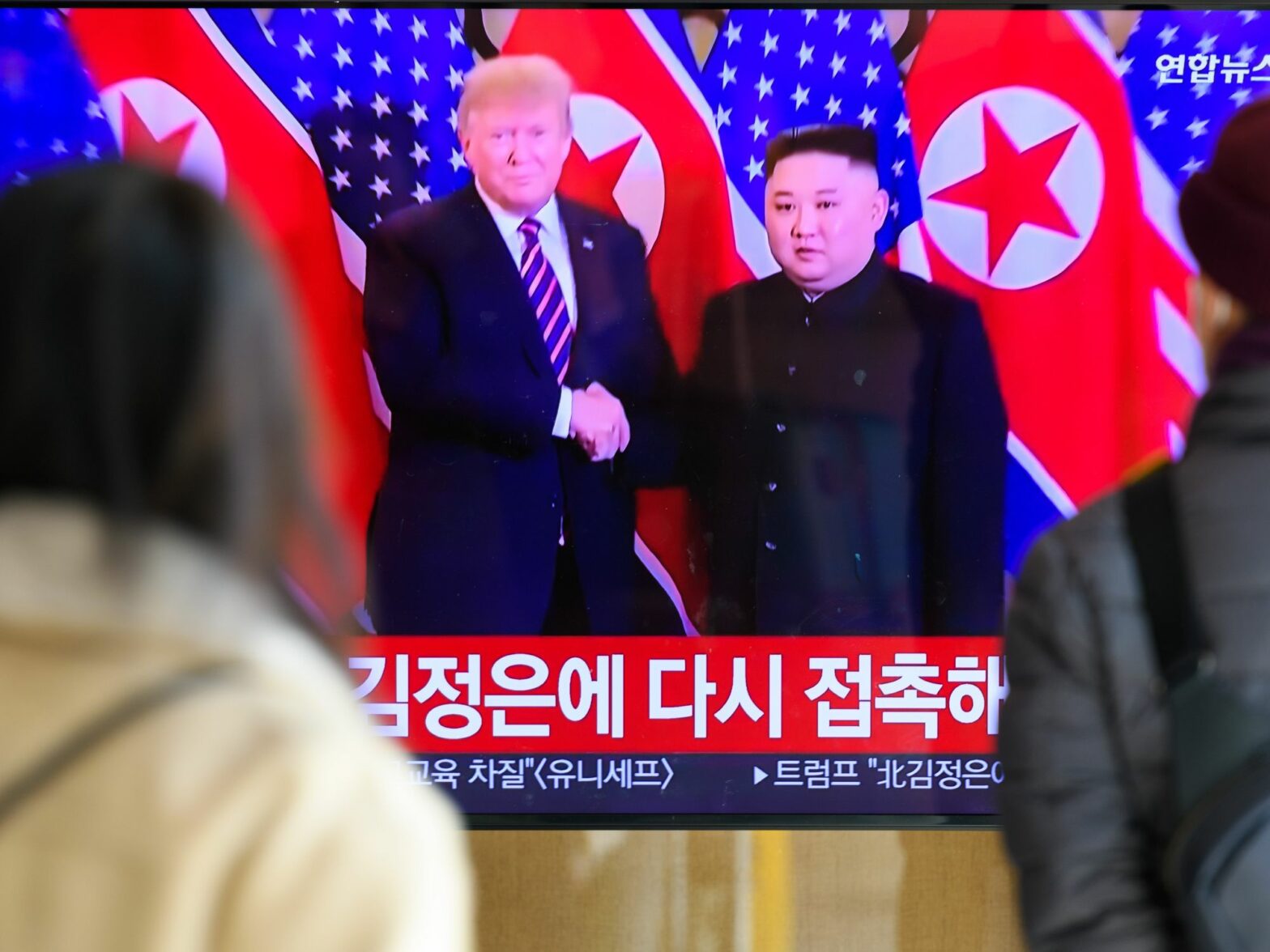
The post-liberal world needs an added dose of cautious and realistic diplomacy, and the United States remains its natural promoter. Yet there is little evidence, for now, that the Trump administration has an interest in diplomacy to keep the collective peace.

The White House has showcased images of deported migrants in shackles. This deliberate display of humiliation is part of a broader strategy that combines cruelty with political messaging, undermining both personal dignity and democratic values, writes Caterina Soffici for Italian daily La Stampa.
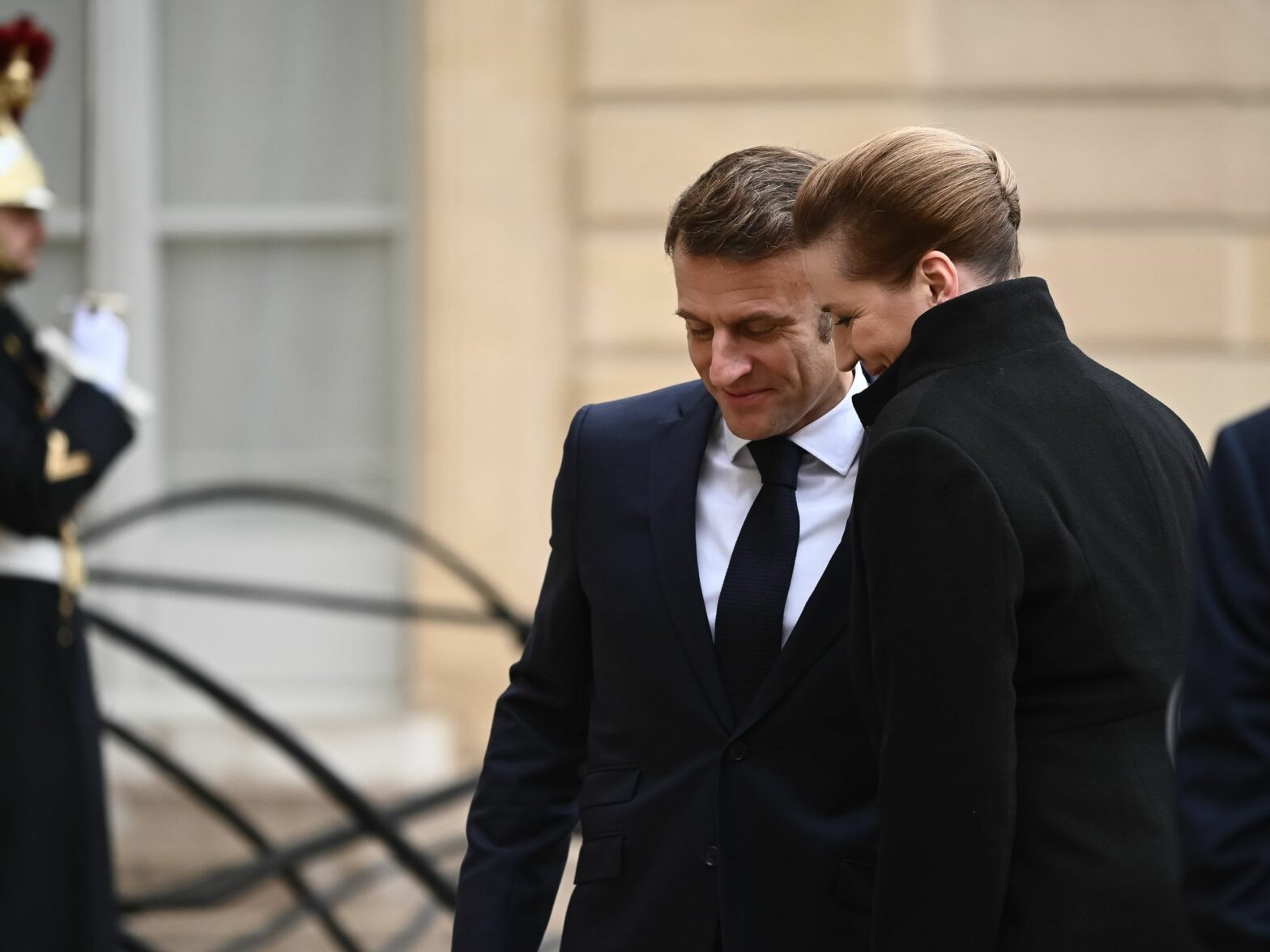
Europeans can never win if they face the relentless force of Donald Trump alone. With his sights fixed on Denmark, which controls Greenland, and the looming threat of tariffs, Trump is putting the rest of Europe to the test.
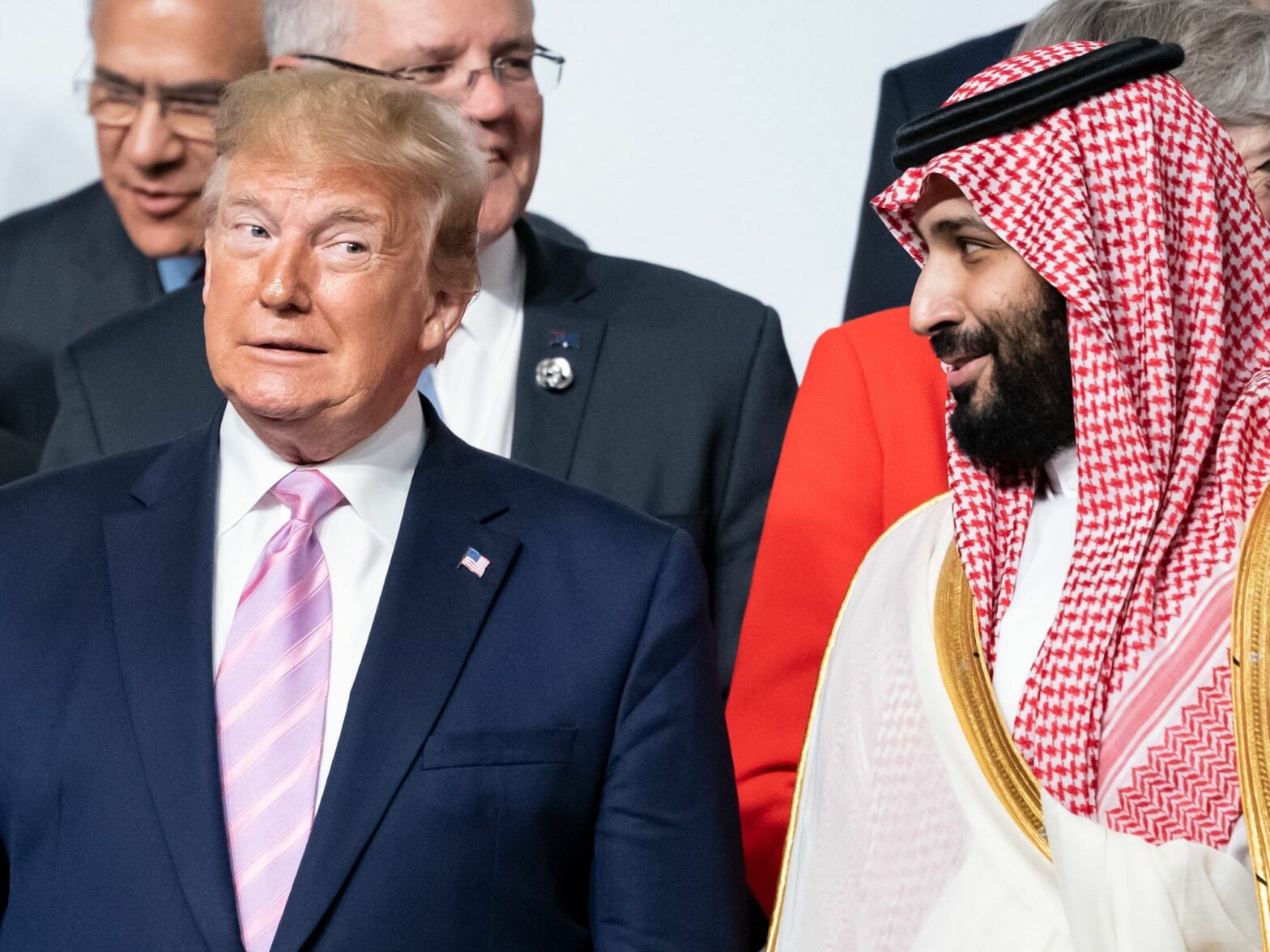
Donald Trump’s relationship with Saudi Arabia’s Crown Prince Mohammed bin Salman dates back to his first term as president. After his second inauguration, his first phone call was to the prince, who has pledged $600 billion in investments in the United States during Trump’s presidency.
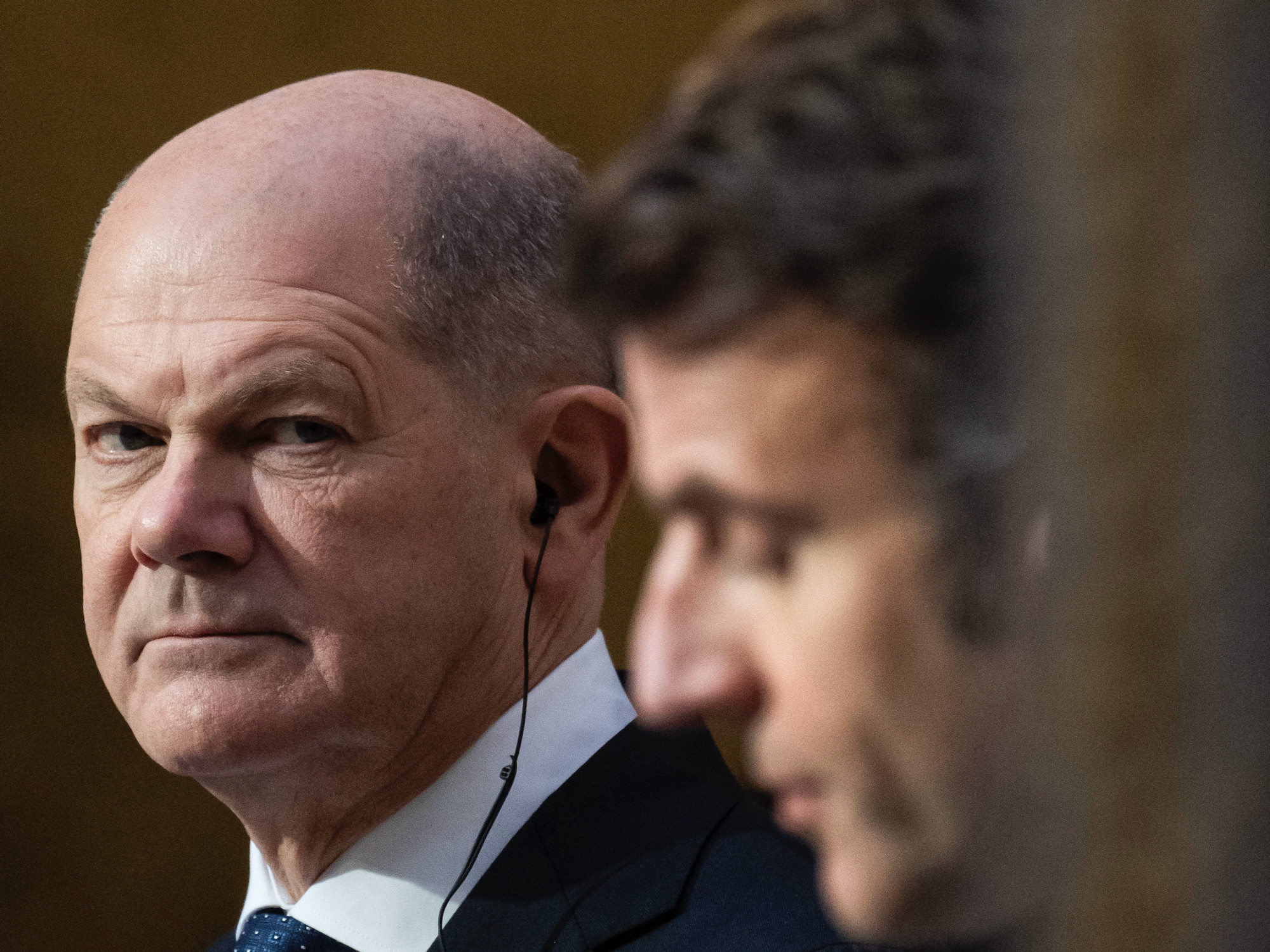
The bulldozer approach Donald Trump has deployed since his inauguration on Monday discards an American foreign policy approach in place since 1945. Who will survive, particularly in Europe, a purely transactional U.S. President?
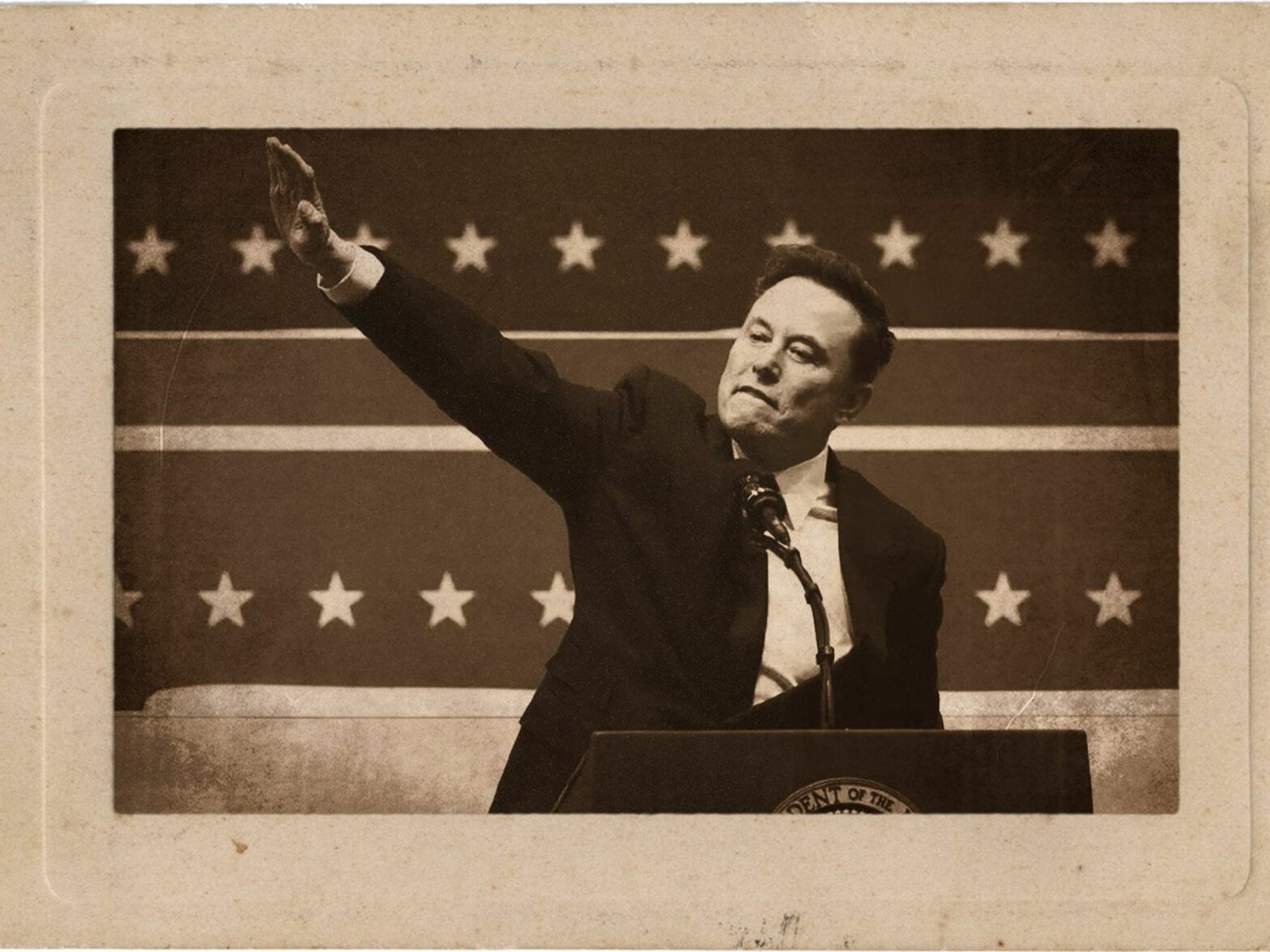
To the German author, watching Elon Musk stretching his right arm out at a Trump political rally could mean only one thing. The Neo-Nazis agree. But what is the billionaire’s real game? A view from Die Zeit on the Hitler Salute outrage.
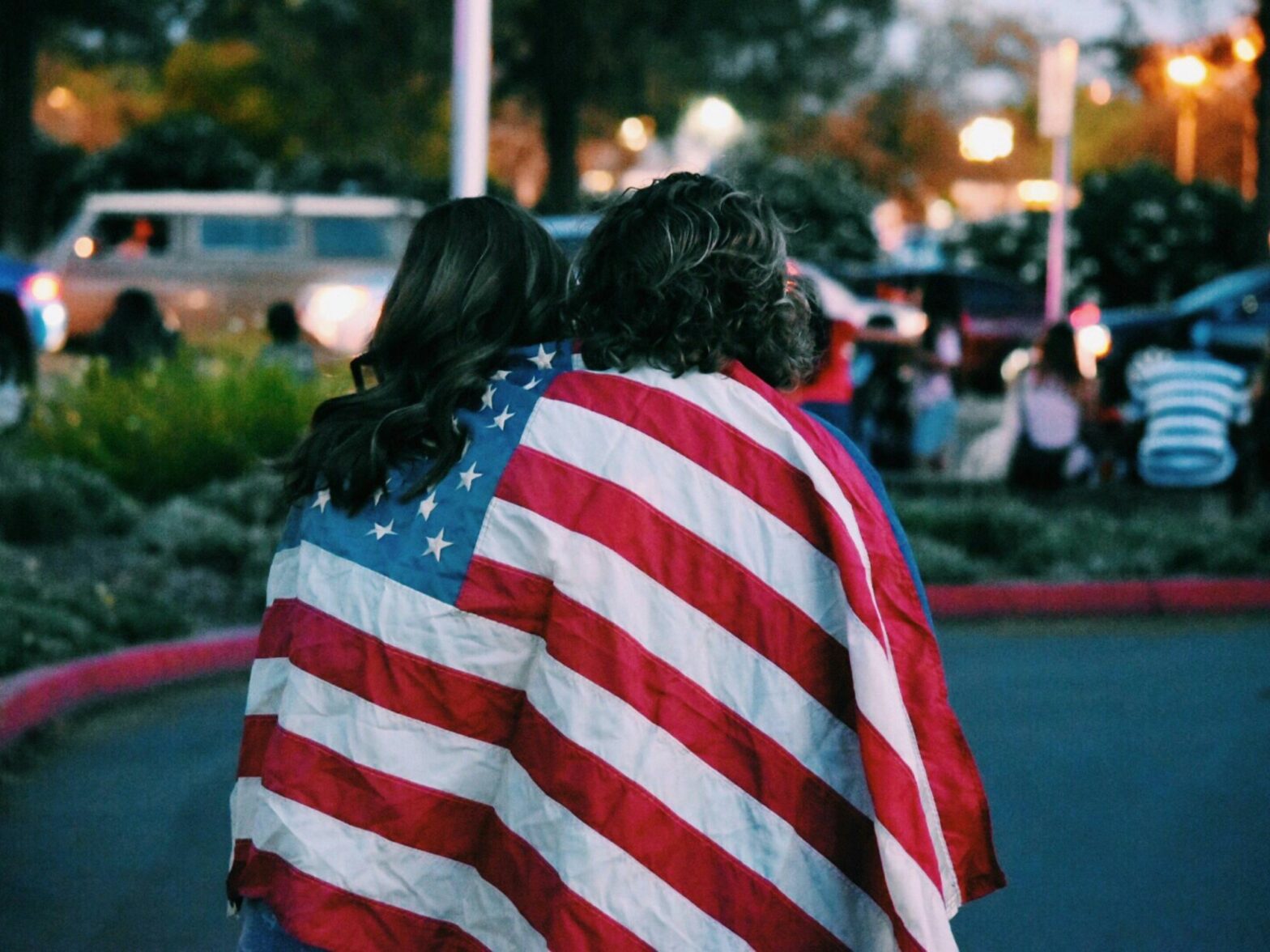
On his inauguration day, President Donald Trump signed the decree abolishing the law that grants U.S. citizenship to anyone born on American soil. For Italian writer Mattia Feltri, America was born from the idea that anyone could come, live freely, pursue their happiness. That dream is dead.
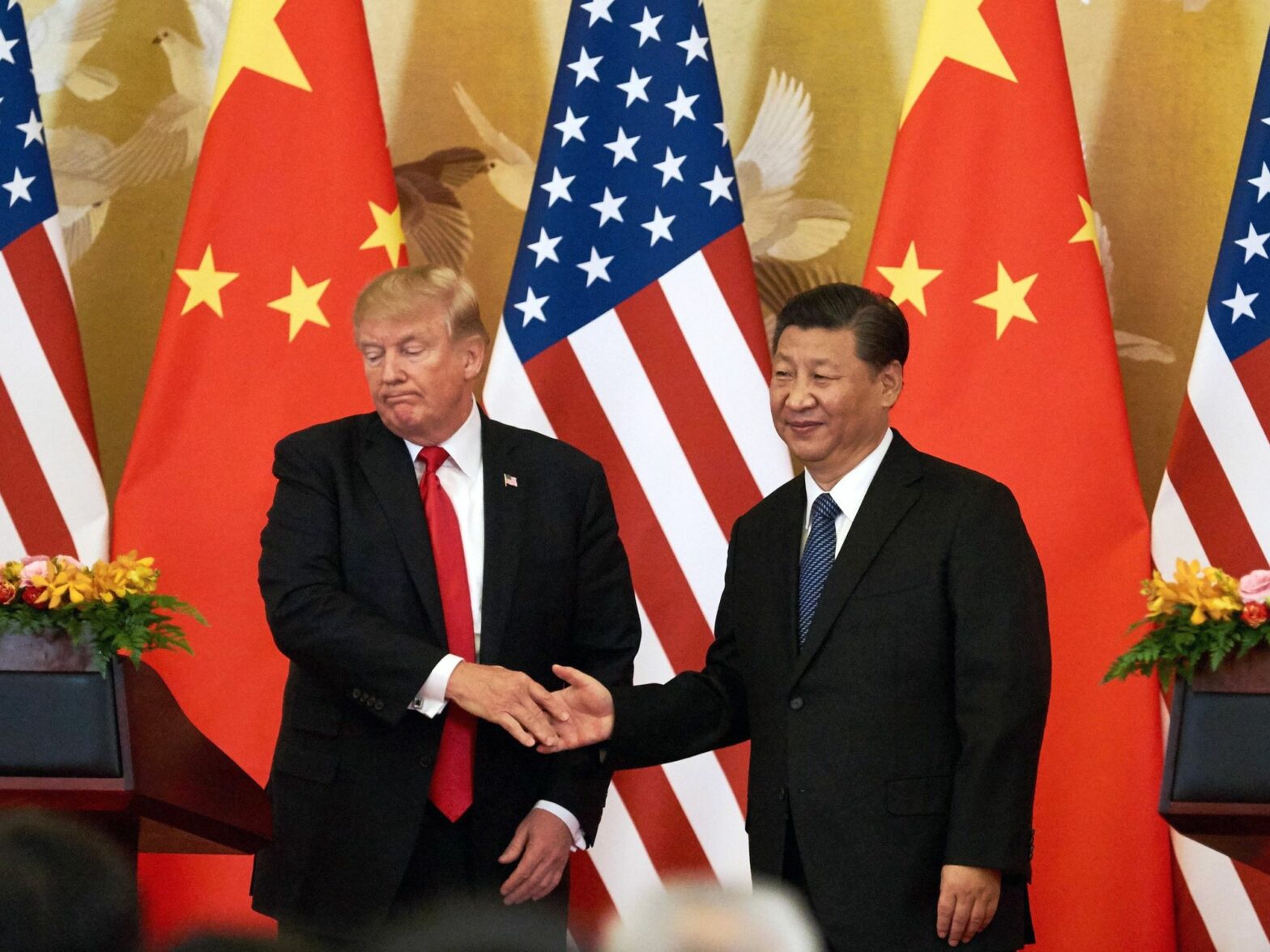
None of the major heads of state on the Asian continent has a direct link with U.S. President-elect Donald Trump, who regularly calls on America’s Far Eastern allies to “pay more” for their defense. Philippe Le Corre, professor of geopolitics, explains that military risk is a major concern in a region with many hotbeds of tension.
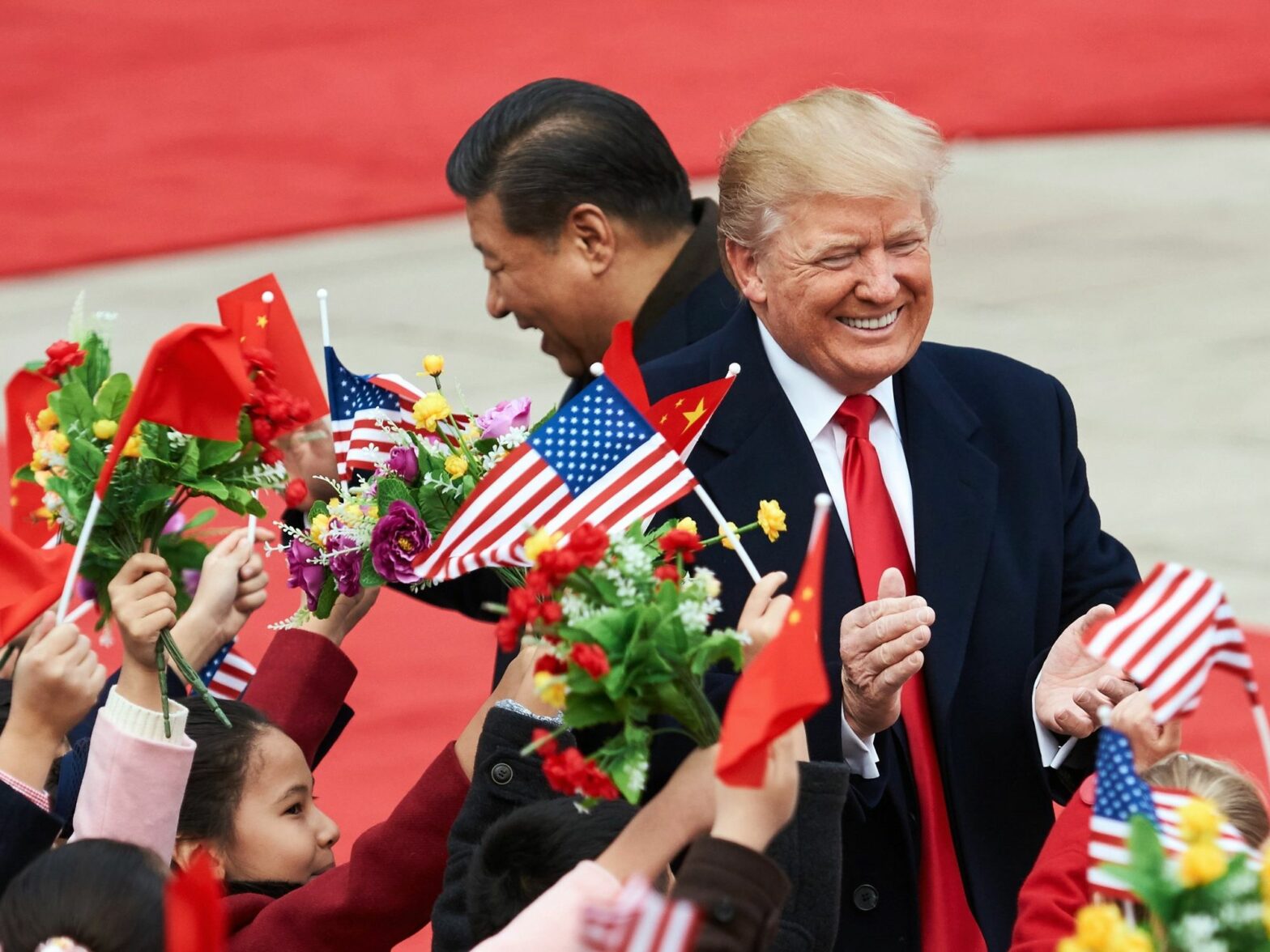
Donald Trump’s reelection has sent shockwaves through much of the world. Yet, surprisingly, many overseas Chinese — and even citizens within China — have openly celebrated his comeback. How does such admiration align with his openly anti-China rhetoric?
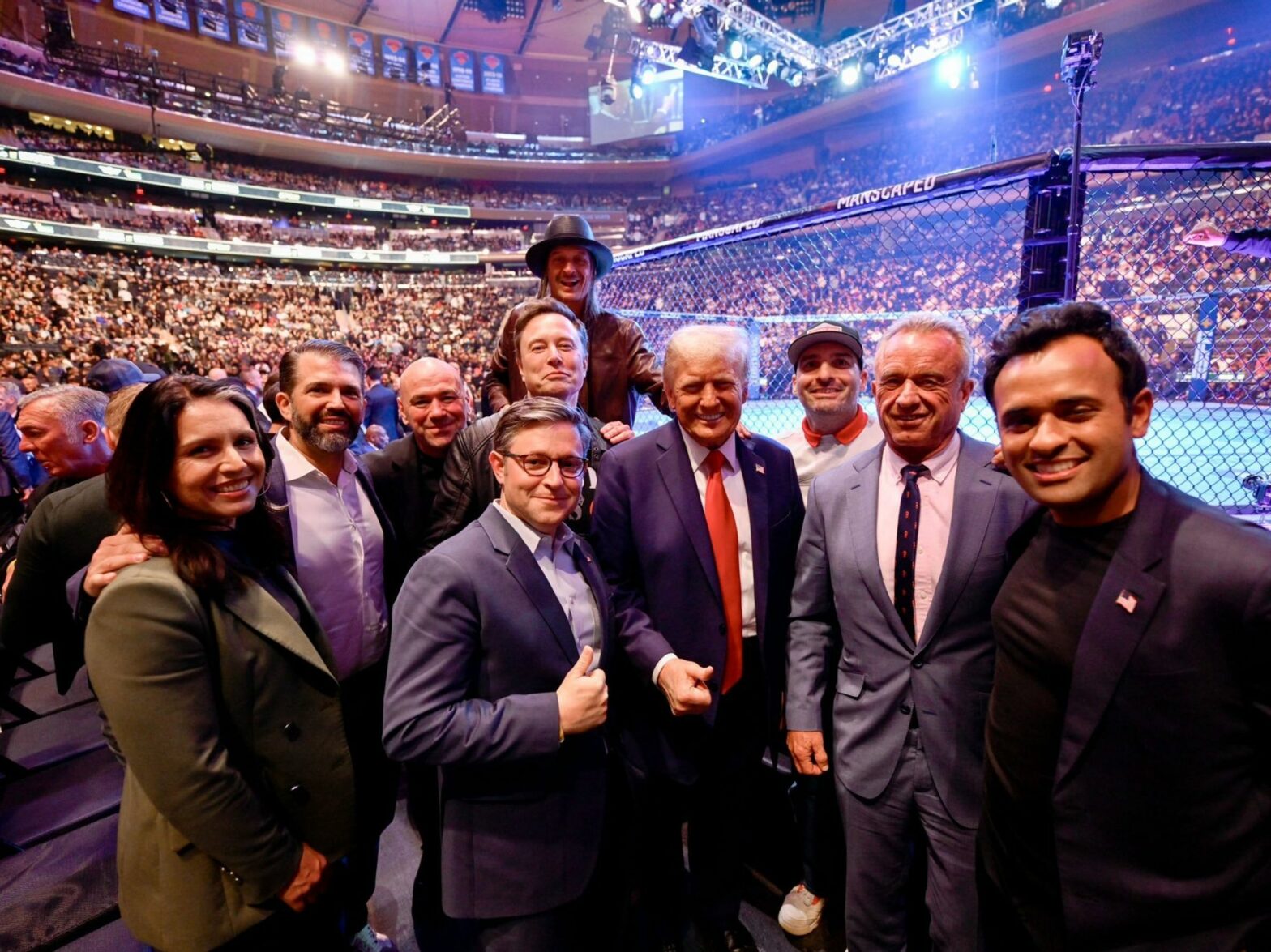
In his final address to the nation, just days before his departure, U.S. President Joe Biden warned against the emergence of a “tech-industrial complex” that threatens democracy; a charge against tech barons, including Elon Musk or Mark Zuckerberg, who have pledged allegiance to incoming President Donald Trump.
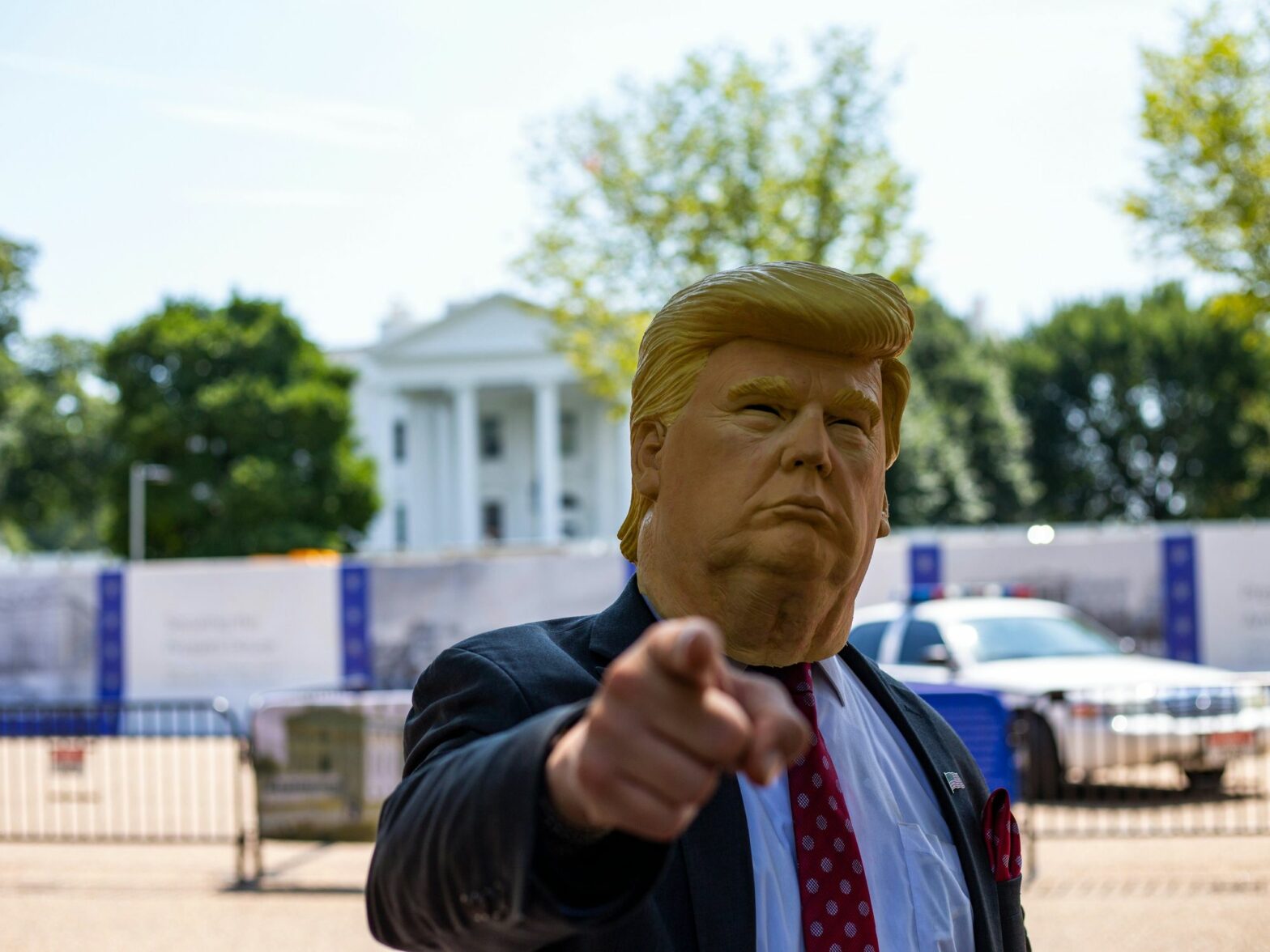
Will America become revisionist, unilateralist and expansionist under Donald Trump’s second term? In the early 1970s, French philosopher Raymond Aron spoke of the United States as an “imperial republic,” Now, in 2025, there is potentially much less “republic,” and much more “imperialism.”
With the unpredictable Donald Trump returning to the White House in January, what will global politics be like in 2025? In addition to major issues like the war in Ukraine, the conflicts in the Middle East and China, there’s another nagging question: What about Europe?
Donald Trump’s second term as U.S. president will undoubtedly bring about a transformation in geopolitics and the world economy. With a businessman rather than a politician in the White House, the country will take a more transactional approach based on negotiations.
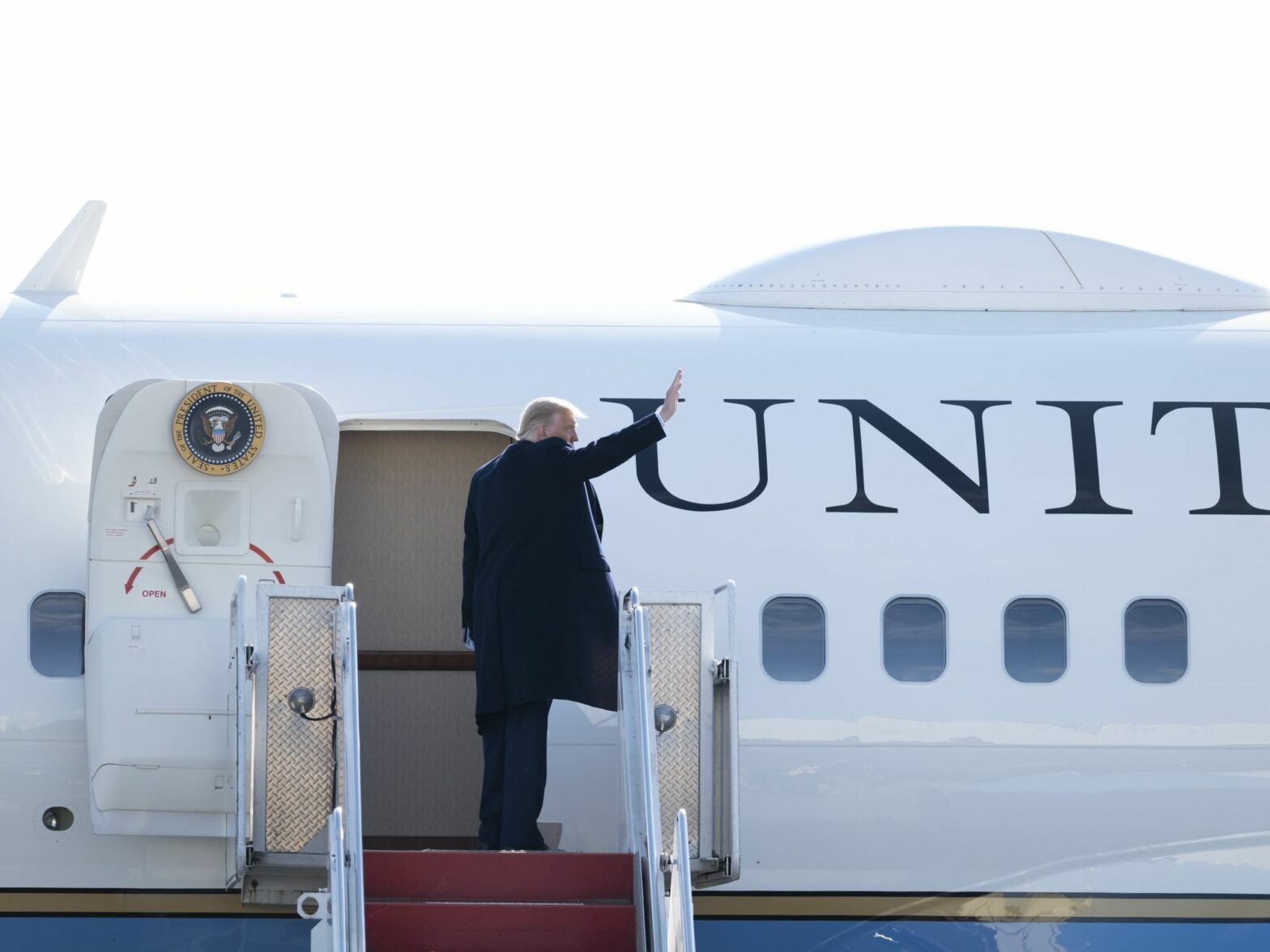
The reopening of Notre-Dame in Paris, with the participation of Donald Trump on his first foreign trip since being reelected, has turned into a diplomatic event where everyone will want to engage with the president-elect. Ukraine is at the top of the agenda.
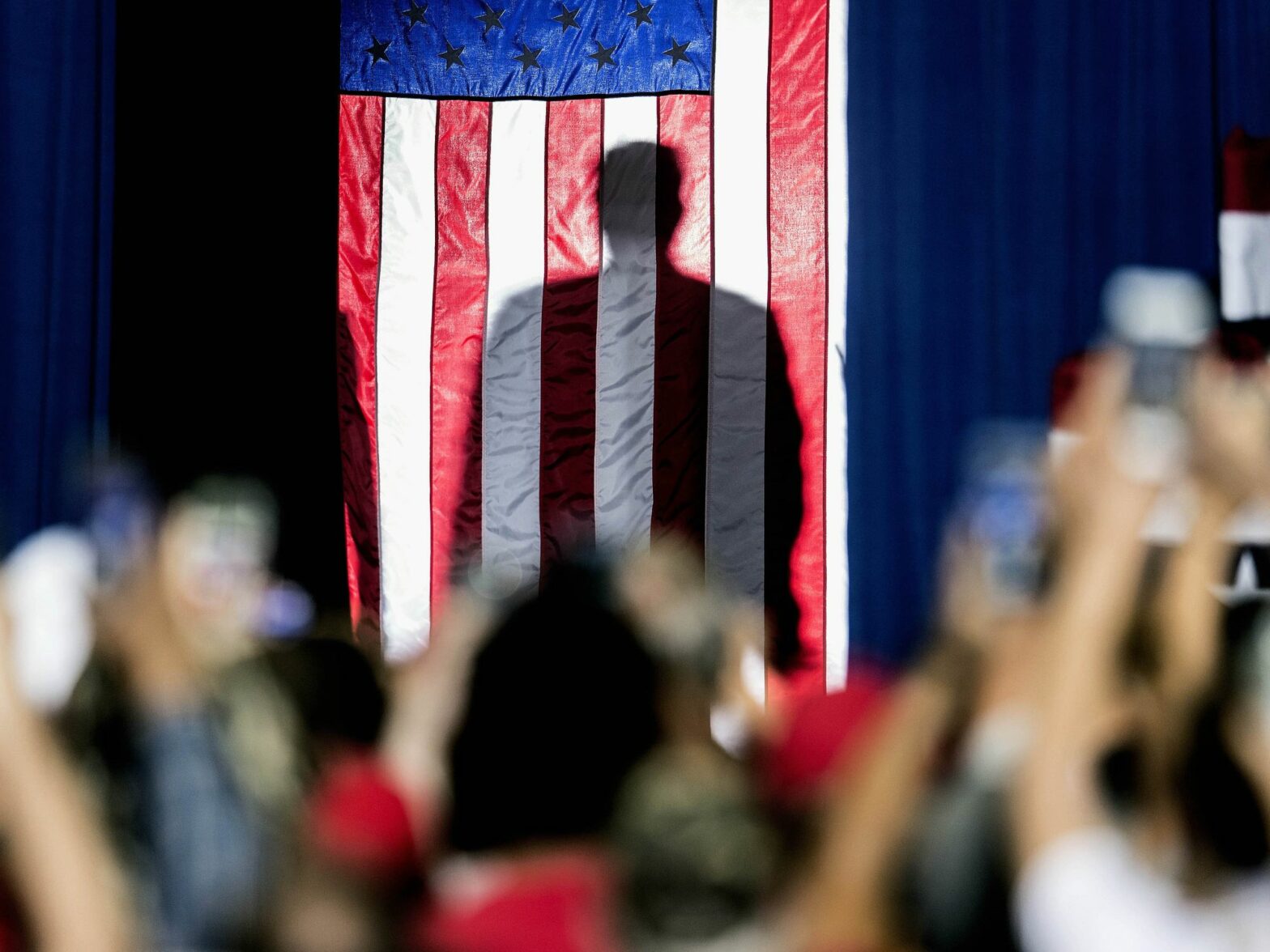
Opponents and former supporters are issuing urgent warnings about Donald Trump, saying he is a fascist. But is he really a new Mussolini or Hitler? What should we be looking for in the months to come? Christian Staas of Germany’s Die Zeit asks historians on both sides of the Atlantic.
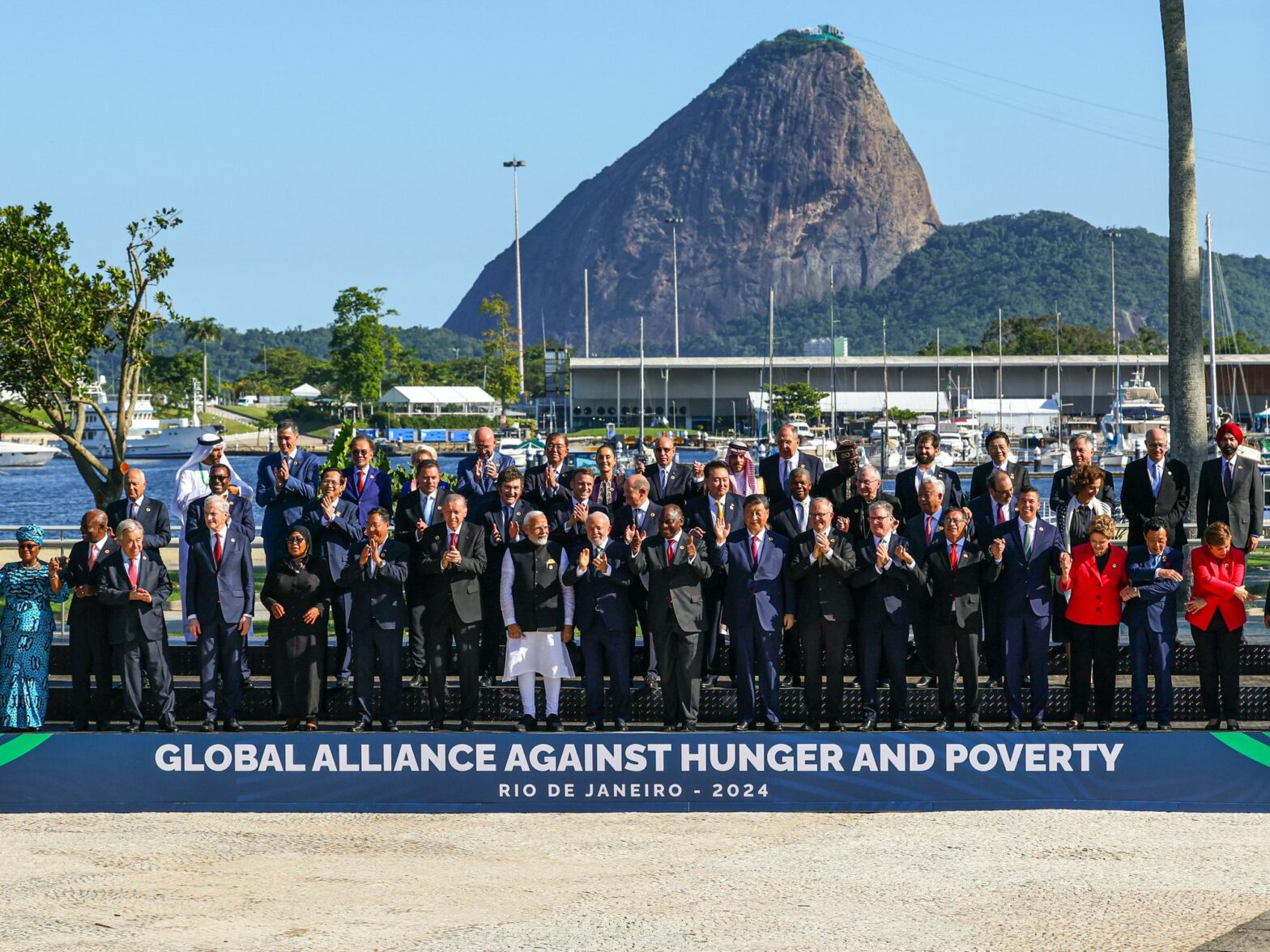
The United Nations suffers from a lack of effectiveness and declining legitimacy due to a failure to reform. The G20 remains the last forum where opposing powers can still talk to one another. But with the return of Donald Trump and his “America First” policy, what comes next is uncertain.
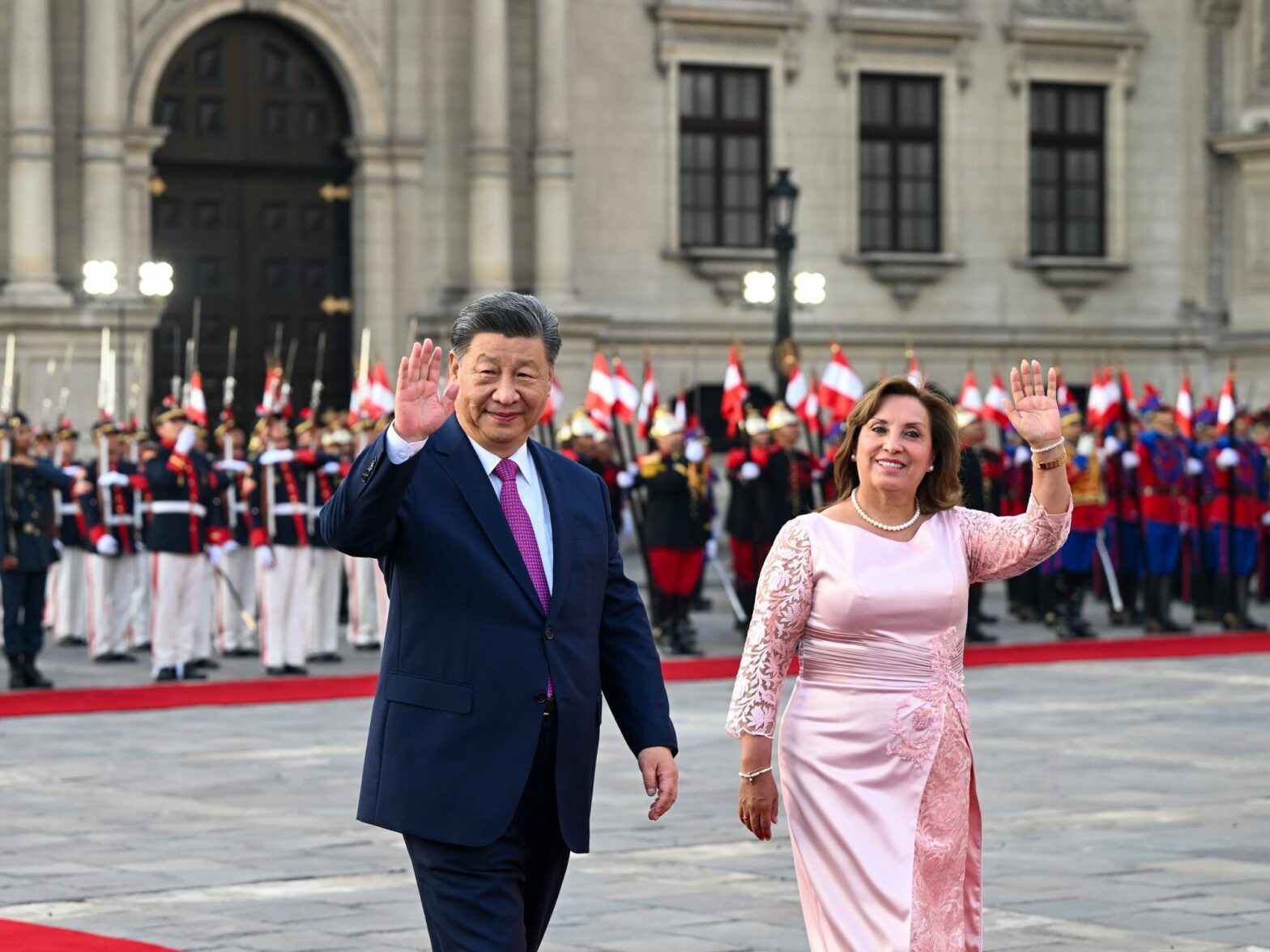
China has become Latin America’s leading partner, under the nose of the United States, which is busy elsewhere. Xi Jinping inaugurated a Chinese-built megaport in Peru, underscoring Beijing’s growing influence in the region — and the looming showdown with the future Trump administration.
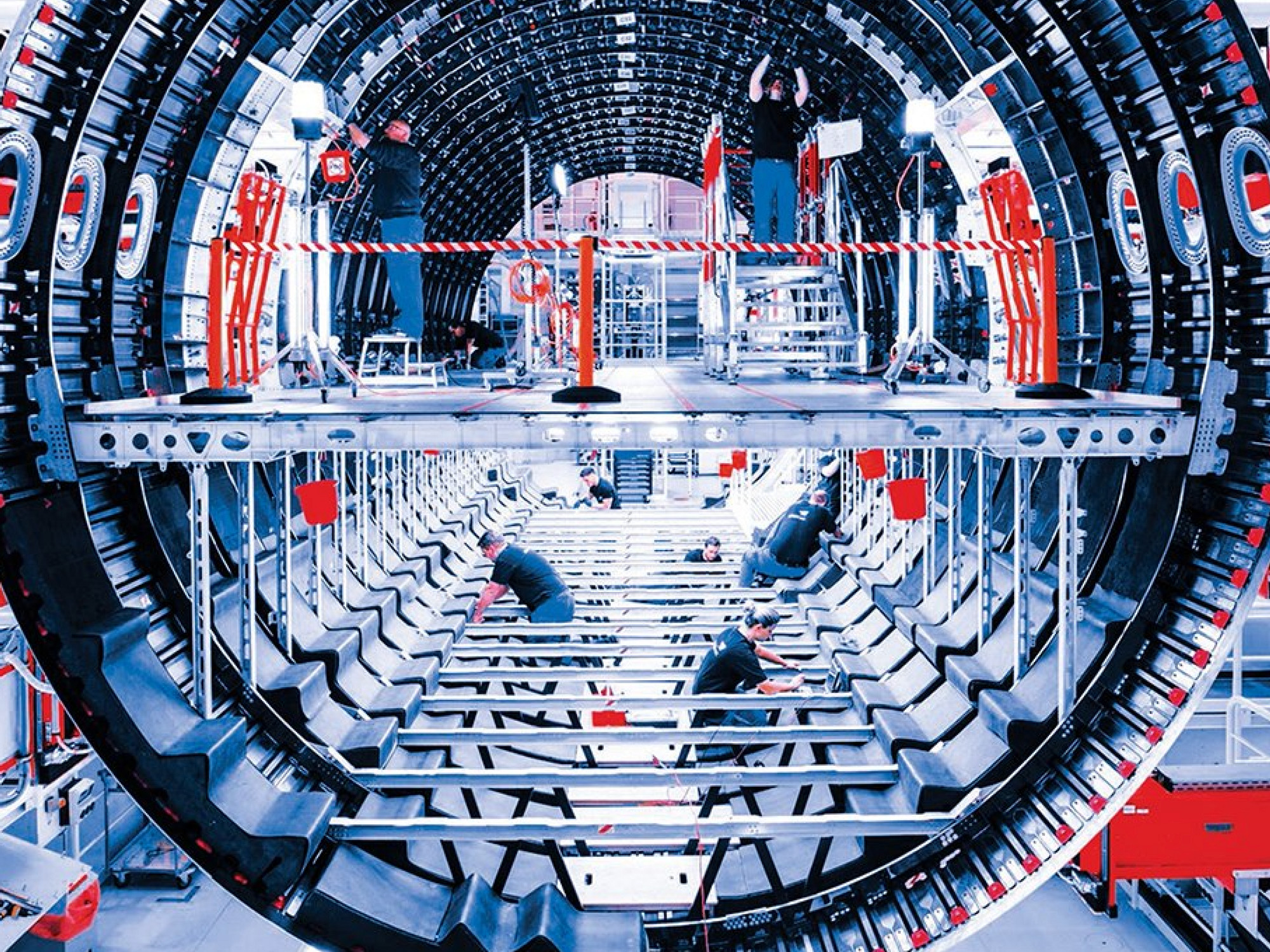
The United States seeks to strengthen its competitive edge over the European Union through broad deregulation. While this poses a genuine risk, it also presents Europe with a chance to step up and fill a void, globally.
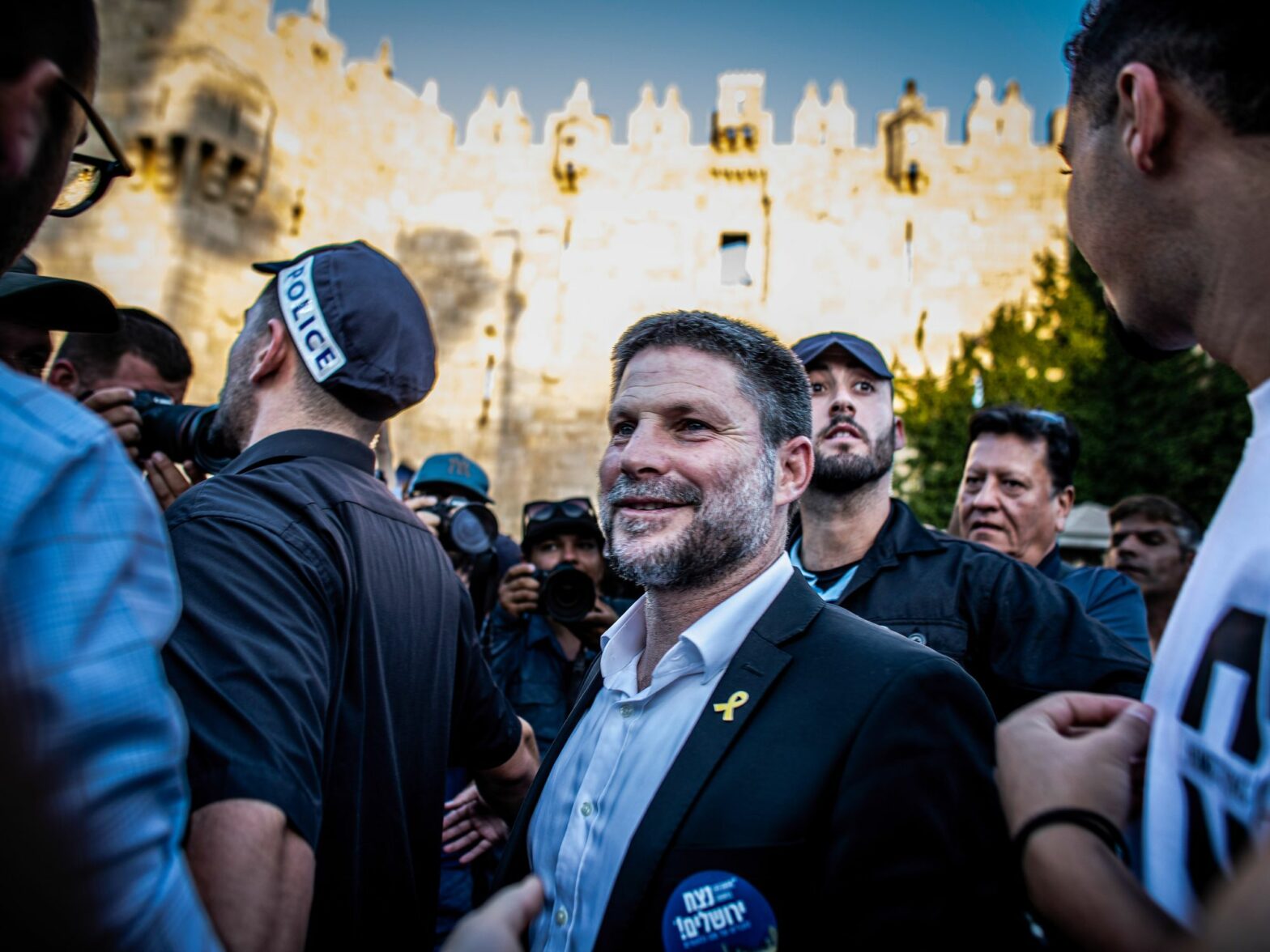
A prominent figure of Israel’s far-right, Finance Minister Bezalel Smotrich has announced that 2025 will be the year of the West Bank’s annexation. With Donald Trump’s victory, supporters of colonization hope he will back their approach, despite it being contrary to international law.
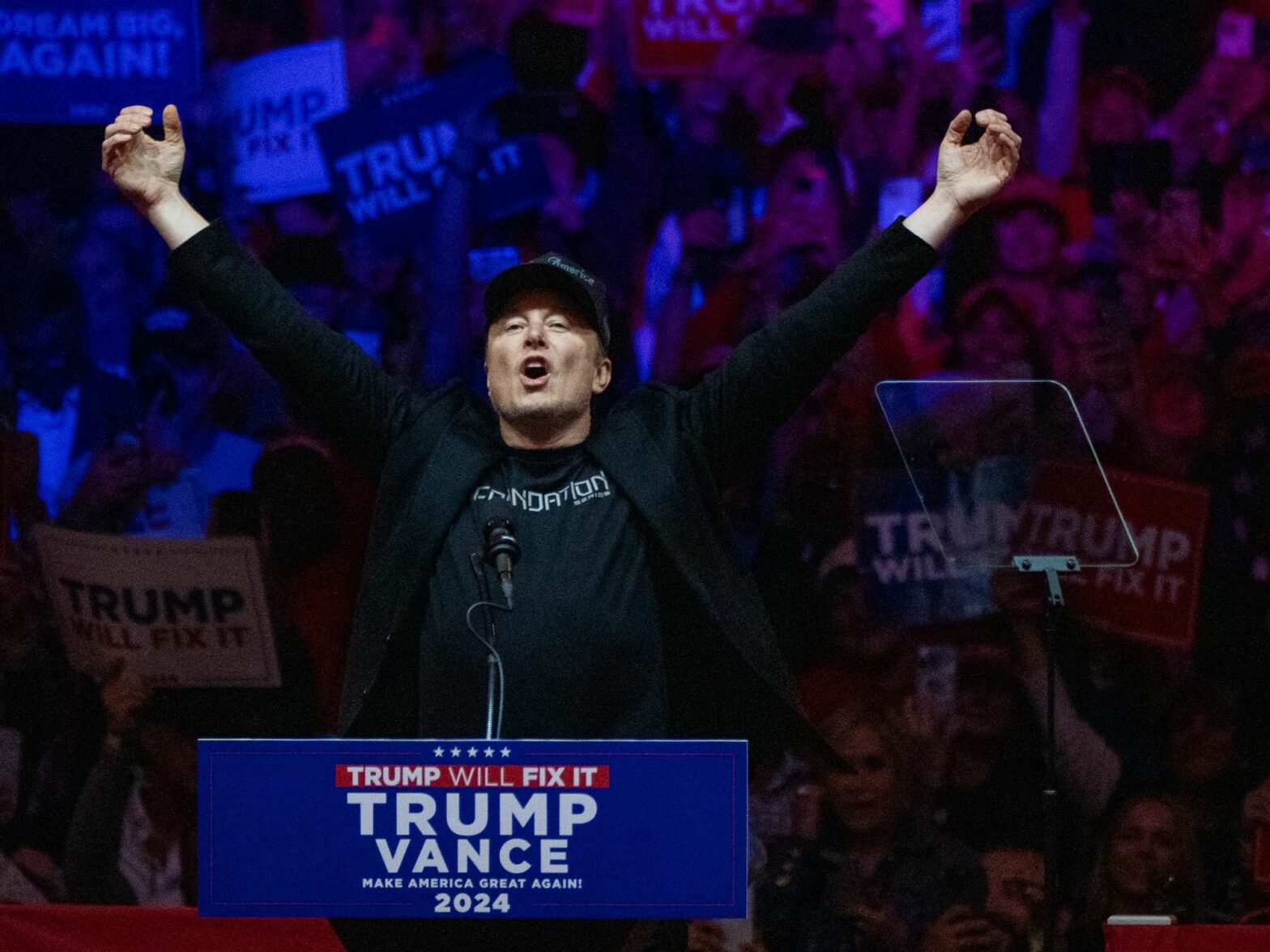
With the announcement that Elon Musk will become part of Donald Trump’s administration, the tech billionaire’s influence on the U.S. will keep on growing. From pouring hundreds of millions into Trump’s campaign to bending social media narratives, Musk’s actions underscore the ease with which the techno-oligarchy can buy political sway, writes Natalia Viana of Brazil’s leading investigative platform Agência Pública.
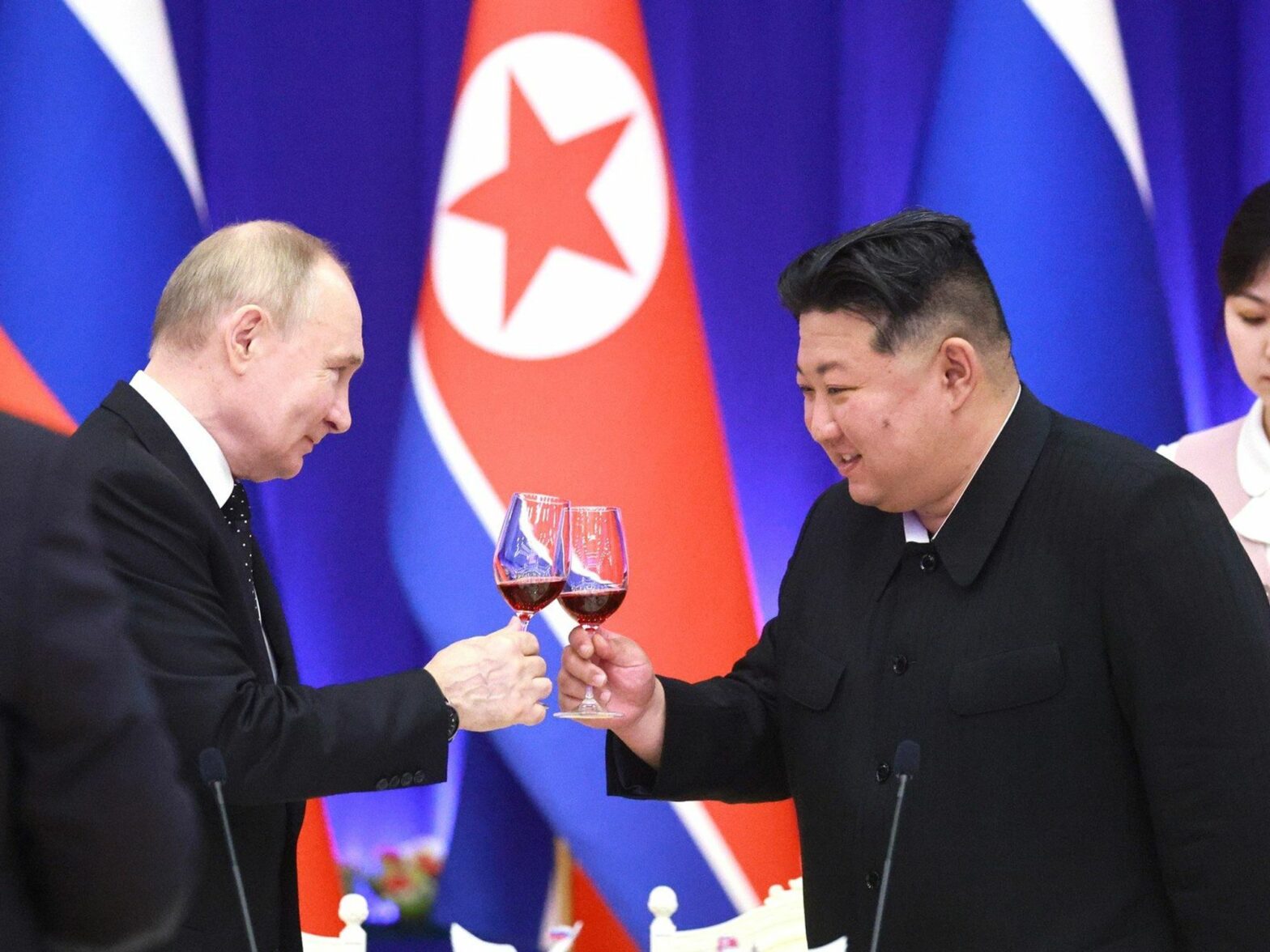
Pyongyang has just ratified its new defense pact with Moscow. North Korean soldiers are deployed near Kursk, in an unprecedented engagement that marks a reversal of Kim Jong-un’s foreign policy.
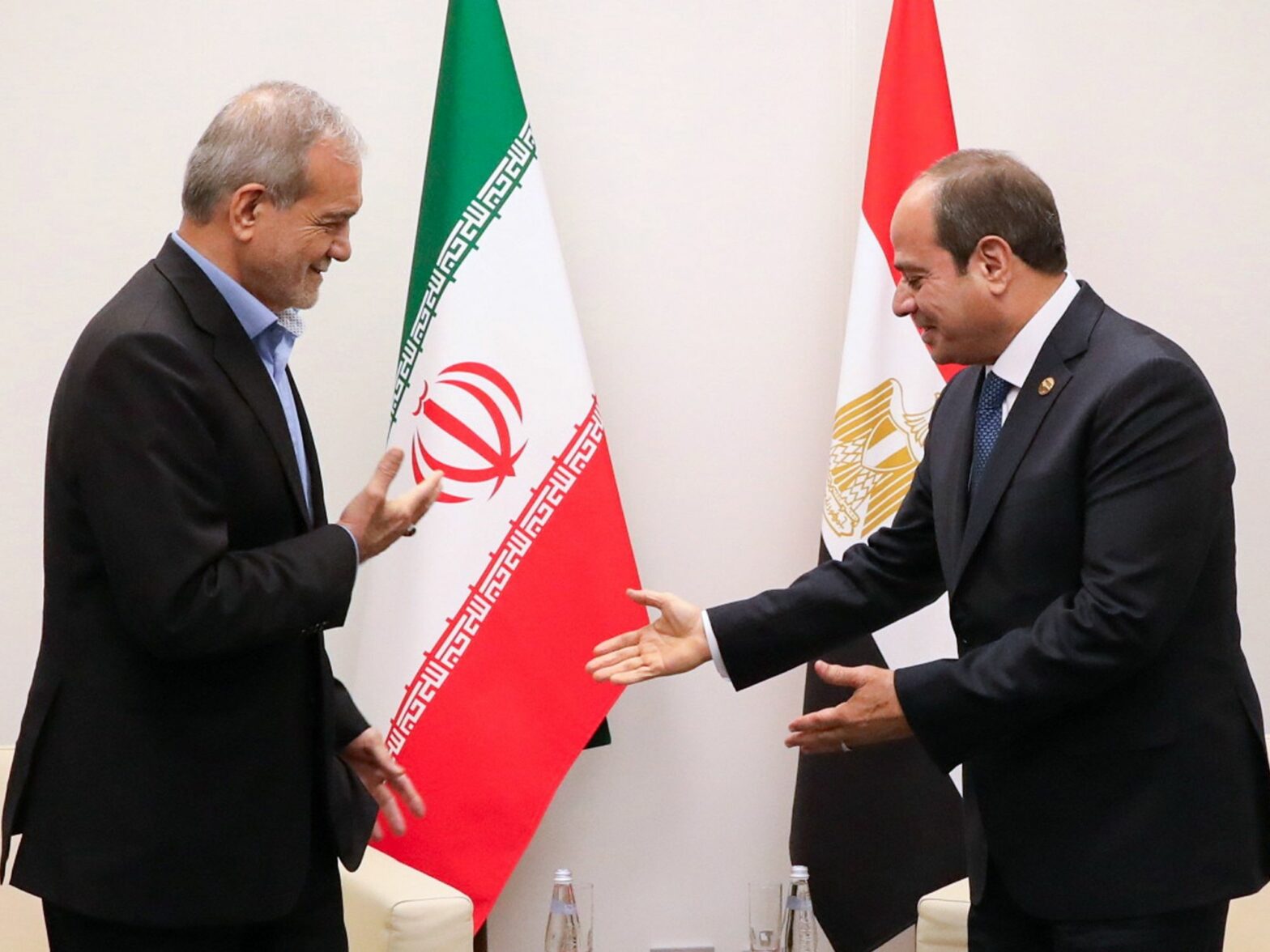
Relations between Egypt and Iran have been growing closer. But the return of Donald Trump to the White House could be a setback for the rapprochement, given that Iran is among his top enemies.
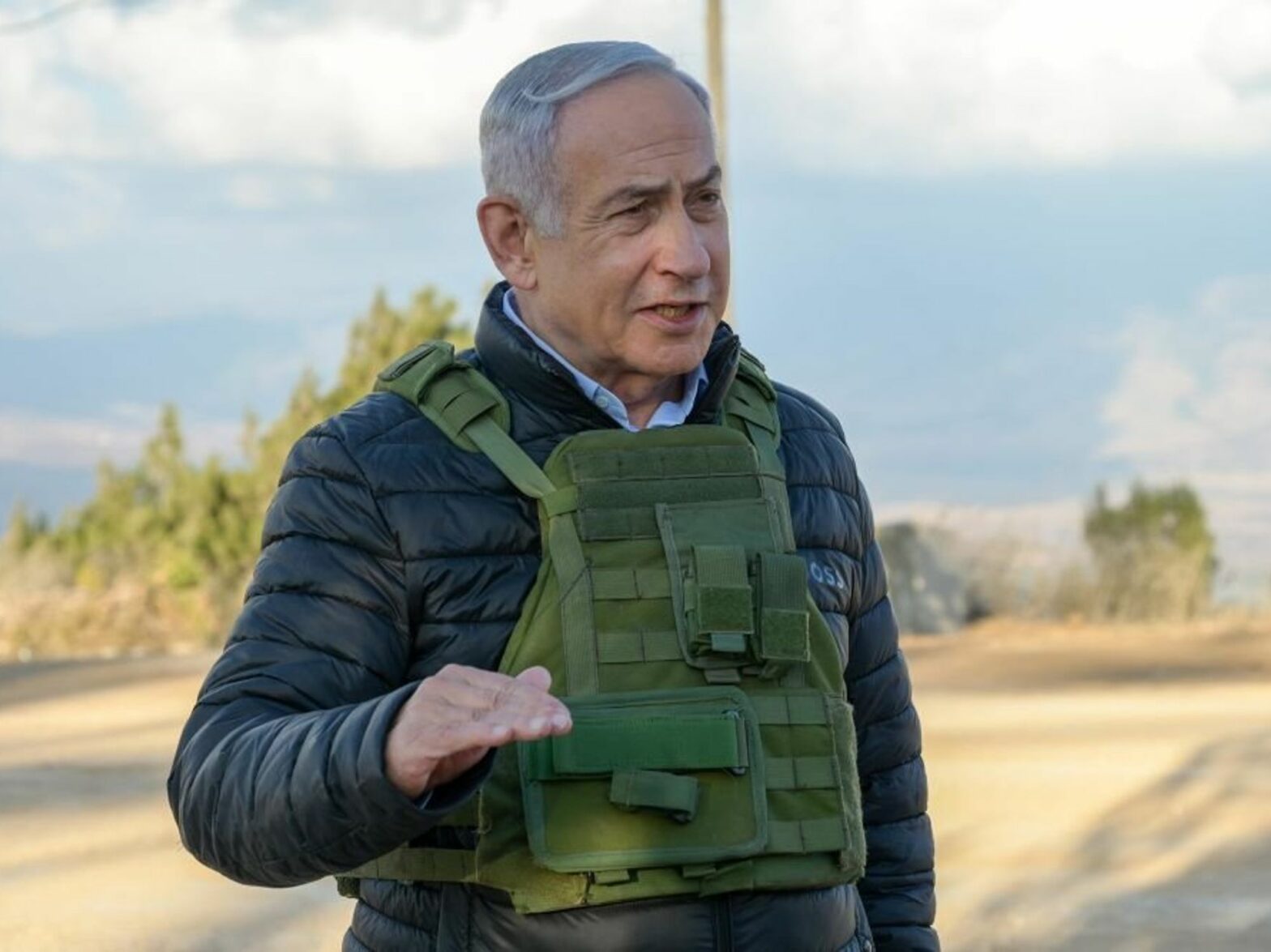
The election of Donald Trump has begun affecting global dynamics. In Ukraine, Zelensky fears losing U.S. support and has warned Europe against “suicidal” concessions to Russia. In Israel, Netanyahu stands as the main beneficiary, as Trump’s victory grants him the freedom to pursue his objectives unfettered.
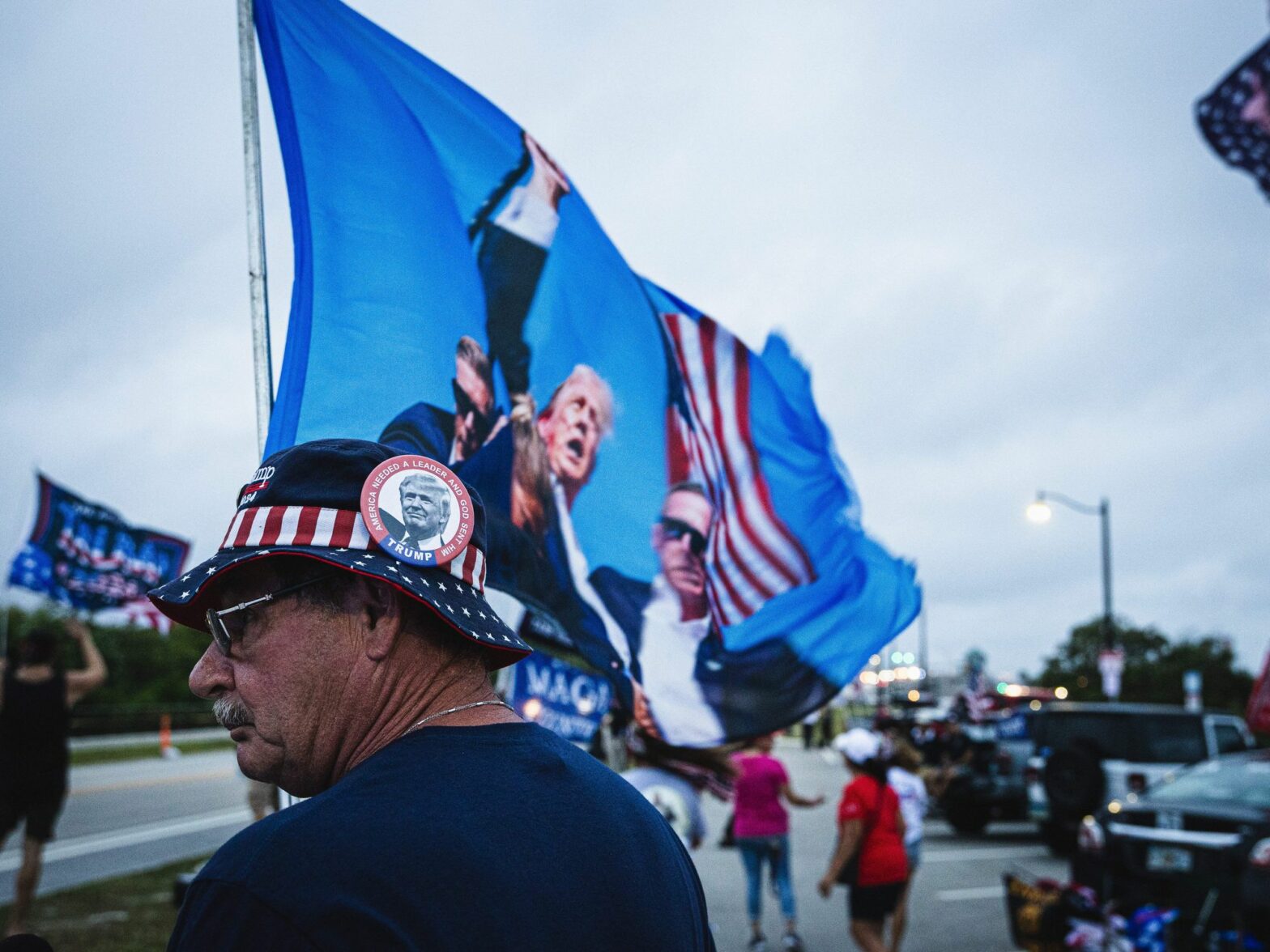
Americans have re-elected Donald Trump, choosing a convicted demagogue who champions power over principle. This historic turn raises a sobering question: Is the West’s beacon of democracy slipping toward the authoritarianism it opposed in its founding principles? A timely viewpoint from Germany’s Die Zeit.