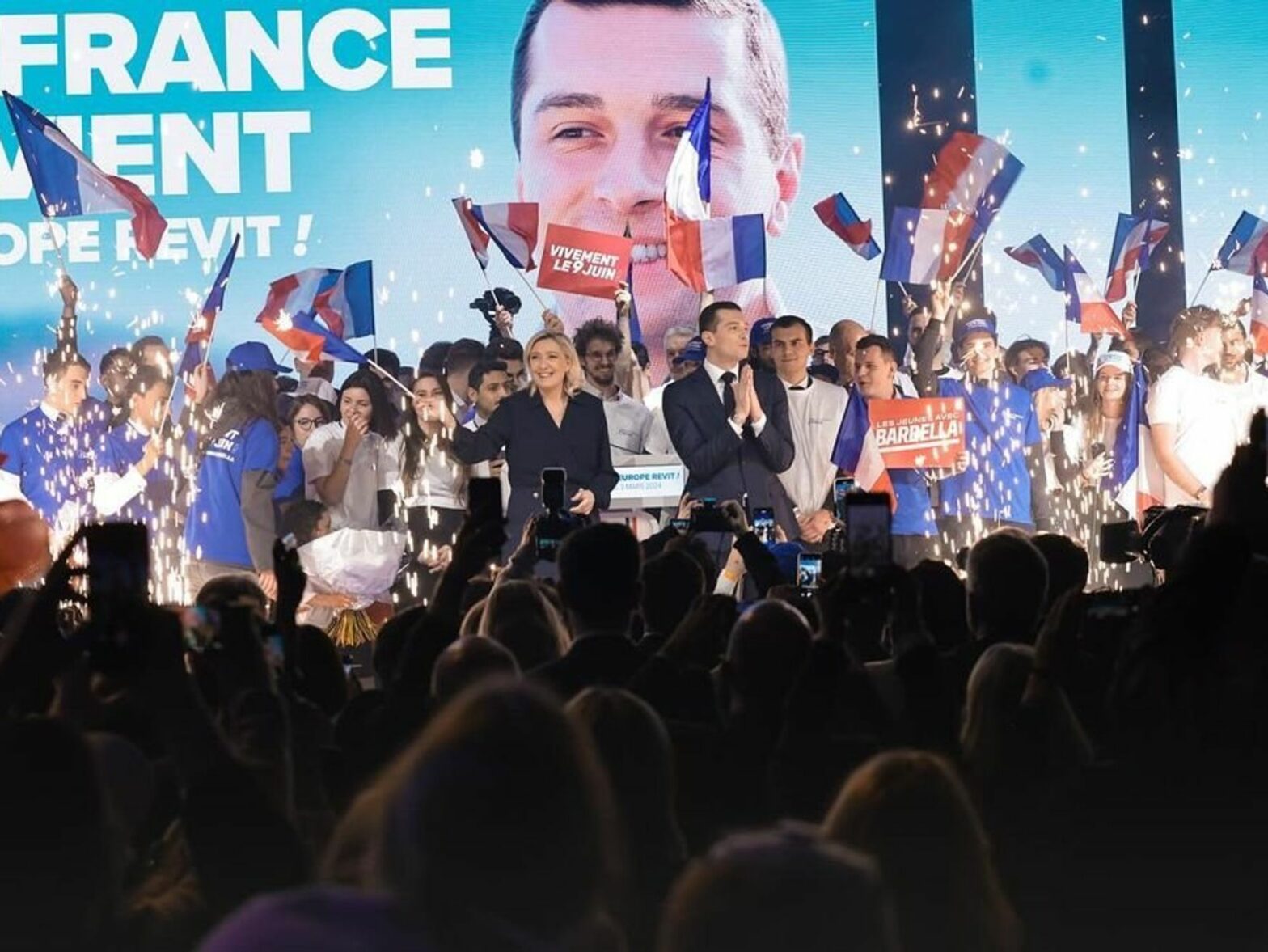
France’s European partners fear the outcome of the upcoming snap legislative elections and its consequences for the EU. German Chancellor Olaf Scholz has called for the victory of a party “other than Marine Le Pen’s,” a sign of this growing concern.
 Worldcrunch
France’s European partners fear the outcome of the upcoming snap legislative elections and its consequences for the EU. German Chancellor Olaf Scholz has called for the victory of a party “other than Marine Le Pen’s,” a sign of this growing concern.
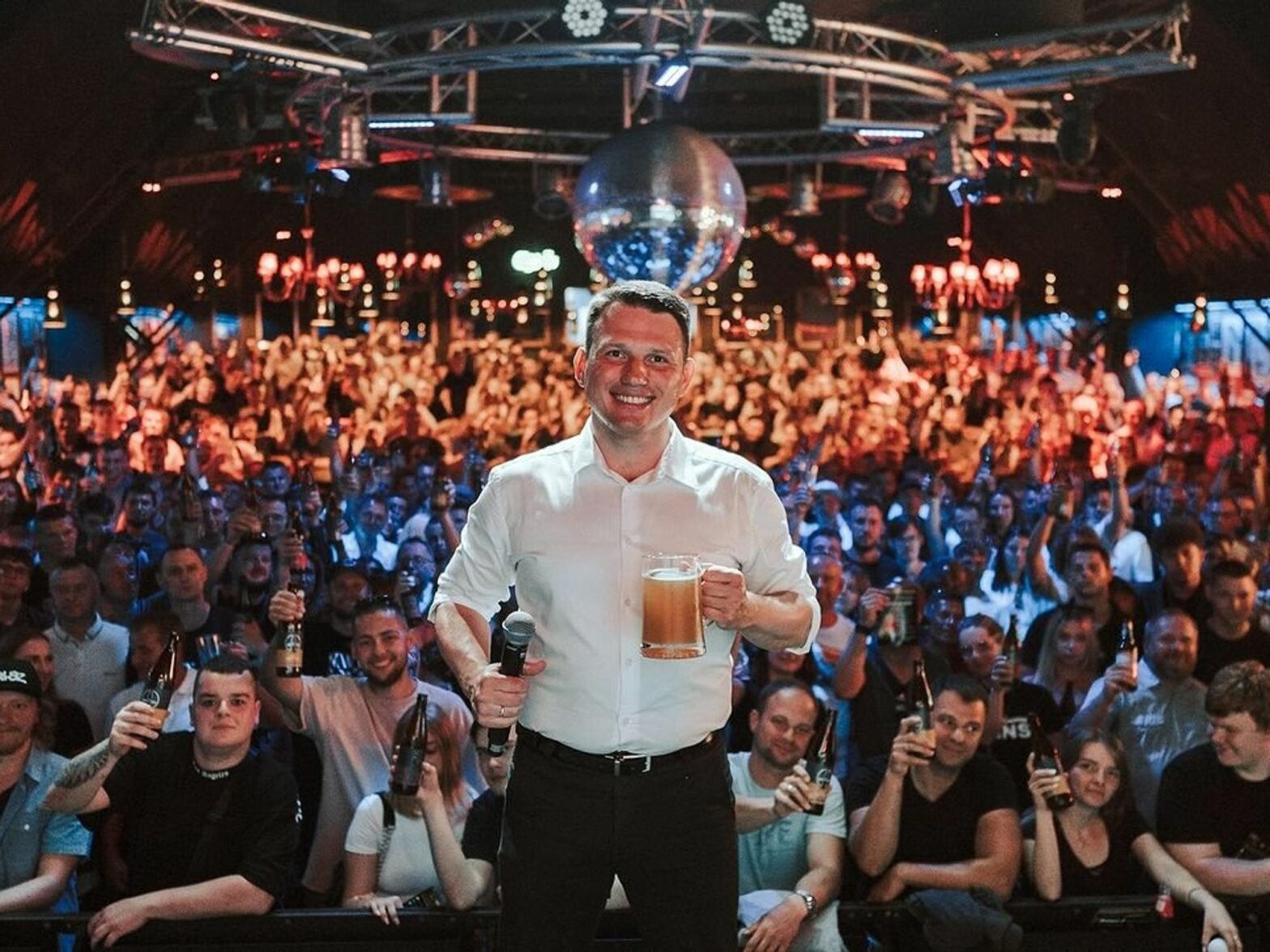
There is real generational disaffection that is pushing some young voters to the far right in Europe and the U.S.. But their skills, including on social media, is a real advantage for success among the youth.
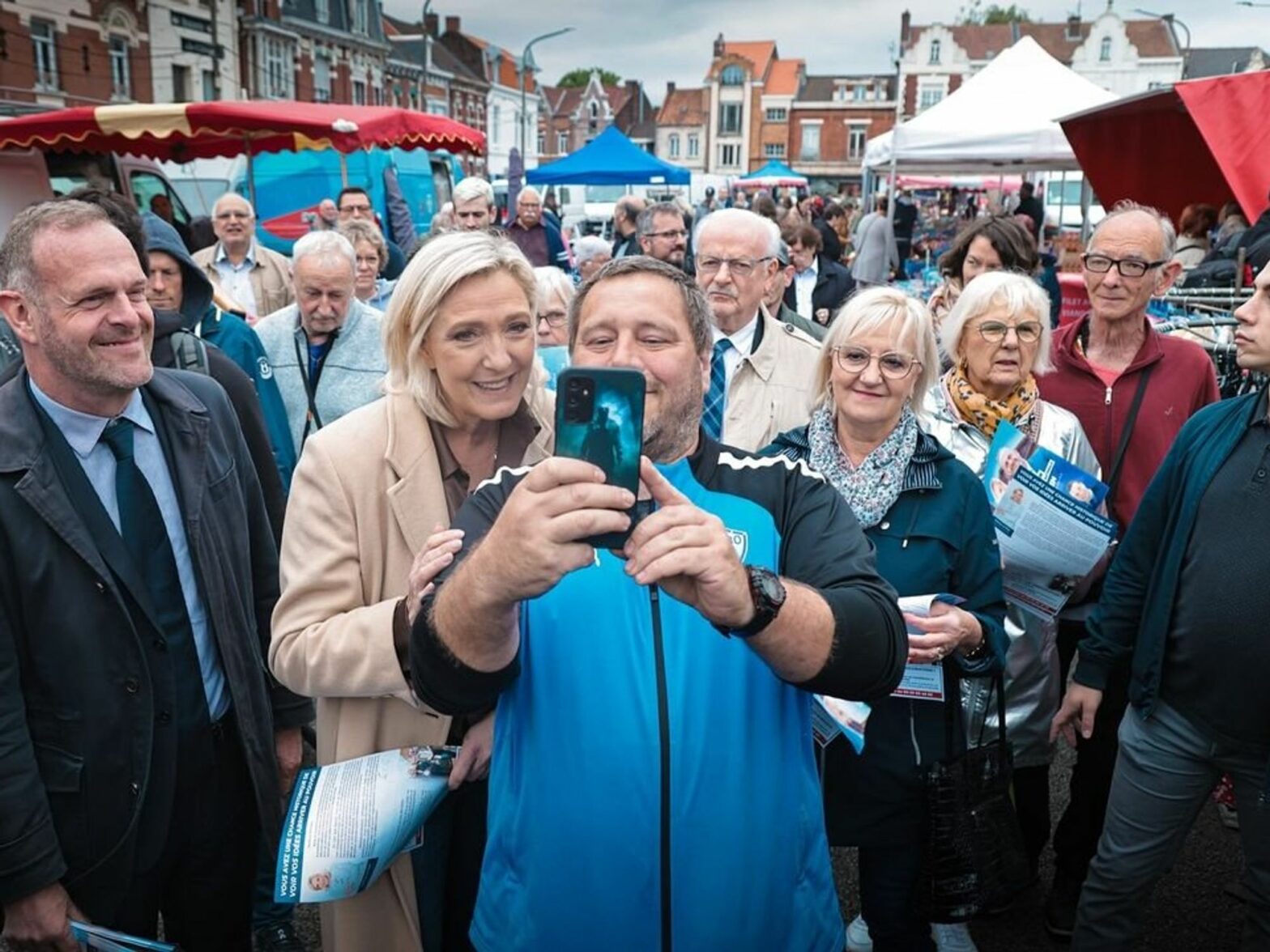
In matters of foreign policy, whether the war in Ukraine or in Gaza, the rejection of extremes should appear as an obvious fact of reason and ethics. Unfortunately, this is not the case.
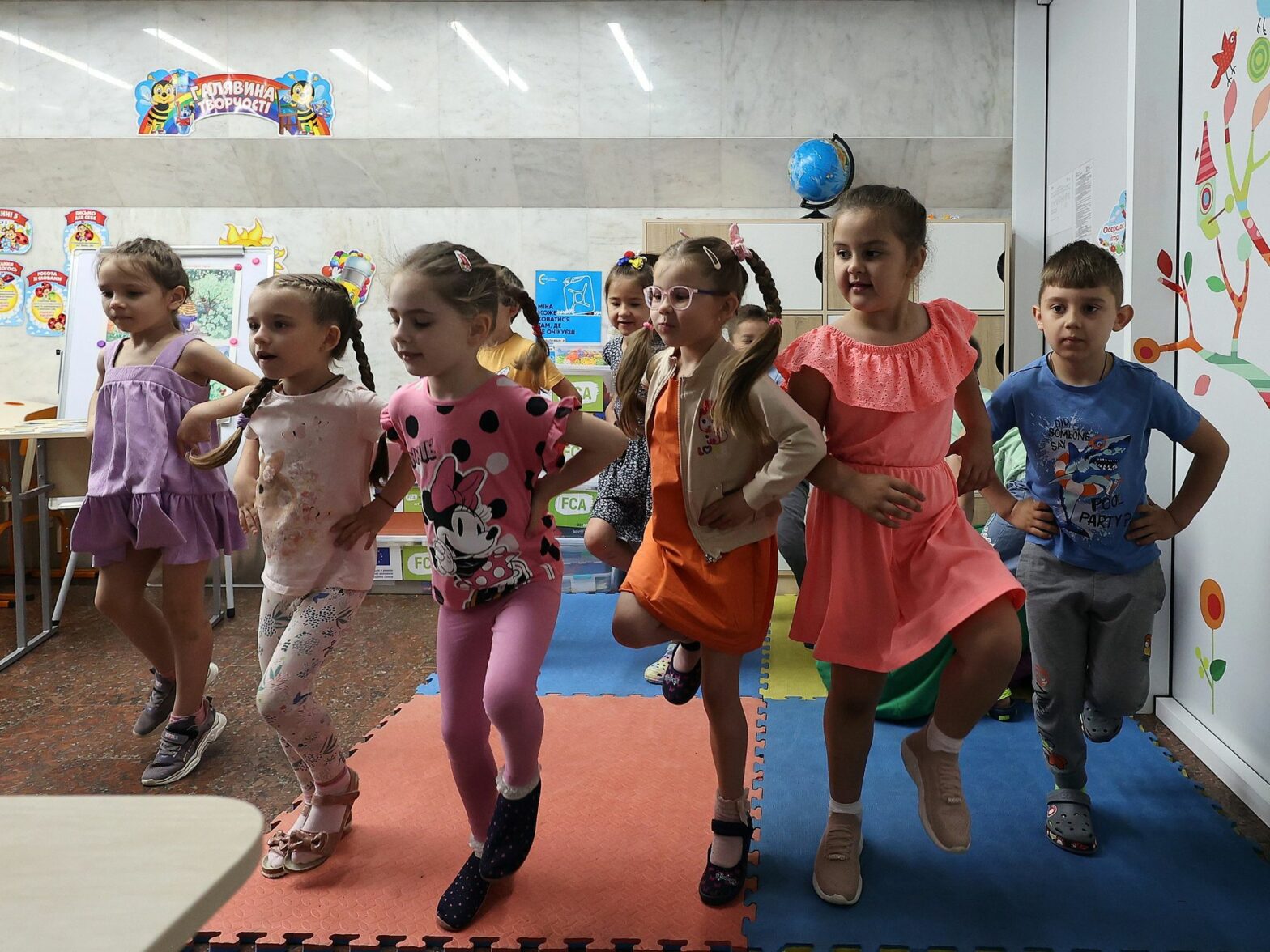
This spring, Kharkiv has been under almost daily shelling. Yet cafes, beauty salons, theaters and shops are still open in Ukraine’s second-largest city, and residents are spending time in parks, jogging and maintaining elements of a normal life.
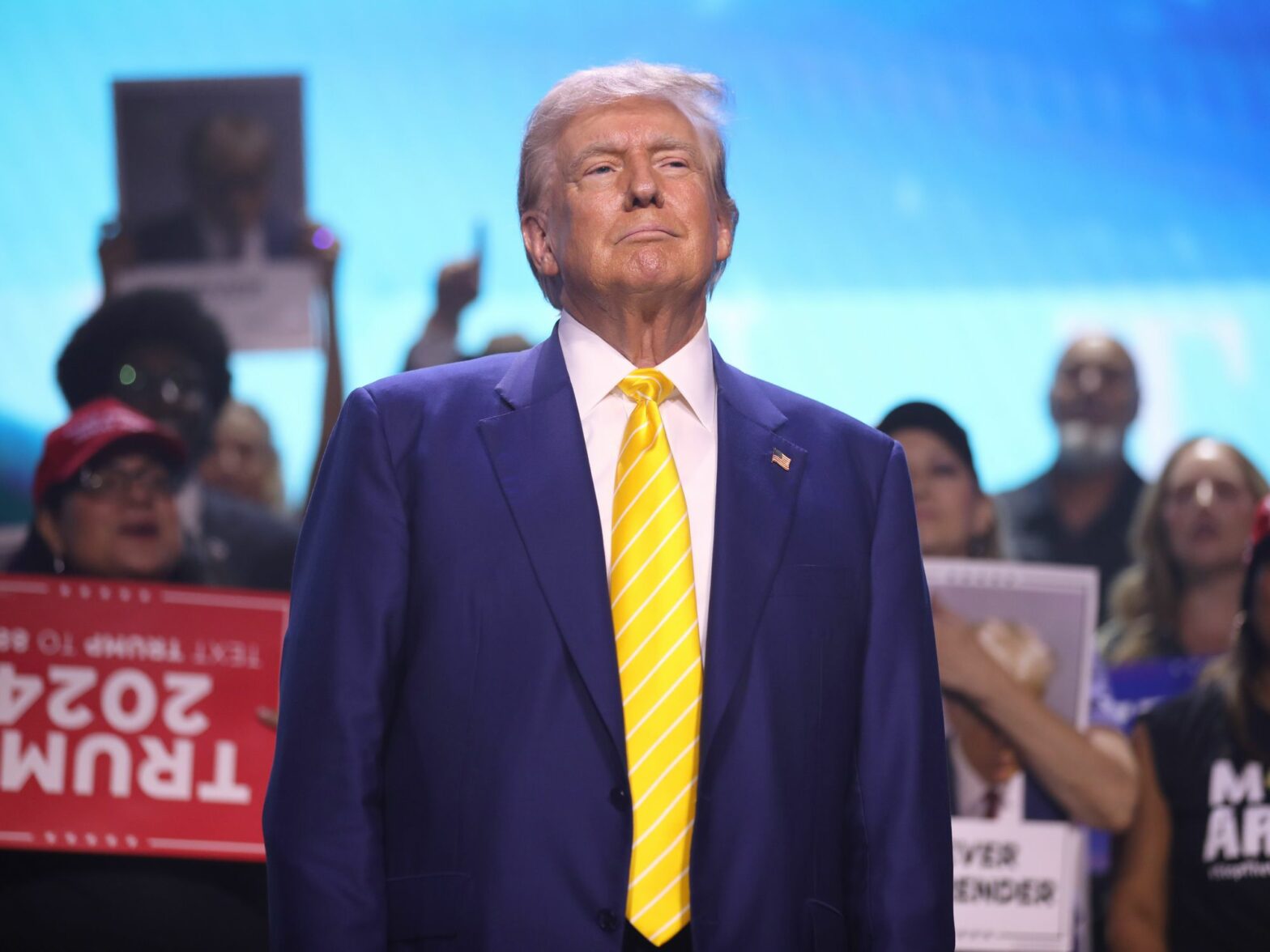
As the U.S. presidential election draws closer, independent Russian-language media Vazhnye Istorii spoke with American politics specialists about the possibility of a second Trump term and what it would mean for the Russia-Ukraine war, traditional U.S. allies and China.
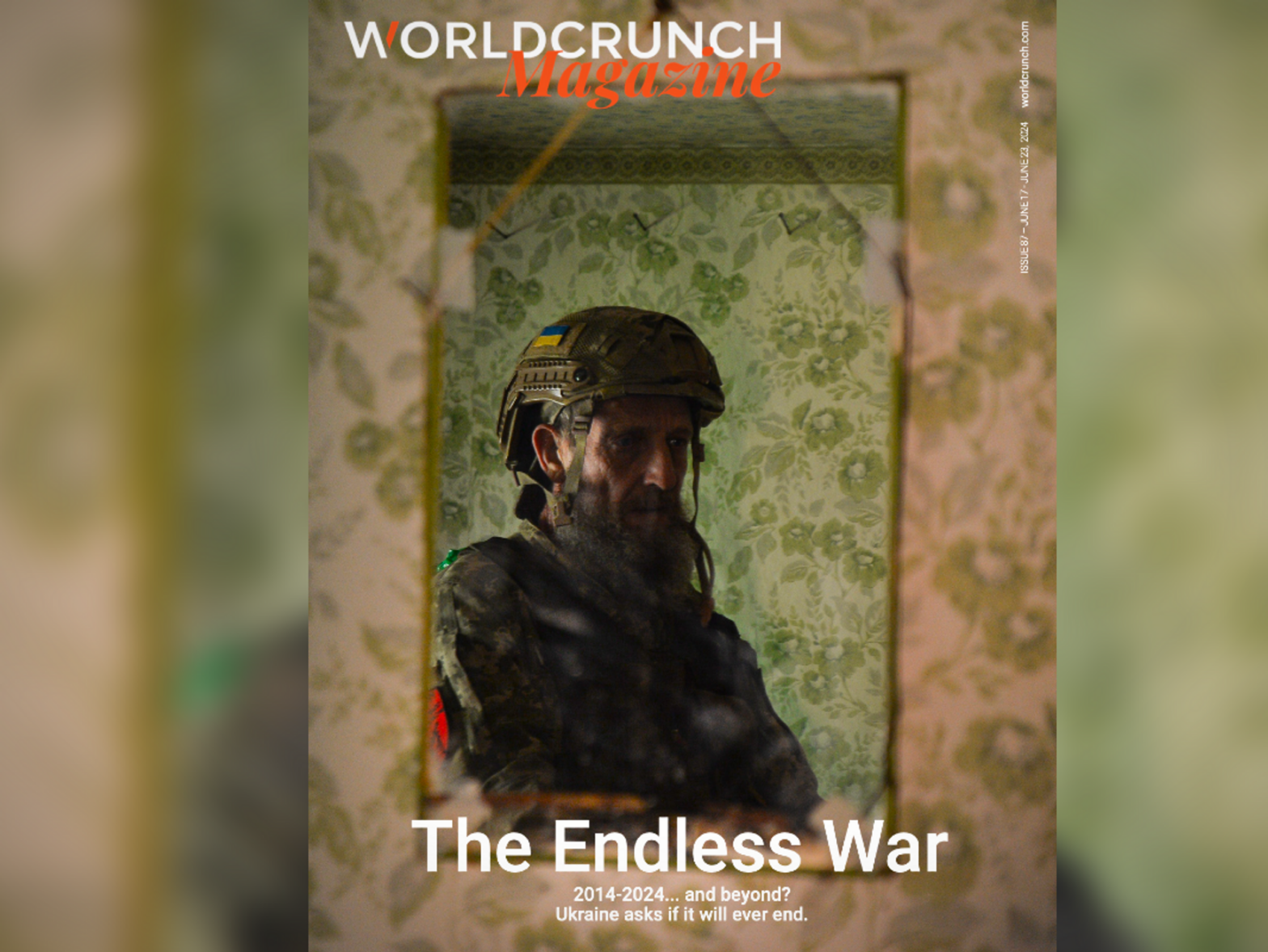
June 17 – June 23, 2024
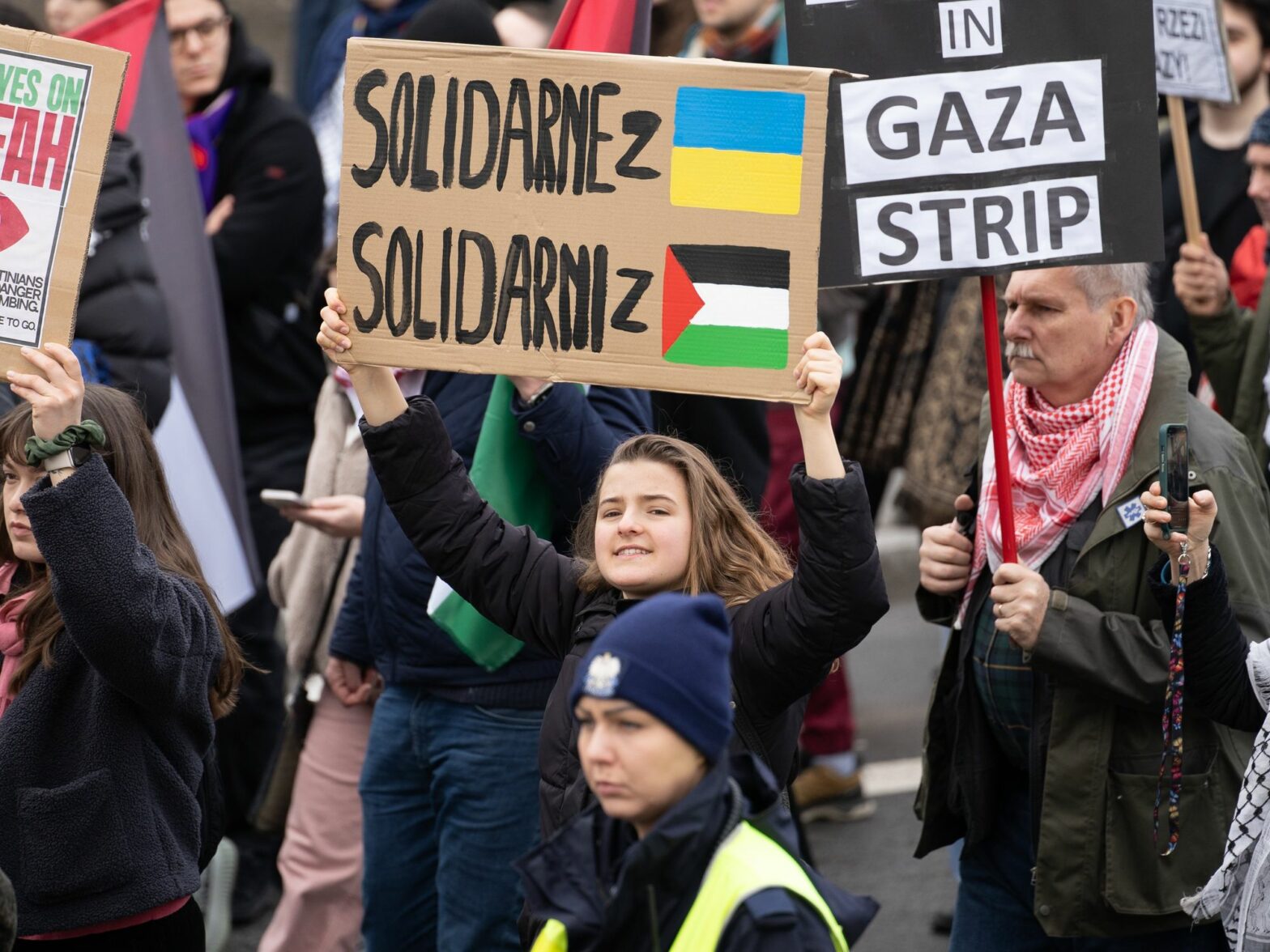
Comparisons between the wars in Europe and the Middle East tell us a lot about the standpoint of those who compare. They also signal to a new world order that has yet to be shaped.
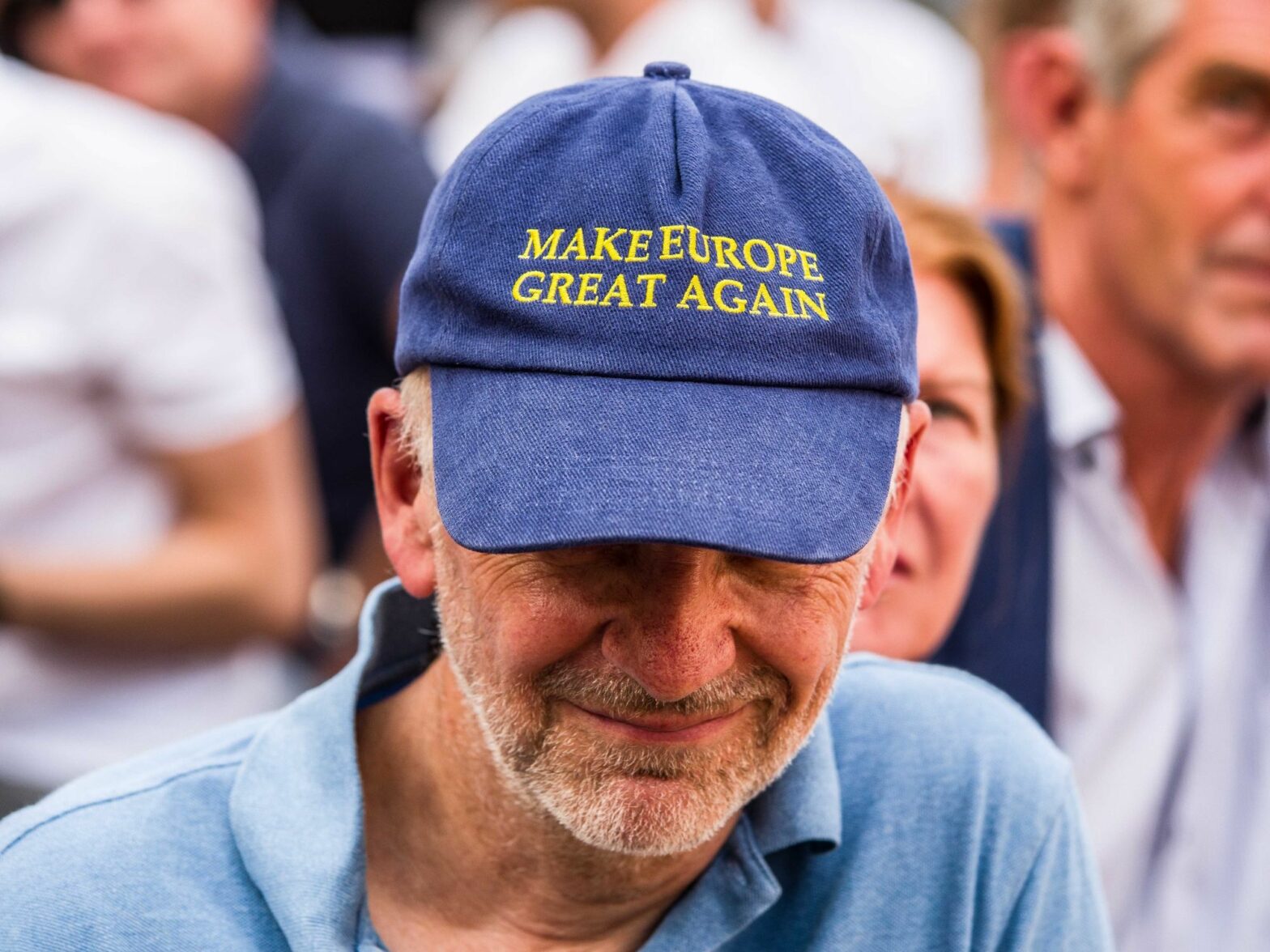
Can the surge of the far right in Europe pave the way for Donald Trump’s victory in the United States in November? Or will a majority of Americans reject a convicted former president running for office? Though political patterns are hard to detect, young voters play an important role in what comes next, writes political scientist Dominique Moïsi in French business daily Les Echos.
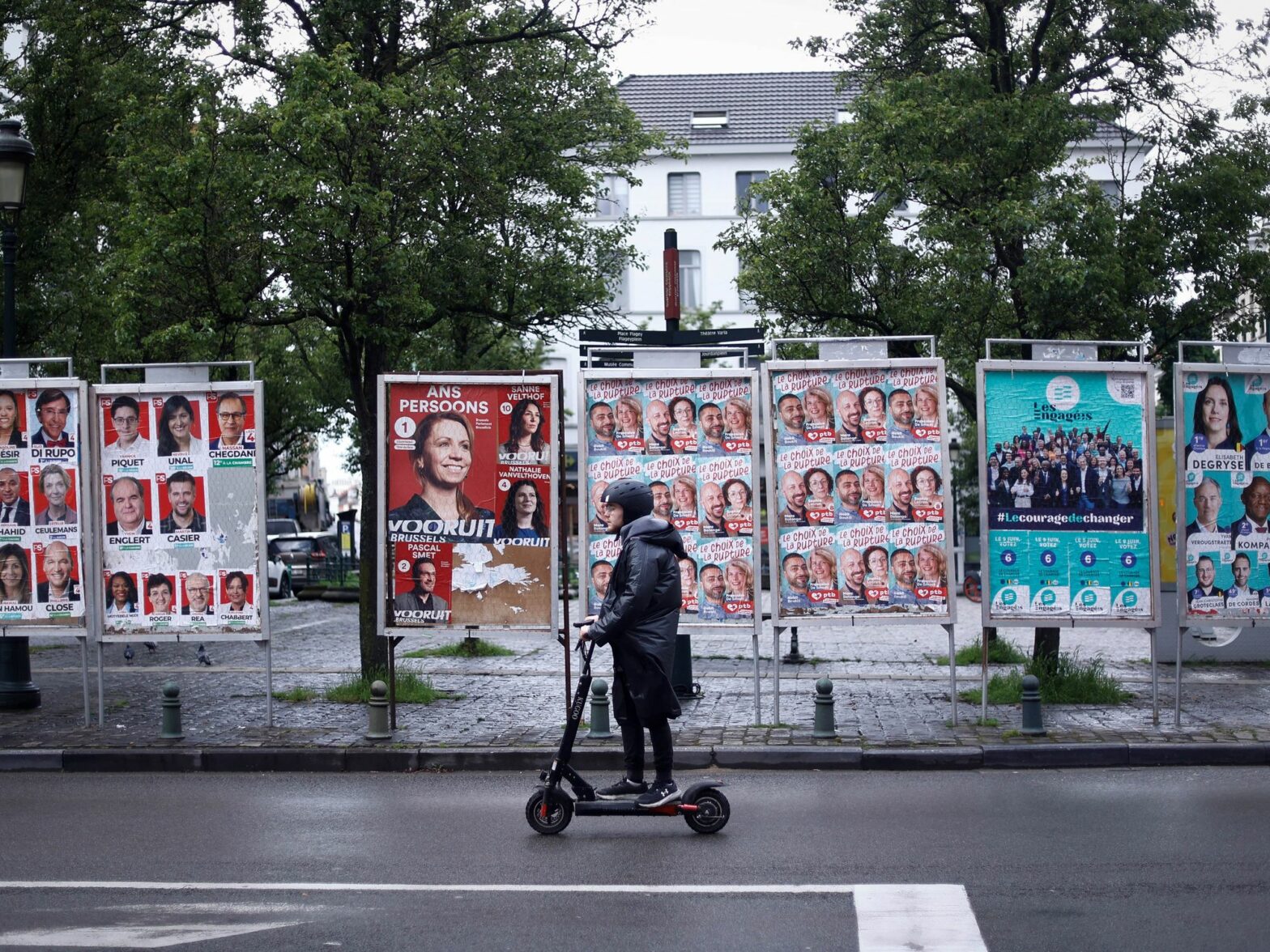
This week, 360 million voters across the EU will elect 720 Members of the European Parliament. Nationalist and far-right forces are expected to gain ground. At stake is the Europe’s ability to implement its security and competitiveness agenda over the next five years.
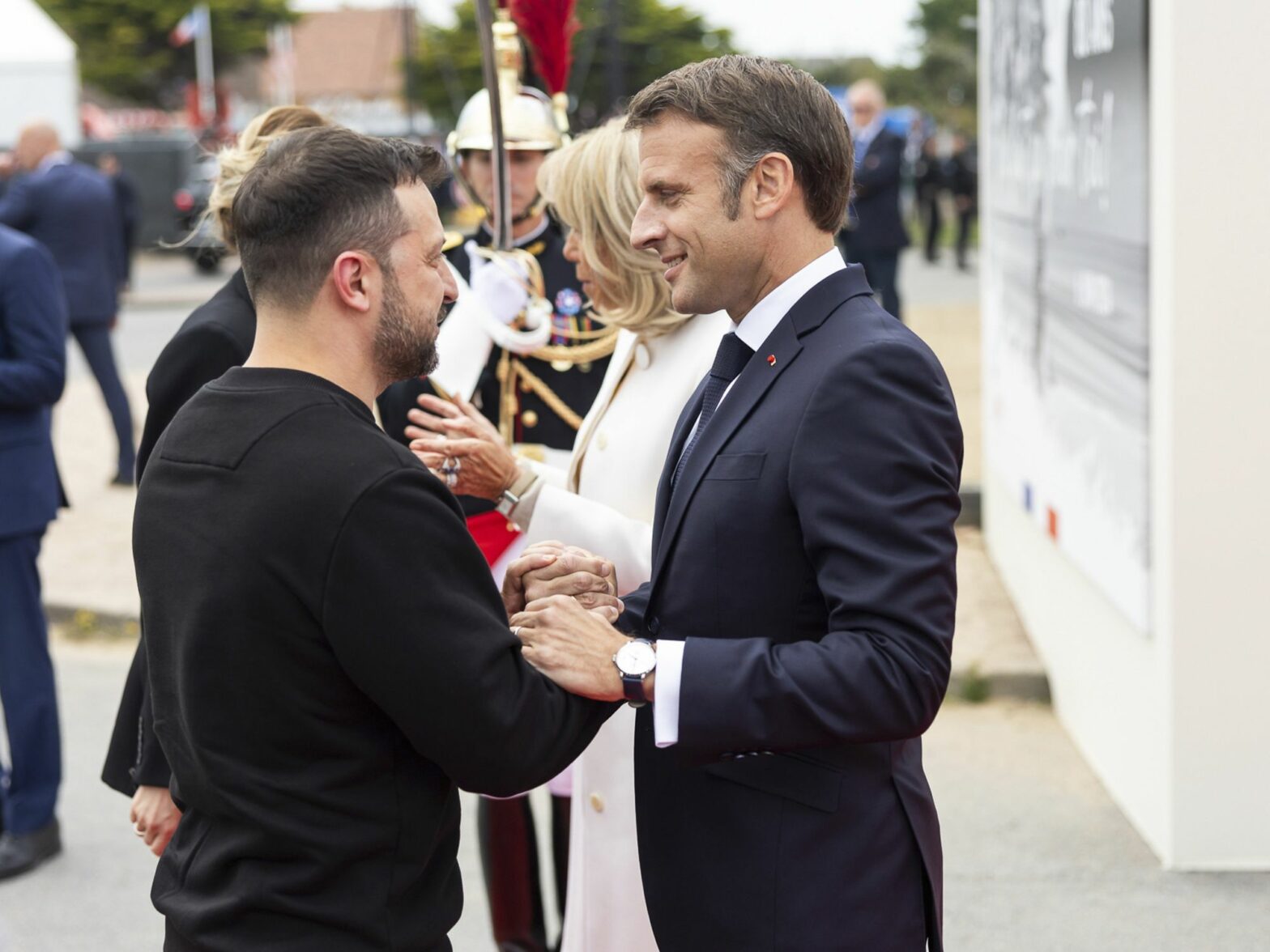
French Mirage jets and training of pilots on Ukrainian soil: these two announcements by Emmanuel Macron last night, as his Ukrainian counterpart Volodymyr Zelensky was in France for the June 6 ceremonies, mark an increased commitment — to help Ukraine restore the balance of power.
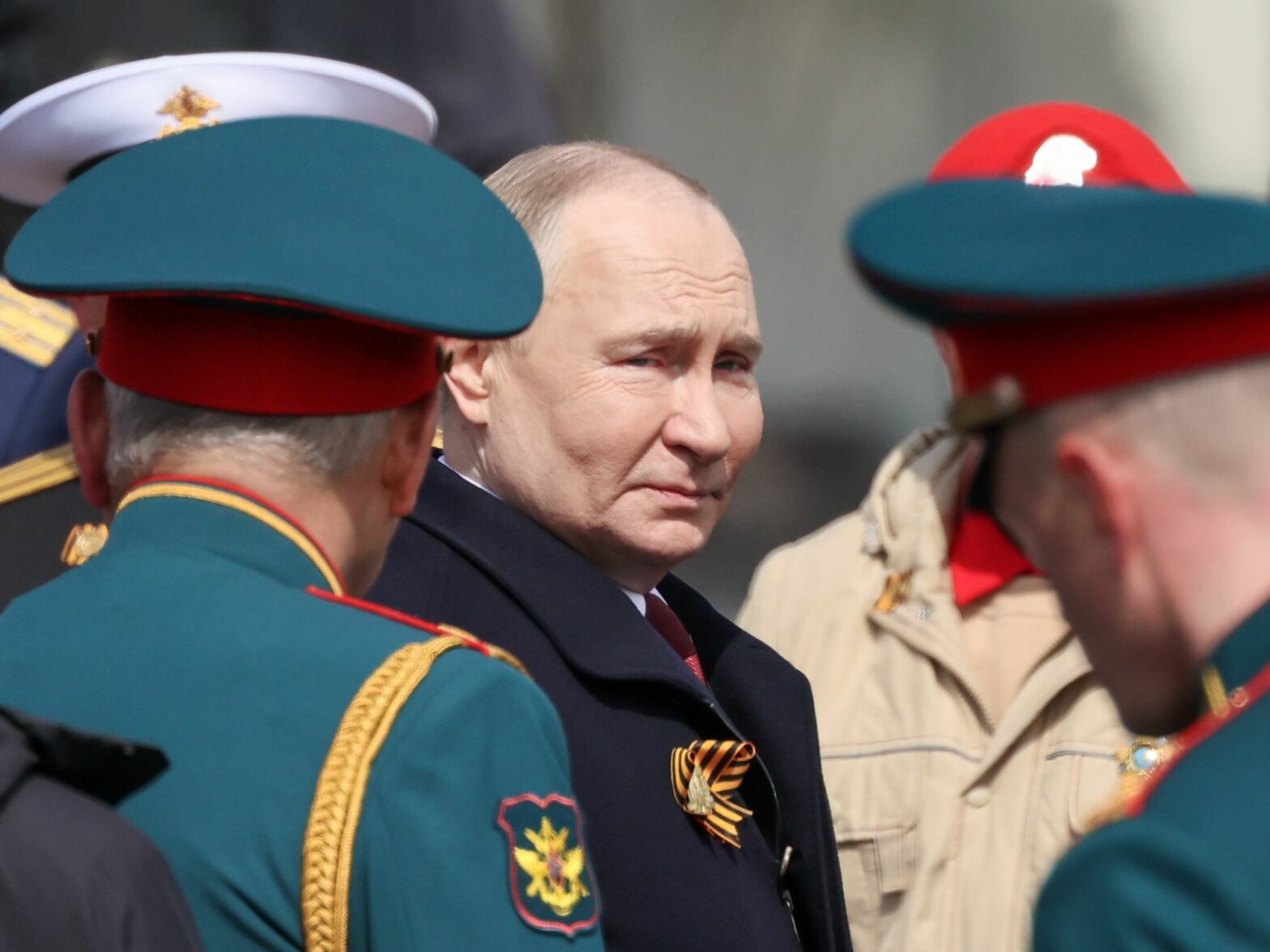
Over the past two weeks, Vladimir Putin has stated four times that Russia is ready for peace talks with Ukraine, but that those negotiations would be based on “current realities at the front,” by which he means maintaining occupied territories under his control.
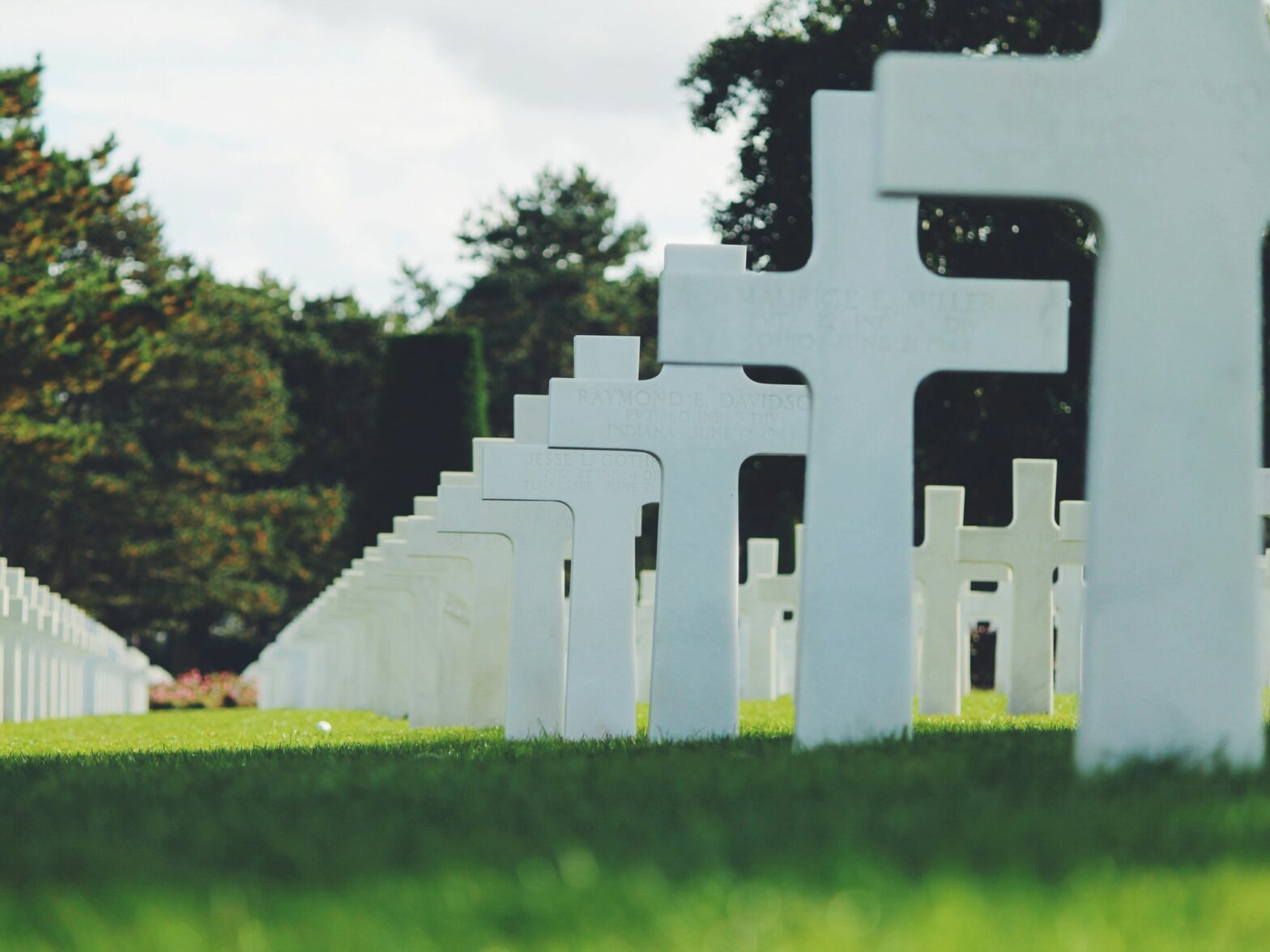
From Ukraine to the South China Sea, images of war are highly reminiscent of the horrors of the past. As the world marks 80 years since the Normandy landings of World War II, geopolitical analyst Dominique Moïsi wonders if history is bound to repeat itself.
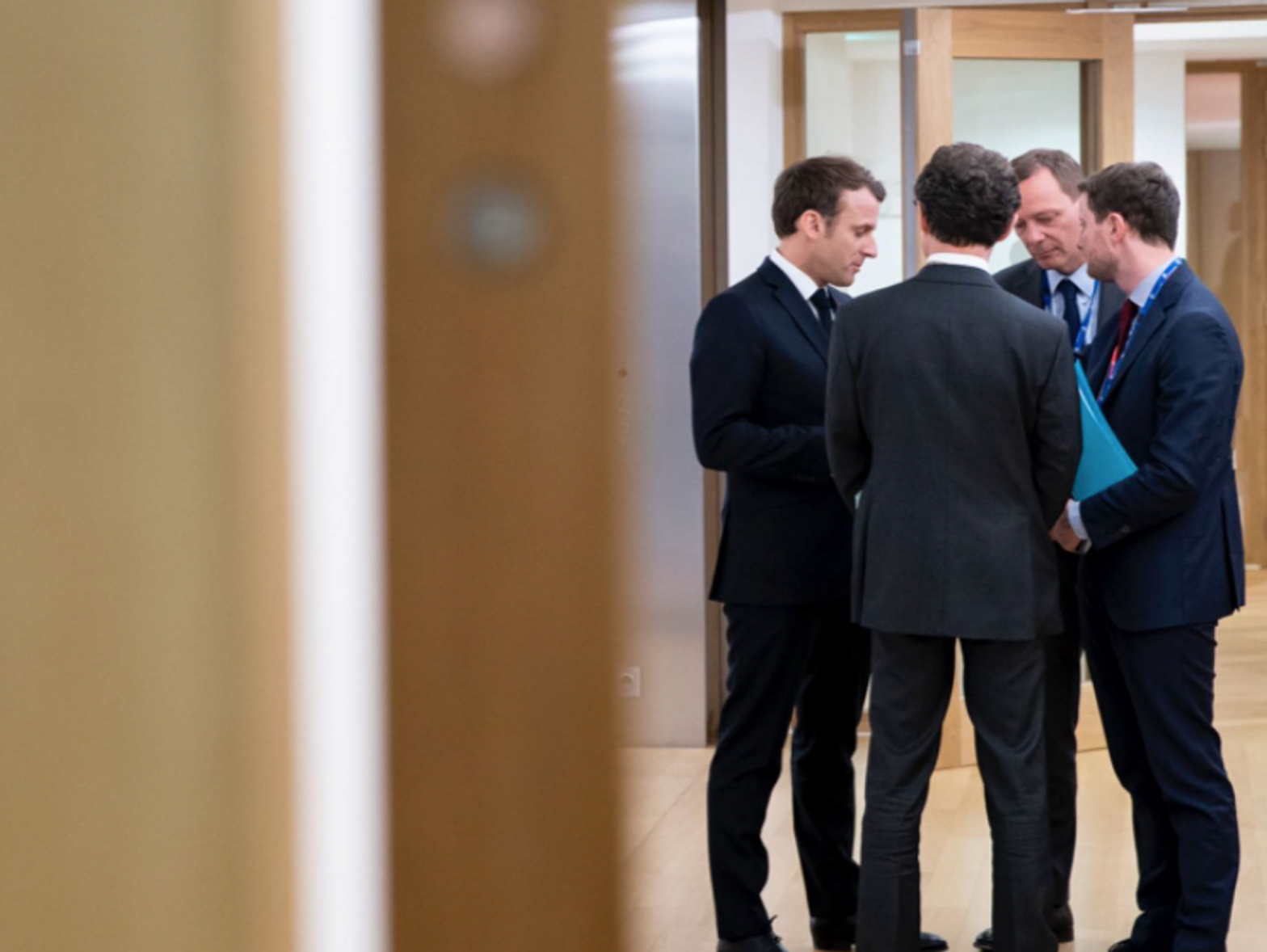
The French president wants to convince Vladimir Putin to halt military deployment around Ukraine. But some in Moscow believe the Russian president is only interested in negotiating with the U.S. about the wider global balance of power.
Ukraine is not allowed to attack Russian territory. Israel, on the other hand, has free rein. These are the would-be restrictions of Western weapons in two wars that might seem to have little in common.
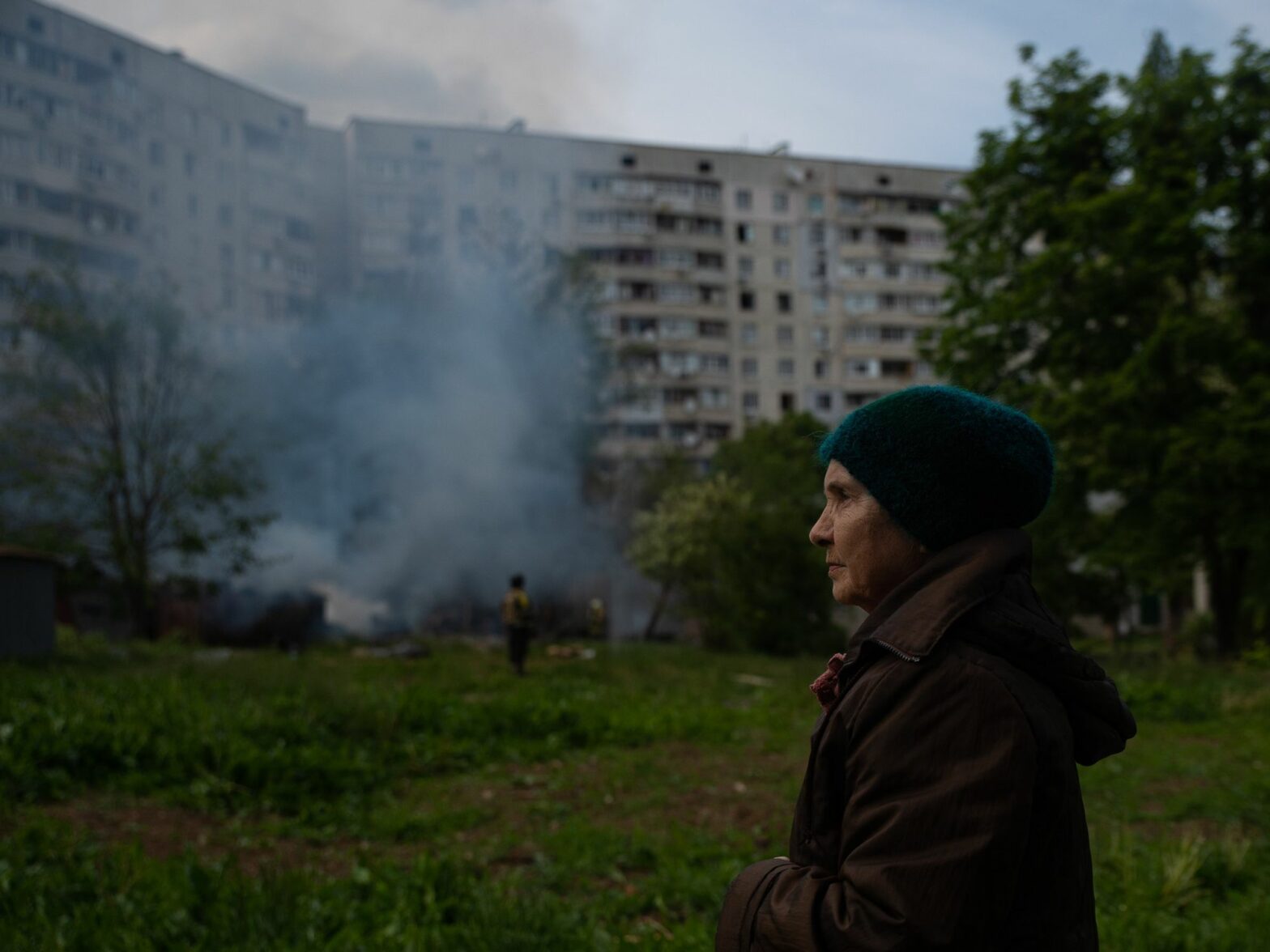
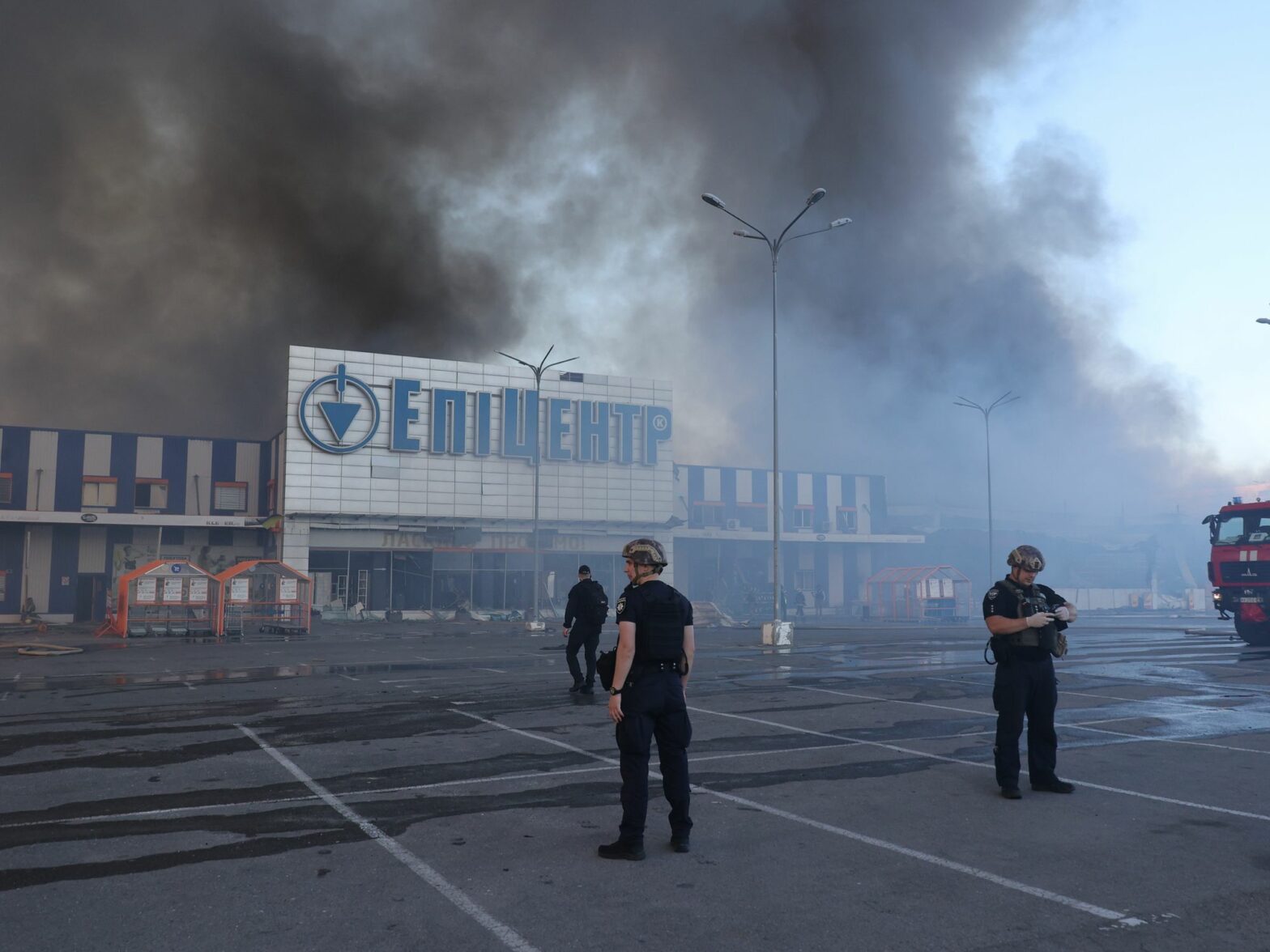
Russia is on the offensive, bombing the northern Ukrainian city of Kharkiv almost every day. Visiting the city over the weekend, President Zelensky again called for stronger, faster Western aid.
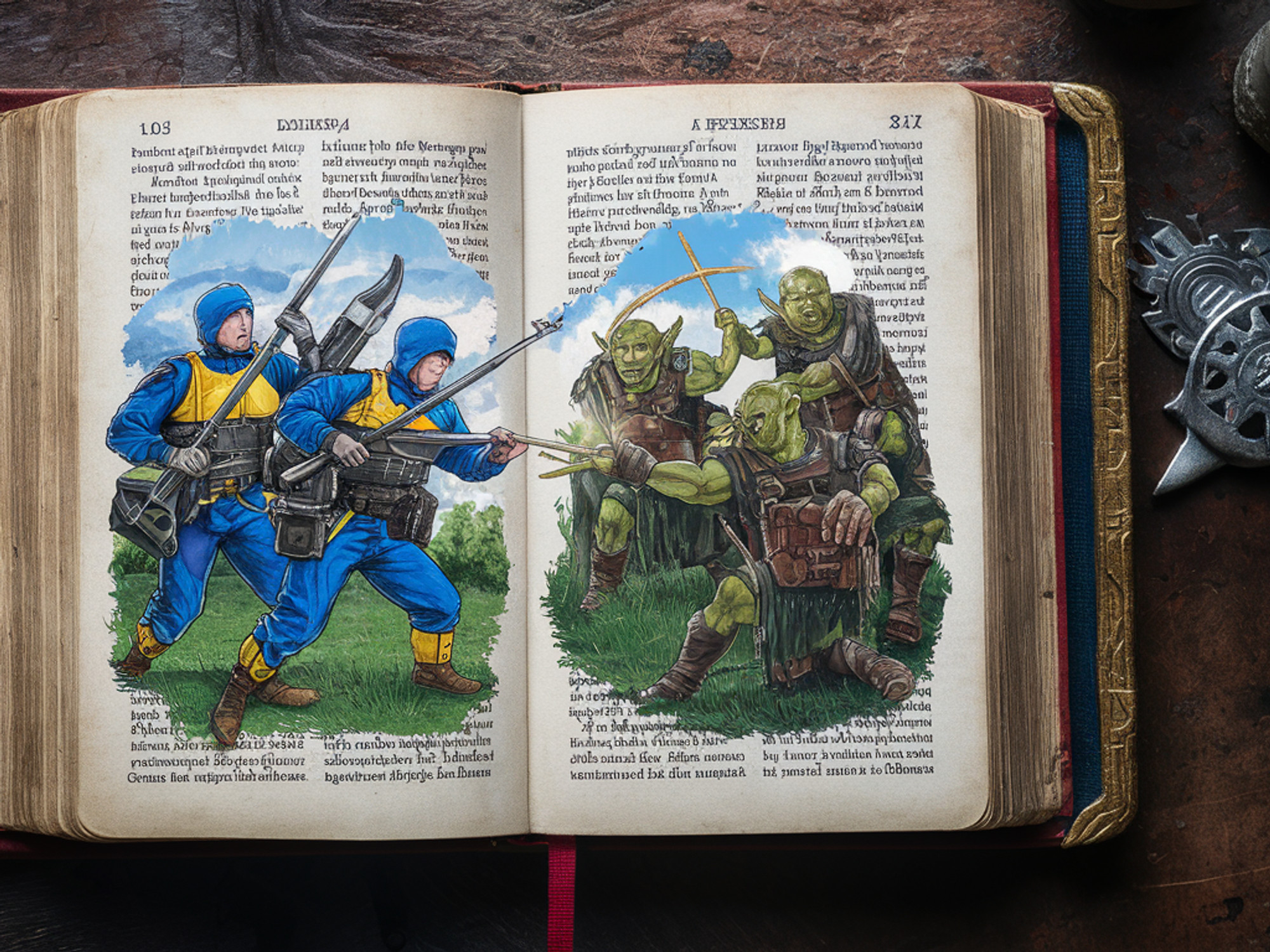
Literary scholar and fiction writer Mykhailo Nazarenko discusses the would-be cast of characters of fantasy writer JRR Tolkien in Ukraine’s war against the Russian invaders.
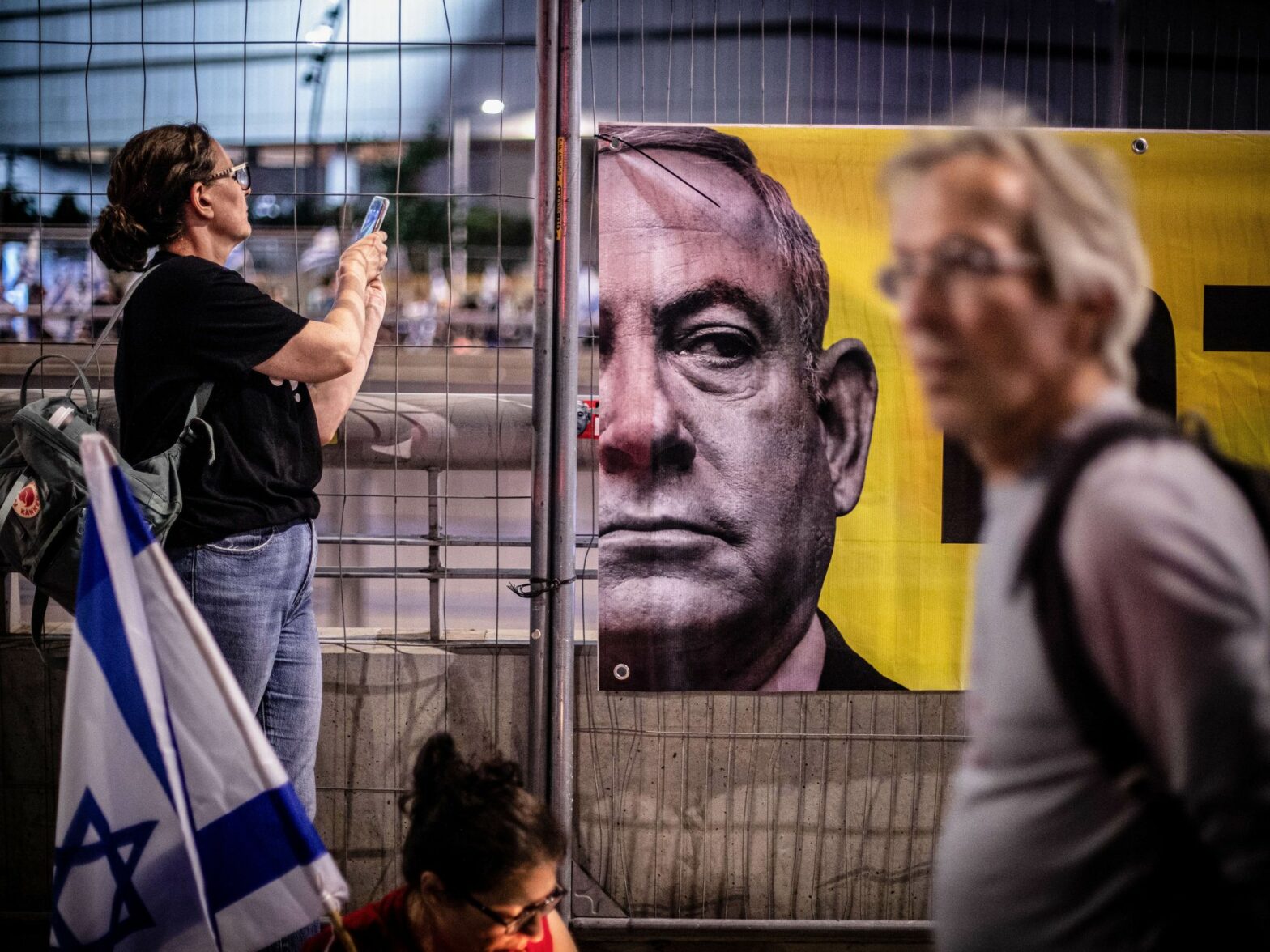
The announcement of the International Criminal Court’s prosecutor that he would seek arrest warrants for Israel’s prime minister and defense minister, as well as three Hamas leaders, provoked indignant reactions in Israel and the U.S. and revealed the rifts between the West and the global South.
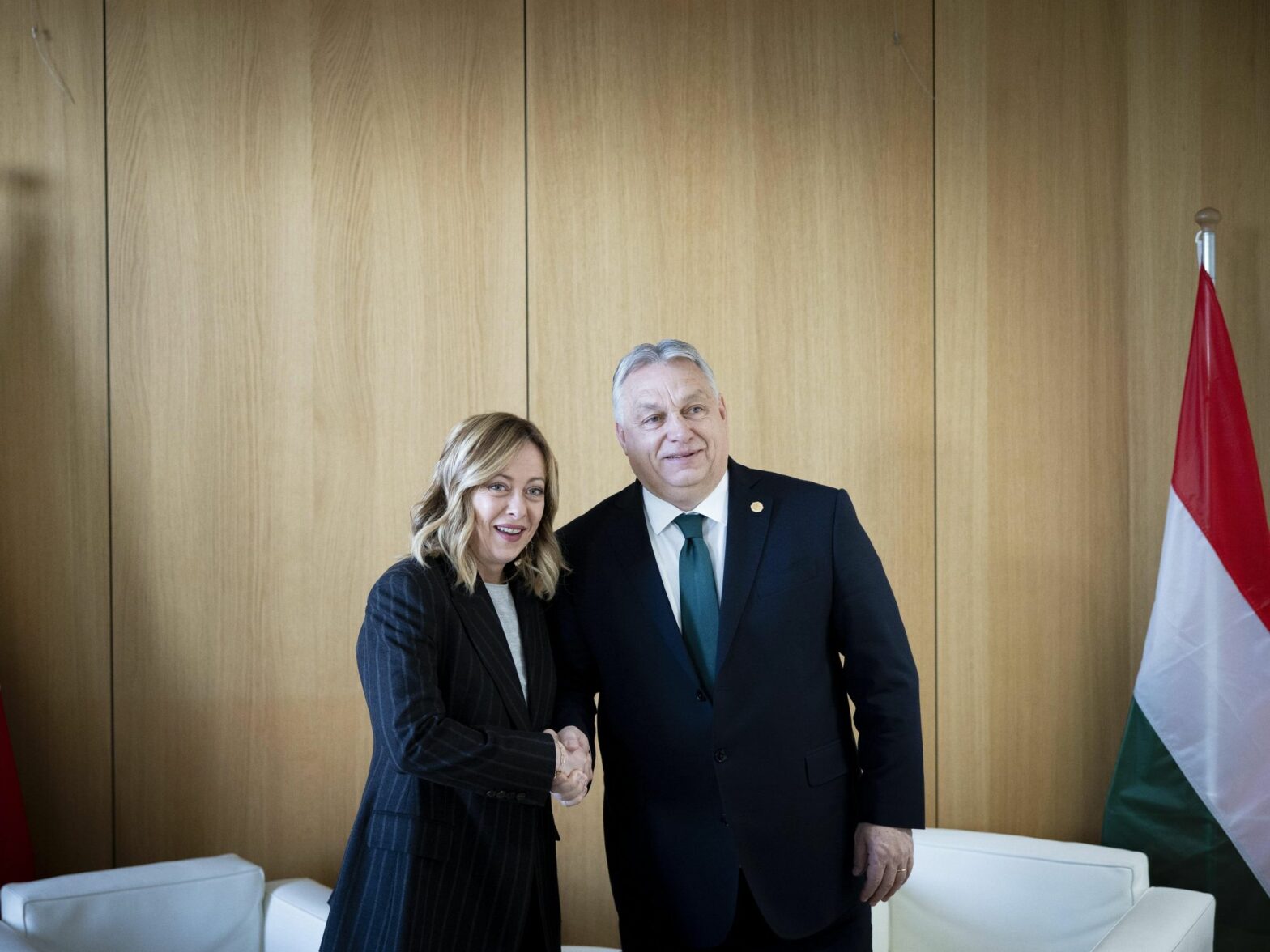
Ahead of the June’s EU elections, Europeans are deeply divided between fears of migration and of the Ukraine war, between emotion and reason. How can the EU respond in the most united and credible manner to the Russian threat?
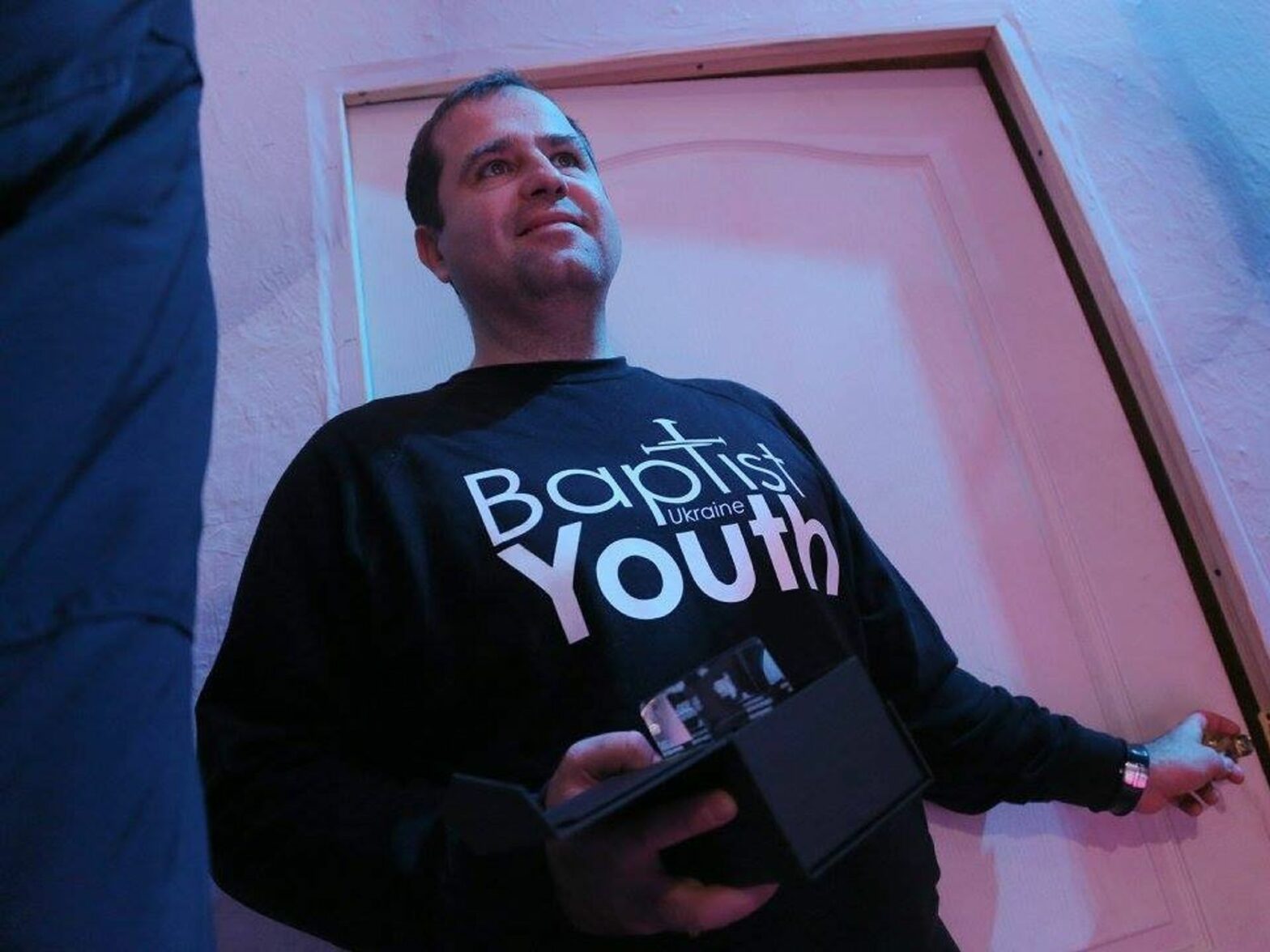
Inside the activism of a prominent Ukrainian Protestant trying to show Republicans in the U.S. that Kyiv is the real defender of Christian values.
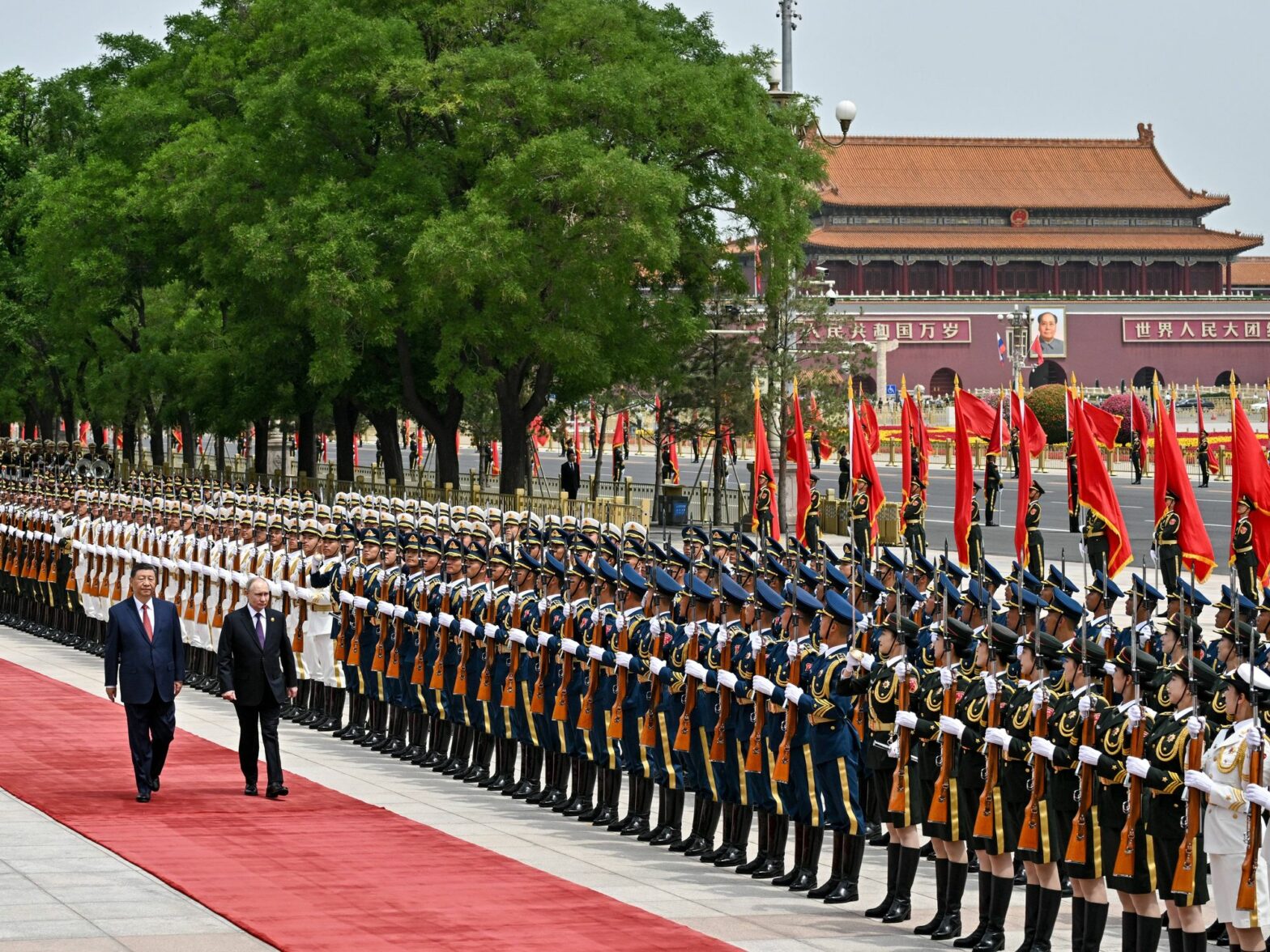
The Russian president is in Beijing on Thursday and Friday, his first foreign trip since his re-election. Beijing and Moscow have their differences, but share the same long-term objective of changing the international order.
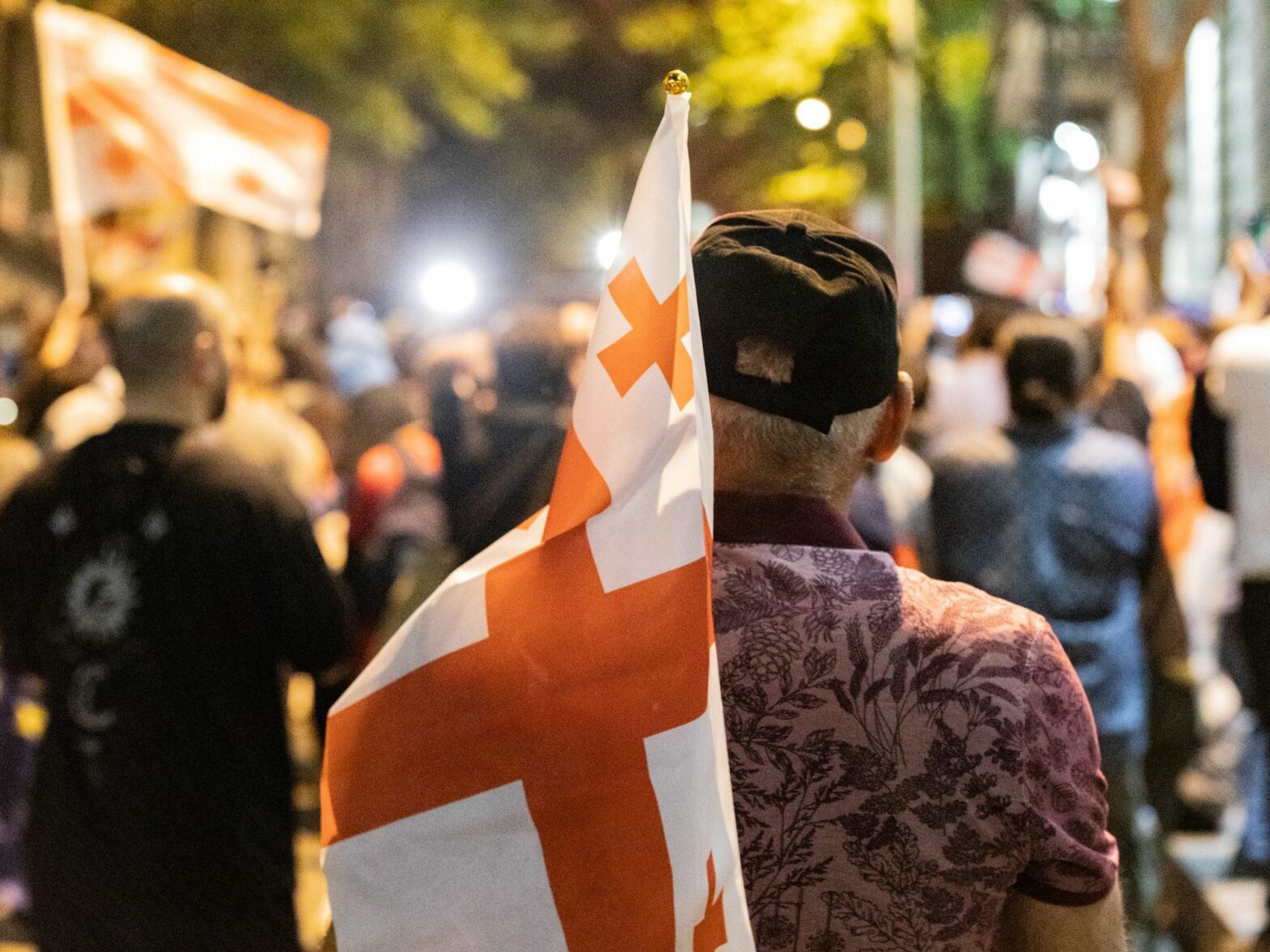
Europe’s fate is also being played out in countries outside the EU, where East and West are battling for influence. In Georgia on Tuesday, the government bowed to pressure from Moscow, and passed a law on “foreign influence” modeled on a Russia law.
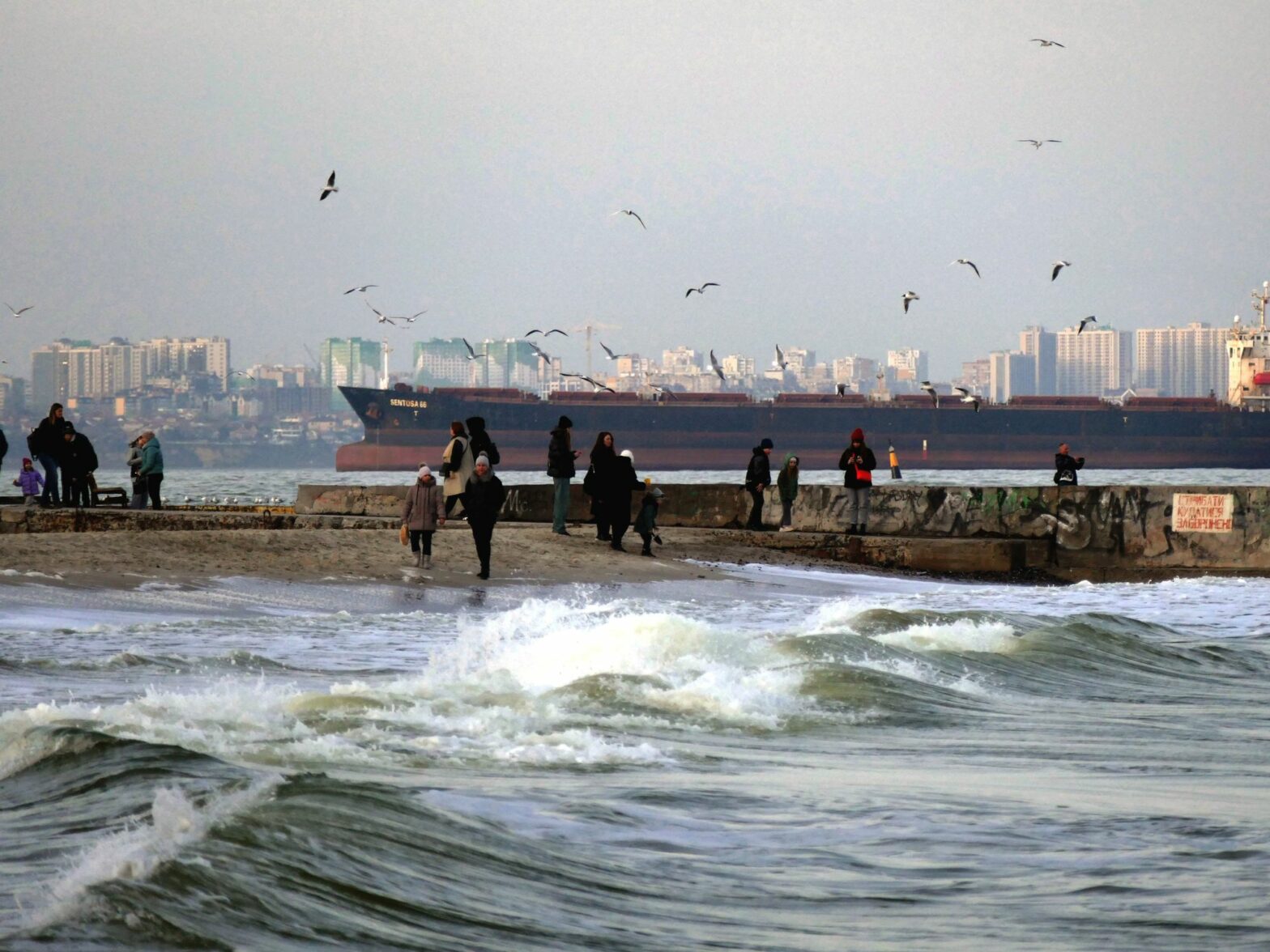
With strikes on Moscow’s fleet in the Black Sea, Ukraine has undermined the Russian capacity to slow down Ukrainian grain exports. It’s a pivotal triumph, which nonetheless can’t hide Kyiv’s losing ground on the front line on a regular basis.
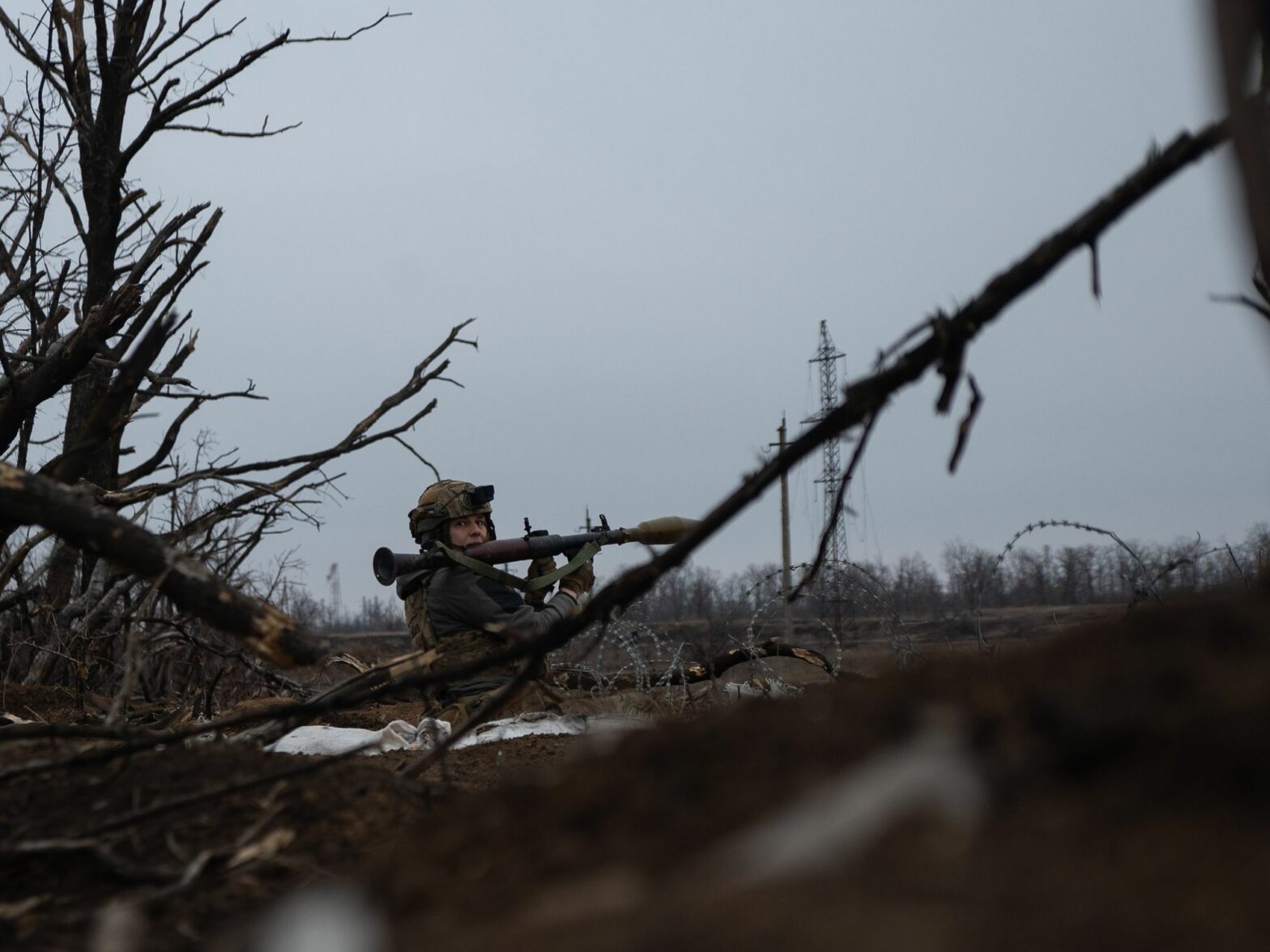
When the U.S. and other Western countries recently defended Israel against Iran’s drones and missiles, Ukrainians began to blame themselves for not receiving similar protection against Russia’s attacks. But the reality is very different.
Updated April 26, 2024 at 11:00 a.m. The Chernobyl nuclear disaster was a catastrophic nuclear accident that occurred on this day in 1986, on Ukrainian territory of the Soviet Union. It was the worst nuclear disaster in history, both in terms of the human and environmental impact. How did the Chernobyl nuclear disaster happen? The […]
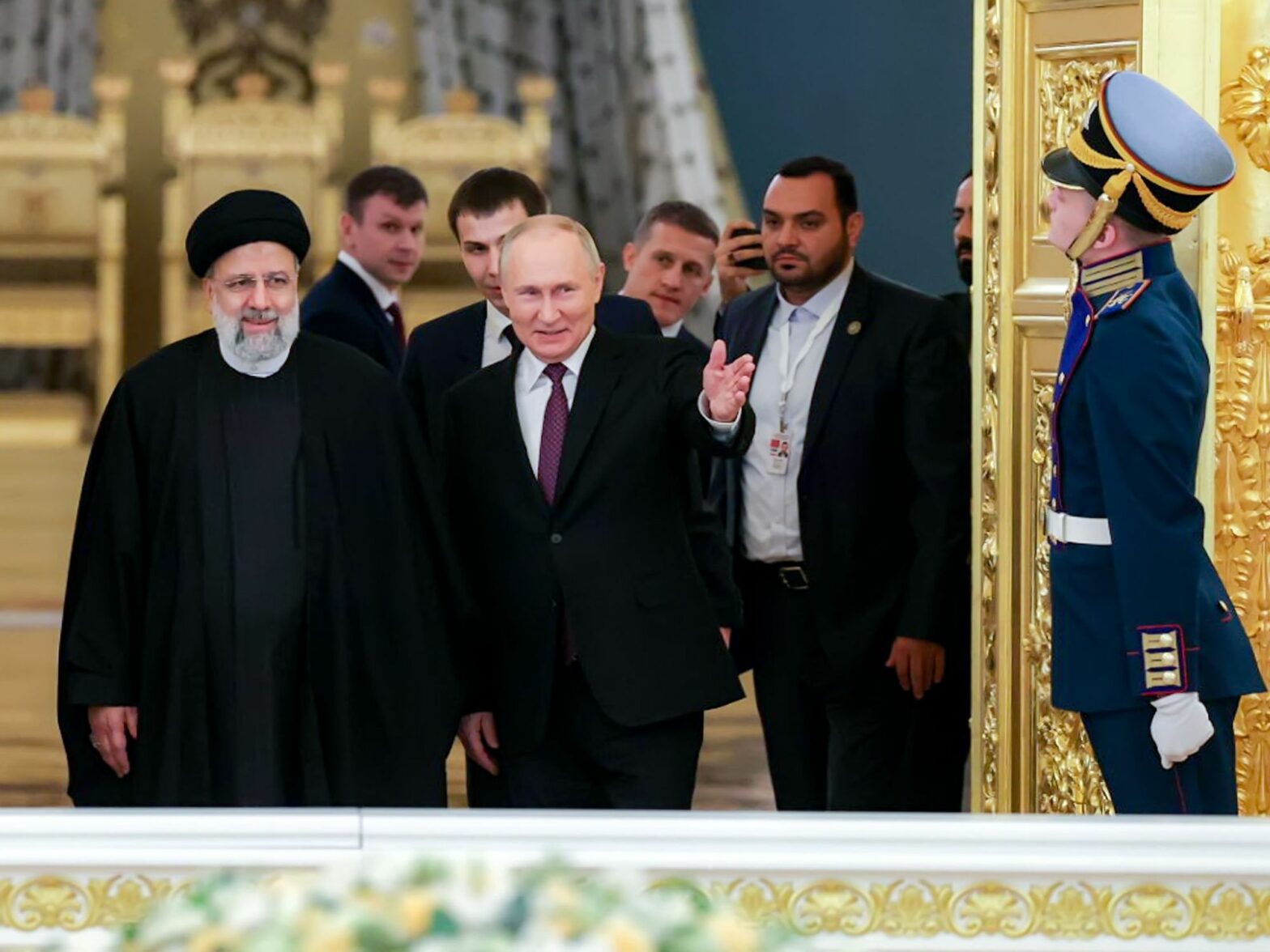
What are the links between Iran and the two powers challenging the Western order, Russia and China? And how do their relations affect the international climate? This is a key question at a time when the logic of war is at work in several regions of the world.
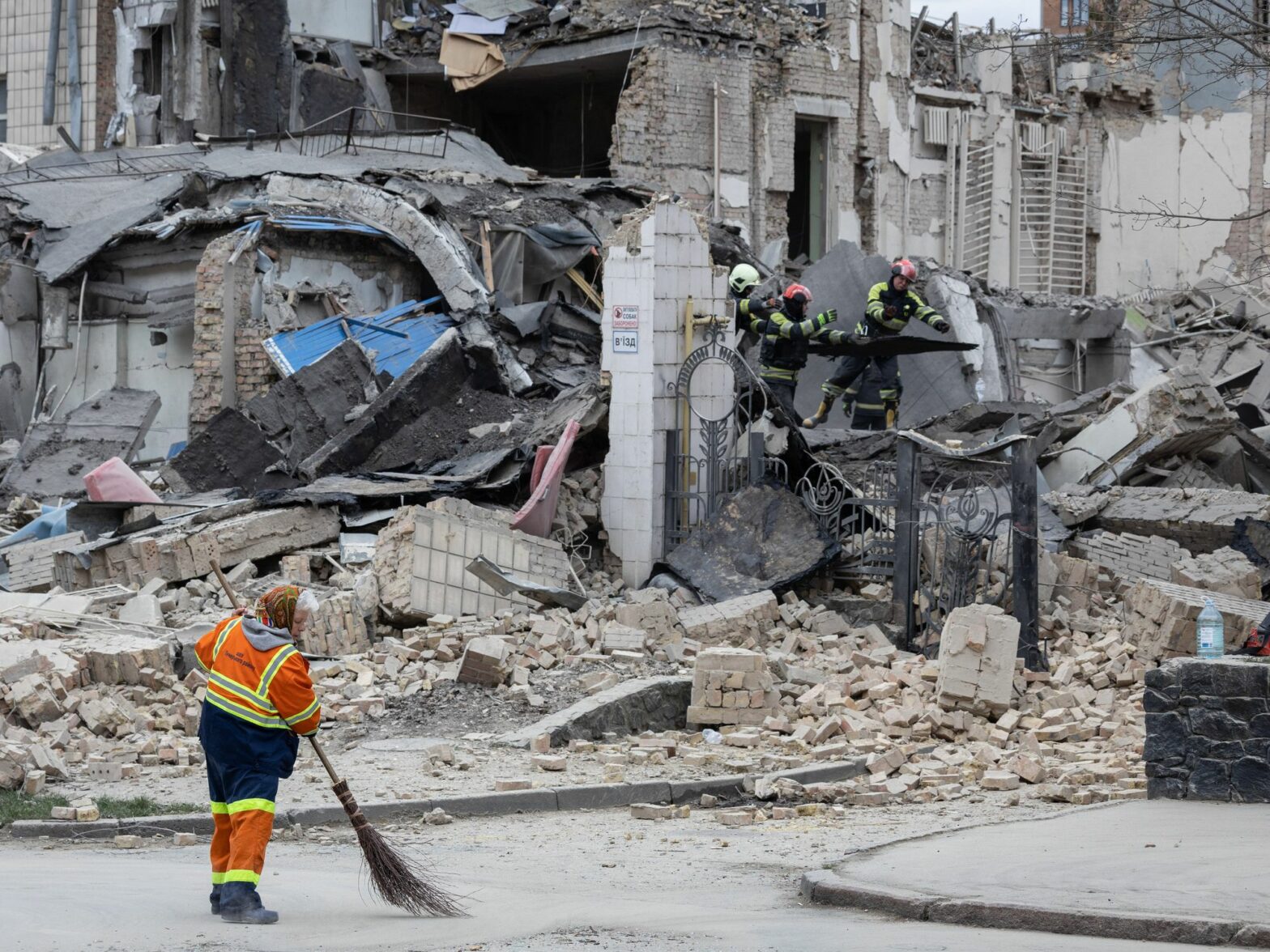
Seeing the near-perfect effectiveness of Israel’s defense against Iranian drones and missiles, Ukrainians are bitterly wondering why the West is denying them life-saving assistance. Fear of confrontation with a nuclear Russia remains the main reason.
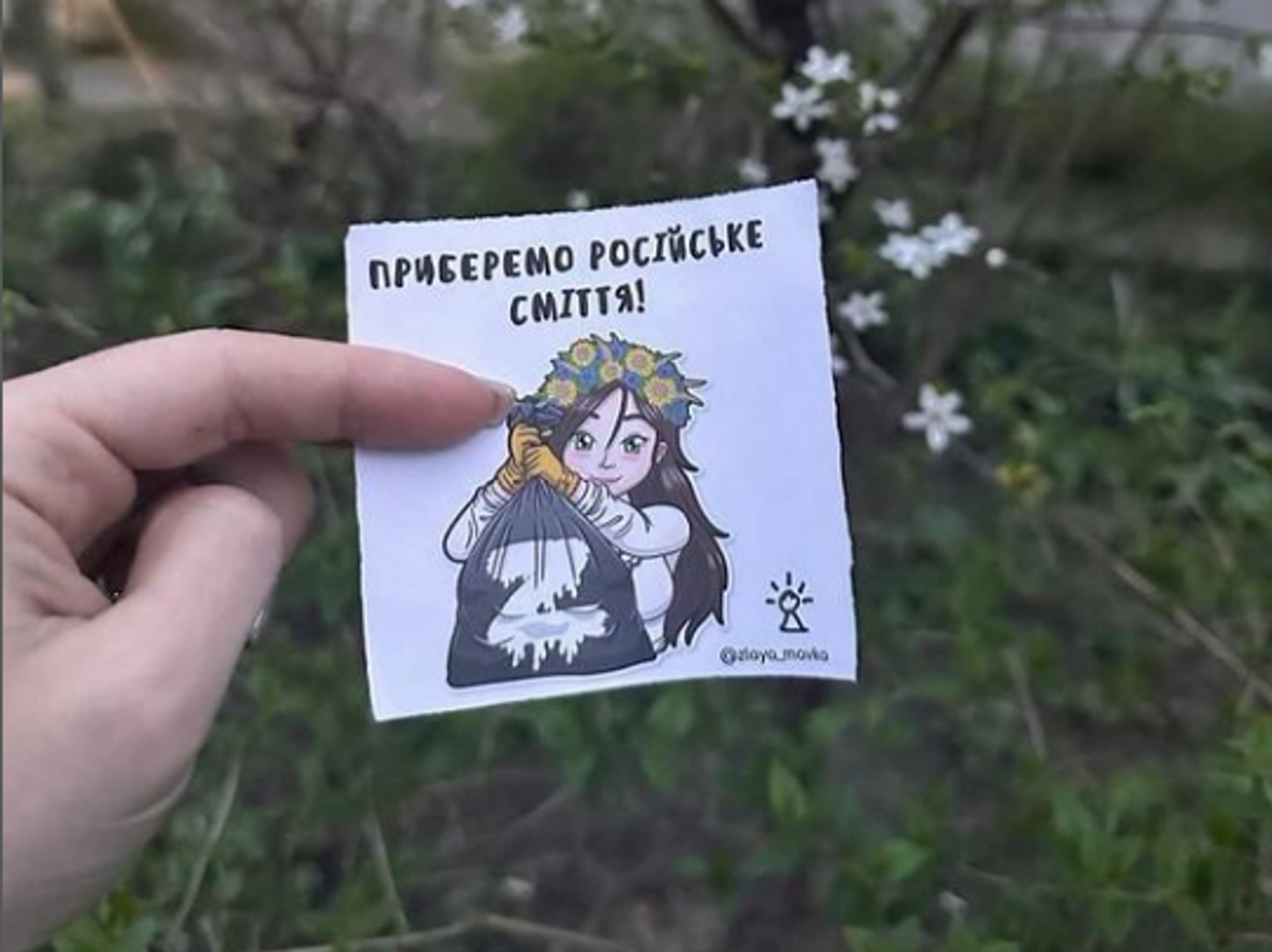
How the women’s partisan movement rose up from the southeastern city of Melitopol to carry out undercover operations in the occupied territories of Ukraine that undermine every step of the Russian troops.
The UN and the international criminal justice system are failing to prevent and punish brazen aggressions and killings around the world. When this period of turmoil ends, states must find new rules and tools to prevent the return of totalitarian violence.
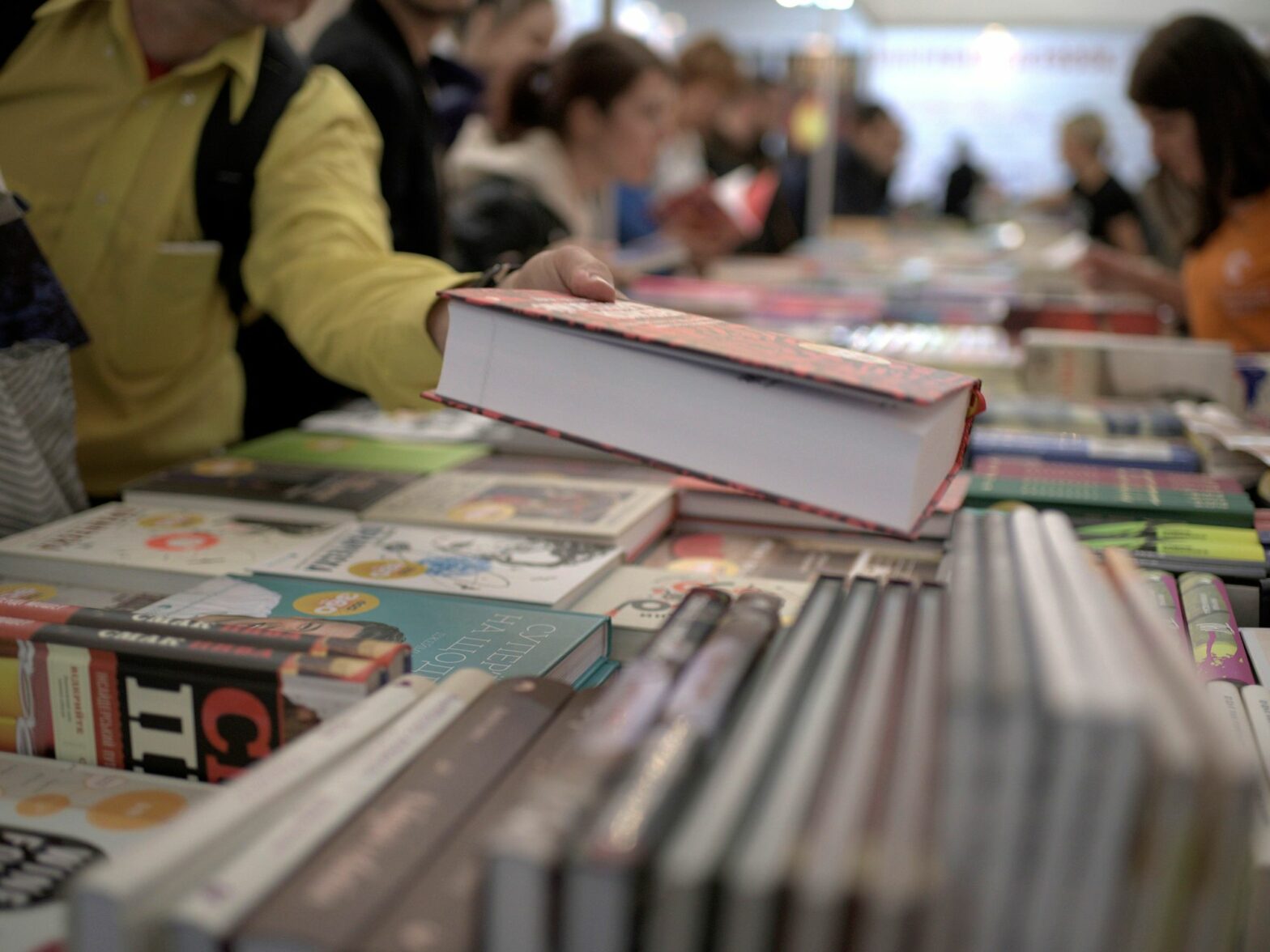
Russia’s semantic war against Ukraine aims to create a discourse and future in which Ukraine never was and never will be. Ukraine — and its Western allies — must take this war as seriously as the military war.
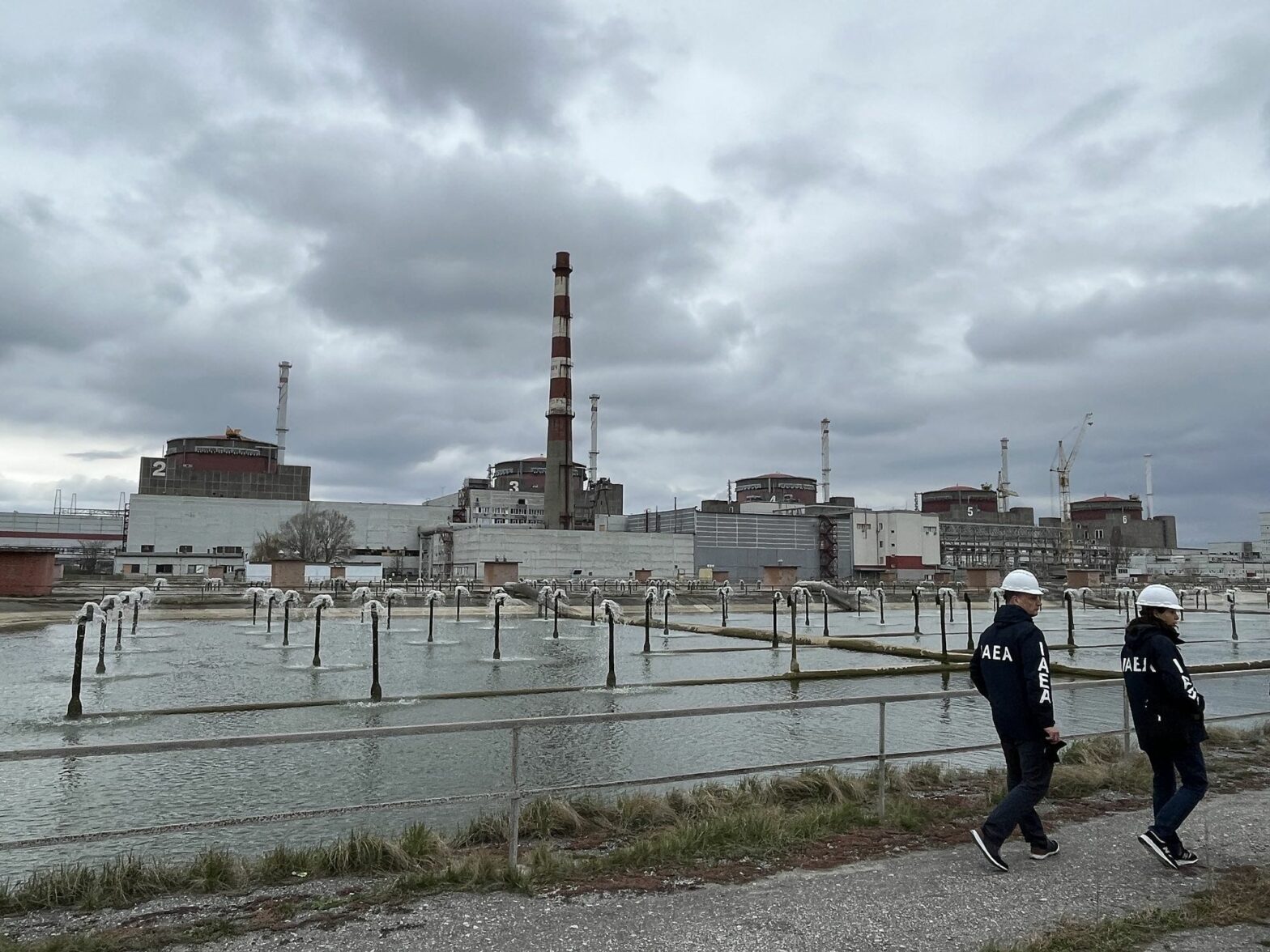
New drones near the Russian-occupied Zaporizhzhia nuclear plant, in the wake of attacks that killed at least three in the area in southeastern Ukraine, have once again raised fears of a Chernobyl scenario. Threatening nuclear disaster is a tool Putin has used before.
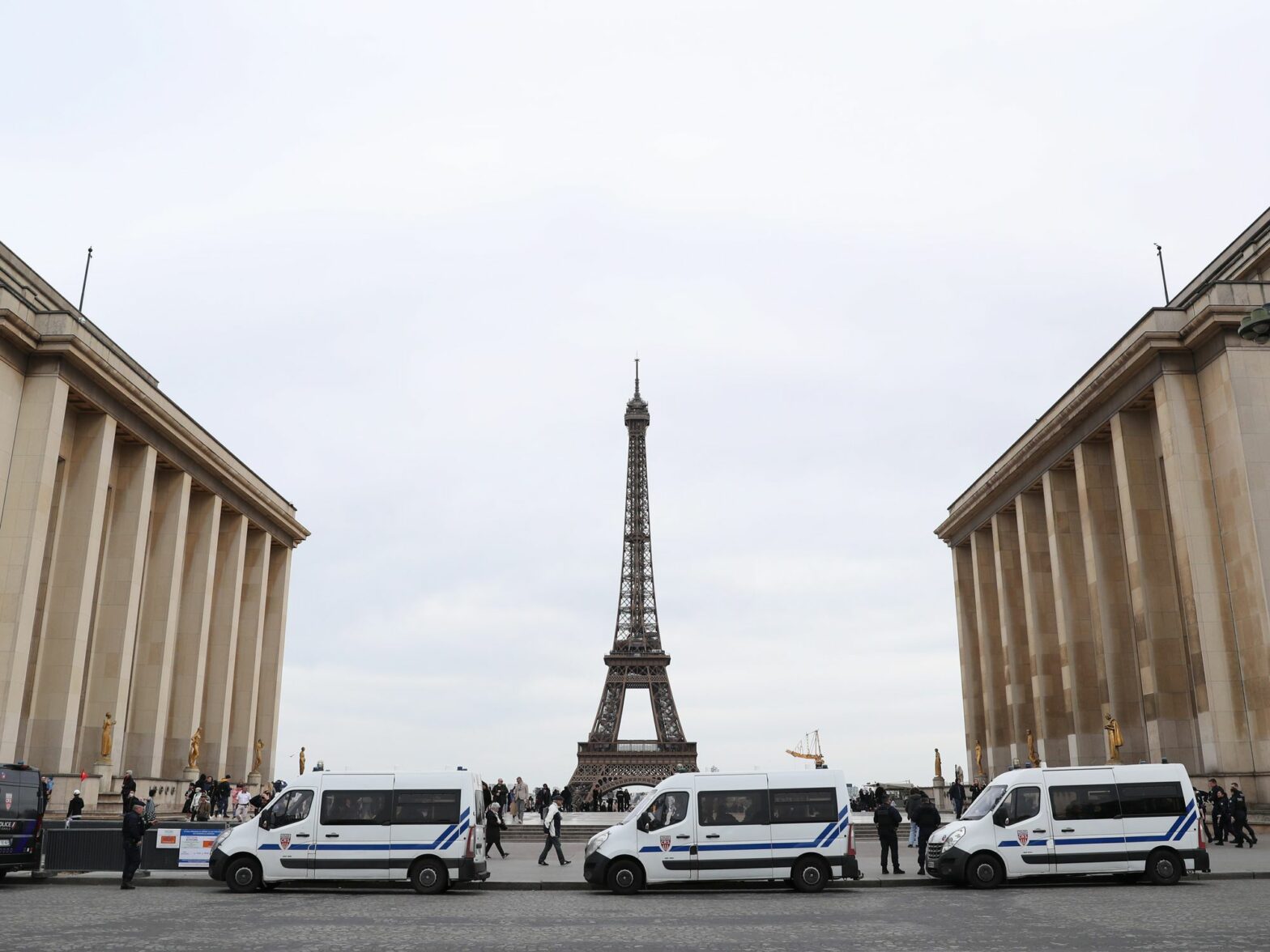
A telephone call between French and Russian defense ministers on Wednesday gave rise to Russian accusations and threats against France. The terrorist risk shared by the two countries did not allow the slightest progress to be made: this is worrying just a few months before the Paris Olympic Games.
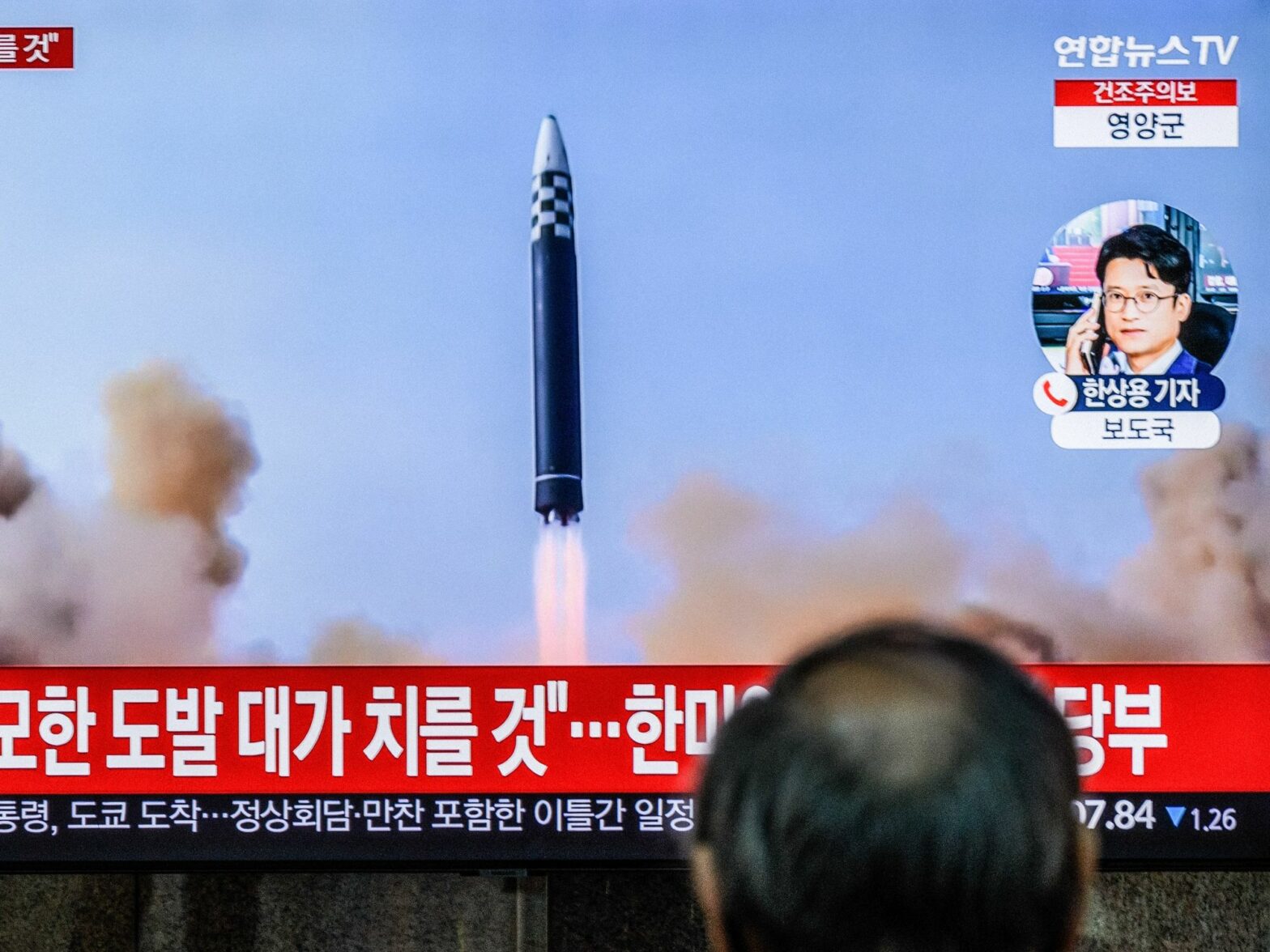
Moscow “killed” the body charged with overseeing the sanctions regime against North Korea — now Putin’s ally against Ukraine — dealing yet another blow to the edifice of global governance inherited from the post-war era.
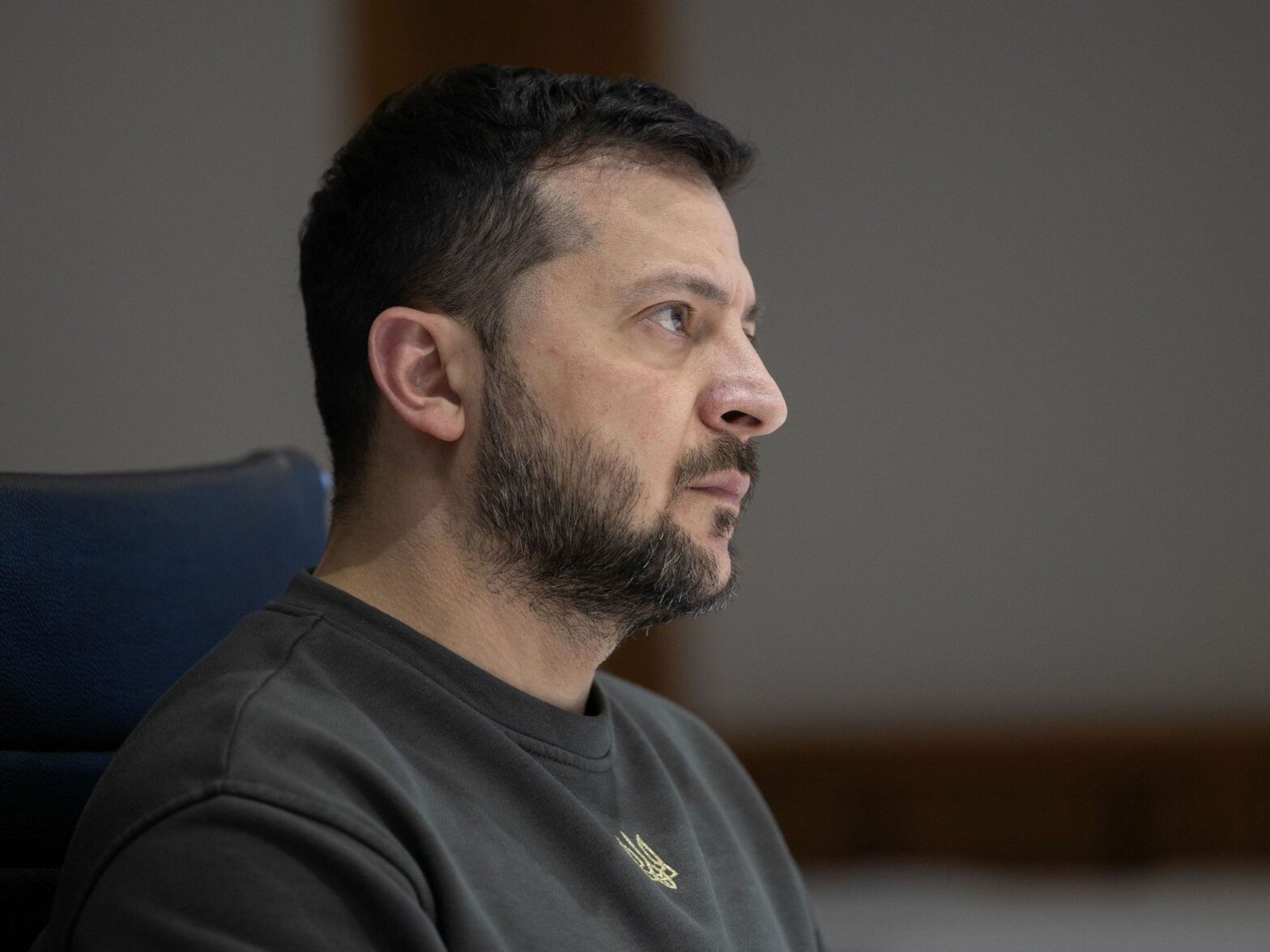
Compared to the worldwide admiration for Volodymyr Zelensky, authorities in Moscow have systematically tried to demean the Ukrainian leader. Yet even among Russians, that strategy appears to be backfiring.
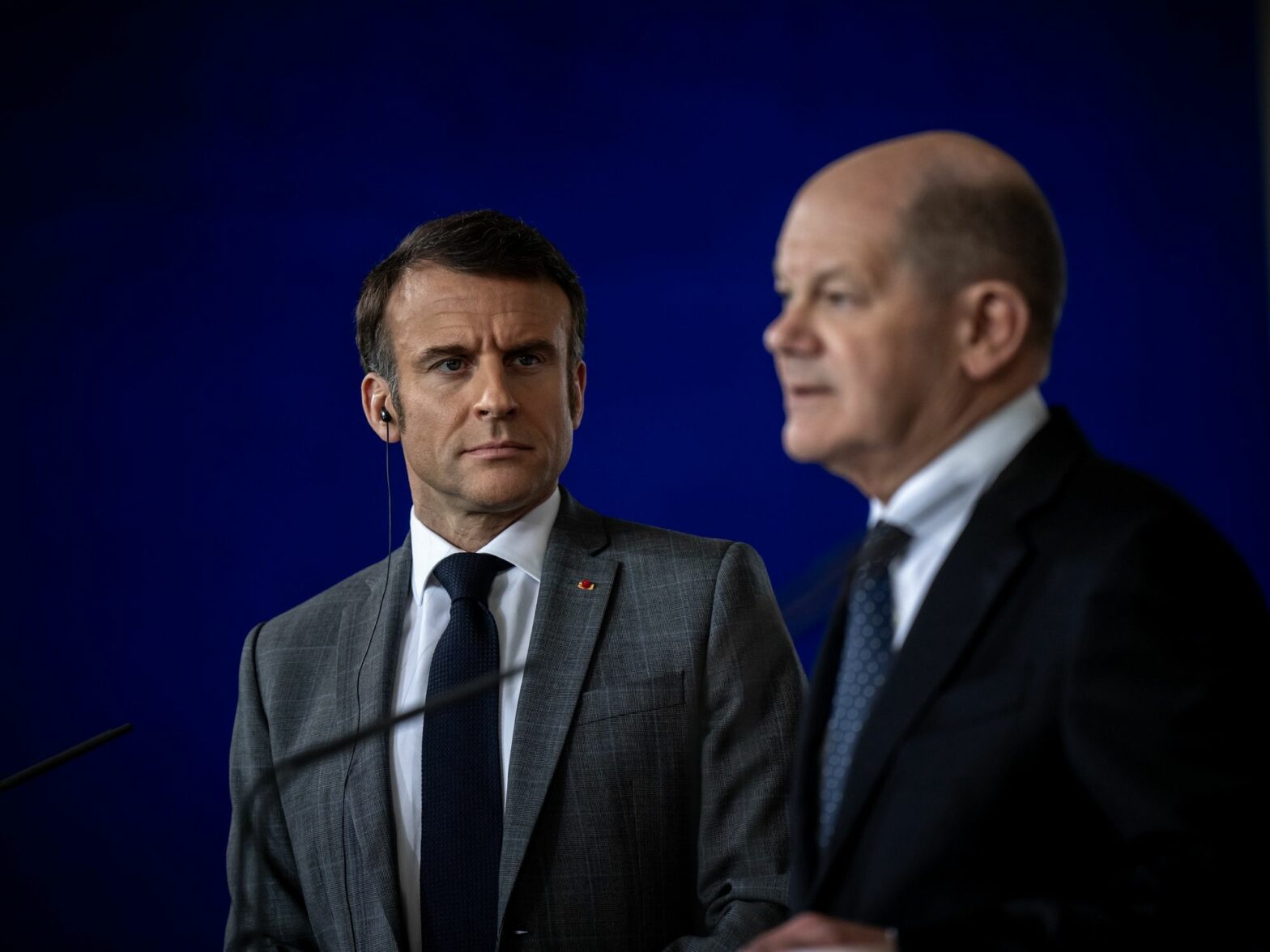
While Germany’s Scholz has chosen to walk a tightrope, France’s Macron has made a major U-turn on. While differences between Berlin and Paris are not new, the intensifying war in Ukraine has changed the situation.
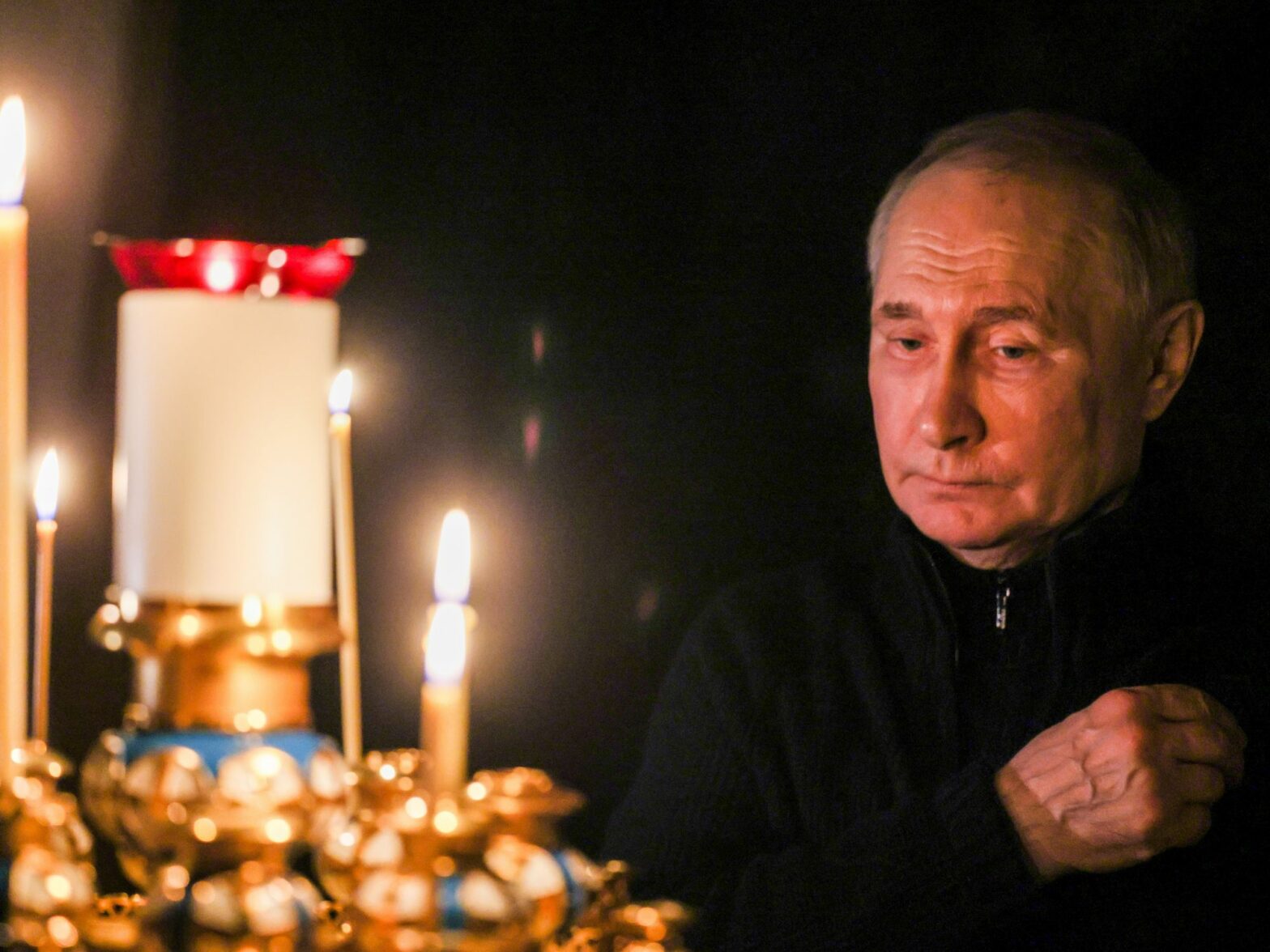
As Russia mourns the victims of the worst terrorist attack in the Moscow area in more than two decades, differing narratives about the attack are spreading, as well as questions about why Putin addressed citizens just once in three days and did not acknowledge ISIS as the perpetrators.
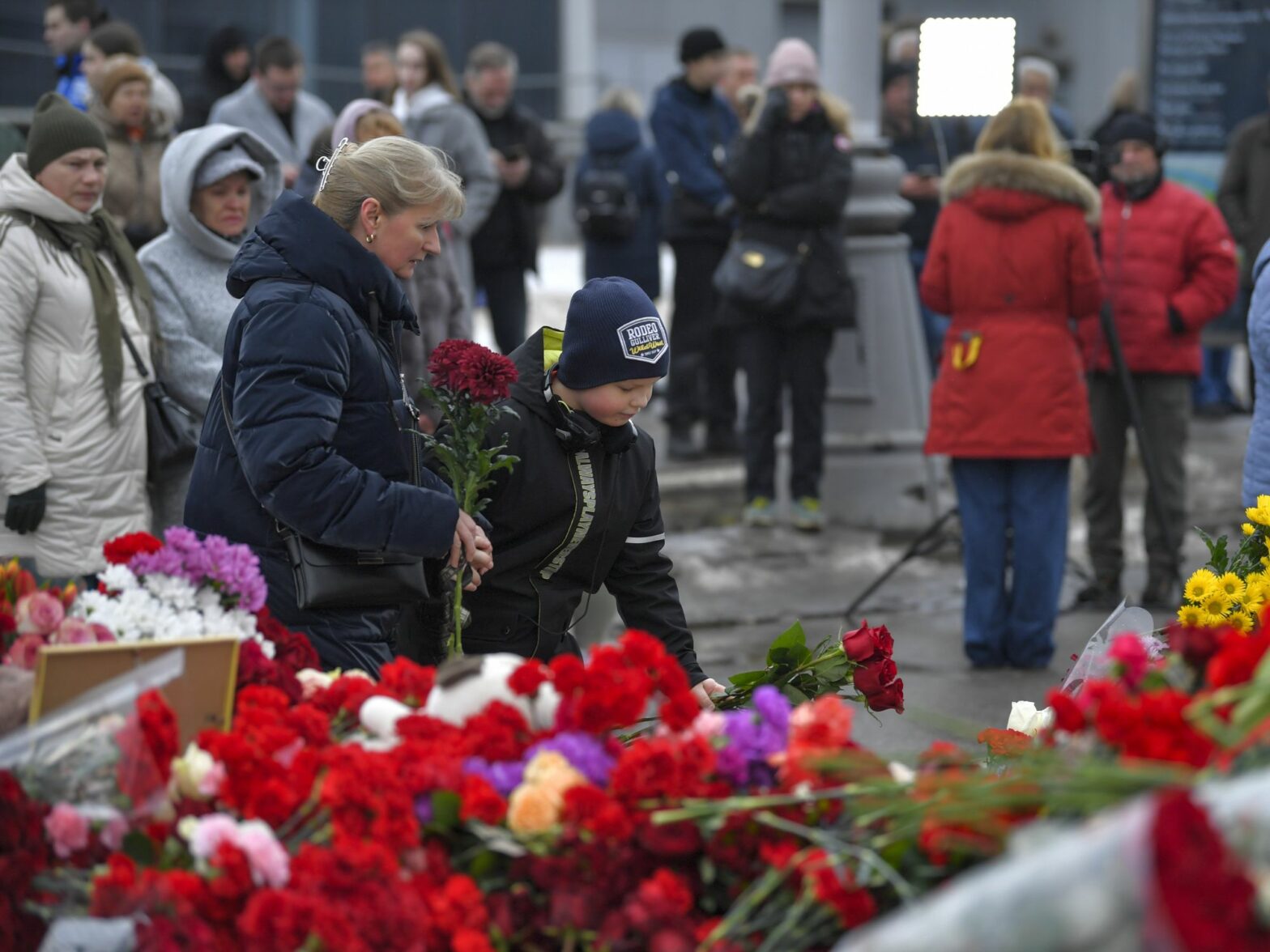
After Friday’s terrorist attack in Moscow, Russian President Vladimir Putin’s decision to lay blame on Ukraine, even while all signs point to Islamic State terrorists, can’t undo the reality that jihadism remains a major challenge that the Kremlin wishes would just go away.
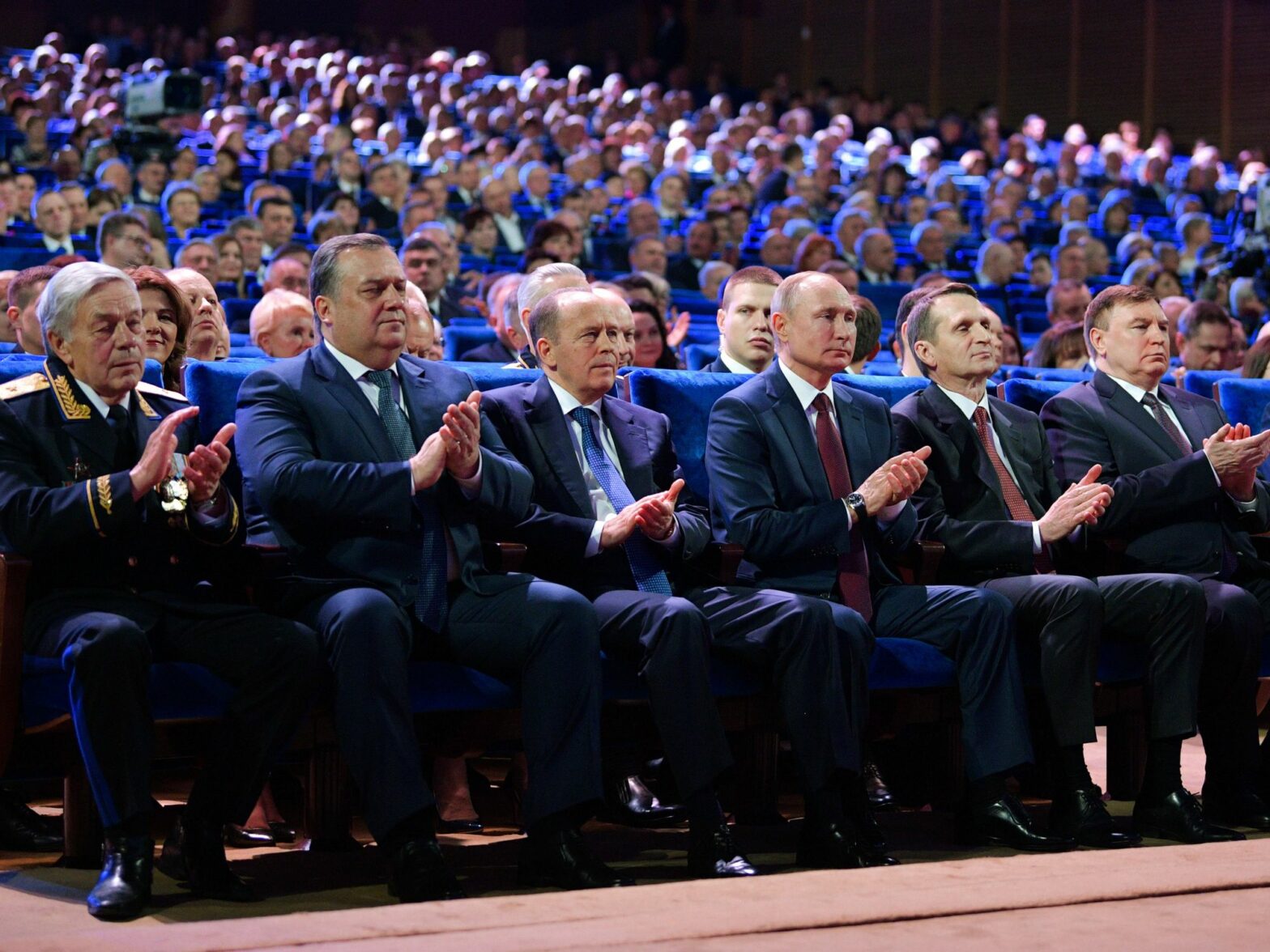
In a quarter of a century under the regime of the former KGB agent, members of the Russian security forces have imposed their growing stronghold on politics and the economy. But the Russian presidential election is also an admission of their weakness with their president failing to build a state strong enough to carry on without them.
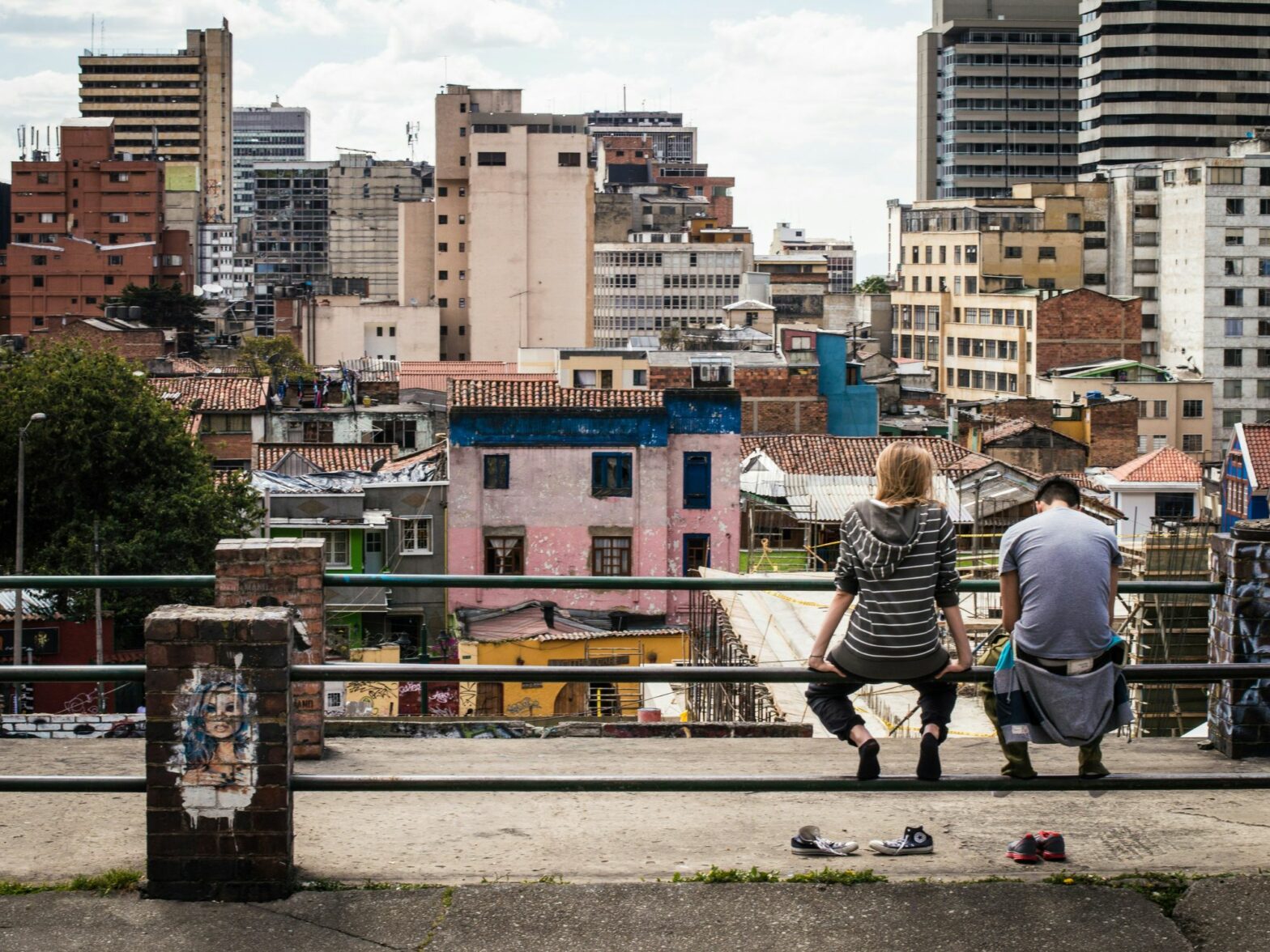
Latin American governments have barely denounced the Russian attack on Ukraine, partly for lingering distrust of the United States. But there is also a regional misperception of Russia as a new Soviet Union and friend of “lesser nations” struggling for betterment.
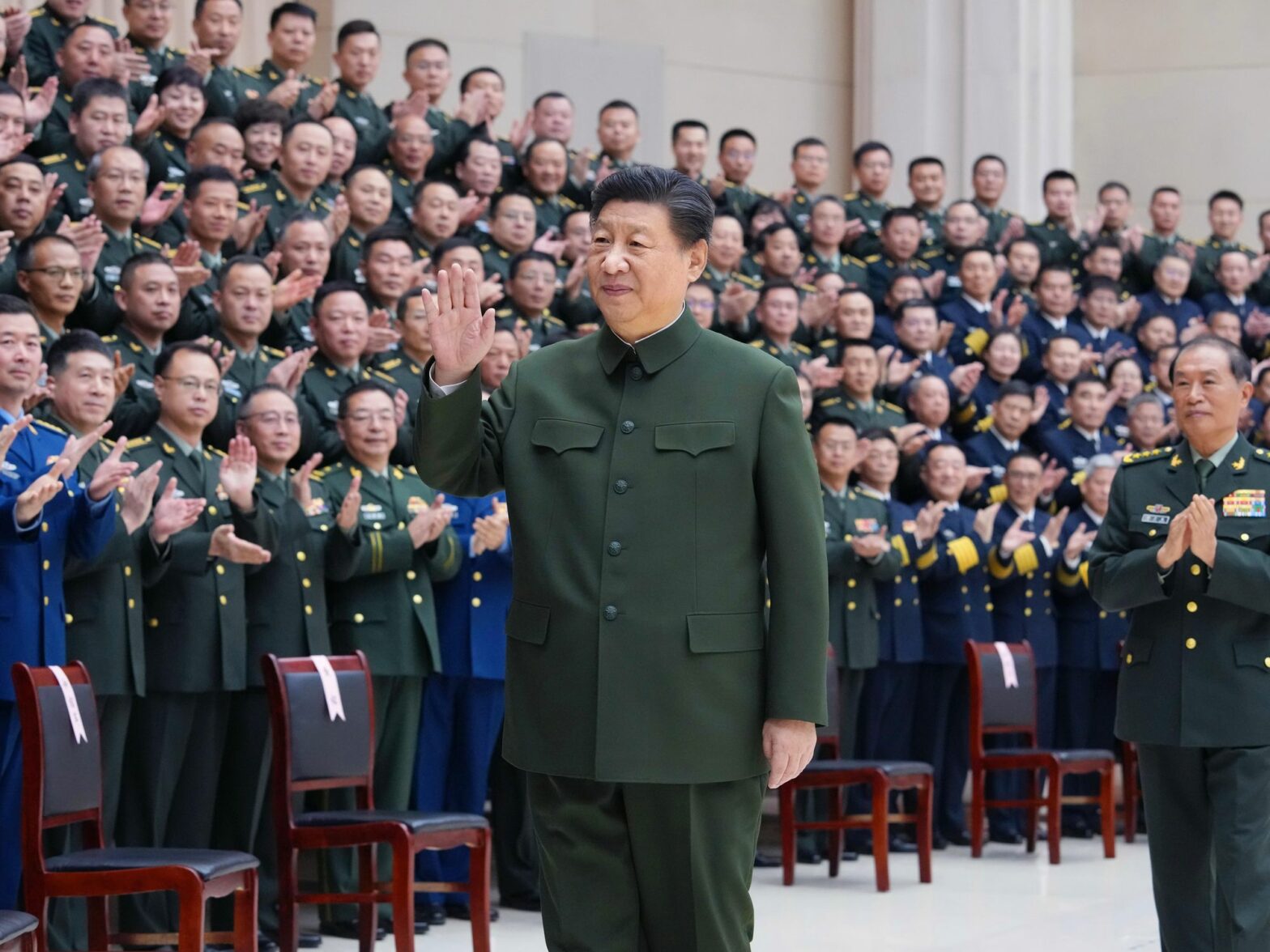
China has recently been discreet over major crises, such as Ukraine and Gaza, focusing its attention and energy on its domestic difficulties, particularly economic ones. Convinced that his country is entering a stormy period, President Xi Jinping is strengthening his hold over the nation, but may
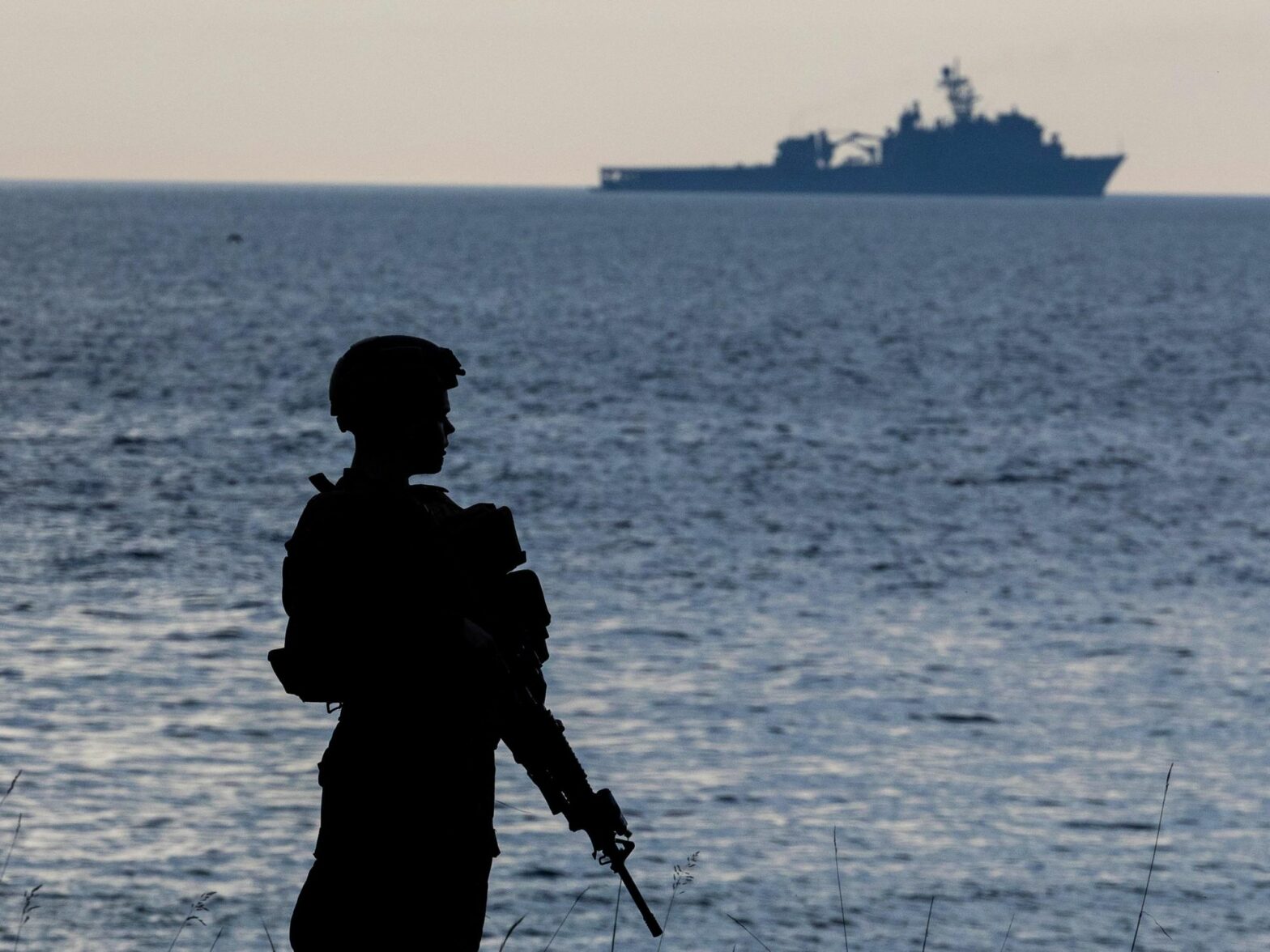
The Swedish island of Gotland is the last bastion between Russia and the entire Baltic region. Now that Sweden has officially joined NATO, the country plans to accelerate its fortification of the island and make it a priority to repel a rapidly militarizing Russia. Life for locals makes it clear that something has changed.