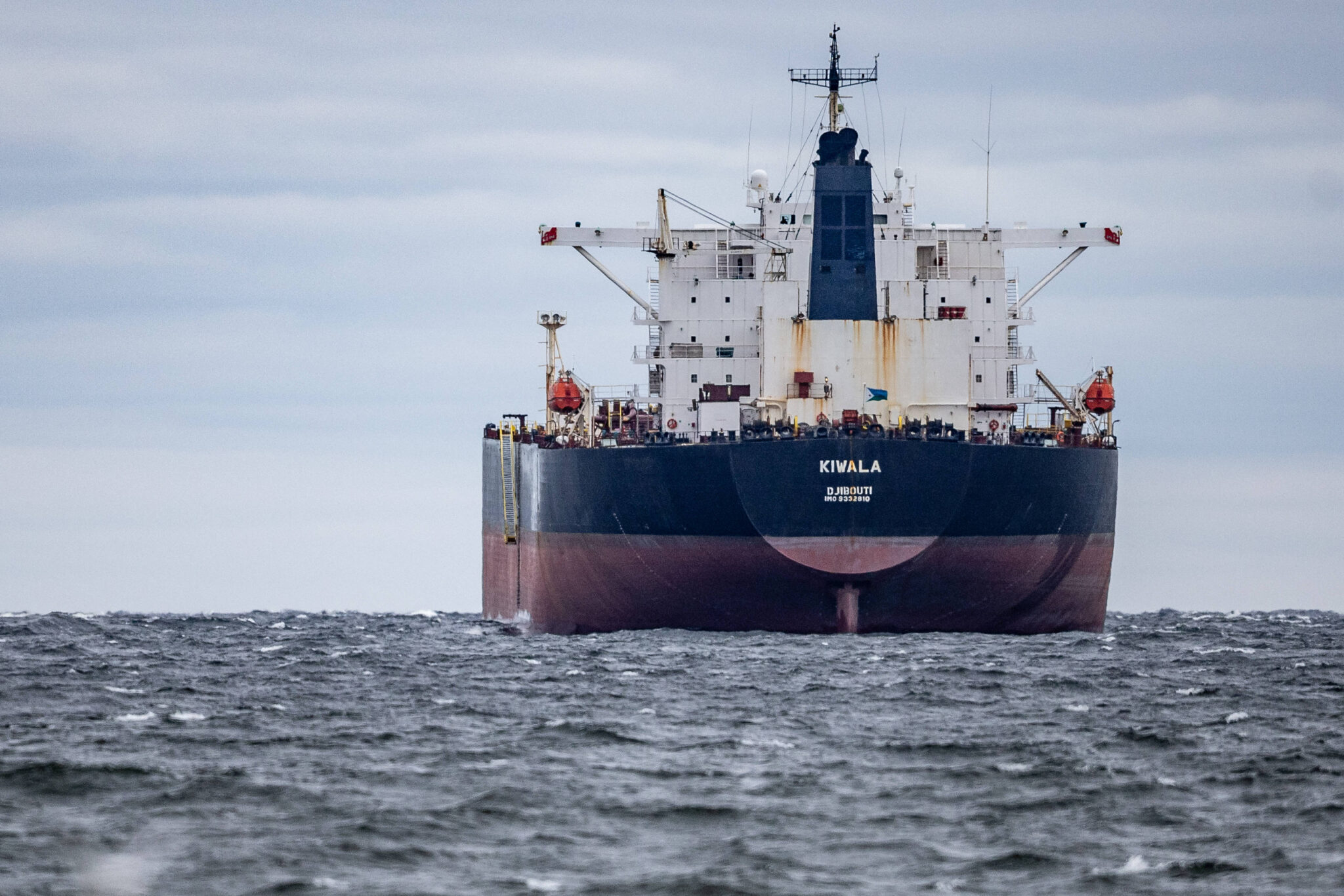
Ukrainian sea drones have been attacking Russian tankers in the open sea for the first time in recent weeks. The risky tactic is proving effective and has angered Putin. But even allies are issuing warnings.
 Worldcrunch
Ukrainian sea drones have been attacking Russian tankers in the open sea for the first time in recent weeks. The risky tactic is proving effective and has angered Putin. But even allies are issuing warnings.

Former German government ministers and lobbyists have been meeting Putin associates in the Gulf, preparing reciprocal visits that could undermine Berlin’s official Russia policy.
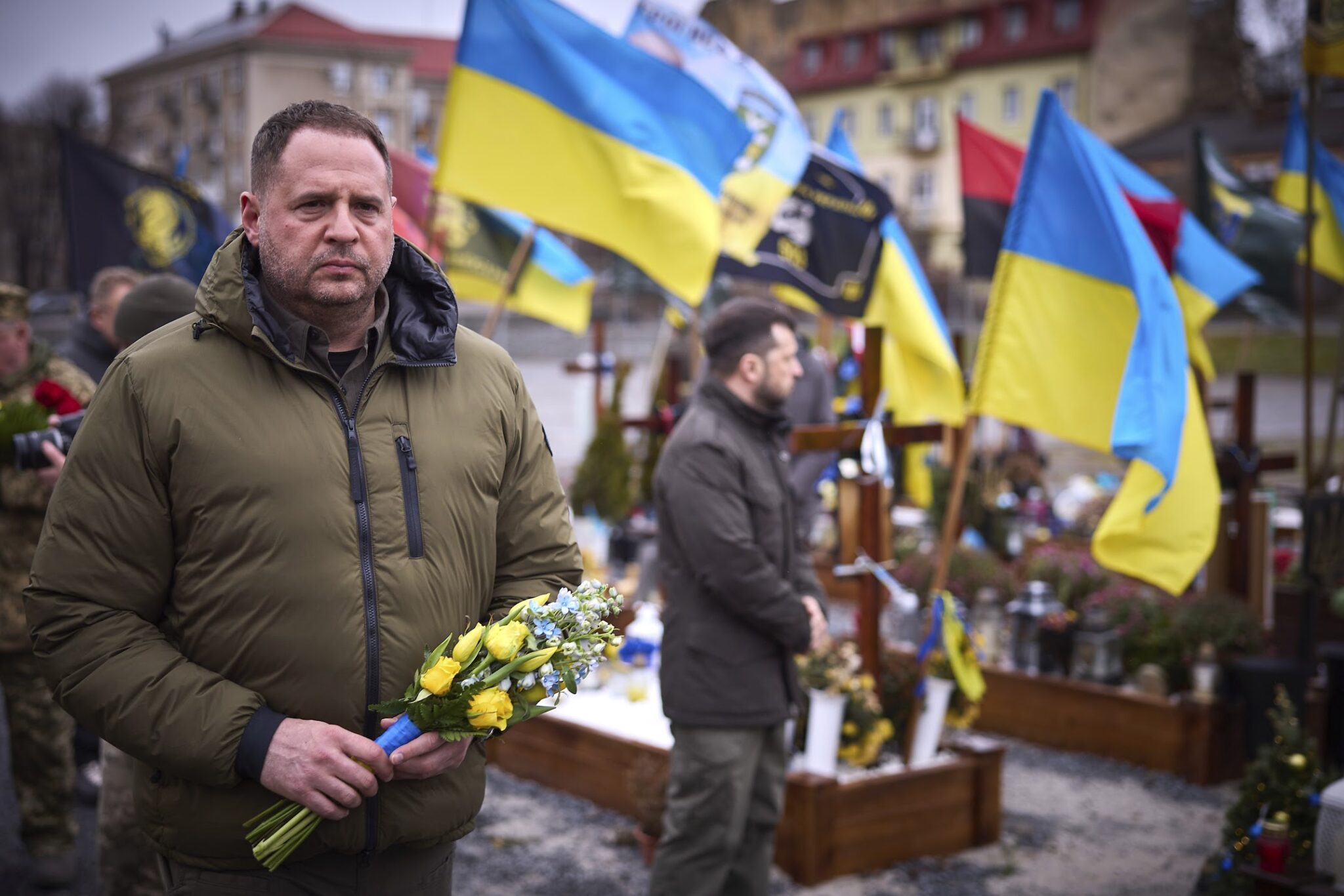
Ukraine’s president faces mounting pressure abroad and growing distrust at home, as corruption claims and battlefield fatigue collide with the country’s fight for survival.
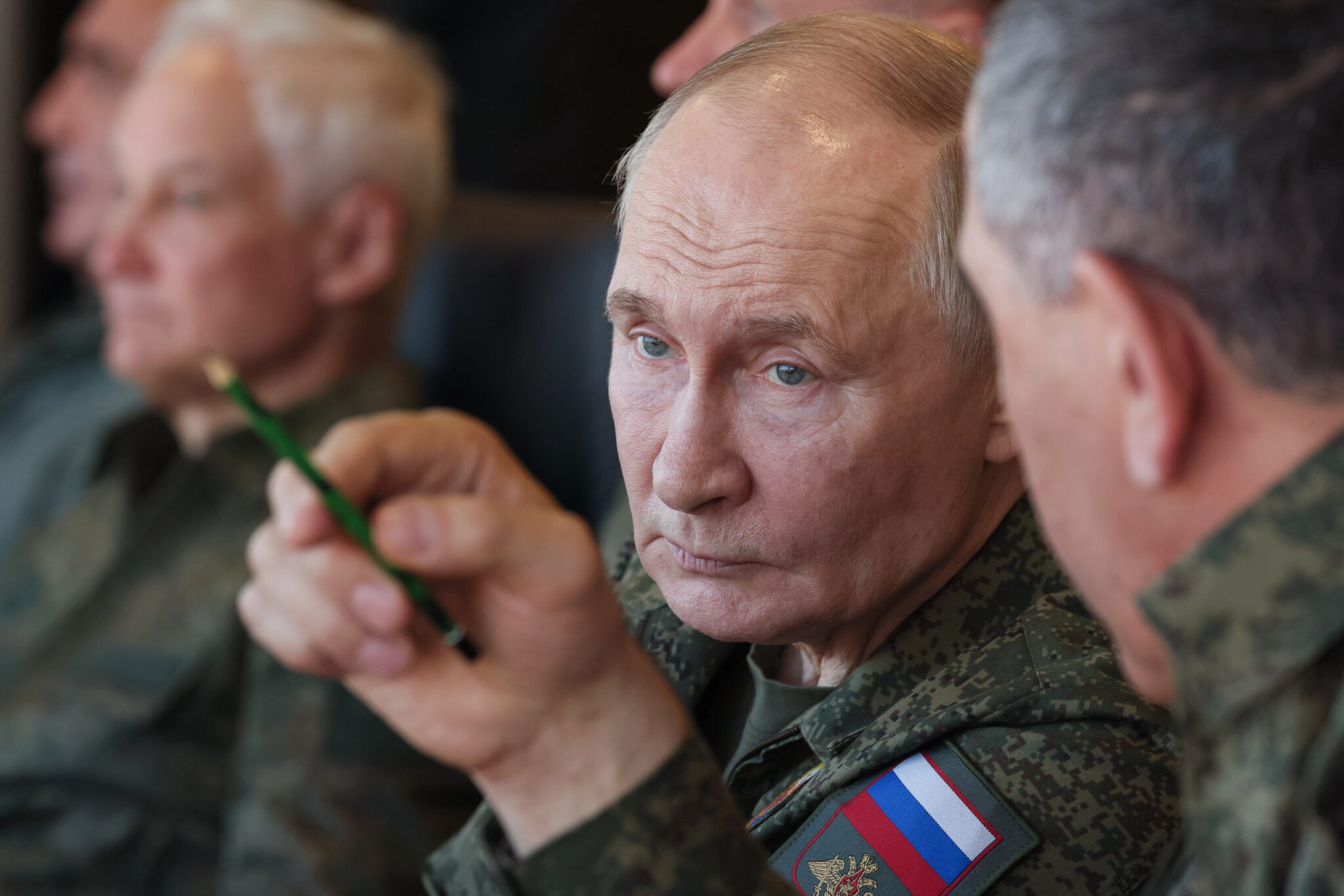
Russia is now faces slipping growth, high inflation, recruiting shortfalls, a static front, and a squandered opening with Trump, while Europe stiffens support for Ukraine and new U.S. sanctions hit its energy giants.

In one of the world’s most connected countries, cyber soldiers protect critical systems against constant foreign attacks while preparing for the day when artificial intelligence could take control of the battlefield.
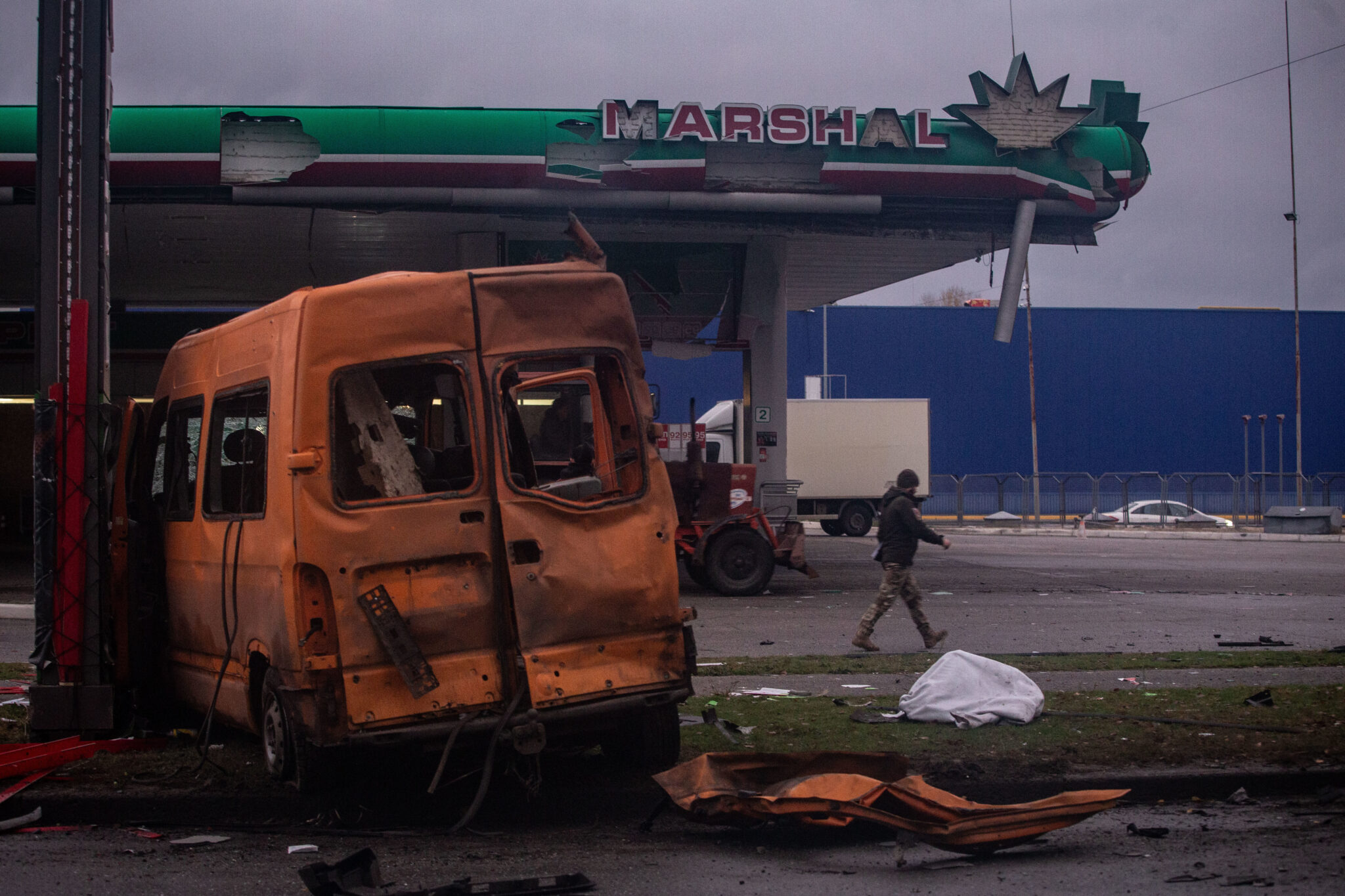
With offensives stalling, Ukraine hitting Russian refineries, Western aid thinning, and winter power grids under fire, the gap persists as Moscow floats Donbas withdrawals and Kyiv rejects concessions while outside mediation muddies the waters.
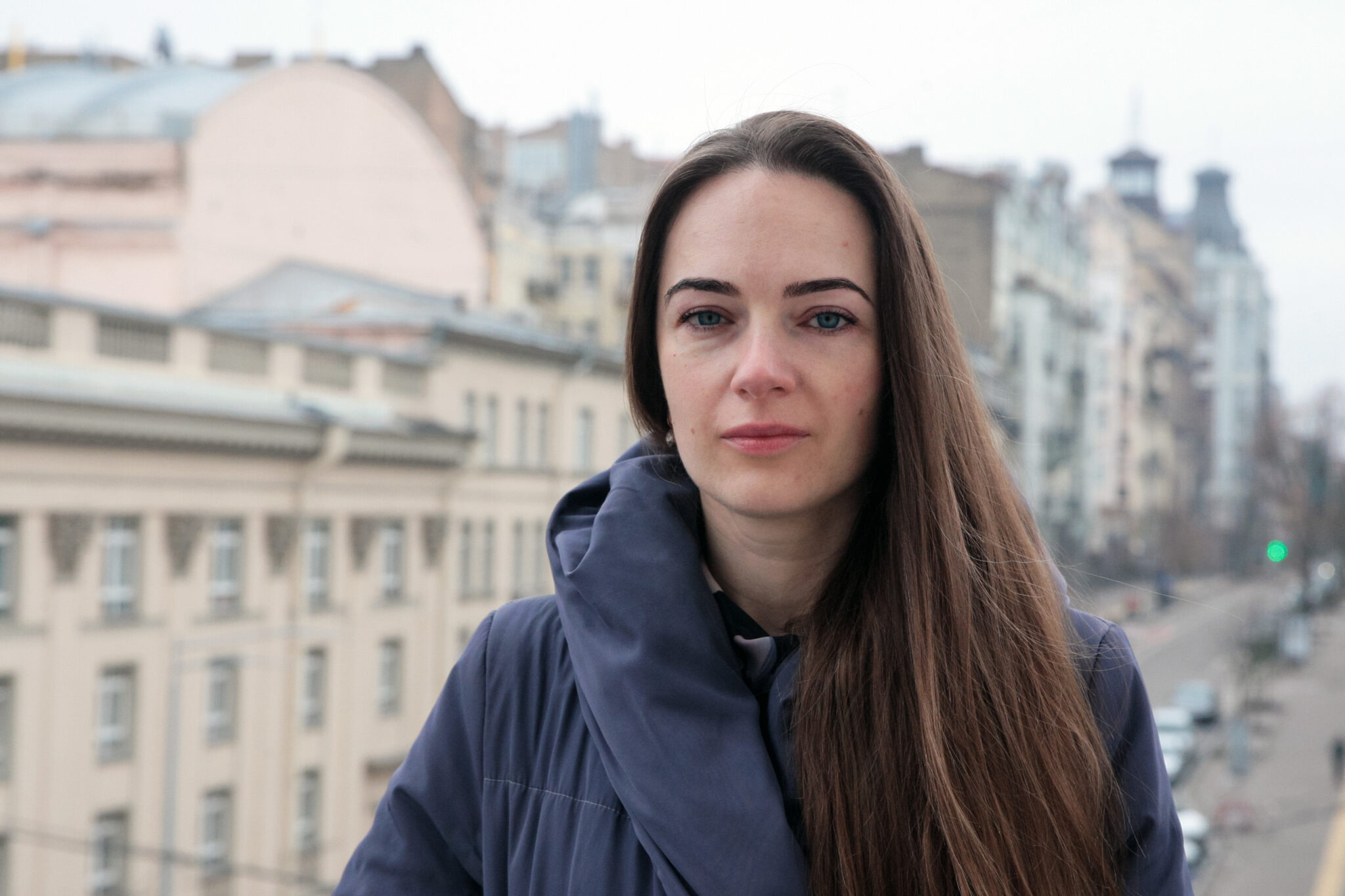
At a cultural diplomacy forum in Kyiv, Nobel laureate and human rights defender Oleksandra Matviichuk urged the world to see culture as a force for justice and freedom — and as essential to building a lasting peace.
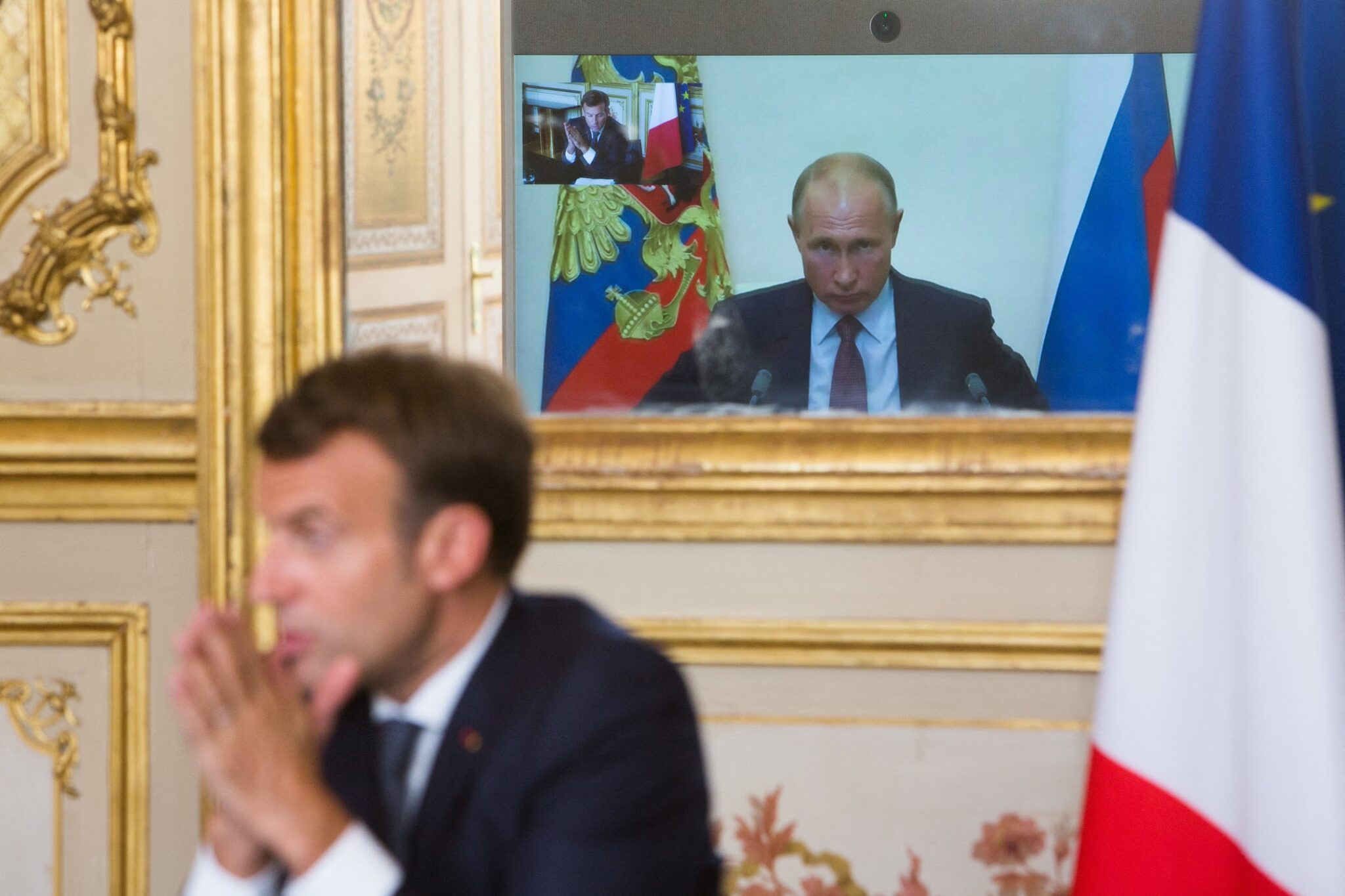
Put yourself in Vladimir Putin’s shoes for a moment: how satisfying must it be to see France and the United Kingdom, co-leaders of the “coalition of the willing” formed in support of Ukraine, sinking into political crisis.
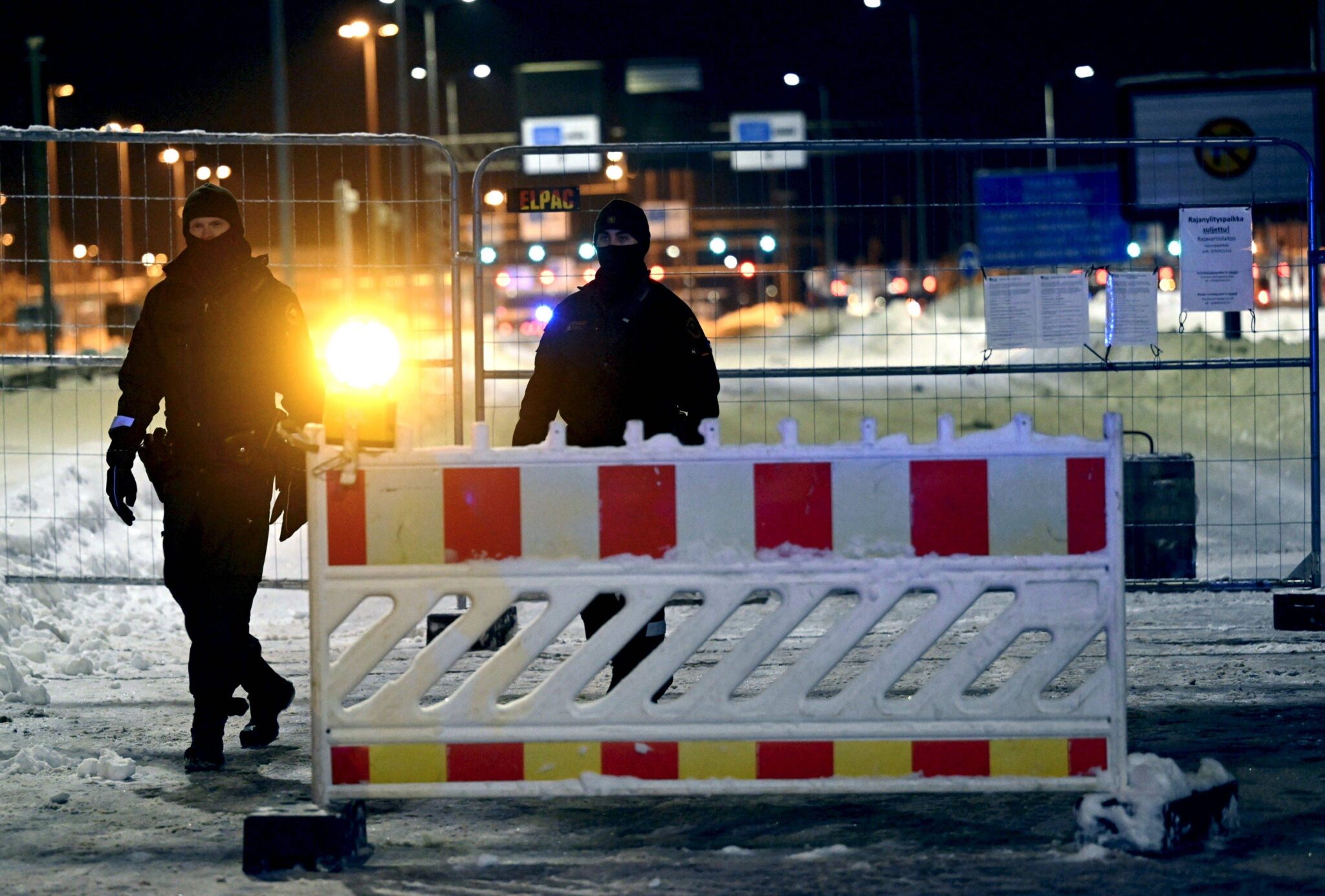
Since the Russian border was closed, people in the far east of Finland have been living with a new Iron Curtain that is reshaping daily life and upending the regional economy.
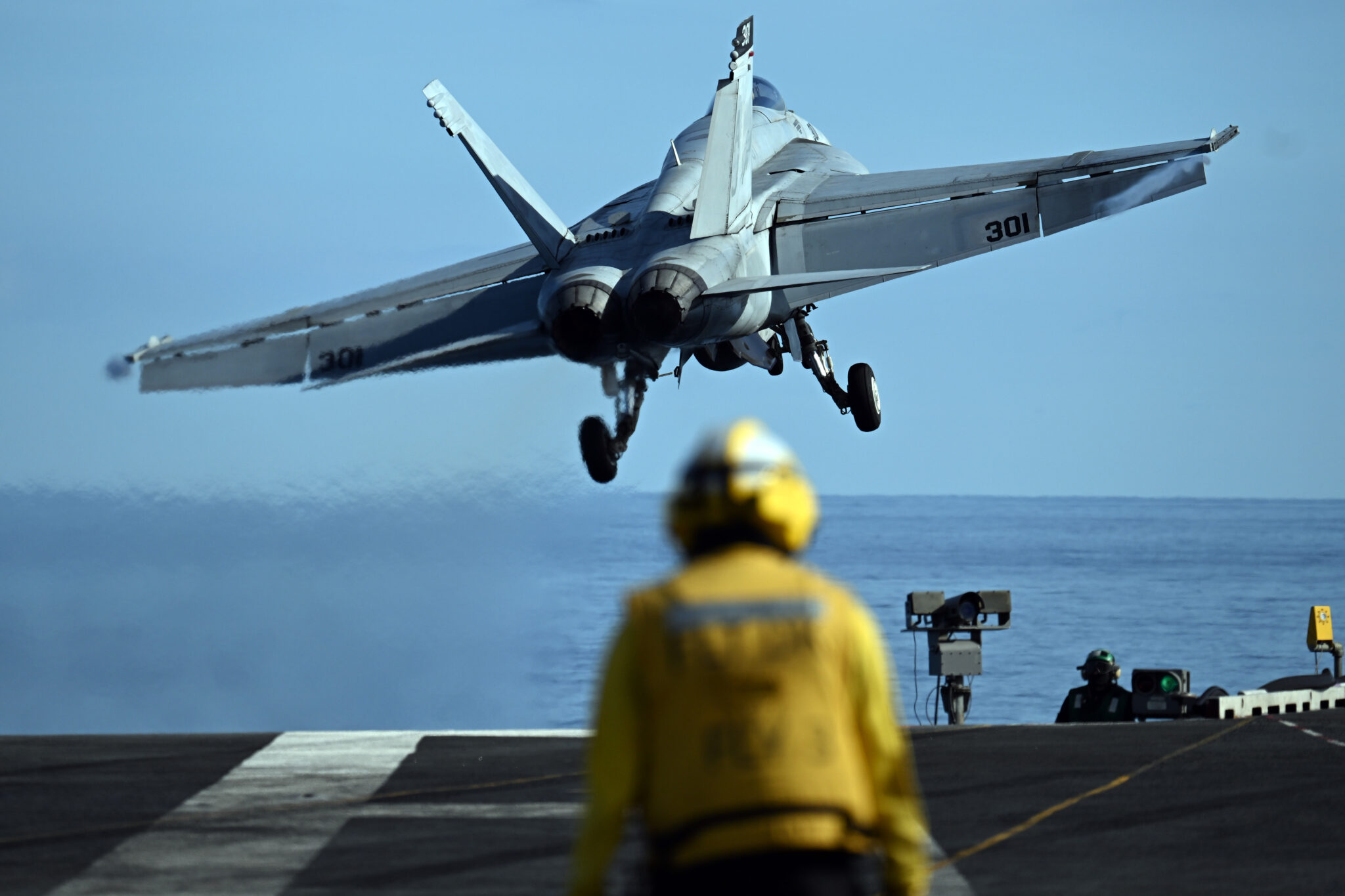
From drones over Poland to jets in Estonian airspace, Moscow is testing Europe’s nerves as Ukraine’s deep strikes rattle Russia. But the escalation could backfire, bringing Europeans closer together instead of driving them apart.

As Russian jets breach Estonian airspace, Tallinn’s mayor Jevgeni Ossinovski explains how the capital is preparing for war while holding on to faith in NATO protection.
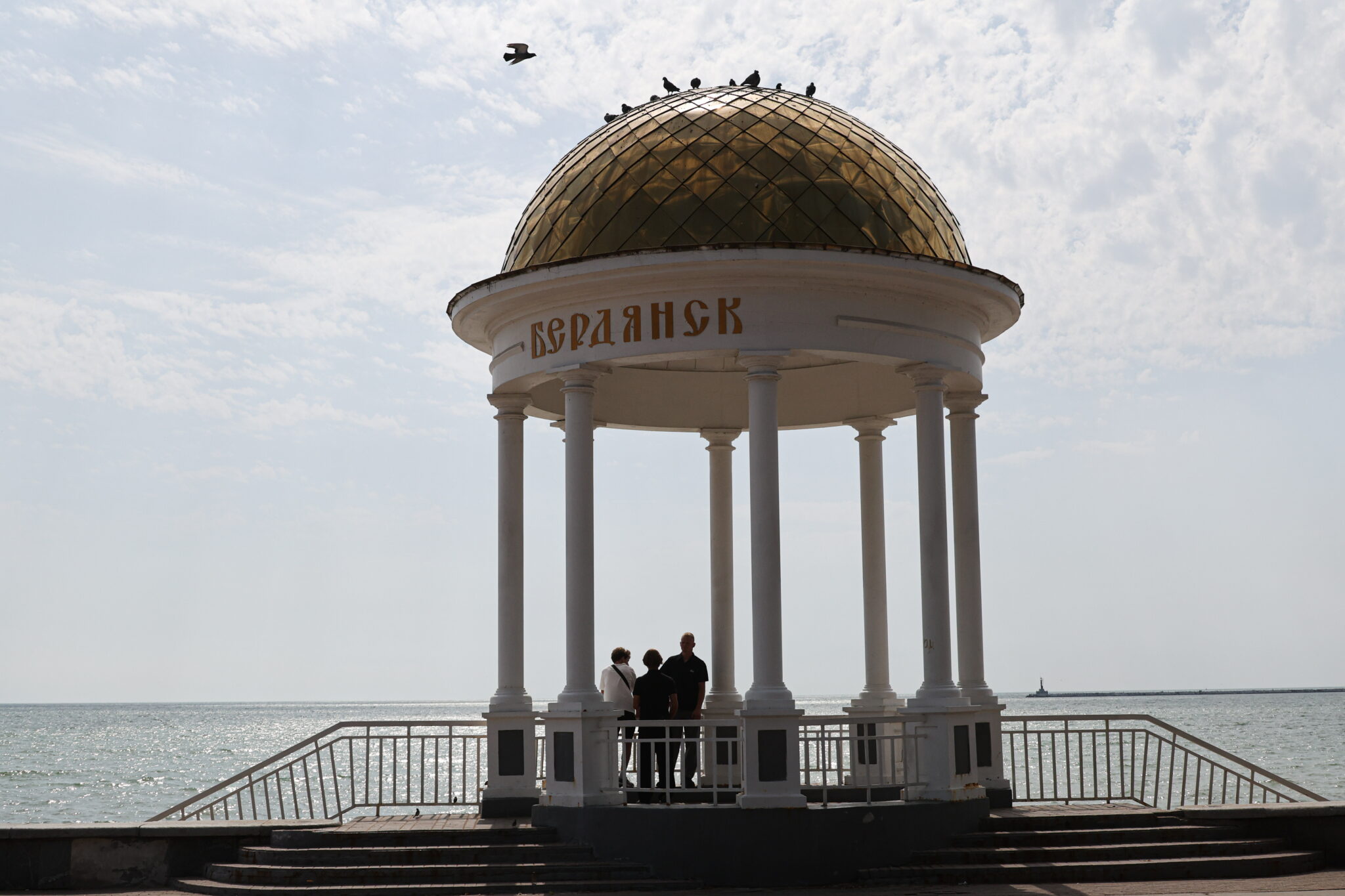
From language bans to property seizures, residents of the Ukrainian port city of Berdyansk live under constant surveillance, intimidation, and the threat of losing everything.
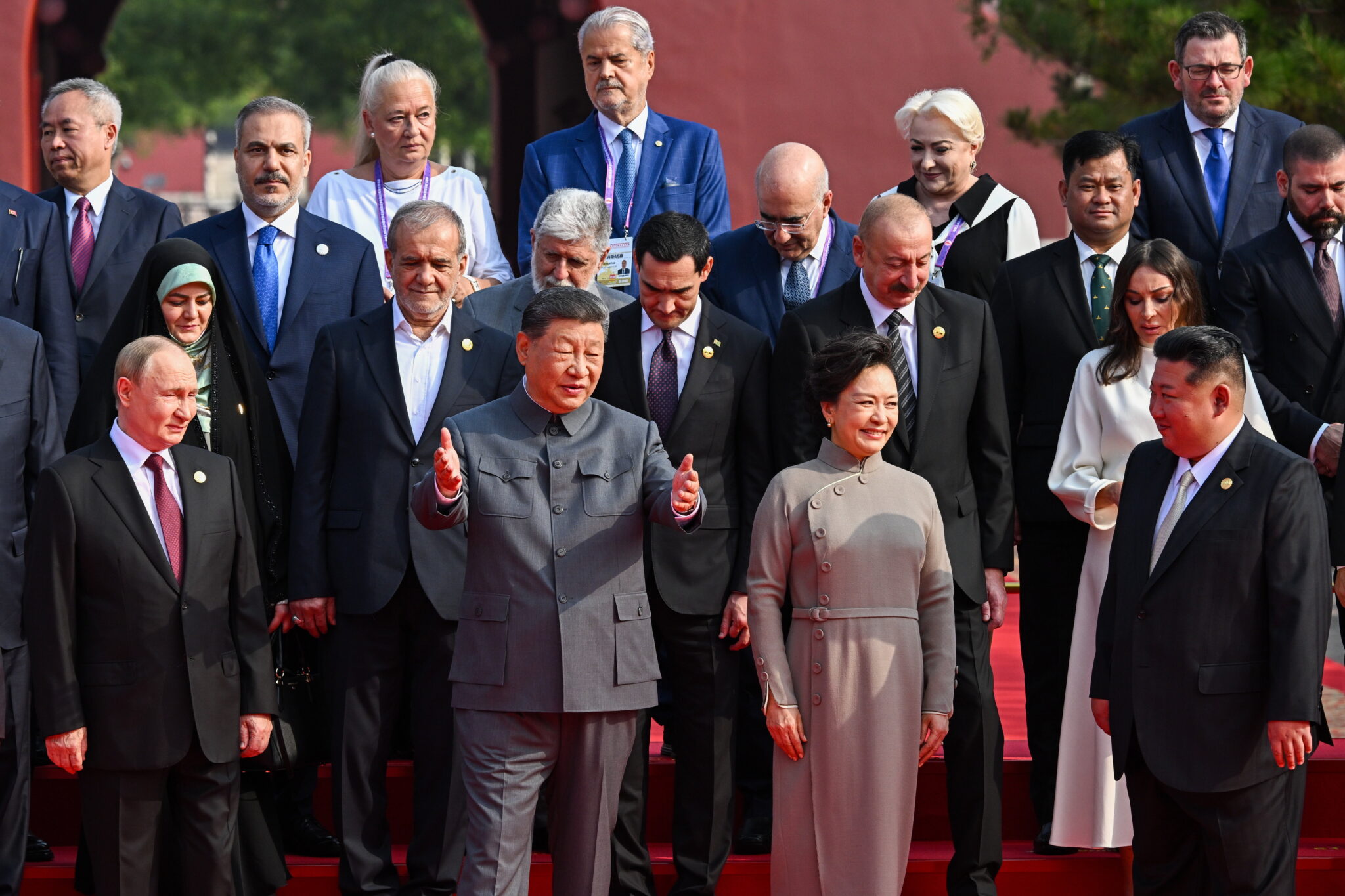
Xi Jinping’s military show in Beijing and his alliance of autocrats may look like the dawn of a new world order, yet the economic, scientific, and military balance still tilts toward the democracies of the West.
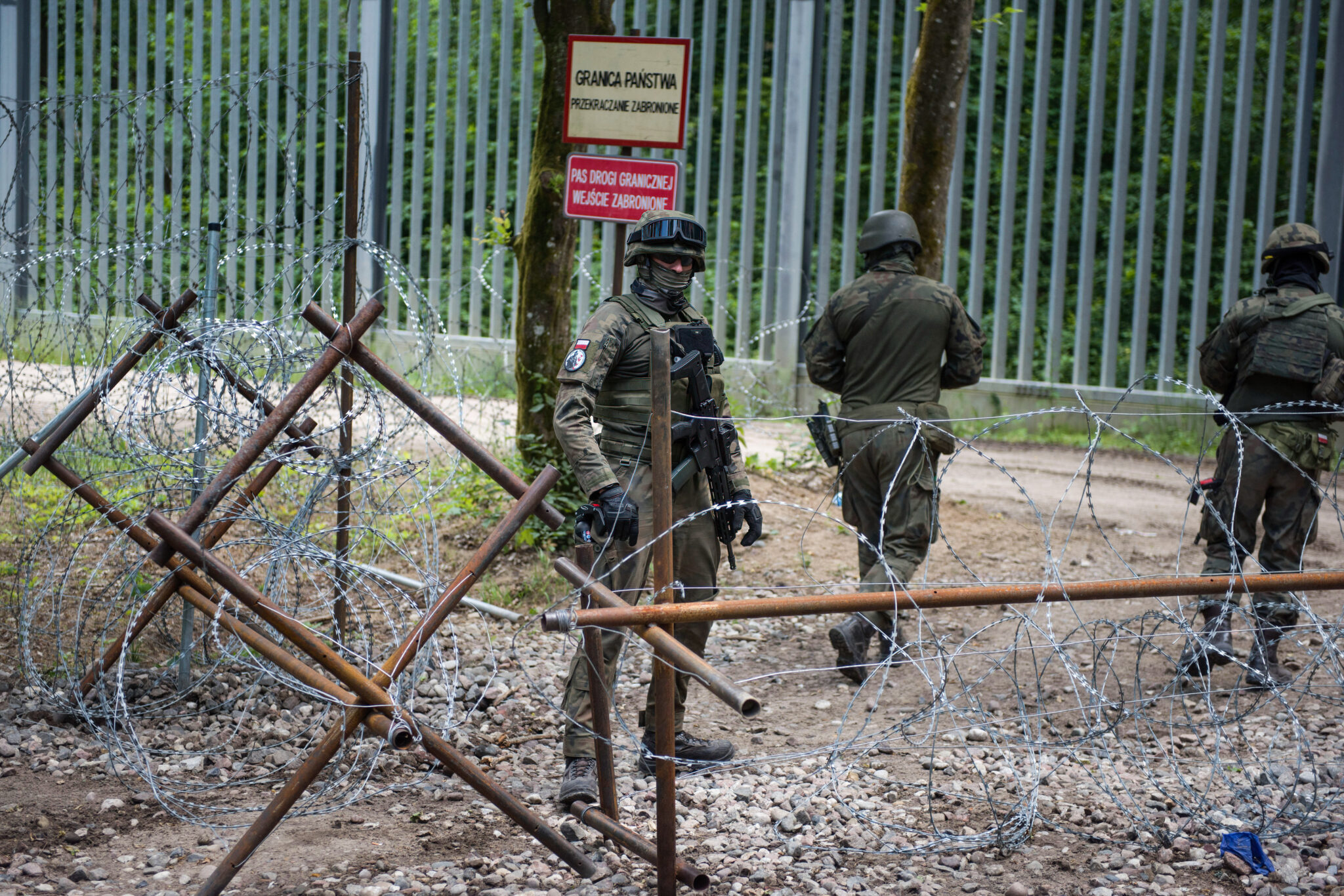
A historic ally of Kyiv, Poland has found itself on the frontlines of the Ukraine-Russia war. What began as a border crisis back in 2021 has now evolved into a full-scale struggle for security, sovereignty, and survival on NATO’s eastern flank.
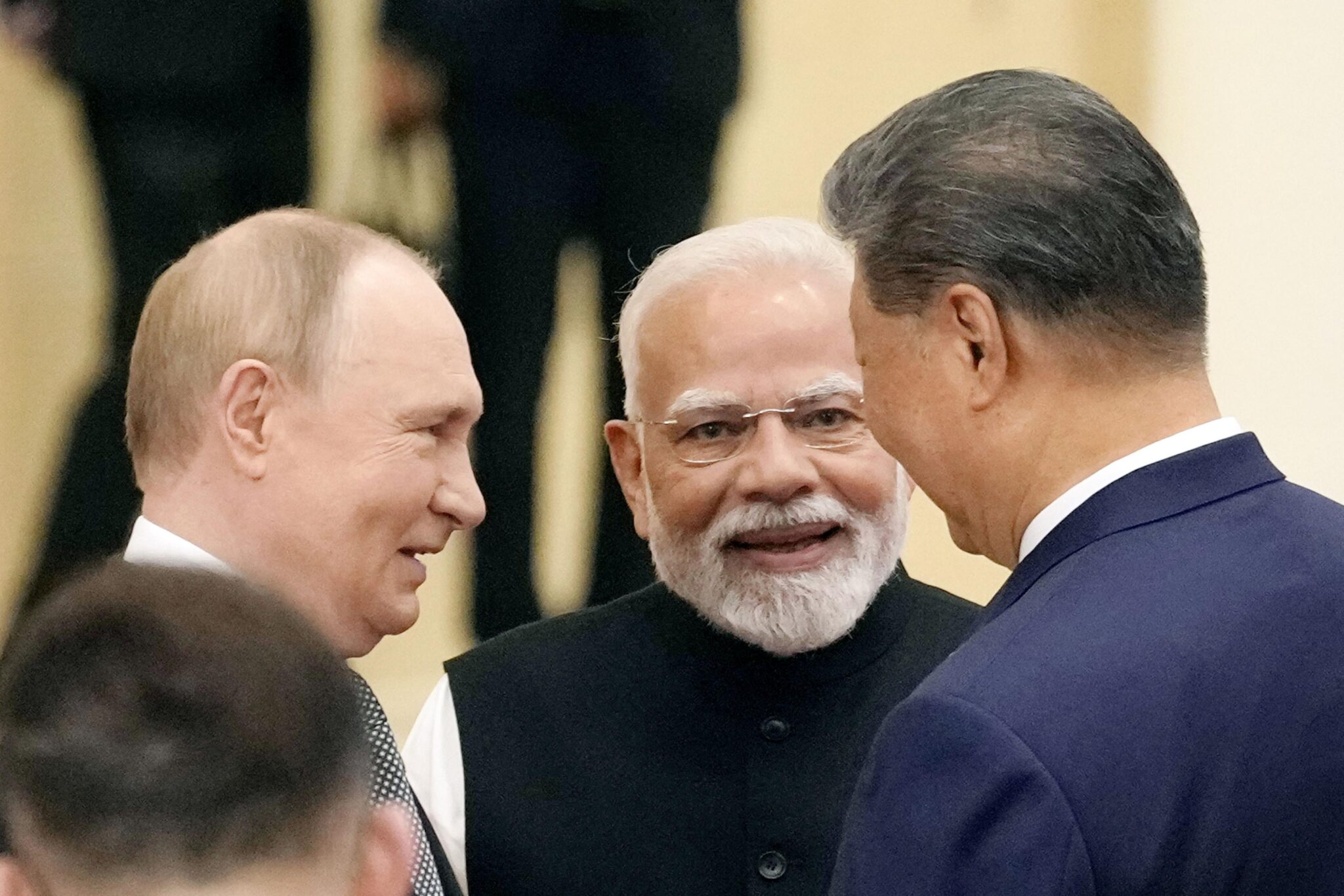
The leaders of Russia, India and China were all smiles as they posed for a photo on the sidelines of the Shanghai Cooperation Organization (SCO) summit, with their thoughts on the “absent” Donald Trump. The battle for world order in the 21st century captured in a single photo.
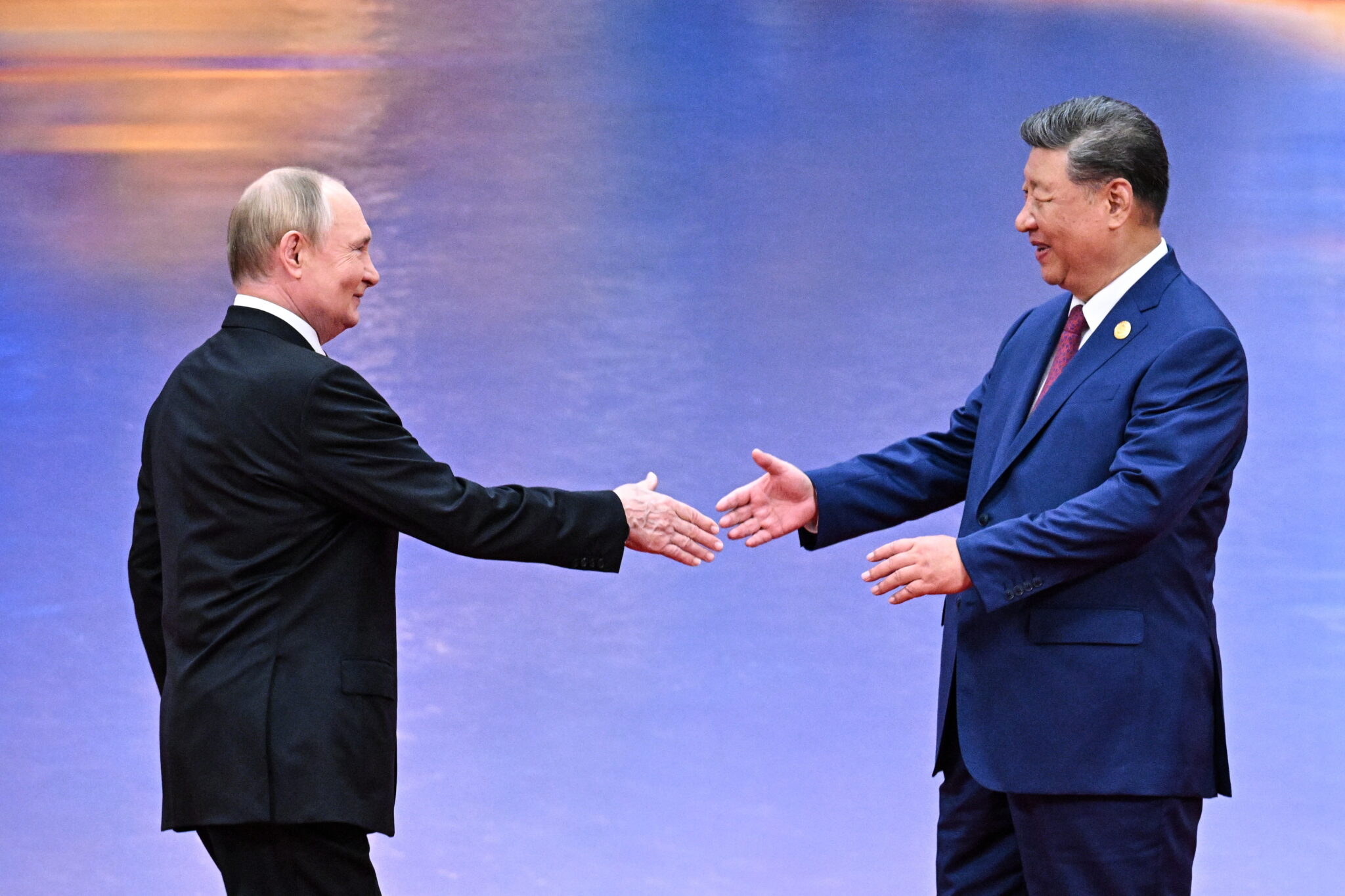
With the regional summit in Tianjin and the impressive military parade planned for Wednesday in Beijing, to be attended by Vladimir Putin and other non-Western leaders, Xi Jinping’s China is showing its ambition to position itself as the leader of a “front of opposition” to Trump’s America.
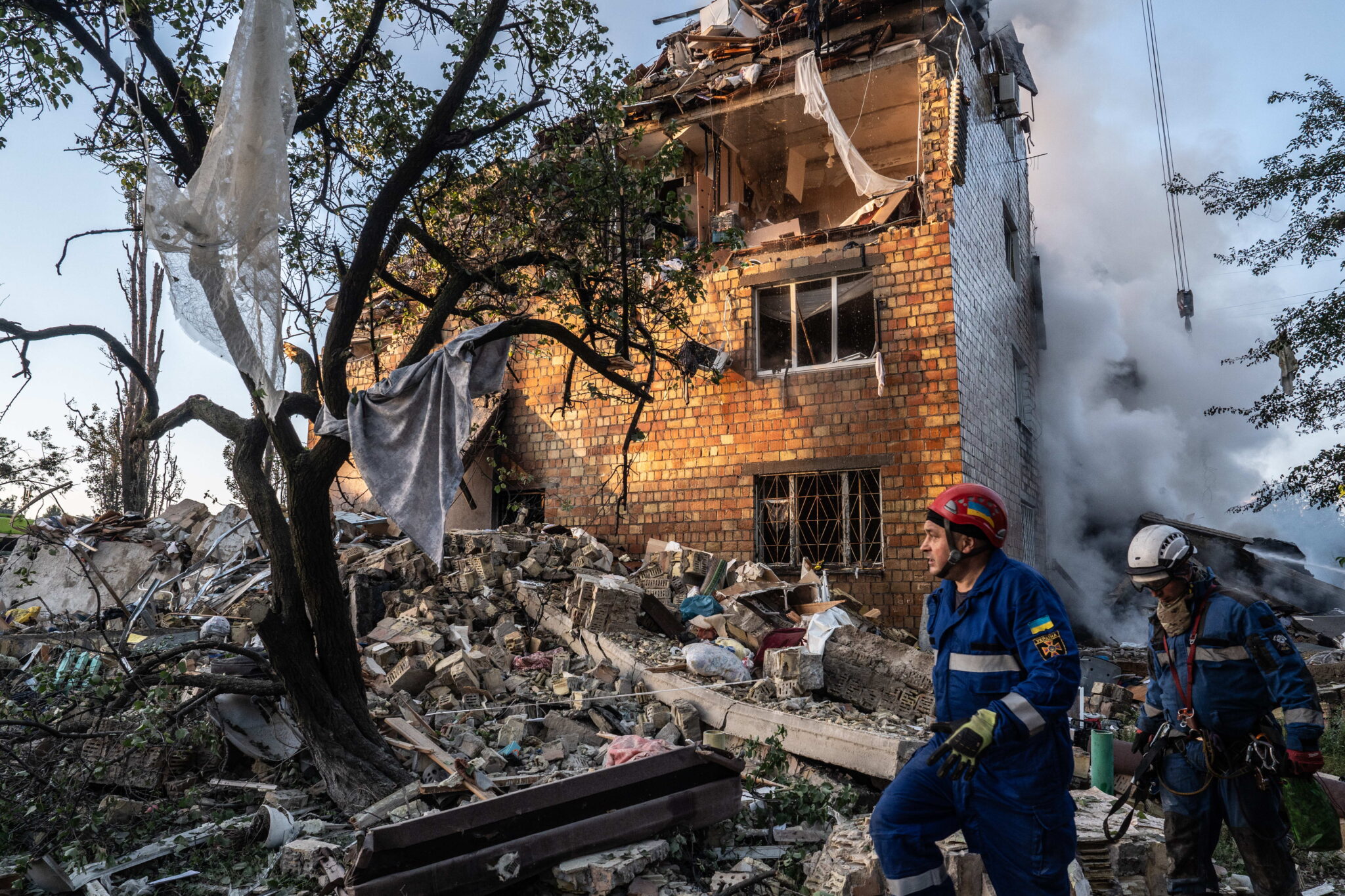
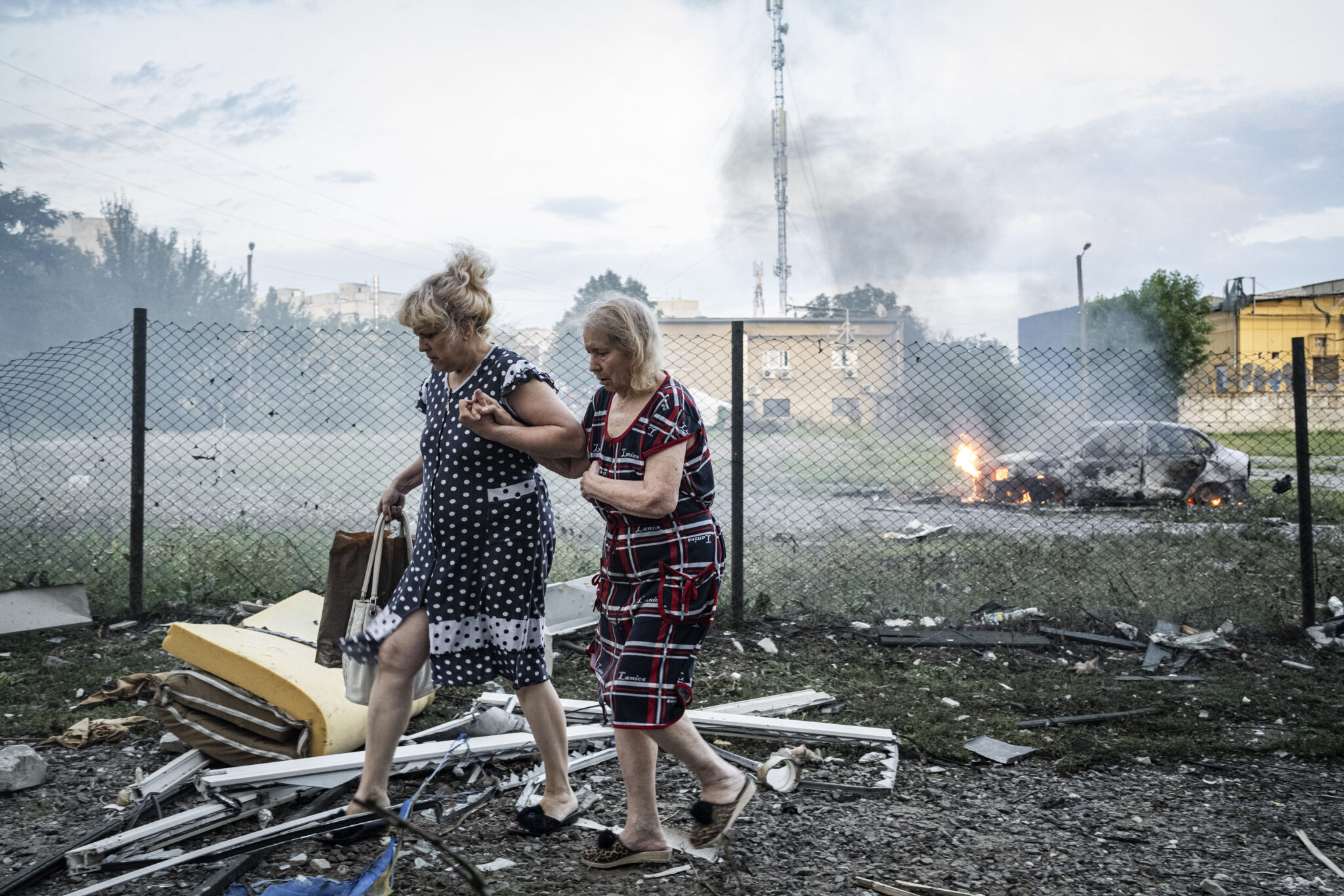
Even after diplomatic overtures and red-carpet treatment abroad, Moscow answers with one of its deadliest strikes since the invasion, showing the Kremlin has no intention of negotiating an end to the war.
With resources poured into the fight, allies watching, and propaganda framing it as a struggle against the West, President Vladimir Putin has locked Russia’s foreign policy into a war Moscow cannot afford to lose.
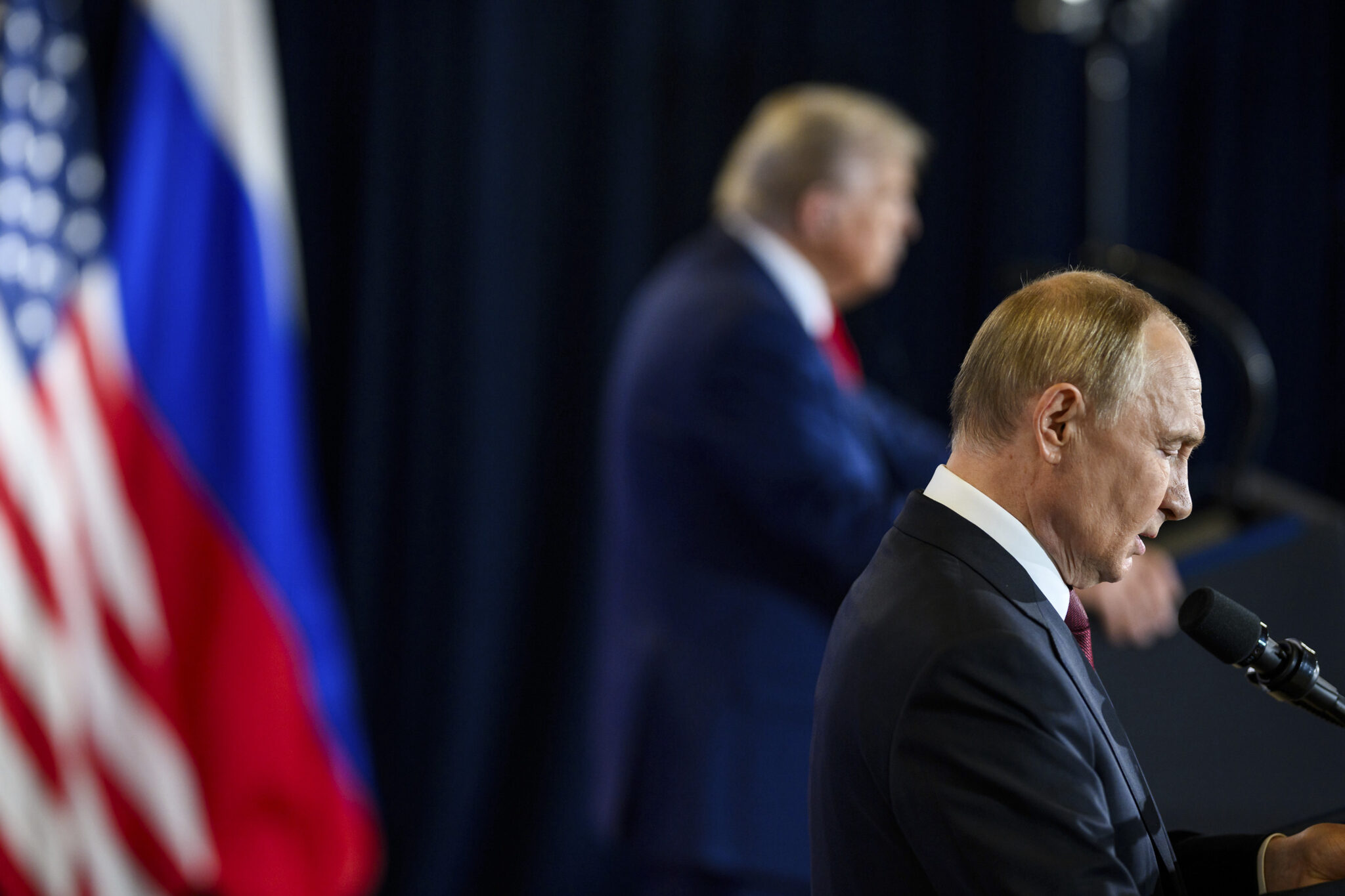
Ten days after the Trump-Putin summit in Alaska, the hopes for peace negotiations that it had raised have faded: Russia has set conditions that are difficult to accept. There is no meeting between Zelensky and Putin planned, Russian Minister Sergei Lavrov confirmed yesterday. What will Trump do?
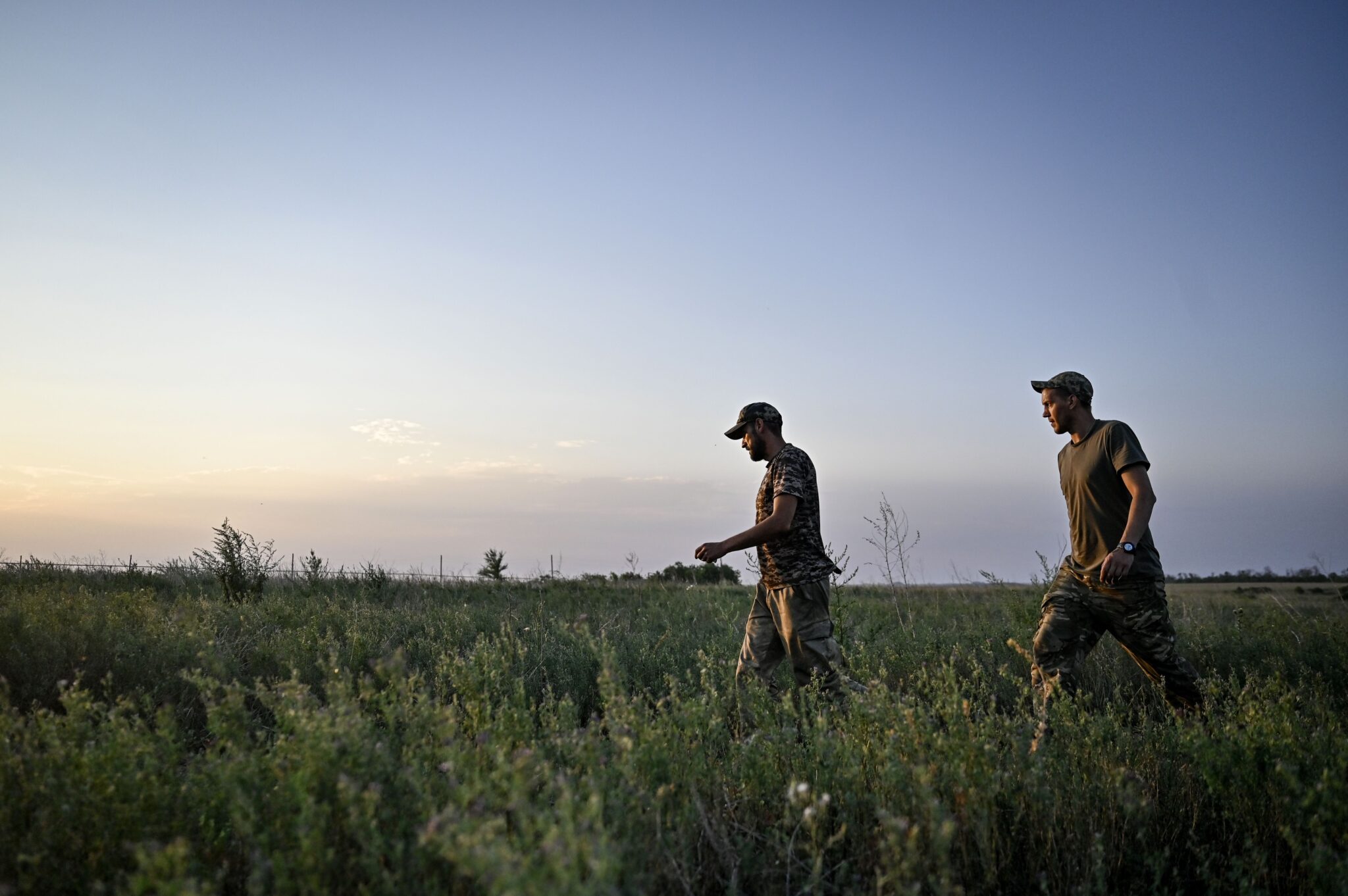
Washington is pushing for a security corridor protected by international and EU forces, with a certain degree of U.S. military, logistical and technological backing to deter Russia. It recalls the practical if imperfect decades-long status quo on the Korean Peninsula
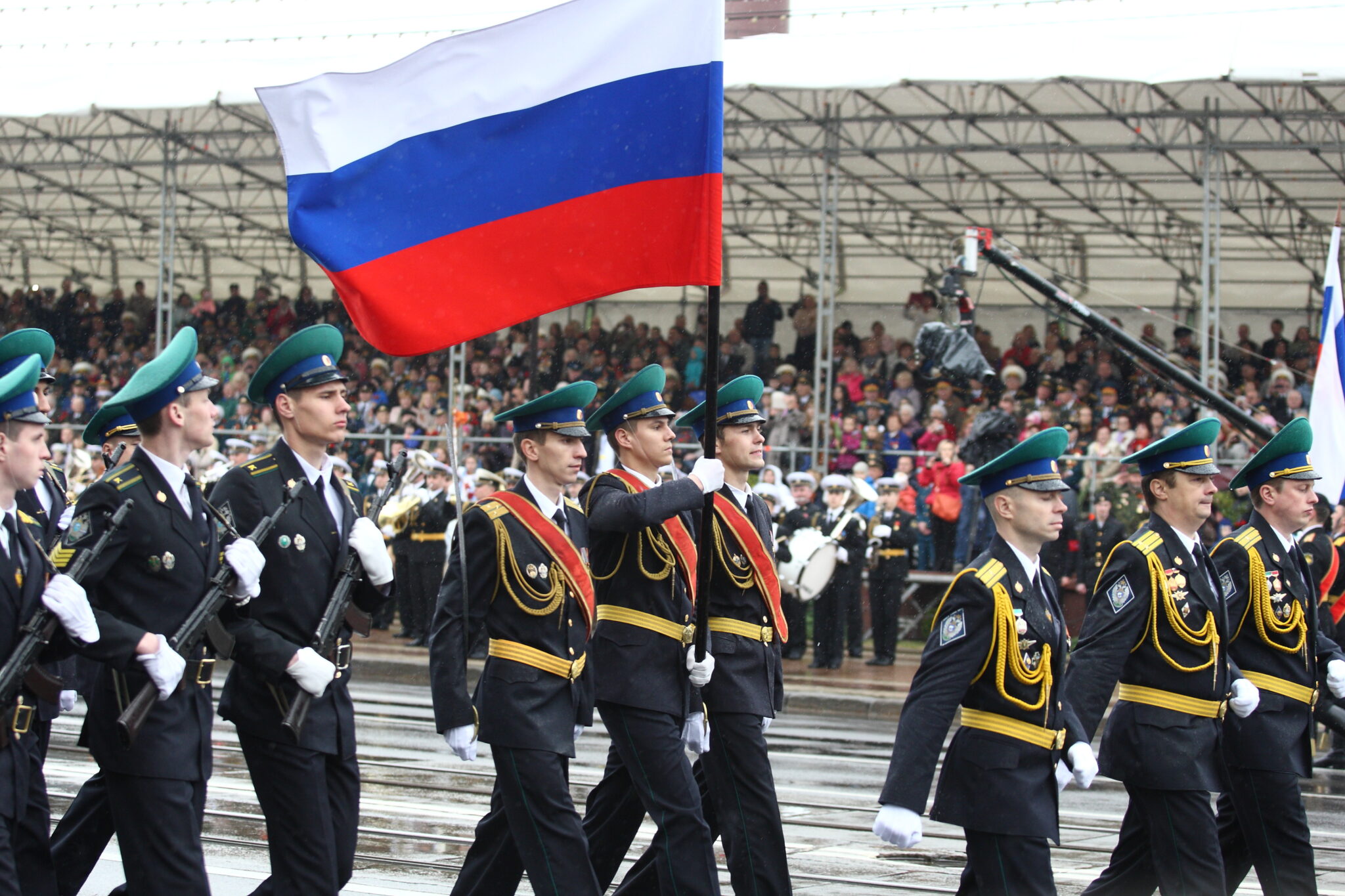
This small but strategically located Russian exclave is the most militarized area in Europe. Much of the continent remains within range of Kaliningrad’s Iskander missiles which allows Russia to keep NATO in check. What is the real potential of the Russian military forces stationed just beyond our northern border?
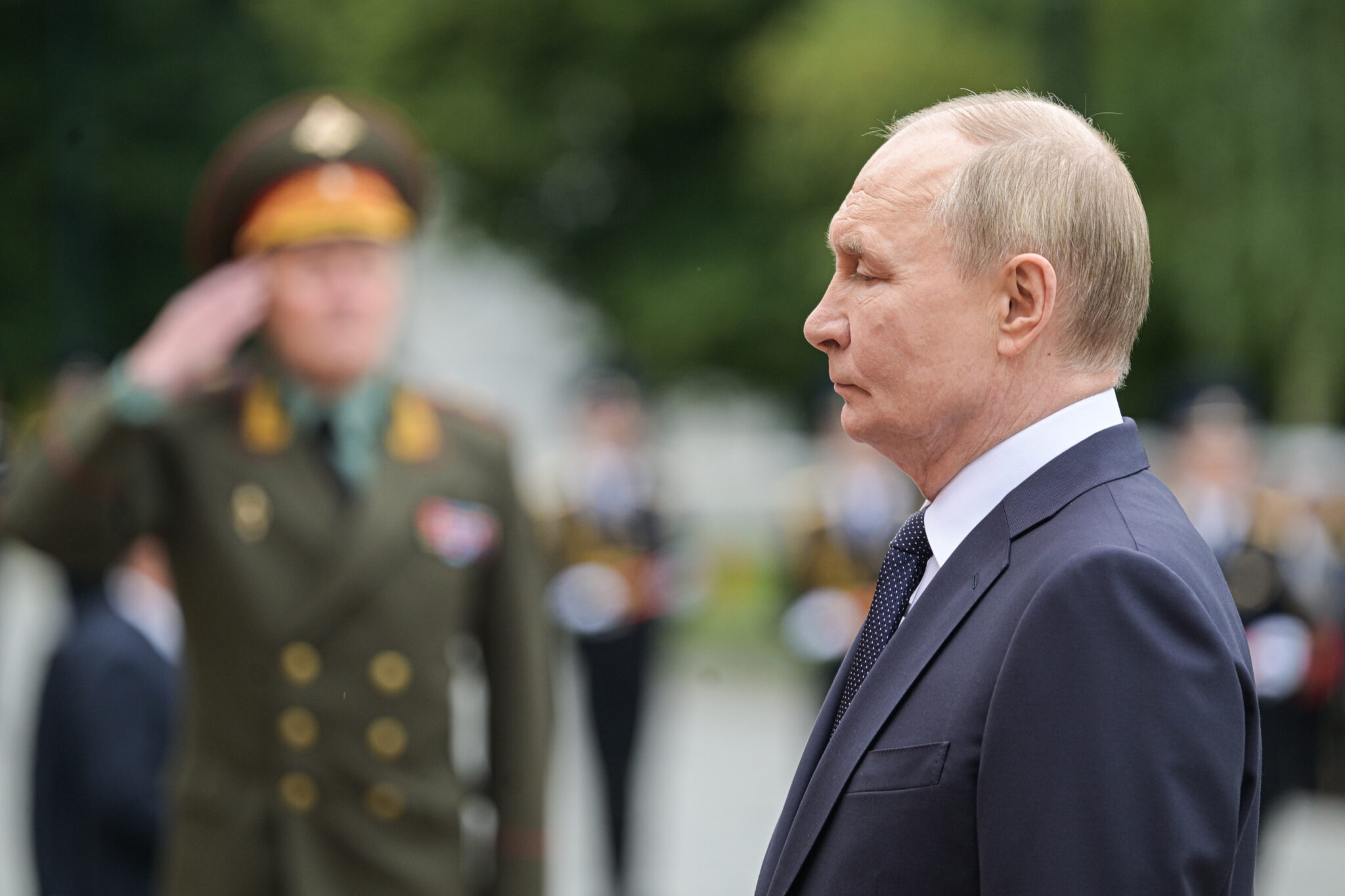
Despite promises of Patriot missiles and steep tariffs, Trump’s latest overtures give Russia time to press its offensive—and the Moscow stock market is celebrating.
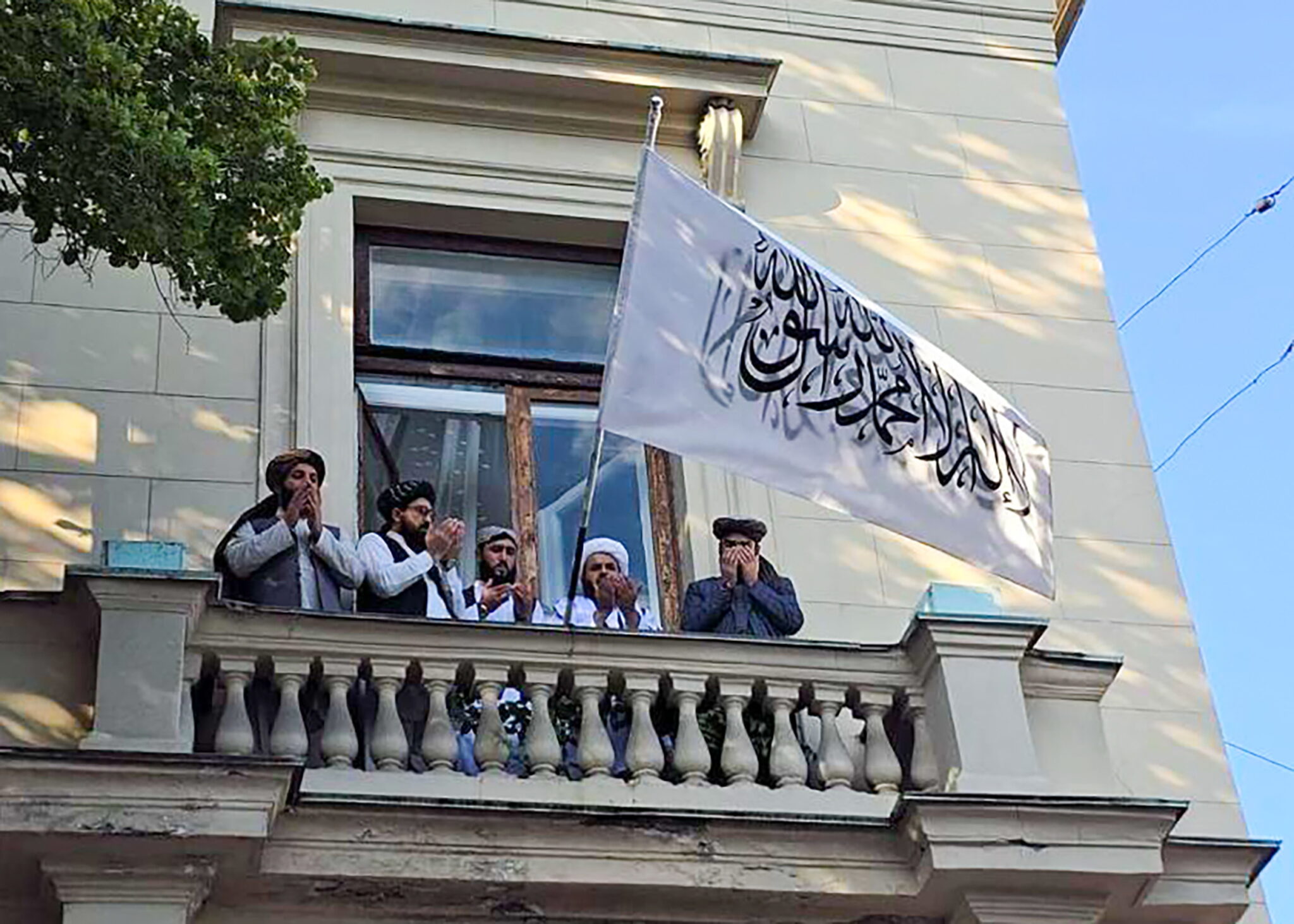
On July 3, Russia recognized the Taliban-led Islamic Emirate of Afghanistan, a decision that will have a significant effect on the positions of other nations, particularly those in Central Asia.
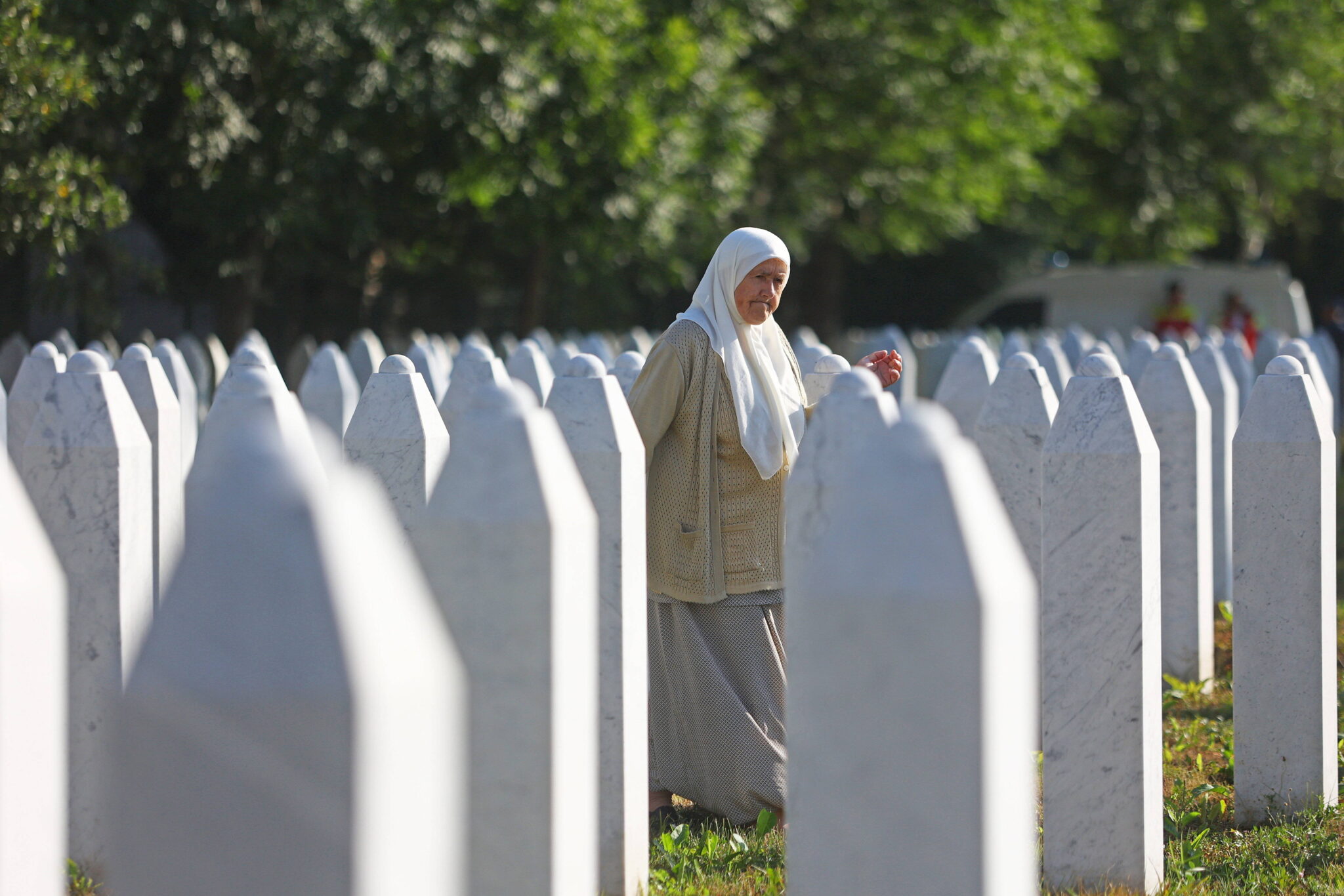
Once dismissed as a tragic anomaly of the post–Cold War era, the 1995 massacre of 8,000 Bosnian Muslims now echoes through today’s wars and ideologies. From Gaza to Ukraine, the logic of ethnic violence is back, and the world is once again looking away.
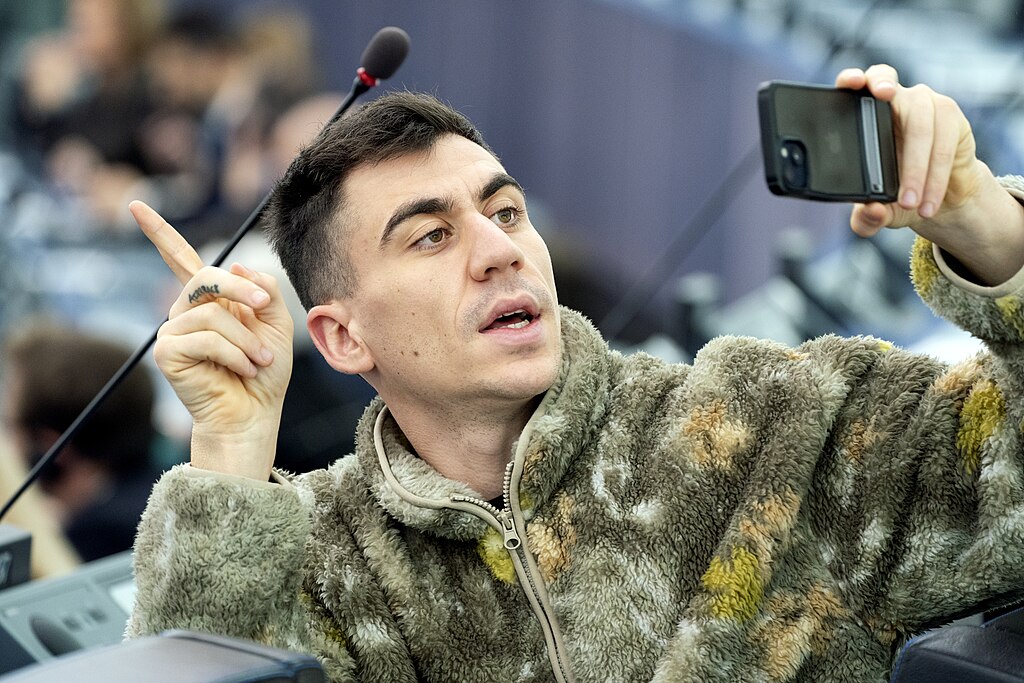
He ran “for fun,” filmed every step, and turned controversy into content. Now, from the back row of Brussels, Panayiotou is rewriting what it means to be an MEP in the age of the algorithm.
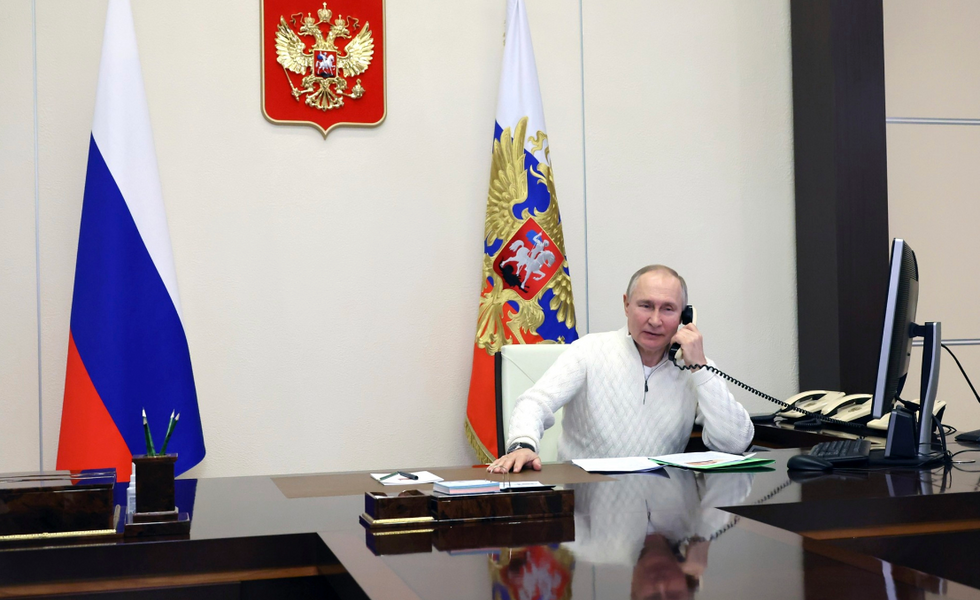
Putin is happy to go around the Europeans, and just needs Trump to stay out of the way.
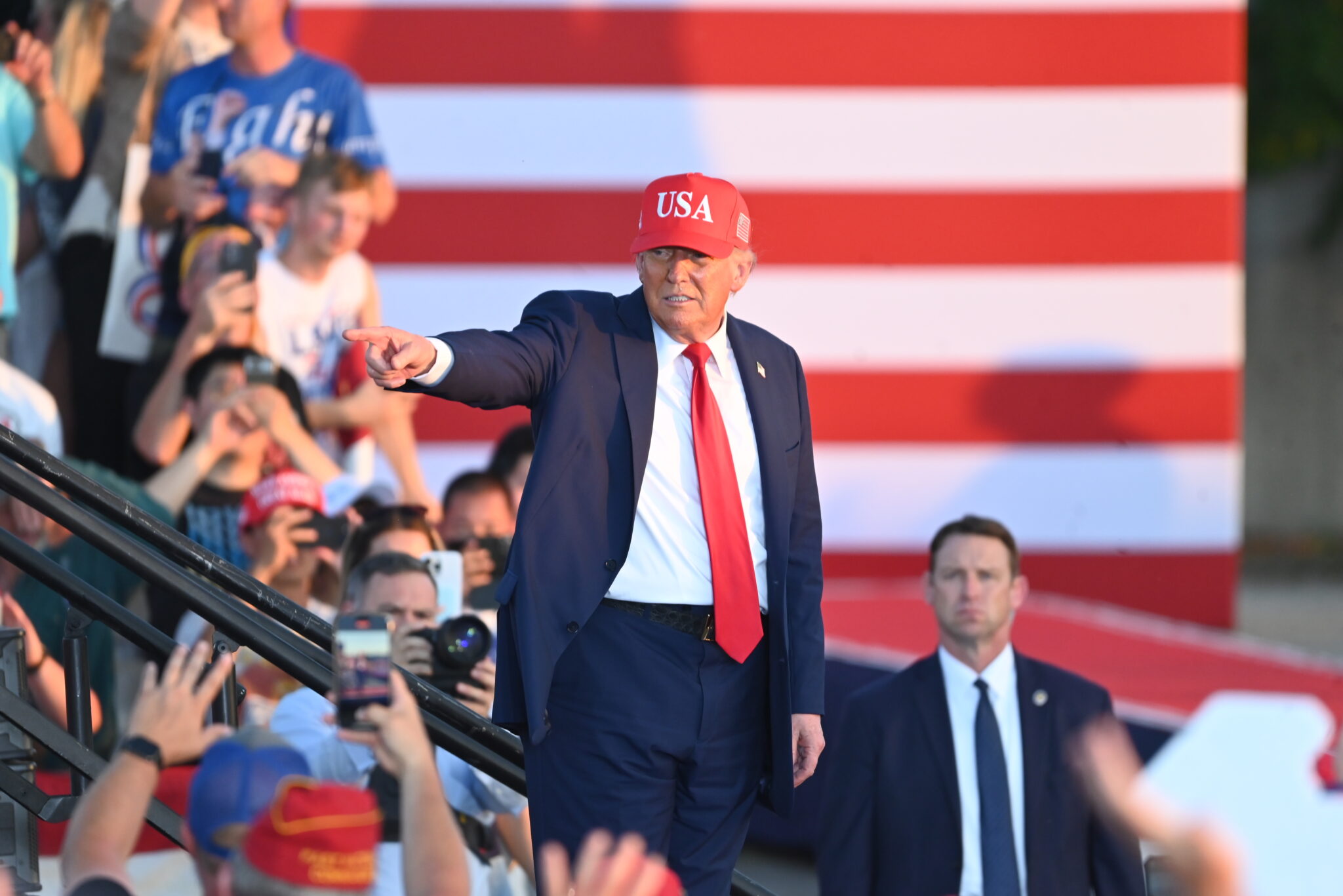
Donald Trump has scored a number of domestic and international victories. But his failure to reign in either Vladimir Putin or Benjamin Netanyahu does not bode well for the future.
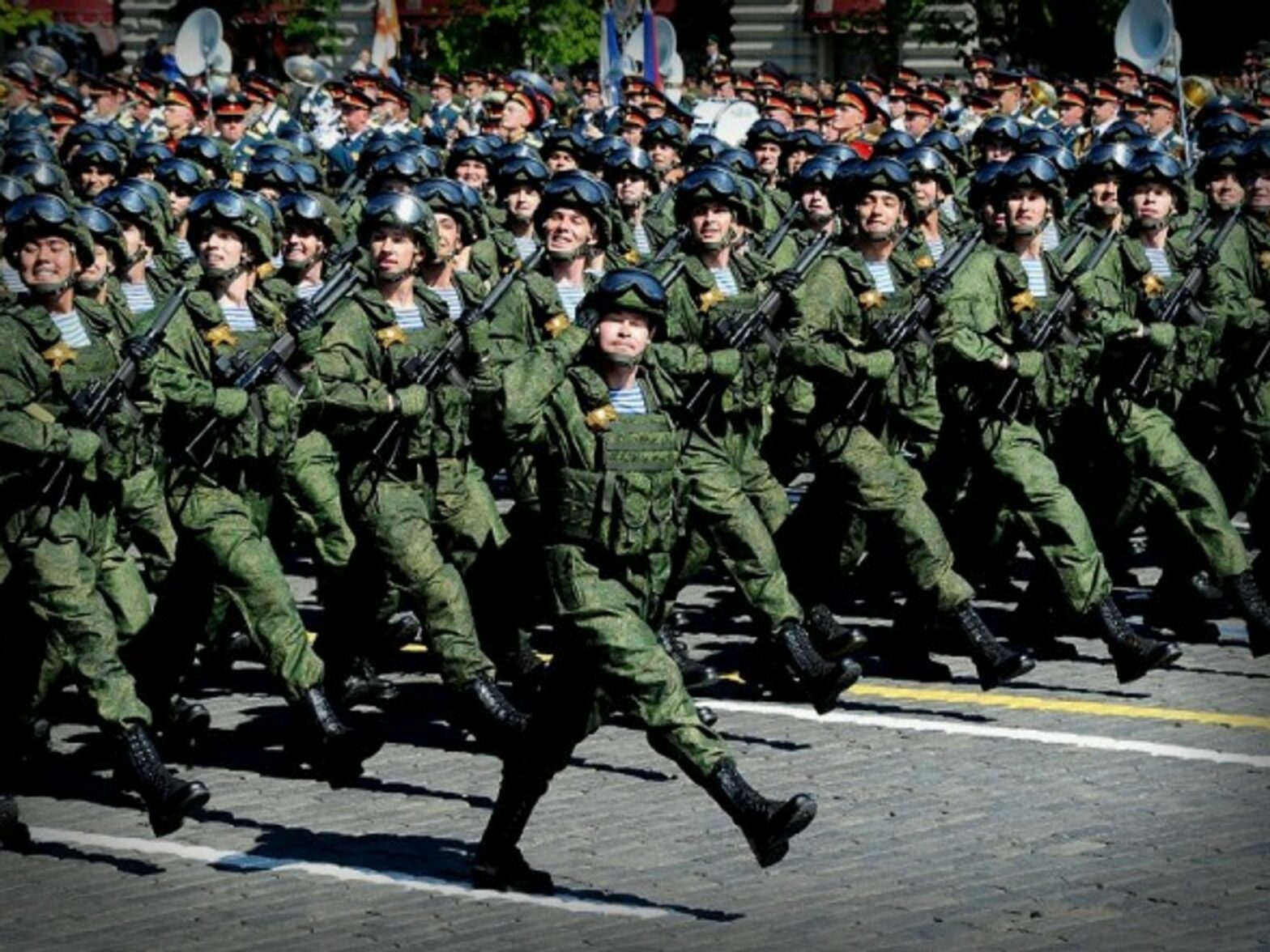
Chancellor Merz and Foreign Minister Wadephul warn of direct threats from Moscow on the lives of people in Germany, and yet hesitate to back their words with the kind of support Ukraine urgently needs to avoid that Putin goes further.
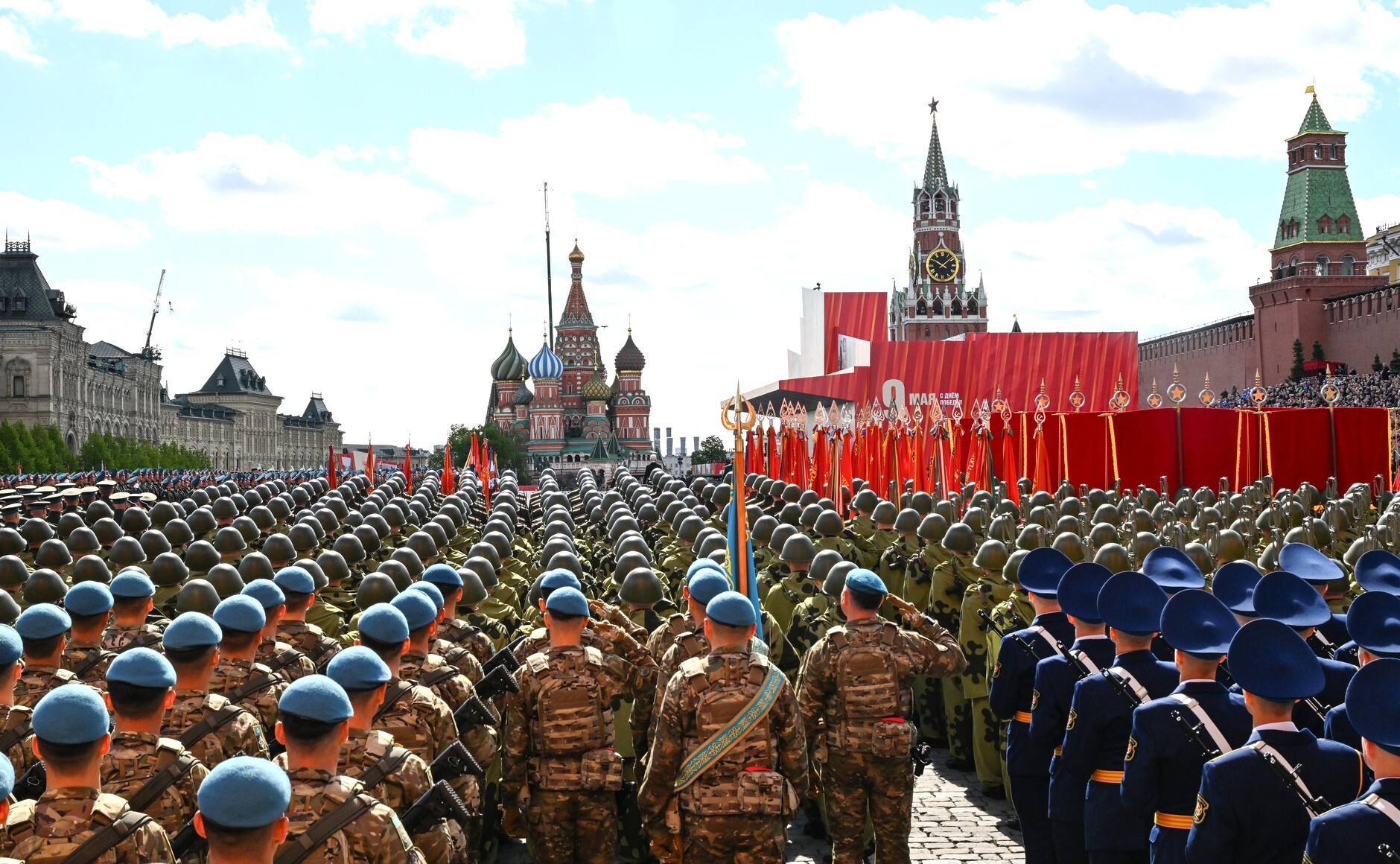
Public support for a negotiated end to the war in Ukraine is growing in Russia, with new polling showing record levels of backing for diplomacy. But the majority still insists on conditions that Ukraine — and its Western allies — are unlikely to accept. As the Kremlin plays the long game, a clear path to peace remains elusive.
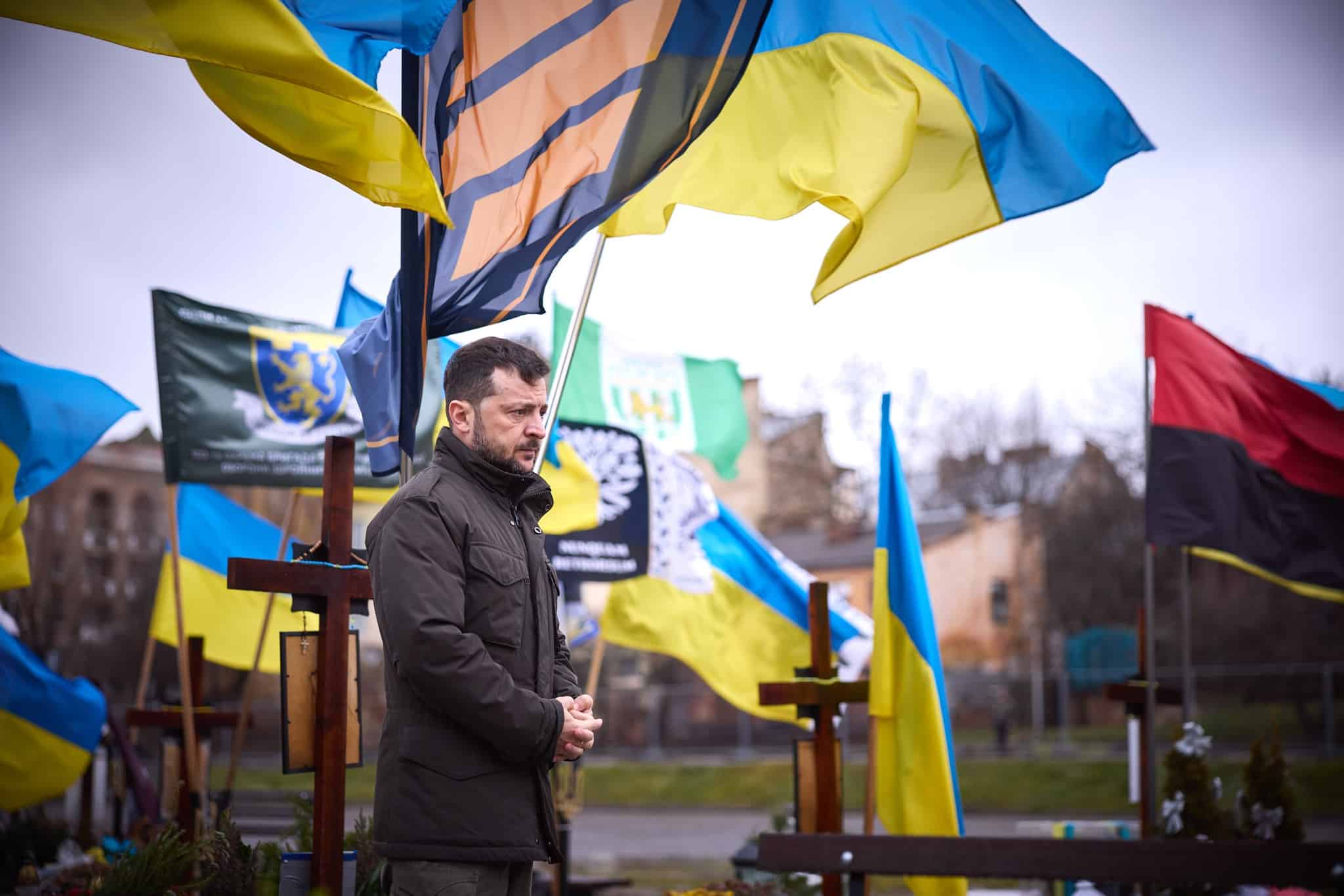
With a long-range drone strike deep inside Russia, Ukraine sends a clear message ahead of Istanbul peace talks: we are ready to keep fighting if Moscow insists on total victory.
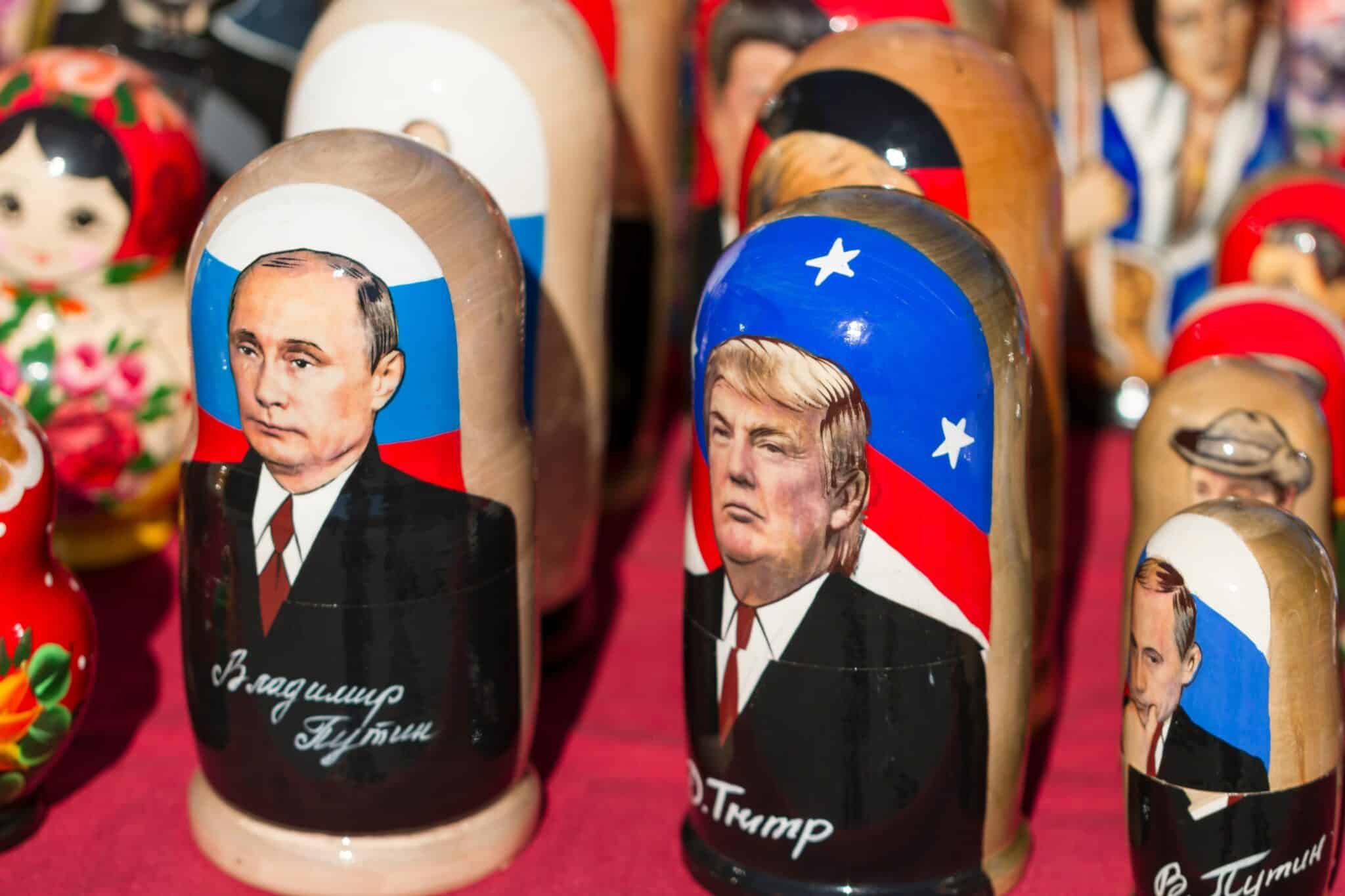
With global diplomacy now driven more by personalities than institutions, summits resemble showdowns — and geopolitics risks becoming a game where the stakes are dangerously real.
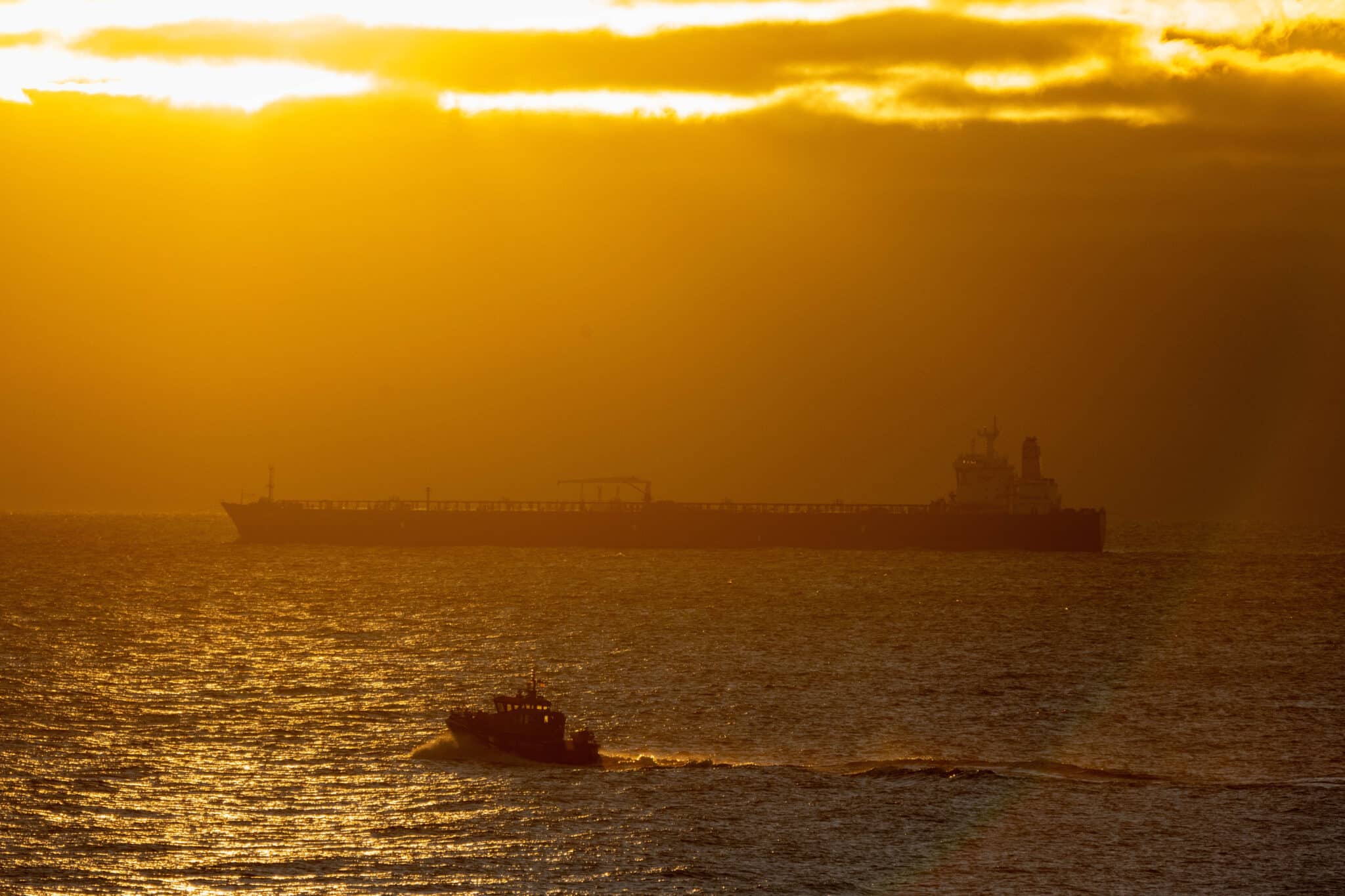
Amid growing tensions between NATO and Russia, the Baltic becomes a battlefield of hidden threats beneath the waves.
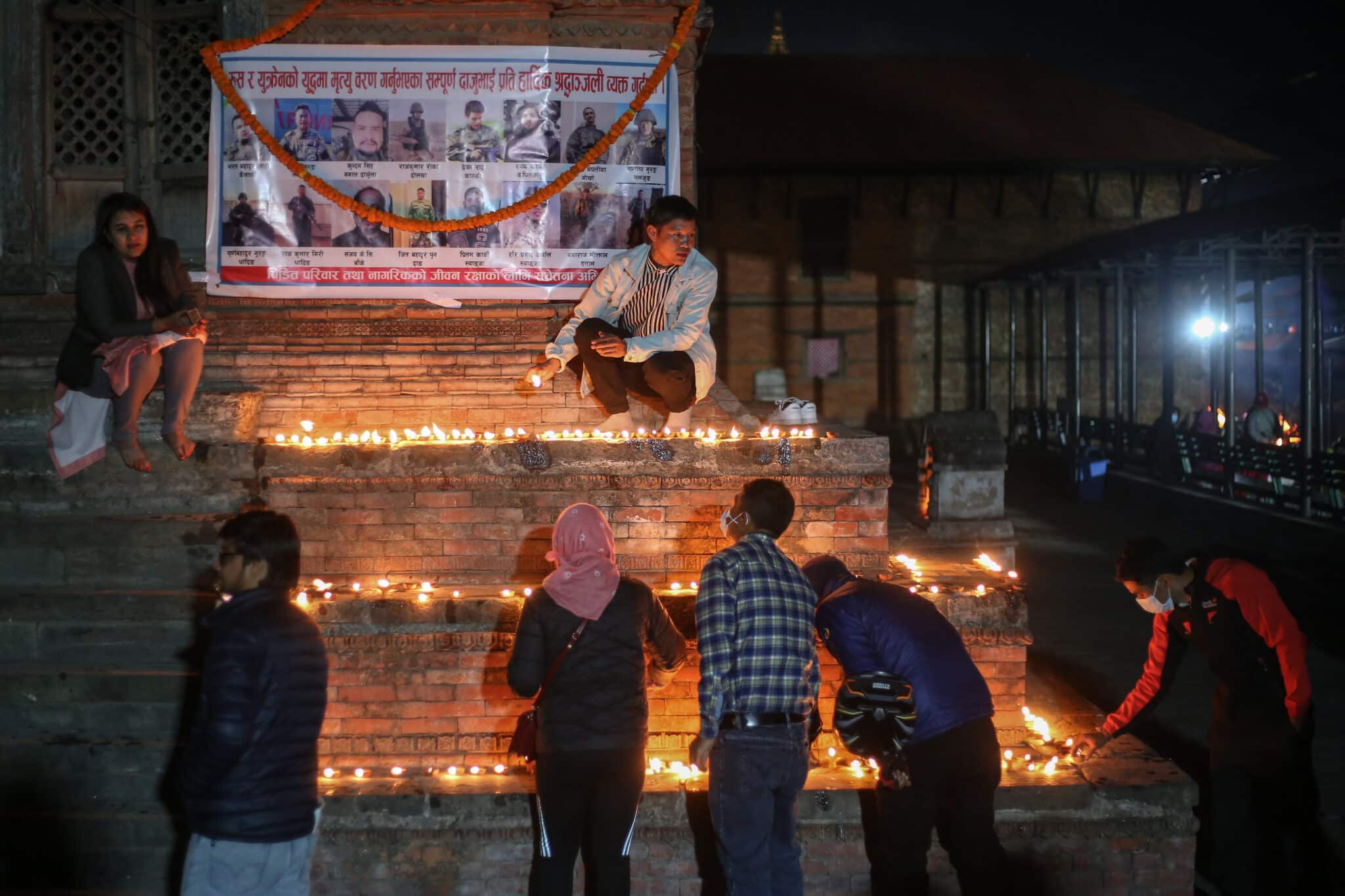
As the war in Ukraine has continued for years now, reports have surfaced of international soldiers, including those from China and North Korea, fighting for the Russian side. Less known but perhaps no less significant is the example of Nepalese soldiers, some of whom don’t even know a war is ongoing when they make the decision to leave for Russia in search of a better life.
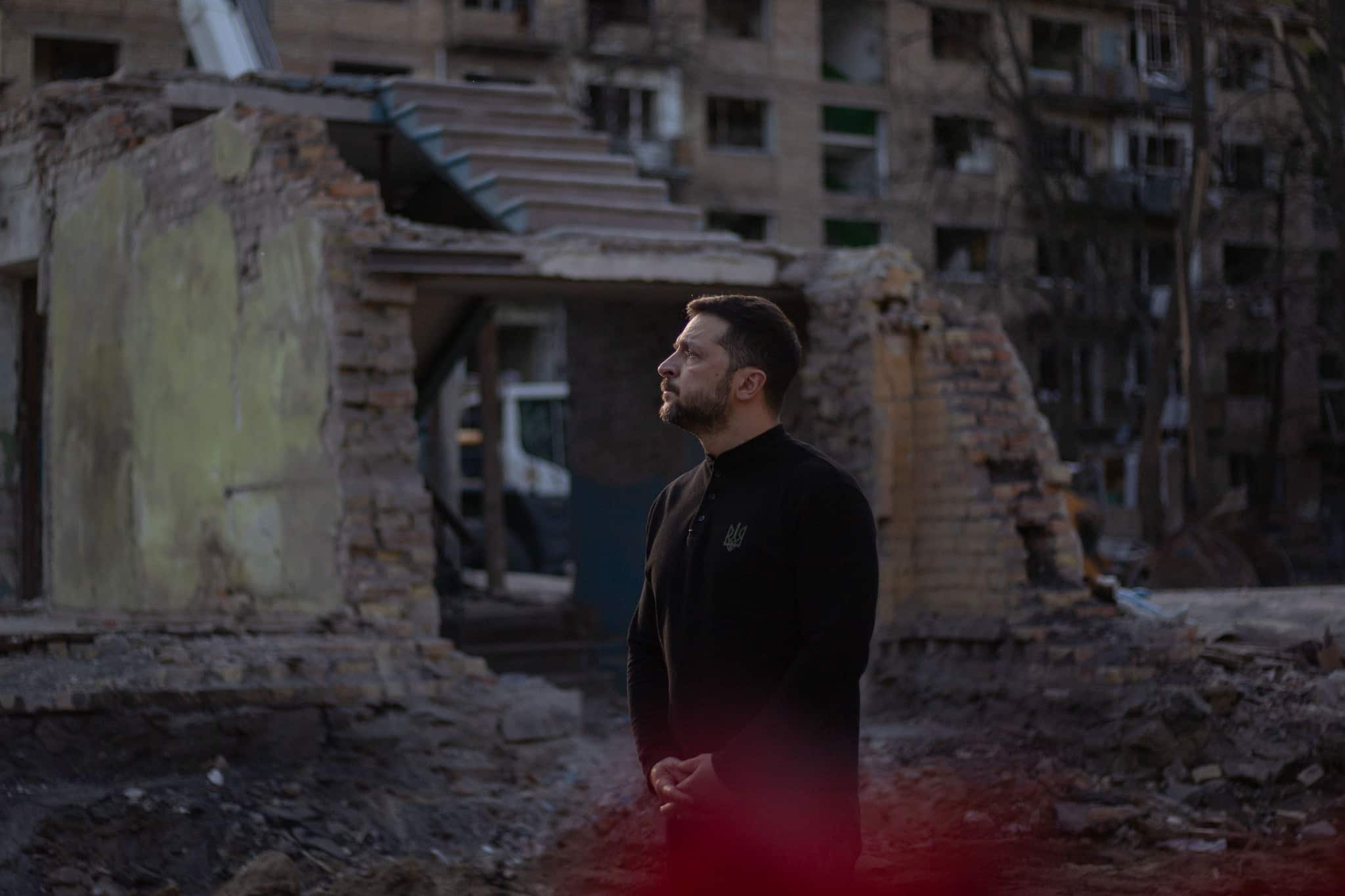
By challenging Putin to face-to-face talks in Istanbul, Ukraine’s president has reshaped the diplomatic game and forced Moscow into a high-stakes dilemma.
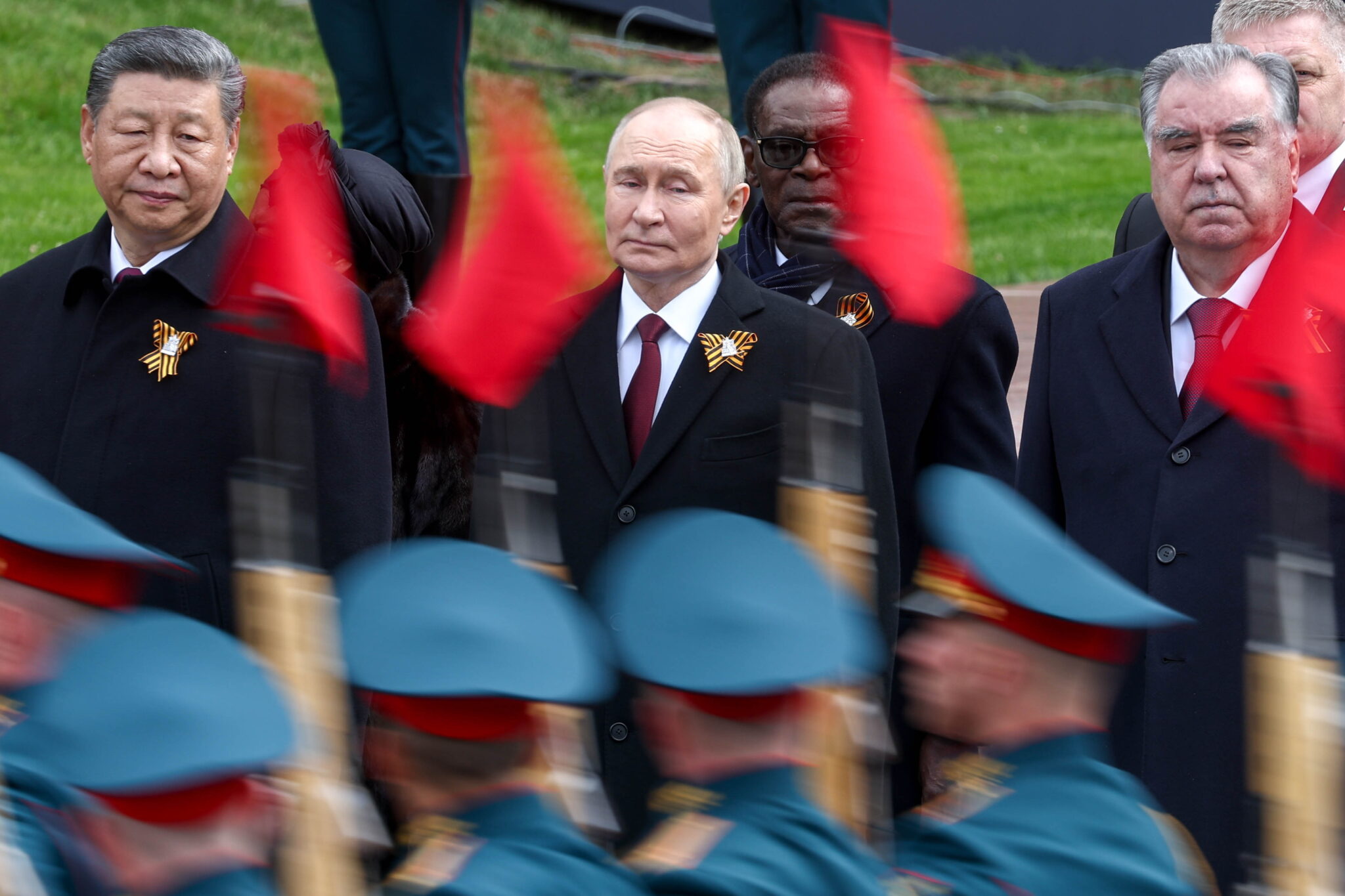
Between ceasefire proposals and calls for negotiation, the war in Ukraine has, over the past 36 hours, moved to the rhythm of a bidding war. The goal: to convince Donald Trump of each side’s goodwill.
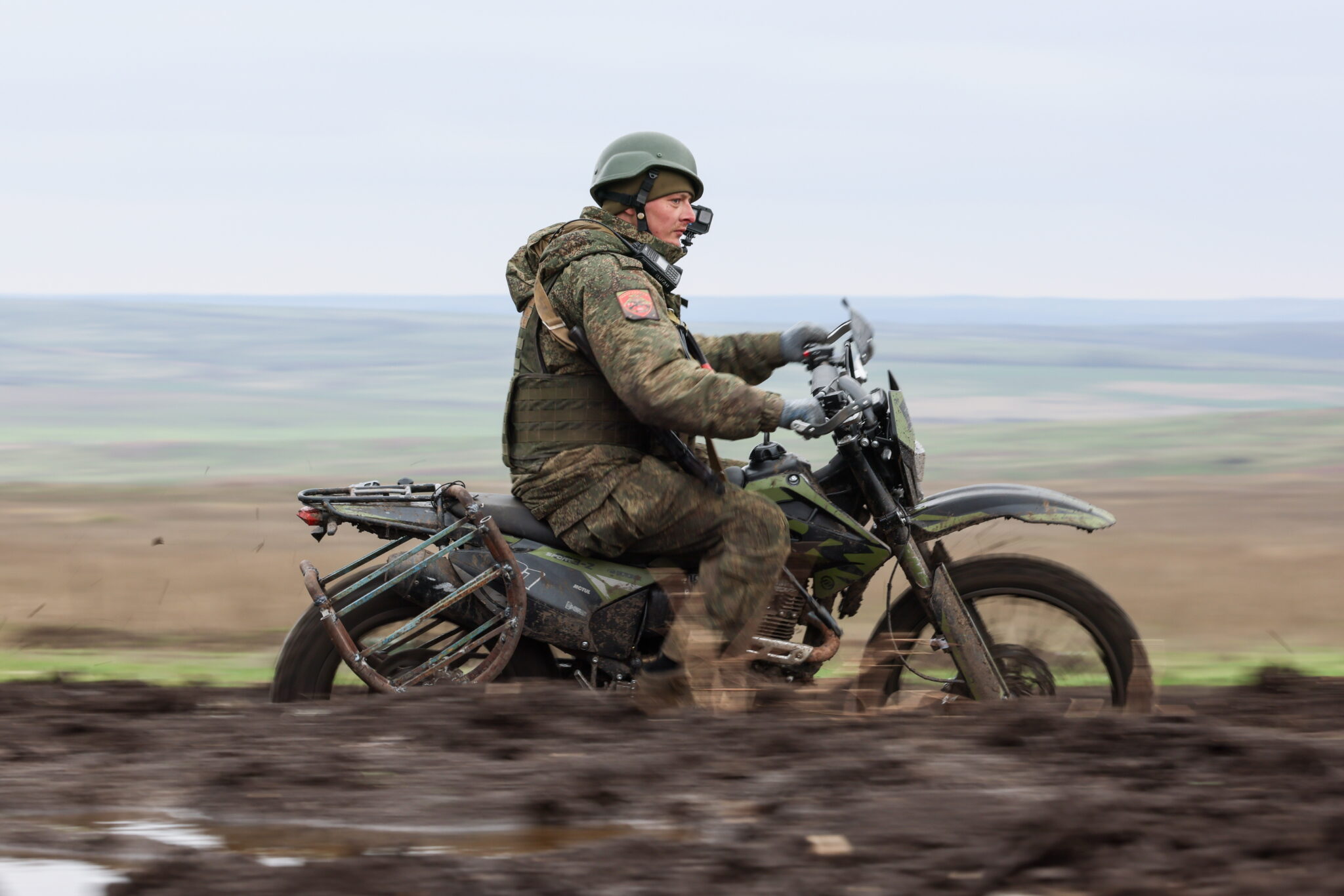
Vladimir Putin has offered a 72-hour ceasefire to begin on May 8, but signs on the ground point instead to plans for a major assault in eastern Ukraine. A key weapon would be specialized motorcycle brigades that could evade Kyiv’s defenses.
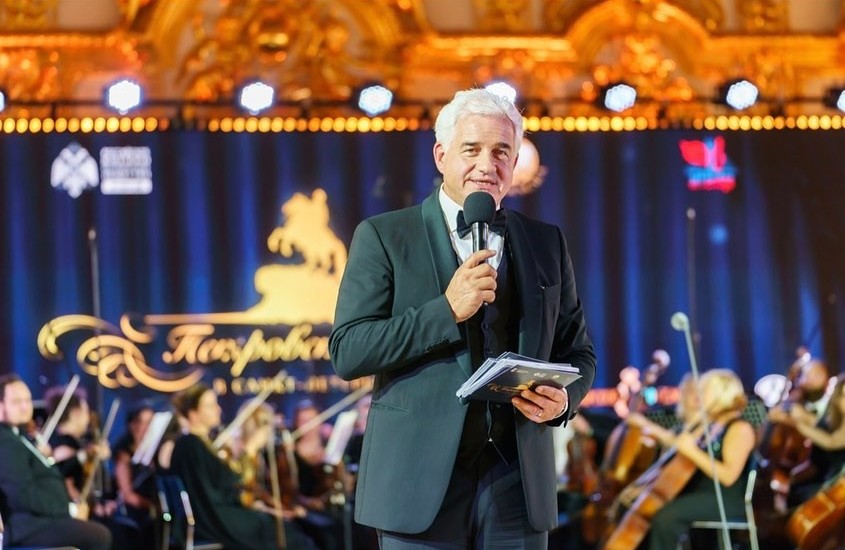
The Taschenbergpalais, a splendid baroque edifice in Dresden’s Old Town, stands as a luxury hotel complete with its own patisserie and oyster bar, catering to the affluent, the glamorous, and the influential. It was here that cultural manager Hans-Joachim Frey agreed to speak with Germany’s Die Zeit about his passion for music and his enduring ties to Russia and Vladimir Putin.
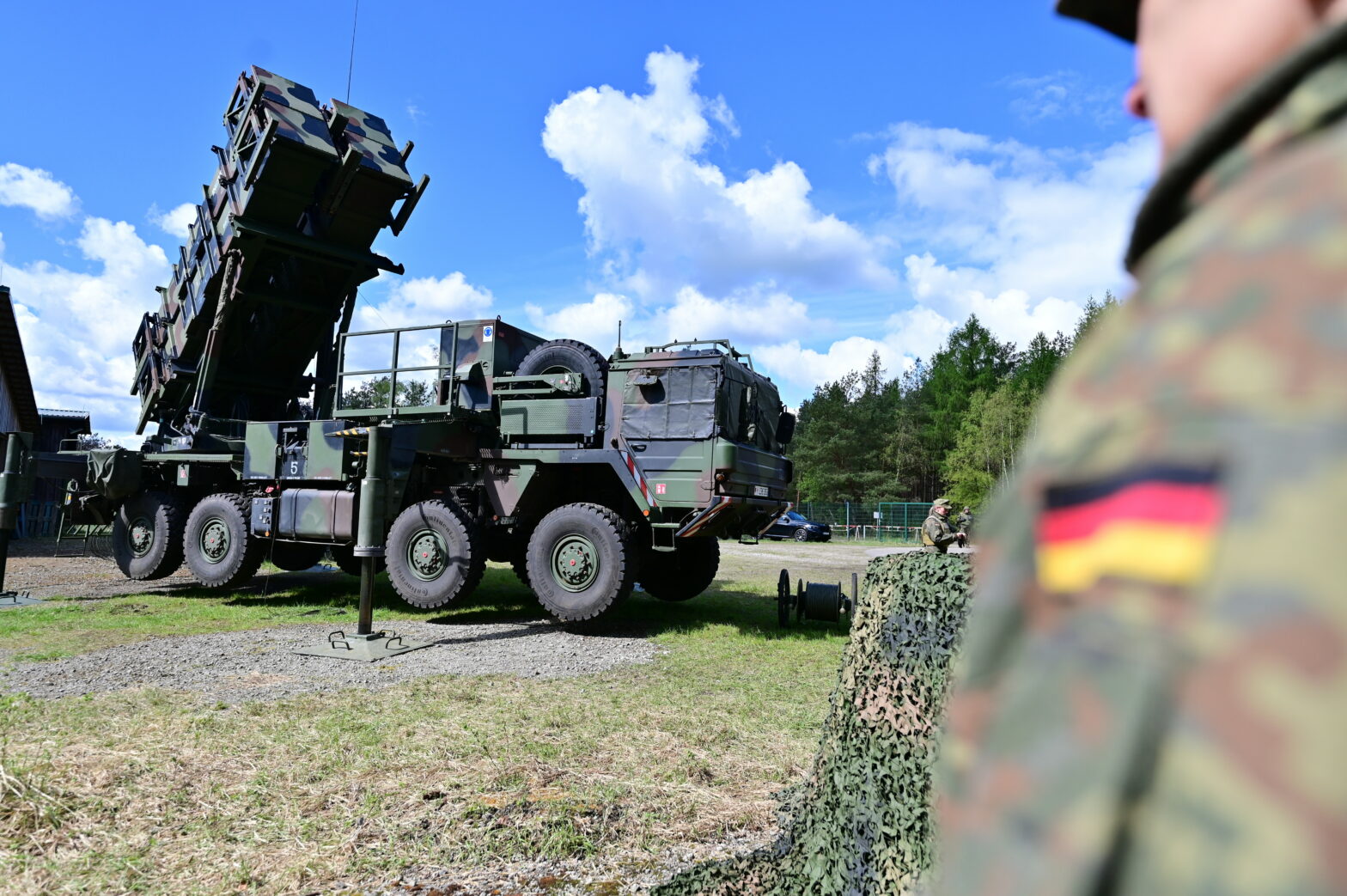
Metaphors like “nuclear shield” or “nuclear security guarantee” are being tossed around as if they meant something clear and specific. This shows a troubling lack of understanding of how nuclear strategy actually works, and how much power is in the hands of individual leaders.

Should theaters be punished for showcasing Russian classics? What if their message undermines everything Putin believes?
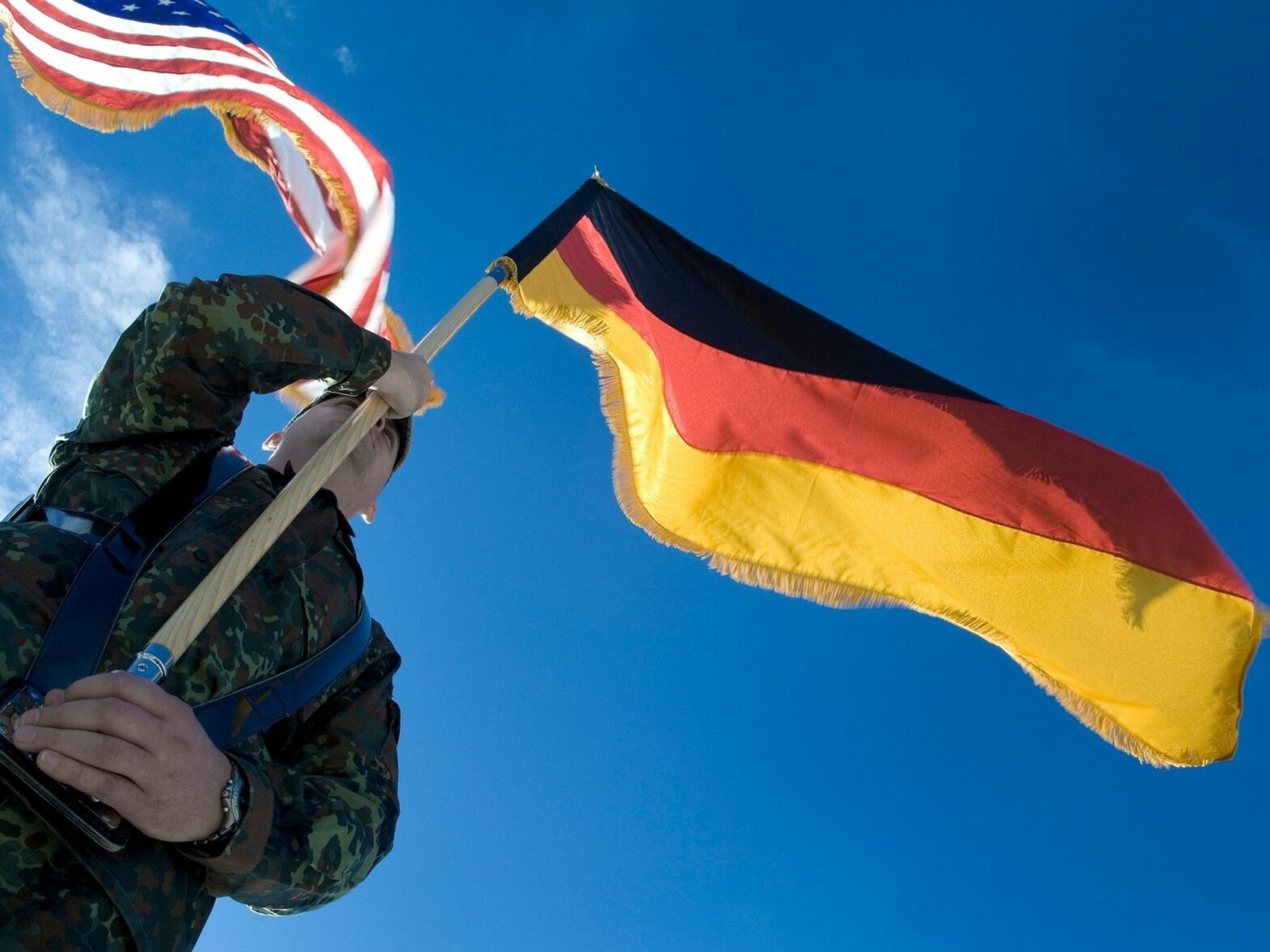
After decades of admiration, trust, and borrowed identity, Germans are waking up from their long love affair with the United States, and reckoning with what’s left.