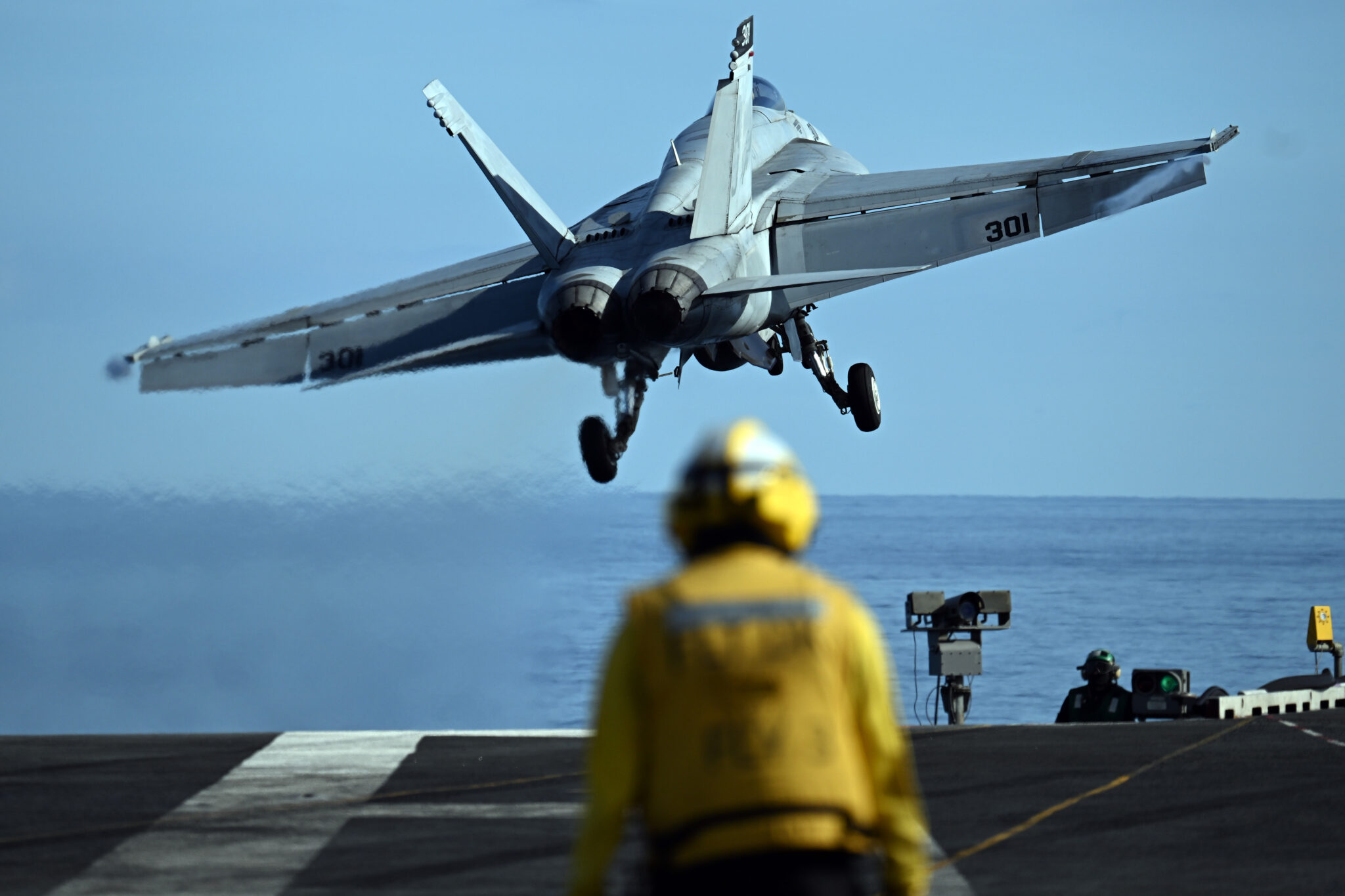
From drones over Poland to jets in Estonian airspace, Moscow is testing Europe’s nerves as Ukraine’s deep strikes rattle Russia. But the escalation could backfire, bringing Europeans closer together instead of driving them apart.
 Worldcrunch
From drones over Poland to jets in Estonian airspace, Moscow is testing Europe’s nerves as Ukraine’s deep strikes rattle Russia. But the escalation could backfire, bringing Europeans closer together instead of driving them apart.
Despite promises of Patriot missiles and steep tariffs, Trump’s latest overtures give Russia time to press its offensive—and the Moscow stock market is celebrating.
As official data vanishes from Russian state reports, independent experts warn that losses from Putin’s war in Ukraine are becoming too large to hide.
Chancellor Merz and Foreign Minister Wadephul warn of direct threats from Moscow on the lives of people in Germany, and yet hesitate to back their words with the kind of support Ukraine urgently needs to avoid that Putin goes further.
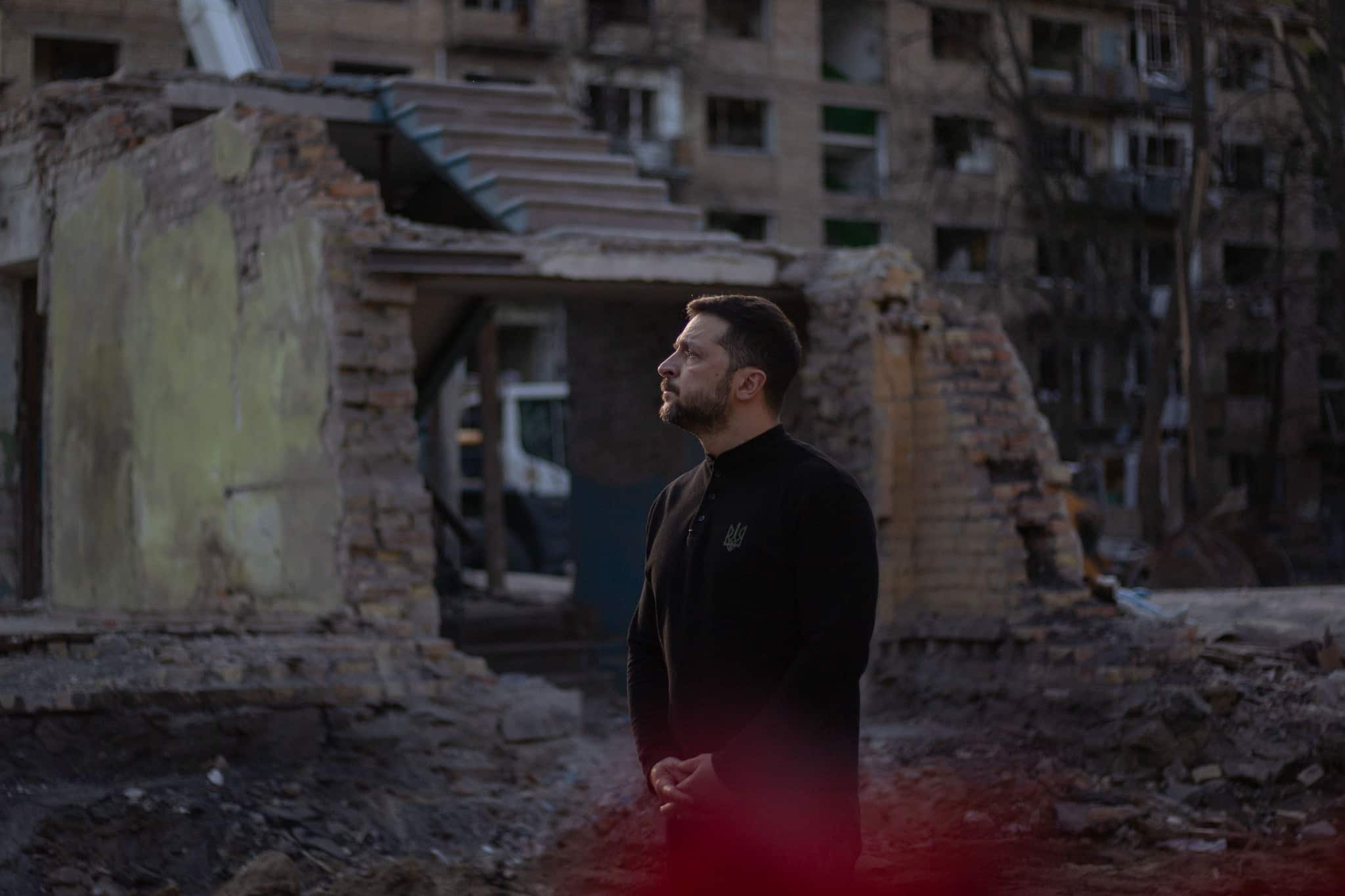
By challenging Putin to face-to-face talks in Istanbul, Ukraine’s president has reshaped the diplomatic game and forced Moscow into a high-stakes dilemma.
The fall of a dictator’s statue, the opening of a world-renowned museum and the debut of a legendary ballet.
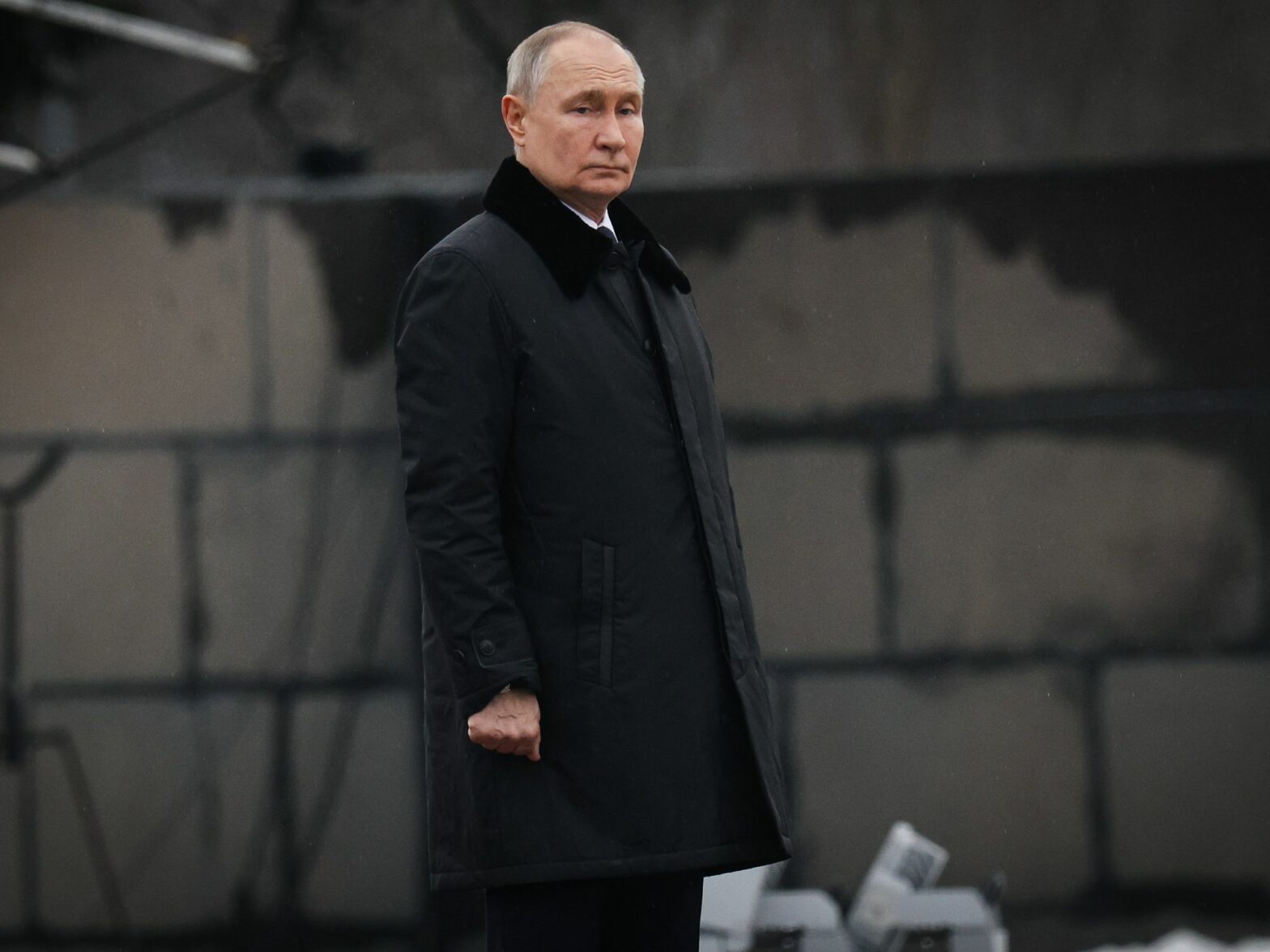
Donald Trump spoke with Vladimir Putin for 90 minutes and announced “immediate” negotiations on Ukraine. But will Ukraine be a topic of discussion or an active participant in these talks? Will Europe have a seat at the table? And what security guarantees will remain for a Ukraine left diminished by the outcome?
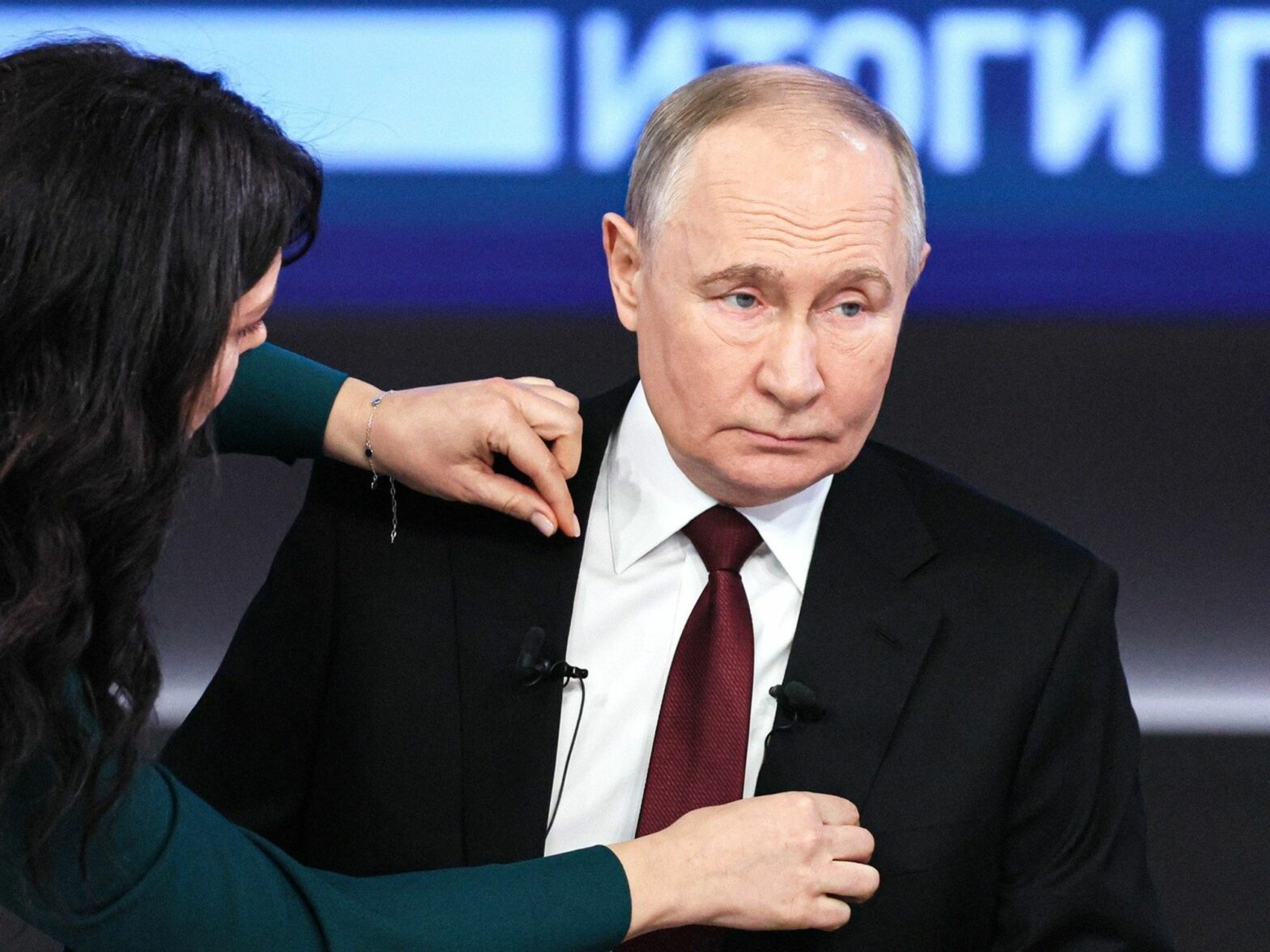
While Russia had to negotiate with former Syrian rebels for the withdrawal of around 500 Russian soldiers trapped in Damascus, Vladimir Putin remained silent on the crushing defeat he suffered in Syria. Instead, he has threatened the West, as if to show he is not weakened by the fall of his ally Assad.

The release from exile of a Nobel Peace Prize laureate, the election of an Asian country’s first female leader and the opening of one of the highest-grossing movies of all-time.
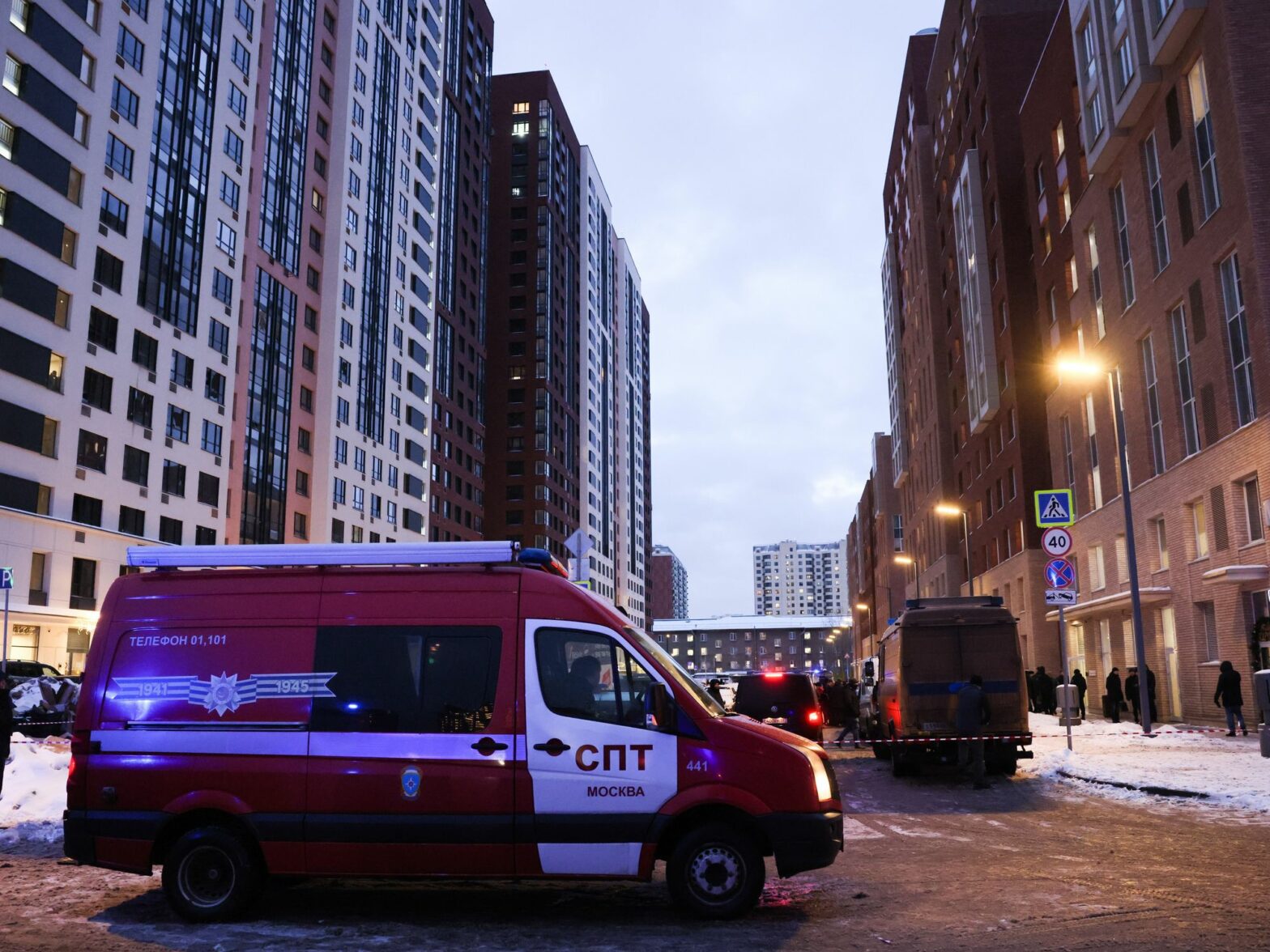
The unprecedented assassination of the head of the Russian army’s chemical weapons division is an act of war that is hard for Ukraine’s allies to defend. Still, Ukrainians can’t be faulted for fighting for the nation’s very existence, especially as the West shows signs of slowing down its support.
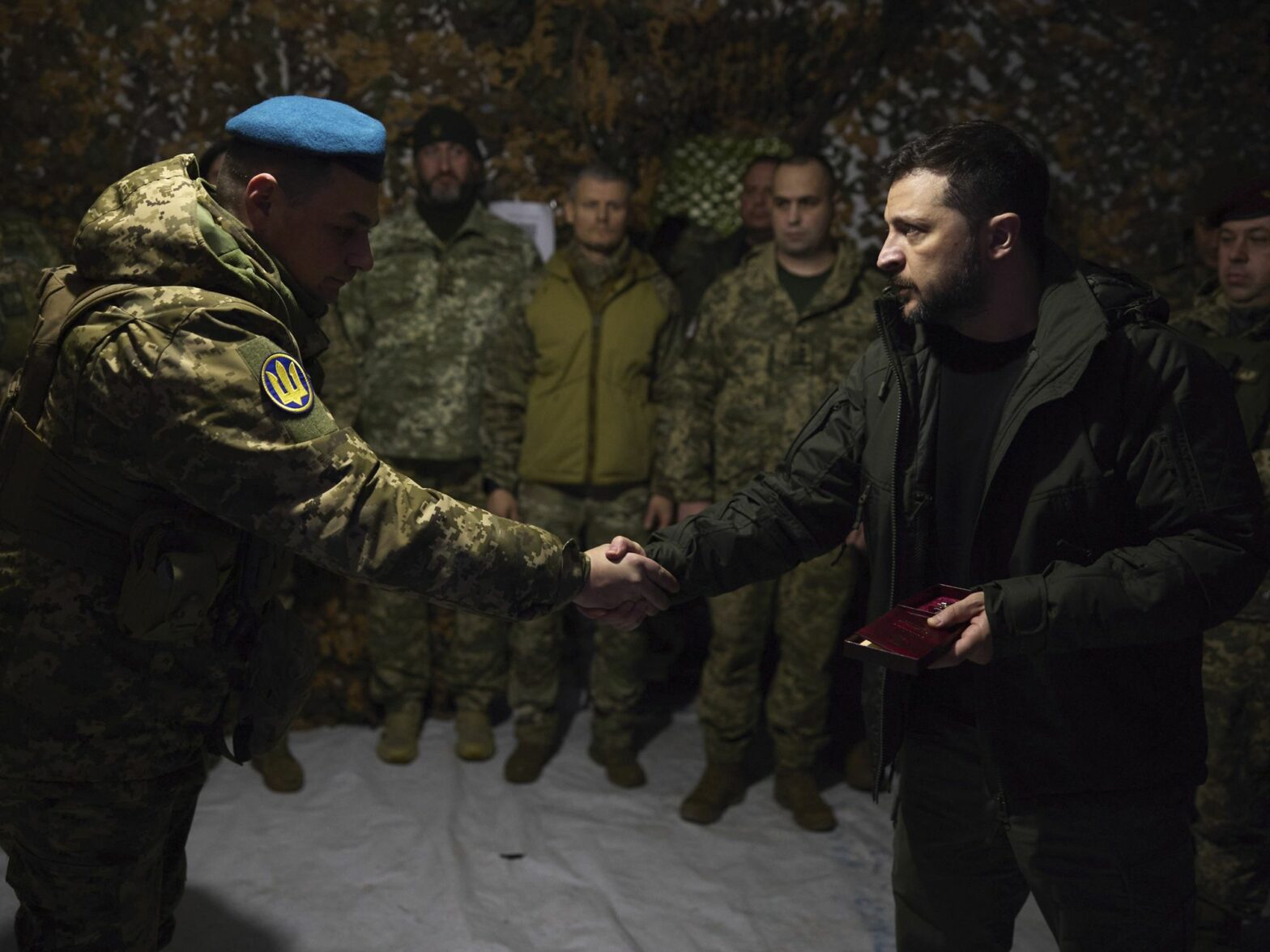
Russia is expanding its nuclear doctrine and intensifying strikes on Ukraine, including Thursday’s unprecedented launch of an intercontinental ballistic missile. This is an apparent response to new U.S. authorization of use of its weapons in attacks on Russian territory. All can be traced to the radical White House transition underway.
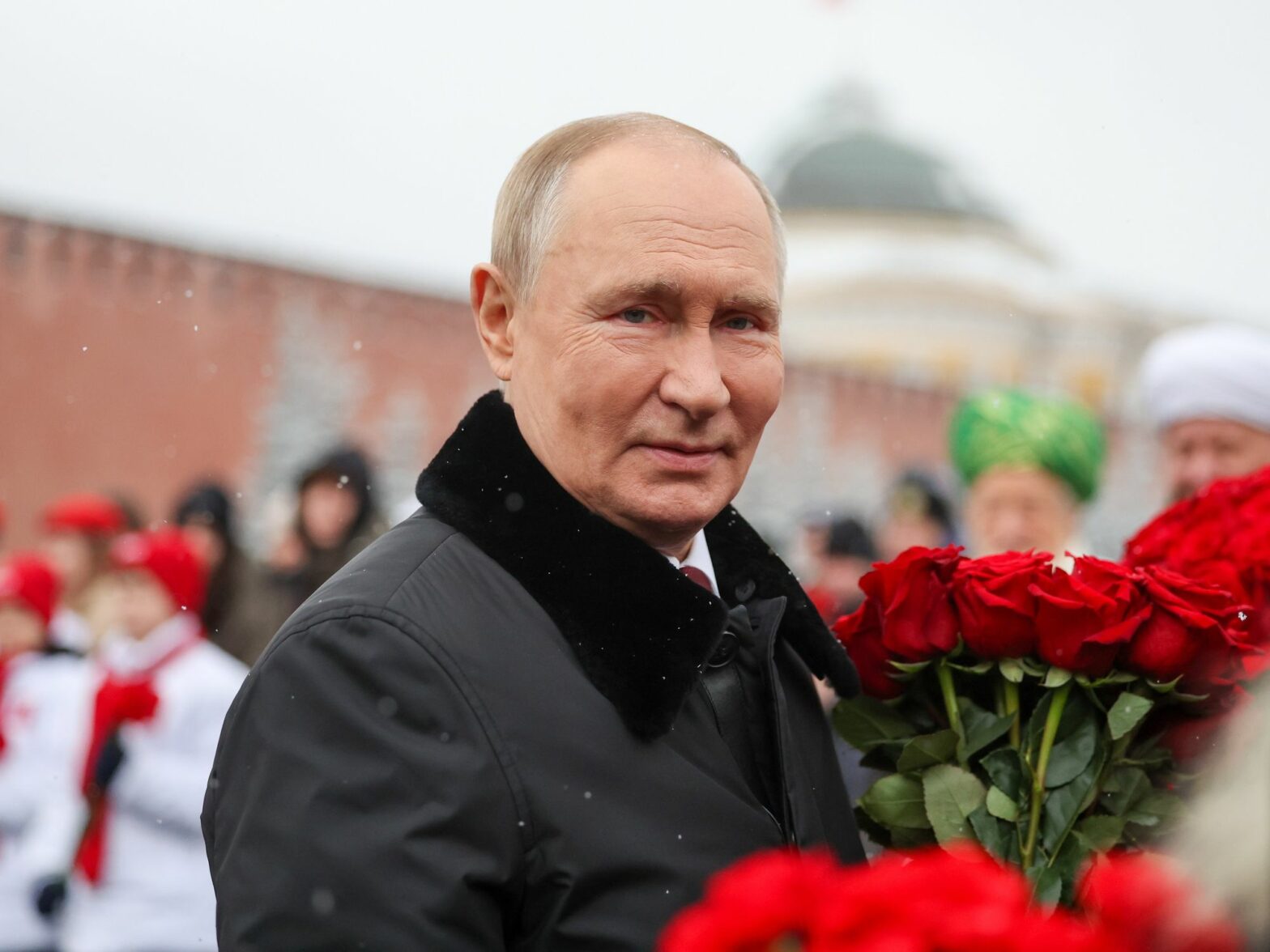
With the U.S. elections on the brink, and polls extra tight in swing states, the Kremlin is lapping it up. Rather than outwardly pulling for a Trump victory, however, Wacław Radziwinowicz argues that Moscow is above all, hoping for the high level of chaos that would come with a hung election.
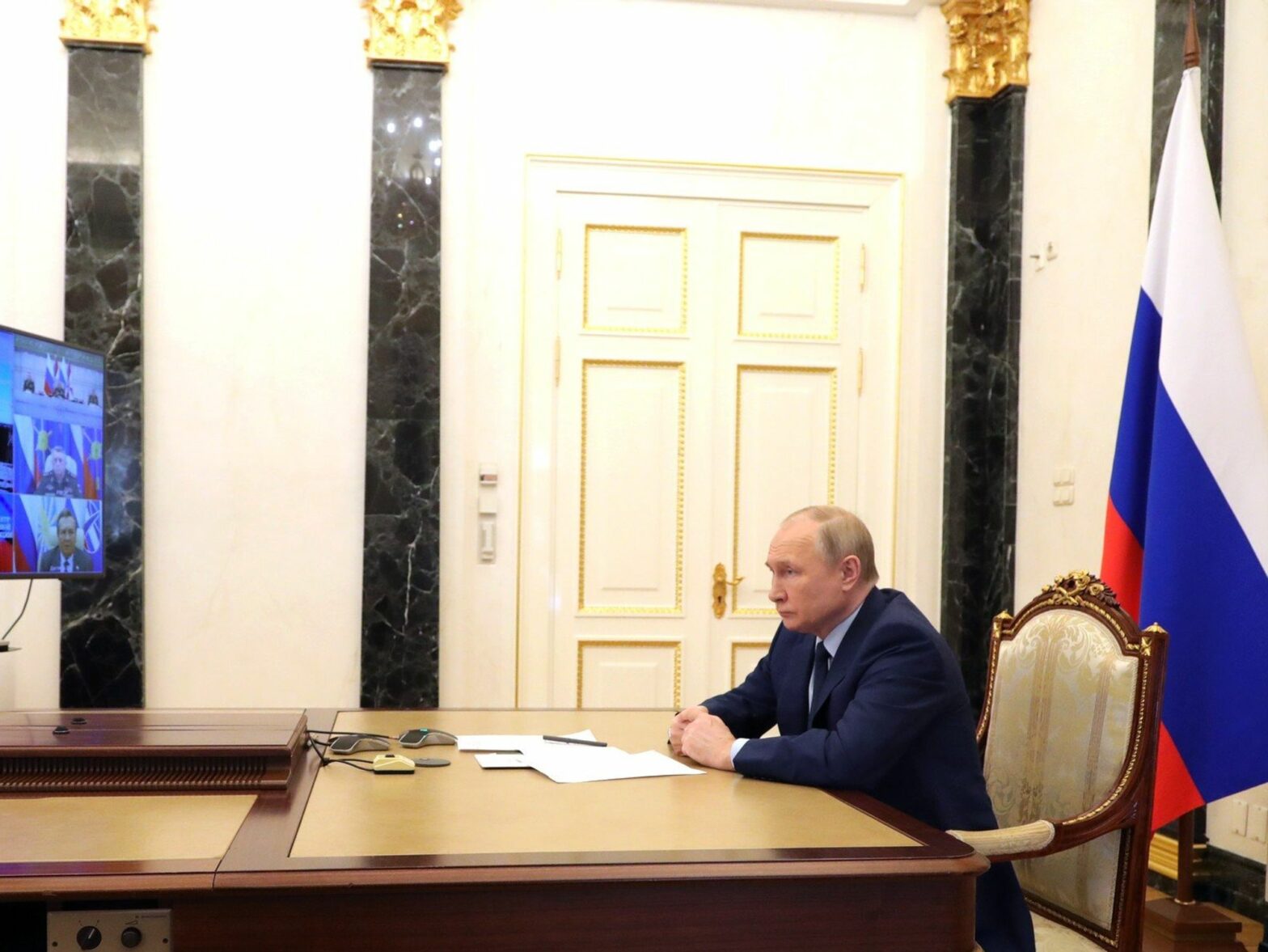
What should we make of Vladimir Putin’s “new rules” regarding what constitutes a nuclear aggressor and how Moscow might retaliate? A closer look, especially after another recent failed launch test of the Sarmat missile system, shows the Soviet legacy increasingly appears to be a rusting shell of its former self.
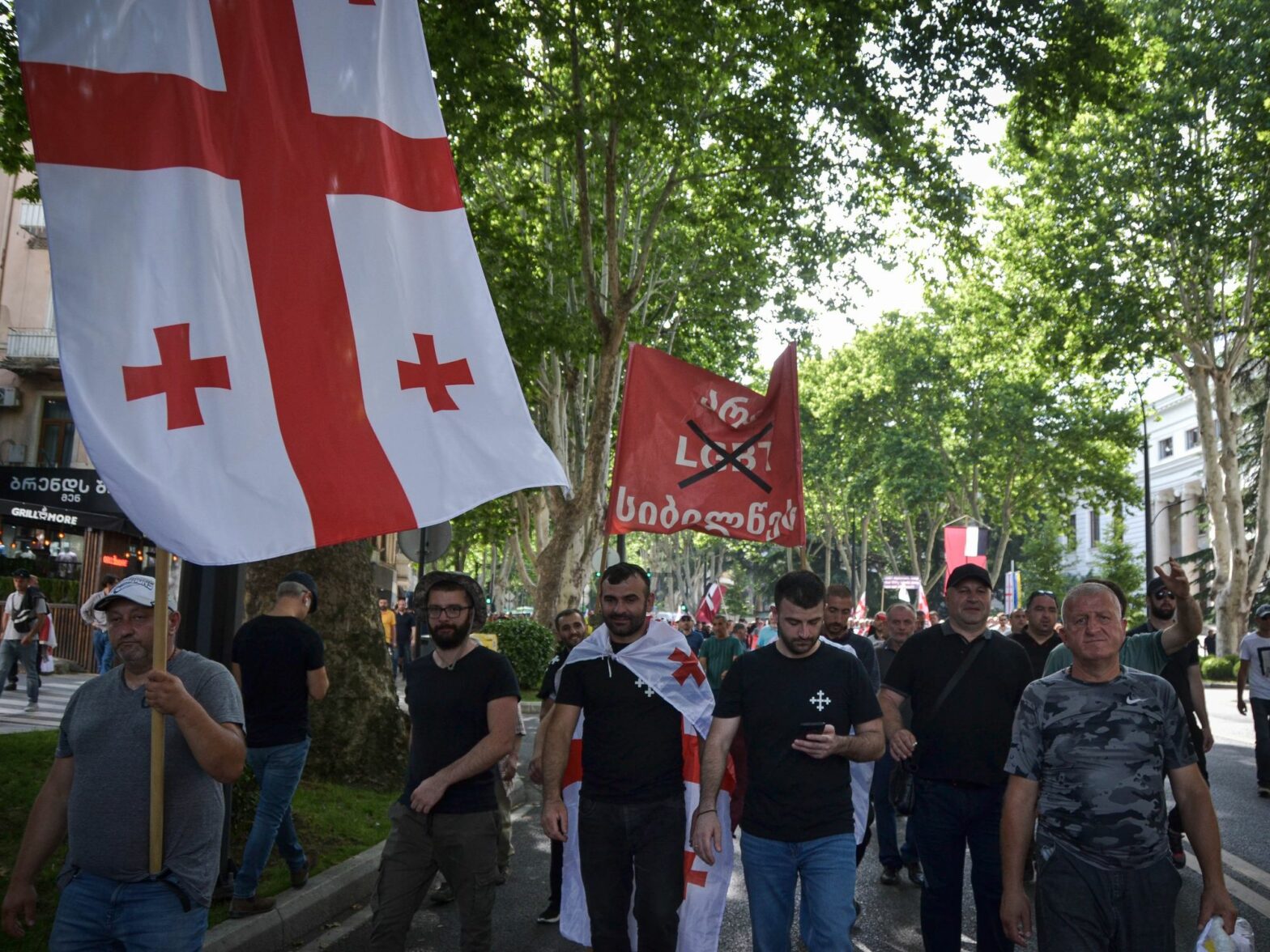
After the killing of Georgia’s best-known trans woman Kesaria Abramidze, and a harsh new anti-LGBTQ law, Holod spoke with another well-known Georgia-based trans woman, Sofi Beridze, about homophobia in the country, as well as her birthplace, Moscow.
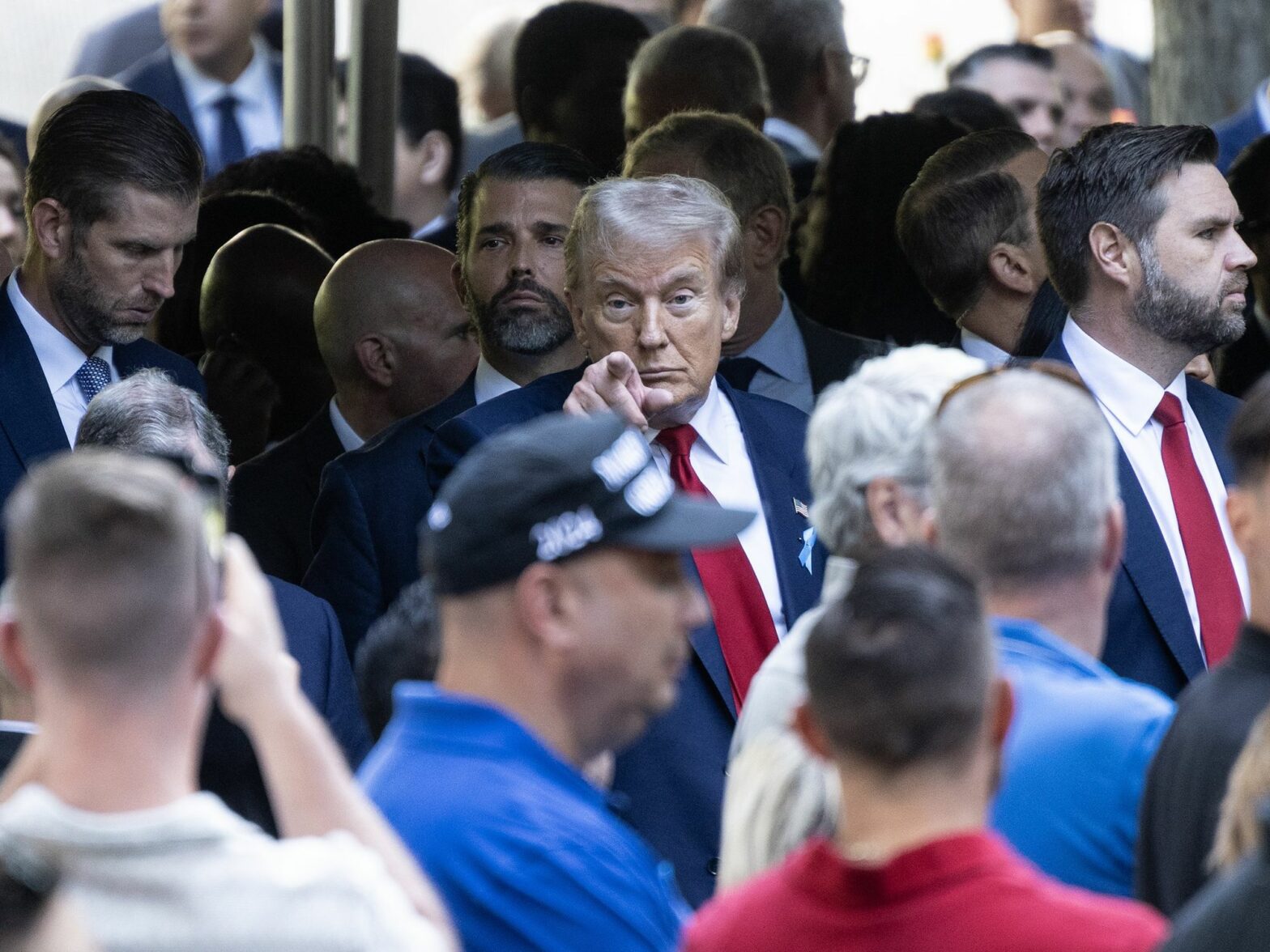
The first presidential debate between Vice President Kamala Harris and former President Donald Trump was an important reminder that the American election will help determine the fate of Ukraine. It did not take long to see which option was better. So much so the moderators had to ask Trump “Do you want Ukraine to win?”
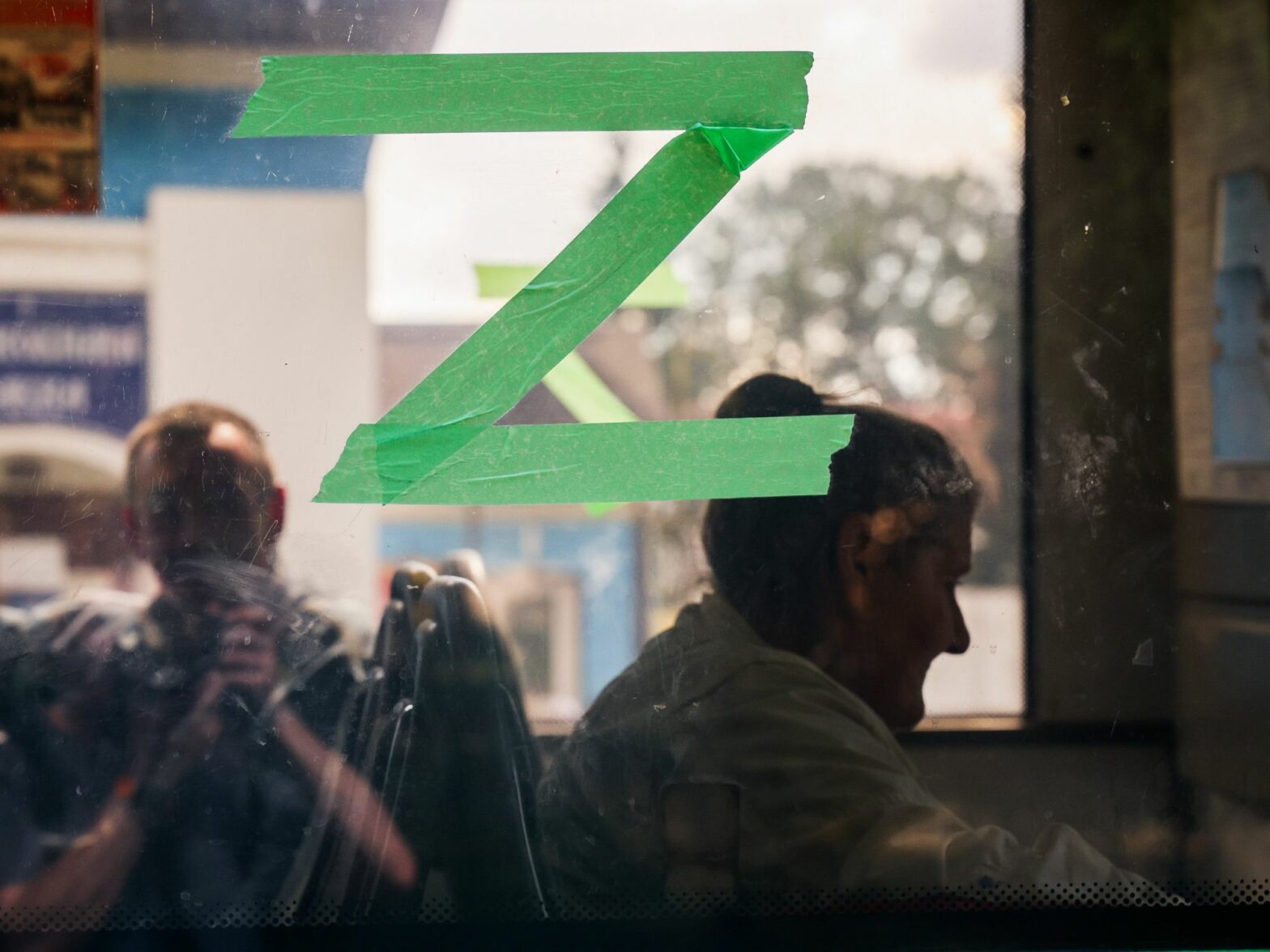
Fighting in the Kursk Oblast — following Ukraine’s incursion into the region — is not abating, and volunteers from across Russia are coming to help: bringing goods and food, evacuating residents and providing medical assistance. Kommersant correspondent Alexander Chernykh visited a makeshift clinic and observed how volunteer doctors are saving wounded soldiers near the front line.
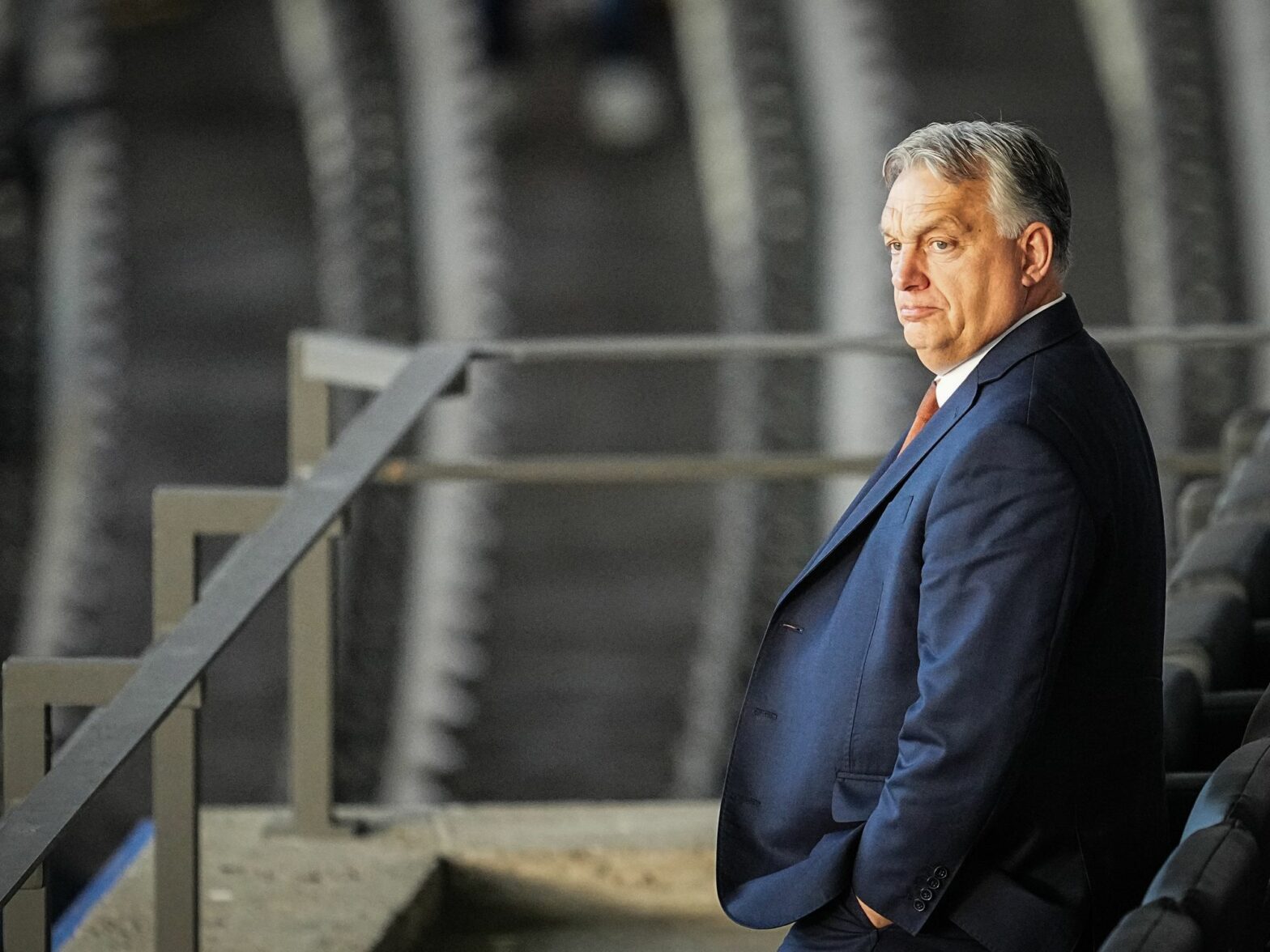
The Hungarian prime minister has long been known for his conflictual relationship with the European Union. But Viktor Orbán’s recent diplomatic world tour, together with his proximity to Donald Trump, shows that he should not be underestimated.
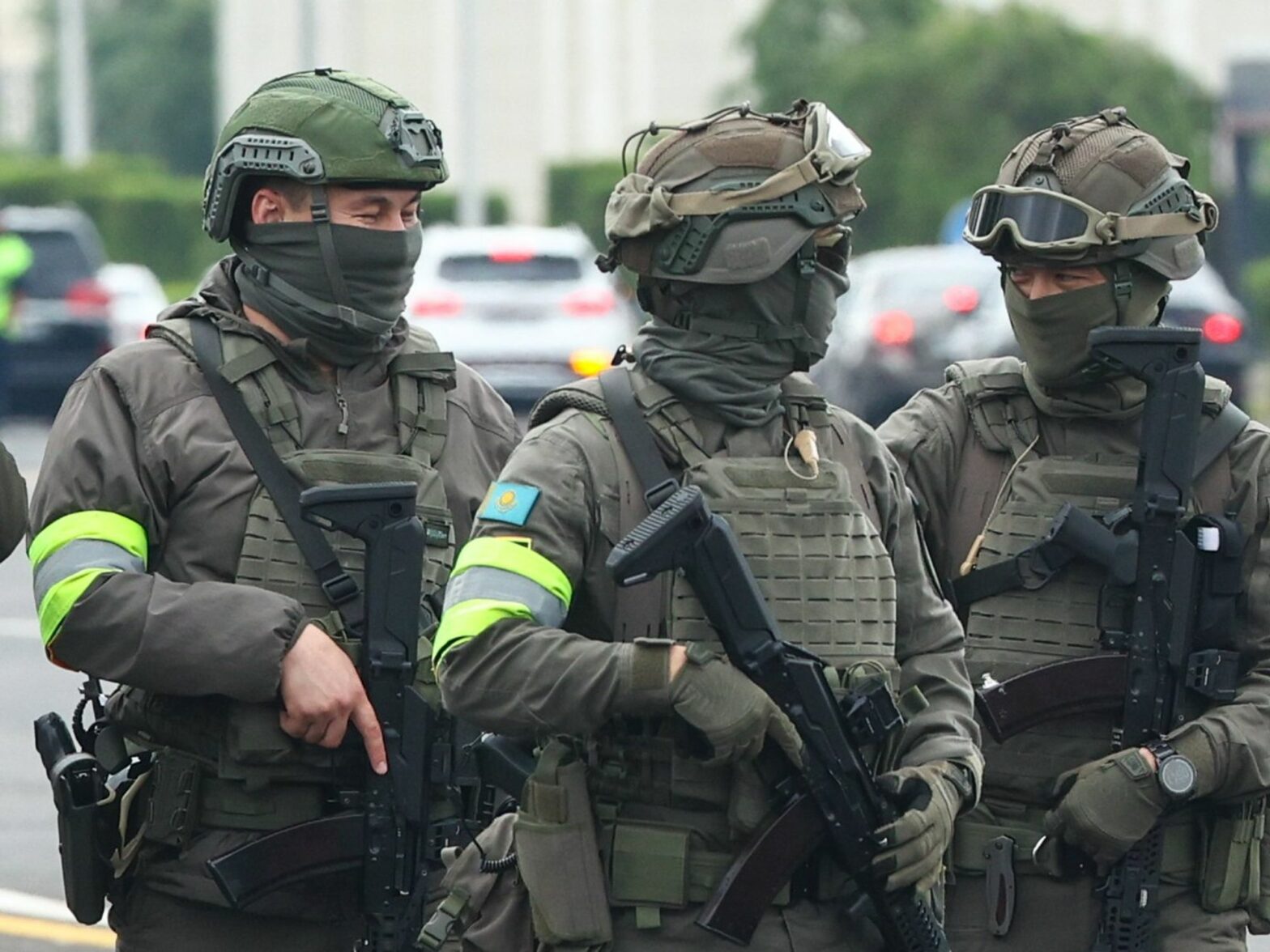
In Kazakhstan, prison sentences are regularly handed down for separatist activity. Yet the defendants in such cases are overwhelmingly “online separatists” — people far removed from politics and activism. Who are they and why does the state consider them such a threat?
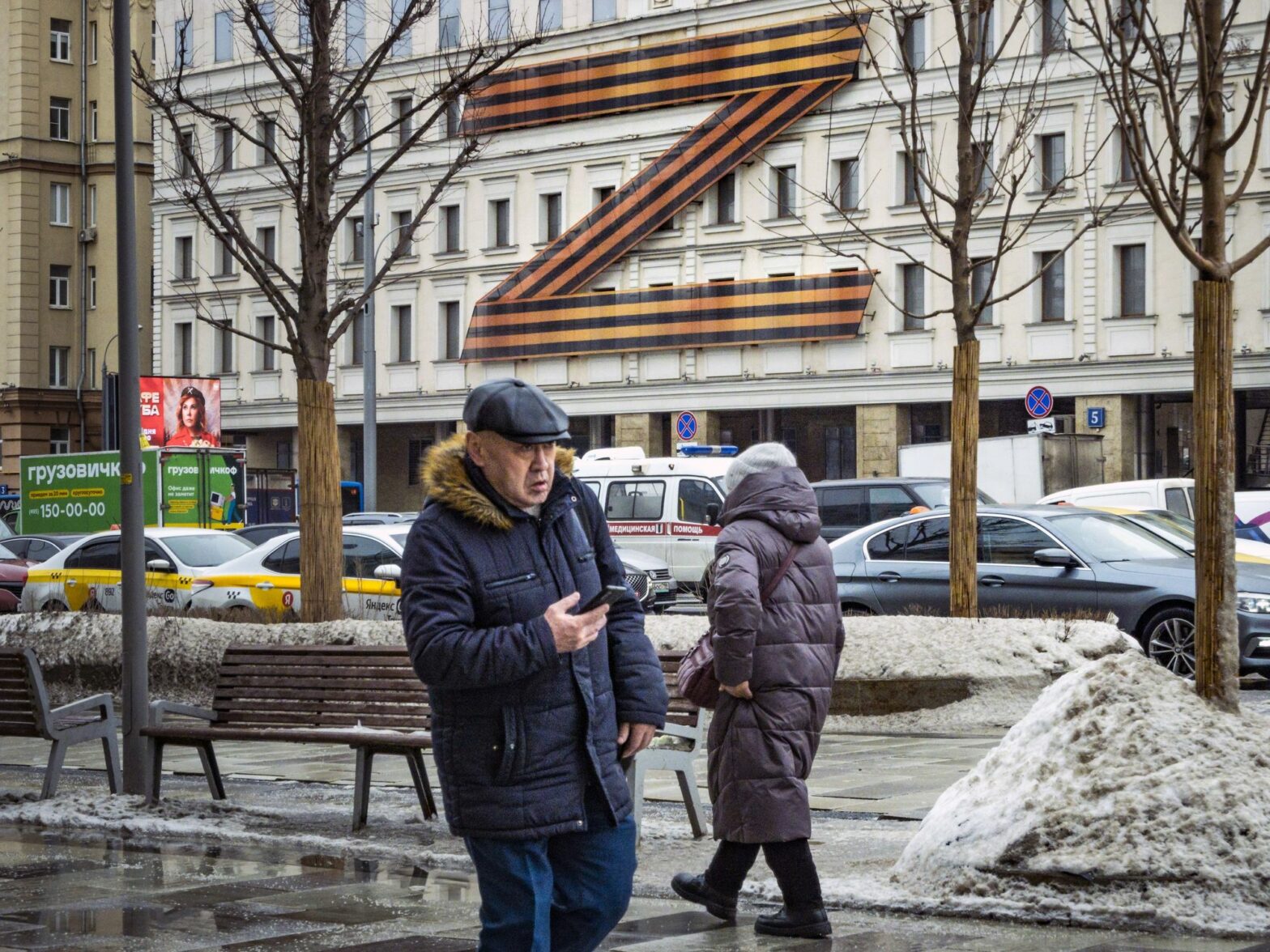
Disappointed by poor gains over the past three years in Ukraine, Russia’s pro-war Z community is blaming a new scapegoat. Russian writer and historian Ivan Philippov explains why a society that just wants to live and to work is now their main enemy.
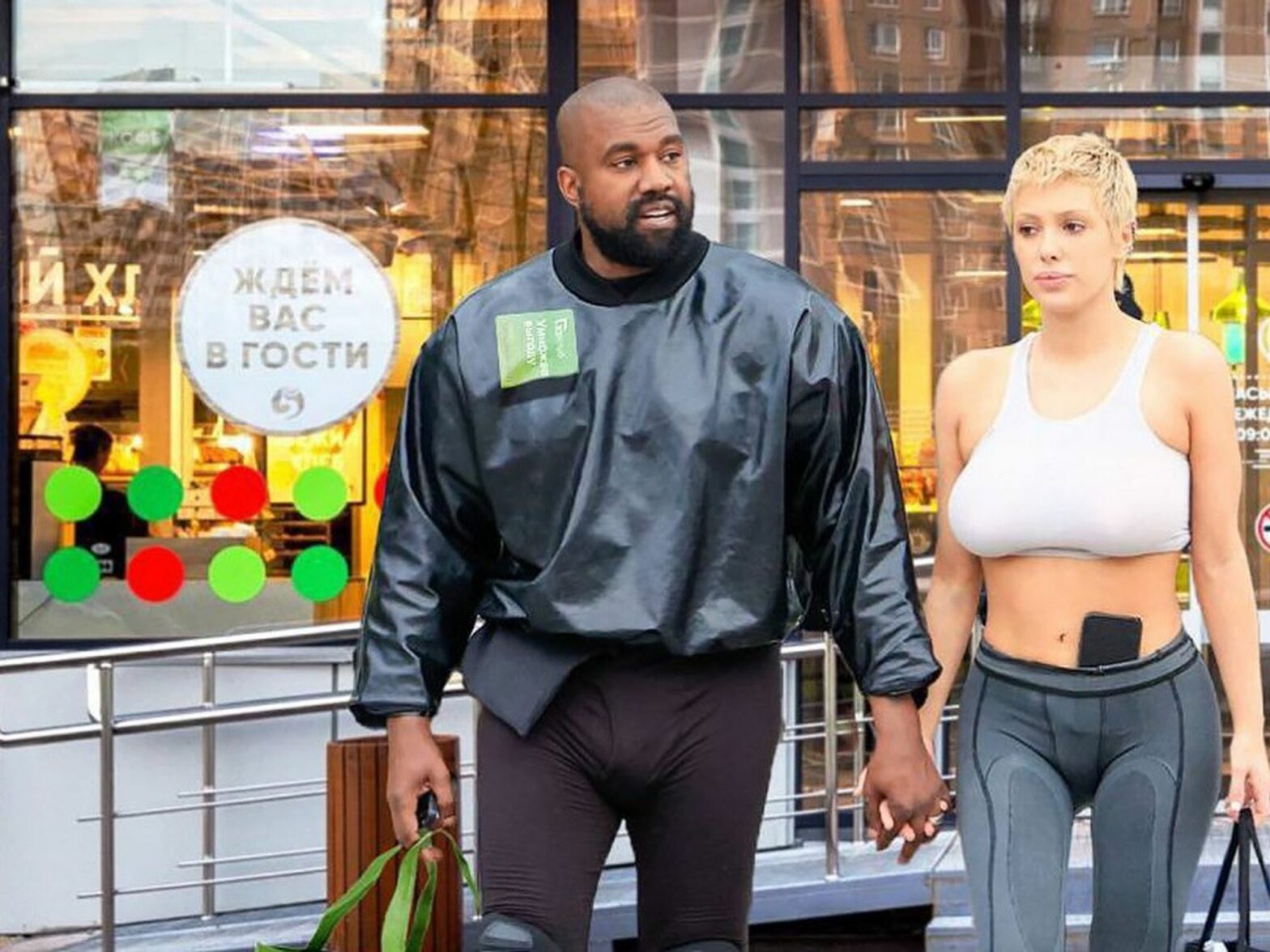
The canceled rapper who’s praised Hitler and Putin’s Russia are a perfect match, writes music critic Nikolay Ovchinnikov
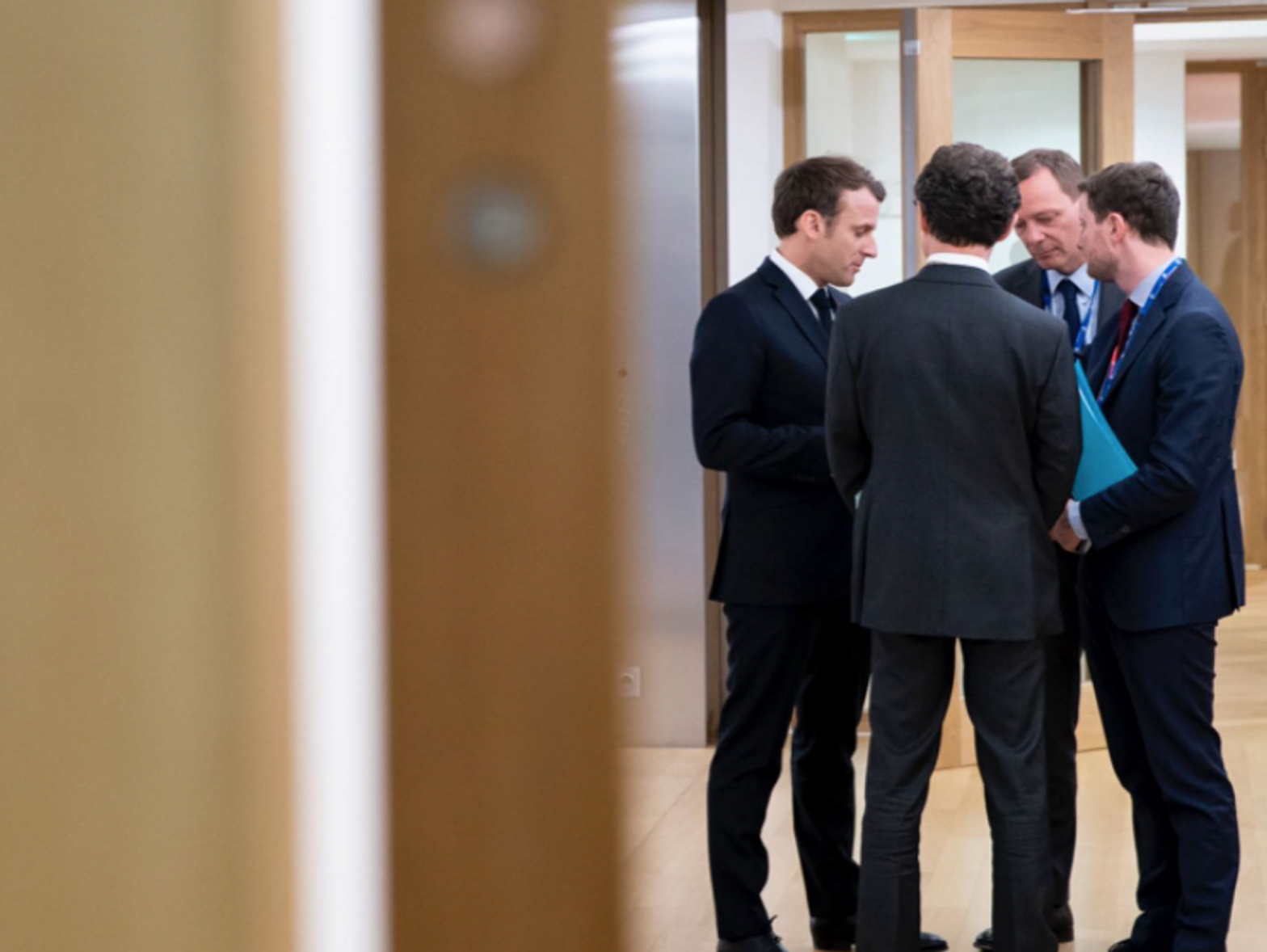
The French president wants to convince Vladimir Putin to halt military deployment around Ukraine. But some in Moscow believe the Russian president is only interested in negotiating with the U.S. about the wider global balance of power.
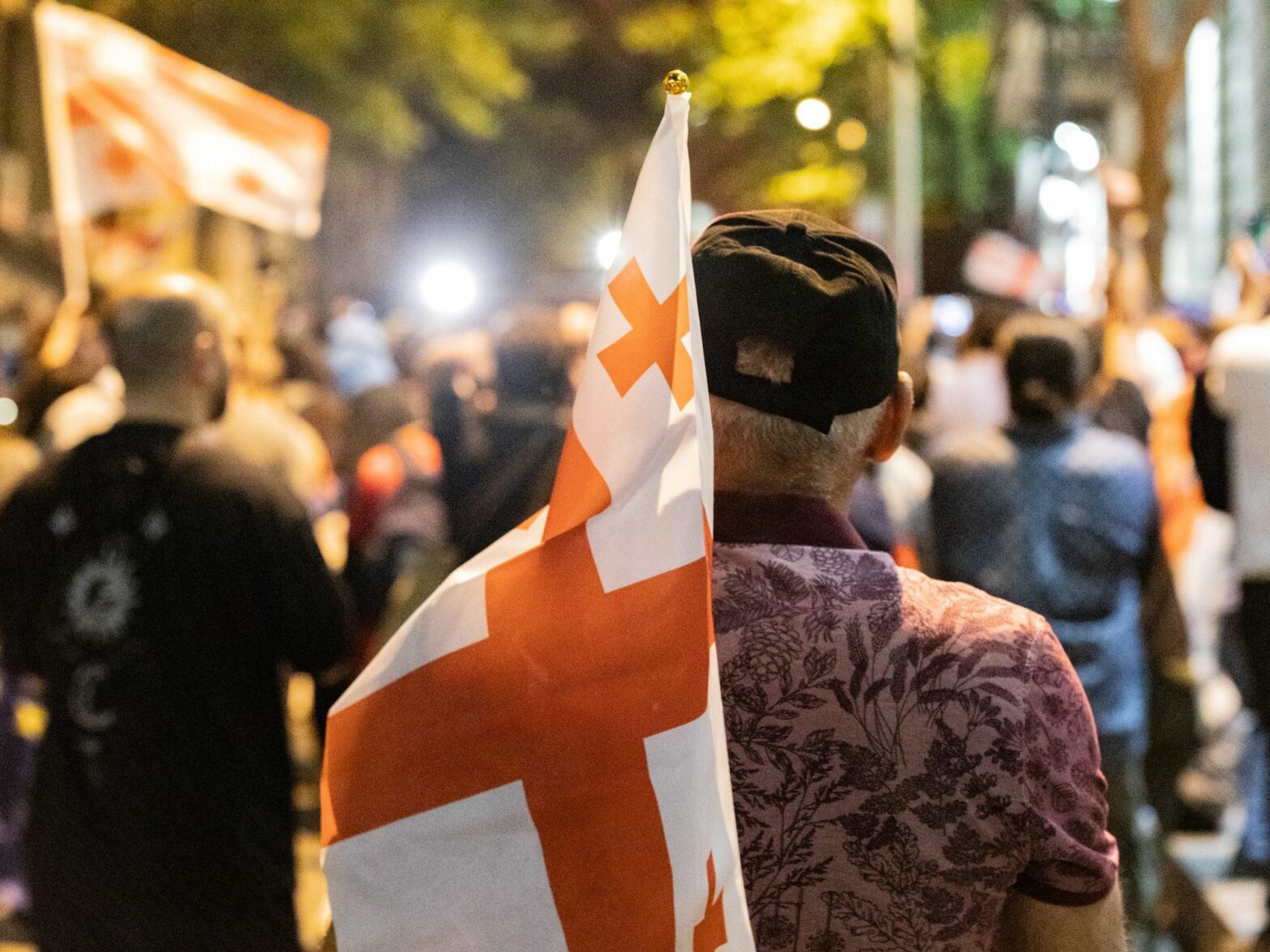
Europe’s fate is also being played out in countries outside the EU, where East and West are battling for influence. In Georgia on Tuesday, the government bowed to pressure from Moscow, and passed a law on “foreign influence” modeled on a Russia law.
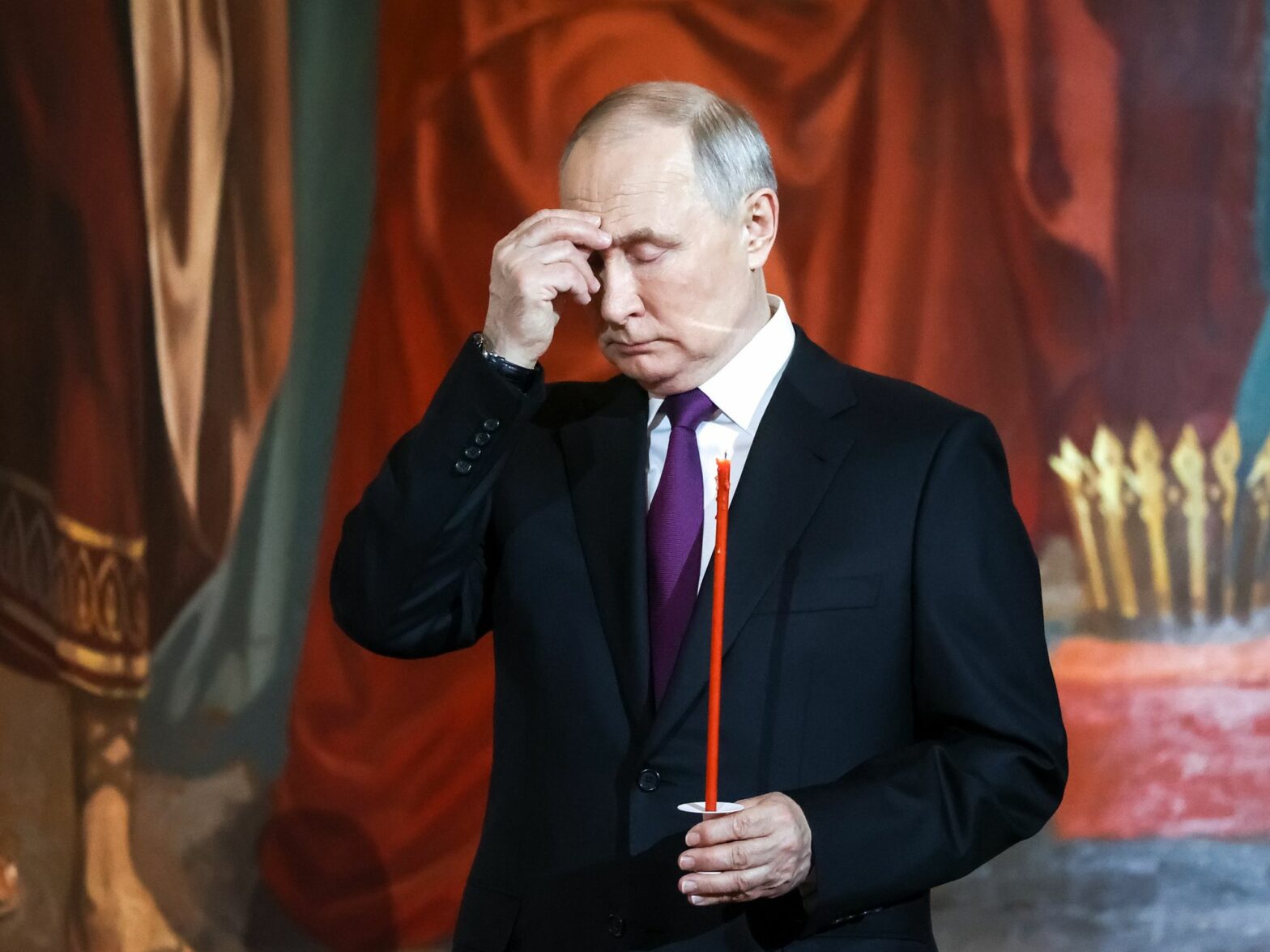
Geopolitical analysts who view Russia as an unpredictable force tend to understand Moscow’s actions in purely worldly, political terms. German Professor of Theology Hubertus Lutterbach has uncovered a different message hidden in Putin’s religiosity — an implicit threat to his neighbors and the world.
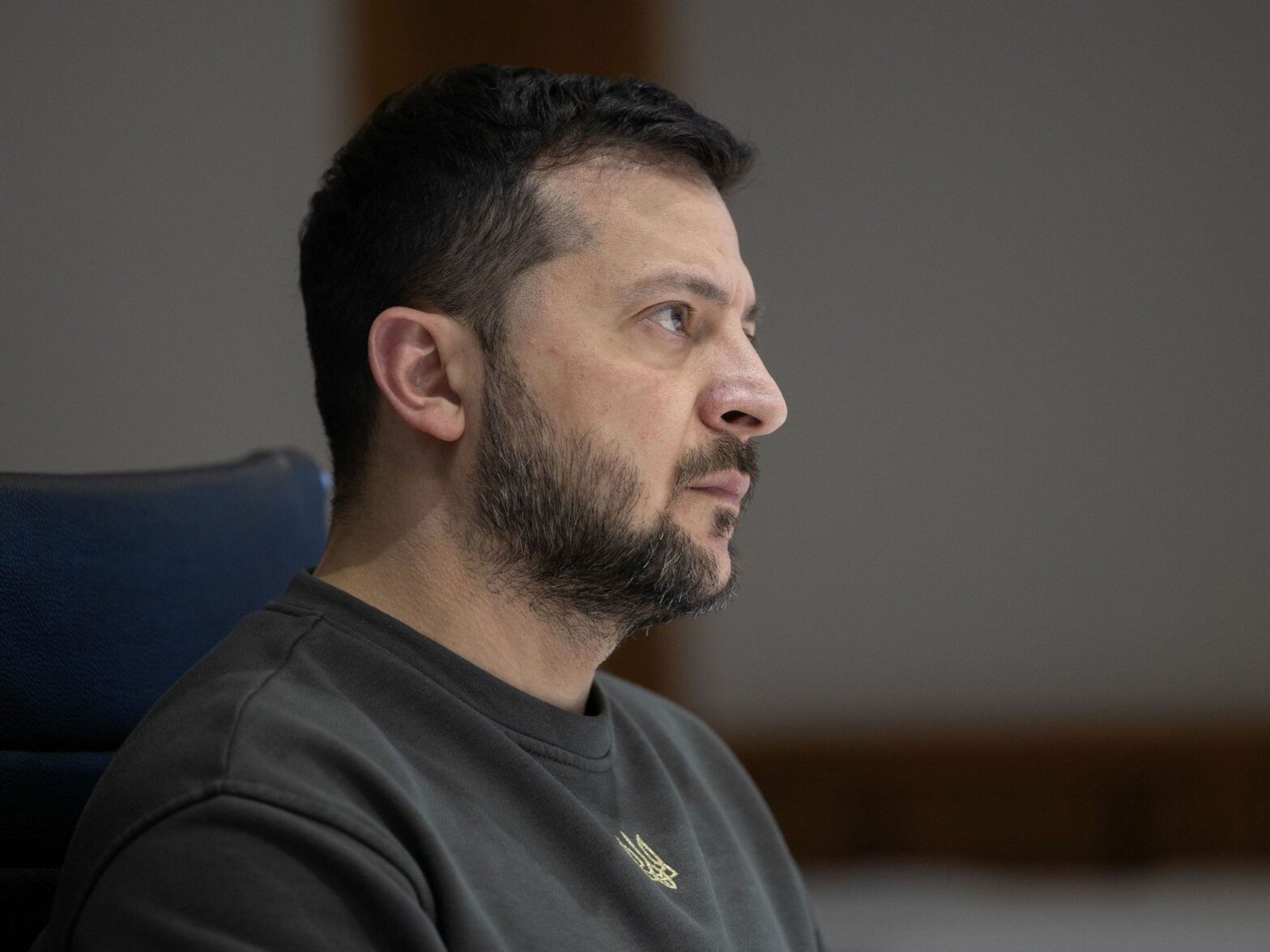
Compared to the worldwide admiration for Volodymyr Zelensky, authorities in Moscow have systematically tried to demean the Ukrainian leader. Yet even among Russians, that strategy appears to be backfiring.
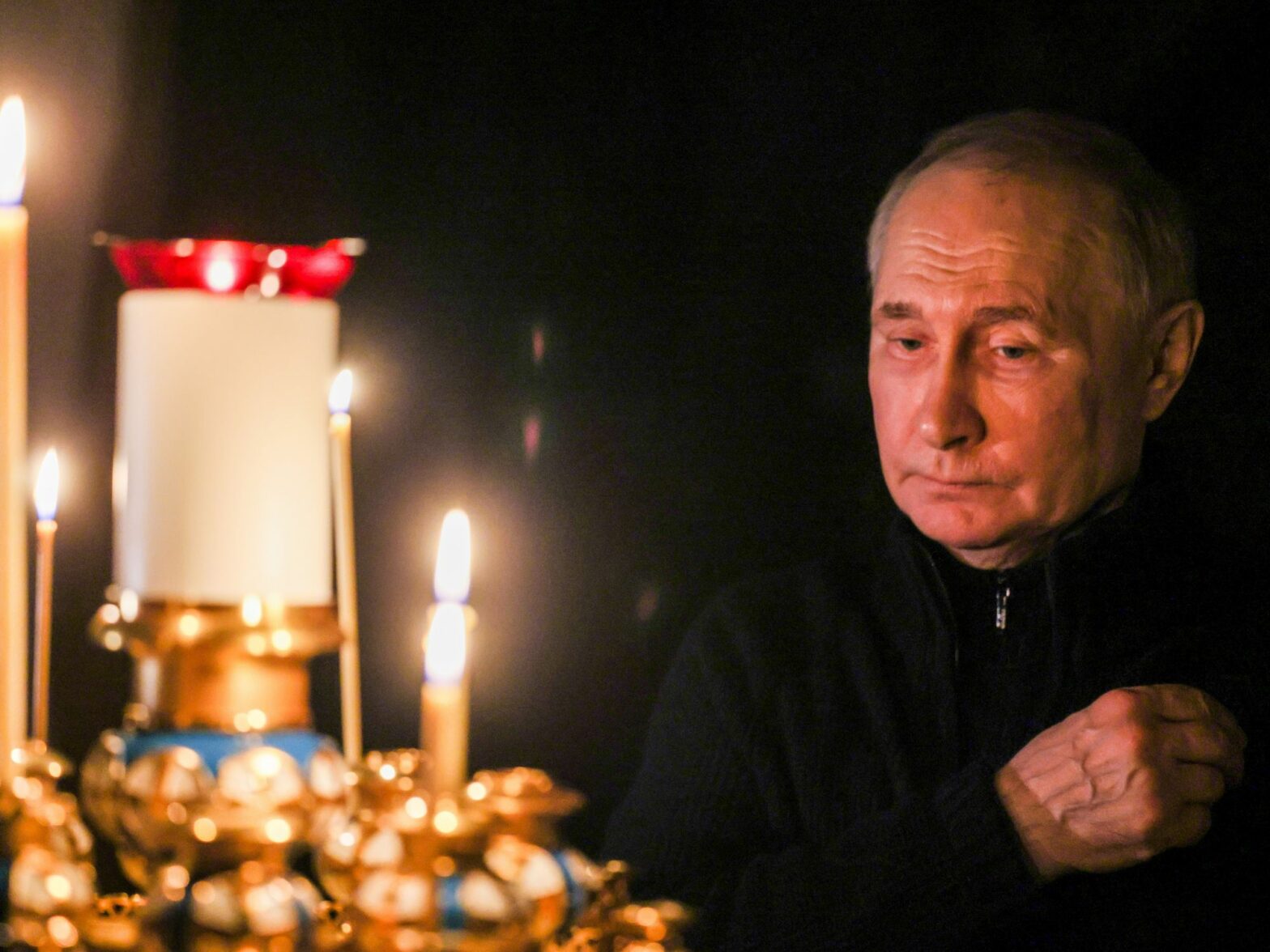
As Russia mourns the victims of the worst terrorist attack in the Moscow area in more than two decades, differing narratives about the attack are spreading, as well as questions about why Putin addressed citizens just once in three days and did not acknowledge ISIS as the perpetrators.
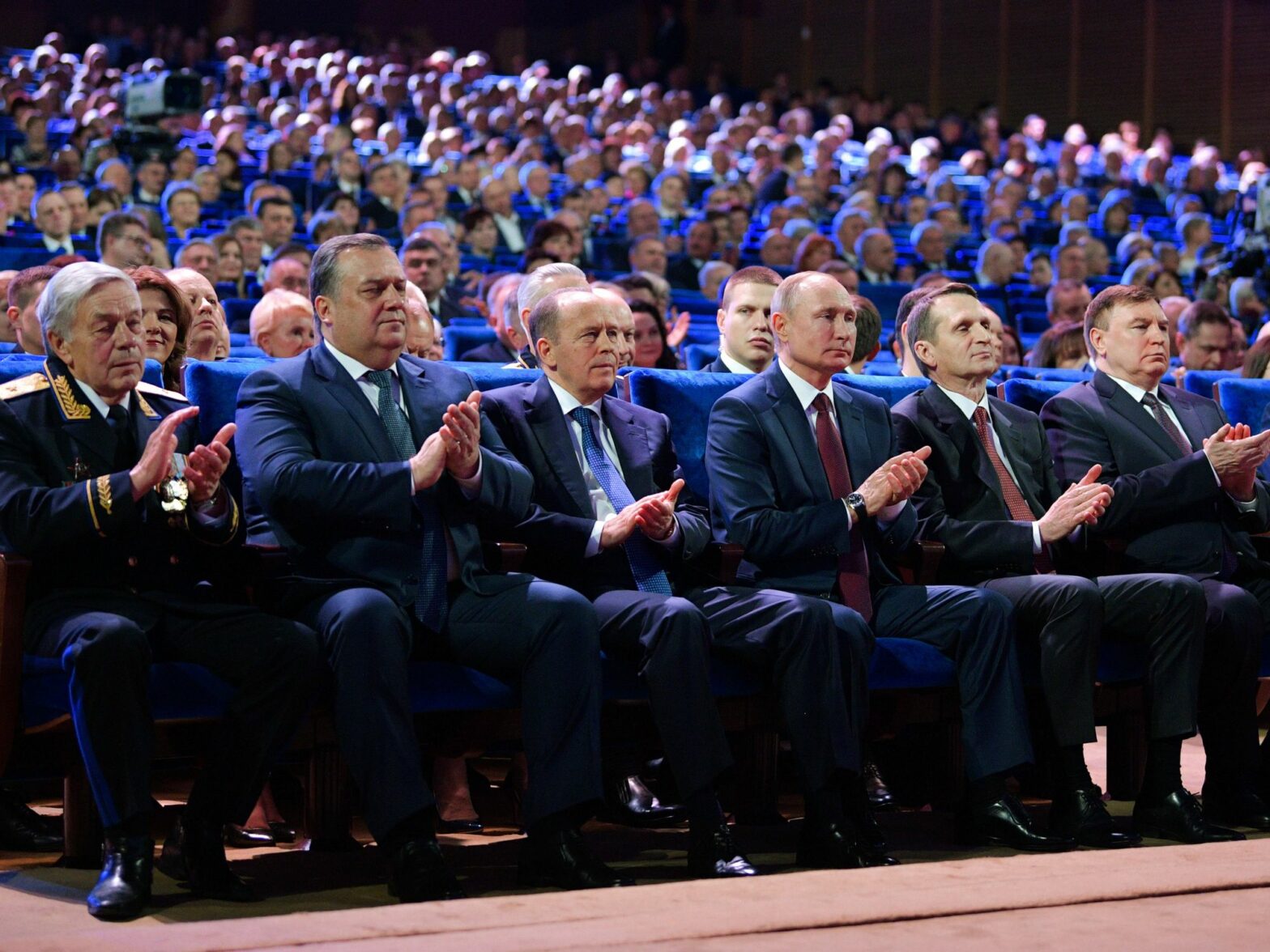
In a quarter of a century under the regime of the former KGB agent, members of the Russian security forces have imposed their growing stronghold on politics and the economy. But the Russian presidential election is also an admission of their weakness with their president failing to build a state strong enough to carry on without them.
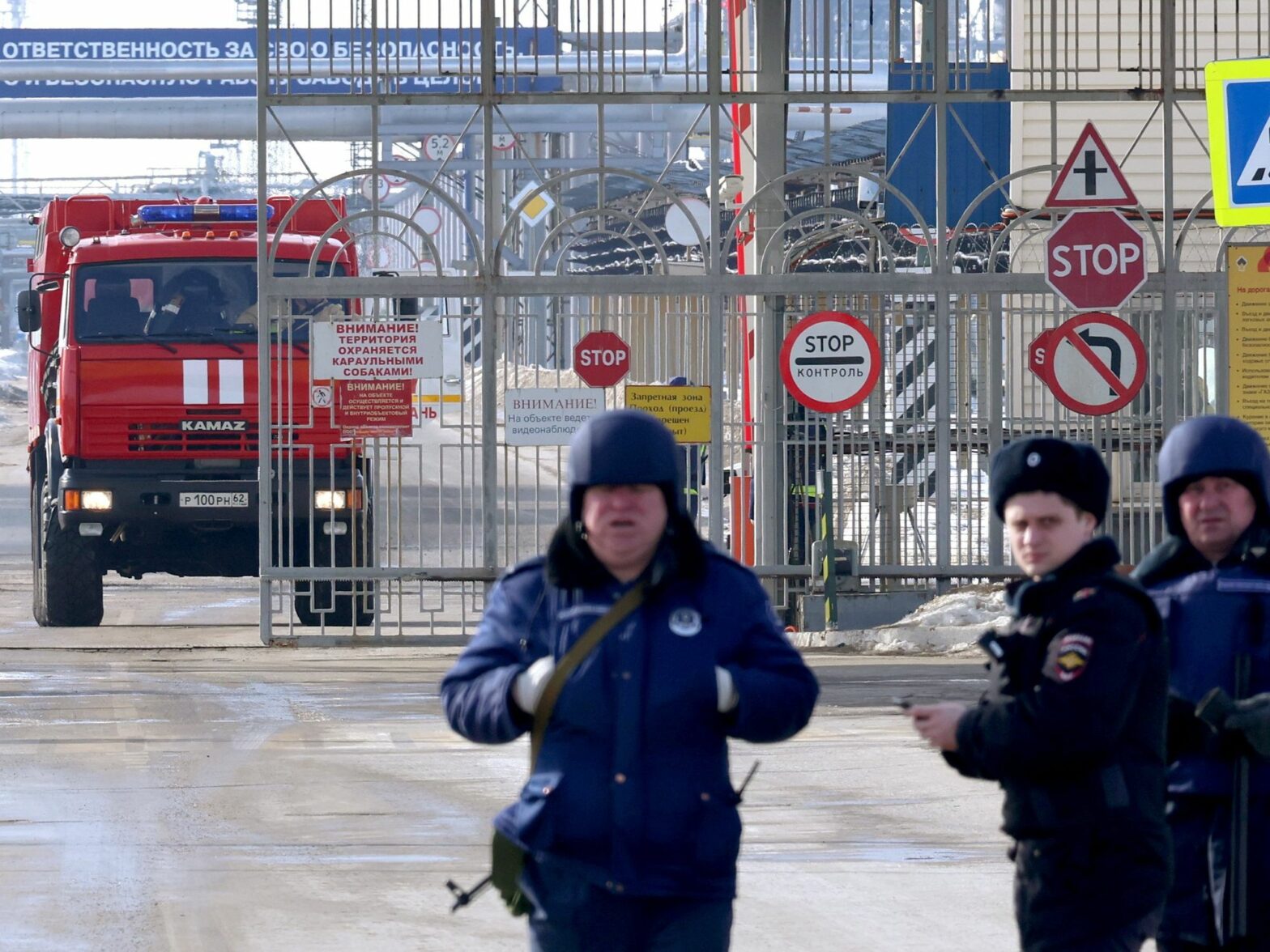
Ukrainian drones that struck nine Russian provinces on Tuesday while armed Russian dissident soldiers launched a ground attack against Moscow’s troops in the Bolgorod region, bordering Ukraine. It’s a reminder to the Russian people that the war is on them, and won’t be ending anytime soon.
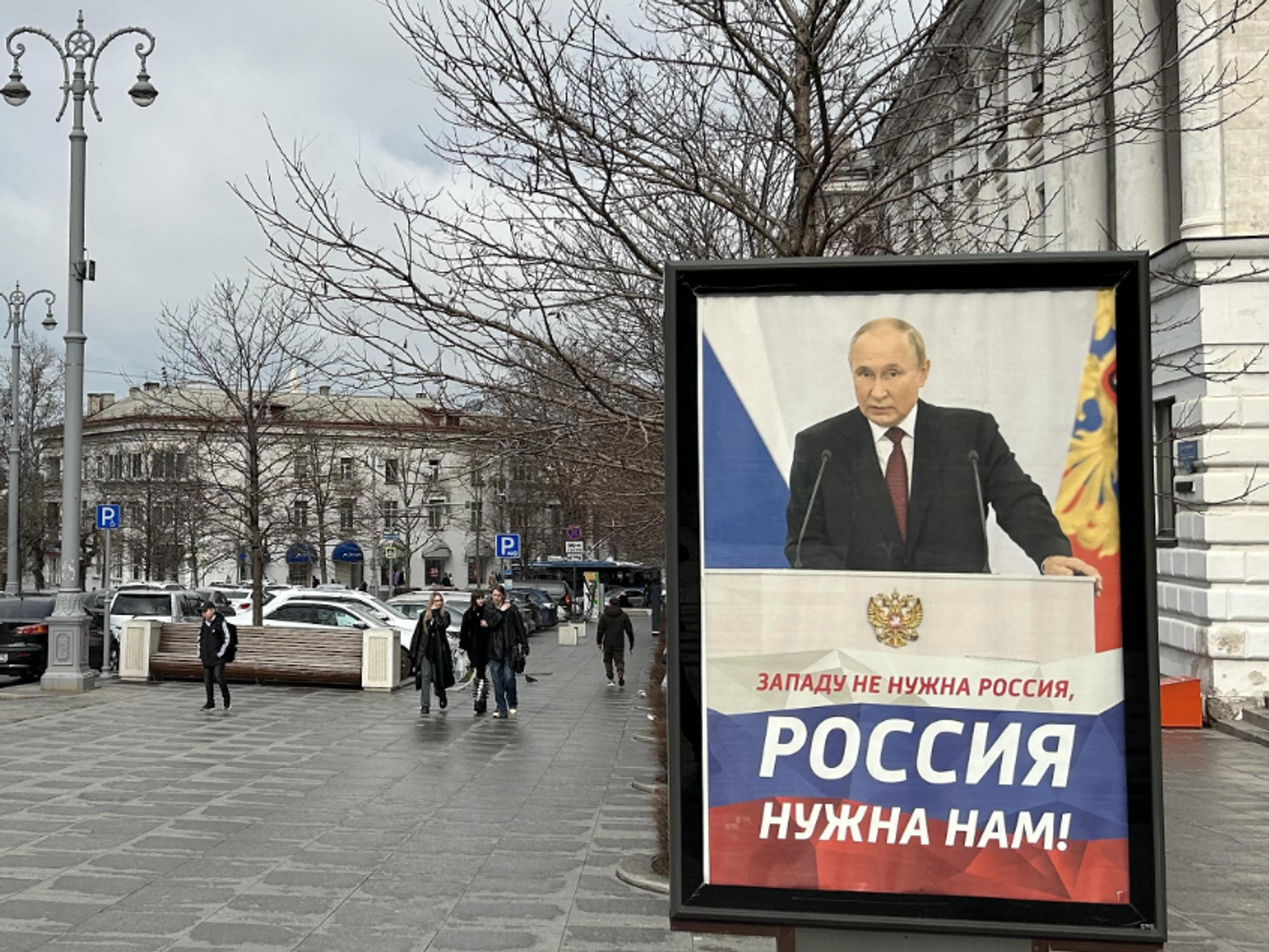
Russians have long waged systematic and effective disinformation campaigns. Roman Vybranovskyi considers “active measures” that have been successful in the past, and what can be done to fight them today, notably in Ukraine.
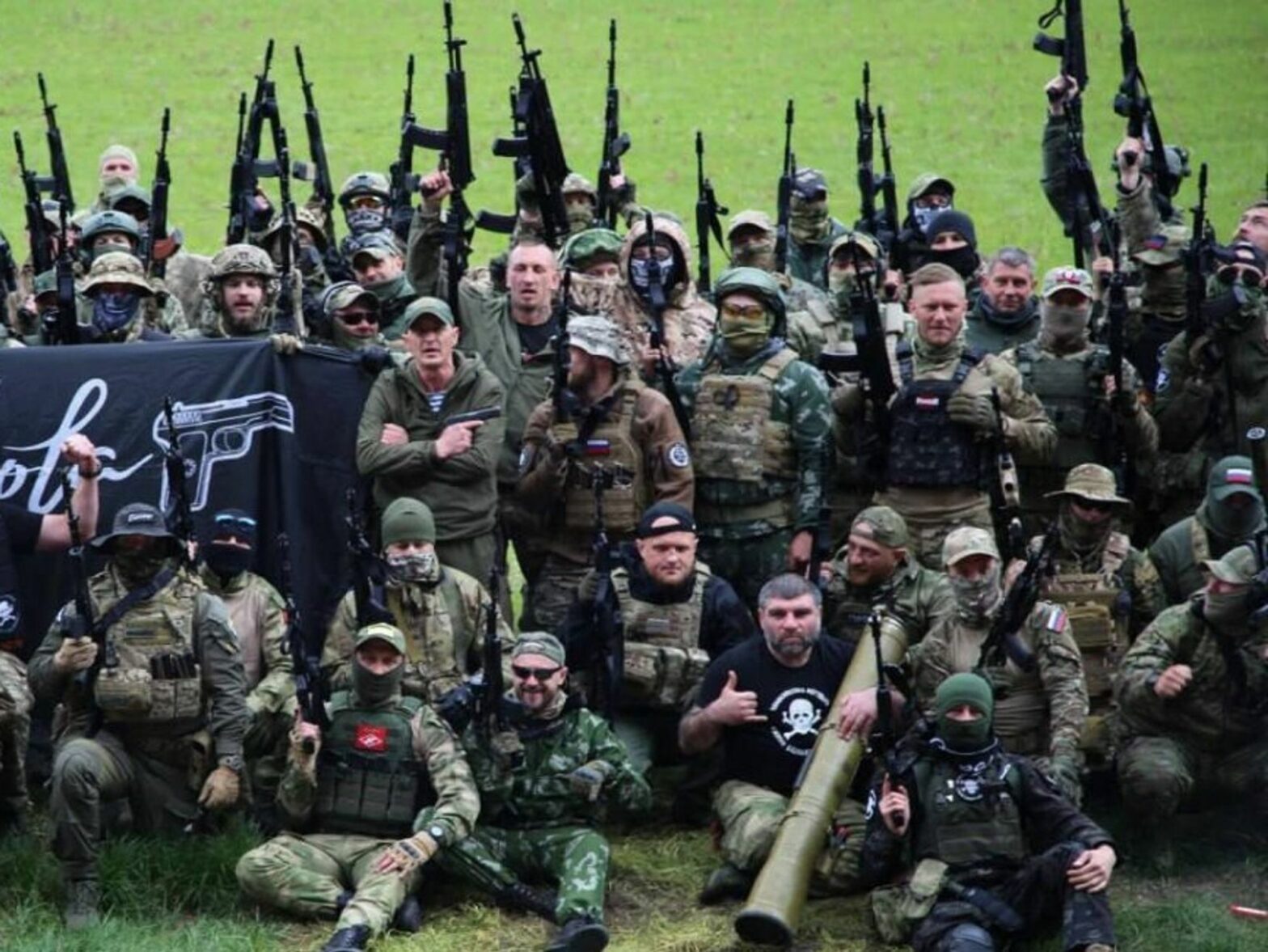
With private military companies (PMCs) multiplying in Russia, on the model of the Wagner Group, the billionaire Rotenberg brothers, friends of Putin, are creating their own private army of football fans.
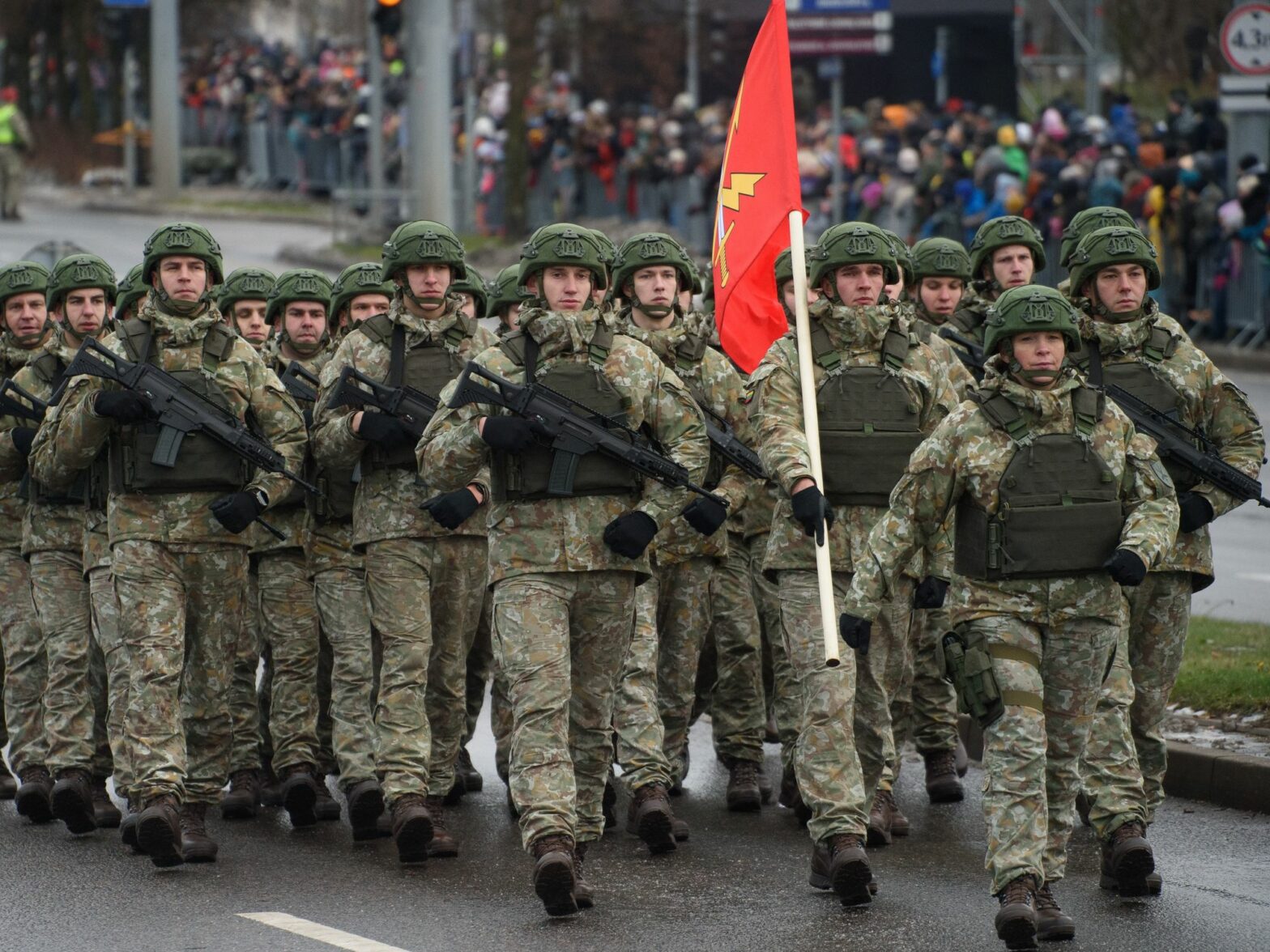
With Estonian Prime Minister Kaja Kallas put on Russia’s Most Wanted list, Tallinn is drawing up clear plans on how it intends to secure its border with Russia — an idea it shares with Latvia and Lithuania. But the three small countries don’t have the territorial or strategic depth to absorb an attack the way Ukraine did, which is why they ultimately rely on NATO.
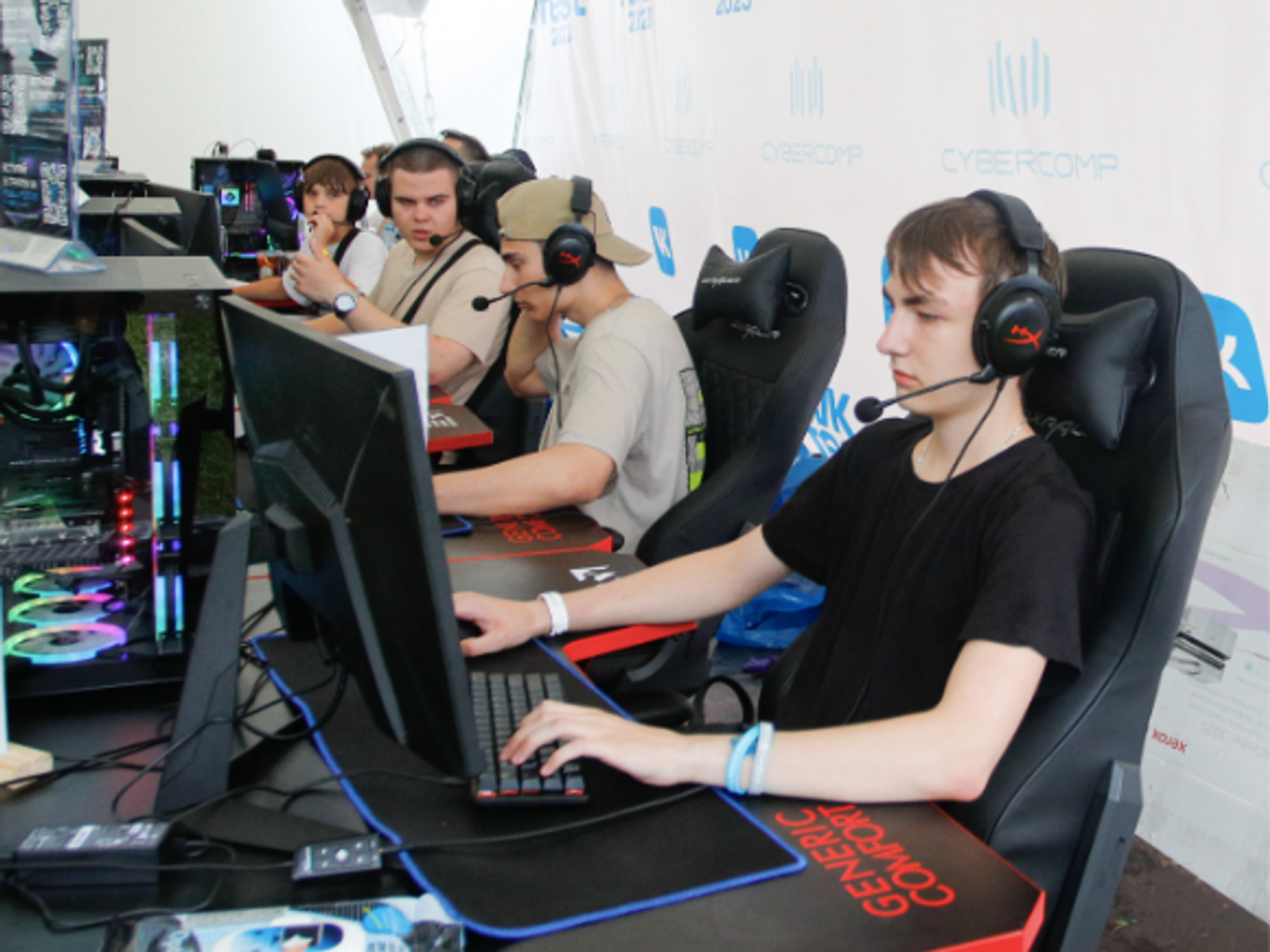
There have been increasing incidents at the regional level that indicate the Kremlin is developing a system, with elements from Chinese and Iranian censorship, to restrict internet access to build a new higher level of control over information.
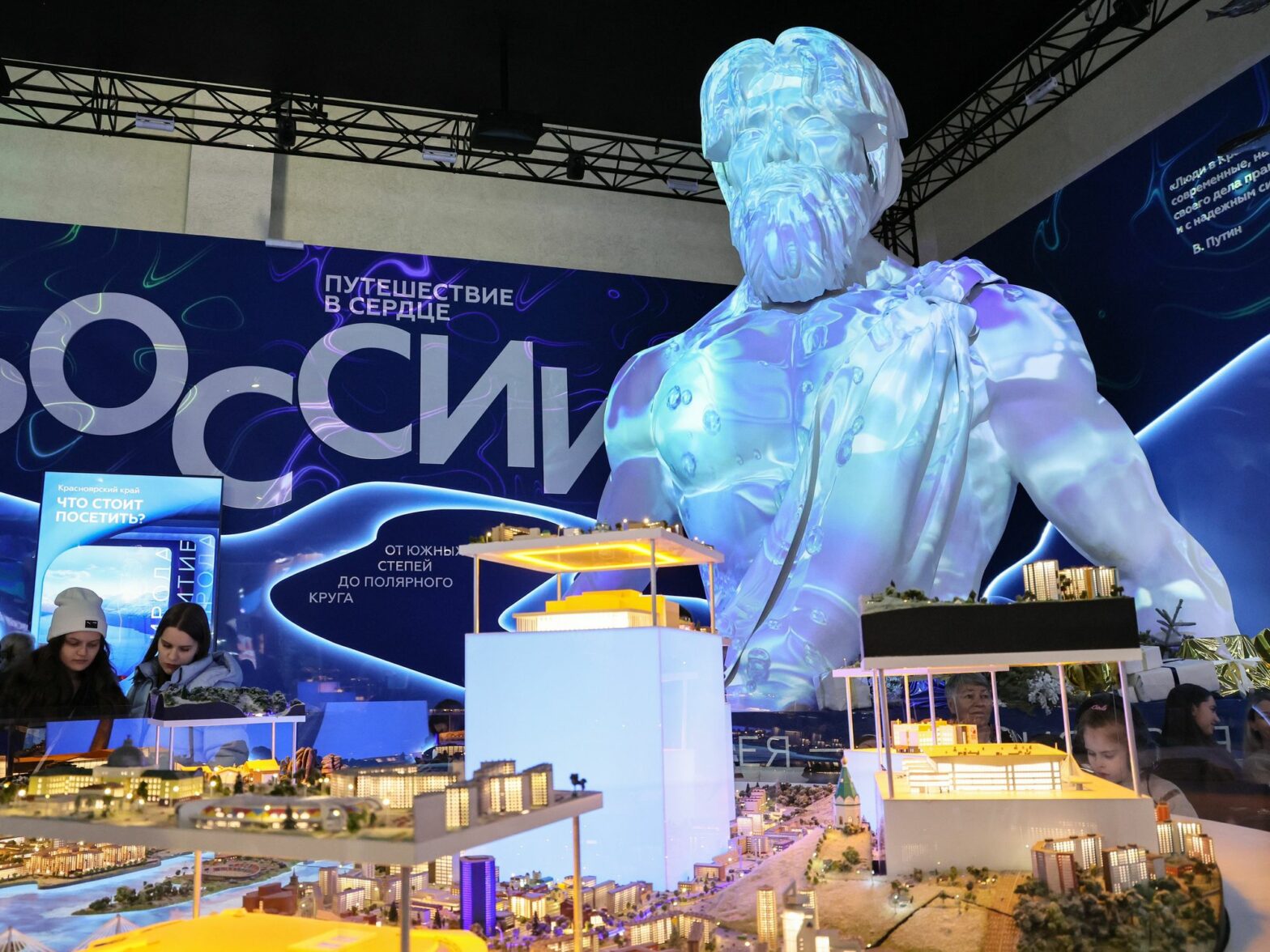
Vladimir Putin is not campaigning for the March 17 presidential election, but his message is on display at the vast “Rossia” exhibition in Moscow, which aims “to show Russians their modern Russia, a country they can be proud of.”
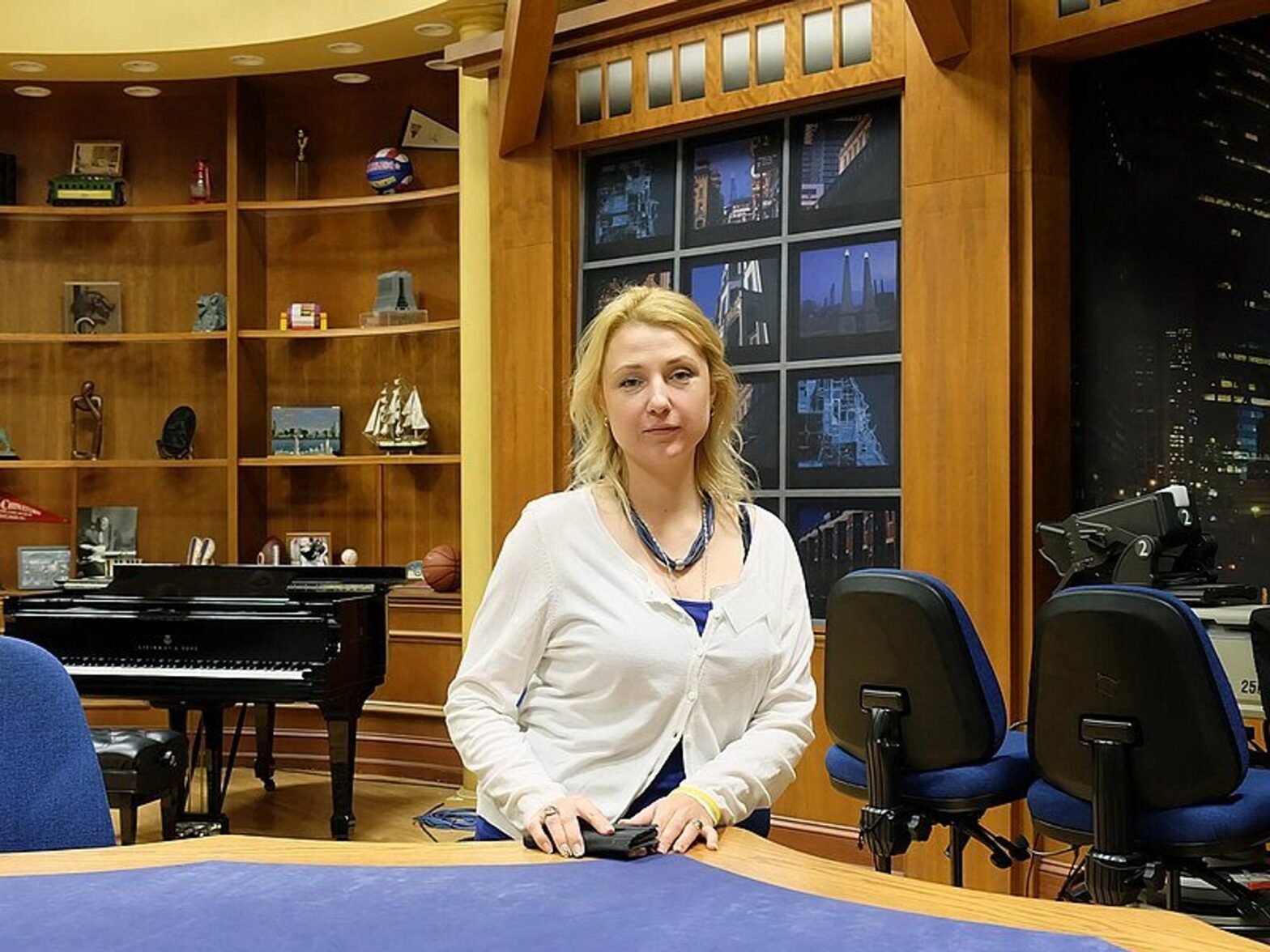
A former journalist and city councilor, Yekaterina Duntsova, 40, has suddenly gained surprising popularity among Russians opposed to Vladimir Putin and its offensive in Ukraine. She explains why barring her from the March presidential election won’t stop her campaign.
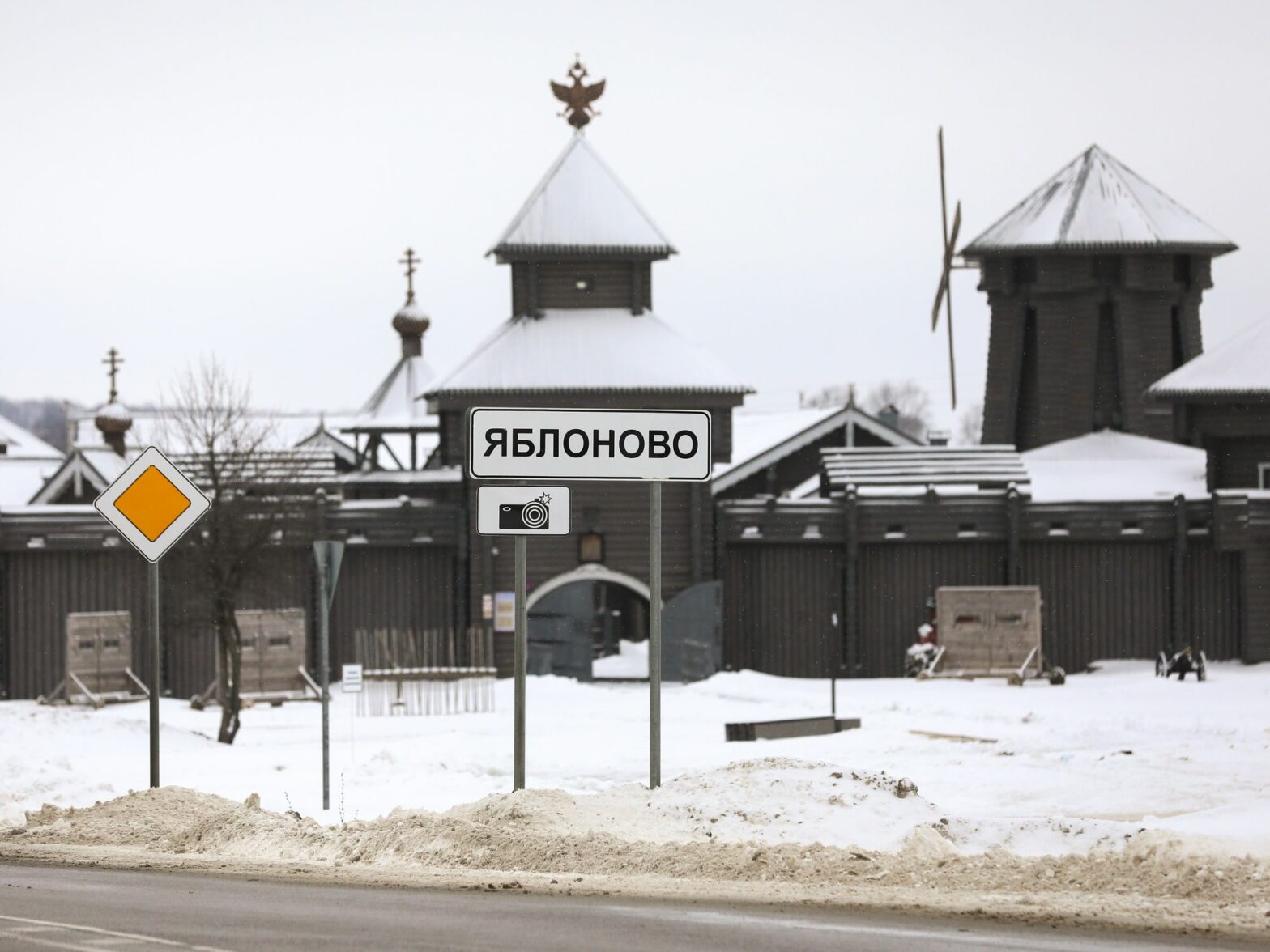
Ukraine and Russia are blaming each other for the Russian military plane crash. It will be hard to get at the truth of the accident, as either party is unlikely to release information, which is another weapon in their war.
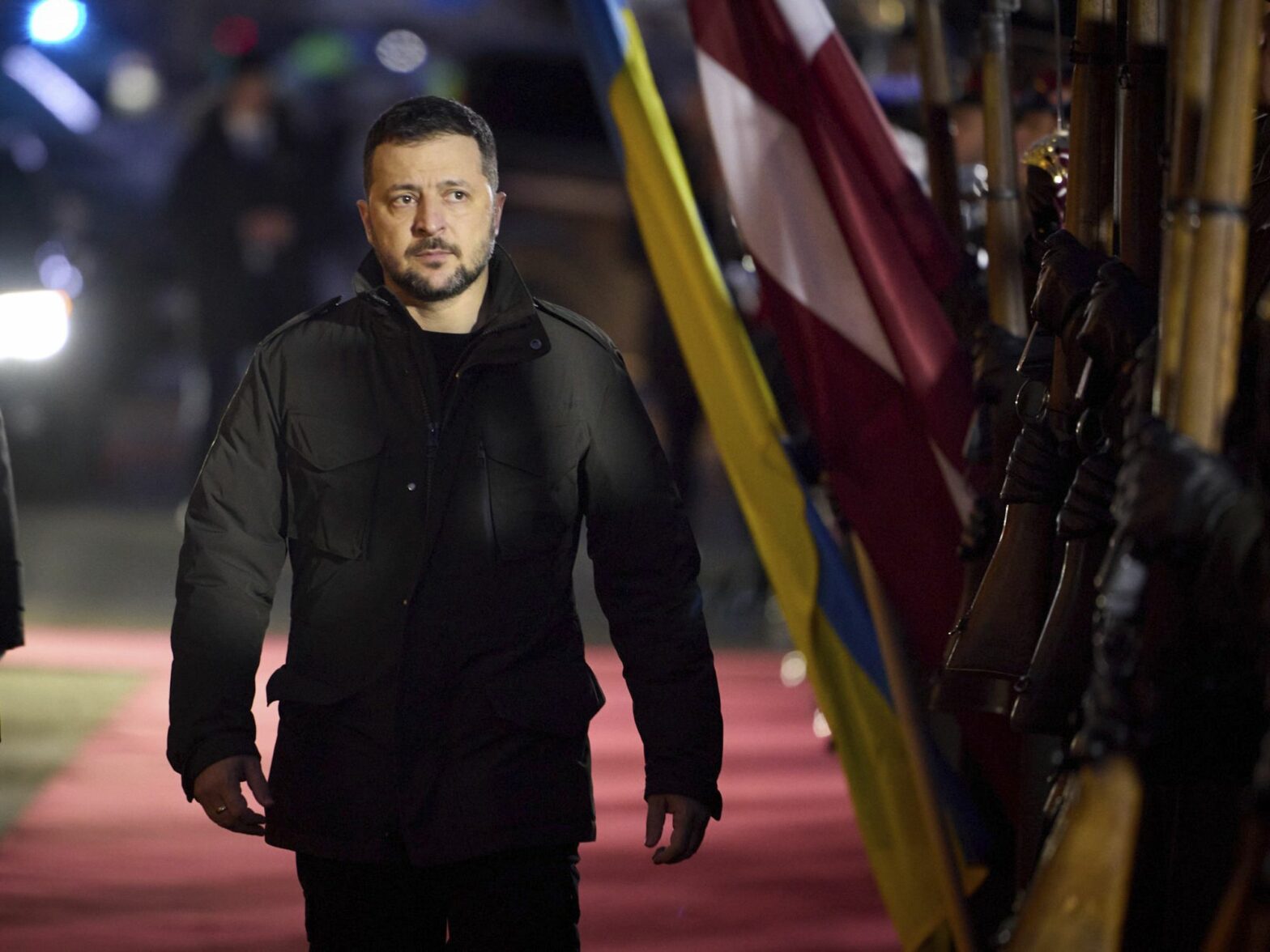
Both Russian online trolls and Ukrainians who never liked him will be calling into question Volodymyr Zelensky’s right to hold on to the presidency as his five-year term is set to end in May. But they’ll also be questioning the morality and strategy of his war aims. What should be his response?
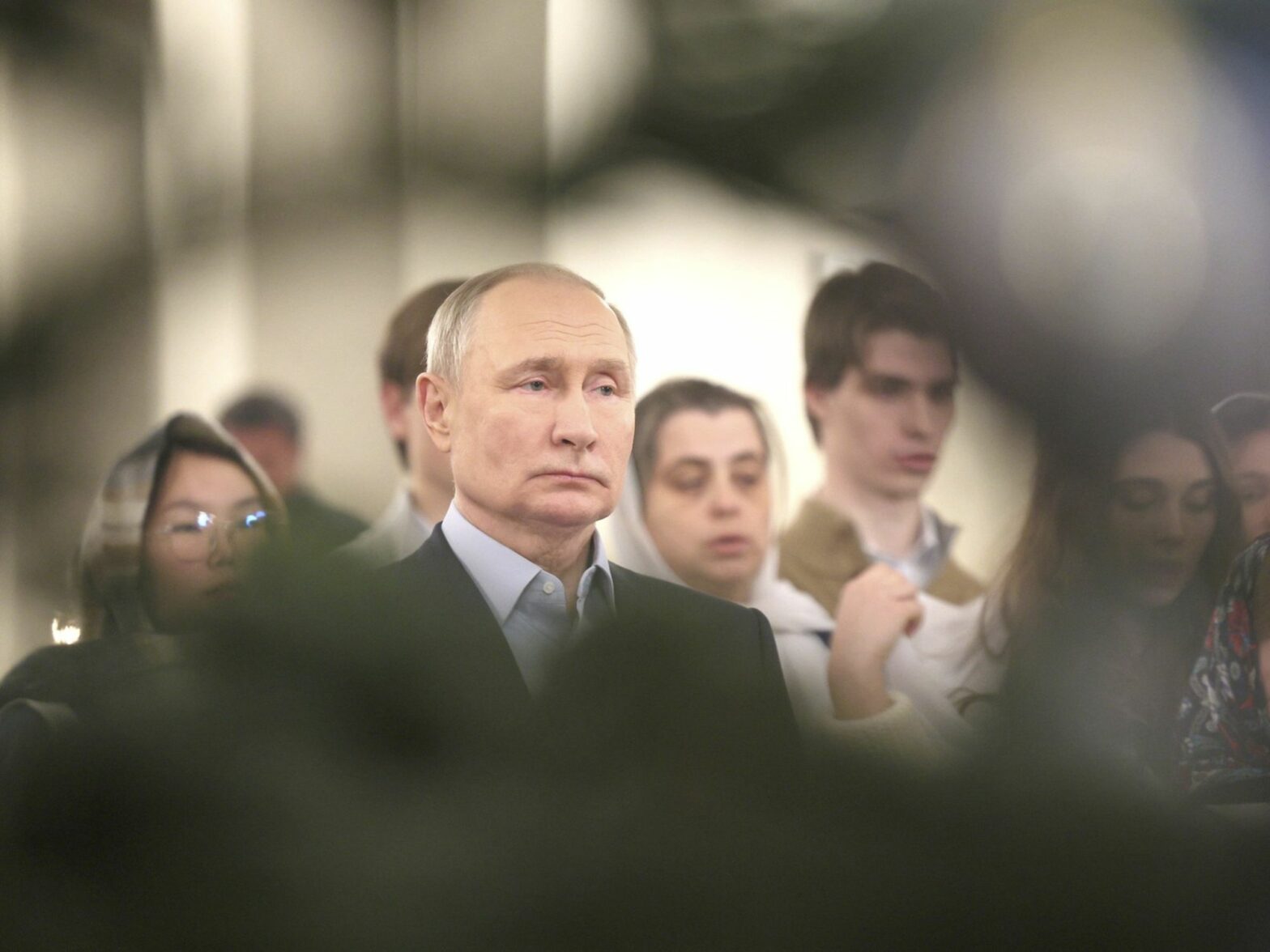
Beginning with Russia’s annexation of Crimea, Moscow’s actions against its supposed “brotherly” neighbors have yielded decidedly mixed results. Yet there are certain outcomes of Russian aggression against Ukraine that have weakened the West and the post-Cold War global order.
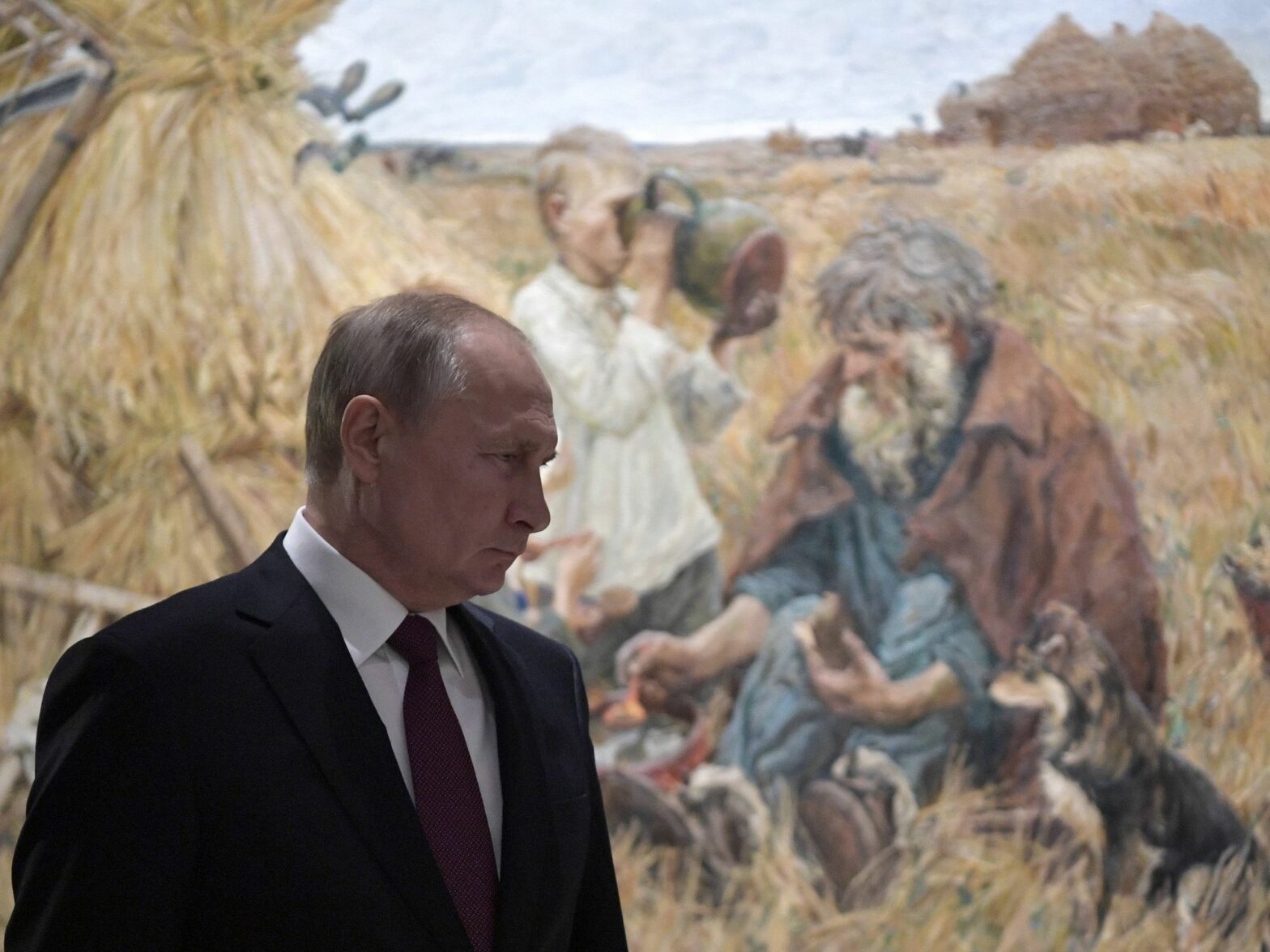
Vladimir Putin has tried to tie Russia’s cultural achievements to the nation’s past empire and his modern imperial ambitions — still, it’s a mistake to try to bury the nation’s great art, music and literature, argues Ukrainian publication Ukrainska Pravda.
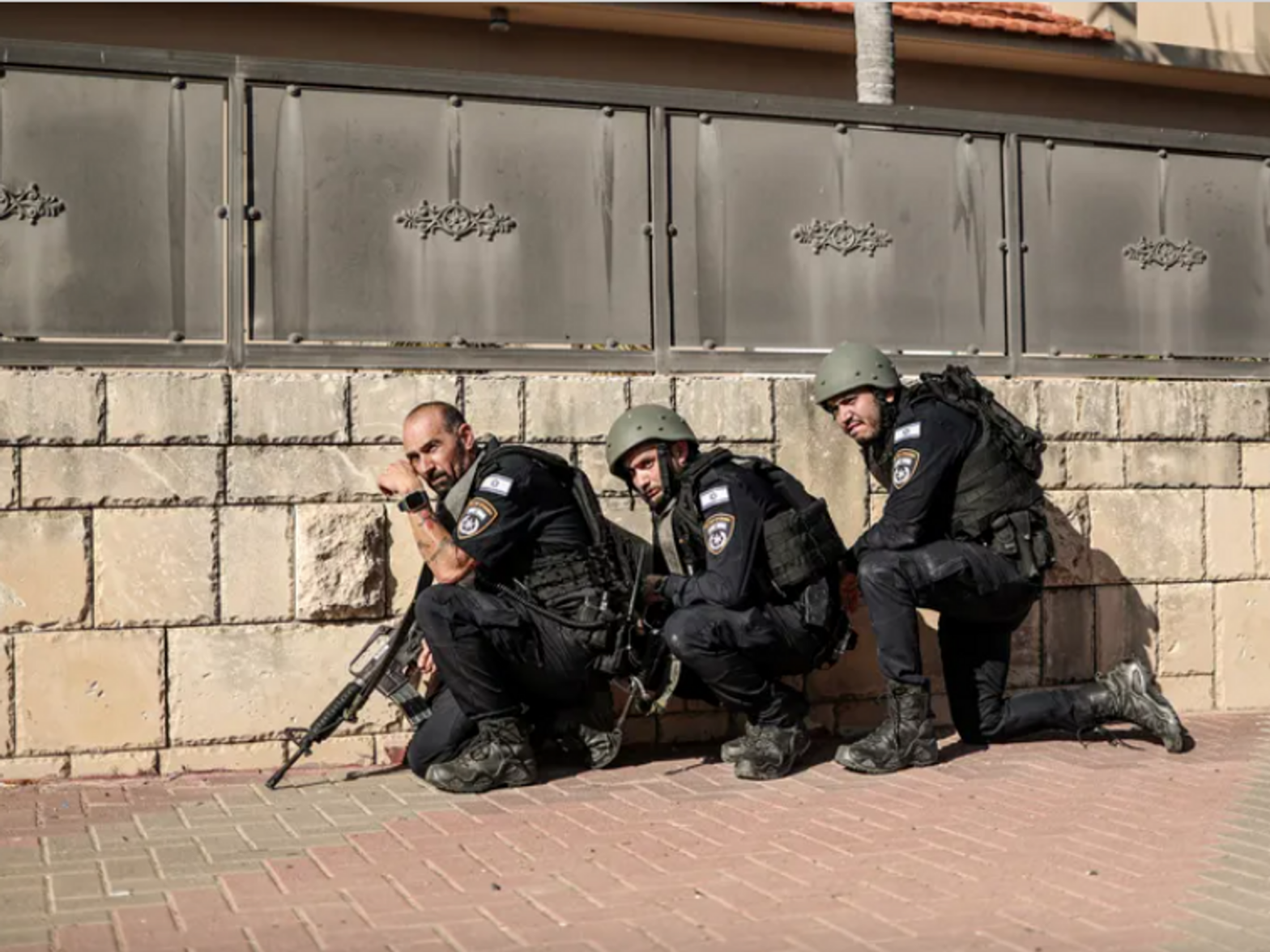
From preparing for the complexity of urban warfare to addressing technological vulnerabilities and gaining self-reliance in military production, the unfolding crisis in Israel has a number of critical messages for Ukraine.
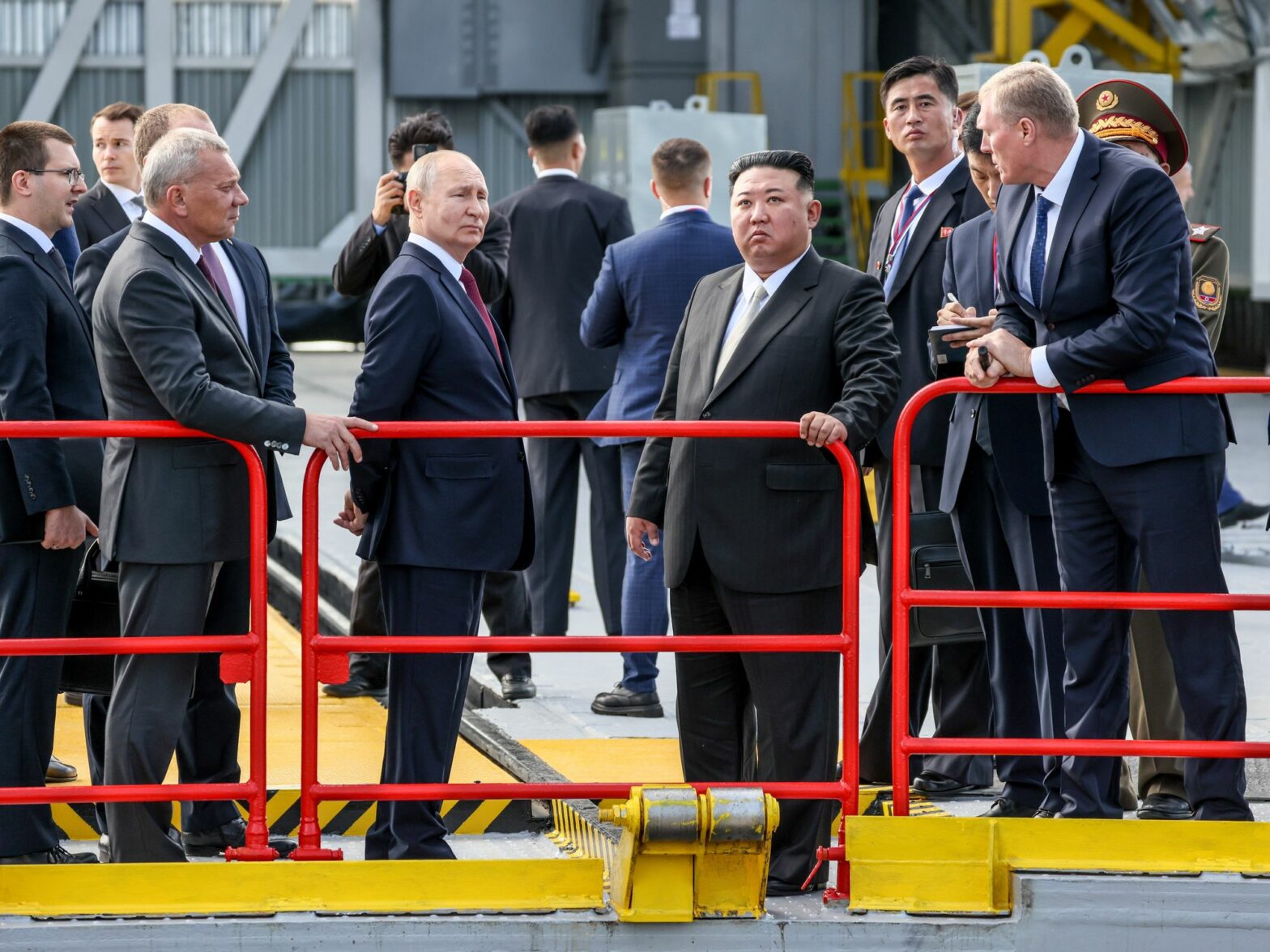
North Korea lends its full support to Russia’s war in Ukraine, and will supply ammunition to Moscow, which in return will help Kim Jong-un with his space ambitions. With the whiff of a Cold War alliance, it shows how two regimes that have become so isolated they multiply the risks for the rest of the world.
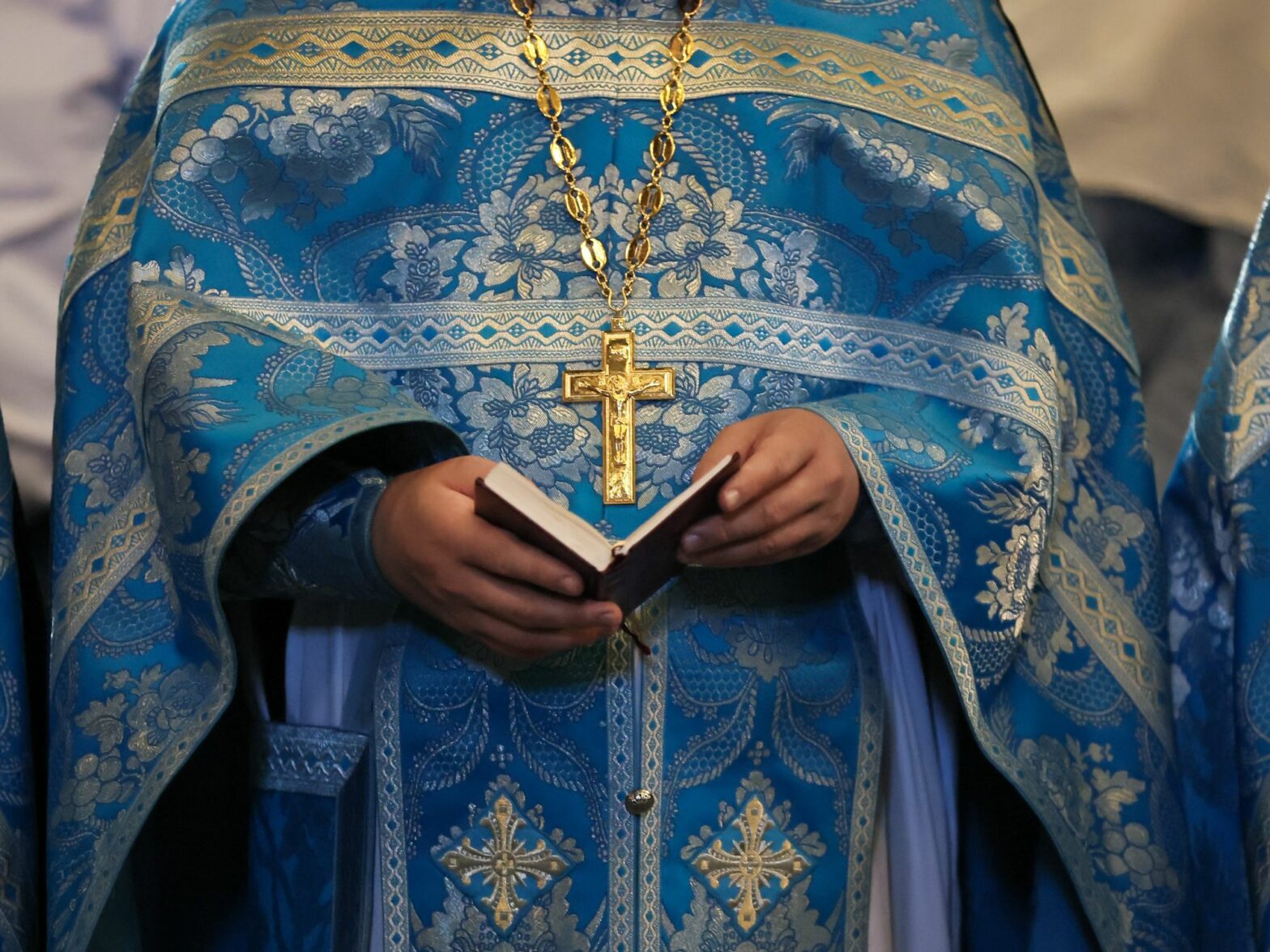
Since the start of Russia’s war in Ukraine, the Russian Orthodox Church has fully supported the Kremlin. Priests or members of the church that disagree with this politicization and militarization of the church face heavy consequences such as removal.