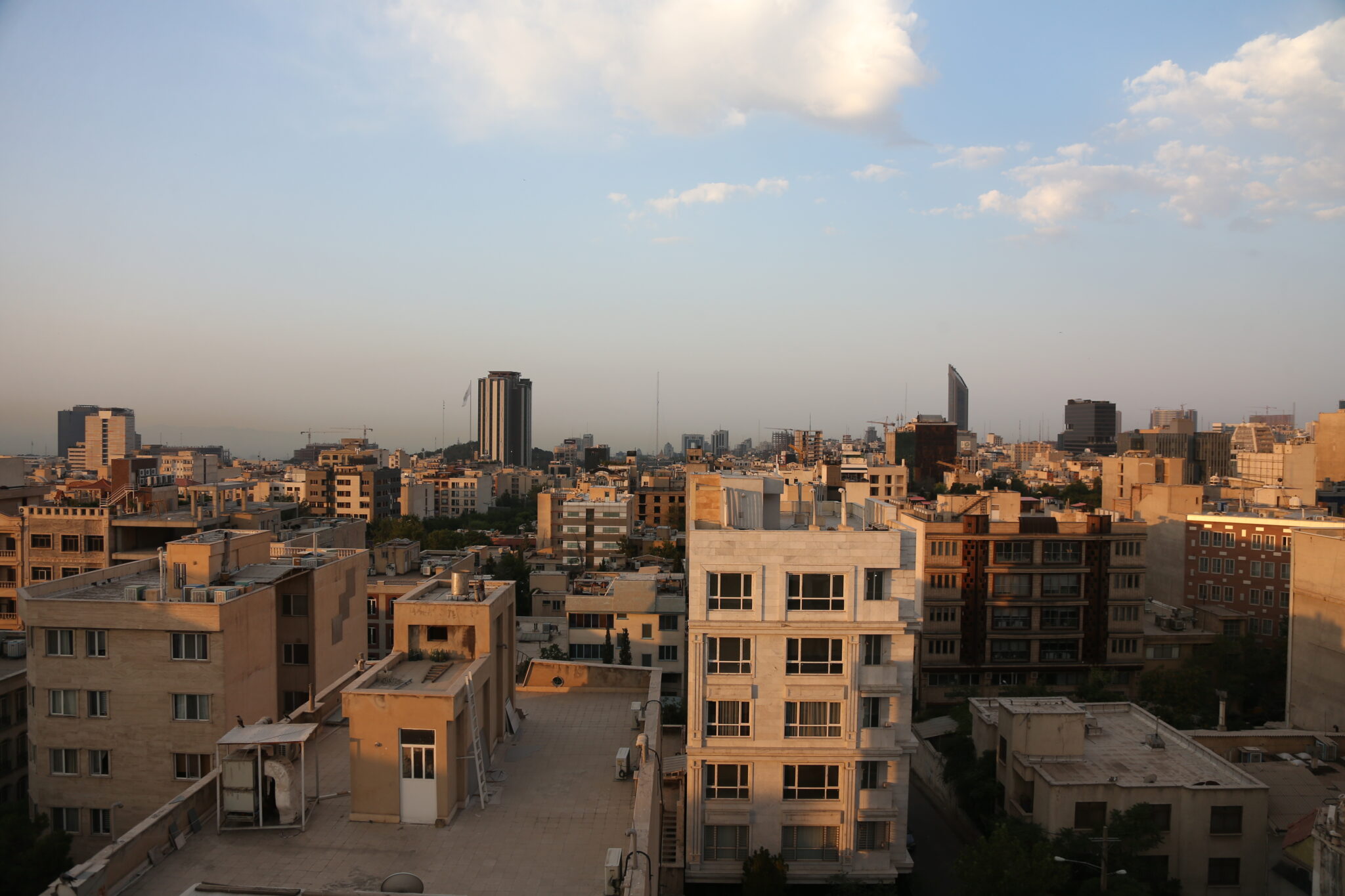
Israel may be giving Tehran a taste of the havoc it wreaked on Gaza and Beirut, as it seeks to crush the very environment that has nurtured and sustained the hostile regime of the Islamic Republic.
 Worldcrunch
Israel may be giving Tehran a taste of the havoc it wreaked on Gaza and Beirut, as it seeks to crush the very environment that has nurtured and sustained the hostile regime of the Islamic Republic.
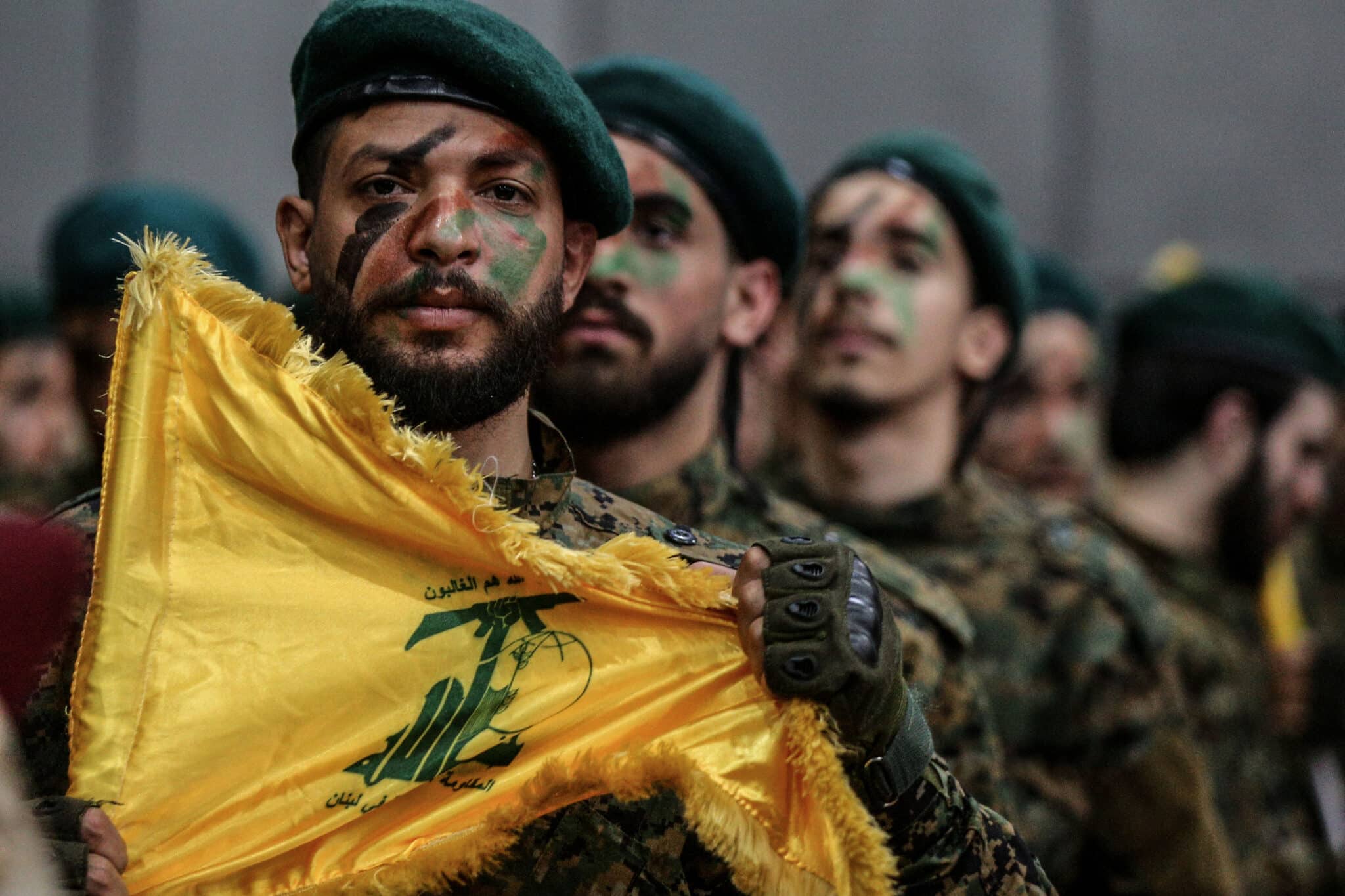
Sources say Hezbollah is in such dire financial shape, as Israel and Lebanon are successfully cutting off funding from Iran, it puts the organization at existential risk.
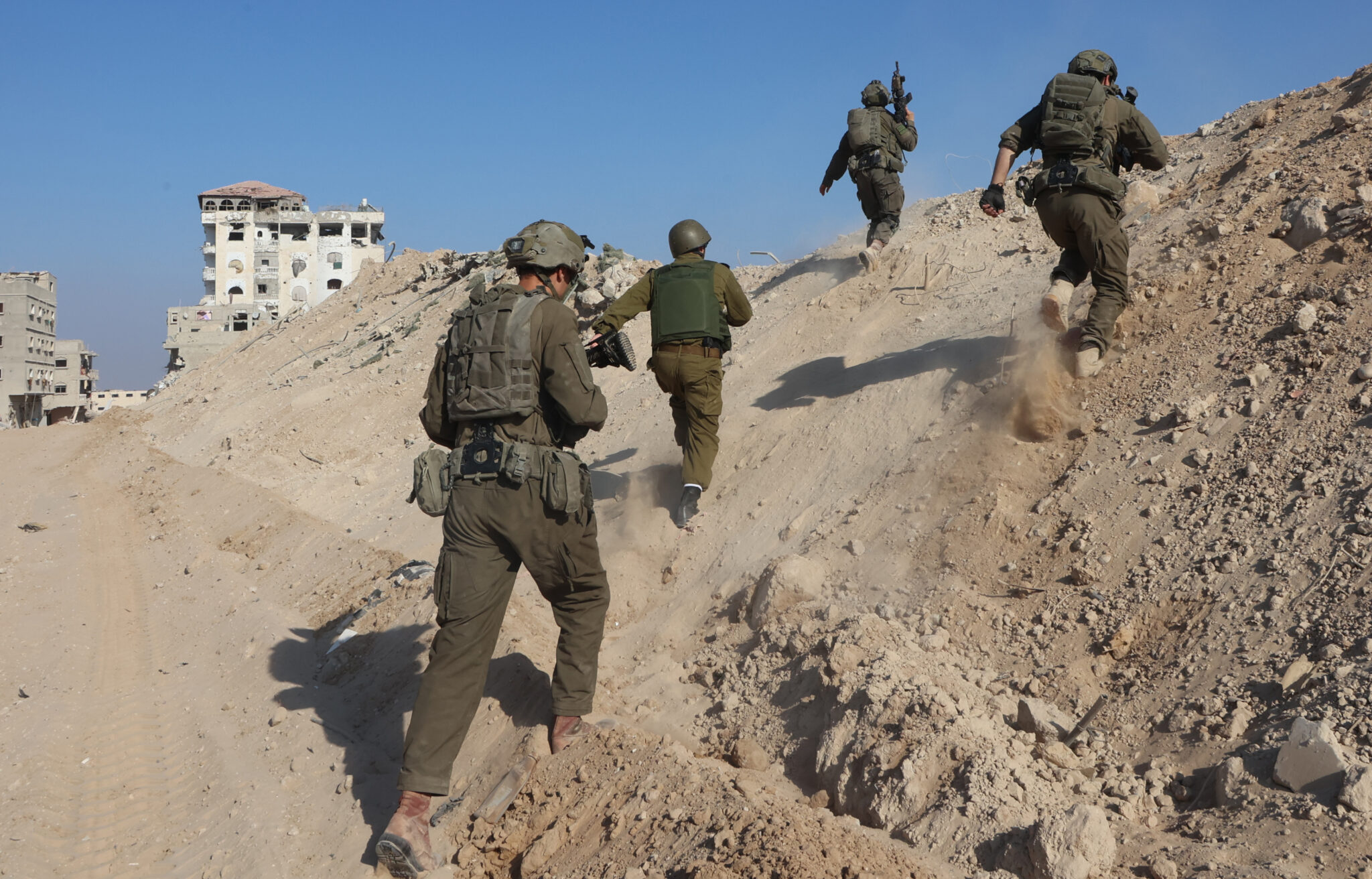
Israel is calling up tens of thousands of reservists as its military operations threaten to expand in Gaza and grow more significant in Syria. This escalation raises serious questions about the goals behind what has become one of the longest wars in the country’s history.
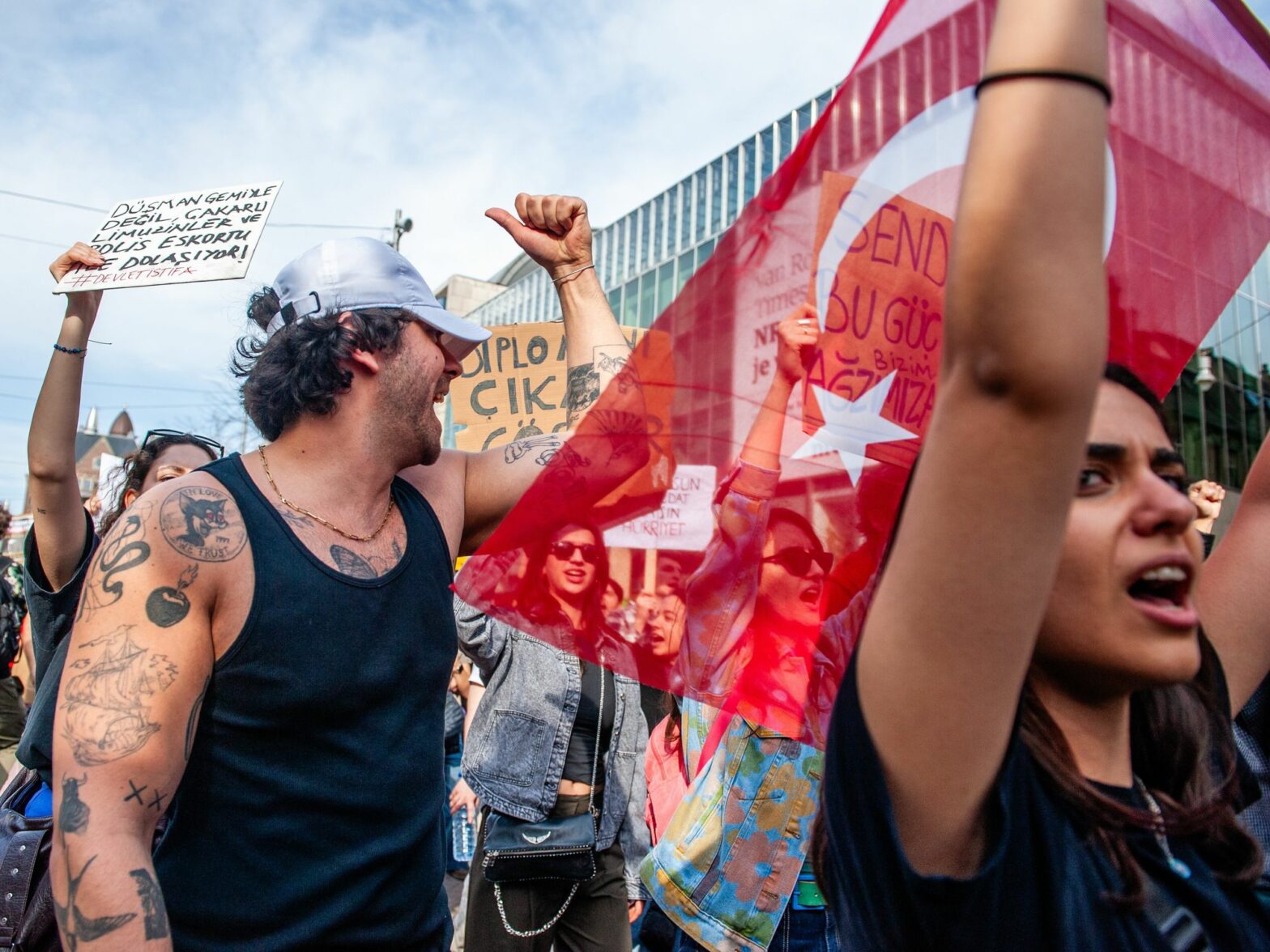
Facing protests over the arrest of Istanbul’s opposition mayor, the Turkish government has found its culprits: Greece and Israel, two obstacles to its ambitions in the eastern Mediterranean.
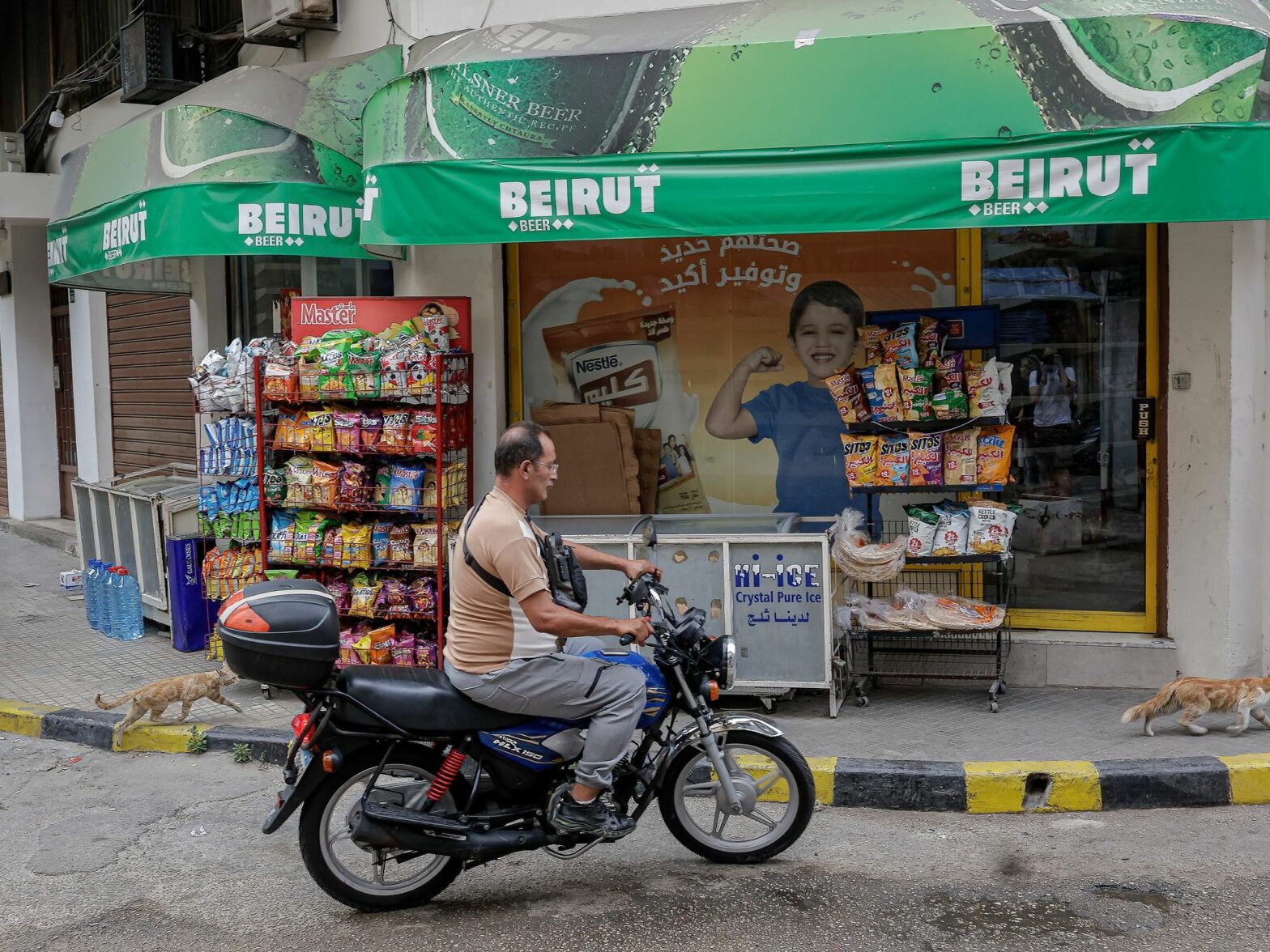
The Saudis could regain the political and financial clout they once enjoyed in Lebanon, which was lost for two decades to Hezbollah and its foreign patrons. Could that restore a measure of prosperity to a country brought to its knees by decades of civil war and the unwelcome interventions of Tehran and Damascus.
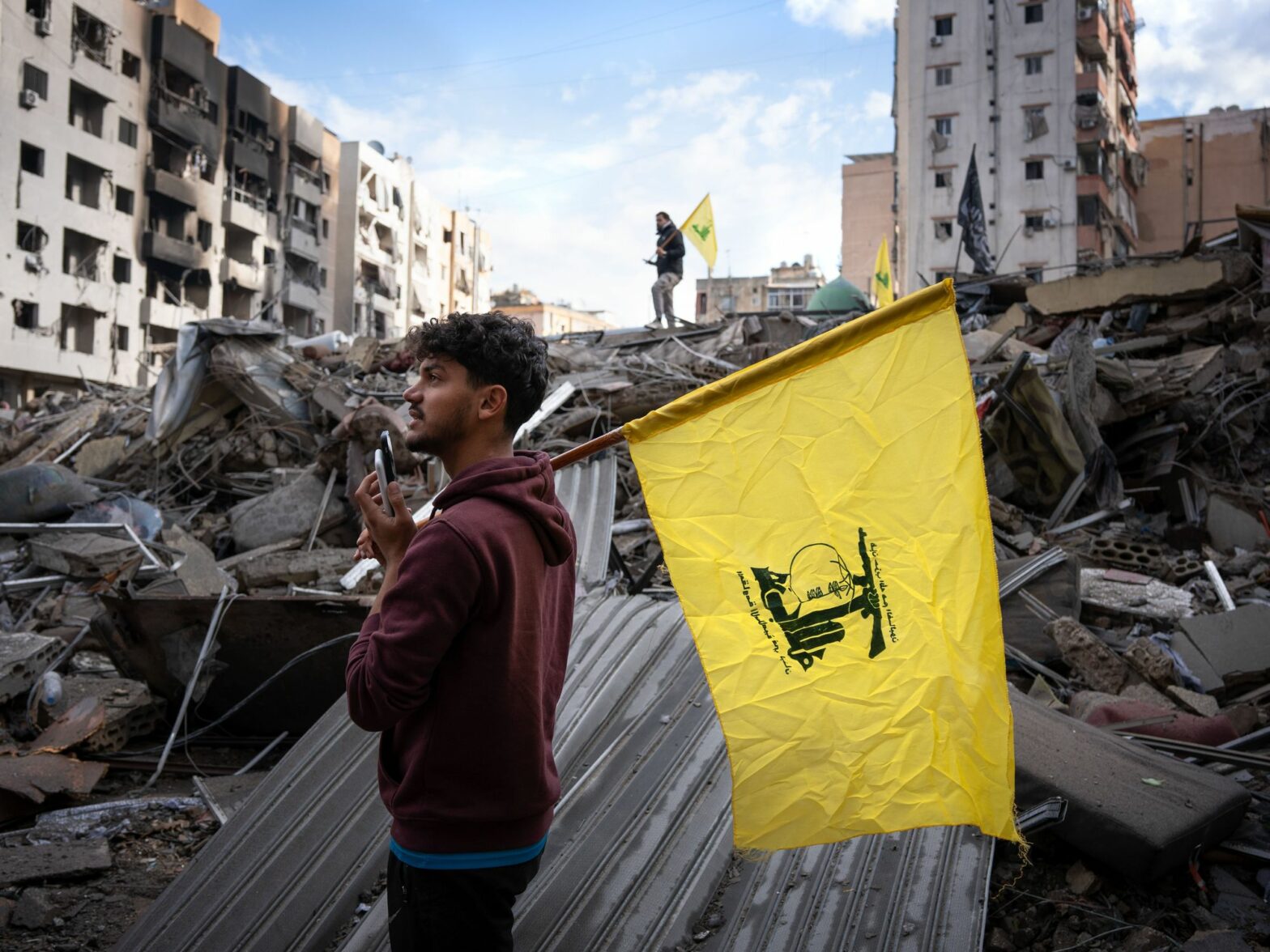
Hezbollah has emerged notably weaker from the war with Israel. The image of the protector that it had entrenched in Lebanon’s Shiite consciousness was shattered by the war in favor of an idea that calls for the Lebanese army as an alternative guardian. Yet Hezbollah is hardly fading away.

The declaration of independence for a nation, the start of a global environmental agreement, and the birth of a motorcycle racing legend.
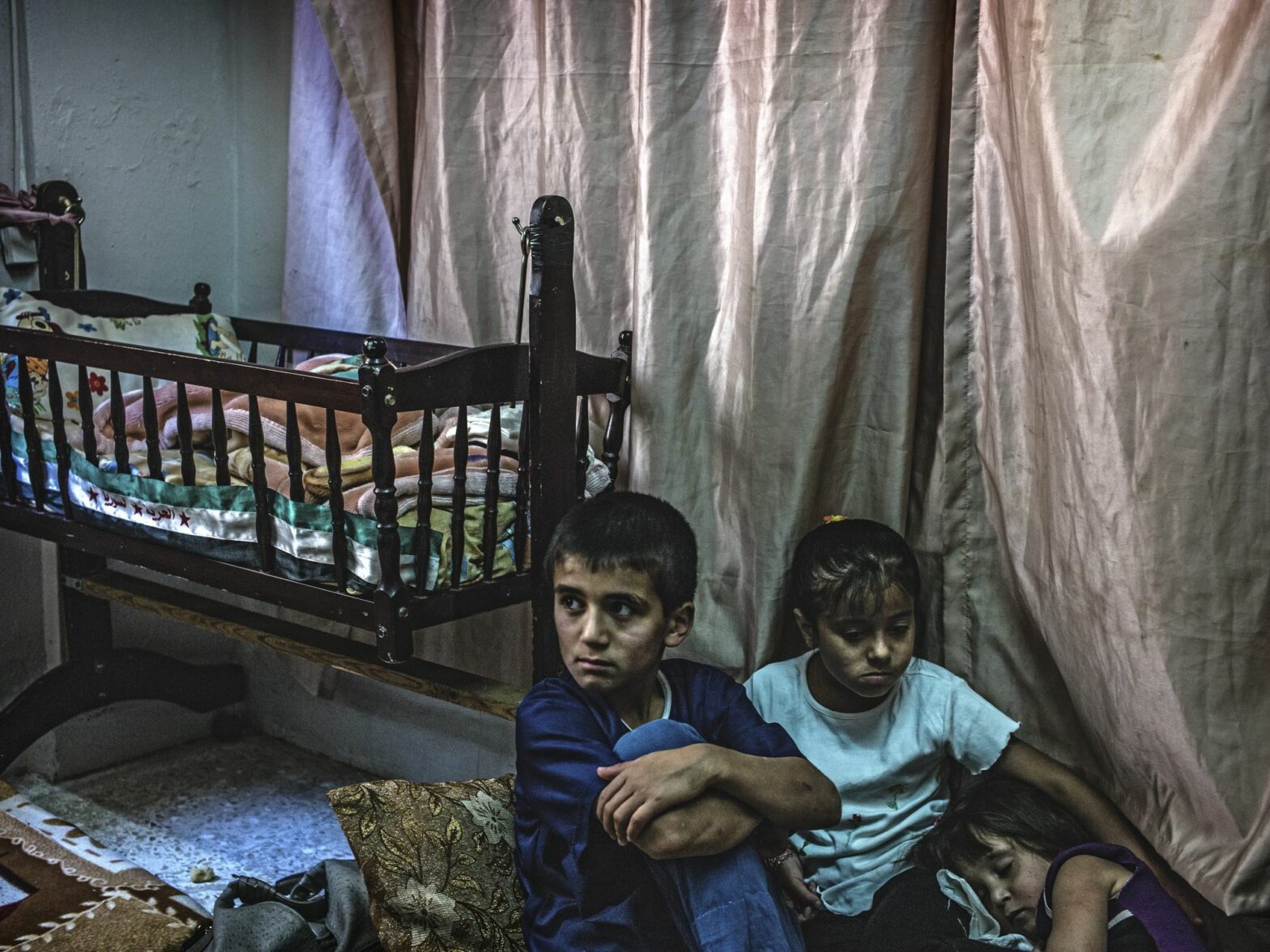
The collapse of the Assad regime in Syria freed thousands detained in the country’s prisons. But it has also revealed potential rights violations by international children’s NGOs, which received children whose parents were detained in Assad’s prisons. The situation echoes similar violations in Canada and Russia.
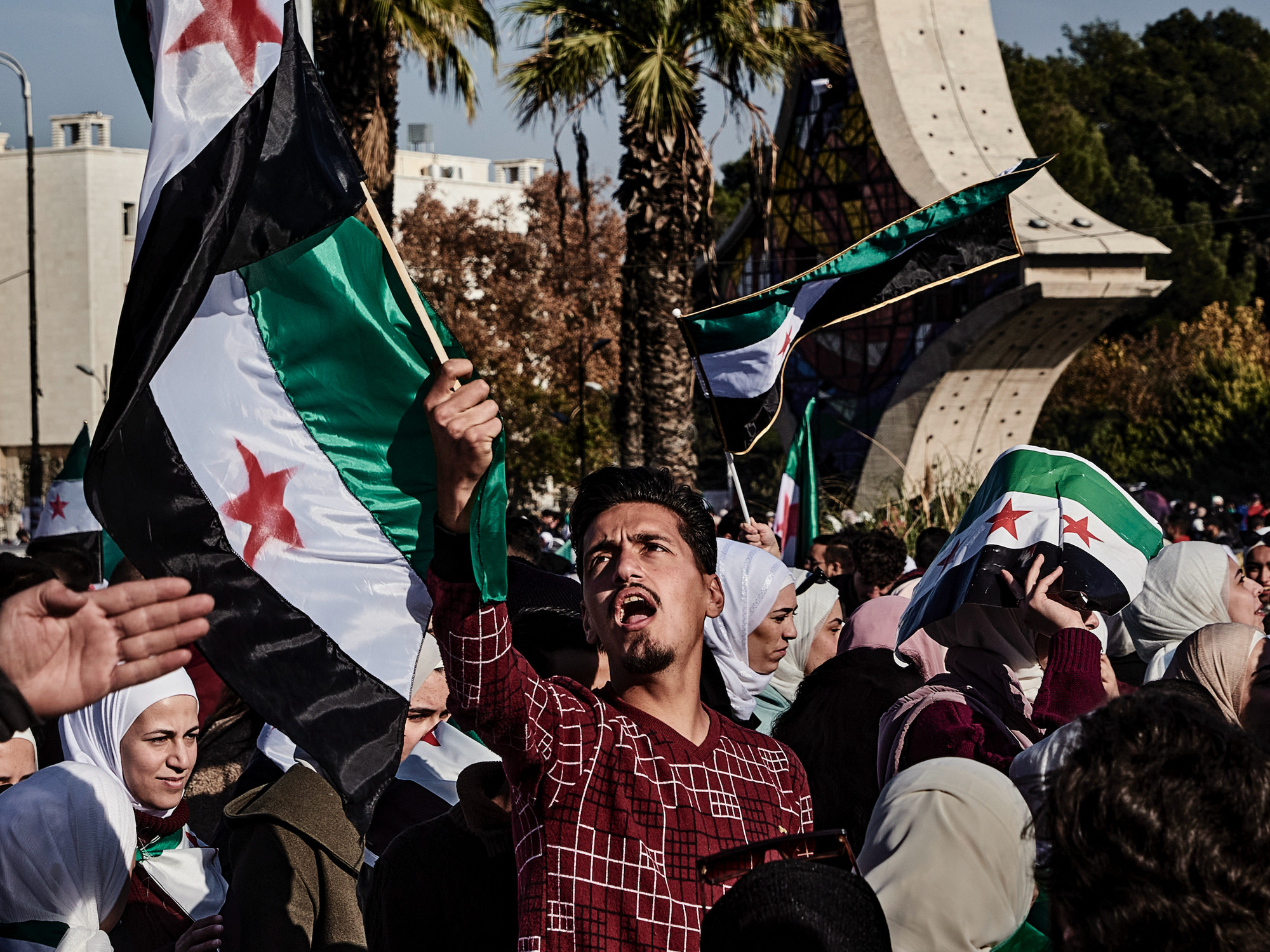
The year started without the tyrant of Damascus. Lebanon elected a president. Gaza has a ceasefire. Some of this progress is due to external geopolitical forces, yet there are signs that the region could be turning around from within.
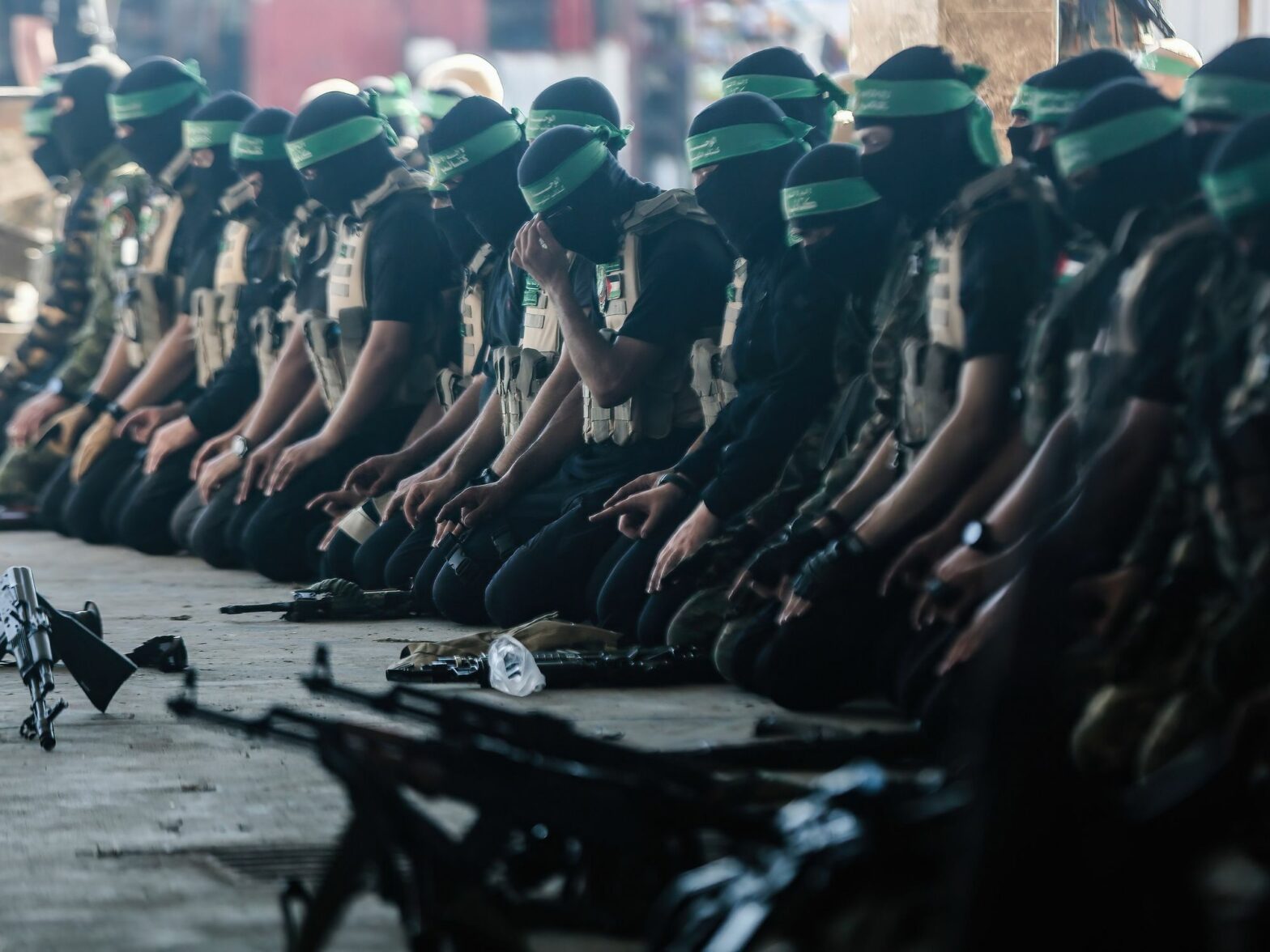
Israel has killed thousands of Hamas fighters. But the Gaza-based terrorist organization has not yet been completely destroyed, nor have its allied militias in the region.
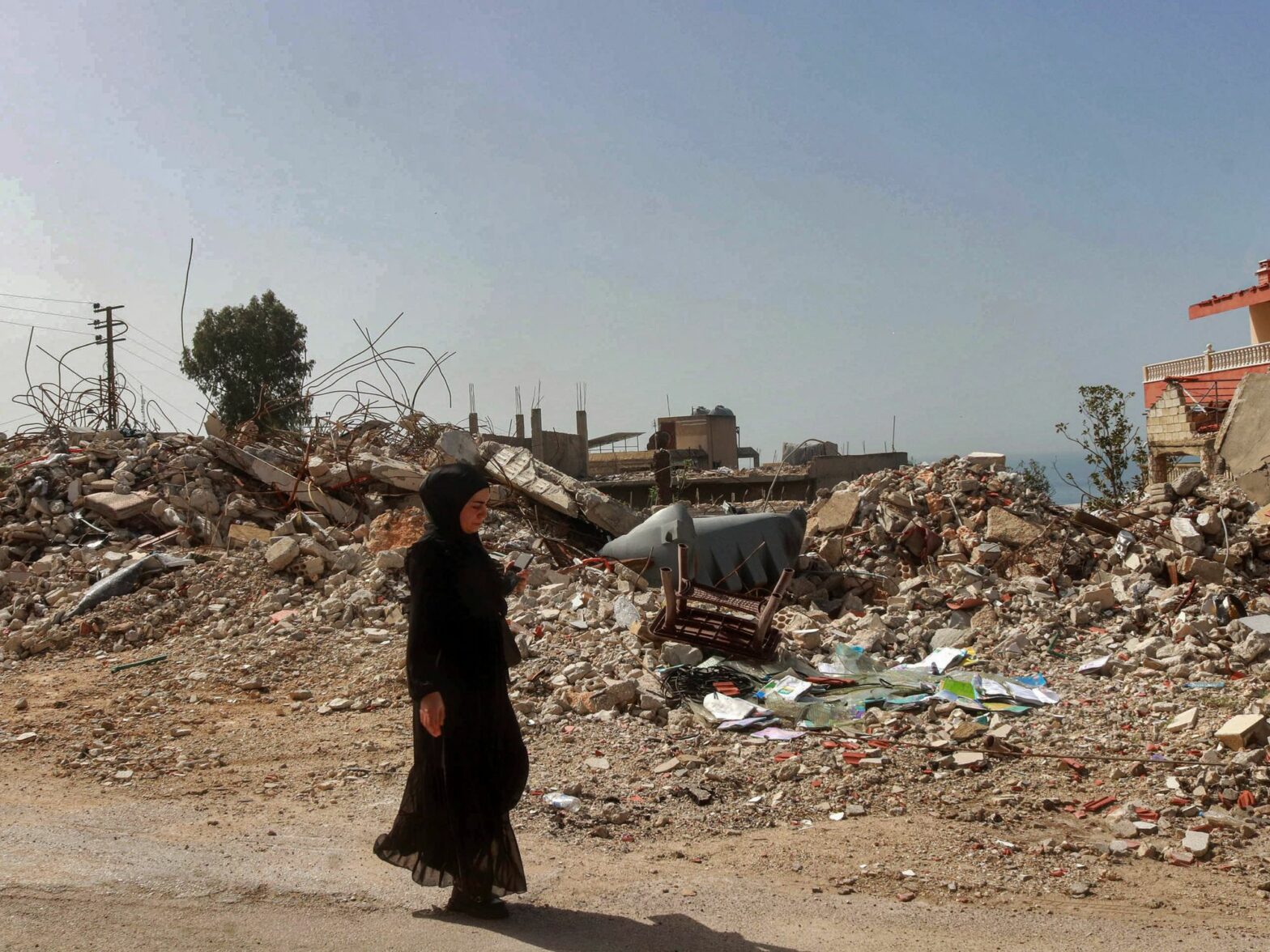
Returning to their destroyed villages in the south, Lebanese found no one waiting for them. Others have no possibility to return. Meanwhile, Israel considers it just a 60-day pause in fighting. What deal was cut behind closed doors?

The birth of a famous rapper, the election of the only ever English pope, and a staple in hockey history.
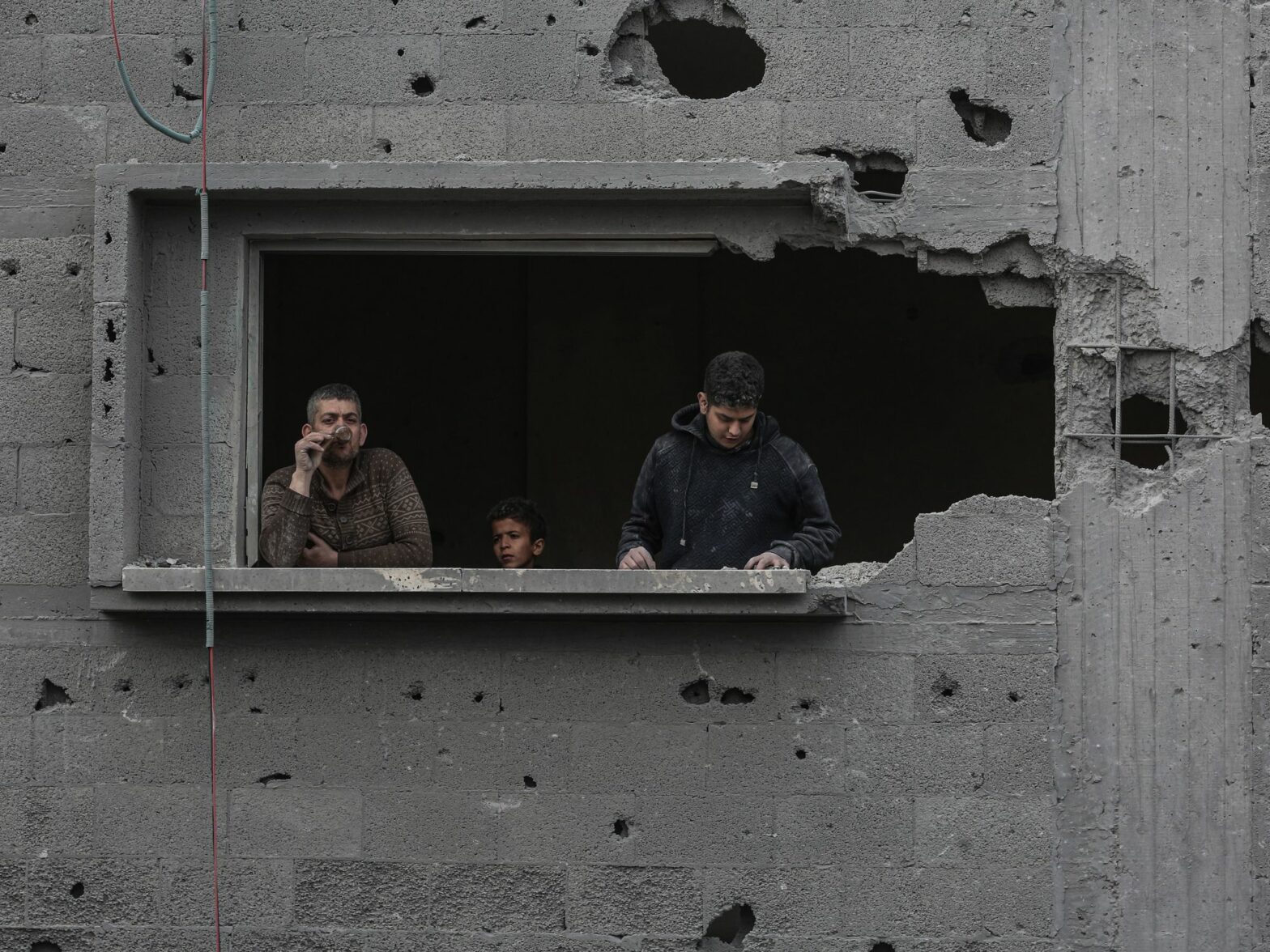
Since the Oct. 7 Hamas attack, use of the term “evil” has increased. The more heinous and public the murder, the more the evil of the murderer would be revealed and “the world” would be pushed to intervene. Yet in both Syria and Gaza, that world has been satisfied with symbolic responses.
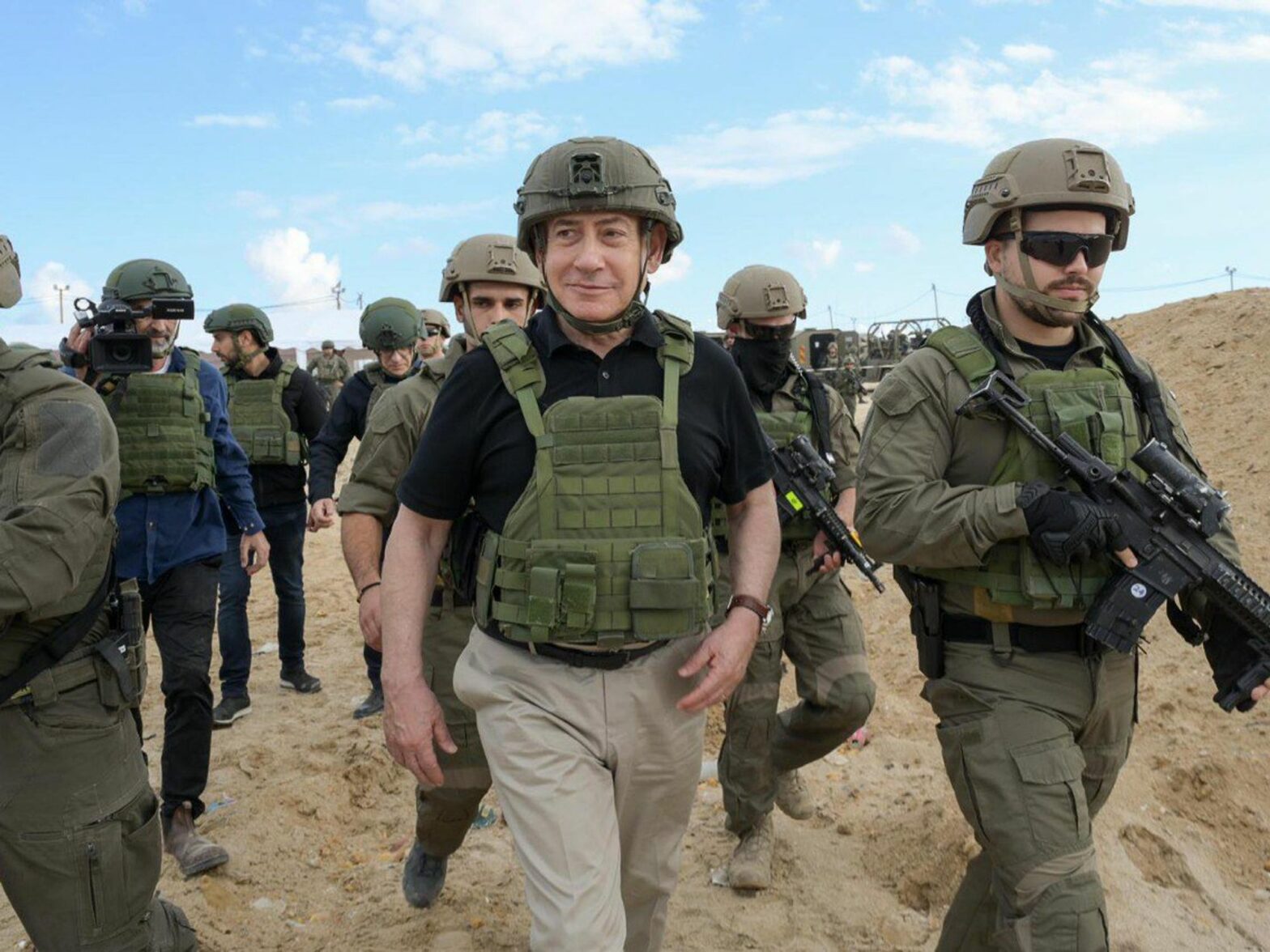
The Israeli Prime Minister has been clear: The ceasefire in Lebanon will allow him to focus on Iran and on Syria, through which Hezbollah’s weapons are transported. But the underlying factors are Iran’s nuclear program and Donald Trump’s return to the White House.
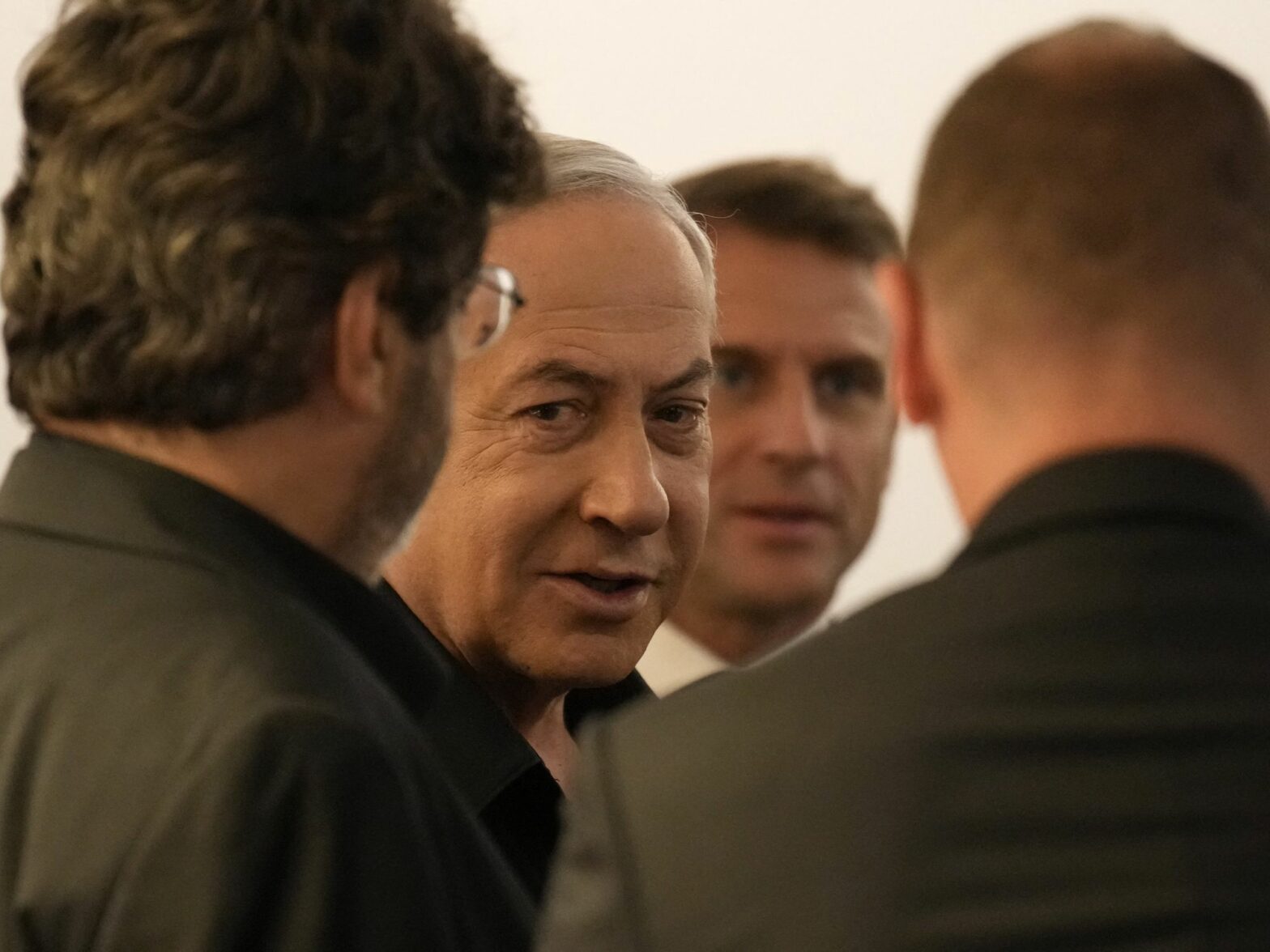
France caused a stir by declaring that the Israeli leader enjoyed “immunity” from the ICC arrest warrant. It’s a legal statement, but also a highly political one, as Israel has threatened to remove France from the Lebanese Ceasefire Monitoring Committee. Human rights activists are appalled.
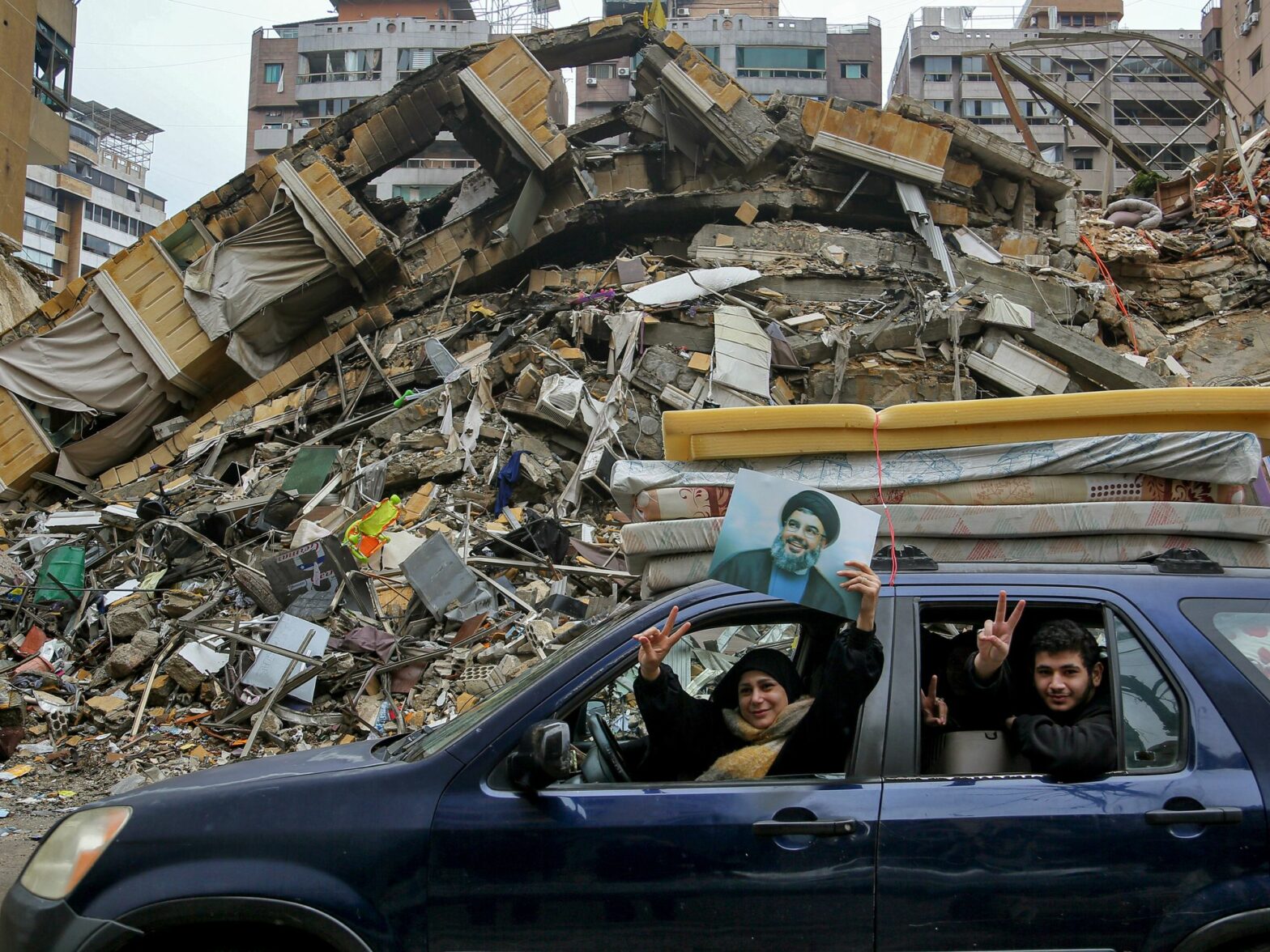
One might think that the rush to announce the completion of the deal refers to its preemptive failure with each party blaming the other for this failure. But there are many moving parts in the negotiations, like there are in the region.
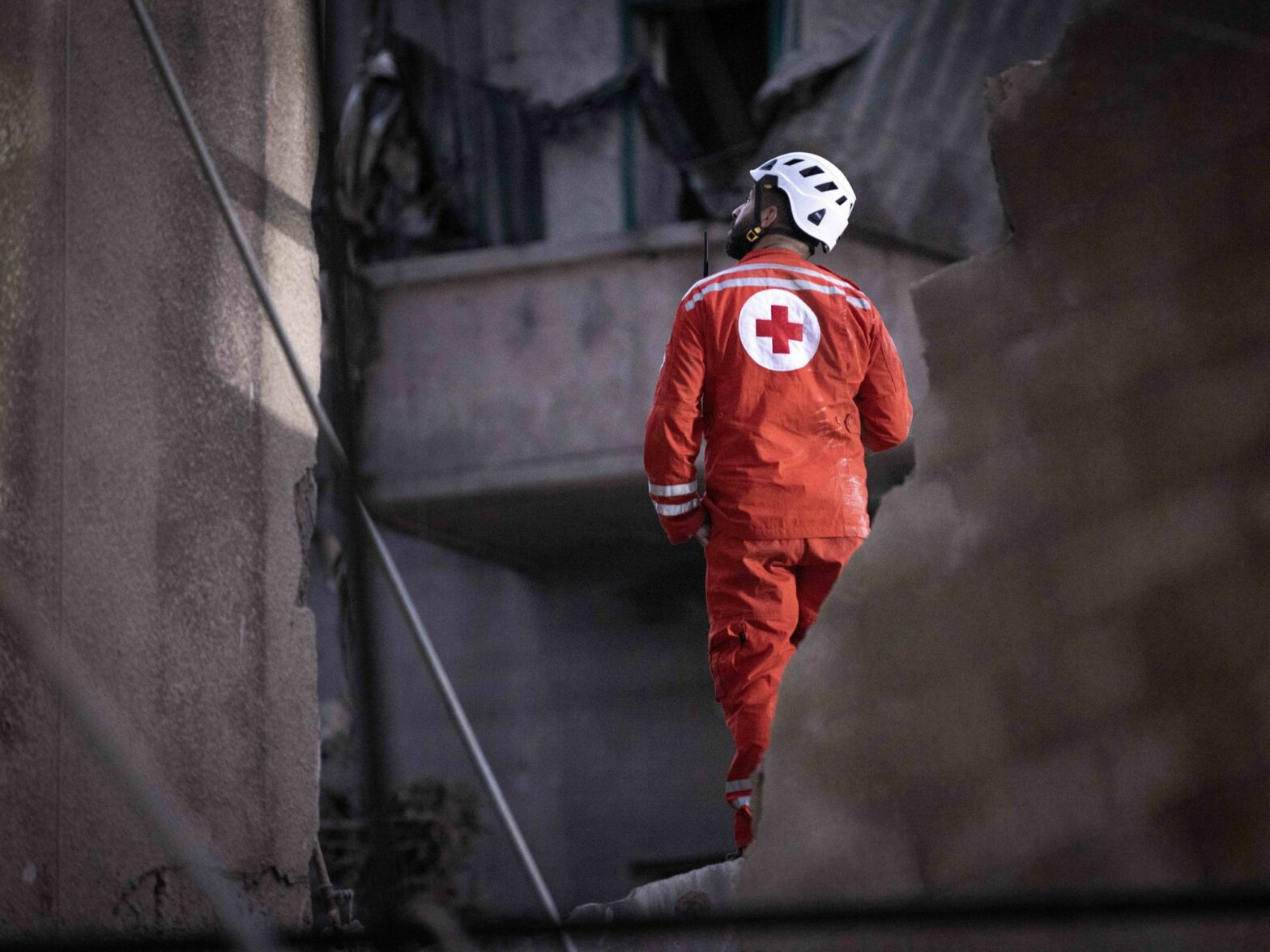
Israel and Lebanon have reached a U.S. and France-brokered ceasefire agreement. It’s an intricate agreement that requires a withdrawal of Israeli forces within 60 days, contingent on Hezbollah retreating north. And it shifts focus, allowing the war in Gaza to continue unabated.

A shocking political assassination, a middle-eastern country gaining its independence, and the election of the most powerful woman of the 2000s.
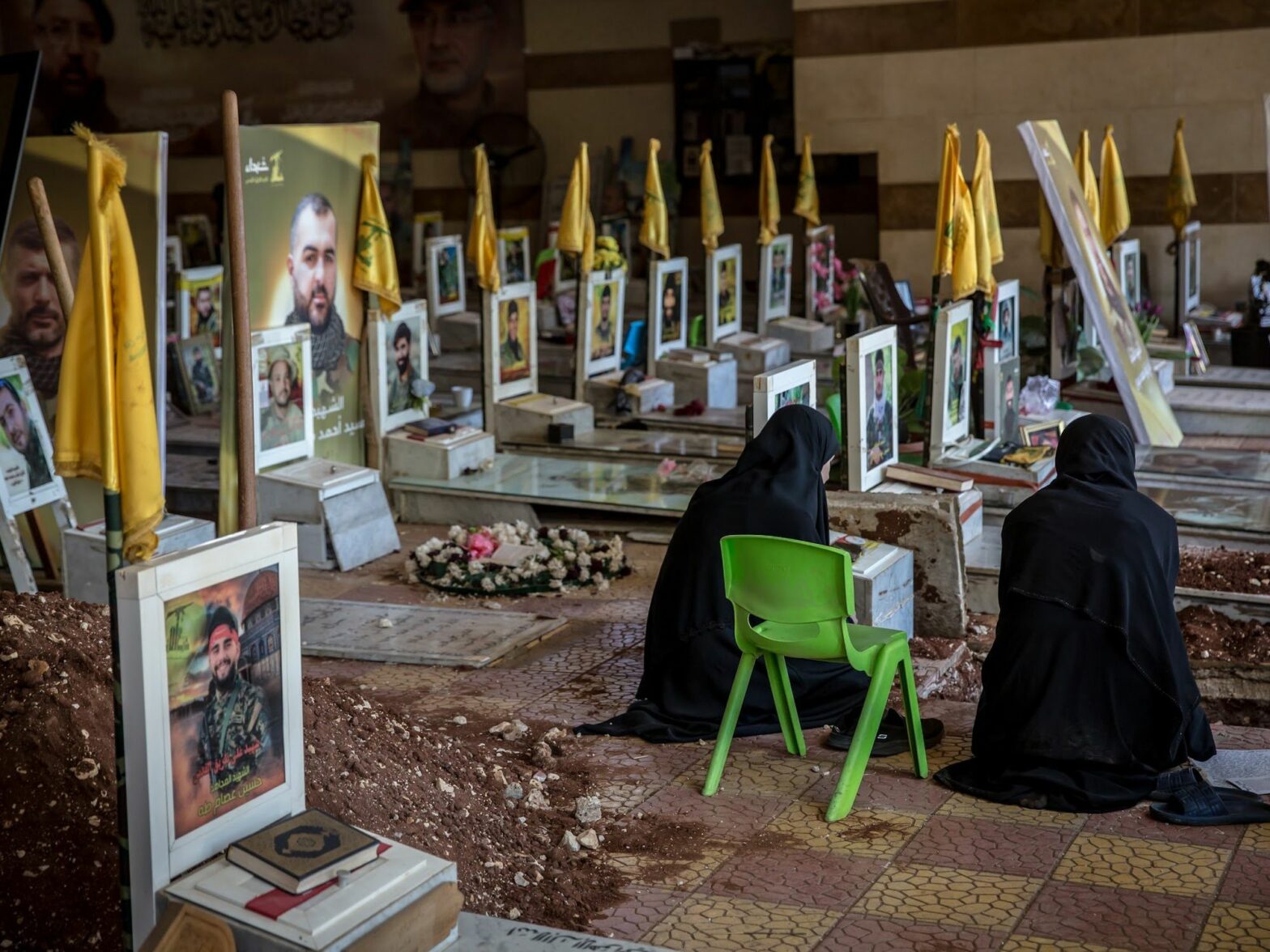
The Shia question is an expression of the entire Lebanese question, and requires the good will of all faiths, but also poses the responsibility of what to think and do about Hezbollah.
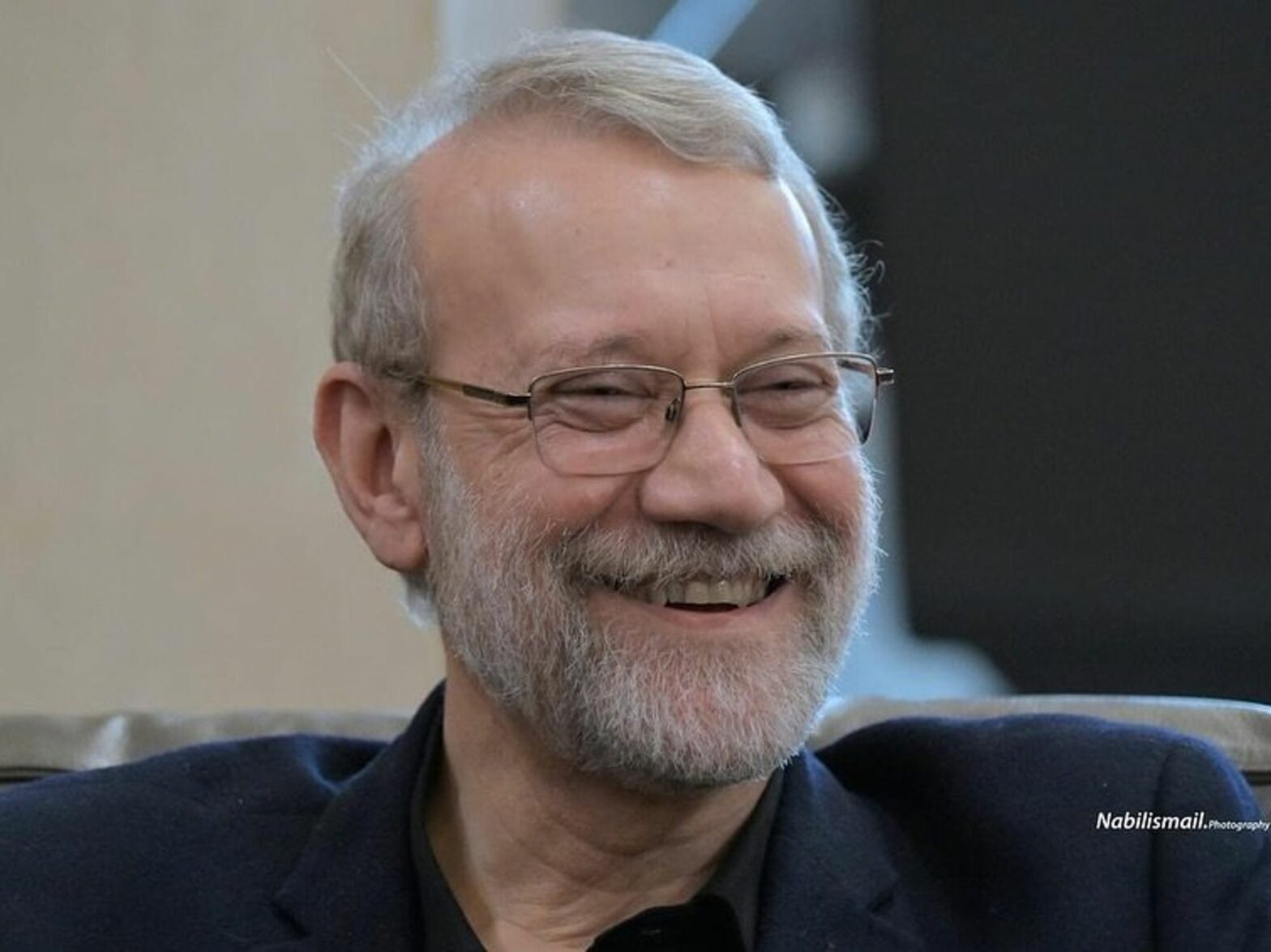
A photographer captured the seasoned Iranian official Ali Larijani laughing on his visit Thursday to Beirut, fully aware of what laughter means in such a situation. The seasoned Iranian diplomat knows that many Lebanese hold his regime responsible for dragging their country into a bloody, senseless, and destructive war.
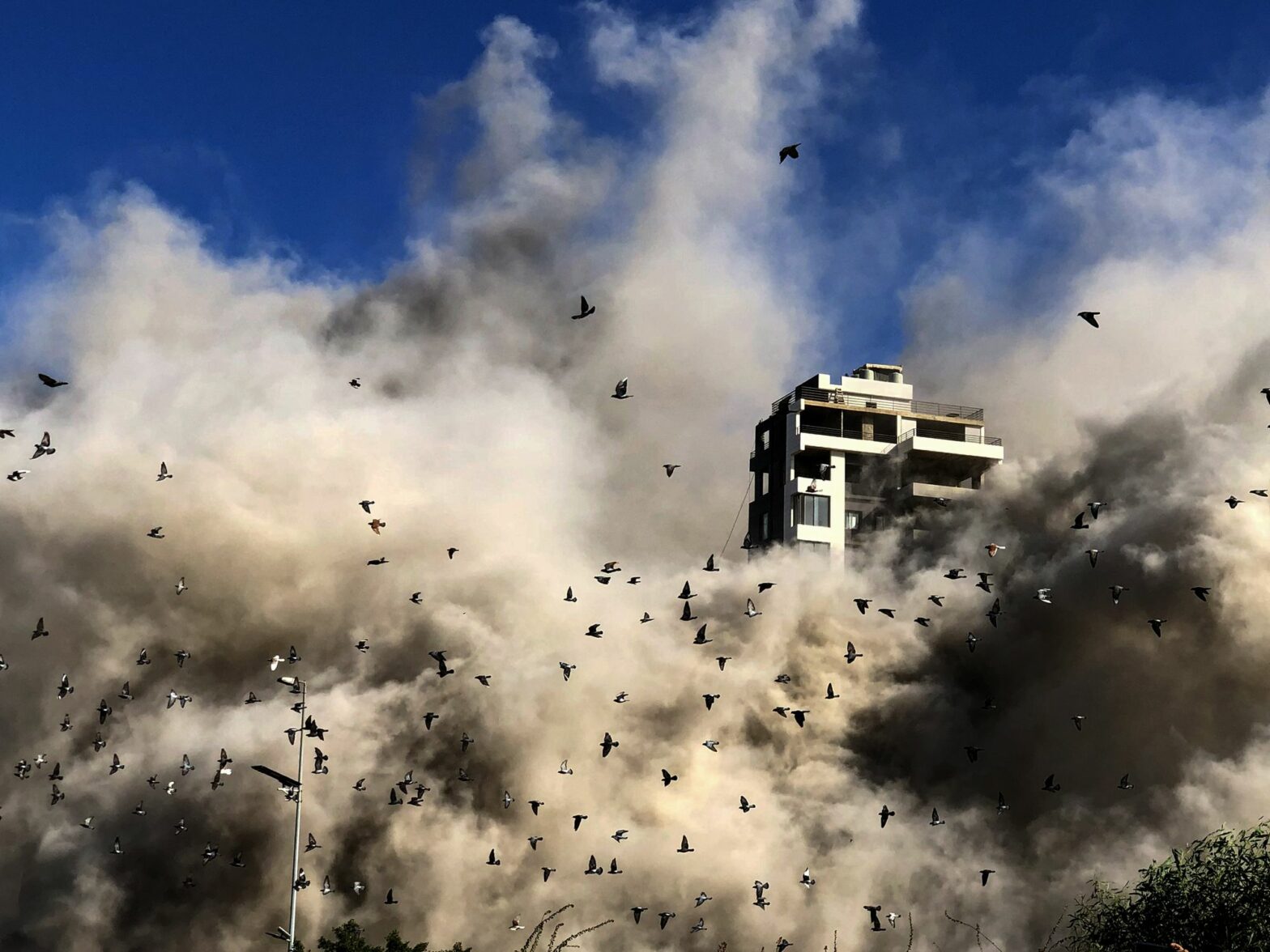
In more than a year since the Israel-Hezbollah conflict escalated, news of bombing has become a habit in Lebanon. In an essay for the Beirut-based independent media Daraj, Lebanese journalist Pascale Sawma discusses how war has become “normal” — and what that means for her and her work.
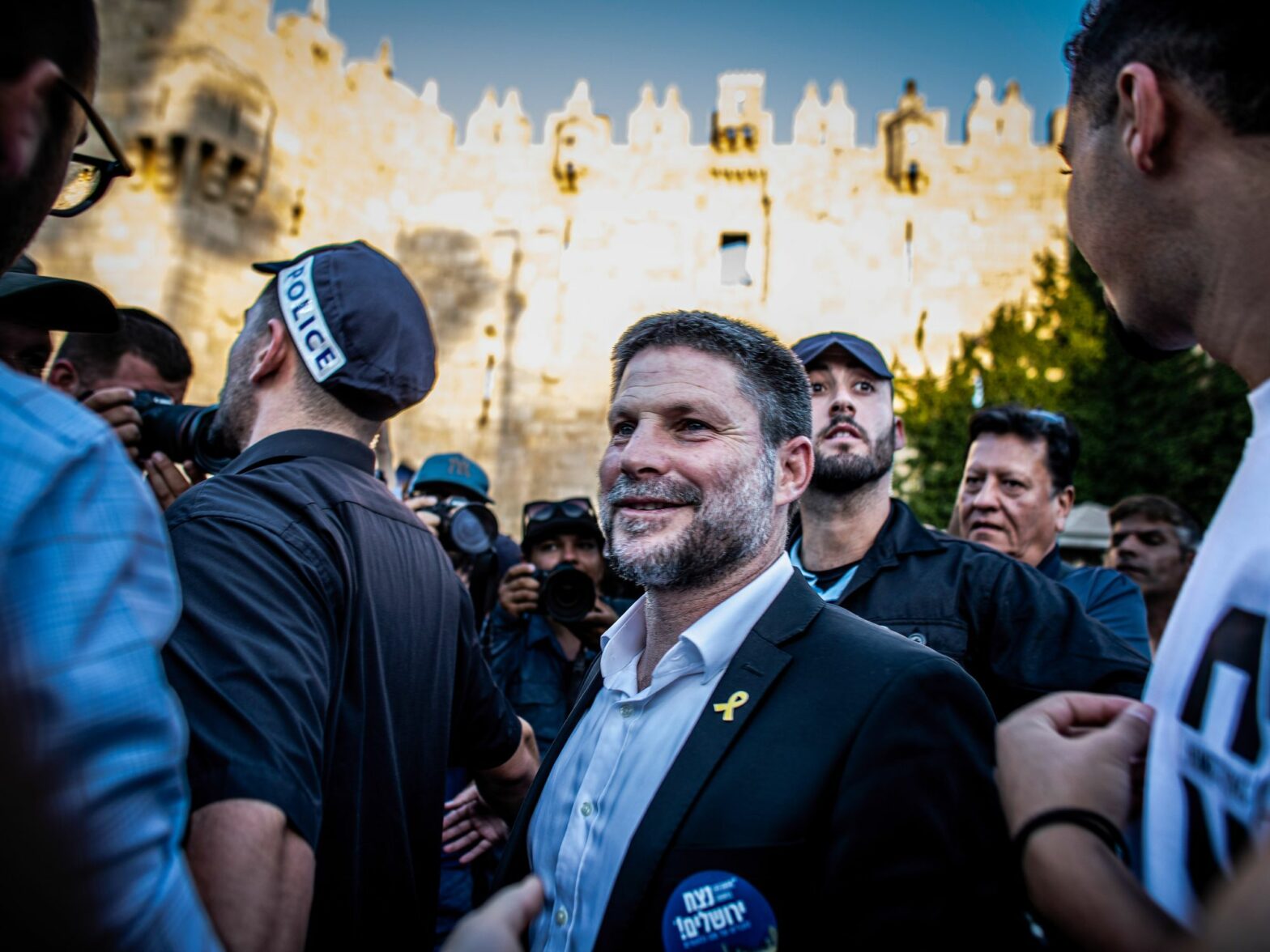
A prominent figure of Israel’s far-right, Finance Minister Bezalel Smotrich has announced that 2025 will be the year of the West Bank’s annexation. With Donald Trump’s victory, supporters of colonization hope he will back their approach, despite it being contrary to international law.

Lebanese House Speaker Nabih Berri has made a notable public quip about Donald Trump signing a pledge to end the violence in Lebanon in a famous café in Dearborn, Michigan. Everyone is trying to read between the lines, even as thousands are dying across Lebanon since Israel launched its offensive.
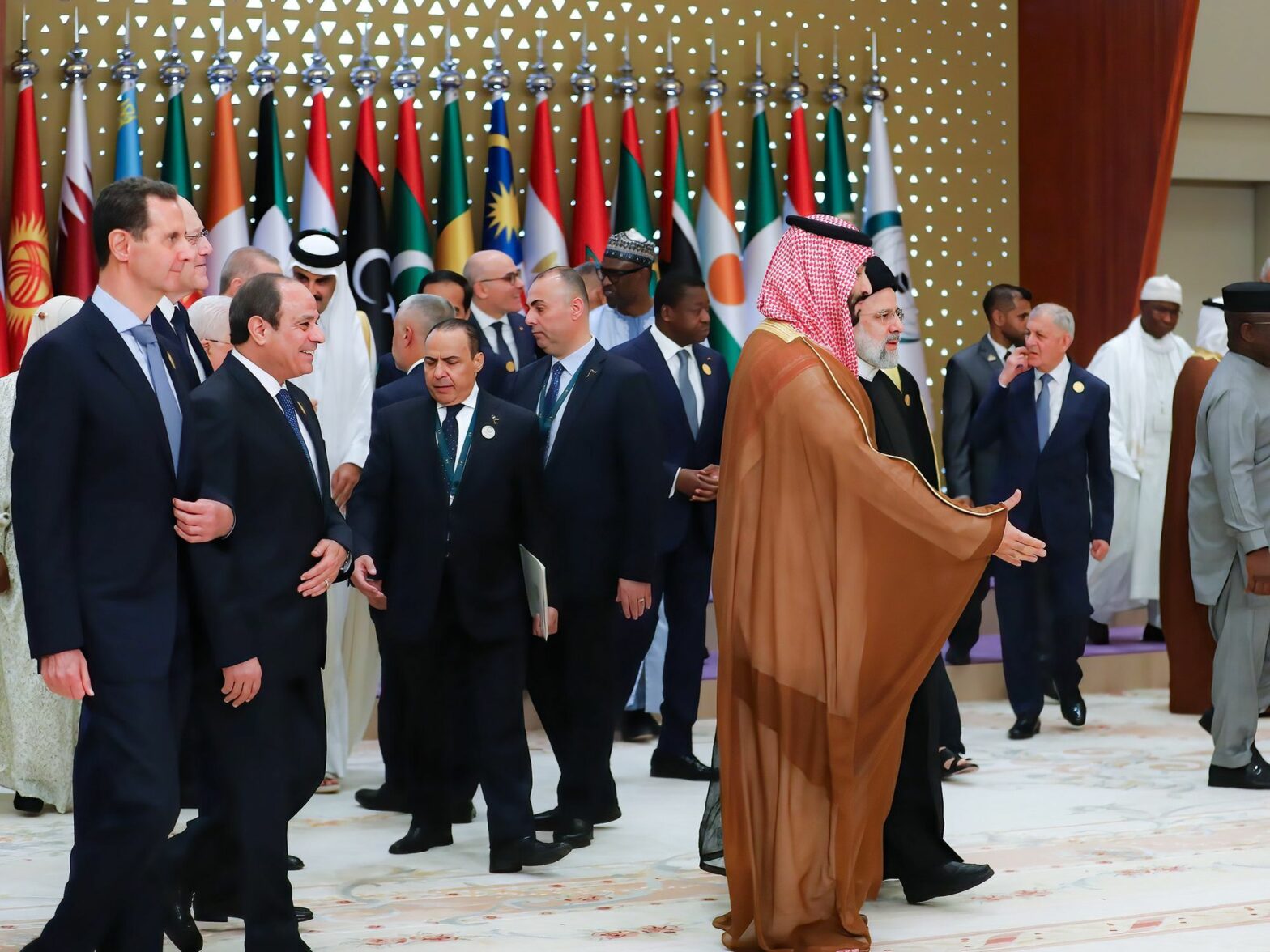
Will the Arabs take the initiative to take tangible measures before the fire reaches their countries, or will they be forced to be mere tools and bases to protect Israel? After the six-day war of 1967, the Three No’s of an Arab Summit set a new hardline. That should be the model now.
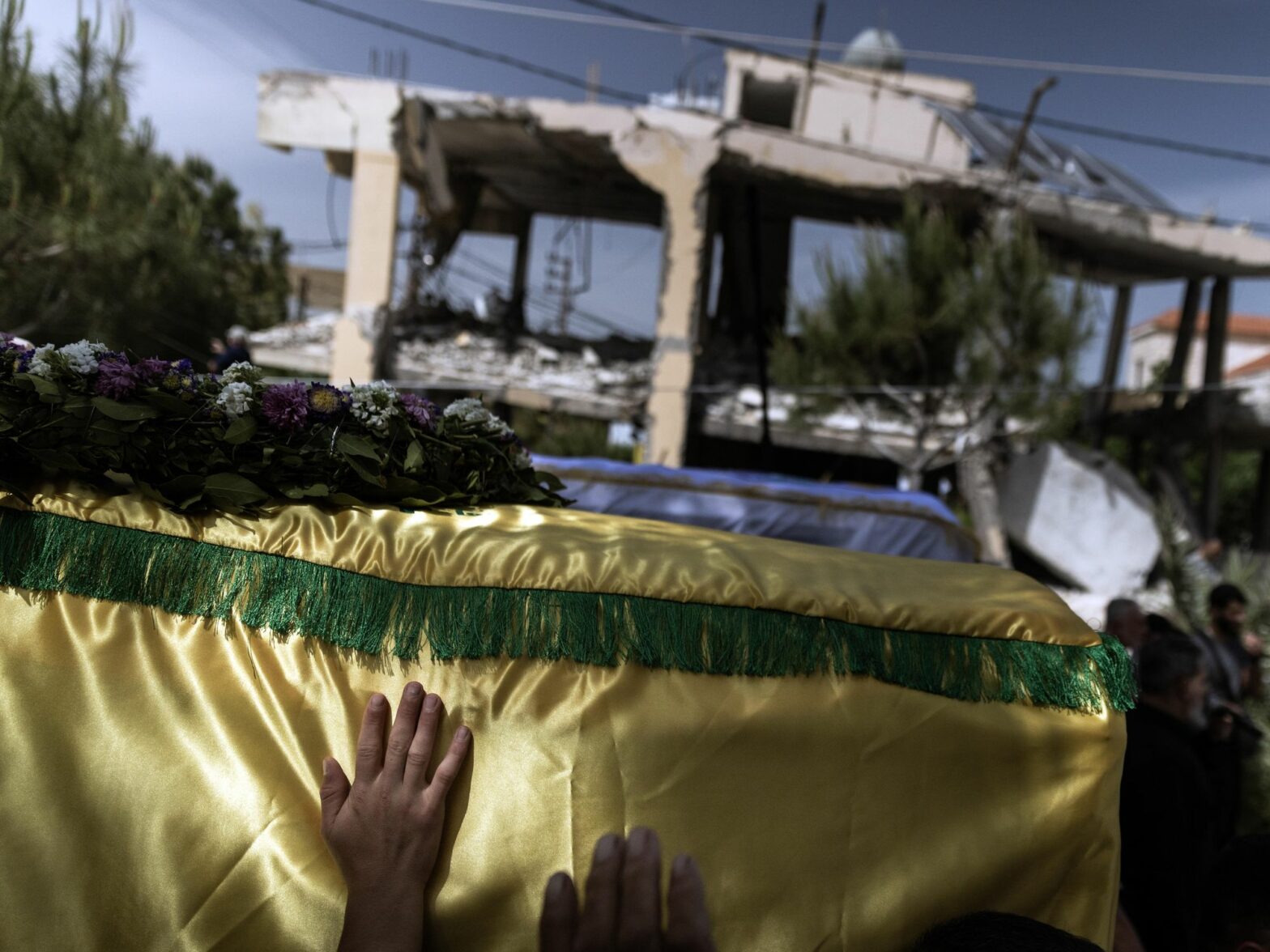
We, the children of “front edge” villages, have seen thousands of homes disappear into rubble. Our loss is not limited to memories and dreams, but also to the stories of our villages.
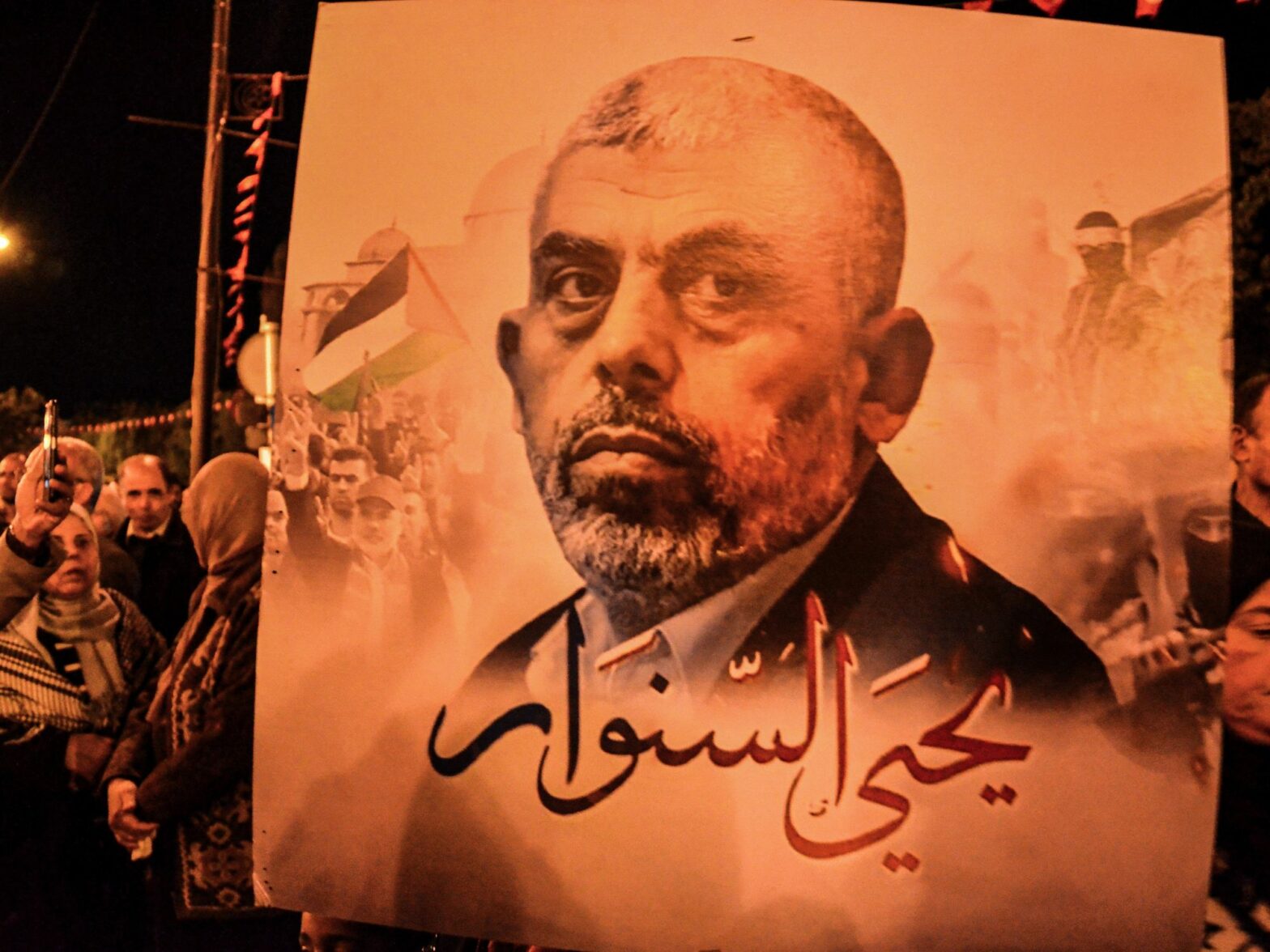
The death of Hamas leader Yahya Sinwar and mastermind of the Oct. 7 attack is just the latest Israeli strike against those who have tried to monopolize the notion of “resistance” as a purely military pursuit. The result has been the absolute destruction of Gaza, and now Lebanon, and the reinforcement of the Israeli occupation.
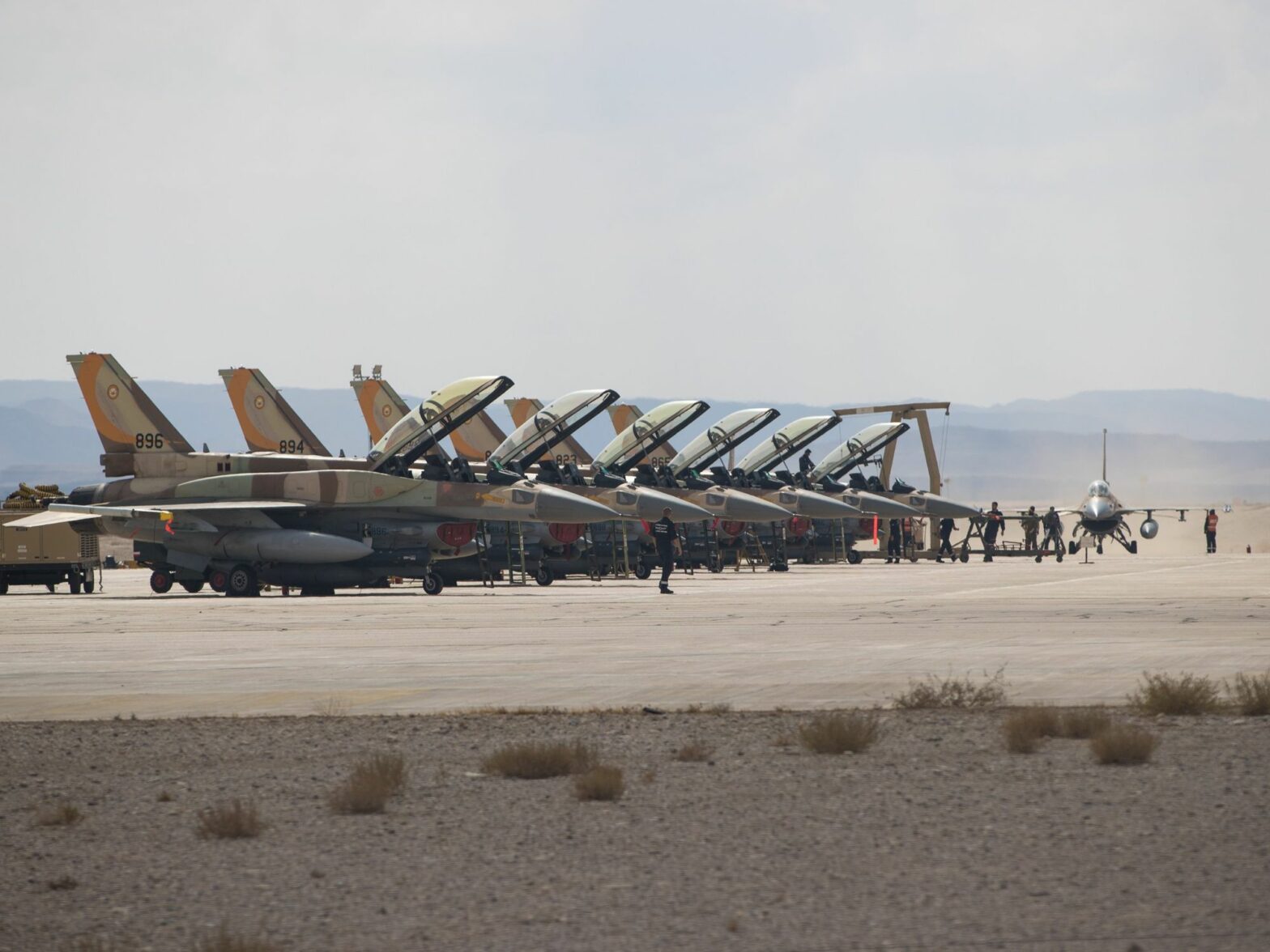
Israel is keeping the Tehran regime and outside observers guessing on the scope and timing of its threatened strikes on Iranian territory. Some say it is seeking to win itself time to “finish up” in Lebanon and Gaza, others say a massive attack on Iran could help reorder the whole region.
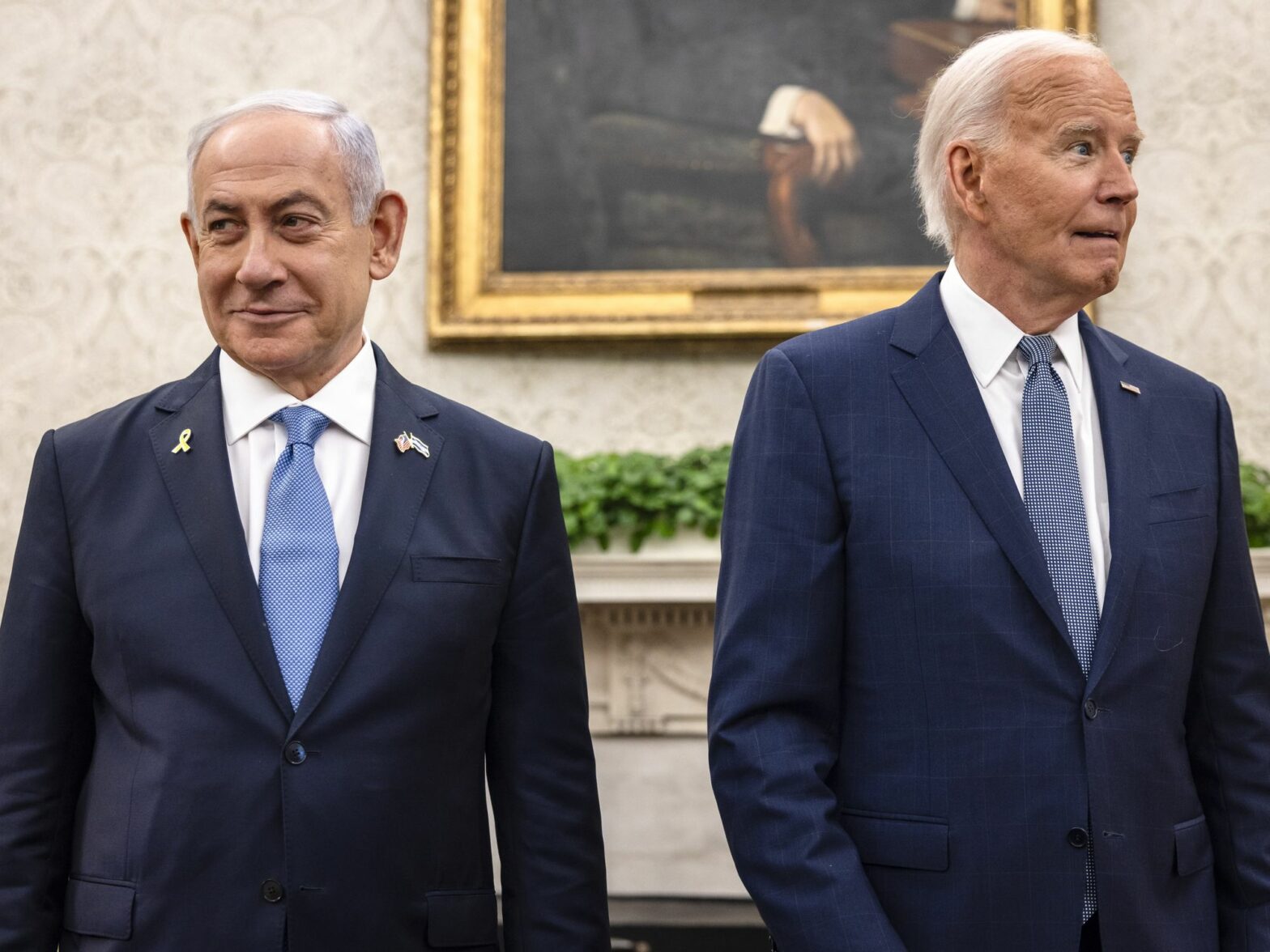
Never since it became the “great protector” of the Jewish state has the United States shown so much weakness towards Israel, as the Israeli prime minister stays one step ahead of his adversaries in a cunning maneuver to help Trump return to the White House.
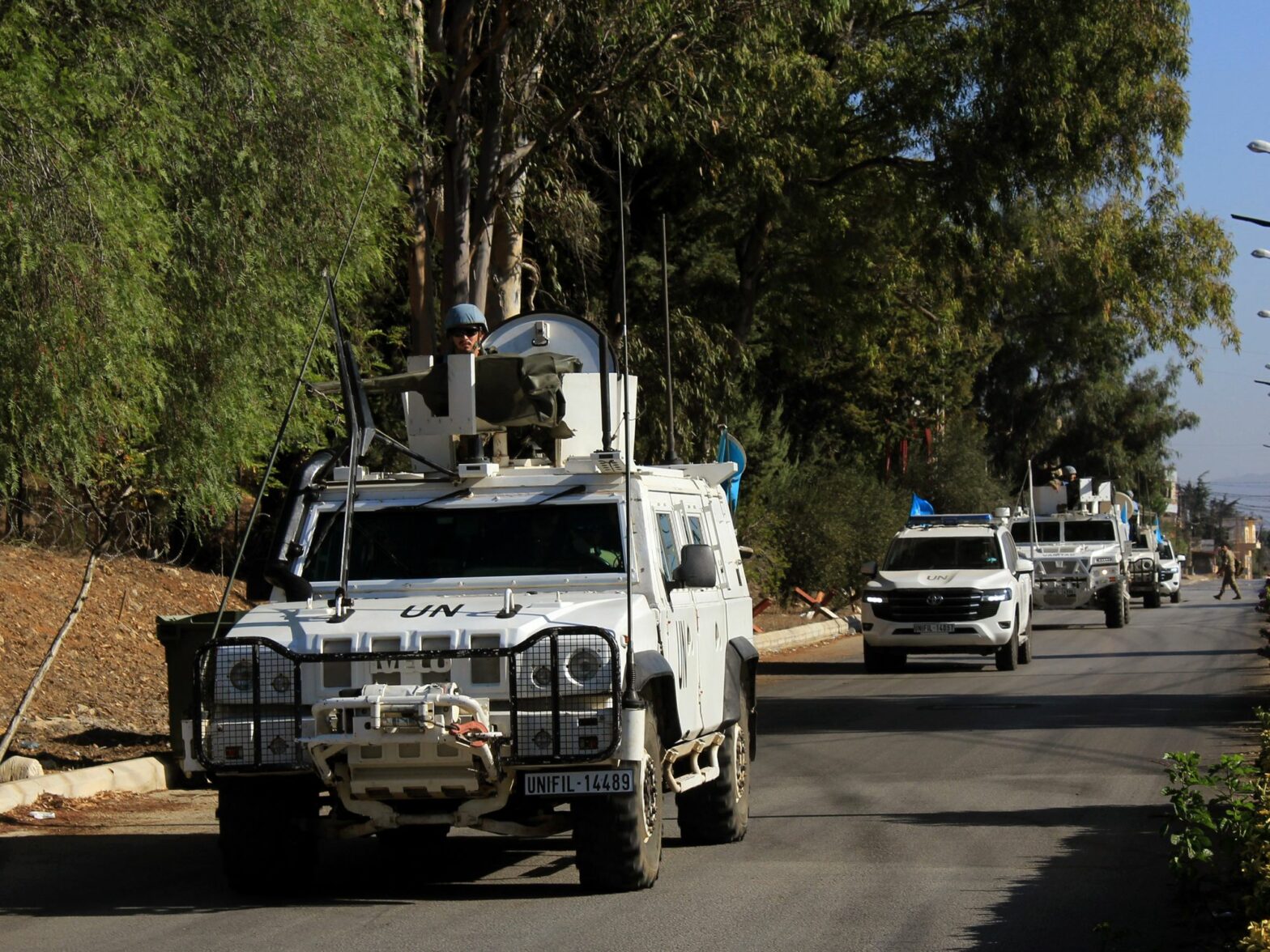
The Israeli Prime Minister is demanding that UN peacekeepers leave the combat zones in southern Lebanon, in yet another crisis in the difficult relations between Israel and the United Nations. But this could be the point of no return.
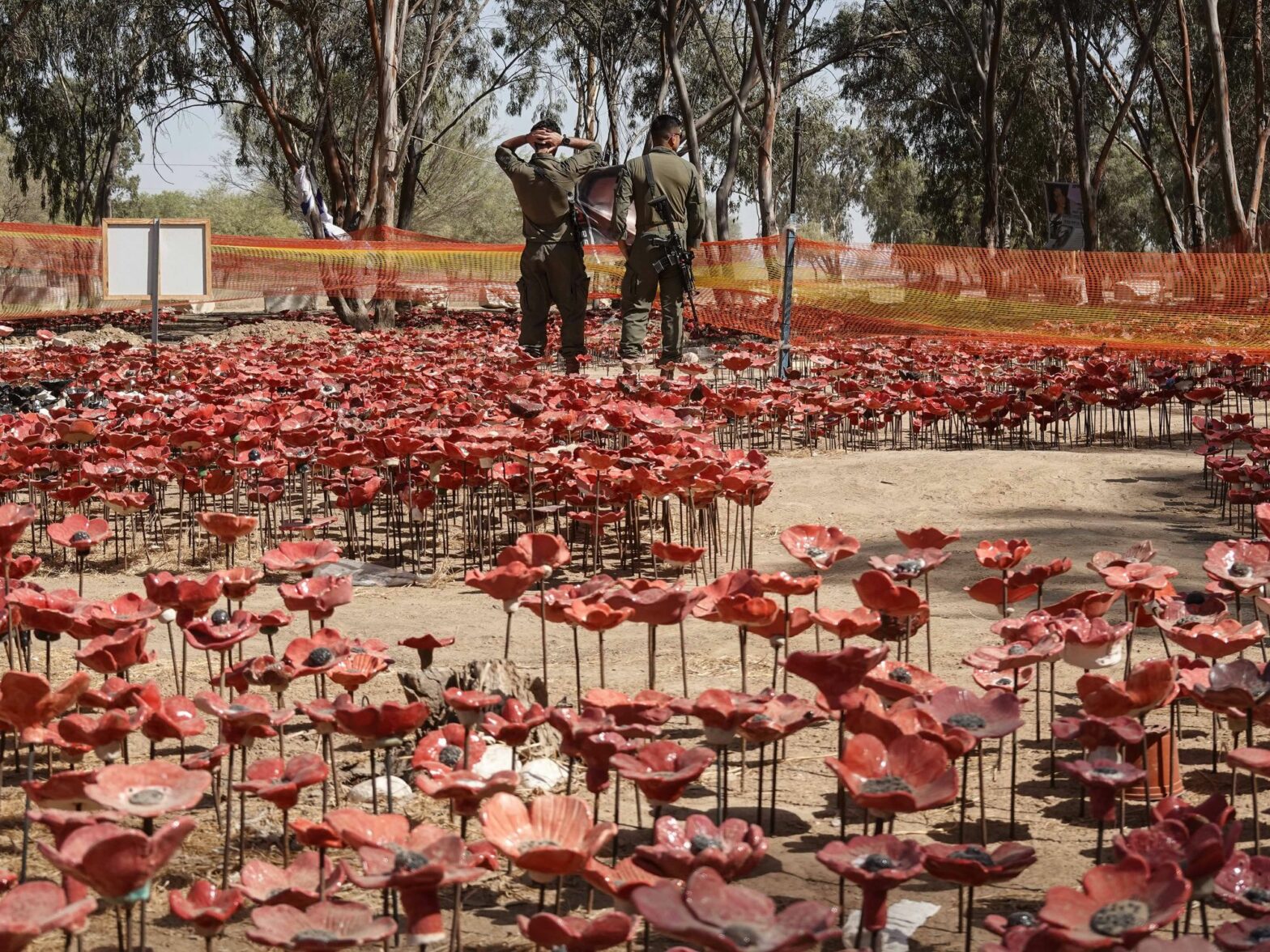
Benjamin Netanyahu escaped the growing calls to stop the war in Gaza and bring the hostages back, by launching another war on Hezbollah. It’s a taste of what’s to come.
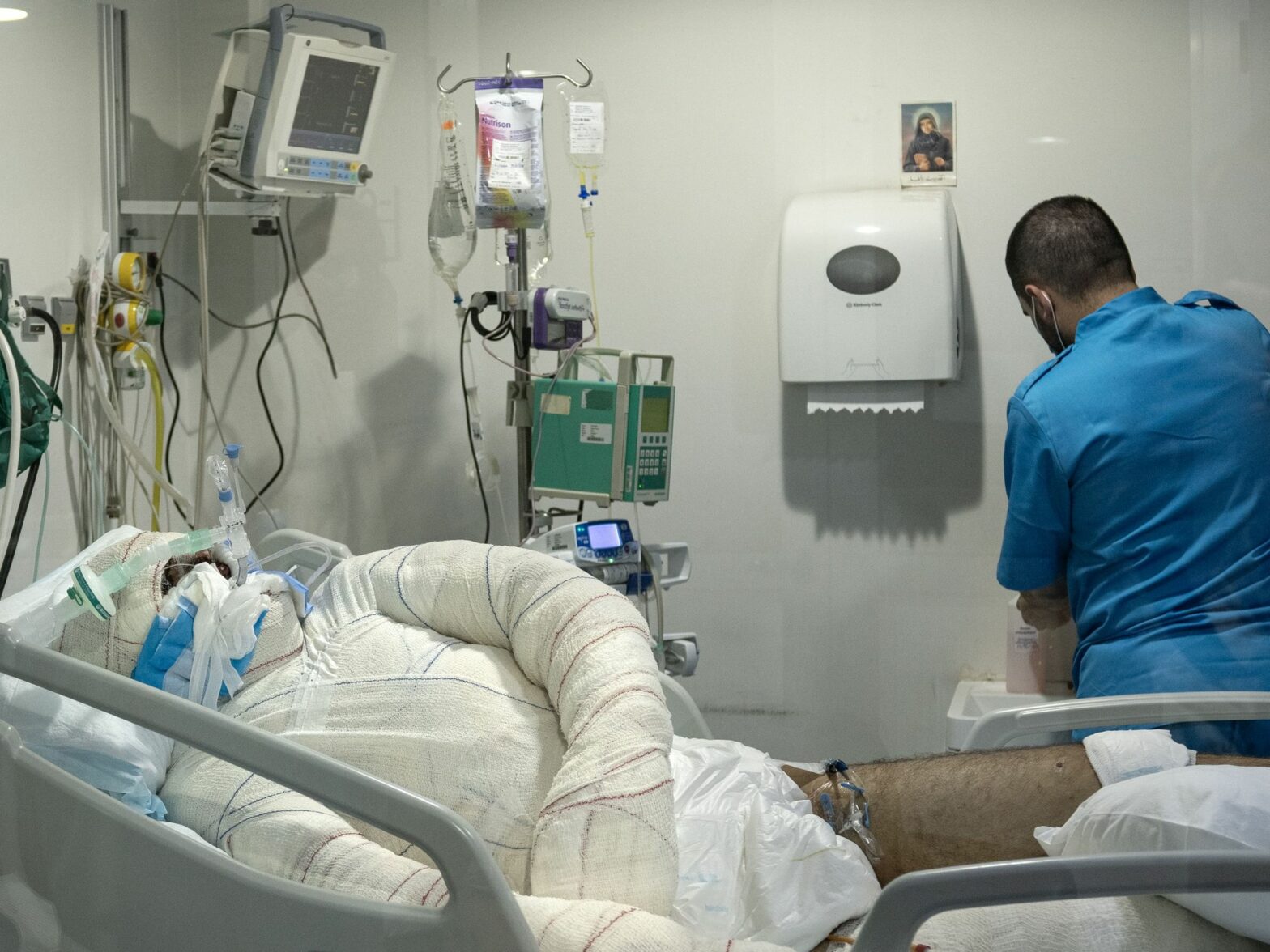
As Israel’s air strikes on Lebanon intensify, following the unprecedented exploding pagers attack, the severely injured get care inside Geitawi General Hospital that aims to salvage their forever altered lives.
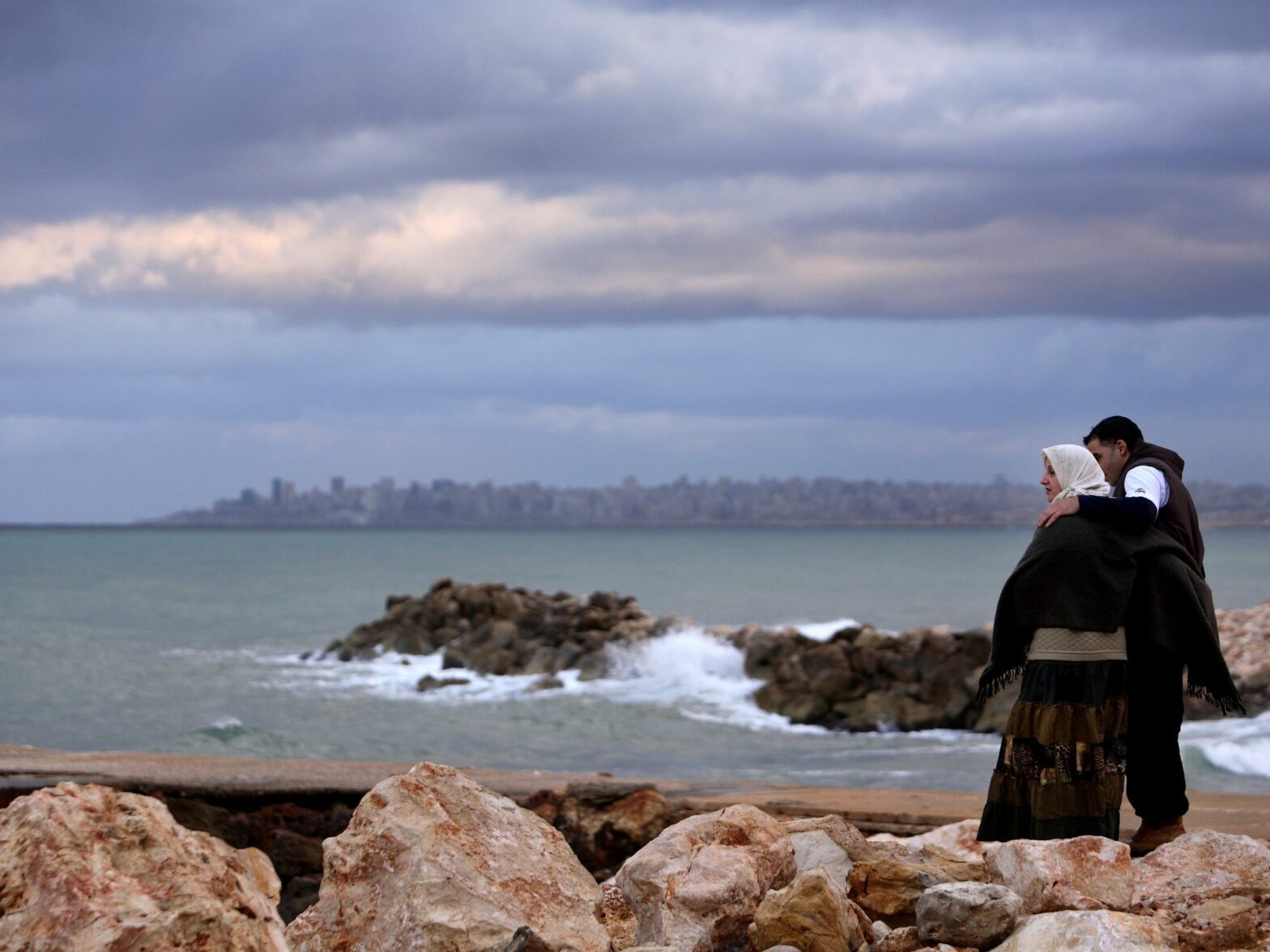
The Lebanese coastal metropolis has long been a source of inspiration and freedom for Baghdad native poet Aya Mansour. As Israel sends ground troops into Lebanon, she asks how the world can watch as fire and smoke covers the beauty of Beirut without saying a word.
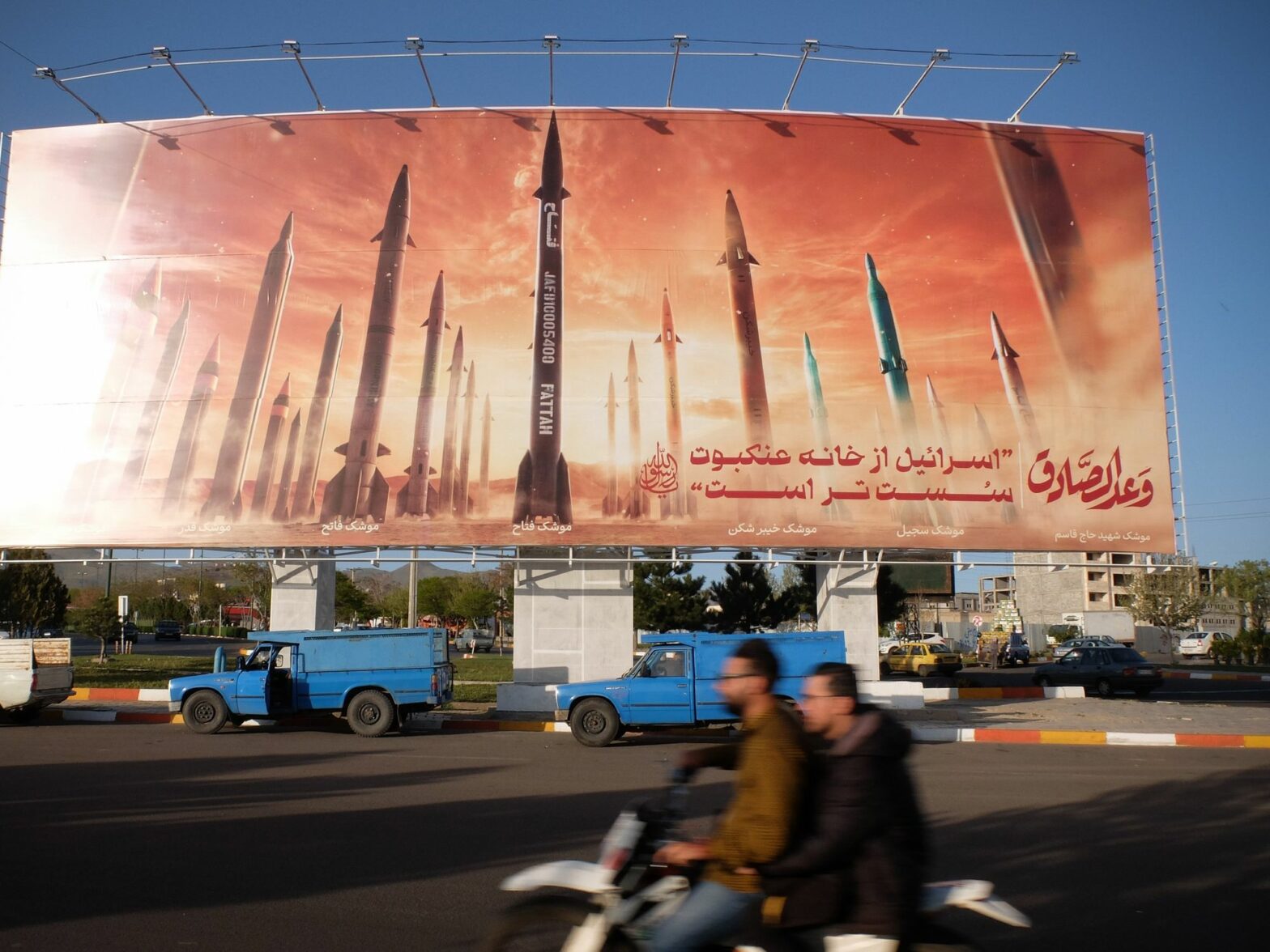
Iran’s Supreme Leader Khamenei vowed on Friday that the country’s regional allies would “not back down” against Israel. Yet neither criticism of Tehran has been growing among Hezbollah supporters since the assassination of Hassan Nasrallah.
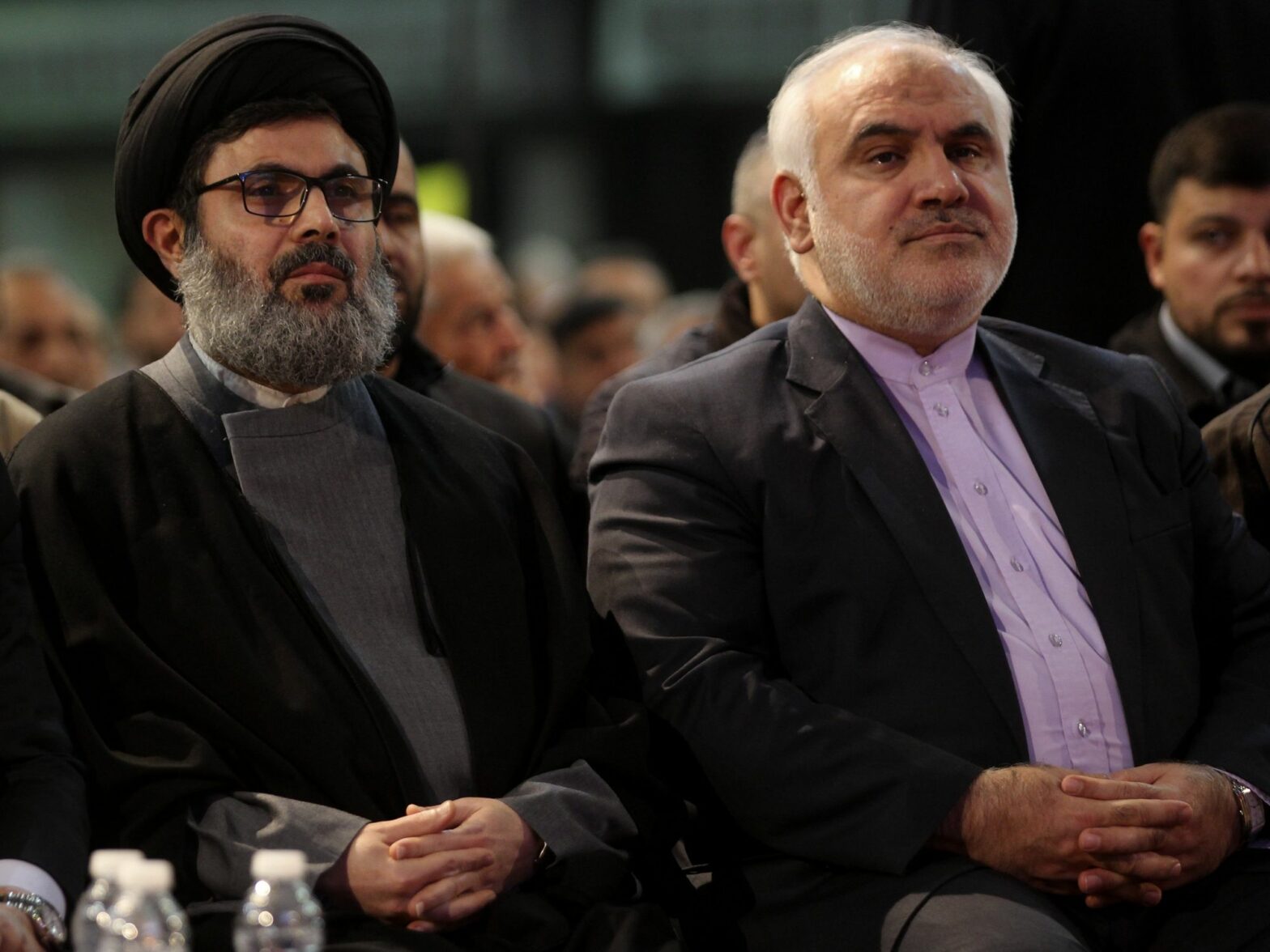
Israel has targeted Hashem Safieddine, the younger cousin of slain Hezbollah chief Hassan Nasrallah, in an overnight air strike early Friday. Believed to be the heir apparent, Safieddine rose through the ranks and positions within the organizational structure. He also has very strong ties, and family connections, with hardliners in Iran.
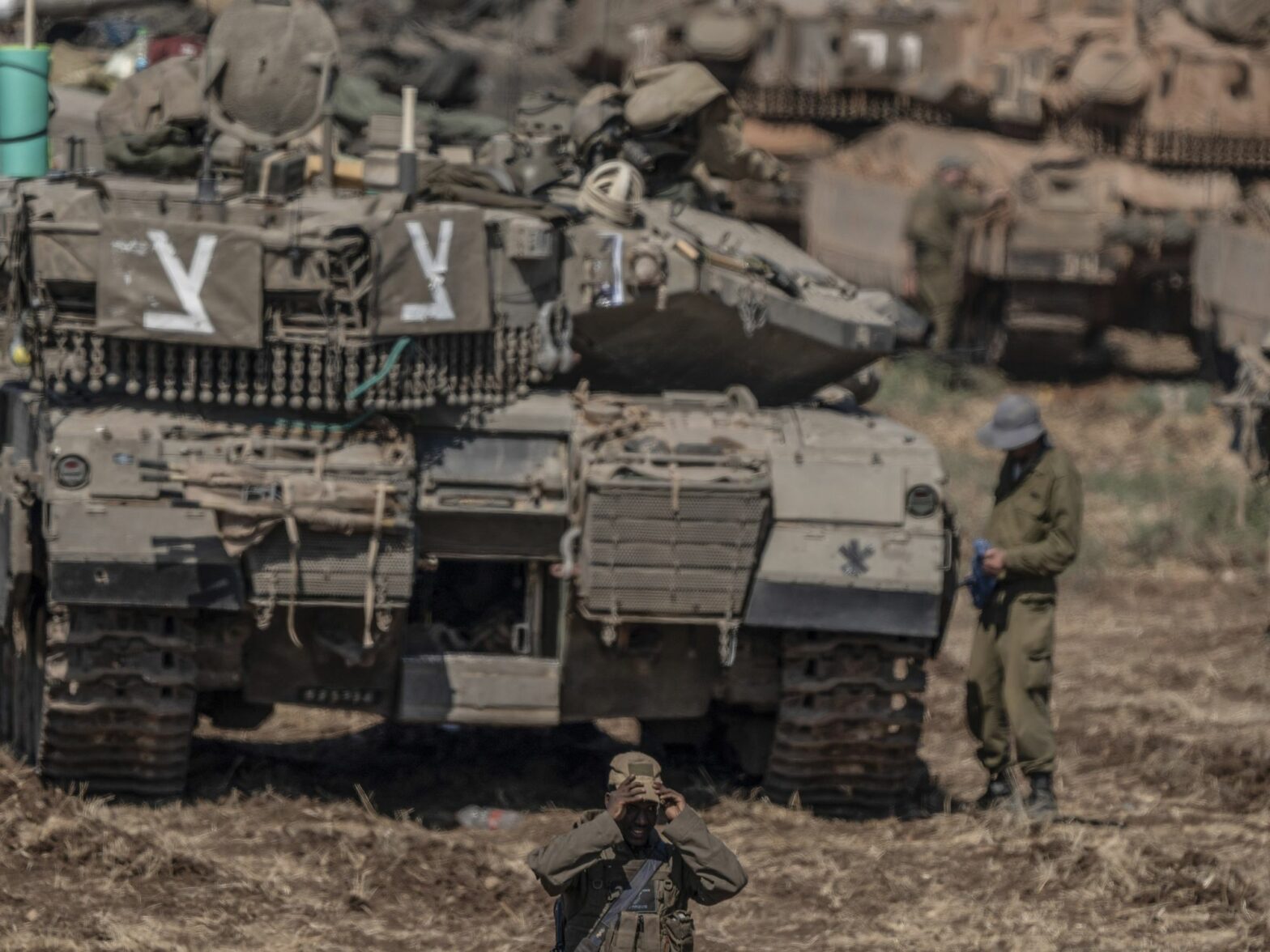
Israel doesn’t know how far it will push into Lebanon, a great deal will depend on how much resistance they face. All of it adds up to a tragedy-in-the-making for the people of Lebanon.
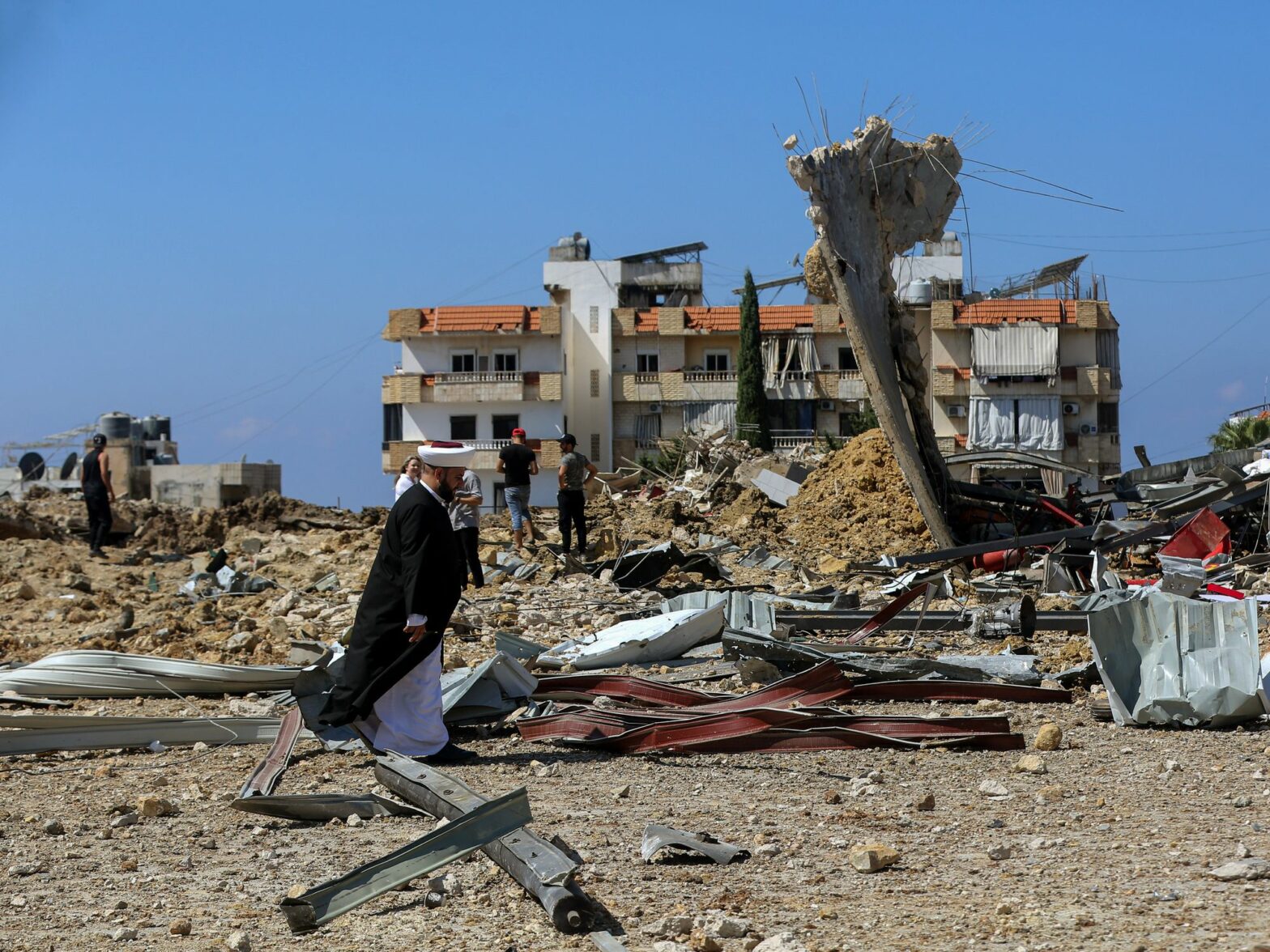
Israeli Prime Minister Benjamin Netanyahu laid out a careful plot to push and ultimately shatter the long-established “rules of engagement” in the Middle East. It caught everyone, from Iran to Hezbollah to the White House, by surprise. The aim is to remake the whole region to revolve around Israel.
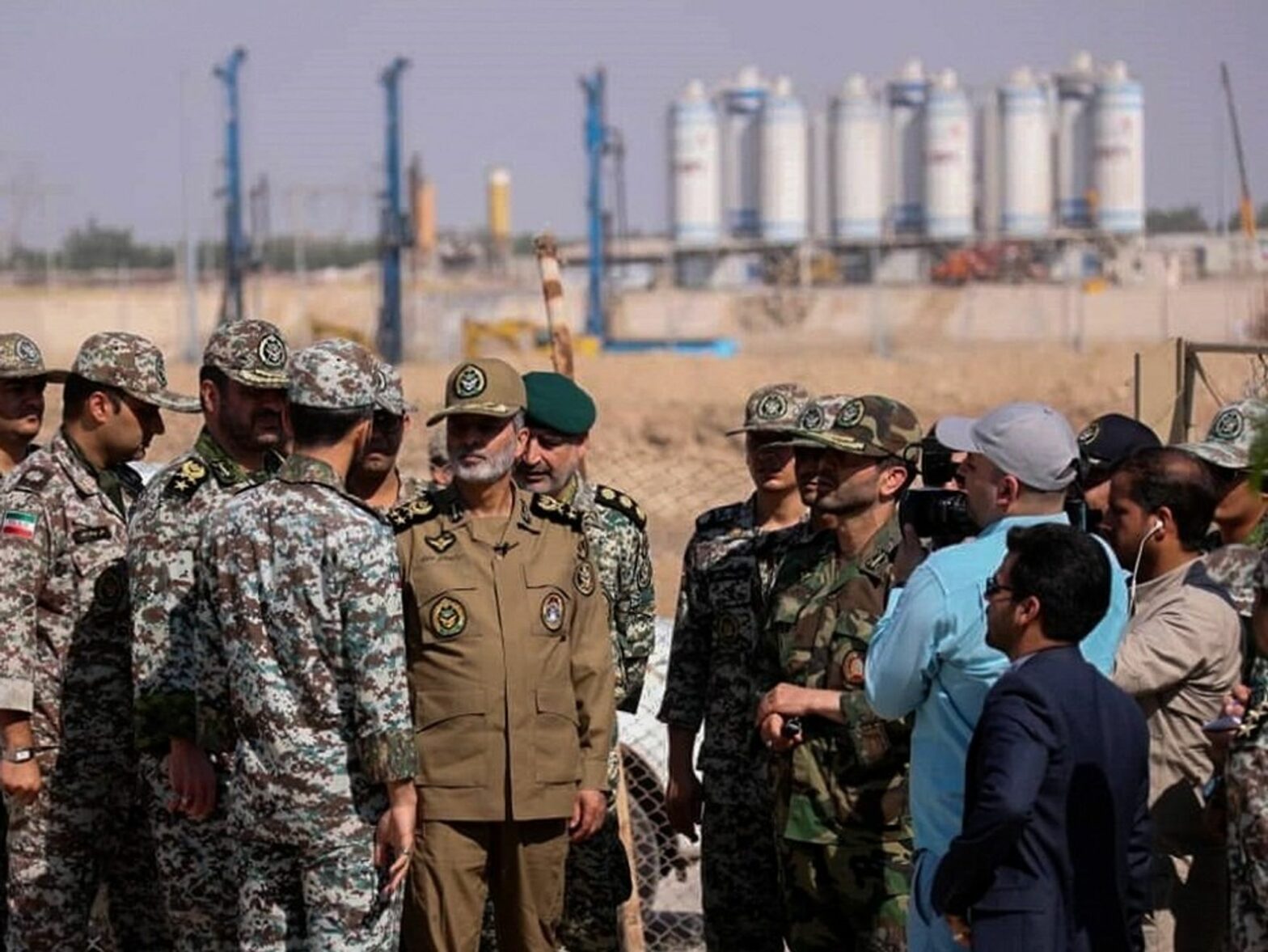
Iran decided on Tuesday to respond to the assassination of Hezbollah leader Hassan Nasrallah and Israel’s offensive in Lebanon, at the risk of Israel’s merciless retaliation. At stake is Iran’s nuclear program, which Israel has long wanted to destroy.
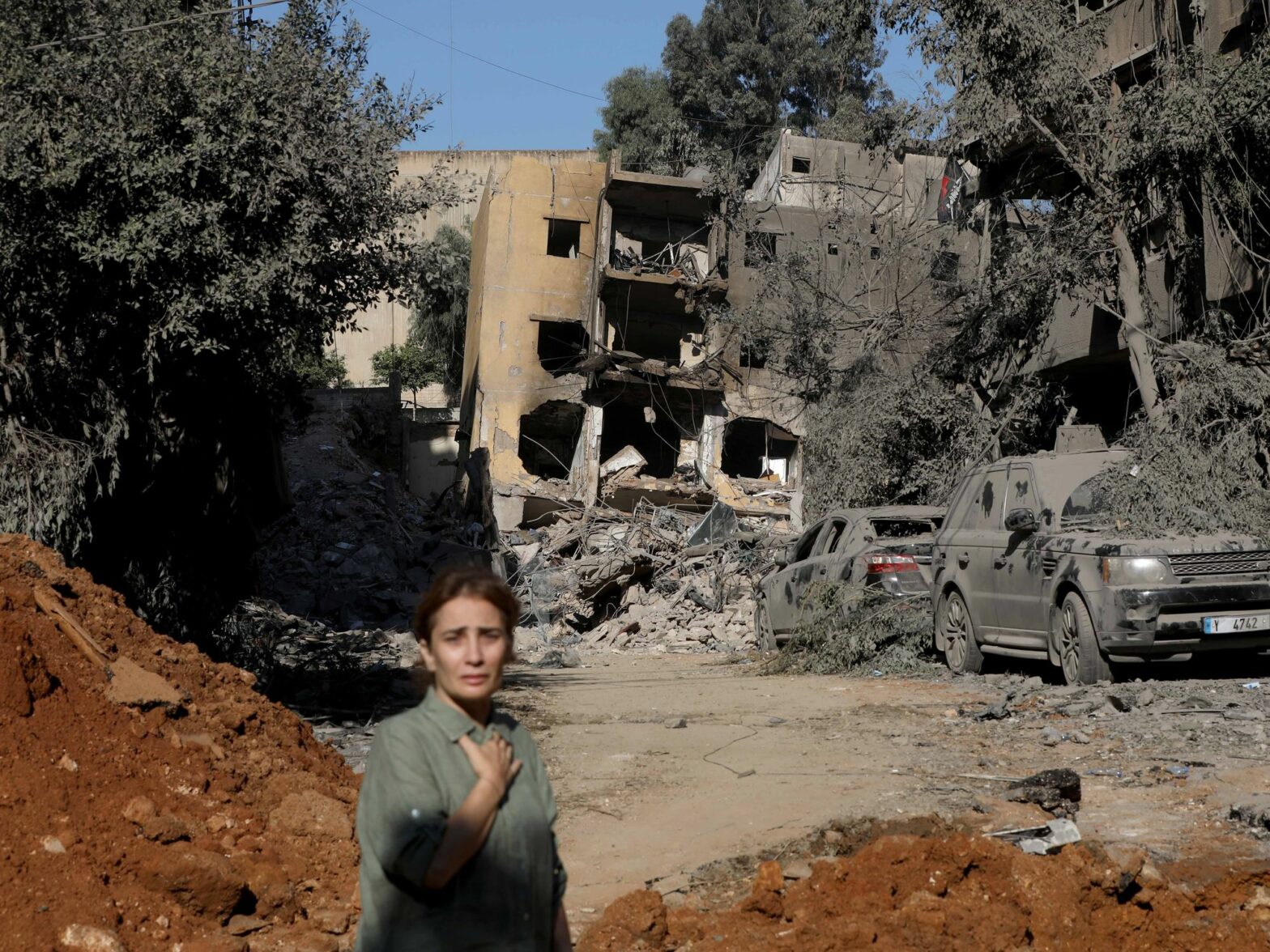
As Israel celebrates the death of Hezbollah’s leader, Washington and Tehran both suddenly seem powerless, looking like spectators of an unraveling tragedy that is beyond their control. Yet, given its demographics and geography, Israel desperately needs allies.
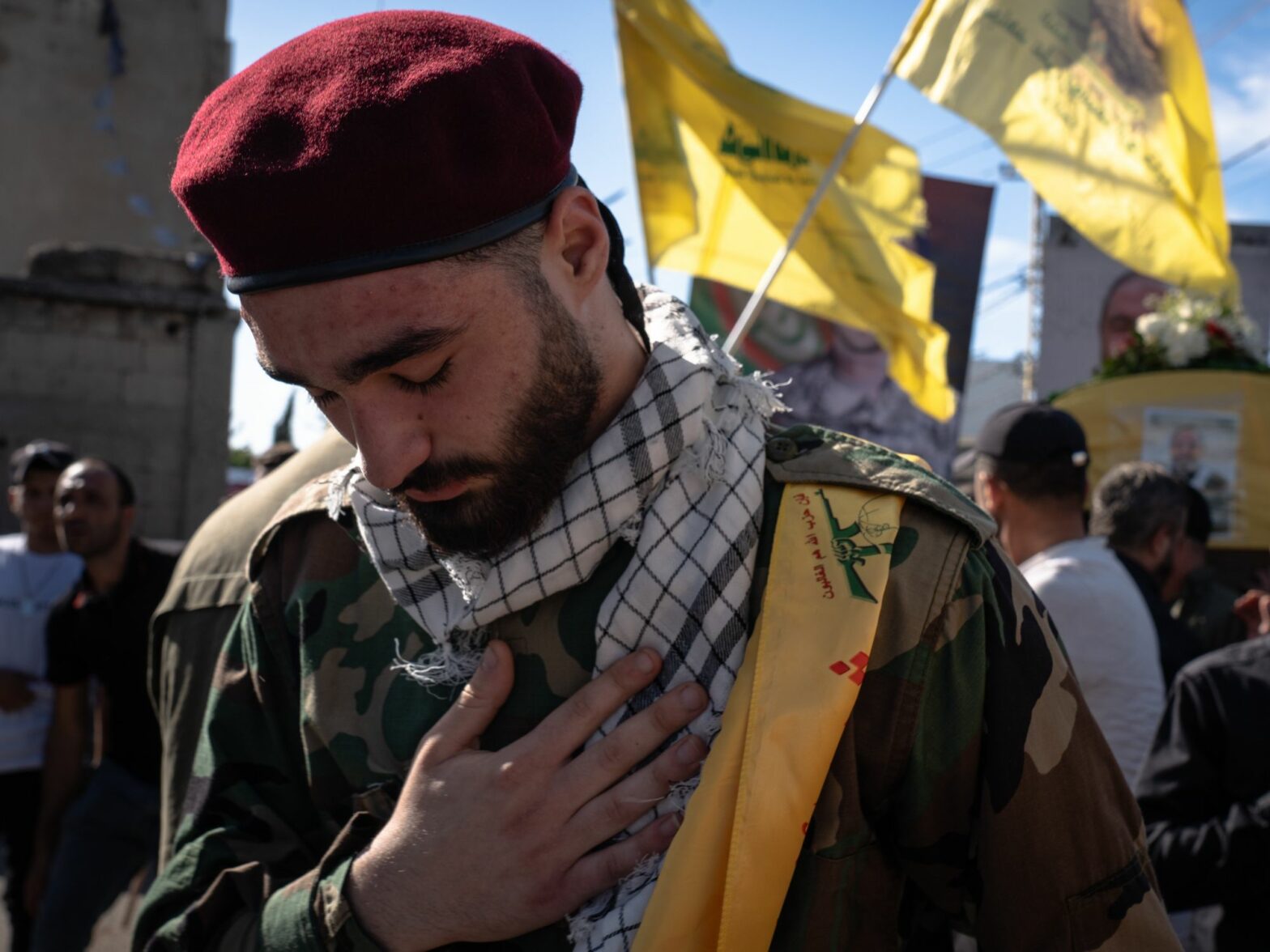
Nearly a year into the war in Gaza, the people of Lebanon are paying a price for both a failing of Hezbollah security, and more broadly for a support war so ambiguous that it’s impossible to understand its cause, purpose, or if anything has been achieved.
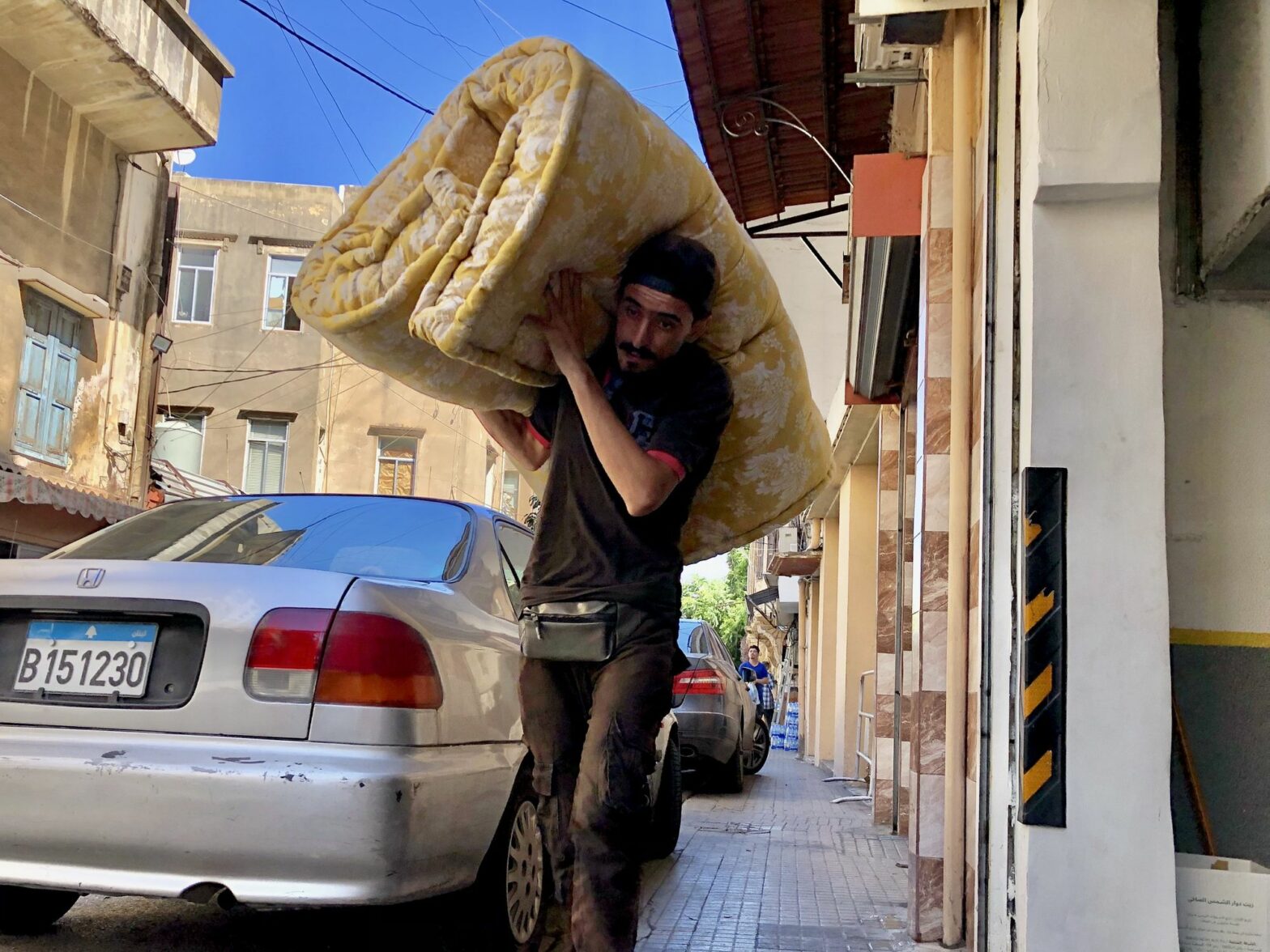
After the pagers explosions and the elimination of several key Hezbollah leaders, Israel massively bombed southern Lebanon, killing more than 550 people. Proportionality is over. Escalation has begun. The civilian death toll may start to pile up just like in Gaza.