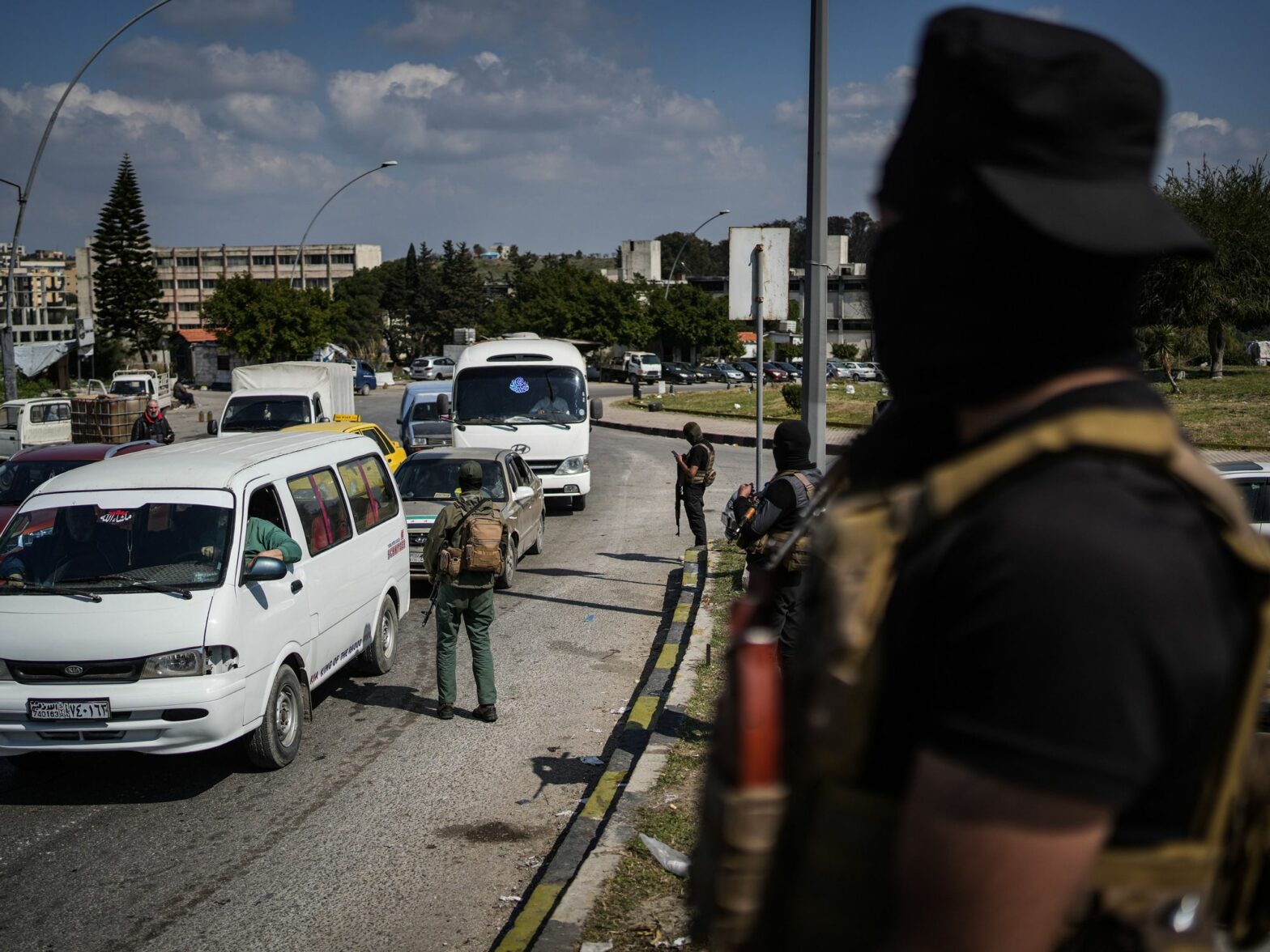
While Tehran has denied any involvement in Syria, elements affiliated with the ousted Assad regime in Syria say Iran is helping their fight to topple the government of President Ahmad al-Sharaa.
 Worldcrunch
While Tehran has denied any involvement in Syria, elements affiliated with the ousted Assad regime in Syria say Iran is helping their fight to topple the government of President Ahmad al-Sharaa.
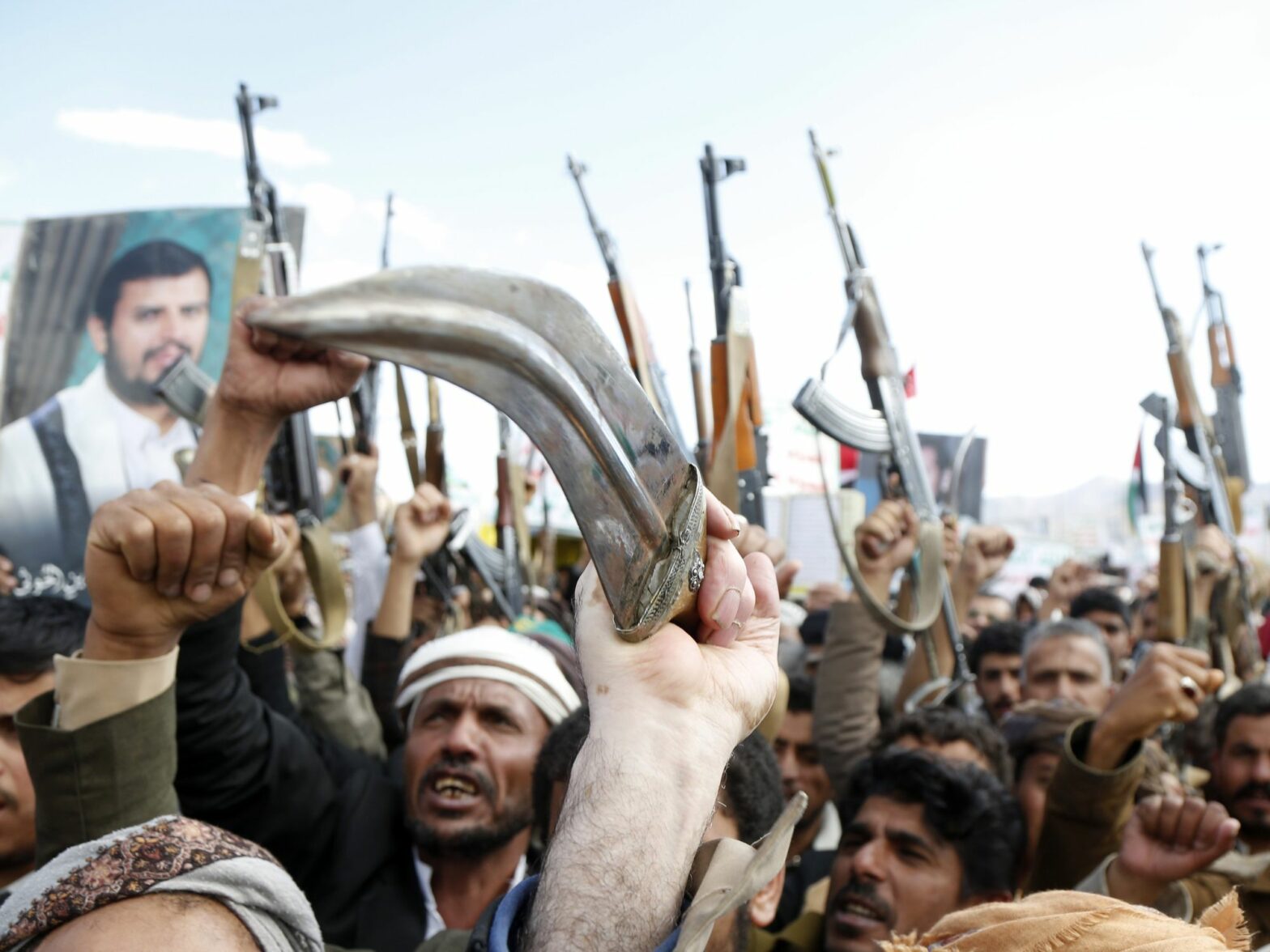
Donald Trump has launched his most significant military operation since taking office, ordering airstrikes on Yemen’s Houthis. At the same time, he is directly threatening Iran while also offering a nuclear compromise — a dual approach that keeps the possibility of war on the table.
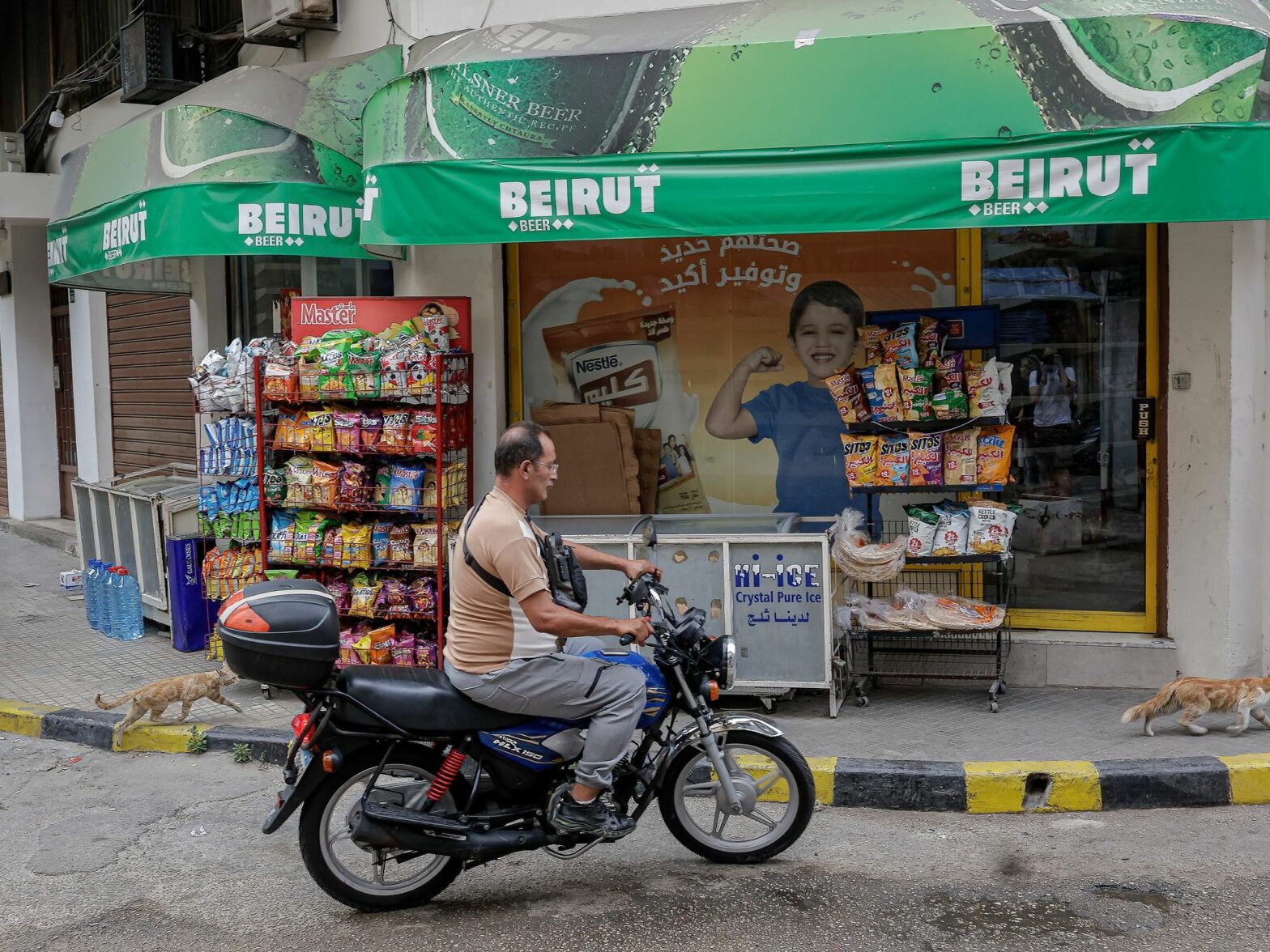
The Saudis could regain the political and financial clout they once enjoyed in Lebanon, which was lost for two decades to Hezbollah and its foreign patrons. Could that restore a measure of prosperity to a country brought to its knees by decades of civil war and the unwelcome interventions of Tehran and Damascus.
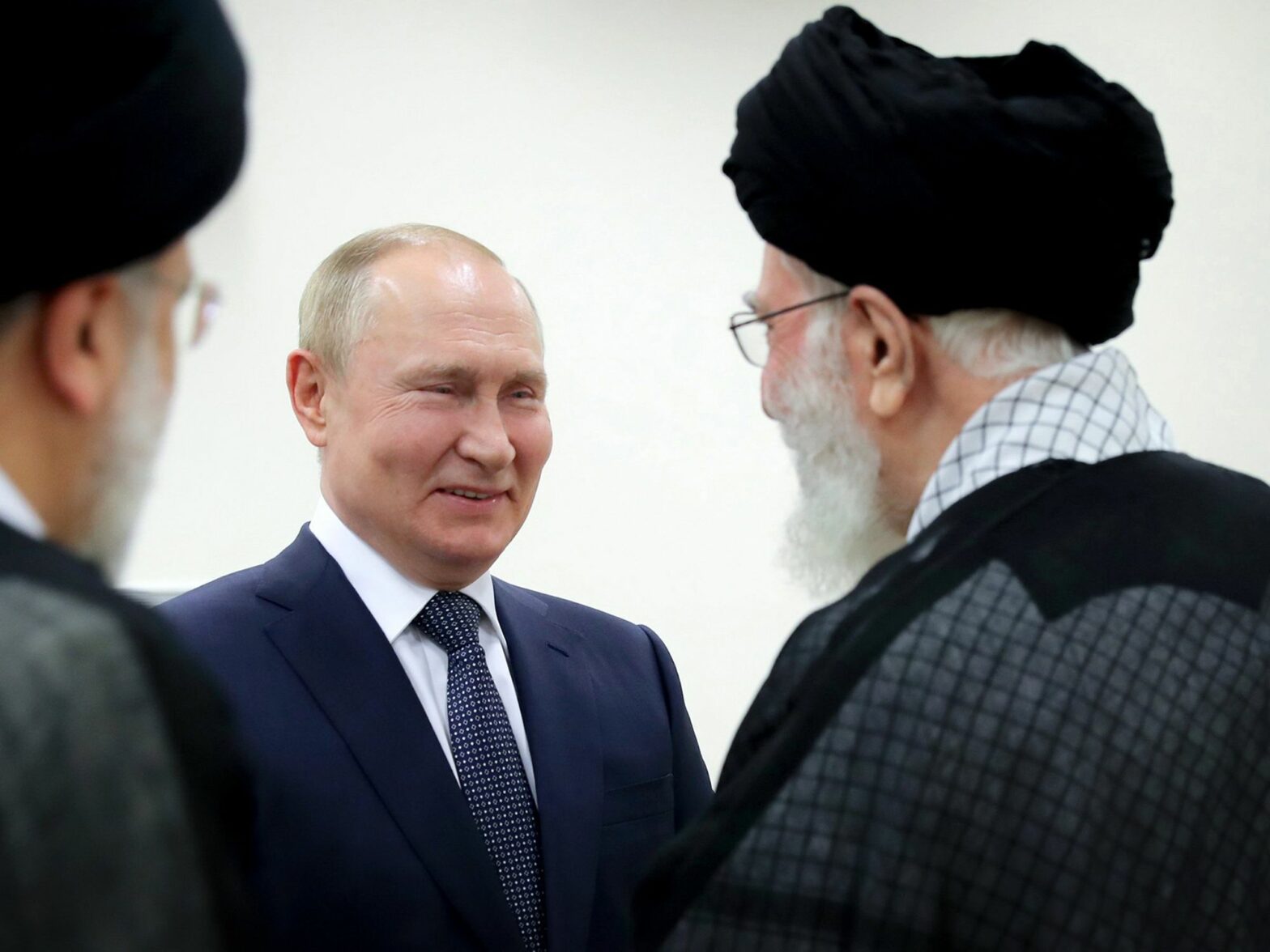
With Trump’s return to power, Russia is rapidly moving closer to the United States; Putin has even agreed to mediate talks between Washington and Tehran. But can Iran still trust Russia? Or is it, like Ukraine, just another bargaining chip?
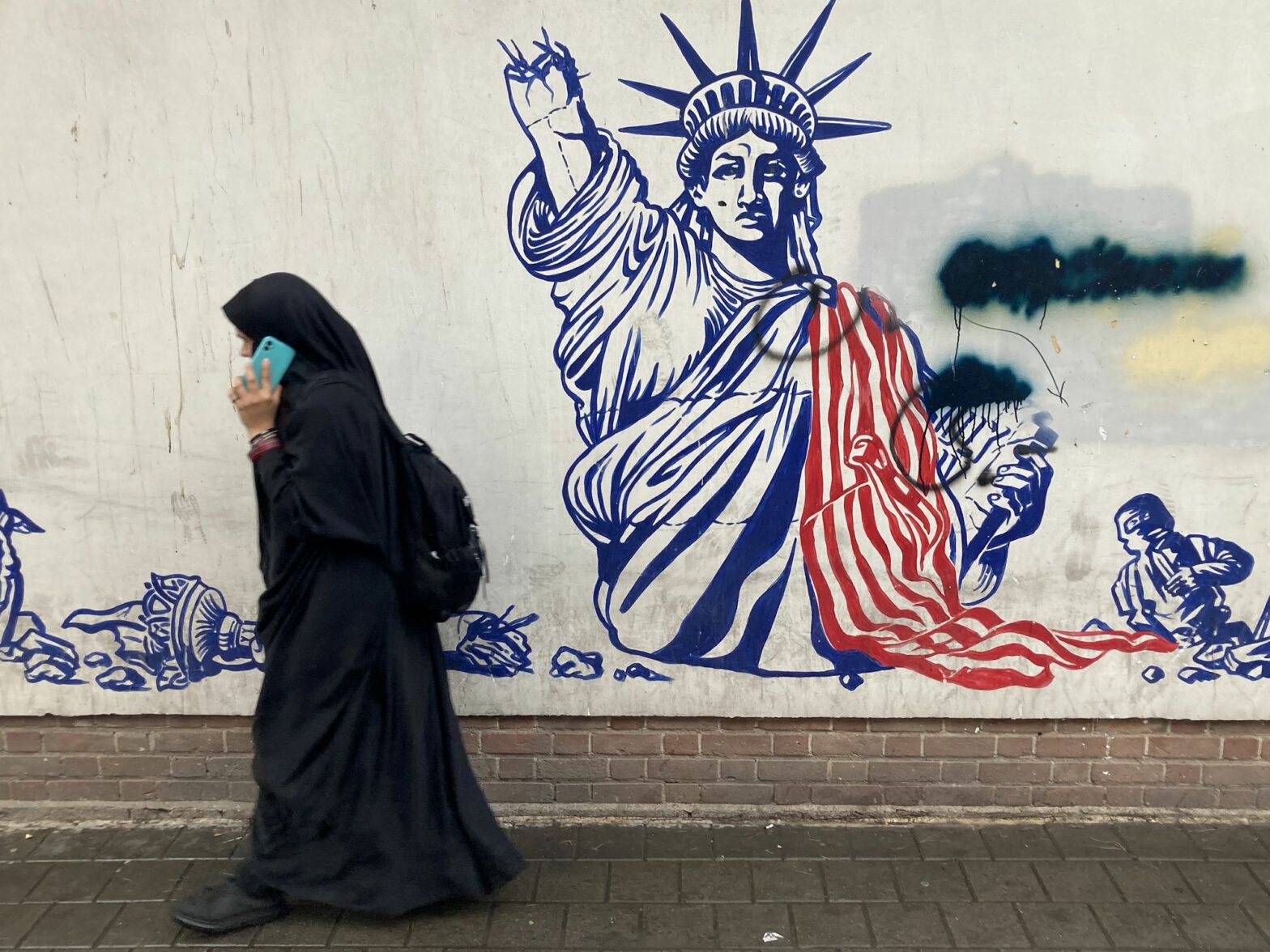
Given Donald Trump’s hardline with Volodymyr Zelensky, the U.S president may be even more draconian with Iran, which seems to have an even worse hand than during Trump’s first term.
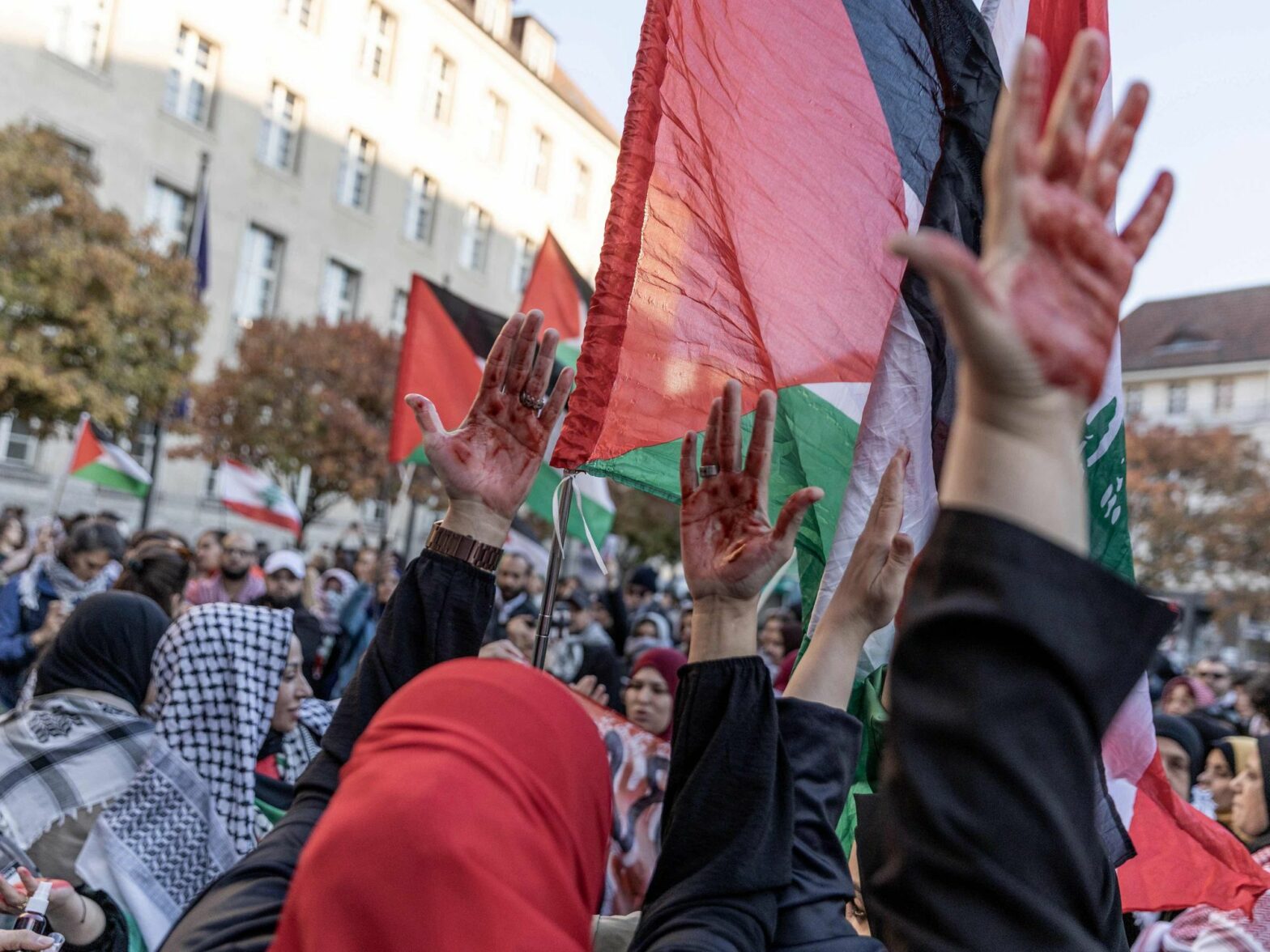
Around the world, the left and progressive media are serving Russia’s interests against the West when they lambast Israel. Since the Cold War, Russia has exploited and distorted the Palestinian cause to serve its ideals. And Iran is pursuing it on a smaller scale and with its own proxies, as Moscow’s geopolitical tool in the region.
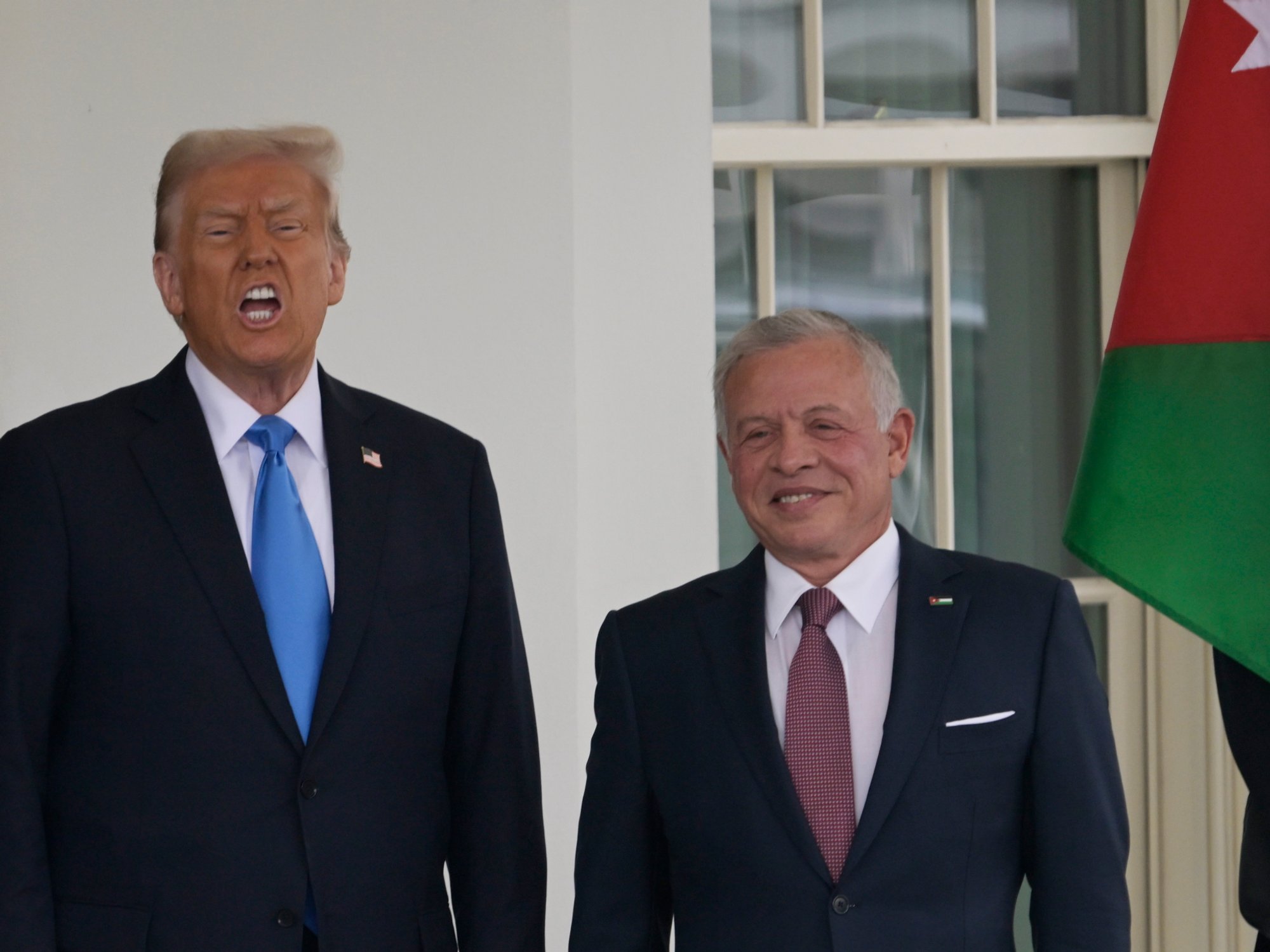
Trump could succeed in portraying himself as “unpredictable and unrestrained” without seeming unhinged. But if he comes off as hopelessly irrational, he is unlikely to get what he seeks.

A dictator’s fall, a deadly blizzard, and a tragic day for rock ‘n’ roll.
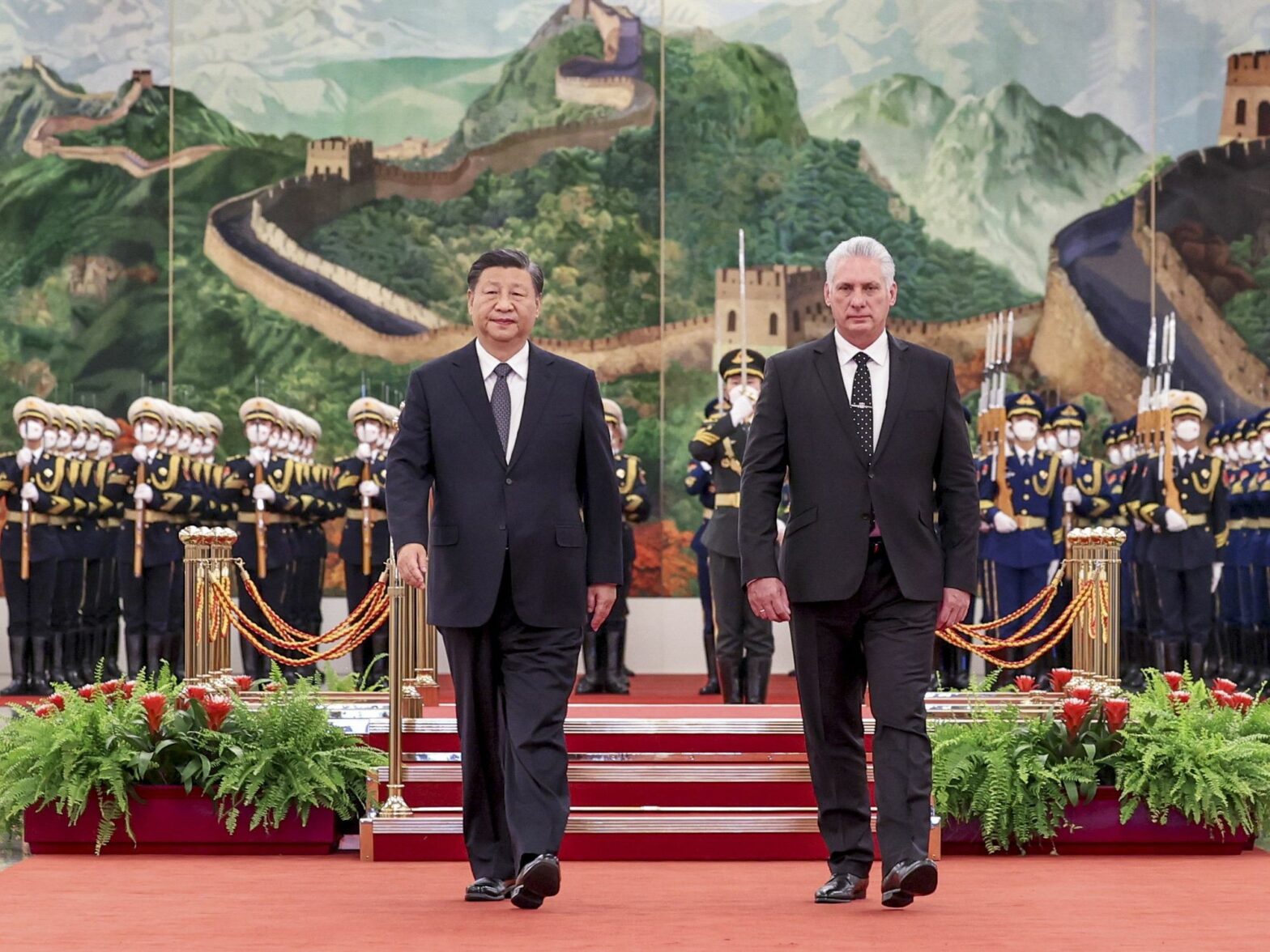
In another sign of changing power relations in the ‘post-Western’ world, the BRICS group of emerging economies could frustrate the United States’ bid to sink communism in Cuba by strangling its economy.

The return of a revolutionary leader, a royal death warrant, and a smoking ban in France.
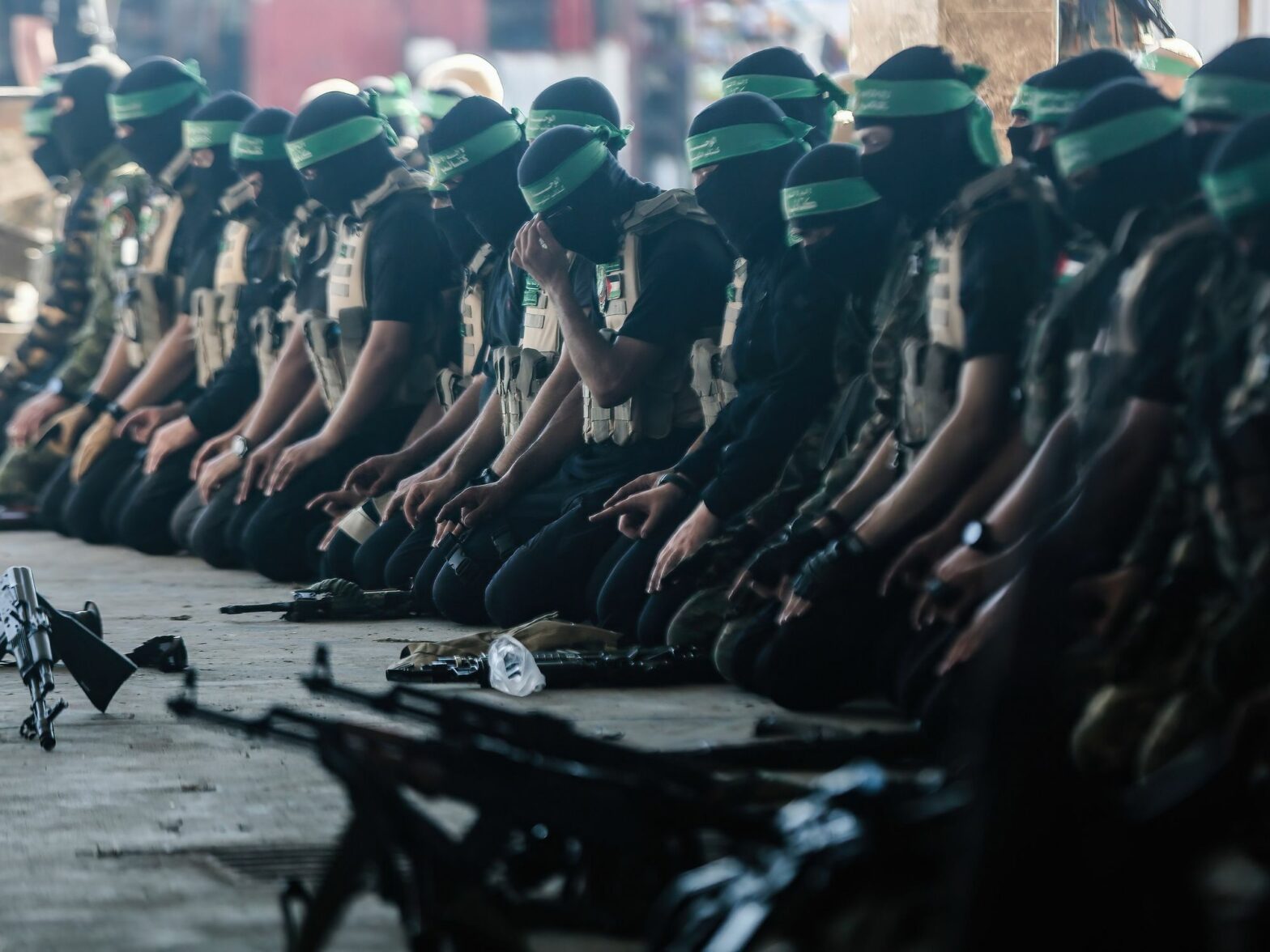
Israel has killed thousands of Hamas fighters. But the Gaza-based terrorist organization has not yet been completely destroyed, nor have its allied militias in the region.
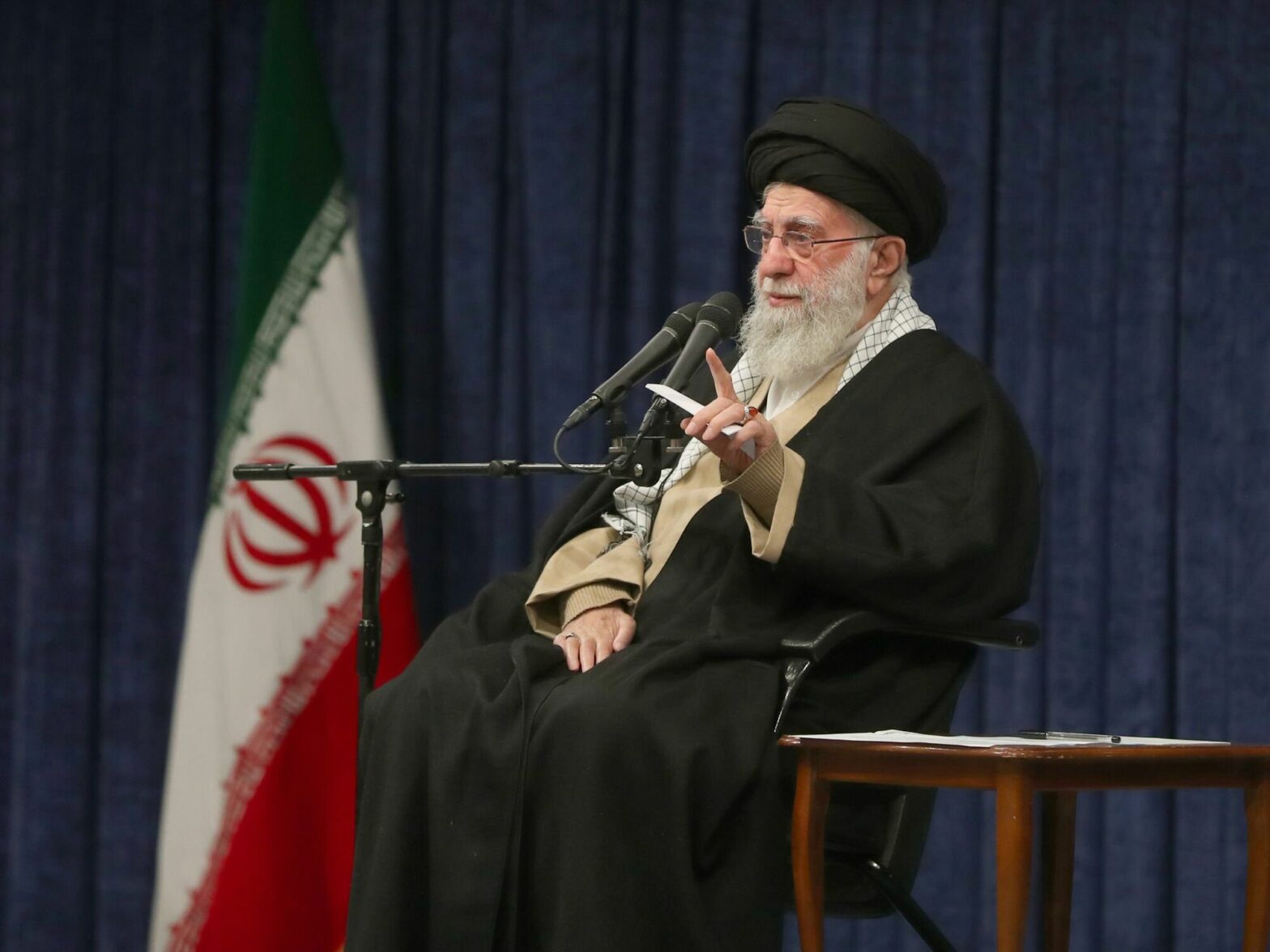
The incoming Trump administration will likely abandon its predecessor’s efforts to persuade the Iranian regime to change its disruptive and violent policies. Yet for ultimate survival, Tehran may be counting on an unexpected factor: Trump’s erratic mindset.
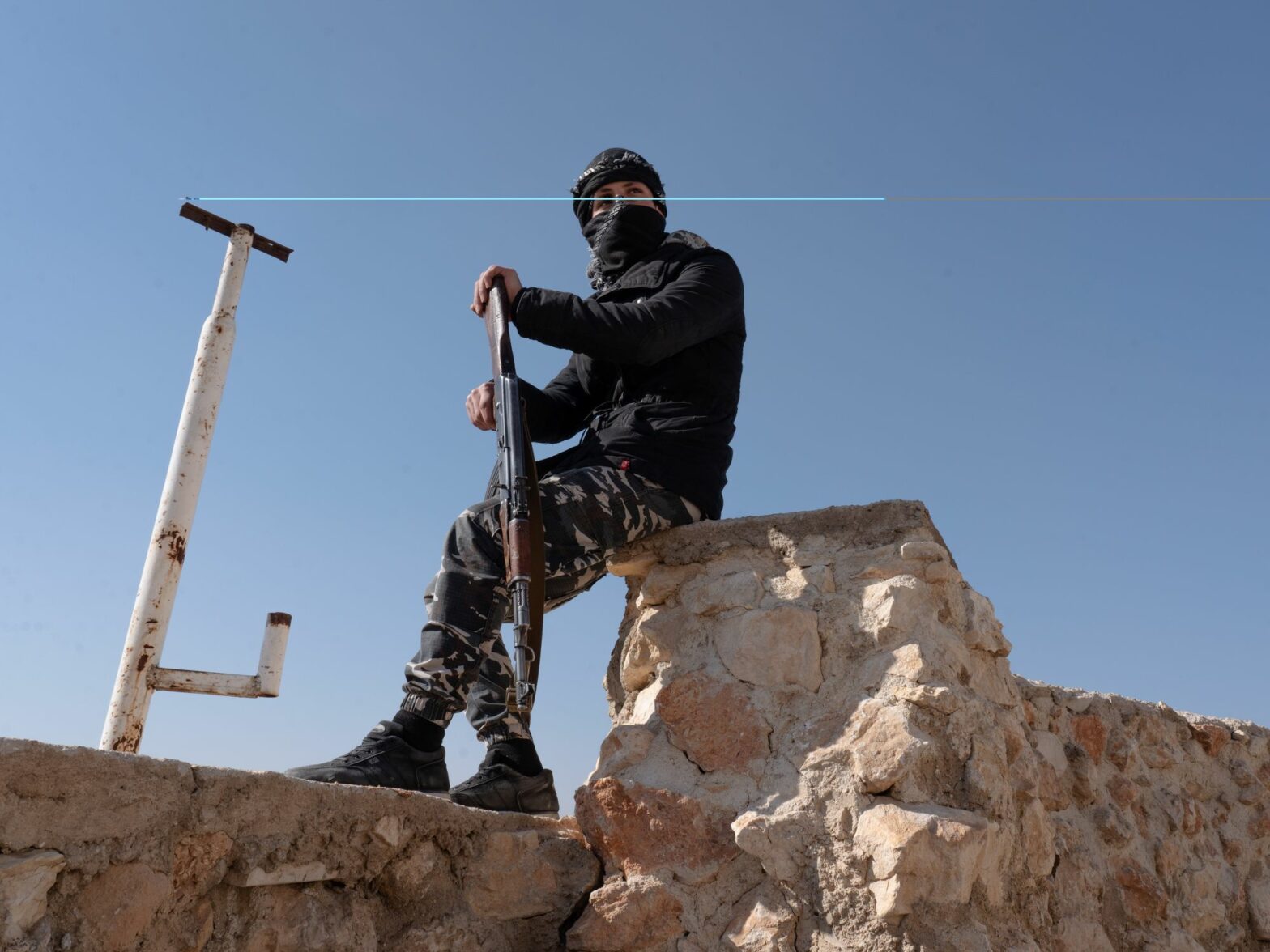
Palestinians must engage in deep domestic dialogue to end their division and agree on a set of principles to address the towering challenges they face, including their ties with Syria’s new rulers.
The release of journalist Cecilia Sala from Iranian prison after 21 days is a triumph of diplomacy and urgency, orchestrated by the Italian Prime Minister herself. Meloni used an urgent meeting with Donald Trump to help unlock the negotiations.
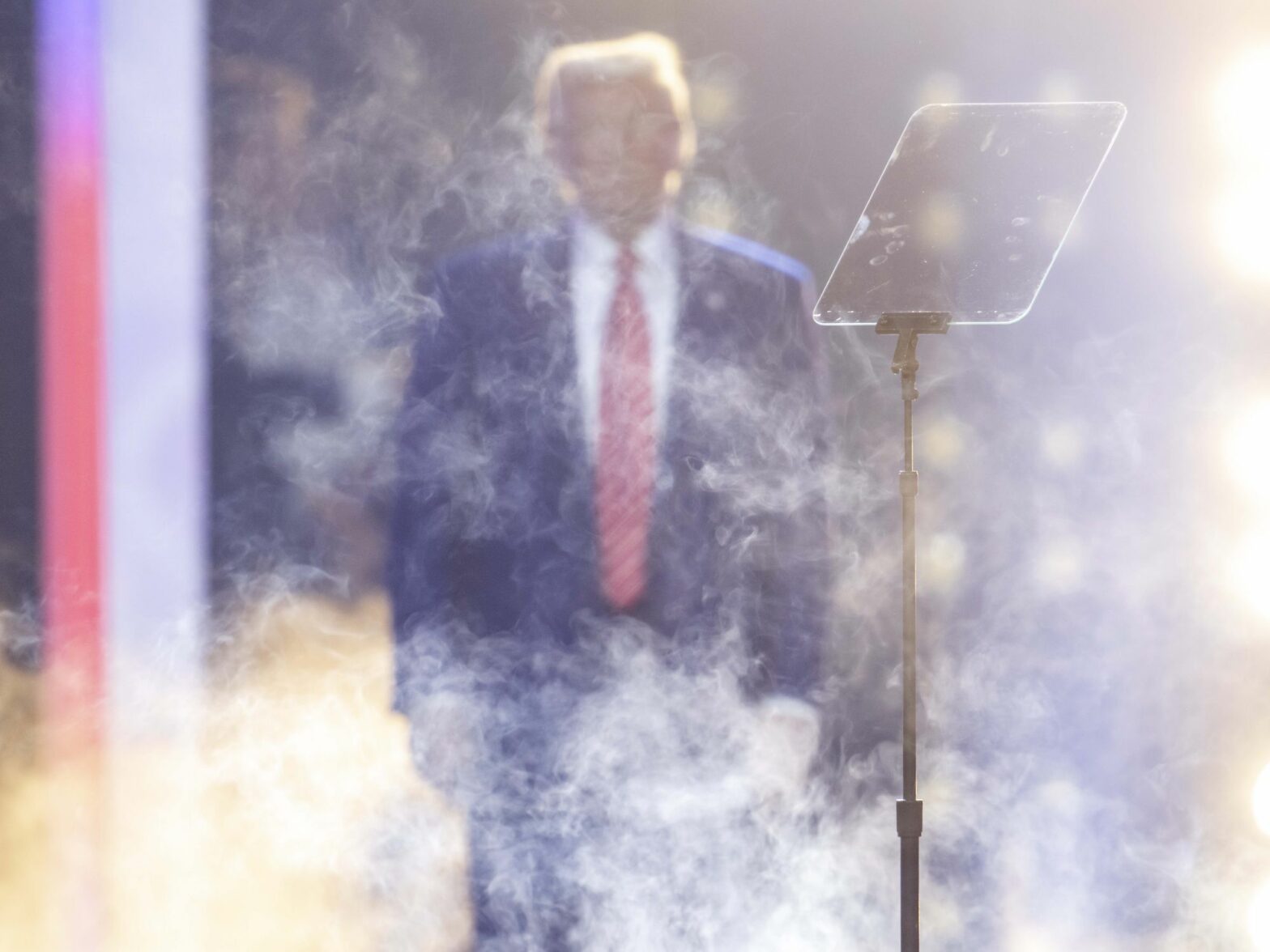
With the unpredictable Donald Trump returning to the White House in January, what will global politics be like in 2025? In addition to major issues like the war in Ukraine, the conflicts in the Middle East and China, there’s another nagging question: What about Europe?
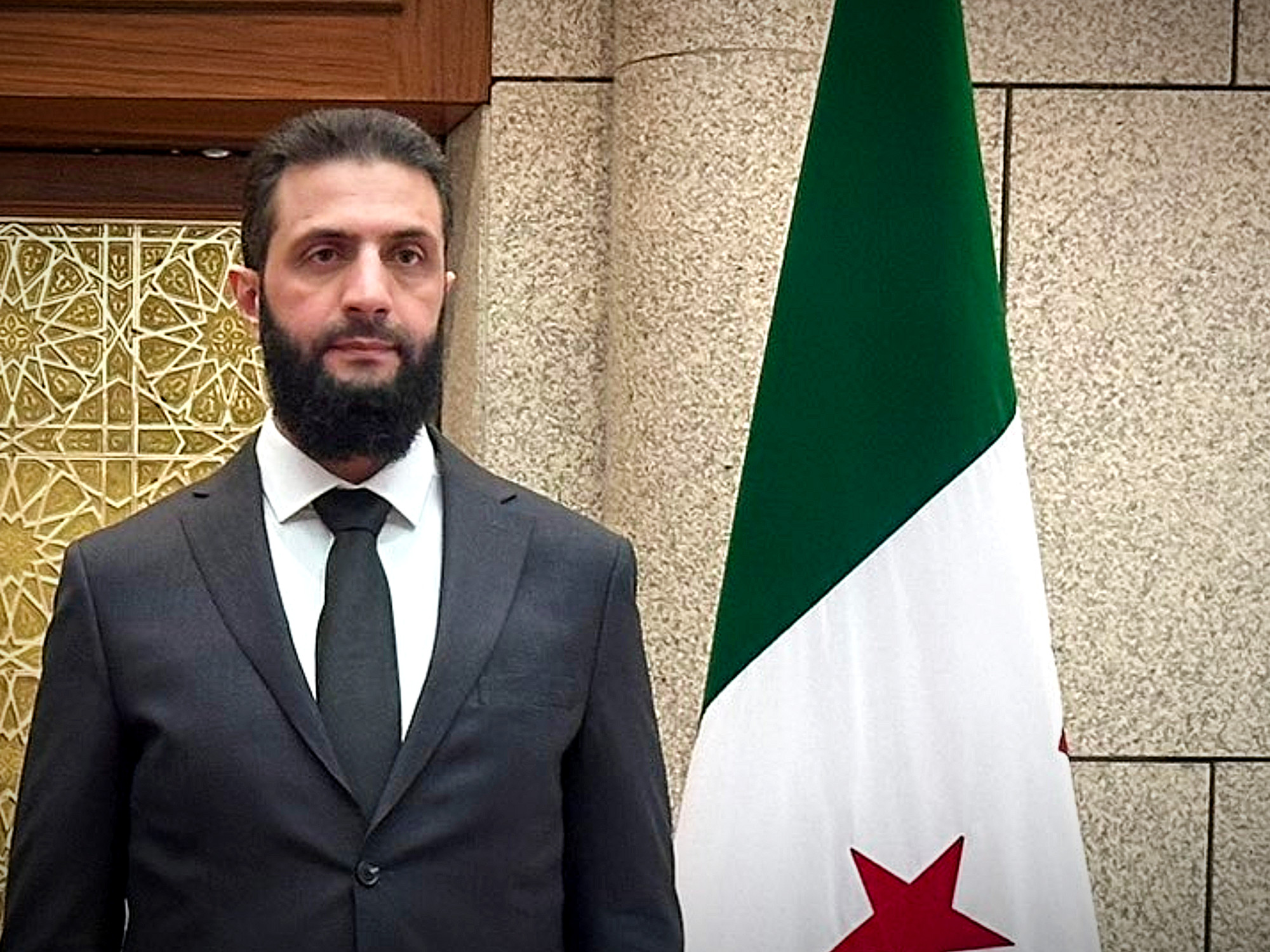
Al-Sharaa has surprised many with his openness to dialogue after a past linked to al-Qaeda. He represents a complex model that embodies the transformation of Syria since the beginning of the revolution in 2011.
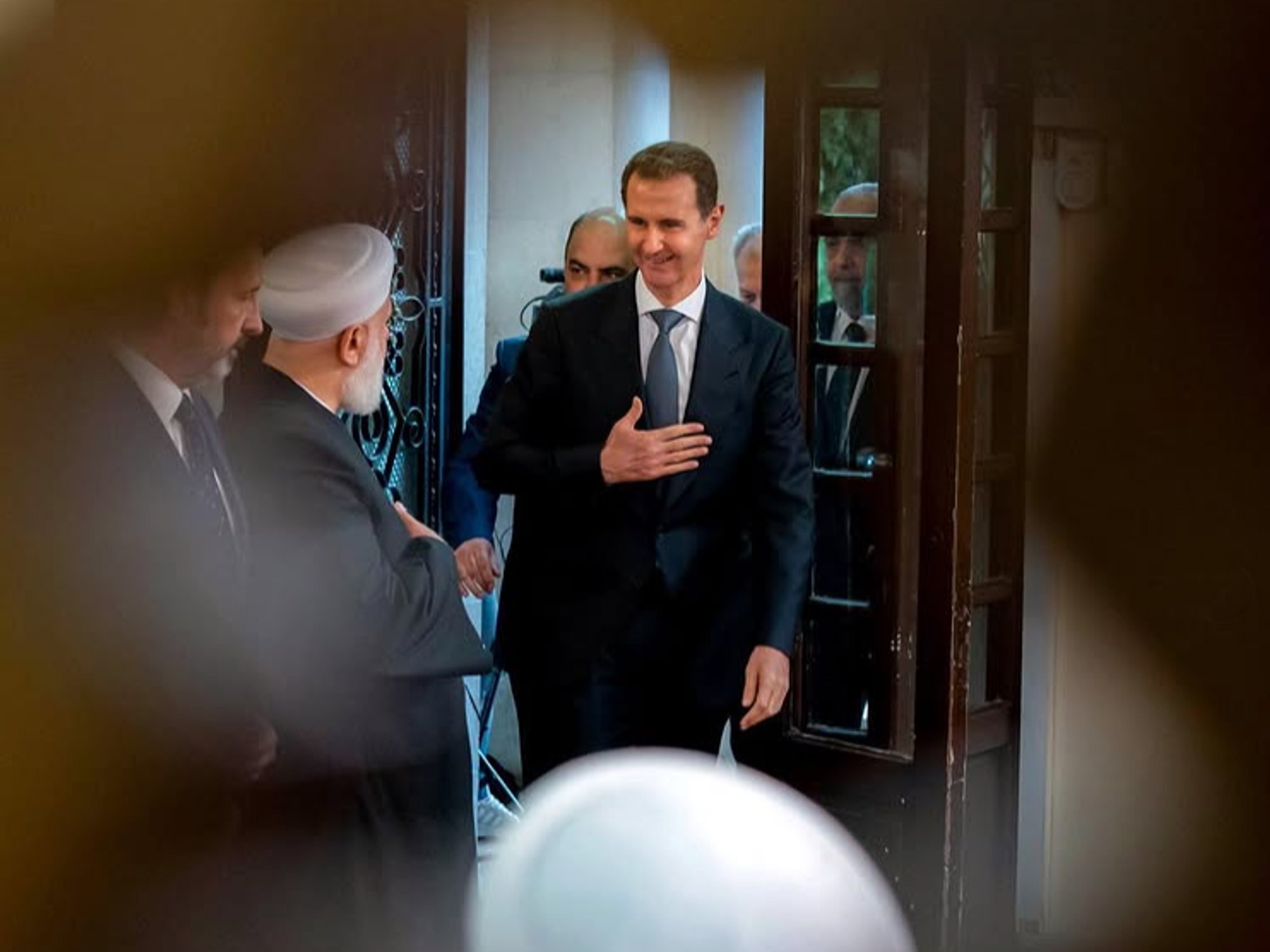
Since he fled in the cover of the night to Russia with his wife and three children, Bashar al-Assad’s entourage and extended family have expressed their anger and humiliation at his deception. He also betrayed his regional allies who went out of their way to protect his regime for years.
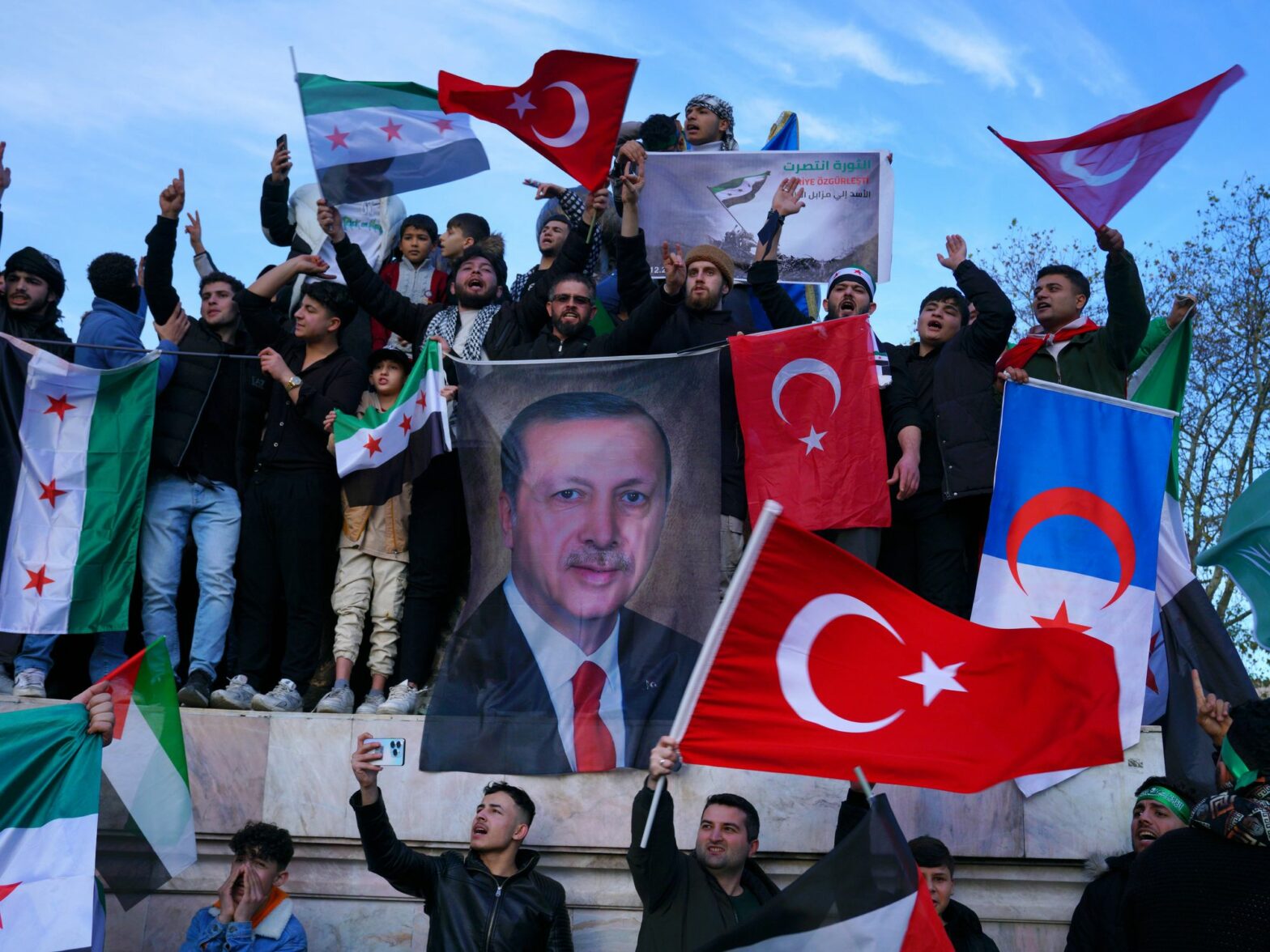
While the Islamic Republic of Iran mulls an official response to the fall of its Syrian ally Bashar al-Assad, Iranian politicians are already voicing their anger at the “backstabbing” conduct of two key powers, Turkey and Russia. Could Tehran be the next to get left to fend for itself?
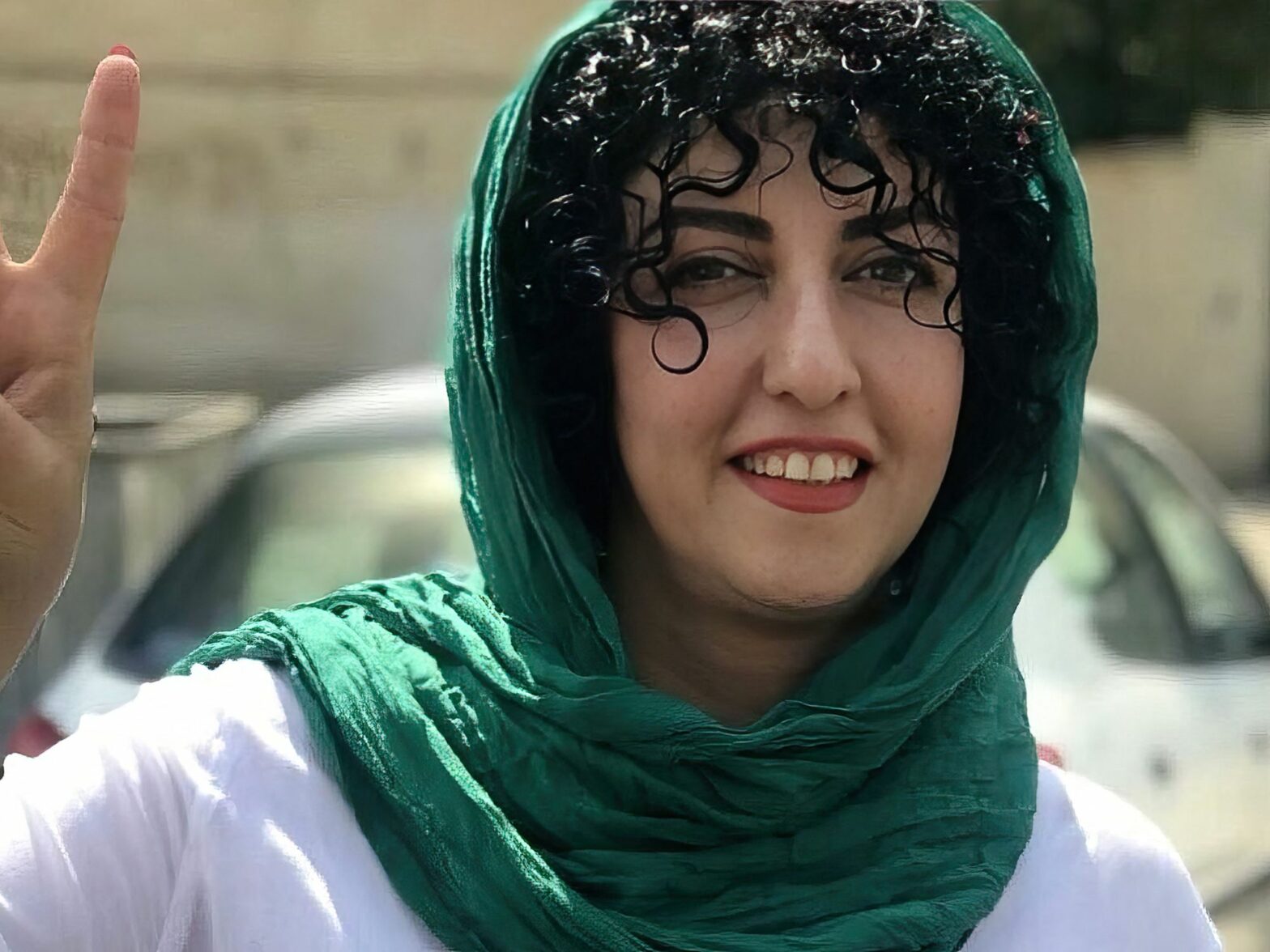
Journalist and Nobel Peace Prize laureate Narges Mohammadi was released from prison in Iran yesterday, but only for three weeks. This raises questions about the Iranian regime’s strategy following a series of regional setbacks and on the eve of Donald Trump’s arrival at the White House.
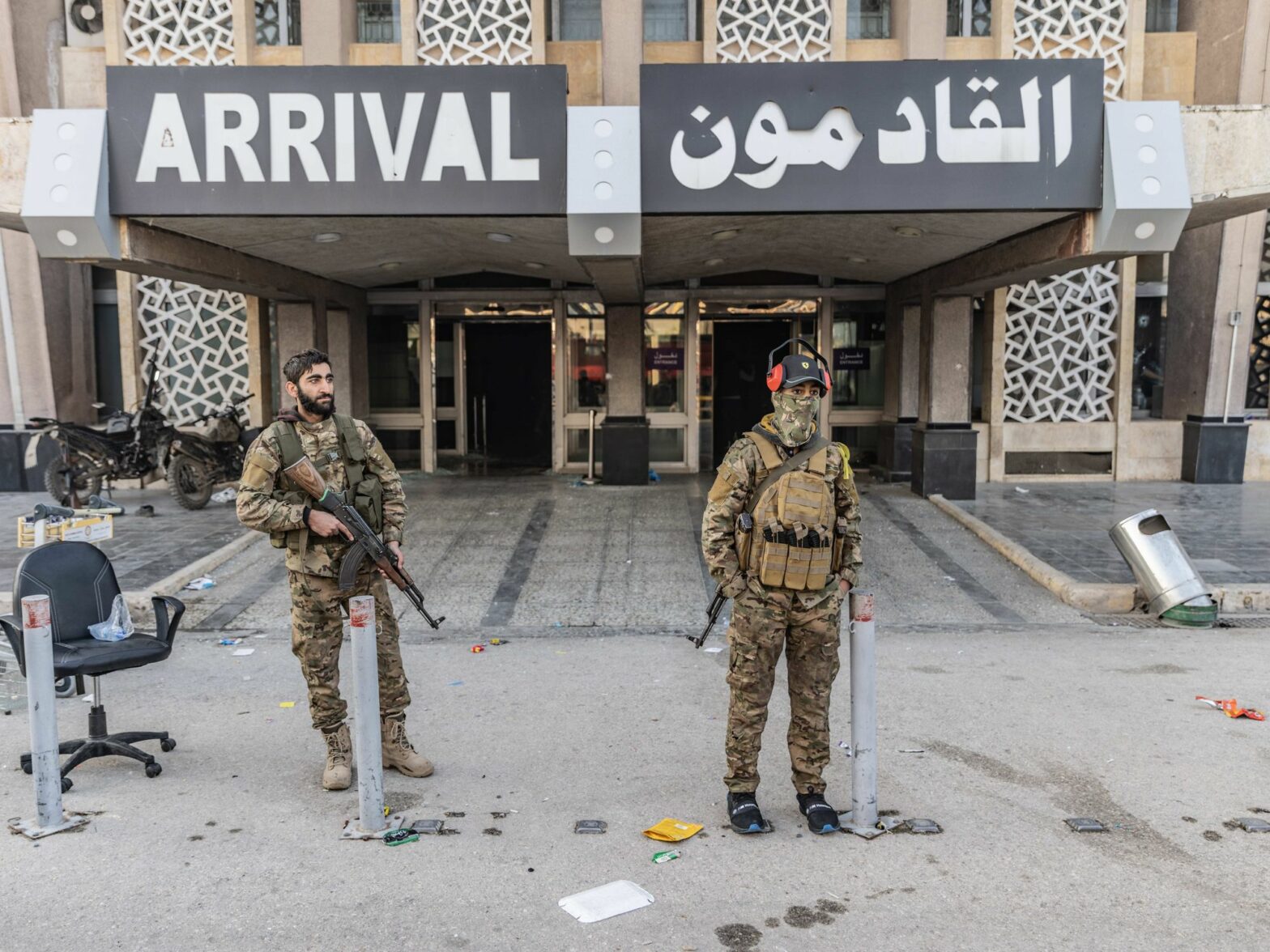
The surprise attack by rebel groups on Syrian government forces in Aleppo has raised many questions since it coincided with the ceasefire deal in Lebanon between Hezbollah and Israel. With so many forces and interests around Syria, don’t expect the reignited conflict to end anytime soon.
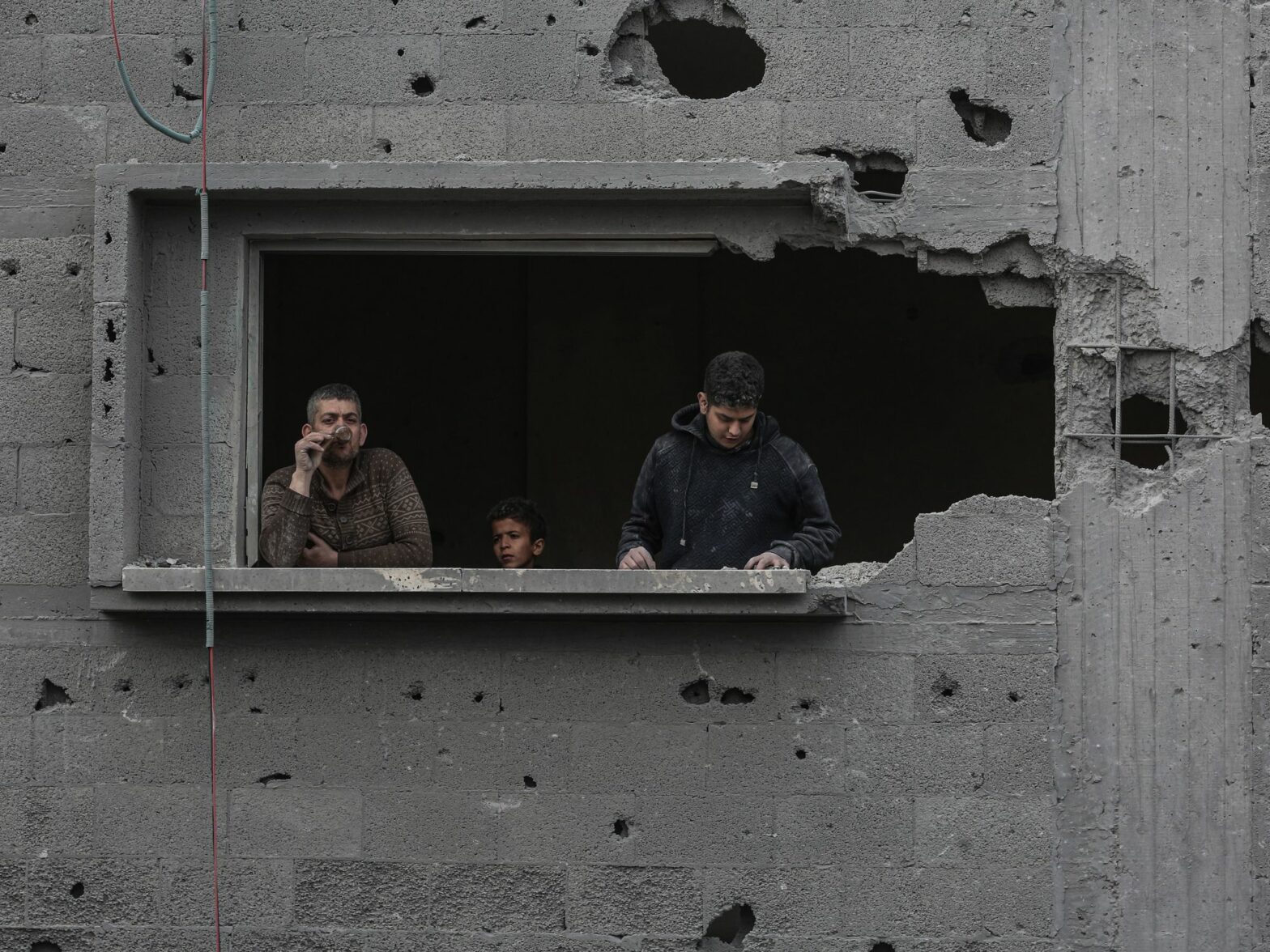
Since the Oct. 7 Hamas attack, use of the term “evil” has increased. The more heinous and public the murder, the more the evil of the murderer would be revealed and “the world” would be pushed to intervene. Yet in both Syria and Gaza, that world has been satisfied with symbolic responses.
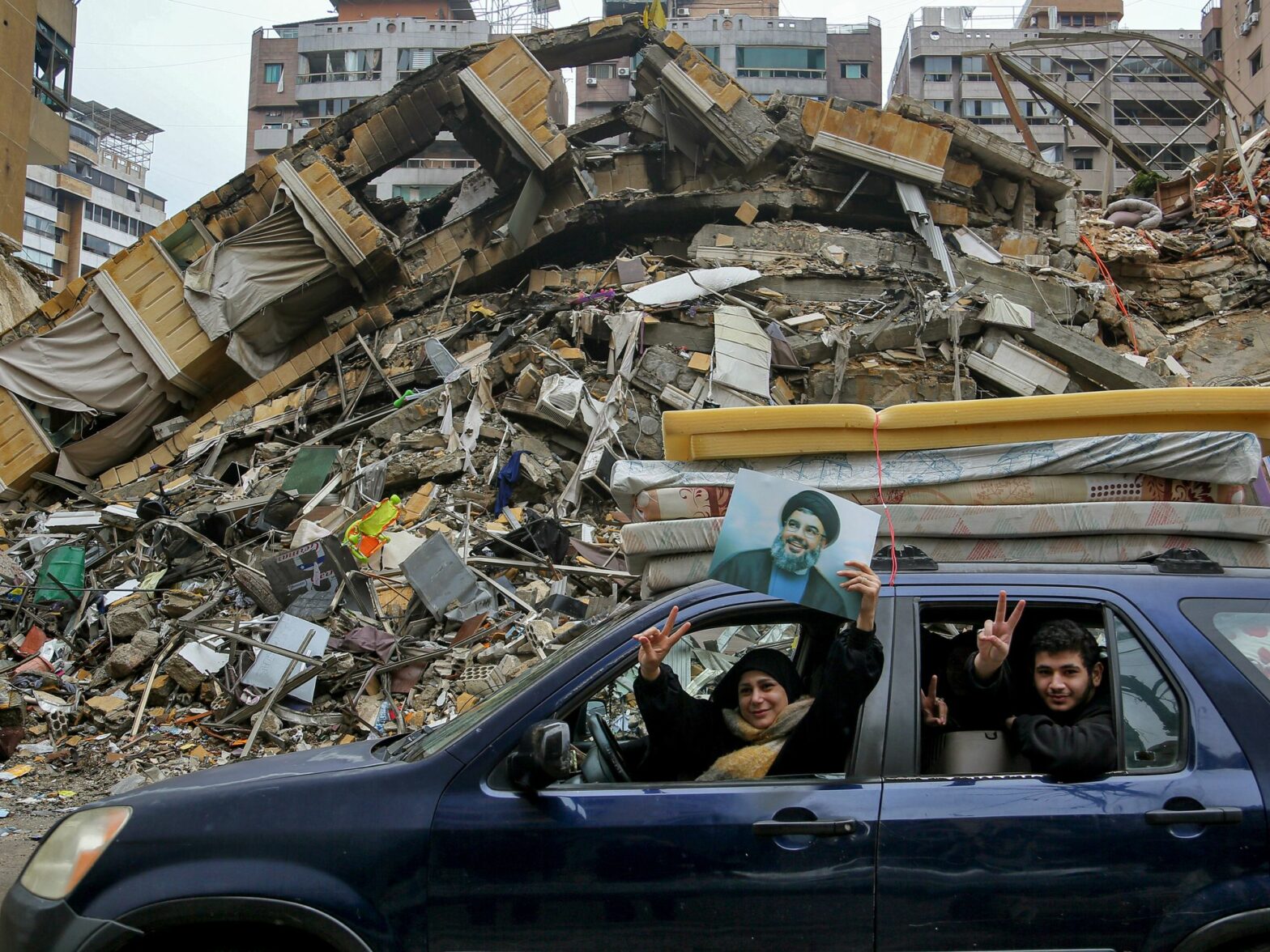
One might think that the rush to announce the completion of the deal refers to its preemptive failure with each party blaming the other for this failure. But there are many moving parts in the negotiations, like there are in the region.
Members of the Tehran regime are cautiously broaching the question of who will be Iran’s next Supreme Leader, but is this of real public concern or a ploy to distract an exasperated population from the country’s dismal socio-economic conditions?
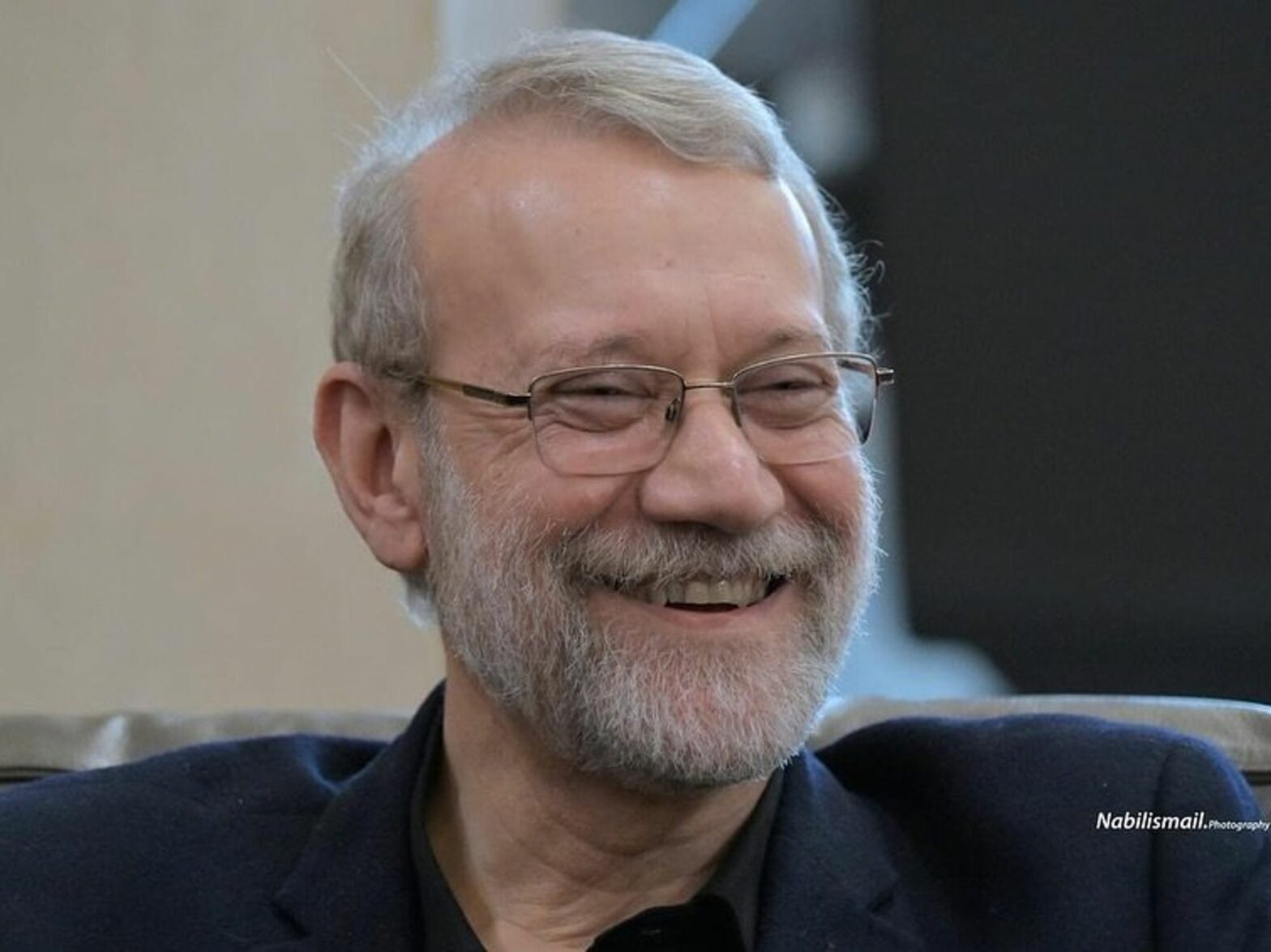
A photographer captured the seasoned Iranian official Ali Larijani laughing on his visit Thursday to Beirut, fully aware of what laughter means in such a situation. The seasoned Iranian diplomat knows that many Lebanese hold his regime responsible for dragging their country into a bloody, senseless, and destructive war.

Footage showing an Iranian woman stripping to her underwear at a Tehran university in protest of the country’s strict clothing laws, and her subsequent arrest, shows that fundamentalists over the world share a common terror of the female body existing in its own right.
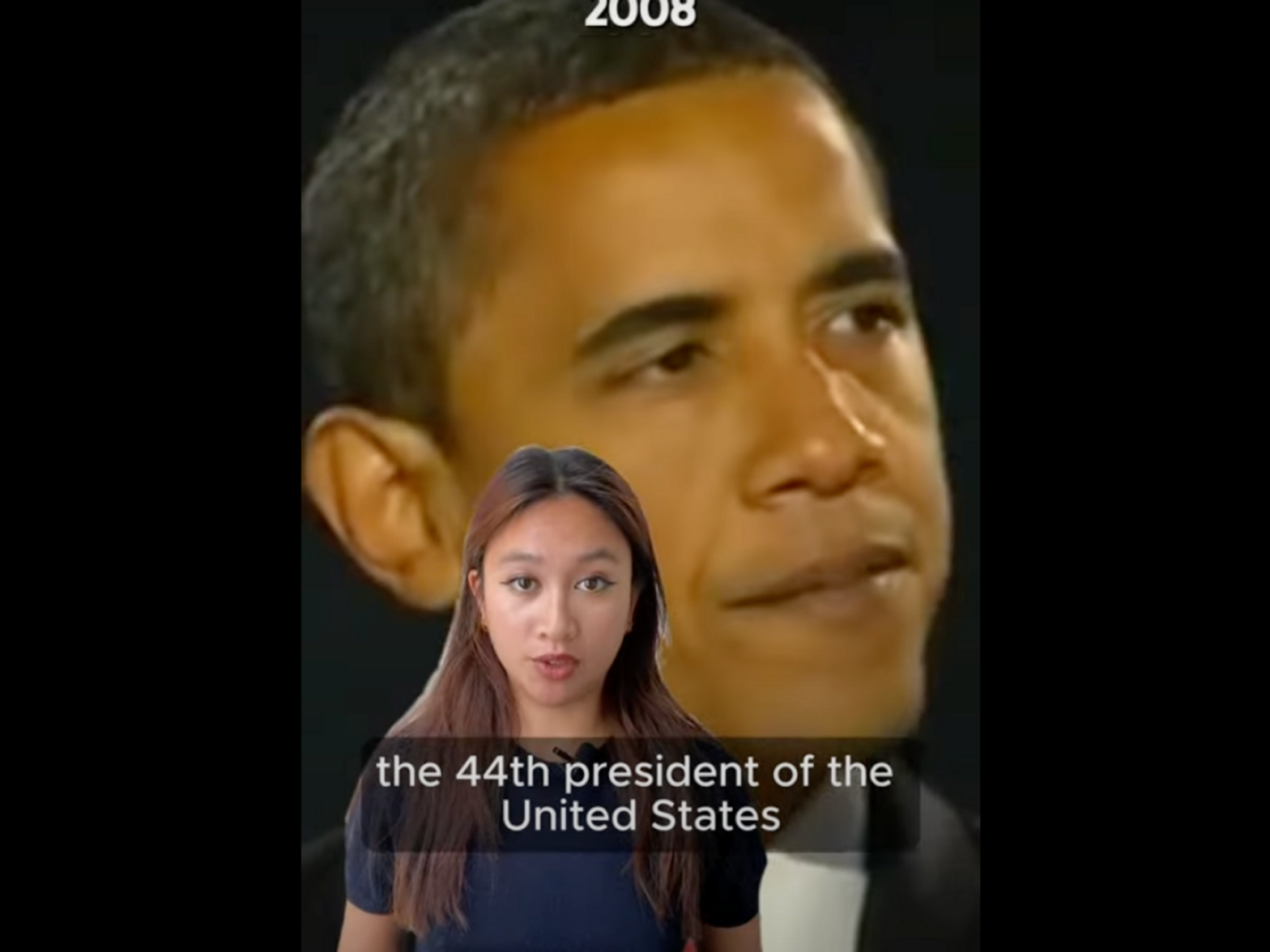
A historical presidential election, a political assassination and a surprising discovery in Egypt.
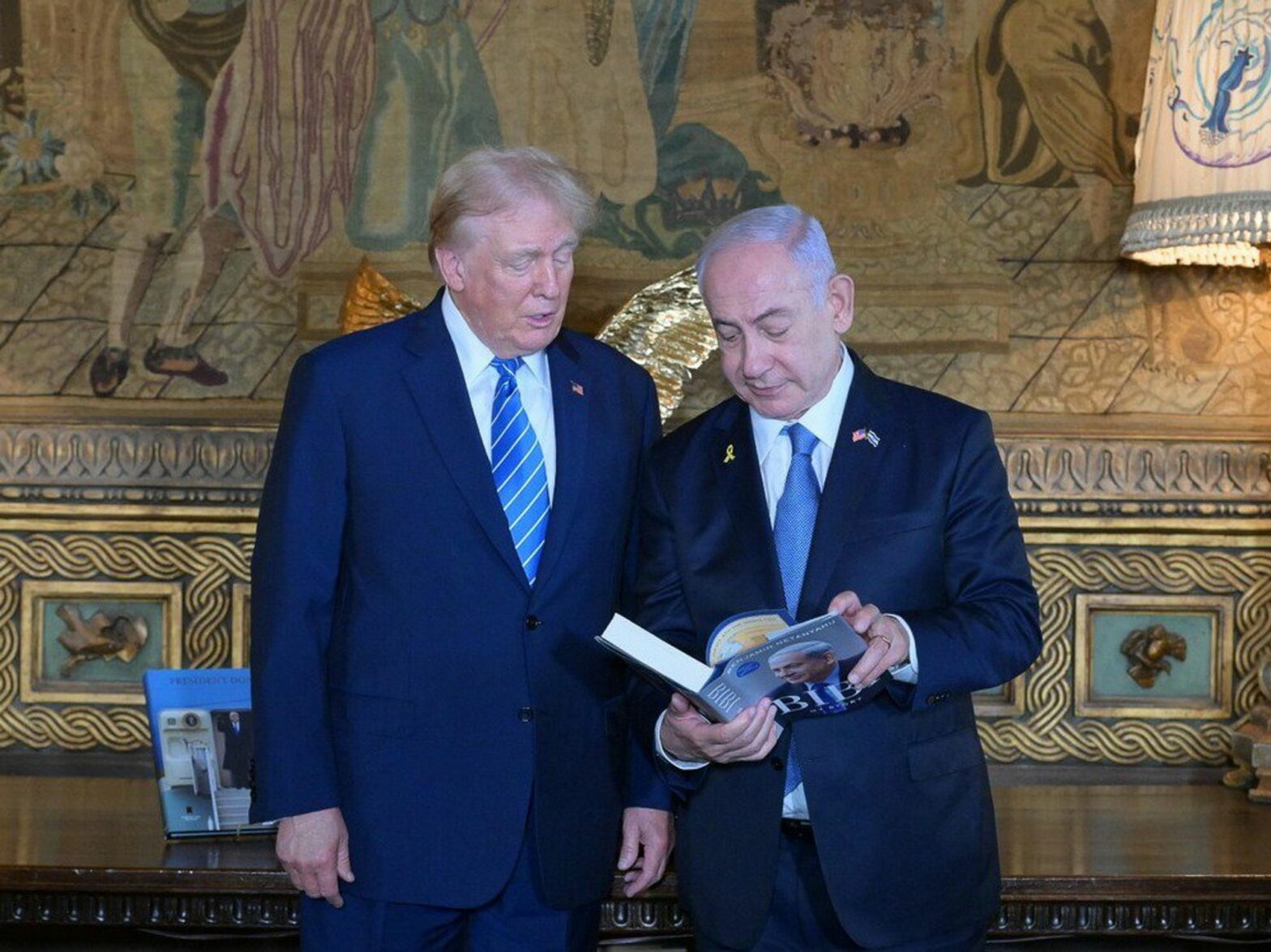
A Donald Trump victory would likely mean that the expected calm in the confrontation between Israel and Iran in the coming weeks will be just a warrior’s rest.
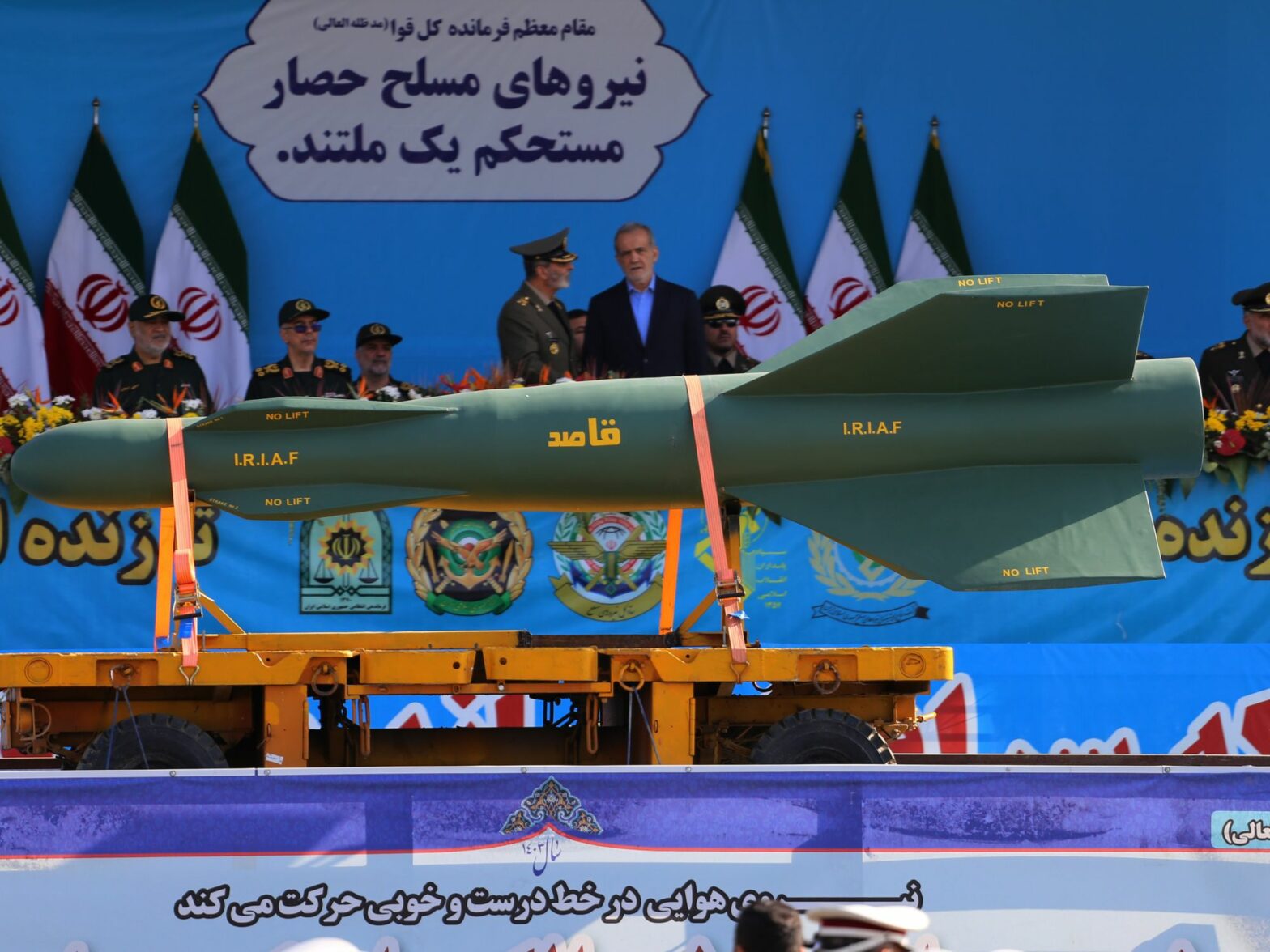
Israel and the West are seeking a stabilized Middle East to shorten the trading corridor with India and Asia. It’s a win-win situation for prosperous economies and the West, but what about Tehran’s truculent regime?
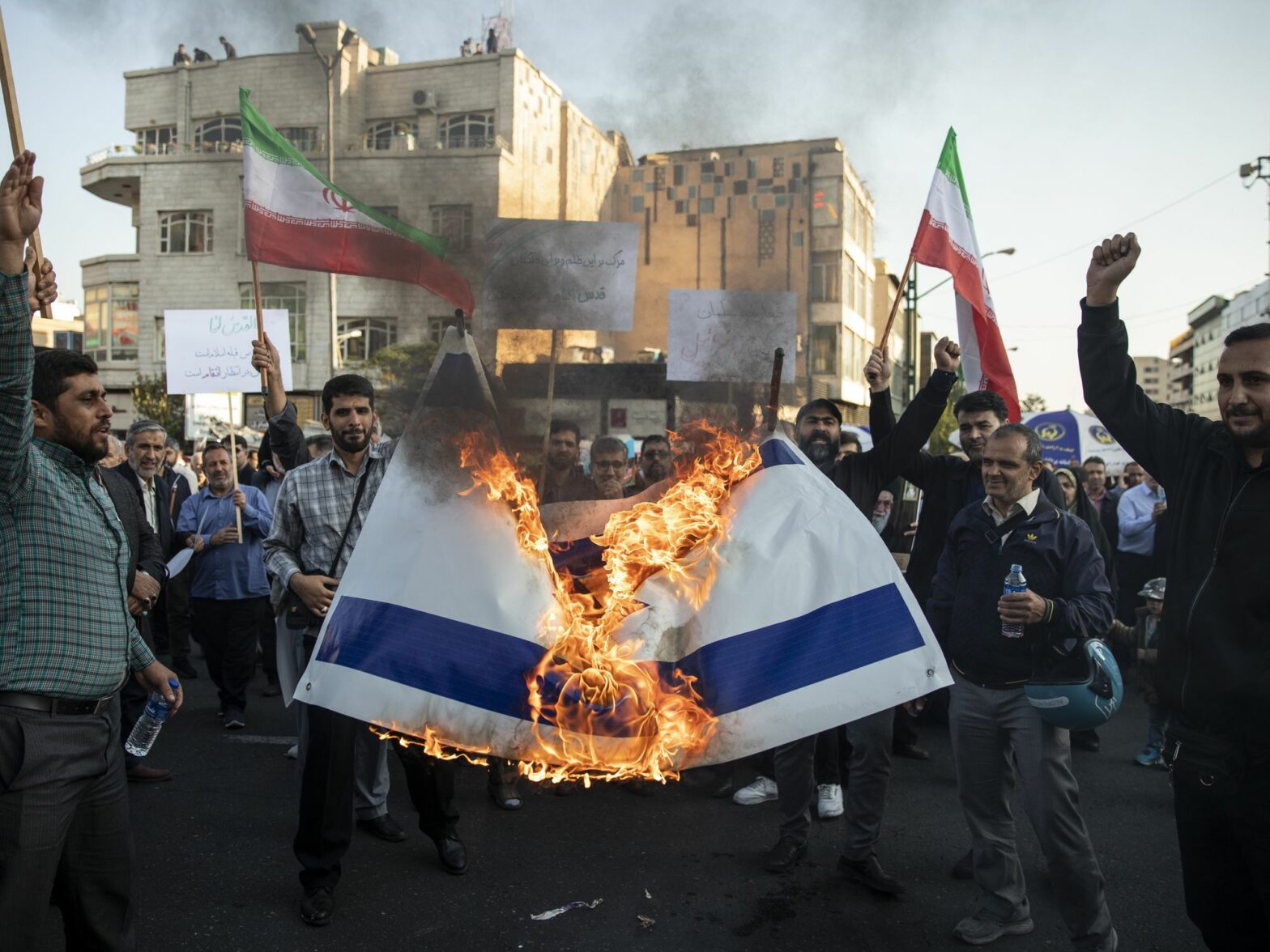
Iran’s 40-year policy of seeking the destruction of the Jewish state and “taking back” Jerusalem became the north star of the Tehran’s foreign policy. Now it may be its undoing.
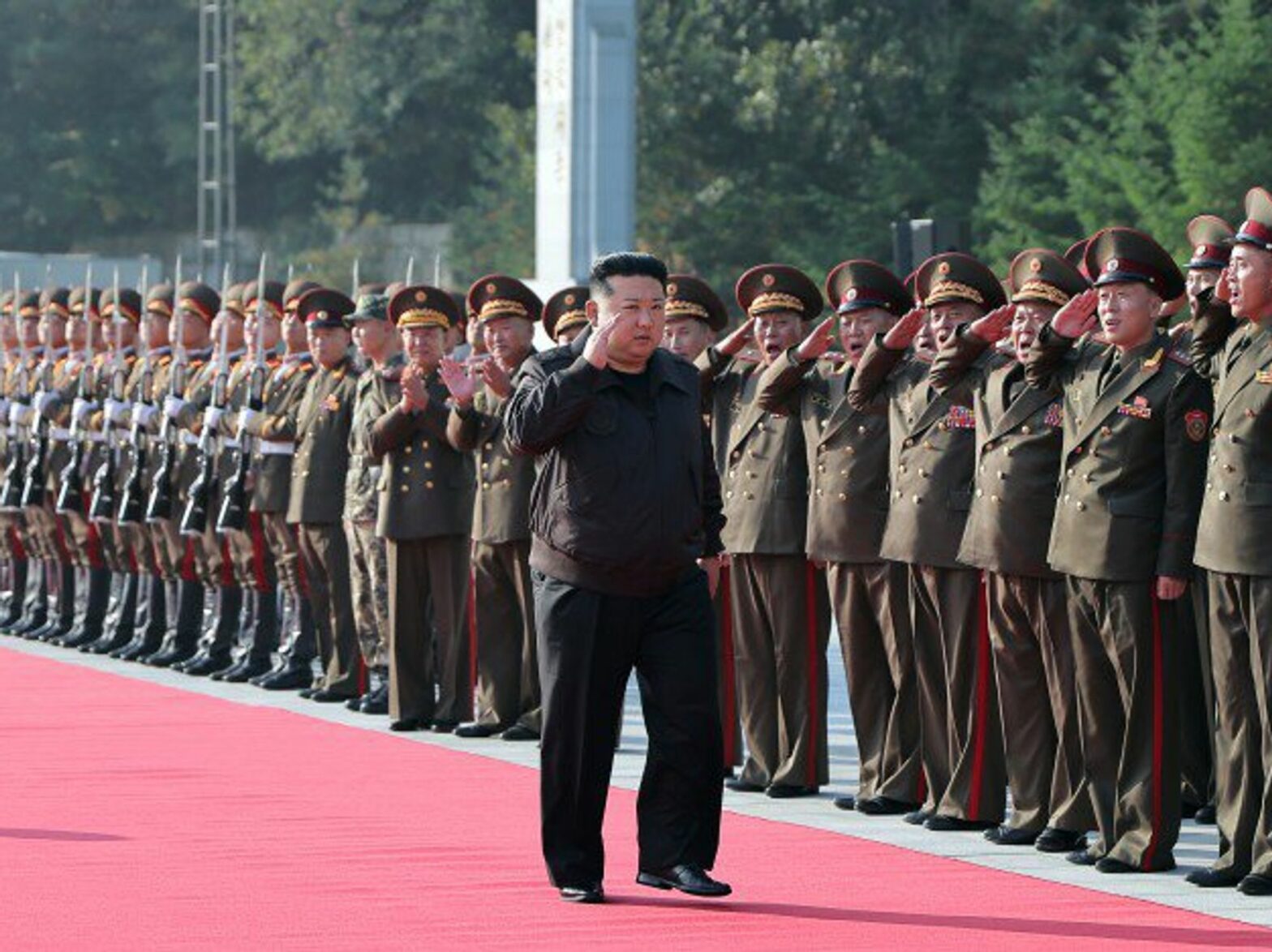
The United States’ confirmation of the presence of North Korean soldiers alongside the Russians in Ukraine has raised fears of an international escalation. All the more reason to fear that the current local or regional conflicts will gradually turn into global ones.
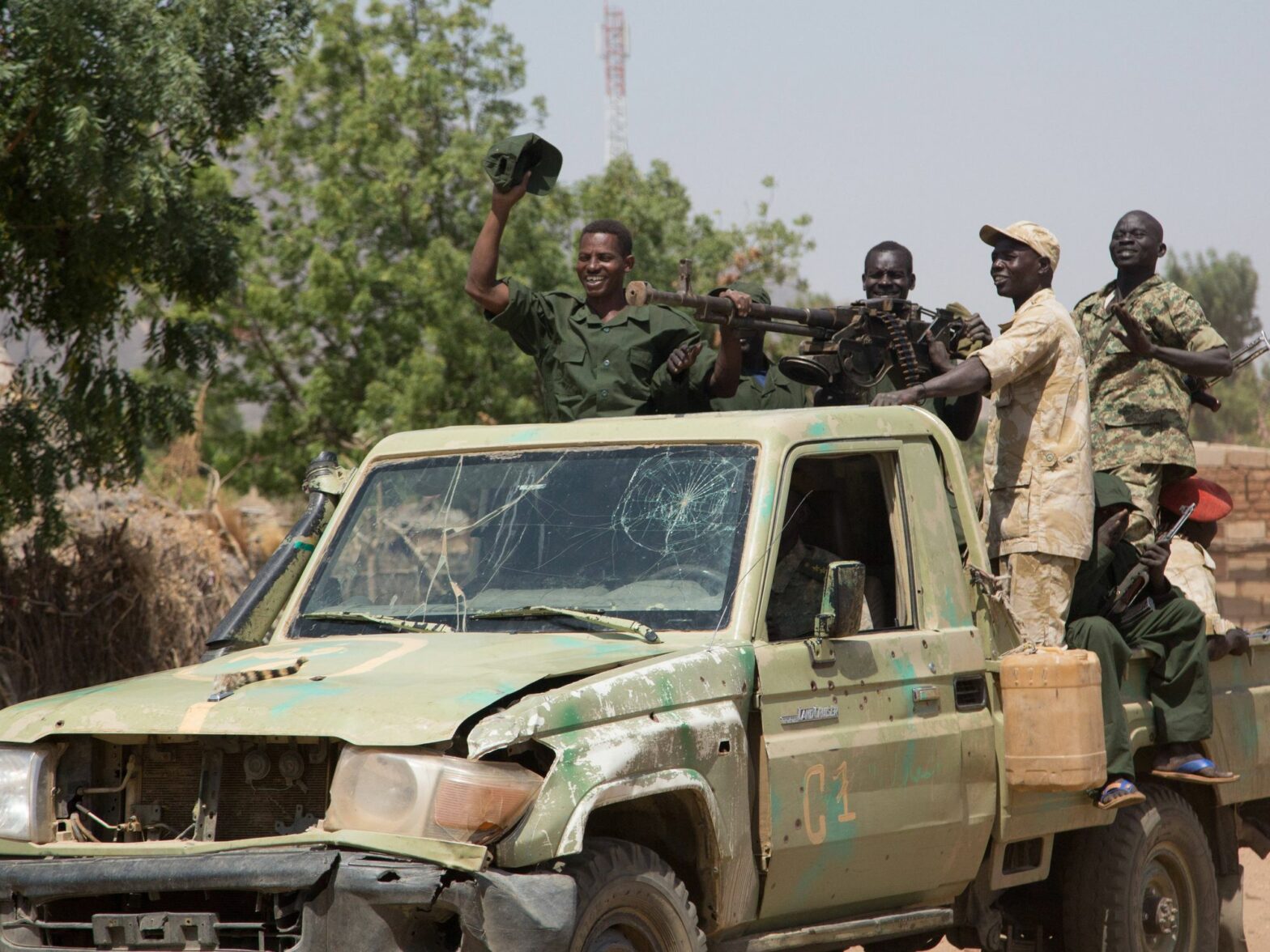
With its access to the Red Sea, Sudan is more strategic than many wish to admit. A Russian cargo plane shot down in Darfur this week sheds light on the positioning going on among the world’s powers.
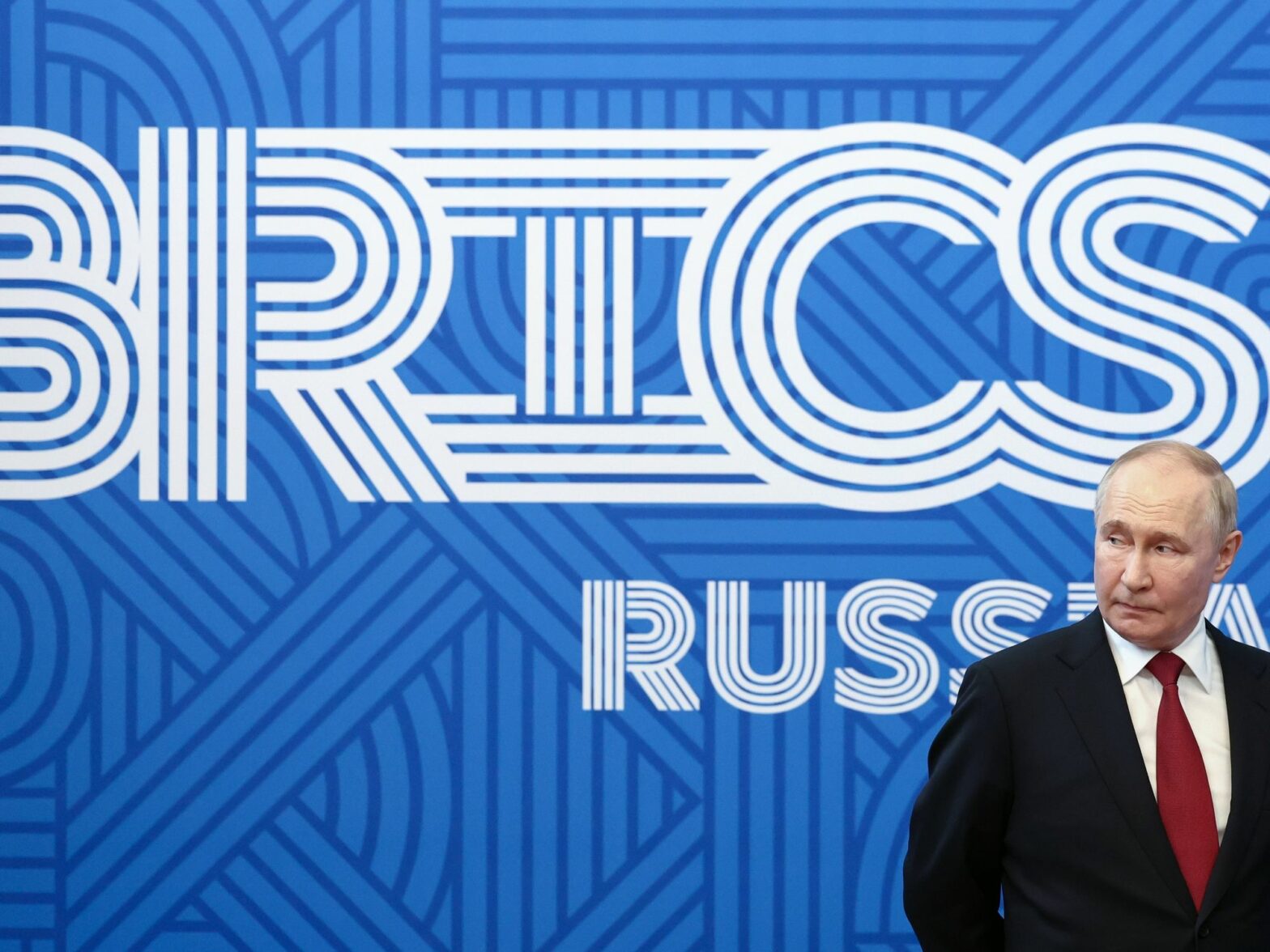
The BRICS Summit, which opens on Tuesday in Kazan, Russia, is an opportunity for Vladimir Putin to show that he is not isolated. But it is above all the power of attraction of this club of emerging countries that needs to be seen, in a world dominated by the West since 1945 and struggling to evolve.
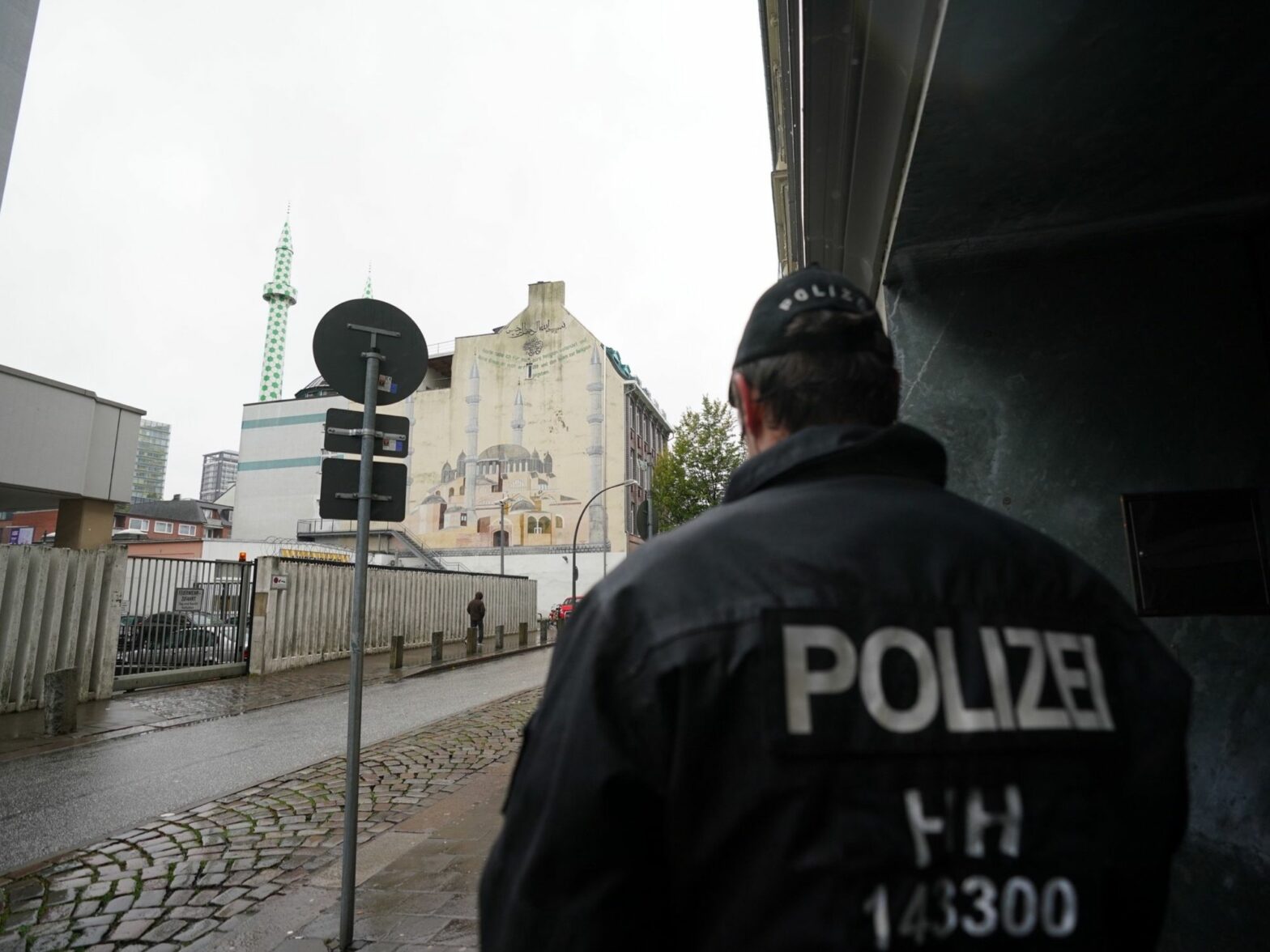
The Islamic Republic of Iran has specialized in getting gangsters and low-lives to undertake its terror operations abroad, making it more difficult to thwart its longstanding, and laughable, claim that it is a victim, not a sponsor of terrorism,.
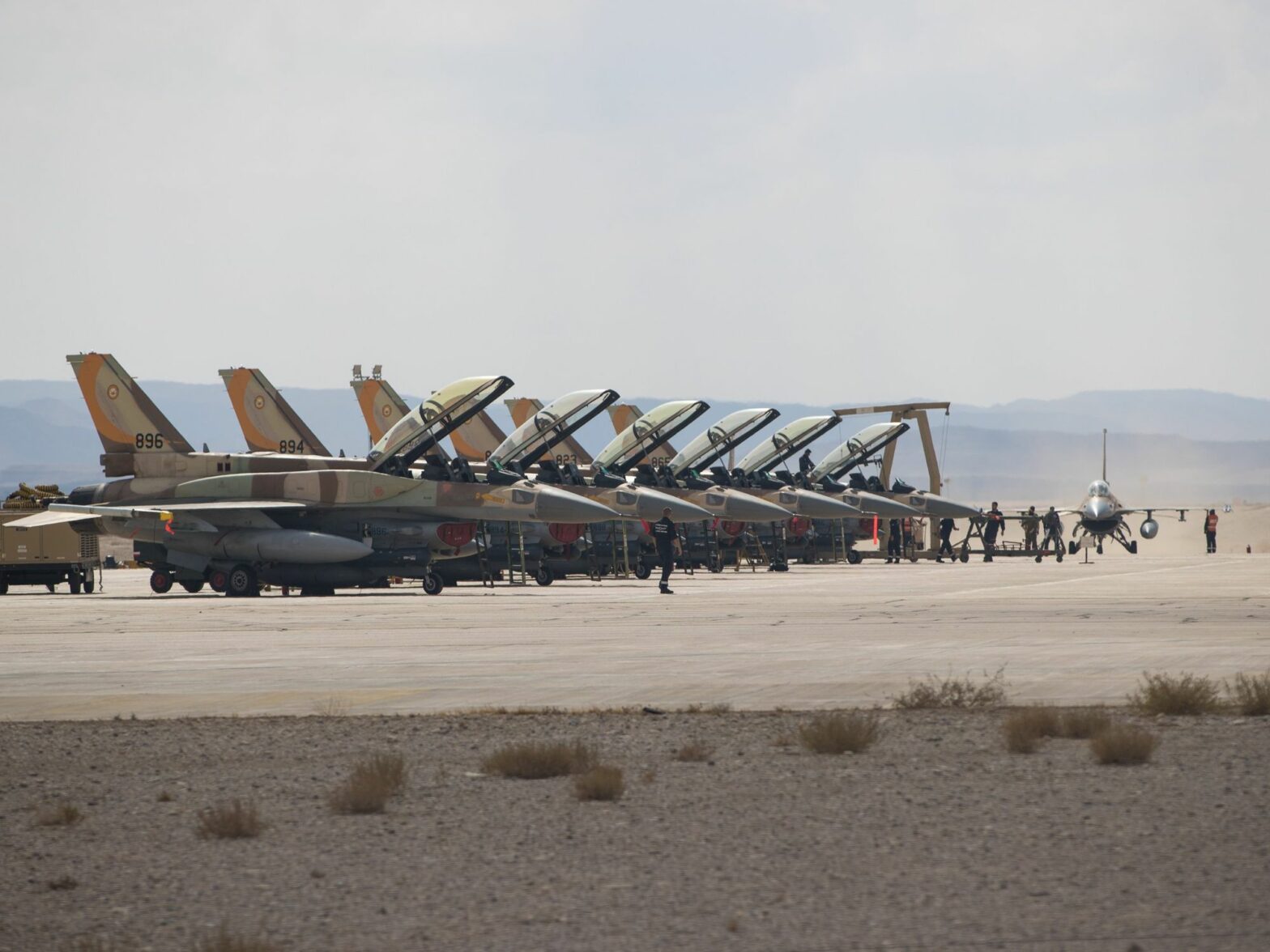
Israel is keeping the Tehran regime and outside observers guessing on the scope and timing of its threatened strikes on Iranian territory. Some say it is seeking to win itself time to “finish up” in Lebanon and Gaza, others say a massive attack on Iran could help reorder the whole region.
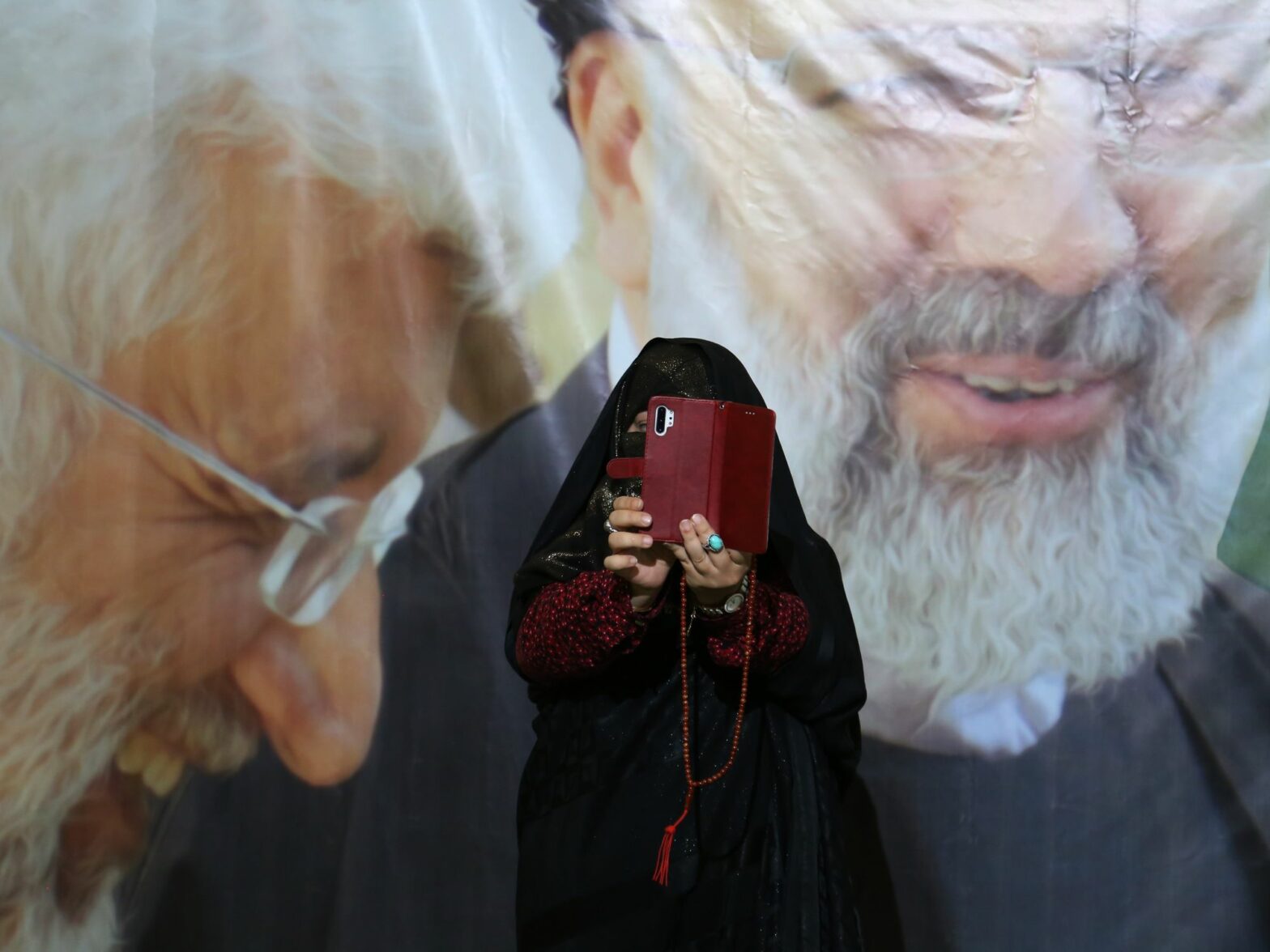
The decision is yet another example of how Iran’s laws since the 1979 revolution have restricted women’s rights both inside and outside the home.
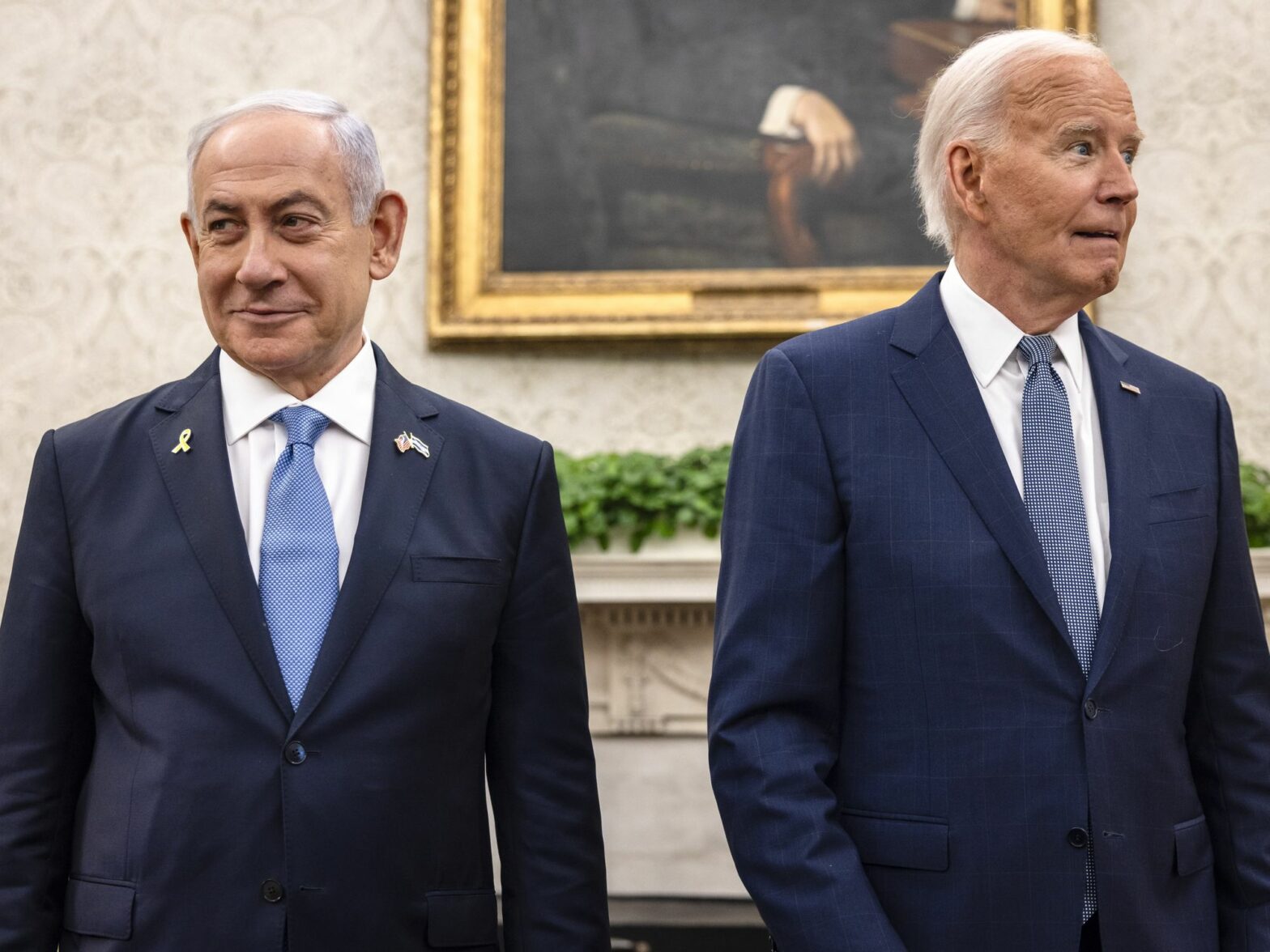
Never since it became the “great protector” of the Jewish state has the United States shown so much weakness towards Israel, as the Israeli prime minister stays one step ahead of his adversaries in a cunning maneuver to help Trump return to the White House.
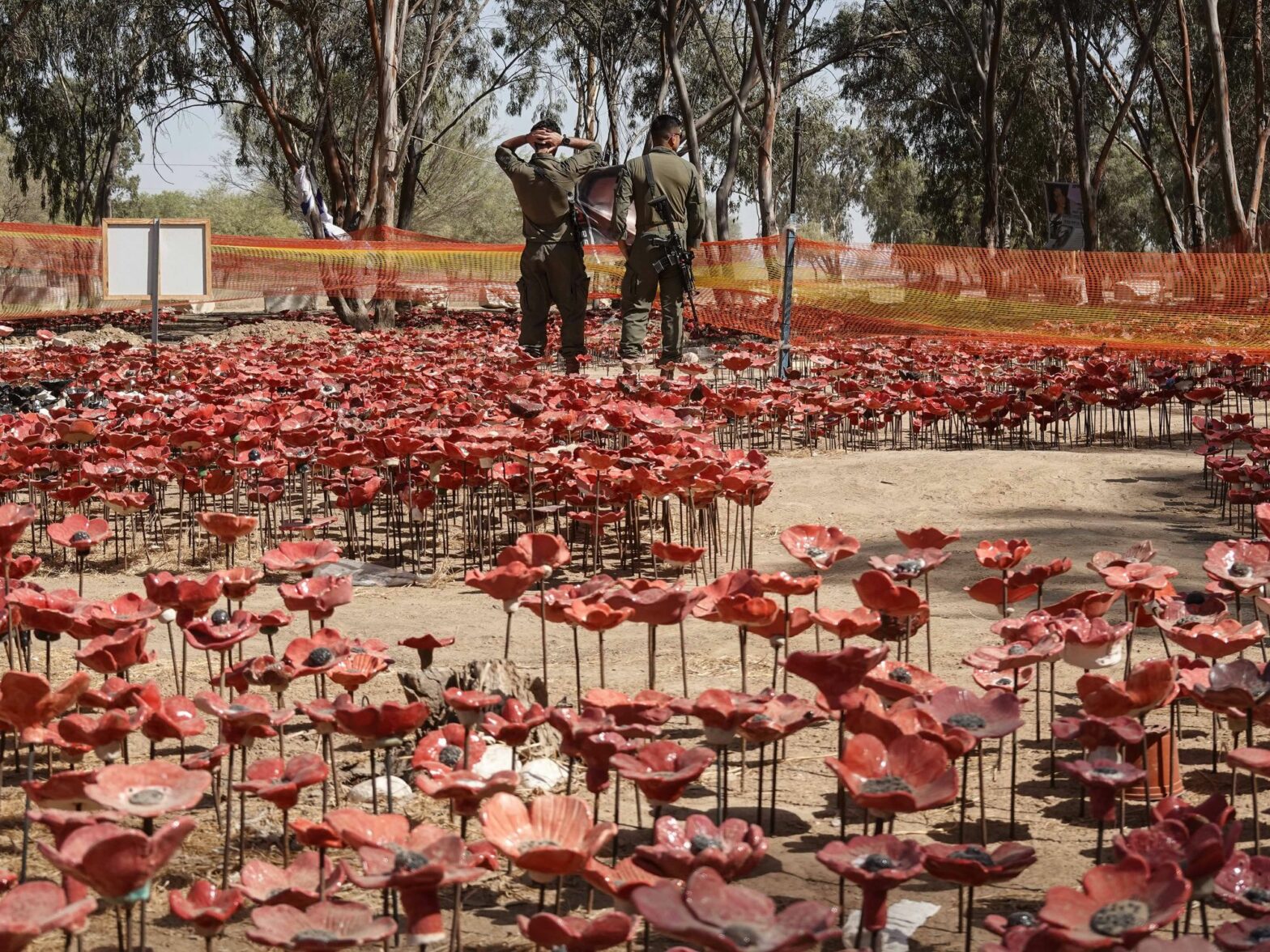
Benjamin Netanyahu escaped the growing calls to stop the war in Gaza and bring the hostages back, by launching another war on Hezbollah. It’s a taste of what’s to come.
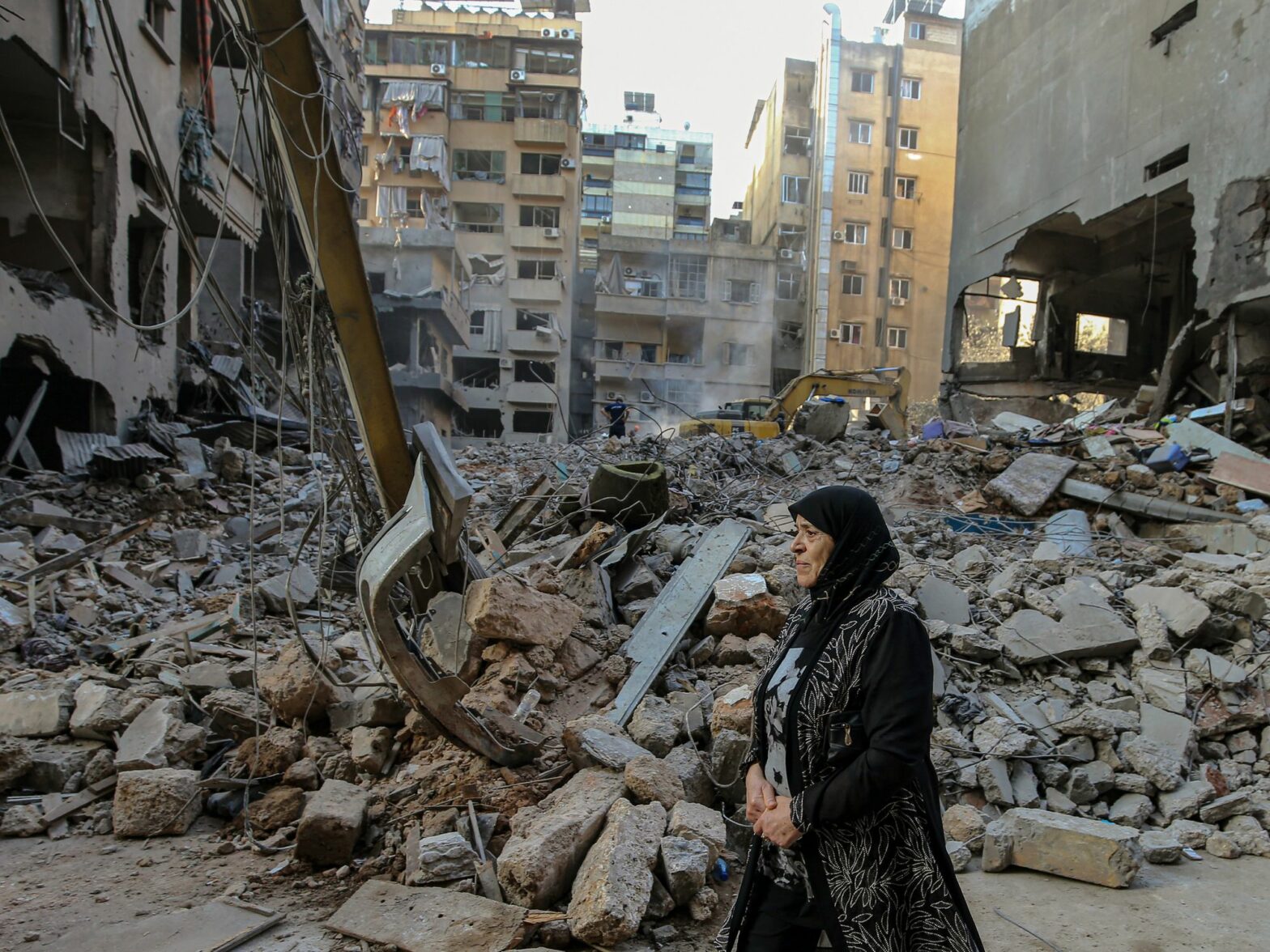
Initially presented as “limited,” Israeli operations have escalated sharply in Lebanon, and the Israeli Prime Minister has called on the country’s citizens to rise up against Hezbollah. What is Benjamin Netanyahu’s aim in this war?

Updated Oct. 10, 2024 at 12:00 a.m. Some 3,500 women were the first since the Islamic Revolution to be allowed to attend a football match in Iran for a World Cup qualifier in Tehran on this day in 2019. What was the first sporting match attended by women in post-Revolution Iran? In October 2019, Iran […]