Israel is on the hunt in Lebanon one more time, with apparent early successes. But it has again ignored the fact that something always rises from the ashes.
 Worldcrunch
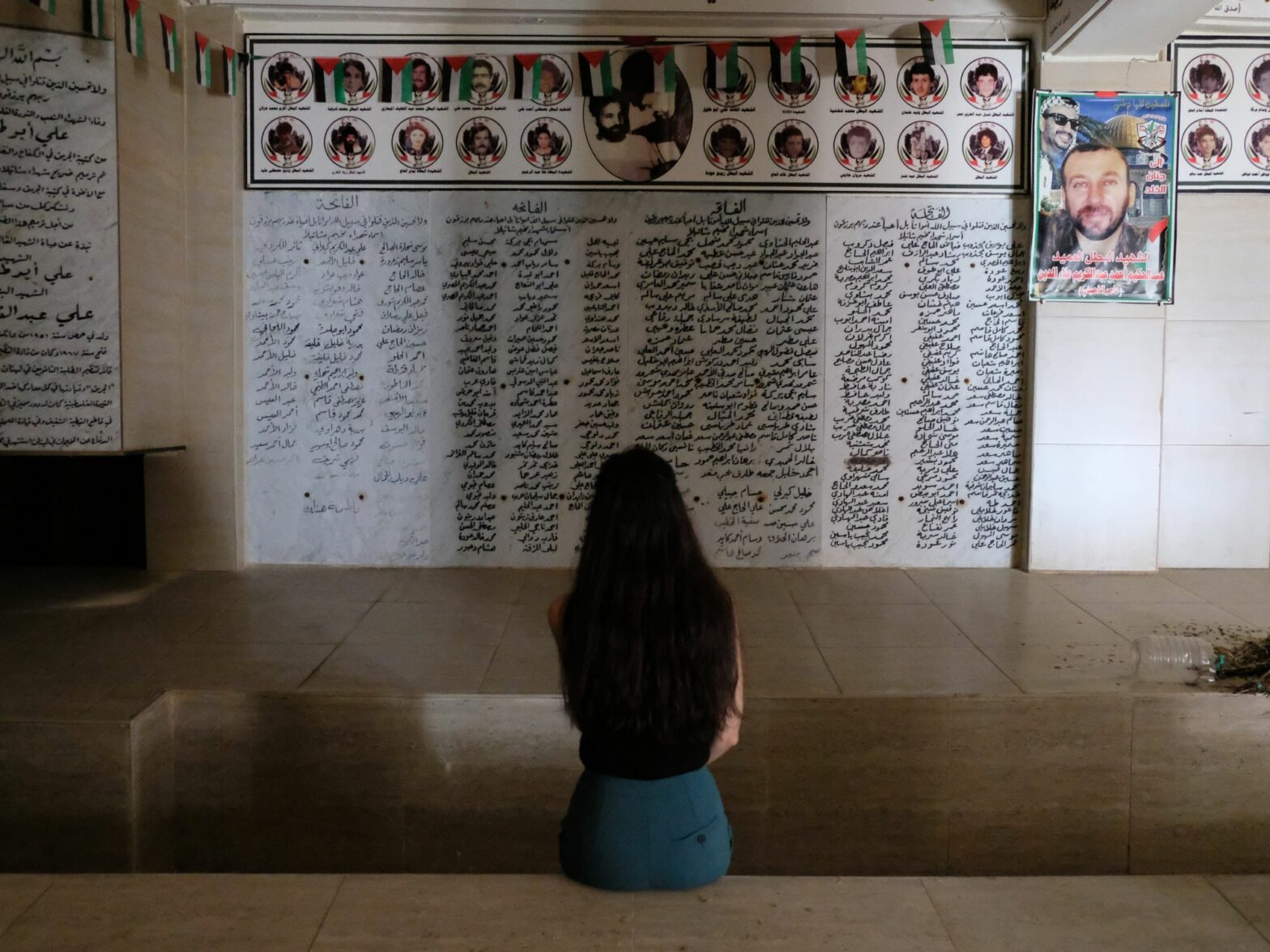
Israel is on the hunt in Lebanon one more time, with apparent early successes. But it has again ignored the fact that something always rises from the ashes.
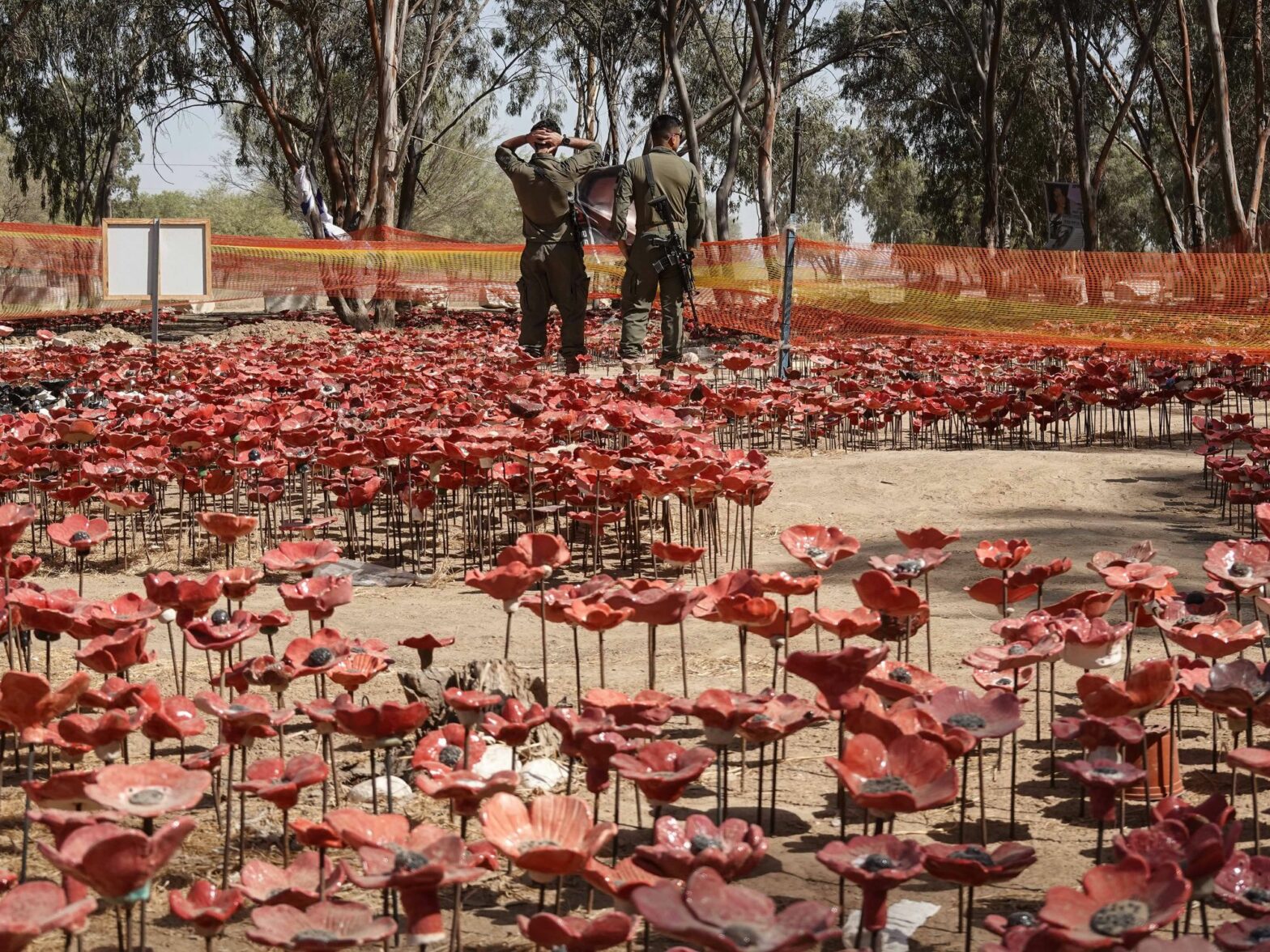
Benjamin Netanyahu escaped the growing calls to stop the war in Gaza and bring the hostages back, by launching another war on Hezbollah. It’s a taste of what’s to come.
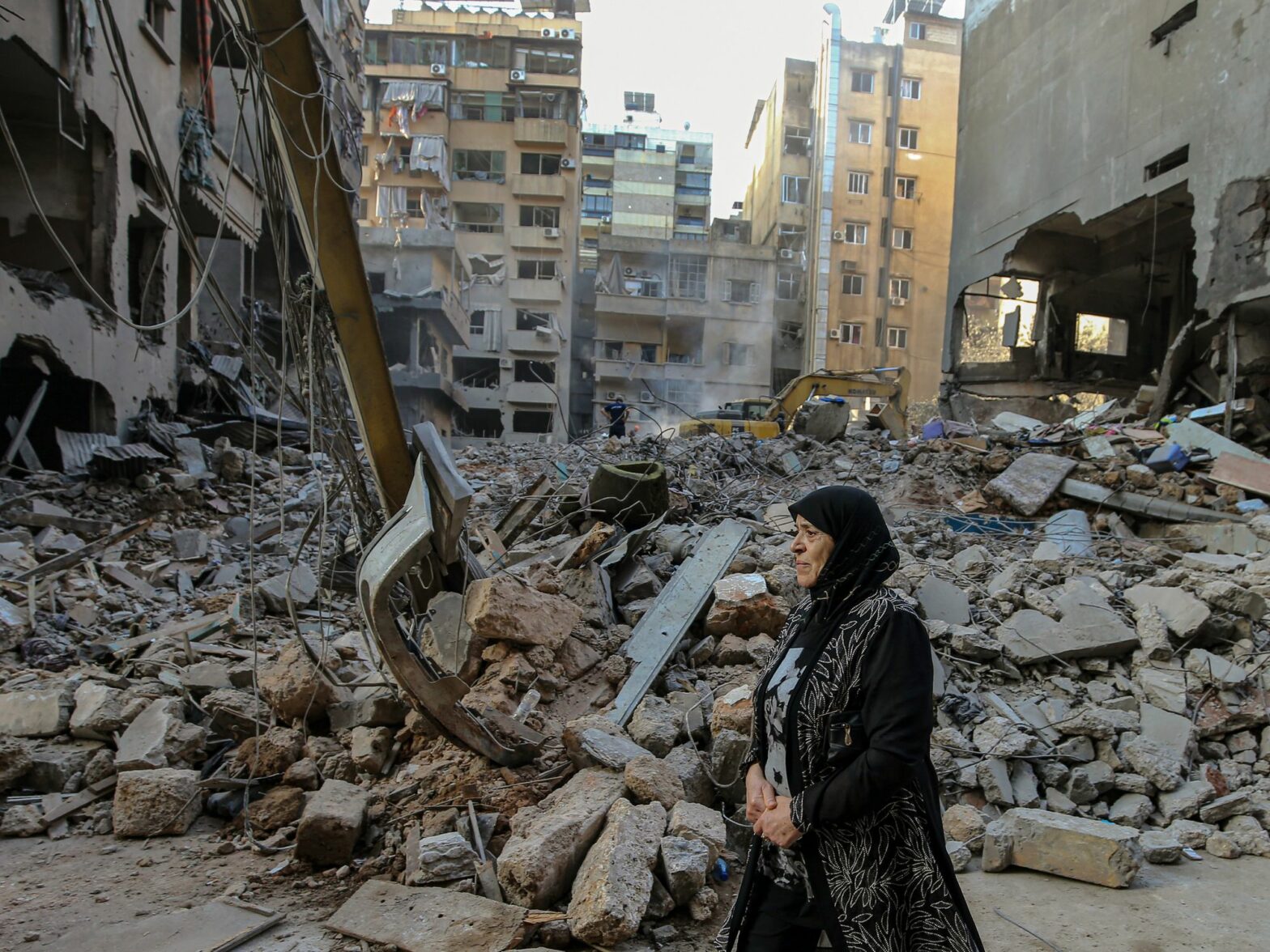
Initially presented as “limited,” Israeli operations have escalated sharply in Lebanon, and the Israeli Prime Minister has called on the country’s citizens to rise up against Hezbollah. What is Benjamin Netanyahu’s aim in this war?
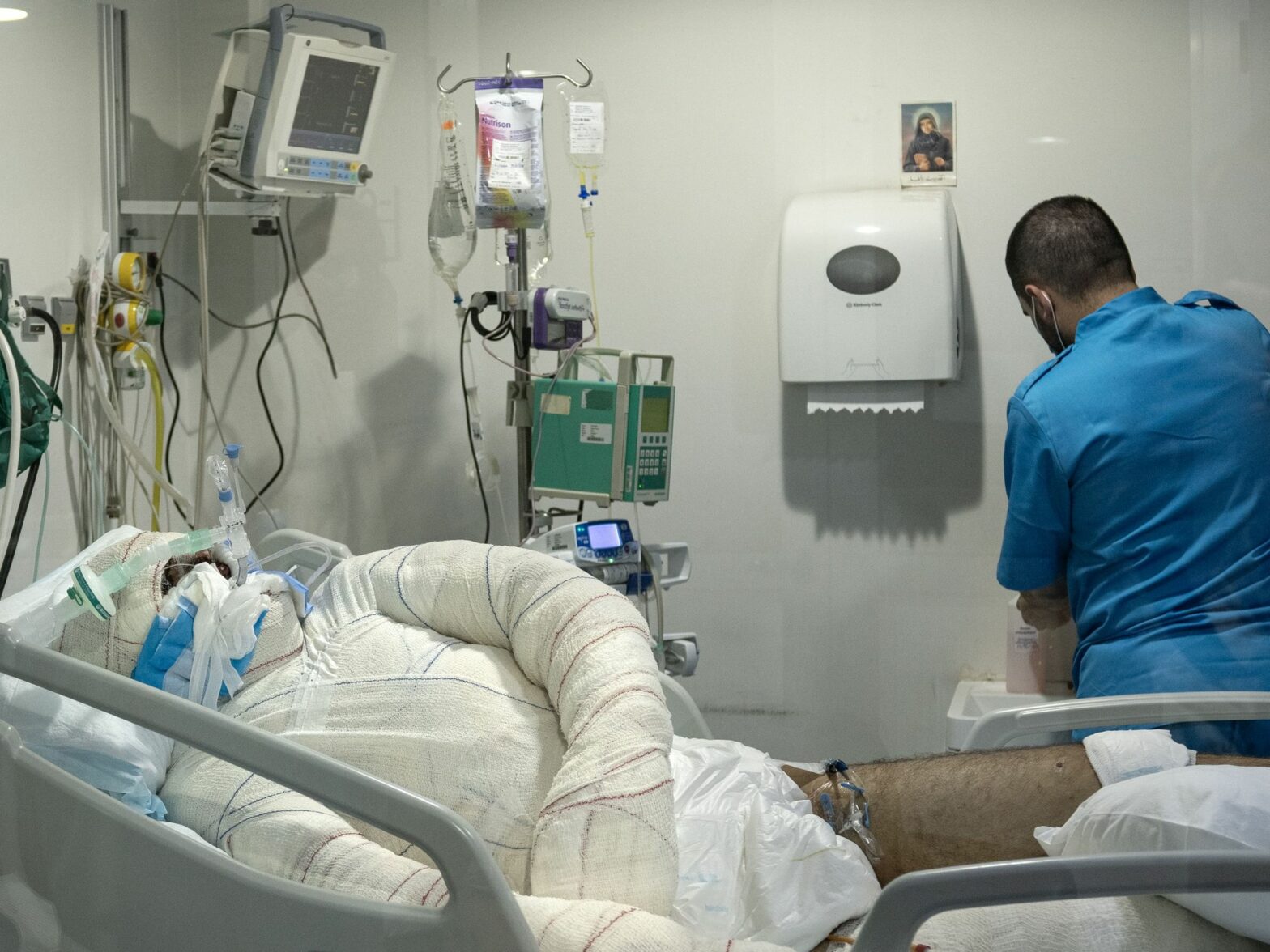
As Israel’s air strikes on Lebanon intensify, following the unprecedented exploding pagers attack, the severely injured get care inside Geitawi General Hospital that aims to salvage their forever altered lives.

Benjamin Netanyahu has publicly urged the Lebanese to turn on Hezbollah, as he drops bombs that kill thousands of civilians. But every citizen knows what an occupier looks like.
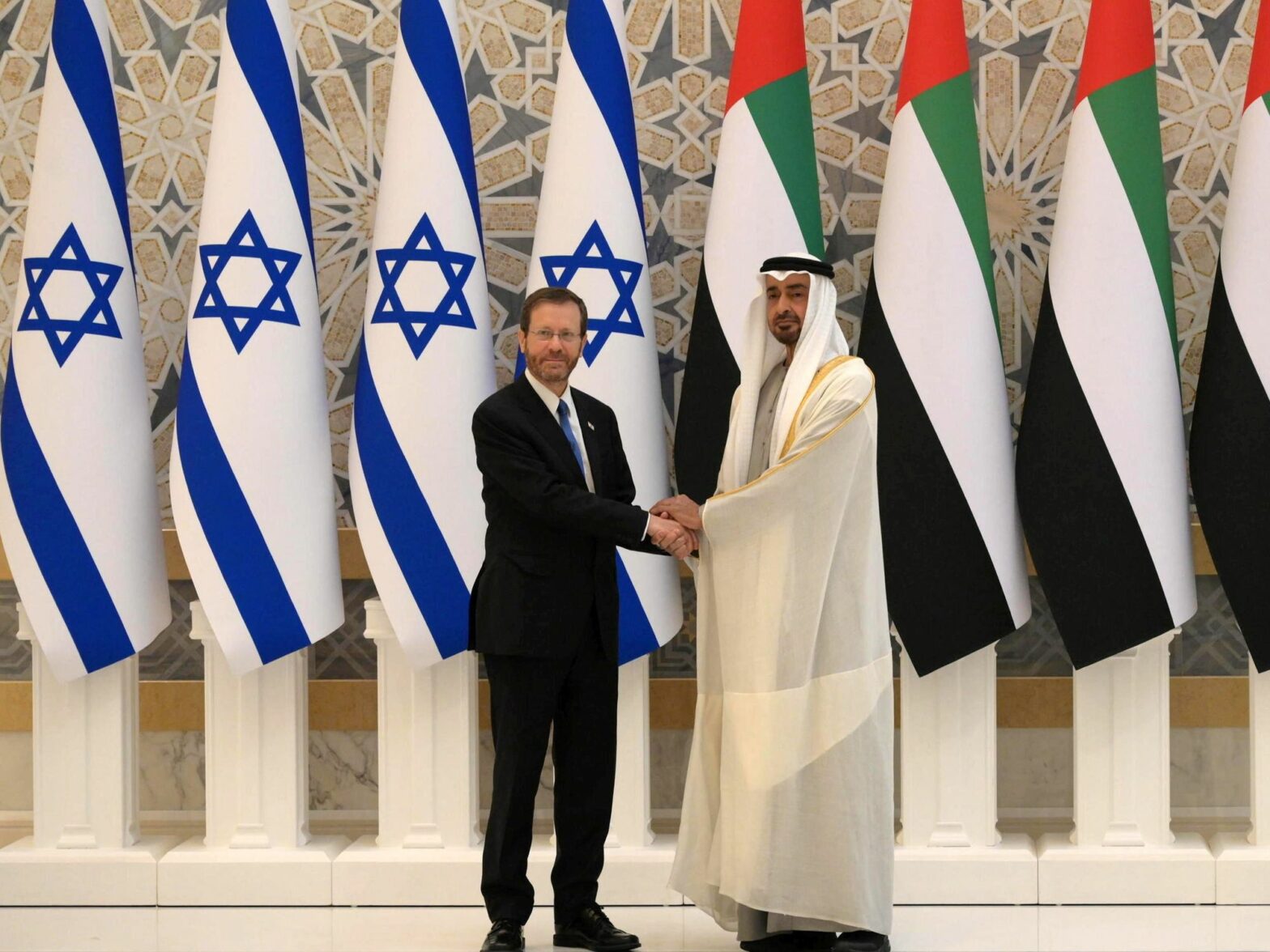
Israel’s aggression over the past few months, no matter how successful, is ultimately a sign of its weakness. Yet it is able to achieve its goals from the support it receives from a number of players inside and outside the region, whether they realize it or not. That even, paradoxically, includes Iran.
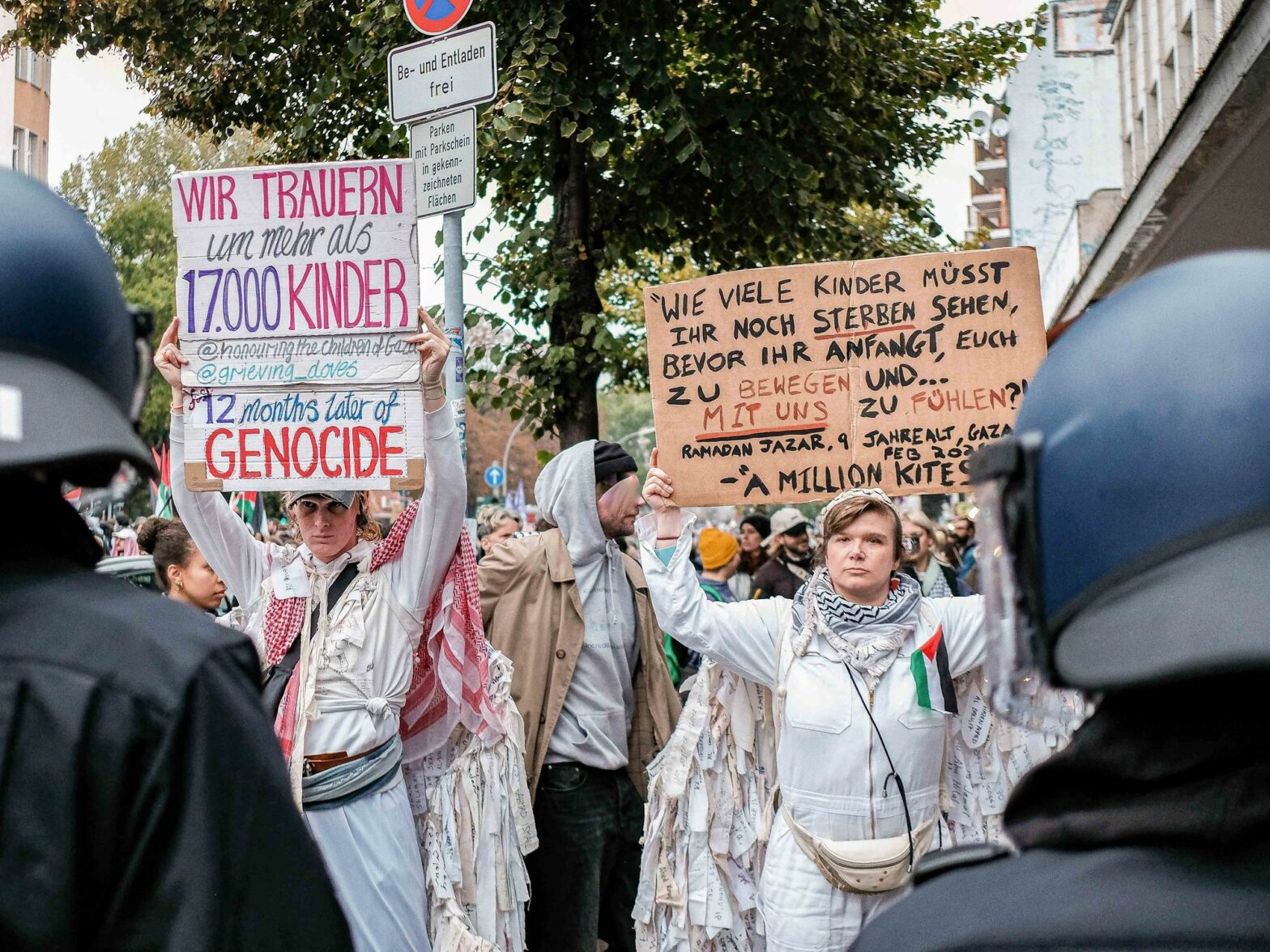
An increasingly positive era of post-Holocaust Jewish life in Germany ended one year ago — the sense of progress and confidence gave way to a new, age-old fear, writes Sascha Chaimowicz in Die Zeit.
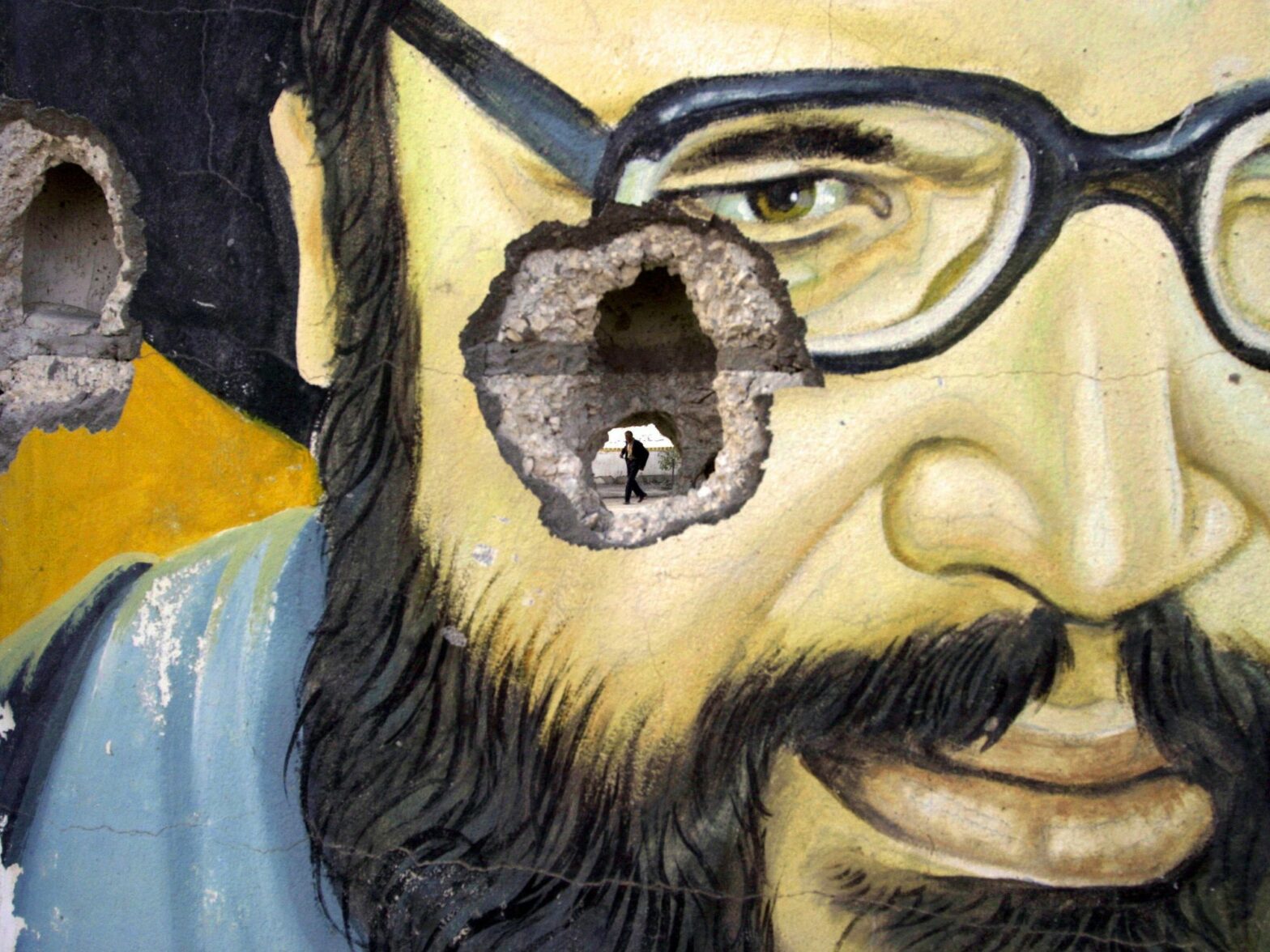
When Israel killed Hassan Nasrallah in an airstrike on a stronghold in Beirut, journalist Khaled Dawoud recalled his meeting with the head of Hezbollah more than two decades ago, and gauges how his death marks the end of an era of confrontation with Israel.
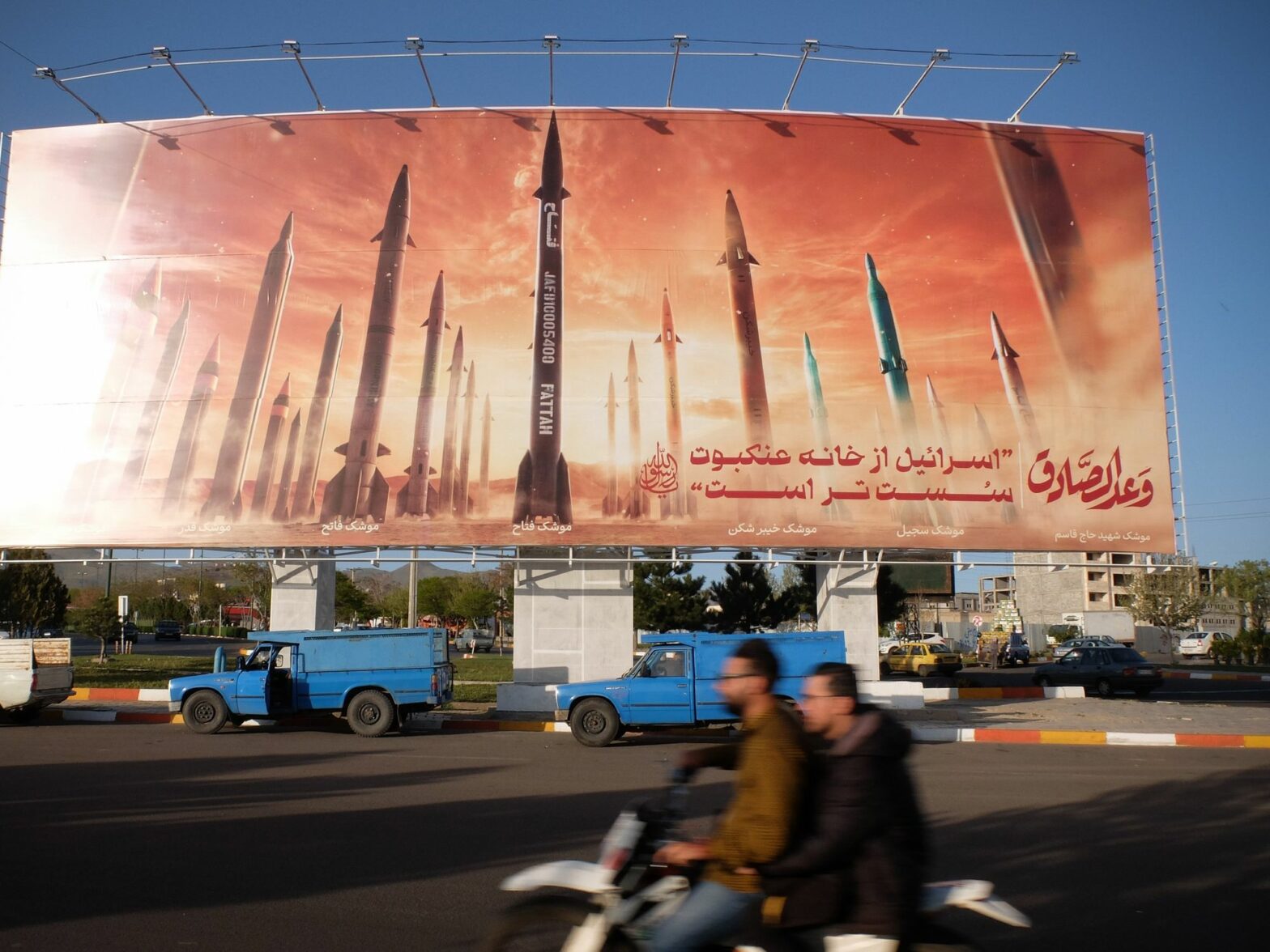
Iran’s Supreme Leader Khamenei vowed on Friday that the country’s regional allies would “not back down” against Israel. Yet neither criticism of Tehran has been growing among Hezbollah supporters since the assassination of Hassan Nasrallah.
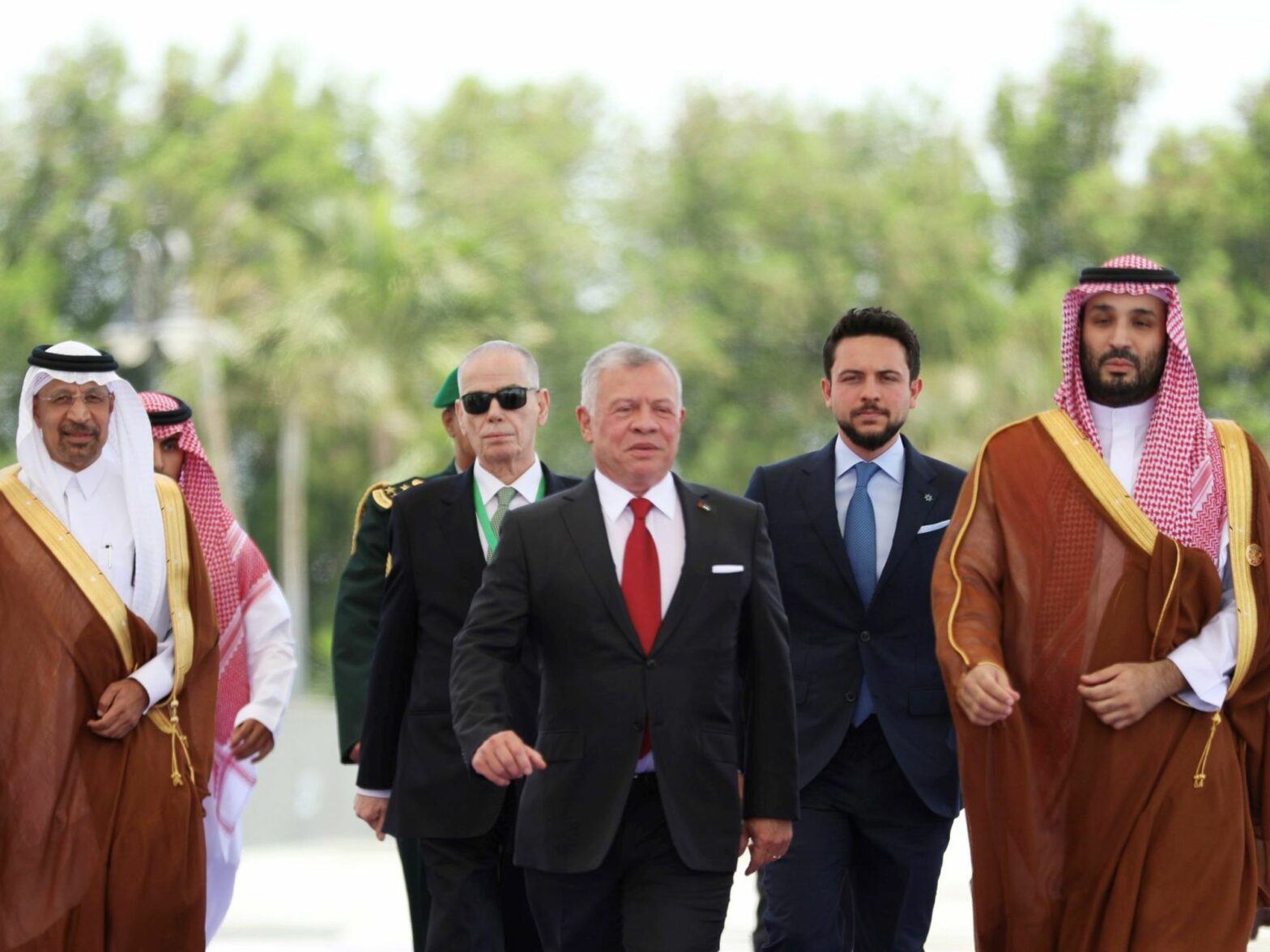
Arab countries remain largely missing in action as the region goes up in flames. Those that have recognized Israel are keeping a low profile, the Saudis are talking about a Palestinian state, but they are not averse to crushing the pro-Iranian forces and targeting Tehran. And yet a regional war would upset the current balance.
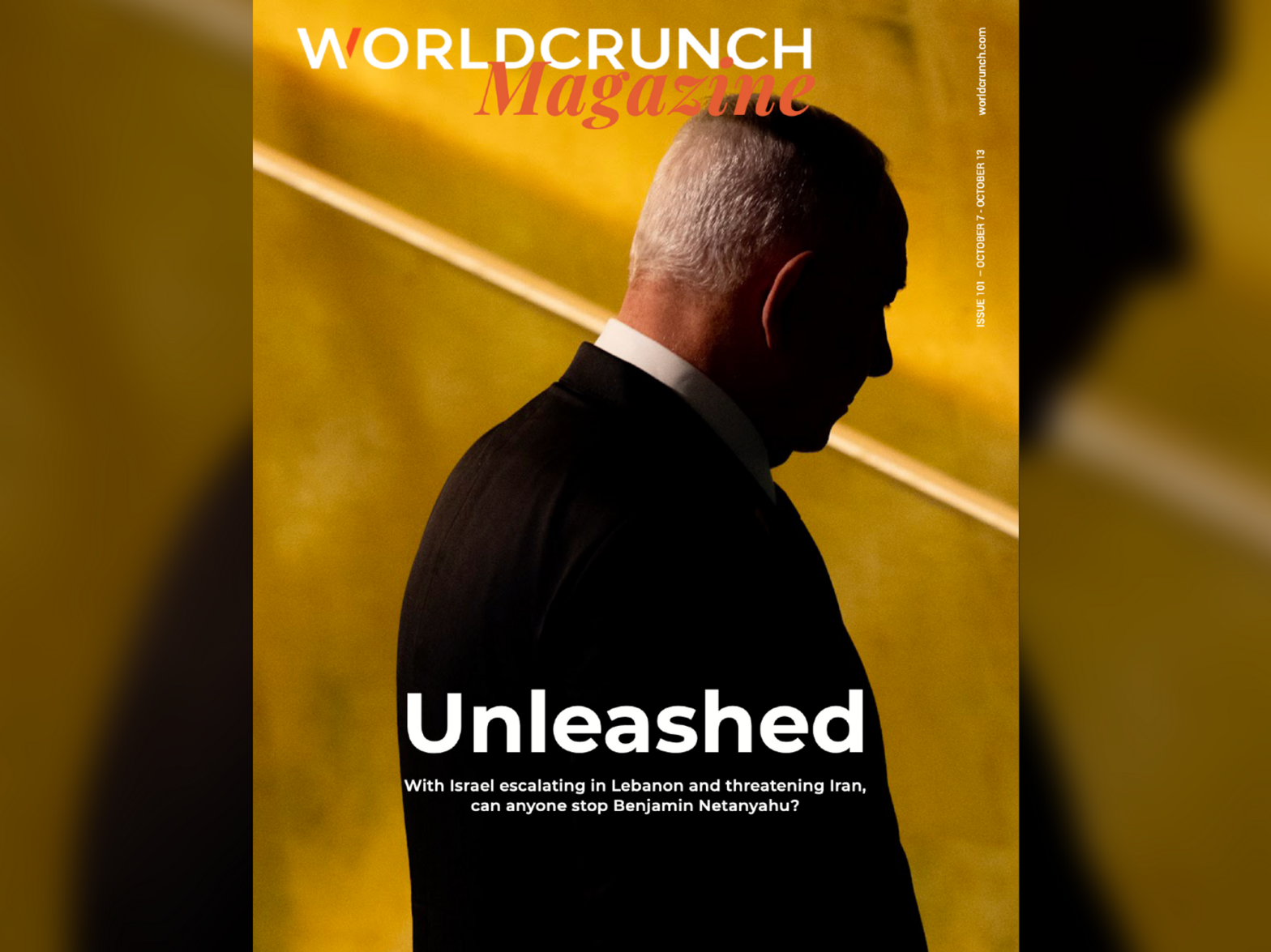
October 7 – October 13, 2024
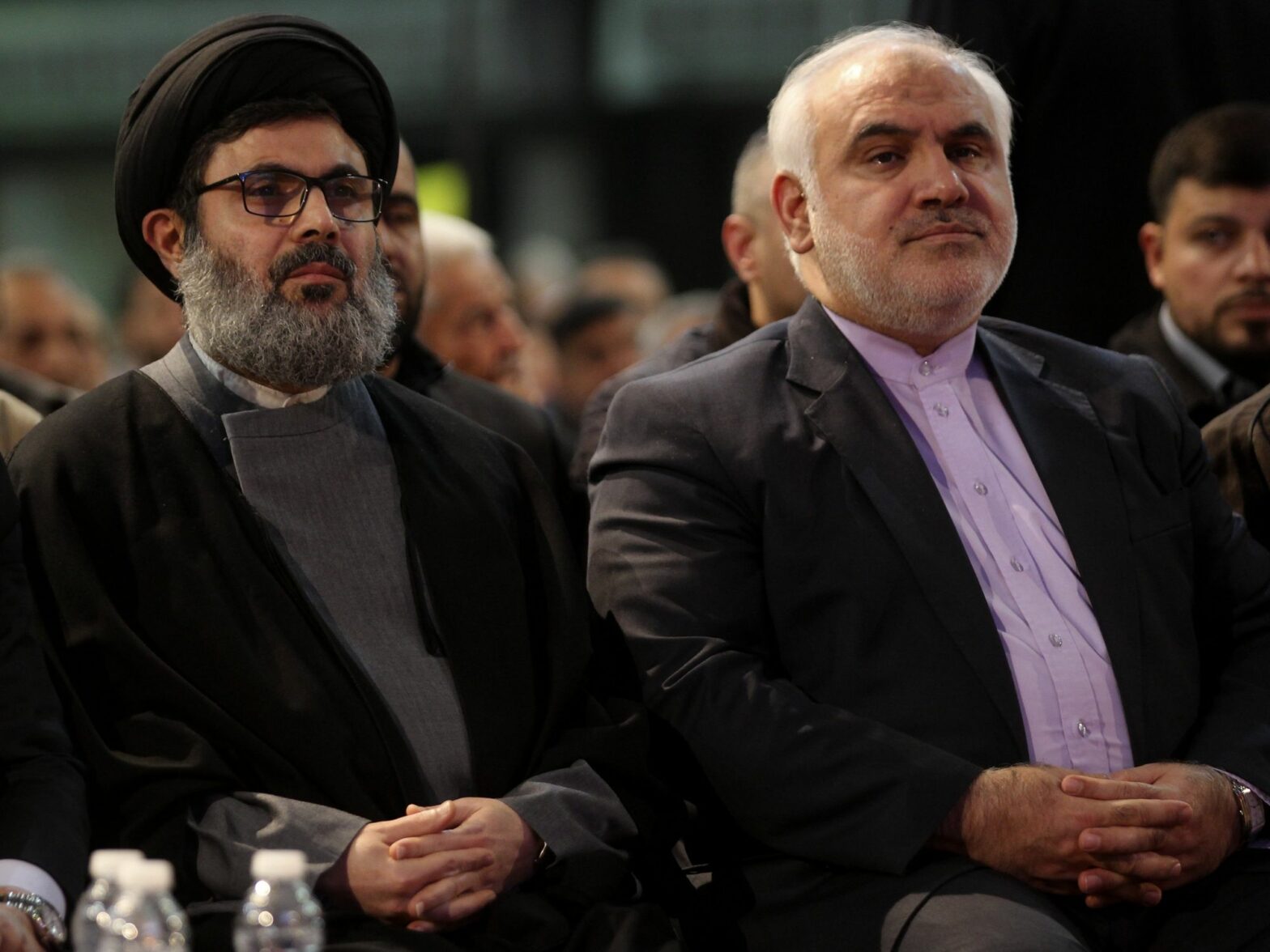
Israel has targeted Hashem Safieddine, the younger cousin of slain Hezbollah chief Hassan Nasrallah, in an overnight air strike early Friday. Believed to be the heir apparent, Safieddine rose through the ranks and positions within the organizational structure. He also has very strong ties, and family connections, with hardliners in Iran.
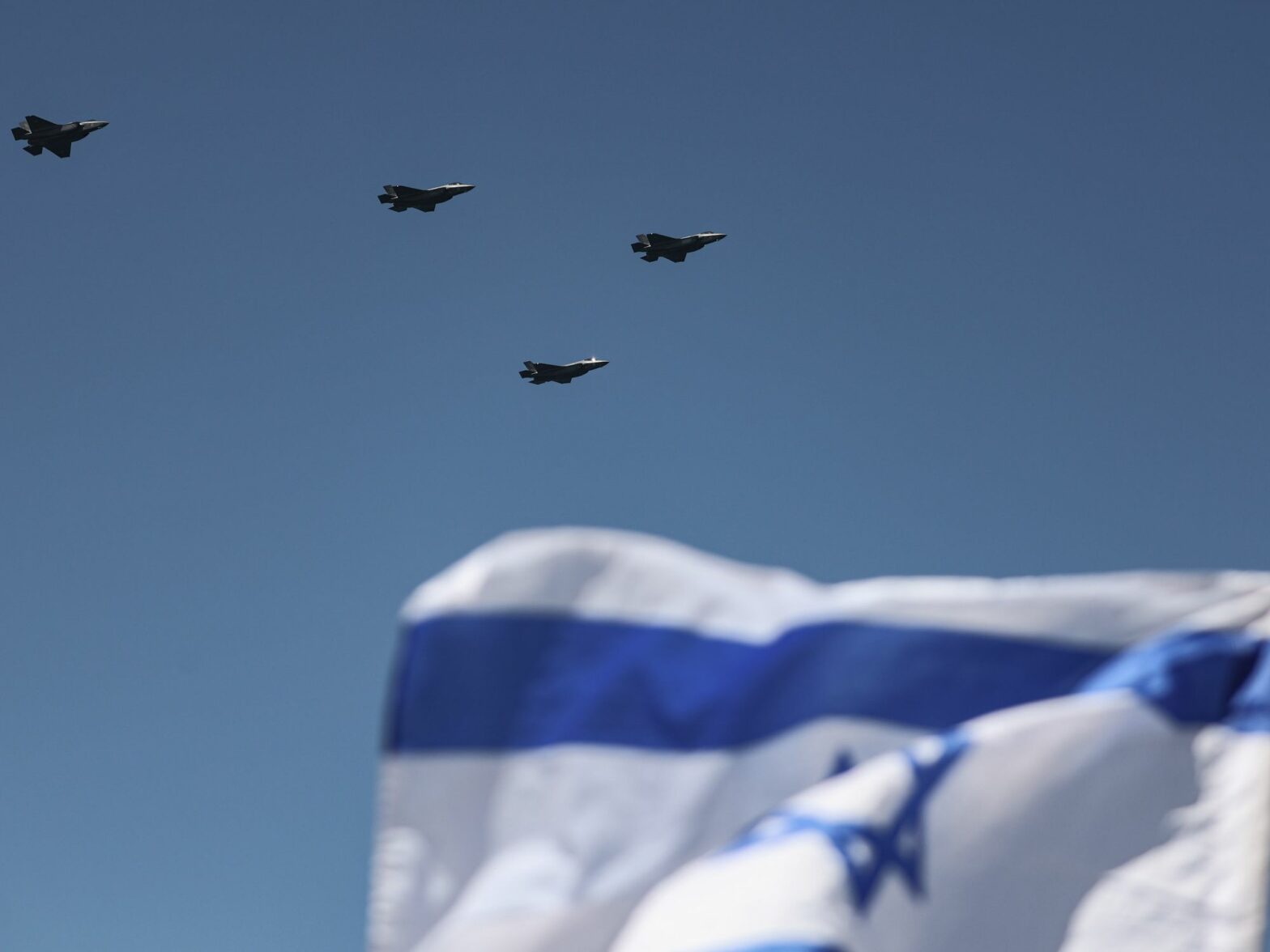
Was it the “Mother of Miscalculations?” Tehran’s decision to launch a second missile attack on Israel demonstrates its weakness at home and abroad. The Iranian regime may soon face the consequences, as a possible series of events could be triggered by a reprisal from the better-equipped Israeli military.
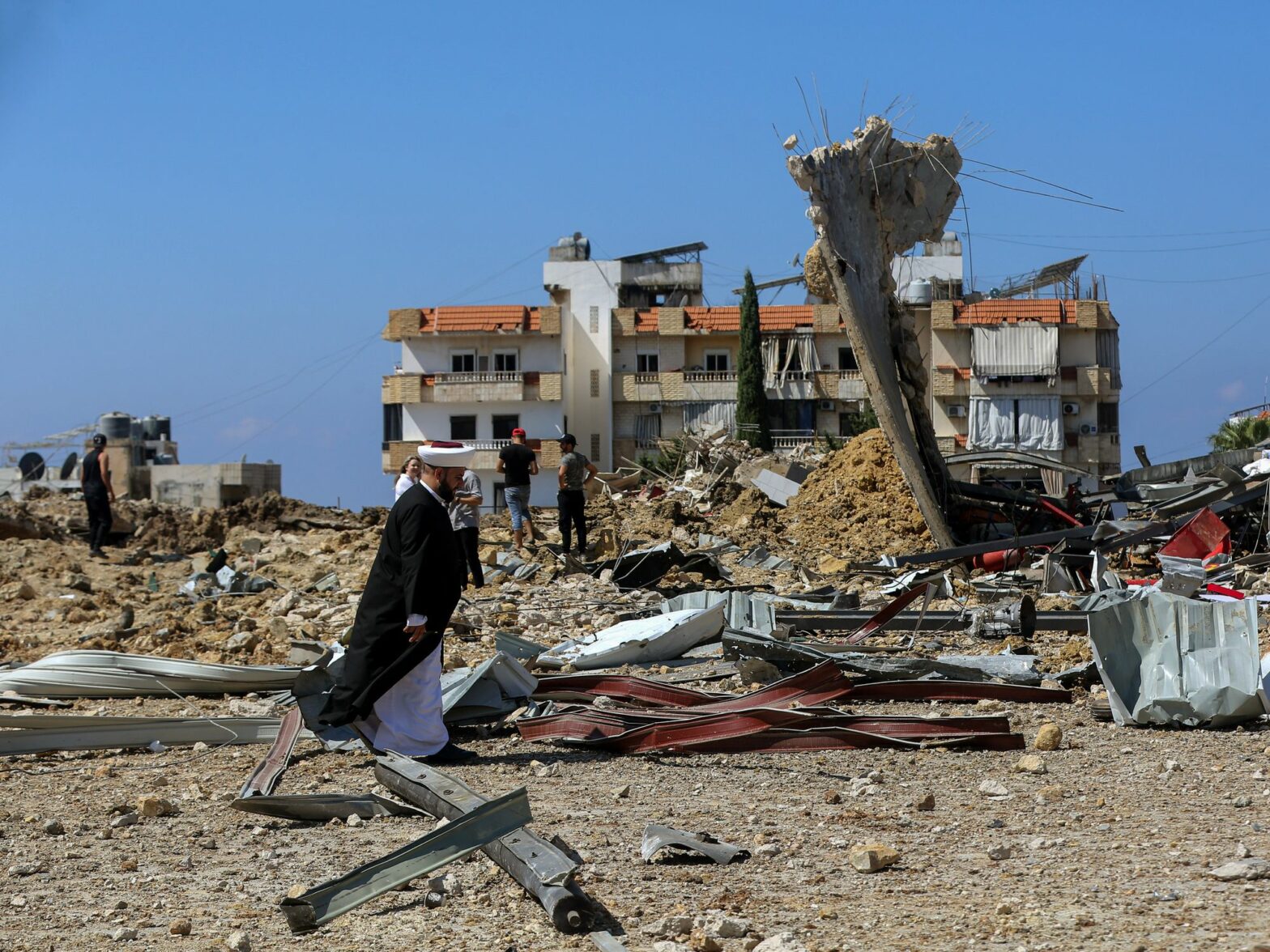
Israeli Prime Minister Benjamin Netanyahu laid out a careful plot to push and ultimately shatter the long-established “rules of engagement” in the Middle East. It caught everyone, from Iran to Hezbollah to the White House, by surprise. The aim is to remake the whole region to revolve around Israel.
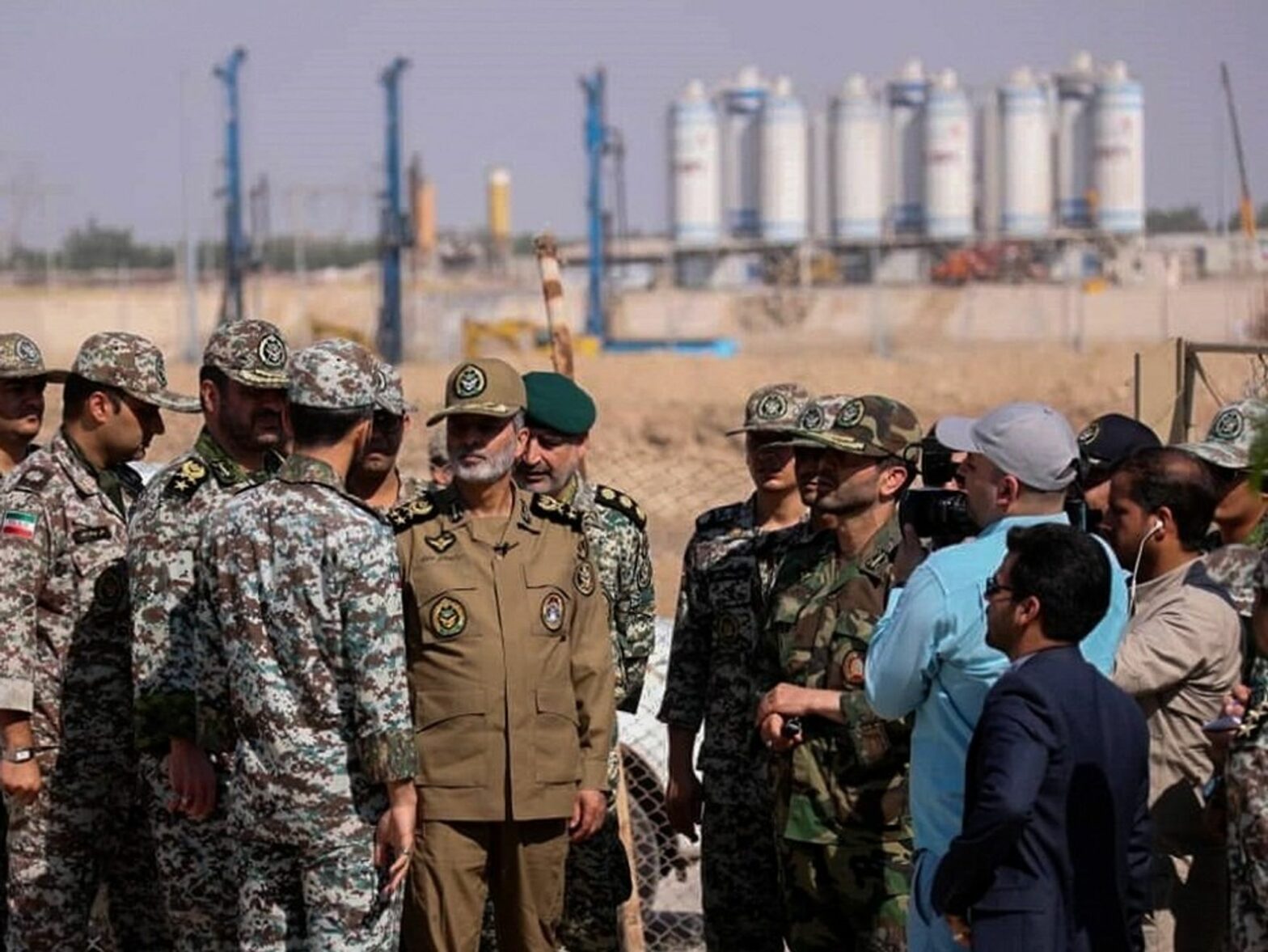
Iran decided on Tuesday to respond to the assassination of Hezbollah leader Hassan Nasrallah and Israel’s offensive in Lebanon, at the risk of Israel’s merciless retaliation. At stake is Iran’s nuclear program, which Israel has long wanted to destroy.
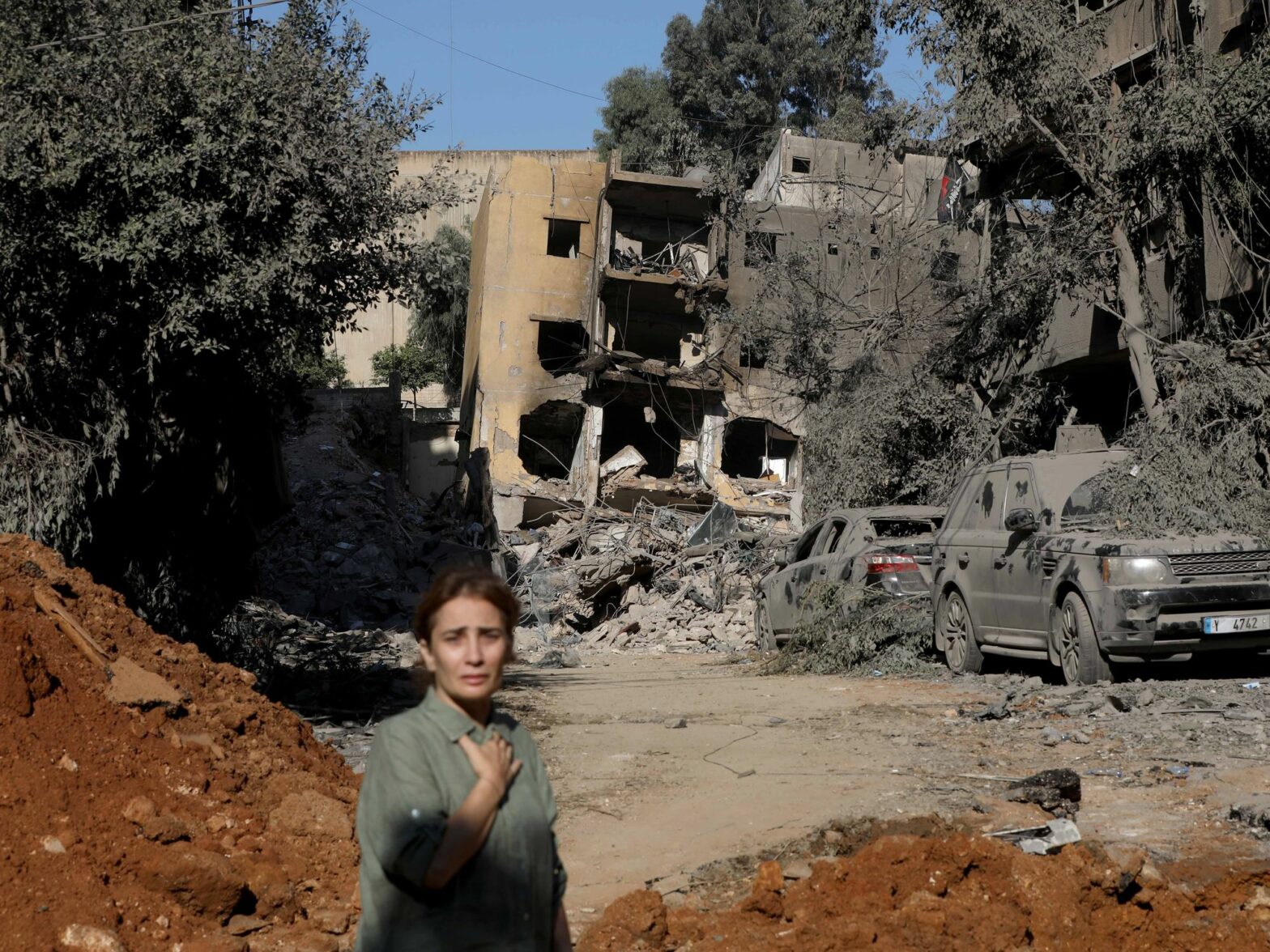
As Israel celebrates the death of Hezbollah’s leader, Washington and Tehran both suddenly seem powerless, looking like spectators of an unraveling tragedy that is beyond their control. Yet, given its demographics and geography, Israel desperately needs allies.
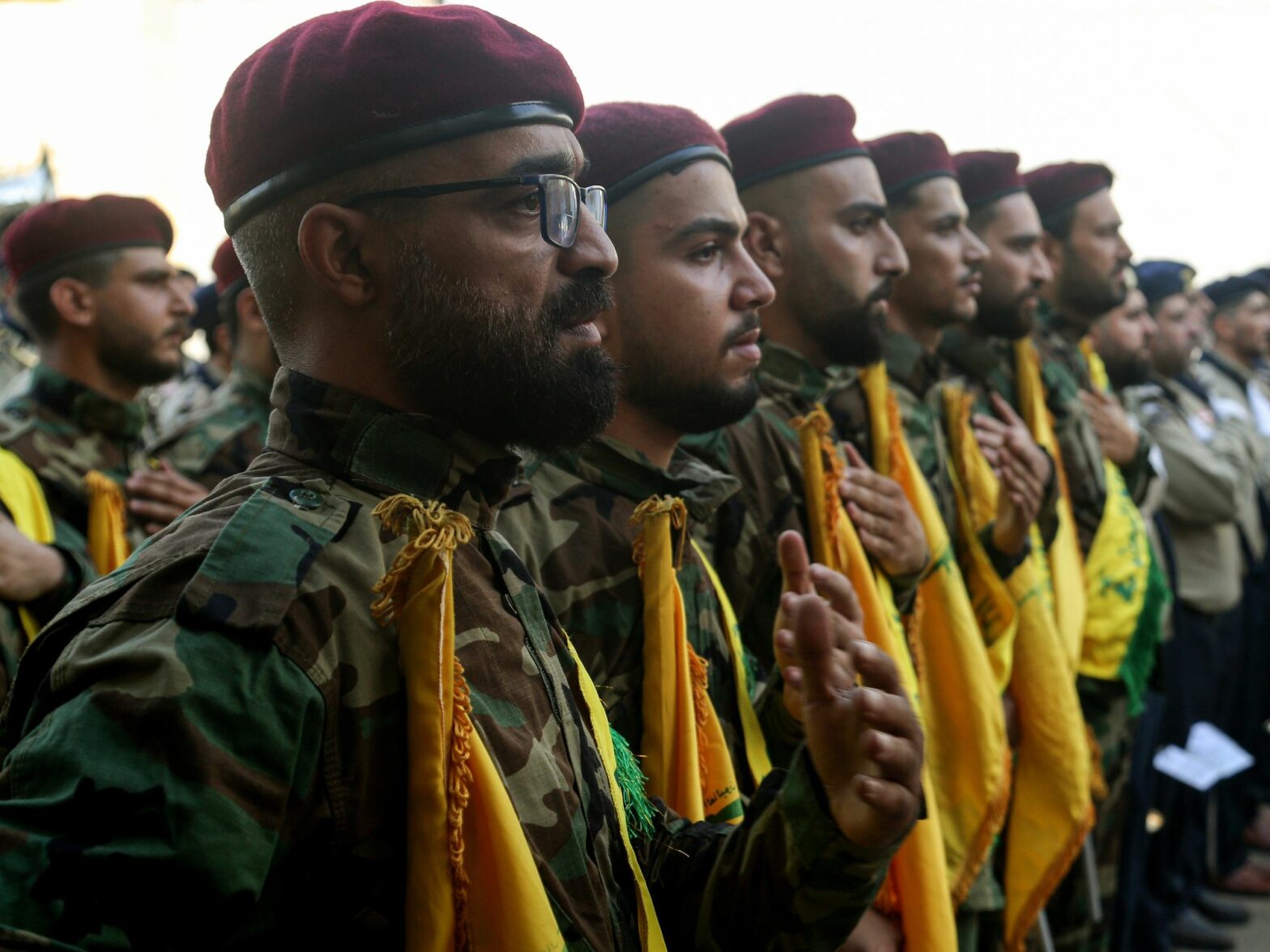
The call in Lebanon to “postpone politics” is driven by a narration of the war as a religious, and not a political, event: that’s the root of Hezbollah’s ideology.
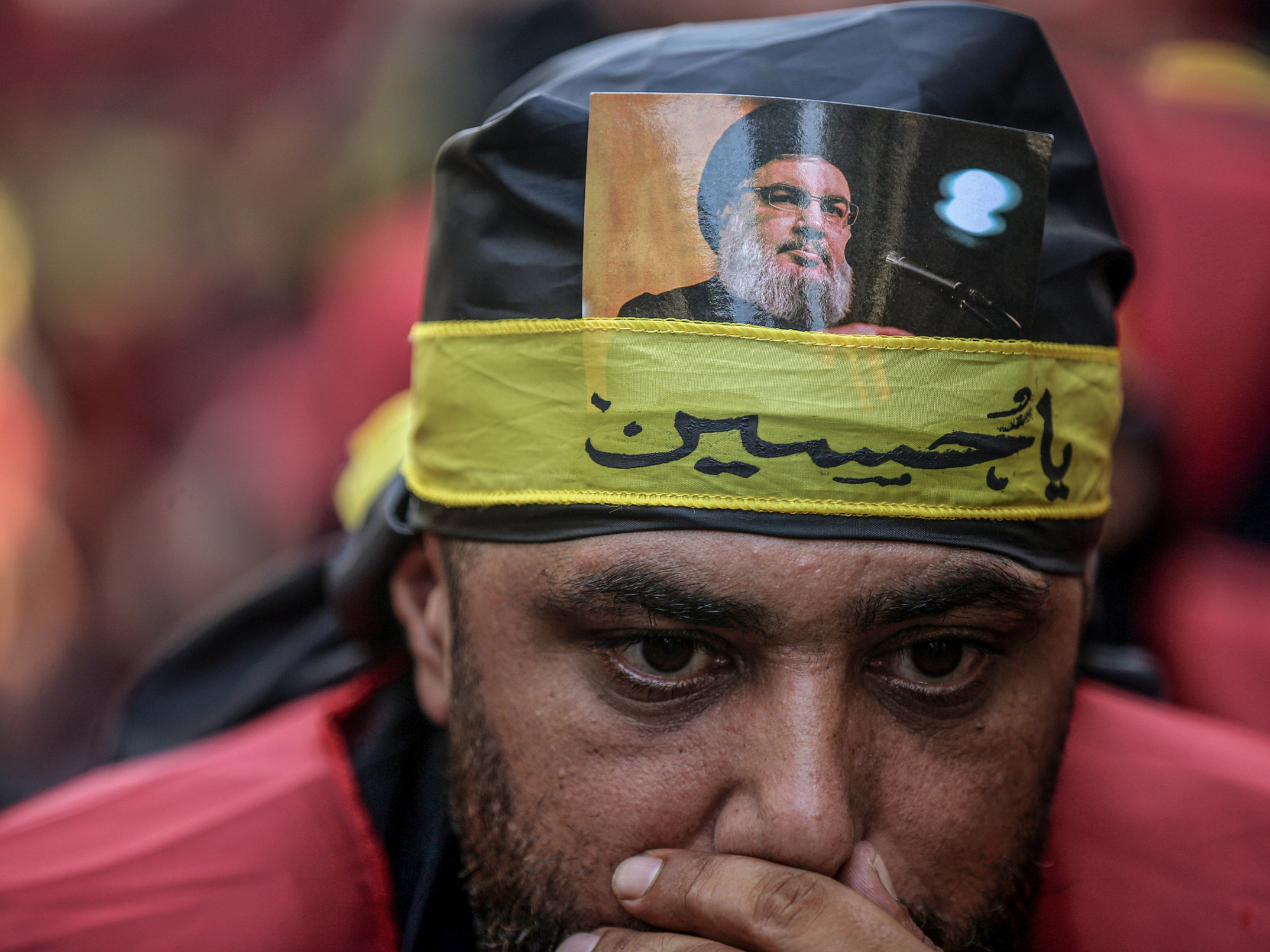
Israel has killed Hassan Nasrallah, longtime charismatic head of Lebanese militant organization Hezbollah. His recent leadership had been marked by a new kind of realism in the face of the balance of power, and served as a complement to Hezbollah supporters’ knee-jerk celebrations even when they are defeated.
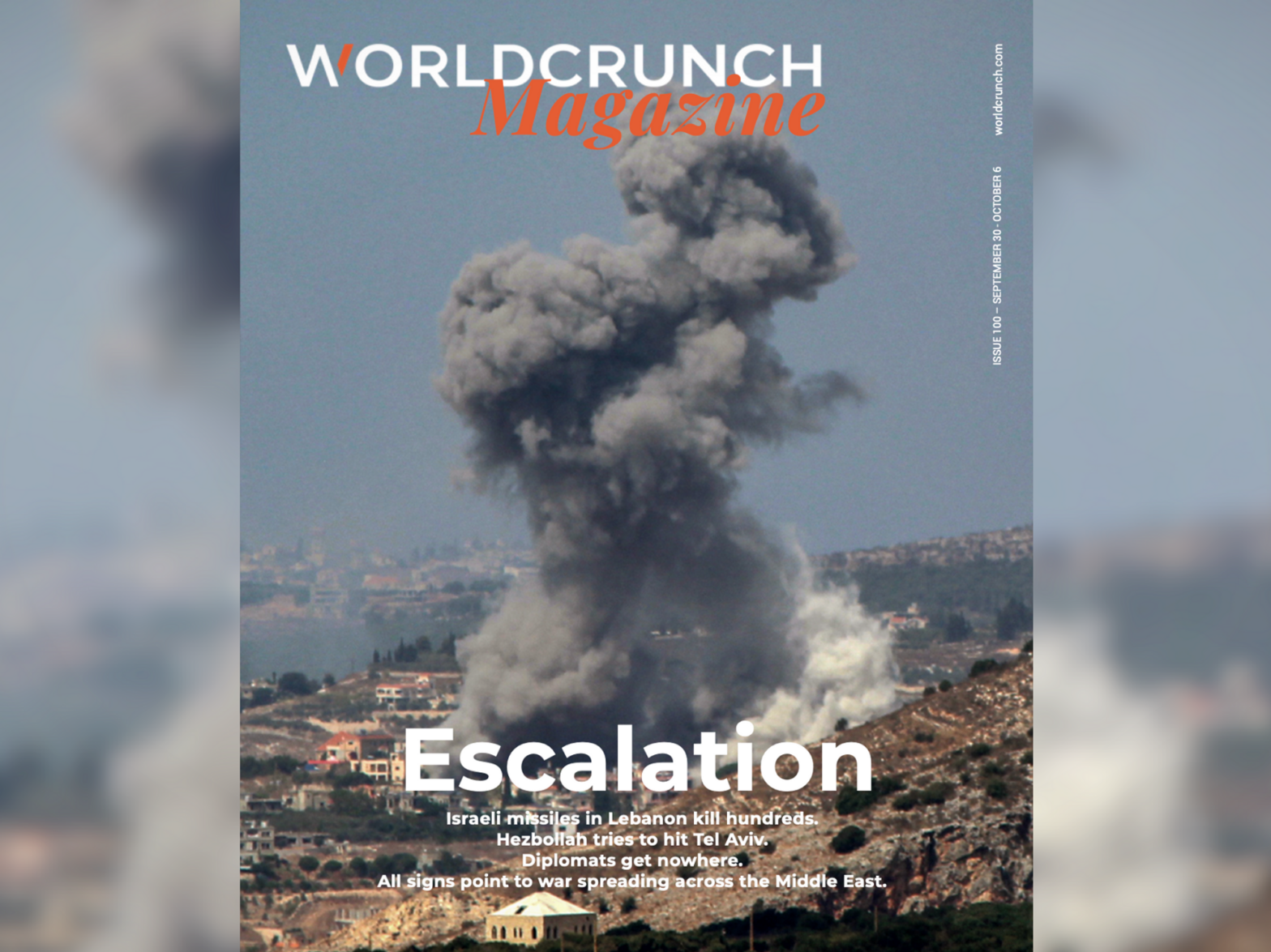
September 30 – October 6, 2024
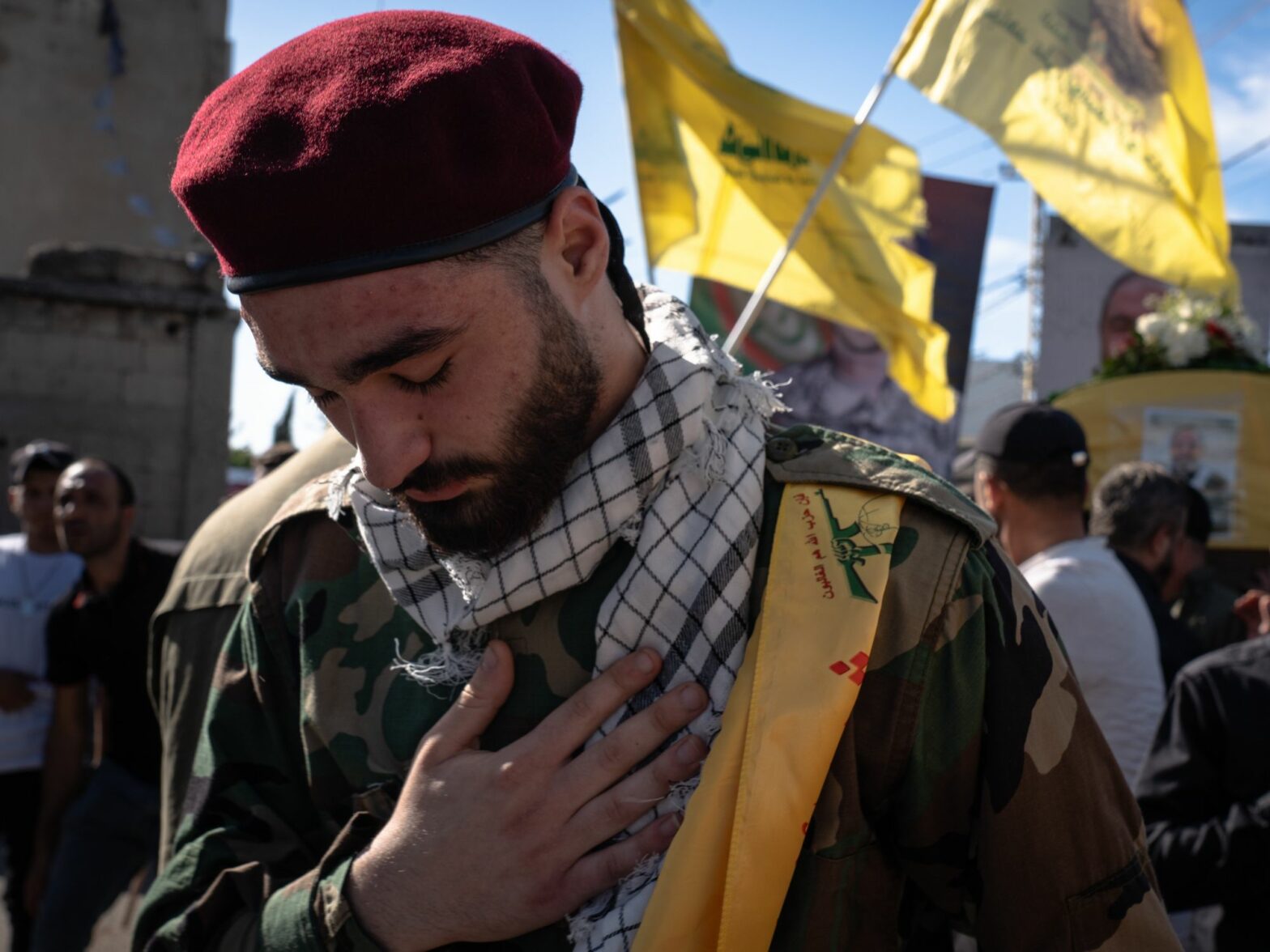
Nearly a year into the war in Gaza, the people of Lebanon are paying a price for both a failing of Hezbollah security, and more broadly for a support war so ambiguous that it’s impossible to understand its cause, purpose, or if anything has been achieved.
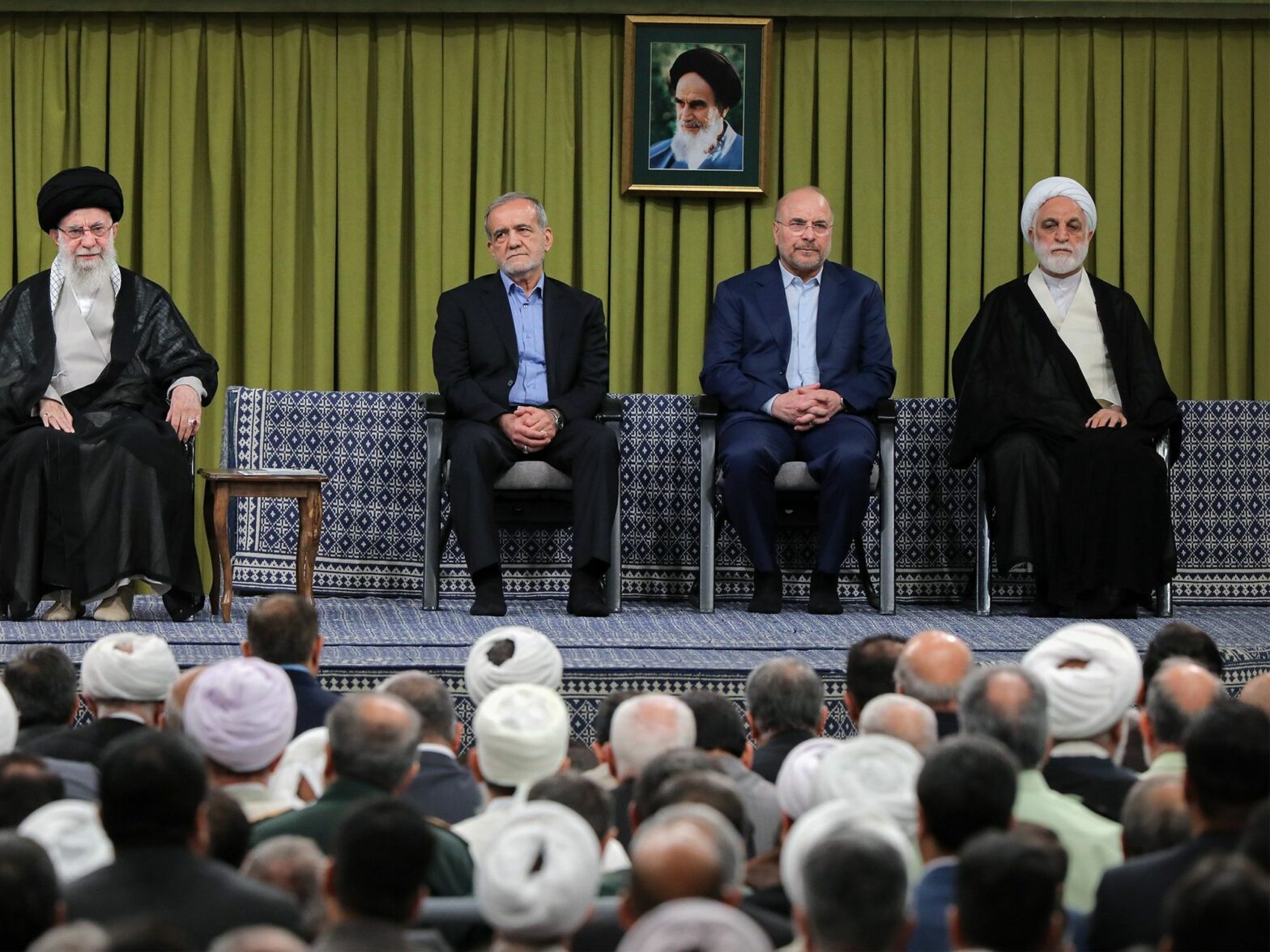
As the conflict rages on across the Israeli-Lebanese border, Iran, which is Hezbollah’s principal sponsor, appears to be doing all it can to avert a war spreading around the Middle East. It could wind up on Tehran’s doorstep.
![Close-up photo of a Hezbollah supporter sporting a headband that reads in Arabic and Hebrew "We swear we will cross [into Israel]" during a rally in Beirut.](https://worldcrunch.com/assets/uploads/2025/03/close-up-photo-of-a-hezbollah-supporter-sporting-a-headband-that-reads-in-arabic-and-hebrew-we-swear-we-will-cross-into-israel-during-a-rally-in-beirut-1568x1176.jpg)
We have entered a new phase of confrontation. The war on the northern front has become a reality and not just threats. Hezbollah may be reeling after the pagers attack and the bombings in southern Lebanon, but it is also set to go on the offensive, taking aim at Israel’s northern coastal city of Haifa.

Even if the exploding Hezbollah pagers was not the first supply chain attack, having thousands of remote, hand-held devices raised terrifying questions that hadn’t been widely considered before, marking a potential turning point in the public’s trust in their electronic devices, and in governments’ ability to protect them.
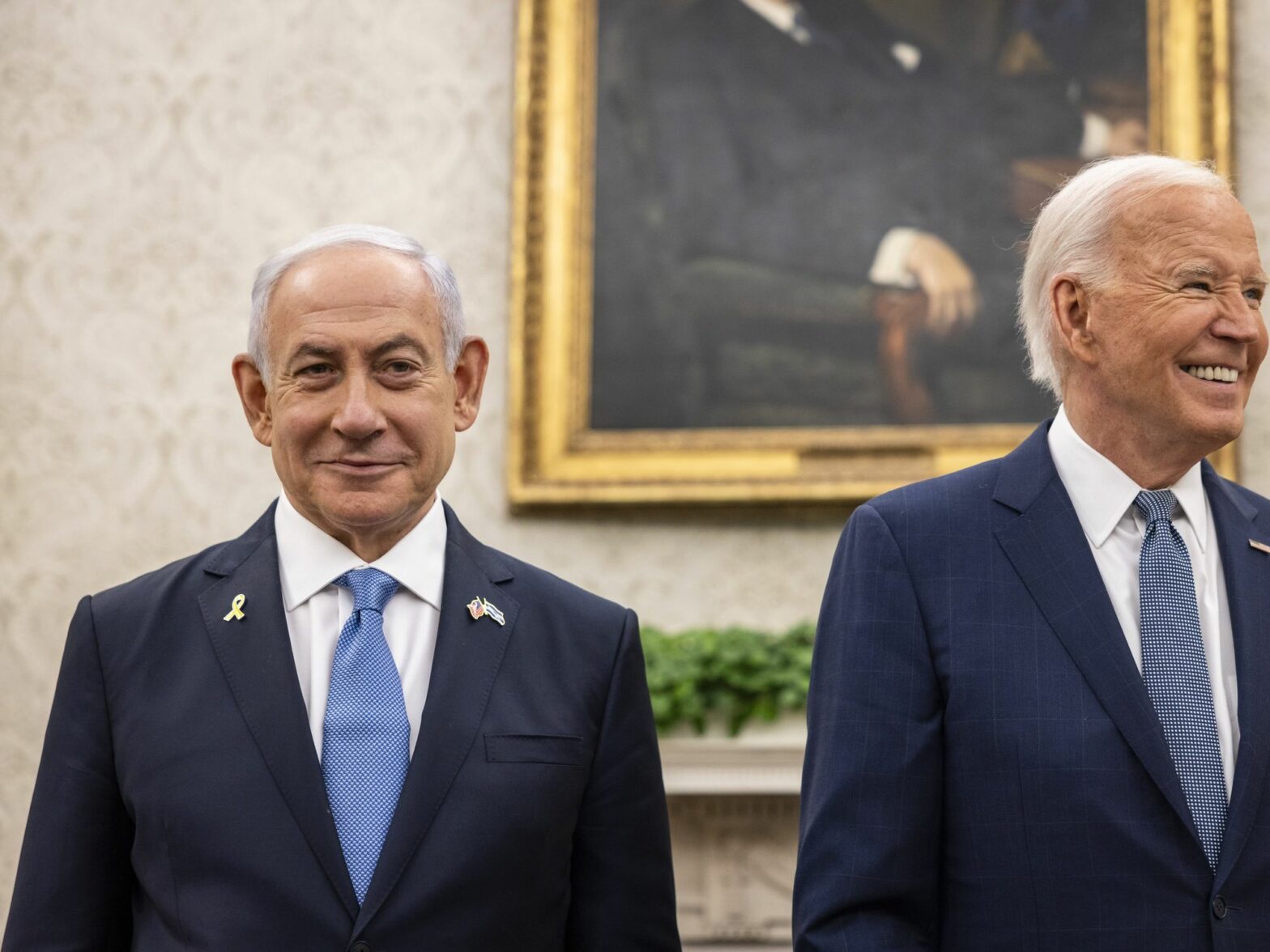
The upsurge in violence between Israel and Hezbollah in recent days carries the risk of regional conflagration that the United States does not want. But once again, for almost a year now, the Americans have been unable to get their Israeli ally to listen.
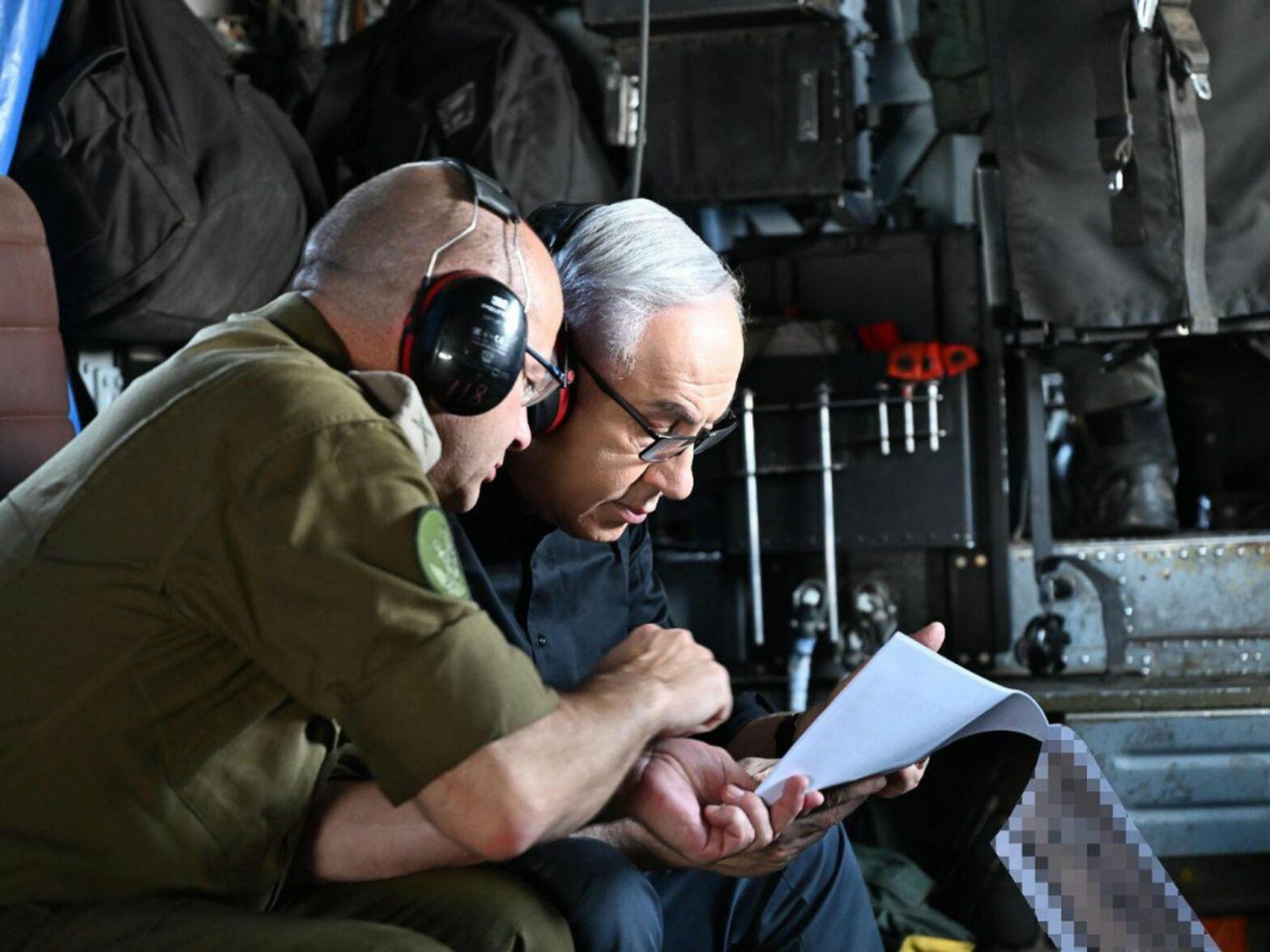
Logic suggests that continuing the fighting on the southern Lebanon front is no more than meeting Netanyahu halfway toward a full-scale war. It also suggests that disrupting this man’s mission requires finding ways to stop the war.
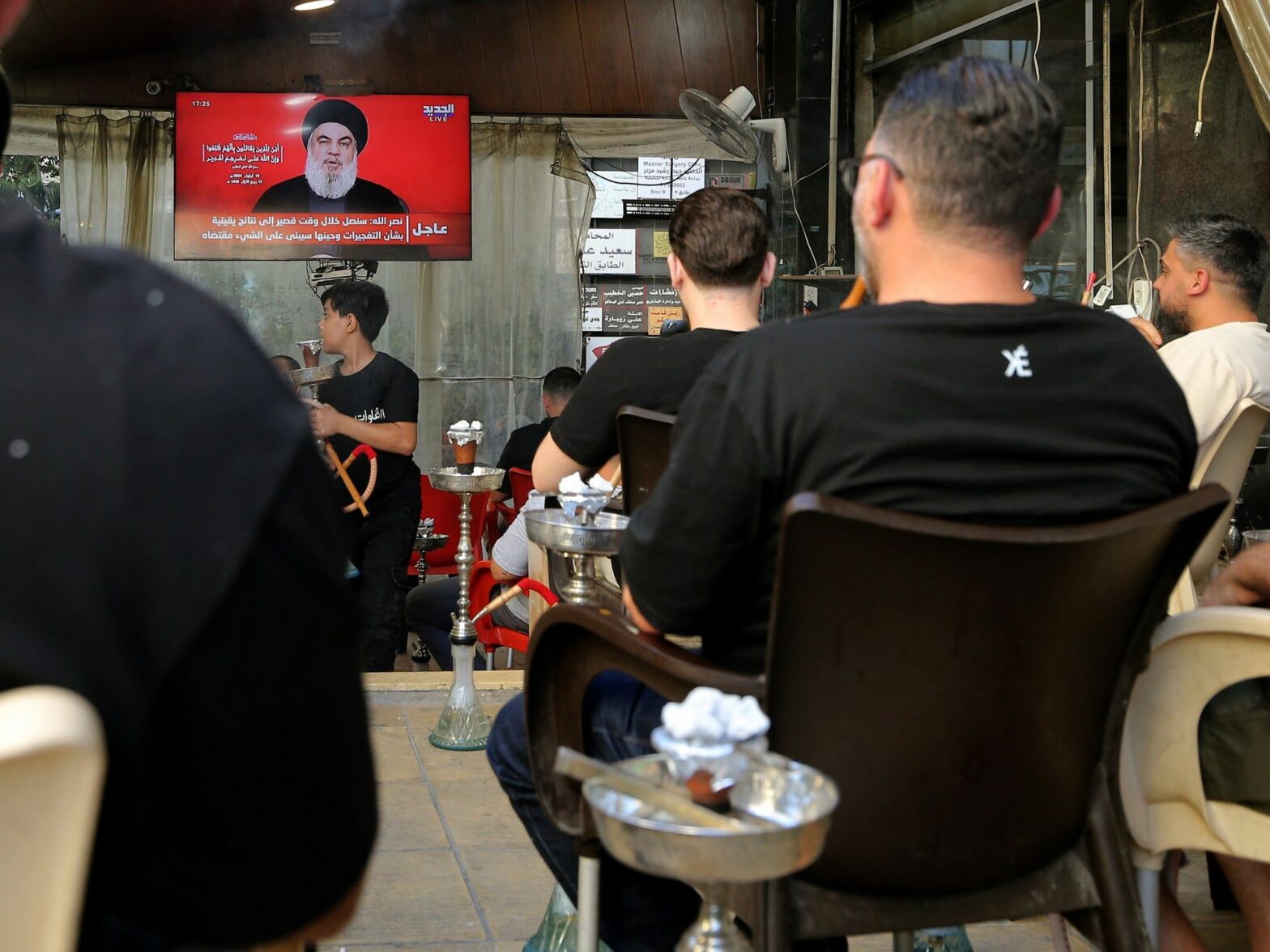
After a series of Hezbollah pager and walkie-talkie explosions attributed to Israel, Hassan Nasrallah, the movement’s leader, promised to retaliate, while Israel stepped up its air raids. But neither side has a strategic vision beyond the battlefield.
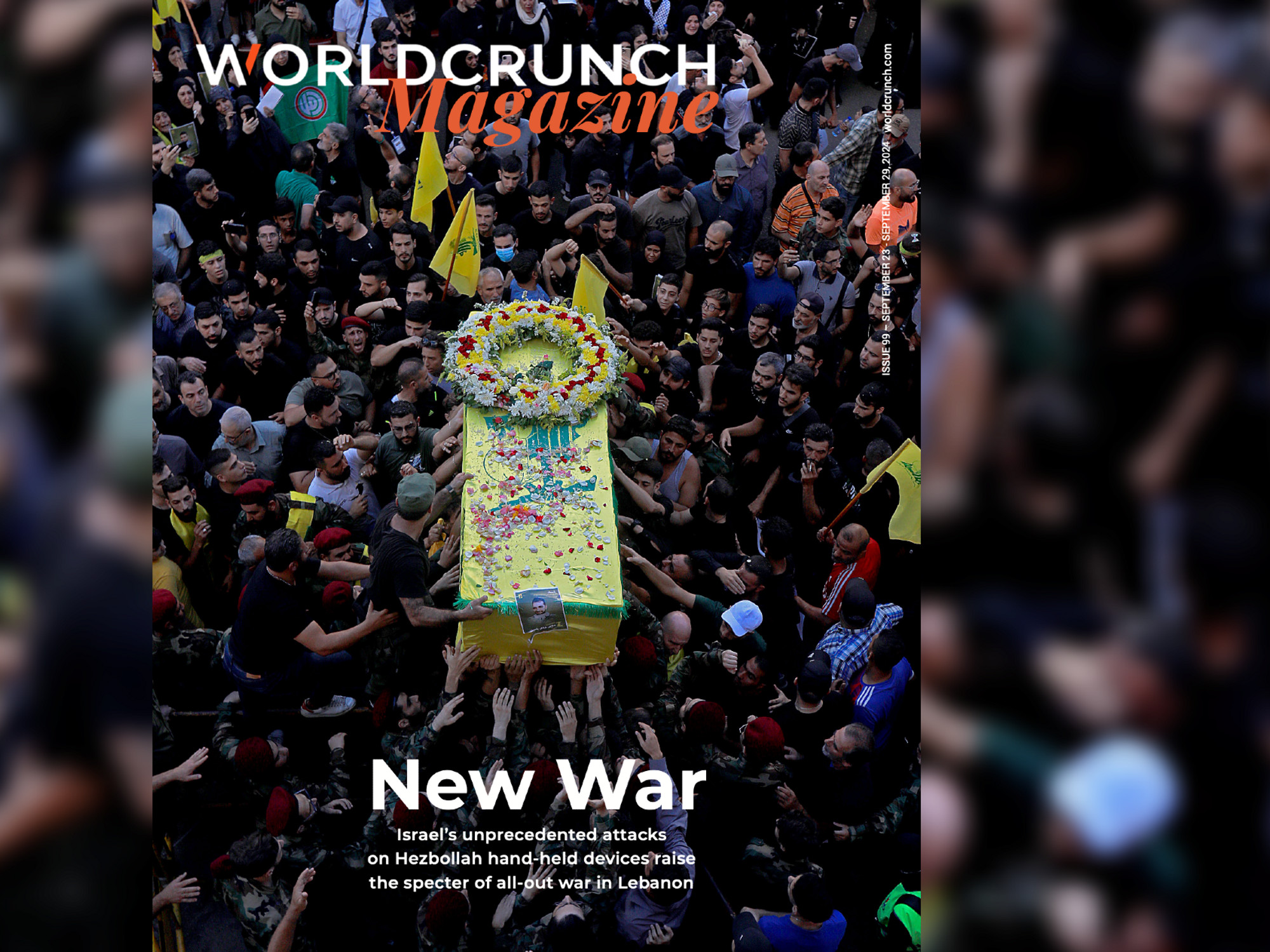
September 23 – September 29, 2024
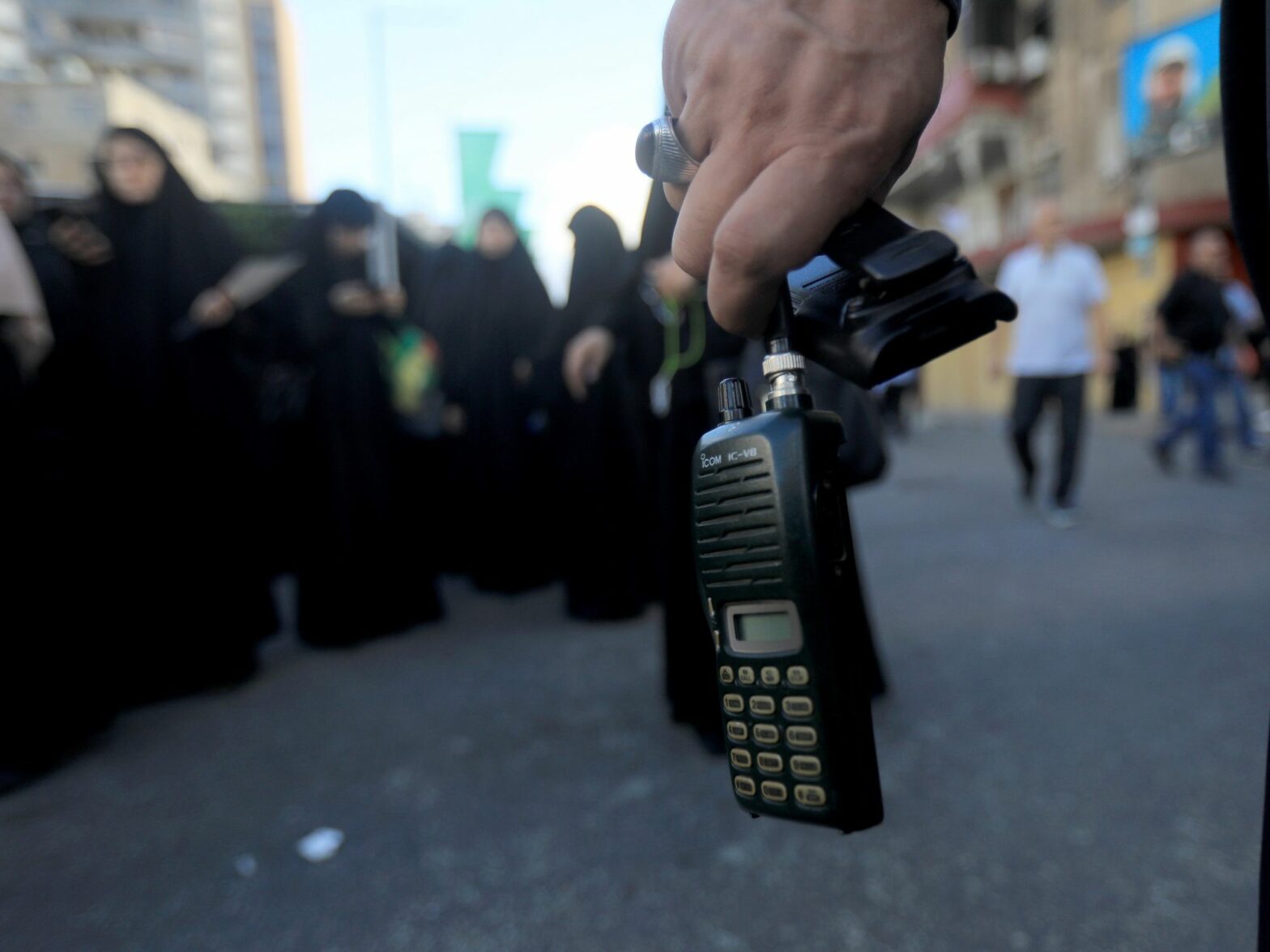
With its unprecedented attacks on pagers and walkie-talkies in Lebanon that again killed innocent victims, Israel now faces the risk of losing the war not just on moral and legal grounds, but also from a strategic perspective.
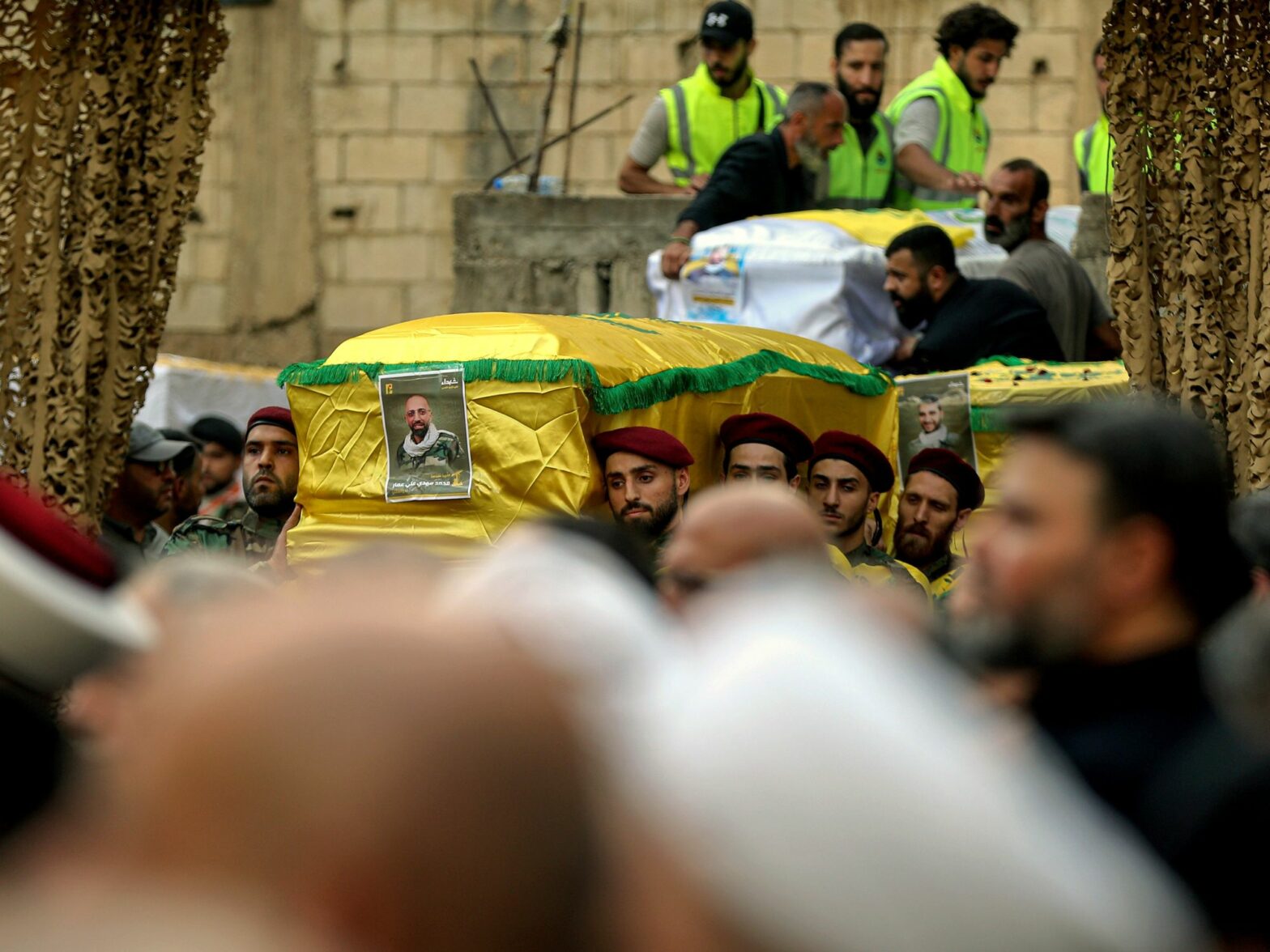
Unprecedented attacks via pagers and walkie-talkies carried by Hezbollah members comes amid a growing consensus in Israel in favor of launching a war across the border into Lebanon. Meanwhile, the U.S. may have given its assent and the Lebanese government appears unable to intervene, with Hezbollah holding all the cards on this side of the border.
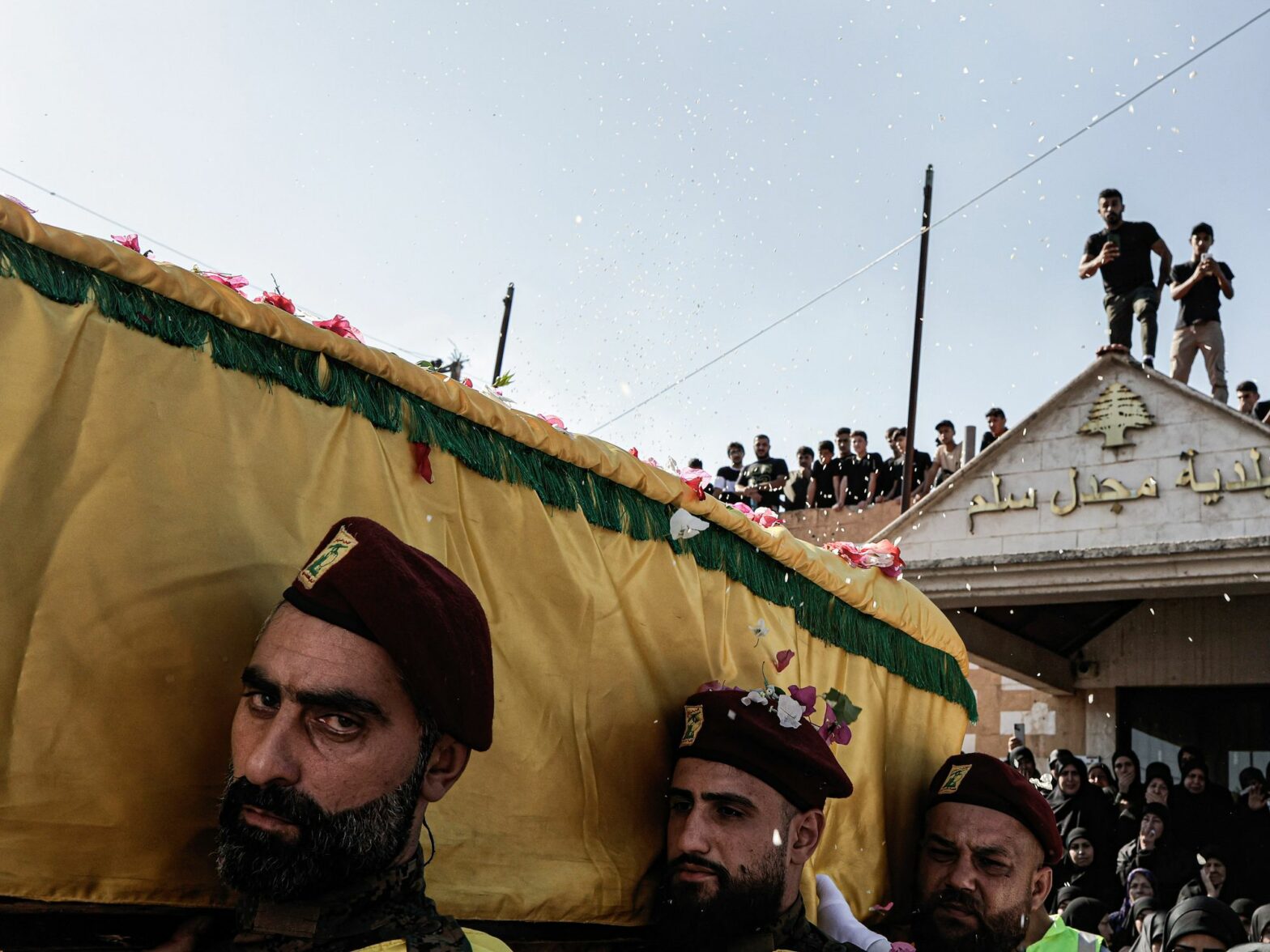
Nine dead and nearly 3,000 wounded. The unprecedented attack on the pagers of Hezbollah members is the larger explosion of a war already underway that could consume the whole Middle East.
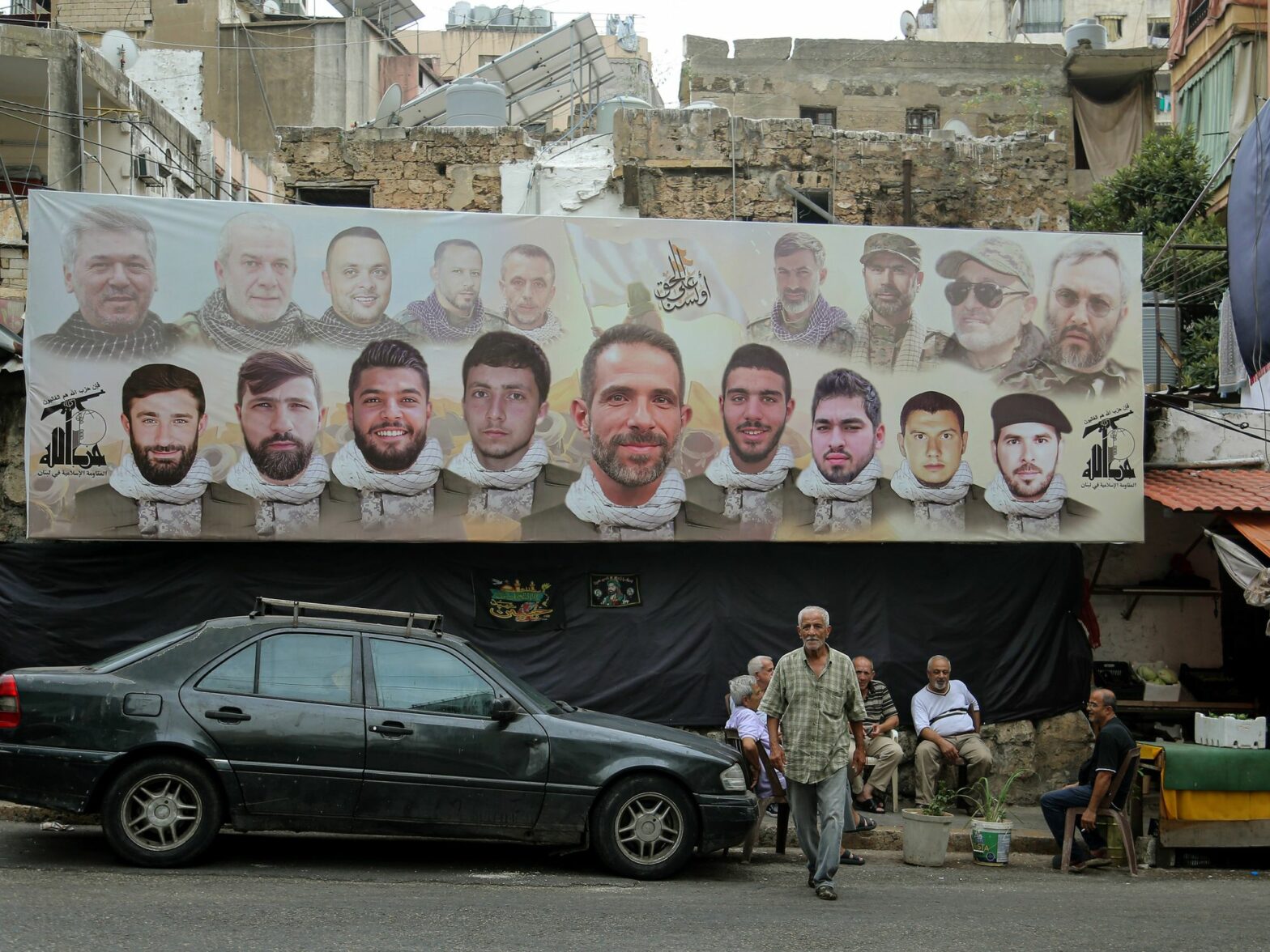
If there is a real peace project and an Israeli intention to solve the Palestinian tragedy, Hamas would have lost its justification for existence. Not just Hamas, but all the resistance factions.
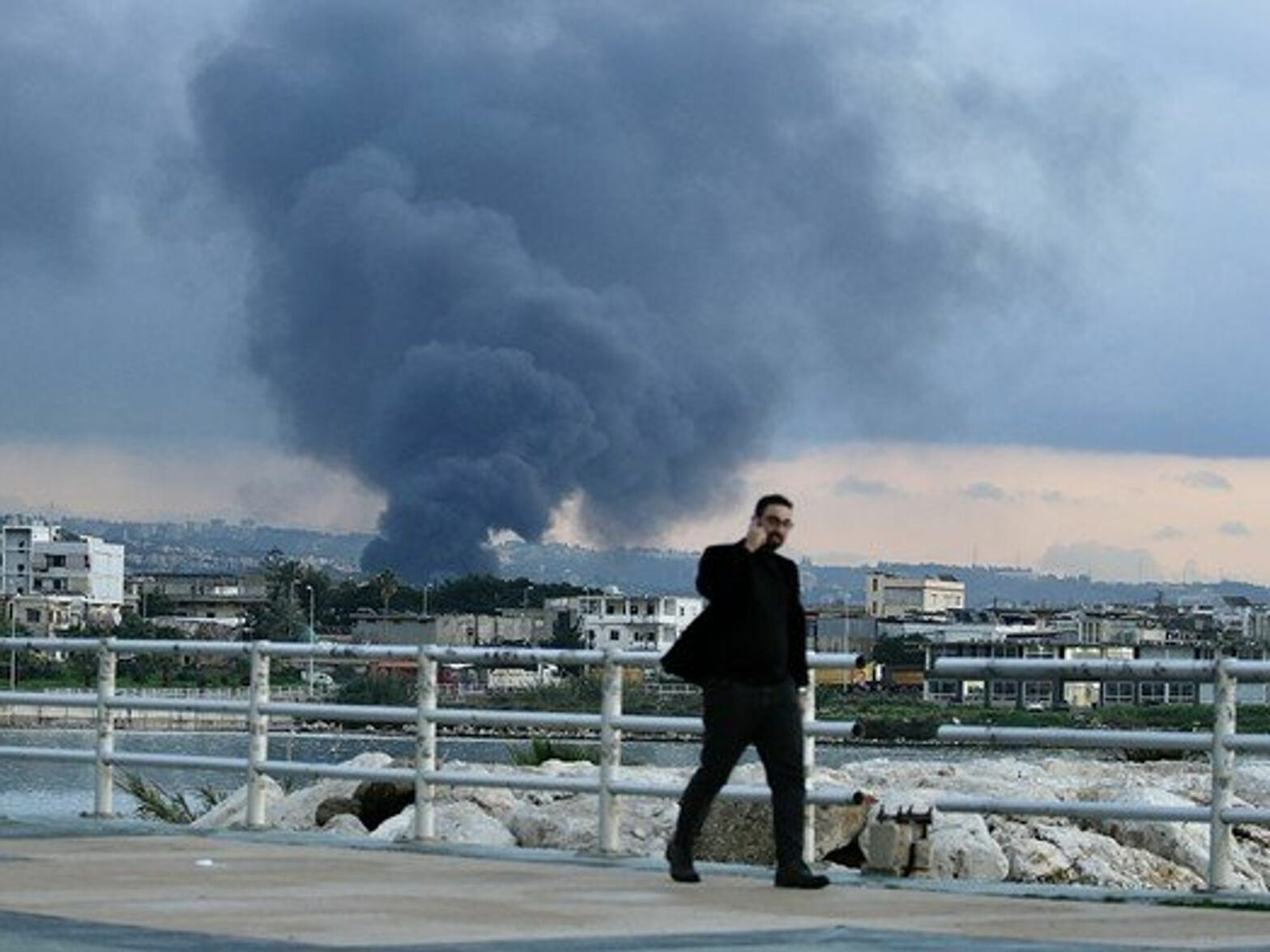
Residents of southern Lebanon believe that their hometowns will remain an open arena for a long-term war between Israel and Hezbollah, even if this has only happened so far in a way that allows both sides to stop short of declaring an all-out war.
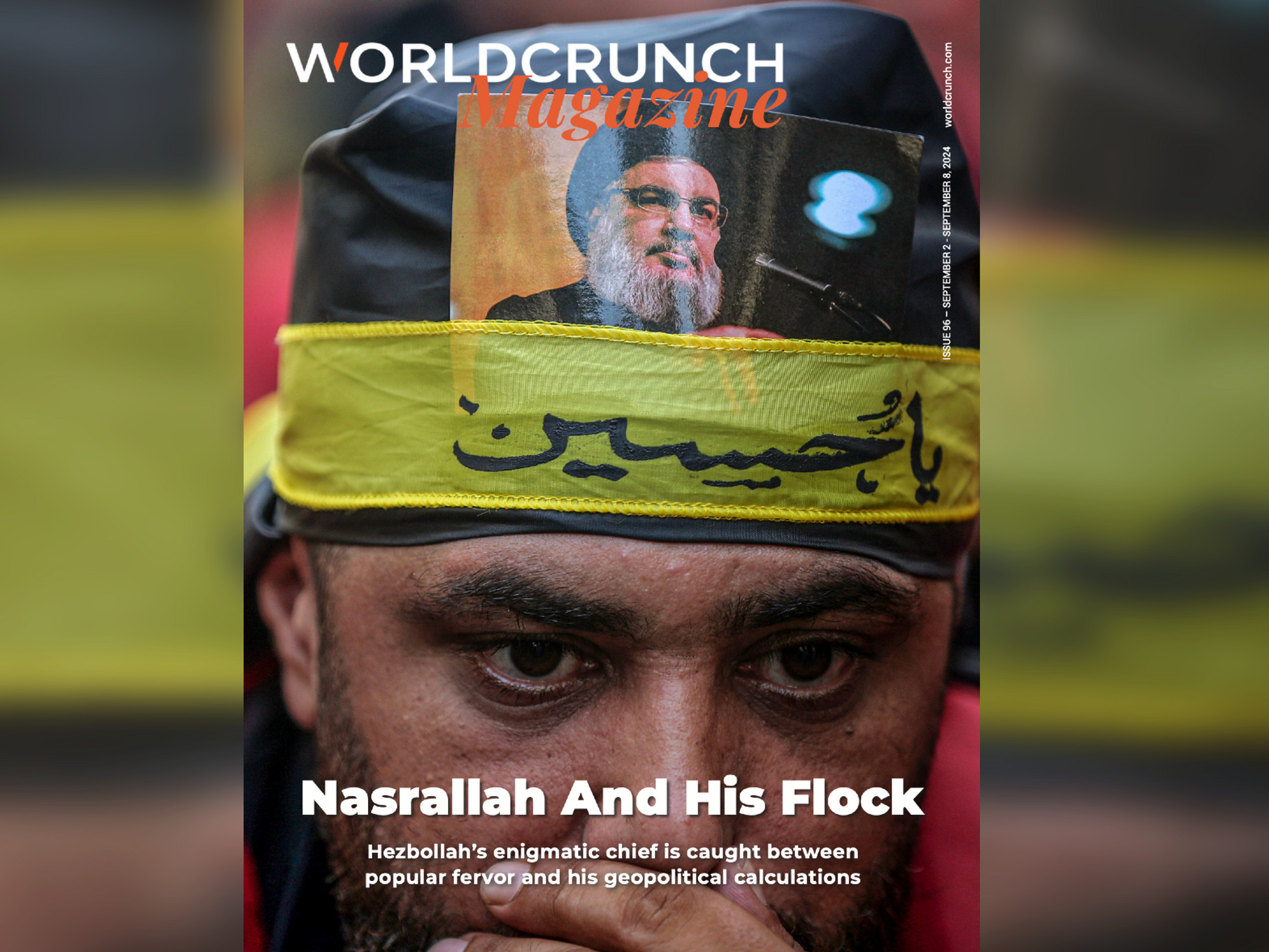
September 2 – September 8, 2024
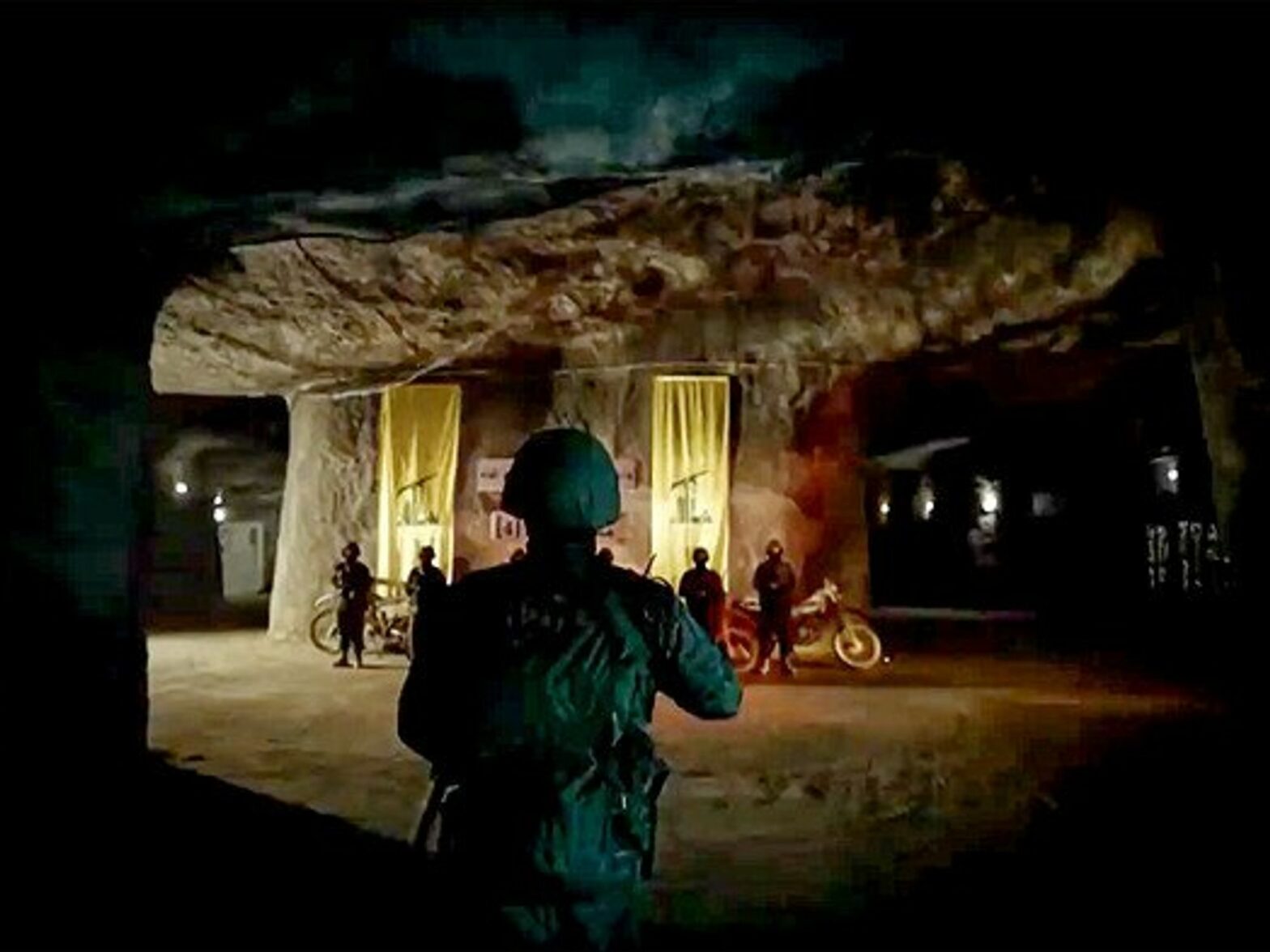
Hezbollah’s Imad 4 underground missile facility, which was revealed on Aug. 16, is just another layer of the Lebanese tragedy. For Hazem El-Amin, the footage brings back memories of his experience during the Lebanese Civil War.
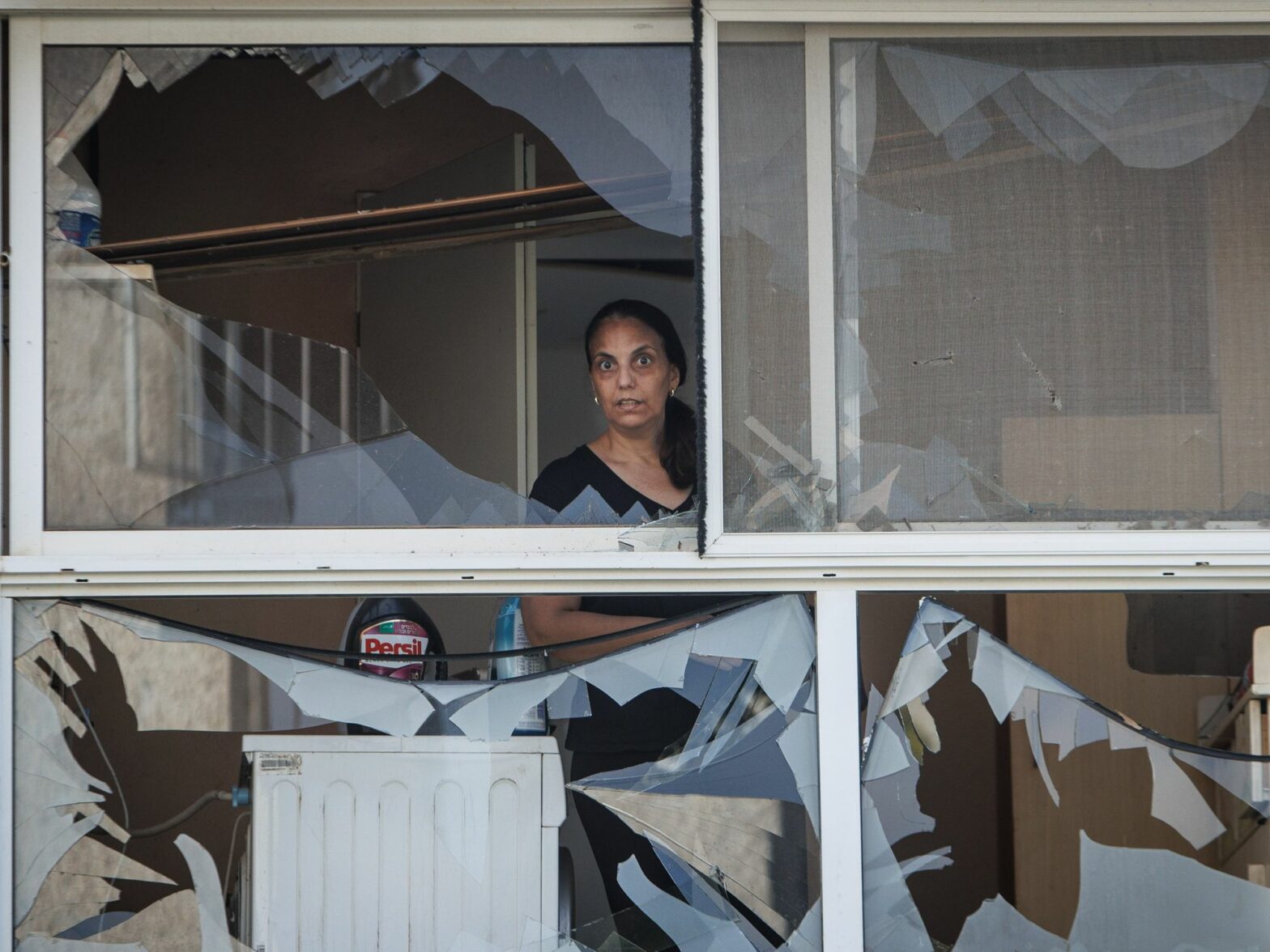
Between Hezbollah and Israel, the Sunday morning exchange of attacks looked to be the beginning of the long dreaded regional war. But the sound and fury of Israeli jets and Hezbollah weapons amounted to another round of warfare, but not (yet) total war as major power sponsors in Washington and Tehran try to wind them back.
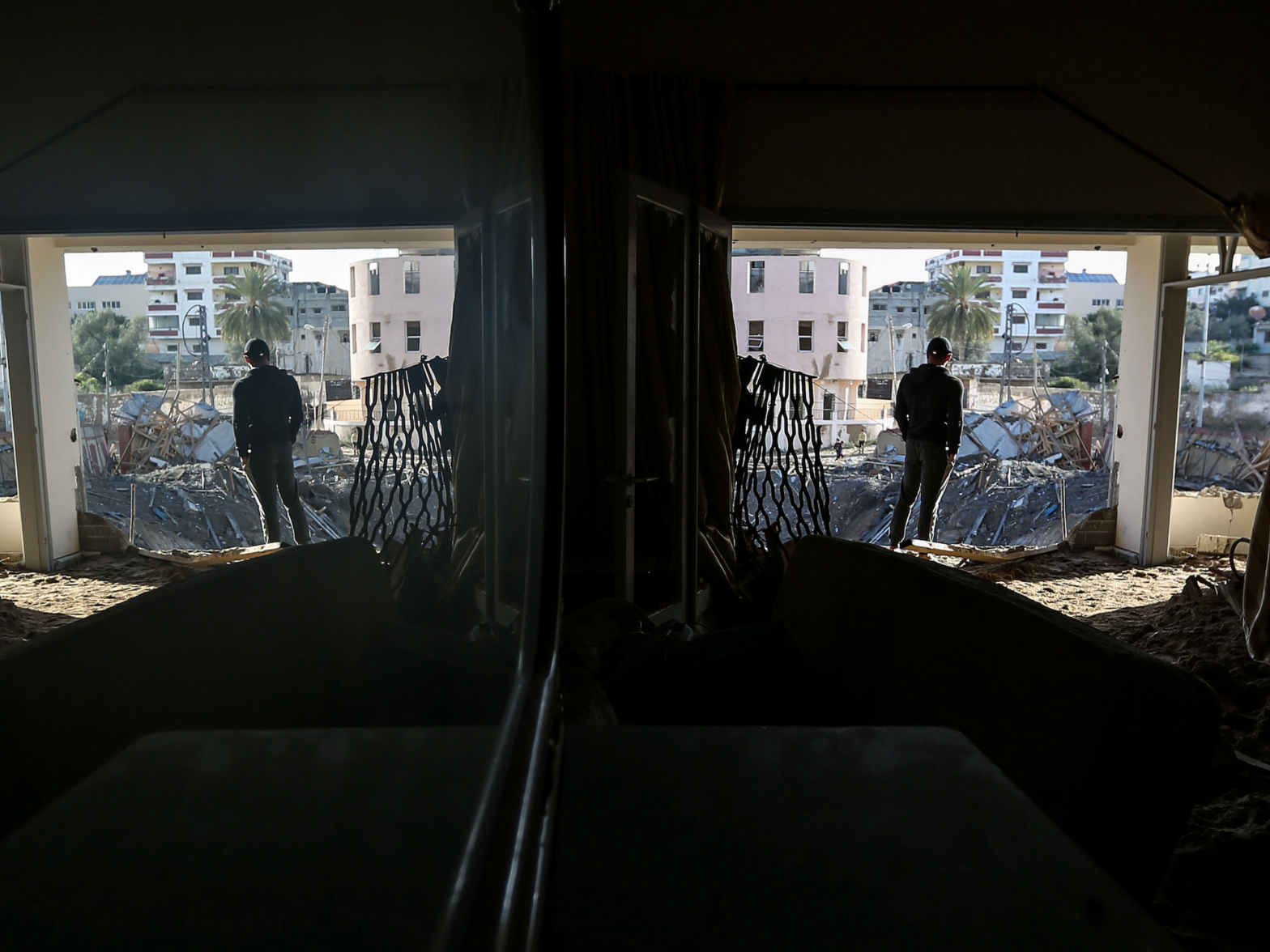
Almost 10 months after the Oct. 7 attack, the Middle East appears to be on the verge of a second act of tragedy. This new escalation of the conflict could result in regional war on a massive scale.
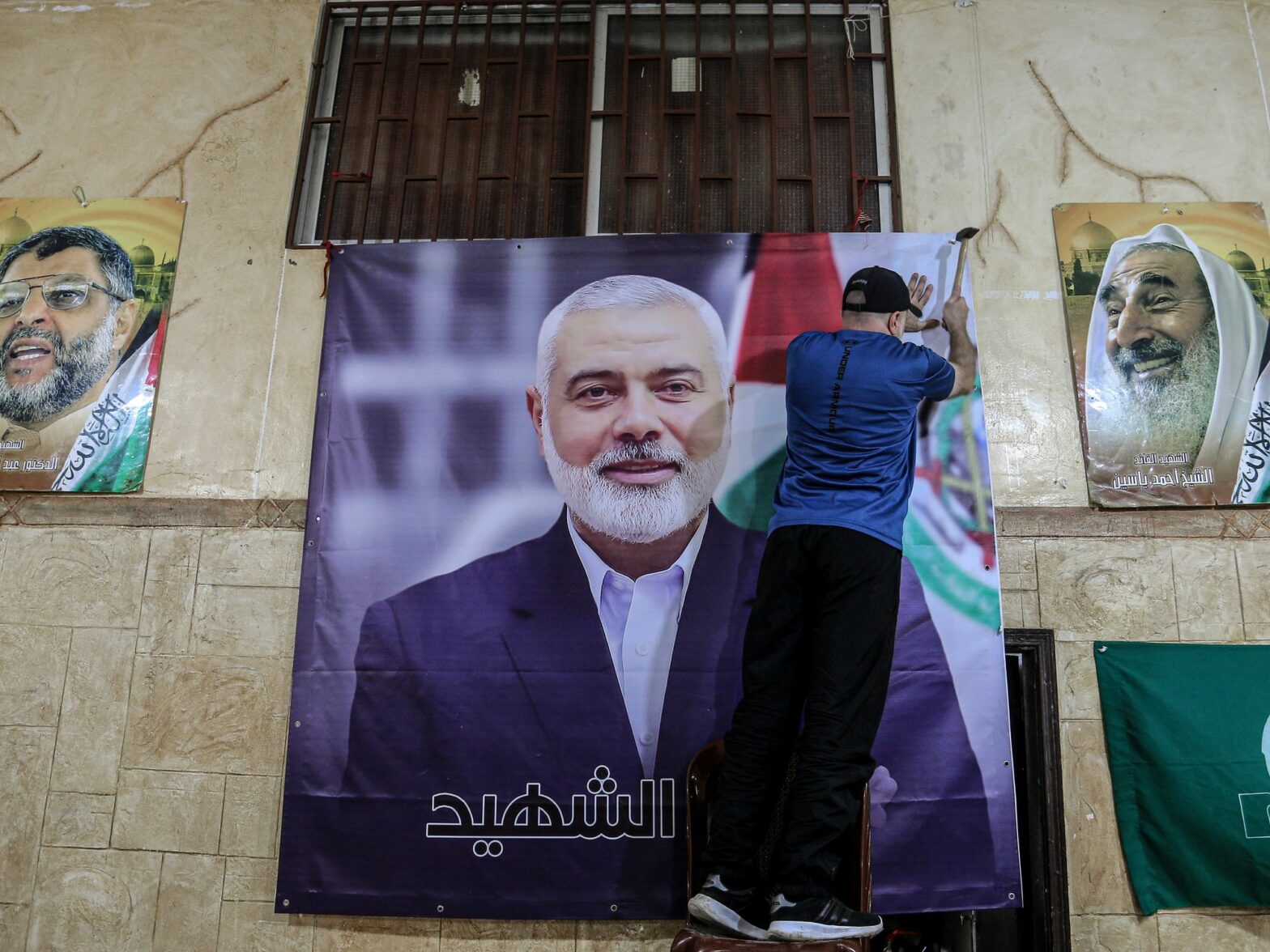
A series of strikes occurred just days after Netanyahu returned from the United States, which will have difficulty denying a role in the targeting of three capitals in the region in 24 hours, and may spark a much wider war in the Middle East.
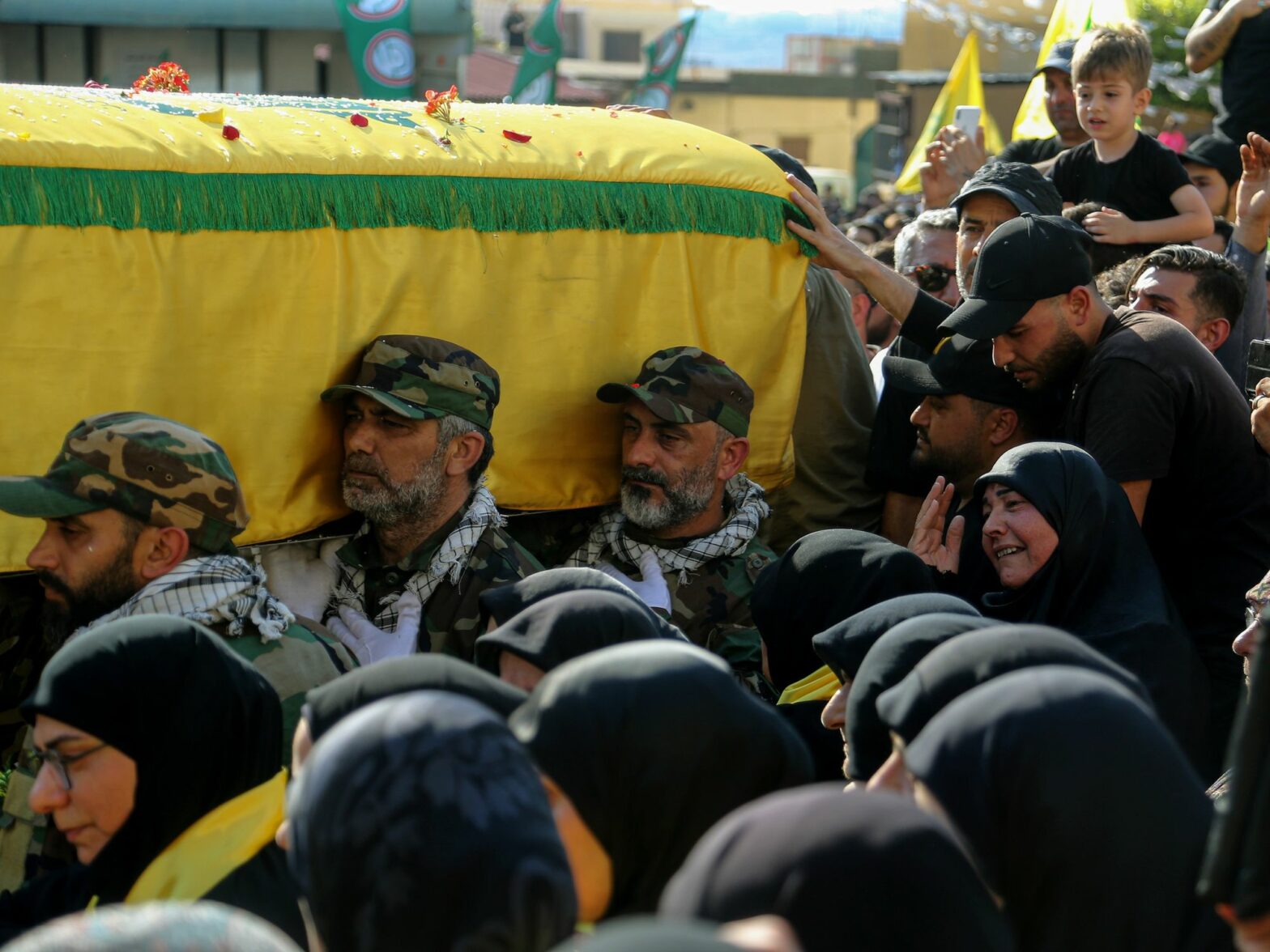
Mediation efforts are ongoing to halt the escalation between Israel and Lebanon’s Hezbollah, which could degenerate into all-out war at any moment. But diplomacy seems powerless in the face of the logic of war.
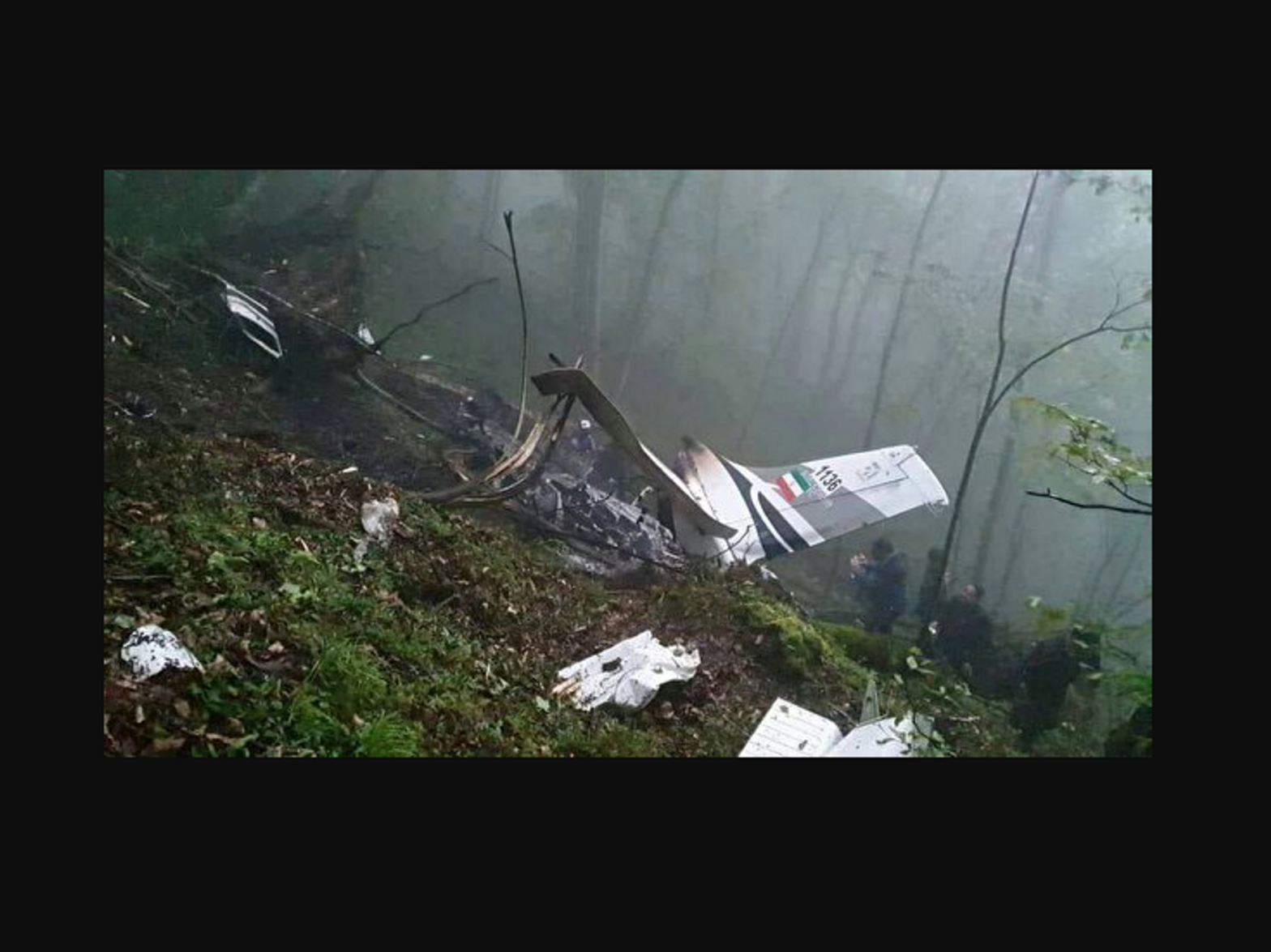
The death of Iranian President Ebrahim Raisi in a helicopter crash comes in an already tense context, five weeks after Iran’s confrontation with Israel. The consequences are heavy, both in terms of regional and domestic conflicts.
While the Palestinian cause is important for Iran and the Arab militias it backs, the return of this issue to the forefront may not benefit the resistance camp. And its tactic of strategic patience may not produce the intended results.