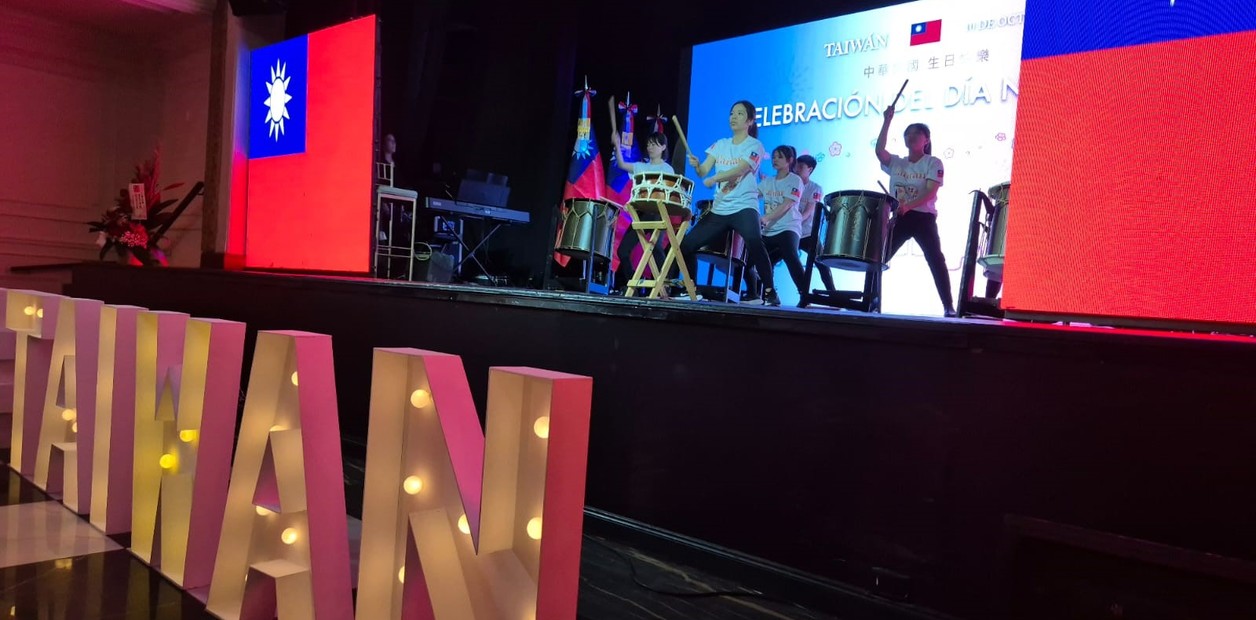
In several Latin American countries, there is renewed interest and advocacy to reactivate bilateral ties with Taiwan, after years of broken political promises and economic contracts.
 Worldcrunch
In several Latin American countries, there is renewed interest and advocacy to reactivate bilateral ties with Taiwan, after years of broken political promises and economic contracts.
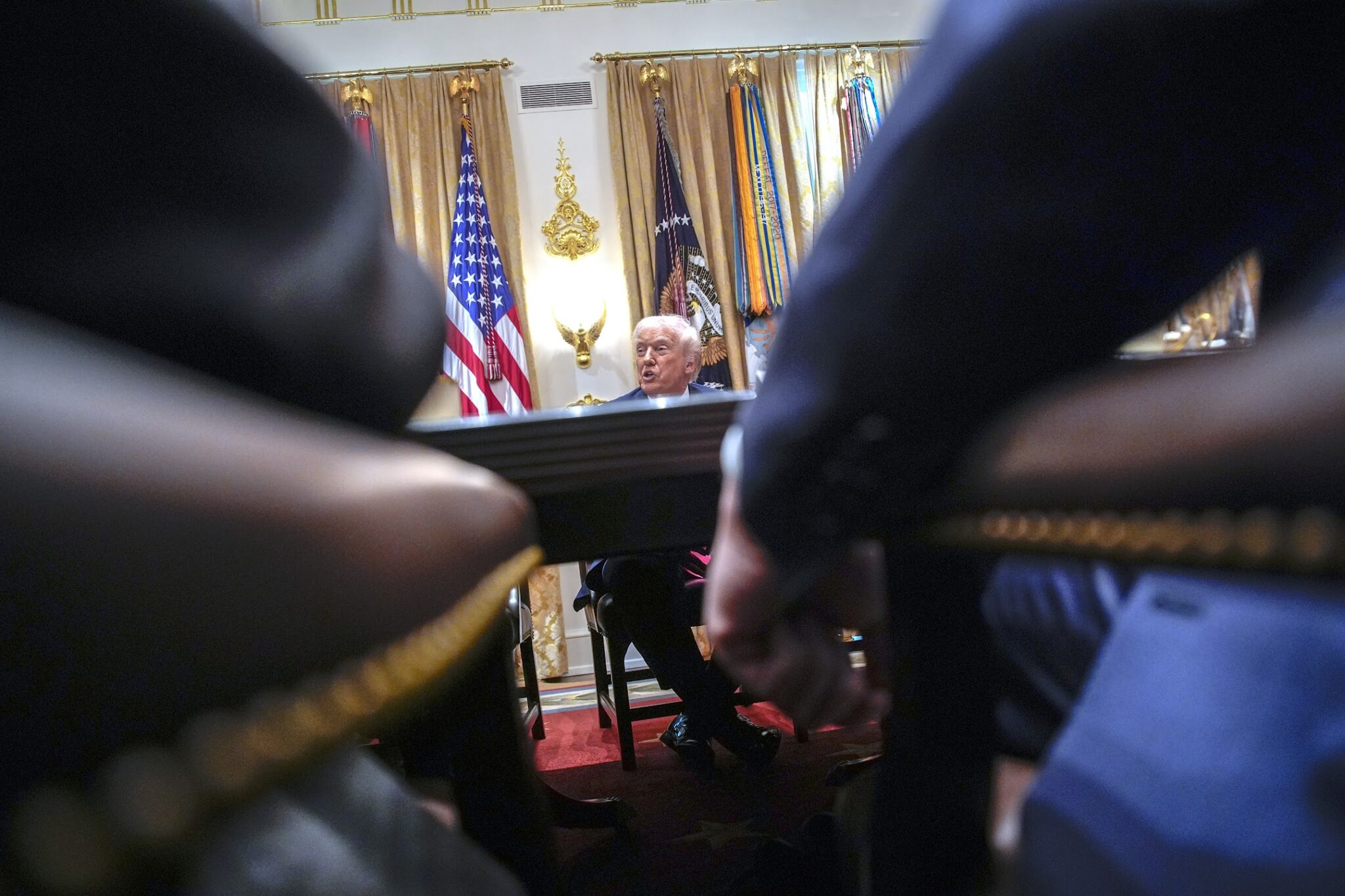
The National Security Strategy, an official document released Friday in Washington, delivers a sharp attack on Europe while echoing far-right themes. It signals a break with the Europe we know, one that threatens support for Ukraine and the continent’s security.
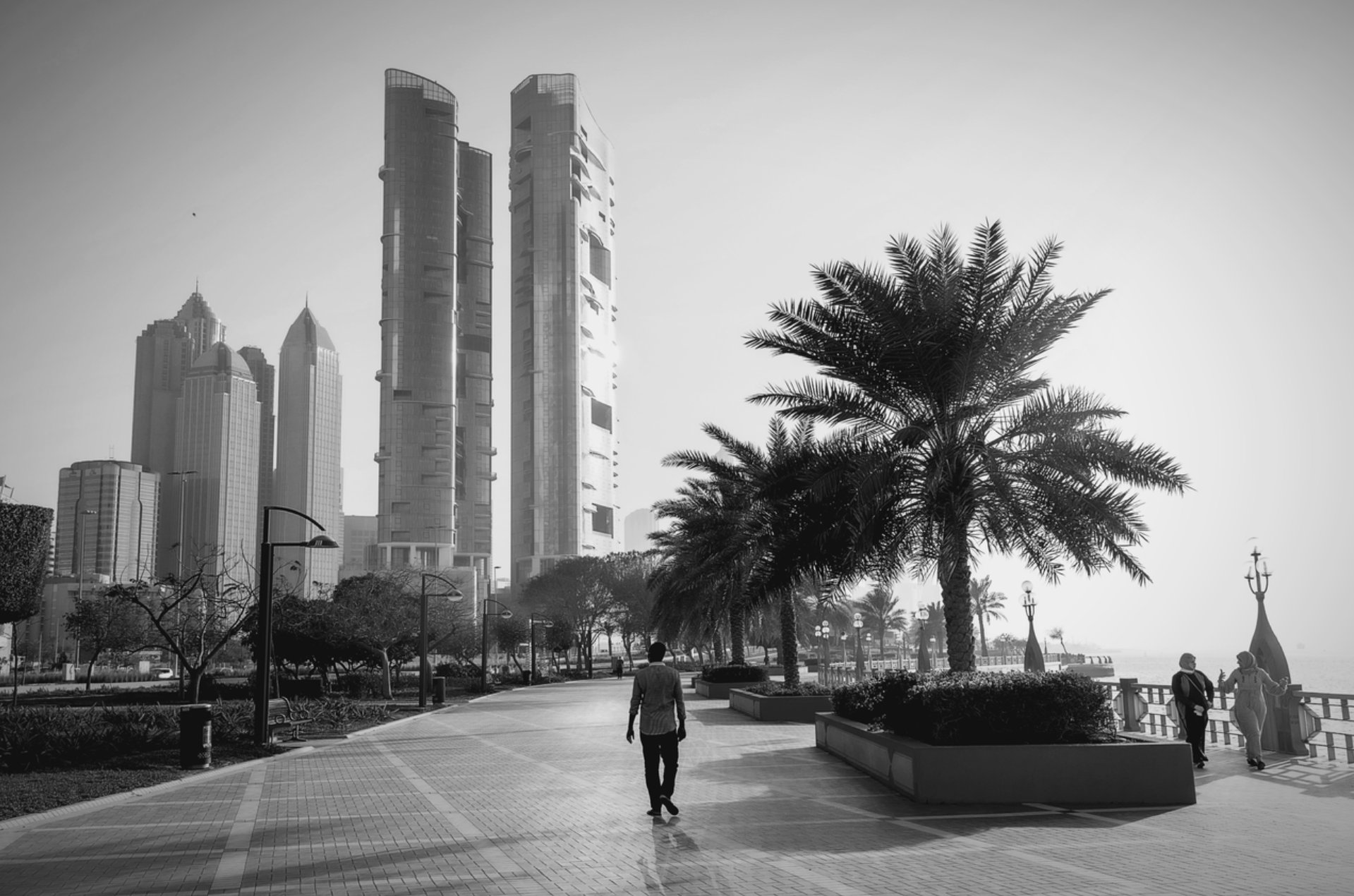
Former German government ministers and lobbyists have been meeting Putin associates in the Gulf, preparing reciprocal visits that could undermine Berlin’s official Russia policy.
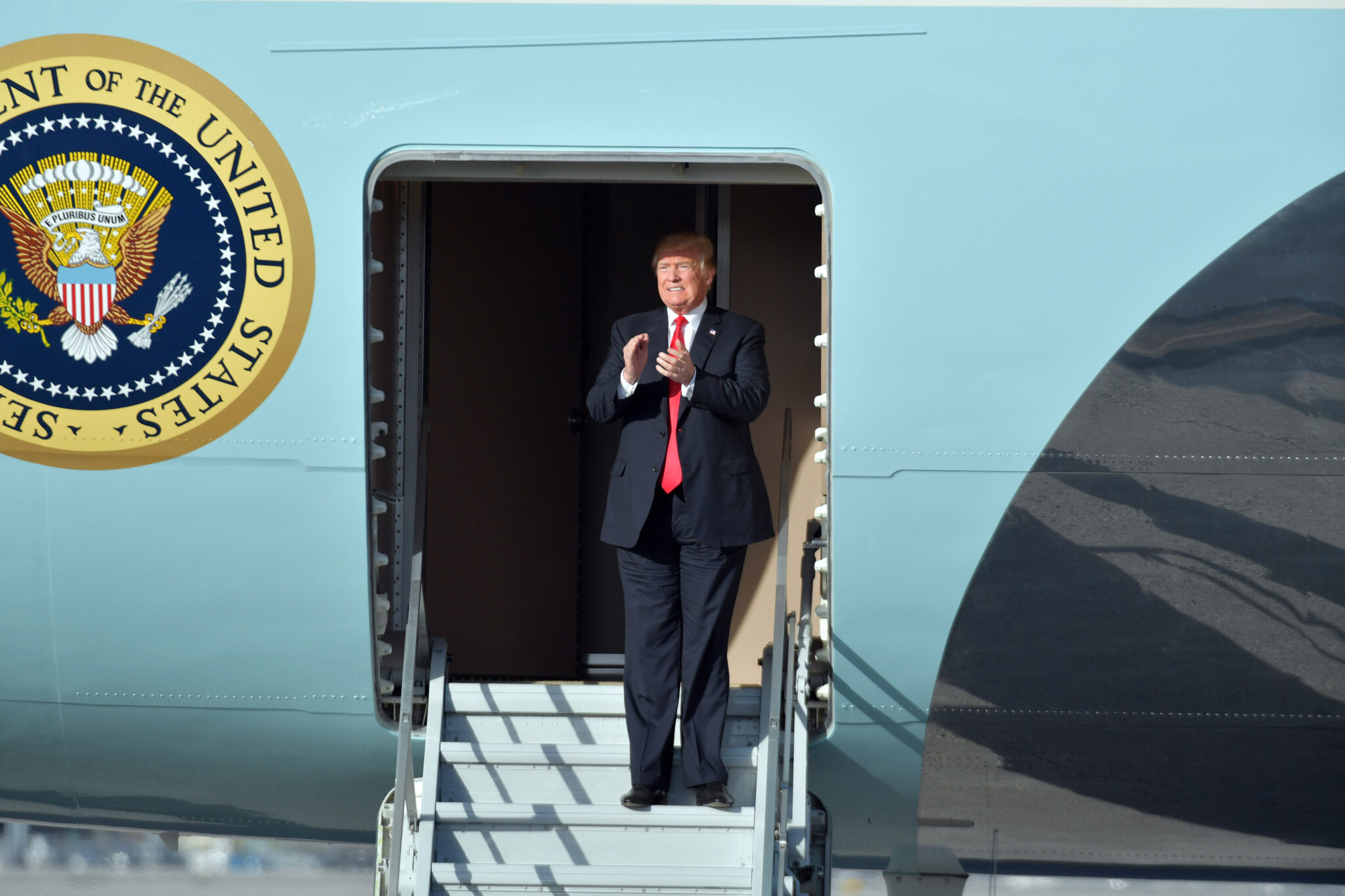
Trump’s interventions seem to correspond less to a conventional impulse toward peacemaking than to an attempt to secure strategic advantages for his country.
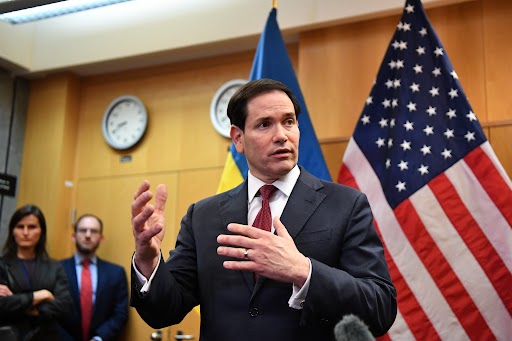
To Kyiv and the Europeans, the American 28-point plan for Ukraine looks like a demand for surrender, but Sunday’s negotiations in Geneva with the Americans attempted to amend it, at the risk of making it unacceptable to the Russians. The Trump method is once again in question.
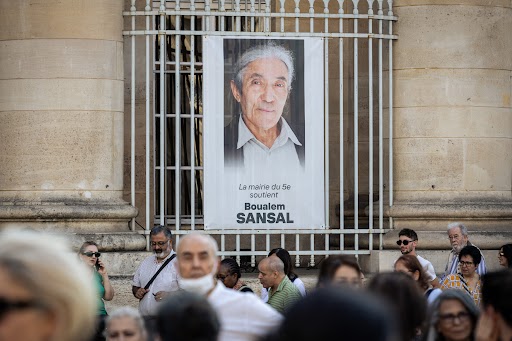
Political change in Paris and German mediation led to the release of writer Boualem Sansal in Algiers. A victory for diplomacy over confrontation.
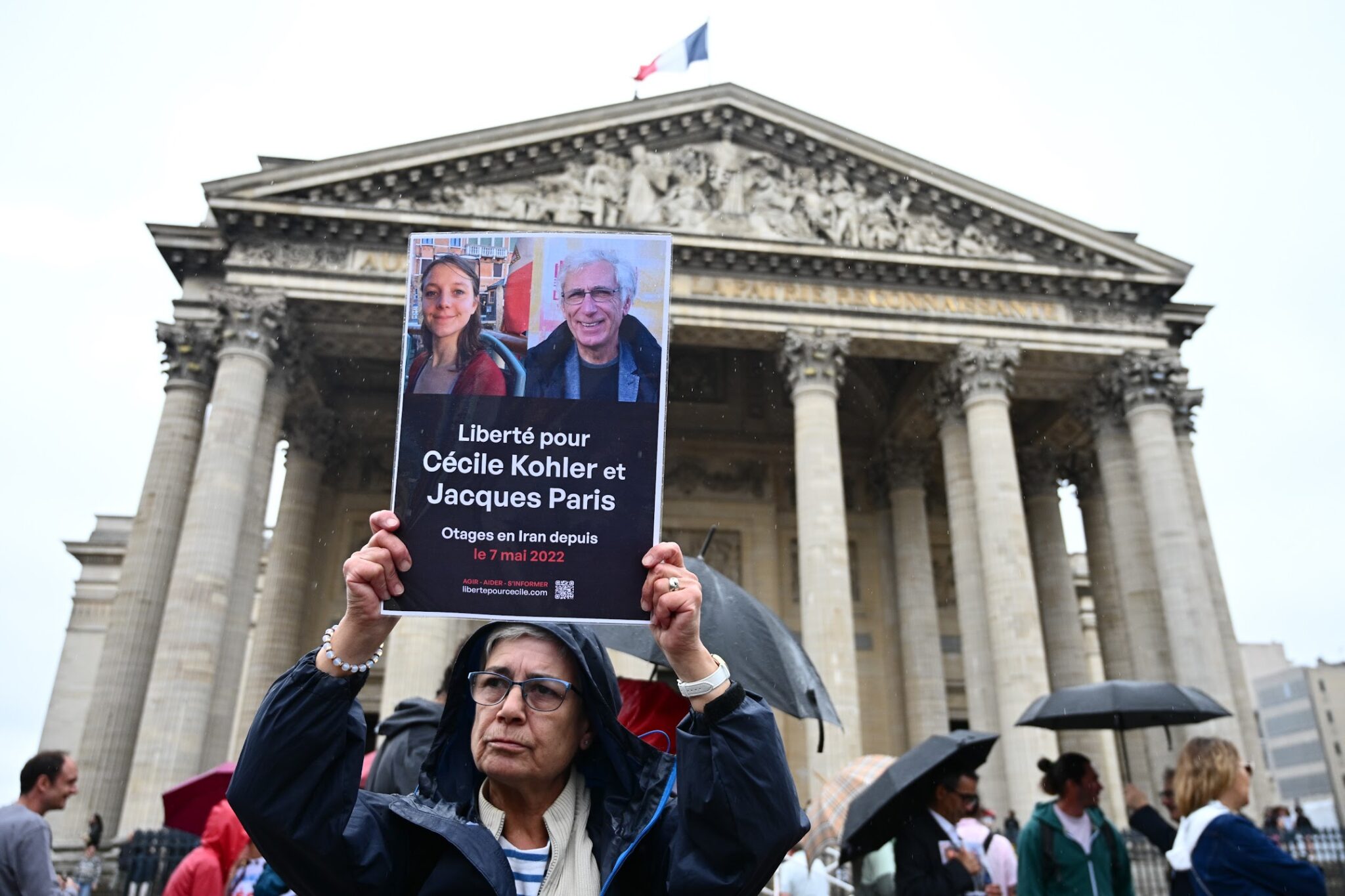
The last two French citizens imprisoned in Iran, Cécile Kohler and Jacques Paris, were released in Tehran. They were considered “state hostages,” an increasingly common problem, not only in Iran.
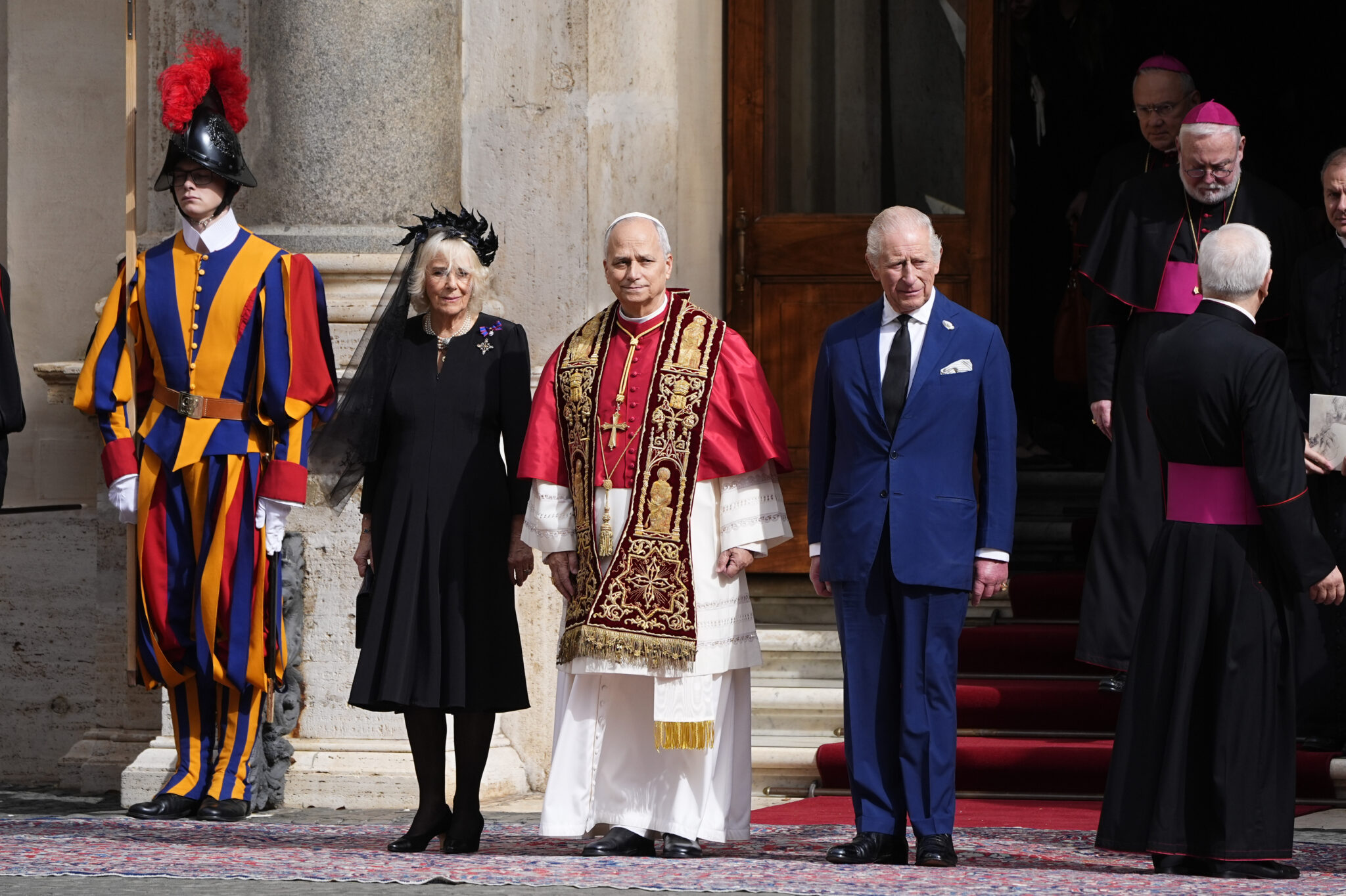
The first joint prayer since Henry VIII anchors a Vatican day focused on peace, climate ahead of COP30 in Belém, and closer Anglican Catholic ties, with Charles named Royal Confrater at Saint Paul Outside the Walls.
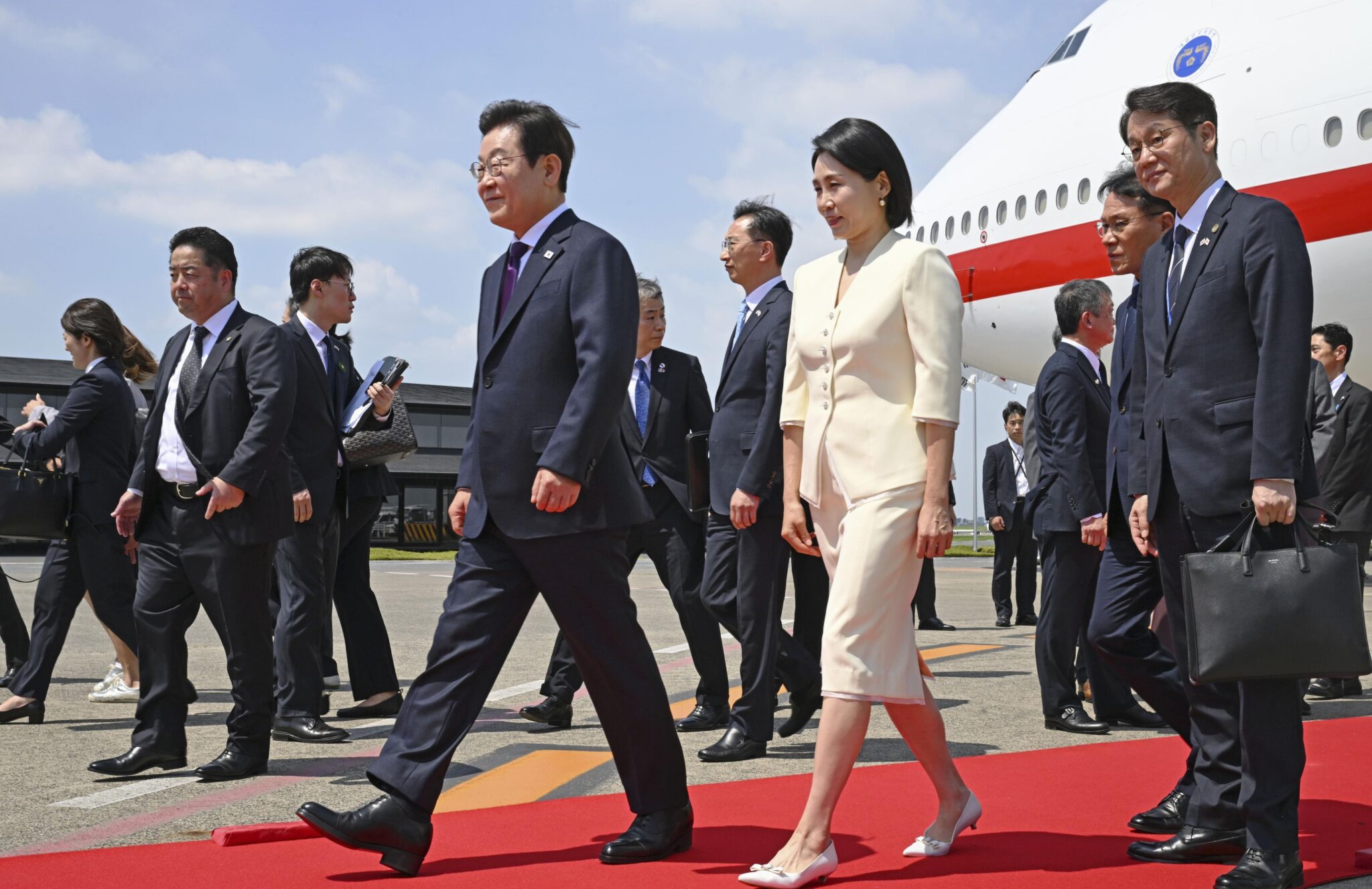
South Korea’s president Lee Jae Myung is shifting foreign policy toward a pragmatic approach: diversifying partnerships without upsetting the U.S., strengthening trade and technology, and managing regional challenges — with lessons for Argentina.
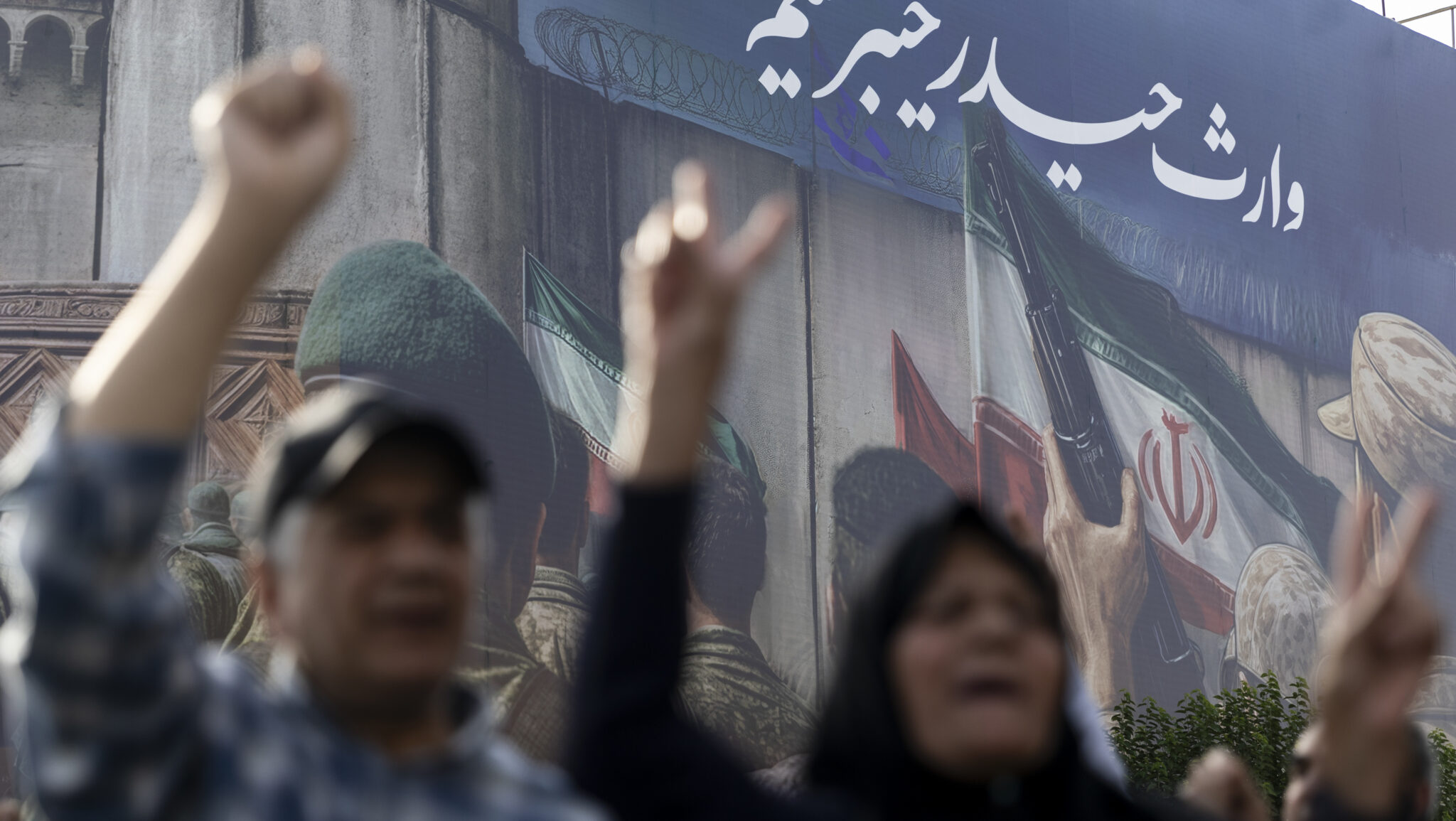
War with Israel and the United States may harm Iran and its infrastructures. But for the regime, it’s a chance to distract opinion from its economic failures and to quell dissent.
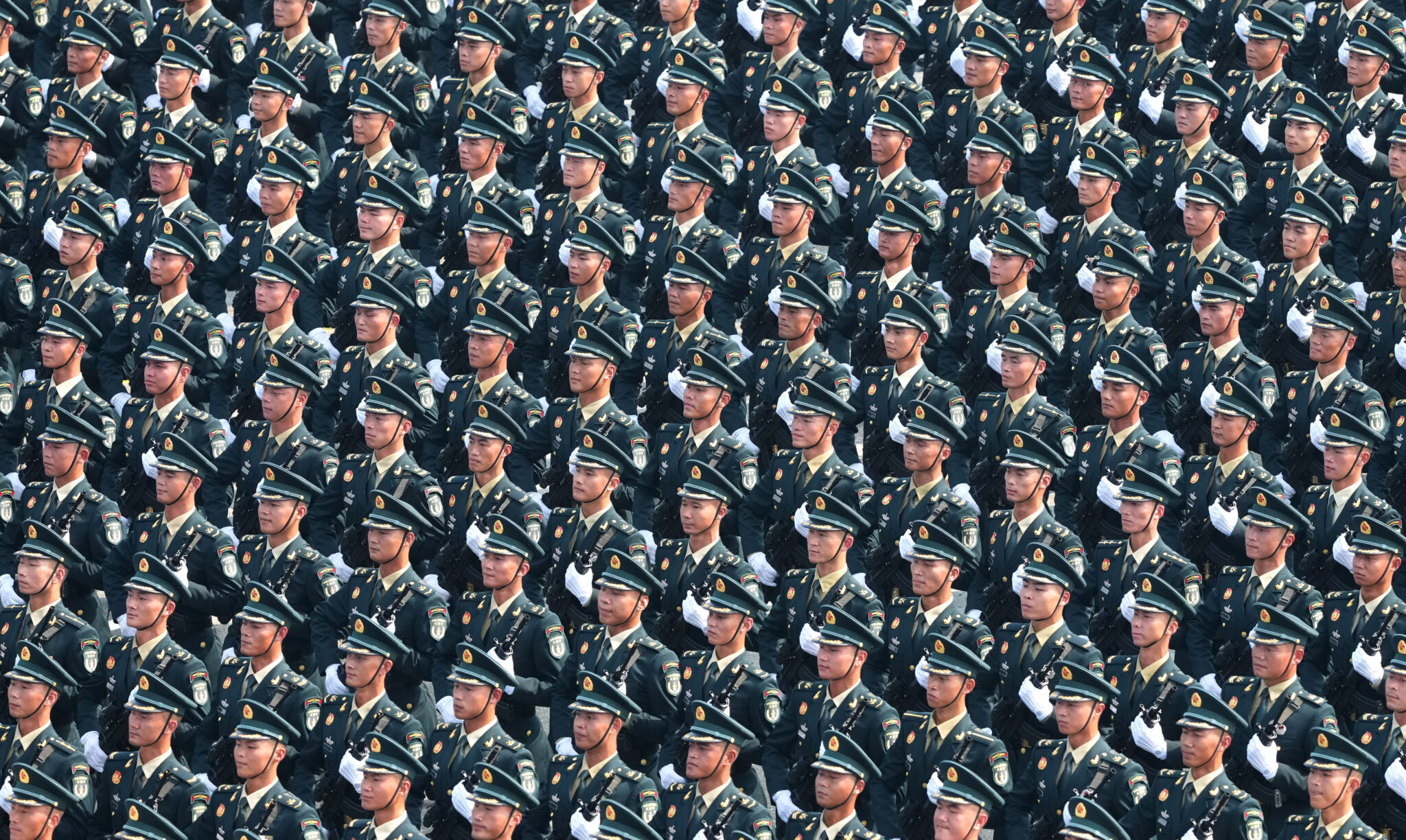
Beijing is using the anniversary of the end of World War II to project its new power in opposition to the United States. Donald Trump has accused Xi Jinping of downplaying American support for China in defeating Japan and of “plotting” against America.
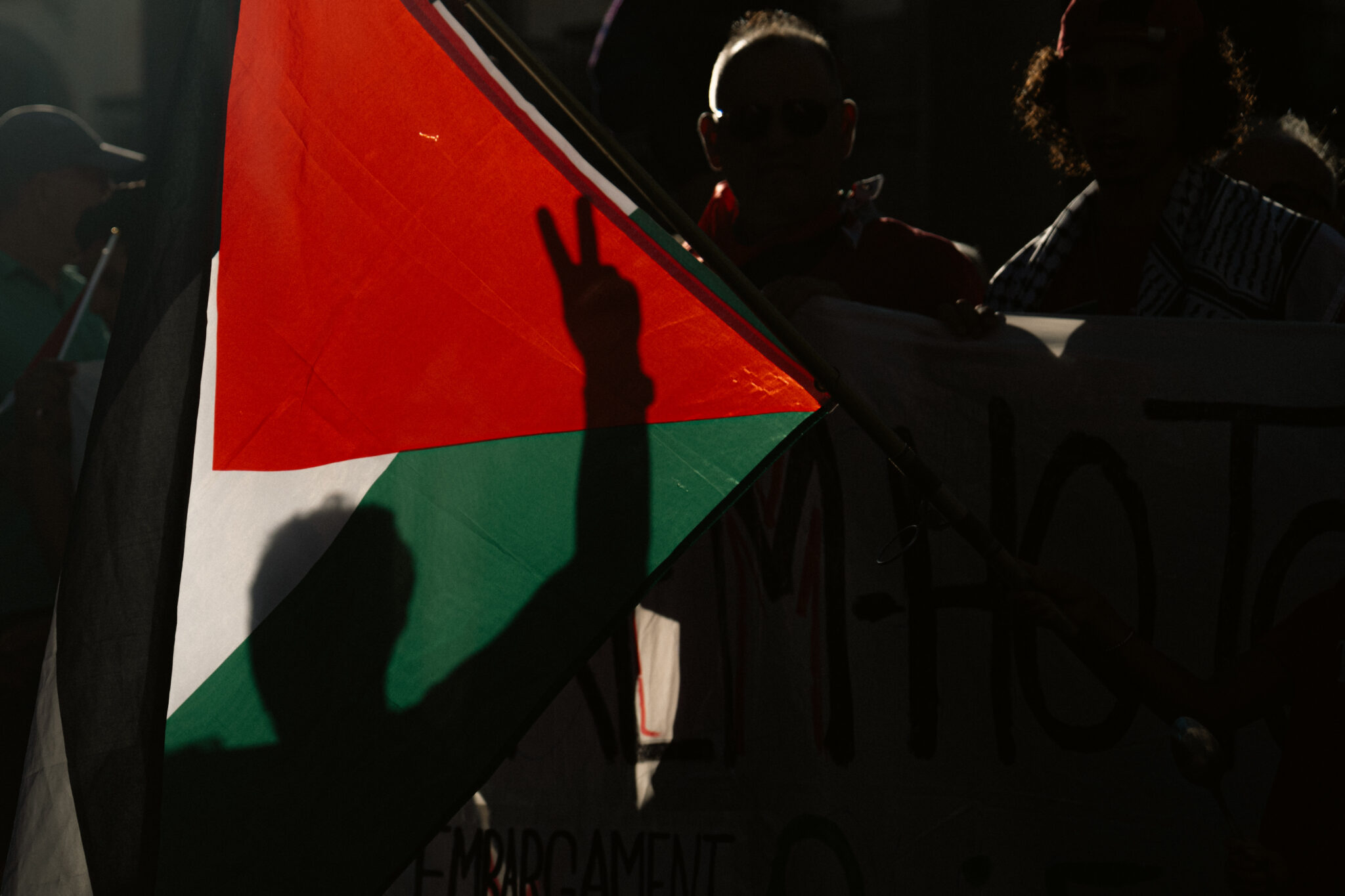
As the UN vote to formally recognize the State of Palestine gets closer, pressure on Donald Trump is growing. He must decide, once and for all, whether to continue his unconditional support for Netanyahu or seek a viable way forward.
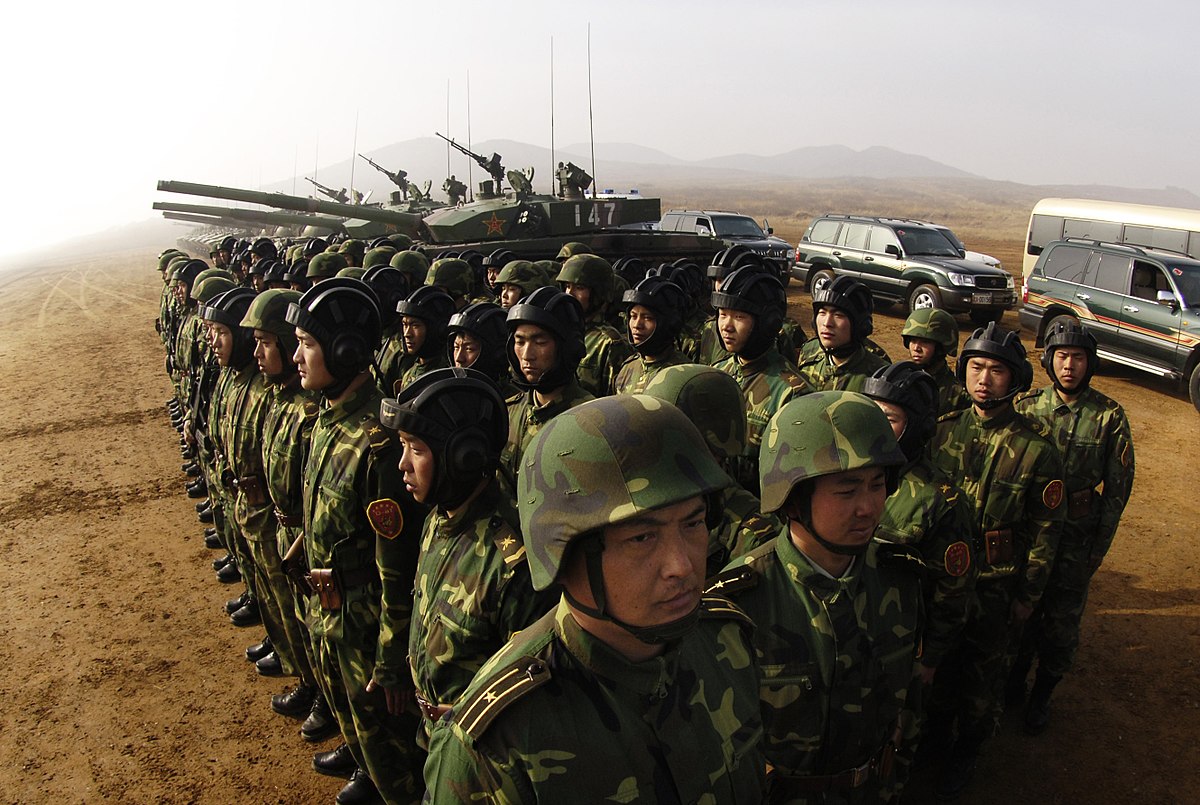
Once seen as a regional military power reliant on outdated Soviet tech, China is now emerging as a global force with cutting-edge weaponry. From stealth jets to next-gen drones, the country’s rapidly advancing arsenal is redefining the balance of power in global conflict zones.
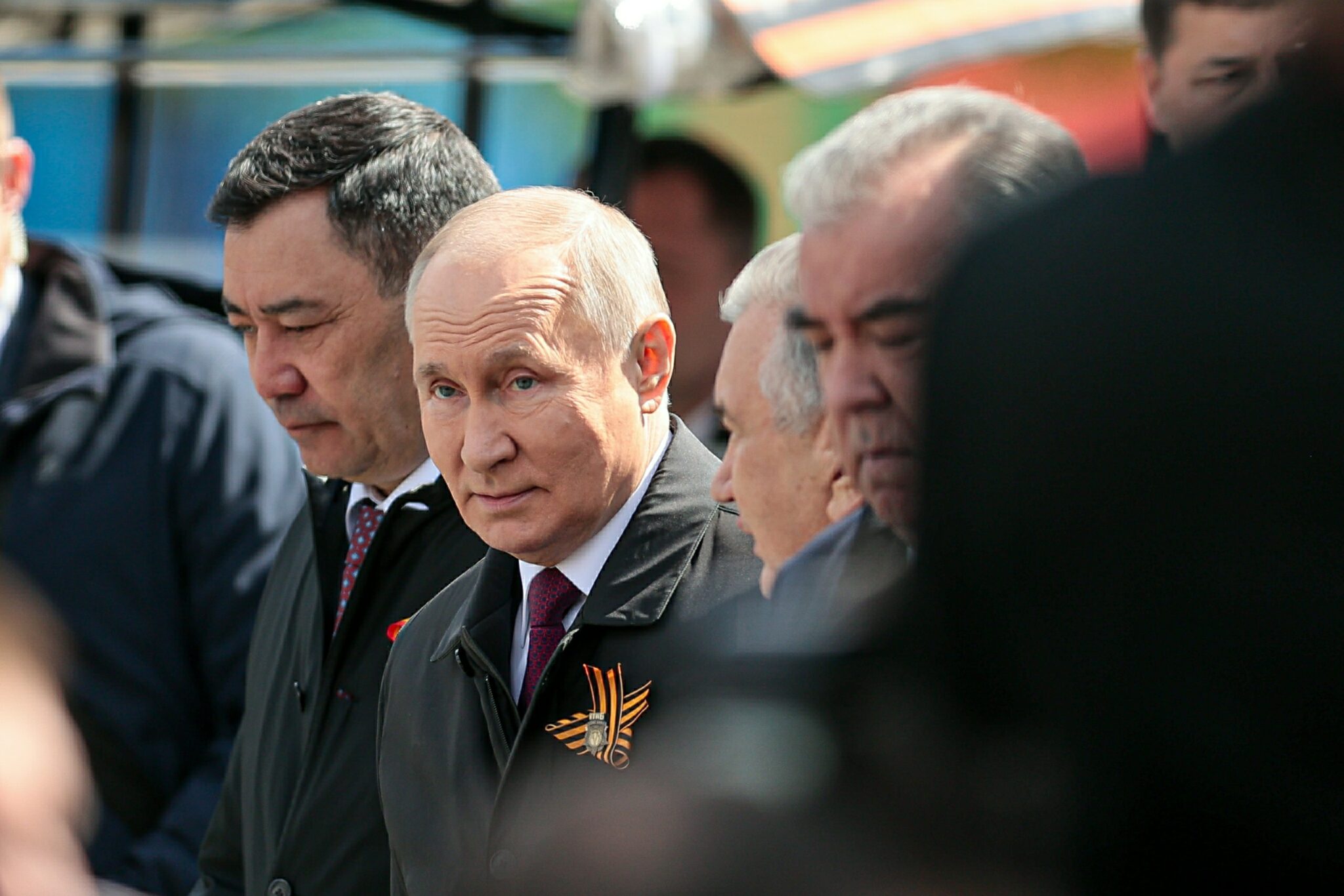
Central Asian presidents have been fixtures at Moscow’s Victory Day parades since 2022, but this year, their visits were preceded by a wave of diplomatic tensions.
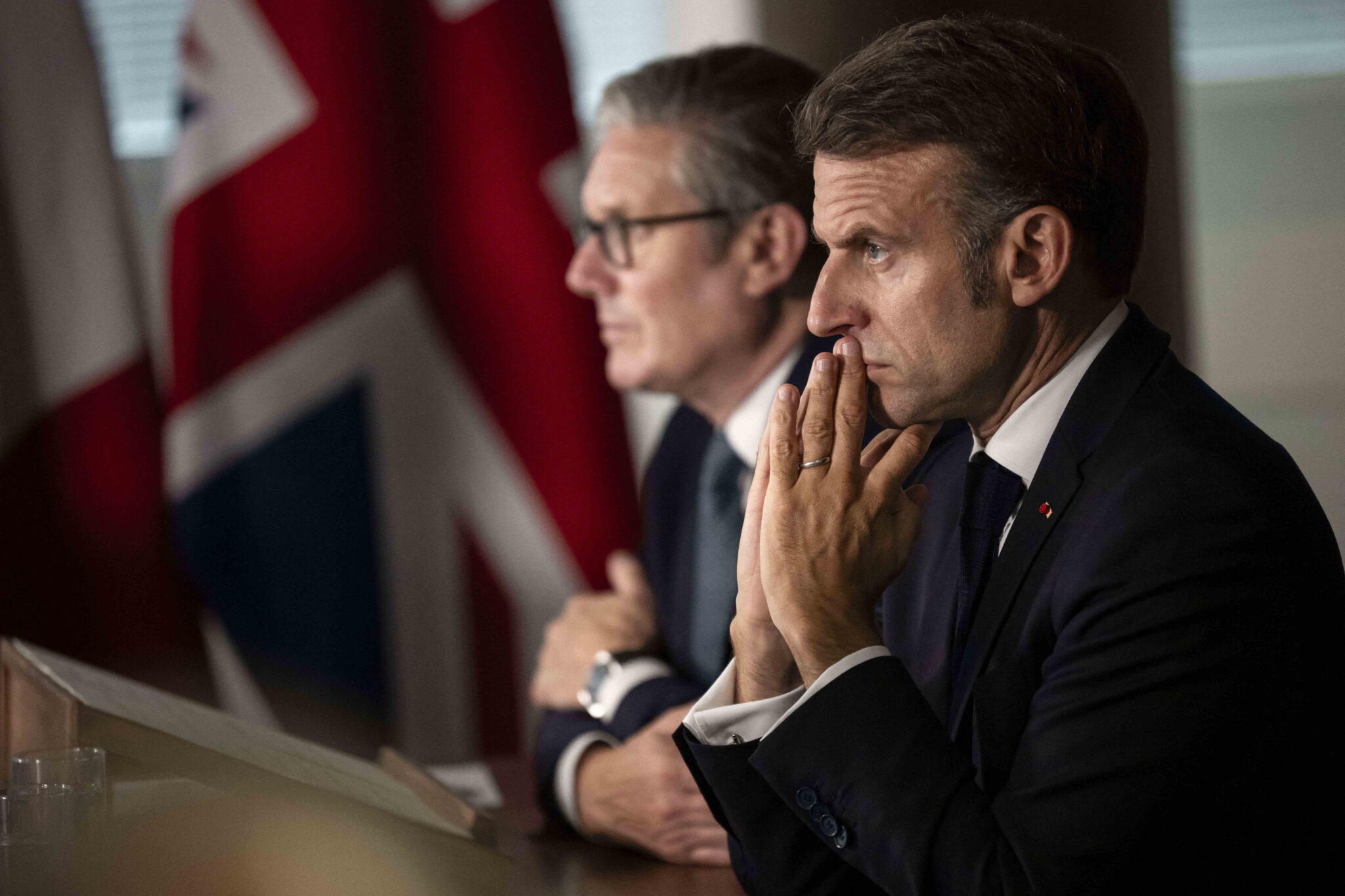
France, the UK and Canada are preparing to formally back Palestinian statehood at the UN this September. Behind the symbolic gesture lies a strategic power play aimed at Benjamin Netanyahu — and Donald Trump.
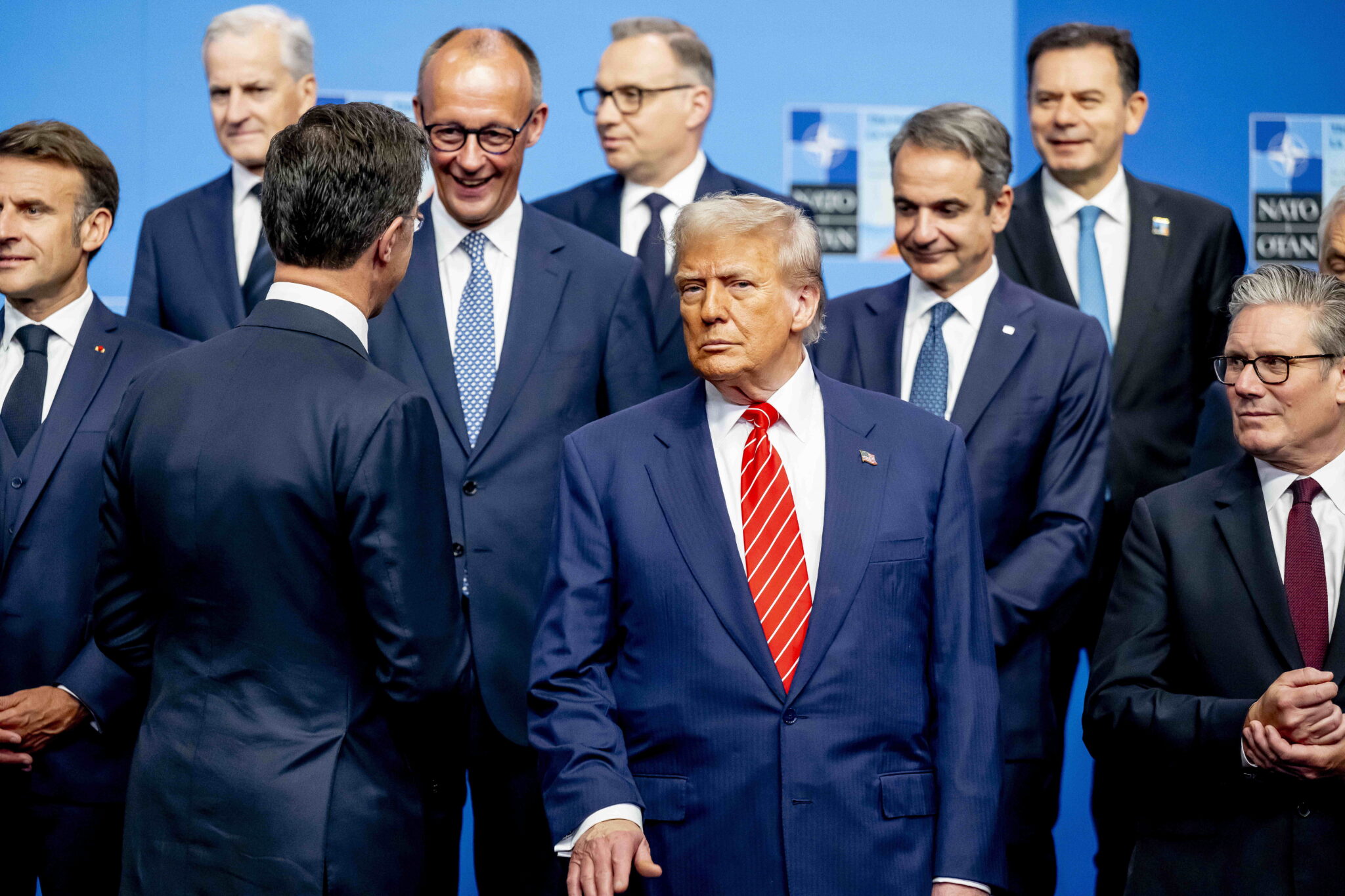
This is not (just) about awkward exchanges or conventional indignation. It’s about understanding what’s “happening” to us, the rest of the world, that is forced to adjust to this paradigm shift.
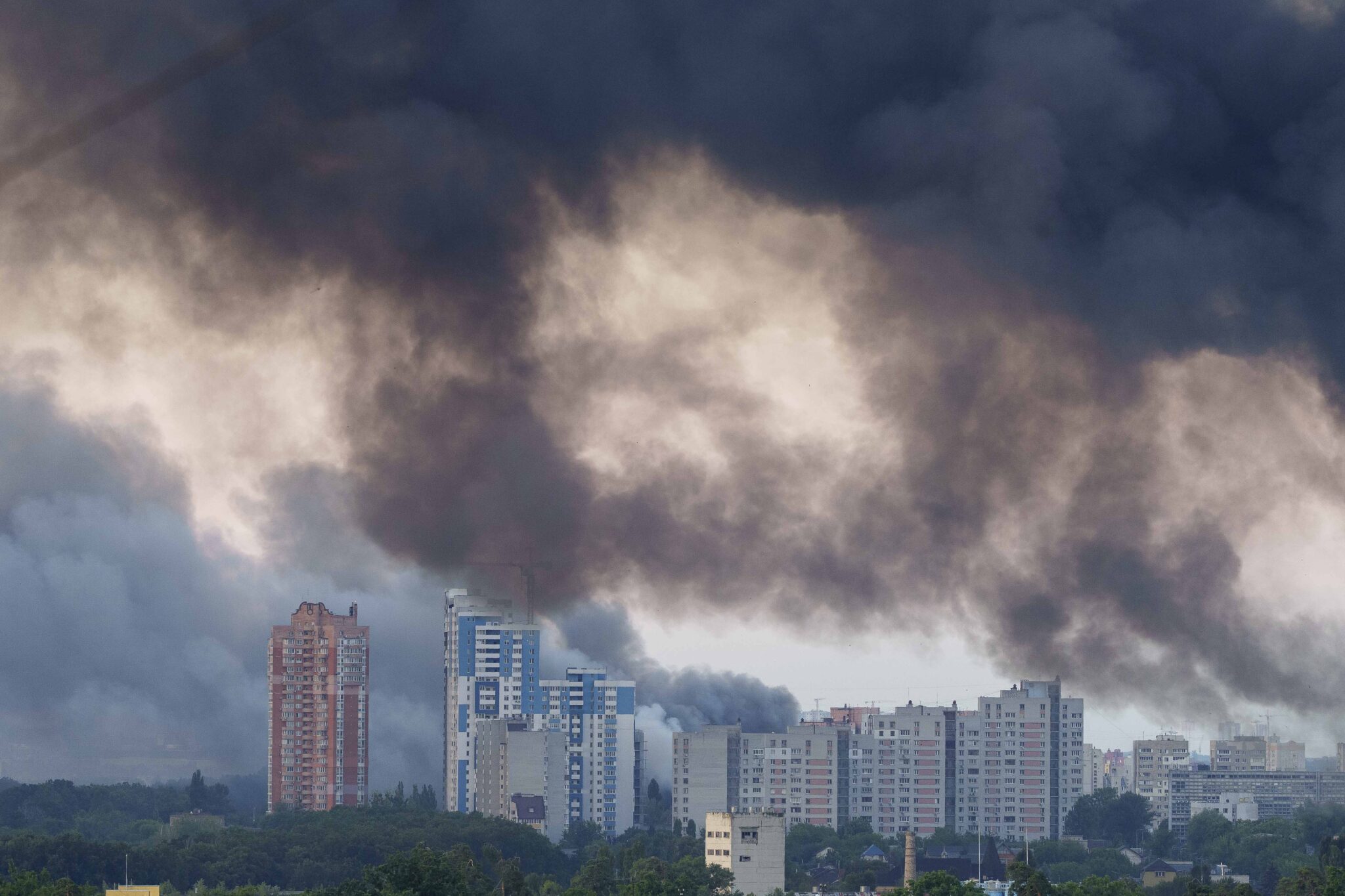
Russia has carried out its largest missile and drone bombardment since launching its invasion of Ukraine. And it is preparing its summer offensive, while Donald Trump remains ambivalent about the continuation of his military aid, when the contracts signed by Joe Biden expire over the summer.
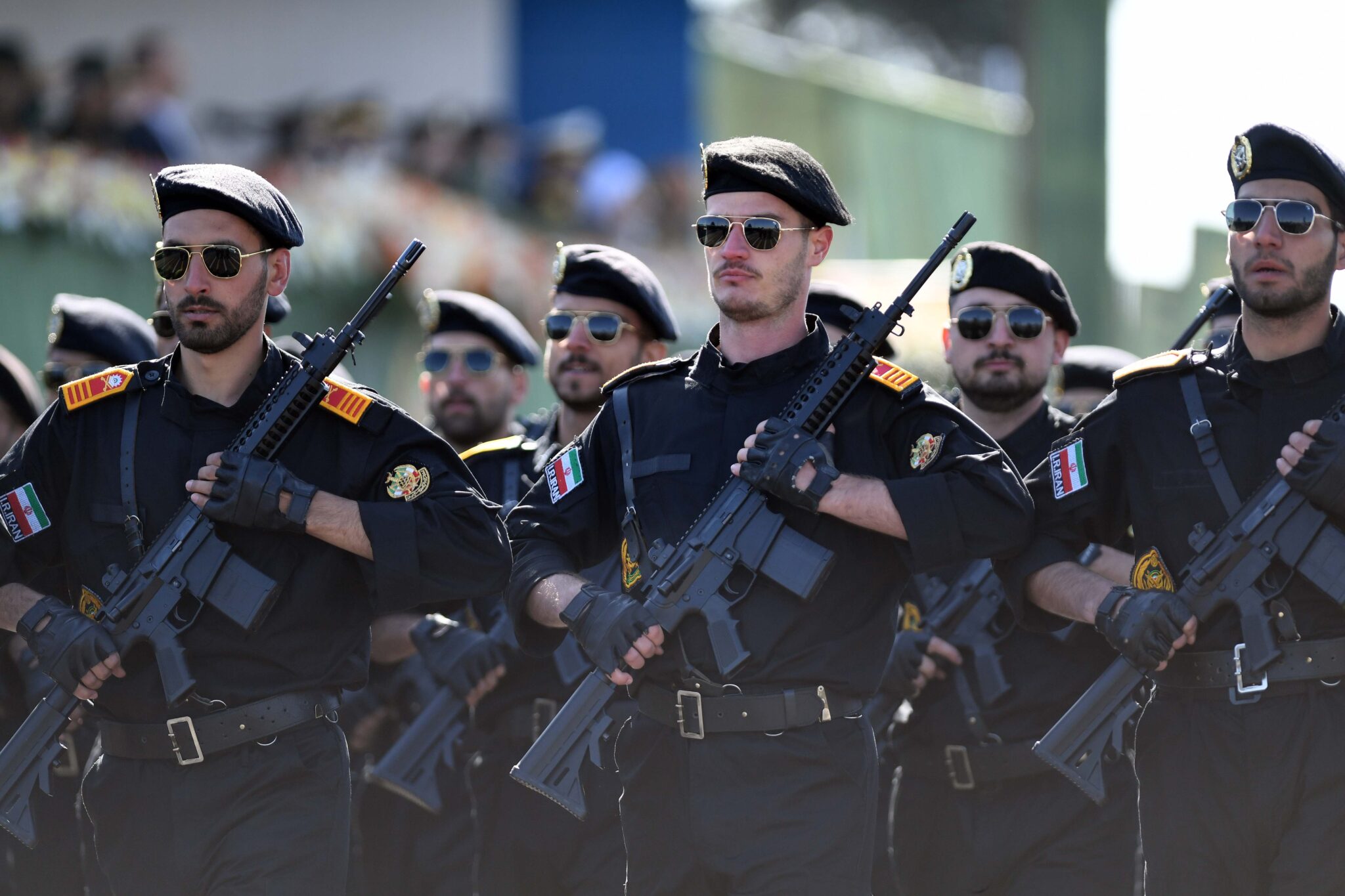
Iran’s revolutionary regime imagined it could assure its survival by becoming an armed bunker like North Korea, ready to shoot if threatened. They seemed to forget that, for its location and resources, Iran is too important for the world to tolerate a “crazy” regime threatening vital oil routes.
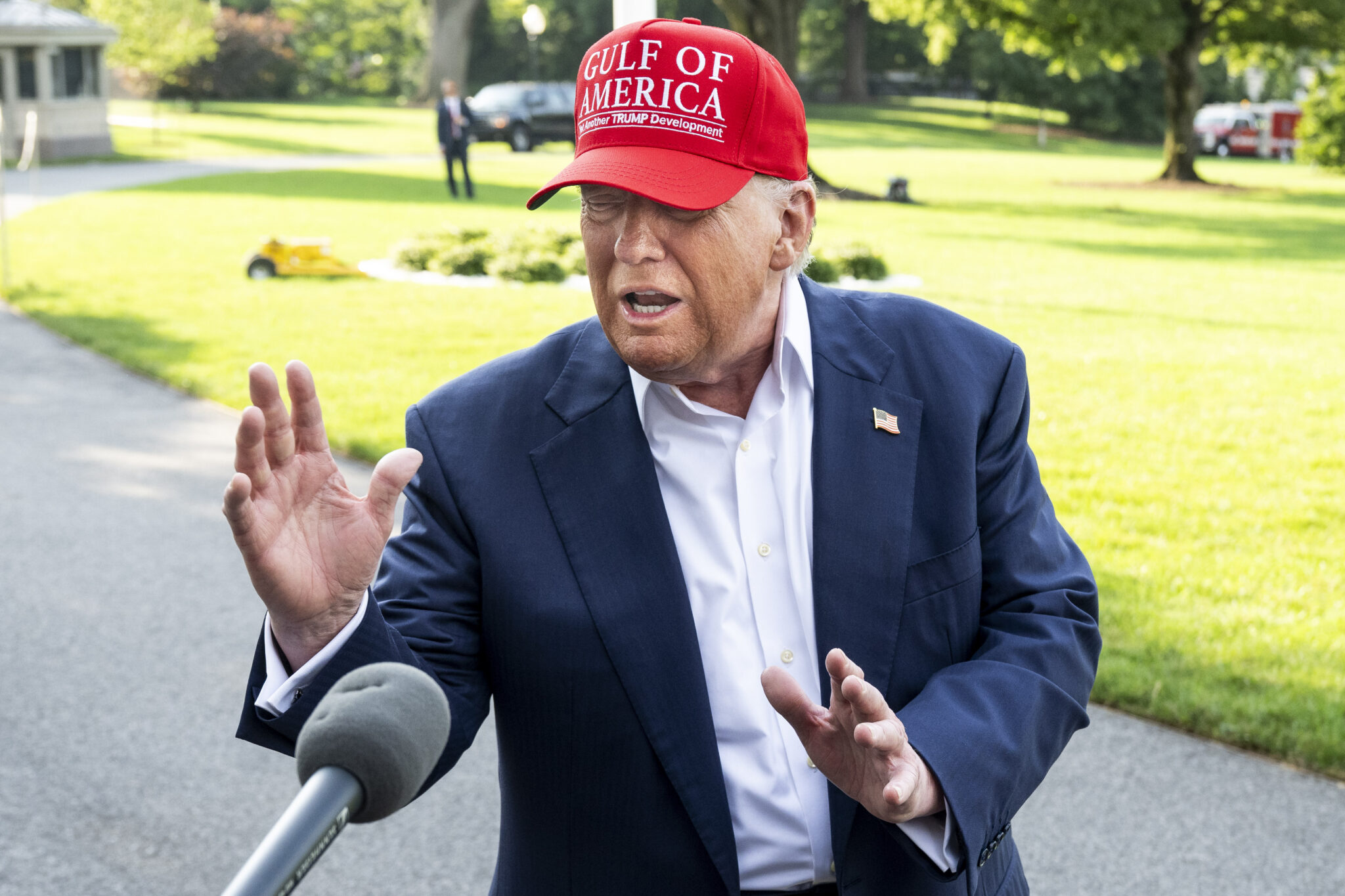
Just as Trump did not read Leo Tolstoy, he most likely also never thought to look to Muammar Gaddafi as his model. Yet in both their cases, absolute narcissism is a requirement for their power and inimitability.
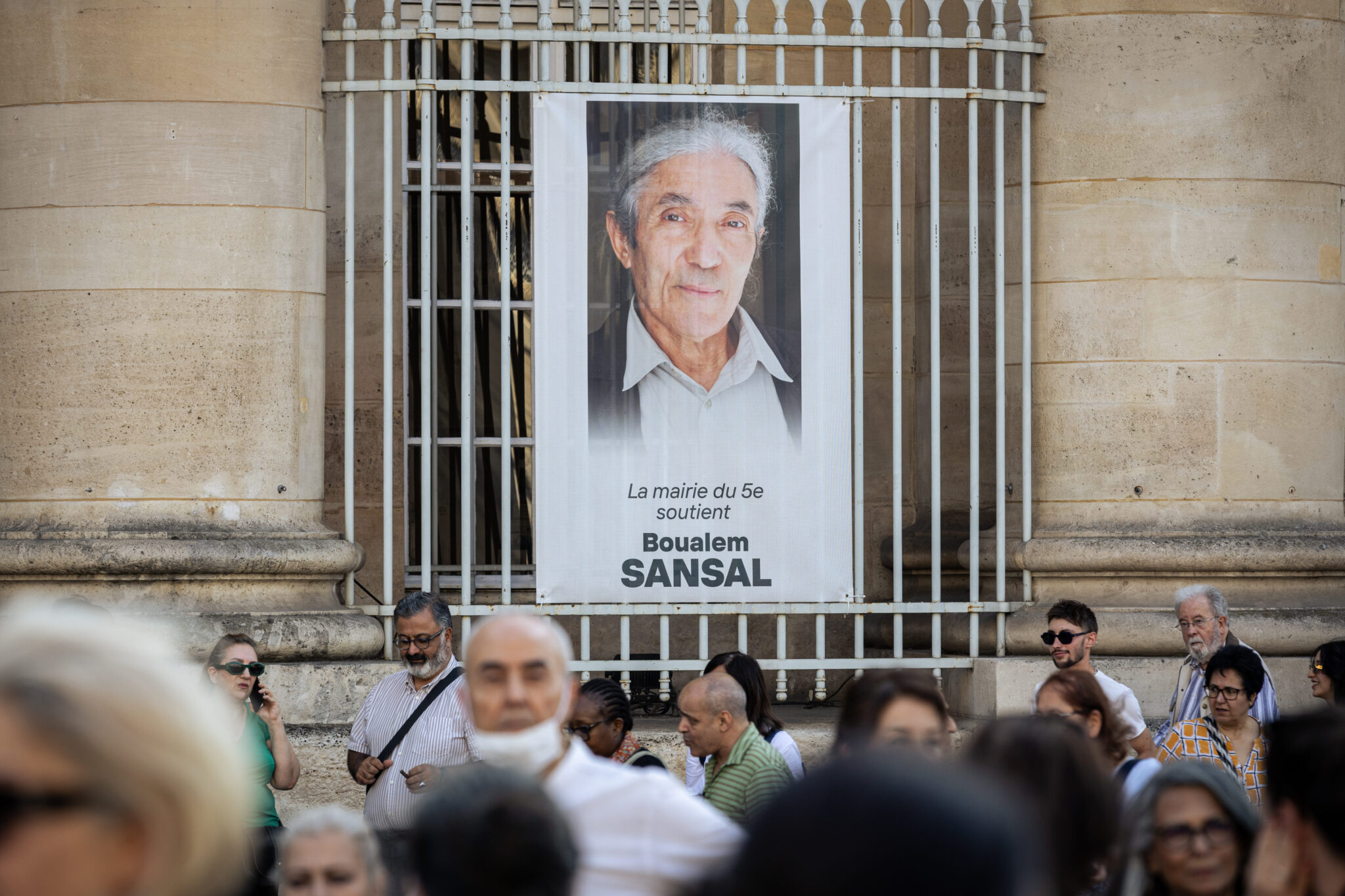
Franco-Algerian writer Boualem Sansal was sentenced to five years in prison in Algiers — the day after French journalist Christophe Gleizes had received a seven-year jail sentence. Could a presidential pardon for Sansal ease tensions?
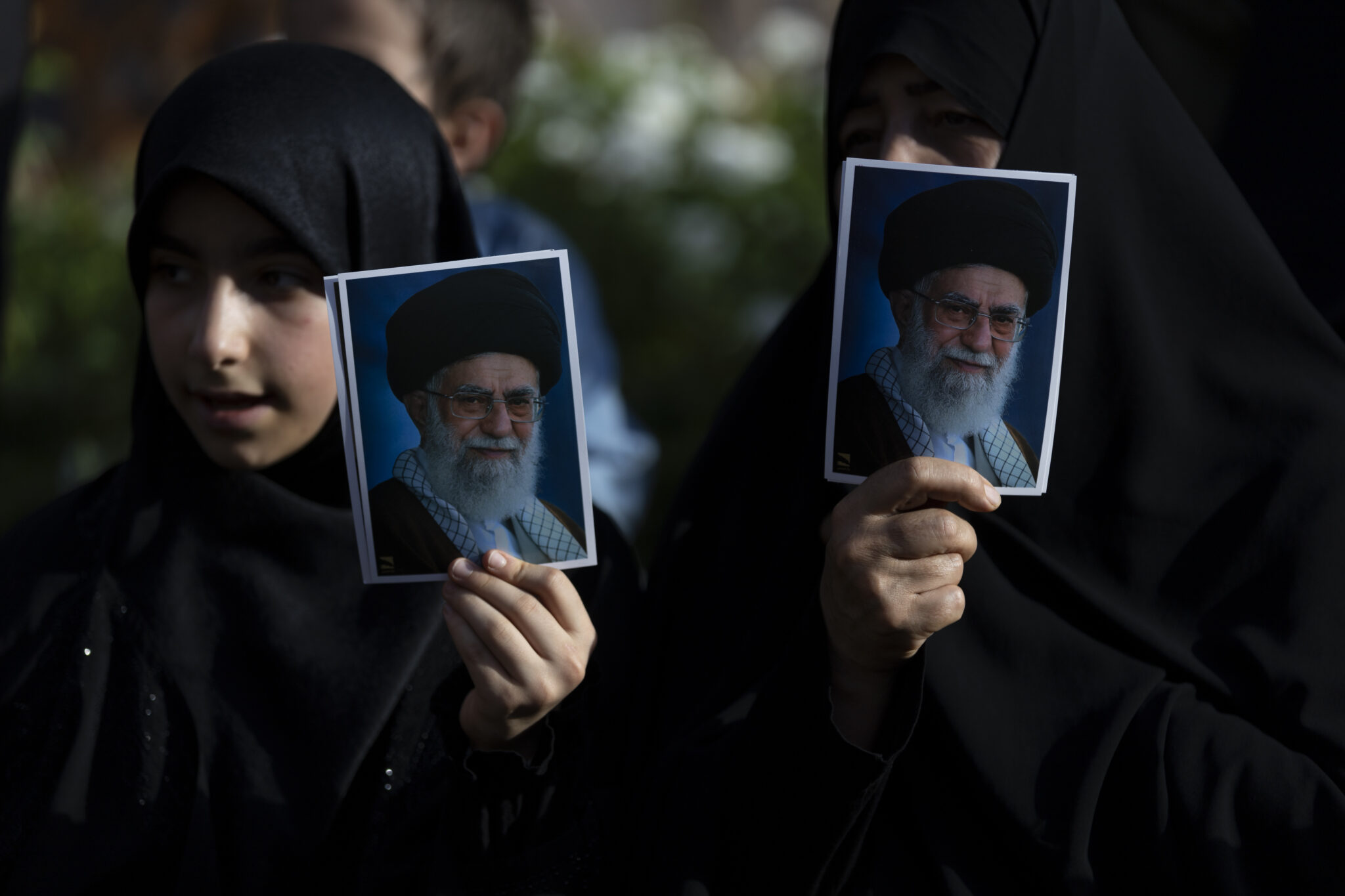
The ceasefire agreed on between Israel and the Tehran regime is not an end to hostilities but likely a “breather” for both sides who insist they have unfinished business with one another. But Israel’s recent battering of Iranian sites, war matériel and senior cadres may have left the ayatollahs with “none of the cards.”
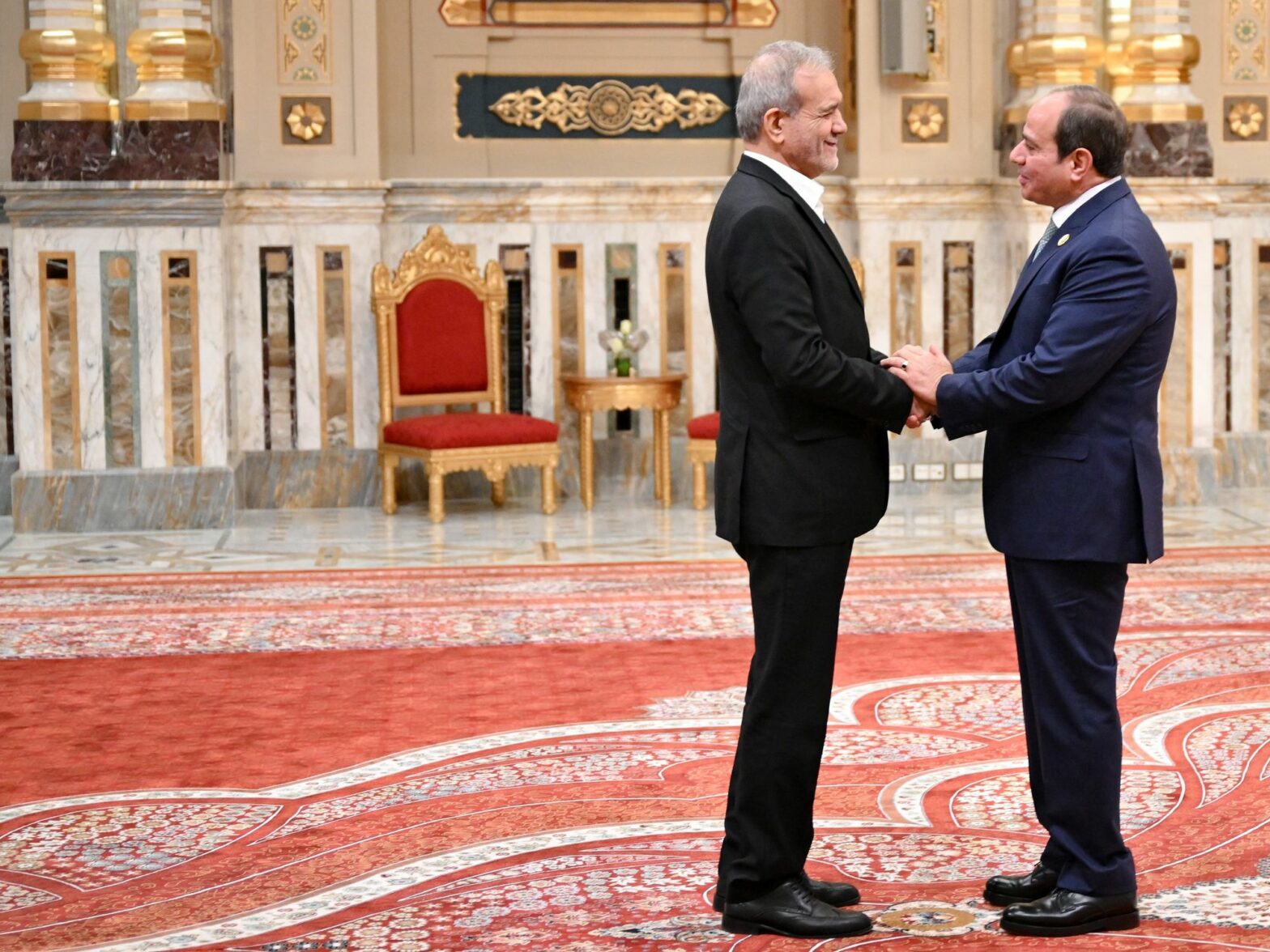
Egypt has perfected the art of passive resistance in navigating international pressures — delaying, complicating, and outlasting unwanted initiatives. From blocking the Arab NATO project to managing the fate of two Red Sea islands, Cairo deploys its bureaucratic “Madame Afaf” tactic to stall without confrontation.
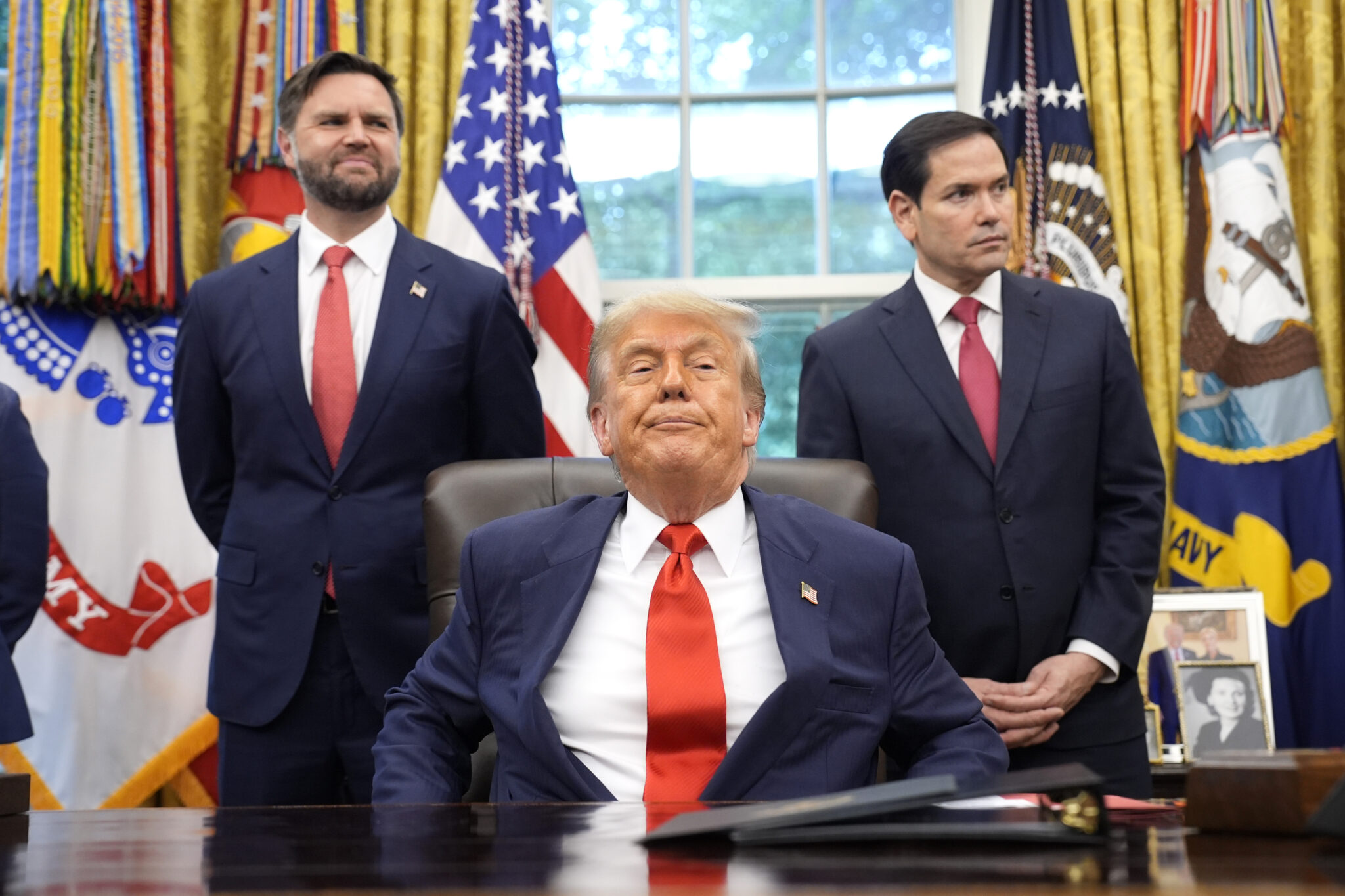
In an era where every tweet from the White House sets global agendas, Donald Trump has mastered a brash spectacle, luring us into endless commentary. Behind the daily uproar lies a calculated strategy to reshape America’s alliances and democratic safeguards.
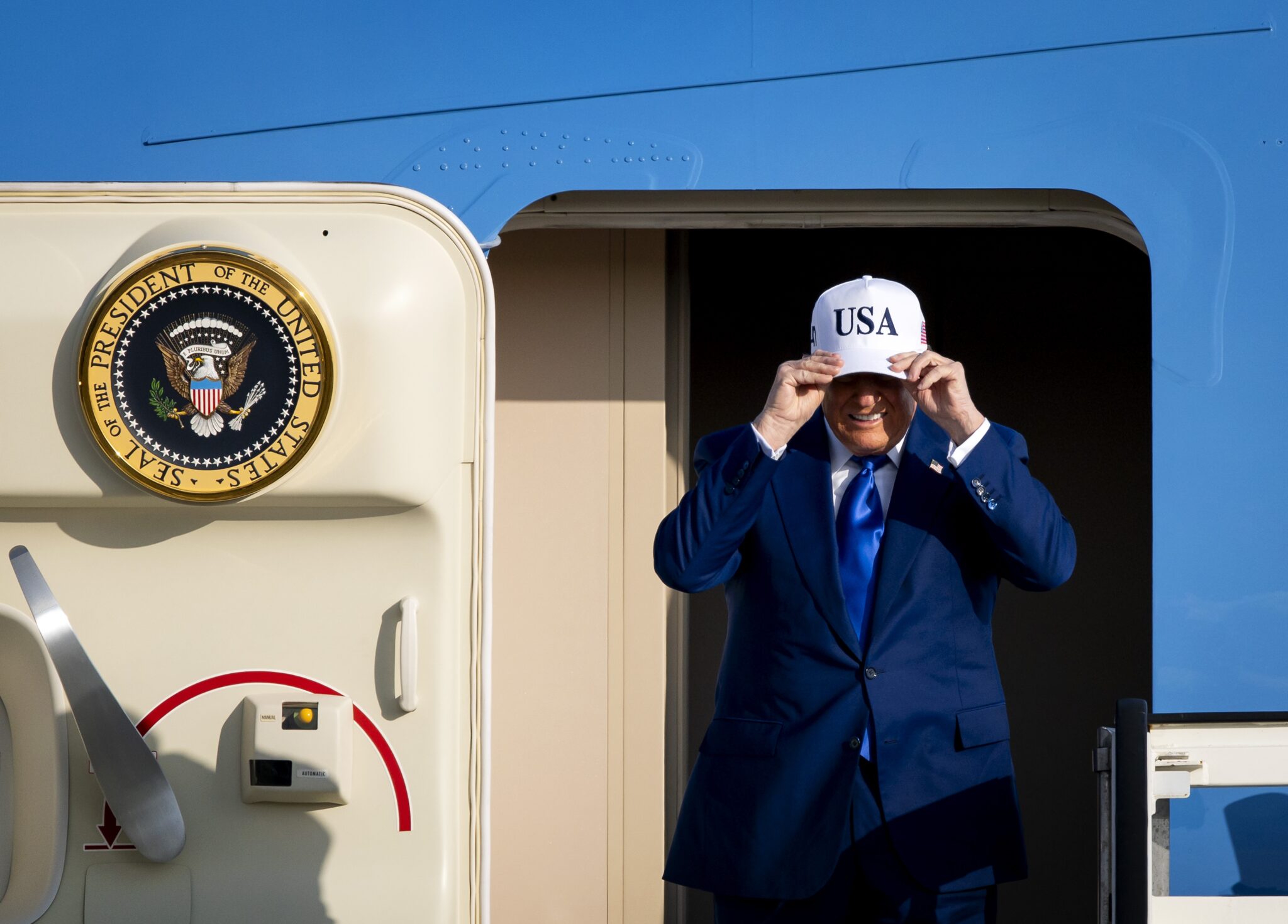
The Israel-Iran truce brokered by the U.S. president is a major diplomatic victory for Trump. But it’s a peace plan that feels more sleight of hand than statesmanship, which raises doubts about whether the ceasefire can last.
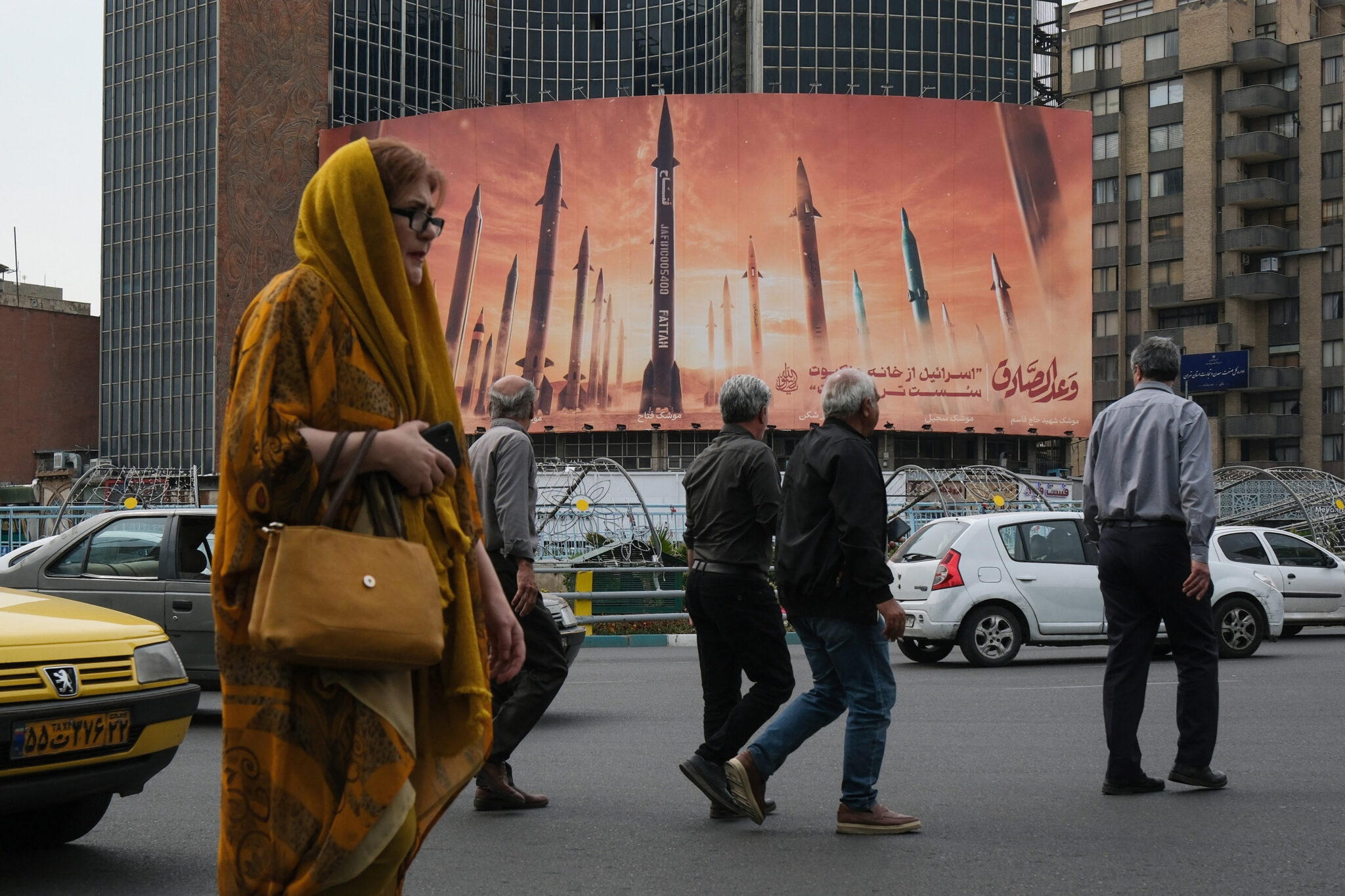
After 12 days of intensive conflict, President Donald Trump declared a ceasefire halting the most dramatic direct confrontation between Israel and Iran in decades. Both nations agree to abide by the truce, yet each vows retaliation if any breaches occur.
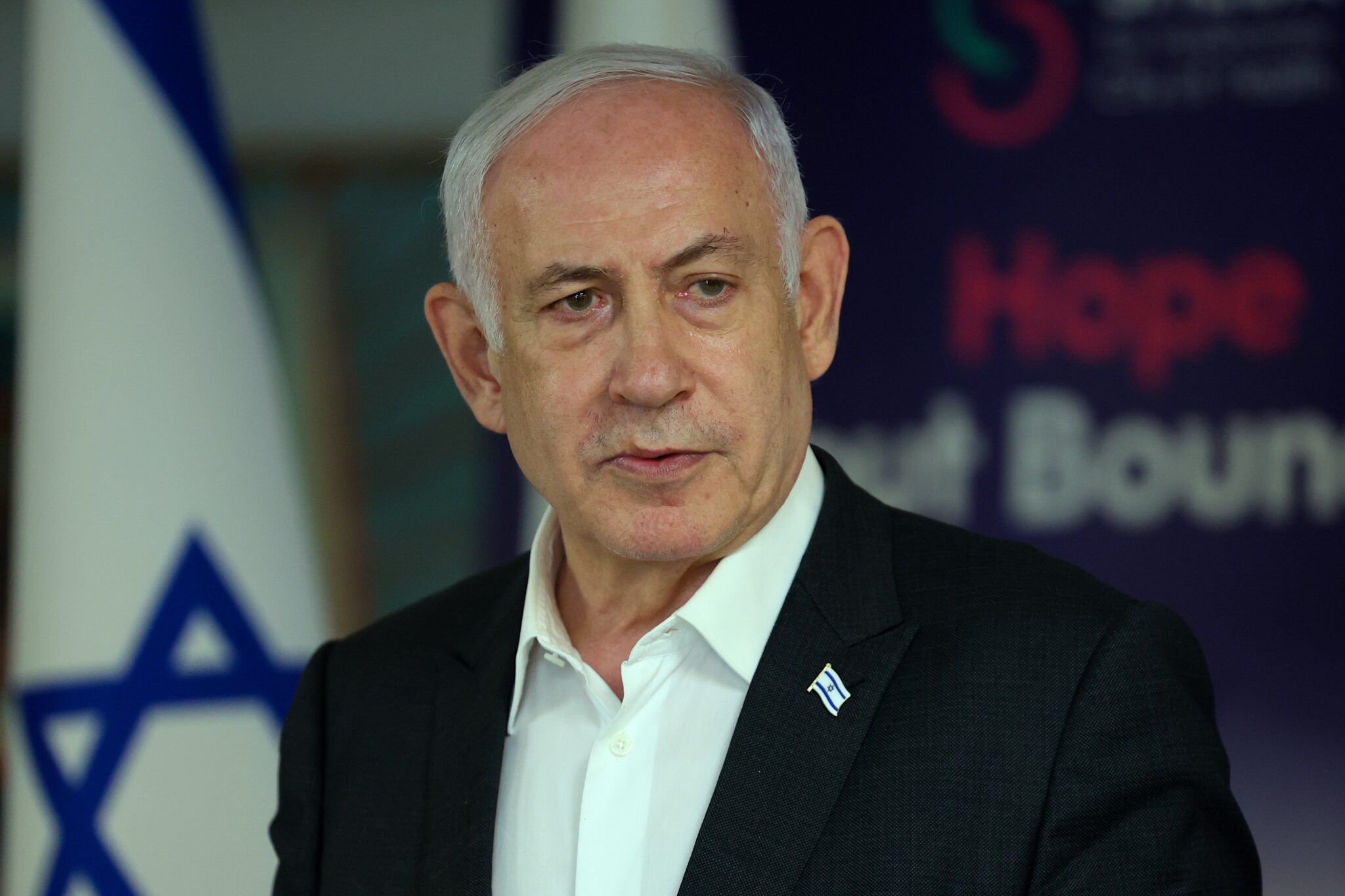
The intervention of American bombers in Iran has strengthened Israeli Prime Minister Benjamin Netanyahu’s position, allowing him to assert military supremacy over the Middle East. What comes next will be more difficult, as no solution is on the horizon for Gaza, and the Saudis are growing more skeptical than ever of Israel.
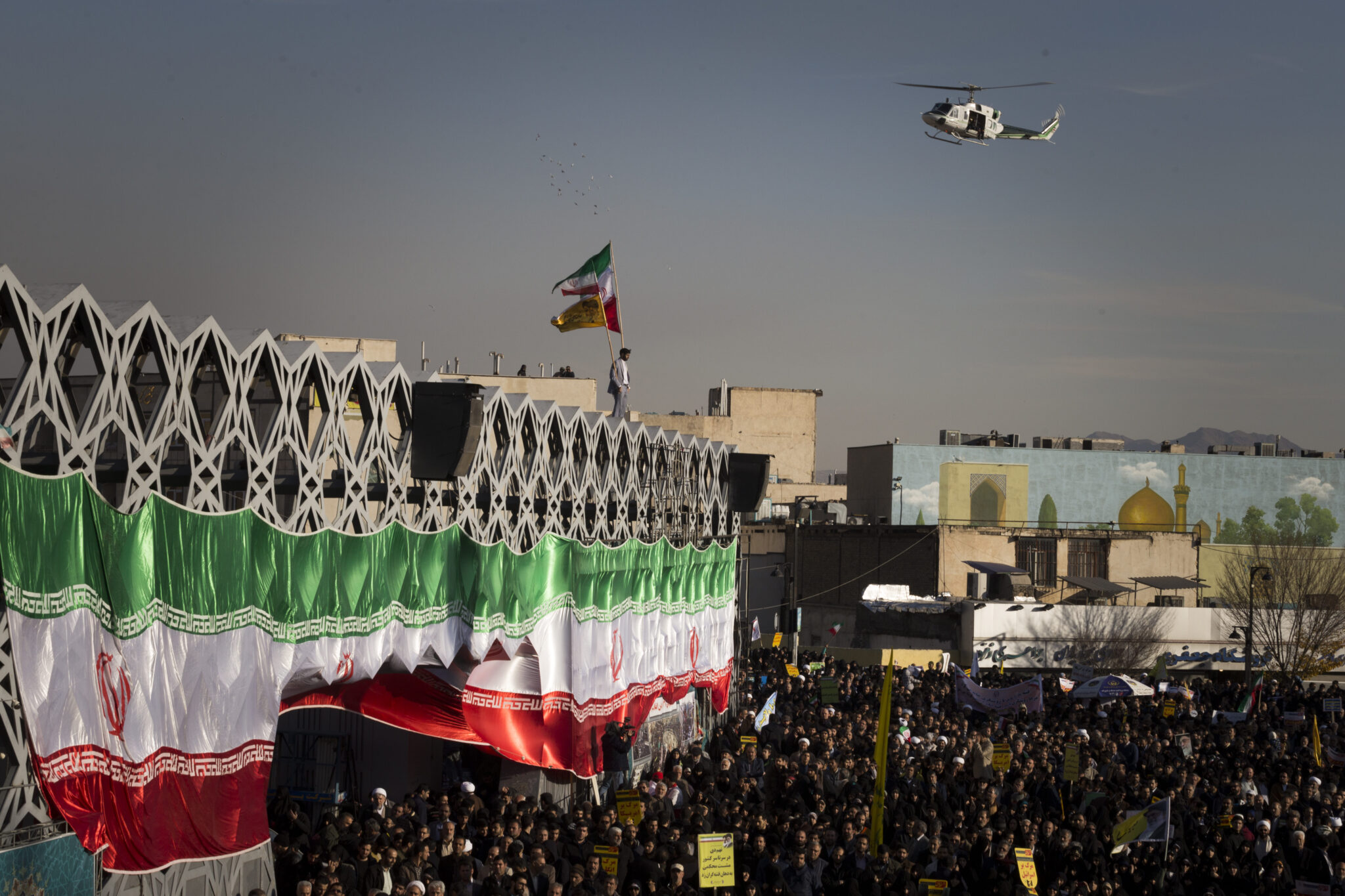
German Chancellor Friedrich Merz said what others were thinking: Israel is doing the world a favor by trying to stop Iran’s nuclear program: Westerners and Arabs but also Russia and China, all would rather Tehran doesn’t get the bomb. But it may now be up to President Trump who is only concerned with his own interest.
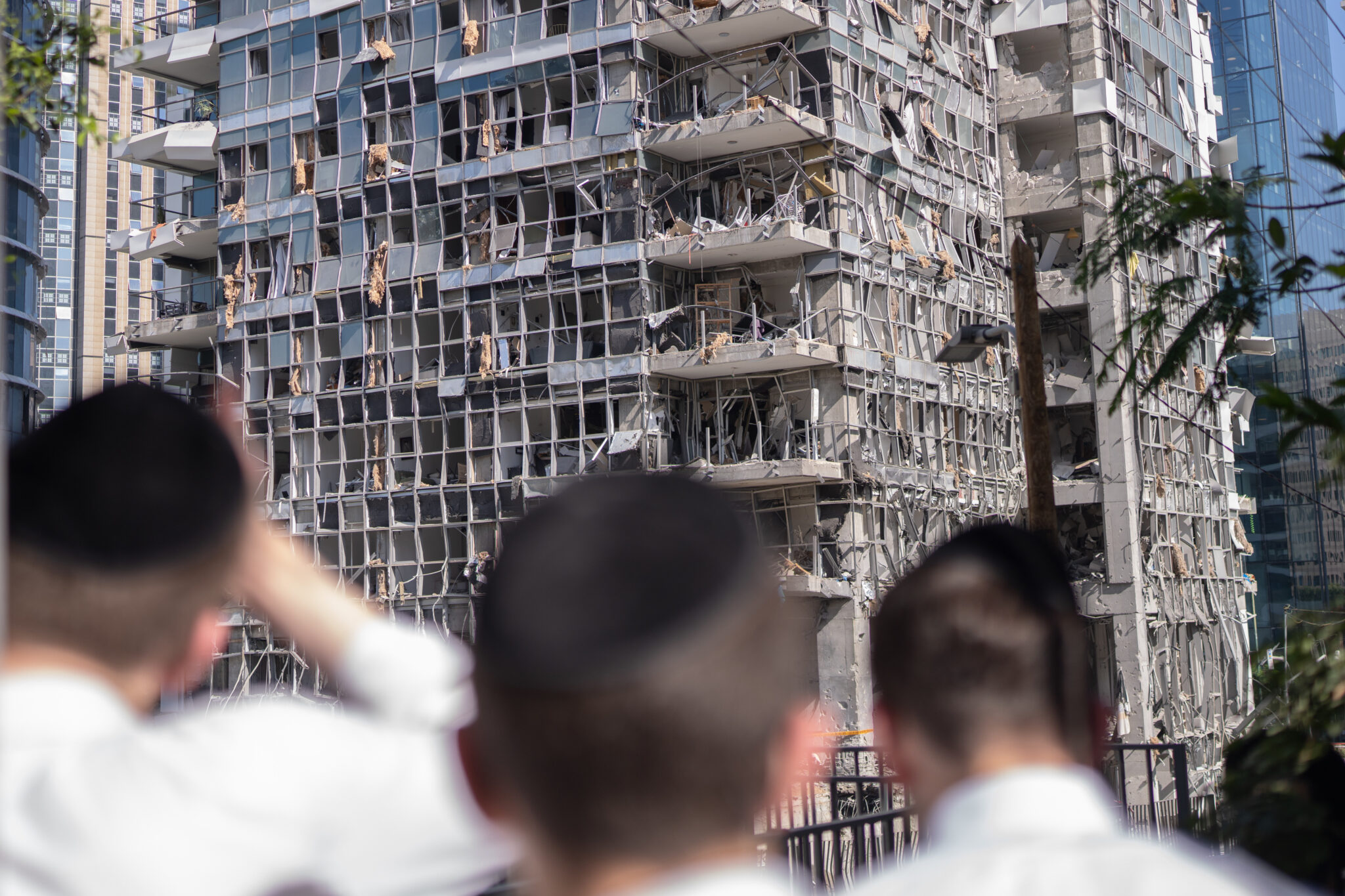
By declaring that Israel was “doing the dirty work for all of us,” German Chancellor Friedrich Merz shocked many and cast an ambiguous shadow over Europe’s position in the conflict. At a moment when Europe should be upholding the rule of law, he appeared to align with Israel and the United States, who seem to rely solely on force.
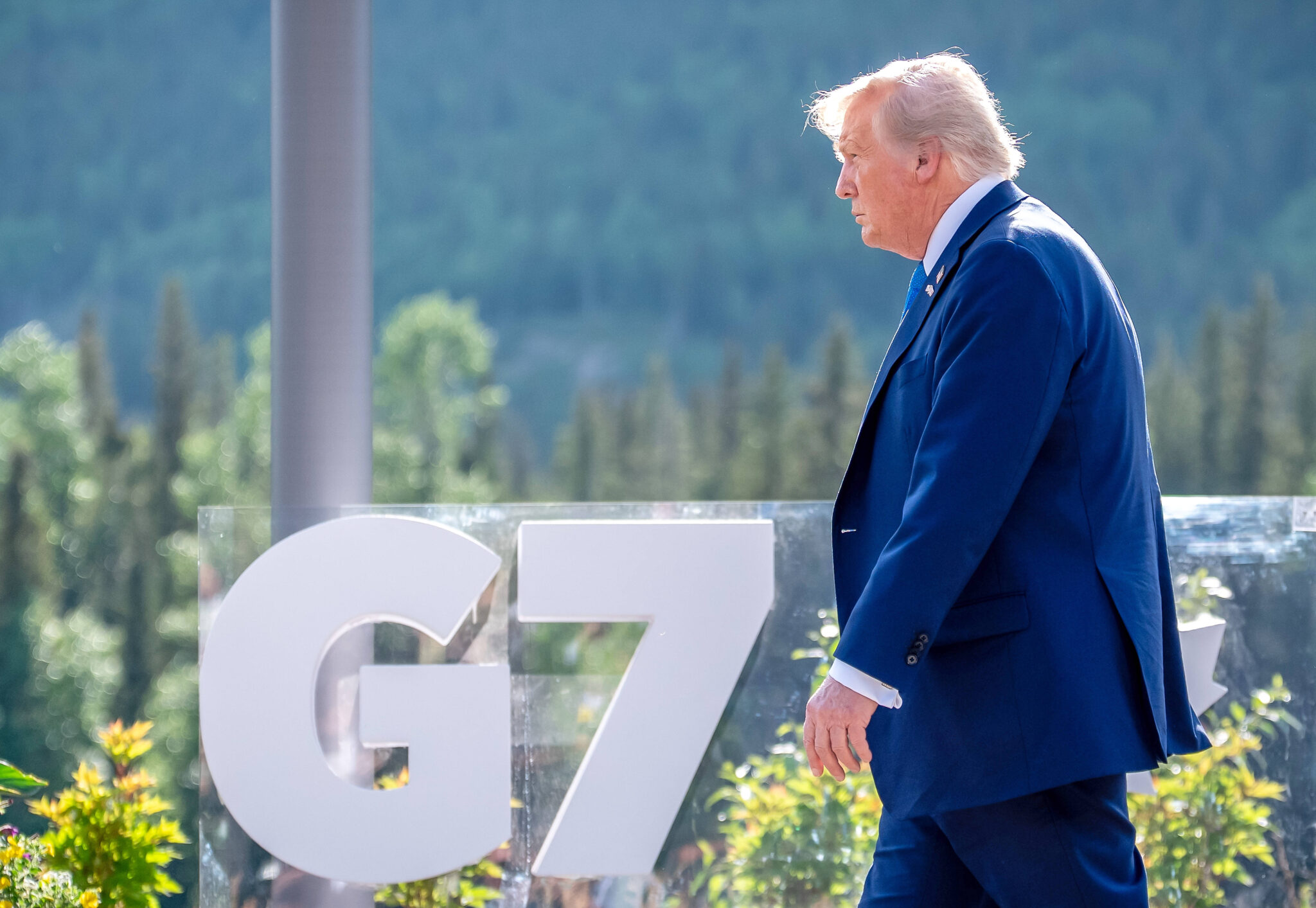
Donald Trump’s early departure from the G7 Summit highlighted his contempt for this type of meeting, but also had the virtue of pointing out that this institution has become an empty shell, embodying a world that has become obsolete. But what should replace it?
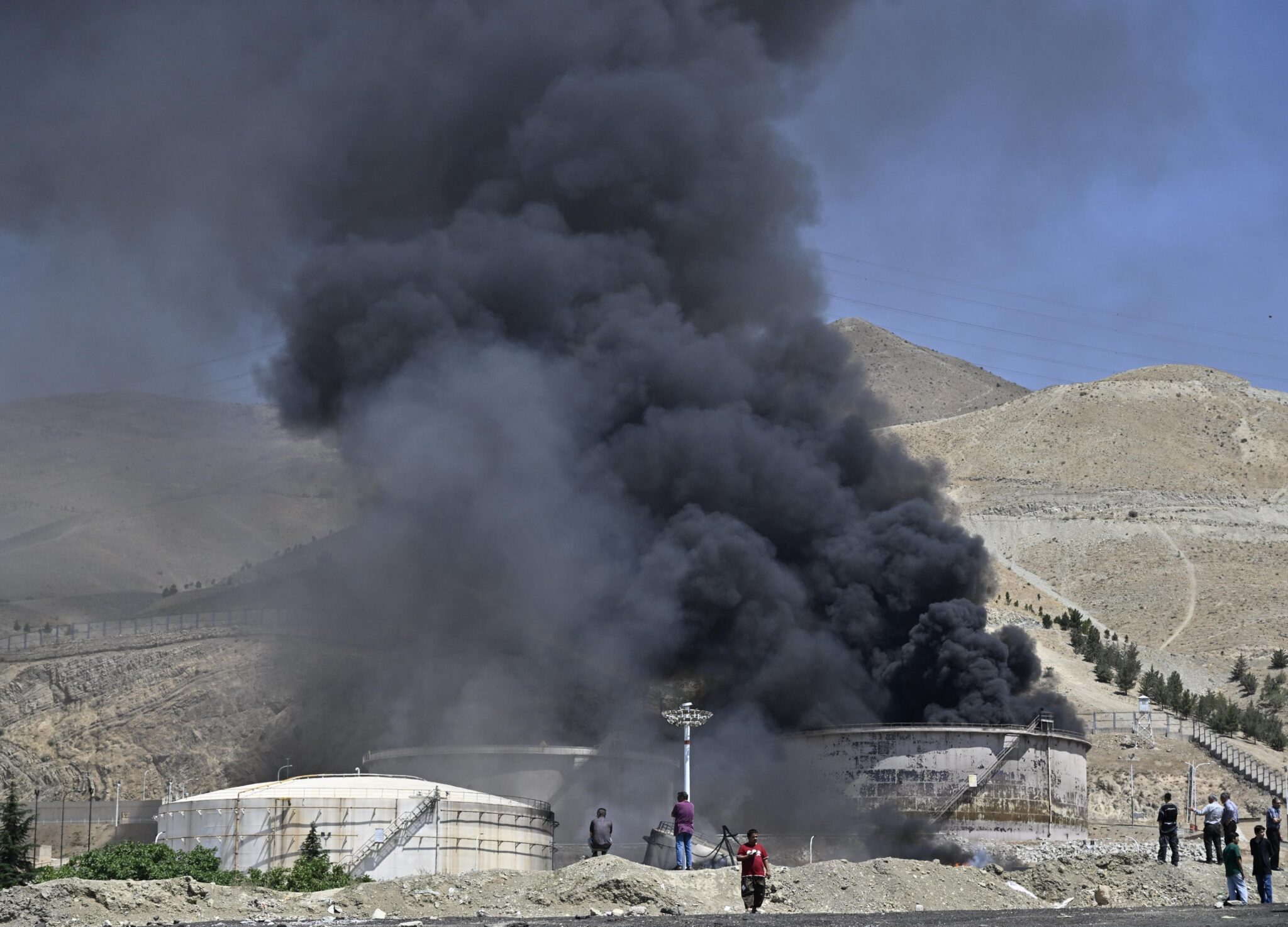
No externally-induced regime change has produced positive results for more than 30 years: not in Afghanistan in 2001, nor Iraq in 2003, nor Libya in 2011. And even if the current rulers were expelled from Tehran, a particularly dangerous kind of chaos would likely take its place.
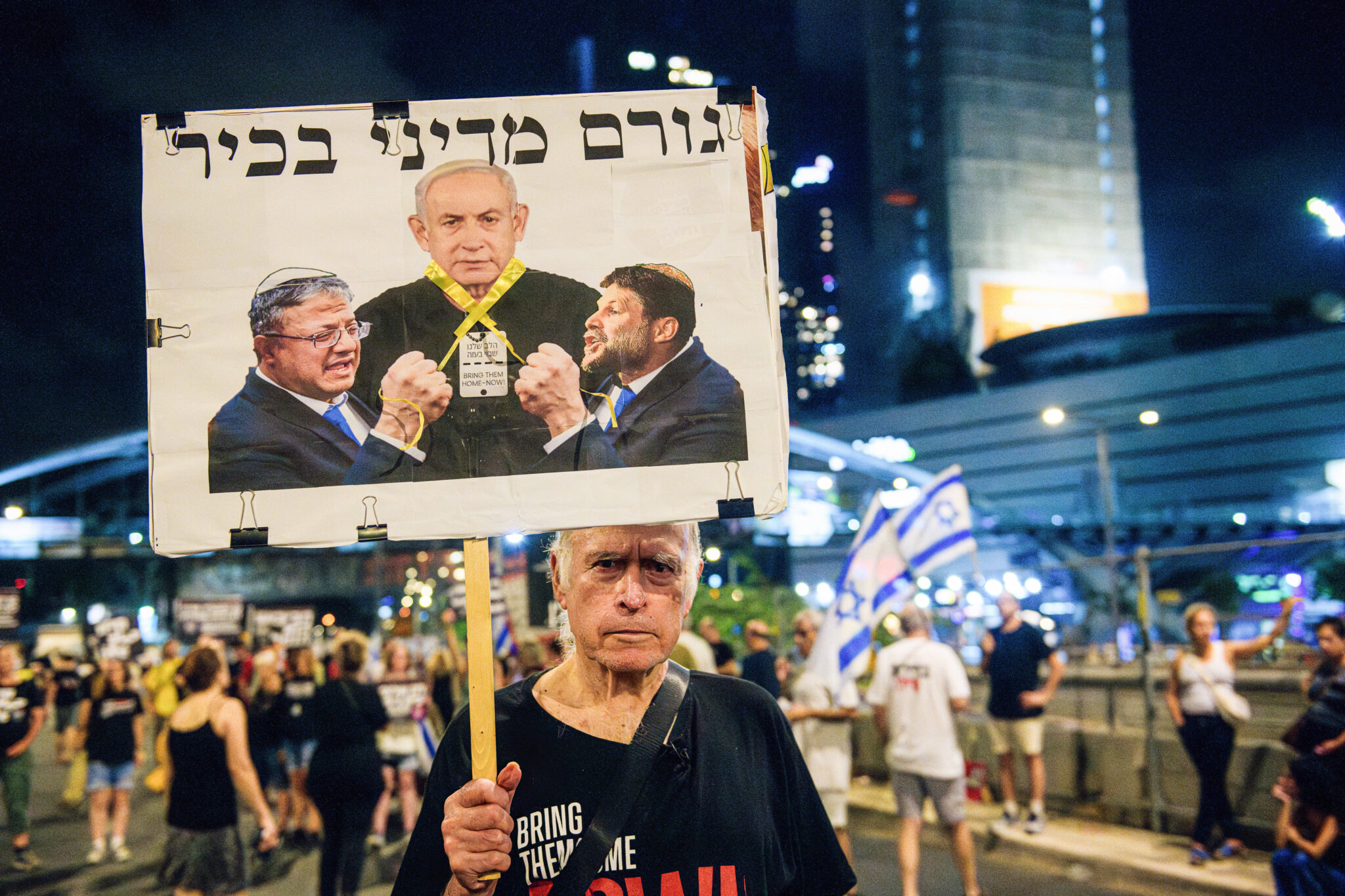
Five countries have imposed sanctions against the two most important far-right ministers in Israel’s Netanyahu government — Finance Minister Bezalel Smotrich and Internal Security Minister Itamar Ben Gvir — a first that marks the deterioration in relations between Israel and its allies. But with the Trump administration standing behind Netanyahu, little can be actually be done.

As a child in the 1970s, German journalist Kirsten Küppers found joy, freedom and ease on the U.S. Army base in Mannheim. With Trump asserting his power, it may be simply impossible for that America to be found today in Germany.
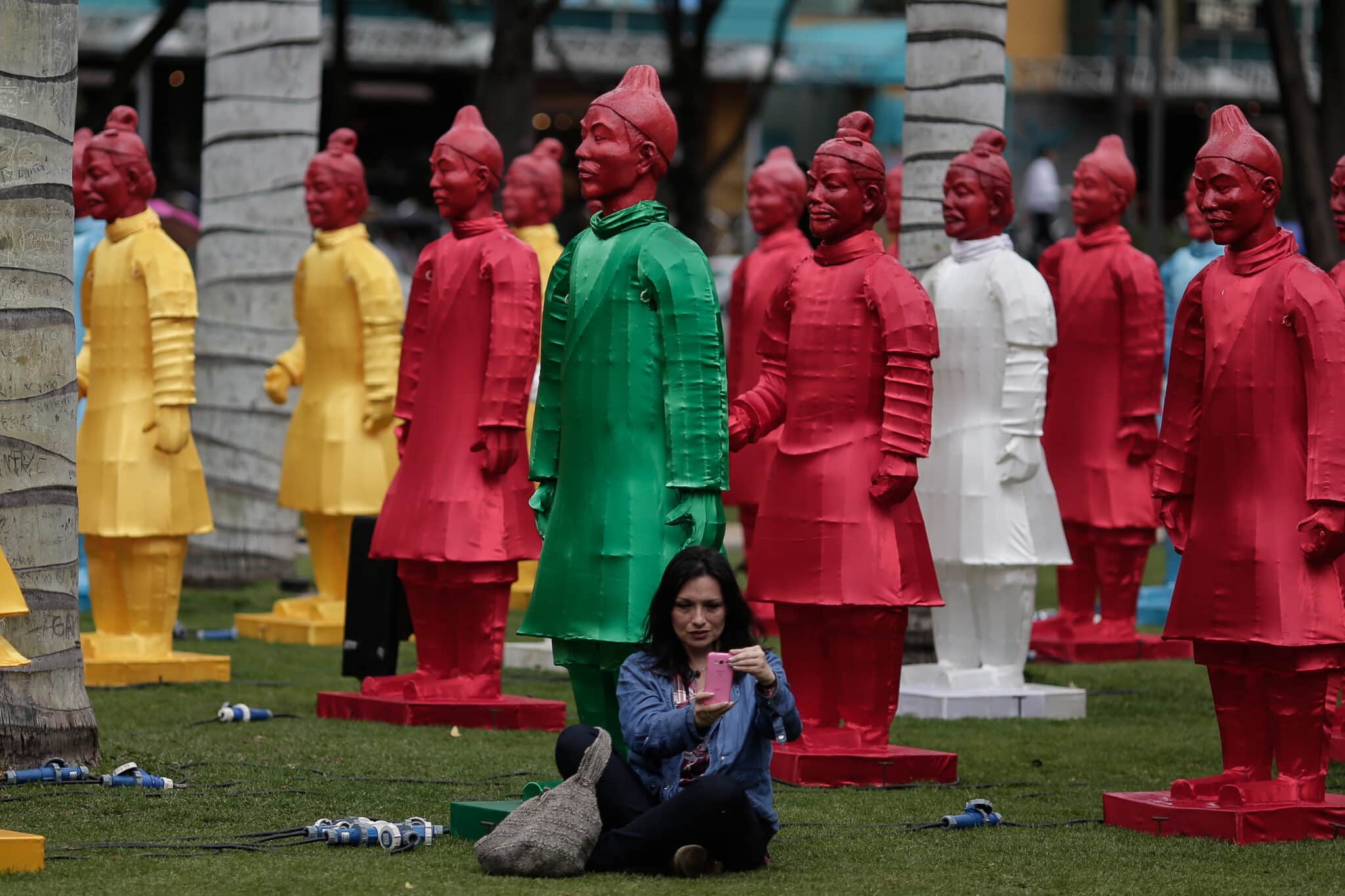
China is taking a growing interest in investing in Latin America — just as the Trump administration is making the United States less reliable. But what are Beijing’s real motivations.
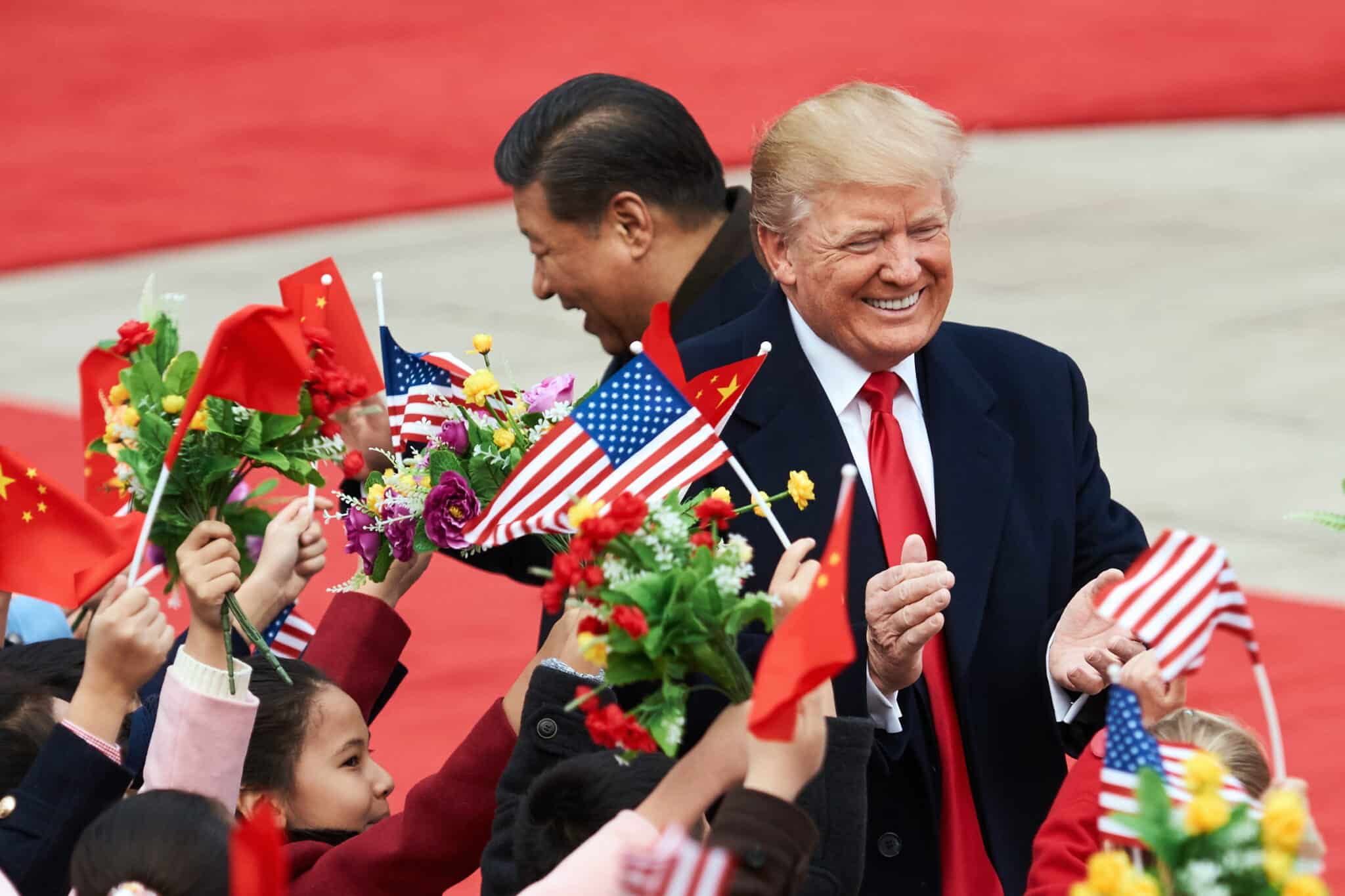
China is blocking exports of rare earth material in response to the U.S. trade war, which is now beginning to affect Western industries. Indeed, the American position is weakened just as negotiations are set to resume. Will Trump chicken out again?
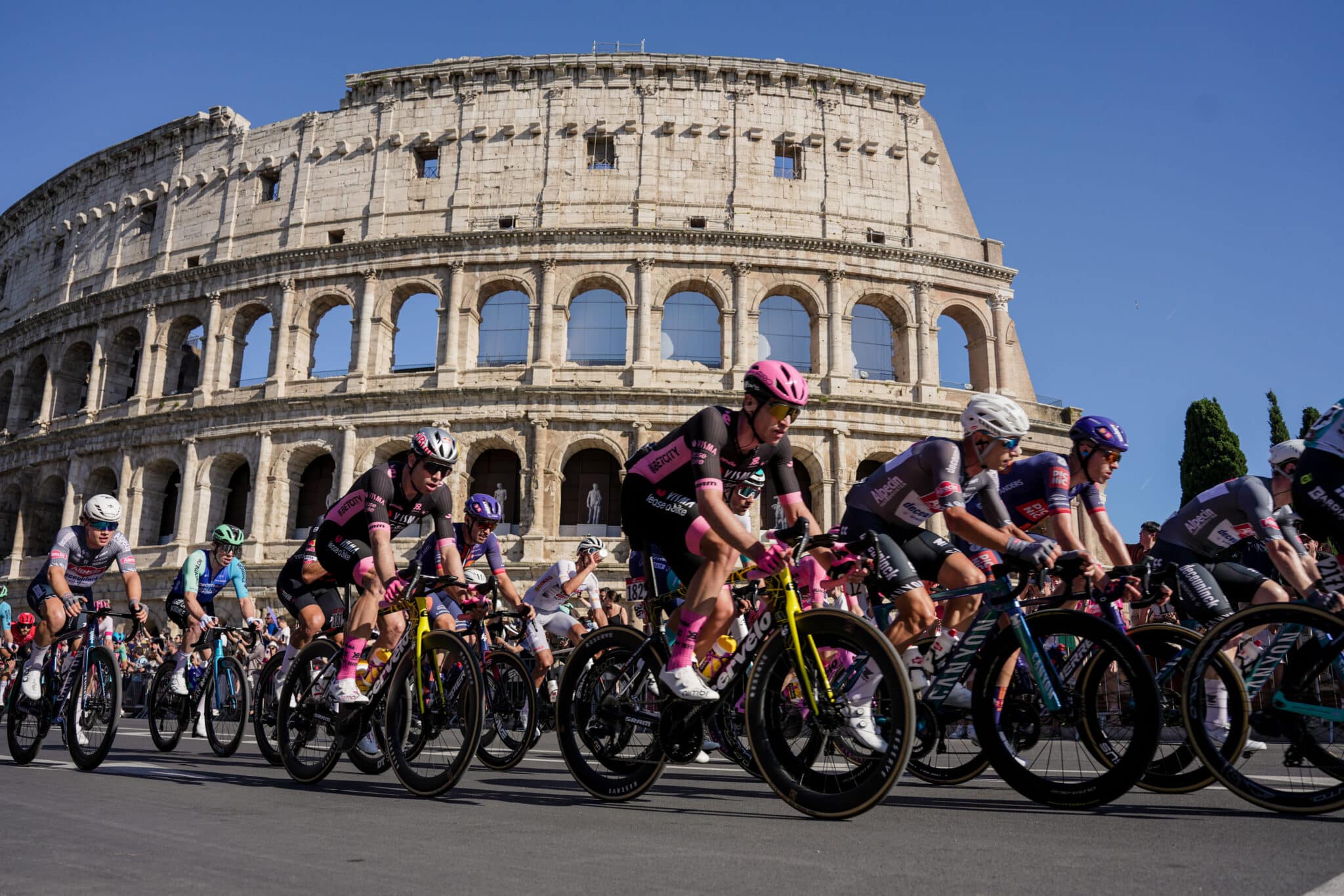
👋 Yumalundi!* Welcome to Tuesday, where Israeli forces kill at least 27 Palestinians in another deadly confrontation near a food distribution site in Gaza, Mount Etna erupts, and we’ve got one sour quiz question for you. Meanwhile, for La Stampa, Stefano Stefanini looks at Ukraine’s recent long-range drone strike deep inside Russia — and what […]
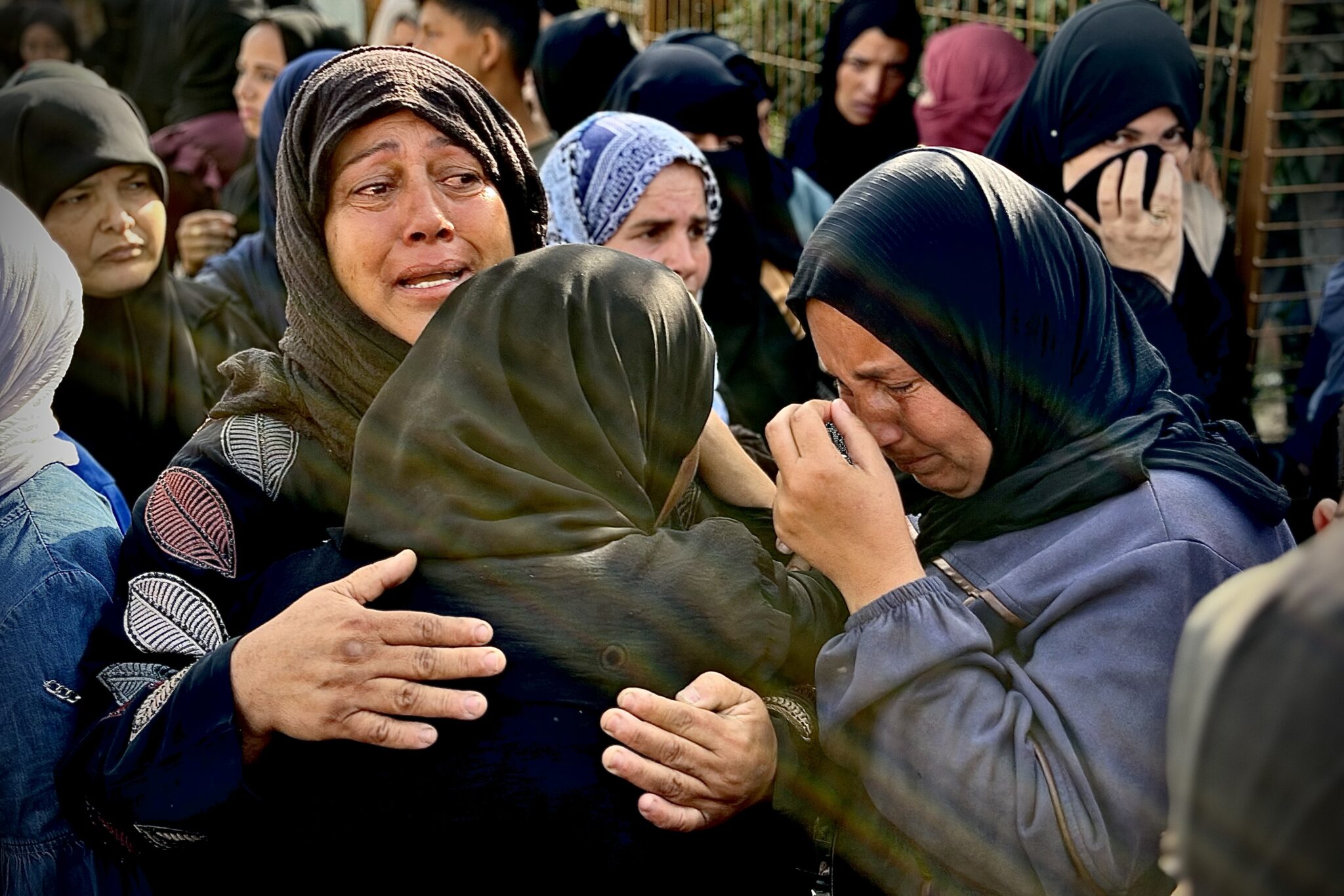
A new horror during food distribution in Gaza comes, with the warring parties digging in their heels at the expense of the population. Only the White House has the weight to impose a truce. Why is it waiting?
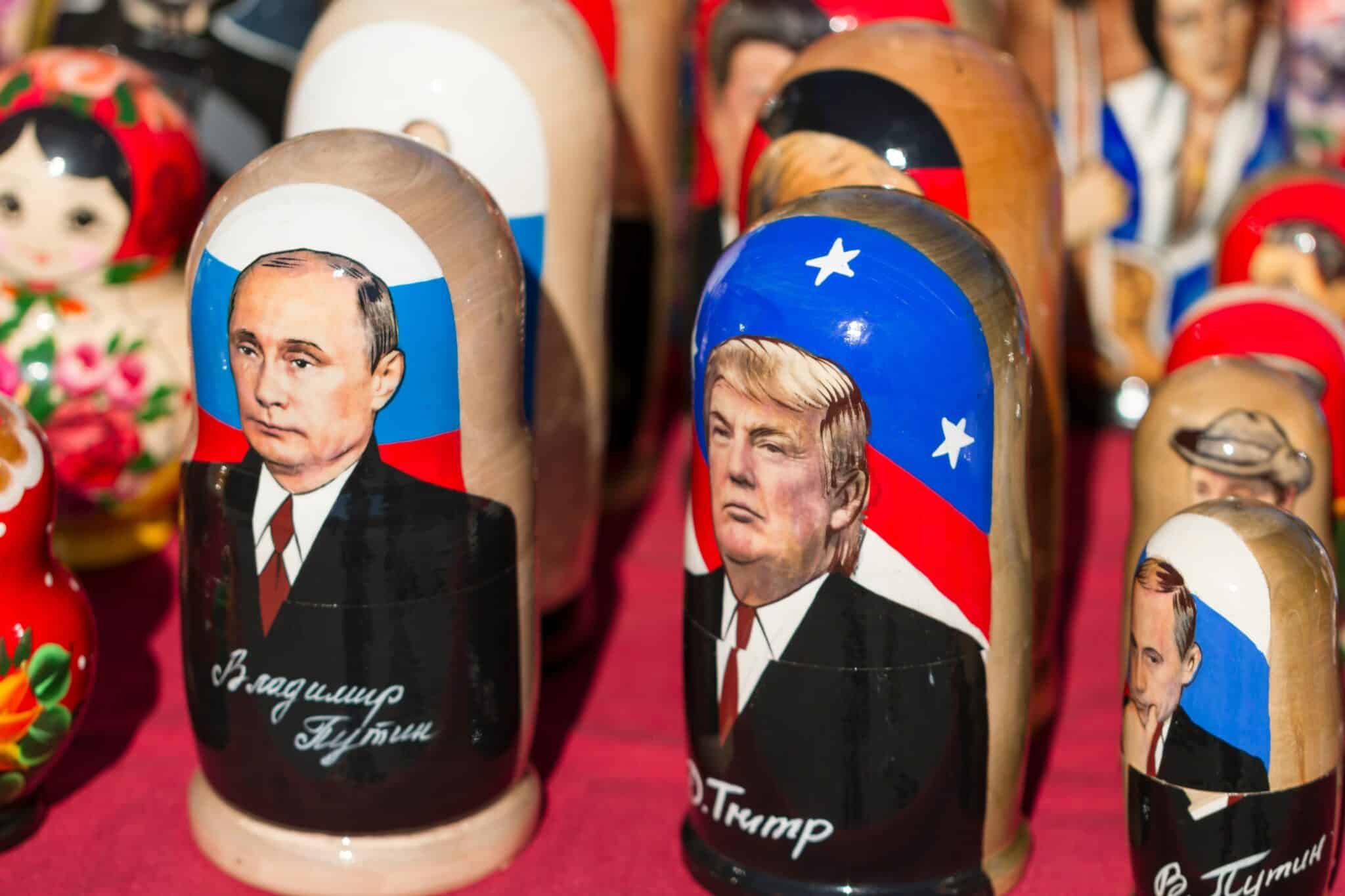
With global diplomacy now driven more by personalities than institutions, summits resemble showdowns — and geopolitics risks becoming a game where the stakes are dangerously real.
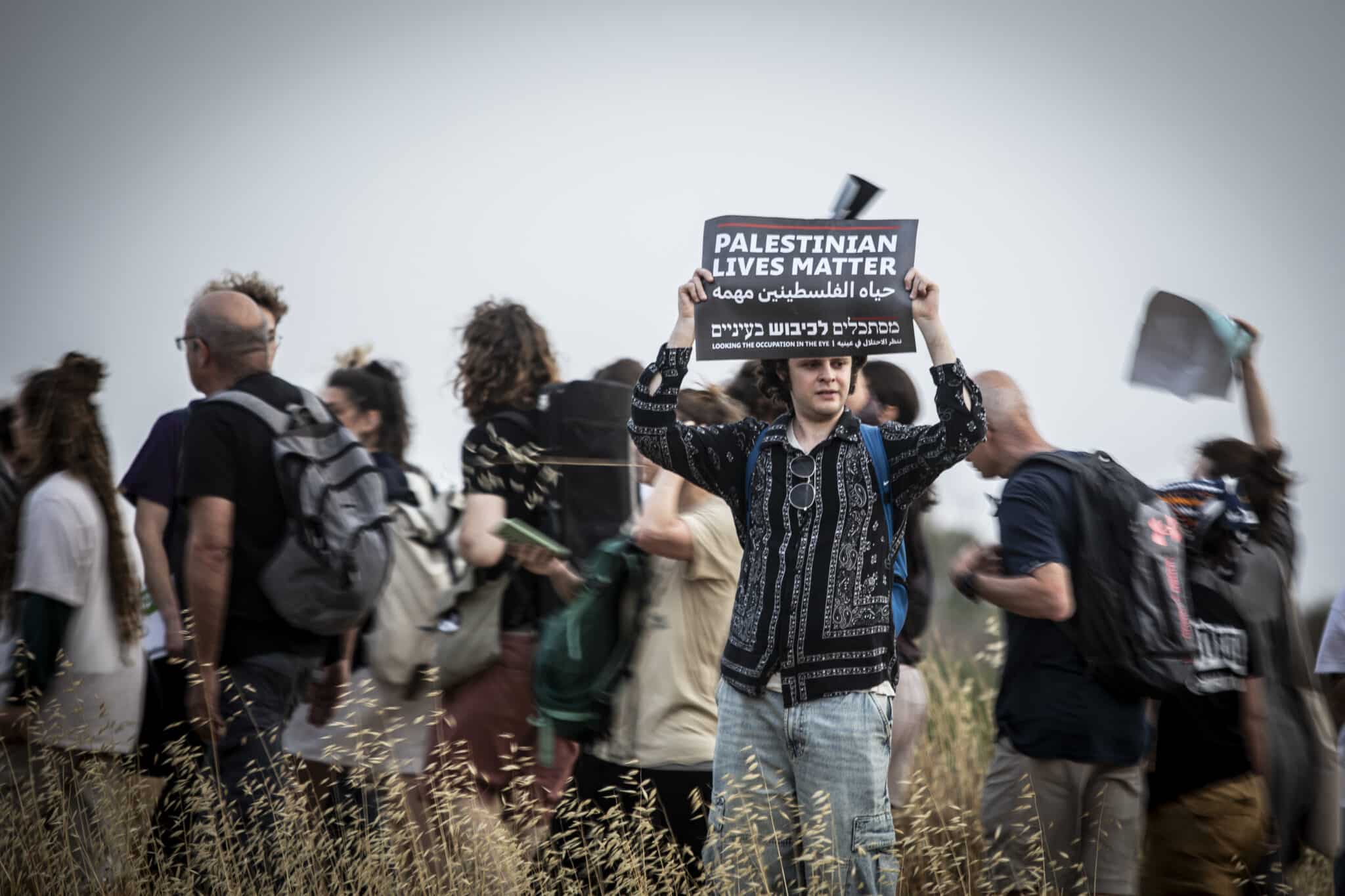
A growing number of Israelis oppose the ruthless war in the Gaza Strip and fear their country’s international isolation. Increasing criticism from Europe is fueling this sentiment, which, for now, has not stopped Benjamin Netanyahu from escalating the conflict.
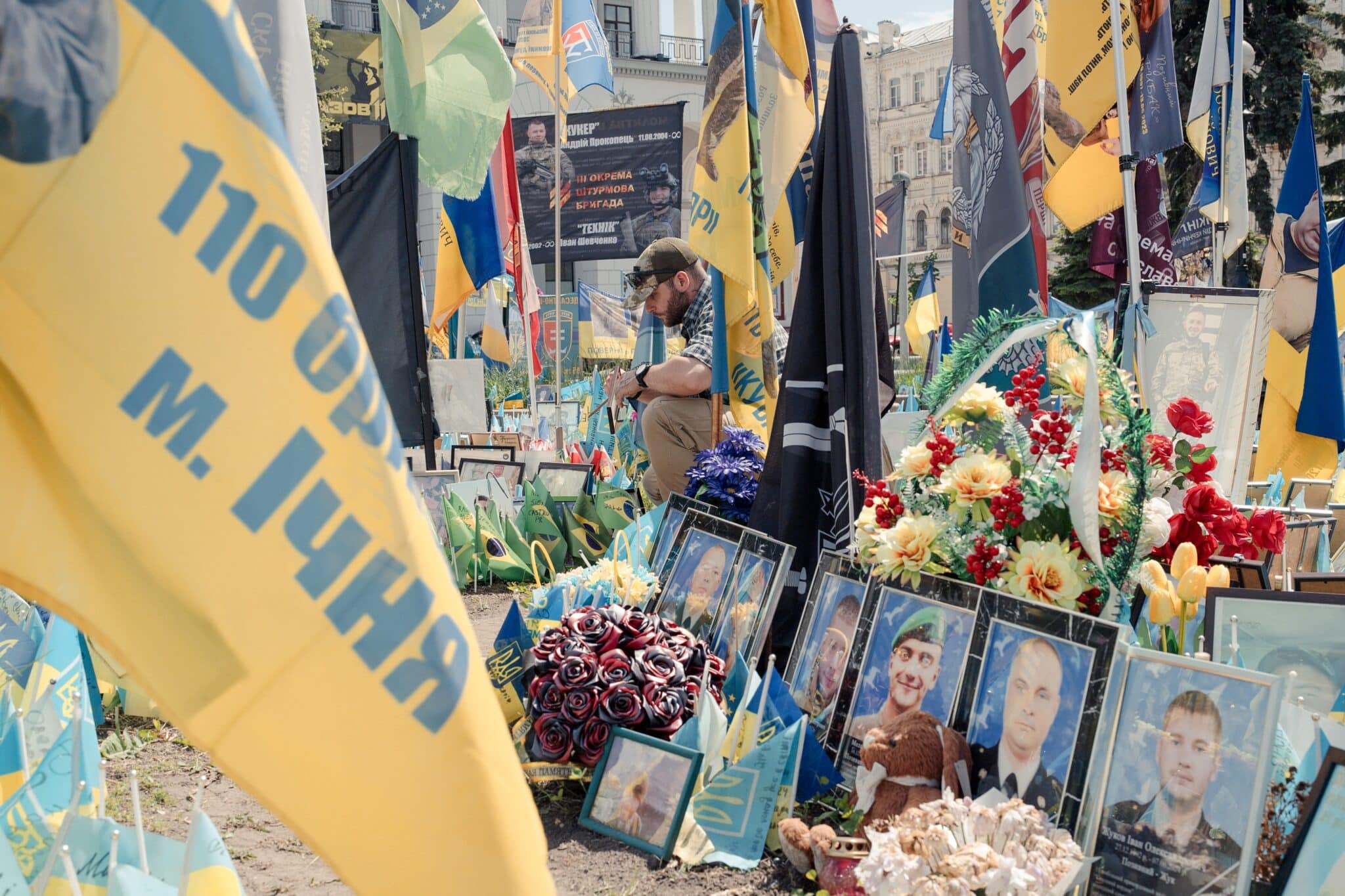
Following his call with Vladimir Putin on Monday, Donald Trump seemed to wash his hands of the rest. His ultimate agenda seems to be about inking business deals, just like he’s done on his recent visit to the Gulf states.
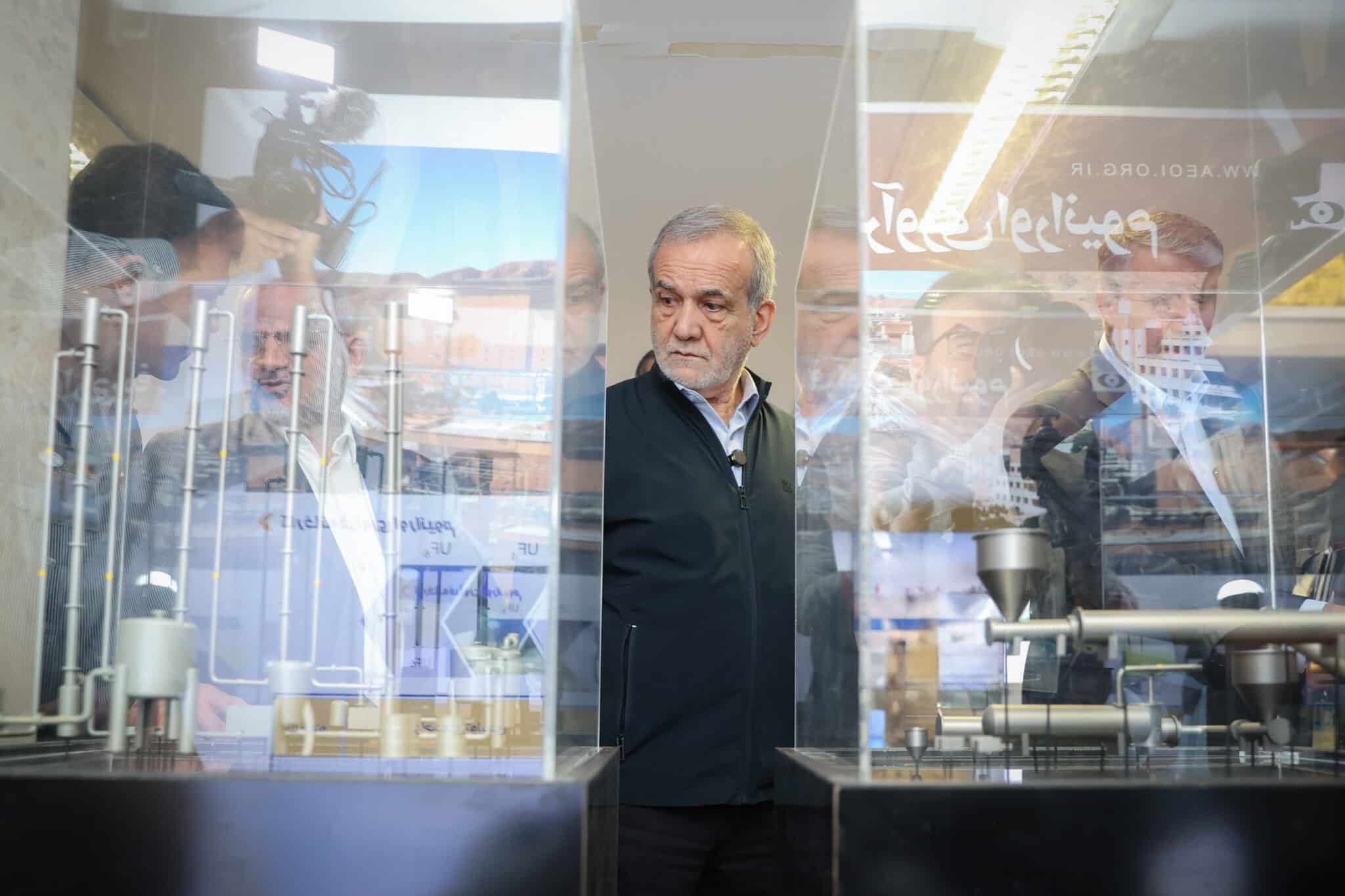
Both Iranian negotiators and U.S. President Donald Trump have stated that they are on the verge of a major deal on the Tehran’s nuclear program. But a closer look reveals an old game of bait and switch.