It may seem an outlandish idea given Iran’s anti-Western posturing, but could its regime have cut a secret deal over future ties with the Trump team, like its hostages deal with Ronald Reagan ahead of the 1980 U.S. elections?
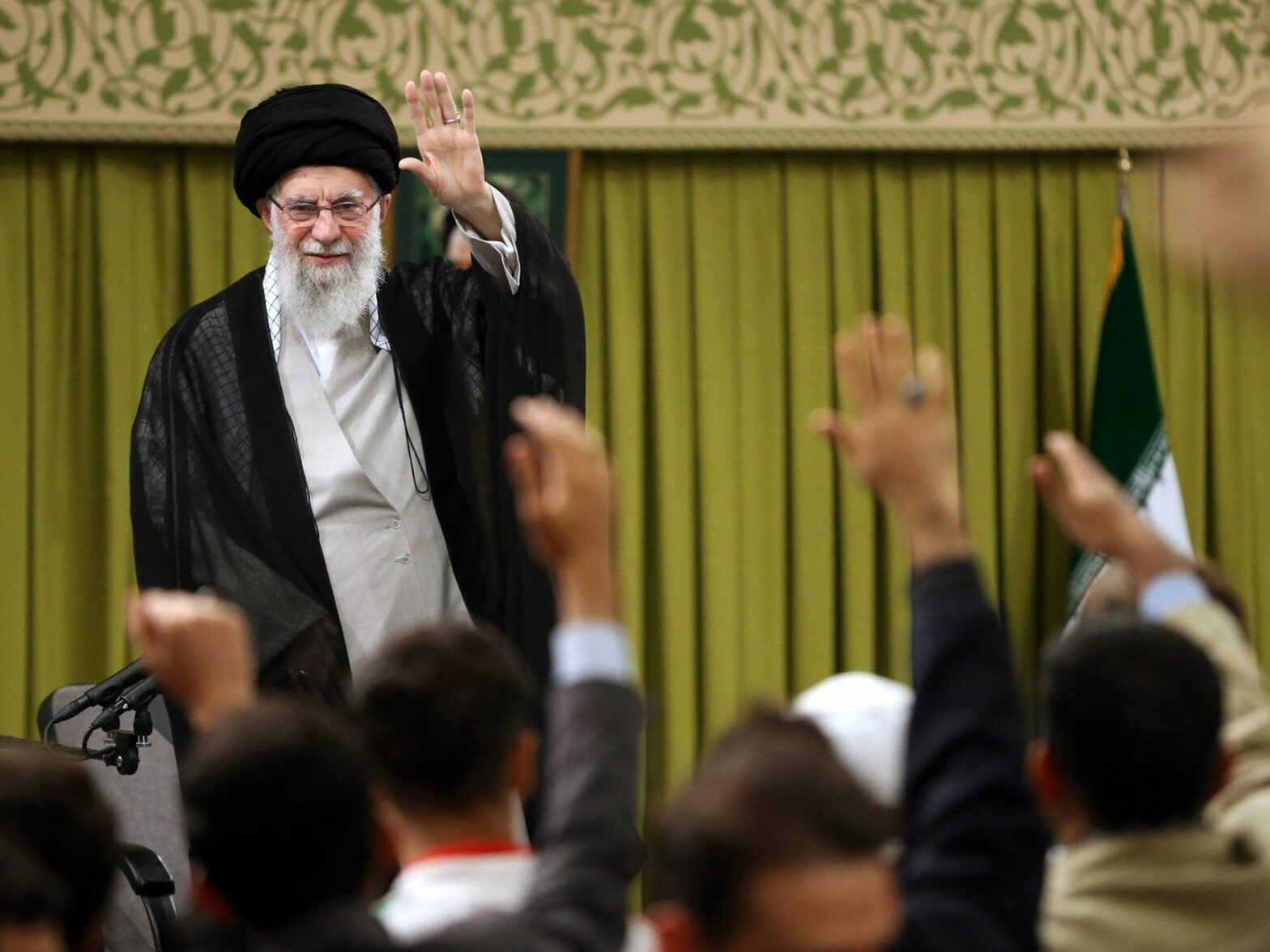
 Worldcrunch
Kayhan is a Persian-language, London-based spinoff of the conservative daily of the same name headquartered in Tehran. It was founded in 1984 by Mostafa Mesbahzadeh, the owner of the Iranian paper.
Unlike its Tehran sister paper, considered “the most conservative Iranian newspaper,” the London-based version is mostly run by exiled journalists and is very critical of the Iranian regime.
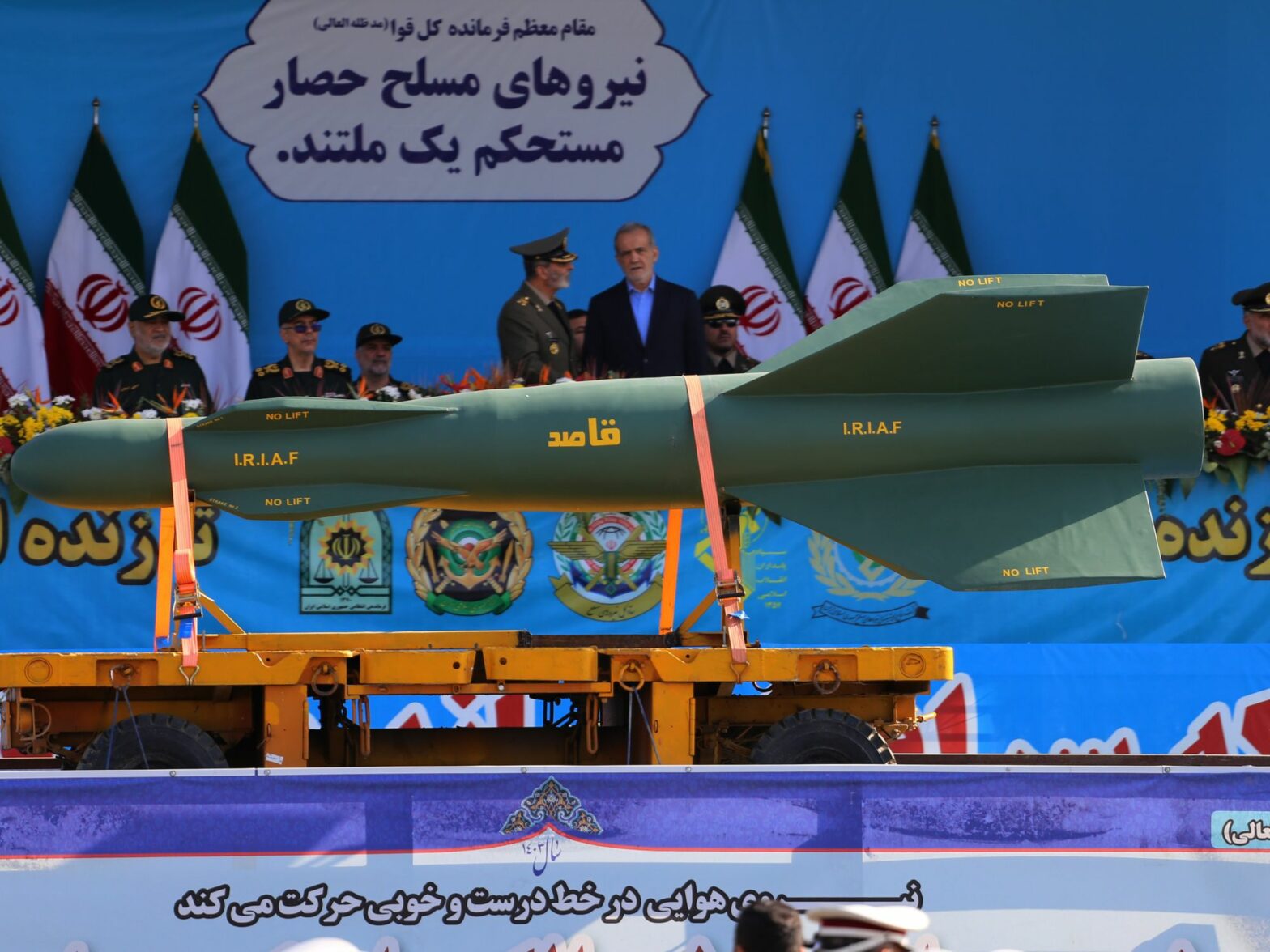
Israel and the West are seeking a stabilized Middle East to shorten the trading corridor with India and Asia. It’s a win-win situation for prosperous economies and the West, but what about Tehran’s truculent regime?
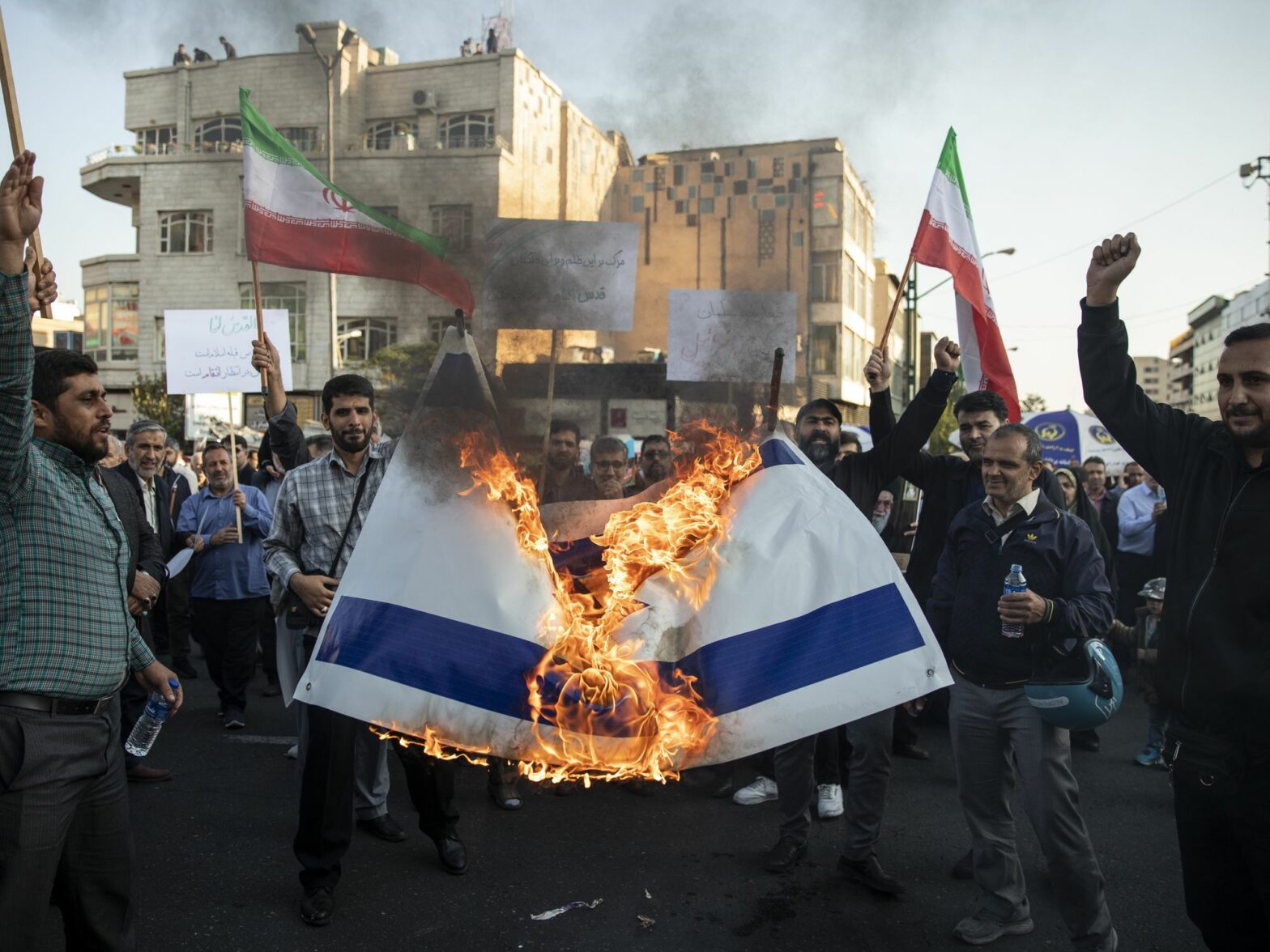
Iran’s 40-year policy of seeking the destruction of the Jewish state and “taking back” Jerusalem became the north star of the Tehran’s foreign policy. Now it may be its undoing.
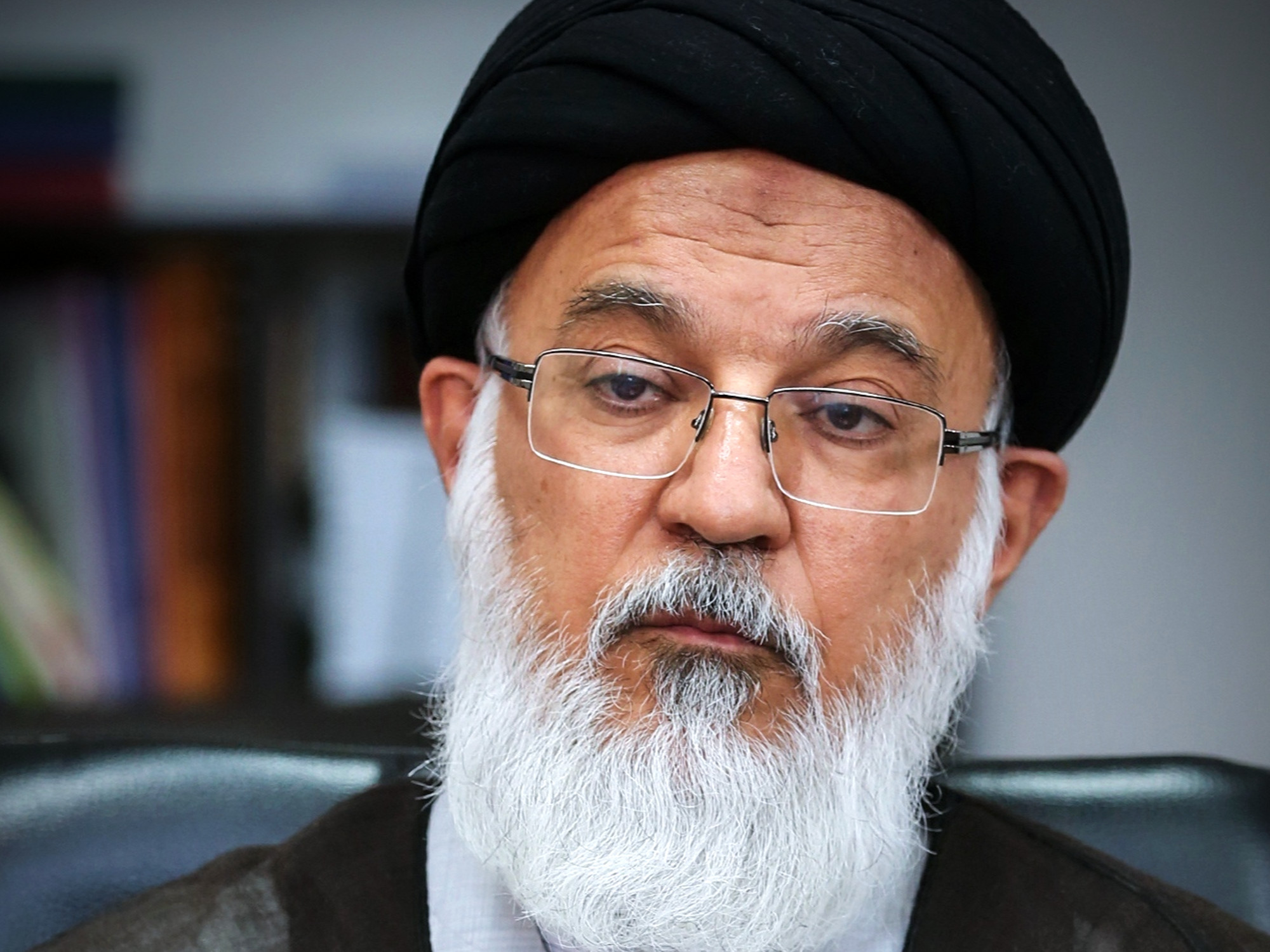
Mohammad-Mahdi Mirbagheri, a zealous revolutionary among Iran’s Shia clergy, has recently emerged among the small group of hopefuls to succeed Ayatollah Ali Khamenei as Supreme Leader. But do his anti-Western views and warmongering respond to Iran’s current predicament?
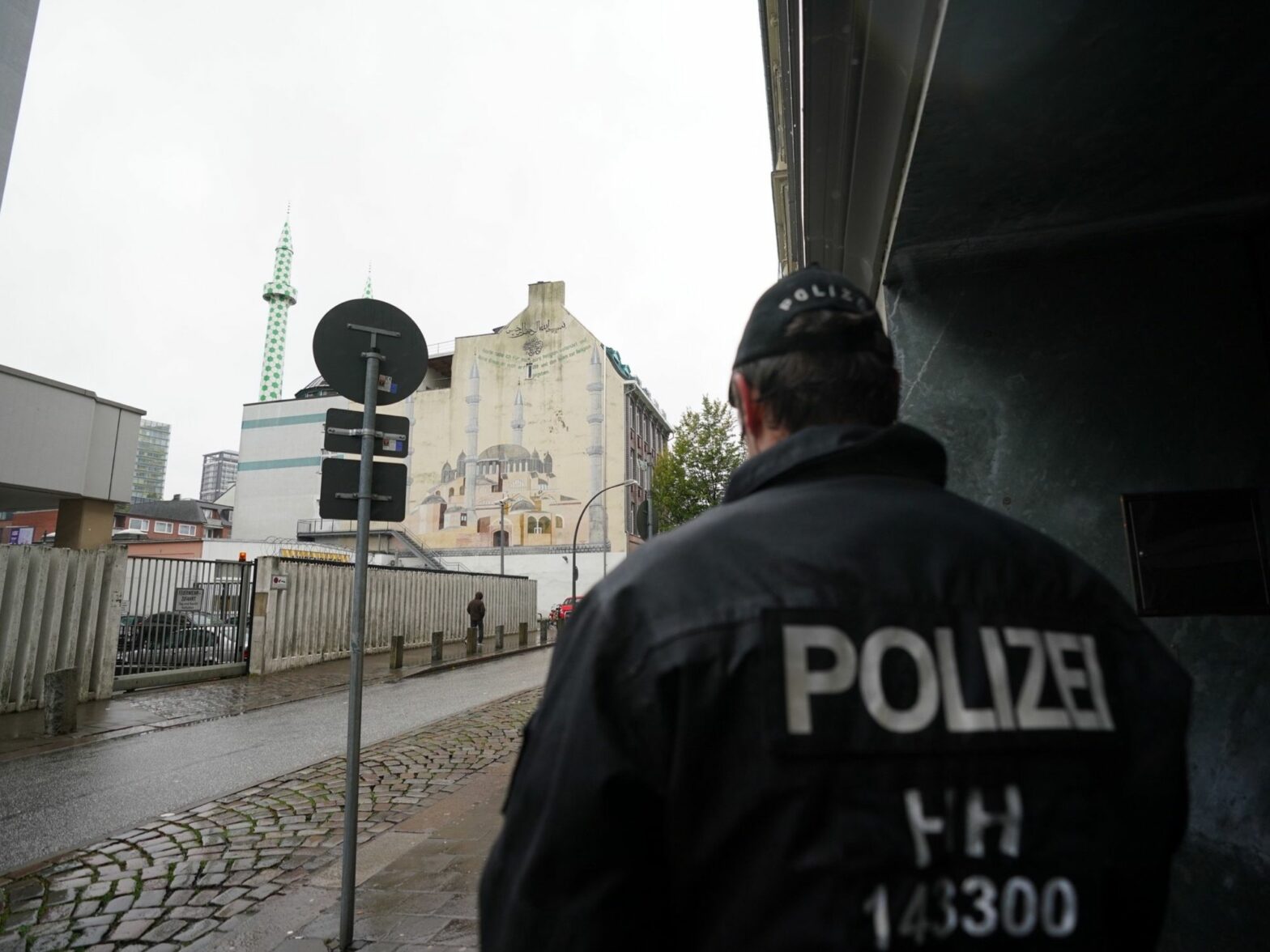
The Islamic Republic of Iran has specialized in getting gangsters and low-lives to undertake its terror operations abroad, making it more difficult to thwart its longstanding, and laughable, claim that it is a victim, not a sponsor of terrorism,.
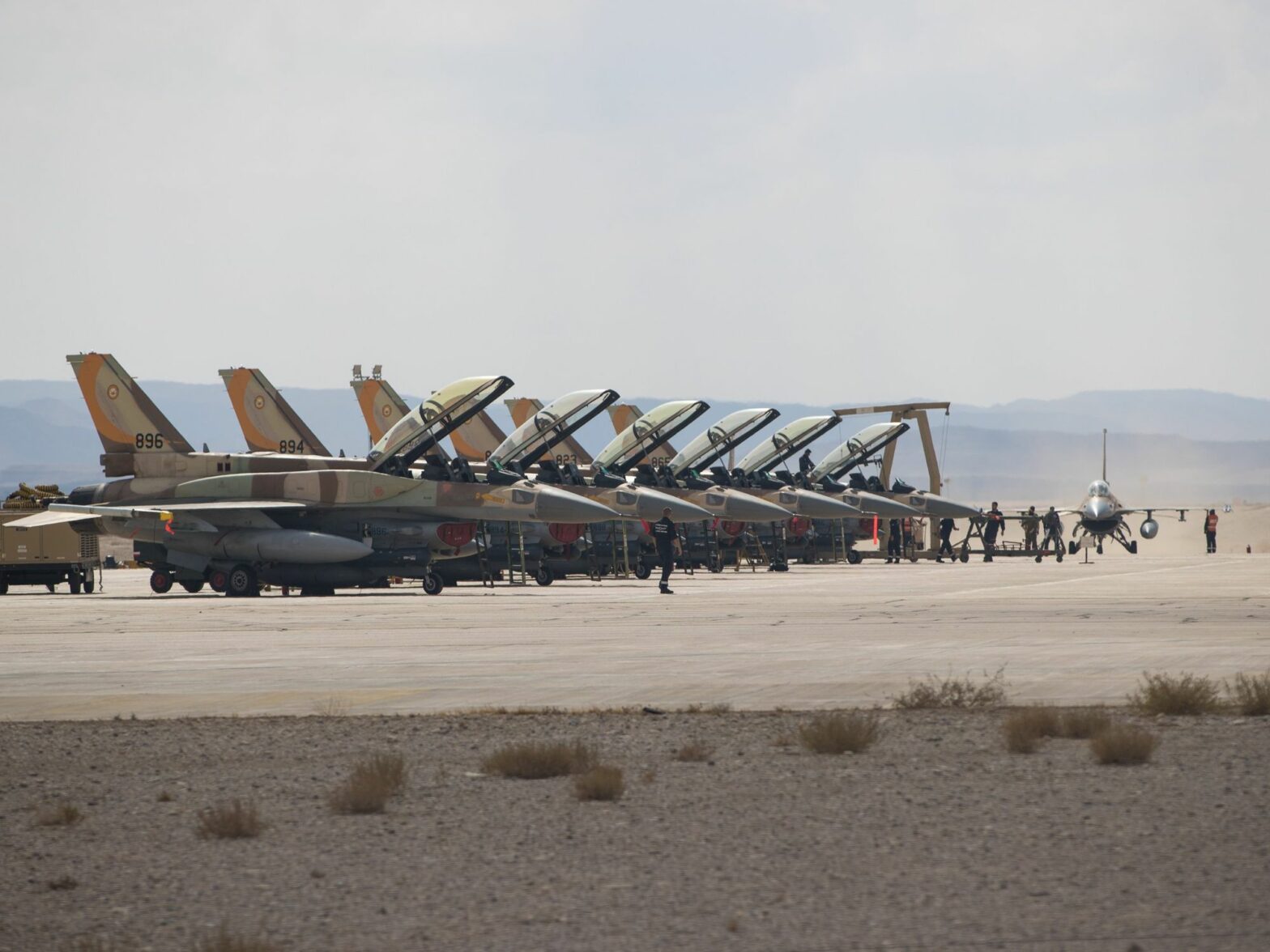
Israel is keeping the Tehran regime and outside observers guessing on the scope and timing of its threatened strikes on Iranian territory. Some say it is seeking to win itself time to “finish up” in Lebanon and Gaza, others say a massive attack on Iran could help reorder the whole region.
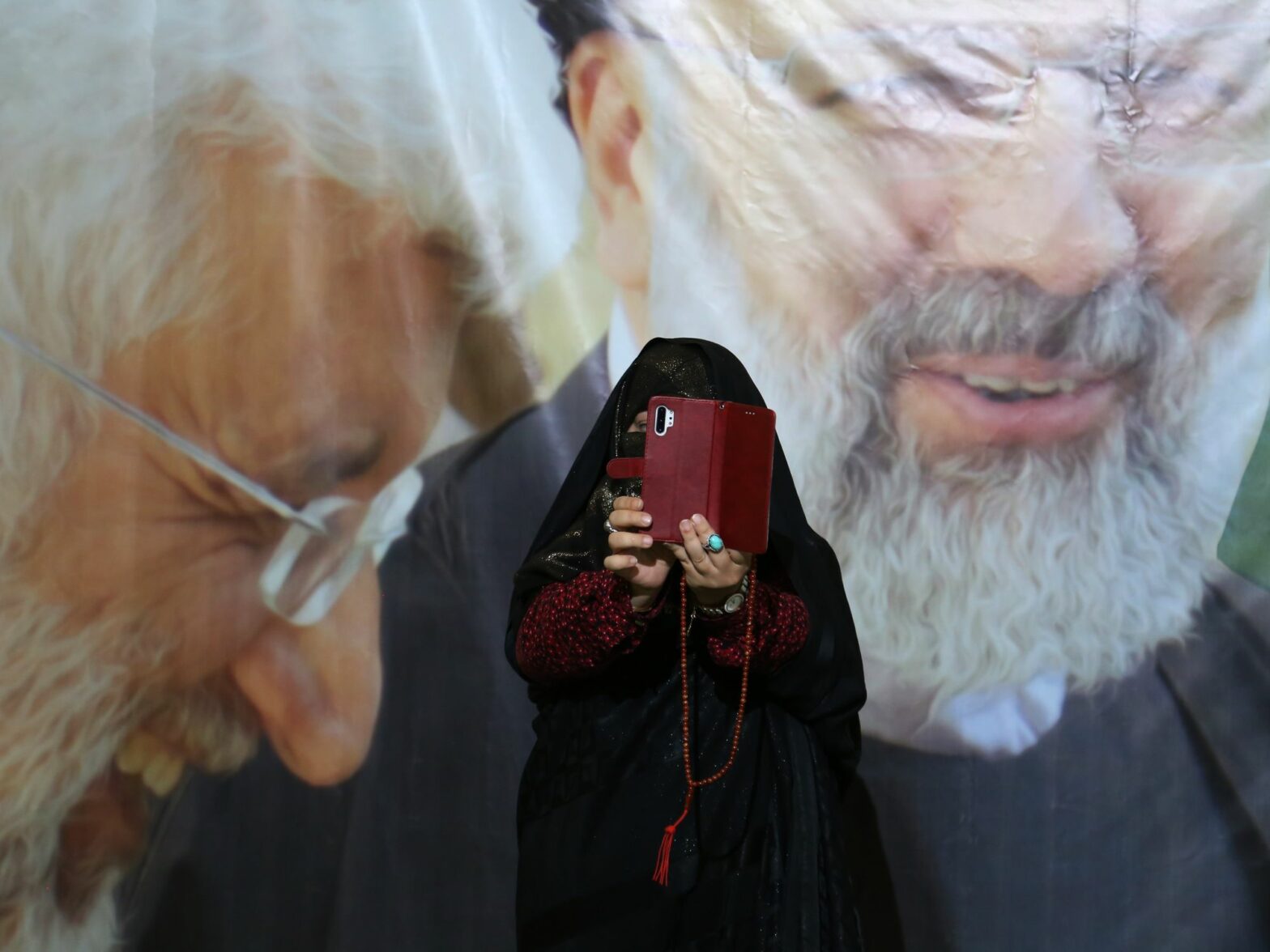
The decision is yet another example of how Iran’s laws since the 1979 revolution have restricted women’s rights both inside and outside the home.
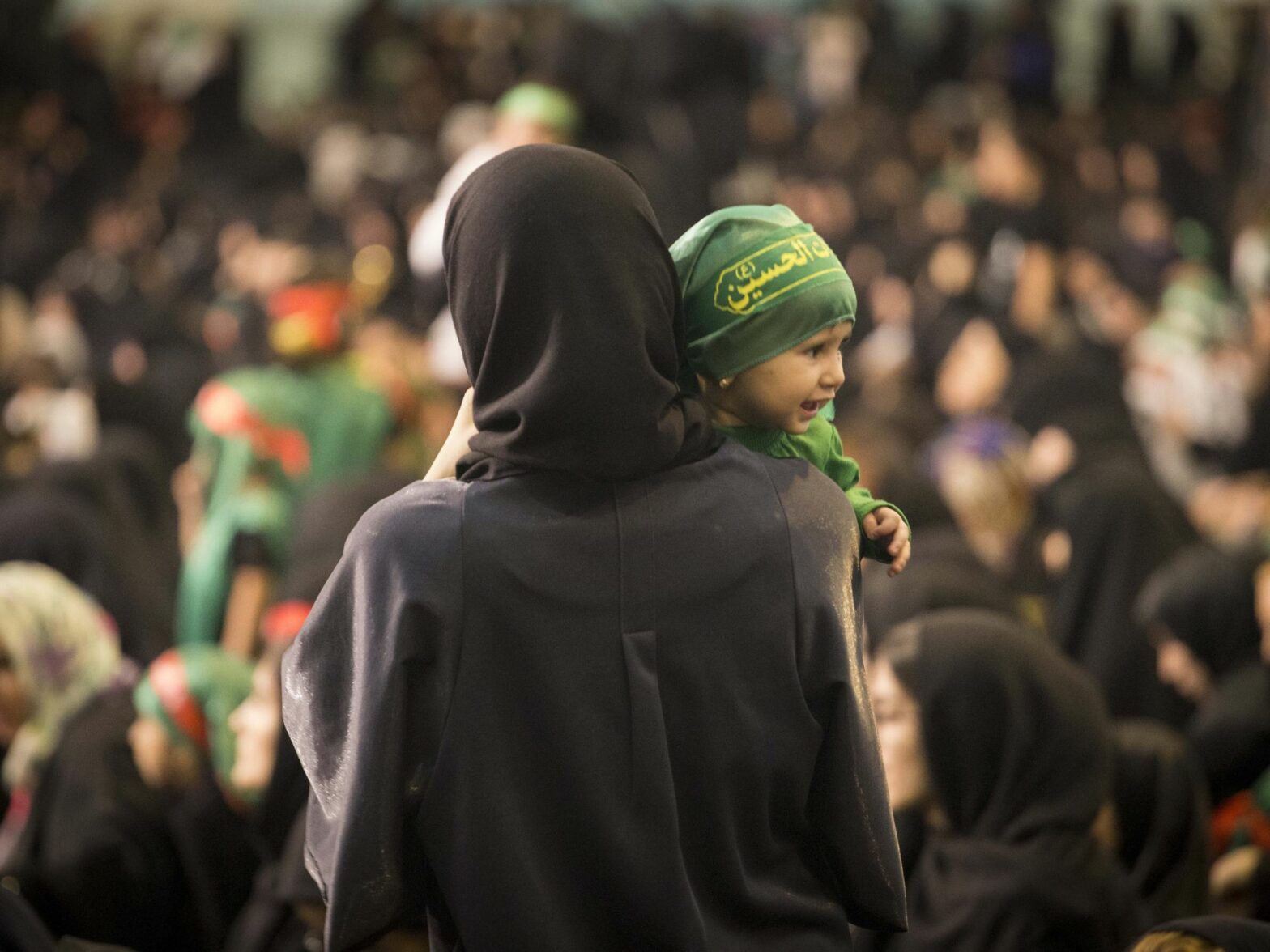
The nation’ deputy health minister, concerned about declining birth rates, wants more young brides, and expects them to start procreating as soon as possible.
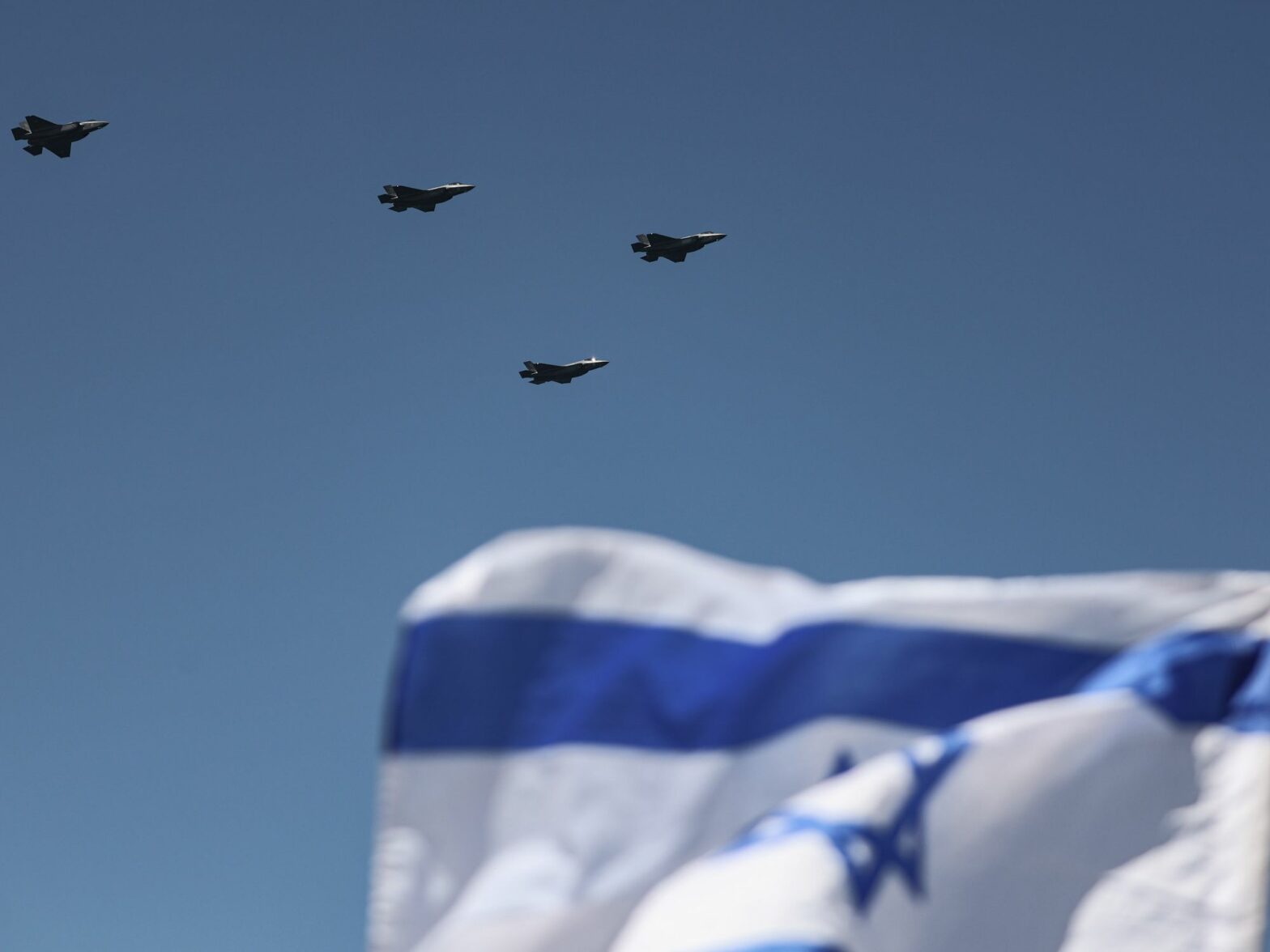
Was it the “Mother of Miscalculations?” Tehran’s decision to launch a second missile attack on Israel demonstrates its weakness at home and abroad. The Iranian regime may soon face the consequences, as a possible series of events could be triggered by a reprisal from the better-equipped Israeli military.
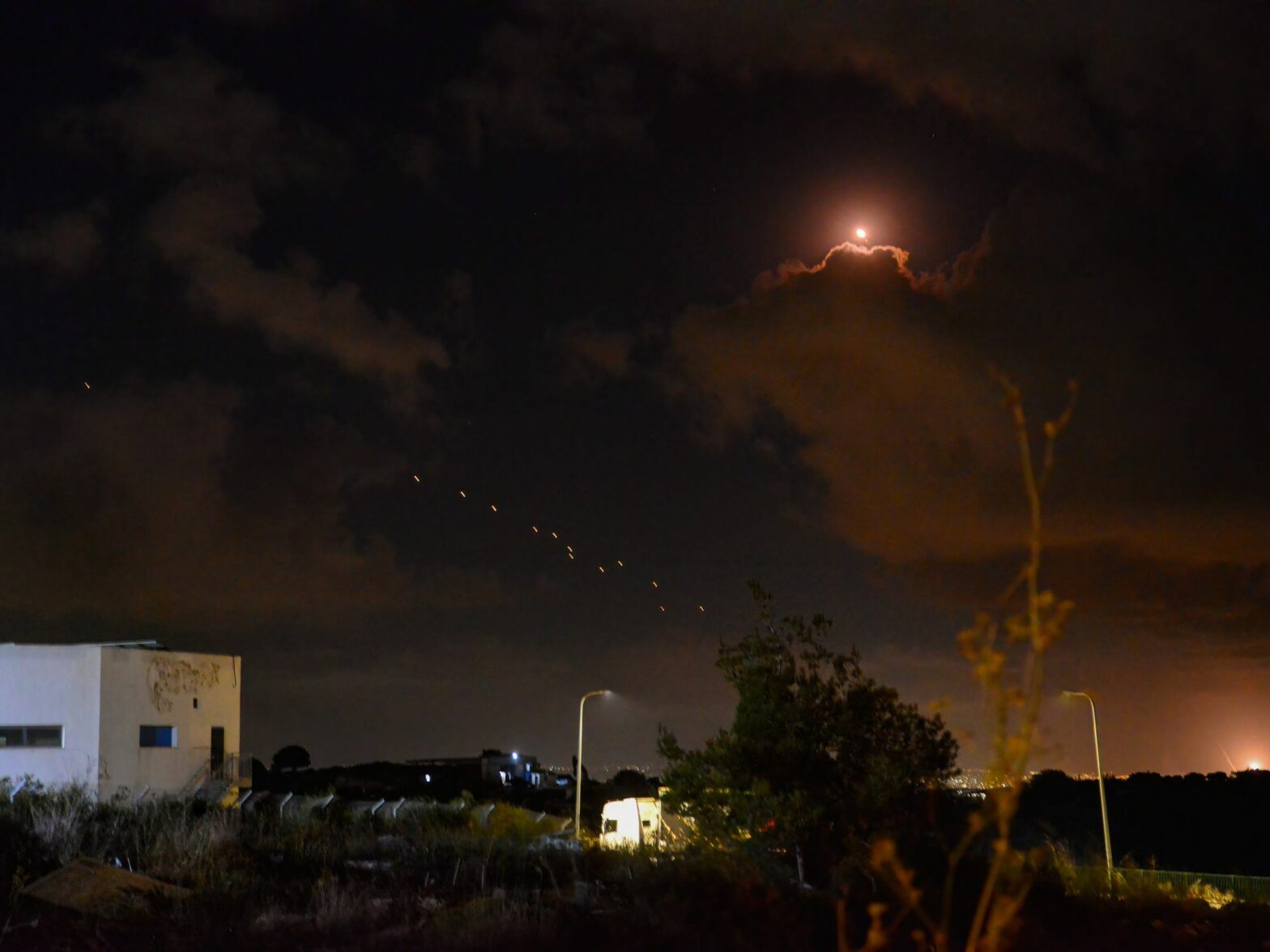
A core group of Iranian legislators demanded that Tehran to stop tiptoeing around Israel, and to seek revenge for the deaths of Hamas’ Ismail Haniyeh and Hezbollah’s Hassan Nasrallah. The “war trap” be damned. But now the ball is in the hands of Israel’s own hardline government.
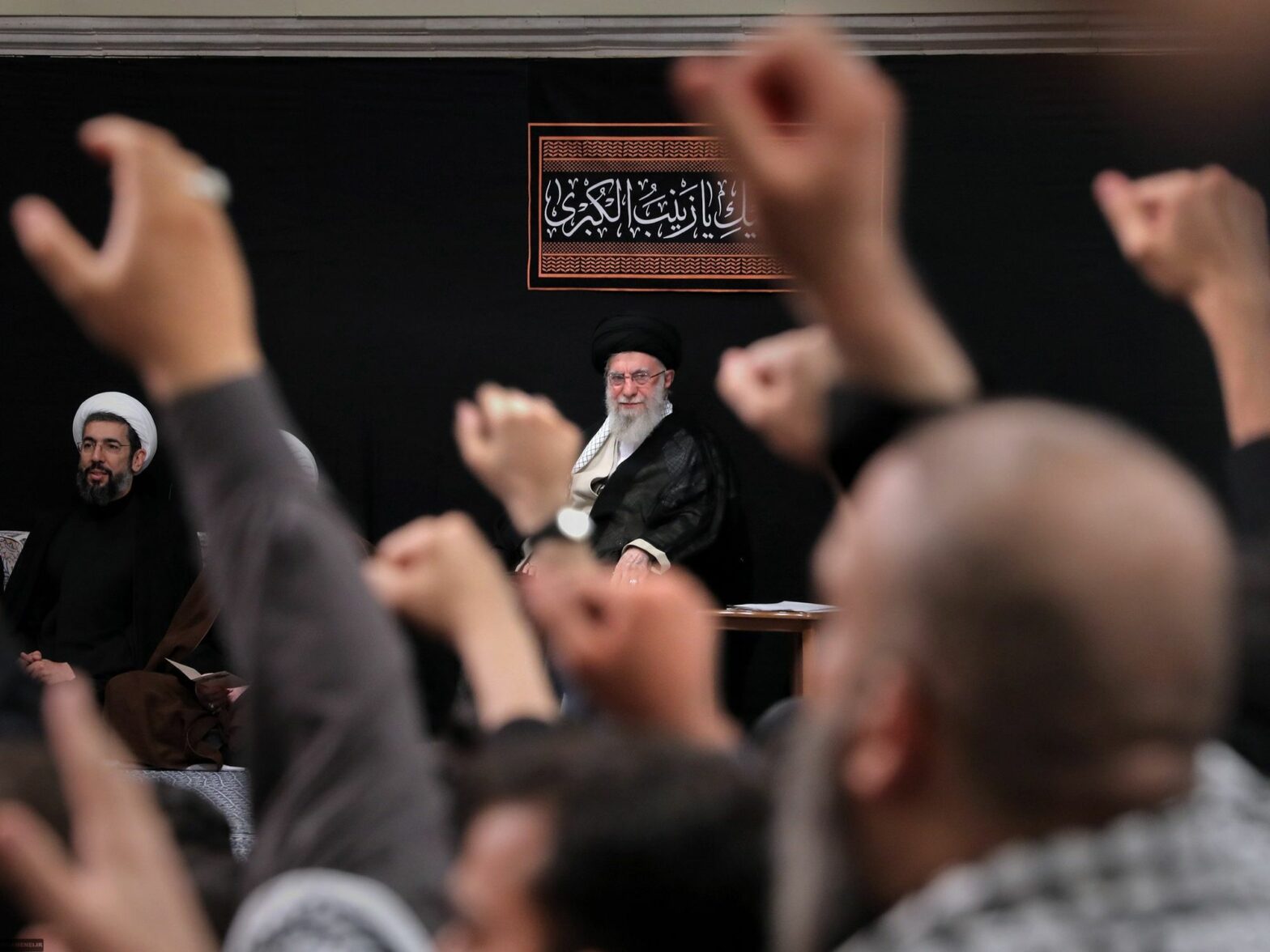
With an economy in ruins and facing an unstable foreign environment, the Islamic Republic of Iran has signaled, with the return of seasoned diplomats to top positions, that it wants to talk again. But, as always, those who call the shots in Tehran are loath to negotiate anything crucial with the West.
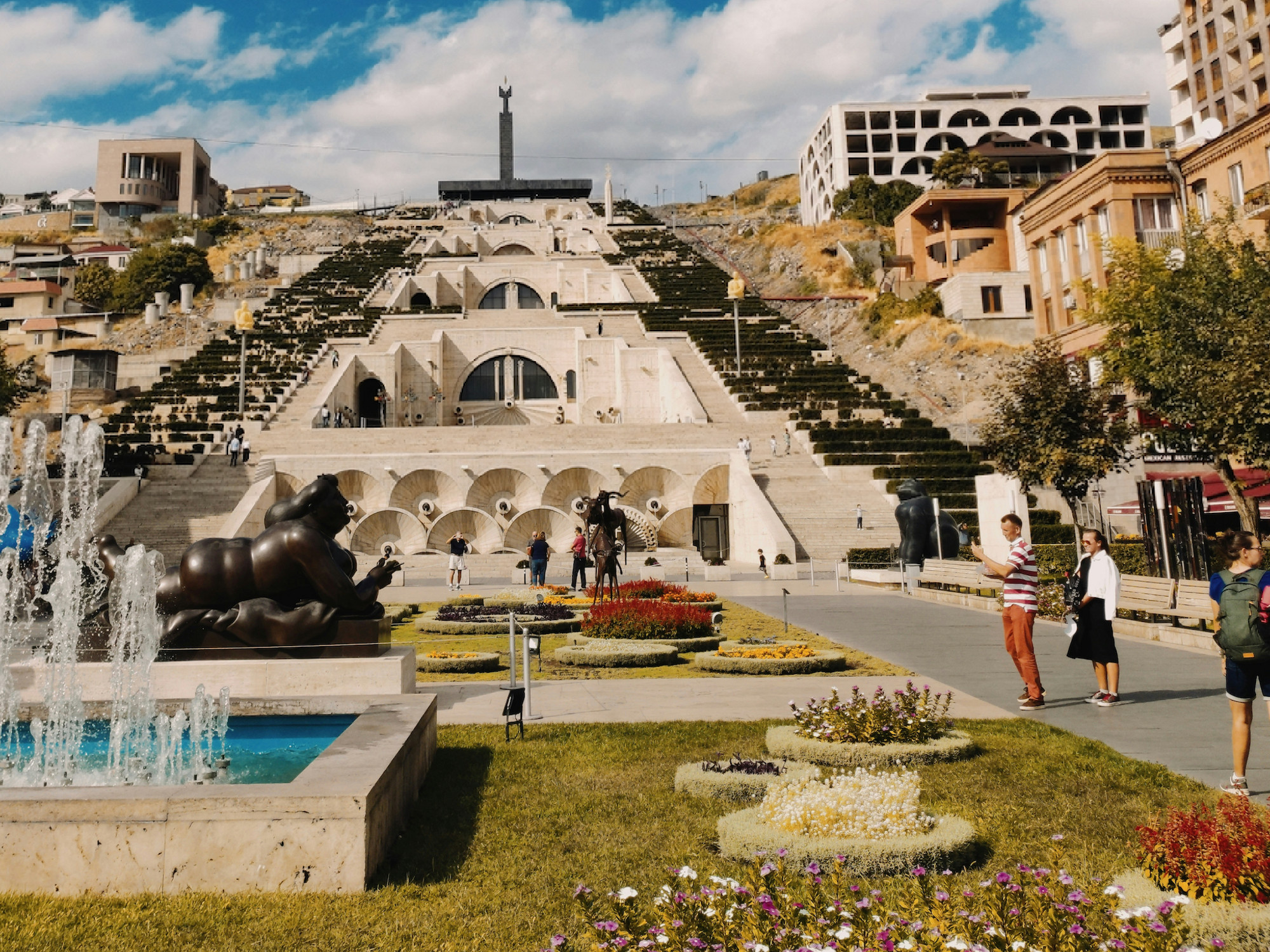
Armenia, under pressure from its aggressive neighbor Azerbaijan, is seeking security in closer ties with the European Union. Just next door, Iran may welcome this Western alignment if it means winning a shorter land route for exports to the Black Sea and EU markets.
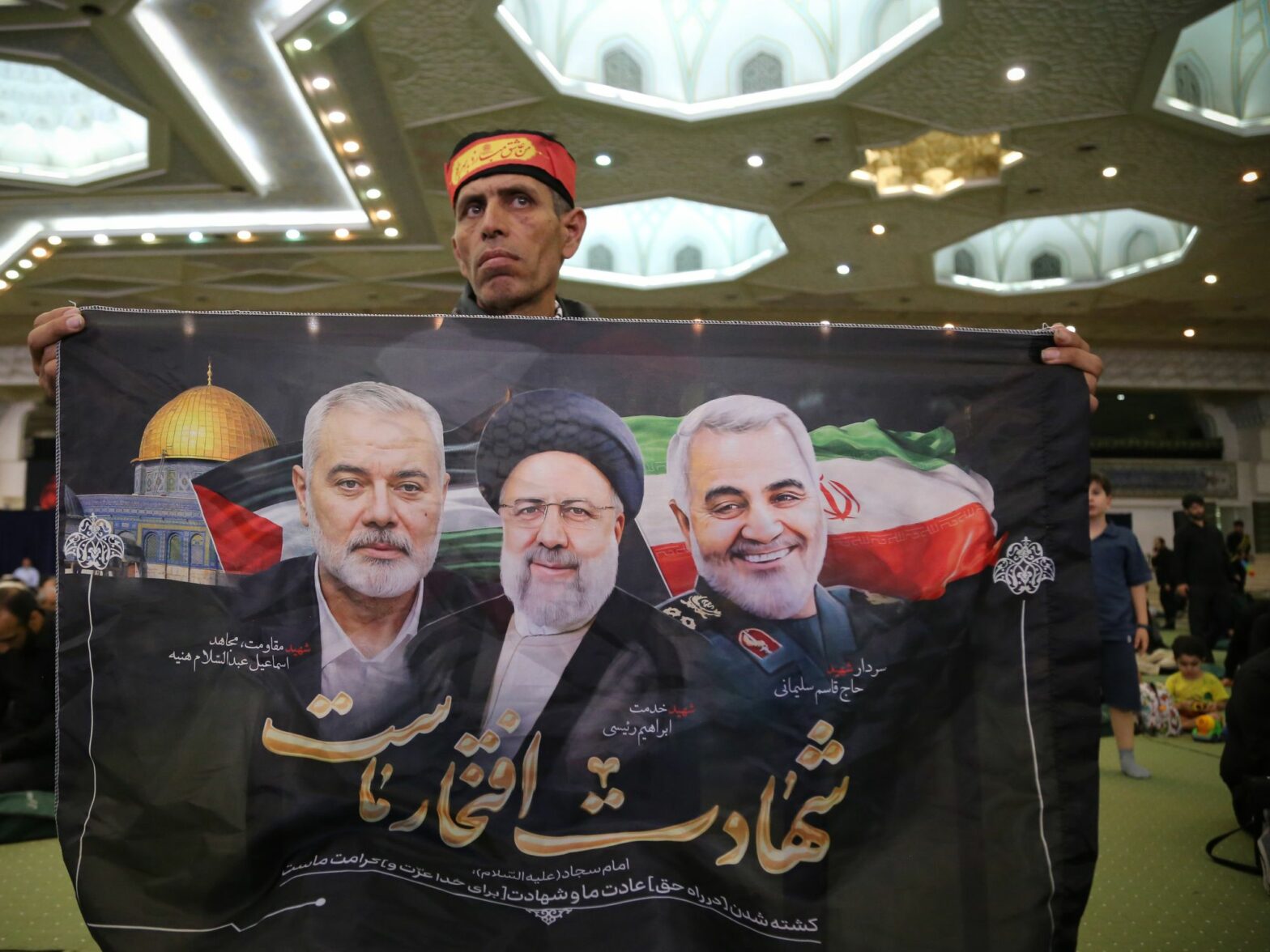
It’s been weeks since Hamas leader Ismail Haniyeh’s killing in Tehran. Will Iran end up striking Israel, as it promptly said it would, or persist in an unnerving waiting game, leaving the rest of the word in the dark as to its plans, resolve and capabilities?
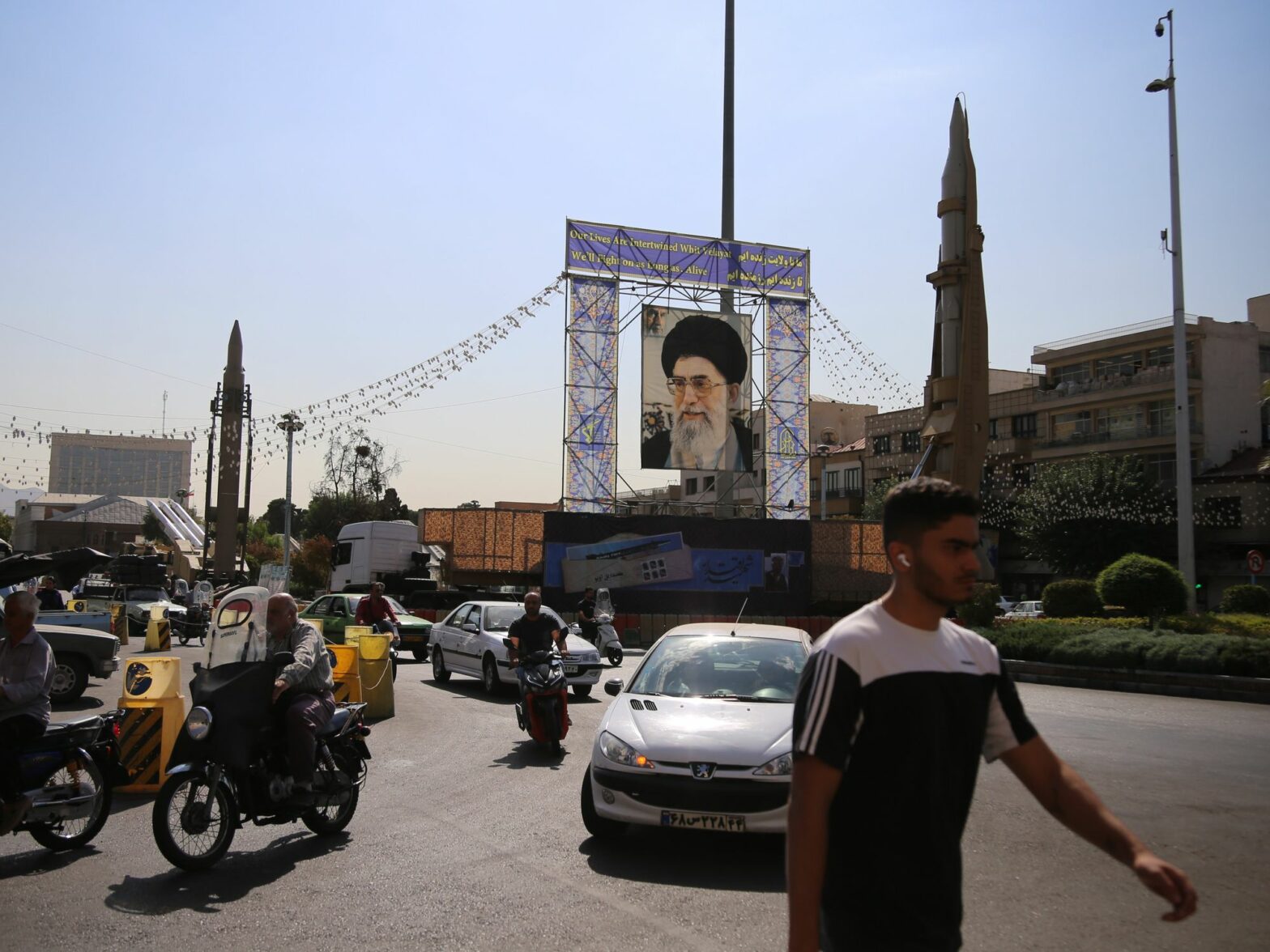
Iranian authorities have been fining young men for wearing shorts. But while this may be an effort to show they are unbiased in their drive to safeguard public decency, reports suggest the men are treated less harshly than women.
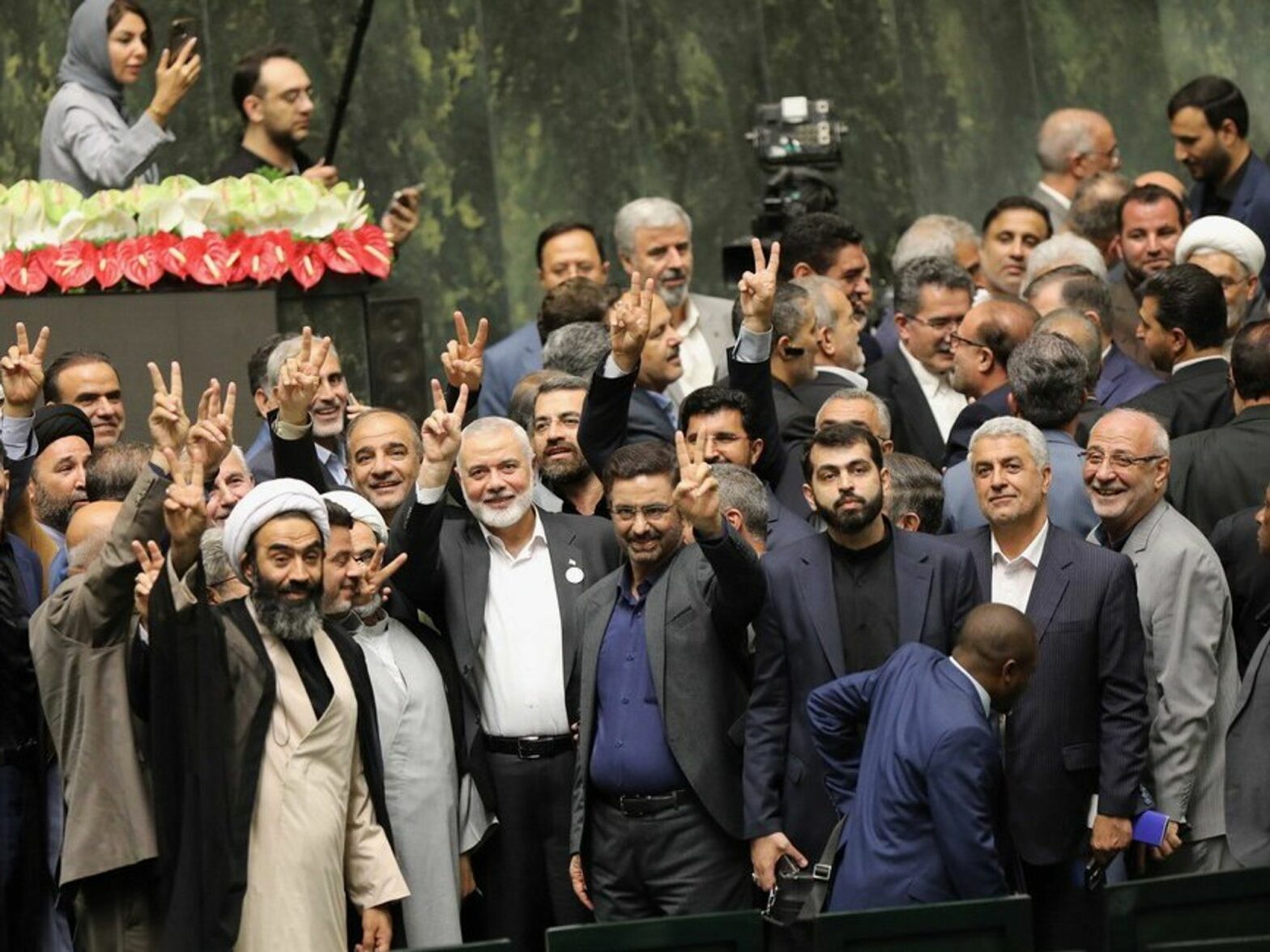
Tehran claims the visiting Hamas leader was struck down in the capital with a “high-tech” missile or drone, so his killing could not be attributed to another security lapse on the ground against the chief suspect, Israel.
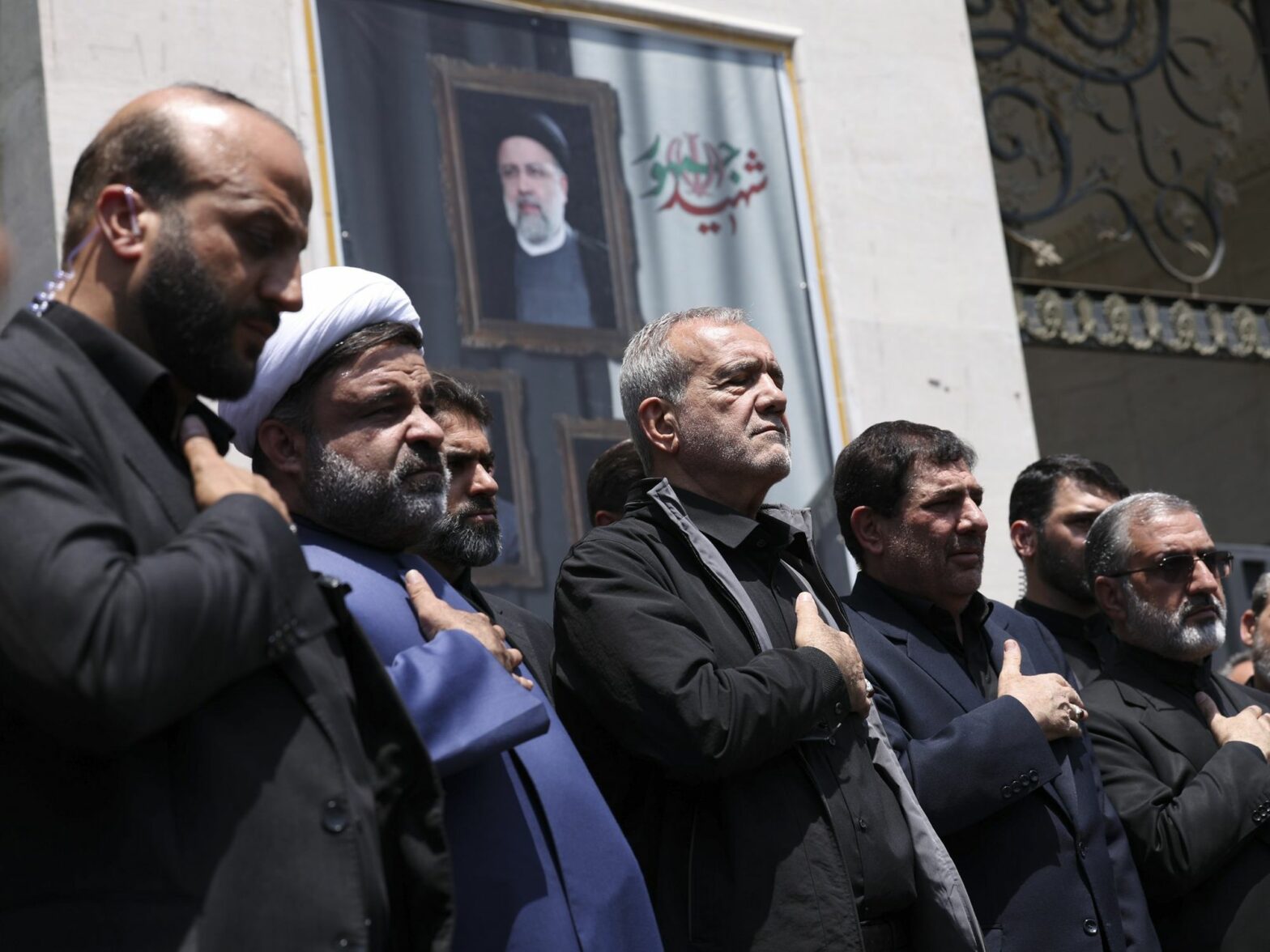
While the West is hoping president-elect Masoud Pezeshkian will lead to a détente even lukewarm entente with Iran, a closer look shows Tehran is not fundamentally changing its ways, and continuing to fan crises in across the Middle East.
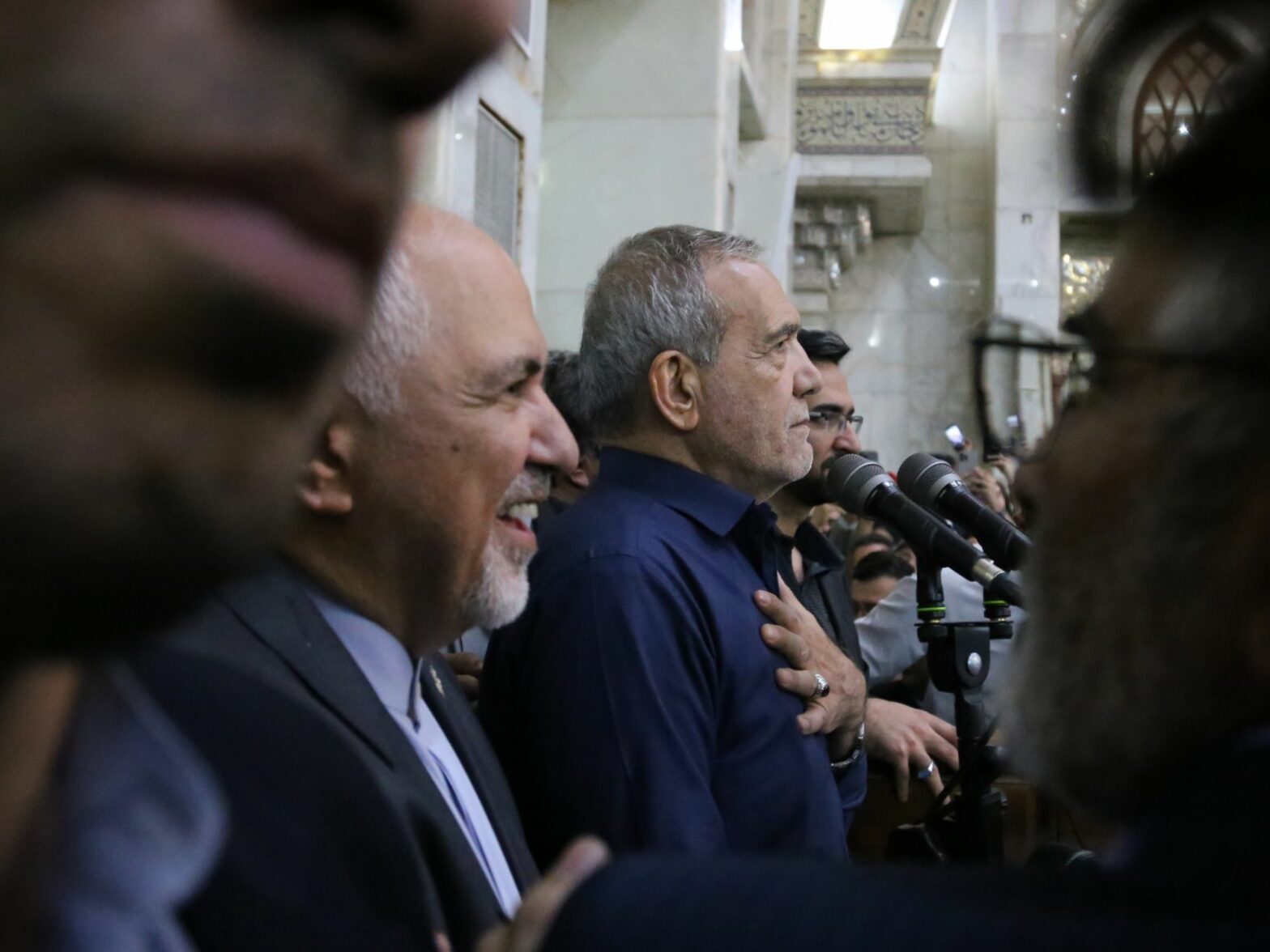
Fearing Europe’s shift to the right and a second Trump term, Tehran has dusted off its reformist credentials — with president-elect Masoud Pezeshkian and veteran diplomat Mohammed Javad Zarif — to show the West it is willing to talk. But this ploy will not work again.
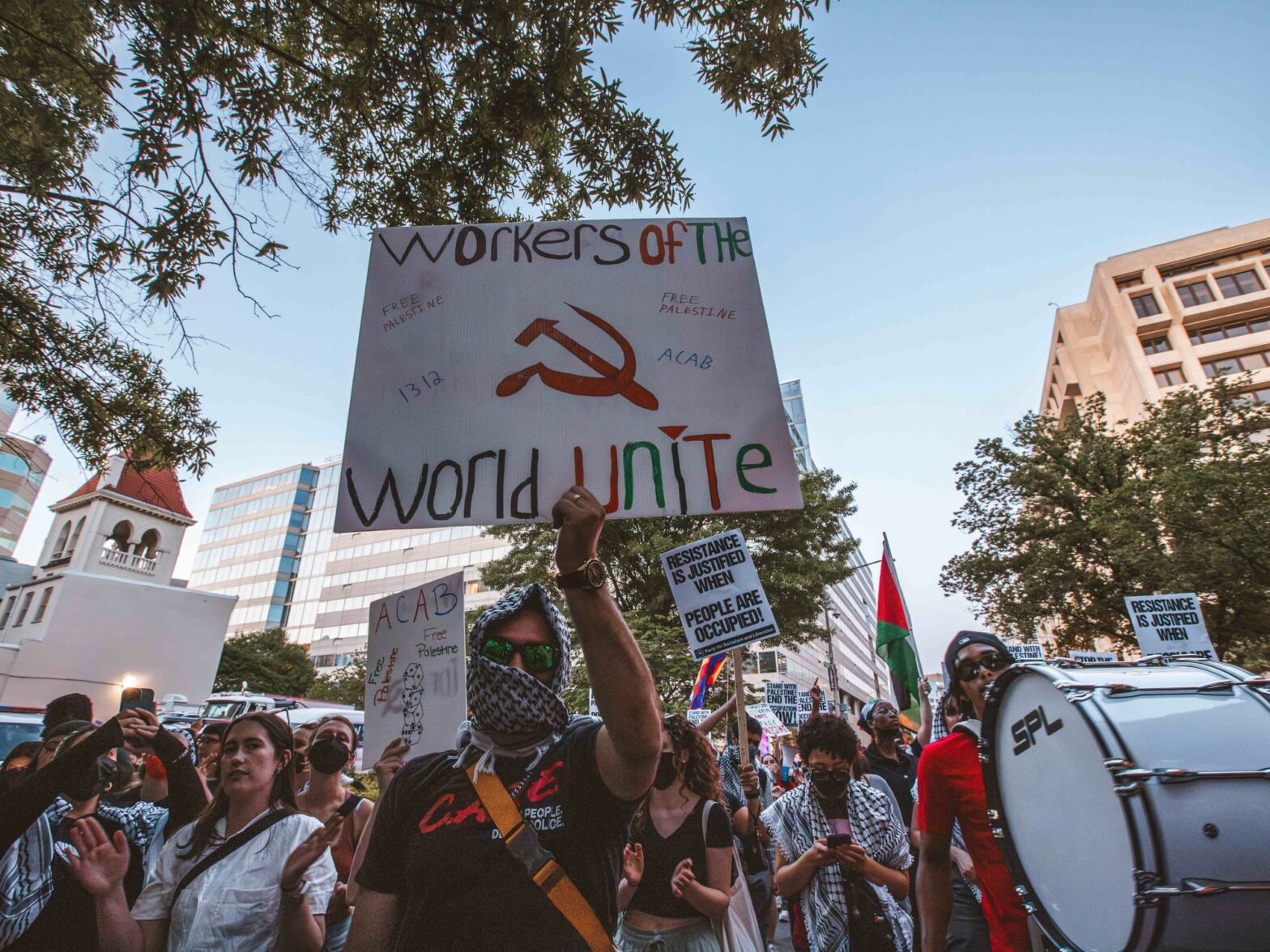
A confounding alliance between leftists, wokism and Islamic fanatics is the perfect smokescreen for an insidious enemy targeting the West’s liberal values. It’s happened before.
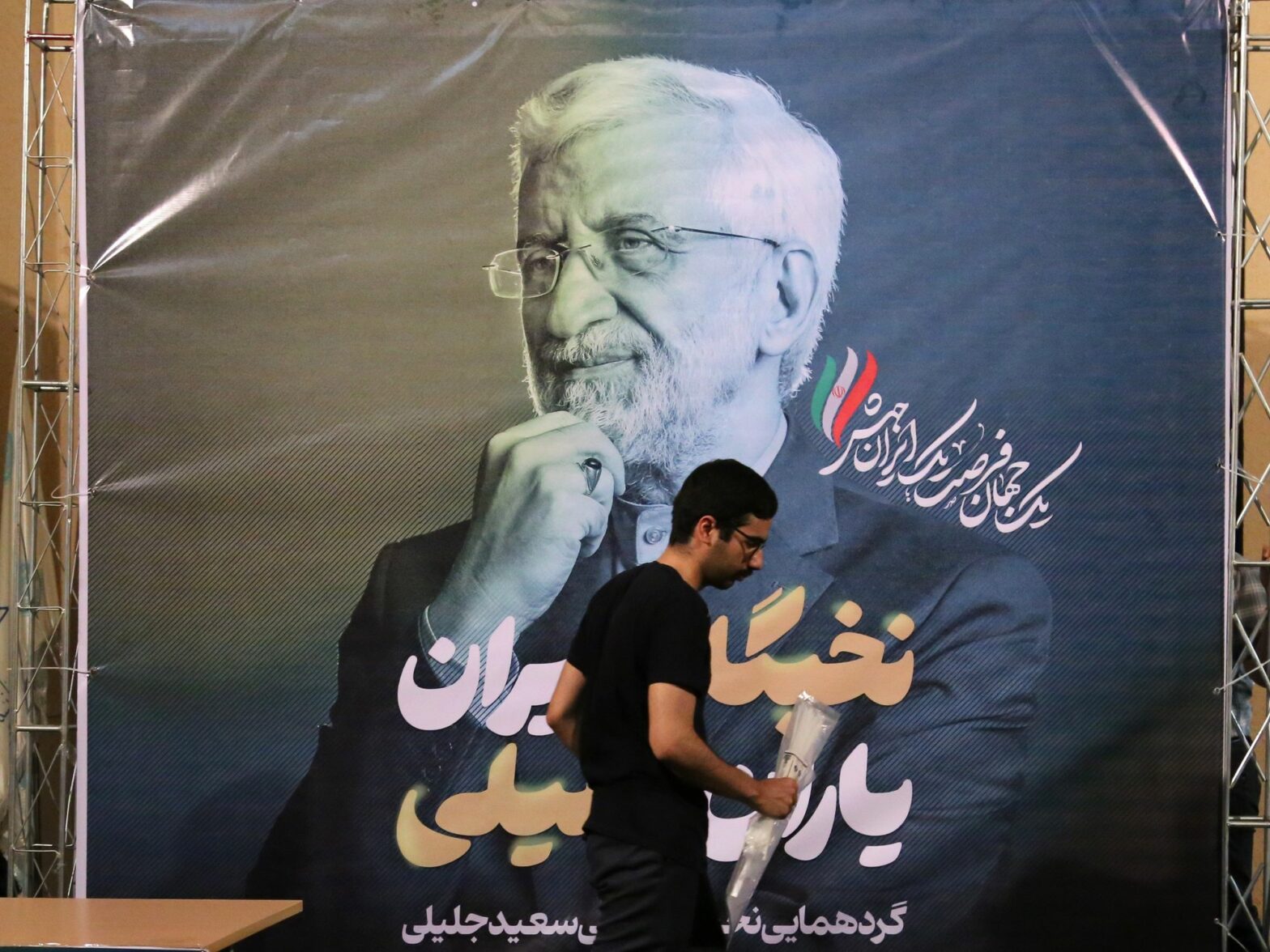
Tehran seems to be paving the way for a moderate to become the country’s next president. But the regime’s goal is not to make life better for Iranians, but to leave him with the daunting task of handling a second Trump administration.
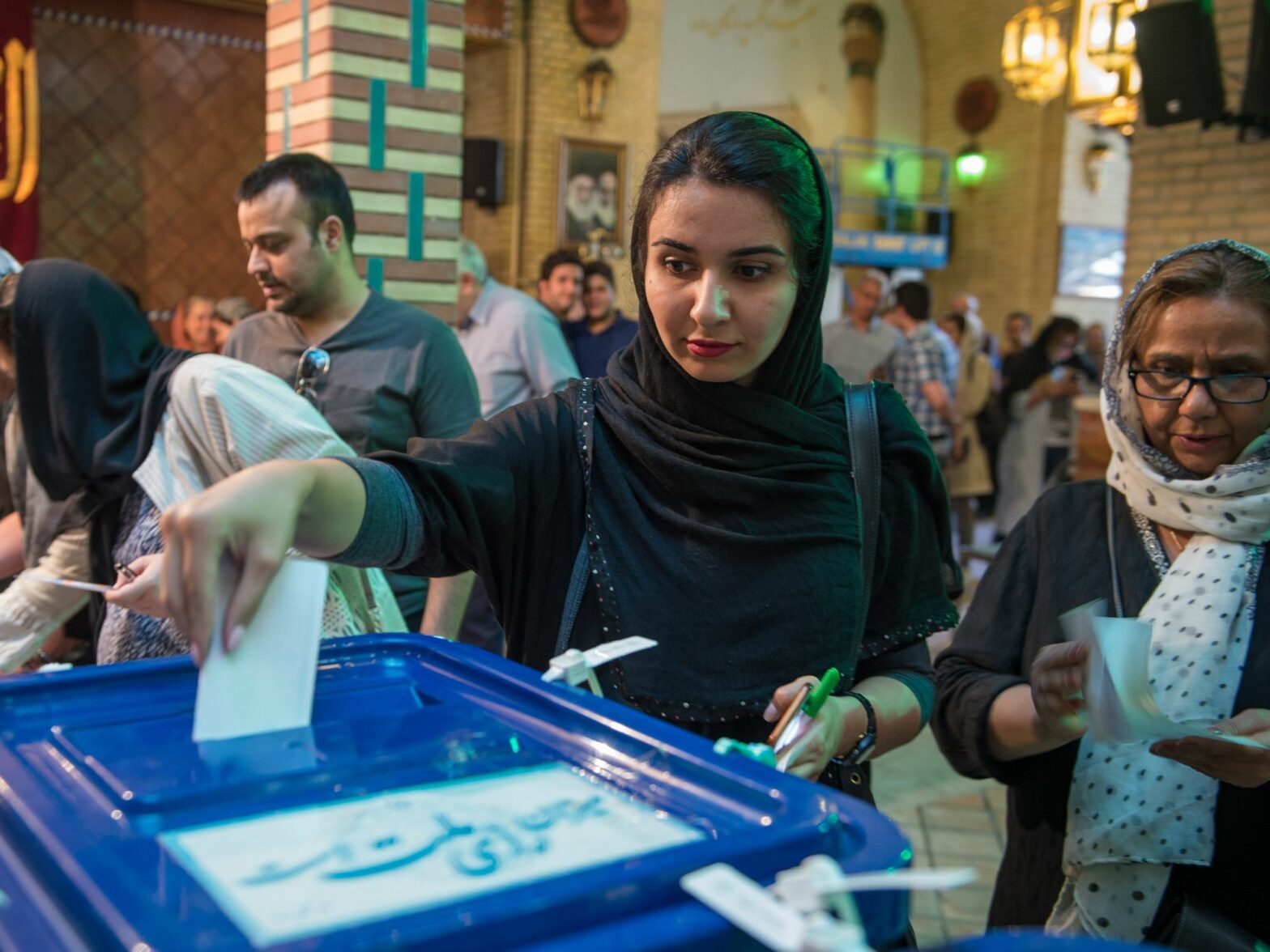
Iran’s regime has selected six candidates for the presidential elections due in late June, and possibly even a winner, just as millions of Iranians may have made their own choice, to no longer vote in a dictatorship.
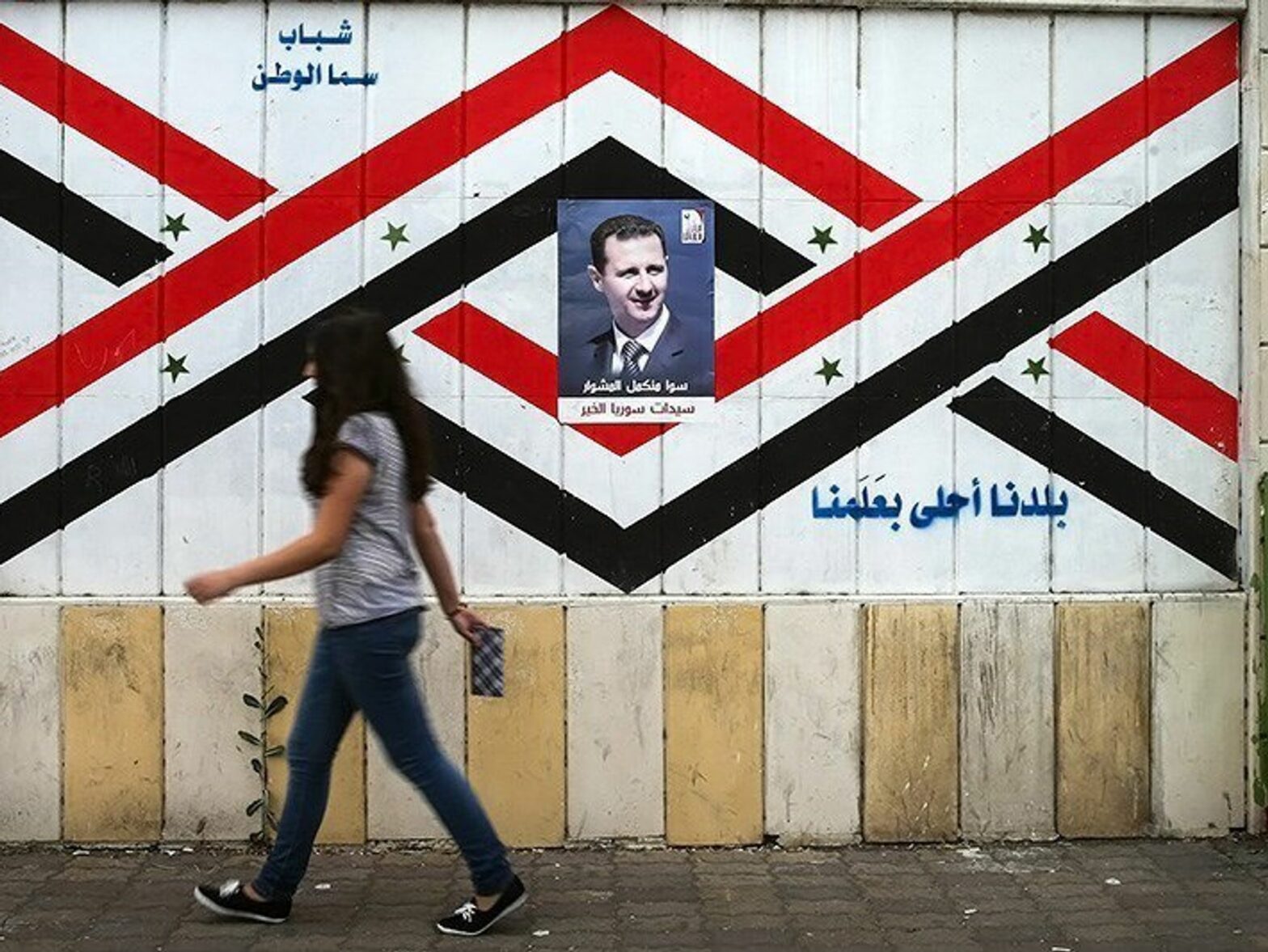
Under pressure from Arab states and Russia, which calls the shots in Syria, President Bashar al-Assad is tiptoeing away from the Iranian regime, a troublesome ally that has nevertheless spent billions of dollars to help keep him in power.
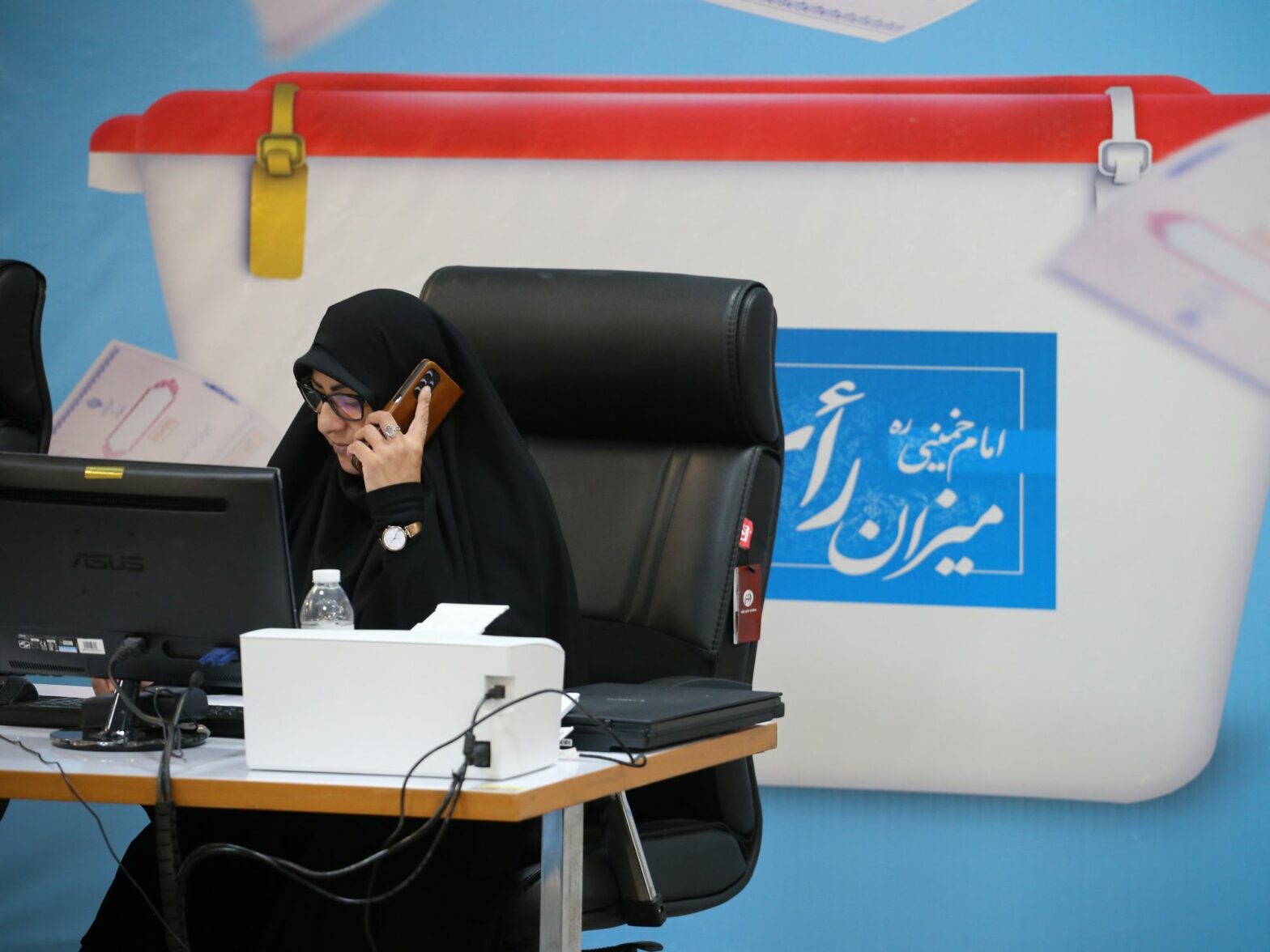
Awkward political figures will run for the Iranian presidency in the elections planned later this month. The one reformer allowed to run will not be able to grant legitimacy to the regime.
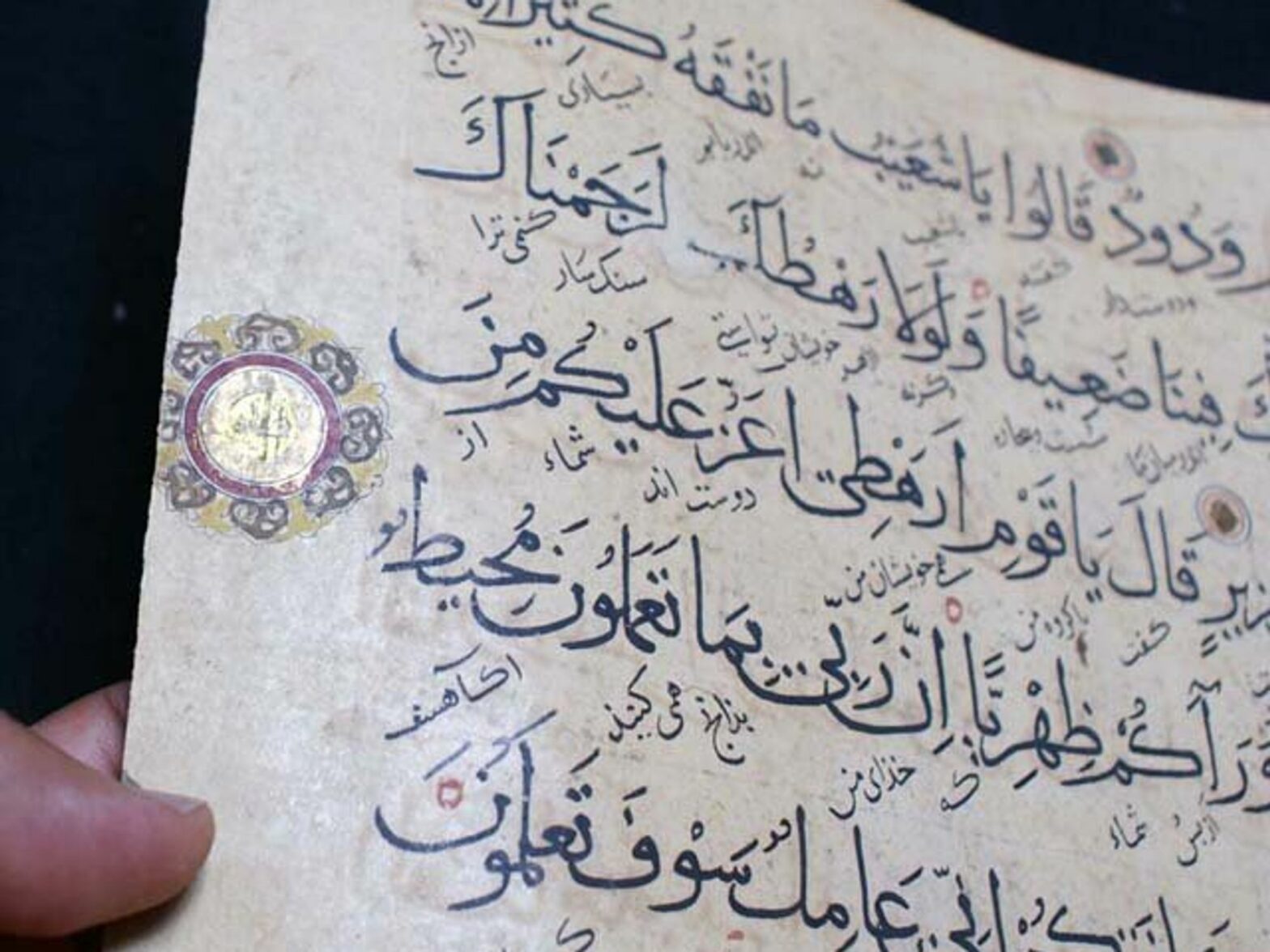
Sunnis were historically resistant to have this sacred text translated from Arabic — but especially into Persian, the language of a nation sometimes viewed as reluctantly Muslim. What does that mean today under the Sharia law of the Islamic Republic.
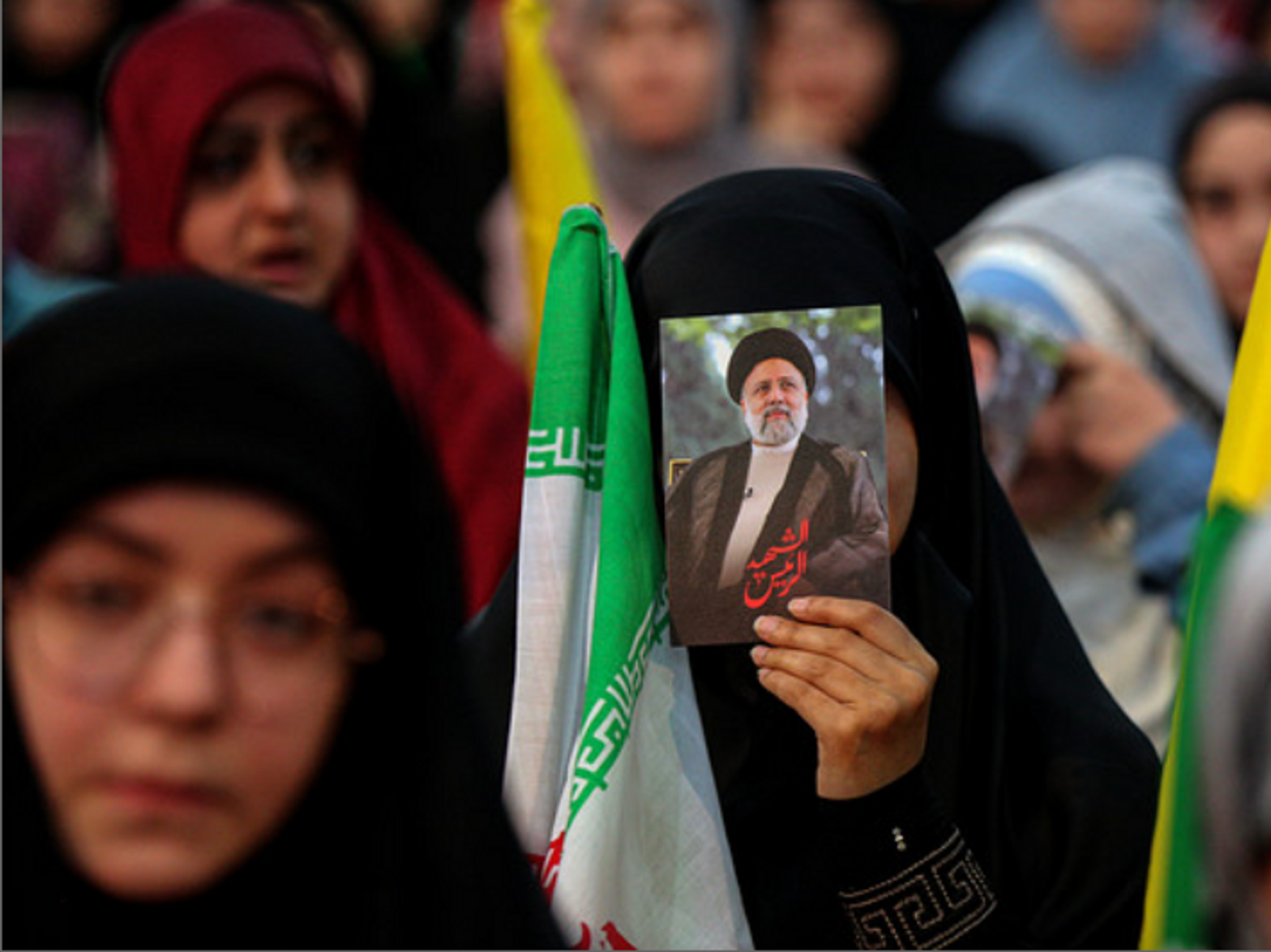
In spite of the Iranian regime’s inclination to conclude the matter of the president’s recent fatal helicopter crash, murmurs around a possible murder plot or a foreign strike are not going away.
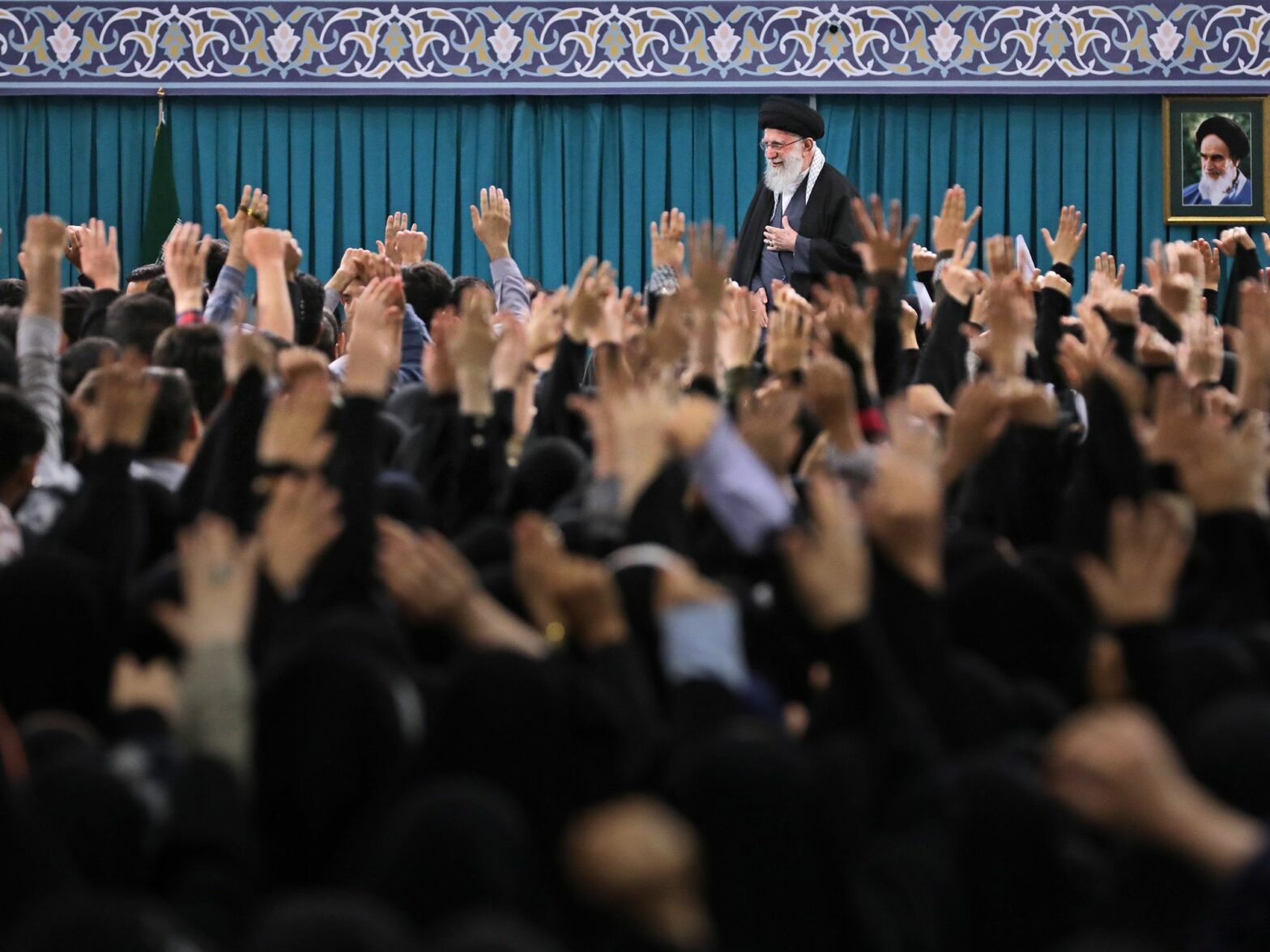
The death of Iran’s hardline president might create some political terrain for moderates there and stabilize relations with a complacent West and especially the Biden administration, eager to put a lid on the Middle East before November’s presidential elections.
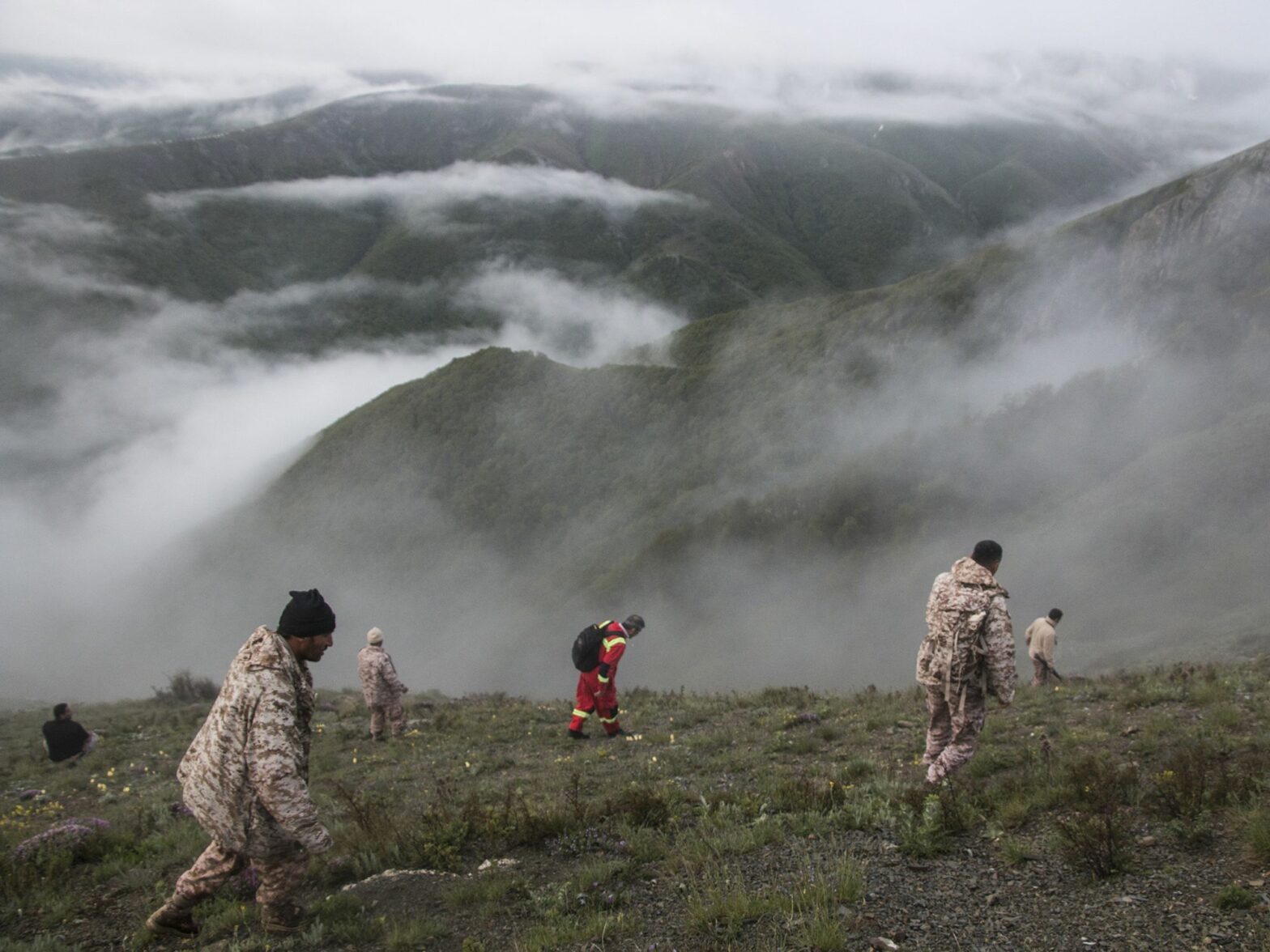
In spite of the political or diplomatic headaches this could cause, there are preliminary grounds for not ruling out foul play as causing the Iranian president’s helicopter to crash days ago, reports the leading independent Persian-language news site.
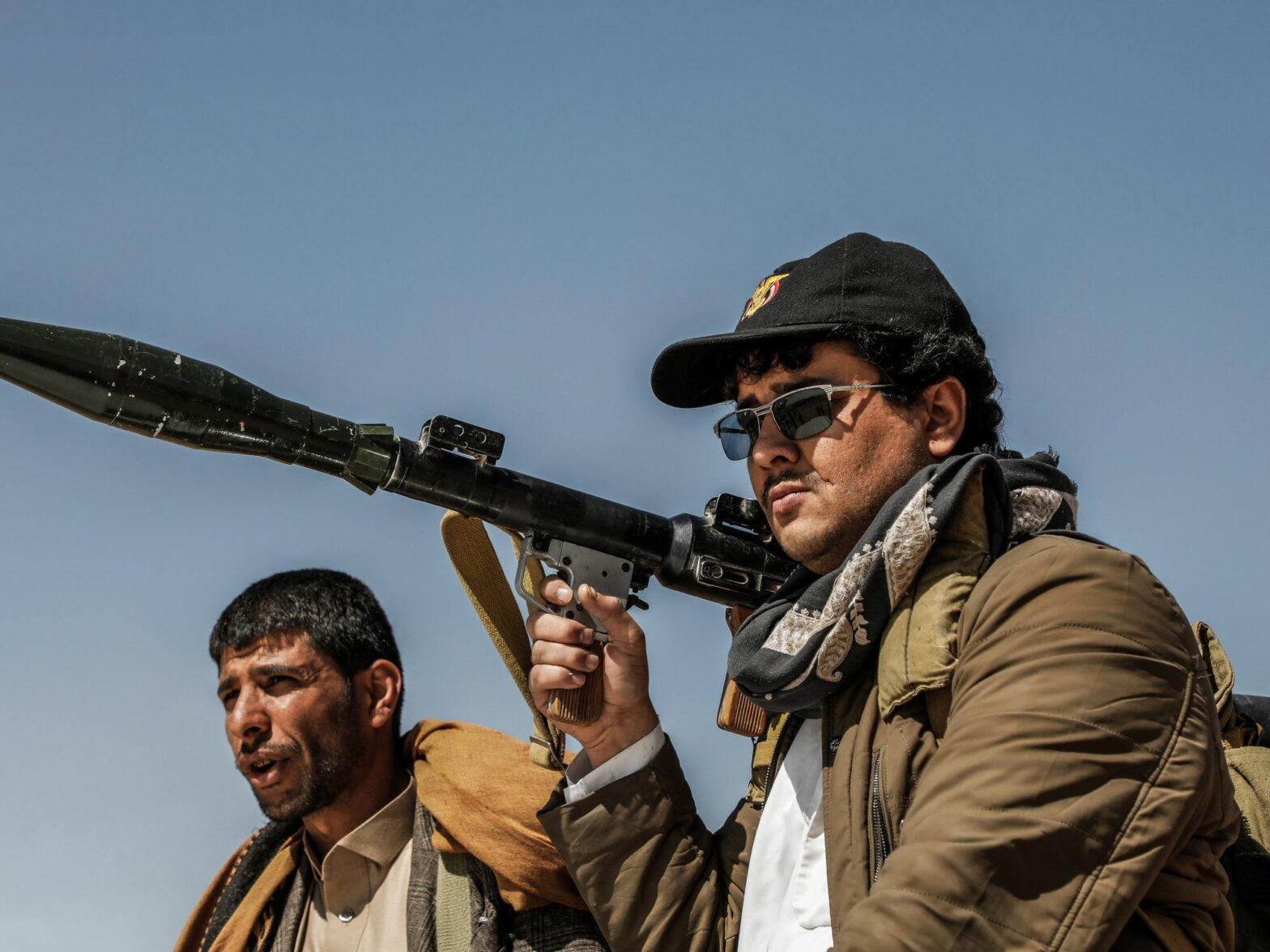
The Middle East’s militant and terror gangs, often described as Iran’s proxy forces, may have more in common with the cartels of a globalized war than with the fighters with a cause, more typical in the 20th century.
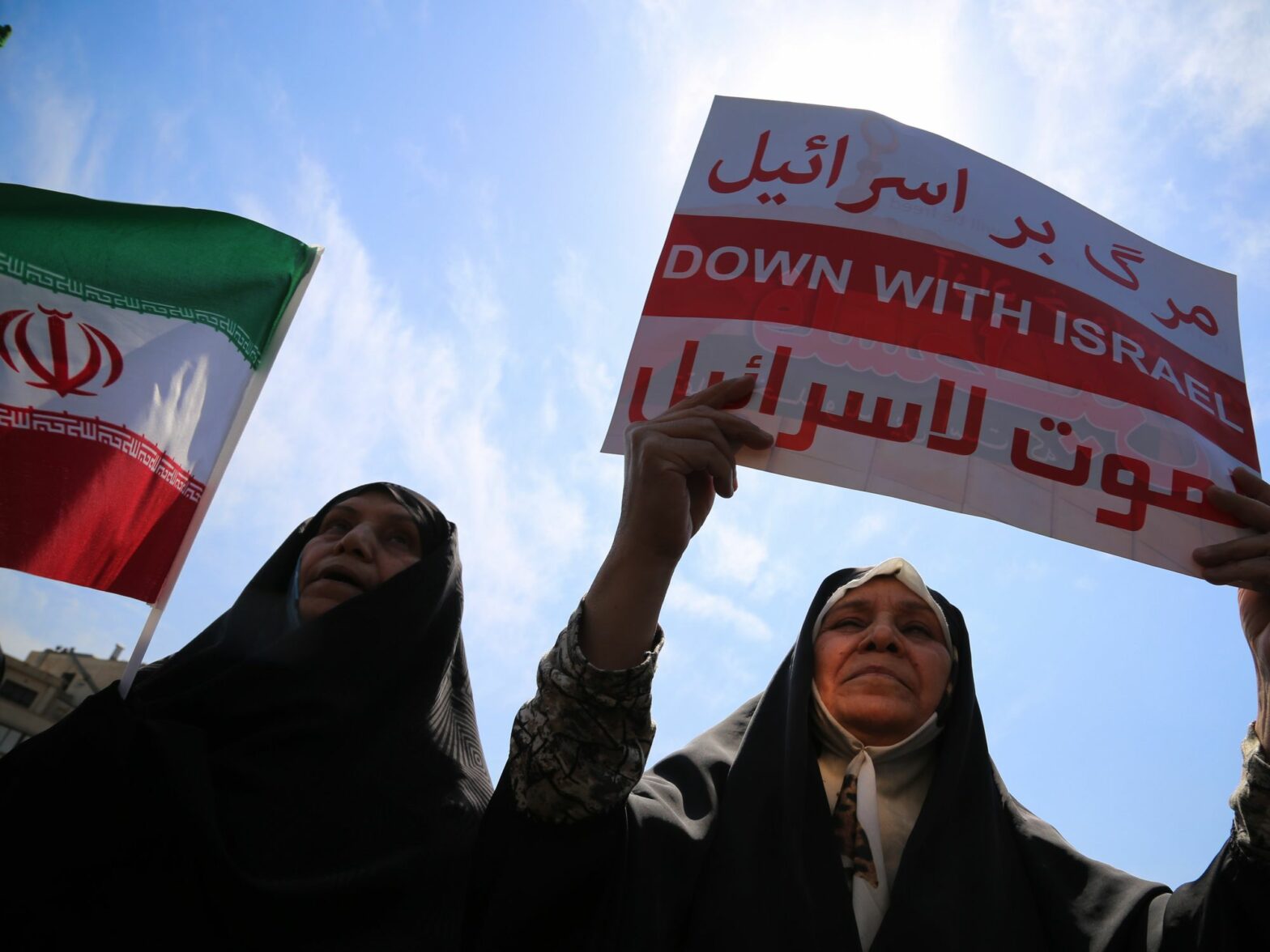
Israel’s recent strike on central Iran was a warning shot for Tehran, tempered by a desire to close the recent spate of tit-for-tat attacks and by pressure from the U.S. Yet this may have only ended round one of the Iran-Israeli showdown.
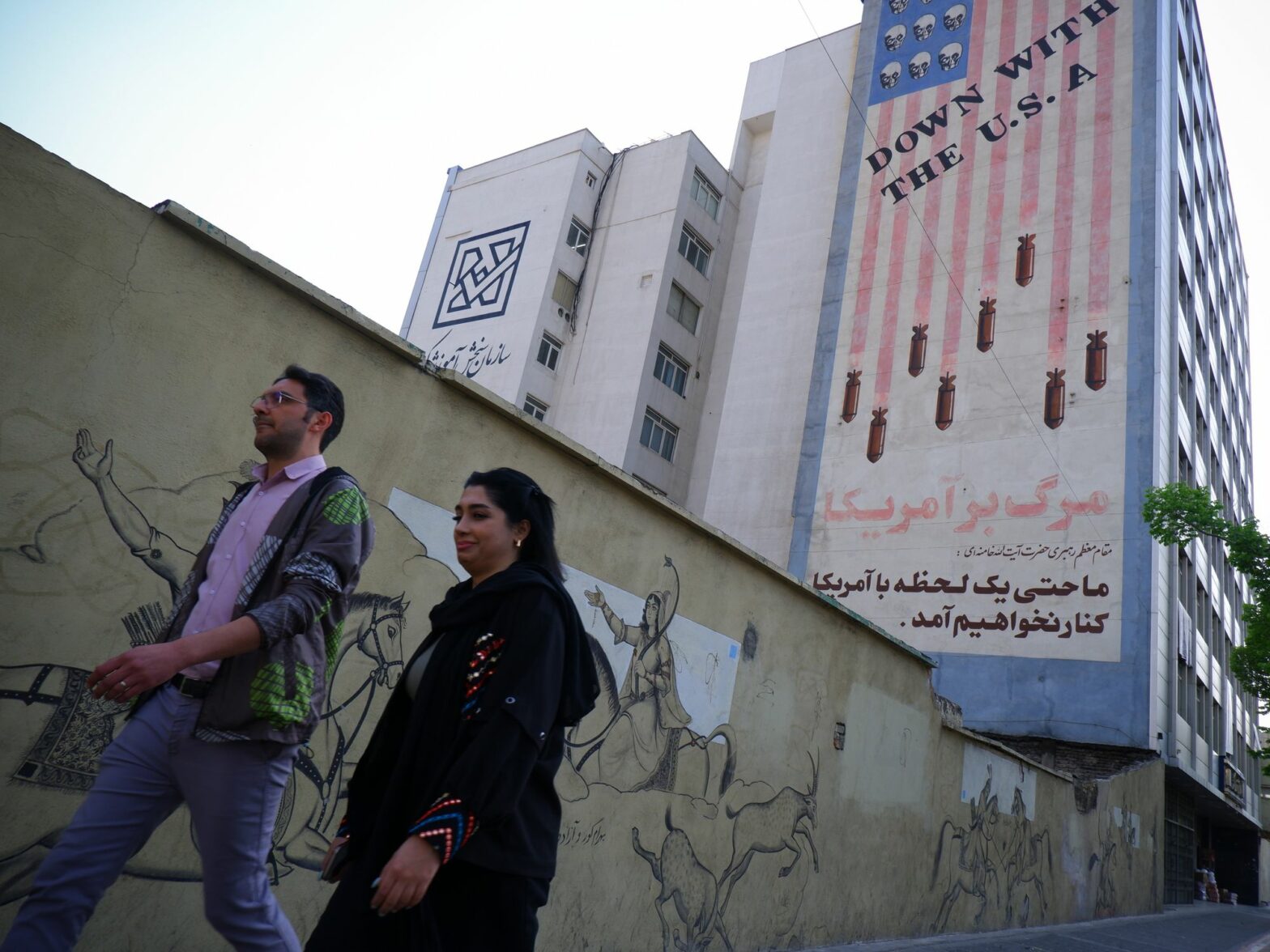
Iranian authorities are enforcing Islamic dress norms with renewed vigor and the backing of a new law, and insist a “hostile West” is goading Iranian women into living indecent lives.
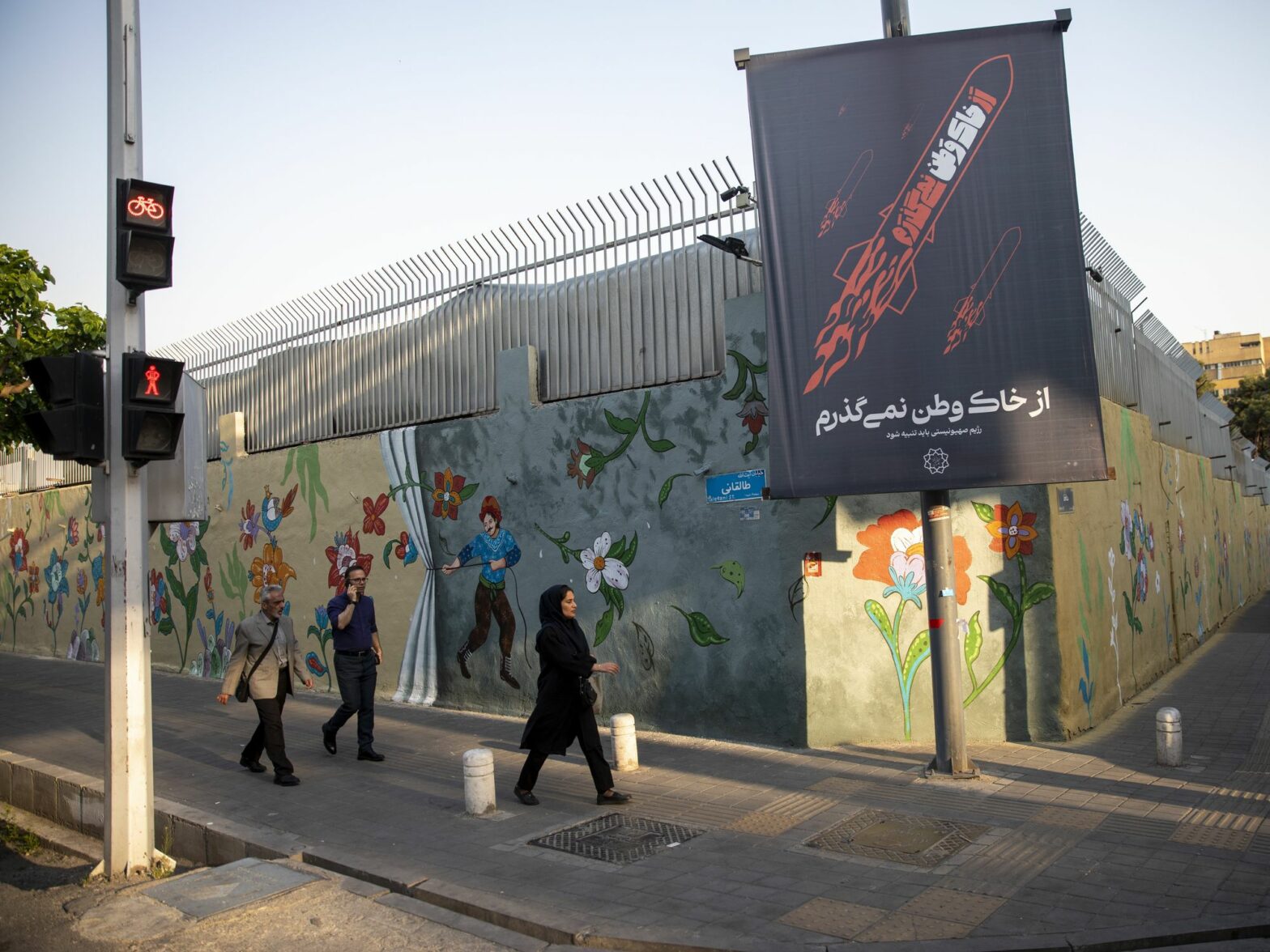
The Islamic Republic of Iran wants to destroy Israel and seems willing to obliterate Iran in the process. How do you deal with a regime that sees international chaos as serving divine wishes? Many in Iran see the direct challenge from Israel as the path to their nation’s liberation.
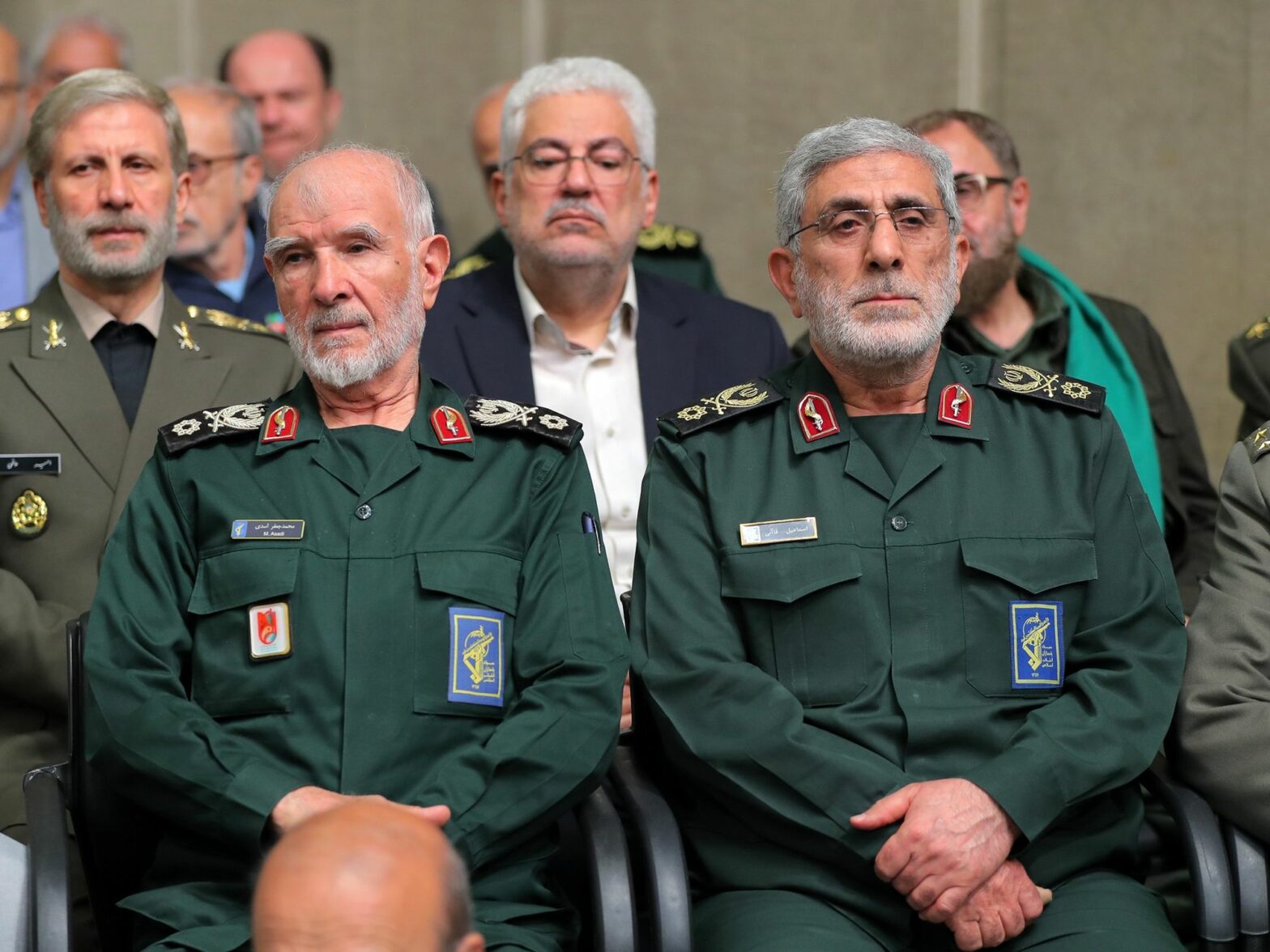
For decades Iran’s leaders have promoted the vision of martyrdom as a precept of the regime, but appear to have carefully weighed how much damage to try to inflict on Israel after its attack against its top military leaders in Syria on April 1. What does this say about the state and stability of the regime?
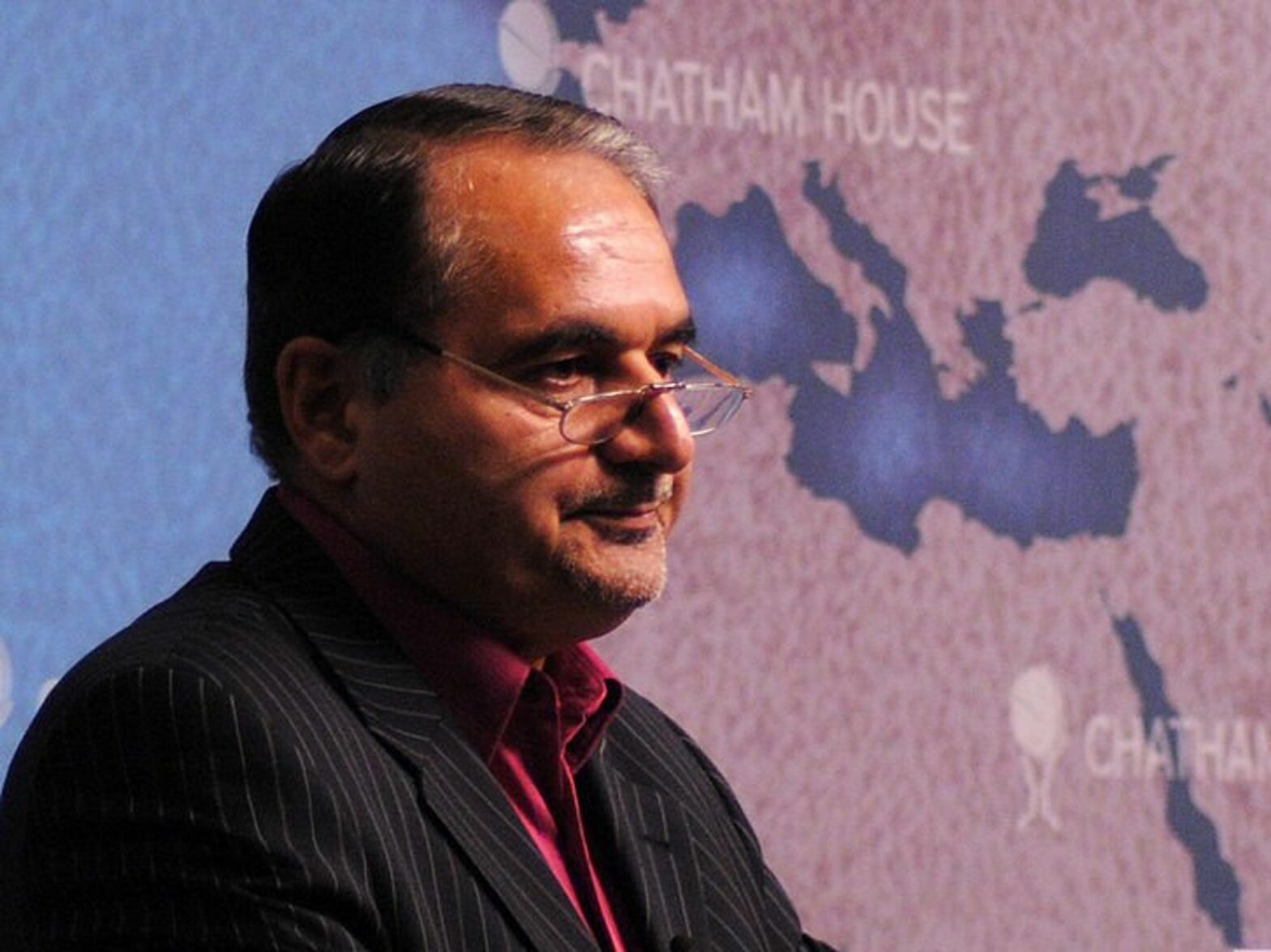
U.S. Congressmen and Iranian opponents want to know why Seyed Hossein Mousavian, a veteran official of the Tehran regime is working at Princeton University, when he is suspected of involvement with terrorist activities.
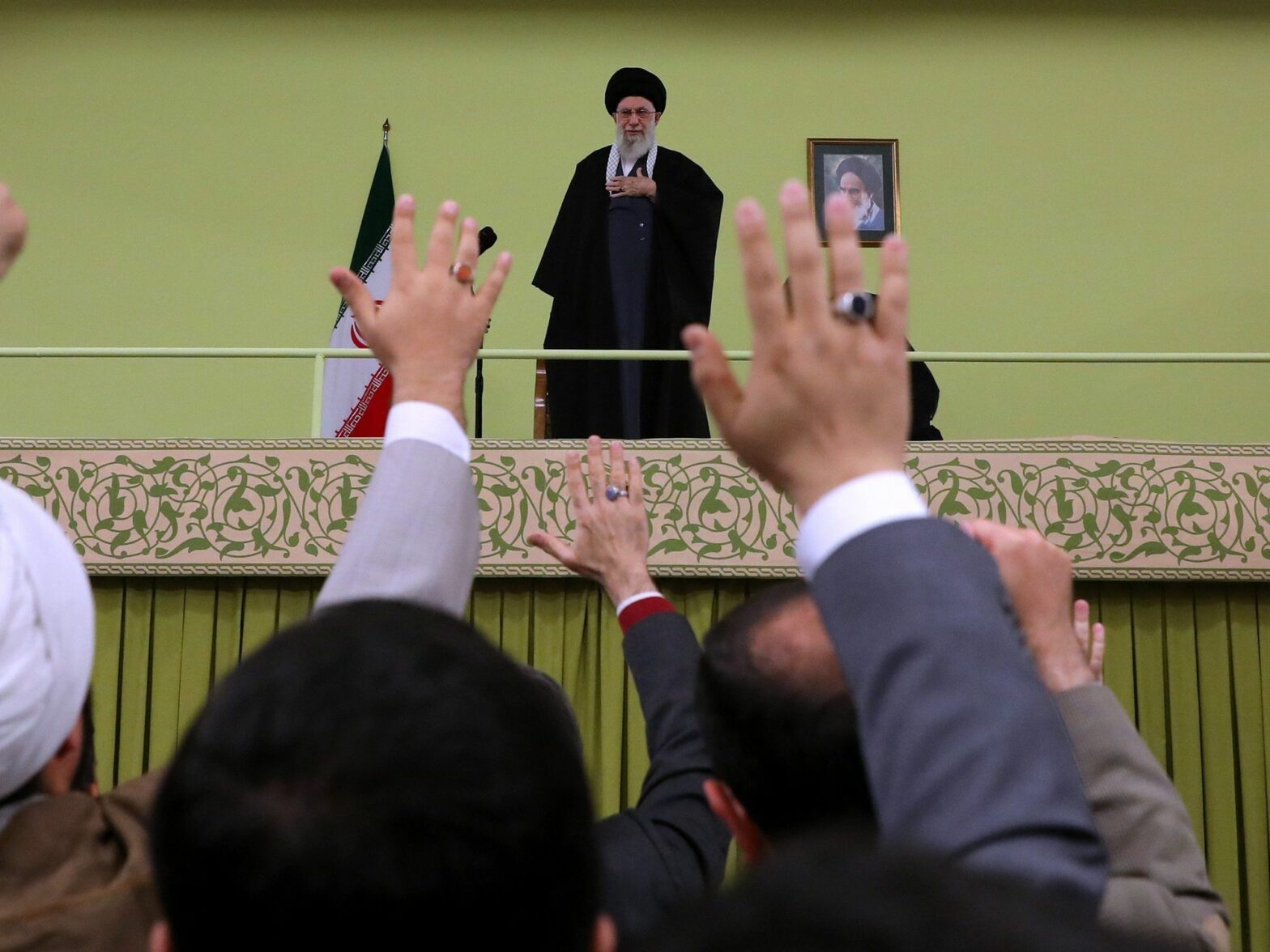
Iran’s Supreme Leader Ali Khamenei, now 84, has been in power since 1989. What will happen when he dies? His death may lead to a hybrid military-Islamic regime, with members of the Revolutionary Guards imposing a more pragmatic yet equally corrupt regime. It is time for the opposition to find a unified leader they can rally behind and that can help mobilize Iranians in the transition.
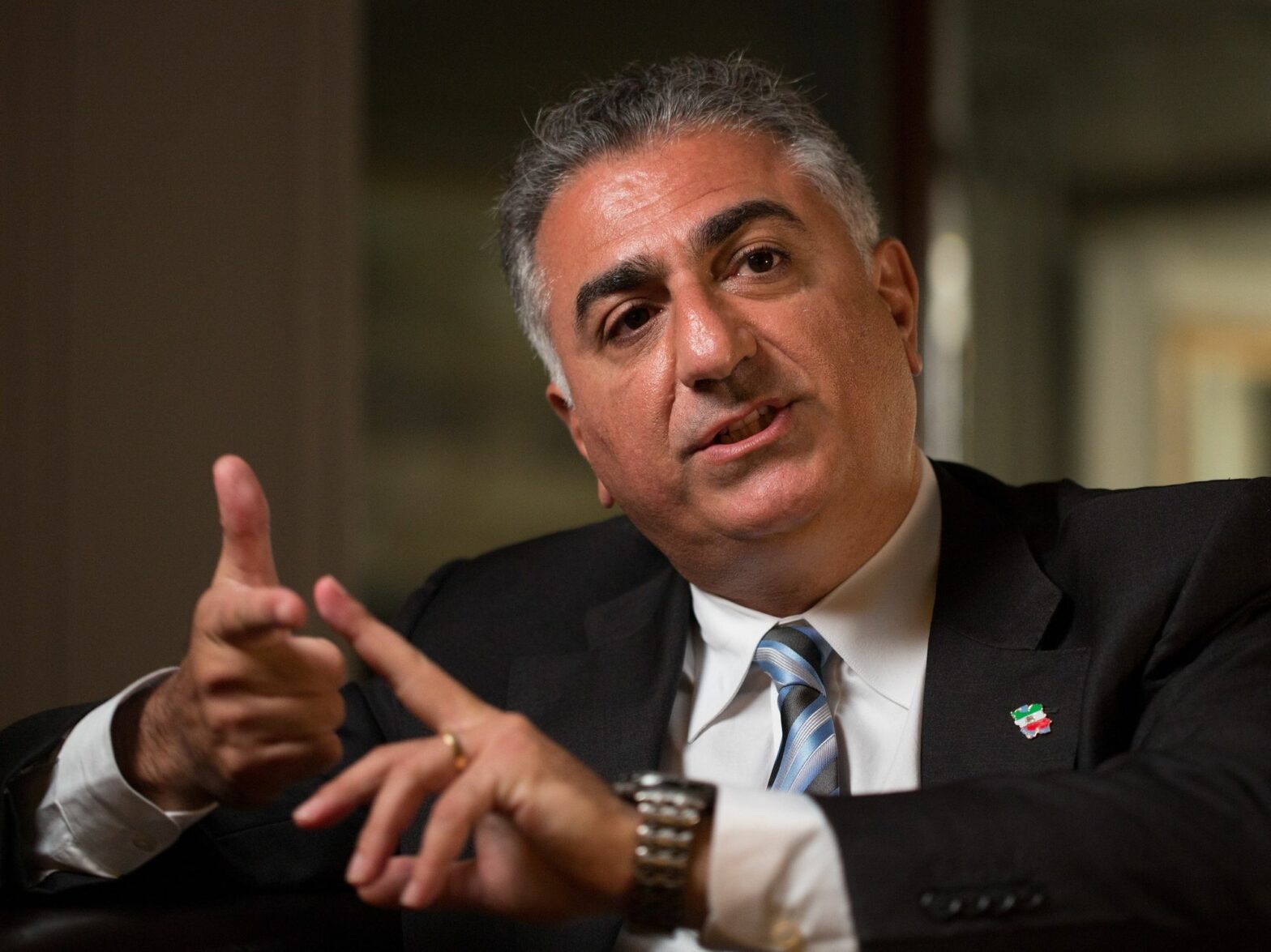
Iran’s exiled and surprisingly popular crown prince Reza Pahlavi is the son of the last shah, and is uniquely positioned to help unite opponents against the country’s brutal regime. But he can only do that by reaffirming his royal status, rather than responding on calls to renounce his title.
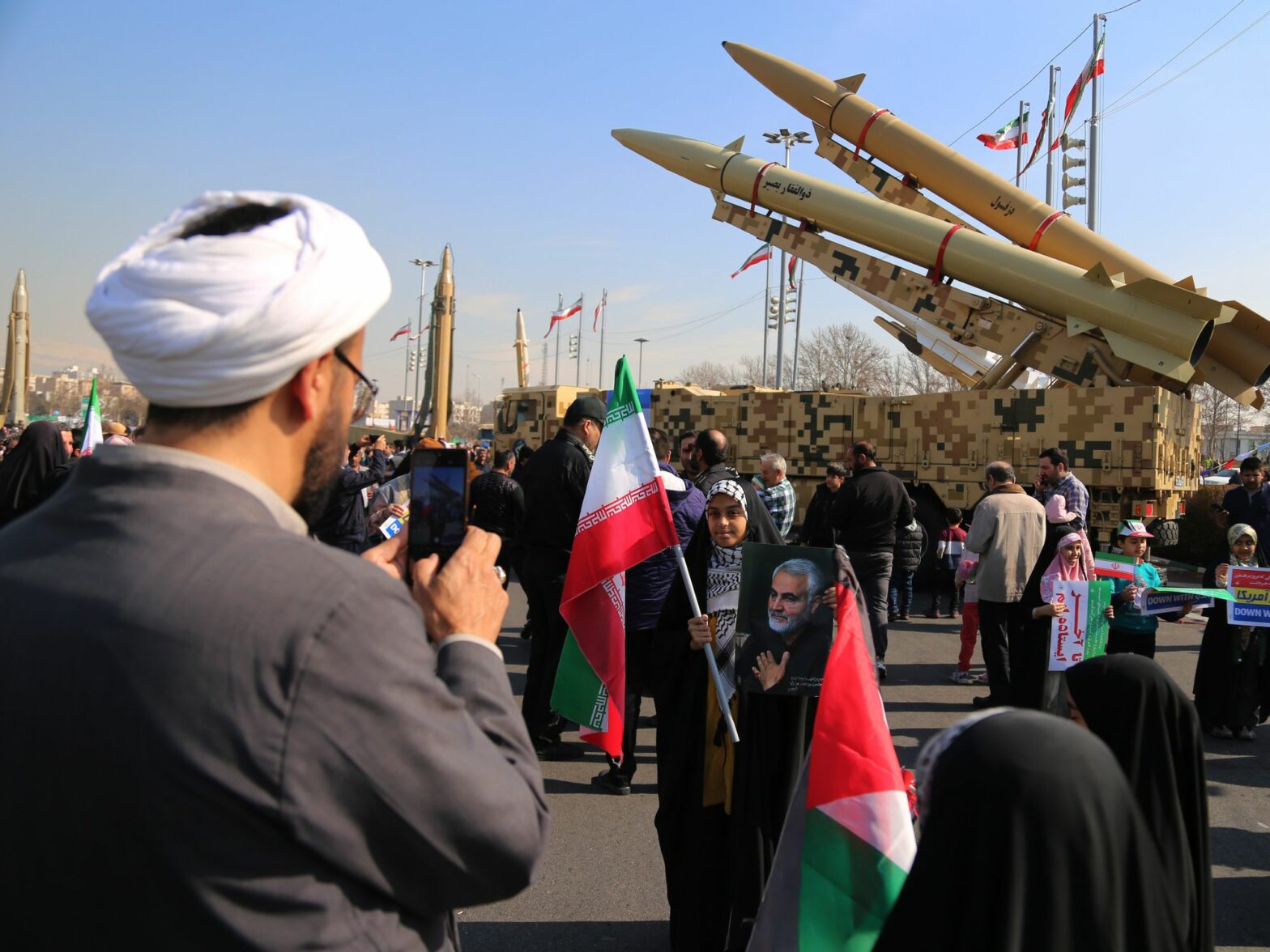
Western diplomacy shows the West will tolerate the Iranian regime’s repression at home and violent intrigues in the Middle East and beyond, but it might clarify to the public why liberal democracies should want to keep the mullahs in power in Tehran.
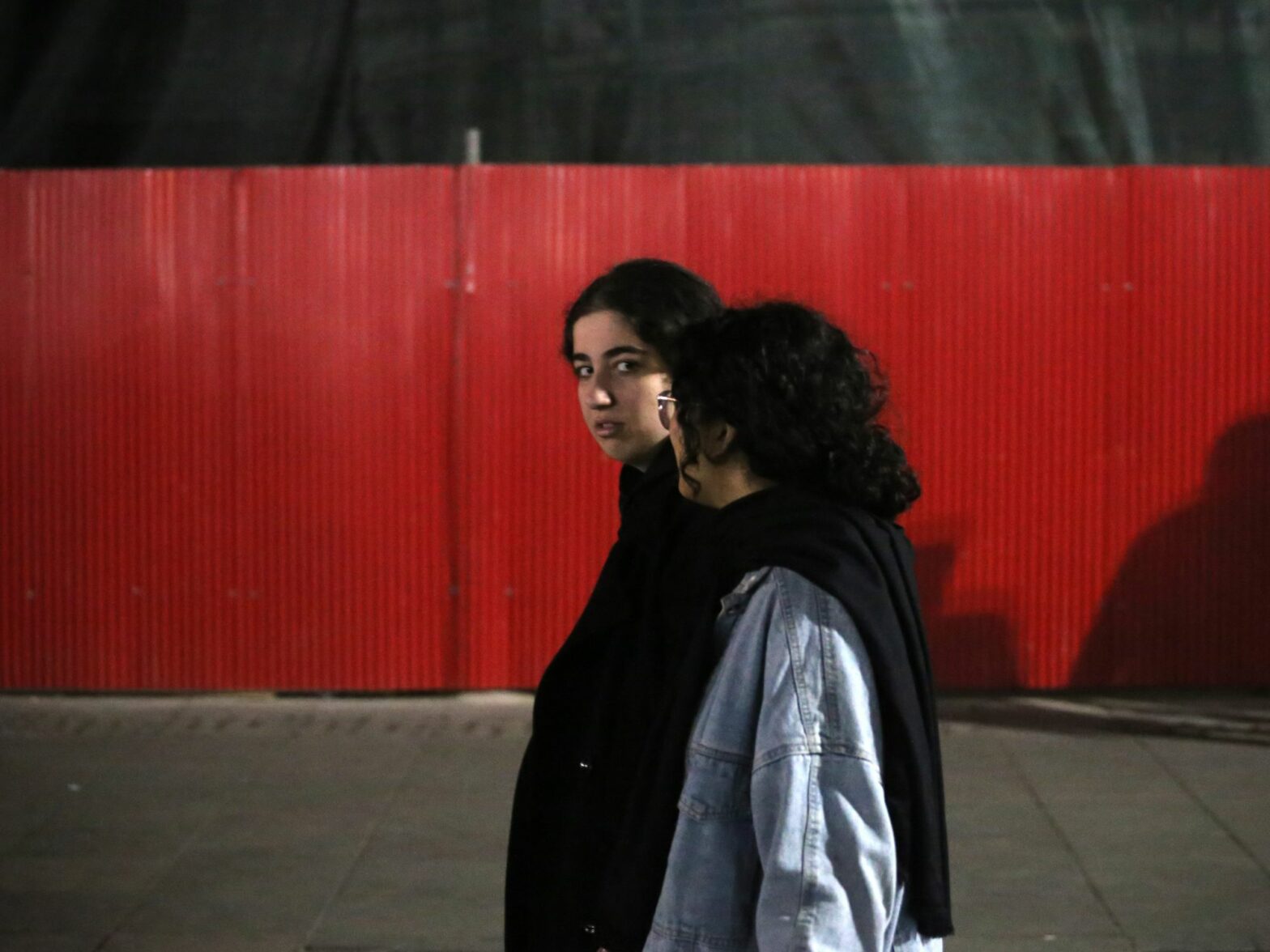
The “eye-for-an-eye” principle does not technically apply to so-called honor killings. Yet fathers and grandfathers are essentially free to kill their daughters or granddaughters if it’s perceived to protect the reputation and religious status of the family.
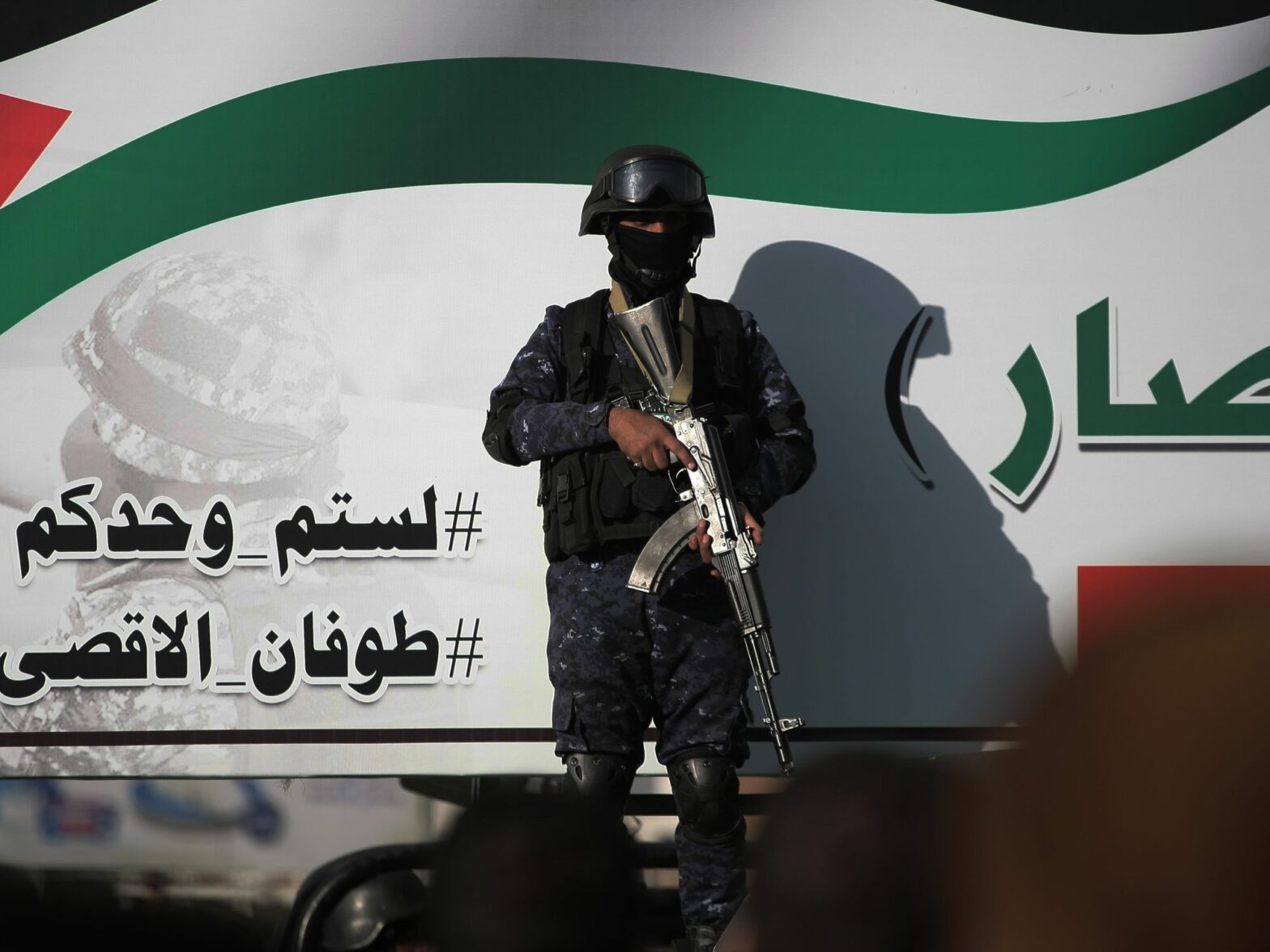
Iran’s revolutionary regime is believed to have aided Russia against Ukraine and goaded Hamas into attacking Israel. Could its insidious backing for Houthi attacks on Red Sea shipping finally end the West’s appeasement of a hooligan state.
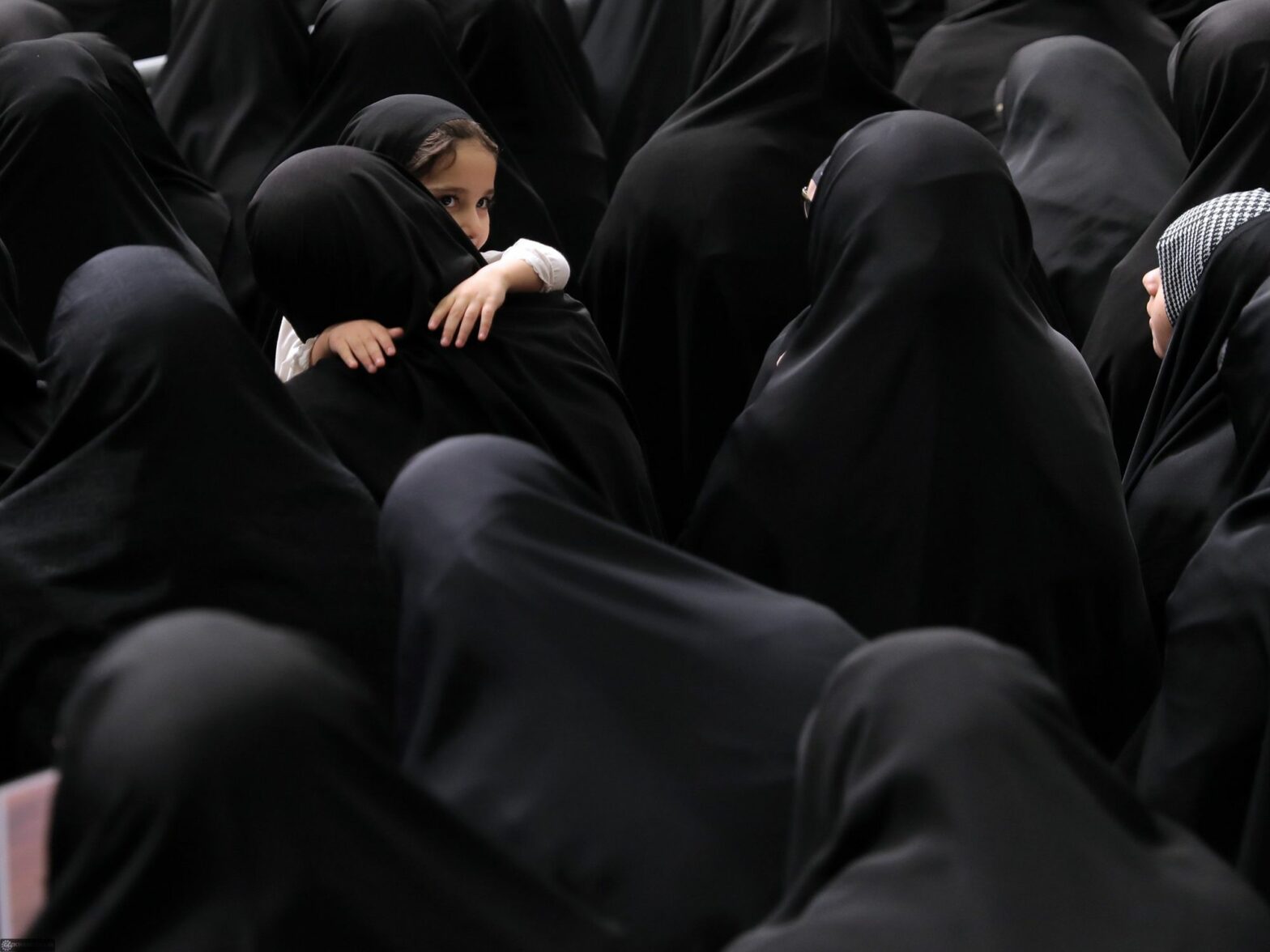
Women in the Islamic Republic are fighting to recover social rights and freedoms granted some 80 years ago by a monarchy that was once reviled and is now keenly missed by younger generations.
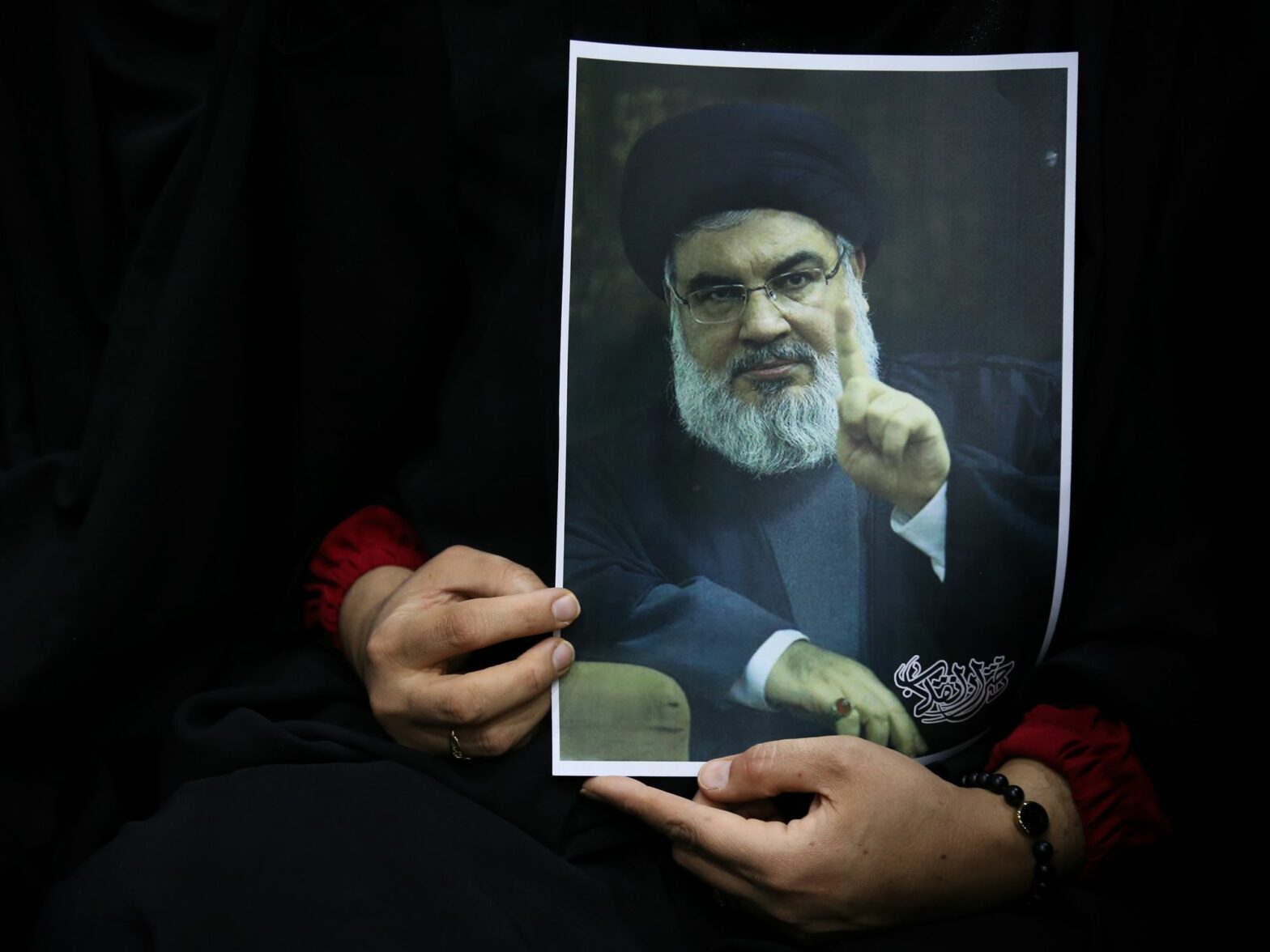
Iran’s constitution effectively allows any Shia theologian to become Supreme Leader, and the maneuvering to succeed Ali Khamenei now appears to include Hassan Nasrallah, longtime influential leader of Lebanon’s Hezbollah militia. It could redraw the map of the Middle East, but would ordinary Iranians and politicians stomach such an audacious imposition?
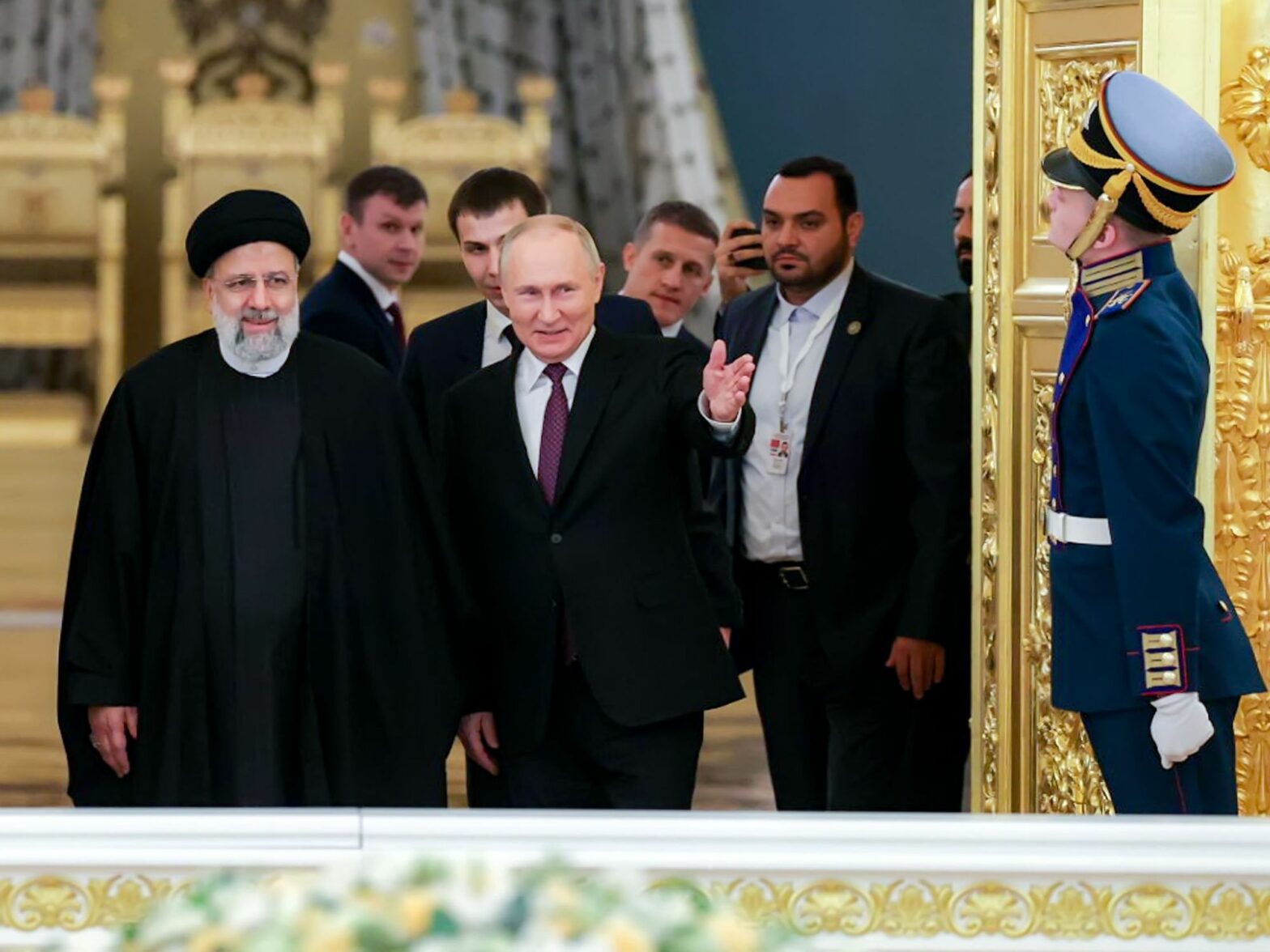
Iran’s plans to boost security and intelligence collaborations with Russia are fueling fears among Iranians that Russia will soon act as power broker, decision-maker and secret policeman inside their country.