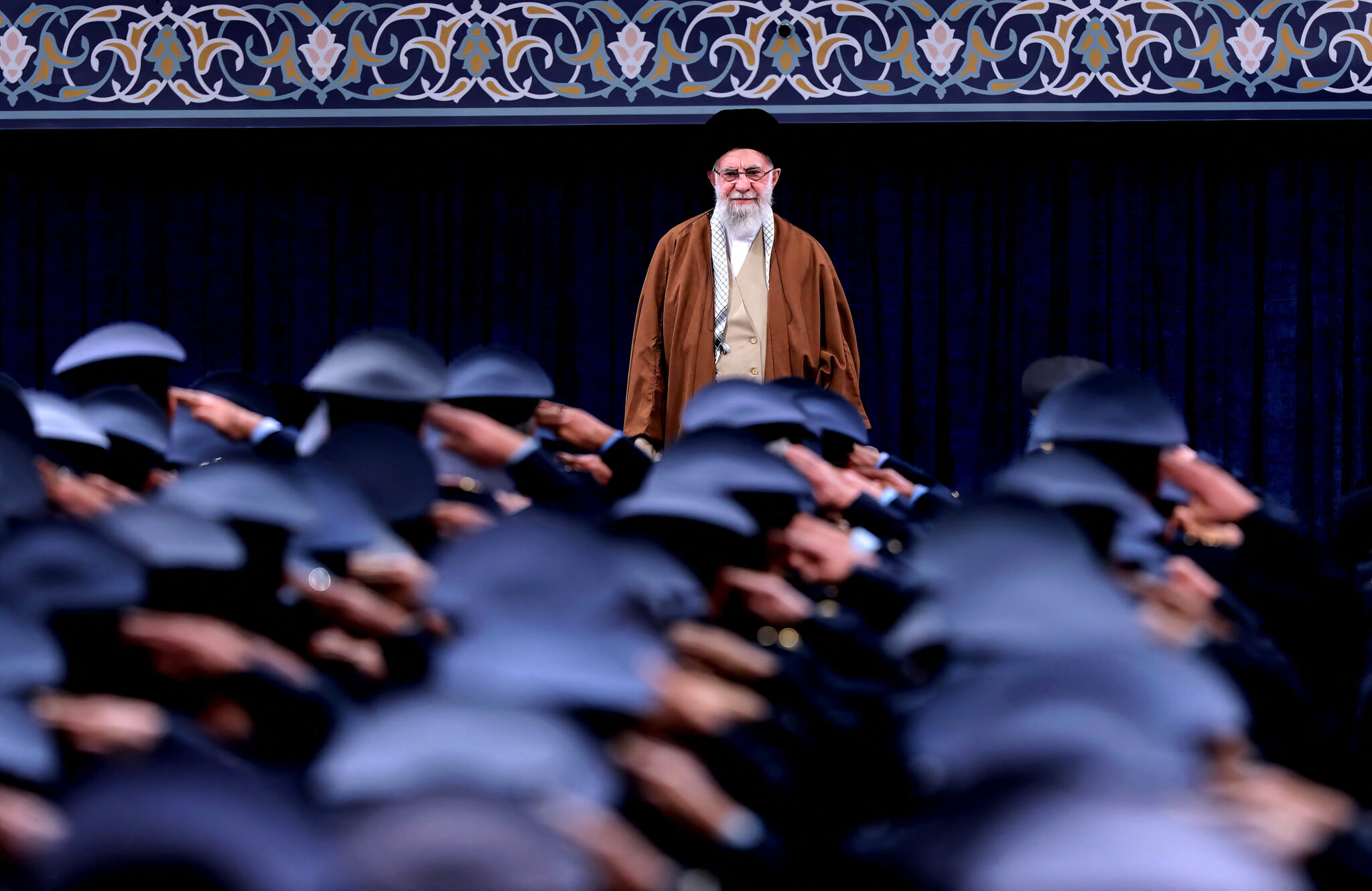
Iran’s post-revolutionary constitution concentrated all the power in the hands of the country’s supreme leader — a mistake that is still costing Iranians today.
 Worldcrunch
Kayhan is a Persian-language, London-based spinoff of the conservative daily of the same name headquartered in Tehran. It was founded in 1984 by Mostafa Mesbahzadeh, the owner of the Iranian paper.
Unlike its Tehran sister paper, considered “the most conservative Iranian newspaper,” the London-based version is mostly run by exiled journalists and is very critical of the Iranian regime.
Iran’s post-revolutionary constitution concentrated all the power in the hands of the country’s supreme leader — a mistake that is still costing Iranians today.
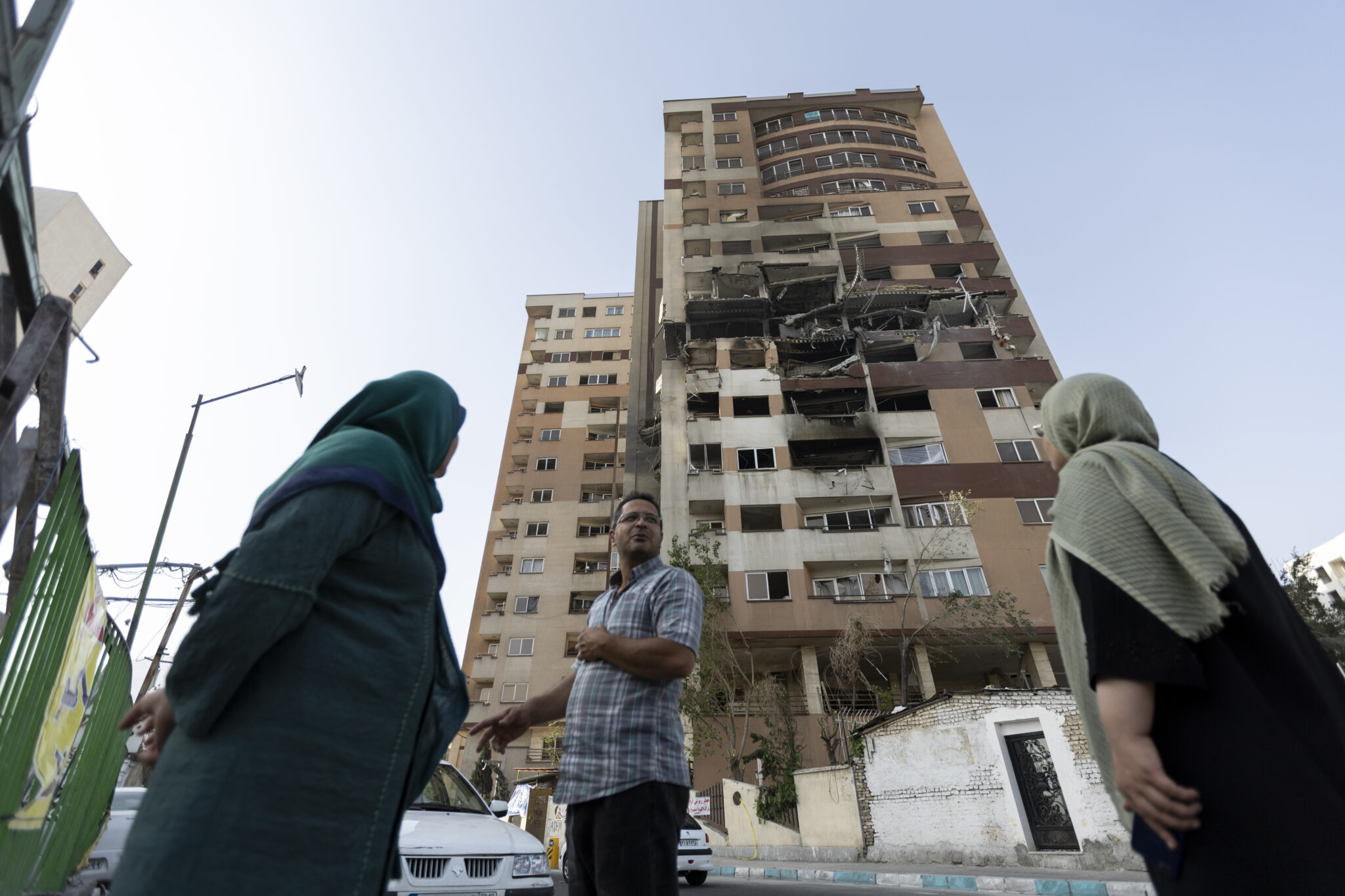
Experts suspect Israel is planning another round of precision strikes on Iran, targeting key military sites and hoping to maim the Tehran regime enough to make it incapable of suppressing a “decisive” revolt against it. Even Tuesday’s Israeli strike in Qatar was ultimately a message to Iran.
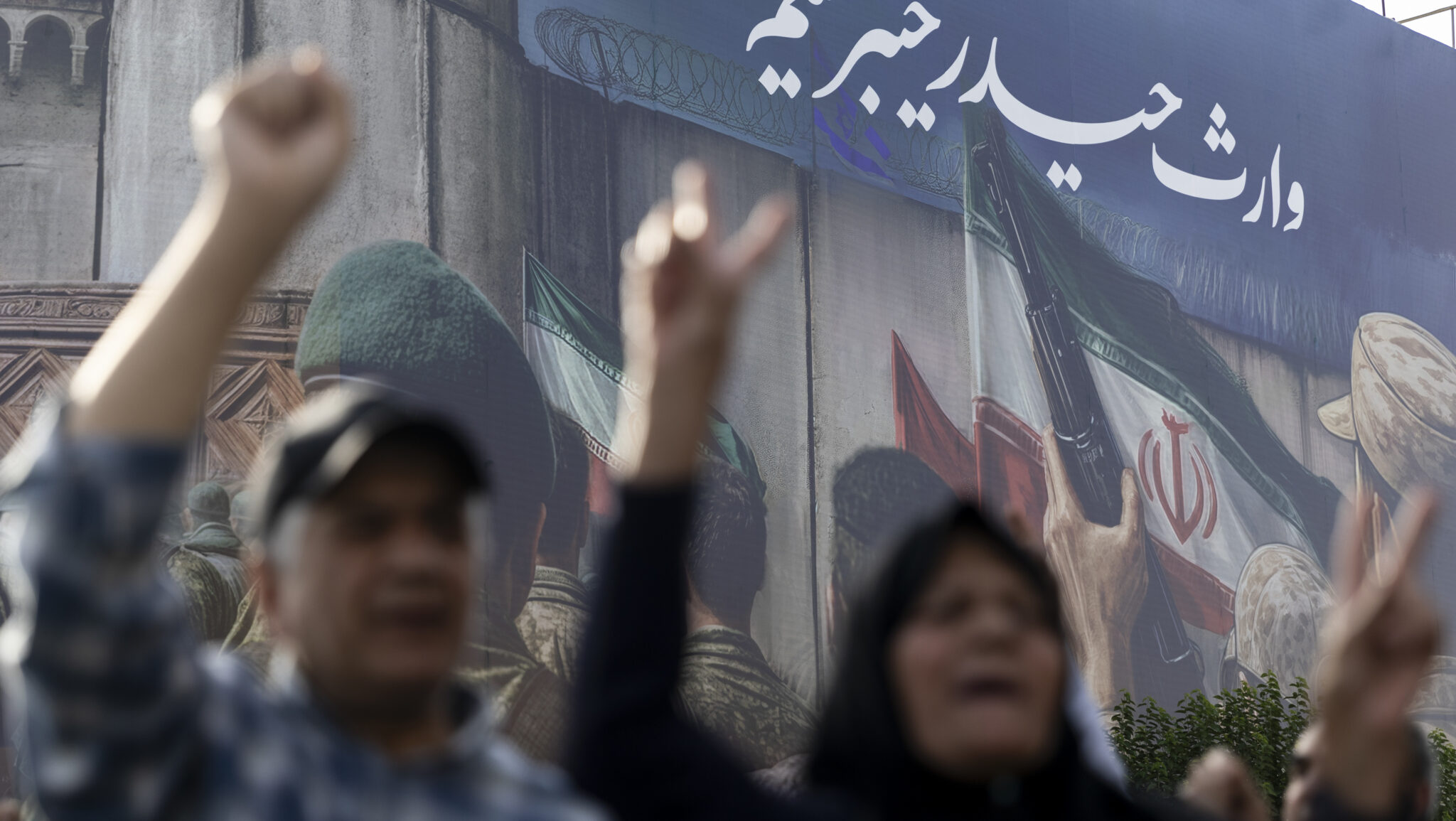
War with Israel and the United States may harm Iran and its infrastructures. But for the regime, it’s a chance to distract opinion from its economic failures and to quell dissent.
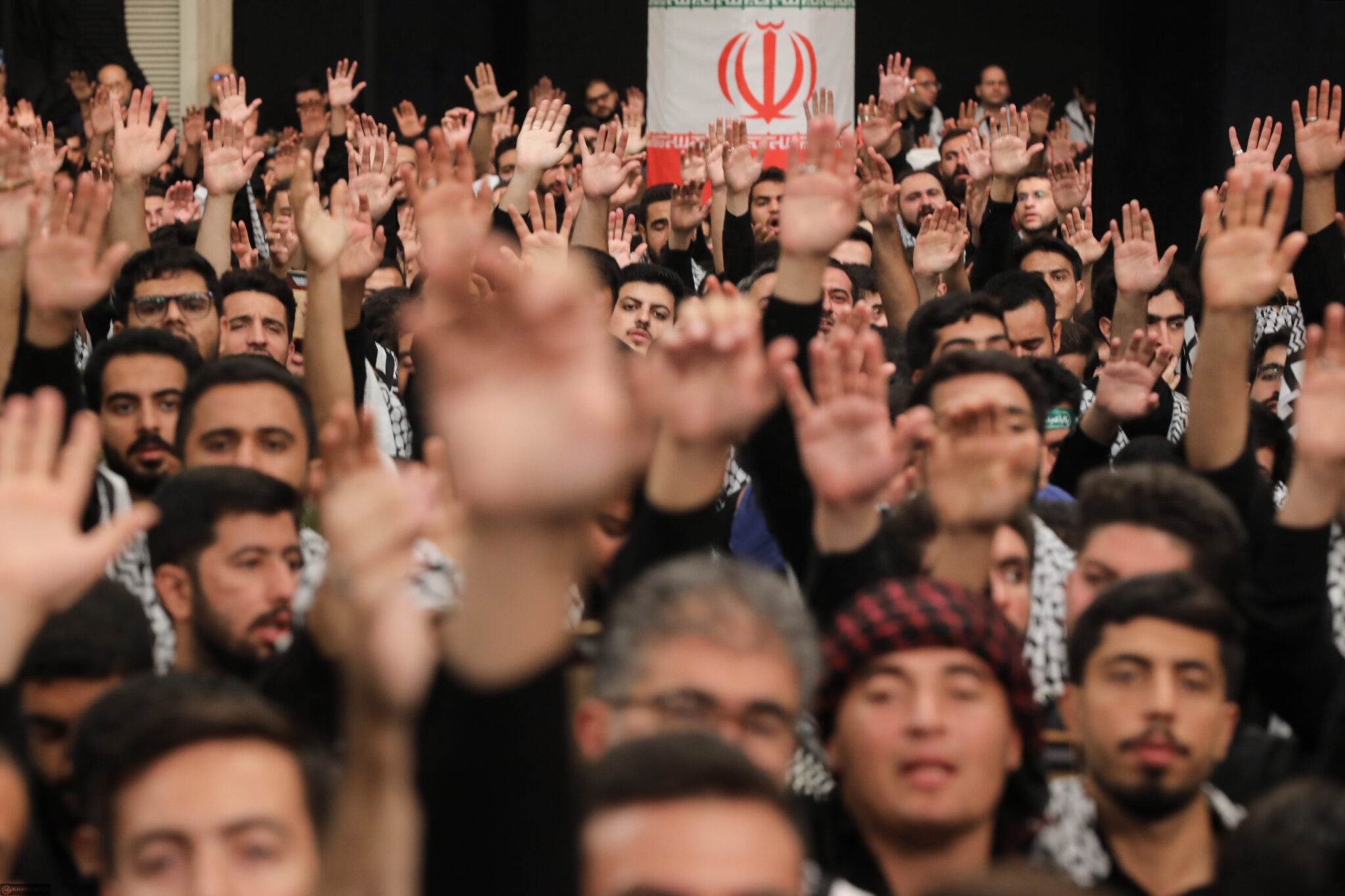
There is a pervasive fear among Iranians, which the Tehran regime does nothing to abate, that chaos could follow the fall of the Islamic Republic. But Iranians should know that opting for superficial reforms or a republic similar to this regime will simply perpetuate its oppression, corruption and ineptitude.
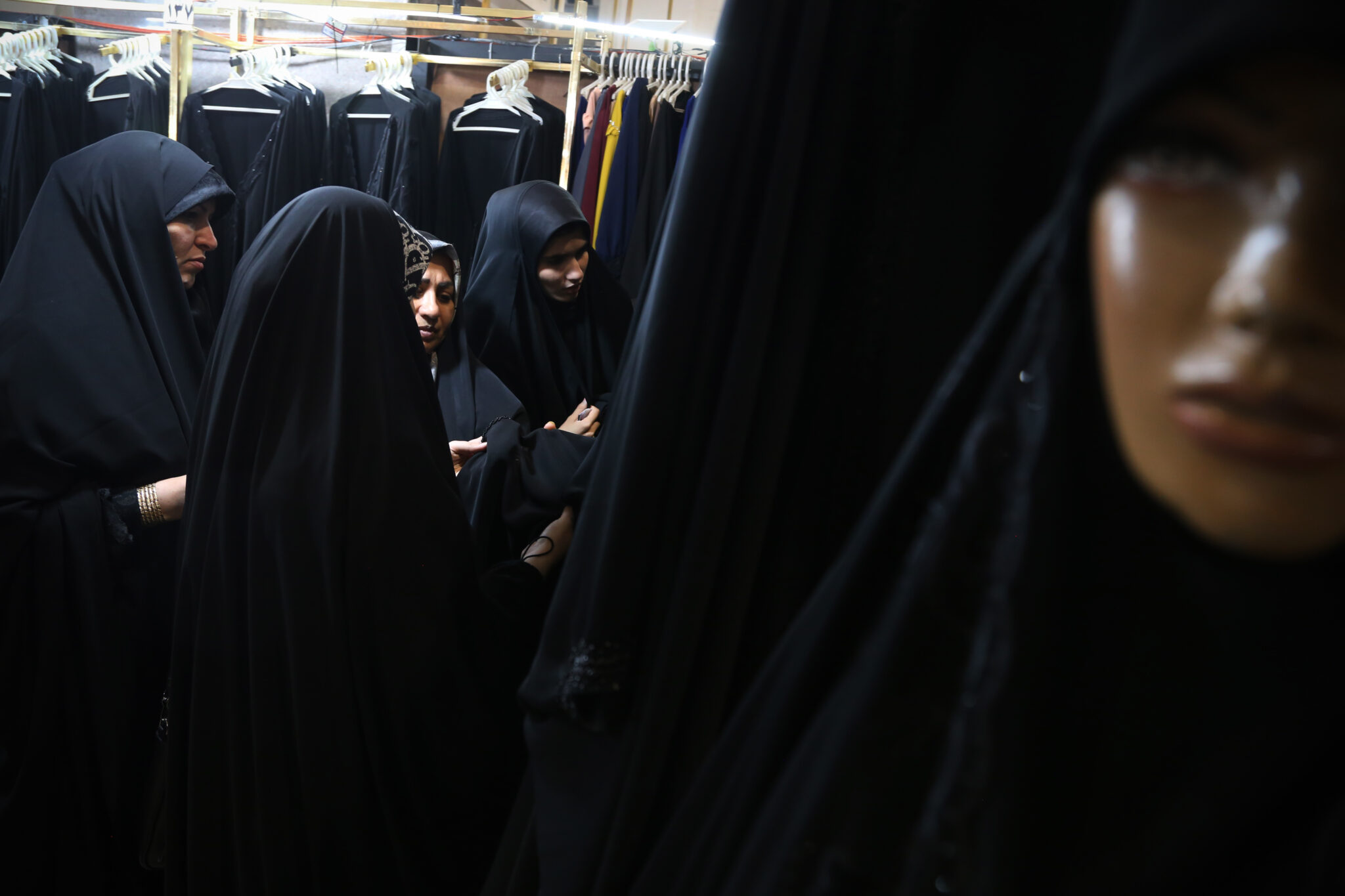
In Muslim-majority societies, discriminatory laws, cultural traditions, and religious justifications conspire to make the murder of women an accepted norm rather than a societal tragedy.
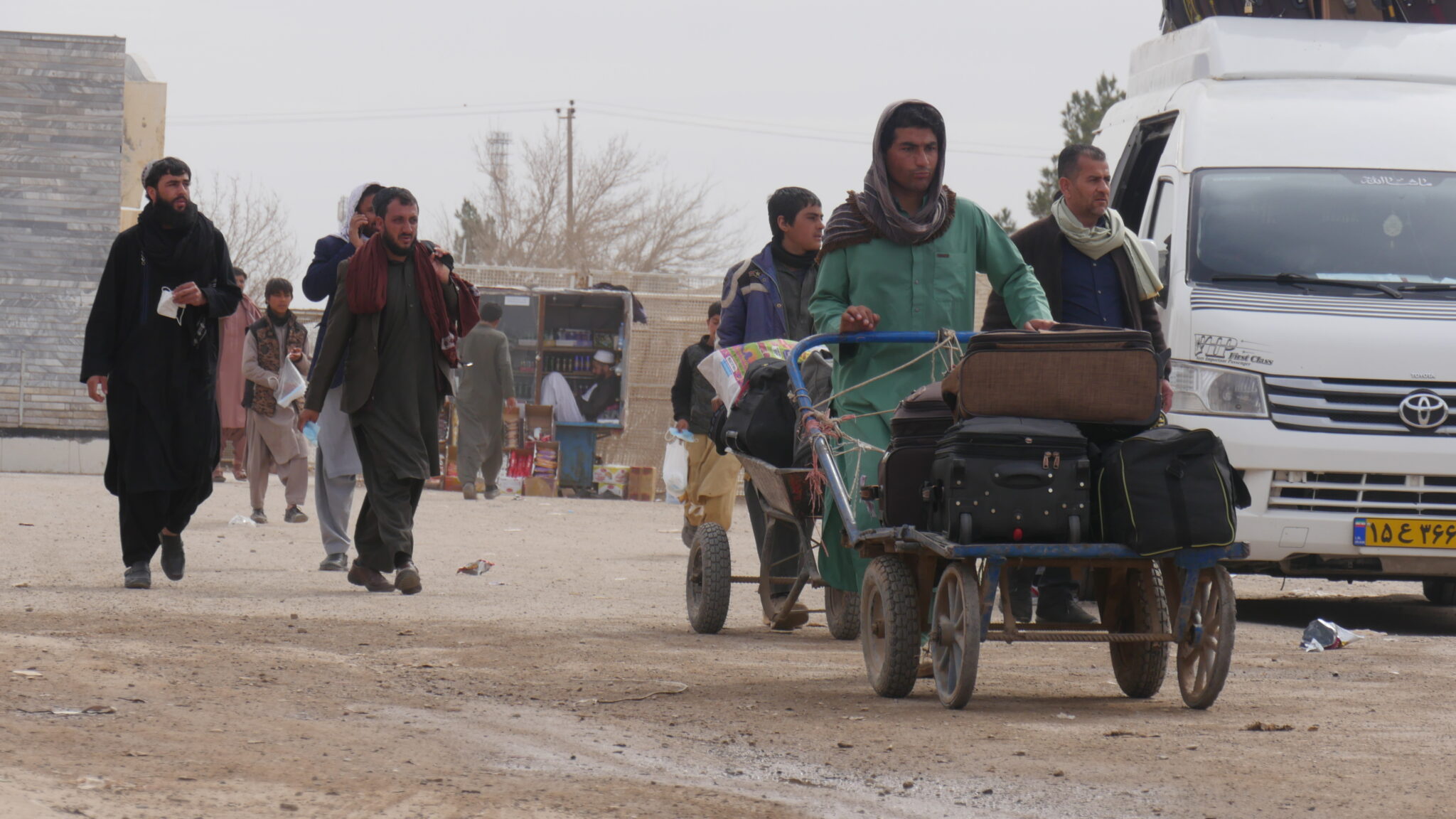
Iran is reportedly deporting thousands of Afghans — including many legal residents — claiming it can no longer afford to host millions of migrants. Witnesses describe chaotic expulsions marked by beatings and last-minute extortion at the border.
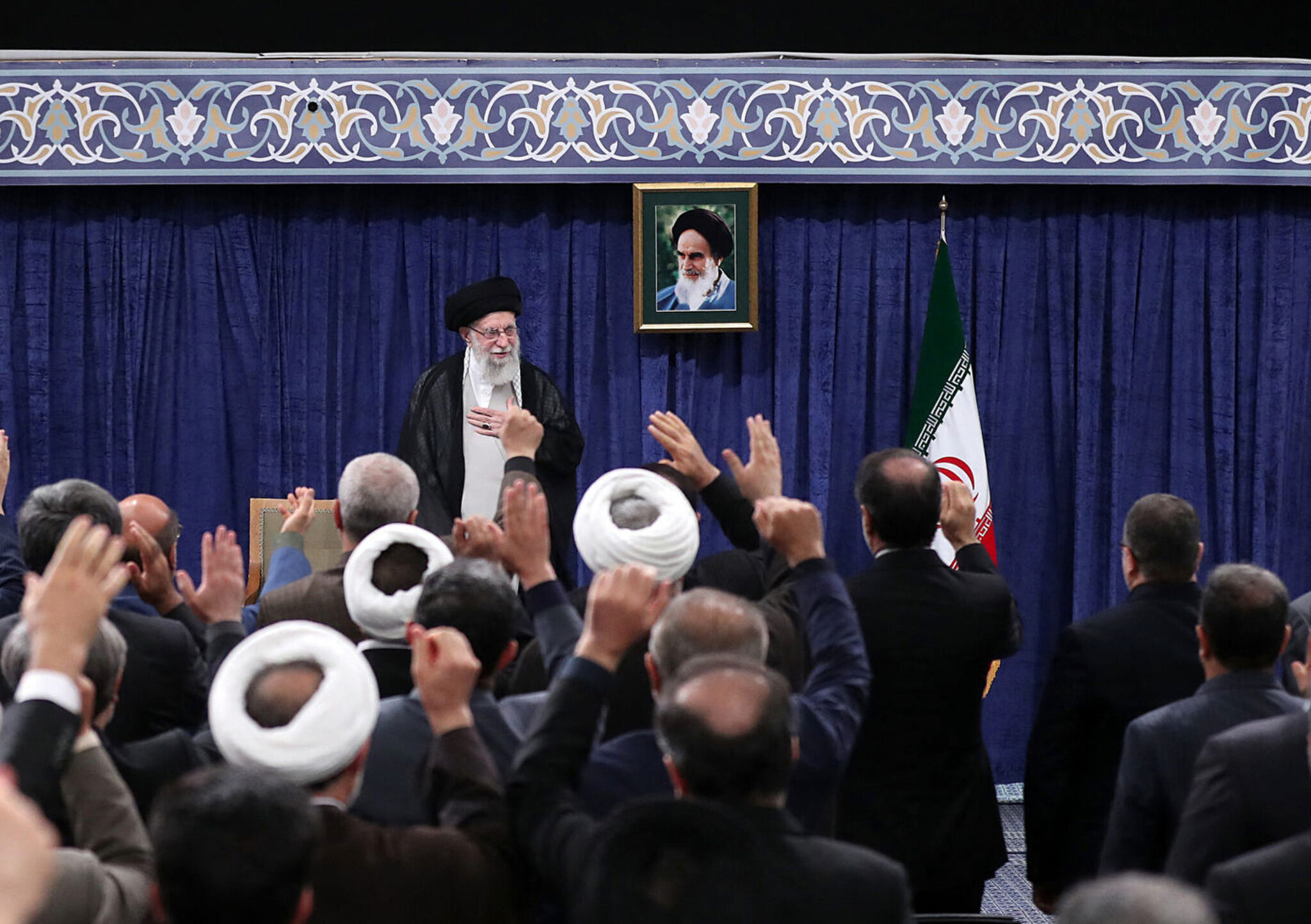
There are growing signs of deepening instability and decline within the Iranian regime. This makes the West’s ongoing efforts to reach a deal with Tehran incomprehensible to any Iranian yearning for a free country.
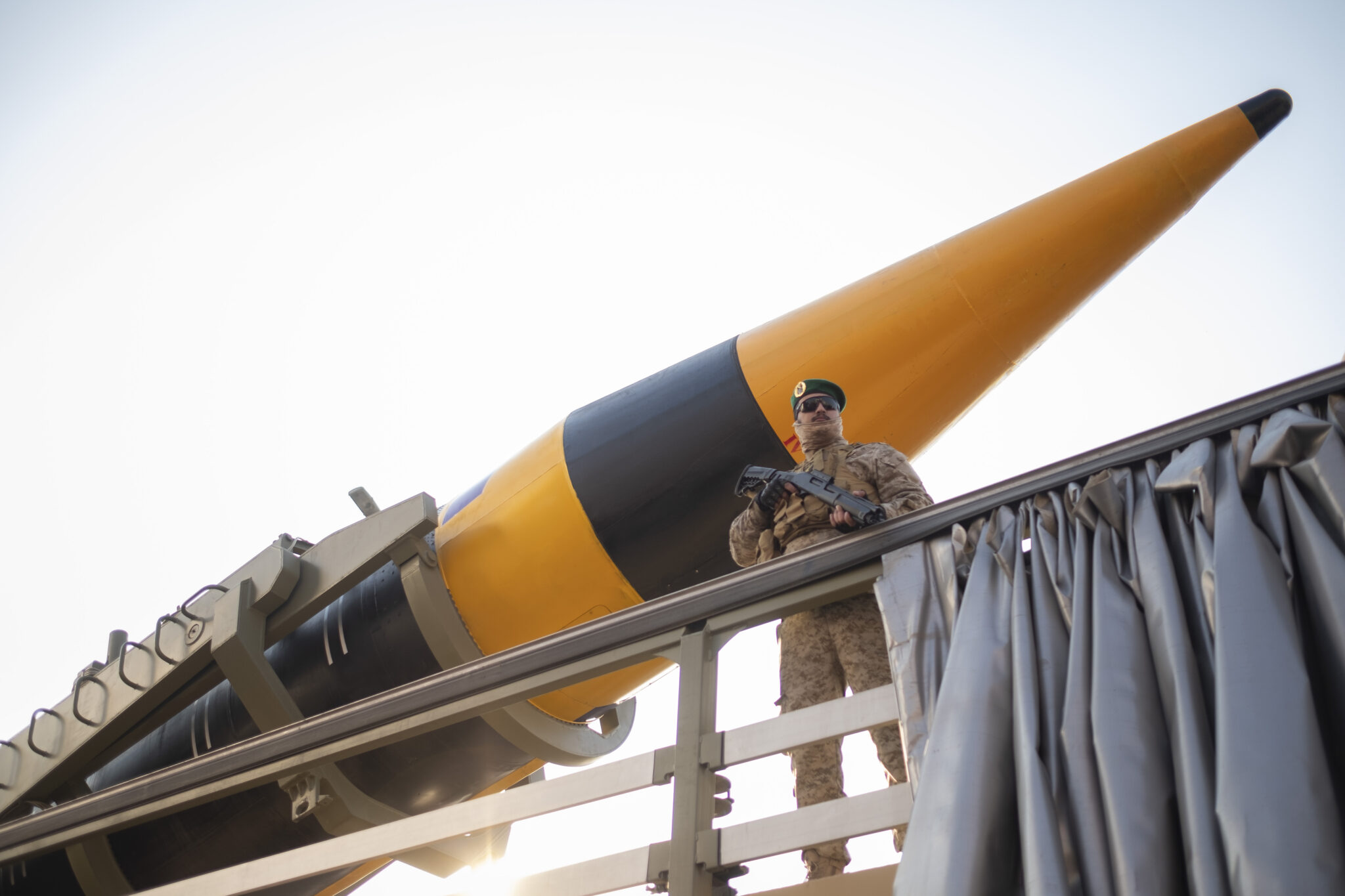
The so-called 12-day war ended in a June ceasefire. But it really just returned the Israel-Iran war to the shadows, with both sides now preparing for the direct conflict to start again.
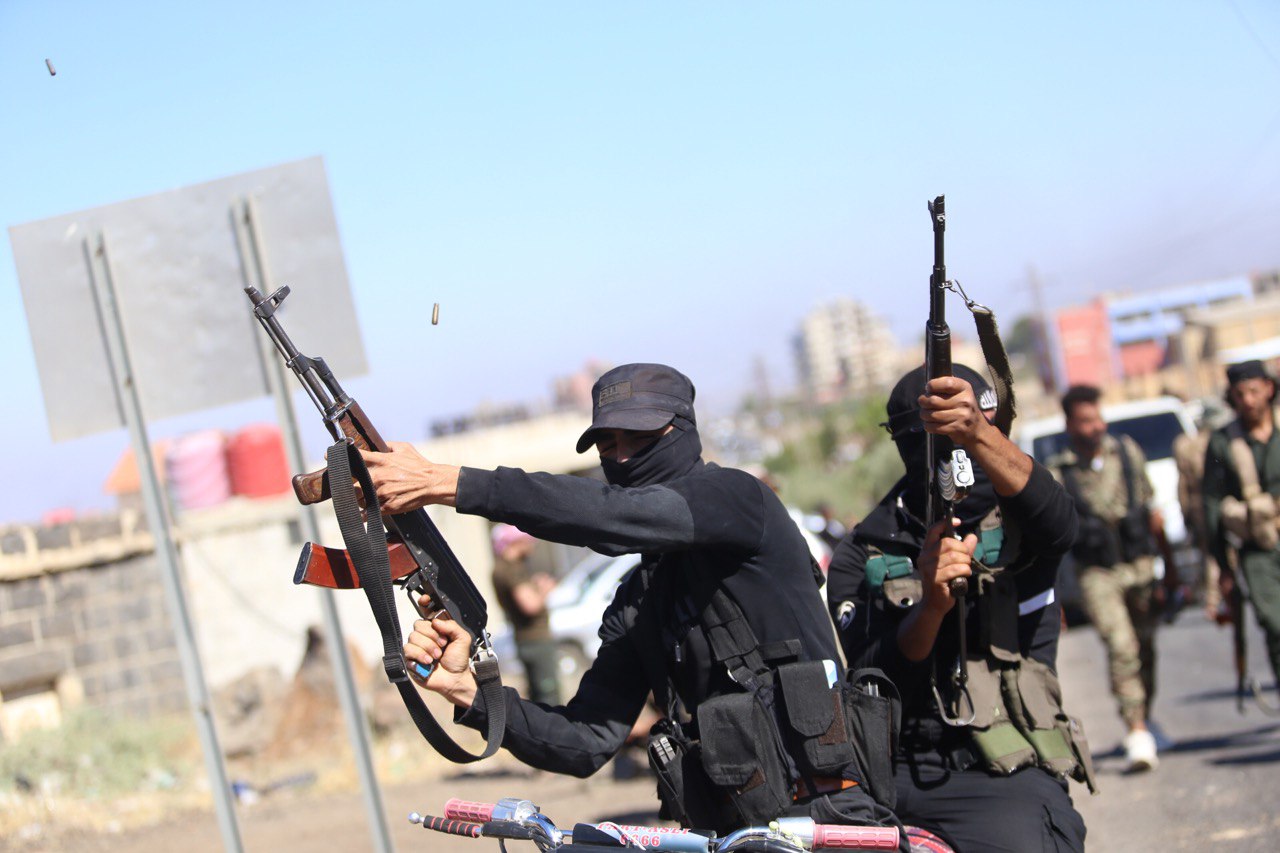
With Israel and Iran’s shadow war spilling into Syria, the new government in Damascus has warned that “foreign actors” aim to plunge the country into a cycle of instability and chaos.
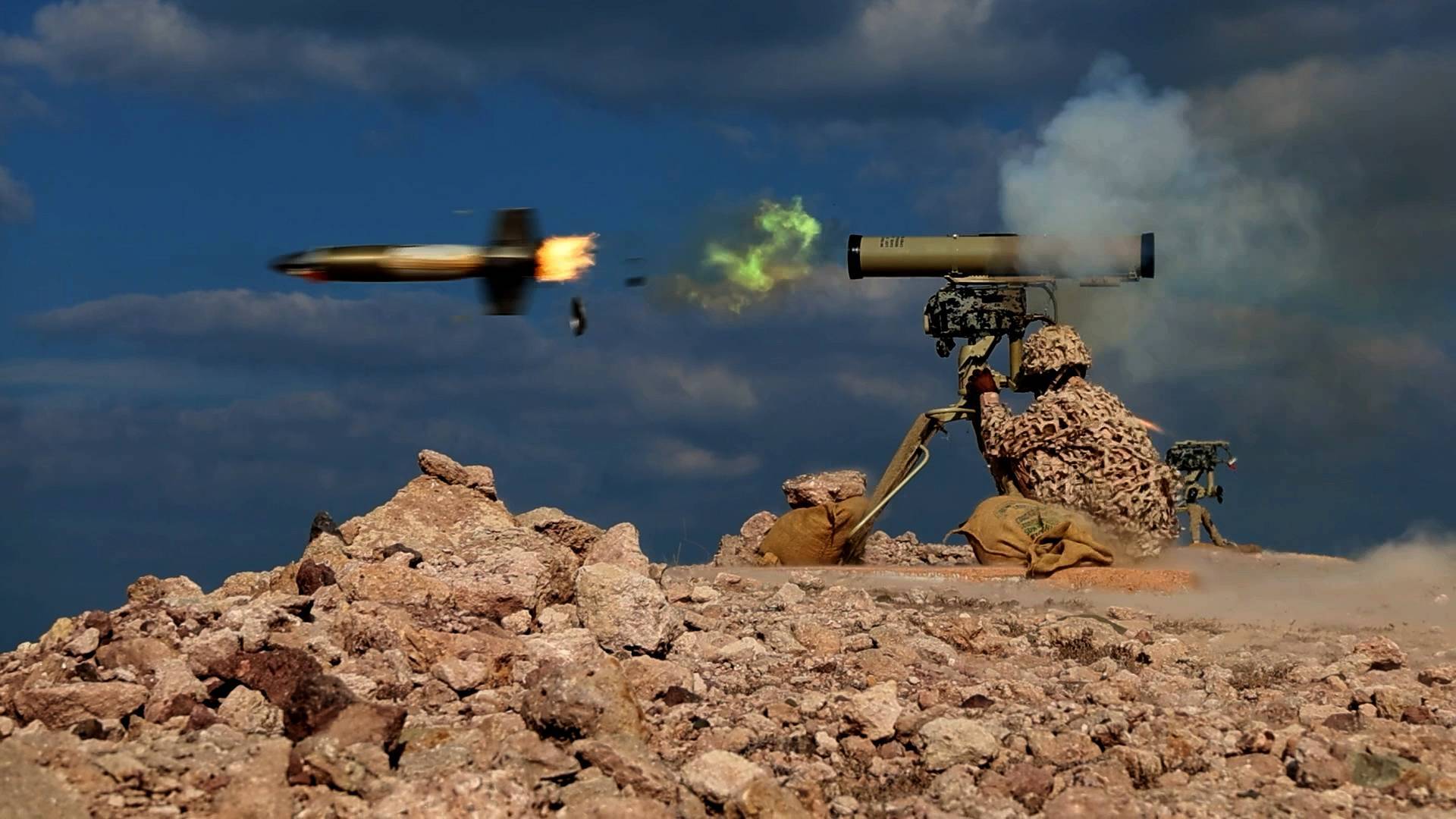
The Islamic Republic of Iran recently sent Ismail Qaani, the Revolutionary guards general who keeps ‘resurrecting’ after being reported as killed or maimed, to Baghdad to discuss rearming its proxy militias. This appears to be Tehran’s first act of regional interference since Israeli strikes in June.
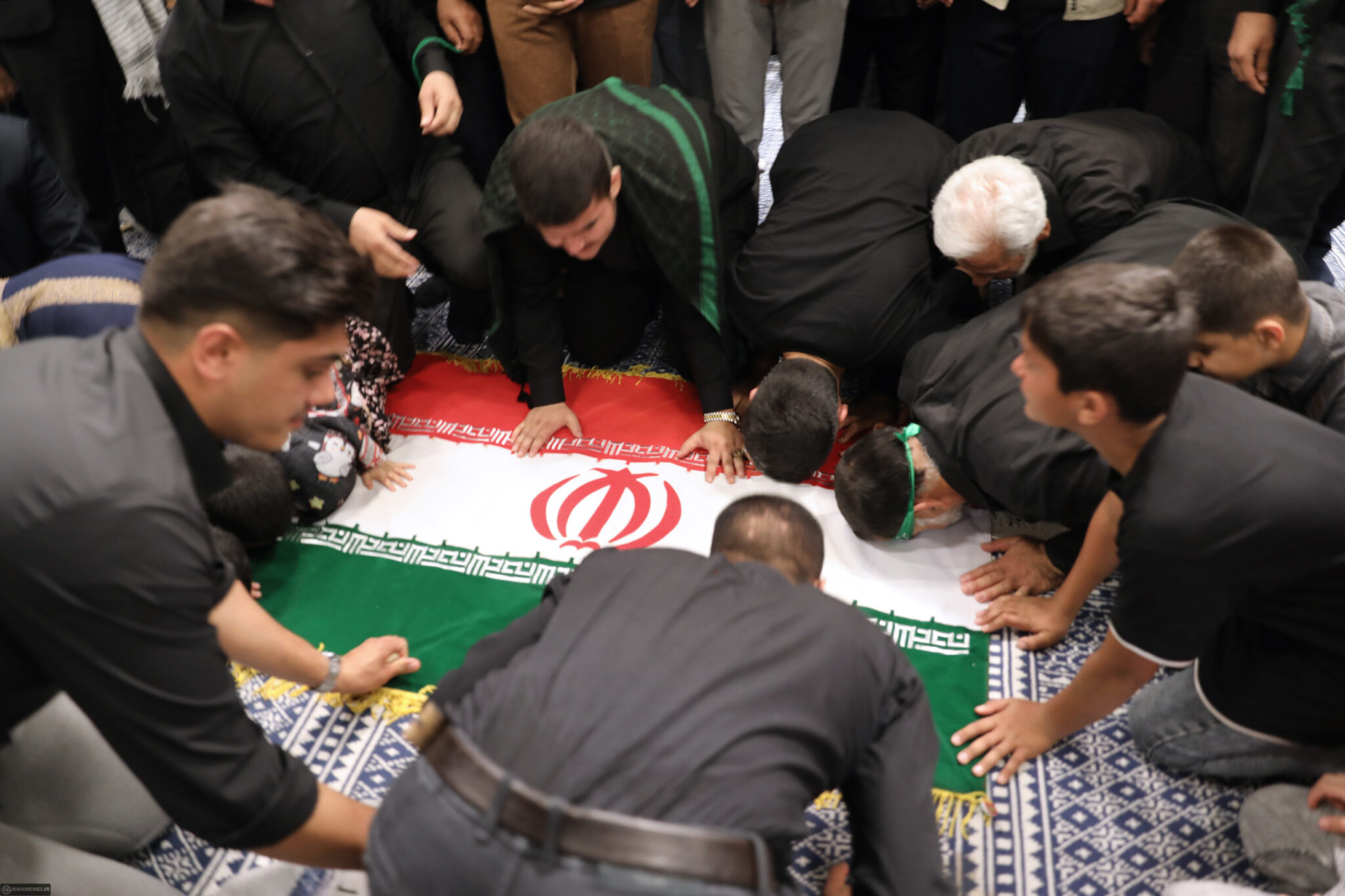
Tehran’s revolutionary regime is suddenly turning to Iranian nationalism hoping to rustle up public support for itself as it faces Israeli and U.S. threats. But who in Iran could believe it now, when everything it has done for years has shown its contempt for the very notion of historical roots and national interests.
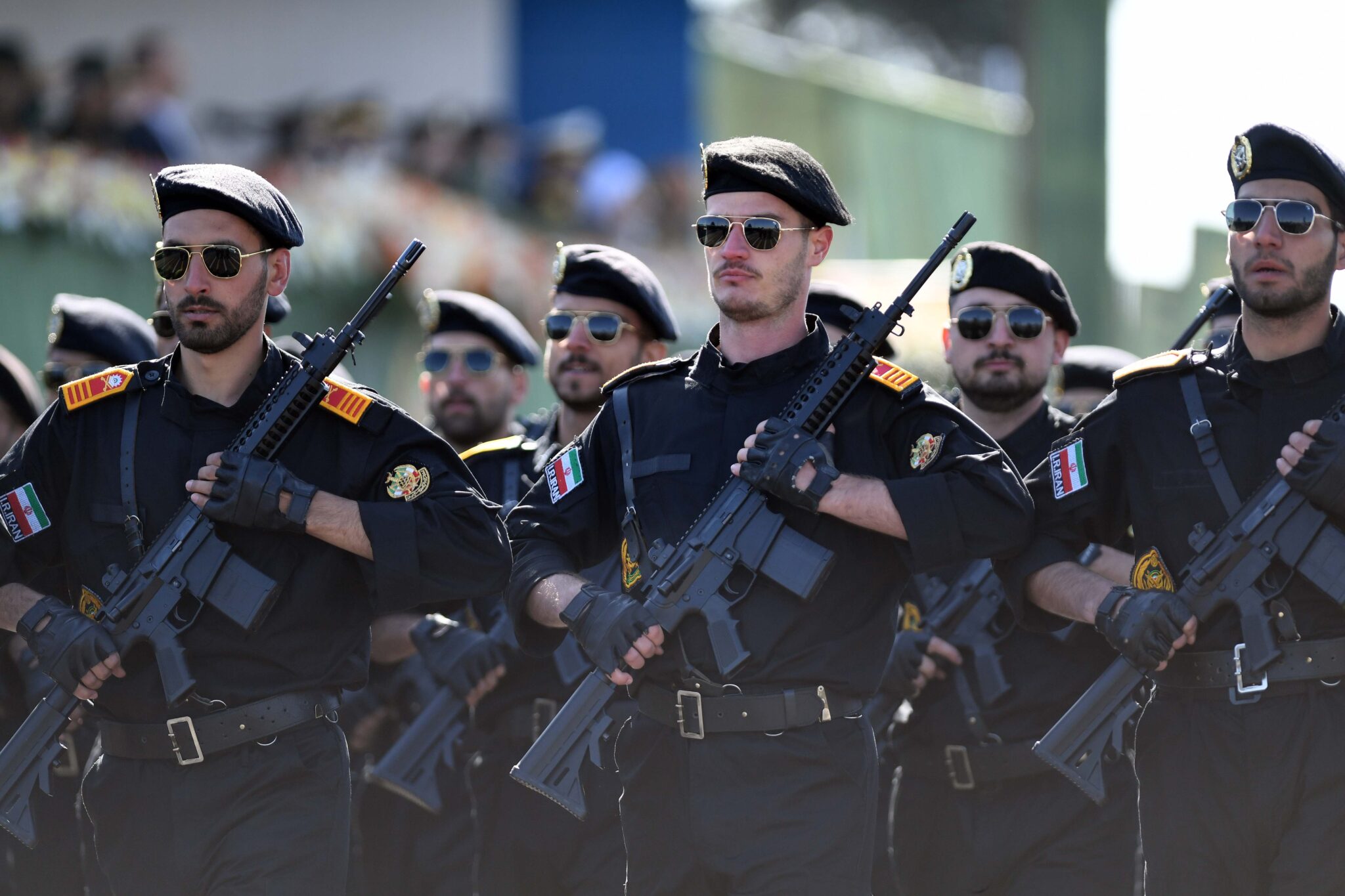
Iran’s revolutionary regime imagined it could assure its survival by becoming an armed bunker like North Korea, ready to shoot if threatened. They seemed to forget that, for its location and resources, Iran is too important for the world to tolerate a “crazy” regime threatening vital oil routes.
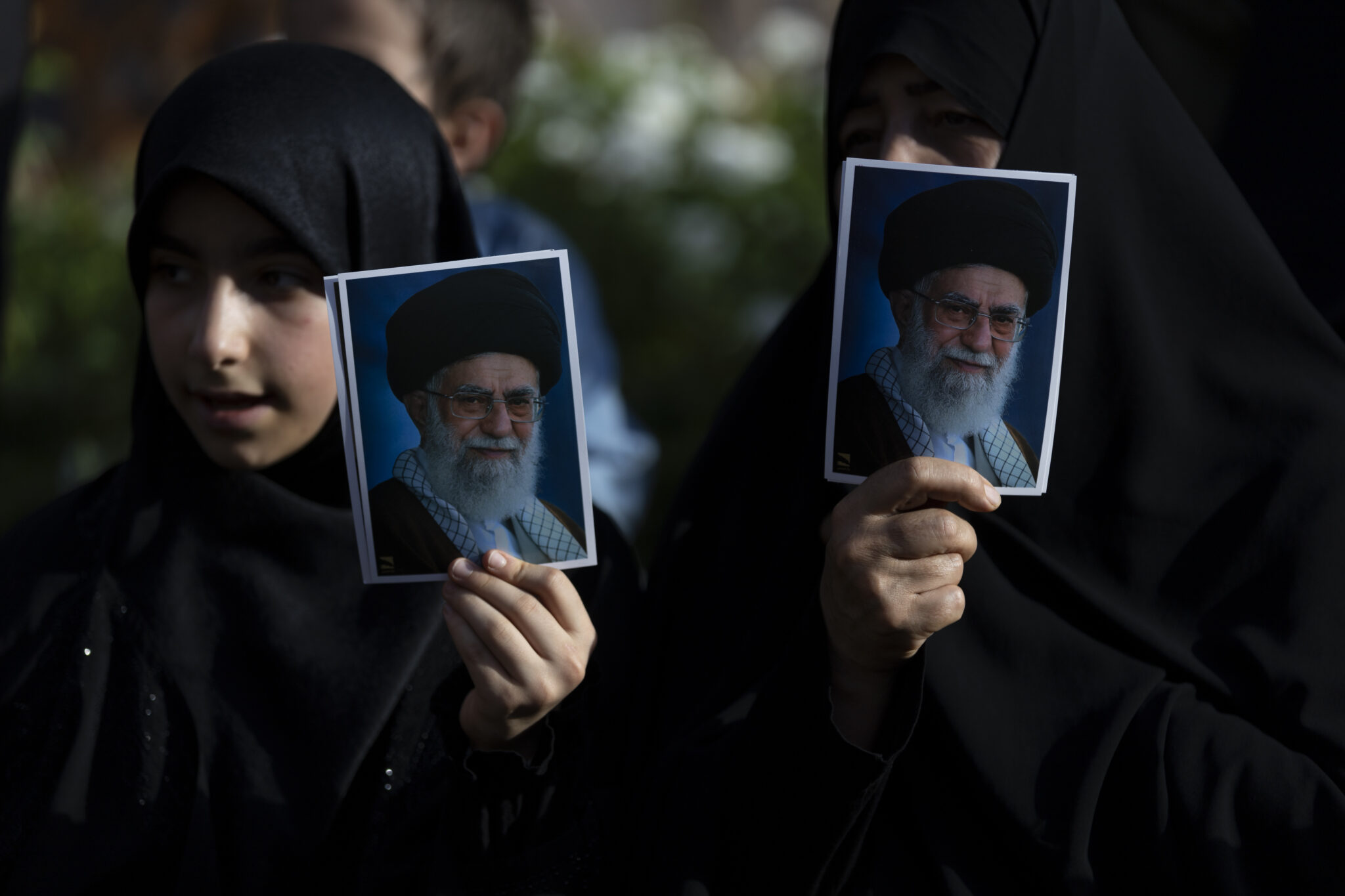
The ceasefire agreed on between Israel and the Tehran regime is not an end to hostilities but likely a “breather” for both sides who insist they have unfinished business with one another. But Israel’s recent battering of Iranian sites, war matériel and senior cadres may have left the ayatollahs with “none of the cards.”
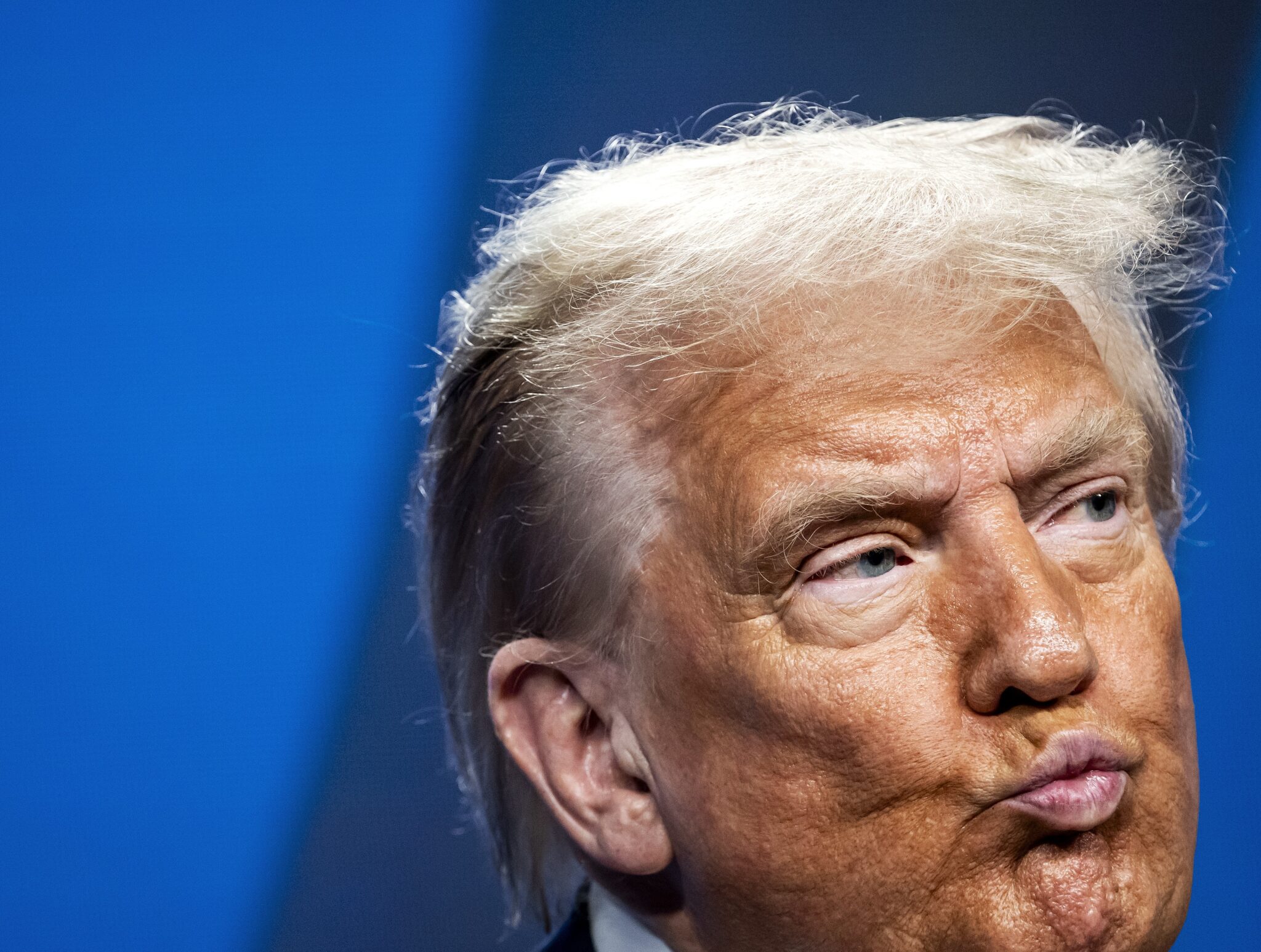
Many Iranians are angered by Donald Trump’s move to stop Israel’s precision strikes on the Tehran regime. As with Ukraine, he has shown he has little time for national aspirations, and sees the world as a playground for making deals, which often have a hidden business payoff for him and his entourage.
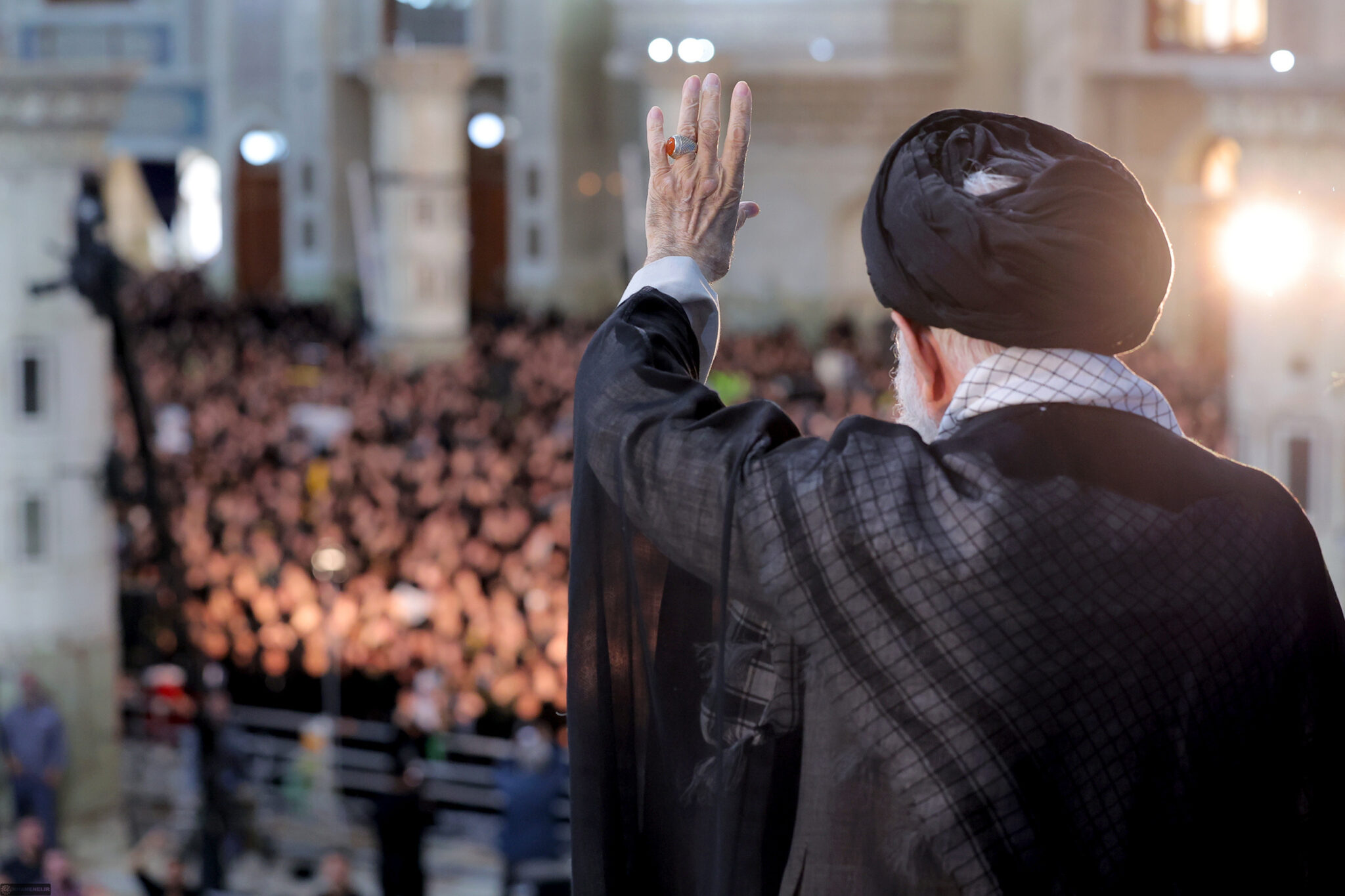
After a week of unprecedented conflict between sworn enemy states, Israel and Iran may actually be holding back in the coming days, as the White House mulls its options. But surprises are no doubt in store with so much at stake.
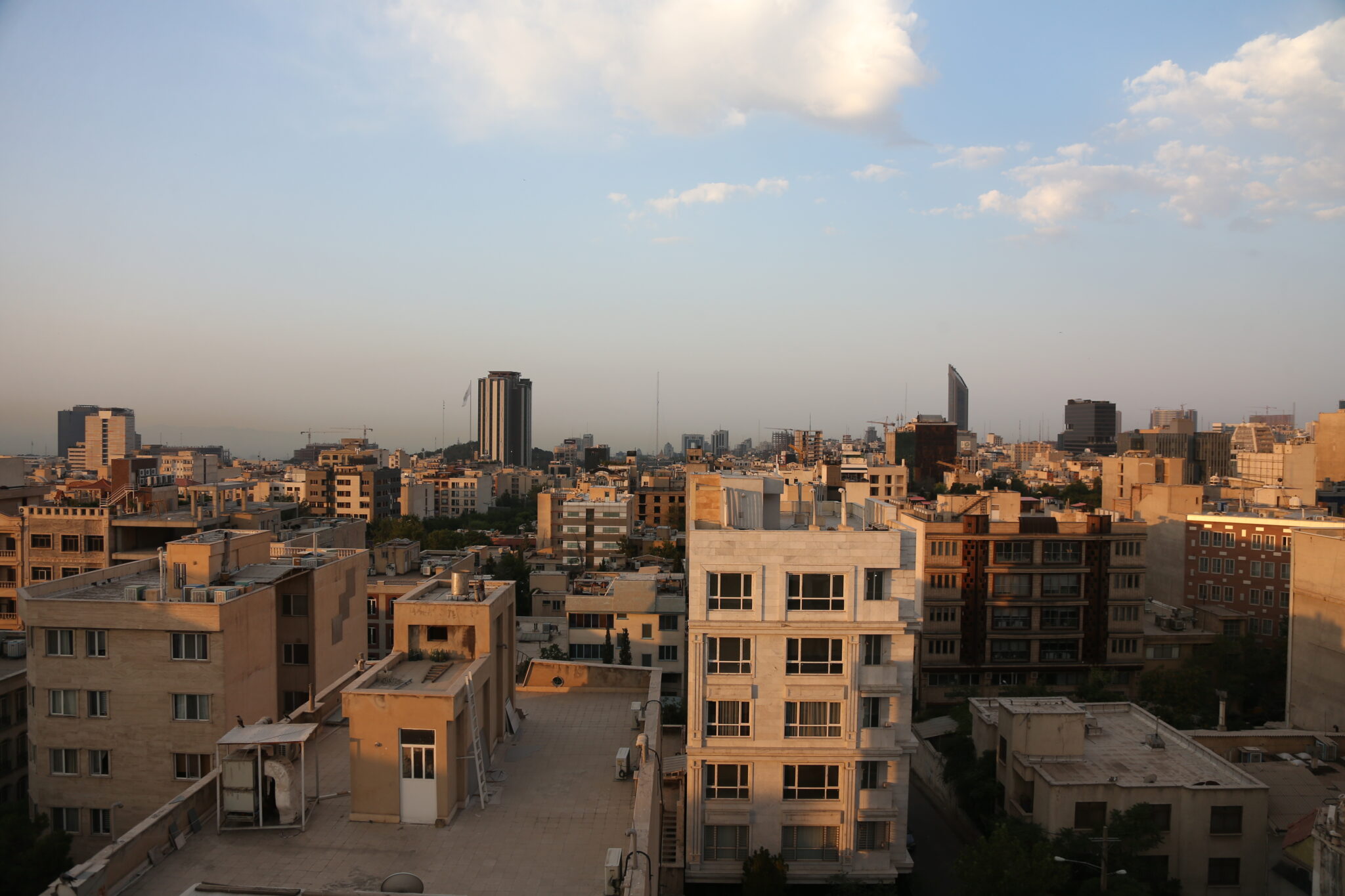
Israel may be giving Tehran a taste of the havoc it wreaked on Gaza and Beirut, as it seeks to crush the very environment that has nurtured and sustained the hostile regime of the Islamic Republic.
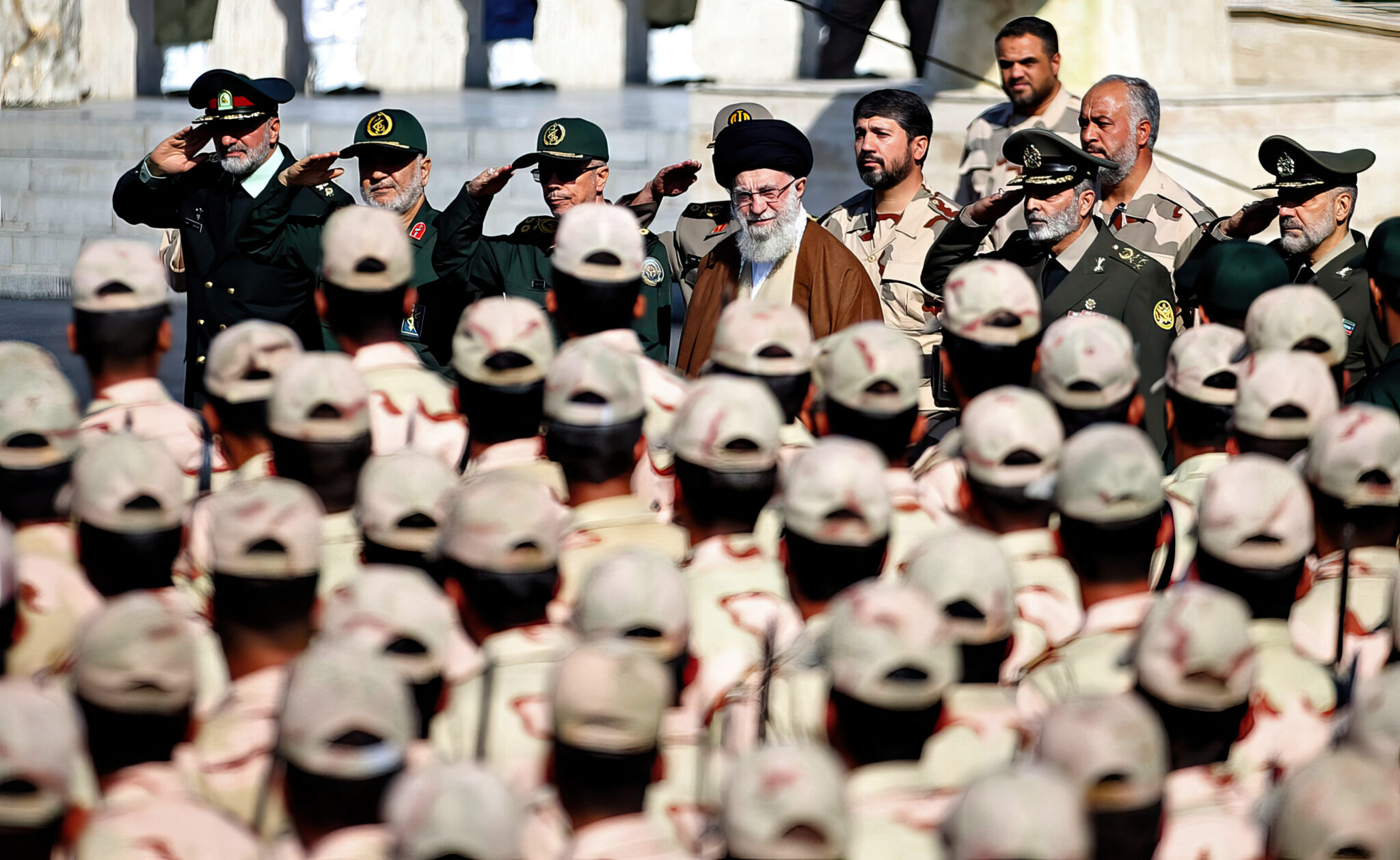
Iran’s Revolutionary Guard Corps, which Israel has been battering with increasing intensity, were inevitably a prime target after decades of violent subversion often enacted with the aid of that other enemy of the West: Russia. The IRGC may be in its final throes.
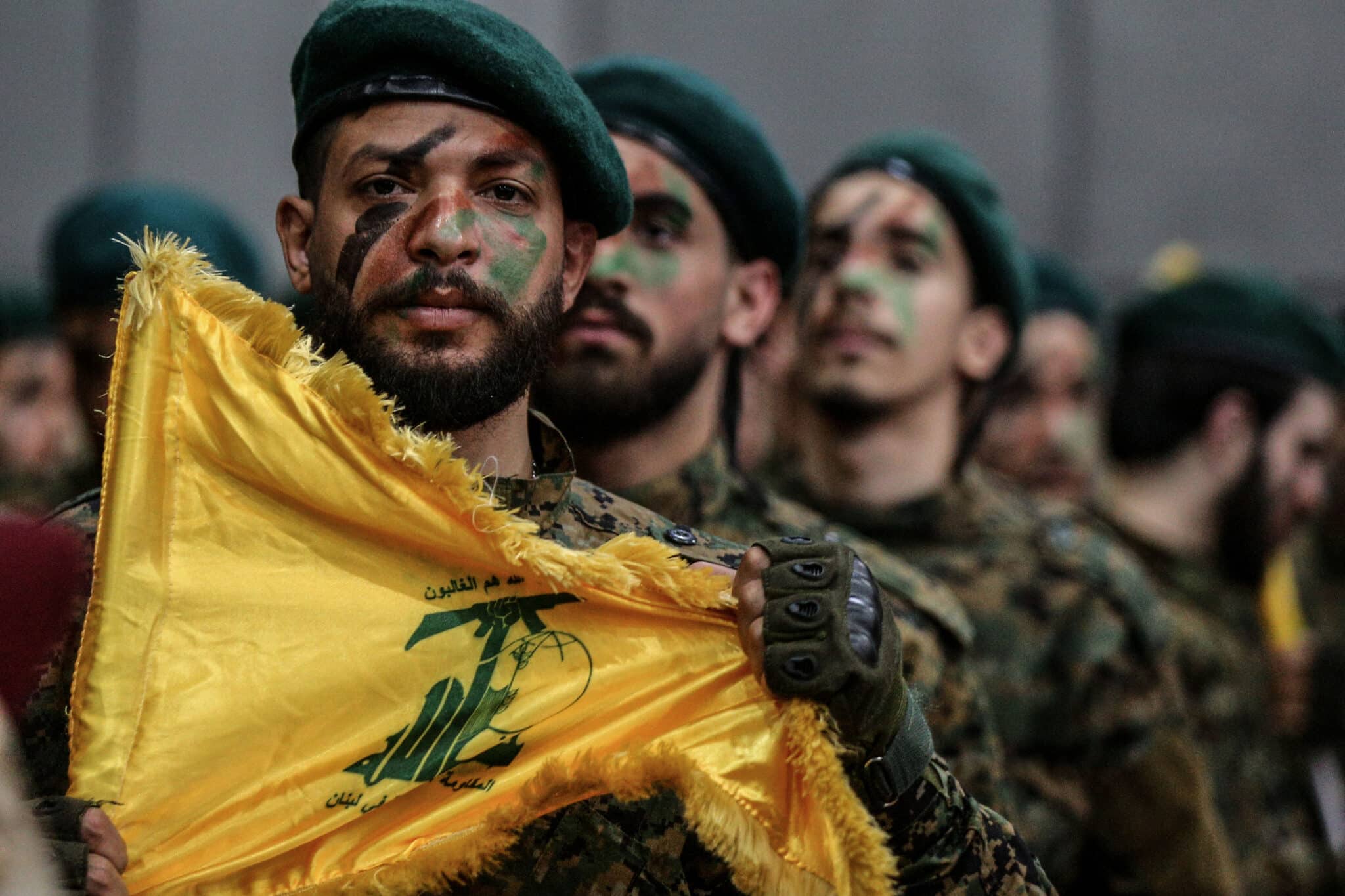
Sources say Hezbollah is in such dire financial shape, as Israel and Lebanon are successfully cutting off funding from Iran, it puts the organization at existential risk.
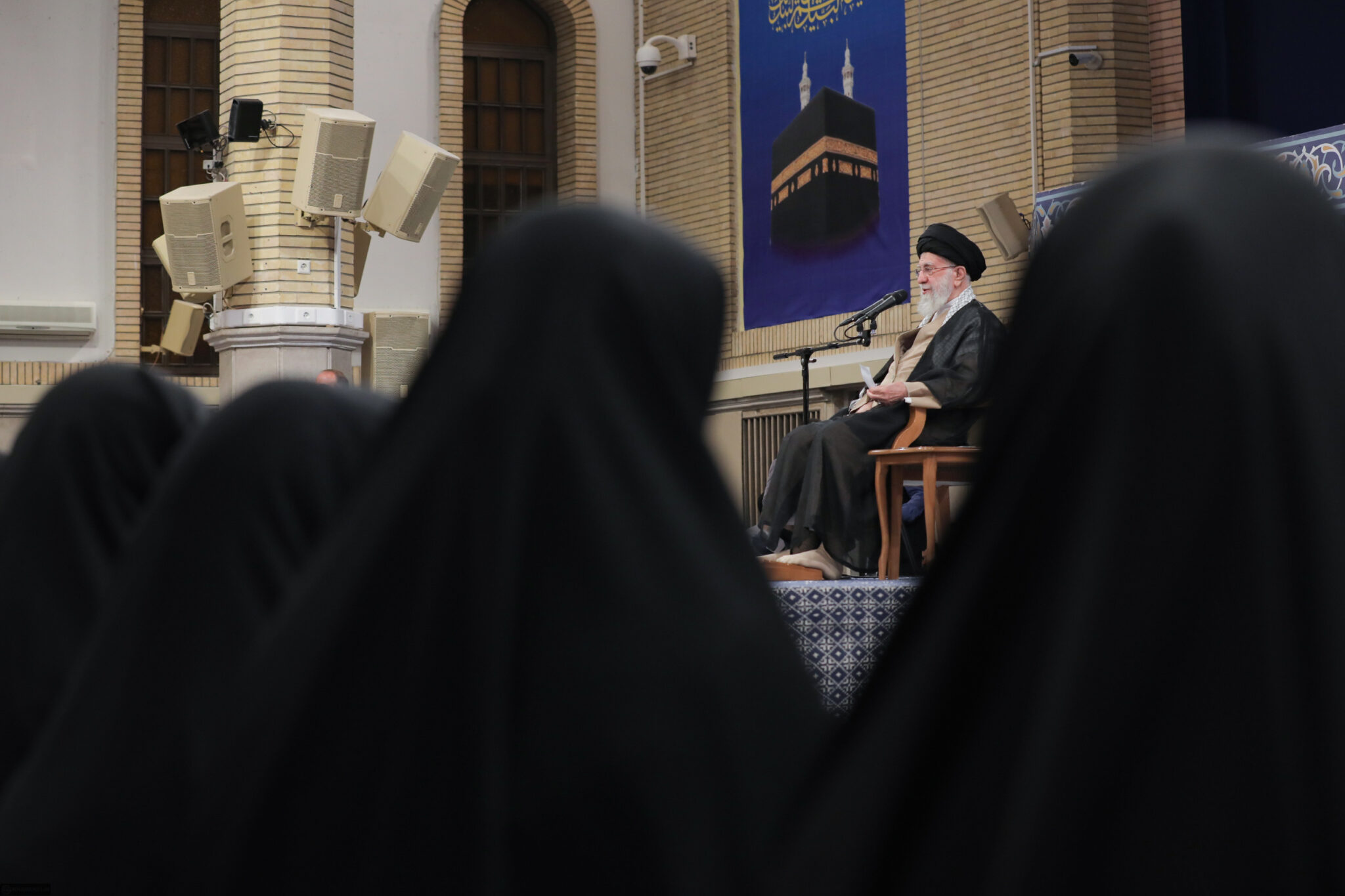
Despite widespread discontent at home, Iran’s regime is likely to survive for the foreseeable future — in part, because Western powers prefer maintaining the regional status quo to the unknown.
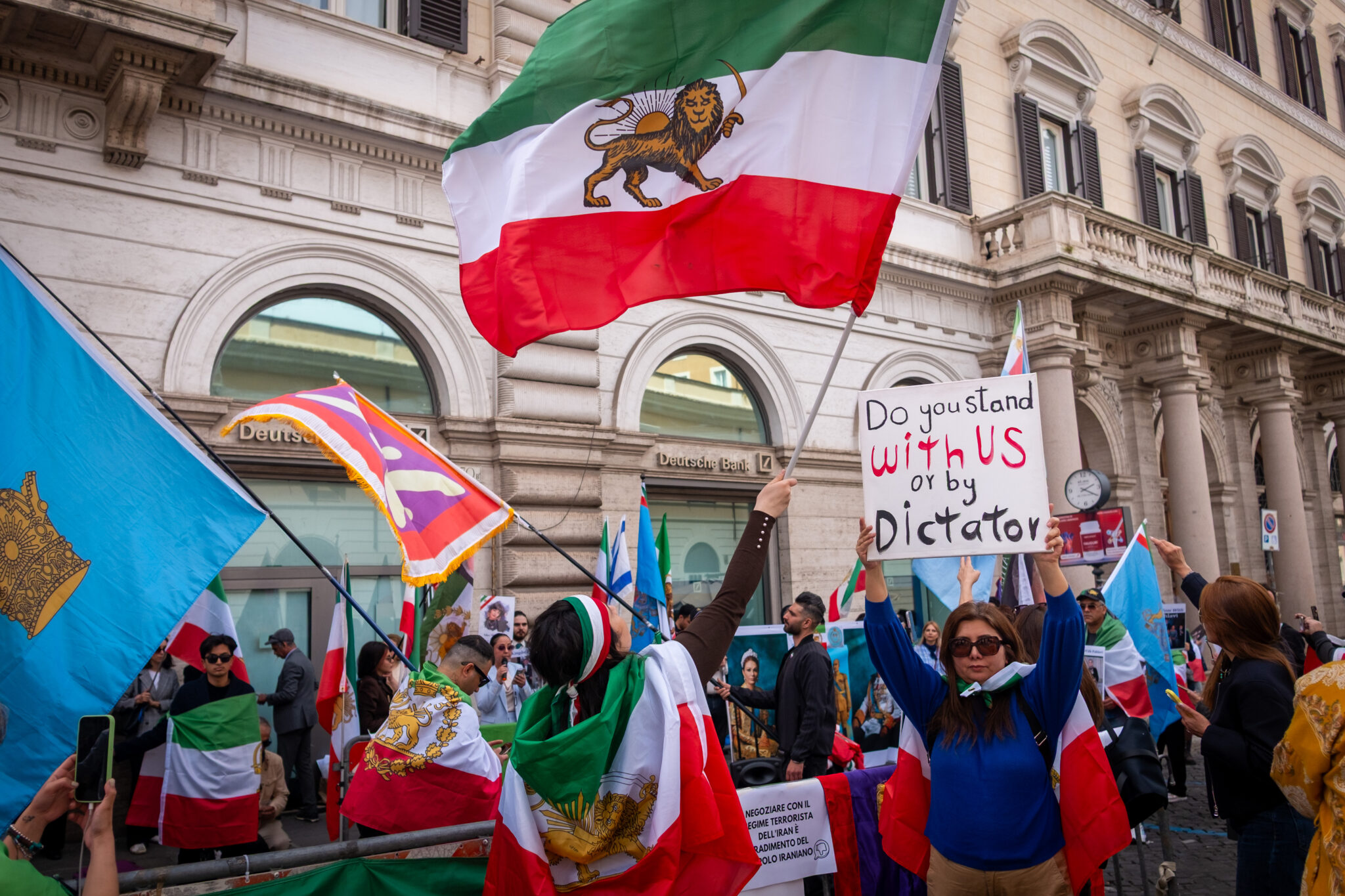
The first thing to remember is that Trump believes that Iran tried to assassinate him. But even if the United States and Iran have opened direct talks about the regime’s nuclear activities, it is unlikely anyone in the administration will take Tehran’s word for anything. Indeed, it may all be a set up for an inevitable U.S. military strike.
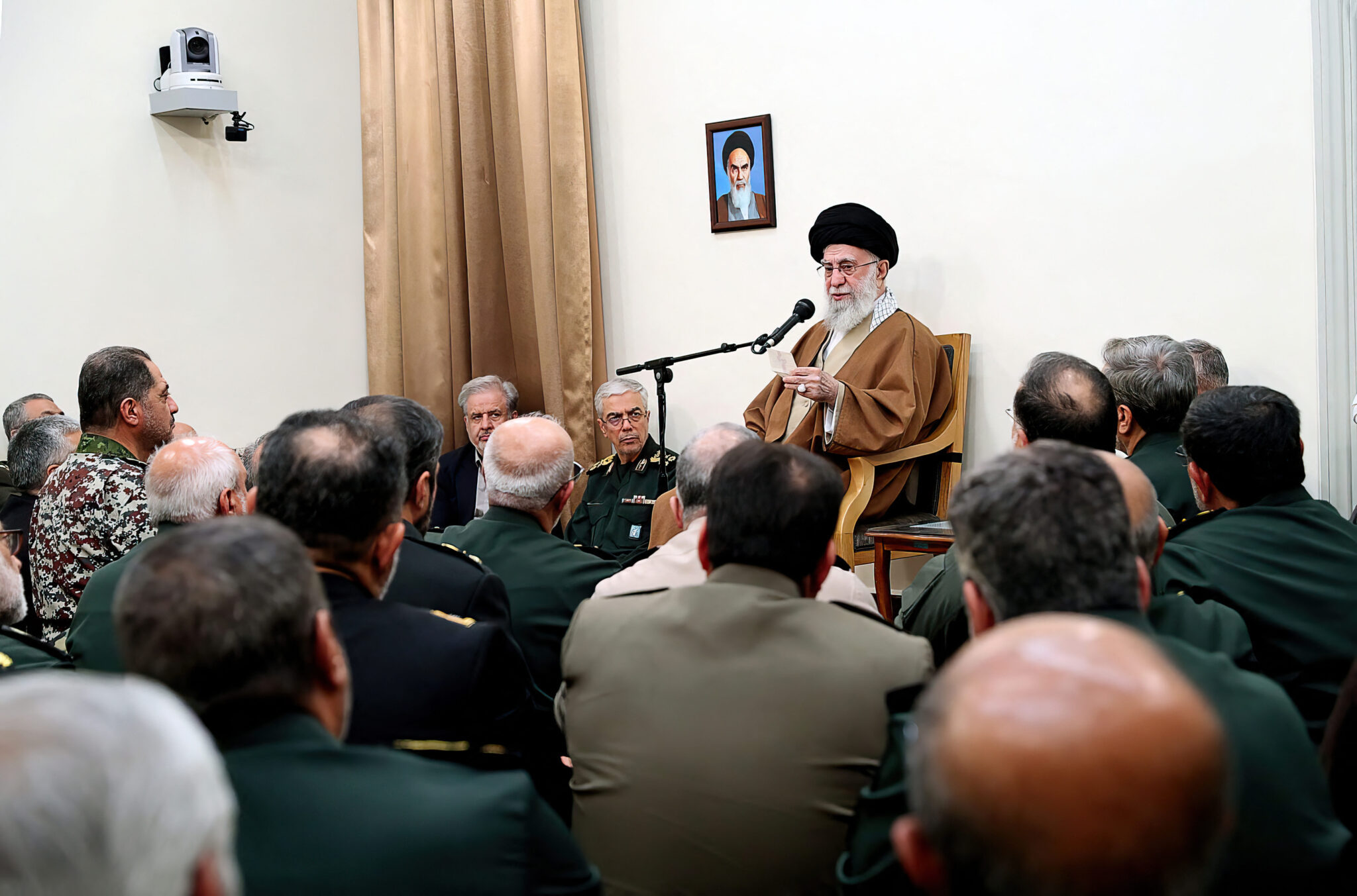
Iran’s battered regime had no choice but to talk to the Trump administration on its terms, but few Iranians expect real benefits for themselves from negotiations between a “thug regime” and “rapacious imperialism.”
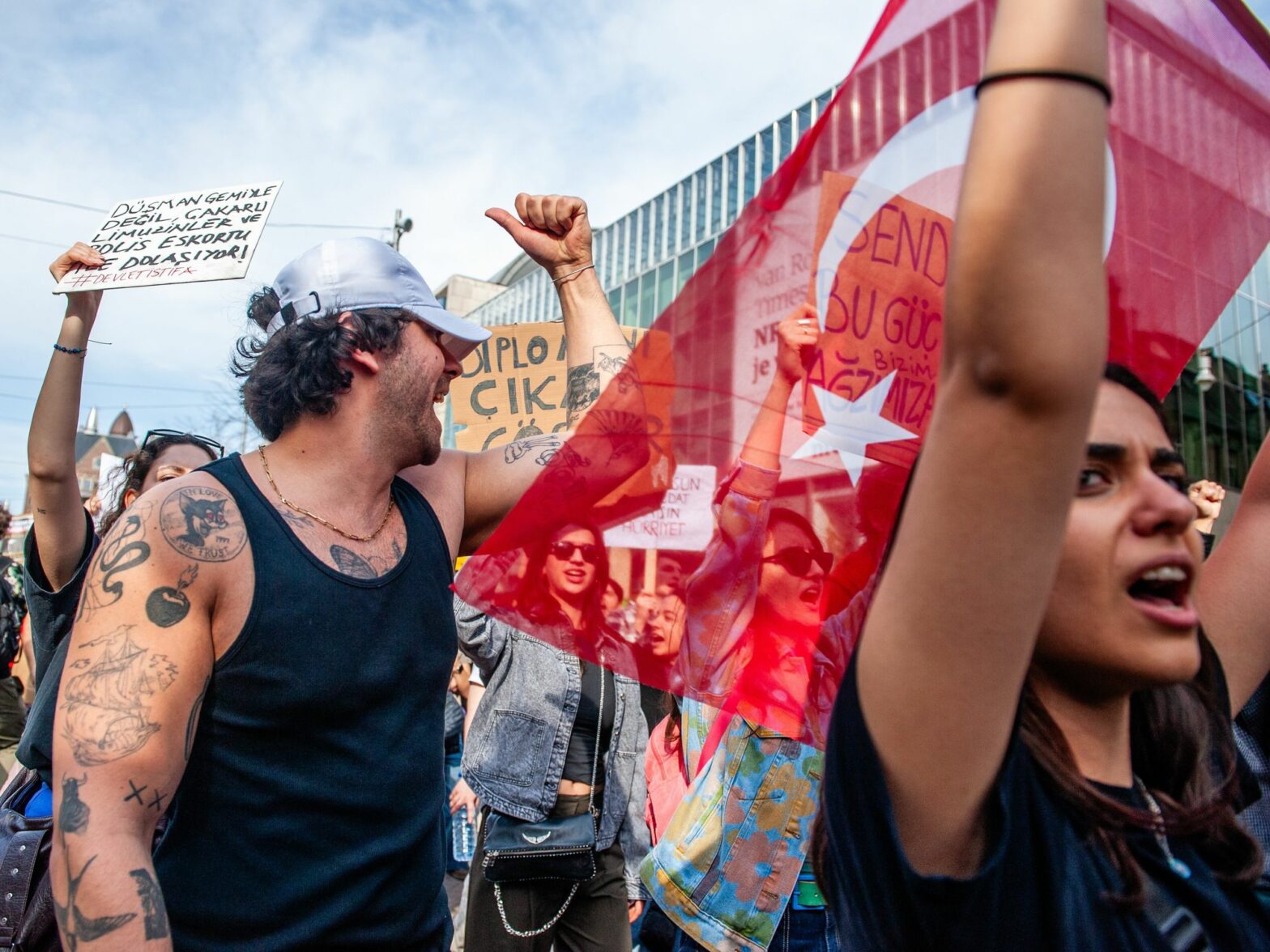
Facing protests over the arrest of Istanbul’s opposition mayor, the Turkish government has found its culprits: Greece and Israel, two obstacles to its ambitions in the eastern Mediterranean.
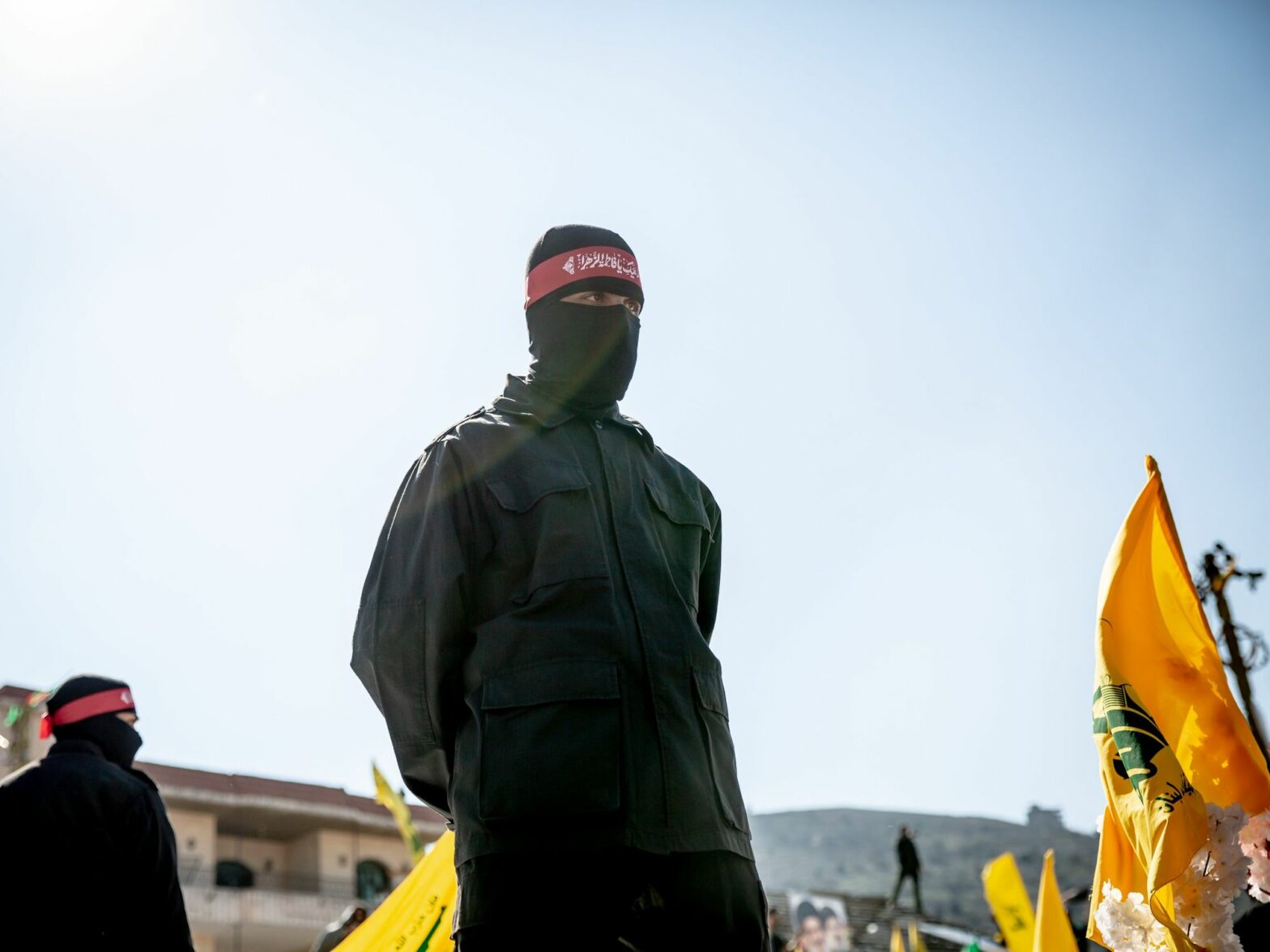
After suffering losses last year, Lebanon’s Hezbollah militia has transferred its war against Israel from the ground to cyberspace — at the risk of undermining the precarious ceasefire between the two countries.
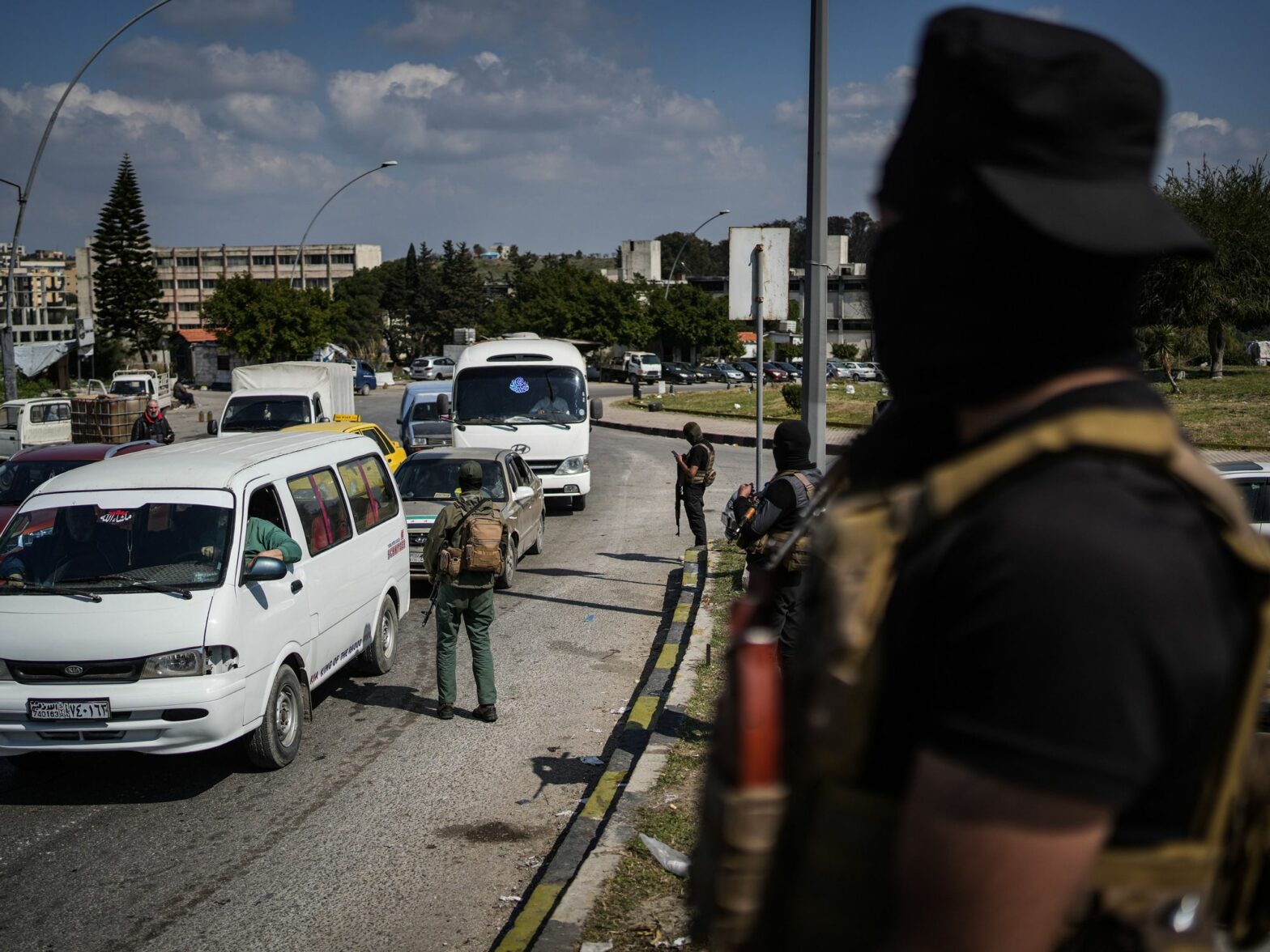
While Tehran has denied any involvement in Syria, elements affiliated with the ousted Assad regime in Syria say Iran is helping their fight to topple the government of President Ahmad al-Sharaa.
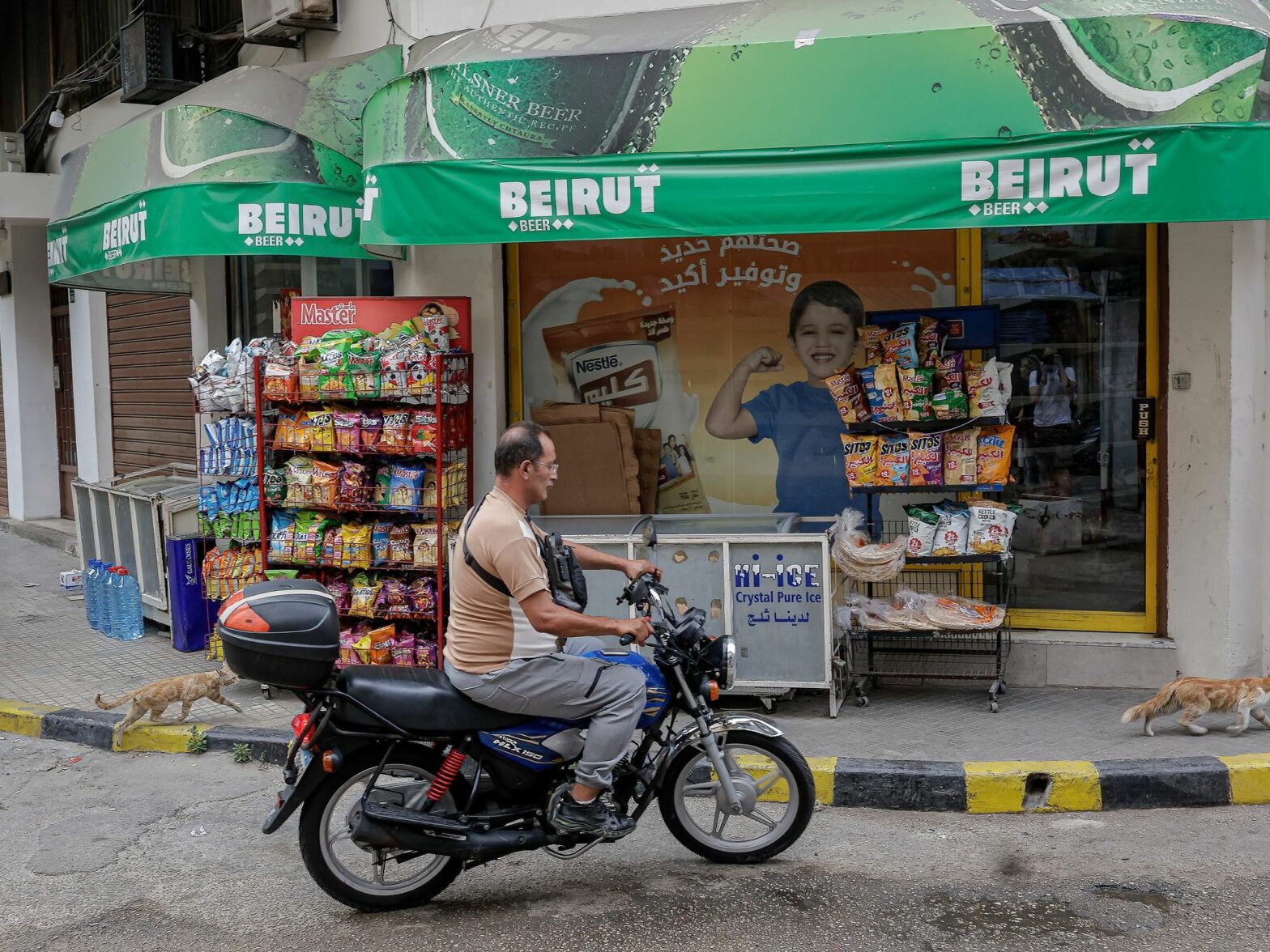
The Saudis could regain the political and financial clout they once enjoyed in Lebanon, which was lost for two decades to Hezbollah and its foreign patrons. Could that restore a measure of prosperity to a country brought to its knees by decades of civil war and the unwelcome interventions of Tehran and Damascus.
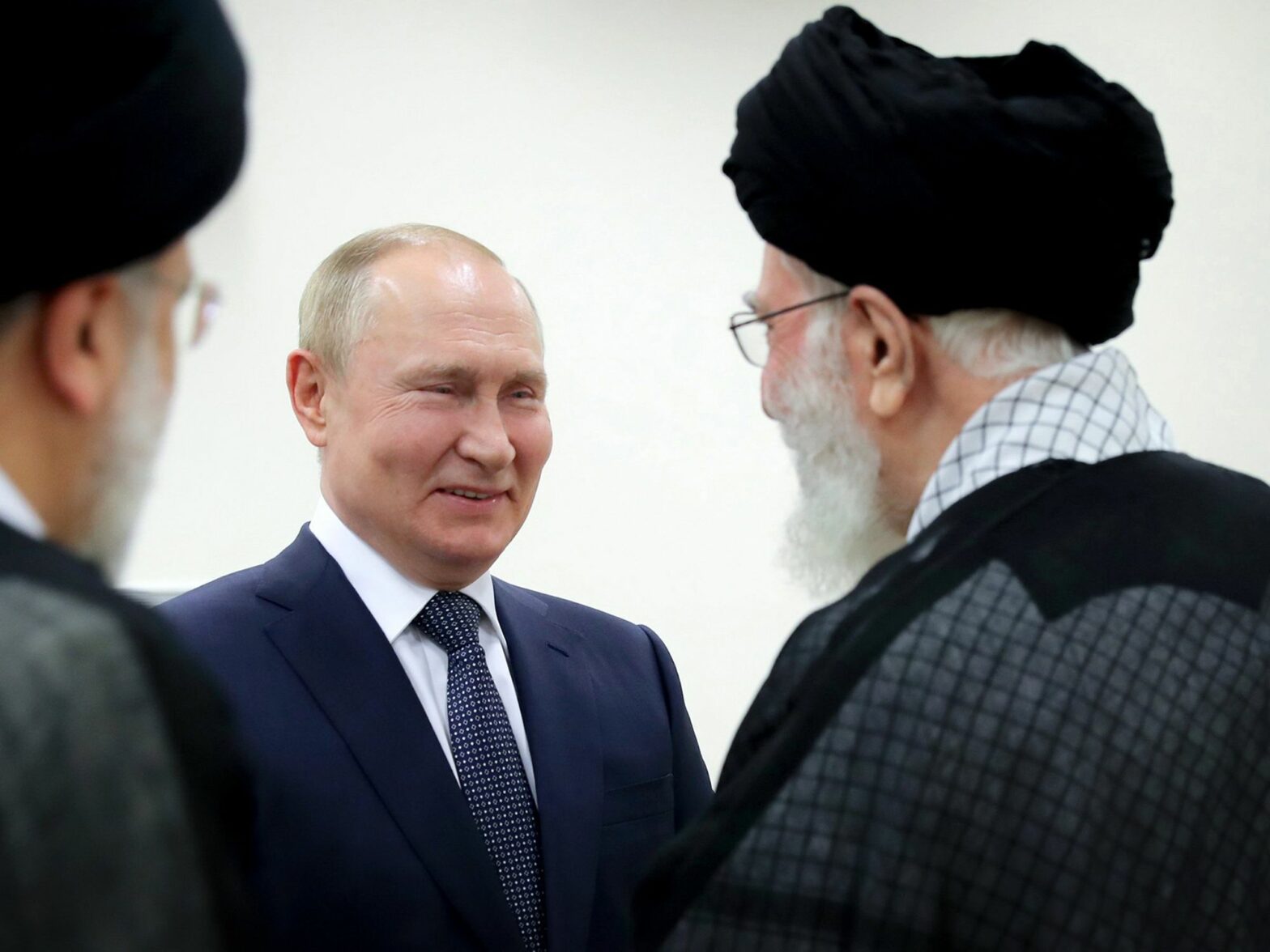
With Trump’s return to power, Russia is rapidly moving closer to the United States; Putin has even agreed to mediate talks between Washington and Tehran. But can Iran still trust Russia? Or is it, like Ukraine, just another bargaining chip?
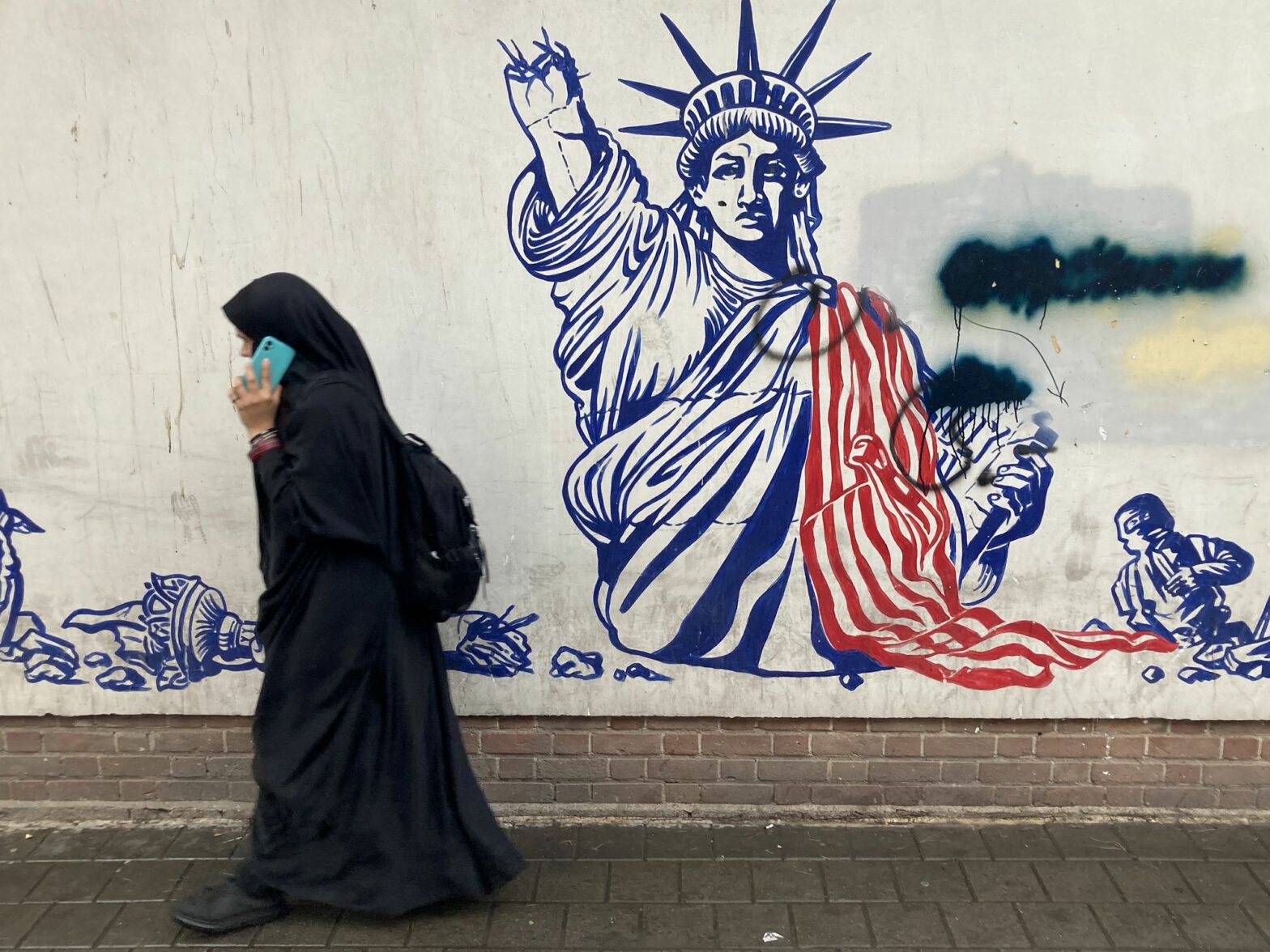
Given Donald Trump’s hardline with Volodymyr Zelensky, the U.S president may be even more draconian with Iran, which seems to have an even worse hand than during Trump’s first term.
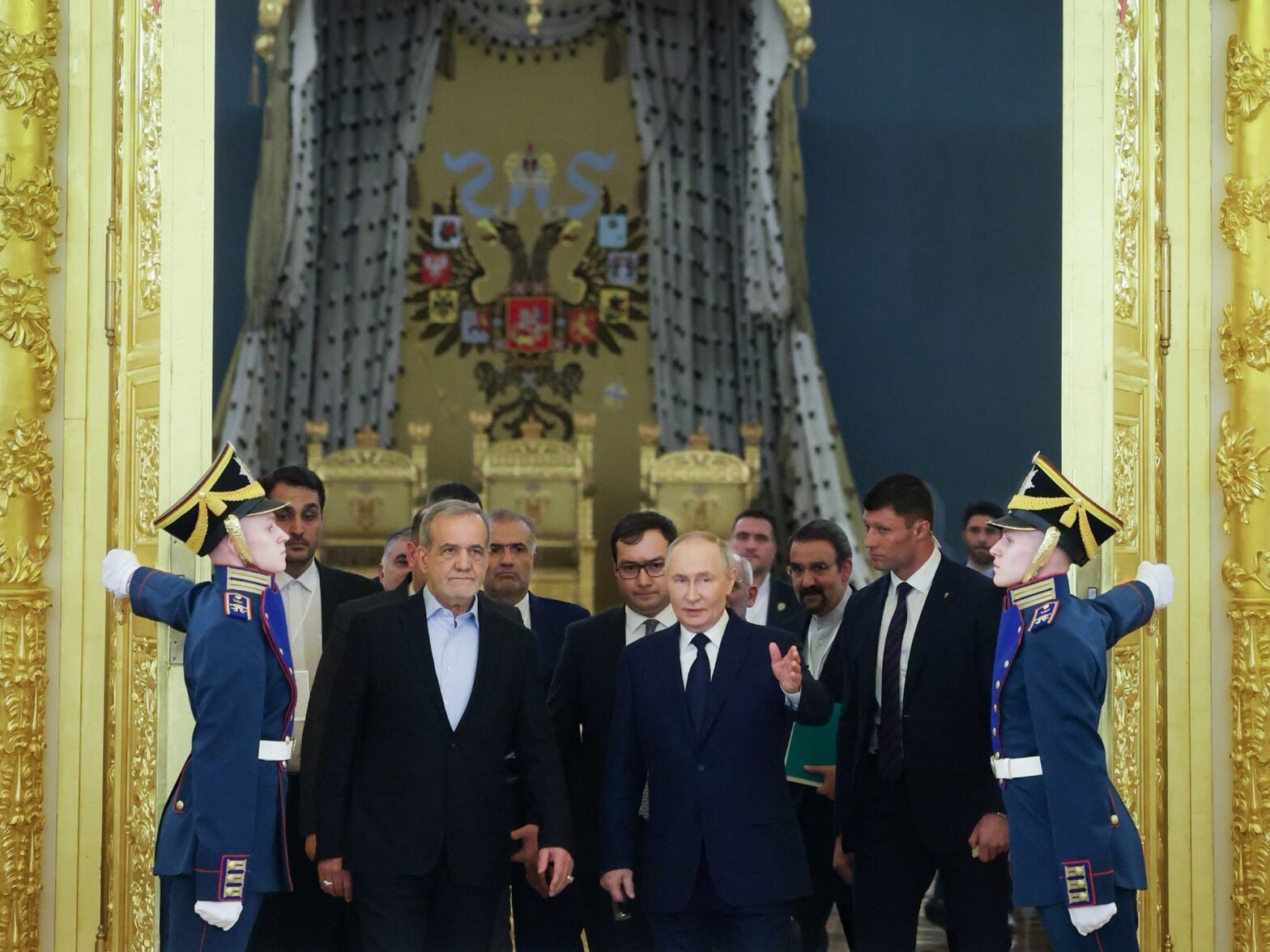
Iran prefers the EU’s discretion and apparent respect for its ideological red lines, in contrast with Donald Trump’s ostentatious and menacing style. So the growing rift between the U.S. and EU over resolving the Ukraine-Russia war may be a welcome chance for Tehran to revive secret contacts it loves so much with an EU in search of diplomatic clout.
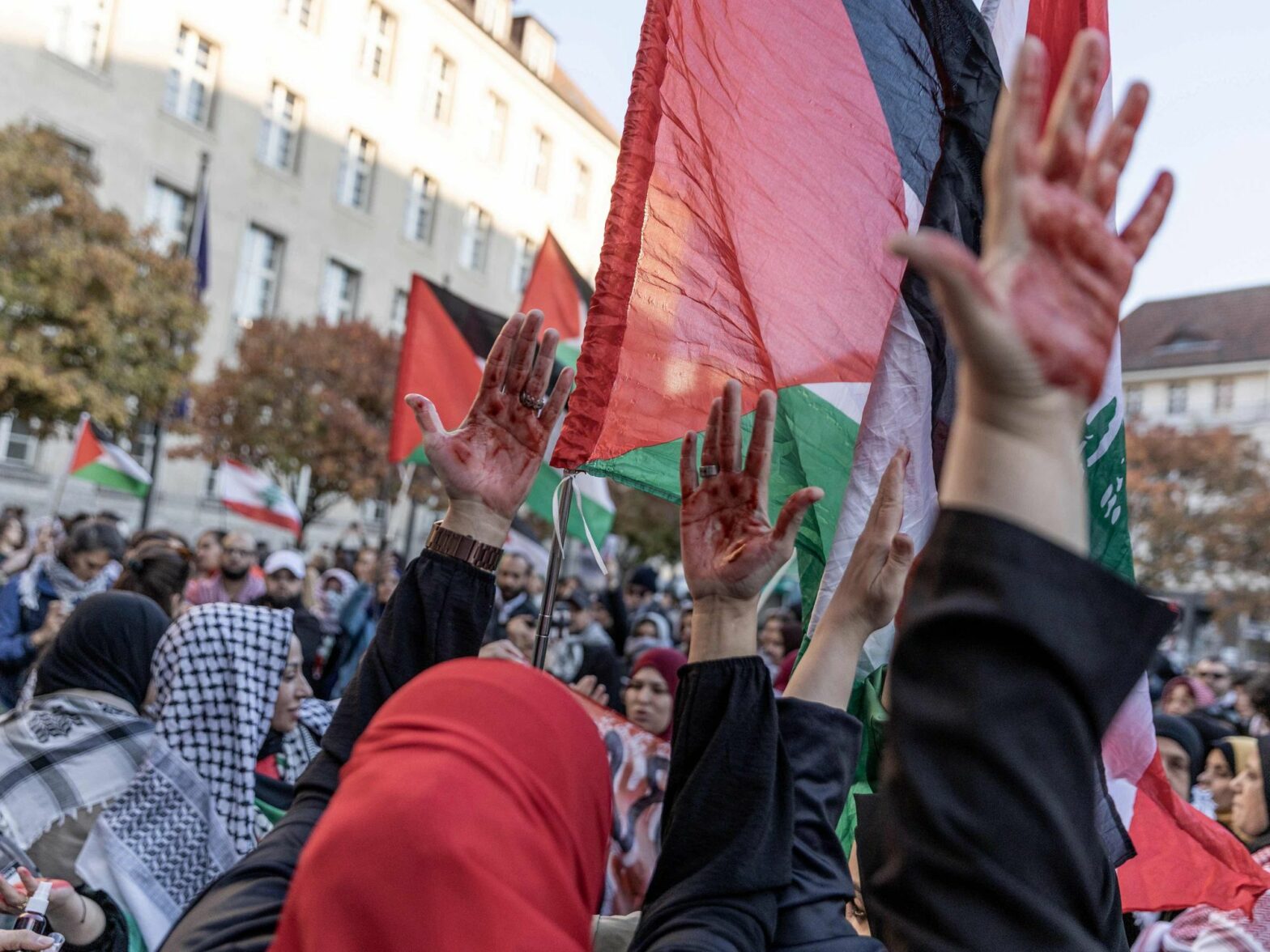
Around the world, the left and progressive media are serving Russia’s interests against the West when they lambast Israel. Since the Cold War, Russia has exploited and distorted the Palestinian cause to serve its ideals. And Iran is pursuing it on a smaller scale and with its own proxies, as Moscow’s geopolitical tool in the region.
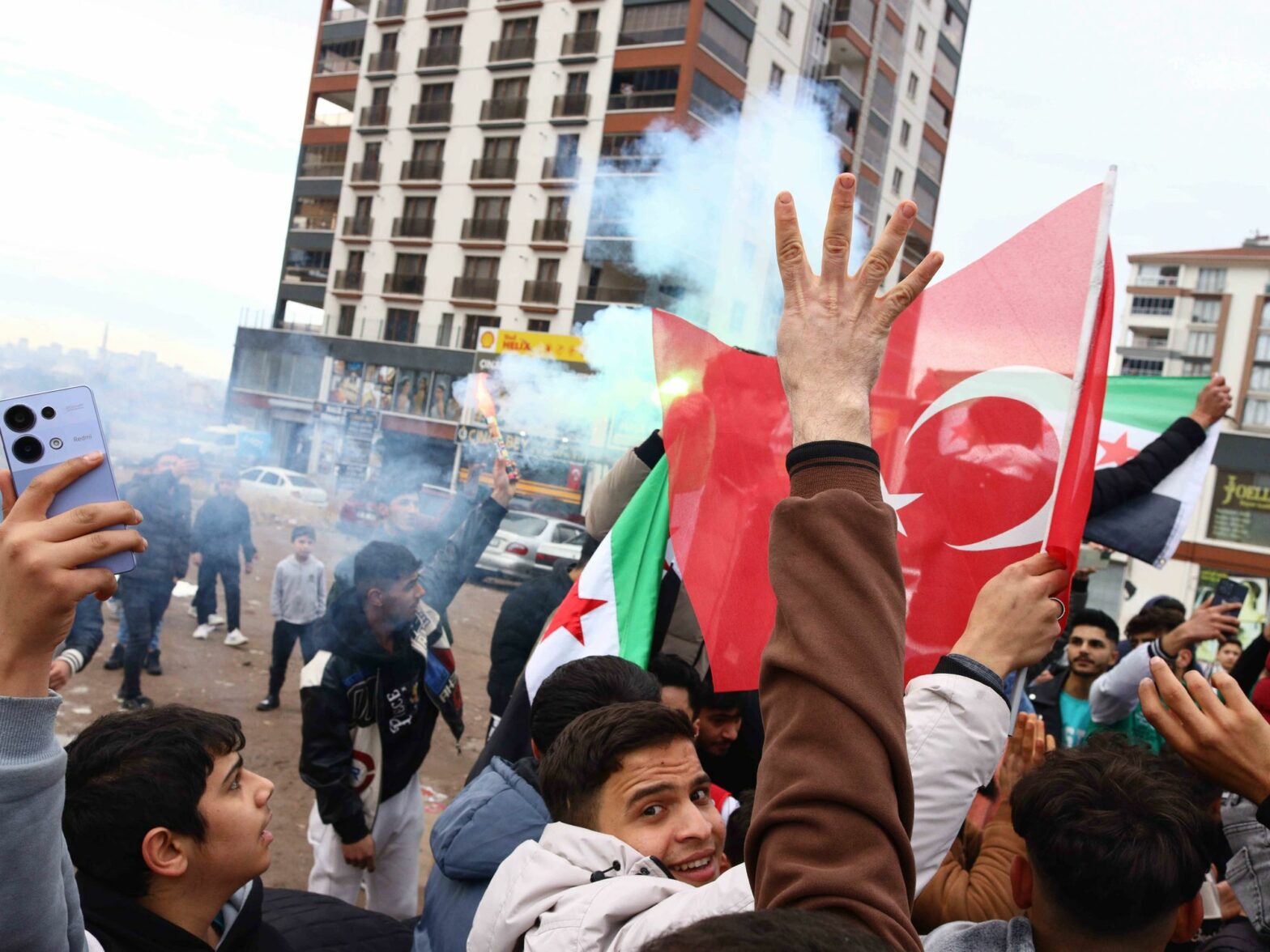
Regime change in Syria is a big point Turkey has scored against its regional rival the Islamic Republic of Iran, which may soon be pushed out of another crucial sector, trade and transportation in the Caucasus, Shahram Sabzevari writes in Kayhan-London.
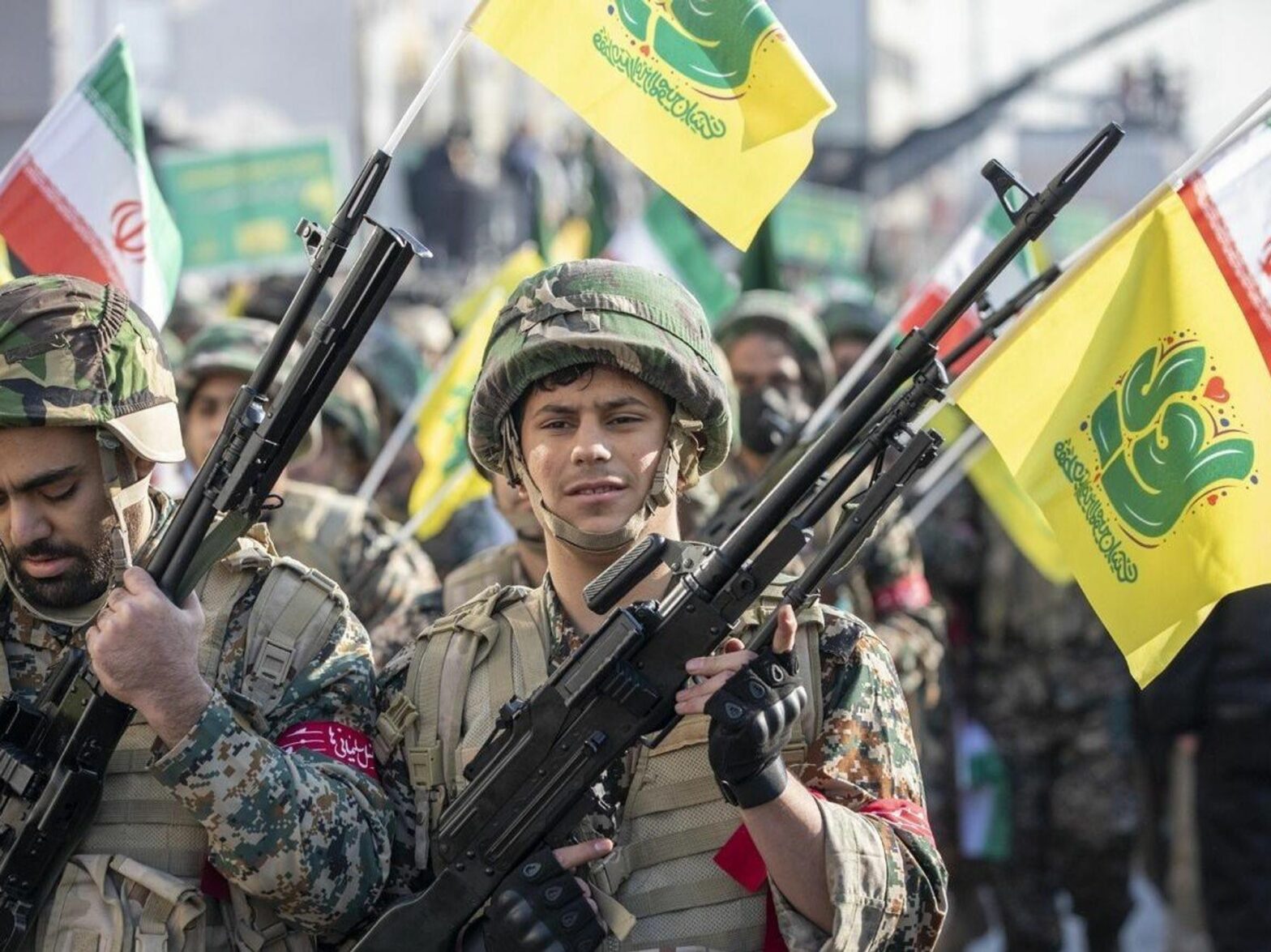
Iranian officials have been unnerved by the Assad regime’s collapse, with one top general admitting the country was “defeated very badly” in Syria. A shaky ceasefire in Gaza follows 15 month of war in which Tehran’s proxy Hamas was decimated. Will unrest in the region spill over to Iran, where problems — both foreign and domestic — are piling up for the regime?
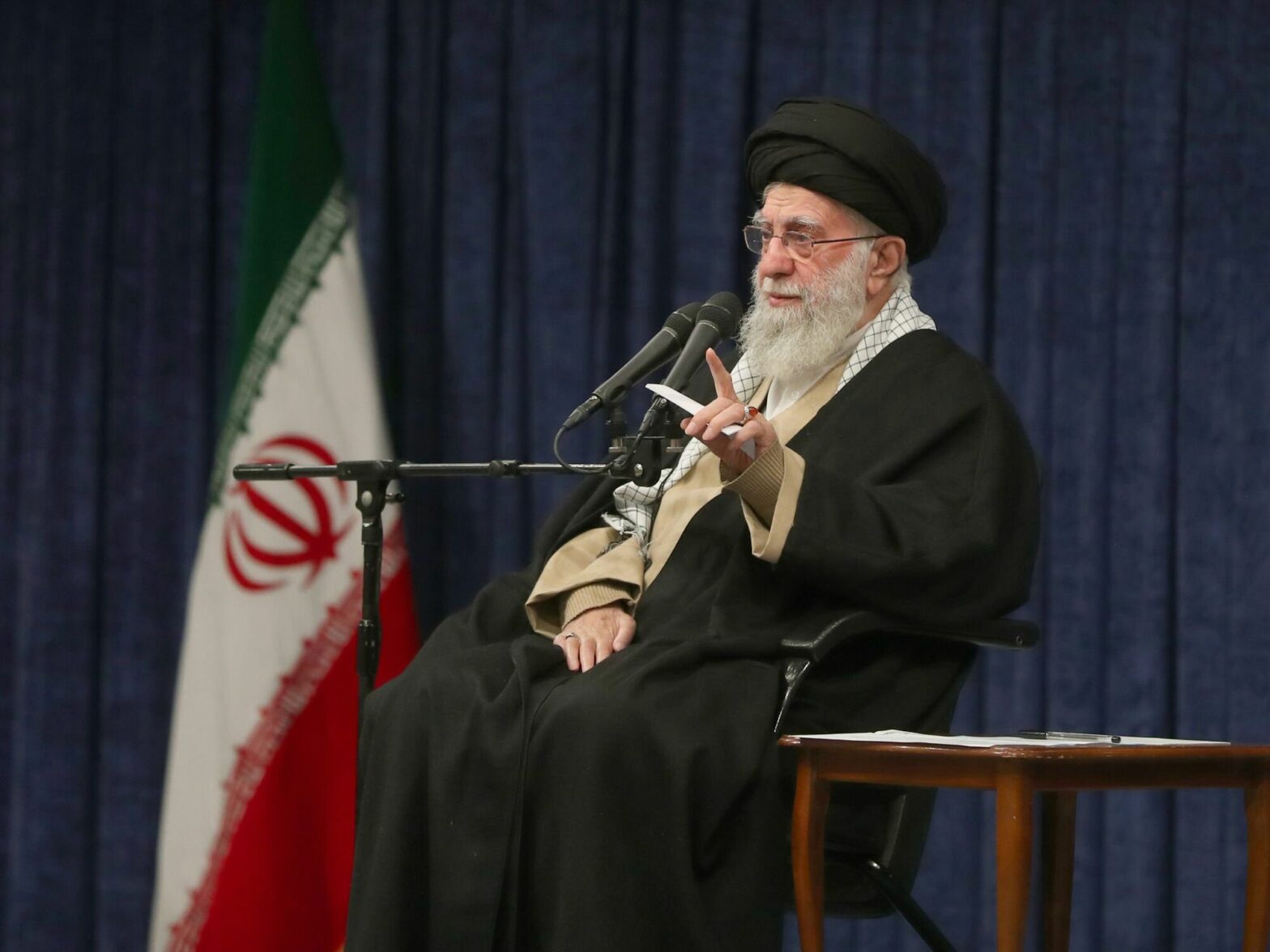
The incoming Trump administration will likely abandon its predecessor’s efforts to persuade the Iranian regime to change its disruptive and violent policies. Yet for ultimate survival, Tehran may be counting on an unexpected factor: Trump’s erratic mindset.
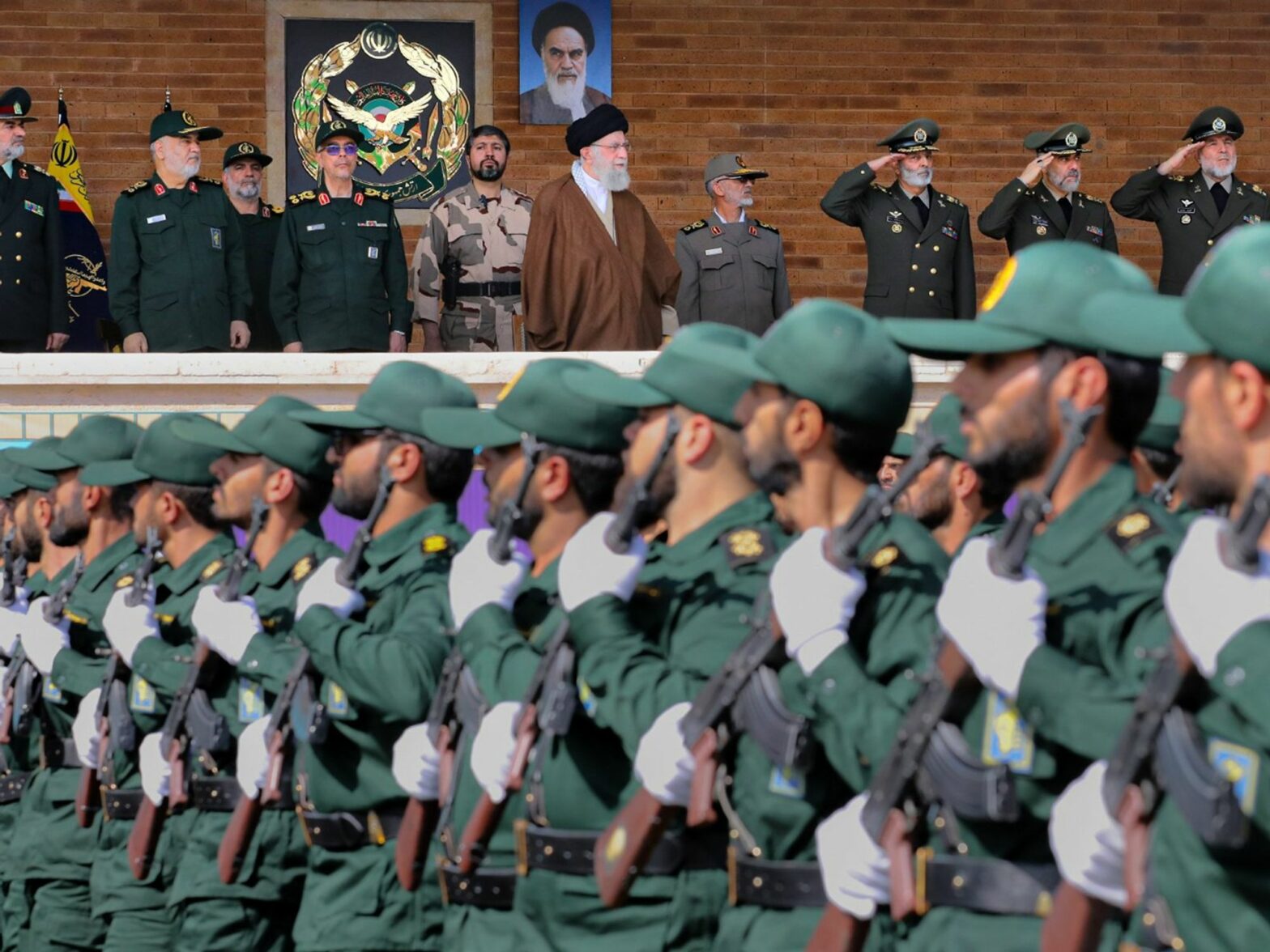
Iranian officials are still wondering how its dear ally Bashar al-Assad fell so fast, and why his military was lost before the rebellion even started.
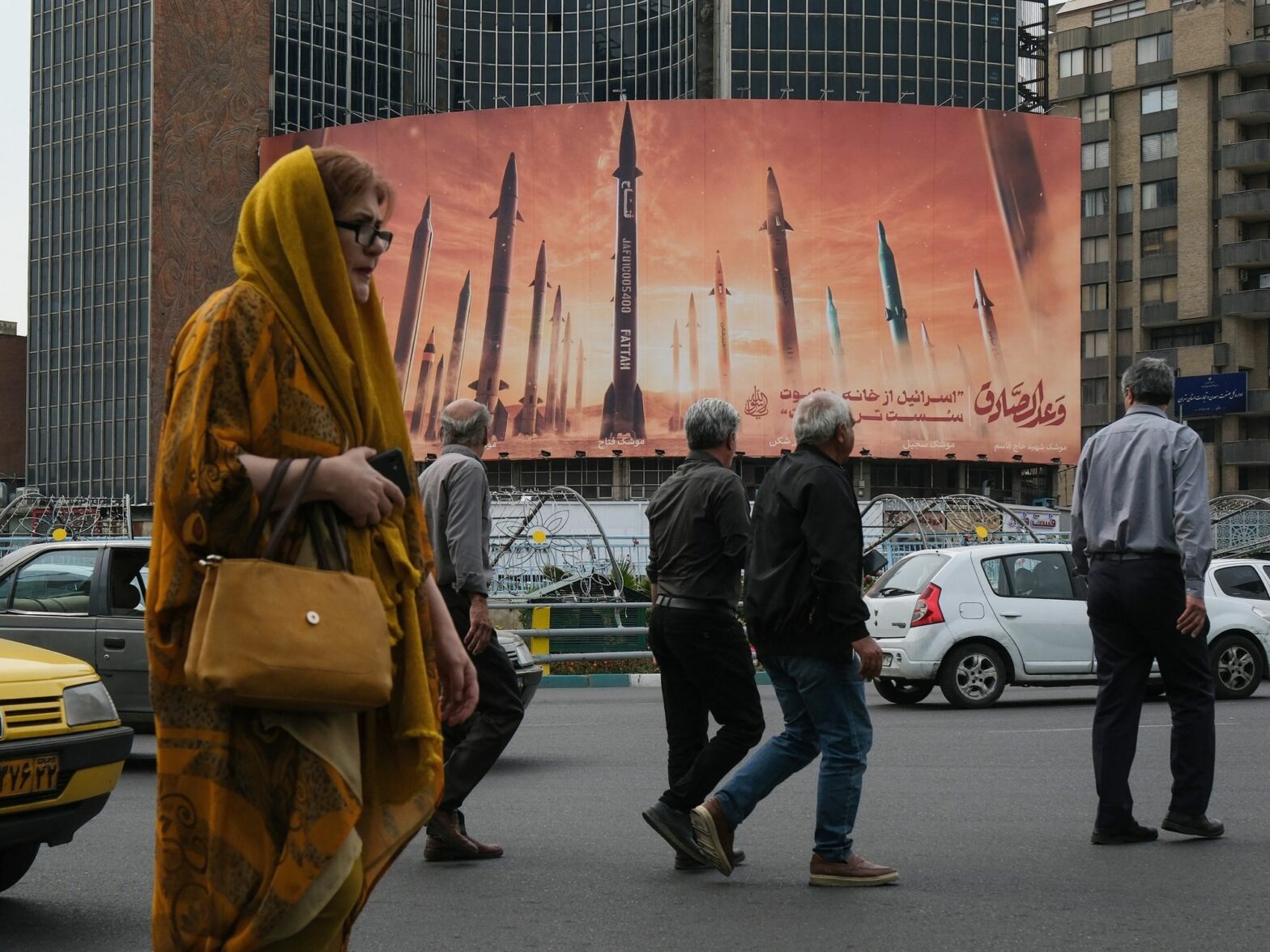
Donald Trump, Vladimir Putin and Israel are reshaping the Middle East in a possible, bigger deal involving a peace deal in Ukraine. With the regional militias and Syria out of the strategic equation, is the next step removing the Tehran regime?
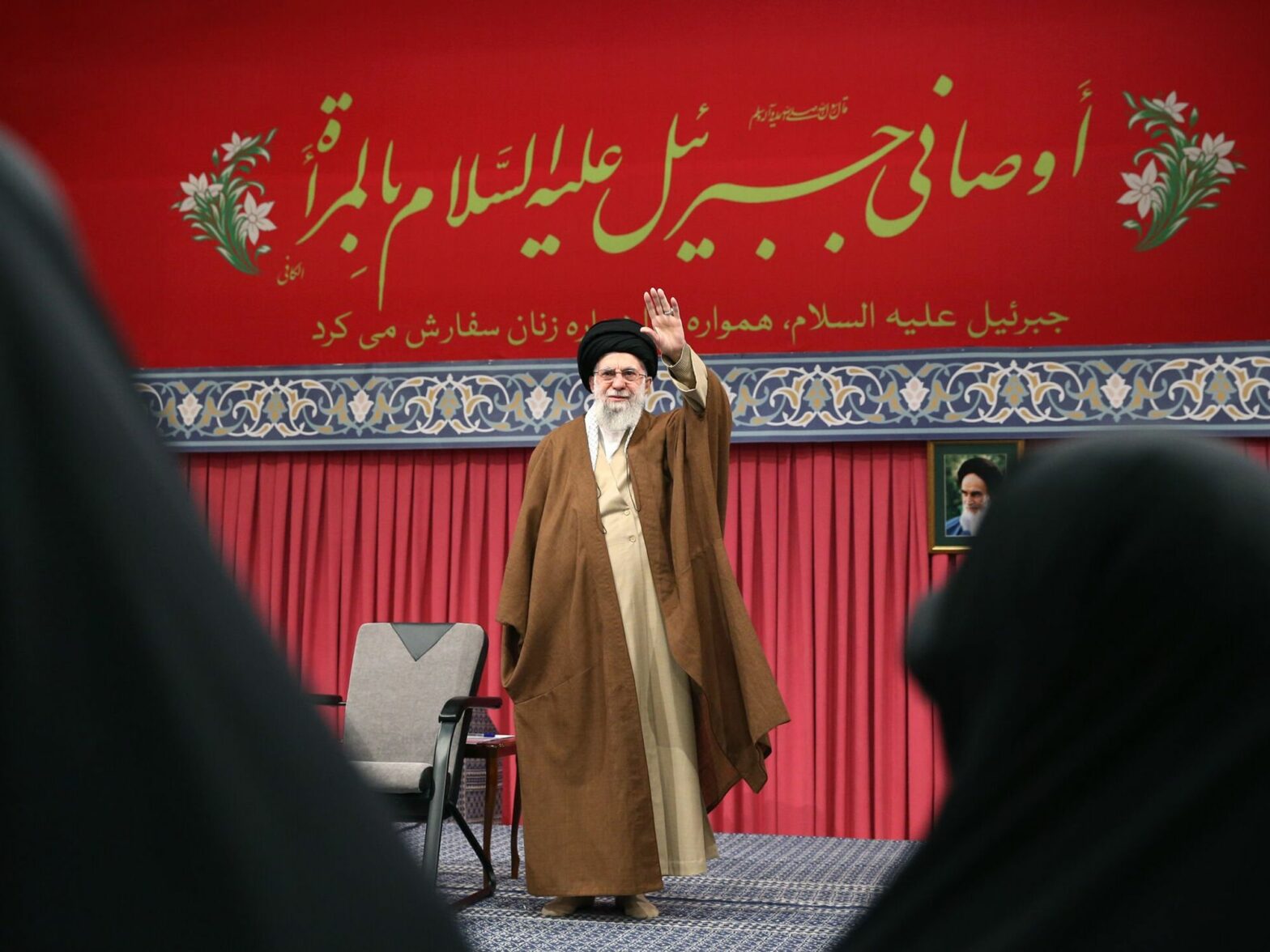
Israel’s decimation of Iran’s proxies in Gaza and Lebanon, and now events in Syria, have shown the Tehran regime is far weaker than it had wanted the world and its neighbors to believe. The Supreme Leader is now scrambling to rationalize it all, as the Islamic Republic clings to power.
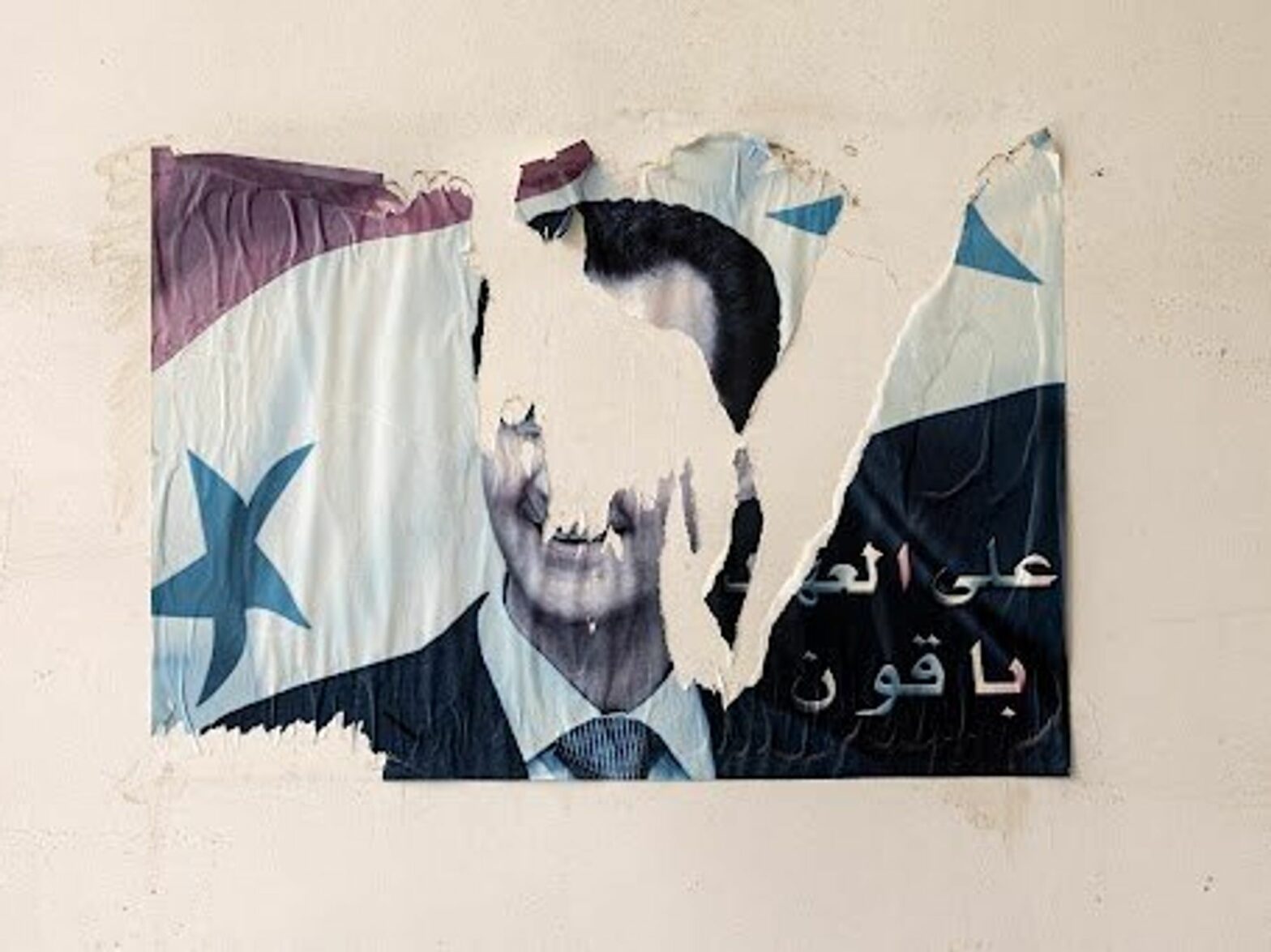
Whatever the official explanations given in Tehran over Bashar al-Assad’s downfall, Iran’s thuggish regime must have noticed that no amount of terror and torture can assure a hated regime’s permanence.
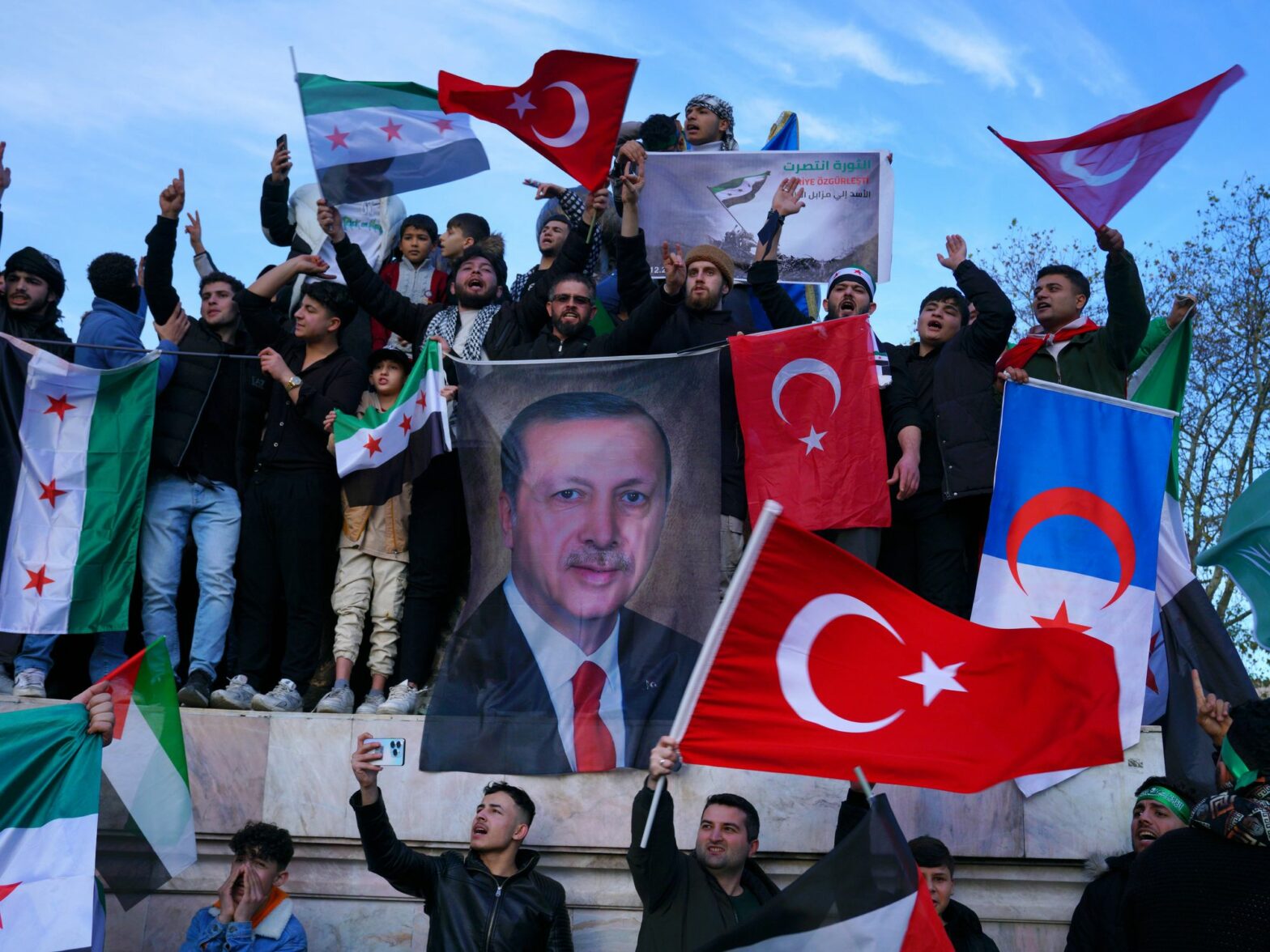
While the Islamic Republic of Iran mulls an official response to the fall of its Syrian ally Bashar al-Assad, Iranian politicians are already voicing their anger at the “backstabbing” conduct of two key powers, Turkey and Russia. Could Tehran be the next to get left to fend for itself?
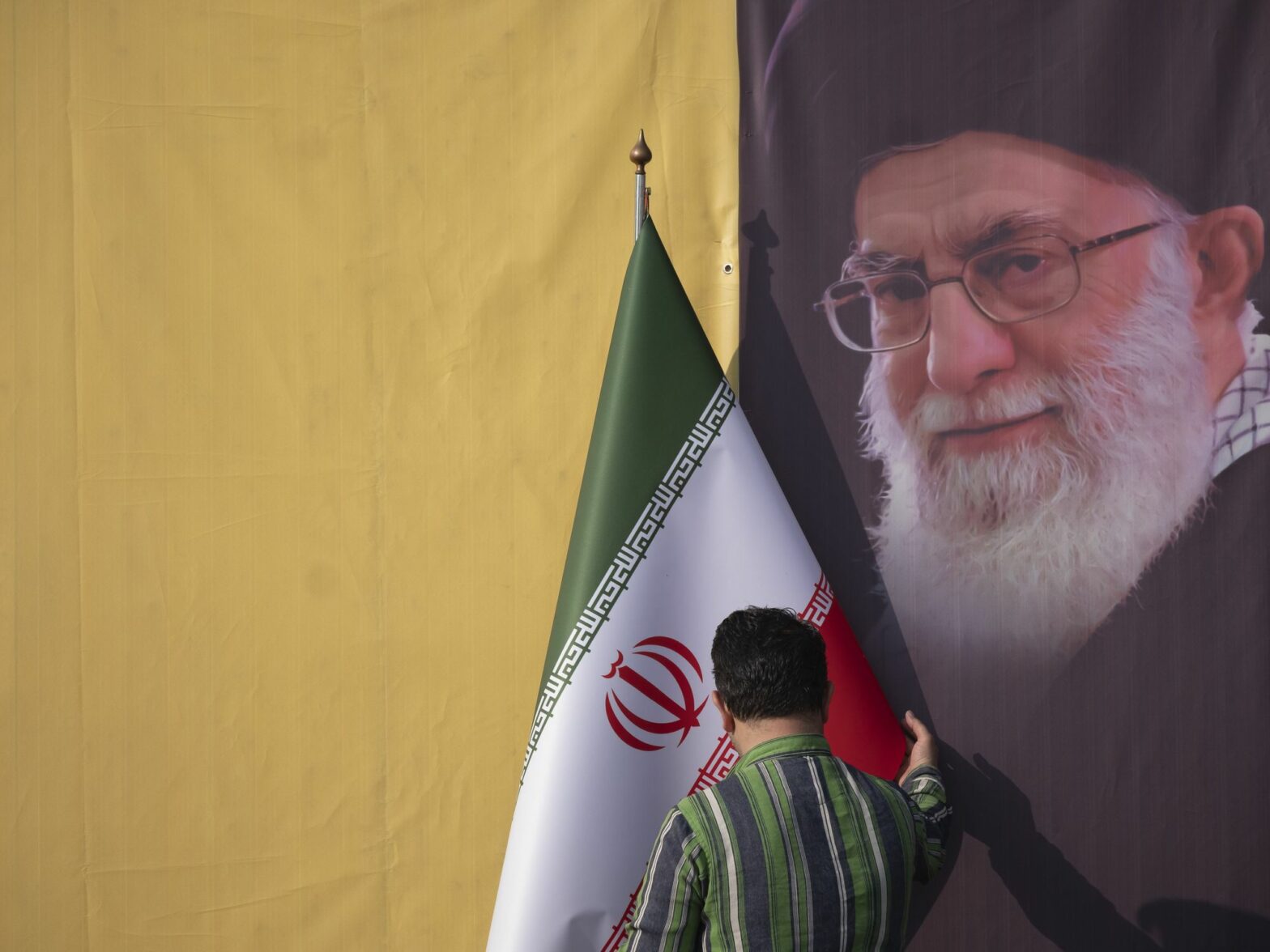
Members of the Tehran regime are cautiously broaching the question of who will be Iran’s next Supreme Leader, but is this of real public concern or a ploy to distract an exasperated population from the country’s dismal socio-economic conditions?
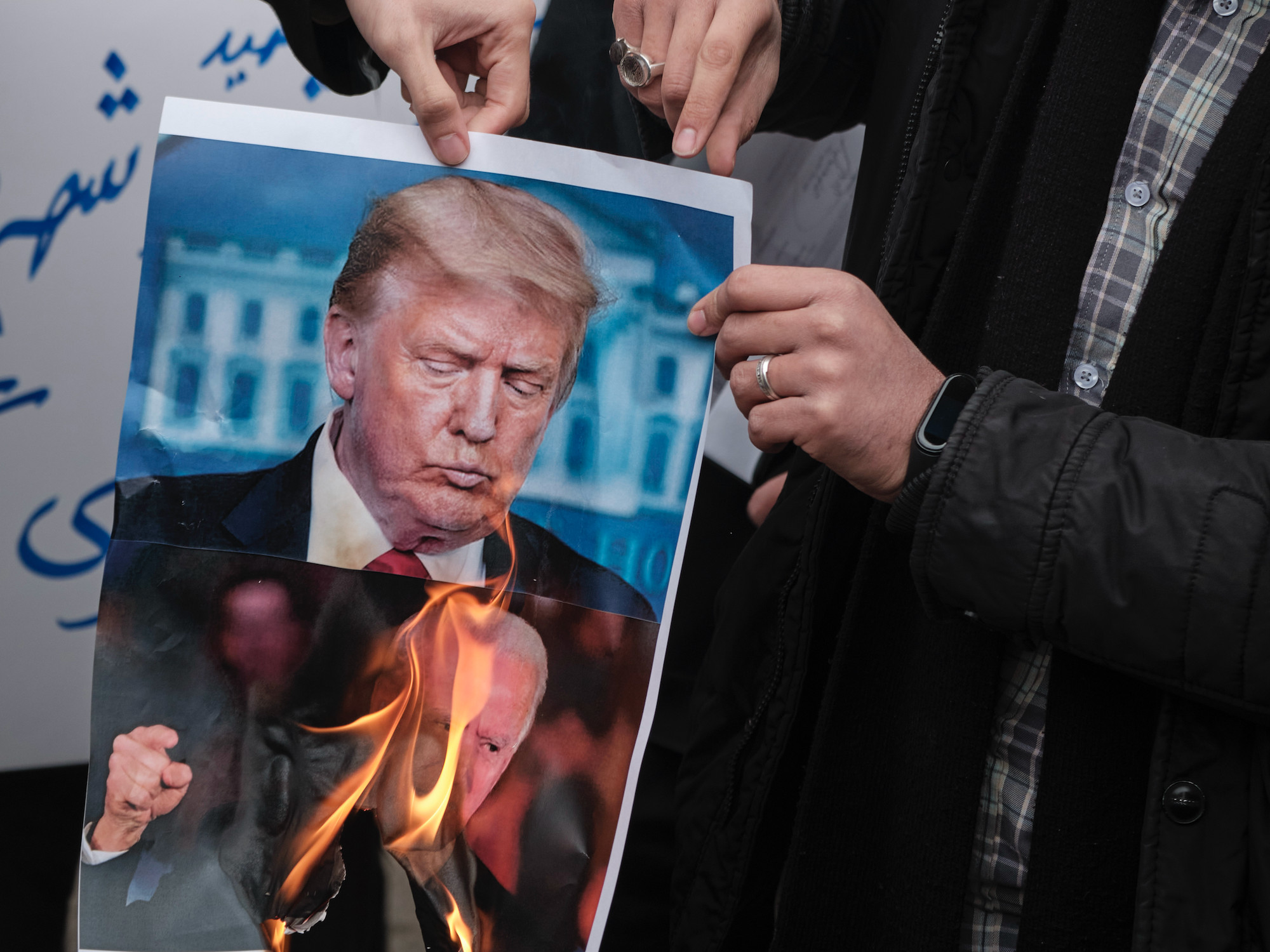
U.S. President-elect Donald Trump has said he is not out to topple Iran’s revolutionary regime, but his administration may, at the very least, seek intolerable concessions to the West from Tehran, or sink it with sanctions if it refuses.
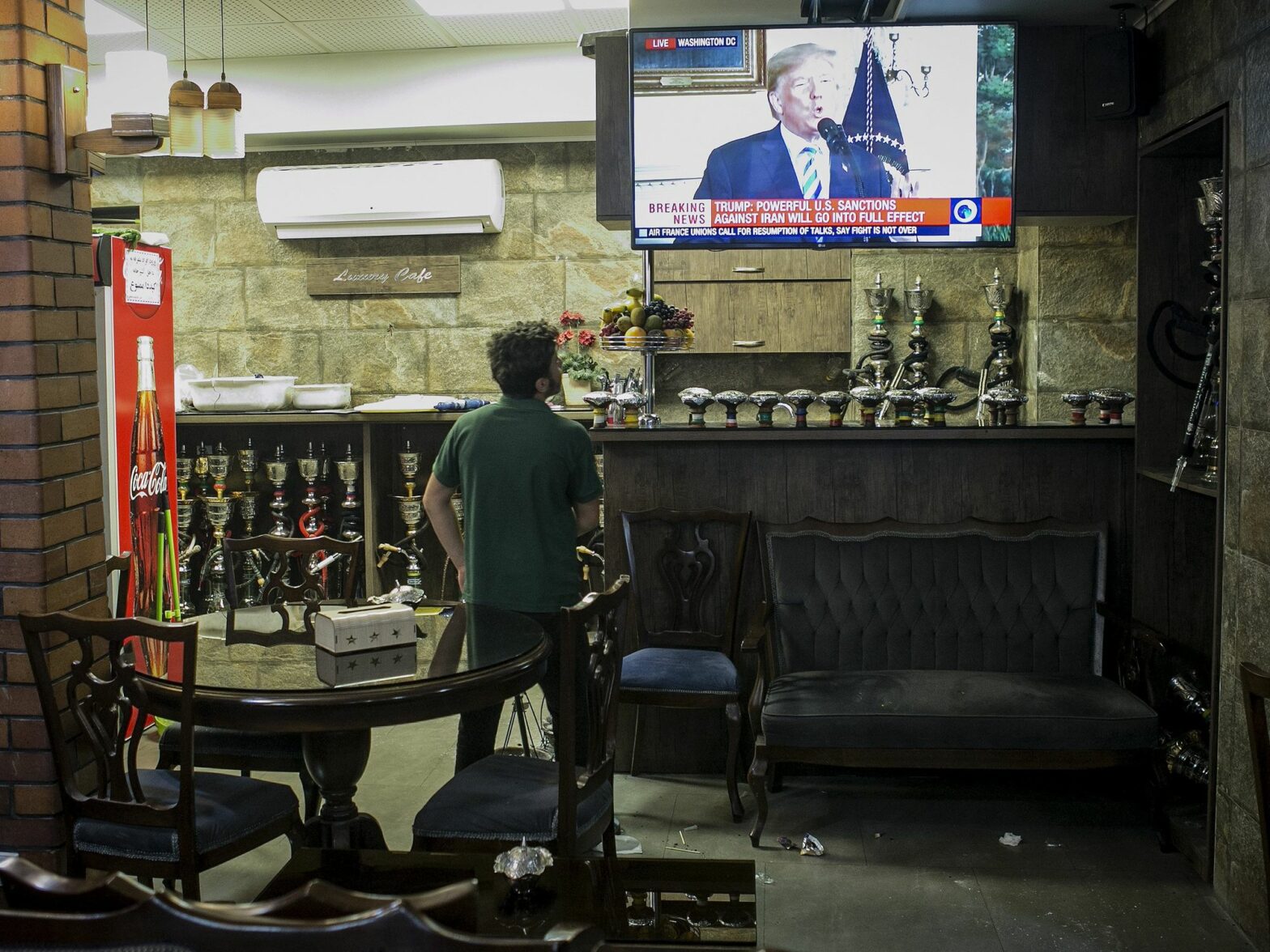
Iranian officials insist another Trump presidency could never change its policies — including fighting Israel where it can. But given the first Trump administration, Tehran should expect hard times ahead.