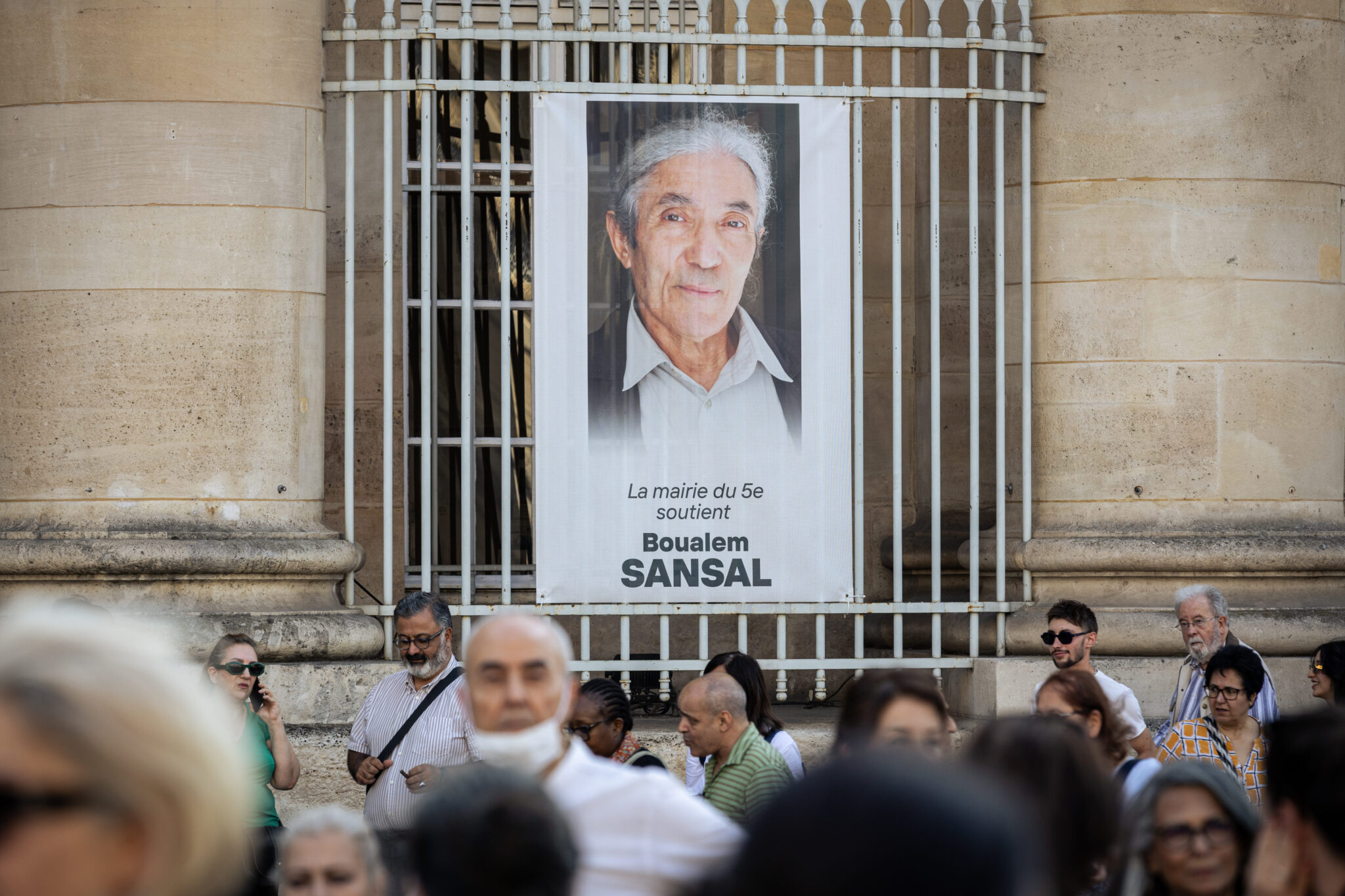
Franco-Algerian writer Boualem Sansal was sentenced to five years in prison in Algiers — the day after French journalist Christophe Gleizes had received a seven-year jail sentence. Could a presidential pardon for Sansal ease tensions?
 Worldcrunch
Pierre Haski was born in 1953 in Tunis. He has been a correspondant for Agence France Presse (AFP) and Libération, and is now the President of Reporter Sans Frontières since 2017. He also runs the radio show “Géopolitique” for France Inter.
Franco-Algerian writer Boualem Sansal was sentenced to five years in prison in Algiers — the day after French journalist Christophe Gleizes had received a seven-year jail sentence. Could a presidential pardon for Sansal ease tensions?
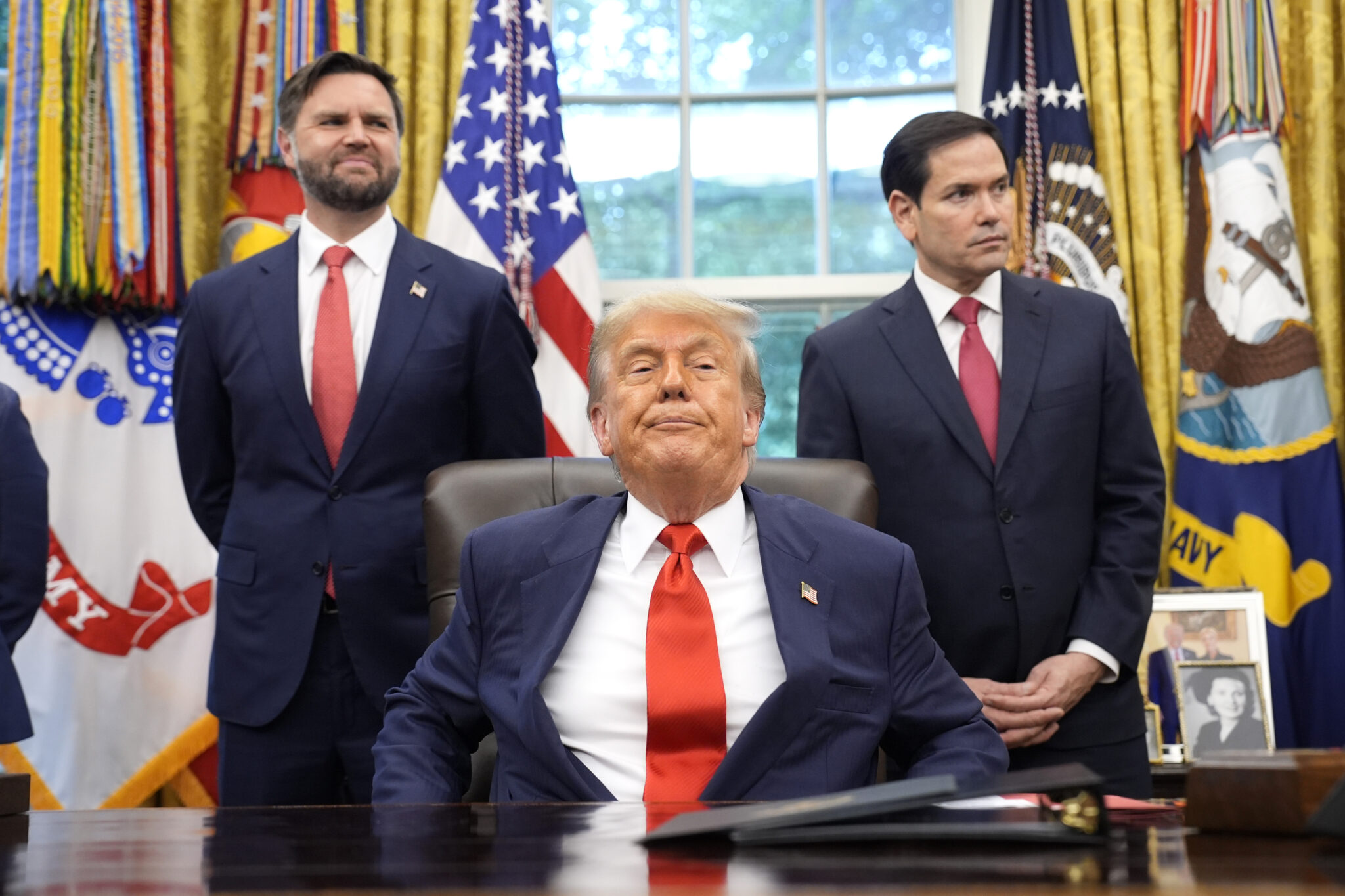
In an era where every tweet from the White House sets global agendas, Donald Trump has mastered a brash spectacle, luring us into endless commentary. Behind the daily uproar lies a calculated strategy to reshape America’s alliances and democratic safeguards.

A report from Oxford University lists the 32 countries – 16% of the world’s nations – with the infrastructure needed to develop artificial intelligence. The gap is widening with the rest of the world, in the key technological sector of the 21st century.
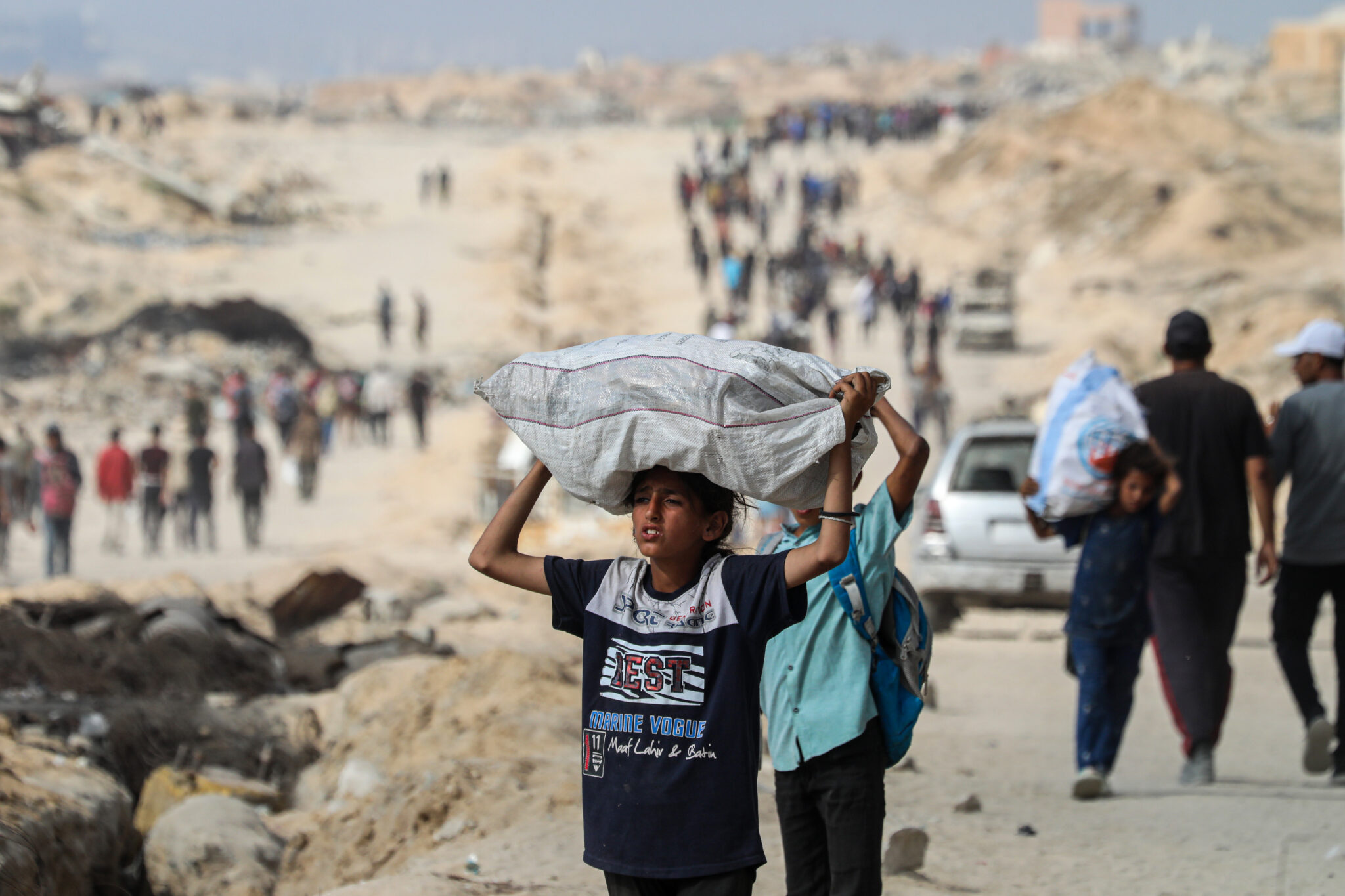
The’ “hell” continues in Gaza, with no explicit explanation of Israel’s goals. U.S. President Trump’s success in swiftly ending the missile exchanges between Israel and Iran could now be extended by pressuring the Israelis to find a solution to the Palestinian question, which is vital to progress in the Arab world. What will Trump do?
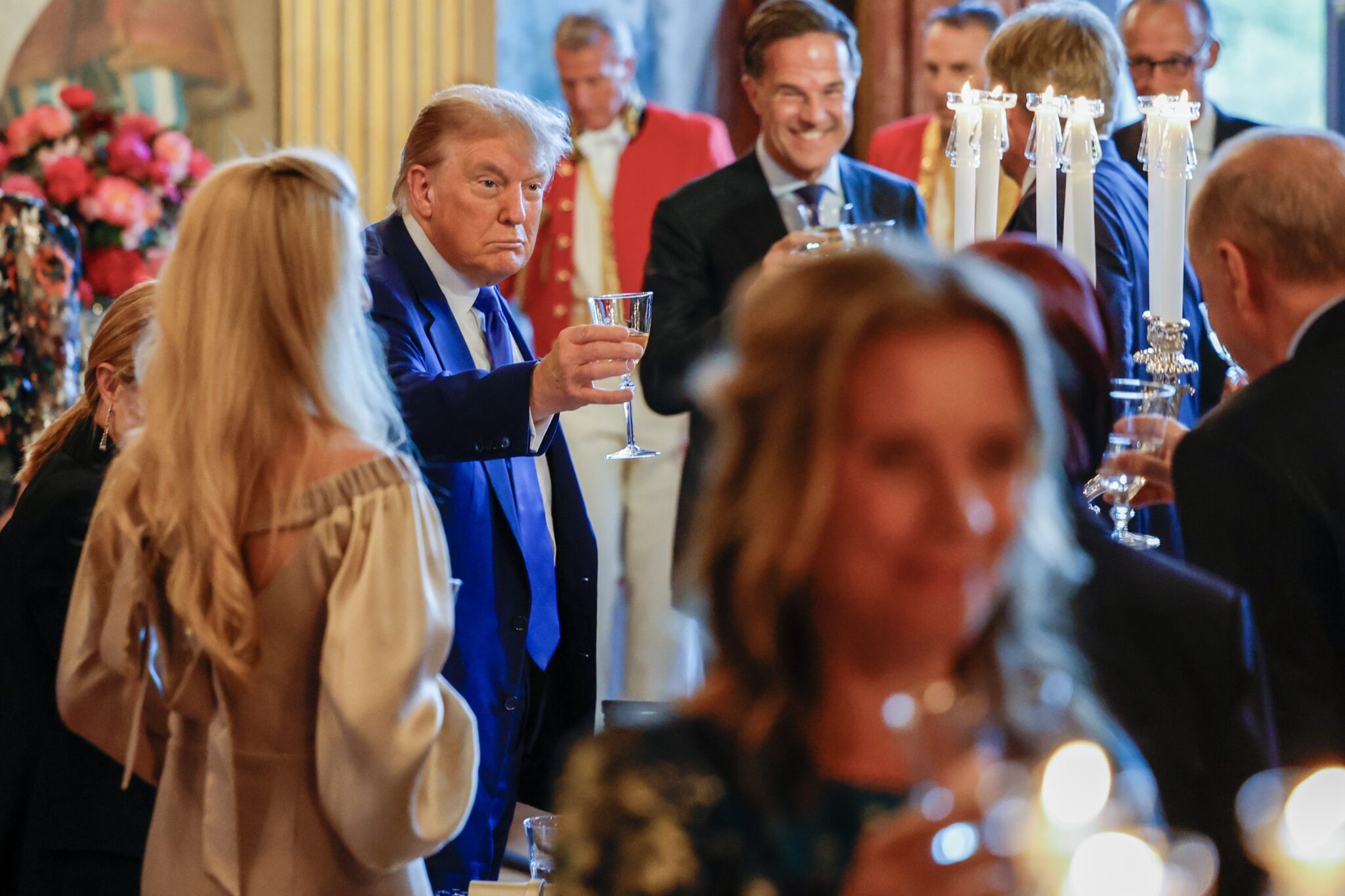
At the NATO Summit in The Hague, European leaders are focused on appeasing Donald Trump by heeding his call for increased defense spending, while carefully avoiding any mention of Ukraine. By sidelining the ongoing war on its eastern border, the alliance errs in favor of political caution.
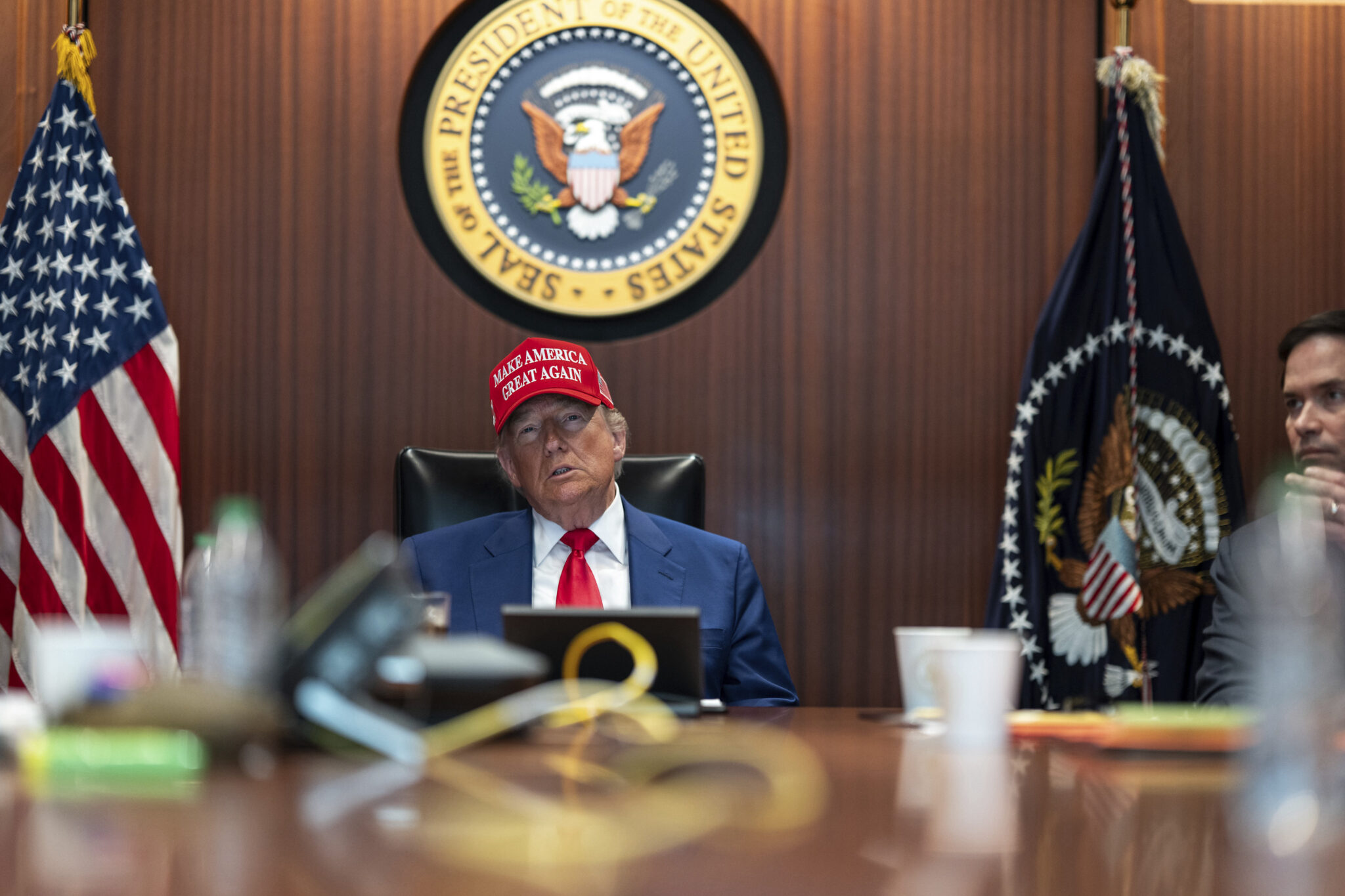
By giving the Americans advance warning, the Iranians ensured that their response to the US bombing yesterday would not cause any casualties. Donald Trump seized the opportunity to stop the war, despite Israel’s continued pursuit of a hardline approach.
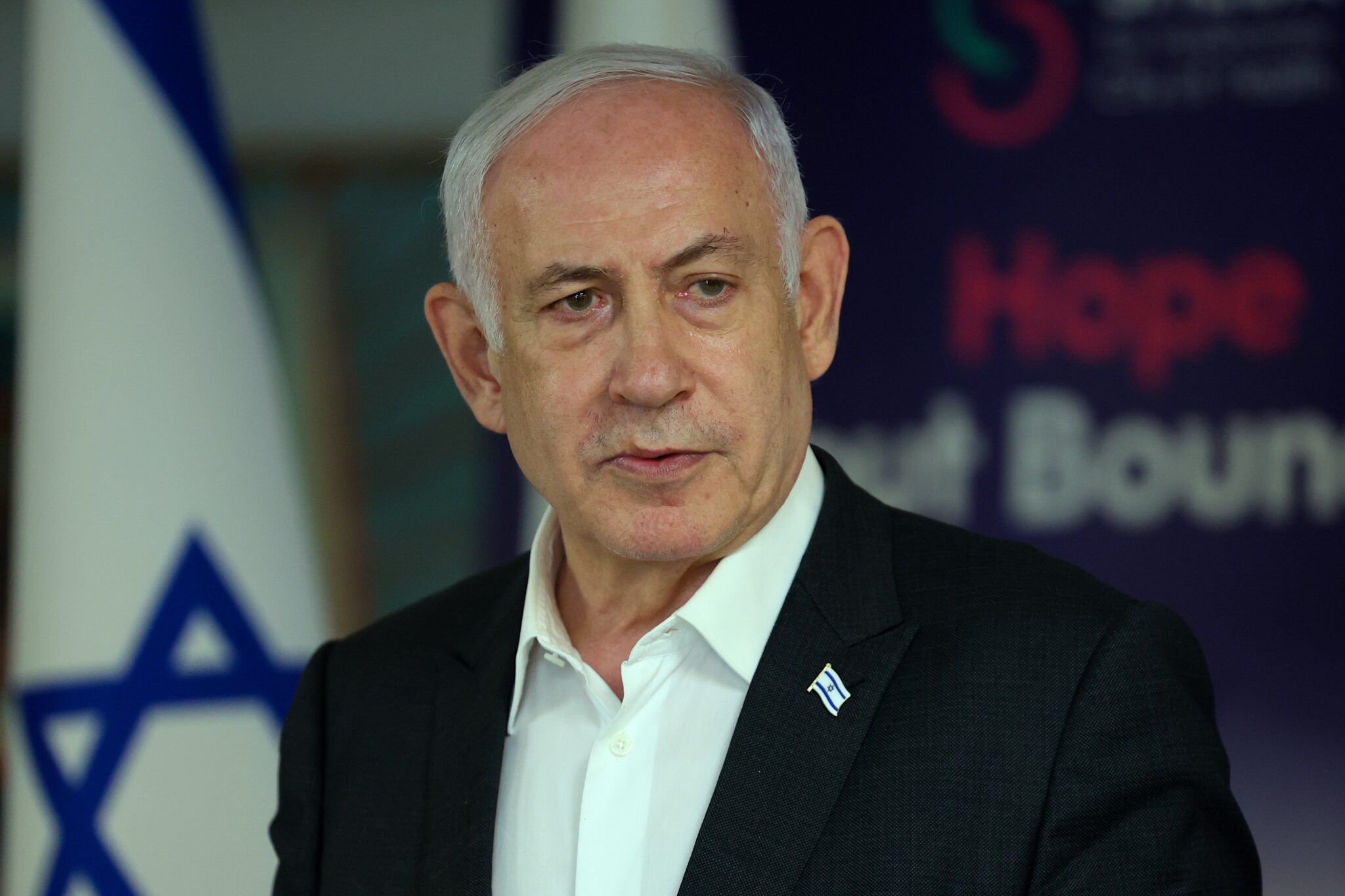
The intervention of American bombers in Iran has strengthened Israeli Prime Minister Benjamin Netanyahu’s position, allowing him to assert military supremacy over the Middle East. What comes next will be more difficult, as no solution is on the horizon for Gaza, and the Saudis are growing more skeptical than ever of Israel.
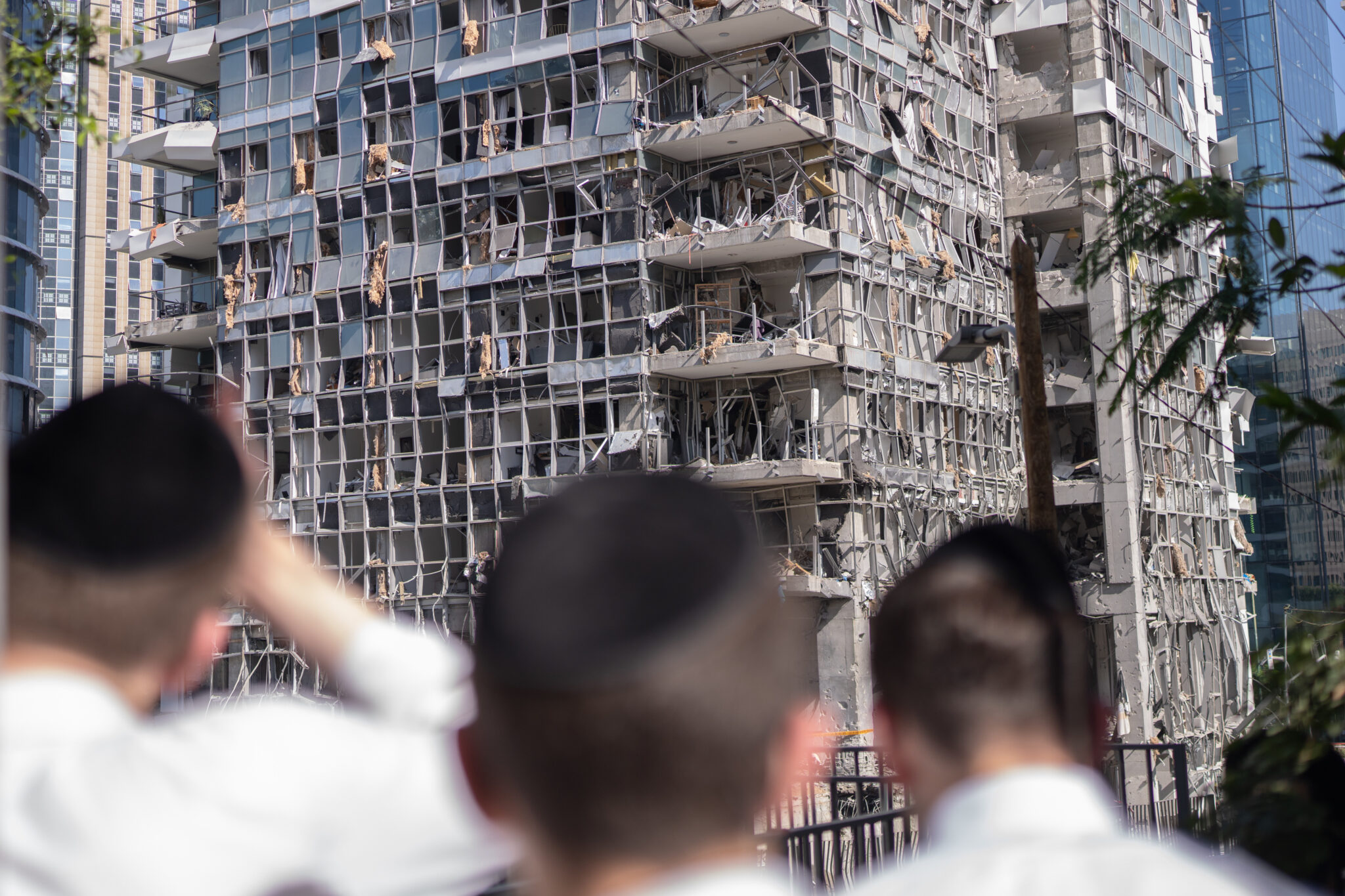
By declaring that Israel was “doing the dirty work for all of us,” German Chancellor Friedrich Merz shocked many and cast an ambiguous shadow over Europe’s position in the conflict. At a moment when Europe should be upholding the rule of law, he appeared to align with Israel and the United States, who seem to rely solely on force.
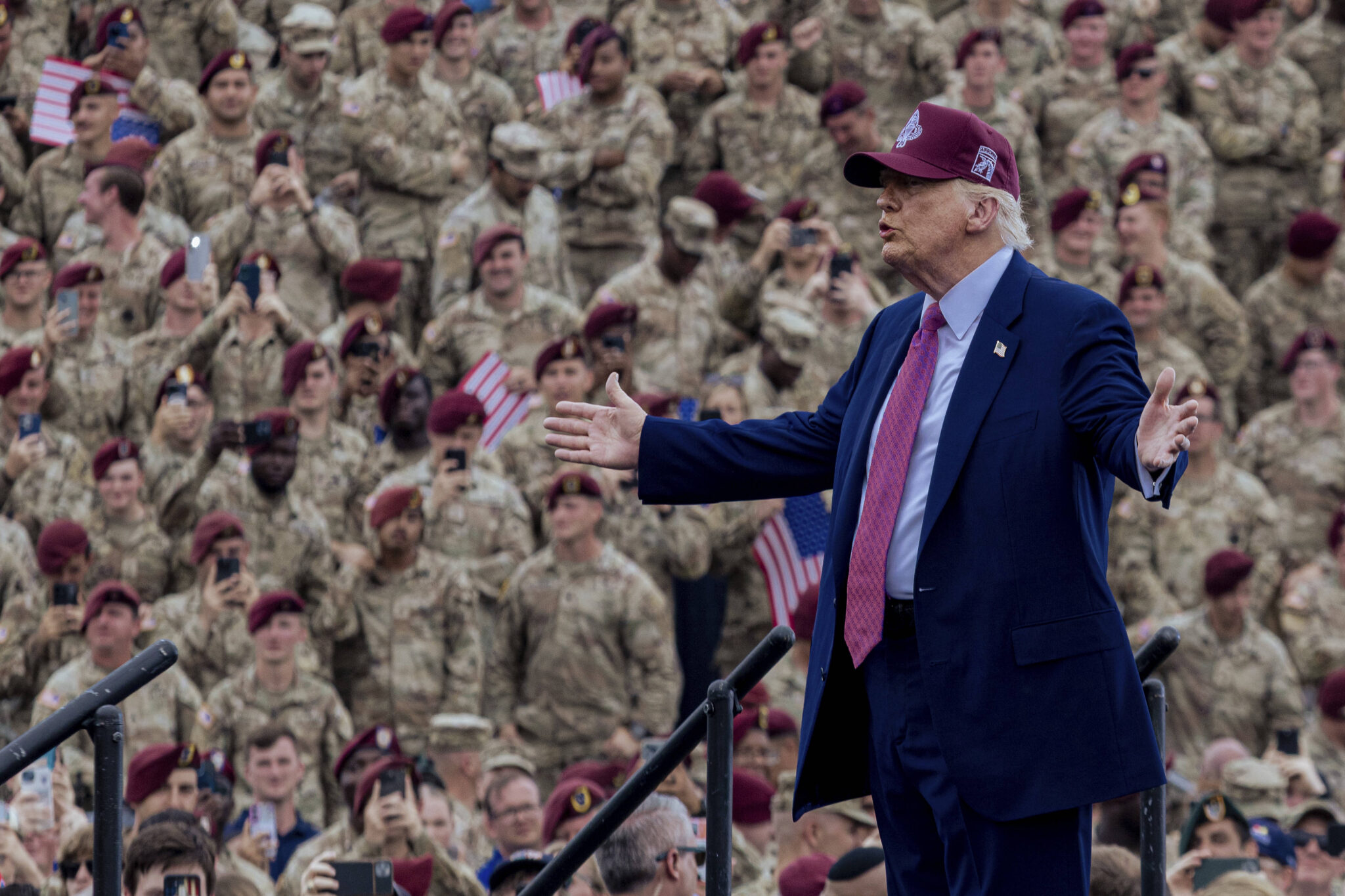
The exchange of threats between Donald Trump and Ayatollah Ali Khamenei are increasing tensions, and everyone is waiting for the U.S. president to decide whether or not to commit his country to war alongside Israel. If Trump decides to do it, there are three main reasons why.
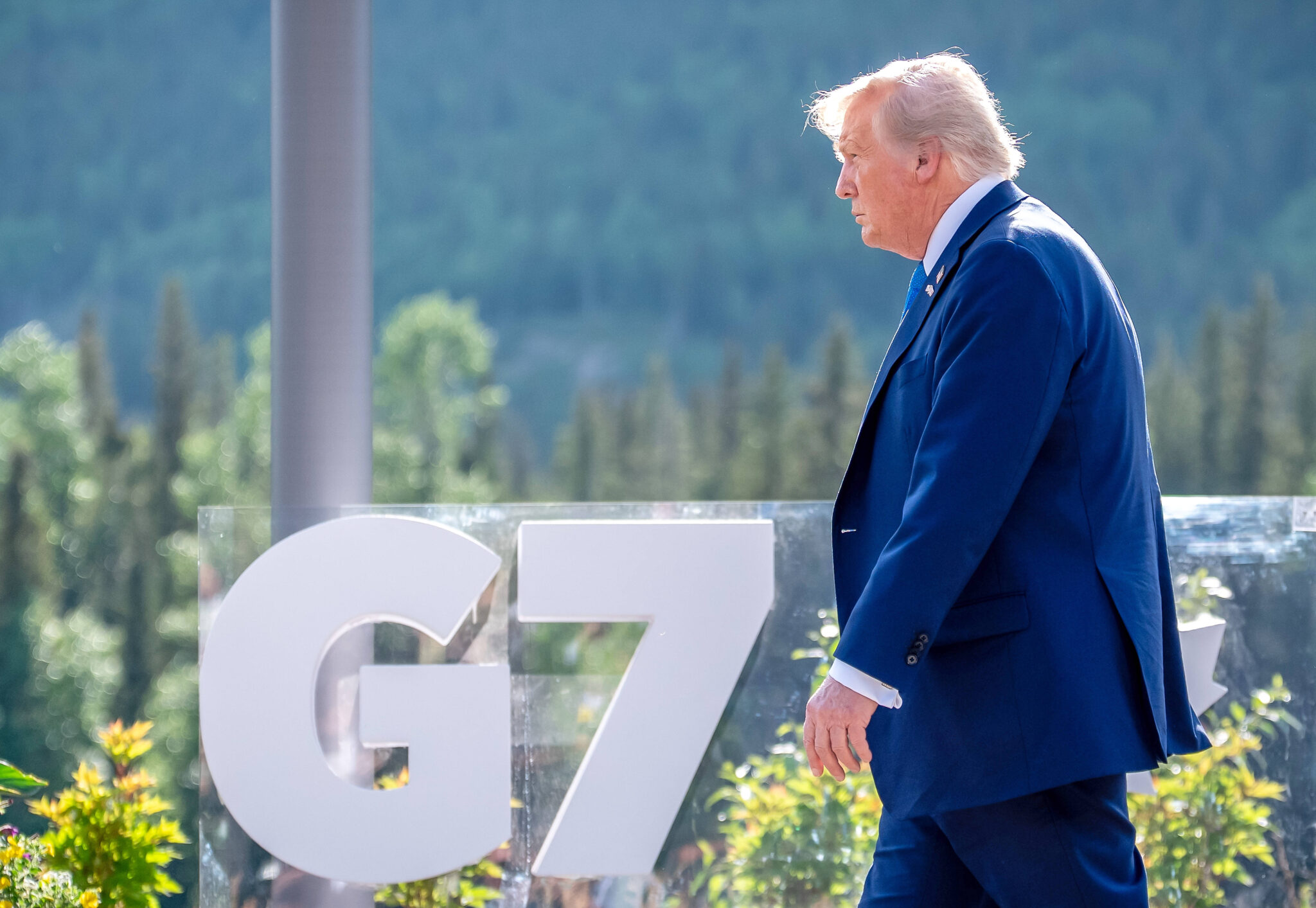
Donald Trump’s early departure from the G7 Summit highlighted his contempt for this type of meeting, but also had the virtue of pointing out that this institution has become an empty shell, embodying a world that has become obsolete. But what should replace it?
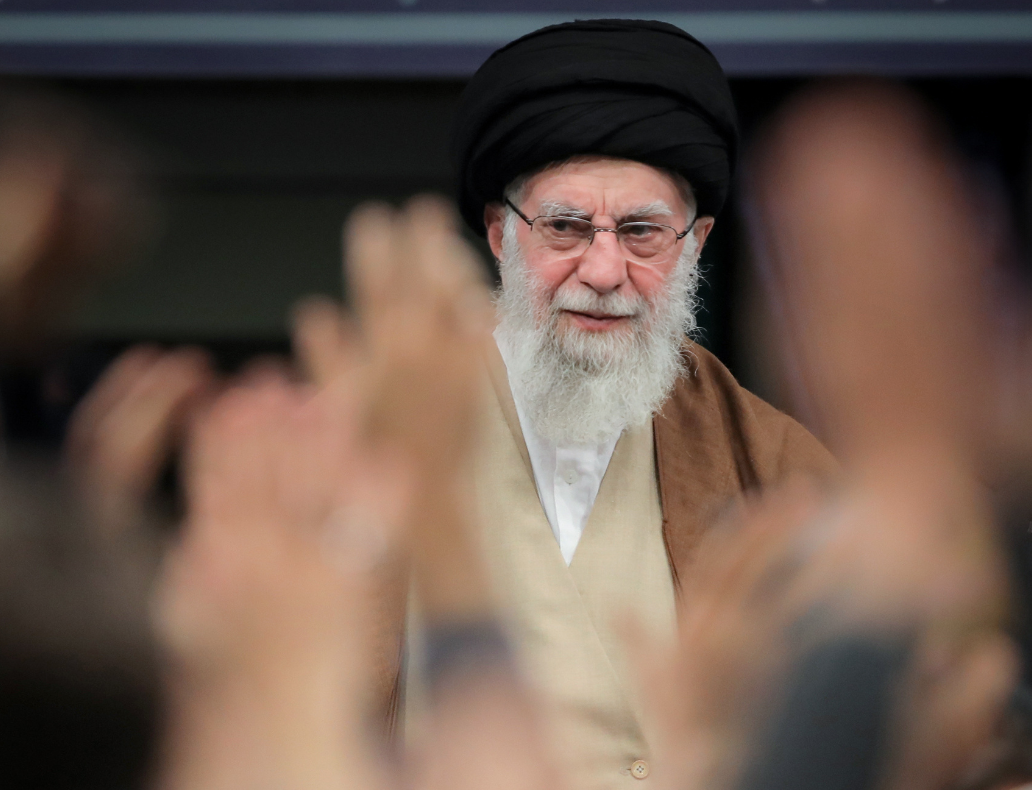
Benyamin Netanyahu made his point clear yesterday on ABC news: killing Ayatollah Ali Khamenei, Iran’s Supreme Leader, “would not provoke an escalation. It would end the conflict” with Iran. Netanyahu reveals his end goal: the fall of the Tehran regime.
No externally-induced regime change has produced positive results for more than 30 years: not in Afghanistan in 2001, nor Iraq in 2003, nor Libya in 2011. And even if the current rulers were expelled from Tehran, a particularly dangerous kind of chaos would likely take its place.
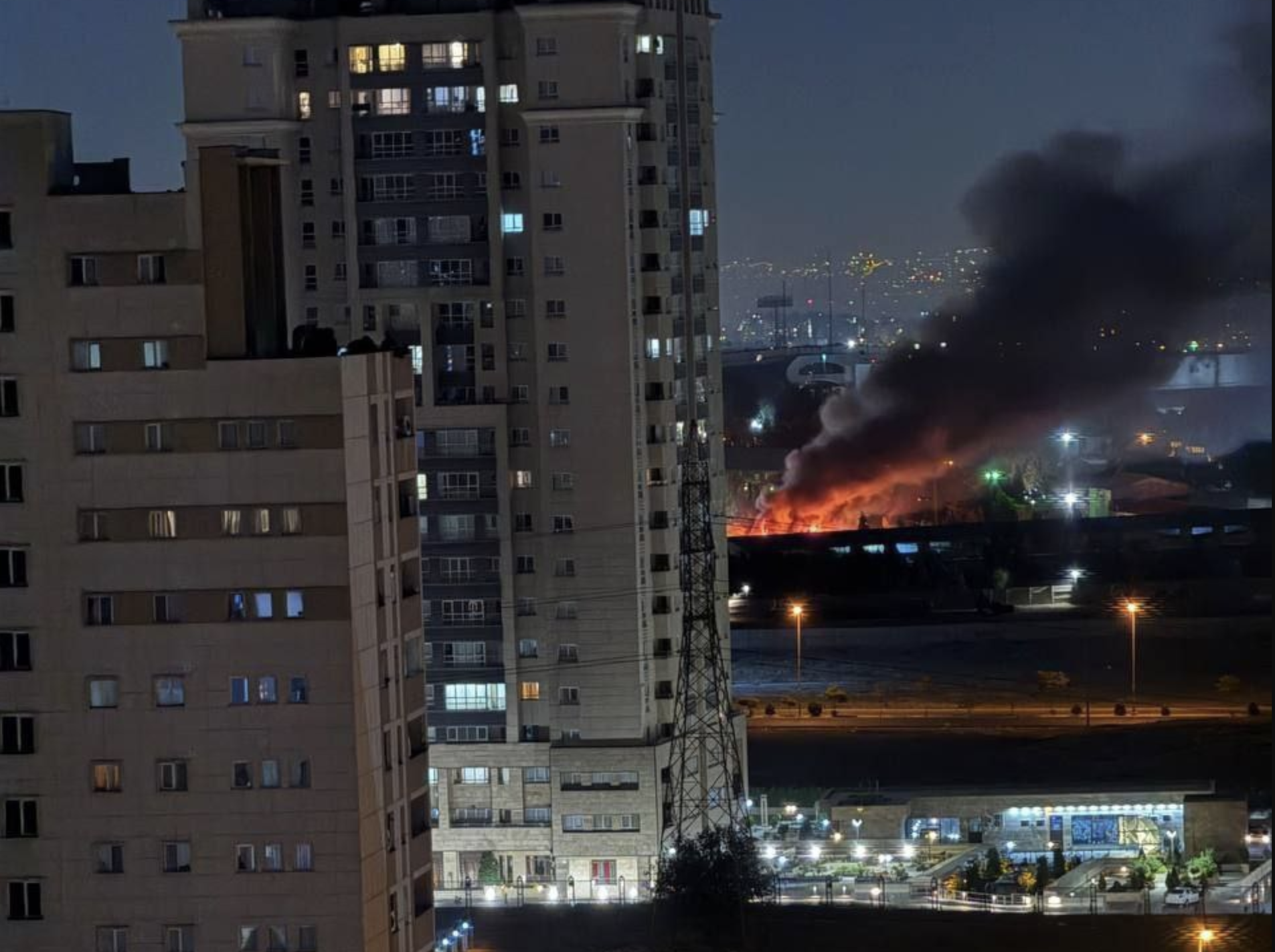
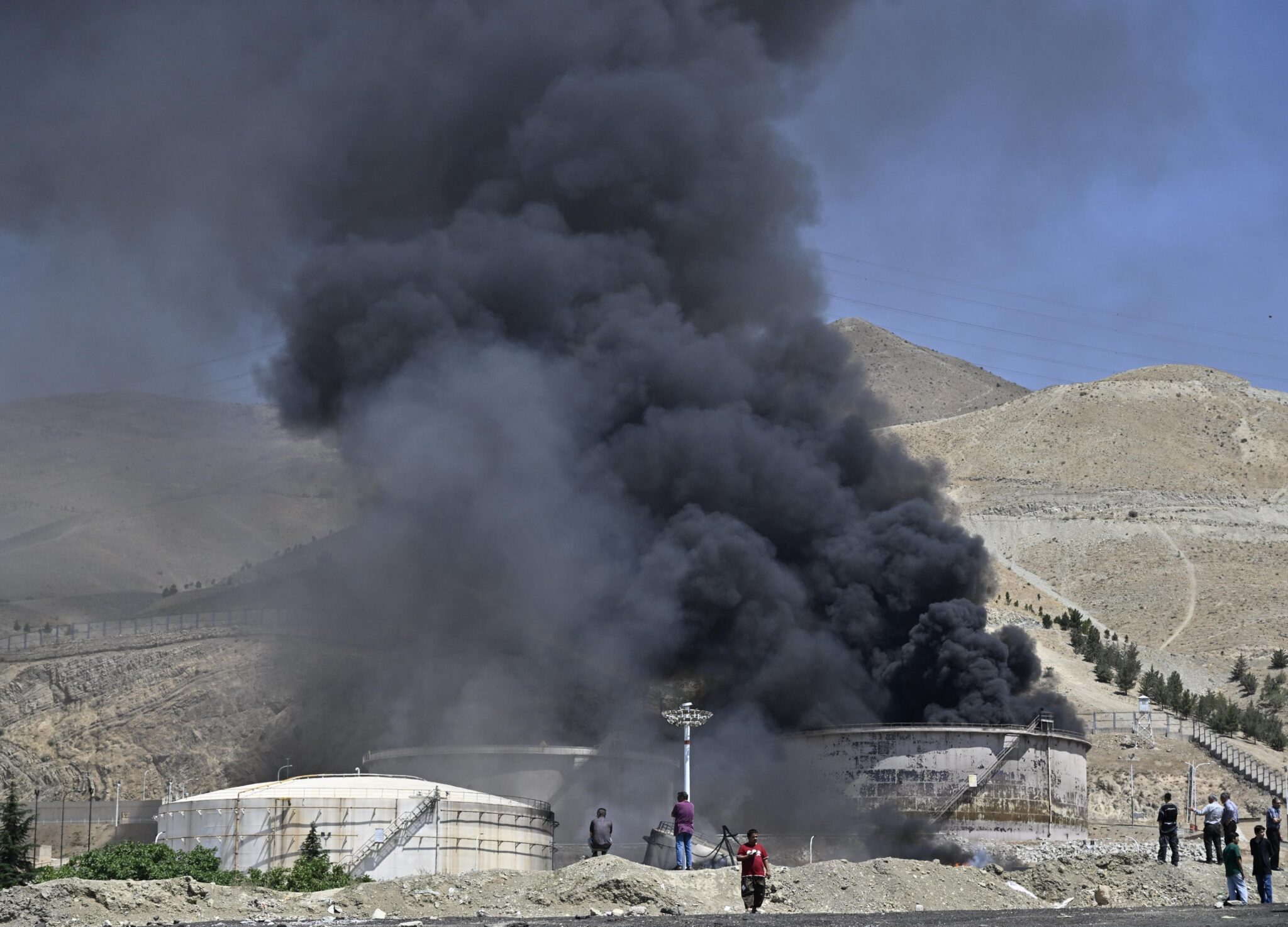
Israel bombed Iranian nuclear and military facilities last night, killing the head of the Revolutionary Guards and several Iranian scientists. It may appear as a strategic victory, but it also appears to be a choice to live with war across the region for years to come.
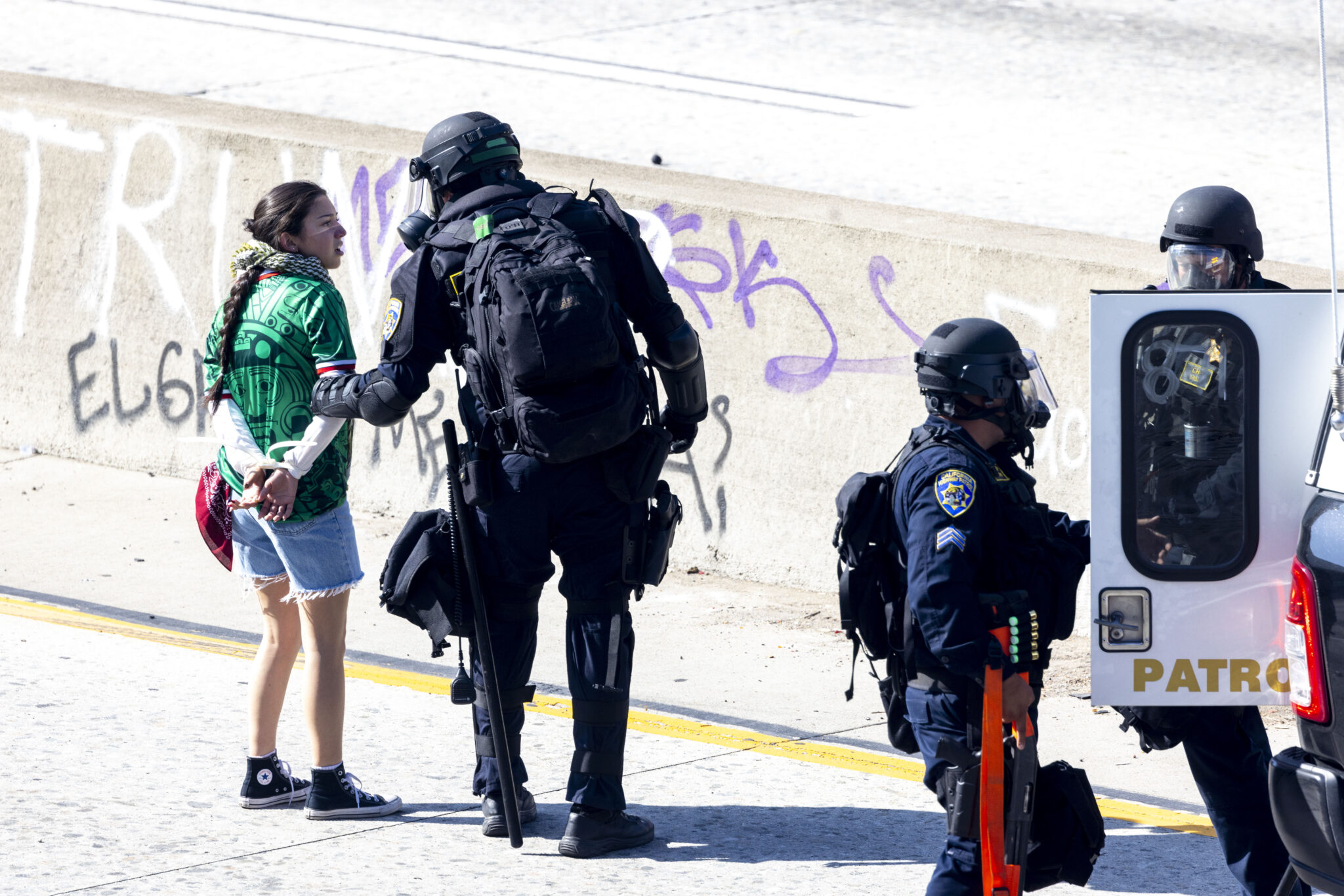
The military deployment to Los Angeles has escalated into a showdown between Donald Trump and California’s Democratic governor, Gavin Newsom. All of this is unfolding against the backdrop of a narrative war, amplified by AI and fake news.
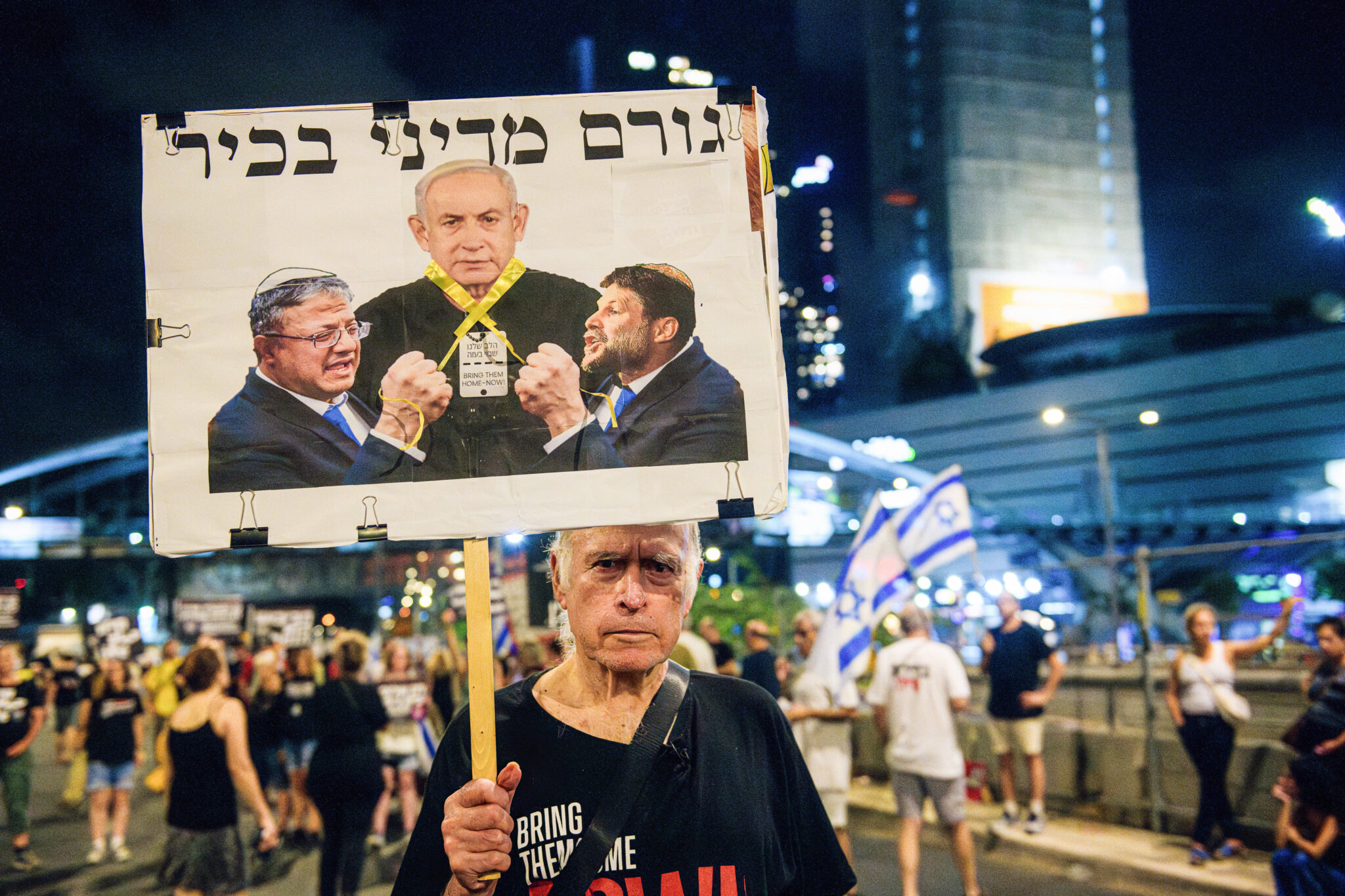
Five countries have imposed sanctions against the two most important far-right ministers in Israel’s Netanyahu government — Finance Minister Bezalel Smotrich and Internal Security Minister Itamar Ben Gvir — a first that marks the deterioration in relations between Israel and its allies. But with the Trump administration standing behind Netanyahu, little can be actually be done.

The days of talking about ceasefires feel like a distant memory. Each side is now intent on making the other pay for not giving in. Donald Trump didn’t back up his promise with any pressure on Moscow.
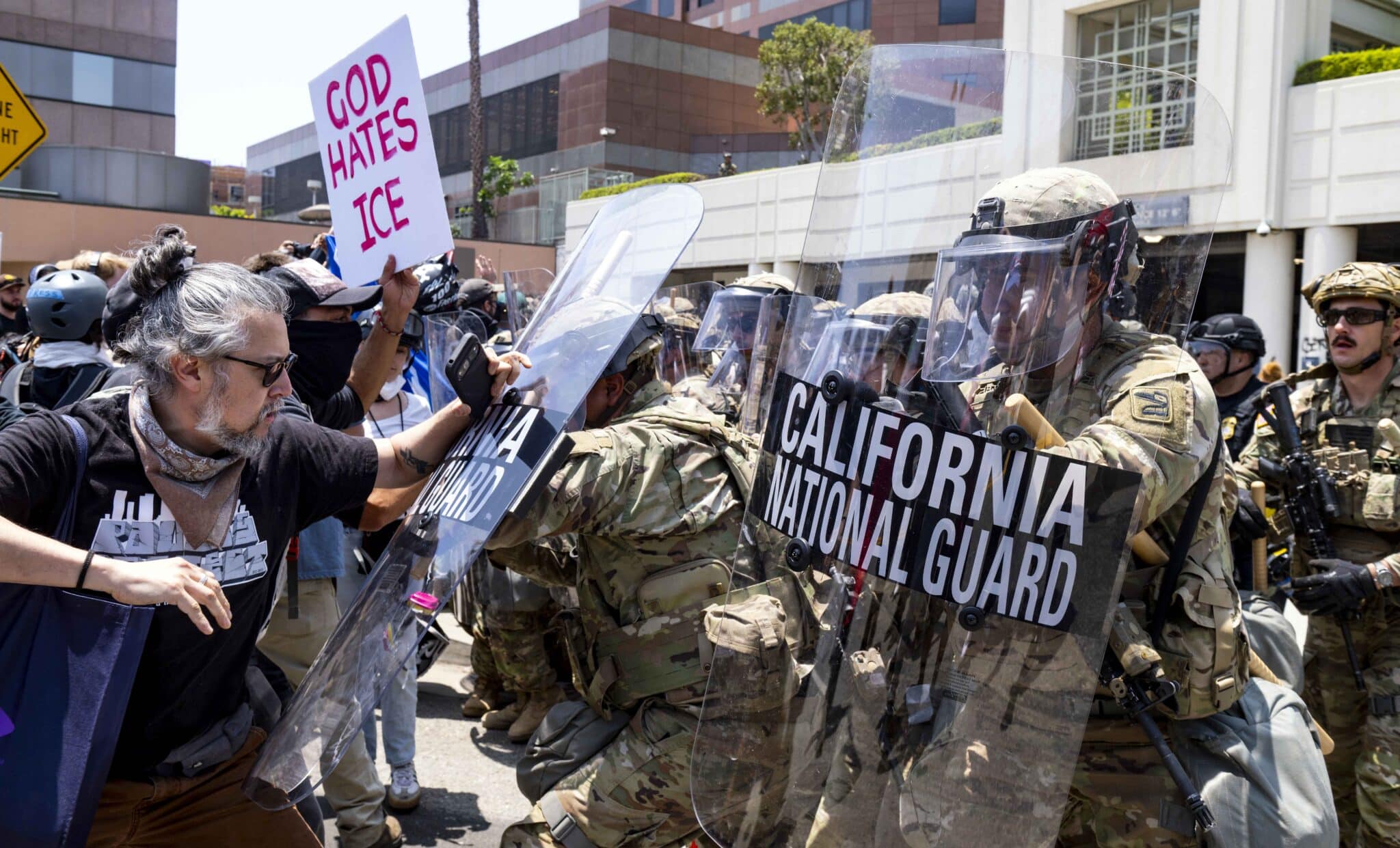
The first National Guardsmen sent by the U.S. president have arrived in Los Angeles, despite the opposition of the state’s Democratic Governor Gavin Newsom. Trump may have taken this grave step to divert attention from other problems, but it is taking on a life of its own.
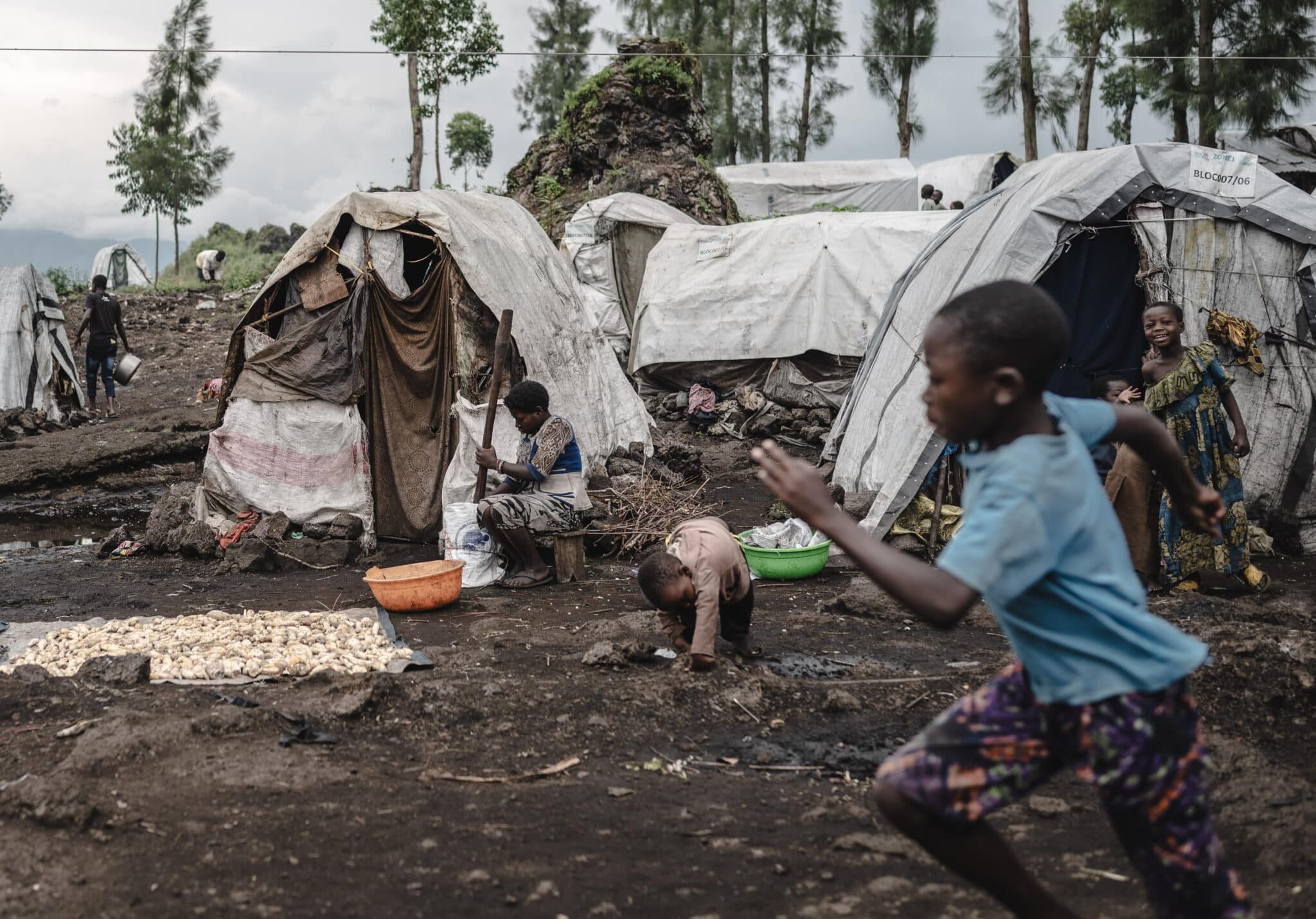
An appeal signed by 75 Nobel Prize winners calls on the world to take action to end the suffering of Congolese civilians in the mineral-rich eastern Democratic Republic of the Congo. But they have little chance of being heard — despite our shared responsibility.
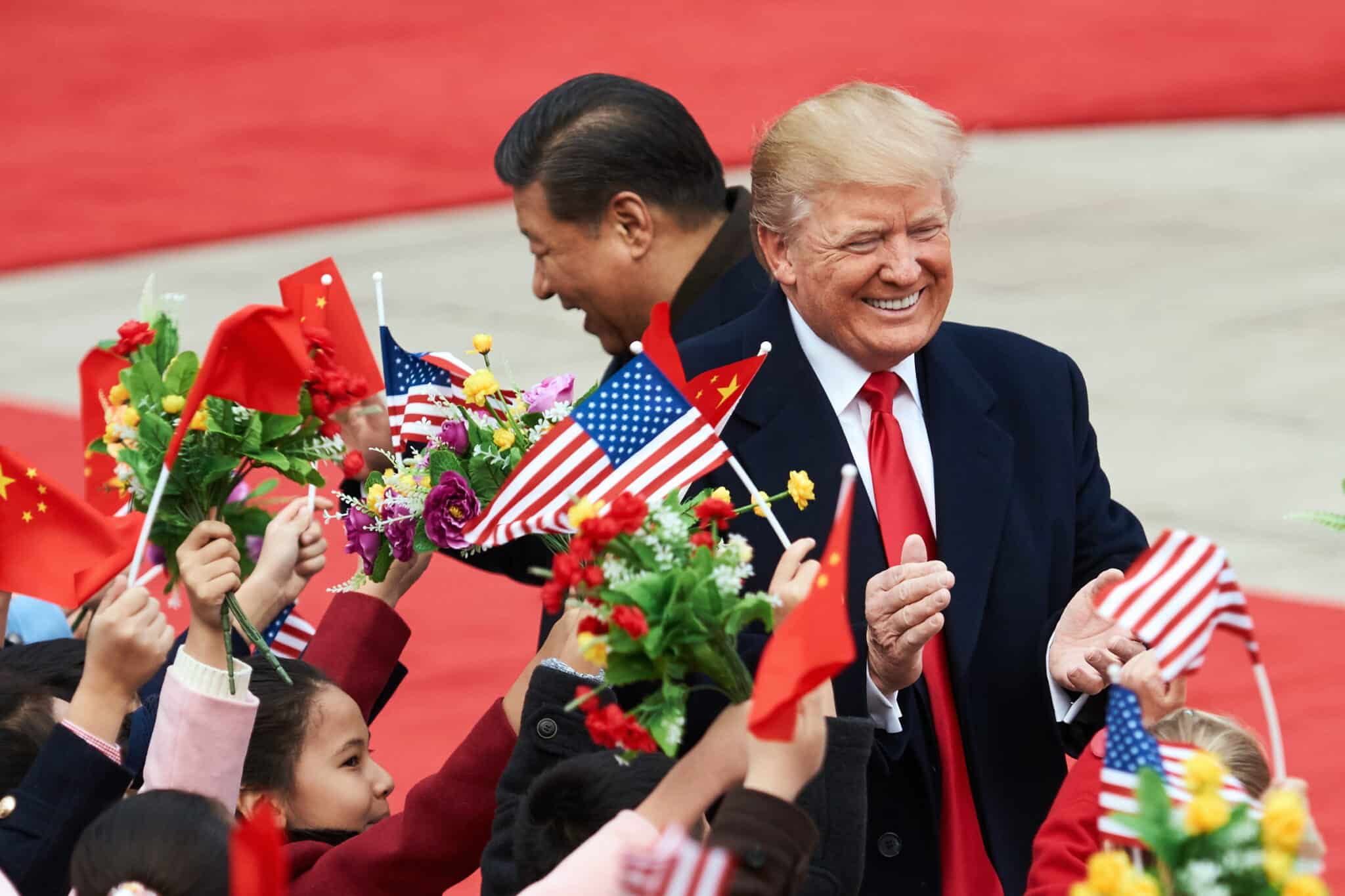
China is blocking exports of rare earth material in response to the U.S. trade war, which is now beginning to affect Western industries. Indeed, the American position is weakened just as negotiations are set to resume. Will Trump chicken out again?
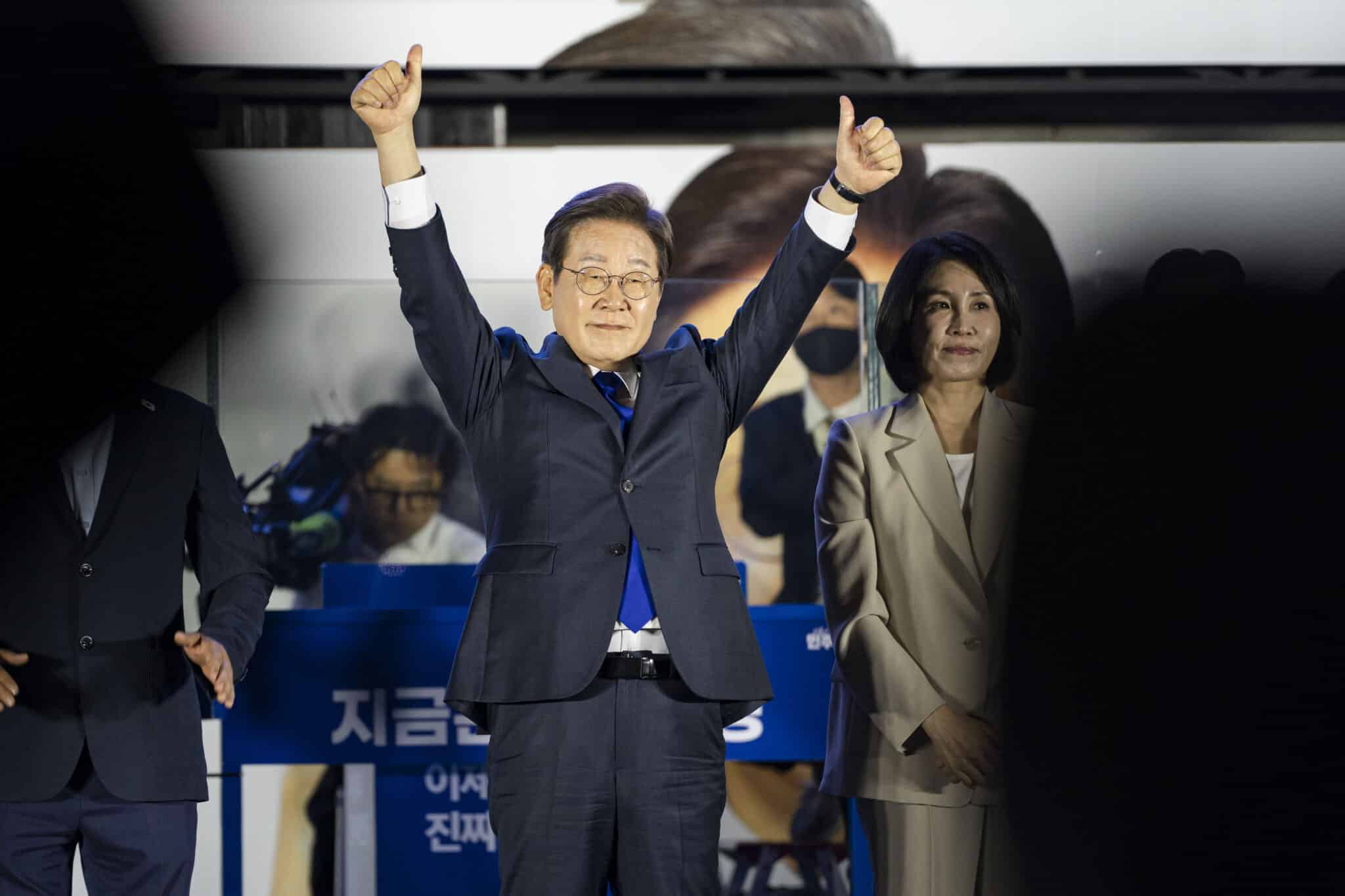
South Korea had been in political crisis since December, when its conservative president attempted a power grab by declaring martial law. On Tuesday, South Koreans elected the progressive candidate Lee Jae-myung, turning the page and preparing to tackle the immense challenges facing a region on edge.
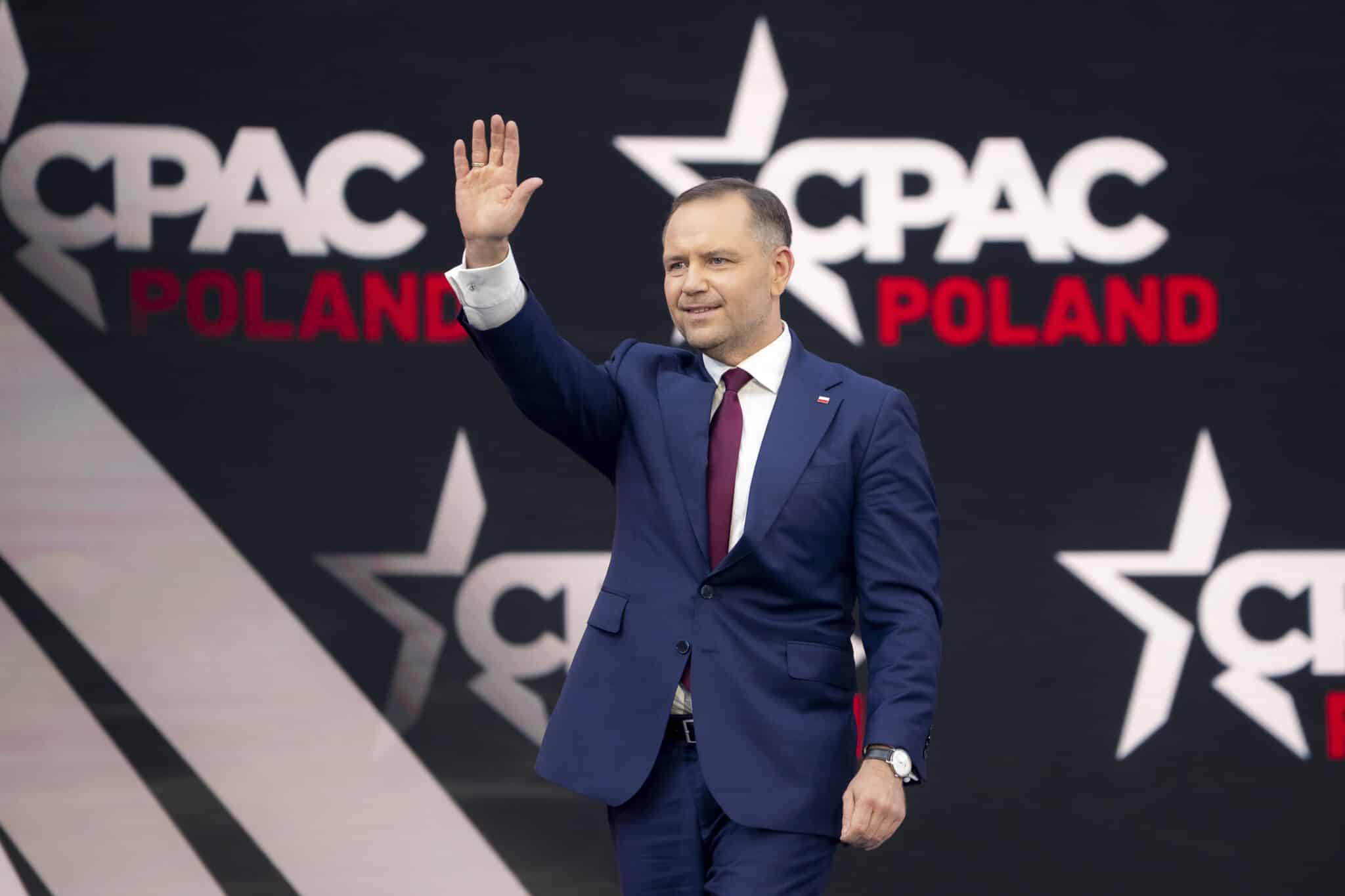
The Trump administration backed populist and far-right presidential candidates in Romania and Poland: It lost in Romania but won in Poland. Washington’s agenda is to weaken the European Union by supporting its detractors within it.
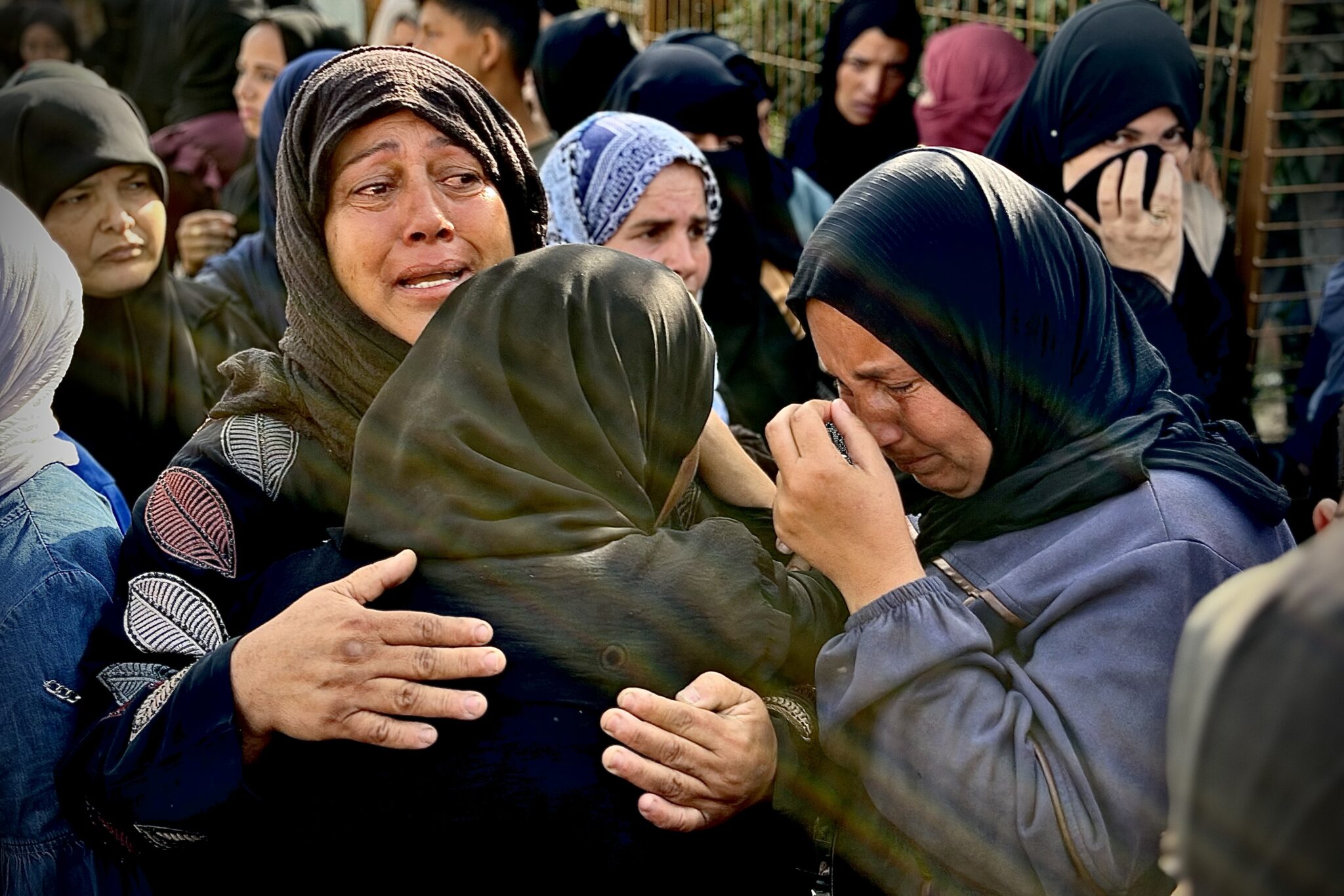
A new horror during food distribution in Gaza comes, with the warring parties digging in their heels at the expense of the population. Only the White House has the weight to impose a truce. Why is it waiting?
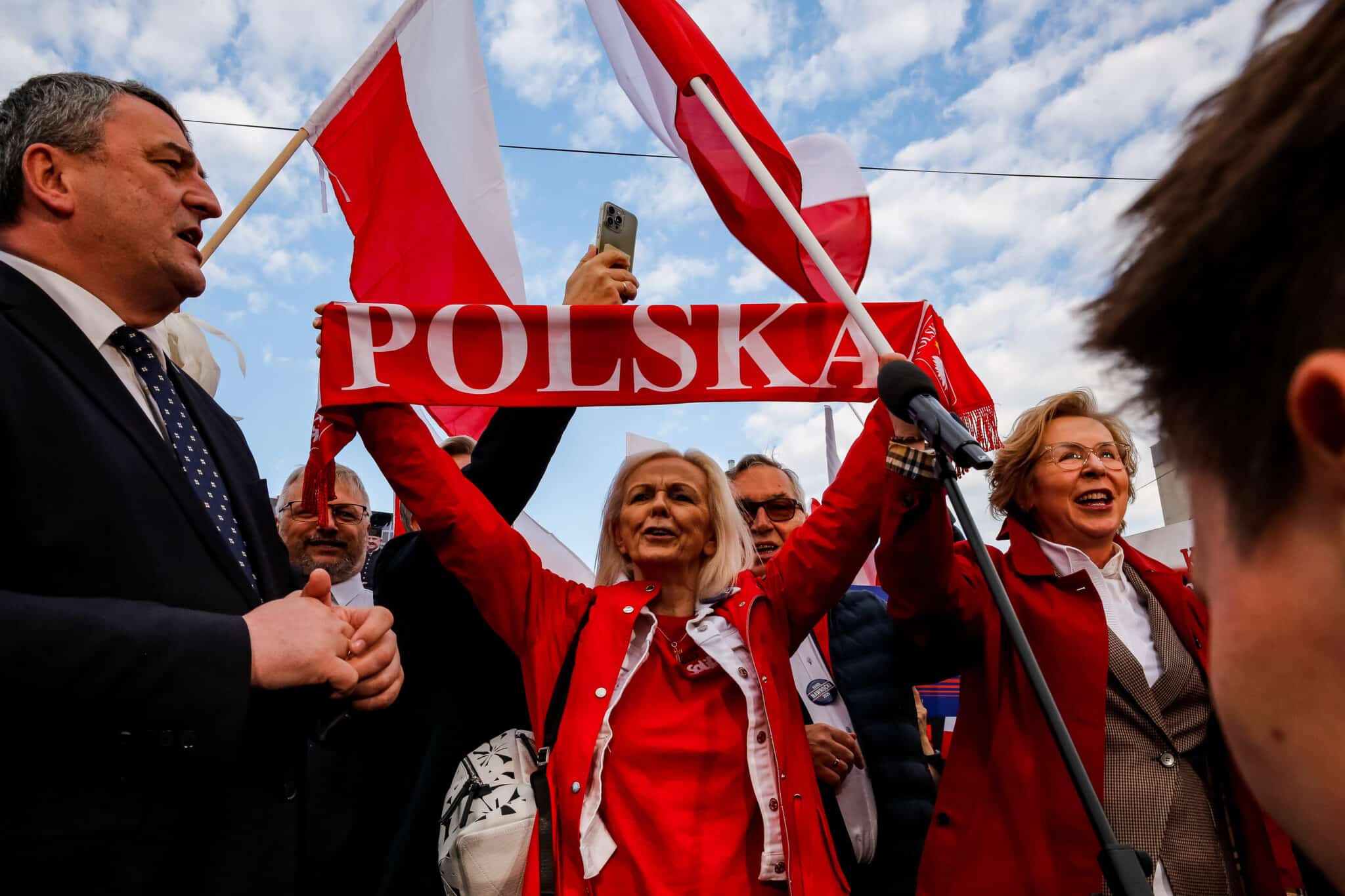
Sunday’s second round of the Polish presidential election feels like a clash between democratic values and nationalist conservatism, with high geopolitical stakes. With Poland’s international profile growing, Trump, Putin, Zelensky, and all the big European players are watching closely.
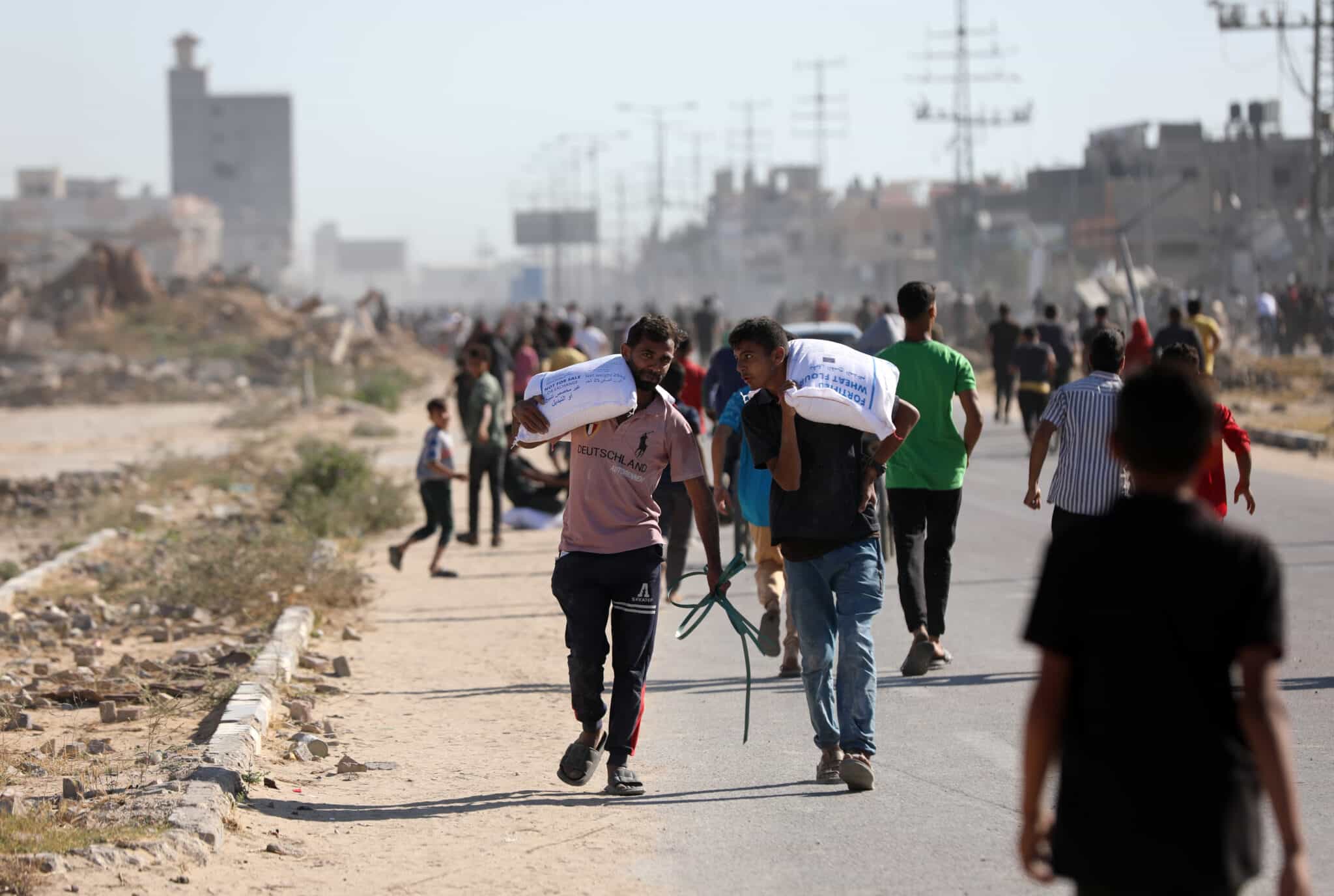
The distribution of food aid in Gaza was suspended yesterday after chaotic scenes prompted the Israeli army to open fire. Humanitarian experts had warned the effort was doomed to fail after Israel bypassed established aid organizations in favor of an unknown foundation.
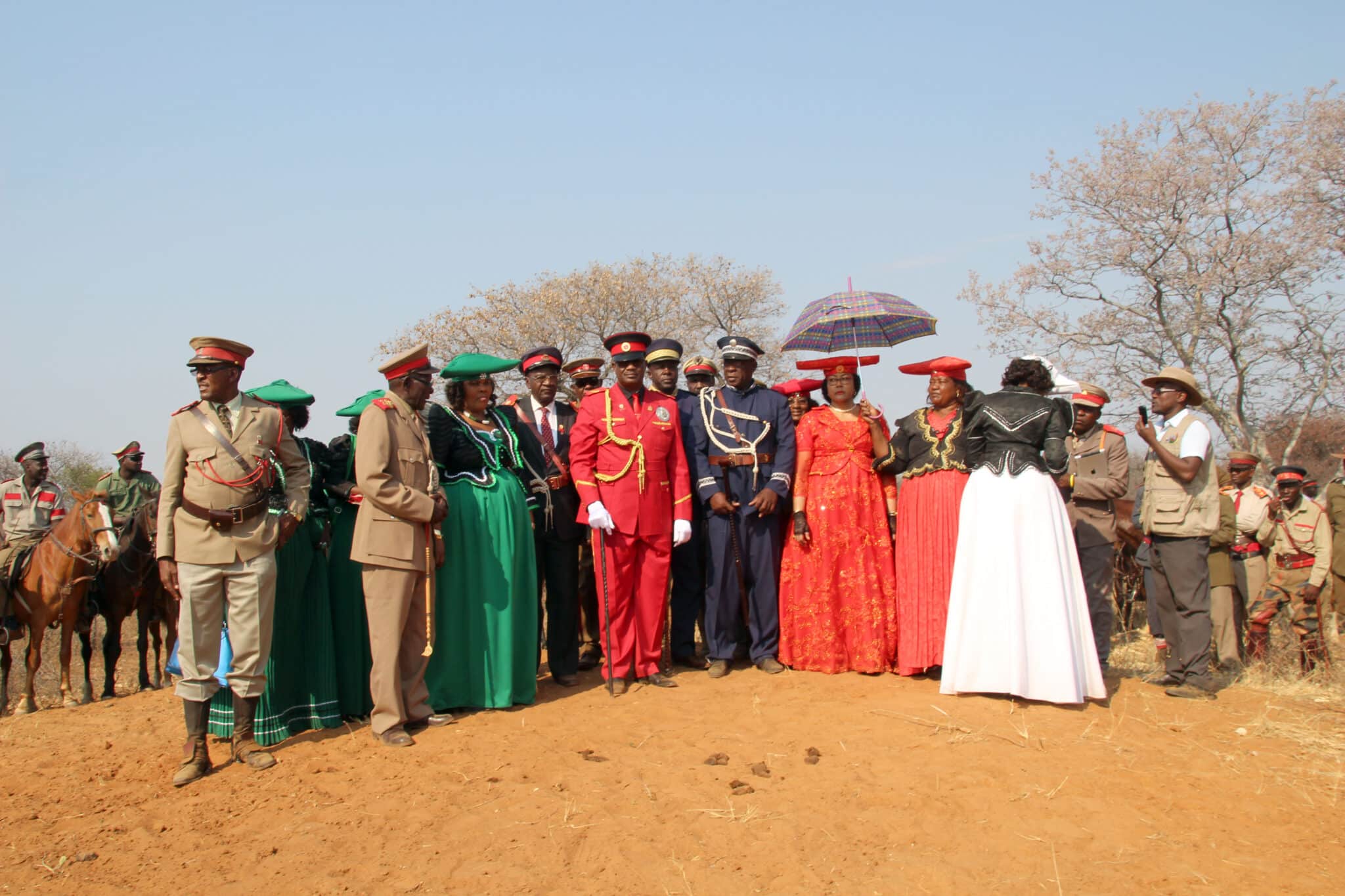
It is a genocide committed by the German colonial army 120 years ago, but it is being officially commemorated for the first time this week in Namibia. A painful memory is resurfacing — here, as elsewhere in Africa — that is unsettling the former colonizers.
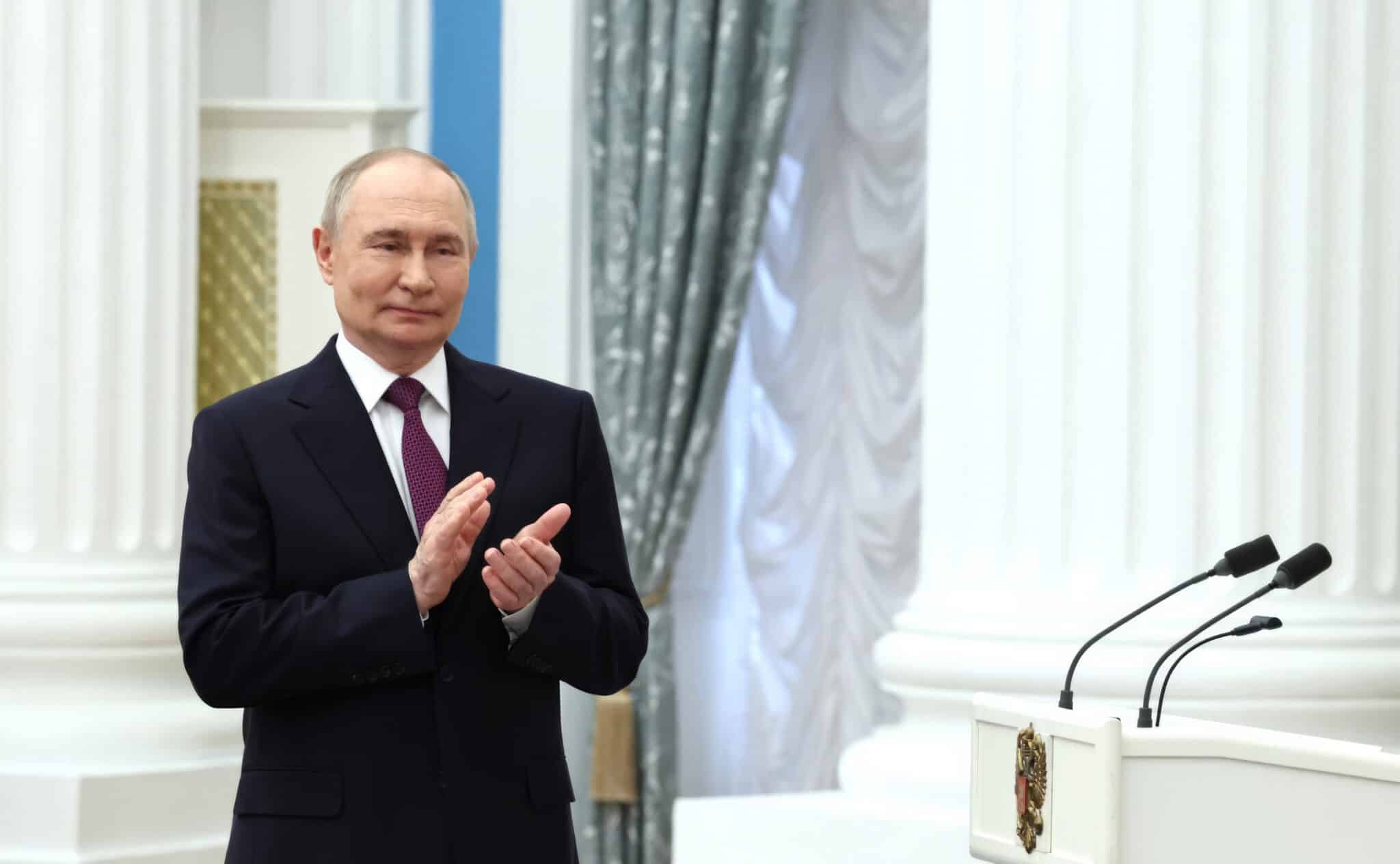
Donald Trump called Putin crazy, but he’d never use his favorite insult against the Russian president: Loser. But that’s what Trump is beginning to look like after five months of promising to end the Ukraine war in 24 hours.
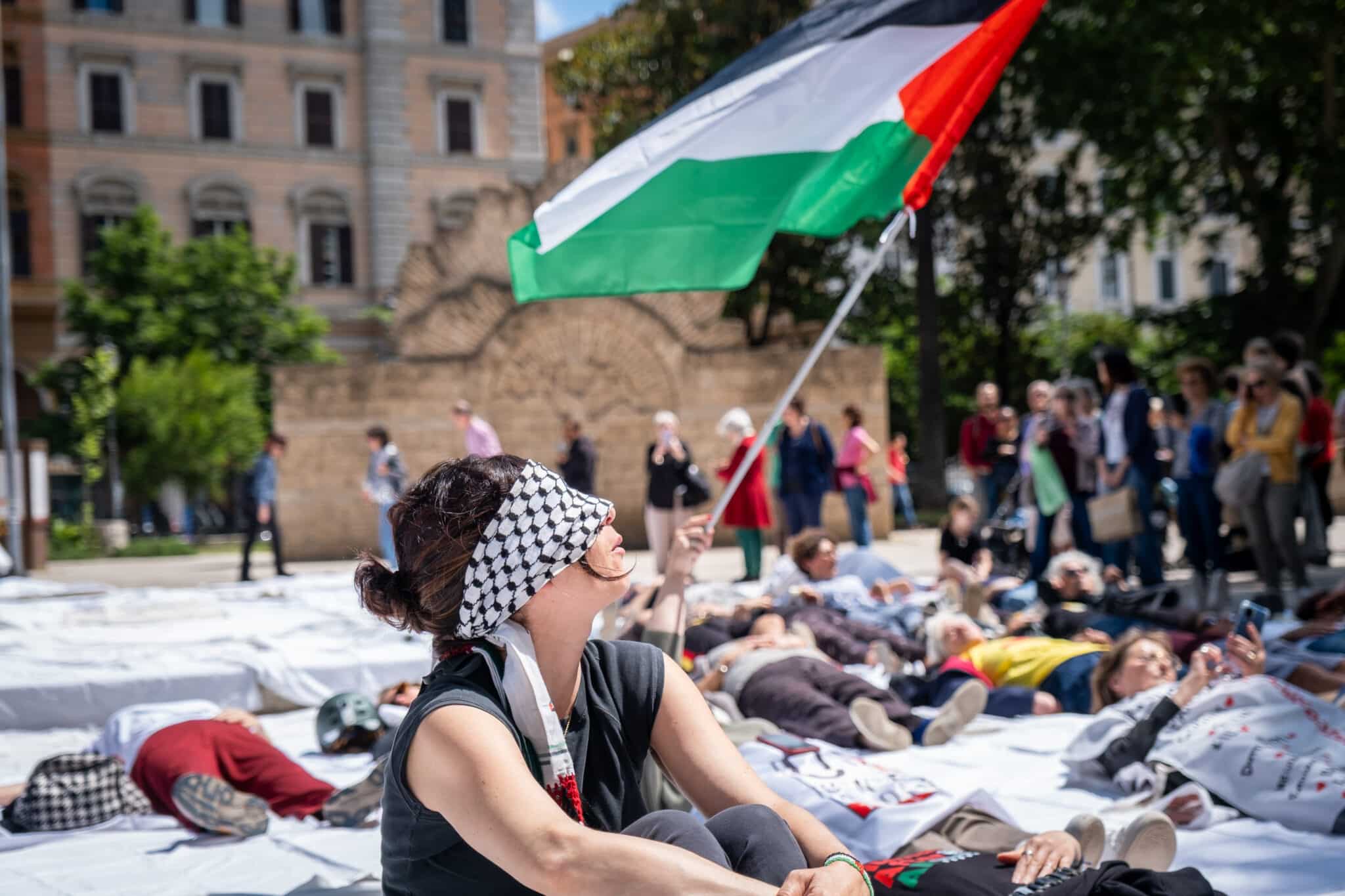
There may be plausible explanations for the delay in international reactions to the tragedy in Gaza. But in the past two months of killing and blockades, the tide has turned.
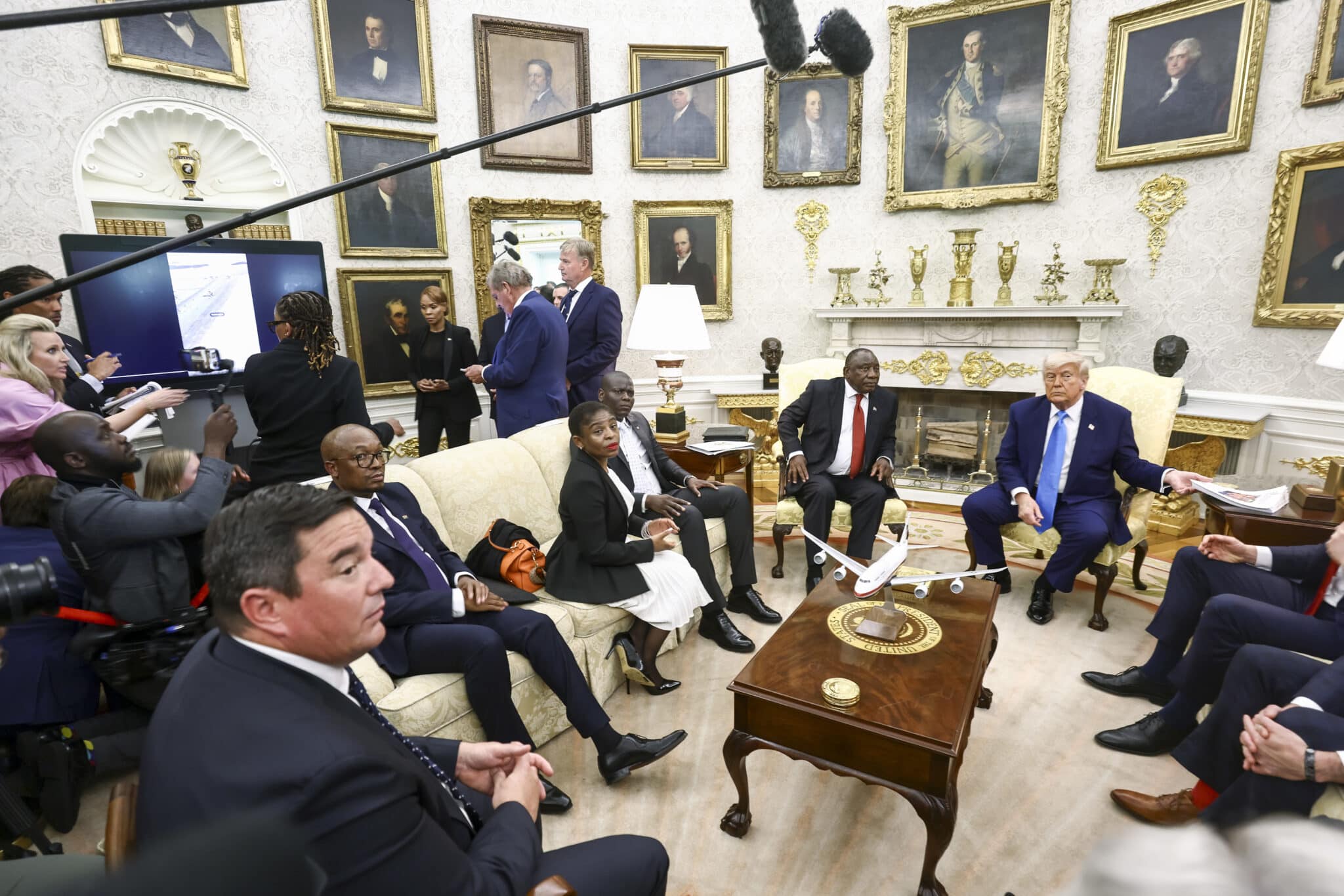
After Ukrainian President Volodymyr Zelensky, it was South African President Cyril Ramaphosa who fell victim to the theater of cruelty staged by Donald Trump in the Oval Office. What is the American president seeking by humiliating his visitors? He is orchestrating a performance to glorify himself.
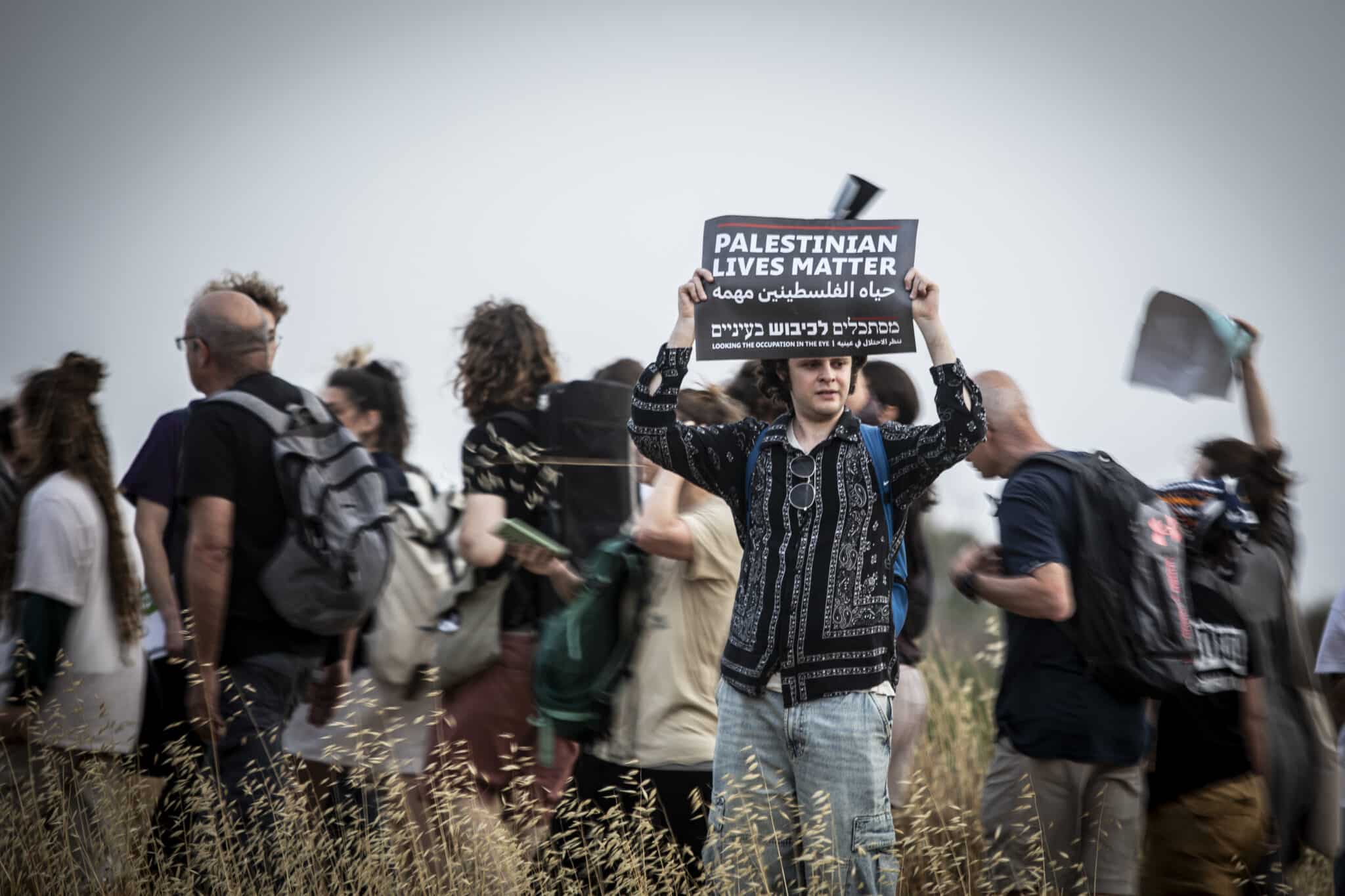
A growing number of Israelis oppose the ruthless war in the Gaza Strip and fear their country’s international isolation. Increasing criticism from Europe is fueling this sentiment, which, for now, has not stopped Benjamin Netanyahu from escalating the conflict.
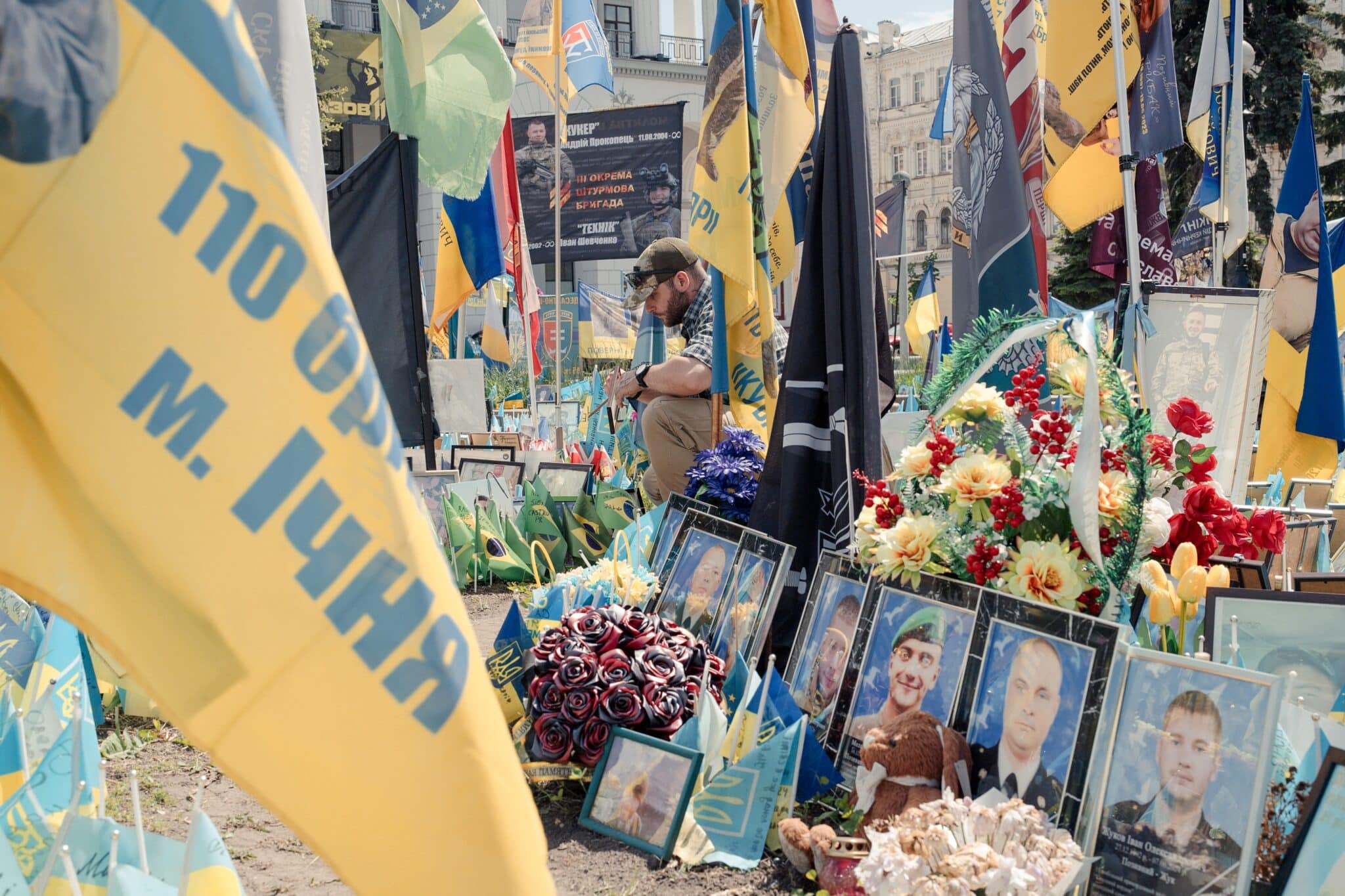
Following his call with Vladimir Putin on Monday, Donald Trump seemed to wash his hands of the rest. His ultimate agenda seems to be about inking business deals, just like he’s done on his recent visit to the Gulf states.
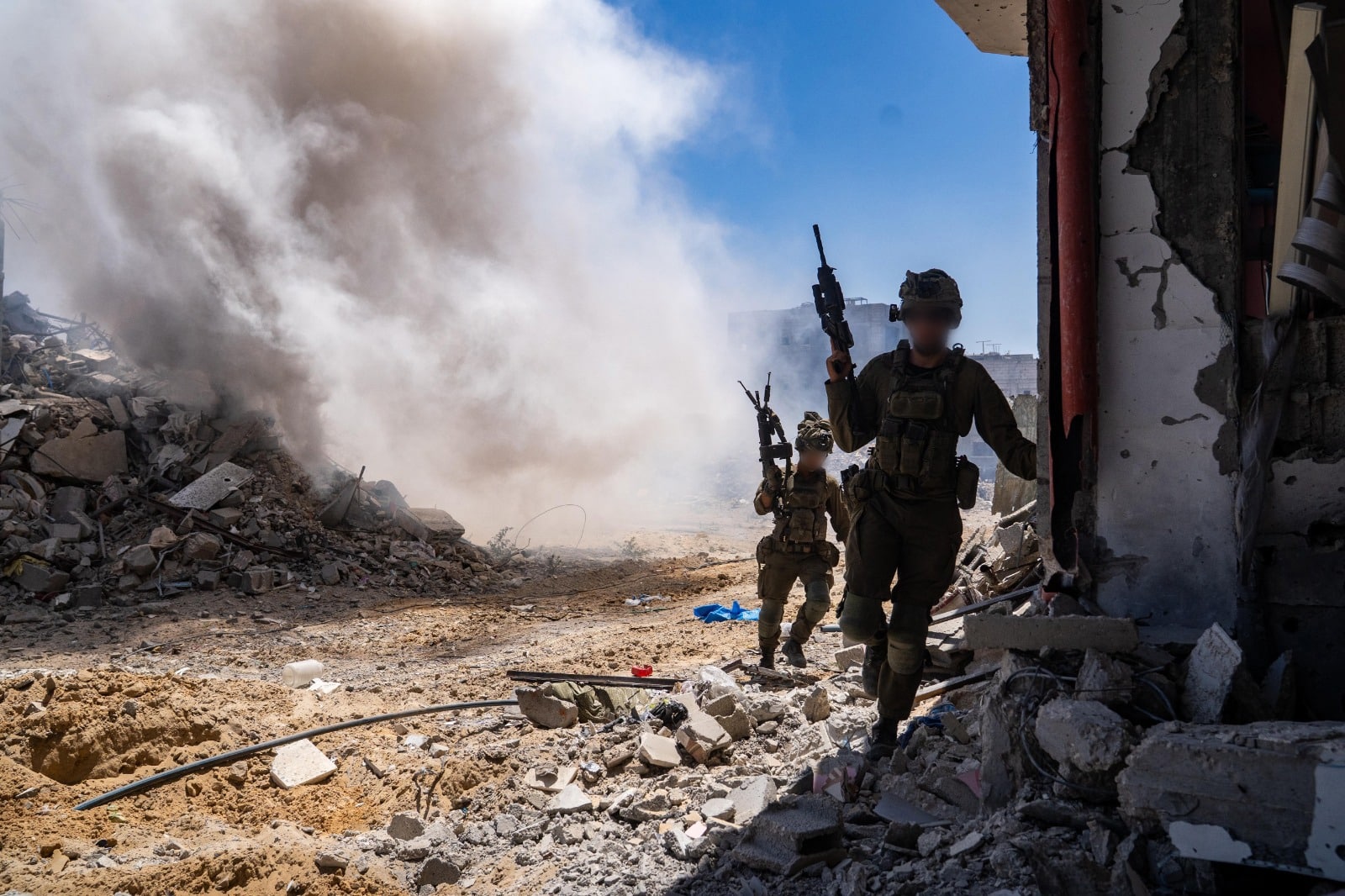
Netanyahu has resumed limited food aid to Gaza for “diplomatic reasons.” Meanwhile, the Israeli army continues its offensive to take control of the entire territory, and the West’s diplomatic weakness is glaring.
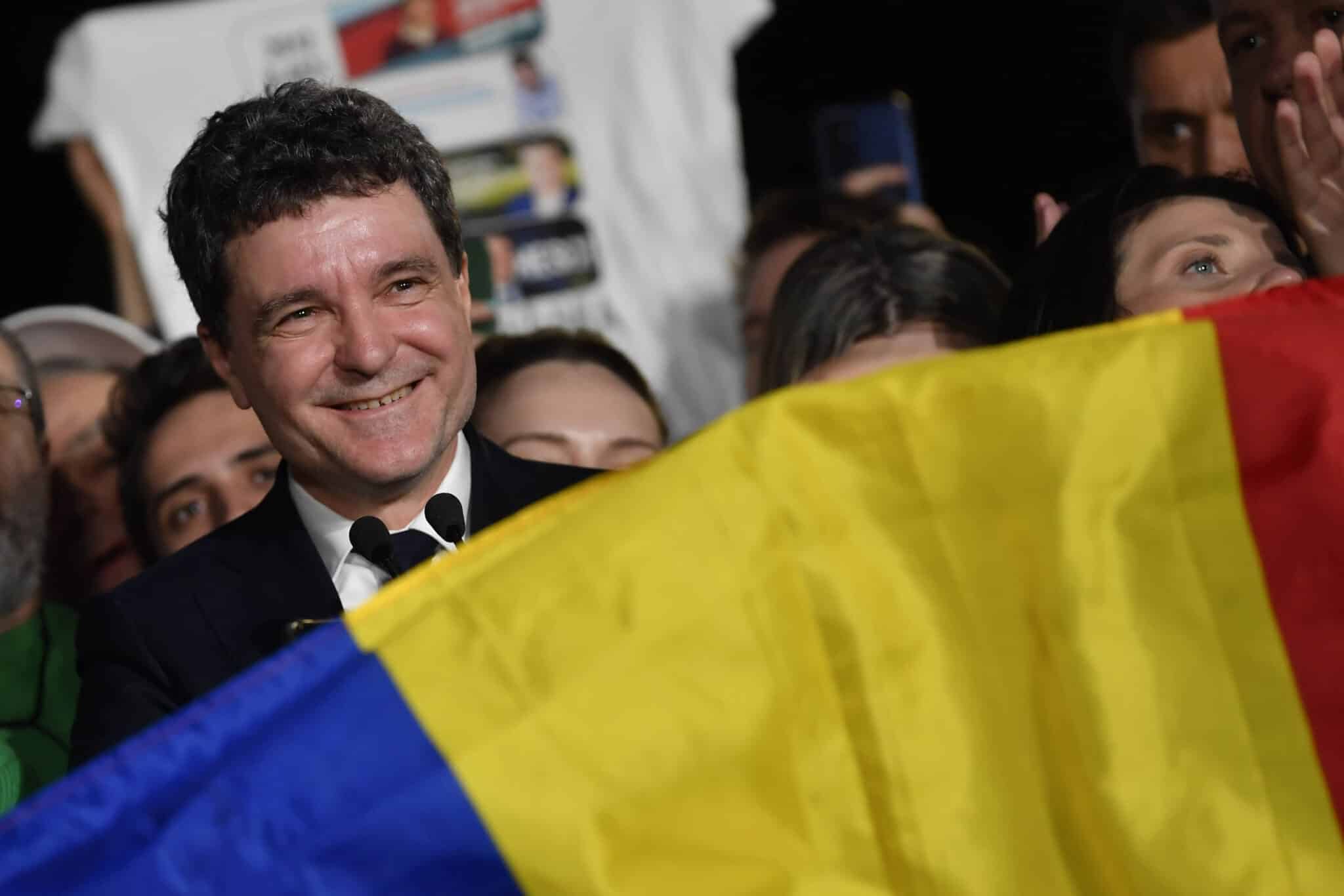
Against all expectations, the far-right candidate George Simion, who had come well ahead in the first round of the Romanian presidential election, lost in the second round to the liberal Nicusor Dan. An election that could be seen as a test between liberal democracy and far-right nationalism.
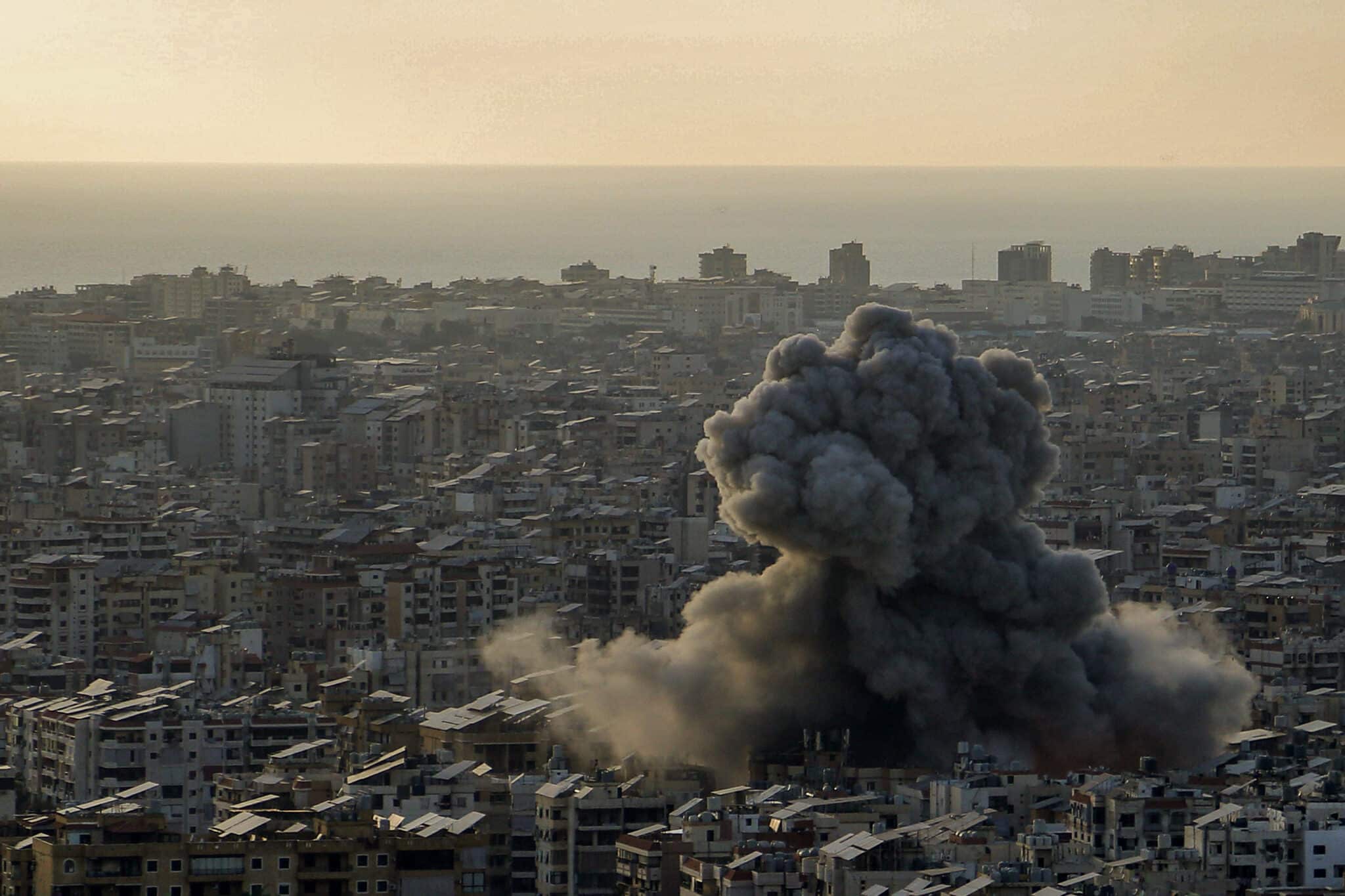
The Israeli army has imposed itself as the most powerful in the region in the wars waged since Oct. 7. But this military hegemony does not come with any political solution: This is Netanyahu’s weakness at a time when Trump is visiting the wealthy princes of the Gulf.
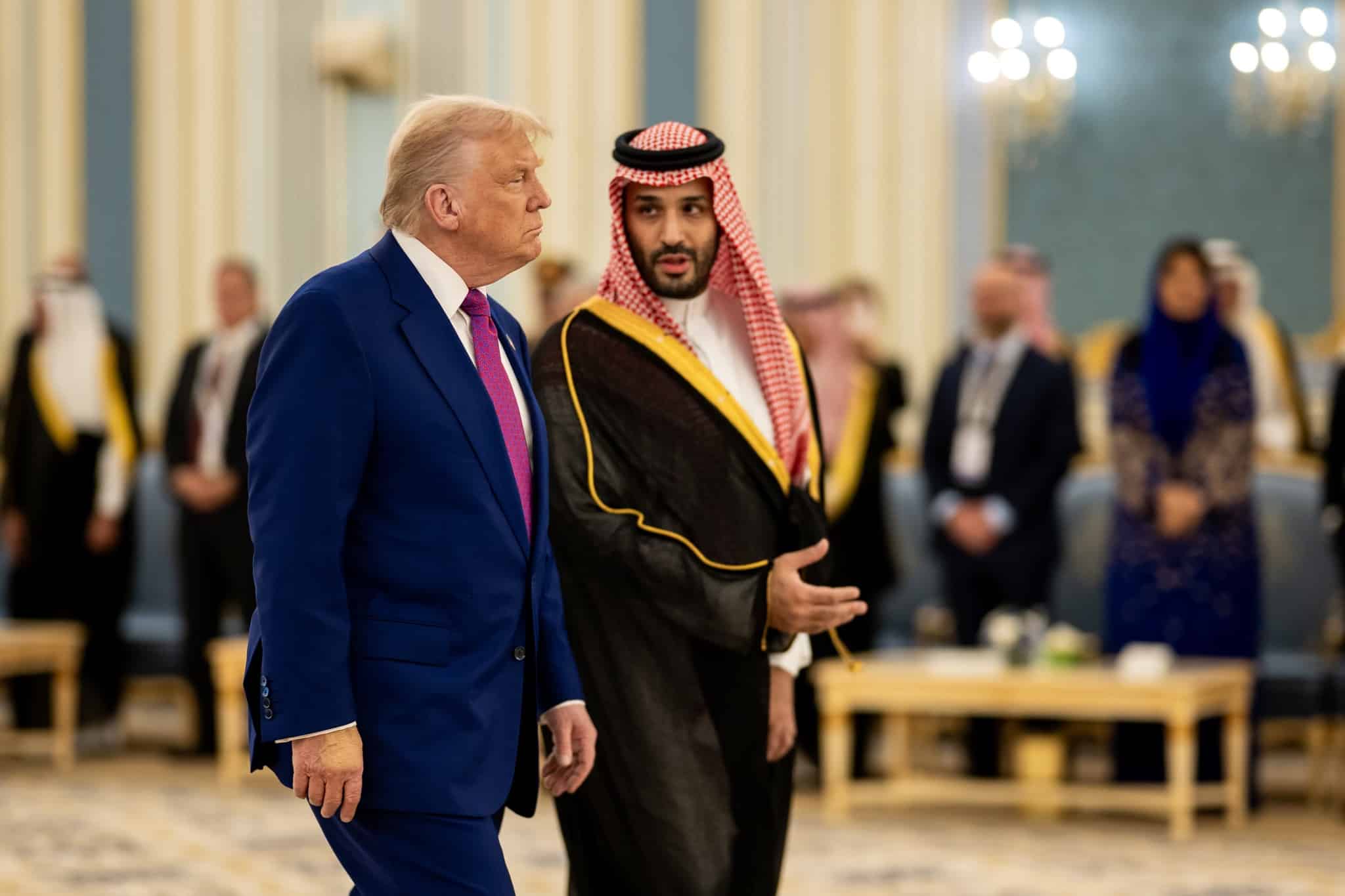
Donald Trump surprised everyone by meeting Ahmed al-Sharaa, the Syrian president, a former jihadist. It’s all about Trump’s gut and what Saudi Crown Prince MBS has planned for the region’s future.
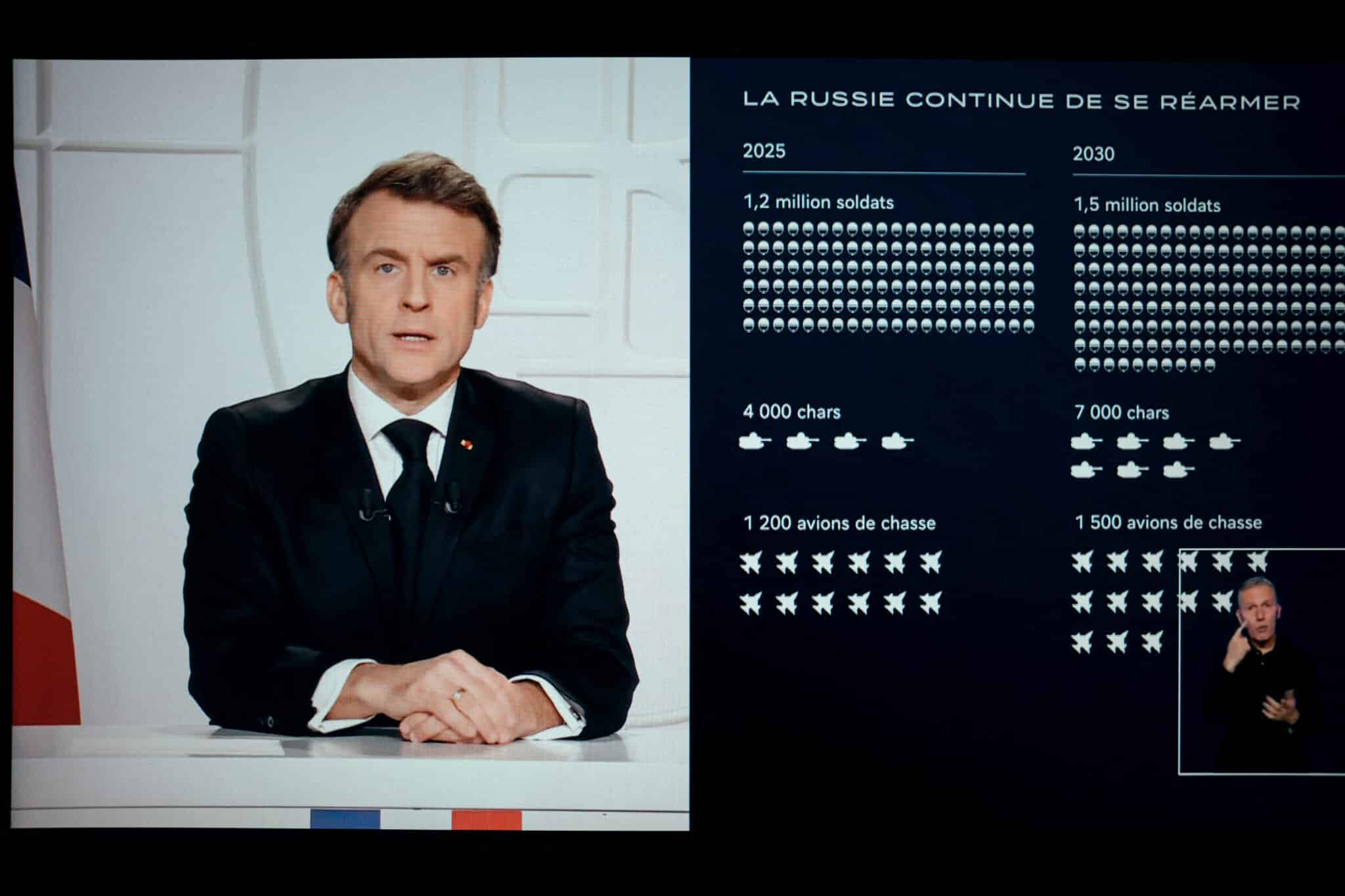
French President Emmanuel Macron spoke at length on French television Tuesday night about Ukraine and defense issues but struggled to reconcile the public’s conflicting expectations: doing too much or not enough.
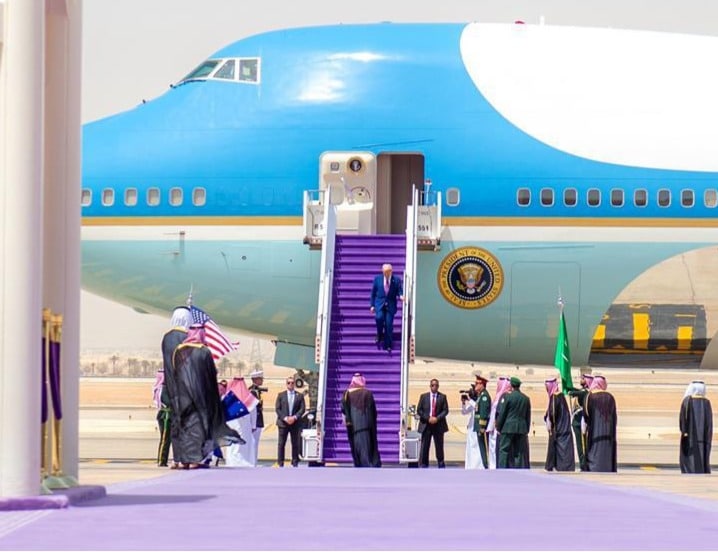
U.S. President Donald Trump is on a Gulf tour that is adding to Israel’s worries about its strongest ally: the U.S. has negotiated the release of an American hostage with Hamas, and a ceasefire with the Houthis, without involving Israel.
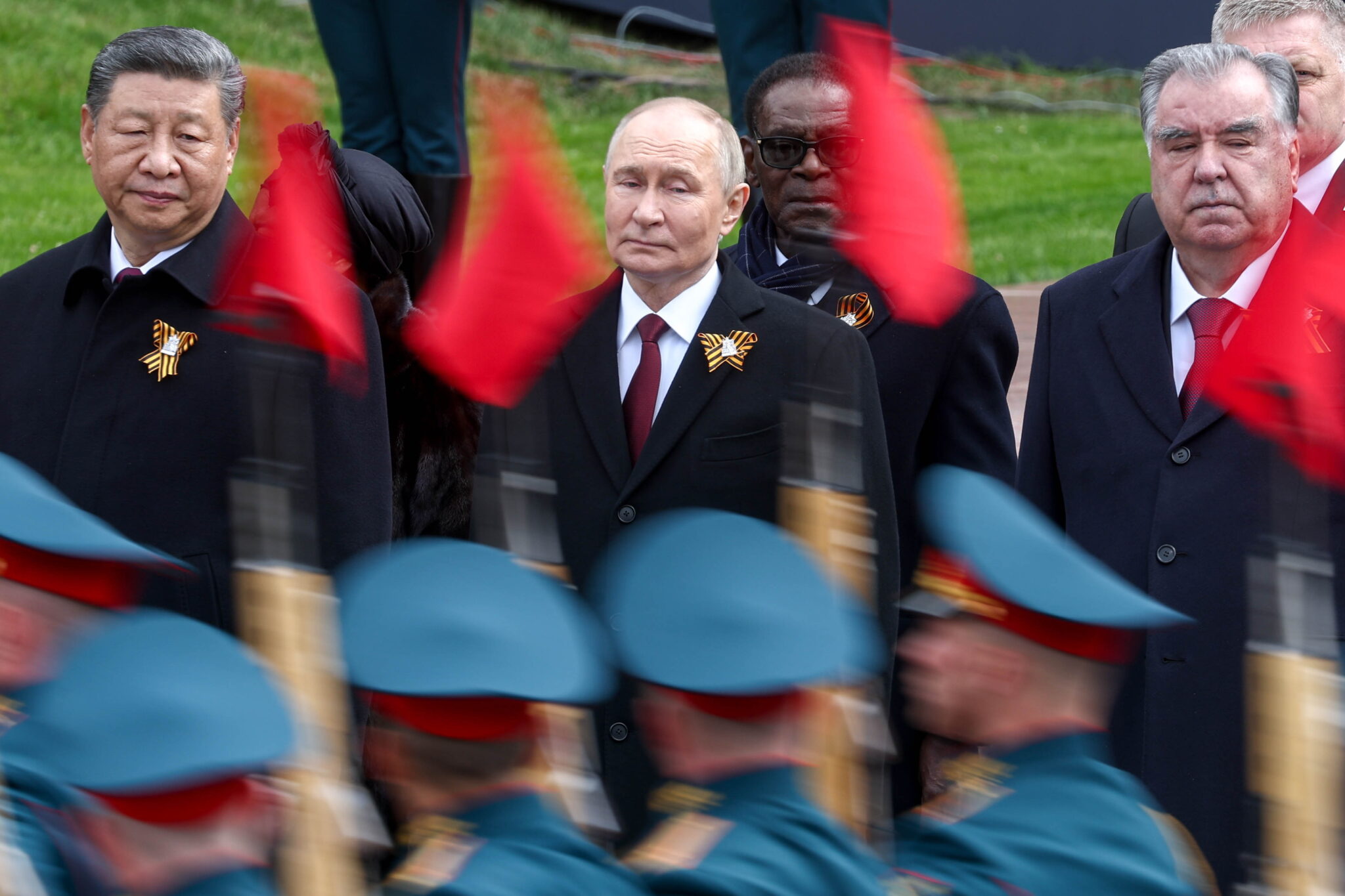
Between ceasefire proposals and calls for negotiation, the war in Ukraine has, over the past 36 hours, moved to the rhythm of a bidding war. The goal: to convince Donald Trump of each side’s goodwill.
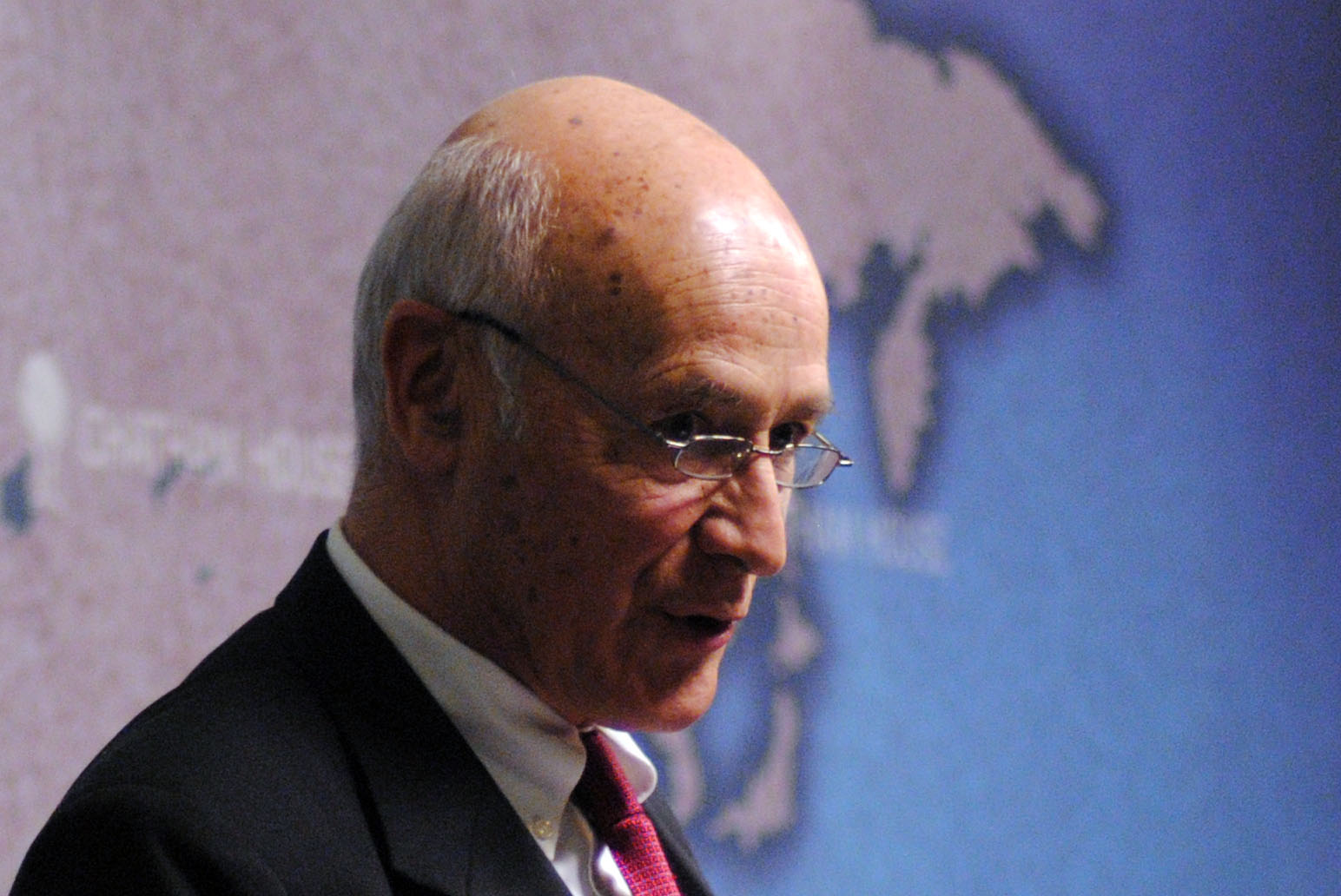
The inventor of the term “soft power,” Joseph Nye, has died at the age of 88, at a time when his concept of gentle influence is being destroyed by Donald Trump.
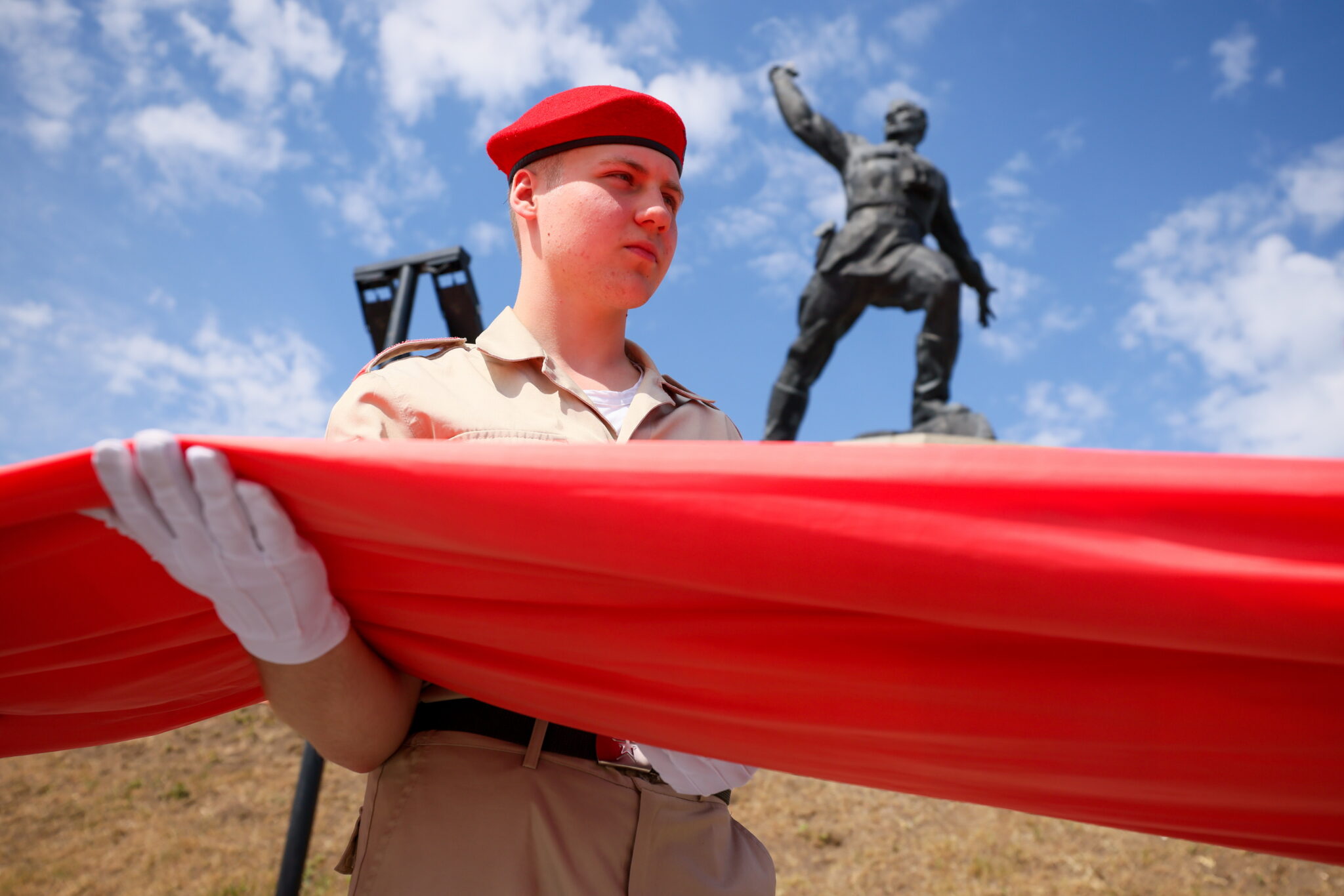
The 80th anniversary of victory in World War II shines a light on the world’s current fractures, because in addition to the war in Ukraine, which pits the allies of 1945 against each other, there’s Donald Trump wild card.
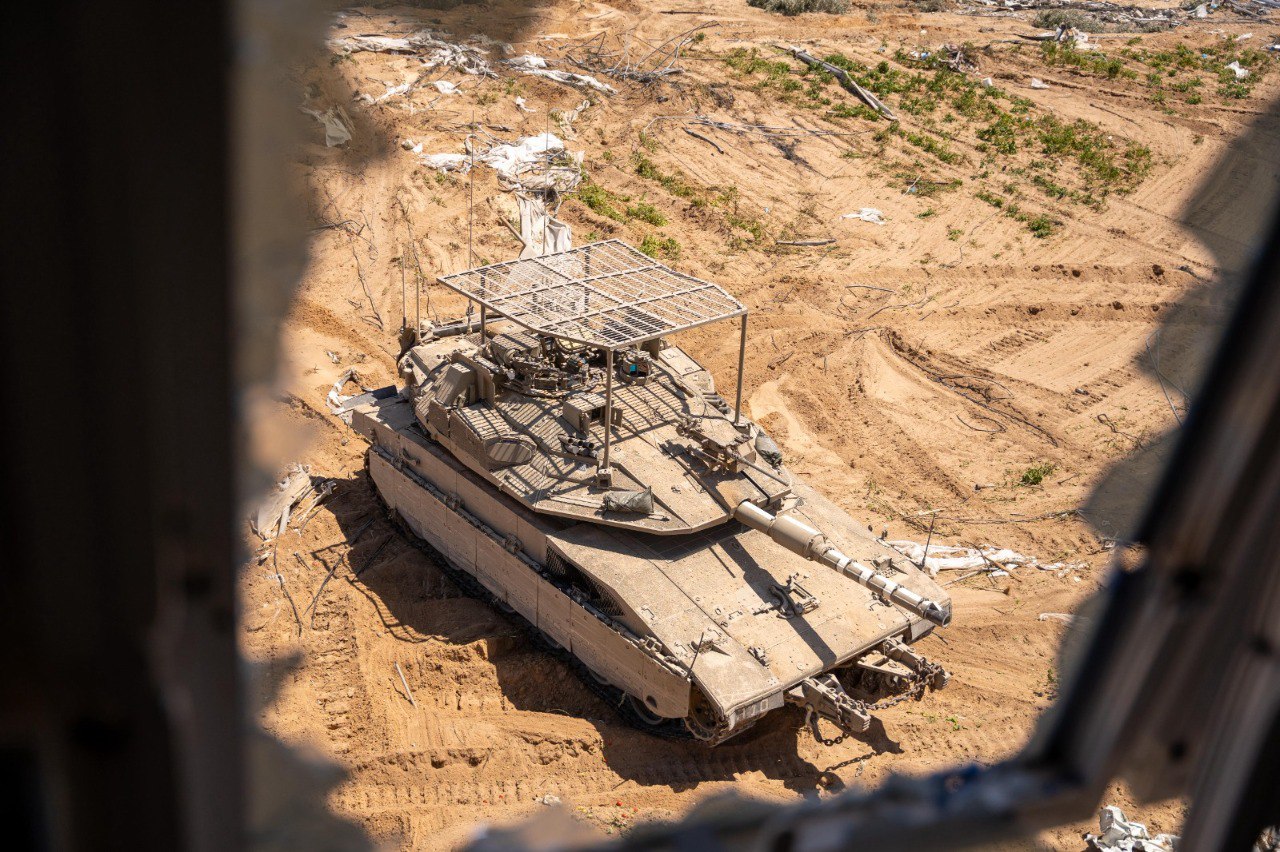
Israel is brutally asserting its plans to reoccupy Gaza and the “voluntary” expulsion of its inhabitants. France is attempting to make a modest counterpoint, in part by receiving Ahmed al-Sharaa the president of the Syrian transition.