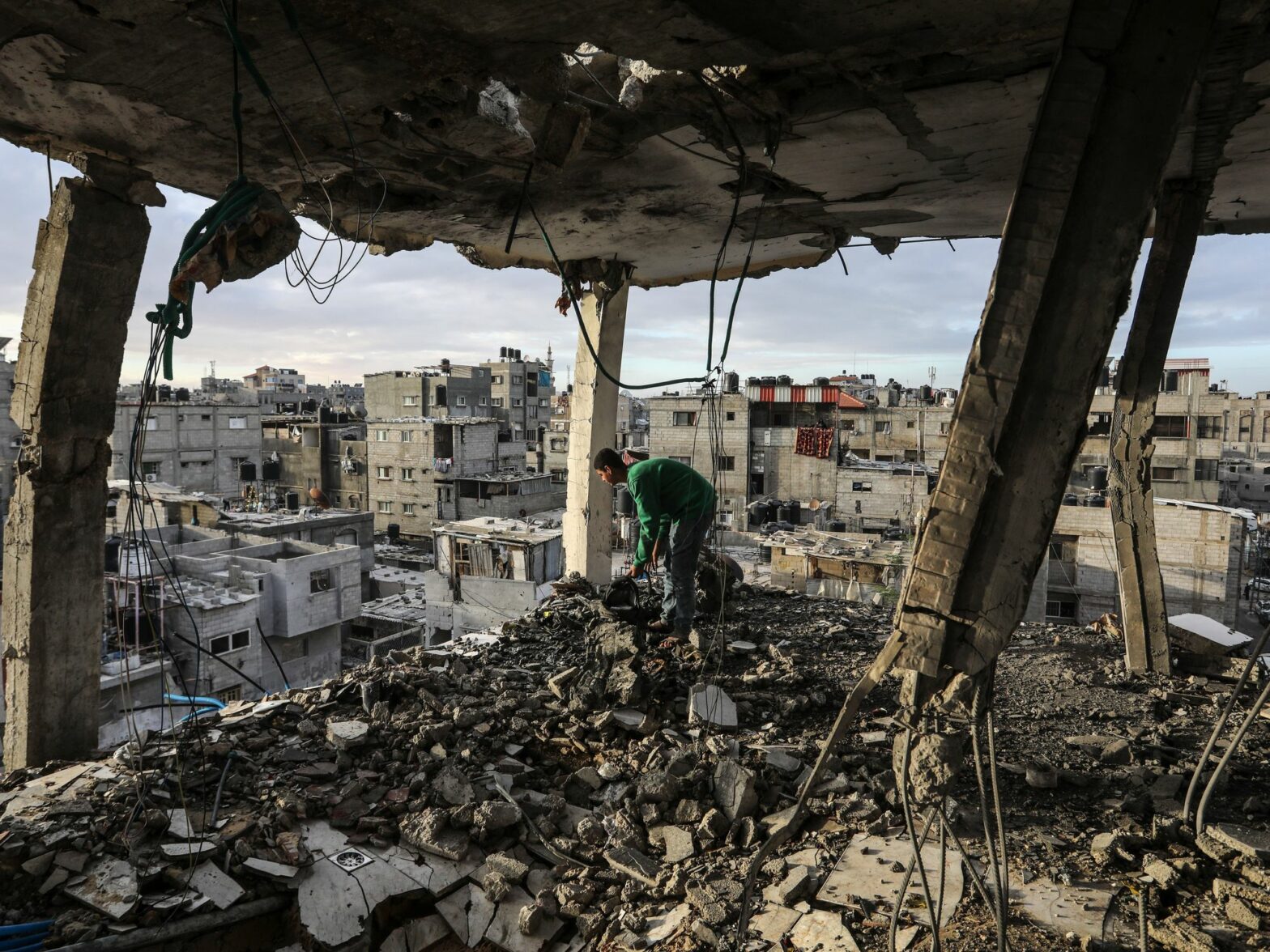
After 100 days of war, Israeli Prime Minister Benjamin Netanyahu has made it clear that he has no plans to listen to what any other country has to say, including his closest allies. There’s every reason to expect the situation to get worse.
 Worldcrunch
Pierre Haski was born in 1953 in Tunis. He has been a correspondant for Agence France Presse (AFP) and Libération, and is now the President of Reporter Sans Frontières since 2017. He also runs the radio show “Géopolitique” for France Inter.
After 100 days of war, Israeli Prime Minister Benjamin Netanyahu has made it clear that he has no plans to listen to what any other country has to say, including his closest allies. There’s every reason to expect the situation to get worse.
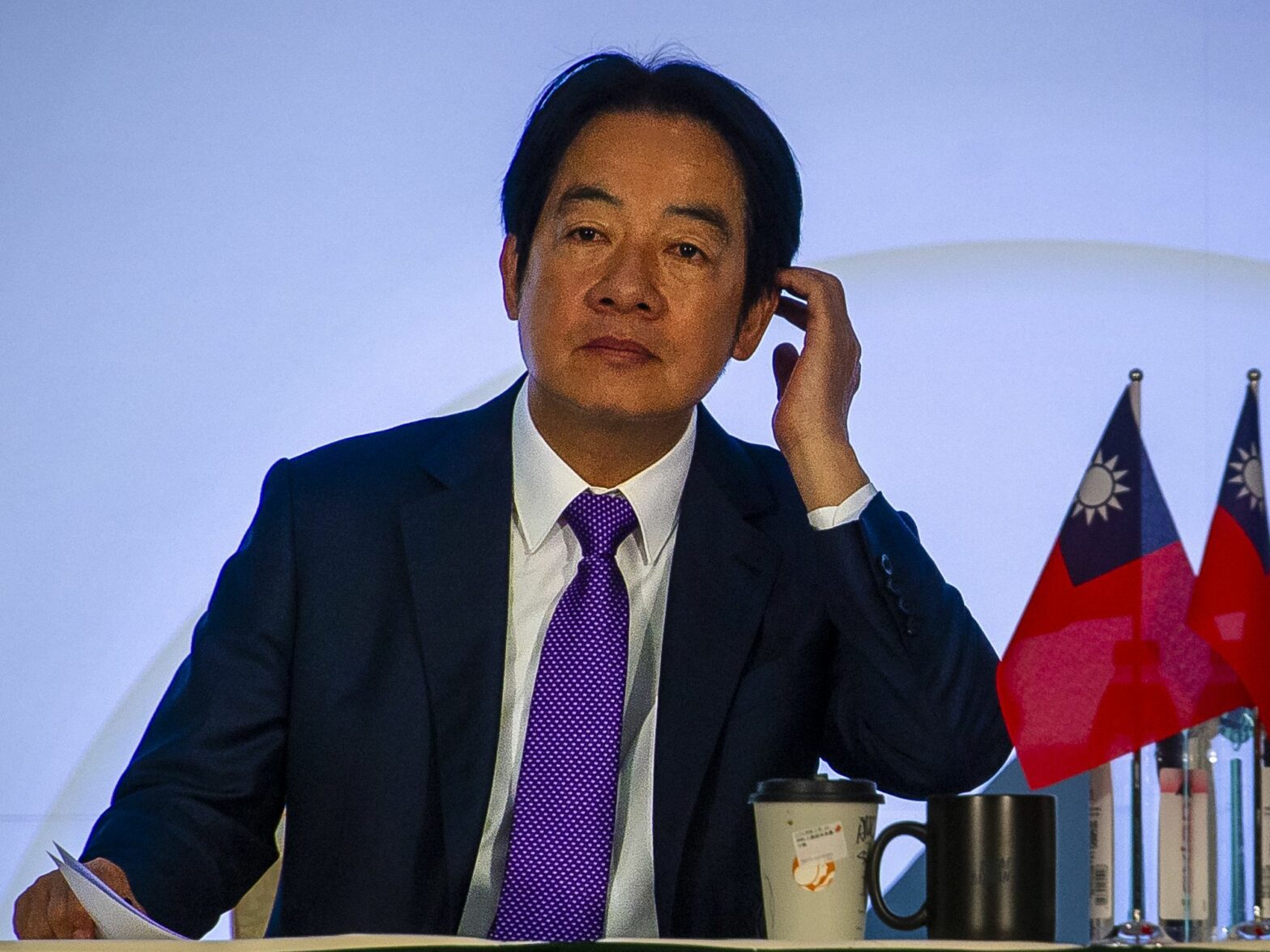
Saturday’s election is bound to create tensions, if the favorite, William Lai, candidate of the Democratic Progressive Party (DPP), wins. Xi Jinping has warned against voting for him. But is it just posturing?
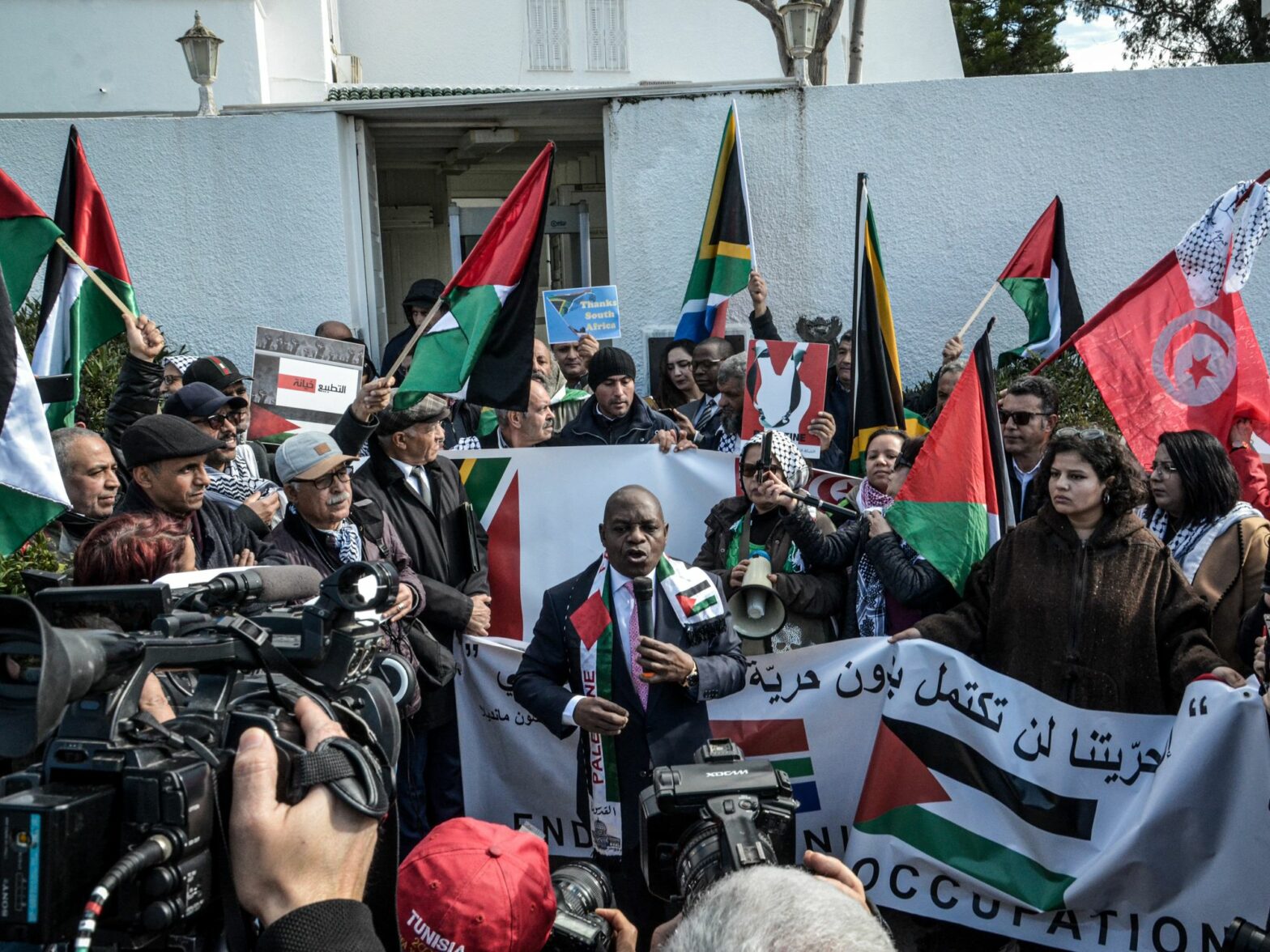
Cicero declared that when weapons speak, the law goes mute. So what happens when the law speaks up even as the weapons keep firing? That’s what happening now at the International Court of Justice at the Hague.
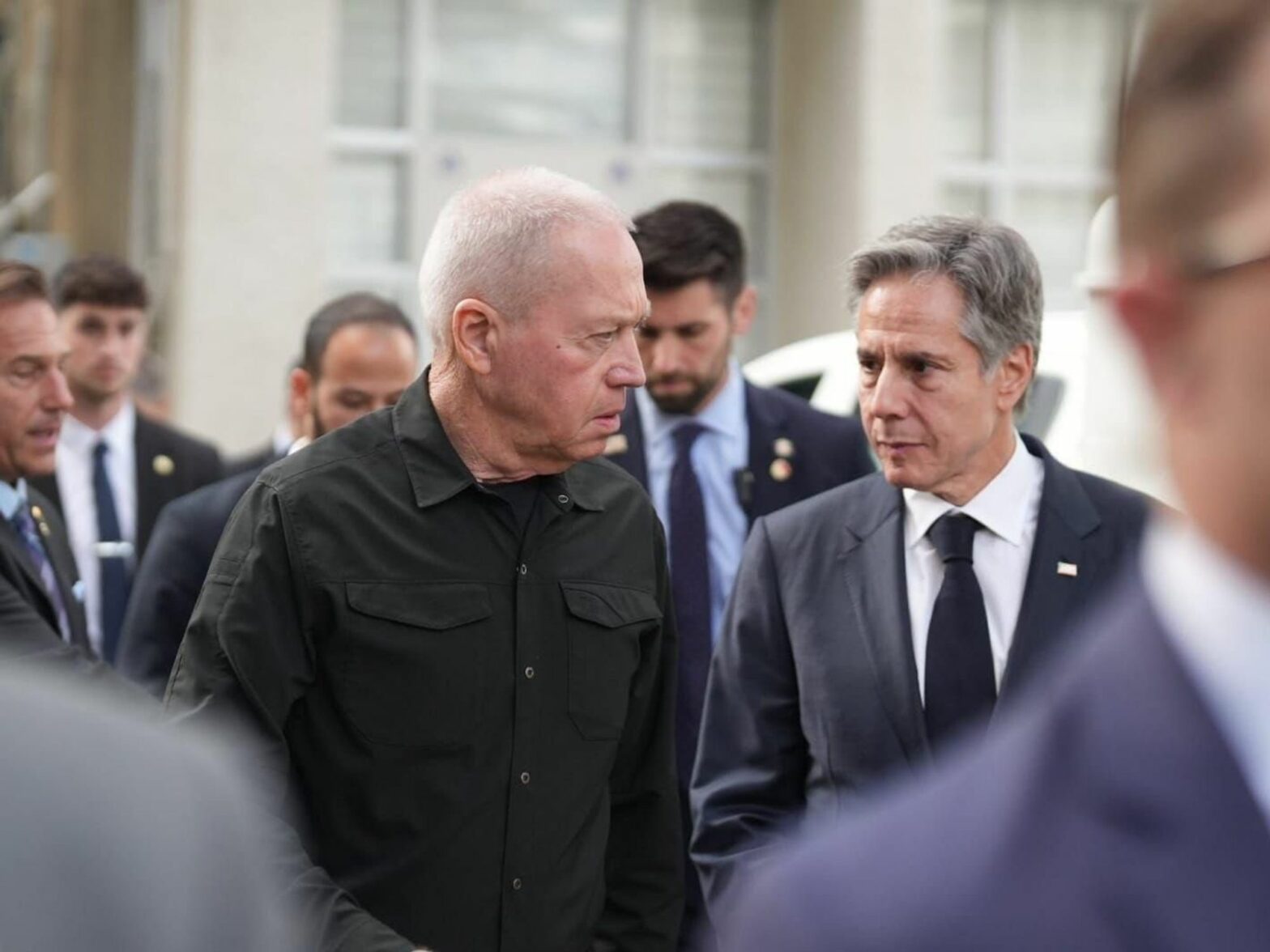
Ahead of Secretary of State Antony Blinken’s arrival, Israeli officials declared that the army will shift to a more targeted campaign in Gaza. Benjamin Netanyahu may just be bidding his time.
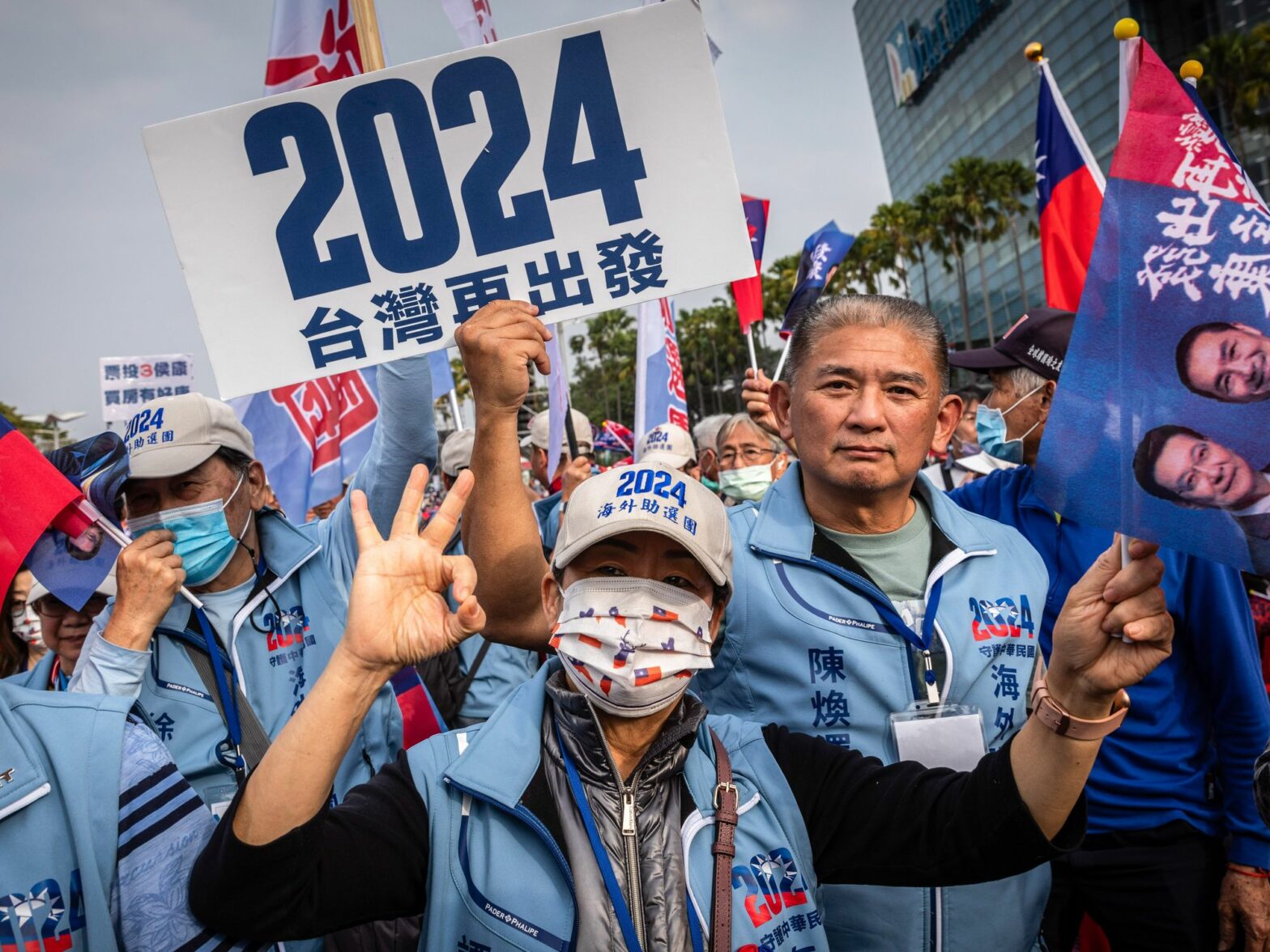
It’s the first big election of 2024, and it may well prove one of the most contested — and significant ones. As these vote on Saturday, Taiwanese citizens will be picking the fate of their identity and democracy.
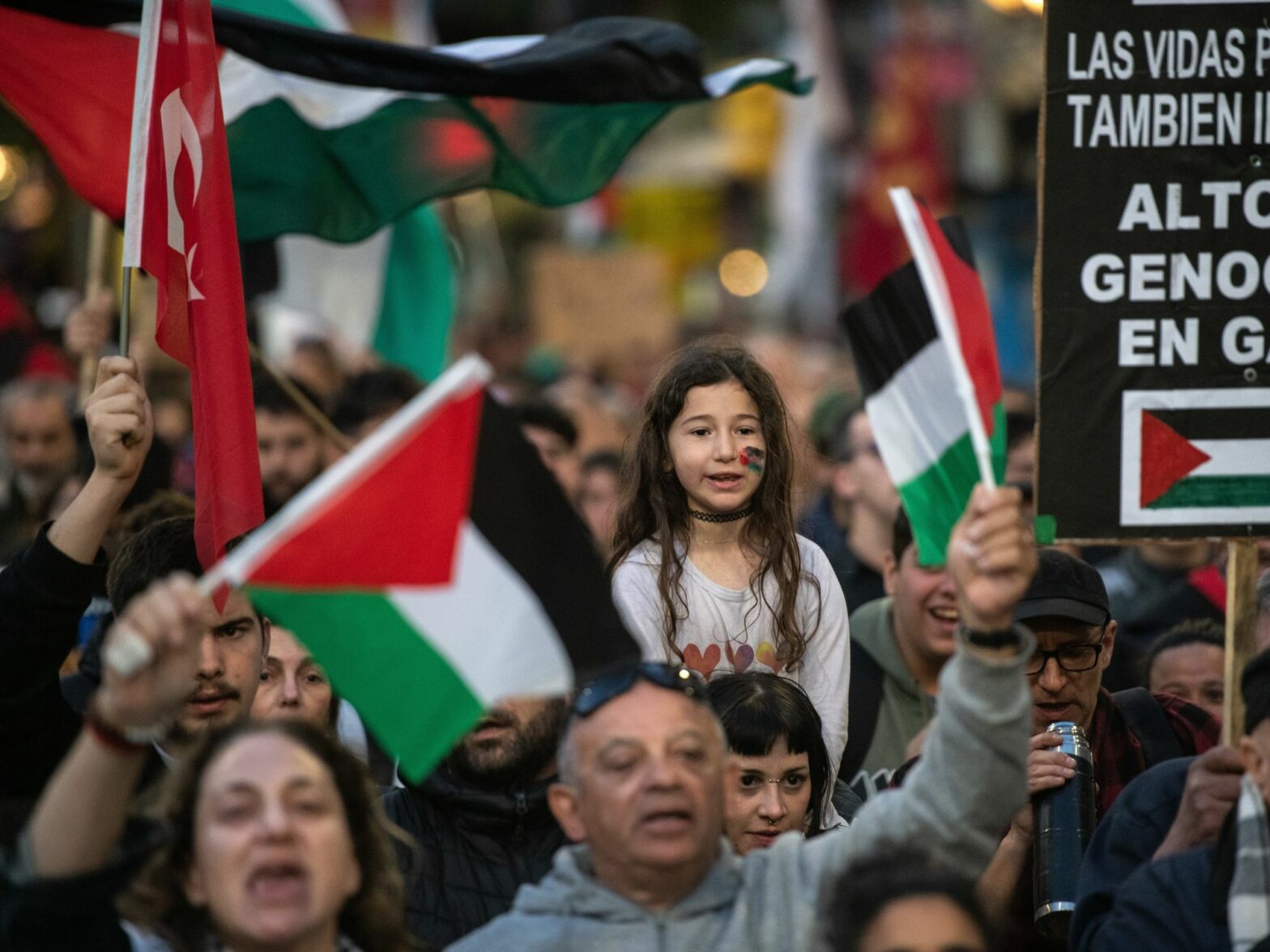
For almost two years, since Russia’s invasion of Ukraine, the West has been trying to salvage its relationship with the countries of the so-called Global South, unconvinced by the sincerity of its discourse on international law.
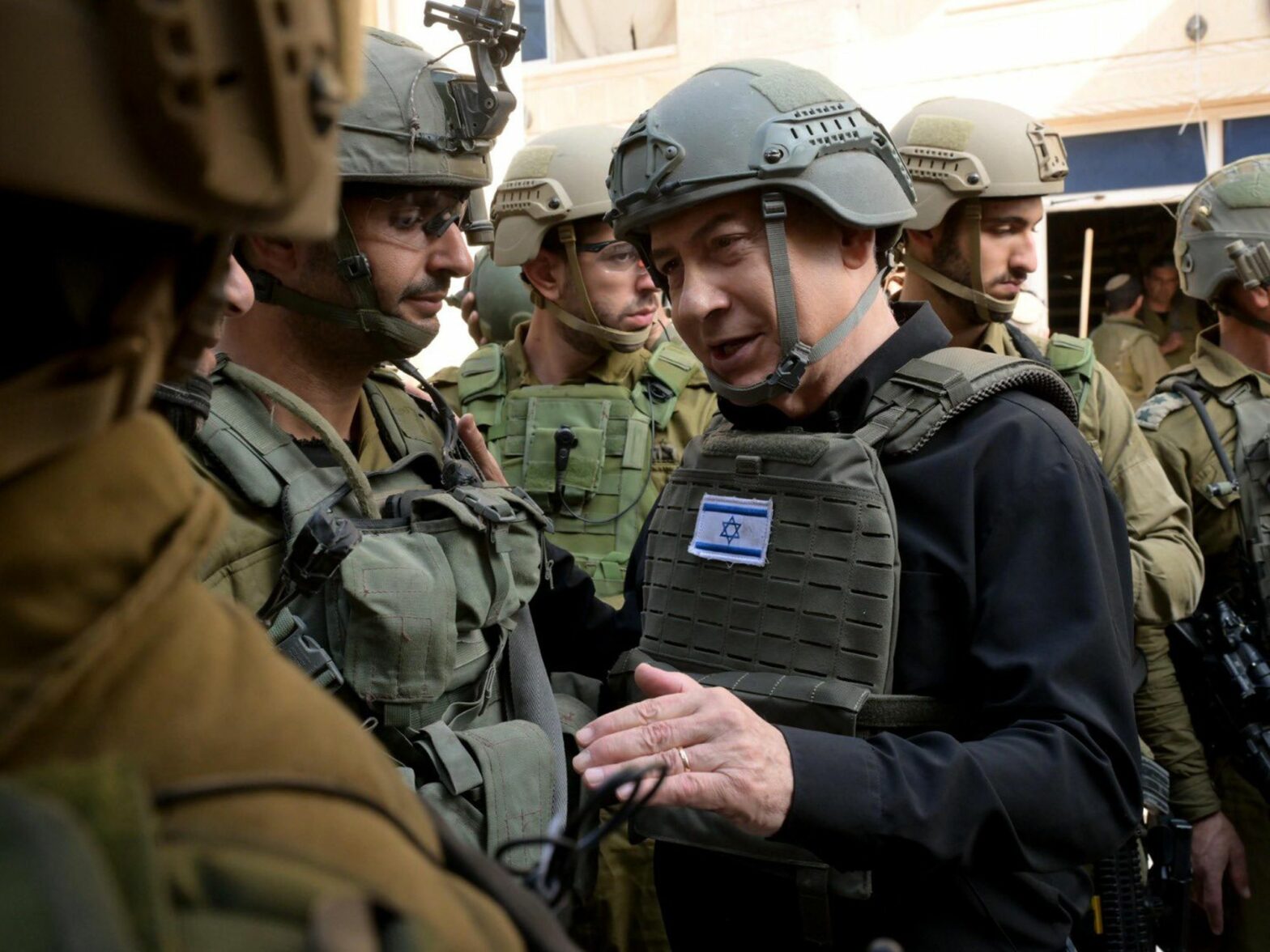
It is rare that a wartime leader doesn’t gain the support of his people. Israeli Prime Minister Netanyahu, instead, has the most dismal popularity ratings in memory. But he is also Israel’s longest-serving leader for a reason. The coming days and weeks will be crucial in deciding his fate, along with that of his troubled nation.
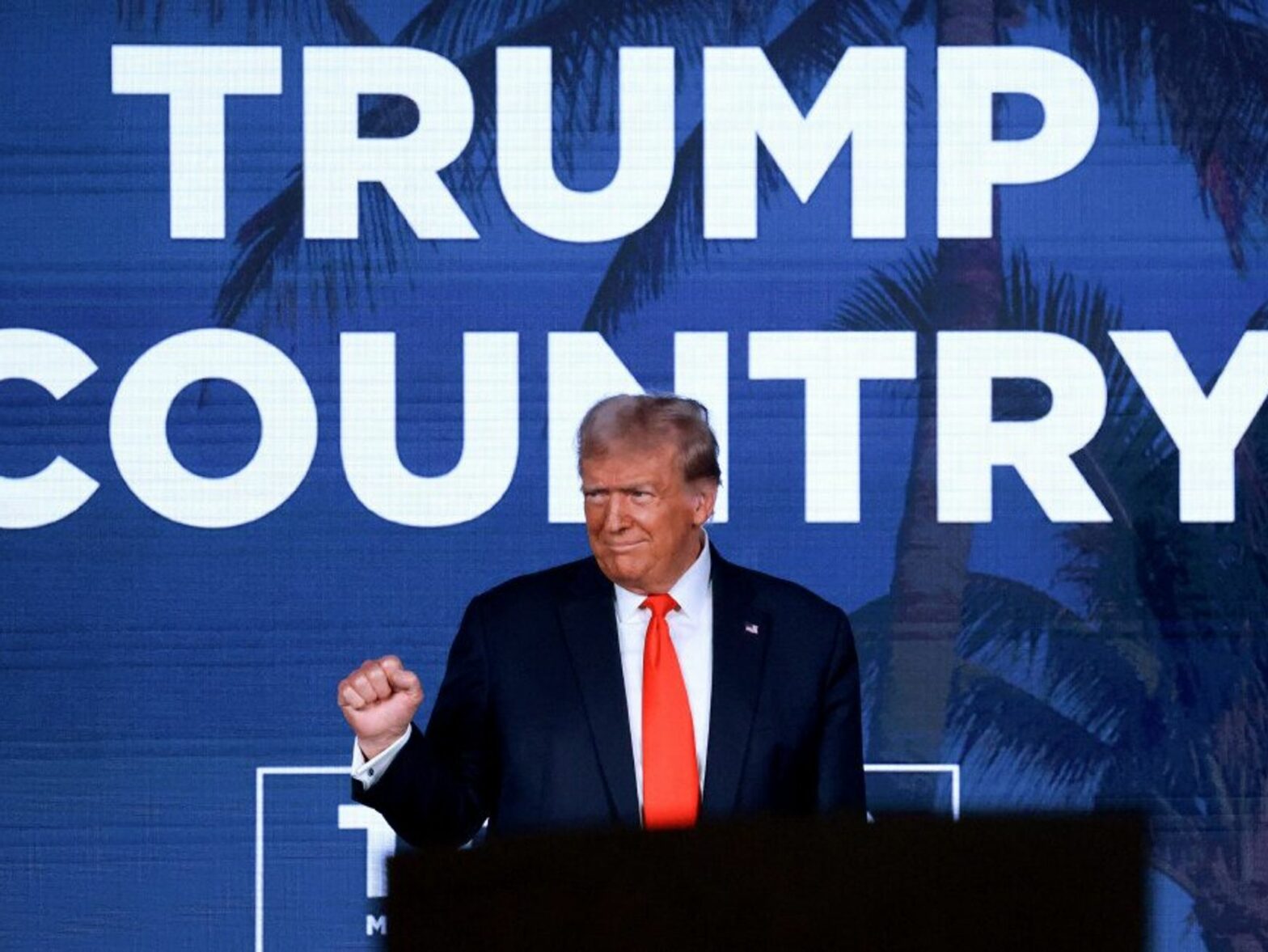
It’s early January and already, former U.S. President Donald Trump’s presence can be felt on every current geopolitical situation. With his return in the White House becoming less and less unlikely, leaders are already factoring in what a second Trump era would mean for the world.
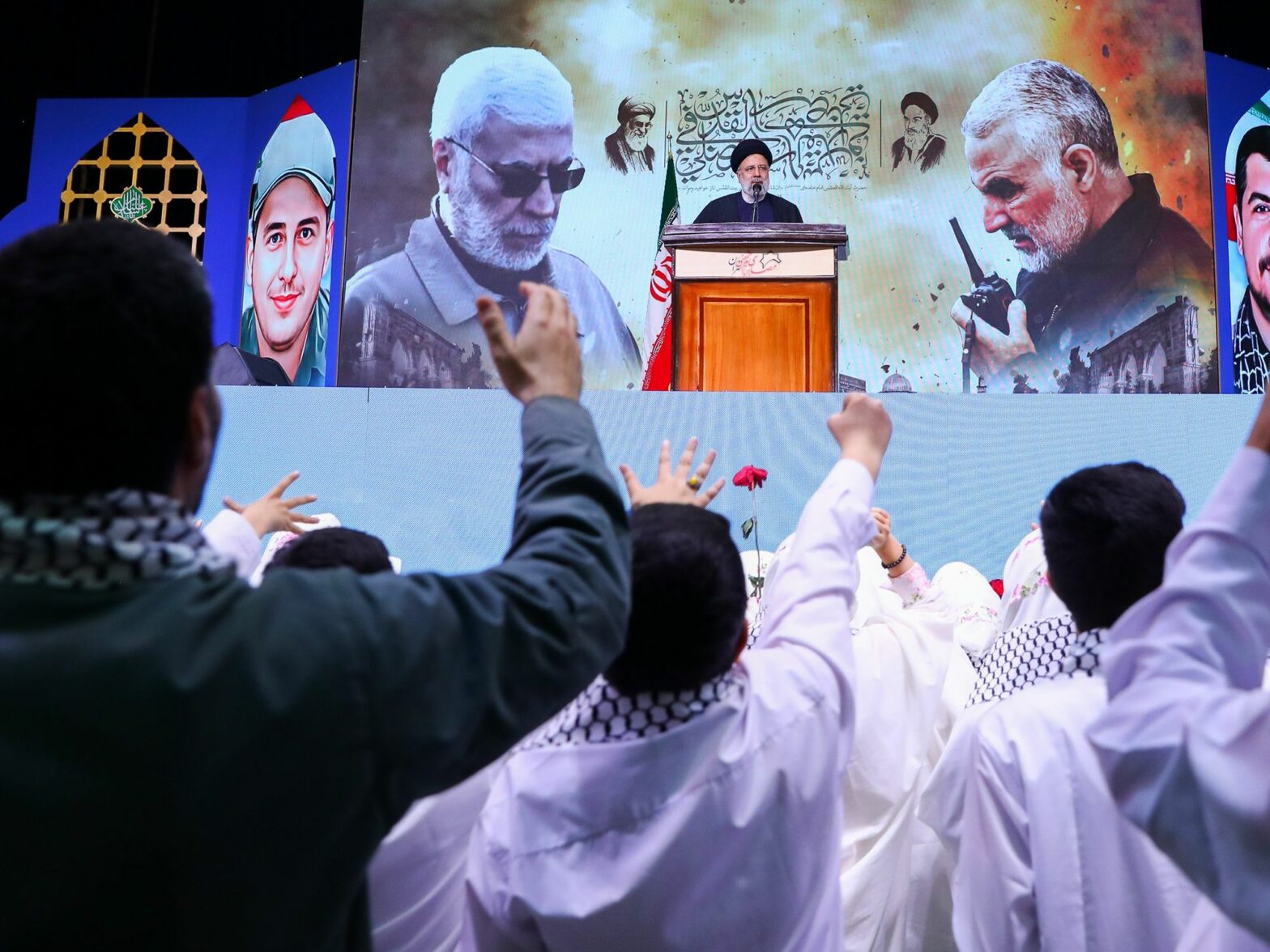
Though all-out war has not yet spread, there are a multiplying number of attacks, targeted and otherwise, taking place across borders that has all the makings of a region-wide conflagration.
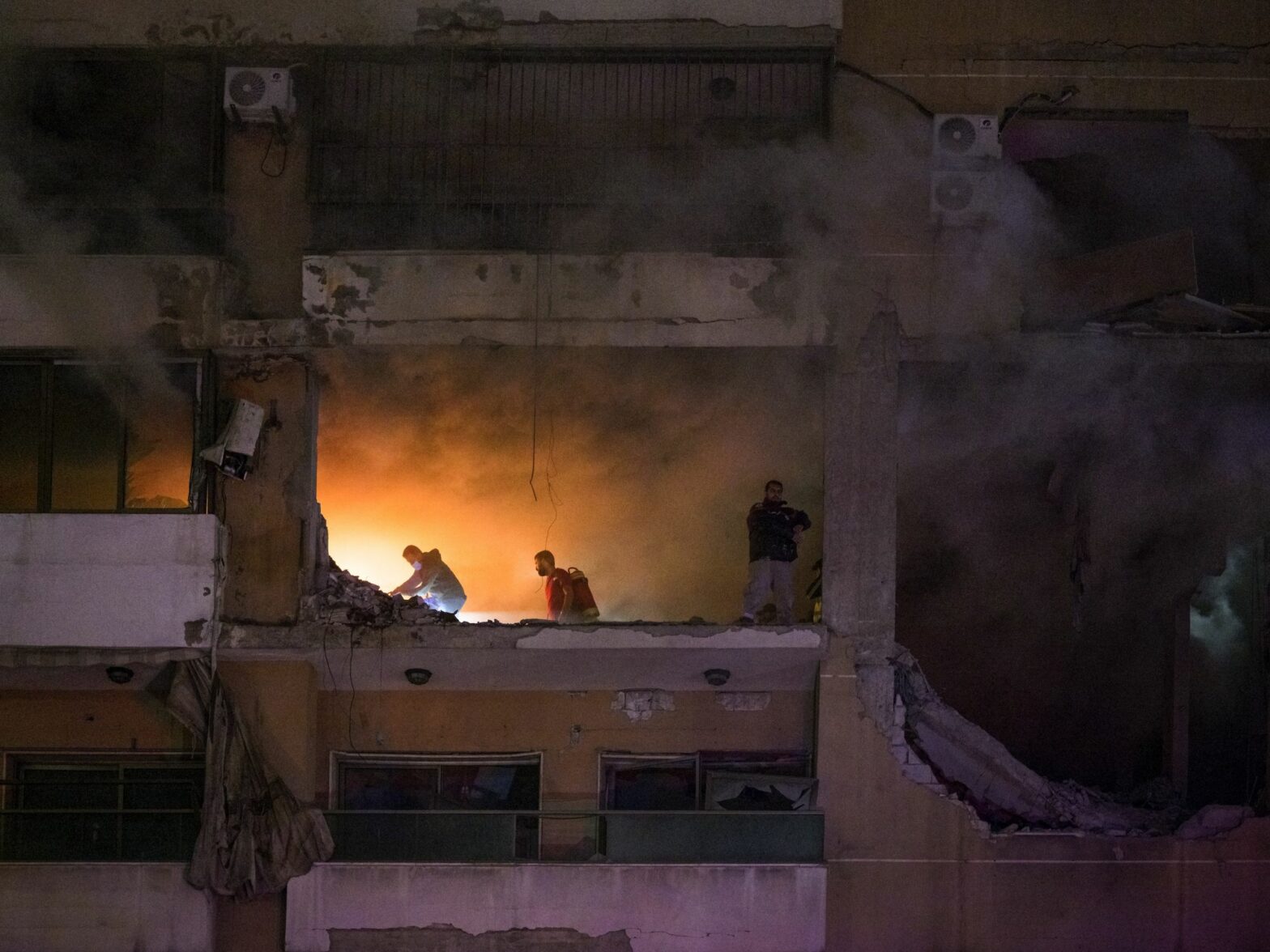
By eliminating Saleh al-Arouri, an important Hamas leader, with a drone strike in Beirut, Israel has taken a risky gamble: that Lebanon’s Hezbollah and its Iranian allies will not go to war over the death on Lebanese territory of a top Hamas figure.
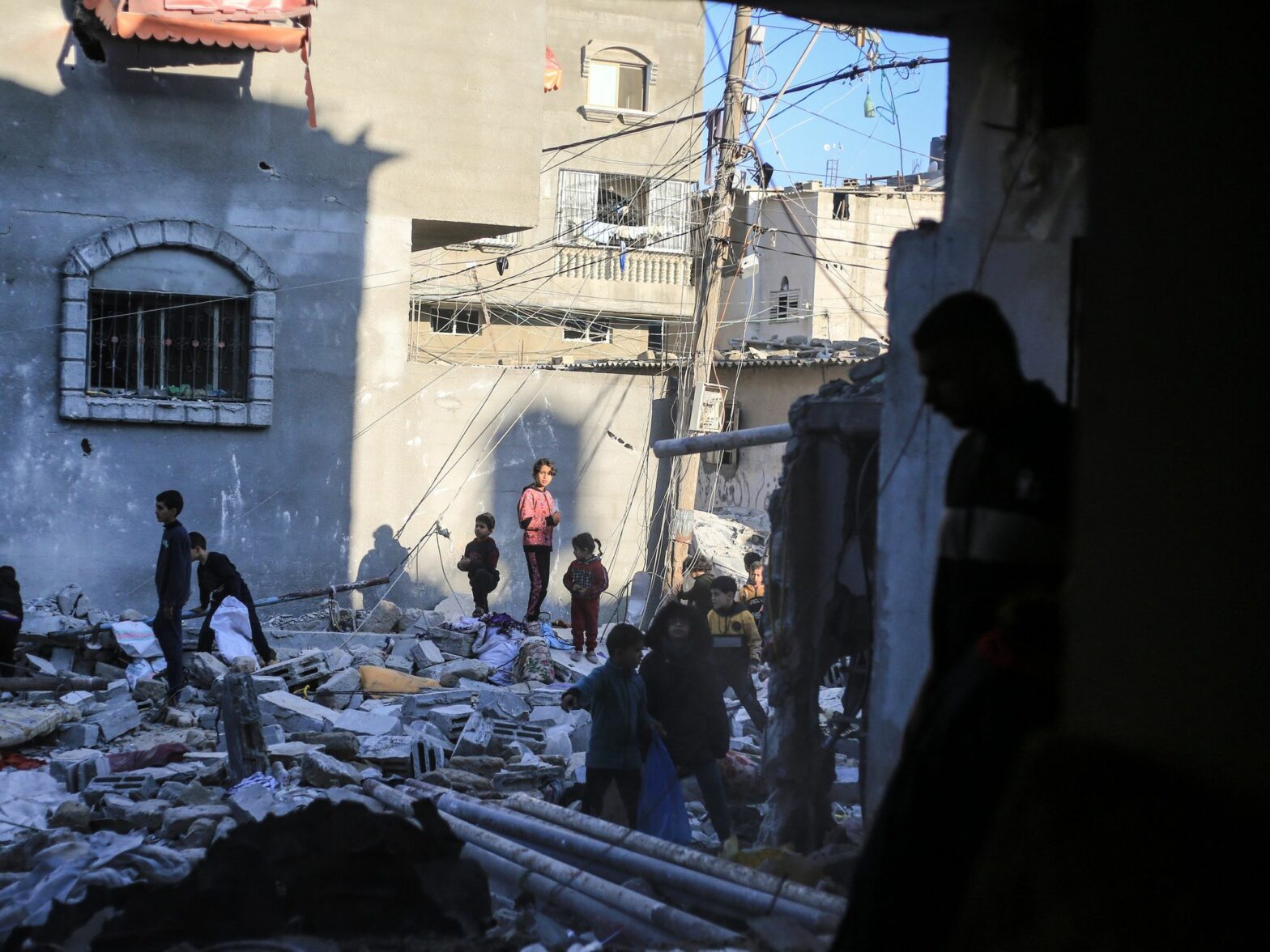
In Ukraine and Gaza alike, international laws on the proper conduct of war, largely established by the post-War Geneva Convention, are being trampled on by all parties, to varying degrees. Civilians are paying the ultimate price for this.
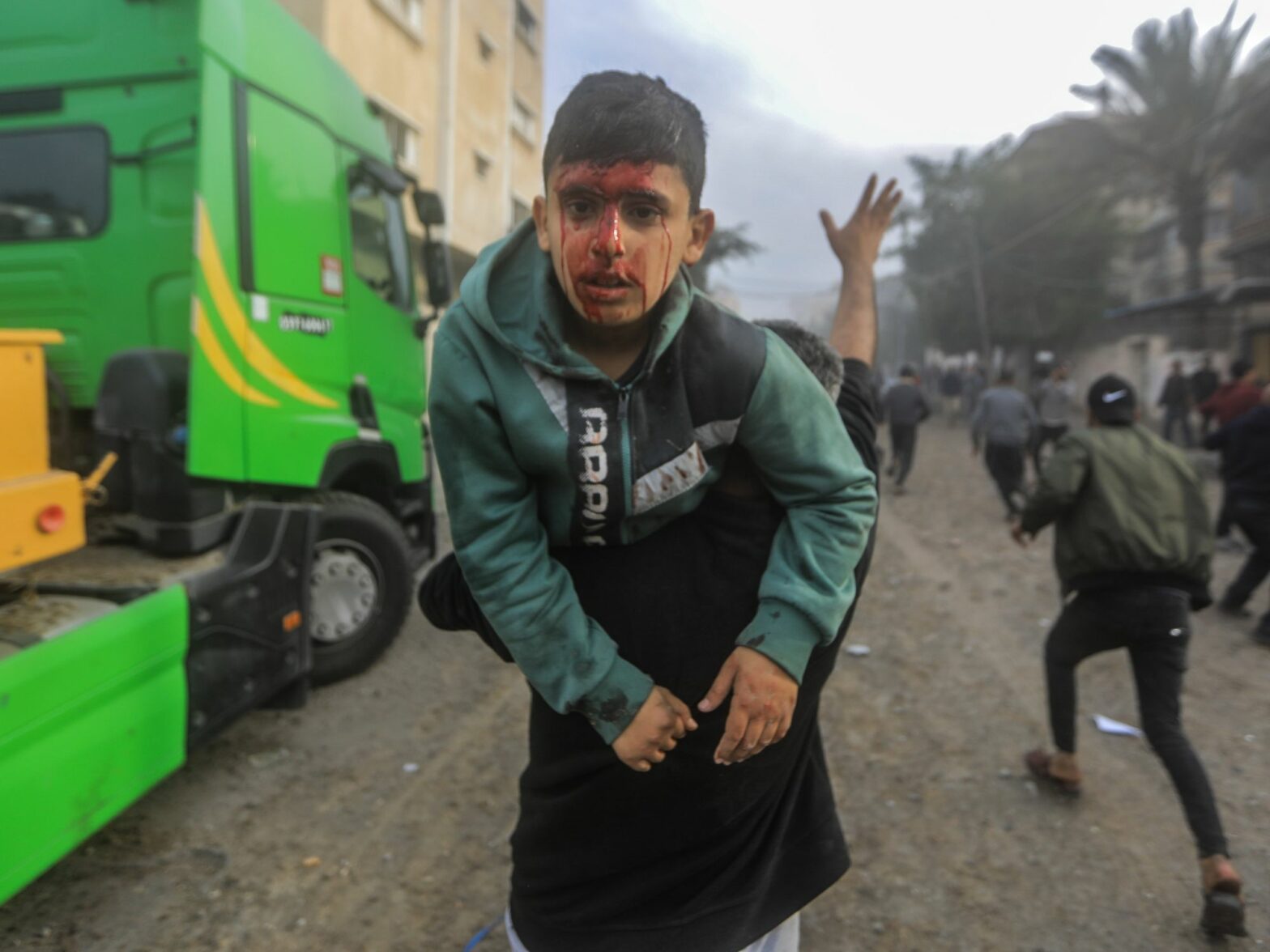
In two very different ways, the failure of the United Nations to inhibit aggressive nations is a sign of only more trouble ahead.
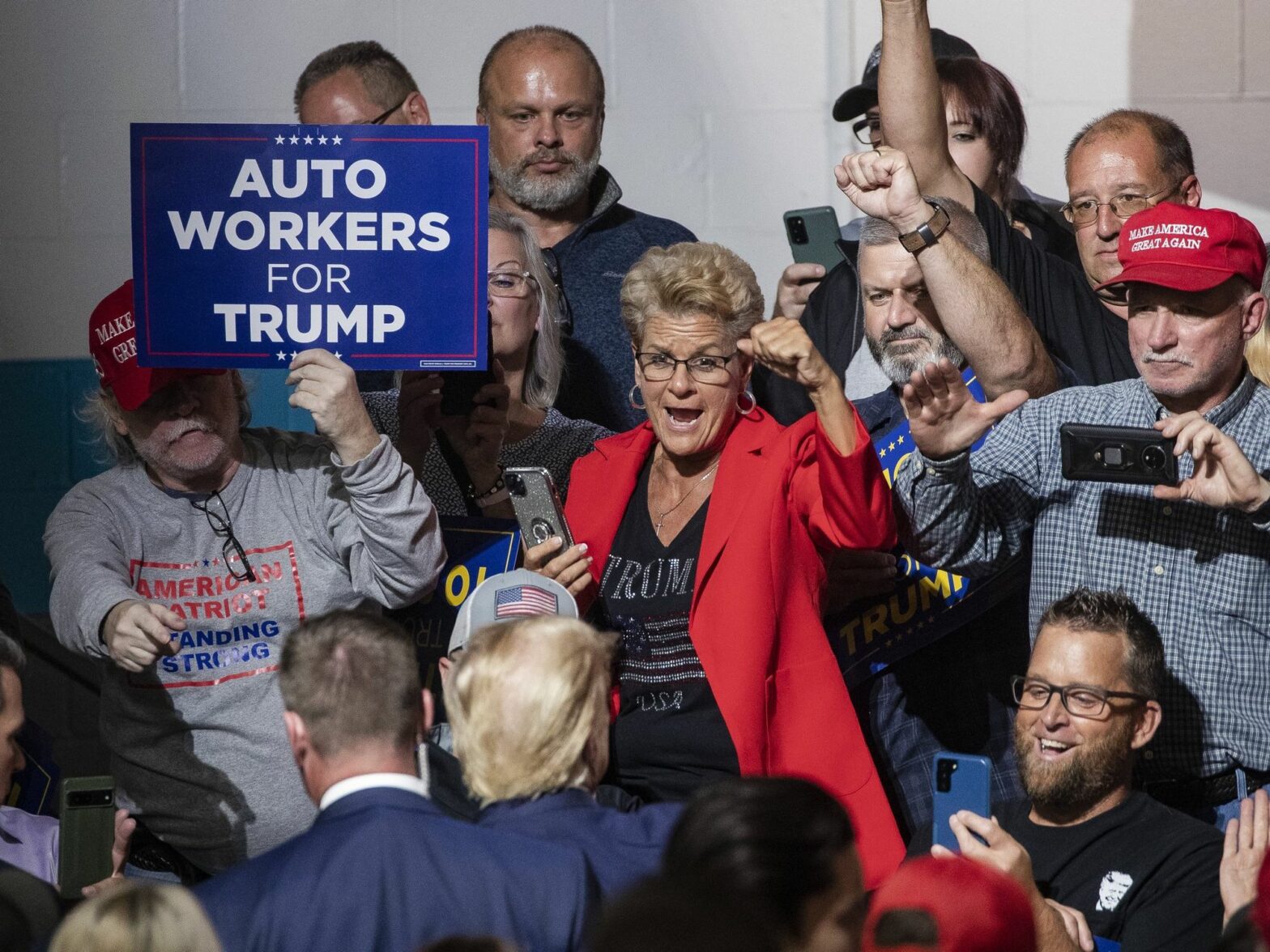
The 2024 U.S. presidential election is set to have far-reaching implications for the world. But the Republican and Democrat frontrunners, Donald Trump and Joe Biden, both have their own sets of hurdles to jump before then if they hope to secure voters’ support.
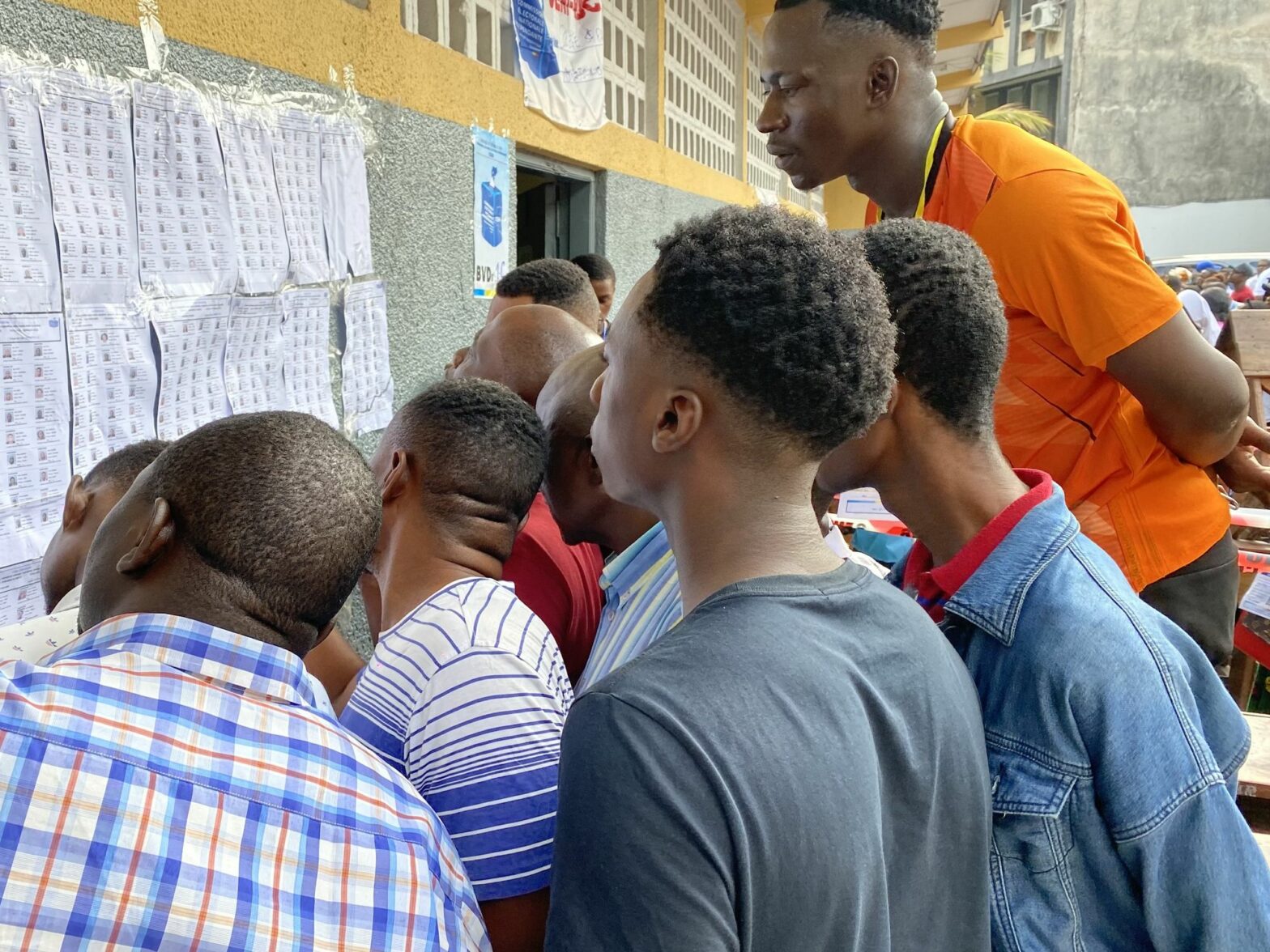
In the Democratic Republic of Congo, some 44 million voters will be choosing between 19 candidates to elect the new president. It’s a massive electoral task in a state that is largely dysfunctional. Where is the world to lend a hand?
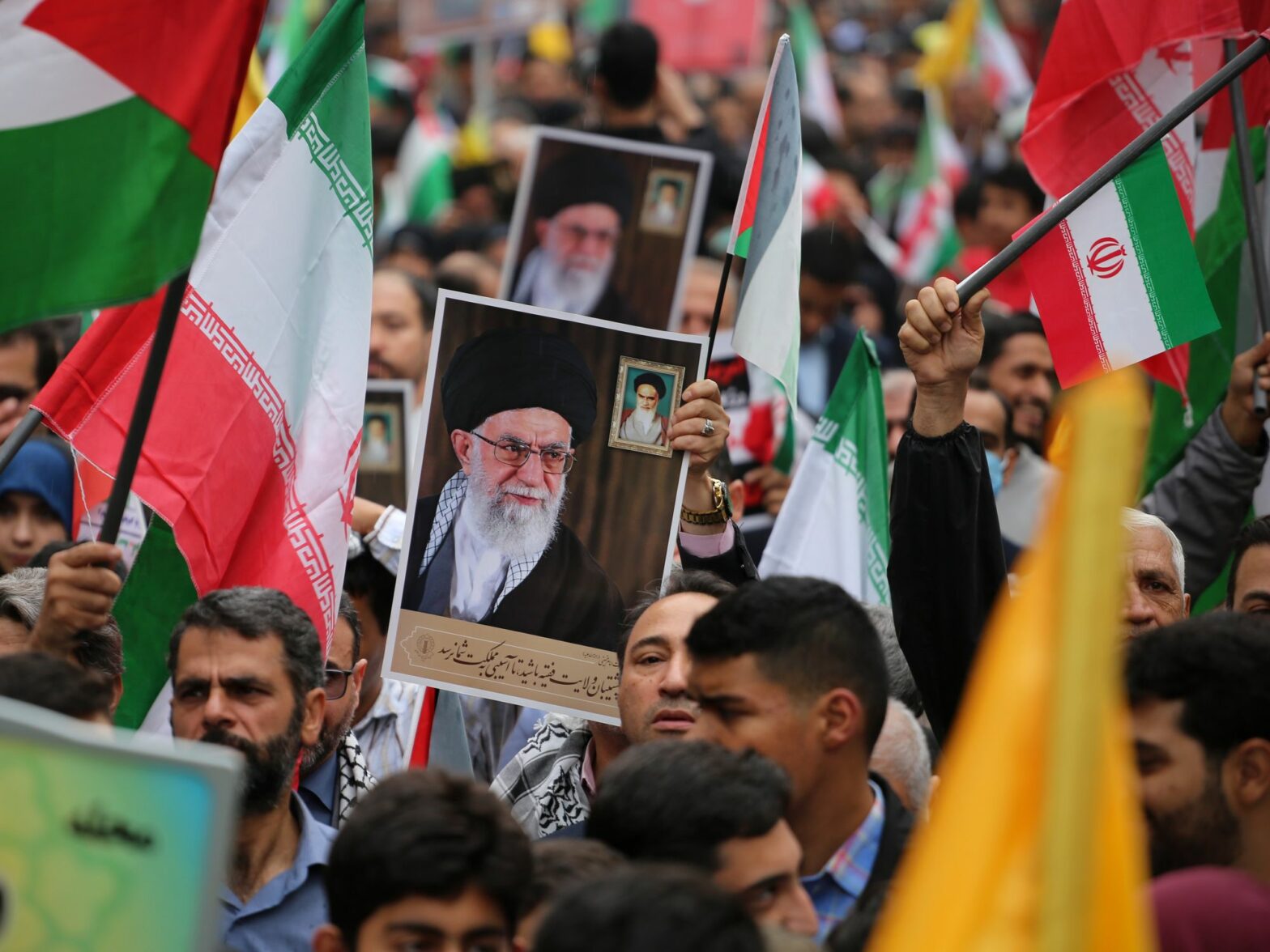
The recent repression of an old man dancing at a fish market shows how on edge Iran’s regime is domestically, writes Pierre Haski. While Iran may be stepping up its game regionally, its fragile attitude domestically can be a sign of what an irrational actor the mullah regime can be.
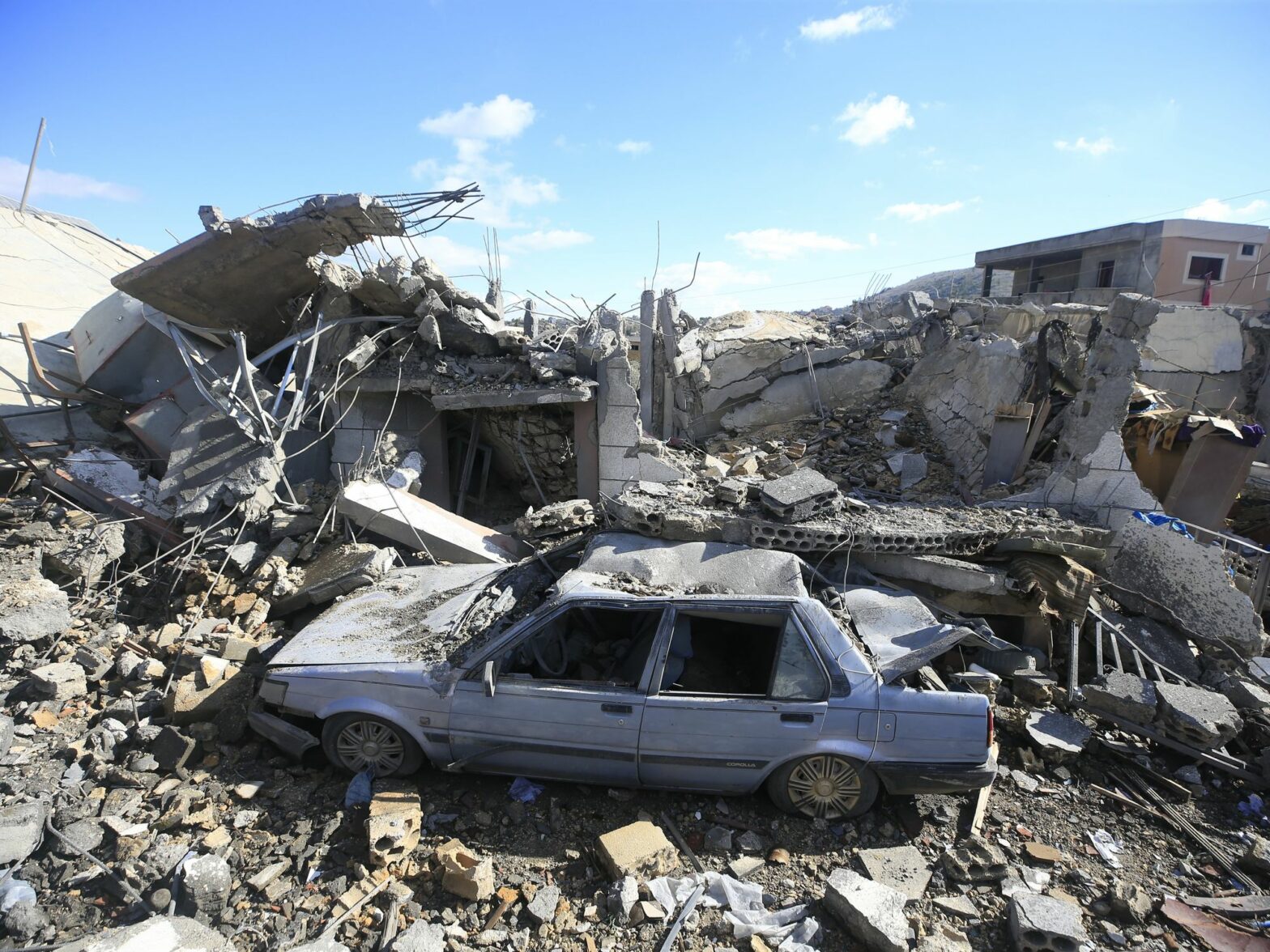
Pressure is rising from allies for Israel to change its tactics, which may only harden the position of Prime Minister Benjamin Netanyahu — which may only raise the stakes with regional adversary Iran. Here are three questions that are both crucial and connected.
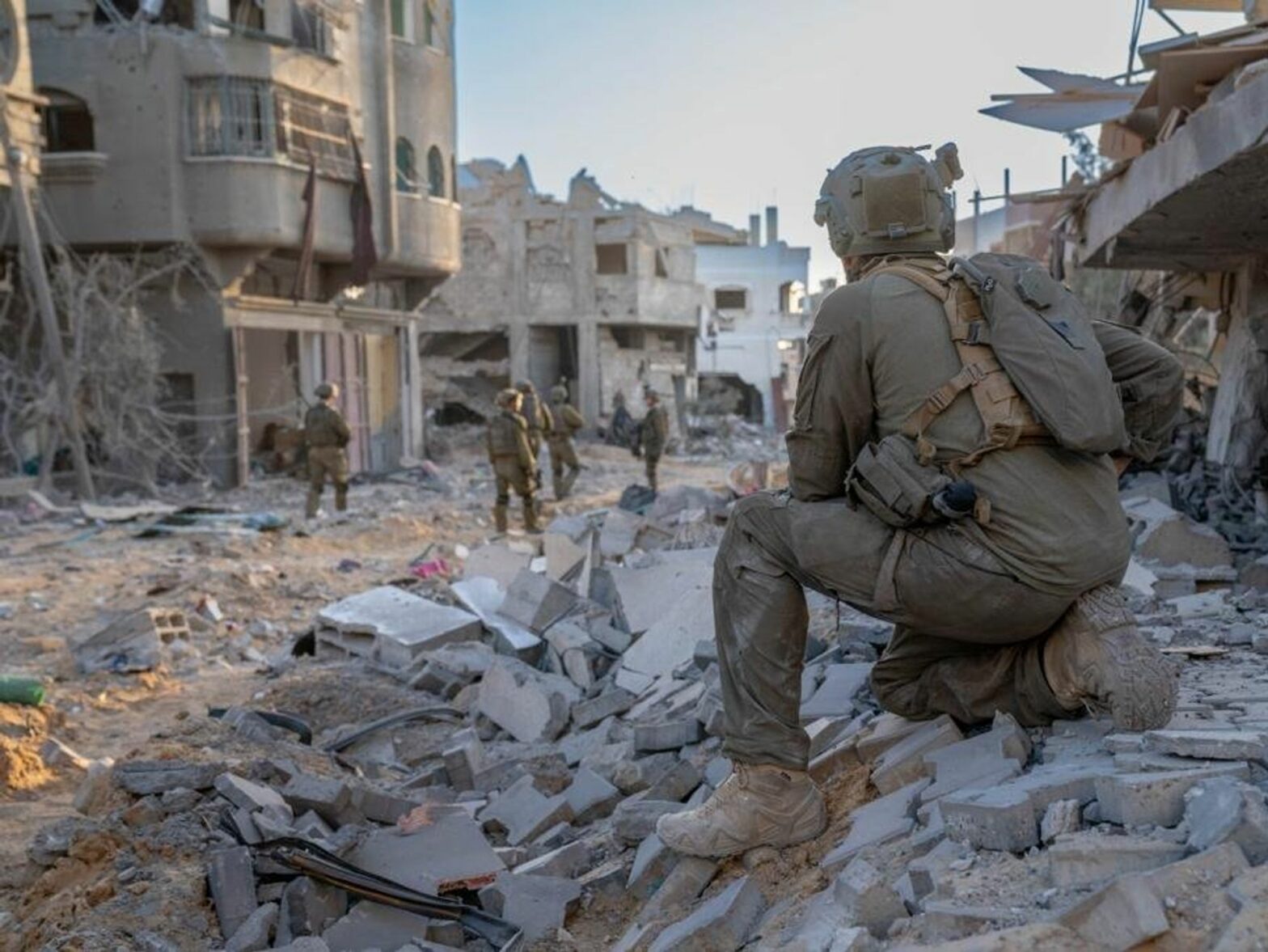
A poll shows increased Palestinian support for Hamas since the October 7 attacks, making the Israeli government’s objective of taking military action alone unrealistic. Continuing to bombard Gaza with no end in sight is not only cruel, but counterproductive.
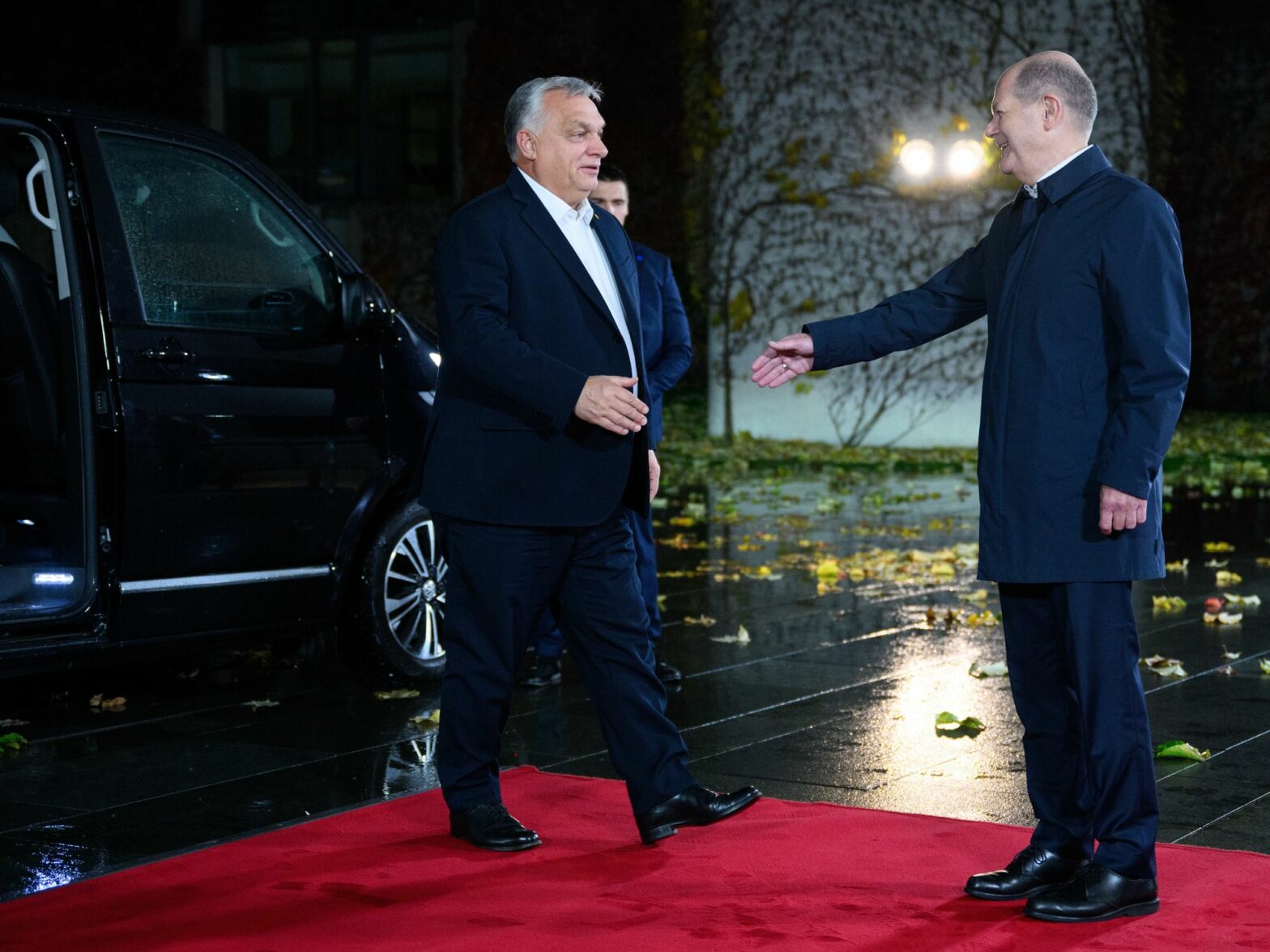
The future of Ukraine may be at stake as Hungarian Prime Minister Viktor Orban plays hardball with his European counterparts. But the stakes go beyond aid to the war effort, it’s the very status of Europe that is on the line.
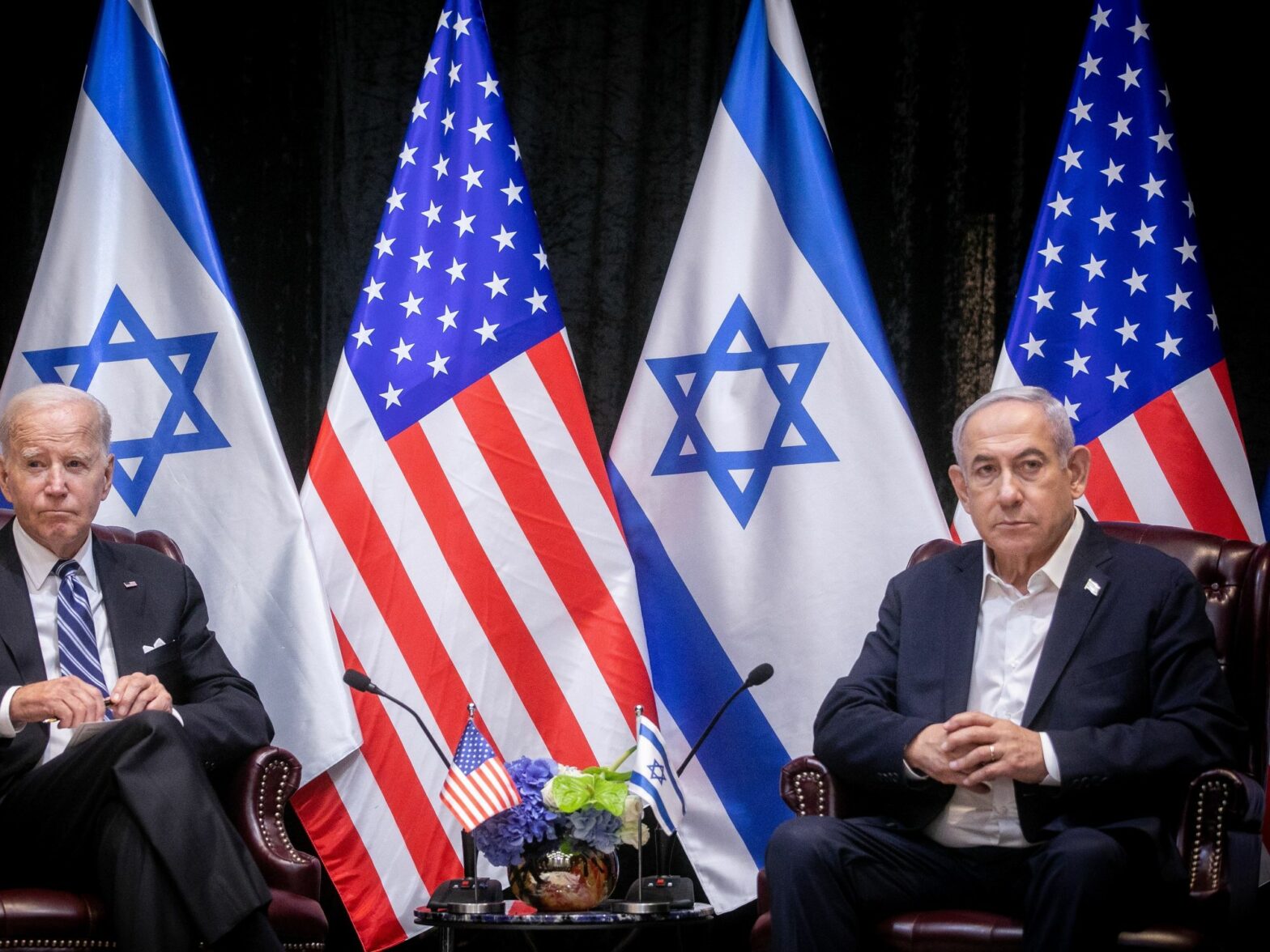
U.S. President Joe Biden’s tough words for Benjamin Netanyahu cannot really be reconciled, and point to a paradox: Netanyahu may be the warlord whom the army obeys, but he is also a politician whom the vast majority of his fellow citizens would like to see leave.
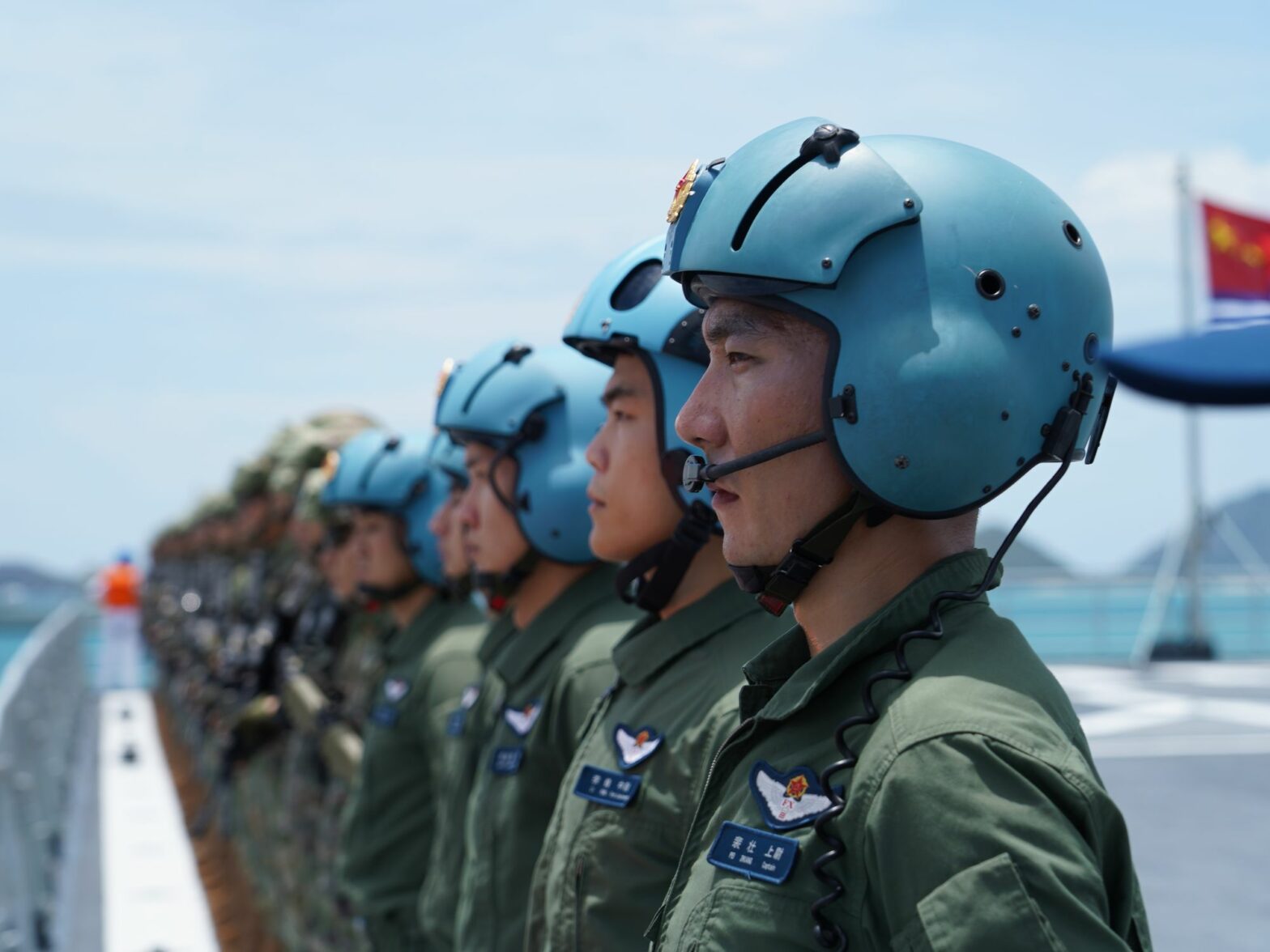
The American superpower (and its European allies) are not seeing the results they’d hoped for Ukraine’s war against Russia, while the Middle East spirals out of control. Chinese leaders may see Washington as too vulnerable to challenge it in the South China Sea.

From Orban to Zelensky to Bolsonaro, the list of those who did and didn’t travel to Argentina says much about the new president, and the current state of the world.
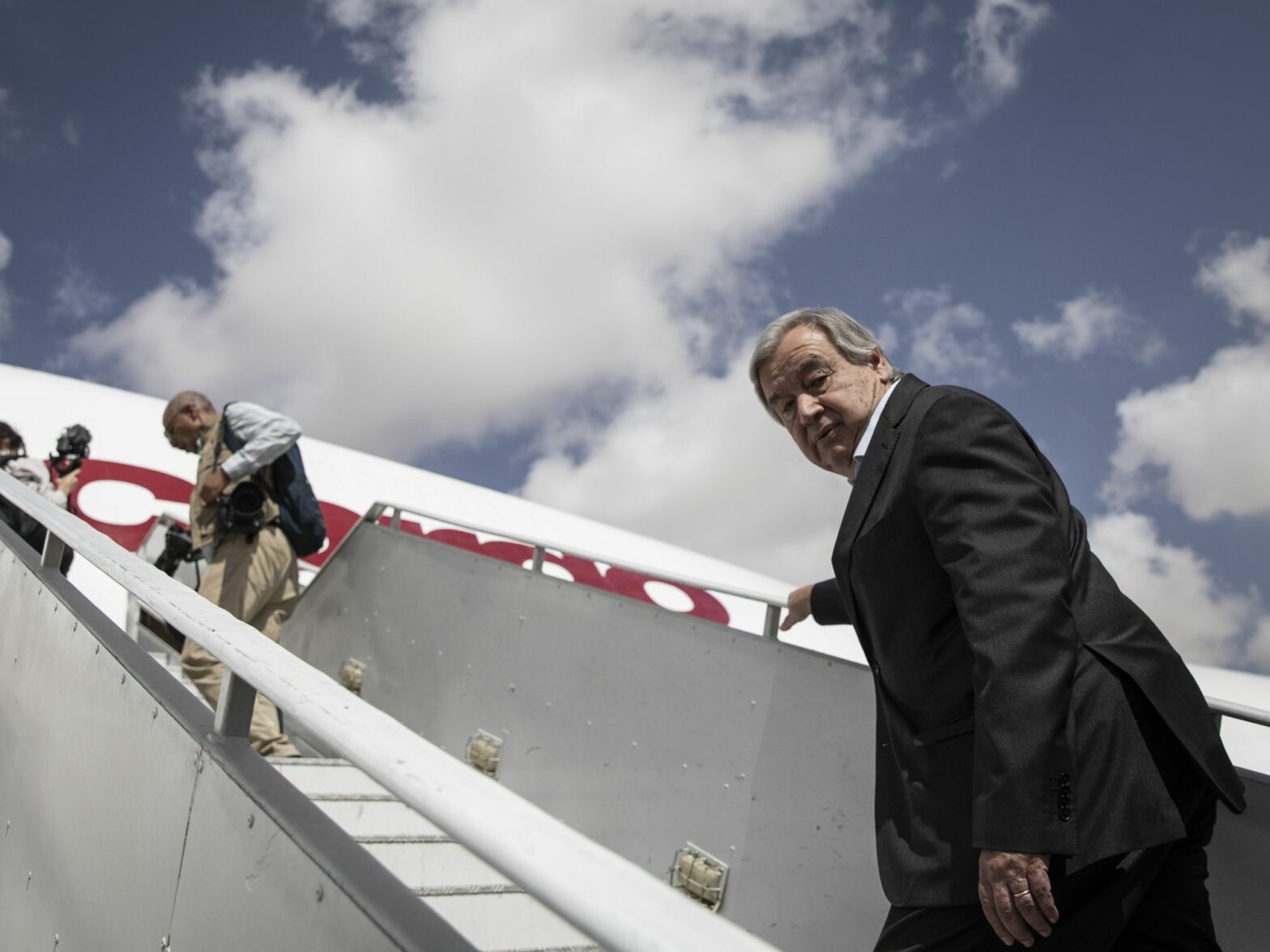
The UN Secretary-General is raising the tone in the war in Gaza, but it comes at a time when international institutions are extremely weak. Looking back at history, that’s a dangerous thing.
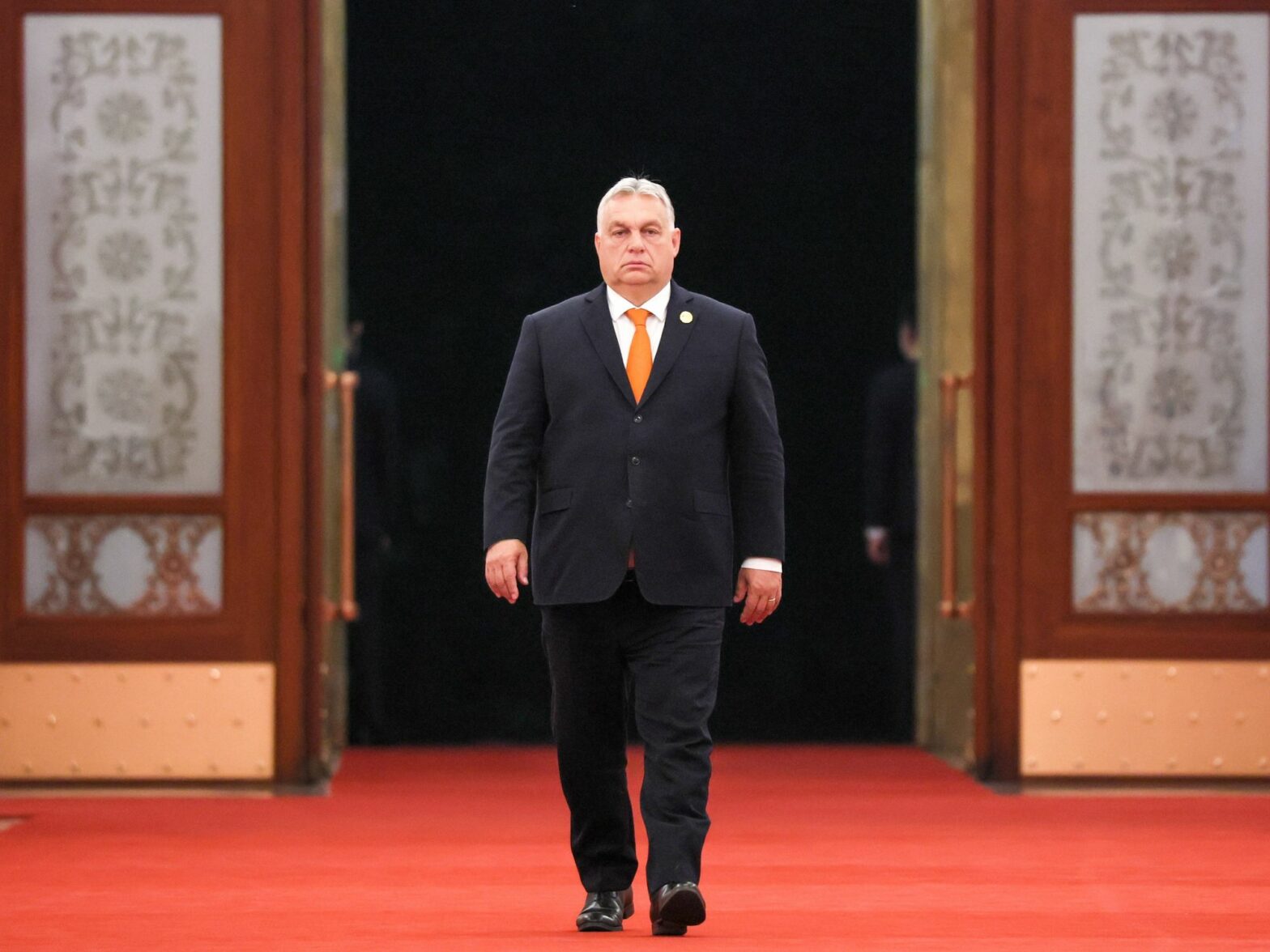
In the U.S., Republican senators called on to approve military aid to Kyiv are blackmailing the Biden administration on an unrelated matter. In Europe, French President Macron will be dining with the Hungarian Prime Minister, who has threatened to block aid to Ukraine as well.
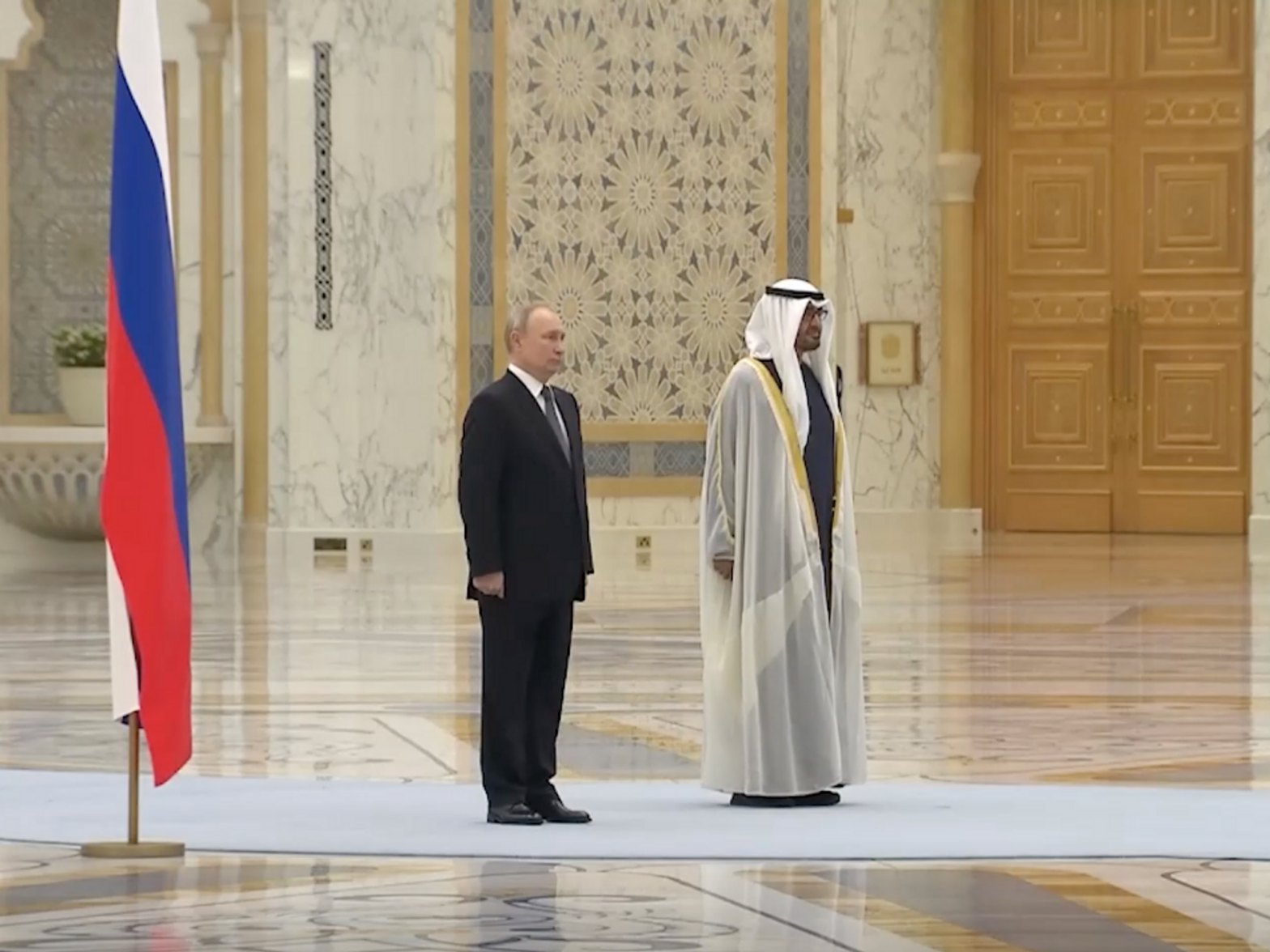
Defying an ICC arrest warrant, Russian President Vladimir Putin is on a one-day foray to UAE and Saudi Arabia to display his role in shaping the geopolitical and energy landscape — and to make the world forget about the Ukraine war just a little bit more.
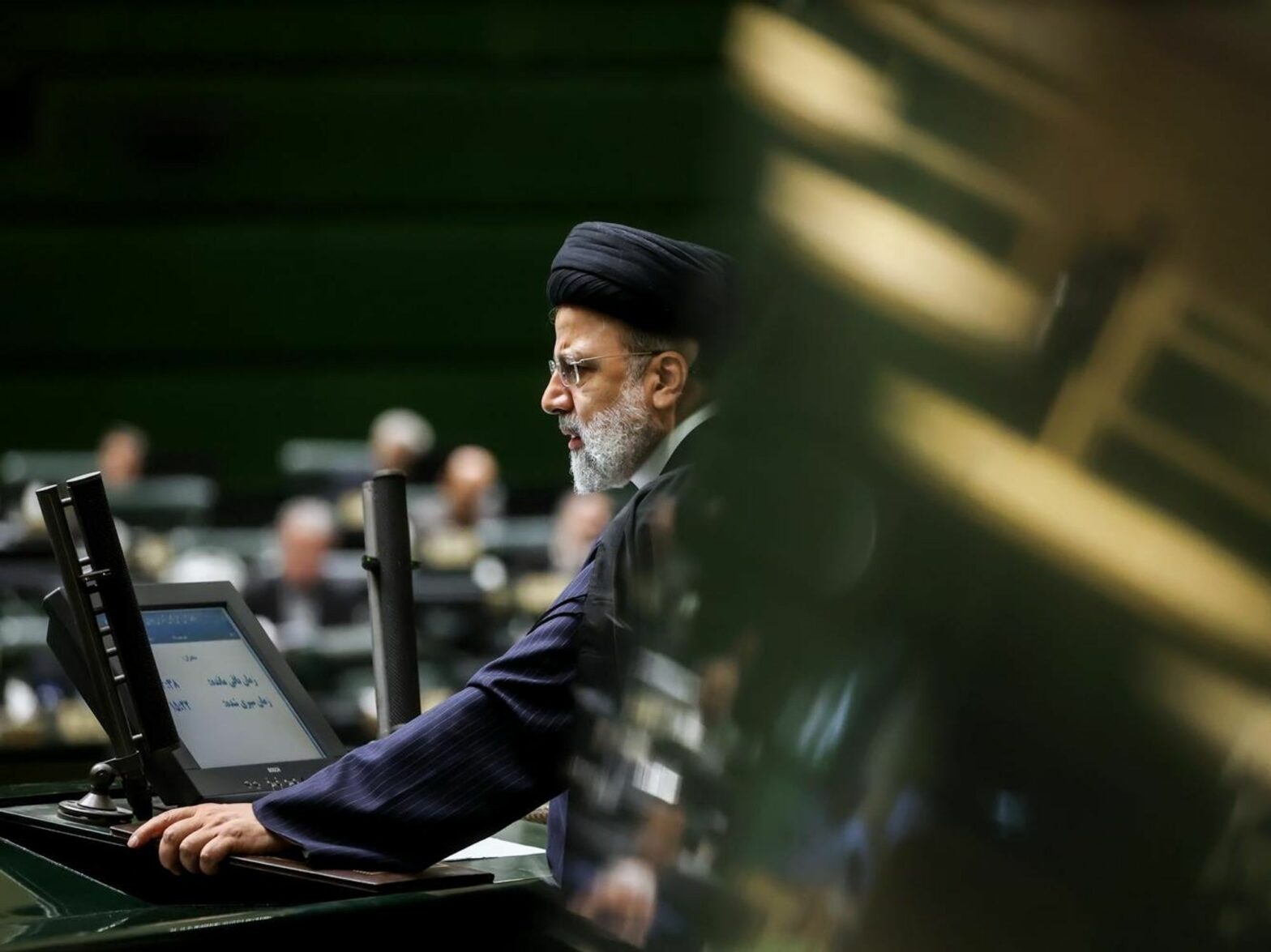
Three commercial ships traveling through the Red Sea were attacked by missiles launched by Iran-backed Yemeni Houthi rebels, while the U.S. Navy shot down three drones. Tensions that are linked to the ongoing war in Gaza conflict and that may serve as an indication as to Iran’s wider intentions.
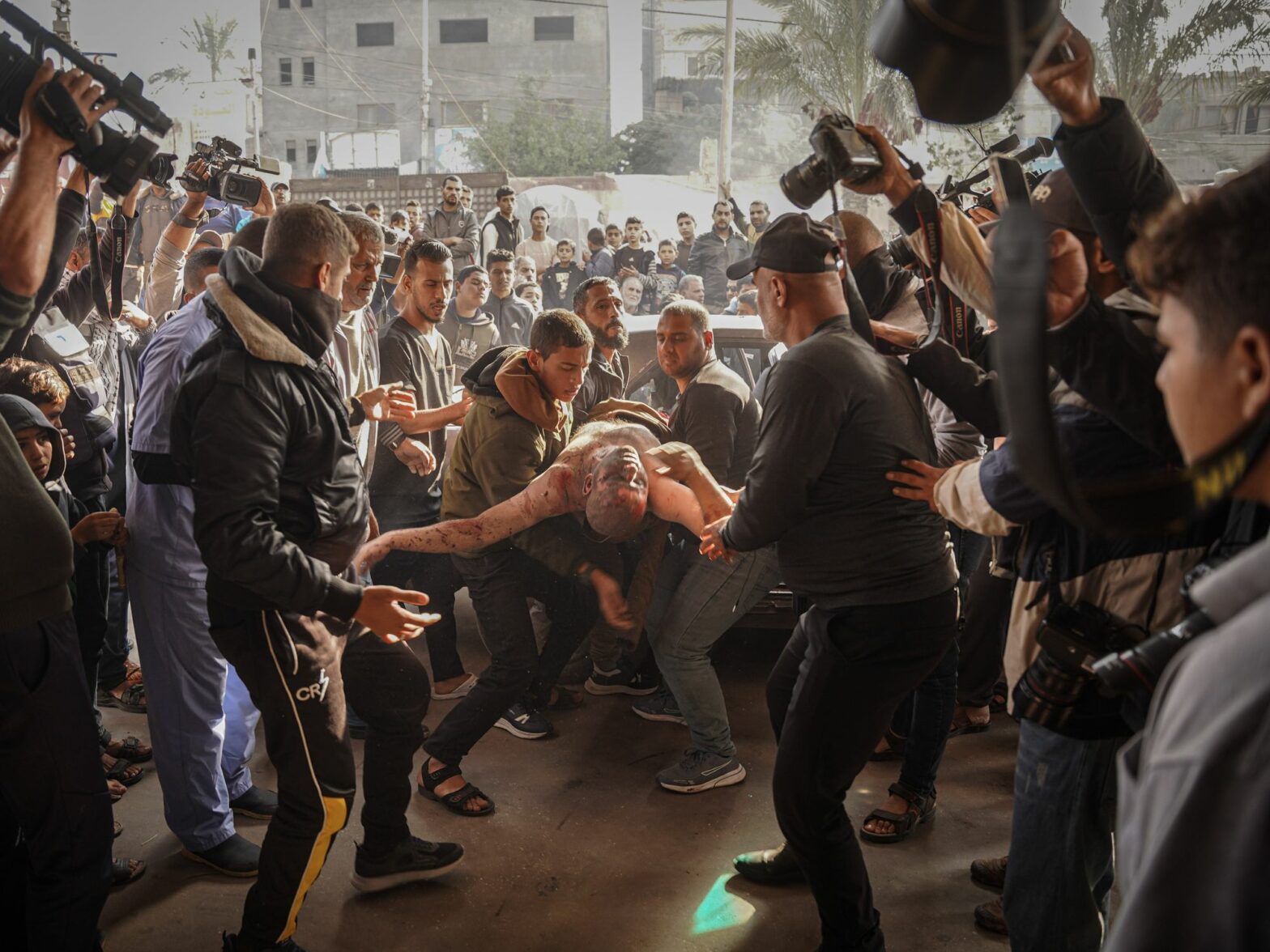
As fighting has resumed and intensified in the southern area of the Palestinian territory, more and more criticism builds from around the world. How much longer can Israel fight this war for if it loses the support of even its most steadfast allies?
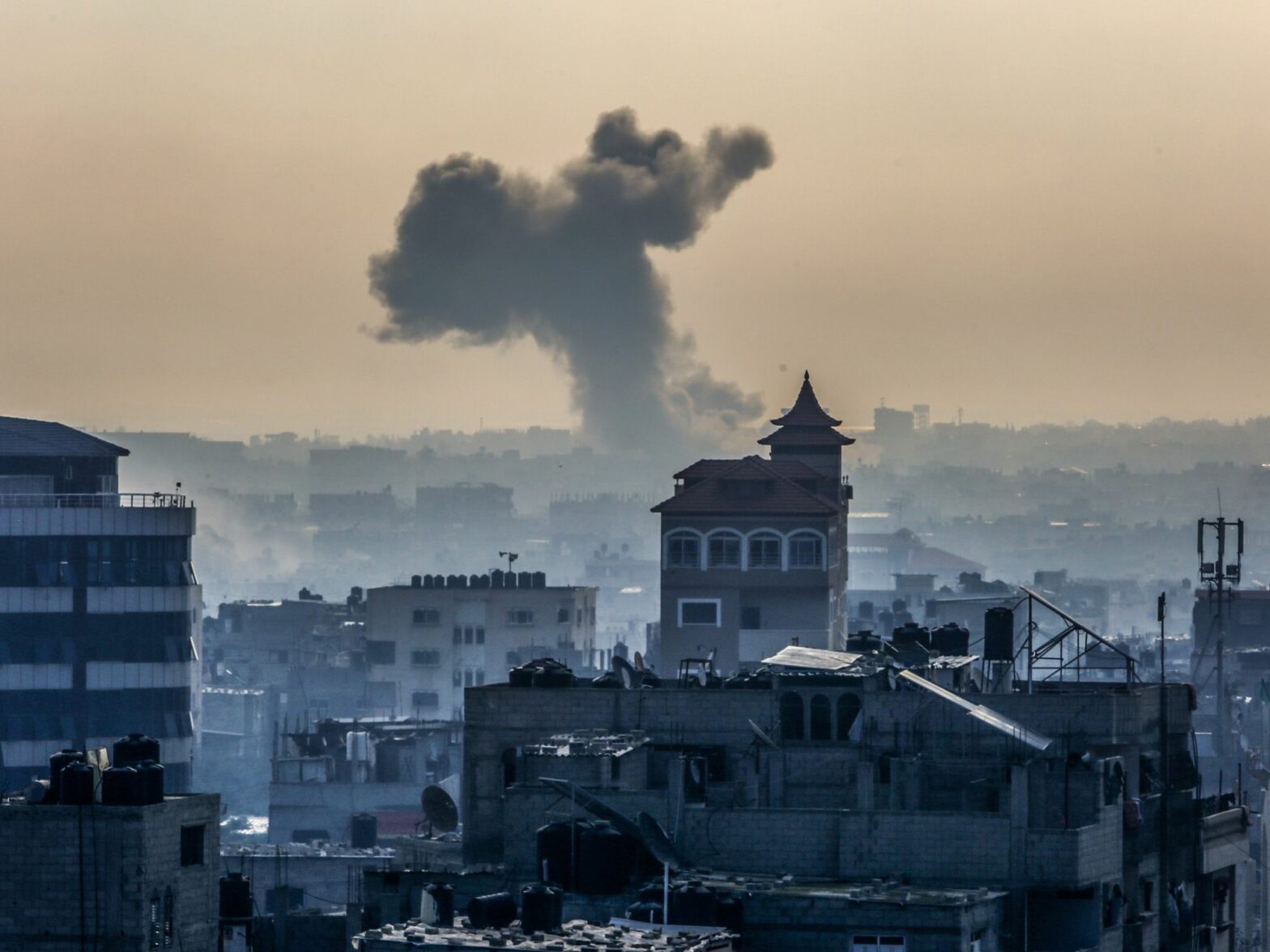
Diplomacy has failed to stave off a resumption of the war in Gaza. Yes, Israel made clear its goal of destroying Hamas is not complete. But the end of the truce is also one more sign that both the U.S. and Europe hold less sway in the region than they once did.
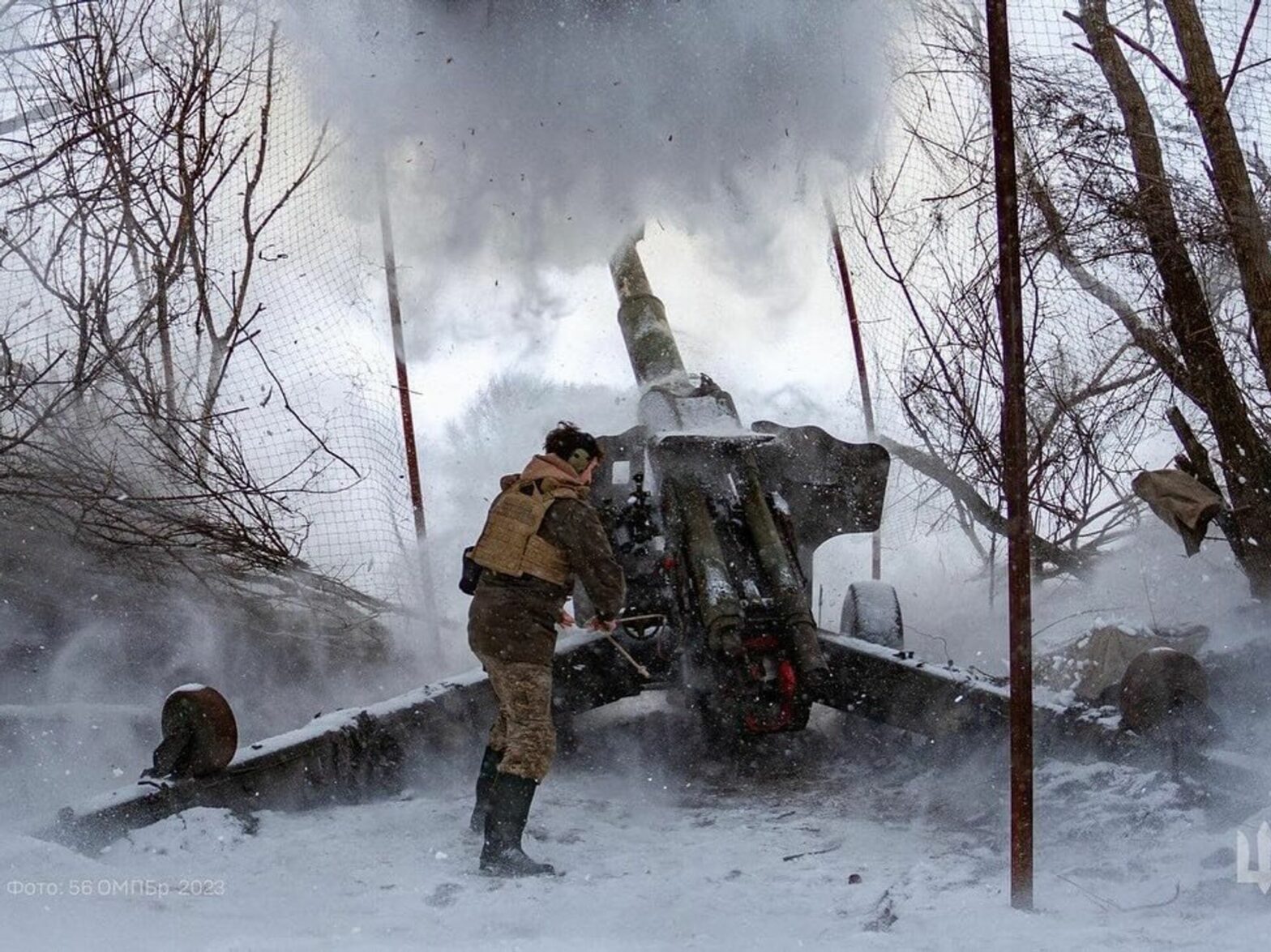
Kyiv’s troops are facing bitter cold and snow on the frontline, but the coming season also poses longer term political questions for Ukraine’s allies. It may be now or never.
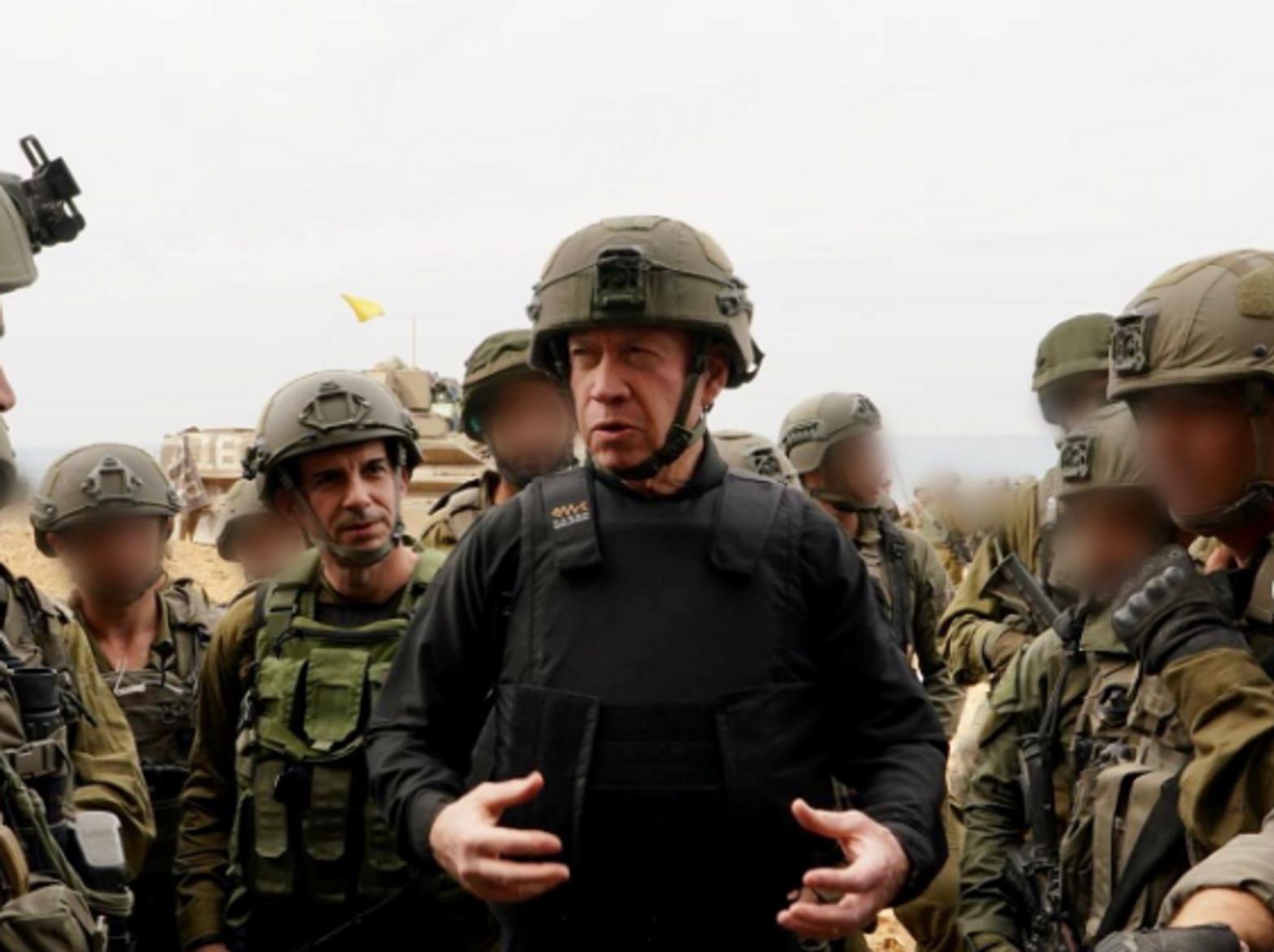
The Israel-Hamas temporary ceasefire may not end today, but it will end. But when the war in Gaza resumes, the Israeli offensive against Hamas may be different.

The victory of Geert Wilders’ far-right party in this week’s elections in the Netherlands shows that politics in Europe, at both the national and European Union level, has fundamentally failed to overcome its contradictions.
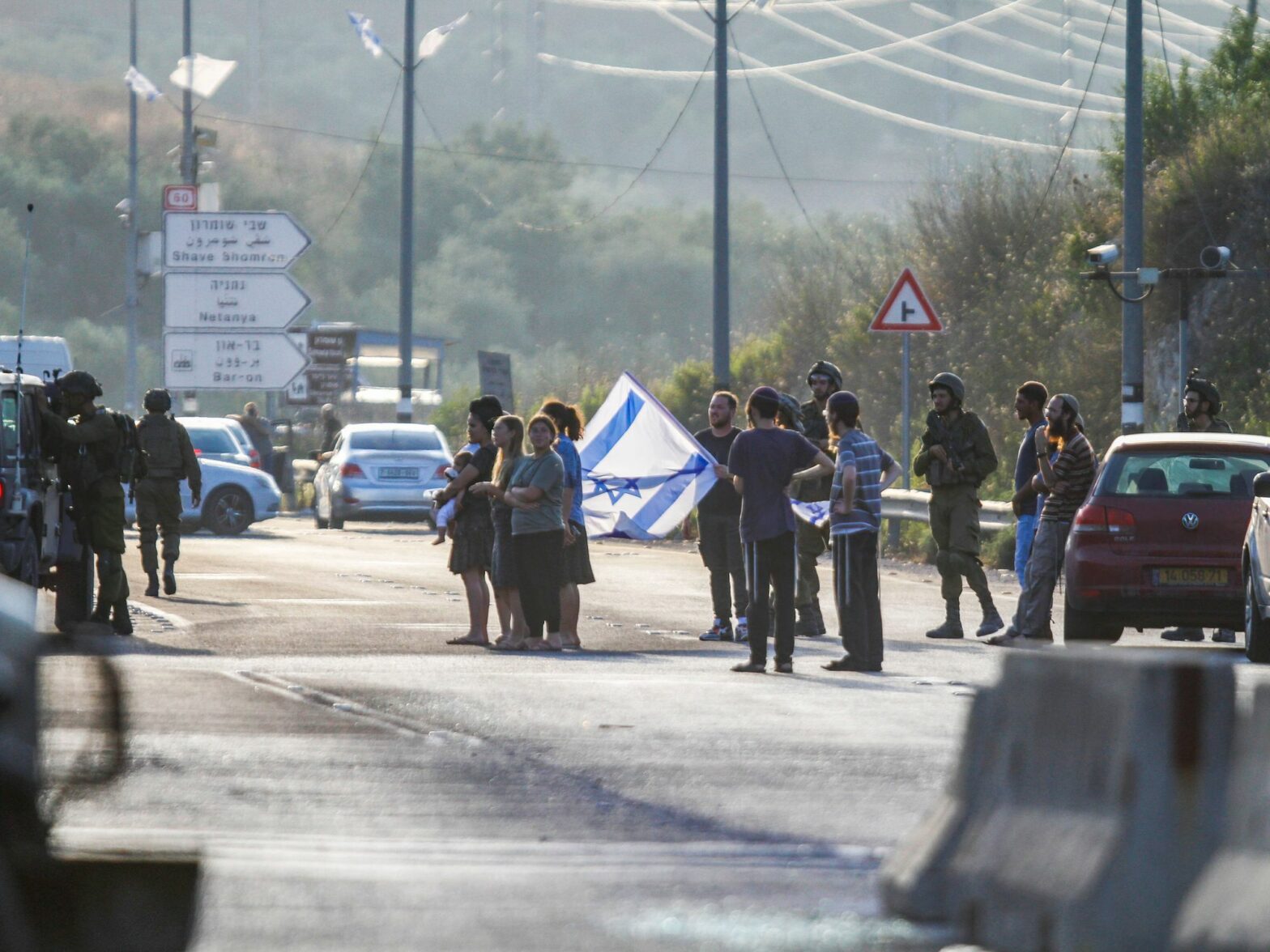
Heated debate in Israel and abroad over the increase in the budget for settlements in the occupied West Bank is a reminder that wartime national unity will not outlast a deep ideological divide.
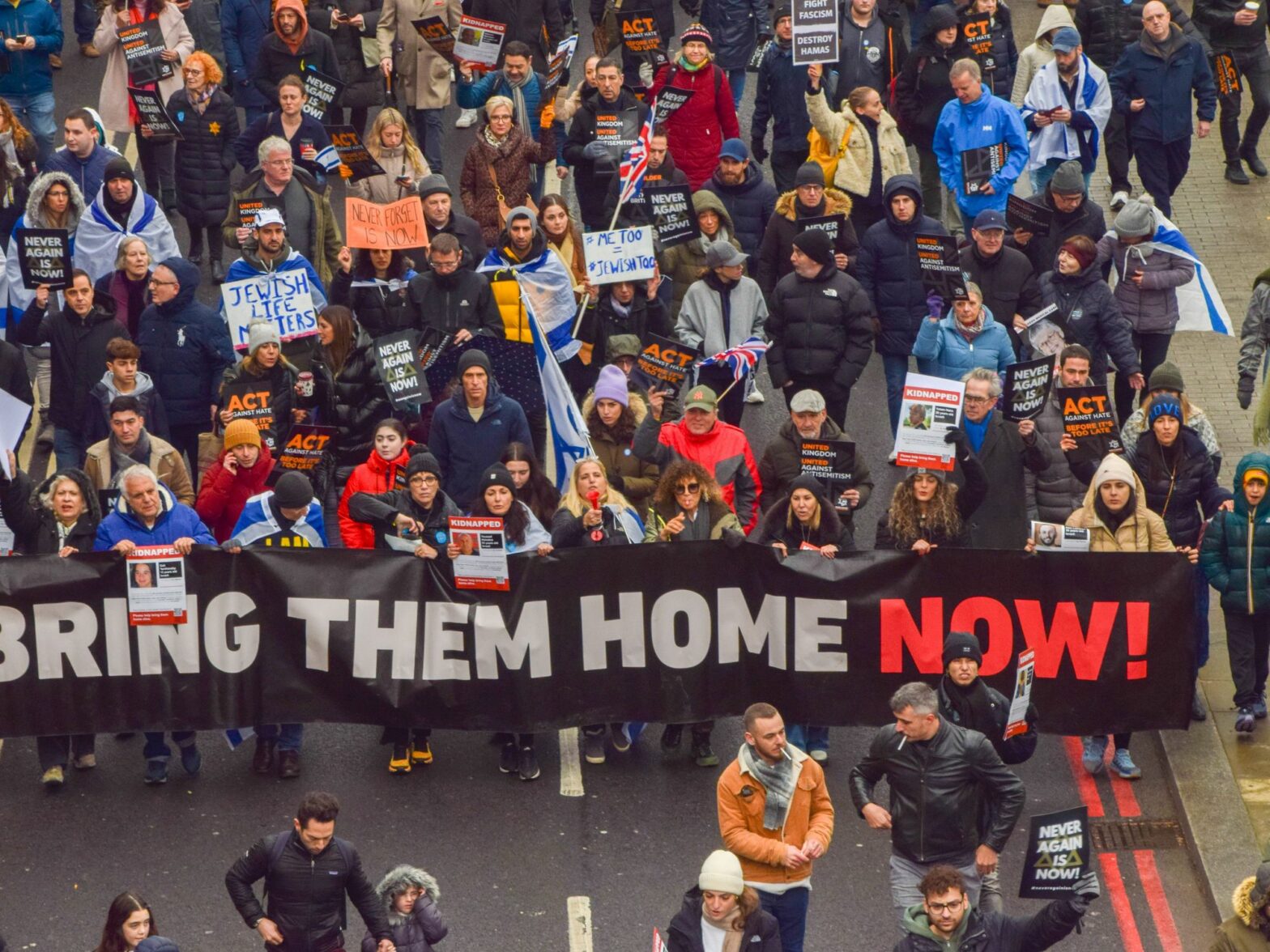
The Israeli government has declared it is opposed to any ceasefire with Hamas. But one of its key objectives — and the top priority for Israelis — is to recover hostages. And only the ceasefire can achieve that…
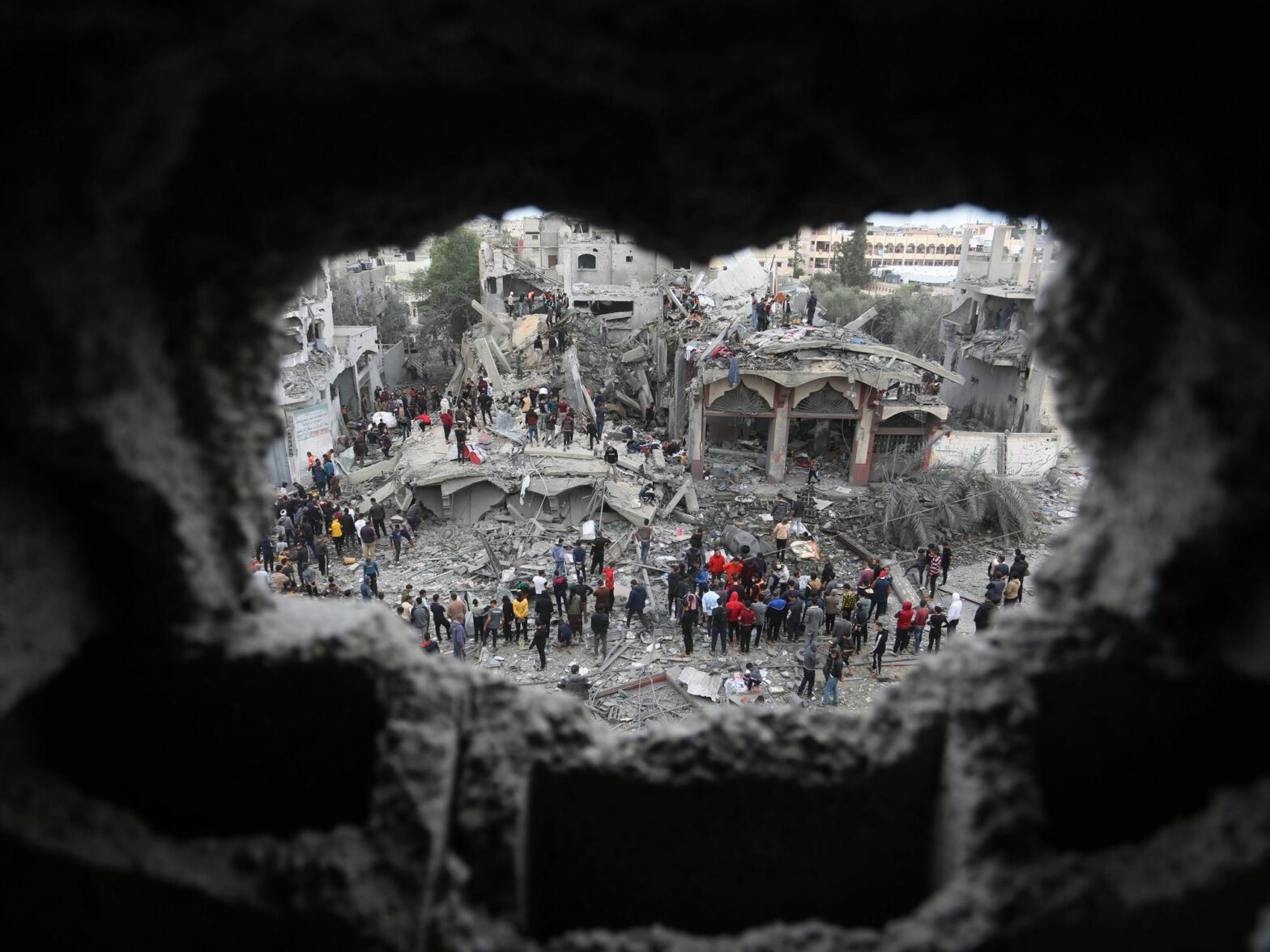
The agreement for a temporary ceasefire between Israel and Hamas was shaped by the political situation in Israel and the Palestinian territories. But now, the politics on the ground could change moving forward.
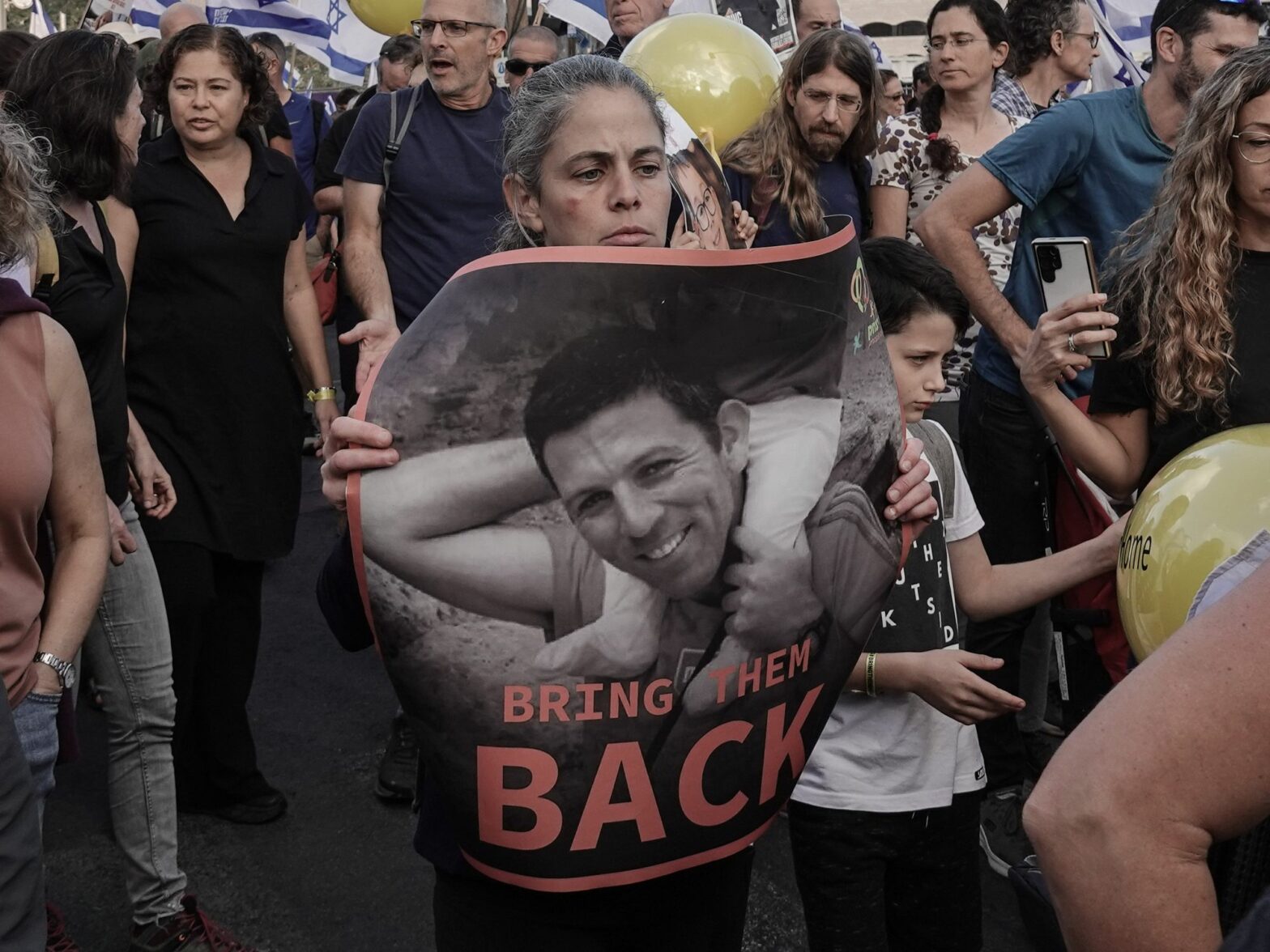
Israeli Prime Minister Benjamin Netanyahu has pushed ahead a deal negotiated via Qatar, for a four-day truce and an exchange of 50 hostages for 150 Palestinian prisoners. Though the humanitarian and political pressure was mounting, Israel’s all-out assault is suddenly halted, with unforeseen consequences for the future.

Argentina has elected a “paleolibertarian” outsider with little experience, and by a wide margin. What does this say about the existing structures of power around the democratic world?
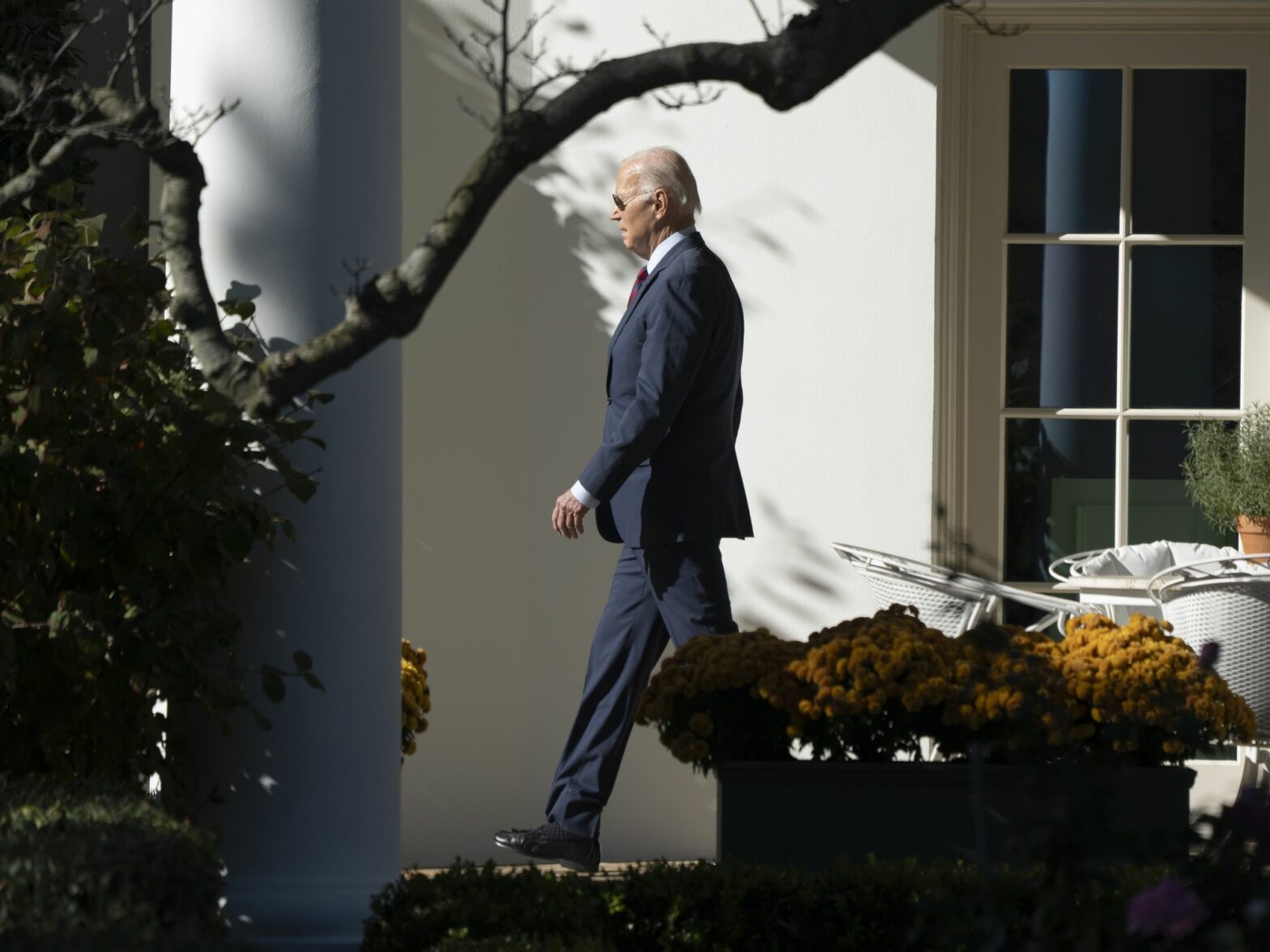
Challenged back home, U.S. President Joe Biden has just published an op-ed in the Washington Post in which he outlines a future for the Palestinian territories that’s different from the one envisaged by Israeli Prime Minister Benjamin Netanyahu, and threatens violent settlers in the West Bank with sanctions. But where are the teeth?
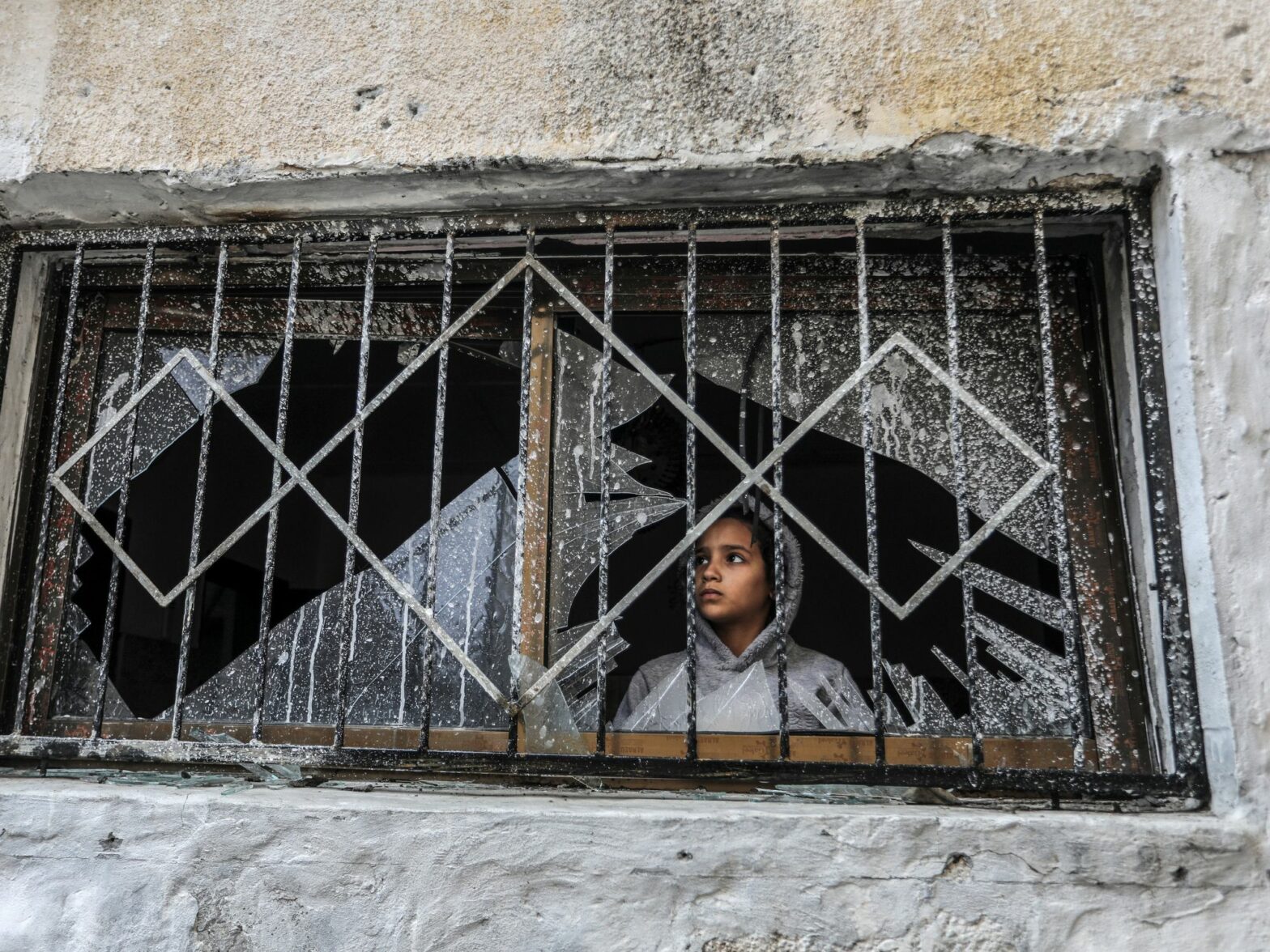
Launching a ground invasion in the south of Gaza, where residents have been forced to flee, will be virtually impossible for the Biden Administration to accept.
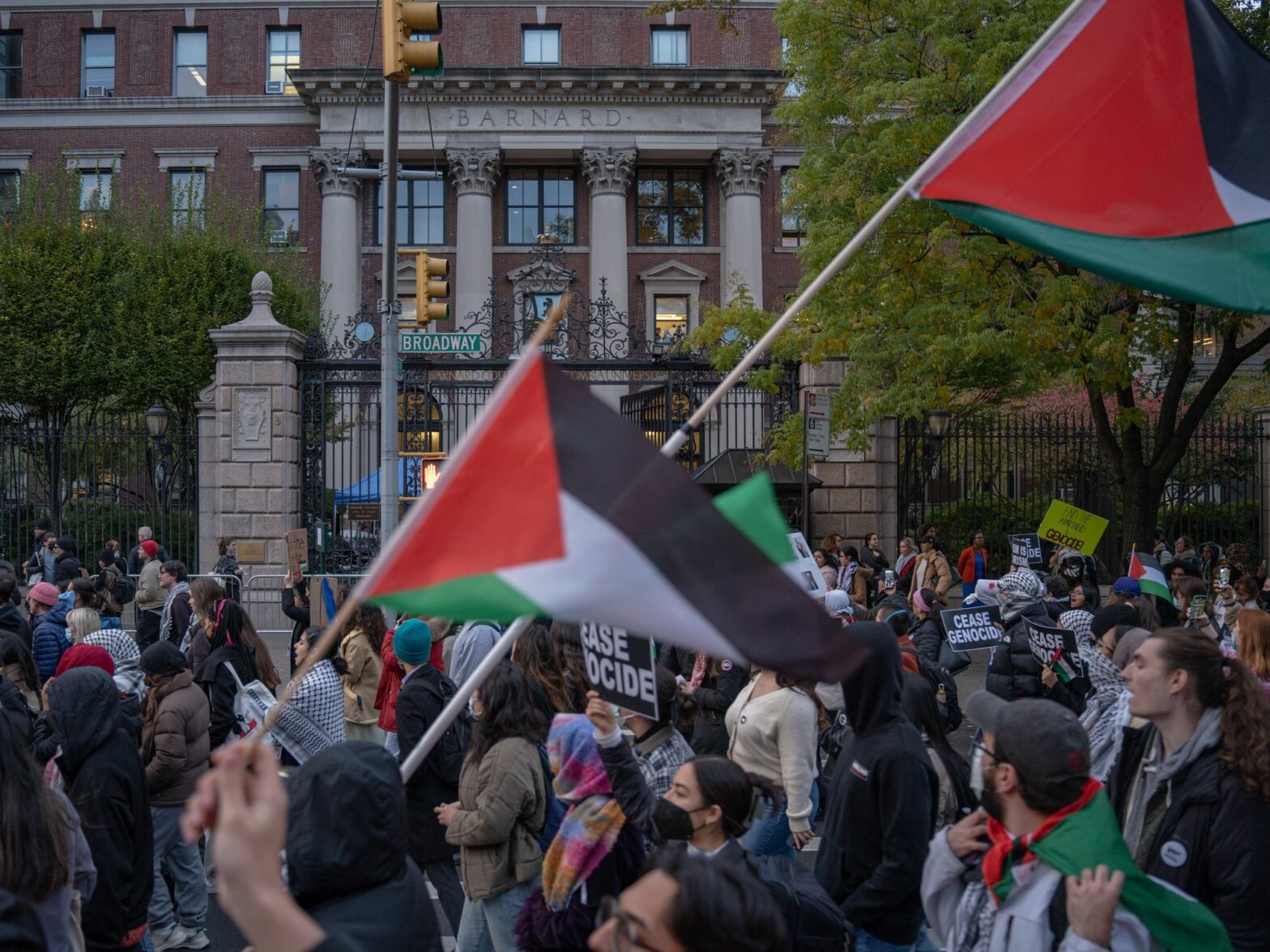
Taking the U.S. and France as leading indicators, with different histories and relationships inside the Middle East, Israel should be very worried about maintaining the support of its Western allies. The criticism of Israel and calls for immediate ceasefires are coming not only from the streets, but also inside the halls of power.
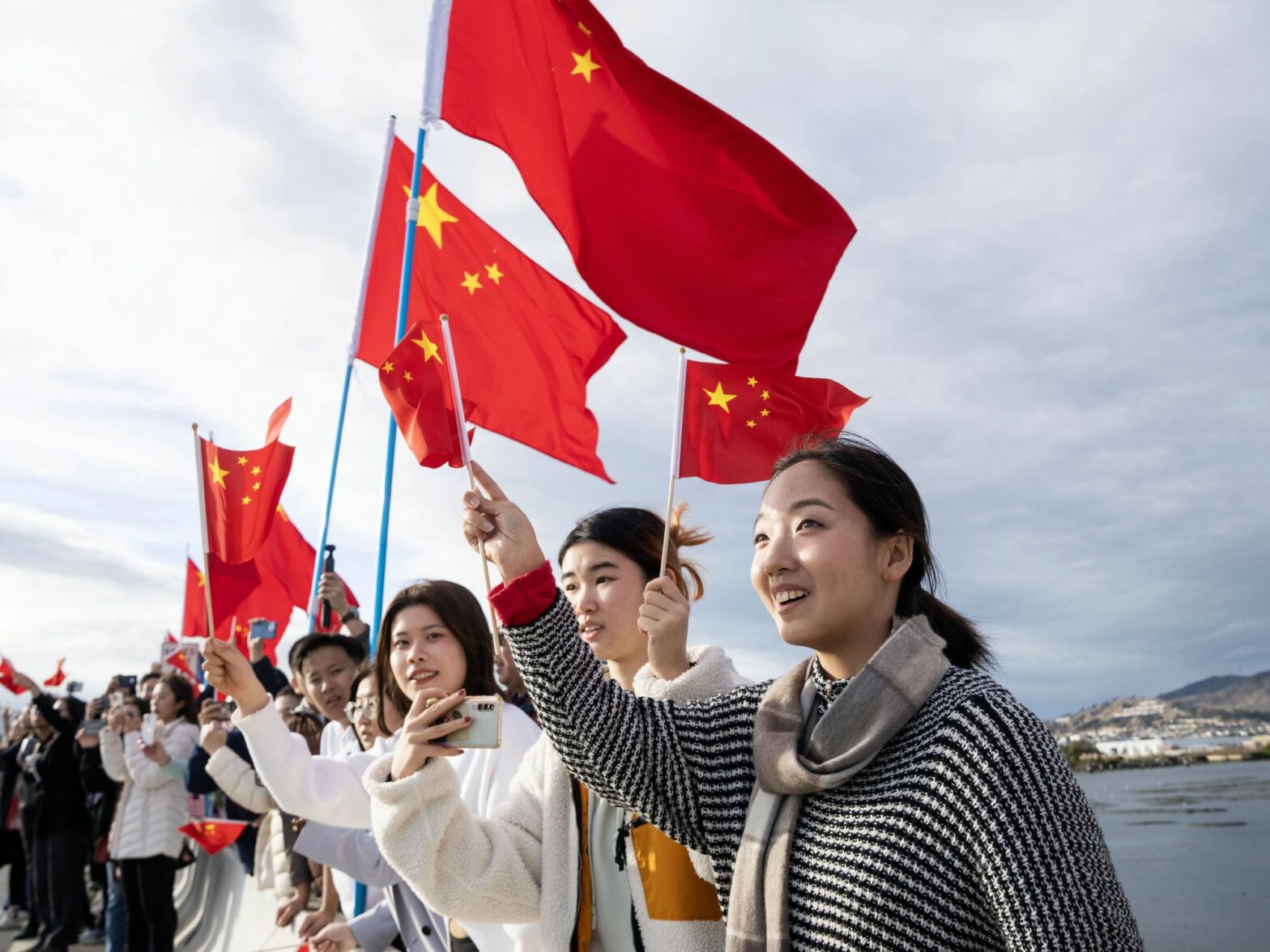
The highly anticipated face-to-face between Joe Biden and Xi Jinping is about more than just global trade, it’s about putting the brakes on humanity sliding into total chaos and conflict.
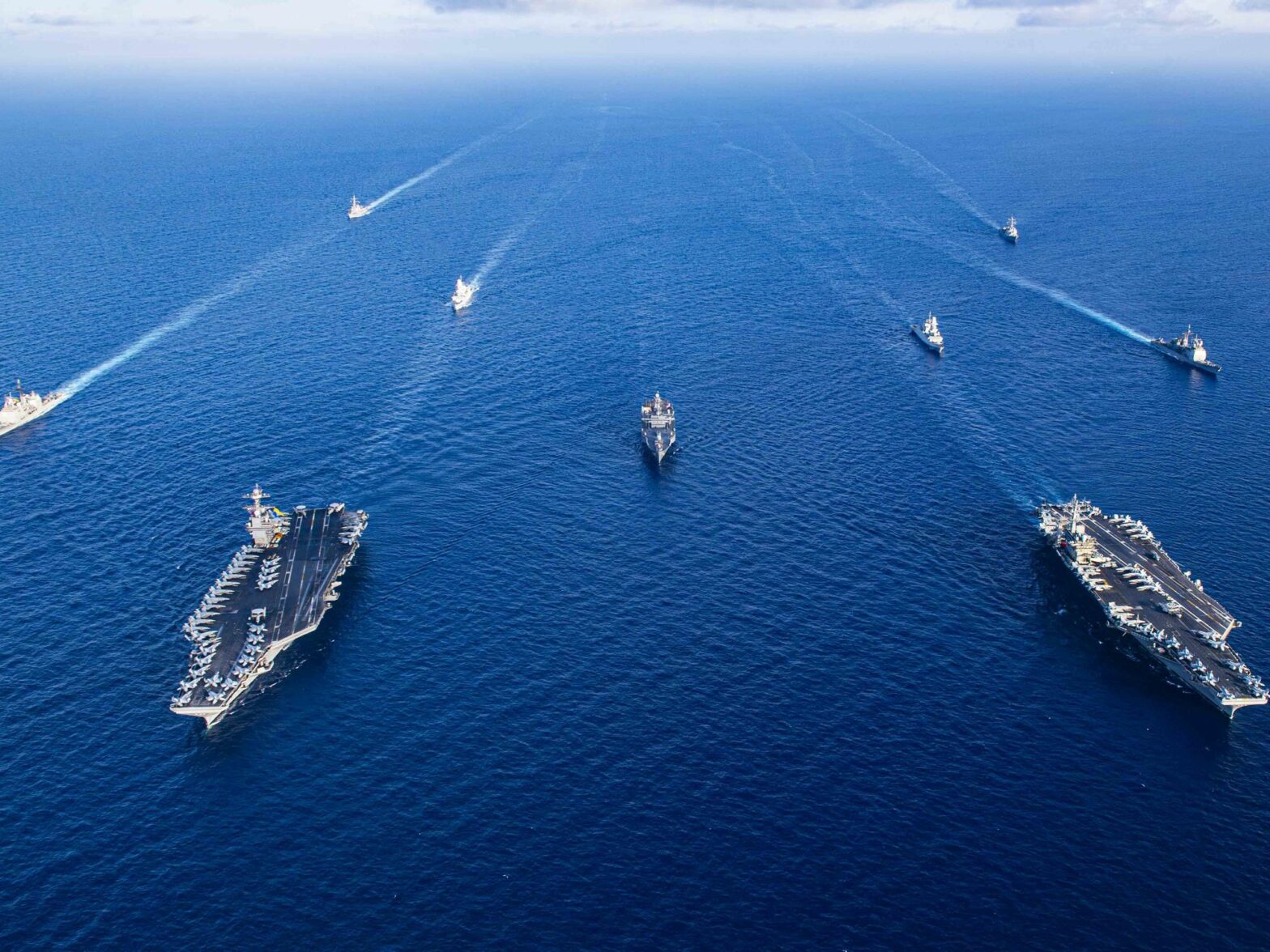
The United States has found itself at the forefront of a conflict that the whole world is following. President Joe Biden faces the pull of public opinion, the threat of Iranian action, and the escalation of the Israeli state.