“Then the white man found the Middle East: a distant place, rich in nature and humanity, with a beautiful climate. He invaded it, then divided it, then separated the sections accordingly.”
 Worldcrunch
Stay updated with comprehensive news on Israel from Worldcrunch. Discover insights on Israeli politics, economic strategies, societal issues, and cultural landmarks with translations from top international sources. Highlights include Jerusalem, Israeli history, and cultural events.
“Then the white man found the Middle East: a distant place, rich in nature and humanity, with a beautiful climate. He invaded it, then divided it, then separated the sections accordingly.”
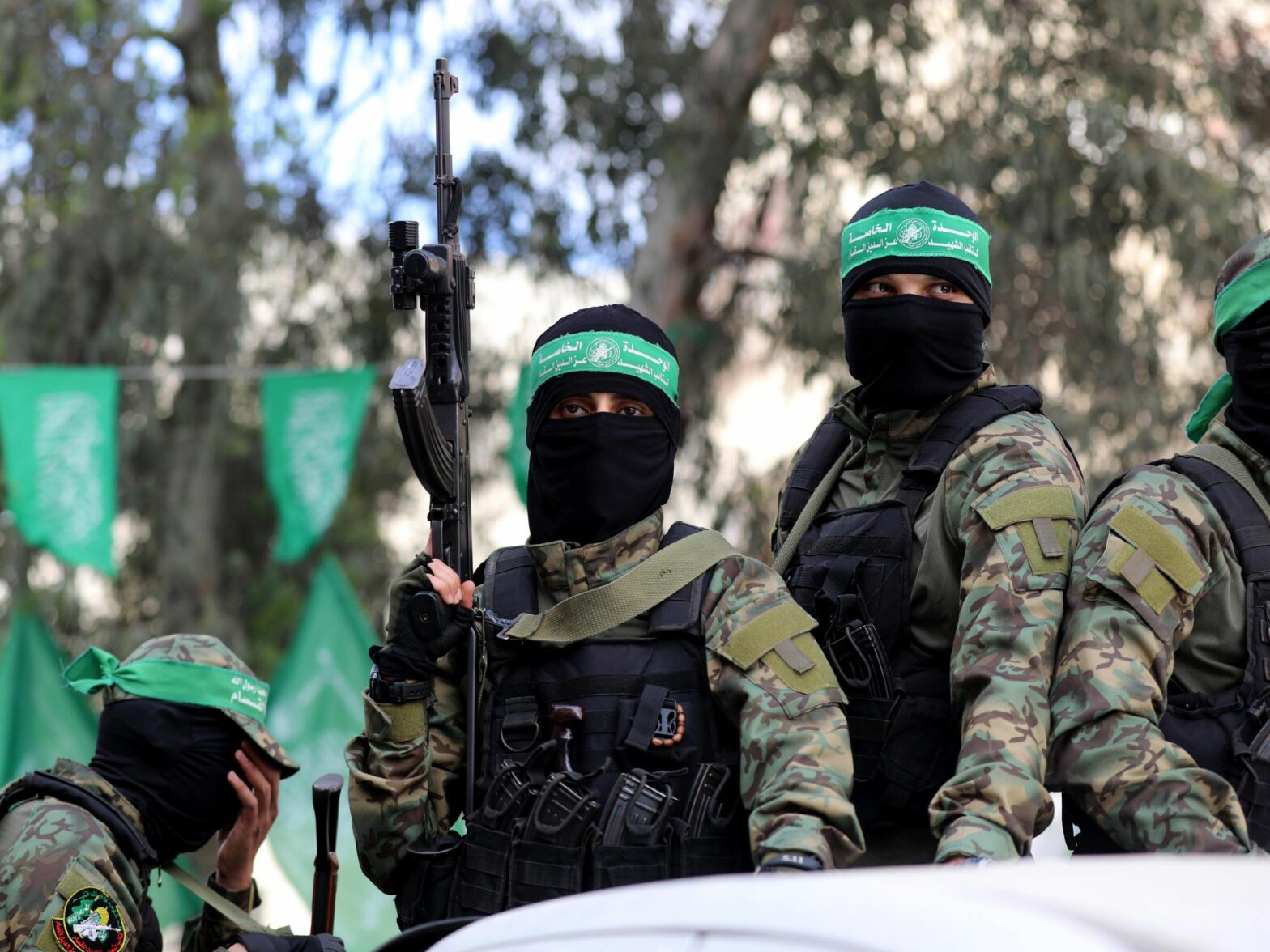
The question of who will succeed Yahya Sinwar is essentially a question of whether Hamas will return from its “Iranian exile” and embrace the Muslim Brotherhood.
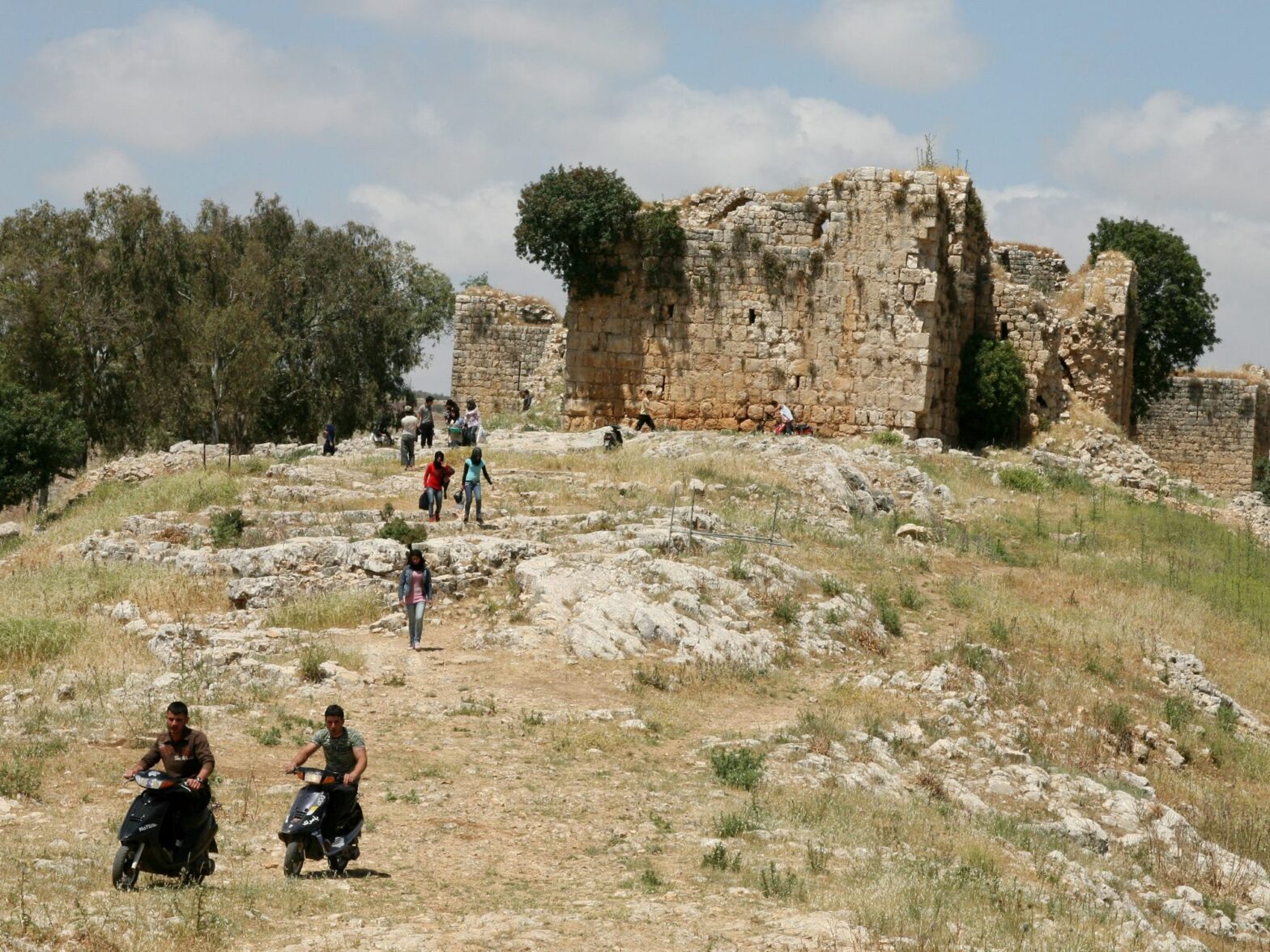
Lebanese writer Tarek Ismail, who fled his village in southern Lebanon in September, reflects on his new life as a displaced person: “I am now facing a fate that is not in my hands.”
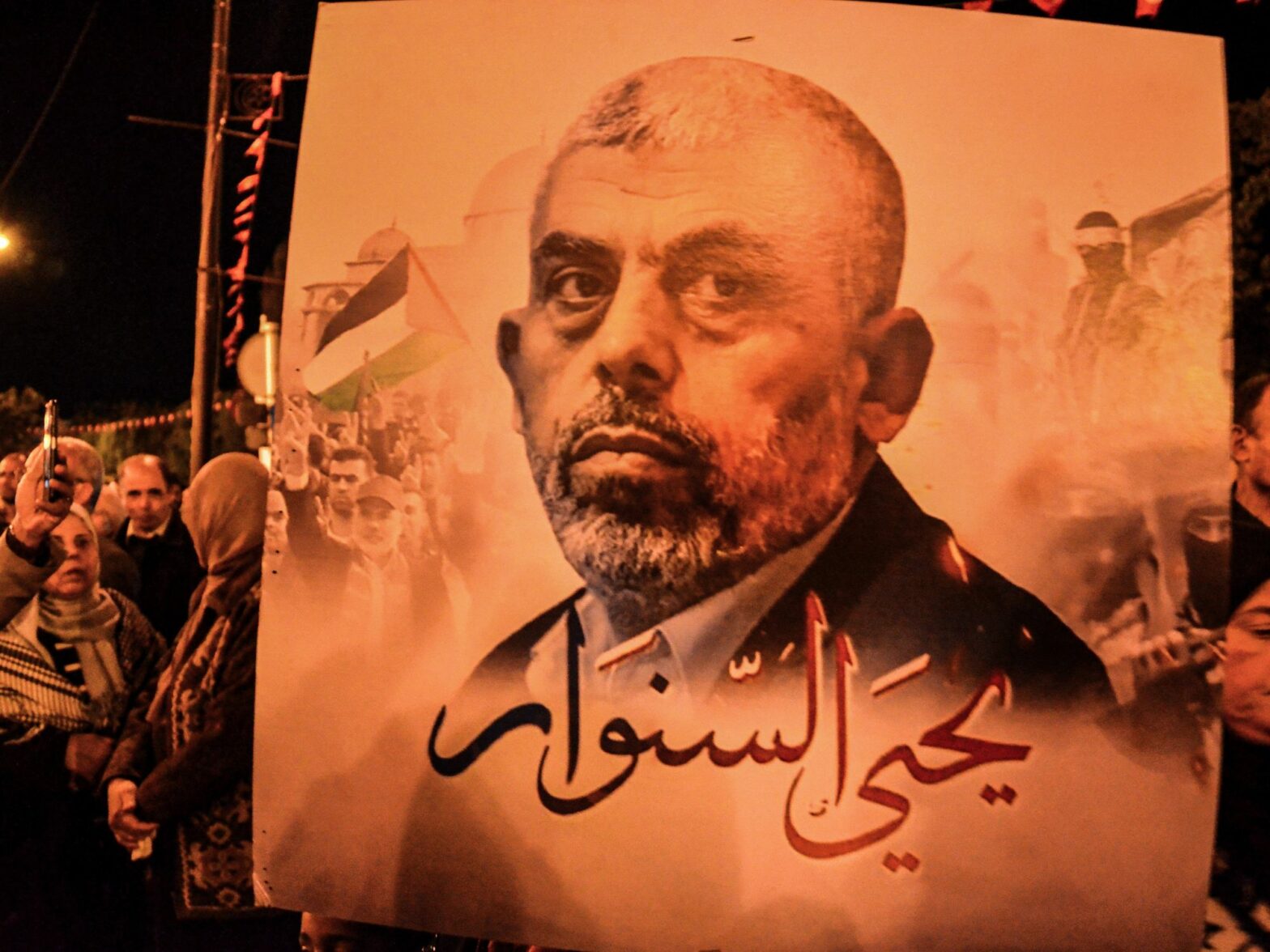
The death of Hamas leader Yahya Sinwar and mastermind of the Oct. 7 attack is just the latest Israeli strike against those who have tried to monopolize the notion of “resistance” as a purely military pursuit. The result has been the absolute destruction of Gaza, and now Lebanon, and the reinforcement of the Israeli occupation.
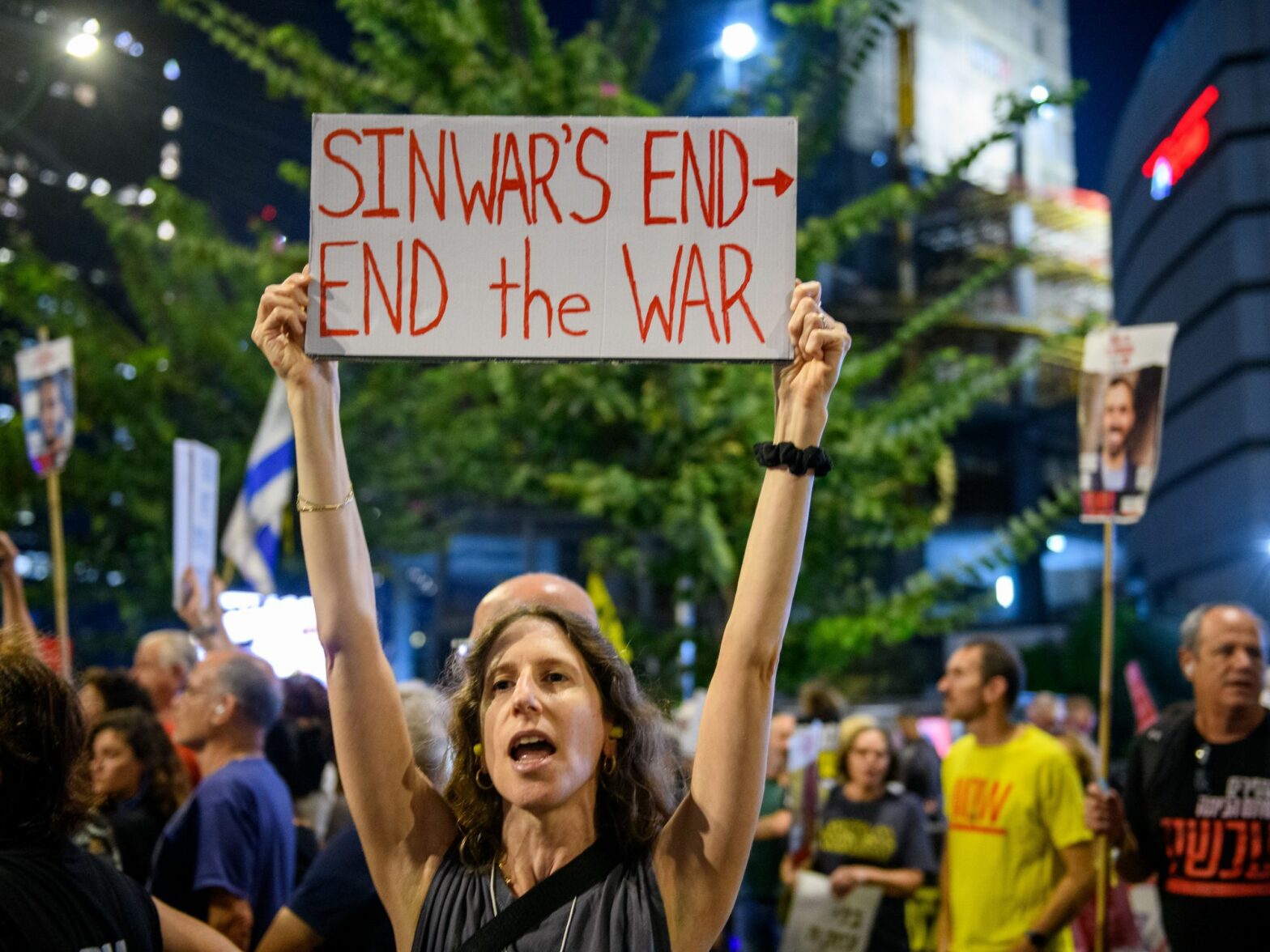
Hamas leader Yahya Sinwar, and above all ‘mastermind’ of October 7, is dead. Washington and Paris are calling on Israel to seize this opportunity to put an end to the war, but Netanyahu may choose to cash in another dividend.
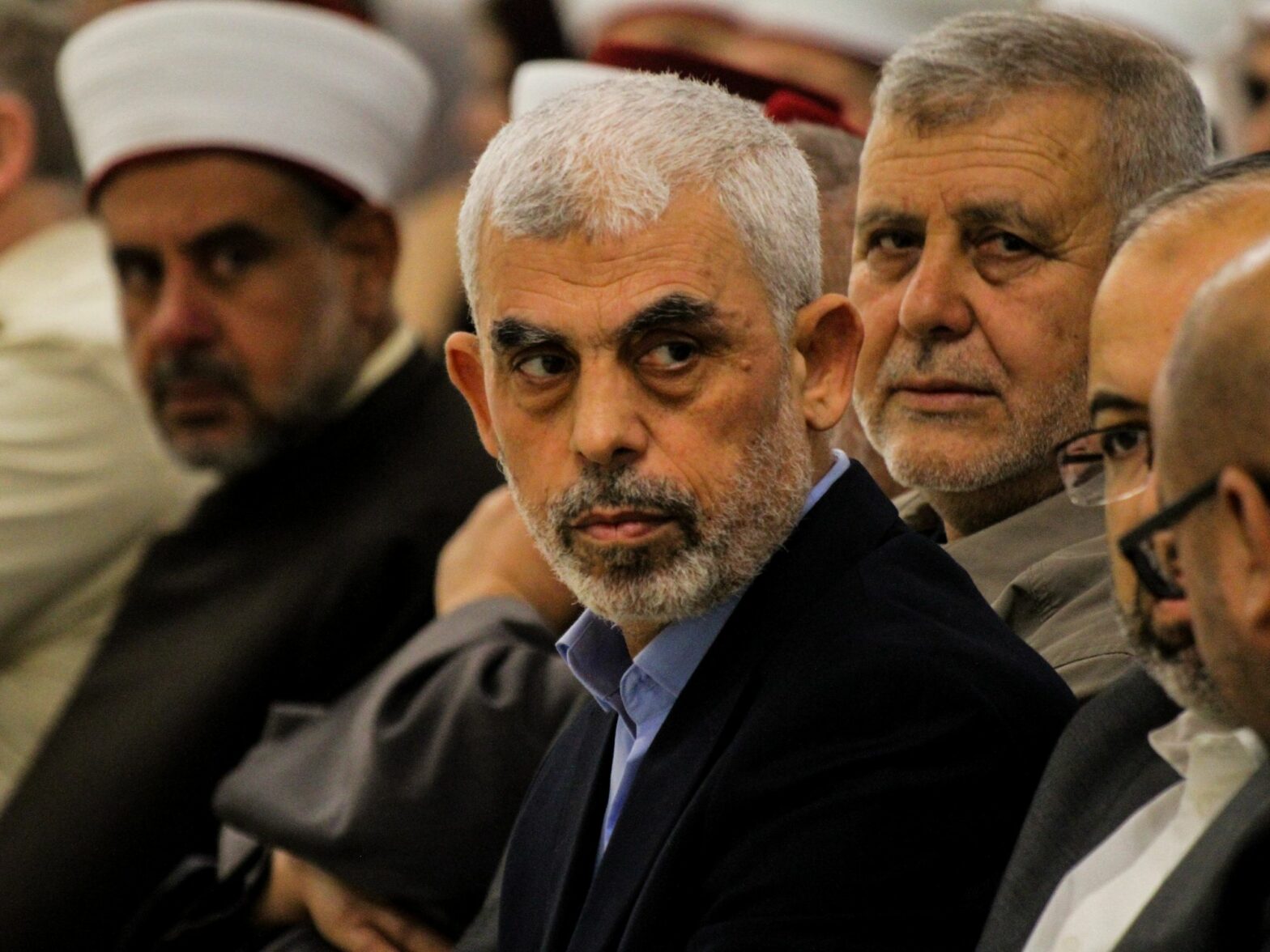
The Israeli military says Yahya Sinwar, the Hamas leader, has been killed in Gaza. The strike is a major victory for Israel, closing a chapter in recent Palestinian history in which Sinwar rose to the top of Hamas, and bet everything on the Oct. 7 attack, which made him more divisive than ever among the people of Gaza.
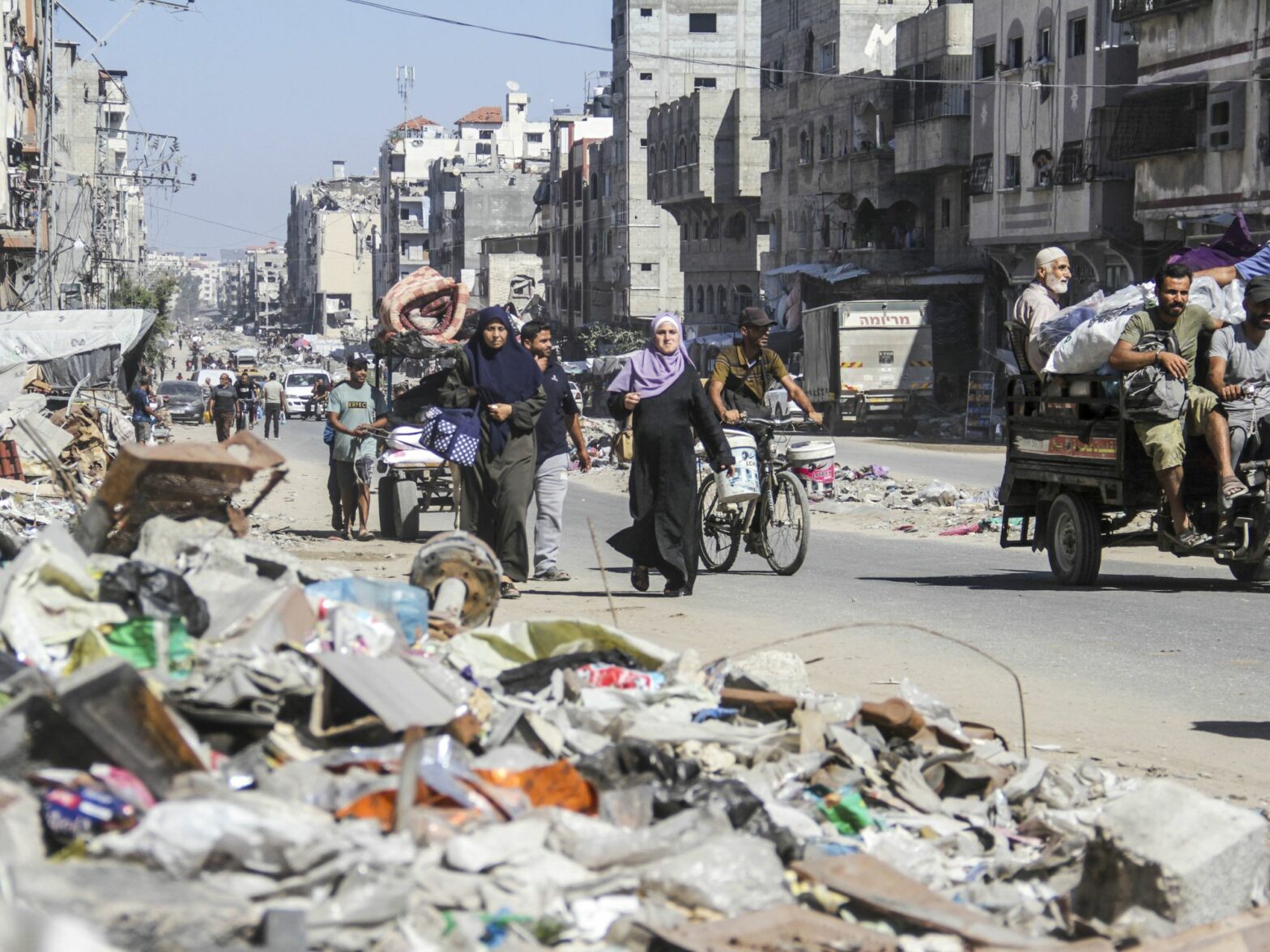
Observers believe that the military operations targeting civilians and blocking humanitarian aid in northern Gaza is the prelude to Israel reoccupying the region and establishing Jewish settlements.
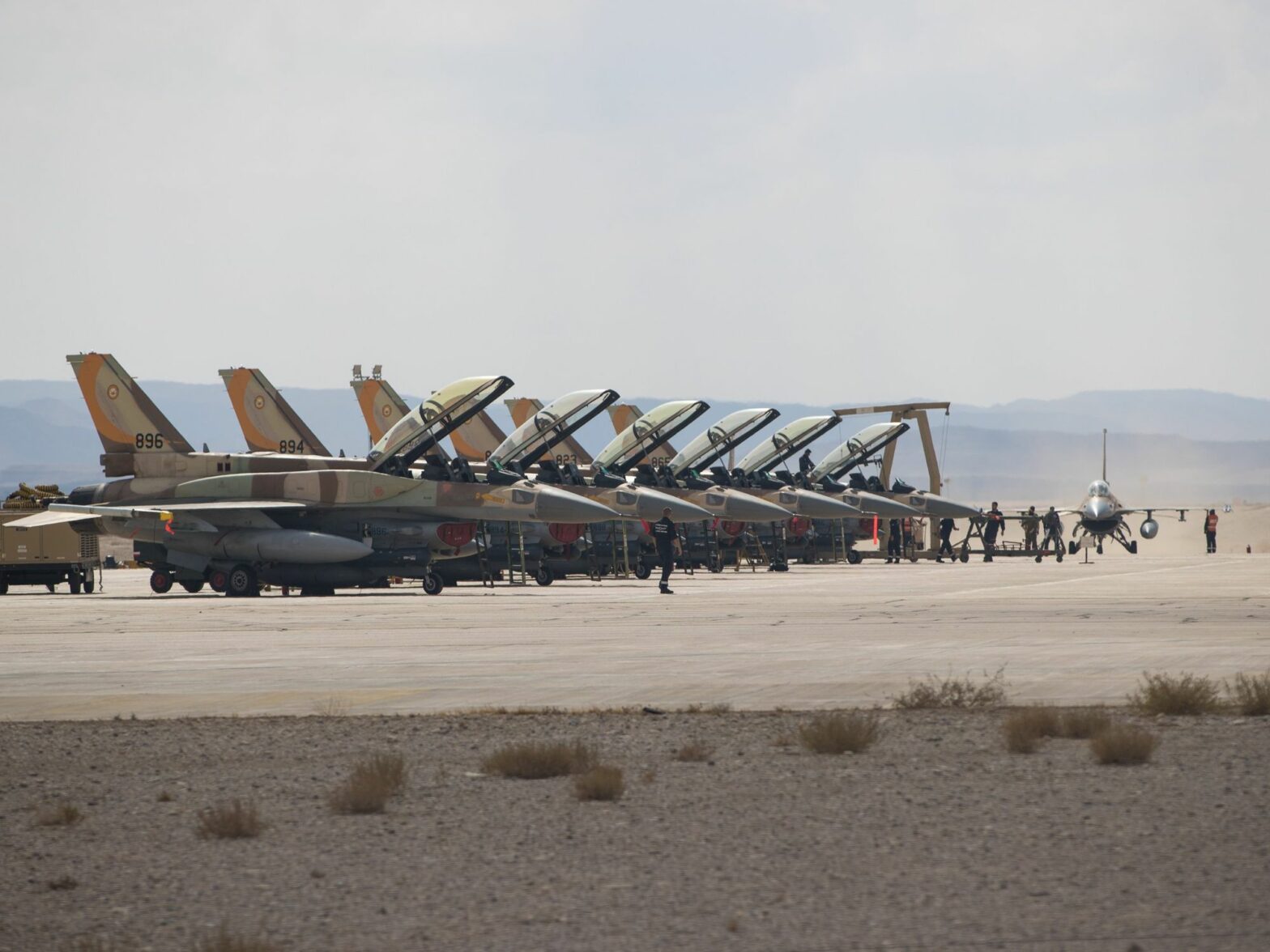
Israel is keeping the Tehran regime and outside observers guessing on the scope and timing of its threatened strikes on Iranian territory. Some say it is seeking to win itself time to “finish up” in Lebanon and Gaza, others say a massive attack on Iran could help reorder the whole region.
According to the Washington Post, Benjamin Netanyahu promised Joe Biden that he would not attack Iranian oil so as not to jeopardize the global economy — which could have an impact on the U.S. elections. It’s a deal that says a lot about the ambiguity of U.S. power and Netanyahu’s poker skills.
Israel is on the hunt in Lebanon one more time, with apparent early successes. But it has again ignored the fact that something always rises from the ashes.
Israel’s war on Gaza has turned into a bloodbath, as ultimately demanded by the country’s ultra-religious rulers to remain in power as long as possible.
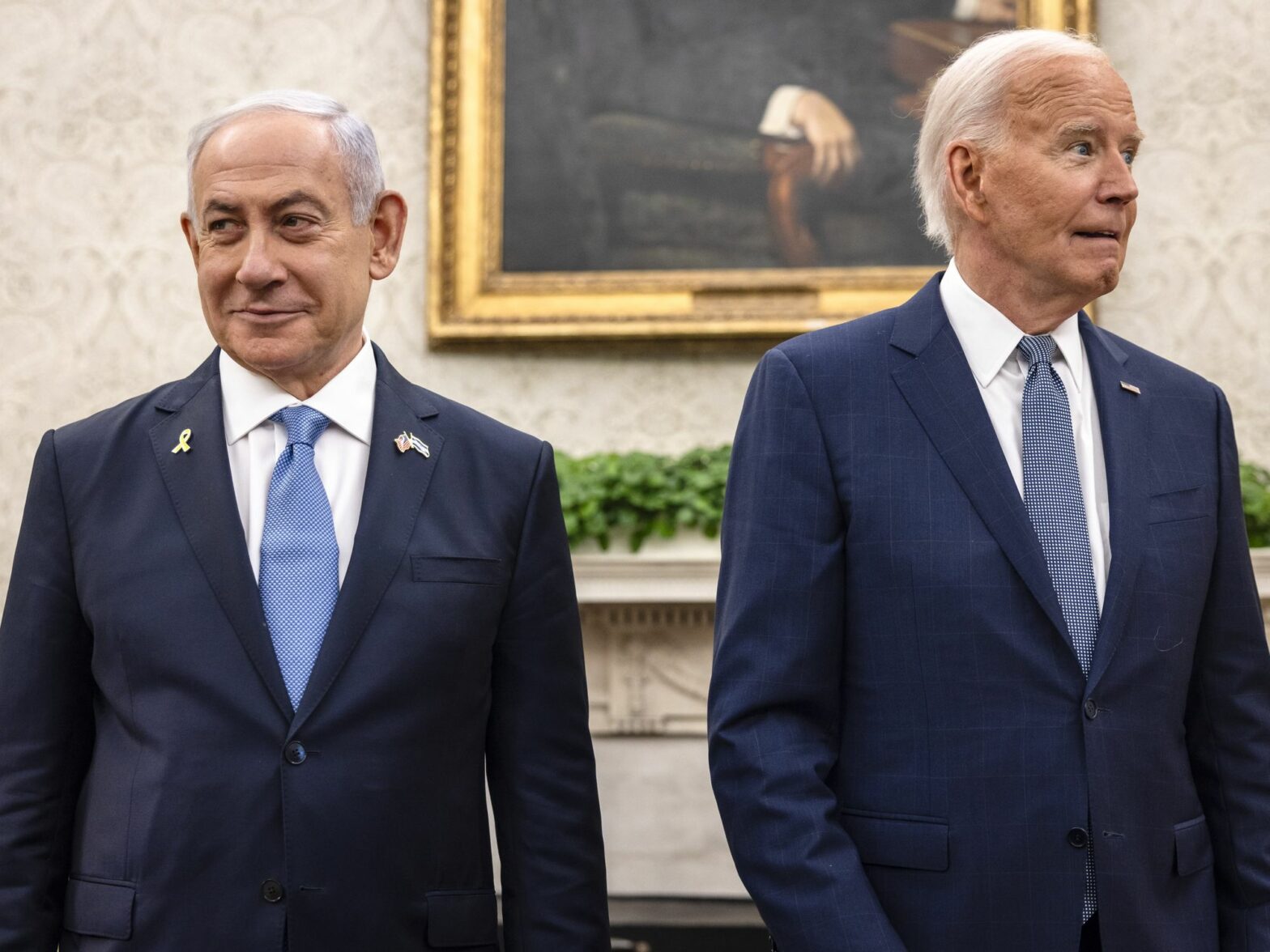
Never since it became the “great protector” of the Jewish state has the United States shown so much weakness towards Israel, as the Israeli prime minister stays one step ahead of his adversaries in a cunning maneuver to help Trump return to the White House.
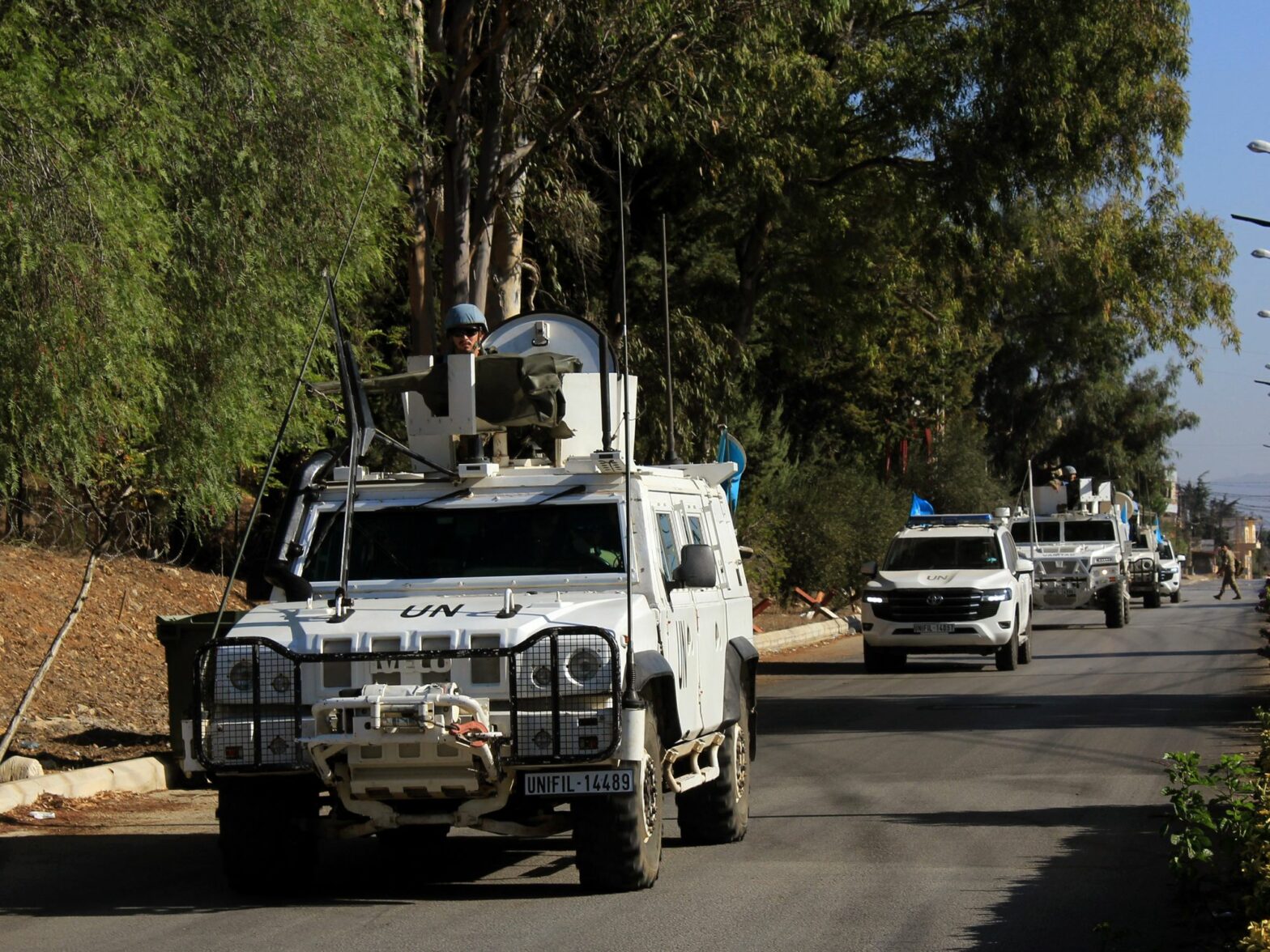
The Israeli Prime Minister is demanding that UN peacekeepers leave the combat zones in southern Lebanon, in yet another crisis in the difficult relations between Israel and the United Nations. But this could be the point of no return.
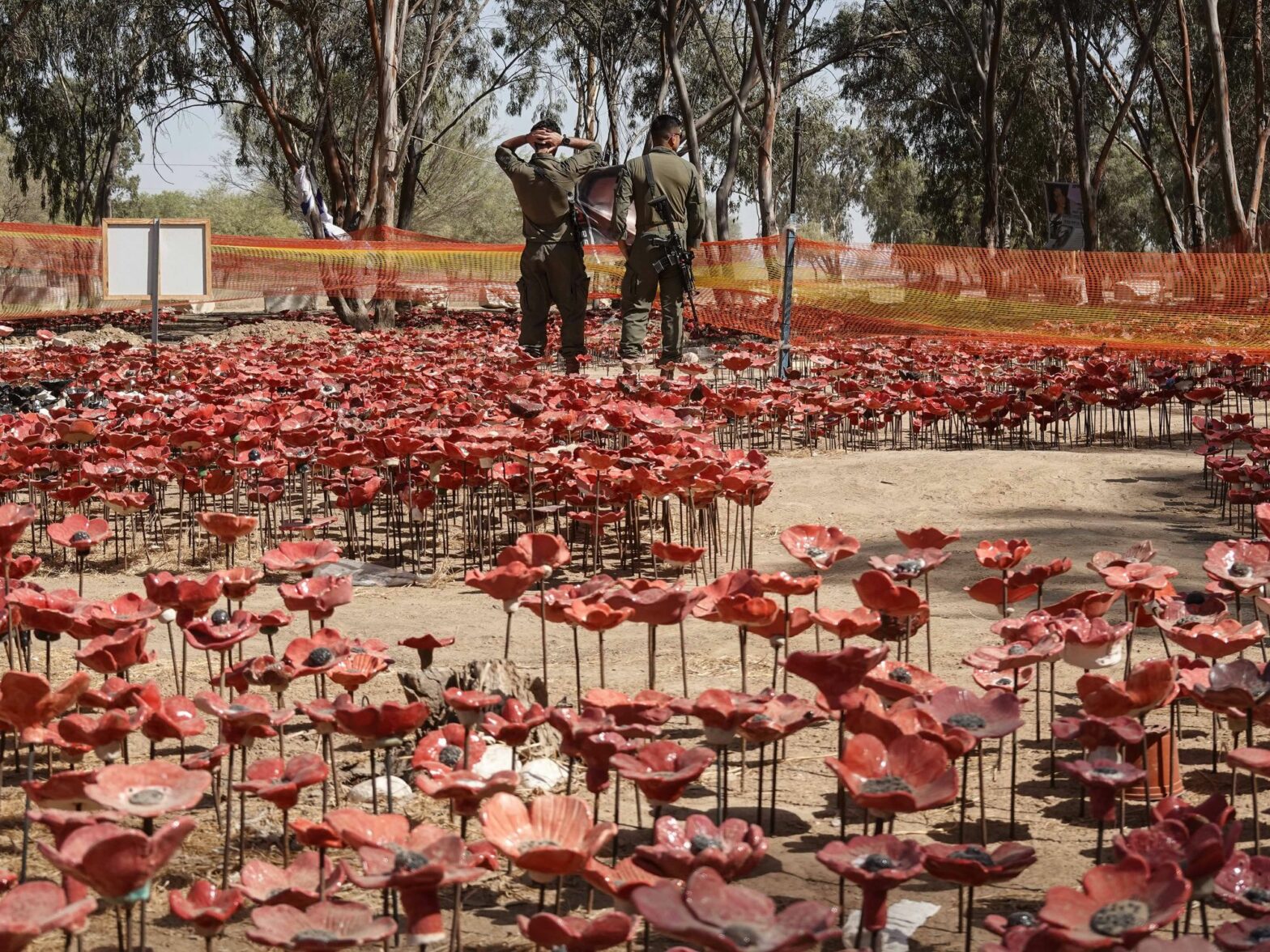
Benjamin Netanyahu escaped the growing calls to stop the war in Gaza and bring the hostages back, by launching another war on Hezbollah. It’s a taste of what’s to come.
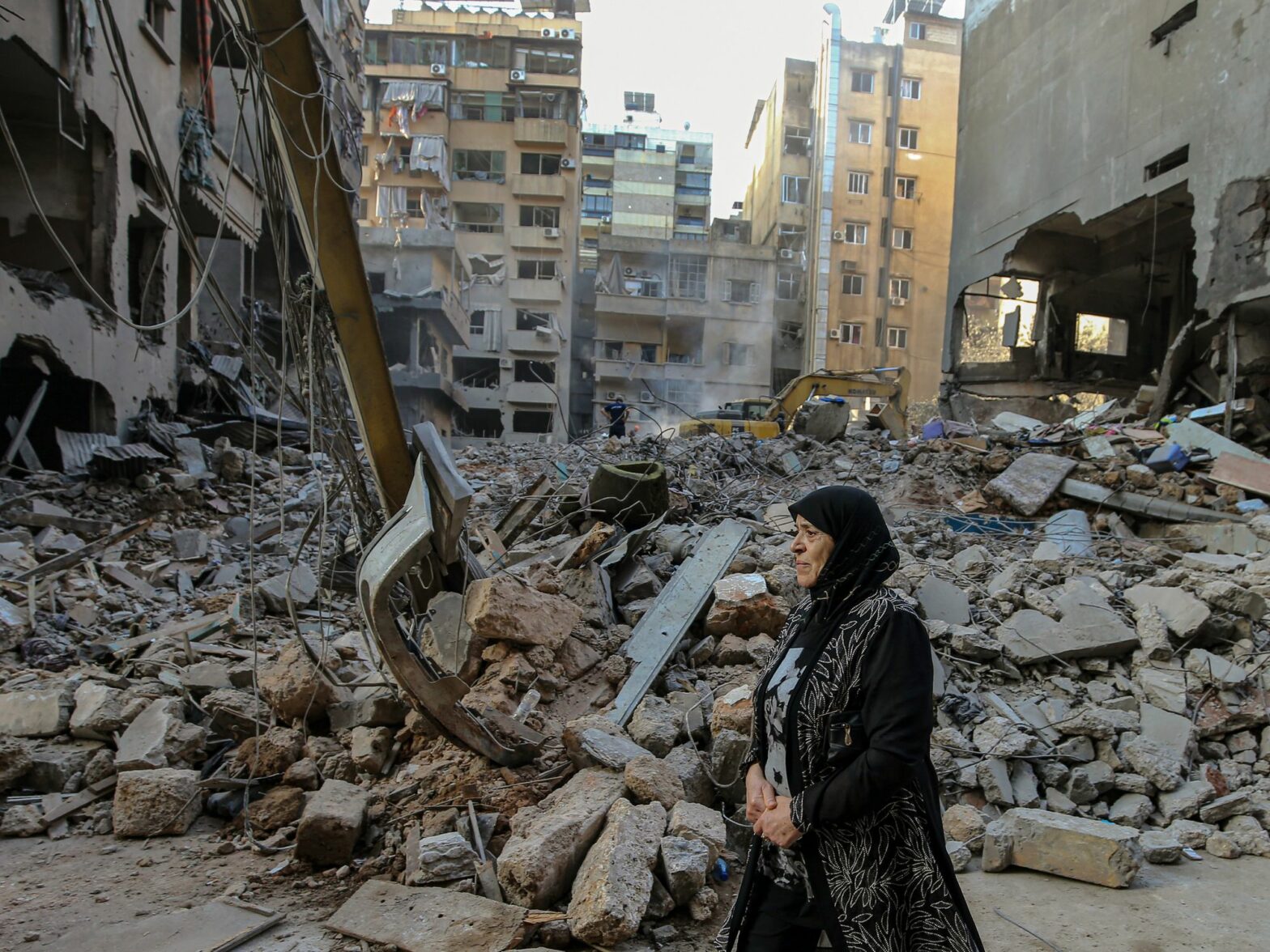
Initially presented as “limited,” Israeli operations have escalated sharply in Lebanon, and the Israeli Prime Minister has called on the country’s citizens to rise up against Hezbollah. What is Benjamin Netanyahu’s aim in this war?

As Israel’s air strikes on Lebanon intensify, following the unprecedented exploding pagers attack, the severely injured get care inside Geitawi General Hospital that aims to salvage their forever altered lives.
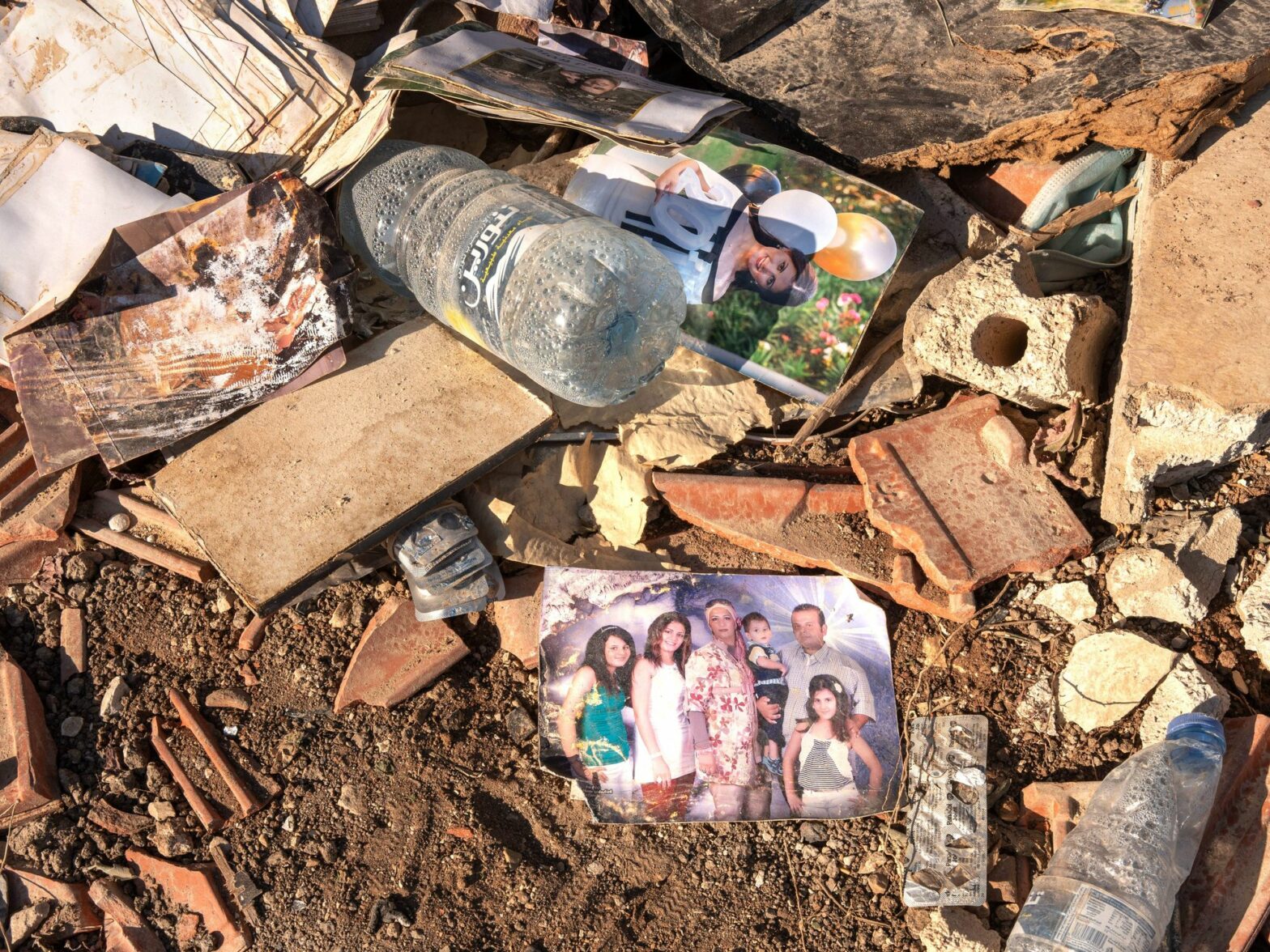
Benjamin Netanyahu has publicly urged the Lebanese to turn on Hezbollah, as he drops bombs that kill thousands of civilians. But every citizen knows what an occupier looks like.
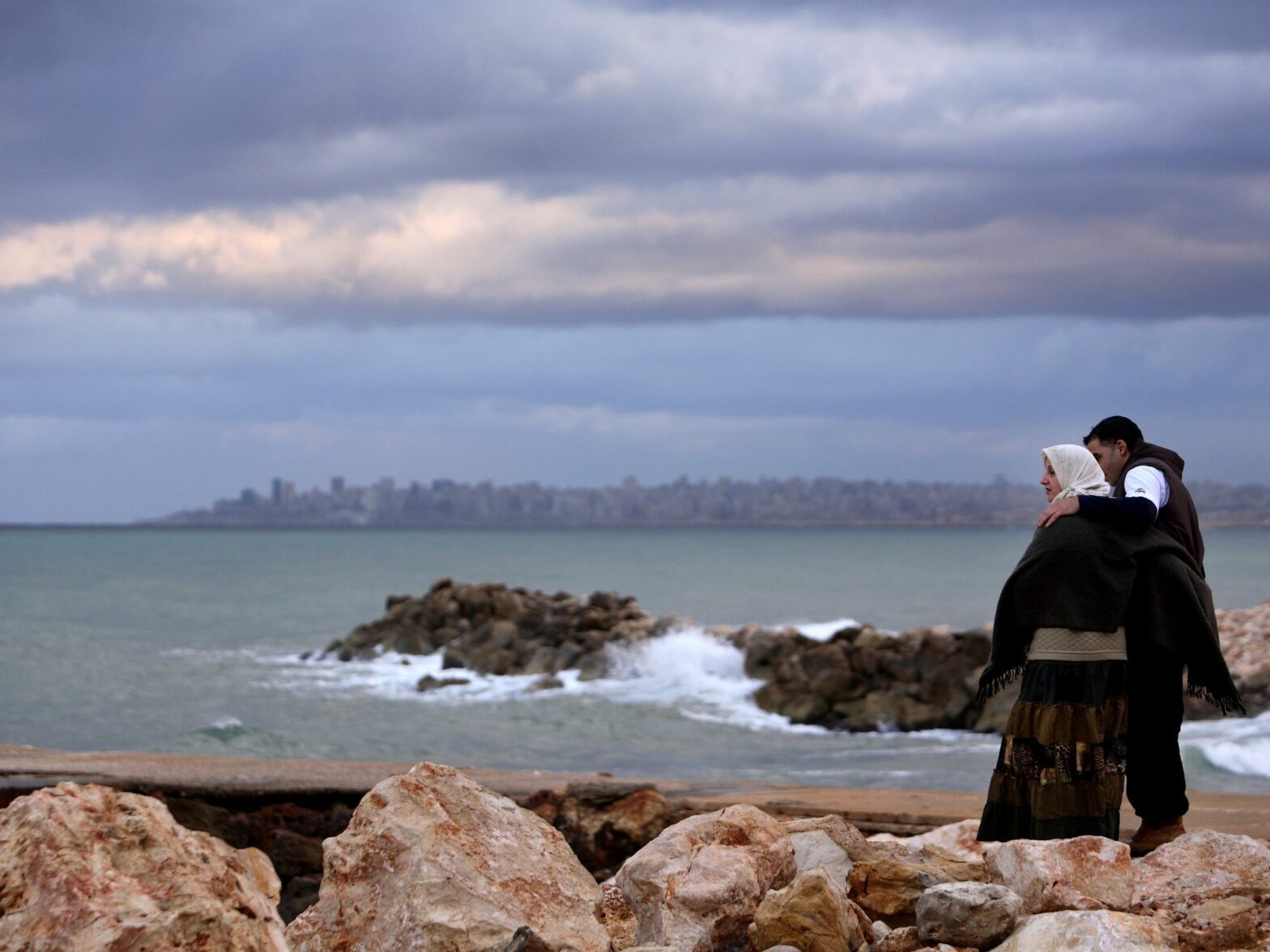
The Lebanese coastal metropolis has long been a source of inspiration and freedom for Baghdad native poet Aya Mansour. As Israel sends ground troops into Lebanon, she asks how the world can watch as fire and smoke covers the beauty of Beirut without saying a word.
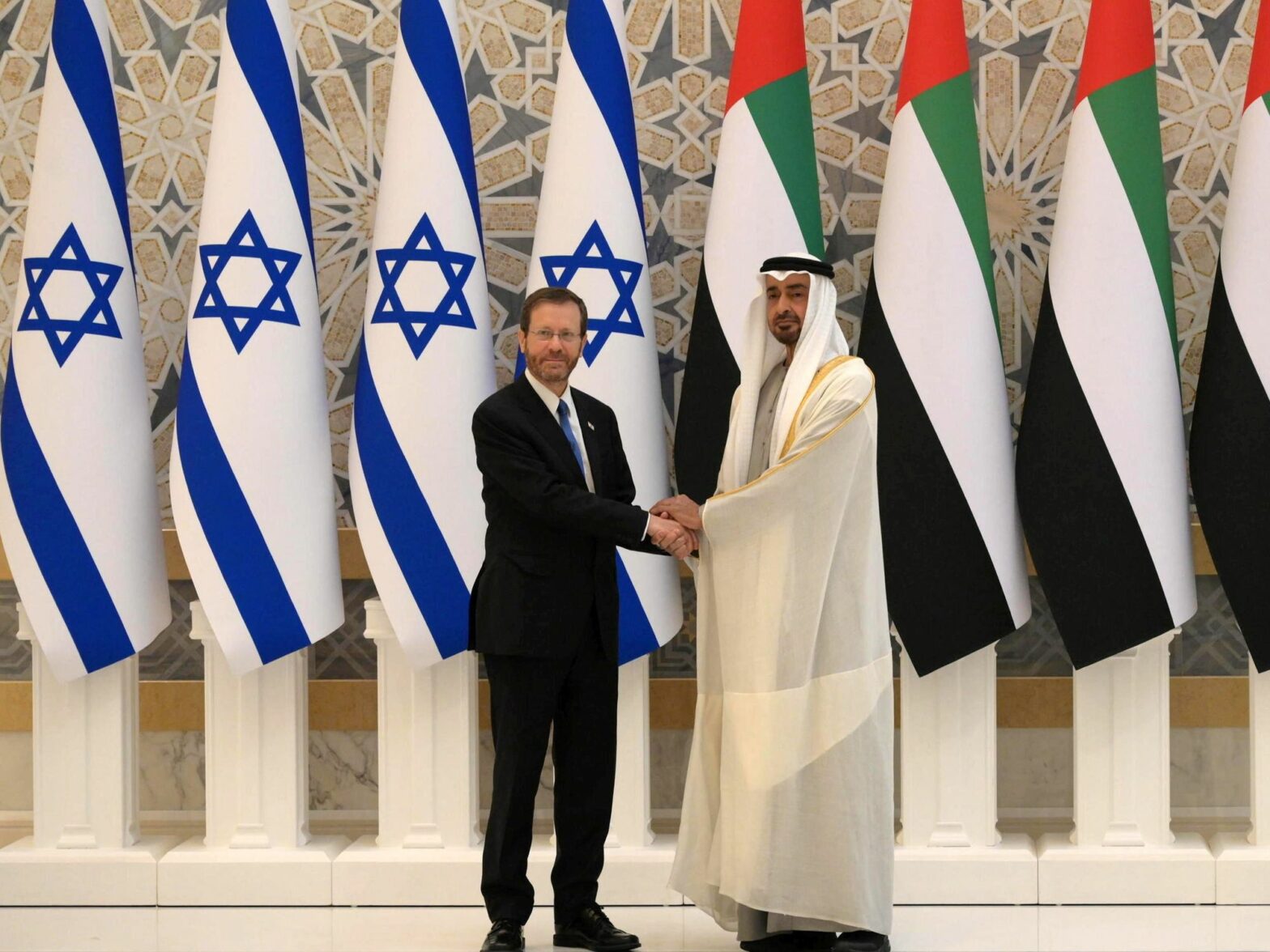
Israel’s aggression over the past few months, no matter how successful, is ultimately a sign of its weakness. Yet it is able to achieve its goals from the support it receives from a number of players inside and outside the region, whether they realize it or not. That even, paradoxically, includes Iran.
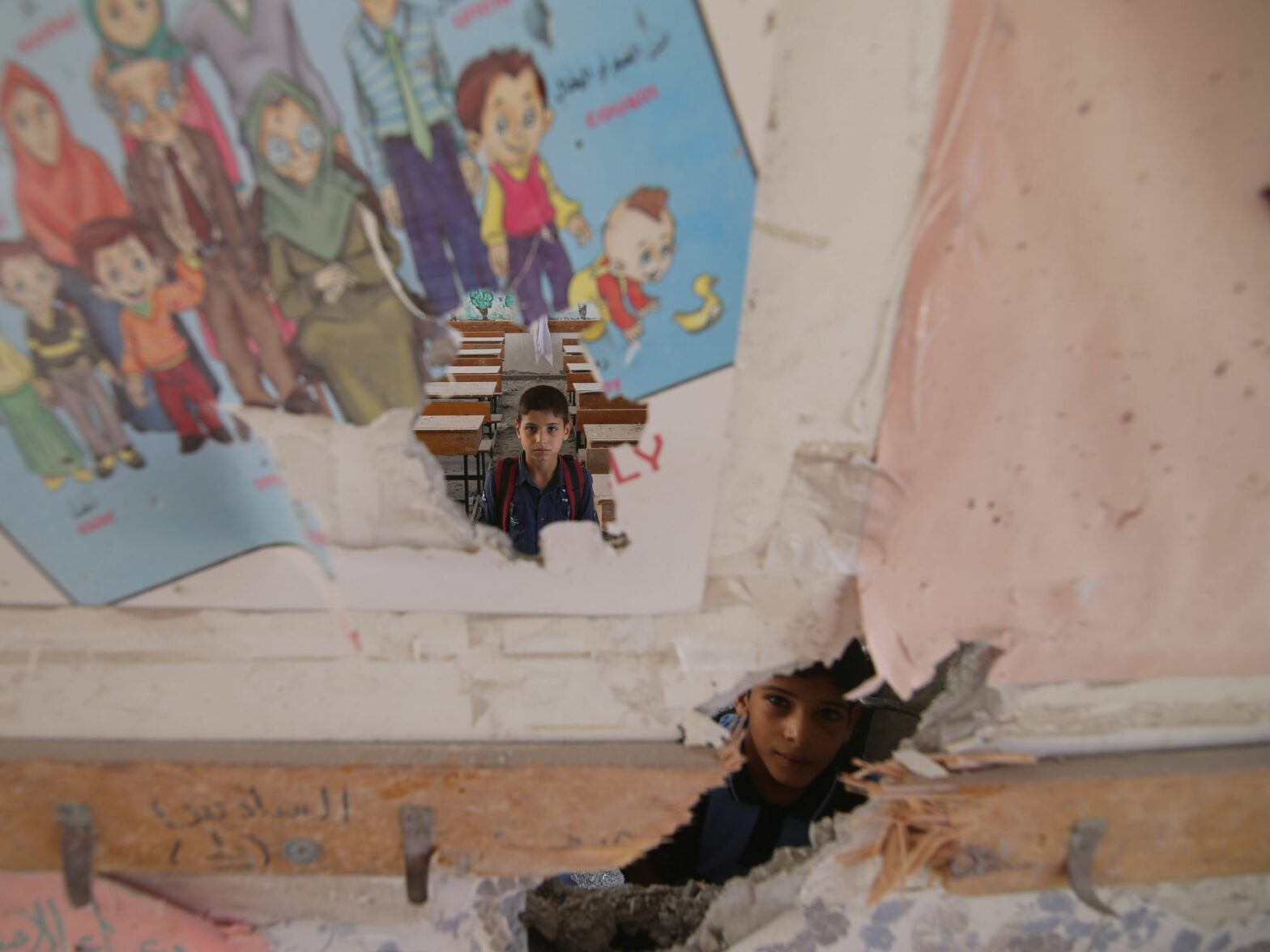
Egyptian authorities give Gaza’s refugees a 45-day tourist visa which doesn’t allow them to apply for residency, study or work in the country. But online learning platforms, including the West Bank’s official educational system, are helping children with their schooling, despite the war.
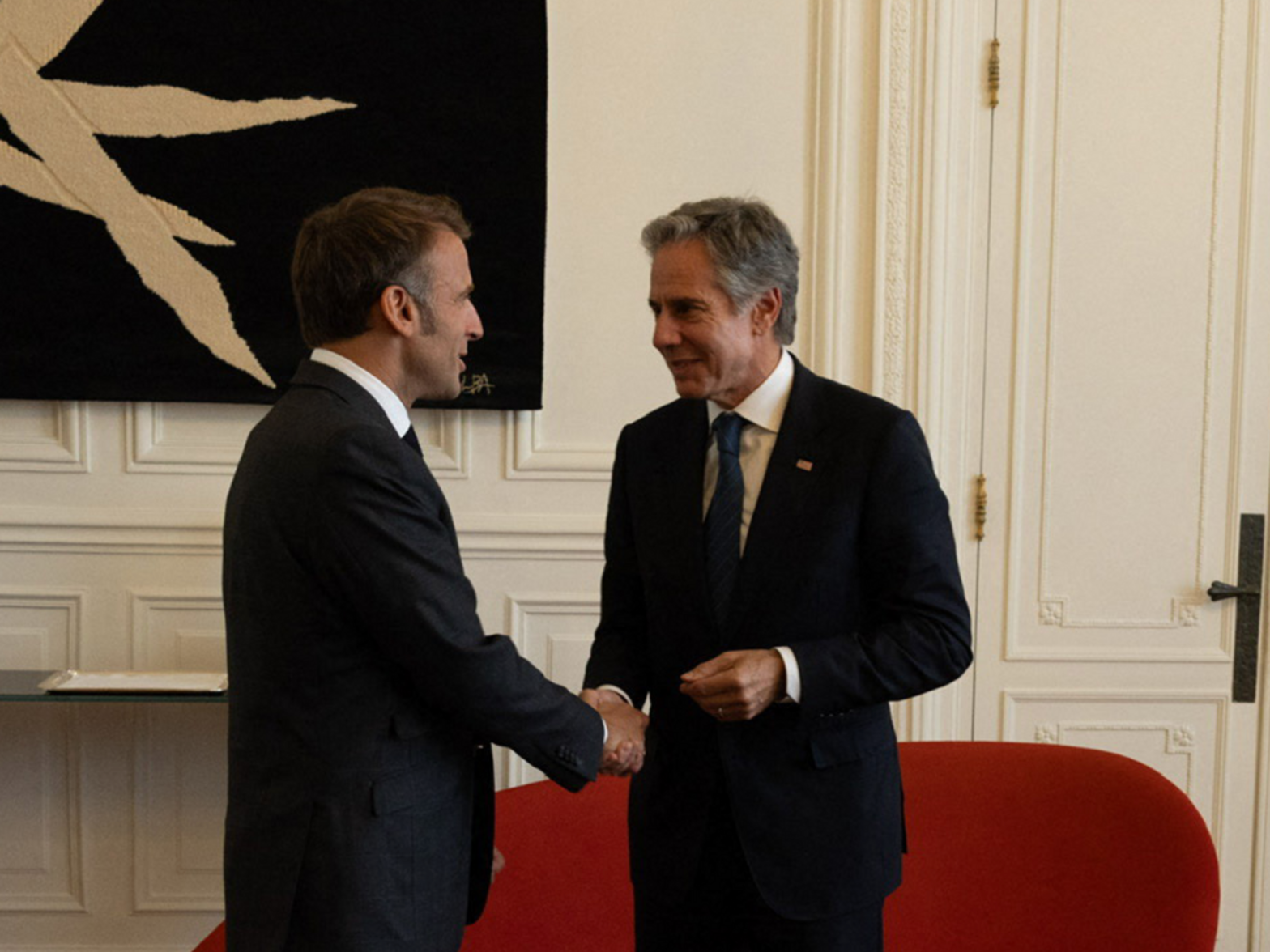
When Emmanuel Macron called for an embargo on arms supplies to Israel, he was aiming at the United States, following the failure of the attempted ceasefire in Lebanon. Paris even speaks of ‘duplicity’ by Washington and Israel. It’s just the latest example of the failure of diplomacy in the face of the “logic of war.”
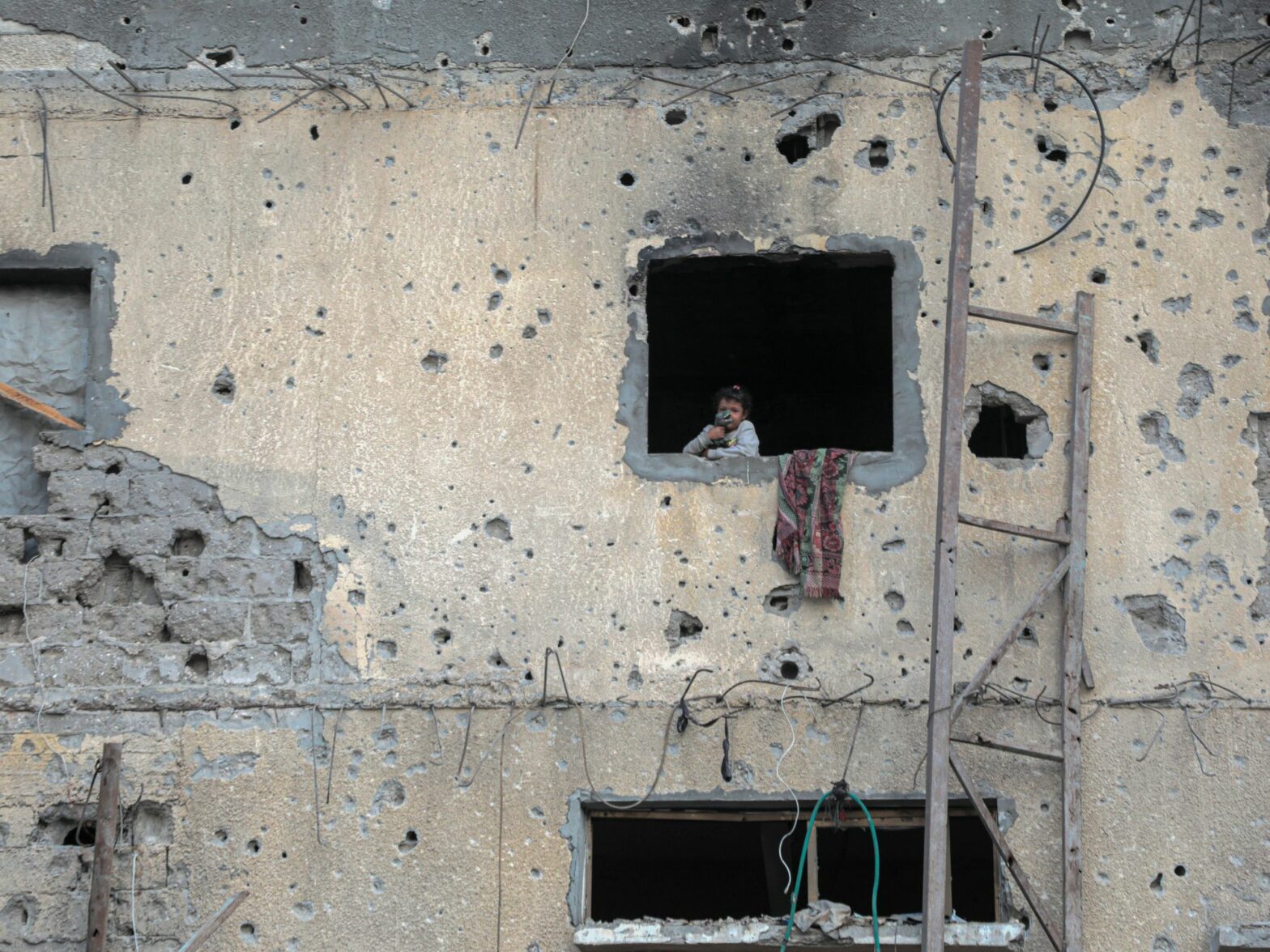
It’s clearer than ever that Israel — backed by a number of militarily and economically powerful countries that claim to abide by international law and human rights — continues to destroy these laws and standards that are based on the equality of all human beings.
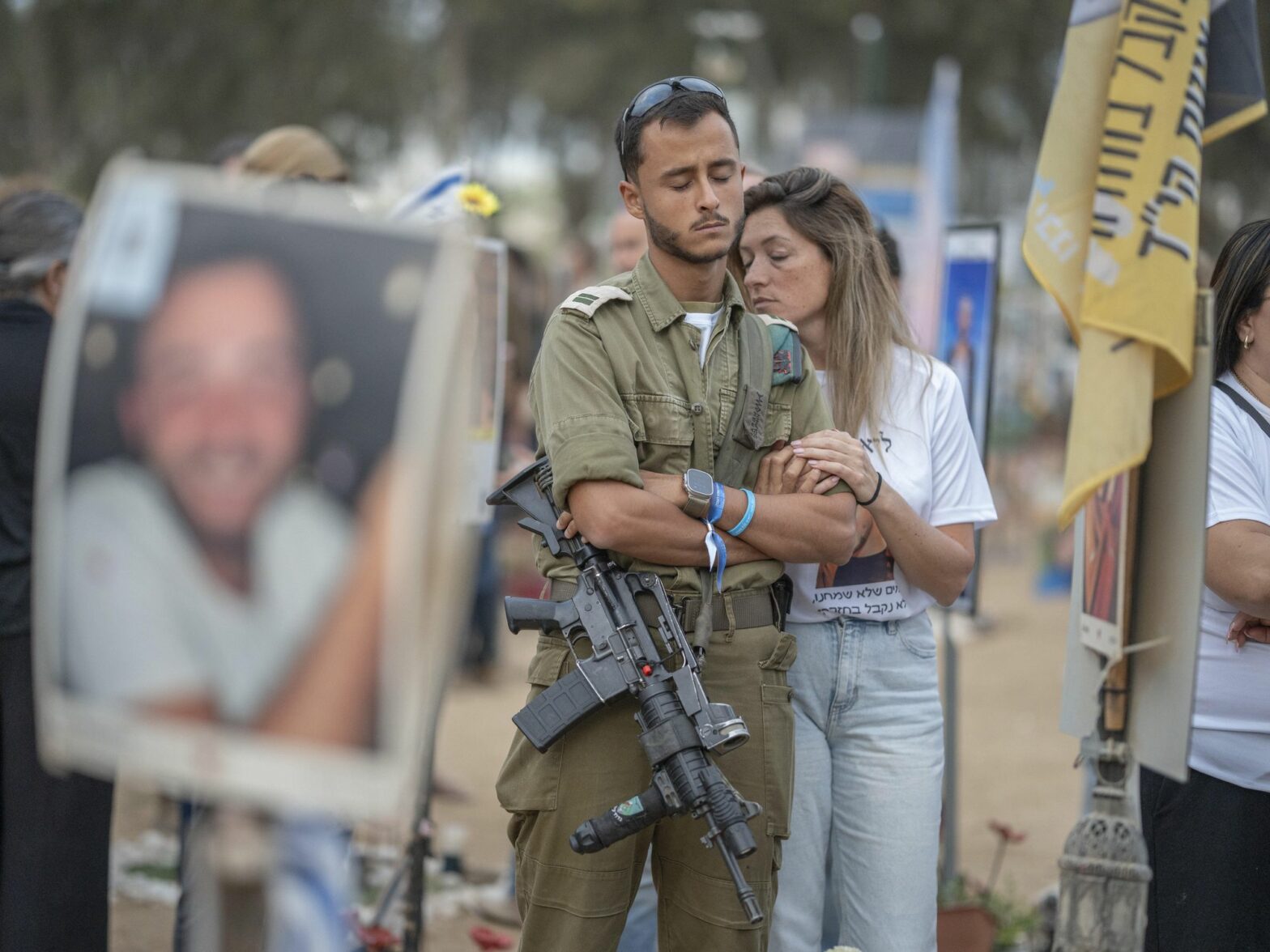
One year after the massacre of October 7, the wars continue (and expand) across the Middle East, and may currently look like Israel is achieving its military and security goals. But it will be a failure without any political solution.
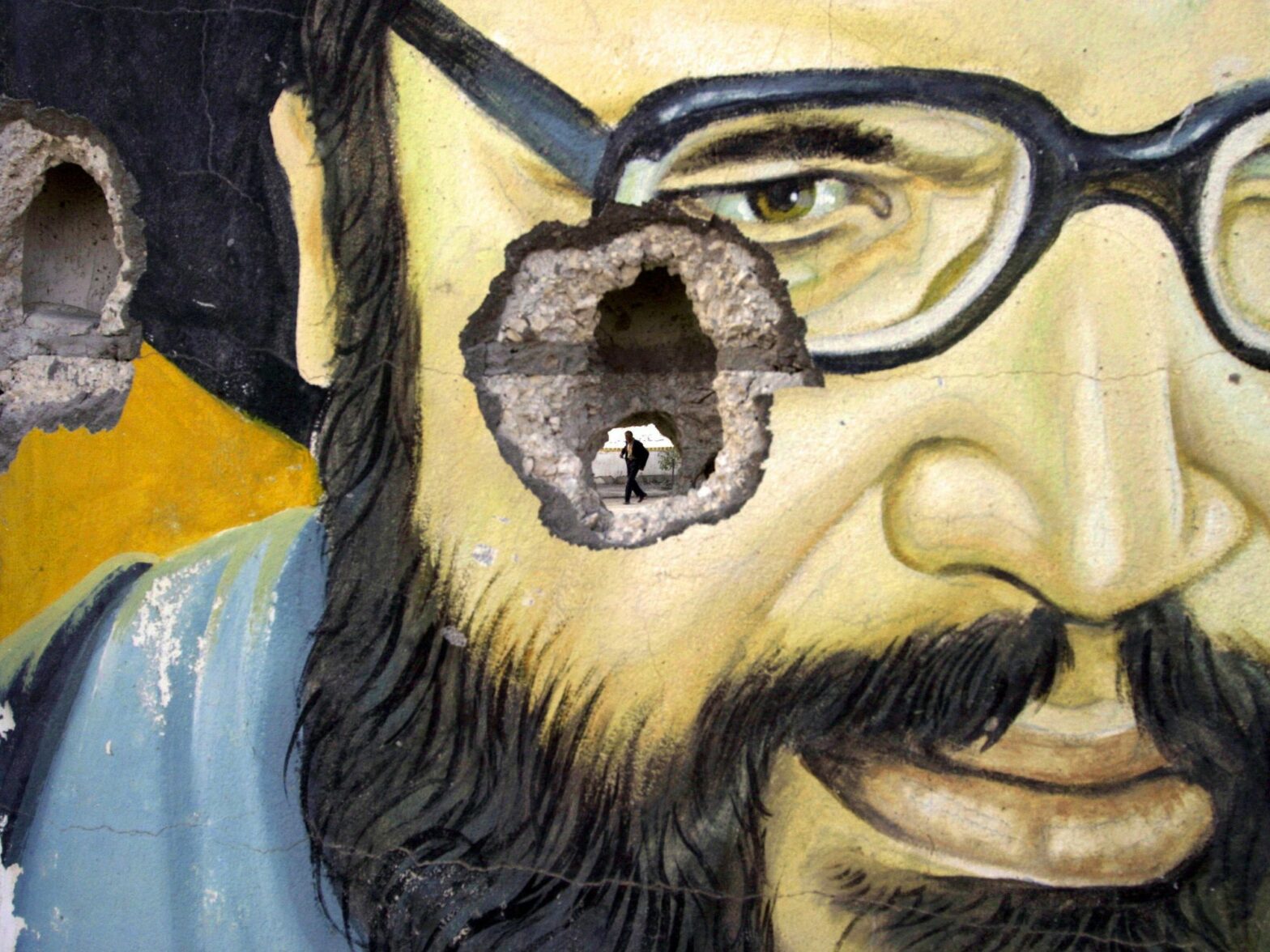
When Israel killed Hassan Nasrallah in an airstrike on a stronghold in Beirut, journalist Khaled Dawoud recalled his meeting with the head of Hezbollah more than two decades ago, and gauges how his death marks the end of an era of confrontation with Israel.
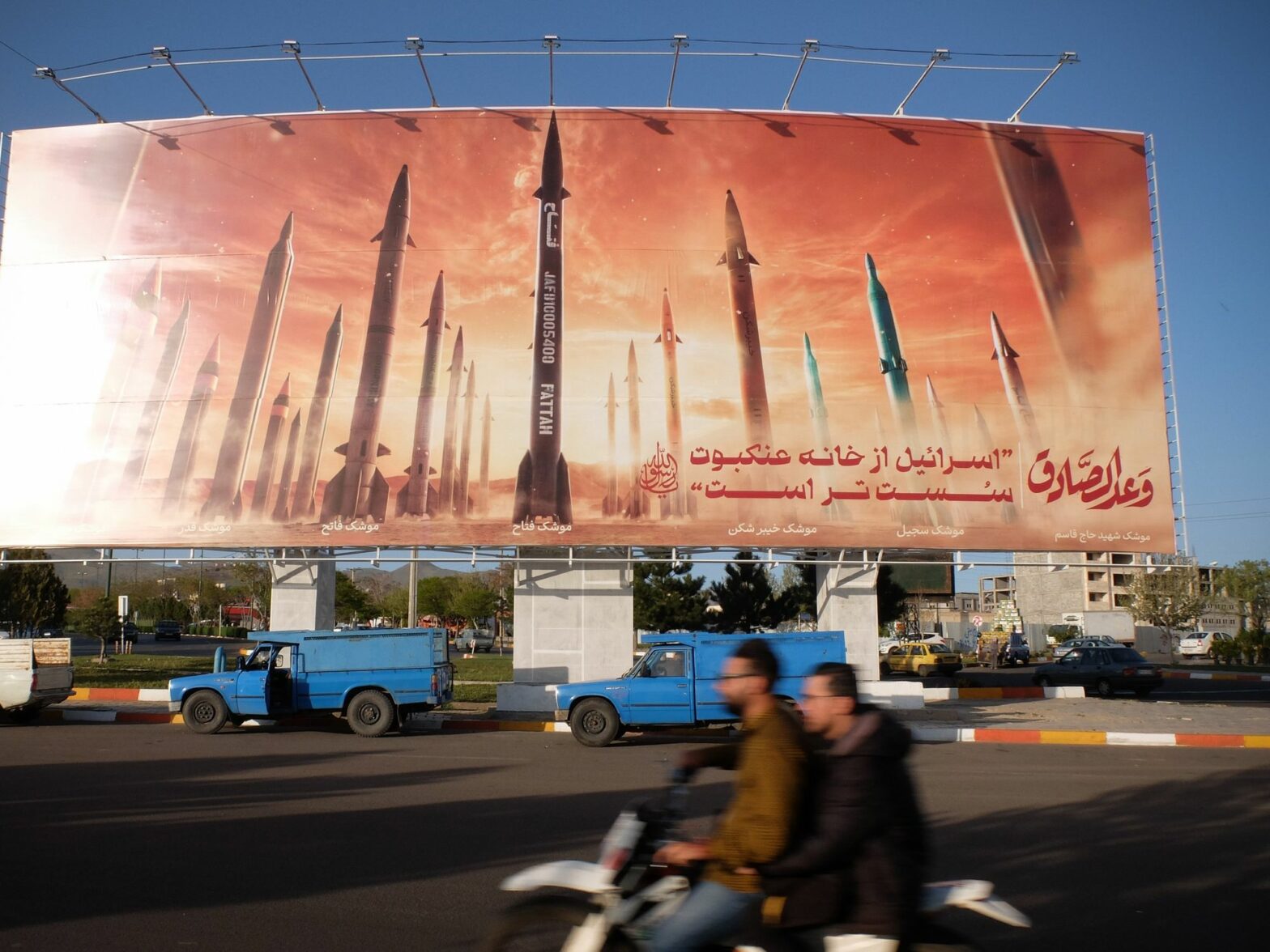
Iran’s Supreme Leader Khamenei vowed on Friday that the country’s regional allies would “not back down” against Israel. Yet neither criticism of Tehran has been growing among Hezbollah supporters since the assassination of Hassan Nasrallah.
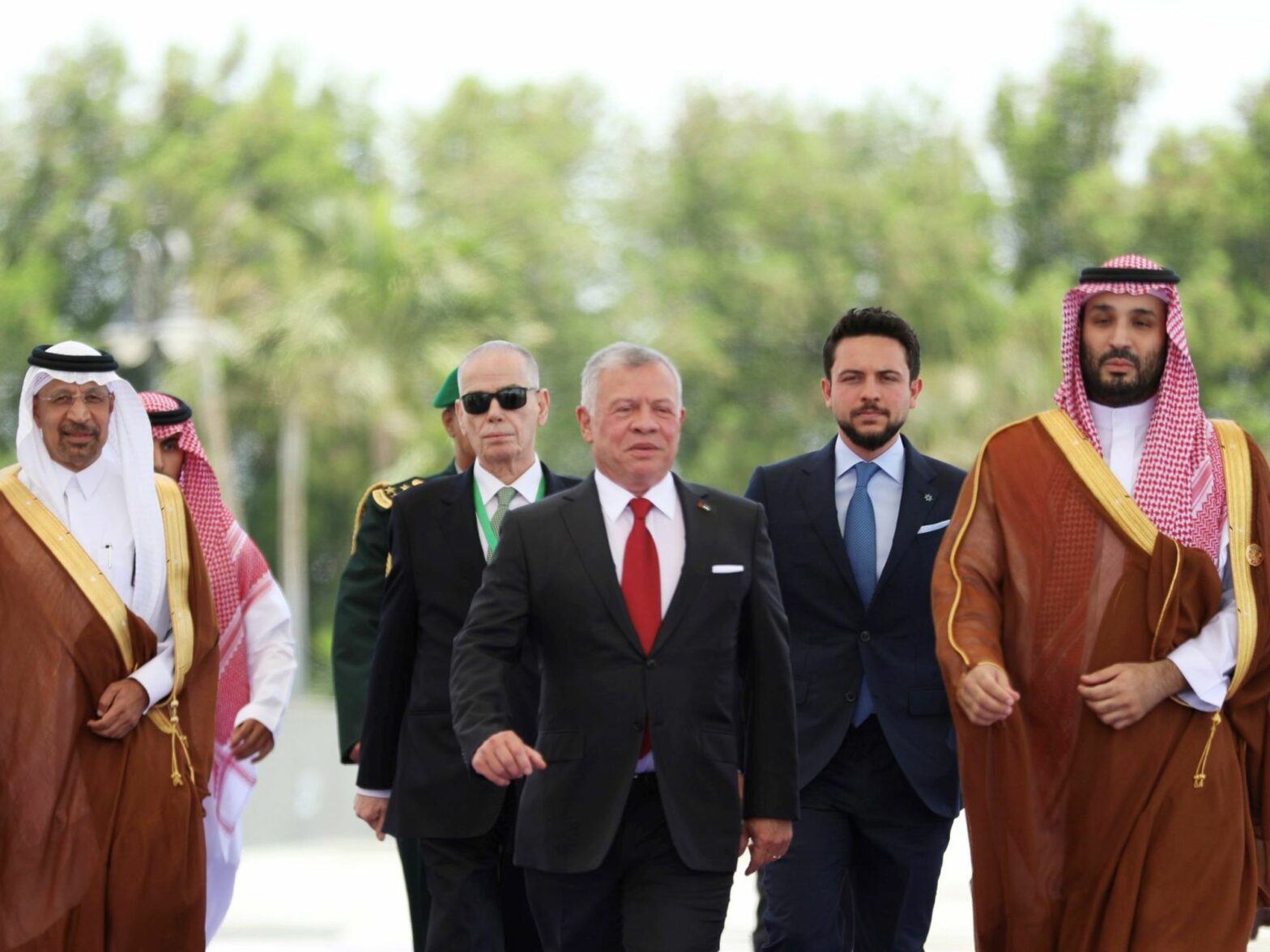
Arab countries remain largely missing in action as the region goes up in flames. Those that have recognized Israel are keeping a low profile, the Saudis are talking about a Palestinian state, but they are not averse to crushing the pro-Iranian forces and targeting Tehran. And yet a regional war would upset the current balance.
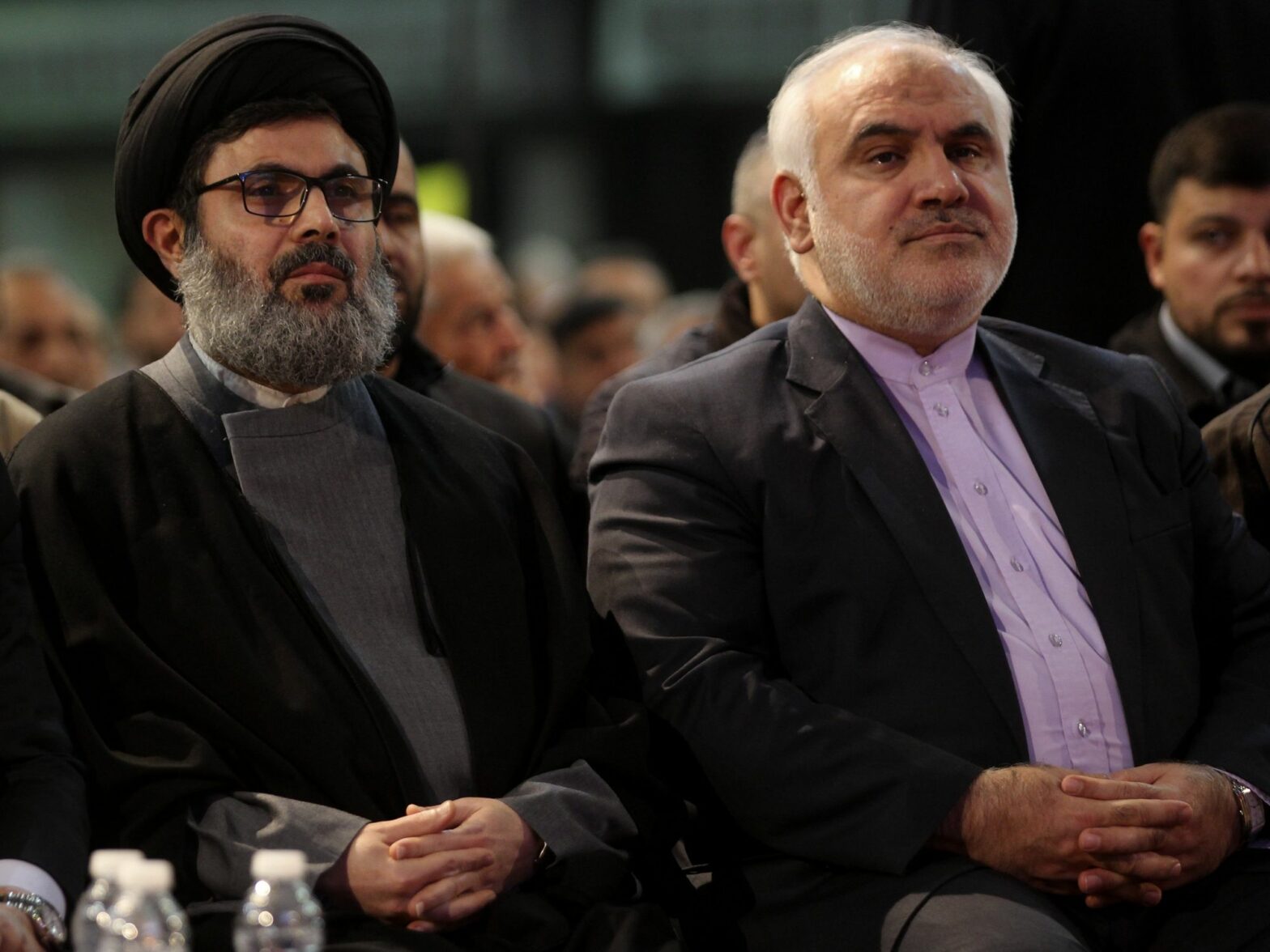
Israel has targeted Hashem Safieddine, the younger cousin of slain Hezbollah chief Hassan Nasrallah, in an overnight air strike early Friday. Believed to be the heir apparent, Safieddine rose through the ranks and positions within the organizational structure. He also has very strong ties, and family connections, with hardliners in Iran.
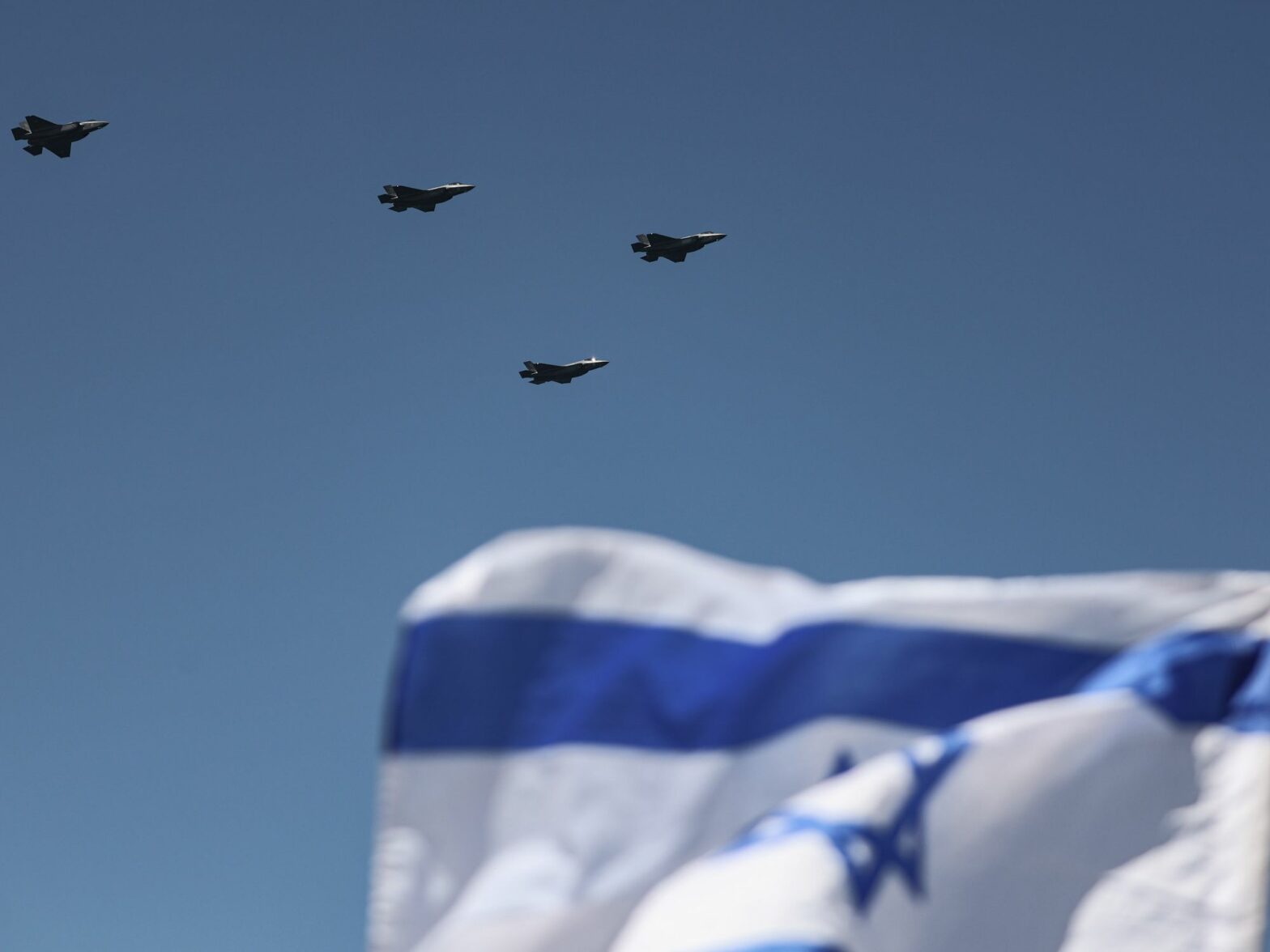
Was it the “Mother of Miscalculations?” Tehran’s decision to launch a second missile attack on Israel demonstrates its weakness at home and abroad. The Iranian regime may soon face the consequences, as a possible series of events could be triggered by a reprisal from the better-equipped Israeli military.
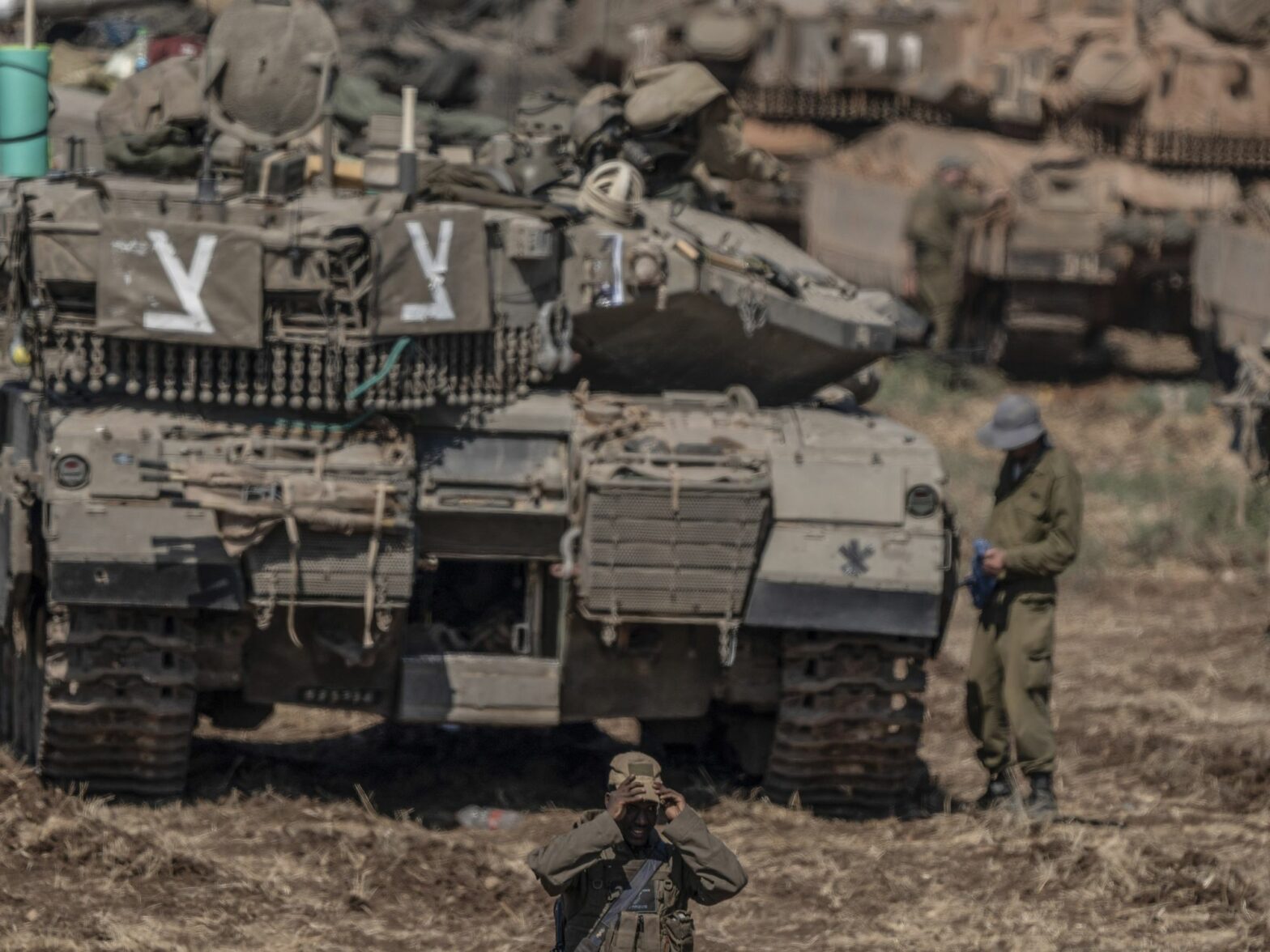
Israel doesn’t know how far it will push into Lebanon, a great deal will depend on how much resistance they face. All of it adds up to a tragedy-in-the-making for the people of Lebanon.
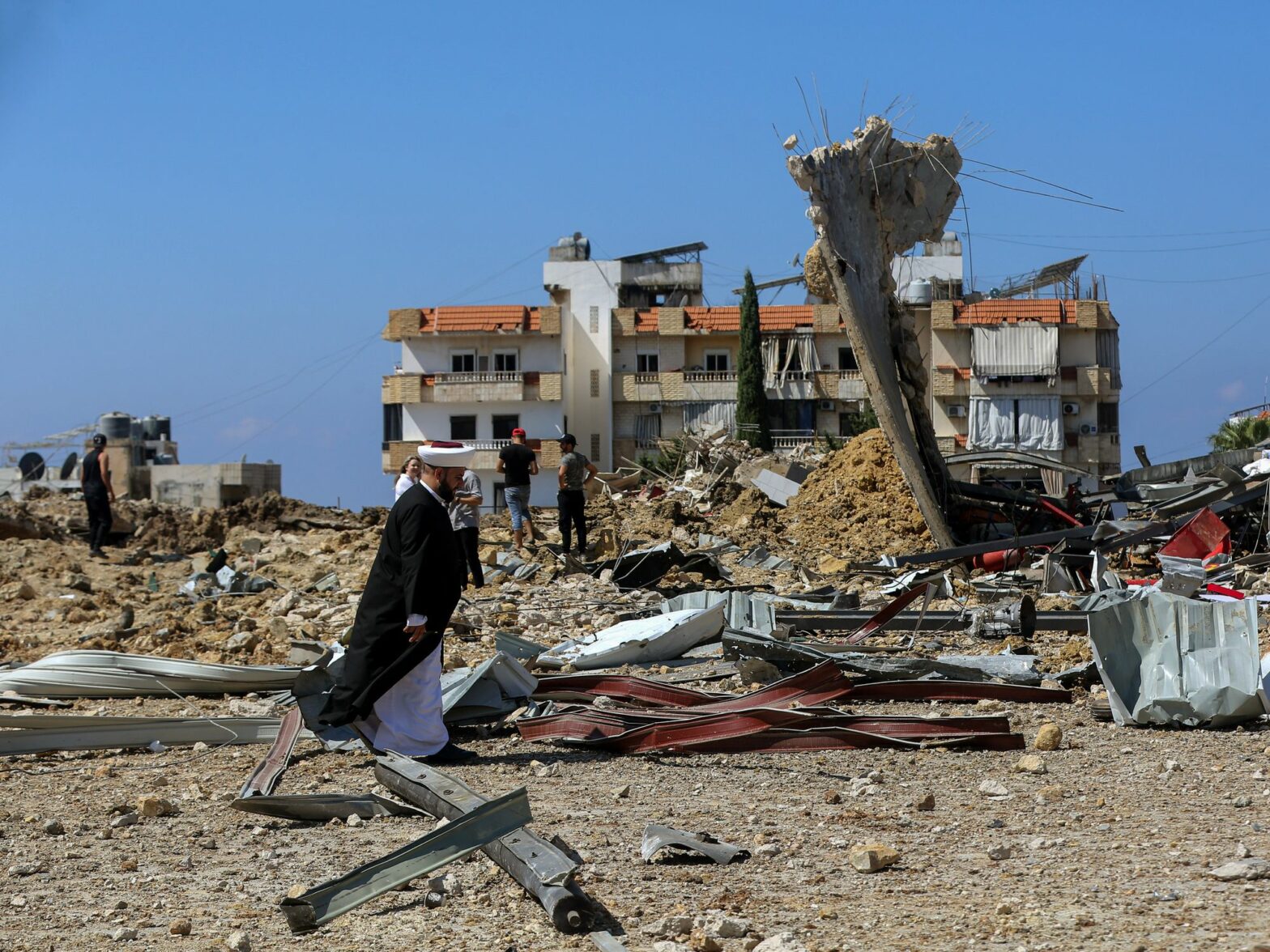
Israeli Prime Minister Benjamin Netanyahu laid out a careful plot to push and ultimately shatter the long-established “rules of engagement” in the Middle East. It caught everyone, from Iran to Hezbollah to the White House, by surprise. The aim is to remake the whole region to revolve around Israel.
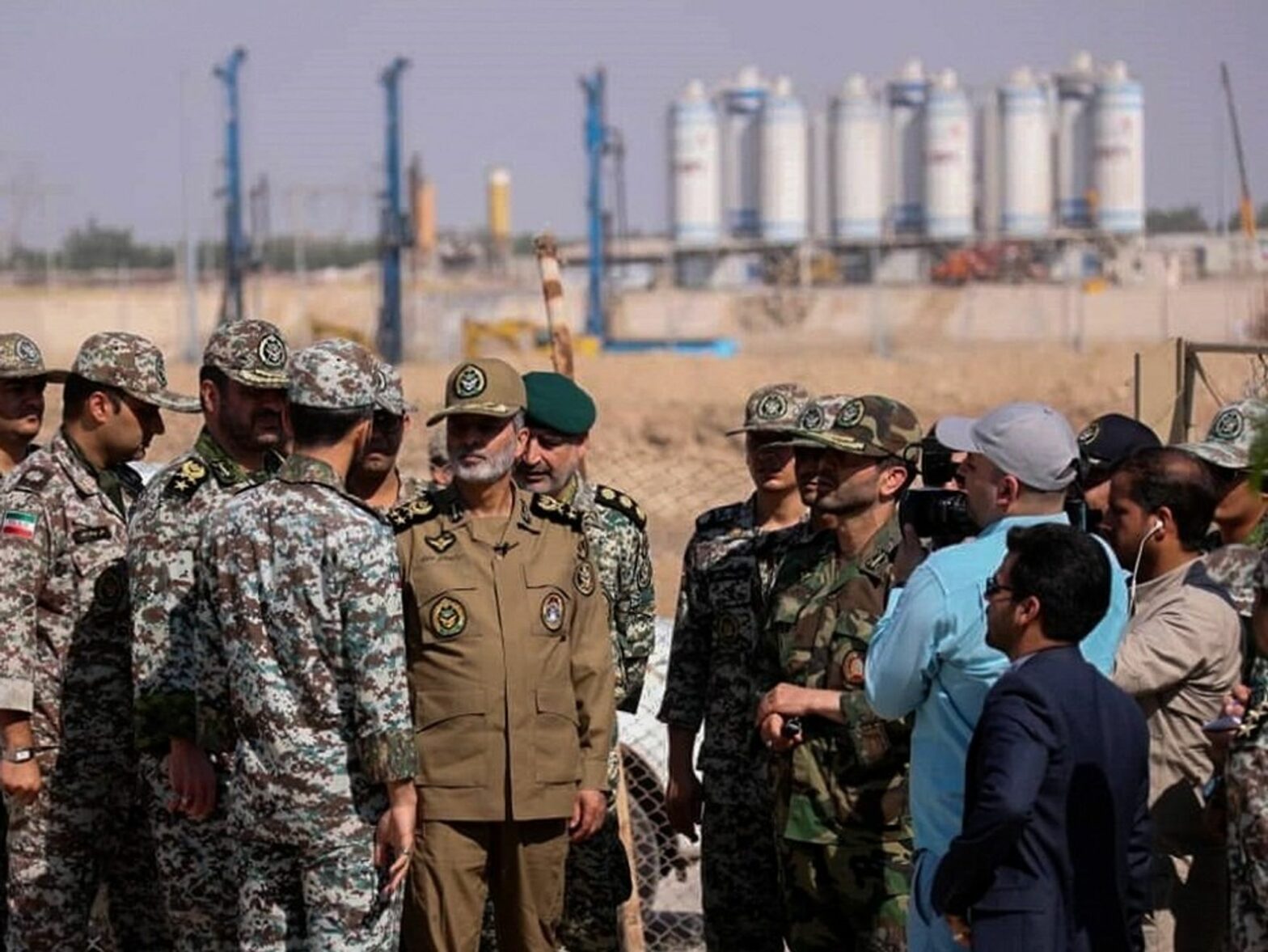
Iran decided on Tuesday to respond to the assassination of Hezbollah leader Hassan Nasrallah and Israel’s offensive in Lebanon, at the risk of Israel’s merciless retaliation. At stake is Iran’s nuclear program, which Israel has long wanted to destroy.
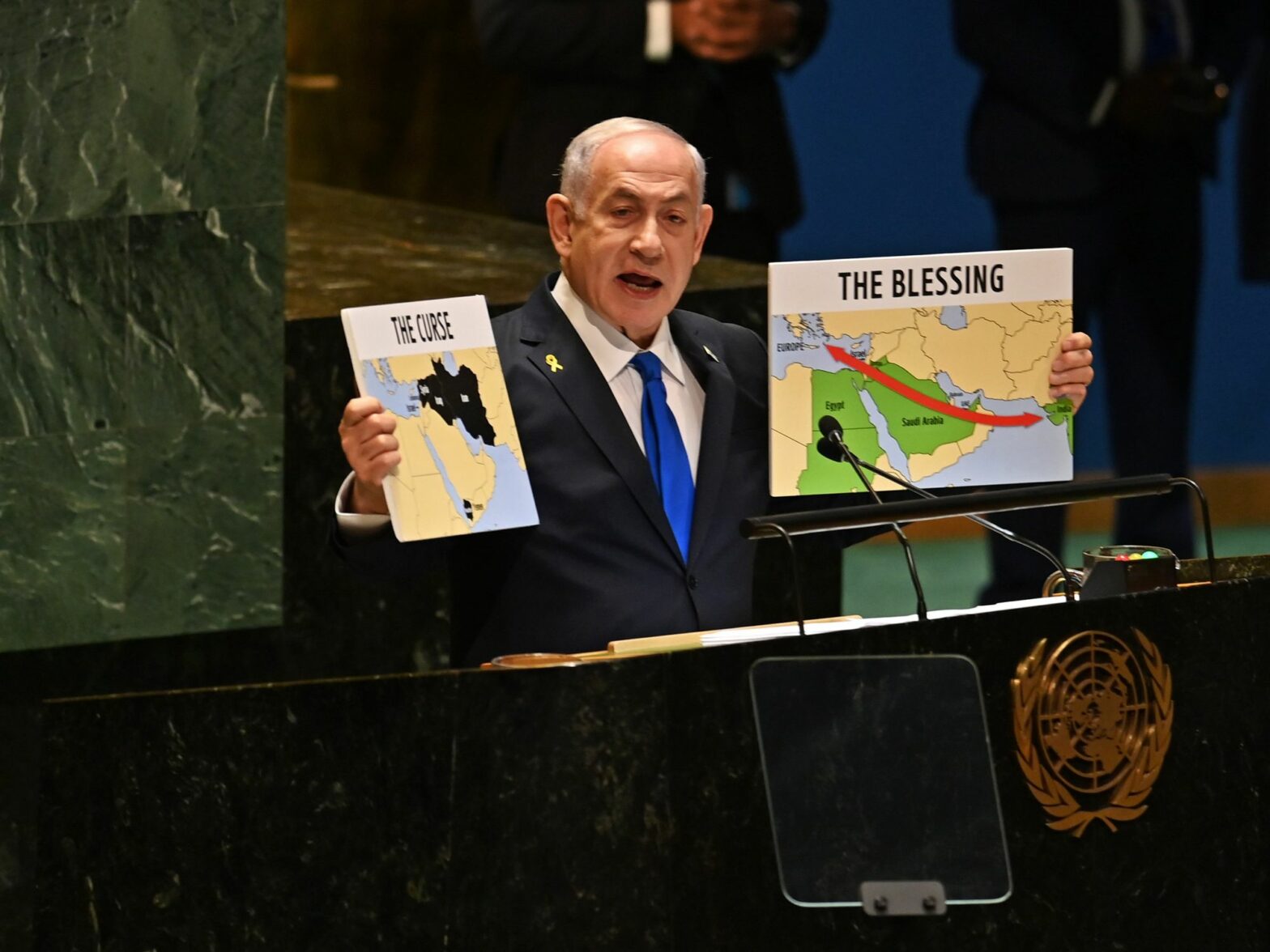
The defeat inflicted on Hezbollah and the weakening of the pro-Iranian axis has shifted the power balance toward Israel, which is continuing its offensive with a ground incursion into southern Lebanon, and dreams of building a “new Middle East.” But we’ve seen this playbook before.
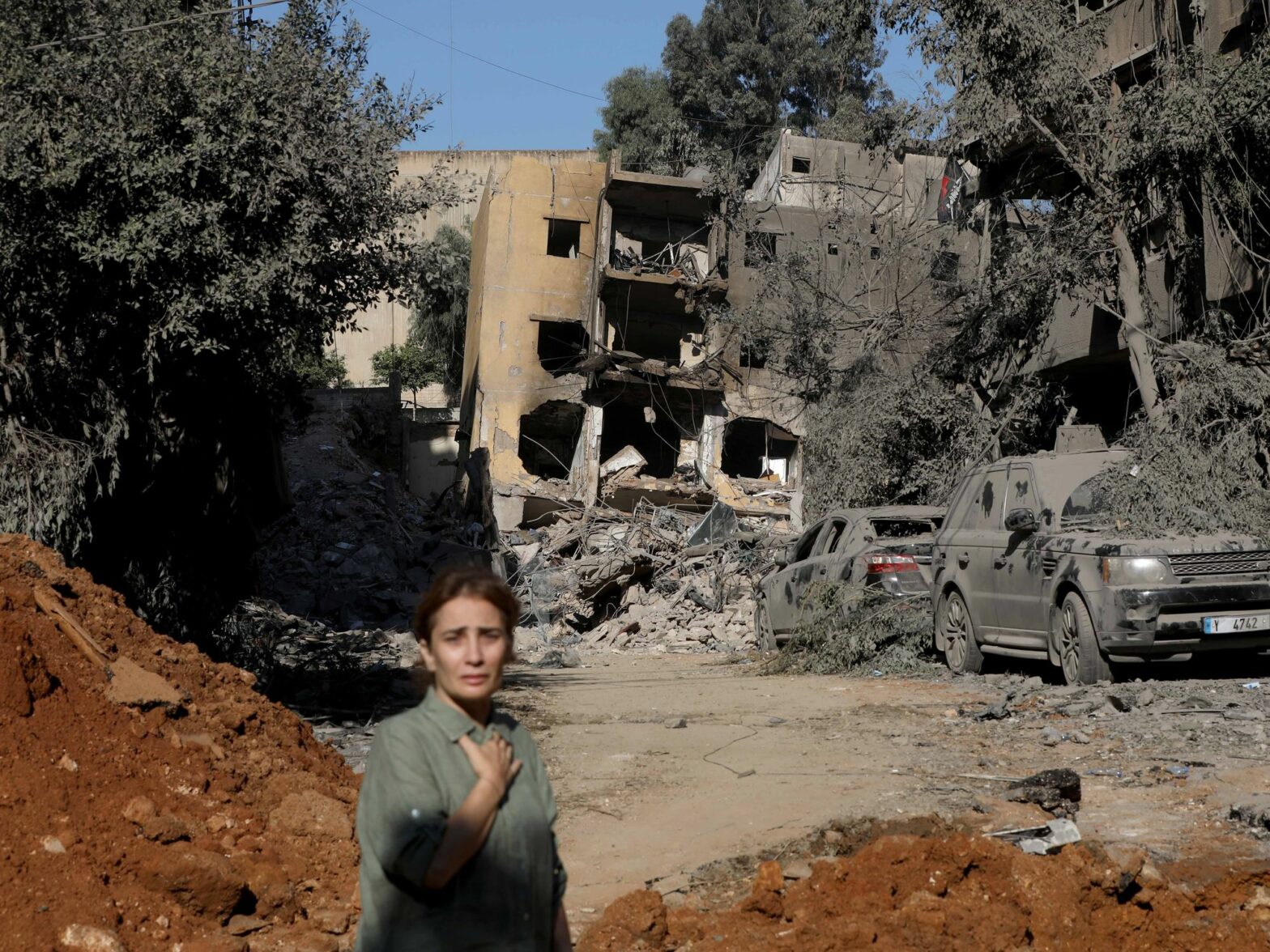
As Israel celebrates the death of Hezbollah’s leader, Washington and Tehran both suddenly seem powerless, looking like spectators of an unraveling tragedy that is beyond their control. Yet, given its demographics and geography, Israel desperately needs allies.
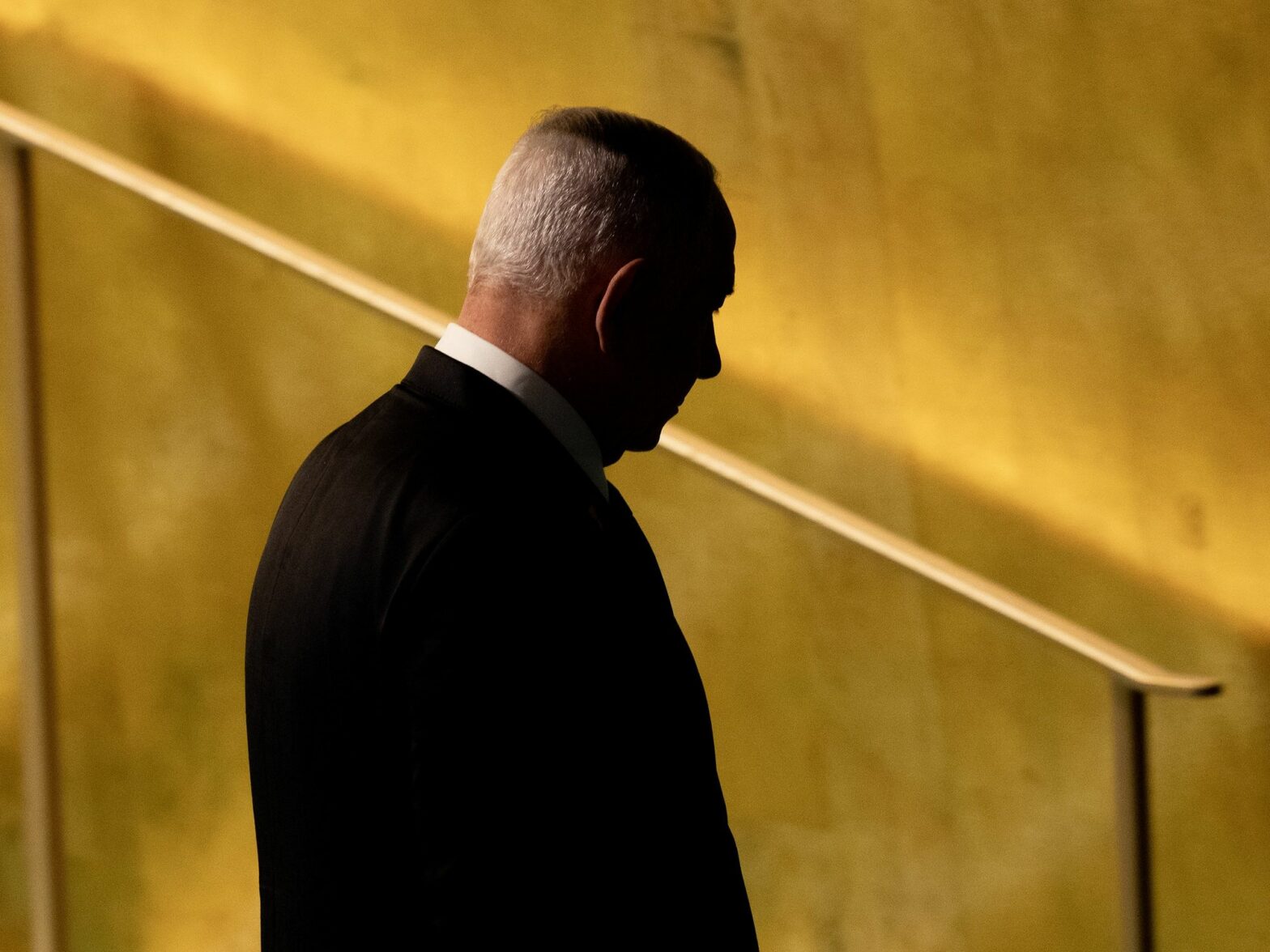
The Israeli Prime Minister has scored a major victory with the elimination of Hezbollah leader Hassan Nasrallah. But Netanyahu is showing no signs of relenting, continuing the bombing of Lebanon, and also striking Yemen. All with Iran as the ultimate target. Yet can force alone guarantee Israel’s security?

Wounded by the bombs, some had to face surgeries on kitchen tables. La Stampa reporter Francesca Mannocchi met them and their parents in Doha, Qatar, where they seek refuge.
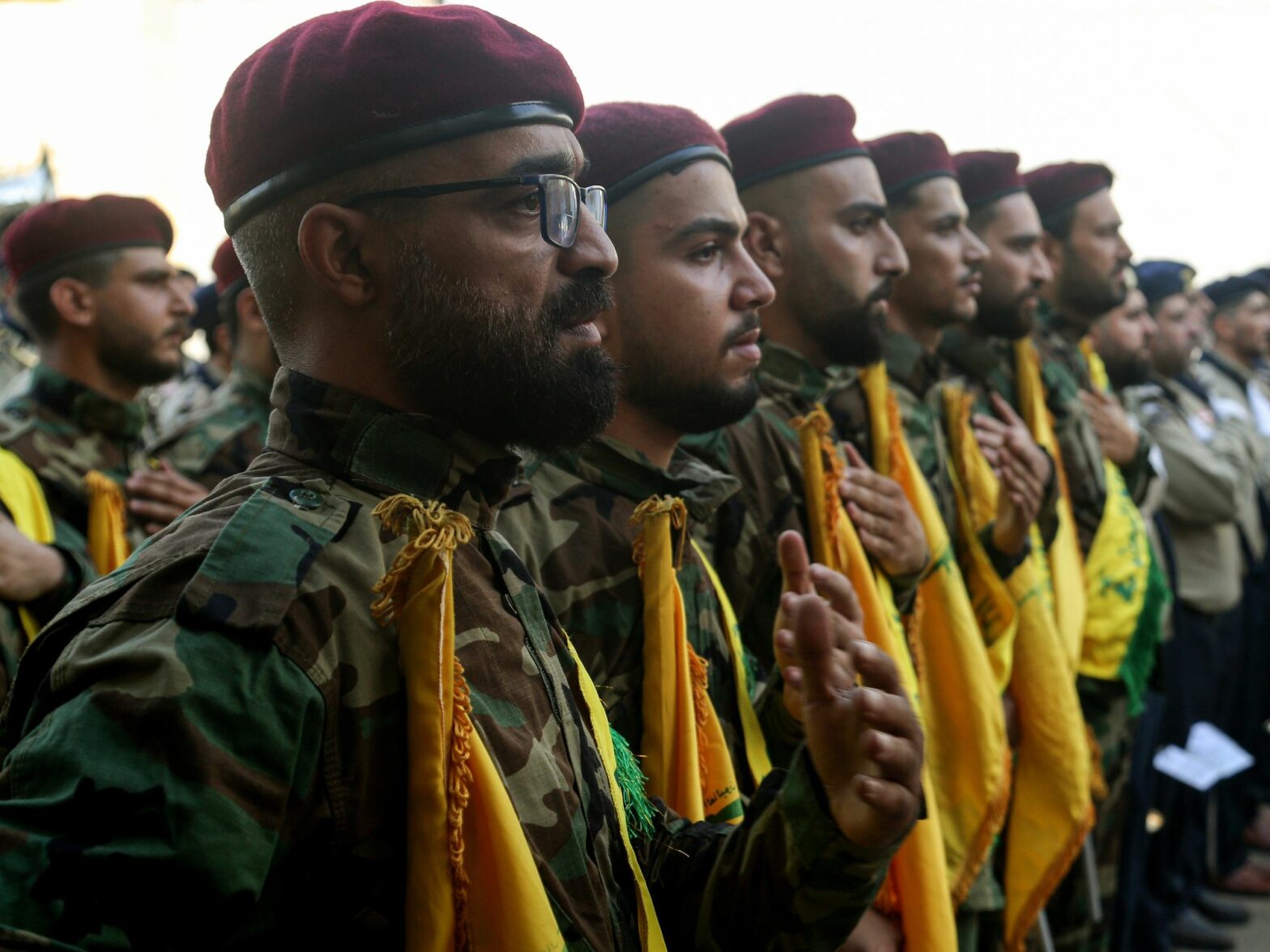
The call in Lebanon to “postpone politics” is driven by a narration of the war as a religious, and not a political, event: that’s the root of Hezbollah’s ideology.
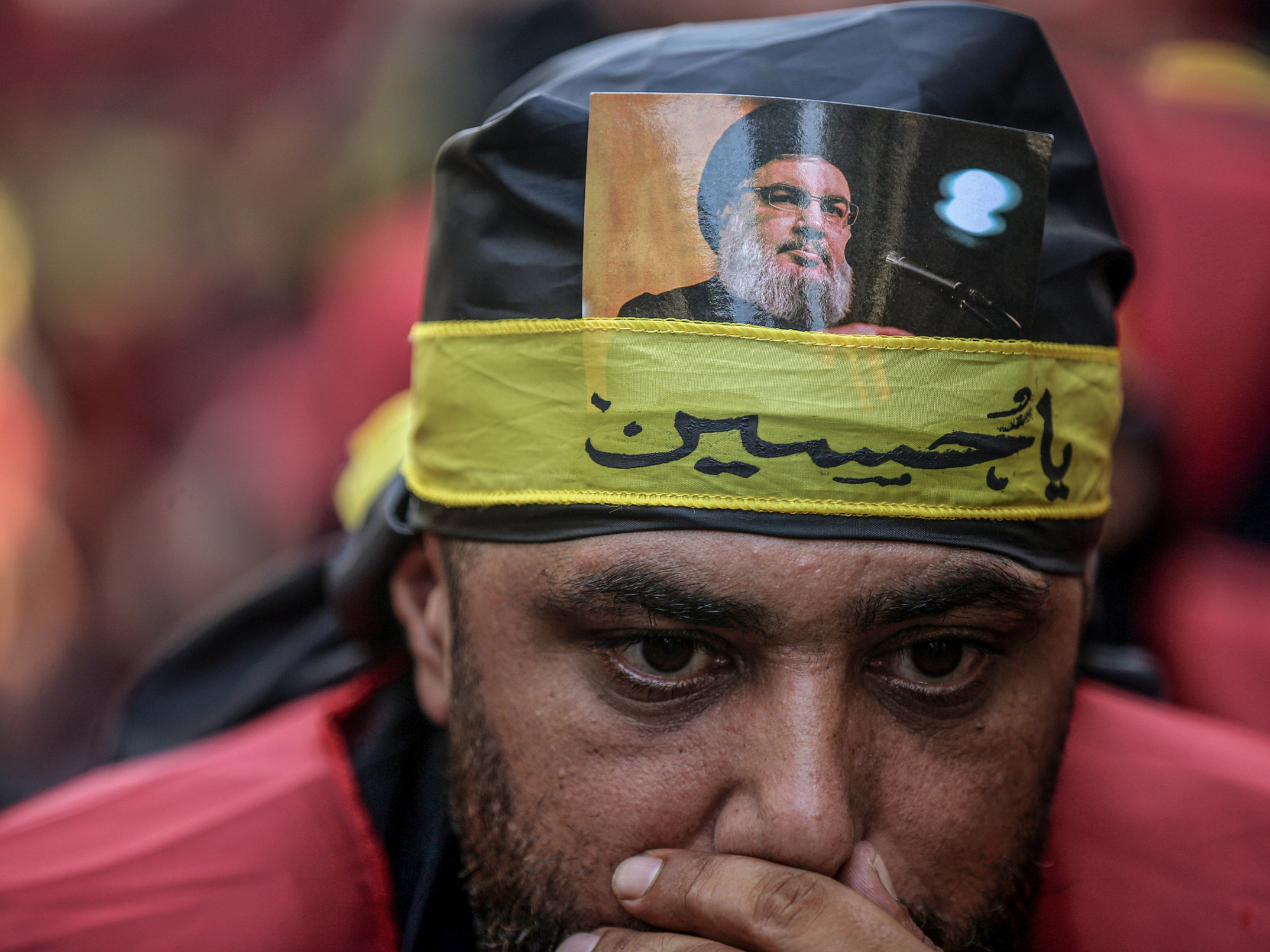
Israel has killed Hassan Nasrallah, longtime charismatic head of Lebanese militant organization Hezbollah. His recent leadership had been marked by a new kind of realism in the face of the balance of power, and served as a complement to Hezbollah supporters’ knee-jerk celebrations even when they are defeated.

As Israel continued its strikes in several parts of the country, more than 30,000 Lebanese and Syrians living in Lebanon set out for the Syrian border. It’s an improbable turn of events, after years of Syrians fleeing into Lebanon.
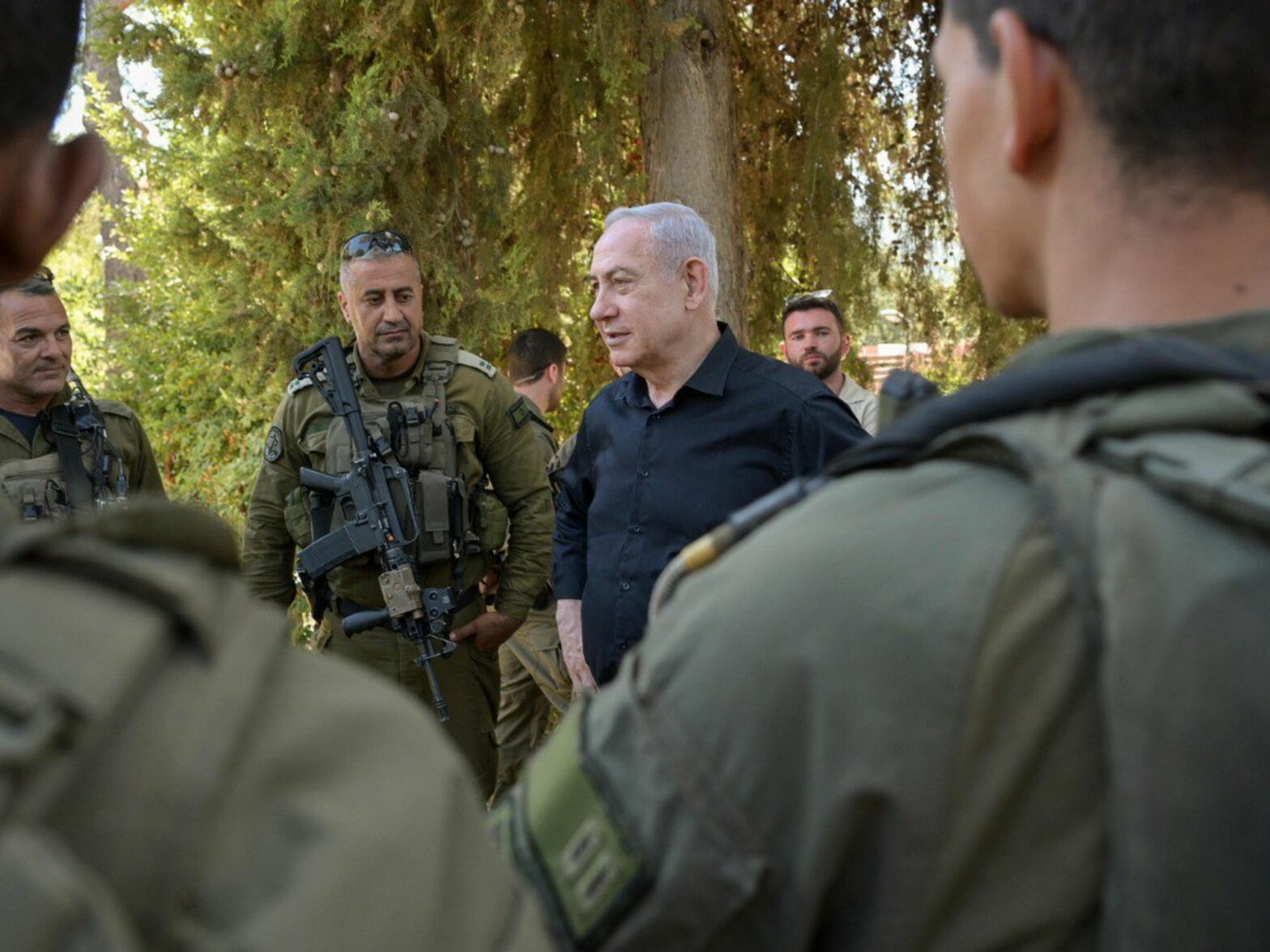
The first calls for ceasefire made by the United States and France, supported by a broad coalition, was ignored by the belligerents Hezbollah and Israel, for different reasons. The risk of escalation, including an Israeli ground invasion, grows with each passing day.
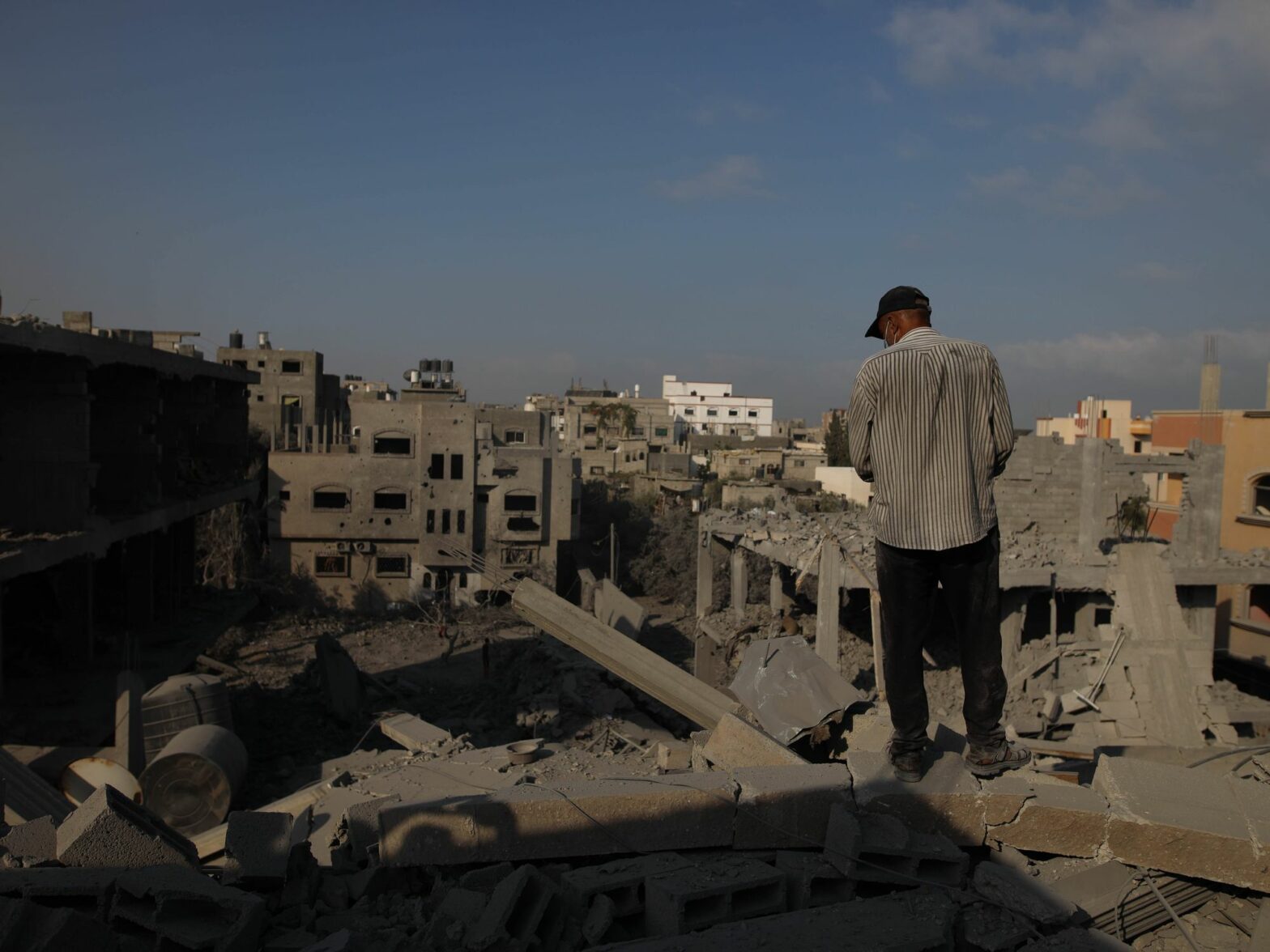
The author, whose family was forced to flee during the 1947 “Nakba” expulsion of Palestinians, sees how the event has been used by leaders in the Arab world to wield authority without actually improving anyone’s life.