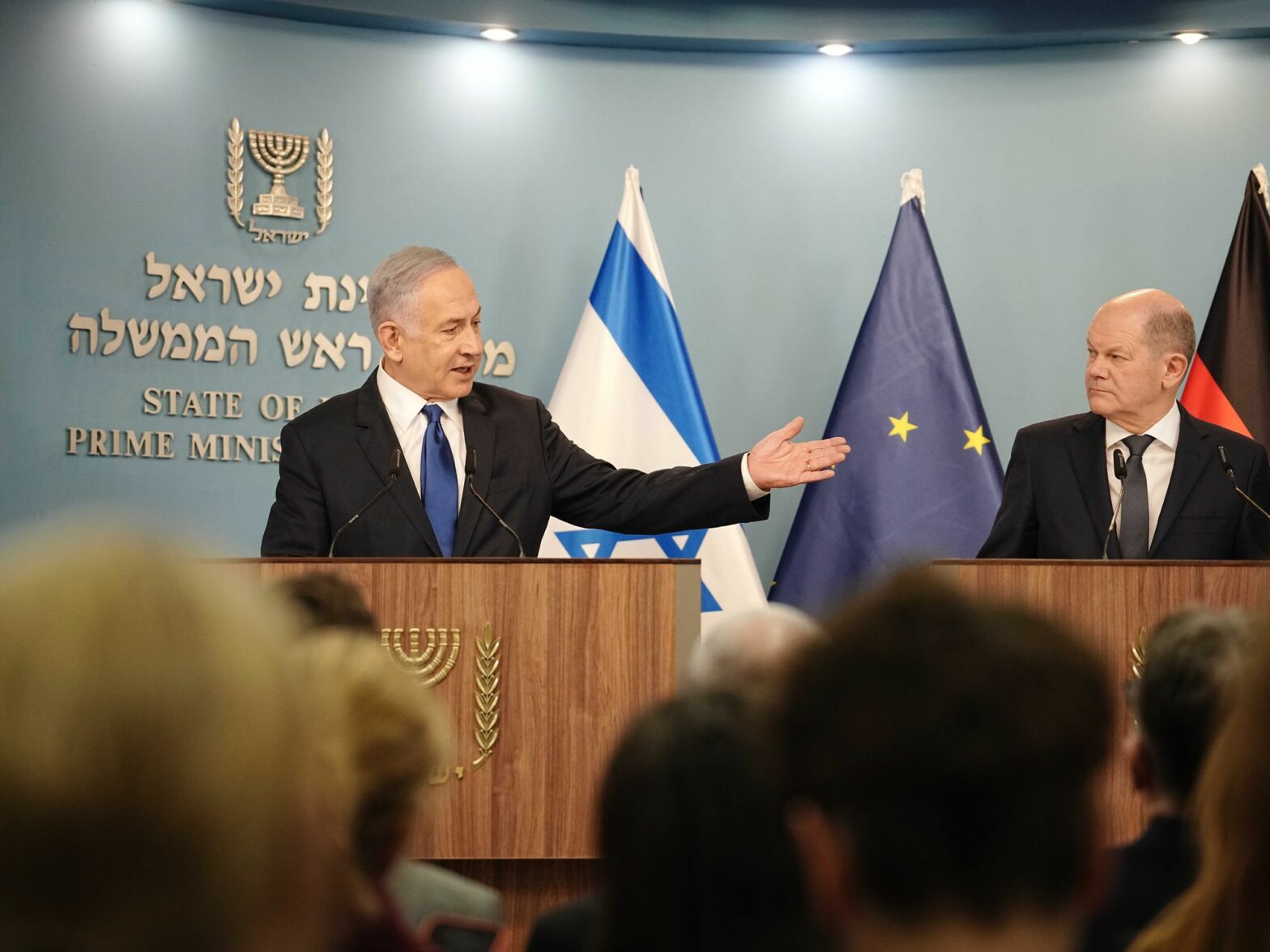
As Western leaders criticize Netanyahu and his war in Gaza, the Israeli Prime Minister apparently remains fully confident in forging ahead with a hardline that leaves a brutal human toll.
 Worldcrunch
As Western leaders criticize Netanyahu and his war in Gaza, the Israeli Prime Minister apparently remains fully confident in forging ahead with a hardline that leaves a brutal human toll.
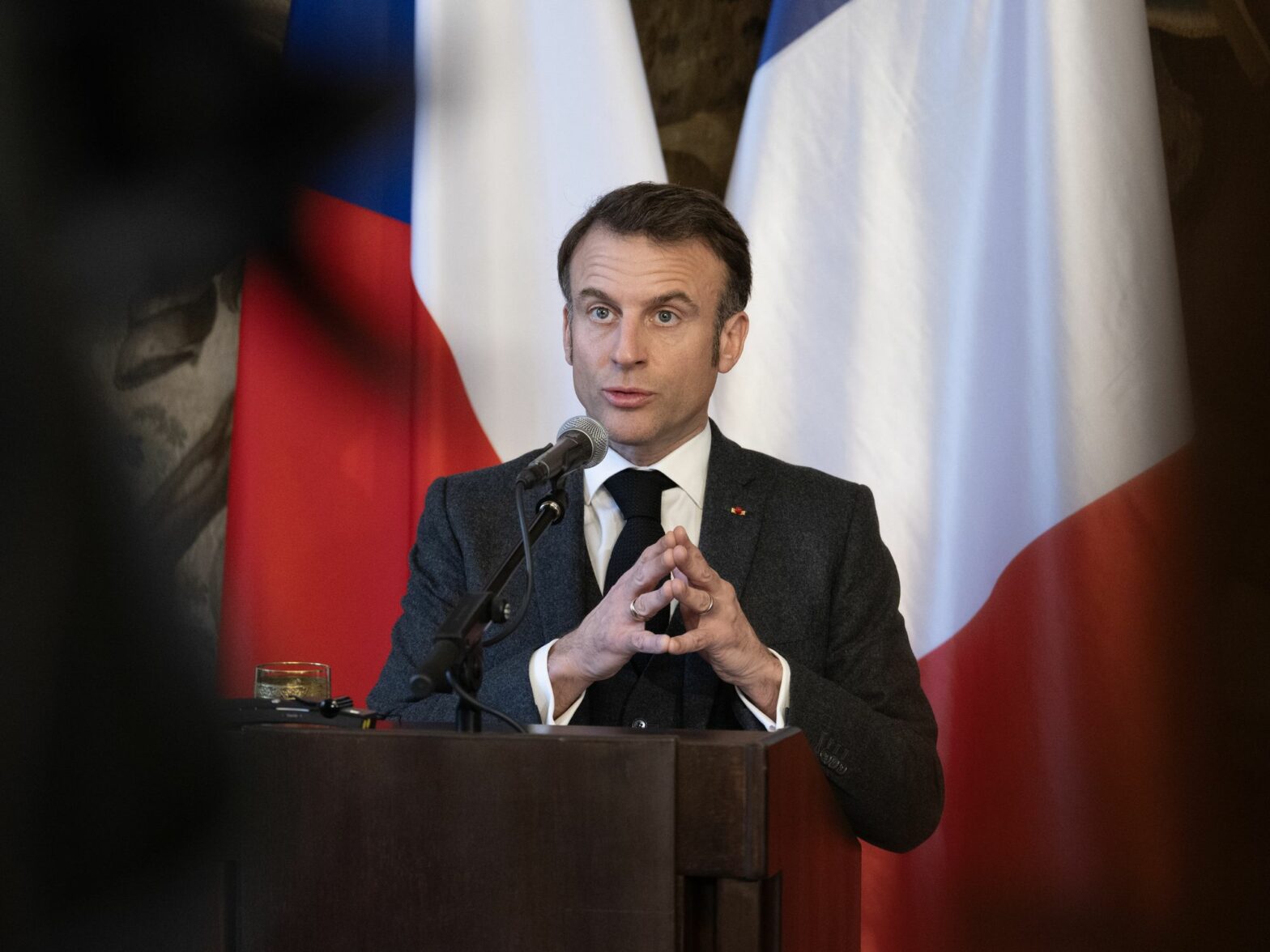
The French President has lost all hope in reasoning with Putin, hardening his tone toward Moscow after trying to position himself at the outset as a mediating force.
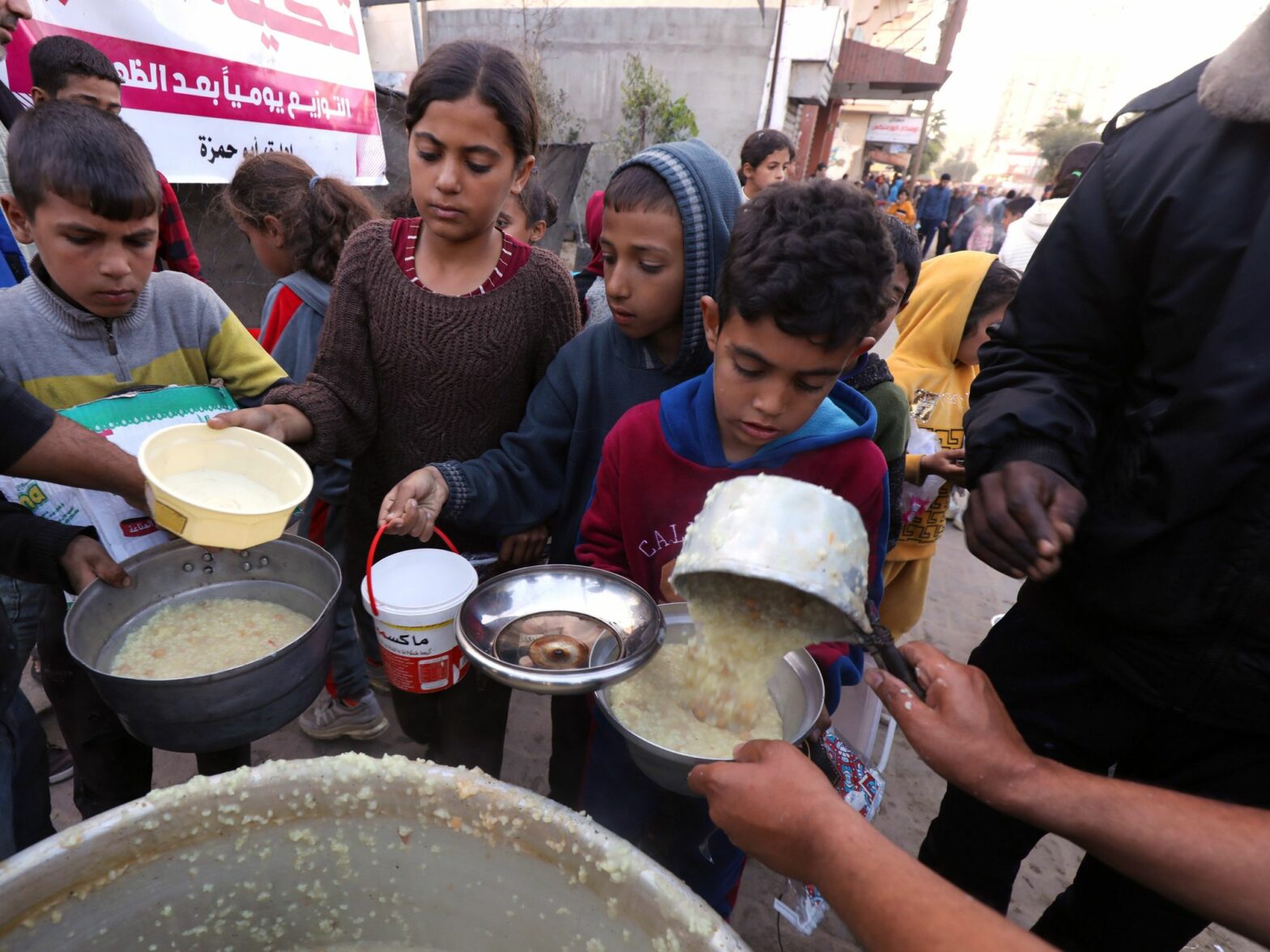
With the Israel-Hamas war now in its sixth month and hunger worsening in Gaza, Palestinian have begun fasting for Ramadan. Al Manassa spent the first day of the Muslim holy month with a displaced family in their tent in Mawasi.
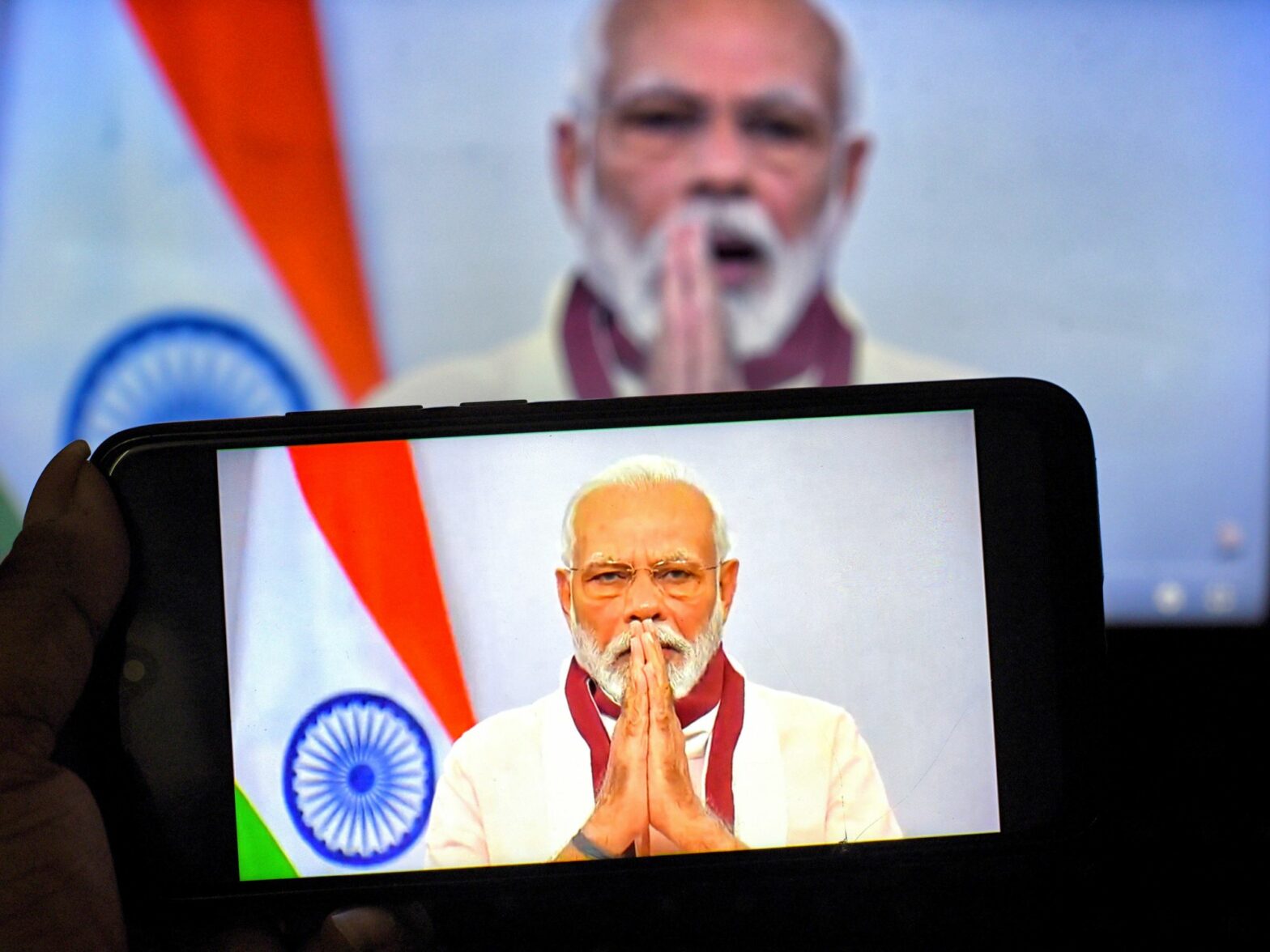
In the run-up to India’s general elections this spring, Prime Minister Narendra Modi has been showcasing his adventures in social media posts, his preferred method of communication, saturating the digital landscape of a highly connected country — and avoiding hard questions from the press.
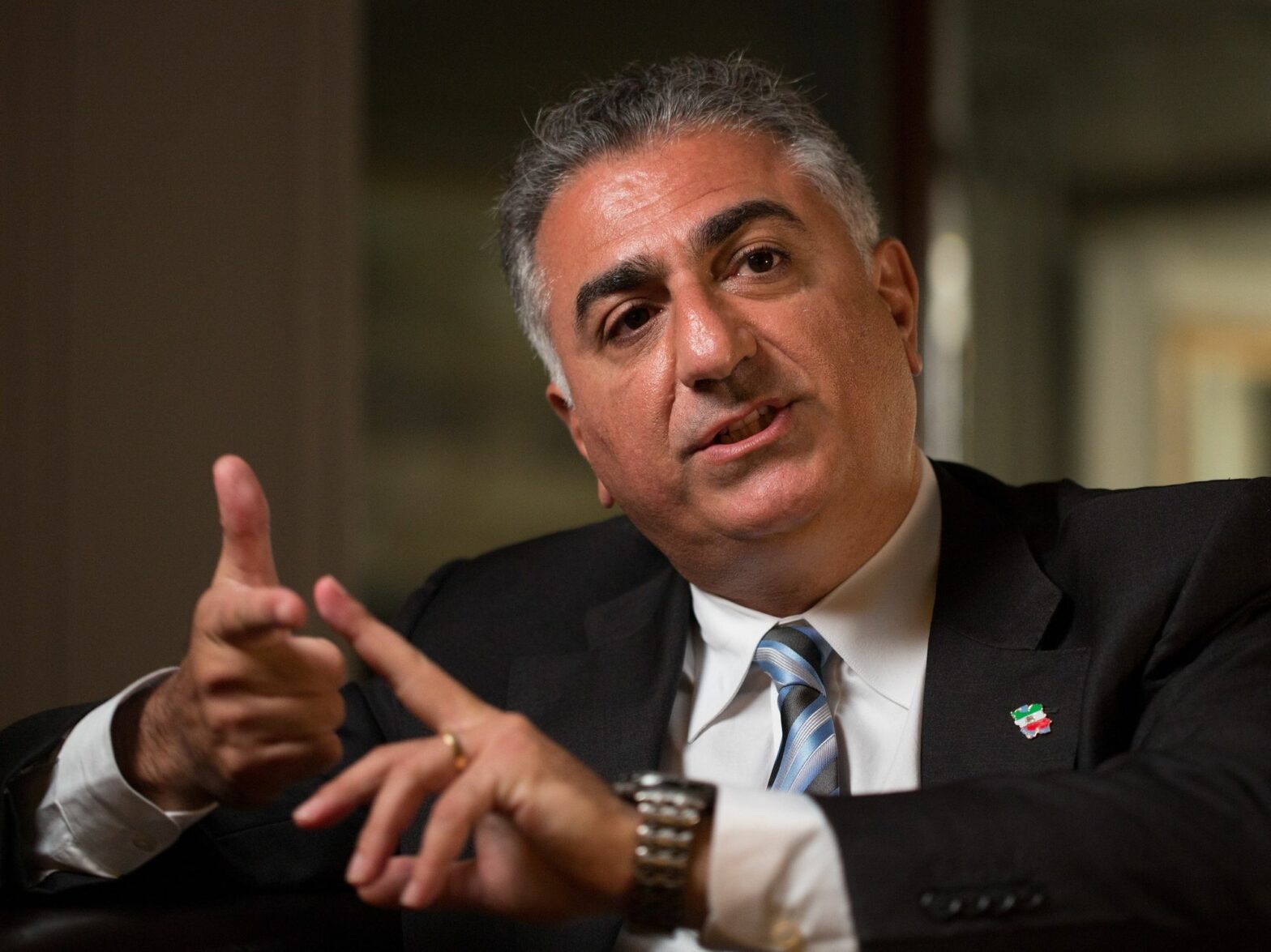
Iran’s exiled and surprisingly popular crown prince Reza Pahlavi is the son of the last shah, and is uniquely positioned to help unite opponents against the country’s brutal regime. But he can only do that by reaffirming his royal status, rather than responding on calls to renounce his title.
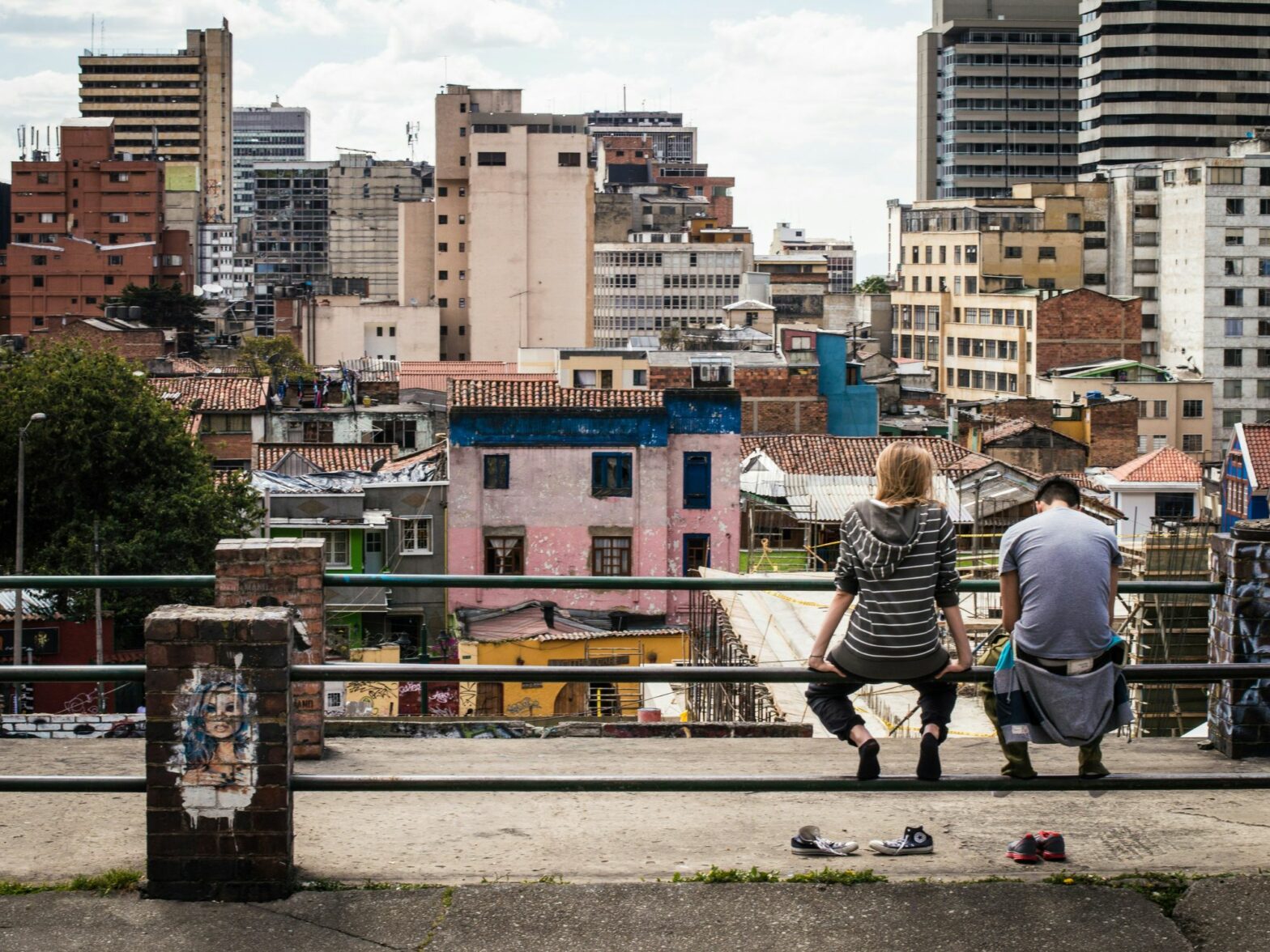
Latin American governments have barely denounced the Russian attack on Ukraine, partly for lingering distrust of the United States. But there is also a regional misperception of Russia as a new Soviet Union and friend of “lesser nations” struggling for betterment.
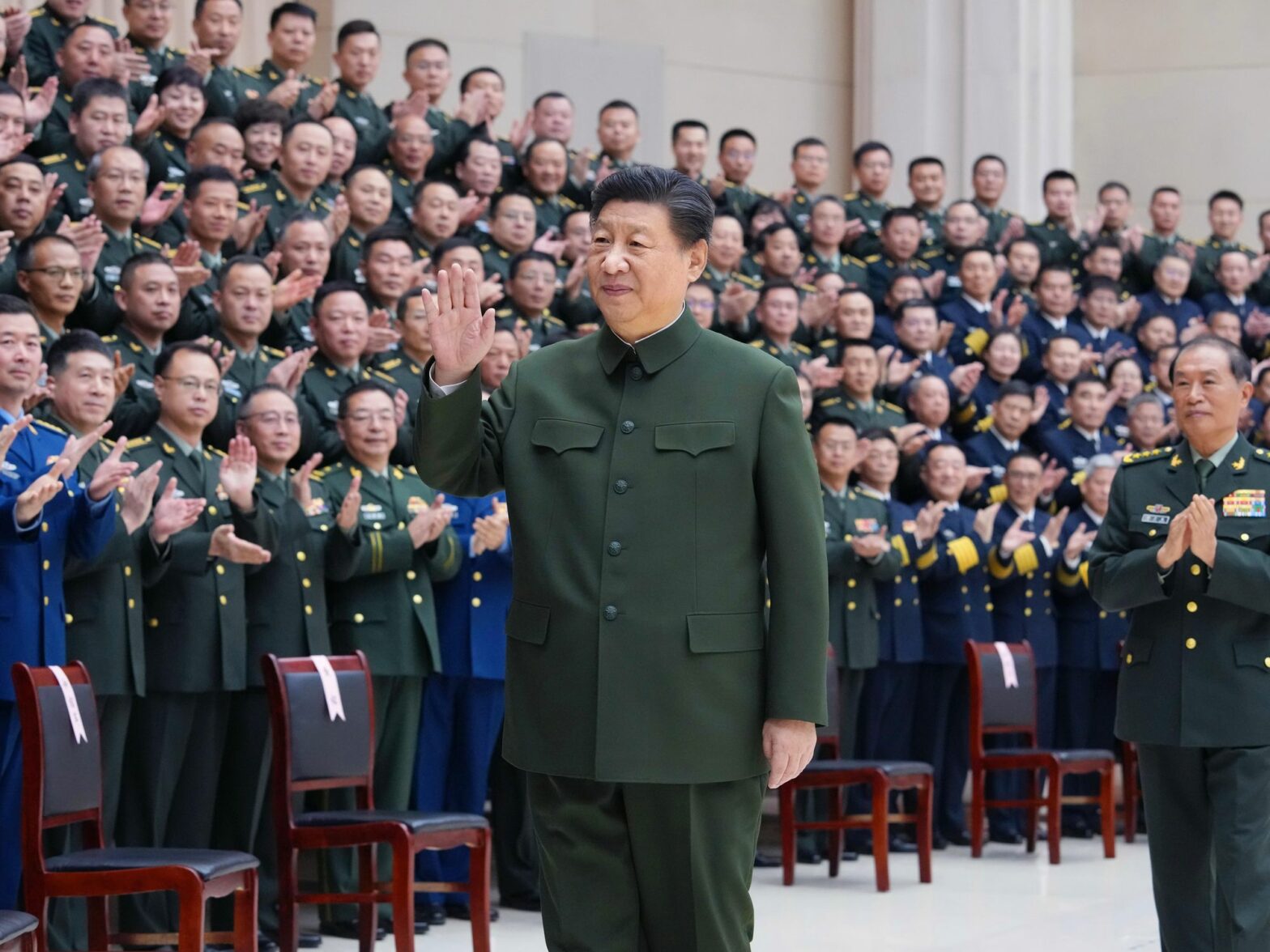
China has recently been discreet over major crises, such as Ukraine and Gaza, focusing its attention and energy on its domestic difficulties, particularly economic ones. Convinced that his country is entering a stormy period, President Xi Jinping is strengthening his hold over the nation, but may
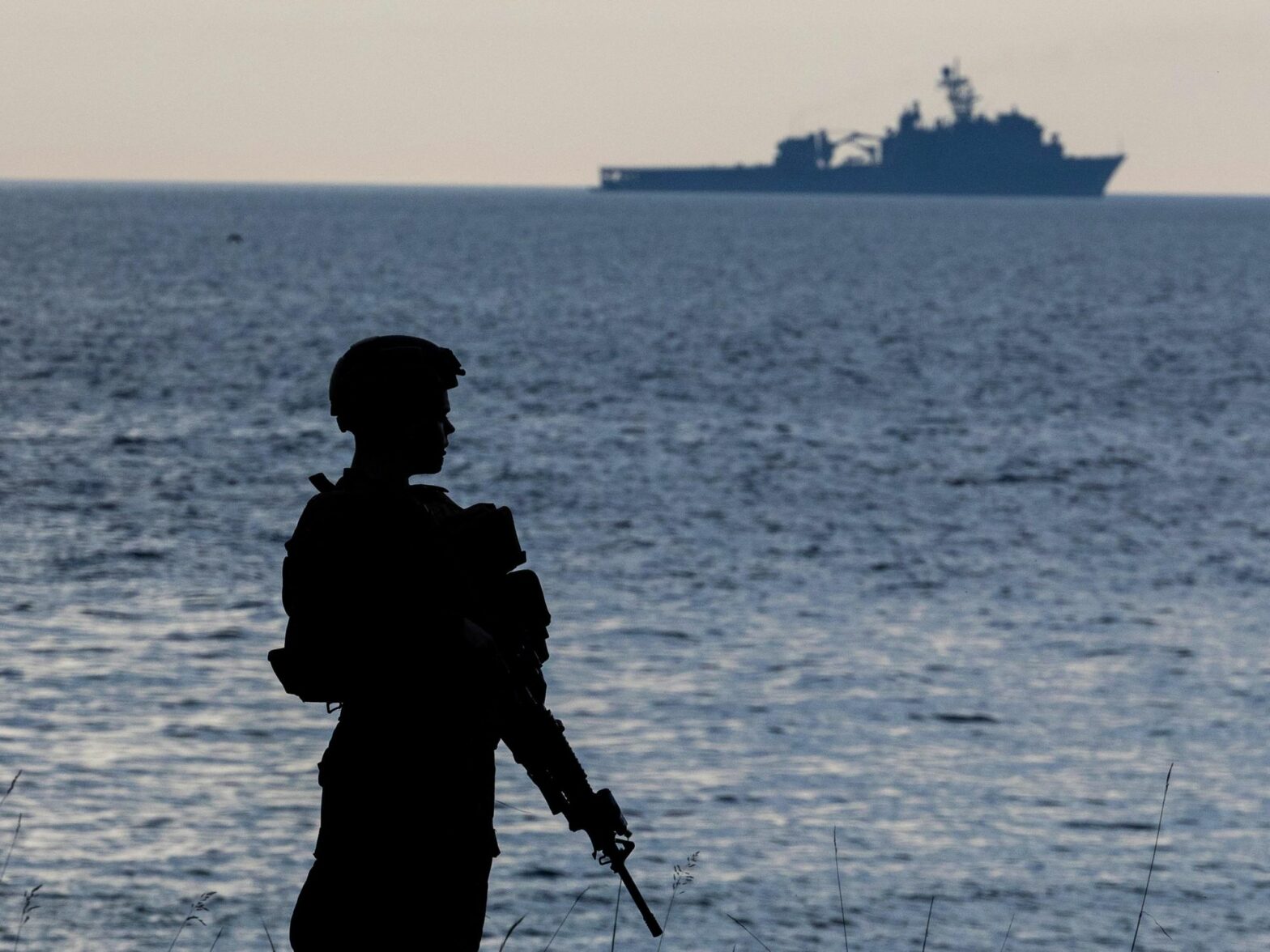
The Swedish island of Gotland is the last bastion between Russia and the entire Baltic region. Now that Sweden has officially joined NATO, the country plans to accelerate its fortification of the island and make it a priority to repel a rapidly militarizing Russia. Life for locals makes it clear that something has changed.
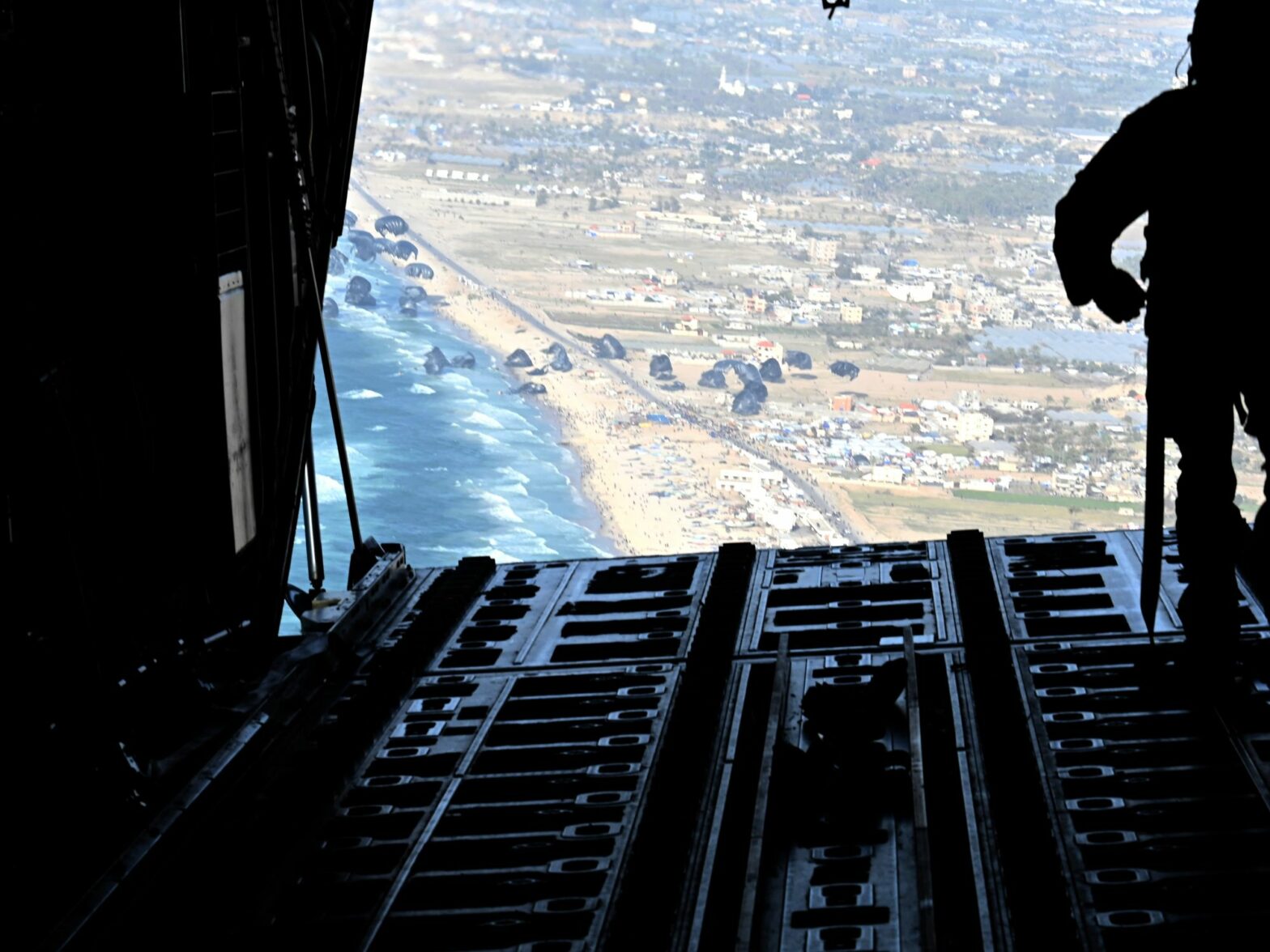
U.S. President Joe Biden said this weekend that “Netanyahu is doing Israel more harm than good”: a phrase that speaks volumes about the lack of trust between the two men, especially still without a ceasefire, and humanitarian aid blocked from entering an increasingly desperate Gaza Strip.
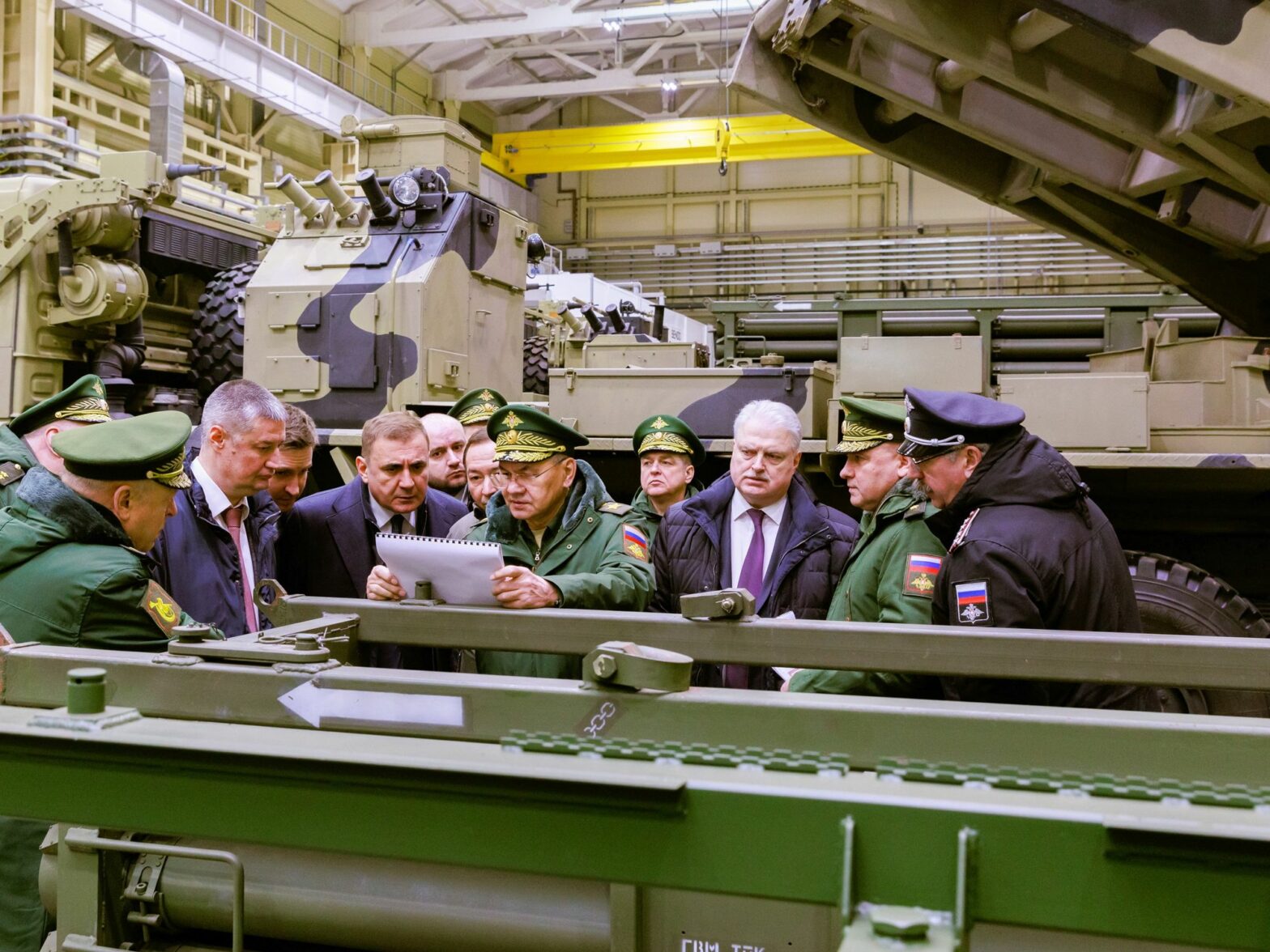
Despite Western sanctions against doing business in Russia, and Renishaw’s promises that it has closed its business there, Russian defense plants continue to receive both measuring equipment and software from the British engineering company.
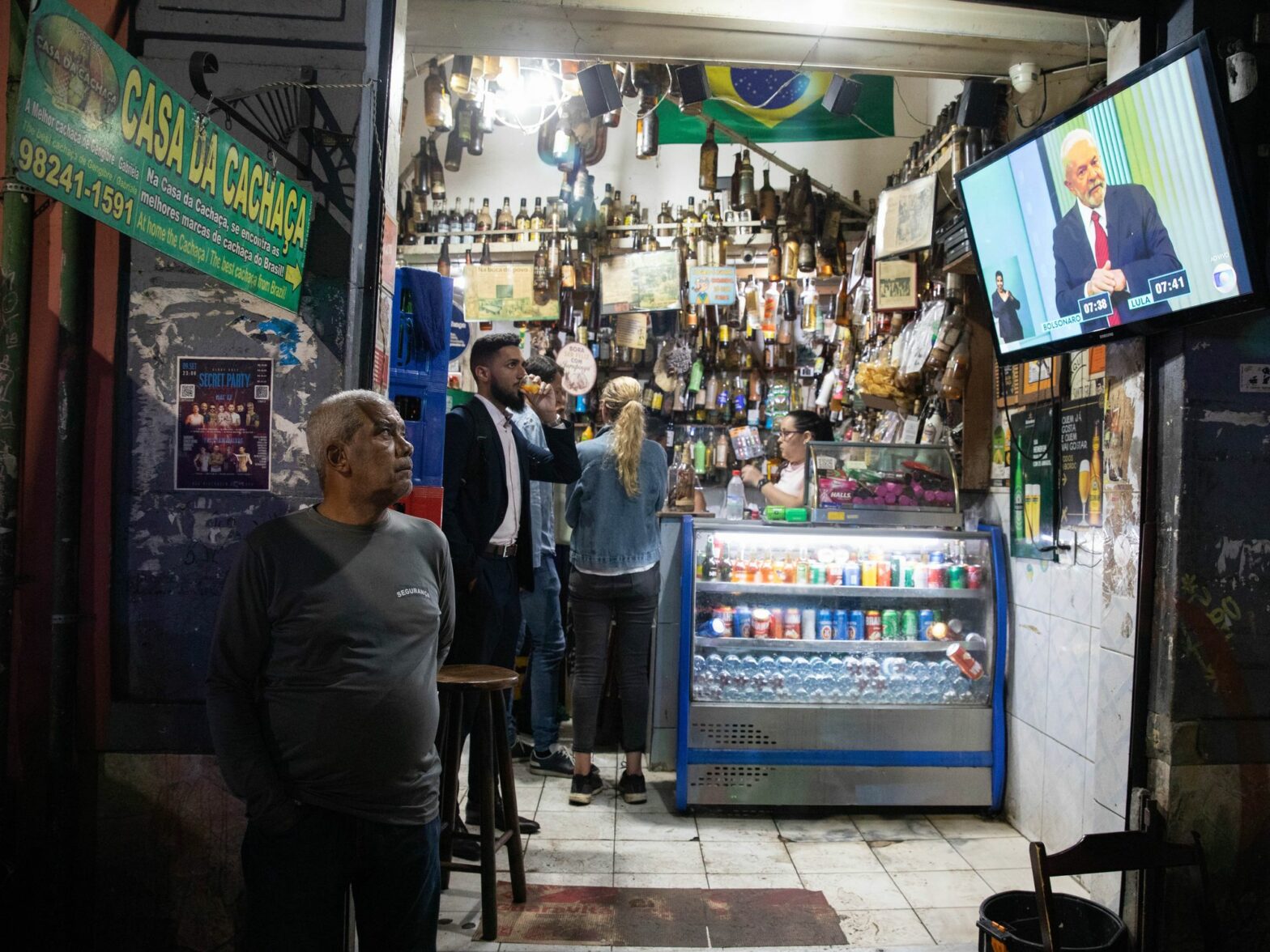
Uncertain economic conditions and divisive posturing in favor of the Global South may send Brazilian President Lula da Silva’s middle class voters back to the Right, where his predecessor Jair Bolsonaro is maneuvering between criminal charges and a return to the presidency.
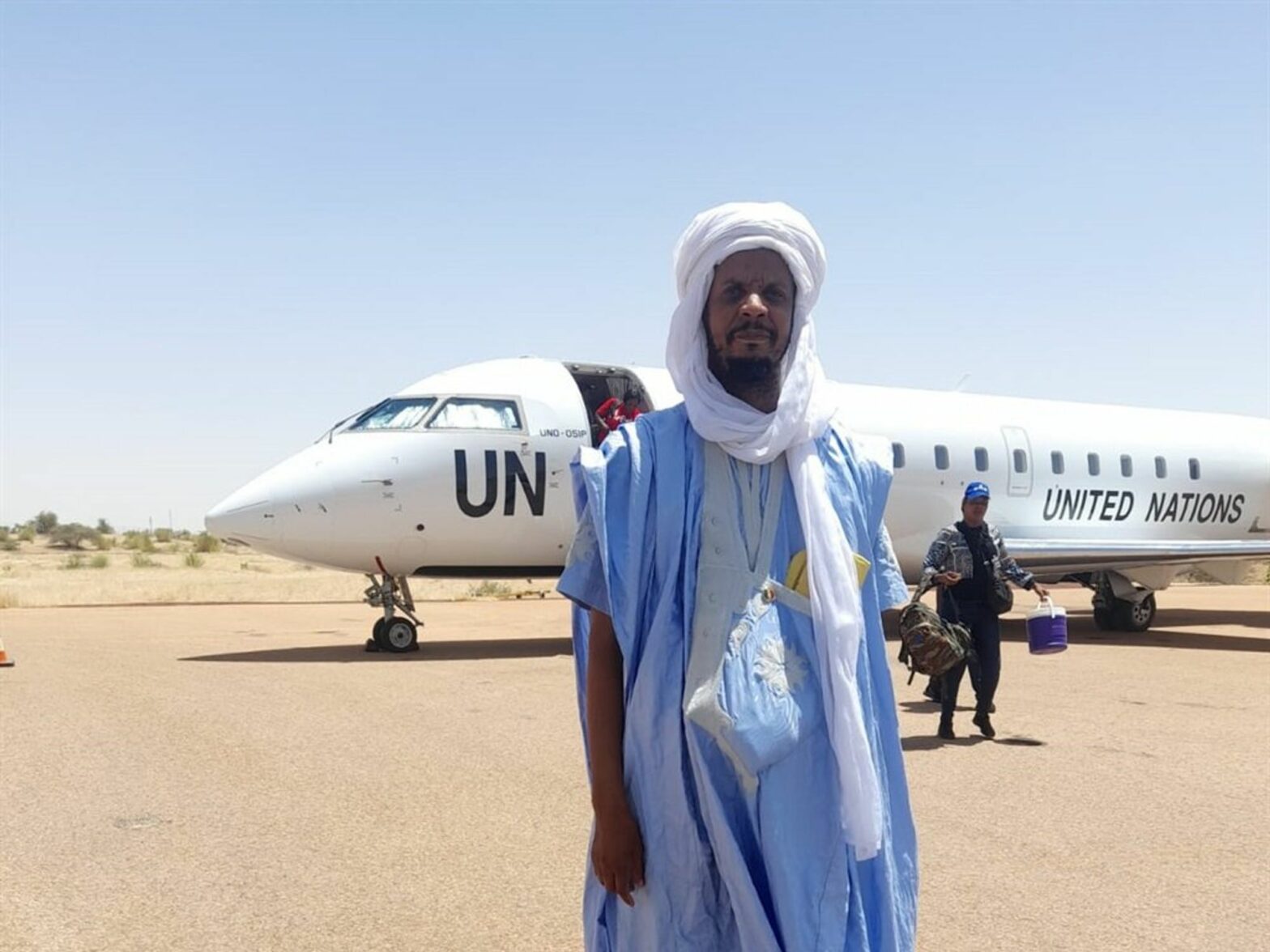
Abductions are one of the main sources of income for terrorists in Africa. Recently a South African paramedic was freed in Mali after being held for more than six years. His release is down to one man who worked tirelessly to secure his freedom.
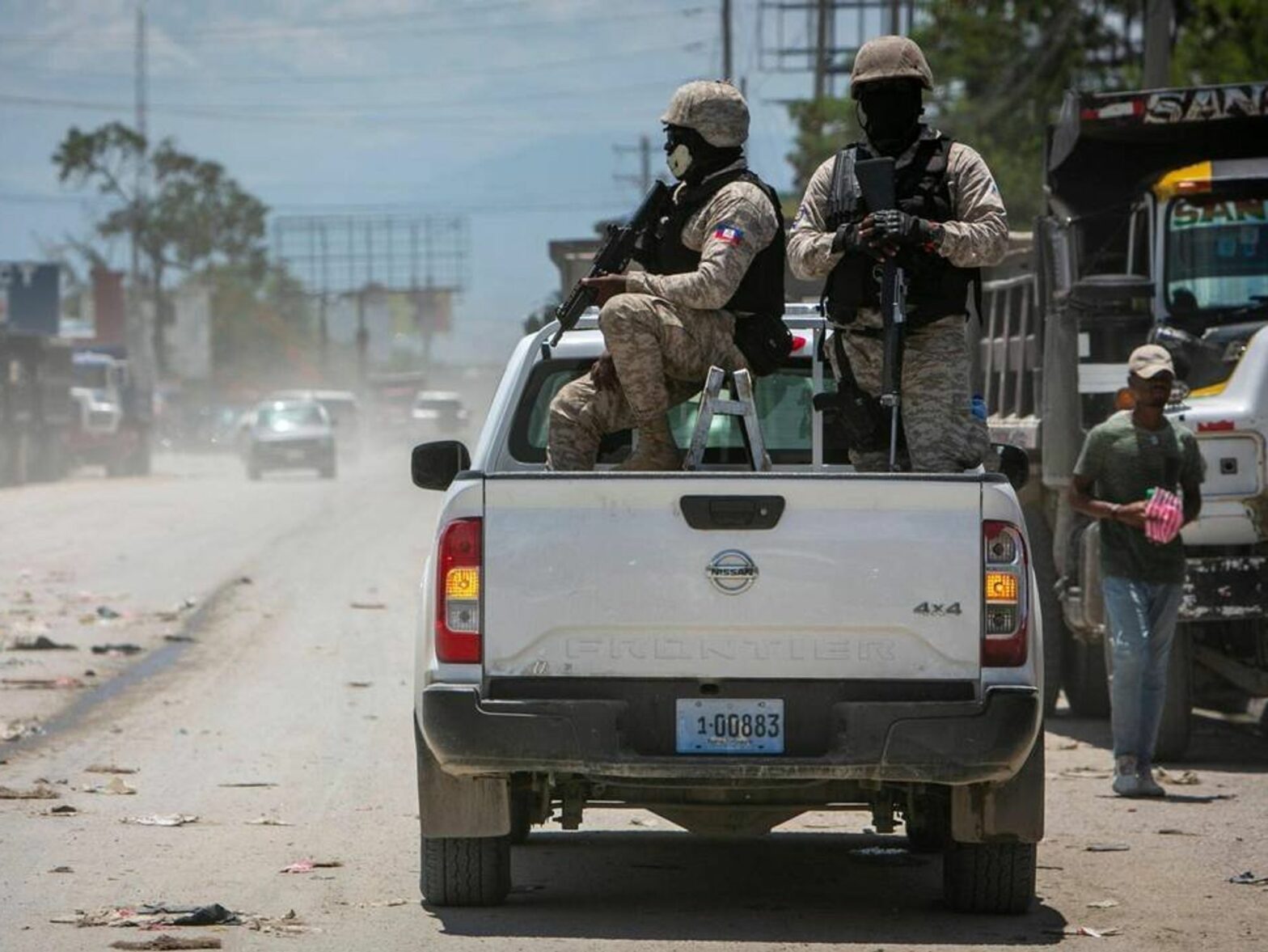
Haiti’s descent into hell continues, and the international community is at a loss to help the gang-ridden island. An international police force led by Kenya is expected, but when? And will it work?
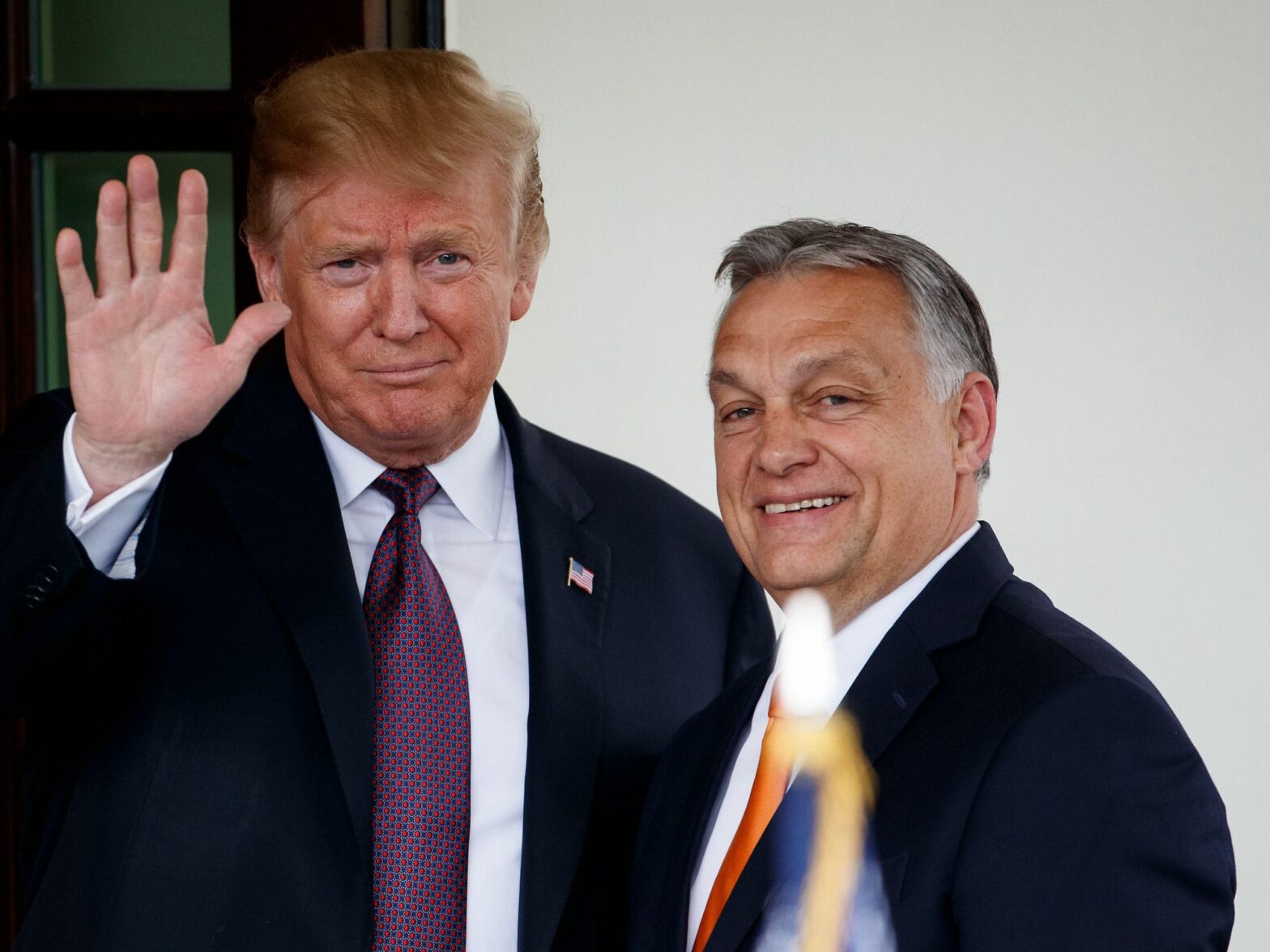
A former member of the Hungarian Parliament warns the U.S. about the potential re-election of Donald Trump, which could mirror Hungary’s slide toward authoritarianism under strongman Viktor Orbán, as the two meet in Florida.
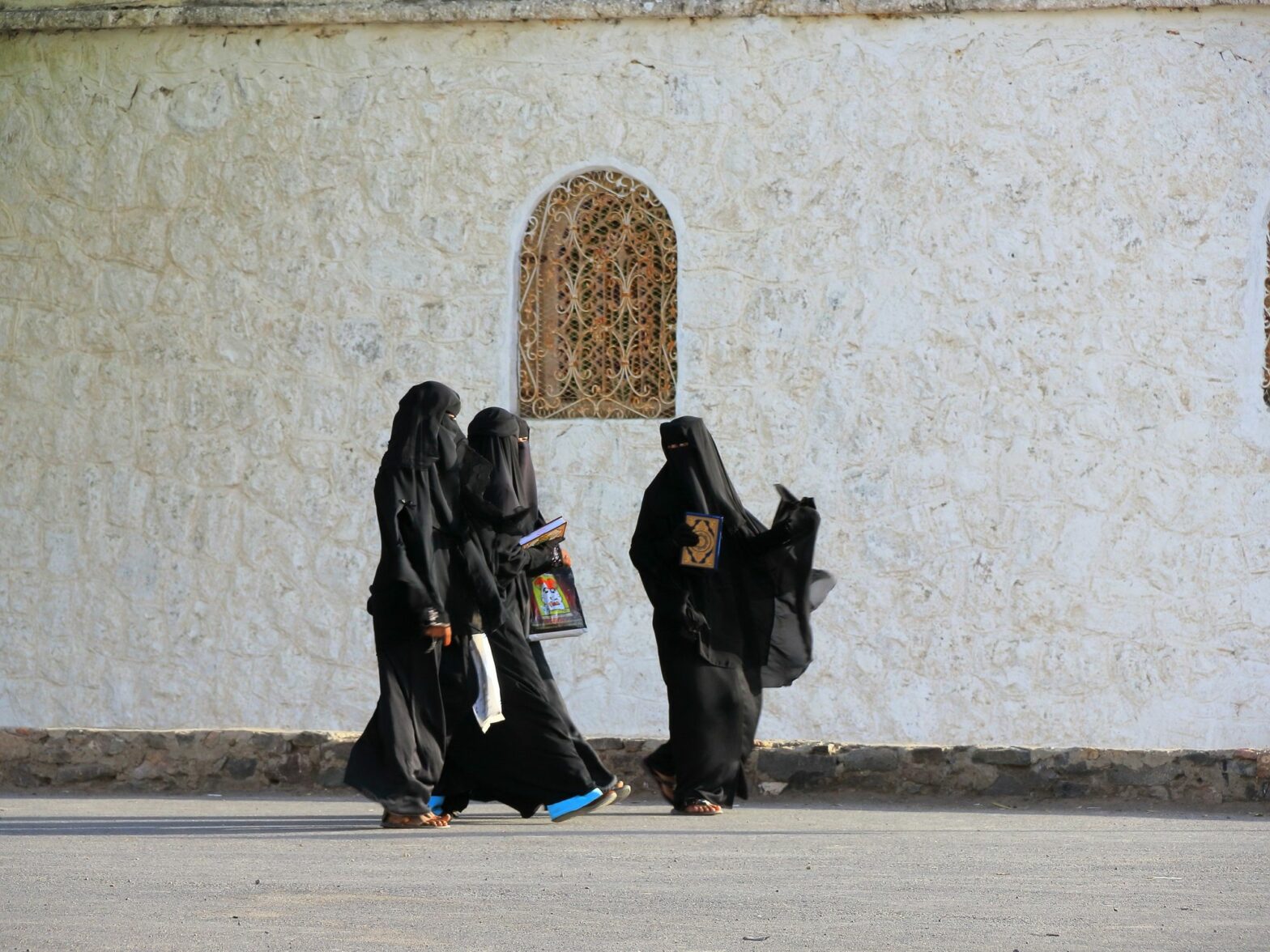
Using the methods of the Islamic regime in Tehran, the Yemeni fundamentalist insurgents have imposed repressive laws to control women’s movement and behavior.

After Super Tuesday, Americans (and the world) are now virtually assured of another Biden-Trump showdown in November. It’s a chilling reminder to Europe that their fate is tied too closely to the whims of U.S. politics.
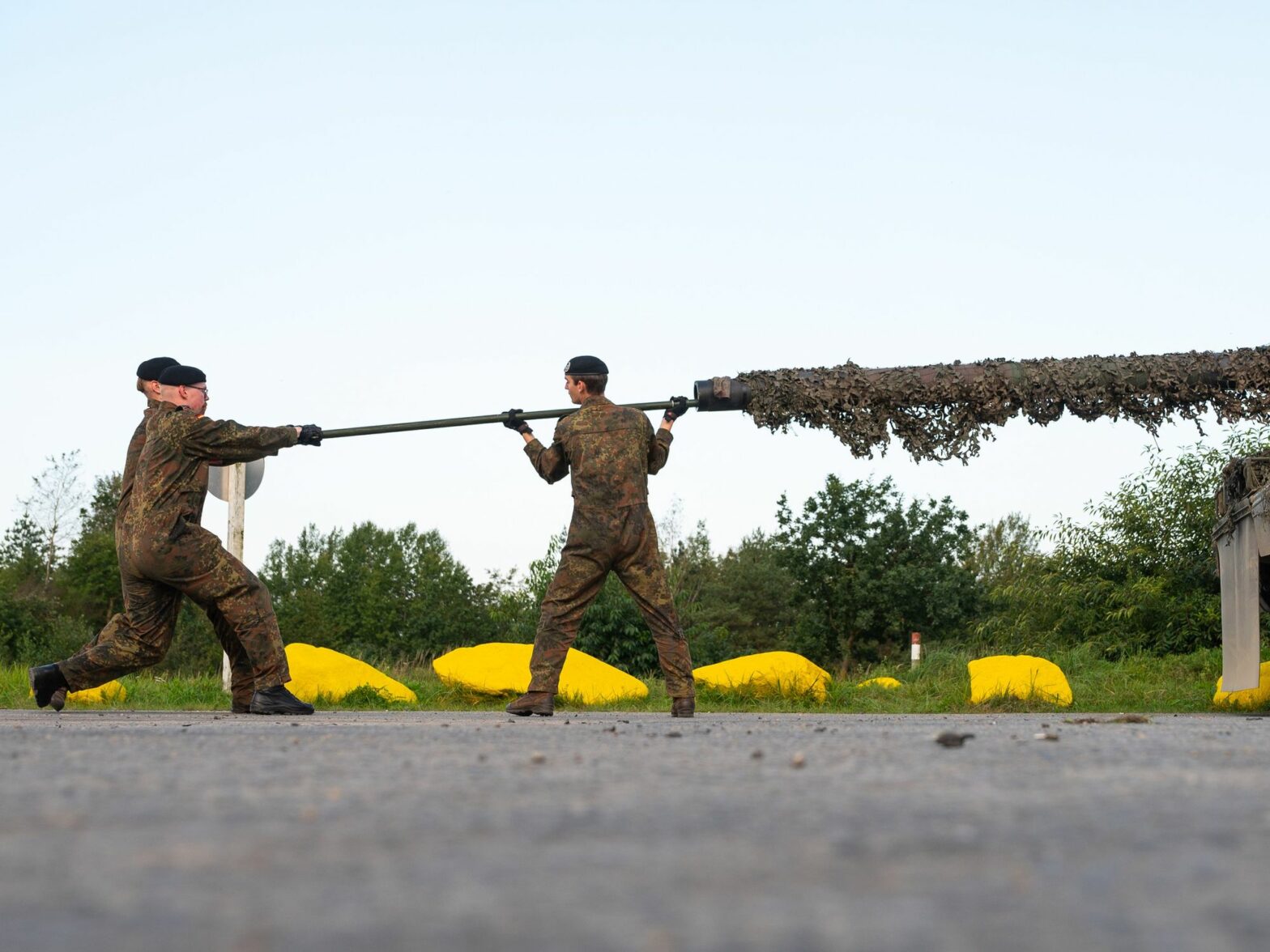
Beyond the embarrassment for the German military, and Moscow’s exploitation for propaganda purposes, the deeper significance of the intercepted conversations is in how far European unity remains on the war in Ukraine.
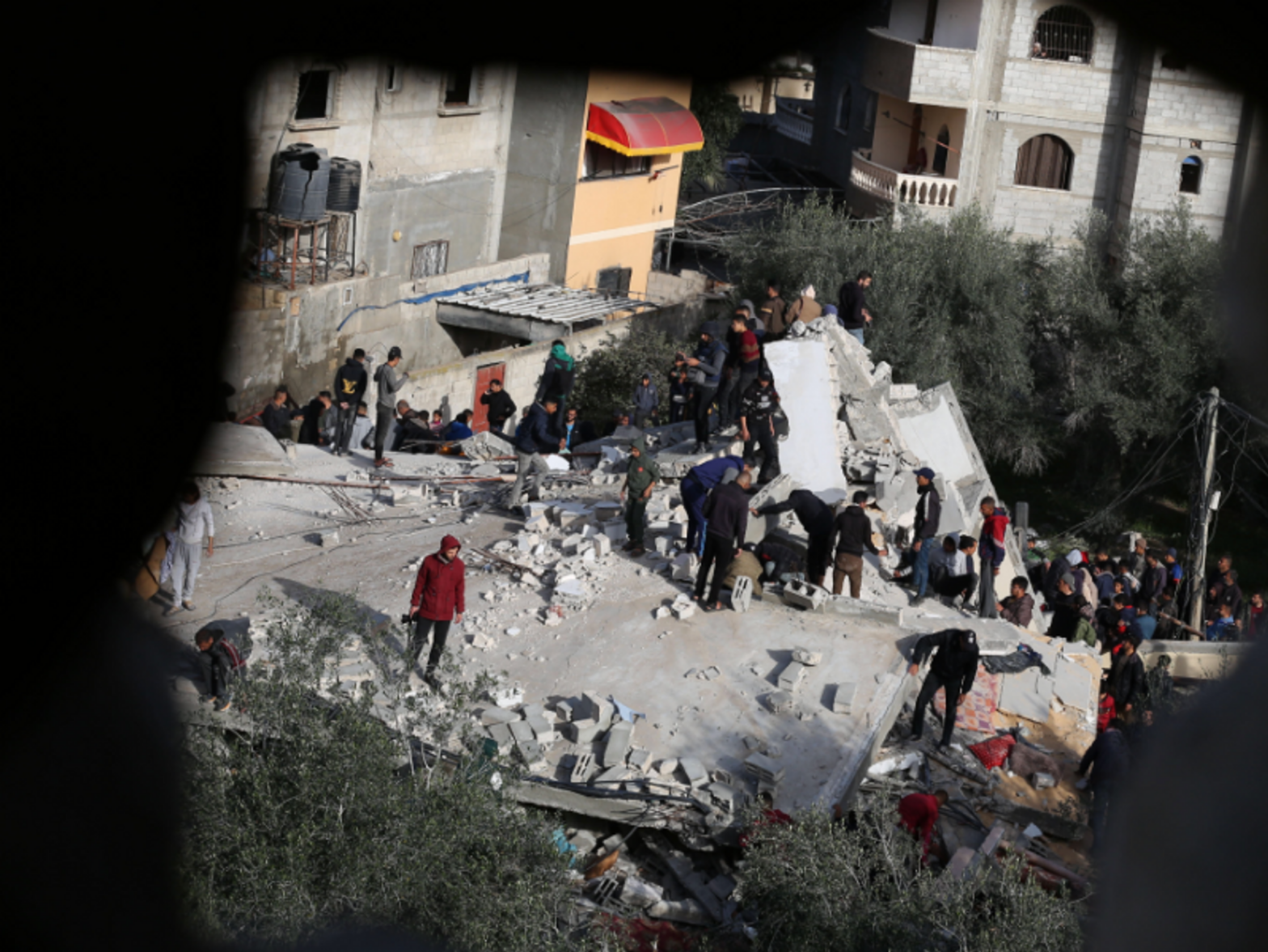
What to make of the criticism of Hamas’ statements or slogans, which are similar to Fatah rhetoric in its early years? Does any debate of the merits of the two rival organizations matter in the face of Israel’s responsibility for the ongoing slaughter in Gaza?
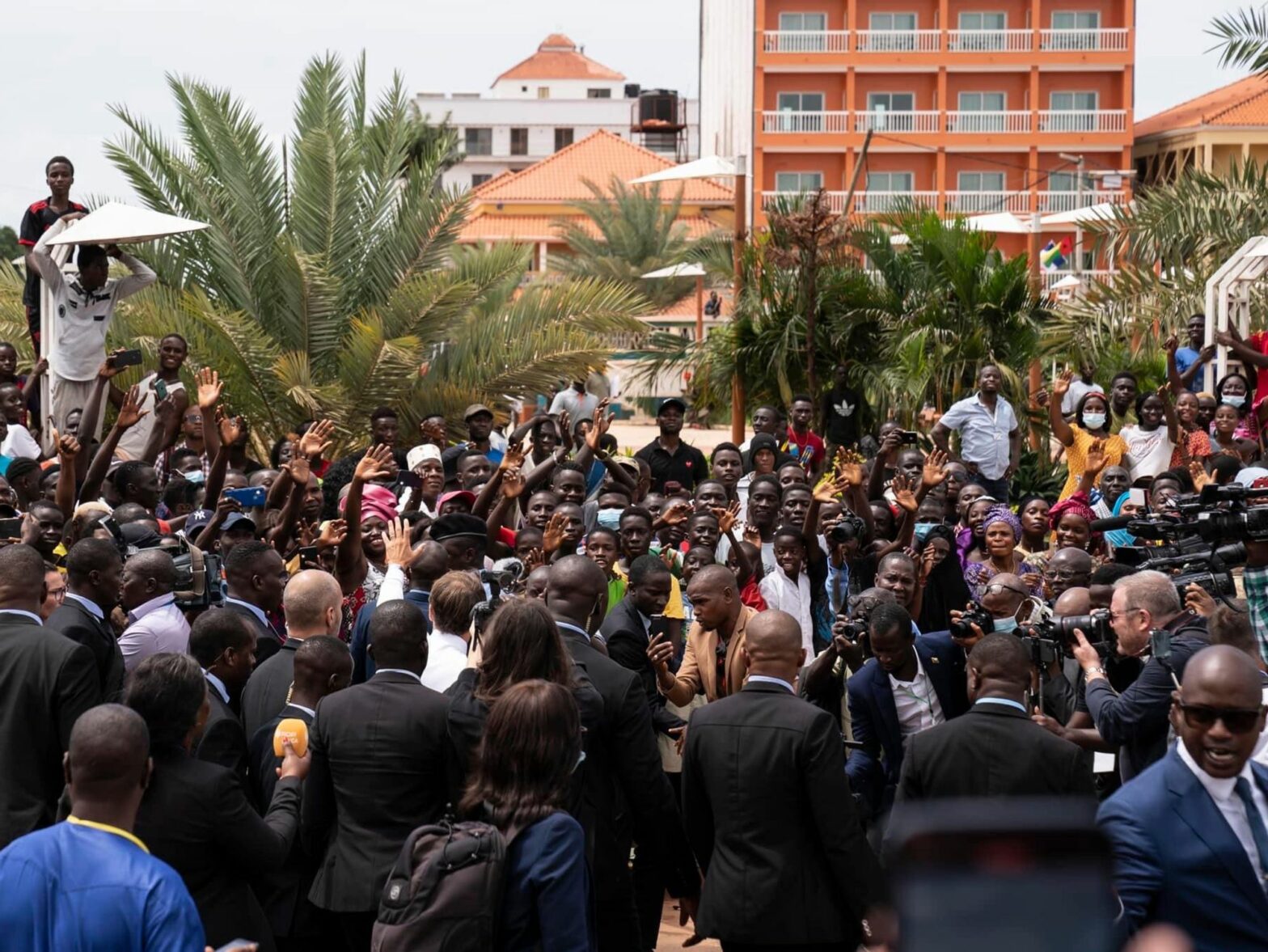
Conspiracy theories about France’s involvement in every twist and turn of African politics abound. Yet, writes Adama Wade for Dakar-based Financial Afrik, using leftover grievances of colonial influence is often a way for Africans to make excuses for their political failings.
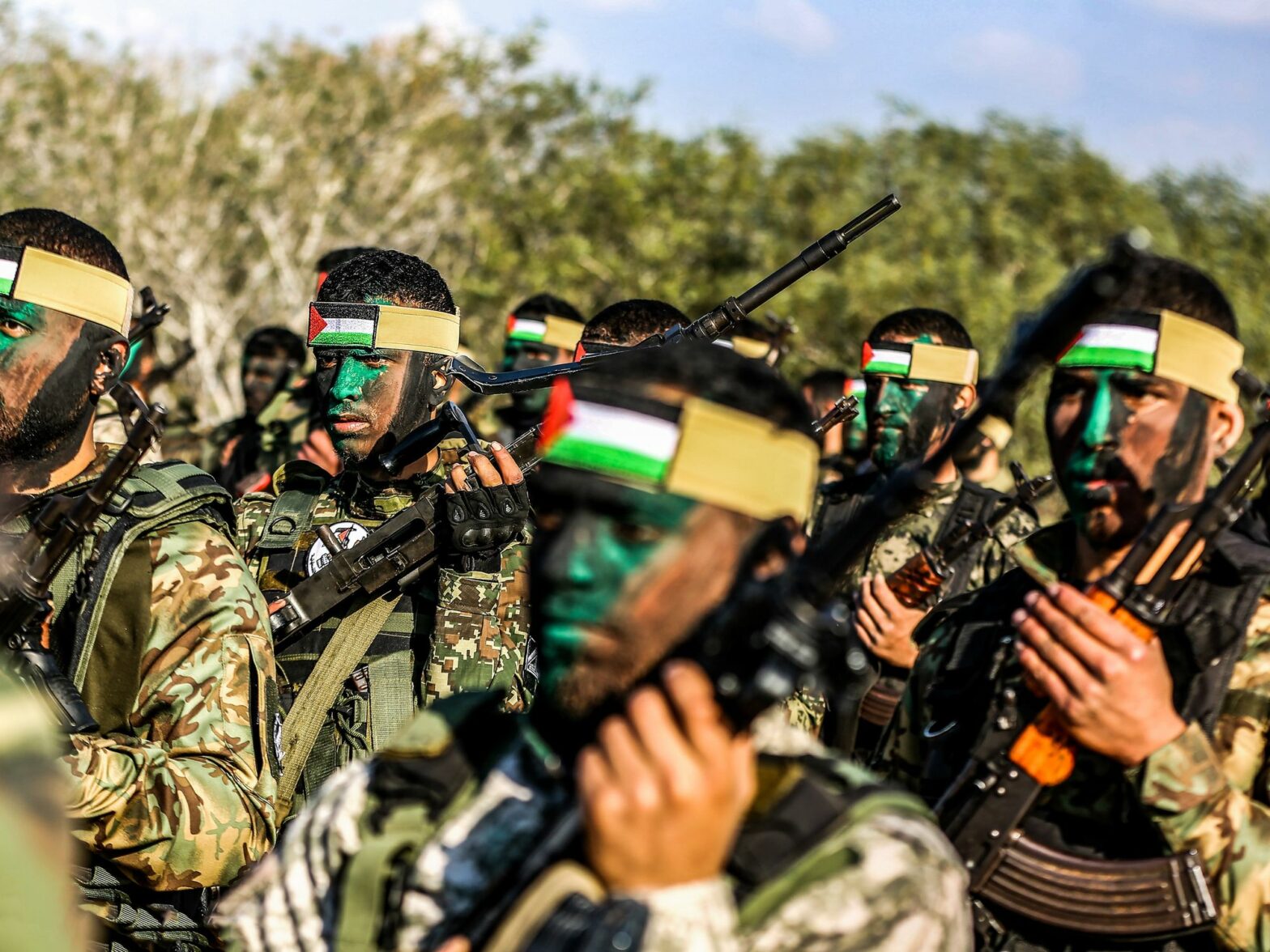
This is a debate that must challenge those in our region who benefit from the perpetuation of the male culture of violence.
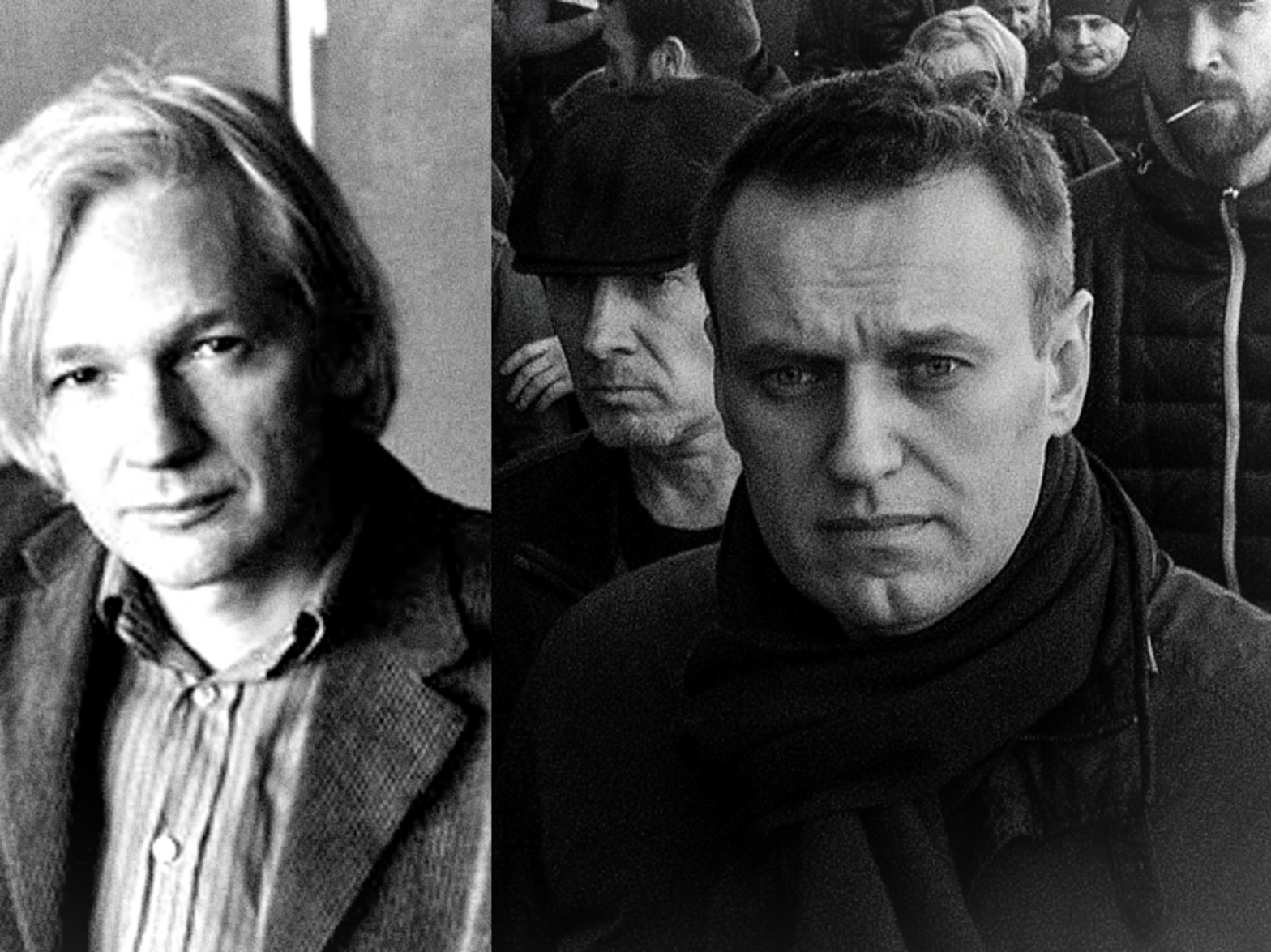
As the world mourns the Putin critic and the WikiLeaks founder faces extradition to the U.S., Spanish journalist Juan Carlos Laviana argues that while the men may not be “ordinary” journalists, they both used investigative means and technological capacity to shine a light on those in power. And they were right.
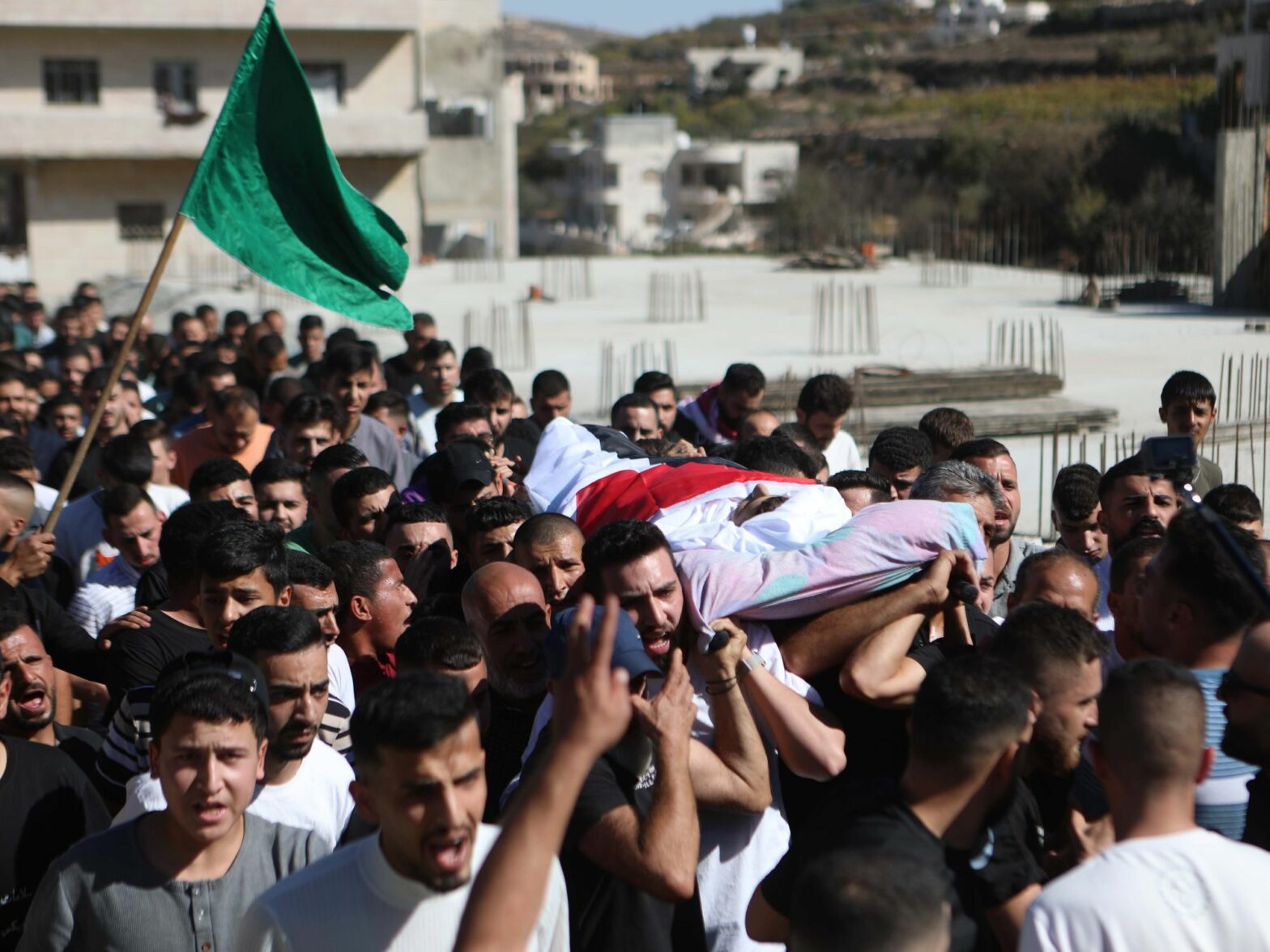
Israeli settlements in the occupied West Bank, which reached record levels in the first year of Netanyahu’s far-right government, have accelerated since Oct. 7 and are undermining a two-state solution to the Israel-Palestine conflict.
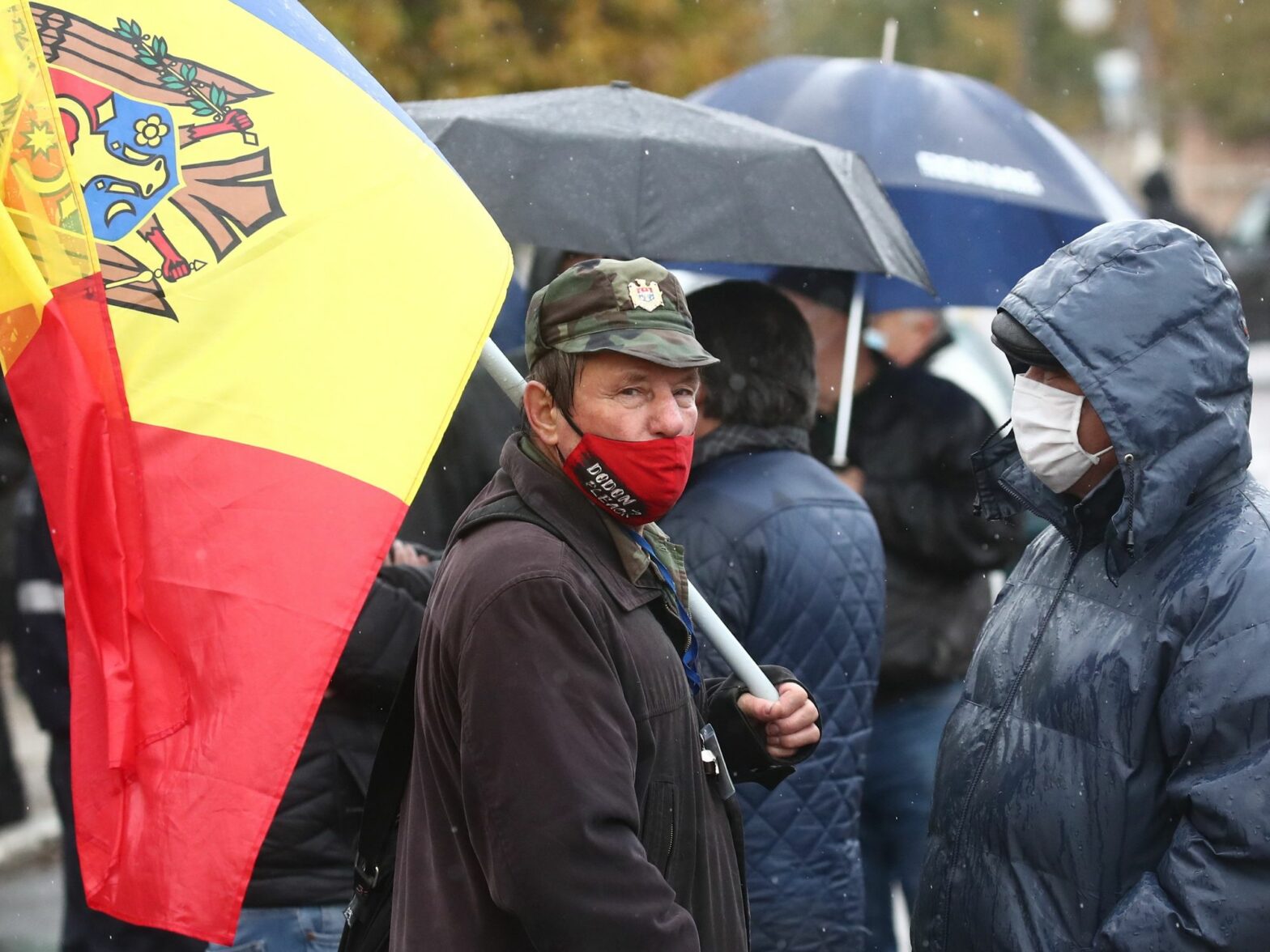
The authorities of the pro-Russian breakaway region of Transnistria in Moldava have asked for “protection” from Russia, which has been quick to respond. It is a blatantly “engineered-from-scratch” crisis in a region bordering Ukraine. This tiny territory may be the next place on the world map to watch.
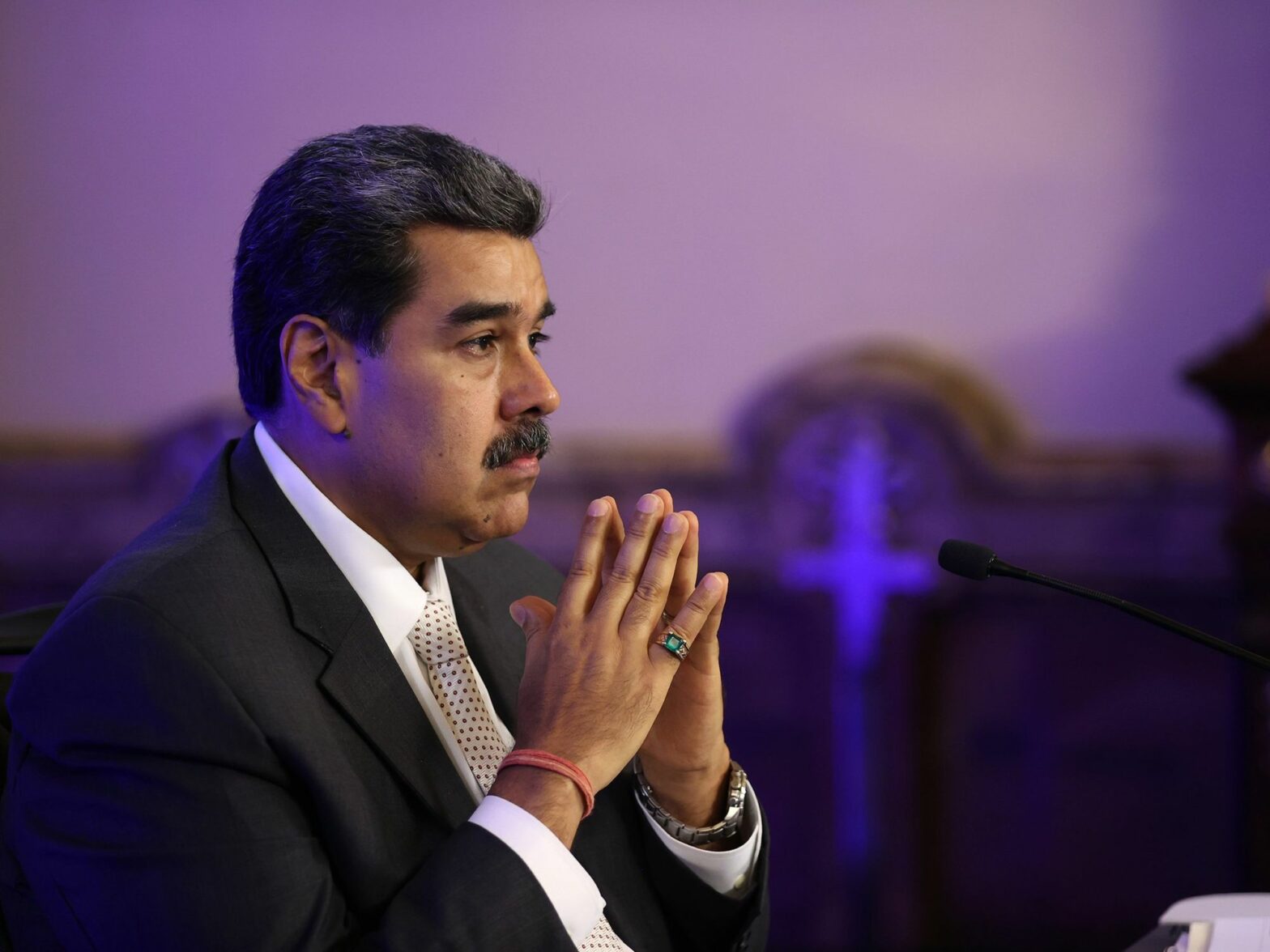
In keeping with the pseudo-democratic style of certain autocracies of our time, Venezuela’s leftist ruler is not averse to holding a general election, to be held when he says and once he has the results readied in advance.
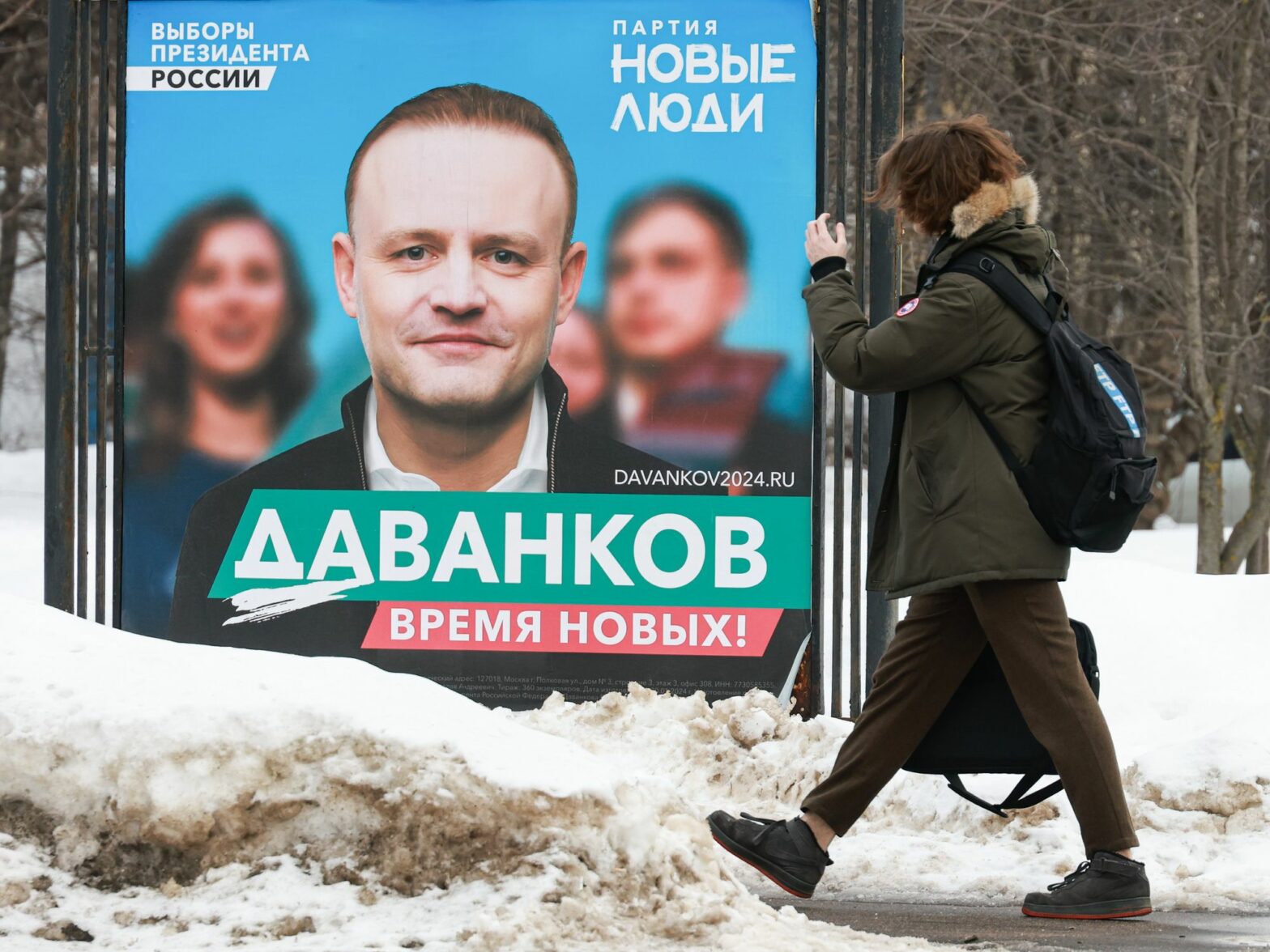
Why join in on a presidential debate when you can start a war or eliminate political opponents. That’s how to get your “policy” prescription across. But in a sham of a democracy, you need elections and you need debates — with the comfort of knowing the other candidates will make your talking points for you.
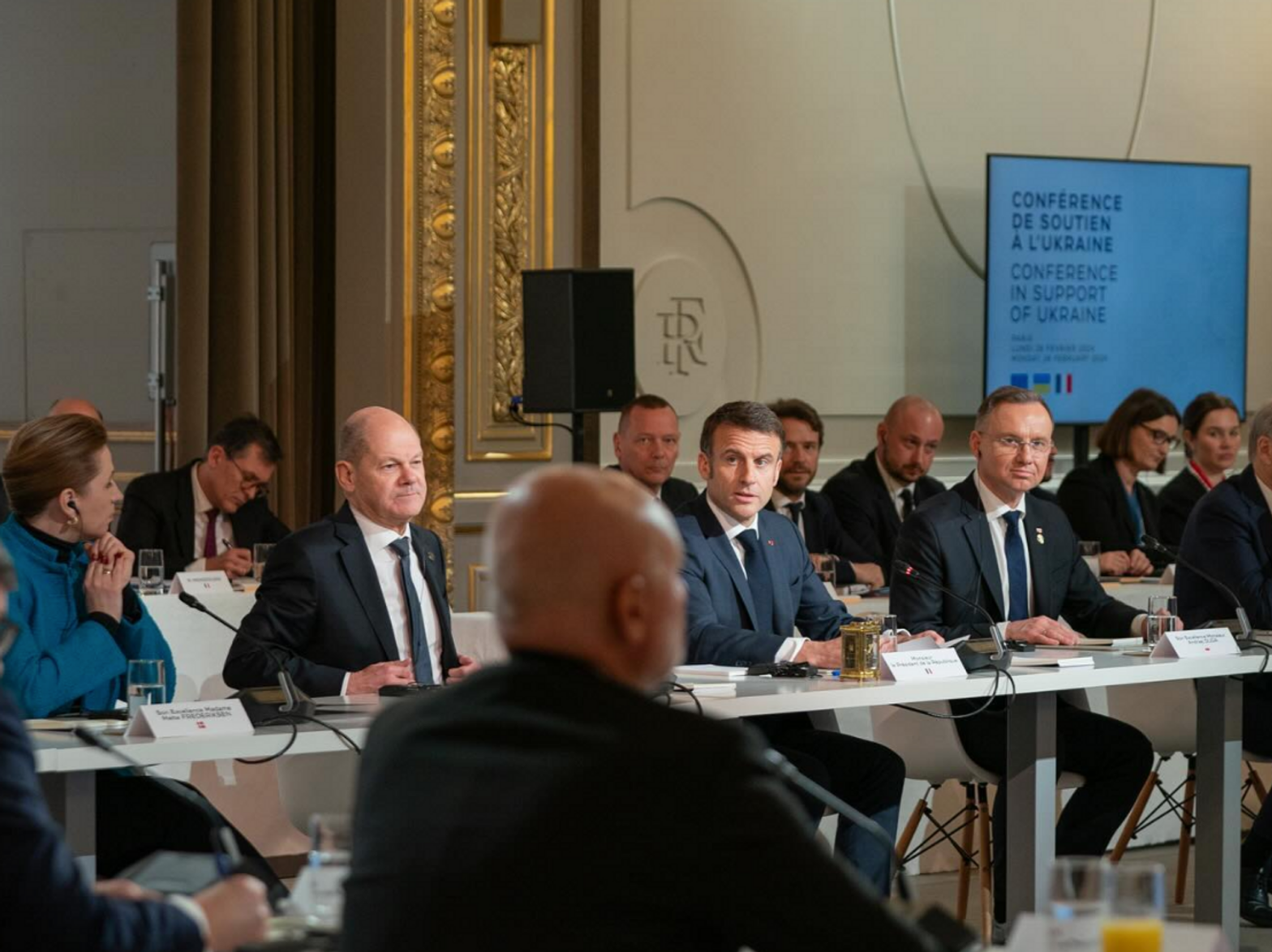
The French president’s suggestion that Western troops could be sent to Ukraine, took Western allies by surprise. Yet Macron wanted to send a double message at a key moment — to ally and adversary alike.
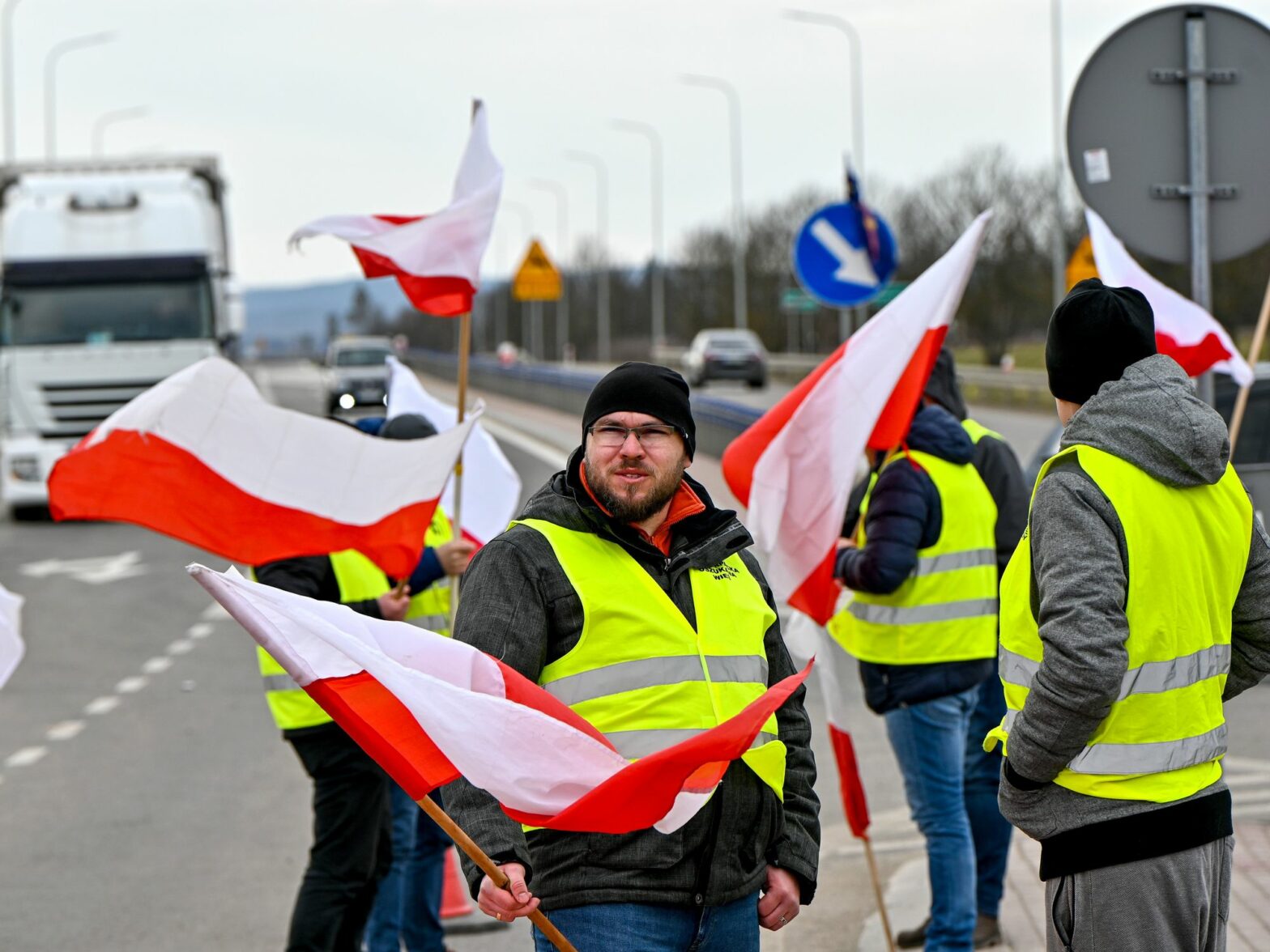
After a short “honeymoon period” that followed the start of the full-scale Russian invasion, Ukrainian-Polish relations have once again entered a state of permanent crisis. Strong words against Russia at the UN by Polish Foreign Minister were appreciated, but long-term relations between Kyiv and Warsaw are bound to be more complicated.
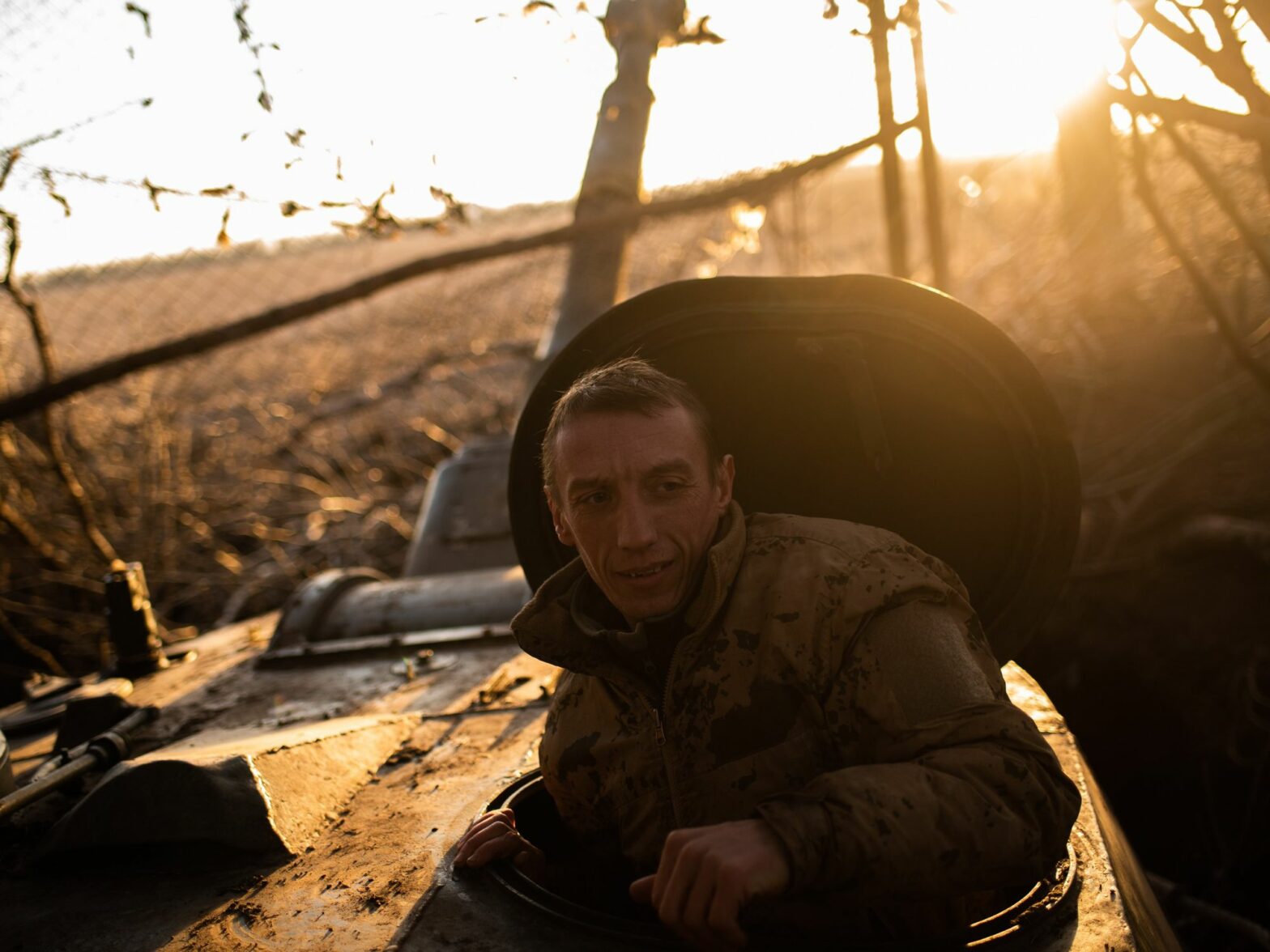
French President Emmanuel Macron crossed a line, at least rhetorically, in saying that the West doesn’t exclude sending troops to help Ukraine defend itself from Russia. Yet it may be time for the Western alliance to acknowledge that they’ve actually entered direct conflict with Moscow long before.
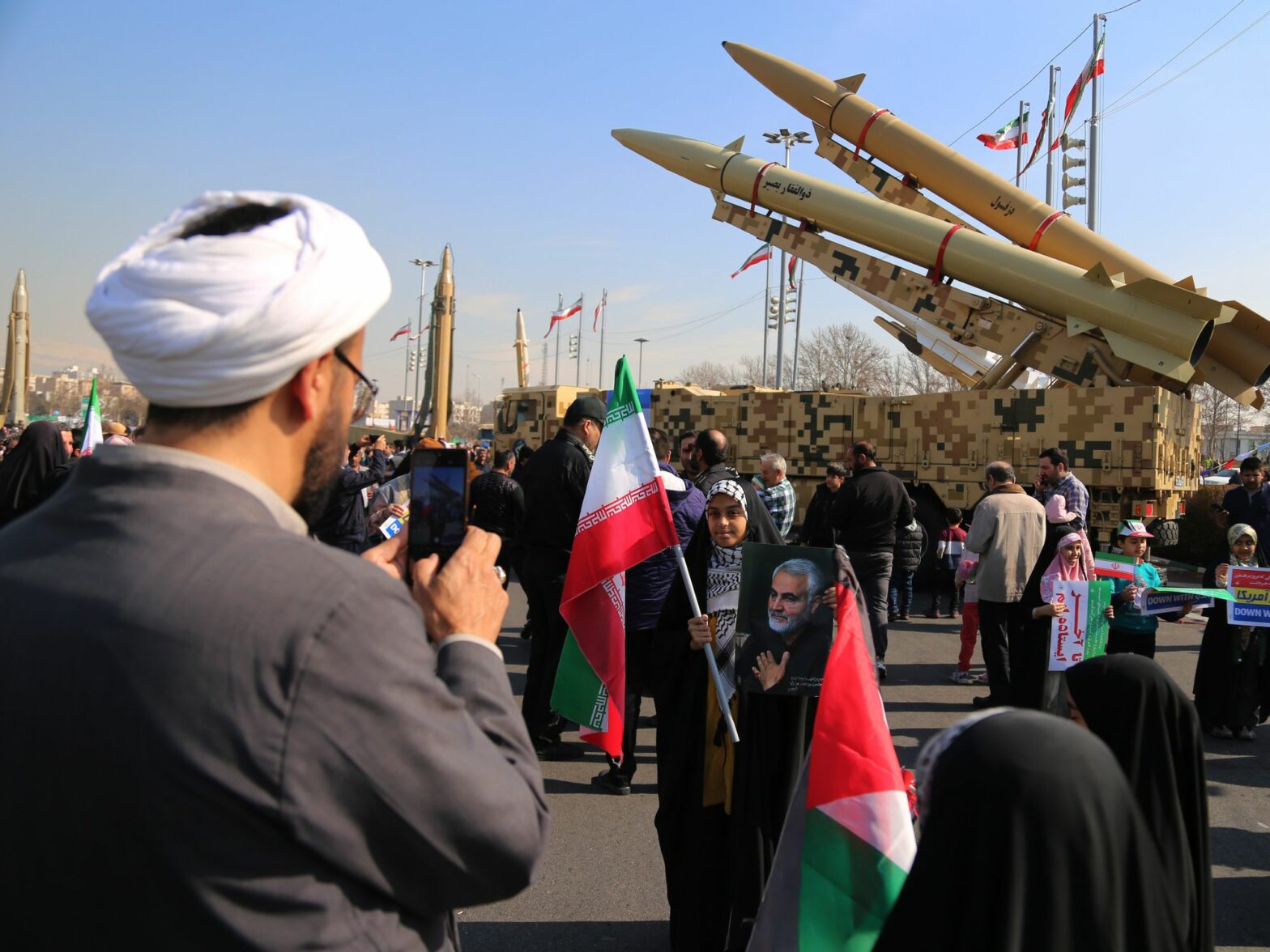
Western diplomacy shows the West will tolerate the Iranian regime’s repression at home and violent intrigues in the Middle East and beyond, but it might clarify to the public why liberal democracies should want to keep the mullahs in power in Tehran.
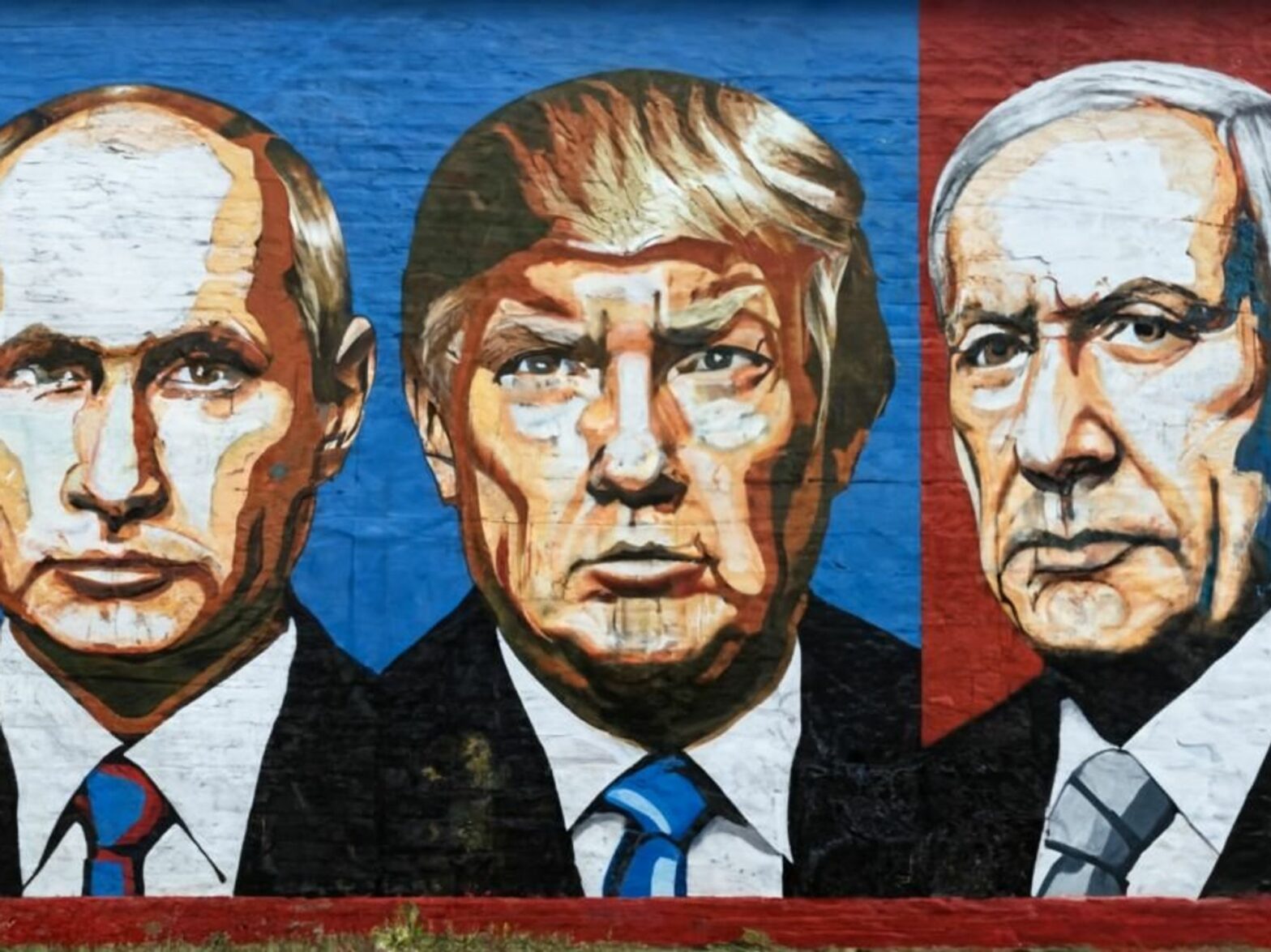
Donald Trump is not creating the U.S. malaise any more than Putin is creating the Russian malaise or Netanyahu the Israeli identity crisis. But all three illustrate the inescapable risk if a “me-first” attitude is taken to an extreme degree by individuals who’ve accumulated power.
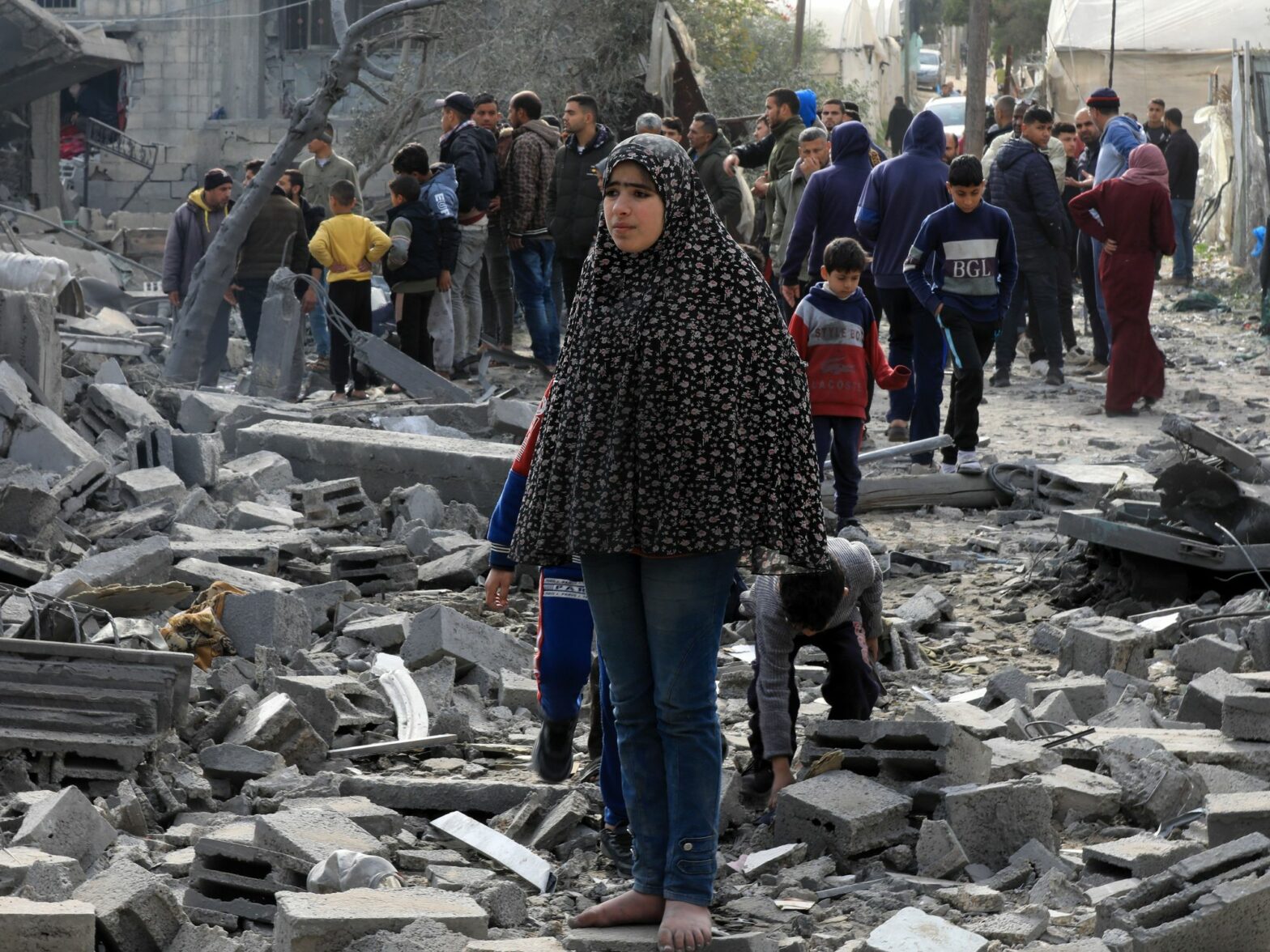
As the humanitarian situation worsens in Gaza, and the Israeli government still threatens to launch an offensive on the town of Rafah, there is one piece of positive news: negotiations on a possible ceasefire are not stalled. And in recent hours, there are some good reasons to believe that the ceasefire could become a reality.

A document leak from a major hacking company opens the door to the Chinese system of digital espionage and influence, which is part of worldwide system that is changing the nature of geopolitics.
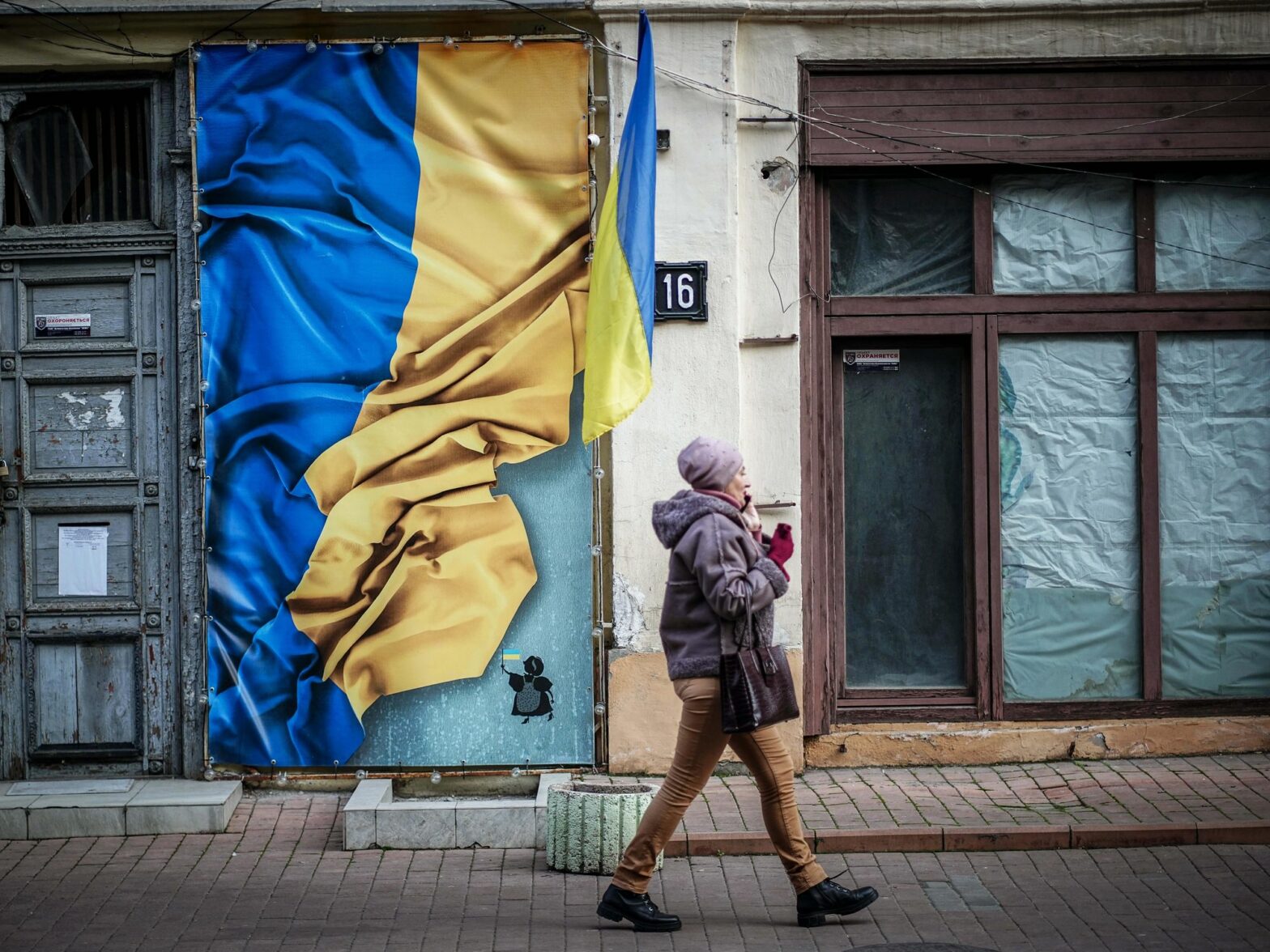
As the war in Ukraine enters its third year, results of a survey suggest that only one European out of ten thinks that Ukraine will come out of this war with a victory. While their support has not shifted towards Russia, the poll results give an insight into how fatigue is playing in citizens’ minds — and what European governments have to put up with if they want to continue supporting an expensive war.
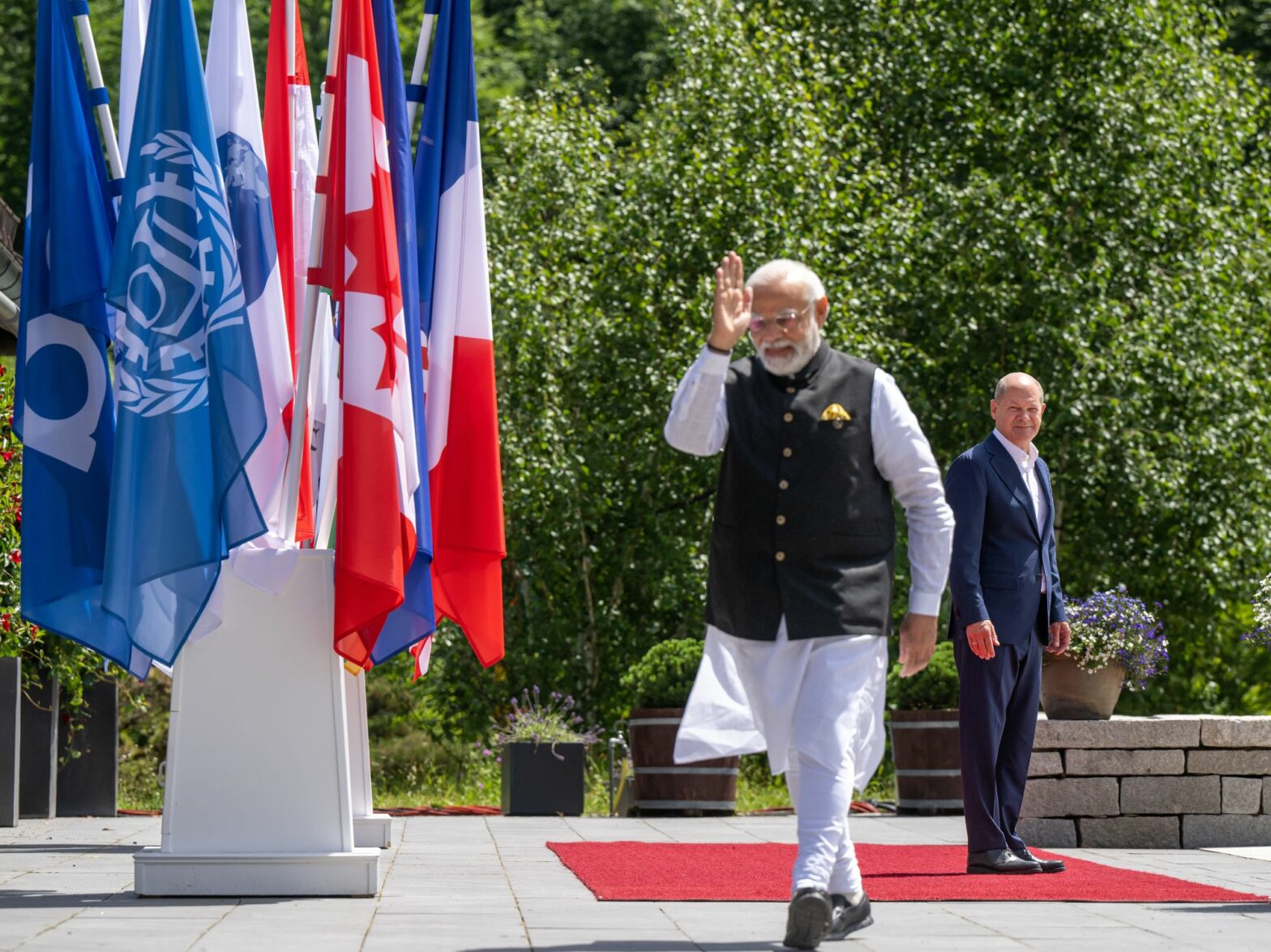
In not condemning Russia and openly siding with Israel, India’s foreign policy establishment is merely jettisoning the thin layer of politically-expedient, feel-good idealistic post-colonialism that veils an iron-fisted pragmatism.
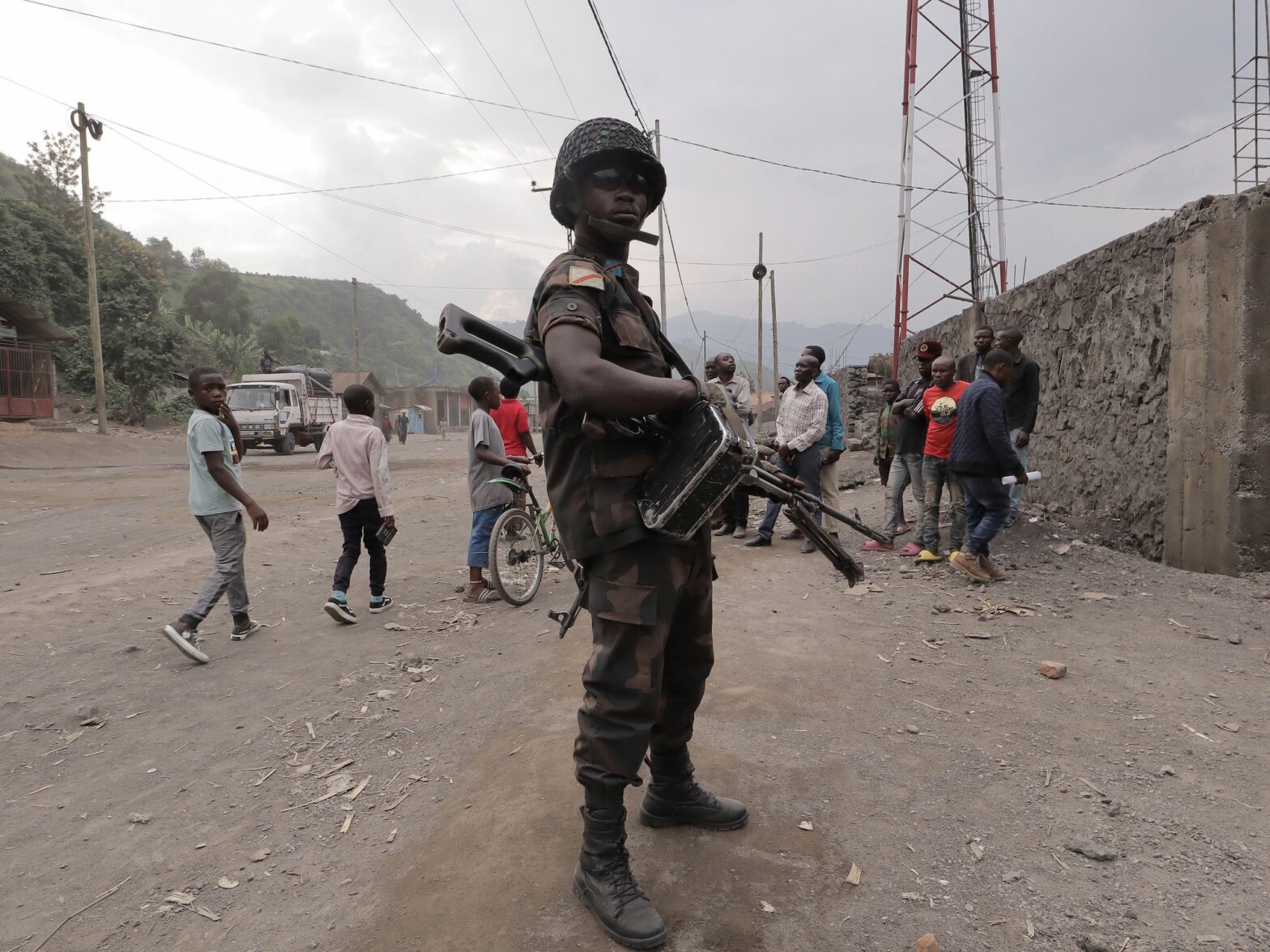
The war in the eastern Democratic Republic of Congo has been going on for decades, with ups and downs. An offensive by a Rwandan-backed armed group threatens to degenerate into a regional war. A forgotten war while the world looks away.
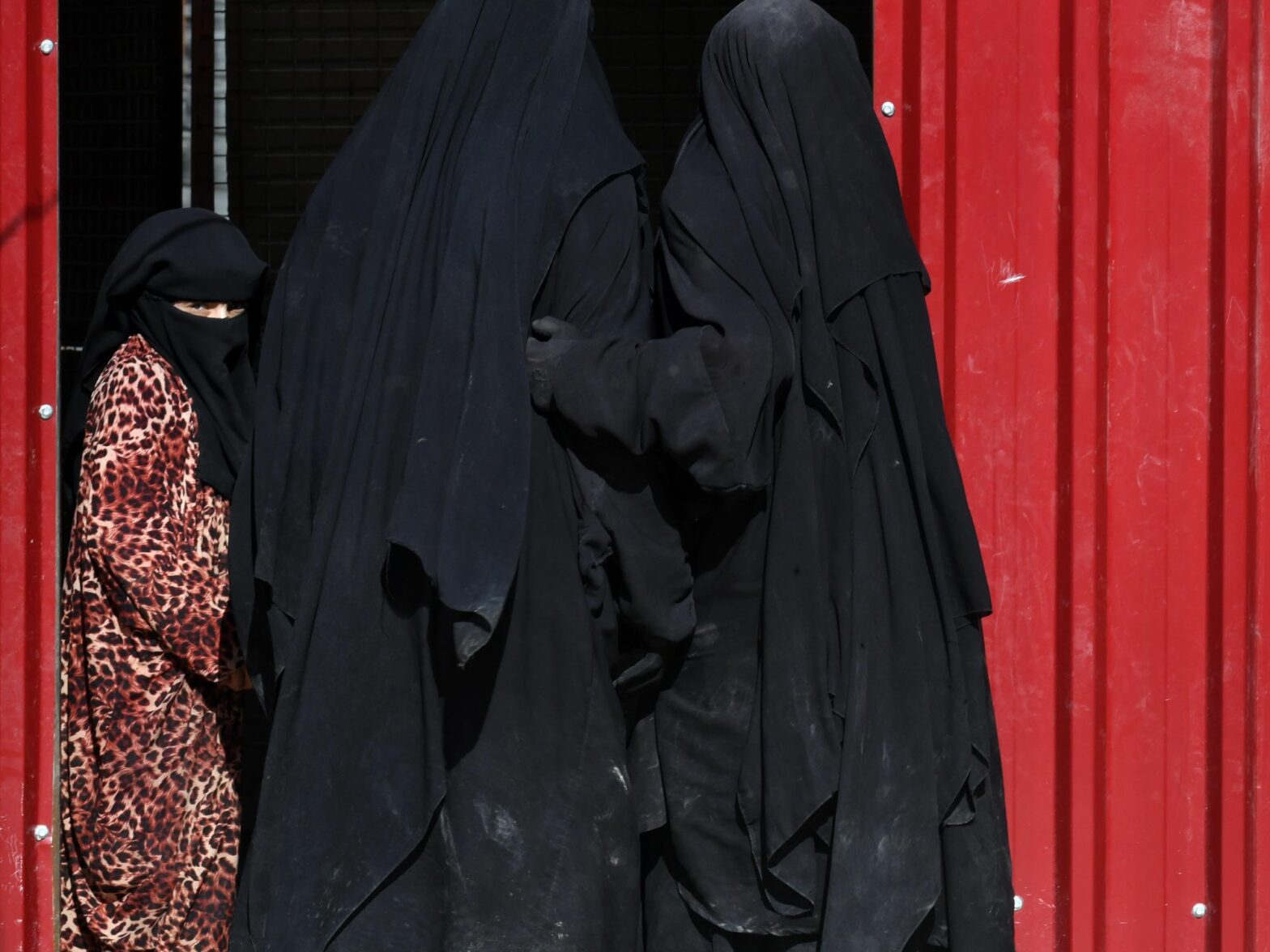
The arrest and trial of a female associate of the Islamic, one of many stories of women that have never been told, how the militant group employed them in various forms during its rule and even after its defeat and its transformation into separate but active cells.
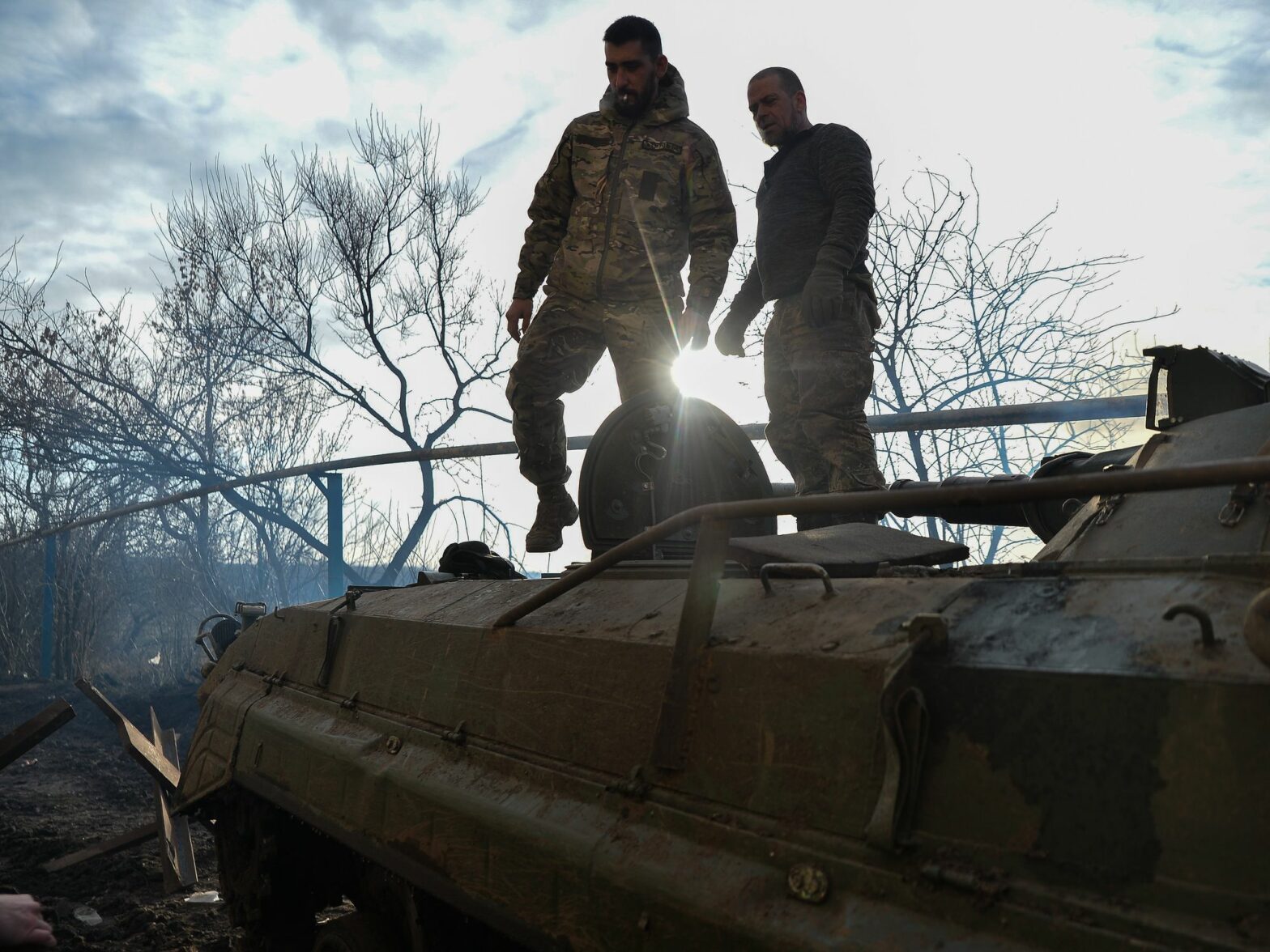
There are many analogies between 1916 and 2024, two years into World War I and the War in Ukraine respectively. It offers a clear way to try to understand what may happen next in Ukraine — and the world.
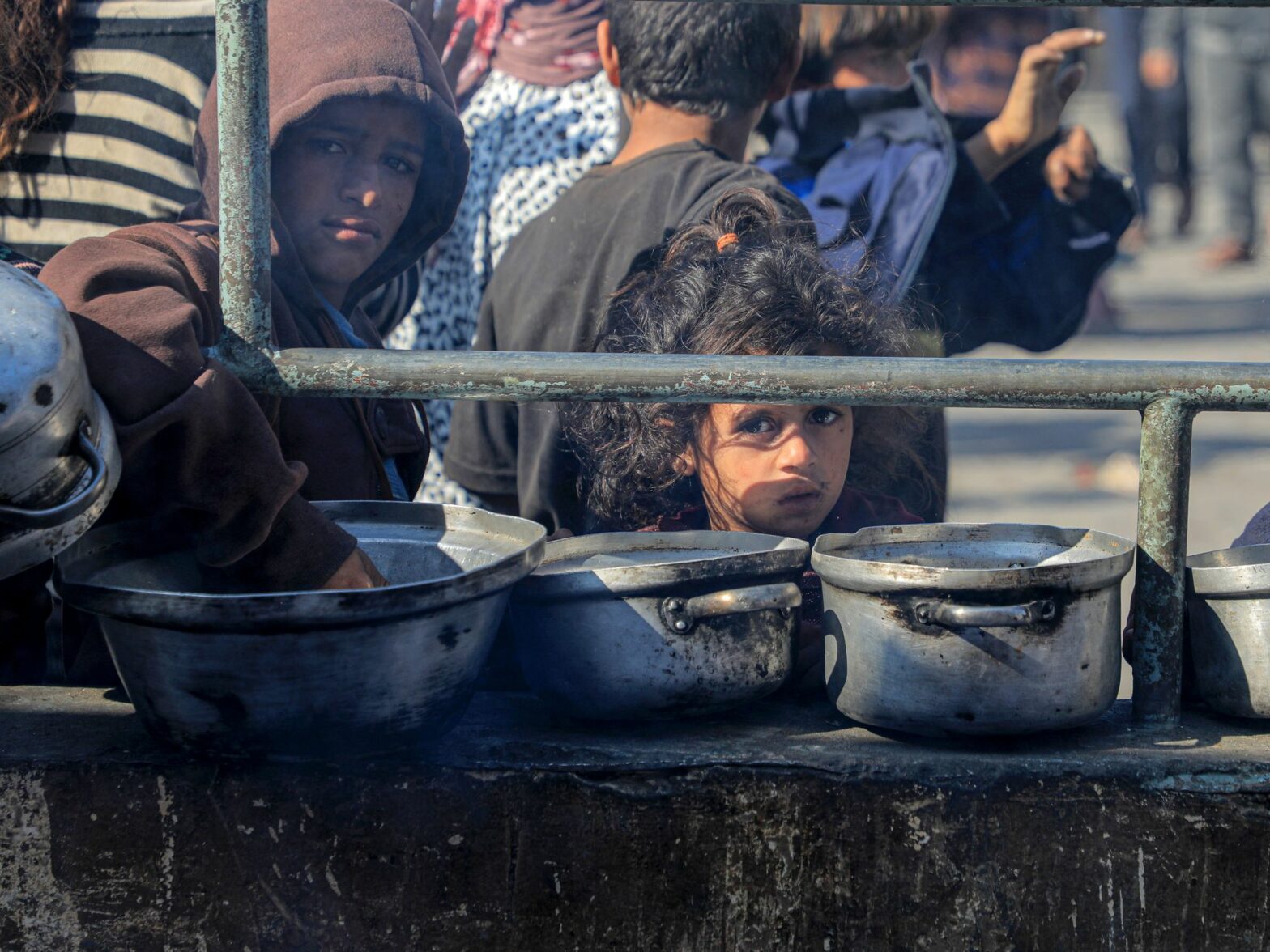
As the war in Gaza hits a critical juncture, the approaching Ramadan deadline adds urgency to international efforts, with Israel’s threat of an offensive on Rafah escalating tensions and raising the stakes for peace negotiations.
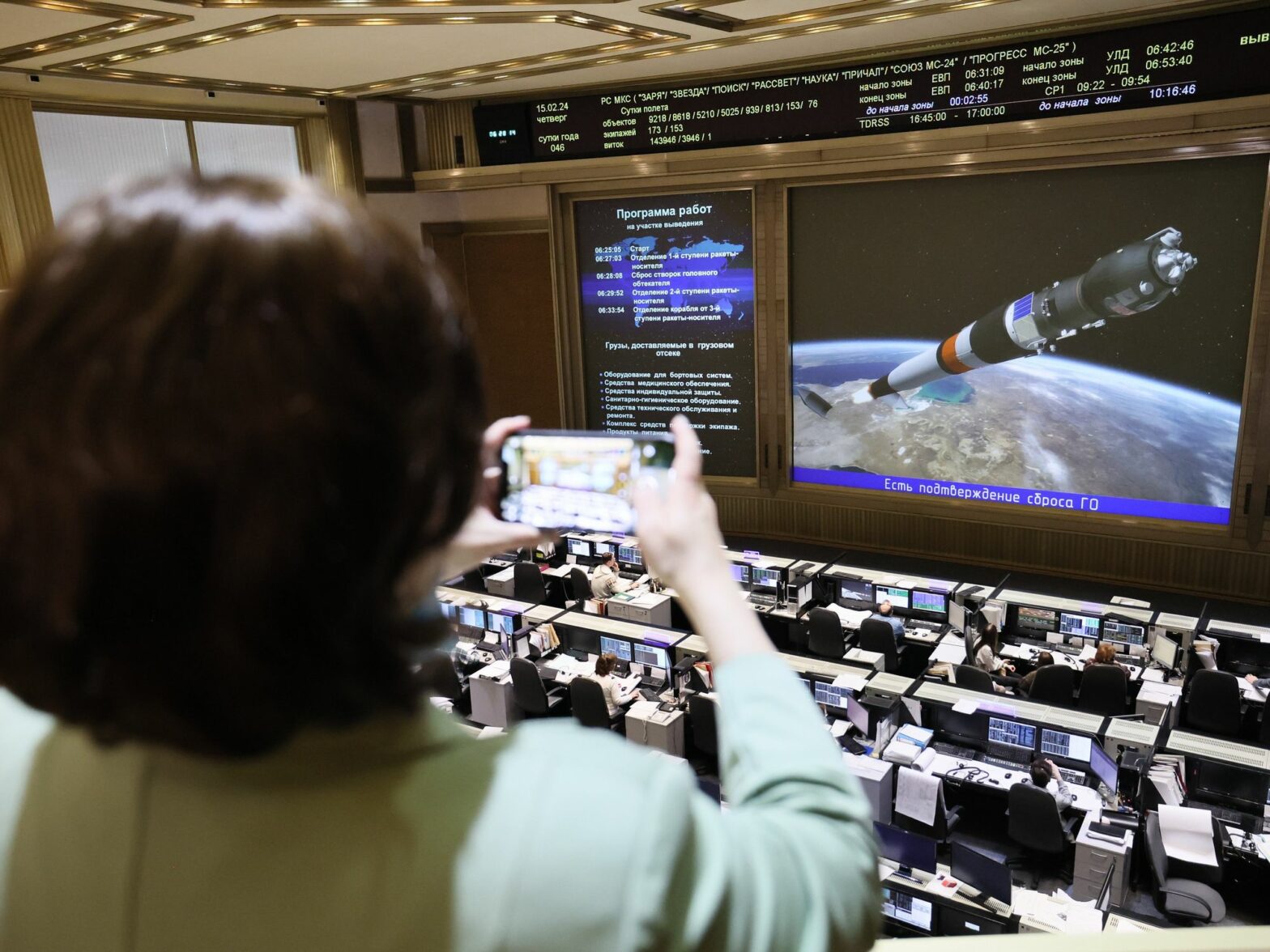
Space may be the true battleground of the future, which explains Washington’s growing concerns over Russia’s alleged plans for deploying anti-satellite weapons. Yet what if not even this can push Trump and his Republican allies to support Kyiv?
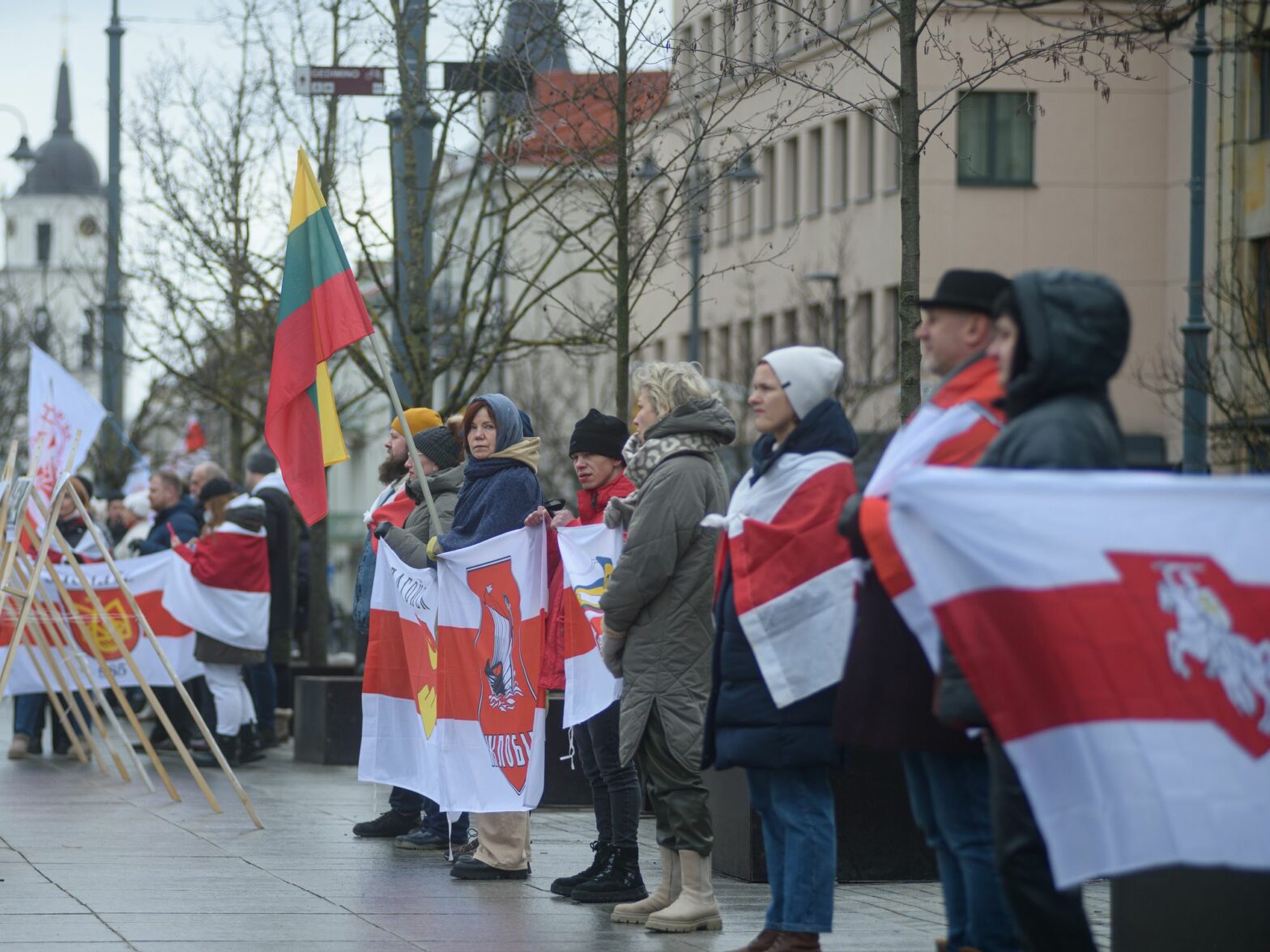
With Putin’s war in Ukraine, people may need reminding that Belarusian leader and Putin ally Alexander Lukashenko is a dictator in Europe’s midst, write German Foreign Minister Annalena Baerbock and Belarusian opposition leader Sviatlana Tsikhanouskaya in an article for Die Welt.