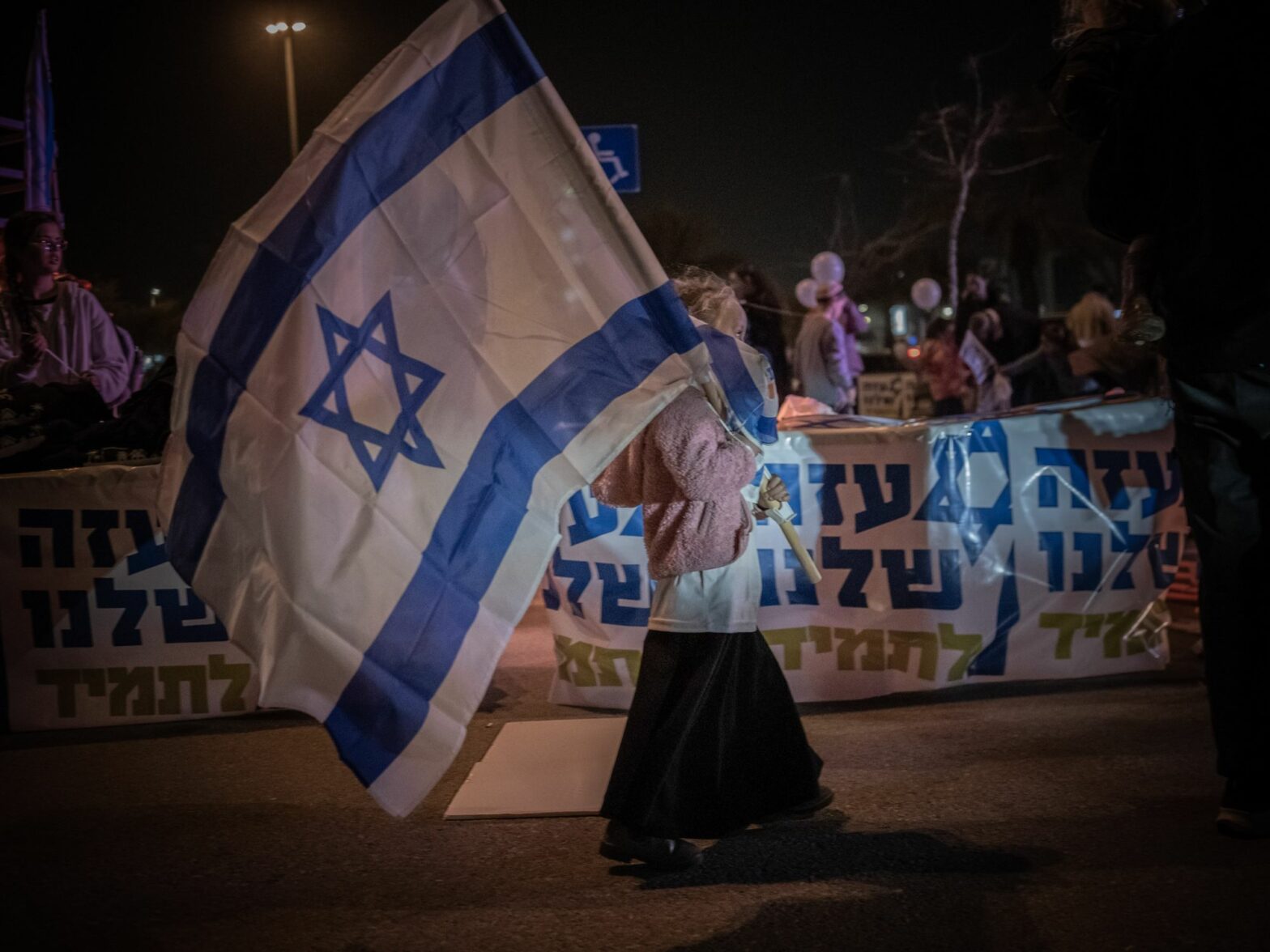
The radical far-right in Israel’s government is demanding to build settlements in the Gaza Strip. Israel’s army is creating the conditions for this.
 Worldcrunch
The radical far-right in Israel’s government is demanding to build settlements in the Gaza Strip. Israel’s army is creating the conditions for this.
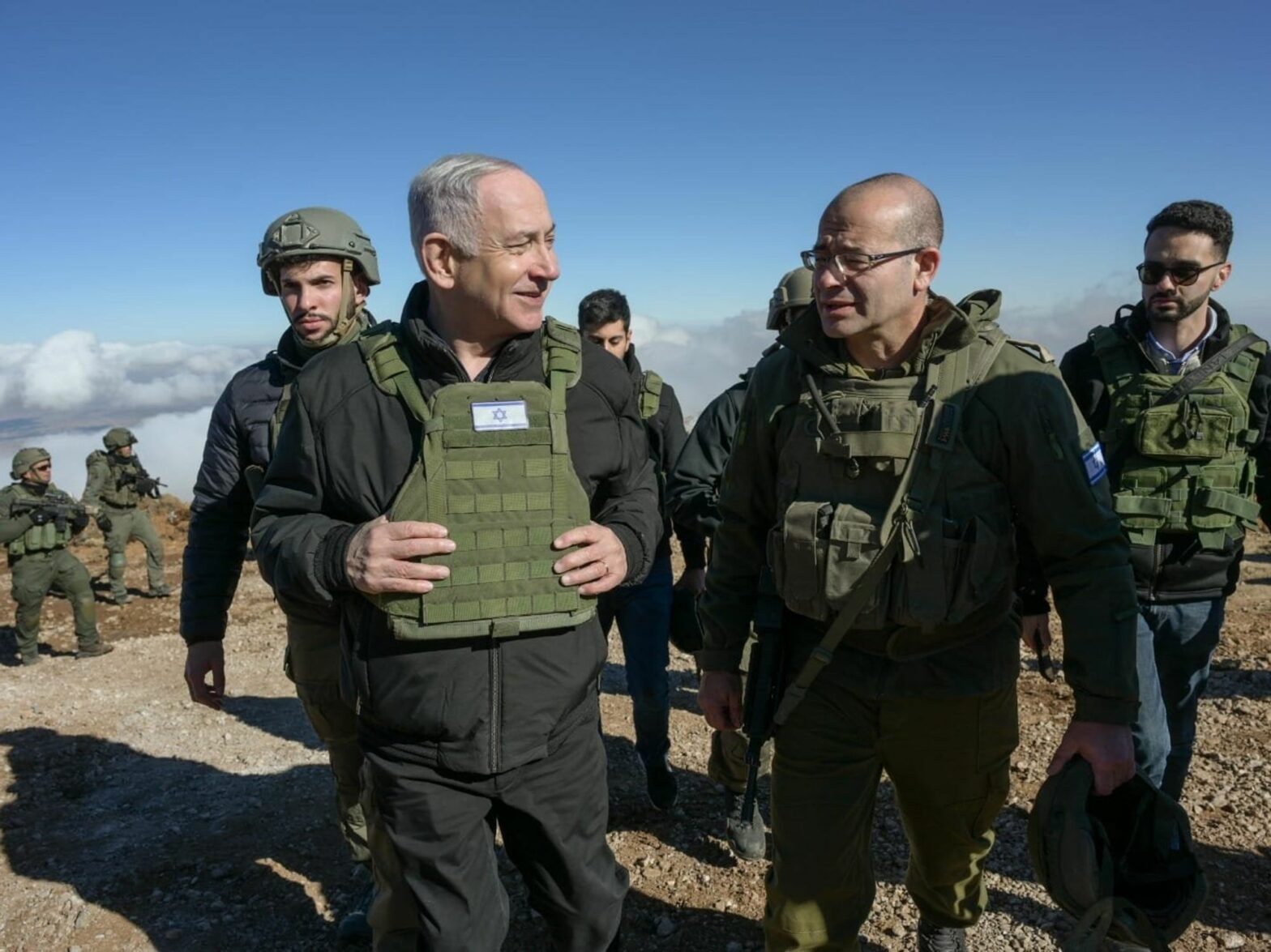
What Netanyahu represents and symbolizes historically and ideologically on the global level, beyond just Israel and the U.S., is unmatched. It says a lot about where the world has arrived. Where it’s heading is up to the rest of us.
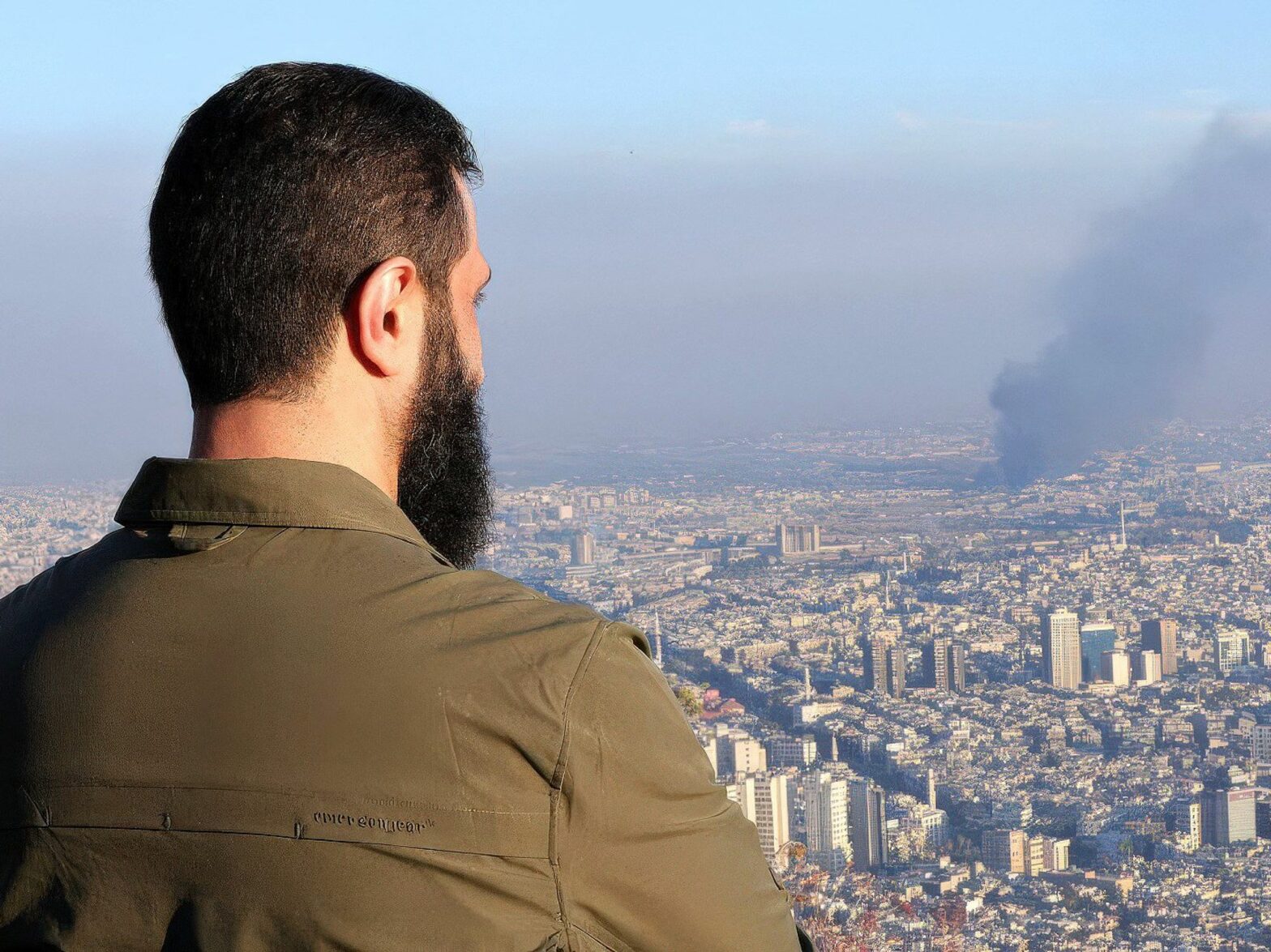
Following the fall of Bashar al-Assad’s regime, there are many questions about the future of Syria. Yet the regional and international powers who planned his collapse did not consider the Syrian people or their future in their calculations. Syrians may be out of Assad’s frying pan, but they’ve been thrown into a fire of armed fundamentalist groups.
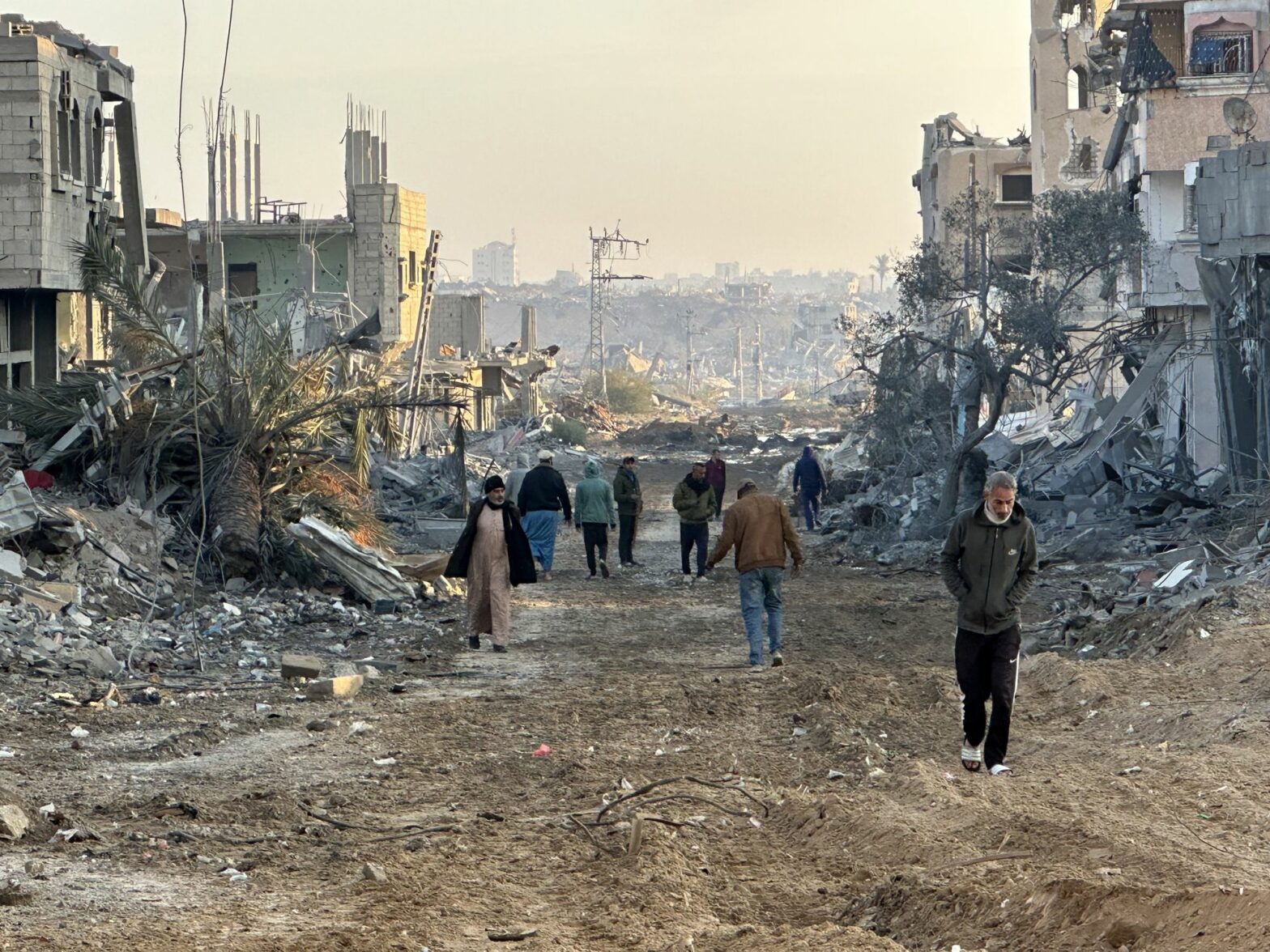
Israel has been long hailed as an oasis of democratic rule in a region of would-be savage Arabs. But now, the International Criminal Court (ICC) has essentially ruled that it is a racist rogue state.
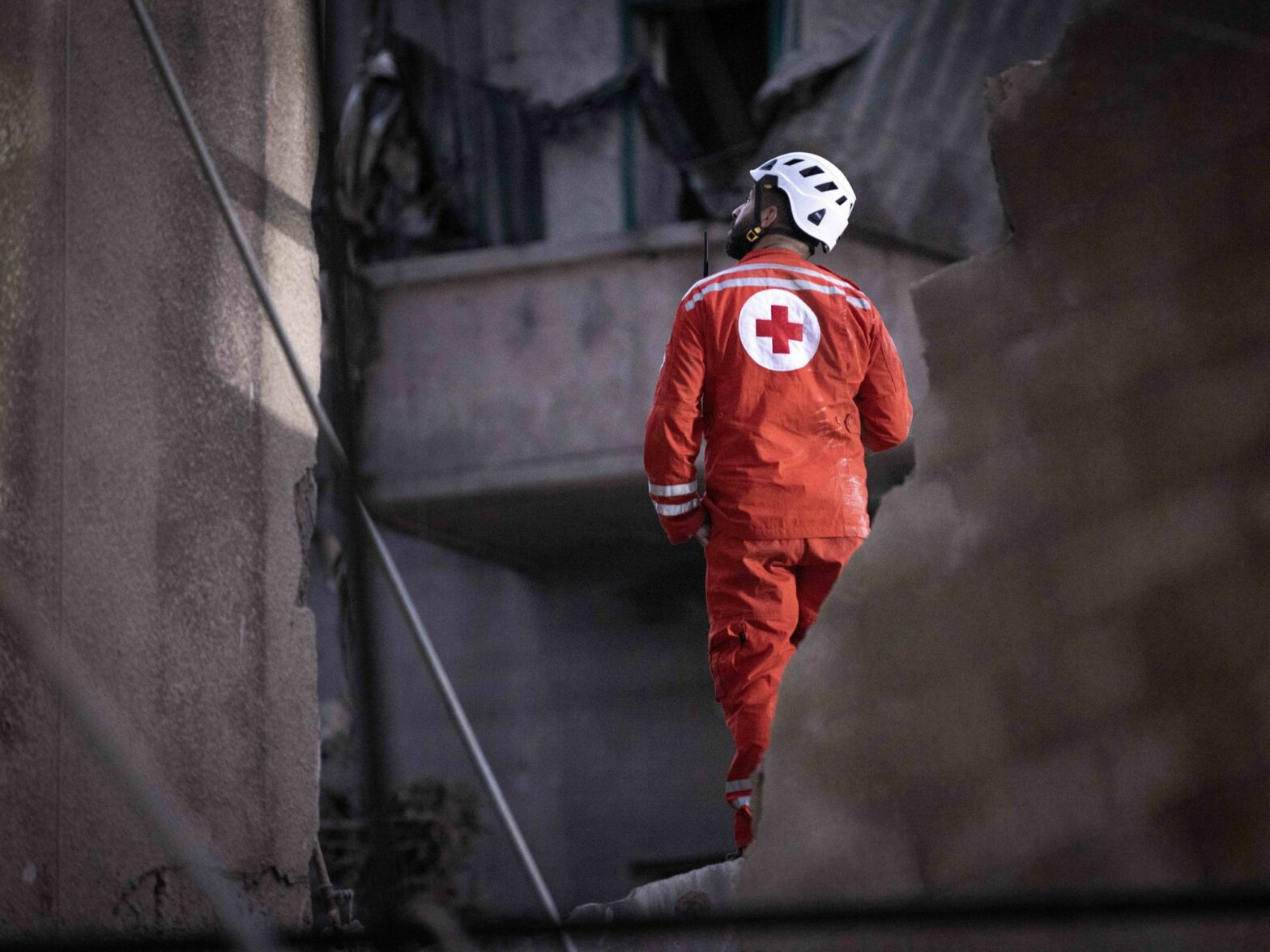
Israel and Lebanon have reached a U.S. and France-brokered ceasefire agreement. It’s an intricate agreement that requires a withdrawal of Israeli forces within 60 days, contingent on Hezbollah retreating north. And it shifts focus, allowing the war in Gaza to continue unabated.
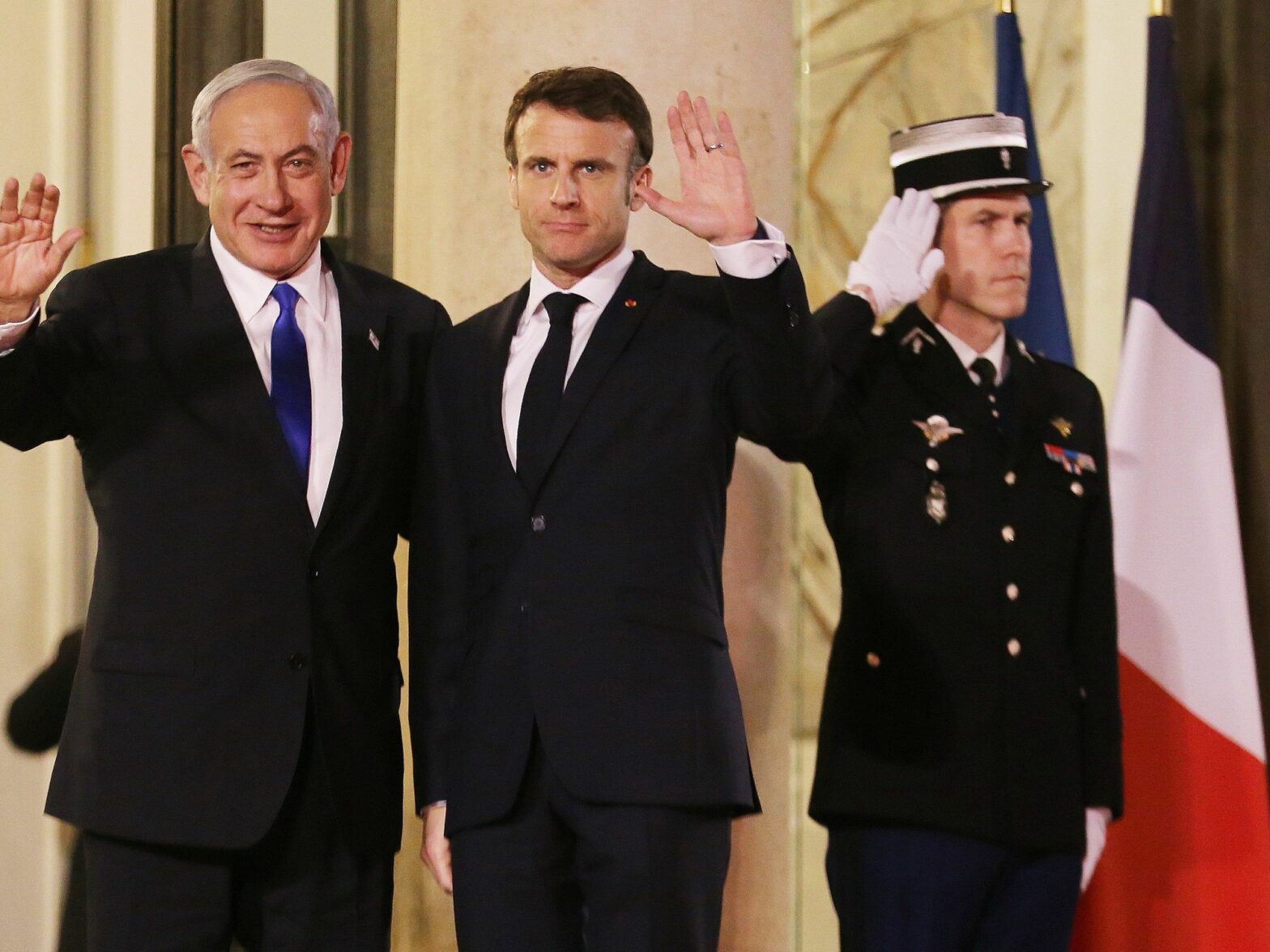
The judges of the International Criminal Court (ICC) have issued an arrest warrant for Israeli Prime Minister Benjamin Netanyahu. He says it’s an antisemitic move, and is backed by the U.S., but France and other EU countries have stated they will respect the warrant, meaning the Israeli leader is now unable to visit these regions.
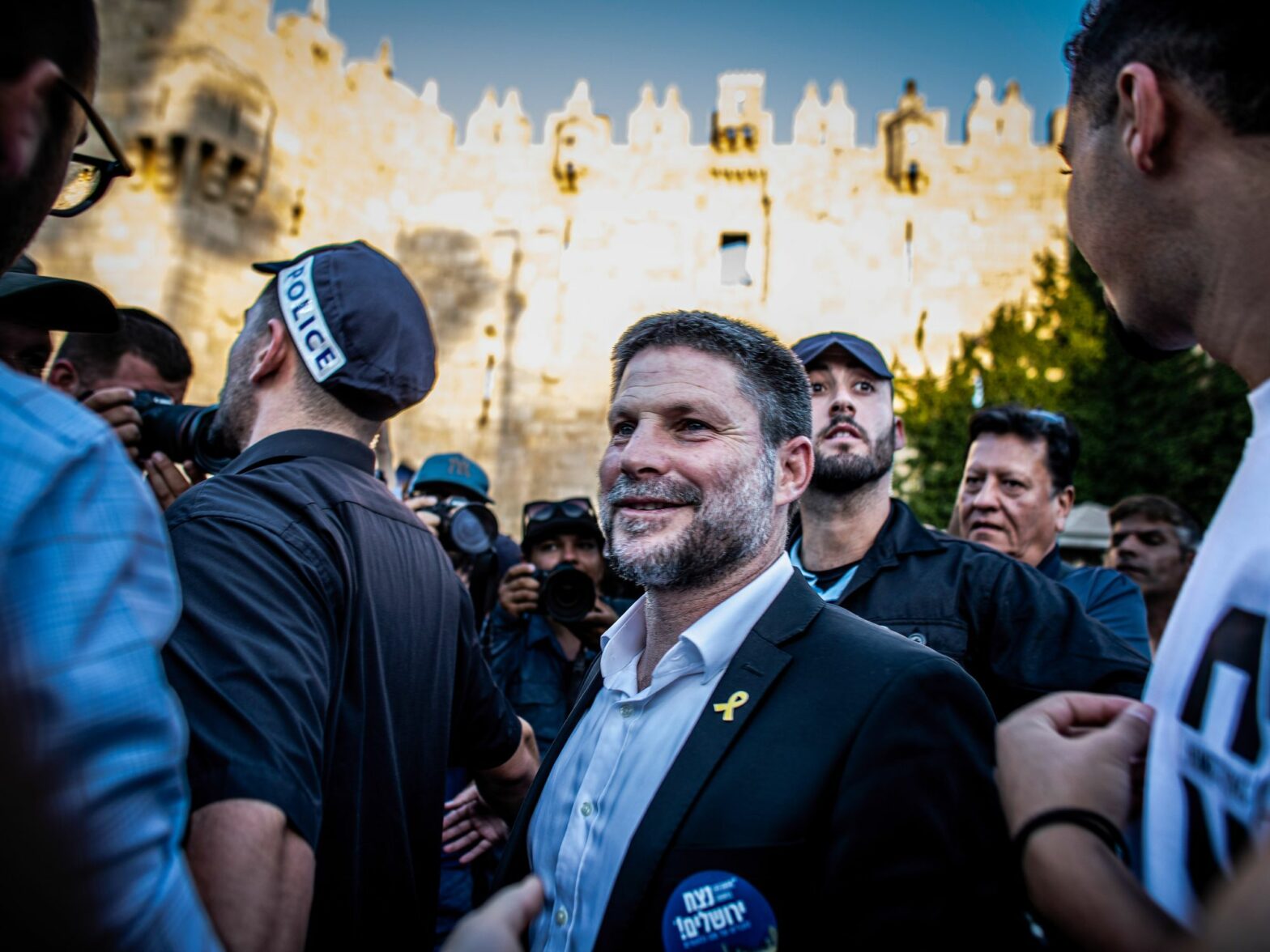
A prominent figure of Israel’s far-right, Finance Minister Bezalel Smotrich has announced that 2025 will be the year of the West Bank’s annexation. With Donald Trump’s victory, supporters of colonization hope he will back their approach, despite it being contrary to international law.
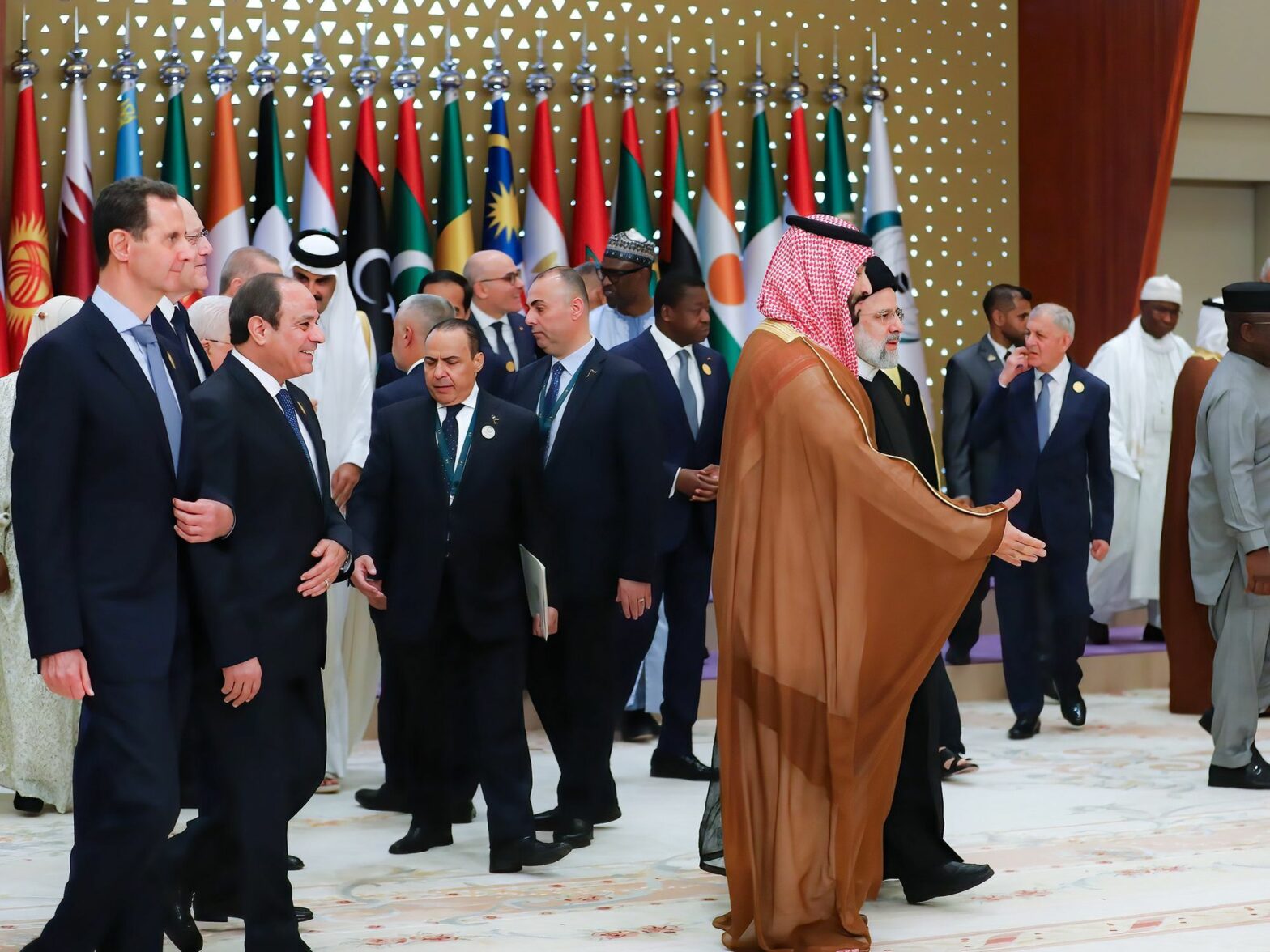
Will the Arabs take the initiative to take tangible measures before the fire reaches their countries, or will they be forced to be mere tools and bases to protect Israel? After the six-day war of 1967, the Three No’s of an Arab Summit set a new hardline. That should be the model now.
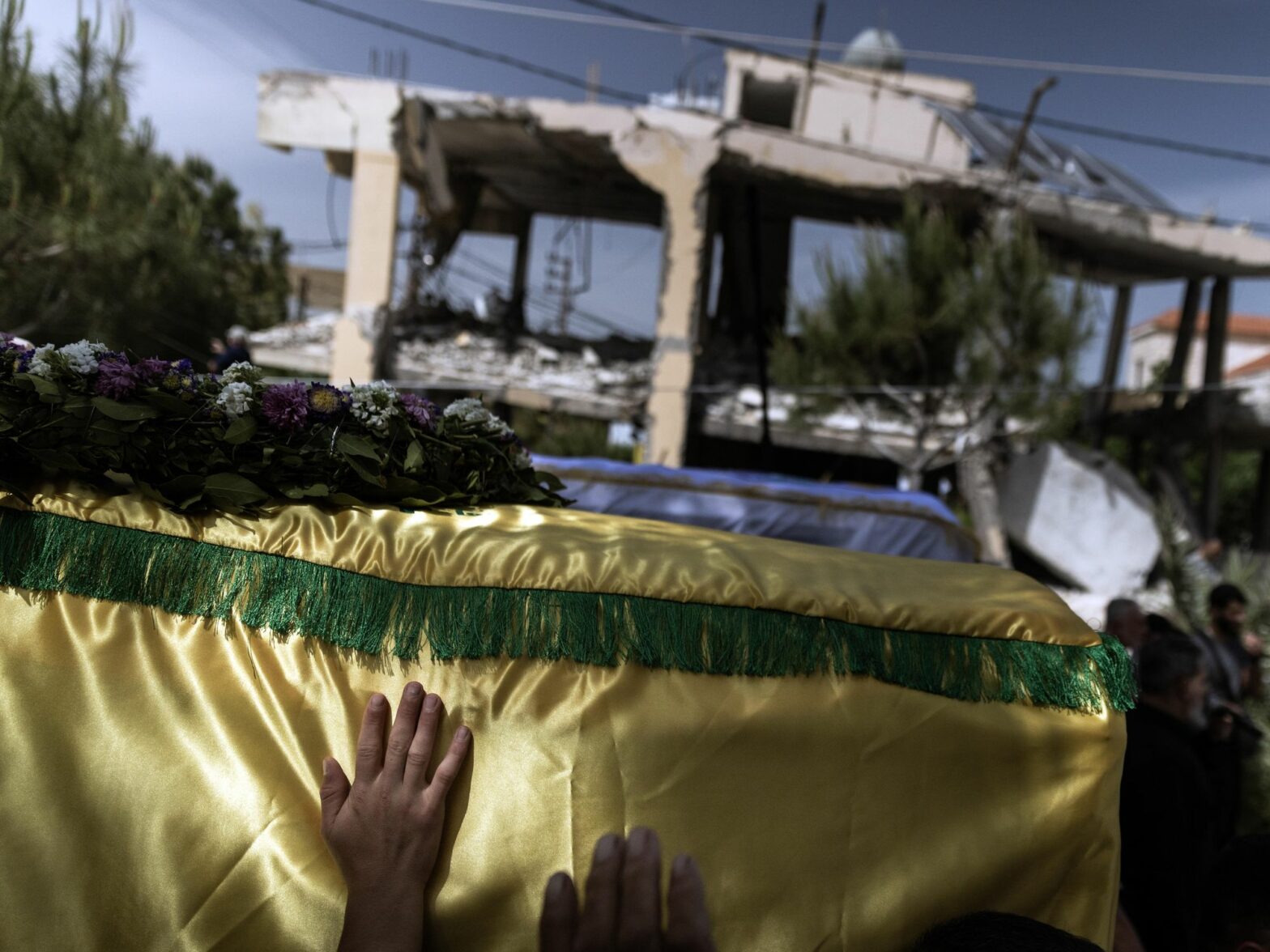
We, the children of “front edge” villages, have seen thousands of homes disappear into rubble. Our loss is not limited to memories and dreams, but also to the stories of our villages.

Benjamin Netanyahu escaped the growing calls to stop the war in Gaza and bring the hostages back, by launching another war on Hezbollah. It’s a taste of what’s to come.
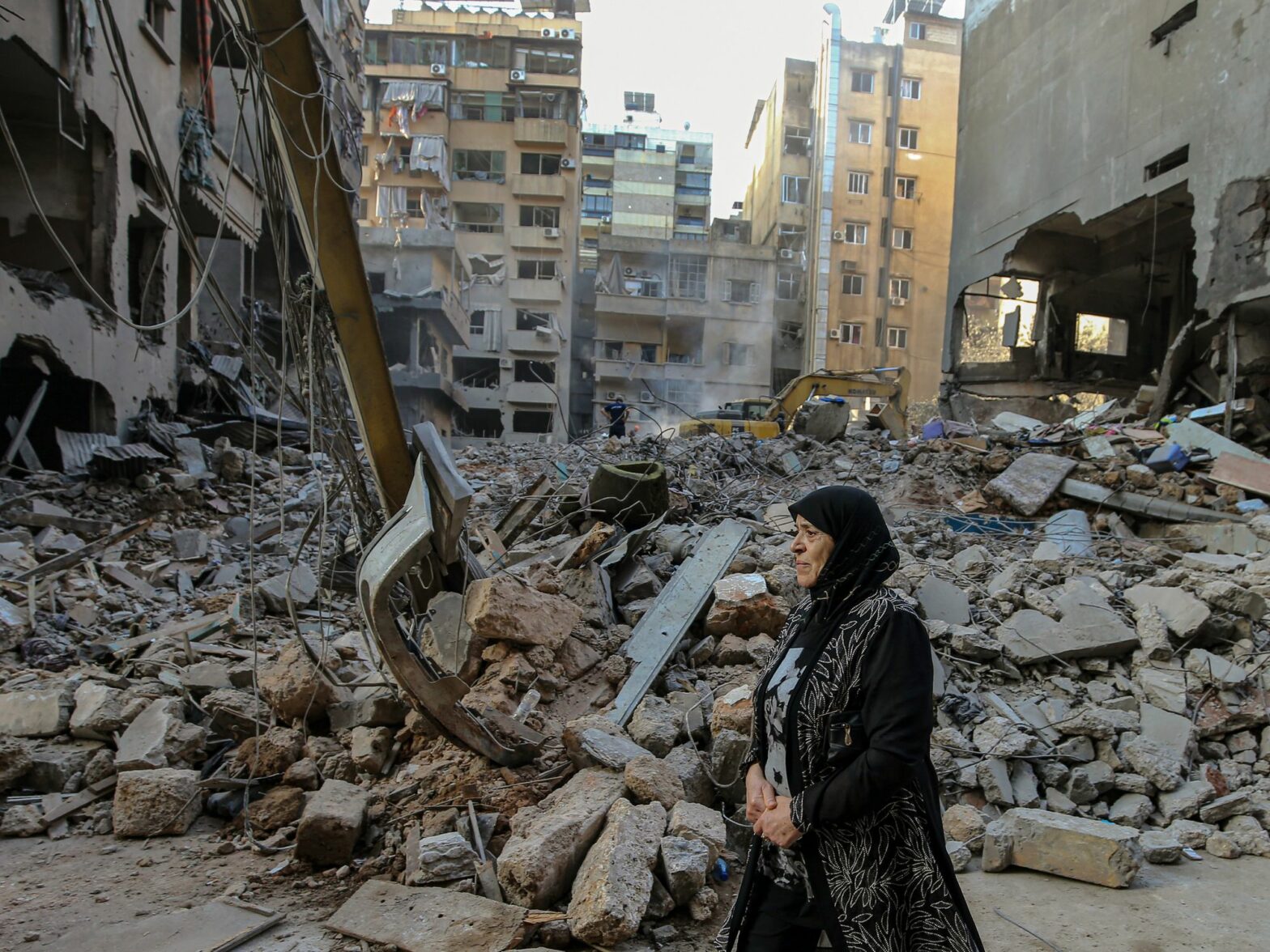
Initially presented as “limited,” Israeli operations have escalated sharply in Lebanon, and the Israeli Prime Minister has called on the country’s citizens to rise up against Hezbollah. What is Benjamin Netanyahu’s aim in this war?
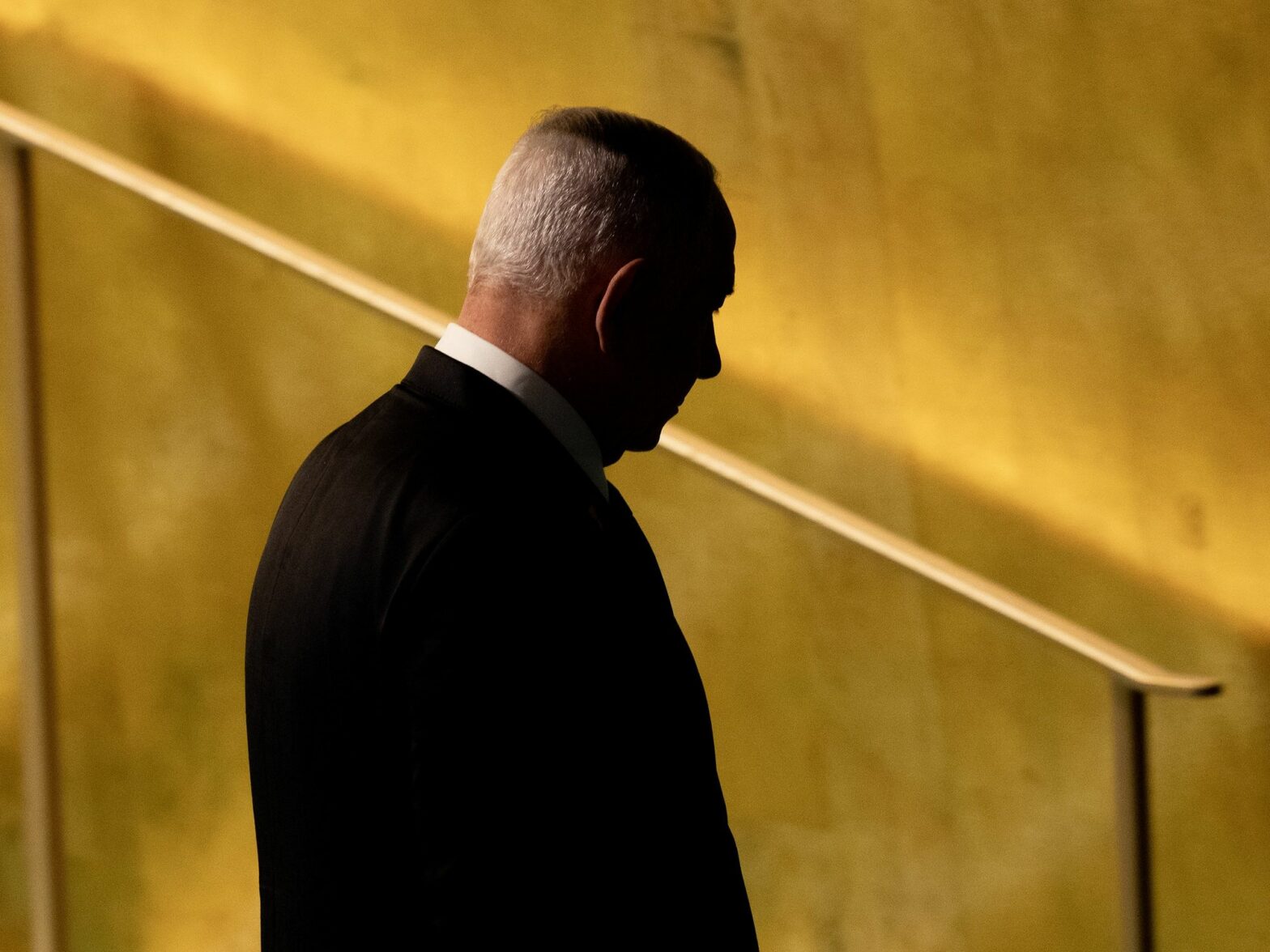
The Israeli Prime Minister has scored a major victory with the elimination of Hezbollah leader Hassan Nasrallah. But Netanyahu is showing no signs of relenting, continuing the bombing of Lebanon, and also striking Yemen. All with Iran as the ultimate target. Yet can force alone guarantee Israel’s security?
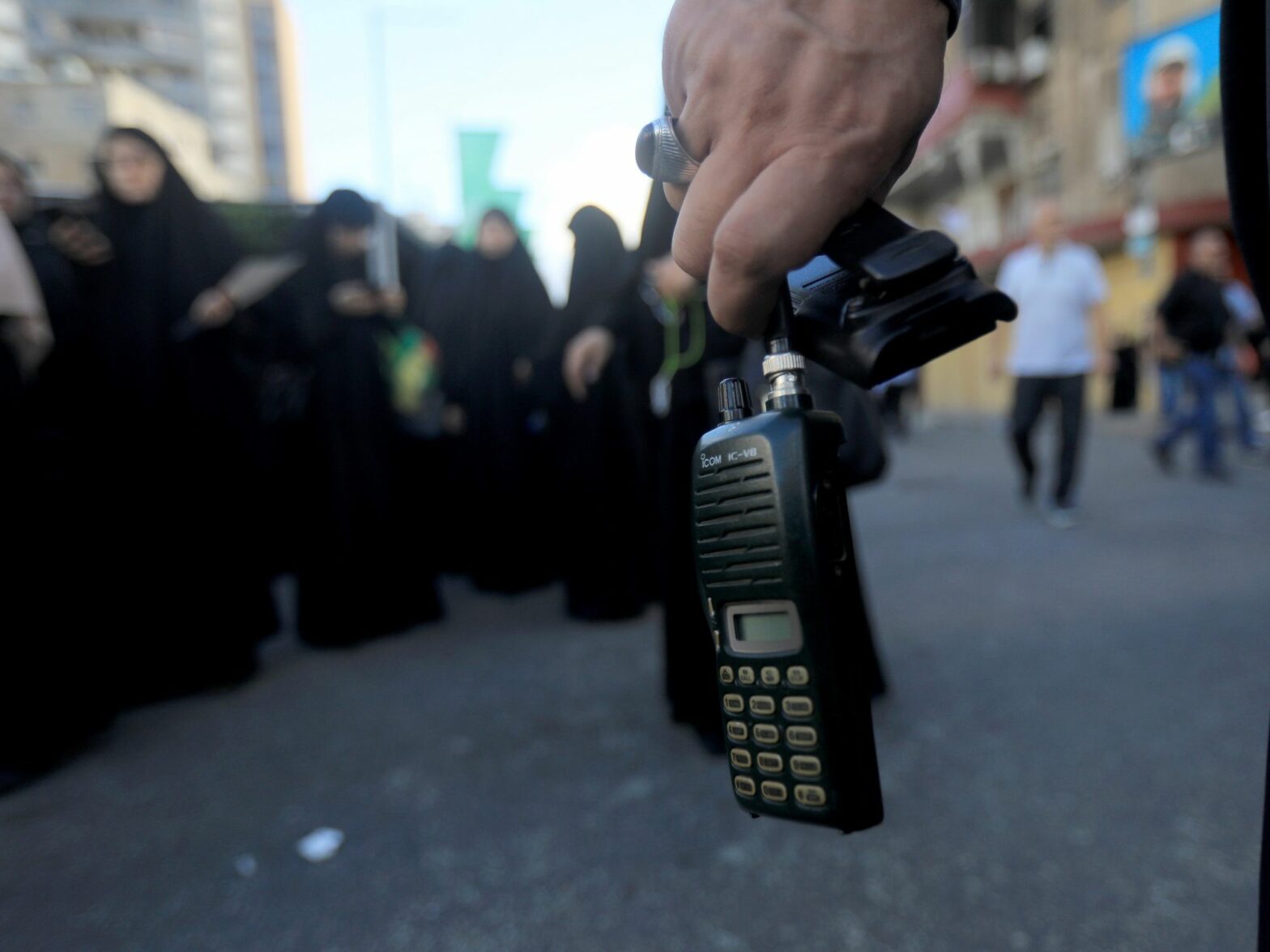
With its unprecedented attacks on pagers and walkie-talkies in Lebanon that again killed innocent victims, Israel now faces the risk of losing the war not just on moral and legal grounds, but also from a strategic perspective.
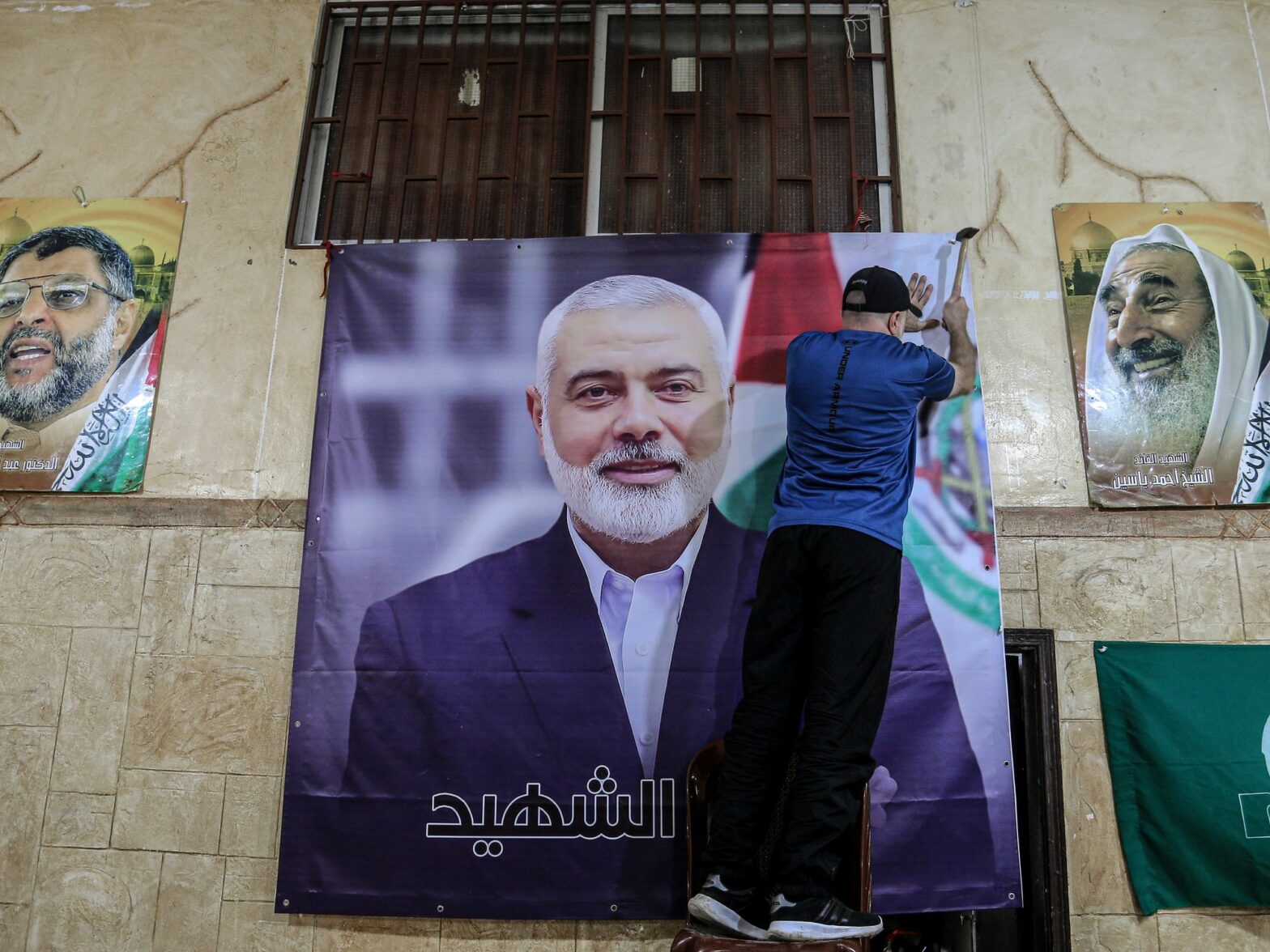
A series of strikes occurred just days after Netanyahu returned from the United States, which will have difficulty denying a role in the targeting of three capitals in the region in 24 hours, and may spark a much wider war in the Middle East.

The Israeli Prime Minister appeared on French television to try to convince European audiences of his war aims. But his main weakness is his lack of vision for the “aftermath”: he has nothing to offer the Palestinians.
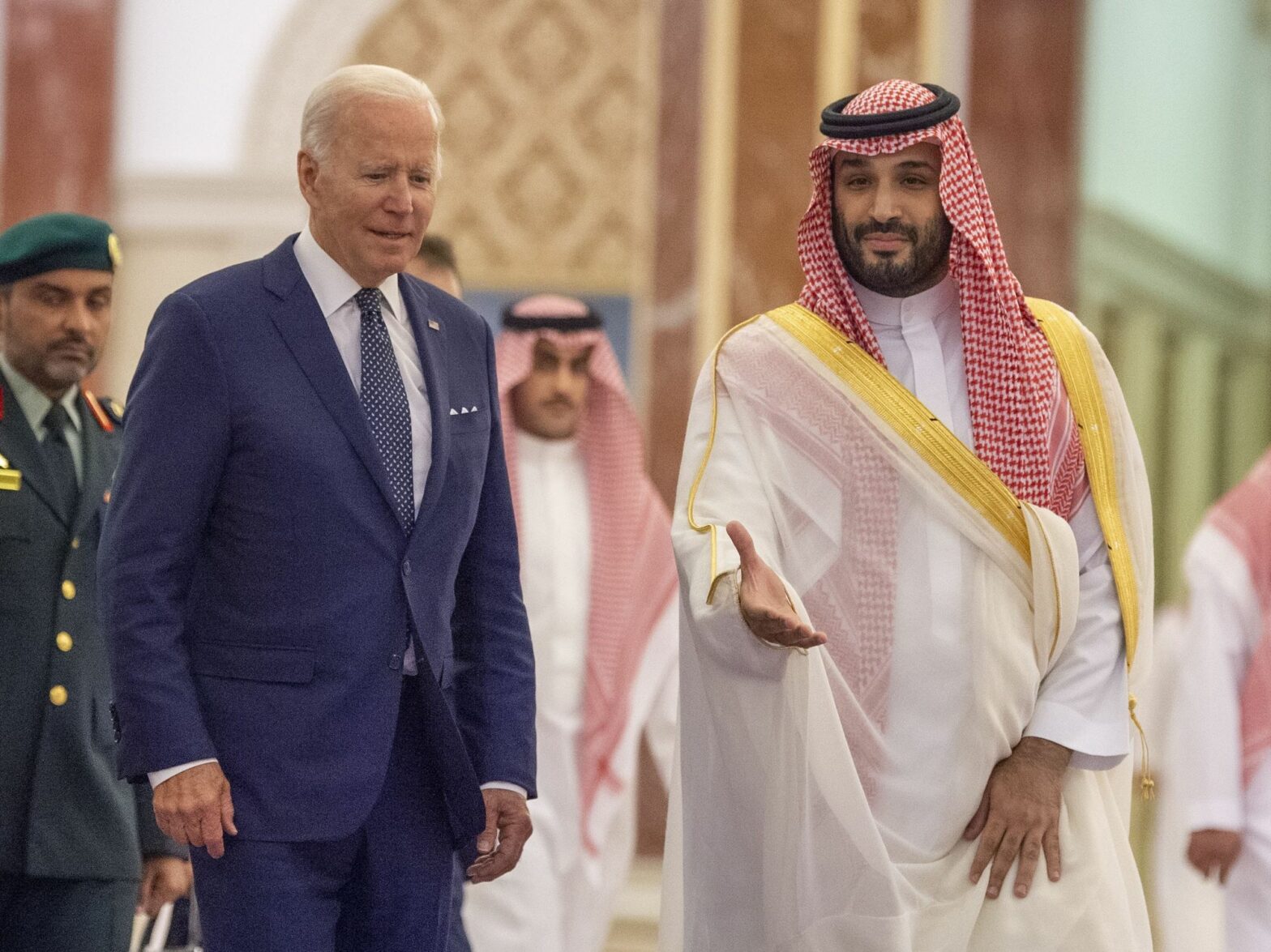
U.S. President Joe Biden is pushing Saudi Arabia and Israel to sign on to a broad “normalization” deal, which would be a landmark of his first term in the White House. But Israel’s Netanyahu and Saudi Arabia’s Crown Prince Mohammed bin Salman each have their own calculations standing in the way.

Israeli Prime Minister Benjamin Netanyahu was taken to task by hostage families during his Memorial Day speech on Monday — just the latest sign of the deep divisions in Israeli society as the war enters its eighth month, with no vision for the future.
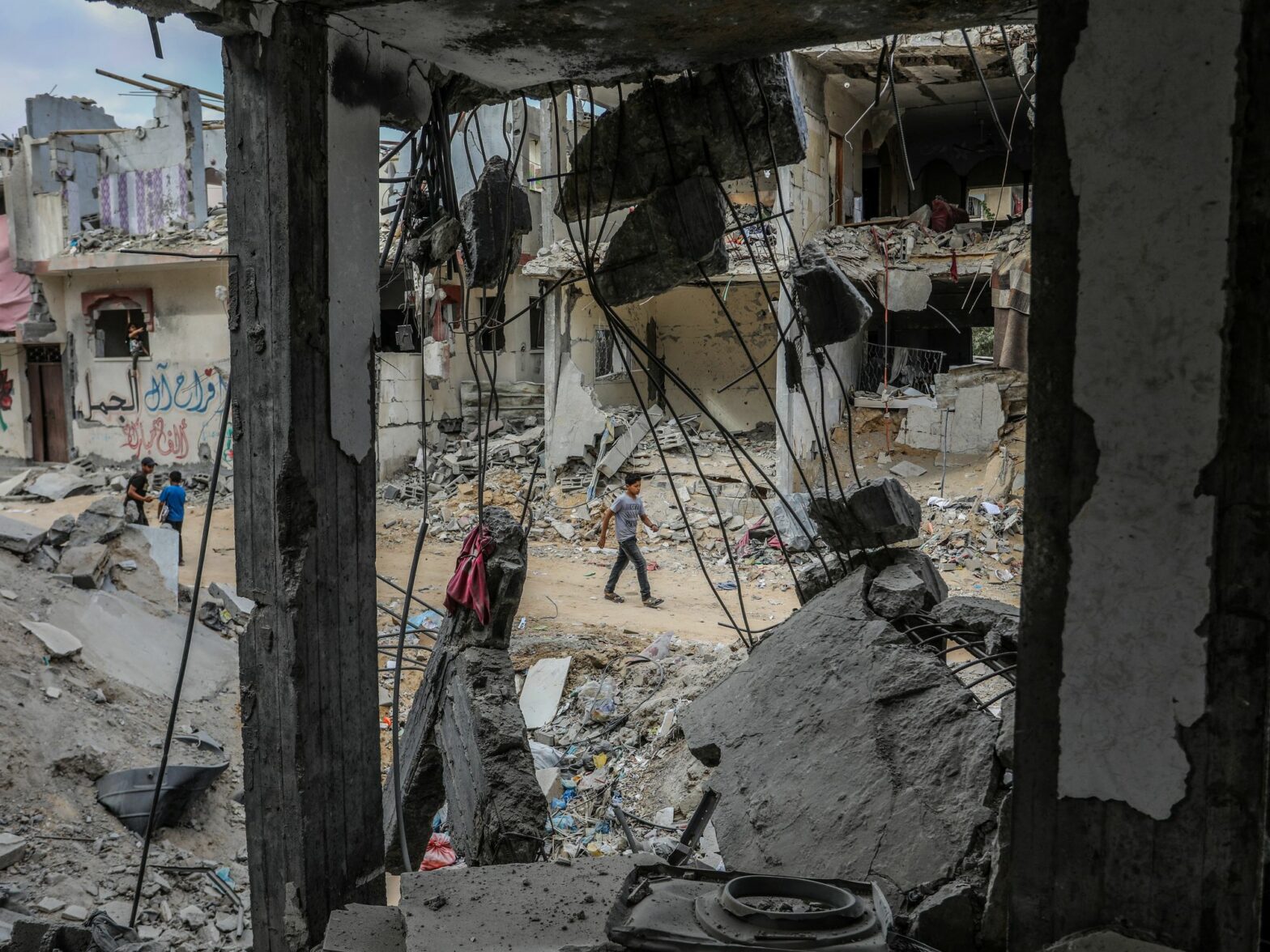
Israeli Prime Minister Benjamin Netanyahu and Hamas leaders both have deeply cynical reasons to prolong hostilities. Meanwhile, it’s in the self-interest of both the U.S. and Arab regimes to try all avenues to broker a ceasefire to ease the suffering of those caught in the crossfire.
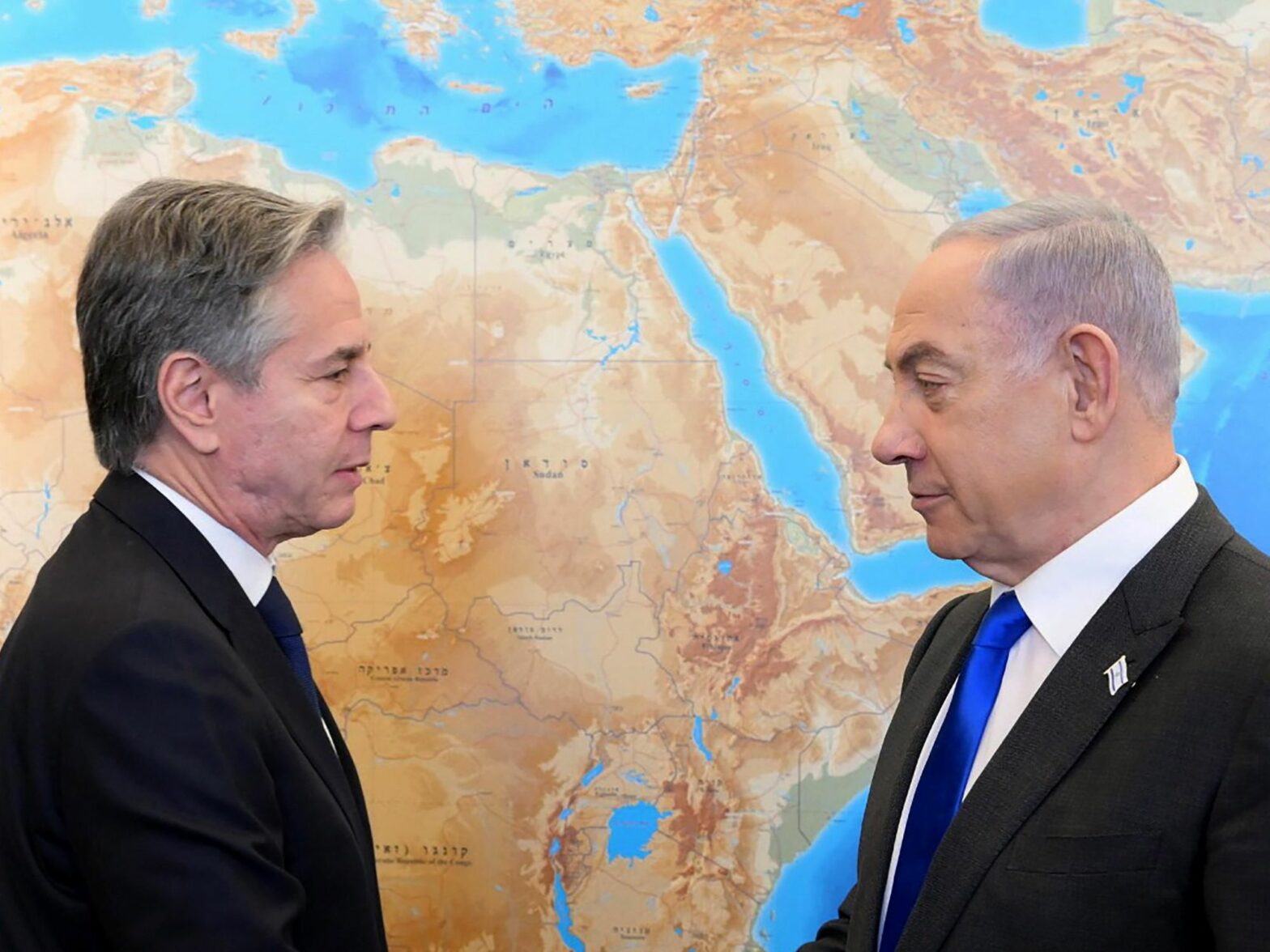
Have the ruling institutions in the United States learned the lesson and realized that the main means of confronting Iran’s influence — if they really wanted to — is to put pressure on Israel.
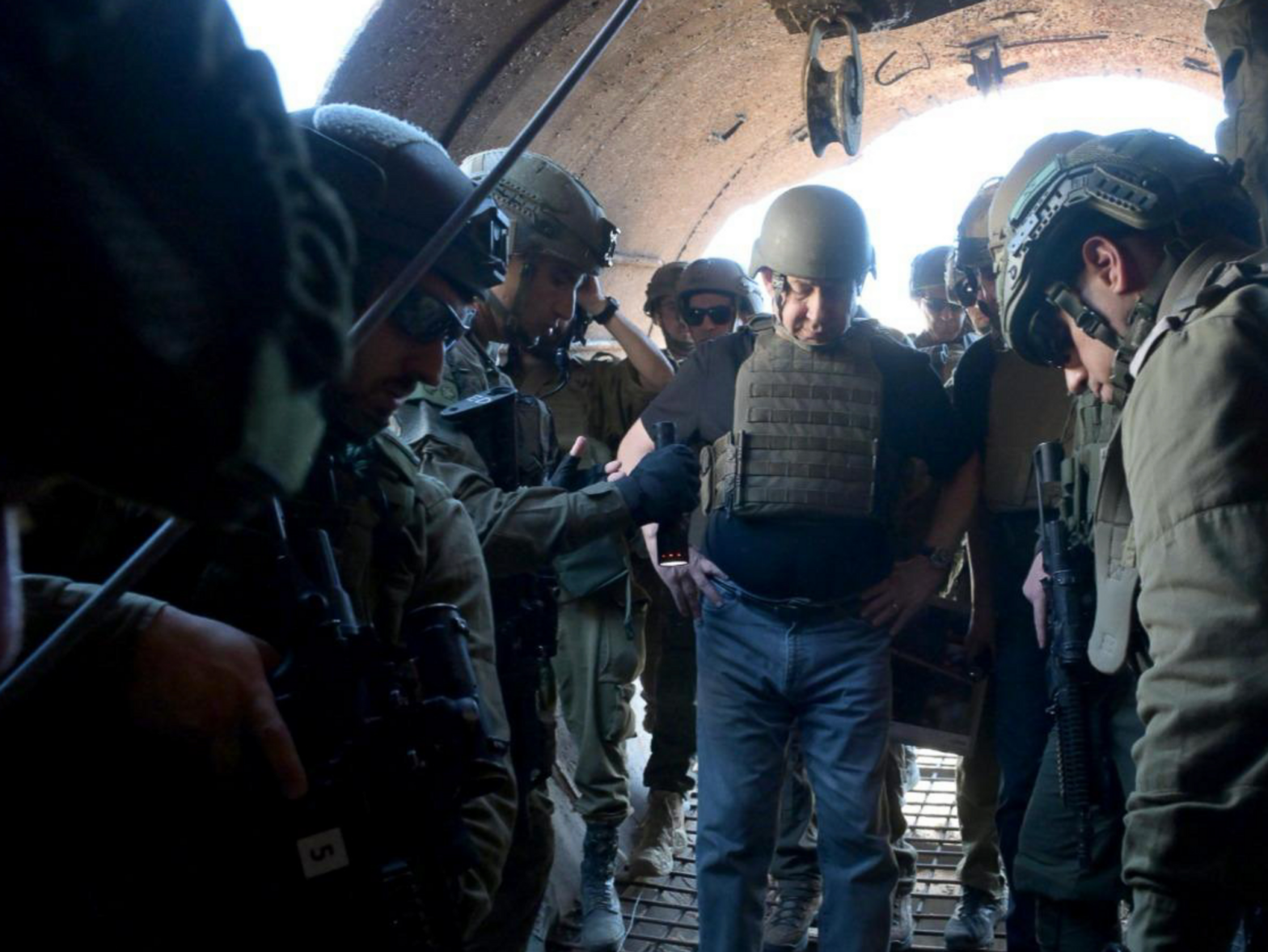
By helping to intercept Iran’s counter attack against Israel, the U.S. and Western allies, along with Jordan, have deprived Benjamin Netanyahu of a pretext to expand the war and to divert attention from his actions in Gaza.
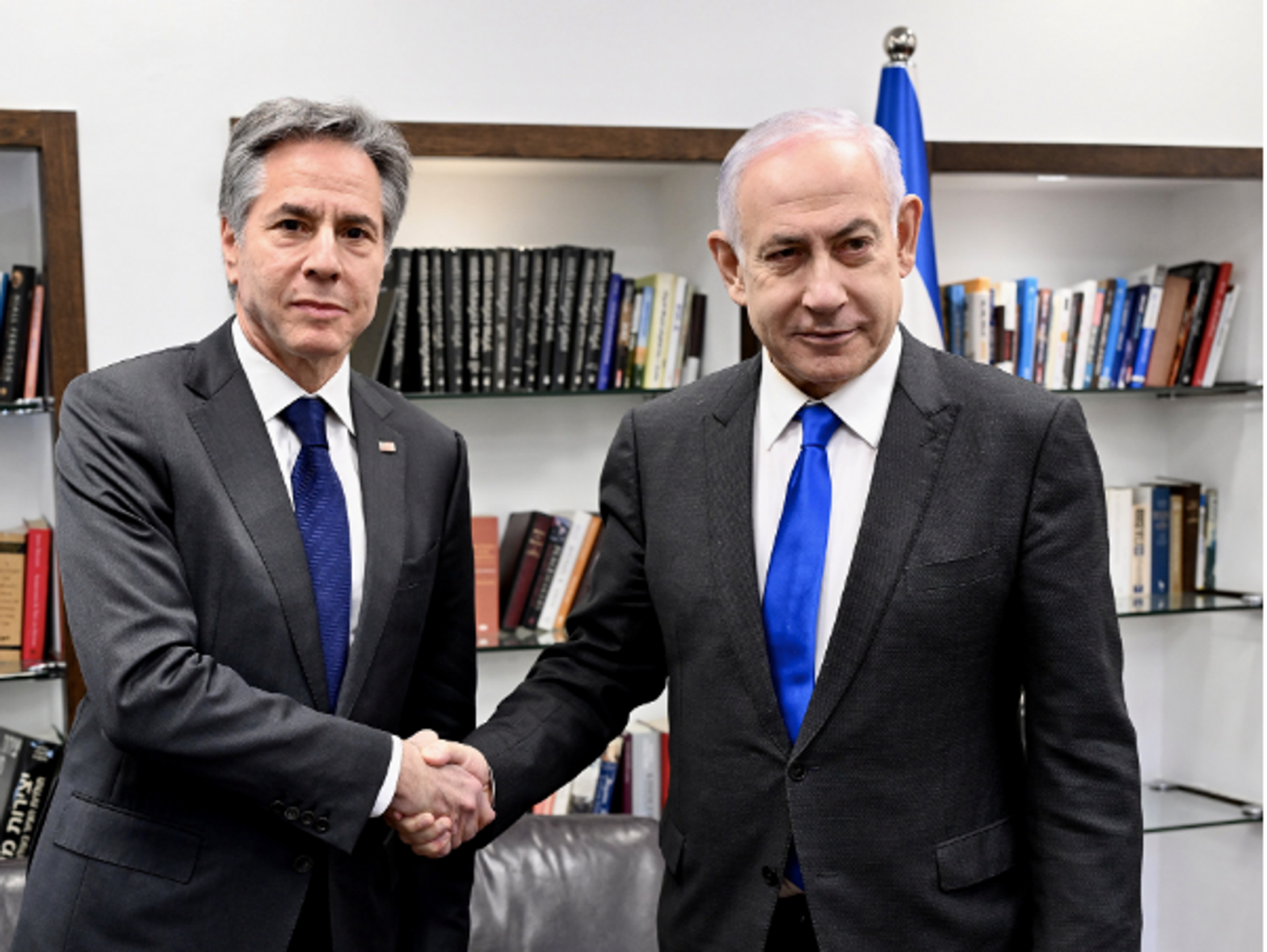
U.S. Secretary of State Antony Blinken meets with Israeli Prime Minister Benjamin Netanyahu, just as Washington has submitted a stunning resolution at the UN pressuring Israel into a ceasefire. But is there a way out?
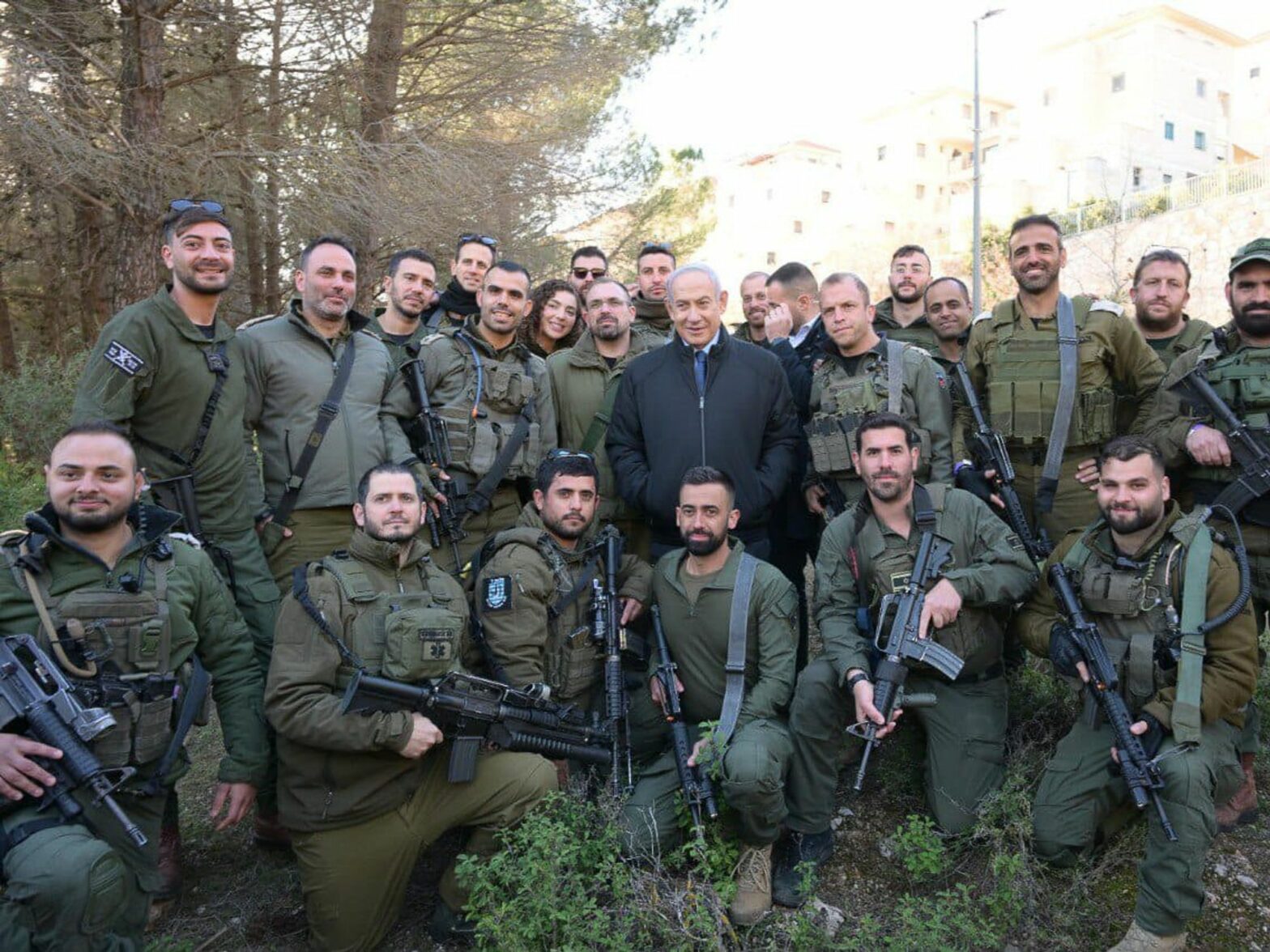
The Israeli prime minister appears dead set against a ceasefire, with the leak of a new 10-year plan for “occupation from afar” for Gaza. All of this to avoid the fate that awaits him if he leaves office.
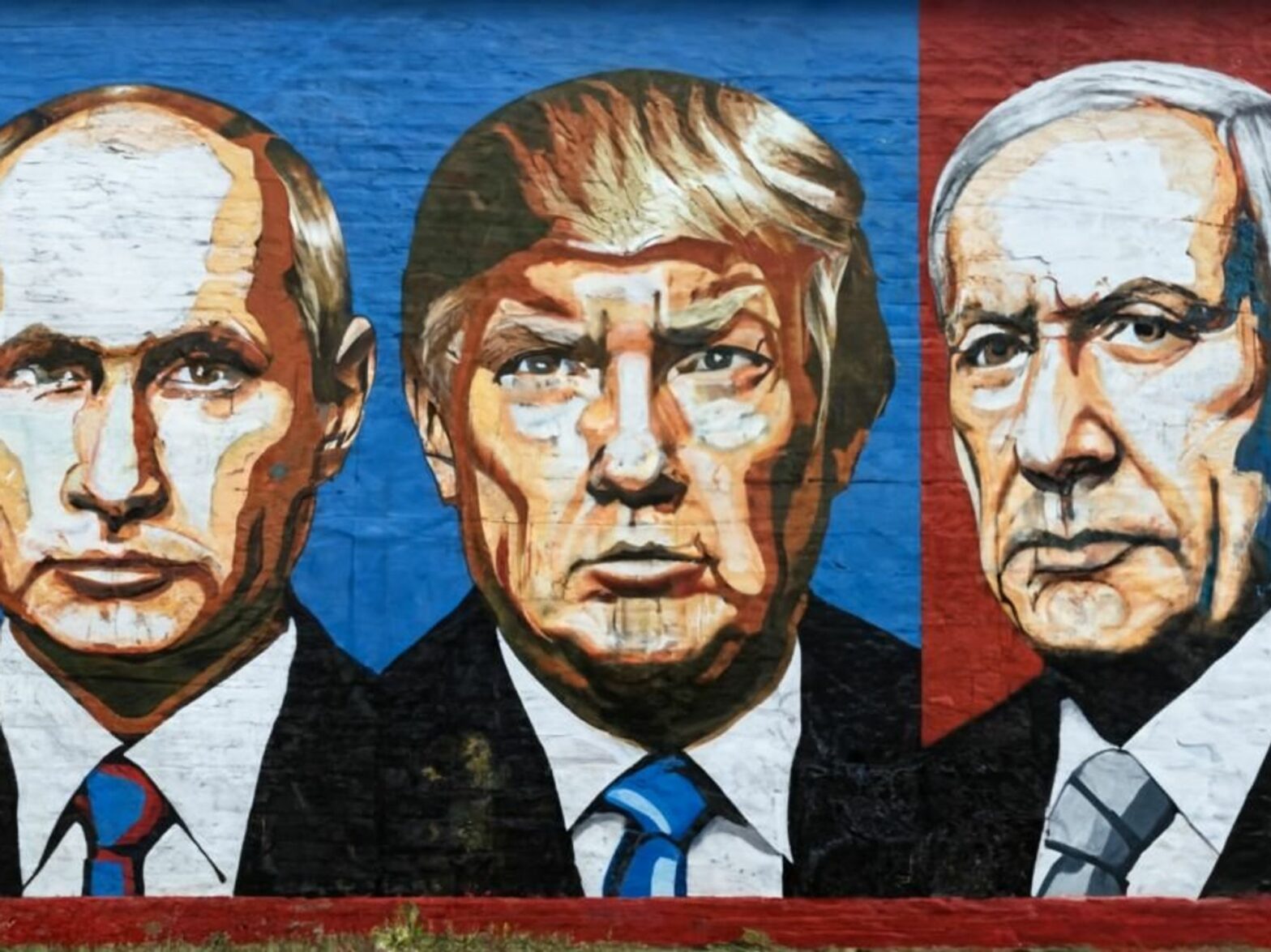
Donald Trump is not creating the U.S. malaise any more than Putin is creating the Russian malaise or Netanyahu the Israeli identity crisis. But all three illustrate the inescapable risk if a “me-first” attitude is taken to an extreme degree by individuals who’ve accumulated power.
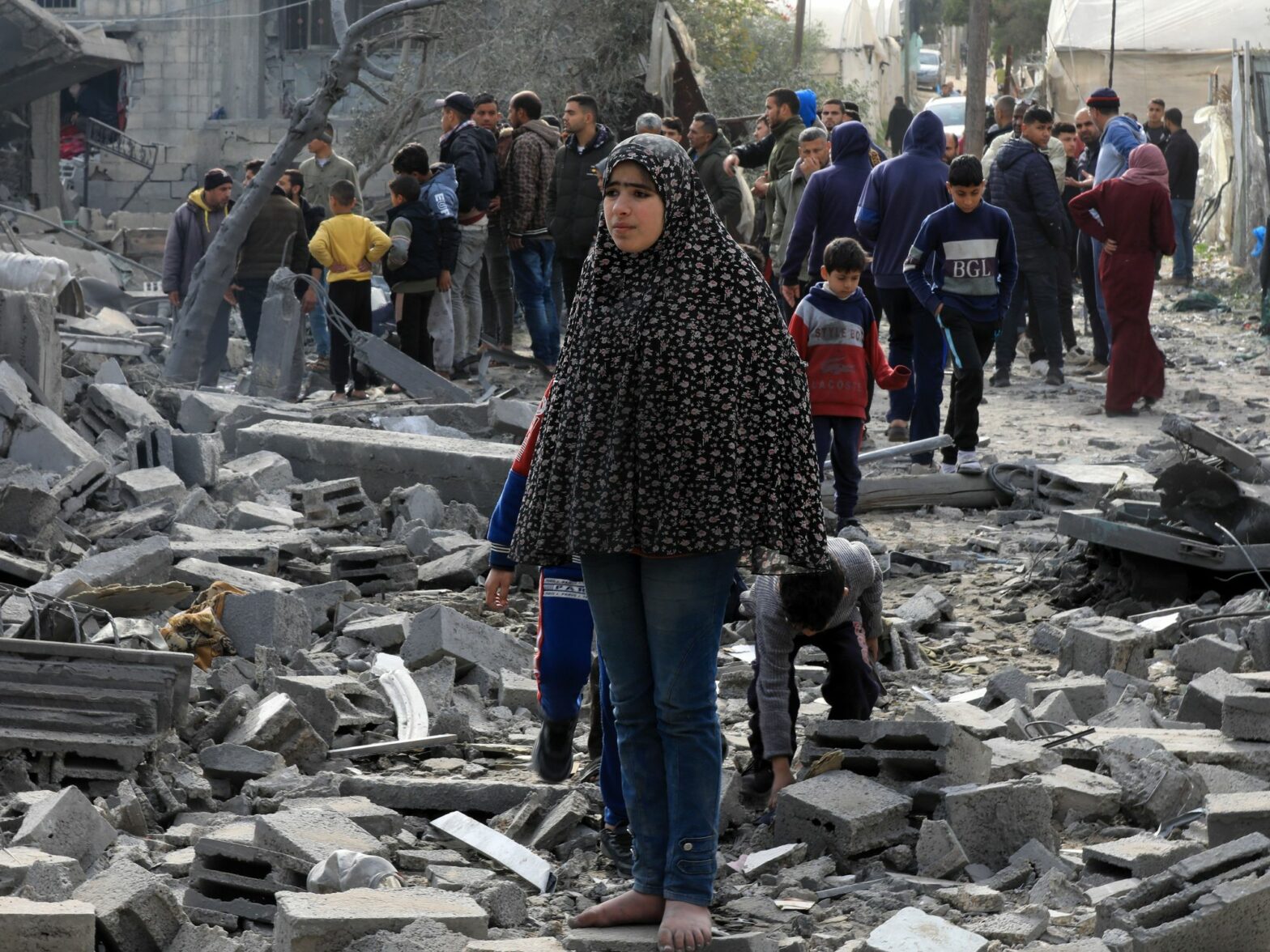
As the humanitarian situation worsens in Gaza, and the Israeli government still threatens to launch an offensive on the town of Rafah, there is one piece of positive news: negotiations on a possible ceasefire are not stalled. And in recent hours, there are some good reasons to believe that the ceasefire could become a reality.
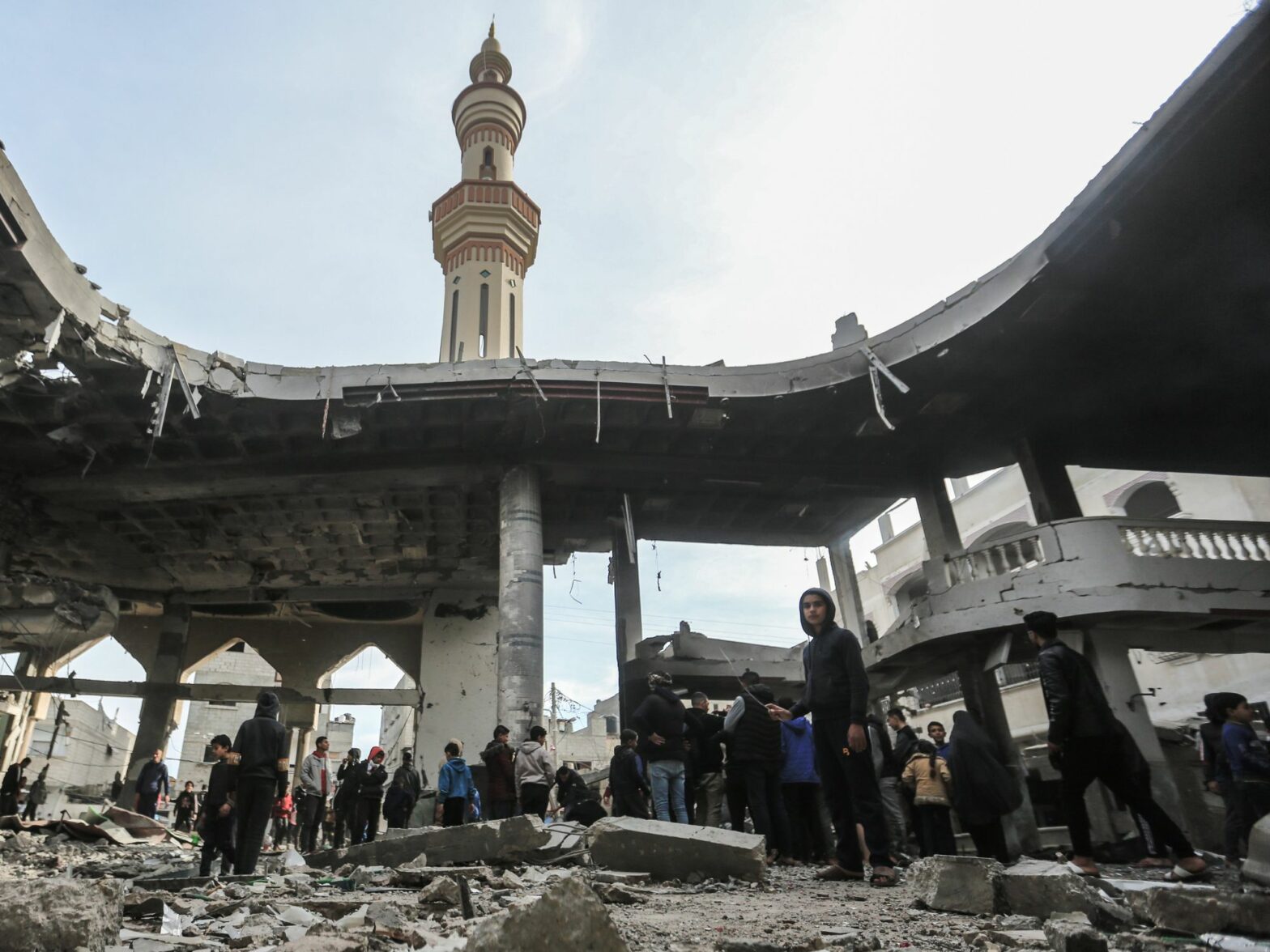
The West’s passive response to Israel’s actions in Gaza is increasingly difficult to maintain in front of the looming humanitarian crisis in Rafah. The lip service of “deep concern” doesn’t bother Netanyahu at all.
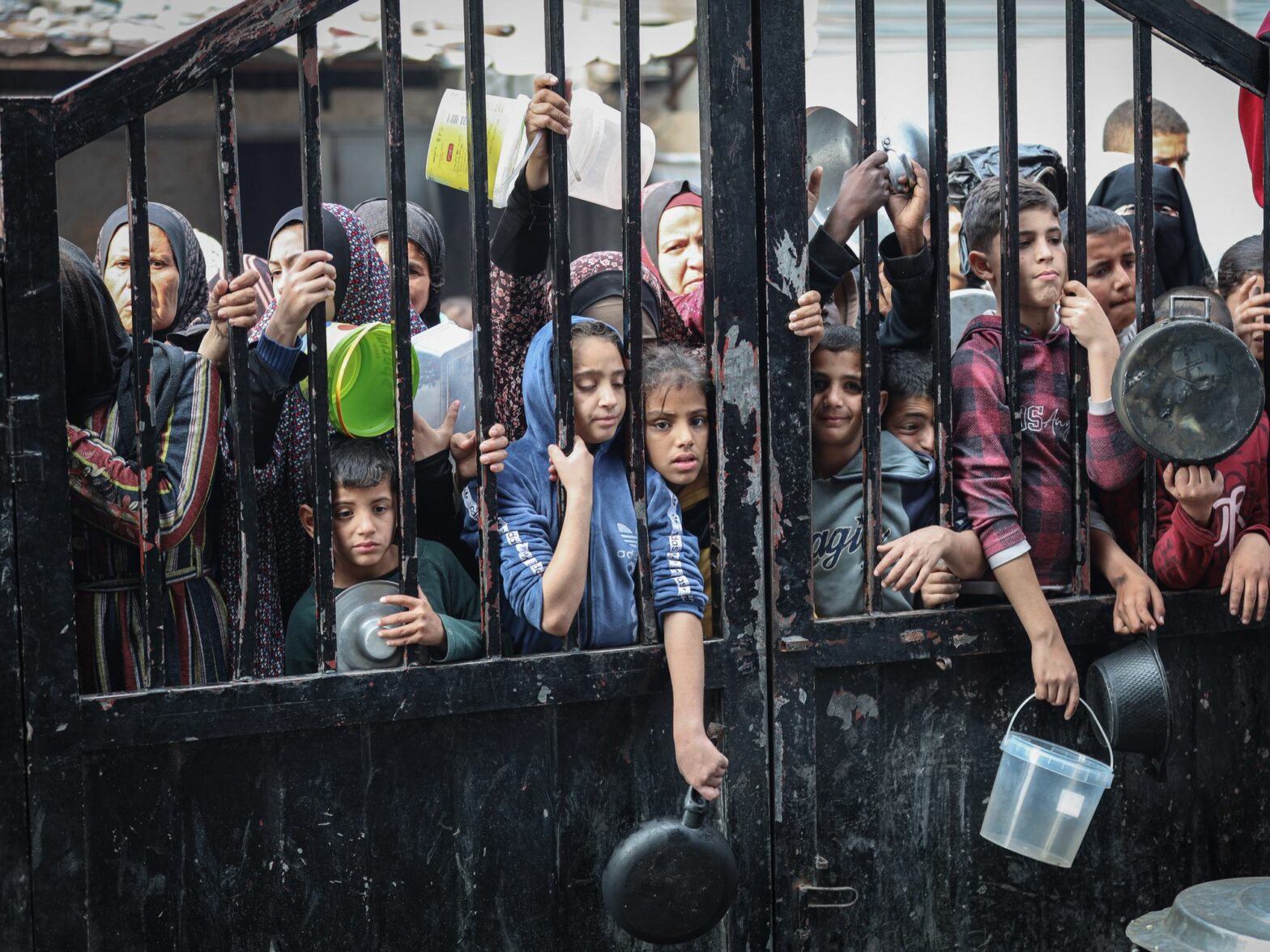
As the Israel-Hamas war continues unabated, the U.S., Egypt and Qatar are pushing to quickly reach an agreement. Will internal divisions be overcome? But even if a deal is struck, the war is far from over.
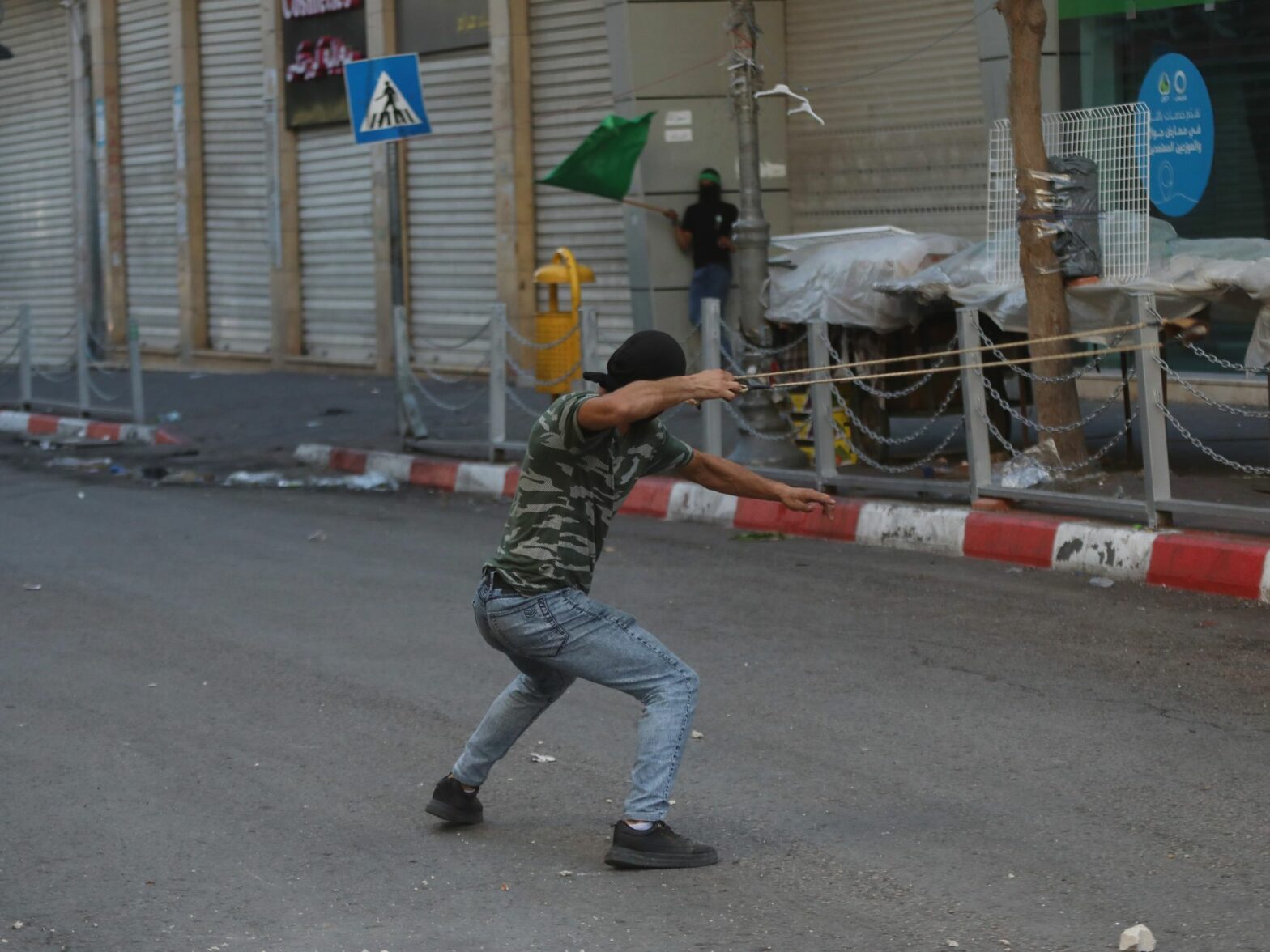
The “day after” the war and after Prime Minister Benjamin Netanyahu, a desperate man standing on the edge of his political demise, is the first day of a the two-state solution.
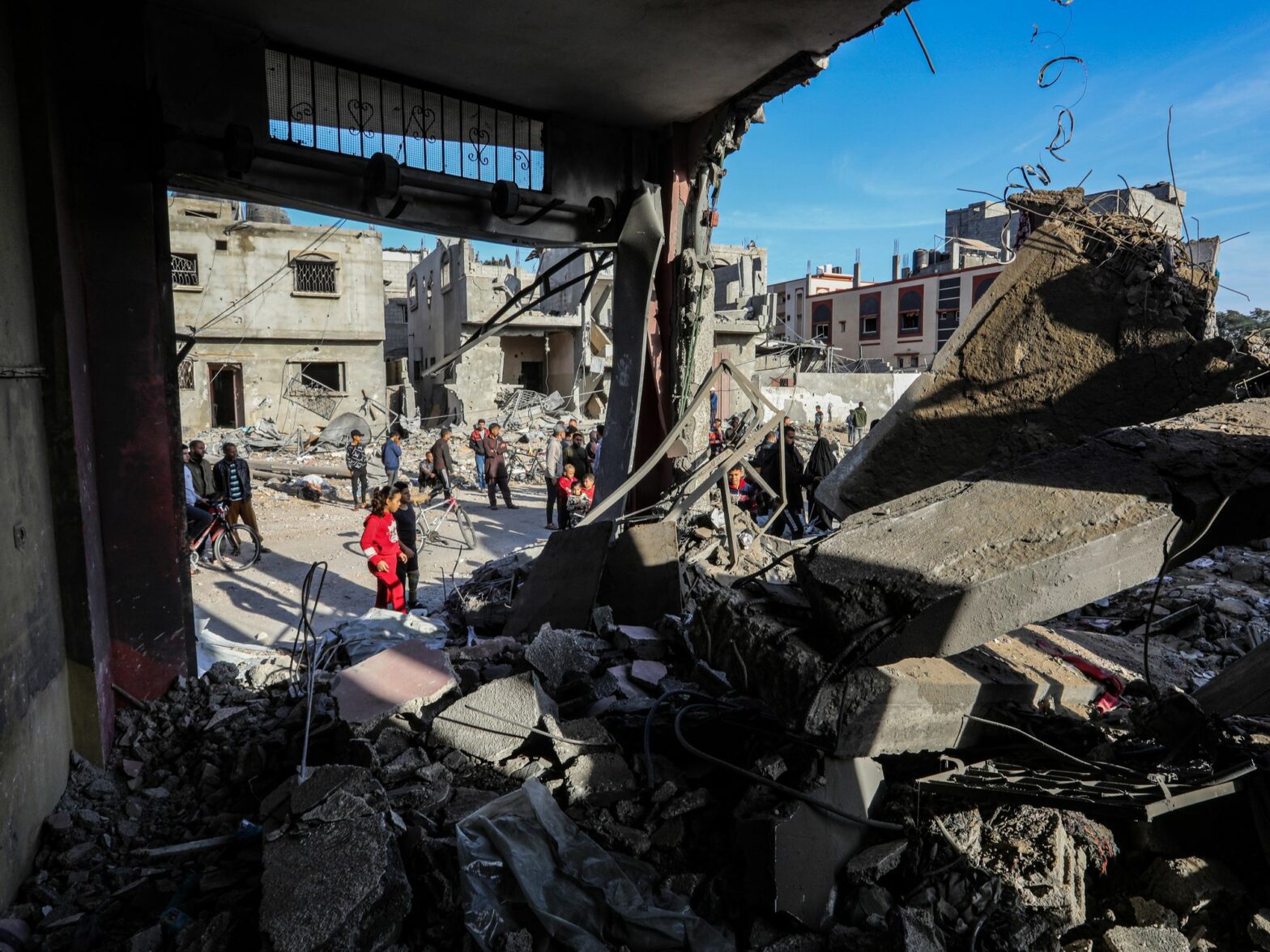
When the guns fall silent, Saudi Arabia and its ambitious prince want to be the historic peacemaker in the Middle East.
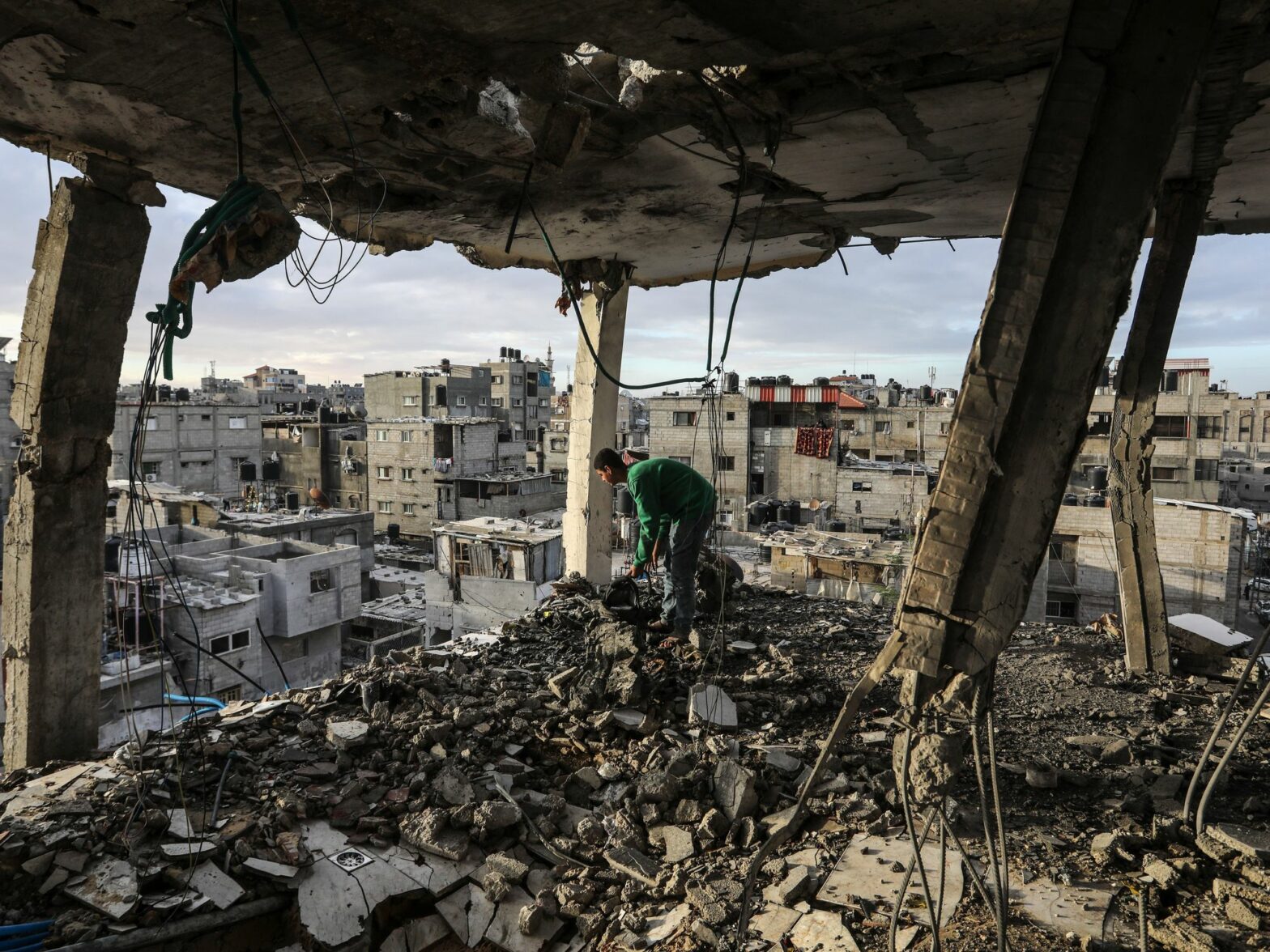
After 100 days of war, Israeli Prime Minister Benjamin Netanyahu has made it clear that he has no plans to listen to what any other country has to say, including his closest allies. There’s every reason to expect the situation to get worse.
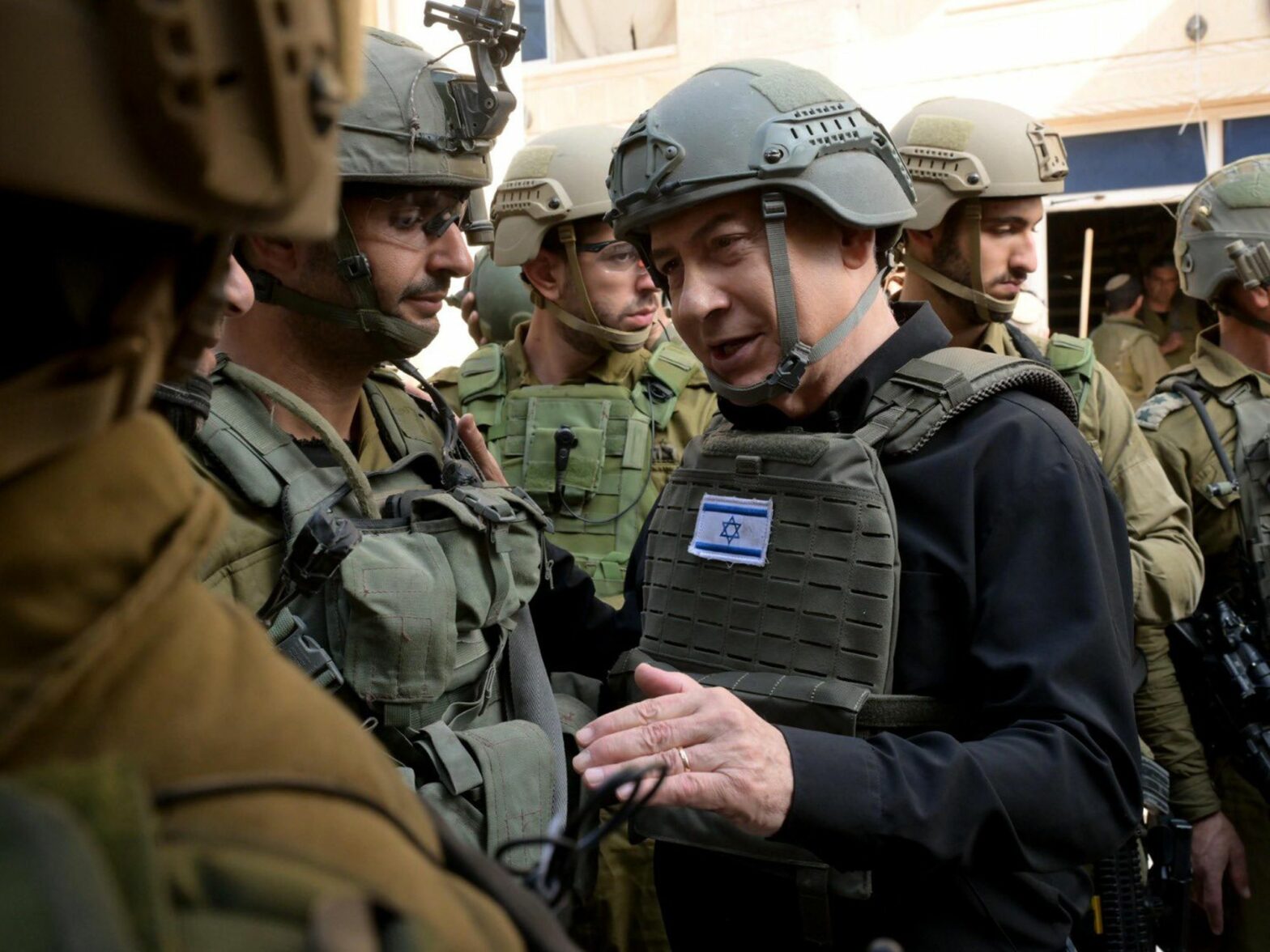
It is rare that a wartime leader doesn’t gain the support of his people. Israeli Prime Minister Netanyahu, instead, has the most dismal popularity ratings in memory. But he is also Israel’s longest-serving leader for a reason. The coming days and weeks will be crucial in deciding his fate, along with that of his troubled nation.
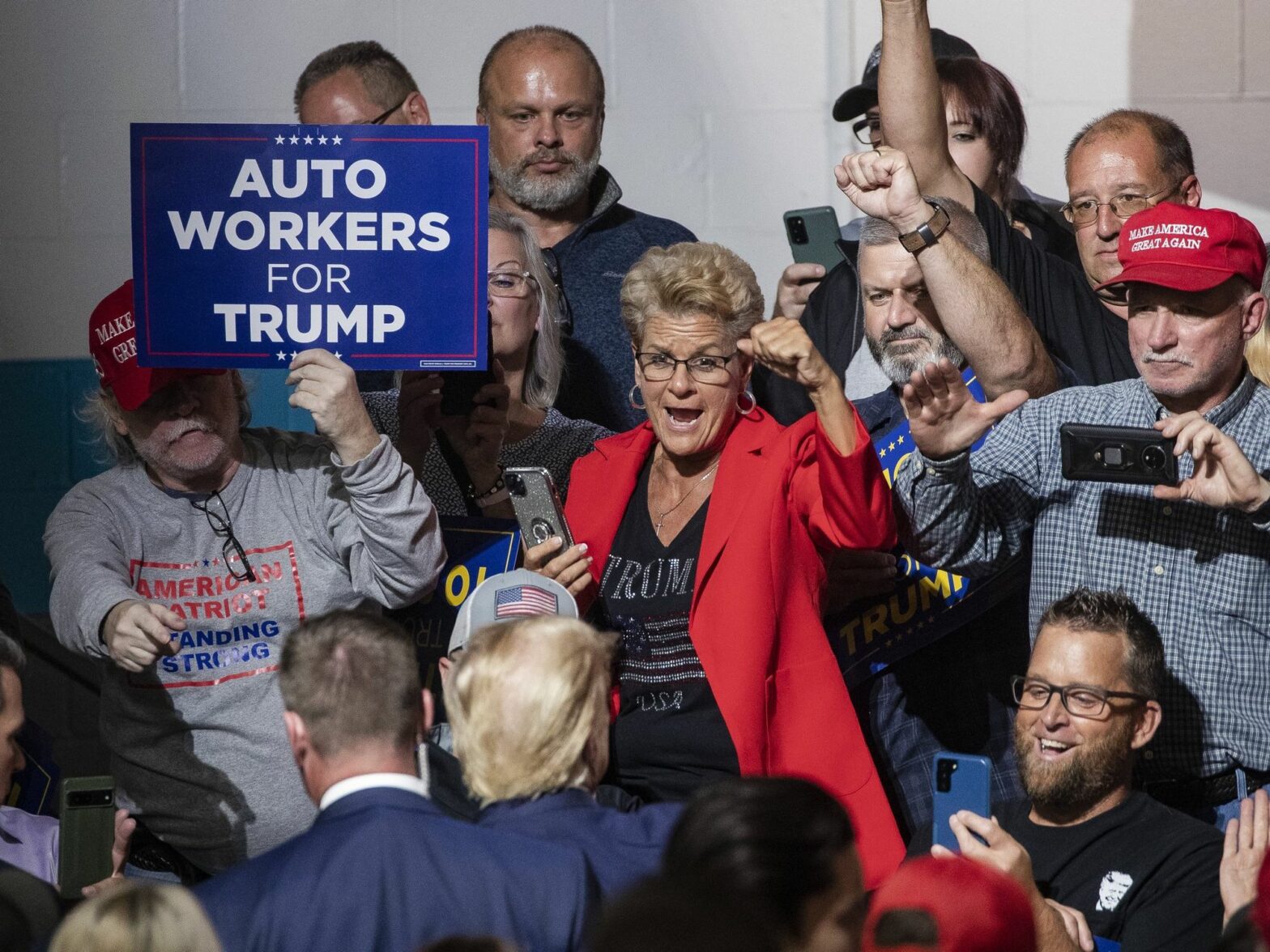
The 2024 U.S. presidential election is set to have far-reaching implications for the world. But the Republican and Democrat frontrunners, Donald Trump and Joe Biden, both have their own sets of hurdles to jump before then if they hope to secure voters’ support.
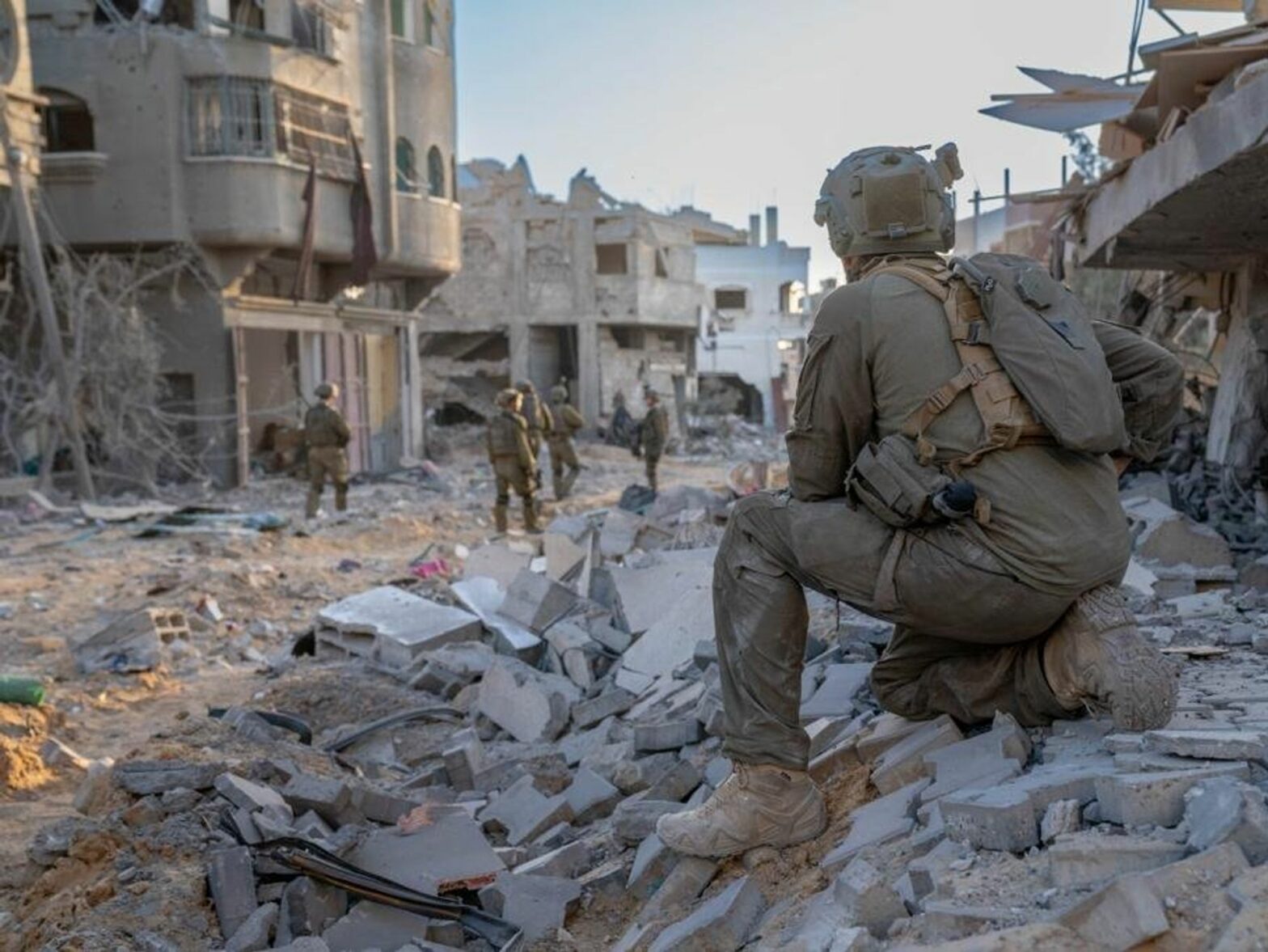
A poll shows increased Palestinian support for Hamas since the October 7 attacks, making the Israeli government’s objective of taking military action alone unrealistic. Continuing to bombard Gaza with no end in sight is not only cruel, but counterproductive.
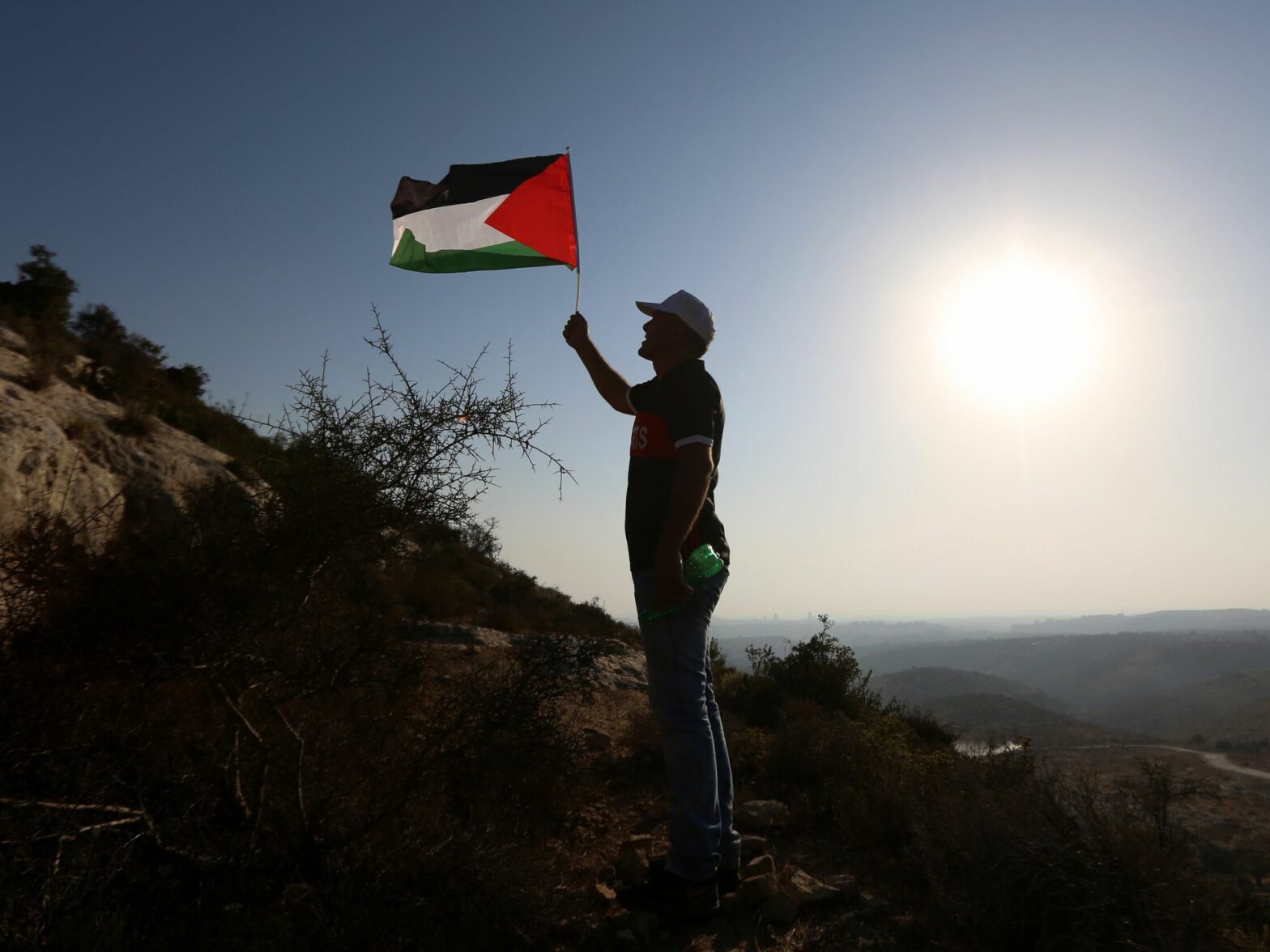
For decades, the Israeli-Palestinian conflict has been left unresolved. Hamas’s recent attack has forced politicians to confront facts: the conflict needs a definitive solution. Yet the expansion of Jewish settlements in the West Bank may make the two-state solution impossible to implement.

In the West Bank, a quieter form of oppression has been plaguing Palestinians for a long time. Their olive groves are surrounded by soldiers, and it’s forbidden to harvest the olives – this economic and social violence has gotten far worse since Oct. 7.
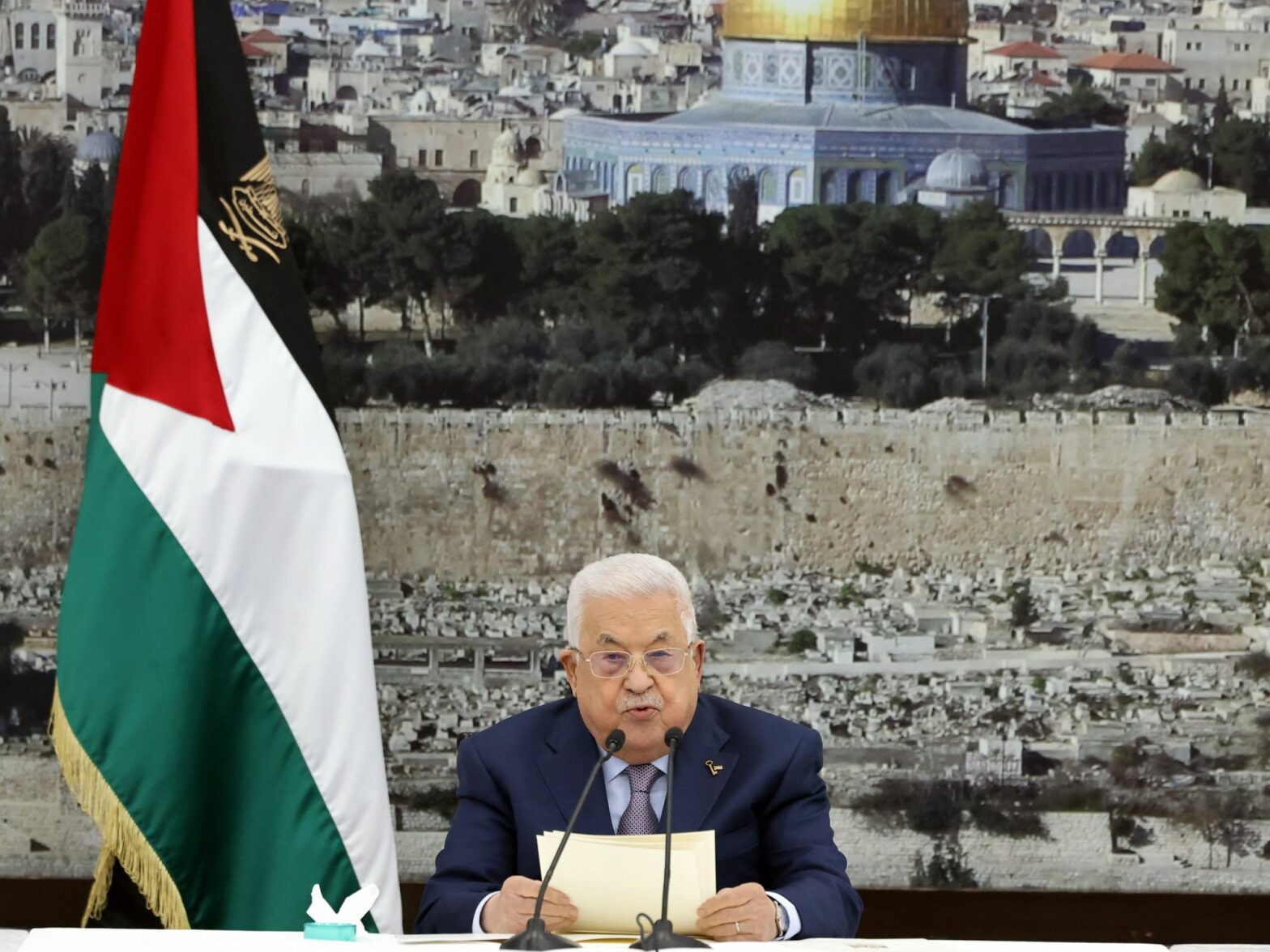
Israel and the West have often asked: Where is the Palestinian Mandela? The divided regimes between Gaza and the West Bank continues to make it difficult to imagine the future Palestinian leader. Still, these three names are worth considering.
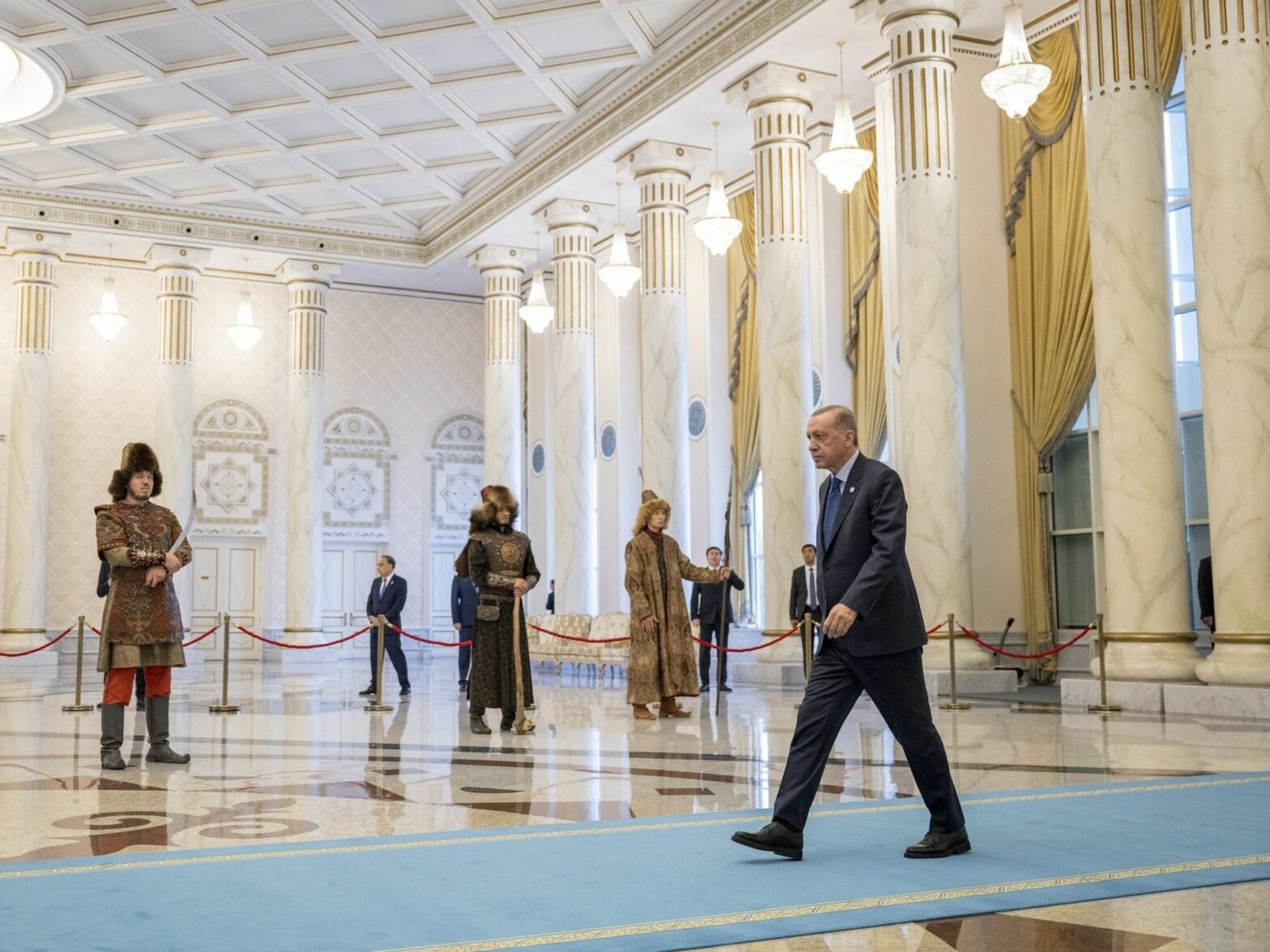
Turkish President Erdogan has now called on the International Criminal Court to go after Israeli Prime Minister Netanyahu for war crimes, as the clash between the two regional powers has reached a new low.
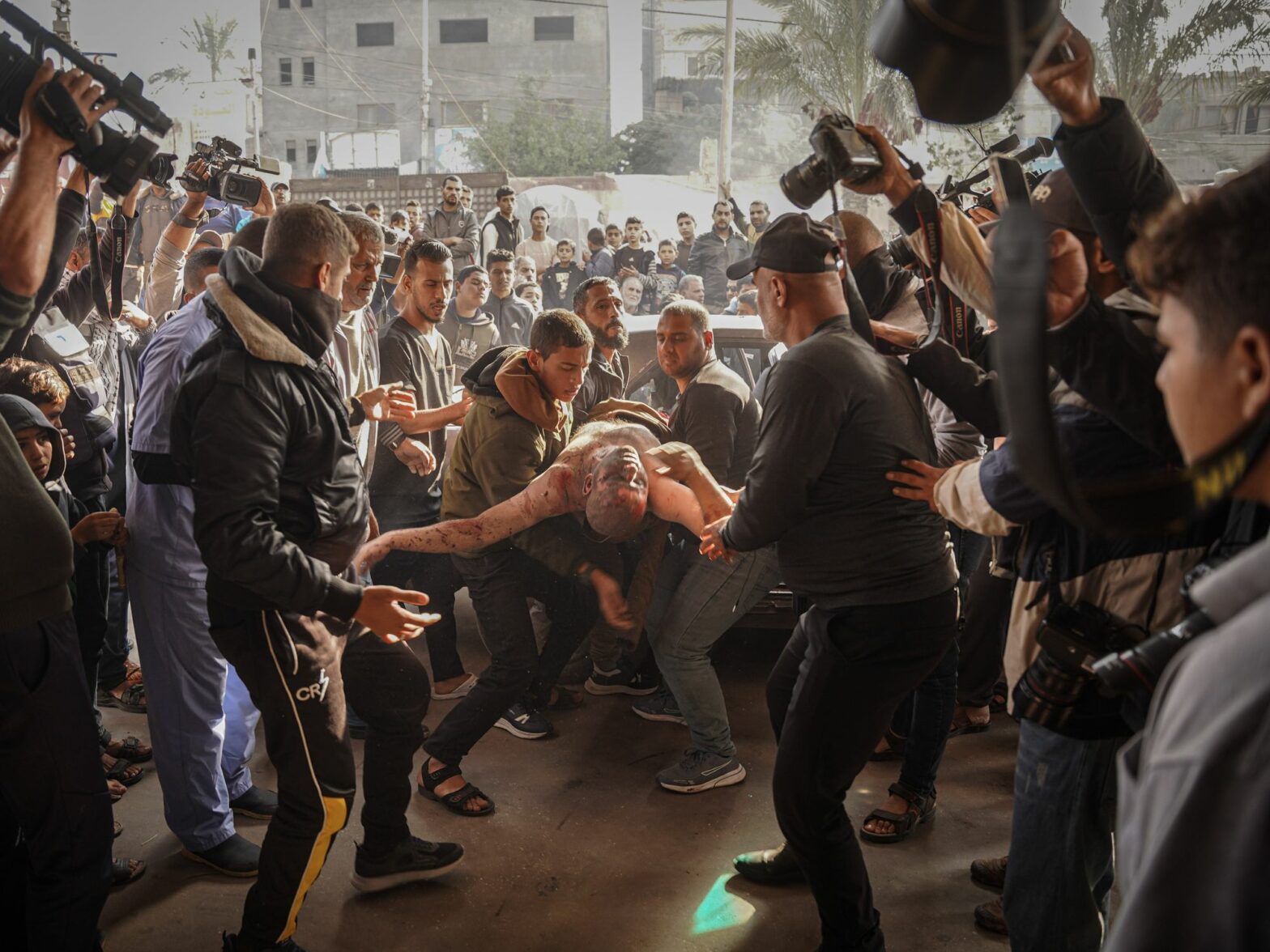
As fighting has resumed and intensified in the southern area of the Palestinian territory, more and more criticism builds from around the world. How much longer can Israel fight this war for if it loses the support of even its most steadfast allies?

Hamas’ unprecedented attack last month reflected an intelligence failure for Israel, which raises questions about the country’s dominance on the global market for sophisticated espionage technology and other hi-tech offerings. Meanwhile, some of the best young Israeli coders have been called up for military service.
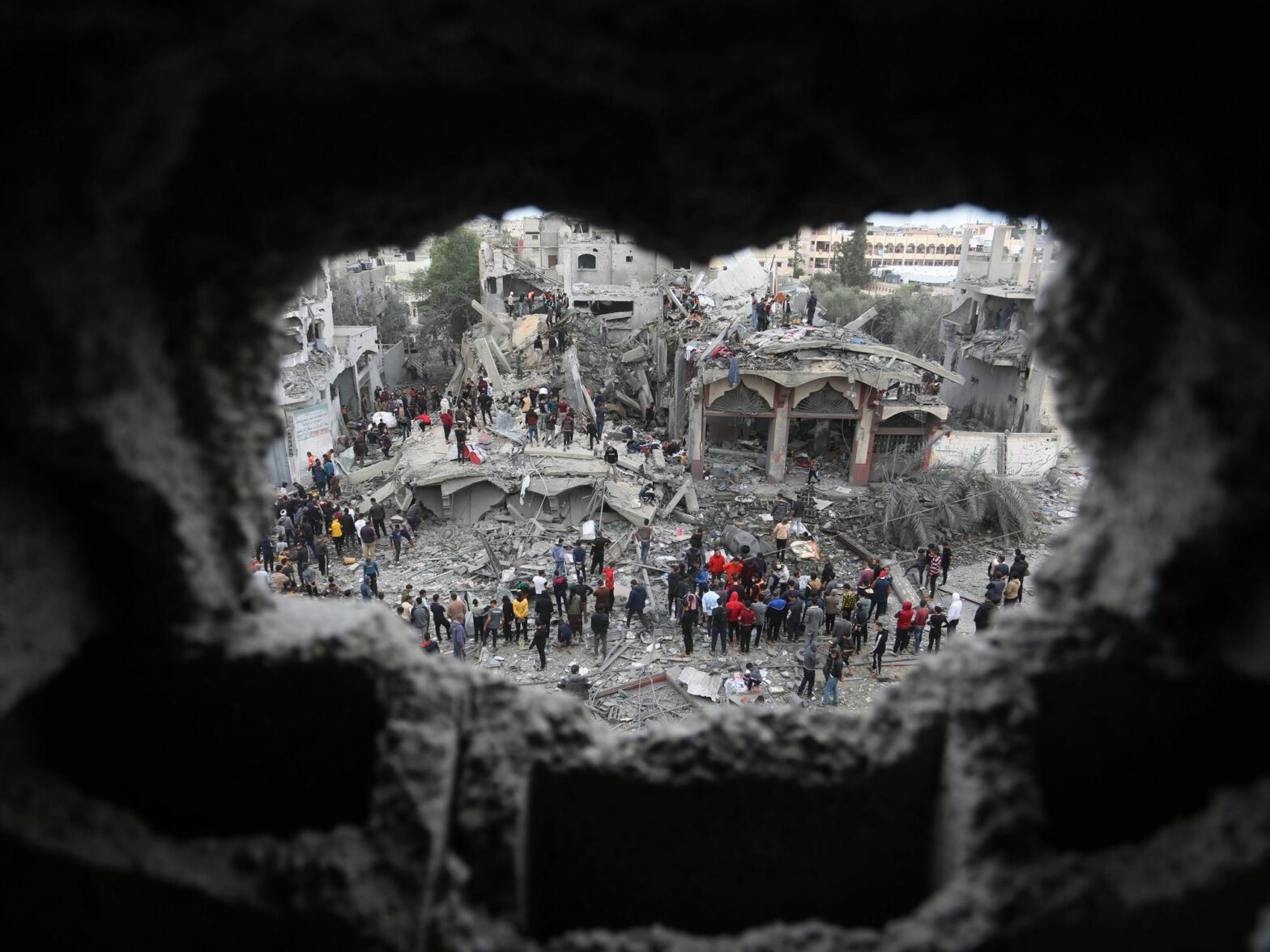
The agreement for a temporary ceasefire between Israel and Hamas was shaped by the political situation in Israel and the Palestinian territories. But now, the politics on the ground could change moving forward.
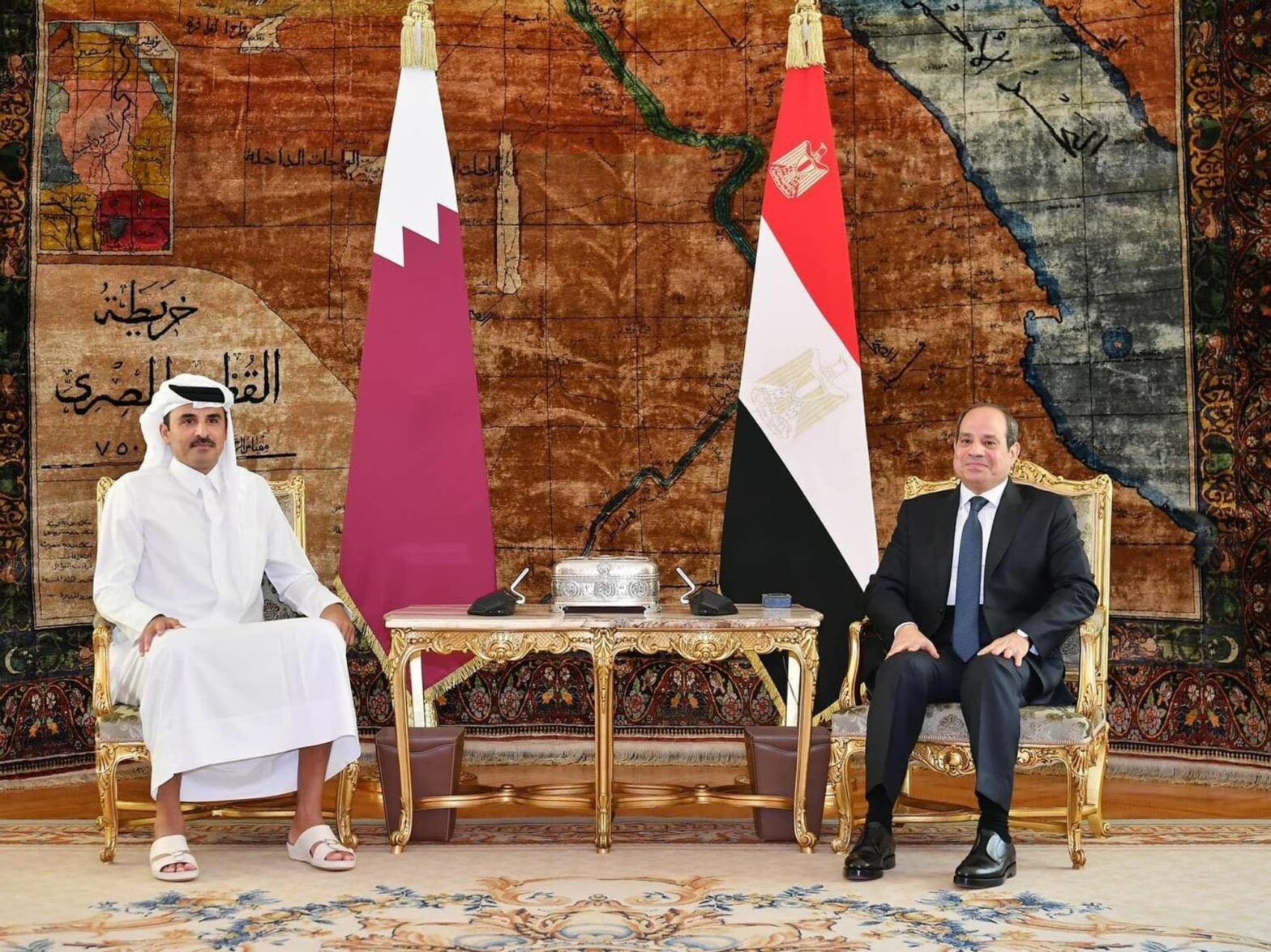
Perhaps even more pivotal than Qatar, Egypt is accelerating its efforts to mediate between Hamas and Israel.