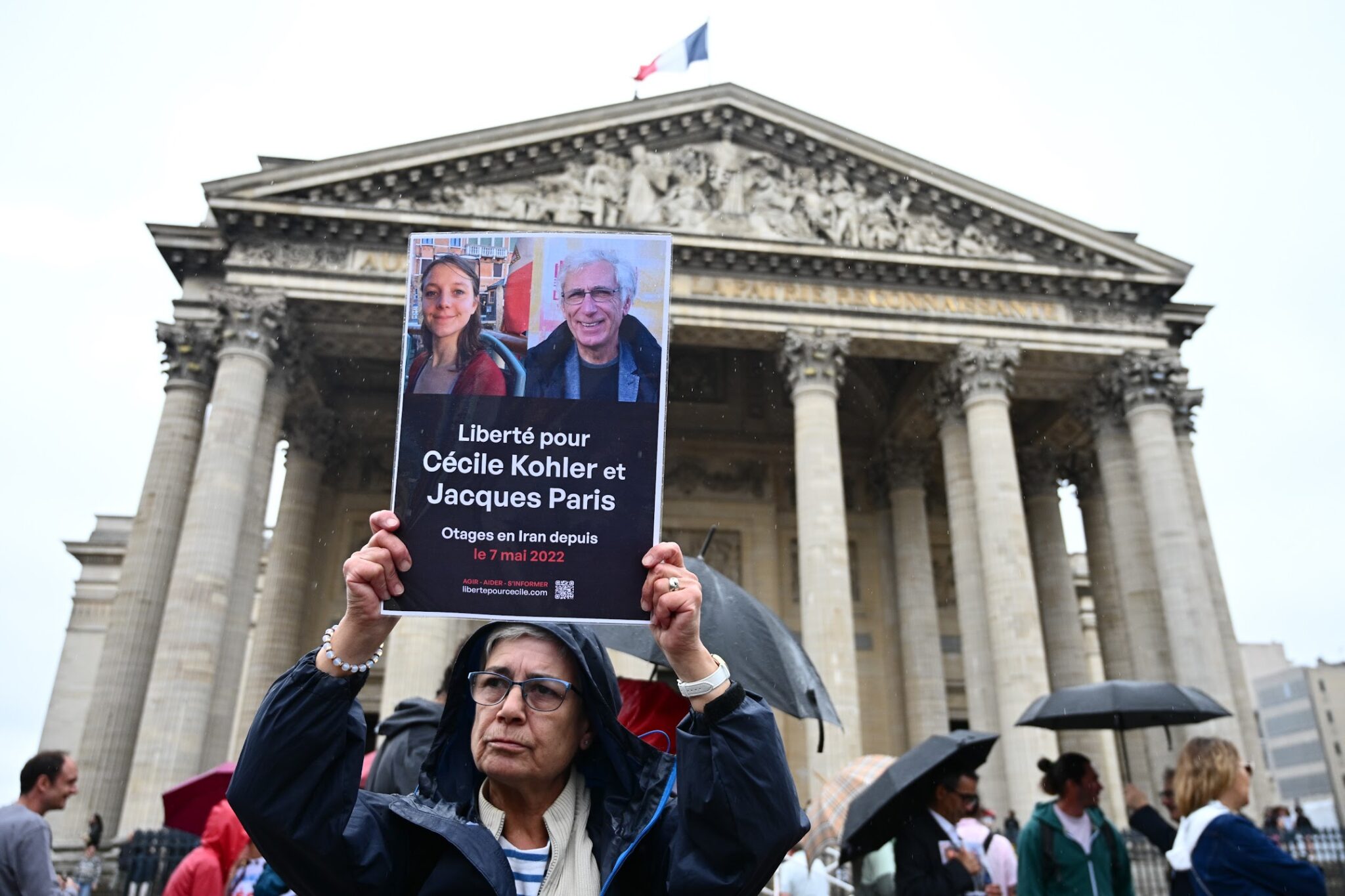
The last two French citizens imprisoned in Iran, Cécile Kohler and Jacques Paris, were released in Tehran. They were considered “state hostages,” an increasingly common problem, not only in Iran.
 Worldcrunch
The last two French citizens imprisoned in Iran, Cécile Kohler and Jacques Paris, were released in Tehran. They were considered “state hostages,” an increasingly common problem, not only in Iran.
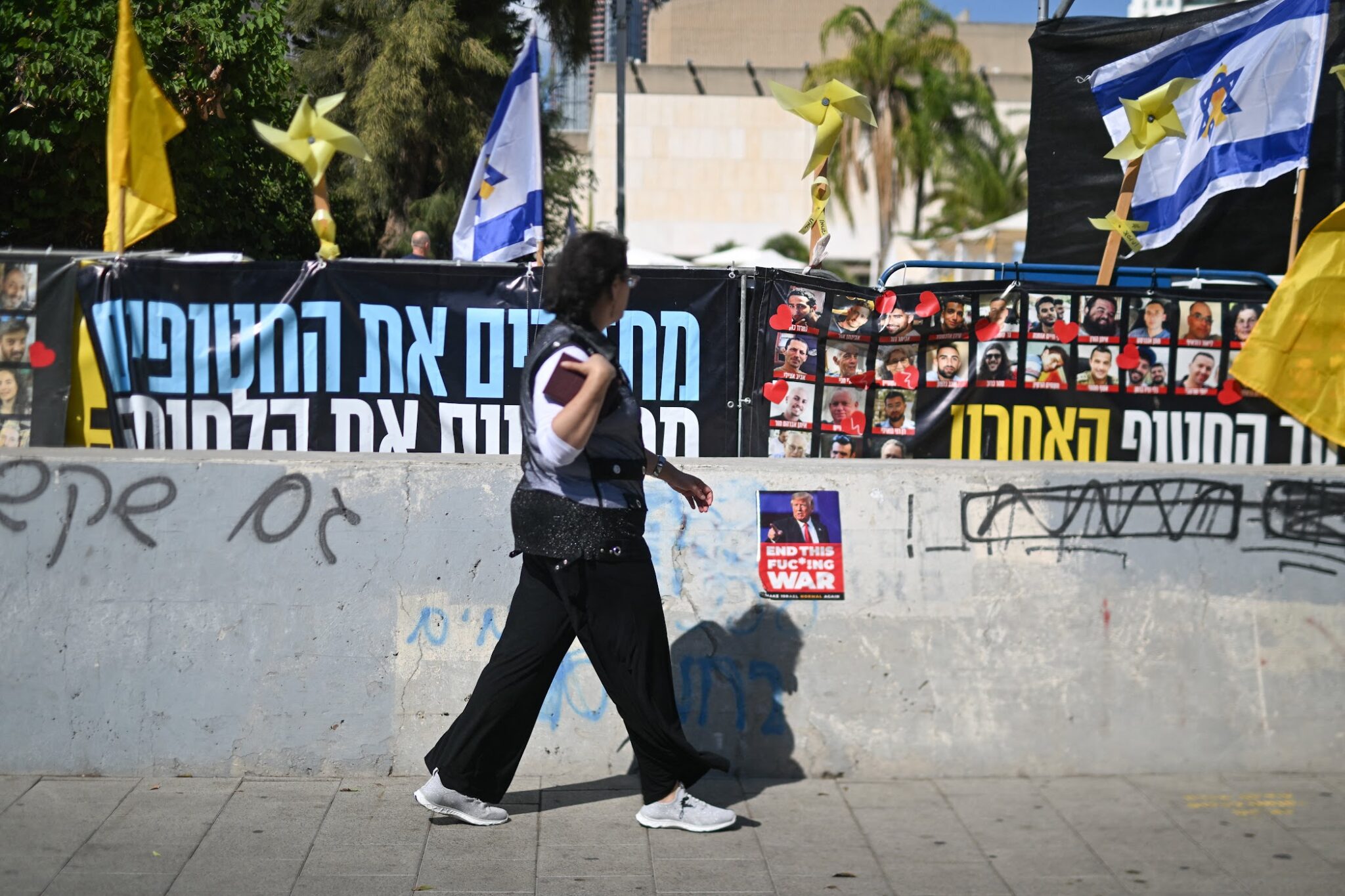
Israel’s post-hostage relief must not harden into absolution, but must be taken as a moment for accountability and a rethinking of coexistence.
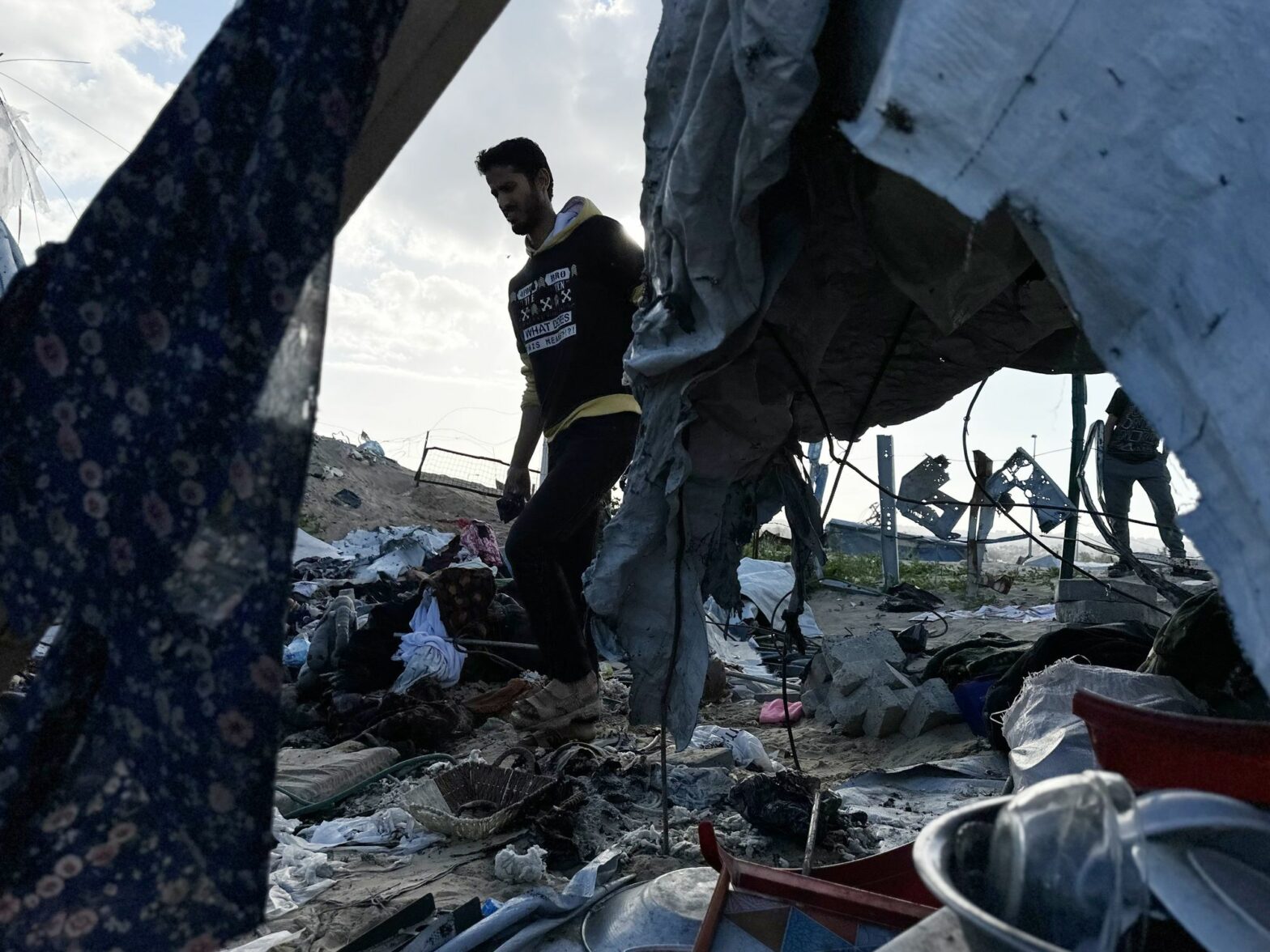
Israel has upended the ceasefire in Gaza, resuming war amid propaganda of continuing negotiations under fire. Can Egypt spearhead a “semi-permanent” solution to end the conflict and prevent further escalation?
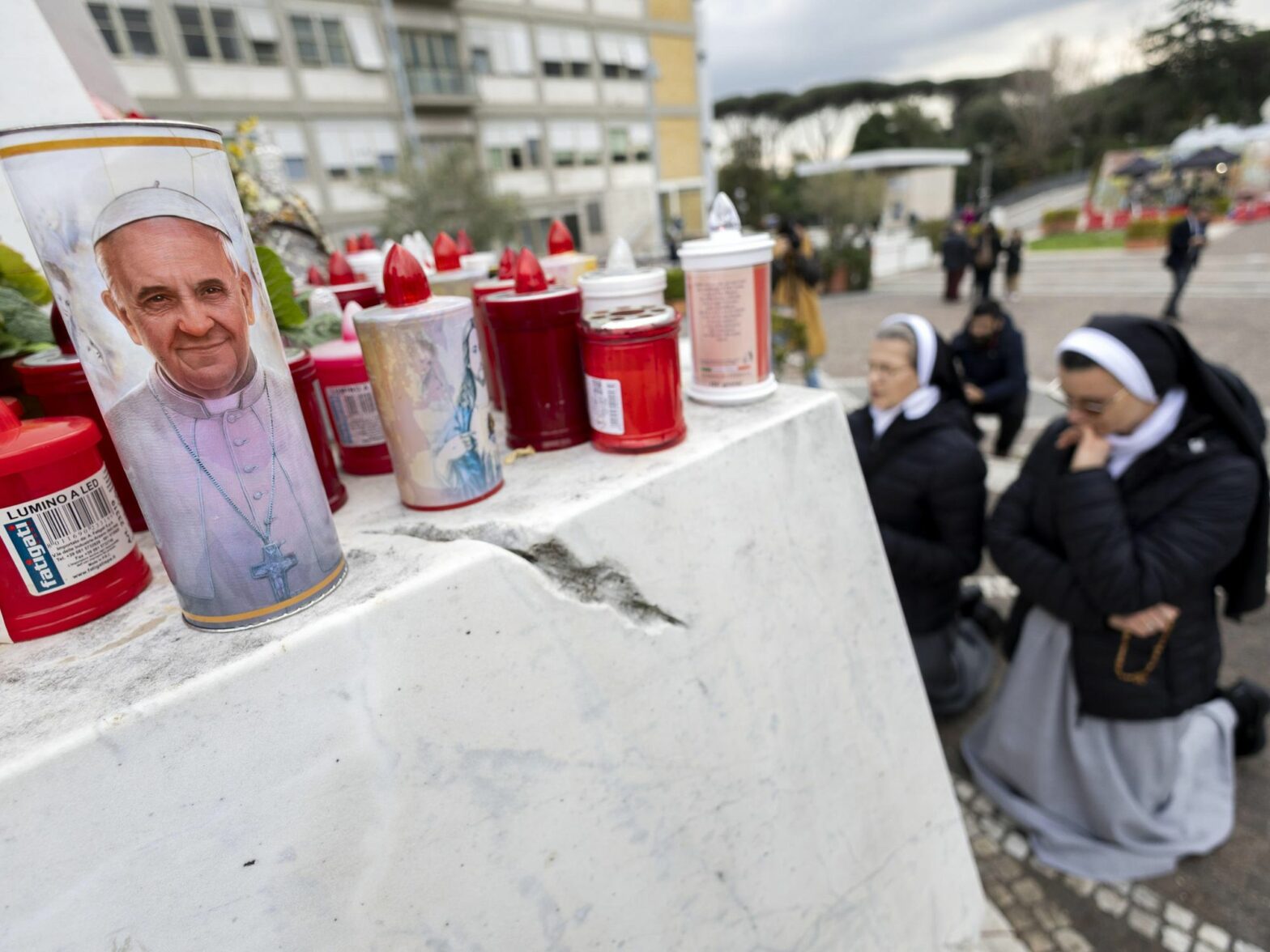
With striking shots from Rome, Riyadh, Toronto — and more.

With striking shots from Germany, Thailand, the U.S., Japan and more.
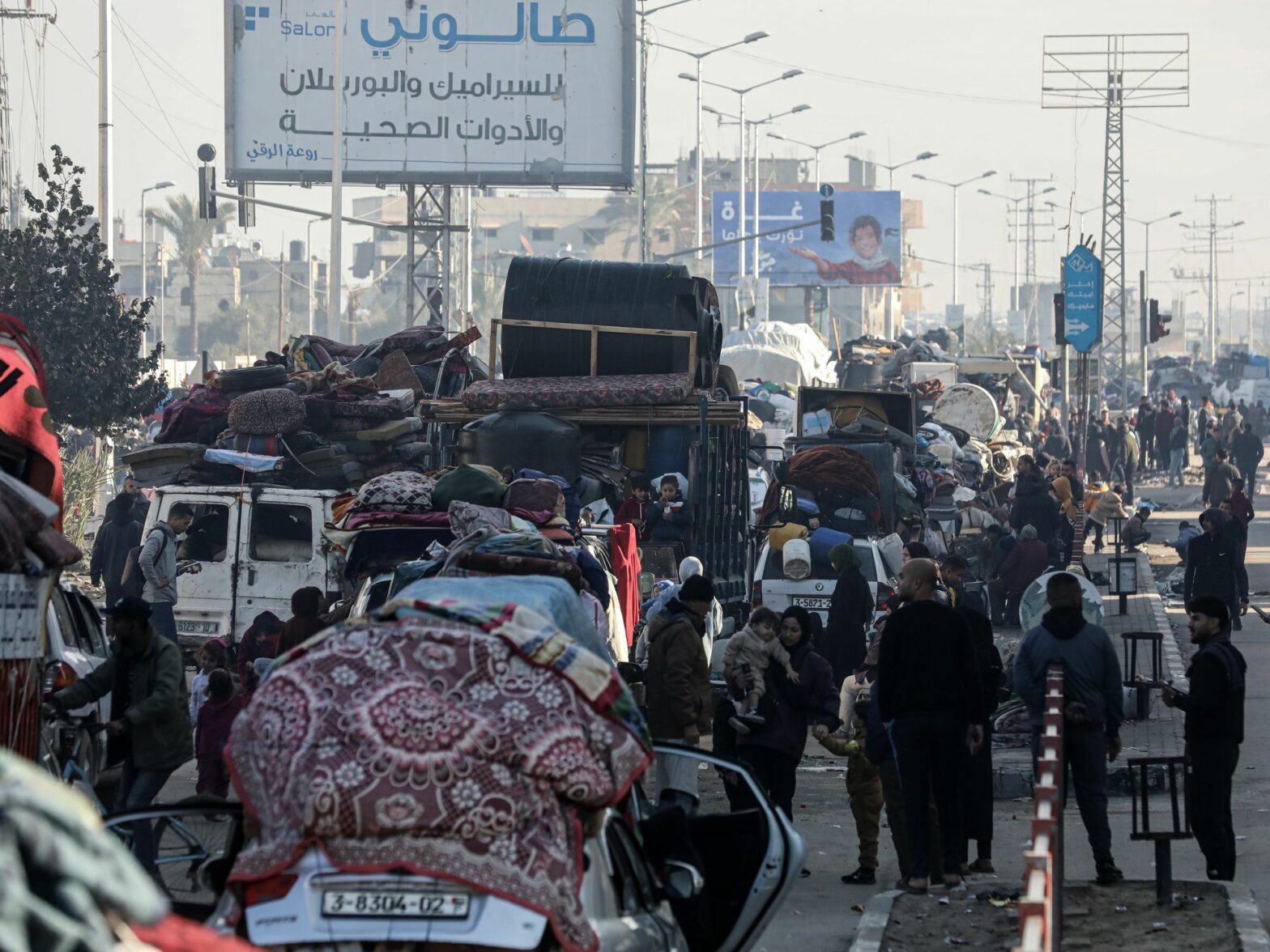
Donald Trump’s proposal to send Palestinians from Gaza to Egypt and Jordan has been embraced by the Israeli far-right but rejected by Palestinians and the countries involved. It amounts to illegal ethnic cleansing and revives an ugly history of Nakba. But it today’s world, it might even happen.

Among the images, are photos from Thailand, Gaza, Turkey, Japan — among other places.
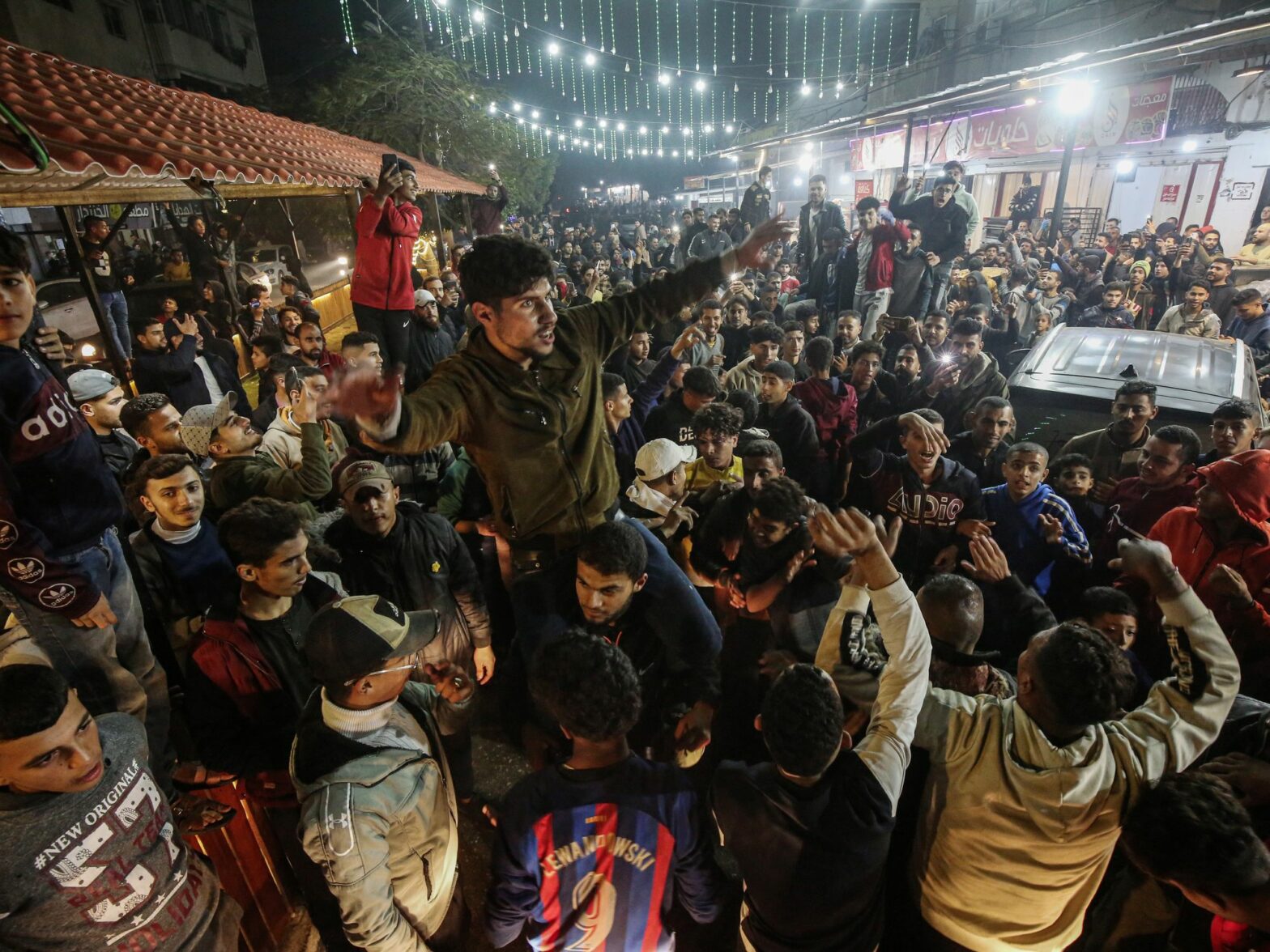
Israel and Hamas have reached a ceasefire agreement brokered by the United States — with an important role played by Donald Trump — along with Qatar and Egypt. It’s a relief to families of hostages and Palestinians in Gaza but also raises the question of the “day after,” which remains unwritten.
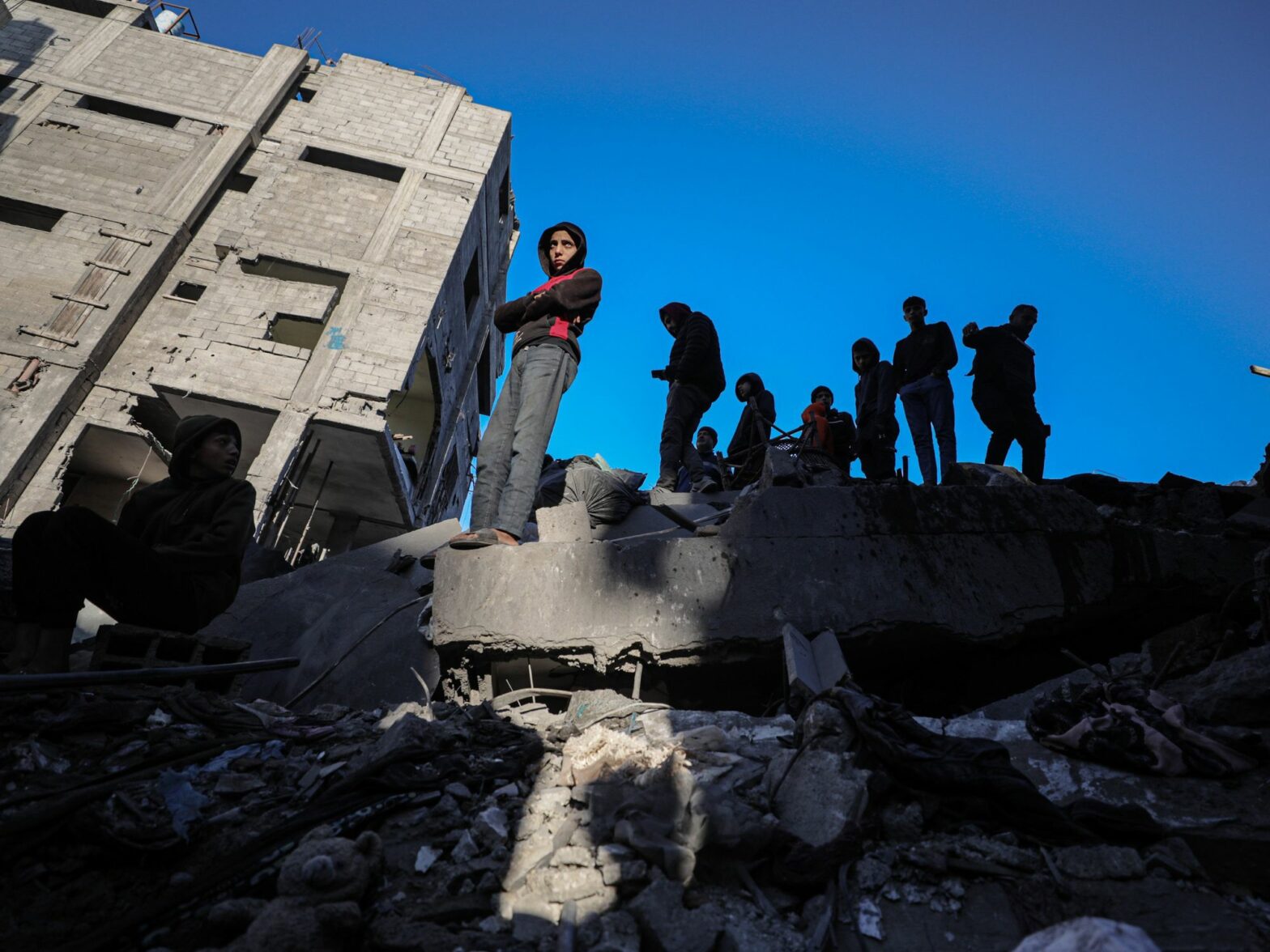
A ceasefire could happen any moment now in Gaza, with Donald Trump’s surrogates playing a key role in softening Benjamin Netanyahu. The president-elect wants to reenter the White House having already ended a conflict, even if nothing is actually resolved for the long term.
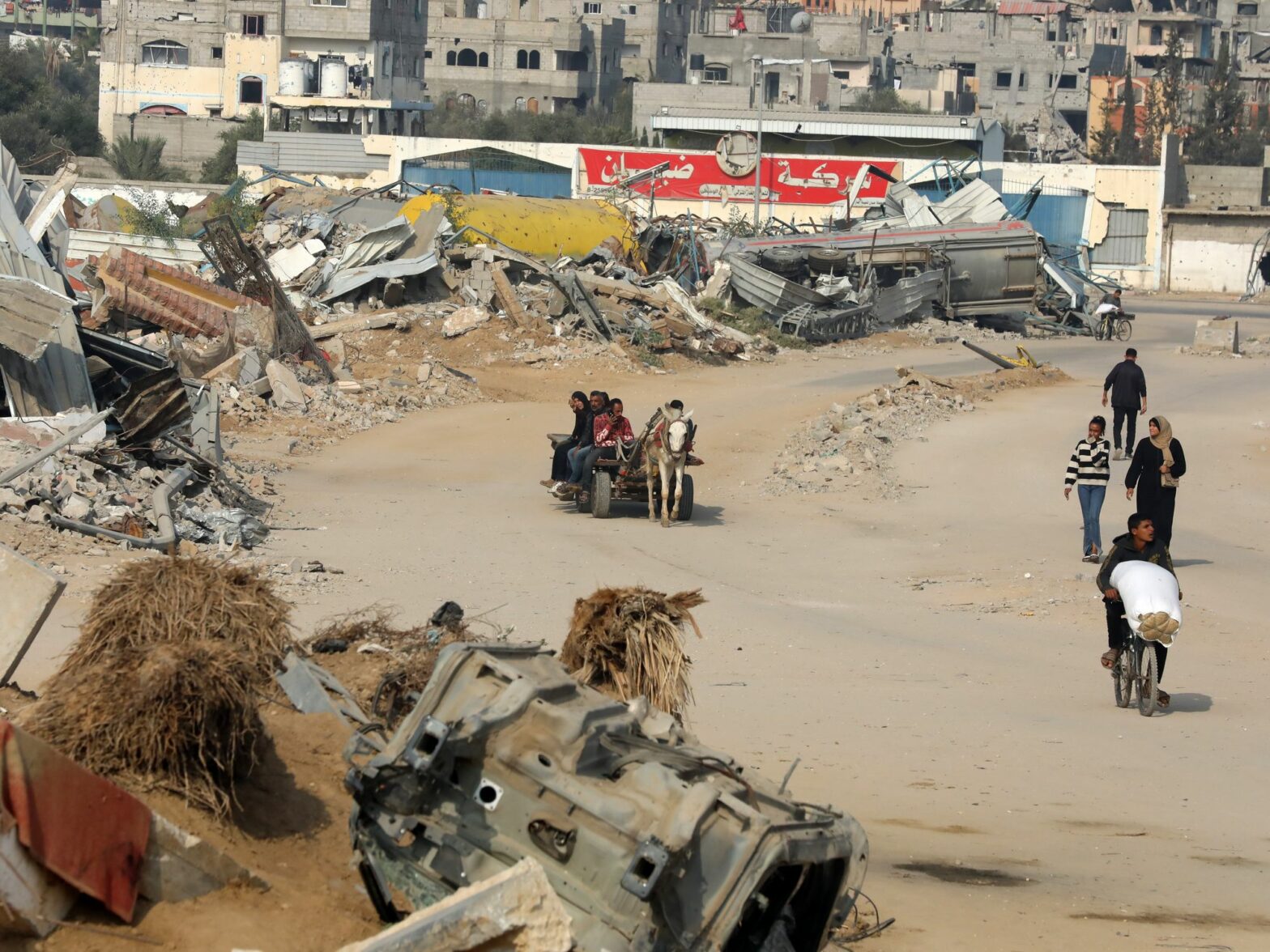
Having played a precious though ultimately futile role as mediator, Qatar announced it will step back from Gaza talks as both sides remain uninterested in a ceasefire. And following Trump’s election victory, there’s a notable new appointment to represent Israel in Washington.
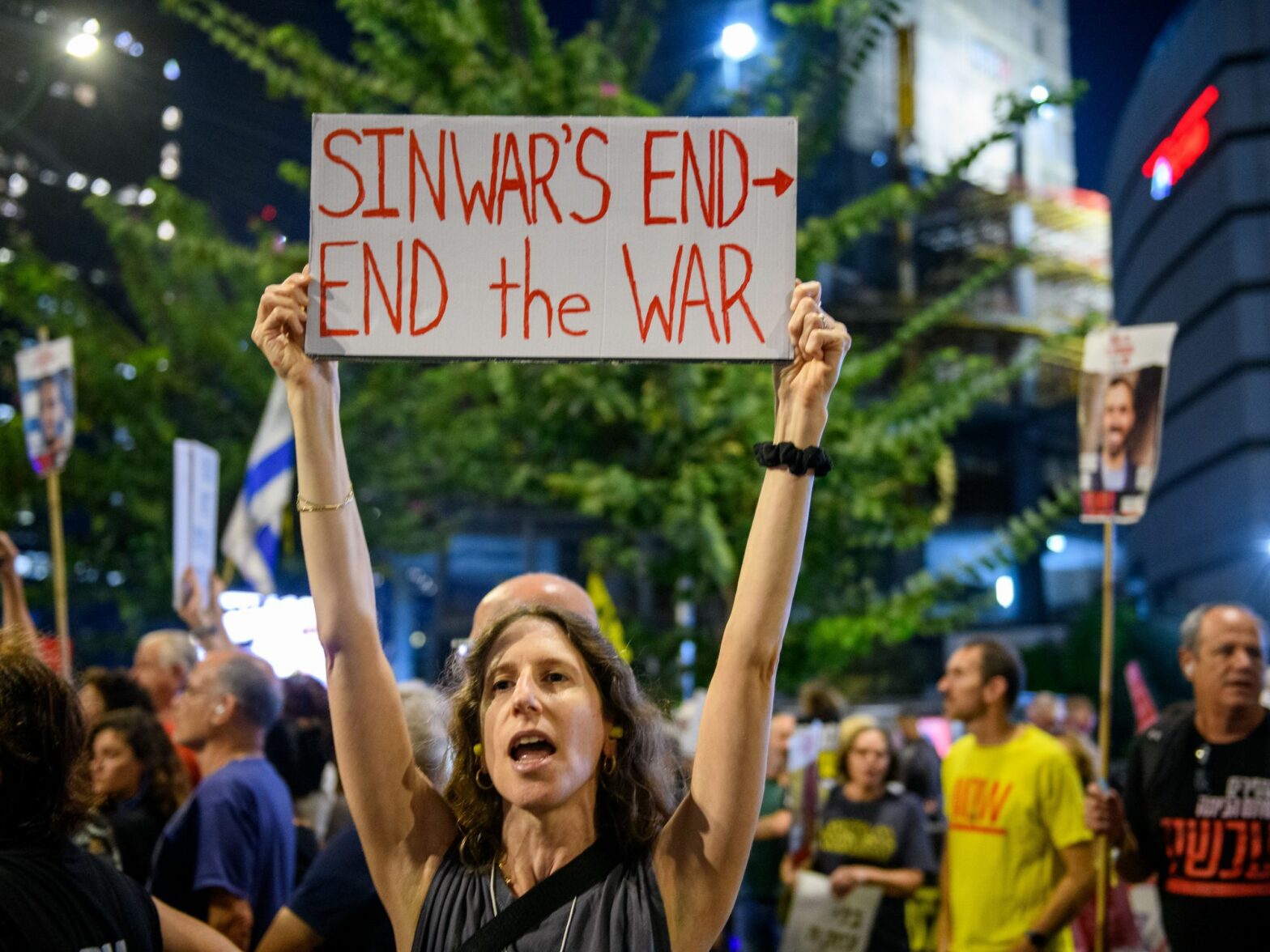
Hamas leader Yahya Sinwar, and above all ‘mastermind’ of October 7, is dead. Washington and Paris are calling on Israel to seize this opportunity to put an end to the war, but Netanyahu may choose to cash in another dividend.
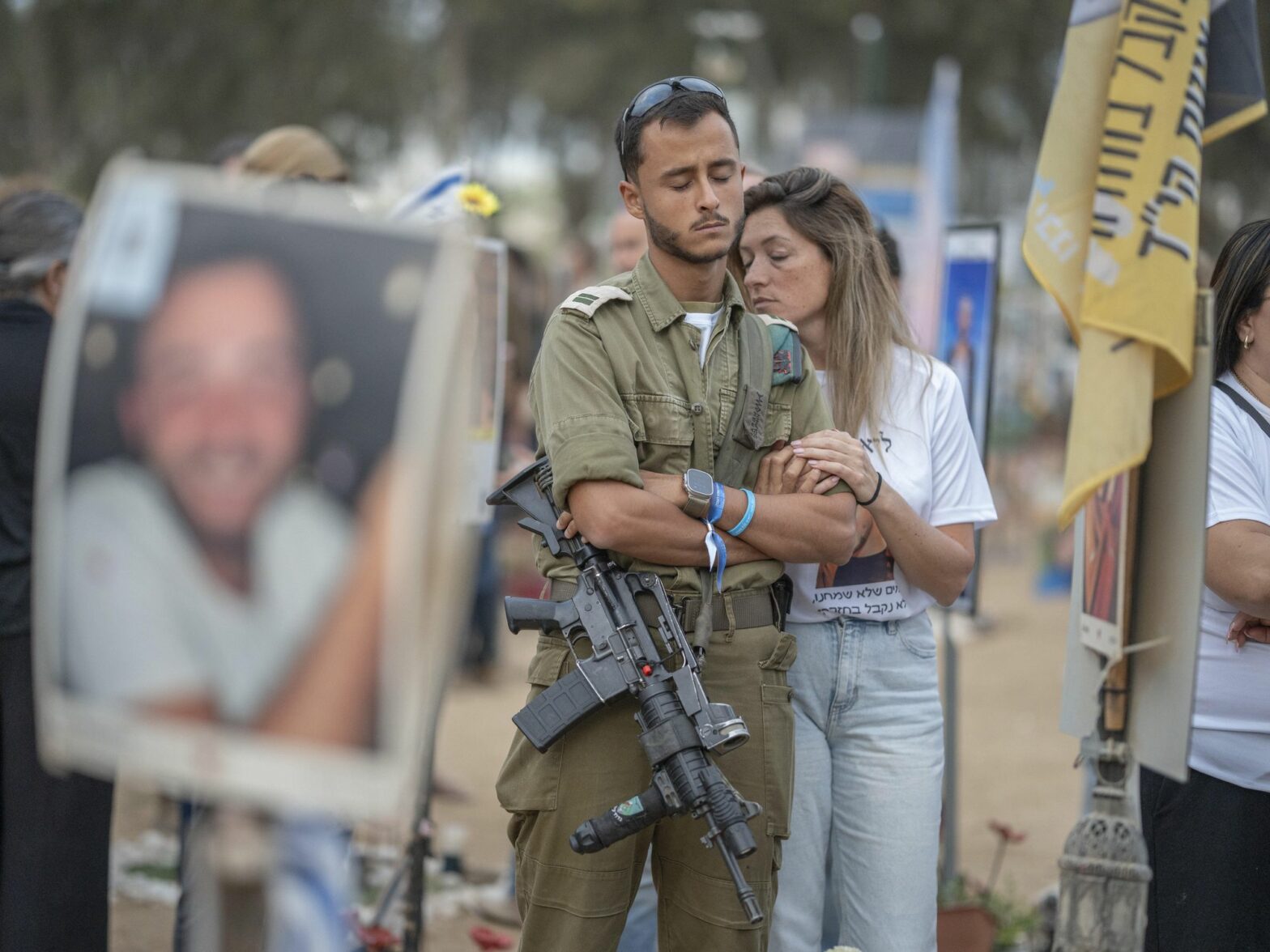
One year after the massacre of October 7, the wars continue (and expand) across the Middle East, and may currently look like Israel is achieving its military and security goals. But it will be a failure without any political solution.
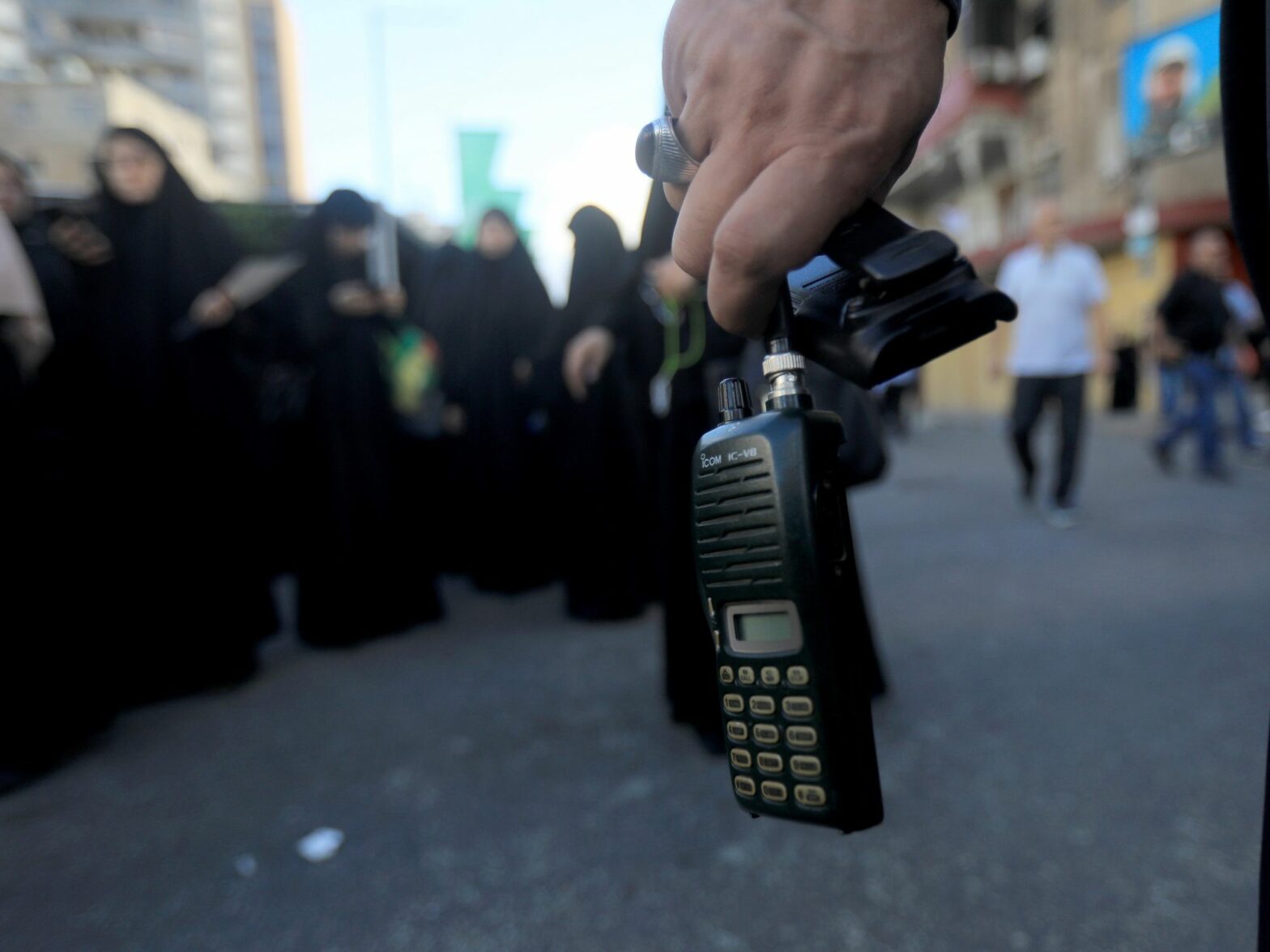
With its unprecedented attacks on pagers and walkie-talkies in Lebanon that again killed innocent victims, Israel now faces the risk of losing the war not just on moral and legal grounds, but also from a strategic perspective.
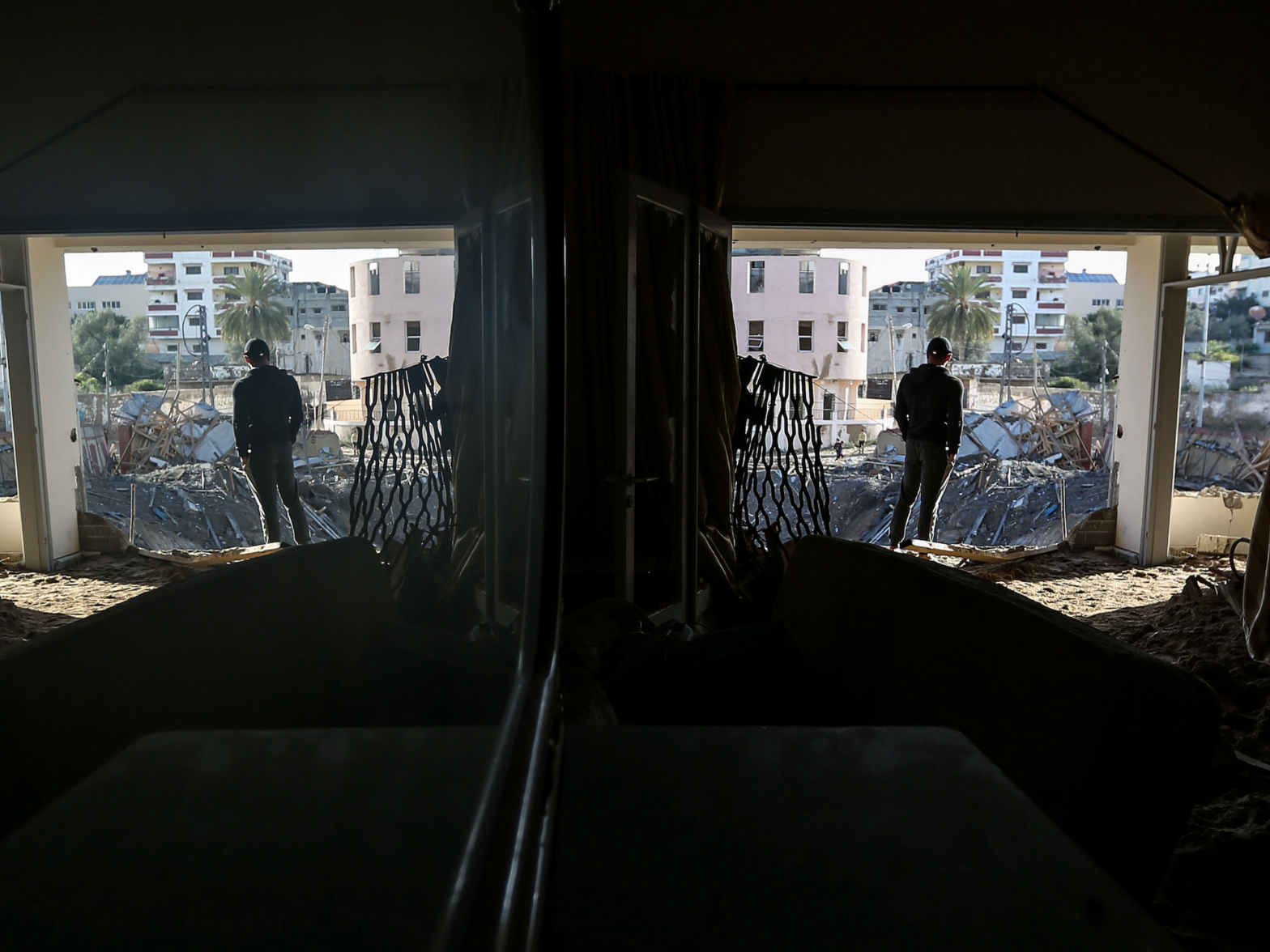
Almost 10 months after the Oct. 7 attack, the Middle East appears to be on the verge of a second act of tragedy. This new escalation of the conflict could result in regional war on a massive scale.
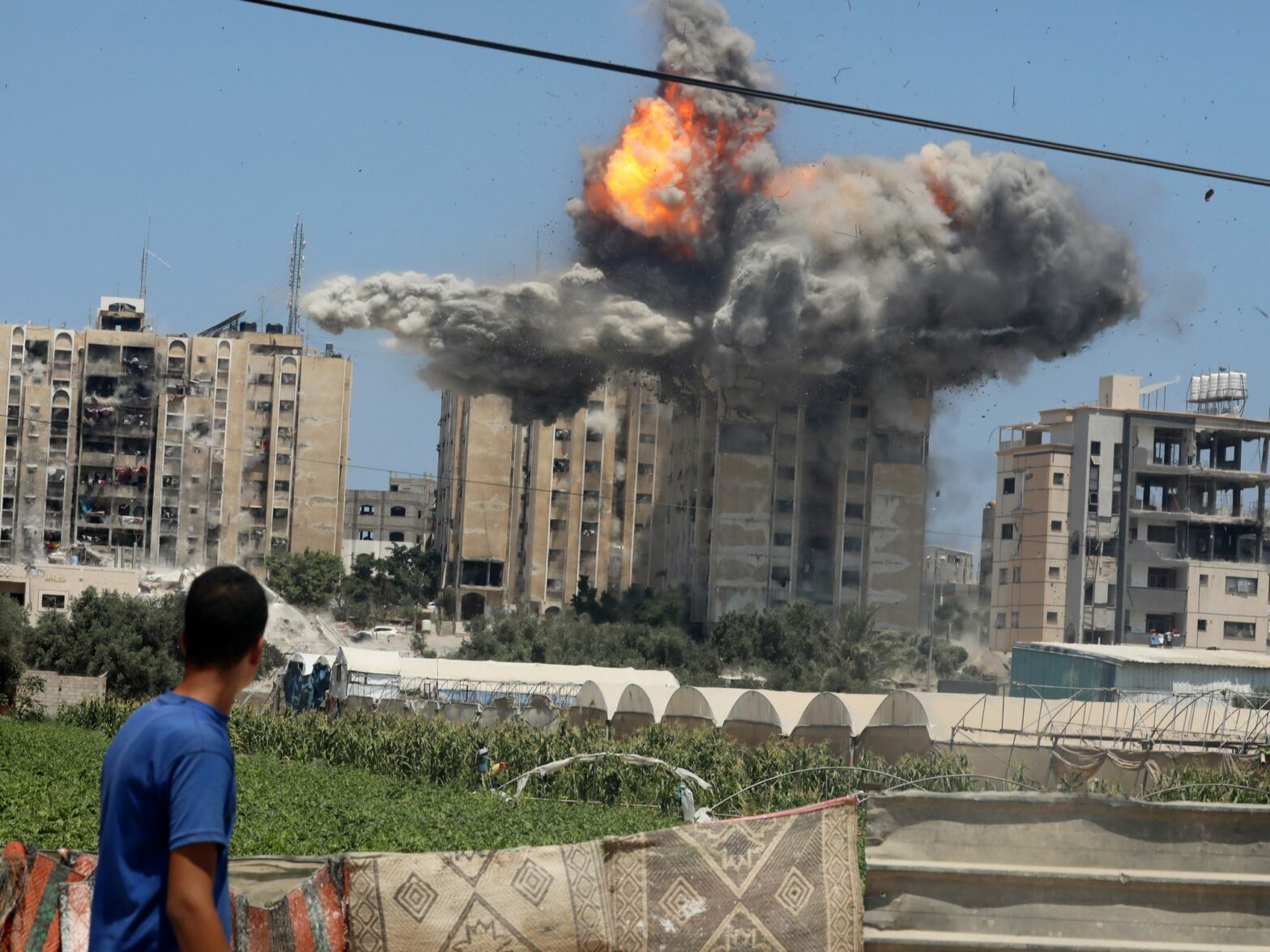
Some Palestinians believe the Israel-Hamas in Gaza war has turned into a war of attrition. But it is, in reality, one of extermination. And the people of Gaza are no longer hiding their criticism with the international community that for nine months has failed to stop the war.
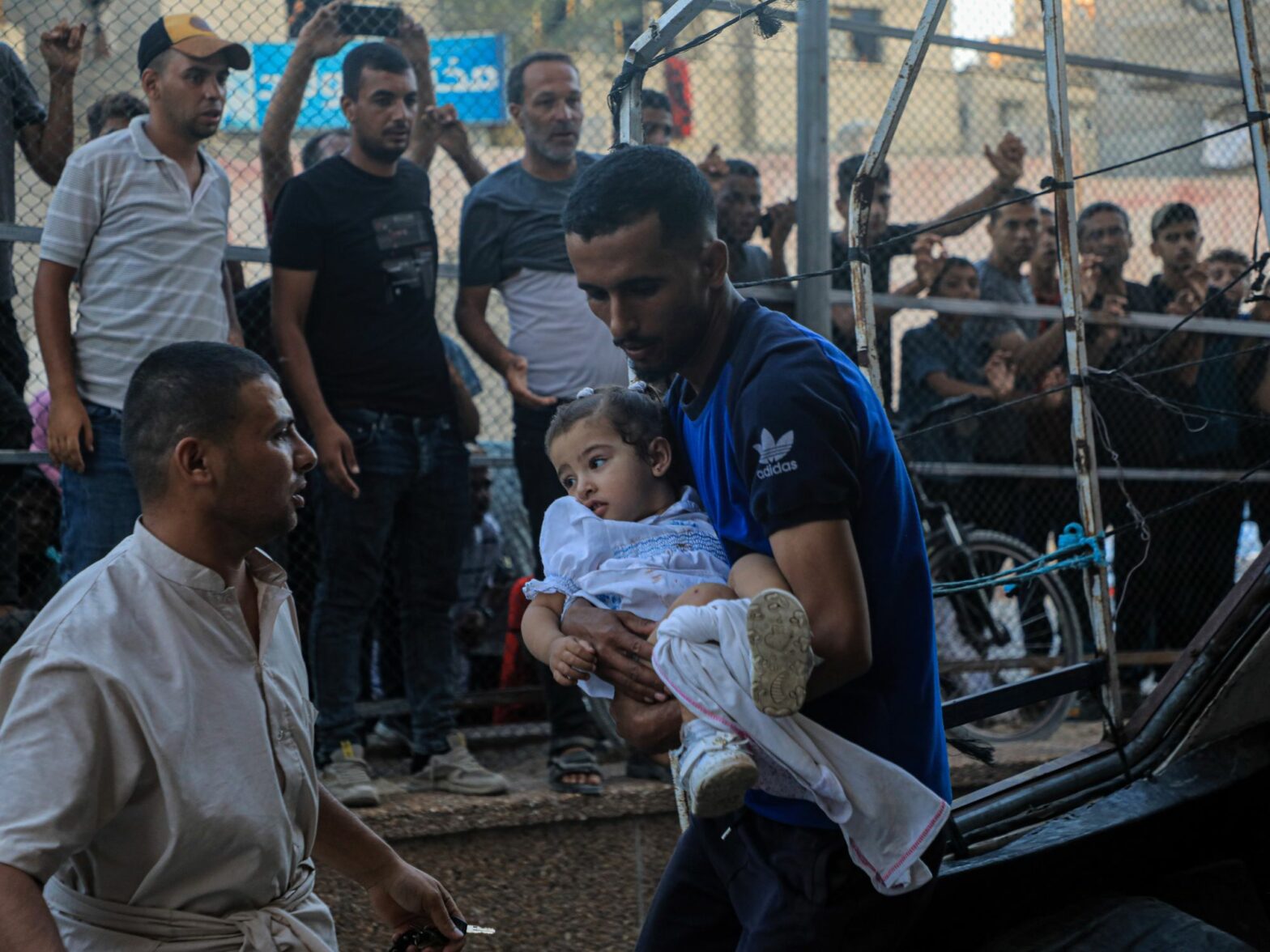
An Israeli missile struck children playing soccer in a schoolyard a day after international outrage at Russia’s bombing of Ukraine’s largest children’s hospital. As the Israel-Hamas war drags on, ceasefire negotiations get harder as the rest of the world looks away.
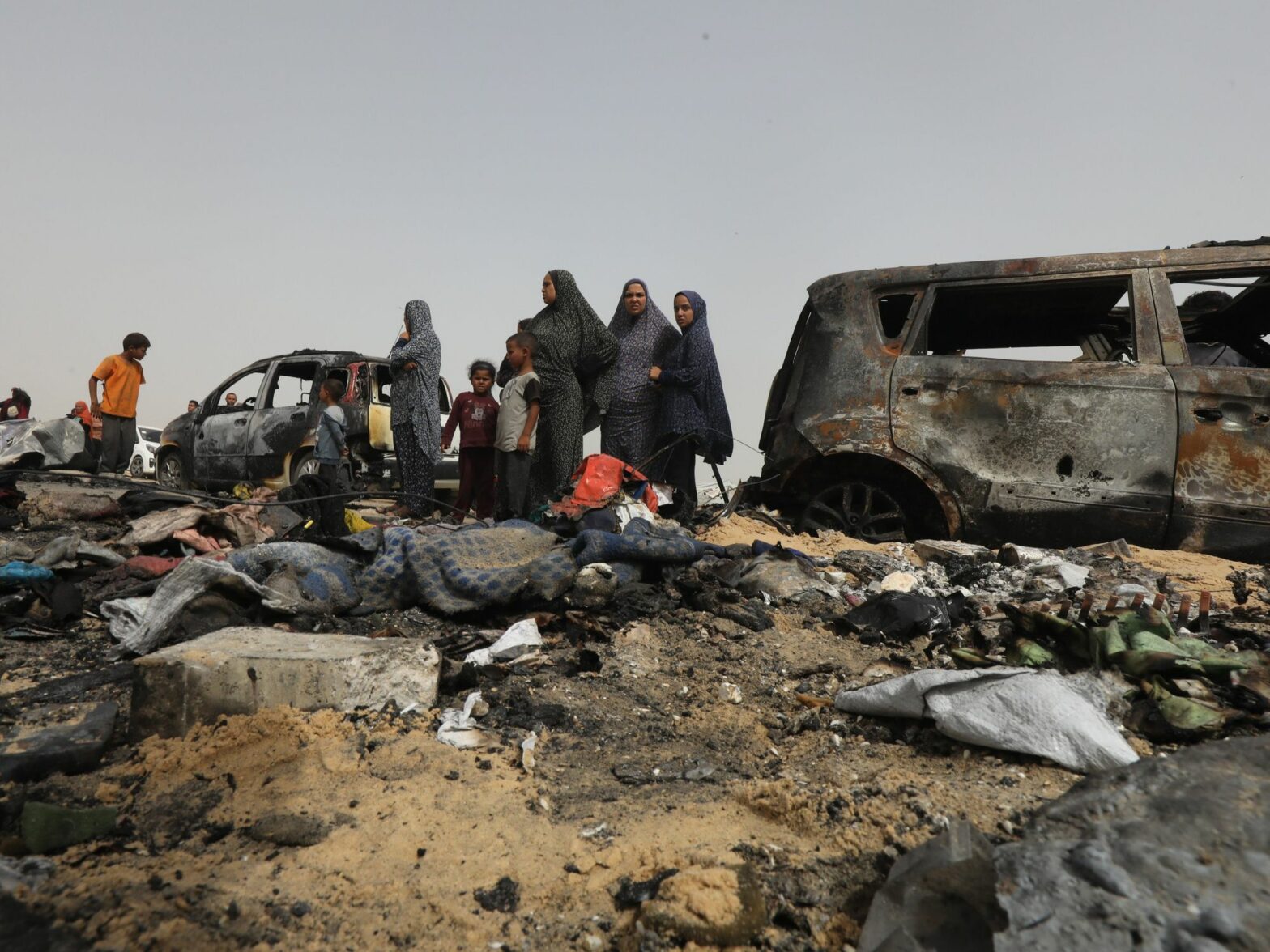
Benjamin Netanyahu spoke of a “tragic accident” after the deadly bombing of a camp for displaced Palestinians near Rafah; but this rare act of contrition does not mean the Israeli leader has changed his strategy, despite the indignation of the rest of the world at the number of civilians killed.
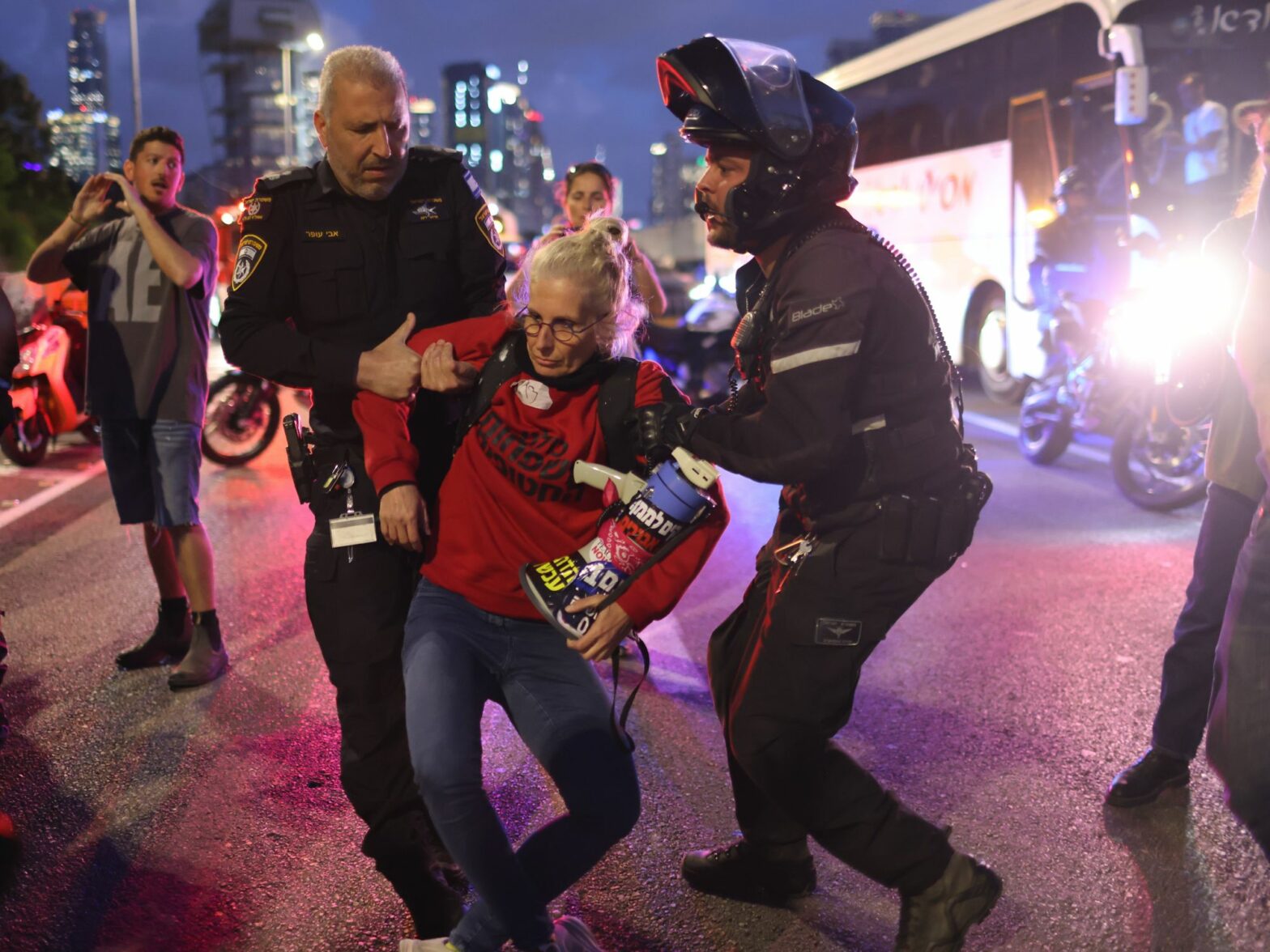
Israeli Prime Minister Benjamin Netanyahu was taken to task by hostage families during his Memorial Day speech on Monday — just the latest sign of the deep divisions in Israeli society as the war enters its eighth month, with no vision for the future.
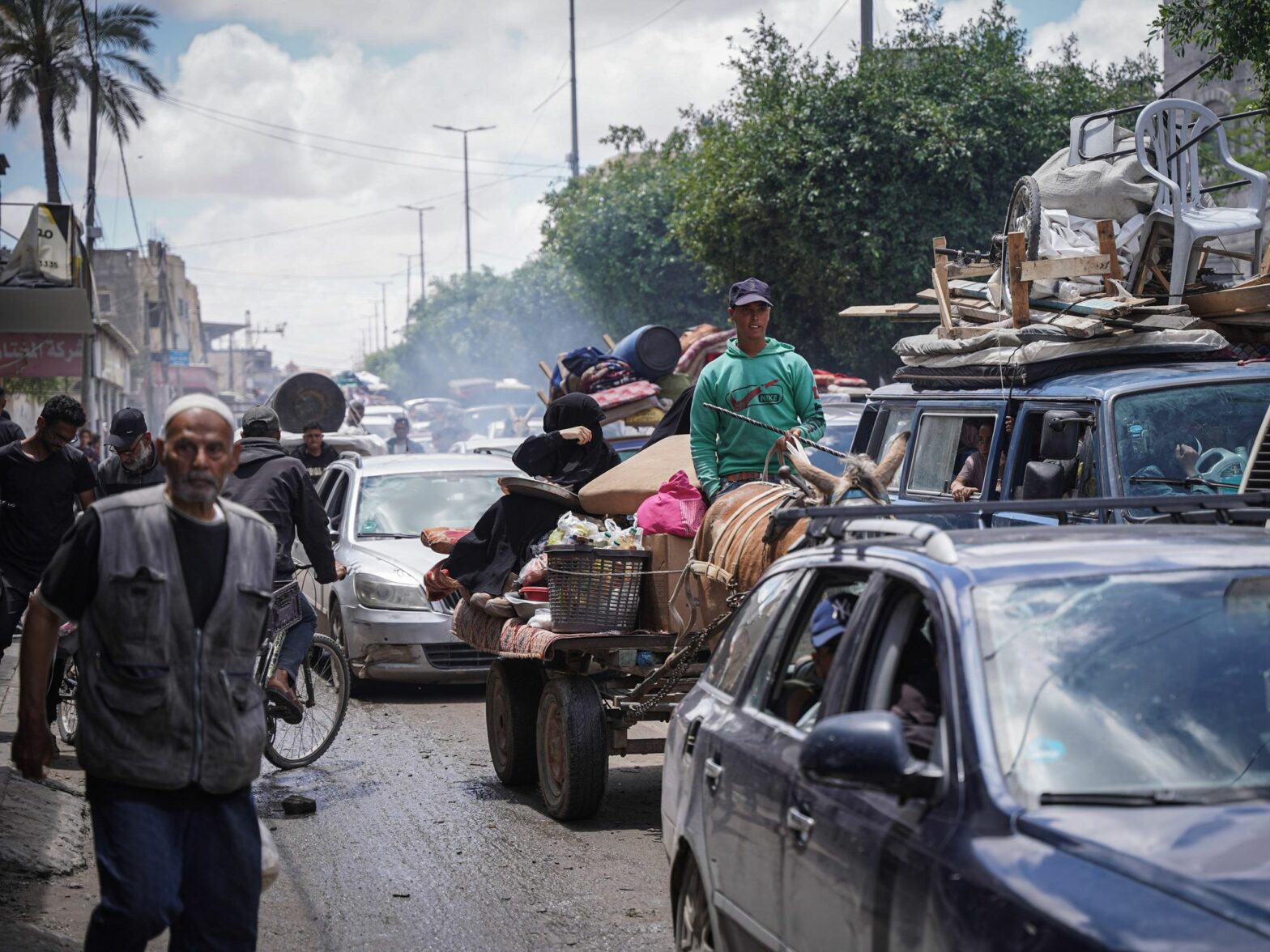
The Israeli prime minister has foreign and domestic pressure to accept a ceasefire deal, but he may be set to make the bloodiest decision of the war to date in the southern Gaza city of Rafah.
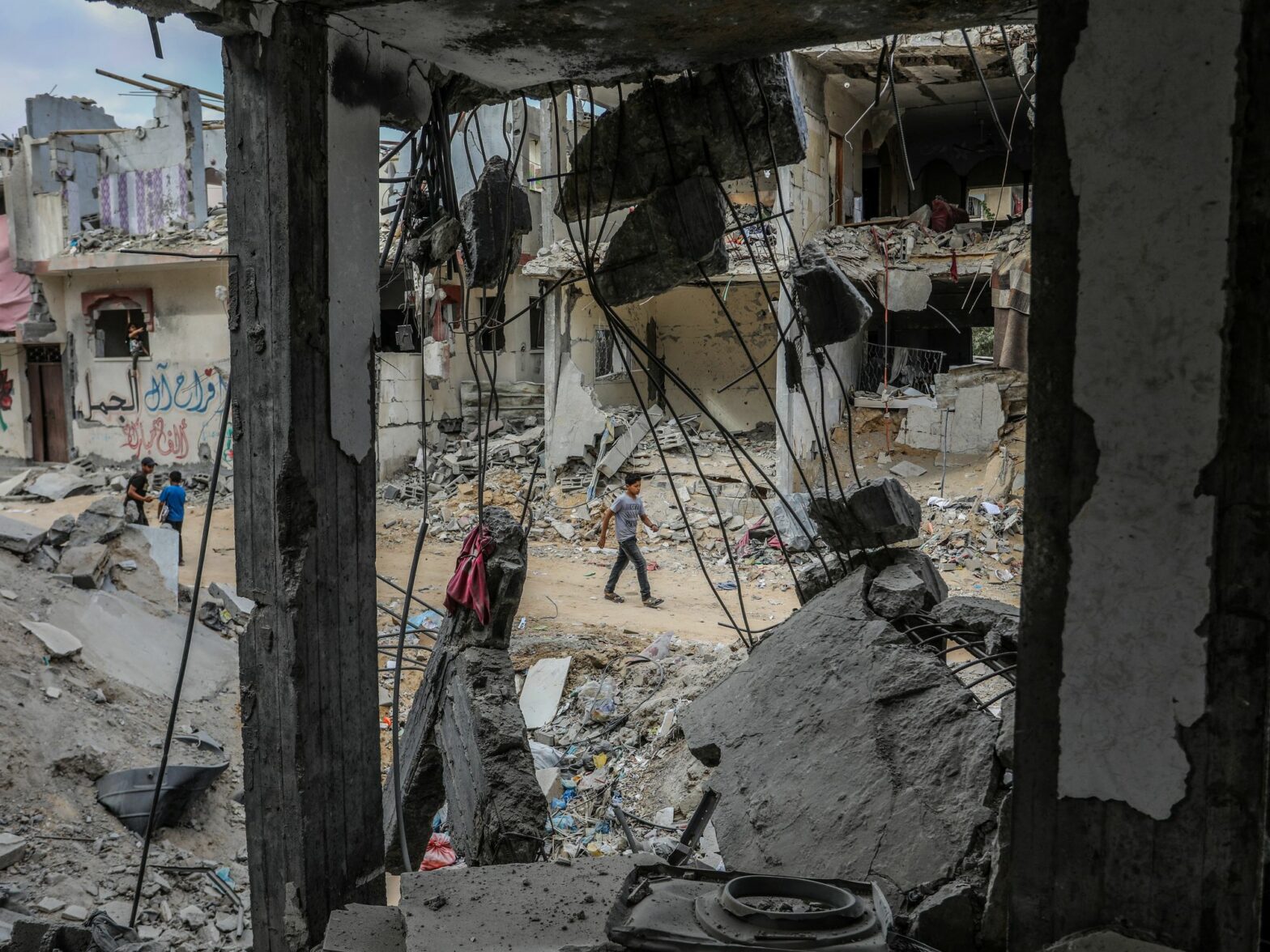
Israeli Prime Minister Benjamin Netanyahu and Hamas leaders both have deeply cynical reasons to prolong hostilities. Meanwhile, it’s in the self-interest of both the U.S. and Arab regimes to try all avenues to broker a ceasefire to ease the suffering of those caught in the crossfire.
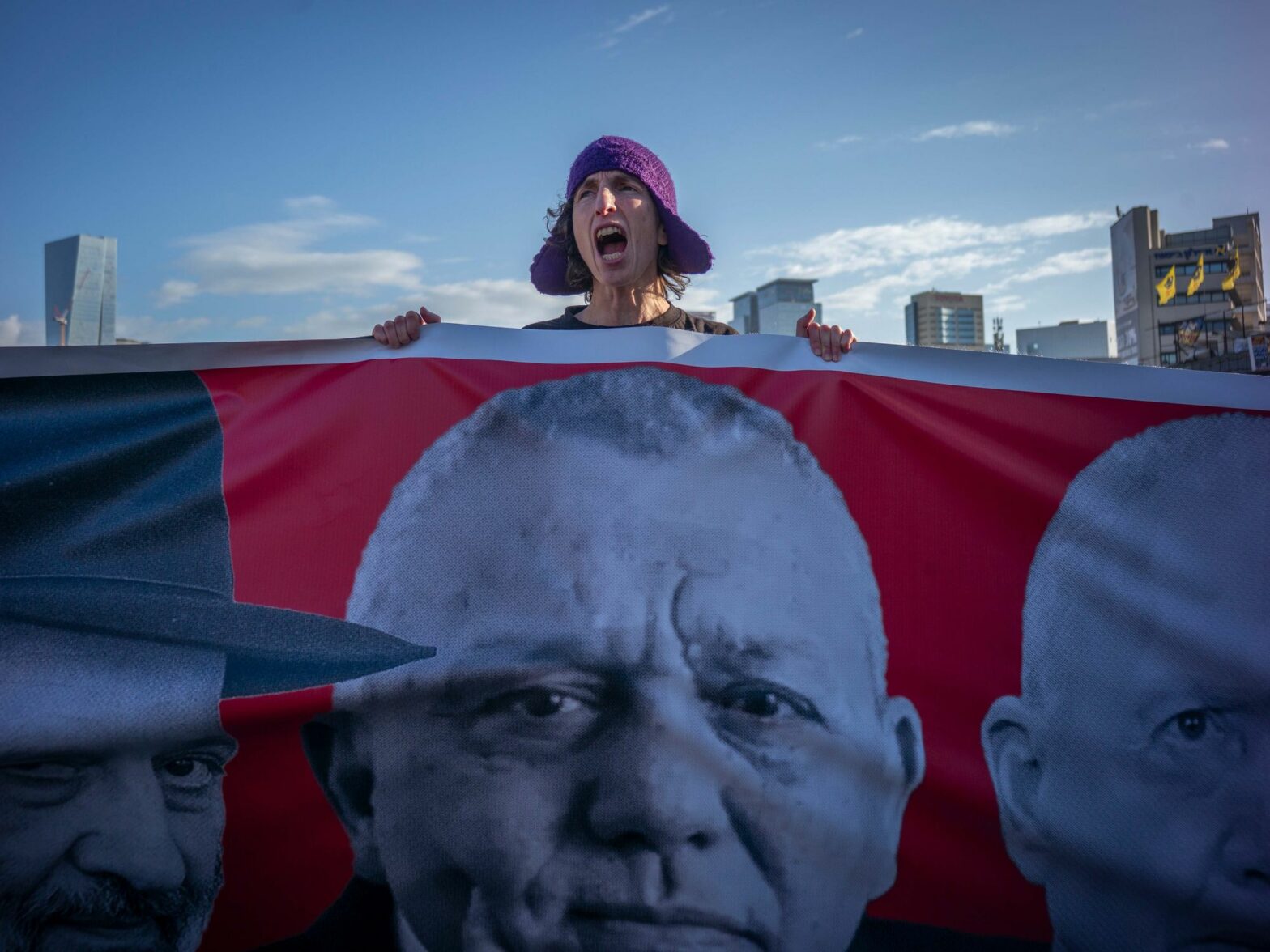
Another deal that would see Israeli hostages released has fallen through. Six months into the war in Gaza — and six months without their loved ones — where do the family members of the Oct. 7 hostages stand on the war and the negotiations?
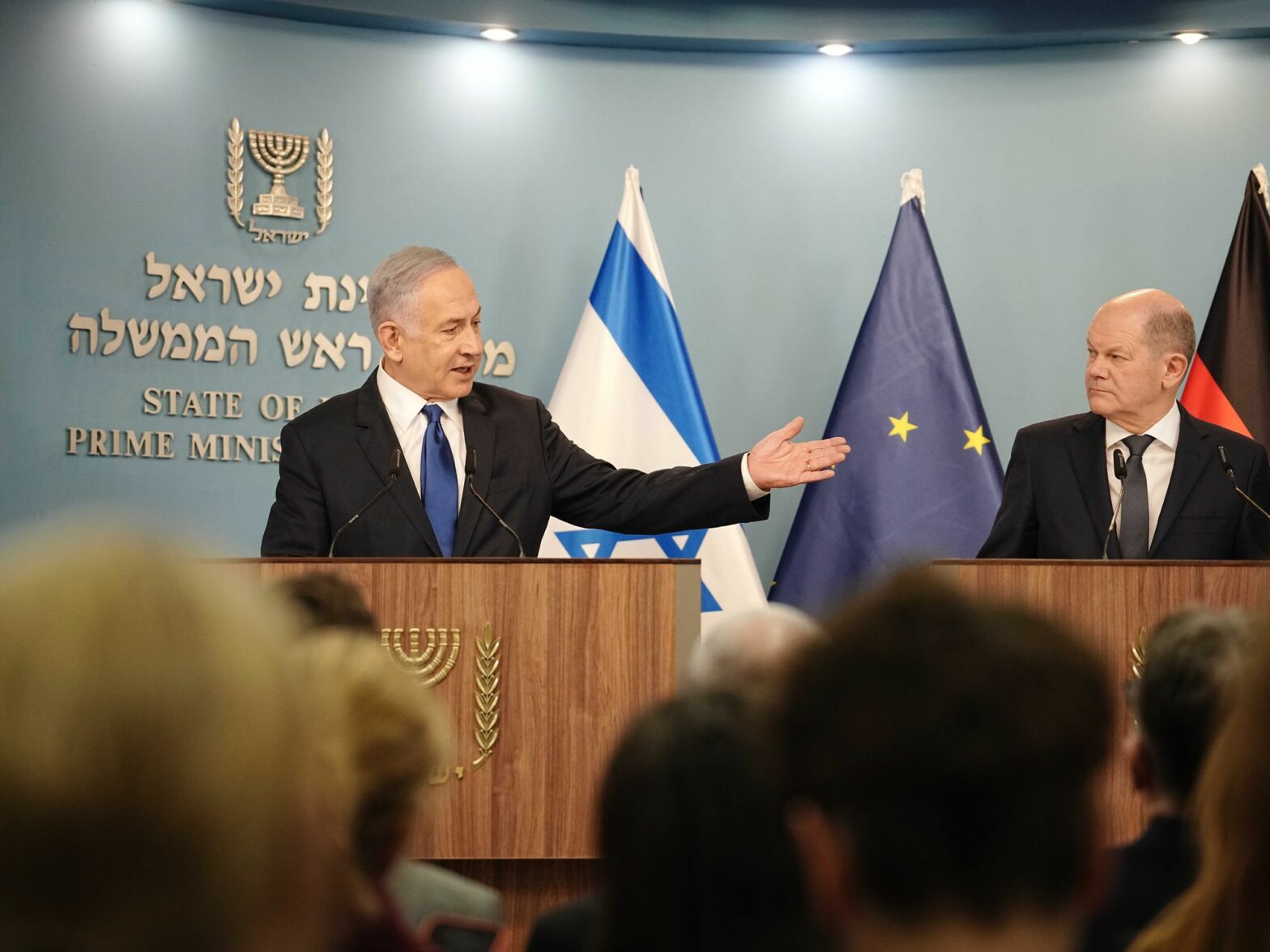
As Western leaders criticize Netanyahu and his war in Gaza, the Israeli Prime Minister apparently remains fully confident in forging ahead with a hardline that leaves a brutal human toll.
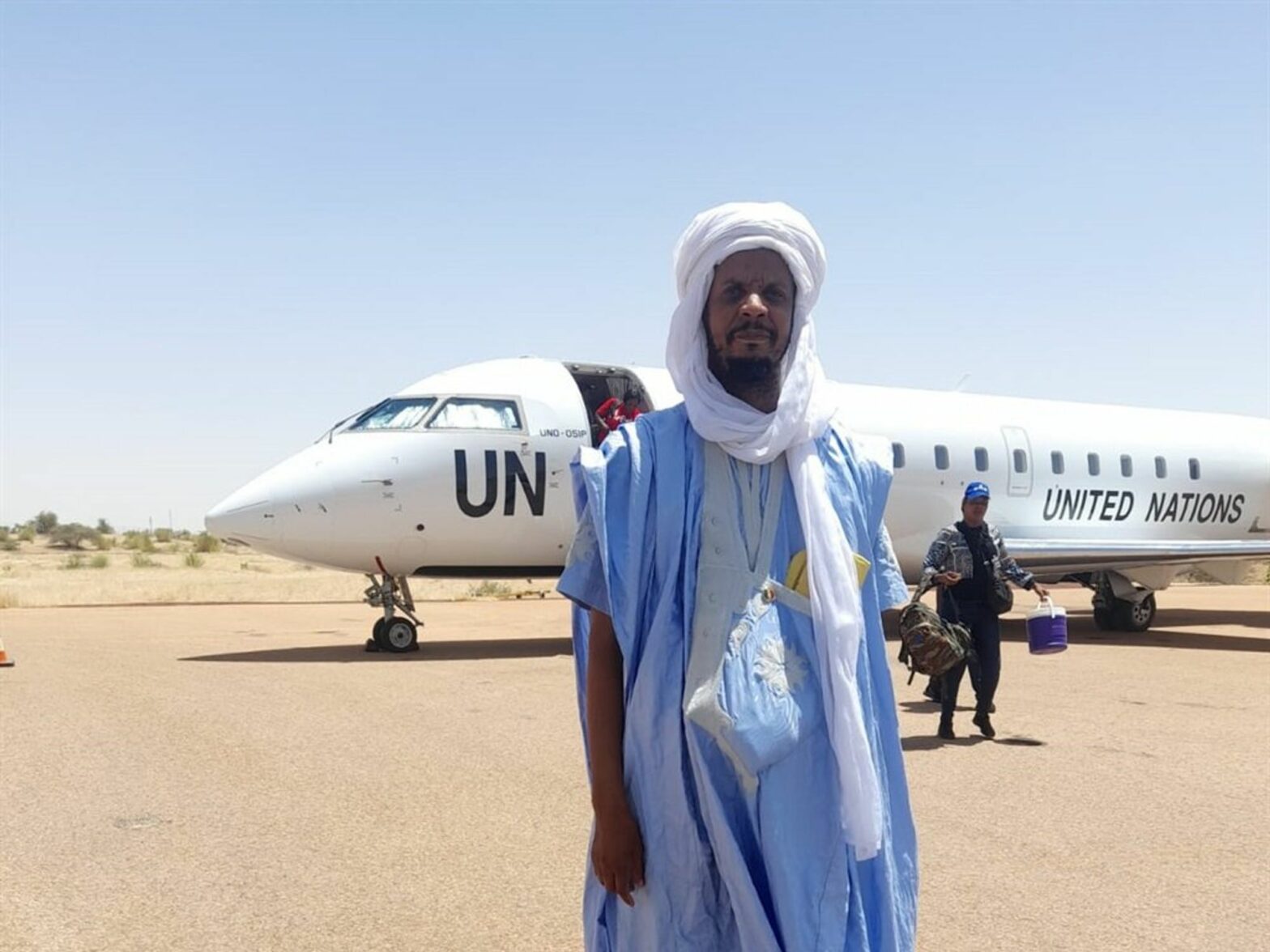
Abductions are one of the main sources of income for terrorists in Africa. Recently a South African paramedic was freed in Mali after being held for more than six years. His release is down to one man who worked tirelessly to secure his freedom.
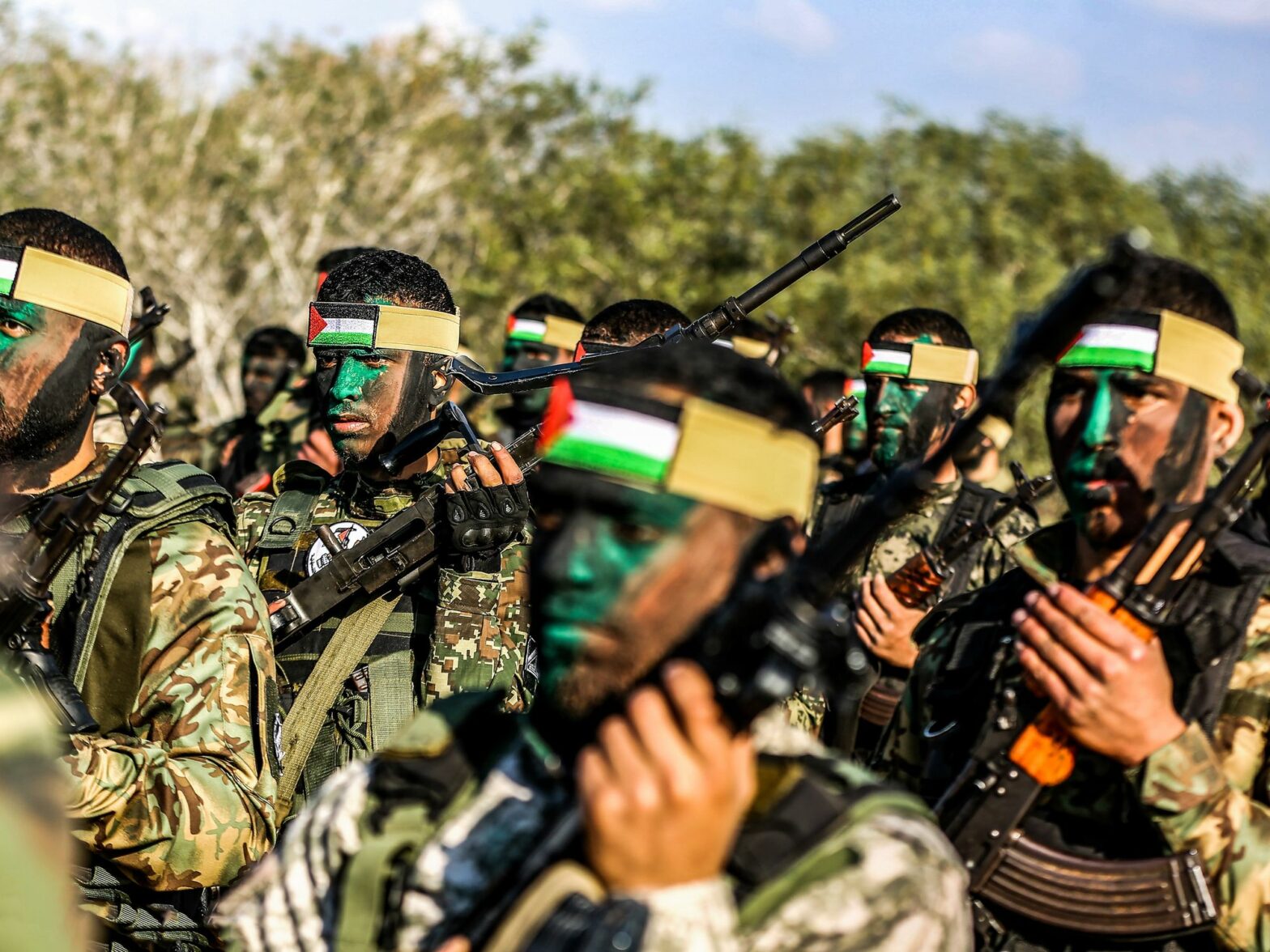
This is a debate that must challenge those in our region who benefit from the perpetuation of the male culture of violence.
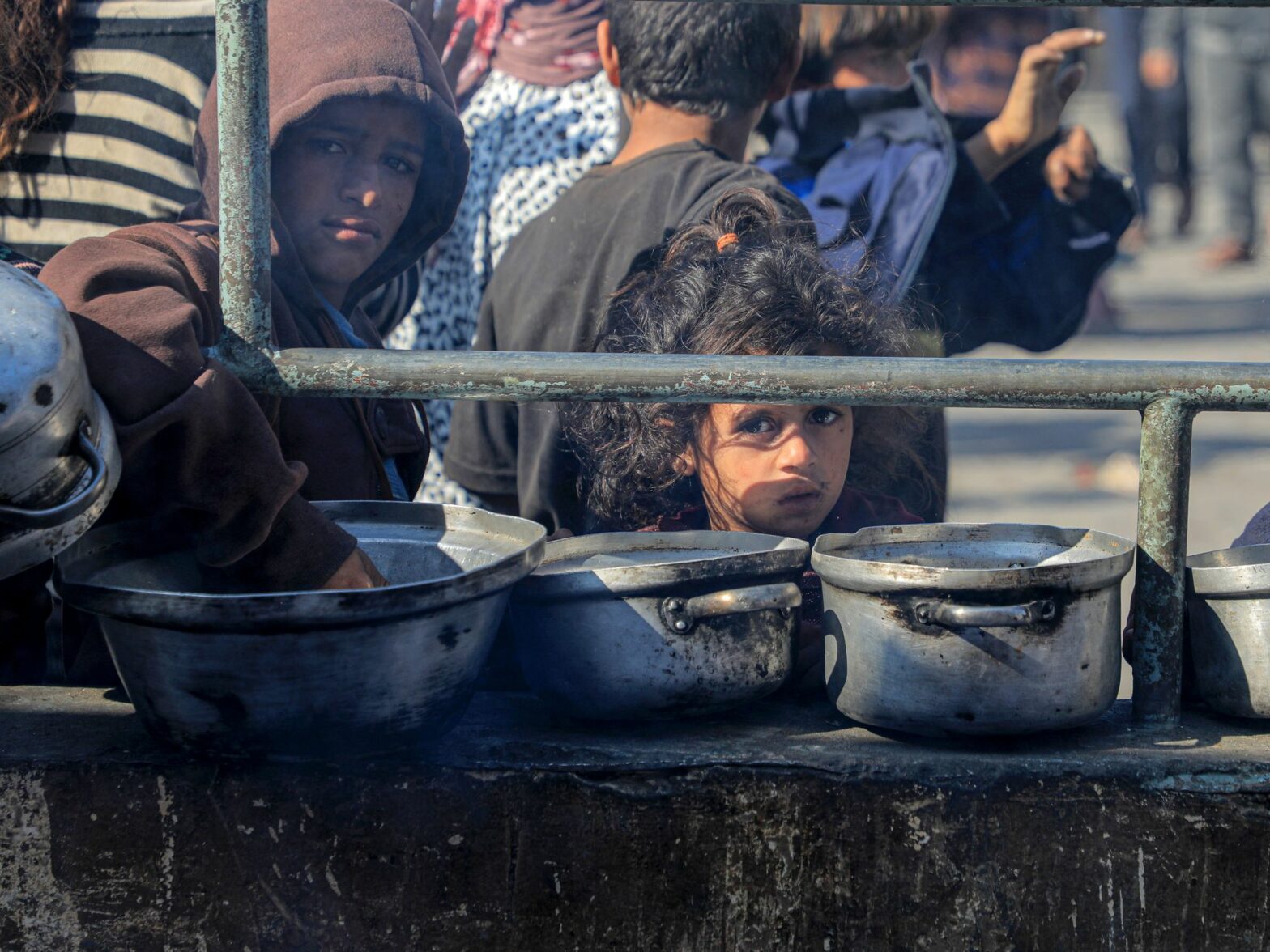
As the war in Gaza hits a critical juncture, the approaching Ramadan deadline adds urgency to international efforts, with Israel’s threat of an offensive on Rafah escalating tensions and raising the stakes for peace negotiations.
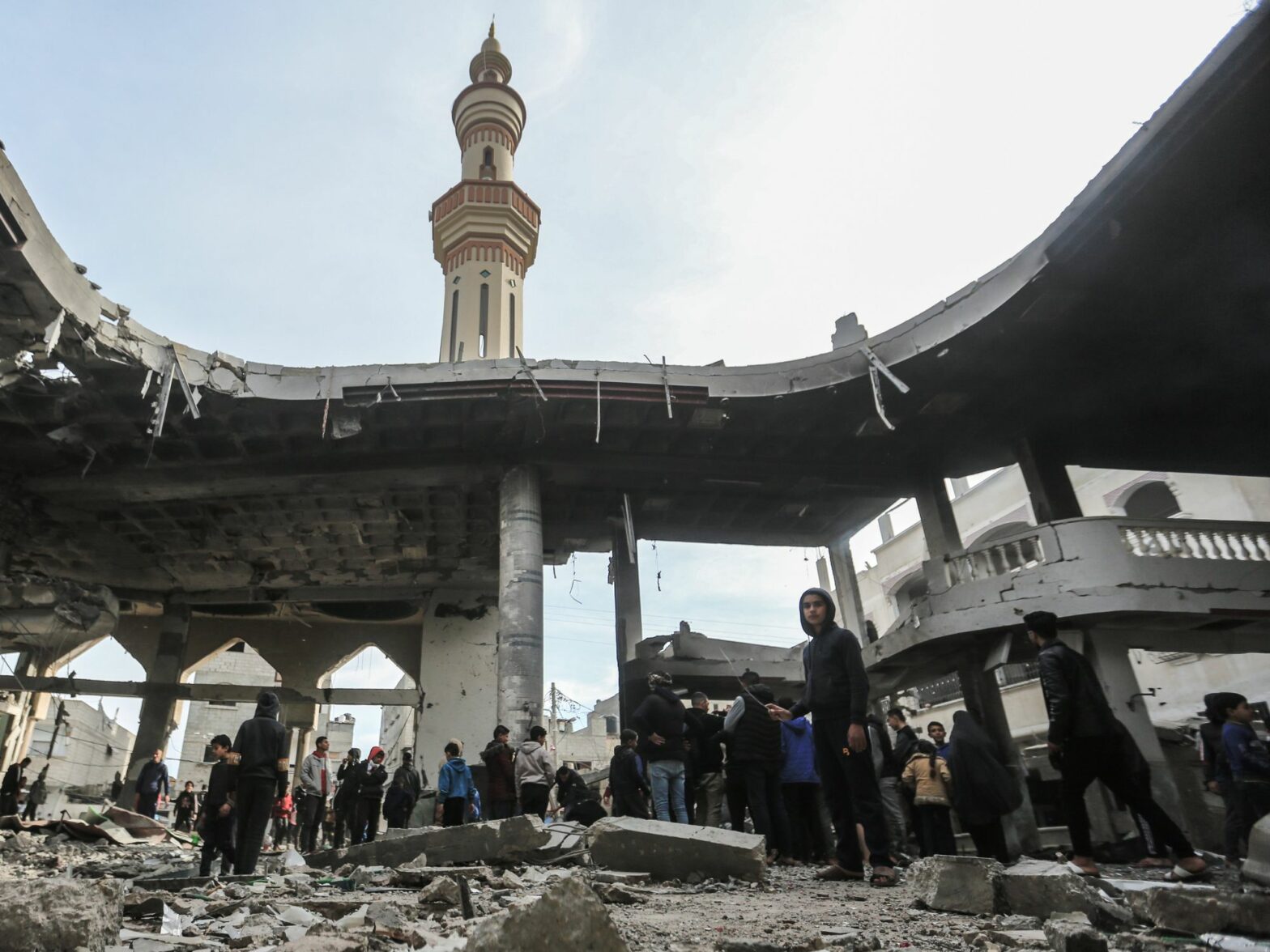
The West’s passive response to Israel’s actions in Gaza is increasingly difficult to maintain in front of the looming humanitarian crisis in Rafah. The lip service of “deep concern” doesn’t bother Netanyahu at all.
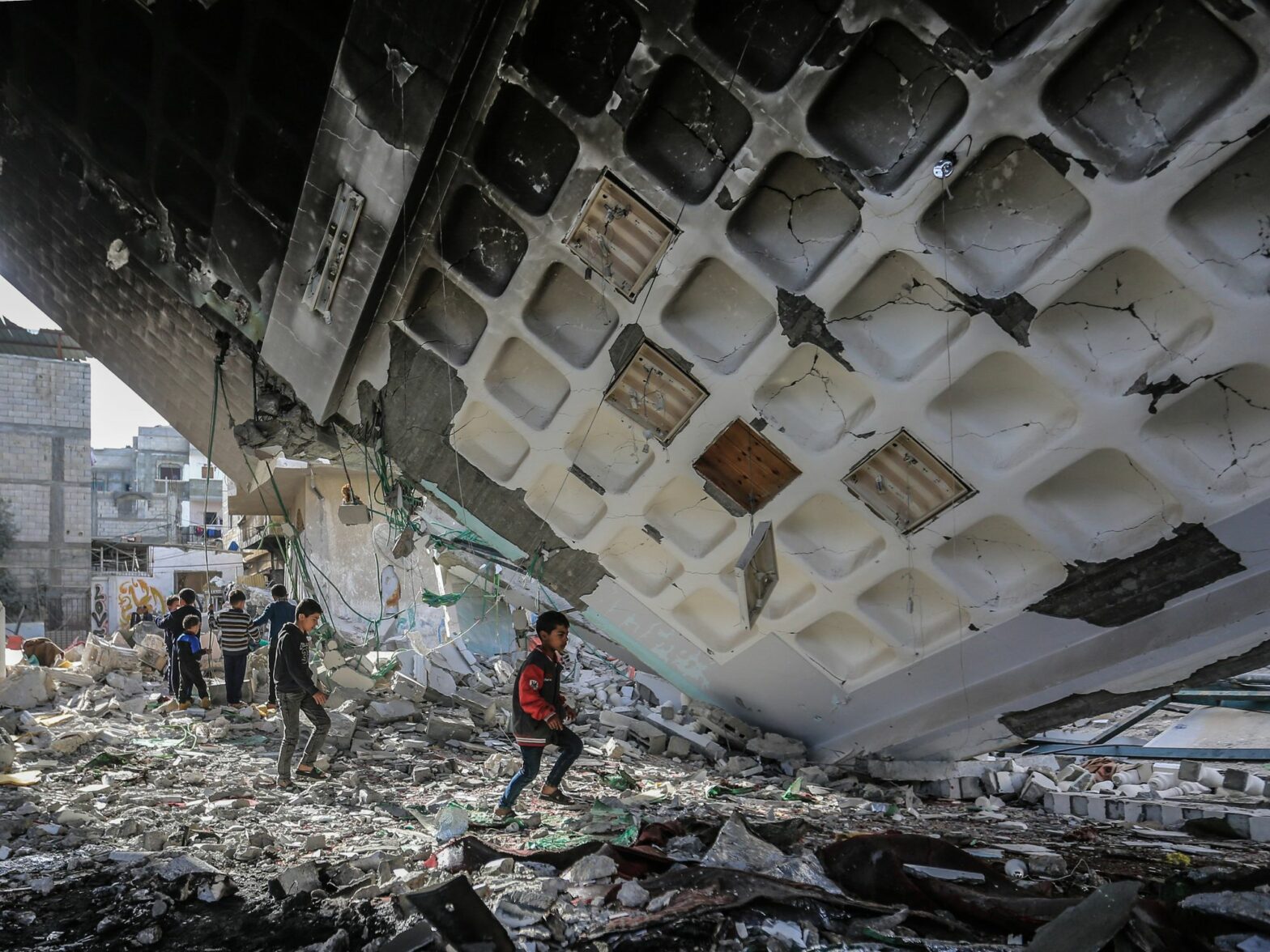
Israel’s invasion of Rafah has brought the war on Gaza to its most delicate point. And Netanyahu’s right-wing government may fulfill the wish of former center-left Prime Minister Yitzhak Rabin “to find that Gaza has sunk into the sea”.
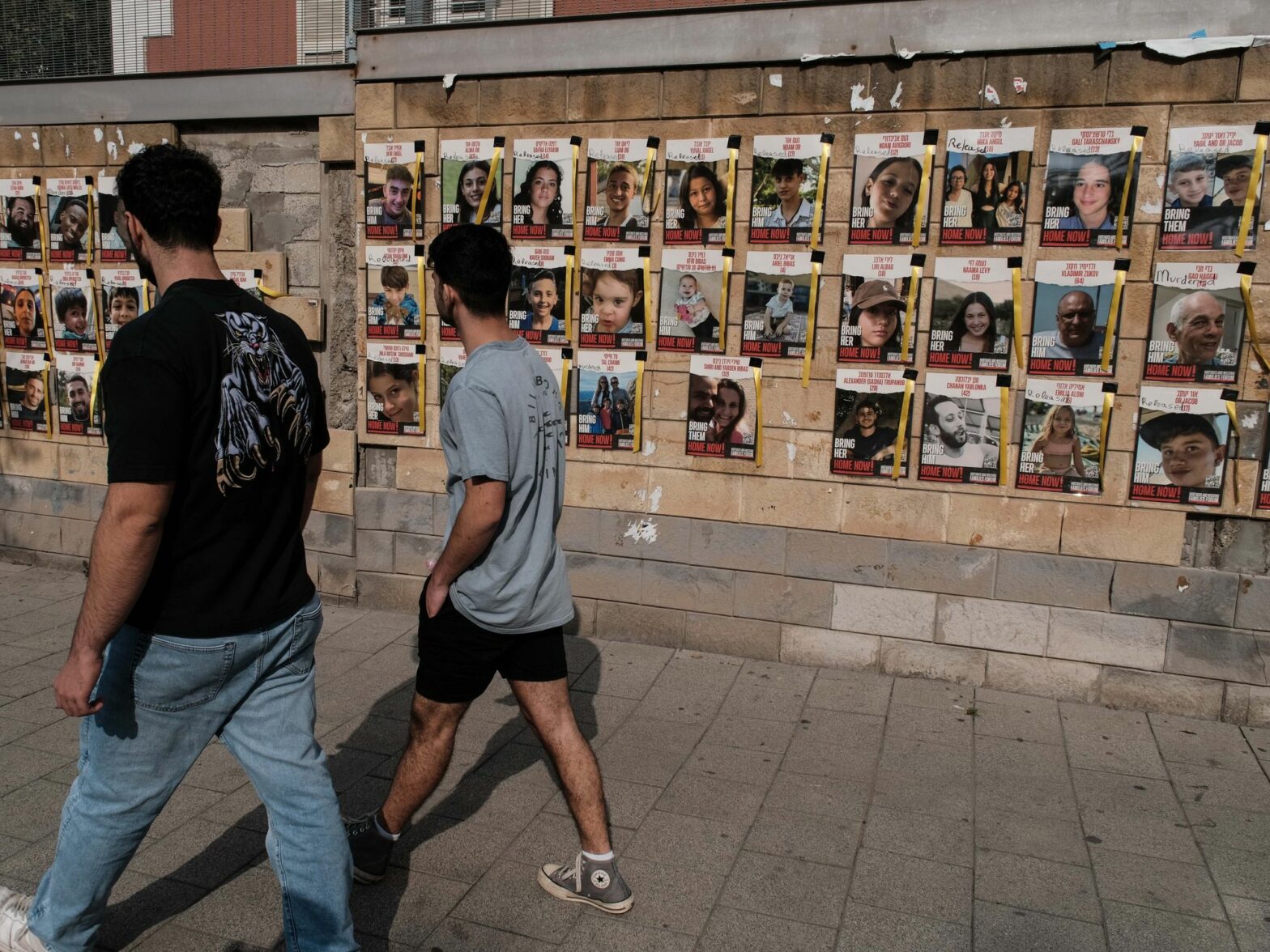
Benjamin Netanyahu has firmly rejected Hamas’ latest counter-proposal to Israel’s offer for a ceasefire. Still, a new round of negotiations has begun in Cairo — and it’s ever more clear that the first question that must be resolved is the if, how, when and who of the 140 Israeli hostages will be released. Hamas knows they are its best bargaining chip.
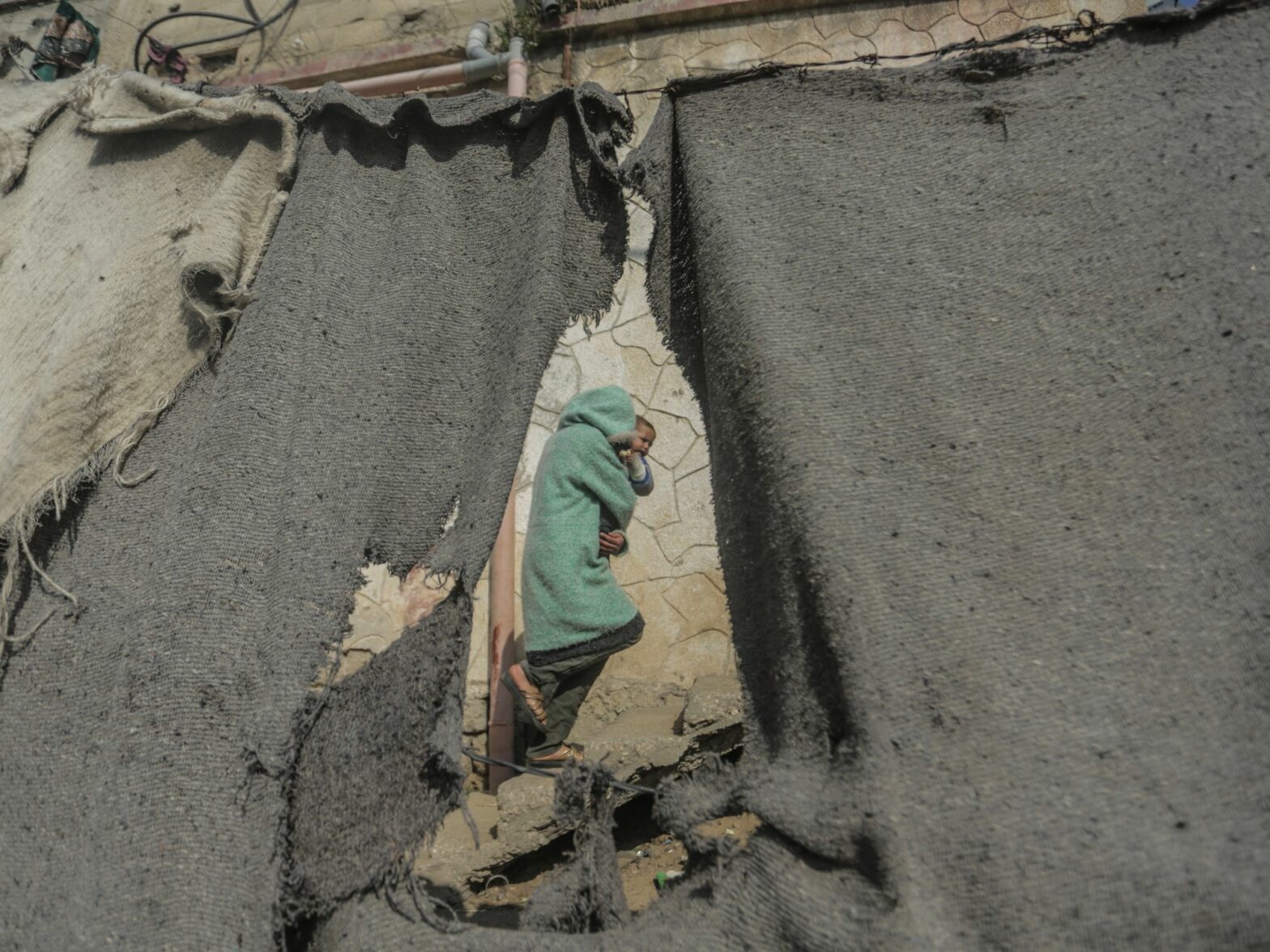
An Israeli soldier took an infant girl from Gaza after her family was killed during bombings, and brought her to an undisclosed location in Israel. When the news emerged, the Palestinian Foreign Ministry, based in the West Bank city of Ramallah, called it a “heinous crime” and demanded the return of the child to Palestine.
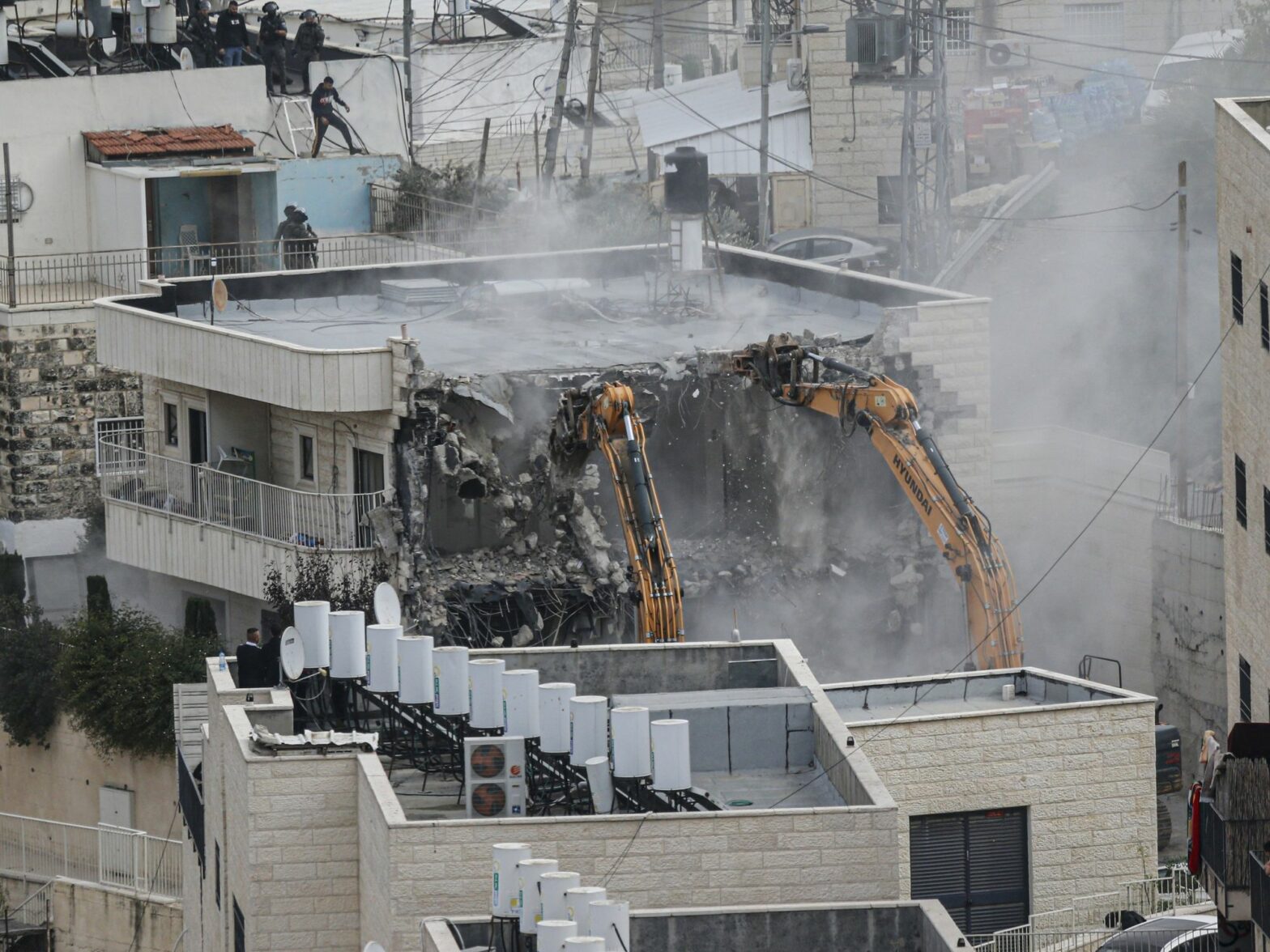
Israel says it is establishing a buffer zone inside Gaza along the strip’s border, as part of its efforts to guarantee security and avoid another Oct. 7. But it’s already led to the destruction of thousands of buildings and acres of agricultural land. In other words: Occupation.
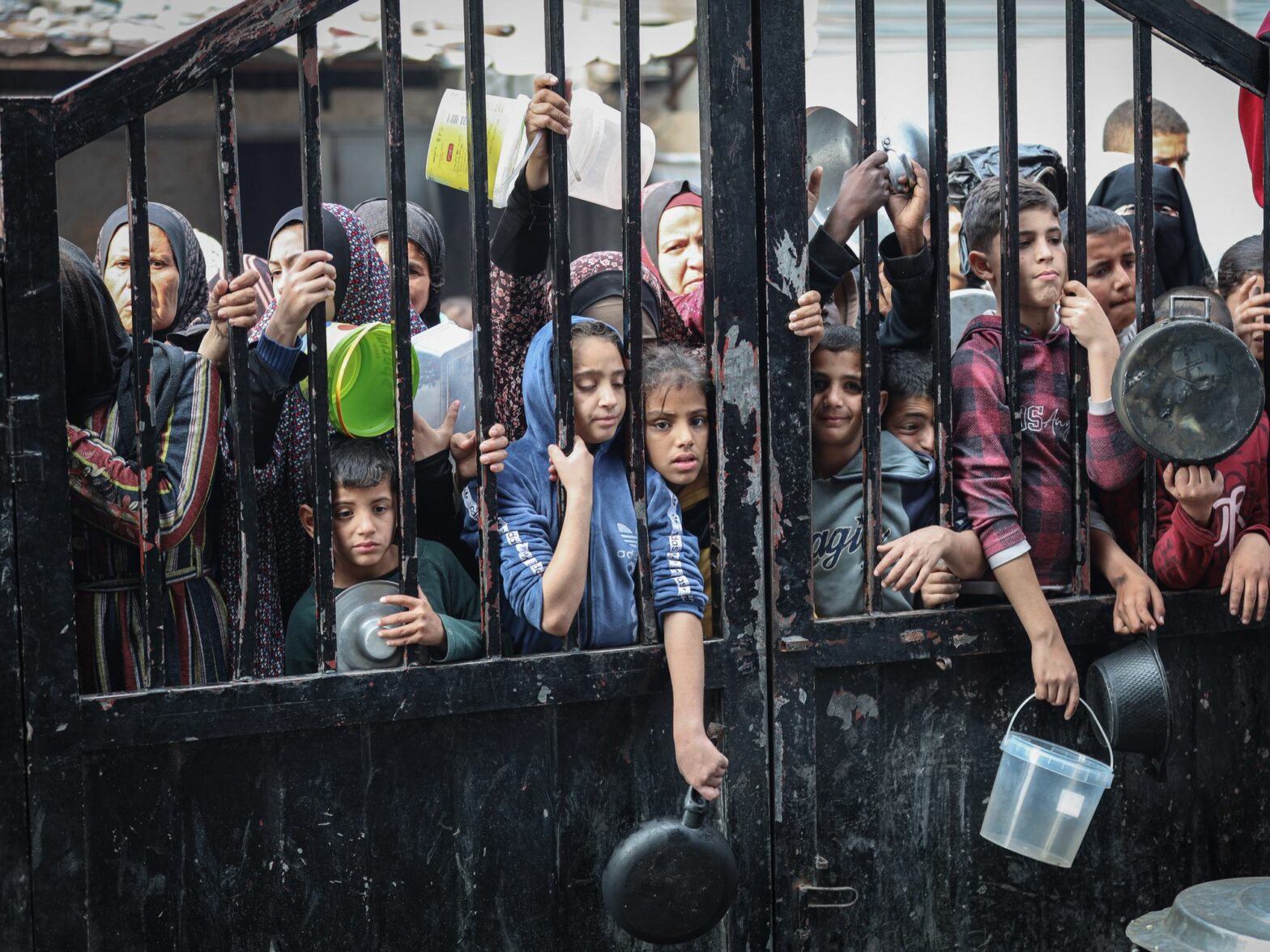
As the Israel-Hamas war continues unabated, the U.S., Egypt and Qatar are pushing to quickly reach an agreement. Will internal divisions be overcome? But even if a deal is struck, the war is far from over.
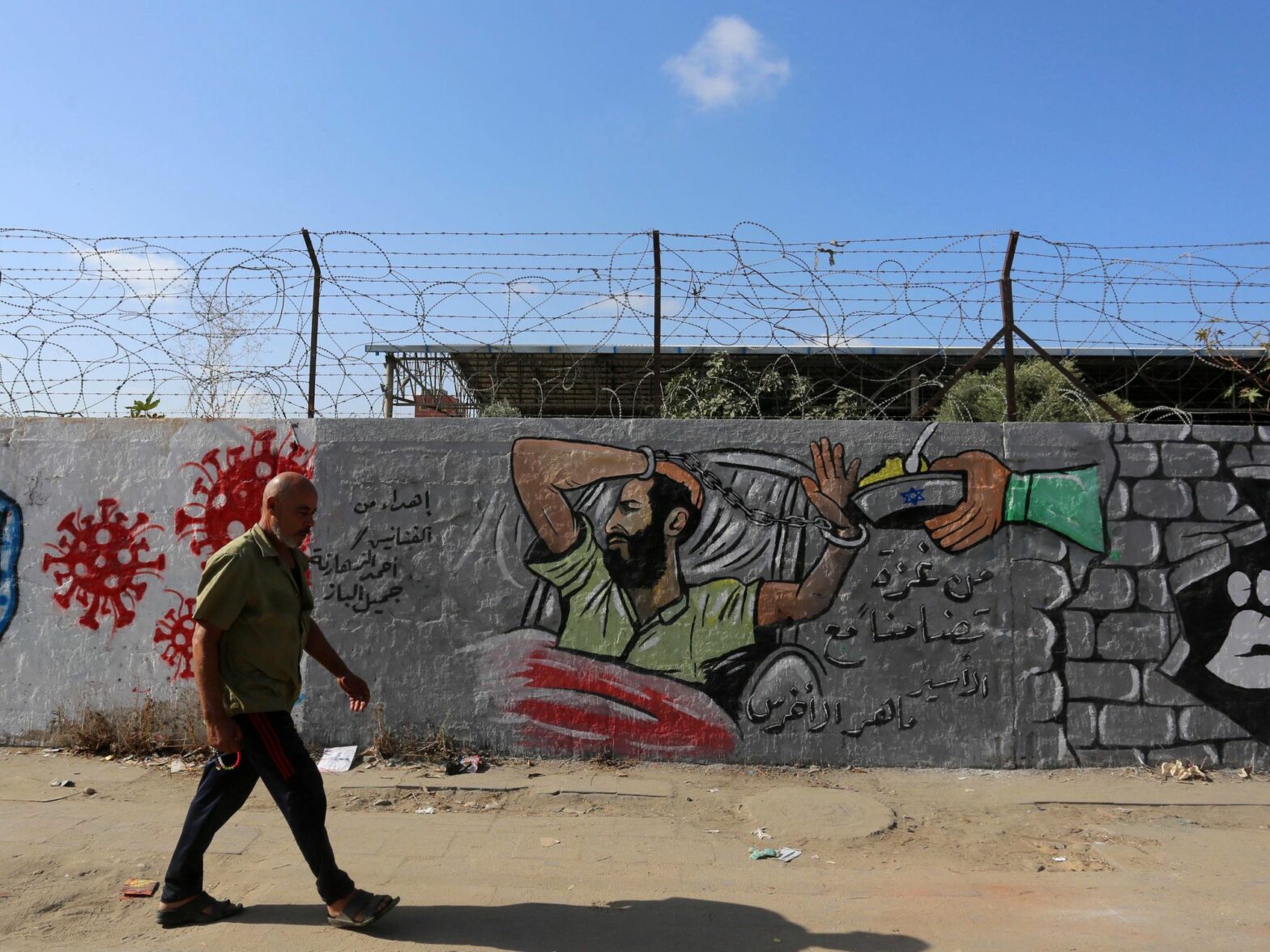
Since Oct. 7, Israel has launched a crackdown on Palestinians, in both Gaza and the West Bank. Once the new detainees are taken to jail, they allege that authorities regularly take an extra hard line, including a disturbingly high number of prisoners killed.
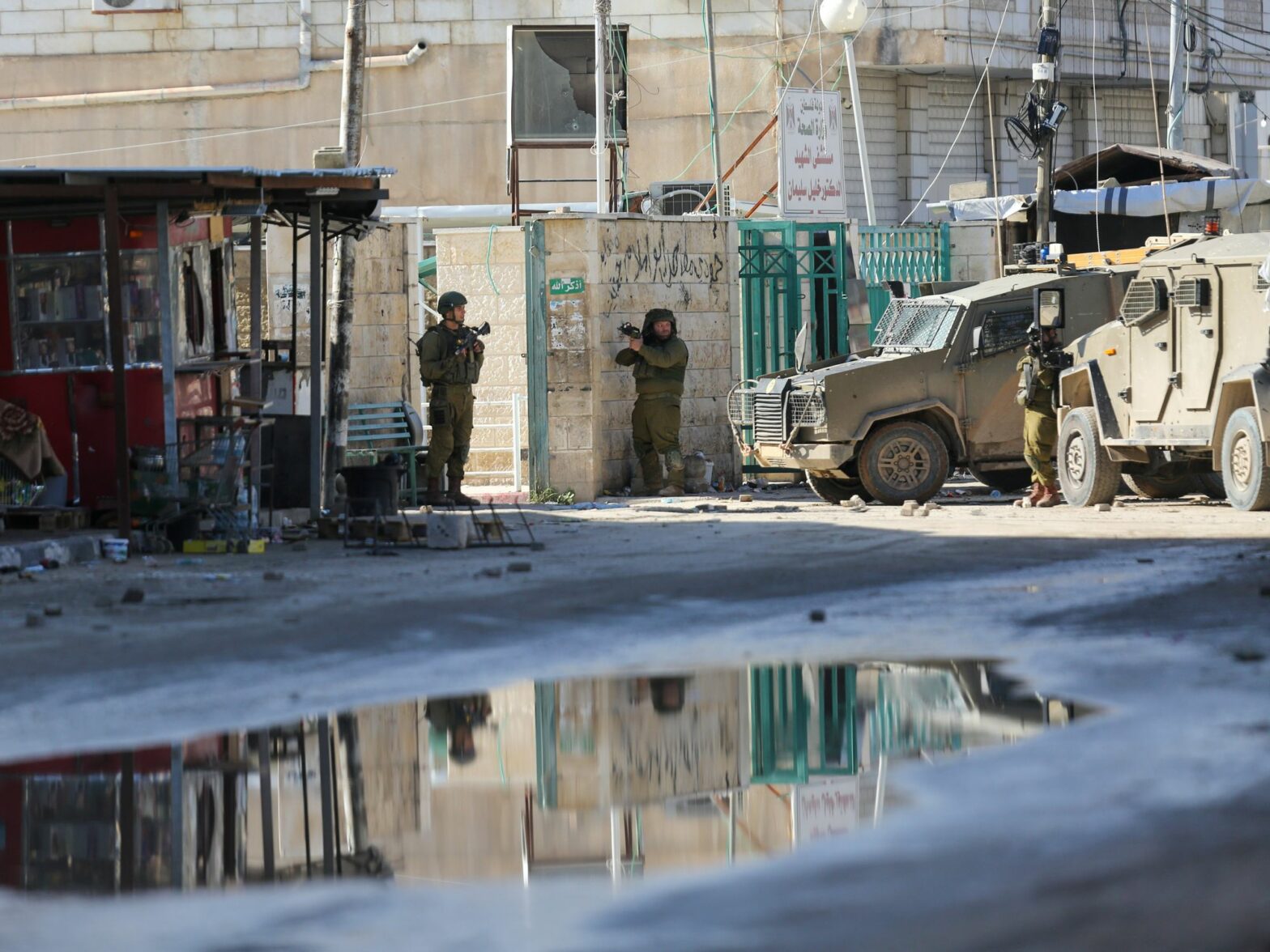
Israel has launched a massive campaign of retaliatory detentions in the occupied West Bank. The campaign aims not only to humiliate the detainees, but it has also targeted those who have been released and it has revealed widespread violations and Israel’s determination to punish “all” Palestinians.
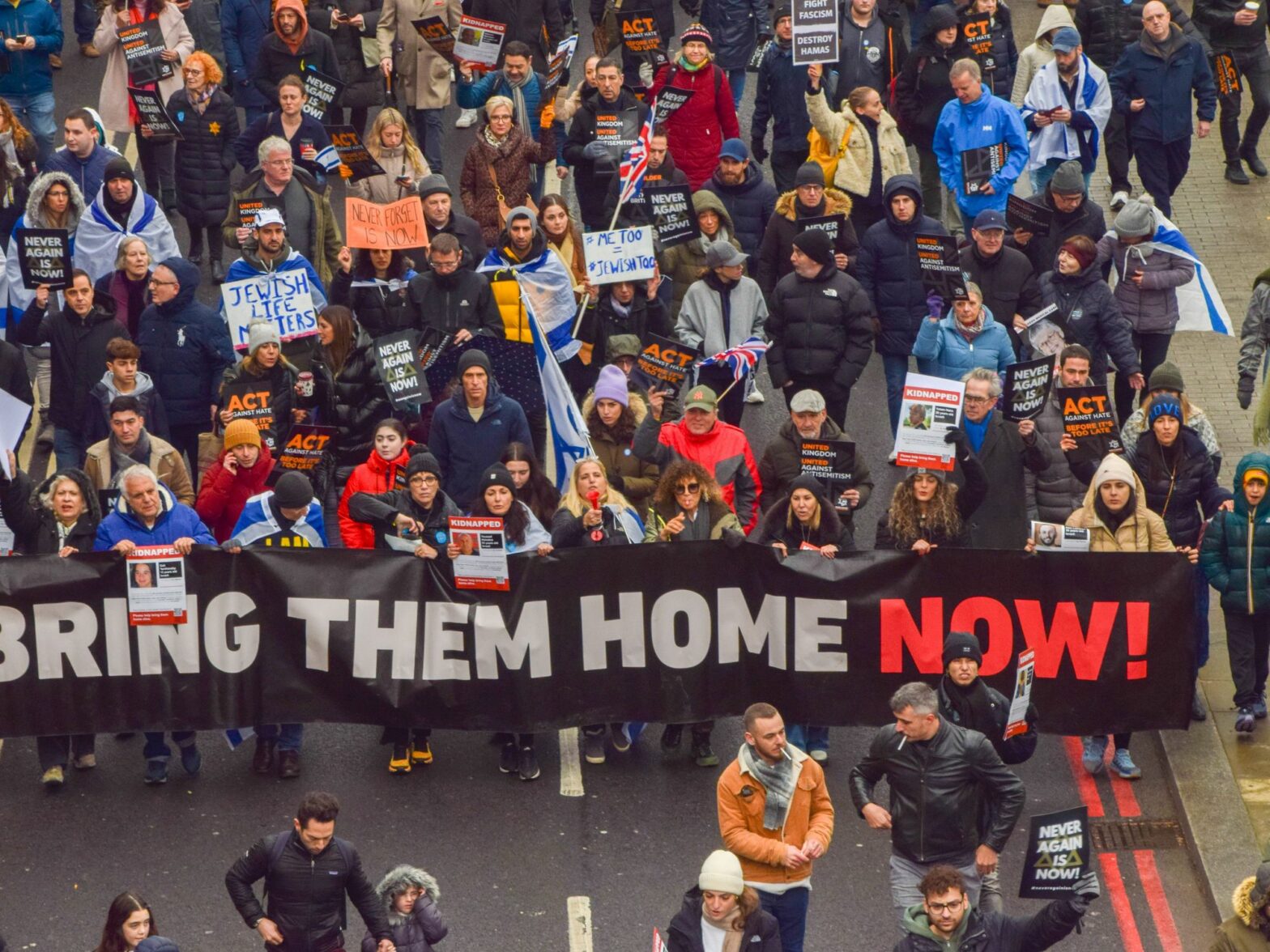
The Israeli government has declared it is opposed to any ceasefire with Hamas. But one of its key objectives — and the top priority for Israelis — is to recover hostages. And only the ceasefire can achieve that…

Israel and Hamas have reached a deal to exchange 50 Israeli hostages held in Gaza for a four-day pause in fighting and the return of Palestinian prisoners. Orna Dotan, leading a team of therapists tasked with aiding these hostages and their families, takes us inside a uniquely charged personal and political situation.
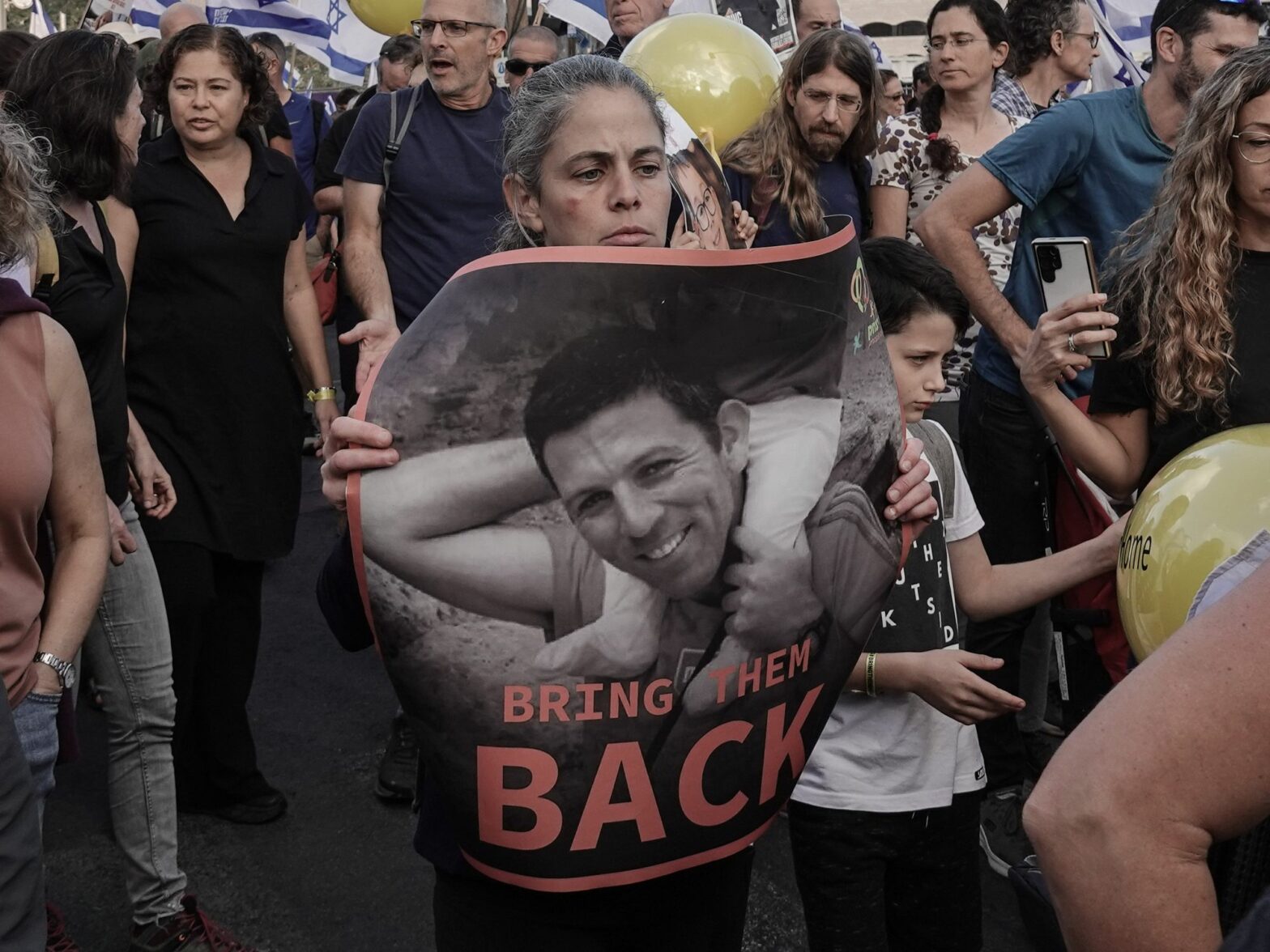
Israeli Prime Minister Benjamin Netanyahu has pushed ahead a deal negotiated via Qatar, for a four-day truce and an exchange of 50 hostages for 150 Palestinian prisoners. Though the humanitarian and political pressure was mounting, Israel’s all-out assault is suddenly halted, with unforeseen consequences for the future.
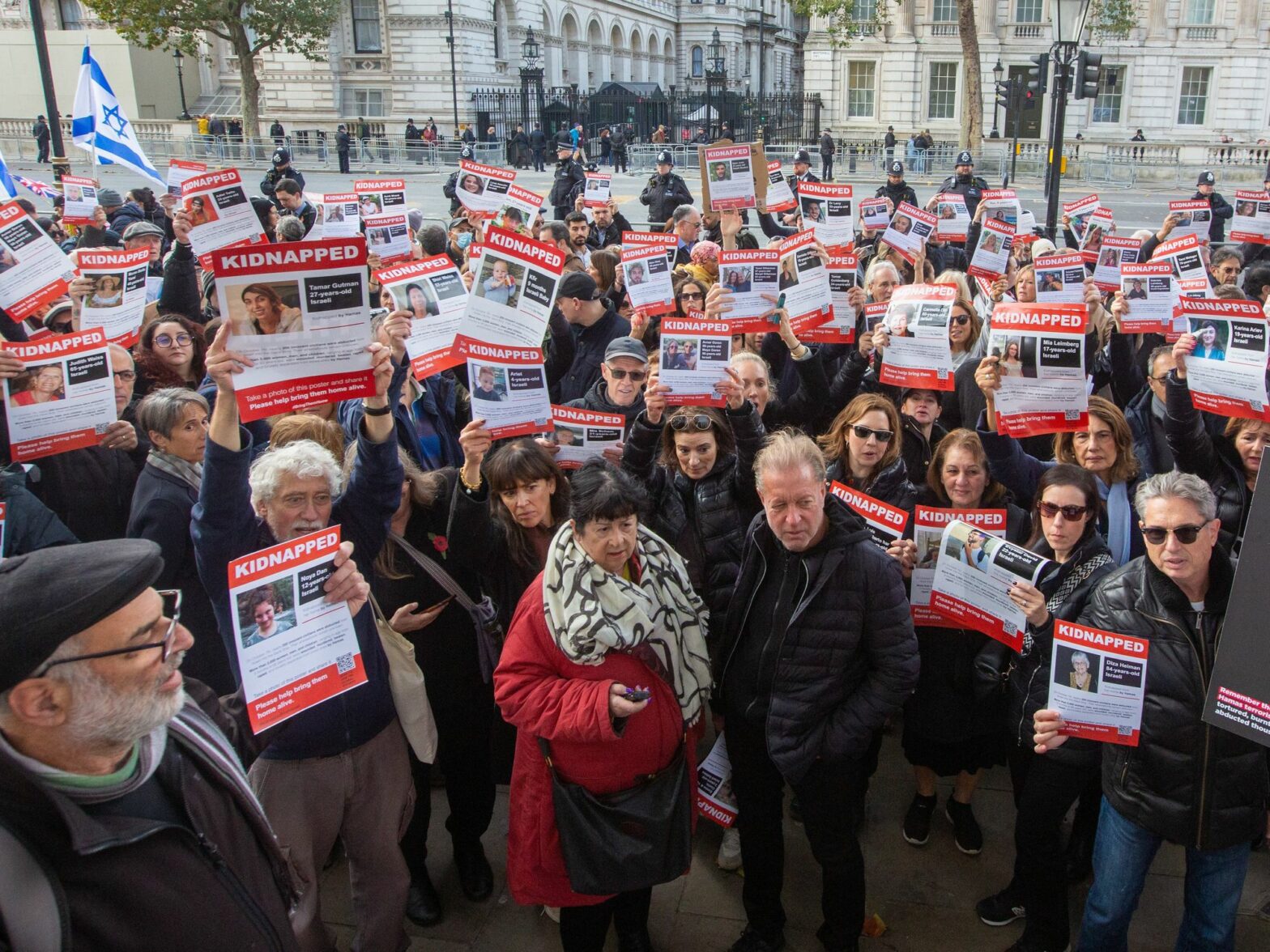
The Palestinian Islamic Jihad’s military wing, the al-Quds Brigades, has said it is prepared to release two hostages held in Gaza if conditions on the ground permit. A spokesperson for the al-Quds Brigades said it is ready to release two Israeli hostages, a woman and a boy, for humanitarian and medical reasons. He added that […]
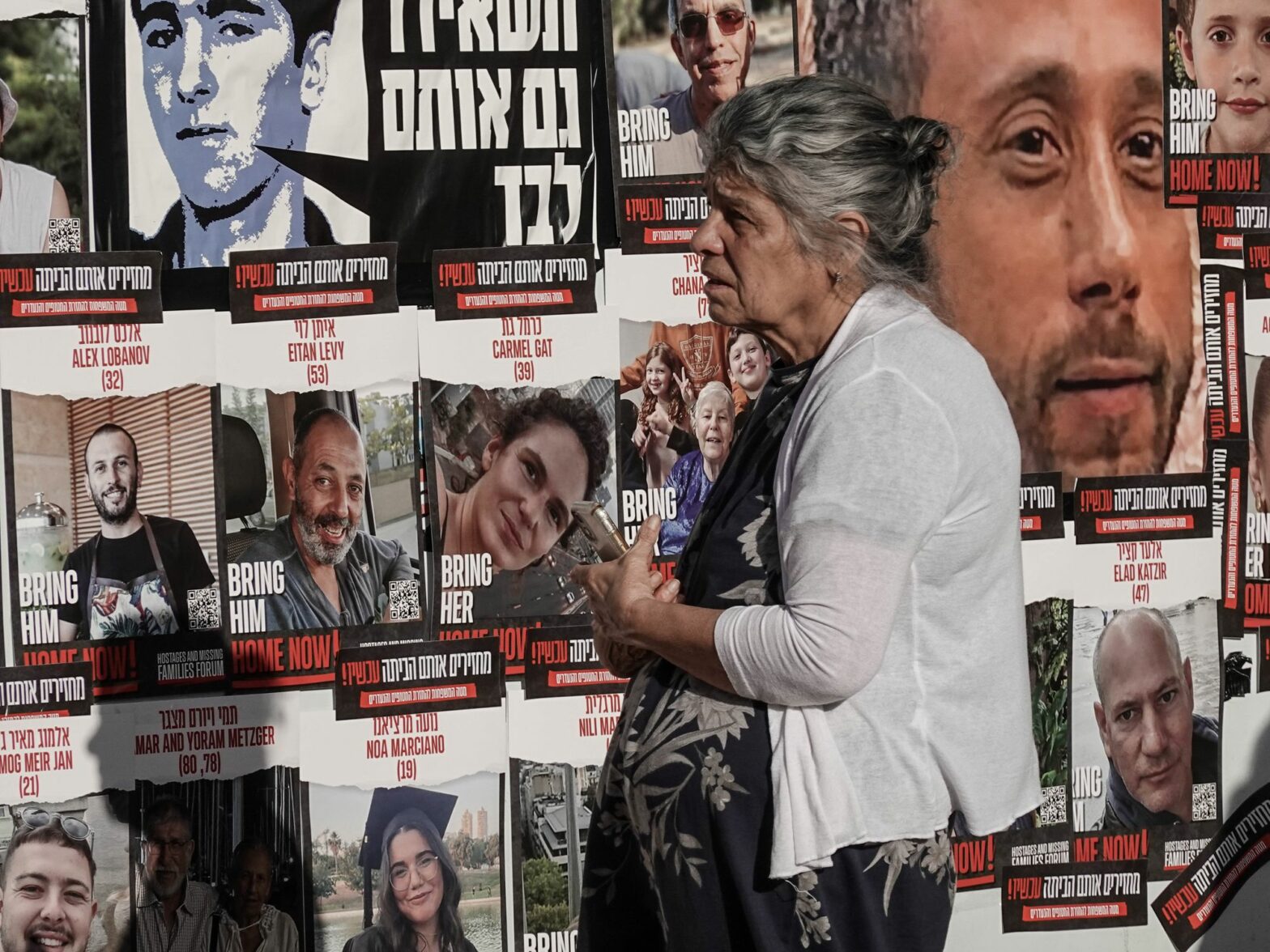
Qatar is leading negotiations for one to two day humanitarian truce in exchange for the release of up to 15 hostages held by Hamas.
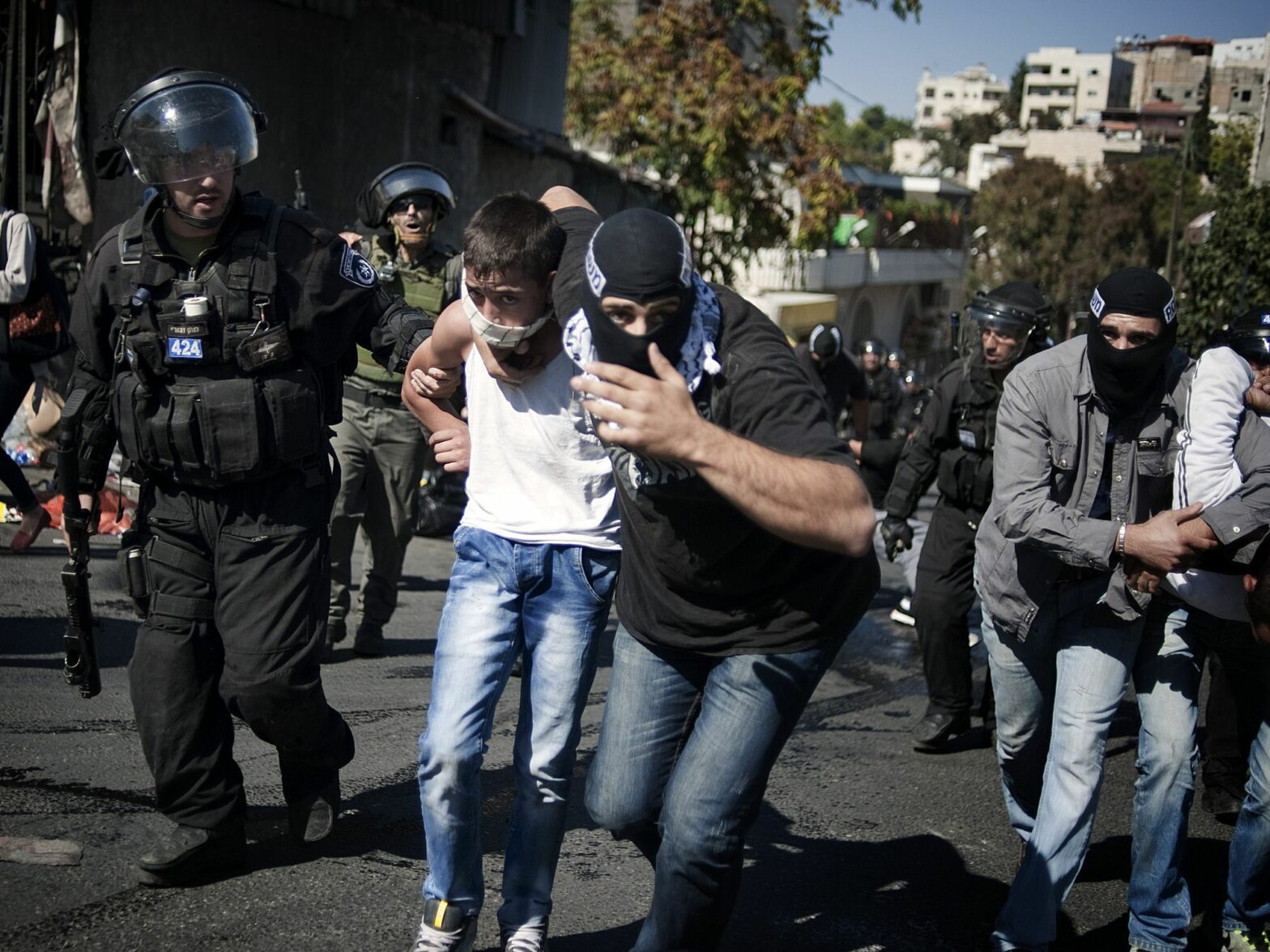
The number of Palestinian prisoners in Israel’s jails has doubled since the Hamas attack of Oct. 7. Some ask if the roundups of Palestinians is a tactic to win the release in an exchange with Hamas for the 200 hostages held in Gaza.
As outrage spreads over the civilian casualties in Tuesday night’s bombing, Israel justifies the strike as necessary to eliminate Hamas leaders, including at least one suspected mastermind of the Oct. 7 attack.