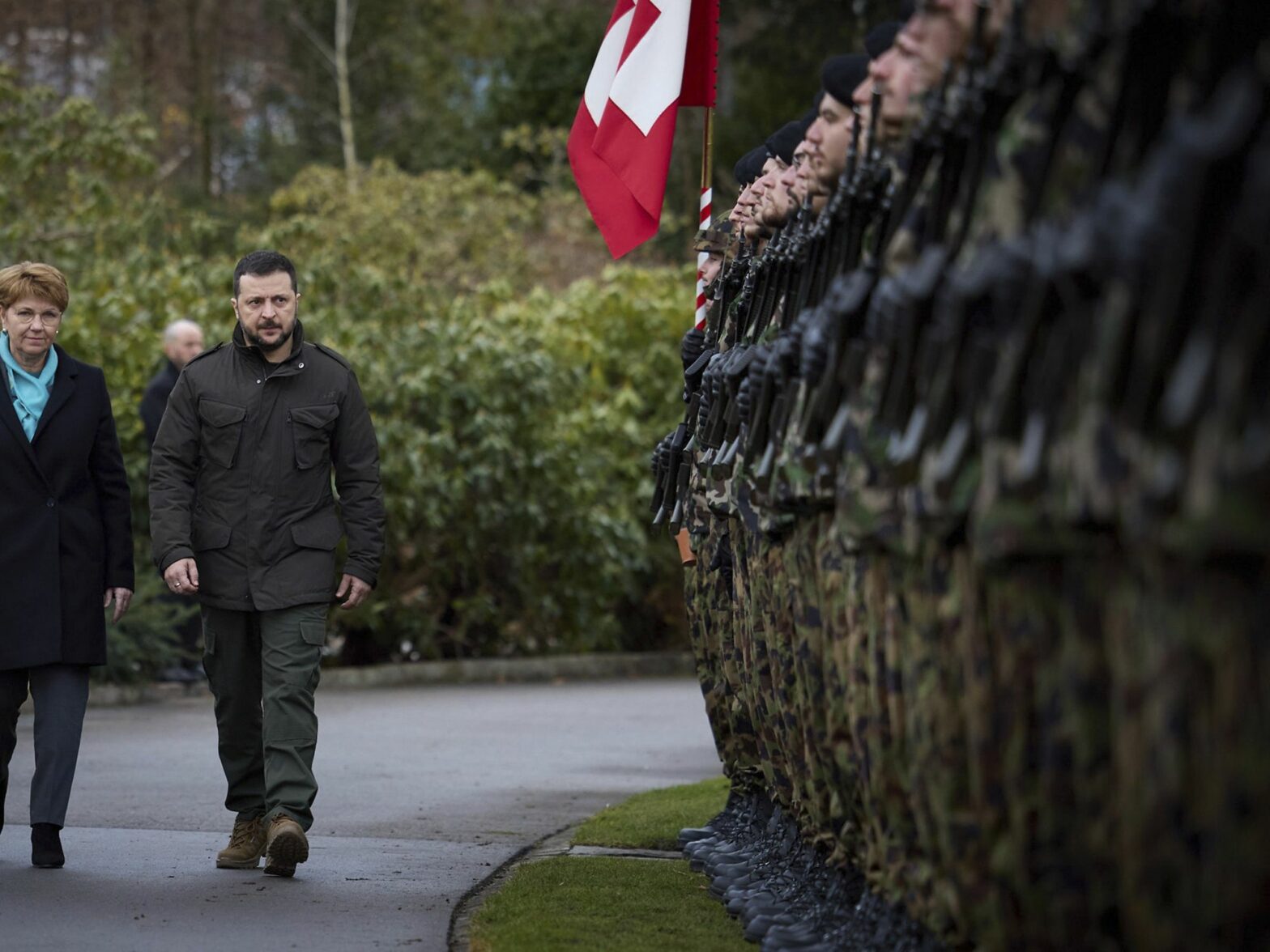
Switzerland announced, on April 10, that it would hold a peace conference on Ukraine in June. While some 100 countries are expected to attend, Russia will not. So what is behind these talks, and what can be expected from them?
 Worldcrunch
Stay updated with comprehensive news on Russia from Worldcrunch. Discover insights on Russian politics, economic strategies, societal issues, and cultural landmarks with translations from top international sources. Highlights include Moscow, Russian history, and events like the Moscow International Film Festival.
Switzerland announced, on April 10, that it would hold a peace conference on Ukraine in June. While some 100 countries are expected to attend, Russia will not. So what is behind these talks, and what can be expected from them?
As Putin’s Russian propaganda aims at Islamist terrorists now, justifying the use of torture, Russian literary critic Ilya Kukulin takes a step back to understand how we can keep our humanity amidst such violence. Human rights are perceived as something natural, akin to a birth right. But this is not so in reality: these rights can only be established by human will.
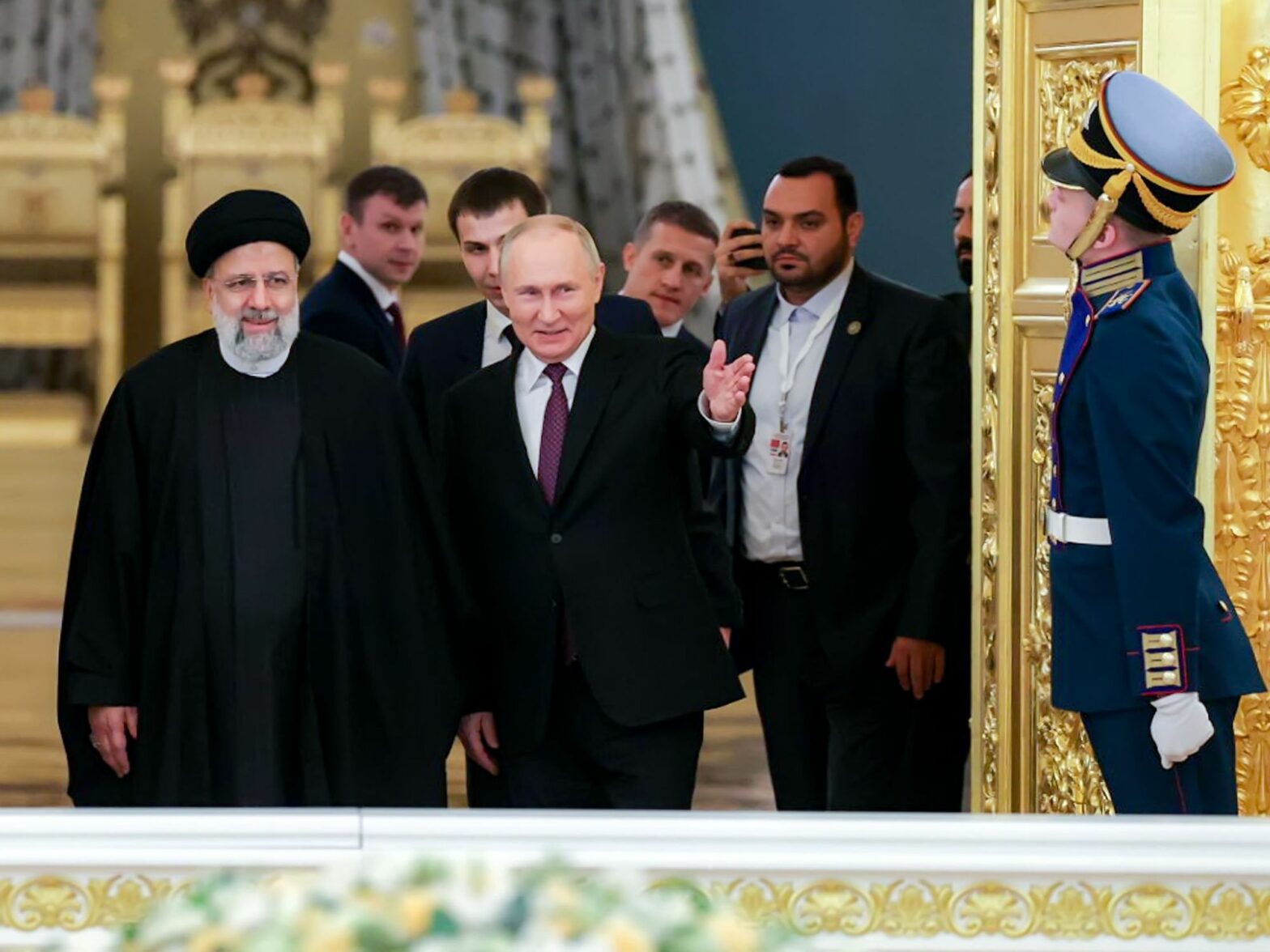
What are the links between Iran and the two powers challenging the Western order, Russia and China? And how do their relations affect the international climate? This is a key question at a time when the logic of war is at work in several regions of the world.
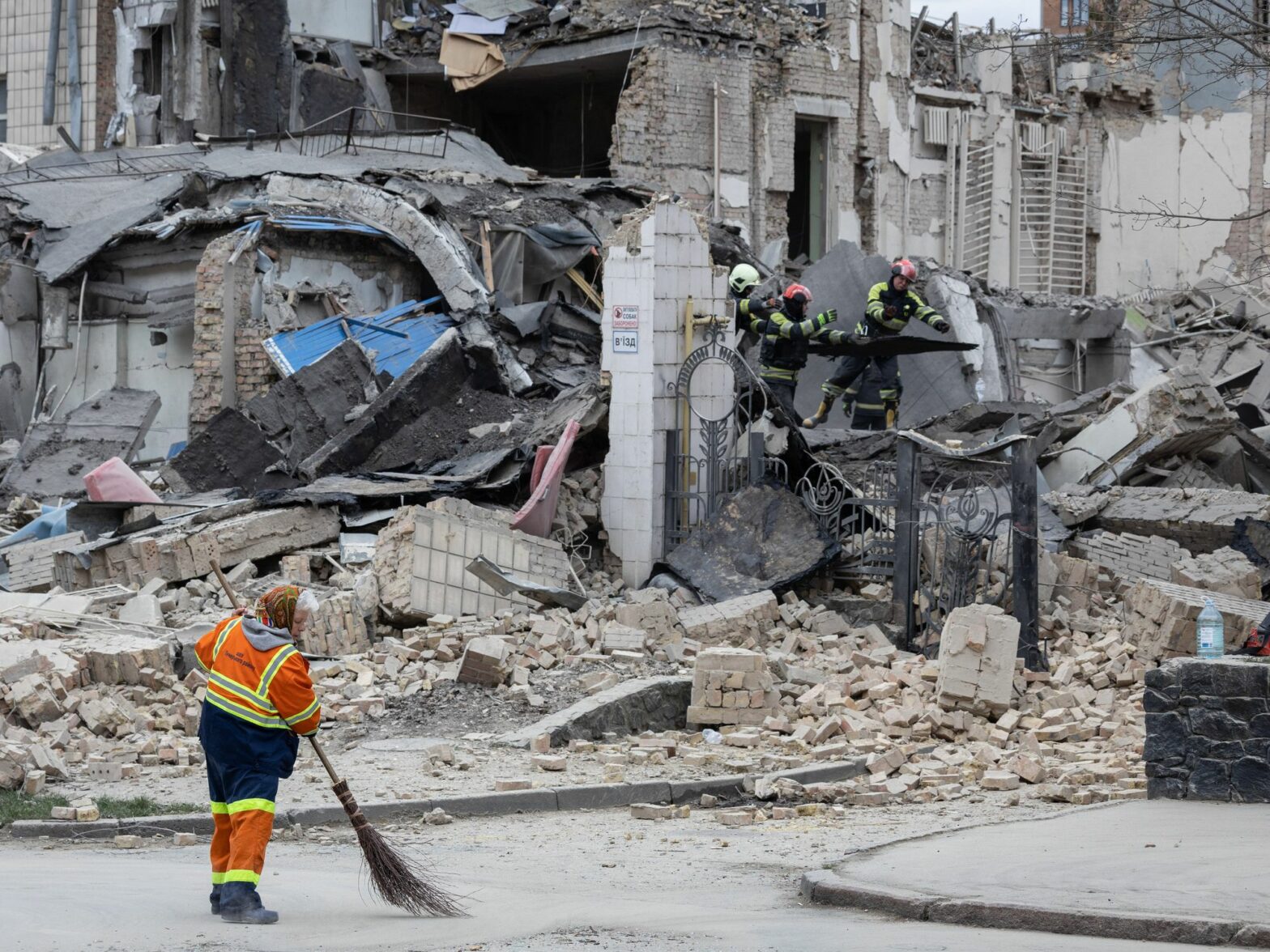
Seeing the near-perfect effectiveness of Israel’s defense against Iranian drones and missiles, Ukrainians are bitterly wondering why the West is denying them life-saving assistance. Fear of confrontation with a nuclear Russia remains the main reason.
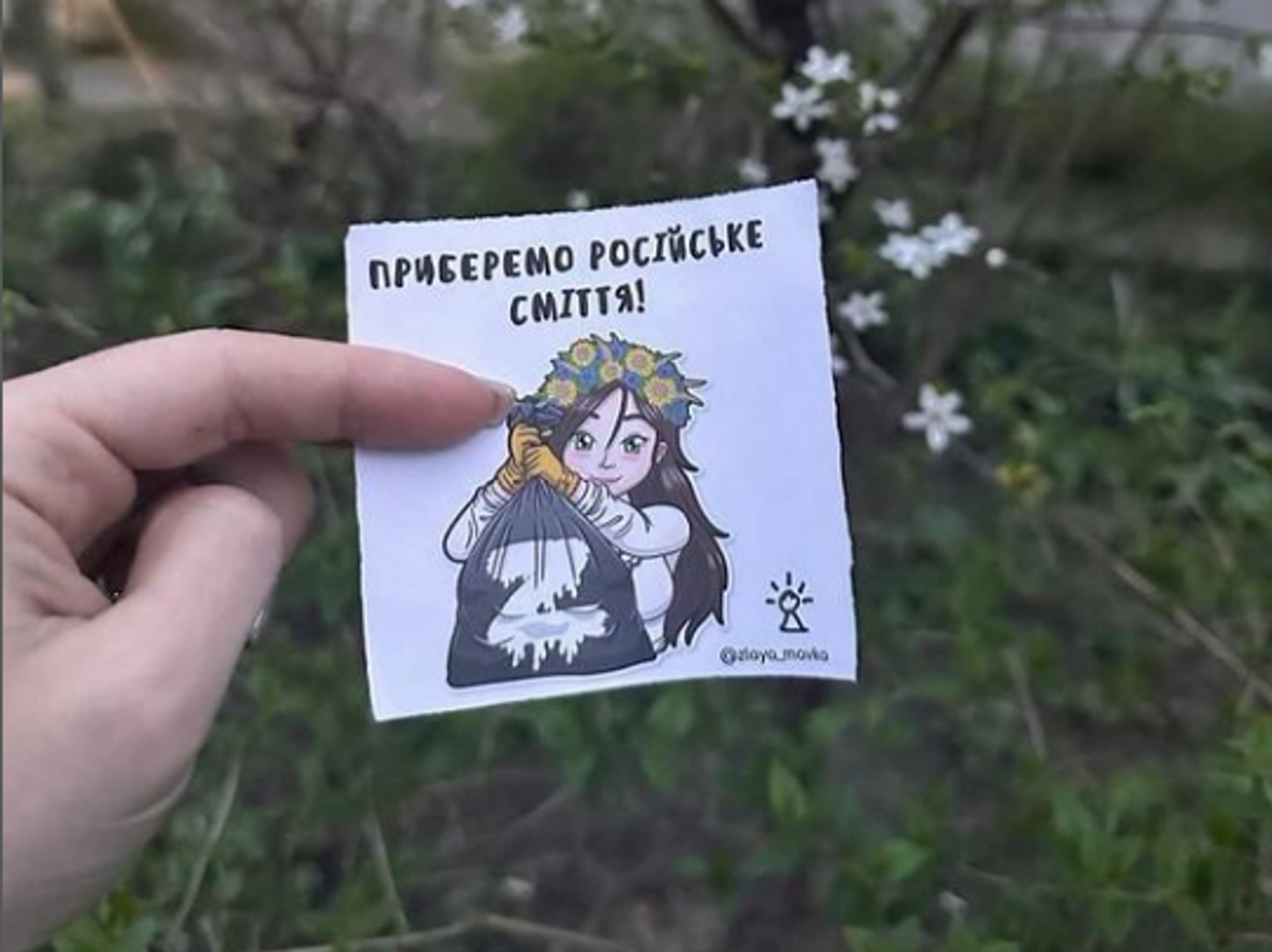
How the women’s partisan movement rose up from the southeastern city of Melitopol to carry out undercover operations in the occupied territories of Ukraine that undermine every step of the Russian troops.
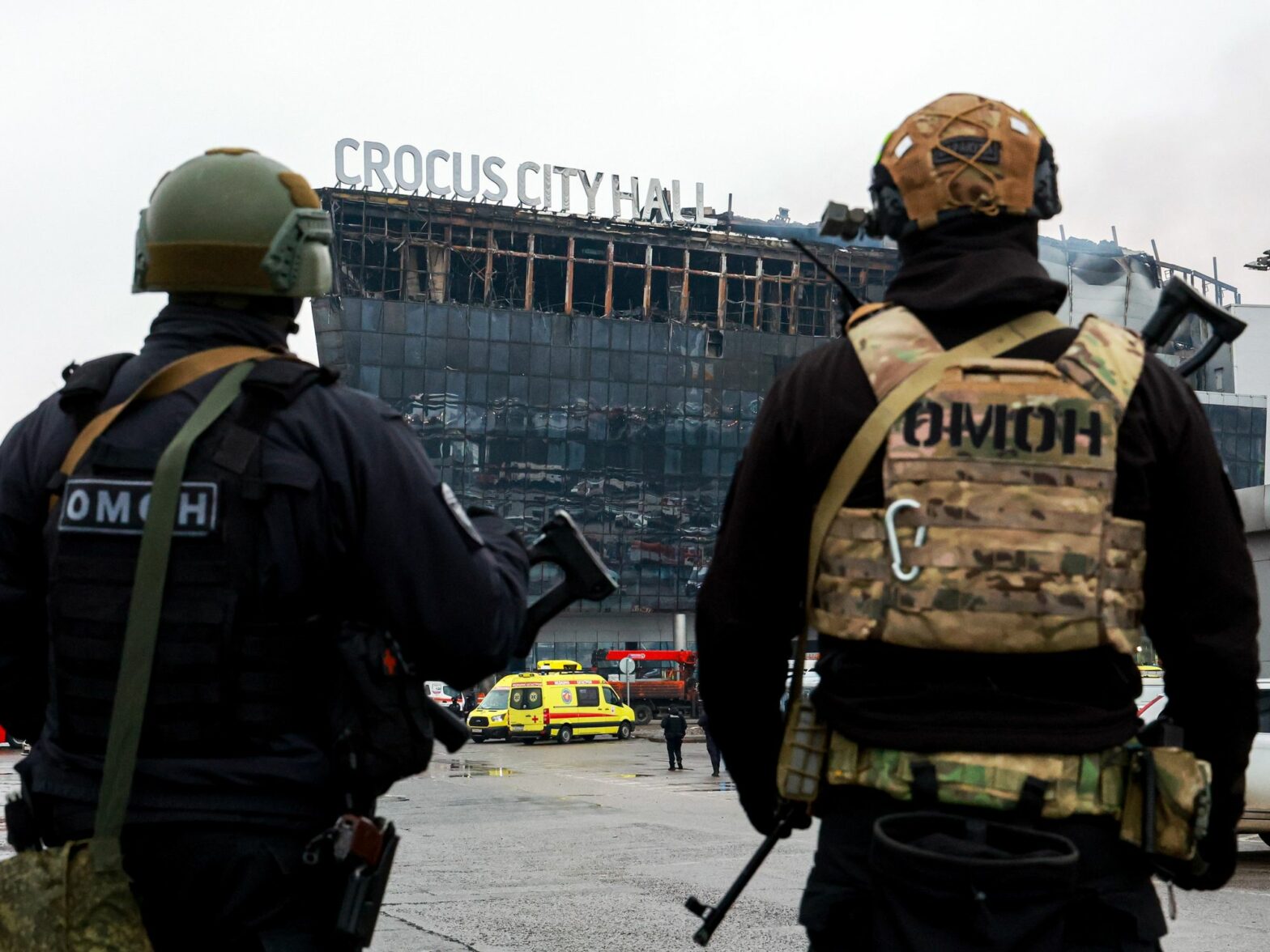
Russian officials, including President Vladimir Putin, viewed the confession of a detained militant as a “proof” that Ukraine was involved in the deadly attack. They employed it to facilitate comprehensive military mobilization ahead of a looming fresh large offensive on Ukraine.
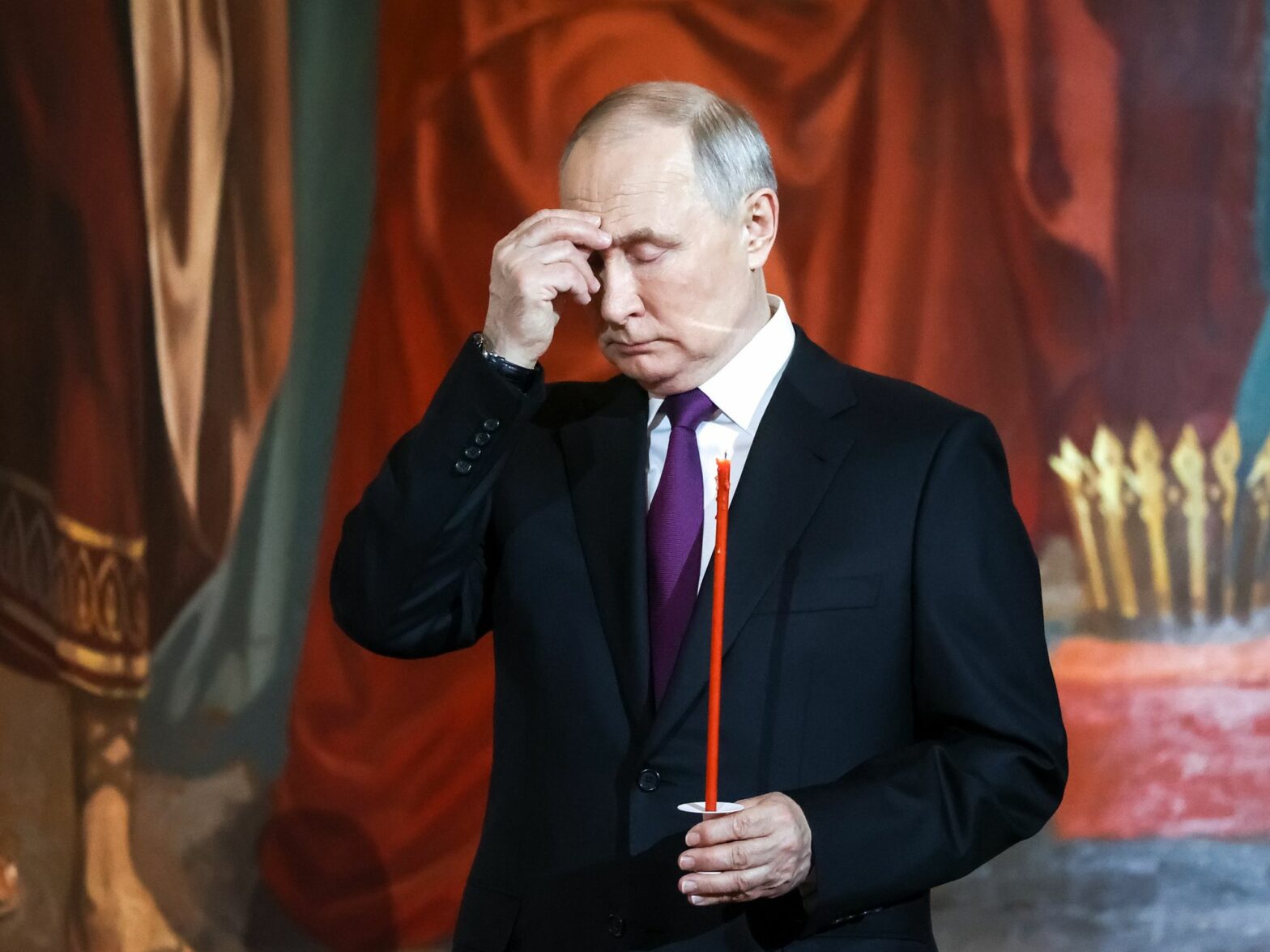
Geopolitical analysts who view Russia as an unpredictable force tend to understand Moscow’s actions in purely worldly, political terms. German Professor of Theology Hubertus Lutterbach has uncovered a different message hidden in Putin’s religiosity — an implicit threat to his neighbors and the world.
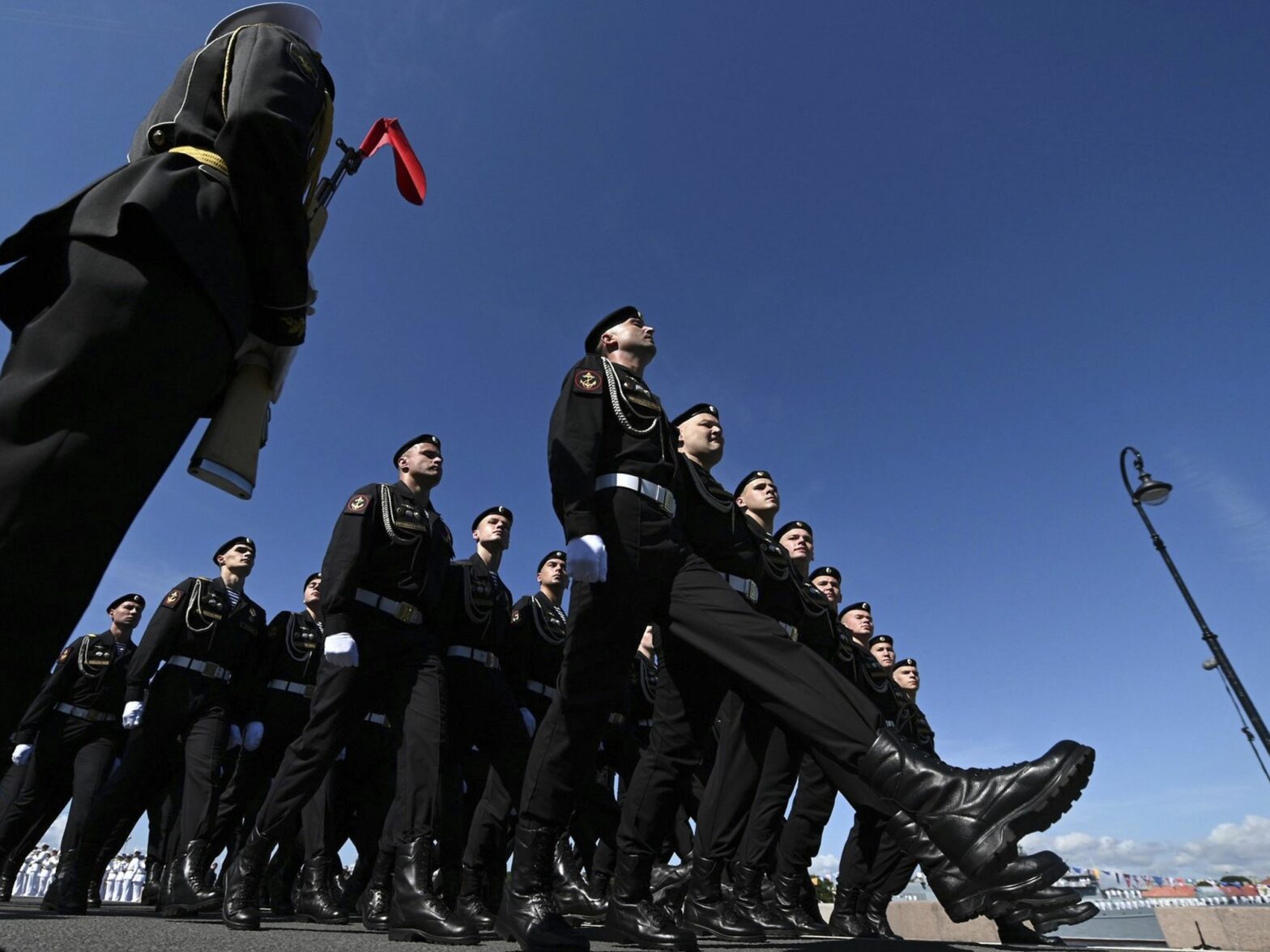
Russia is planning a large-scale offensive in Ukraine for the coming months. Putin wants to gain as much territory as possible, while Kyiv is waiting in vain for the West to provide more weapons. But the Ukrainian army is by no means as vulnerable as it seems.
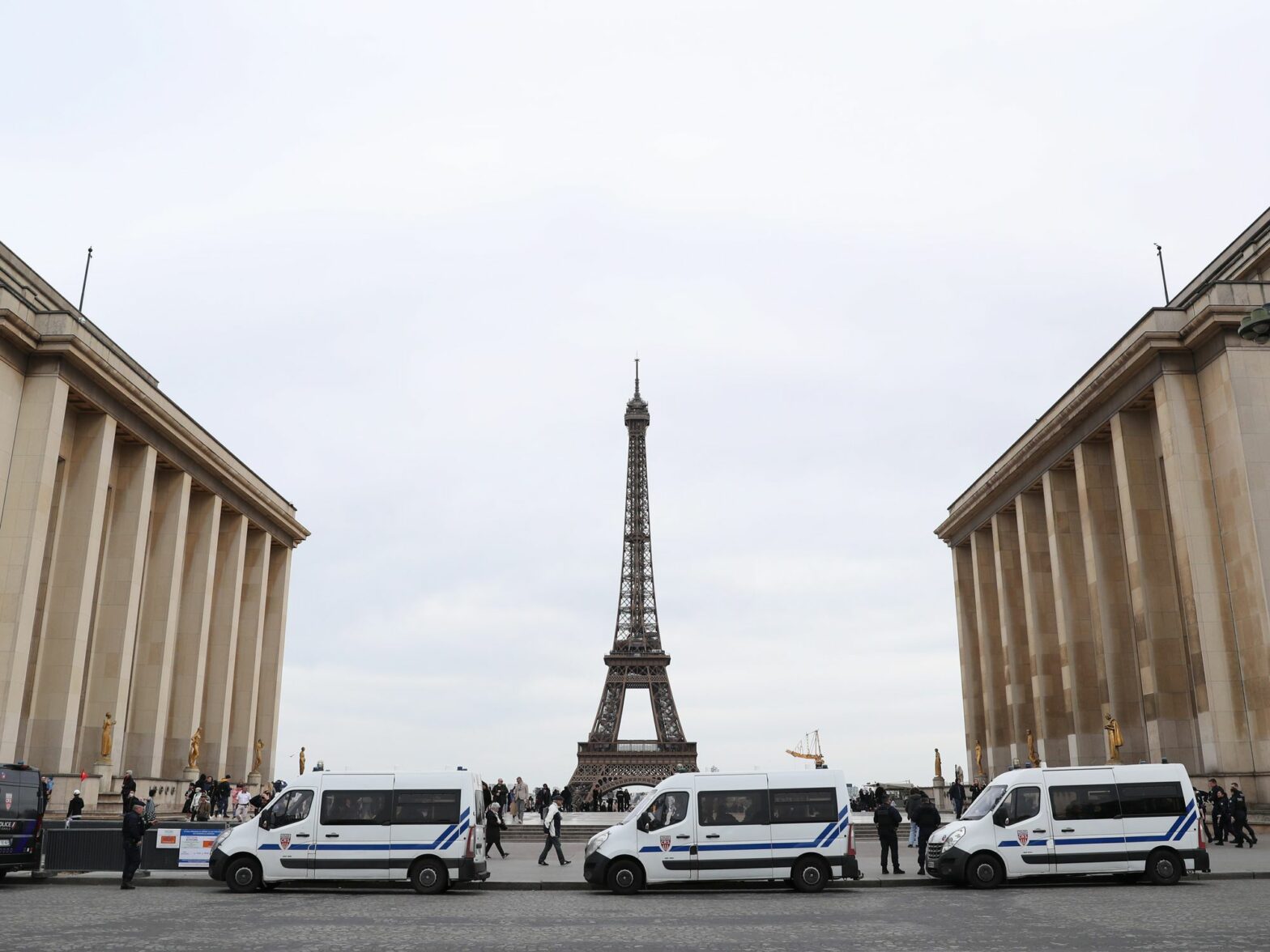
A telephone call between French and Russian defense ministers on Wednesday gave rise to Russian accusations and threats against France. The terrorist risk shared by the two countries did not allow the slightest progress to be made: this is worrying just a few months before the Paris Olympic Games.
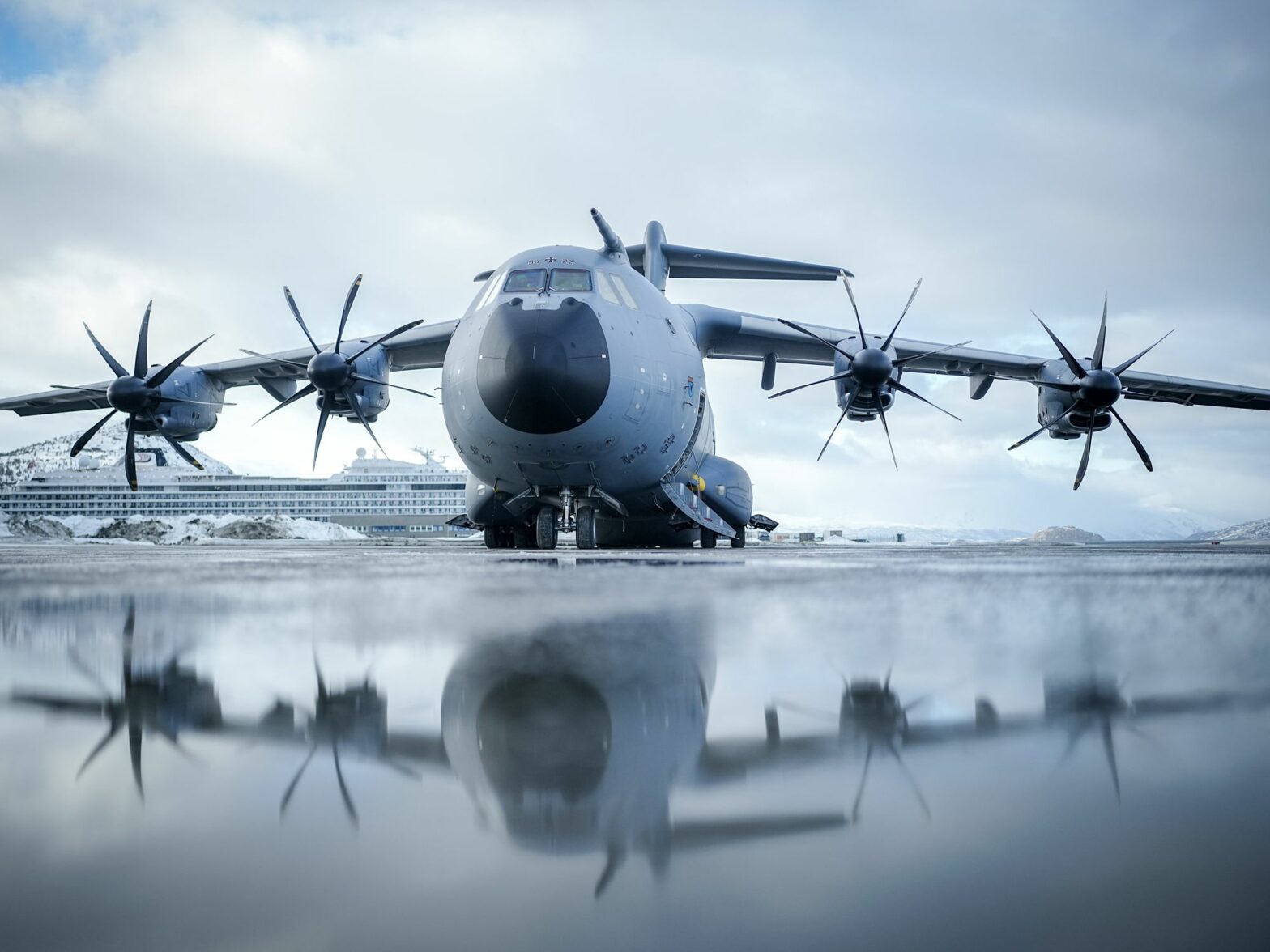
NATO this week unveiled new plans to massively expand its support for Ukraine. A plan by Secretary-General Jens Stoltenberg includes an additional 100 billion euros in military aid to be coordinated by the Alliance — together with weapons delivery and military training. The plan is meant to reverse the momentum in the defensive campaign against Russia. But it carries several major risks.
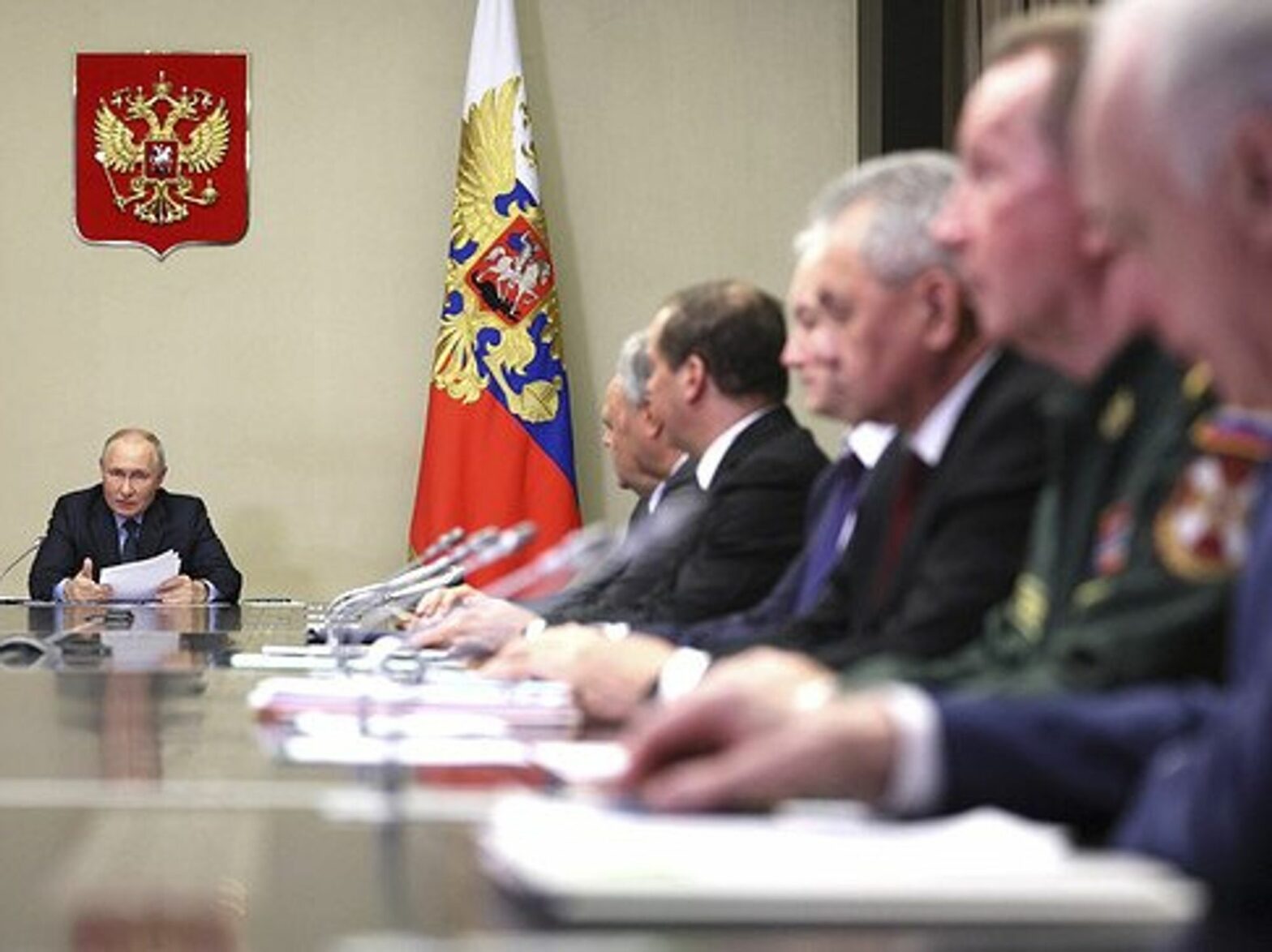
While Vladimir Putin wages his holy war against the West, Russian officials and their families are often seeking better lives there. Will these double lives be the downfall of the aging dictator’s fixation?
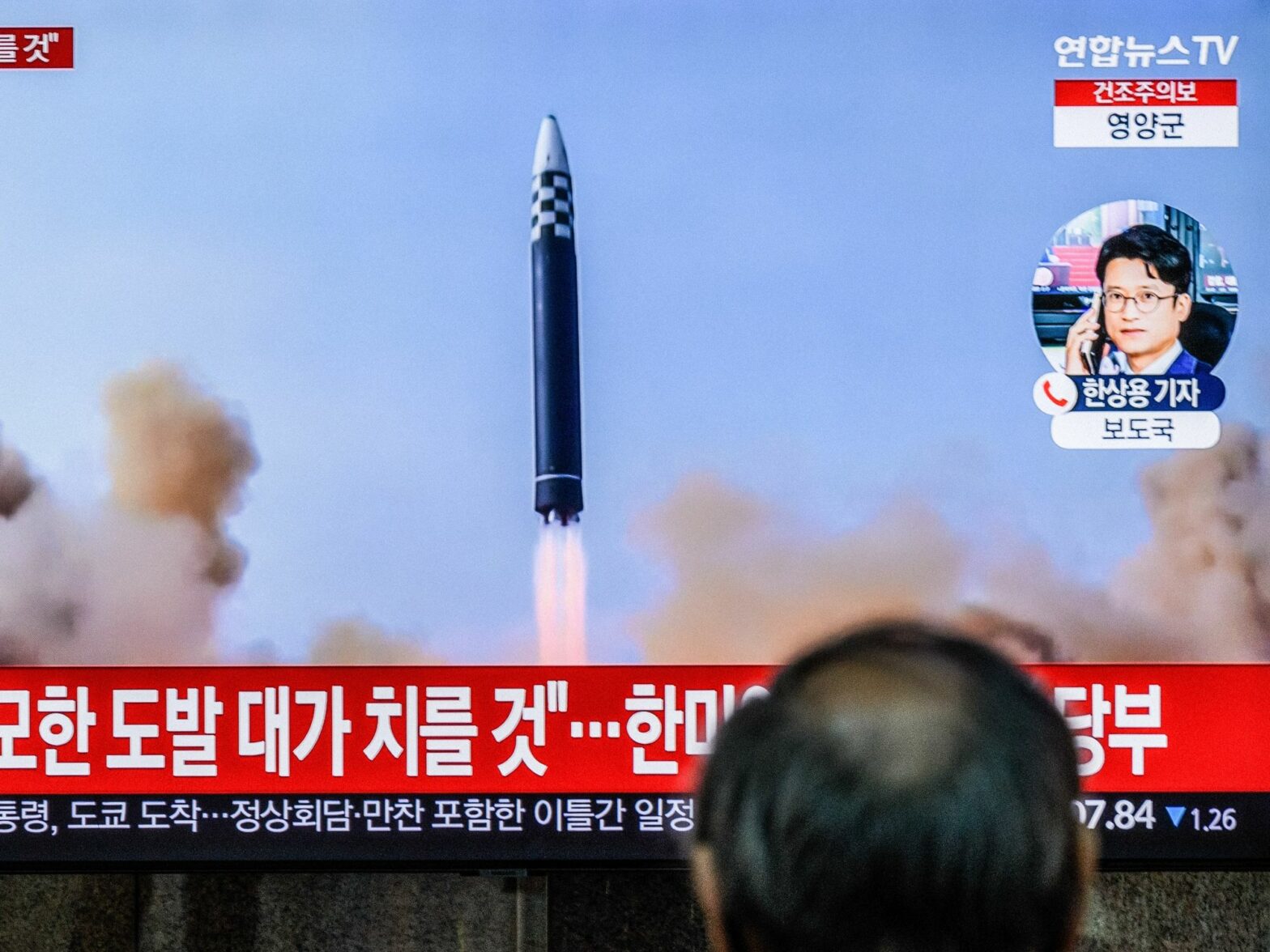
Moscow “killed” the body charged with overseeing the sanctions regime against North Korea — now Putin’s ally against Ukraine — dealing yet another blow to the edifice of global governance inherited from the post-war era.
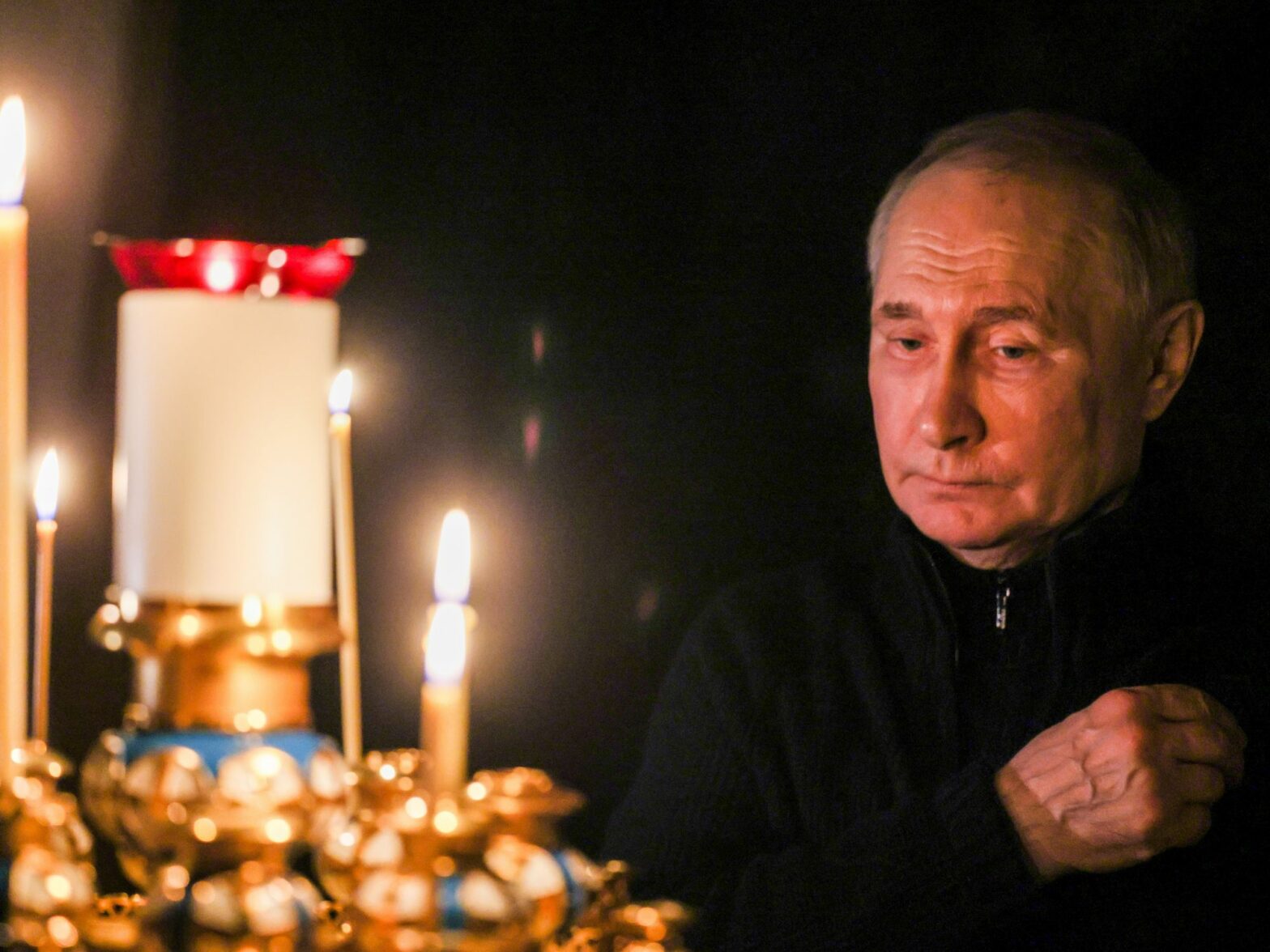
As Russia mourns the victims of the worst terrorist attack in the Moscow area in more than two decades, differing narratives about the attack are spreading, as well as questions about why Putin addressed citizens just once in three days and did not acknowledge ISIS as the perpetrators.
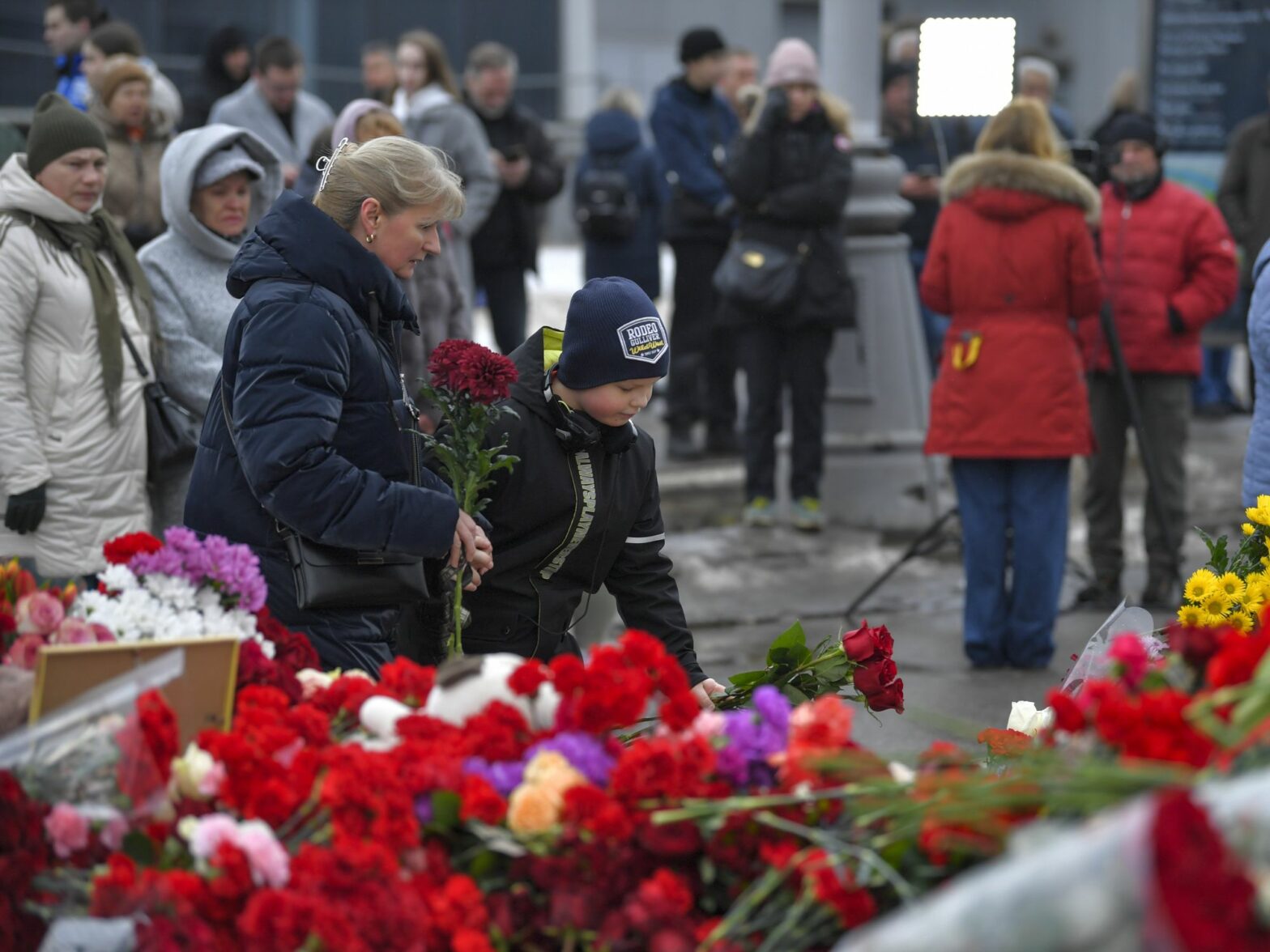
After Friday’s terrorist attack in Moscow, Russian President Vladimir Putin’s decision to lay blame on Ukraine, even while all signs point to Islamic State terrorists, can’t undo the reality that jihadism remains a major challenge that the Kremlin wishes would just go away.
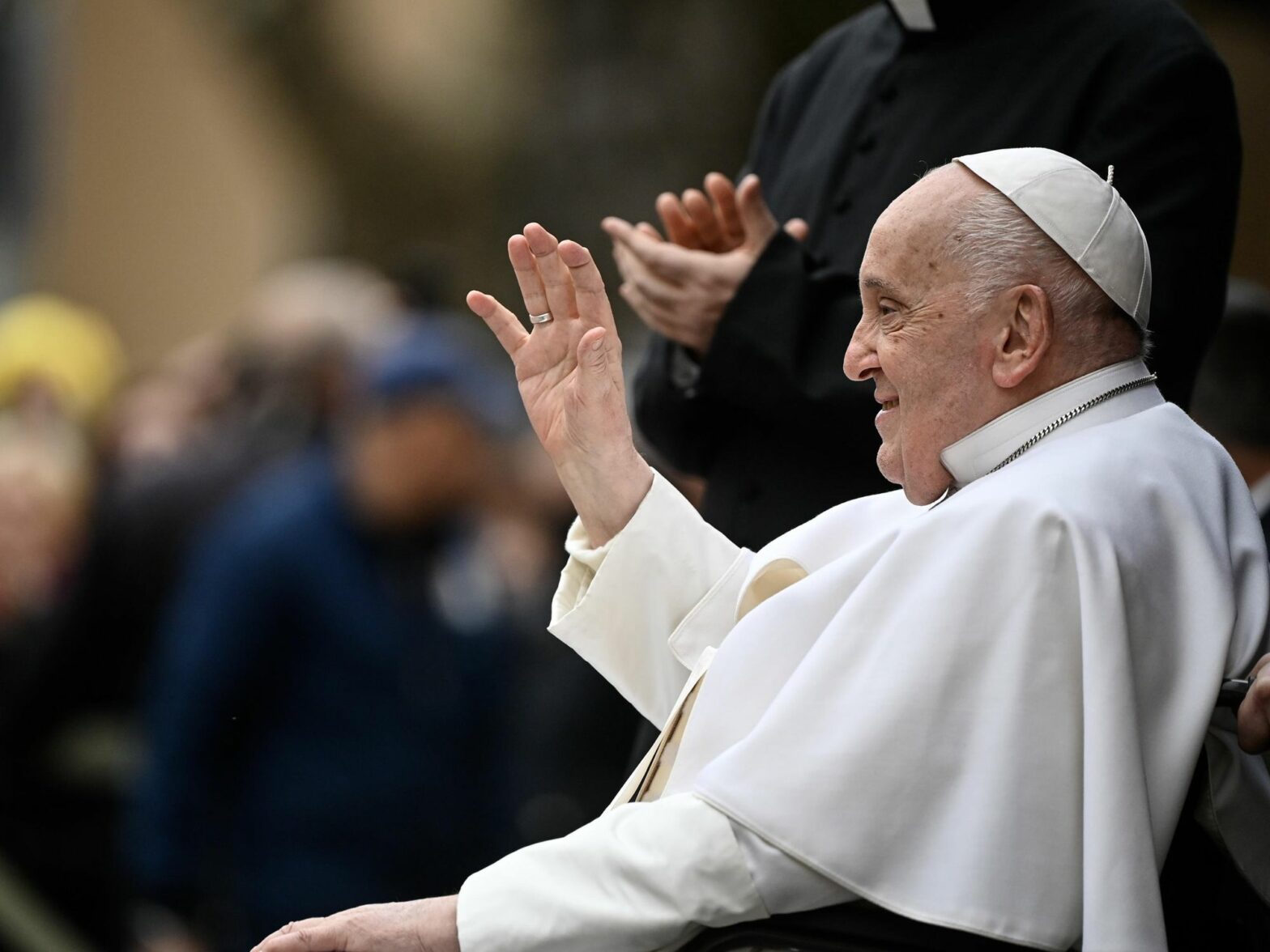
Pope Francis appears incapable of grasping that for Ukraine to “raise the white flag” would be to concede defeat, and accept the victory of evil over good. Is he a poor theologian or a poor global strategist, or both?
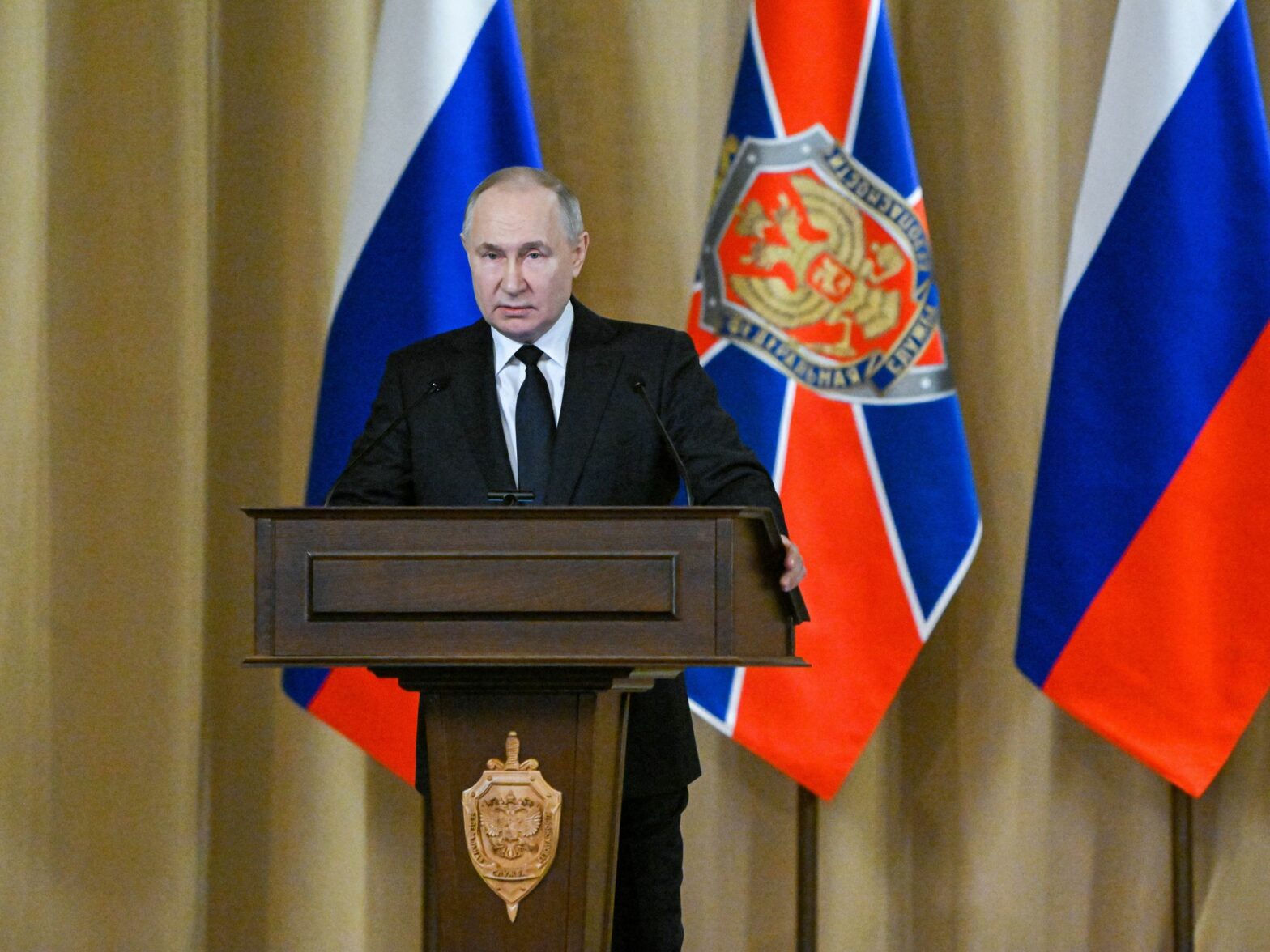
Celebrating his reelection and the 10th anniversary of the annexation of Crimea on Monday, Vladimir Putin showed that he is not backing down. And he signaled that he will redouble his efforts in the invasion of Ukraine as well as his psychological war with the West.
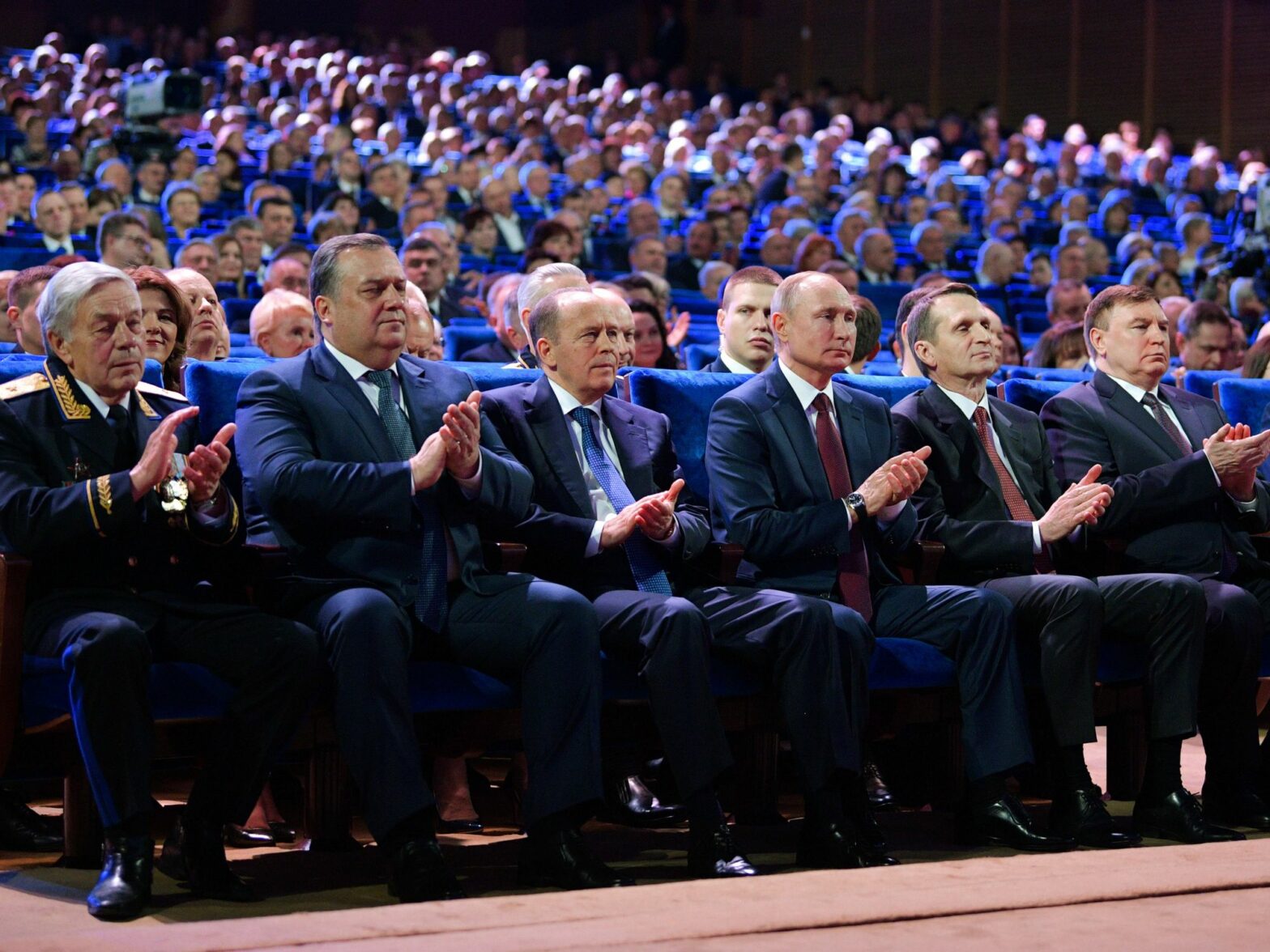
In a quarter of a century under the regime of the former KGB agent, members of the Russian security forces have imposed their growing stronghold on politics and the economy. But the Russian presidential election is also an admission of their weakness with their president failing to build a state strong enough to carry on without them.
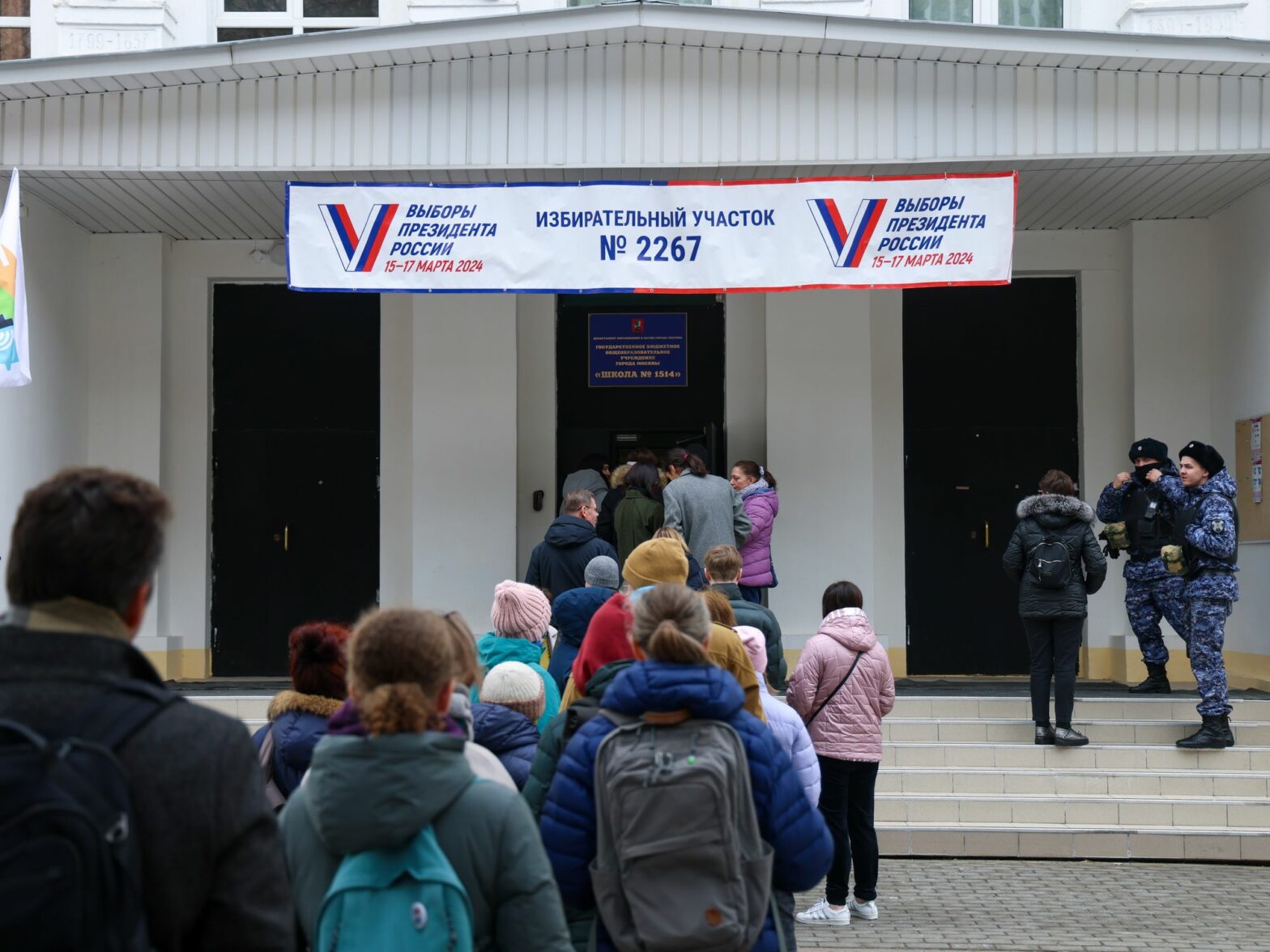
While three “challengers” are on the ballot in Russia’s presidential election which ends Sunday, none of the bonafide members of the opposition were approved for the vote. The only organized protest movement was launched from prison by Alexei Navalny, several weeks before he died, with crowds of opponents lining up to demonstrate against President Vladimir Putin
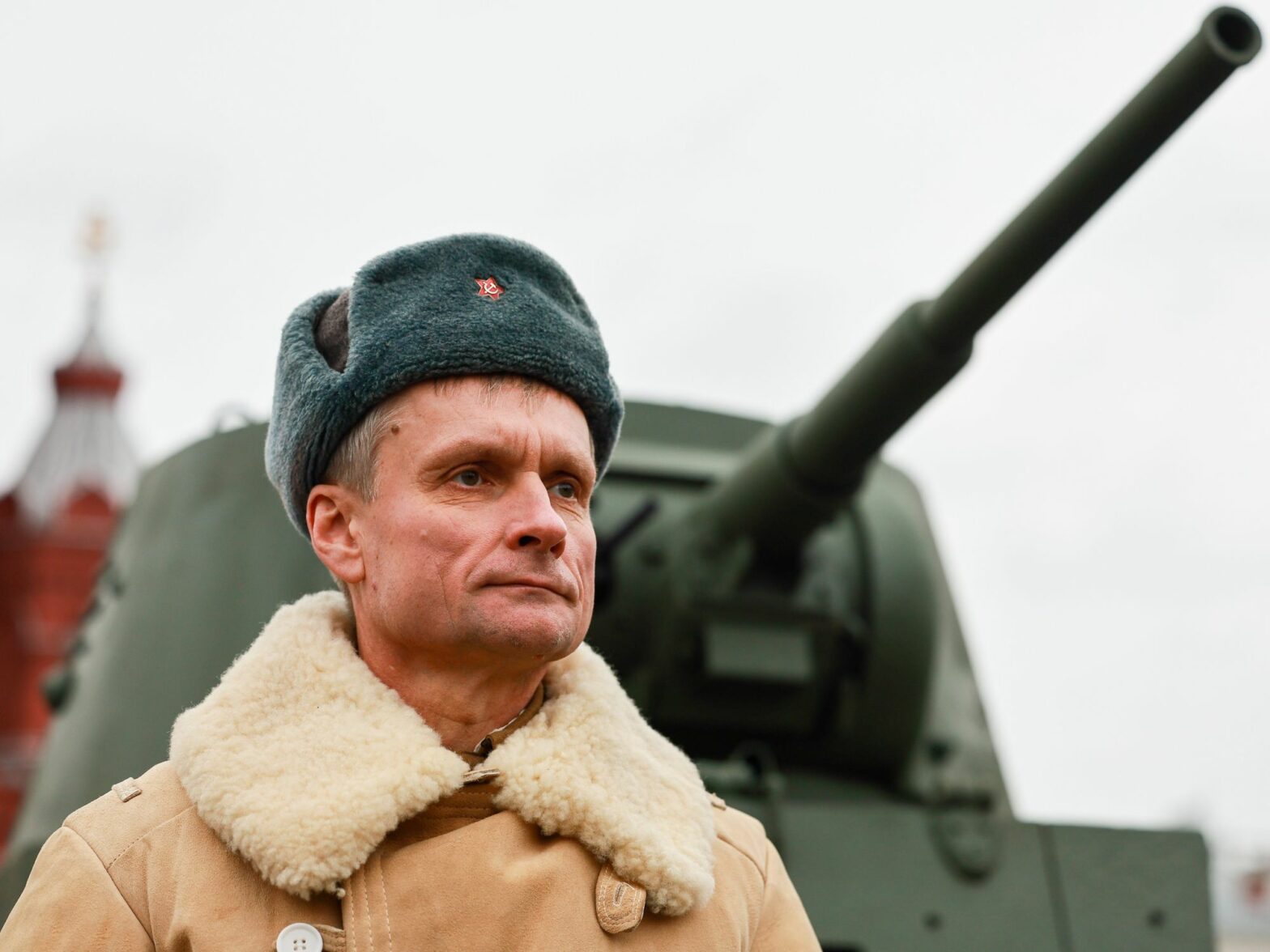
President Vladimir Putin is just a vessel for a longstanding Russian psychology that is simultaneously expansionist and worried about external threats on the Motherland.
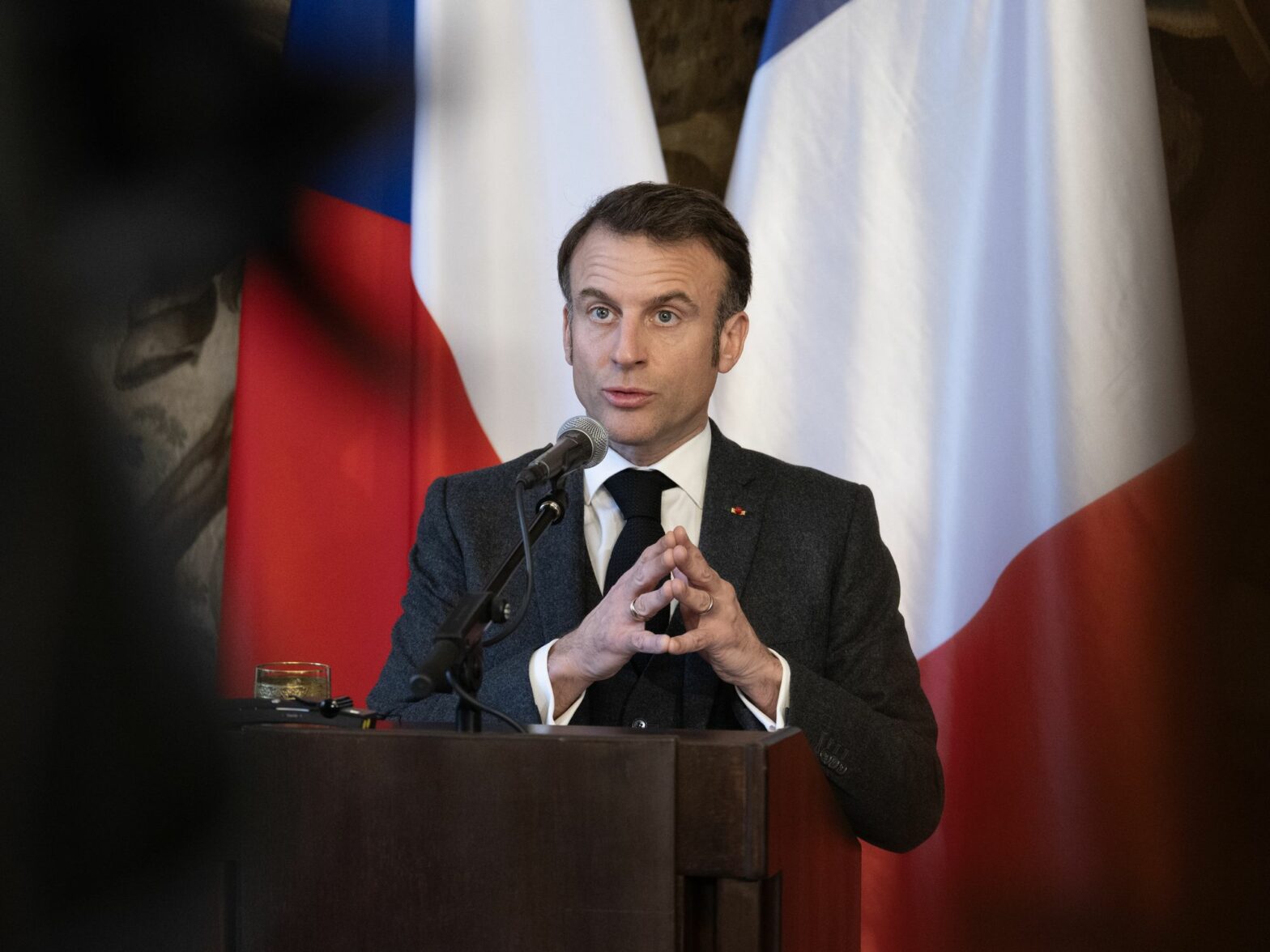
The French President has lost all hope in reasoning with Putin, hardening his tone toward Moscow after trying to position himself at the outset as a mediating force.
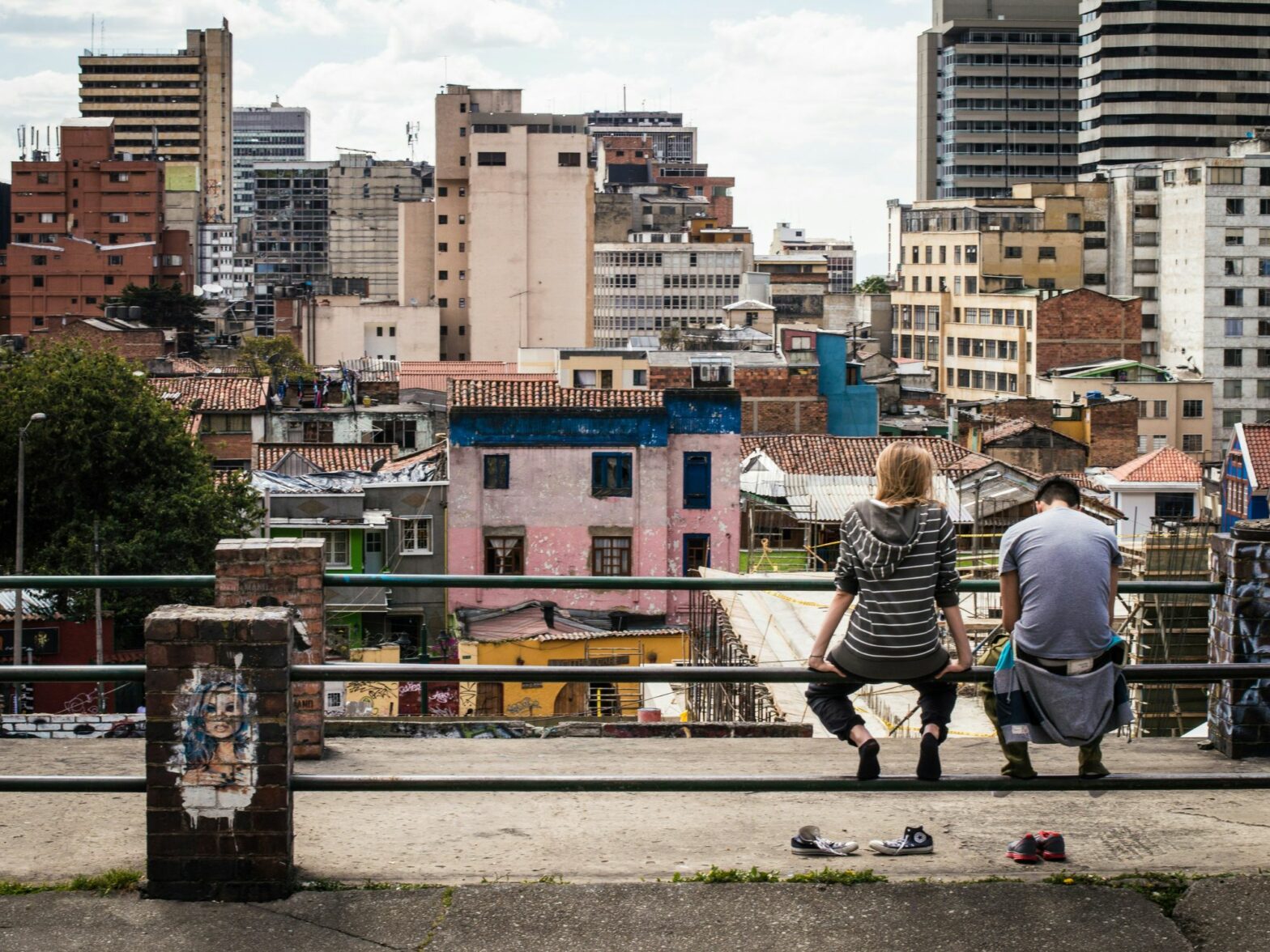
Latin American governments have barely denounced the Russian attack on Ukraine, partly for lingering distrust of the United States. But there is also a regional misperception of Russia as a new Soviet Union and friend of “lesser nations” struggling for betterment.
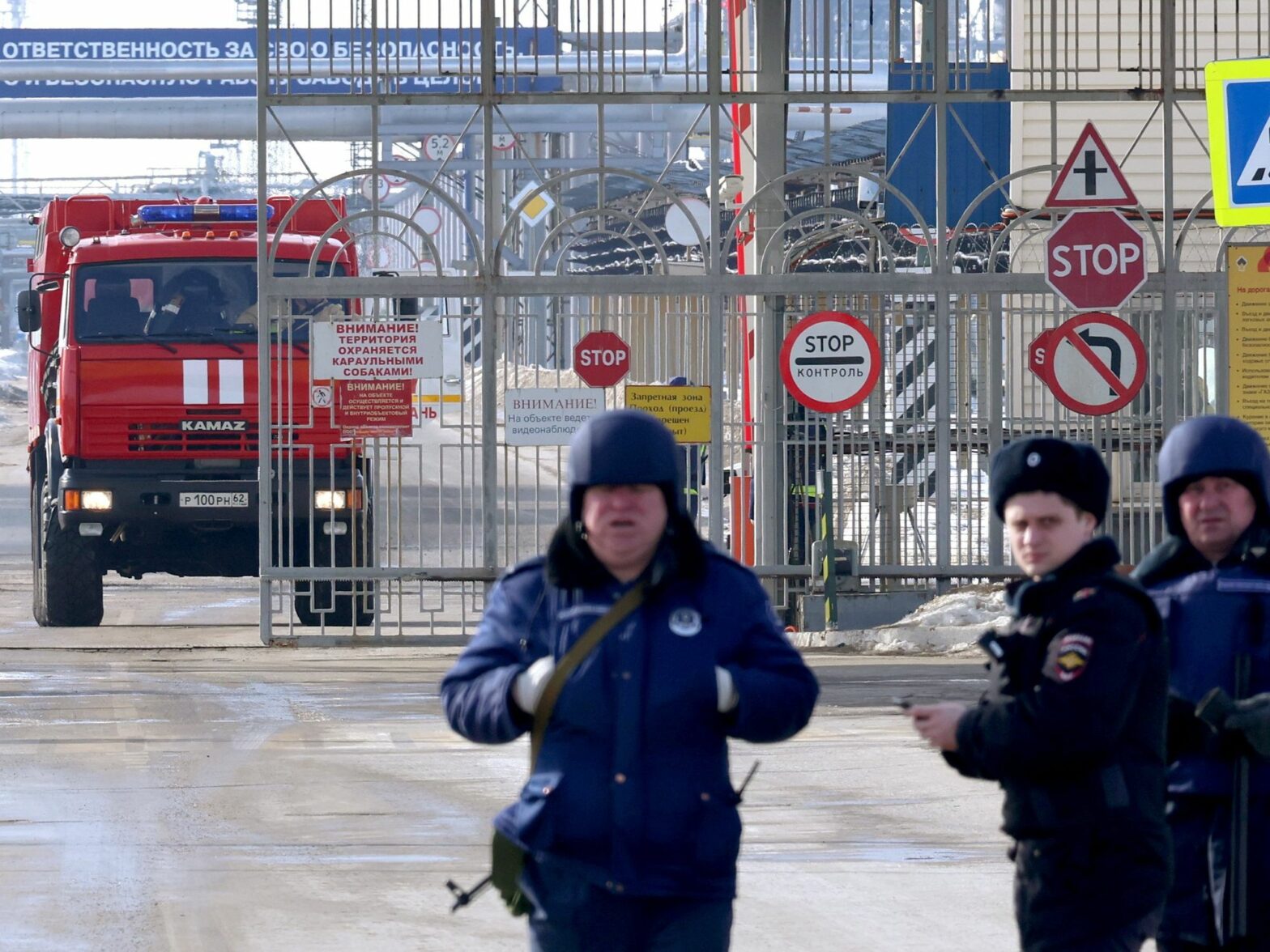
Ukrainian drones that struck nine Russian provinces on Tuesday while armed Russian dissident soldiers launched a ground attack against Moscow’s troops in the Bolgorod region, bordering Ukraine. It’s a reminder to the Russian people that the war is on them, and won’t be ending anytime soon.
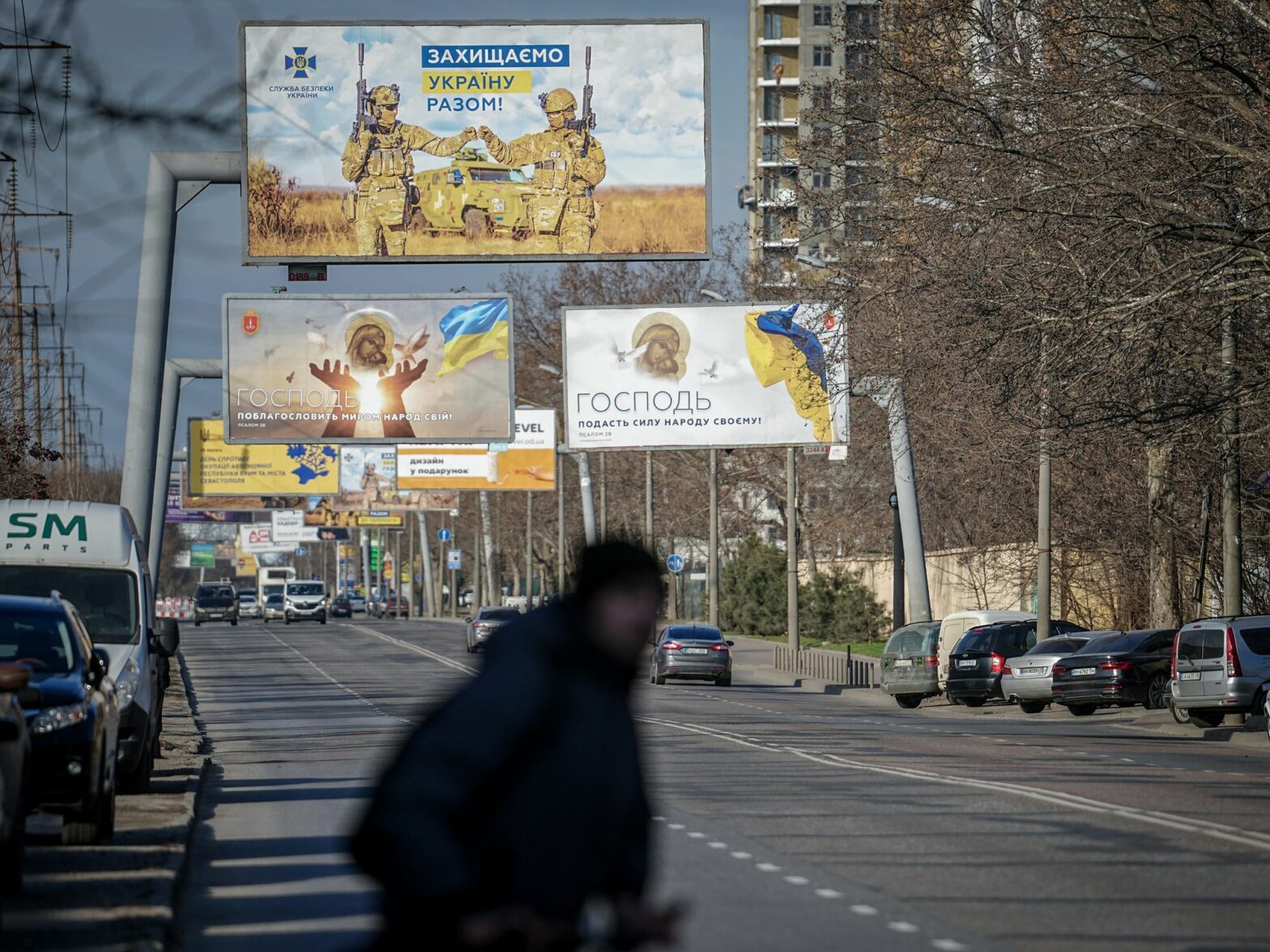
The “pearl of the Black Sea” was the scene of the single Ukrainian military victory in 2023, when the country broke the maritime blockade imposed by Moscow. But, as a third year under the bombs begins, the first cracks appear among the port city’s residents, who are torn between weariness, anger toward Ukraine’s leaders and an insatiable passion to live a full life.
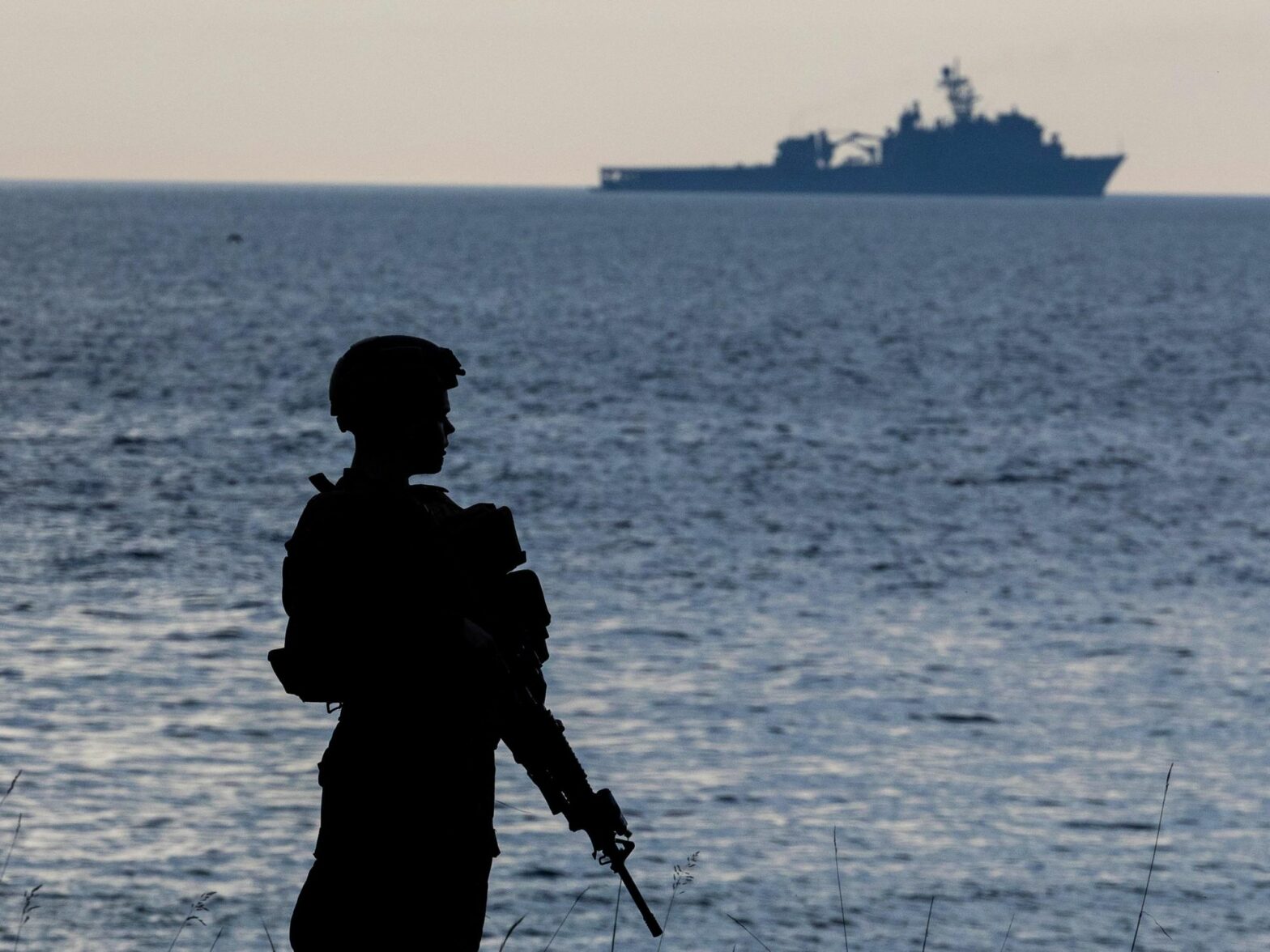
The Swedish island of Gotland is the last bastion between Russia and the entire Baltic region. Now that Sweden has officially joined NATO, the country plans to accelerate its fortification of the island and make it a priority to repel a rapidly militarizing Russia. Life for locals makes it clear that something has changed.
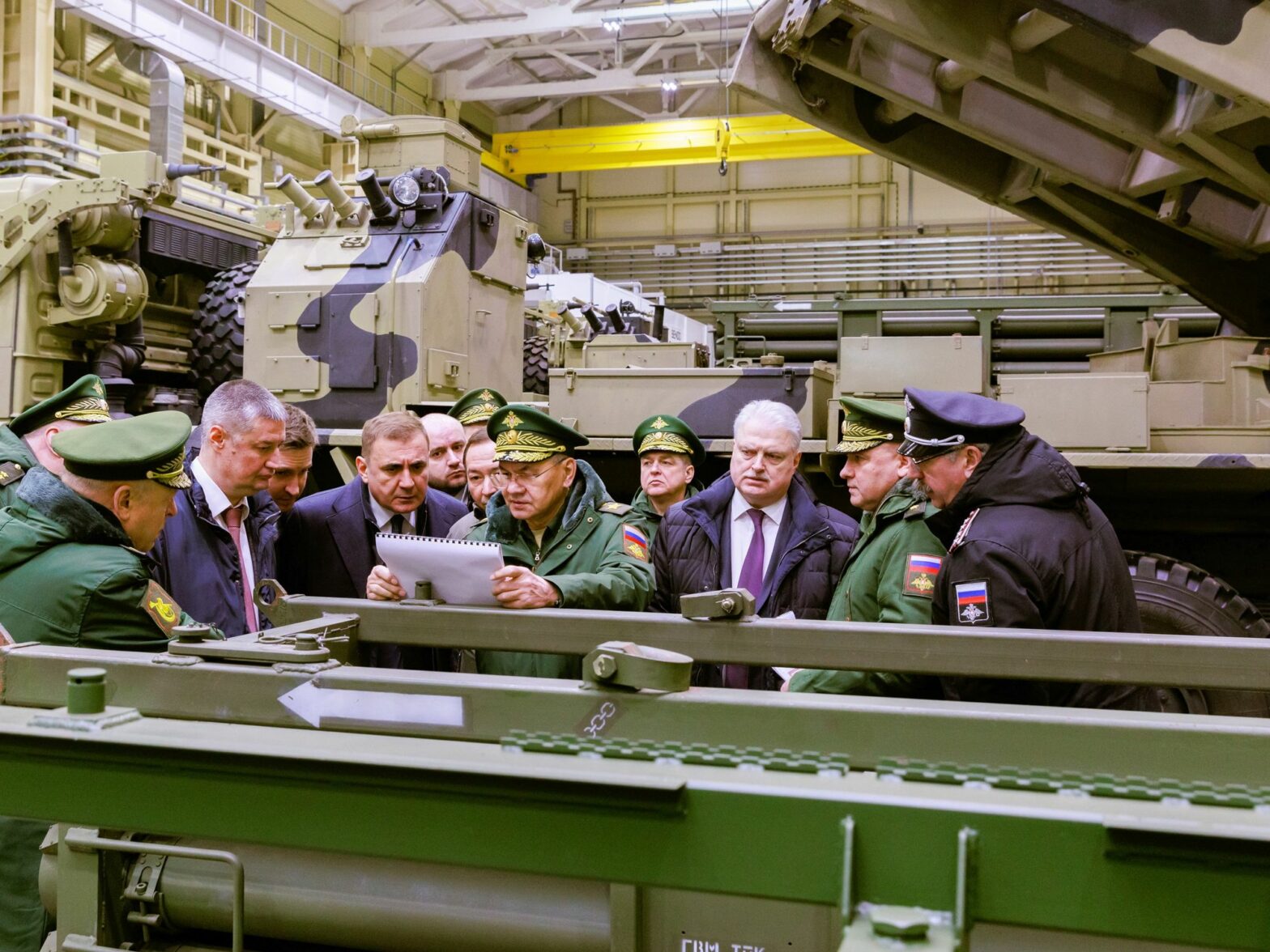
Despite Western sanctions against doing business in Russia, and Renishaw’s promises that it has closed its business there, Russian defense plants continue to receive both measuring equipment and software from the British engineering company.
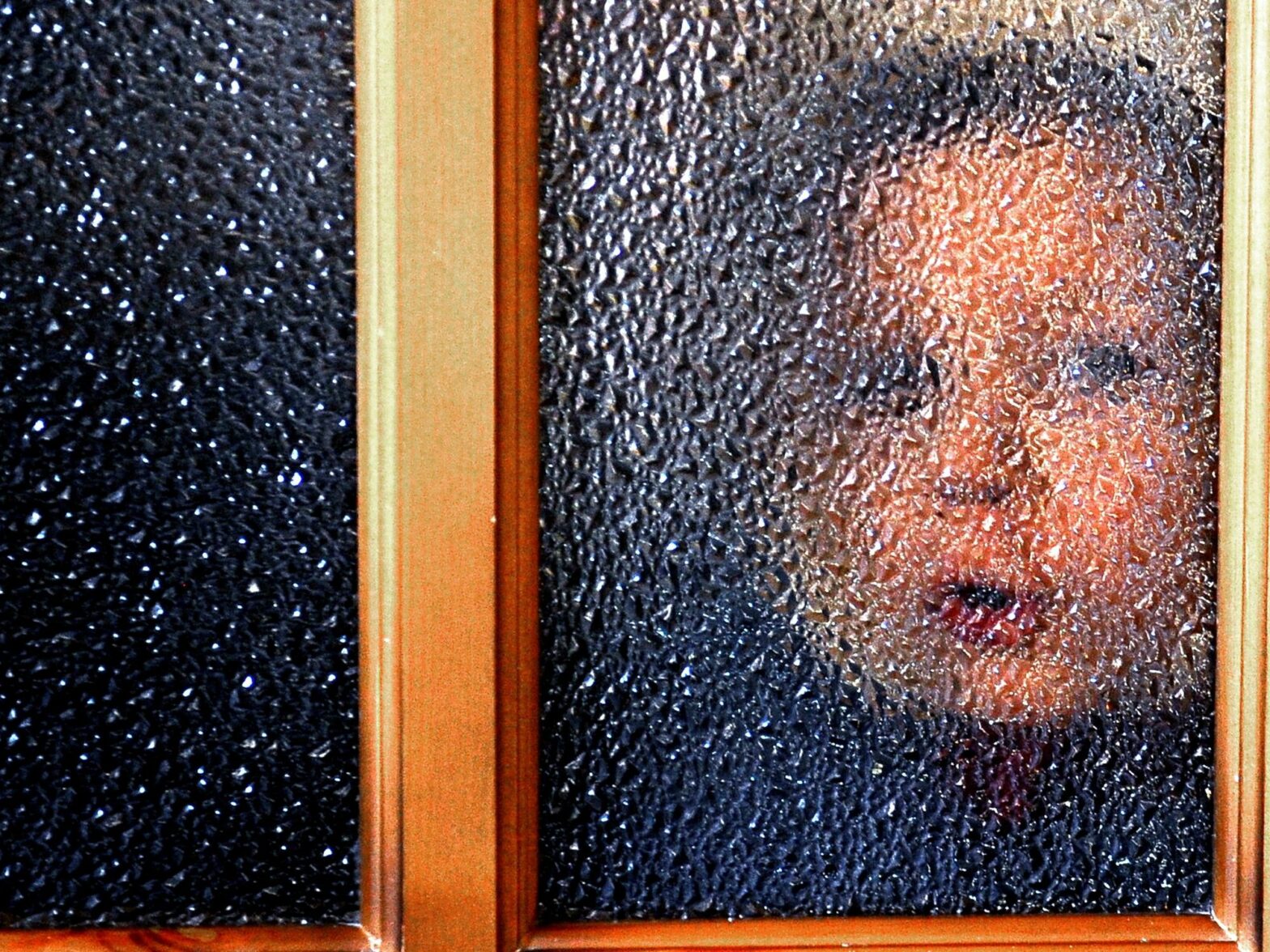
Since the war began, an estimated 2,500 children have been transferred from Ukraine to Russia, where local authorities are training potential foster parents on how to raise these “children from the combat zone” and “work with their national identity.”

After Super Tuesday, Americans (and the world) are now virtually assured of another Biden-Trump showdown in November. It’s a chilling reminder to Europe that their fate is tied too closely to the whims of U.S. politics.
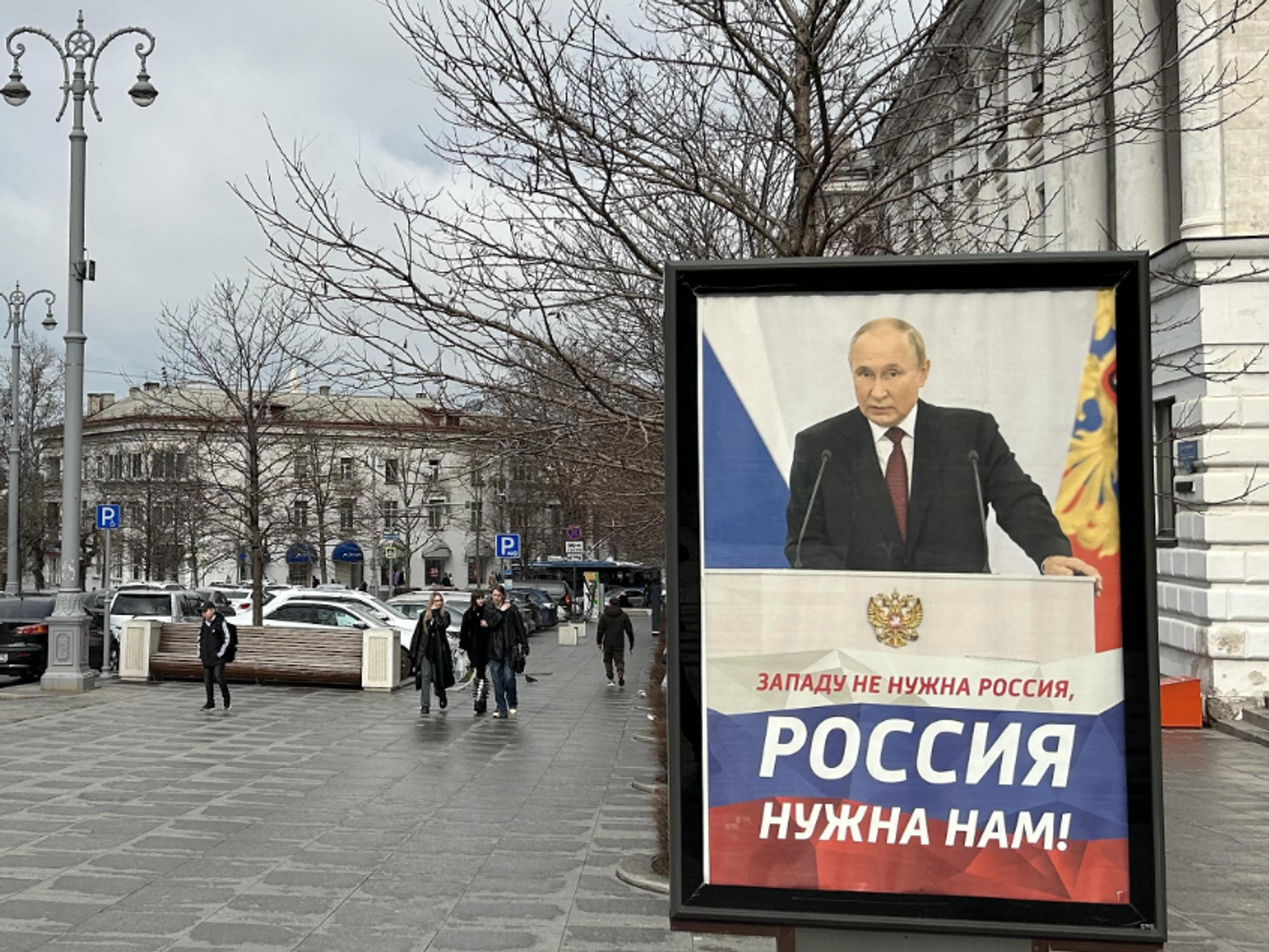
Russians have long waged systematic and effective disinformation campaigns. Roman Vybranovskyi considers “active measures” that have been successful in the past, and what can be done to fight them today, notably in Ukraine.
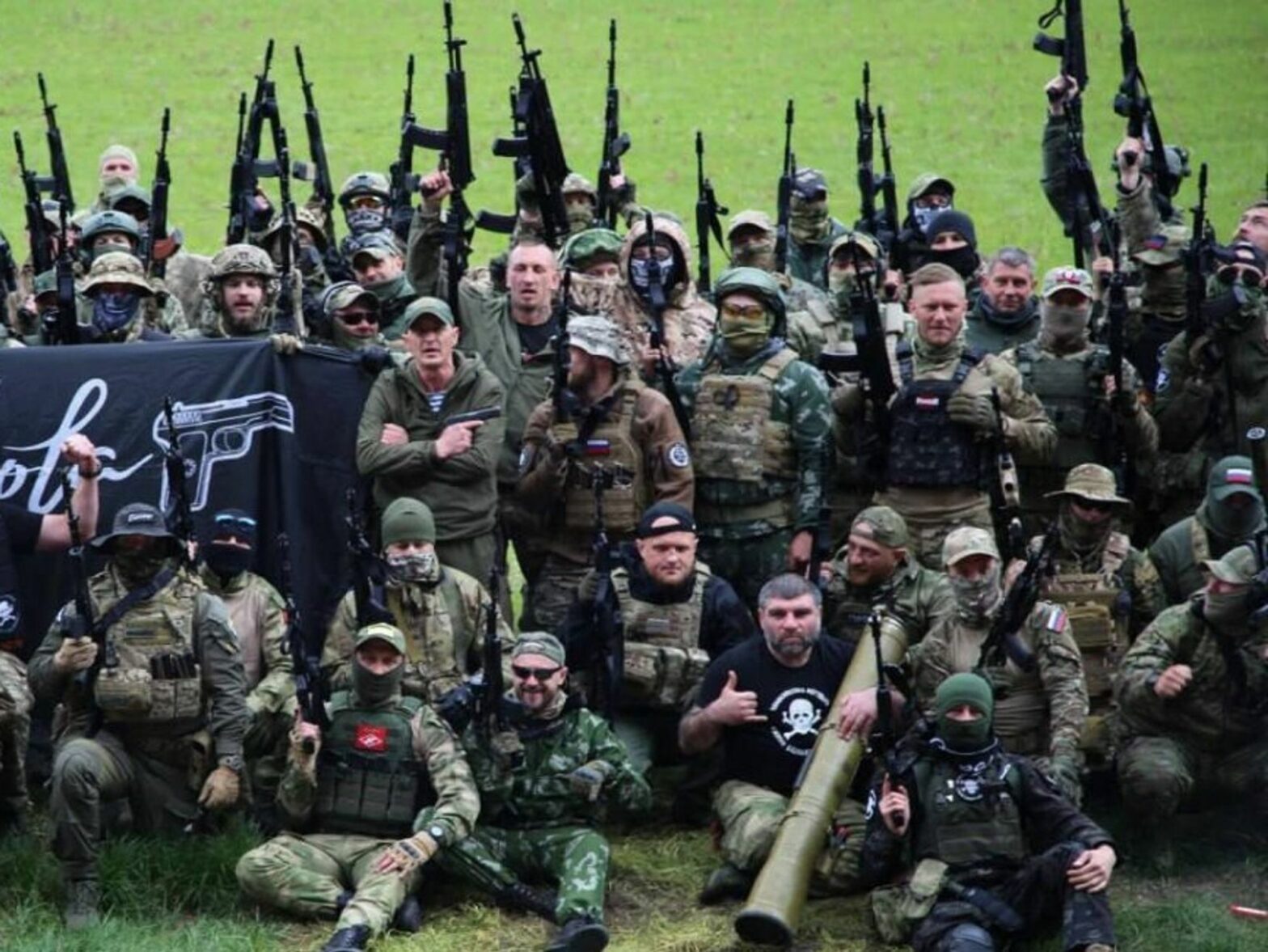
With private military companies (PMCs) multiplying in Russia, on the model of the Wagner Group, the billionaire Rotenberg brothers, friends of Putin, are creating their own private army of football fans.
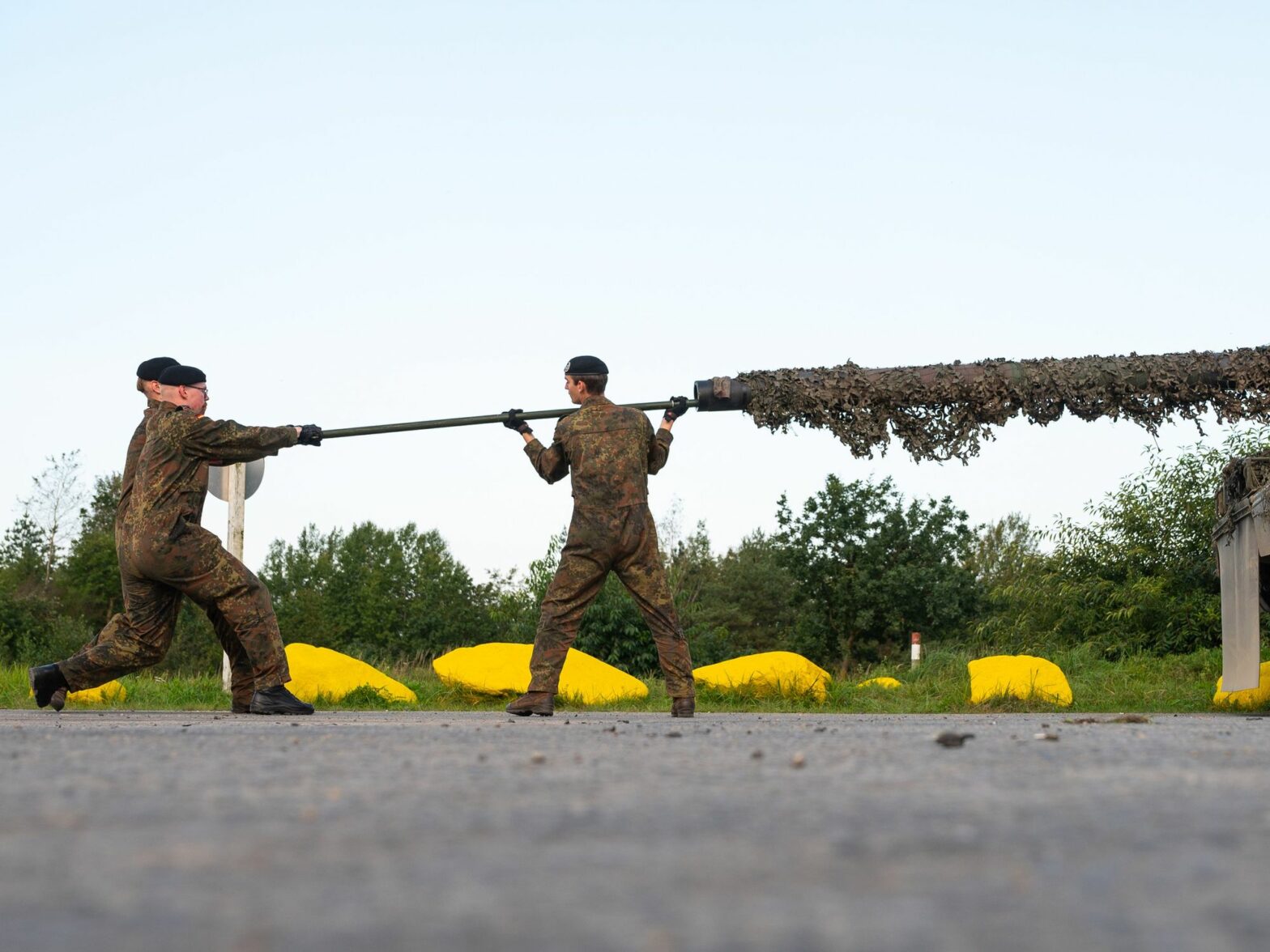
Beyond the embarrassment for the German military, and Moscow’s exploitation for propaganda purposes, the deeper significance of the intercepted conversations is in how far European unity remains on the war in Ukraine.
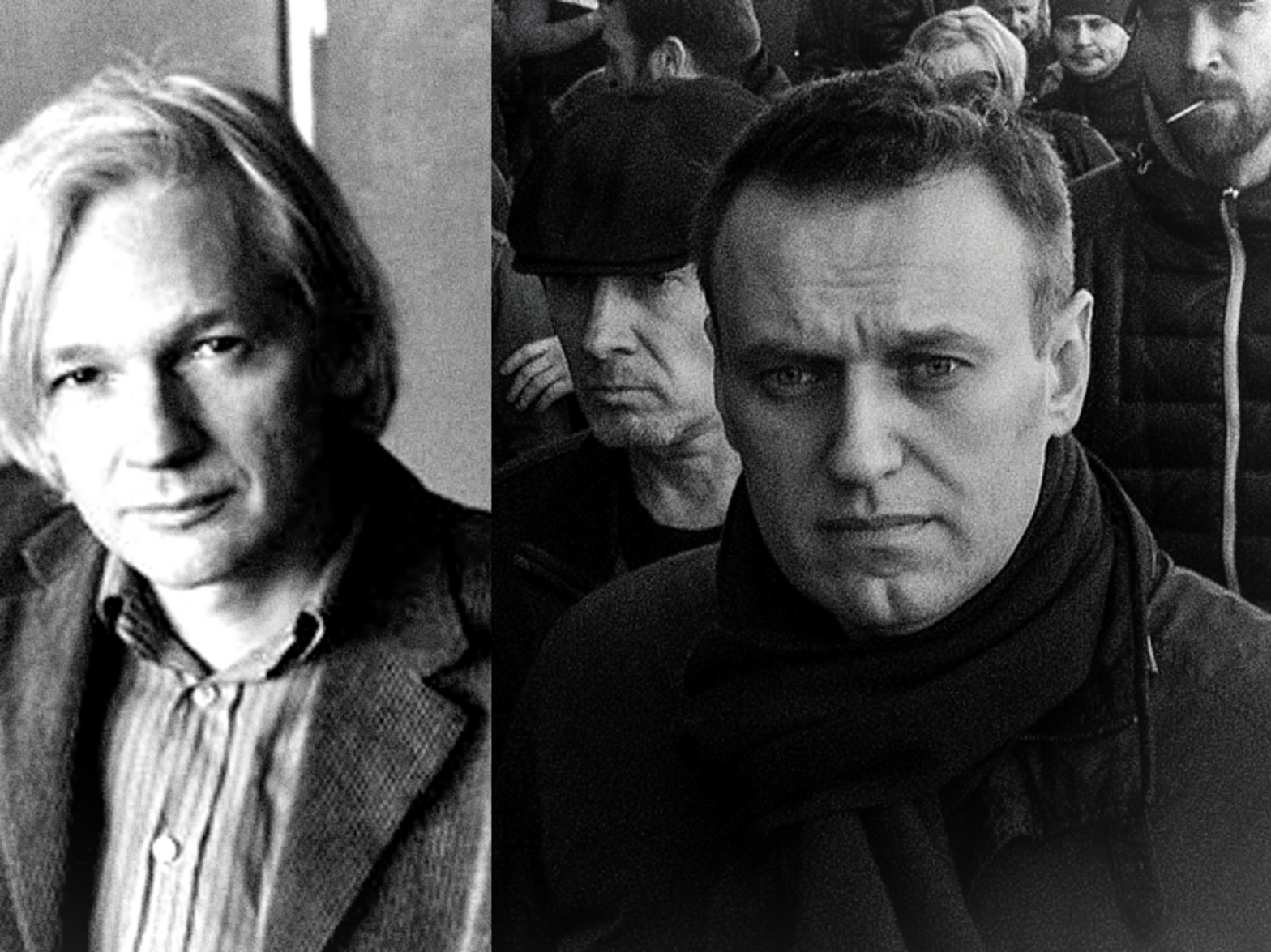
As the world mourns the Putin critic and the WikiLeaks founder faces extradition to the U.S., Spanish journalist Juan Carlos Laviana argues that while the men may not be “ordinary” journalists, they both used investigative means and technological capacity to shine a light on those in power. And they were right.
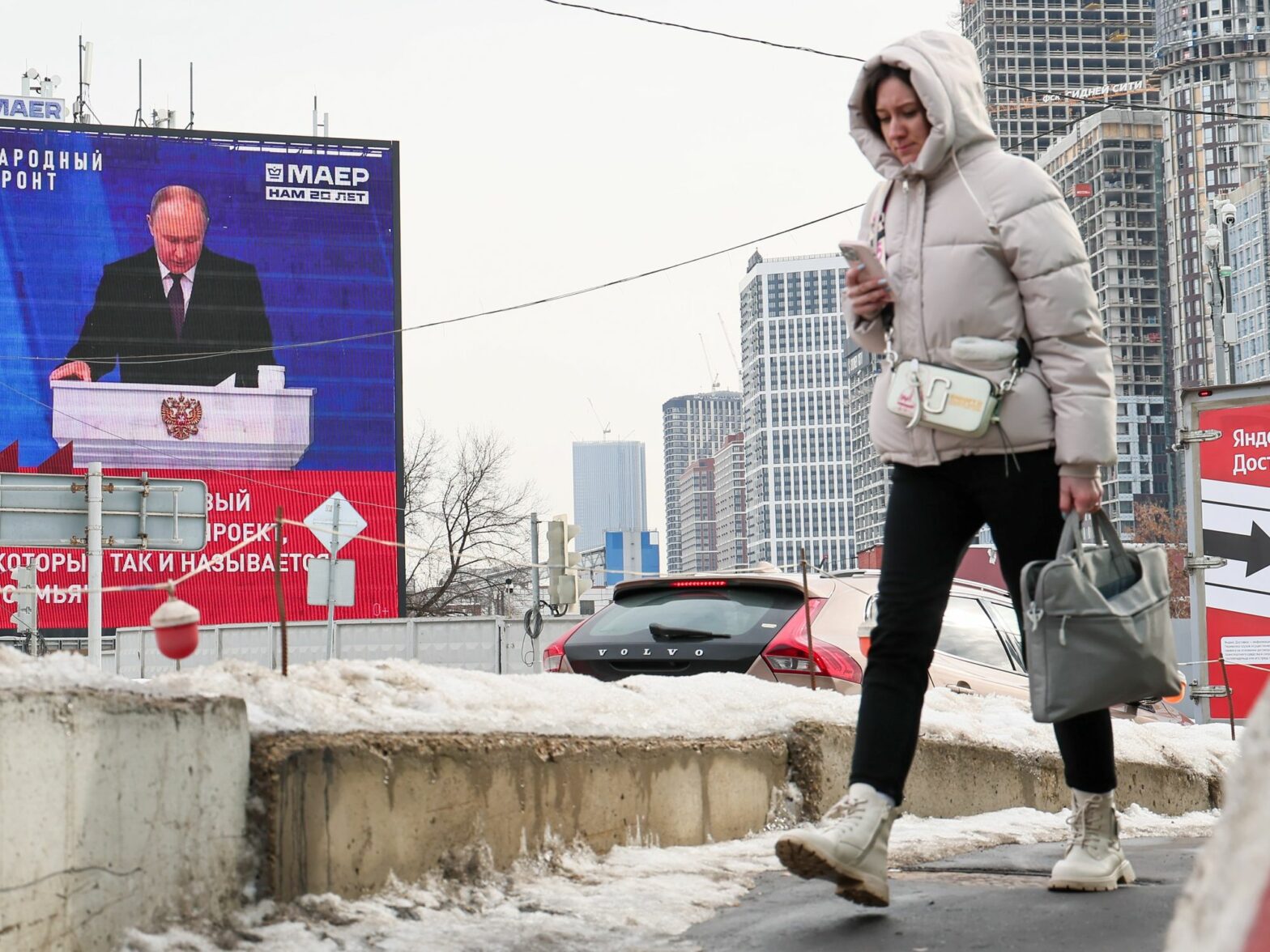
Three days after Emmanuel Macron’s statement on deploying troops to Ukraine, Putin warned that such a move could provoke nuclear war. It’s a serious threat that has regularly resurfaced over the past two years. So far, we’re all still here.
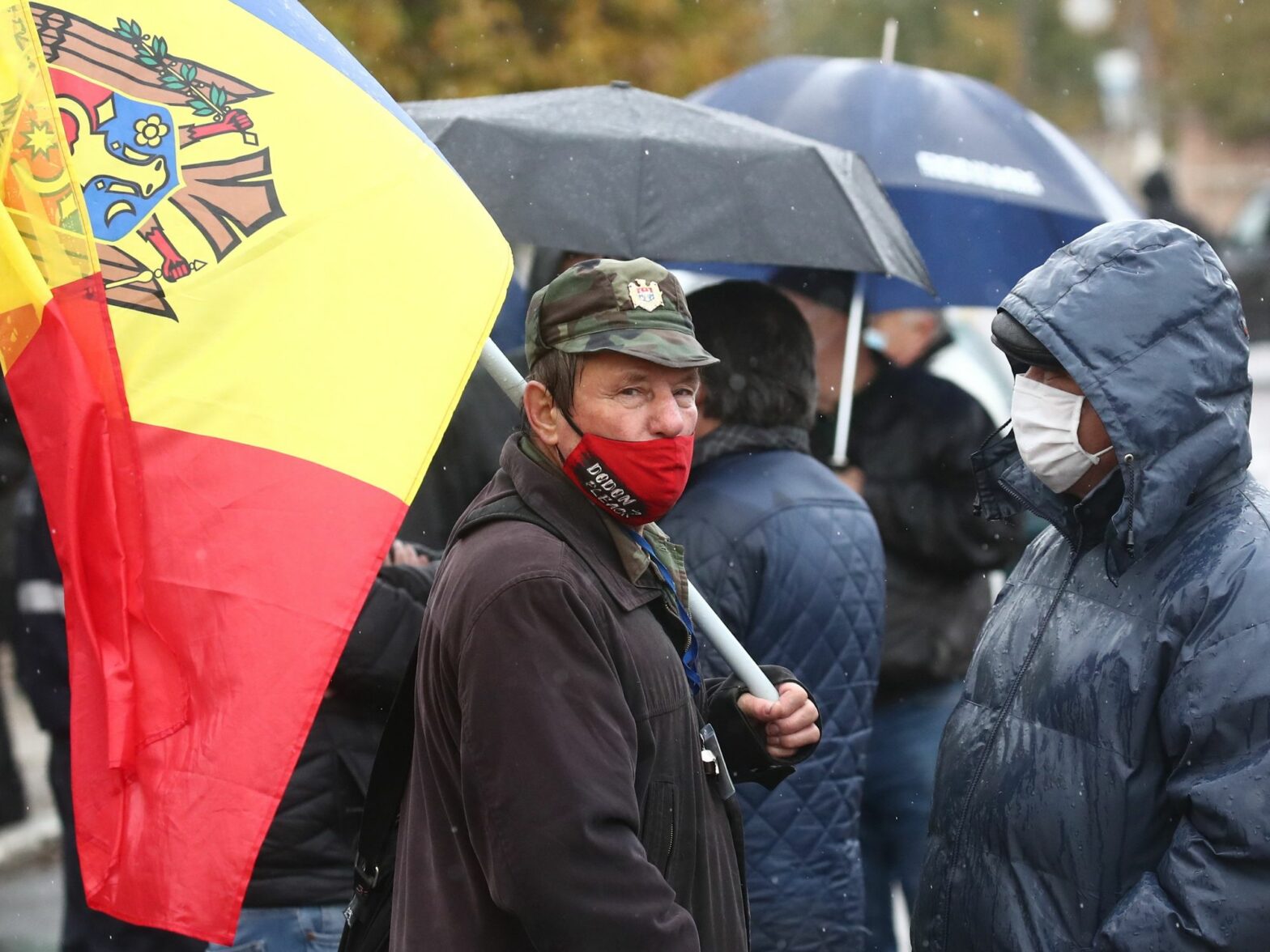
The authorities of the pro-Russian breakaway region of Transnistria in Moldava have asked for “protection” from Russia, which has been quick to respond. It is a blatantly “engineered-from-scratch” crisis in a region bordering Ukraine. This tiny territory may be the next place on the world map to watch.
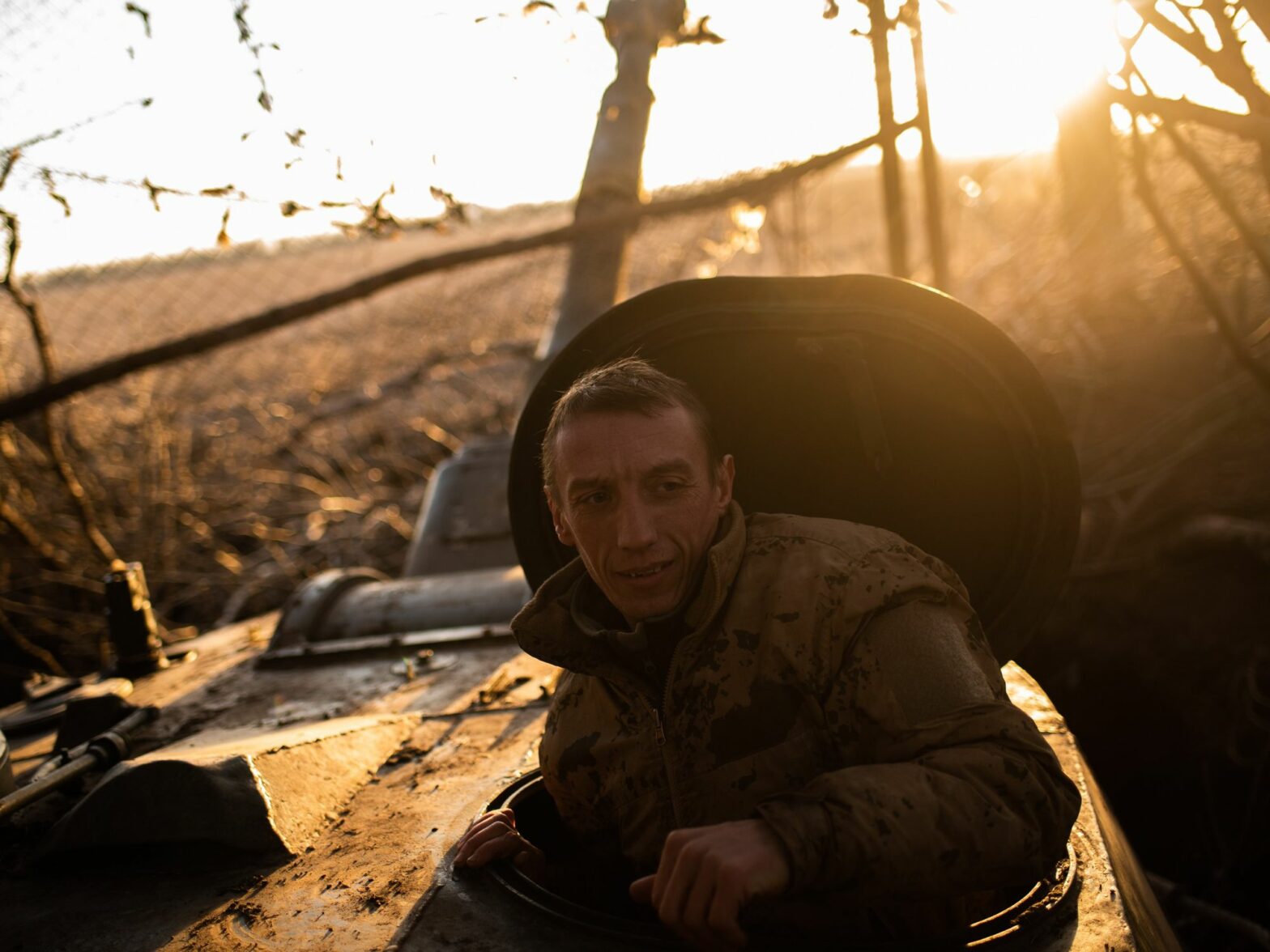
French President Emmanuel Macron crossed a line, at least rhetorically, in saying that the West doesn’t exclude sending troops to help Ukraine defend itself from Russia. Yet it may be time for the Western alliance to acknowledge that they’ve actually entered direct conflict with Moscow long before.
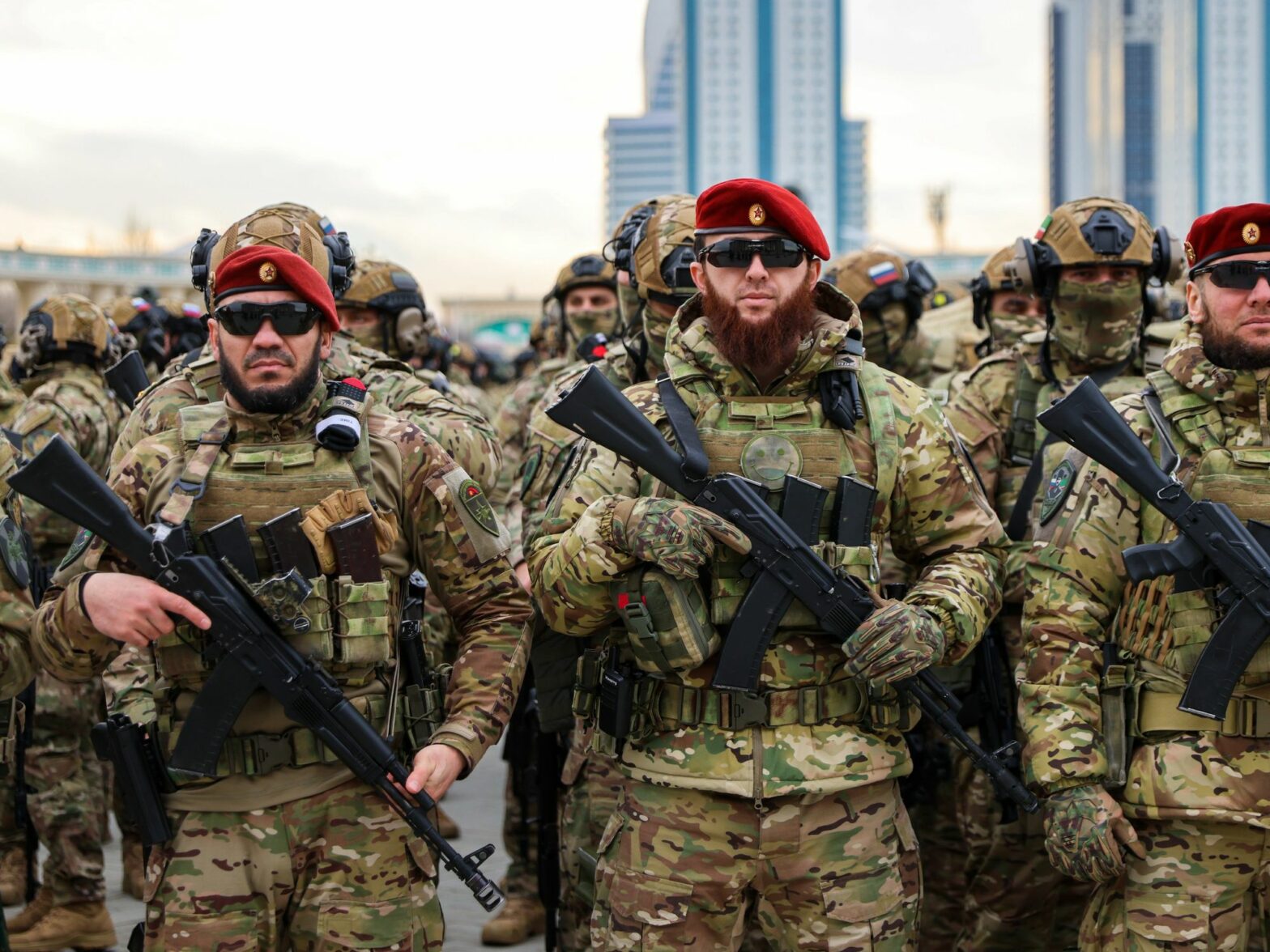
Reports abound of forced mobilization taking place in the Chechen Republic, where the regime of Ramzam Kadyrov, in an effort to gain Vladimir Putin’s favor, is using pressure and blackmail to force its men to join the Russian war effort.
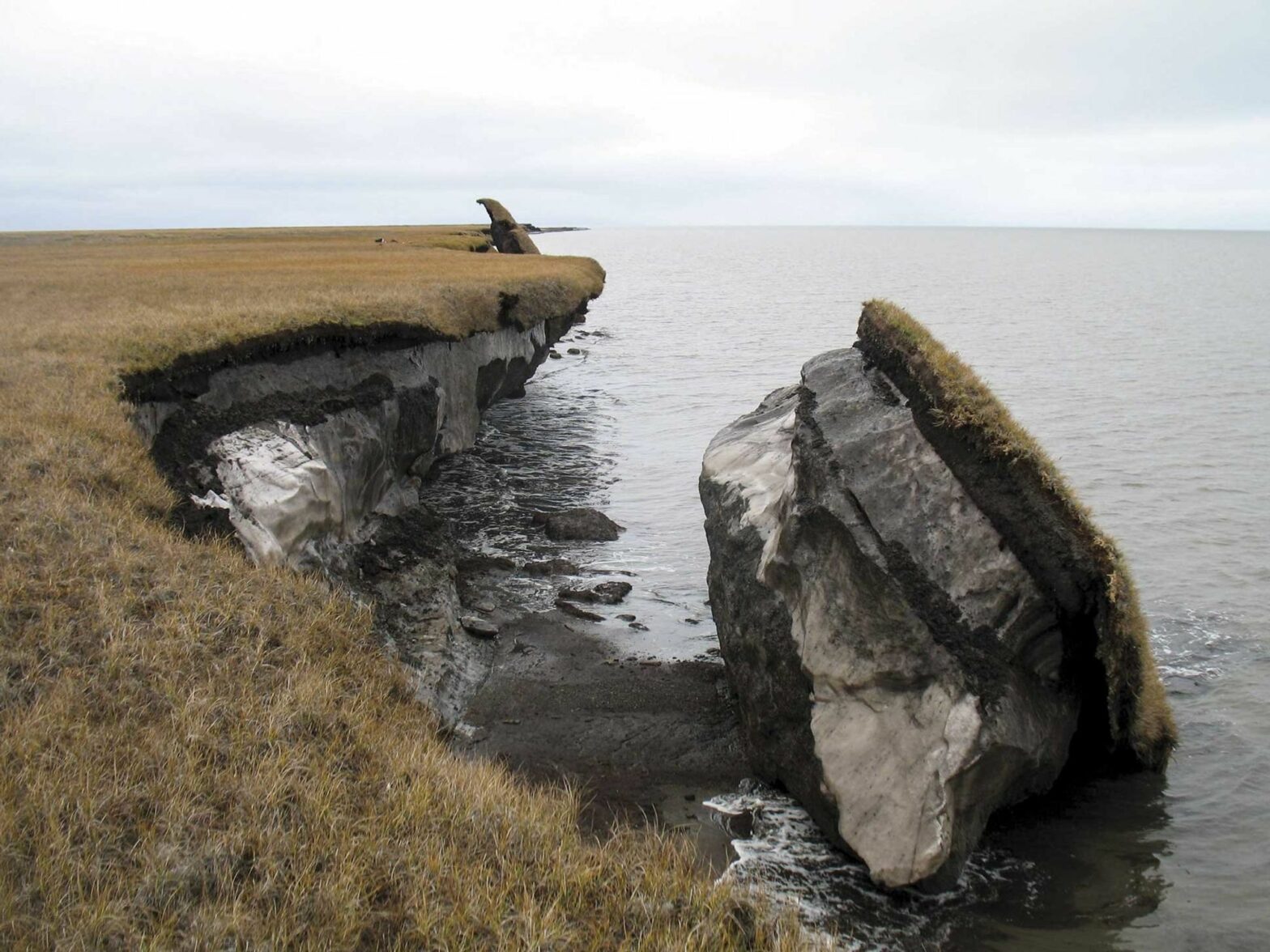
French researchers have recovered a pair of viruses that were long frozen below the Siberian tundra. In this case, the microorganisms are harmless, but others may not be.
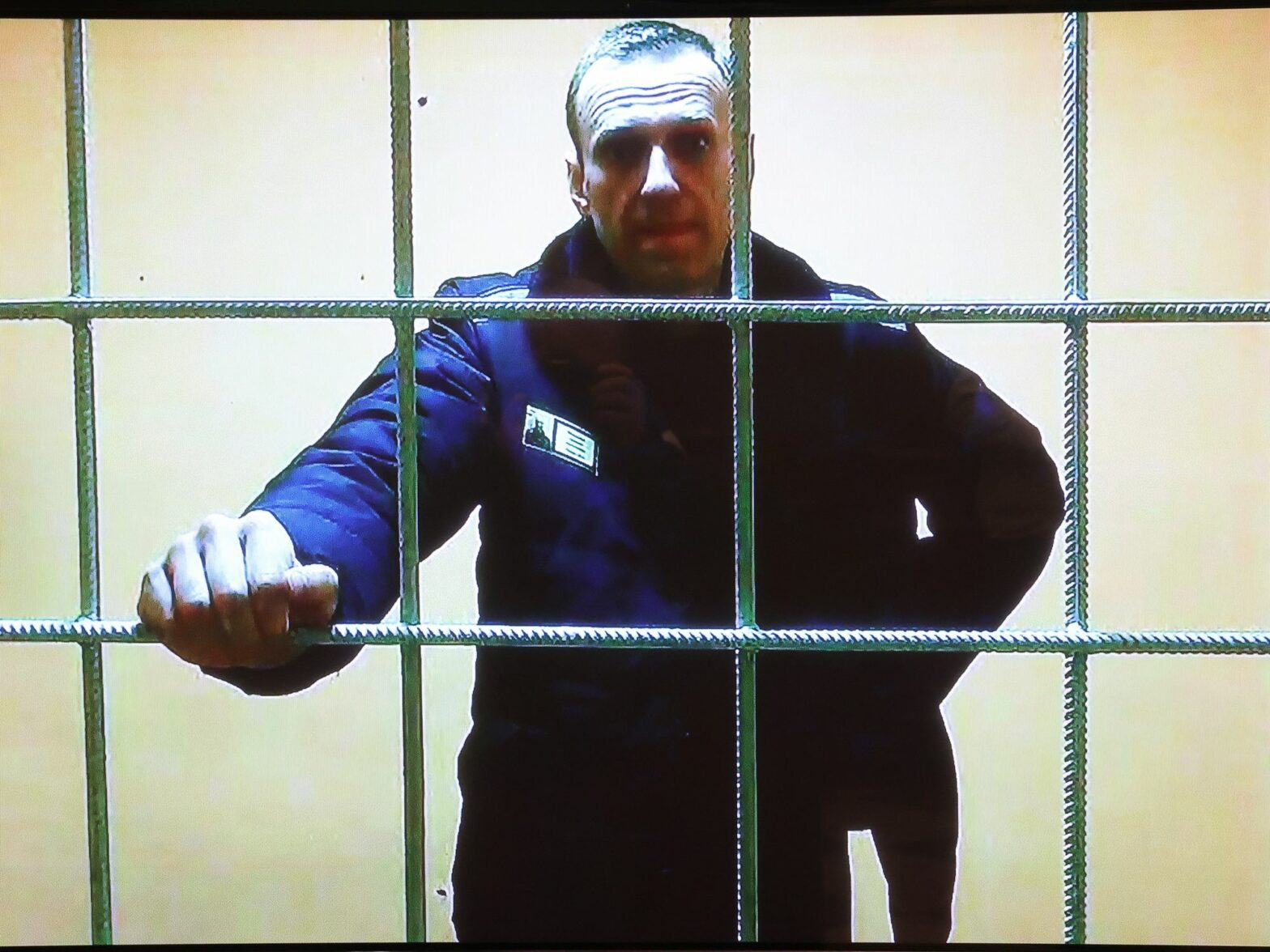
“If heroes were to ask themselves each time about the risks they face, then they would never accomplish their feats…”
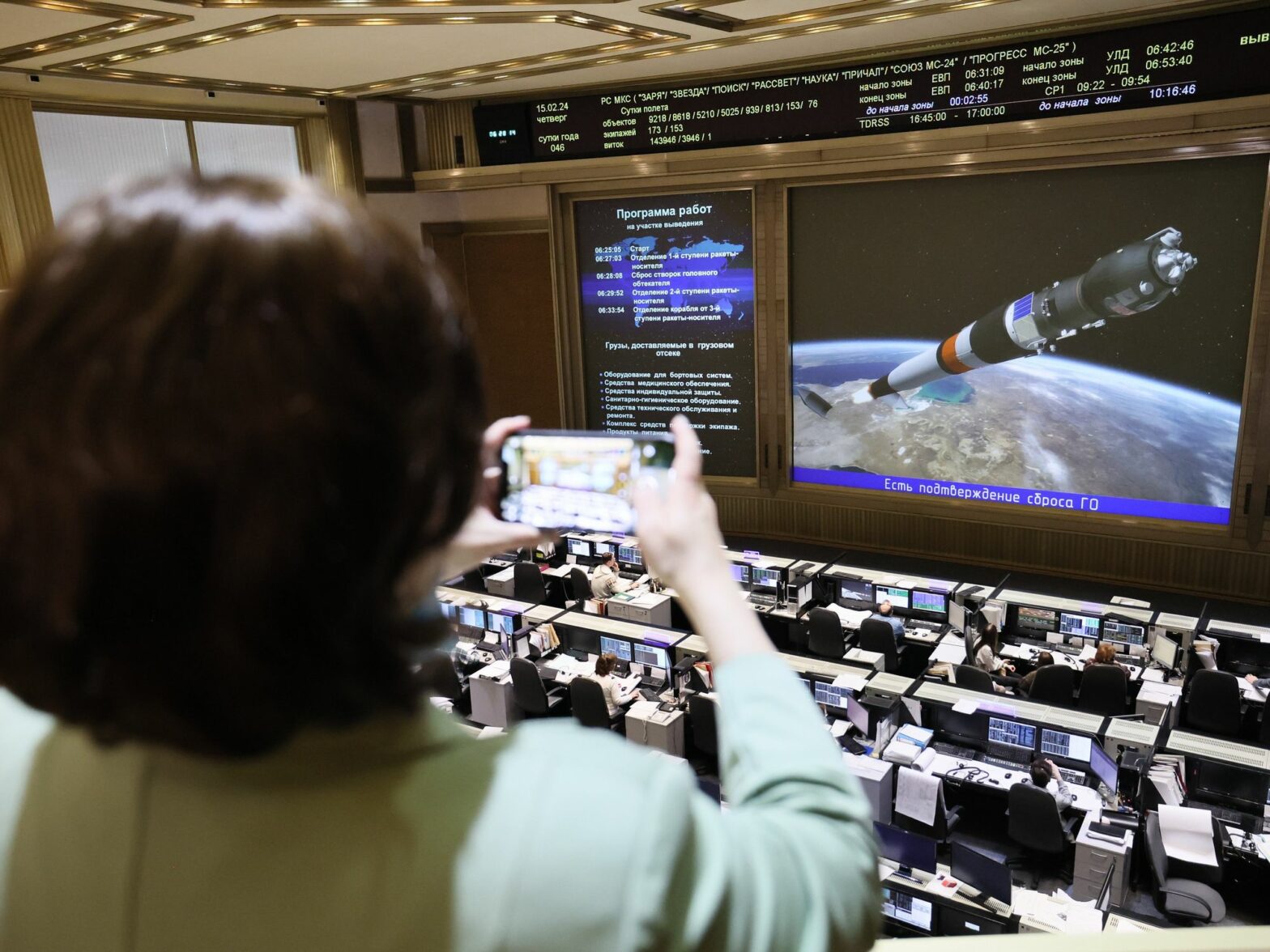
Space may be the true battleground of the future, which explains Washington’s growing concerns over Russia’s alleged plans for deploying anti-satellite weapons. Yet what if not even this can push Trump and his Republican allies to support Kyiv?
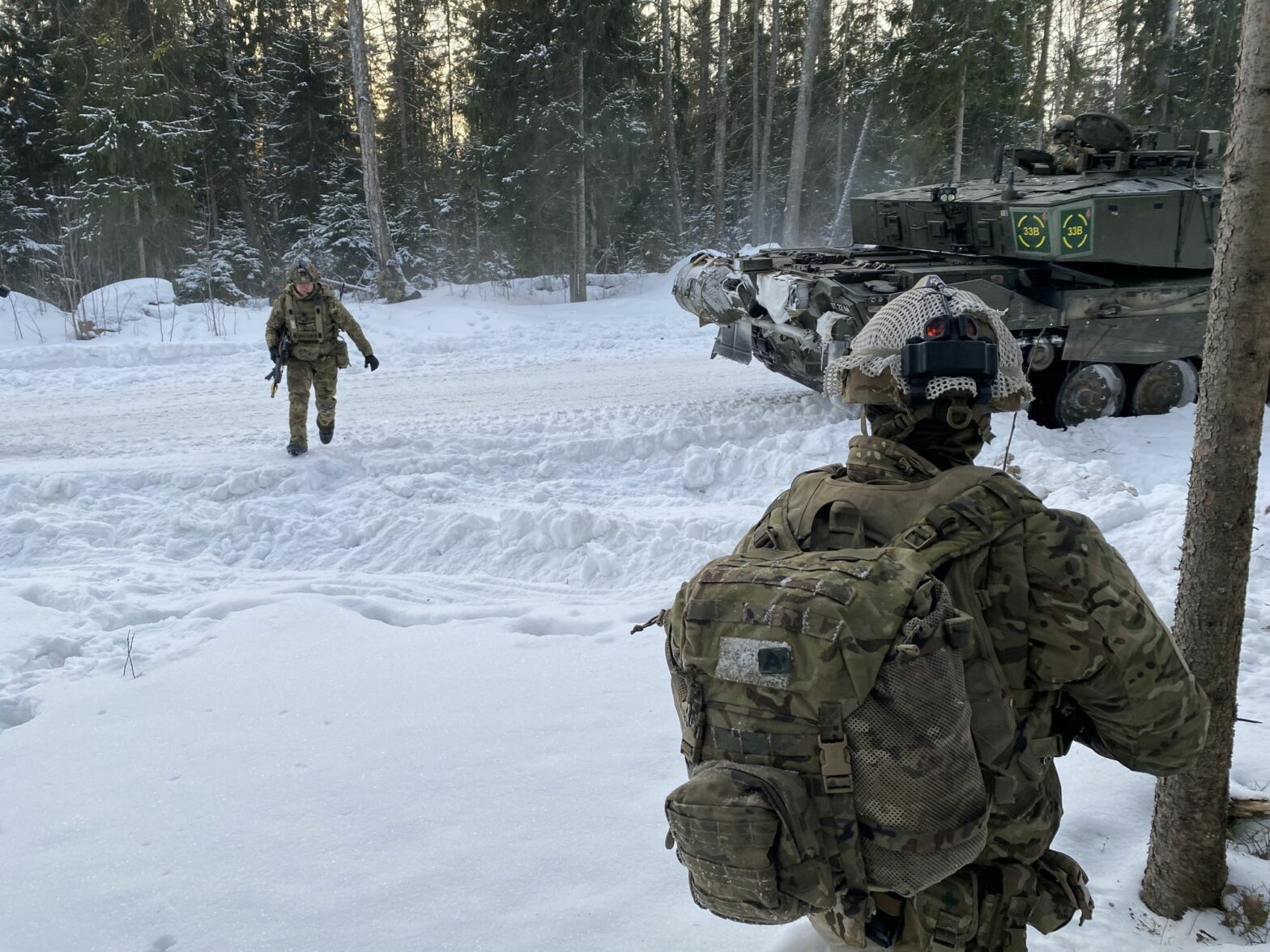
With Estonian Prime Minister Kaja Kallas suddenly appearing on Moscow’s wanted list, both the past and present offer plenty of evidence that the small Baltic nation — with 40% Russian speakers — could be the next neighbor after Ukraine in the Kremlin’s crosshairs.
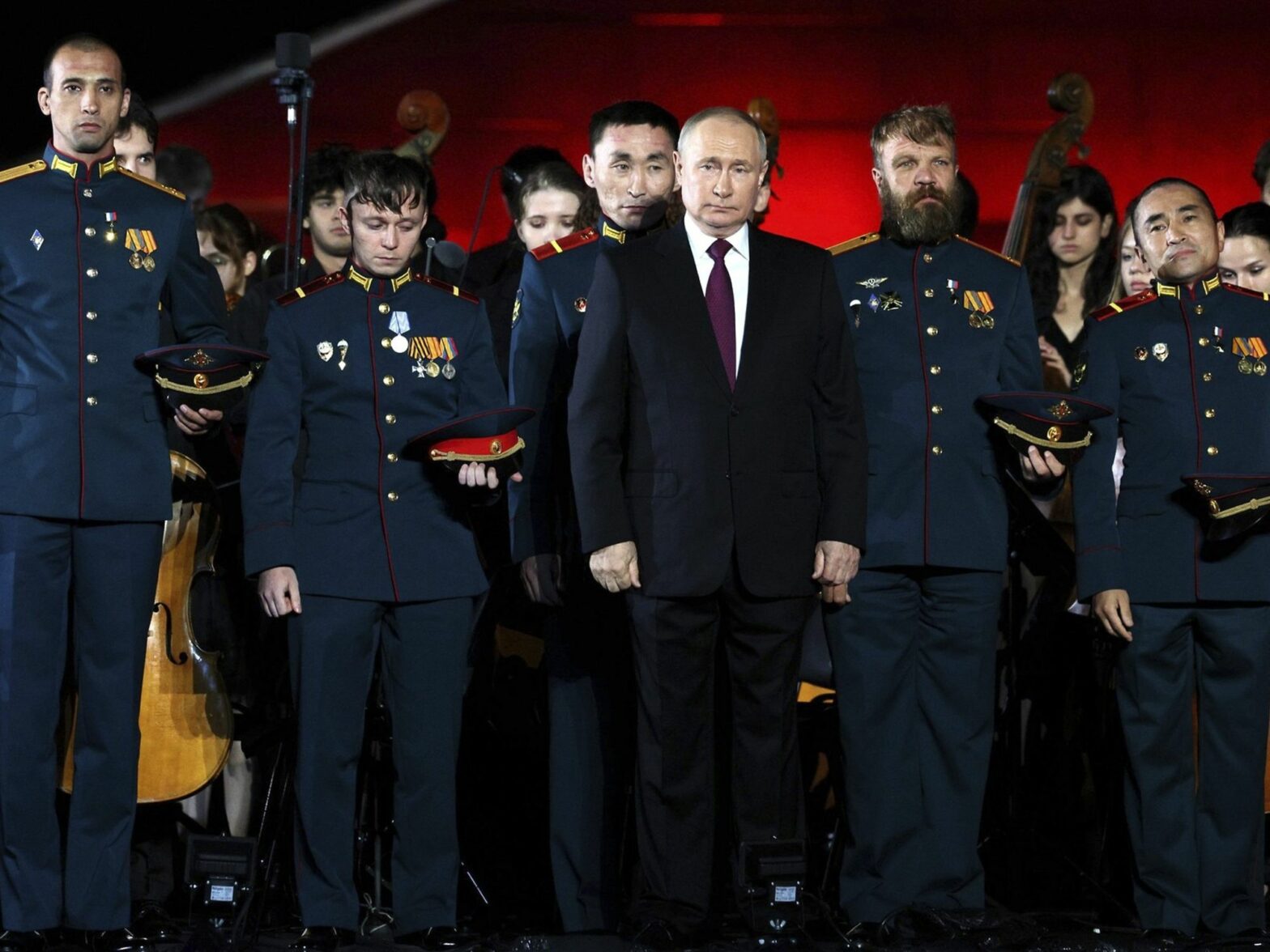
While Ukrainians may be hoping for Russia to disintegrate, history shows otherwise. Only when Putin’s authoritarian regime will come down, will it be possible for Chechens, Dagestanis, Buryats, Yakuts, or Bashkortostans to gain any kind of autonomy or democracy vis a vis Moscow.