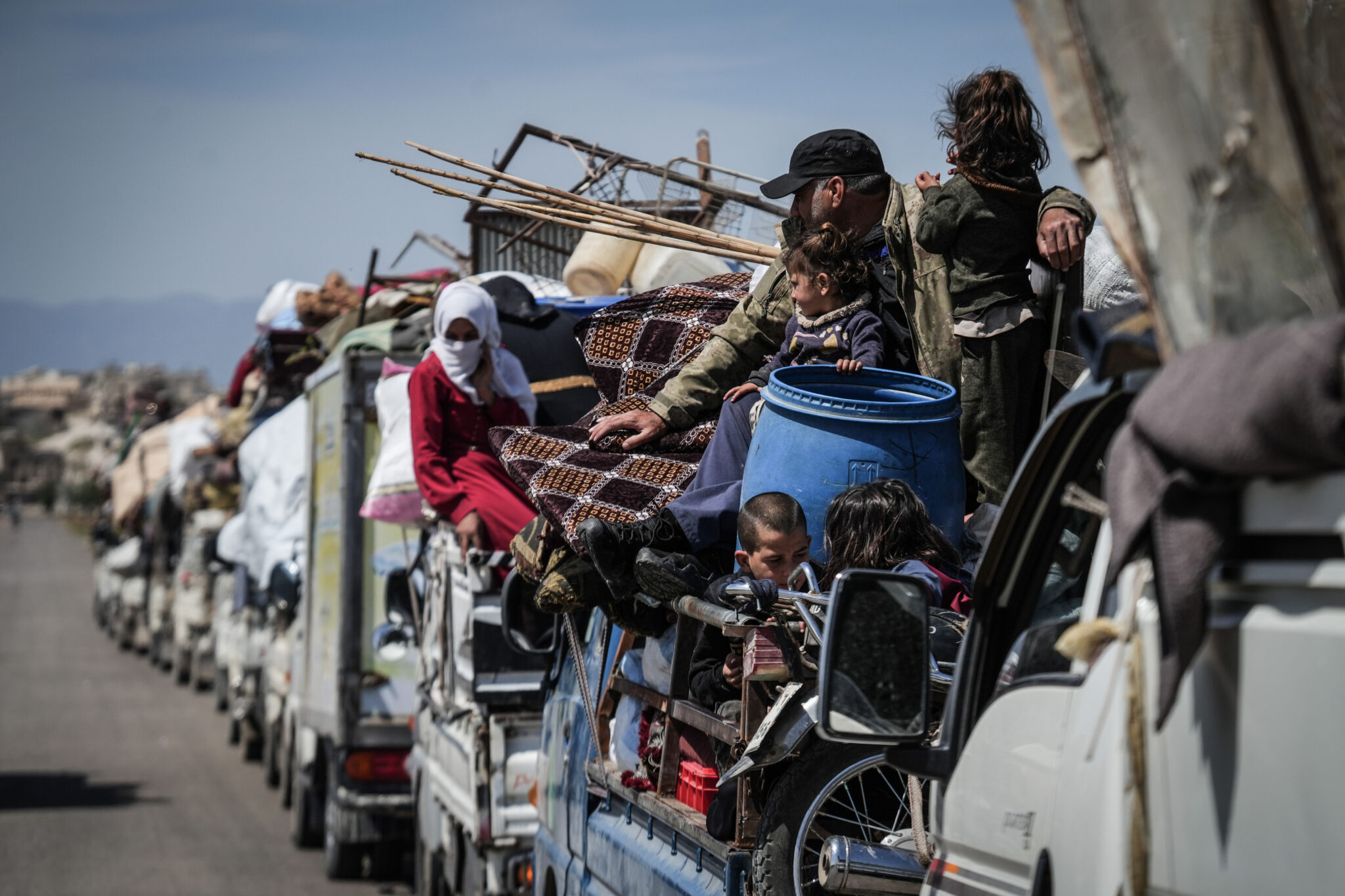
After Assad fled to Russia, Moscow opened the door for asylum and humanitarian protection to many Syrians, including former military members. Yet their journeys north are very different.
 Worldcrunch
Stay updated with comprehensive news on Lebanon from Worldcrunch. Discover insights on Lebanese politics, economic strategies, societal issues, and cultural landmarks with translations from top international sources. Highlights include Beirut, Lebanese history, and cultural events.
After Assad fled to Russia, Moscow opened the door for asylum and humanitarian protection to many Syrians, including former military members. Yet their journeys north are very different.

The reality is that Hezbollah no longer poses a threat to Israel, but rather to the Lebanese state itself; whereas Israel represents an existential threat to the state, to Hezbollah, and to Lebanese society as a whole.
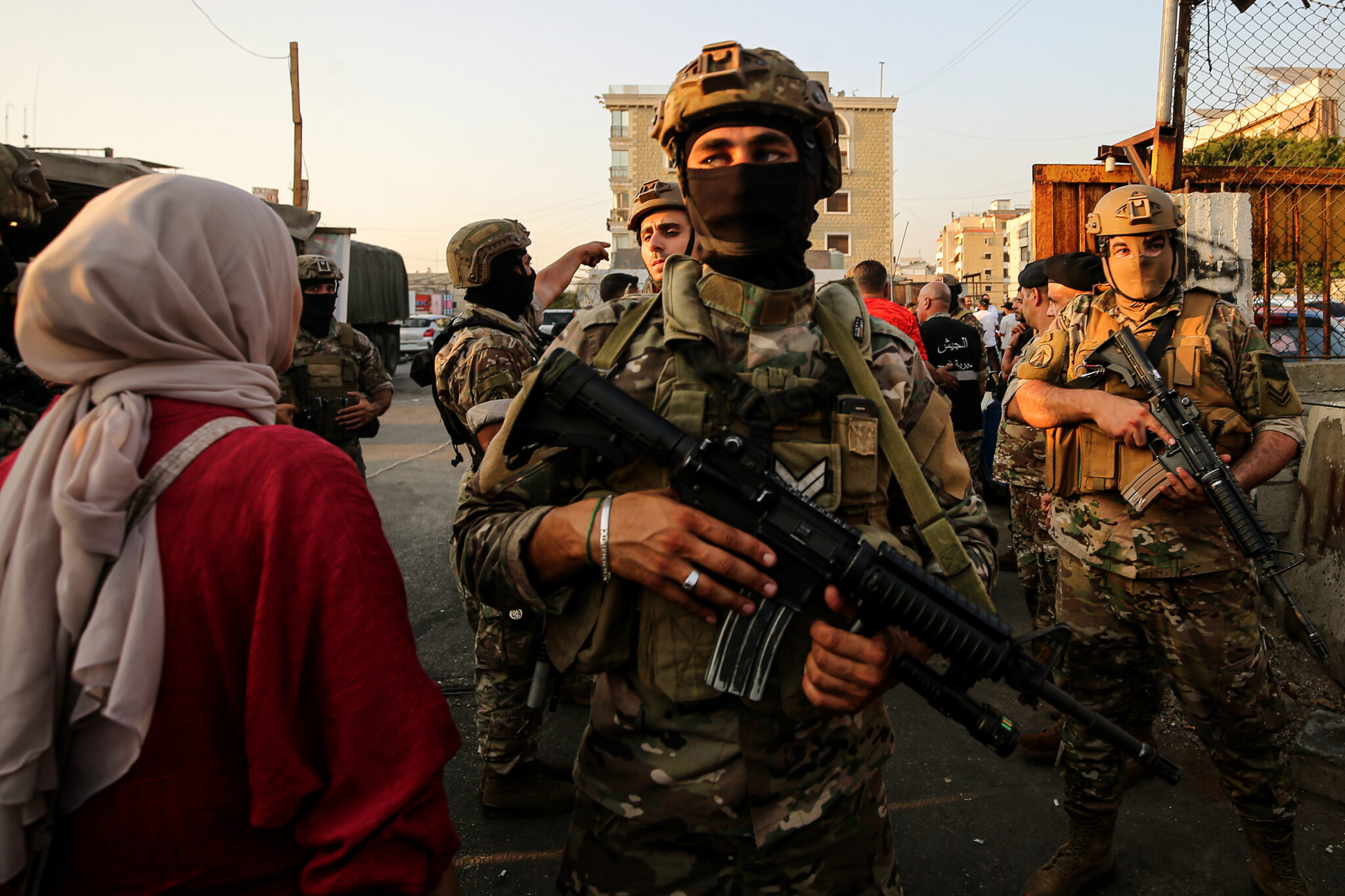
Lebanon is bracing for a new assault by Israel, while the recent ceasefire in Gaza looks bound to break. In the Middle East, there’s a massive gap between pause and peace.
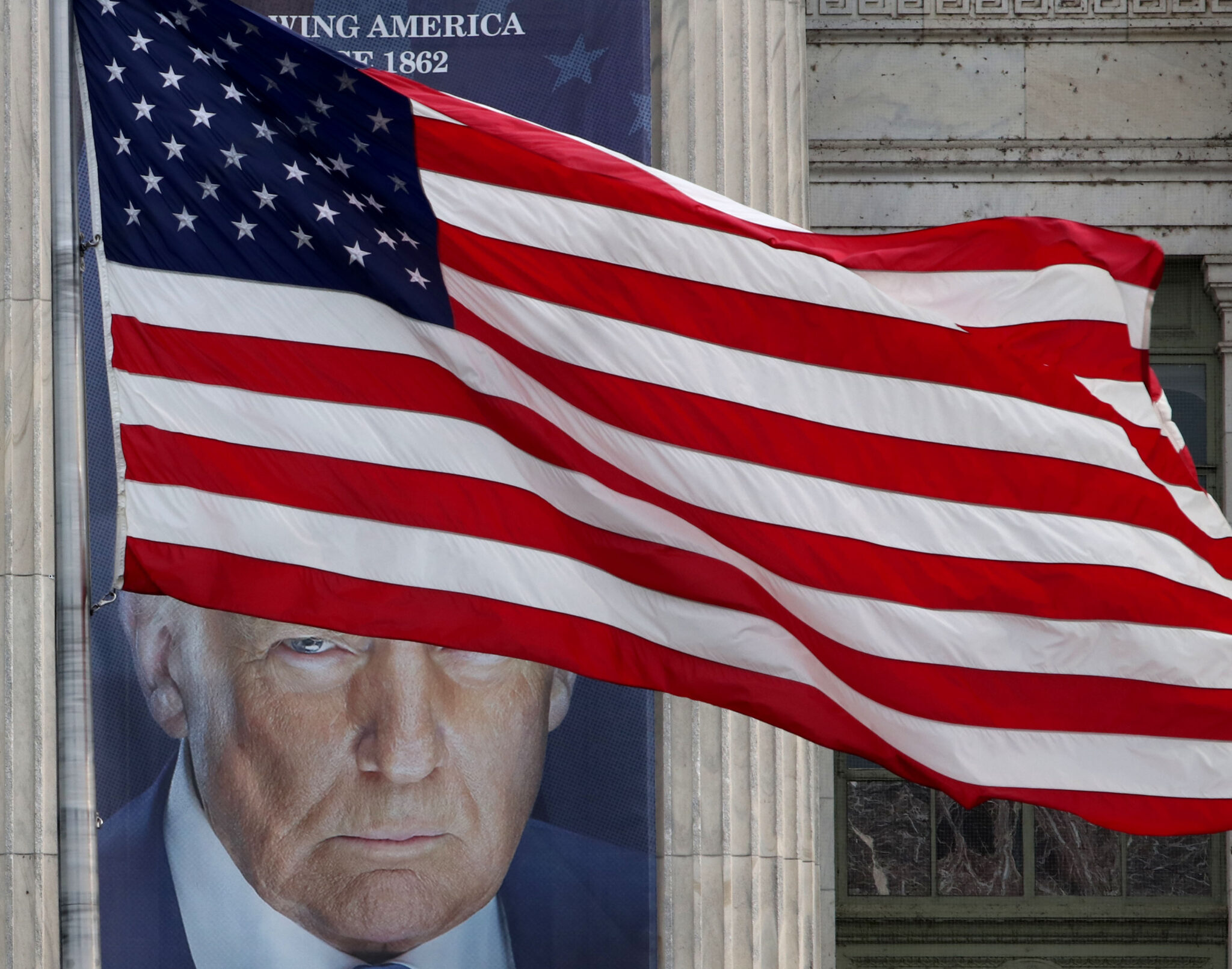
U.S. President Donald Trump has been open about wanting to win a Nobel Peace Prize. But while some call his nomination “absurd,” he would not be the only surprising recipient.
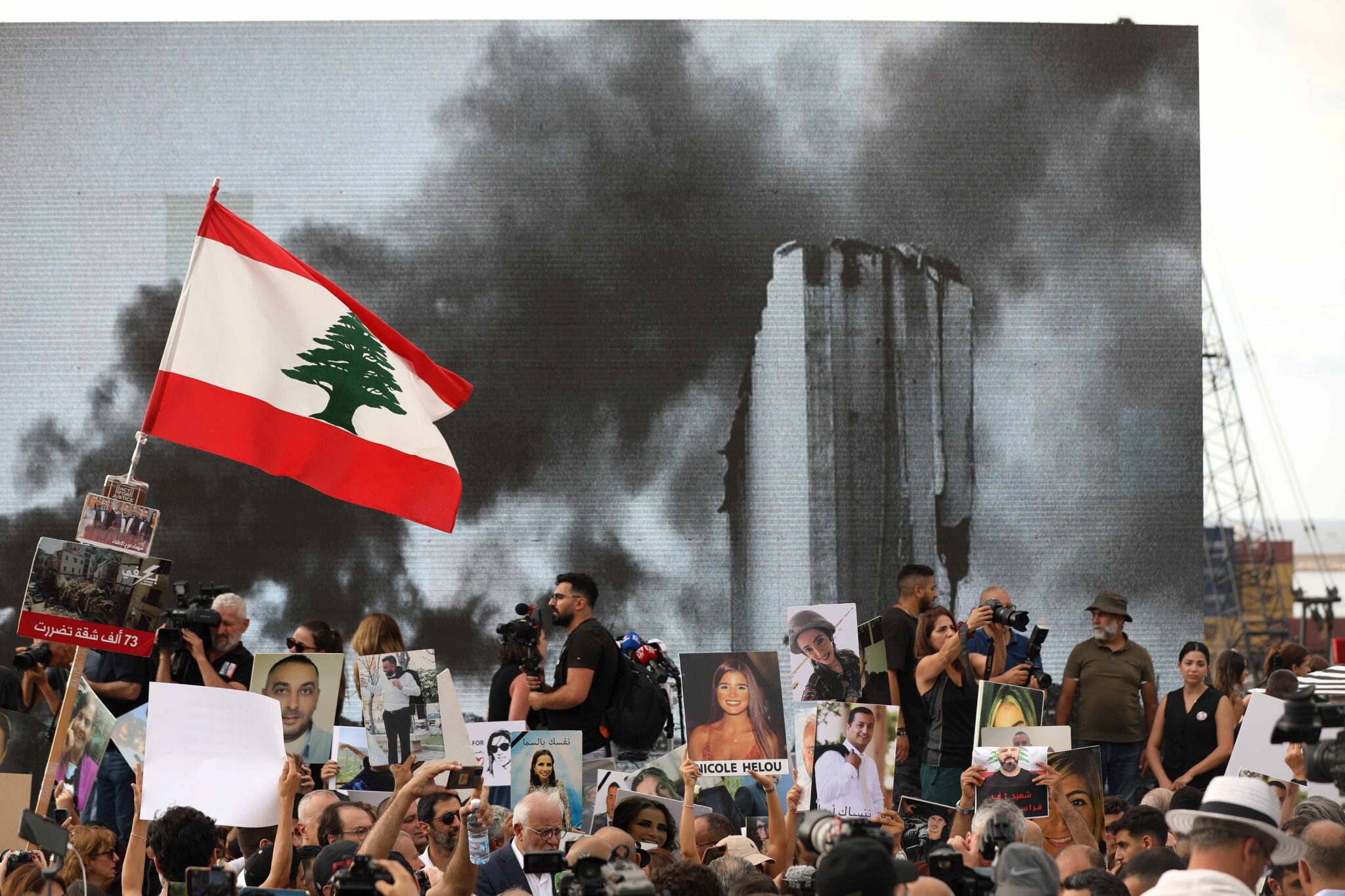
Lebanese authorities had promised the investigation into the Beirut port explosion would be completed within five days. Five years later, Daraj reports on what is still holding up this case, and talks with the country’s new Justice minister about the country’s need for truth.
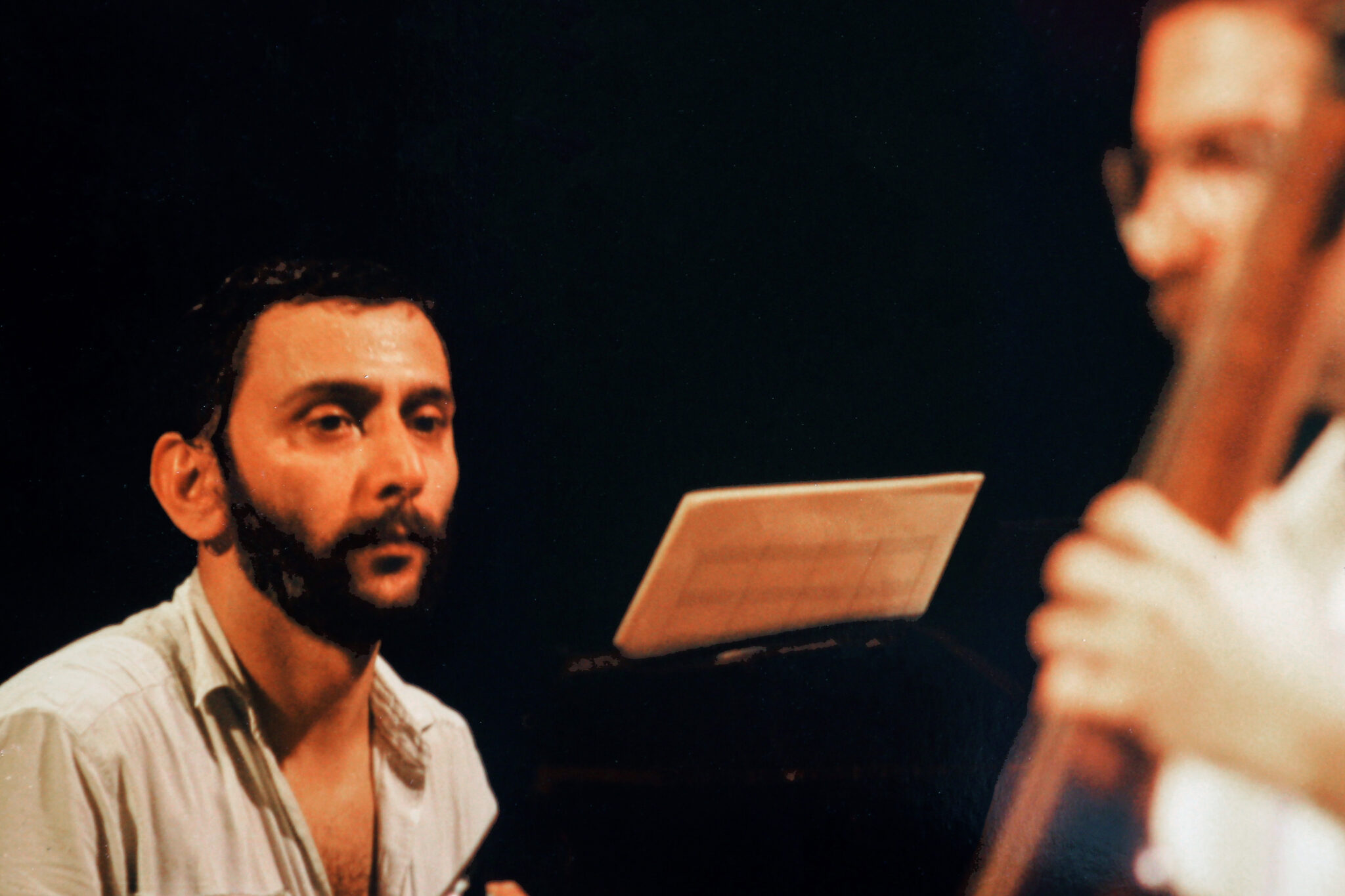
The death of Ziad Rahbani, Lebanon’s legendary composer, playwright, musician, and political provocateur, leaves a profound cultural and emotional void. His plays and songs expressed the nation’s tragedies, anger, and resilience, making him a “living echo” of Lebanon’s struggles that will continue to resonate for generations.
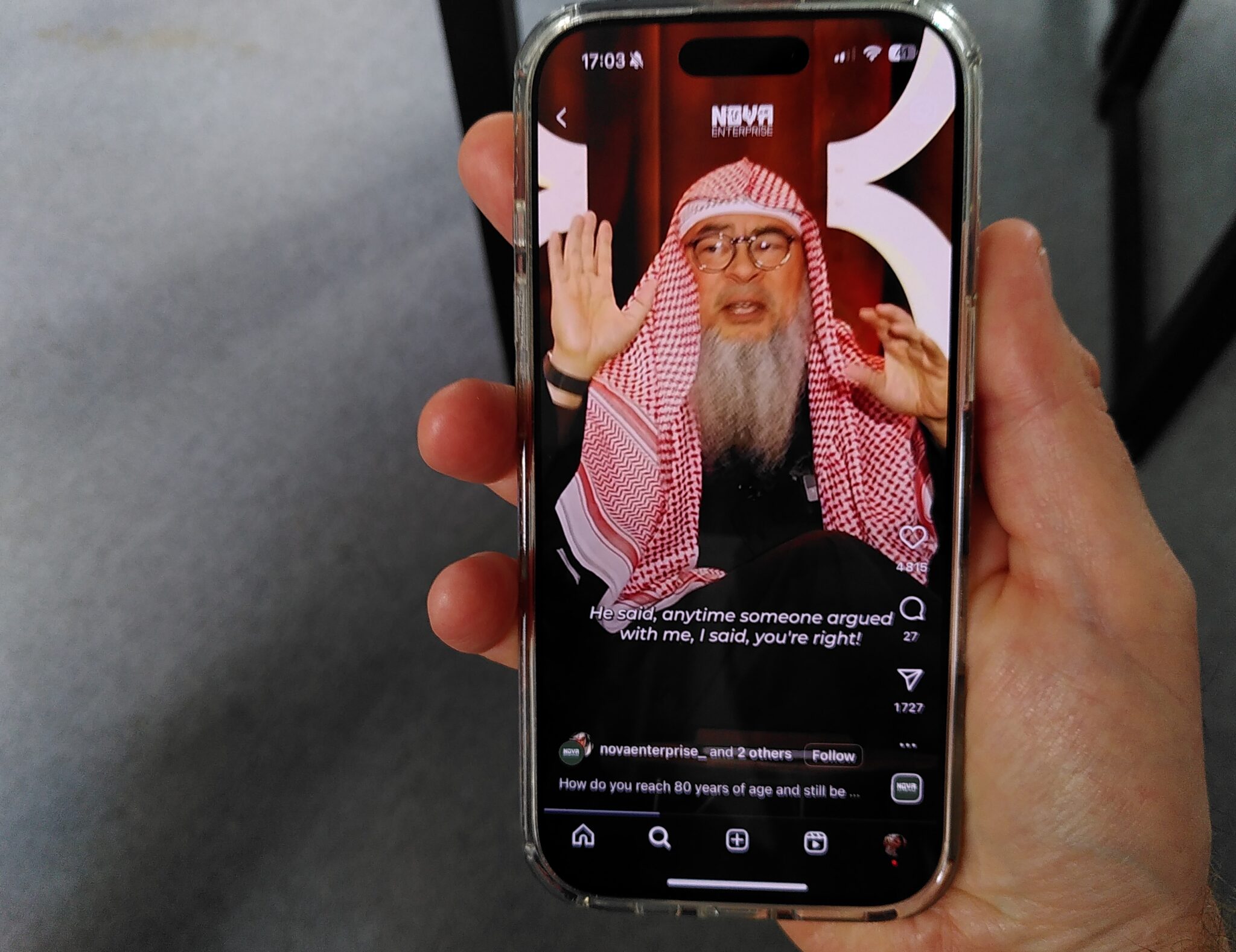
In the age of algorithms and 15-second reels, a new kind of religious voice is echoing across the Middle East and North Africa through smartphones and social media feeds. These are the “Instagram Sheikhs” — a diverse group of young, digital-savvy Muslims who fuse Islamic teachings with modern tools and aesthetics.
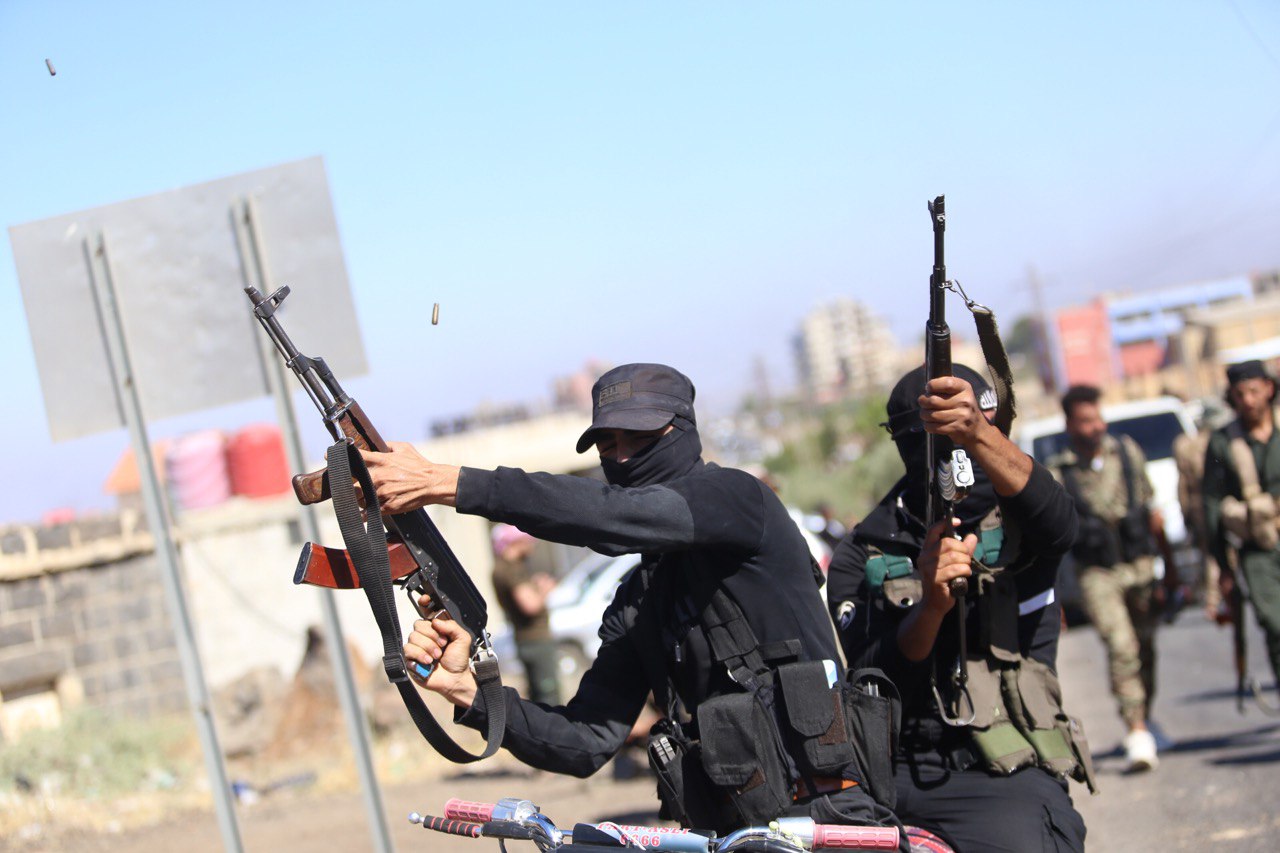
With Israel and Iran’s shadow war spilling into Syria, the new government in Damascus has warned that “foreign actors” aim to plunge the country into a cycle of instability and chaos.
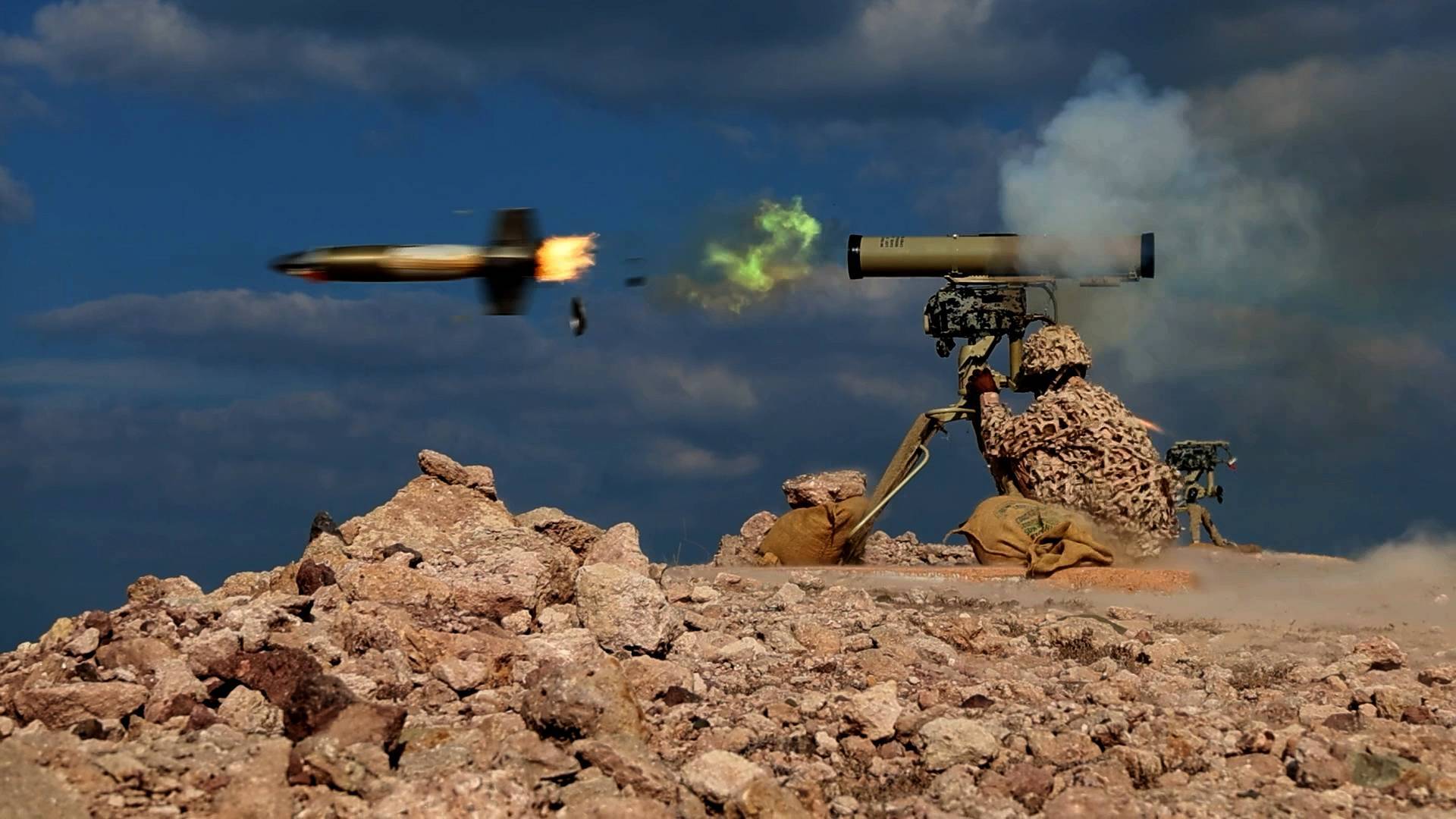
The Islamic Republic of Iran recently sent Ismail Qaani, the Revolutionary guards general who keeps ‘resurrecting’ after being reported as killed or maimed, to Baghdad to discuss rearming its proxy militias. This appears to be Tehran’s first act of regional interference since Israeli strikes in June.
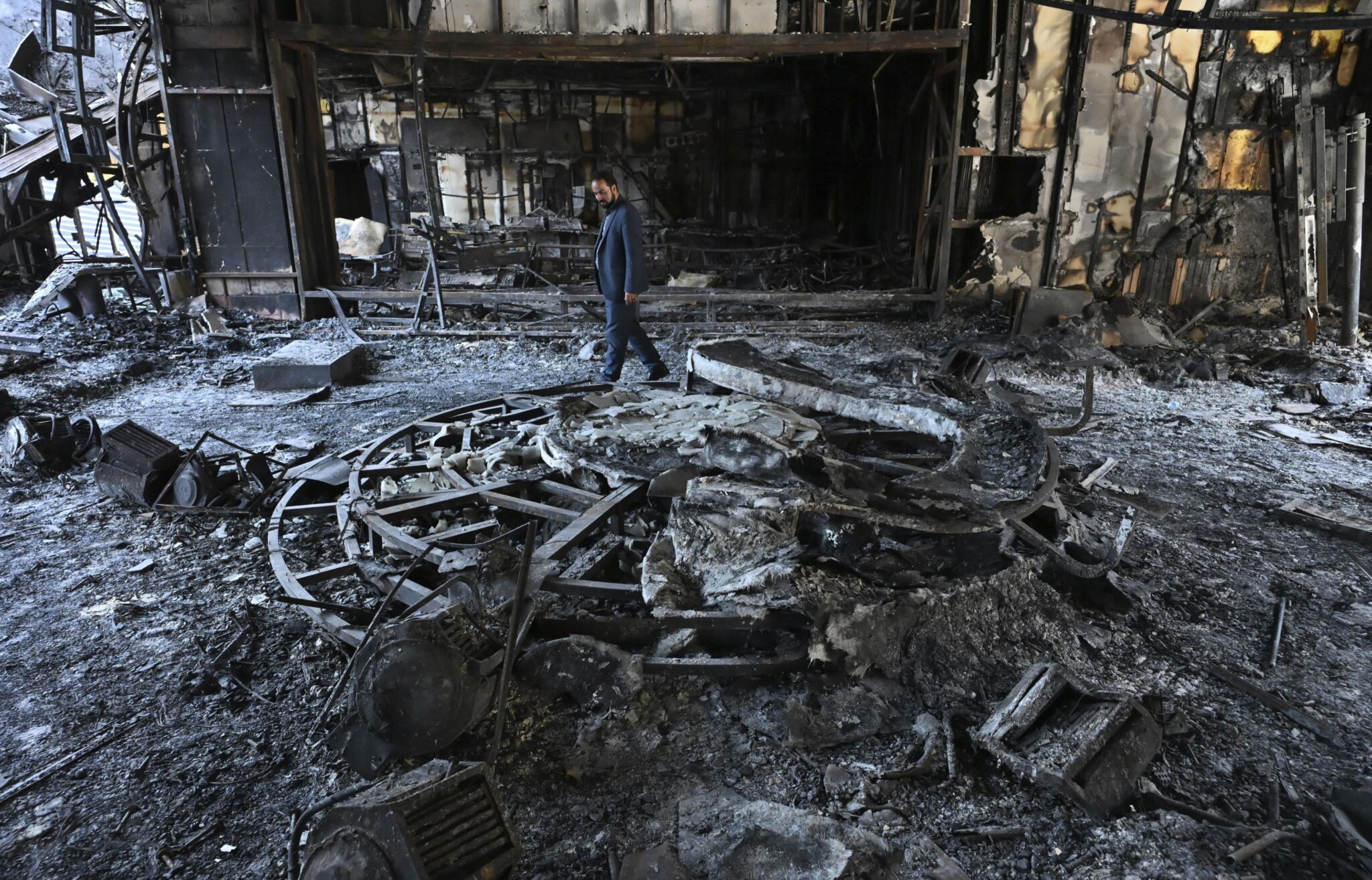
Between the defeats of June 1967 and June 2025 — both ironically hailed by some as victories — history seems to repeat itself. But now that Arab habit of declaring victory has also spread to Benjamin Netanyahu’s Israel, still haunted by Oct 7.
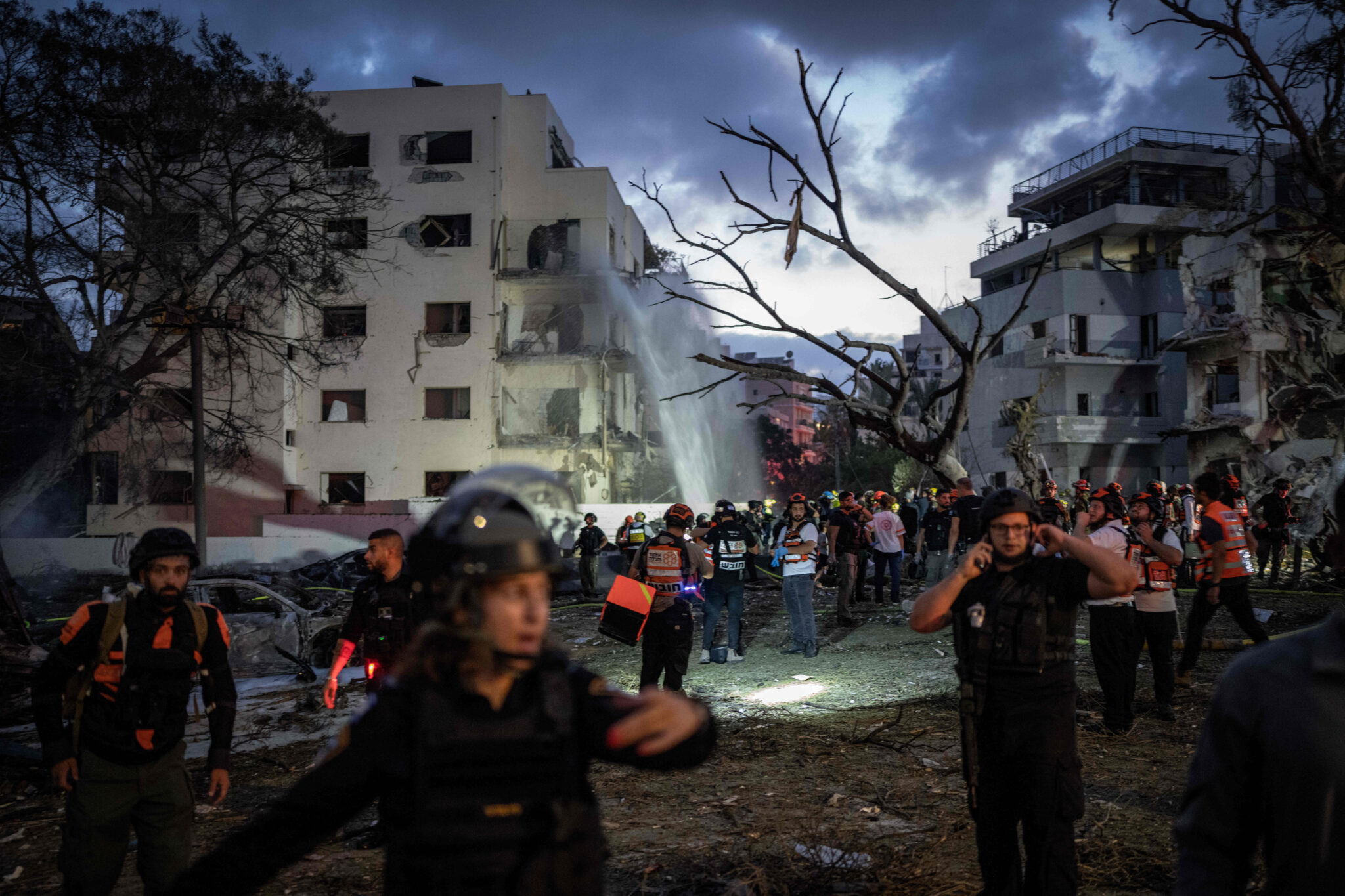
As Israel and Iran trade missile strikes, people of the Middle East are divided between cheering and gloating in a conflict of axes fighting over the ruin of the region. We must return the debate to its root: Who represents the peoples of this region? Who defends their right to freedom, not to arms?
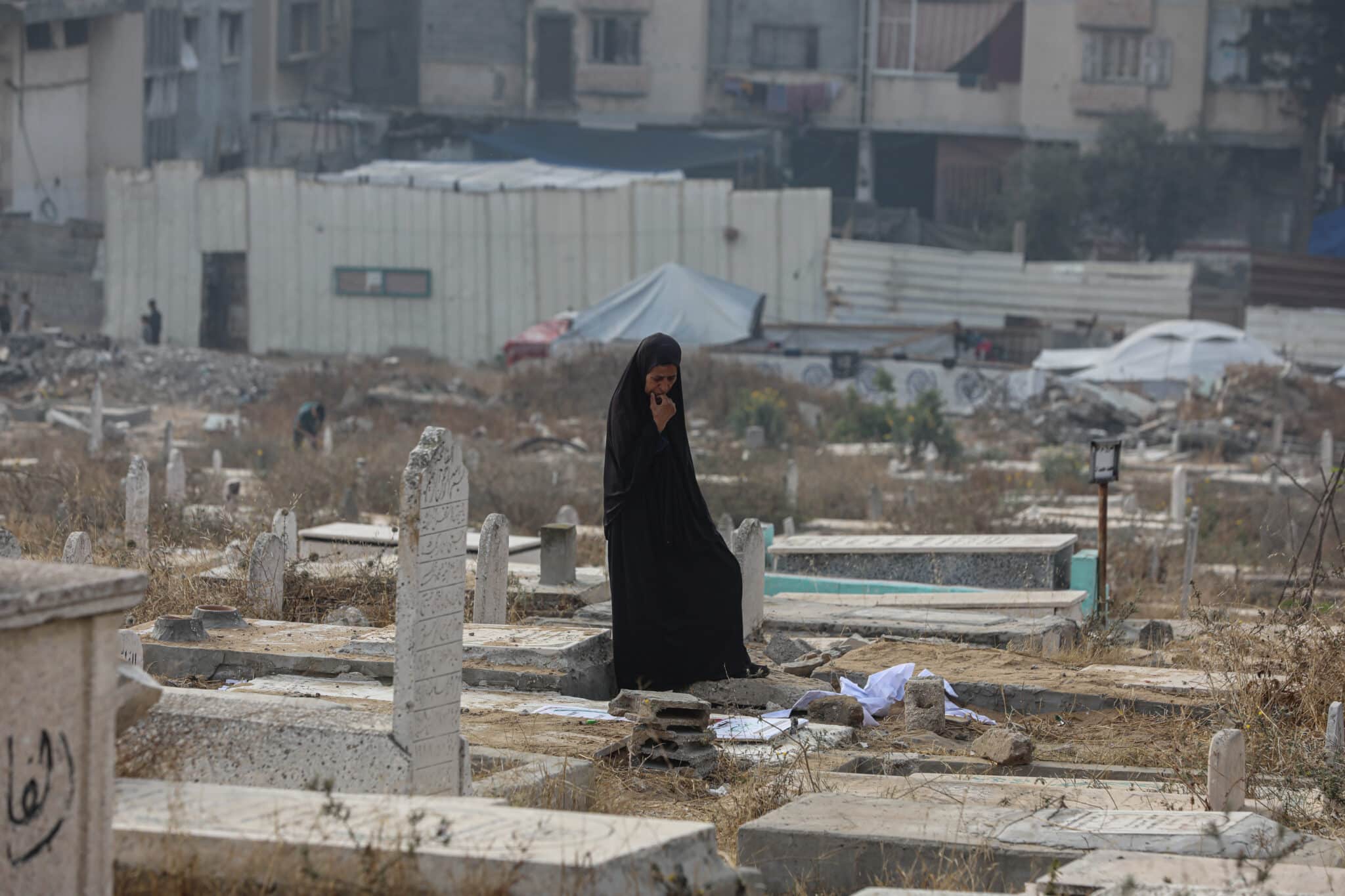
Neither Israel nor Hamas has any interest in declaring victory or defeat. Yet, as a moral obligation, Hamas must preempt the Israeli mission and agree to withdraw from Gaza.
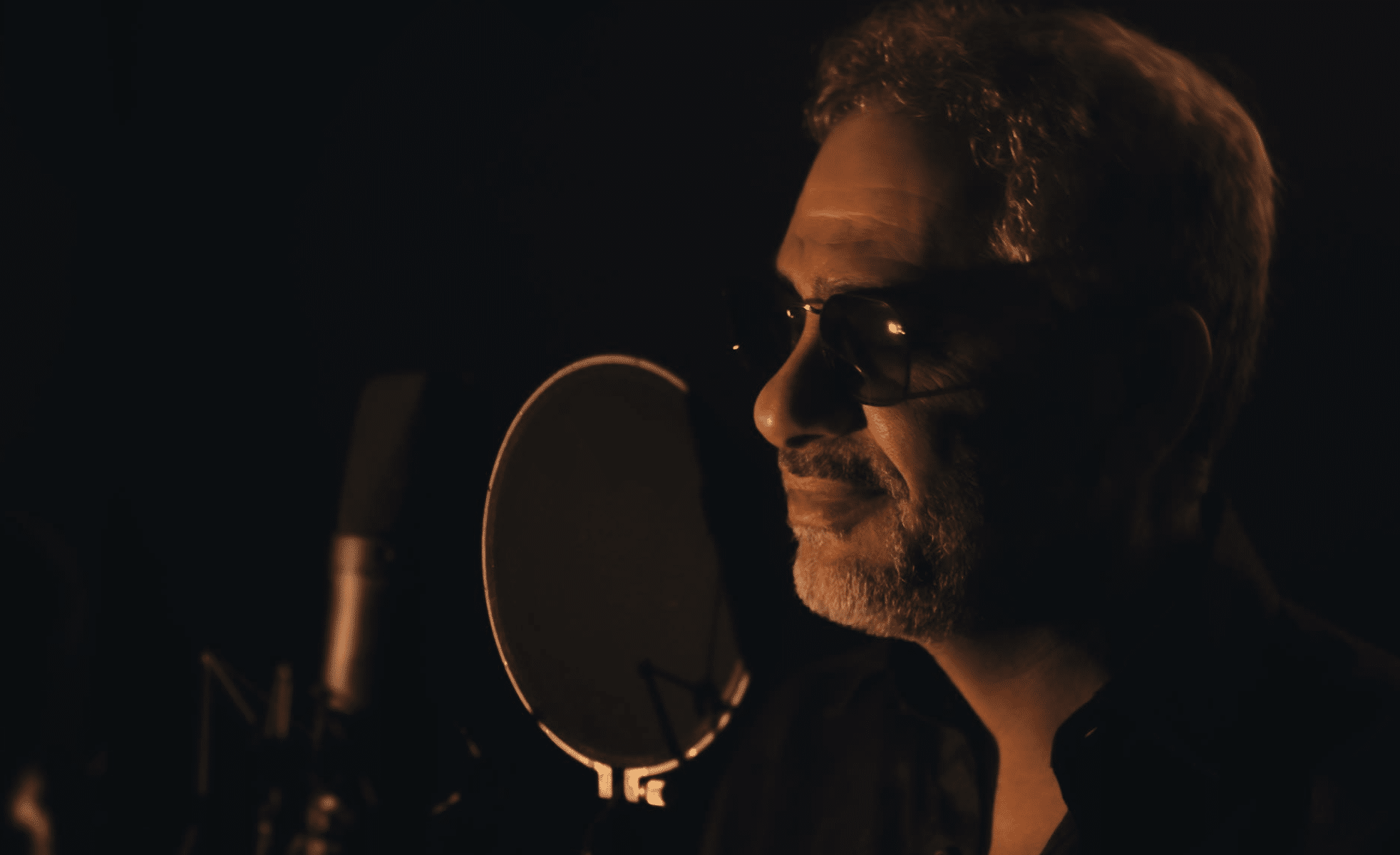
Lebanese singer-turned radical Fadel Chaker was sentenced to 22 years in prison for his role in deadly clashes in 2013. Yet his story reflects the contradictions of Lebanon and the tragedy of its broken justice system.
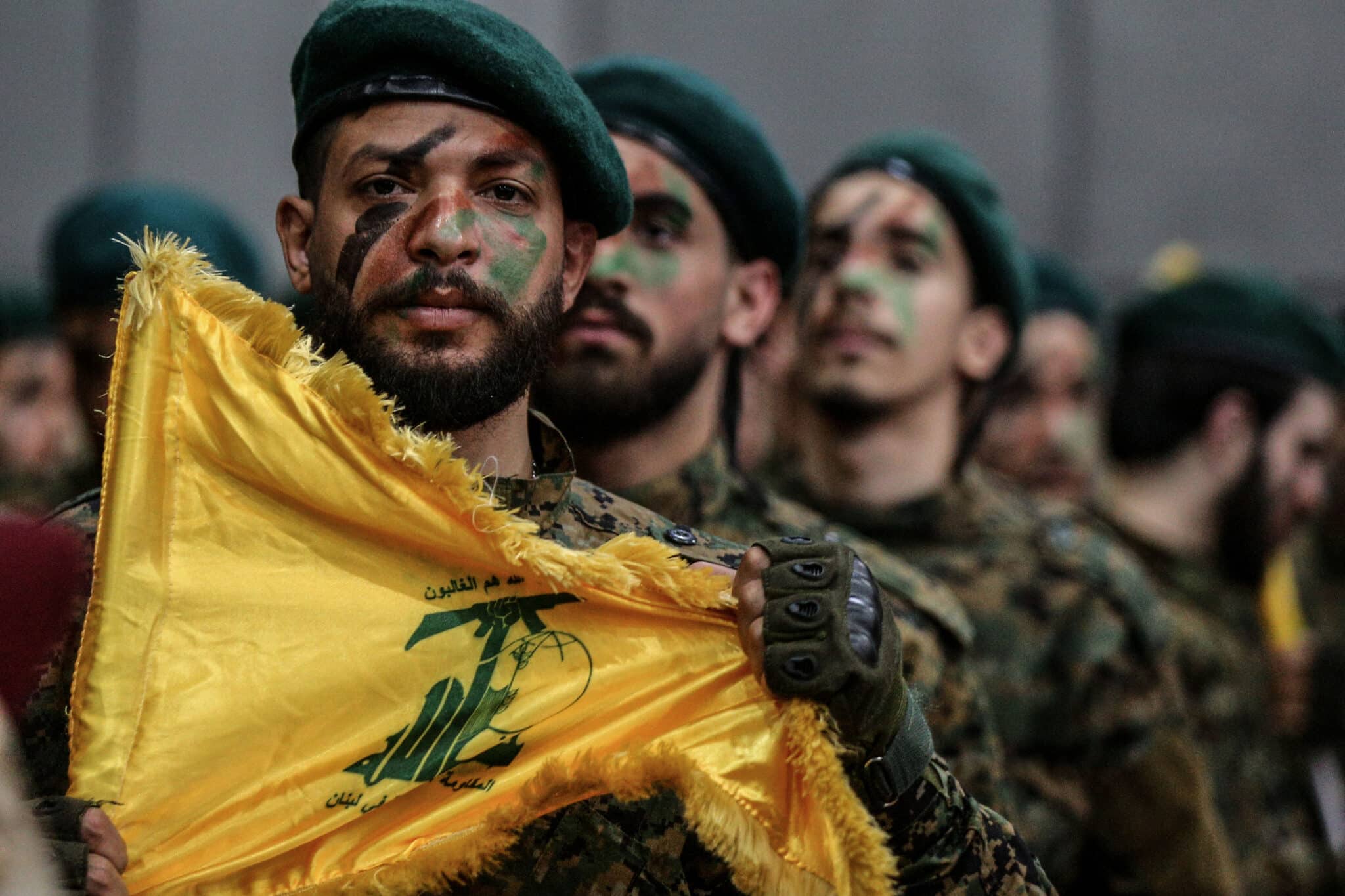
Sources say Hezbollah is in such dire financial shape, as Israel and Lebanon are successfully cutting off funding from Iran, it puts the organization at existential risk.
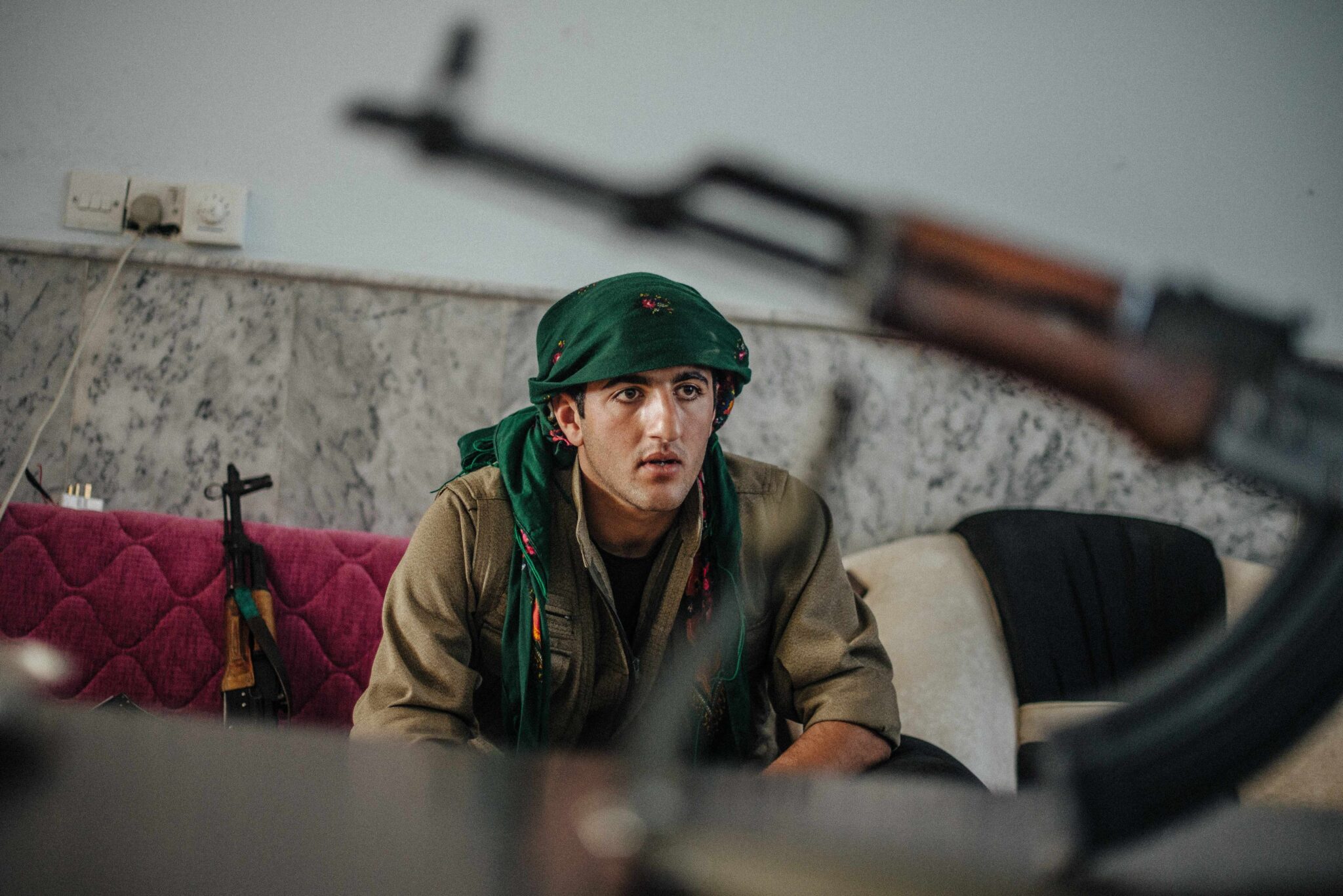
The Kurdish PKK’s historic decision to lay down its arms is just the latest sign that armed struggle has not lived up to its promises of liberation, and now appears to be on its last breaths across the region.
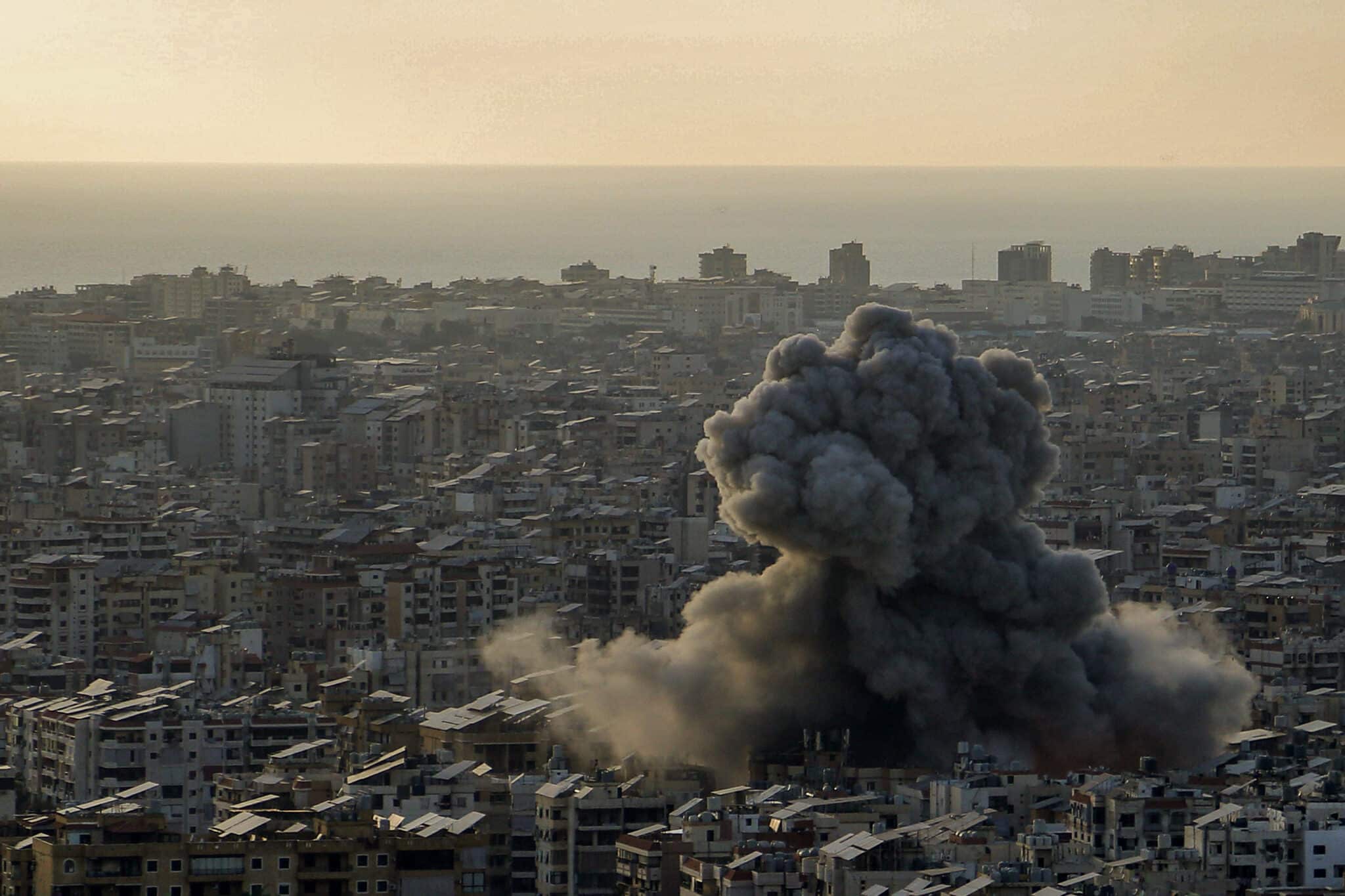
The Israeli army has imposed itself as the most powerful in the region in the wars waged since Oct. 7. But this military hegemony does not come with any political solution: This is Netanyahu’s weakness at a time when Trump is visiting the wealthy princes of the Gulf.
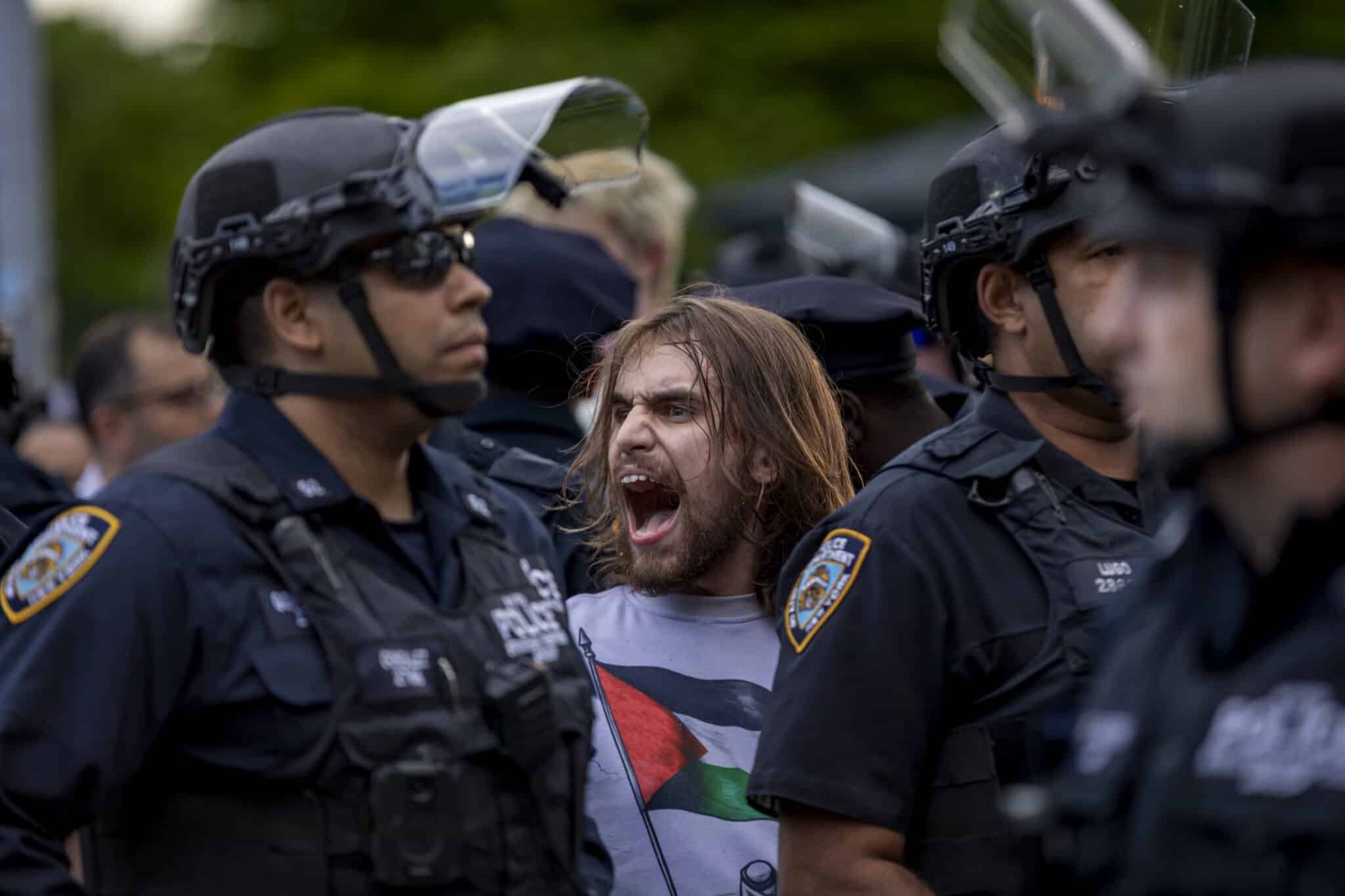
The West’s treatment of Pro-Palestinian protesters has shattered the image of democracies as bastions of free expression. But the West’s contradictions hold lessons for the Arab world.

A personal reflection from Beirut capturing the quiet heartbreak of watching loved ones emigrate in search of stability and dignity. As friends and family disappear into the distance, what remains is a world shaped by absence, memory, and the lingering question: should I go too?
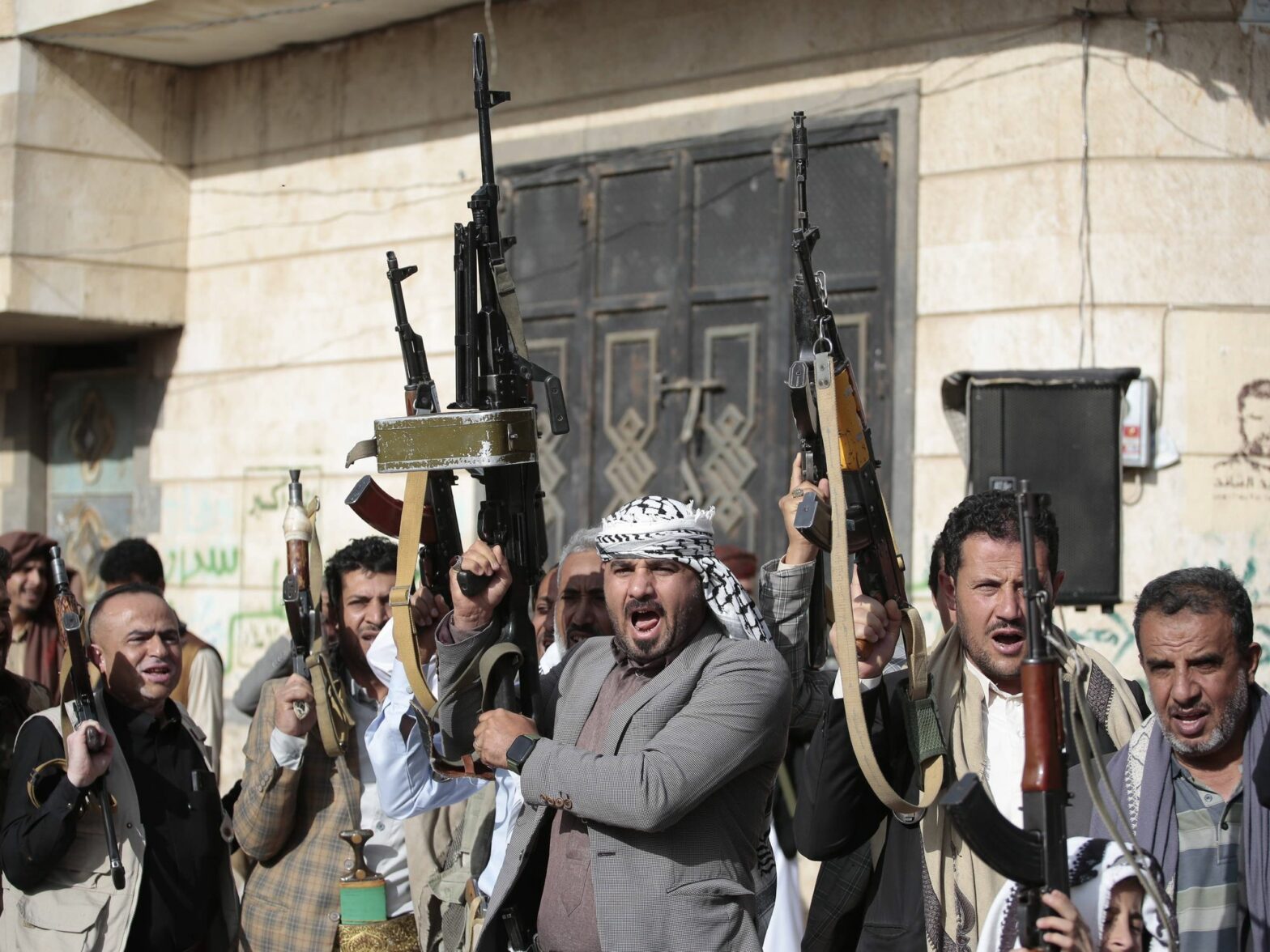
The United States has “quietly” kept bombing Yemen, more than 50 times in two weeks. But what if Donald Trump’s real target is Iran?
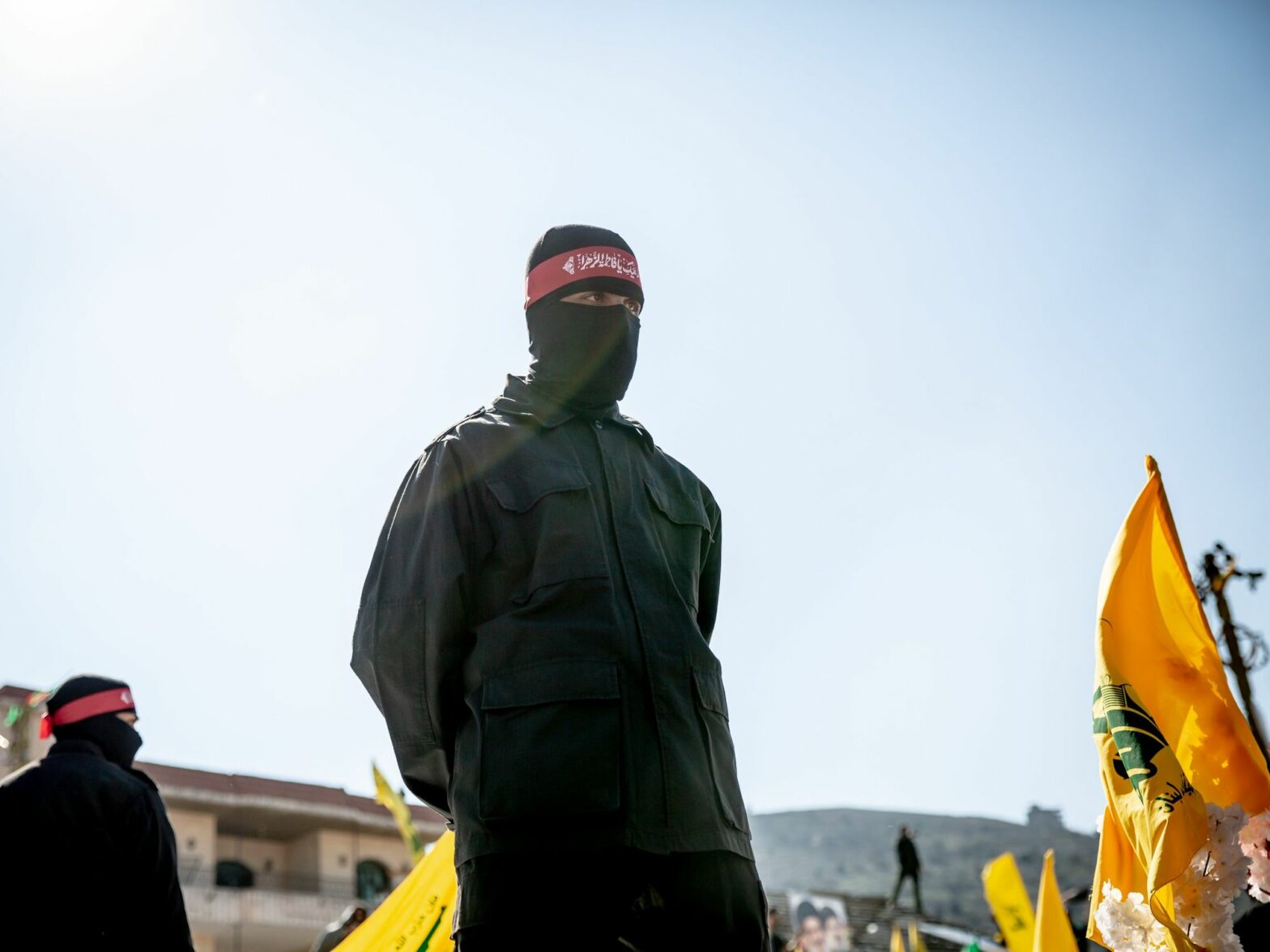
After suffering losses last year, Lebanon’s Hezbollah militia has transferred its war against Israel from the ground to cyberspace — at the risk of undermining the precarious ceasefire between the two countries.
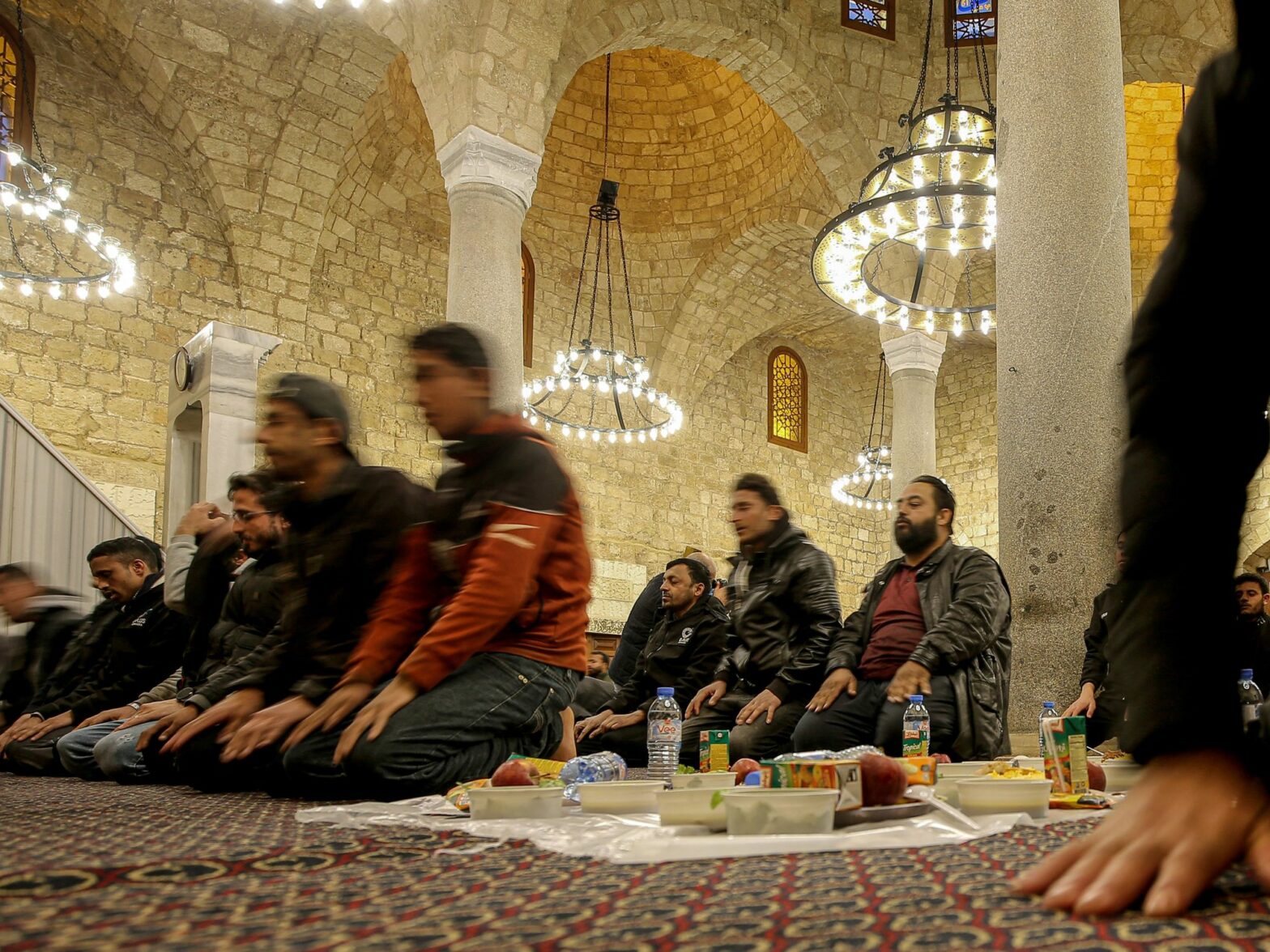
Ramadan shifts our focus from production to minimalism. It reminds us that we are not created to be productive all year long, that we are allowed to slow down, to be selective, and to prioritize our health and families — unlike the corporate world.
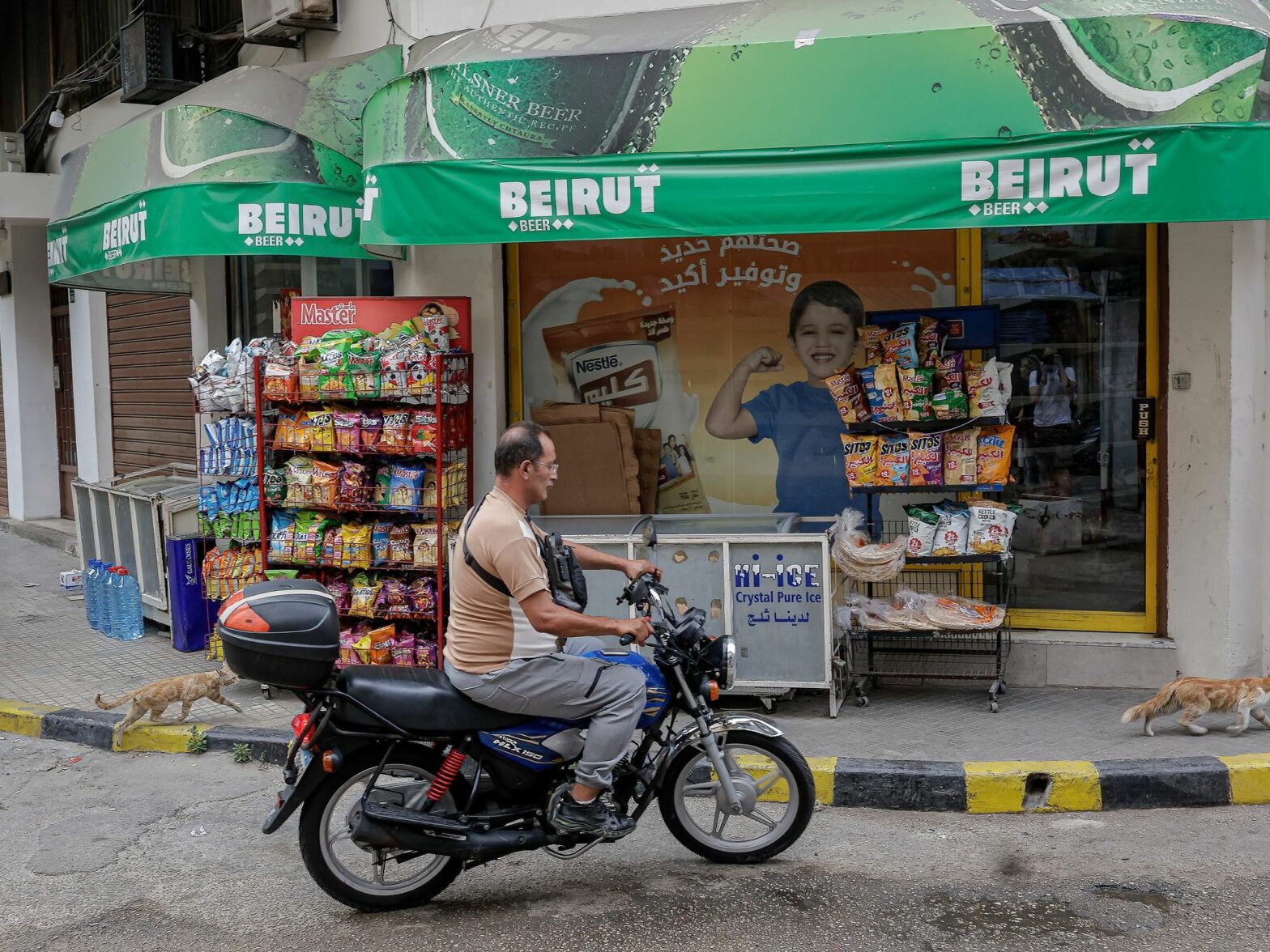
The Saudis could regain the political and financial clout they once enjoyed in Lebanon, which was lost for two decades to Hezbollah and its foreign patrons. Could that restore a measure of prosperity to a country brought to its knees by decades of civil war and the unwelcome interventions of Tehran and Damascus.

From war zone risks to head-scratching tourists, the manipulation of the GPS navigation system by hackers (jamming and spoofing) can wreak havoc on our modern habits of relying on real-time digital mapping apps. The surest alternative may be going back to paper maps.
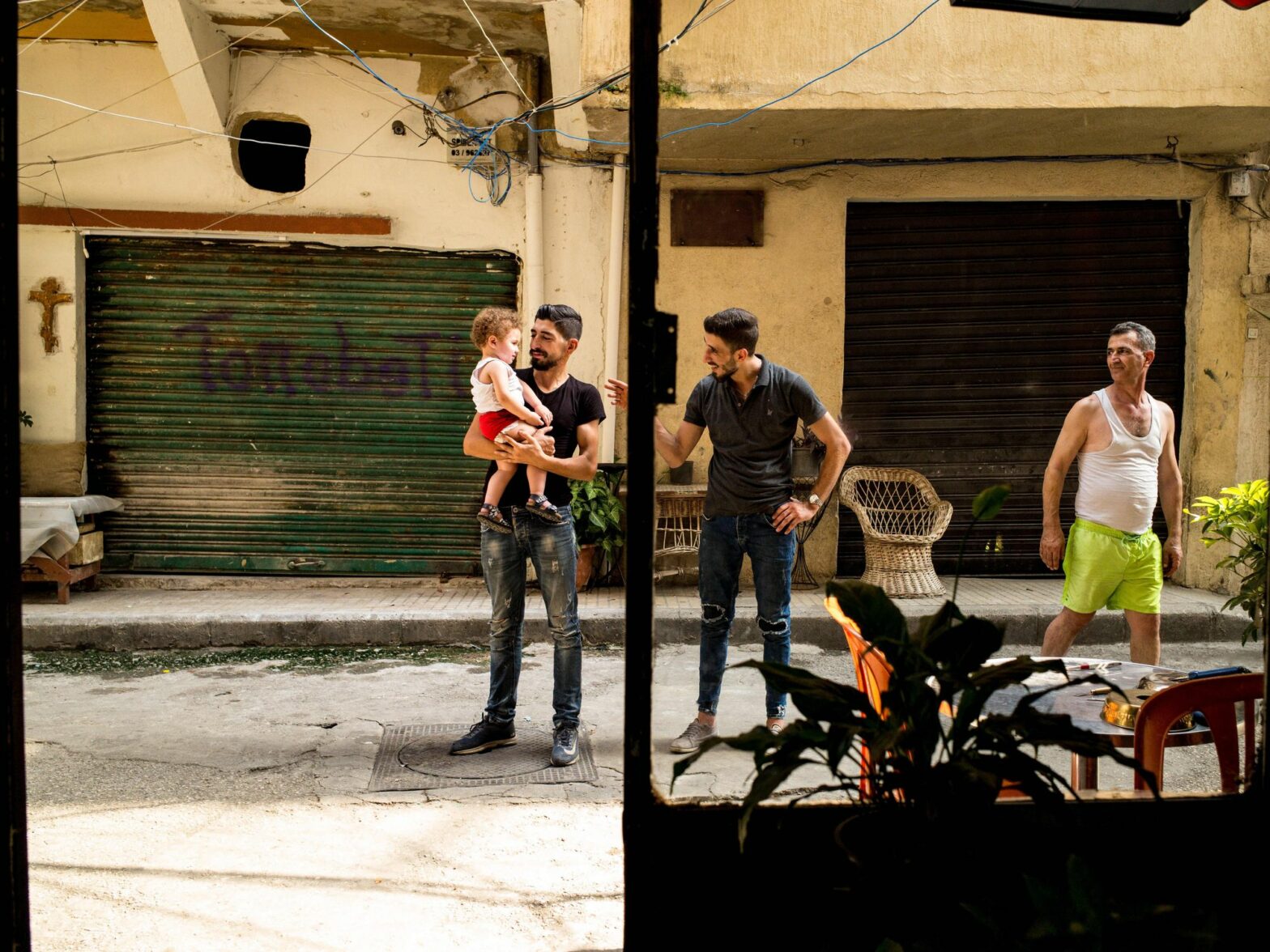
Our political values today matter more. Before the Oct. 7 attack and subsequent wars in Gaza and Lebanon, many of us distanced ourselves from politics, avoided political discussions and chose neutrality — only to realize that neutrality was not the best option. So how do we deal with friends and family we disagree with?
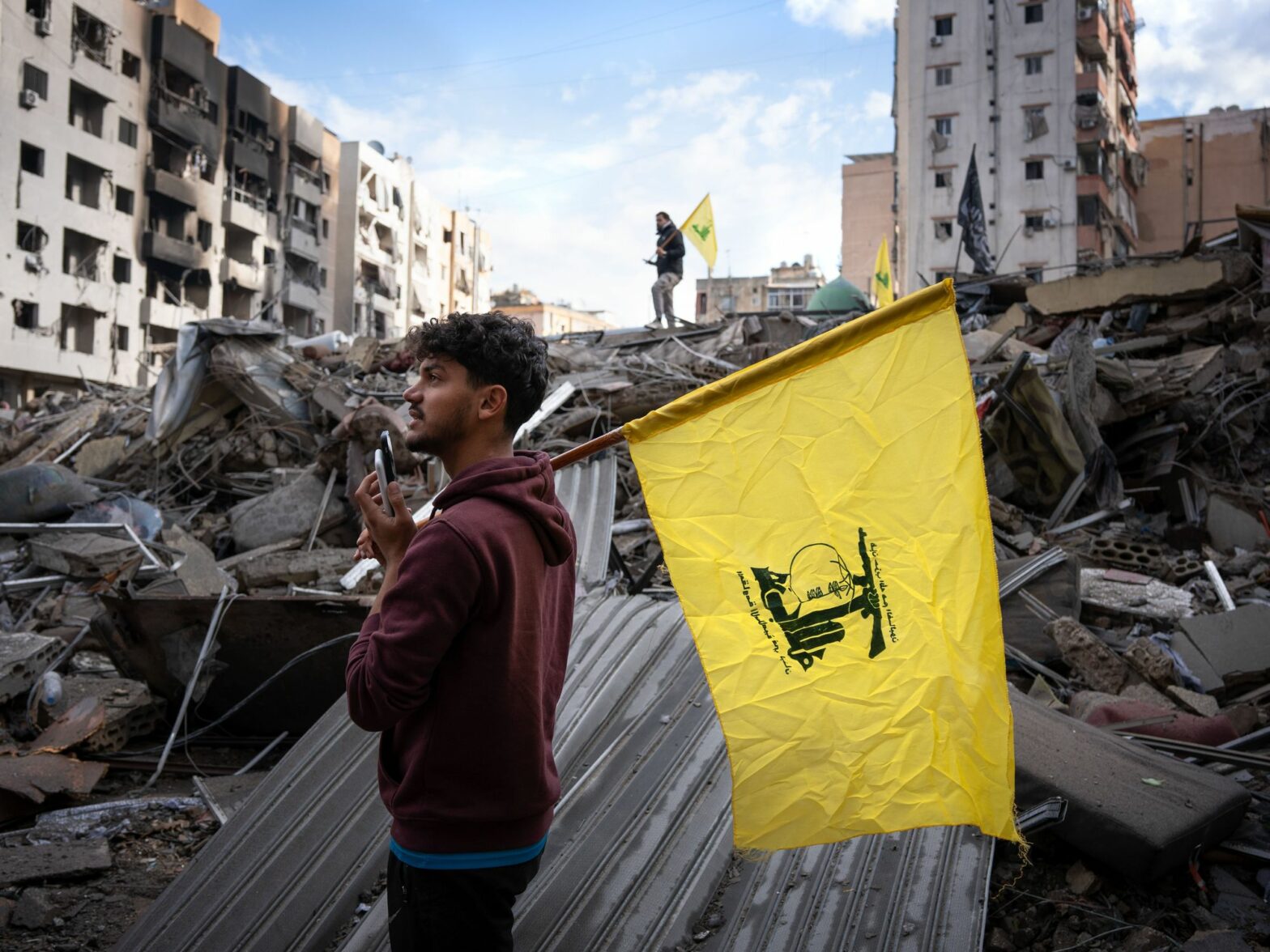
Hezbollah has emerged notably weaker from the war with Israel. The image of the protector that it had entrenched in Lebanon’s Shiite consciousness was shattered by the war in favor of an idea that calls for the Lebanese army as an alternative guardian. Yet Hezbollah is hardly fading away.

From the bustling streets of Cairo to the soulful melodies of Beirut, Arab cinema is masterfully capturing the heart of a region rich in culture, resilience and untold stories.
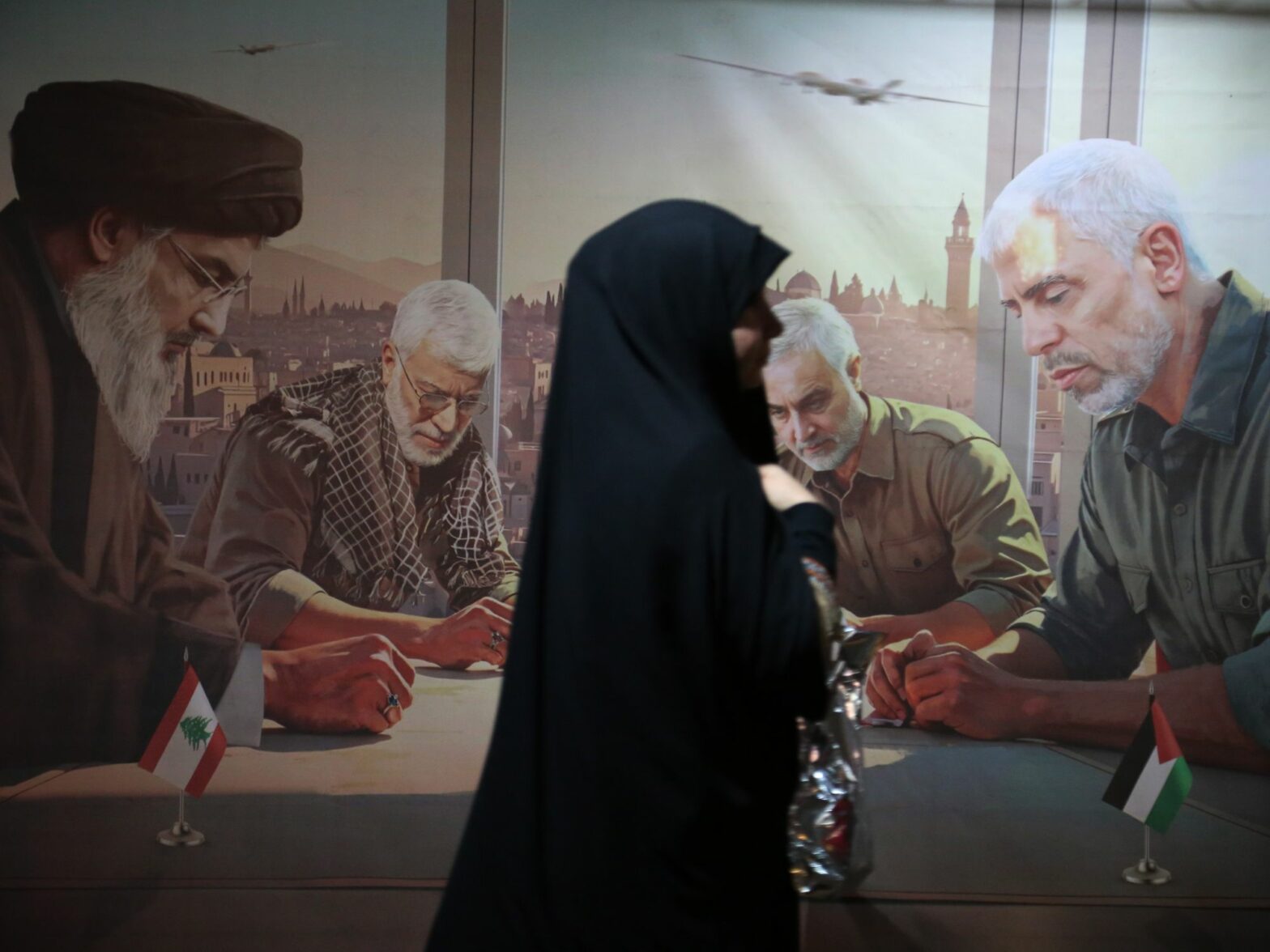
Hijab is merely a custom that, by force of tradition, has turned into a religious symbol — nothing more. The early Quranic interpreters, who favored transmission over reason due to their limited knowledge and weak analytical abilities at the time, interpreted the so-called “verses of hijab” without considering their historical context or the reasons behind their revelation.
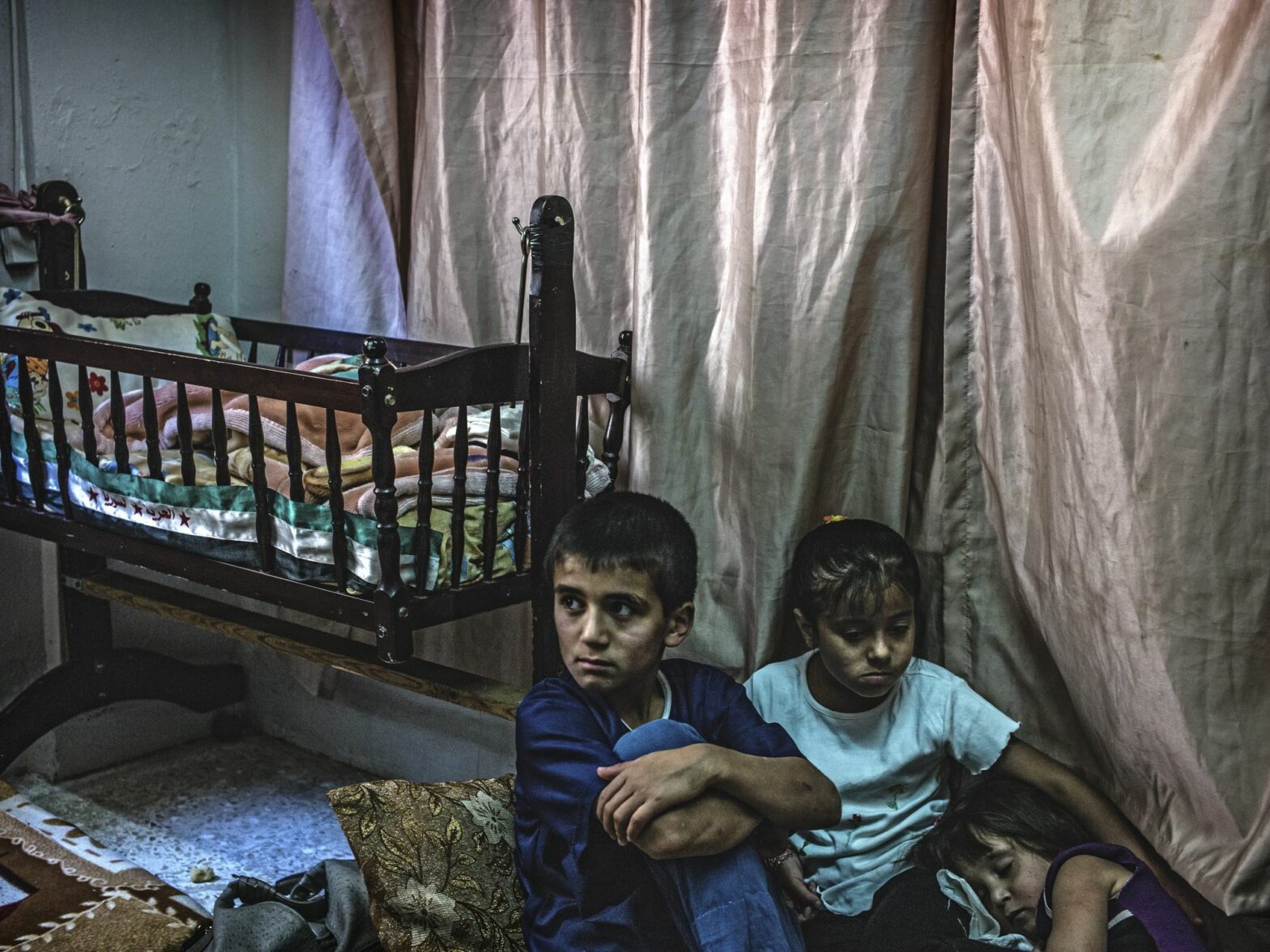
The collapse of the Assad regime in Syria freed thousands detained in the country’s prisons. But it has also revealed potential rights violations by international children’s NGOs, which received children whose parents were detained in Assad’s prisons. The situation echoes similar violations in Canada and Russia.
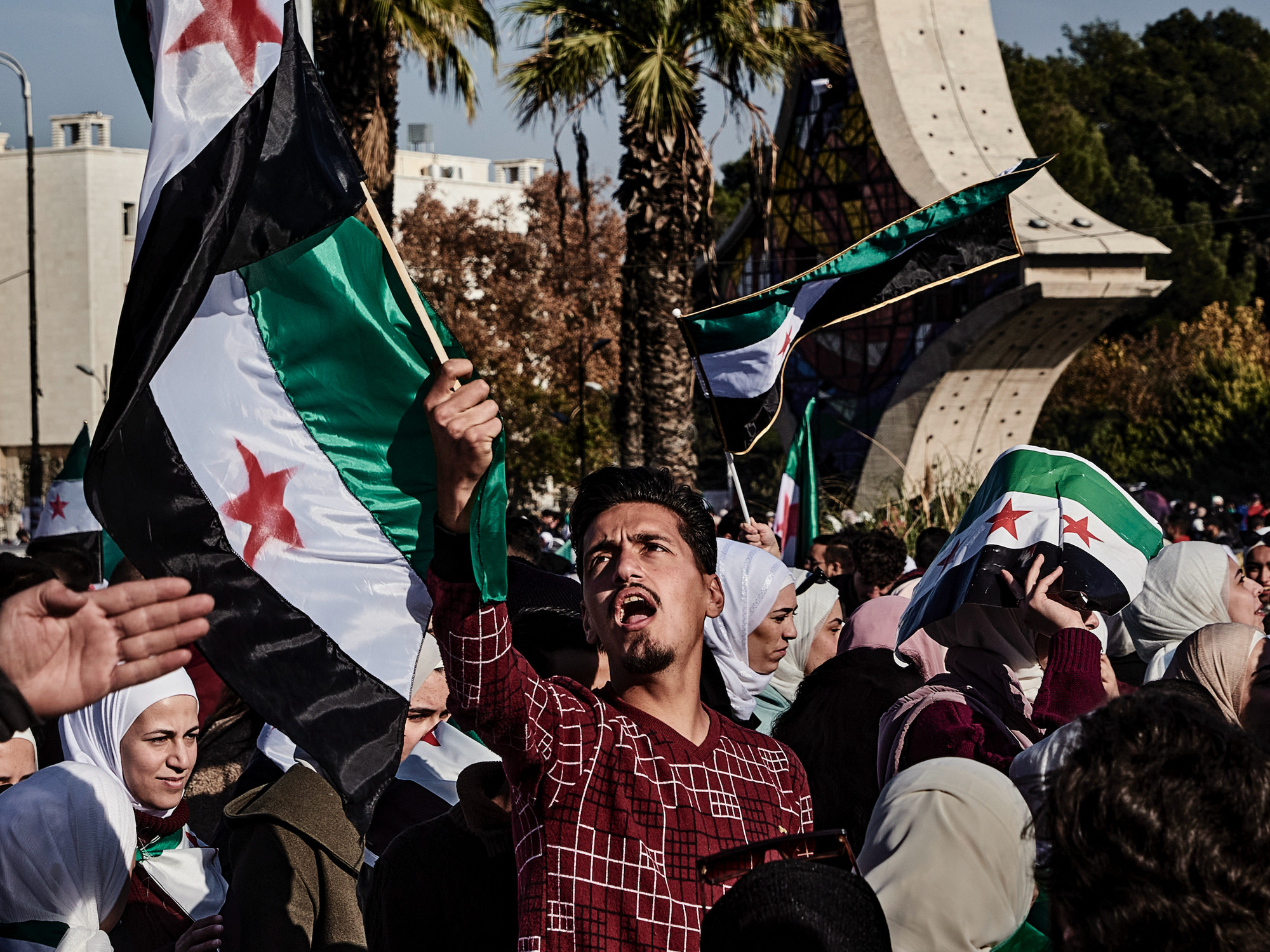
The year started without the tyrant of Damascus. Lebanon elected a president. Gaza has a ceasefire. Some of this progress is due to external geopolitical forces, yet there are signs that the region could be turning around from within.
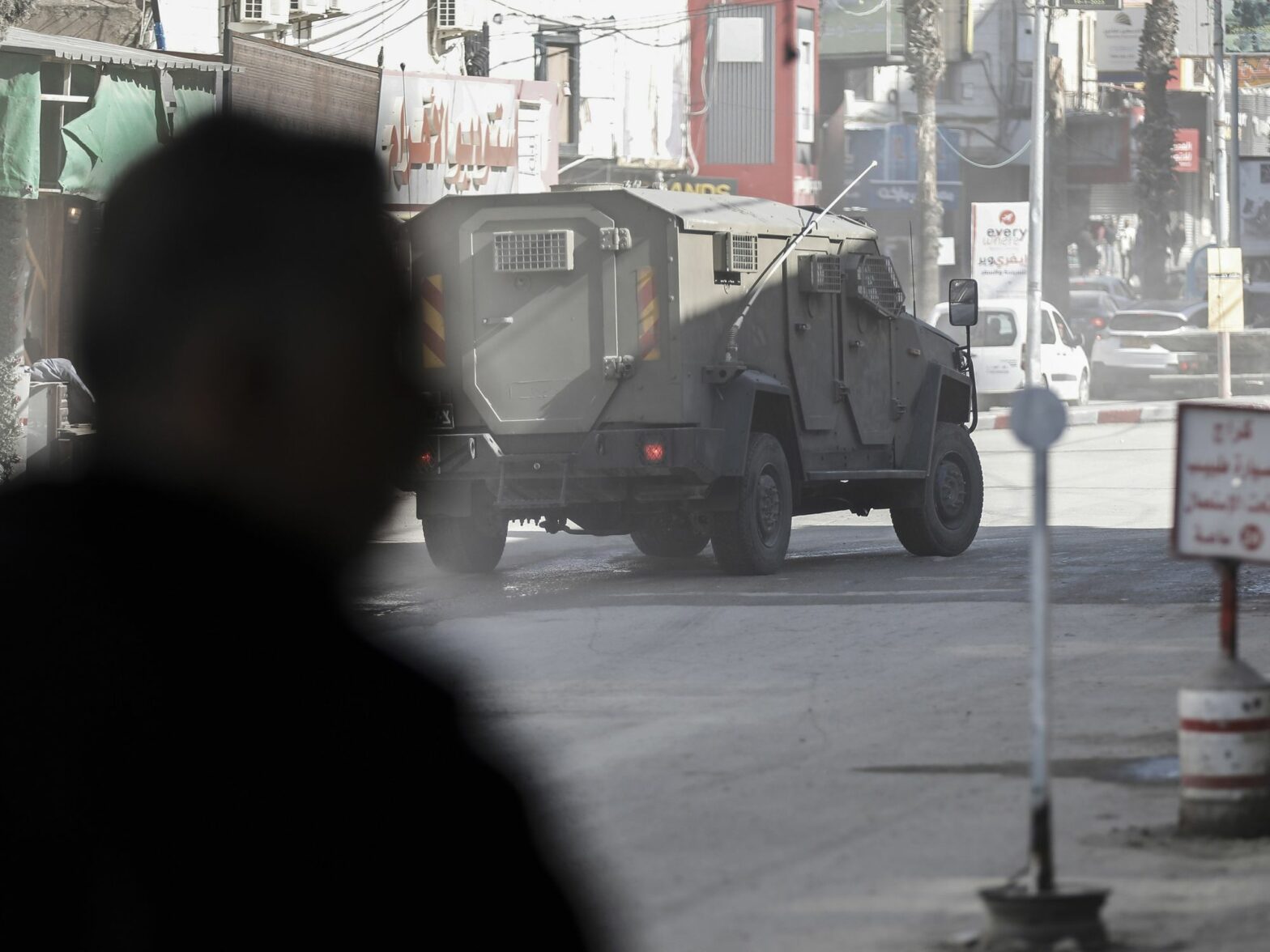
As the ceasefire settles in Gaza, the Israeli army has launched a large-scale operation in Jenin, in the West Bank. This move reignites tensions already fueled by the violent actions of settlers and serves as a reminder that no political solution is tied to the agreement reached in Gaza.
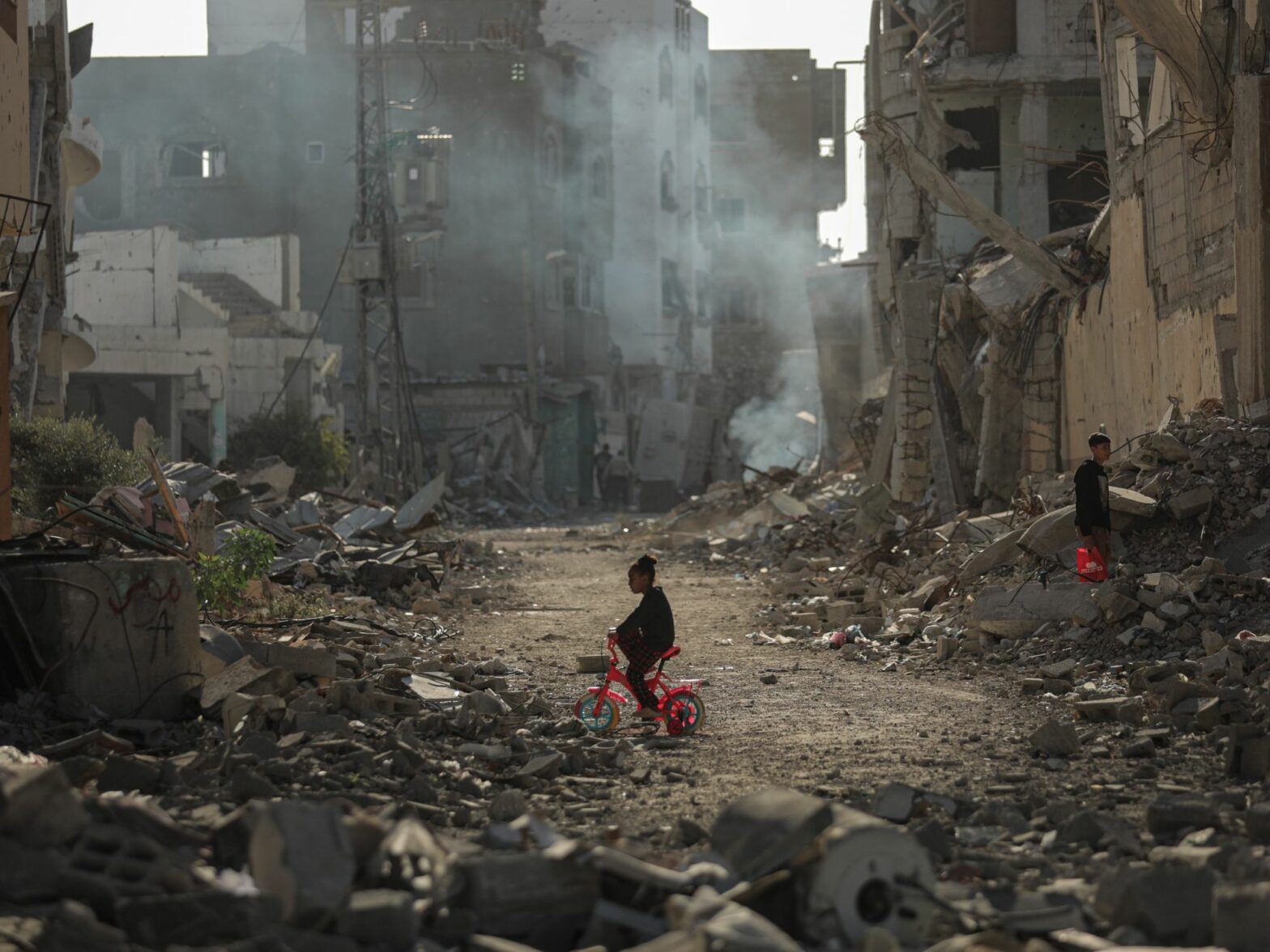
The joys of victory, the tears of defeat, all the while ignoring the Zionist deterrent known as “peace.”
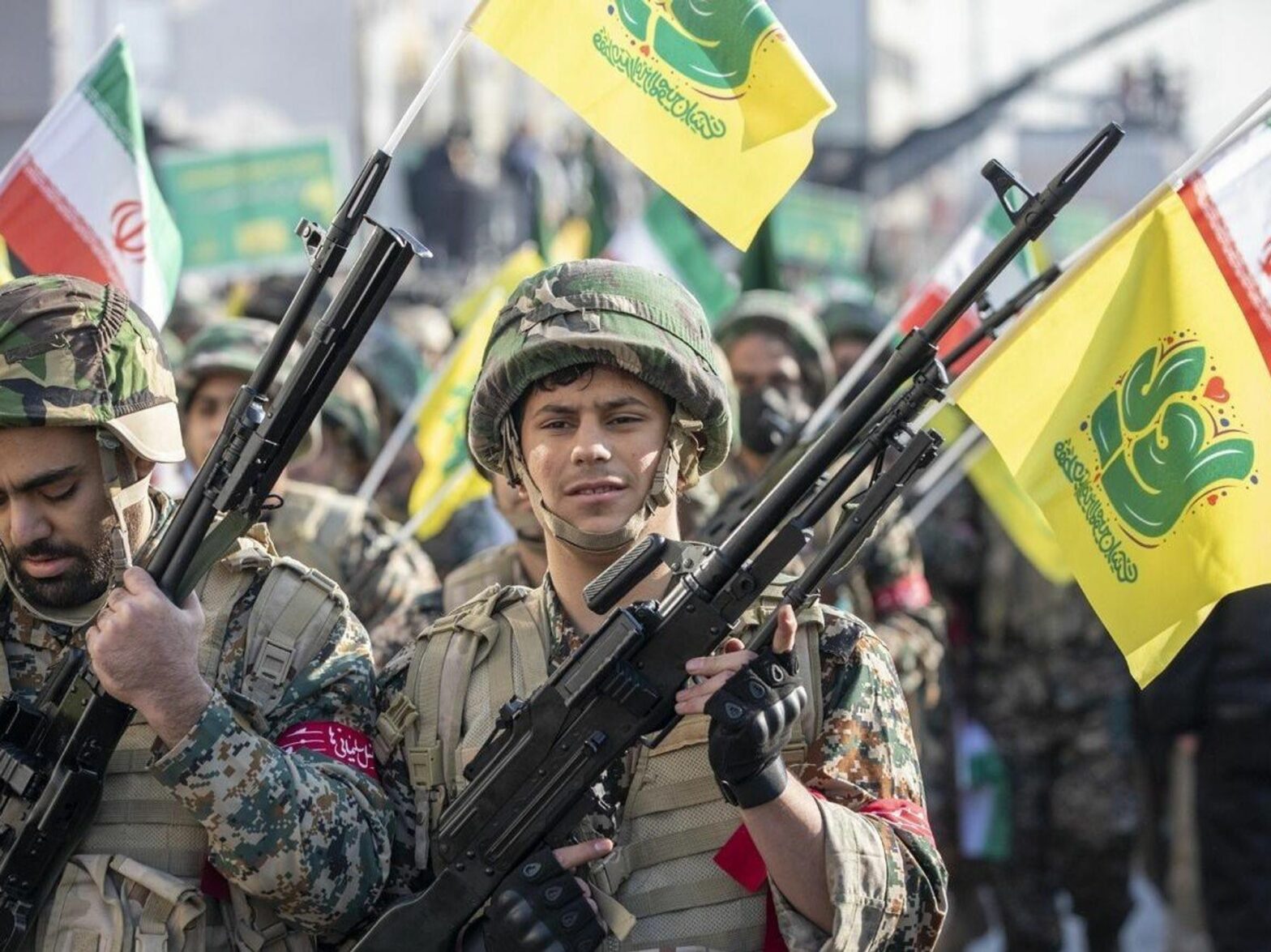
Iranian officials have been unnerved by the Assad regime’s collapse, with one top general admitting the country was “defeated very badly” in Syria. A shaky ceasefire in Gaza follows 15 month of war in which Tehran’s proxy Hamas was decimated. Will unrest in the region spill over to Iran, where problems — both foreign and domestic — are piling up for the regime?
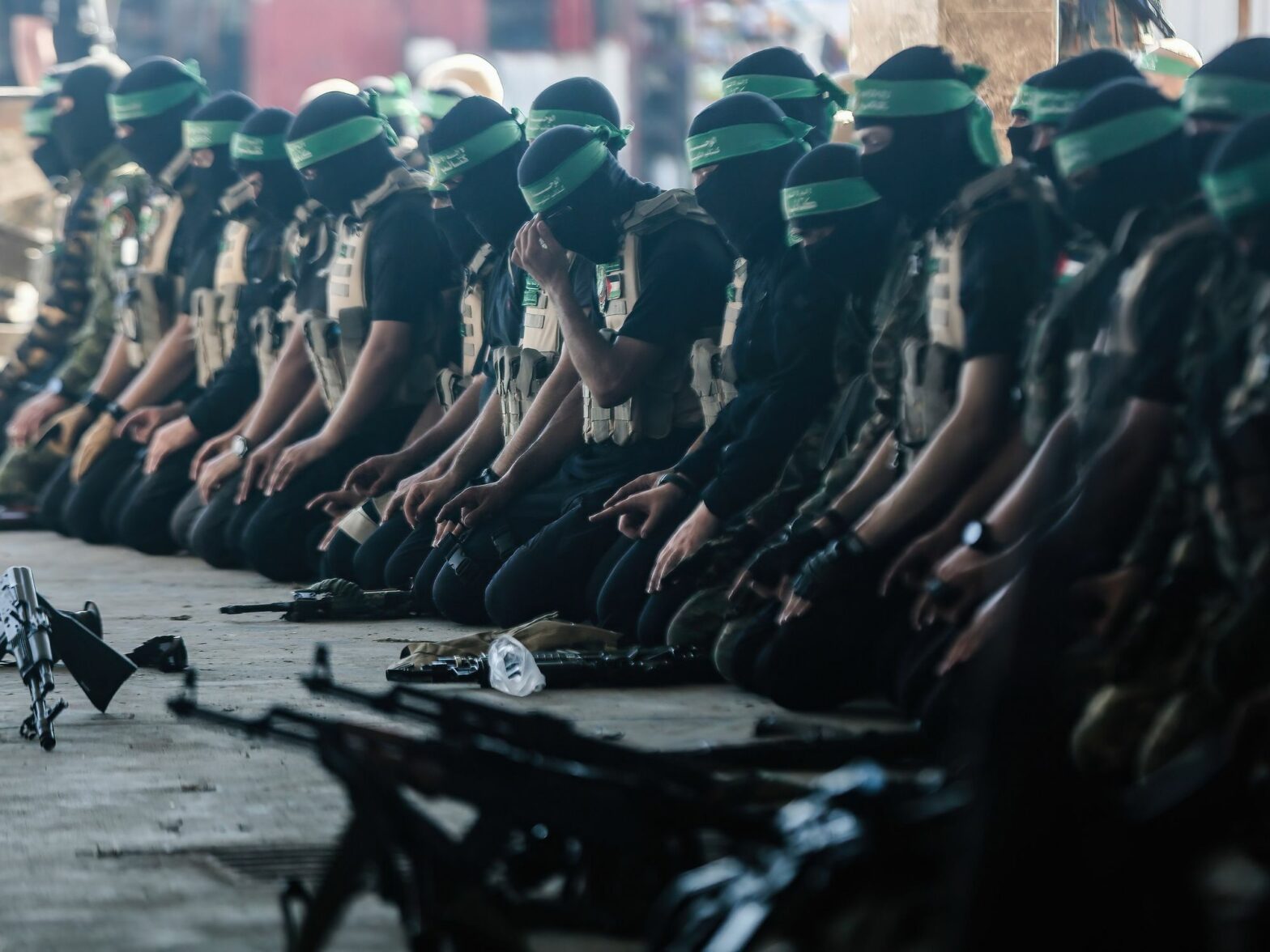
Israel has killed thousands of Hamas fighters. But the Gaza-based terrorist organization has not yet been completely destroyed, nor have its allied militias in the region.
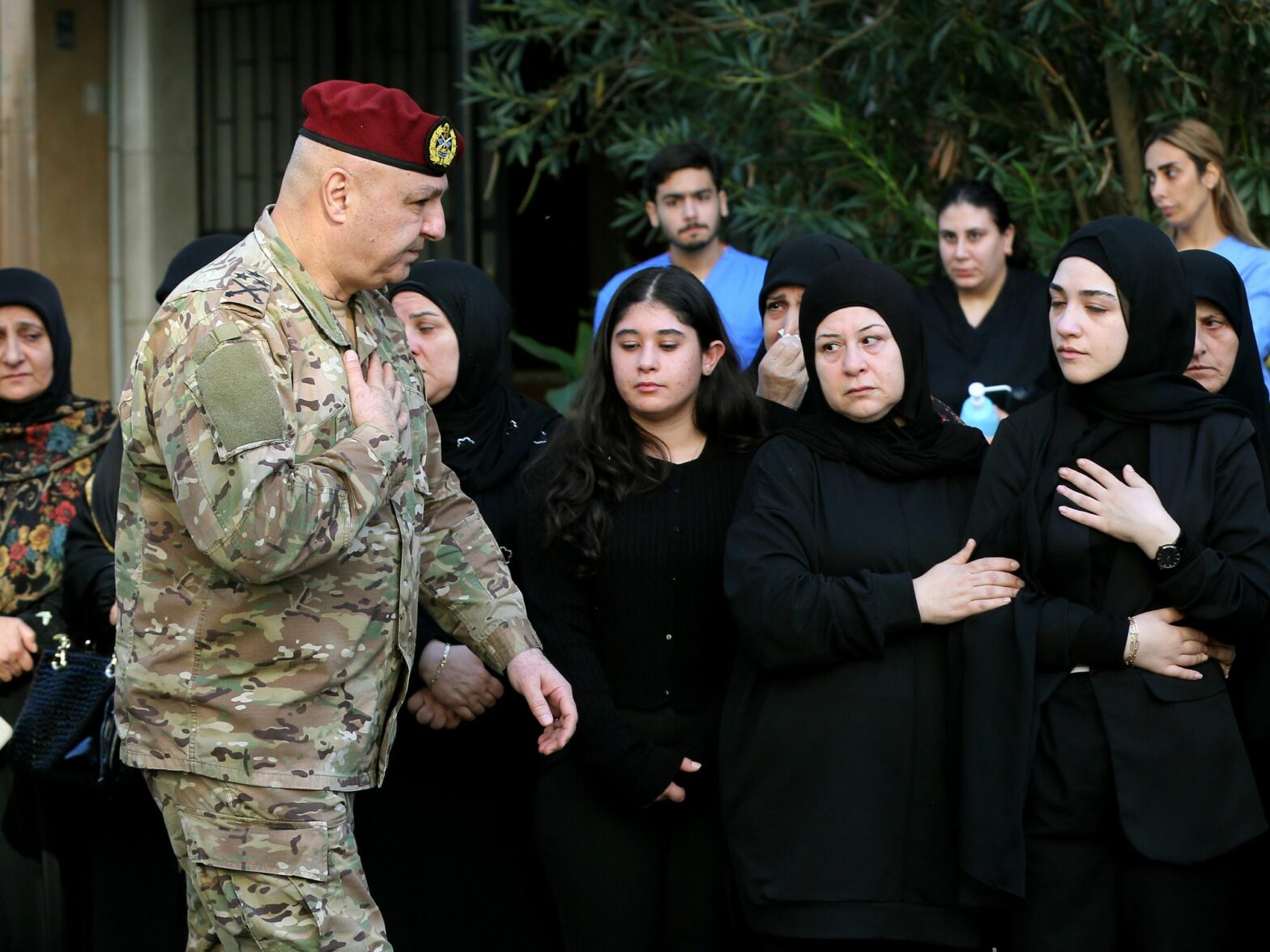
Lebanon’s parliament elected army chief Joseph Aoun as president on Thursday, following extensive behind-the-scenes negotiations. This marks a beginning, not an end, for a nation left drained by Hezbollah’s war with Israel amid a region in turmoil.
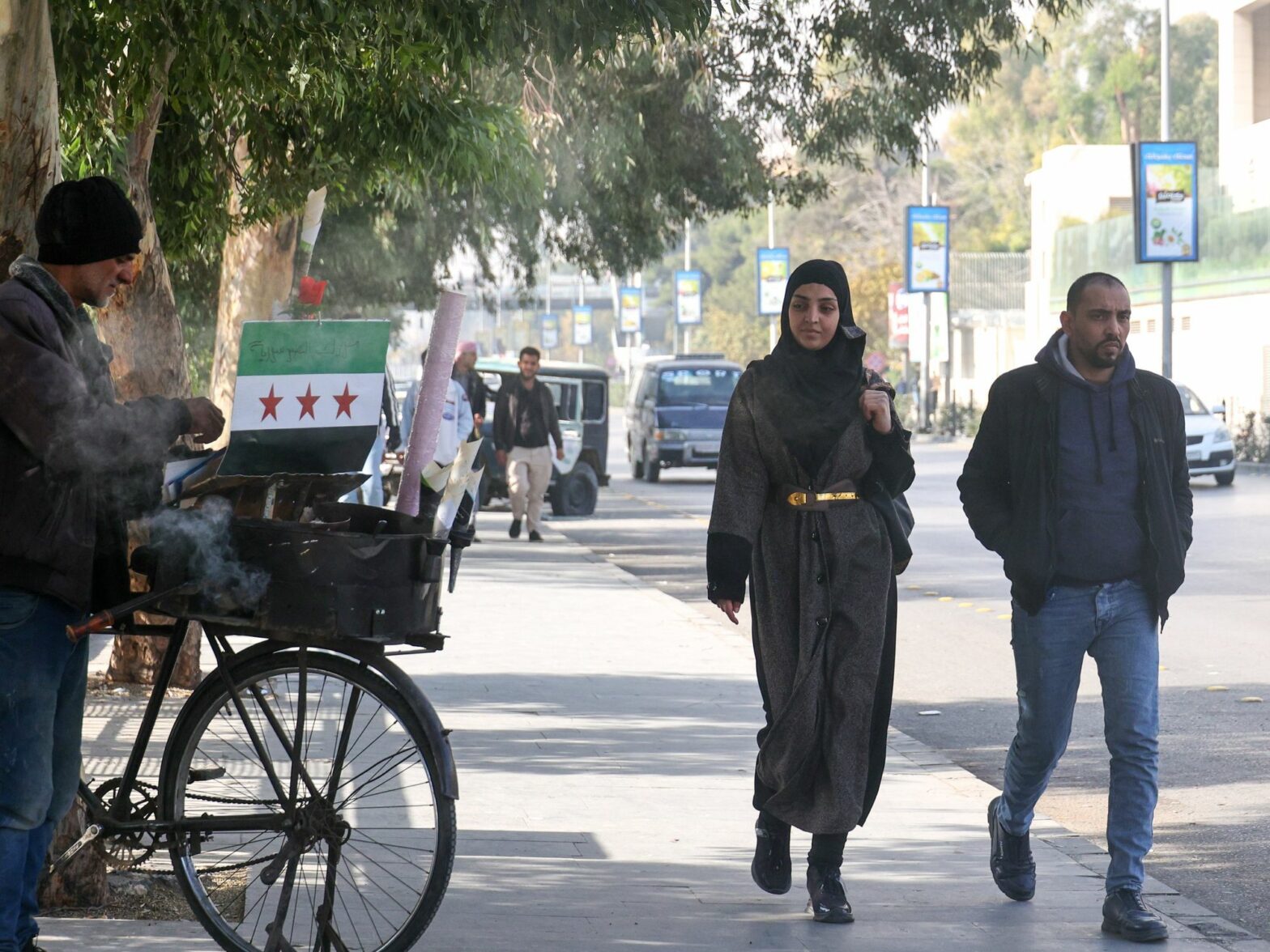
A post-Assad tour of Damascus, that singular Middle East capital, from which the Ba’ath Party spared nothing and desecrated everything. How quickly it shed all the ugliness that the Assad regime had spread over more than five decades!
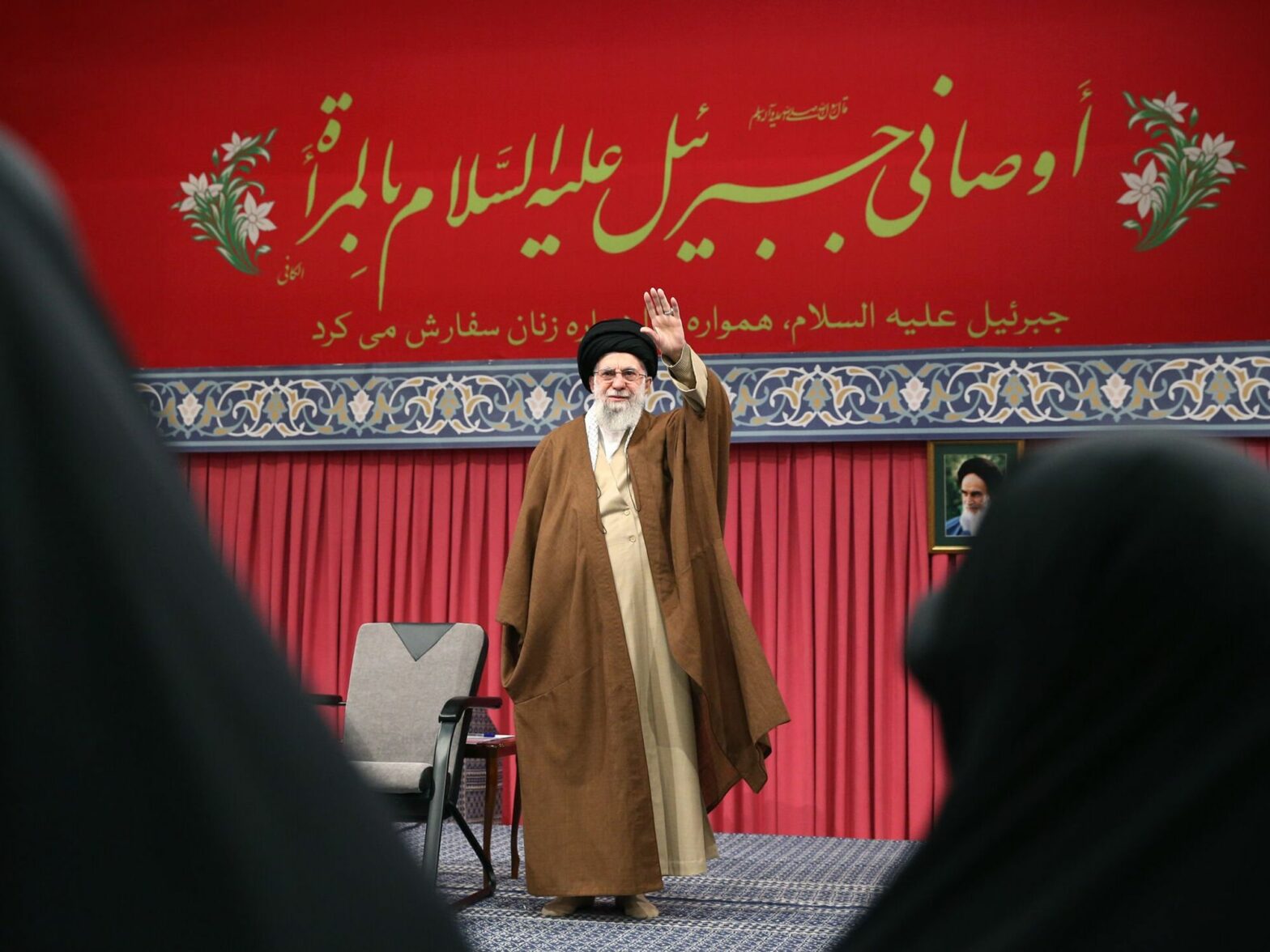
Israel’s decimation of Iran’s proxies in Gaza and Lebanon, and now events in Syria, have shown the Tehran regime is far weaker than it had wanted the world and its neighbors to believe. The Supreme Leader is now scrambling to rationalize it all, as the Islamic Republic clings to power.
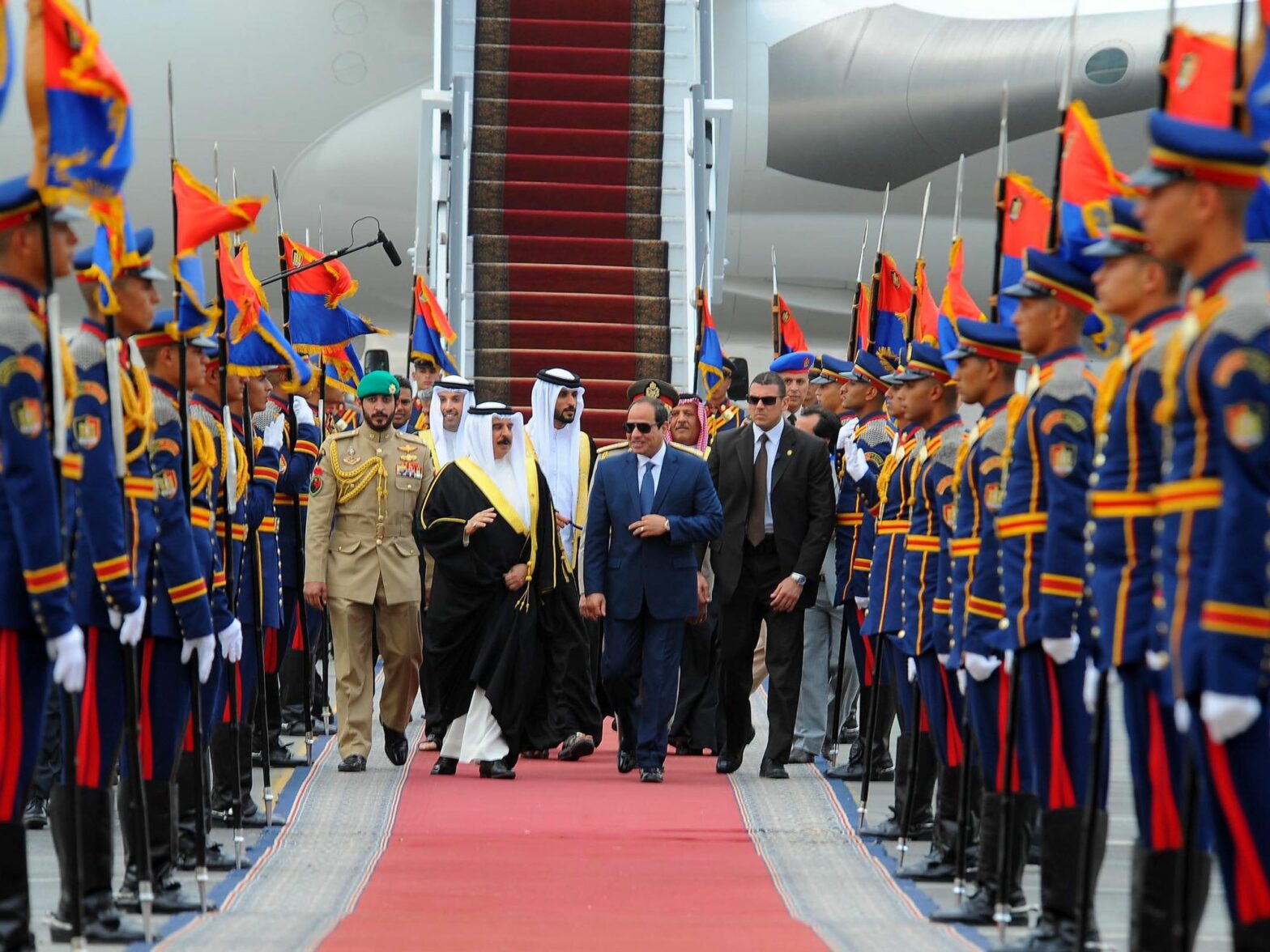
The Middle East needs a vision that emanates from the region itself, and includes clear reassurances to all parties.
Here, the opportunity appears for Egypt, which can play a vital role in helping neighboring countries shape this vision, after the Middle East that we knew since the Cold War has gone forever.
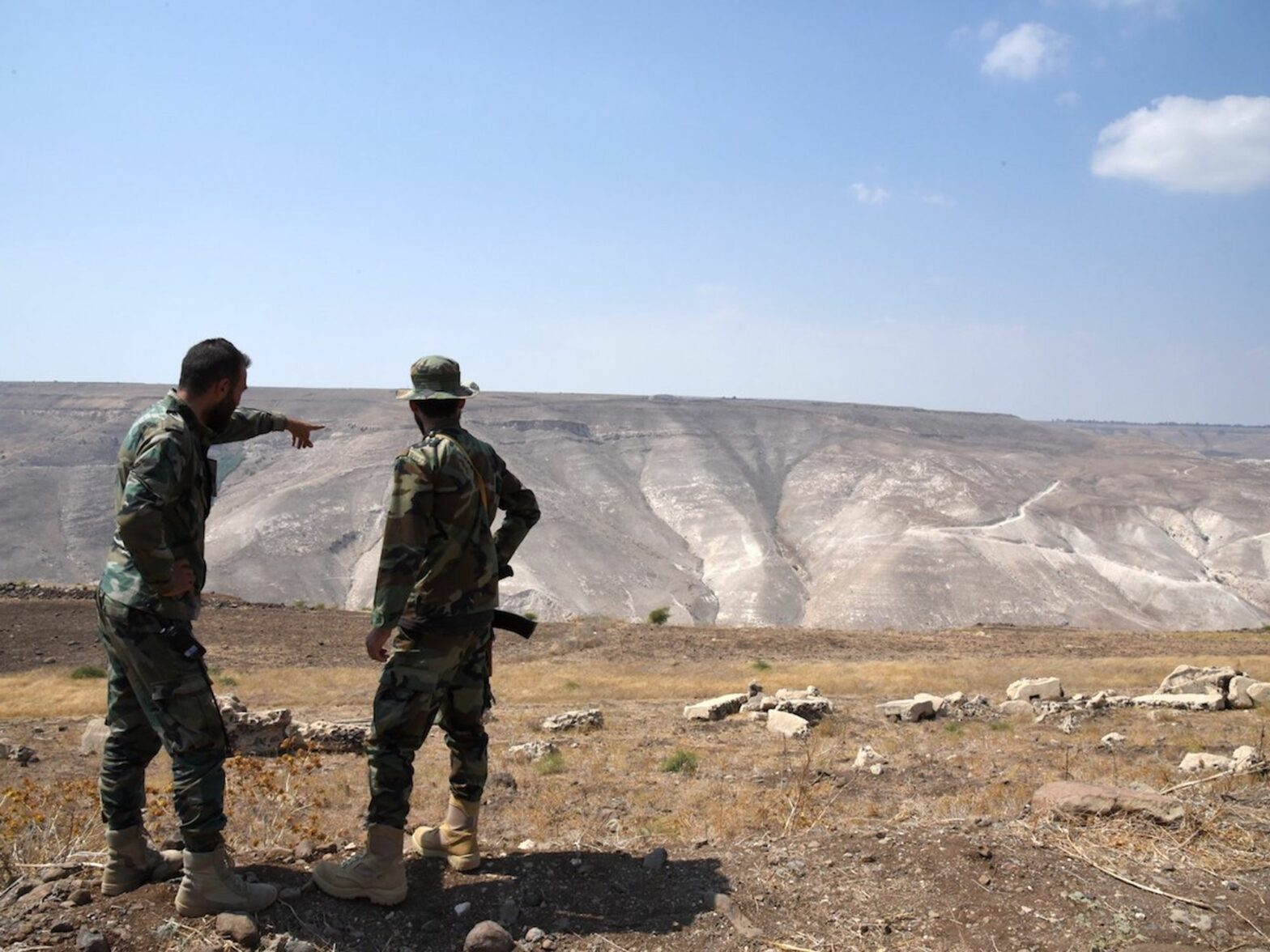
Amman and its allies, much like the skeptical secular Syrian opposition, await tangible actions on the ground to match the promises of pragmatist rhetoric from Abu Mohammed al-Jolani, who is marketing himself as a statesman committed to building an inclusive new Syria that’s a good neighbor after abandoning extremist ideologies.

Amid the chaos of the collapsing Assad regime, the businessmen who were close to power know they are at risk.
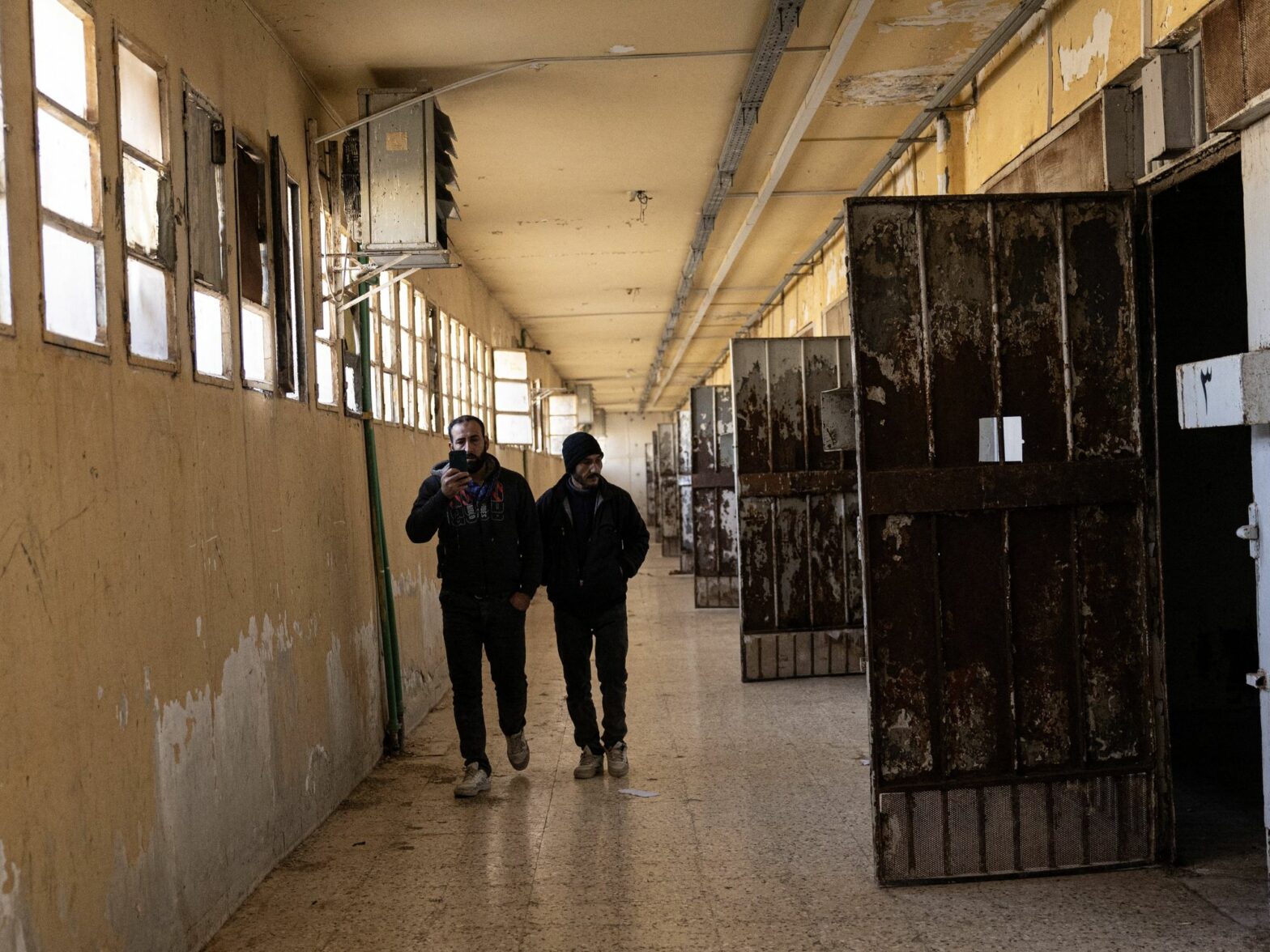
As the Assad regime was crumbling, the sight of the prisoners being freed had its own impact on so many people, including exiled Syrian writer Ruqayyah Al-Abbadi, who knew them from the inside.