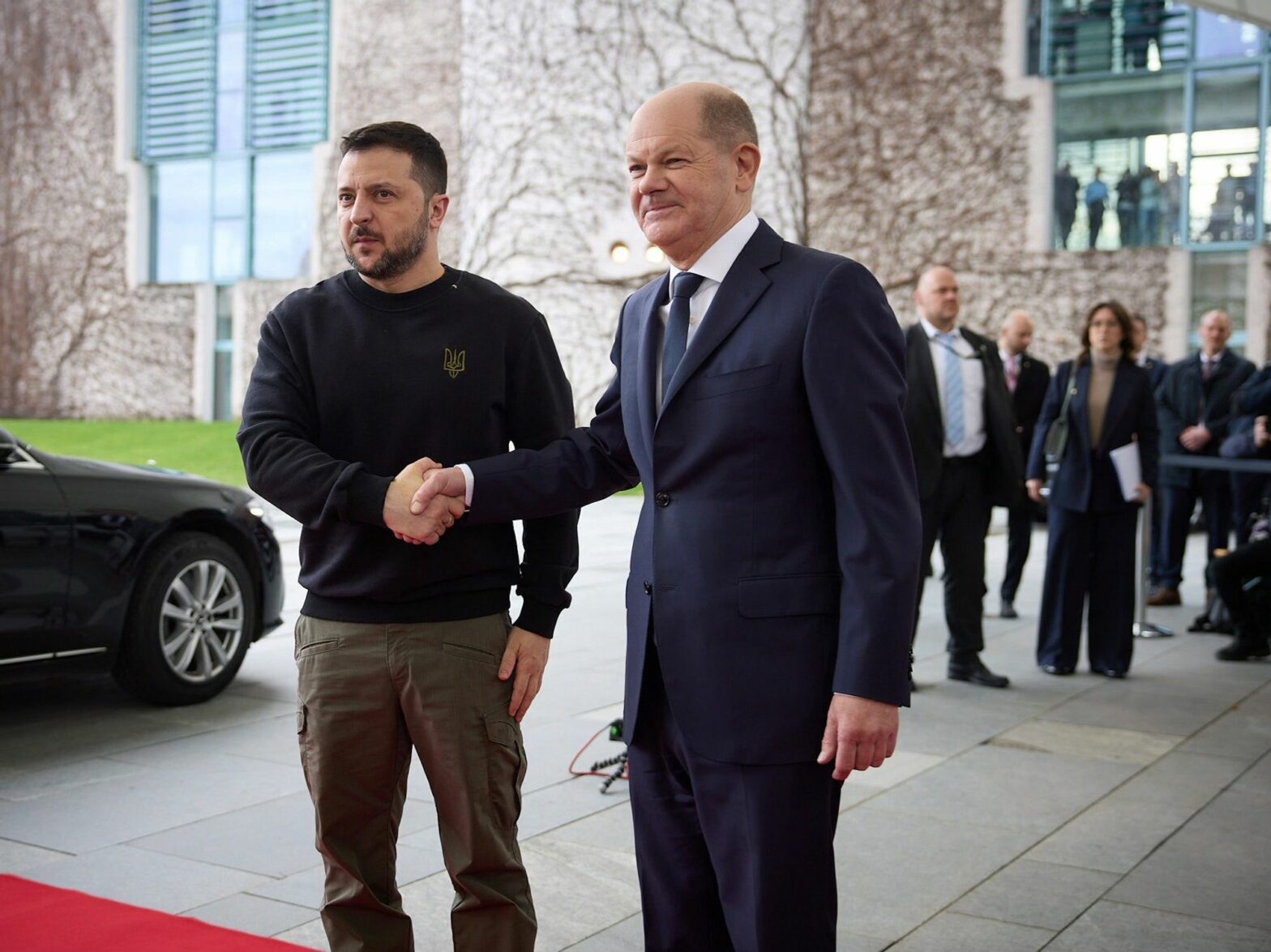
It’s what we call lighting a counter-fire. At a time when U.S. support for Ukraine is under threat, Europe is coming together. But can it fill the void that may be left by Washington?
 Worldcrunch
It’s what we call lighting a counter-fire. At a time when U.S. support for Ukraine is under threat, Europe is coming together. But can it fill the void that may be left by Washington?
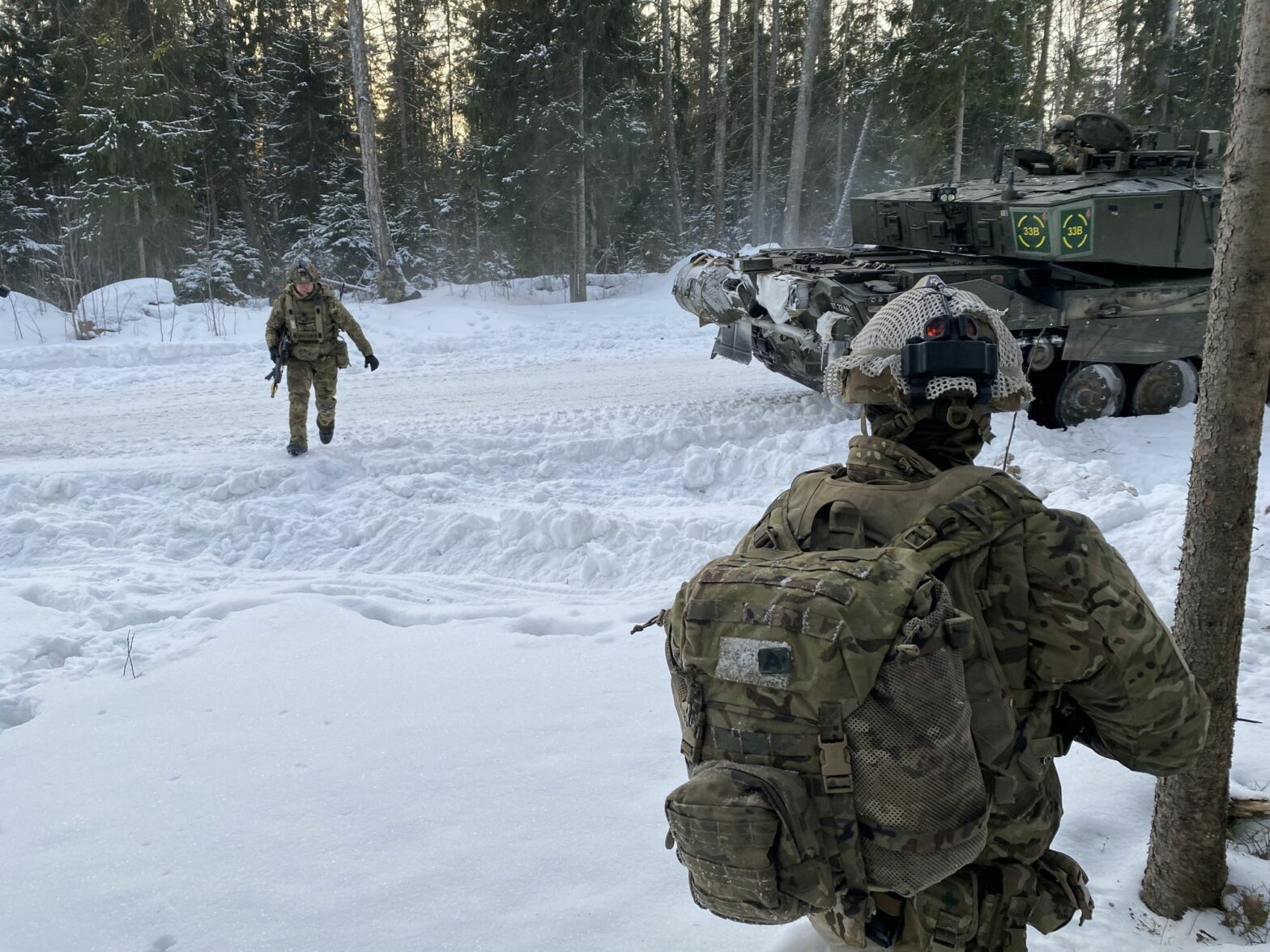
With Estonian Prime Minister Kaja Kallas suddenly appearing on Moscow’s wanted list, both the past and present offer plenty of evidence that the small Baltic nation — with 40% Russian speakers — could be the next neighbor after Ukraine in the Kremlin’s crosshairs.
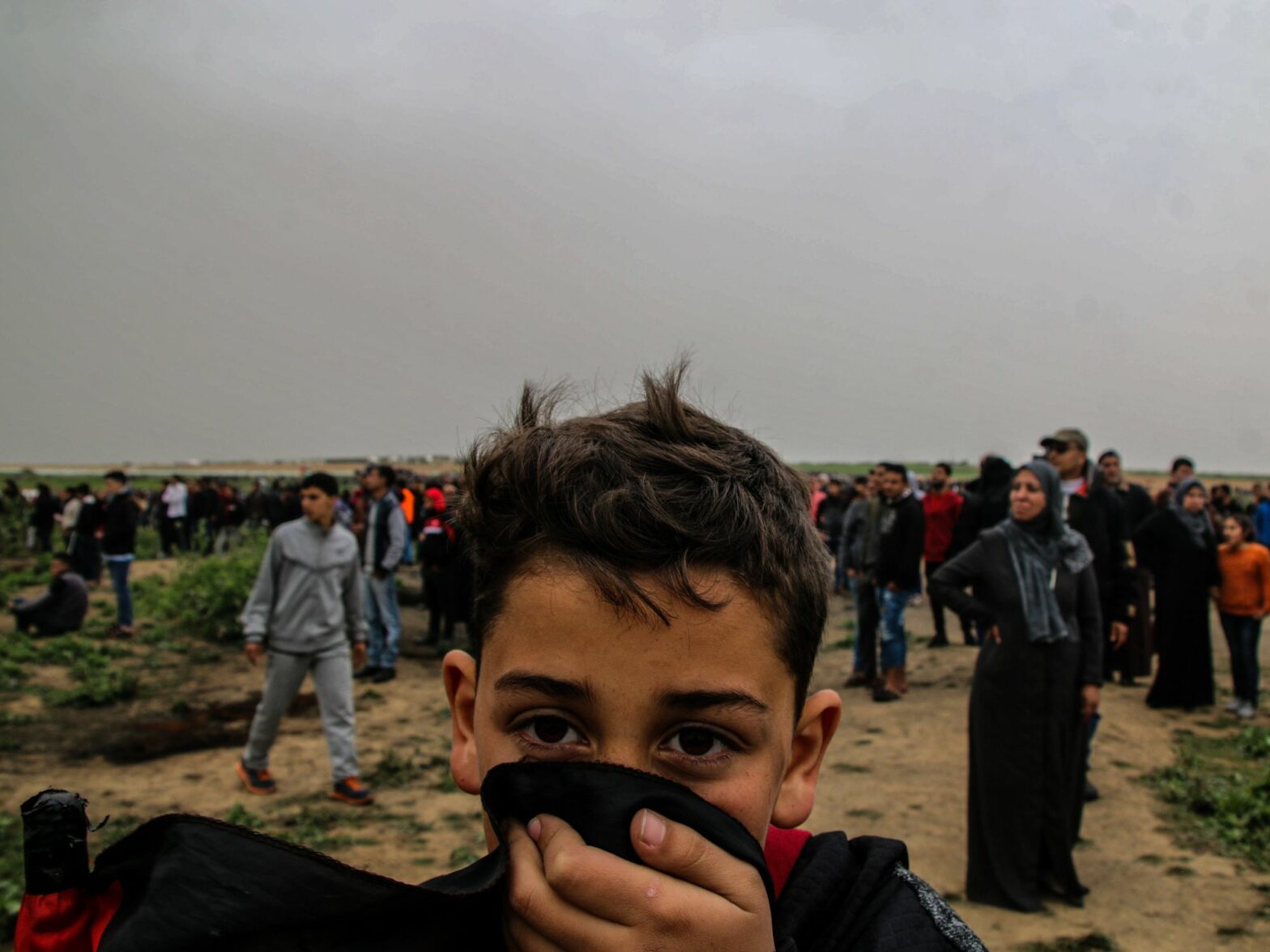
When Arab countries started normalizing relations with Israel, they did so disregarding the fate of Palestinians. It was a terrible error of judgment, and worse. Yet while the Palestinian cause remains a cornerstone of political legitimacy in the Arab world, few reasonable solutions are being brought forward, and radicalization continues to gain ground among the masses.
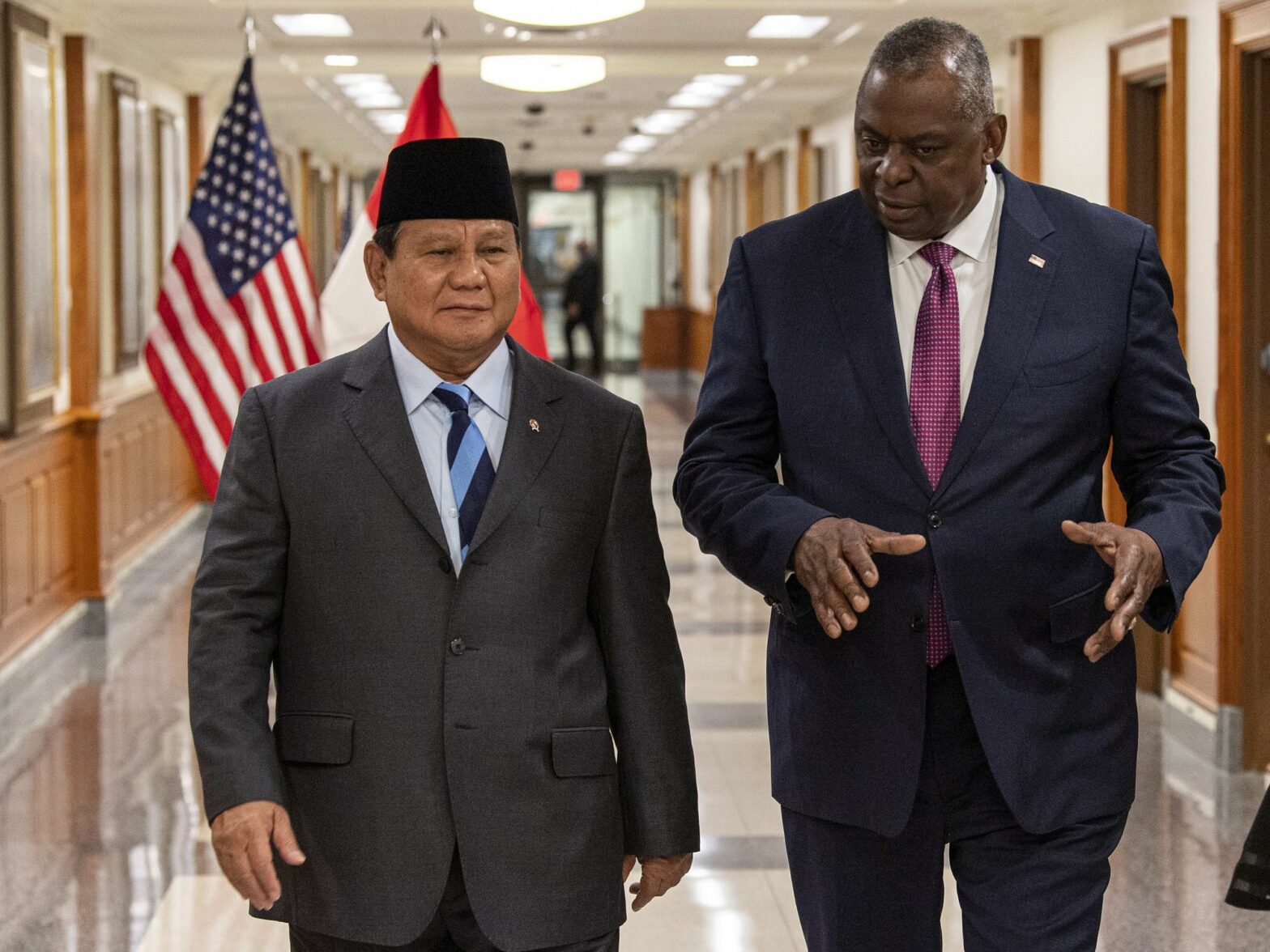
Defense Minister Prabowo Subianto is expected to win Indonesia’s presidential election, on Feb. 14. Yet concerns about democracy are on the rise, as the nation carefully balances ties with Beijing and Washington.
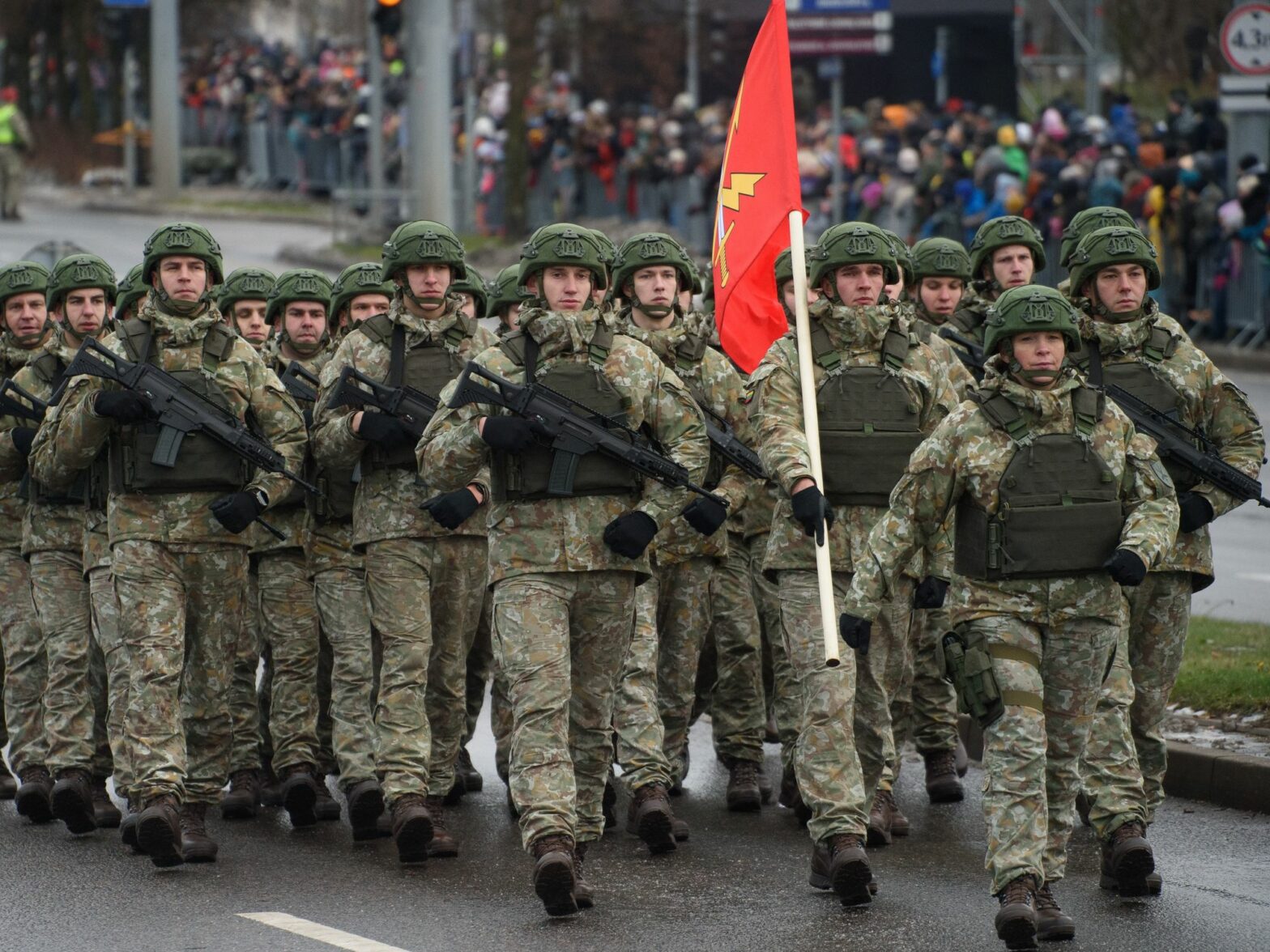
With Estonian Prime Minister Kaja Kallas put on Russia’s Most Wanted list, Tallinn is drawing up clear plans on how it intends to secure its border with Russia — an idea it shares with Latvia and Lithuania. But the three small countries don’t have the territorial or strategic depth to absorb an attack the way Ukraine did, which is why they ultimately rely on NATO.
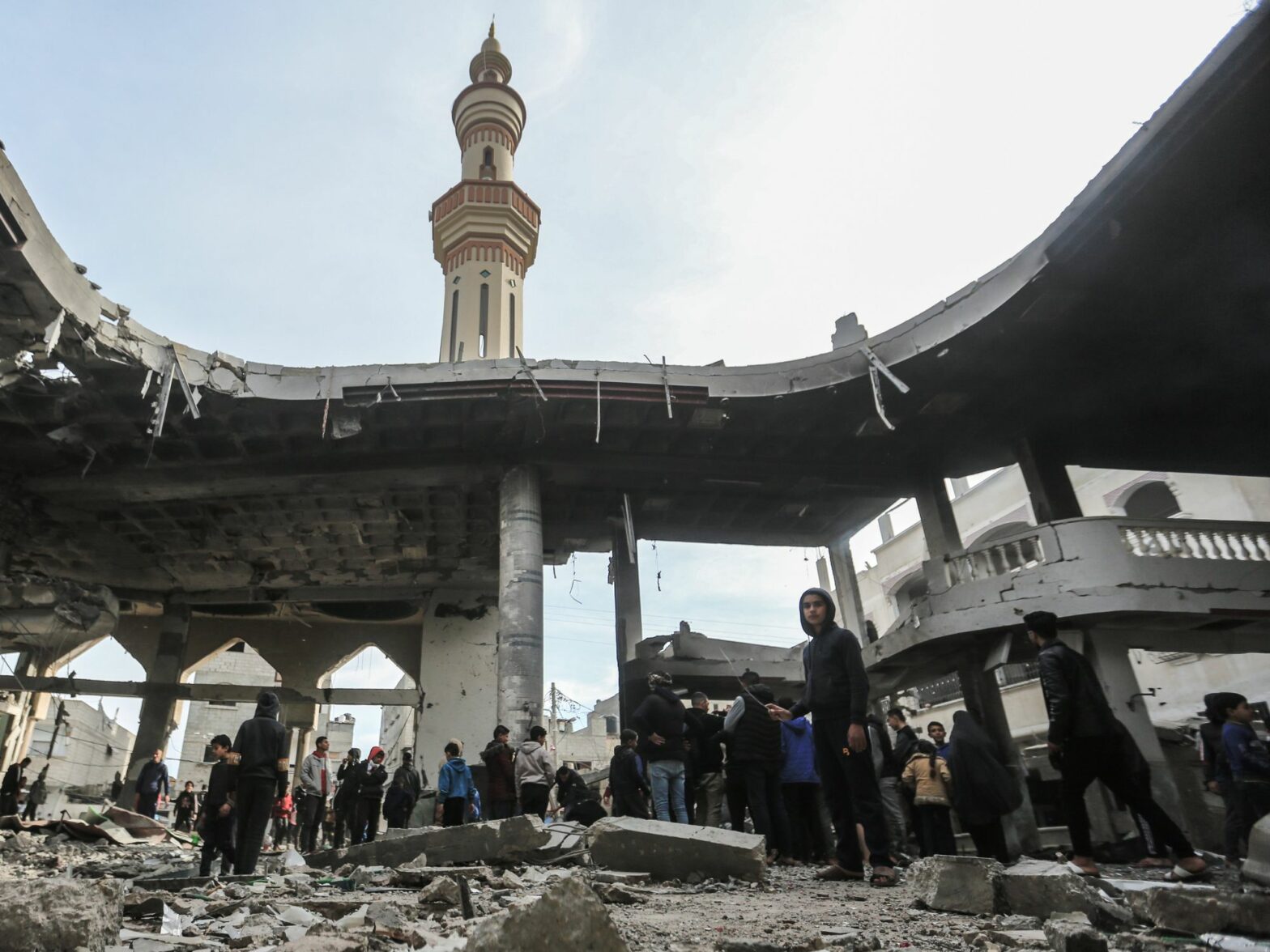
The West’s passive response to Israel’s actions in Gaza is increasingly difficult to maintain in front of the looming humanitarian crisis in Rafah. The lip service of “deep concern” doesn’t bother Netanyahu at all.
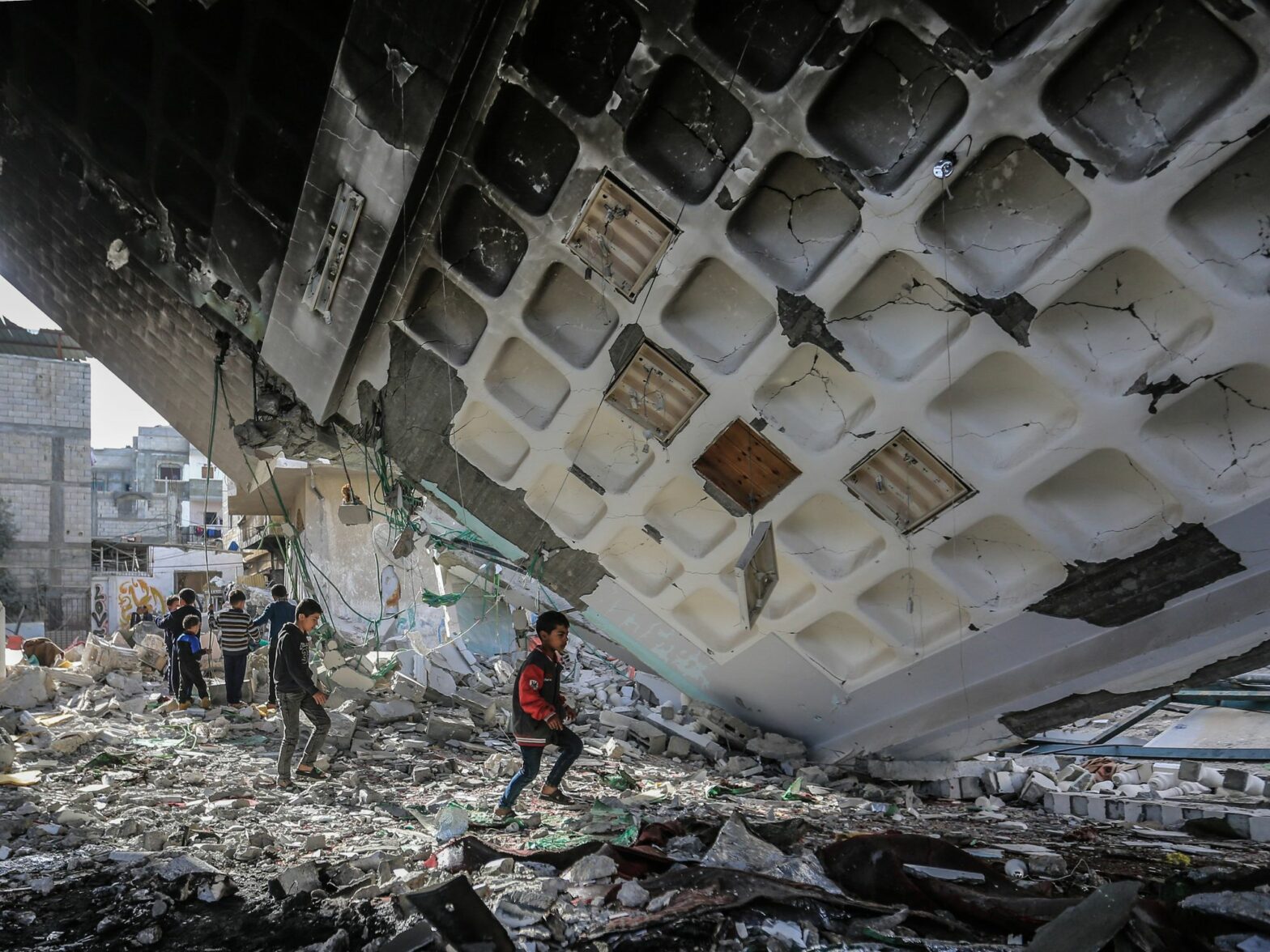
Israel’s invasion of Rafah has brought the war on Gaza to its most delicate point. And Netanyahu’s right-wing government may fulfill the wish of former center-left Prime Minister Yitzhak Rabin “to find that Gaza has sunk into the sea”.
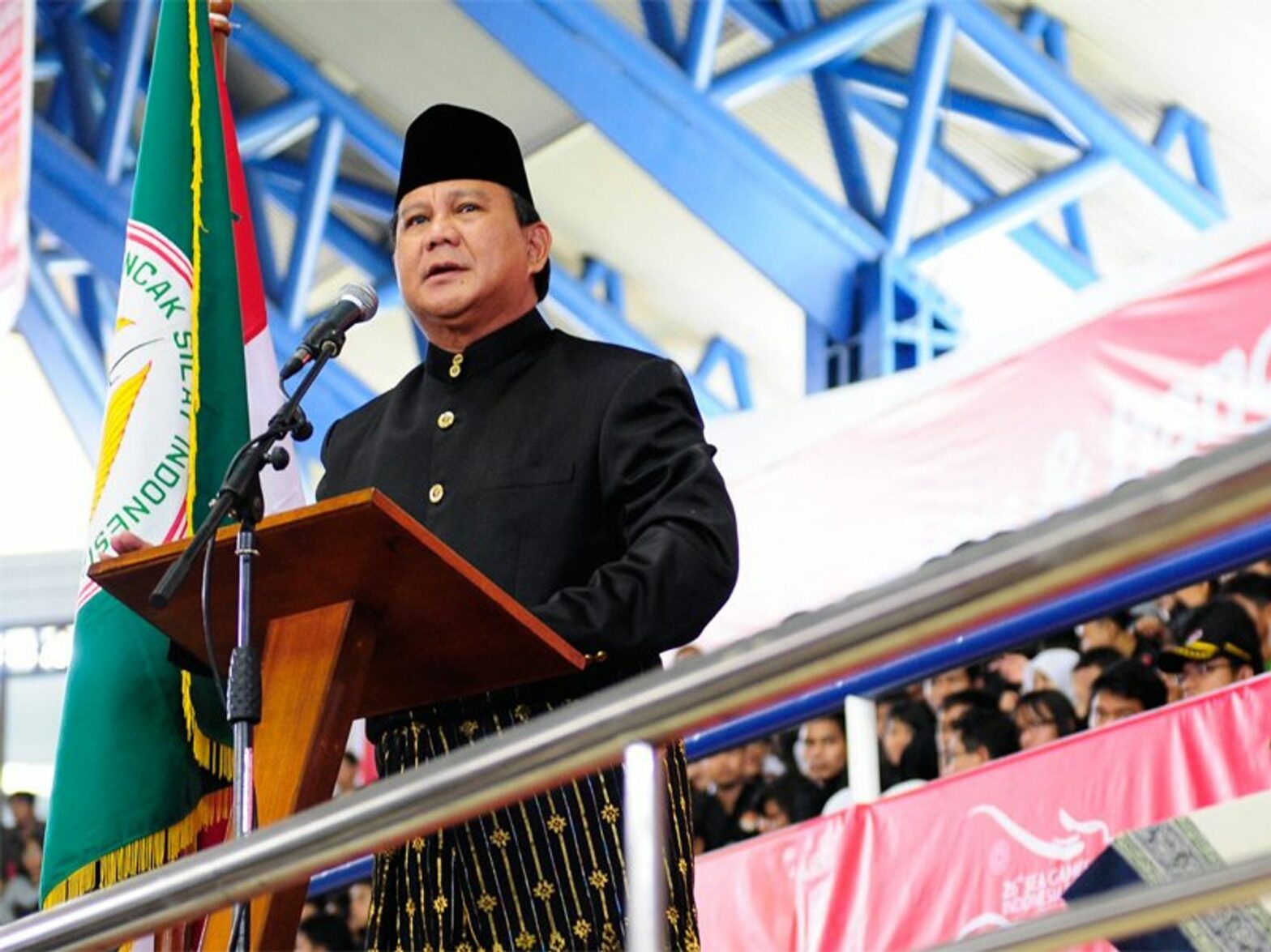
Prabowo Subianto’s campaign team has heavily promoted him as a baby-faced cute grandpa on the internet, overshadowing the former army general’s dark authoritarian past and potential intent to dismantle Indonesia’s fragile democratic system.
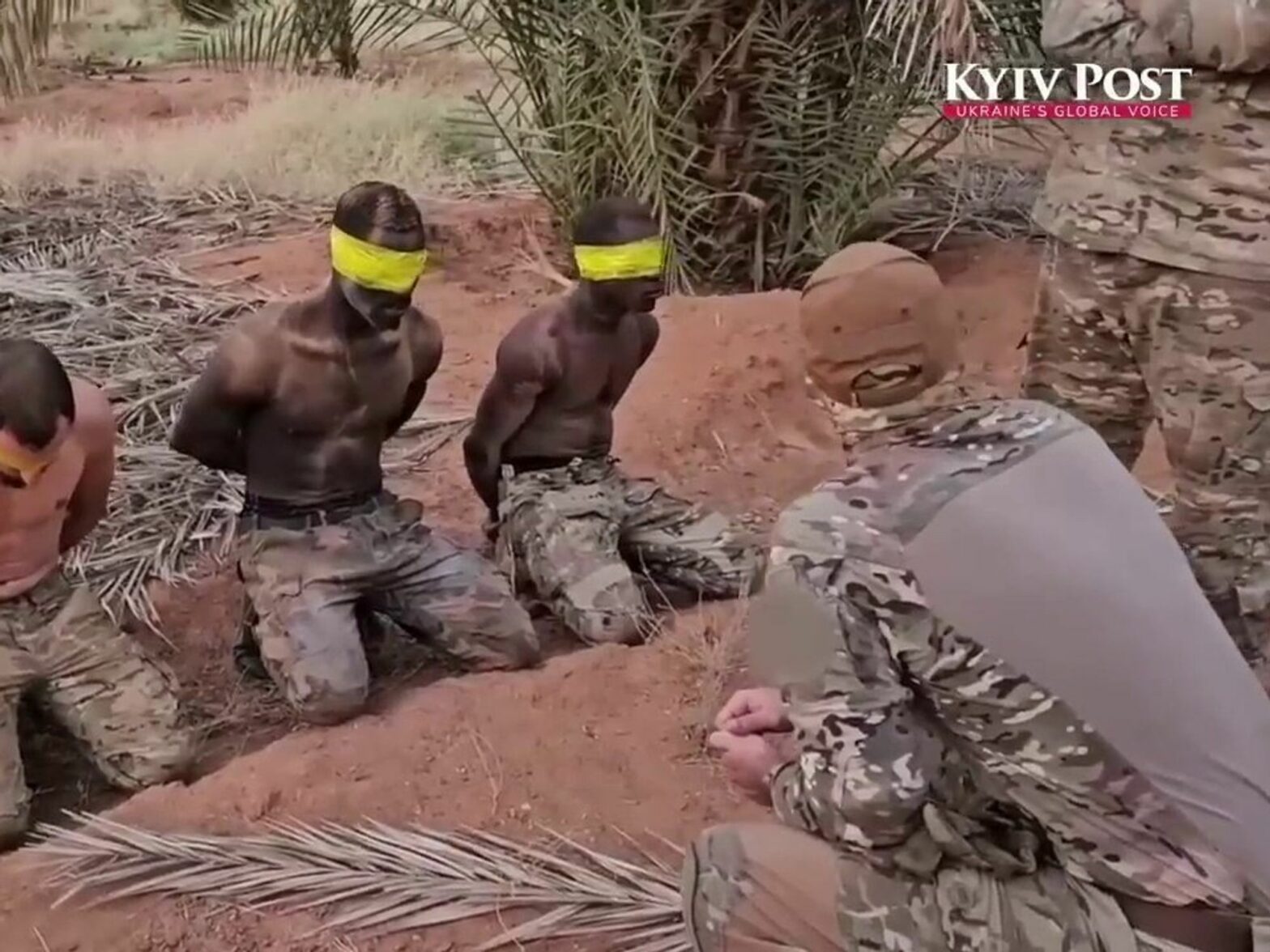
A video is fueling speculation about Ukrainian military activities in Africa that appears to show the capture of Wagner mercenaries in Sudan. Kyiv is cooperating with the army in the African nation in the fight against the RSF militia supported by Wagner — in a sort of proxy war far from home.
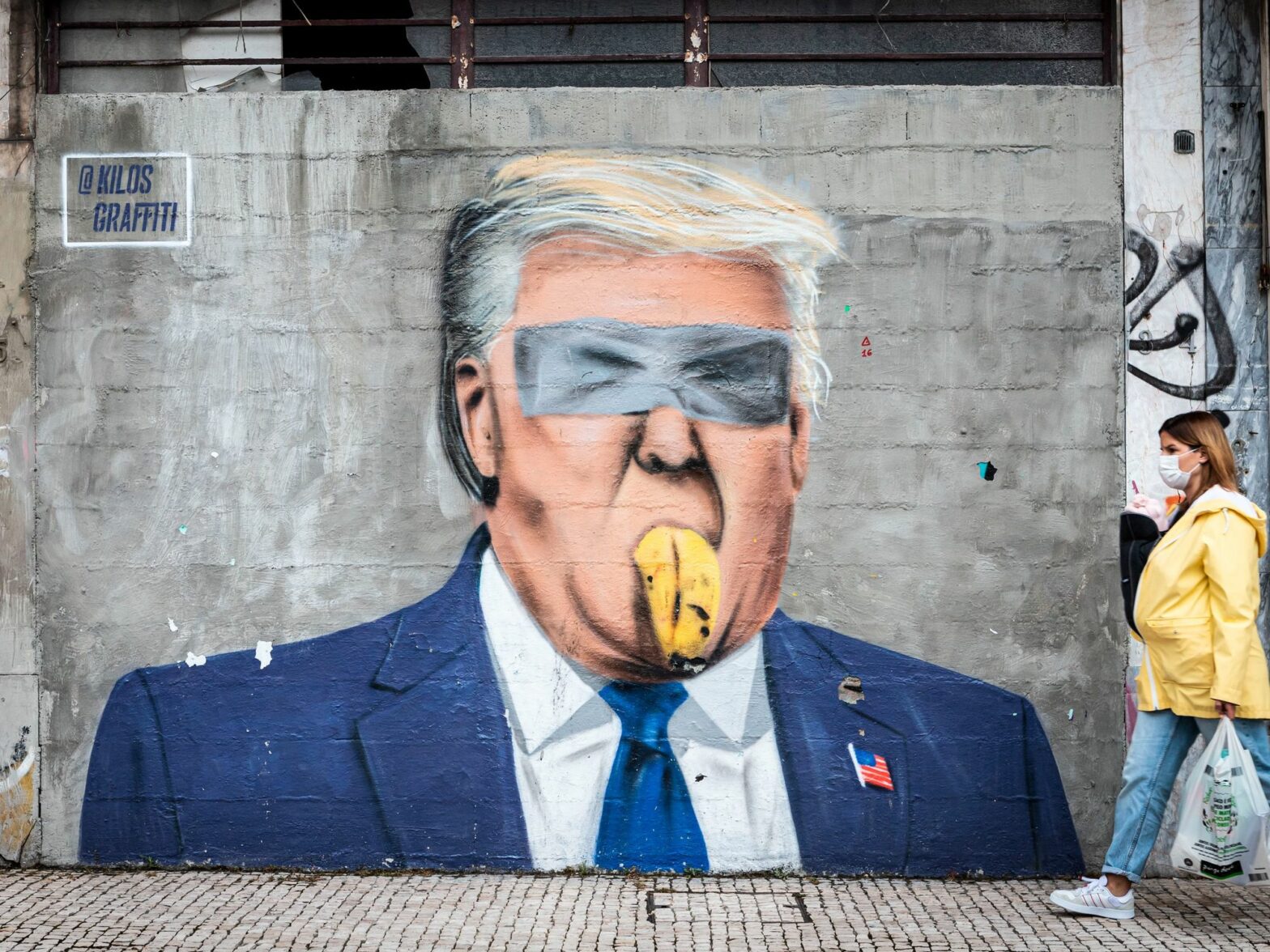
Donald Trump’s recent campaign remarks have escalated concerns in Europe as he questioned the credibility of NATO’s collective defense and went as far as encouraging Russia to act freely.
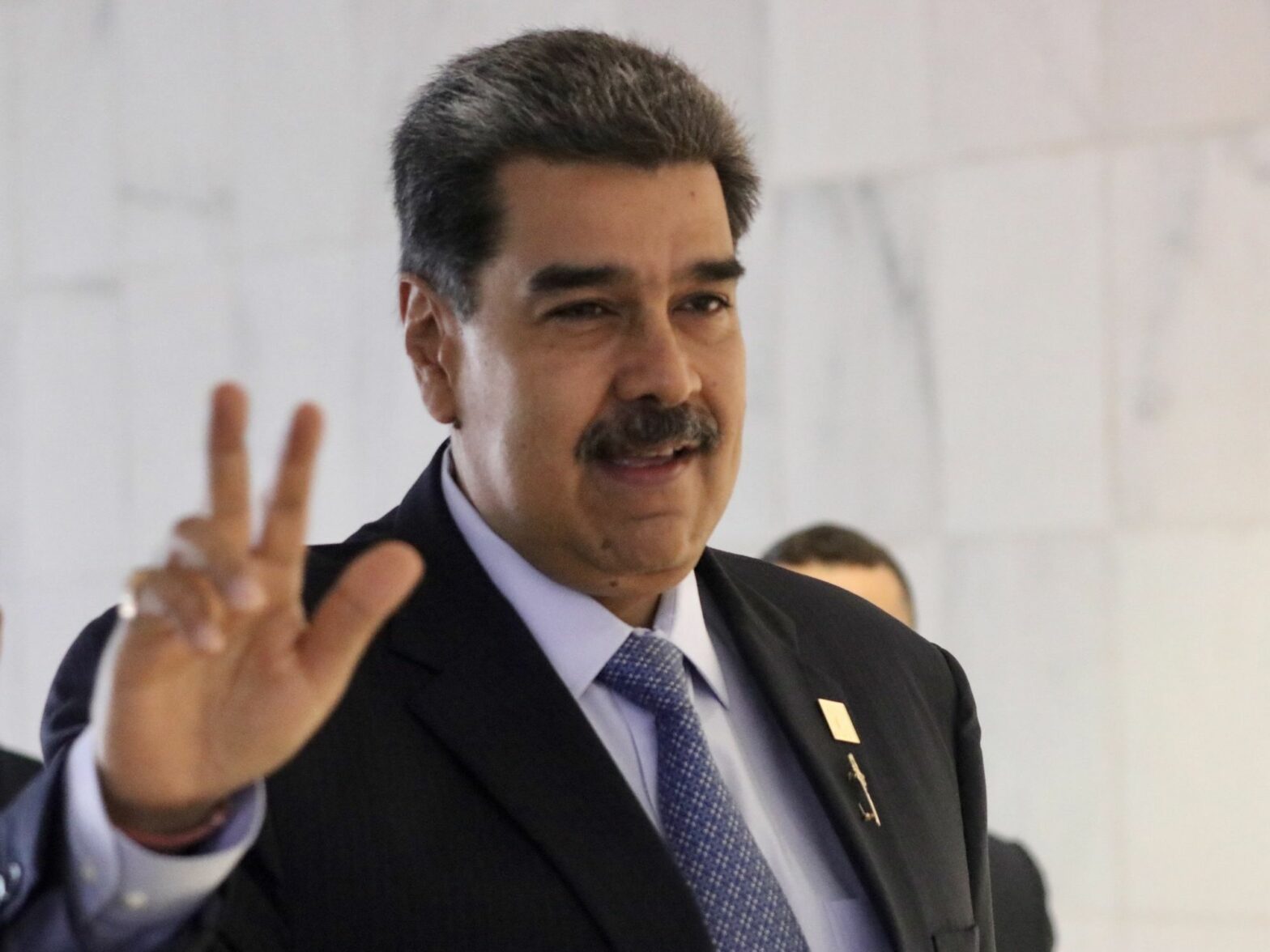
With a sham court ruling, Venezuela’s President Maduro has paved the way for his unchallenged reelection as president this year, regardless of U.S. sanctions. This is happening as Latin America’s leftist governments, notably Brazil, watch in silence.
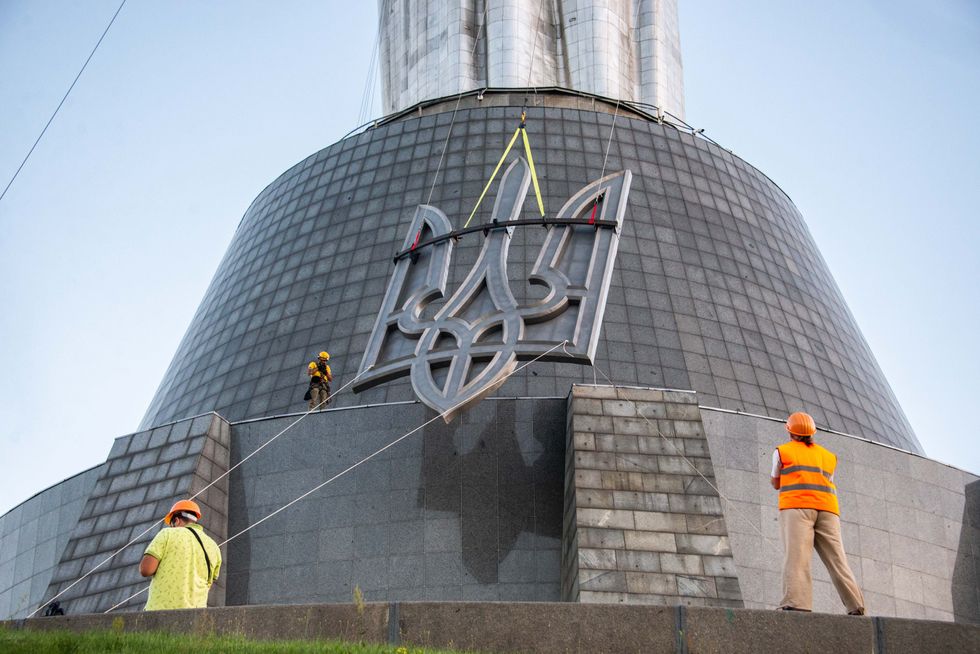
Vibrations originating at one point on the globe rapidly extend to its farthest corners due to the effects of globalization and information connectivity. Having repelled Moscow’s war, Ukraine symbolizes the significant shifts in the global balance of power and influence.
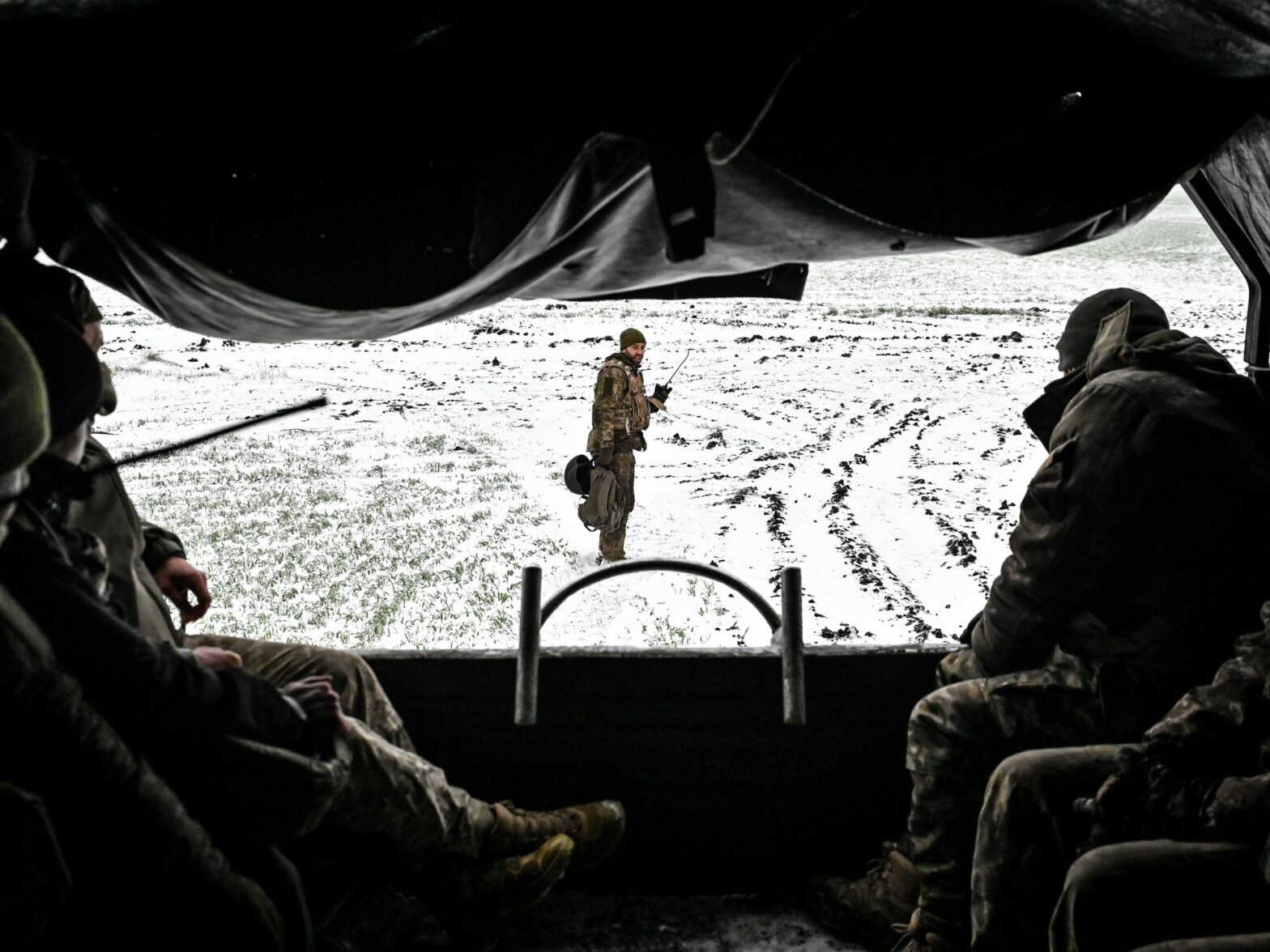
With the rejection of the aid plan for Ukraine, Eastern Europe fears that Trump’s isolationist policy will mark the end of U.S. protection from the Putin regime. News from Ukraine of President Volodymyr Zelensky replacing his head of armed forces, General Valerii Zaluzhnyi, together with the difficult situation on the battlefield, are generating a lot of tension in Ukraine — and in the wider Europe.

As the far-right propagates a simplified and emotionally resonant message, the lack of coordination and a shared vision among the “non-far-right” strengthens the far-right’s illusion of representing the entirety of “the people.”

The gap between the positions of the two parties revealed itself to be too wide Wednesday, though talks are continuing in Cairo. When will Prime Minister Benjamin Netanyahu no longer be able to justify leaving the hostages in Gaza, and the damage of Israel losing its own allies?
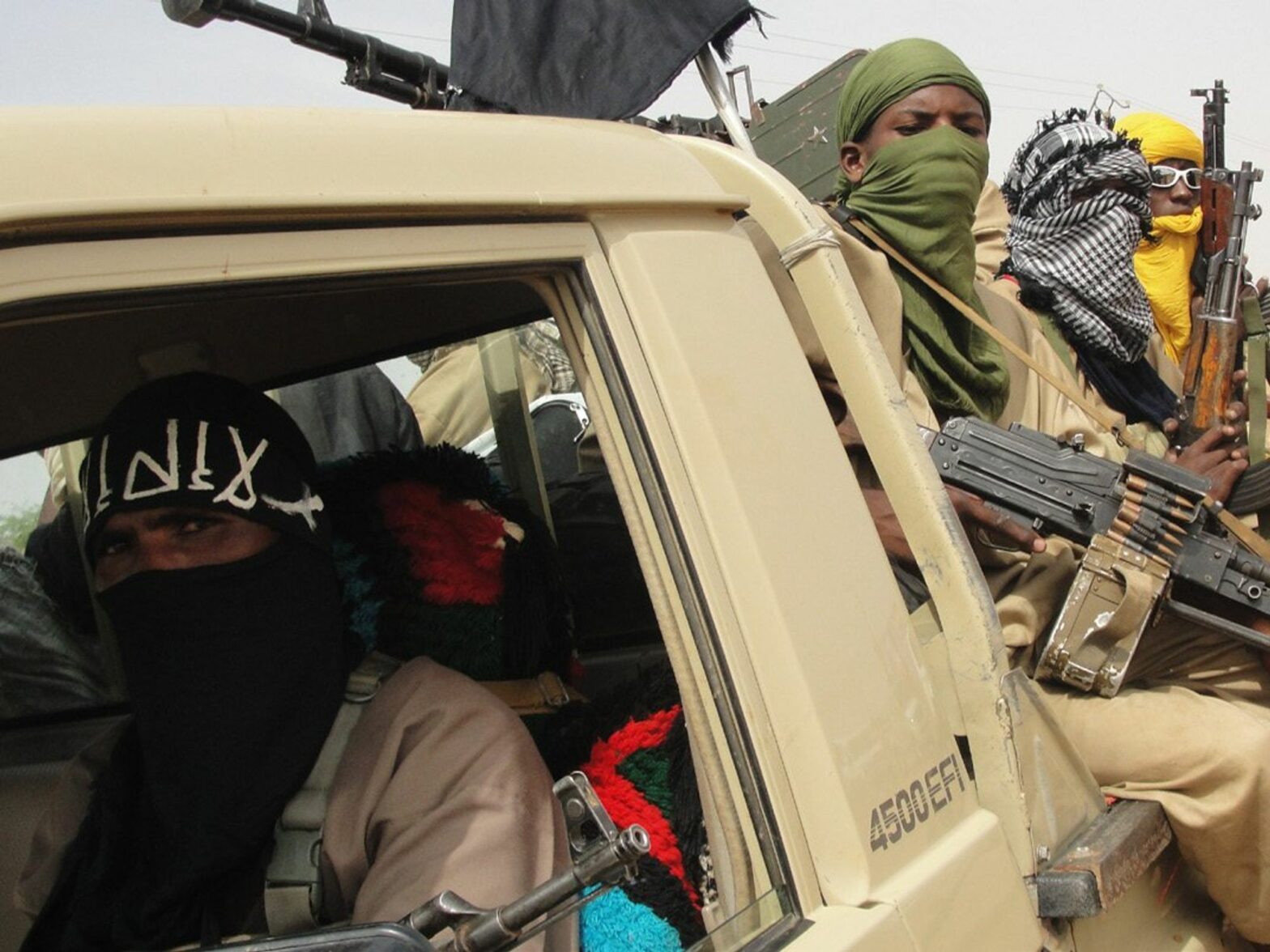
The next major geopolitical conflict is brewing in the Sahel region, in the north-central stretch of Africa south of the Sahara. Islamists and armed militias are plunging the entire region into chaos, and it is even possible a new jihadist emirate may emerge. Experts are already predicting there will be thousands of new refugees. Their destination: Europe.
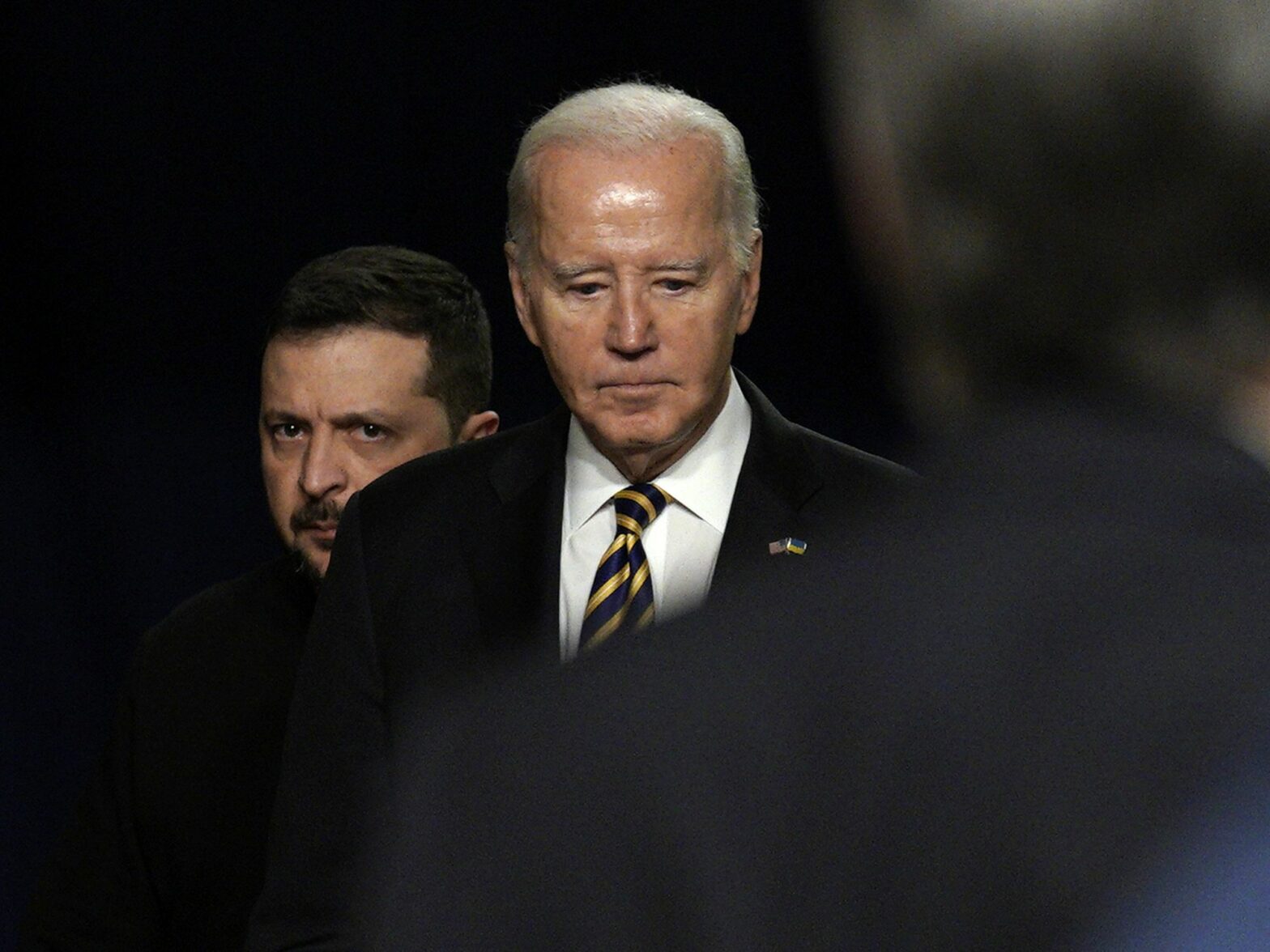
With U.S. elections slated for November, support to Ukraine is becoming a divisive electoral issue. Wednesday’s vote in the U.S. Senate over Ukraine aid will be telling, but it won’t end there.
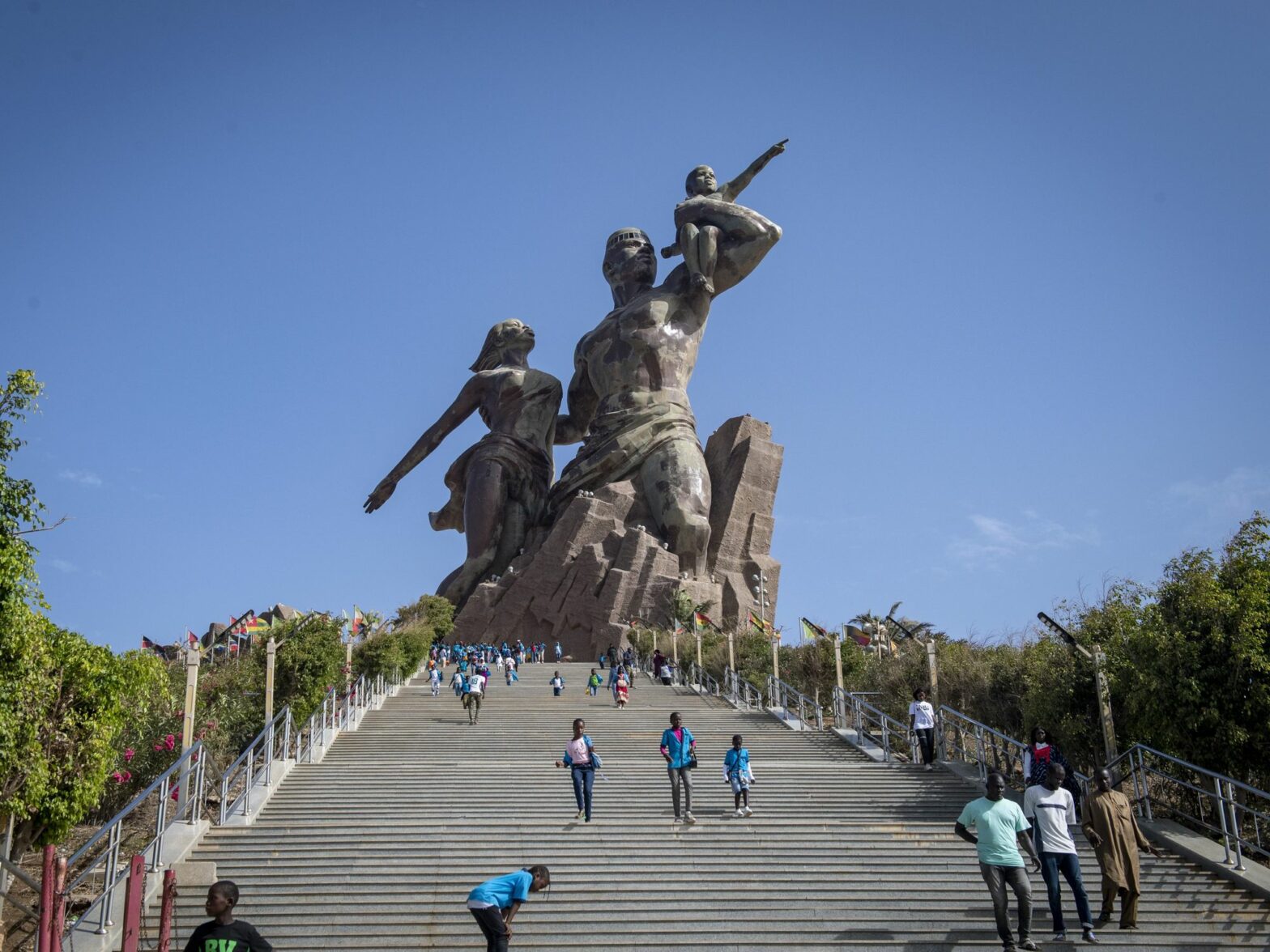
President Macky Sall’s decision to suspend the February 25 presidential election has plunged Senegal into chaos. It’s also grim news for those seeking institutional reform across Africa, where Dakar was long seen as a democratic model.
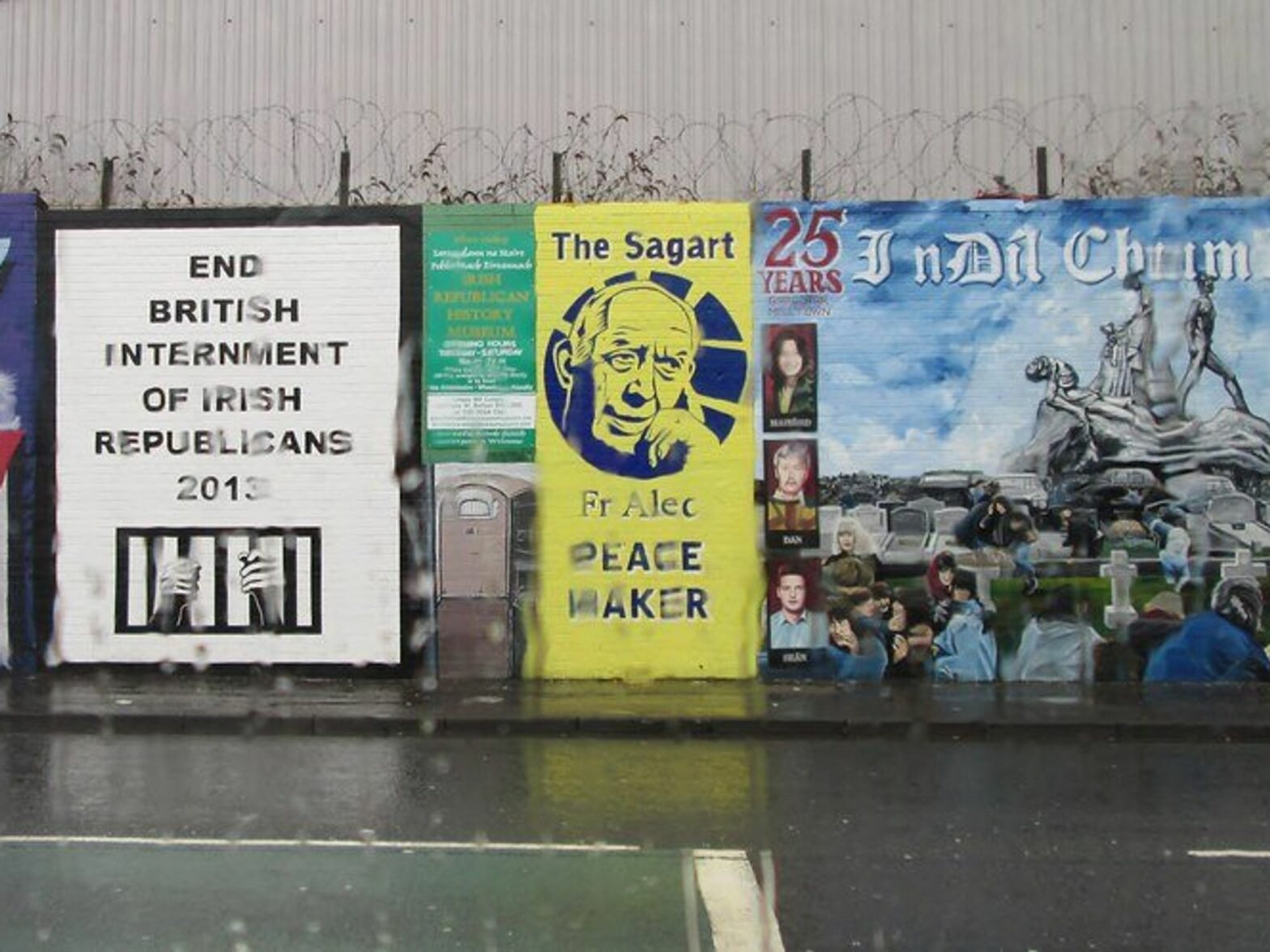
Conflicts over religion, identity and territory can last years, decades and longer.The current war in Gaza looks like the Israeli-Palestinian conflict will never be resolved. The arrival of Michelle O’Neill to head the government of Northern Ireland offers a tiny, distant glimmer of hope for the future.
Iran’s allies are attacking the West across the region. The Hamas massacre, attacks on U.S. troops and the Houthi targeting of ships are possibly just the beginning. The fact that the Middle East is so unstable today is due to a decision first made by the U.S. a generation ago.
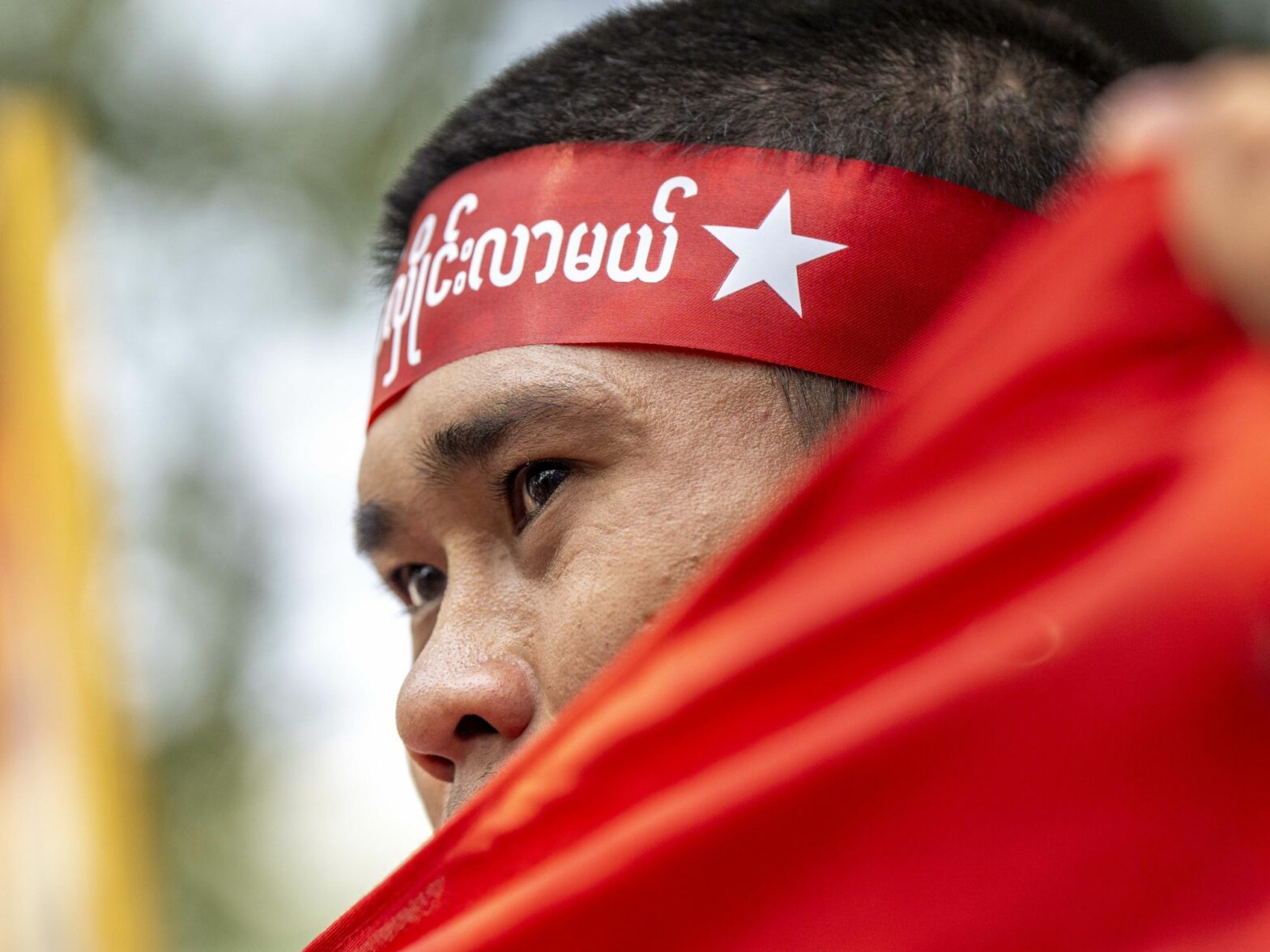
Three years after a military coup ousted the democratically elected government of Myanmar, the junta’s forces look vulnerable. But quick victory is nowhere in sight.
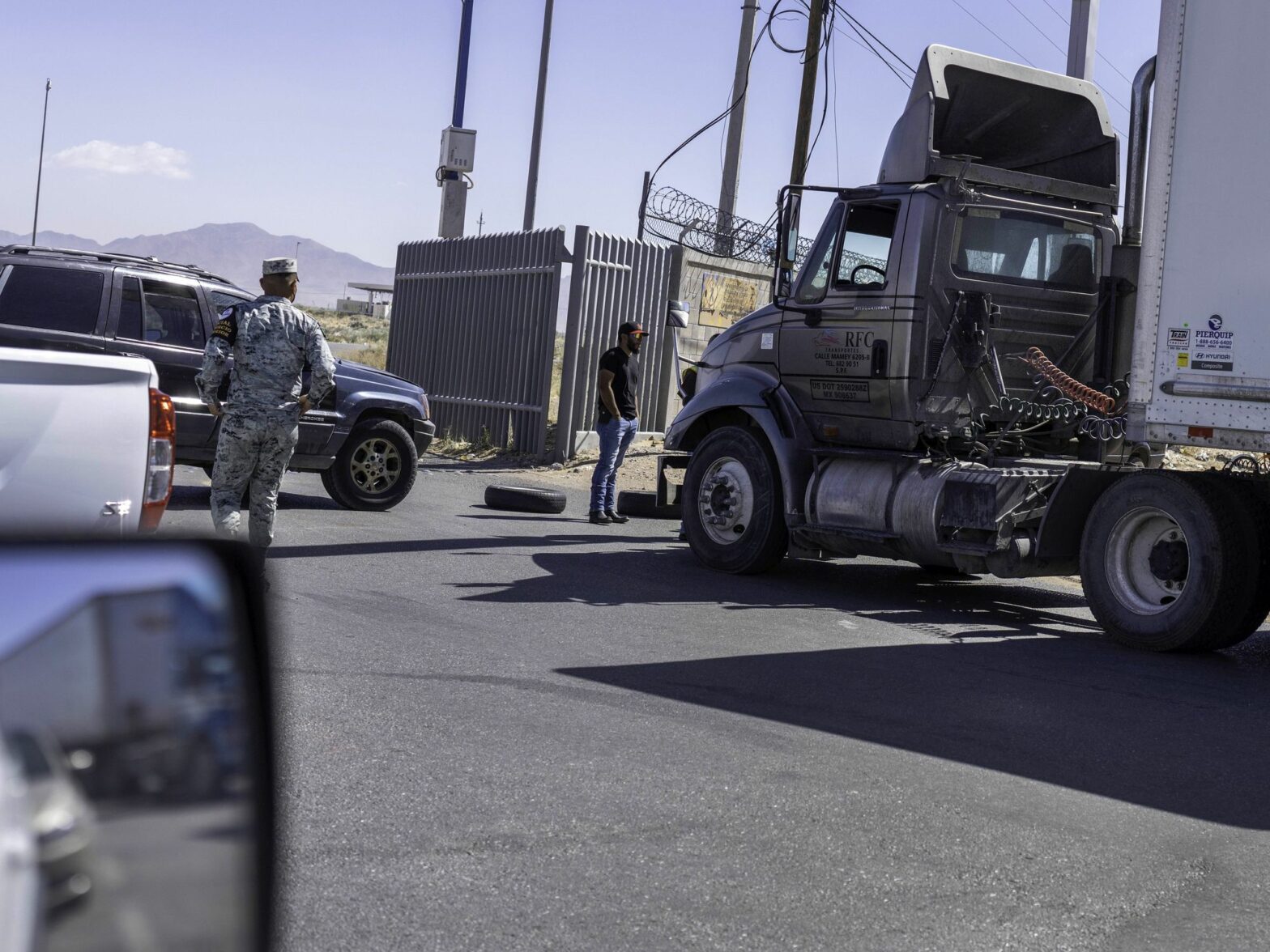
U.S. President Biden has quietly turned his Republican predecessor’s anti-foreign posturing into economic policies that strongly favor domestic manufacturing. Does Mexico, which depends on massive exports to the U.S., have anything to look forward to in the upcoming presidential elections?
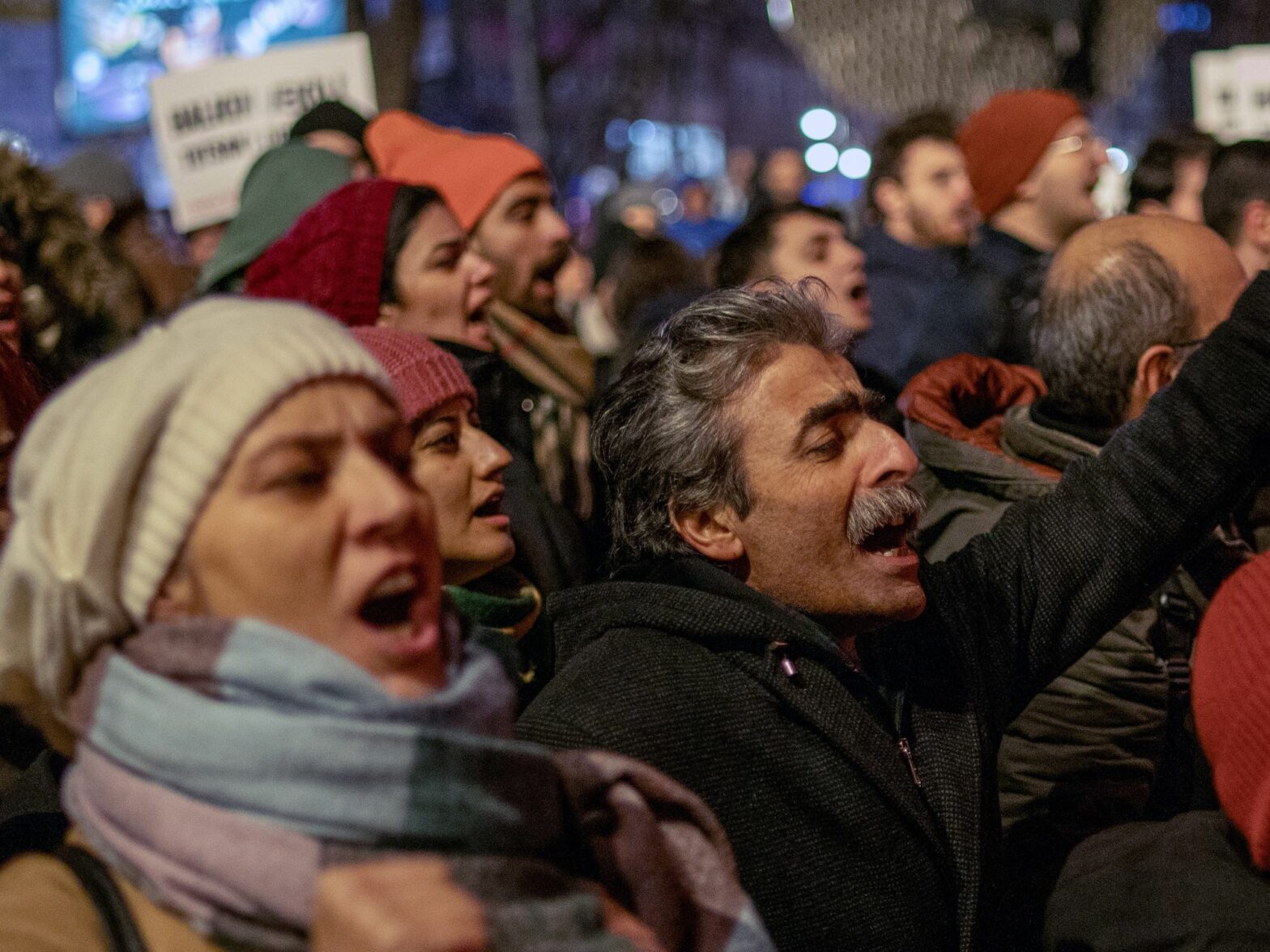
As nearly half of the world prepares to vote in elections this year, Turkish journalist and author Ece Temelkuran warns, in the Istanbul-based weekly Oksijen, that many countries are following Turkey’s path from democracy to dictatorship.
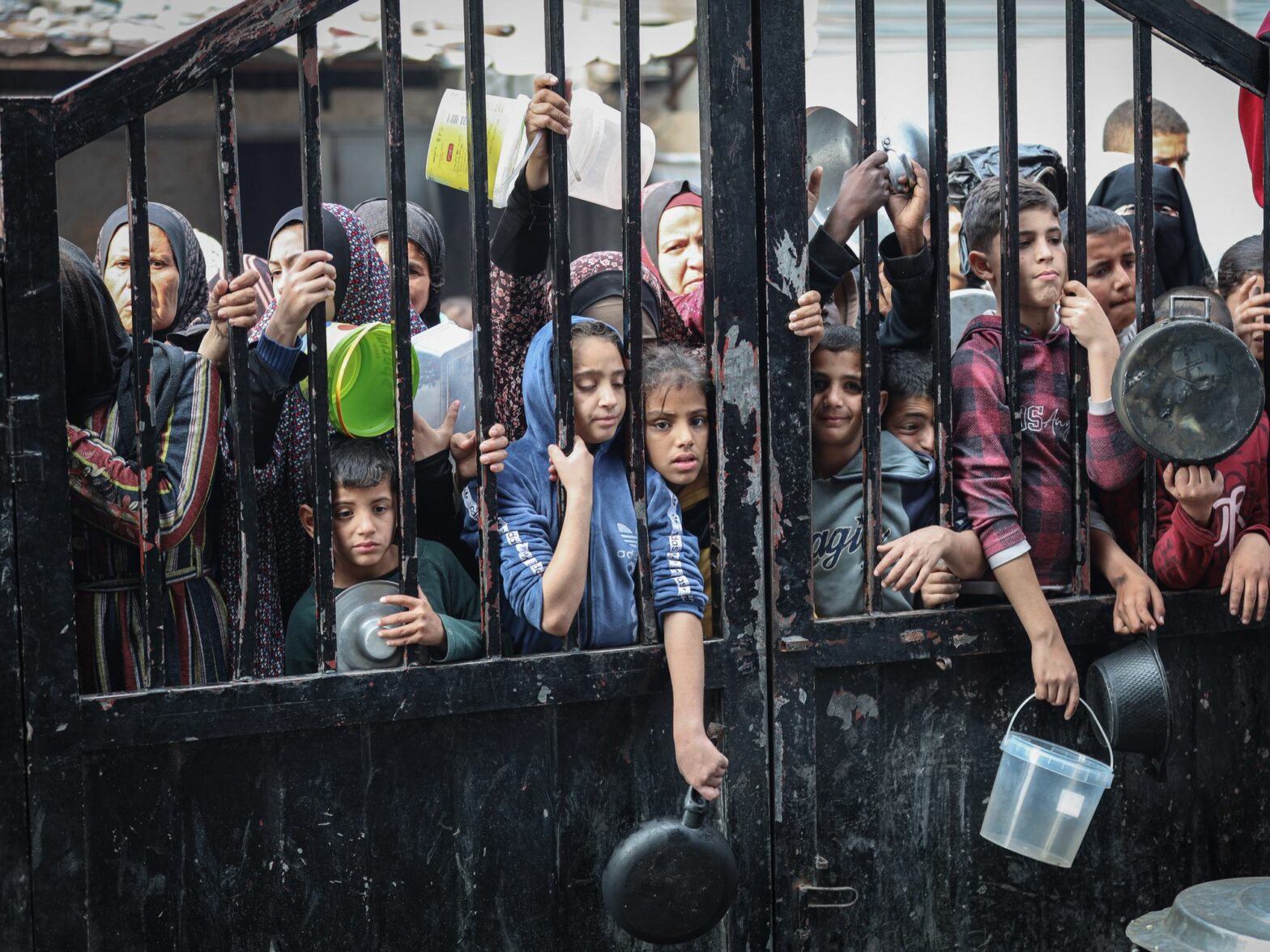
As the Israel-Hamas war continues unabated, the U.S., Egypt and Qatar are pushing to quickly reach an agreement. Will internal divisions be overcome? But even if a deal is struck, the war is far from over.
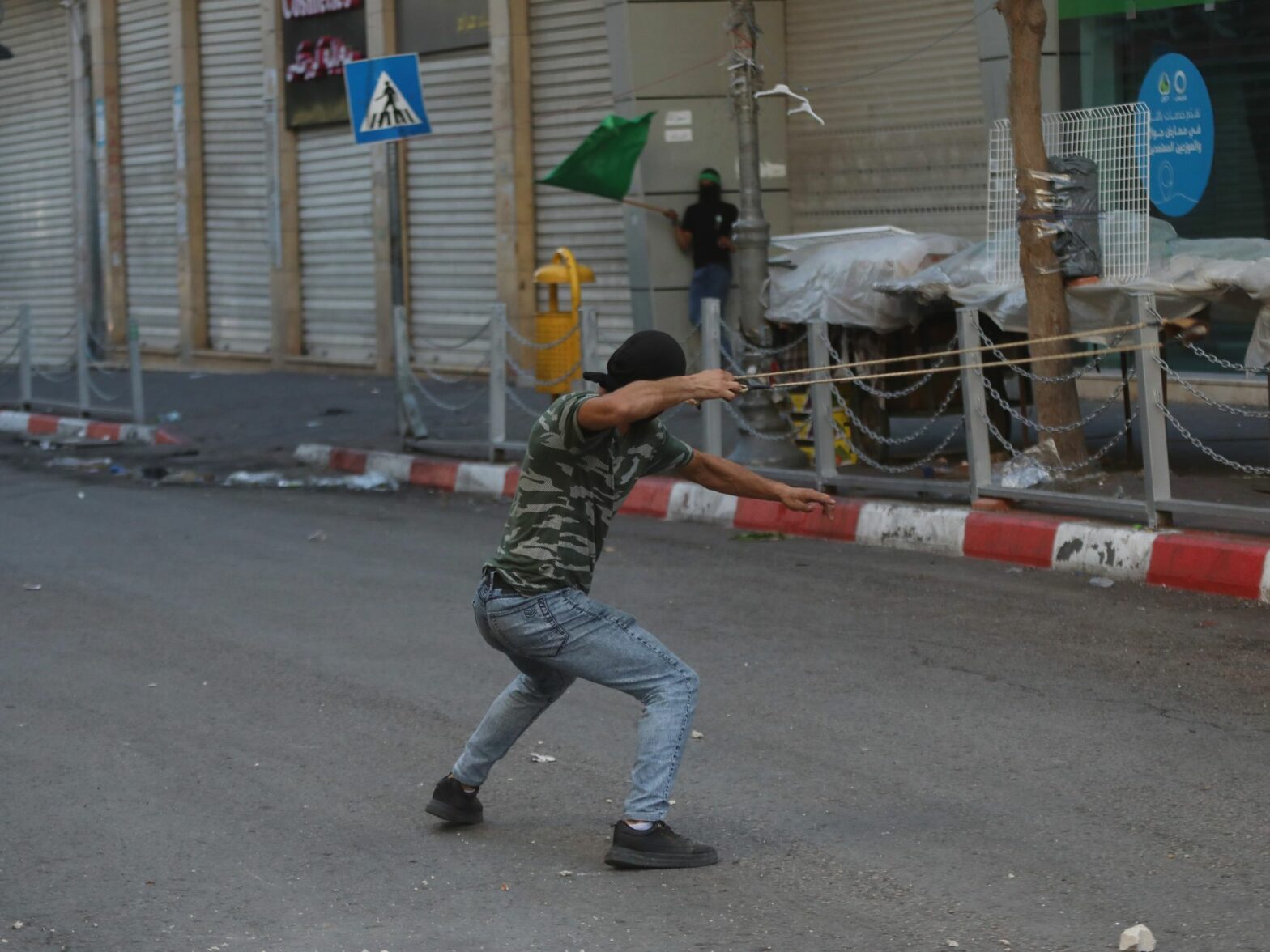
The “day after” the war and after Prime Minister Benjamin Netanyahu, a desperate man standing on the edge of his political demise, is the first day of a the two-state solution.
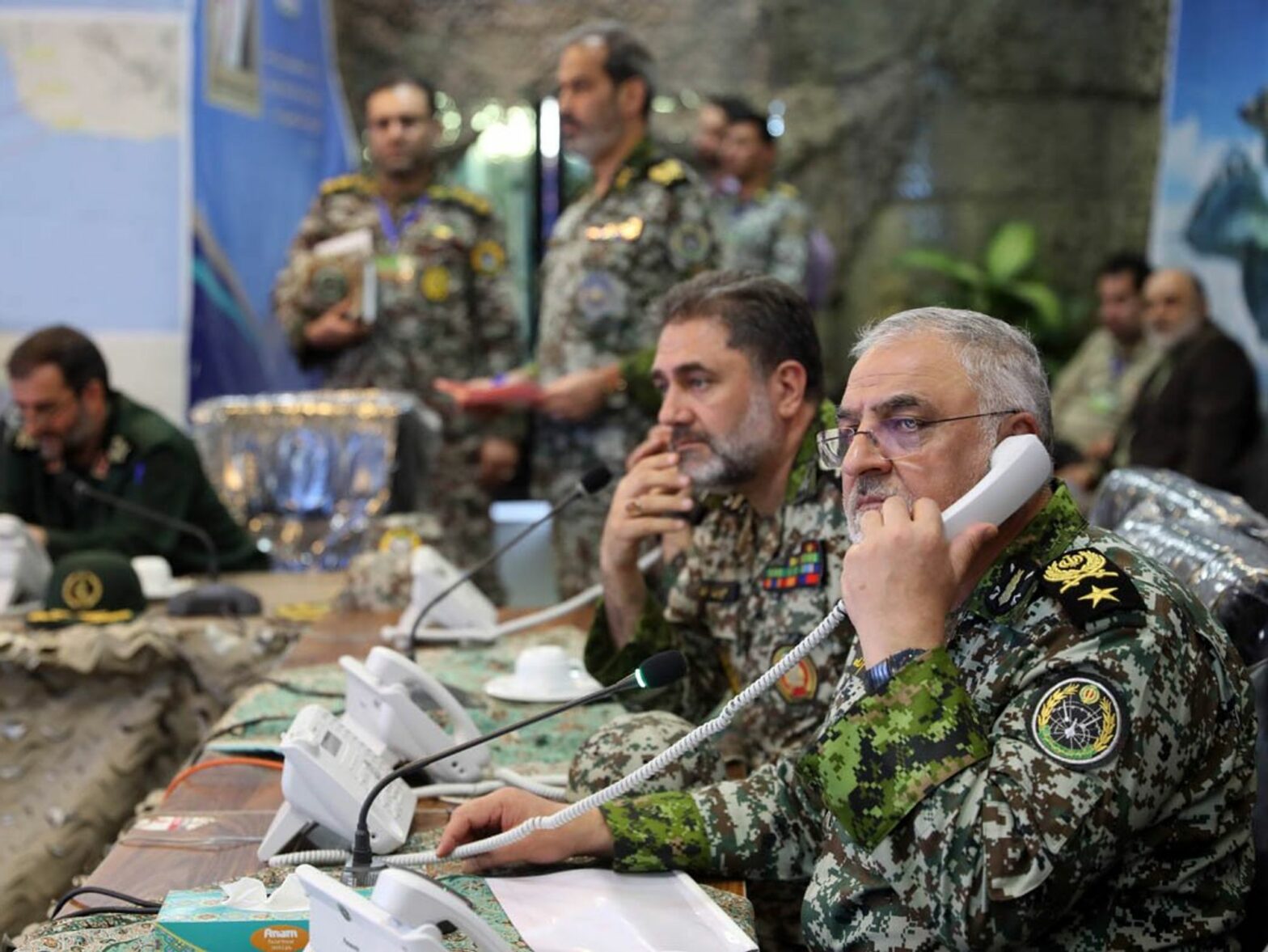
The death of three U.S. soldiers has raised the stakes in a low-simmering, but constant escalation between Washington and Tehran that could explode from the shadows of the war in Gaza — even if by pure accident.
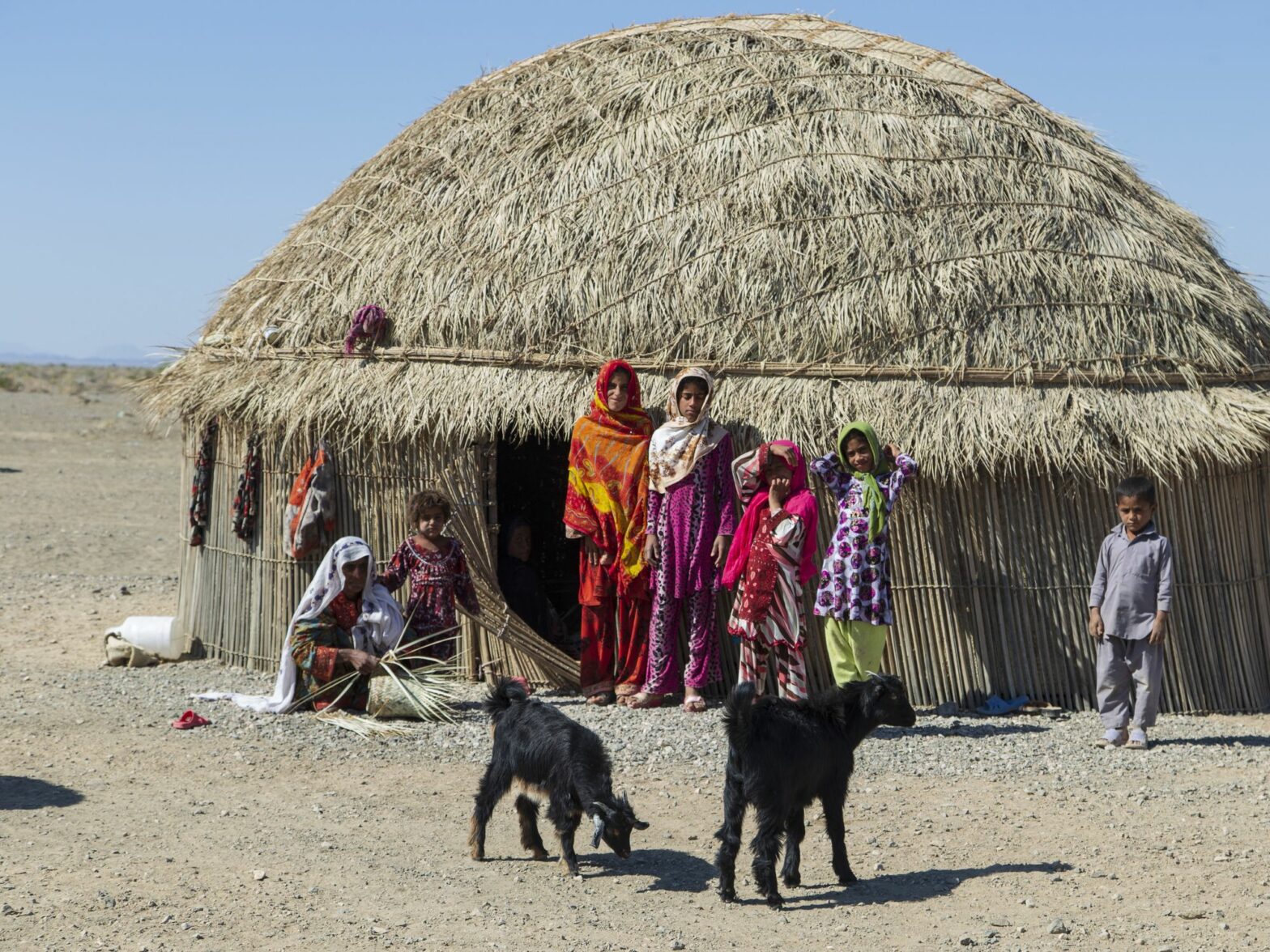
The strikes this month between Iran and Pakistan have brought the Baloch issue back to the forefront. The countries have long accused each other of harboring Baloch militant groups who are fighting for more regional autonomy.
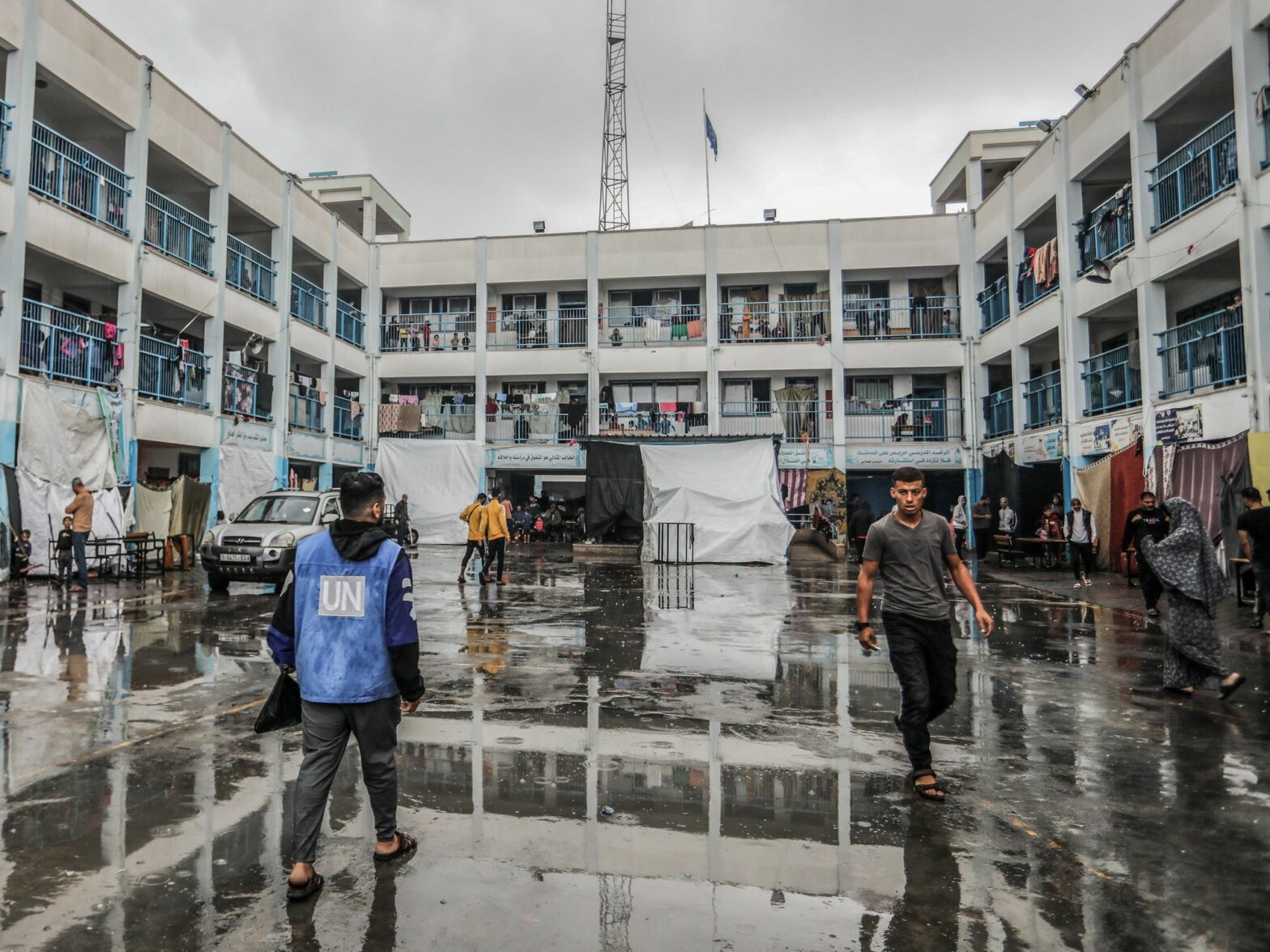
Israel has accused 12 employees the UN agency for Palestinian refugees UNWRA, of participating in the Oct. 7 attack. The United States and other countries have suspended their funding, which risks worsening the ongoing tragedy for the two million Palestinians in Gaza.

A former journalist and city councilor, Yekaterina Duntsova, 40, has suddenly gained surprising popularity among Russians opposed to Vladimir Putin and its offensive in Ukraine. She explains why barring her from the March presidential election won’t stop her campaign.
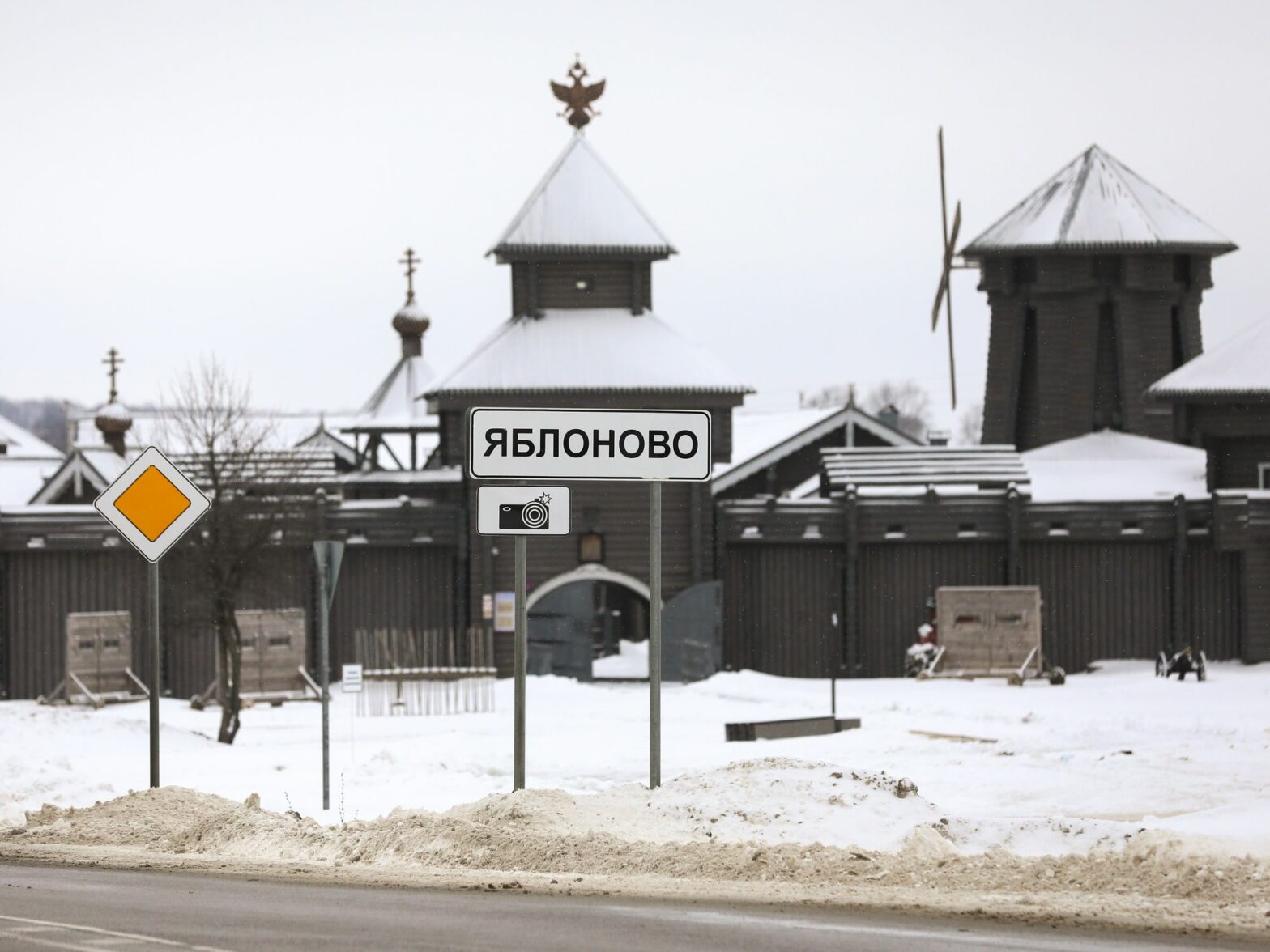
Ukraine and Russia are blaming each other for the Russian military plane crash. It will be hard to get at the truth of the accident, as either party is unlikely to release information, which is another weapon in their war.
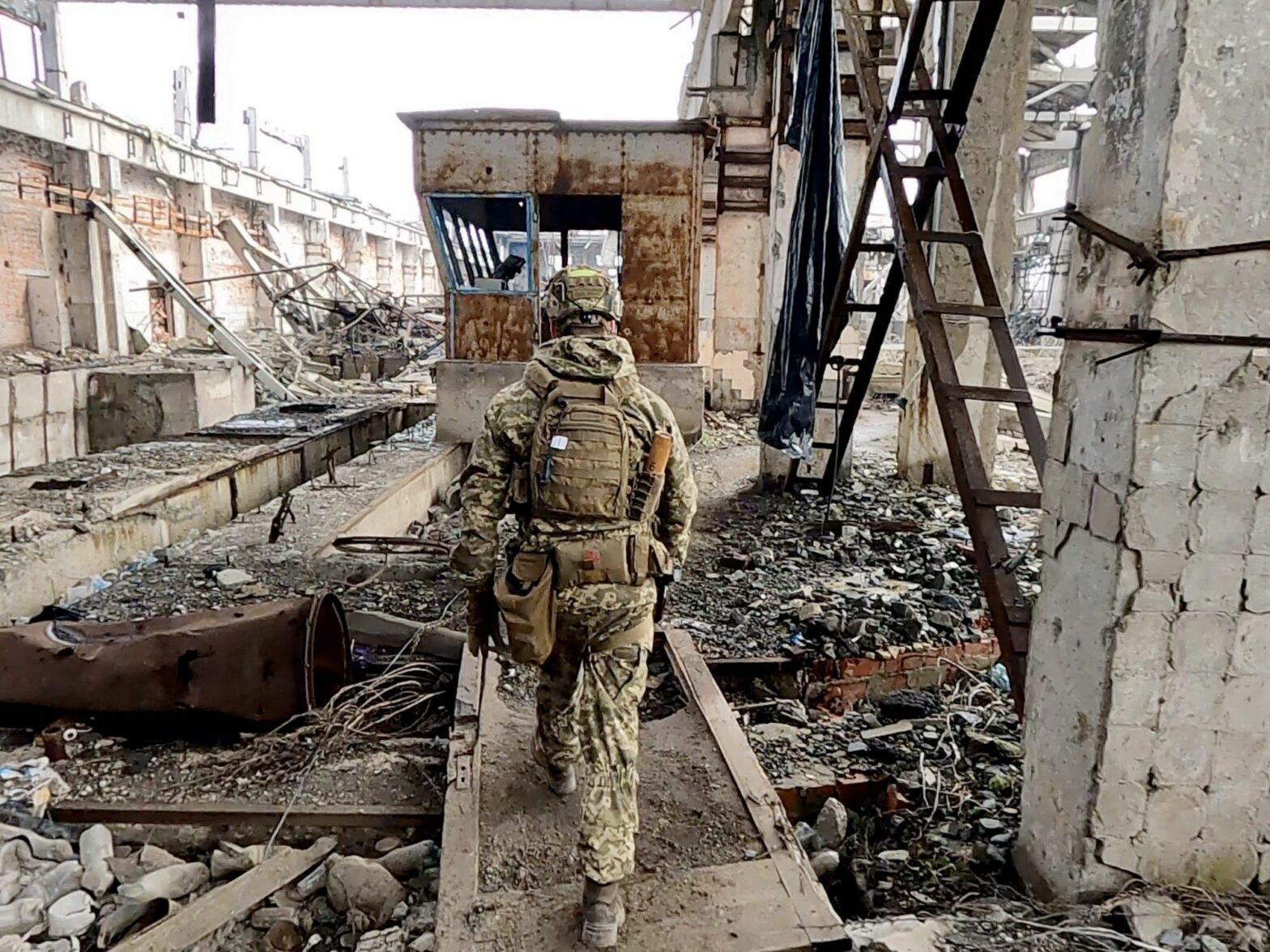
Despite uncertainty over Western delivery of weapons and setbacks on the battlefield, it is crucial for Ukraine to continue fighting each and every battle, writes Viktor Kevlyuk in Livy Bereg, as every conquered inch of terrain can tip the war’s balance.
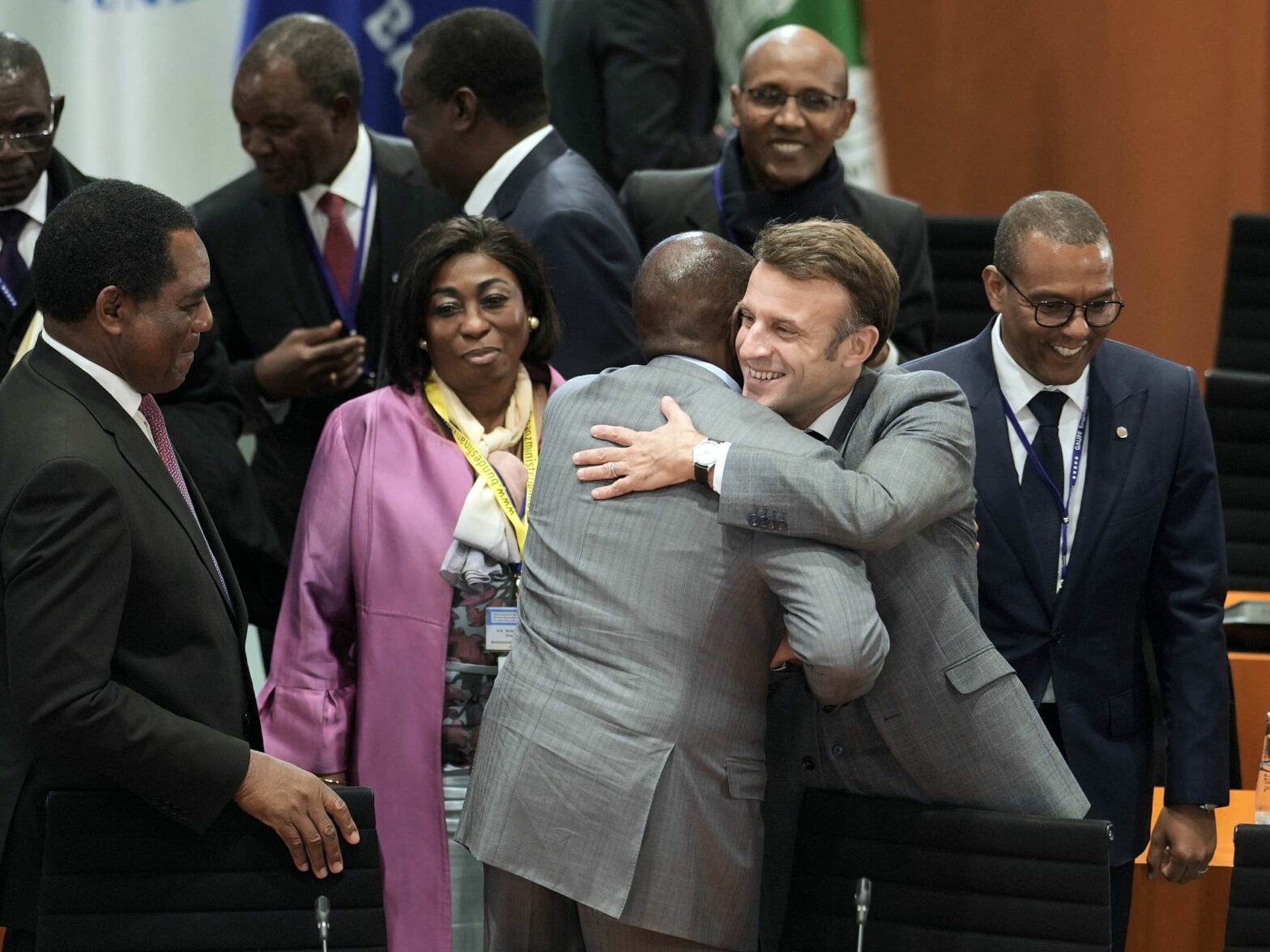
As Russia and China weave more intricate and long-lasting relations within the African continent, former colonizing powers like France need to step up their game in order to maintain their influence and connections.
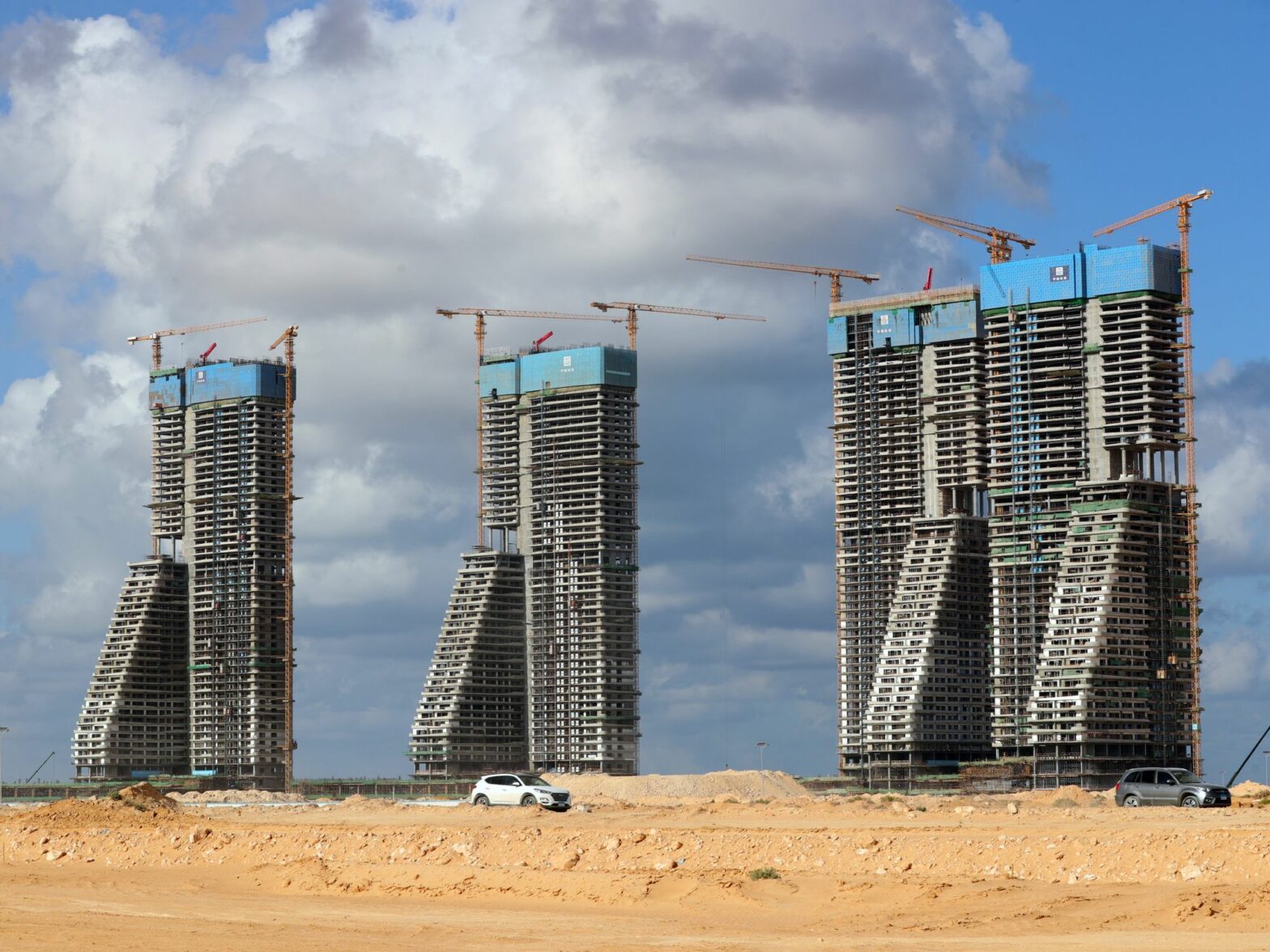
Ambition and ambiguity are the unspoken rules utilized by the participating parties in China’s much touted Belt and Road Initiative, launched 10 years ago, to expand its economic power across the world. But what has actually come of it is not so clear.
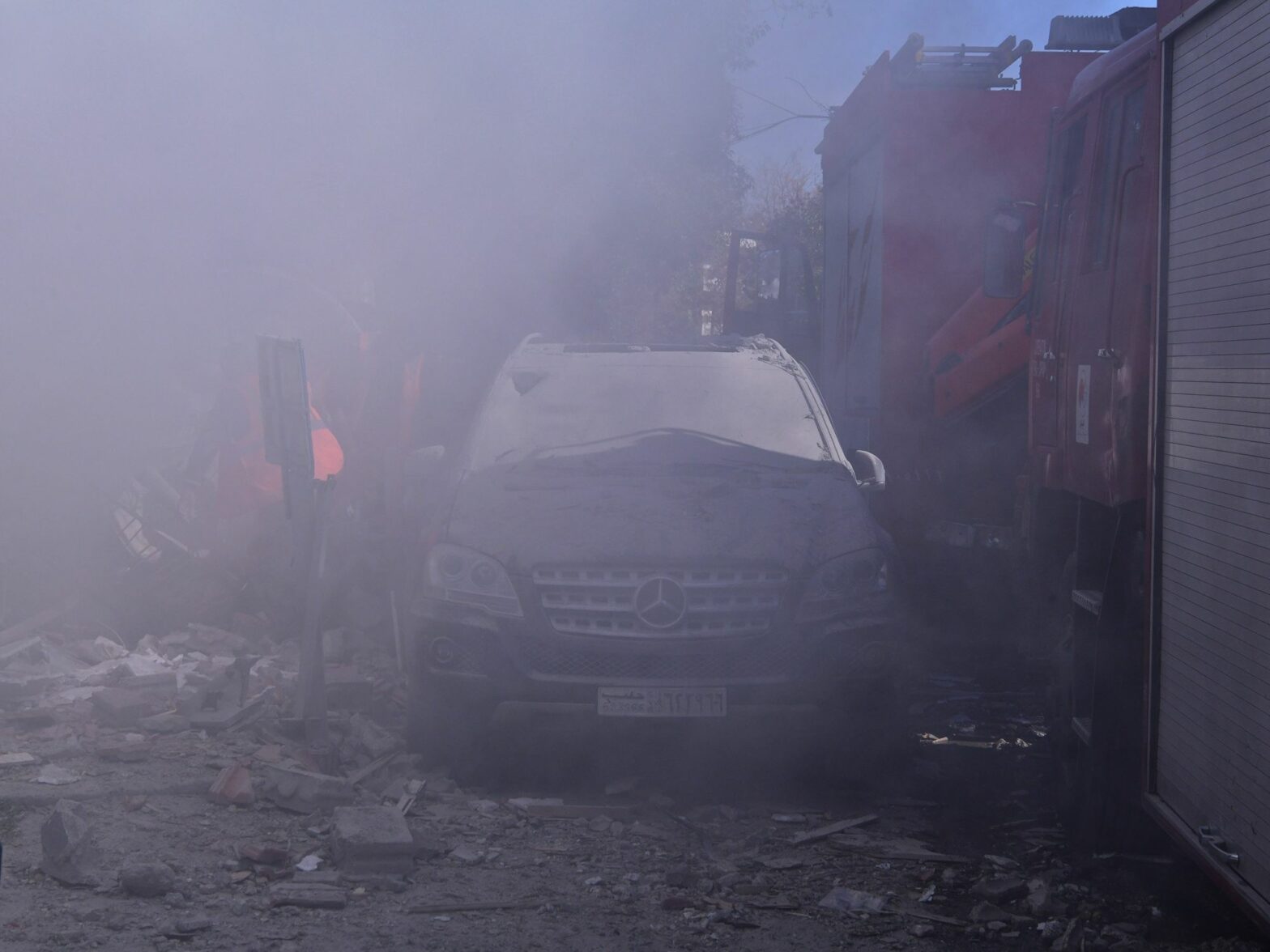
Now in its third month, the Israel-Hamas war has led to an increase in Israeli strikes on Iranian posts in Syria. At the same time, the pace of drug smuggling from Syria to Jordan has increased, prompting the latter to launch airstrikes inside Syria.
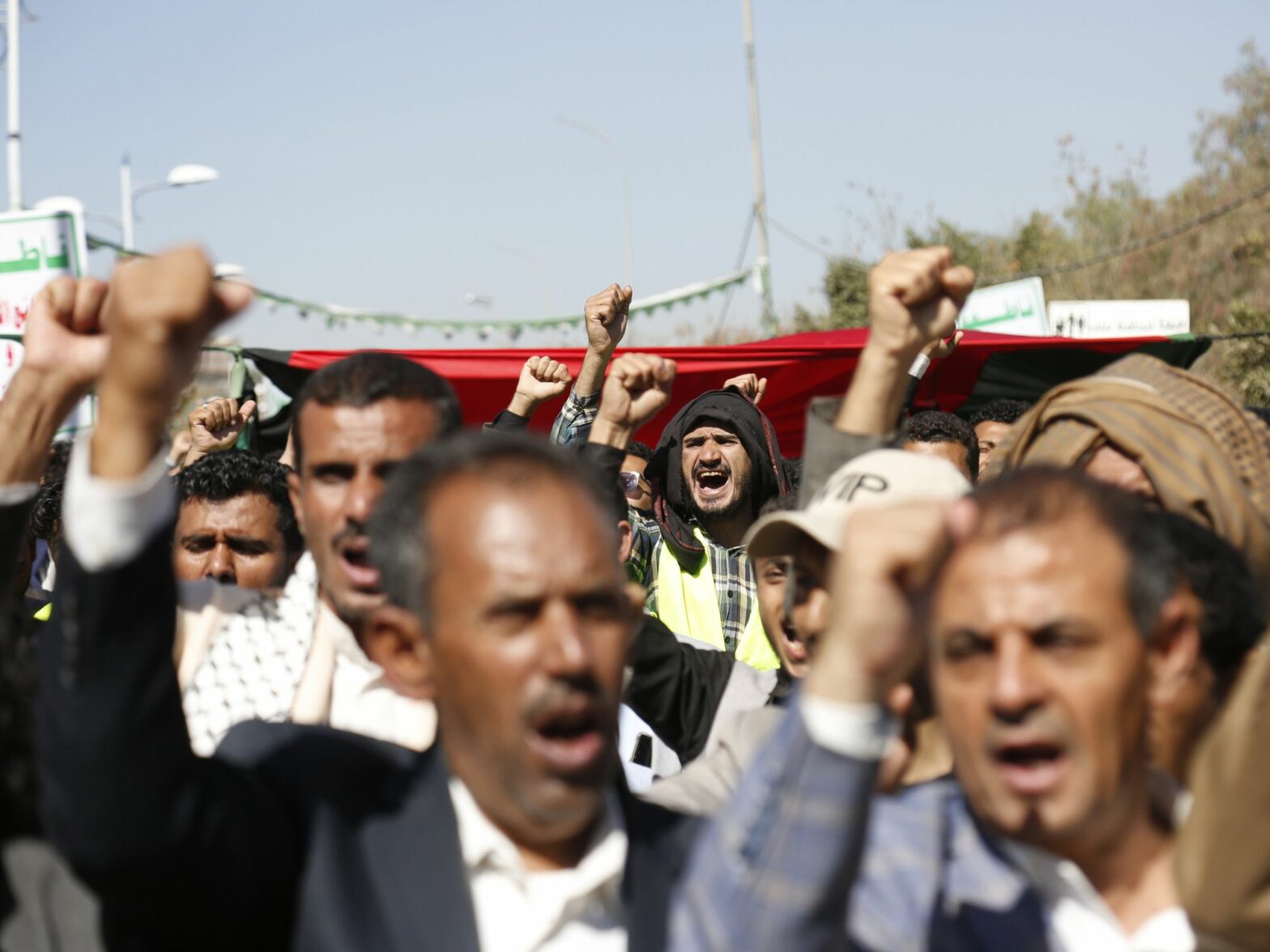
Despite their country’s complicated situation on the economic, humanitarian and political levels, war-weary Yemenis are divided over the Houthis’ escalation in the Red Sea. The situation is raising concerns among Yemenis about their future.
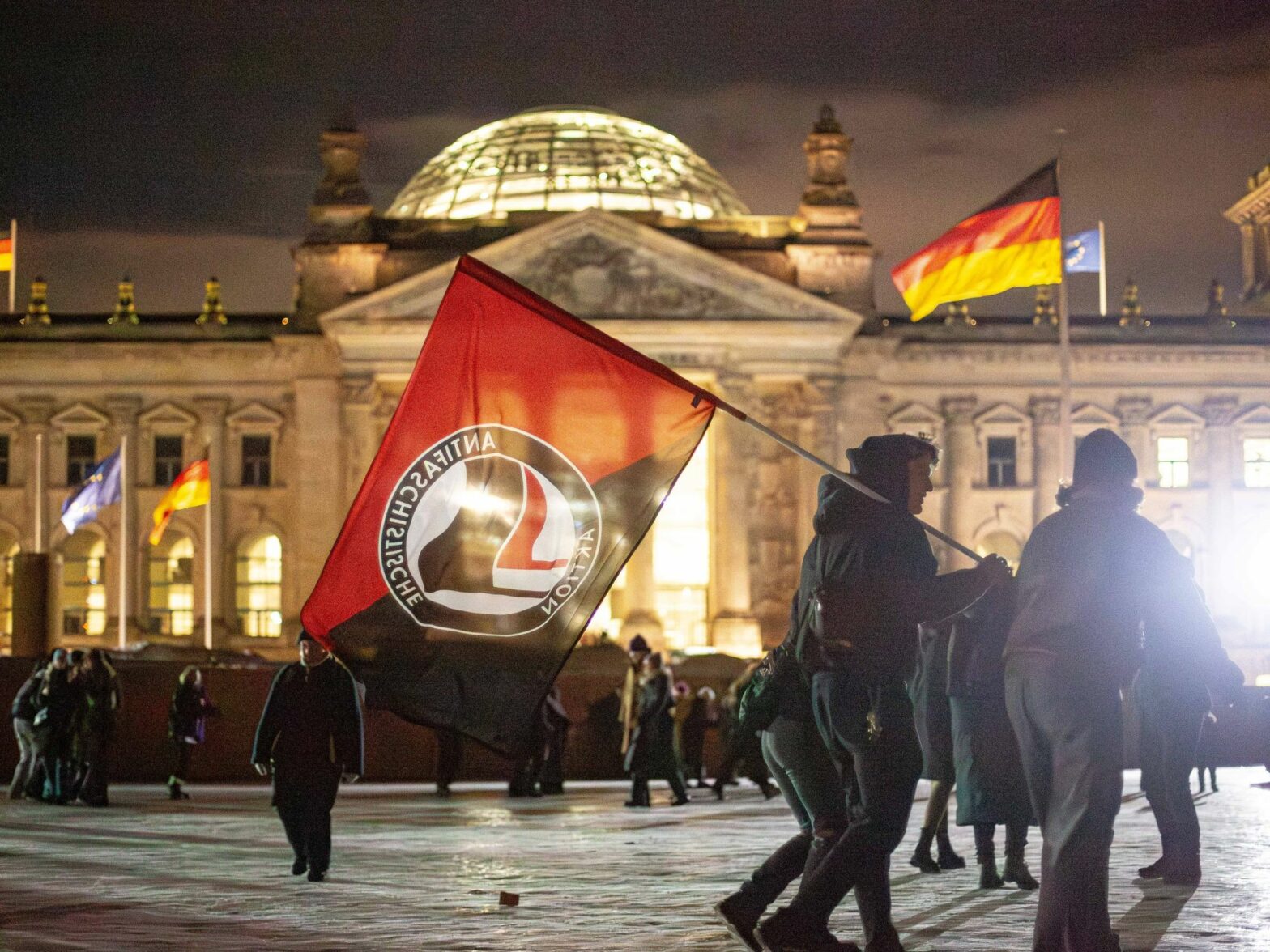
The far-right AfD party chief has threatened a “Dexit” referendum, where Germany (Deutschland) leaves the European Union. But just ask the British people what they think about how that turned out. Right wing leaders in Italy and France seem to have understood the message.
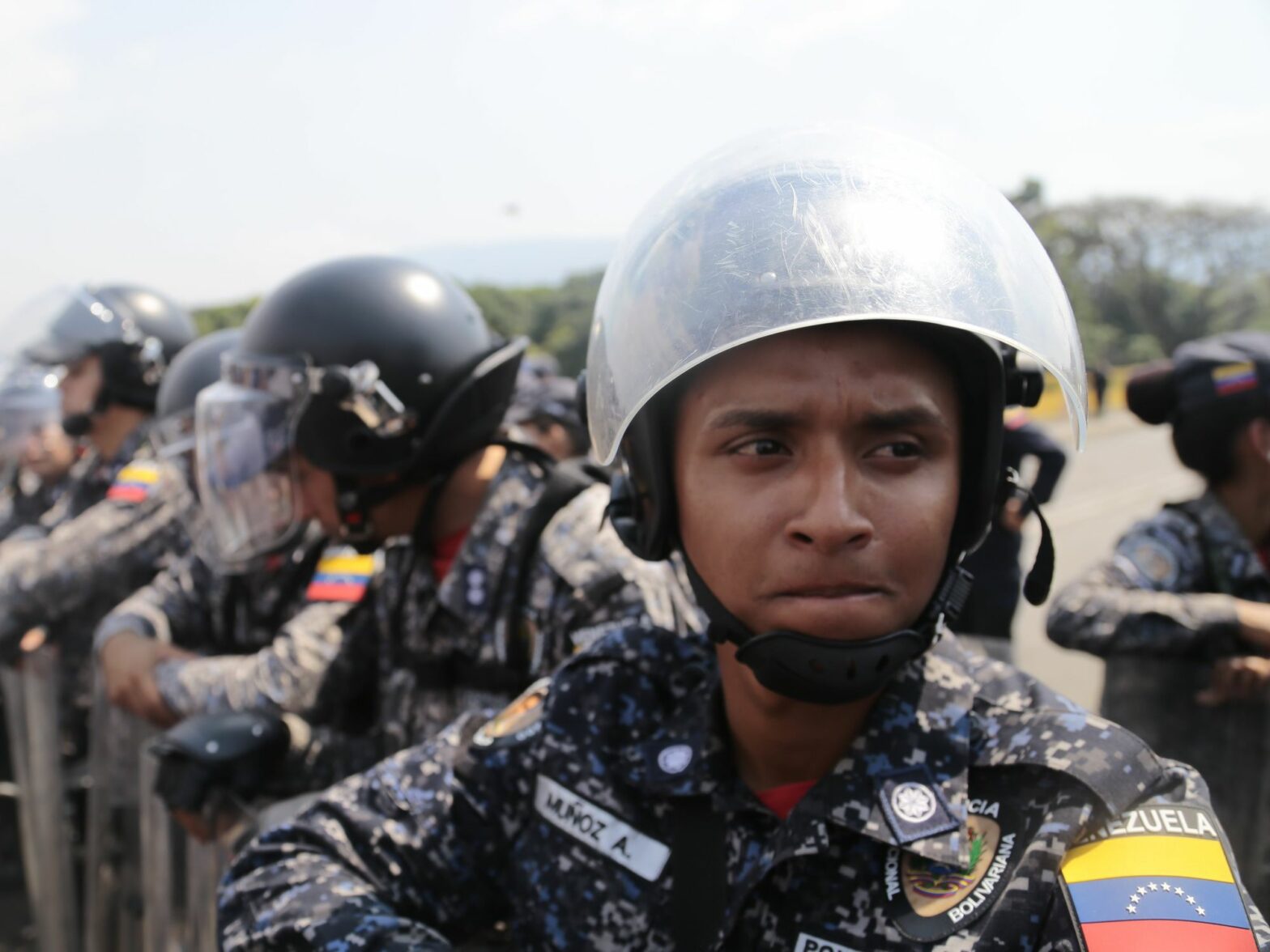
Latin America’s socialist regimes are following the “Putin model” of policing the population, inspired by Soviet practices, but in the case of oil-rich Venezuela, fortunately, the communist science of repression is not yet watertight.

What has driven the rise and slow decline of Chinese social media influencers on the African continent? A mix of business, racism and censorship — and short attention spans of all of the above.

With Monday’s consecration of the controversial new Hindu temple, Ayodhya Ram, Indian Prime Minister Narenra Modi declared that God had “made him the representative of the people of India” to be present at the ceremony. This is a dark watershed in modern India’s attempt to reconcile church and state.
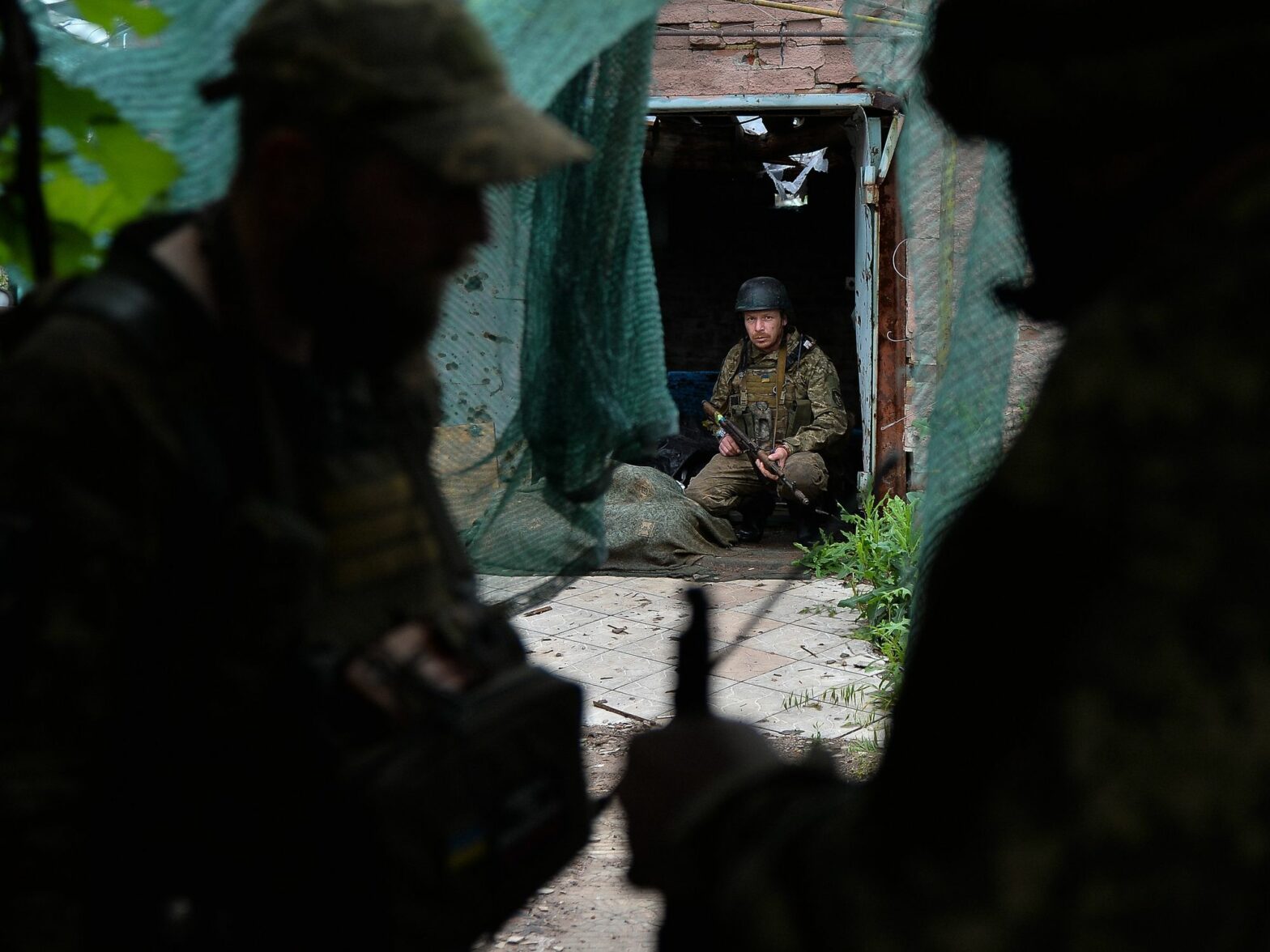
Putin has threatened Ukraine with a long war in the hope that Western support will wane and that his troops will eventually outnumber Ukraine’s. But his army has had a few difficult months and arms production can’t keep up. Meanwhile, Western support for Kyiv is holding steady.