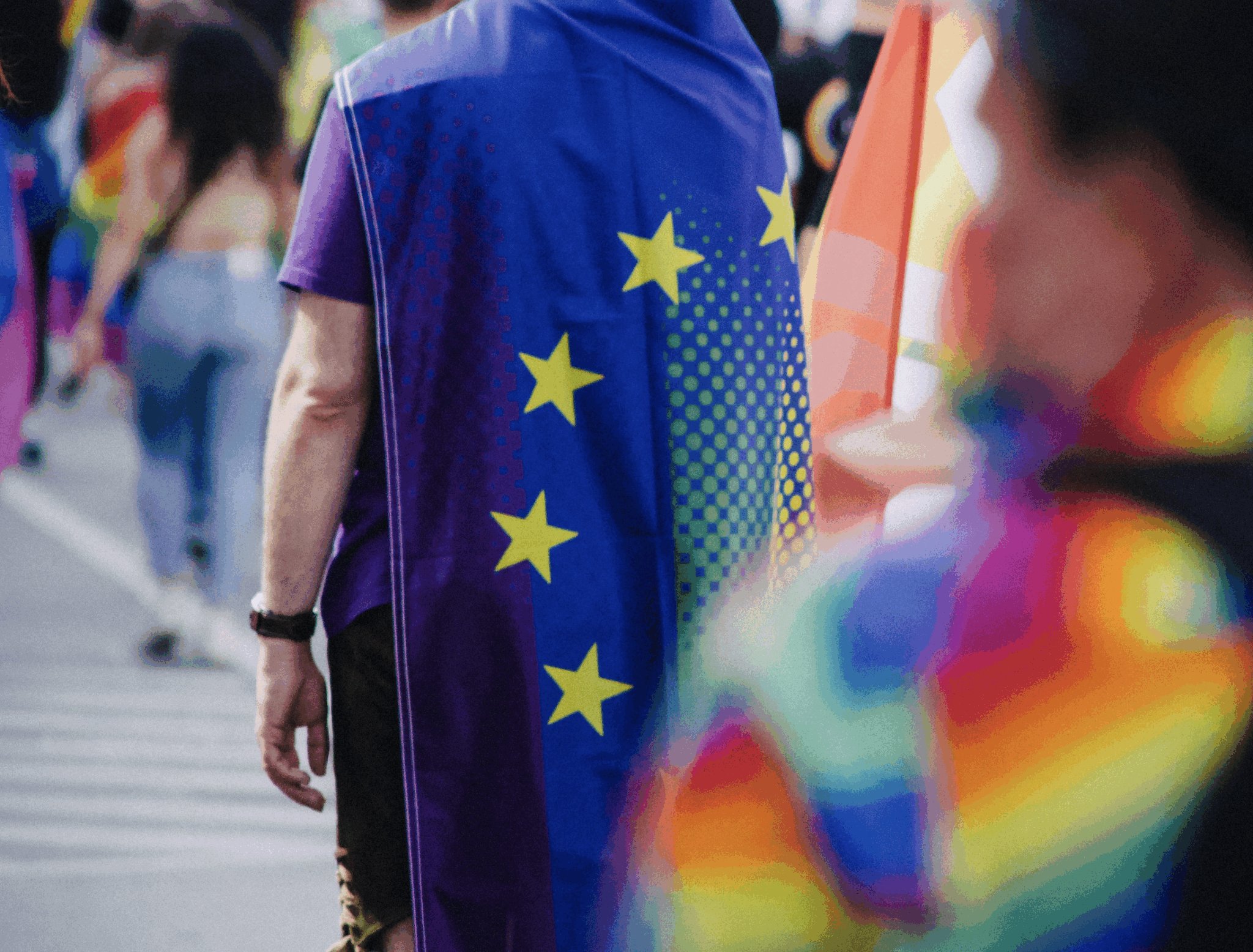
From Ukraine to global power shifts, the certainties that once shaped our world have collapsed, forcing Europe to rethink what is still achievable in a rapidly changing reality.
 Worldcrunch
From Ukraine to global power shifts, the certainties that once shaped our world have collapsed, forcing Europe to rethink what is still achievable in a rapidly changing reality.
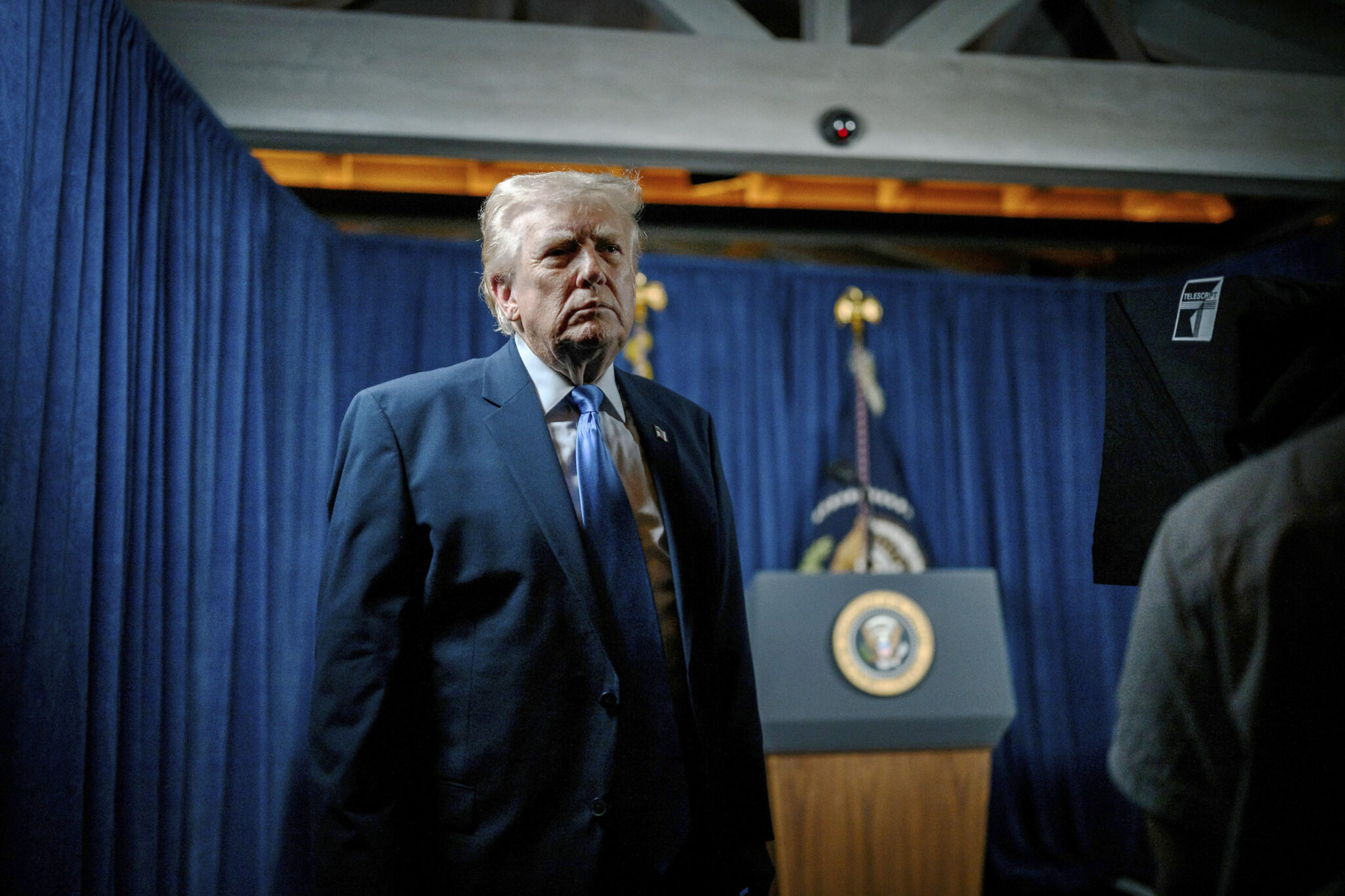
A string of political defeats, legal setbacks and economic backlash is eroding Trump’s grip on power, raising cautious hopes that America’s democratic resilience is finally reasserting itself.

Beyond U.S. tariffs, the deeper economic drag in China is domestic: weak demand, a deflationary price war, debt laden local governments mortgaging assets, and collapsing trust between private business and the state.
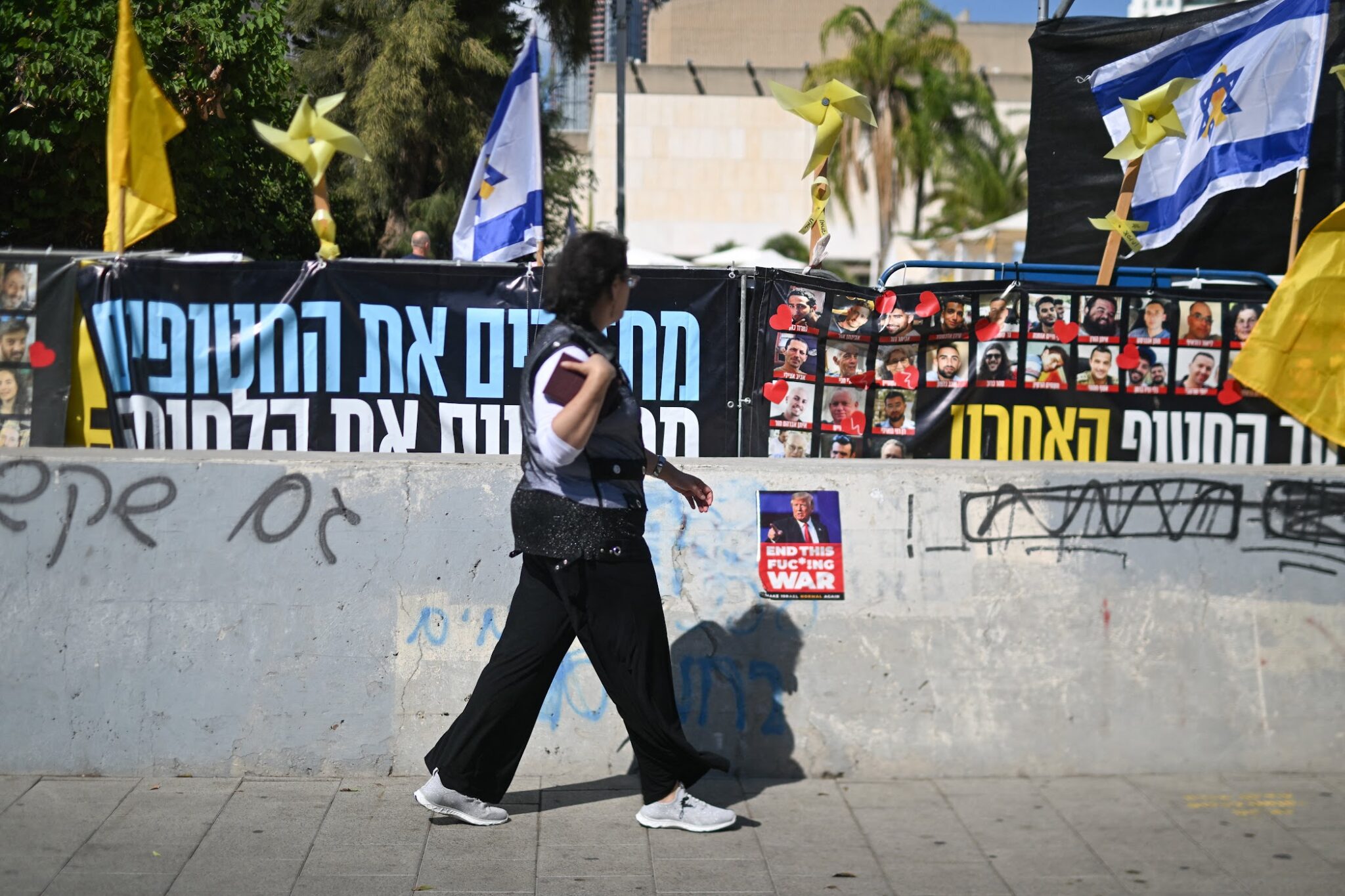
Israel’s post-hostage relief must not harden into absolution, but must be taken as a moment for accountability and a rethinking of coexistence.
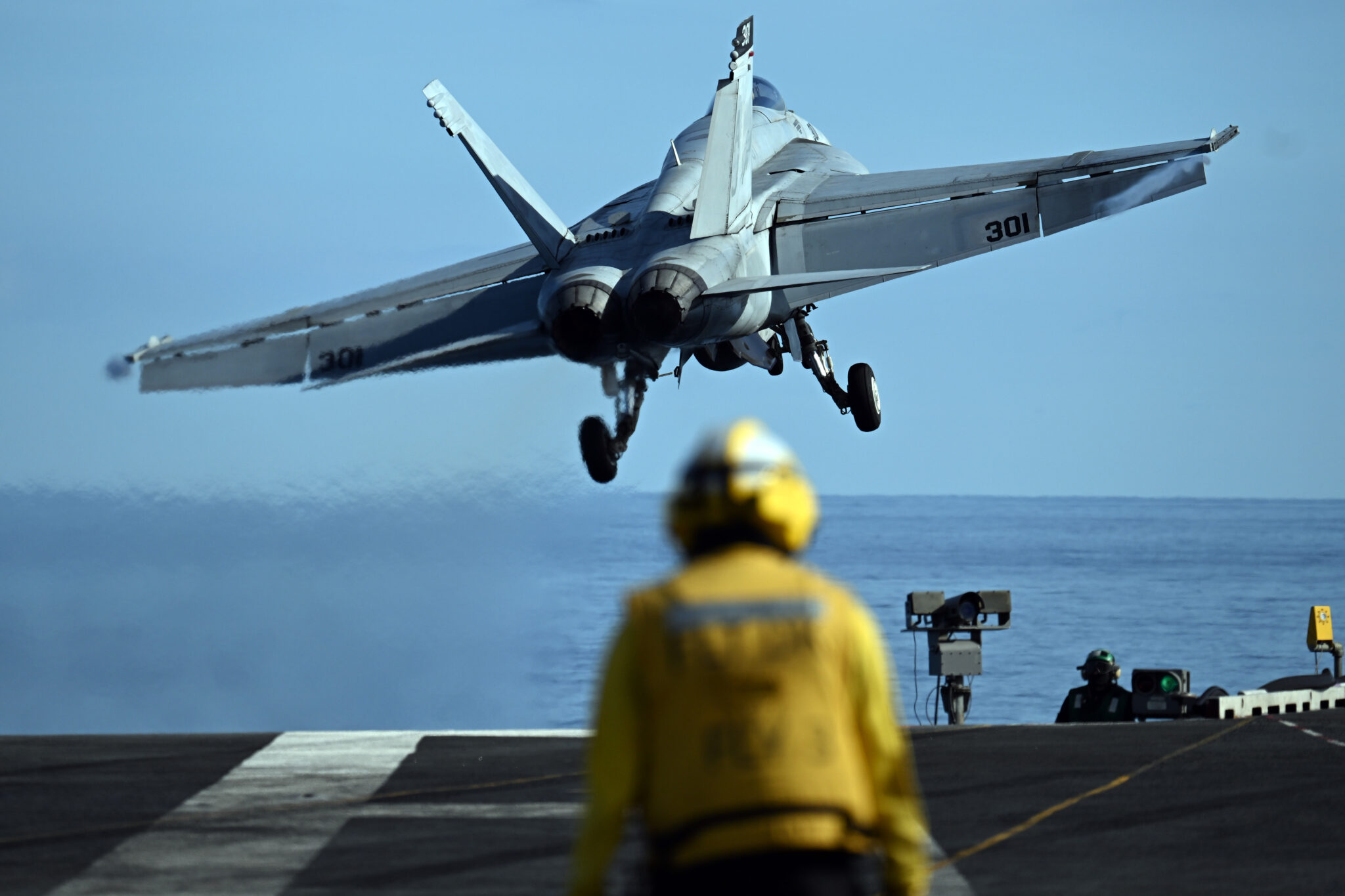
From drones over Poland to jets in Estonian airspace, Moscow is testing Europe’s nerves as Ukraine’s deep strikes rattle Russia. But the escalation could backfire, bringing Europeans closer together instead of driving them apart.
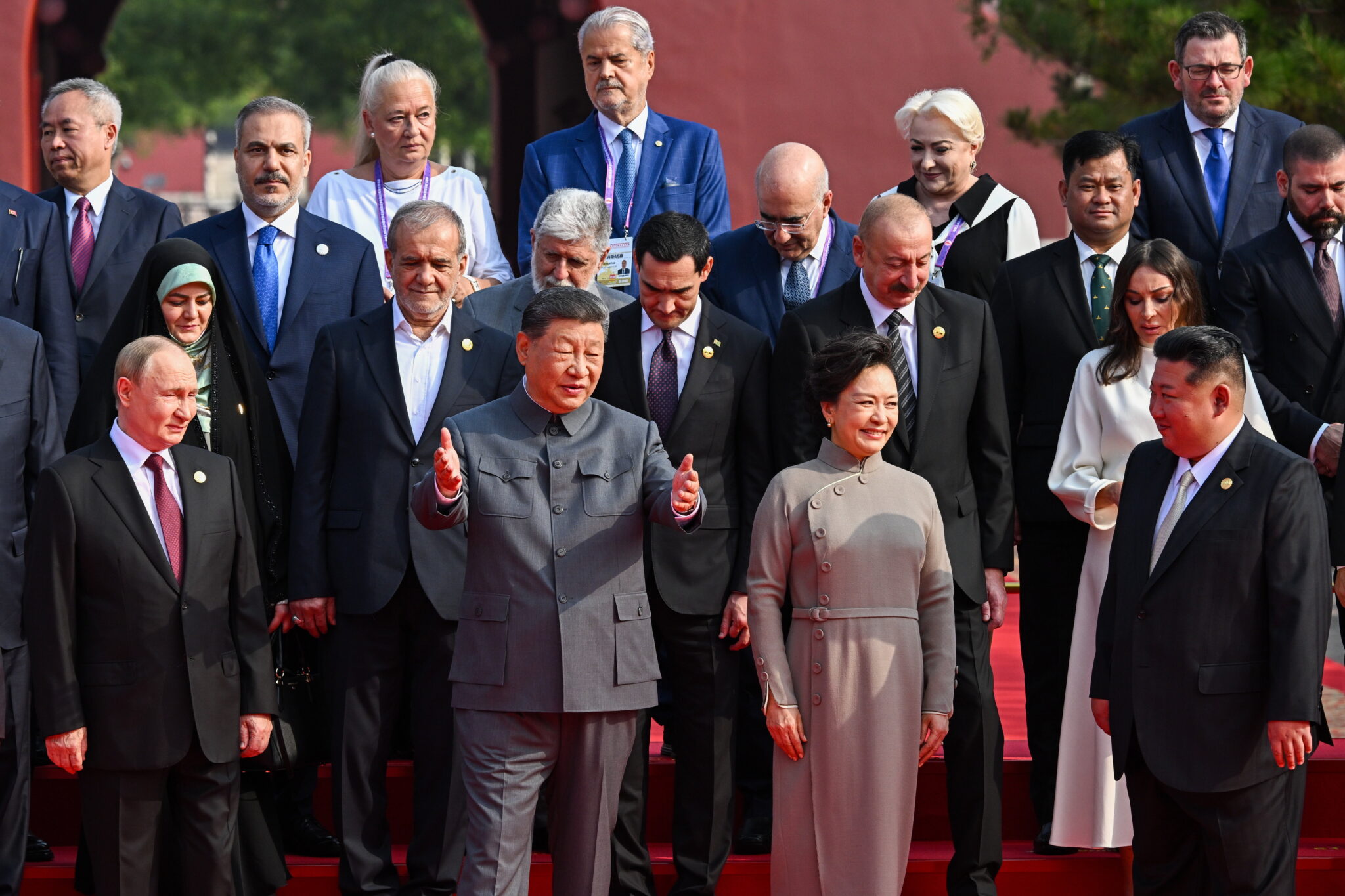
Xi Jinping’s military show in Beijing and his alliance of autocrats may look like the dawn of a new world order, yet the economic, scientific, and military balance still tilts toward the democracies of the West.
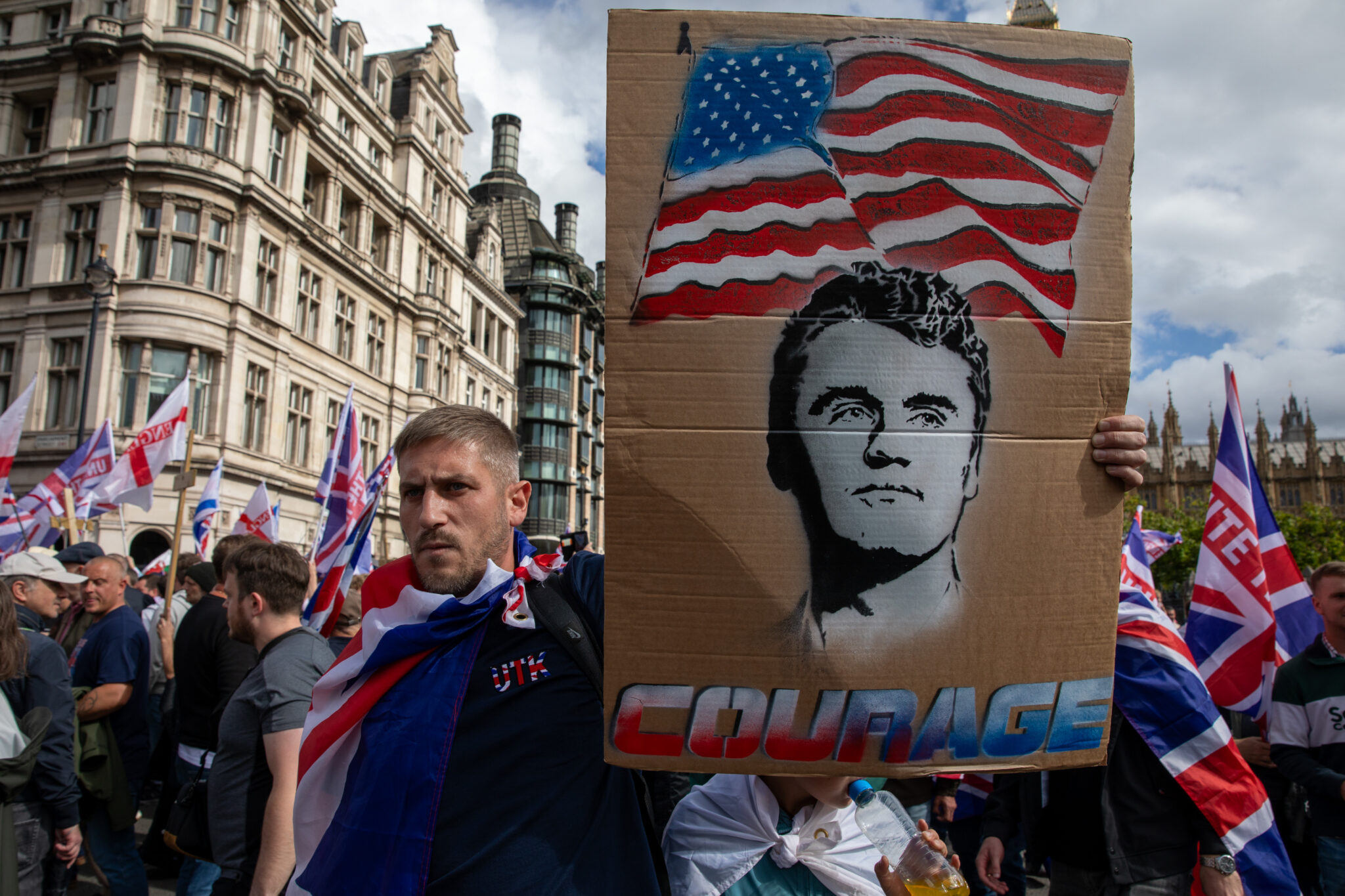
The assassination of Trump supporter Charlie Kirk has provoked strong reactions from the far-right internationally, as the culture war appears to accelerate around the world.
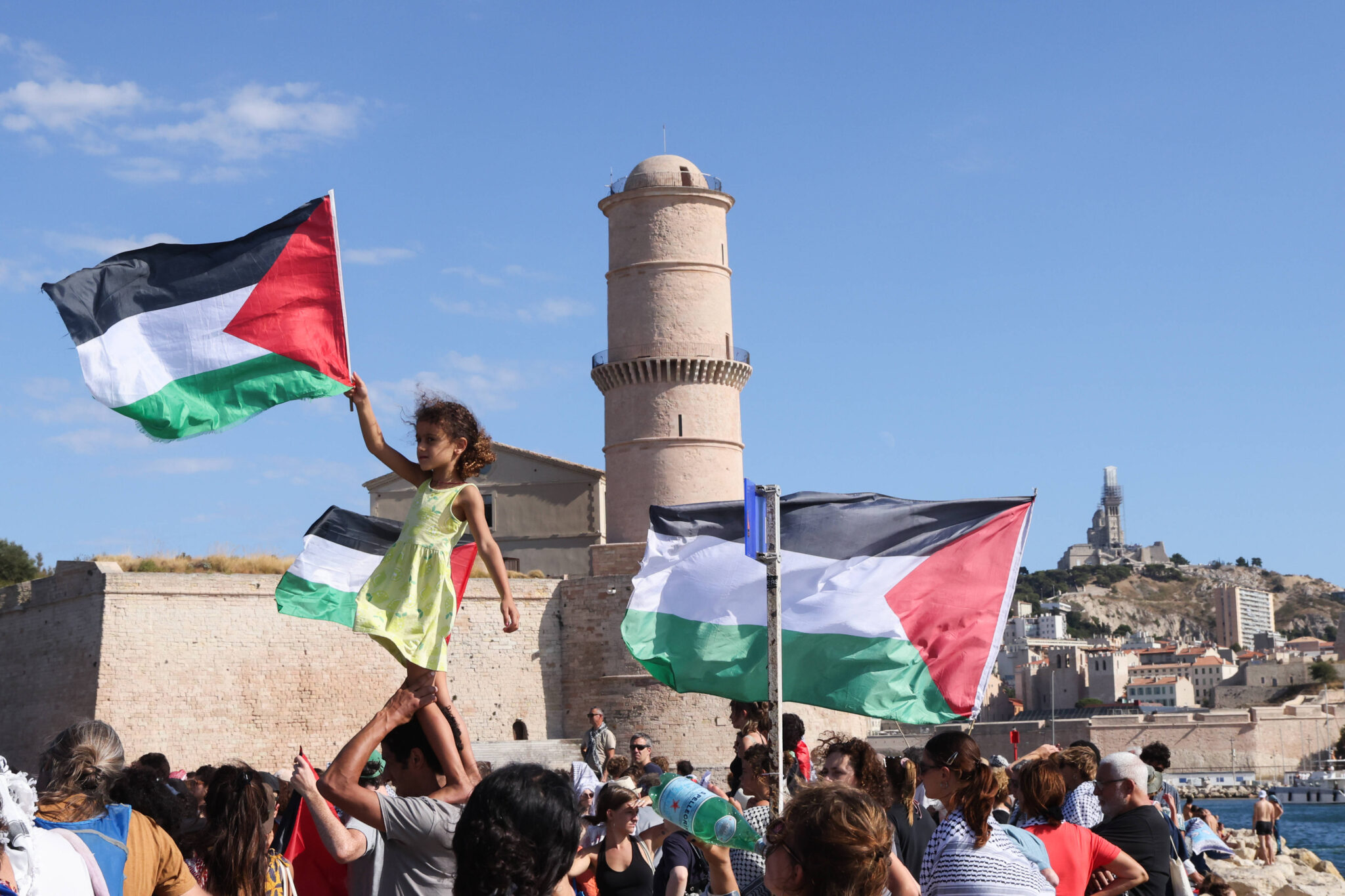
Less than three weeks after Emmanuel Macron announced his intention to recognize Palestine, Israel and the United States are increasingly mounting obstacles to the French diplomatic initiative. Israel accuses the French president of seeking to “undermine stability” in the Middle East.
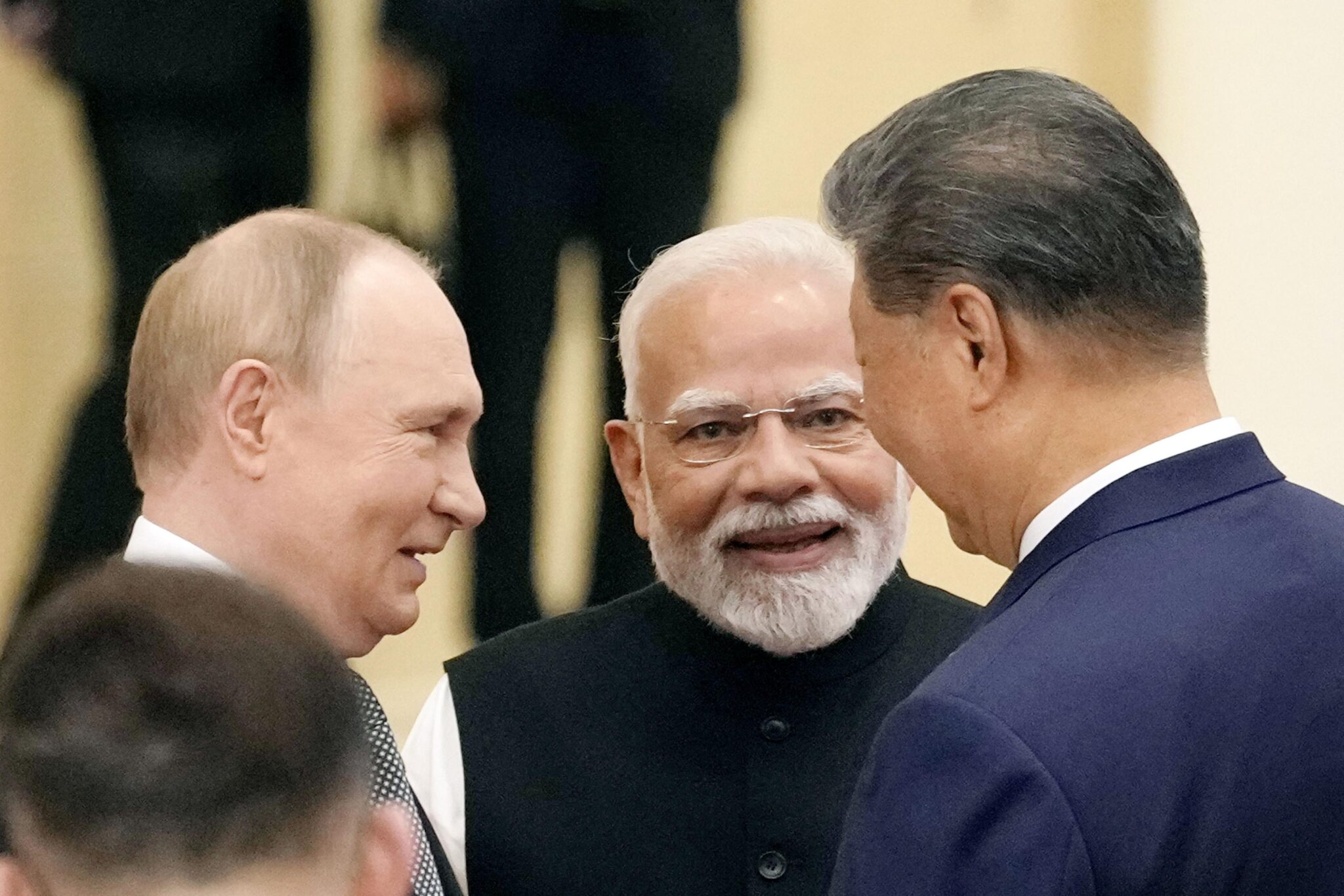
The leaders of Russia, India and China were all smiles as they posed for a photo on the sidelines of the Shanghai Cooperation Organization (SCO) summit, with their thoughts on the “absent” Donald Trump. The battle for world order in the 21st century captured in a single photo.
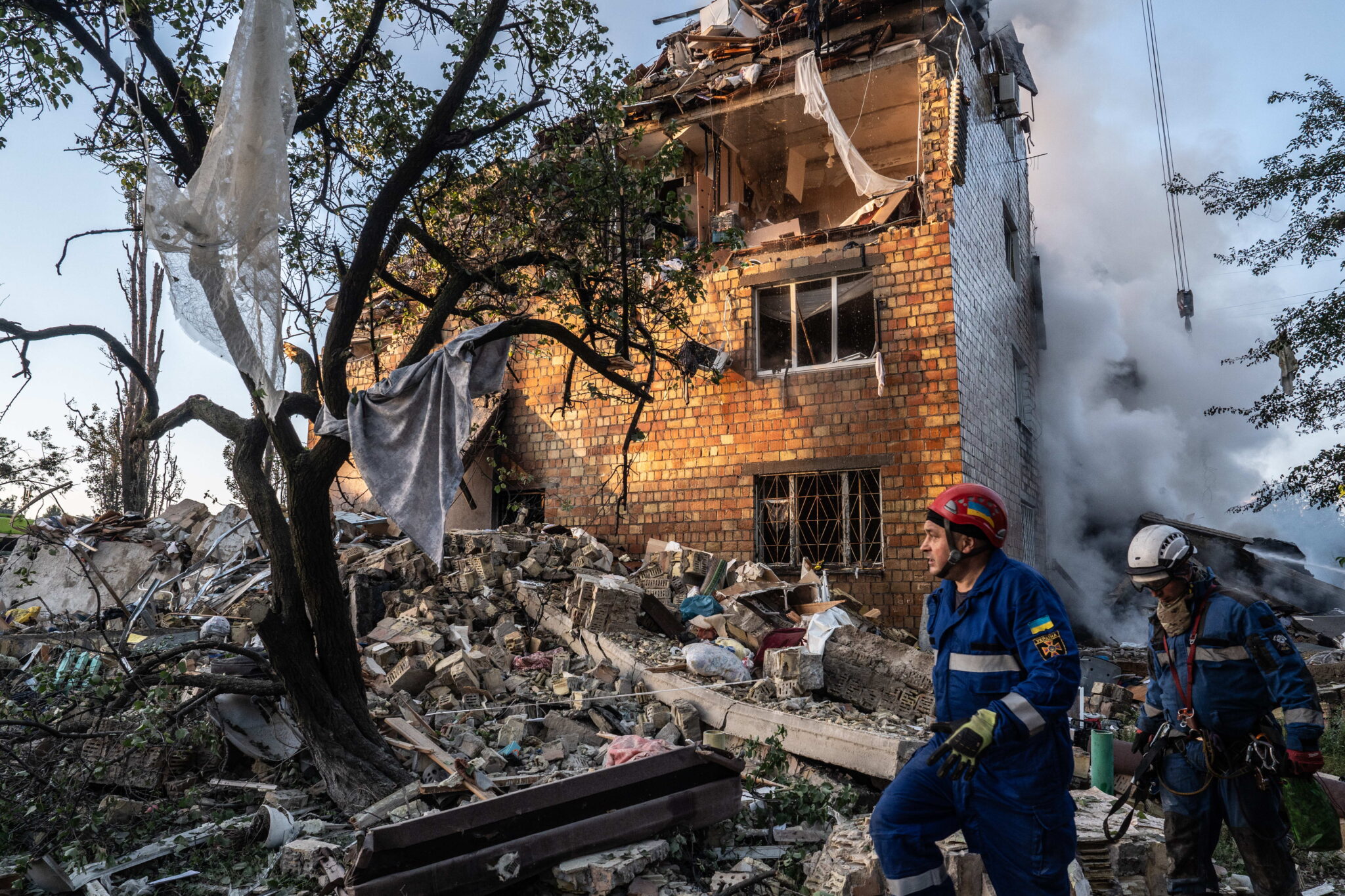
Even after diplomatic overtures and red-carpet treatment abroad, Moscow answers with one of its deadliest strikes since the invasion, showing the Kremlin has no intention of negotiating an end to the war.
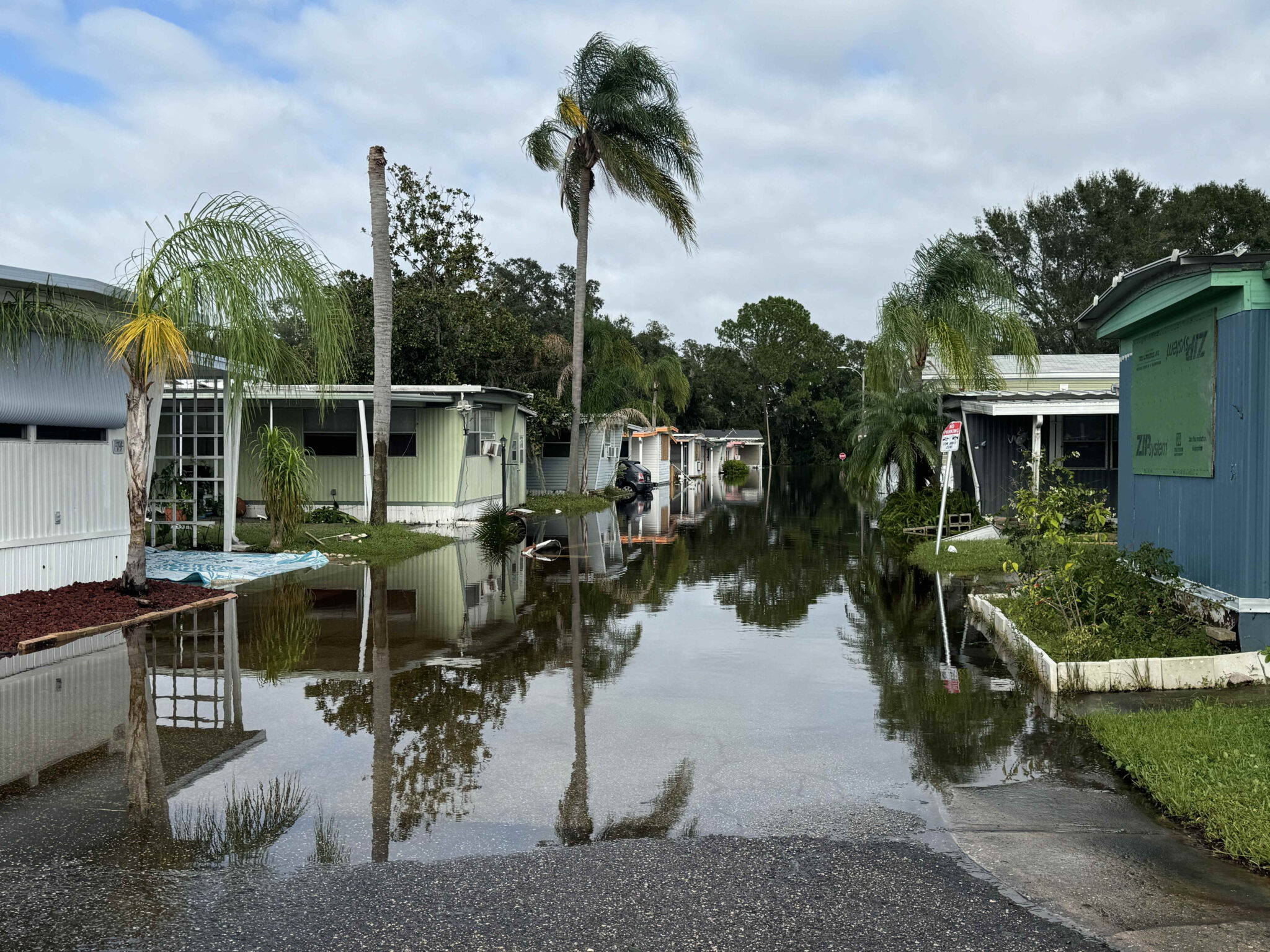
Experts in flood mitigation see a national system decades behind. A disbanded FEMA advisory group was supposed to help.
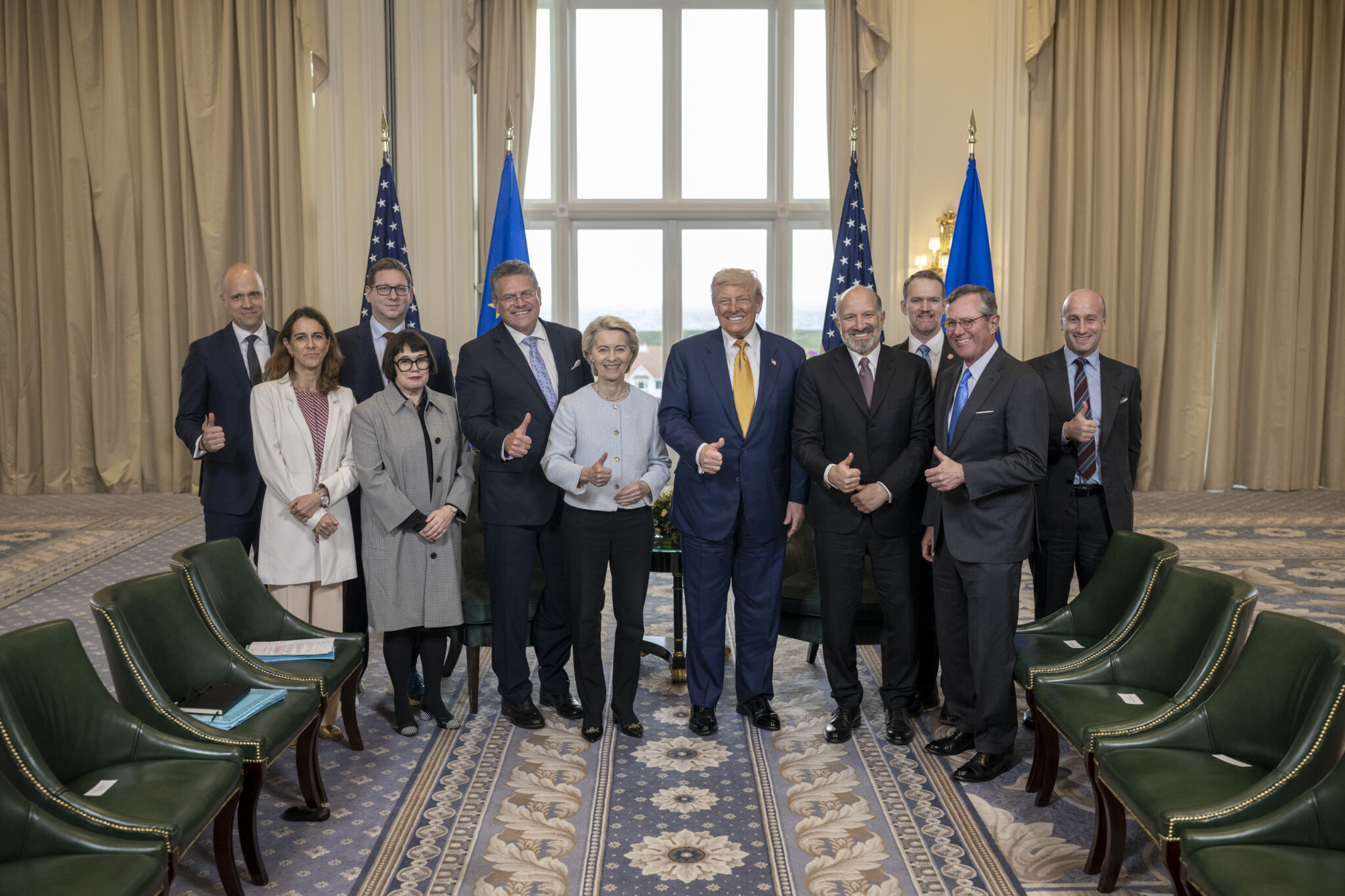
The ink had barely dried on EU-U.S. trade agreement when Trump issued an ultimatum to eliminate digital regulations. Europe is now backed into a corner, caught between trade and security.
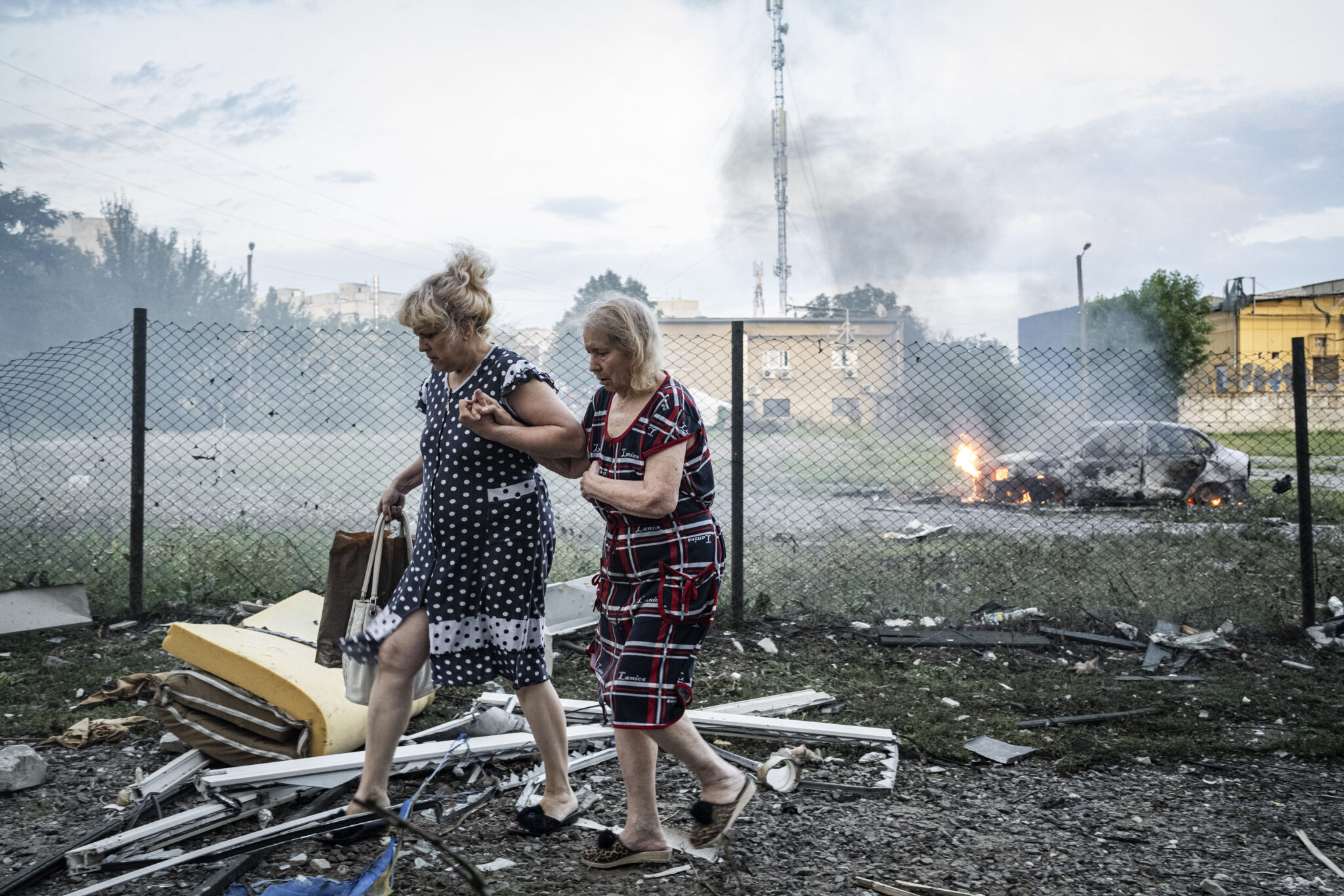
Ten days after the Trump-Putin summit in Alaska, the hopes for peace negotiations that it had raised have faded: Russia has set conditions that are difficult to accept. There is no meeting between Zelensky and Putin planned, Russian Minister Sergei Lavrov confirmed yesterday. What will Trump do?
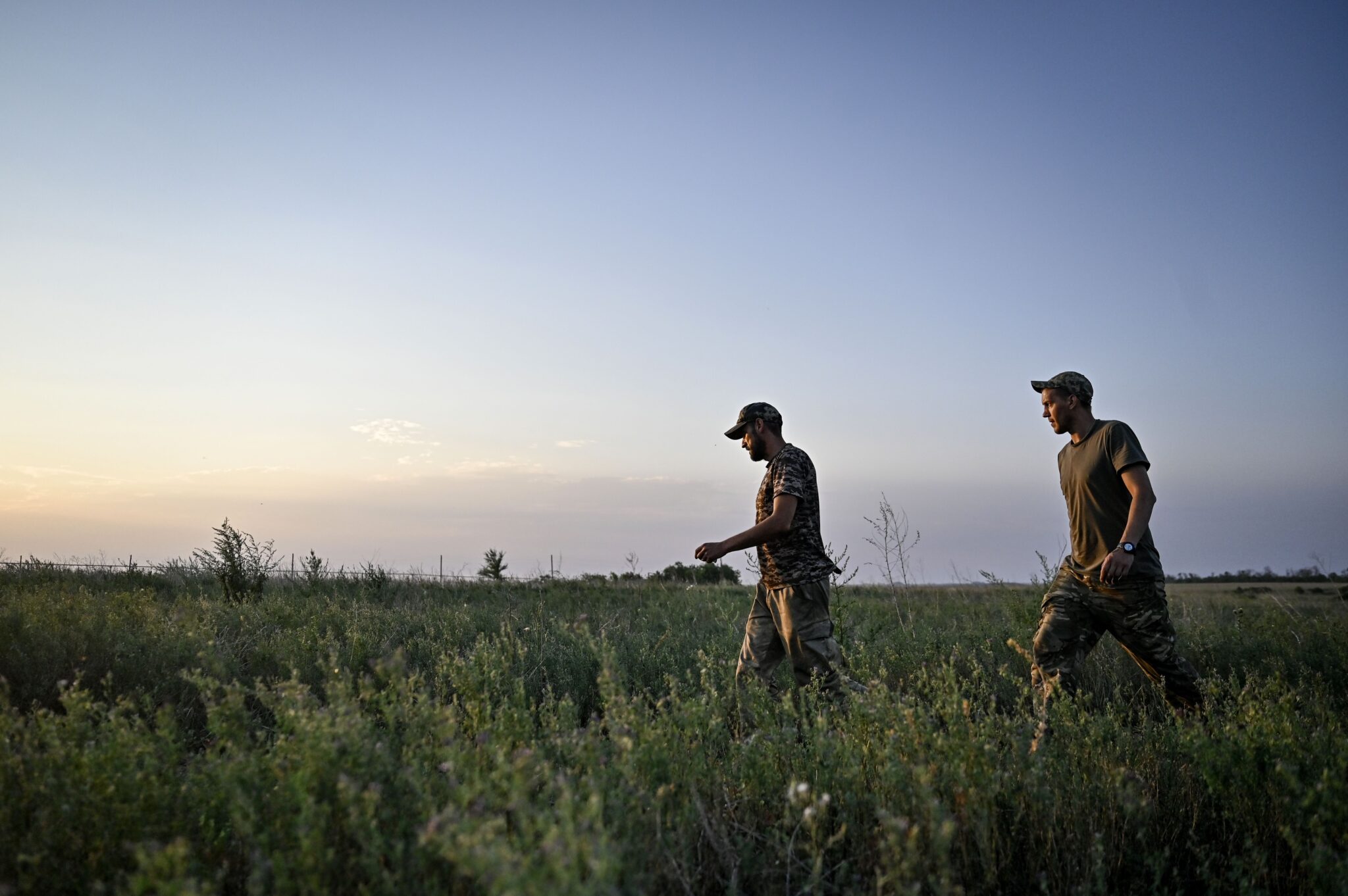
Washington is pushing for a security corridor protected by international and EU forces, with a certain degree of U.S. military, logistical and technological backing to deter Russia. It recalls the practical if imperfect decades-long status quo on the Korean Peninsula
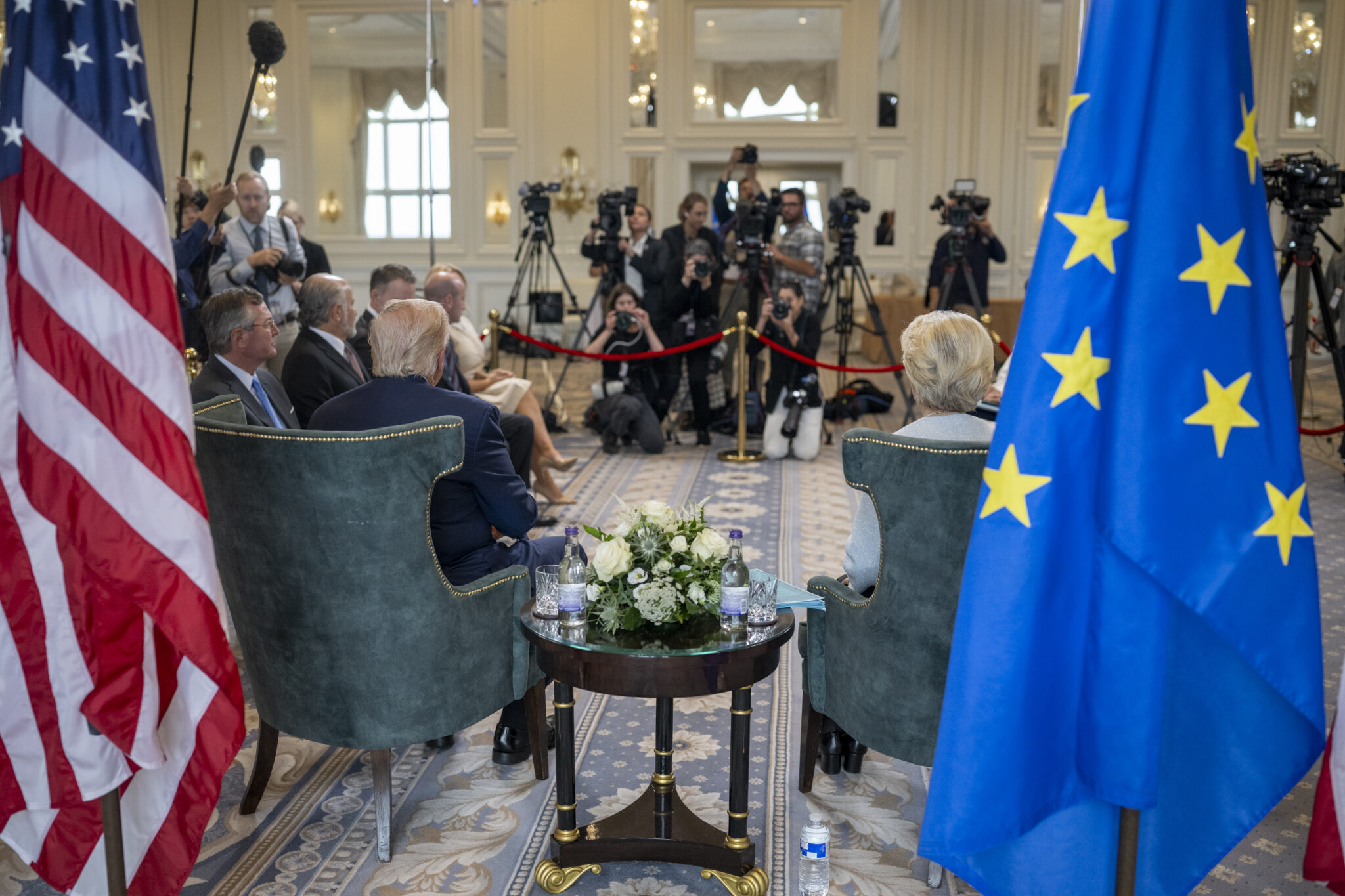
Trump’s approach to U.S.-EU trade relations prioritizes dominance and loyalty over partnership, leaving Europe with little choice but to comply to avoid severe economic fallout. Breaking free from U.S. leverage would require Europe to build a new global alliance, effectively acknowledging the end of the traditional transatlantic trade partnership.
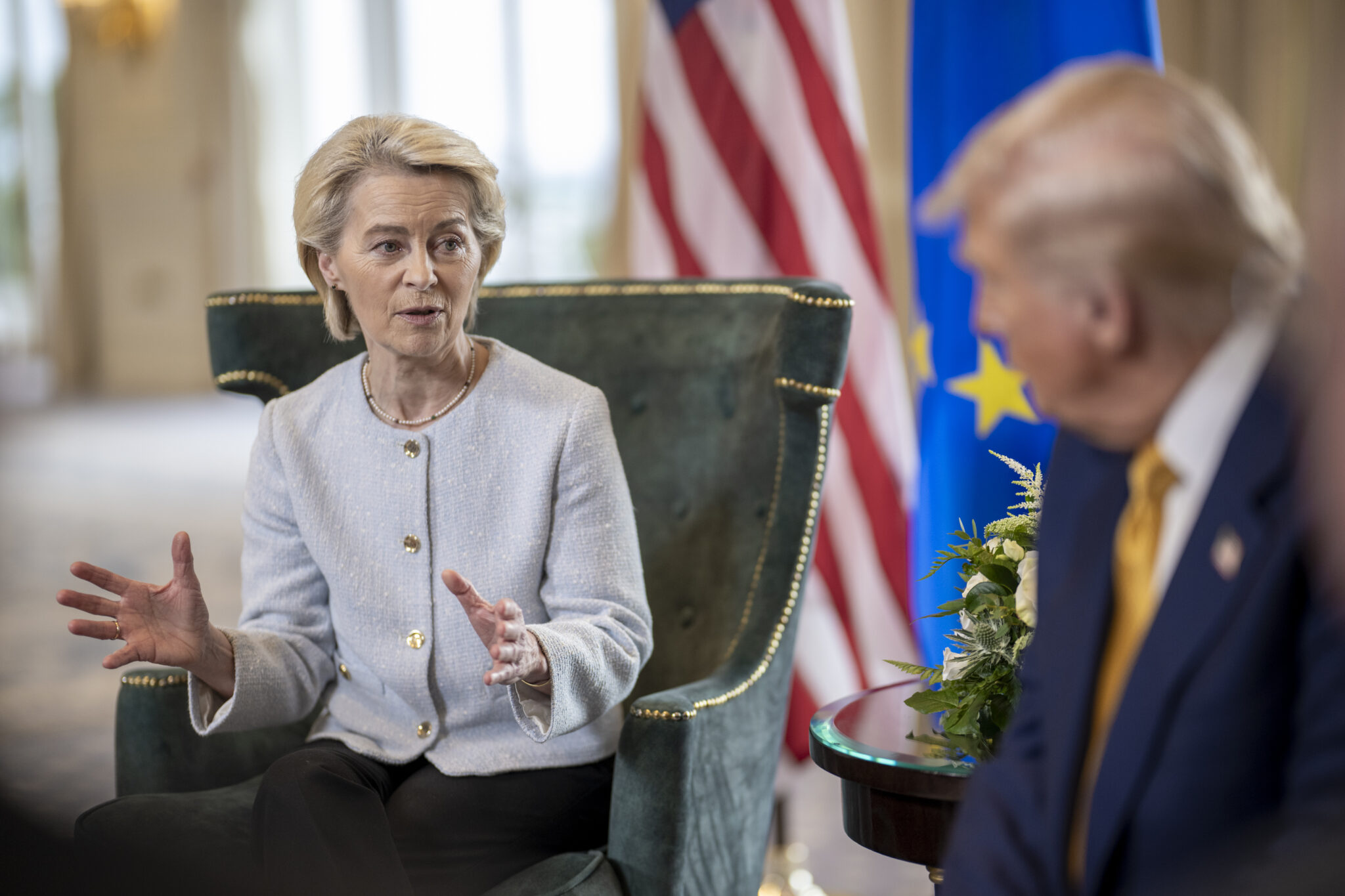
European Commission President Ursula von der Leyen’s controversial trade deal may look like a surrender to U.S. President Donald Trump, but it could be a calculated play in a surreal game of bluff, designed to keep Europe afloat — and Trump distracted.
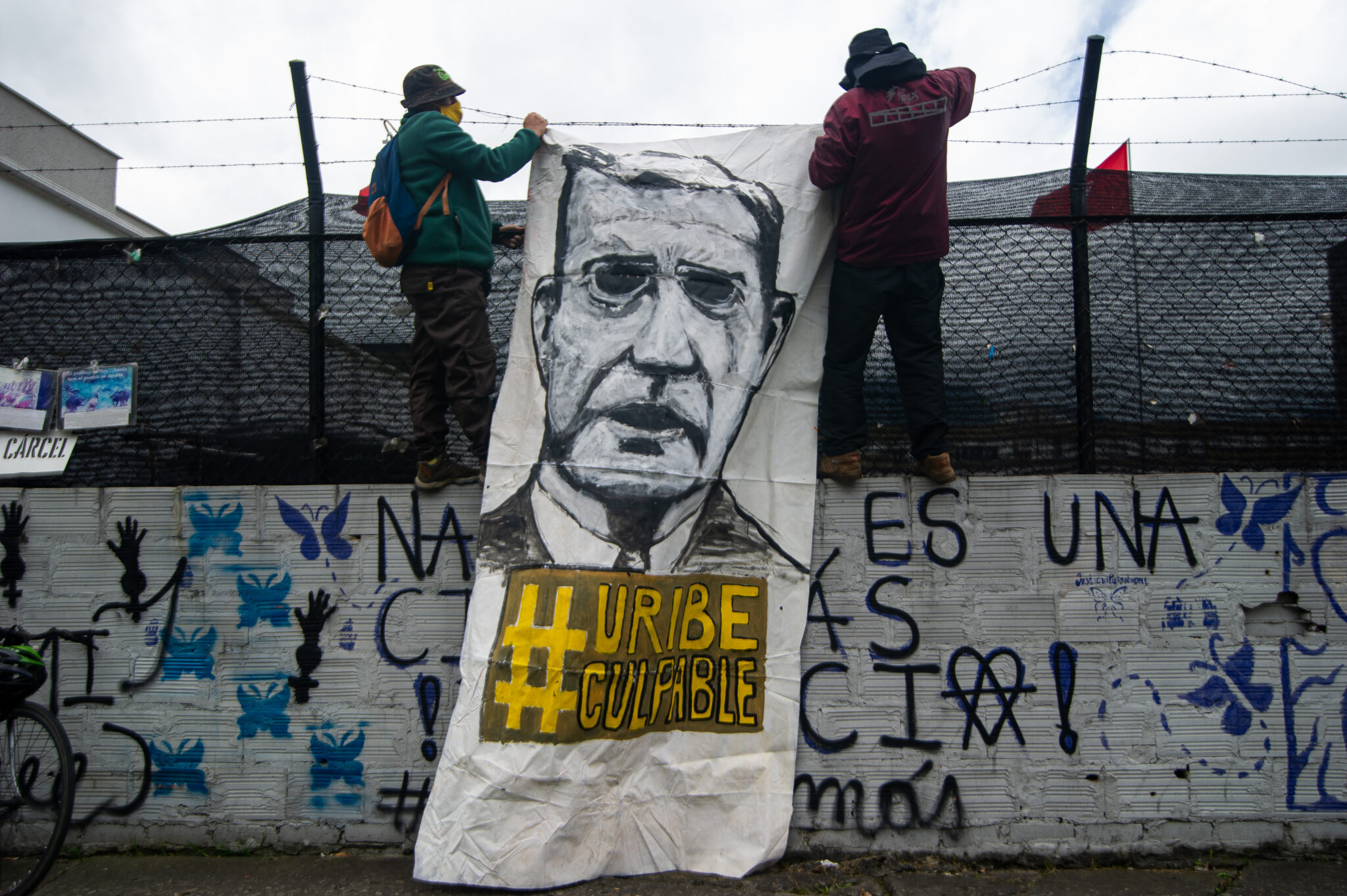
As it recently did with Brazil, the United States is now dissing a court ruling against another conservative politician, in Colombia, and showing the Trump administration’s reluctant respect not just for state sovereignty, but for the rule of law.
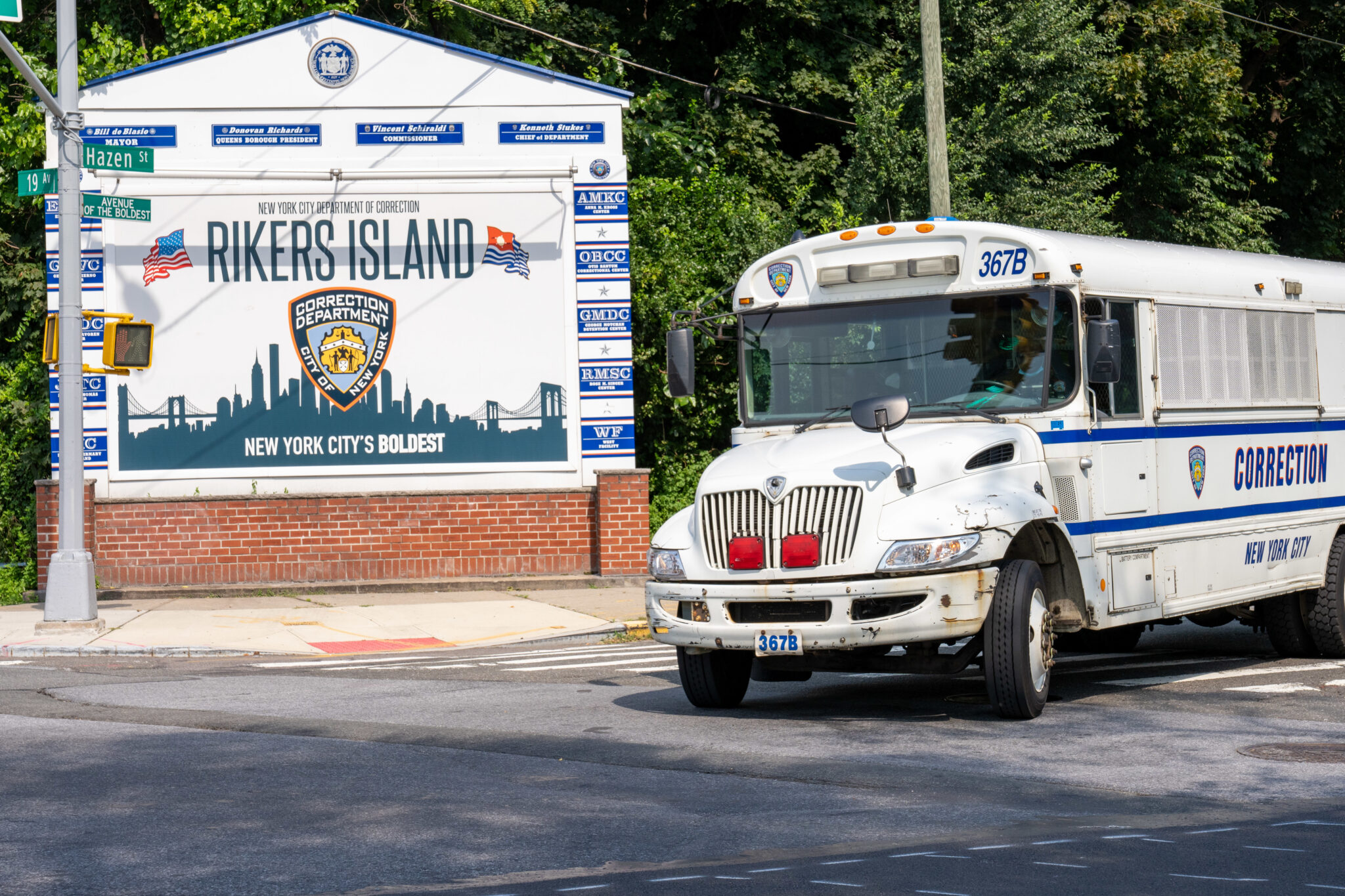
Federal authorities have stripped New York City of control over its notorious Rikers Island jail complex, plagued by violence and drugs. The prison, once slated for closure, still holds nearly 7,000 detainees.
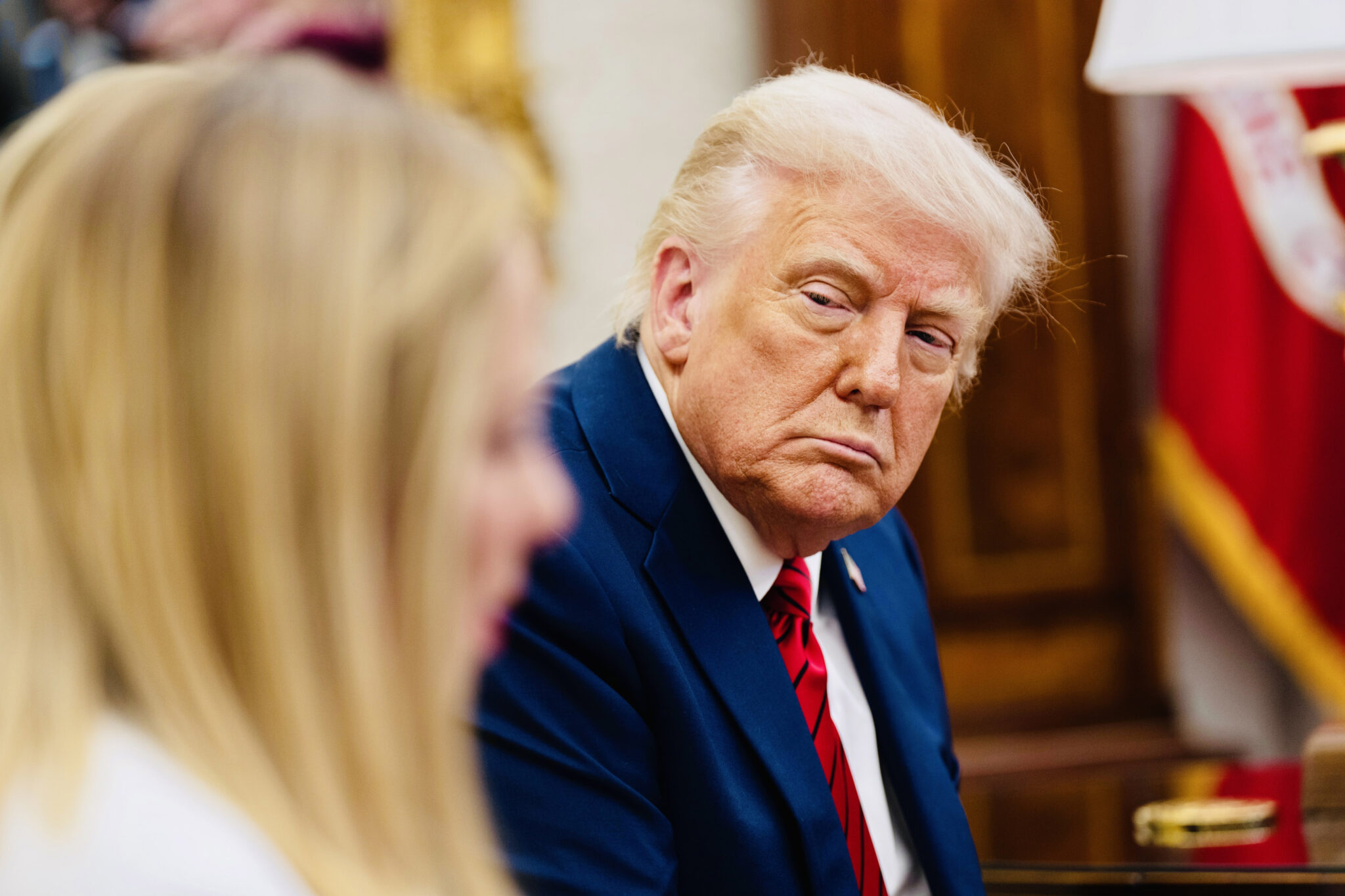
As others bristle at tariffs and concessions, Rome recasts humiliation as heroism, embracing a lopsided deal that feeds the myth of a benevolent Caesar-like Donald Trump while draining European coffers.
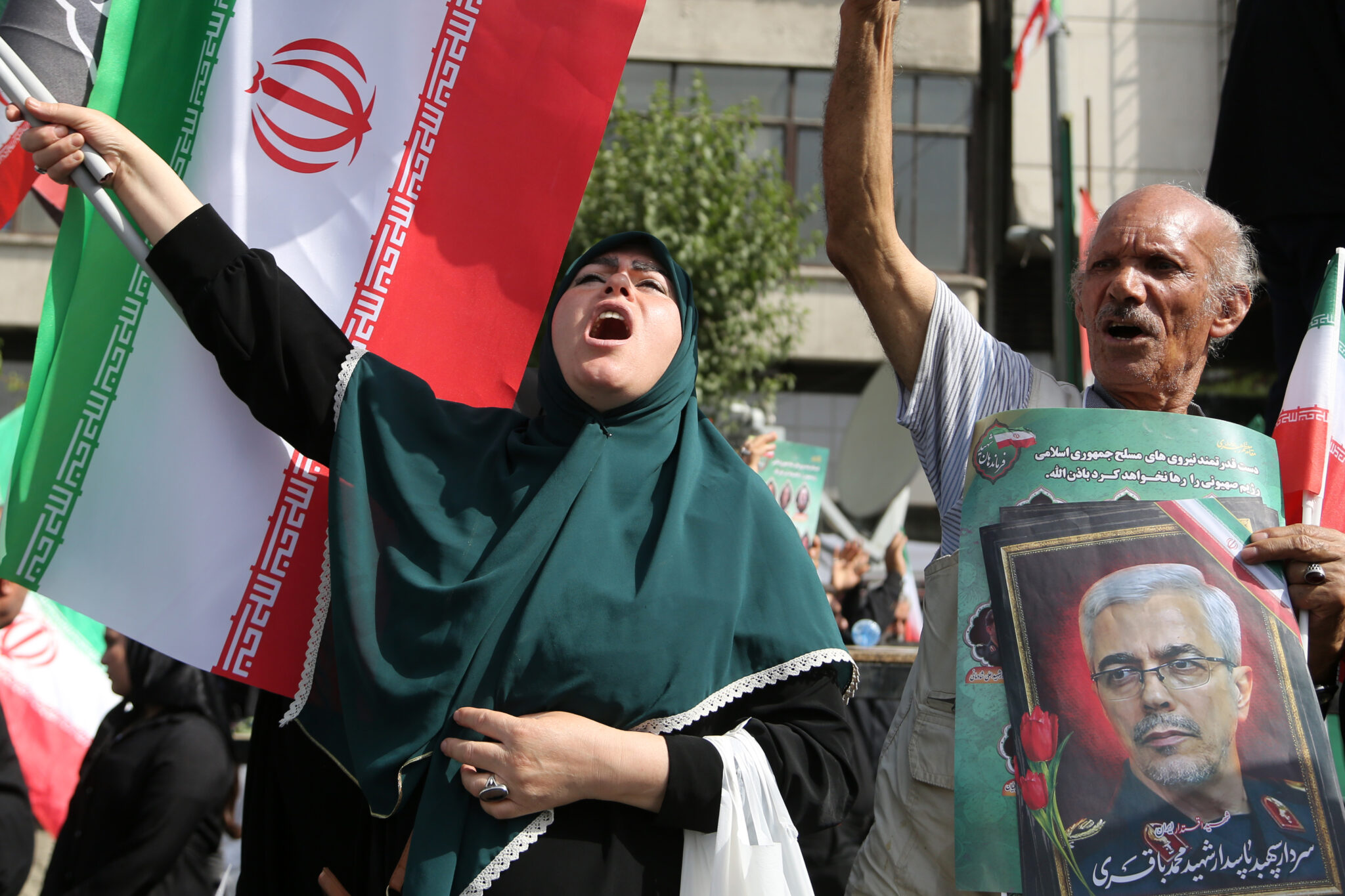
Negotiations over Iran’s nuclear program have resumed. While Europe demands guarantees that Tehran will not build a nuclear bomb, Trump is also pushing for a deal. Is the regime willing to give ground, or is it bluffing?
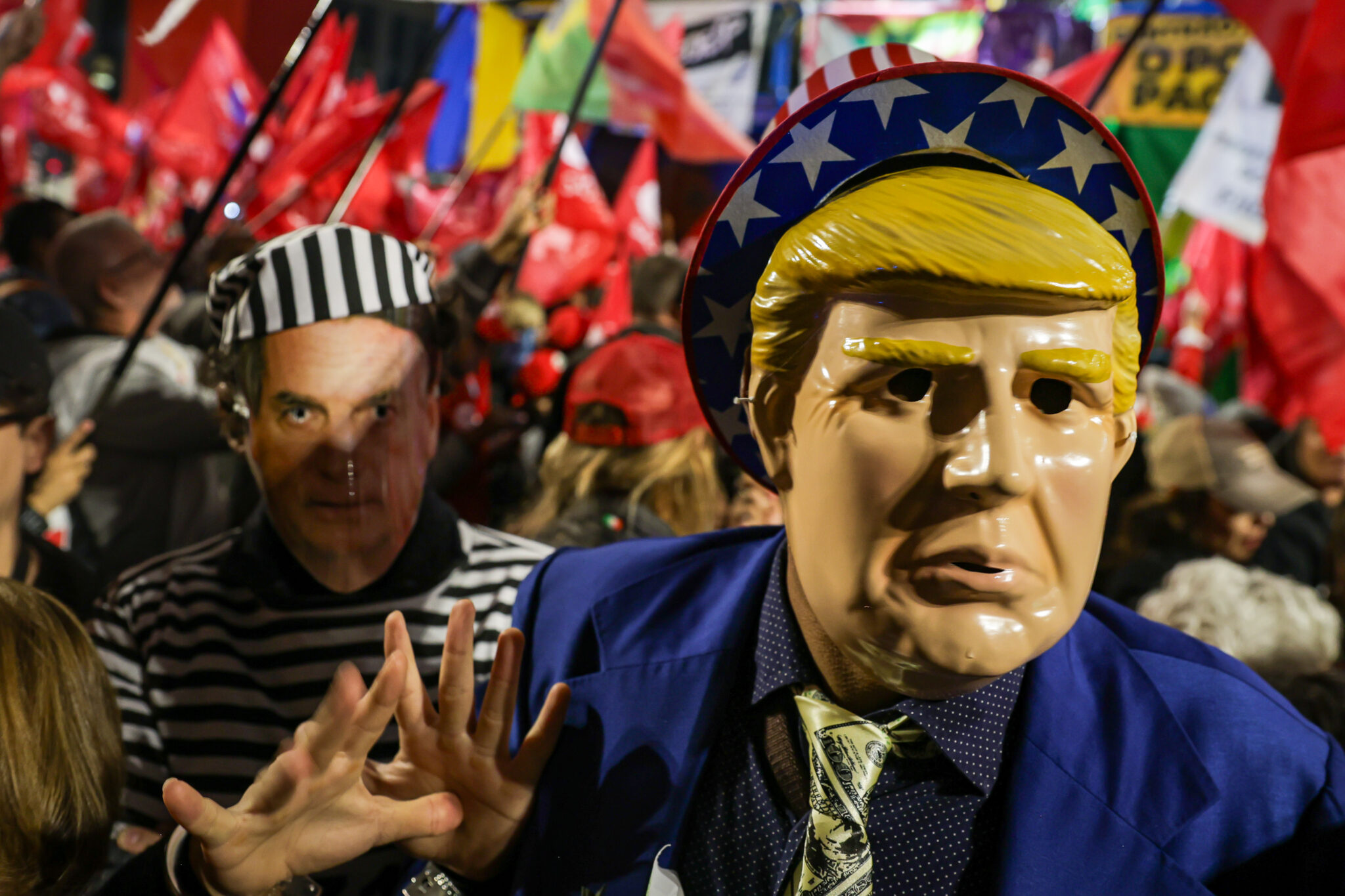
Donald Trump says he will hike tariffs on Brazil unless it halts prosecution of the country’s former right-wing leader Jair Bolsonaro. Only, Brazil exports relatively little to the U.S. and Trump’s meddling could be boosting his socialist nemesis, President Lula da Silva.
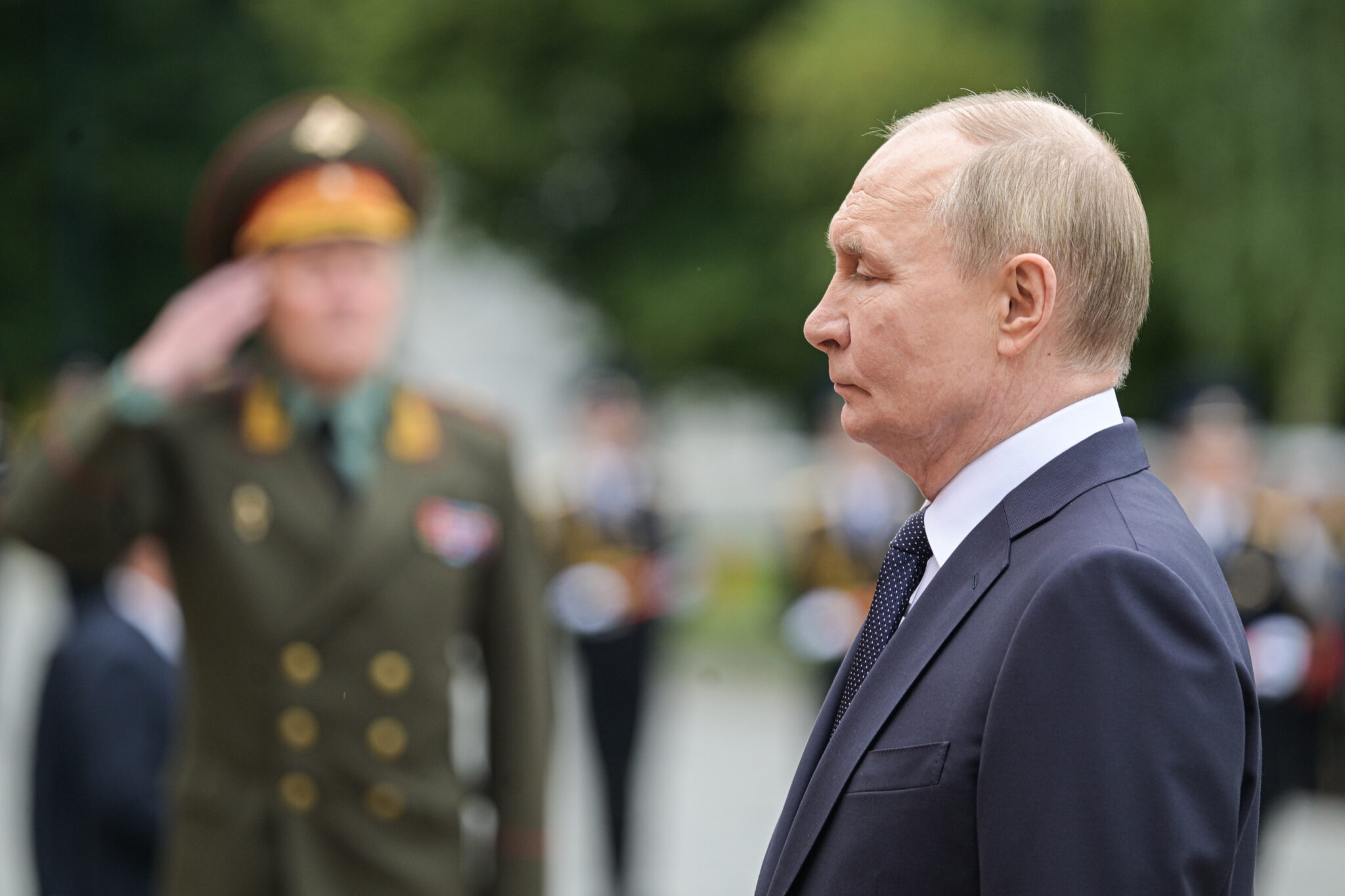
Despite promises of Patriot missiles and steep tariffs, Trump’s latest overtures give Russia time to press its offensive—and the Moscow stock market is celebrating.
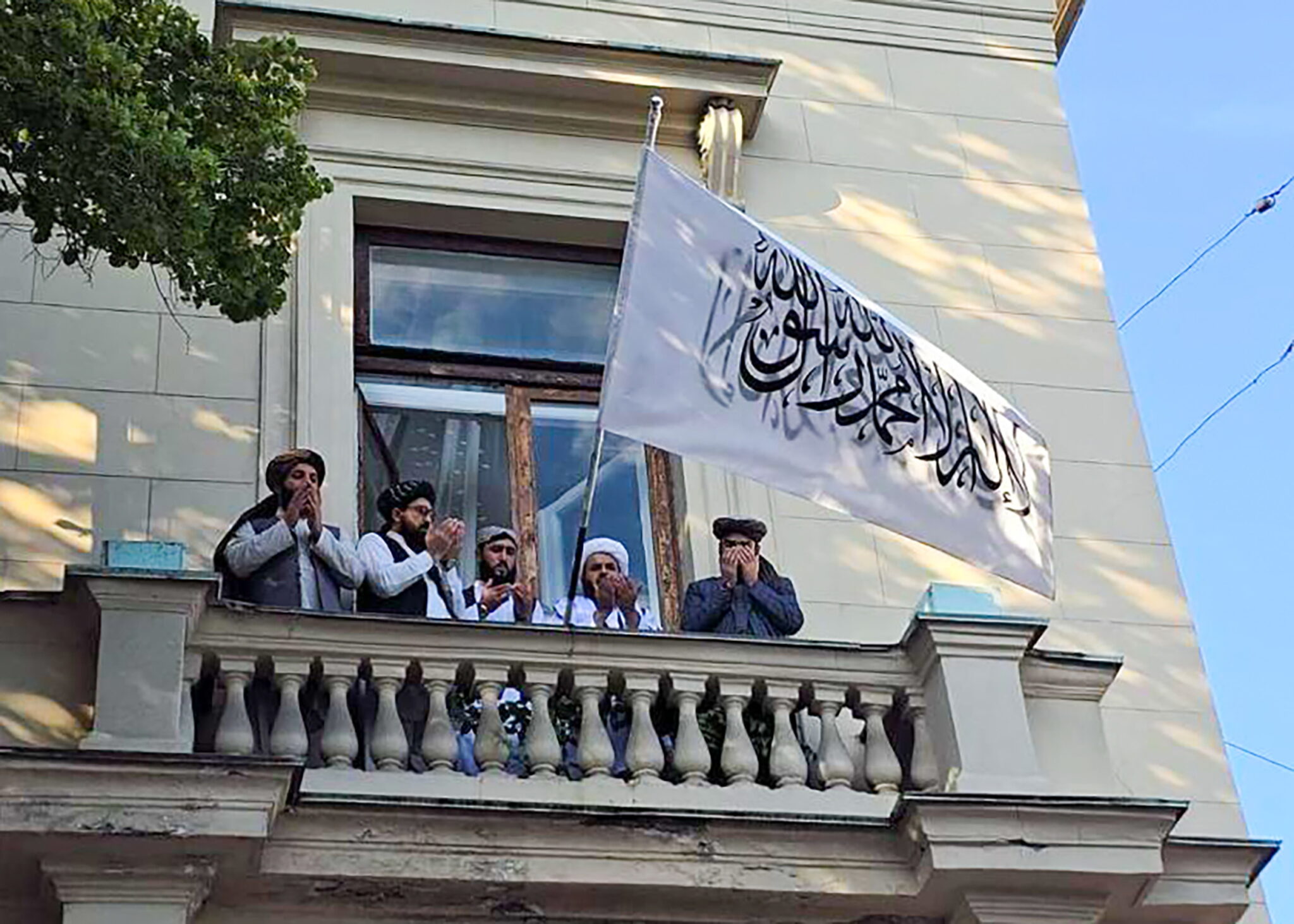
On July 3, Russia recognized the Taliban-led Islamic Emirate of Afghanistan, a decision that will have a significant effect on the positions of other nations, particularly those in Central Asia.
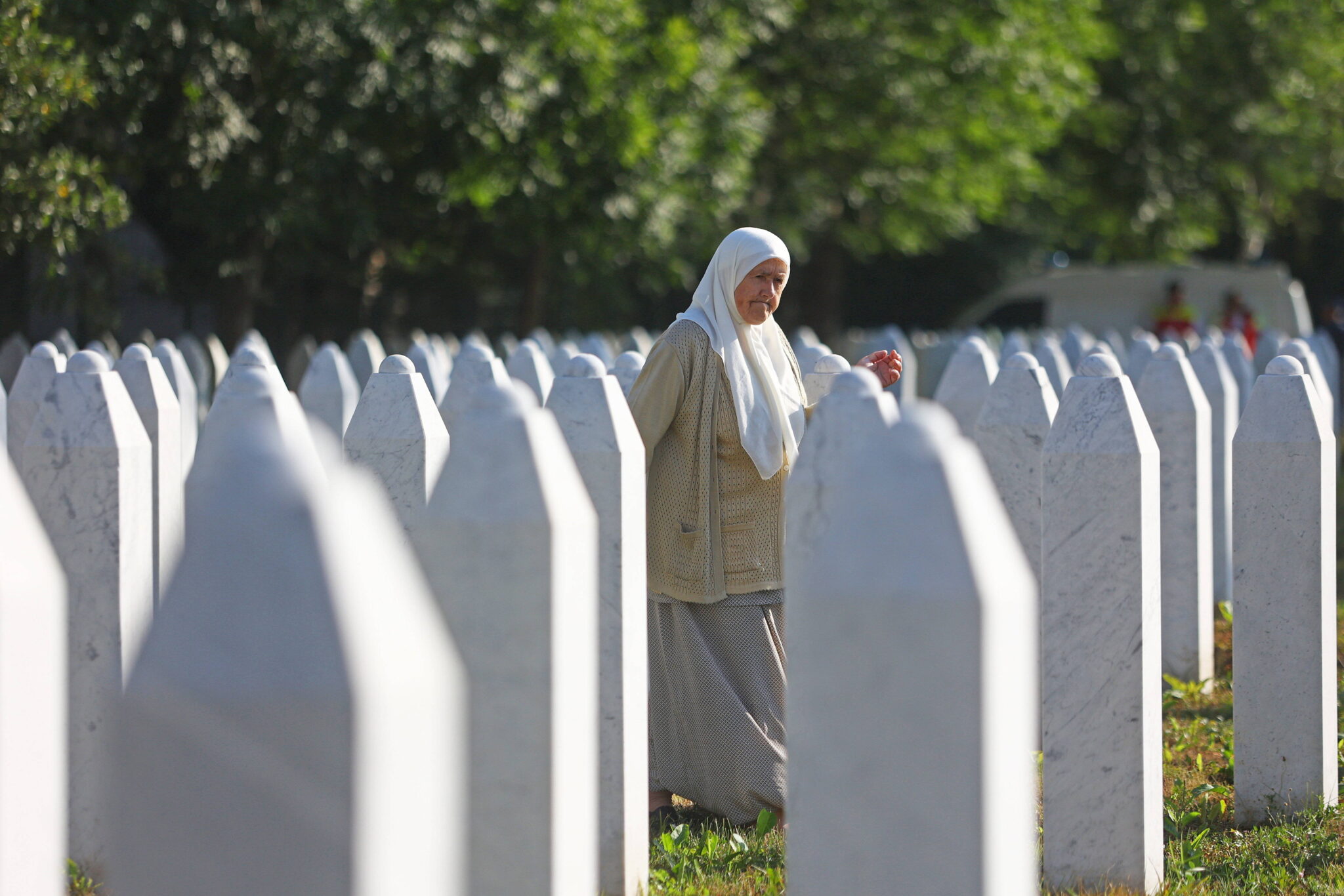
Once dismissed as a tragic anomaly of the post–Cold War era, the 1995 massacre of 8,000 Bosnian Muslims now echoes through today’s wars and ideologies. From Gaza to Ukraine, the logic of ethnic violence is back, and the world is once again looking away.
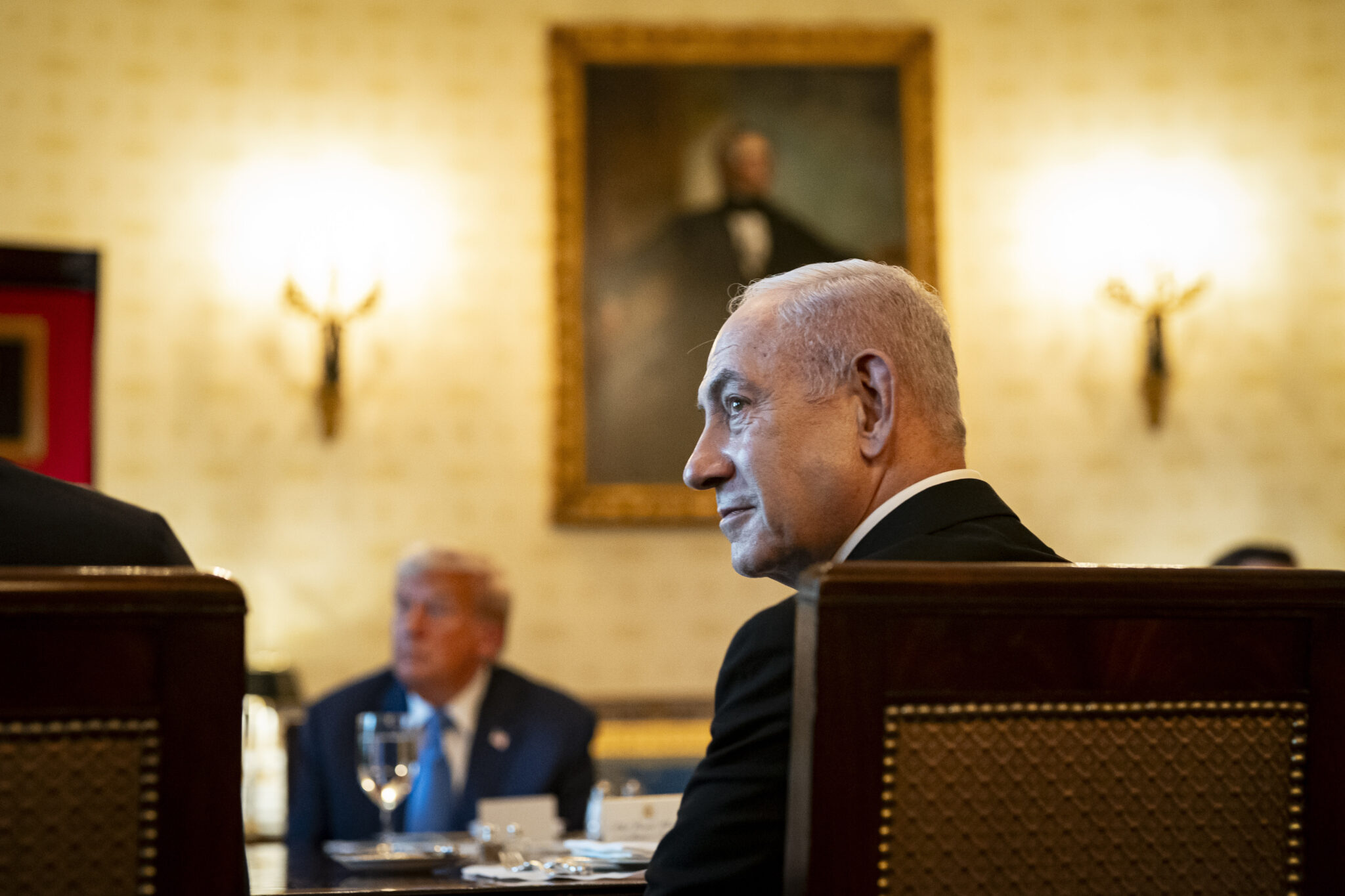
As Netanyahu visits Washington, Israel’s intelligence gears up for a covert campaign against Iran, aiming not just at military targets but at the very core of the regime’s power.
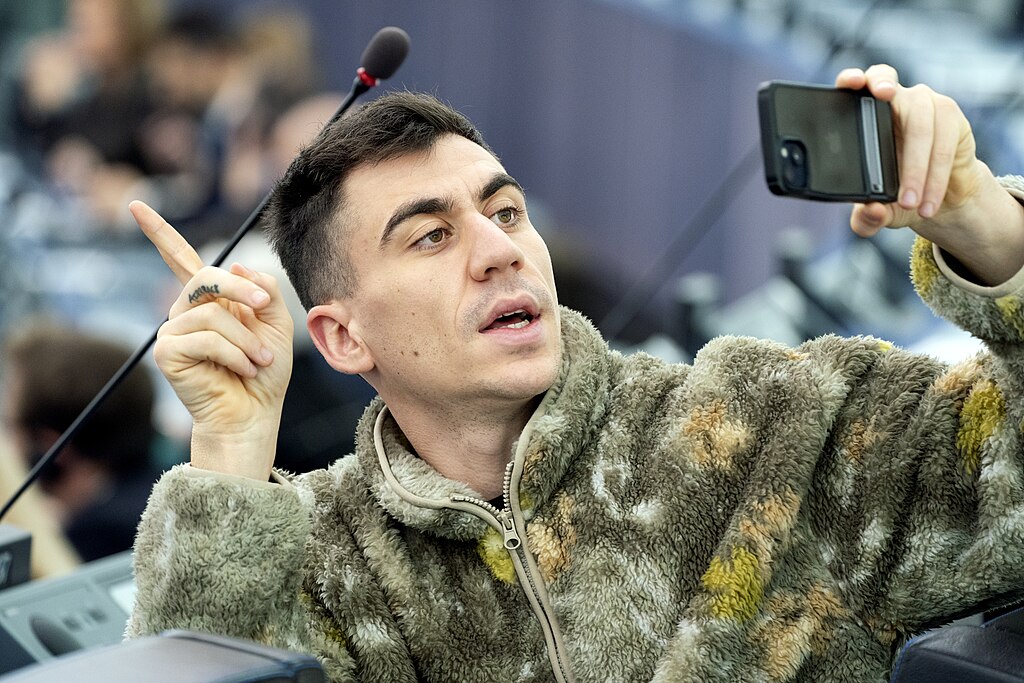
He ran “for fun,” filmed every step, and turned controversy into content. Now, from the back row of Brussels, Panayiotou is rewriting what it means to be an MEP in the age of the algorithm.
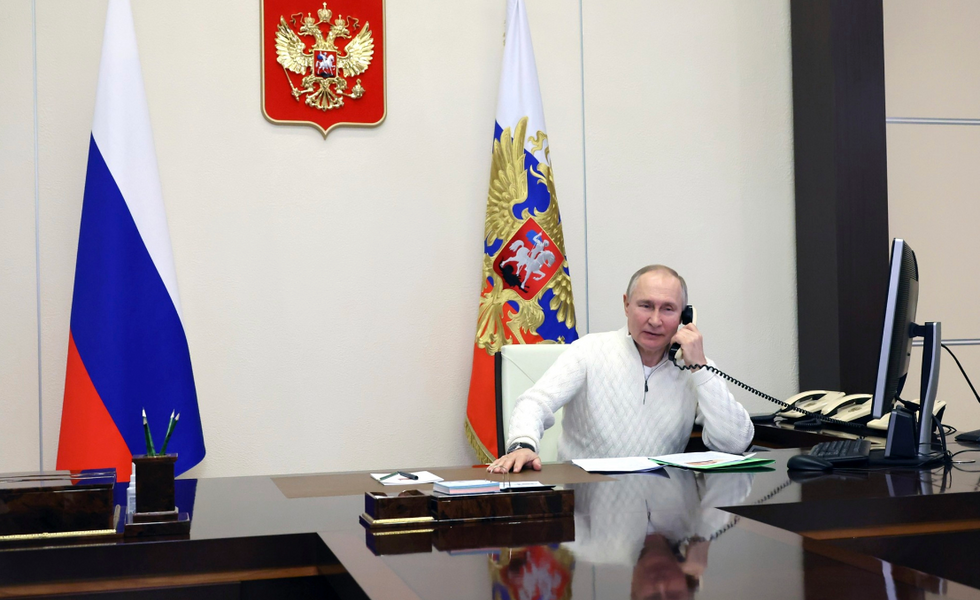
Putin is happy to go around the Europeans, and just needs Trump to stay out of the way.
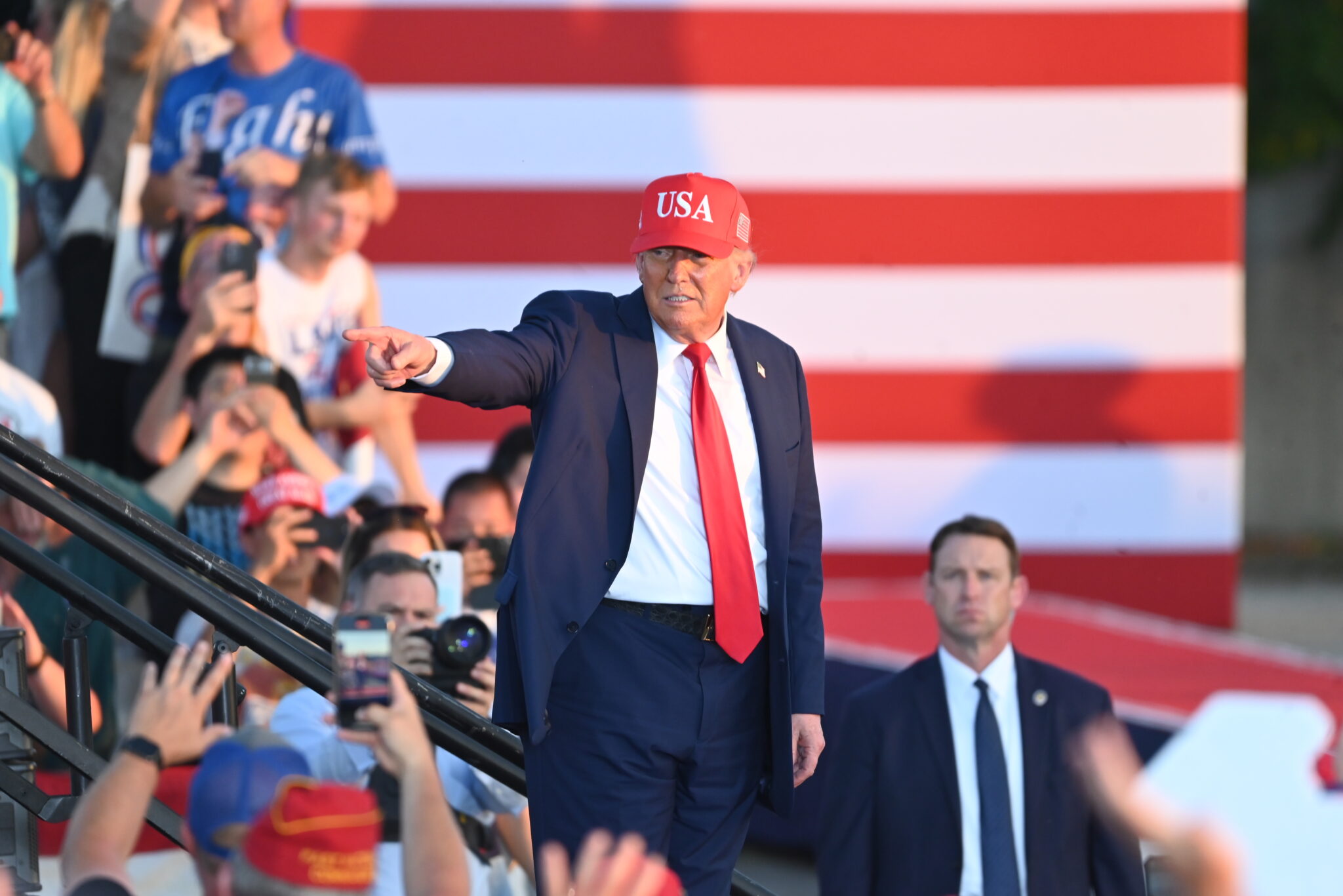
Donald Trump has scored a number of domestic and international victories. But his failure to reign in either Vladimir Putin or Benjamin Netanyahu does not bode well for the future.
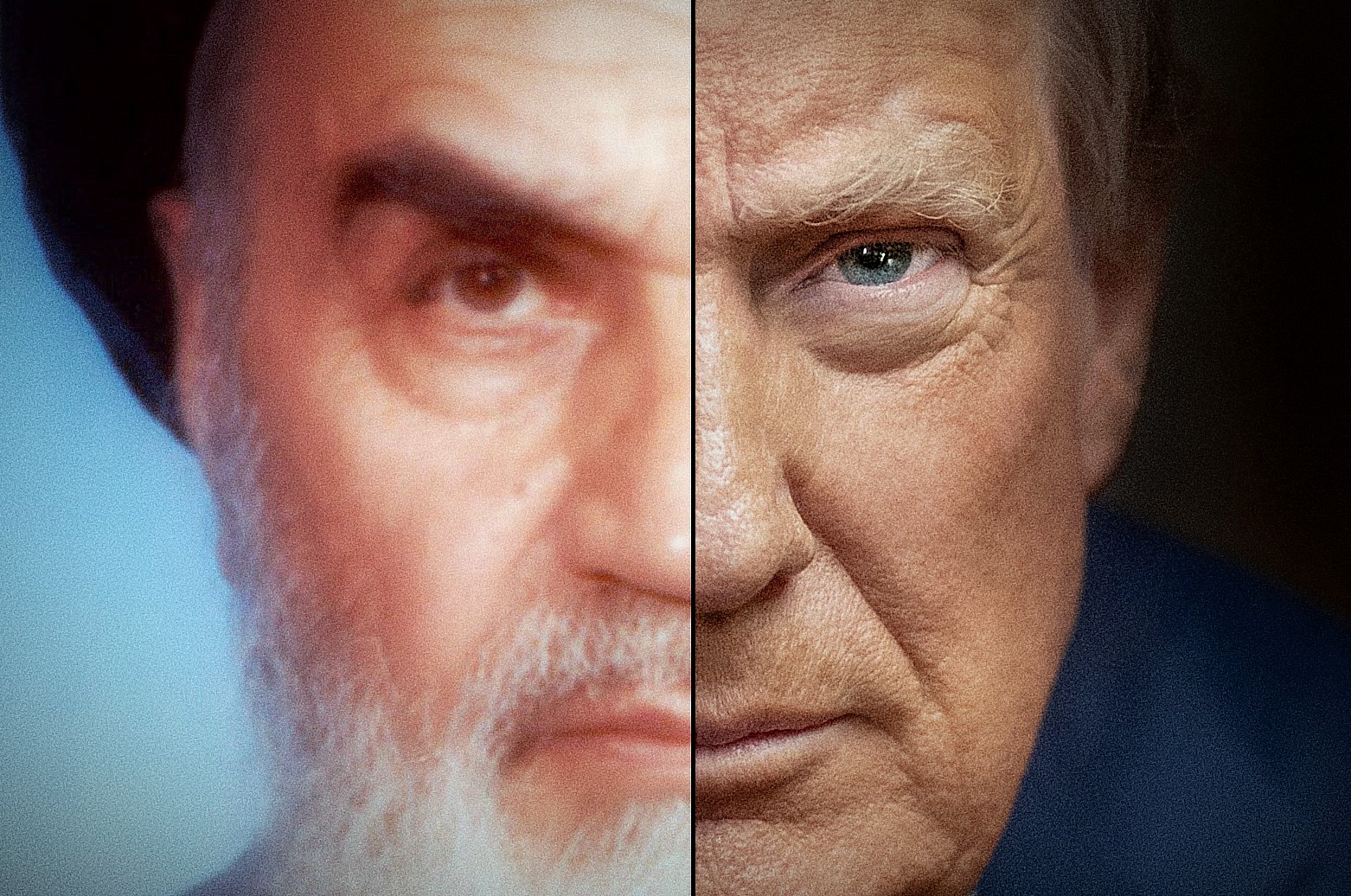
In 1979, Iran was seduced by a cleric who promised freedom and delivered tyranny. In 2025, a chaotic U.S. president may be using lies of his own to help dismantle that same regime.
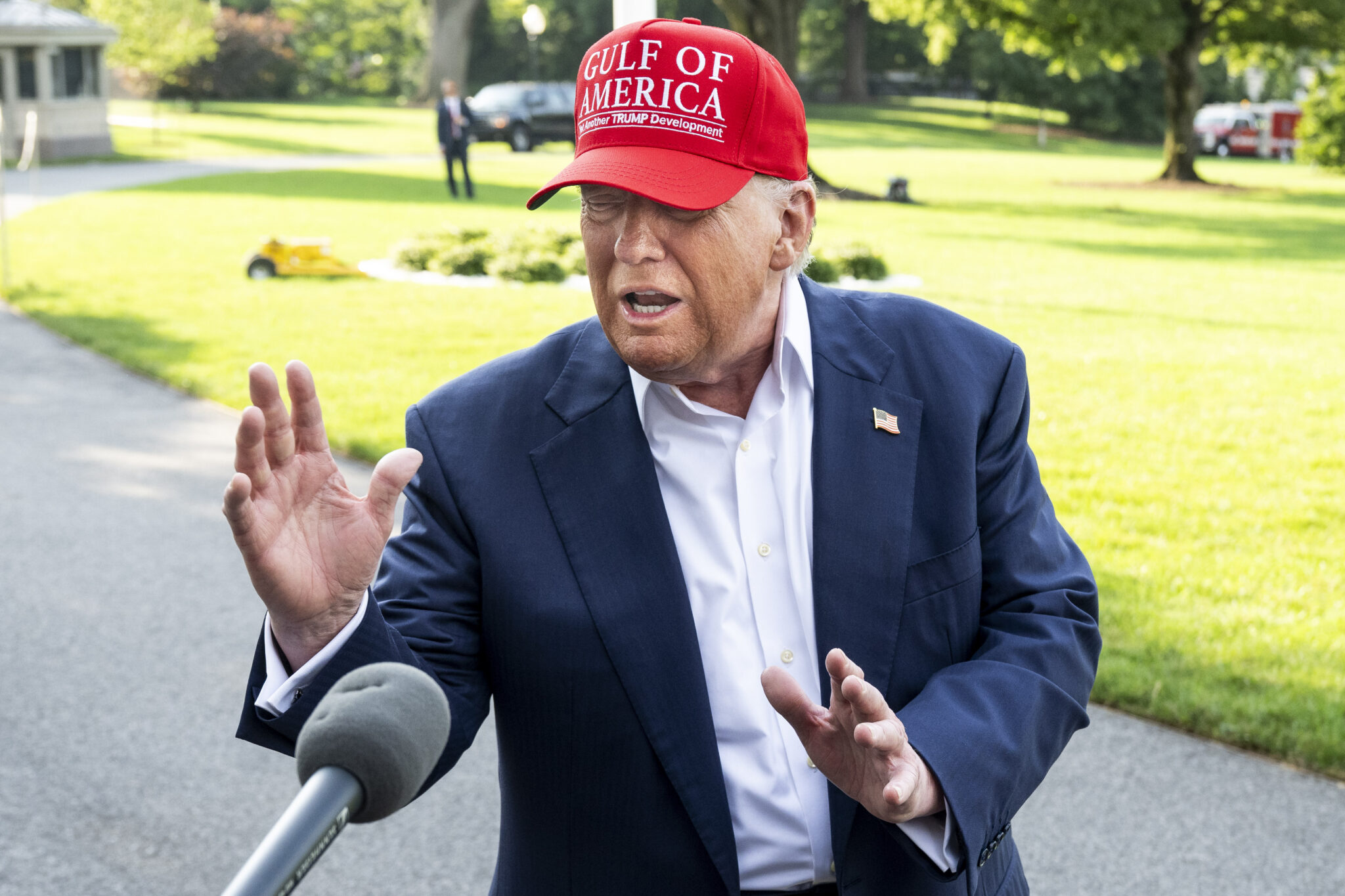
Just as Trump did not read Leo Tolstoy, he most likely also never thought to look to Muammar Gaddafi as his model. Yet in both their cases, absolute narcissism is a requirement for their power and inimitability.
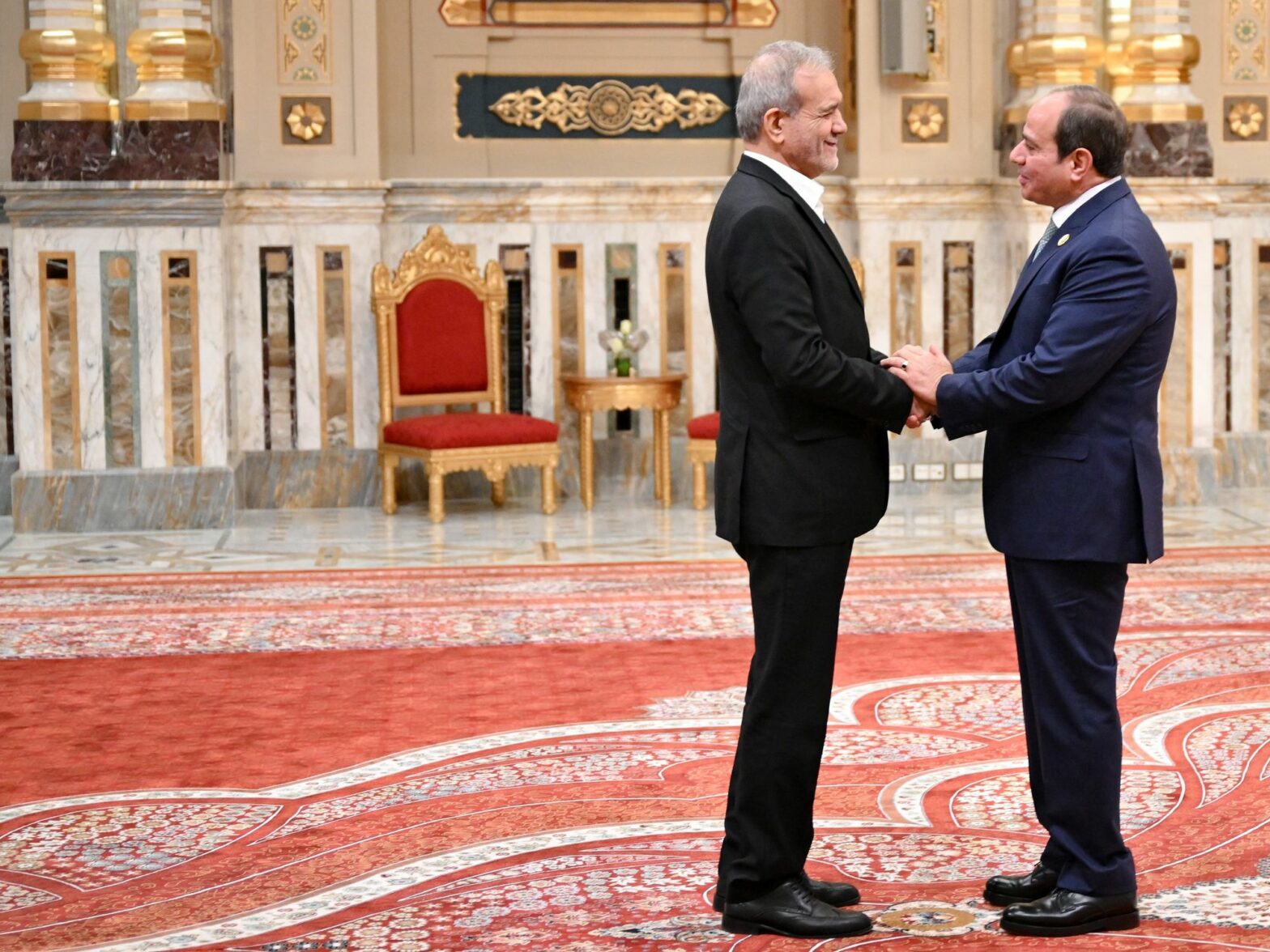
Egypt has perfected the art of passive resistance in navigating international pressures — delaying, complicating, and outlasting unwanted initiatives. From blocking the Arab NATO project to managing the fate of two Red Sea islands, Cairo deploys its bureaucratic “Madame Afaf” tactic to stall without confrontation.
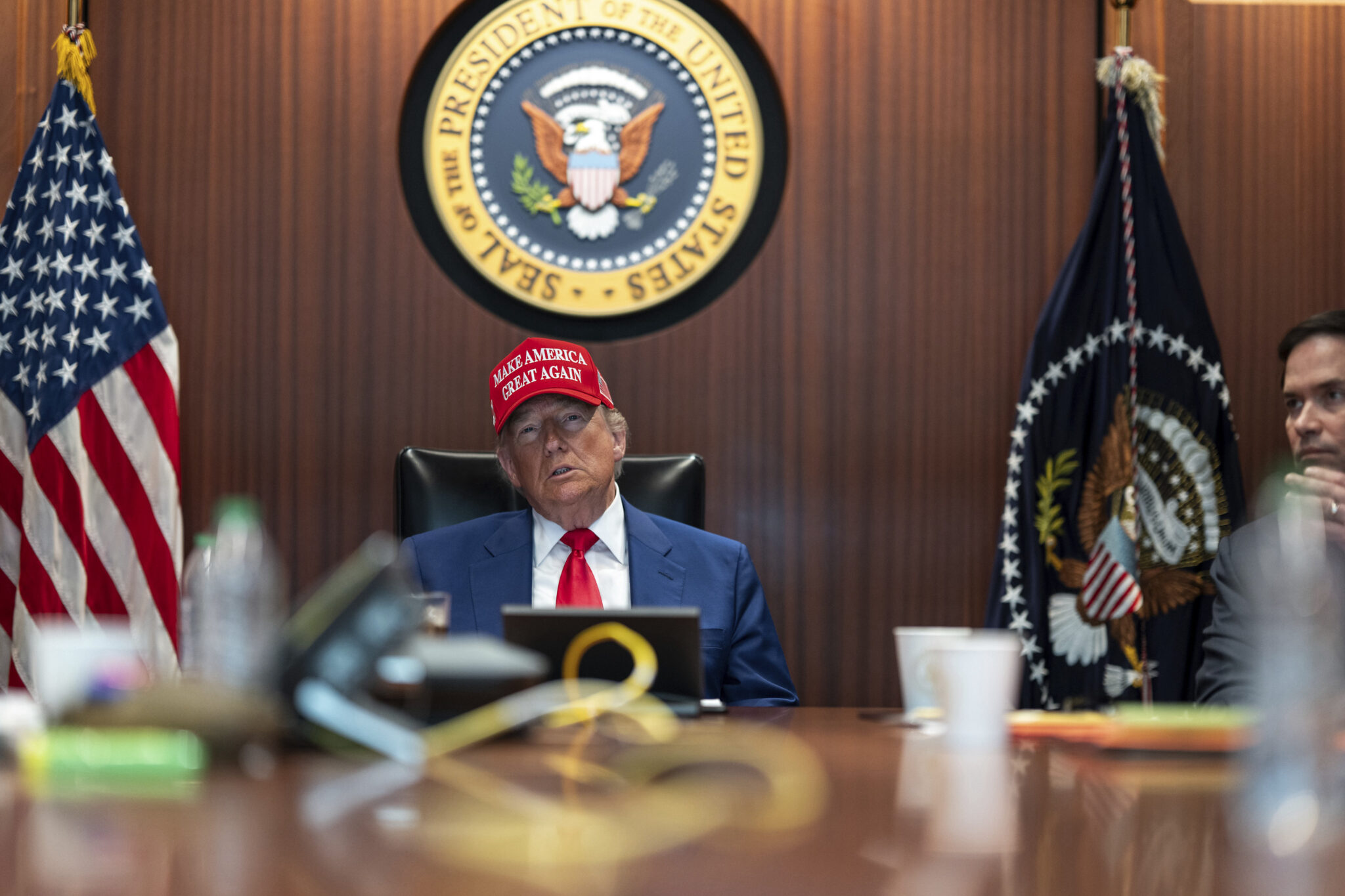
By giving the Americans advance warning, the Iranians ensured that their response to the US bombing yesterday would not cause any casualties. Donald Trump seized the opportunity to stop the war, despite Israel’s continued pursuit of a hardline approach.
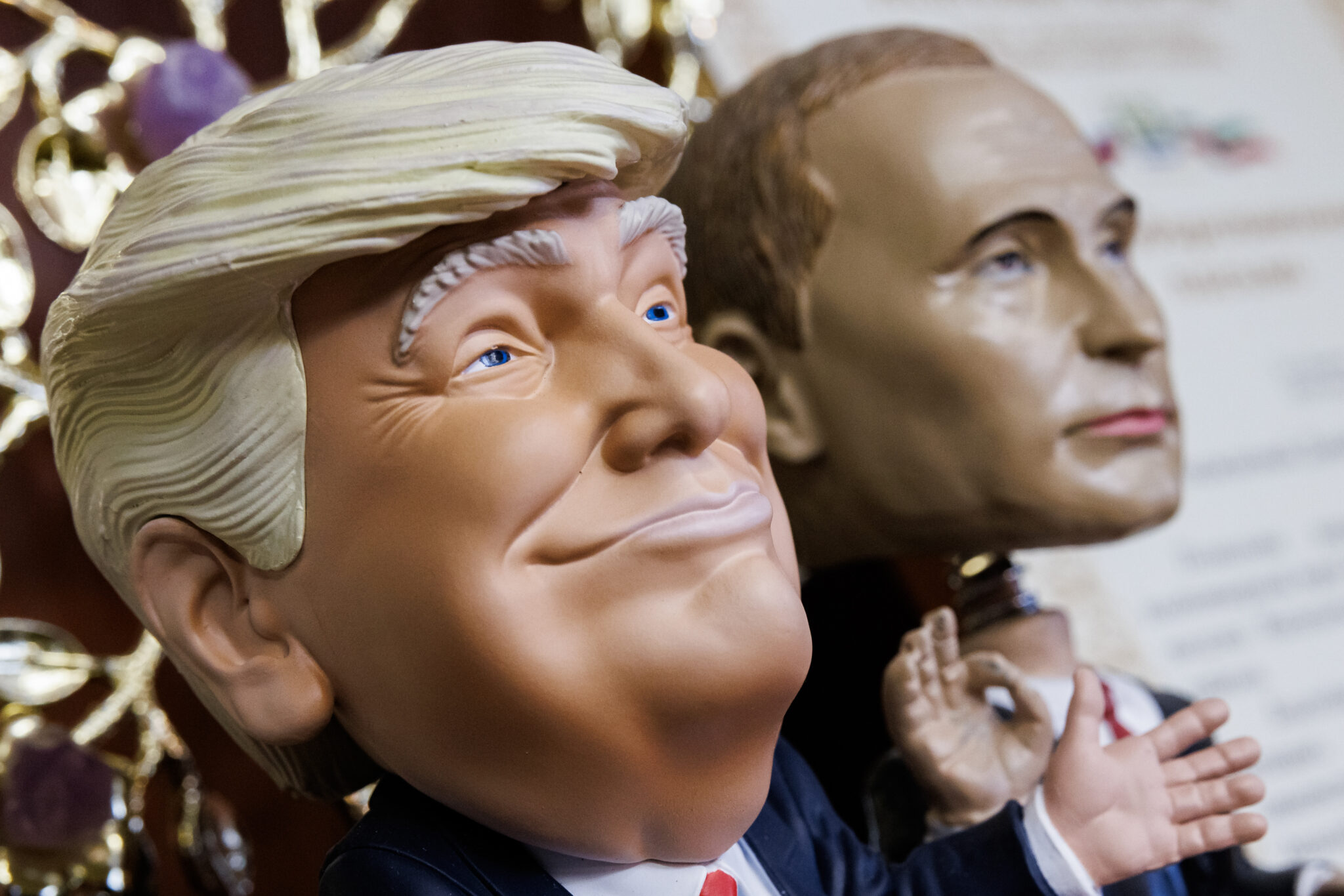
Donald Trump campaigned on ending America’s “forever wars” in the Middle East. But with airstrikes on Iran’s nuclear sites, he’s become the president who finally crossed a line avoided by eight of his predecessors. He will now to try strike a deal, with an assist from Moscow.
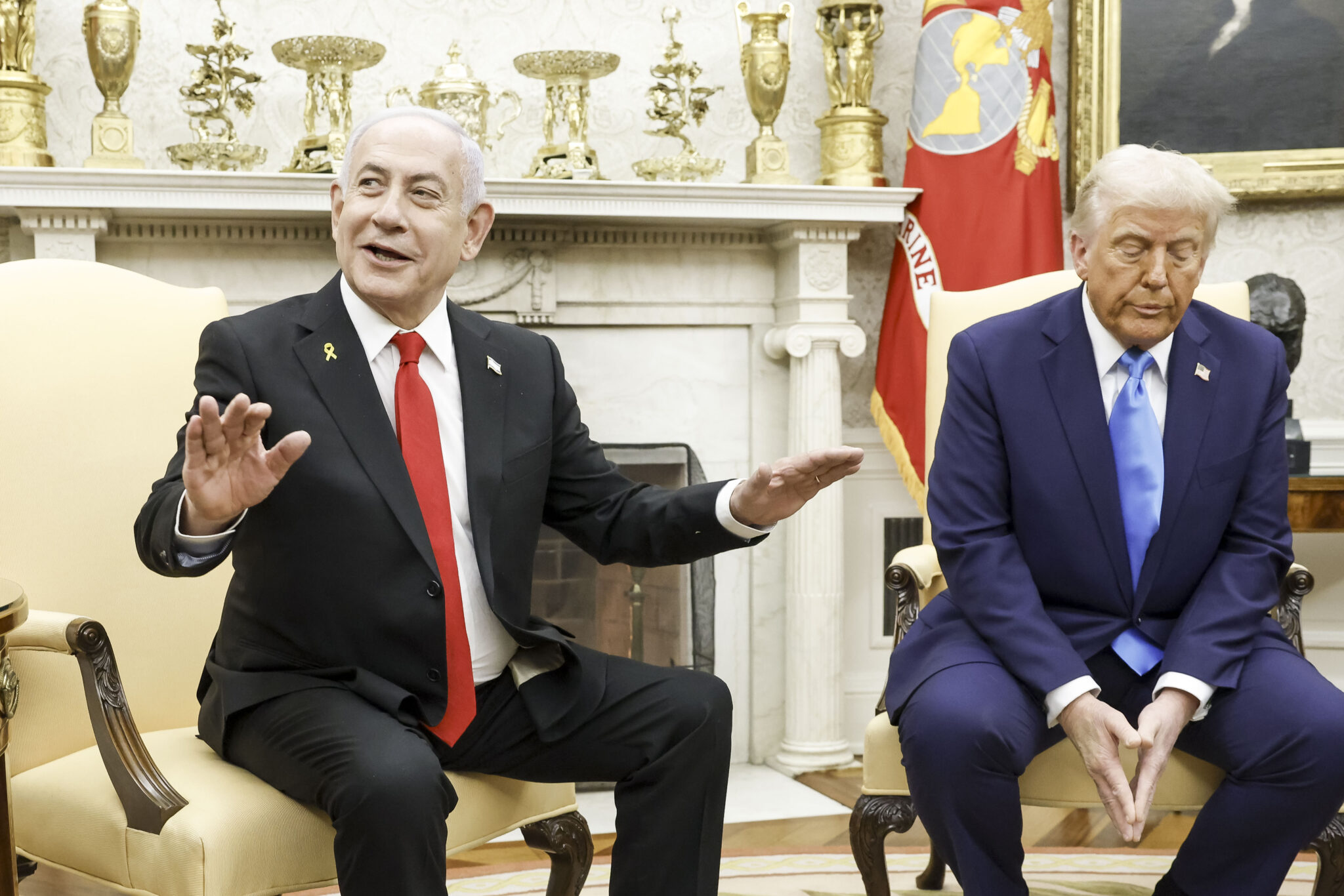
Donald Trump was hoping to buy time for negotiations with Iran. But Israel’s prime minister undercut the plan with a military strike, just ahead of Trump’s birthday and military parade.
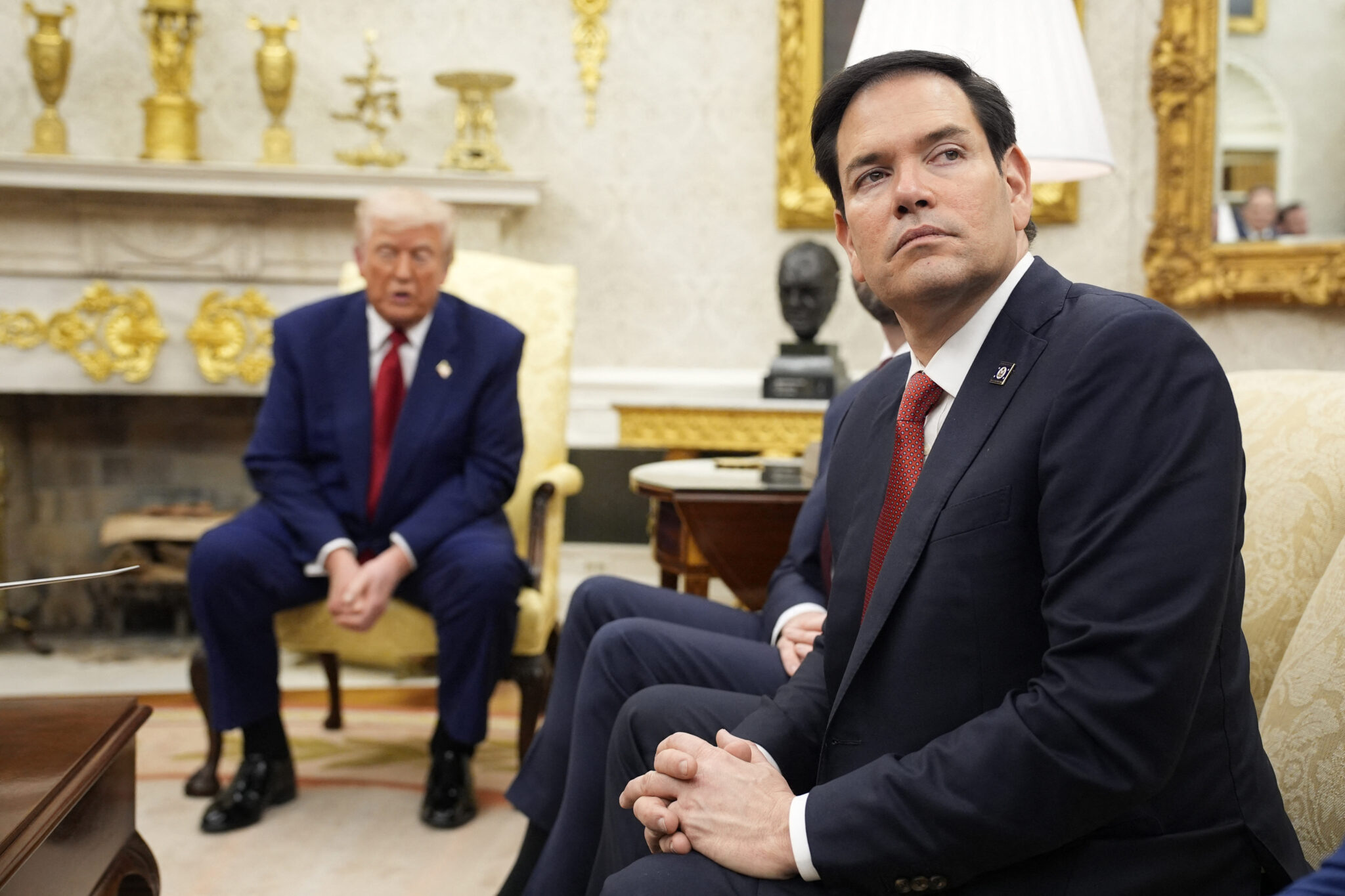
Though he tried to keep Washington’s hands clean, U.S. President Trump necessarily gave his green light for the unprecedented operation against Iranian nuclear targets. It’s a victory for the foreign policy hardline faction, led by Secretary of State Marco Rubio.
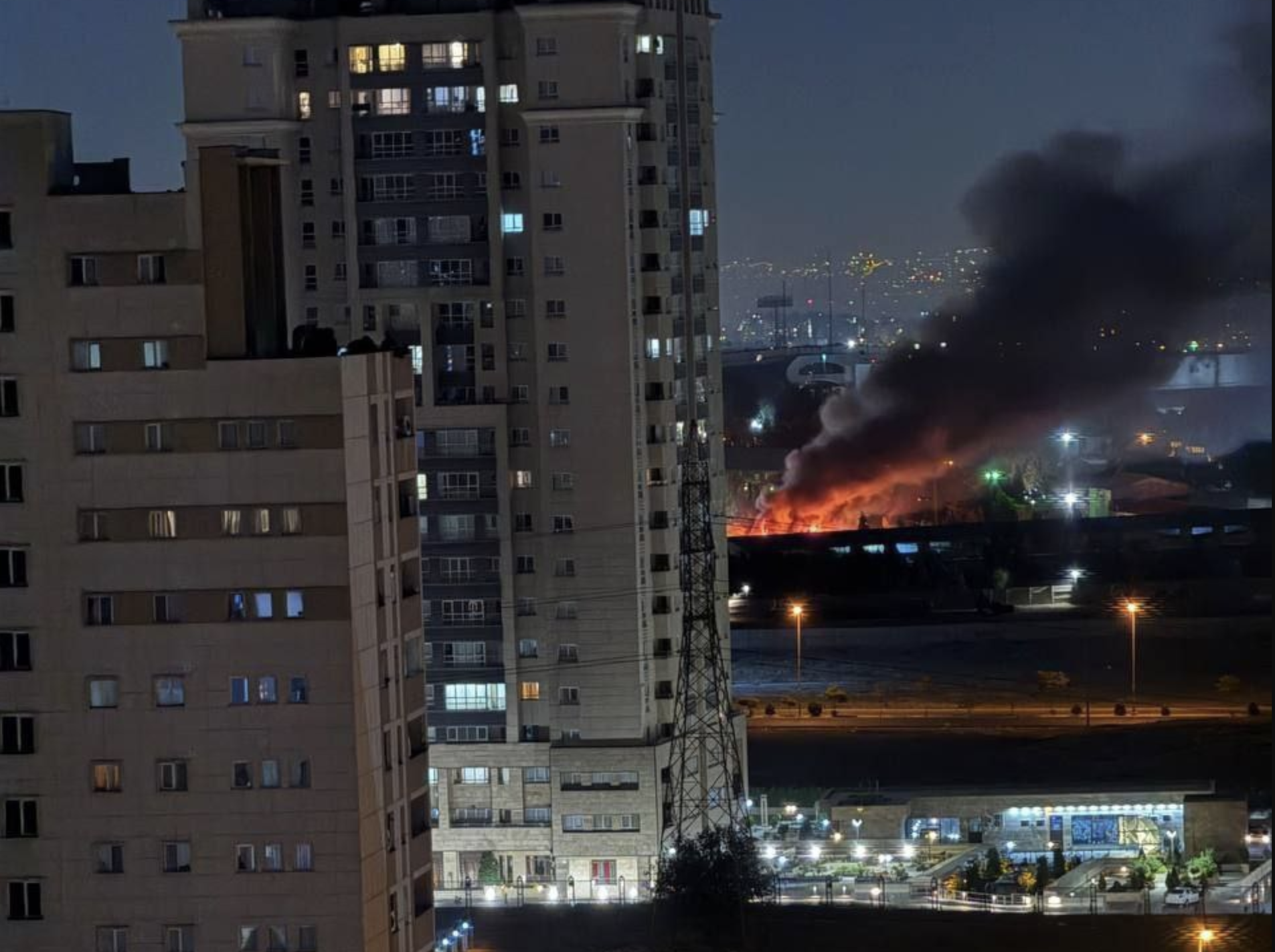
Israel bombed Iranian nuclear and military facilities last night, killing the head of the Revolutionary Guards and several Iranian scientists. It may appear as a strategic victory, but it also appears to be a choice to live with war across the region for years to come.

As a child in the 1970s, German journalist Kirsten Küppers found joy, freedom and ease on the U.S. Army base in Mannheim. With Trump asserting his power, it may be simply impossible for that America to be found today in Germany.
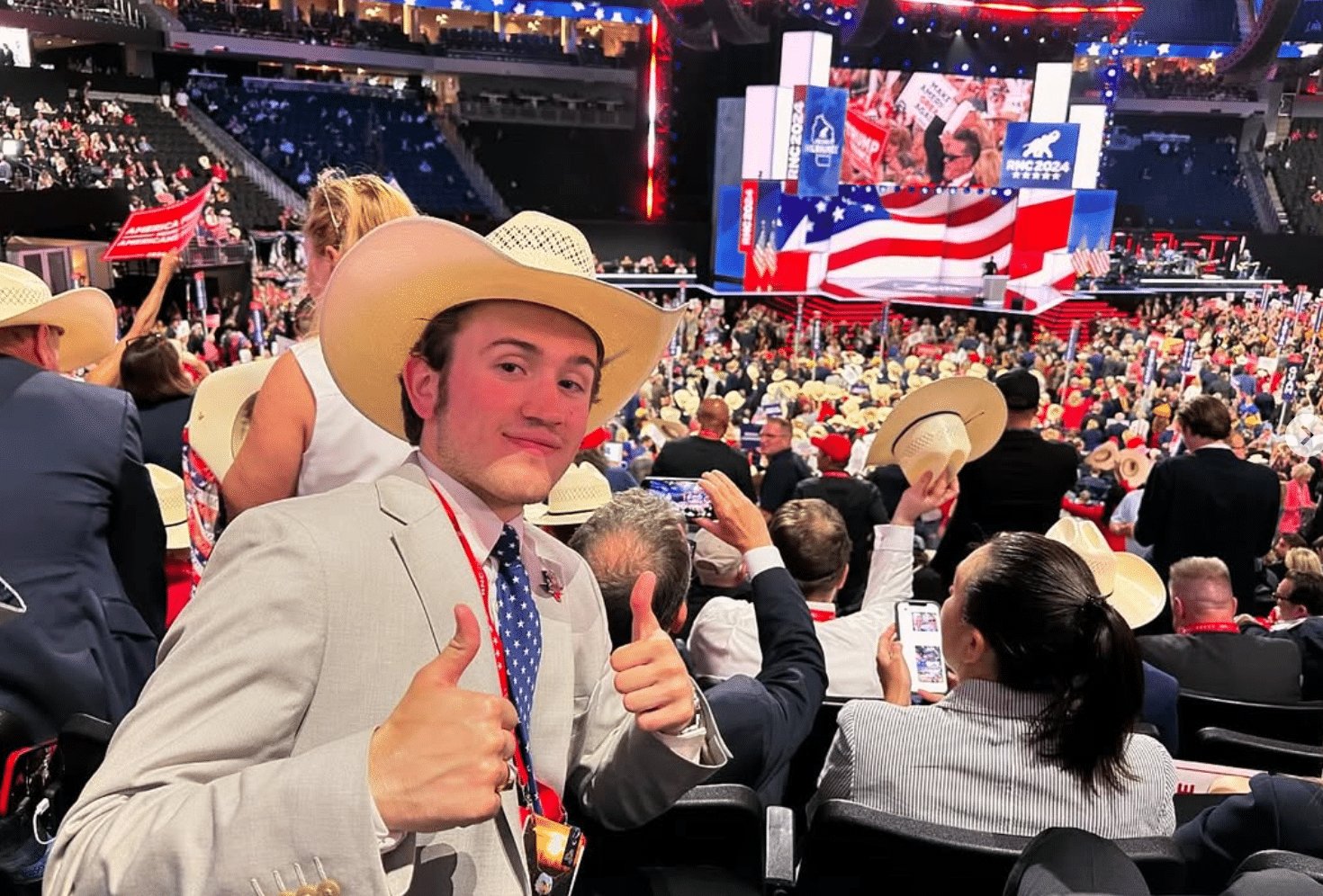
One year out of college and with no apparent national security expertise, Thomas Fugate is the Department of Homeland Security official tasked with overseeing the government’s main hub for combating violent extremism.
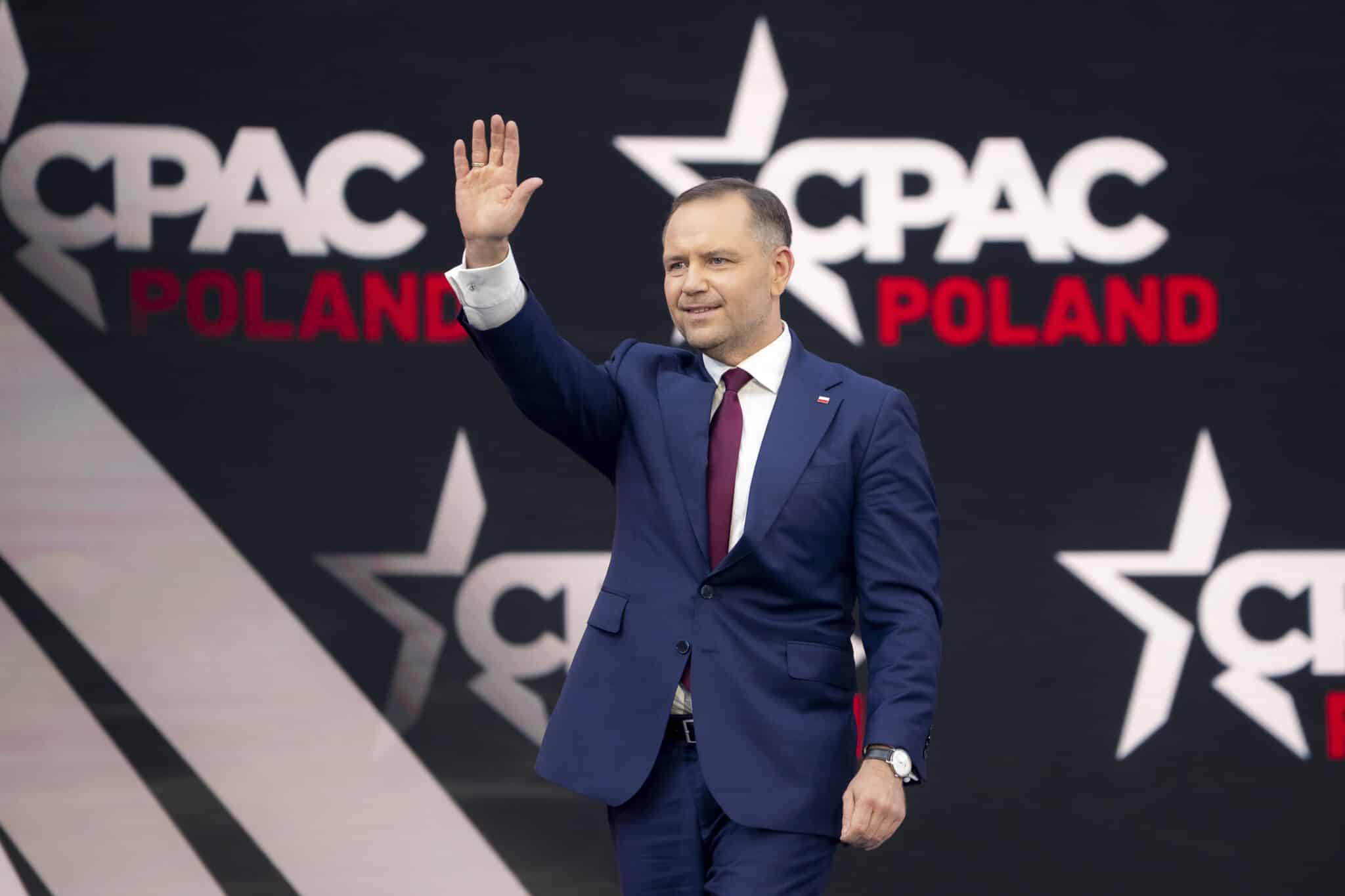
The Trump administration backed populist and far-right presidential candidates in Romania and Poland: It lost in Romania but won in Poland. Washington’s agenda is to weaken the European Union by supporting its detractors within it.
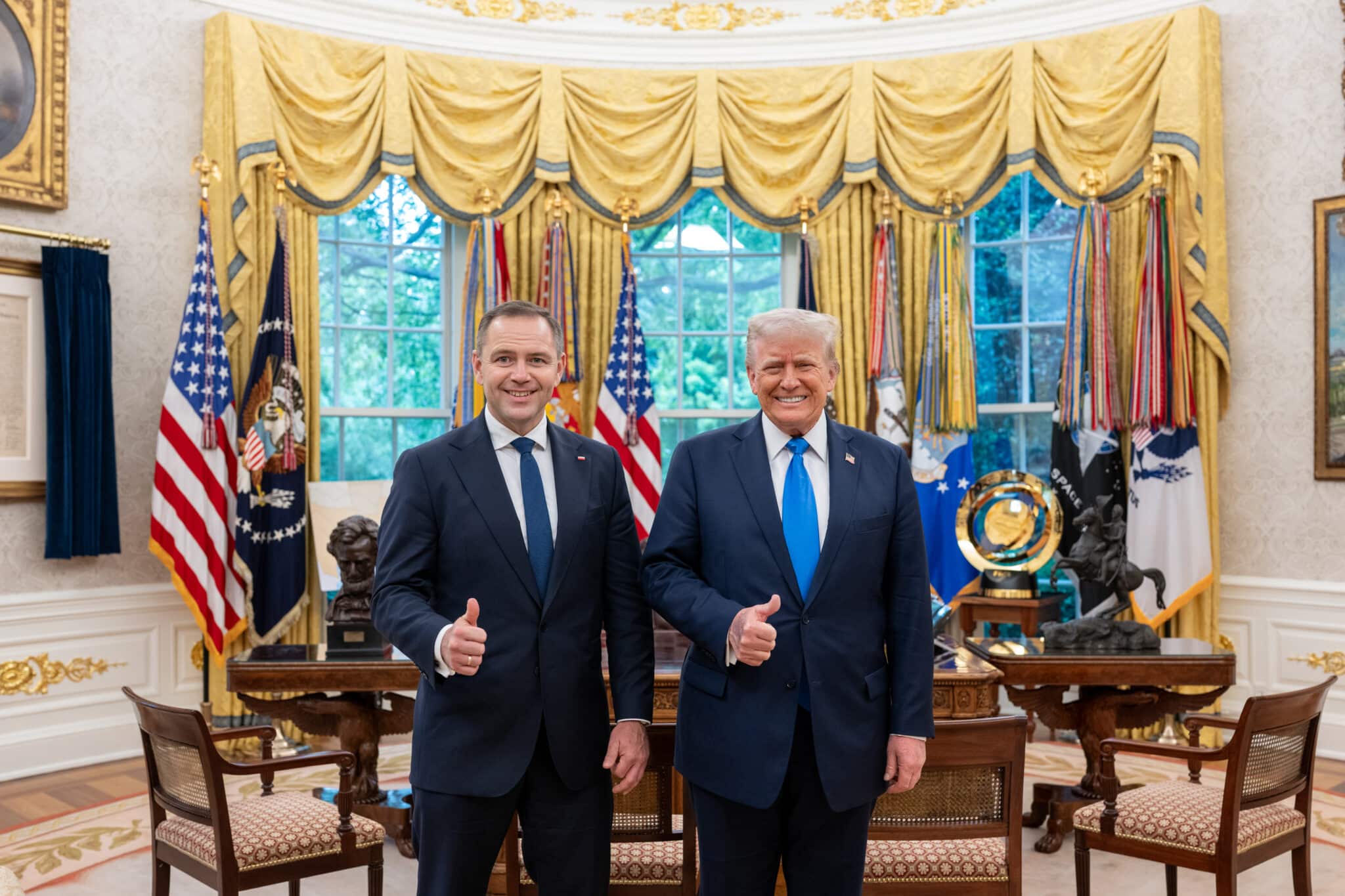
Poland’s new president Karol Nawrocki, a political outsider backed by the far right, won with a campaign echoing Donald Trump. His victory closes the door on liberal reforms and paves the way for a nationalist comeback.