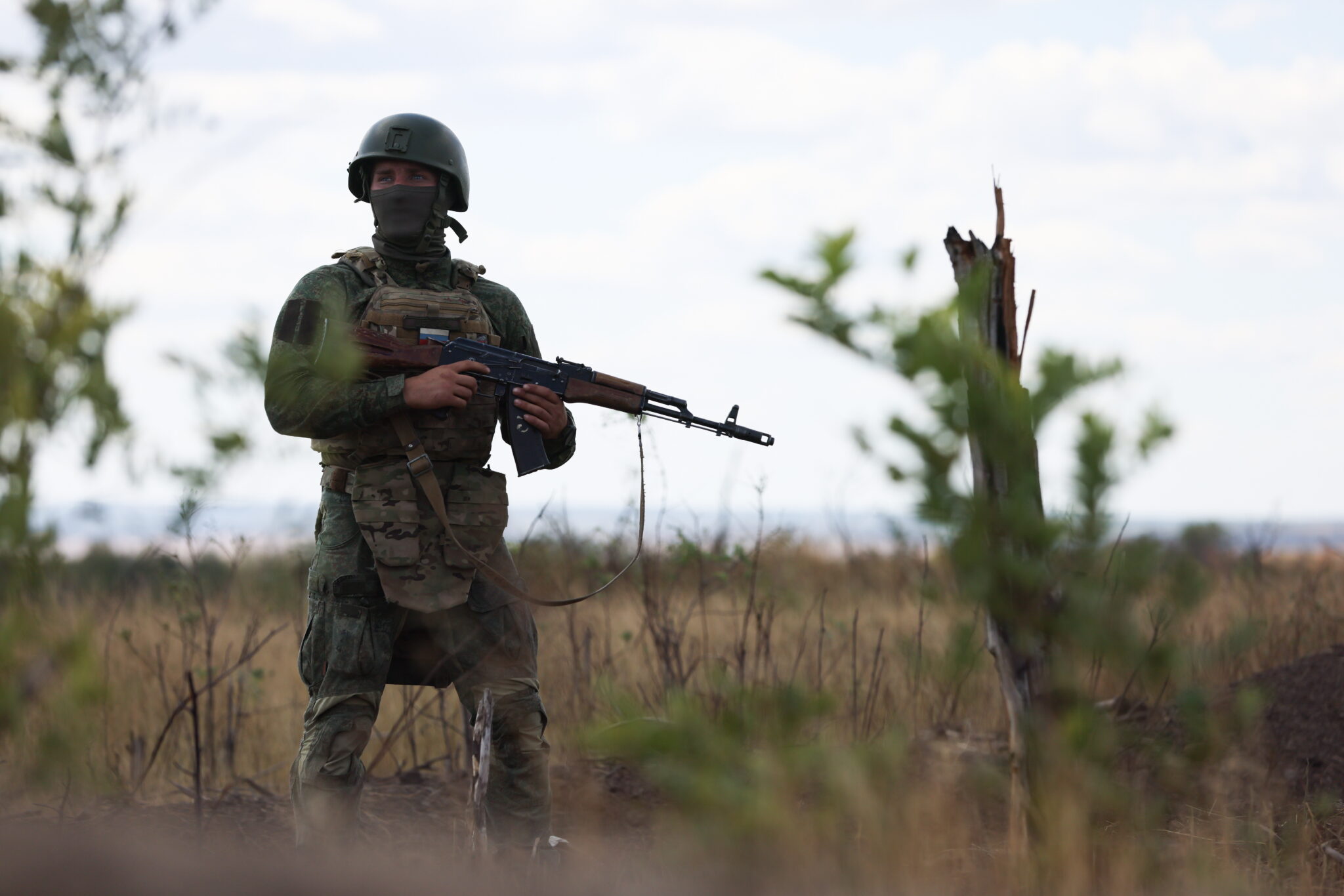
The Kremlin is shutting off access to crucial data on its population and economy. What did those figures reveal — and why is the government afraid of them?
 Worldcrunch
The Kremlin is shutting off access to crucial data on its population and economy. What did those figures reveal — and why is the government afraid of them?
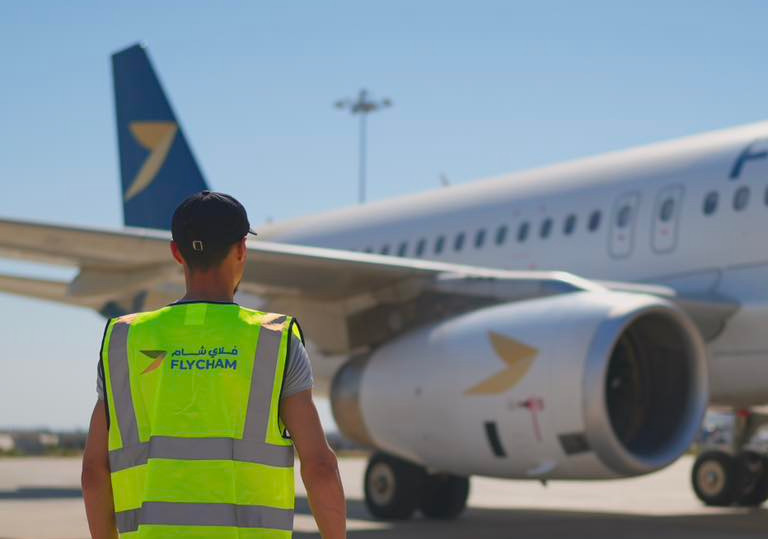
Sham Wings Airlines, long sanctioned for its ties to the Syrian regime, has reemerged under a new name: Fly Cham. Despite the rebranding and change in ownership on paper, investigative findings reveal the same personnel, aircraft, and operations — raising serious questions about sanctions evasion.
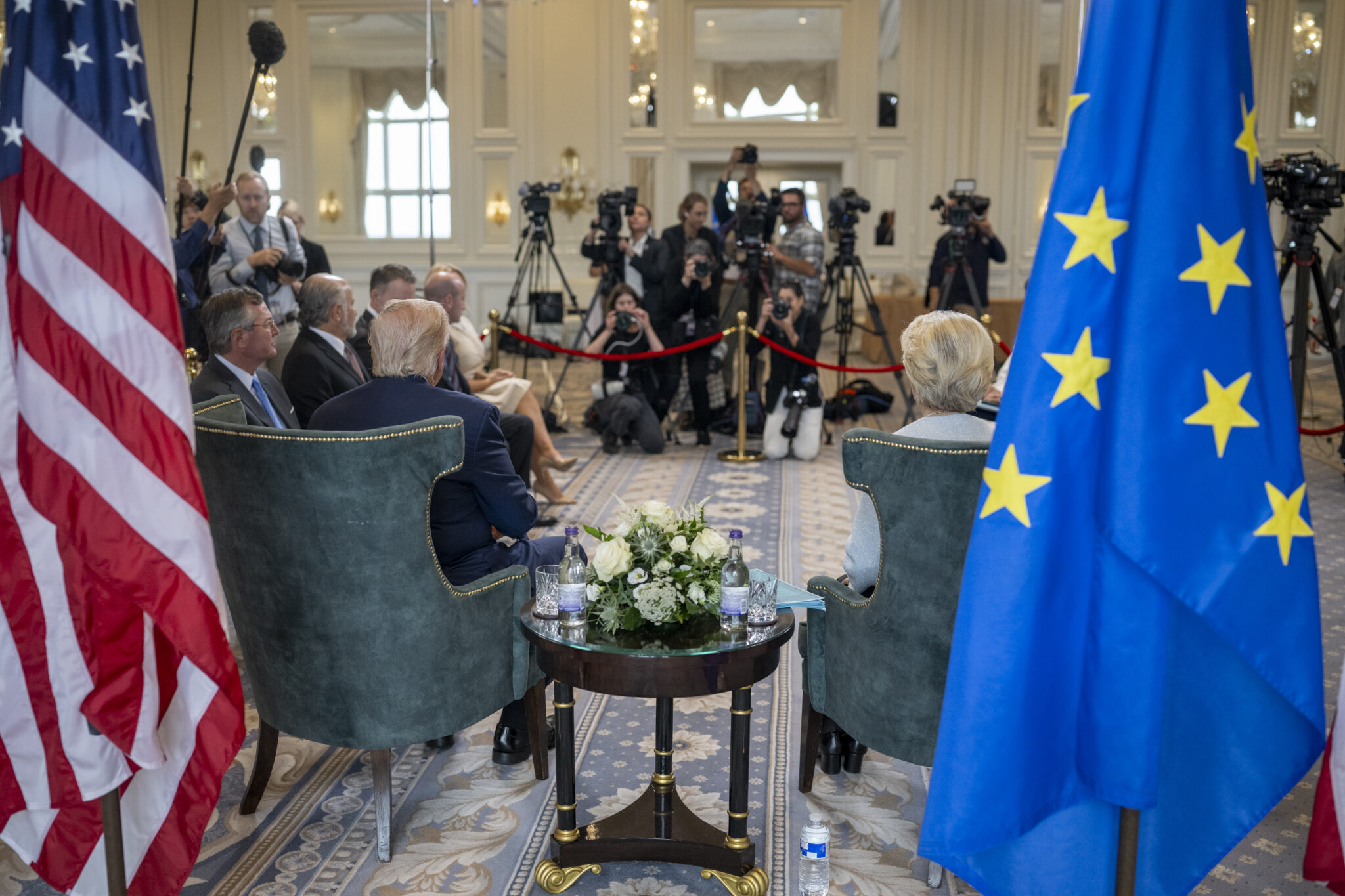
Trump’s approach to U.S.-EU trade relations prioritizes dominance and loyalty over partnership, leaving Europe with little choice but to comply to avoid severe economic fallout. Breaking free from U.S. leverage would require Europe to build a new global alliance, effectively acknowledging the end of the traditional transatlantic trade partnership.
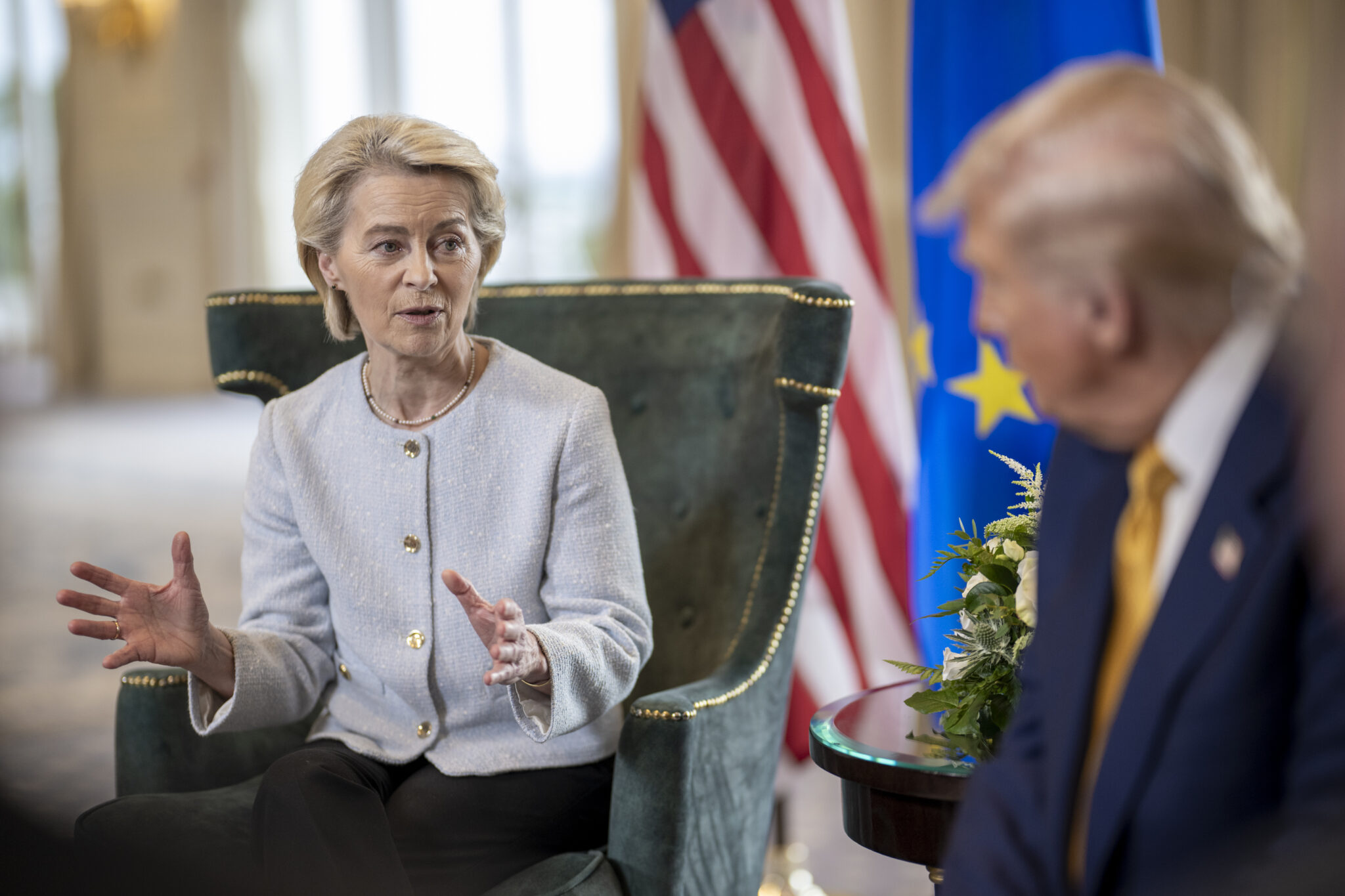
European Commission President Ursula von der Leyen’s controversial trade deal may look like a surrender to U.S. President Donald Trump, but it could be a calculated play in a surreal game of bluff, designed to keep Europe afloat — and Trump distracted.
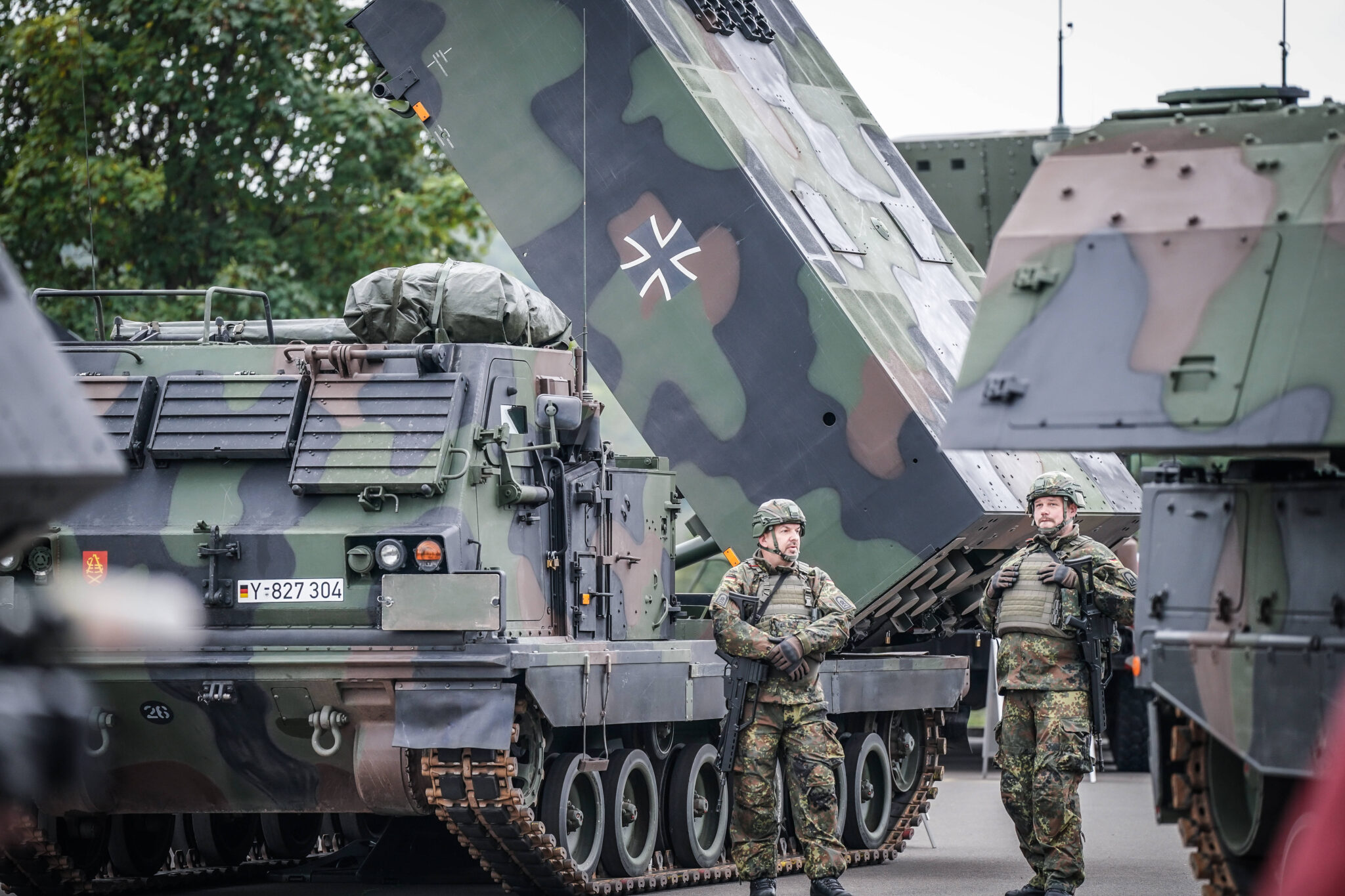
The United States faces a lack of practical alternatives to sustaining Ukraine’s defense. With missile production lagging and diplomacy stalled, Washington is struggling to deliver the air defenses Kyiv needs to slow Russia’s advance.
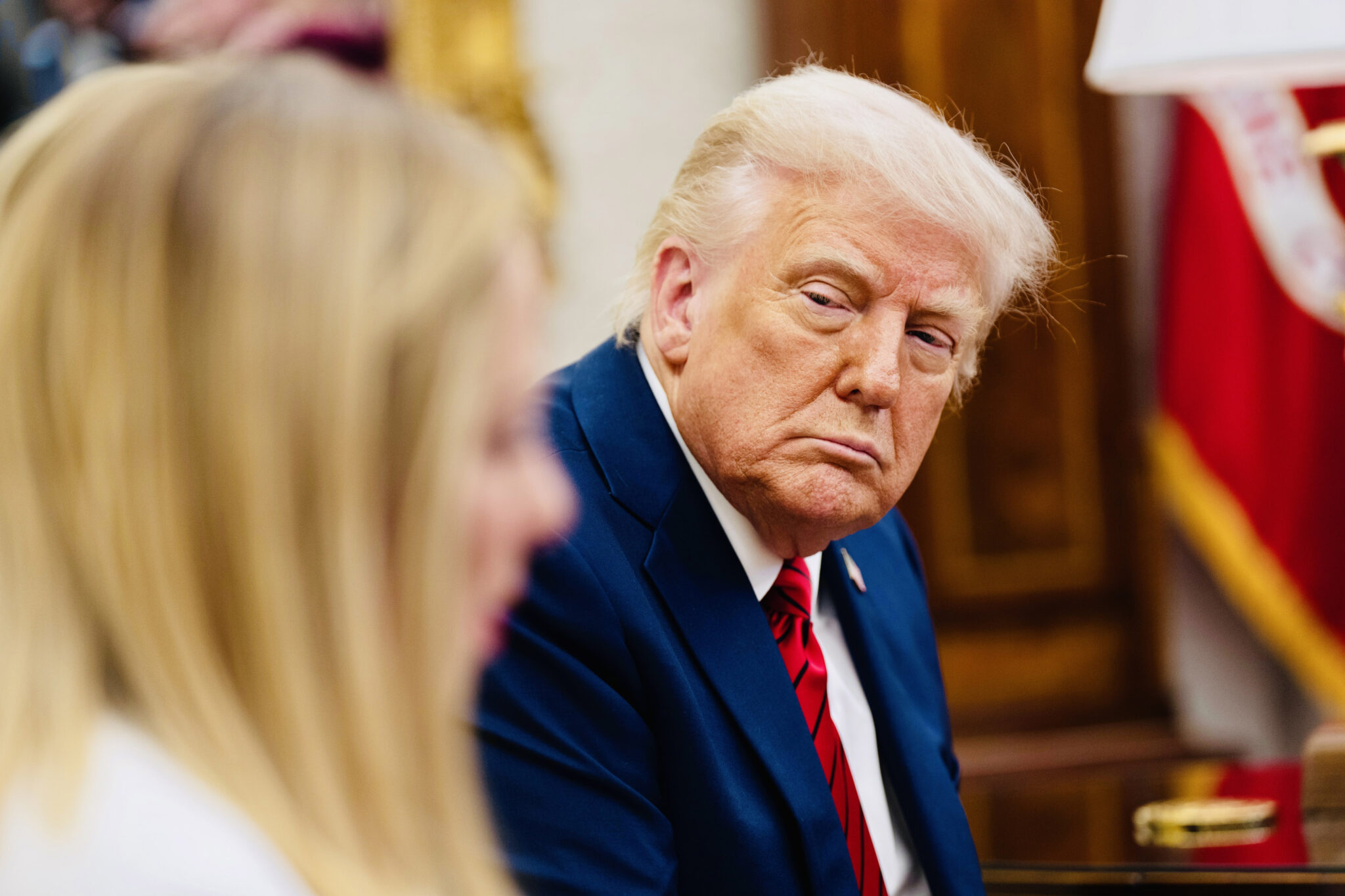
As others bristle at tariffs and concessions, Rome recasts humiliation as heroism, embracing a lopsided deal that feeds the myth of a benevolent Caesar-like Donald Trump while draining European coffers.

👋 Alò!* Welcome to Friday, where the EU imposes new sanctions on Russia, Donald Trump struggles to tamp down the Jeffrey Epstein uproar, and a famed Austrian daredevil dies in a paragliding accident. We also feature an article on the rise of the “Instagram Sheikhs” — a diverse group of digital-savvy Muslims who fuse Islamic […]
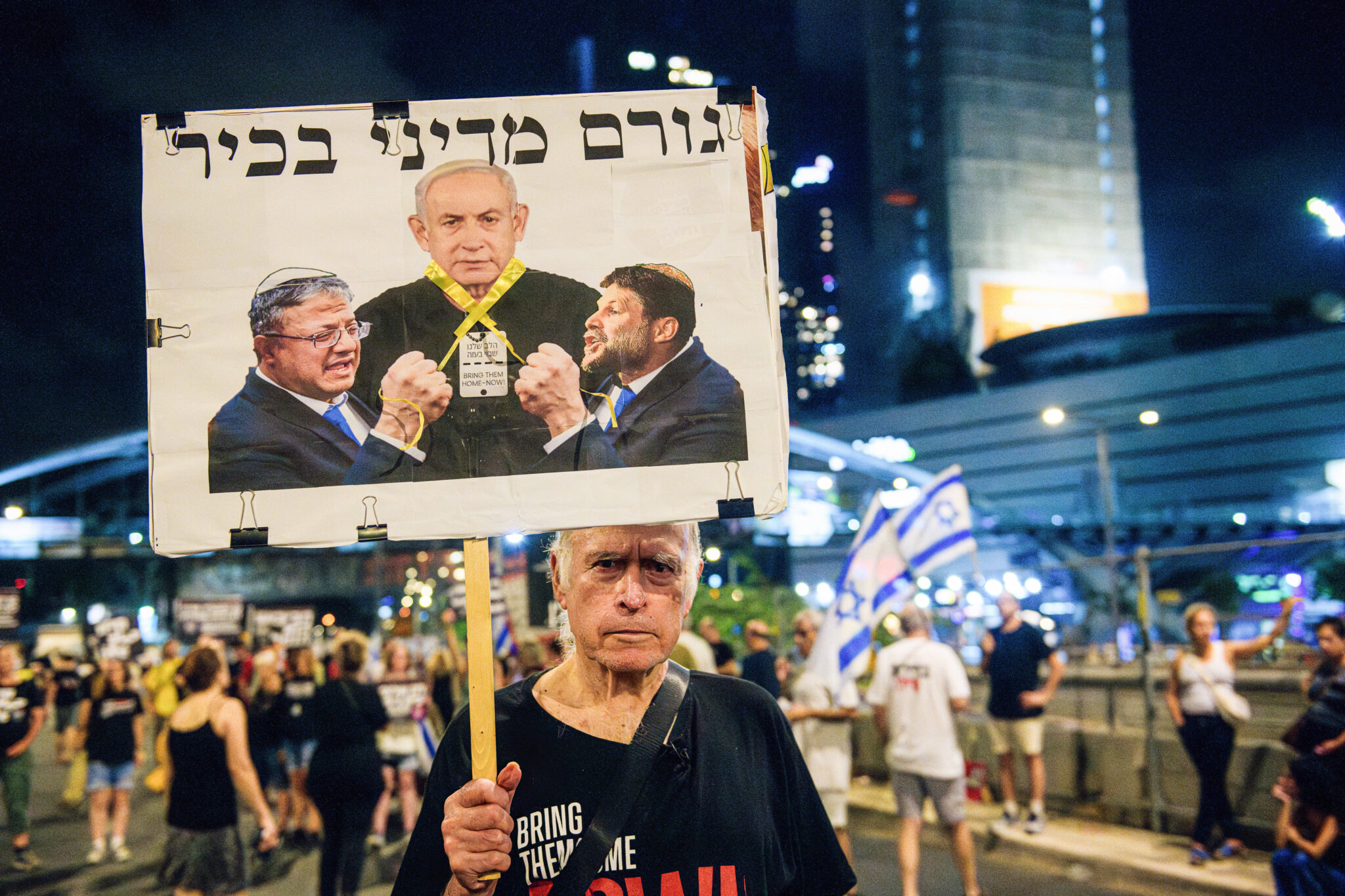
Five countries have imposed sanctions against the two most important far-right ministers in Israel’s Netanyahu government — Finance Minister Bezalel Smotrich and Internal Security Minister Itamar Ben Gvir — a first that marks the deterioration in relations between Israel and its allies. But with the Trump administration standing behind Netanyahu, little can be actually be done.
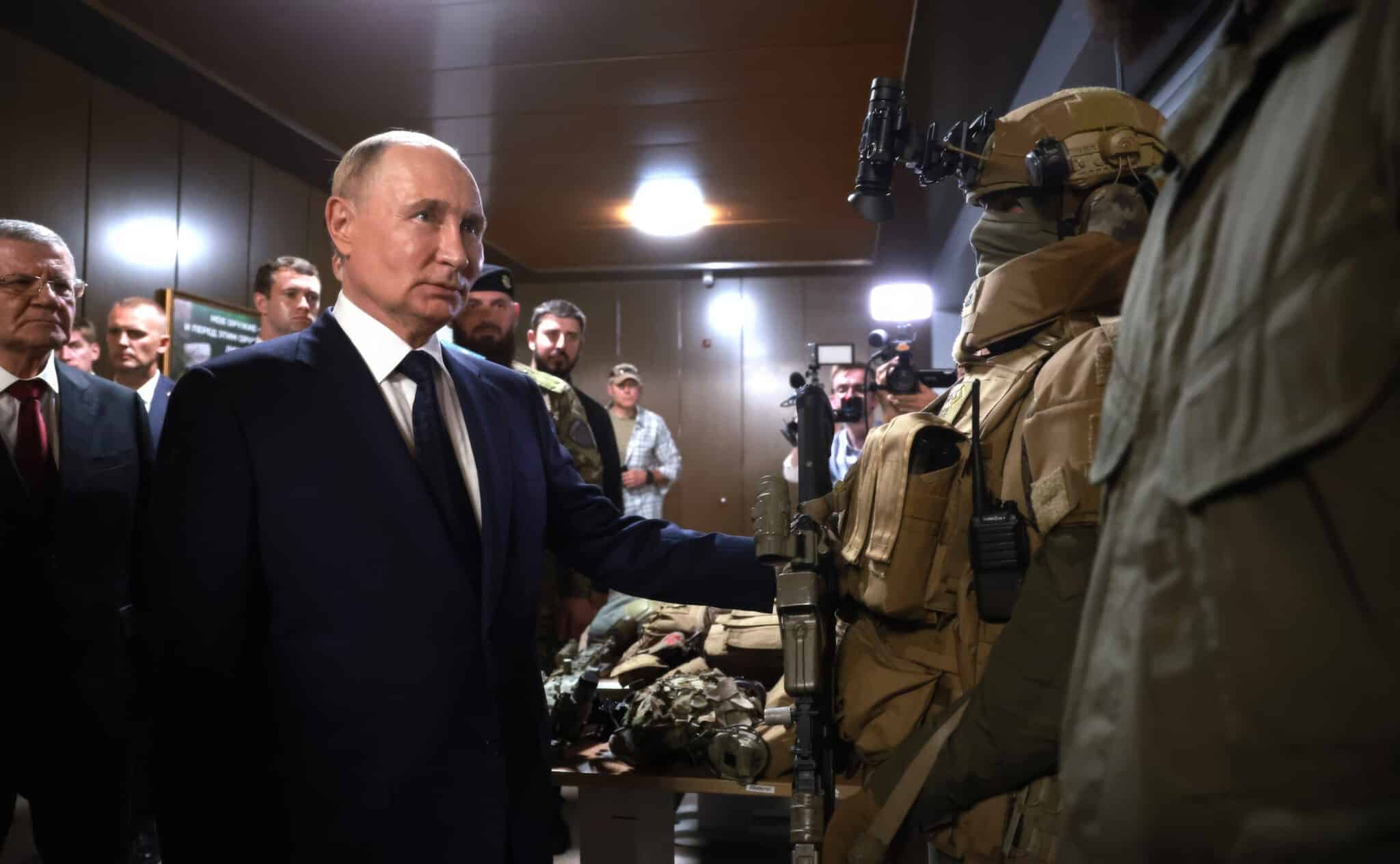
Despite heavy international sanctions from the West, Russia has taken a lighter economic hit than expected. Rather than suffering from war, it’s become dependent on it — like Germany in the 1930s.
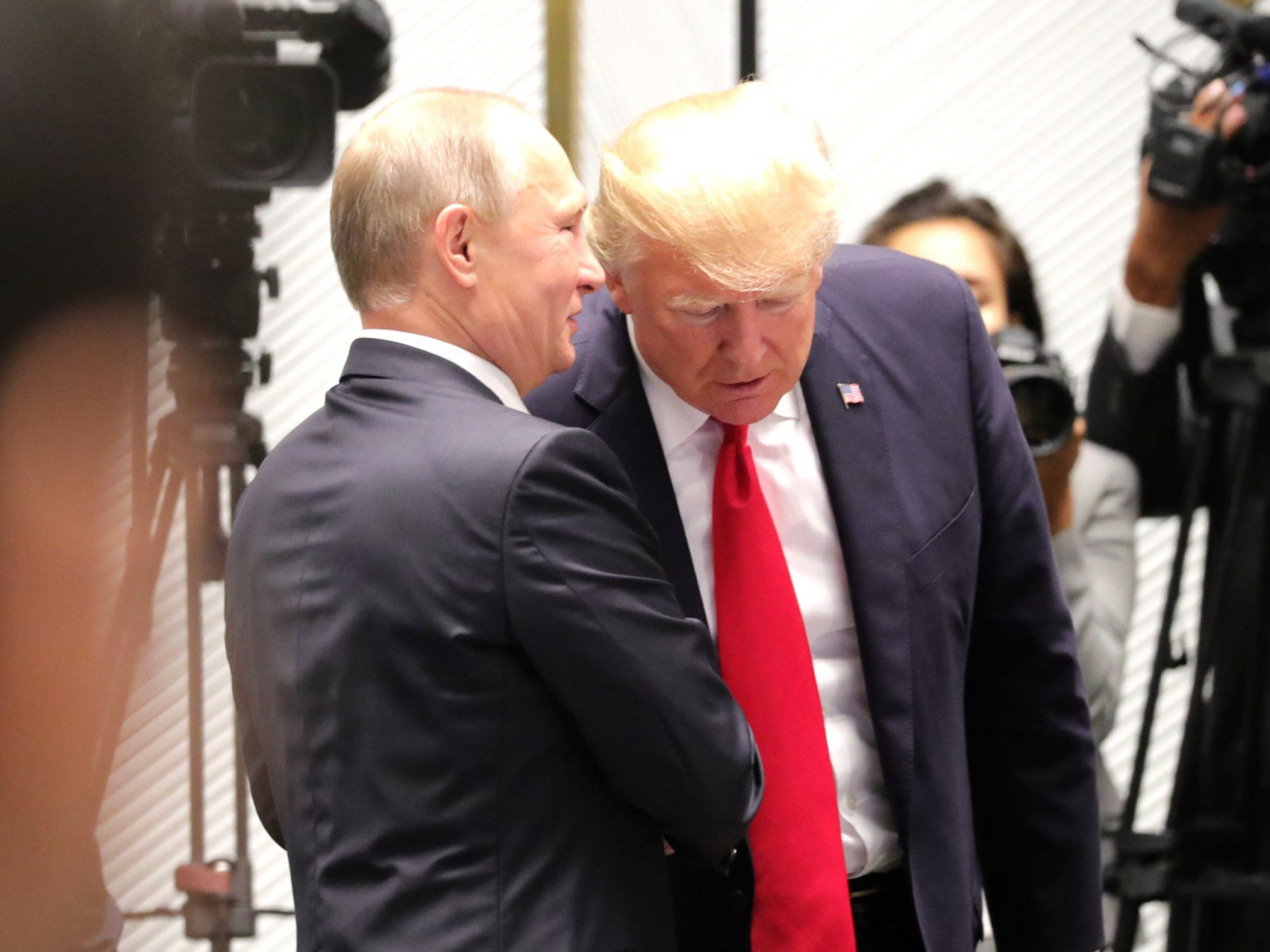
Donald Trump and Vladimir Putin discussed Ukraine and other international matters during a call on Tuesday. What do the two leaders have in common? A shared worldview alone no longer explains it.
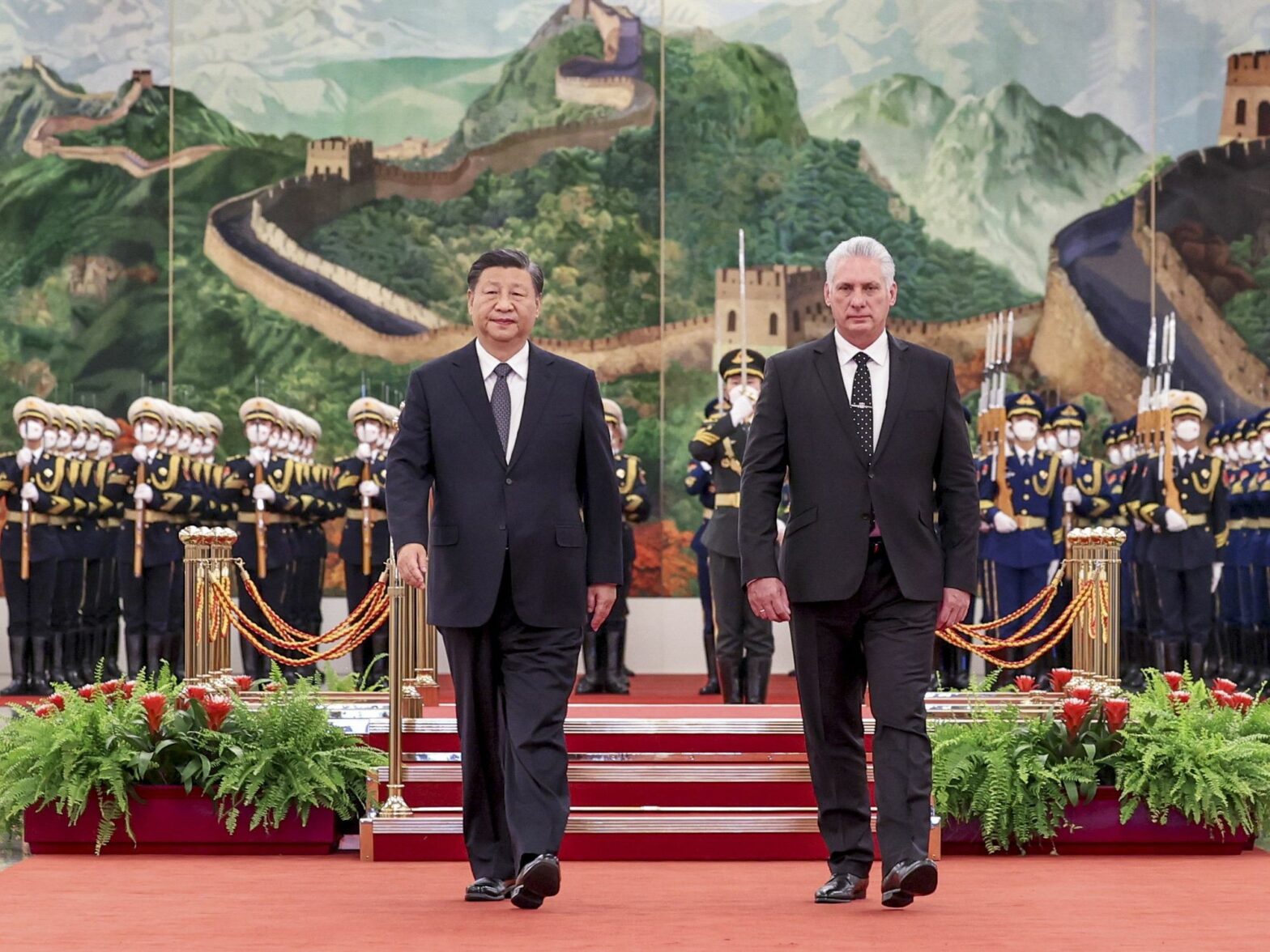
In another sign of changing power relations in the ‘post-Western’ world, the BRICS group of emerging economies could frustrate the United States’ bid to sink communism in Cuba by strangling its economy.
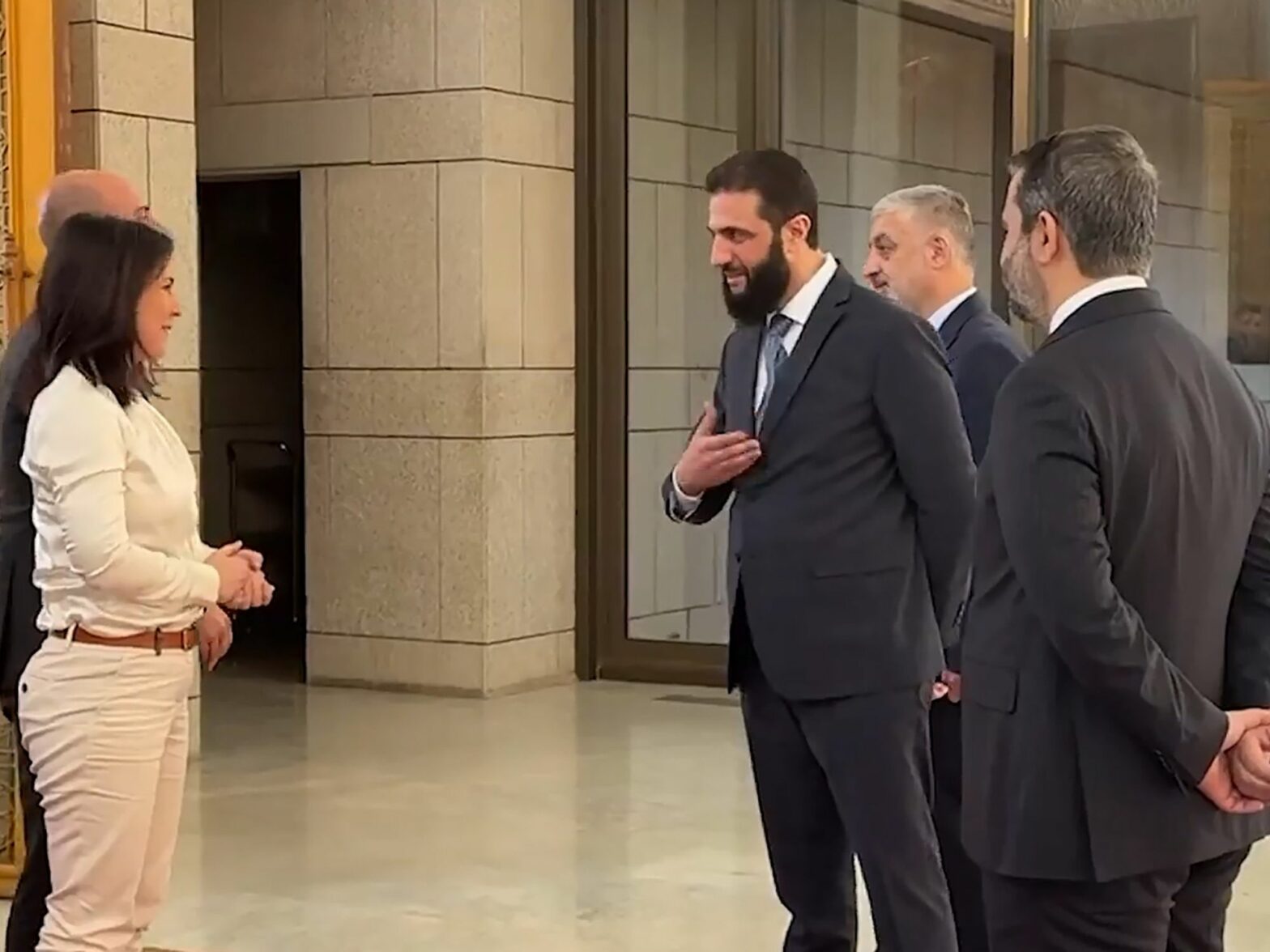
The refusal of Syrian transition leader Ahmed al-Sharaa to shake hands with the German minister sparked controversy. However, Europeans, who fear a resurgence of ISIS if Syria plunges into chaos, have a vested interest in the success of this transition, despite their reservations.
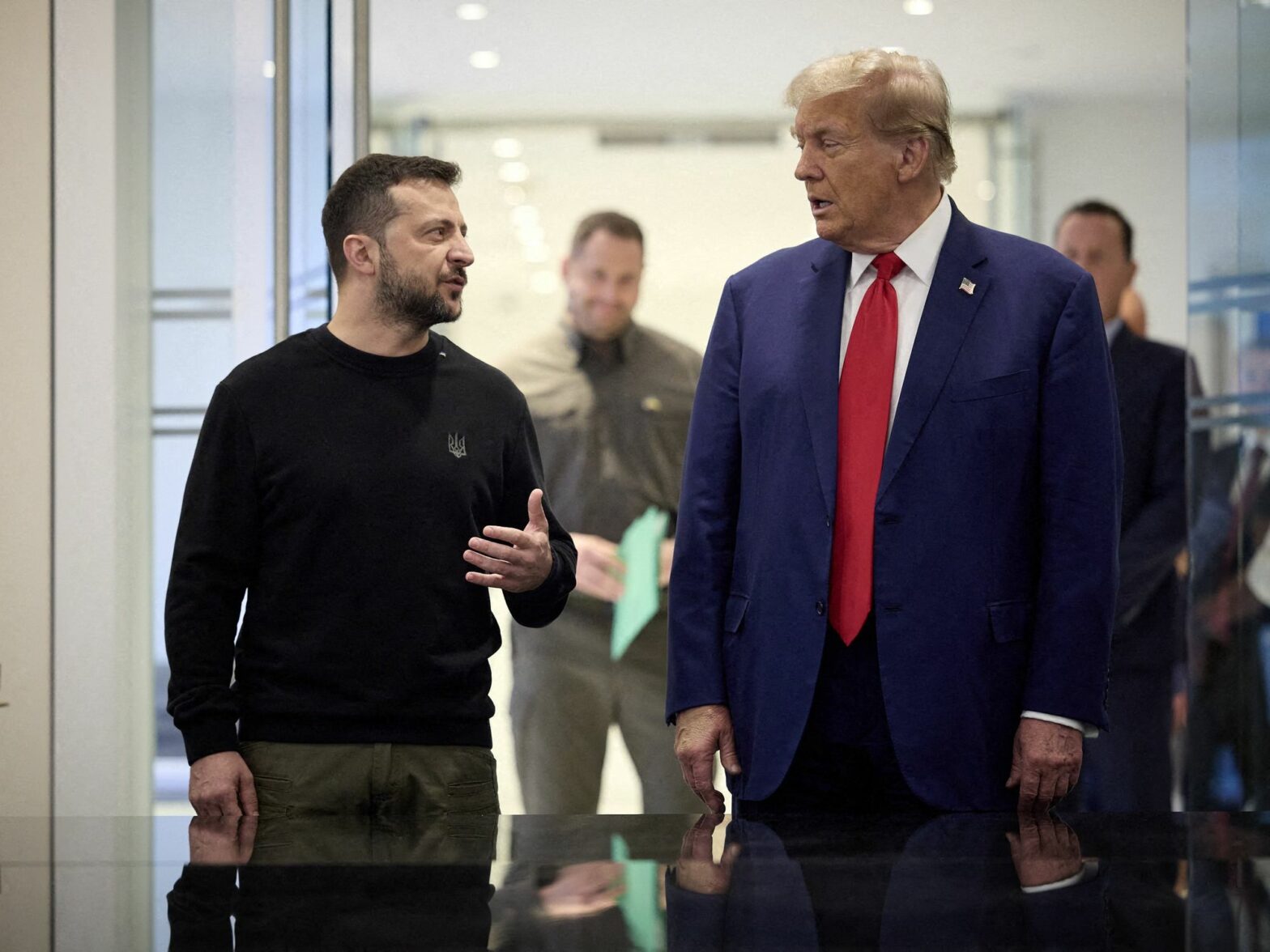
The key question is whether any peace agreement will satisfy the U.S. president, or if he will push for real security guarantees for Kyiv. The question is what Trump will do if Russia or Ukraine (or both) refuse to negotiate on U.S. terms and are not intimidated by the threats of the American leader.
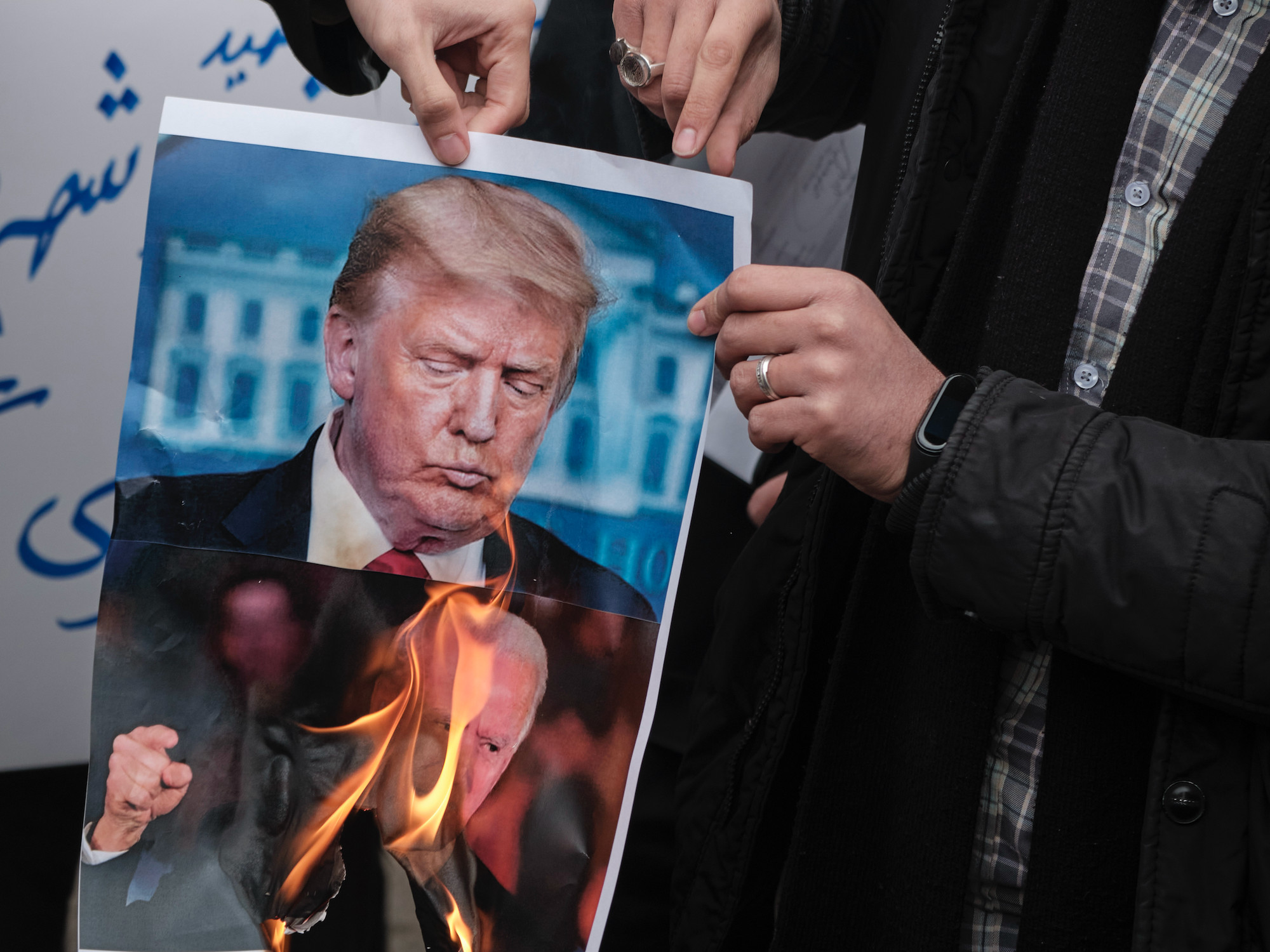
U.S. President-elect Donald Trump has said he is not out to topple Iran’s revolutionary regime, but his administration may, at the very least, seek intolerable concessions to the West from Tehran, or sink it with sanctions if it refuses.
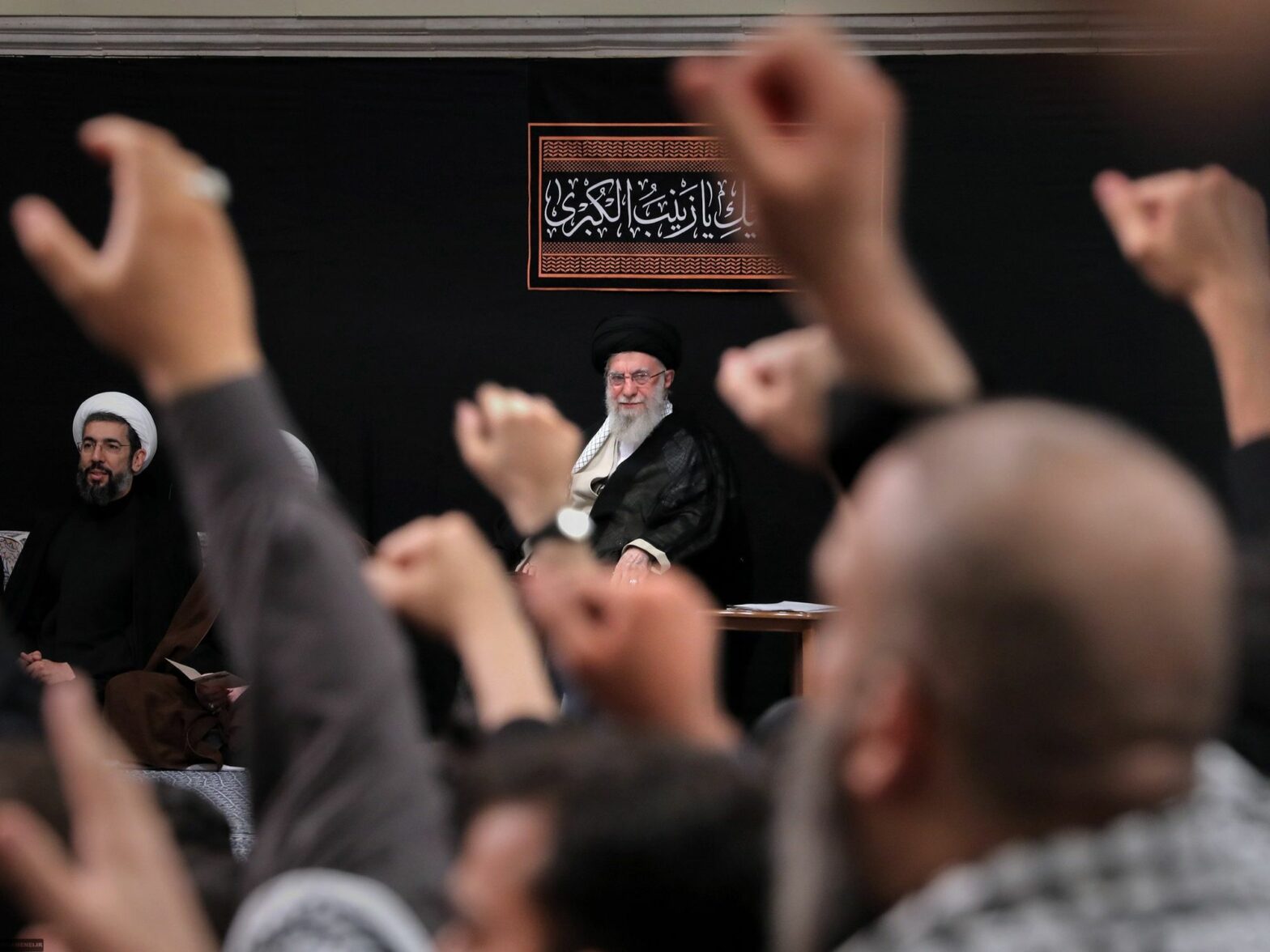
With an economy in ruins and facing an unstable foreign environment, the Islamic Republic of Iran has signaled, with the return of seasoned diplomats to top positions, that it wants to talk again. But, as always, those who call the shots in Tehran are loath to negotiate anything crucial with the West.
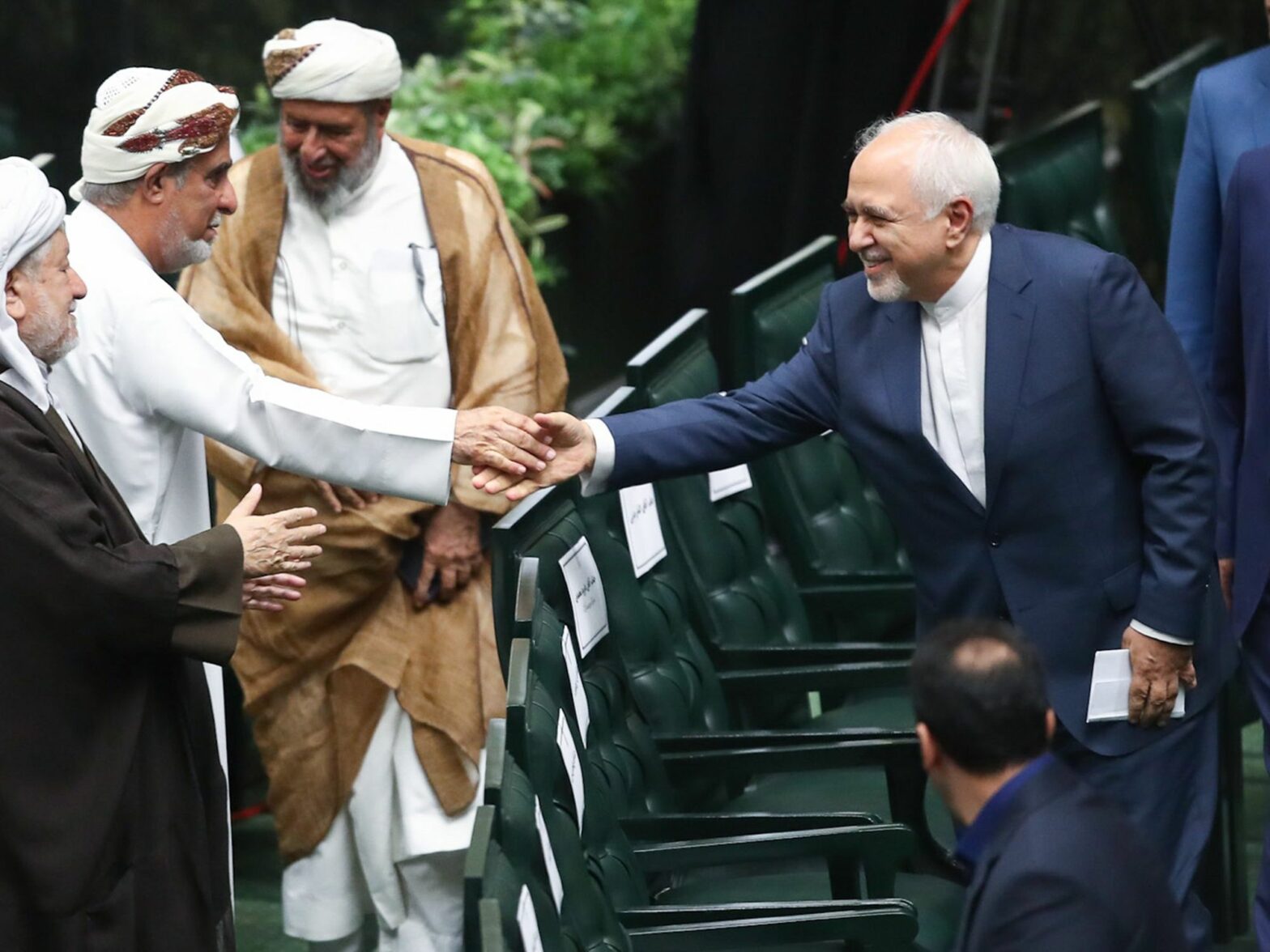
Mohammad Javad Zarif is among the most recognizable faces of contemporary Iranian political life. His return to government in a strategic position does not guarantee his project’s survival. Indeed, radical Islamic forces will likely make him a prime target for destruction.
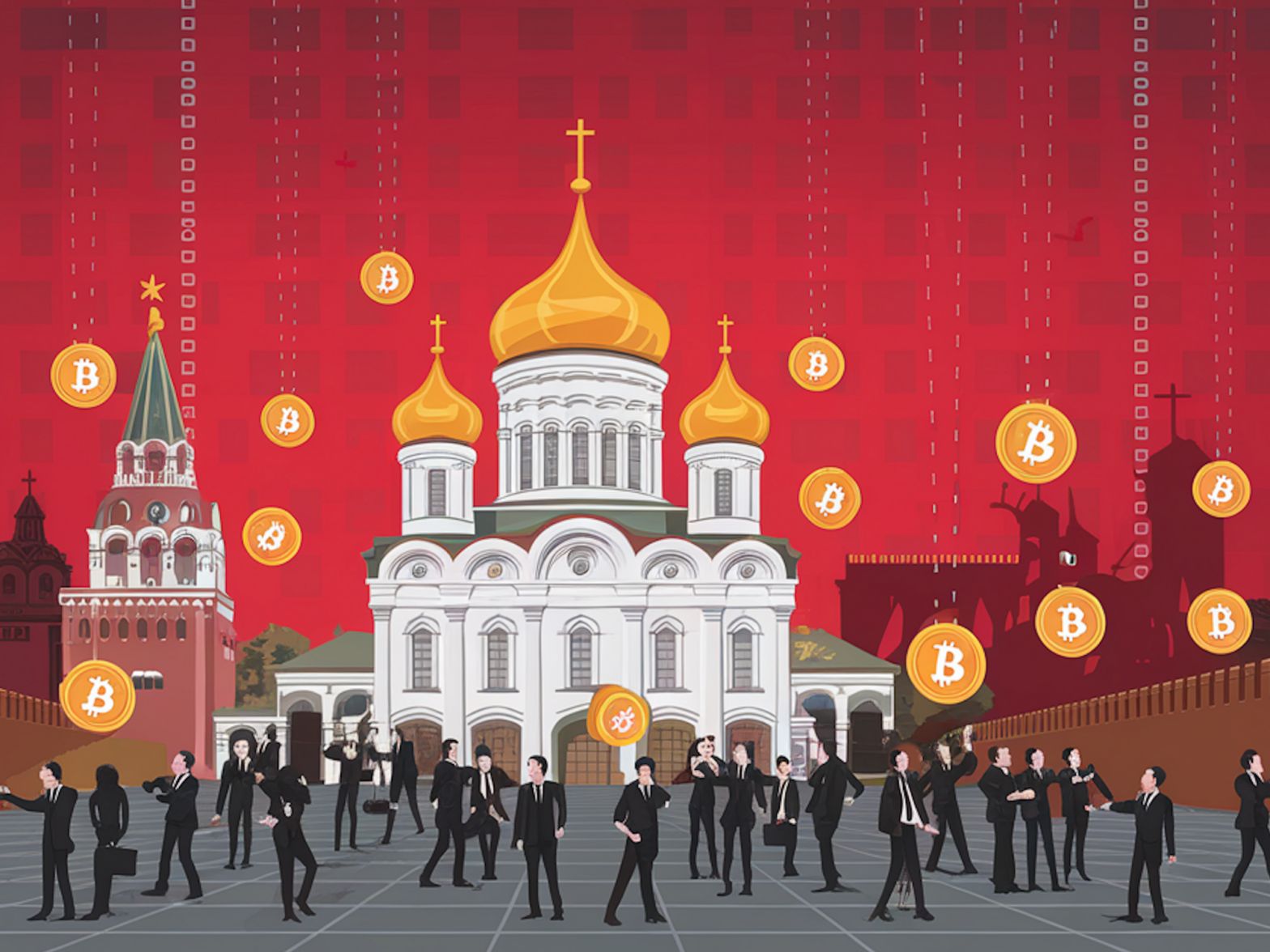
Once crypto-cautious Russia has started experimenting with the digital financial market, prompting new regulations, formal exchange markets, and, as President Vladimir Putin hopes, new means of skirting Western sanctions.
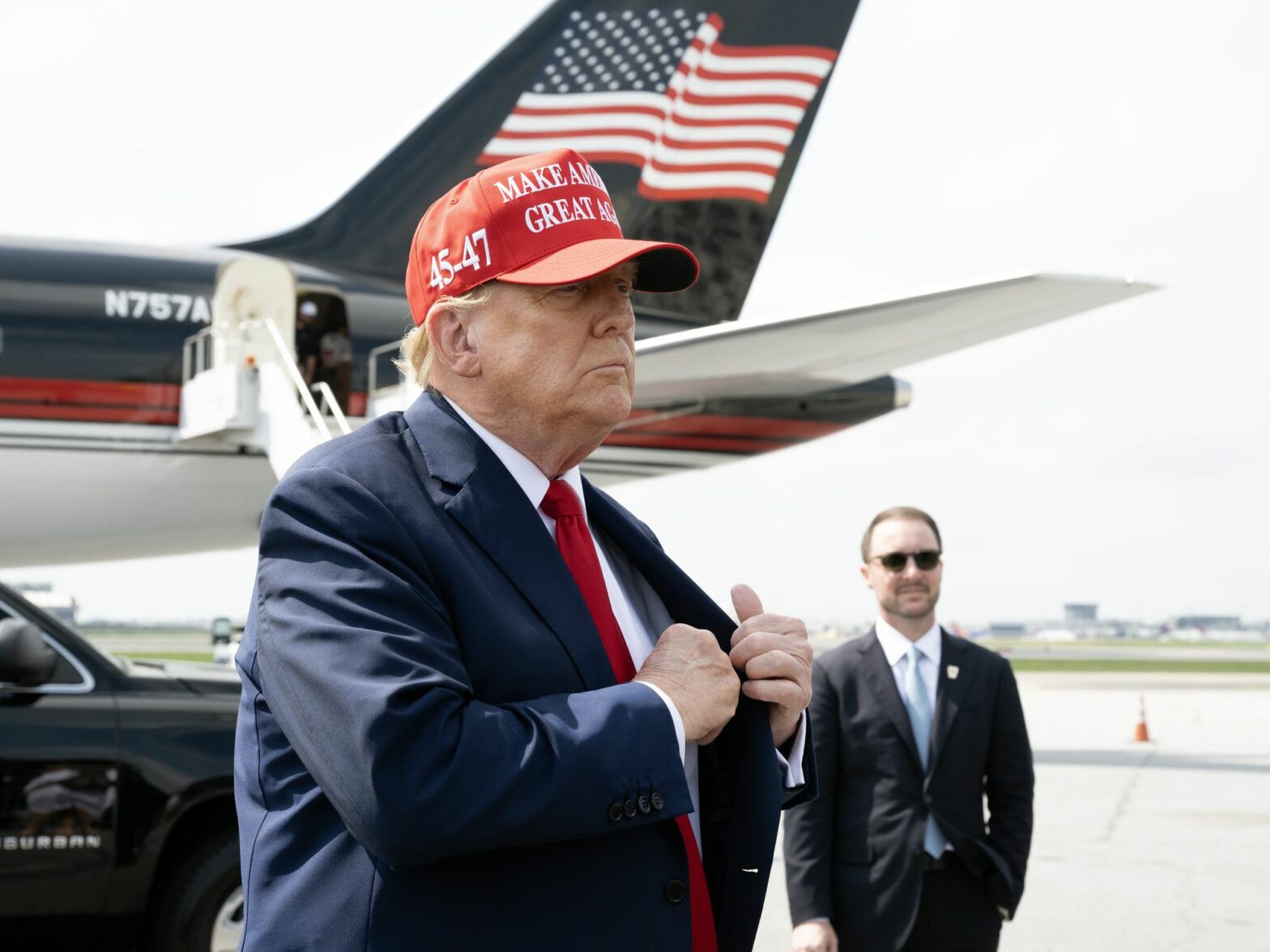
Ahead of the U.S. presidential election, Ivan Timofeev of the Russian International Affairs Council, considers which candidate would be better for Russia. While it’s often thought that Moscow should hope for Donald Trump to win, his first term as president shows his “transactional” nature and otherwise minor impact on foreign policy.
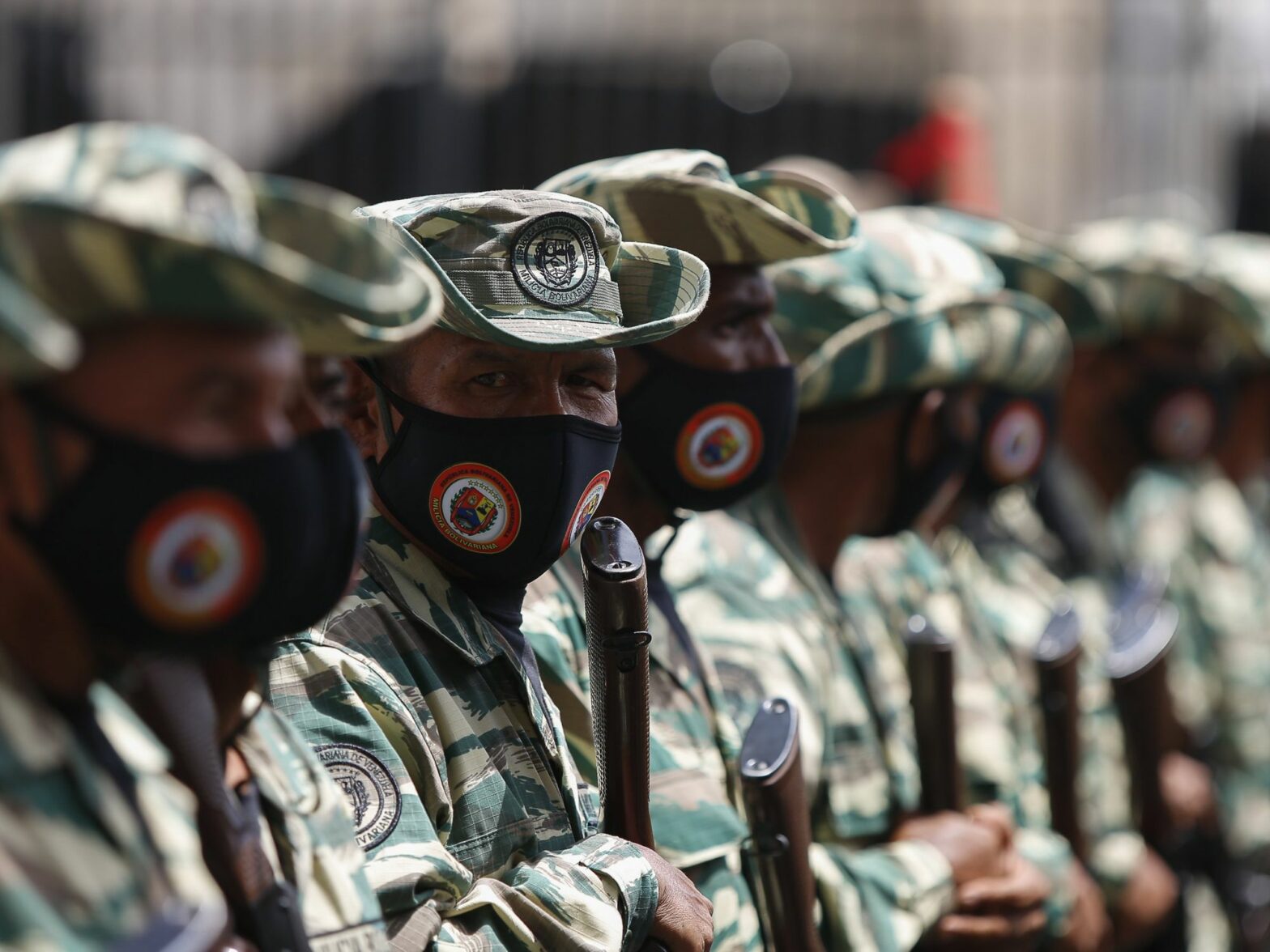
Foreign condemnations and sanctions will not force Venezuela’s Nicolás Maduro to abandon power after losing the recent presidential elections. The army could, but with a security system designed by Cuban advisers, it is firmly under regime control.
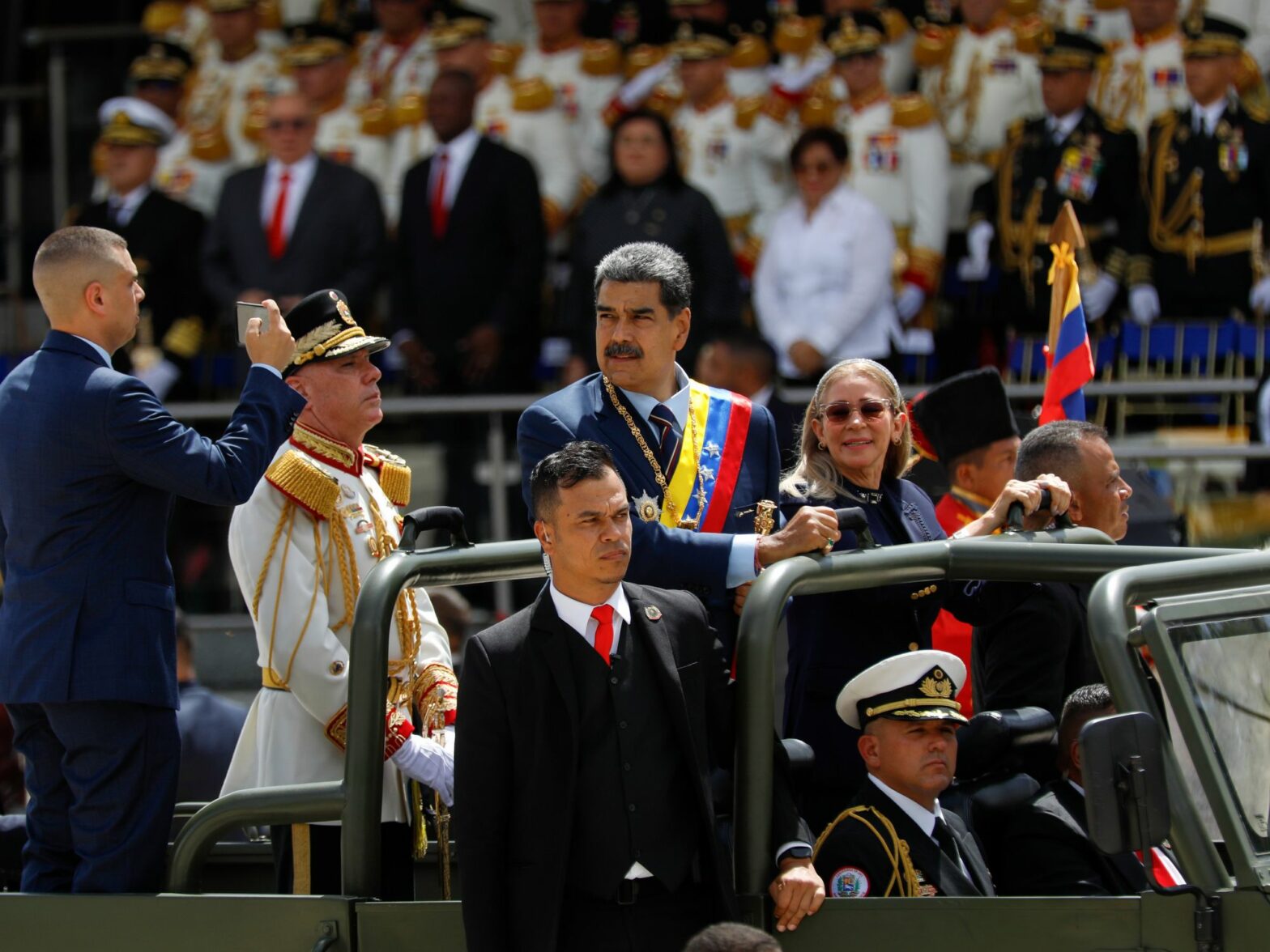
Venezuelan president Nicolás Maduro joins a long line of dictators whose fall from grace is marked by a period of incessant corruption, isolation, and a disconnection from reality.
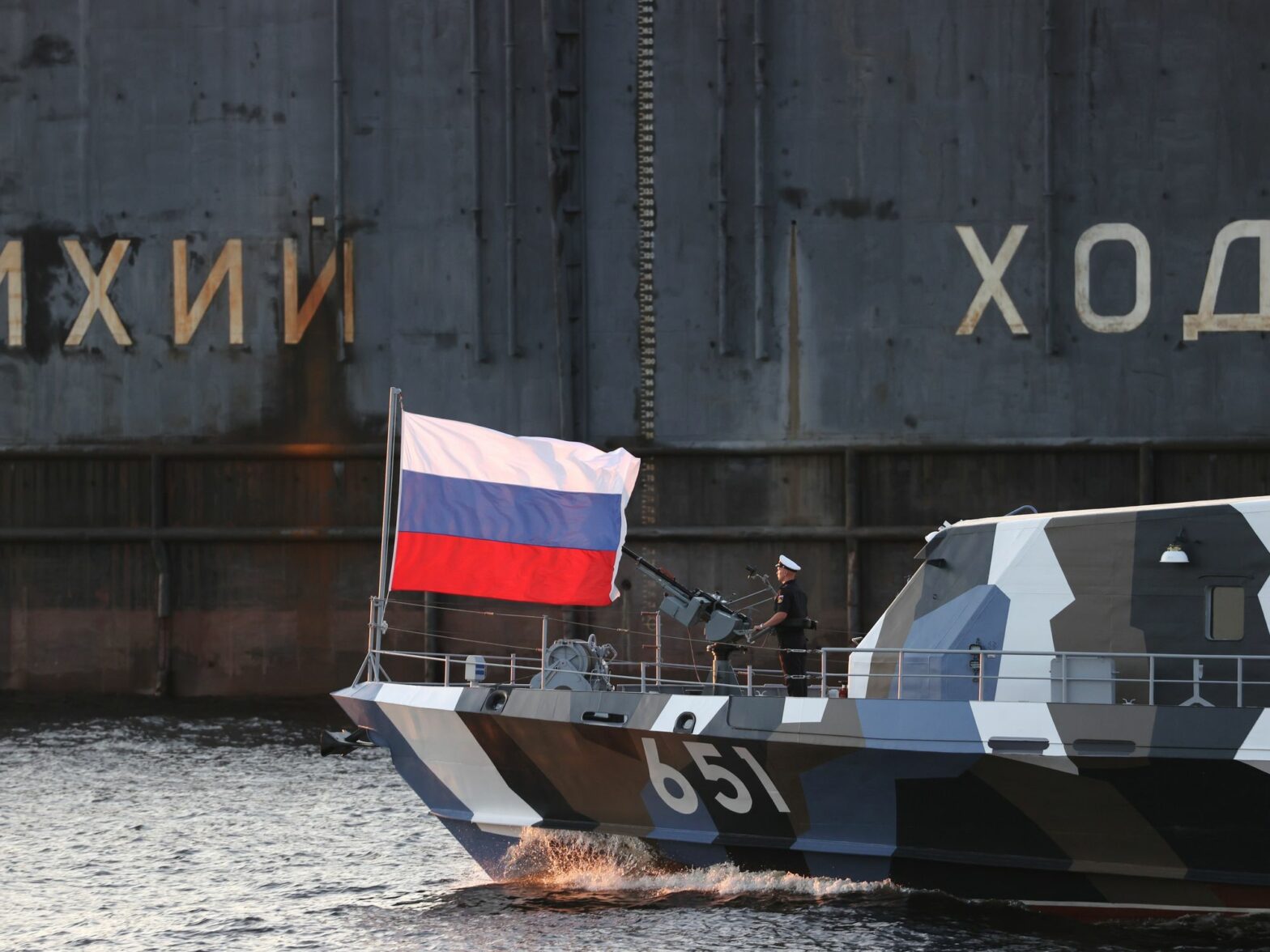
Jordan Bardella may become the first far-right prime minister in France since World War II. Is this good news for Vladimir Putin?
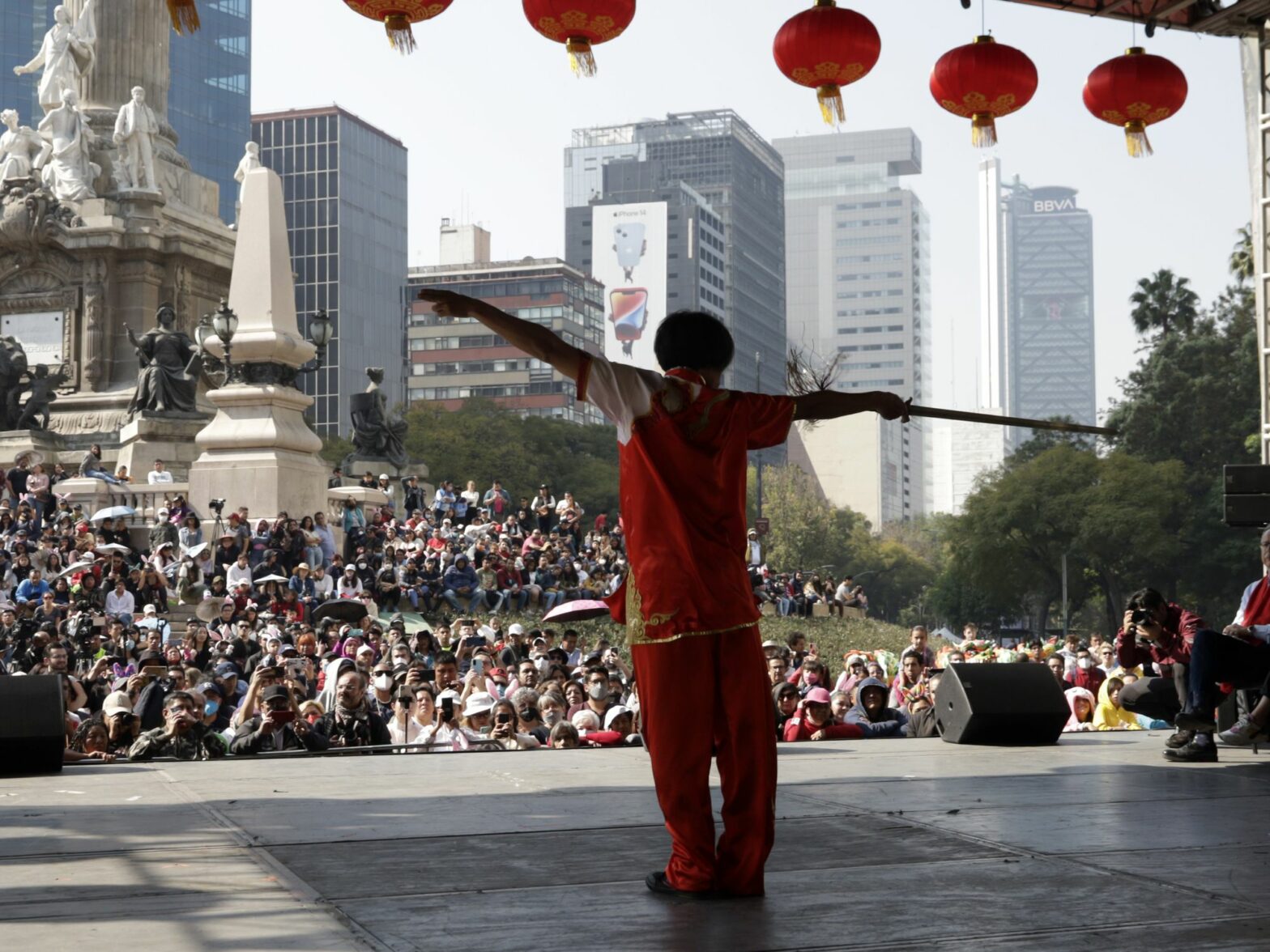
The United States has shown it prefers economic incentives over penalties to help keep regional democracies within its orbit and away from China. That is a national-interest opportunity Latin American states cannot ignore.
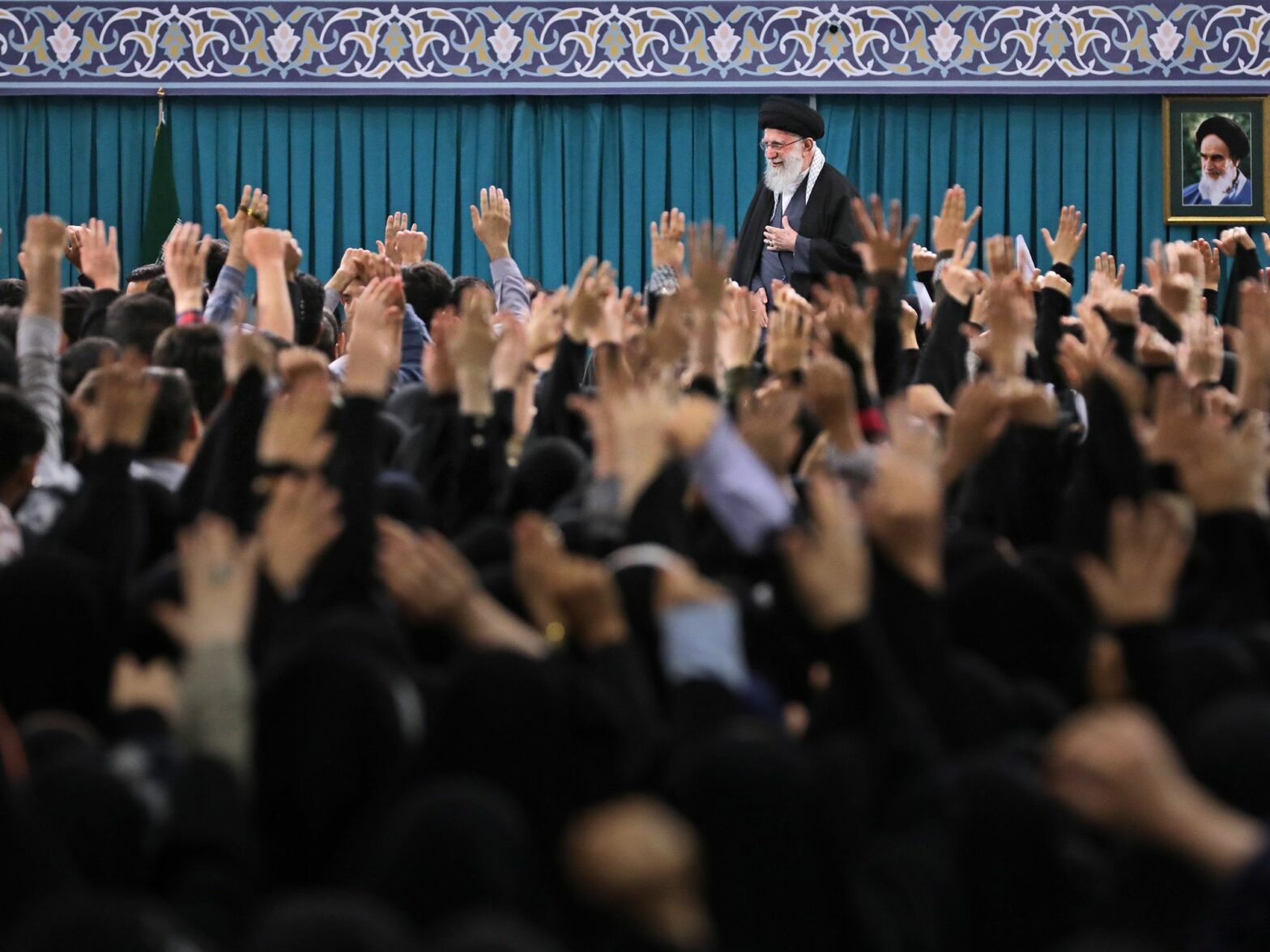
The death of Iran’s hardline president might create some political terrain for moderates there and stabilize relations with a complacent West and especially the Biden administration, eager to put a lid on the Middle East before November’s presidential elections.
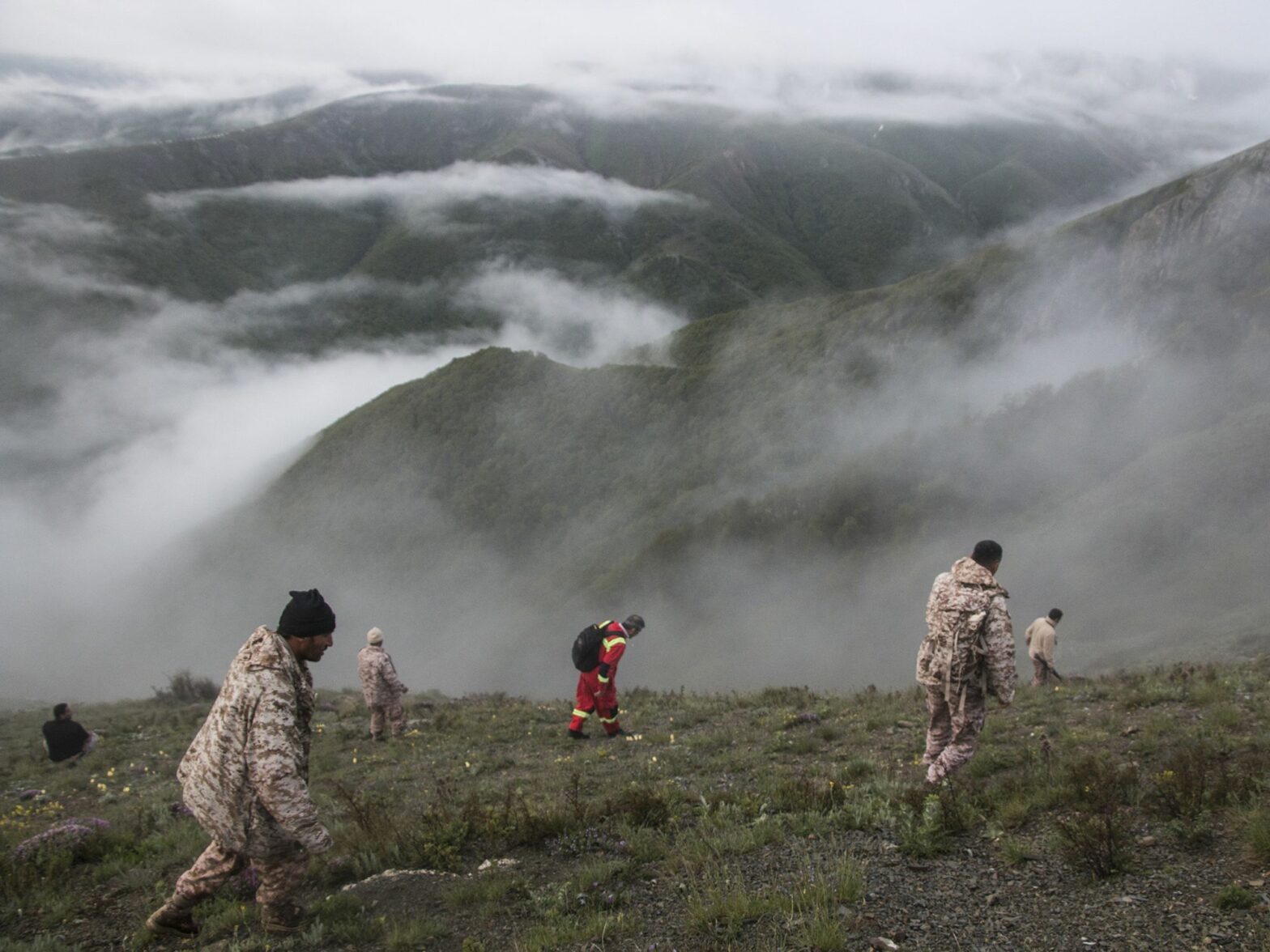
In spite of the political or diplomatic headaches this could cause, there are preliminary grounds for not ruling out foul play as causing the Iranian president’s helicopter to crash days ago, reports the leading independent Persian-language news site.
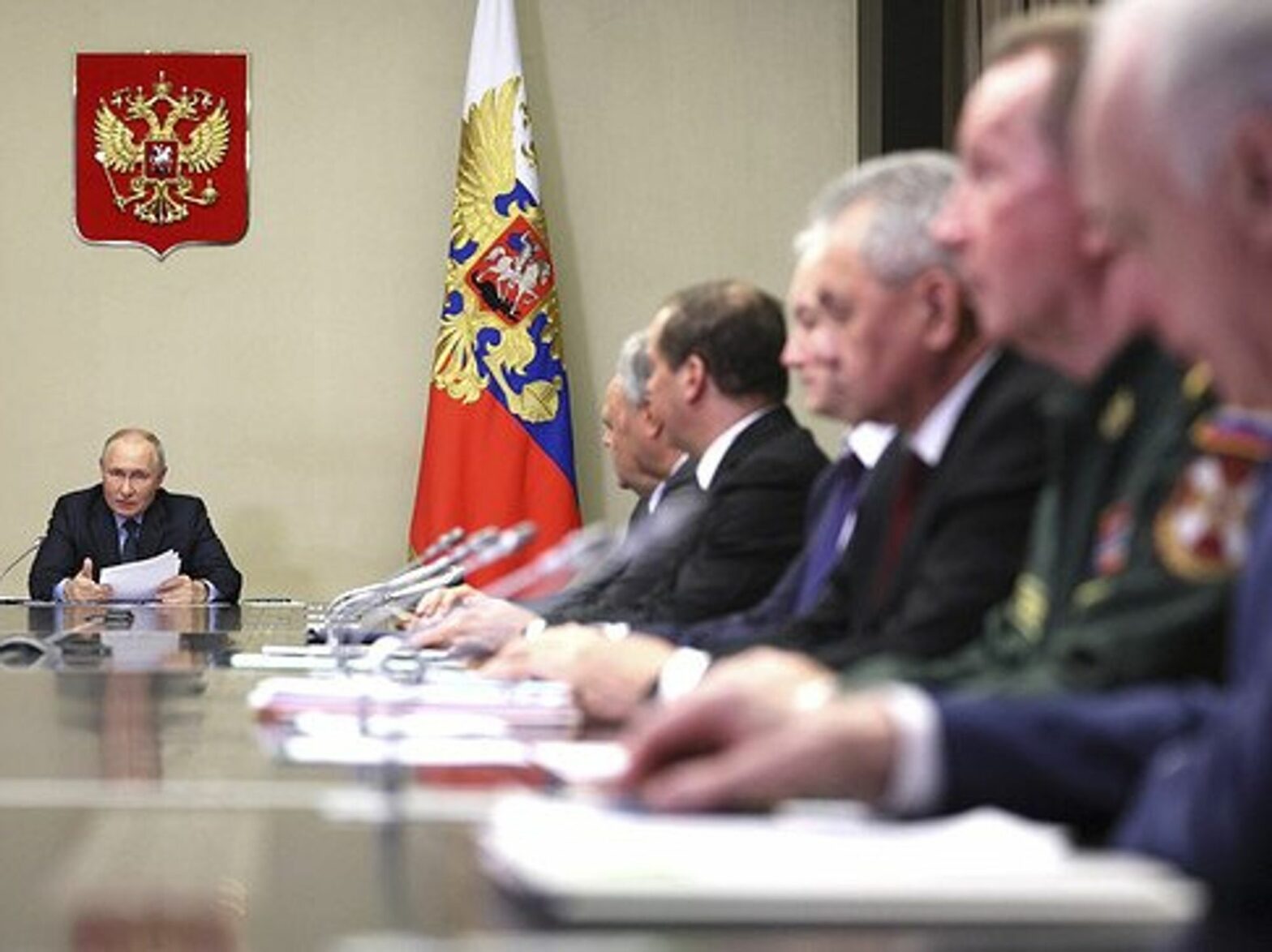
While Vladimir Putin wages his holy war against the West, Russian officials and their families are often seeking better lives there. Will these double lives be the downfall of the aging dictator’s fixation?
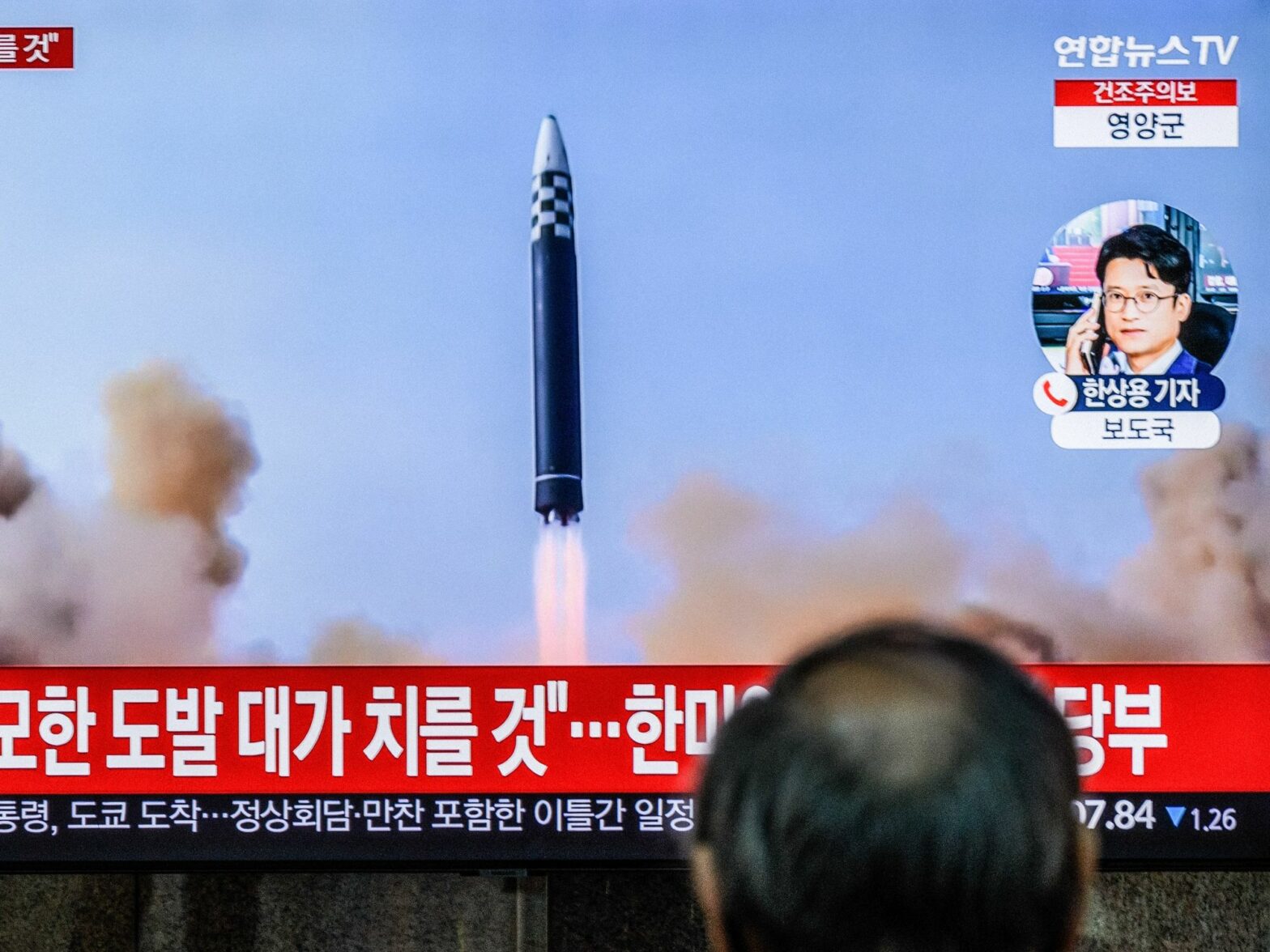
Moscow “killed” the body charged with overseeing the sanctions regime against North Korea — now Putin’s ally against Ukraine — dealing yet another blow to the edifice of global governance inherited from the post-war era.
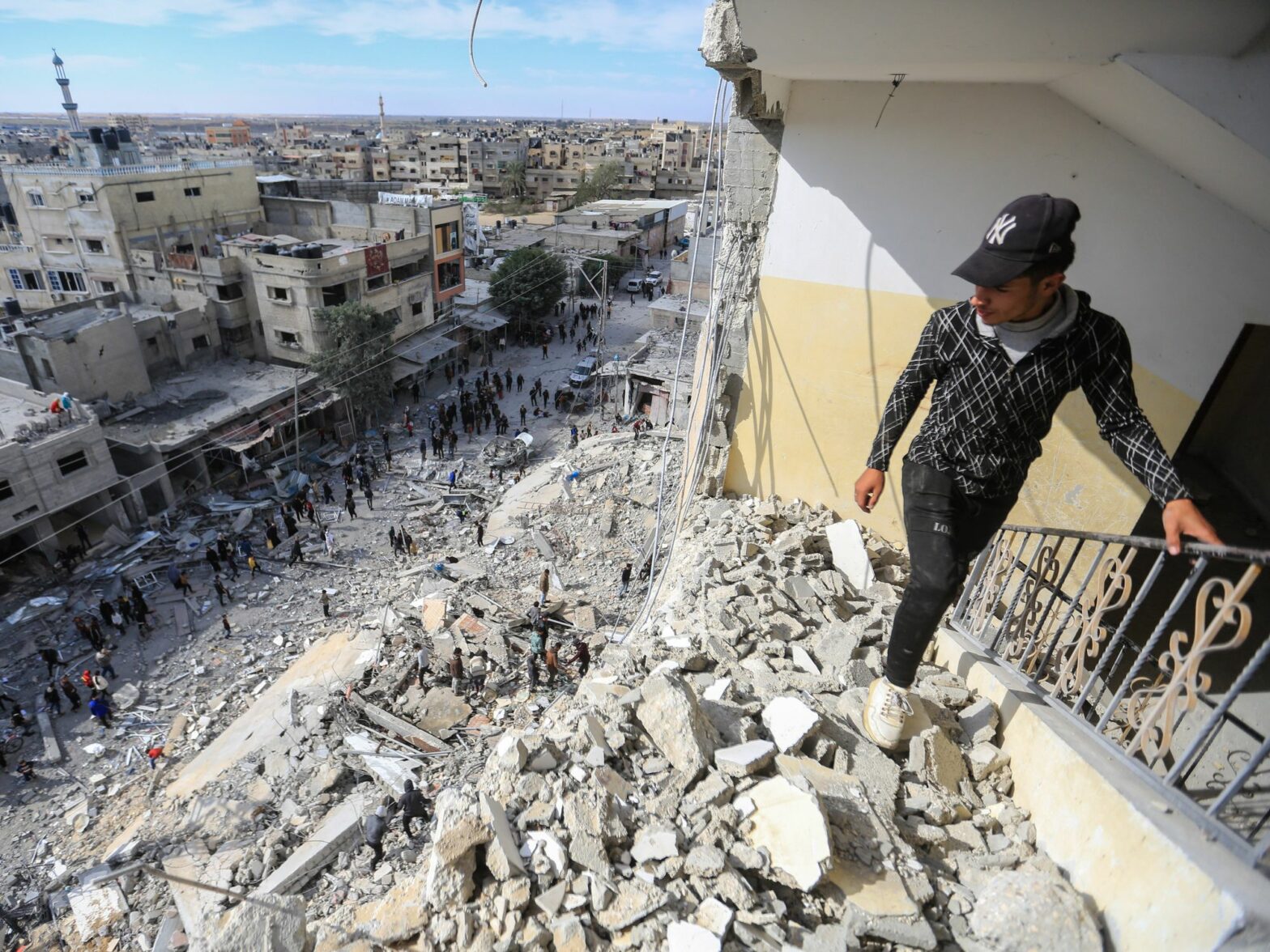
By abstaining from a UN resolution demanding an immediate ceasefire in Gaza, Washington has not only angered Benjamin Netanyahu — it has potentially altered the dynamics of the whole Israel-Hamas war.
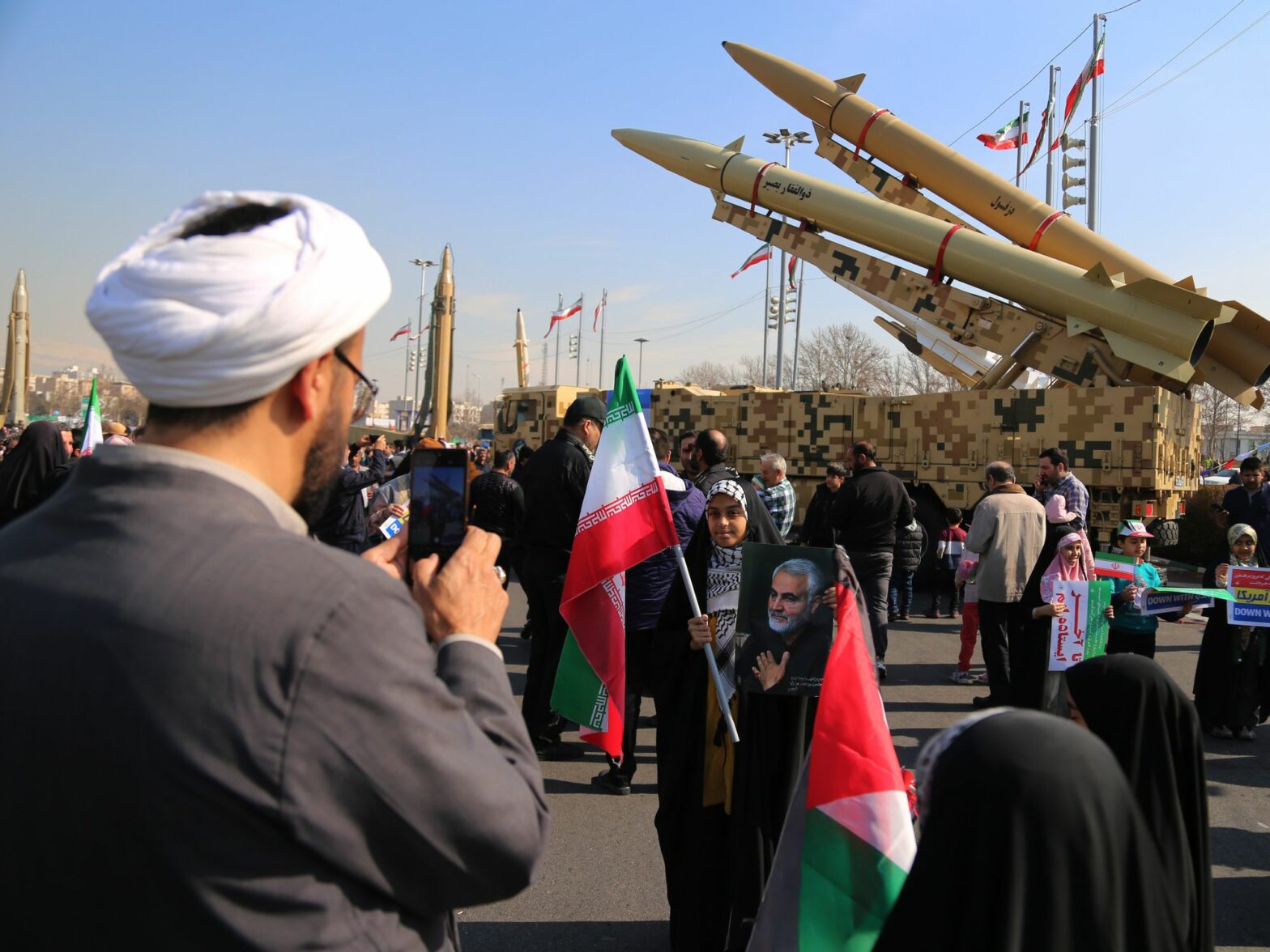
Western diplomacy shows the West will tolerate the Iranian regime’s repression at home and violent intrigues in the Middle East and beyond, but it might clarify to the public why liberal democracies should want to keep the mullahs in power in Tehran.
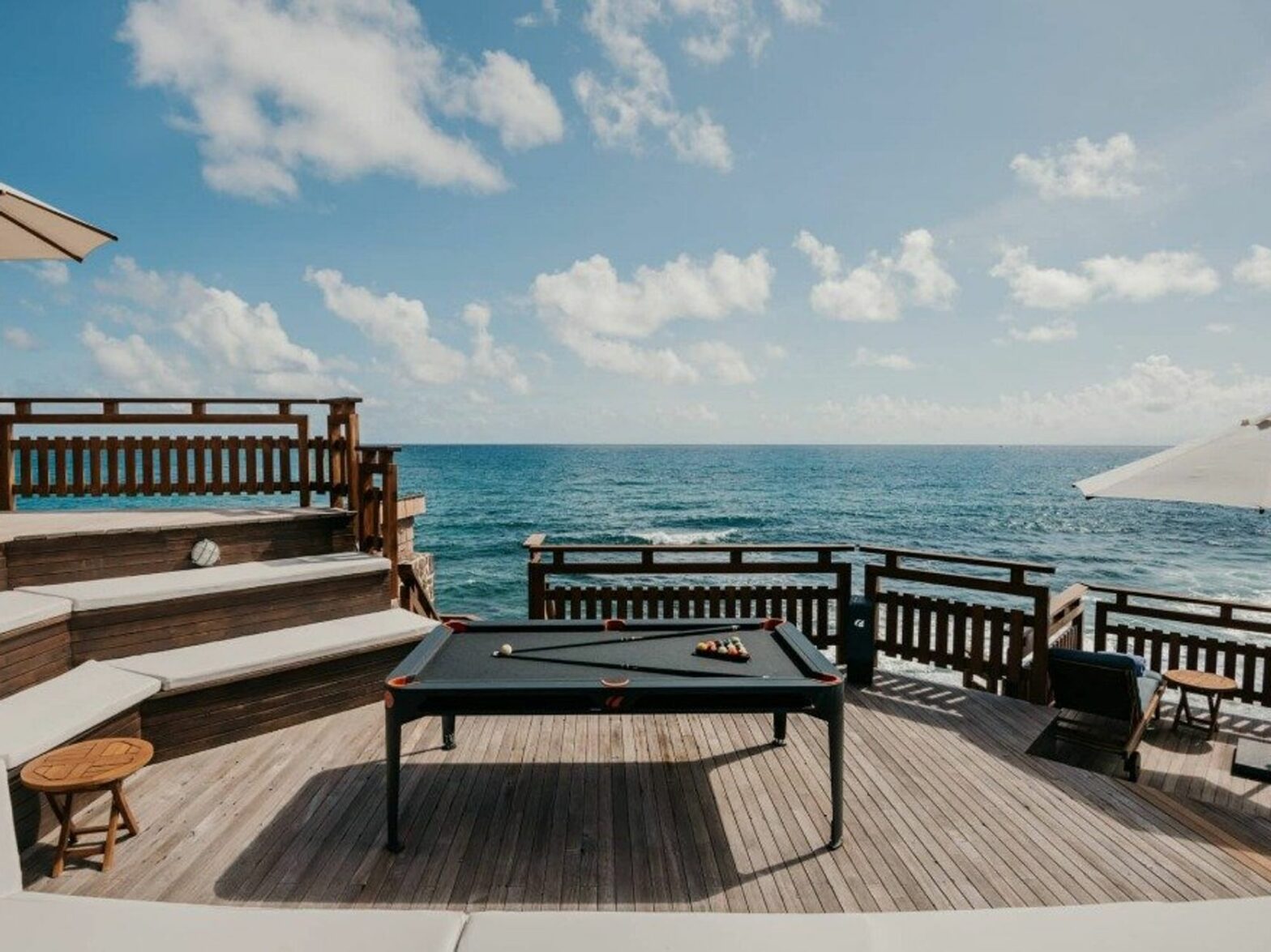
Andrei Akimov runs state-controlled Gazprombank and is part of the Russian leader’s inner circle, aligned with the condemnation of the “collective West” conflict. He also oversees a web of luxury holdings across the same West, thanks to schemes to hide behind the names of relatives.
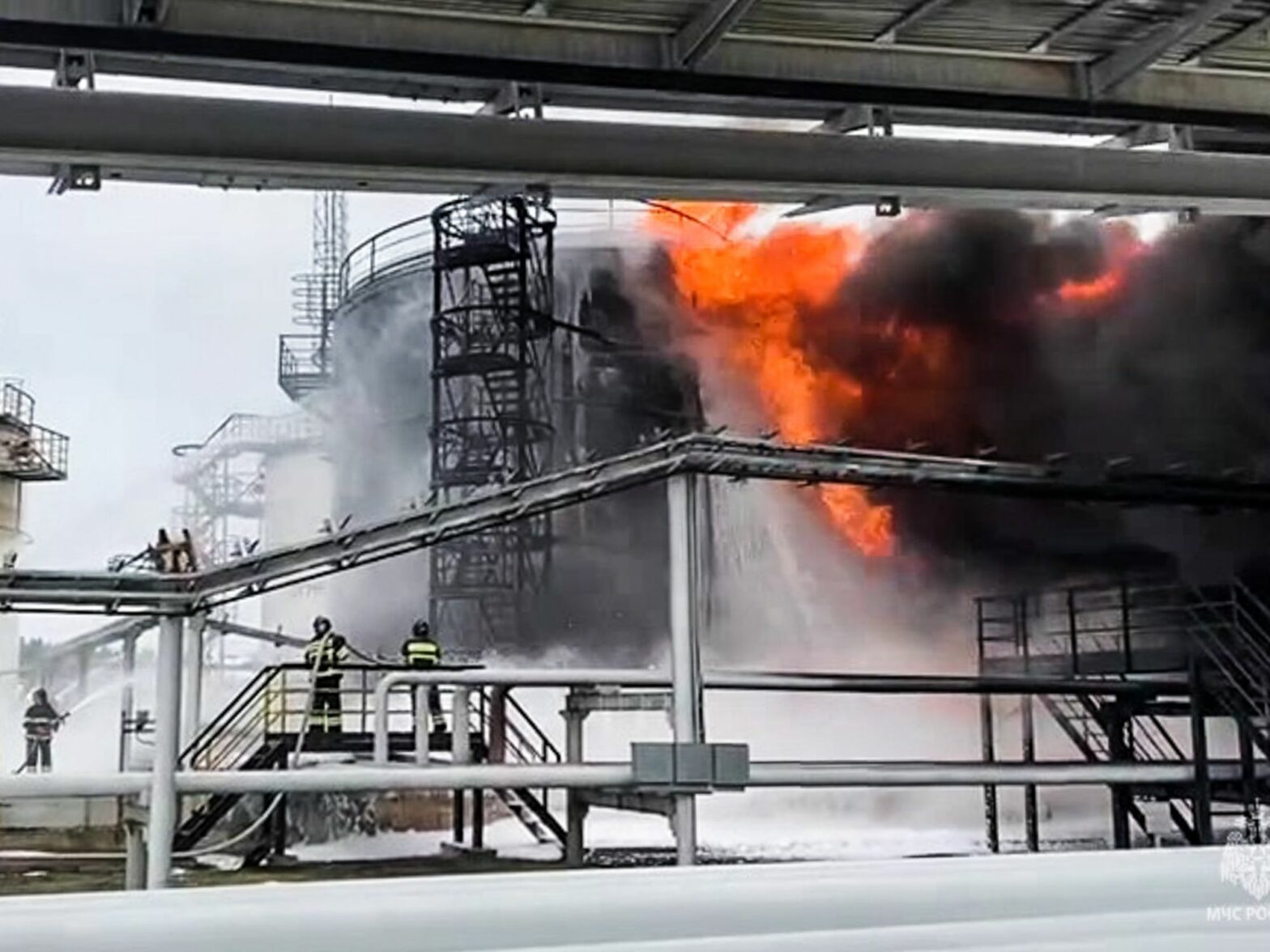
The targeting of oil industry sites in occupied or border regions has now been replaced by a series of drone strikes of energy-producing structures deep inside Russian territory. These attacks aim to cripple Russia’s economy, which could turn the tide on the war.
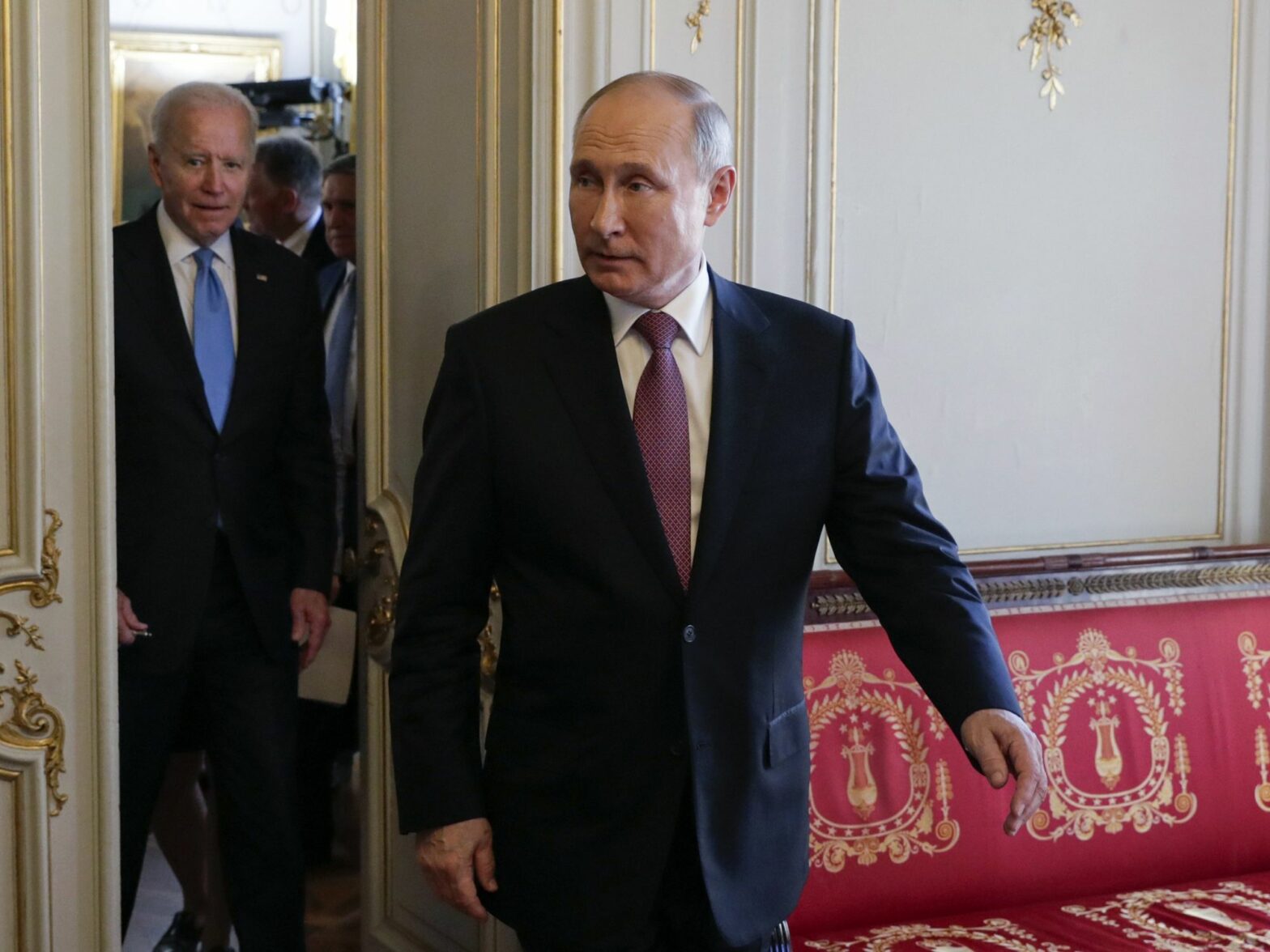
As Western sanctions have proven ineffective, Russian economy has been growing, along with defense and security expenditures. The world’s singular superpower in Washington has three cards it could pull to squeeze the invading country. Yet something is holding it back.
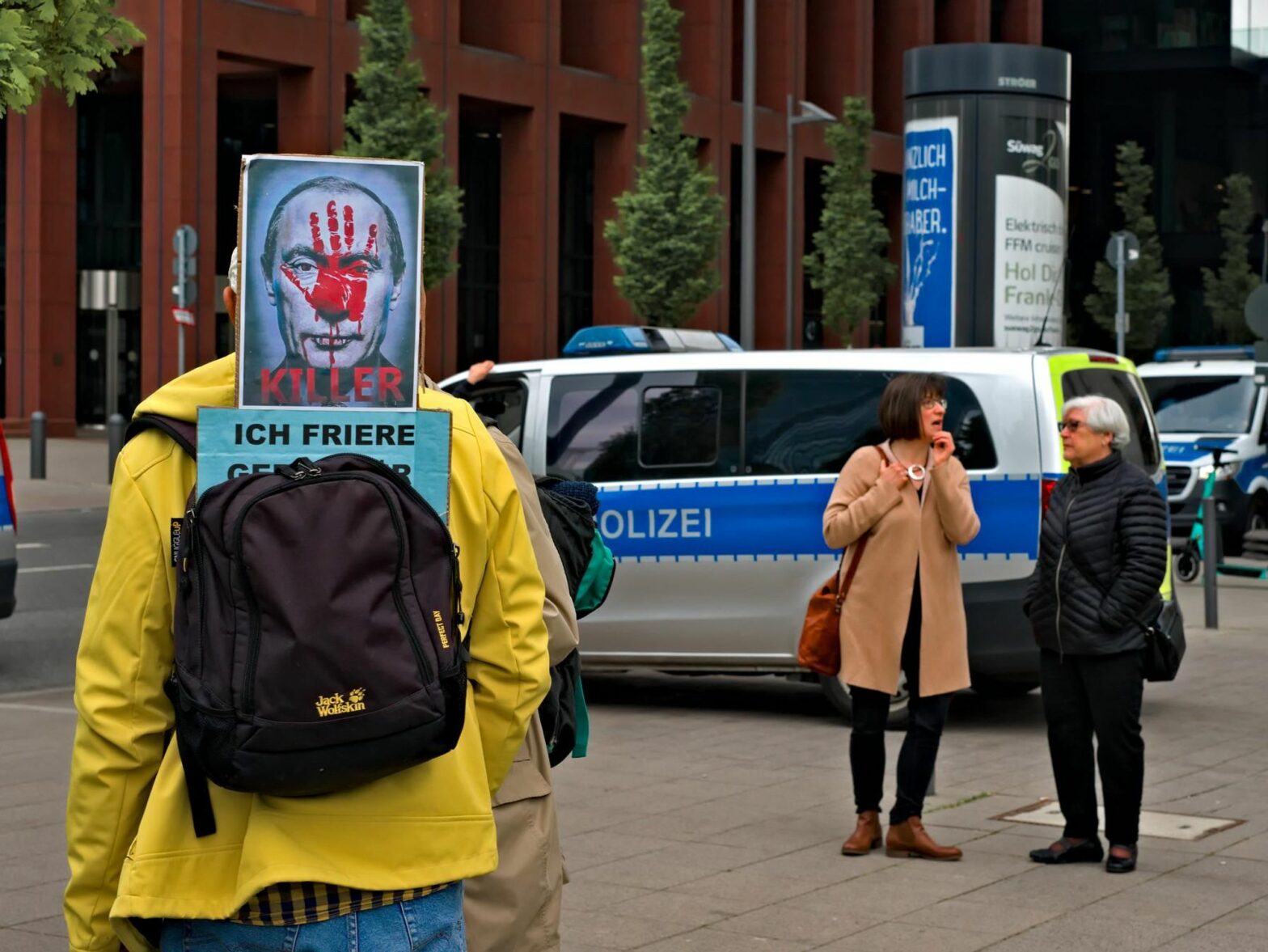
The leaders of key EU countries have been on the phone with Vladimir Putin since the war in Ukraine began. Weighing the costs, benefits…and morals…of leaving the door open to a man who brutally invaded a sovereign nation — and taking Munich 1938 as a starting point.
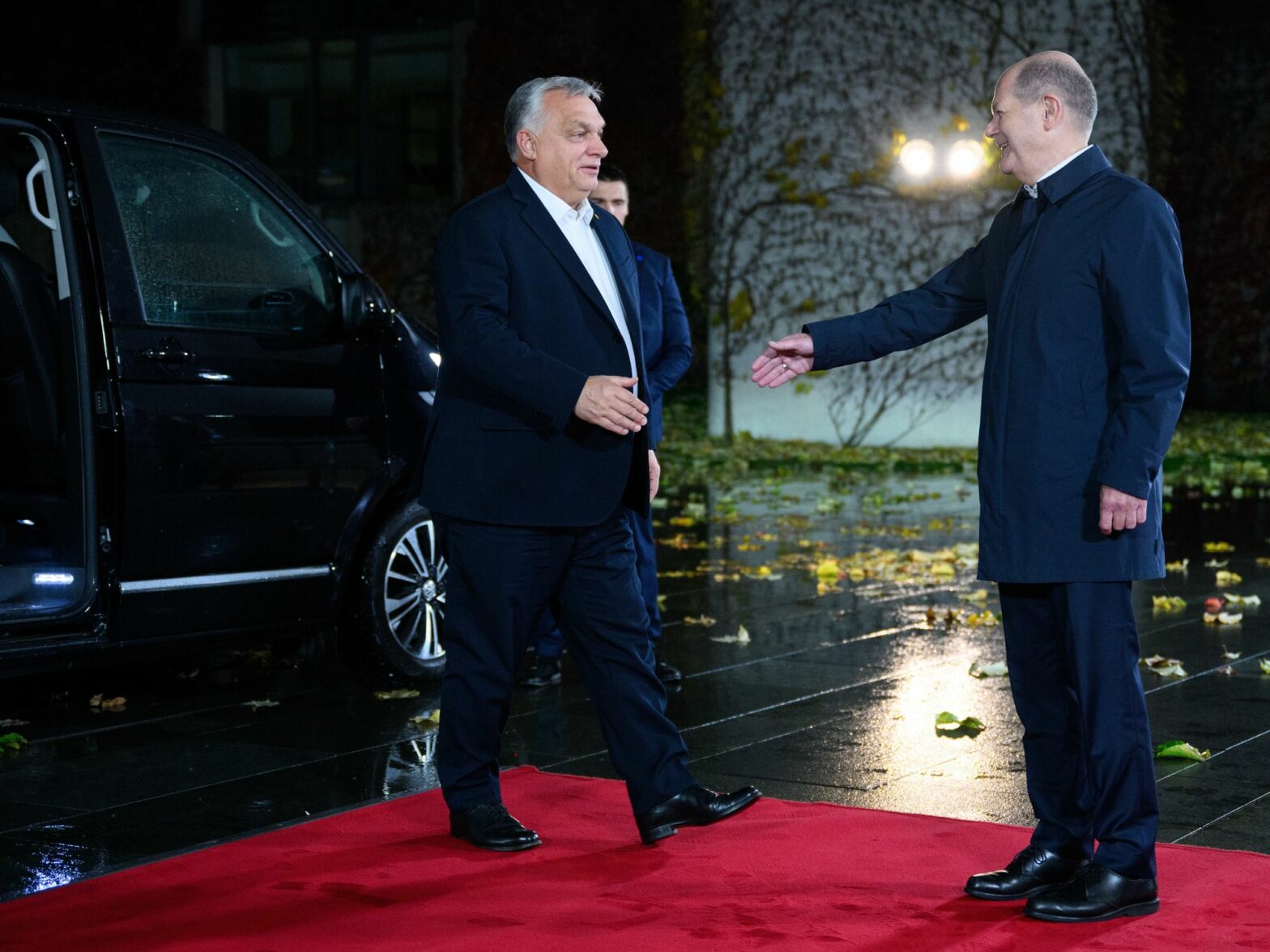
The future of Ukraine may be at stake as Hungarian Prime Minister Viktor Orban plays hardball with his European counterparts. But the stakes go beyond aid to the war effort, it’s the very status of Europe that is on the line.
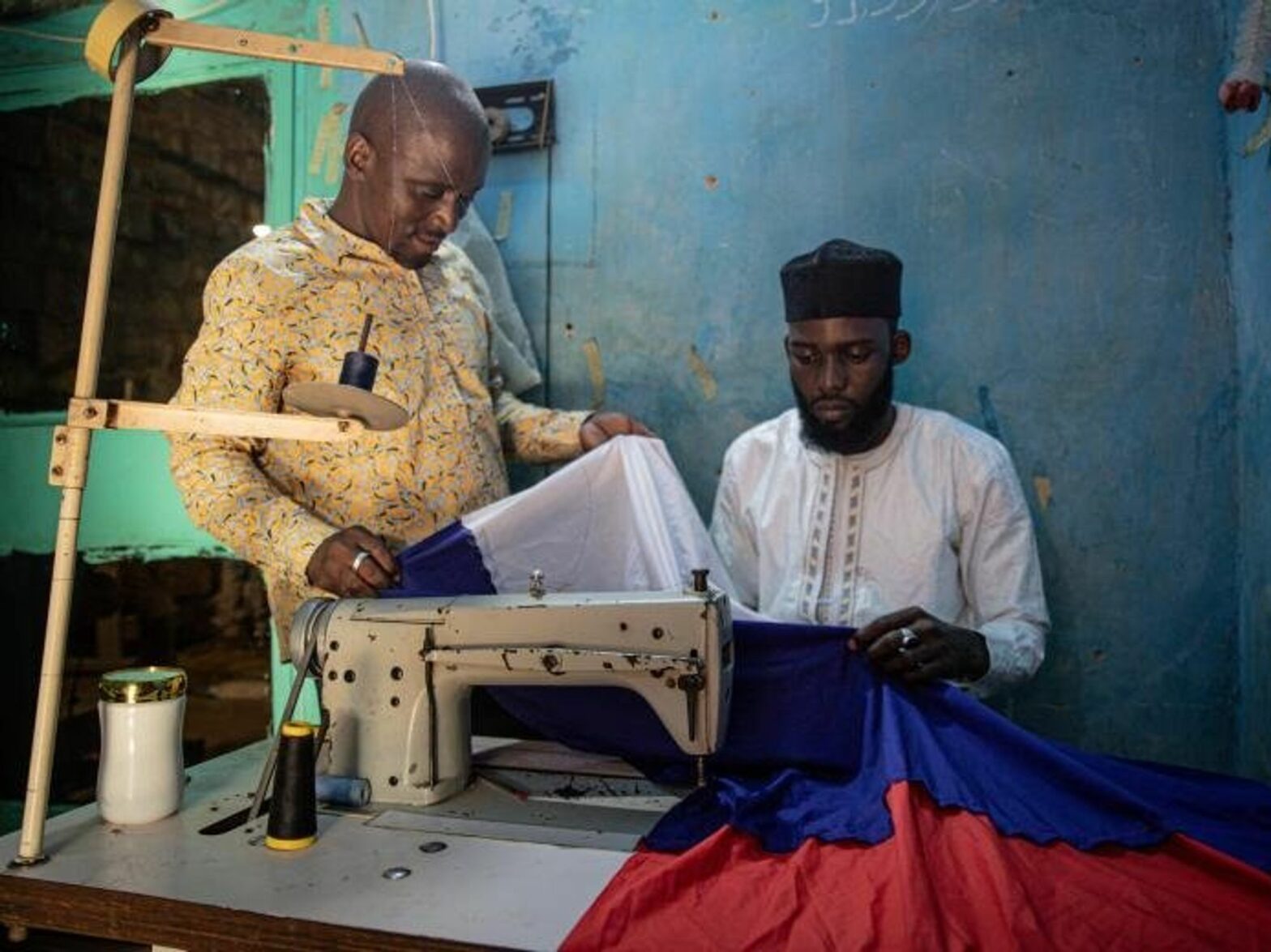
Since the West has largely abandoned the fight against terror in the region, Russia’s hour seems to have come. Until now, the transit country for migration has wavered as to whether it should break with the EU and turn to Moscow. A new deal is now sending a clear signal.
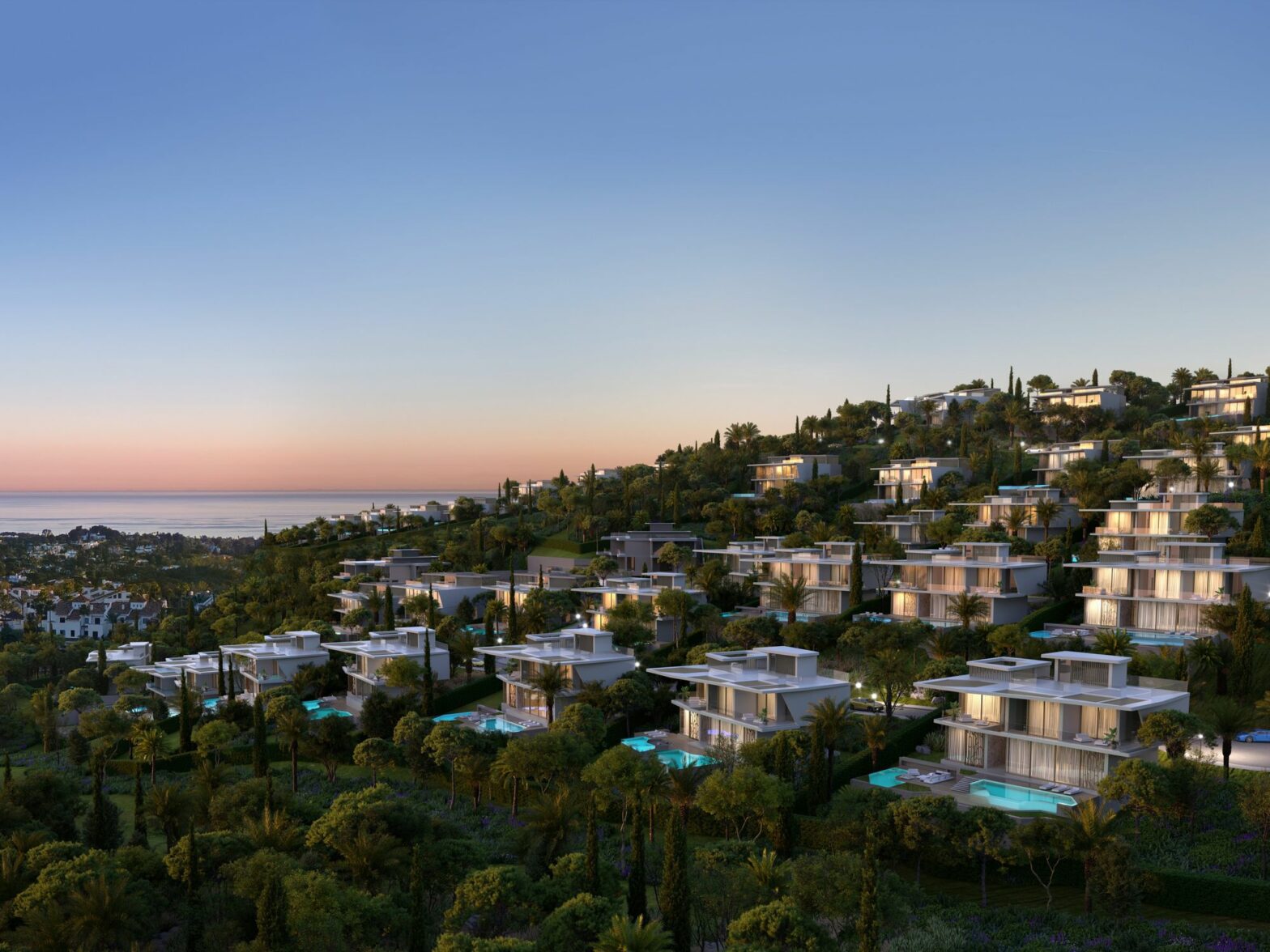
After the start of the war in Ukraine, Russian oligarchs and other rich individuals turned to the real estate markets in Dubai and Turkey. Now Russian buyers are back in Europe. Three EU countries in particular are attracting buyers for their controversial “golden visa” program.
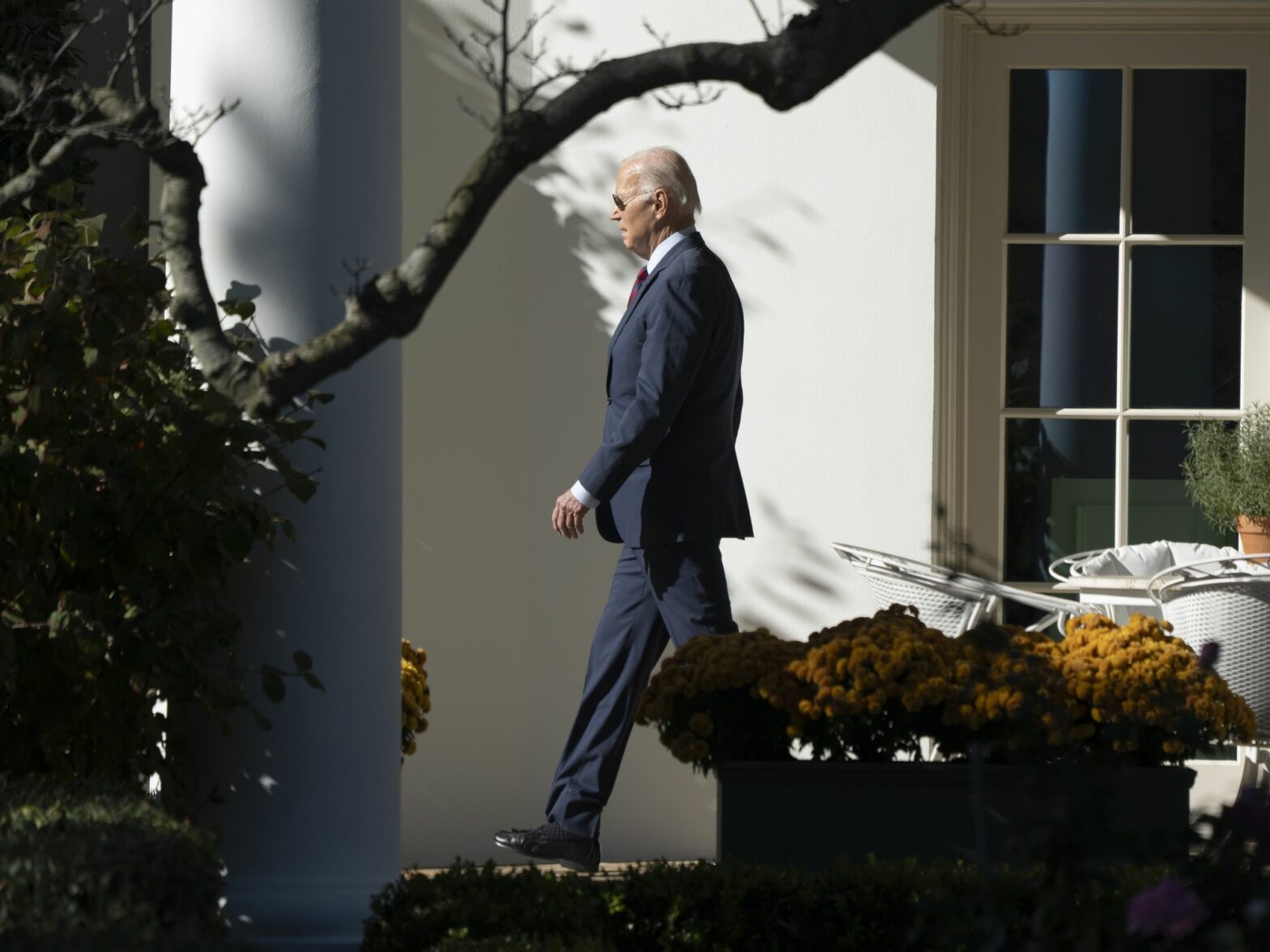
Challenged back home, U.S. President Joe Biden has just published an op-ed in the Washington Post in which he outlines a future for the Palestinian territories that’s different from the one envisaged by Israeli Prime Minister Benjamin Netanyahu, and threatens violent settlers in the West Bank with sanctions. But where are the teeth?
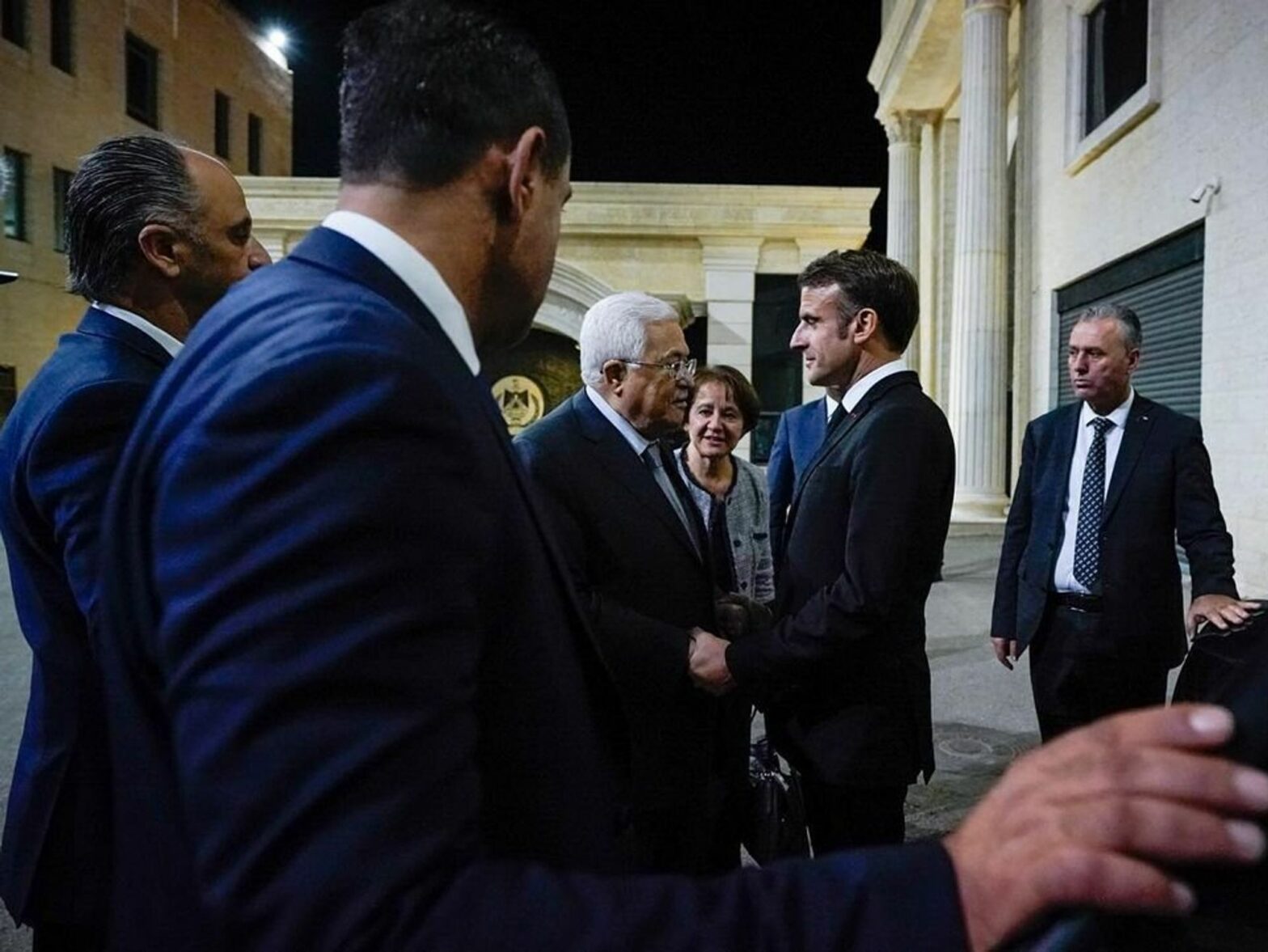
The French president expressed his solidarity with Israel while calling for a political solution for the Palestinians; but he also made a surprise proposal for an international coalition against Hamas, which faces several obstacles — but is also a way to “frame” the conflict so that the dormant two-state solution can return.
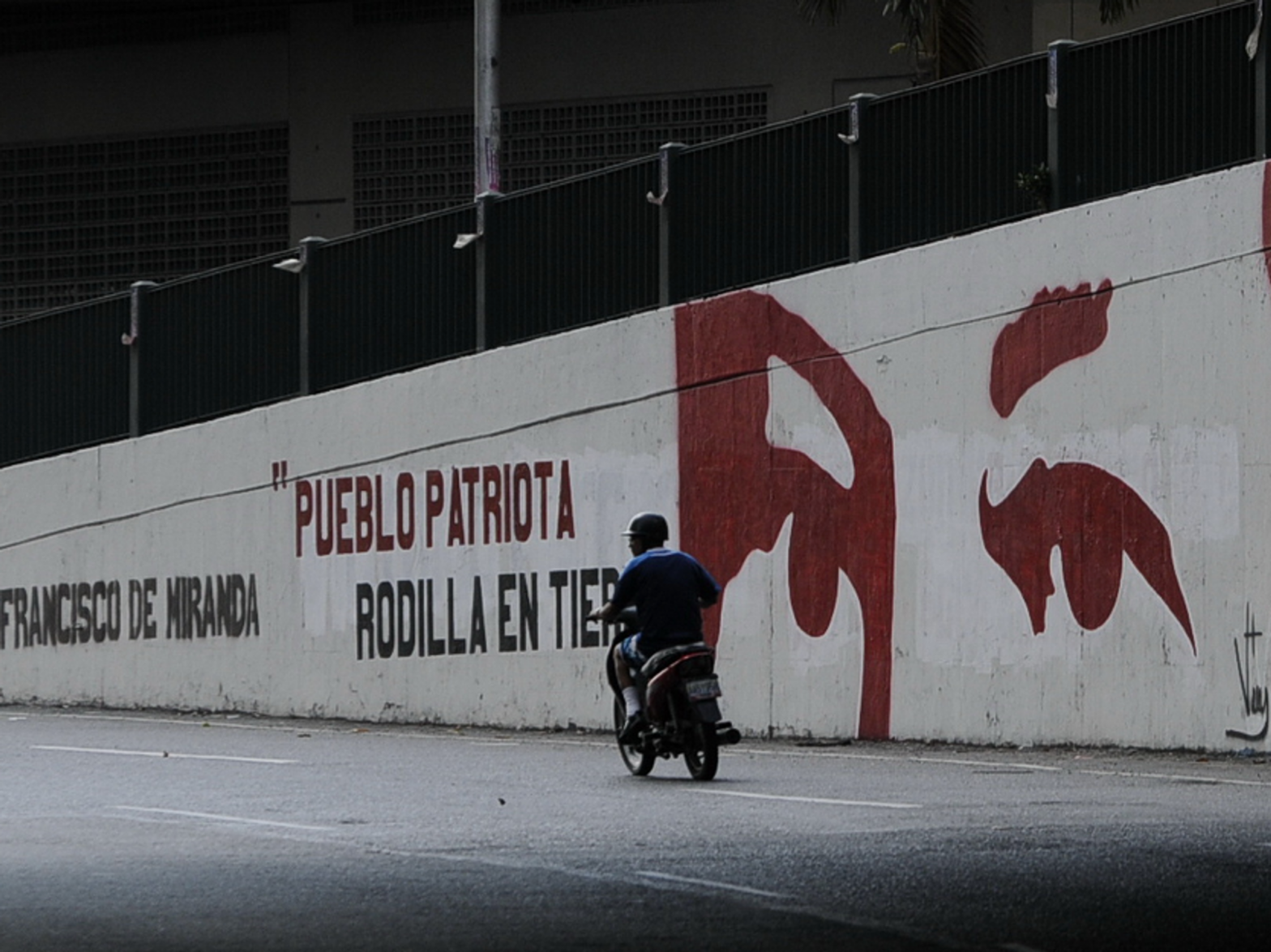
The Biden administration’s exploration to lift sanctions on Venezuela, hoping to gently push its regime back on the path of democracy, might have taken its cue from Brazilian President Lula’s calls to stop demonizing Venezuela.
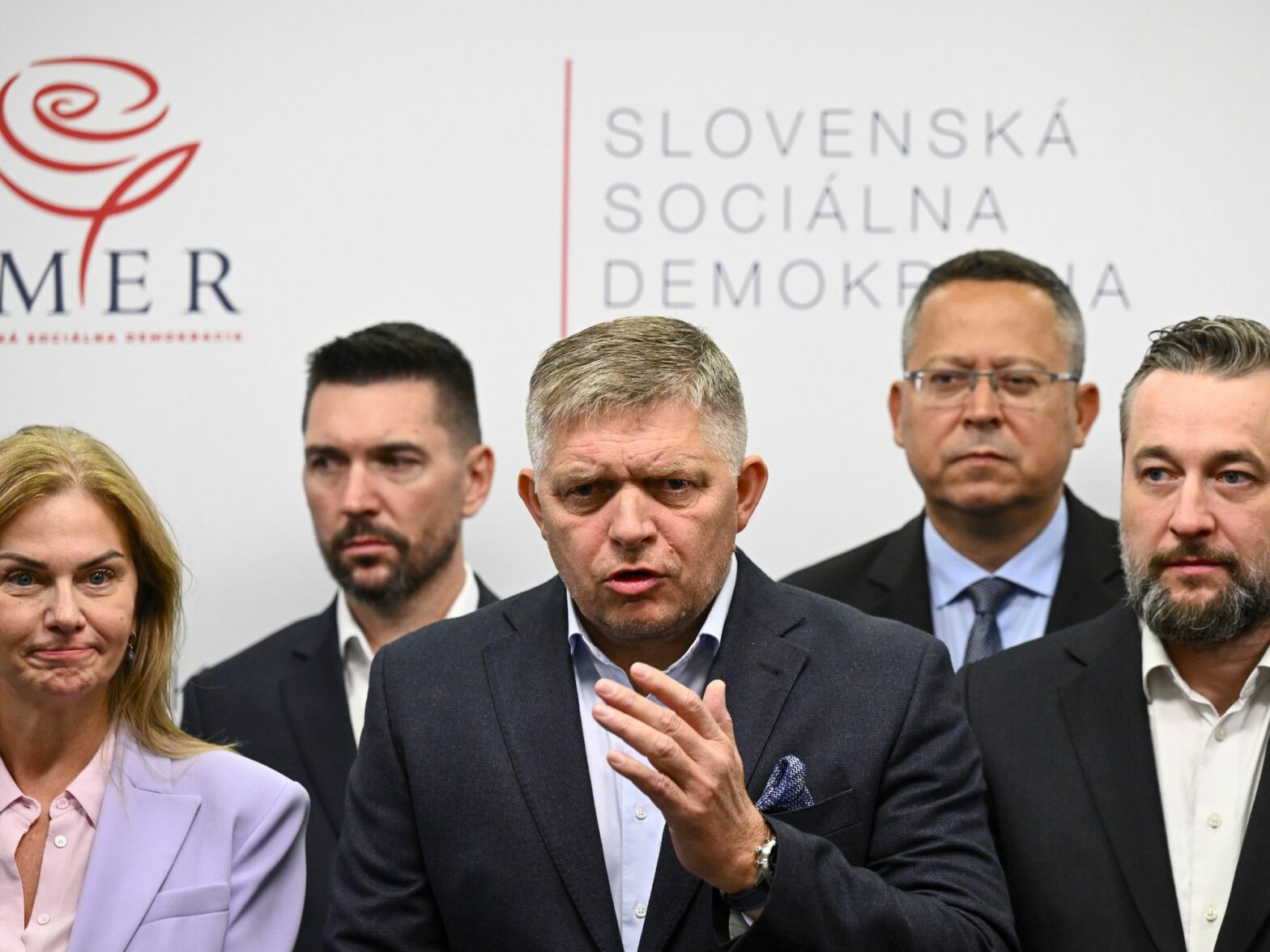
One man’s victory in Slovakia may move the tides of European support for Ukraine, and play into an “illiberal temptation” that is spreading across the continent, with Hungary’s prime minister set to cash in on his perennial clash with the EU.
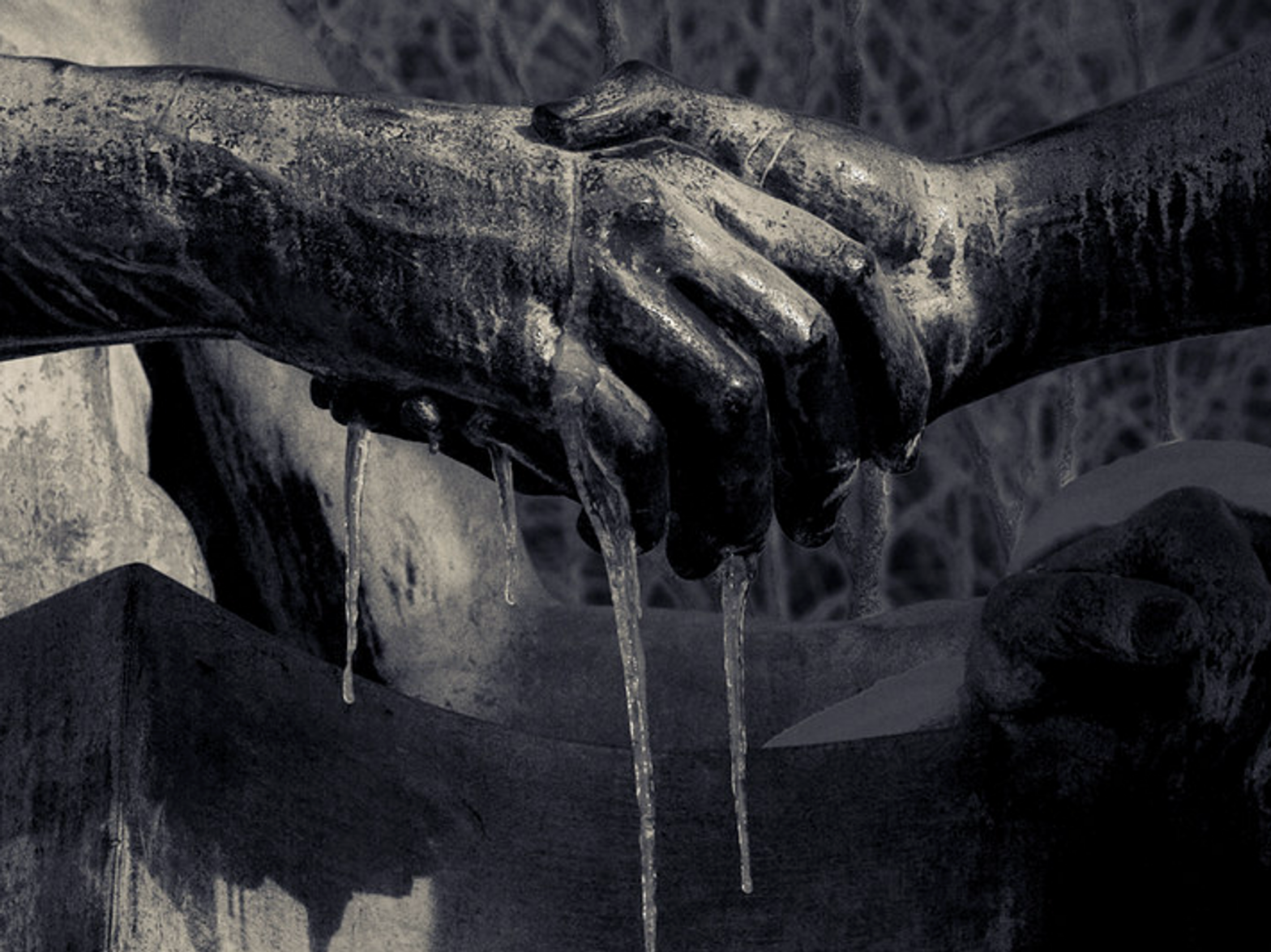
With $6 billion freed up to go in the coffers of the corrupt and repressive regime in Tehran, nobody is happy. But sometimes there is no alternative to the imperfect nature of international diplomacy.