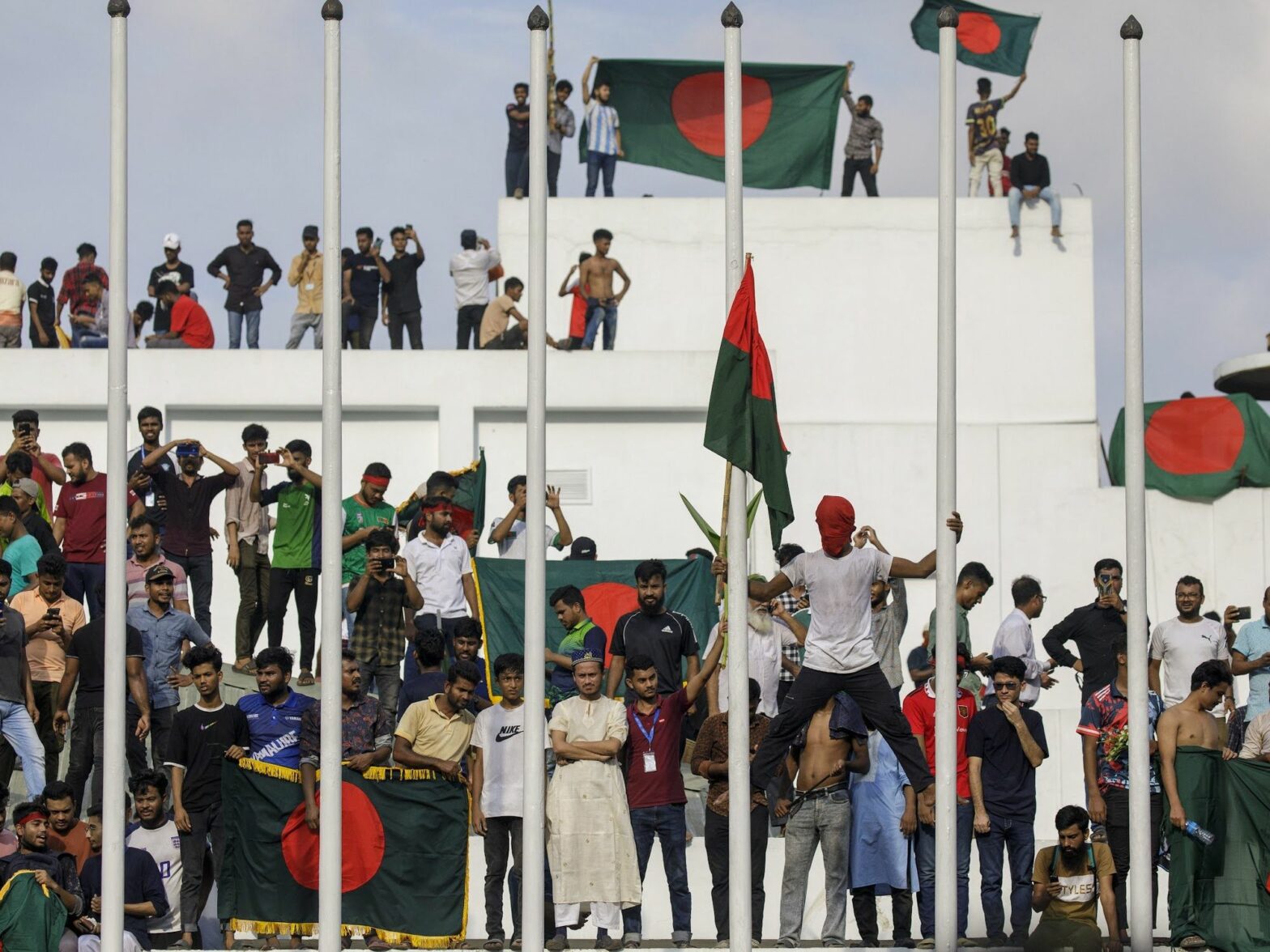
Syria is the latest in a series of Indian foreign policy disasters. But can the government’s clear lack of vision on that front explain the flagrant haplessness of the Indian state on the global stage?
 Worldcrunch
Syria is the latest in a series of Indian foreign policy disasters. But can the government’s clear lack of vision on that front explain the flagrant haplessness of the Indian state on the global stage?
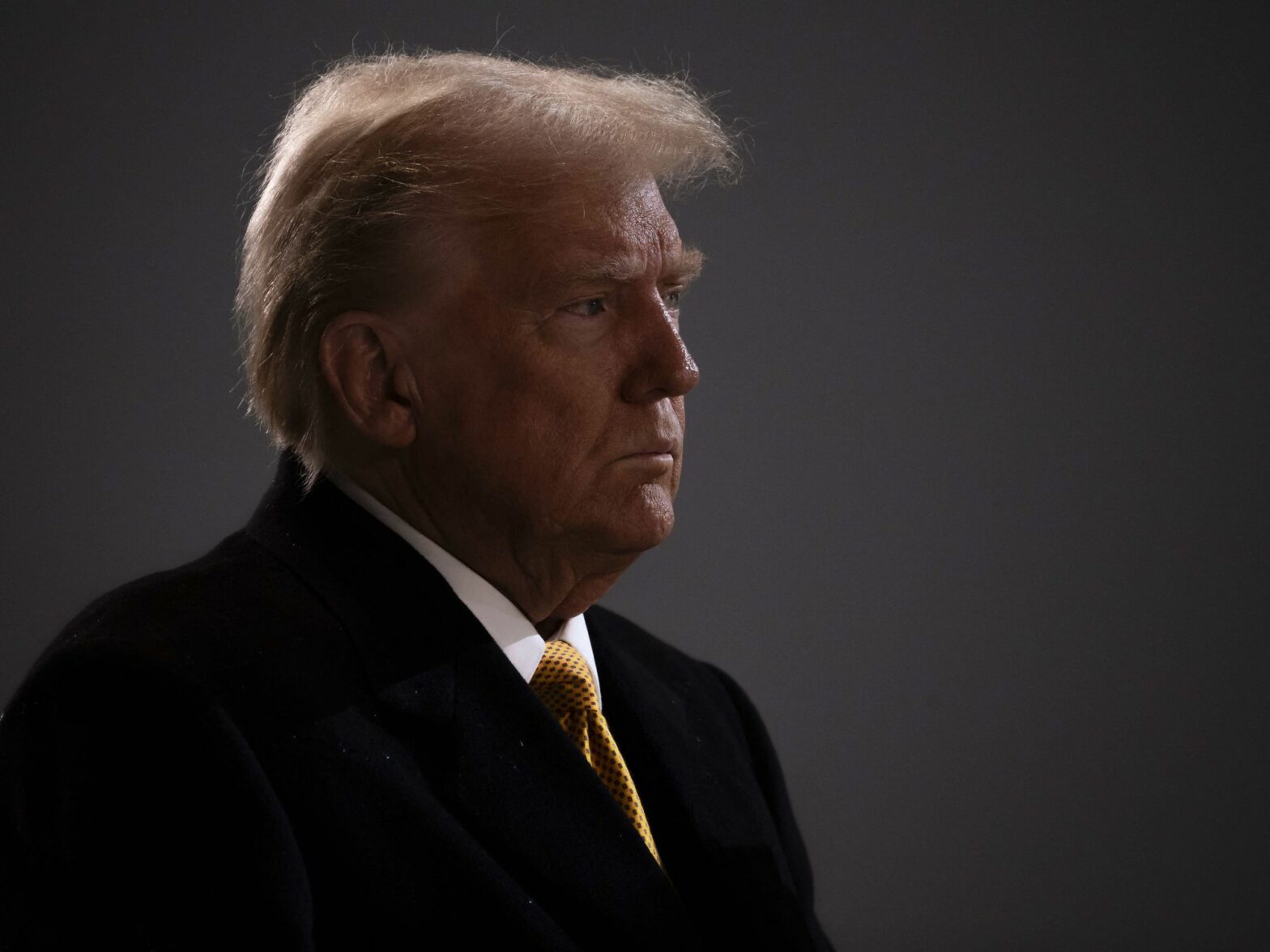
Donald Trump’s second term as U.S. president will undoubtedly bring about a transformation in geopolitics and the world economy. With a businessman rather than a politician in the White House, the country will take a more transactional approach based on negotiations.
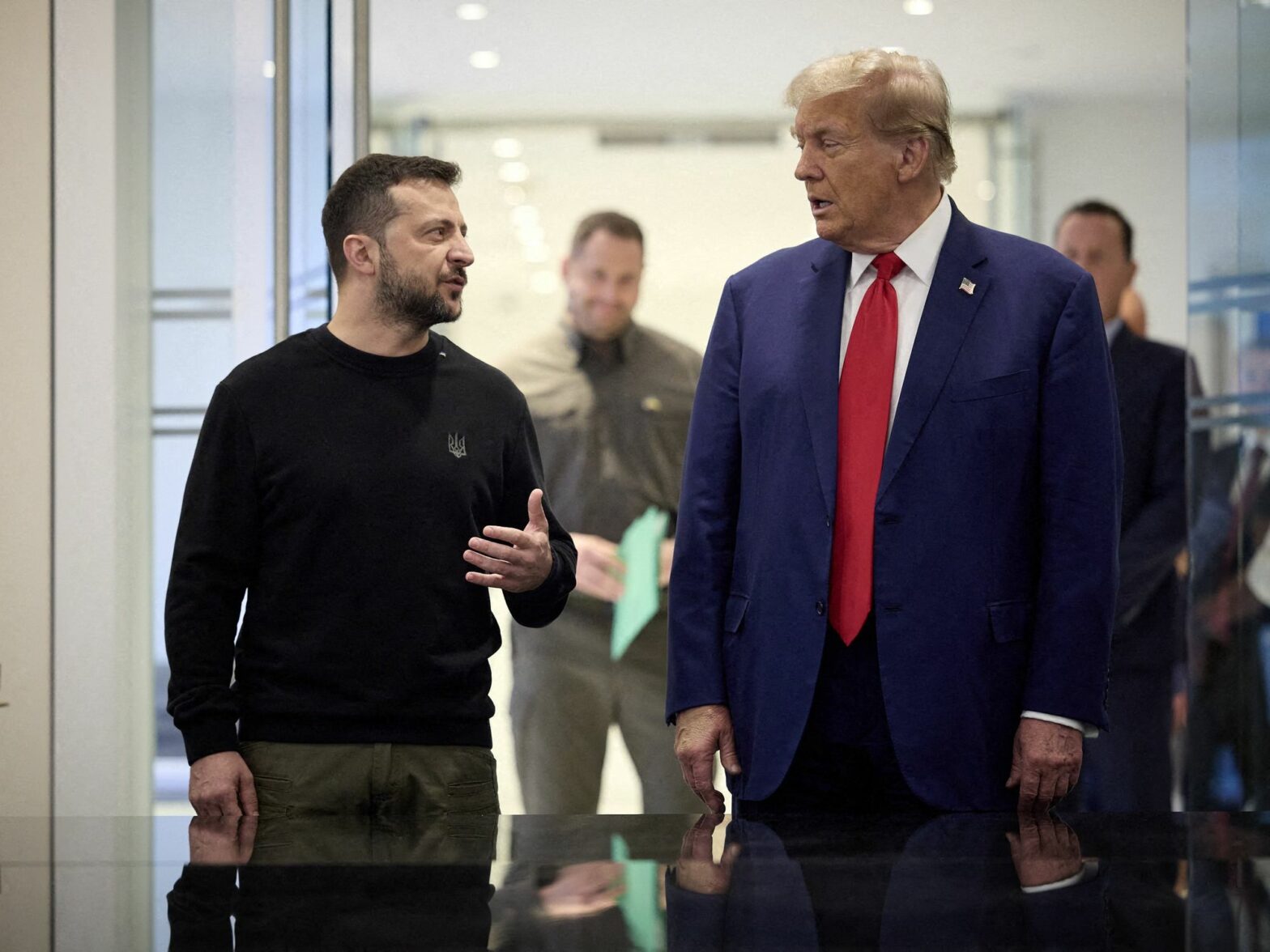
The key question is whether any peace agreement will satisfy the U.S. president, or if he will push for real security guarantees for Kyiv. The question is what Trump will do if Russia or Ukraine (or both) refuse to negotiate on U.S. terms and are not intimidated by the threats of the American leader.
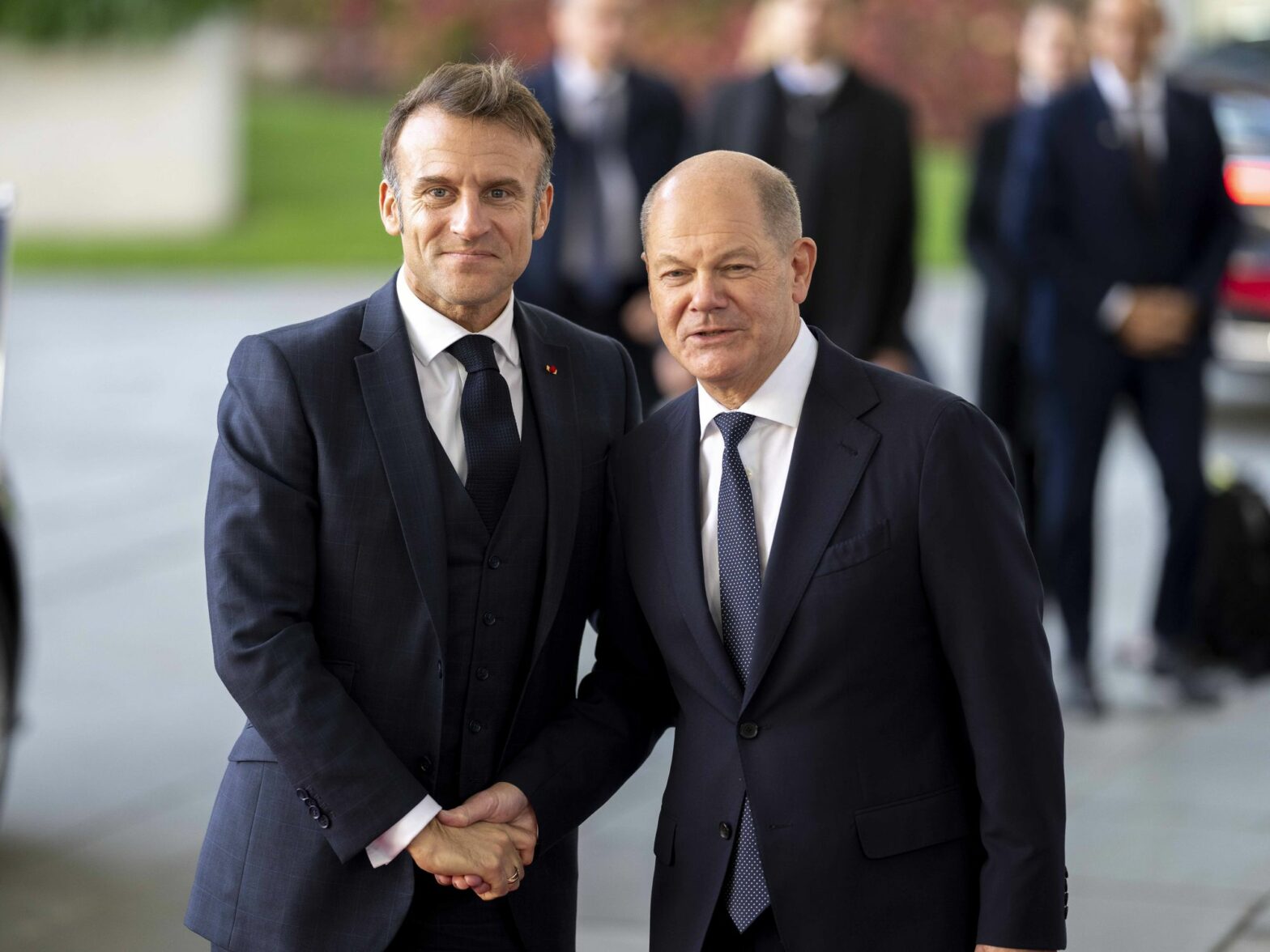
Having long been the driving force of the European Union, France and Germany are facing multiple crises simultaneously, threatening the balance of their relationship. It couldn’t have come at a worse time.
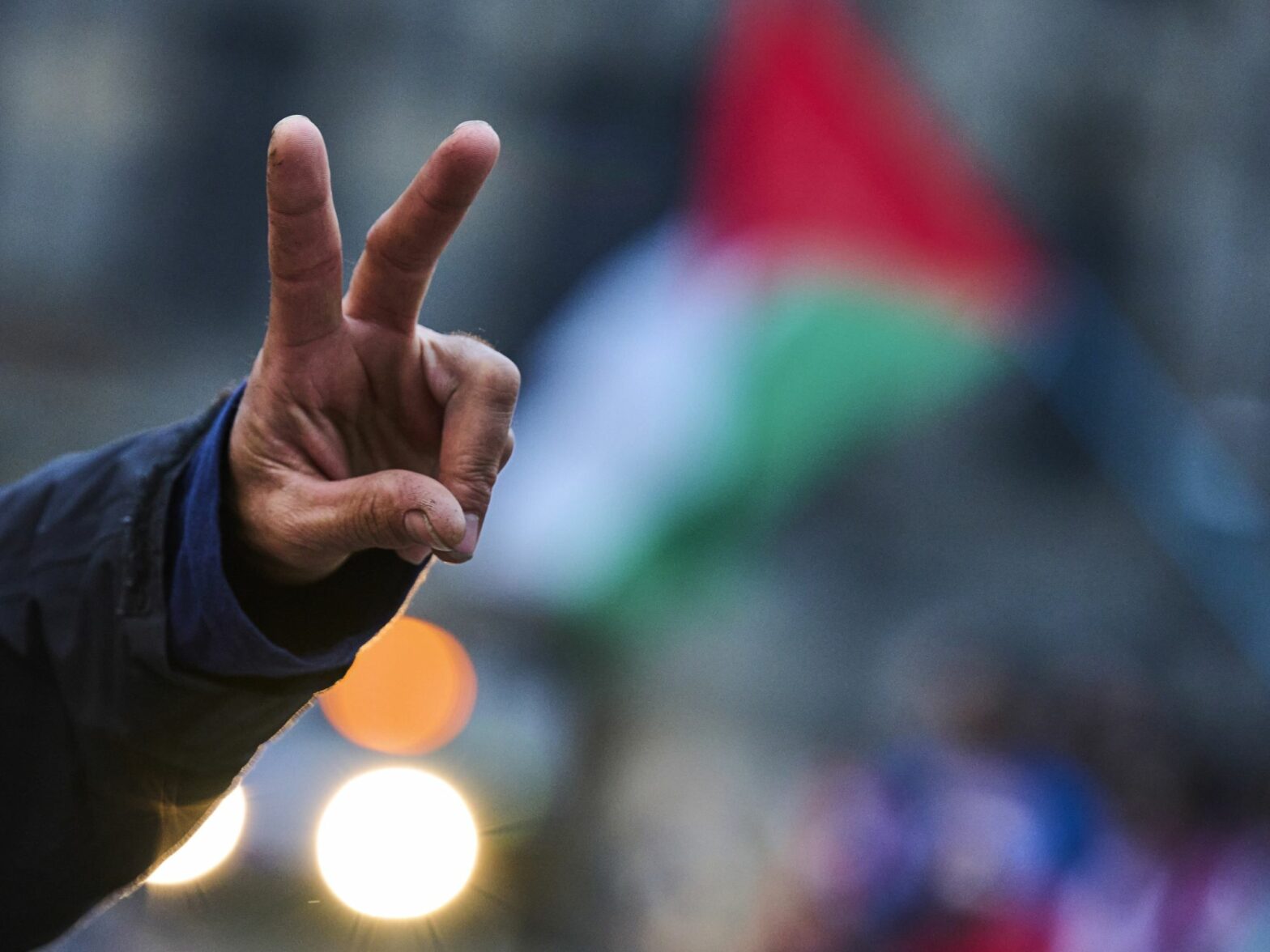
Multilateral diplomacy may seem to be exhausted today as wars and violence proliferate unchecked, but nobody should think its time is past and expect to see peace in the world.
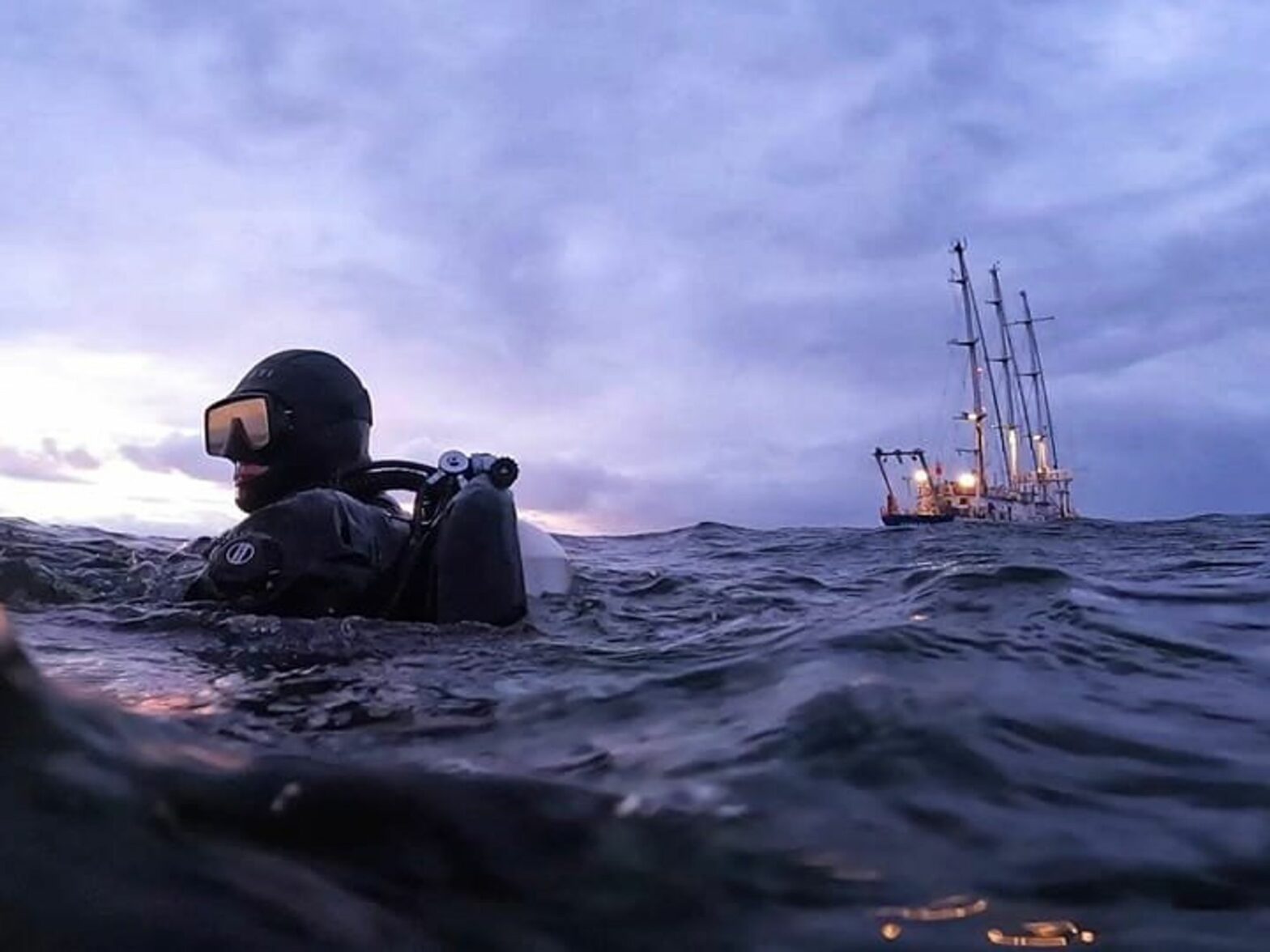
Russia’s invasion of Ukraine and fears of westward escalation have already led many European countries to up their own defense strategies. But instead of the latest technologies, rockets, and fighter jets, the true key to fighting back may lie in studying the polar region, critical for world stability.
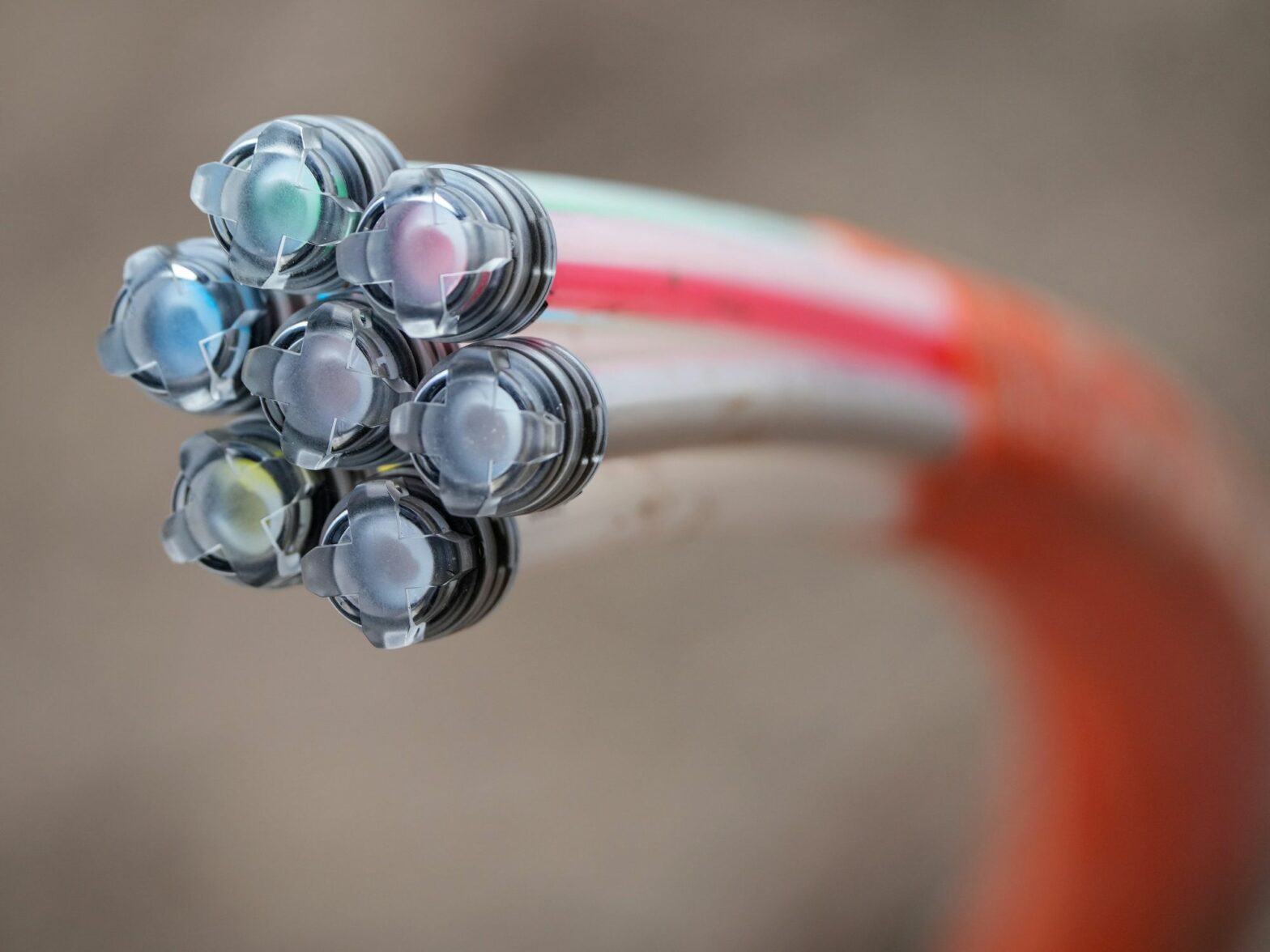
Two undersea communication cables were severed in the Baltic Sea this weekend, prompting Germany’s defense minister to say that “no one believes” it was an accident. Many suspect a new escalation of hybrid warfare in a sea where Russia is the only country not part of NATO.
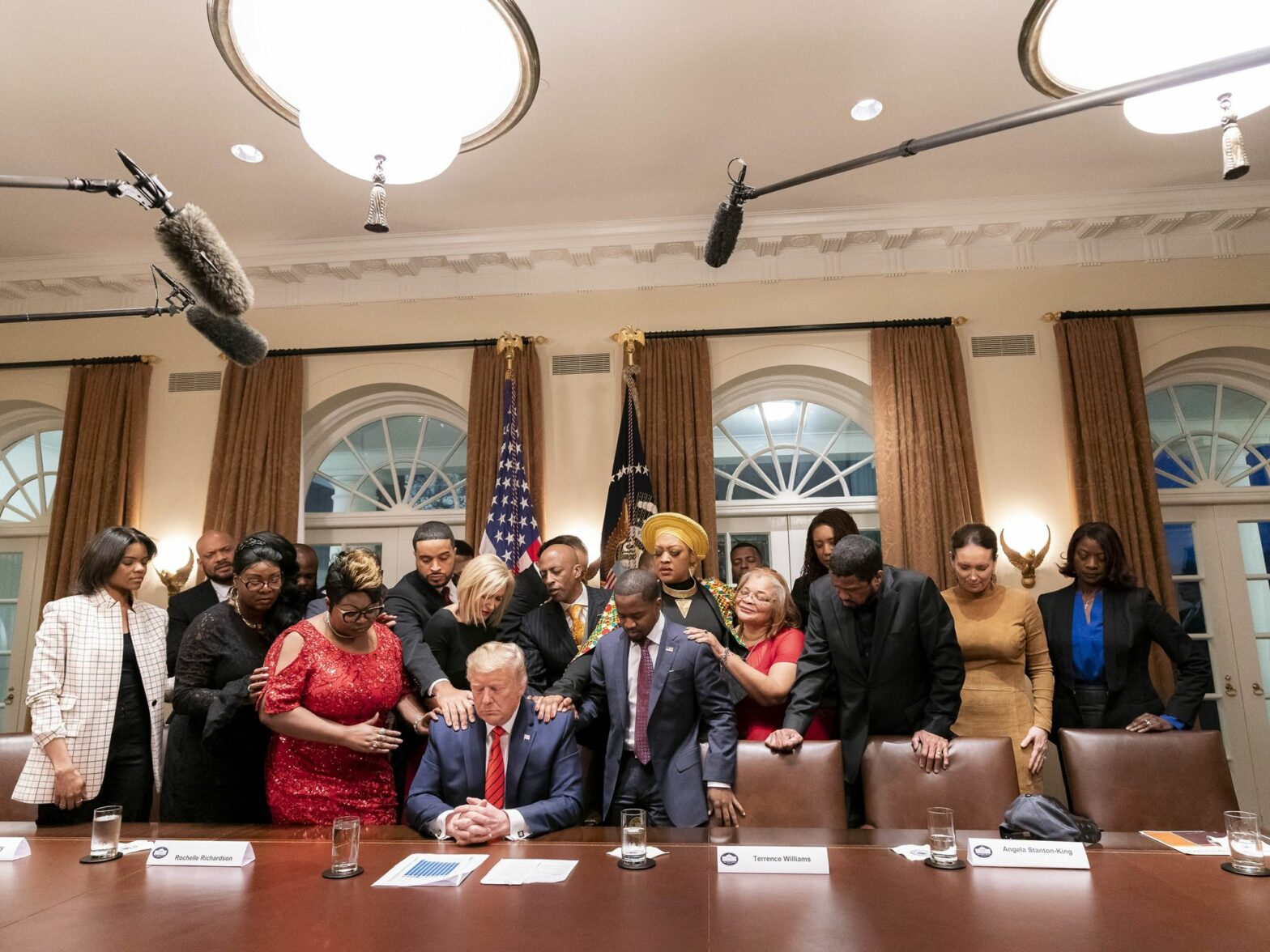
As Donald Trump prepares for a second term, African nations find themselves at a crossroads. With mixed reactions from leaders across the continent, the implications of his policies raise questions about future U.S.-Africa relations, human rights and climate action.
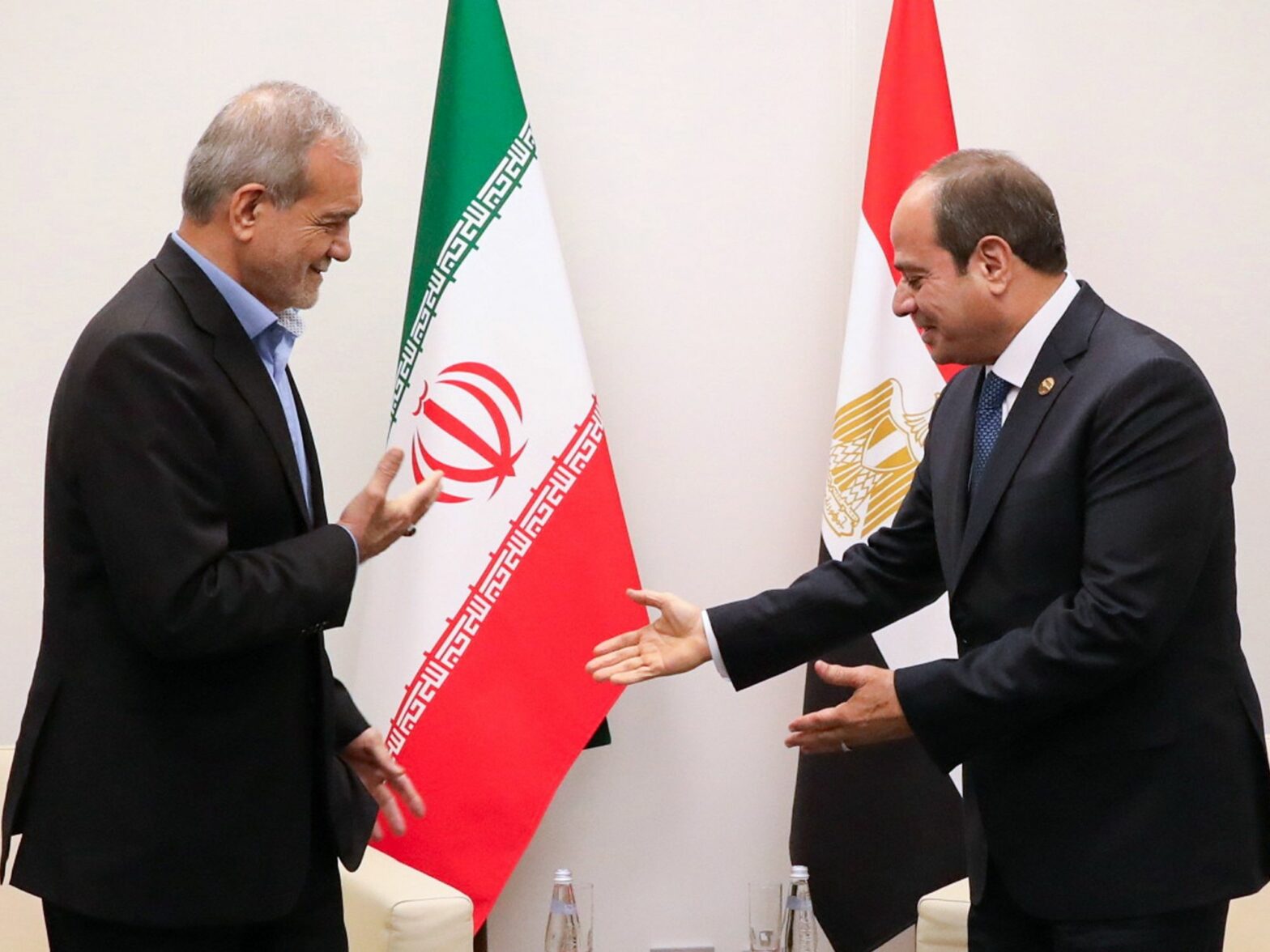
Relations between Egypt and Iran have been growing closer. But the return of Donald Trump to the White House could be a setback for the rapprochement, given that Iran is among his top enemies.
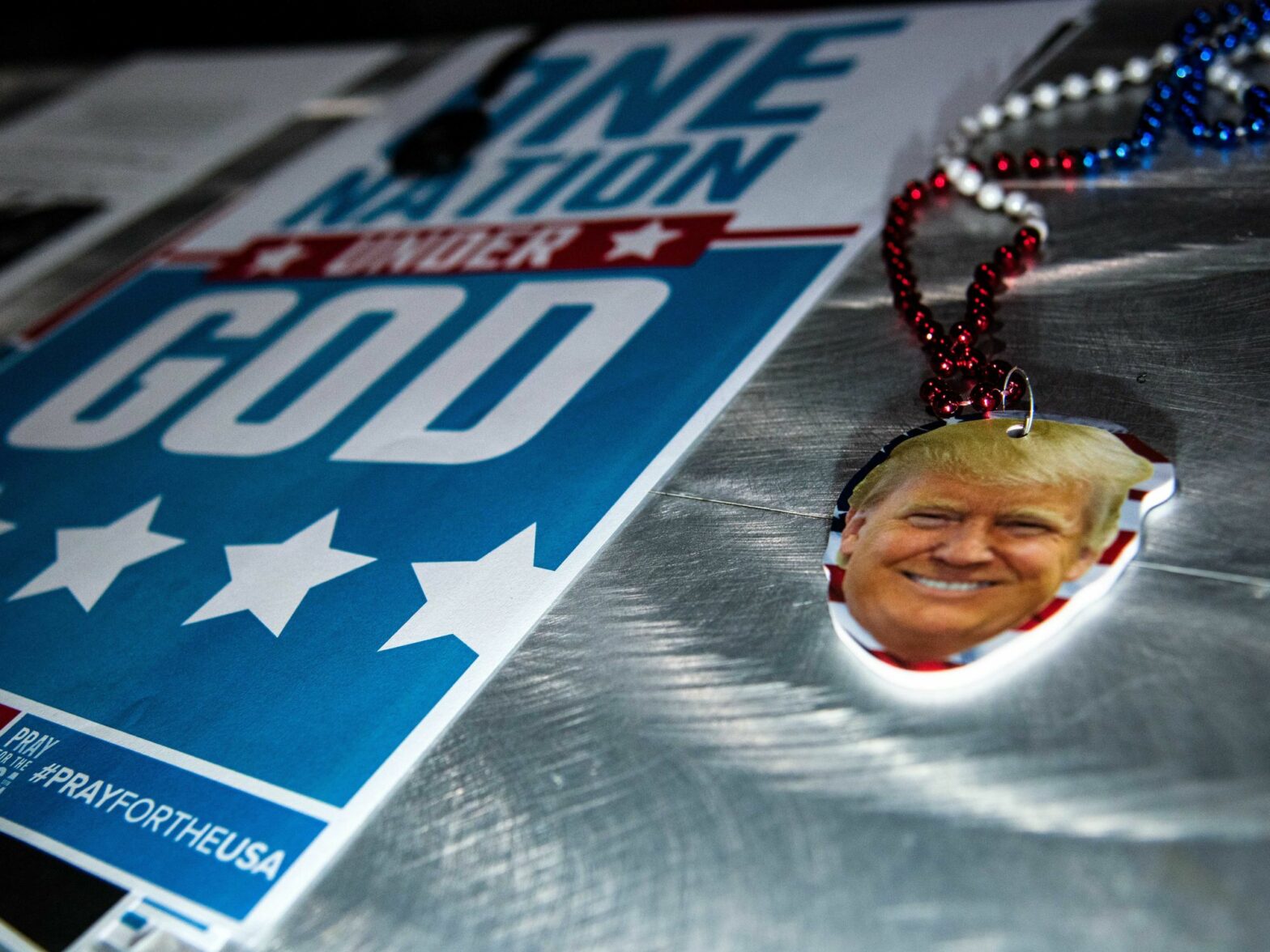
Americans have reelected Donald Trump despite his clear promises to consolidate power and disregard basic human rights. Snapshot of an election of a declared tyrant by a “suicidal” nation. Echoes of history’s very worst tyrant.
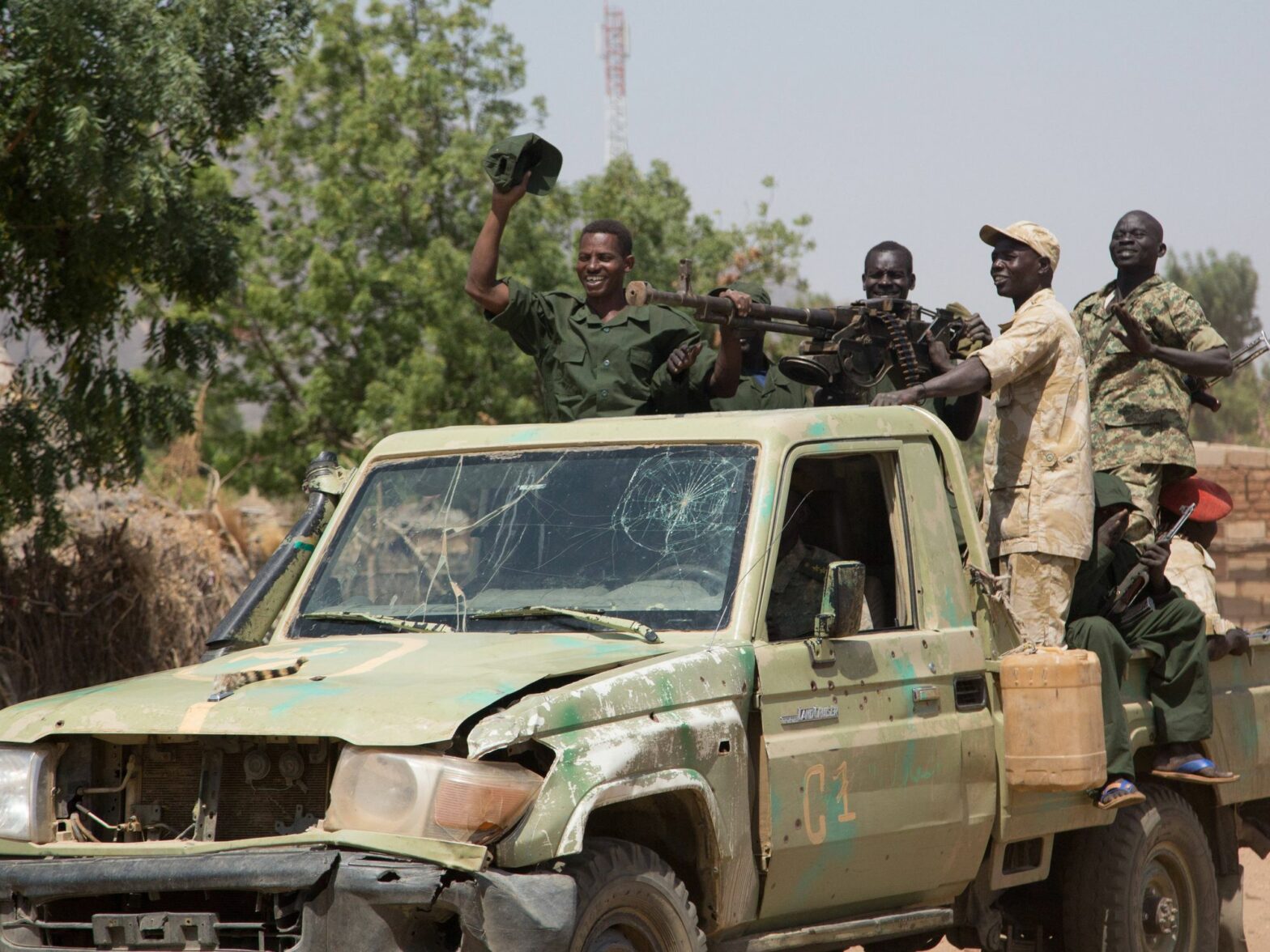
With its access to the Red Sea, Sudan is more strategic than many wish to admit. A Russian cargo plane shot down in Darfur this week sheds light on the positioning going on among the world’s powers.
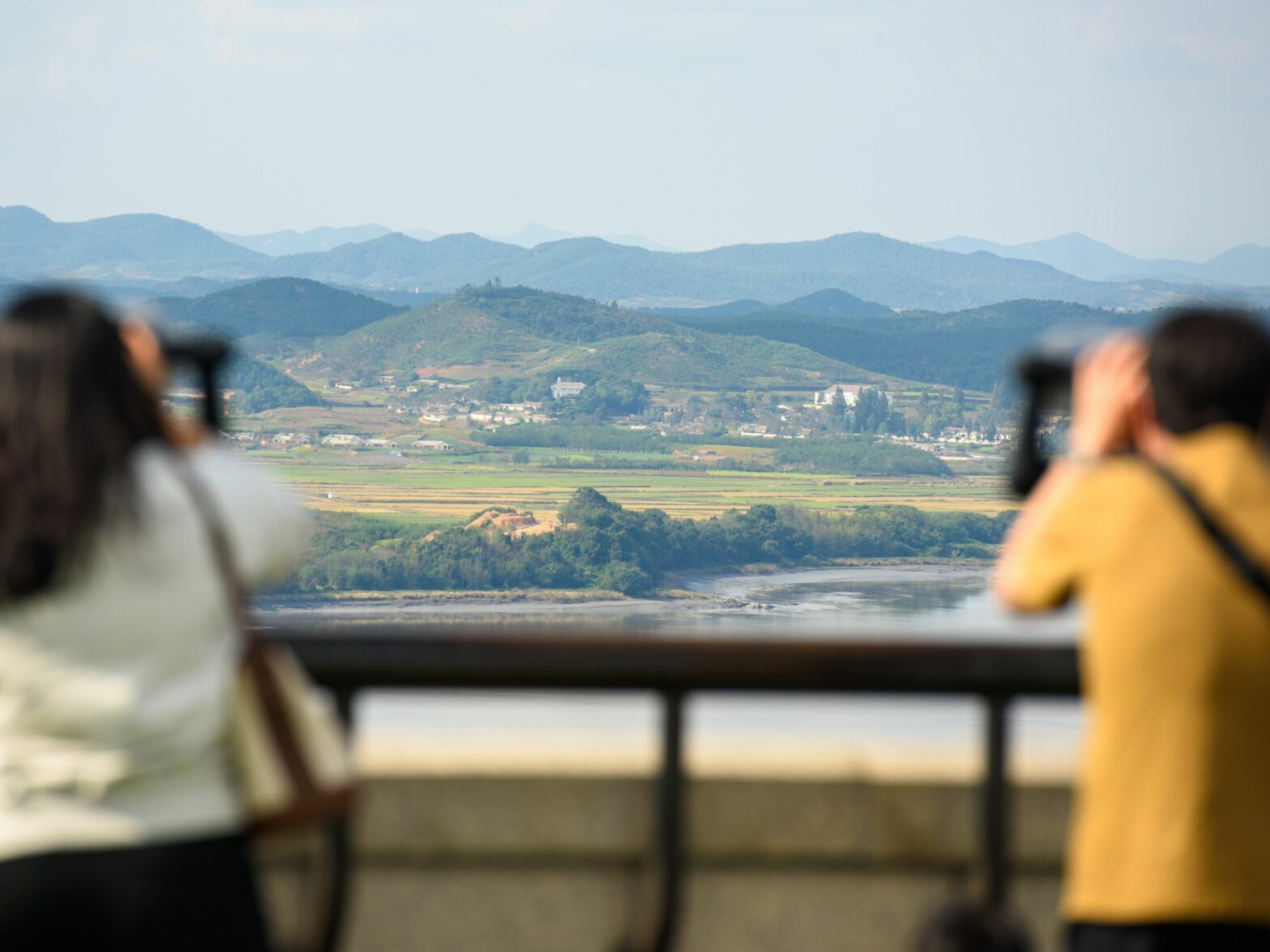
Tensions have suddenly escalated after North Korea accused South Korea of sending drones over its capital. Threats from Pyongyang are common, but amid an uncertain international context, experts are taking these latest ones more seriously.
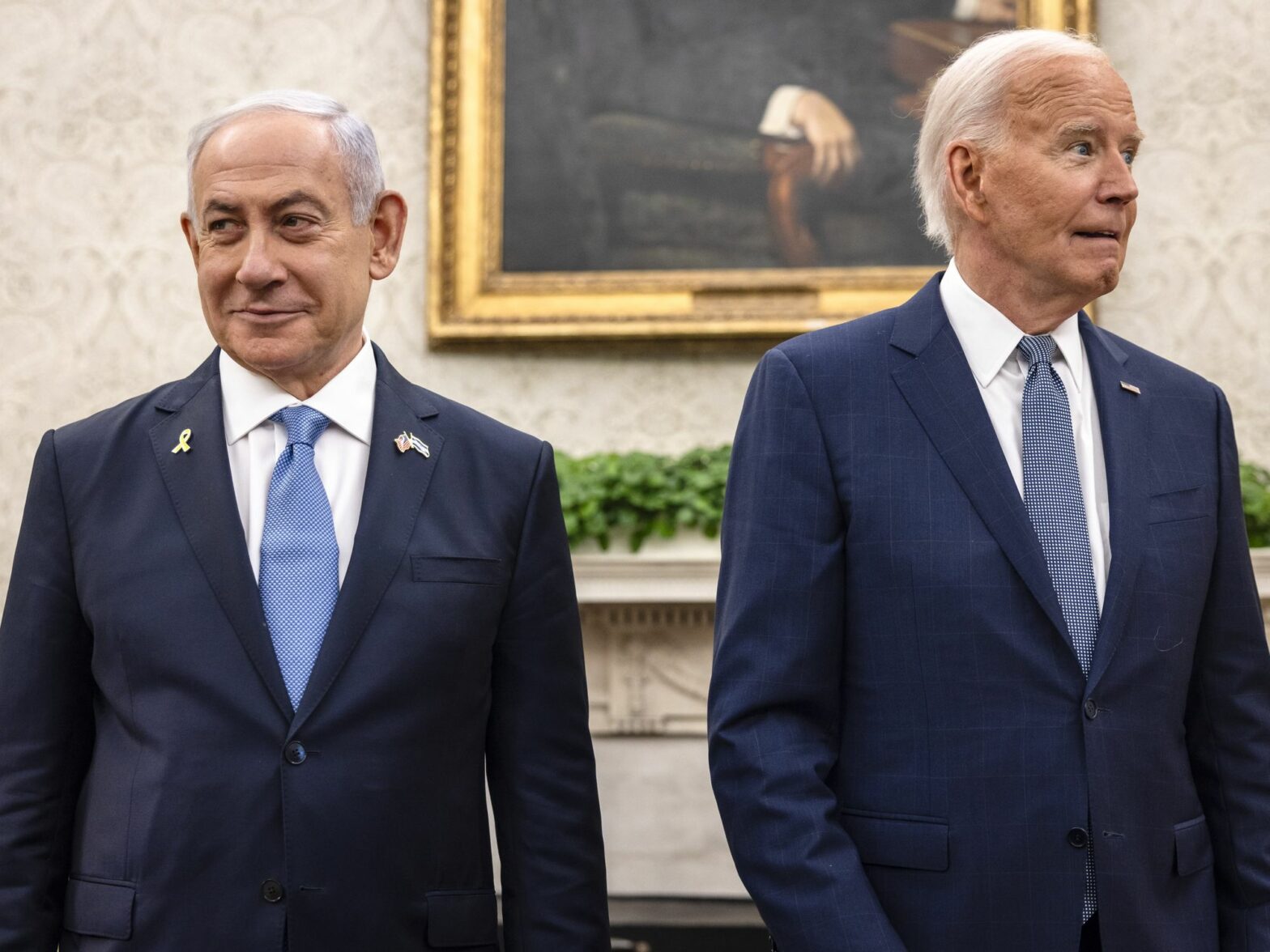
Never since it became the “great protector” of the Jewish state has the United States shown so much weakness towards Israel, as the Israeli prime minister stays one step ahead of his adversaries in a cunning maneuver to help Trump return to the White House.
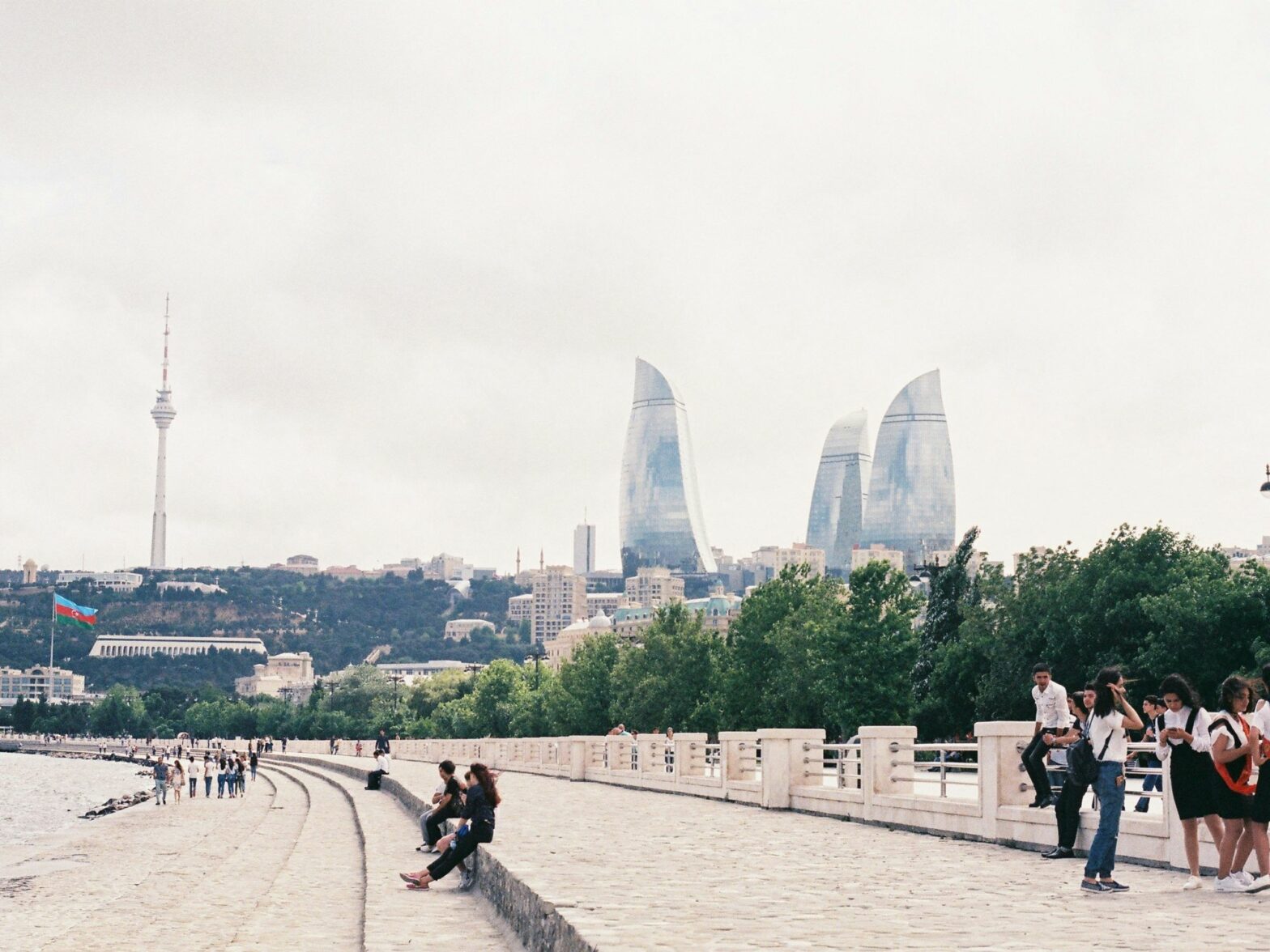
As the host of the next UN climate summit, Azerbaijan is positioning itself as a peacemaker, calling for the end of conflicts that “worsen climate change.” But this stands in stark contrast to the country’s commitment to increase gas and oil production and its record of military aggression against Armenia.
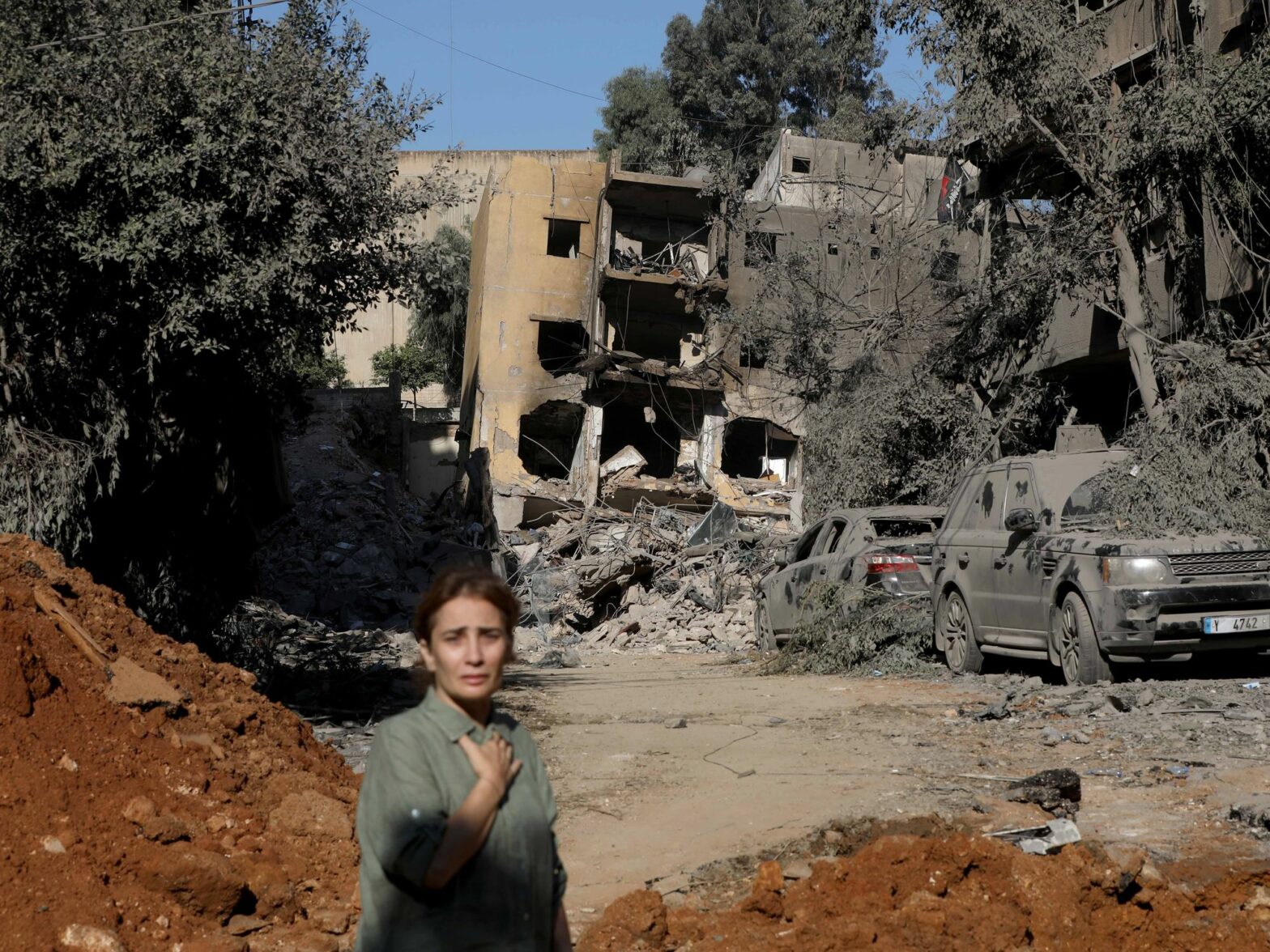
As Israel celebrates the death of Hezbollah’s leader, Washington and Tehran both suddenly seem powerless, looking like spectators of an unraveling tragedy that is beyond their control. Yet, given its demographics and geography, Israel desperately needs allies.

Updated September 30, 2024 at 11:30 a.m. On this day in 1938, the Munich Agreement, (also known as the Treaty of Munich) was signed by Adolf Hitler, Benito Mussolini, Édouard Daladier and Neville Chamberlain. What was the Treaty of Munich? The Treaty of Munich, also known as the Munich Agreement, was an agreement signed on […]
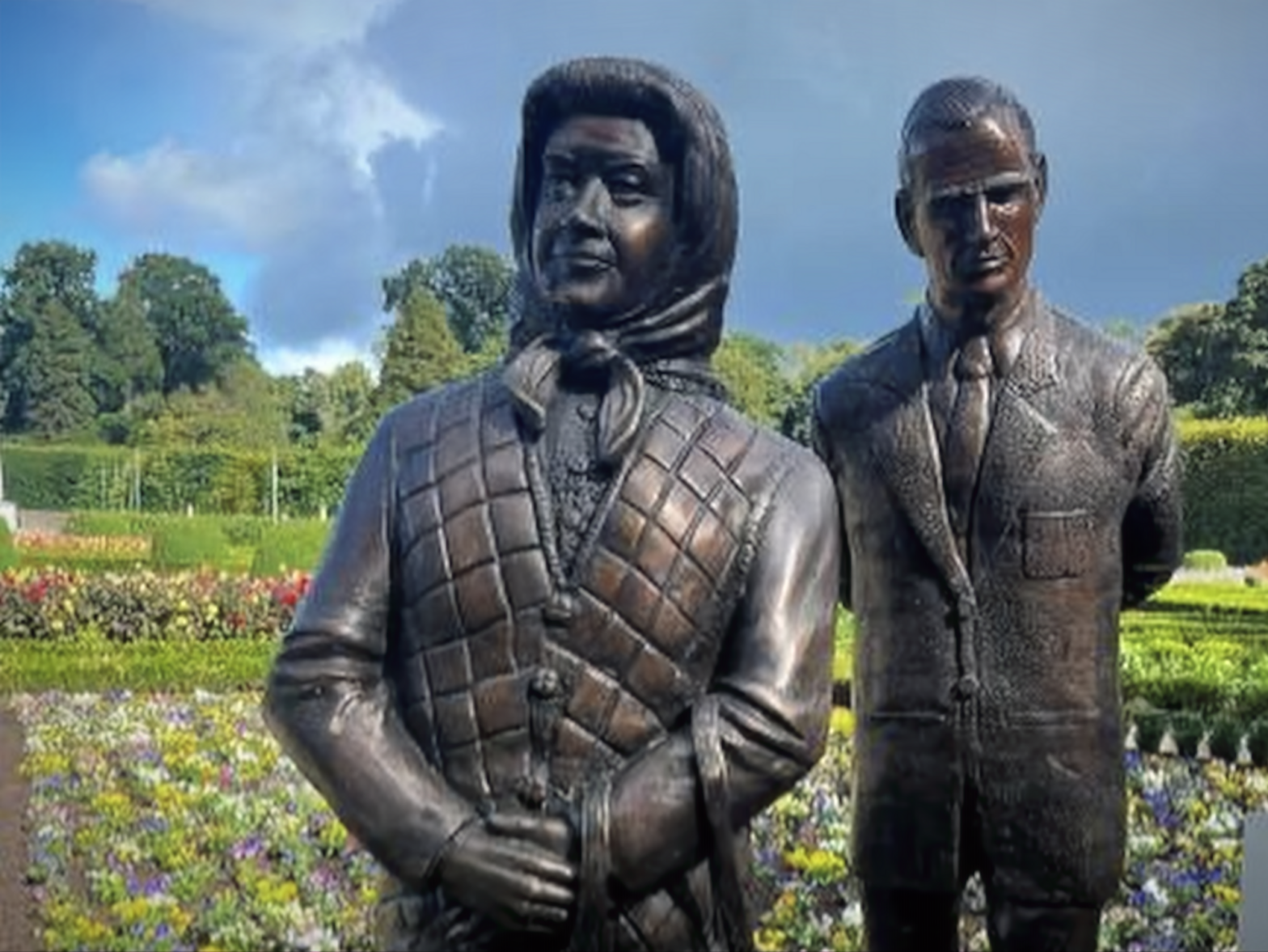
This giant chicken will attract tourists! Let’s honor Queen Elizabeth with a statue that looks nothing like her! And other very visible bad ideas around the world…
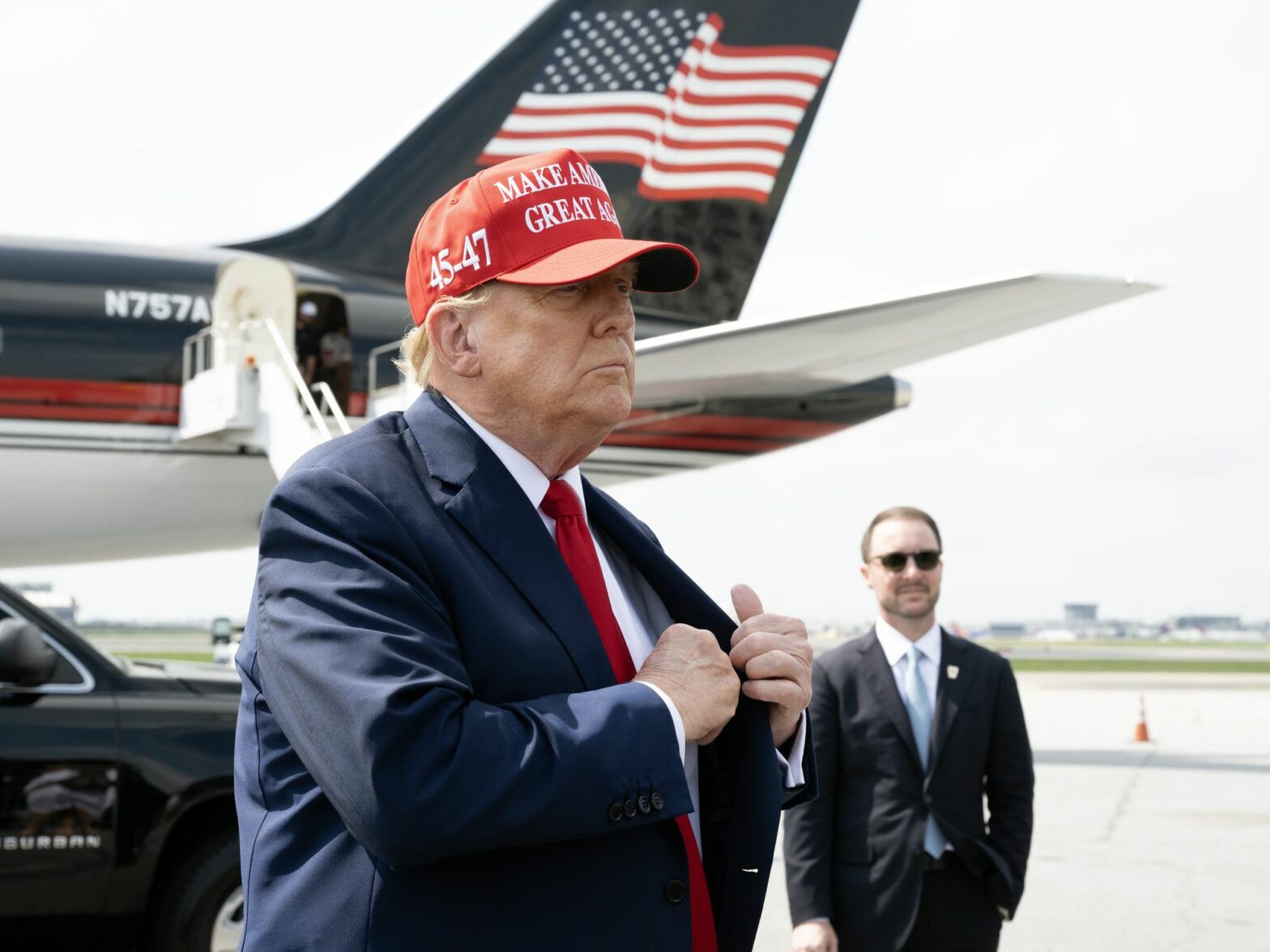
Ahead of the U.S. presidential election, Ivan Timofeev of the Russian International Affairs Council, considers which candidate would be better for Russia. While it’s often thought that Moscow should hope for Donald Trump to win, his first term as president shows his “transactional” nature and otherwise minor impact on foreign policy.
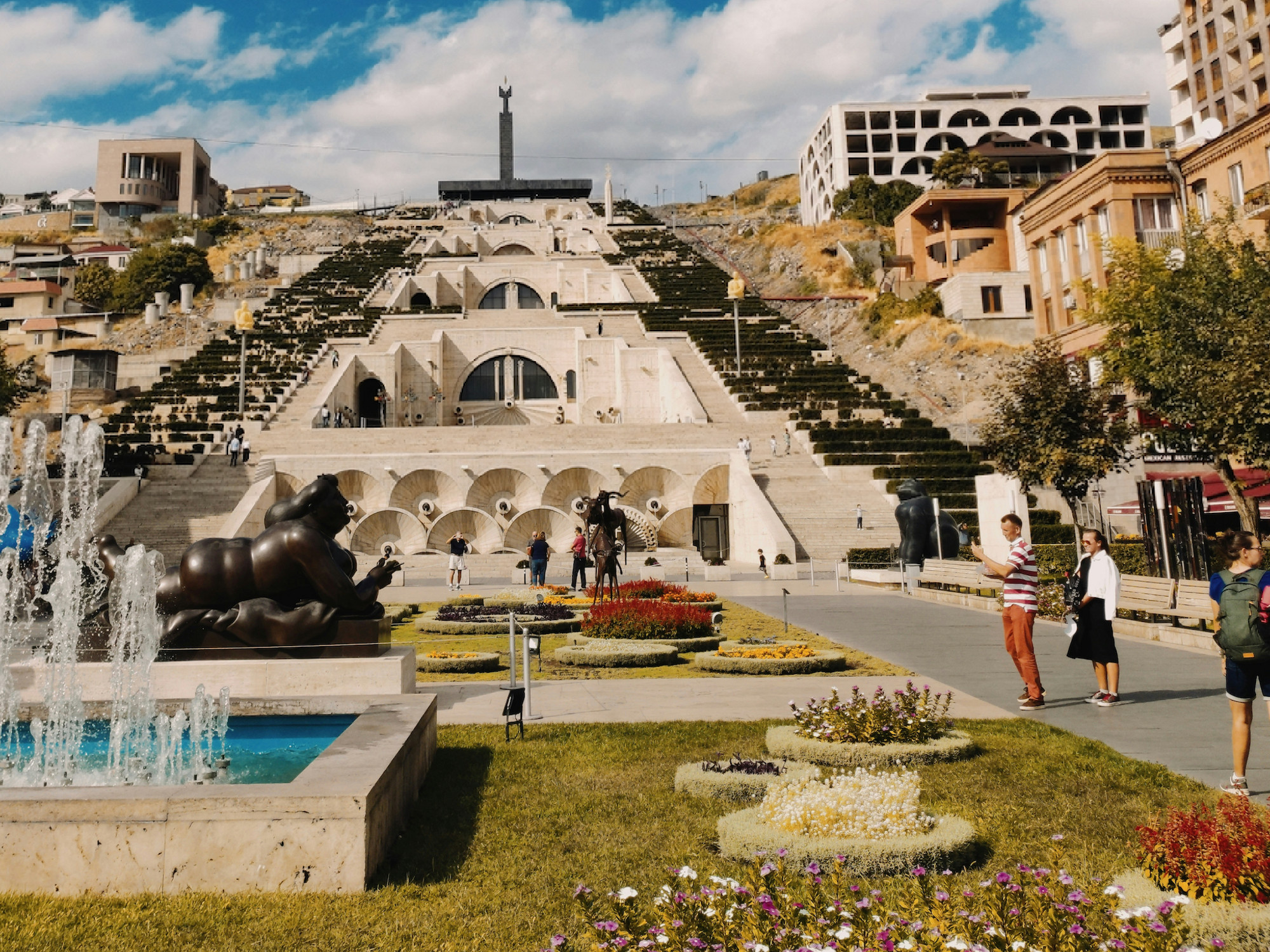
Armenia, under pressure from its aggressive neighbor Azerbaijan, is seeking security in closer ties with the European Union. Just next door, Iran may welcome this Western alignment if it means winning a shorter land route for exports to the Black Sea and EU markets.
Updated August 13, 2024 at 11:50 a.m. The construction of the Berlin Wall began on this day in 1961. It was constructed by the German Democratic Republic (East Germany) to prevent residents from escaping to West Berlin. It was intended in particular to halt the mass exodus of skilled laborers, professionals, and intellectuals from East […]
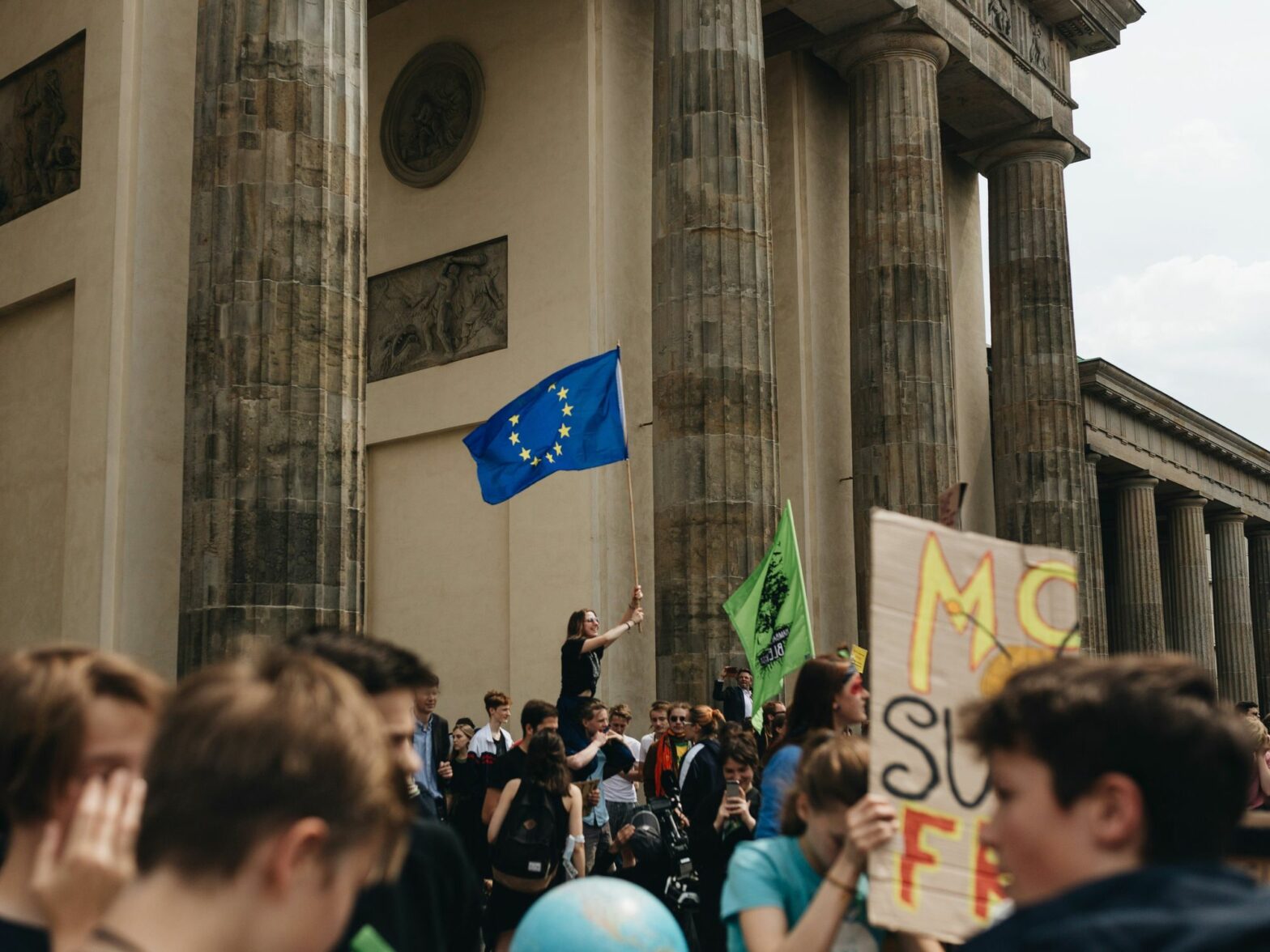
As the “American Century” and the West’s time at the center of the world draws to an end, Europe — which has died and been reborn many times — may have a new role as the wise teacher of decline, therefore also a teacher of limits and temperance.
Updated August 11, 2024 at 11:50 a.m. Al-Qaeda was formed on this day in 1988 by Osama bin Laden, Abdullah Azzam, and other key individuals. What was the purpose or ideology of al-Qaeda? Al-Qaeda’s main objective was to establish a global jihadist movement based on its extremist interpretation of Sunni Islam. It aimed to resist […]
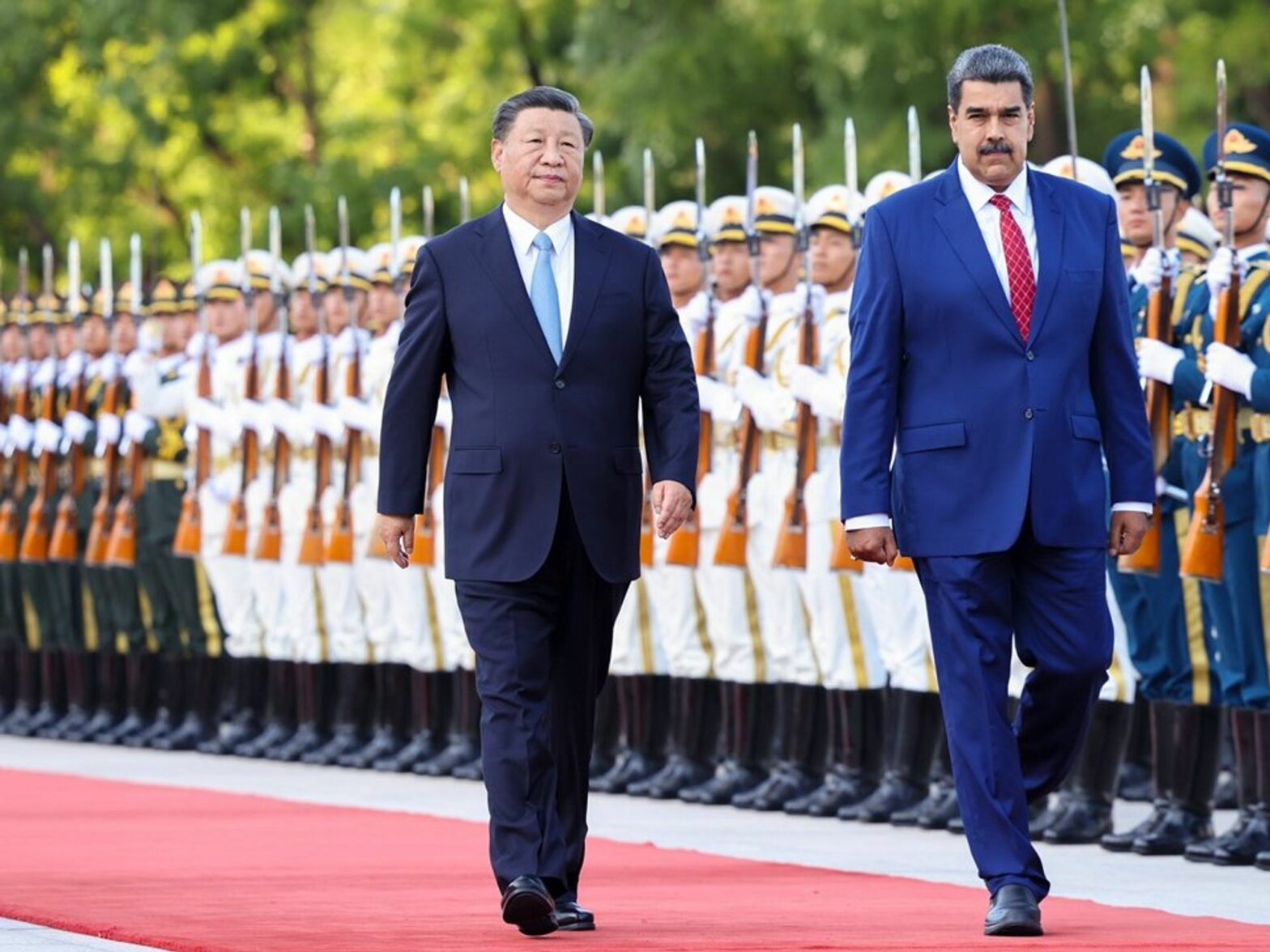
The crushing weight of Chinese loans to socialist Venezuela may yet become the biggest, if less publicized, obstacle to the restoration of liberal democracy there, if its power-drunk president were ever to abandon power as he once again appears unwilling to do after a highly contested election.
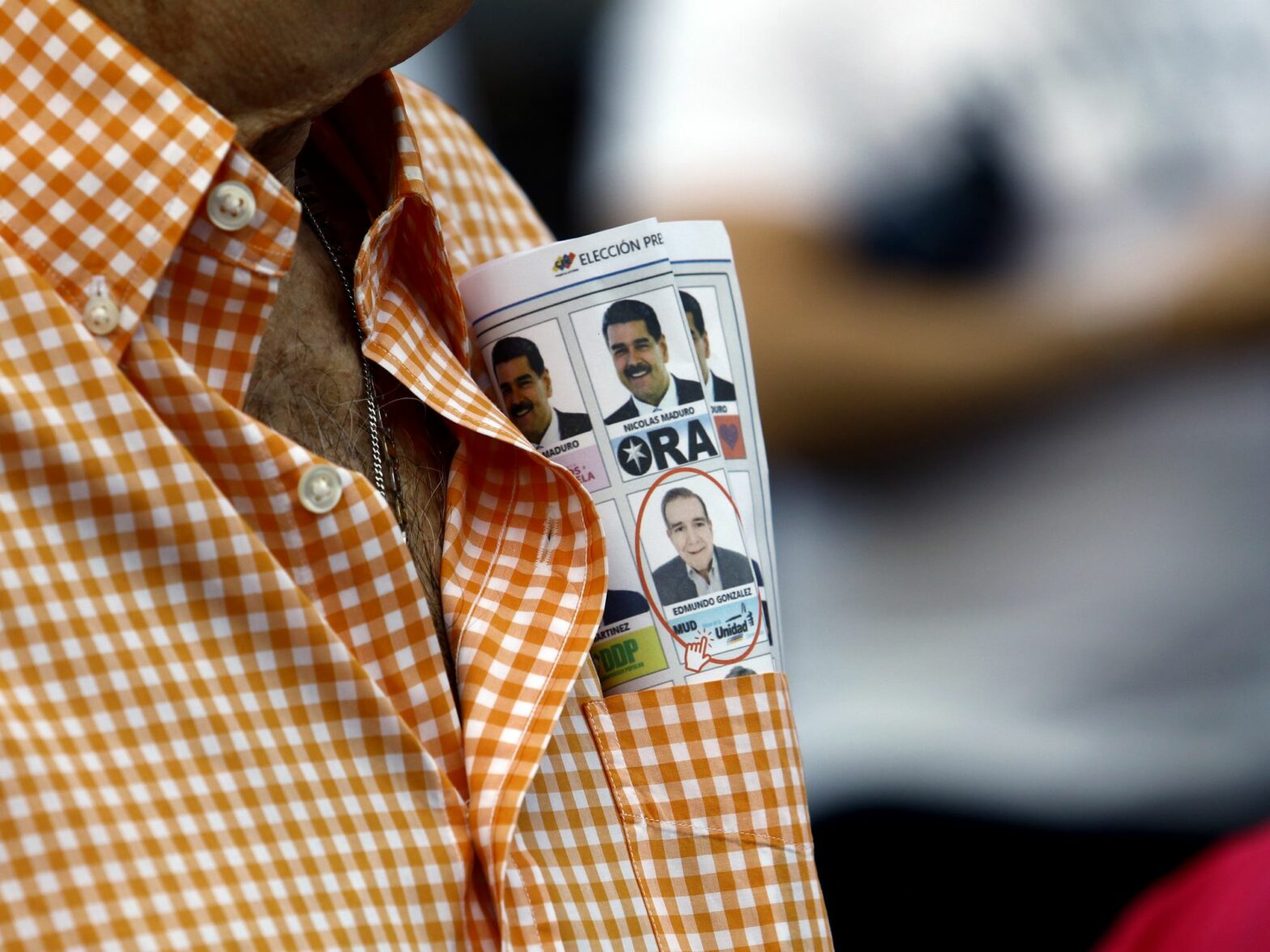
Corruption, human rights violations, and alliances with totalitarian regimes are all good reasons why the West should be paying attention to Venezuela ahead of the country’s presidential elections on July 28, writes Venezuelan journalist Miguel Henrique Otero in Nicaragua’s Confidencial newspaper.
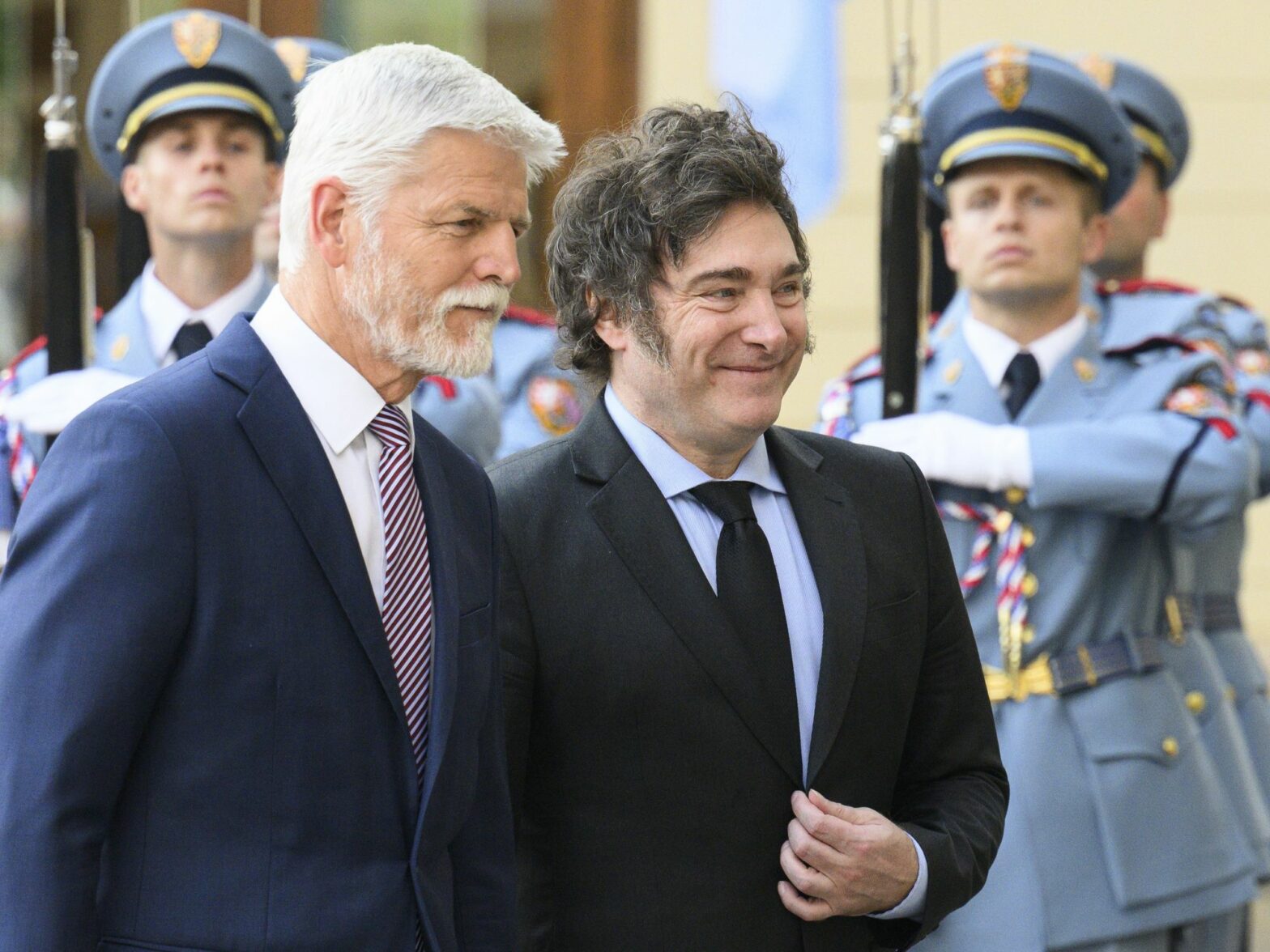
Argentina’s rabidly neo-liberal president, Javier Milei, is downsizing the state at home and curbing diplomacy to the bare minimum of promoting the free market, lambasting communism, and nurturing ties with just two, cherished states, Israel and the United States.
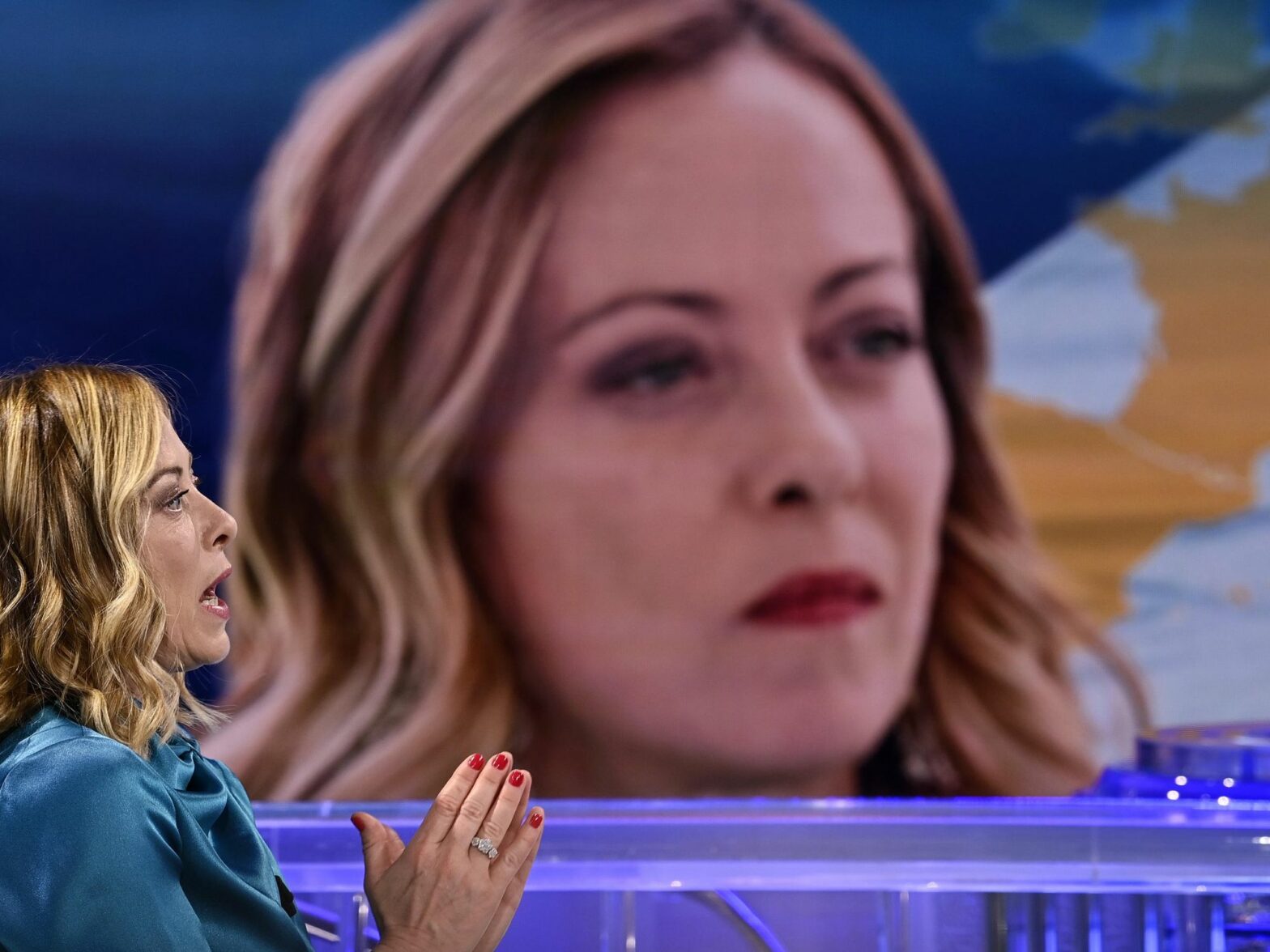
As Marine Le Pen’s party National Rally (RN) is on track to become the largest party in the French parliament, Giorgia Meloni will have to look out for a new leader that might threaten her undisputed leadership of the far right at the European level.
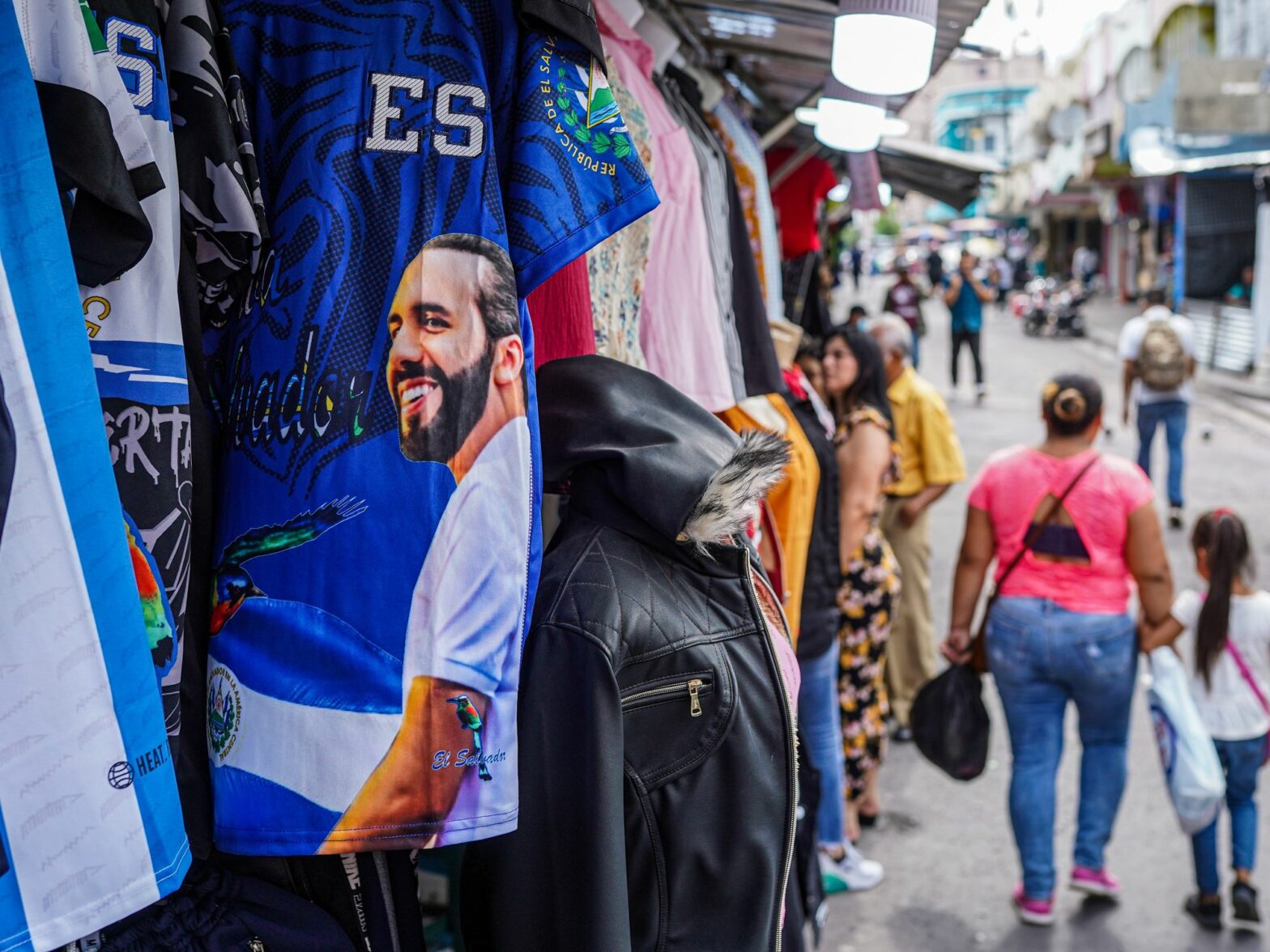
Through quiet diplomacy, Russia may be courting the rising star of Latin American populism, El Salvador’s President Nayib Bukele. In time, he must decide between international respectability and a bear hug from Vladimir Putin.
Hungarian Prime Minister Viktor Orban officially announced the creation of a new group in the European Parliament, the “Patriots for Europe” to gather extremist parties that have been sidelined by the establishment. It can also be a bridge to Trump and Putin.
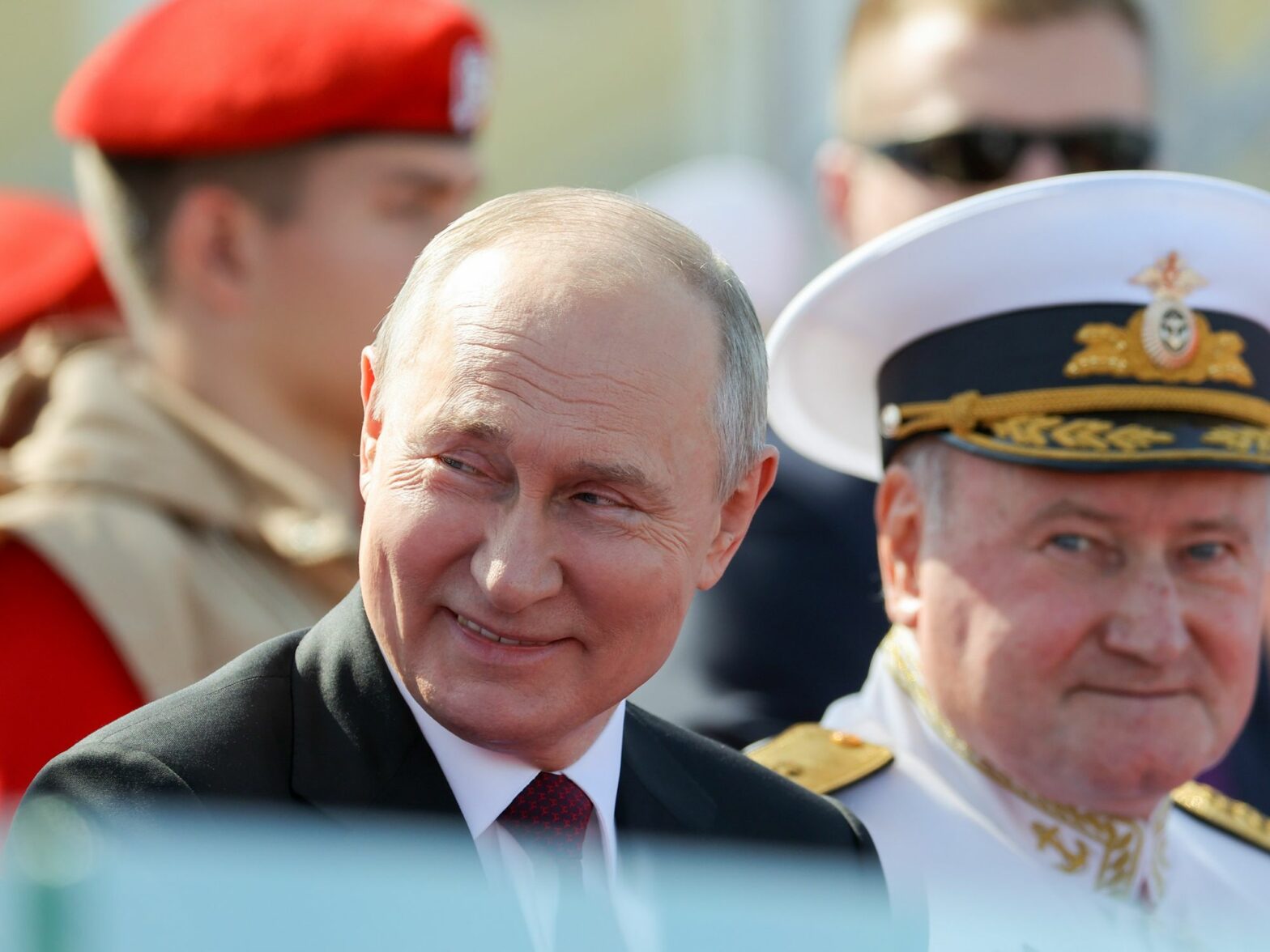
Vladimir Putin threatened major escalation if Ukraine was allowed to strike into Russian territory with Western weapons. Once the West crossed that red line, the escalation did not happen. The West knows that bluffing is Putin’s favorite way of conducting foreign policy, so why does it keep playing this game?
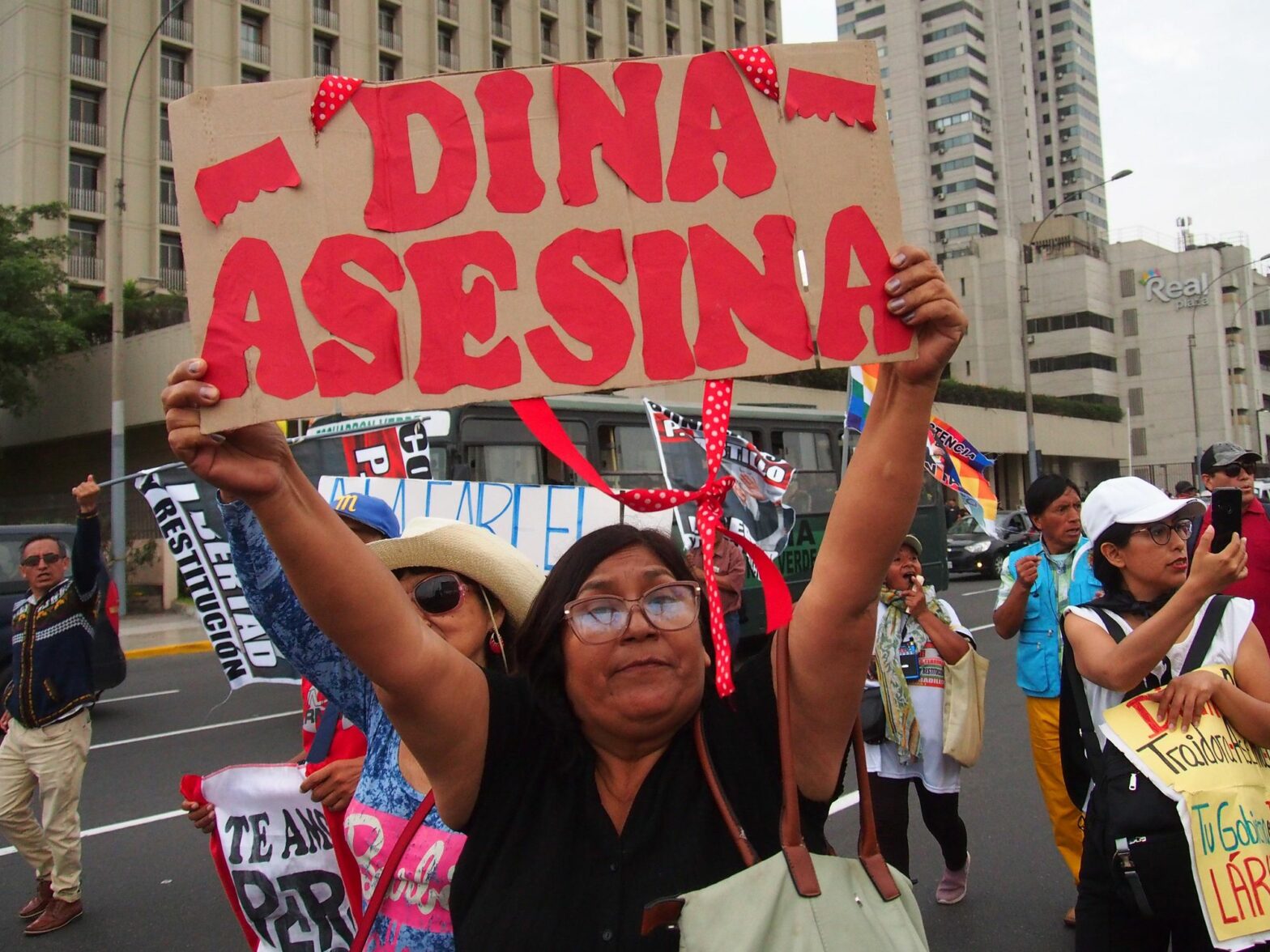
Peru’s President Dina Boluarte is traveling to China to fine tune free trade with this vital, if overbearing, business partner. It will also help her flee the deep and wide popularity among Peruvians.
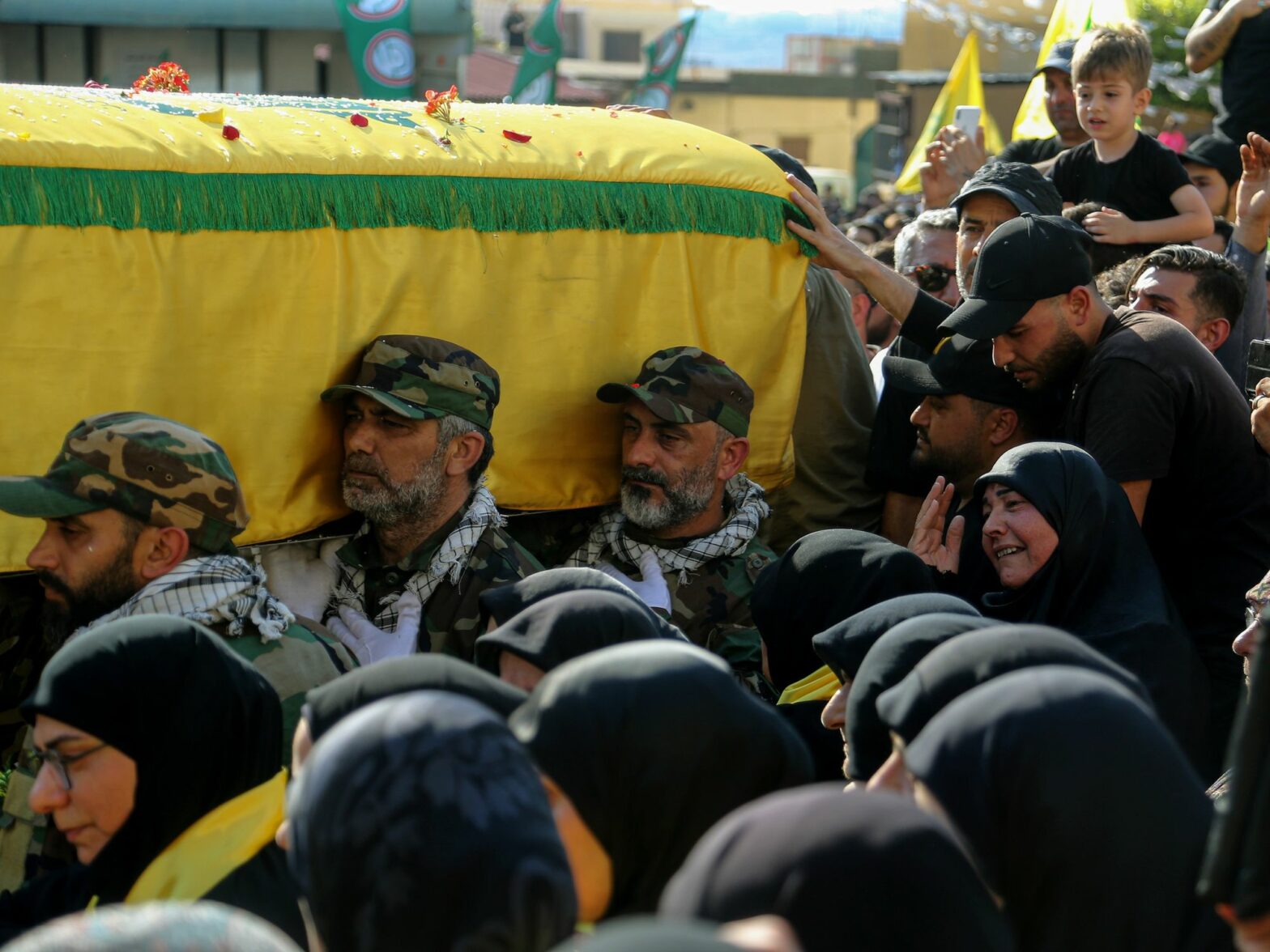
Mediation efforts are ongoing to halt the escalation between Israel and Lebanon’s Hezbollah, which could degenerate into all-out war at any moment. But diplomacy seems powerless in the face of the logic of war.
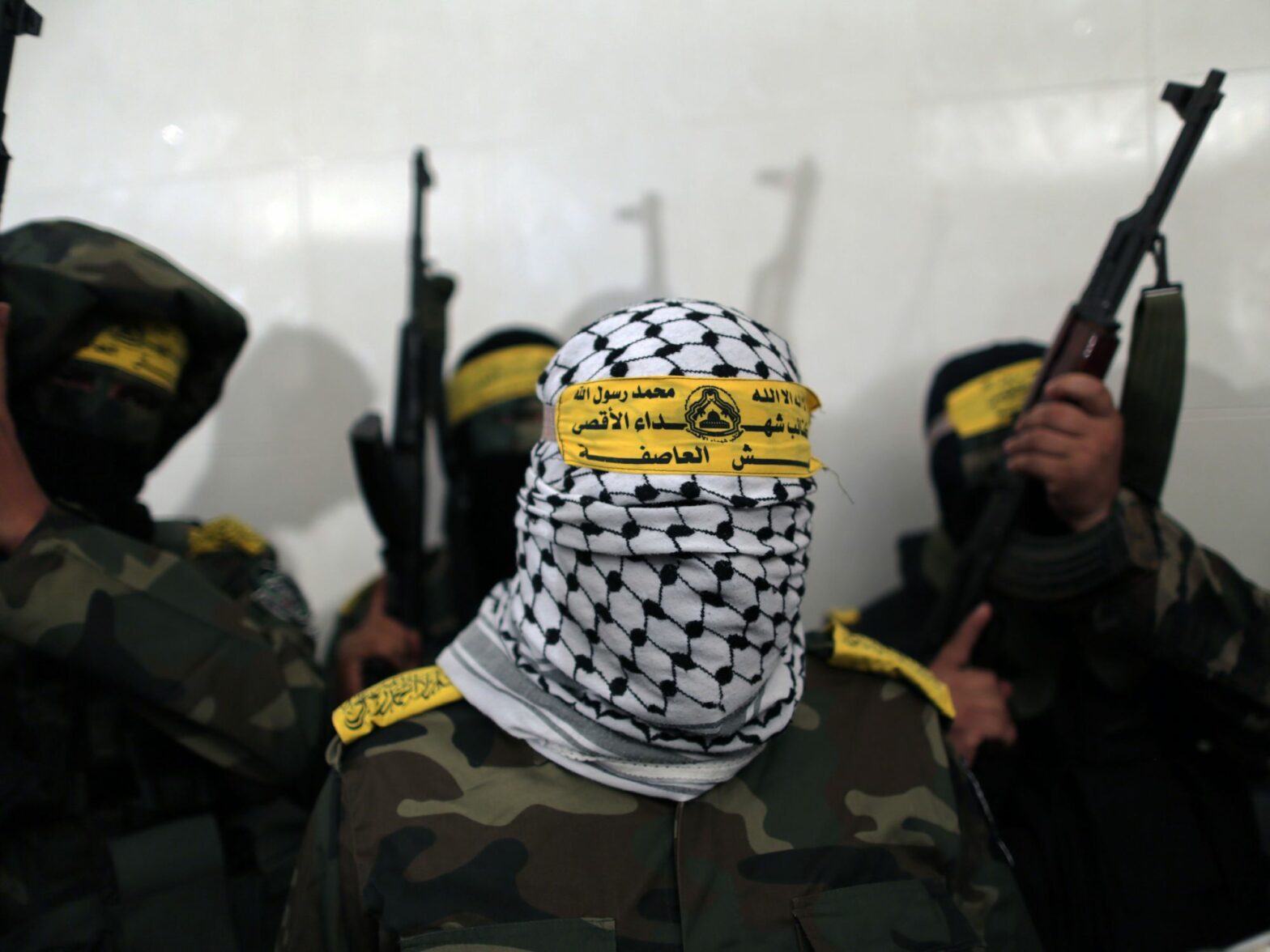
The political project in the Arab world, both of tyrants and their opponents, has been focused on visions of glory and repeating slogans. But what is a movement if it doesn’t seek to improve the lives of those for whom it claims to speak?
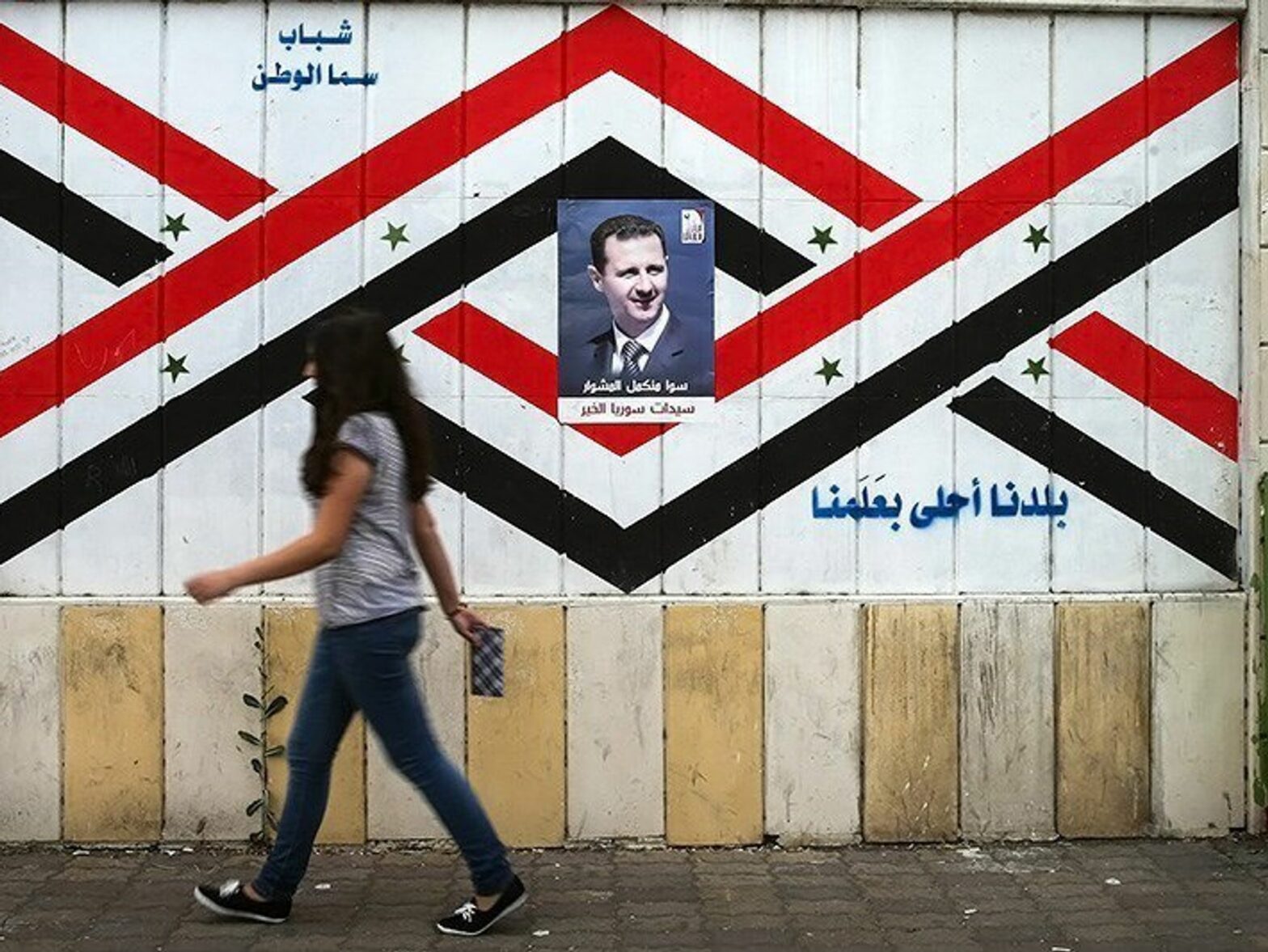
Under pressure from Arab states and Russia, which calls the shots in Syria, President Bashar al-Assad is tiptoeing away from the Iranian regime, a troublesome ally that has nevertheless spent billions of dollars to help keep him in power.
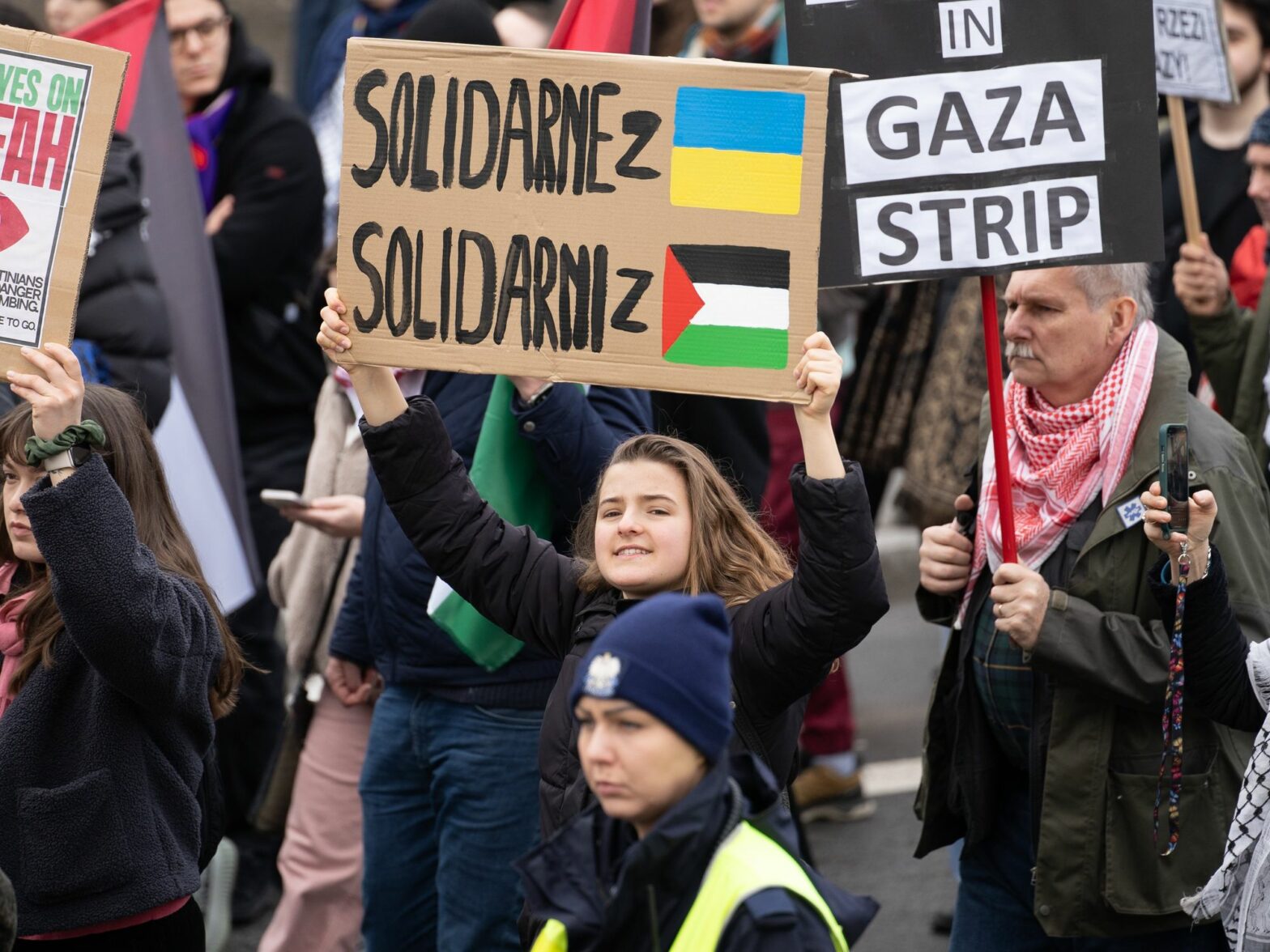
Comparisons between the wars in Europe and the Middle East tell us a lot about the standpoint of those who compare. They also signal to a new world order that has yet to be shaped.
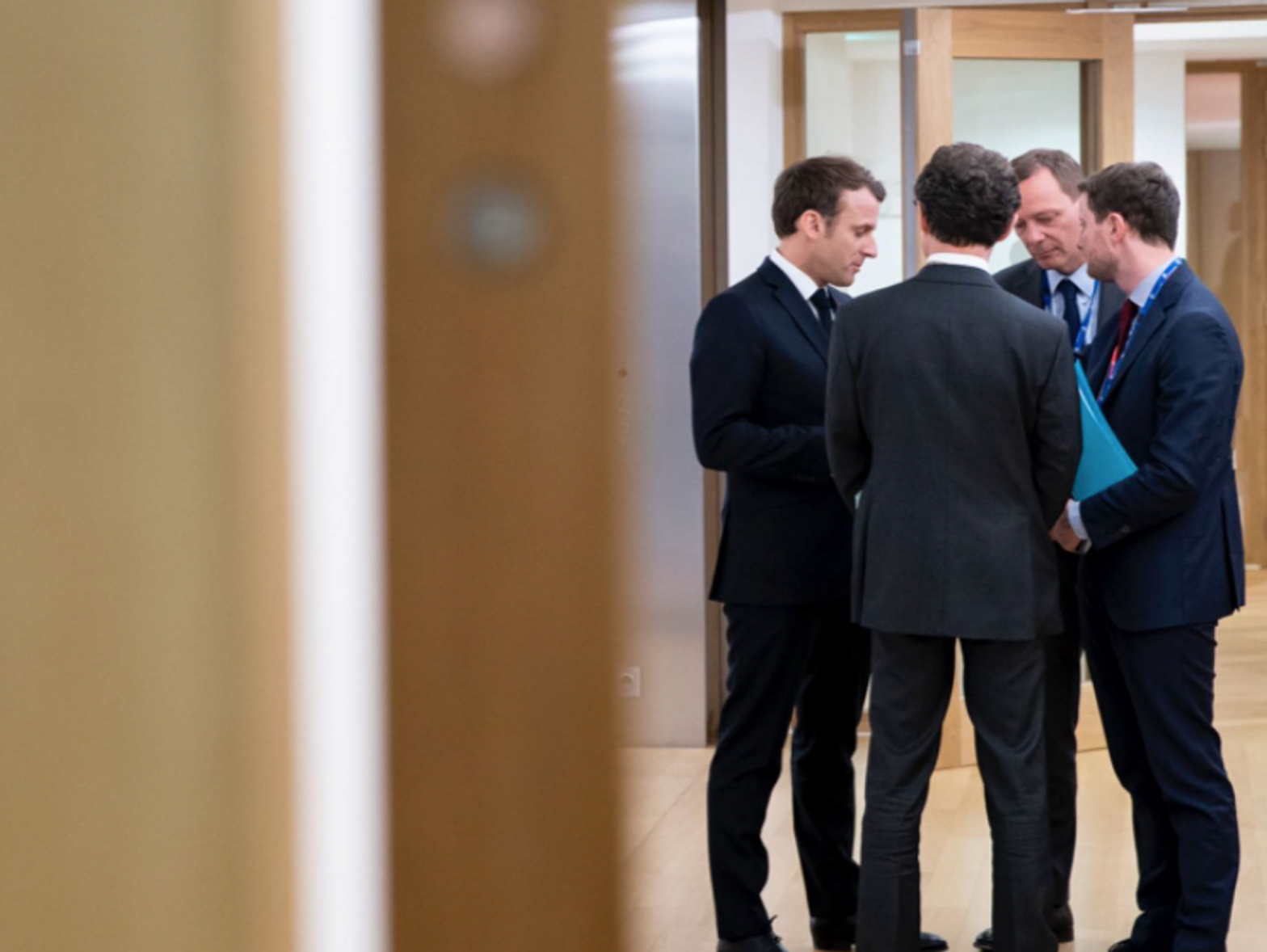
The French president wants to convince Vladimir Putin to halt military deployment around Ukraine. But some in Moscow believe the Russian president is only interested in negotiating with the U.S. about the wider global balance of power.
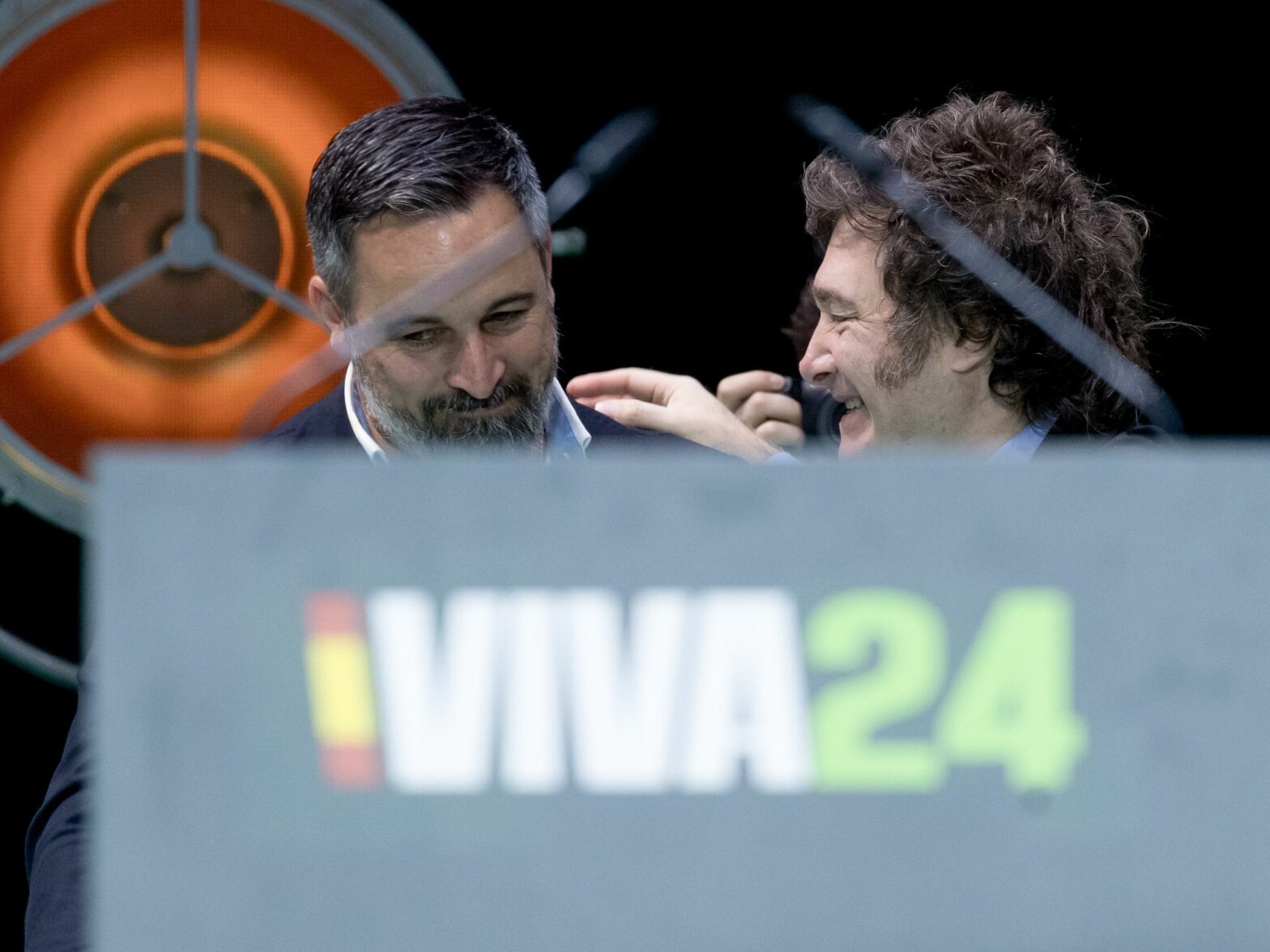
Argentina’s erratic right-wing president Javier Milei, seems to emulate Trump and Bolsonaro. But he has taken his bad diplomacy to a new level after last week’s spat with Spain’s Socialist party prime minister Pedro Sánchez.
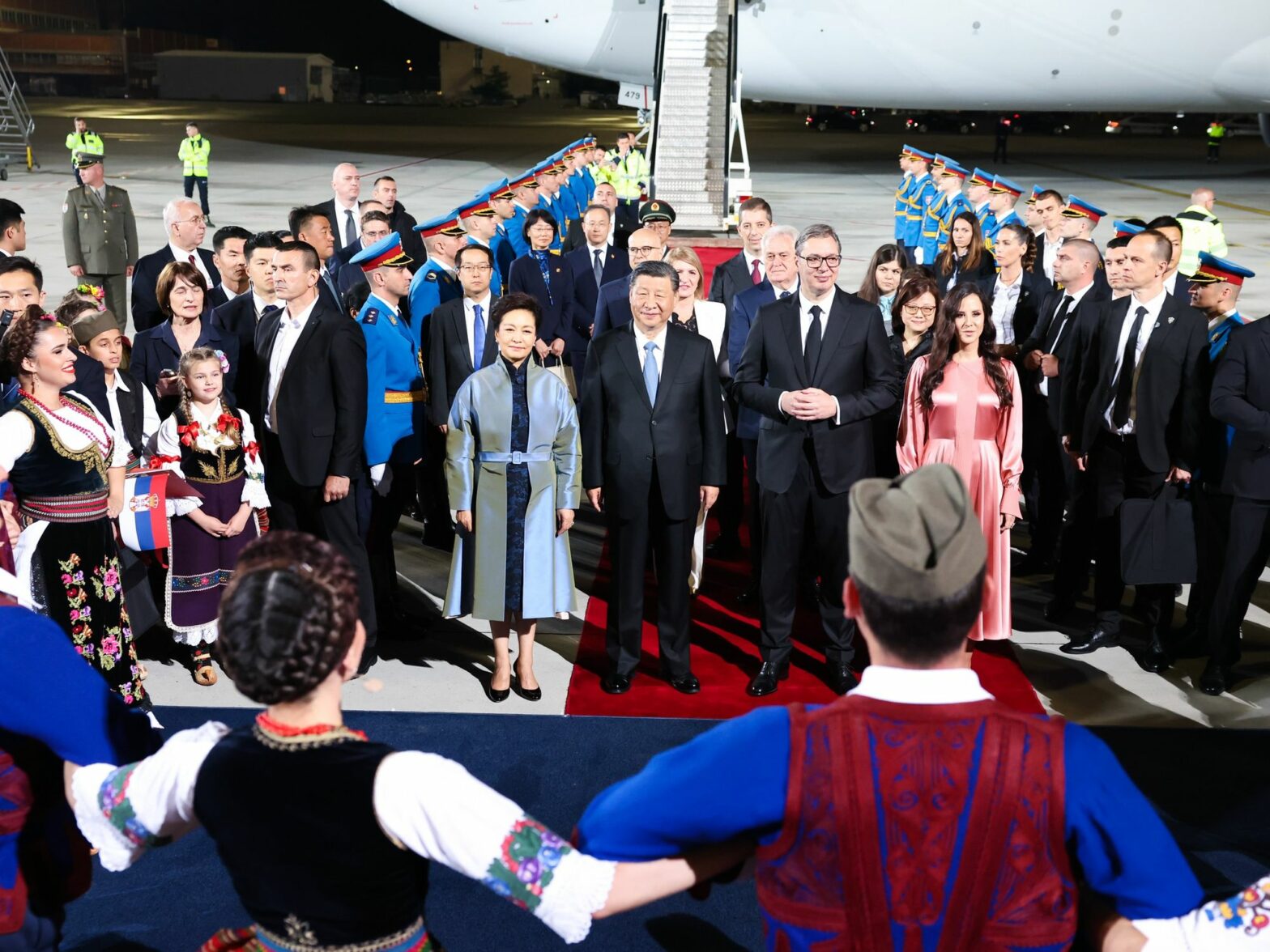
By visiting Serbia and Hungary, two countries that will soon be linked by a railroad built and financed by China, Xi Jinping is showing that he has not given up on cultivating special friendships on the continent, even if it undermines relations with Europe’s more influential leaders.
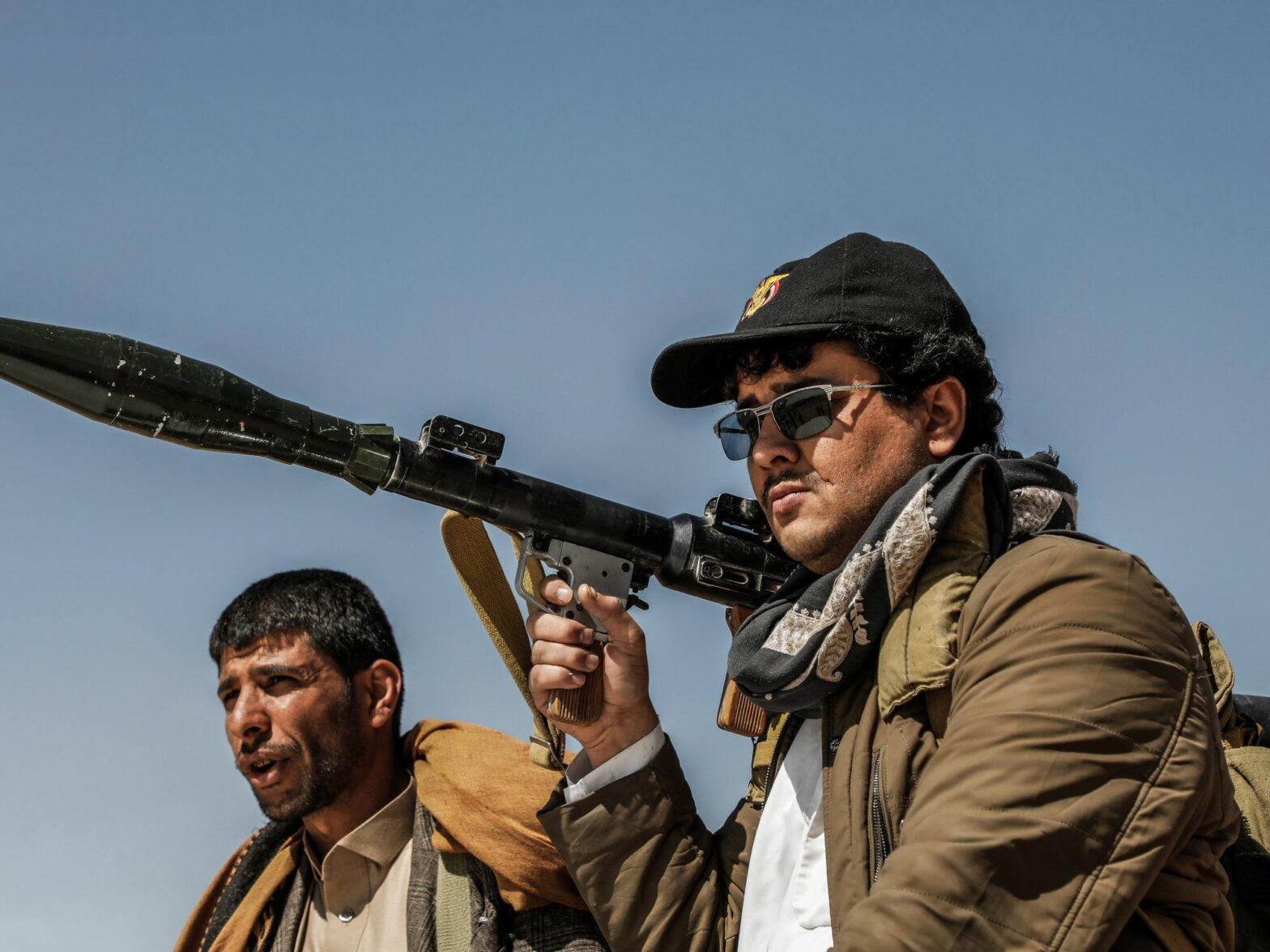
The Middle East’s militant and terror gangs, often described as Iran’s proxy forces, may have more in common with the cartels of a globalized war than with the fighters with a cause, more typical in the 20th century.
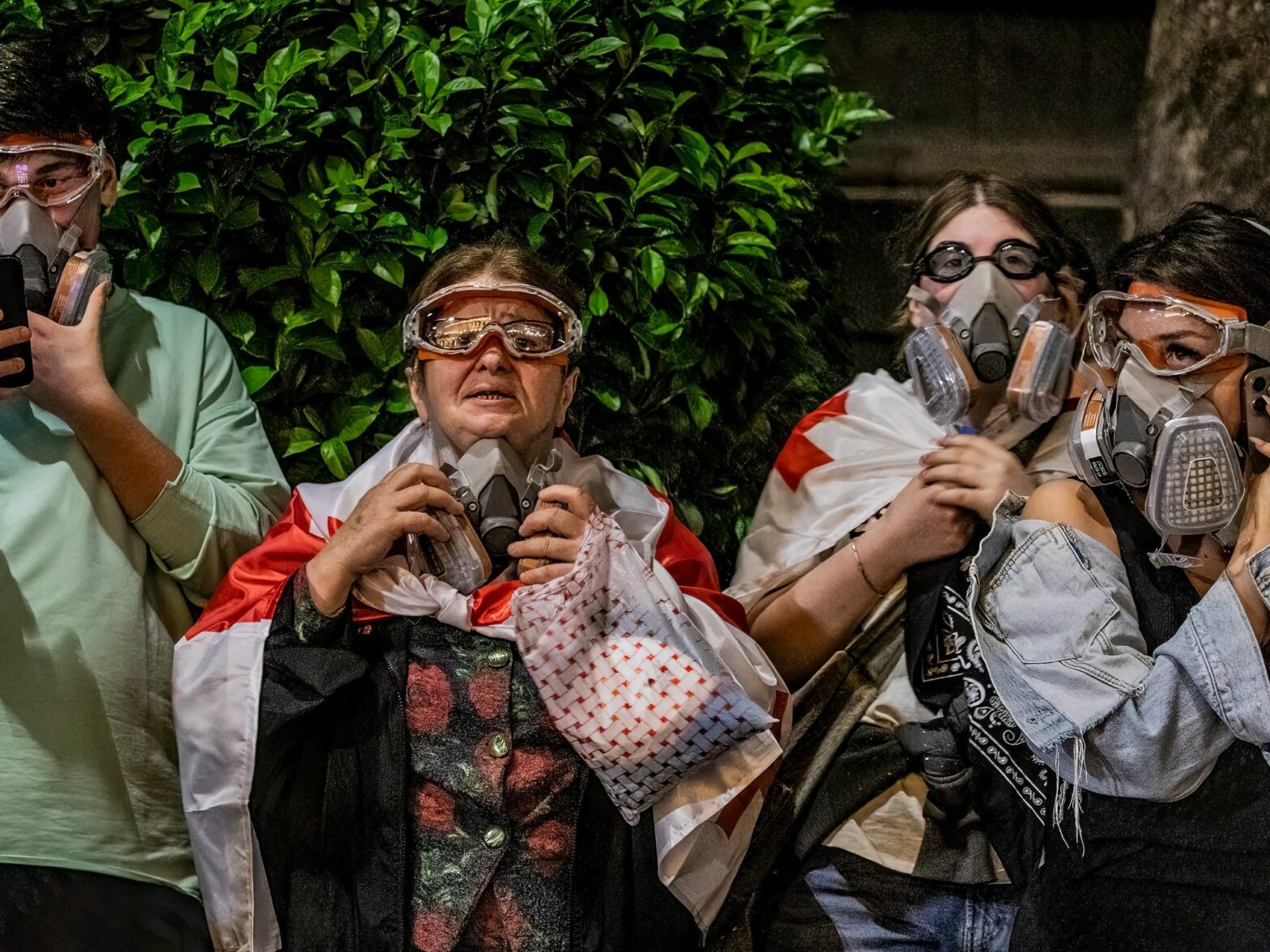
Demonstrations suppressed by the forces of order are taking place daily in the Georgian capital of Tbilisi around a draft law on “foreign interests”, considered by the protesters to be a “Russian law.” At stake is Georgia’s future, between the European Union and Putin’s Russia.
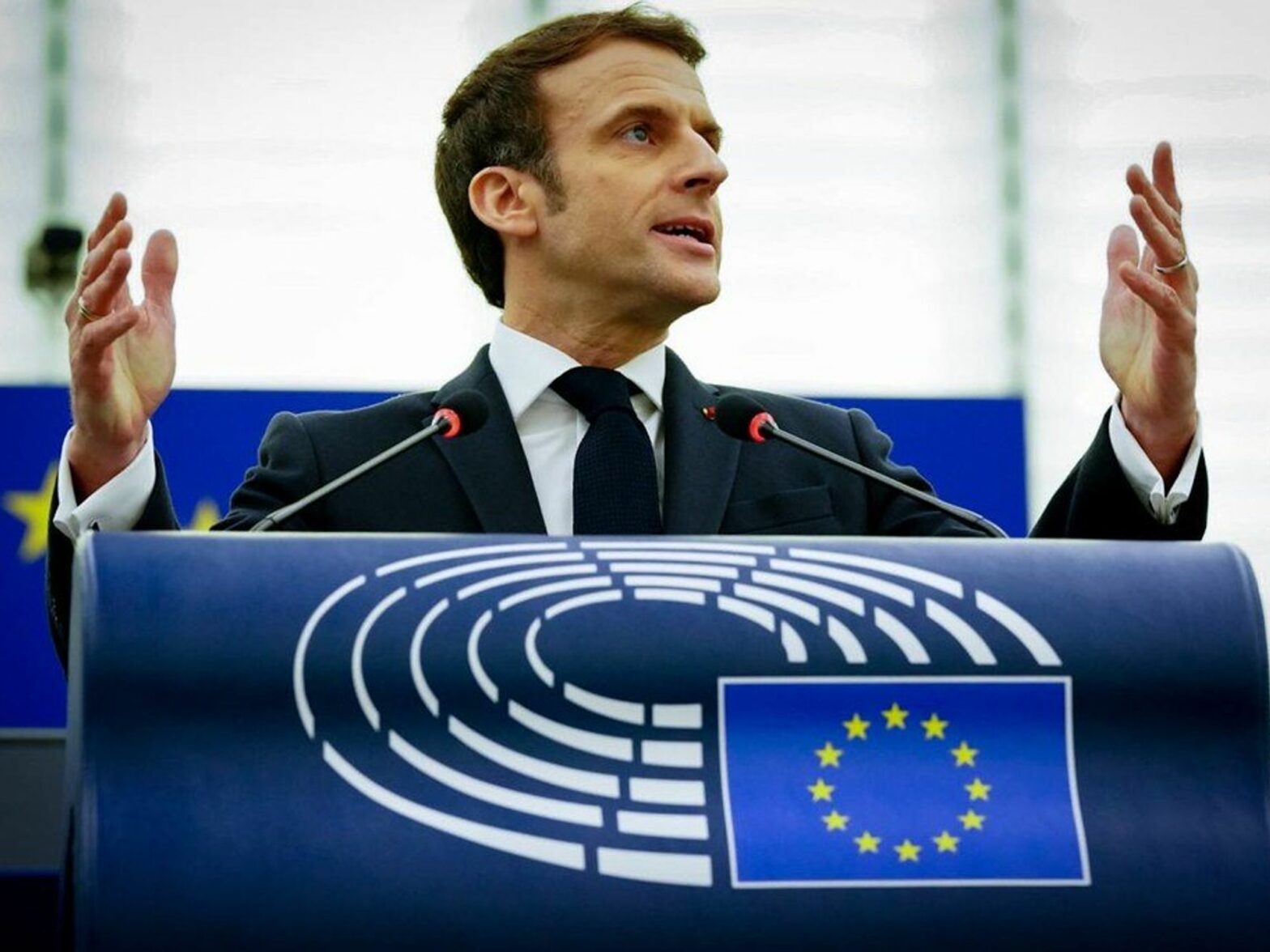
In an ominous speech in Paris, the French president warned that Europe is in mortal danger. Macron also suggested he may be just the man to save it.