As the region transforms after October 7, Berlin needs both empathy for Israel and the courage to rethink its own foreign policy doctrine.

 Worldcrunch
As the region transforms after October 7, Berlin needs both empathy for Israel and the courage to rethink its own foreign policy doctrine.
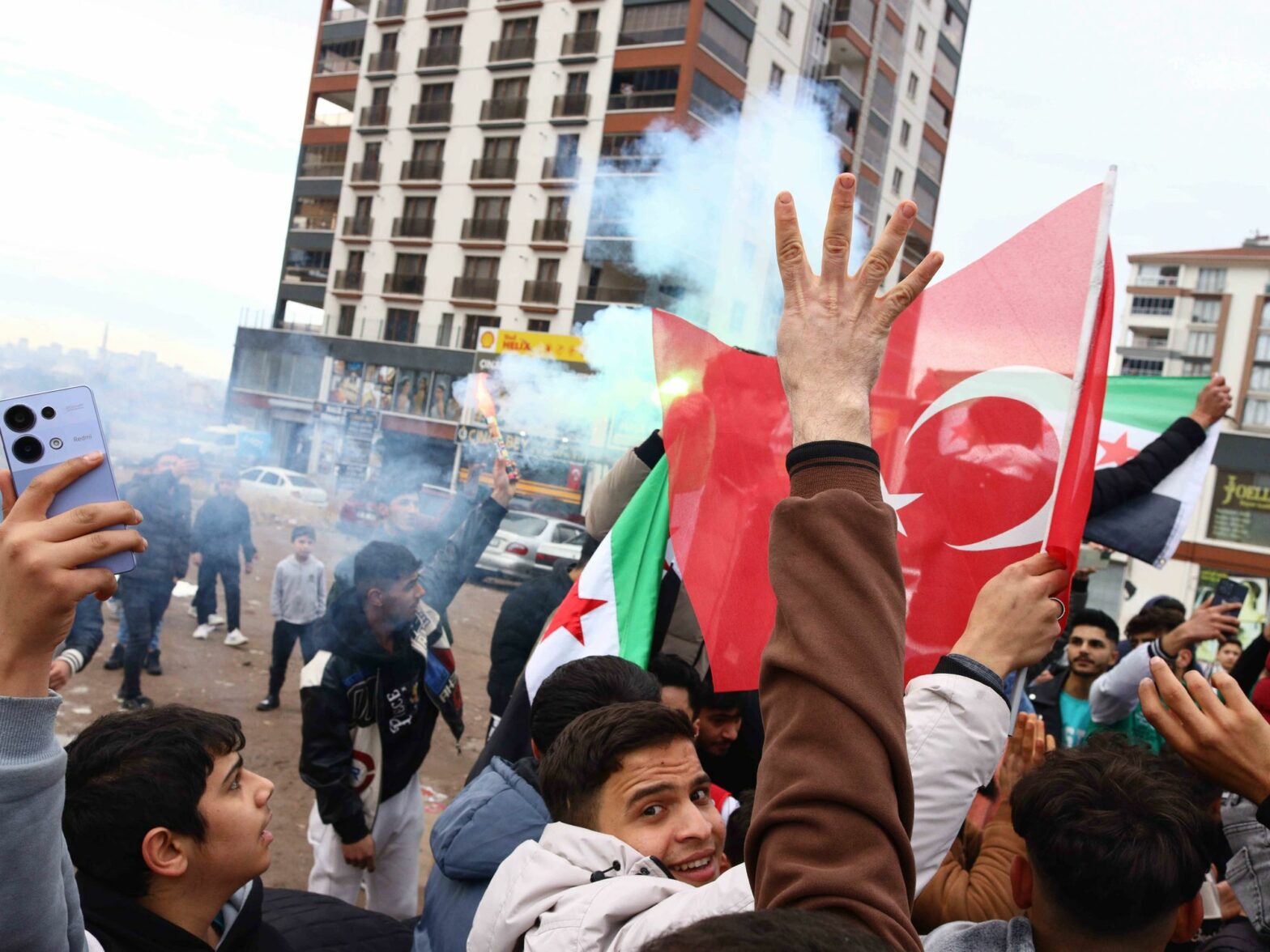
Regime change in Syria is a big point Turkey has scored against its regional rival the Islamic Republic of Iran, which may soon be pushed out of another crucial sector, trade and transportation in the Caucasus, Shahram Sabzevari writes in Kayhan-London.
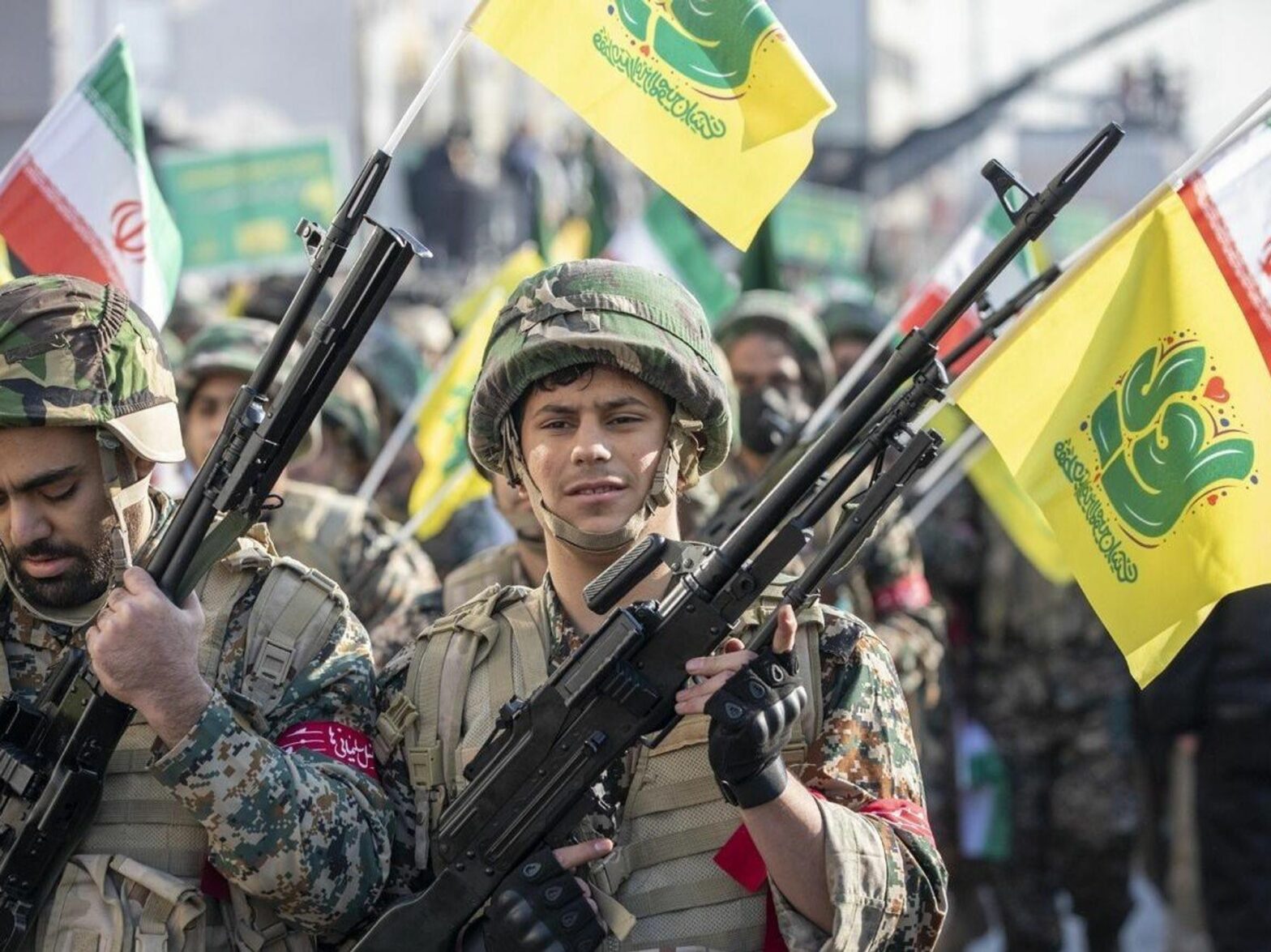
Iranian officials have been unnerved by the Assad regime’s collapse, with one top general admitting the country was “defeated very badly” in Syria. A shaky ceasefire in Gaza follows 15 month of war in which Tehran’s proxy Hamas was decimated. Will unrest in the region spill over to Iran, where problems — both foreign and domestic — are piling up for the regime?
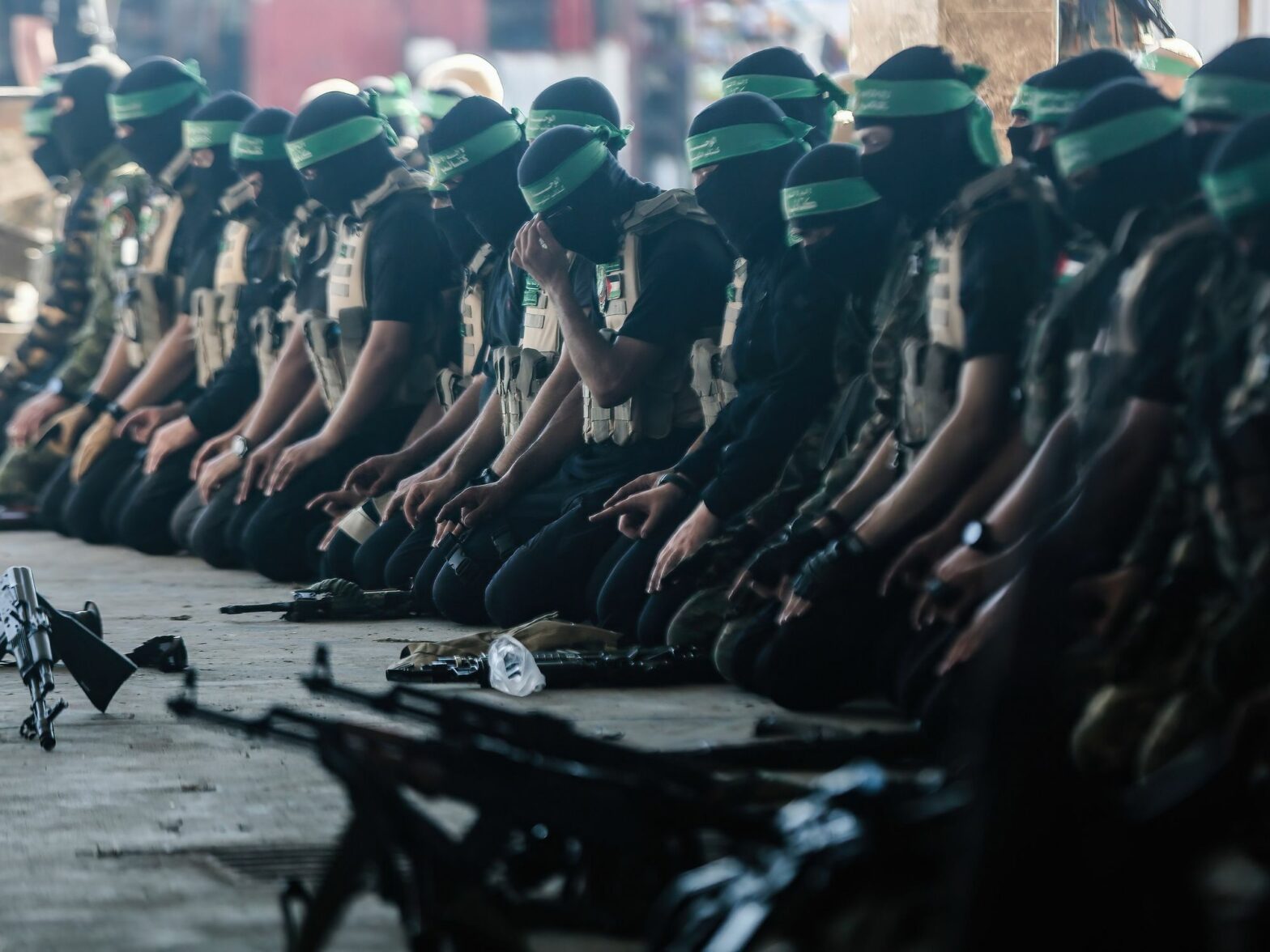
Israel has killed thousands of Hamas fighters. But the Gaza-based terrorist organization has not yet been completely destroyed, nor have its allied militias in the region.
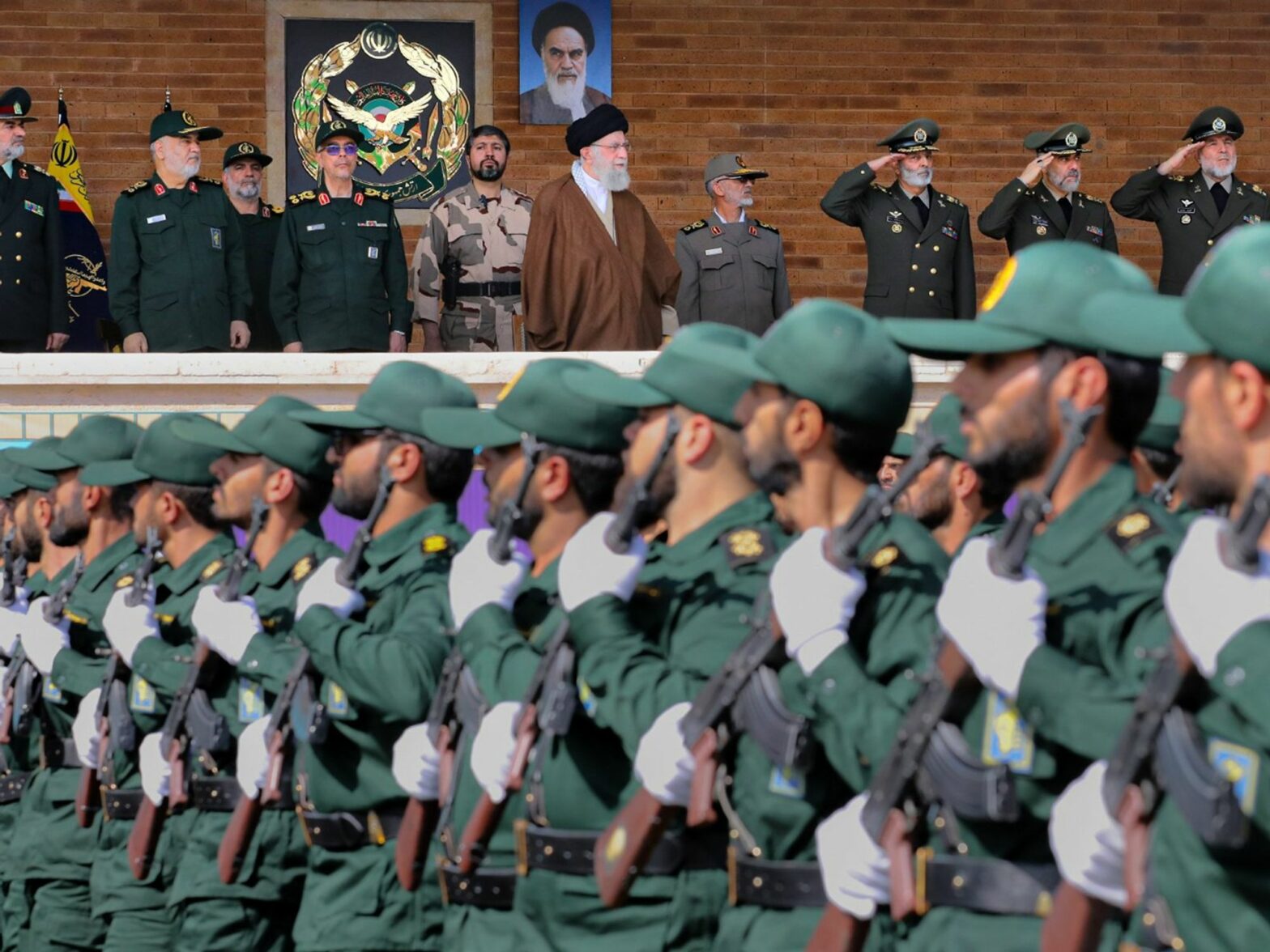
Iranian officials are still wondering how its dear ally Bashar al-Assad fell so fast, and why his military was lost before the rebellion even started.
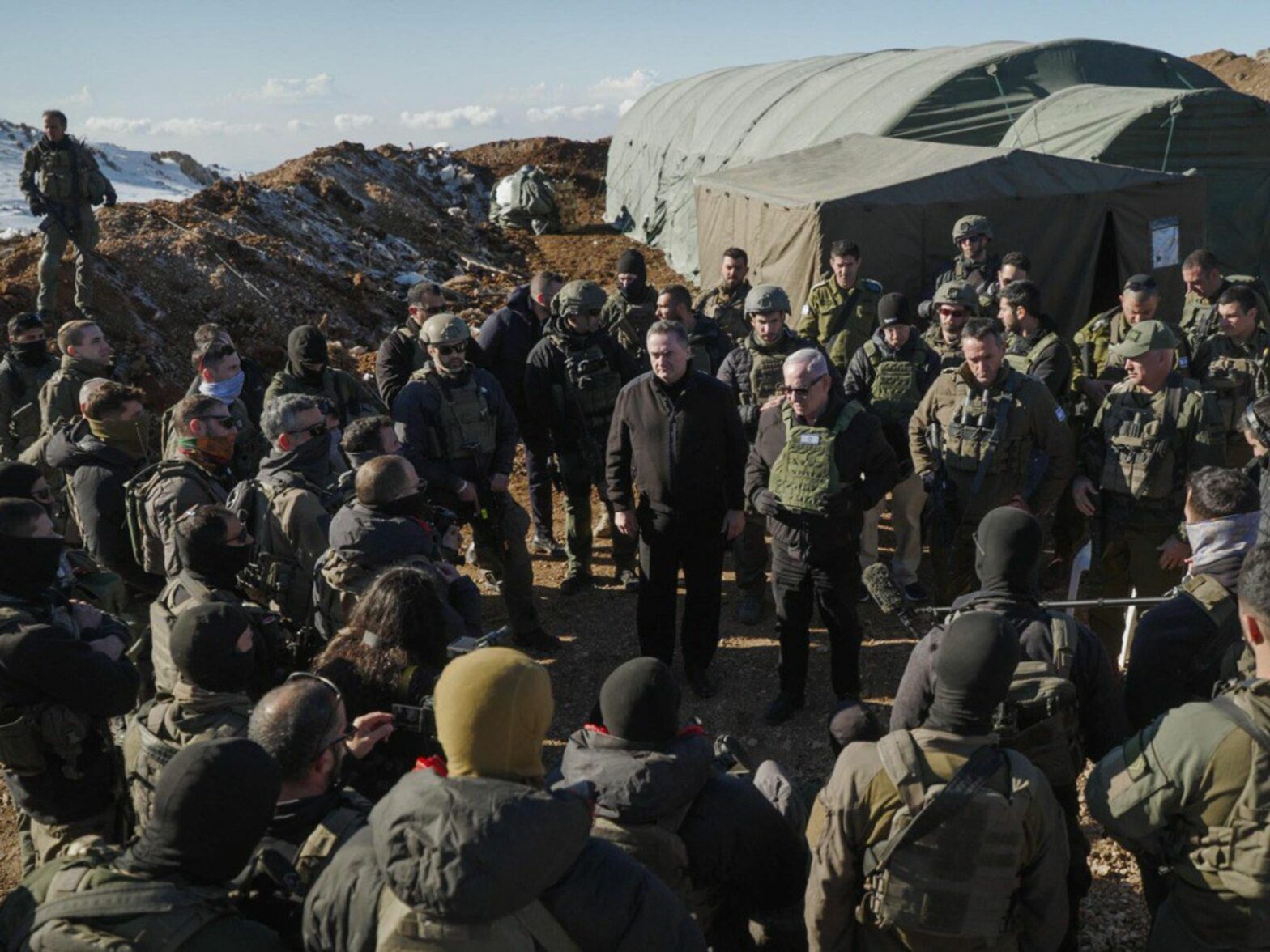
Replacing the dominant roles of Russia and Iran exerting influence over Syria, following the downfall of President Bashar al-Assad, Turkey and Israel are best positioned to divide up their respective roles on the territory of the shared neighbor.
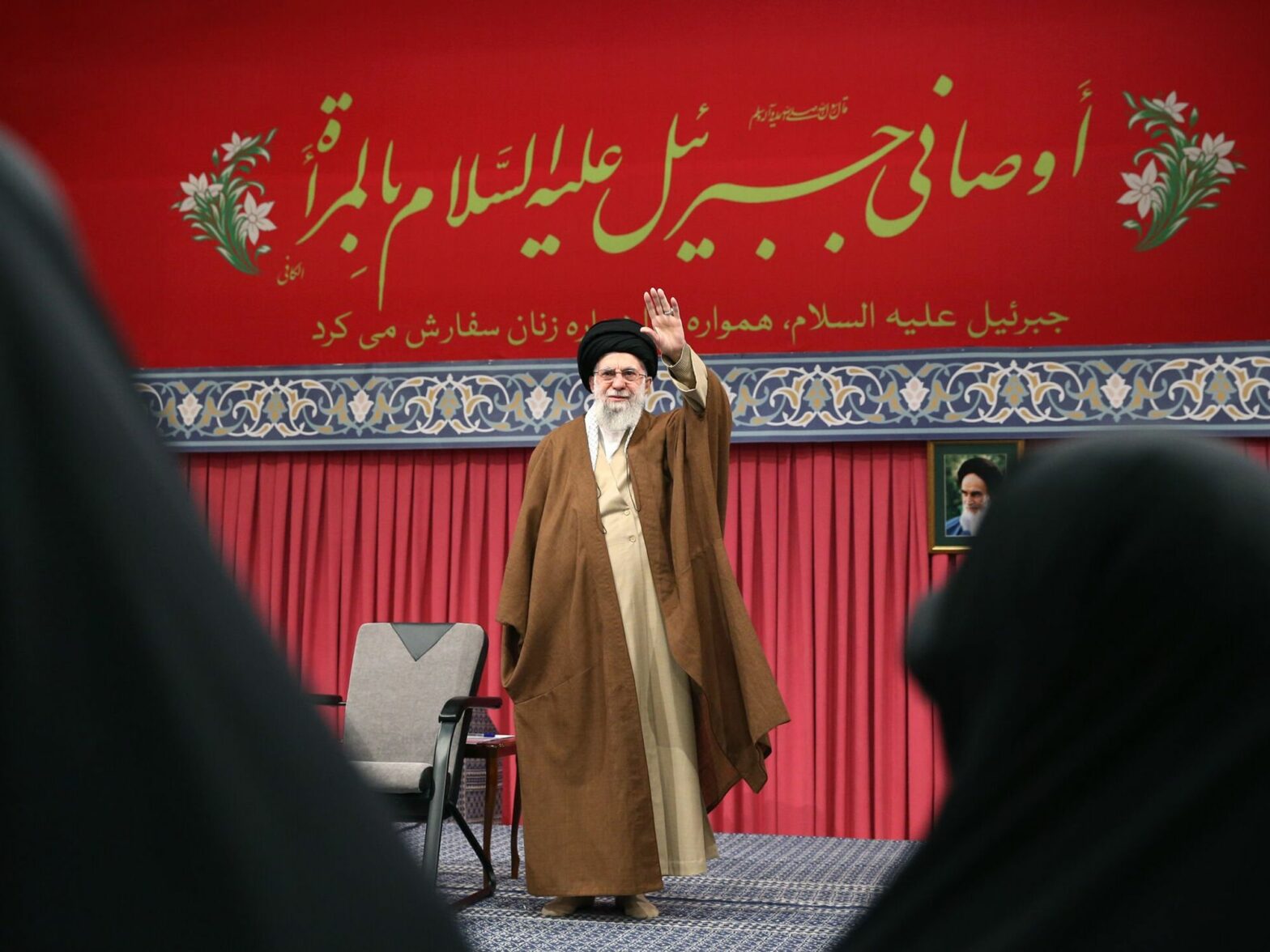
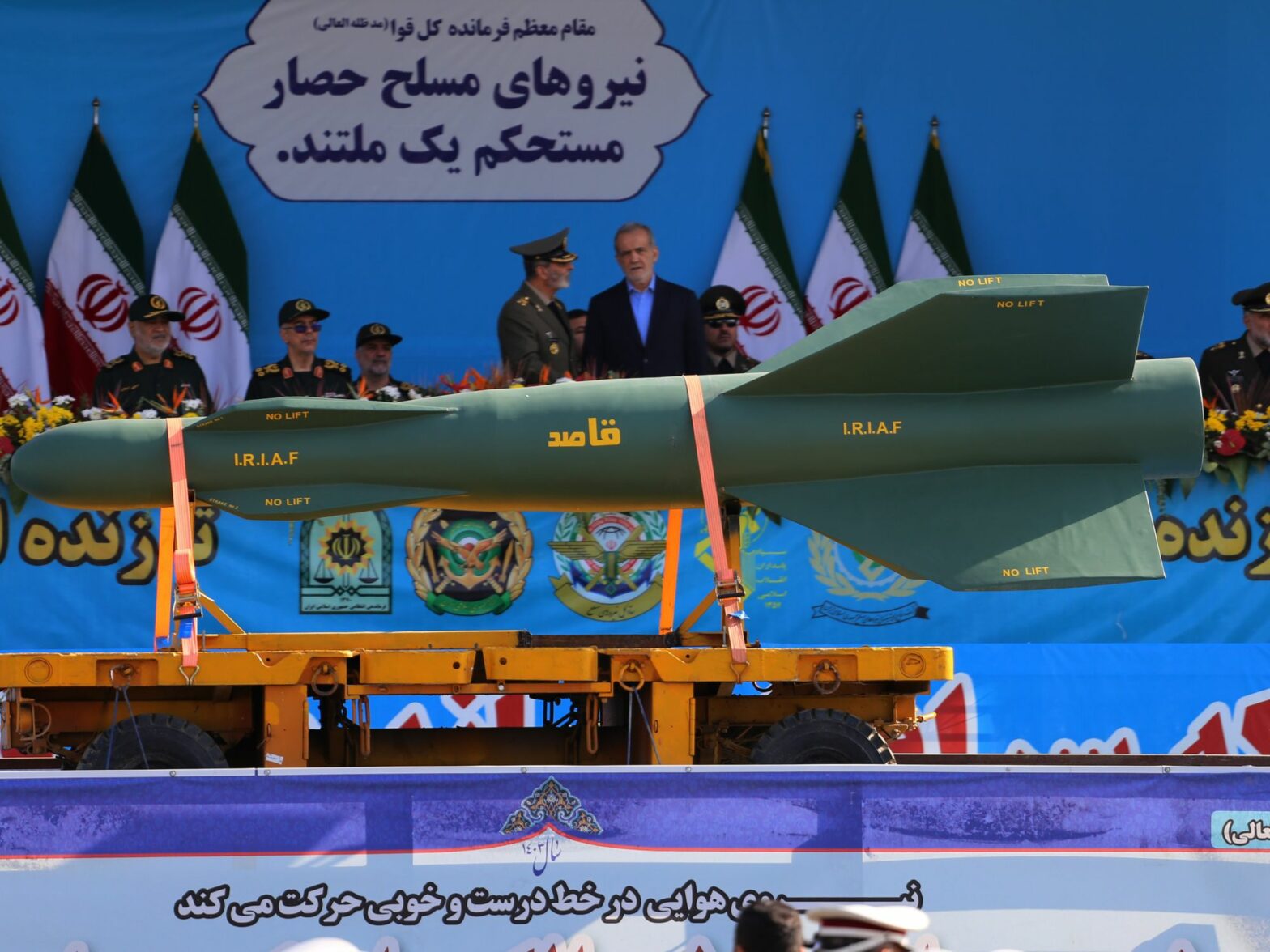
Israel’s decimation of Iran’s proxies in Gaza and Lebanon, and now events in Syria, have shown the Tehran regime is far weaker than it had wanted the world and its neighbors to believe. The Supreme Leader is now scrambling to rationalize it all, as the Islamic Republic clings to power.
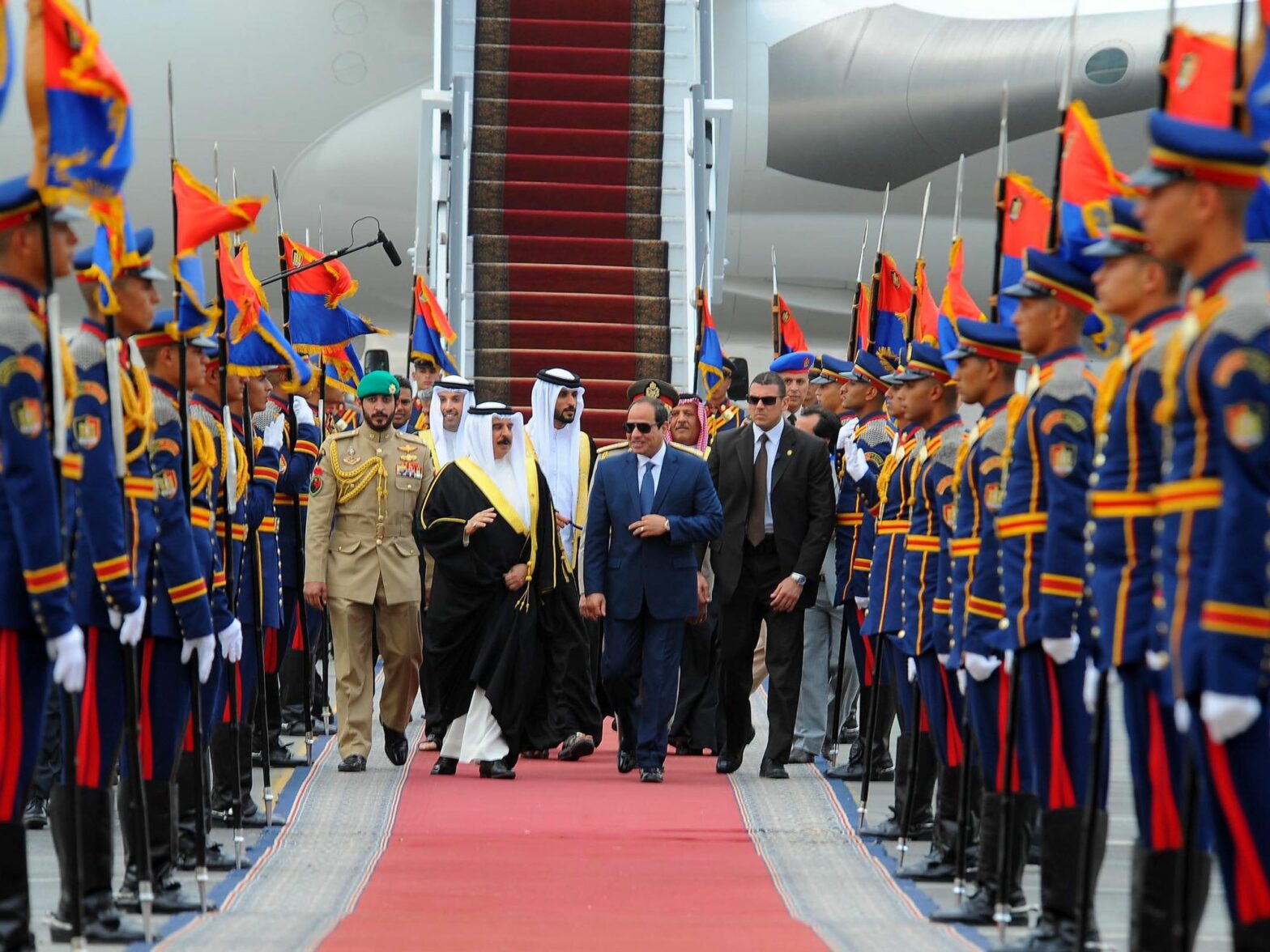
The Middle East needs a vision that emanates from the region itself, and includes clear reassurances to all parties.
Here, the opportunity appears for Egypt, which can play a vital role in helping neighboring countries shape this vision, after the Middle East that we knew since the Cold War has gone forever.
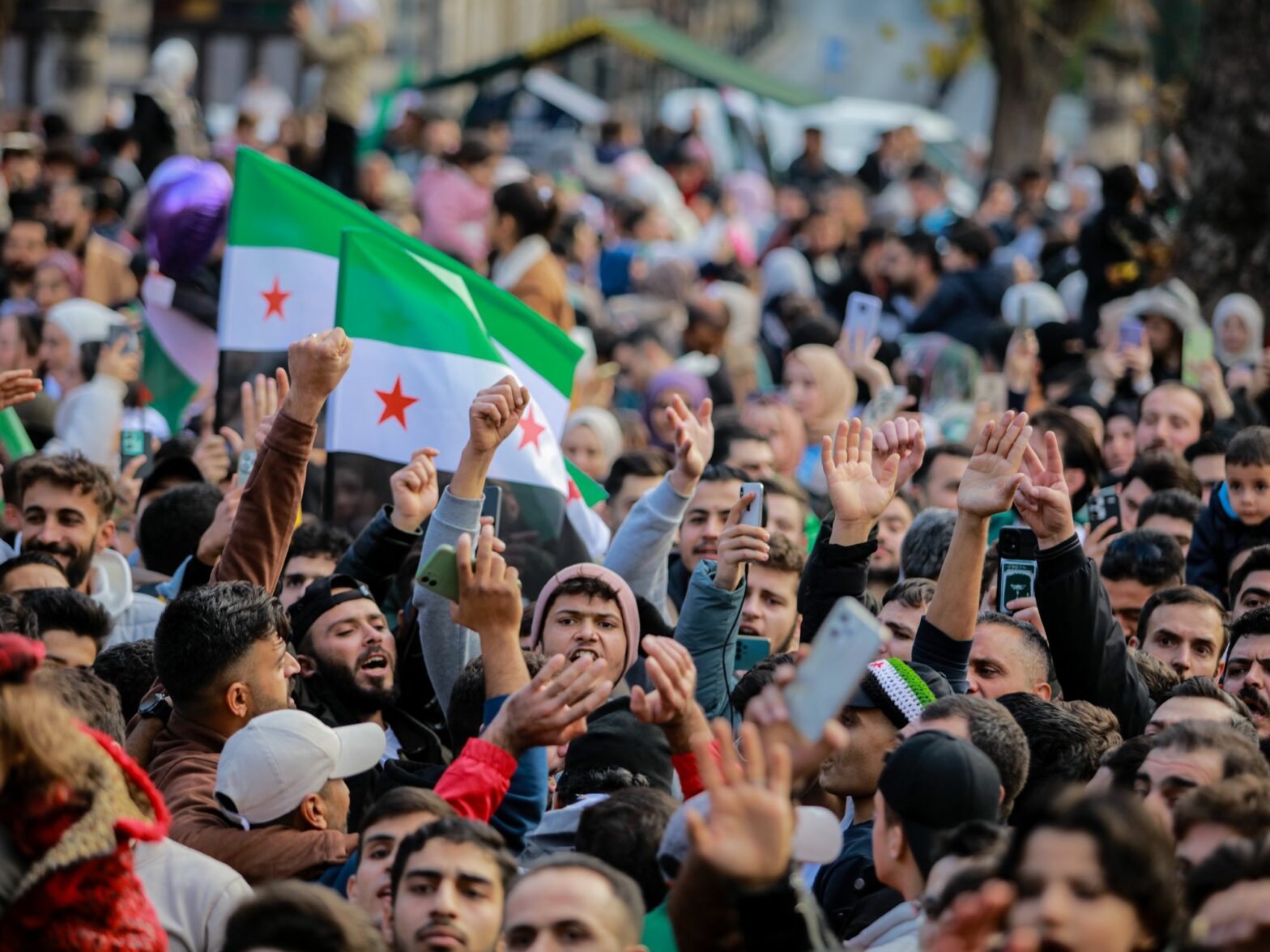
Following the successful toppling of the Syrian regime of Bashar Assad by rebels led by Islamist extremist group Hay’at Tahrir al-Sham (HTS), there should be much trepidation of just how the nation will be ruled in the coming transition of power.
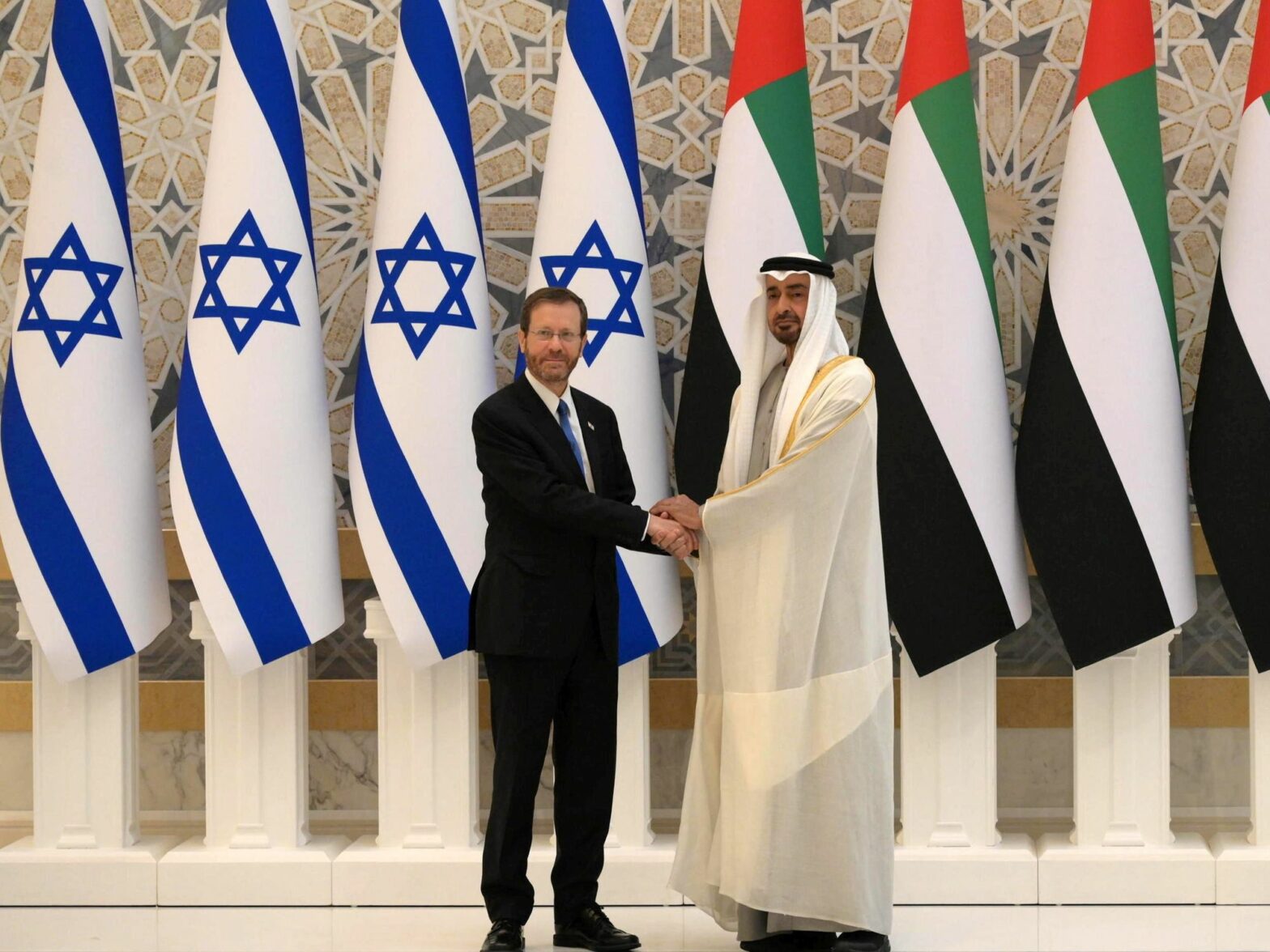
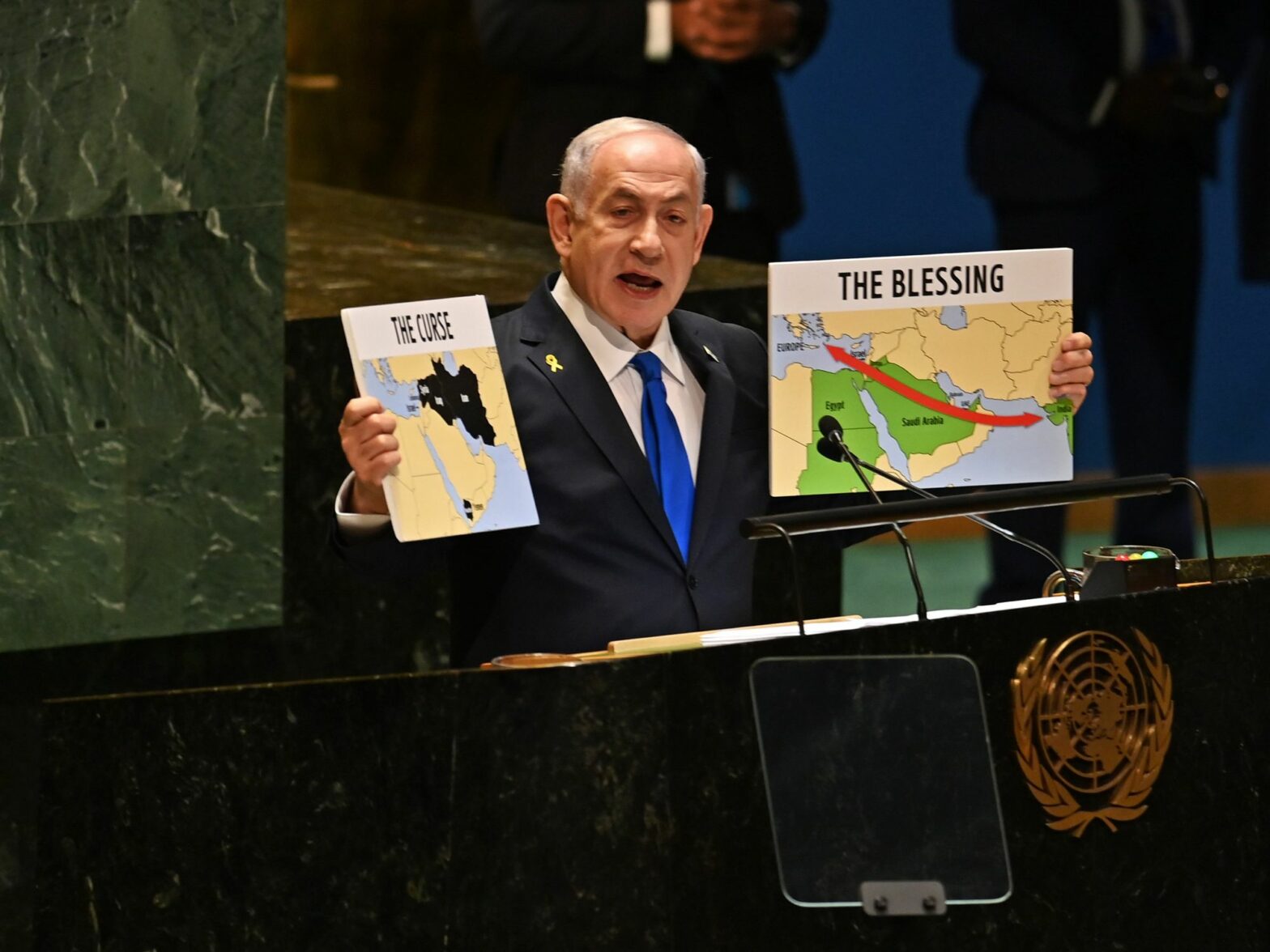
Israel and the West are seeking a stabilized Middle East to shorten the trading corridor with India and Asia. It’s a win-win situation for prosperous economies and the West, but what about Tehran’s truculent regime?
Israel’s aggression over the past few months, no matter how successful, is ultimately a sign of its weakness. Yet it is able to achieve its goals from the support it receives from a number of players inside and outside the region, whether they realize it or not. That even, paradoxically, includes Iran.

When Israel killed Hassan Nasrallah in an airstrike on a stronghold in Beirut, journalist Khaled Dawoud recalled his meeting with the head of Hezbollah more than two decades ago, and gauges how his death marks the end of an era of confrontation with Israel.
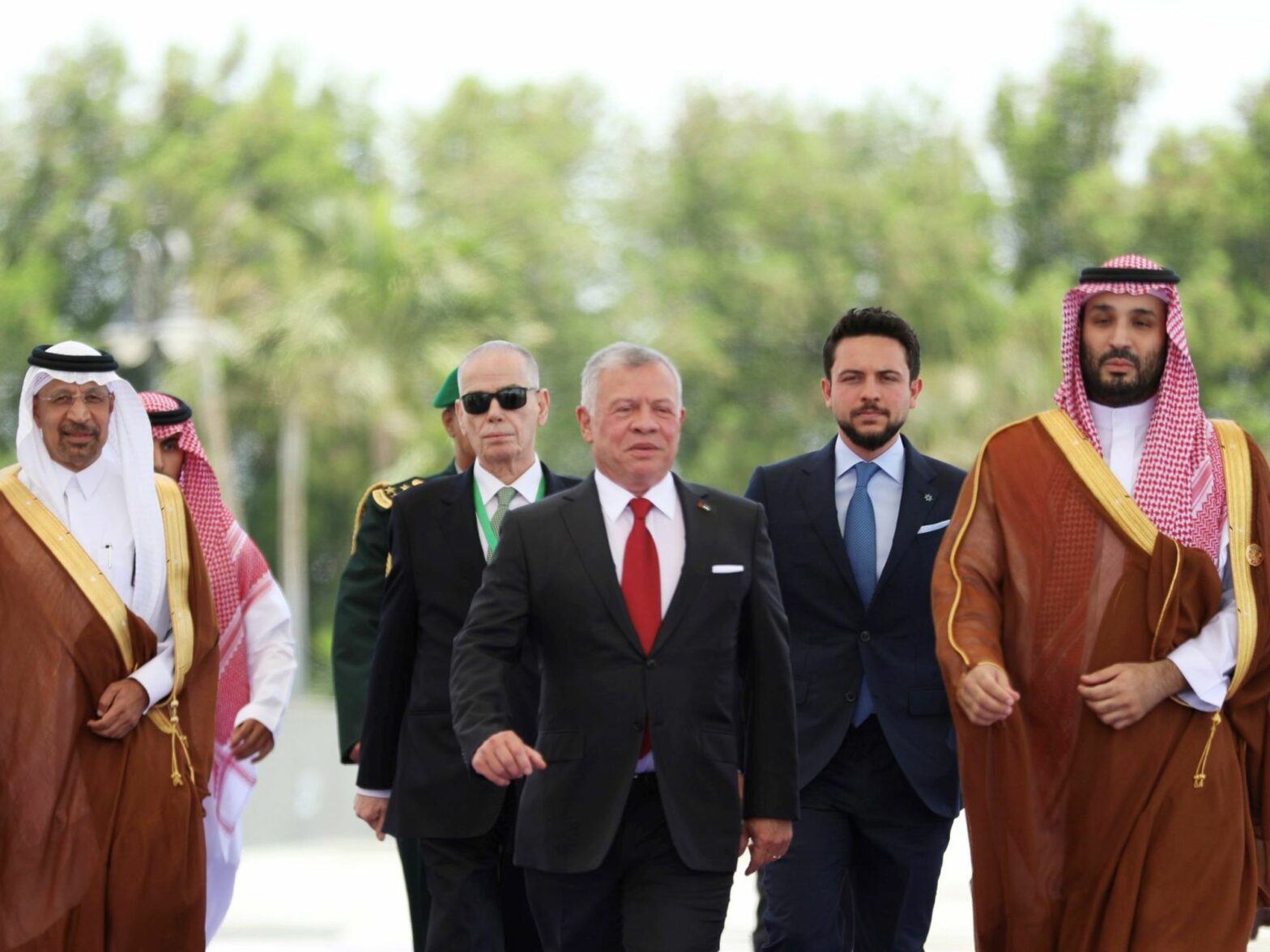
Arab countries remain largely missing in action as the region goes up in flames. Those that have recognized Israel are keeping a low profile, the Saudis are talking about a Palestinian state, but they are not averse to crushing the pro-Iranian forces and targeting Tehran. And yet a regional war would upset the current balance.
The defeat inflicted on Hezbollah and the weakening of the pro-Iranian axis has shifted the power balance toward Israel, which is continuing its offensive with a ground incursion into southern Lebanon, and dreams of building a “new Middle East.” But we’ve seen this playbook before.
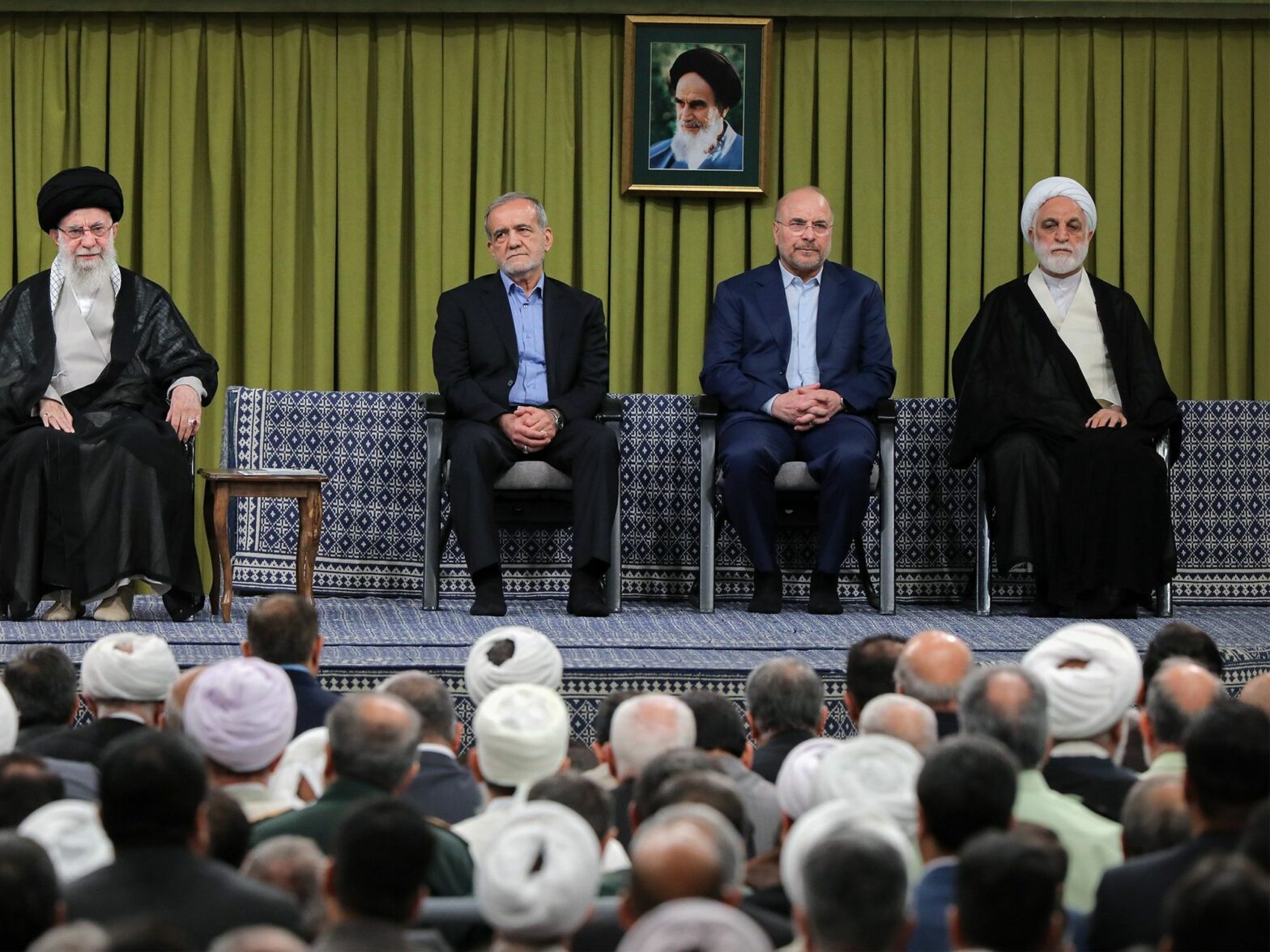
As the conflict rages on across the Israeli-Lebanese border, Iran, which is Hezbollah’s principal sponsor, appears to be doing all it can to avert a war spreading around the Middle East. It could wind up on Tehran’s doorstep.
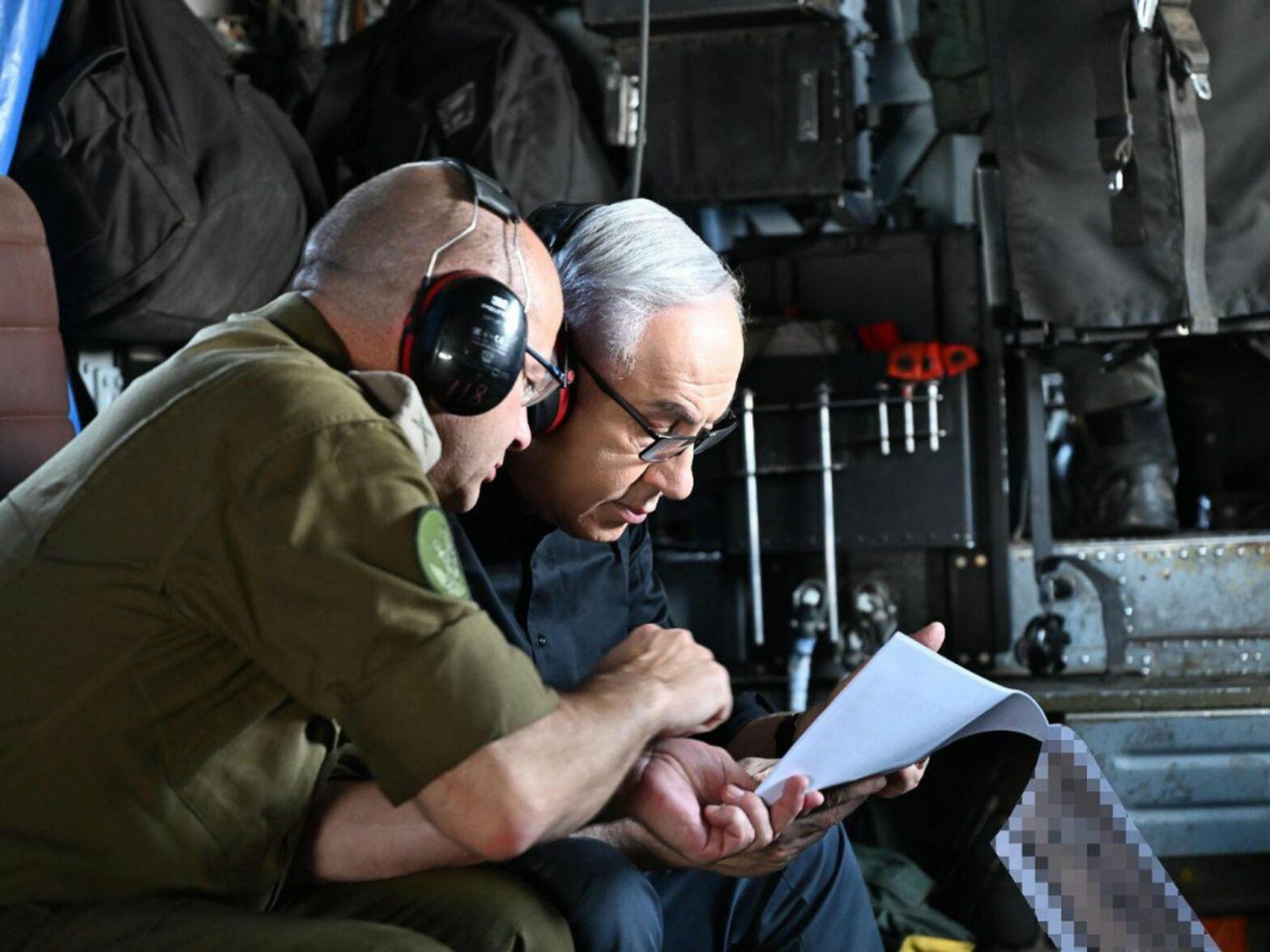
Logic suggests that continuing the fighting on the southern Lebanon front is no more than meeting Netanyahu halfway toward a full-scale war. It also suggests that disrupting this man’s mission requires finding ways to stop the war.
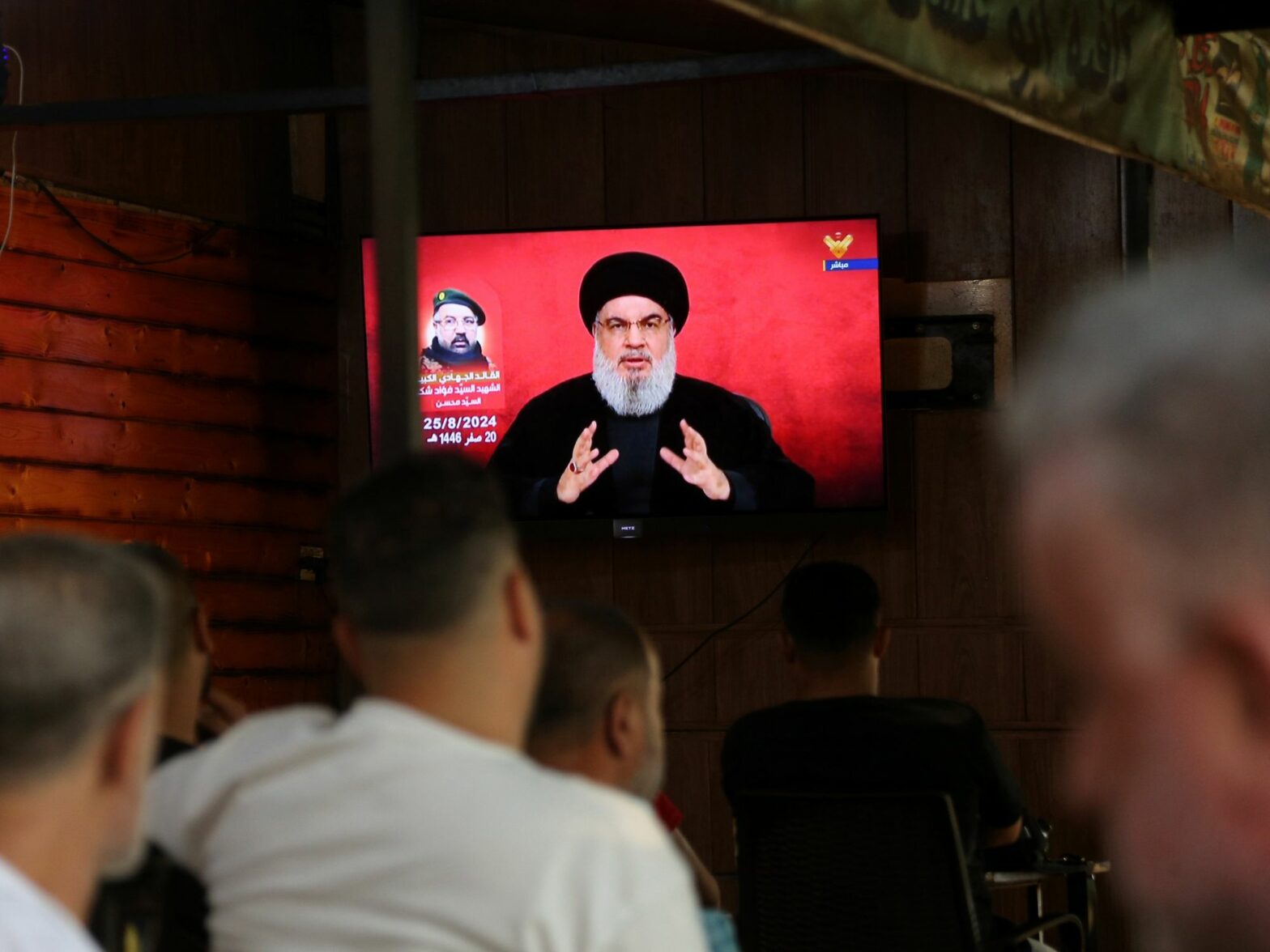
For two decades Hezbollah chief Hassan Nasrallah spoke about destroying Israel, but in recent speeches, he’s just demanding it pull out of Gaza. It’s one more sign that its patrons in Tehran have made a calculation to try to salvage a status quo in the region.
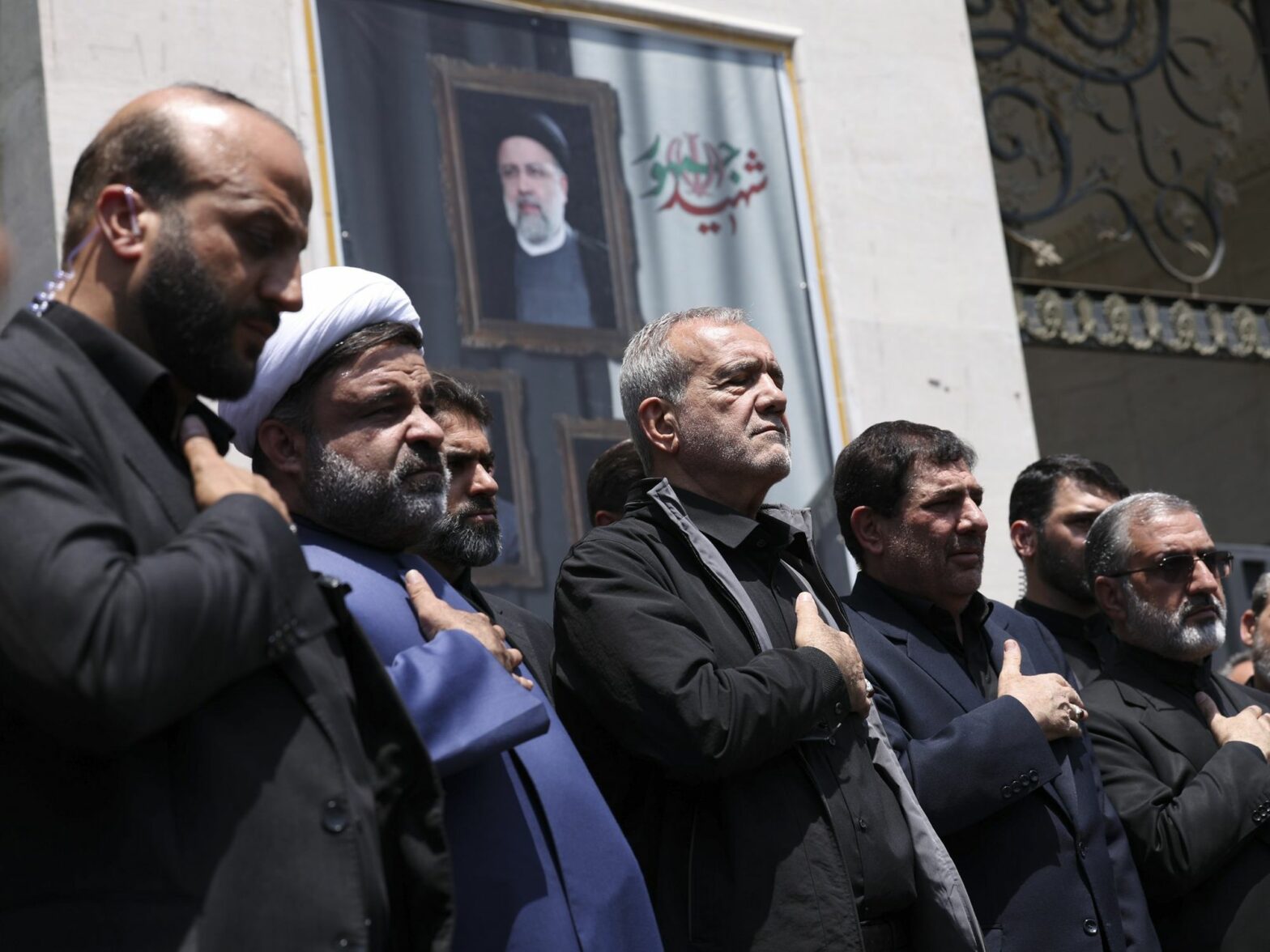
While the West is hoping president-elect Masoud Pezeshkian will lead to a détente even lukewarm entente with Iran, a closer look shows Tehran is not fundamentally changing its ways, and continuing to fan crises in across the Middle East.
Iran’s allies are attacking the West across the region. The Hamas massacre, attacks on U.S. troops and the Houthi targeting of ships are possibly just the beginning. The fact that the Middle East is so unstable today is due to a decision first made by the U.S. a generation ago.
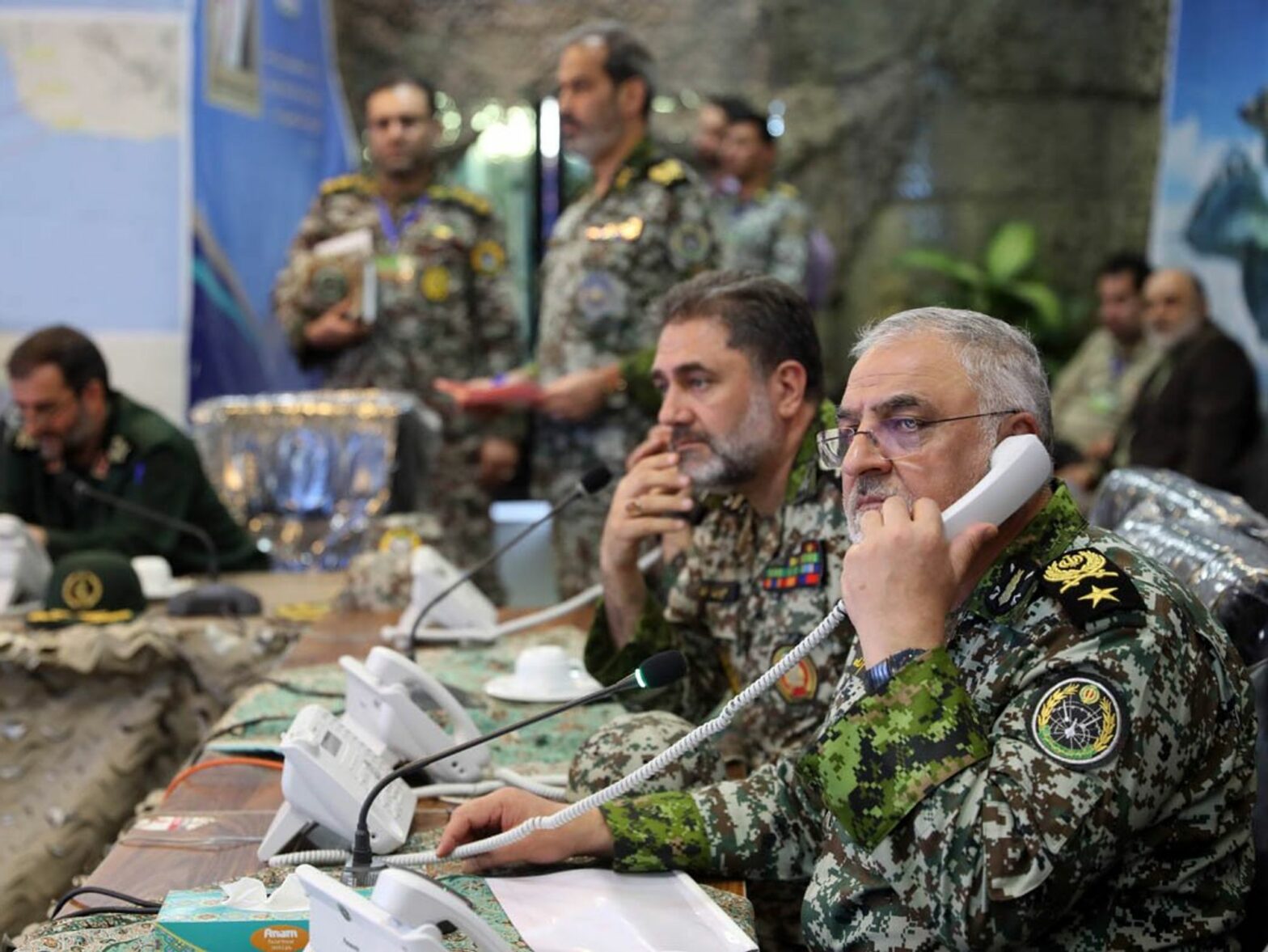
The death of three U.S. soldiers has raised the stakes in a low-simmering, but constant escalation between Washington and Tehran that could explode from the shadows of the war in Gaza — even if by pure accident.
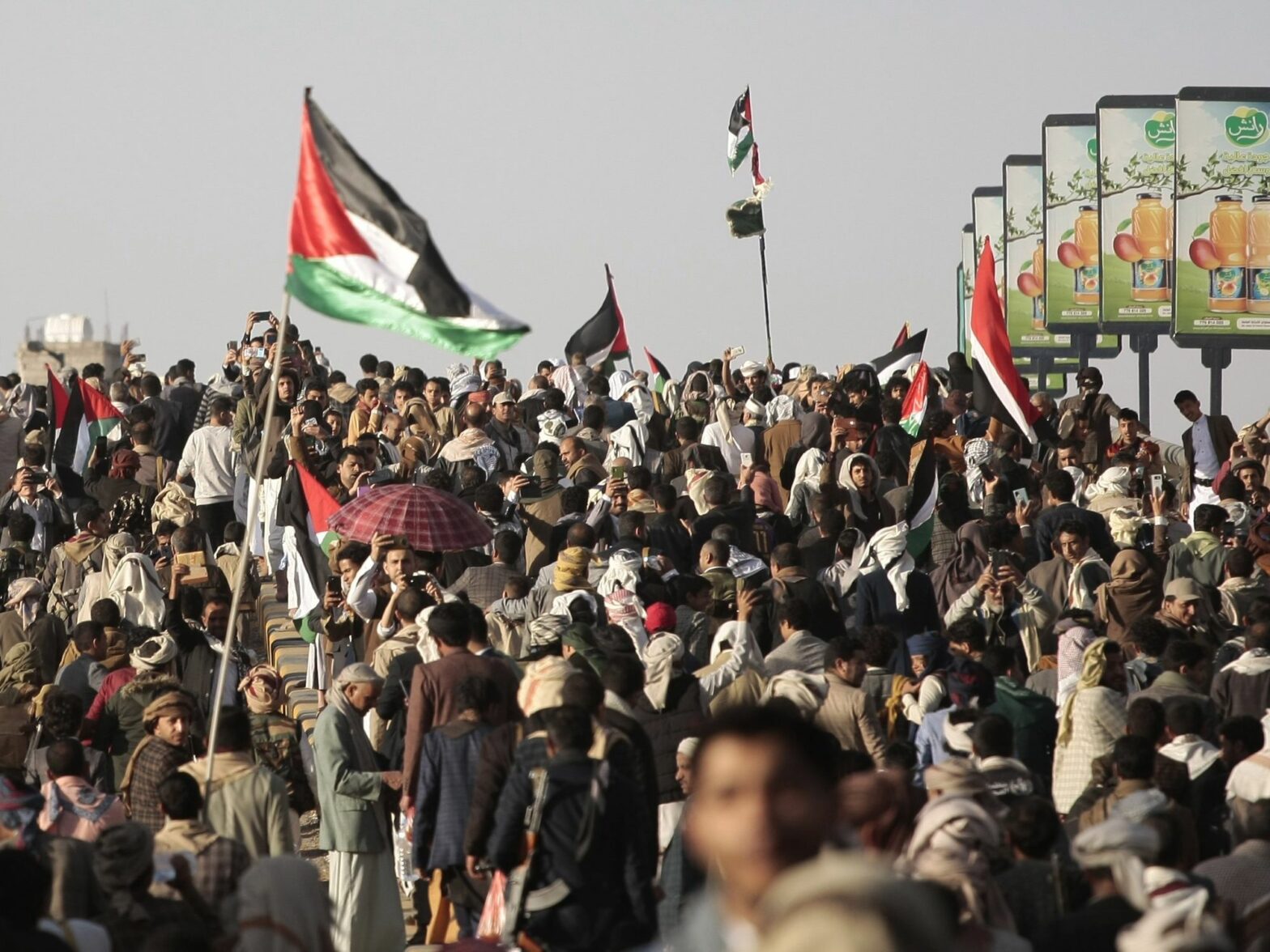
The Iranian-supported Houthi rebels in Yemen are now using the conflict in Gaza as a justification for widening its reach. But the direct clash with the U.S. and others in the Red Sea may take a nine-year-long war to a whole other level.
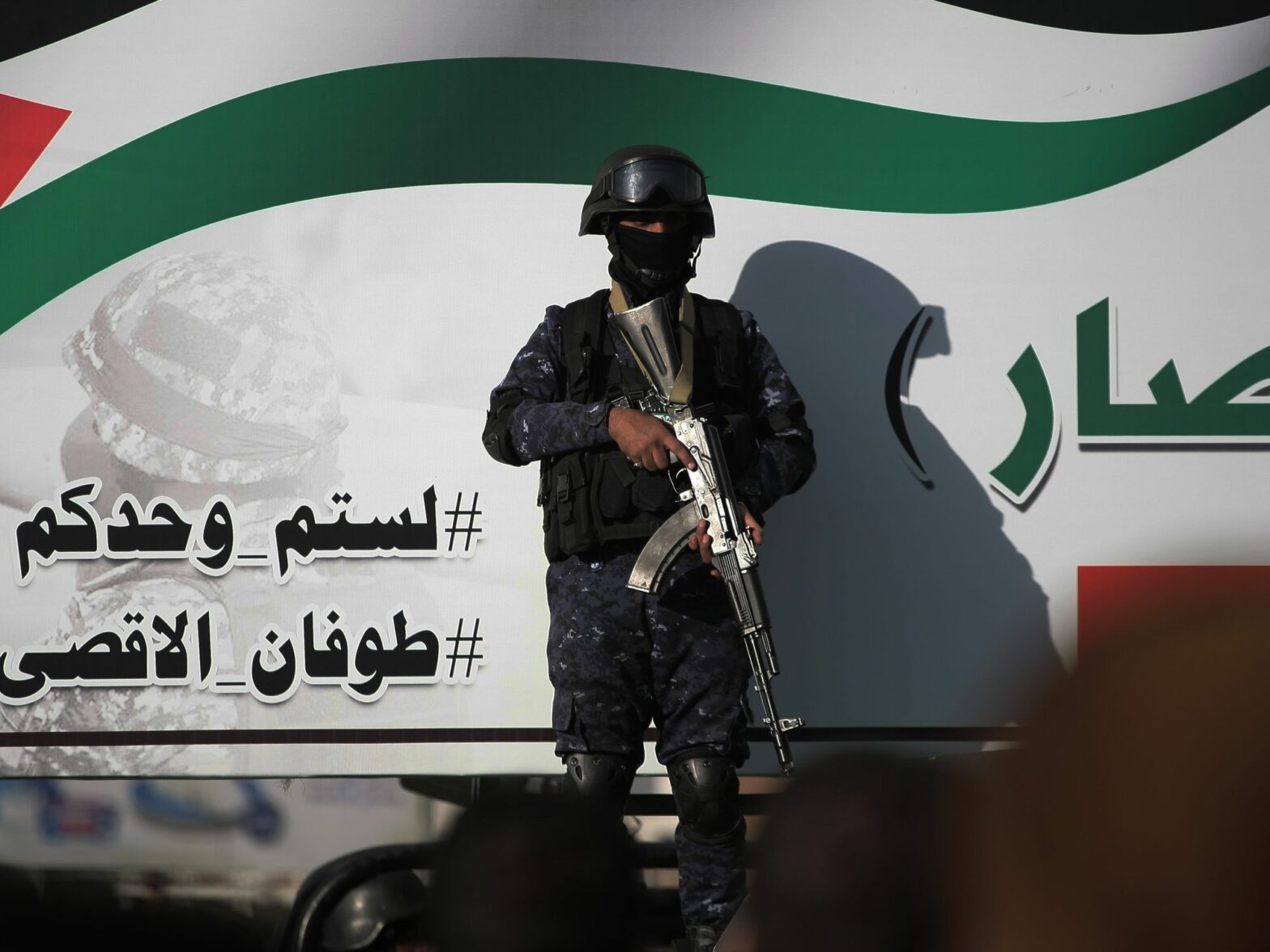
Iran’s revolutionary regime is believed to have aided Russia against Ukraine and goaded Hamas into attacking Israel. Could its insidious backing for Houthi attacks on Red Sea shipping finally end the West’s appeasement of a hooligan state.
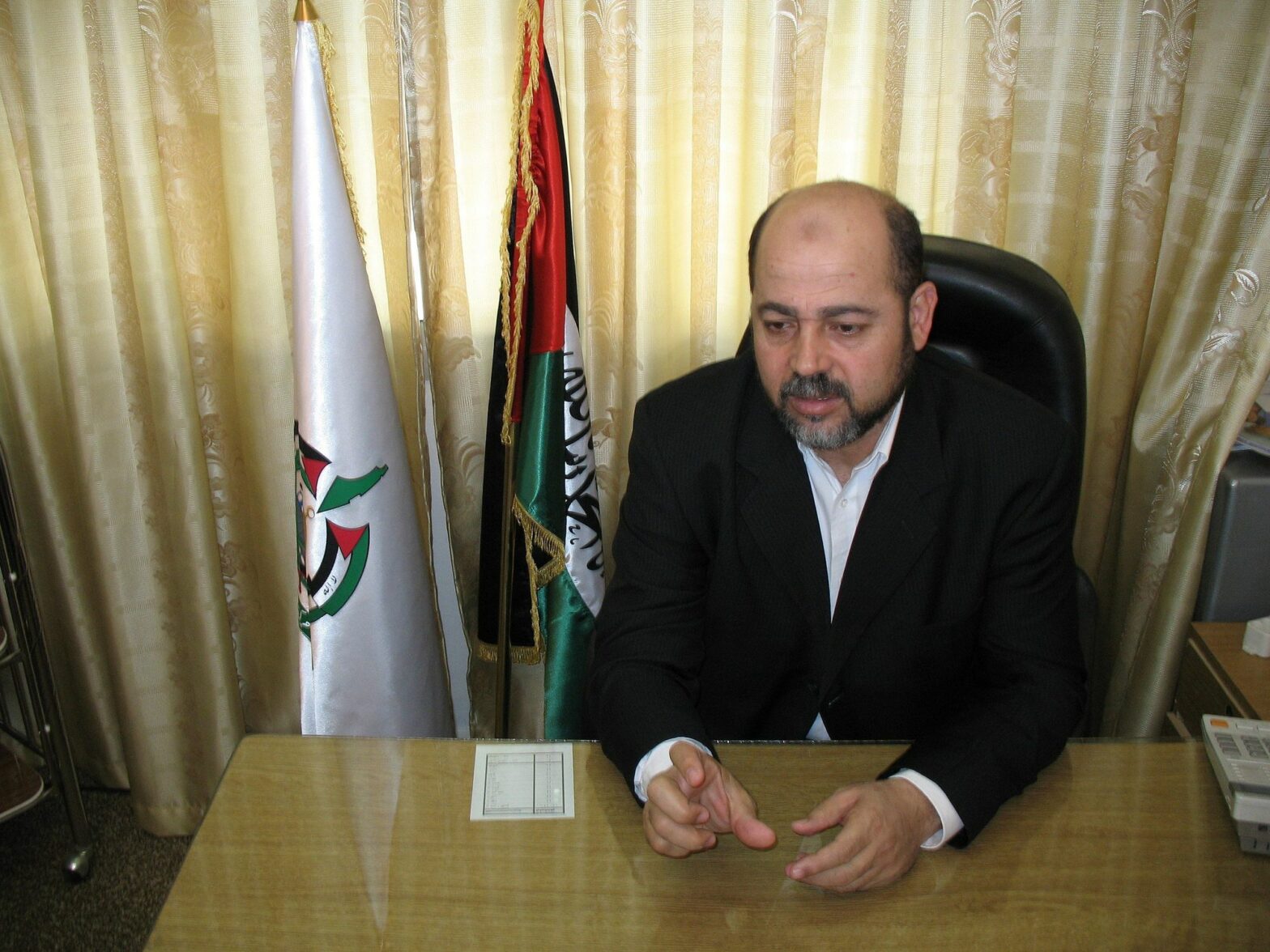
A Hamas delegation arrived in Russia, as Putin warns Israel that the war could spread beyond the Middle East.
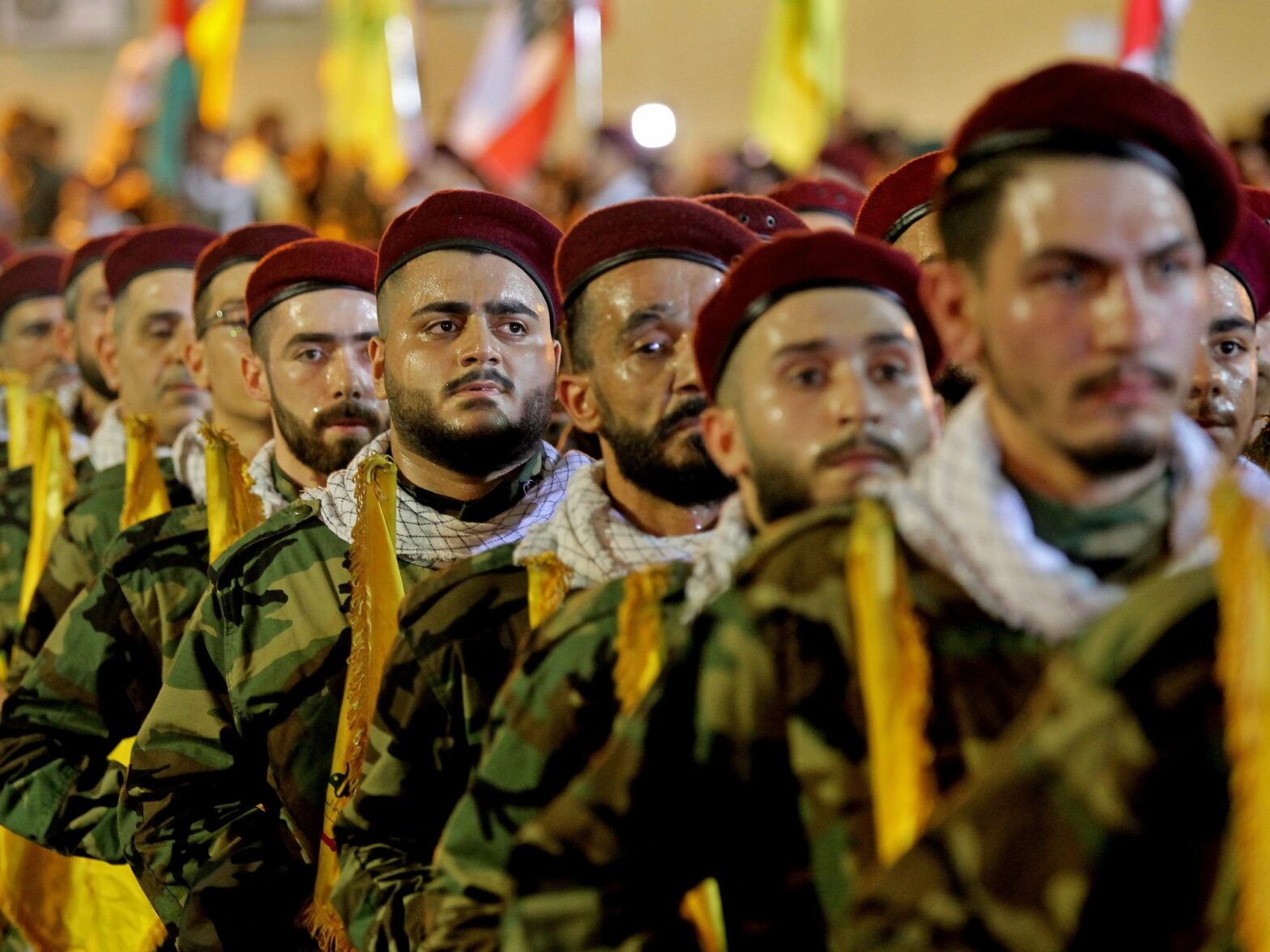
For decades now, the Islamic Republic of Iran has created, armed and trained paramilitary groups in several Middle Eastern states, all of which are believed to stand at the ready to strike Israel and Western targets at Tehran’s command.